
 visit site
Navigate your child’s cerebral palsy prognosis for a brighter future. Discover therapies, support networks, and more.
Understanding Cerebral Palsy Prognosis
When it comes to cerebral palsy, understanding the prognosis is essential for parents and caregivers. Prognosis refers to the expected outcome or outlook for a child with cerebral palsy. It is important to note that prognosis can vary greatly depending on individual factors and the type and severity of cerebral palsy.
What is Cerebral Palsy?
Cerebral palsy is a group of disorders that affect a person’s ability to move and maintain balance and posture. It is caused by damage to the developing brain, often during pregnancy or childbirth. The specific symptoms and functional limitations can differ from person to person and may range from mild to severe.
Cerebral palsy is classified into different types based on the movement problems it causes. These include spastic cerebral palsy, dyskinetic cerebral palsy, and ataxic cerebral palsy. Each type has its own distinct characteristics and prognosis.
Factors Influencing Prognosis
Several factors can influence the prognosis of a child with cerebral palsy. These factors include:
- Type and Severity of Cerebral Palsy: The specific type of cerebral palsy and its severity can have a significant impact on a child’s prognosis. For example, individuals with milder forms of cerebral palsy may have fewer movement limitations and better functional outcomes compared to those with more severe forms.
- Early Intervention and Treatment: Early intervention plays a crucial role in improving the prognosis for children with cerebral palsy. Access to appropriate therapies, treatments, and educational support can help minimize the impact of the condition and enhance a child’s physical and cognitive development.
- Individual Factors: Each child is unique, and individual factors such as overall health, cognitive abilities, and motivation can influence their prognosis. Additionally, the presence of other medical conditions or disabilities can impact the overall outlook.
- Support Systems and Resources: The availability of support systems, resources, and access to specialized healthcare can also play a role in determining the prognosis for a child with cerebral palsy. Supportive environments, including school accommodations and assistive technology, can greatly enhance a child’s quality of life and functional outcomes.
It’s important to remember that while prognosis can provide an idea of what to expect, it cannot predict the exact trajectory of a child’s development. With early diagnosis, appropriate interventions, and a supportive network, children with cerebral palsy can achieve significant milestones and lead fulfilling lives.
Early Diagnosis and Intervention
When it comes to cerebral palsy, early diagnosis and intervention play a crucial role in determining the long-term prognosis for a child. Identifying cerebral palsy at an early stage allows for timely interventions that can positively impact a child’s development and quality of life. In this section, we will explore the importance of early diagnosis and discuss some early intervention strategies.
Importance of Early Diagnosis
Lastly, early diagnosis helps set realistic expectations and allows for proper planning for the child’s future. It allows parents and caregivers to anticipate potential challenges, seek appropriate educational accommodations, and make necessary modifications to the child’s environment to facilitate optimal growth and development.
Early Intervention Strategies
Early intervention is a critical component of managing cerebral palsy and optimizing a child’s prognosis. The following strategies are commonly employed in early intervention programs:
1. Physical Therapy: Physical therapy focuses on improving muscle strength, coordination, balance, and mobility. Therapists use exercises, stretches, and specialized techniques to enhance motor skills and promote independence in daily activities.
2. Occupational Therapy: Occupational therapy aims to enhance a child’s ability to perform activities of daily living, such as dressing, eating, and grooming. Therapists work on fine motor skills, sensory integration, and adaptive techniques to promote independence and enhance overall functioning.
3. Speech Therapy: Speech therapy addresses communication difficulties that may arise due to cerebral palsy. Therapists use techniques to improve speech clarity, language skills, and swallowing abilities. Augmentative and alternative communication (AAC) devices may be recommended when oral communication is challenging.
4. Assistive Devices and Technology: Assistive devices and technology can greatly assist children with cerebral palsy in their daily lives. These may include mobility aids like walkers or wheelchairs, communication devices, specialized computer software, and adaptive equipment to facilitate independence and participation.
5. Parent and Caregiver Education and Support: Early intervention programs often provide education and support to parents and caregivers. This includes guidance on managing daily care, understanding the child’s needs, accessing community resources, and coping with the emotional aspects of raising a child with cerebral palsy.
By emphasizing the importance of early diagnosis and implementing early intervention strategies, parents and healthcare professionals can work together to optimize a child’s development and enhance their overall prognosis. The earlier the diagnosis and intervention, the greater the potential for positive outcomes and improved quality of life for children with cerebral palsy.
Types of Cerebral Palsy and Their Prognosis
Cerebral palsy is a complex condition that can manifest in different ways. The type of cerebral palsy a child has can impact their prognosis and long-term outlook. Here, we will explore three common types of cerebral palsy: spastic cerebral palsy, dyskinetic cerebral palsy, and ataxic cerebral palsy.
Spastic Cerebral Palsy
Spastic cerebral palsy is the most common type, accounting for approximately 70-80% of all cases. It is characterized by increased muscle tone, resulting in stiffness and difficulty with movement. The severity of symptoms can vary widely, ranging from mild muscle tightness to more pronounced limitations in mobility.
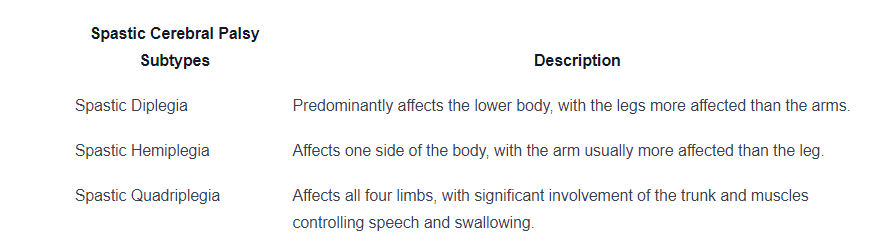
Prognosis for spastic cerebral palsy depends on various factors, including the overall severity of symptoms, access to early intervention therapies, and individual response to treatment. With appropriate interventions and support, individuals with spastic cerebral palsy can achieve significant improvements in their motor skills and quality of life.
Dyskinetic Cerebral Palsy
Dyskinetic cerebral palsy is characterized by involuntary and uncontrolled movements, which can be slow and writhing or rapid and jerky. These movements often affect the face, trunk, and limbs, making it challenging for individuals to control their posture and coordination.
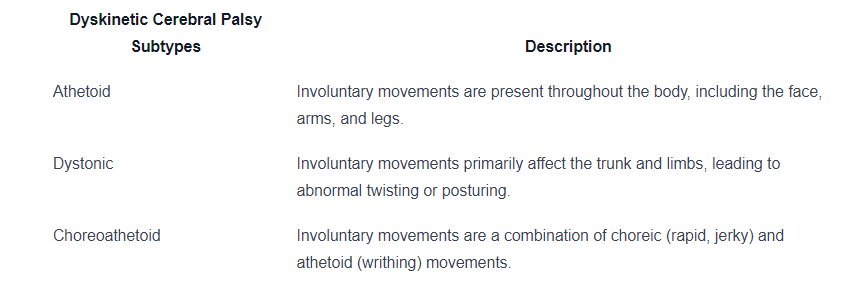
The prognosis for dyskinetic cerebral palsy can vary significantly depending on the severity of symptoms and the individual’s ability to control their movements. With appropriate therapies and assistive devices, individuals with dyskinetic cerebral palsy can improve their motor control and enhance their daily functioning.
Ataxic Cerebral Palsy
Ataxic cerebral palsy is the least common type, accounting for approximately 5-10% of cases. It primarily affects balance, coordination, and depth perception. Individuals with ataxic cerebral palsy often have difficulties with precise movements, such as reaching for objects or performing tasks that require fine motor skills.
Prognosis for ataxic cerebral palsy varies among individuals, but with early diagnosis and targeted interventions, individuals can learn compensatory strategies and improve their motor coordination. Physical and occupational therapies play a crucial role in enhancing balance, coordination, and functional independence.
Understanding the different types of cerebral palsy and their associated prognosis can help parents and caregivers tailor interventions and support to meet the unique needs of individuals with cerebral palsy. It is important to remember that each person’s journey is unique, and with the right resources and support, individuals with cerebral palsy can lead fulfilling and meaningful lives.
Managing Cerebral Palsy
When it comes to managingTherapies and Treatments
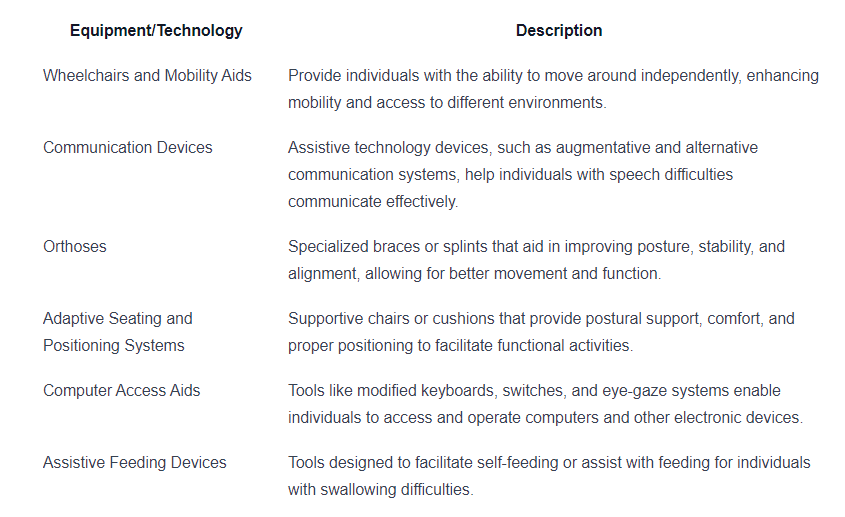
Therapies play a crucial role in managing cerebral palsy by addressing specific challenges and promoting optimal development. The following table provides an overview of some common therapies and treatments used in the management of cerebral palsy: It’s important to note that the specific therapies and treatments recommended will vary depending on the individual’s needs and the severity of their cerebral palsy. A comprehensive treatment plan, tailored to each child, should be developed in collaboration with healthcare professionals and therapists. Adaptive equipment and technology play a significant role in maximizing independence and improving functional abilities for individuals with cerebral palsy. These tools are designed to address specific challenges and promote participation in various activities. The following table provides examples of adaptive equipment and technology commonly used: The selection of adaptive equipment and technology should be based on the individual’s specific needs and goals. Occupational therapists and other specialists can help determine the most suitable options and provide guidance on their effective use. By implementing a comprehensive approach that includes therapies, treatments, as well as adaptive equipment and technology, individuals with cerebral palsy can improve their functional abilities, independence, and overall quality of life. It’s important to work closely with healthcare professionals and therapists to create a personalized management plan that addresses the unique needs and goals of each individual. As children with cerebral palsy transition into adulthood, understanding the long-term outlook and ensuring a good quality of life becomes a priority. In this section, we will explore the challenges faced during this transition and the support systems and resources available to enhance the prognosis. The transition from adolescence to adulthood can be a significant milestone for individuals with cerebral palsy. It is essential to address the specific needs and challenges during this period to ensure a smooth transition. Some key aspects to consider include: Various support systems and resources are available to help enhance the long-term outlook and quality of life for individuals with cerebral palsy. These include: It is important for caregivers and families to actively seek out these support systems and resources to ensure that individuals with cerebral palsy have the necessary tools and support to lead fulfilling lives as they transition into adulthood. By advocating for their needs and utilizing available resources, individuals with cerebral palsy can achieve their potential and live a meaningful life. When it comes to managing cerebral palsy, caregivers play a vital role in enhancing their child’s prognosis and improving their overall quality of life. By advocating for their child and building a strong support network, caregivers can make a significant impact on their child’s journey. Advocacy is a crucial aspect of caring for a child with cerebral palsy. As a caregiver, it’s important to be your child’s voice and ensure that their needs are met. Here are some key steps to effective advocacy: Building a strong support network is essential for both the child and the caregiver. Here are some strategies to consider: By advocating for your child and building a robust support network, you can enhance their prognosis and create a nurturing environment for their growth and development. Remember, you are not alone in this journey, and there are numerous resources available to support you and your child every step of the way. https://www.cerebralpalsyguide.com/cerebral-palsy/prognosis/life-expectancy/ https://www.healthline.com/health/cerebral-palsy https://my.clevelandclinic.org/health/diseases/8717-cerebral-palsy 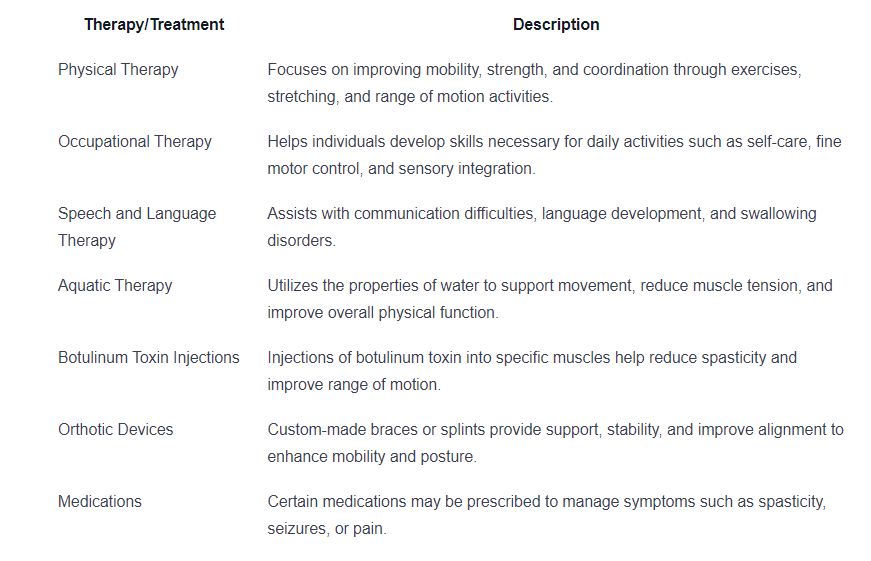
Adaptive Equipment and Technology

Long-Term Outlook and Quality of Life
Transitioning into Adulthood
Support Systems and Resources
Caregiver’s Role in Enhancing Prognosis
Advocating for Your Child
Building a Support Network
Sources
Leave a Reply