
Author: abf9372f_admin

  • Can You Live A Long Life With A Tracheostomy?

    Can You Live A Long Life With A Tracheostomy?

    Discover the possibilities of a long, fulfilling life with a tracheostomy. Overcome challenges and thrive against all odds.

    __wf_reserved_inherit

    Understanding Tracheostomy

    For individuals facing respiratory challenges, a tracheostomy can be a life-saving procedure that provides a new way to breathe. Understanding what a tracheostomy is, the reasons for its necessity, and how it impacts daily life is essential for individuals and their caregivers.

    What is a Tracheostomy?

    A tracheostomy is a surgical procedure that involves creating an opening in the front of the neck and inserting a tube directly into the trachea, or windpipe. This tube, called a tracheostomy tube, allows for the passage of air to and from the lungs, bypassing the nose and mouth.

    The tracheostomy tube is typically made of medical-grade materials and is designed to stay securely in place. It may have an inner cannula that can be removed for cleaning. The tube is connected to a ventilator or a breathing device to assist with breathing.

    Reasons for a Tracheostomy

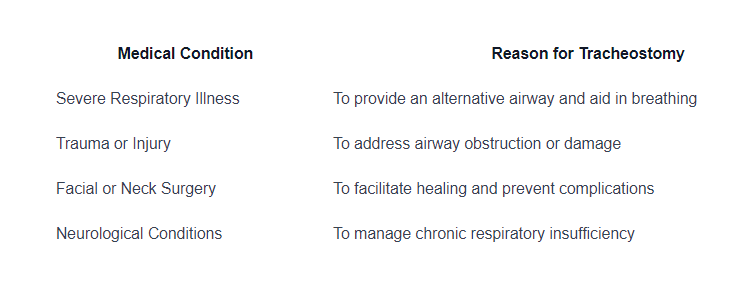
    Tracheostomies are performed for a variety of medical reasons. Some common indications include:
    __wf_reserved_inherit

    Each individual’s situation is unique, and the decision to perform a tracheostomy is made by healthcare professionals based on the specific needs and condition of the patient.

    Living with a Tracheostomy

    Living with a tracheostomy involves learning new skills to manage the tracheostomy tube and ensure its cleanliness. It also involves understanding how to handle any potential complications, such as infection or blockage, and knowing when to seek medical assistance.

    It is important for individuals with a tracheostomy to have a support system in place, which may include healthcare professionals, family, friends, and support groups. These support networks can provide valuable guidance, emotional support, and resources to help individuals navigate the challenges and uncertainties that may arise.

    By understanding what a tracheostomy is, the reasons for its necessity, and the adjustments required to live with one, individuals and their caregivers can better adapt to this new way of life and thrive in the face of adversity.

    Longevity with a Tracheostomy

    Living with a tracheostomy may pose unique challenges, but it does not necessarily limit one’s lifespan. With proper care and support, individuals with a tracheostomy can live long and fulfilling lives. In this section, we will explore the question of whether one can live a long life with a tracheostomy and discuss the factors that can affect longevity.

    Can You Live a Long Life with a Tracheostomy?

    The presence of a tracheostomy does not automatically determine the length of a person’s life. Many individuals with a tracheostomy live well into their golden years, defying the odds and enjoying a high quality of life. The key to longevity lies in proper tracheostomy care, regular medical monitoring, and a holistic approach to overall health and well-being.

    While each person’s experience may be unique, it is important to remember that a tracheostomy does not define a person’s life expectancy. With the right support system, adaptive strategies, and medical care, individuals with a tracheostomy can thrive and lead fulfilling lives.

    Factors Affecting Longevity

    Several factors can influence the longevity of individuals with a tracheostomy. These factors include:

    Underlying Health Conditions

    The presence of underlying health conditions can impact life expectancy. Individuals with chronic respiratory conditions, neurological disorders, or other significant health issues may face additional challenges and require more comprehensive medical care.

    Tracheostomy Care and Management

    Proper care and management of the tracheostomy are essential for maintaining respiratory health and overall well-being. Regular cleaning of the tracheostomy tube, diligent monitoring for any signs of infection or complications, and adherence to medical recommendations can contribute to a longer and healthier life.

    Support Network

    Having a strong support network is crucial for individuals with a tracheostomy. Emotional support from family, friends, and healthcare professionals can positively impact mental health and overall quality of life. Access to support groups and resources can provide valuable information, guidance, and a sense of community.

    Lifestyle Choices

    Lifestyle choices, such as maintaining a healthy diet, engaging in regular exercise (as appropriate for individual abilities), avoiding smoking and excessive alcohol consumption, and following recommended medical advice, can play a significant role in promoting longevity.

    It is important to remember that each individual’s situation is unique, and multiple factors can influence life expectancy. The involvement of healthcare professionals, including pulmonologists, respiratory therapists, and other specialists, can provide tailored guidance and support to optimize respiratory health and overall well-being.

    By addressing the factors that impact longevity with a tracheostomy and adopting a proactive approach to care, individuals can increase their chances of living a long and fulfilling life.

    __wf_reserved_inherit

    Health and Well-being

    Living with a tracheostomy requires adjustments and a focus on maintaining overall health and well-being. Managing daily life with a tracheostomy involves addressing practical considerations and ensuring emotional and mental health support.

    Managing Daily Life with a Tracheostomy

    Successfully managing daily life with a tracheostomy involves incorporating certain practices into your routine. These practices include:

    1. Hygiene and Care: Proper hygiene and care of the tracheostomy site and equipment are essential to prevent infections. Regular cleaning and maintenance of the tracheostomy tube, along with frequent changing of the inner cannula, are crucial steps in maintaining a healthy tracheostomy site.
    2. Breathing and Oxygenation: Depending on your specific needs, you may require supplemental oxygen or respiratory therapy. It’s important to work closely with your healthcare team to ensure adequate oxygenation and to monitor your respiratory health.
    3. Communication: Communication can be challenging for individuals with a tracheostomy due to limited vocalization. Alternative communication methods, such as writing, using a communication board, or utilizing assistive devices, can help maintain effective communication with others.
    4. Mobility and Safety: Ensuring mobility and safety is essential for maintaining an active and independent lifestyle. Depending on individual circumstances, modifications may be needed to accommodate the tracheostomy tube during activities and to ensure safety at home and in public spaces.

    Emotional and Mental Health Support

    Living with a tracheostomy can have a significant impact on emotional and mental well-being. It’s important to seek support and create a support network to address any emotional challenges that may arise. Some key aspects to consider include:

    1. Counseling and Therapy: Engaging in counseling or therapy sessions can provide a safe space to express emotions, cope with challenges, and develop strategies for managing the psychological impact of living with a tracheostomy.
    2. Support Groups: Joining support groups, either in-person or online, can connect you with individuals who share similar experiences. Sharing stories, seeking advice, and receiving support from others living with a tracheostomy can be invaluable for emotional well-being.
    3. Family and Friend Support: Open communication and the support of loved ones can play a vital role in emotional well-being. Educating family and friends about your tracheostomy and its impact can foster understanding, empathy, and a supportive environment.
    4. Self-Care: Prioritizing self-care activities, such as engaging in hobbies, practicing relaxation techniques, and maintaining a healthy lifestyle, can contribute to overall emotional well-being.

    Understanding and addressing the challenges associated with living with a tracheostomy can help individuals enhance their quality of life. By incorporating practical strategies and seeking emotional support, individuals with a tracheostomy can maintain their health, well-being, and social connections.

    Care and Maintenance

    Taking care of a Care and Cleaning of the Tracheostomy Tube

    Proper care and cleaning of the tracheostomy tube are crucial to prevent infections and maintain cleanliness. The specific cleaning routine may vary depending on individual needs and the healthcare professional’s recommendations. Here are some general guidelines to follow:

    1. Hand hygiene: Before handling the tracheostomy tube, always wash your hands thoroughly with soap and water or use an alcohol-based hand sanitizer.
    2. Cleaning supplies: Gather the necessary supplies, which may include sterile saline solution, sterile water, clean gloves, clean cloth or gauze, and a tracheostomy tube brush (if recommended).
    3. Cleaning technique: Gently remove any mucus or secretions around the tracheostomy tube using a clean cloth or gauze. Clean the outer surface of the tube by wiping it with a sterile saline solution or sterile water-soaked cloth.
    4. Inner cannula cleaning: If applicable, remove the inner cannula as per healthcare professional’s instructions and clean it separately using sterile saline solution or sterile water. Ensure thorough rinsing and allow it to dry completely before reinserting it.
    5. Tube changes: Depending on the type of tracheostomy tube, routine tube changes may be necessary. Follow the healthcare professional’s recommendations regarding the frequency of tube changes and the appropriate technique to ensure aseptic conditions.

    Remember, it is essential to consult with your healthcare professional for personalized instructions and guidance on tracheostomy tube care and cleaning.

    Regular Check-ups and Monitoring

    Regular check-ups and monitoring are essential to ensure the tracheostomy site’s health and overall well-being. Healthcare professionals will typically provide specific instructions based on individual needs, but here are some general aspects to consider:

    1. Scheduled appointments: Attend all scheduled appointments with your healthcare professional to monitor the tracheostomy site and assess its condition. These appointments allow for close monitoring of any potential complications or changes that may require intervention.
    2. Ongoing assessment: Regularly inspect the tracheostomy site for signs of infection, such as redness, swelling, discharge, or increased discomfort. Report any concerning symptoms or changes to your healthcare professional promptly.
    3. Breathing and oxygen levels: Monitor your breathing and oxygen levels, as advised by your healthcare professional. This may involve periodic evaluation of lung function and oxygen saturation levels to ensure optimal respiratory function.
    4. Emergency preparedness: Be aware of emergency contact information and have a plan in place for managing any complications that may arise. This includes understanding emergency procedures and having necessary supplies readily available.

    By following proper care and maintenance practices, along with regular check-ups and monitoring, individuals with a tracheostomy can help minimize potential complications and maintain their overall well-being. Remember, personalized guidance from healthcare professionals is crucial for effectively managing a tracheostomy and ensuring the best possible outcomes.

    __wf_reserved_inherit

    Living a Fulfilled Life

    Living with a tracheostomy does not mean giving up on activities and hobbies that bring joy and fulfillment. With proper support and resources, individuals with a tracheostomy can continue to engage in various activities and find a sense of normalcy. Here are some considerations for pursuing activities and hobbies with a tracheostomy.

    Activities and Hobbies with a Tracheostomy
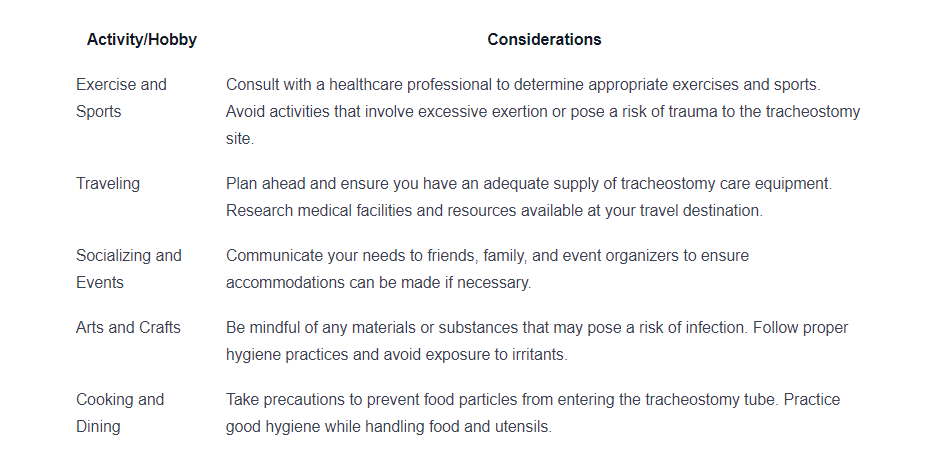
    Having a tracheostomy does not necessarily limit the range of activities and hobbies one can enjoy. However, it is important to consider certain factors and take necessary precautions to ensure safety and comfort.

    __wf_reserved_inherit

    By adapting and taking necessary precautions, individuals with a tracheostomy can continue to participate in a wide range of activities and hobbies, promoting a sense of fulfillment and well-being.

    Support Networks and Resources

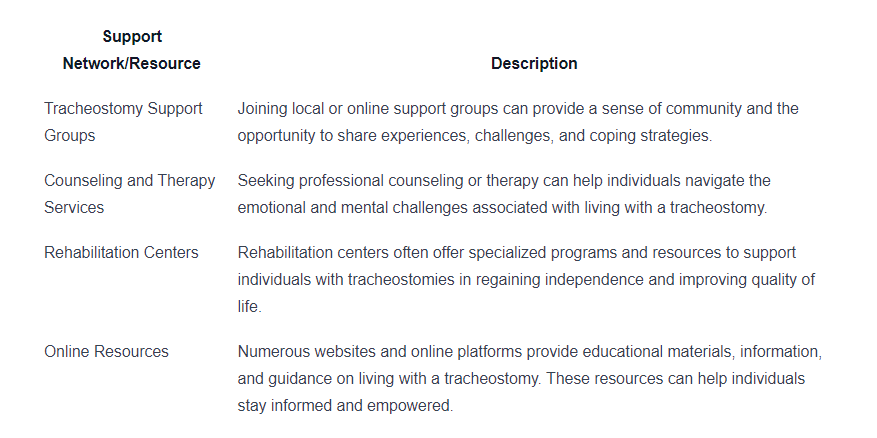
    Building a strong support network is essential for individuals living with a tracheostomy. Connecting with others who have similar experiences can provide emotional support, practical advice, and valuable insights. Additionally, there are resources available to assist in adjusting to life with a tracheostomy.

    __wf_reserved_inherit

    By accessing support networks and utilizing available resources, individuals with a tracheostomy can find comfort, guidance, and valuable connections that contribute to living a fulfilled life.

    Living with a tracheostomy may present challenges, but with determination, support, and the right resources, individuals can continue to engage in activities, hobbies, and relationships that bring joy and fulfillment.

    Facing Challenges

    Living with a tracheostomy can present unique challenges, but with the right support and mindset, individuals can effectively cope with and overcome these obstacles.

    Coping with Challenges

    Adjusting to life with a tracheostomy can be emotionally and physically demanding. It is important to develop coping strategies to manage these challenges effectively. Here are some key aspects to consider:

    1. Education and Knowledge: Understanding your tracheostomy and its care is essential. Proper education about the device, its function, and maintenance will empower you to confidently manage your tracheostomy. Work closely with healthcare professionals to learn about the specific care requirements and potential complications.
    2. Emotional Support: Living with a tracheostomy can be emotionally challenging. Seek support from loved ones, friends, or support groups who can provide empathy, encouragement, and a listening ear. Consider joining online communities or forums where you can connect with others who have similar experiences.
    3. Self-care: Prioritize self-care to maintain your overall well-being. Engage in activities that bring you joy and relaxation. Practice stress management techniques such as deep breathing exercises, meditation, or pursuing hobbies that help you relax and unwind.
    4. Open Communication: Effective communication is vital when facing challenges with a tracheostomy. Establish open lines of communication with your healthcare team to address any concerns or difficulties that may arise. Regular follow-up appointments and check-ins with your healthcare provider will ensure your needs are met and any issues are promptly addressed.

    Overcoming Obstacles

    Living a fulfilling life with a tracheostomy involves overcoming obstacles that may arise. Here are some strategies to help you navigate and overcome these challenges:

    1. Independence and Adaptability: Strive for independence by learning how to manage your tracheostomy care independently, while ensuring you have a support system in place if needed. Explore adaptive devices or tools that can assist with daily activities and make tasks easier.
    2. Building Resilience: Developing resilience is key to overcoming obstacles. Recognize that setbacks may occur, but maintain a positive mindset and focus on the progress you have made. Lean on your support network for encouragement and seek professional help if needed.
    3. Goal Setting: Set realistic goals to help you stay motivated and focused. Break down larger goals into smaller, achievable steps. Celebrate each milestone as you progress, and remember that overcoming challenges is a process.
    4. Seeking Professional Help: If you find yourself struggling to cope with the challenges of living with a tracheostomy, consider seeking professional help from a therapist or counselor. They can provide guidance and support in navigating the emotional and psychological aspects of living with a tracheostomy.

    By developing effective coping mechanisms and adopting a resilient mindset, individuals with a tracheostomy can overcome challenges and lead fulfilling lives. Remember, everyone’s journey is unique, and it is important to find strategies that work best for you.

    Sources

    https://my.clevelandclinic.org/health/treatments/23231-tracheostomy

    https://www.medicalnewstoday.com/articles/how-long-can-you-live-with-a-tracheostomy

    https://www.healthline.com/health/life-expectancy-after-tracheostomy

  • How to Train Caregivers on the Use of Pediatric Medical Equipment

    How to Train Caregivers on the Use of Pediatric Medical Equipment

    Empowering Caregivers with Essential Skills for Pediatric Equipment Management

    Introduction to Caregiver Training for Pediatric Equipment

    Training caregivers to effectively manage pediatric medical equipment is crucial for ensuring the safety and well-being of children in home care settings. This process involves practical instruction on a variety of devices, from respiratory machines to mobility aids, and requires comprehensive training methodologies that cater to the diverse needs of families. Caregivers must be prepared to navigate the complexities of medical technology, adapting to both the emotional and technical challenges they face as they transition children from hospital to home care. With a focus on building confidence and competence, this article explores best practices, educational strategies, and the necessary resources caregivers need to manage pediatric equipment successfully.

    Understanding the Range of Pediatric Medical Equipment

    Essential Equipment for Pediatric Care: Unveiling the Tools Every Caregiver Should Know

    What equipment is commonly used in pediatric care?

    Pediatric care relies on a variety of specialized equipment designed for children’s unique anatomical and physiological needs. Common tools include child-sized stethoscopes, blood pressure cuffs, and needles, ensuring accurate assessments and treatments appropriate for smaller bodies.

    Essential diagnostic instruments like otoscopes, ophthalmoscopes, and reflex hammers are also adapted for pediatric use, allowing healthcare providers to conduct thorough examinations while considering the comfort of the child.

    Additionally, pediatric examination tools such as stadiometers and scales are crucial for monitoring growth and development, providing ongoing insights into a child’s health trajectory.

    Innovative aids, such as the Broselow Pediatric Emergency Tape, are vital in emergencies as they help estimate a child’s weight and medication dosages, effectively tailored to their developmental stage. This precise categorization ensures not only safety but also efficacy in treatment procedures through appropriately sized and designed equipment that meets the specific medical needs of children.

    Identifying Training Needs and Responsibilities in Caregiving

    Training Needs of Pediatric Caregivers: Understanding Responsibilities and Support

    What are the training needs and responsibilities of caregivers in pediatric care?

    In pediatric care, caregivers face a unique set of challenges and responsibilities. They need thorough training to understand their child’s specific medical condition and how to operate essential medical devices. Some critical components of this training include:

    • Device Operation: Caregivers should learn to operate and troubleshoot equipment like ventilators and suction machines, ensuring their child receives adequate care at home.
    • Emergency Preparedness: Comprehensive training must include emergency procedures, so caregivers can respond effectively in crises.
    • Hands-on Practice: Opportunities for practical training are essential, as evidenced by the use of training dolls and equipment demonstrations to build confidence and familiarity.

    Support networks for caregivers

    The role of support networks cannot be underestimated. Community resources, follow-ups from healthcare professionals, and access to educational materials create a safety net for caregivers. Regular check-ins help reinforce training, address concerns, and guide caregivers as they navigate their responsibilities.

    Emotional and Practical Support

    Caregiver education should also encompass emotional support strategies, helping them manage stress and adapt to their new roles effectively. Utilizing tools like the STAR Kit can improve competencies in areas such as equipment use and emergency responses, thus enhancing overall caregiver preparedness and confidence.

    Best Practices for Preparing Caregivers in Pediatric Equipment Management

    Best Practices for Caregiver Training: Ensuring Competence in Pediatric Equipment Management

    What are the best practices for preparing caregivers to manage pediatric medical technologies?

    To effectively prepare caregivers for managing pediatric medical technologies, comprehensive training is paramount. This training should cover critical aspects such as device operation, troubleshooting, and emergency procedures like CPR. Engaging caregivers during the hospital stay allows them to build confidence and familiarity with the devices they will use at home.

    Moreover, addressing the design and usability of medical devices to fit better in home environments is essential. Many caregivers report barriers related to equipment size and functionality that do not meet their specific needs. As such, customizing pediatric durable medical equipment (DME) not only enhances safety but also ensures that it serves the child’s unique medical requirements.

    How can support networks facilitate caregiver training?

    Establishing a robust support network that comprises healthcare professionals, therapists, and social workers significantly eases the transition from hospital to home care. Continuous communication ensures that caregivers have access to necessary resources, guidance, and emotional support throughout this period. Follow-up visits and check-ins are critical for reinforcing education on equipment use and providing assistance with any arising challenges.

    Why is regular maintenance important for pediatric DME?

    Routine maintenance of pediatric DME plays an essential role in ensuring safety and functionality. Caregivers need training that emphasizes the importance of regular equipment checks and troubleshooting. This proactive approach can minimize issues and enhance the overall care provided to children, fostering an environment where caregivers feel empowered and equipped to manage their child’s medical needs effectively.

    Overcoming Language Barriers in Caregiver Training

    Breaking Down Language Barriers: Effective Communication Strategies for Caregivers

    How can language barriers be addressed in caregiver training to improve safety in pediatric care?

    Language barriers in pediatric care pose significant challenges, particularly for families with Limited English Proficiency (LEP). To address these barriers effectively, caregiver training should focus on several key strategies that enhance communication and improve safety outcomes.

    1. Utilizing Interpreter Services: Training programs must incorporate the use of professional interpreters, whether in-person, over the phone, or via video services. This ensures that families receive accurate information about their child’s medical needs and treatments.

    2. Legal Compliance: Healthcare organizations have legal obligations under various regulations to provide interpreter services. Ensuring these services are readily available not only meets these requirements but also enhances the quality of care provided to LEP families.

    3. Family-Centered Approaches: Family should be actively involved in care discussions to promote better understanding. Caregiver education can integrate strategies for inviting family members to clarify instructions and partake in advocacy efforts regarding their child’s health.

    4. Enhanced Communication Techniques: Training should emphasize effective communication techniques, including using simplified language, visual aids, and teaching caregivers to verify comprehension through teach-back methods.

    By implementing these strategies, caregiver training can mitigate risks associated with language barriers, fostering a safer and more inclusive healthcare environment. As families navigate the complexities of pediatric care, strong communication remains essential for effective care management.

    Methodologies for Effective Pedagogical Training of Caregivers

    How can caregivers be trained to use pediatric medical equipment effectively?

    Training caregivers to use pediatric medical equipment effectively requires a comprehensive approach. Programs should encompass essential topics such as:

    • Client safety: Policies and practices to maintain a safe environment for both children and caregivers.
    • Infection control: Techniques to prevent infections while handling medical devices.
    • Specialized pediatric device training: Specific instruction on the operation, maintenance, and troubleshooting of devices used for conditions like tracheostomies and respiratory support.

    Tailoring Training to Individual Client Needs

    Recognizing that every child has unique medical requirements is crucial. Training should be tailored to accommodate conditions that necessitate specialized equipment. This includes:

    • Hands-on practice: Utilizing techniques like manikin training and training dolls to enhance familiarity with devices.
    • Real-life scenarios: Incorporating simulations that reflect home care challenges to prepare caregivers for actual situations.

    Enhancing Engagement through Soft Skills

    Incorporating soft skills into training can greatly enhance caregiver engagement and knowledge retention. Strategies include:

    • Interactive sessions: Utilizing group discussions and practical demonstrations.
    • Building rapport: Fostering an encouraging atmosphere that supports learning and vulnerability.
    • Ongoing support: Providing resources and check-ins to reinforce training and address any concerns post-discharge.

    By combining these methodologies, caregivers are empowered to manage pediatric medical equipment confidently and competently.

    Specialized Training Resources for Tracheostomy and Complex Needs

    What resources focus on training caregivers for managing specialized pediatric medical needs, like tracheostomy care?

    There are several focused resources designed to support caregivers in managing the complex needs of children, particularly those with tracheostomies. One significant initiative is the BREATHE Study, which offers educational support to caregivers post-discharge. This study includes two distinct educational arms: "Trach Me Home" serves as a comparator, while "Trach Plus" provides additional intervention, ensuring caregivers receive not only information but also social support and access to communication with pediatric specialists.

    Moreover, the eHomeCare program stands out as a valuable free online course. It provides comprehensive training on tracheostomy care, covering essential topics such as equipment maintenance, emergency procedures, and long-term planning. This program also allows caregivers to earn continuing education credits, underscoring its dedication to professional development.

    Simulation-based education

    Simulation-Based Education (SBE) programs have become increasingly prominent in caregiver training. These initiatives employ pediatric simulators, allowing caregivers to practice essential skills in a safe, controlled environment. By engaging in hands-on training, caregivers significantly boost their confidence and competence in managing tracheostomy care. Studies have demonstrated that SBE dramatically improves skill retention, which directly translates into better care for children.

    Benefits of specialized programs

    Specialized training programs like the BREATHE Study and SBE provide multiple benefits:

    Feature Benefits for Caregivers Impact on Children
    Comprehensive Resources Covers a wide array of essential care topics Better preparedness during emergencies
    Confidence Boosting Enhances caregivers’ skills and assurance Improved day-to-day management
    Ongoing Support Facilitates ongoing communication with healthcare providers Higher safety in home environments

    Overall, these resources empower caregivers, promoting safety and improved health outcomes for children facing complex medical challenges like tracheostomy care.

    Barriers and Challenges in Effective Caregiver Training

    Common Barriers Faced by Caregivers

    Family caregivers encounter several significant barriers when using pediatric medical devices in the home. Common issues include:

    • Inadequate Device Suitability: Many devices fail to meet specific family needs due to their quantity and design.
    • Location Incompatibility: Devices may not be designed for the intended spaces at home, complicating their use.
    • Physical Disruption: The organization and physical presence of devices can disrupt the family’s routine.
    • Fit Issues: Devices may not fit the child properly, leading to safety concerns and inefficiency.

    Devising Workarounds

    To overcome these barriers, caregivers have developed numerous workarounds. For instance, families may repurpose household items for supplemental support or modify device settings to enhance usability. Identifying these adaptation strategies is crucial for informing caregiver training to better prepare them for practical challenges they might face at home.

    Improving Training Structures

    Effective caregiver education involves diverse strategies, including hands-on practice with realistic training tools like dolls, structured workshops, and ongoing support. Programs like the STAR Kit provide comprehensive resources for emergencies, reflecting a growing recognition of the need for tailored, flexible training approaches that ensure caregivers can confidently manage complex medical needs.

    The Role of Training Tools in Enhancing Caregiver Skills

    Training Tools That Empower: Enhancing Skills Through Practical Learning Experiences

    Utility of training dolls

    Training dolls have emerged as valuable educational tools for caregivers, particularly in learning pediatric tracheostomy care. These dolls offer a safe, controlled environment where caregivers can practice vital skills. In an evaluation, 93% of caregivers reported initial helpfulness, with 85% affirming this sentiment in follow-up assessments. Though not intended to replace traditional training methods, doll-based practice enhances comfort and familiarity with the critical procedures required for their child’s care.

    Effectiveness of training tools

    While the introduction of training dolls does not significantly alter hospital length of stay or training completion timelines, they provide essential opportunities for skill acquisition. Caregivers noted increased confidence post-training; for instance, the number of caregivers feeling unconfident in changing a tracheostomy tube dropped from 47% before training to far fewer afterward. This underscores the added value these tools offer in caregiver preparation.

    Hands-on practice benefits

    Hands-on practice using training dolls, combined with written instructions and demonstrations, proves vital for boosting caregiver effectiveness. Caregivers reported strong engagement with this method of learning, emphasizing the need for comprehensive, supportive training that includes both theoretical knowledge and practical application. This dual approach helps caregivers transition more smoothly into their roles at home, equipped with the necessary skills to manage complex medical equipment.

    Family-Centered Approaches to Caregiver Education

    Partnership with Healthcare Providers

    Family-centered care hinges on a robust partnership between healthcare providers and family caregivers. This collaboration is vital for ensuring that caregivers not only understand the medical devices required for their child’s care but are also empowered to use them effectively. Medical professionals play a crucial role in educating families about the specific needs related to pediatric medical equipment and facilitating open lines of communication.

    Importance of Family Involvement

    Involving families in the care process enhances their confidence and competence. Practical demonstrations, role-playing scenarios, and accessible educational materials can make a significant difference. Caregivers who are actively engaged in training and care decisions are more likely to adhere to medical protocols, which ultimately promotes better health outcomes.

    Navigating Medical Home Models

    Understanding the medical home model is essential for caregivers managing children with complex medical needs. This model promotes comprehensive care coordination, where families are educated not just on medical device usage but also on how to navigate health systems and advocate for their children. Caregivers equipped with knowledge about resources and support networks enhance their ability to manage transitions from hospital to home effectively.

    Curriculum Strategies

    Educational Strategy Description Outcome
    Instructional Materials Includes written guides and online resources. Improved understanding
    Hands-on Training Use of training dolls and simulator sessions for practice. Boosted confidence in usage
    Follow-Up Support Scheduled assessments and routine check-ins post-discharge. Increased adherence to care plans

    Through these strategies, families can develop the necessary skills and confidence to manage daily care challenges effectively.

    Building Resilience and Confidence in Caregivers

    Psychosocial Support

    Family caregivers often face emotional and mental health challenges when transitioning from hospital to home care. Providing psychosocial support is crucial in helping them manage stress and cope with the complexities of pediatric medical technology. Support networks, such as caregiver groups and counseling services, can offer valuable resources and a shared community to alleviate feelings of isolation. These services empower caregivers to express their concerns, share experiences, and develop coping strategies.

    Strategies for Reducing Stress

    To address caregiver stress effectively, several strategies can be implemented. For instance, training programs that focus on building practical skills alongside emotional resilience can significantly impact caregivers’ confidence. Techniques like mindfulness training, time management workshops, and respite care options can reduce burnout and improve their overall well-being. Encouraging caregivers to prioritize self-care and actively participate in decision-making about their child’s care can further promote their engagement and satisfaction.

    Ongoing Caregiver Support

    Ongoing support is vital for caregivers after hospital discharge. Routine check-ins from healthcare providers can reinforce training and offer guidance for managing medical devices. Additionally, flexible access to educational resources ensures caregivers can revisit training materials as needed. Tools like the STAR Kit provide comprehensive learning aids to enhance caregivers’ skills and confidence, ultimately supporting their critical role in their child’s health.

    Conclusion: Towards a Holistic Approach to Caregiver Training

    Building a comprehensive and effective caregiver training program requires integrating practical skills with emotional and social support. By enhancing educational frameworks to accommodate individual needs, overcoming language barriers, and leveraging available resources for specialized medical care, caregivers can be well-equipped to manage pediatric medical equipment safely and effectively. Ongoing support, both from healthcare professionals and social networks, is crucial in helping caregivers adapt and thrive in their roles. Ultimately, through meticulous training and continuous engagement, caregivers can confidently ensure the well-being of children in home care environments, significantly improving their quality of life.

    References

  • The Role of Music and Art Therapy in Pediatric Medical Daycare

    The Role of Music and Art Therapy in Pediatric Medical Daycare

    Exploring the Transformative Impact of Creative Therapies in Child Health Care

    Introduction

    Within pediatric healthcare, music and art therapy have emerged as powerful, non-pharmacological interventions that complement traditional treatments. These therapies play a crucial role in enhancing the emotional, psychological, and physical well-being of children in medical daycare settings. By providing a holistic approach to healthcare, music and art therapy support recovery and improve the quality of life for young patients. This article delves into the methodologies, benefits, and professional competencies related to these therapies, highlighting their critical role in pediatric settings.

    Understanding Pediatric Music and Art Therapy

    Exploring the Benefits of Music and Art Therapy for Children

    What is pediatric music therapy?

    Pediatric medical music therapy is the use of music alongside therapeutic relationships to nurture healthy coping strategies and promote psychosocial well-being in children receiving inpatient and outpatient medical care. As an evidence-based practice, music therapy leverages various musical interventions, including active music-making and passive listening, to address children’s physical, emotional, and social needs. The therapist designs individualized programs, monitoring each child’s progress to ensure they achieve their developmental goals, even facilitating therapy for sedated children by playing calming music beside them.

    What is the purpose of art therapy for children?

    The purpose of art therapy for children is to create a supportive and safe space where they can express themselves through diverse creative outlets like drawing, writing, drama, and music. This therapeutic approach is particularly beneficial for children facing challenges such as trauma, disabilities, or psychological disorders like autism and ADHD. By engaging in expressive arts, children can articulate emotions that may be hard to convey verbally, fostering social connections and enhancing skills such as empathy and communication.

    Art therapy also contributes to cognitive growth by improving problem-solving abilities and understanding of visual concepts, all while promoting fine motor skills through creative activities. Overall, this form of therapy encourages emotional resilience, builds self-esteem, and supports the holistic well-being of children.

    Implementing Therapeutic Methodologies in Pediatric Care

    Effective Intervention Strategies in Pediatric Healthcare

    How do music therapy interventions benefit children in healthcare settings?

    Music therapy interventions benefit children in healthcare settings through various means, promoting relaxation and emotional well-being. Activities such as songwriting, singing, and playing instruments enhance communication and social skills. These therapeutic practices help children manage pain and cope with anxiety during medical treatments.

    Moreover, engaging in music activates both hemispheres of the brain, supporting cognitive development and aiding in speech and language skills. By fostering a supportive environment, music therapy not only addresses individual therapeutic goals but also strengthens family bonds through shared musical experiences.

    What are early childhood music therapy interventions?

    Early childhood music therapy interventions include diverse activities designed to support developmental milestones. These may involve:

    • Singing: Using simple songs like the Hello Song to assist with name recognition.
    • Instrument Playing: Encouraging motor skills development through the use of various instruments.
    • Movement Activities: Engaging children in music-driven movement to enhance coordination.

    These interventions help children express emotions, foster social interaction, and develop communication skills, all within a play-based context. Additionally, music therapy addresses emotional regulation and stress management, catering specifically to the unique needs of children, including those experiencing developmental delays. Overall, this multimodal approach promotes growth across various developmental areas while solidifying caregiver-child relationships.

    Integration and Impact on Pediatric Healthcare Outcomes

    Positive Outcomes Through Music and Art Therapy

    Impact of music and art therapy on children’s well-being

    Music and art therapy play crucial roles in enhancing the well-being of pediatric patients. Evidence indicates that these creative therapies alleviate anxiety, improve pain management, and foster emotional expression. For instance, children receiving music therapy often report lower pain perception and reduced anxiety levels during medical procedures.

    Additionally, music therapy helps children improve communication skills, social interactions, and emotional regulation. This is particularly beneficial for children with autism or ADHD, as they can stabilize their moods and express feelings effectively through music-making and passive listening. Art therapy complements this by enabling children to explore their emotions through creative outlets, which aids in their emotional processing and self-discovery.

    Institutional benefits of these therapies

    Beyond individual benefits, music and art therapy contribute to institutional savings. By reducing the need for sedation and minimizing staff involvement during procedures, these therapies can lower healthcare costs significantly. Notably, studies have shown that patients receiving these therapies report higher satisfaction scores compared to those who do not.

    Moreover, the collaborative approach between music, art therapists, and healthcare professionals enhances overall patient care, addressing not only the physical but also the psychological and emotional needs of young patients. This holistic integration supports children’s recovery processes, ultimately leading to quicker recoveries and better health outcomes.

    Professional Credentials and the Role of Therapists

    Understanding the Qualifications of Art and Music Therapists

    What qualifications are required for pediatric music and art therapists?

    Pediatric music and art therapists generally hold a bachelor’s degree or higher in fields like music therapy or art therapy from accredited institutions. Music therapists must complete an AMTA-approved program, including courses in music therapy, psychology, and clinical practice, alongside a mandatory 1200-hour clinical internship. Following their studies, these therapists are required to pass a national board certification exam to earn the MT-BC credential, essential for professional practice.

    In addition to formal education, personal attributes such as empathy, patience, and creativity are crucial. Therapists build supportive relationships with children and their families to promote a nurturing therapeutic environment. Art therapists may also need to fulfill specific certification and licensure requirements based on regional regulations, ensuring that they can practice legally and professionally.

    What is the purpose of art and music therapy?

    Both art and music therapy serve as effective treatment modalities for mental disorders, offering a means for individuals to express challenging emotions in non-verbal ways. In music therapy, children engage in active music-making using various instruments, which fosters emotional exploration and interpersonal connection.

    Art therapy, on the other hand, encourages individuals to articulate their feelings and thoughts through creative materials, paving the way for self-discovery and healing. Together, these therapies promote self-awareness and environmental understanding, providing children with alternative methods to express themselves. Ultimately, they enable young patients to uncover new abilities, leading to improved self-confidence and emotional resilience.

    Therapy Type Key Goals Professional Role
    Music Therapy Emotional expression through music, social interaction Music Therapist, MT-BC
    Art Therapy Creative emotional expression, self-understanding Art Therapist, certification required

    Challenges and Opportunities in Pediatric Art and Music Therapy

    Navigating the Challenges in Creative Therapy Settings

    Overcoming obstacles in therapeutic settings

    Pediatric art and music therapy play vital roles in healthcare but face distinct challenges within medical environments. Frequent interruptions from medical routines can disrupt therapy sessions, making it difficult to maintain continuity. Both art and music therapists need to adapt their approaches, often working within unpredictable hospital schedules. In addition, families play crucial roles in therapy sessions; however, their presence can sometimes both enhance and hinder progress, depending on their level of involvement and support.

    Exploring the future of creative therapies in healthcare

    Looking ahead, the future of art and music therapy seems promising. With increasing recognition of their benefits—not only in managing pain and anxiety but also in enhancing emotional well-being—healthcare institutions are likely to expand these programs. Interdisciplinary collaboration among therapists provides a holistic approach, encouraging innovative applications of creative therapies. Research into effective methods and patient outcomes continues to be vital, providing necessary evidence to encourage broader adoption and support in pediatric care settings.

    As healthcare professionals recognize the significance of emotional and psychosocial care, pediatric art and music therapy are set to become integral components, offering opportunities to not just treat but to enrich the lives of young patients.

    Conclusion

    Music and art therapy in pediatric medical daycare settings offer invaluable support to children facing medical challenges. Through tailored interventions and the expertise of dedicated therapists, these therapies provide emotional and psychological benefits while enhancing overall treatment experiences. As evidence continues to underscore the effectiveness of creative therapies, their integration into pediatric healthcare becomes ever more essential, promising a brighter, more holistic future for young patients.

    References

  • Design and Control of a Mechatronic Tracheostomy Tube

    Design and Control of a Mechatronic Tracheostomy Tube

    Discover the future of patient care with mechatronic tracheostomy tubes! Enhancing comfort and safety for improved outcomes.

    Enhancing Patient Care

    When it comes to patient care, the use of tracheostomy tubes plays a vital role in maintaining respiratory function for individuals who require assistance in breathing. These tubes are instrumental in providing a secure airway and aiding in the removal of secretions from the lungs. Alongside traditional tracheostomy tubes, the integration of mechatronics in healthcare has revolutionized patient care and outcomes.

    __wf_reserved_inherit

    Importance of Tracheostomy Tubes

    Tracheostomy tubes are essential medical devices used in cases where upper airway obstruction or breathing difficulties necessitate an alternative airway. By creating a direct passage to the trachea, these tubes enable adequate oxygen supply to the lungs, facilitating improved breathing and respiratory function. Additionally, tracheostomy tubes assist in suctioning respiratory secretions, reducing the risk of infections and improving overall lung health.

    Role of Mechatronics in Healthcare

    Mechatronics, the fusion of mechanical engineering, electronics, and computer science, has significantly impacted the healthcare sector. The incorporation of mechatronics in the design and control of tracheostomy tubes has led to the development of mechatronic tracheostomy tubes. These innovative devices combine traditional tube functions with automated features that enhance patient care and comfort.

    Mechatronic tracheostomy tubes leverage technology to improve the management of airway patency, secretion clearance, and ventilation for patients requiring respiratory support. By integrating sensors, actuators, and control systems, these tubes enable precise and real-time monitoring of key respiratory parameters, ensuring optimal airway management and patient safety.

    The intersection of tracheostomy tubes and mechatronics underscores the commitment to advancing patient care through innovative technologies that prioritize efficiency, safety, and patient well-being. As healthcare continues to evolve, the role of mechatronic tracheostomy tubes is poised to further enhance patient outcomes and revolutionize respiratory care practices.

    Mechatronic Tracheostomy Tubes Explained

    When exploring the intricate world of mechatronic tracheostomy tubes, it is essential to comprehend the underlying design components and the successful integration of technology to enhance patient care.

    Design Components

    Mechatronic tracheostomy tubes are designed with a combination of mechanical and electronic components to provide advanced functionality and improve patient outcomes. The design components of these tubes typically include:

    __wf_reserved_inherit

    These design components work cohesively to ensure precise control and reliable operation of the mechatronic tracheostomy tubes, contributing to enhanced patient care and comfort.

    Integration of Technology

    The integration of technology plays a pivotal role in the functionality and effectiveness of mechatronic tracheostomy tubes. Advanced technologies are seamlessly integrated into the design to automate processes, monitor critical parameters, and improve patient safety. Key aspects of technology integration include:

    __wf_reserved_inherit

    By effectively integrating sophisticated technology into the design of mechatronic tracheostomy tubes, healthcare professionals can provide personalized care, optimize patient comfort, and improve overall clinical outcomes.

    Innovations in Mechatronic Tracheostomy Tubes

    In the realm of healthcare technology, mechatronic tracheostomy tubes represent a significant advancement in patient care. These innovative devices are designed to cater to the specific needs of patients requiring tracheostomy support. Two key areas of innovation in mechatronic tracheostomy tubes are customization for patient needs and remote monitoring capabilities.

    Customization for Patient Needs

    Mechatronic tracheostomy tubes are designed with a focus on customization to address the varying needs of individual patients. The ability to tailor the features and functions of the tube to specific patient requirements enhances comfort, minimizes complications, and improves overall quality of care. This level of customization can include adjustments in tube size, shape, material, and additional functionalities based on the unique anatomy and condition of the patient.

    Customization of mechatronic tracheostomy tubes allows healthcare providers to optimize patient outcomes by ensuring a proper fit and functionality tailored to each individual. By addressing patient-specific needs, these innovative devices contribute to better patient comfort, respiratory support, and overall well-being.

    Remote Monitoring Capabilities

    One of the groundbreaking features of mechatronic tracheostomy tubes is their remote monitoring capabilities. Through the integration of smart technology and connectivity, healthcare professionals can remotely monitor crucial parameters and settings of the tracheostomy tube in real-time. This monitoring system enables healthcare providers to track vital metrics such as oxygen levels, airflow rates, and tube positioning without the need for constant physical supervision.

    Remote monitoring capabilities offer numerous benefits, including early detection of potential complications, timely interventions, and continuous data collection for personalized patient care. By leveraging technology to remotely monitor mechatronic tracheostomy tubes, healthcare teams can enhance patient safety, optimize treatment strategies, and streamline the management of tracheostomy patients.

    Innovations in mechatronic tracheostomy tubes, particularly in customization for patient needs and remote monitoring capabilities, signal a significant advancement in the field of healthcare technology. These innovations pave the way for more personalized and precise patient care, ultimately leading to improved outcomes and quality of life for individuals with tracheostomy requirements.

    Benefits of Mechatronic Tracheostomy Tubes

    In the realm of healthcare innovation, mechatronic tracheostomy tubes present a significant advancement in patient care. These technologically enhanced devices offer a range of benefits, focusing on improving patient comfort, enhancing safety, and increasing overall efficiency.

    Improved Patient Comfort

    Mechatronic tracheostomy tubes are designed with the patient’s well-being in mind, aiming to provide a higher level of comfort compared to traditional tubes. The incorporation of mechatronics allows for features such as adjustable airflow, automatic secretion clearance, and noise reduction mechanisms, all contributing to a more comfortable experience for the patient.

    One key aspect of improved patient comfort is the ability of mechatronic tubes to adapt to the individual patient’s needs. Customizable settings, such as pressure control and cuff inflation, ensure that the tube remains comfortable and minimizes potential discomfort or irritation.

    Enhanced Safety and Efficiency

    Safety and efficiency are paramount in the healthcare setting, especially when it comes to critical medical devices like tracheostomy tubes. Mechatronic tubes offer enhanced safety features such as built-in sensors for continuous monitoring of vital parameters, alarm systems for immediate alerts in case of blockages or malfunctions, and remote monitoring capabilities for healthcare providers to closely track the patient’s condition.

    In addition to safety enhancements, mechatronic tracheostomy tubes also contribute to greater efficiency in patient care. The integration of technology allows for streamlined data collection, real-time feedback on tube performance, and automated functions that reduce the need for manual adjustments. This not only saves time for healthcare professionals but also ensures that the patient receives optimal care and attention.

    By prioritizing patient comfort, safety, and efficiency, mechatronic tracheostomy tubes represent a new frontier in healthcare technology, offering a promising outlook for enhancing patient outcomes and improving the overall quality of care.

    Considerations in Implementing

    When implementing mechatronic tracheostomy tubes in healthcare settings, several key considerations need to be taken into account to ensure optimal patient care and safety. Two critical aspects to focus on are training and education, as well as maintenance and support.

    Training and Education

    Proper training and education are essential for healthcare professionals involved in the utilization of mechatronic tracheostomy tubes. This includes understanding the design and functionality of the tubes, as well as the control mechanisms integrated into the devices. Training programs should cover:

    • Tube Operation: Educating healthcare staff on how to operate the mechatronic tracheostomy tubes safely and efficiently.
    • Emergency Procedures: Providing guidance on handling emergencies related to the tubes, such as blockages or malfunctions.
    • Patient Interaction: Ensuring that healthcare providers are equipped to communicate effectively with patients using these advanced devices.

    Ongoing education is crucial to keep healthcare professionals up-to-date with the latest advancements in mechatronics and patient care. Regular training sessions and skill assessments can help maintain a high standard of care and ensure the best outcomes for patients relying on these innovative technologies.

    Maintenance and Support

    Ensuring the proper maintenance of mechatronic tracheostomy tubes is vital for their long-term functionality and the well-being of patients. Healthcare facilities should establish robust maintenance protocols, including:

    __wf_reserved_inherit

    Regular maintenance schedules help prevent complications and ensure that the tubes function optimally. Furthermore, having access to reliable technical support is essential for troubleshooting any issues that may arise with the mechatronic tracheostomy tubes. Healthcare providers should have quick access to support services to address any technical issues promptly and minimize disruptions in patient care.

    By prioritizing training and education initiatives for healthcare professionals and implementing thorough maintenance and support protocols, healthcare facilities can effectively integrate mechatronic tracheostomy tubes into their practices, ultimately enhancing patient care and safety.

    The Future of Healthcare Technology

    As technology continues to advance in the healthcare industry, mechatronics plays a pivotal role in shaping the future of patient care. This section explores the advancements in mechatronics and their potential impact on patient outcomes.

    Advancements in Mechatronics

    Mechatronics, the integration of mechanical engineering with electronics and intelligent computer control, has revolutionized the design and functionality of various medical devices, including tracheostomy tubes. With continuous innovations in mechatronics, tracheostomy tubes are becoming more sophisticated, offering enhanced features and capabilities to meet the complex needs of patients requiring respiratory support.

    One significant advancement in mechatronics is the development of smart tracheostomy tubes that can adapt to patients’ changing respiratory needs in real-time. These tubes incorporate sensors and actuators controlled by intelligent algorithms to optimize airflow, prevent complications, and improve patient comfort. Additionally, advancements in materials science have led to the creation of lightweight and biocompatible components for mechatronic tracheostomy tubes, reducing the risk of tissue irritation and enhancing long-term usability.

    Potential Impact on Patient Outcomes

    The integration of mechatronic technology into tracheostomy tubes holds great promise for improving patient outcomes across various healthcare settings. By leveraging advanced control systems and real-time monitoring capabilities, mechatronic tracheostomy tubes can provide personalized and adaptive respiratory support to patients, leading to:

    __wf_reserved_inherit

    By harnessing the power of mechatronics in tracheostomy tube design and control, healthcare professionals can deliver more personalized, efficient, and effective respiratory care to patients, ultimately enhancing their quality of life and well-being. The future of healthcare technology is indeed bright with the ongoing advancements in mechatronics and its transformative impact on patient-centered care.

    Sources

    https://pubmed.ncbi.nlm.nih.gov/26485352/

    https://dr.ntu.edu.sg/bitstream/10356/81210/2/Design%20and%20Control%

    https://www.researchgate.net/publication/282888204_Design_and_Control_of_a_Mechatronic_Tracheostomy_Tube_for_Automated_Tracheal_Suctioning

  • Ventilator-Dependent Outcomes

    Ventilator-Dependent Outcomes

    Exploring the Journey of Ventilator-Dependent Patients

    Understanding Ventilator Dependency

    Mechanical ventilation is a life-saving intervention for many critically ill patients, but for some, it becomes a prolonged necessity. The outcomes for these individuals, often referred to as ventilator-dependent patients, are influenced by numerous factors. This article delves into their survival prospects, rehabilitation potential, long-term health effects, and quality of life challenges. We also explore comparative studies and intervention strategies that aim to improve these outcomes.

    Survival Rates and Rehabilitation Outcomes

    Exploring Survival and Rehabilitation Success in Ventilator-Dependent Patients

    What are the survival rates for patients on mechanical ventilation?

    The survival rates for ventilator-dependent patients significantly improve in specialized settings. For instance, data shows that in the Chronic Ventilator-Dependent Unit (CVDU) at Saint Marys Hospital, 95% of patients (58 out of 61) survived their admission. Comparatively, when examining broader statistics, 82% survival rates were recorded 30 days post-ventilation, a notable indication of patient resilience following mechanical support.

    What are the success rates of weaning from mechanical ventilation?

    Weaning success rates from mechanical ventilation also reveal promising outcomes. The CVDU reported that 53 out of 61 patients were successfully liberated from the ventilator. Following treatment, 88% of patients discharged from a specialized Ventilator-Dependent Unit (VDU) were weaned, illustrating effective rehabilitation strategies. After discharge, the long-term outlook remained bright; for instance, 82% and 72% of patients were alive one and two years later, respectively, emphasizing the beneficial effects of dedicated care programs.

    Outcome CVDU Patients VDU Patients Control Group
    Survival Rate 95% 91% 58%
    Weaning Success Rate 87% 88%
    Alive Post-Discharge (1 Year) 82% 82%
    Alive Post-Discharge (2 Years) 72% 72%

    Challenges and Definitions in Ventilator Dependency

    Understanding Ventilator Dependency: Definitions and Challenges

    What does it mean to be ventilator-dependent?

    Being ventilator-dependent indicates that a patient is unable to breathe independently and requires a mechanical ventilator for respiration. This could arise from a range of medical situations such as chronic obstructive pulmonary disease (COPD), neuromuscular diseases, or severe obesity-hypoventilation syndrome.

    Several risk factors can contribute to ventilator dependence, including:

    • Age: Older patients are more susceptible.
    • Pre-existing Medical Conditions: Chronic illnesses often increase the likelihood.
    • History of Home Mechanical Ventilation: Previous reliance can lead to higher dependency.

    Prolonged use of mechanical ventilation raises the risk of complications like lung damage and infections, making recovery more complex. Promising new treatments, including phrenic nerve stimulation and specific surgical interventions, are being explored to assist some patients in regaining independent breathing capabilities.

    Common medical conditions leading to ventilator dependence

    Among many medical conditions that lead to ventilator dependency, the most prevalent is chronic obstructive pulmonary disease (COPD). This disease severely impairs lung function and often necessitates prolonged mechanical support.

    Other significant conditions include:

    • Severe Obesity-Hypoventilation Syndrome: Reduced lung capacity due to excess weight.
    • Neuromuscular Disorders: Such as muscular dystrophy, which affects respiratory muscles.
    • Respiratory Failure from Acute Conditions: Including pneumonia or ARDS, where the lungs can no longer function effectively.

    Understanding the complexities of ventilator dependency is crucial for developing effective treatment and management plans for afflicted patients.

    The Outcomes of Prolonged Mechanical Ventilation

    Outcomes and Recovery Insights from Prolonged Mechanical Ventilation

    What are the outcomes of prolonged mechanical ventilation?

    Prolonged mechanical ventilation (PMV) poses both challenges and benefits for patients requiring long-term respiratory support. Evidence shows that 53.7% of patients in specialized care units successfully weaned off ventilators by discharge. The one-year survival rate post-discharge stands at an impressive 66.9%, marking a significant achievement in patient care.

    Despite the potential for serious complications like muscle weakness and disability, recovery paths show encouraging signs. Even though patients grapple with these issues, measurement of handgrip strength increased noticeably, with a 34.8% improvement by the time of discharge. Additionally, the stability of respiratory strength provides a silver lining in recovery prospects.

    Importantly, a twelve-month follow-up indicated that many patients reported quality of life scores returning to levels akin to those before their illnesses. This suggests resilience and adaptability among individuals who have undergone PMV treatment. Remarkably, 84.7% of survivors expressed readiness to accept mechanical ventilation again if necessary, highlighting a generally positive mindset despite the significant hurdles faced.

    Patient recovery and quality of life post-ventilation

    The journey of recovery post-ventilation is complex, influenced by various factors including underlying health conditions and the length of dependence on mechanical support. Patients exiting ventilator-dependent care experience differing levels of success in rehabilitation, yet statistics from multiple studies reflect a hopeful trend. High-quality, multidisciplinary care effectively improves not just survival rates but also functional recovery.

    Support systems are critical, as they facilitate an environment for continuous improvement in health metrics. Patients undergoing comprehensive rehabilitation express a notable shift toward better quality of life, revealing the profound impact of specialized care programs. Tracking long-term outcomes for those reliant on prolonged ventilation continues to shed light on recovery patterns and the importance of structured support post-discharge.

    Life Expectancy Insights for Ventilator-Dependent Individuals

    Life Expectancy Considerations for Ventilator-Dependent Patients

    What is the life expectancy for ventilator-dependent individuals?

    The life expectancy for individuals who are dependent on mechanical ventilation can vary greatly. Factors affecting this include age, the severity of the underlying condition, and overall health at the time of initiation of ventilation. For example, studies indicate that a 30-year-old with a C1–C5 ASIA A spinal cord injury may have an estimated life expectancy of around 18.6 years. Conversely, an 80-year-old in a similar situation could expect to live merely 2.2 years.

    Other critical factors influencing long-term survival encompass the severity of coexisting medical conditions, the quality of care provided, and the availability of emotional support.

    While advancements in acute care have led to improved survival rates during the first year post-injury, long-term outcomes have not shown significant improvements over time. This underscores the importance of holistic care approaches, including psychological support, to enhance both the lifespan and the quality of life for these patients.

    What long-term care strategies can enhance life expectancy?

    Effective long-term care strategies for ventilator-dependent individuals can focus on several key areas:

    1. Multidisciplinary Approach: Engaging a team of healthcare professionals (physicians, nurses, therapists) ensures comprehensive care tailored to each patient’s needs.
    2. Regular Assessments: Frequent evaluations of respiratory function and overall health can identify complications early, allowing timely interventions.
    3. Psychosocial Support: Providing emotional and psychological assistance is vital to improve mental health outcomes, which can positively impact survival.
    4. Patient and Family Education: Empowering families with knowledge on managing complexities of ventilator care enhances quality of life and reduces anxiety.

    Implementing these strategies can significantly improve life expectancy and quality of life for ventilator-dependent individuals, emphasizing the need for comprehensive and compassionate care.

    Innovative Care and Management Strategies

    Innovative Strategies for Managing Ventilator Dependency

    Multidisciplinary approaches in chronic ventilator units

    Chronic ventilator-dependent units (CVDUs) play a pivotal role in supporting patients who cannot be weaned from mechanical ventilation. The CVDU at Saint Marys Hospital utilized a multidisciplinary approach, where teams of specialists, including physicians, respiratory therapists, and rehabilitation professionals, collaborated to deliver comprehensive care.
    This approach included detailed evaluations to identify the underlying causes of ventilator dependence, enabling the creation of tailored care plans. Such personalized strategies contribute significantly to patient outcomes, with 53 out of 61 patients successfully transitioned off mechanical ventilation.

    Emerging interventions and methodologies

    Recent studies emphasize the importance of specialized interventions for those requiring prolonged mechanical ventilation (PMV). For instance, interventions aimed at minimizing complications like ventilator-associated pneumonia, and utilizing outpatient rehabilitation programs, have yielded higher survival rates, with 91 of 119 ventilator-dependent patients achieving successful discharge.
    Furthermore, research into risk stratification using scores to predict PMV has been emerging. They highlight the complex interplay of various factors — such as comorbidities and patient demographics — in determining the optimal management strategies.
    The success of these innovative methods underscores the need for regions to adopt center-specific excellence standards, potentially improving both care quality and resource utilization, ultimately benefiting patient trajectories.

    Improving the Future for Ventilator-Dependent Patients

    While the challenges faced by ventilator-dependent patients are considerable, advancements in care strategies and treatments offer promising avenues for improving their quality of life and survival outcomes. Through understanding the complexities of mechanical ventilation and focusing on comprehensive care, we can better support these individuals in their journey towards recovery and independence.

    References

  • Pediatric Chronic Home Invasive Ventilation

    Pediatric Chronic Home Invasive Ventilation

    Discover innovations in pediatric chronic home invasive ventilation, shaping brighter futures for young patients.

    Pediatric Chronic Home Invasive Ventilation

    In the realm of pediatric healthcare, the utilization of home invasive ventilation plays a critical role in supporting children with chronic respiratory conditions. Understanding pediatric home invasive ventilation and recognizing the importance of ongoing innovations in this field are paramount to enhancing the quality of care and the outcomes for pediatric patients.

    __wf_reserved_inherit

    Understanding Pediatric Home Invasive Ventilation

    Pediatric home invasive ventilation involves the use of mechanical ventilators to support children with respiratory insufficiency or failure in their home environment. This specialized form of care allows children with complex respiratory needs to receive continuous support and monitoring outside of a hospital setting. By delivering mechanical breaths through a tracheostomy tube or mask, home invasive ventilation helps maintain adequate oxygenation and ventilation for pediatric patients with chronic respiratory conditions.

    Importance of Innovations in Home Ventilation

    Innovations in home ventilation technology play a pivotal role in improving the lives of pediatric patients requiring chronic respiratory support. Advancements in ventilation devices, monitoring systems, and caregiver training have significantly enhanced the safety, efficacy, and comfort of pediatric home ventilation. These innovations not only enable personalized care tailored to the unique needs of each child but also promote greater independence and quality of life for pediatric patients and their families.

    By staying abreast of the latest developments in home invasive ventilation and embracing innovative technologies, healthcare providers can continue to elevate the standard of care for pediatric patients with chronic respiratory conditions. Through a combination of expertise, compassion, and cutting-edge solutions, the pediatric healthcare community can further optimize the management and outcomes of children requiring long-term home invasive ventilation.

    Ventilator Technology Advancements

    Advancements in ventilator technology have significantly improved the care and outcomes of pediatric patients requiring chronic home invasive ventilation. Three key technologies that have revolutionized pediatric ventilation are high-frequency oscillatory ventilation, pressure support ventilation, and volume control ventilation.

    High-Frequency Oscillatory Ventilation

    High-frequency oscillatory ventilation (HFOV) is a ventilation technique that delivers very rapid breaths at a constant high frequency. This method is effective in maintaining adequate oxygenation and ventilation in pediatric patients with severe respiratory conditions. HFOV is particularly beneficial for neonates and infants with fragile lungs or those at risk of ventilator-induced lung injury.

    __wf_reserved_inherit

    Pressure Support Ventilation

    Pressure support ventilation (PSV) is a ventilation mode that provides support during the patient’s spontaneous breaths. With PSV, the ventilator delivers a preset pressure level to assist with inspiratory effort, making breathing easier for pediatric patients. This mode is customizable to match the patient’s respiratory needs, promoting comfort and reducing the work of breathing.

    __wf_reserved_inherit

    Volume Control Ventilation

    Volume control ventilation (VCV) is a traditional mode of mechanical ventilation that delivers a set tidal volume with each breath. This mode is ideal for pediatric patients who require precise control over their ventilation parameters. VCV ensures consistent and reliable delivery of tidal volume, helping to maintain adequate oxygenation and ventilation.

    __wf_reserved_inherit

    By leveraging these advanced ventilator technologies, healthcare providers can provide tailored and effective care for pediatric patients requiring chronic home invasive ventilation. The utilization of high-frequency oscillatory ventilation, pressure support ventilation, and volume control ventilation has significantly contributed to improving the respiratory support and quality of life for pediatric patients with complex respiratory needs.

    Individualized Care for Pediatric Patients

    In the realm of pediatric chronic home invasive ventilation, providing individualized care is paramount to ensuring optimal outcomes for young patients. This section delves into the importance of tailoring ventilation settings and the significance of continuous monitoring and therapy adjustments.

    Tailoring Ventilation Settings

    Tailoring ventilation settings to meet the specific needs of each pediatric patient is a critical aspect of pediatric chronic home invasive ventilation. By customizing settings such as pressure levels, respiratory rate, and tidal volume, healthcare providers can optimize respiratory support while minimizing potential complications.

    __wf_reserved_inherit

    Adjusting these parameters based on the child’s age, weight, respiratory condition, and overall health status is crucial in providing tailored care that meets the unique respiratory requirements of each pediatric patient. Regular assessments and collaboration between the healthcare team and caregivers are essential in ensuring that ventilation settings remain optimal for the child’s evolving needs.

    Monitoring and Adjusting Therapy

    Continuous monitoring and timely adjustment of therapy play a significant role in the management of pediatric chronic home invasive ventilation. Healthcare providers closely monitor key indicators such as oxygen saturation levels, respiratory rate, and carbon dioxide levels to gauge the effectiveness of ventilation therapy.

    __wf_reserved_inherit

    Regular assessments enable healthcare providers to identify any changes in the child’s respiratory status promptly and make appropriate adjustments to ventilation settings or therapy techniques. This proactive approach helps optimize respiratory support, minimize complications, and enhance the overall quality of care for pediatric patients undergoing chronic home invasive ventilation.

    By tailoring ventilation settings and implementing a vigilant monitoring and adjustment protocol, healthcare providers can deliver individualized care that addresses the unique needs of pediatric patients requiring chronic home invasive ventilation. This personalized approach not only ensures effective respiratory support but also contributes to the overall well-being and quality of life of young patients and their families.

    Enhancing Patient Comfort and Quality of Life

    In the realm of pediatric chronic home invasive ventilation, prioritizing patient comfort and quality of life is paramount. Implementing strategies to minimize discomfort and providing psychosocial support for both patients and their families can greatly enhance the overall experience of pediatric home ventilation.

    Strategies for Minimizing Discomfort

    Minimizing discomfort for pediatric patients undergoing home invasive ventilation is essential for their well-being. Utilizing appropriate strategies to enhance comfort levels can significantly improve their quality of life. Some common strategies for minimizing discomfort include:

    __wf_reserved_inherit

    By incorporating these strategies into the care plan, healthcare providers can help pediatric patients navigate the challenges associated with home invasive ventilation more comfortably and effectively.

    Psychosocial Support for Pediatric Patients and Families

    The emotional and psychological well-being of pediatric patients and their families undergoing home invasive ventilation is equally important as their physical comfort. Providing psychosocial support can help manage stress, anxiety, and other emotional challenges that may arise. Key aspects of psychosocial support include:

    __wf_reserved_inherit

    By incorporating psychosocial support into the care plan, healthcare providers can create a holistic approach to pediatric chronic home invasive ventilation, focusing not only on the physiological aspects but also on the emotional well-being of the patients and their families.

    Transitioning to Home Ventilation

    As pediatric patients transition to home ventilation, two crucial components play a significant role in ensuring a smooth and successful adaptation: providing education and training for caregivers and creating a supportive environment at home.

    Education and Training for Caregivers

    Education and training for caregivers are imperative when transitioning pediatric patients to home ventilation. Caregivers must be equipped with the necessary knowledge and skills to effectively manage the ventilator and support the child’s respiratory needs. Proper training helps caregivers understand the ventilation system, troubleshoot common issues, and respond promptly to any alarms or emergencies.

    Key Training Topics for Caregivers

    Understanding Ventilator Settings and Alarms

    Basic Troubleshooting Techniques

    Infection Control Practices

    Emergency Response Protocols

    By empowering caregivers with comprehensive education and training, healthcare providers can enhance the safety and well-being of pediatric patients receiving home invasive ventilation.

    Creating a Supportive Environment at Home

    In addition to education and training, creating a supportive environment at home is essential for the successful transition to home ventilation for pediatric patients. A nurturing and safe environment can significantly impact the child’s comfort, compliance, and overall quality of life.

    Strategies for Creating a Supportive Home Environment

    Establishing a Dedicated Ventilation Area

    Ensuring Proper Ventilation System Maintenance

    Maintaining a Clean and Hygienic Environment

    Providing Emotional Support and Encouragement

    By fostering a supportive atmosphere at home, caregivers can help alleviate the stress and anxiety associated with home ventilation, promoting a sense of normalcy and stability for both the child and the family.

    Transitioning pediatric patients to home ventilation involves a collaborative effort between healthcare providers, caregivers, and the care team to ensure a seamless and patient-centered transition process. By prioritizing education, training, and creating a nurturing home environment, pediatric patients can receive the care and support they need to thrive in a home setting while managing their respiratory health effectively.

    Future Directions in Pediatric Ventilation

    As advancements in pediatric home invasive ventilation technology continue to evolve, the future holds promising developments in enhancing care for pediatric patients. Two key areas driving progress in pediatric ventilation are research and development in ventilation technology and initiatives aimed at improving outcomes and long-term prognosis.

    Research and Development in Ventilation Technology

    Research and development efforts in pediatric ventilation technology are focused on refining existing ventilator systems and exploring innovative solutions to address the unique needs of pediatric patients. These endeavors aim to enhance the efficiency, safety, and efficacy of home invasive ventilation for pediatric populations.

    Key areas of research and development in pediatric ventilation technology include:

    __wf_reserved_inherit

    By investing in research and development initiatives, the pediatric healthcare community strives to advance the field of pediatric ventilation and elevate the standard of care for pediatric patients requiring chronic home invasive ventilation.

    Improving Outcomes and Long-Term Prognosis

    In parallel with technological advancements, efforts are underway to improve outcomes and long-term prognosis for pediatric patients reliant on home invasive ventilation. These initiatives encompass a holistic approach to care, focusing not only on the physical aspects of ventilation but also on the overall well-being and quality of life of pediatric patients and their families.

    Strategies for enhancing outcomes and long-term prognosis in pediatric ventilation include:

    __wf_reserved_inherit

    By emphasizing continuous improvement in clinical care, patient education, and support services, the pediatric healthcare community aims to achieve better outcomes and promote a positive long-term prognosis for pediatric patients undergoing chronic home invasive ventilation.

    Sources

    https://pmc.ncbi.nlm.nih.gov/articles/PMC5462000/#:~:text=%E2%80%9CFor%20childre

    https://www.atsjournals.org/doi/10.1164/rccm.201602-0276ST

    https://www.e-jyms.org/journal/view.php?doi=10.12701/jyms.2022.00227

  • What Is Pediatric Acute Care?

    What Is Pediatric Acute Care?

    Unveiling pediatric acute care: Discover the key to effective treatment for common childhood conditions.

    Understanding Pediatric Acute Care

    Pediatric acute care refers to the specialized medical care provided to children who are experiencing sudden and severe illnesses or injuries. It focuses on the prompt diagnosis, treatment, and management of these conditions to ensure the best possible outcomes for young patients.

    Definition of Pediatric Acute Care

    Pediatric acute care involves the immediate and comprehensive medical attention given to children who require urgent treatment for acute illnesses or injuries. It encompasses a wide range of medical services provided by a dedicated team of healthcare professionals, including pediatricians, nurses, and specialists.

    __wf_reserved_inherit

    The goal of pediatric acute care is to address the specific needs of children and provide them with the appropriate interventions to stabilize their condition and promote recovery. This specialized care takes into account the unique physiological, developmental, and emotional aspects of children, ensuring they receive the best possible care tailored to their age and condition.

    Importance of Timely Treatment

    Timely treatment is of utmost importance in pediatric acute care. Children are more vulnerable to the effects of acute illnesses or injuries due to their developing immune systems and limited ability to communicate symptoms effectively. Prompt medical attention can prevent the progression of the condition, alleviate symptoms, and minimize potential complications.

    Early intervention in pediatric acute care can also contribute to better long-term outcomes for children. It aims to reduce the duration and severity of the illness or injury, facilitate faster recovery, and minimize the impact on the child’s overall health and well-being.

    By providing timely treatment, pediatric acute care plays a crucial role in ensuring the optimal health and quality of life for children. It is essential for parents and caregivers to recognize the signs and symptoms of acute conditions in children and seek immediate medical attention to ensure timely intervention and the best possible outcomes.

    Common Conditions Treated

    Pediatric acute care encompasses the diagnosis and treatment of various conditions that affect children. Some of the common conditions treated in pediatric acute care settings include respiratory infections, dehydration, and allergic reactions.

    Respiratory Infections

    Respiratory infections are a prevalent condition in children, especially during cold and flu seasons. These infections can affect the upper respiratory tract (nose, throat, and sinuses) or the lower respiratory tract (lungs and airways). Common respiratory infections in children include:

    __wf_reserved_inherit

    Prompt diagnosis and appropriate treatment are vital to manage respiratory infections in children effectively. Treatment may involve over-the-counter medications to relieve symptoms, adequate hydration, rest, and, in some cases, prescription medications to target the underlying infection.

    Dehydration

    Dehydration occurs when the body loses more fluids than it takes in, leading to an imbalance of water and electrolytes. Children are particularly susceptible to dehydration due to their smaller body size and higher fluid requirements. Common causes of dehydration in children include:

    __wf_reserved_inherit

    Prompt recognition and treatment of dehydration are crucial to prevent complications. Treatment may involve oral rehydration solutions to replenish lost fluids and electrolytes. In severe cases, intravenous (IV) fluids may be necessary.

    Allergic Reactions

    Allergic reactions occur when the immune system overreacts to a substance that is usually harmless. Children can have allergic reactions to a wide range of allergens, including foods, medications, insect bites/stings, and environmental triggers. Common allergic reactions in children include:

    __wf_reserved_inherit

    In cases of severe allergic reactions (anaphylaxis), immediate medical attention is necessary. Treatment may involve the administration of epinephrine (adrenaline) and antihistamines. For milder allergic reactions, avoiding the allergen and using appropriate medications may be sufficient.

    By effectively diagnosing and treating common conditions like respiratory infections, dehydration, and allergic reactions, pediatric acute care teams can provide timely and comprehensive care to children in need. Early intervention and appropriate treatment help to alleviate symptoms, promote recovery, and ensure the well-being of pediatric patients.

    The Pediatric Acute Care Team

    Providing effective pediatric acute care requires a dedicated team of healthcare professionals who specialize in treating children. This team is composed of pediatricians, nurses, and specialists who work collaboratively to ensure the best possible care for young patients.

    Roles of Pediatricians

    Pediatricians play a crucial role in pediatric acute care. These medical doctors specialize in the care of infants, children, and adolescents. They have a deep understanding of the unique medical needs and developmental stages of young patients.

    In the context of pediatric acute care, pediatricians are responsible for diagnosing and treating acute illnesses and injuries in children. They utilize their expertise to assess the severity of a child’s condition, develop treatment plans, and prescribe appropriate medications. Pediatricians also monitor the progress of their patients and make any necessary adjustments to the treatment plan.

    Collaboration with Nurses and Specialists

    Collaboration between pediatricians, nurses, and specialists is vital in pediatric acute care. Nurses play a crucial role in providing direct care to children, monitoring their vital signs, administering medications, and ensuring their comfort and safety. They are often the primary point of contact for families and provide valuable support and education.

    Specialists, such as pediatric surgeons, pediatric cardiologists, and pediatric pulmonologists, bring specialized knowledge and skills to the pediatric acute care team. They collaborate with pediatricians to provide expert consultations, perform specialized procedures, and ensure that children receive the most appropriate and effective treatments for their specific conditions.

    The table below illustrates the roles and responsibilities of the pediatric acute care team:

    __wf_reserved_inherit

    By working together, the pediatric acute care team ensures that children receive comprehensive and coordinated care. This collaborative approach enhances the quality of care and improves outcomes for young patients. The expertise and dedication of each team member contribute to the effective treatment of pediatric acute conditions.

    Diagnostic Tools and Procedures

    When it comes to pediatric acute care, accurate diagnosis is essential for effective treatment. Pediatric healthcare providers utilize various diagnostic tools and procedures to assess and diagnose the conditions children may be experiencing. This section will explore three common diagnostic methods: physical examinations, laboratory tests, and imaging studies.

    Physical Examinations

    Physical examinations are an integral part of the diagnostic process in pediatric acute care. During a physical examination, the healthcare provider evaluates the child’s overall health and examines specific areas of concern. This hands-on assessment involves observation, palpation, and auscultation to gather information about the child’s symptoms and physical findings.

    Key aspects of a pediatric physical examination may include:

    • Measurement of vital signs, such as temperature, heart rate, and blood pressure.
    • Evaluation of the skin, including rashes, lesions, or discoloration.
    • Examination of the head, neck, ears, nose, and throat.
    • Assessment of the heart and lungs through auscultation.
    • Evaluation of the abdomen, including palpation for tenderness or abnormalities.
    • Examination of the musculoskeletal system, including range of motion and strength testing.

    By conducting a thorough physical examination, healthcare providers can gather valuable information to aid in the diagnosis and treatment planning for pediatric patients.

    Laboratory Tests

    Laboratory tests play a crucial role in pediatric acute care by providing objective data to aid in diagnosis and monitoring of conditions. These tests analyze various bodily fluids, such as blood, urine, and cerebrospinal fluid, to detect abnormalities and assess organ function. The specific tests ordered will depend on the child’s symptoms, medical history, and suspected condition.

    Common laboratory tests in pediatric acute care include:

    __wf_reserved_inherit

    Laboratory test results provide valuable information that helps healthcare providers make informed decisions about treatment options for pediatric patients.

    Imaging Studies

    Imaging studies are essential diagnostic tools in pediatric acute care, allowing healthcare providers to visualize structures within the body. These studies help identify abnormalities, assess the extent of injuries or illnesses, and guide treatment decisions. The choice of imaging modality depends on the suspected condition and the specific needs of the child.

    Common imaging studies in pediatric acute care include:

    __wf_reserved_inherit

    Imaging studies help healthcare providers gain a deeper understanding of the child’s condition, facilitating accurate diagnosis and appropriate treatment planning in pediatric acute care.

    Treatment Approaches

    When it comes to pediatric acute care, there are various treatment approaches that healthcare professionals utilize to provide effective care for children. These approaches include medications, therapies, and, in some cases, surgical interventions.

    Medications

    Medications play a crucial role in the treatment of pediatric acute conditions. They are prescribed based on the specific condition, severity, and individual patient factors. Medications can range from over-the-counter options to prescription drugs, and they can be administered orally, topically, or through injections.

    The choice of medication depends on the diagnosis and symptoms presented by the child. It is important for healthcare providers to consider the child’s age, weight, and any underlying health conditions when determining the appropriate medication and dosage.

    To ensure the safe administration of medications, healthcare providers carefully assess any potential allergies or adverse reactions. They also provide clear instructions to parents or caregivers on how to administer the medication and any potential side effects to watch out for.

    Therapies

    Therapies are an essential component of pediatric acute care, particularly for conditions that require ongoing management or rehabilitation. Therapies can include physical therapy, occupational therapy, speech therapy, and respiratory therapy, among others.

    These therapies aim to improve a child’s physical, cognitive, or communicative abilities, depending on their specific needs. Therapists work closely with children and their families to develop personalized treatment plans and goals.

    Therapies may involve exercises, activities, and techniques to enhance motor skills, coordination, speech and language development, and overall functional abilities. The frequency and duration of therapy sessions are determined based on the child’s condition and progress.

    Surgical Interventions

    In certain cases, pediatric acute care may require surgical interventions. Surgical procedures are employed to diagnose, treat, or manage acute conditions that cannot be resolved through other treatment approaches.

    Surgical interventions can range from minimally invasive procedures to complex surgeries, depending on the nature of the condition. Pediatric surgeons, along with a team of specialized healthcare professionals, carefully evaluate the risks and benefits before recommending surgery.

    The decision to proceed with surgery takes into account the child’s overall health, age, and the potential impact on their long-term well-being. Parents or caregivers are provided with detailed information about the procedure, including pre-operative instructions and post-operative care.

    By employing a combination of medications, therapies, and surgical interventions when necessary, healthcare professionals strive to provide comprehensive and effective treatment for pediatric acute conditions. The approach chosen depends on the specific needs of the child, with the ultimate goal of restoring health and promoting recovery.

    Recovery and Follow-Up Care

    After receiving treatment in the pediatric acute care setting, monitoring progress and providing appropriate follow-up care are essential for ensuring the well-being and continued recovery of young patients. This section will discuss the key aspects of recovery and follow-up care in pediatric acute care.

    Monitoring Progress

    Monitoring the progress of a child’s recovery is a critical component of pediatric acute care. It involves closely observing the child’s symptoms, vital signs, and overall well-being. This allows healthcare professionals to assess the effectiveness of the treatment plan and make any necessary adjustments.

    During the recovery period, regular check-ups and follow-up appointments are scheduled to monitor the child’s progress. These appointments may involve physical examinations, laboratory tests, and imaging studies to evaluate the child’s health status.

    Post-Treatment Care Instructions

    Following treatment in pediatric acute care, parents and caregivers are provided with detailed post-treatment care instructions. These instructions outline specific guidelines and recommendations to ensure the child’s comfort, safety, and recovery.

    Post-treatment care instructions may include information on medication administration, wound care, dietary restrictions, activity limitations, and any necessary lifestyle modifications. It is crucial for parents and caregivers to carefully follow these instructions to support the child’s recovery process.

    Importance of Follow-Up Visits

    Regular follow-up visits play a vital role in pediatric acute care. These visits allow healthcare professionals to monitor the child’s progress, address any ongoing concerns, and provide ongoing support and guidance. They also provide an opportunity for parents and caregivers to ask questions and seek clarification about the child’s condition and treatment plan.

    Follow-up visits may include physical examinations, review of test results, adjustment of medications or therapies if needed, and discussions about the child’s overall well-being. These visits help ensure that any potential issues or complications are detected early and appropriate interventions are undertaken.

    By closely monitoring progress, providing clear post-treatment care instructions, and emphasizing the importance of follow-up visits, the pediatric acute care team aims to optimize the recovery and long-term health outcomes of young patients. The collaborative efforts of healthcare professionals, parents, and caregivers are crucial in supporting the child’s well-being and facilitating a smooth transition from acute care to ongoing care.

    Sources

    https://prempediatrics.com/blog/what-is-pediatric-acute-care/

    https://www.healthpoint-tx.com/services/pediatric-acute-care/

    https://www.chrichmond.org/services/acute-care

  • The importance of pediatric pulse oximeters in monitoring oxygen levels

    The importance of pediatric pulse oximeters in monitoring oxygen levels

    Understanding the Role of Pulse Oximetry in Pediatric Health

    Introduction to Pediatric Pulse Oximetry

    In the realm of pediatric healthcare, ensuring adequate oxygen delivery to a child’s body is crucial, especially for those with heart and lung conditions. Pediatric pulse oximeters serve as an essential tool for this task. These devices enable healthcare providers and caregivers to monitor blood oxygen saturation non-invasively and continuously, providing real-time assessments crucial for prompt interventions. This article delves into the importance of pediatric pulse oximeters, their functionalities, and their role in ensuring optimal health outcomes for children.

    The Mechanics of Pediatric Pulse Oximeters

    Understanding the Mechanics of Pediatric Pulse Oximeters for Optimal Oxygen Monitoring

    How do pediatric pulse oximeters work in monitoring oxygen levels?

    Pediatric pulse oximeters operate by emitting infrared light through a body part, typically a fingertip, toe, or earlobe. The device measures the amount of light absorbed by both oxygenated and deoxygenated hemoglobin in the blood. This method allows for a continuous reading of oxygen saturation levels, known as SpO2, expressed as a percentage.

    This technology is essential, particularly for infants and young children with respiratory or cardiac conditions. It enables healthcare providers to monitor oxygen levels crucial for health and development. Insufficient or excessive oxygen can lead to serious complications such as organ dysfunction or developmental issues. Hence, continuous monitoring of these levels allows professionals to make immediate and informed decisions about oxygen therapy.

    Parameters measured by pulse oximeters

    Pulse oximeters measure two main parameters:

    • Oxygen saturation (SpO2%): Indicates the percentage of hemoglobin binding sites in the bloodstream occupied by oxygen.
    • Pulse rate (bpm): Reflects the number of heartbeats per minute.

    Applications in children

    In pediatric settings, pulse oximetry is widely applied for:

    • Monitoring respiratory conditions: Measures oxygen levels in children with asthma or pneumonia.
    • Assessing cardiac function: Used for early detection of potential heart anomalies.
    • Oxygen therapy management: Adjusting treatments like nasal cannulas and ventilators based on real-time SpO2 readings.
    • Routine wellness checks: Often performed during emergency visits and inpatient monitoring to ensure prompt intervention if needed.

    Overall, pulse oximetry is invaluable in pediatric care, providing a safe, non-invasive way to ensure children receive optimal oxygenation.

    Significance in Pediatric Care

    The Crucial Role of Pulse Oximeters in Pediatric Healthcare

    What is the significance and role of pediatric pulse oximeters in pediatric care?

    Pediatric pulse oximeters play a vital role in monitoring oxygen saturation levels in children. They are particularly crucial for identifying serious conditions such as congenital heart disease (CHD). This non-invasive and painless test is typically performed on infants over 24 hours old, assessing oxygen levels in the right hand and one foot to detect potential heart-related issues.

    Normal readings range from 95-100%, but any significant discrepancies can indicate further health problems. For instance, monitoring these levels is essential as readings below 90% may suggest hypoxemia and require immediate medical attention. Any suspected CHD cases are often followed up with tests like echocardiograms for a more detailed assessment.

    Conditions monitored using pulse oximeters

    Pulse oximetry is commonly employed in various critical conditions, including:

    • Respiratory Disorders: Helps in managing asthma exacerbations and pneumonia by monitoring oxygen saturation levels.
    • Cardiac Assessments: Essential for early detection of congenital heart defects, ensuring timely interventions.
    • Postoperative Monitoring: Regular checks during recovery from anesthesia to prevent hypoxic events.
    • Pediatric Emergencies: Used in emergency settings to gauge a child’s respiratory status rapidly, aiding in swift clinical decisions.

    The integration of pulse oximetry into pediatric care underscores its importance in safeguarding child health. Continuous monitoring allows healthcare providers to respond proactively to any abnormalities, ultimately improving health outcomes for young patients.

    Practical Aspects of Using Pediatric Pulse Oximeters

    Essential Practical Guidelines for Using Pediatric Pulse Oximeters

    What are some practical instructions for using pediatric pulse oximeters?

    To ensure accurate readings with a pediatric pulse oximeter, begin by checking that the child’s finger is clean and warm. A snug attachment of the sensor to the fingertip is crucial; it should not be too tight, which could impair circulation, nor too loose, which may lead to inaccurate readings. Wait for a few moments while the device calculates the oxygen saturation levels (SpO2) and the pulse rate.

    Here’s a quick operational checklist for caregivers:

    • Clean and warm the child’s finger prior to use.
    • Attach the sensor snugly; align it correctly to ensure light passes through the fingertip.
    • Monitor the display for oxygen saturation levels (SpO2) and heart rate.

    Normal oxygen saturation for healthy individuals typically falls between 96% and 100%. For home monitoring, levels at or above 95% are acceptable. It’s advisable to observe levels closely; if readings drop to 93-94%, contacting a healthcare provider is recommended, while values at or below 92% necessitate urgent medical intervention.

    How should readings from a pediatric pulse oximeter be interpreted?

    Understanding readings is crucial in managing a child’s health. Acceptable readings for home monitoring are in the range of 95% and above. Saturation levels from 92% to 94% should prompt communication with a healthcare professional.

    Here’s an interpretation summary for easy reference:

    SpO2 Level (%) Interpretation Action Needed
    96 – 100 Normal Regular monitoring
    95 Acceptable Continue observation
    93 – 94 Requires medical consultation Contact healthcare provider
    Below 92 Urgent attention needed Seek immediate medical assistance

    Always refer to specific user instructions for any device provided. Proper use and understanding of pediatric pulse oximeters are essential tools for effective home monitoring.

    Continuous Monitoring for Optimal Pediatric Health

    The Importance of Continuous Monitoring of Oxygen Levels in Children

    Why is continuous evaluation of arterial oxygen saturation important in children?

    Continuous evaluation of arterial oxygen saturation in children is vital for the early detection of hypoxia or hyperoxia—conditions that can lead to serious health complications. Ideally, the oxygen saturation levels for children should fall between 97% and 100%. Levels under 95% are often cause for concern.

    When oxygen saturation levels drop below 90%, children may experience significant breathing problems that require immediate medical attention. It’s especially alarming if these lower levels are sustained for more than five minutes, as this could indicate sleep-related hypoxemia. Levels at or below 88% are critical and indicate an urgent need for assessment and treatment.

    Risk of hypoxia

    In pediatric care, monitoring blood oxygen levels is not merely reactive but part of a proactive approach to children’s health. By continuously tracking oxygen saturation, healthcare providers can promptly identify the need for oxygen supplementation or more intensive interventions. The use of pulse oximetry helps ensure timely responses to the child’s respiratory or cardiovascular needs.

    Continuous monitoring can dramatically improve health outcomes, especially in children with conditions such as asthma, pneumonia, or congenital heart defects. In situations like these, having real-time data can make the difference between quick intervention and severe complications.

    Saturation Levels Normal Range Intervention Needed
    95%-100% Acceptable No immediate intervention needed
    90%-94% Worrisome Consultation with a healthcare provider
    Below 90% Urgent Immediate medical intervention required

    In summary, the importance of continuous evaluation through pulse oximetry cannot be overstated; it plays a critical role in ensuring pediatric patients receive optimal care and intervention when necessary.

    Challenges and Innovations in Pulse Oximetry

    Addressing Challenges and Innovations in Pediatric Pulse Oximetry

    What challenges and innovations exist in pediatric pulse oximetry?

    Pediatric pulse oximetry presents several challenges that healthcare providers must navigate. A significant issue is ensuring accuracy while monitoring children who are often in motion, as any movement can lead to erroneous readings. Moreover, due to variances in size and physiology, especially in infants and neonates, adapting devices to ensure proper fit and reliable data can be difficult.

    The U.S. FDA has highlighted inherent limitations in pulse oximeters, such as susceptibility to inaccurate readings stemming from poor peripheral circulation or differing skin pigmentation. Notably, studies have indicated that these devices may miss low oxygen saturation levels in Black patients more frequently than in their white counterparts, raising equity concerns in healthcare access and treatment.

    In response, innovations in pulse oximetry technology are underway. Advances include improved sensor designs aimed at enhancing accuracy across diverse skin tones and demographics. Wireless features are also being integrated to allow for greater mobility, enabling continuous and comfortable monitoring, particularly in young patients.

    Efforts are ongoing to minimize external interference, such as ambient light and motion, which can skew readings. These innovations are critical as they not only improve the accuracy of pulse oximetry but also enhance its usability in various clinical settings. As challenges are addressed, the goal remains to provide equitable and precise monitoring for all pediatric patients.

    Specialized Pediatric Models and Their Importance

    Why are specialized pediatric pulse oximeters preferred over standard models?

    Specialized pediatric pulse oximeters are designed specifically to accommodate the unique anatomical and physiological features of children, making them essential for accurate monitoring of oxygen saturation levels.

    Design and Functionality

    • Size and Fit: Pediatric oximeters are smaller and tailored to fit children’s fingers securely. This snug fit minimizes the risk of incorrect readings that can occur with larger adult models.
    • Material Considerations: Many pediatric models use soft, hypoallergenic materials to ensure comfort and prevent skin irritation, crucial for sensitive skin often found in younger patients.
    • Advanced Technology: These devices often incorporate advanced algorithms to filter out interference from ambient light and motion. This is particularly beneficial given that children may move during measurements, which traditional models might not accommodate.

    Advantages over Standard Models

    • Accuracy: By fitting more appropriately on small fingers, pediatric pulse oximeters reduce the potential for erroneous readings caused by improper placement.
    • Enhanced Monitoring: They enable healthcare providers to respond timely to critical changes in a child’s oxygen saturation, effectively managing conditions that could worsen without proper monitoring.
    • Positive Experience: A user-friendly design that is visually appealing can make the experience less daunting for children, leading to improved cooperation during medical assessments.

    In summary, the unique design and functionality of specialized pediatric pulse oximeters enhance the monitoring of oxygen saturation in children, ensuring that healthcare providers can deliver effective and timely interventions.

    Conclusion: The Essential Tool in Pediatric Care

    Pediatric pulse oximeters stand out as a cornerstone in the monitoring and management of oxygen levels in children, particularly for those with pre-existing health conditions. As non-invasive and efficient tools, they allow for immediate detection of hypoxemia, facilitating swift medical responses that can significantly improve health outcomes. Their specialized designs cater specifically to pediatric needs, ensuring reliability and comfort. Continued advancements in technology promise to enhance their accuracy and usability, addressing current challenges and ensuring equitable healthcare for all pediatric patients. In the face of respiratory and cardiovascular concerns, pulse oximetry remains an indispensable practice in pediatric care, ensuring the well-being and safety of young patients across various healthcare settings.

    References

  • The benefits of sensory-friendly medical equipment for children

    The benefits of sensory-friendly medical equipment for children

    Creating Comfort: Understanding Sensory-Friendly Health Equipment for Kids

    Exploring Sensory-Friendly Medical Environments

    Creating a supportive and accommodating healthcare environment for children, especially those with special needs, has taken priority for pediatric facilities. Sensory-friendly equipment and environments not only aid in reducing anxiety during medical visits but also foster better emotional and physical well-being.

    Why Sensory Experiences Matter for Children

    Understanding the Importance of Sensory Experiences

    What are the benefits of sensory experiences for children?

    Sensory experiences play a crucial role in children’s development, influencing various aspects of growth. They stimulate brain growth, enhance fine motor skills, and support essential language acquisition.

    Engaging in sensory play encourages children to explore their environment using touch, sight, sound, taste, and smell. Activities such as water play, finger painting, and musical instruments provide rich opportunities for messy play, which is vital for coordination and fine motor development. This type of play fosters scientific thinking as children experiment with their surroundings.

    Moreover, sensory play enhances social interactions, allowing children to bond with peers as they share experiences. It also aids in refining sensory thresholds, enabling them to focus better on relevant stimuli.

    Overall, incorporating sensory-rich experiences in home and early learning environments is fundamental as it supports the development of skills crucial for literacy, numeracy, and social abilities. By nurturing these experiences, caregivers can help foster a well-rounded developmental foundation.

    Sensory Equipment: A Boon for Pediatric Healthcare

    The Role of Sensory Equipment in Pediatric Care

    How does sensory equipment help in pediatric healthcare settings?

    Sensory equipment plays a crucial role in pediatric healthcare by addressing the unique sensory challenges faced by children. Many children, particularly those with autism and ADHD, often experience over-stimulation or under-stimulation. This can lead to sensory overload and increased anxiety, especially in public and clinical environments.

    Specialized sensory tools, such as Protac weighted blankets and bubble tubes, provide both calming and stimulating inputs that help children manage their emotions. For instance, weighted blankets offer deep touch pressure, which can create a sense of security and aid in reducing hyperactivity during stressful situations like medical procedures.

    These sensory tools are designed to ameliorate anxiety and enhance focus. By creating a comforting atmosphere, they not only improve sleep quality but also help children feel more in control of their environment. This empowerment is especially important during hospital visits, where children are often anxious due to unfamiliar sounds, bright lights, and the overall medical environment.

    Impact on children with autism and ADHD

    The impact of sensory equipment is particularly significant for children with autism and ADHD. Research indicates that having control over sensory experiences can lead to better behavioral outcomes for these children. In sensory-friendly settings, children can engage with tools like fidget toys, which provide necessary sensory feedback and aid in regulating their sensory needs.

    Moreover, sensory-friendly environments foster positive interactions between children and medical staff. As children feel more comfortable and secure, the likelihood of successful medical interventions increases, leading to quicker recovery times and reduced need for anxiety-reducing medications. Overall, the integration of sensory equipment in pediatric healthcare settings serves not only to calm anxious children but also to improve their overall experience, thereby promoting better health outcomes.

    Enhancing Healthcare Experiences with Sensory Tools

    Improving Healthcare for Children with Autism

    What are the benefits of sensory items for children with autism?

    Sensory items for children with autism provide a multitude of benefits, especially in healthcare settings where stress and anxiety may escalate. One of the most significant advantages is their ability to reduce anxiety levels, creating a calmer atmosphere during medical visits.

    By engaging with sensory toys, children can enhance self-awareness, which helps them identify their emotions better. These tools play a critical role in refining both gross and fine motor skills, essential for their overall development. As children manipulate different textures and engage in various activities, they also learn about cause and effect, which is crucial for cognitive growth.

    Additionally, sensory items facilitate improved communication skills and promote much-needed social interaction. This is particularly beneficial for children who often face challenges in these areas due to their condition. As they engage in sensory play, children often gain confidence through successful interactions, leading to a sense of accomplishment and joy.

    Overall, sensory tools are vital for fostering cognitive, social, and emotional development, significantly improving the healthcare experience for children with autism. Their use within medical environments not only minimizes stress but also encourages a sense of normalcy, making healthcare interactions more positive and less intimidating.

    Types and Features of Sensory-Friendly Equipment

    Exploring Sensory-Friendly Equipment

    What specific features and types of sensory-friendly equipment are designed for children?

    Sensory-friendly equipment designed for children incorporates various features and tools tailored to their sensory needs. Here are some essential items you might find:

    • Fidget Toys: Items like spinners, stress balls, and squishy toys help children, particularly those on the autism spectrum, maintain focus during stressful situations.
    • Noise-Canceling Headphones: These can block out overwhelming background noises, enabling children to feel more secure and less anxious in busy environments.
    • Weighted Blankets and Lap Pads: These tools provide calming deep pressure which can significantly ease anxiety and promote relaxation during medical procedures.
    • Flexible Seating Options: Bean bags and wobble stools cater to children who need to move around to enhance their concentration without distractions.
    • Sensory Rooms: Equipped with various sensory tools, these rooms may include tactile pillows, sensory walls with different textures, and ambient sounds to create a calming environment.

    Enhancing focus and relaxation

    The implementation of sensory-friendly equipment in healthcare settings has been proven to enhance focus and relaxation for children. By utilizing tools that cater to individual sensory preferences, children can better manage their excitement or anxiety, leading to improved medical experiences.

    Features such as adjustable LED lighting, soothing sounds, and familiar objects can help create a supportive atmosphere that not only calms children but also allows parents to feel more at ease. By reducing distractions and sensory overload, these adaptations can result in a more efficient and less distressing medical visit for both the children and the healthcare providers.

    The Science Behind Multi-Sensory Environments

    Impact of MSEs on Autistic Children

    Multi-Sensory Environments (MSEs), also known as Snoezelen® rooms, have been shown to make a significant difference in the behaviors of autistic children. A study involving 41 children aged 4-12 revealed that when given control over sensory equipment, children exhibited notable behavioral improvements.

    Specifically, those in the Active-Change condition showcased increased attention and a decrease in repetitive motor behaviors and stereotyped speech. This suggests that a tailored sensory experience can enhance focus and reduce anxiety, making medical visits less overwhelming.

    Importance of Control in Sensory Processing

    Control is a crucial factor in sensory processing for autistic children. The study indicated that those who could manage sensory changes had fewer sensory behaviors compared to those experiencing passive changes. Allowing children to dictate their sensory stimuli not only improves their comfort levels but encourages a sense of autonomy, which is vital for emotional well-being.

    Implementing MSEs in pediatric healthcare settings fosters an environment where children feel secure, leading to more positive outcomes during medical interactions. Their potential in reducing anxiety and promoting calmer experiences highlights the need for integrating such innovative approaches in child care.

    Real World Success: Dayton Children’s Sensory Program

    Reduction in pre-surgery medication usage

    The innovative sensory program at Dayton Children’s Hospital has yielded significant improvements in managing anxiety for young patients, particularly those with autism or special needs. Since its launch in 2017, there has been a remarkable decline in the use of pre-surgery calming medications—from 90% pre-program to just 20%. This drop indicates a shift in how anxiety management is approached in pediatric care, minimizing reliance on pharmaceuticals while enhancing children’s comfort.

    Features of sensory-focused environments

    The sensory-focused environments created by Dayton Children’s Hospital feature numerous engaging elements designed to soothe and distract young patients. Key components include:

    Feature Purpose Description
    Color-changing floor tiles Engagement Provides visual stimulation and entertainment.
    Weighted blankets Calming effect Offers comfort and security during procedures.
    Fidget objects Distraction and sensory engagement Keeps hands busy and minds focused.
    Personal headphones Sound control Allows children to listen to familiar music or soothing sounds.
    Soft lighting Reduced sensory overload Creates a peaceful, relaxing atmosphere.

    These thoughtfully designed sensory rooms not only help reduce anxiety but also support improved recovery outcomes for pediatric patients.

    Inclusive Design: Collaborating with Families and Specialists

    Collaborating for Customized Sensory Care Plans

    Parental and Professional Collaboration in Sensory Care

    The collaboration between parents and healthcare professionals is crucial in developing effective sensory care strategies for children. Involving parents in discussions about their child’s specific sensory needs helps tailor interventions that can greatly reduce anxiety during medical visits. Families can provide insights into their child’s triggers, preferences, and coping mechanisms, which leads to a more accommodating healthcare experience.

    Importance of Customized Care Plans

    Customized care plans are essential in the successful management of children with autism and other sensory processing disorders. These plans account for individual characteristics and needs, fostering a sense of safety and normalcy during medical procedures. Studies indicate that children with autism benefit significantly from personalized approaches, experiencing less anxiety and better coping outcomes when their unique needs are considered. This not only enhances their hospital experience but also promotes parental involvement and satisfaction.

    Aspect Benefits Importance
    Parental Input Tailors sensory strategies Reflects child’s unique needs
    Customized Care Plans Reduces anxiety, improves cooperation Enhances quality of care
    Collaboration with Staff Creates supportive healthcare environment Ensures holistic care

    Impact of Adaptive Equipment on Children’s Independence

    Significance of adaptive tools in daily routines

    Adaptive equipment is crucial for children with disabilities as it directly impacts their daily routines. These tools are designed to assist with tasks that may be difficult due to physical limitations. For example, devices like dressing sticks or adaptive feeding utensils simplify everyday activities, encouraging children to engage independently in self-care. This not only aids in their personal development but also enhances their confidence as they accomplish tasks without reliance on others.

    Promoting independence through specialized equipment

    Specialized equipment, such as adaptive clothing with velcro closures and elastic shoelaces, further empowers children to dress themselves, promoting autonomy. Additionally, the use of mobility aids like power wheelchairs fosters social engagement, allowing kids to participate more fully in community activities. Caring support devices, including medication dispensers, ease the burden on caregivers, enabling them to focus on providing emotional support. This combination of tools ensures that children not only perform daily tasks with greater ease but also grow into more independent individuals.

    Type of Equipment Purpose Benefits
    Feeding Utensils Aid in eating independently Reduces frustration and encourages self-sufficiency
    Adaptive Clothing Simplifies getting dressed Fosters independence and social inclusion
    Mobility Aids Enhances movement and access Promotes active participation
    Caregiver Devices Assists in care management Lightens the emotional and physical load

    The use of adaptive equipment plays a vital role in nurturing the independence of children with disabilities, transforming their everyday experiences into opportunities for growth.

    Sensory-Friendly Initiatives in Medical Visits

    Alleviating anxiety through sensory-friendly approaches

    Children, particularly those with autism or sensory processing issues, often find medical appointments daunting. To combat this, many hospitals have implemented sensory-friendly initiatives designed to create a calming environment. Notably, Dayton Children’s Hospital has successfully reduced the need for pre-surgery calming medications from 90% to 20% through the incorporation of sensory-friendly practices. These practices aim to minimize anxiety and sensory overload, ensuring that children feel supported during medical visits.

    Creating a sensory-friendly atmosphere often involves using low lighting, soothing colors, and familiar comforting objects. These adjustments not only help in reducing anxiety for children but also ease parental concerns, creating a more positive hospital experience overall.

    Tools and strategies used during medical appointments

    Hospitals have introduced various tools and strategies to make medical appointments more pleasant for children. These include:

    • Sensory Rooms: Equipped with weighted blankets, calming lights, and sensory toys to help children relax before or during their visits.
    • Visual Supports: Picture schedules and social stories that prepare children for what to expect, helping to reduce anxiety related to the unknown.
    • Distraction Techniques: Engaging activities and sensory-friendly toys that keep children occupied, allowing for smoother procedures with less distress.

    Moreover, pediatric healthcare providers trained in effective communication ensure that the specific sensory needs of autistic children are appropriately met, thus enhancing the overall patient experience.

    Embracing Sensory-Friendly Solutions in Pediatric Healthcare

    Integrating sensory-friendly equipment in healthcare environments not only supports the well-being of children but enhances their healthcare experiences as well. The approach of utilizing tactile, visual, and auditory stimuli tailored to children’s unique needs leads to improved outcomes both during hospital visits and beyond. As medical institutions champion these practices, collaboration with parents, specialists, and caregivers becomes even more crucial in refining and expanding sensory-friendly healthcare practices.

    References

  • Where Can I Get Home Patient Equipment?

    Where Can I Get Home Patient Equipment?

    Exploring Sources for Home Patient Equipment

    Understanding Your Options for Home Healthcare Supplies

    As more individuals seek to manage health conditions from the comfort of their homes, the demand for home patient equipment has risen significantly. Whether it’s for post-surgical recovery, chronic disease management, or elder care, finding reliable and cost-effective sources for medical supplies is crucial. This article delves into understanding where you can get quality home medical equipment, providing comparisons and evaluations to aid your decision-making process.

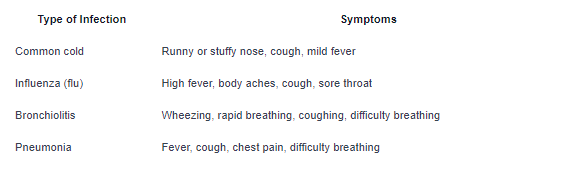
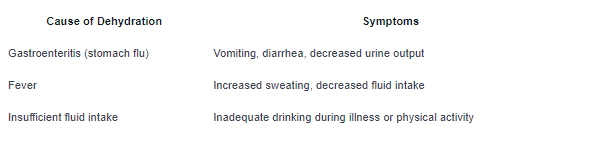
    Direct Purchase Channels: SimplyMedical.com

    Explore Direct Purchase Channels for Home Medical Equipment!

    Purchase Home Medical Equipment Directly

    For individuals looking to purchase home medical equipment, finding a reliable source can be daunting. SimplyMedical.com offers a solution by allowing consumers to buy directly from their platform. This convenience facilitates access to essential medical supplies that can enhance the quality of life for individuals with medical needs.

    Customers can easily navigate SimplyMedical.com to find a variety of products, including:

    • Mobility aids such as walkers and wheelchairs
    • Daily living aids to assist with routine tasks
    • Incontinence supplies, ensuring comfort and dignity
    • Respiratory products, crucial for those with breathing difficulties

    Does McKesson Sell Medical Supplies to Individuals?

    While McKesson is a prominent player in the healthcare industry, their business model primarily focuses on providing solutions to healthcare professionals, not directly to consumers. However, they do offer a wide range of medical equipment and supplies intended for professional settings, such as hospitals and labs.

    Through their collaboration with SimplyMedical.com, McKesson indirectly facilitates access for individuals wanting to purchase medical supplies. SimplyMedical.com is specifically designed to serve patients and families, allowing them to order supplies from the comfort of their homes. Thus, although McKesson doesn’t sell directly to individuals, their partnership ensures that consumers can find the medical products they need through SimplyMedical.com.

    Summary of SimplyMedical.com Offerings

    Here’s a quick comparison of offerings available through SimplyMedical.com:

    Category Product Examples Target User
    Mobility Aids Walkers, Canes, Wheelchairs Individuals needing help moving
    Incontinence Supplies Adult diapers, Pads, Protective wear Those experiencing incontinence
    Respiratory Products Nebulizers, Oxygen supplies Patients with respiratory issues
    Daily Living Aids Grab bars, Bathing assistance Seniors or those with disabilities

    In conclusion, SimplyMedical.com serves as an essential resource for individuals requiring direct access to medical supplies, while benefiting from McKesson’s extensive network and expertise.

    Evaluating Online Retailers: The Amazon Experience

    Discover the Amazon Experience for Purchasing Medical Supplies!

    Is Amazon a reliable supplier for medical supplies?

    Amazon has carved out a significant niche in the realm of online medical supplies. With an impressive inventory of over two-and-a-half million professional medical products available through Amazon Business, it serves as a convenient option for healthcare practitioners.

    However, the reliability of medical supplies purchased from Amazon can vary considerably. This is largely because many items are sold by third-party vendors using the platform. To ensure a satisfactory buying experience, it is crucial for customers to conduct thorough checks by:

    • Verifying seller ratings: Higher ratings generally indicate better service and product reliability.
    • Reviewing product feedback: Previous customer reviews can offer insights into the quality and effectiveness of the medical supplies.
    • Understanding return policies: Familiarizing yourself with the return policy can be vital if the purchased items do not meet expectations.

    Moreover, while a wide range of products is available, professionals in the medical field must confirm that the supplies comply with relevant regulatory standards and certifications.

    Advantages and considerations of buying from Amazon

    The advantages of purchasing medical supplies from Amazon include convenience and a broad selection. Items can often be delivered quickly, making it easier for healthcare providers to maintain stock levels.

    However, considerations must be made regarding the nature of the products. Due diligence is essential to determine if the supplies meet regulatory requirements. Missteps in this area can result in employing non-compliant or substandard products in medical settings.

    In summary, while Amazon offers a convenient shopping experience with extensive options, healthcare practitioners should engage in careful research to ensure consistent quality and adherence to medical standards.

    Industry Leaders: Understanding McKesson’s Role

    Understand McKesson's Leadership in Medical Distribution!

    Who is the biggest distributor of medical supplies?

    The title of the biggest distributor of medical supplies goes to McKesson Medical-Surgical. With an expansive catalog featuring over 300,000 products, McKesson caters to a diverse range of healthcare needs. This includes essential items such as personal protective equipment (PPE), surgical instruments, and various pharmaceuticals.

    McKesson Medical-Surgical offerings

    Within their extensive offerings, McKesson also supplies a significant array of laboratory products and additional support services tailored to healthcare facilities. Notably, their FluWise program is designed to assist healthcare providers in preparing for flu season, supplying both essential resources and vaccines to ensure community health and safety.

    Distribution capabilities of McKesson

    McKesson’s distribution capabilities are a cornerstone of their success. They operate a nationwide network that allows for next-day delivery to 95% of their client base. Their commitment to efficiency is underscored by an impressive order accuracy rate of 99.8%. This level of precision in their logistics is critical, especially in a field where timely delivery and reliability are paramount to patient care.

    Customer satisfaction also sits at the forefront of McKesson’s operations. They offer a 100% satisfaction guarantee on their products, allowing customers to return items for a full refund or credit if they are not satisfied within 12 months. This commitment builds trust and encourages long-term partnerships with healthcare providers.

    In summary, McKesson Medical-Surgical not only leads in product variety but also excels in distribution reliability and customer service, establishing a robust presence in the medical supply industry.

    A Deep Dive Into Medical Procurement

    Processes Involved in Hospital Equipment Purchasing

    The procurement of hospital equipment is a systematic and multifaceted process designed to ensure that healthcare providers receive the best possible products at reasonable costs. The procedure typically unfolds in a four-step strategy:

    1. Gathering Data: This initial phase focuses on collecting comprehensive information, including product studies and market analysis, which helps inform future decisions. Documentation such as clinical outcomes and compliance approvals is vital during this stage.
    2. Negotiating Solutions: After data collection, the negotiation phase begins. Stakeholders engage with suppliers to reach agreements that meet both budgetary constraints and equipment needs.
    3. Conducting Trials: Before finalizing any purchase, it’s common for hospitals to conduct trials or pilot programs to evaluate the equipment’s effectiveness and suitability in a realistic setting.
    4. Making Procurement Decisions: Finally, after assessing the collected data and trial results, a decisive procurement choice is made, ensuring the equipment aligns with the hospital’s standards and operational goals.

    Key Stakeholders in Procurement

    Several stakeholders play crucial roles in the equipment procurement process:

    • Value Analysis Teams (VATs): Comprising diverse members such as healthcare professionals, these teams are responsible for evaluating and recommending purchases based on value and efficiency.
    • Physicians and Nurses: Their firsthand experience and insights contribute significantly to understanding which equipment best meets patient care needs.
    • Purchasing Agents: These individuals manage the logistics and negotiations with suppliers, ensuring cost-effectiveness in procurement.
    • Clinical Engineers: They provide technical expertise, helping assess the functionality and compatibility of new equipment with existing systems.

    In this collaborative environment, effective communication and data-sharing, often enhanced by e-procurement portals, streamline processes and fortify relationships between medical staff and suppliers.

    Comparing Direct-to-Consumer Models

    Benefits of Purchasing Direct-to-Consumer

    Purchasing direct-to-consumer (DTC) offers several advantages for buyers of medical supplies. For one, it often provides cost savings. By eliminating middlemen, DTC models can pass on lower prices to consumers. This allows customers to access necessary supplies without the traditional markup seen in retail settings.

    Additionally, DTC shopping enhances convenience. Consumers can browse, select, and purchase items from the comfort of their own homes. This is especially beneficial for individuals with mobility issues or those living in remote areas.

    Moreover, DTC companies frequently offer tailored services such as subscription models for recurring needs, personalized customer support, and streamlined delivery options, enhancing the overall purchasing experience.

    Comparison with Traditional Supply Channels

    When comparing DTC to traditional supply channels, two significant differences stand out:

    Aspects DTC Model Traditional Supply Channels
    Pricing Structure Generally lower due to reduced overhead Higher prices due to multiple intermediaries
    Accessibility 24/7 availability through online platforms Limited hours based on store operations
    Personalization Customizable options and direct feedback Less tailored, often one-size-fits-all

    In essence, while traditional channels have the advantage of physical presence and immediate availability, DTC models significantly modernize the purchasing process, making it more efficient and consumer-friendly.

    Understanding Pricing Dynamics

    Factors affecting pricing in medical supplies

    Pricing for medical supplies can be influenced by several variables. Here are the main contributors to the pricing dynamics:

    • Supply and Demand: Similar to other markets, the balance between the availability of medical supplies and the consumer demand significantly impacts price levels.
    • Production Costs: The cost incurred during the manufacturing process, including raw materials, labor, and overhead, directly affects the final price of products.
    • Regulatory Compliance: Medical supplies must meet health and safety regulations, which can incur additional costs for manufacturers.
    • Market Competition: A competitive market may lower prices as companies try to attract customers. Conversely, a limited number of suppliers can lead to higher prices due to less competition.

    Ways to ensure affordability

    Ensuring affordability in medical supplies is essential for healthcare access. Here are some strategies to consider:

    • Bulk Purchasing: Organizations can negotiate bulk purchase agreements, which often leads to significant discounts.
    • Government Subsidies: Advocacy for government support can help lower the prices of essential medical supplies for consumers.
    • Insurance Coverage: Increasing insurance coverage for medical supplies can alleviate the financial burden on individuals.
    • Generic Alternatives: Promoting and developing generic equivalents can offer more affordable options for often high-priced branded products.
    Factor/Affordability Strategies Description Example
    Supply and Demand Balance between product availability and consumer needs Seasonal fluctuations in demand
    Production Costs Costs associated with manufacturing Raw materials affecting retail price
    Regulatory Compliance Expenses to meet standards Certifications for safety
    Market Competition Effect of competition on pricing Price wars between suppliers
    Bulk Purchasing Buying in larger quantities for better rates Hospital procurements
    Government Subsidies Financial aid provided by the government Medicaid pricing adjustments
    Insurance Coverage Inclusion of supplies in insurance plans Medicare coverage expansions
    Generic Alternatives Non-branded versions of products Generic inhalers vs brand inhalers

    Accessing affordable medical supplies is a complex process that necessitates understanding the intricate factors affecting pricing while advocating for more affordable solutions.

    Evaluating Quality and Standards

    Learn How to Ensure Quality in Medical Equipment!

    Ensuring Quality in Medical Equipment

    The quality of medical equipment is crucial for the safety of patients and effectiveness of healthcare services. Manufacturers must implement rigorous quality assurance processes to ensure the products meet safety and performance standards. This includes thorough testing during various phases of production, from the design stage to post-market surveillance.

    One essential aspect of guaranteeing quality is the adherence to established guidelines, such as those provided by the International Organization for Standardization (ISO). Compliance with these guidelines assists in minimizing risks associated with medical devices, thus protecting patient welfare.

    Importance of Standards and Certifications

    Standards and certifications serve as benchmarks for quality assurance in the medical equipment industry. Certifications such as ISO 13485 for quality management systems specifically designed for medical devices provide assurance that the company follows best practices and regulatory requirements.

    Moreover, compliance with standards set by regulatory bodies like the FDA or the European Medicines Agency (EMA) is imperative. These certifications not only enhance trust among healthcare providers but also enable easier access to global markets.

    Summary of Key Quality Indicators

    Indicator Description Importance
    ISO Standards International quality guidelines Ensures product safety and reliability
    FDA Certification Approval for use in the U.S. Validates effectiveness and safety
    Post-Market Surveillance Ongoing monitoring post-release Identifies potential issues early

    By focusing on quality and adhering to recognized standards, manufacturers can elevate the overall credibility of medical equipment, ultimately contributing to better health outcomes.

    The Role of Customer Reviews and Ratings

    Impact of customer feedback on purchasing decisions

    In today’s digital marketplace, customer reviews and ratings have become pivotal in shaping purchasing decisions. For many consumers, these insights serve as a virtual word-of-mouth recommendation. The trust in peer feedback can significantly influence whether a product garners interest or is dismissed. Studies show that around 90% of customers read online reviews before making a purchase, highlighting how essential these opinions are in contributing to the credibility of a brand.

    Furthermore, an overall high rating can reassure potential buyers, while an average or low rating often prompts them to reconsider. Negative reviews, particularly detailed ones, can signal potential problems that may not be apparent from product descriptions alone. Thus, feedback not only guides individual choices but also propels companies to improve their offerings based on constructive criticism.

    How to interpret reviews effectively

    Interpreting reviews effectively is crucial for making informed decisions. Here are some strategies to consider:

    • Look for patterns: Focus on multiple reviews rather than an isolated opinion. Common themes can help gauge overall product reliability.
    • Evaluate the details: Reviews that provide specific information regarding usability, durability, and customer service experiences are generally more helpful than those that are vague or overly emotional.
    • Check reviewer credibility: Some platforms allow you to see a reviewer’s history of feedback. Identifying consistent, trustworthy reviewers can enhance the reliability of their input.

    Understanding these nuances can enhance your shopping experience and ensure that your choices align with your needs and expectations.

    Navigating Supplier Choices

    Different Categories of Medical Equipment Suppliers

    When choosing a supplier for medical equipment, it’s essential to understand the different categories available. Here are some common types:

    • Manufacturers: These suppliers produce medical devices and equipment directly, ensuring quality control and innovation.
    • Distributors: They act as intermediaries, purchasing products from manufacturers and selling them to healthcare providers. This category often includes specialized distributors who focus on certain types of medical equipment.
    • Retailers: These suppliers sell medical equipment directly to consumers, often online or in physical stores. This can be convenient for small-scale needs or personal medical supplies.
    • Rental Services: Some companies specialize in providing equipment on a rental basis, which can be cost-effective for short-term needs, such as during recovery.

    How to Choose the Right Supplier

    Choosing the right supplier can greatly impact the efficiency and quality of medical care. Here are several important factors to consider:

    1. Reputation: Research the reputation of suppliers through reviews and ratings. A reliable supplier typically has positive feedback from healthcare professionals.
    2. Quality Assurance: Ensure that the supplier follows strict quality control measures and holds certifications from recognized medical bodies.
    3. Product Range: Suppliers with a diverse product range can provide comprehensive solutions and support across various medical needs.
    4. Support Services: Look for suppliers that offer robust customer service, including installation, maintenance, and after-sales support.
    5. Pricing and Terms: Analyze the pricing structure and payment terms to ensure they align with your budget and financial planning.
    Supplier Type Advantages Considerations
    Manufacturers Direct control over quality & pricing Often require bulk orders
    Distributors Wide variety of products available Potentially higher markups
    Retailers Convenient for personal use Limited professional advice
    Rental Services Cost-effective for temporary needs Availability may vary

    Making informed decisions in the supplier selection process can enhance operational efficiency and contribute to better patient care.

    Future Trends in Home Patient Equipment

    Uncover Future Trends in Home Patient Equipment Technology!

    Emerging Trends and Technologies

    The landscape of home patient equipment is evolving rapidly, driven by continuous innovation in technology. Wearable devices are gaining traction, allowing patients to monitor their health metrics, such as heart rate and blood glucose levels, right from the comfort of their homes. These devices can transmit data to healthcare providers in real-time, ensuring timely intervention when necessary.

    Another significant trend is the integration of telehealth services. Remote consultations and virtual clinics are becoming commonplace, enabling patients to receive care without the need for physical travel. This is especially beneficial for those with mobility challenges.

    Additionally, smart home technology is making its way into healthcare. Products such as smart pill dispensers and automated medication reminders help patients manage their treatments more effectively, reducing the risk of missed doses.

    How New Developments Can Impact Care Delivery

    The impact of these advancements on care delivery is substantial. By decentralizing care, home patient equipment allows for continuous monitoring, which can lead to earlier detection of potential health issues. This shift not only enhances patient outcomes but also reduces hospital readmissions.

    Moreover, the use of artificial intelligence (AI) in analyzing collected data can help healthcare providers tailor treatment plans uniquely suited to each patient’s needs.

    In summary, as technology continues to develop, the future of home patient equipment promises to enhance the quality of care delivered at home, empower patients, and create a more efficient healthcare system overall.

    Technology Description Impact on Care Delivery
    Wearable Devices Health metrics monitoring through wearables Real-time data transmission to providers
    Telehealth Virtual consultations for remote care Increased accessibility to healthcare
    Smart Home Tech Automated medication management Improved adherence to treatment plans

    Making the Right Choice for Home Patient Equipment

    Selecting the appropriate home patient equipment involves thorough research and understanding of available options. By evaluating direct purchase opportunities, leveraging online platforms like Amazon, understanding industry leaders like McKesson, and staying informed on pricing and quality standards, individuals and families can make informed decisions. As healthcare evolves, keeping an eye on future trends will also ensure that you are choosing the most innovative and effective solutions for home care needs. Empower yourself with knowledge and make the best choices for your home healthcare journey.

    References