
Category: Uncategorized

  • Where Can I Find Medical Equipment Wholesalers?

    Where Can I Find Medical Equipment Wholesalers?

    Exploring the Landscape of Medical Equipment Wholesale Suppliers

    Understanding Your Options

    In the rapidly growing medical equipment industry, finding the right wholesale supplier can significantly impact the operational efficiency and cost management of healthcare facilities. With numerous distributors offering a myriad of products, it’s crucial for buyers to navigate this vast marketplace strategically. This article aims to provide readers with insights into where and how to find reliable medical equipment wholesalers, their offerings, and services.

    Comparing Supplier Offerings

    Evaluating Key Aspects of Medical Equipment Suppliers

    How can I compare different suppliers and their offerings for medical equipment wholesale purchasing?

    To effectively compare suppliers in the medical equipment sector, you should evaluate several vital components of their services. Here are some important aspects to consider:

    1. Product Range

      • McKesson Corporation: Offers over 300,000 products, catering to a wide variety of medical needs.
      • Henry Schein: Provides around 190,000 items, focusing on both general and specialized equipment.
      • Drive Medical: Known for its diverse offerings in durable medical equipment alongside educational resources.
    2. Delivery Efficiency and Customer Support

      • Timeliness: McKesson boasts an impressive next-day delivery for 95% of orders, with a 99.8% accuracy rate.
      • Henry Schein: Noted for quick shipping options, including same-day delivery, achieving a 99% fill rate, which indicates reliability.
      • AmeriSourceBergen: Serves 10.5 million patients annually, suggesting robust customer service capability.
    3. Ordering Systems and Inventory Management

      • McKesson’s System: A comprehensive platform enables users to track expenses, manage orders, and monitor inventory effectively.
      • Health Products for You: Utilizes a vast warehouse network to ensure timely deliveries and efficient inventory management.

    In conclusion, assessing the product range, delivery options, and inventory management systems will provide clarity in choosing the right supplier for your medical equipment needs. Here’s a table summarizing the offerings of some leading suppliers in this space:

    Supplier Product Range (Approx.) Delivery Efficiency Inventory Management
    McKesson Corporation 300,000 Next-day for 95% Advanced tracking
    Henry Schein 190,000 Same-day shipping Quick fill rate (99%)
    Drive Medical Varied Timely nationwide Educational resources
    AmeriSourceBergen Extensive Reliable and efficient Wide market reach
    Axiom Medical Supplies Wide range Fast delivery Price comparisons

    When comparing suppliers, considering these factors will enhance your ability to make informed purchasing decisions in the medical equipment field.

    Discovering Top Medical Supply Distributors

    Your Guide to Leading Medical Supply Distributors

    Where can I find a comprehensive list of medical supply distributors?

    You can find an extensive list of medical supply distributors on specialized websites that provide insights into the top suppliers in the U.S. Notable companies include:

    • McKesson Corporation: A leading pharmaceutical supplier and medical equipment distributor.
    • Medline Industries: Offers a wide variety of medical supplies aimed at enhancing care quality while reducing costs.
    • Cardinal Health: Supplies medical products needed by 90% of U.S. hospitals.

    These distributors showcase various types, such as general medical supplies, specialized equipment, and home healthcare equipment, simplifying the search for specific medical needs.

    What types of distributors and specialization exist in medical equipment supply?

    Distributors vary in specialization, catering to different healthcare requirements:

    Distributor Type Specialization Description
    General Medical Supplies Offers essential items for daily healthcare, including single-use products.
    Specialized Equipment Focuses on advanced technologies for specialized care facilities.
    Used and Refurbished Equipment Provides cost-effective solutions for budget-conscious buyers.
    Home Healthcare Equipment Supplies tools for patient care in home settings, reflecting caregiving trends.

    What role do these distributors play in healthcare supply chains?

    Effective distribution networks are crucial for ensuring timely access to medical equipment. This influences both the quality of patient care and health outcomes. Many distributors also offer financing or leasing options, helping healthcare providers manage the costs of acquiring necessary equipment. This adaptability is vital for facilities looking to maintain high-quality care amid budget constraints. The rise of online vendors like Axiom Medical Supplies showcases how the industry is evolving to meet diverse needs, with companies adapting to provide better support and supplies, helping over 10.5 million patients yearly.

    Navigating Online Wholesale Platforms

    Find Your Reputable Online Medical Supply Platform

    What are some reputable online platforms to purchase wholesale medical supplies?

    When it comes to sourcing medical supplies, several online platforms stand out for their reliability and extensive inventory. Here are a few notable ones:

    • McKesson: Recognized as the largest distributor in North America, McKesson offers an impressive catalog of over 300,000 medical products. Their efficient ordering system and next-day delivery capabilities make them a top choice for many healthcare providers.

    • Henry Schein Medical: Catering primarily to licensed healthcare professionals, Henry Schein focuses on surgical supplies and pharmaceuticals. Their vast inventory and quick shipping process ensure that customers receive the necessary supplies promptly.

    • DDP Medical Supply: This platform specializes in competitive pricing and expedited shipments. They partner with major medical brands, ensuring that quality is never compromised.

    • USA Medical and Surgical Supplies: Known for its wide selection and low prices, USA Medical also offers free shipping on larger orders, accommodating various healthcare needs.

    Specifics of each platform

    Platform Feature Shipping/Offers
    McKesson Largest distributor Next-day delivery
    Henry Schein Medical Focus on surgical supplies Quick shipping
    DDP Medical Supply Competitive pricing Fast shipments
    USA Medical & Surgical Wide selection Free shipping on larger orders

    Customer-oriented services

    These platforms not only offer an array of products but also prioritize customer satisfaction. They provide financing or leasing options to ease the financial burden of purchasing new medical equipment. Additionally, many offer educational resources, such as guides and customer support, to help users navigate their extensive catalogs effectively.

    As the demand for medical supplies continues to grow, these reputable platforms play a vital role in ensuring healthcare providers can access essential products quickly and efficiently.

    Leading Giants in Medical Equipment Distribution

    Profiles of Top Distributors in the Medical Equipment Industry

    Profiles of Large Distributors

    The medical equipment industry features several prominent distributors that play pivotal roles in healthcare delivery. Notable players include:

    • McKesson Corporation: This leading distributor offers over 300,000 products, including medical-surgical supplies and pharmaceuticals, ensuring operational efficiency through next-day delivery and high order accuracy.
    • AmeriSourceBergen: Serving approximately 10.5 million patients annually, it dominates the online medical distribution market, reaching over 75 countries.
    • Cardinal Health: It supplies products to around 90% of U.S. hospitals, positively affecting over 3.4 million patients through its extensive distribution network.
    • Medline Industries: Known for offering a variety of products while focusing on cost reduction and care quality improvement.

    Their Impact on Healthcare Sectors

    These distributors provide crucial medical supplies ranging from single-use items to advanced medical equipment. As the medical equipment industry grows rapidly to meet healthcare demands, the impact of efficient distribution networks is increasingly significant. They ensure timely access to essential tools, greatly enhancing patient care and outcomes. For example, distributors like Drive Medical and Vitality Medical not only supply but also educate customers about their products, empowering healthcare facilities to make informed decisions.

    Technological Advancements in Distribution

    Advancements in technology have revolutionized how medical equipment is distributed, allowing for greater efficiency and reliability. Some distributors offer sophisticated ordering systems and real-time inventory tracking, which enhance logistical capabilities. This tech-driven approach streamlines supply chain management, ensuring facilities receive what they need promptly. In addition, many distributors provide financing and leasing options, making it easier for budget-conscious healthcare providers to acquire necessary equipment without financial strain.

    Distributor Name Offers Impact on Healthcare
    McKesson Corporation Over 300,000 products, including telehealth High order accuracy, supports home health
    AmeriSourceBergen Online distribution to 75+ countries Serves 10.5 million patients annually
    Cardinal Health Supplies to 90% of US hospitals Positive impacts on millions of patients
    Drive Medical Durable medical equipment with education Enhances customer knowledge on products
    Vitality Medical Fast delivery, bulk purchase discounts Improves supply access for healthcare providers

    These leading giants actively shape the landscape of medical equipment distribution, ensuring that healthcare providers are equipped to deliver quality care efficiently.

    Understanding Different Types of Distributors

    Understanding the Variety in Medical Equipment Distribution

    General vs. Specialized Distributors

    The medical equipment distribution landscape consists of various types of distributors. General Medical Supplies Distributors offer a broad range of products crucial for everyday healthcare, including both single-use items and durable equipment. On the other hand, Specialized Equipment Distributors focus on advanced technologies tailored for specific care needs, providing equipment that supports specialized facilities.

    Economic and Product Benefits

    In the rapidly growing medical equipment industry, the presence of Used and Refurbished Equipment Distributors presents budget-friendly options for healthcare facilities. These distributors offer cost-effective solutions without sacrificing quality. Financing or leasing options available through many distributors further aid healthcare providers in managing their costly equipment acquisition.

    Home Healthcare Distribution Growth

    The rise of home healthcare has led to an increase in Home Healthcare Equipment Distributors. These suppliers provide tools necessary for patient care in non-traditional settings, reflecting changing healthcare dynamics. Facilities can now easily source equipment, benefiting from distributors like McKesson Corporation and Medline Industries, which deliver both accessibility and quality in healthcare provision.

    A Closer Look at Distribution Networks and Financing

    Importance of Distribution Networks

    The distribution network within the medical equipment industry plays a crucial role in ensuring that healthcare providers have timely access to necessary tools. This efficiency is vital as it directly influences the quality of patient care and outcomes. Reliable suppliers, such as McKesson Corporation and Cardinal Health, maintain extensive networks that cater to numerous healthcare facilities, ensuring that essential medical supplies, from daily consumables to specialized equipment, reach those in need without delays.

    Financing and Leasing Options

    Many distributors recognize the financial challenges healthcare providers face, which is why they offer financing and leasing options. These strategies help facilities manage costs more effectively when acquiring medical equipment. For instance, organizations like Owens & Minor provide affordable solutions, allowing healthcare providers to focus more on patient care rather than financial burdens.

    Impact on Patient Care Quality

    The growing demand for innovative medical equipment can be met through both advanced technology and cost-effective solutions, reflecting on patient care quality. Specialized equipment distributors ensure that state-of-the-art devices are available, fostering improved health outcomes. Companies like Drive Medical and Vitality Medical enhance this aspect by providing educational resources and fast delivery, ensuring that healthcare professionals are well-equipped to perform their duties efficiently.

    Distributor Focus Area Additional Notes
    McKesson Corporation Pharmaceuticals & Medical Equipment Extensive North American network
    Cardinal Health Broad medical supply distribution Supplies 90% of US hospitals
    Owens & Minor Inc. Affordable medical supplies Focus on quality since 1882
    Drive Medical Durable medical equipment Educational resources offered
    Vitality Medical Fast delivery and bulk discounts Numerous warehouses across the US

    Making Informed Decisions

    Selecting a medical equipment wholesaler requires careful consideration of various factors, including product offerings, delivery capabilities, and support services. By leveraging the resources outlined above, healthcare providers can not only streamline their operations but also enhance patient care by securing timely and cost-effective access to essential medical supplies. It is imperative to engage with reputable distributors who are well-established in the market and offer comprehensive support to ensure quality and reliability in medical equipment sourcing.

    References

  • Supporting Pediatric Patients with Cognitive Disabilities at Home

    Supporting Pediatric Patients with Cognitive Disabilities at Home

    Creating Inclusive and Supportive Home Environments for Children with Cognitive Disabilities

    Understanding Cognitive Disabilities and the Importance of Home Support

    Cognitive disabilities, often referred to as intellectual disabilities, present unique challenges and opportunities for growth within the home environment. These disabilities can affect a child’s ability to think, reason, and learn, leading to developmental delays and requiring tailored support. Families play a crucial role in shaping the lives of children with cognitive disabilities, ensuring they receive the care and guidance necessary to reach their potential. This article explores practical strategies and resources for supporting pediatric patients with cognitive disabilities at home, offering insight into creating safe, inclusive spaces for learning and development.

    Providing Supportive Guidance and Fostering Social Skills

    Empower Your Child with Social Skills!

    How can parents help children with intellectual disabilities?

    Parents play a vital role in the development and well-being of children with intellectual disabilities. Consistent guidance coupled with positive reinforcement can significantly encourage skill development. This method not only helps children learn but also builds their self-esteem.

    Engaging children in social activities is equally important. Participation in group classes, sports, or community events provides opportunities for social interaction, helping children form friendships and develop social skills. Being part of a group also introduces them to diverse experiences and perspectives.

    Another critical element is early intervention. It’s essential for parents to seek assessments to identify any developmental delays, which can then inform the creation of Individualized Education Plans (IEPs) to address their child’s unique educational needs. Access to resources and specialized support can profoundly impact their learning journey.

    Creating a supportive home environment plays a significant role in enhancing a child’s confidence. This includes setting up routines and providing a safe space where children feel secure enough to express themselves and take risks in their learning.

    Ultimately, awareness of available support and open communication with professionals can empower parents to advocate effectively for their children’s needs, ensuring they receive the necessary help to thrive.

    Understanding and Managing Learning Disabilities at Home

    Strategies for Effective Home Learning!

    How can parents assist children with learning disabilities?

    Parents play a crucial role in supporting children with learning disabilities. One effective way is to maintain ongoing communication with the child’s teacher to develop a personalized educational plan. This creates a collaborative environment that allows for adjustments based on the child’s progress.

    Identifying the child’s learning style is equally important. Tailoring at-home activities to match their preferred learning methods—whether they are visual, auditory, or kinesthetic—can significantly enhance their engagement and comprehension.

    Establishing Routine

    Creating a structured routine makes a difference in managing learning disabilities at home. Establishing consistent times for study, play, and rest helps children understand expectations and reduces anxiety. Integrating scheduled breaks within this routine can also improve focus and overall efficiency, providing children with the mental space needed to absorb new information.

    Engaging in Literacy Activities

    Engaging children in literacy activities is essential for skill development. Parents can incorporate fun practices like reading together, using story bags filled with related items, or employing art techniques to tell stories. Additionally, fostering a positive environment where effort is praised over results reinforces a growth mindset, enabling children to persevere through challenges.

    Utilizing Household Chores for Learning

    Involving children in age-appropriate household chores further promotes skills such as organization, responsibility, and self-reliance. For instance, learning to cook or water plants can enhance their independence and motor skills.

    Support groups are also a valuable resource for parents, offering community connections and sharing helpful strategies. These interactions can provide encouragement and information, necessary for navigating challenges effectively.

    Teaching and Learning Strategies for Classrooms

    Innovative Teaching Strategies for Diverse Learners!

    How can teachers support students with learning disabilities?

    Teachers can effectively support students with learning disabilities by utilizing a diverse array of instructional strategies that cater to individual learning needs. Tailoring methods helps students gain confidence and improve their academic performance.

    Instructional Strategies

    • Differentiated Instruction: Adapting lessons to meet diverse student needs.
    • Structured Routines: Establishing predictable schedules helps students understand expectations.
    • Hands-On Learning: Incorporating interactive activities that promote engagement and retention.

    Visual Aids

    Visual aids are crucial in enhancing comprehension. They can include:

    • Charts and diagrams to illustrate concepts.
    • Written outlines and summaries to highlight key points.
    • Color-coded materials that help organize information.

    Technology Use

    Implementing technology in the classroom can greatly assist students.

    • Use of word processors with spell checkers aids in writing tasks.
    • Educational apps designed for specific learning disabilities can provide tailored practice.
    • Audio-visual materials to reinforce learning through multiple senses.

    Inclusive Practices

    Fostering an inclusive environment is important for all learners.

    • Provide both oral and written instructions to accommodate different learning styles.
    • Encourage peer support and collaboration among students without disabilities.
    • Promote open communication, inviting students to share their unique needs and suggested accommodations.

    By applying these strategies, teachers can create a supportive and effective learning environment for students with learning disabilities.

    Effective Educational Practices for Intellectual Disabilities

    Best Practices for Supporting Intellectual Disabilities!

    What are effective strategies for teachers to help children with intellectual disabilities?

    Effective strategies for teaching children with intellectual disabilities incorporate real-life examples and diverse instructional methods. These might include handouts, visuals, and videos that cater to various learning styles. Clarity is essential; thus, teachers should use simple language and provide outlines along with tailored reading lists to boost comprehension.

    In addition, employing alternative assessment methods can significantly support these students. Extensions on time and modifications to formats can alleviate pressure, accommodating each student’s unique needs. Teachers should also engage in inclusive practices, allowing students to audit classes or participate in alternative activities which foster a more enriching learning experience.

    Utilizing Assistive Technologies

    Assistive technologies play a pivotal role in enhancing educational outcomes for children with intellectual disabilities. Examples of these technologies include communication devices, speech-to-text applications, and interactive learning tools.

    Strategy Type Description Example
    Real-life Examples Utilize familiar contexts to teach abstract concepts Cooking lessons to teach measurements
    Assessment Methods Variations to traditional tests Extended time or project-based assessments
    Flexible Learning Adjust teaching according to student needs Allowing audits in mainstream classes
    Assistive Technologies Tools that aid learning and communication Speech-generating devices

    A flexible and supportive educational approach that integrates these methods can vastly improve students’ academic experiences and outcomes.

    Incorporating Engaging Activities in Daily Routines

    What are some daily activities and routines that support children with cognitive disabilities at home?

    Establishing a structured daily timetable is essential for children with cognitive disabilities. These routines not only provide stability but can also incorporate various engaging activities to support their growth.

    1. Household Tasks: Involving children in household duties like meal preparation, watering plants, or taking care of pets promotes both independence and fine motor skills. Organizing clothes for dressing can empower children and build their confidence in daily routines.
    2. Sensory and Art Activities: Sensory activities, such as exploring different textures through sensory trays, can enhance sensory awareness. Additionally, engaging in art projects—like making homemade dough or painting—serves as a therapeutic outlet and aids cognitive development.
    3. Music and Movement: Incorporating music and movement into daily activities enhances language acquisition and coordination. Using homemade instruments during music sessions or engaging in dance can stimulate both motor skills and creativity.
    4. Emotional Well-Being: Fostering emotional health is as critical as physical development. Activities like storytelling with props help children articulate feelings and improve social interaction. Techniques such as adaptive journaling and mindfulness practices can effectively support their emotional and mental well-being.

    These strategies not only enrich daily routines but also help children with cognitive disabilities thrive in a nurturing and stimulating environment.

    Identifying and Addressing Learning Disabilities

    How can learning disabilities in a child be identified?

    Learning disabilities in a child can be identified through systematic observations and assessments conducted in educational settings. One effective method is the process called Response to Intervention (RTI). This approach monitors a child’s progress through tiered support, which helps identify specific learning difficulties.

    Comprehensive evaluations performed by a team of specialists can provide a clearer diagnosis. This team often includes psychologists and special education experts who may conduct medical exams and various academic tests targeting specific disorders like dyslexia, dysgraphia, and dyscalculia.

    Signs and symptoms

    Signs of learning disabilities often include:

    • Consistent difficulties in reading, writing, or math.
    • A noticeable increase in frustration while tackling academic tasks.
    • Challenges that impact self-esteem and confidence in school settings.

    Providing support

    Identifying these challenges early through careful observation and assessments is critical for crafting effective support and interventions. This could involve tailored educational strategies that enhance learning. Implementing personalized approaches helps not only in academic success but also in fostering emotional well-being and resilience.

    All in all, timely recognition of learning disabilities can pave the way for effective educational support that empowers children facing these challenges.

    Resources and Support Networks for Parents

    Discover Valuable Resources for Your Child's Success!

    What types of resources are available for parents who have children with learning disabilities?

    Parents of children with learning disabilities can find numerous resources tailored to help them manage challenges and support their child’s education effectively. Key platforms such as Understood.org and PBS Parents provide a wealth of practical information and strategies related to learning disabilities. These websites offer insights into identifying disabilities and ways to facilitate learning.

    Moreover, state-specific resources, like those offered by the California Department of Education, underscore the significance of family engagement in the educational journey. Workshops and clinics organized by groups like Exceptional Parents Unlimited further empower parents by educating them about Individualized Education Programs (IEPs) and their rights under the Individuals with Disabilities Education Act (IDEA).

    Overall, these resources are designed to equip parents with the knowledge they need to advocate for their children while promoting development and well-being at home and in educational settings.

    Empowering Families to Foster Growth and Development

    Supporting children with cognitive disabilities at home involves a multi-faceted approach that integrates educational, emotional, and social support. Through understanding the unique needs of these children and utilizing available resources, families can create nurturing and inclusive environments. The role of parents and caregivers is pivotal in advocating for and guiding their children as they navigate life’s challenges. Empowering them with effective strategies and support networks ensures these children can thrive and achieve their full potential.

    References

  • How to support families transitioning to home medical care for their child

    How to support families transitioning to home medical care for their child

    Facilitating Smooth Transitions: From Hospital to Home for Pediatric Care

    Introduction to Home Medical Care Transitioning

    Transitioning a child with medical complexities from hospital to home care can be a profound shift for families, encompassing logistical, emotional, and practical changes. Understanding the steps involved and resources needed can streamline this process and benefit both the child and family members involved. With careful planning and effective communication strategies, families can navigate this transition with confidence and clarity.

    Planning a Smooth Transition from Hospital to Home Care

    Facilitating a Smooth Transition: Key Steps for Families

    How can families facilitate the transition from hospital to home medical care for children?

    Families can facilitate the transition from hospital to home medical care for children by closely collaborating with both hospital and home care providers to ensure seamless communication and consistency in care plans. This collaboration begins with the creation of comprehensive discharge care plans that define medical procedures, medication management, and specific therapy services tailored to the child’s needs.

    Importance of communication with healthcare providers

    Establishing clear lines of communication with healthcare providers is vital. Families should actively participate in care planning, asking questions and providing updates to ensure that everyone’s on the same page. Regular check-ins allow for timely adjustments to the care plan as needed, which is essential for ongoing support.

    Preparing the home environment and organizing medical supplies

    Preparing the home environment involves thorough safety checks to remove hazards and organizing medical supplies for easy access. A dedicated care space that is well-lit and comfortable not only promotes the child’s health but also provides peace of mind for caregivers. Training caregivers on household do’s and don’ts aids in ensuring that care procedures are consistently followed.

    Effective transitions are facilitated through these proactive steps, ultimately leading to a smoother integration of care routines at home.

    Preparing the Home Environment for Medical Care

    Preparing Your Home: Essential Guidelines for Care

    How can families prepare the home environment for a child transitioning to medical care at home?

    To prepare the home environment for a child transitioning to home medical care, families should start by conducting a thorough safety assessment. This involves several key actions:

    • Childproofing Spaces for Safety:

      • Securely anchor heavy furniture to prevent tipping.
      • Remove or lock away hazardous items, including cleaning products and medications.
      • Cover electrical outlets and remove sharp objects to make the environment safer for the child.
    • Designating Care Areas:

      • Set up a dedicated care space in a quiet, accessible part of the home.
      • Ensure that this area is well-lit and comfortable, catering to the child’s specific medical needs.
      • Include seating for parents or caregivers, promoting ease during caregiving activities.
    • Organizing Medical Supplies:

      • Organize medical supplies and equipment in designated areas to ensure they are easily accessible when needed.
      • Maintain a clean and sanitary environment to prevent infections, with a consistent cleaning schedule to keep the area safe.

    By following these guidelines, families can create a home environment that enhances care, reduces stress, and supports the child’s needs.

    Fostering Effective Communication with Healthcare Providers

    Effective Communication: Building Strong Partnerships with Providers

    How can families collaborate with healthcare providers and understand caregiving roles?

    Families can significantly improve their collaboration with healthcare providers by establishing clear communication channels. This starts with regular meetings to discuss the care plan and clarify the roles of all team members. Through these discussions, families can voice their expectations and gain a better understanding of caregiving roles.

    Shared Expectations

    Setting shared expectations is crucial. Families should be proactive in outlining their child’s care needs, preferences, and routines. This information ensures that healthcare providers are well-informed and can tailor their support accordingly. Establishing transparency fosters trust and maintains a consistent flow of information, which is vital for effective care coordination.

    Advocating for Child’s Needs

    Advocacy is an integral part of navigating healthcare for children with complex needs. Families should feel empowered to speak up about their child’s needs during appointments. Creating tools such as a list of questions with the Patient Question Builder can facilitate these conversations. Regular check-ins not only help monitor the child’s progress but also keep the care team accountable.

    Effective communication with healthcare providers directly impacts treatment outcomes, creating a collaborative atmosphere that enhances care quality. For families transitioning to home medical care, maintaining this dialogue is essential to ensure their child’s well-being and effective health management.

    Emotional Well-being During Transition to Home Care

    Supporting Emotional Well-Being: Strategies for Families

    Identifying emotional needs and providing support

    Transitioning a child with complex medical needs from hospital to home can be emotionally challenging for families. Recognizing the varied emotional needs is essential—both for the child and caregivers. During this time, it’s crucial to maintain open lines of communication to discuss feelings and encourage sharing of experiences.

    It’s beneficial to validate emotions as they arise and to seek professional support if needed. Engaging with mental health professionals or support groups can offer families a safe space to process their feelings and build coping strategies.

    Strategies for family emotional adjustment

    Several strategies can assist families in adjusting emotionally to these changes:

    • Involve the child in care decisions, helping them feel empowered and secure.
    • Establish routines that provide structure and predictability, contributing to emotional stability.
    • Prioritize self-care for caregivers, ensuring they have time to recharge and manage stress effectively.
    • Create a nurturing environment that fosters understanding and openness within family discussions.

    Engaging siblings in caregiving

    Including siblings in the caregiving process offers an opportunity for emotional growth and understanding. This can help demystify the healthcare routine and build a united family front. Encourage siblings to express their feelings and provide opportunities for them to participate in age-appropriate tasks, emphasizing that their contributions are valuable. This not only promotes empathy but also enhances the overall family dynamic during this transition.

    Remember, addressing emotional well-being is as vital as managing medical needs in the journey to home care.

    Managing Home Environment and Safety

    How can families prepare the home environment and establish effective communication with healthcare providers?

    To ensure a smooth transition for a child moving from hospital to home care, families must focus on creating a safe and supportive home environment. This begins with comprehensive home safety assessments aimed at identifying potential hazards. Families should secure furniture, childproof their surroundings, and remove any dangerous items to minimize risks.

    Next, it’s essential to establish a dedicated care space within the home. This area should be quiet, accessible, and comfortable, specifically designed to hold necessary medical equipment and supplies. Well-organized spaces that are well-lit will facilitate easier access to items like medications and treatment tools, enhancing the child’s care experience.

    Additionally, maintaining clear communication with healthcare providers is crucial. Families should develop a communication plan that outlines care routines, medication management, and emergency procedures, ensuring that all important information is conveyed efficiently. Regular check-ins with the care team can foster effective information sharing and ensure that the child’s evolving needs are met.

    Key Aspect Details Importance
    Home Safety Assessments Identify and resolve potential hazards Reduces risks and enhances child safety
    Medical Care Space Setup Organized and accessible areas for equipment Streamlines care processes
    Communication with Providers Develop and maintain a clear plan for care information Ensures consistent, coordinated care

    Creating a Comprehensive Care Plan

    What are the critical steps in assessing needs, developing care plans, and selecting home care agencies?

    Creating a comprehensive care plan begins with an assessment of the child’s individual medical and emotional needs. This involves understanding all diagnoses, daily care routines, and any specific requirements related to their condition. Families should engage with healthcare teams to ensure that every detail is captured during this process.

    Following the assessment, the next step is to develop a detailed transition plan. This plan should outline not only medical procedures but also the necessary equipment, therapy services, and support systems tailored to the child’s unique situation. Collaborating closely with healthcare providers can help families create a care plan that aligns with their child’s routines and preferences.

    Involving siblings in the care process is also critical. Providing age-appropriate information and encouraging their participation can help siblings understand the changes impacting their family life. This inclusion fosters a supportive environment where everyone feels connected and informed. It’s important for caregivers to ensure siblings feel valued and to encourage open dialogue about their feelings and concerns regarding the shift in family dynamics.

    Choosing the Right Home Health Care Agency and Professionals

    How can families assess needs, develop care plans, and select home care agencies?

    Assessing your child’s needs is the foundation of a successful home care plan. Families should conduct a thorough evaluation that covers medical, emotional, and daily living activities, including tasks like bathing or managing medications. Collaborating with healthcare providers or home health care agencies during this process can provide useful insights and ensure all needs are addressed.

    When it comes to selecting a home health care agency, there are several important criteria to consider. Look for agencies that are licensed and accredited, which ensures they meet quality standards. Examine the breadth of services offered, including skilled nursing care, physical therapy, or specialized medical assistance tailored to your child’s condition. Reading previous reviews can also help gauge the agency’s reputation and reliability.

    Building rapport with the home care team is crucial for a smooth transition. Families should communicate their child’s specific likes, dislikes, and routines with the caregivers. This ensures personalized care that fits seamlessly into family life. Open lines of communication encourage adaptability from the caregivers, making them more effective in supporting the child’s needs while fostering a collaborative environment.

    Embracing Emotional Support and Family Engagement

    How can families manage the emotional adjustments of transitioning children to home medical care?

    Families can employ various strategies to manage emotional adjustments during the transition to home care. Open and honest communication within the family about the changes happening can help prepare everyone emotionally.

    Encouraging each family member, including siblings, to share their feelings and concerns creates a supportive environment. It’s essential for families to acknowledge their emotions, as this facilitates a smoother adjustment to the new circumstances.

    Participating in local or online support groups can also be beneficial. These platforms offer opportunities for connecting with others who are navigating similar challenges, providing space for emotional expression and learning from shared experiences.

    Caregivers should not neglect their own emotional well-being. Seeking help from mental health professionals when needed is crucial for managing personal feelings and equipping them to better support their family through this transition.

    Supporting siblings and transitioning to home care

    Including siblings in the care process can help build a supportive family environment. When siblings are informed and involved, it encourages open communication about their feelings and addresses any fears they may have. Providing clear explanations about their sibling’s needs and involving them in appropriate tasks can foster a sense of responsibility and belonging.

    Moreover, creating shared family rituals or activities can help maintain family bonds amidst the challenges of caregiving, allowing siblings to express themselves while feeling secure. Regular family meetings can also serve as a platform for everyone to share experiences and feelings, ensuring that all voices are heard and valued.

    By focusing on emotional support and family engagement, families can navigate the transition to home medical care more effectively, enhancing both individual and collective well-being.

    Building Effective Partnerships with Healthcare Providers

    What are the best practices for collaborating with home health care professionals?

    Establishing effective partnerships with home health care professionals begins with clear communication. Families should aim for open dialogue to ensure everyone is on the same page regarding roles and responsibilities. This transparency helps form a well-defined care plan tailored to the child’s specific health needs.

    Active participation is crucial. Family members, as primary caregivers, should be deeply involved in the care planning process. This involvement not only aligns the care strategy with the child’s unique medical requirements but also enhances a family-centered care approach. It allows parents to express their child’s preferences, ensuring that care is patient-focused and appropriate.

    Regular meetings can enhance collaboration. These forums offer an opportunity to discuss any concerns, provide updates on the child’s condition, and adjust care plans as needed. This consistency is vital for building trust among the care team.

    Additionally, emergency preparedness is a shared responsibility. Families should work with healthcare providers to develop clear action plans that everyone understands. This approach fosters a cooperative atmosphere where all parties feel equipped to handle potential crises effectively.

    Engaging with home health care teams through these practices strengthens relationships and ultimately leads to better health outcomes for children receiving home care.

    Leveraging Tools and Resources for Transition Support

    What tools can help parents and caregivers navigate the complexities of transitioning a child to home-based medical care?

    Parents and caregivers can utilize a variety of tools to navigate the complexities of transitioning a child to home-based medical care.

    • Well-Visit Planner: This tool is invaluable for preparing for healthcare appointments. It helps families prioritize what to discuss with providers, ensuring attention to the child’s most urgent health issues.
    • Patient Question Builder: This resource assists families in formulating pertinent questions for medical consultations, aiding in comprehensive healthcare discussions.

    Evidence-based interventions also play a vital role in ensuring smooth transitions. The Care Transitions Intervention (CTI) is designed to optimize continuity of care while promoting family engagement. Additionally, programs like Prescribed Pediatric Extended Care (PPEC) centers provide a structured environment where families can learn essential skills related to their child’s medical needs.

    By utilizing these tools, families can enhance their confidence and preparedness, ensuring that they are well-equipped to manage care at home.

    Strategizing for Emotional and Logistical Adaptations

    Navigating Change: Emotional and Logistical Strategies for Transition

    What are the strategies for managing emotional and logistical challenges during the transition to home care?

    Managing the transition to home care can be multifaceted, requiring both emotional and logistical planning. One effective approach is the establishment of consistent routines at home. This can help normalize the child’s environment, making it feel familiar and secure, which in turn can reduce anxiety for both the child and parents.

    Open communication within the family is essential. Encouraging discussions about feelings can foster emotional well-being. It’s important to acknowledge that both parents and children may be experiencing stress during this time.

    Families should also consider external support systems such as counseling or support groups. Connecting with others who are navigating similar experiences can provide valuable relief and insight. This external support can help caregivers cope with the emotional weight of their responsibilities, ensuring they feel less isolated.

    How does coping with transitions aid in preparing for adult care?

    Preparing for the transition to adult care requires an understanding of the evolving dynamics of care needs. Legal rights change when children reach adulthood, which necessitates discussions about medical decision-making processes with both the child and caregivers. Additionally, mastering self-health management becomes crucial. Families must familiarize themselves with managing appointments, medication, and health records. This understanding not only nurtures independence but also builds confidence in navigating future health care encounters.

    By implementing clear strategies that address both emotional and logistical challenges, families can facilitate a smoother transition, enhance their coping mechanisms, and promote a positive adaptation to home life.

    Understanding the Needs of Children with Complex Medical Conditions

    What are the specific needs of families with children who have complex medical conditions?

    Families navigating the demands of a child with complex medical conditions face unique challenges. A comprehensive understanding of their child’s medical and developmental needs is paramount. This goes beyond mere knowledge; families require active participation in coordinating multiple healthcare services to ensure continuity of care.

    Education plays a vital role. Caregivers must be well-versed in care routines, medication management, and therapy services, empowering them to advocate for their child’s health. Knowing the various roles within the care team, such as doctors, nurses, and specialists, enhances their confidence and effectiveness in managing care.

    Coordination of Care

    Effective coordination is essential. Families should collaborate with a multidisciplinary care team to create a transition plan tailored to the child’s specific needs. This includes clear communication about medical procedures, medication schedules, therapy sessions, and emergency protocols. Tools like the ‘Extra-Ordinary Care’ guide and ‘Patient Question Builder’ can facilitate this process, ensuring families feel informed and prepared.

    Families’ Role in Care

    Active involvement fosters a family-centered approach to care. Engaging siblings in the process and utilizing resources like community support groups can enhance emotional resilience. Through regular appointments and structured communication with healthcare providers, families can advocate more effectively for their child’s evolving needs, ultimately improving health outcomes and quality of life.

    Emphasizing Support and Cooperation for Successful Home Transitions

    The transition from hospital to home care for children with medical complexities is a multifaceted process that demands careful planning, strong communication, and emotional support for all family members. By creating a safe and accessible home environment, engaging in comprehensive care planning, and building effective partnerships with healthcare professionals, families can better manage their children’s medical needs and enhance their well-being. Additionally, utilizing available resources and support networks can ease emotional adjustments and bolster the family’s confidence in caregiving. With these strategies, families can transform the daunting task of transitioning to home care into a manageable and empowering experience.

    References

  • How Pediatric Home Health Care Helps with Nutritional Needs

    How Pediatric Home Health Care Helps with Nutritional Needs

    Supporting Children’s Nutritional Health Through Home-Based Care

    Introduction

    In today’s healthcare landscape, pediatric home health care plays a pivotal role in addressing the nutritional needs of children with complex medical conditions, chronic illnesses, or those recovering from medical treatments. By providing care in a familiar and comfortable home environment, this specialized service offers a holistic approach to healthcare, focusing on personalized care plans tailored to each child’s unique nutritional and developmental needs. This article delves into the various aspects of pediatric home health care, exploring how it supports children’s growth, development, and overall well-being through comprehensive nutritional care.

    The Role of Pediatric Home Health Nurses

    Understanding the Vital Role of Pediatric Home Health Nurses

    What is the role of a pediatric home health nurse?

    The role of a pediatric home health nurse is vital for children requiring specialized care due to complex medical conditions. Working in the comfort of the child’s home, these nurses perform thorough evaluations, administer medications, and educate families about ongoing care plans. They play a crucial part in managing the child’s health and ensuring their needs are met effectively in a familiar environment.

    Collaboration with medical professionals

    Pediatric home health nurses often collaborate with a broad healthcare team that may include doctors, registered dietitians, and nutritionists. This teamwork enables the development and adjustment of personalized care plans that address specific nutritional and health challenges. For instance, these nurses coordinate dietary interventions for children requiring tube feeding or specialized nutritional support due to medical conditions.

    Reduction of hospital visits

    By providing ongoing care at home, pediatric home health nurses significantly reduce the need for frequent hospital visits. Their home-based interventions not only support children with chronic conditions like diabetes and asthma but also play a critical role in the overall well-being of families. Less time spent in hospitals means more comfort and family interaction, which is beneficial for a child’s recovery. Moreover, these nurses help monitor the child’s growth and nutritional status, ensuring timely interventions when necessary for achieving optimal health outcomes.

    Role Description Benefits to Families
    Specialized care Administer individualized treatments and manage complex conditions Increased comfort and reduced hospital visits
    Collaboration with teams Work with healthcare providers to create tailored care plans Comprehensive health management
    Nutritional support Implement dietary guidance and monitor nutritional status Ensures proper growth and development

    Nutritional Deficiencies and Home Health Care Solutions

    Addressing Nutritional Deficiencies in Children

    How do home health care services address nutritional deficiencies in children?

    Home health care services play a vital role in addressing nutritional deficiencies in children through personalized nutritional care plans tailored to each child’s specific needs. These services often involve the development of comprehensive dietary strategies that consider the unique health conditions and dietary restrictions of each child.

    Regular assessments and monitoring

    Regular assessments and monitoring are cornerstones of effective pediatric home care. Healthcare professionals, including nurses and dietitians, conduct thorough evaluations of a child’s nutritional status, assisting families in identifying and addressing deficiencies. This ongoing supervision ensures timely adjustments can be made to the care plan, ensuring optimal nutrient intake.

    Community resources support

    In addition to in-home support, pediatric home health care connects families to community resources. These can include food banks and nutritional assistance programs. Such resources broaden the support network for families and enhance their capacity to manage children’s nutritional needs successfully. By involving caregivers in meal planning and education on healthy eating habits, these services promote sustained improvements in children’s dietary intake while fostering a nurturing environment for recovery.

    Overall, pediatric home health care for addressing nutritional deficiencies emphasizes individualized support, continuous monitoring, and community engagement to ensure children can thrive in their home settings.

    Managing Pediatric Dietary Requirements at Home

    Benefits of Home Health Care for Pediatric Dietary Needs

    What benefits does home health care offer for managing pediatric dietary requirements?

    Pediatric home health care brings substantial advantages for meeting the dietary needs of children. One of the primary benefits is the creation of personalized care plans that specifically address the nutritional needs of each child. This personalization takes into account the child’s medical history and current health conditions, allowing caregivers to modify dietary choices based on specialized diets necessary for managing chronic conditions like cardiac issues or respiratory challenges.

    Continuous Monitoring of Dietary Plans

    The home environment facilitates ongoing monitoring and adjustments to dietary plans. Being in a familiar setting can greatly enhance a child’s comfort and willingness to follow nutritional guidelines, which can lead to improved treatment outcomes and shorter recovery times. Families are equipped with tools and education from pediatric nurses and nutritionists, ensuring they can effectively manage their children’s dietary requirements with confidence.

    Reducing the Need for Hospital Visits

    As an additional benefit, pediatric home health care significantly reduces the frequency of hospital visits. By addressing dietary concerns at home, families can avoid the stress and disruption of hospital settings. This approach not only optimizes health management but also fosters a nurturing atmosphere conducive to optimal health and development, supporting children in recovering and thriving in their home surroundings.

    Understanding Types of Nutritional Interventions

    Exploring Nutritional Interventions in Pediatric Home Care

    What types of nutritional interventions are provided in pediatric home health care?

    Pediatric home health care offers various nutritional interventions tailored to meet the individual medical and nutritional needs of children. Among the key interventions are:

    • Enteral Feeding: For children who cannot consume food orally, enteral feeds, such as gastro- or jejunostomy tubes, ensure children receive the necessary nutrition directly into their stomach or intestinal tract.
    • Meal Planning: Home care services coordinate with families to create meal plans that suit the child’s specific dietary needs and preferences, ensuring balanced meals that support growth and well-being.
    • Healthy Eating Habits: Educating families on promoting nutritious eating habits is essential. This includes guidance on portion control, balanced meals, and healthy snacking options, which help children make positive food choices.

    These interventions are developed collaboratively with healthcare professionals and adjusted over time to adapt to changing needs. By incorporating nutritional education, pediatric home health care not only addresses immediate dietary issues but also empowers families to support their child’s long-term health. Ultimately, these tailored nutritional strategies enhance recovery, promote well-being, and prevent nutritional deficiencies in pediatric patients.

    The Importance of Nutritional Health in Child Development

    The Crucial Role of Nutritional Health in Child Development

    Why is nutritional health important for children’s growth and development in home health care?

    Nutritional health is fundamental for children’s growth and development, impacting their physical health, cognitive abilities, and emotional well-being. Proper nutrition during formative years provides essential nutrients required for bodily functions and development. Nutritional deficiencies can lead to developmental delays and health issues that may profoundly affect a child’s future.

    Influence on physical and cognitive development

    Guiding children towards a balanced diet fosters not only physical growth but also cognitive development. Adequate nutrition supports brain health and enhances learning capabilities. Nutritional support tailored to children’s individual needs is critical in pediatric home health care, where specialized care plans address unique dietary demands.

    Developmental stages impact

    Children go through varying developmental stages, which influence their nutritional requirements. Pediatric nurses are trained to recognize these stages and adapt care plans accordingly. This individualized approach ensures children receive appropriate guidance to promote healthy eating habits and prevent growth issues.

    Early identification of growth issues

    Early identification of any potential growth delays or nutritional deficiencies is crucial. Regular assessments conducted by home care professionals enable prompt intervention, establishing a sound foundation for lasting health. By focusing on both nutritional health and developmental challenges, pediatric home care nurtures children’s overall well-being, building trust and comfort as they recover in their familiar home setting.

    Personalized Care Plans for Complex Medical Conditions

    Specialized Nutritional Needs

    Pediatric home health care recognizes that children with chronic or complex medical conditions often have unique nutritional requirements. These needs can vary significantly based on health status, treatment plans, and growth factors. For instance, children relying on feeding tubes, such as gastrostomy tubes, require tailored dietary formulas to ensure adequate nutrition. This personalized approach helps address potential deficiencies and supports optimal growth and development.

    Collaboration with Healthcare Teams

    The involvement of healthcare professionals, including registered nurses, dietitians, and therapists, is essential in creating effective care plans. They work closely with families to assess the child’s health and nutritional status, developing collaborative strategies that address not just dietary needs but also lifestyle habits. This partnership is crucial for implementing interventions and making necessary adjustments based on the child’s ongoing health journey.

    Tailored Treatment Strategies

    Home health care services offer the flexibility to implement individualized treatment strategies directly in the home environment. Families can benefit from educational sessions focusing on meal preparation, nutrient balance, and hydration, empowering them to play an active role in managing their child’s health. Additionally, these plans often include specific guidelines for healthy eating habits, enabling children to thrive in a nurturing setting while receiving ongoing support from their caregivers.

    Family and Caregiver Support in Home Health Care

    Education and Guidance

    Home health care plays a pivotal role in equipping families with the knowledge and skills necessary to manage their child’s nutritional needs effectively. Registered nurses and nutritionists engage with families to develop comprehensive care plans that integrate education about balanced diets, portion control, and nutrient-rich food sources. This emphasis on ongoing education ensures that caregivers understand essential nutrients required for their child’s growth and development.

    Involvement in Meal Planning

    Involving families in meal planning fosters a sense of responsibility and investment in their child’s health. Home care providers work alongside parents to create meal schedules that align with the child’s dietary needs, ensuring to include a variety of colorful fruits, vegetables, and whole grains. This collaborative approach not only enhances the child’s nutritional intake but also encourages healthier eating patterns at home.

    Promotion of Healthy Habits

    Education on nutrition extends beyond just meal planning. Caregivers learn to model healthy eating habits and physical activities for children. This includes substituting sugary snacks with nutritious options and encouraging hydration with water. By participating in healthy family meals and activities, children are more likely to adapt these positive habits over time, fostering a lifelong appreciation for healthy living.

    Nutritional Strategies for Special Needs Children

    Dietary Plans for Disabilities

    Creating effective dietary plans for children with disabilities is crucial. Nutritional needs can vary significantly based on the child’s specific condition, whether it’s a developmental delay, a neurological disorder, or a chronic medical issue. A comprehensive assessment by healthcare professionals helps in tailoring dietary plans that meet both their health requirements and developmental stages. These plans ensure balanced meals featuring a variety of nutritional sources including fruits, vegetables, lean proteins, and whole grains.

    Enteral Feeding Techniques

    For many children who cannot consume food orally, enteral feeding techniques become essential. This method includes the use of feeding tubes, such as gastrostomy (G-tube) and nasogastric (NG) tubes, which deliver nutrients directly into the stomach or intestines. Adequate formulas and nutritional density are crucial in these cases to ensure the child receives all necessary vitamins and minerals for growth. Home care nurses often play a pivotal role in administering these feeds and monitoring the child’s nutritional intake.

    Gastroenterologist Consultations

    Consultations with a gastroenterologist may also be necessary for children experiencing feeding difficulties or those requiring specialized nutritional guidance. This specialist can provide insights when a child’s feeding tolerance varies or if there’s a concern regarding their digestive health. Coordinating closely with families, healthcare teams can adjust dietary interventions based on ongoing evaluations, which is vital for ensuring optimal nutritional care.

    Promoting Balanced Diets and Healthy Eating Habits

    Meal Planning

    Meal planning is essential for ensuring that children receive balanced diets rich in nutrients. In pediatric home health care, caregivers can collaborate with families to create weekly meal plans that include colorful fruits, vegetables, lean proteins, and whole grains. This helps in fostering healthy eating habits from an early age.

    Portion Control

    Portion control plays a critical role in managing children’s diets. Encouraging mindful eating by serving appropriate portion sizes teaches kids to listen to their hunger signals and avoid overeating. Caregivers can educate families on how to balance meals while promoting healthy weight management.

    Family Engagement in Nutrition

    Involving the whole family in meal preparation can significantly impact children’s dietary choices. When children participate in cooking, they are more likely to try new foods and develop a preference for healthier options. Establishing family meals around the dinner table not only supports nutritional intake but also strengthens family bonds, contributing positively to children’s overall well-being.

    Conclusion

    Pediatric home health care stands as a comprehensive resource for meeting the unique nutritional needs of children, especially those with complex medical conditions. By providing specialized care in a nurturing home environment, these services not only facilitate faster recovery but also empower families and caregivers to actively participate in their children’s health journeys. Through personalized care plans, nutritional interventions, and continuous support, home health care fosters healthier lifestyles and improved well-being for pediatric patients. As the healthcare industry continues to evolve, the emphasis on family-centered and home-based care will remain crucial in ensuring that all children receive the nutrition they need to grow and thrive.

    References

  • Children’s Primary Extended Care

    Children’s Primary Extended Care

    Discover the importance of children’s primary extended care. From educational support to emotional nurturing, ensure a strong foundation for their future.

    Understanding Children’s Primary Extended Care

    Children’s primary extended care refers to the provision of comprehensive care and support beyond the regular school hours for children in their early years. This type of care plays a crucial role in the overall development and well-being of children, offering a safe and nurturing environment where they can learn, grow, and thrive.

    Definition and Importance

    Primary extended care encompasses a range of services and activities that support children’s physical, cognitive, social, and emotional development. It includes before and after-school programs, extended daycare, and other structured activities that cater to the needs of children outside of regular school hours.

    __wf_reserved_inherit

    The importance of primary extended care cannot be overstated. It serves as an extension of the child’s educational journey, providing opportunities for additional learning, exploration, and social interaction. By offering a consistent and supportive environment, primary extended care contributes to the holistic development of children, fostering their overall well-being and preparing them for future academic success.

    Benefits of Primary Extended Care for Children

    Primary extended care offers numerous benefits for children, enhancing their educational experiences and promoting their overall growth and development. Some of the key benefits include:

    Benefits

    Enhanced academic support and enrichment activities

    Opportunities for social interaction and the development of interpersonal skills

    Increased exposure to diverse learning experiences and extracurricular activities

    Development of responsibility, self-discipline, and time management skills

    Improved emotional well-being through consistent care and supportive relationships

    Enhanced physical health through structured play and outdoor activities

    Continuity of care and a sense of belonging within a familiar environment

    By providing a comprehensive range of services and support, primary extended care contributes significantly to the overall development and success of children. It offers a strong foundation for their educational journey and fosters a positive and nurturing environment that promotes their well-being.

    In the following sections, we will explore the components of primary extended care, the role of caregivers, creating a structured environment, collaborating with parents and families, as well as continuous improvement and development in this essential aspect of children’s lives.

    Components of Primary Extended Care

    Children’s primary extended care encompasses various important components that contribute to their overall development and well-being. These components include educational support, emotional support, and social development.

    Educational Support

    Educational support is a crucial aspect of primary extended care for children. It involves providing opportunities for learning and intellectual growth in a nurturing environment. Caregivers play a vital role in facilitating educational support by implementing age-appropriate activities and encouraging curiosity and exploration.

    Educational Support

    Age-appropriate activities

    Learning through play

    Encouraging curiosity and exploration

    Cognitive development exercises

    Emotional Support

    Emotional support is essential for children’s social and emotional development. It involves creating a safe and nurturing environment where children feel valued, loved, and respected. Caregivers play a significant role in building strong emotional connections with children, helping them manage their emotions, and fostering positive self-esteem.

    Emotional Support

    Building strong emotional connections

    Teaching emotion regulation skills

    Encouraging self-expression

    Promoting positive self-esteem

    Social Development

    Social development is a critical component of primary extended care for children. It involves providing opportunities for children to interact with peers, develop social skills, and form meaningful relationships. Caregivers create an environment that promotes positive social interactions, cooperation, and empathy.

    Social Development

    Encouraging peer interactions

    Promoting cooperation and teamwork

    Teaching social skills

    Fostering empathy and understanding

    By focusing on these components of primary extended care, caregivers can contribute to the holistic development of children. Educational support, emotional support, and social development lay a strong foundation for children’s overall well-being and future success.

    Role of Caregivers in Primary Extended Care

    In the realm of primary extended care for children, caregivers play a pivotal role in providing a nurturing and supportive environment. They are responsible for building trust and security, providing a nurturing environment, and facilitating learning and growth.

    Building Trust and Security

    Caregivers play a crucial role in building trust and creating a sense of security for children in primary extended care. By establishing a warm and welcoming atmosphere, caregivers help children feel comfortable and confident in their surroundings. This is achieved through consistent and responsive interactions, active listening, and providing reassurance when needed. By building trust, caregivers lay the foundation for a positive and secure environment that promotes the overall well-being of the children.

    Providing a Nurturing Environment

    Creating a nurturing environment is essential in primary extended care settings. Caregivers foster a sense of belonging and ensure that each child’s emotional and physical needs are met. They provide affection, support, and encouragement, helping children develop a positive self-image and a strong sense of identity. Caregivers also promote positive behavior and help children develop essential social and emotional skills, such as empathy, self-regulation, and conflict resolution.

    Facilitating Learning and Growth

    Caregivers play a vital role in facilitating the learning and growth of children in primary extended care. They create developmentally appropriate activities and experiences that stimulate cognitive, physical, and social development. By observing and understanding each child’s unique strengths and areas for growth, caregivers can tailor their approach to meet individual needs. They engage children in meaningful and stimulating activities, fostering curiosity, creativity, and a love for learning.

    To ensure the success of children in primary extended care, caregivers collaborate with families, create a structured environment, and continuously strive for improvement and development. By focusing on building trust, providing nurturing environments, and facilitating learning and growth, caregivers contribute significantly to the overall well-being and development of the children under their care.

    Creating a Structured Environment

    In children’s primary extended care, creating a structured environment is essential for their overall development and well-being. A structured environment helps children feel secure and provides them with a sense of routine and predictability. In this section, we will explore the importance of daily routines and activities, safety measures, and communication with parents in creating a structured environment for children.

    Daily Routines and Activities

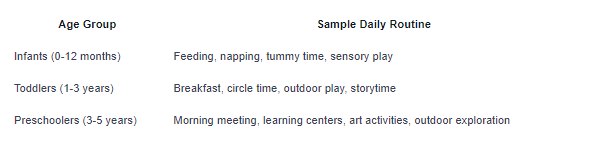
    Establishing daily routines and engaging children in age-appropriate activities are fundamental aspects of creating a structured environment. Routines provide a sense of order and help children develop important skills such as time management and self-discipline. Regular activities, both educational and recreational, contribute to children’s cognitive, emotional, and physical development.

    __wf_reserved_inherit

    Daily routines and activities should be flexible to accommodate individual needs and interests. They provide a framework for children to thrive and learn, while also promoting a sense of stability and security.

    Safety Measures

    Ensuring a safe environment is crucial for children’s primary extended care. Implementing appropriate safety measures helps prevent accidents and promotes the well-being of children. Caregivers should conduct regular safety checks, childproof the environment, and adhere to safety guidelines and regulations.

    Safety Measures

    – Secure electrical outlets

    – Use safety gates to restrict access to hazardous areas

    – Store cleaning supplies and medications out of reach

    – Regularly inspect toys and equipment for any potential hazards

    – Maintain a clean and hygienic environment

    – Establish emergency procedures and protocols

    By prioritizing safety, caregivers create an environment where children can explore, play, and learn without unnecessary risks.

    Communication with Parents

    Maintaining open and effective communication with parents is essential in children’s primary extended care. Collaborating with parents ensures consistency in care, promotes transparency, and allows for the exchange of important information about the child’s well-being and development. Caregivers should provide regular updates, share observations, and address any concerns or questions parents may have.

    Communication Strategies

    – Daily verbal or written reports

    – Parent-teacher conferences

    – Parent communication apps or platforms

    – Newsletters or emails

    – Parent involvement in planning and decision

    -making processes

    By fostering strong communication channels, caregivers and parents can work together to create a nurturing and supportive environment for the child.

    By establishing daily routines and activities, implementing safety measures, and maintaining open communication with parents, caregivers can create a structured environment that promotes the growth, development, and well-being of children in their primary extended care.

    Collaborating with Parents and Families

    Collaboration between caregivers and parents is crucial in providing effective primary extended care for children. By involving parents in care plans, maintaining open communication, and addressing individual needs and concerns, a strong partnership can be formed to support the child’s development and well-being.

    Involving Parents in Care Plans

    In primary extended care, it is essential to involve parents in the development and implementation of care plans for their children. By including parents in the decision-making process, caregivers can gain valuable insights into the child’s unique needs, preferences, and routines. This collaborative approach ensures that the care provided aligns with the child’s home environment, promoting consistency and a sense of security.

    When creating care plans, caregivers should hold discussions with parents to gather information about the child’s daily routines, dietary preferences, allergies, and any specific medical or developmental considerations. This collaborative effort helps to tailor the care to meet the child’s individual requirements and ensures a smooth transition between the home and care setting.

    Maintaining Open Communication

    Open and effective communication between caregivers and parents is vital for a successful primary extended care program. Regular updates and feedback regarding the child’s progress, activities, and behavior help parents stay informed and involved in their child’s day-to-day experiences.

    Caregivers should establish multiple channels of communication, such as in-person meetings, phone calls, emails, or a dedicated communication app. This allows for timely sharing of information, addressing concerns promptly, and celebrating the child’s achievements together.

    By maintaining open communication, caregivers and parents can work together to identify and address any challenges or changes in the child’s development or behavior. This collaborative effort ensures that the child receives consistent support and care both at home and in the extended care setting.

    Addressing Individual Needs and Concerns

    Every child is unique, and their primary extended care should reflect their individual needs and concerns. Caregivers must be attentive and responsive to the specific requirements of each child and their family.

    By actively listening to parents, caregivers can gain insights into the child’s preferences, interests, and developmental goals. This information can then be used to create a nurturing and supportive environment that fosters the child’s growth and well-being.

    Caregivers should also be prepared to address any concerns raised by parents regarding the child’s development, behavior, or overall care. By collaborating with parents to understand these concerns, caregivers can work together to implement appropriate strategies and interventions to support the child effectively.

    Maintaining a strong partnership with parents and families is essential for providing high-quality primary extended care. Through involvement in care plans, open communication, and addressing individual needs and concerns, caregivers can create an inclusive and collaborative environment that nurtures the child’s development and ensures their overall well-being.

    Continuous Improvement and Development

    Ensuring the provision of high-quality care and education in children’s primary extended care requires a commitment to continuous improvement and development. This section highlights the importance of professional development for caregivers, the need to adapt to changing needs, and the measures taken to ensure quality care and education.

    Professional Development for Caregivers

    Professional development plays a crucial role in enhancing the skills and knowledge of caregivers in children’s primary extended care. By participating in training programs, workshops, and conferences, caregivers stay updated with the latest research, best practices, and strategies for supporting children’s development.

    Professional Development Opportunities

    Training programs

    Workshops

    Conferences

    Online courses

    Continuously investing in professional development equips caregivers with the tools and techniques necessary to provide optimal care and education to children. It also helps them stay informed about new approaches and trends in early childhood education.

    Adapting to Changing Needs

    Children’s needs and developmental milestones evolve over time. To meet these changing needs, caregivers in primary extended care must be flexible and adaptable. This involves regularly assessing and reassessing the care environment, curriculum, and activities to ensure they align with the developmental stages and individual requirements of the children.

    By staying attuned to the changing needs of the children in their care, caregivers can tailor their approach, create appropriate learning opportunities, and provide the necessary support. This adaptability helps foster a nurturing and stimulating environment that promotes children’s growth and development.

    Ensuring Quality Care and Education

    Delivering quality care and education is a fundamental aspect of children’s primary extended care. To ensure quality, caregivers adhere to established standards and guidelines, such as those set by regulatory bodies and educational authorities.

    Quality Measures

    Compliance with regulatory standards

    Implementation of evidence-based practices

    Regular assessment and evaluation

    Ongoing communication with parents

    Regular assessment and evaluation processes are implemented to monitor the effectiveness of the care and education provided. This includes tracking children’s progress, gathering feedback from parents, and making necessary adjustments to improve the overall quality of the program.

    Through continuous improvement efforts, caregivers strive to create an environment that promotes children’s holistic development, fosters a love for learning, and prepares them for future educational experiences.

    By prioritizing professional development, adapting to changing needs, and ensuring quality care and education, children’s primary extended care providers can build a strong foundation for the children in their care. These continuous improvement efforts contribute to the positive growth and development of young minds, setting them on a path towards a bright and successful future.

    Sources

    https://cpmgsandiego.com/after-hours-urgent-care/

    https://childrensprimarycare.com/category/childrens-primary-extended-care/

  • Managing Anxiety in Children During Urgent Care Visits

    Managing Anxiety in Children During Urgent Care Visits

    Easing Children’s Anxiety in Urgent Care: Strategies and Support

    Introduction: Understanding Children’s Medical Anxiety

    Urgent care visits can be an overwhelming experience for both children and parents alike. The unfamiliar environment, coupled with the anticipation of medical procedures, often induces anxiety among young patients. This stress can manifest in various ways, impacting not only the child’s emotional well-being but also their cooperation during necessary medical assessments. Understanding and addressing the root causes of this anxiety is crucial for a smoother, more comforting visit for everyone involved. This narrative delves into practical strategies and developmental insights into managing child anxiety during such critical healthcare visits.

    General Strategies to Alleviate Anxiety

    Effective Techniques to Help Children Manage Anxiety During Medical Visits

    What are some general strategies to alleviate anxiety in children during medical visits?

    To alleviate anxiety in children during medical visits, parents and healthcare providers can implement several effective strategies. Educating children about what to expect is vital; familiarity helps reduce fear. Explaining the visit’s agenda, including any potential discomfort, prepares children mentally, enabling them to understand the situation better.

    Providing choices is another empowering technique. Allowing children to choose between two realistic options—like picking a toy or deciding who will hold their hand—can instill a sense of control. This feeling is crucial during an experience that often seems overwhelming.

    Using distraction techniques can also work wonders. Engaging children with toys, books, or even games during wait times can keep anxiety at bay. Activities like seek-and-find books or fidget toys are great tools to divert focus from stressors in the environment.

    Moreover, validating children’s feelings is essential. Acknowledging their fears enhances emotional safety. By using empathetic language and offering reassurance, parents can help children express their worries while ensuring them they will be supported throughout the visit.

    Finally, adapting communication to the child’s developmental level is key. Healthcare professionals should employ age-appropriate language and maintain an open dialogue. This approach fosters trust and understanding, lessening overall anxiety by creating a safe space for children’s questions and concerns.

    Parental Support: A Key to Calm Visits

    Guidance for Parents on Easing Their Child's Anxiety

    How can parents effectively help their children cope with anxiety during urgent care visits?

    Parents play a crucial role in helping their children navigate the anxiety associated with urgent care visits. One effective strategy is to engage in preparation before the appointment. This includes explaining the process and what to expect, which helps alleviate the fear of the unknown. Using role-play with a toy doctor kit can familiarize a child with the medical environment, making it feel less intimidating.

    Modeling calmness

    It’s essential for parents to model calmness during medical visits. Children are quick to pick up on their parents’ emotions; a calm demeanor can instill a sense of safety. Parents should remember to take deep breaths together, and discuss happy experiences, reinforcing a relaxed atmosphere and encouraging coping strategies.

    Emotional support

    Offering emotional support is also vital. Parents should validate their child’s feelings, reassuring them that it’s okay to feel scared or anxious. Simple affirmations about their bravery, along with physical comfort such as hugs, can significantly ease tension.

    Engaging children with comfort items

    Bringing along comfort items like favorite stuffed animals, toys, or books can distract children during wait times, providing familiar sources of joy and stability. Allowing children to interact with these items during the visit can make the experience feel less threatening and foster a sense of control over the situation.

    Using these strategies not only helps children cope with anxiety; it can also create positive associations with medical care, setting the stage for healthier attitudes towards health visits in the future.

    Age-Specific Approaches to Anxiety Management

    Tailored Strategies for Different Age Groups in Managing Anxiety

    Infants and toddlers

    Managing anxiety in infants and toddlers during medical procedures requires a focus on comfort and familiarity. Using gentle voices and soft touches can help create a soothing environment. Additionally, having familiar faces present can make a significant difference. Parents should remain calm, as infants can sense their anxiety. Toys or stuffed animals can offer a comforting presence, making the setting feel less intimidating.

    Preschoolers and school-aged children

    For preschoolers and school-aged children, engaging them through pretend play can be beneficial. Parents can use toys to simulate medical equipment, helping children understand what to expect. Offering choices between two options can give toddlers a sense of control and ease stress. School-aged children appreciate straightforward communication—parents should explain procedures in age-appropriate language and encourage them to share their feelings and concerns. Validating their emotions and discussing how to cope can be empowering.

    Adolescents

    Adolescents may face unique challenges, often requiring a more mature approach. Encouraging them to have private conversations with their healthcare providers helps foster independence and comfort. This age group benefits from discussions about their health, where parents can include them in conversations to address any anxieties. Acknowledging their concerns and allowing them to express fears openly can help reduce medical anxiety significantly.

    Overall, employing age-specific strategies tailored to each child’s developmental stage can effectively alleviate anxiety during medical visits. Addressing their feelings and preparing them helps create a supportive atmosphere conducive to health care.

    Empowering Families: Joint Strategies to Ease Anxiety

    Collaborative Approaches for Families to Overcome Medical Anxiety

    How can both children and parents effectively handle anxiety during medical procedures?

    Both children and parents can manage anxiety during medical appointments by being informed and prepared. It’s essential for parents to maintain a calm demeanor during the visit. Children often pick up on their parents’ emotions, so displaying calmness can help alleviate some of their fears.

    Discussing the procedure in simple, non-threatening language demystifies the experience for children. This explanation should include providing honest information about any potential pain or discomfort they might experience while reassuring them that these feelings are temporary. Role-playing at home can also help familiarize children with what to expect, making it easier for them to acclimate to the medical environment.

    Implementing coping strategies like deep breathing exercises can create a sense of shared calm. Other effective techniques include bringing comforting items—such as a favorite toy or blanket—and engaging children in distraction activities, like seeking-and-finding games or storytelling to keep their minds occupied while waiting.

    Additionally, validating a child’s feelings and encouraging them to ask questions can empower them, offering a sense of control and comfort. Through these joint strategies, families can work together to make medical visits less intimidating.

    Techniques to Help Calm Medical Anxiety in Children

    Technique Description Benefits
    Role-Playing Simulate medical visits at home to familiarize children with the process Reduces fear and builds understanding
    Deep Breathing Practice breathing exercises together to create relaxation Calms both parent and child
    Distraction Activities Engaging in games, stories, or toys to divert focus during waits Lessens anxiety by keeping minds occupied
    Honest Communication Explain what to expect, including potential discomfort Builds trust and reduces confusion
    Comfort Items Bring familiar items like stuffed animals or blankets Provides emotional security

    By employing these strategies and communicating openly, both children and parents can navigate medical visits with increased confidence and significantly reduced anxiety.

    Addressing Common Medical Fears in Children

    Understanding and Addressing Children's Medical Fears

    What are common fears children have about medical procedures and how can they be addressed?

    Children often experience fears related to medical visits, particularly concerning pain, needles, and the uncertainty of unfamiliar environments. These fears can stem from past experiences or simply the anxiety of the unknown. To help children navigate these emotions effectively, it’s crucial for parents to validate these feelings by acknowledging their fears without minimizing them.

    Effective communication plays a vital role in alleviating anxiety. Providing age-appropriate explanations about what to expect can demystify the experience. For example, explaining the purpose of a shot in simple terms and discussing any potential sensations they might feel can promote understanding and reduce fear.

    Techniques for easing anxiety

    Here are several strategies to address medical fears in children:

    • Role-Playing: Using dolls or stuffed animals to simulate a medical visit can make the experience more relatable. This approach helps familiarize children with medical procedures.
    • Gradual Exposure: Create a ‘fear ladder’ where children can face their fears step-by-step, celebrating small achievements along the way may provide a more manageable experience.
    • Distraction Techniques: Offering familiar comfort items, such as their favorite toy or a soothing blanket, during the visit can help occupy their mind, reducing focus on the apprehension of the unknown.
    • Emotional Validation: Discussing feelings openly, allowing children to express their concerns, and reassuring them that it’s okay to feel scared fosters an environment of emotional safety.

    Lastly, parents should model calmness and stability, as children often mirror their caregivers’ emotions. Doing activities together that promote relaxation—like deep breathing exercises or discussing happy moments—can foster resilience in managing their medical fears.

    Conclusion: Building Trust for a Healthier Experience

    In conclusion, managing anxiety in children during urgent care visits requires a thoughtful blend of preparation, understanding, and empathy. Throughout these stressful moments, maintaining clear, age-appropriate communication and focusing on empowerment through choices becomes paramount. Parents play a critical role in modeling calm behavior and providing emotional support, transforming potentially traumatic experiences into opportunities for growth and understanding. By ensuring children are informed, empowered, and comforted, we lay the groundwork for a more trusting and positive healthcare journey.

    References

  • Ileostomy Information

    Ileostomy Information

    Discover comprehensive ileostomy info in one guide. From care tips to emotional support, this is your go-to resource!

    Understanding Ileostomy

    For individuals facing the prospect of an ileostomy, gaining a comprehensive understanding of this surgical procedure is vital. This section delves into the fundamental aspects of an ileostomy, including what it entails, the reasons necessitating such a procedure, and the various types of ileostomy procedures available.

    __wf_reserved_inherit

    What is an Ileostomy?

    An ileostomy is a surgical procedure that involves creating an opening in the abdomen, known as a stoma, to divert the small intestine through this opening. The end of the small intestine, called the ileum, is brought to the surface of the abdomen, where a pouch or bag is attached to collect waste from the body. This new pathway allows waste to exit the body when the colon or rectum is compromised or removed.

    Reasons for Having an Ileostomy

    There are several medical conditions and circumstances that may necessitate the need for an ileostomy. Some common reasons include:

    • Severe inflammatory bowel diseases such as Crohn’s disease or ulcerative colitis
    • Cancer of the colon or rectum that requires surgical removal
    • Trauma or injury to the digestive system
    • Birth defects affecting the gastrointestinal tract

    Types of Ileostomy Procedures

    Depending on the specific medical condition and individual needs, healthcare providers may perform different types of ileostomy procedures. The three primary types of ileostomies include:

    __wf_reserved_inherit

    Understanding the intricacies of an ileostomy, the reasons for its necessity, and the types of procedures available is essential for individuals and caregivers navigating this aspect of medical care. By arming oneself with knowledge, individuals can make informed decisions and better manage the challenges associated with living with an ileostomy.

    Living with an Ileostomy

    Adjusting to life with an ileostomy can be a significant transition for individuals who have undergone the procedure. From adapting to the physical changes to managing daily activities and addressing dietary considerations, there are key aspects to consider for a smooth adjustment to life with an ileostomy.

    Adjusting to Life with an Ileostomy

    Coming to terms with an ileostomy involves both physical and emotional adjustments. It’s normal to experience a range of emotions, including grief, frustration, and anxiety. Seeking support from healthcare professionals, support groups, and loved ones can help in navigating these feelings and adapting to the changes brought about by the ileostomy.

    Managing Daily Activities

    Maintaining an active lifestyle with an ileostomy is possible with some modifications. It’s essential to communicate with your healthcare provider about any restrictions or adjustments needed for physical activities. Simple measures like wearing appropriate clothing, carrying supplies when going out, and staying hydrated can contribute to a more comfortable daily routine.

    Diet and Nutrition Considerations

    Proper nutrition plays a crucial role in supporting overall health and well-being for individuals with an ileostomy. It’s important to work with a healthcare provider or a registered dietitian to develop a customized nutrition plan. Some general considerations for diet and nutrition with an ileostomy include:

    __wf_reserved_inherit

    By prioritizing adjustments to daily life, managing activities effectively, and making informed dietary choices, individuals with an ileostomy can lead fulfilling and healthy lives post-procedure. Seeking support and guidance from healthcare professionals and utilizing available resources can contribute to a smoother transition and better adaptation to life with an ileostomy.

    Ileostomy Care

    Caring for an ileostomy is an essential aspect of ensuring comfort and maintaining overall health for individuals living with this condition. Proper care involves attending to the pouching system, preventing skin irritation, and managing odor control effectively.

    Changing the Pouching System

    Regularly changing the pouching system is crucial to prevent leakage, skin irritation, and discomfort. The frequency of pouch changes can vary depending on individual needs and the type of system used. It’s essential to follow a routine and ensure that the skin around the stoma is clean and dry before applying a new pouch.

    Frequency of Pouch Changes

    Typically 1-3 times per week for a one-piece system

    2-4 times per week for a two-piece system

    Consider more frequent changes if experiencing leaks or skin irritation

    Preventing Skin Irritation

    Skin irritation around the stoma is a common issue for individuals with an ileostomy. To prevent irritation, it’s important to maintain good skin hygiene and use skin barrier products to protect the skin from contact with output. Additionally, ensuring a proper fit of the pouching system and addressing any leaks promptly can help prevent skin problems.

    Tips to Prevent Skin Irritation

    Keep the skin clean and dry

    Use skin barrier products

    Ensure proper fit of the pouch

    Dealing with Odor Control

    Managing odors associated with an ileostomy is a concern for many individuals. While some odor is normal, there are strategies to help control and minimize it. Using odor-neutralizing pouch deodorants, emptying the pouch when it is one-third to half full, and incorporating odor-control products can aid in managing unwanted odors effectively.

    Odor Control Tips

    Empty the pouch when one-third to half full

    Use pouch deodorants

    Consider odor-control products, such as filters or deodorizing drops

    By following proper care practices, individuals with an ileostomy can maintain good stoma health, prevent complications, and enhance their overall quality of life. It’s important to work closely with healthcare professionals to address any specific concerns or challenges related to ileostomy care.

    Potential Complications

    Living with an ileostomy can bring about various challenges, including potential complications that individuals may encounter. It is essential to be aware of these common issues with ileostomies and know when it is necessary to seek medical assistance.

    Common Issues with Ileostomies

    When individuals undergo an ileostomy procedure, they may experience the following common issues that can impact their daily life:

    __wf_reserved_inherit

    When to Seek Medical Help

    It is crucial for individuals with an ileostomy to be vigilant about their health and seek medical assistance when encountering the following signs or symptoms:

    __wf_reserved_inherit

    Recognizing the common issues associated with ileostomies and knowing when to seek medical help are essential aspects of managing and maintaining good health and well-being after undergoing an ileostomy procedure. Stay informed, stay proactive, and prioritize your health to ensure a positive ileostomy experience.

    Emotional Support and Resources

    Living with an ileostomy can present unique challenges, both physically and emotionally. In addition to medical care and self-management, emotional support and resources play a crucial role in the well-being of individuals with an ileostomy. This section covers important aspects such as support groups and communities, mental health and coping strategies, as well as tips for enhancing the quality of life for those with an ileostomy.

    Support Groups and Communities

    Support groups and online communities can provide invaluable support and a sense of belonging for individuals living with an ileostomy. These groups offer a platform for sharing experiences, seeking advice, and connecting with others who understand the challenges and triumphs of life with an ileostomy. Here are some benefits of joining support groups:

    Benefits of Support Groups

    Emotional support and understanding

    Opportunities to learn from others’ experiences

    Information on coping strategies and resources

    Building a sense of community and mutual support

    Mental Health and Coping Strategies

    Maintaining mental health and emotional well-being is essential for individuals with an ileostomy. Coping with the changes in body image, lifestyle adjustments, and potential emotional impact of an ileostomy requires resilience and support. Here are some mental health and coping strategies to consider:

    Coping Strategies

    Seeking counseling or therapy

    Practicing relaxation techniques such as deep breathing or meditation

    Engaging in physical activities that promote well-being

    Connecting with supportive friends and family members

    Tips for Living Well with an Ileostomy

    Living well with an ileostomy involves adapting to a new way of life while prioritizing self-care and overall health. Here are some practical tips to help individuals optimize their quality of life with an ileostomy:

    Tips for Living Well with an Ileostomy

    Attend regular medical check-ups and follow-ups

    Stay hydrated and maintain a balanced diet

    Engage in regular physical activity, as recommended by healthcare providers

    Educate yourself about ileostomy care and management techniques

    Practice good pouching system hygiene and skincare to prevent complications

    By utilizing the emotional support and resources available, implementing coping strategies, and following practical tips for living well, individuals with an ileostomy can navigate the challenges effectively and lead fulfilling lives. Remember, seeking support and prioritizing mental health are integral parts of managing an ileostomy and overall well-being.

    Sources

    https://www.ncbi.nlm.nih.gov/books/NBK519003/#:~:text=An%20ileostomy%20is%20a%20procedure,usual%20route%20via%20the%20anus.

    https://www.nhs.uk/conditions/ileostomy/

    https://my.clevelandclinic.org/health/procedures/21726-ileostomy

  • How To Maintain A Pulse Oximeter?

    How To Maintain A Pulse Oximeter?

    Caring for Your Pulse Oximeter: Essential Tips and Practices

    Introduction to Pulse Oximeter Maintenance

    Pulse oximeters are invaluable tools for monitoring blood oxygen saturation levels, offering a quick, non-invasive way to keep track of one’s health. Maintaining these devices is crucial for ensuring their accuracy, prolonging their lifespan, and preventing cross-contamination. This guide will walk you through the steps necessary to care for your pulse oximeter, explore factors affecting their accuracy, and provide insight into best practices for upkeep and use.

    Cleaning and Disinfection: Keeping Your Pulse Oximeter Safe and Functional

    Discover Essential Cleaning Techniques for Your Pulse Oximeter

    Importance of Cleaning and Disinfecting Pulse Oximeters

    Cleaning the pulse oximeter is crucial to prevent cross-infection and build-up of debris. As a non-invasive device that checks blood oxygen levels, it can easily become a vector for pathogens if not properly maintained. Regular cleaning helps ensure accurate readings and prolongs the lifespan of the device, which is especially important when used across multiple patients.

    Methods for Cleaning Pulse Oximeters

    To clean a pulse oximeter, follow these steps:

    1. Power Off: Always turn off the device before cleaning. This prevents electrical hazards.
    2. Use Medical Alcohol: Dampen a soft cloth with 75% medical alcohol and gently wipe the finger pad area and other surfaces of the unit.
    3. Avoid Liquid Contact: Do not spray liquids directly on the device or immerse it in water. Ensure that no moisture enters the device openings.
    4. Air Dry: Allow the device to air dry completely or use a clean, dry cloth to remove excess moisture before reuse.
    5. Regular Disinfection: Besides cleaning after each use, oximeters should also be disinfected at least weekly.

    Safety Practices During the Cleaning Process

    When cleaning your pulse oximeter, adhere to safety practices:

    • Well-Ventilated Area: Always clean in a well-ventilated environment to avoid inhaling alcohol fumes.
    • Personal Protective Equipment (PPE): Use gloves or other forms of PPE to maintain hygiene.
    • Manual Instructions: Always refer to the manufacturer’s manual before cleaning to ensure that you use methods suitable for your specific device. This may include specific cleaning solutions or techniques recommended by the manufacturer to enhance safety and effectiveness.

    Factors Affecting the Accuracy of Pulse Oximeter Readings

    Understand the Factors Impacting Oximeter Accuracy

    What factors can affect the accuracy of a pulse oximeter reading?

    Several factors can affect the accuracy of a pulse oximeter reading. Here’s a breakdown of key influences:

    • Environmental and Physical Factors:

      • Motion: Any excessive movement, such as shaking or fidgeting, can distort readings.
      • Temperature: Cold hands or poor blood circulation, particularly in low-temperature settings, may yield less accurate results.
      • Nail Polish and Artificial Nails: These can obstruct the infrared light used in readings, leading to inaccuracies.
    • Skin Pigmentation:

      • Research indicates that darker skin tones might absorb light differently than lighter ones, potentially causing overestimations of blood oxygen saturation. This discrepancy is particularly concerning in clinical settings, as it can lead to delayed medical interventions for affected individuals.
    • Proper Usage Conditions:

      • For reliable readings, it’s essential to ensure that the user is seated comfortably, the oximeter is not exposed to bright light, and the hand is warm and still. Additionally, regular monitoring and awareness of personal health indicators are important to contextualize the readings, especially in patients with chronic conditions.

    In summary, recognizing these factors enhances the reliability of pulse oximeter readings and underscores the importance of consulting healthcare professionals if abnormal levels are detected.

    Ensuring Accurate Readings: Best Practices

    Best Practices for Ensuring Accurate Oximeter Readings

    How can you ensure the accuracy of a pulse oximeter?

    To ensure the accuracy of a pulse oximeter, consider the following steps:

    • Positioning: Keep your body still during the reading. Ensure your finger is warm, relaxed, and positioned below heart level for the most accurate results.
    • Preparation: Remove any fingernail polish or artificial nails before measuring, as these can interfere with the light transmission necessary for accurate readings.
    • Awareness of Conditions: Be cognizant of factors that may affect accuracy, including skin pigmentation, circulation issues, and the ambient temperature. Readings under 80% saturation should be approached with caution.

    Choosing the right pulse oximeter.

    Select a pulse oximeter that is FDA-reviewed for prescription use, as these devices are designed to provide more reliable readings compared to over-the-counter models. It’s essential to choose one that fits comfortably and allows easy monitoring of saturation levels and pulse rate.

    Understanding limitations and innovations in oximeter technology.

    Stay informed about innovations in pulse oximeter technology. Recent developments, like the EquinOx pulse oximeter, aim to improve readings across different skin tones. This is particularly important considering research indicating that traditional oximeters may overestimate oxygen levels in individuals with darker skin.

    Aspect Recommendations Notes
    Positioning Keep the hand relaxed and below heart level Improves accuracy of readings
    Preparation Remove polish; warm fingers Essential for reliable results
    Device Selection Choose FDA-reviewed options Ensures high accuracy and reliability
    Stay Updated on Tech Learn about new technologies being developed Especially those improving skin tone accuracy

    Proper Storage and Handling of Pulse Oximeters

    Learn the Best Storage Tips for Your Pulse Oximeter

    What are the best storage conditions to avoid damage?

    To prolong the lifespan of pulse oximeters, it’s crucial to store them in a clean, dry place away from dust, vibrations, and corrosive substances. Optimal storage conditions involve maintaining temperatures between -20°C and +55°C, along with a humidity level of around 93%. Avoiding extremes in temperature and humidity is essential to prevent damage to the device.

    How to maintain and replace batteries?

    Battery maintenance plays a significant role in the accuracy of pulse oximeters. Users should replace the batteries as soon as the battery symbol appears on the screen. It’s advisable to remove batteries if the device is not going to be used for an extended period to avoid leakage that could damage the device. Regular checks can help ensure the oximeter is always ready for use.

    When should you consider replacing your oximeter?

    Generally, if a pulse oximeter is older than five years or if it has surpassed its warranty period, it’s wise to consider replacing it. Additionally, any signs of malfunction, such as persistent inaccurate readings or error messages, should prompt users to evaluate whether a replacement is needed. Proper care and timely replacement are essential for maintaining the device’s functionality.

    Understanding the Importance of Maintenance in Functionality and Health Monitoring

    Get Insights into Proper Maintenance of Your Pulse Oximeter

    Rationale for Regular Maintenance and Monitoring

    Pulse oximeters play a crucial role in monitoring blood oxygen saturation, essential for various health conditions. Regular maintenance, including cleaning and battery replacement, prevents cross-contamination and ensures accurate readings. Because of the risk of debris and bacteria build-up, cleaning these devices after each use is vital, especially in clinical settings.

    How Maintenance Affects the Device’s Lifespan and Accuracy

    Proper care significantly extends the lifespan of a pulse oximeter, which typically lasts around five years with adequate maintenance. Storing the device in a dry, dust-free environment, away from extremes of temperature and humidity, also preserves its functionality. Incorrect usage, such as immersion in liquids or neglecting to clean, can lead to inaccurate readings and device malfunction.

    Educational Resources for Ongoing Maintenance

    To ensure ongoing compliance with best practices, users should refer to the manufacturer’s manual for specific cleaning and maintenance instructions. Educational resources may include workshops, online tutorials, and healthcare provider consultations, all aimed at enhancing user understanding of proper techniques for maintaining their pulse oximeter’s accuracy and longevity.

    Conclusion

    In maintaining the efficacy and longevity of pulse oximeters, regular cleaning, proper storage, and adherence to usage guidelines are paramount. Understanding the factors that can affect accuracy and taking proactive steps to minimize them will ensure these devices provide reliable measurements. By dedicating time to learn and apply best practices in pulse oximeter maintenance and usage, individuals can better monitor their health and make informed decisions alongside their healthcare providers. As pulse oximeter technology continues to evolve, staying informed will empower both users and caregivers in achieving optimal health outcomes.

    References

  • How to Stay Informed About the Latest Innovations in Pediatric Medical Equipment

    How to Stay Informed About the Latest Innovations in Pediatric Medical Equipment

    Staying Ahead in Pediatric Medical Equipment Innovations

    Understanding the Pediatric Innovation Gap

    While adults benefit from rapid medical technology advancements, pediatric medical devices often lag behind by about a decade. This innovation gap, illustrated by the prevalent use of off-label adult devices in children, underscores the urgent need for dedicated pediatric solutions. As stakeholders rally to bridge this gap, understanding the landscape—spanning from technological advancements to regulatory challenges—is crucial for anyone invested in pediatric healthcare.

    Spotting Emerging Technologies in Pediatric Medical Devices

    Exploring the Latest Innovations in Pediatric Medical Devices!

    What are the latest technologies in medical devices?

    The landscape of pediatric medical devices is rapidly evolving, incorporating innovative technologies that cater specifically to the unique needs of children. Notable advancements include:

    • Robotic Surgery and Minimally Invasive Techniques
      Robotic systems enhance precision in surgical procedures, significantly minimizing recovery times and complications for young patients.

    • Connected Devices and Wearable Tech
      Wearable devices, such as ECG monitors tailored for pediatric use, allow for continuous health tracking. These gadgets employ miniaturized circuits for effective at-home monitoring.

    • The Role of AI and Telemedicine
      Artificial Intelligence optimizes care by predicting health outcomes. Meanwhile, telemedicine extends healthcare access, enabling remote consultations, especially critical for pediatric populations in rural areas.

    • 3D Printing Applications
      The utilization of 3D printing creates customized devices that adapt as children grow, such as bespoke medical splints and even surgical tools specific to pediatric needs.

    These technologies represent a growing convergence of innovation aimed at enhancing healthcare outcomes for children.

    Transforming Pediatric Nursing Through Innovation

    Innovations Revolutionizing Pediatric Nursing!

    What innovations are transforming pediatric nursing?

    Innovations like telehealth and wearable devices are revolutionizing pediatric nursing.
    Telehealth is paving the way for remote monitoring, enhancing chronic condition management by allowing healthcare providers to keep a close eye on children’s health from a distance.
    On the other hand, wearable devices provide parents with real-time updates on their child’s vital signs, offering peace of mind and facilitating proactive interventions.

    How is family-centered care influencing pediatric nursing?

    Family-centered care is another pivotal shift. This approach encourages collaboration between healthcare teams and families, ensuring that treatment plans are tailored to reflect the family’s preferences and values. This partnership not only improves the emotional well-being of patients but also increases overall satisfaction with care.

    What are the benefits of minimally invasive procedures?

    Minimally invasive techniques are gaining traction in pediatric settings, reducing recovery times and discomfort for young patients. These procedures not only hasten healing but also minimize the stress associated with surgery, making the experience less daunting for both children and their families.

    How are communication strategies addressing pediatric anxiety?

    Effective communication is crucial in managing anxiety among pediatric patients. Using child-friendly language and calming strategies can significantly ease a child’s fears during medical interventions. Pediatric nurses, through continuous education, are adapting these techniques to enhance patient experience and optimize care.

    Pediatric Healthcare: Pioneering the Future

    Pioneering Advances in Pediatric Healthcare!

    What advancements will reshape pediatric healthcare in the future?

    Recent innovations in augmented reality (AR), artificial intelligence (AI), and gamified interactive tools are set to significantly transform pediatric healthcare. AR technologies can offer immersive experiences that reduce stress for children during medical procedures, transforming a potentially frightening environment into one that engages their curiosity.

    AI plays a crucial role in analyzing medical data, providing tailored insights for healthcare providers. It can assist in creating personalized treatment plans based on individual patient profiles, thus enhancing the overall quality of care.

    Furthermore, gamified elements in digital health applications can make routine tasks more enjoyable for young patients. By integrating games into treatment plans, children are more likely to adhere to their therapies, as these tools turn compliance into a fun and enriching experience.

    Educational games can help children understand their health better, turning potentially daunting medical information into relatable and digestible content. As these advancements continue to unfold, they promise to enhance both patient engagement and health outcomes in pediatric settings, fostering a future where healthcare is both interactive and effective.

    Addressing the Pediatric Innovation Gap

    Confronting the Pediatric Innovation Gap!

    Barriers to innovation in pediatric medical devices

    Pediatric medical devices are often left trailing, being approximately 10 years behind their adult counterparts. This innovation gap arises from various factors, primarily the smaller market for these specialized devices. Despite children making up 25% of the population, only about 10% of healthcare spending is directed towards pediatric healthcare. This divergence leads to reduced investment and interest from manufacturers.

    Regulatory and ethical challenges

    The pathway to developing pediatric devices is fraught with regulatory and ethical hurdles. For instance, 79% of high-risk therapeutic devices lack pediatric FDA approval. Moreover, many approved devices were initially tested on adults, raising safety concerns due to the unique physiological characteristics of children. Clinical trials face additional challenges like small participant sizes and rigorous consent procedures, complicating the approval process further.

    Market size implications

    The ramifications of a limited market for pediatric devices extend into critical funding shortages. Initiatives such as the Pediatric Medical Device Safety and Improvement Act aim to address these issues, yet the underlying factors remain. The focus on larger, adult-centric markets results in fewer innovations tailored for pediatric needs, despite a promising growth trajectory projected for the global pediatric healthcare market, expected to reach approximately USD 15.984 billion by 2025.

    Collaborative Efforts and Funding in Pediatric Medical Device Development

    Role of consortia like PMD-PPP and MPDC

    Collaborative initiatives such as the Pediatric Medical Devices Public-Private Partnership (PMD-PPP) and the Midwest Pediatric Device Consortium (MPDC) are essential for advancing pediatric medical device innovation. PMD-PPP works to streamline the development process from conception to regulatory approval, promoting better outcomes for child-specific healthcare products.

    The MPDC functions similarly as a startup incubator, providing unique support to inventors by reviewing their applications and backing projects that specifically address unmet needs in pediatric healthcare. Recently, the MPDC garnered significant attention when it was awarded $6.95 million from the FDA to further enhance pediatric medical device availability.

    The Southwest Pediatric Device Consortium’s initiatives

    Another key player, the Southwest Pediatric Device Consortium, offers funding, expert advice, and regulatory guidance to innovators in the pediatric medical device sector. These efforts help to navigate the complexities of clinical trials and approval processes that often hinder the progress of pediatric devices.

    Funding opportunities and impact

    Funding for pediatric device innovation remains limited, primarily due to a smaller market size. However, initiatives like those from PMD-PPP and the MPDC mark a shift towards increased investment in pediatric healthcare. Approximately 10% of total healthcare spending is currently allocated to pediatric health, despite children comprising 25% of the population. As awareness grows, substantial opportunities for the pediatric healthcare market—estimated to reach USD 15,984 million by 2025—can be tapped to accelerate device innovations.

    Pediatric Medical Device Safety and Regulatory Landscape

    FDA Approval Processes for Pediatric Devices

    The approval process for pediatric medical devices is complex, with only about 21% of high-risk therapeutic devices receiving FDA approval specifically for use in children. This highlights a major gap, especially considering that many devices used in pediatric settings are off-label adult devices. Without rigorous clinical testing geared towards age-specific requirements, the safety and efficacy of these devices remain uncertain.

    Gaps in Clinical Testing Involving Children

    Alarmingly, around 40% of high-risk devices approved for children had no studies that included pediatric patients. This significantly escalates risks associated with their use, as the unique physiological characteristics of children necessitate tailored designs. Traditional clinical trials often struggle to enroll adequate pediatric cohorts due to ethical and regulatory challenges, perpetuating the lack of age-appropriate options for critical care.

    Safety Concerns with Off-Label Use

    Over 60% of pediatric patients undergoing cardiac catheterization receive off-label adult devices, raising substantial safety concerns. These devices may not be suitable for young patients, given their differing anatomical and physiological features. Ensuring that pediatric patients are treated with devices designed specifically for them is crucial in minimizing risks and enhancing health outcomes.

    Initiatives Like PMDSIA and Supportive Legislation

    In response to these challenges, the Pediatric Medical Device Safety and Improvement Act (PMDSIA) aims to stimulate pediatric device innovation. This legislation encourages the FDA to increase support for pediatric devices through initiatives such as the Pediatric Device Consortia (PDC), which fosters collaboration between inventors and regulatory bodies. By streamlining the approval process and providing funding support, we can expect increased availability of devices that meet the complex needs of children.

    Emerging Market Opportunities in Pediatric Health Innovations

    Growth in the global pediatric healthcare market

    The global pediatric healthcare market is poised for significant expansion, with projections estimating it will generate approximately USD 15,984 million by 2025. This burgeoning market reflects a growing recognition of the importance of tailored healthcare solutions for children, who represent a substantial portion of the population yet often receive less attention in medical device innovation compared to adults.

    Investment trends in pediatric digital health

    Investment in pediatric digital health solutions is gaining momentum. From 2011 to 2019, pediatric digital health comprised just 1.7% of annual funding; however, this figure surged to 5.1% by the third quarter of 2023, amounting to $413.6 million across various deals. This uptick suggests an increasing acknowledgment of the need for specialized tools and interventions aimed at children, especially as mental health and chronic conditions rise.

    Impact of real-world data and personalized medicine

    Utilizing real-world data (RWD) is becoming essential for effective device design for pediatric patients. Traditional clinical studies often fail to adequately represent children, leading to gaps in data regarding device safety and efficacy. Personalized medicine, focusing on individual children’s genetic profiles and health metrics, is further driving innovation in treatment plans, leading to improved outcomes for pediatric patients. By integrating RWD and personalized approaches, the pediatric healthcare landscape can evolve to meet the unique needs of younger populations.

    The Role of Digital Health and AI in Pediatric Care

    Transforming Pediatric Care with Digital Health and AI!

    Telemedicine and Telepsychiatry

    Telemedicine is revolutionizing pediatric care by enabling healthcare providers to reach children in remote areas. Through video consultations, specialists can assess conditions without requiring families to travel long distances. Telepsychiatry further extends this access, combating the stigma associated with mental health concerns and making therapy more approachable for young patients.

    Wearable Technology and Remote Monitoring

    Wearable devices are emerging as effective tools for continuous health monitoring in children. These gadgets can track vital signs and other health metrics, sending real-time data to healthcare providers. This innovation not only enhances early detection of potential health issues but also eases the burden on families by allowing seamless communication with medical professionals.

    Integration of AI into Pediatric Care Systems

    Integrating Artificial Intelligence (AI) into pediatric care presents numerous opportunities for improving outcomes. AI analyzes patient data for accurate diagnosis and streamlines treatment planning. The American Academy of Pediatrics actively promotes the use of AI tools within electronic health records (EHRs) to maximize efficiency and enhance the overall care experience for children. The ongoing adoption of these digital health solutions signifies a promising shift towards more personalized and effective pediatric healthcare.

    The Path Forward in Pediatric Healthcare Innovations

    The landscape of pediatric medical equipment is rapidly evolving, spurred by technological innovations and collaborative efforts dedicated to closing the existing gaps. By leveraging AI, telemedicine, and personalized medicine, and ensuring continuous support from regulatory bodies and funding sources, the future of pediatric care promises to be more integrated, effective, and accessible. Staying informed about these advancements is crucial as we strive to improve outcomes and elevate the standard of care for our youngest patients.

    References

  • Children’s Respiratory Equipment

    Children’s Respiratory Equipment

    Discover children’s respiratory equipment options with insights on nebulizers, inhalers, CPAP/BiPAP, and oxygen therapy.

    Children’s Respiratory Equipment Overview

    When it comes to children’s respiratory equipment, understanding its importance and the various options available is crucial for managing respiratory conditions in pediatric patients.

    __wf_reserved_inherit

    Importance of Respiratory Equipment for Children

    Respiratory equipment plays a critical role in managing respiratory conditions in children, helping them breathe more comfortably and effectively. Children with conditions such as asthma, cystic fibrosis, or respiratory infections may require specialized equipment to support their breathing and improve their overall lung function.

    Using appropriate respiratory equipment can help children maintain stable oxygen levels, reduce respiratory distress, and prevent complications associated with respiratory illnesses. Whether it’s delivering medications through inhalers or providing oxygen therapy, respiratory equipment can significantly impact the quality of life for children with respiratory issues.

    Types of Respiratory Equipment Available

    There are various types of respiratory equipment available to meet the specific needs of pediatric patients. From nebulizers and inhalers to CPAP/BiPAP devices and oxygen therapy equipment, each type serves a unique purpose in managing respiratory conditions in children.

    Below is an overview of the different types of respiratory equipment commonly used for children:

    __wf_reserved_inherit

    Understanding the importance of respiratory equipment for children and being aware of the available options is essential for parents, caregivers, and healthcare providers involved in the respiratory care of pediatric patients. Proper selection and utilization of respiratory equipment can make a significant difference in the management and well-being of children with respiratory conditions.

    Nebulizers for Children

    When it comes to respiratory care for children, nebulizers play a crucial role in delivering medication directly to the lungs. Understanding the functionality of nebulizers, how they operate for children, and the advantages and disadvantages they present is essential for caregivers and healthcare providers.

    Understanding Nebulizers

    Nebulizers are medical devices that convert liquid medication into a mist or aerosol form that can be inhaled into the lungs. These devices are particularly valuable for children who may have difficulty using inhalers or require higher doses of medication. Nebulizers are commonly used to administer medications for conditions such as asthma, cystic fibrosis, and respiratory infections.

    How Nebulizers Work for Children

    Nebulizers function by using compressed air or ultrasonic power to convert liquid medication into a fine mist. When a child inhales through the nebulizer mask or mouthpiece, the medication is delivered directly to the airways and lungs, providing fast and effective relief. This method ensures that the medication reaches the affected areas of the respiratory system, making it ideal for children who have trouble coordinating inhaler use.

    Pros and Cons of Nebulizers

    __wf_reserved_inherit

    Understanding the benefits and limitations of nebulizers is crucial in determining the most suitable respiratory equipment for children. Caregivers and healthcare providers should weigh these factors to ensure effective and appropriate respiratory care for young patients.

    Inhalers for Children

    In the realm of children’s respiratory equipment, inhalers play a crucial role in managing respiratory conditions such as asthma. Understanding the types of inhalers available, how to use them effectively for children, and the benefits they offer is essential for proper respiratory care.

    Types of Inhalers

    When it comes to inhalers designed for children, there are primarily two main types: metered-dose inhalers (MDIs) and dry powder inhalers (DPIs). These inhalers deliver medication directly to the lungs, helping to alleviate symptoms and improve breathing in children with respiratory conditions.

    __wf_reserved_inherit

    Using Inhalers for Children

    Proper technique is crucial when using inhalers for children to ensure that the medication reaches the lungs effectively. It’s essential to educate both the children and their caregivers on the correct inhaler use. Here are some general steps for using an inhaler:

    1. Remove the cap and shake the inhaler.
    2. Prime the inhaler if necessary.
    3. Encourage the child to take a slow, deep breath in.
    4. Actuate the inhaler while the child is inhaling.
    5. Hold the breath for a few seconds before exhaling.

    By following these steps and practicing proper inhaler technique, children can receive the maximum benefit from their medication and better manage their respiratory symptoms.

    Benefits of Inhaler Use

    The use of inhalers in children with respiratory conditions offers several advantages, including:

    • Quick Relief: Inhalers provide rapid relief from symptoms such as wheezing and shortness of breath during asthma attacks.
    • Localized Treatment: Inhalers deliver medication directly to the airways, targeting the source of the problem.
    • Portable and Convenient: Inhalers are compact and easy to carry, allowing children to have access to their medication wherever they go.
    • Customizable Medication: Inhalers can be prescribed with specific medications tailored to the child’s respiratory needs, ensuring personalized treatment.

    By incorporating inhalers into the respiratory care plan for children, healthcare providers can help improve the quality of life for young patients with respiratory conditions, enabling them to lead active and healthy lives.

    CPAP and BiPAP Devices for Children

    When it comes to respiratory equipment for children, CPAP (Continuous Positive Airway Pressure) and BiPAP (Bilevel Positive Airway Pressure) devices play a critical role in managing various respiratory conditions. Understanding the differences between CPAP and BiPAP systems, knowing the indications for their use in children, and considering essential factors when using these devices are vital aspects to consider.

    CPAP vs. BiPAP Systems

    __wf_reserved_inherit

    Indications for CPAP/BiPAP Use in Children

    CPAP and BiPAP devices are indicated for children with various respiratory conditions, including:

    • Obstructive sleep apnea
    • Central sleep apnea
    • Respiratory muscle weakness
    • Chronic lung diseases

    These devices help maintain open airways, improve breathing patterns, and ensure adequate oxygen levels in children with respiratory issues.

    Considerations for CPAP/BiPAP in Children

    When considering the use of CPAP or BiPAP devices for children, several factors need to be taken into account:

    • Child’s Size: Ensure that the equipment fits the child comfortably and securely.
    • Monitoring: Regular monitoring of the child’s response to treatment and adjustment of pressure settings as needed.
    • Education: Educating the child and caregivers on proper device usage, maintenance, and potential side effects.
    • Compliance: Ensuring the child is compliant with wearing the device as prescribed to achieve optimal therapeutic benefits.

    By understanding the distinctions between CPAP and BiPAP systems, recognizing the indications for their use in children, and considering key factors for their implementation, healthcare providers and caregivers can effectively manage respiratory conditions in pediatric patients. Proper utilization of these devices can significantly improve the quality of life and respiratory health of children in need of respiratory support.

    Oxygen Therapy Equipment for Children

    When it comes to children requiring respiratory support, oxygen therapy equipment plays a vital role in helping improve their breathing and overall well-being. Let’s explore three key components of oxygen therapy equipment for children: oxygen masks and cannulas, portable oxygen concentrators, and methods for monitoring oxygen therapy in children.

    Oxygen Masks and Cannulas

    Oxygen masks and cannulas are commonly used devices in pediatric respiratory care to deliver supplemental oxygen to children. These devices are designed to fit comfortably over the child’s nose and mouth or directly into the nostrils to ensure efficient oxygen delivery.

    __wf_reserved_inherit

    Both oxygen masks and cannulas are adjustable to accommodate different sizes and ages of children. They are essential tools in providing oxygen therapy in various healthcare settings, such as hospitals, clinics, and home care environments.

    Portable Oxygen Concentrators

    Portable oxygen concentrators are lightweight devices that allow children to receive oxygen therapy while maintaining their mobility. These devices extract oxygen from the surrounding air and deliver it to the child through a nasal cannula or mask.

    When choosing a portable oxygen concentrator for a child, factors like weight, battery life, and oxygen delivery settings need to be considered. These devices provide the flexibility for children to engage in daily activities while ensuring they receive the necessary oxygen support.

    Monitoring Oxygen Therapy in Children

    Monitoring oxygen therapy is crucial to ensure that children are receiving the appropriate amount of oxygen for their specific needs. Healthcare providers use pulse oximeters to measure oxygen saturation levels in the blood and adjust oxygen flow rates accordingly.

    __wf_reserved_inherit

    Regular monitoring helps healthcare professionals track the effectiveness of oxygen therapy and make any necessary adjustments to enhance its benefits. Parents and caregivers play a key role in monitoring oxygen therapy at home and communicating with healthcare providers about any changes or concerns.

    By understanding the different components of oxygen therapy equipment for children and the importance of monitoring oxygen levels, parents and caregivers can effectively support children with respiratory conditions and ensure their well-being. Proper use and maintenance of oxygen therapy equipment are essential for delivering safe and effective respiratory support to children in need.

    Caring for Children’s Respiratory Equipment

    When it comes to caring for children’s respiratory equipment, proper maintenance and cleanliness are essential to ensure the effectiveness and longevity of the devices. Educating both children and caregivers on the correct handling and upkeep of respiratory equipment is crucial. This section covers cleaning and maintenance tips, ensuring proper functionality, and educating children on equipment use.

    Cleaning and Maintenance Tips

    Regular cleaning and maintenance of children’s respiratory equipment are vital to prevent contamination, maintain optimal performance, and prolong the lifespan of the devices. Here are some key cleaning and maintenance tips for various types of respiratory equipment:

    __wf_reserved_inherit

    Ensuring Proper Functionality

    It is essential to regularly inspect children’s respiratory equipment to ensure proper functionality and address any issues promptly. Here are some general tips to ensure the proper functioning of respiratory equipment:

    • Check for signs of wear and tear, such as cracks, leaks, or loose connections.
    • Test the equipment according to the manufacturer’s instructions to verify functionality.
    • Keep a record of maintenance activities, including cleaning schedules and replacement of parts.
    • Store respiratory equipment in a clean and safe environment to prevent damage.

    Educating Children on Equipment Use

    Educating children on the safe and appropriate use of respiratory equipment empowers them to manage their conditions effectively. Here are some tips for educating children on equipment use:

    • Simplify instructions for children to understand how to use the equipment properly.
    • Demonstrate proper techniques for using respiratory devices and encourage children to practice under supervision.
    • Encourage children to ask questions and seek help if they experience any issues with the equipment.
    • Reinforce the importance of following the prescribed treatment plan and using the equipment consistently.

    By following these cleaning and maintenance tips, ensuring the proper functionality of respiratory equipment, and educating children on equipment use, caregivers can help children with respiratory conditions manage their health effectively and safely. Regular maintenance and education are key components in ensuring the optimal performance of children’s respiratory equipment.

    Sources

    https://wavehealthcare.com/respiratory-therapy-and-equipment/

    https://www.chop.edu/services/respiratory-therapy-and-home-medical-equipment-services

    https://www.kidsdme.com/

  • How Pediatric Home Health Care Can Help with Traumatic Injuries

    How Pediatric Home Health Care Can Help with Traumatic Injuries

    Exploring the Impact and Practices of Pediatric Home Health Care in Trauma Recovery

    Introduction

    In the journey of healing from traumatic injuries, children need more than just medical intervention; they require a nurturing environment that supports both their physical and emotional recovery. Pediatric home health care emerges as a crucial solution in this context, catering to the multifaceted needs of young patients while keeping them close to their families and familiar settings. This approach not only fosters a seamless recovery process but also addresses the growing concerns of adequate emotional support that many hospital settings struggle to provide. Through this article, we delve into the roles and benefits of pediatric home health care for children recovering from traumatic injuries, exploring the services, various care strategies, and the significance of a trauma-informed approach.

    The Vital Role and Benefits of Pediatric Home Health Care

    Unlocking Recovery: The Crucial Role of Pediatric Home Health Care

    What are the roles and benefits of pediatric home health care in managing traumatic injuries in children?

    Pediatric home health care is essential for children managing traumatic injuries. By providing medical and emotional support in a child’s familiar environment, care is both personalized and effective. This service model promotes quicker recovery and lessens the stress often experienced in hospital settings.

    Home health services encompass several aspects, including:

    • Skilled nursing care for managing medical needs like wound care and medication administration.
    • Therapy services such as physical and occupational therapy that assist in regaining strength and mobility.
    • Emotional support to help children cope with trauma-related feelings, ensuring holistic recovery.

    Benefits of choosing home-based care over traditional hospital care include:

    • Reduced stress for both children and families, fostering a supportive atmosphere conducive to recovery.
    • Lower healthcare costs due to decreased hospital visits and potentially shorter stays in medical facilities.
    • Enhanced family involvement, allowing parents to actively participate in care, which is crucial for emotional stability.

    Comprehensive support system

    A comprehensive support system is integral in pediatric home health care. This system includes coordination among various healthcare professionals, which can tailor treatment plans to meet individual needs more effectively. Additionally, families receive training to manage care strategies, which can alleviate caregiver burnout and ensure the child receives consistent, quality care throughout their recovery process.

    In conclusion, pediatric home health care serves a vital role in handling traumatic injuries, fundamentally improving recovery outcomes and emotional wellbeing for both children and their families.

    Specialized Services and Interventions for Trauma Recovery

    Tailored Healing: Specialized Trauma Recovery Services for Children

    What types of services and interventions are offered in pediatric home health care for trauma recovery?

    Pediatric home health care provides an array of services tailored specifically for children recovering from traumatic injuries. These interventions aim to support both the medical and emotional needs of children within the comfort of their own homes.

    1. Nursing Care: This includes medication administration, health evaluations, and ongoing family education to ensure caregivers understand the care required for their children.

    2. Therapy Services: Specialized therapies such as physical therapy focus on restoring mobility and strength, while occupational therapy aids children in improving daily living skills, helping them regain independence and confidence.

    3. Pediatric Infusion Therapy: Essential medications can be administered at home, reducing the need for hospital visits.

    4. Pediatric Palliative Care: This intervention is focused on enhancing the child’s quality of life during recovery, providing emotional and psychological support to both the child and their family.

    5. Care Coordination: The role of the child’s pediatrician is pivotal, ensuring that all care services are properly coordinated and that the treatment plan aligns with the child’s unique needs.

    Overall, these services enable comprehensive support for children with trauma or complex medical issues, which promotes family bonding and minimizes stress during the recovery process.

    Role of therapy and nursing care

    Therapy and nursing care play a critical role in the recovery process for children with traumatic injuries. By integrating physical and emotional support, healthcare professionals enhance the overall healing experience.

    Benefits of Therapy:

    • Skill Restoration: Helps with regaining motor skills and day-to-day functioning.
    • Emotional Assistance: Provides coping strategies for emotional distress related to trauma.

    Nursing Care Benefits:

    • Medication Management: Ensures timely and effective medication administration.
    • Family Support: Educates family members about handling the child’s medical needs, reducing anxiety and confusion.

    These comprehensive interventions facilitate both physical recovery and emotional healing, ensuring a more effective and family-centered approach to pediatric care.

    Integrating a Trauma-Informed Care Approach

    Building Understanding: The Importance of Trauma-Informed Care in Pediatrics

    Understanding trauma-informed practices

    A trauma-informed approach in pediatric healthcare recognizes the profound impact trauma can have on children and their families. Pediatric healthcare networks encounter millions of children yearly, many of whom may have experienced prior traumatic events that shape their responses to medical care. By adopting a trauma-informed framework, healthcare providers can identify and address these past exposures, ultimately enhancing the quality of care.

    Importance in pediatric care

    Integrating trauma-informed practices into pediatric home health care can transform recovery experiences. Training healthcare professionals to recognize distress signals and provide emotional support is crucial for minimizing anxiety and fear in children.

    Veteran Strategies Description Objective
    Systematic Assessments Regular evaluations for trauma-related issues Identify emotional and psychological needs
    Emotional Support Providing reassurance and understanding to patients Foster a safe environment conducive to healing
    Family-Centered Care Involving families in care decisions Enhancing engagement and support during recovery

    Such practices not only mitigate the risk of re-traumatization but also promote better emotional well-being. By focusing on a trauma-informed methodology, healthcare providers can significantly improve health outcomes for children recovering from traumatic injuries, ensuring that they receive compassionate, individualized care that respects their unique experiences.

    Emotional and Physical Support for Young Patients

    What support does pediatric home health care provide children recovering from traumatic injuries, both emotionally and physically?

    Pediatric home health care plays a vital role for children recovering from traumatic injuries by delivering both emotional and physical support.

    Emotional Support

    • Reassurance for Families: Parents and caregivers receive guidance, which helps them feel more confident in providing care at home. This reassurance is pivotal, particularly as they adjust to their child’s recovery journey.
    • Building Connections: Home health care professionals foster connections between families, reducing feelings of social isolation often experienced after traumatic events.
    • Resilience Development: Emotional support provided by home health aides encourages children to express their feelings, aiding in the building of resilience during recovery.

    Physical Support

    • Tailored Care: Each child’s unique medical needs are assessed, and care plans are customized accordingly, involving skilled nursing and therapeutic services like physical therapy.
    • Consistent Monitoring: Home-based care allows for regular health assessments, enabling caregivers to detect changes early, thus facilitating timely interventions.
    • Familiar Environment: Recovery in a comforting, familiar setting enhances children’s emotional well-being, often speeding up their recovery.

    This comprehensive approach of emotional and physical support not only enhances the quality of life for young patients but also empowers families, allowing them to navigate the complexities of recovery effectively.

    Comparing Home Health Care and Hospital Care

    What are the differences between home health care and hospital care for children with traumatic injuries?

    Home health care (HHC) for children with traumatic injuries presents several distinct differences compared to traditional hospital care. In HHC, children receive medical attention in the comfort of their home, which can significantly enhance the emotional well-being of both the child and their family. In contrast, hospital care is often associated with a sterile and potentially stressful environment, which may exacerbate feelings of anxiety in pediatric patients.

    Families choosing HHC often report higher satisfaction levels thanks to the personalized care tailored to each child’s unique needs. This approach allows for flexibility in care schedules and the incorporation of family dynamics into the recovery process, emphasizing family-centered care principles.

    However, managing care at home poses certain challenges. Caregivers might face increased anxiety related to the responsibility of providing complex medical care without constant professional oversight. This can lead to caregiver burnout if not properly addressed.

    What are the benefits and challenges of home health care?

    The primary benefits of pediatric home health care include:

    • Comfort: Children recover better in a familiar environment, which reduces stress and promotes healing.
    • Reduced Stress for Families: Families avoid frequent hospital visits, saving time and travel costs, thereby enhancing family stability.
    • Emotional Support: Home care services often address emotional health needs, helping families navigate the emotional aftermath of traumatic injuries.

    However, there are challenges that must be recognized:

    • Caregiver Burden: Family members may feel overwhelmed by the need to provide detailed care, especially for complex medical conditions.
    • Training Requirements: Caregivers often need training to manage medical tasks effectively, highlighting the necessity for good communication with health professionals.

    By weighing the differences, benefits, and challenges, families can better determine whether home health care or continued hospital care is suitable for their child’s recovery.

    Family-Centered Care and the Role of Parents

    Empowered Families: The Impact of Family-Centered Care on Child Recovery

    Engaging families in care processes

    Family-centered care is essential in pediatric home health settings, particularly for children recovering from traumatic injuries. This approach actively involves families in the treatment process, ensuring care is personalized and aligned with the child’s specific needs. The coordination of care among various health professionals not only caters to the child’s physical health but also addresses emotional and psychological needs, fostering an environment of collaboration and support.

    Families are often the first line of support for children. By providing tailored education and resources, healthcare teams empower families, enabling them to play an active role in their child’s recovery. This is particularly important since research has shown that families report high levels of unmet needs following a child’s injury.

    Parental presence and support

    The presence of parents during healthcare procedures has been found to significantly decrease a child’s anxiety and distress, enhancing healing outcomes. In pediatric home health care, caregivers are also given training to manage specific medical needs, reinforcing their role in recovery.

    Moreover, when parents stay engaged, they can effectively monitor changes in their child’s condition and provide necessary emotional encouragement. Home health aides further complement this family engagement by offering emotional support, understanding the emotional landscape, and reassuring children through their recovery process, which is vital for promoting well-being.

    Through family-centered care principles, children benefit not only from medical treatment but also from the comfort and familiarity of home, ensuring a more holistic recovery.

    Accessing Pediatric Home Health Care Services

    Eligibility Criteria

    To access pediatric home health care services, children typically need to meet specific eligibility criteria. Most importantly, they should have a medical condition that necessitates continuous or specialized care at home after hospital discharge. Common conditions include:

    • Serious injuries: Children recovering from traumatic injuries like fractures or head trauma.
    • Chronic illnesses: Conditions such as muscular dystrophy or cerebral palsy require ongoing support.
    • Post-surgical care: Needs following surgeries, particularly for injuries like liver or pancreas issues.

    Healthcare providers will assess these conditions to determine if home health care is appropriate, ensuring the child’s specific medical needs can be met effectively in a home environment.

    Practical Aspects of Accessing Care

    Families interested in pediatric home health care should follow several steps to access necessary services:

    1. Consult with Pediatricians: Health care providers can guide families on referring to home health care services.
    2. Insurance Coverage: Review insurance policies to ensure that home health services are covered and understand any necessary documentation needed.
    3. Market Research: Investigate local home health agencies to find those specializing in pediatric care, ensuring they meet the required standards of service.

    Many families appreciate the convenience and personalized attention provided by home health care services, facilitating recovery in a comfortable environment.

    Selecting the Right Home Health Care Provider

    Choosing Wisely: Picking the Right Home Health Care Provider for Your Child

    Best Practices for Provider Selection

    Choosing the right pediatric home health care provider is essential to ensure a child’s successful recovery after injury. Start by researching local agencies, checking their accreditation, and verifying licenses. Recommendations from physicians and hospitals can be invaluable, as they often have connections to reputable services tailored for young patients.

    Key Considerations

    When selecting a provider, consider the following:

    • Experience with Traumatic Injuries: Ensure the provider has experience with specific injuries your child may have sustained.
    • Personalized Care Plans: Look for agencies that provide tailored care plans that consider each child’s unique needs.
    • Multidisciplinary Team: A team approach, including nurses, physical therapists, and social workers, can address both medical and emotional needs.
    • Family-Centered Care: Choose a provider that emphasizes integrating family involvement in the recovery process.
    • Communication and Support: Effective communication about your child’s condition and progress is crucial for assuring a supportive experience.

    Selecting the right pediatric home health care provider can make a significant difference in improving outcomes and aiding your child’s emotional and physical recovery.

    Conclusion

    Pediatric home health care represents a transformative approach to healing for children with traumatic injuries, providing comprehensive support that addresses both medical and emotional needs in a comforting home environment. By integrating trauma-informed care, engaging family dynamics, and offering diverse services from skilled professionals, this care model enhances recovery outcomes and quality of life. As families navigate the complexities of selecting and accessing these services, having an understanding of the best practices and available resources is crucial. Embracing this holistic and family-centered approach ensures that both children and their caregivers receive adequate support, laying the foundation for robust recovery and renewed strength in the face of adversity.

    References

  • Understanding the Link Between Ear Infections and Hearing Loss

    Understanding the Link Between Ear Infections and Hearing Loss

    Exploring Causes and Effects of Ear Infections on Hearing Health

    Introduction to Ear Infections and Hearing Loss

    Ear infections are a common health problem impacting individuals across various age groups, particularly children. These infections can influence hearing capability, leading to both temporary and sometimes permanent hearing loss. This article delves into how ear infections can affect hearing, symptoms to watch for, preventative measures, and the long-term consequences, especially in children.

    Mechanisms of Hearing Loss from Ear Infections

    Understanding How Ear Infections Affect Hearing Loss

    How do ear infections lead to hearing loss?

    Ear infections, particularly otitis media (OM), primarily lead to hearing loss through the buildup of pressure and fluid in the middle ear. This accumulation can significantly hinder the movement of the eardrum and the ossicles (the small bones in the middle ear), causing conductive hearing loss. In children, this is especially impactful, as their Eustachian tubes are shorter and floppier, complicating drainage and fostering a conducive environment for infections. Persistent infections can damage ear structures and lead to permanent hearing loss if untreated.

    Notably, early auditory deprivation resulting from these infections can have ongoing effects on children’s cognitive abilities, central auditory processing, and even their social behavior. This makes early intervention critical not only for hearing preservation but also for supporting overall developmental outcomes.

    Impact of ear infections on the middle ear mechanisms

    The impact of ear infections on the mechanisms of hearing in the middle ear can be profound. When fluid remains trapped behind the eardrum, it restricts its ability to vibrate effectively. This restriction mostly results in a loss of sound transmission and can lead to fluctuating levels of hearing loss.

    Table: Effects of Otitis Media on Hearing

    Type of Infection Hearing Impairment Type Potential Duration of Hearing Loss
    Acute Otitis Media Conductive hearing loss Temporary, often resolves post-treatment
    Otitis Media with Effusion Fluctuating conductive hearing loss Can persist for months if untreated
    Chronic Suppurative Otitis Media Potential permanent hearing loss Long-term, if structures are damaged

    This impaired function can make sounds appear muffled, which is particularly harmful to language acquisition in children. Consequently, addressing ear infections promptly through medical intervention is essential to mitigate their impact on hearing and speech development.

    Spotlight on Symptoms, Causes, and Treatments

    Identifying Symptoms and Treatment of Ear Infections

    What are the symptoms, causes, and treatment options for ear infections in adults?

    Ear infections in adults, known as otitis media, present several noticeable symptoms. Common signs include:

    • Ear pain and discomfort
    • Possible fluid drainage from the ear
    • Hearing loss, which is typically temporary
    • Low-grade fever
    • Sensation of fullness or pressure in the ear

    The causes of ear infections in adults can vary but often include:

    • Swimming or exposure to moisture, leading to swimmer’s ear
    • Upper respiratory illnesses that cause inflammation and congestion
    • Allergies that restrict the function of the Eustachian tube
    • Direct injury or trauma to the ear

    For treatment options, adults may consider:

    • Over-the-counter pain relievers like ibuprofen or acetaminophen for easing discomfort
    • Prescription antibiotics if the infection is of bacterial origin
    • In severe or chronic cases, surgical interventions such as myringotomy, where a small incision is made in the eardrum to help drain fluid

    Prevention and Importance of Medical Attention

    Preventative care is essential and includes good hygiene practices, avoiding exposure to secondhand smoke, and keeping vaccinations up to date.

    For adults, it is crucial to seek medical attention if symptoms persist or worsen. Doing so helps prevent complications like permanent hearing loss or ongoing ear issues.

    Symptom Cause Treatment Option
    Ear pain Upper respiratory infections Over-the-counter pain relievers
    Fluid drainage Allergies Antibiotics
    Hearing loss Eustachian tube dysfunction Myringotomy (if severe)
    Pressure sensation Swimmer’s ear Preventive hygiene practices

    Differences Between Temporary and Permanent Hearing Loss

    Temporary vs Permanent Hearing Loss: Key Differences

    What is the difference between temporary and permanent hearing loss from ear infections?

    Temporary hearing loss resulting from ear infections, such as otitis media, is primarily associated with fluid buildup or inflammation in the middle ear. This condition often leads to conductive hearing loss, which typically resolves after successful treatment, allowing hearing to return to normal levels.

    On the other hand, permanent hearing loss can occur due to severe complications from ear infections, such as damage to the eardrum, the ossicles (tiny bones in the middle ear), or even the auditory nerve. Chronic ear infections can result in structural changes in the ear, potentially leading to lifelong hearing issues.

    Additionally, while most middle ear infections cause temporary loss, there is a rare risk of sudden sensorineural hearing loss due to inner ear infections. Such conditions necessitate immediate medical attention to prevent lasting damage.

    Consequences of untreated ear infections

    Untreated ear infections can lead to several serious consequences:

    • Recurrent Infections: Continuous infections can cause persistent fluid accumulation, leading to fluctuating hearing loss and potentially delaying speech and language development in children.
    • Hearing Loss: The average hearing loss can be around 24 decibels, akin to wearing earplugs; untreated infections can escalate this to as much as 45 decibels.
    • Cognitive Effects: Studies show children with a history of recurrent infections perform worse in cognitive and auditory processing tests, highlighting the impact on learning skills.
    • Permanent Damage: In rare cases, untreated cases lead to tympanosclerosis or other serious forms of hearing loss.

    The Impact of Ear Infections on Children’s Development

    Exploring Developmental Effects of Ear Infections in Children

    Effects of ear infections on children’s hearing and speech development

    Ear infections, particularly otitis media, can have profound effects on children’s hearing and speech development. Temporary and chronic hearing loss resulting from recurrent infections can disrupt the critical periods for language acquisition, especially between the ages of 6 to 18 months. The average hearing loss in these cases can be as much as 24 decibels, which is similar to the impact of wearing earplugs.

    When fluid persists in the middle ear, speech comprehension suffers, leading to difficulties in communication and social interaction. Children may struggle with speaking clearly or understanding speech, which can delay language skills. Persistent otitis media can escalate cognitive and auditory processing challenges, further affecting academic performance and social development.

    Importance of early detection and treatment

    Recognizing and treating ear infections early is crucial. Delayed interventions can lead to long-lasting effects on a child’s ability to communicate effectively and thrive socially. Regular check-ups and monitoring hearing health are essential, particularly for children with a history of recurrent infections.

    If fluid remains in the ear longer than three months post-infection, it might warrant medical procedures such as ear tube placement to facilitate proper drainage. Addressing ear infections promptly helps mitigate the risk of severe complications, including permanent hearing impairment, ensuring that children can develop their speech and language abilities effectively.

    Prevention and Management Strategies

    Effective Strategies for Preventing Ear Infections

    What preventative measures can be taken to avoid ear infections and related hearing loss?

    Preventing ear infections and their associated hearing loss involves a combination of strategies focusing on hygiene, immunization, and proper feeding practices. Here are some effective measures that can be implemented:

    • Hygiene Practices: Regular handwashing is crucial to prevent the spread of germs. This simple act can significantly reduce the likelihood of respiratory infections that may lead to ear infections.

    • Breastfeeding: For infants, breastfeeding for at least six to twelve months can enhance their immune system, providing essential antibodies that help combat infections.

    • Avoiding Pollutants: Keeping children away from cigarette smoke and other pollutants is vital, as these can aggravate respiratory issues and increase the risk of middle ear infections.

    • Vaccinations: Staying current with vaccinations, especially the flu and pneumococcal vaccines, plays an important role in protecting children against germs known to cause ear infections.

    • Feeding Techniques: Adopting proper feeding practices, such as holding babies upright during bottle-feeding and weaning off pacifiers after 12 months, helps reduce fluid accumulation that can lead to infections.

    Implementing these strategies can significantly decrease the incidence of ear infections in children, thus safeguarding their hearing health and overall development.

    Conclusion: Protecting Hearing Health

    Maintaining optimal hearing health begins with understanding the relationship between ear infections and hearing loss. By recognizing symptoms early, pursuing effective treatments, and embracing preventative strategies, individuals of all ages can safeguard their hearing from the potentially detrimental effects of ear infections. Especially for children during critical developmental years, proactive management is key to ensuring long-term cognitive and communicative health. Regular check-ups with healthcare professionals can further aid in early detection and prevention of serious complications likely to arise from untreated ear infections.

    References