
Category: Uncategorized

  • Managing High Fevers in Babies and Toddlers

    Managing High Fevers in Babies and Toddlers

    Understanding and Handling High Fevers in Young Children

    Introduction

    High fevers in babies and toddlers often send parents into a panic, but knowing when to worry and how to care for your child can make all the difference. While fevers are a natural response to infection, recognizing when medical intervention is necessary is crucial. This article will guide you through understanding high fevers in young children and offer practical advice on how to manage them effectively.

    Key Facts: Recognizing High Fevers and When to Seek Help

    1. A fever in babies is defined as 100.4°F (38°C) or higher.
    2. For infants under 3 months, any fever requires immediate medical attention.
    3. Toddlers 6 to 24 months should see a doctor if fever lasts over 1 day.
    4. Seek ER help if a child under 3 has a fever above 100.4°F.
    5. In children 3 months to 3 years, go to the ER if fever exceeds 102°F or persists.
    6. Children over 3 years need ER care for fevers above 102°F lasting more than 2 days.
    7. Hydration is crucial during a fever; offer fluids like water or electrolyte solutions.
    8. Acetaminophen is safe for infants over 3 months, ibuprofen for those over 6 months.
    9. Aspirin should never be given to children due to the risk of Reye syndrome.
    10. Monitor both temperature and behavior when managing a child’s fever.

    1. Recognizing High Fevers and When to Seek Help

    Understanding Fever: When is it Serious?

    What is a fever in babies and toddlers, and what temperatures are concerning?

    A fever in babies and toddlers is classified as a rectal, ear, or forehead temperature of 100.4°F (38°C) or higher. For infants younger than 3 months, any recorded fever prompts immediate medical attention since it could signal serious conditions, such as sepsis.

    For infants aged 3 to 6 months, contact a healthcare provider if their temperature exceeds 100.4°F or if they appear unwell. In toddlers aged 6 to 24 months, a fever lasting more than one day should lead to a doctor’s consultation, especially if it’s accompanied by other symptoms like fussiness or decreased fluid intake.

    Monitoring hydration is crucial. Most fevers in this age group are mild and usually respond well to home care, including ample fluid intake and over-the-counter medications when appropriate.

    Age Group Fever Definition When to Seek Help
    Infants < 3 months > 100.4°F (38°C) Immediate medical attention required
    3 to 6 months > 100.4°F (38°C) Contact doctor if temperature is elevated
    6 to 24 months > 100.4°F (38°C) See a doctor if fever lasts > 1 day

    When should I take my baby to the ER for a high fever?

    You should seek immediate medical attention in the ER for a high fever if your baby is less than 3 months old with a temperature exceeding 100.4°F. Look for serious symptoms like difficulty breathing, persistent vomiting, or extreme lethargy where the baby is hard to wake for feeding.

    For babies aged 3 months to 36 months, take them to the ER if their fever surpasses 102°F for over two days or is accompanied by concerning symptoms like difficulty urinating, rash, or persistent crying.

    In children above 3 years, it’s important to approach ER care if their fever exceeds 102°F lasting more than two days, especially with symptoms such as severe abdominal pain or a stiff neck. Never hesitate to contact your doctor if the fever is accompanied by severe signs like seizures, severe headaches, or a child appearing excessively lethargic.

    High fevers can indicate underlying infections, and it’s generally better to err on the side of caution—seek medical help if in doubt.

    2. Effective Home Care for High Fevers

    Home Care Tips for Managing Fevers Safely

    Cooling Techniques and Hydration

    When a child has a fever, natural and effective home remedies can help alleviate discomfort. First, it’s important to dress your child in light, breathable clothing to aid in temperature regulation. Avoid excessive layers that can trap heat, as this may worsen the fever.

    Hydration is crucial during a fever. Offer plenty of fluids such as water, diluted juice, or electrolyte solutions. For younger children, breast milk or formula can help prevent dehydration. Popsicles can also be a soothing option, providing both hydration and comfort.

    Lukewarm baths can effectively cool a child’s body. Aim for a temperature that feels comfortable to the touch, avoiding cold water, which might lead to shivering—a response that can raise body temperature. Additionally, applying a damp washcloth to the forehead and wrists can provide further comfort and help bring down the fever.

    Monitoring your child’s behavior is as vital as checking their temperature. If your child seems playful and comfortable despite their elevated temperature, it may indicate a less serious condition. However, if they exhibit signs of distress or severe symptoms, you should consult a healthcare provider.

    Medication Safety for Managing Fever Symptoms

    In cases where fever reduction is necessary, parents may consider administering age-appropriate medications. Acetaminophen is generally safe for children of all ages, while ibuprofen should not be given to infants younger than 6 months. Dosage is typically based on weight, so always verify the correct dosage from a reliable source or your pediatrician.

    During nighttime, if fever-reducing medications are deemed necessary, follow the same guidelines regarding weight and age. For discomfort management, consider giving acetaminophen if the child is older than 3 months, and ibuprofen for those over 6 months. Avoid giving aspirin, as it carries the risk of Reye’s syndrome—an illness that can severely affect the liver and brain.

    To safely reduce a child’s fever at night, keep their sleeping environment cool and dress them lightly. Ensure continued hydration with fluids like water or electrolyte drinks. If a sponge bath is needed, use lukewarm water without any additives, such as alcohol.

    Offering light, nutritious foods can support recovery, but do not impose eating if they are uninterested. Low-grade fevers, especially those that don’t exceed 102°F (38.9°C), often don’t necessitate immediate treatment. Keep monitoring your child’s comfort, adjusting care accordingly.

    Age Group Fever Management Recommendations Medication Guidelines
    Under 3 months Seek immediate medical attention for a fever above 100.4°F (38°C) Acetaminophen requires doctor guidance
    3-6 months Manage at home until fever exceeds 102°F (38.9°C); monitor closely Acetaminophen for discomfort; no ibuprofen
    6 months – 2 years Acetaminophen or ibuprofen for fever above 102°F (38.9°C) if uncomfortable Use appropriate dosing; avoid aspirin
    Over 2 years Monitor symptoms; treat with acetaminophen or ibuprofen if fever exceeds 102°F (38.9°C) Safe use of both medications; correct dosage is essential

    Being informed about these home care strategies can empower parents to manage a child’s fever effectively. Remember, persistent or high fevers often require consultation with a healthcare provider.

    Medication Management and Safety

    Medication Safety: Guidelines for Fever Management

    Safe Use of Medications to Reduce Fever

    When managing a fever in children, selecting appropriate medications is crucial. For infants older than 3 months, acetaminophen (Tylenol) is safe to use, while ibuprofen (Advil or Motrin) can be administered to children who are at least 6 months old. It’s important to never give aspirin to children due to the risk of Reye syndrome, a serious condition that can affect the liver and brain.

    To manage fever safely:

    • Ensure proper hydration: Offer plenty of fluids like water, breast milk, or electrolyte solutions, especially if vomiting occurs.
    • Monitor for dehydration: Keep a lookout for dry mouth, fewer wet diapers, or lethargy.
    • Dress comfortably: Light, breathable clothing helps in temperature regulation and prevents overheating.

    Dosage and Age Restrictions

    Dosage of fever reducers should be based on the child’s weight and age, following guidelines closely. Here’s a quick reference:

    Age Group Recommended Medication Dosage Considerations
    Under 3 months Acetaminophen Consult a doctor immediately for fever above 100.4°F (38°C).
    3 to 6 months Acetaminophen Safe for mild fevers; contact a doctor if fever exceeds 102°F.
    6 months to 2 years Acetaminophen/Ibuprofen Use as needed, with proper dosing; seek help for prolonged fevers.
    2 years and older Acetaminophen/Ibuprofen Use for fevers above 102°F, unless the child is comfortable.

    What Can I Do When My Baby’s Temperature Is Too High?

    If your baby’s temperature exceeds 38°C (100.4°F), assess their age and overall condition. Seek immediate medical attention for infants under 3 months with a fever. For babies aged 3 to 12 months, contact a healthcare provider if signs of illness are present or if the fever persists. For older children, manage the fever at home by ensuring adequate hydration and closely monitoring their condition.

    What Should I Do If My Child’s Fever Reaches 104°F?

    A fever of 104°F in a child requires focus on their comfort and hydration. Encourage drinking fluids to prevent dehydration and consider administering acetaminophen or ibuprofen according to recommended dosages. Dress your child in lightweight clothing and maintain a cool room environment. Should your child exhibit severe symptoms or if the fever lingers, contacting their pediatrician is essential.

    Understanding Fever Responses and Myths

    Fever Facts: Debunking Common Myths

    Natural fever responses in babies and toddlers

    Fever is often the body’s natural response to infection, and in young children, it can be quite common. When an infant or toddler has a fever, defined as a body temperature of 100.4°F (38°C) or higher, this increase often signals that their immune system is actively fighting off illness. It’s essential to monitor the child’s overall behavior and comfort rather than fixating solely on the temperature reading. Signs of discomfort may include fussiness, decreased activity, or changes in appetite.

    Additionally, while a fever can be concerning, it generally poses little harm and can even assist in fortifying the immune response. During this period, hydration plays a crucial role, so offering plenty of fluids, such as breast milk, formula, or water, is necessary to prevent dehydration.

    Common misconceptions about fever control

    One prevalent myth is that not treating a fever will cause it to keep increasing indefinitely. In reality, untreated fevers do not perpetually rise; instead, they tend to fluctuate according to the body’s response to the underlying condition. Another common misconception is that every fever needs to be treated. It is usually not mandatory to administer fever reducers unless the child appears uncomfortable. Parents should also avoid aspirin due to the risk of Reye syndrome.

    Ultimately, if fever levels exceed 104°F, persist beyond four days, or present with severe symptoms like lethargy or difficulty breathing, seeking medical advice is strongly encouraged. Monitoring both temperature and the child’s behavior is key to effectively managing fever.

    Conclusion

    Caring for a child with a high fever can be worrying, but understanding what constitutes a problematic fever and knowing the proper steps to manage it is crucial for parents. While most fevers can be effectively managed at home with hydration, appropriate clothing, and cautious medication use, recognizing when to seek medical help is equally important. Armed with the right knowledge and guidance, parents can navigate the challenges of fever care calmly and confidently.

    References

  • Pediatric Pain Management: A Review

    Pediatric Pain Management: A Review

    Discover effective pediatric pain management strategies. From non-pharmacological techniques to integrative approaches, find relief for your little ones.

    __wf_reserved_inherit

    Understanding Pediatric Pain Management

    When it comes to managing pain in children, it is crucial to have a comprehensive understanding of pediatric pain management strategies. Effective pain management in children is of utmost importance as it not only helps alleviate discomfort but also promotes better overall well-being and quality of life. However, pediatric pain management comes with its own set of unique considerations.

    Importance of Effective Pain Management in Children

    Proper pain management in children is essential for several reasons. Firstly, managing pain helps to enhance the child’s comfort, allowing them to engage in daily activities and maintain a good quality of life. Effective pain management can also prevent the development of chronic pain conditions and reduce the risk of long-term physical and psychological consequences.

    Additionally, adequate pain control plays a crucial role in supporting the child’s recovery from medical procedures or surgeries. By minimizing pain, healthcare providers can improve the child’s postoperative outcomes, reduce complications, and promote faster healing.

    Unique Considerations for Pediatric Pain

    Pediatric pain management requires specific considerations due to the unique characteristics of children. Unlike adults, children may have difficulty articulating their pain experiences, making it challenging for healthcare providers to assess the severity and location of pain accurately. Therefore, healthcare professionals rely on a combination of observation, behavioral cues, and self-reporting (if possible) to evaluate a child’s pain.

    Moreover, children’s bodies metabolize medications differently compared to adults, which can impact the efficacy and safety of pain medications. Dosages must be carefully calculated and adjusted based on the child’s age, weight, and individual needs.

    It is also important to consider developmental factors when managing pediatric pain. The age of the child can influence their understanding of pain and their ability to cooperate with pain management techniques. Healthcare providers must tailor their approaches to suit the child’s developmental stage and provide age-appropriate explanations and support.

    By recognizing the importance of effective pain management in children and understanding the unique considerations associated with pediatric pain, healthcare providers can implement tailored strategies to help alleviate pain in young patients. Through a multidisciplinary approach and collaboration with the child, their family, and the healthcare team, optimal pain management outcomes can be achieved.

    Non-Pharmacological Strategies

    When it comes to Distraction Techniques

    Distraction techniques are widely used in pediatric pain management to divert a child’s attention away from pain and discomfort. These techniques aim to engage the child’s senses and focus their attention on something enjoyable or interesting. By shifting their focus, distraction techniques can help reduce pain perception and create a more positive experience.

    Some common distraction techniques include:

    • Visual Distraction: Providing colorful toys, books, or videos to capture the child’s visual attention.
    • Auditory Distraction: Playing music, telling stories, or engaging in conversation to divert the child’s auditory focus.
    • Tactile Distraction: Using sensory toys, stress balls, or textured objects to engage the child’s sense of touch.
    • Virtual Reality: Utilizing virtual reality technology to immerse the child in a virtual world, effectively distracting them from the pain.

    By incorporating distraction techniques into pediatric pain management, healthcare providers can help children cope with pain and reduce their distress during medical procedures.

    Relaxation and Breathing Exercises

    Relaxation and breathing exercises are valuable tools in managing pediatric pain and promoting a sense of calm and relaxation. These techniques focus on teaching children how to control their breathing and use relaxation strategies to alleviate pain and anxiety.

    Some effective relaxation and breathing exercises for children include:

    • Deep Breathing: Teaching children to take slow, deep breaths in through the nose and out through the mouth, focusing on relaxing their body with each breath.
    • Progressive Muscle Relaxation: Guiding children through a series of muscle contractions and relaxations, helping them identify and release tension in their body.
    • Guided Imagery: Encouraging children to imagine themselves in a peaceful and comforting place, engaging their senses to create a calming mental image.
    • Mindfulness: Introducing children to mindfulness techniques that promote awareness of the present moment and acceptance of their physical sensations.

    Incorporating relaxation and breathing exercises into pediatric pain management can empower children to actively participate in their own pain relief. These techniques provide children with valuable coping mechanisms that can be used not only during medical procedures but also in daily life situations where pain or stress may arise.

    By utilizing distraction techniques and relaxation and breathing exercises, healthcare providers can enhance the effectiveness of pediatric pain management strategies. These non-pharmacological approaches provide safe and accessible options to help children cope with pain, creating a more positive and comfortable experience for young patients.

    __wf_reserved_inherit

    Pharmacological Interventions

    When it comes to managing pediatric pain, pharmacological interventions play a vital role. These interventions involve the use of medications to alleviate pain and improve the comfort of children. There are two main categories of pharmacological interventions: over-the-counter medications and prescription medications.

    Over-the-Counter Medications

    Over-the-counter (OTC) medications are readily available without a prescription and can be used to manage mild to moderate pain in children. These medications are generally safe and effective when used as directed. However, it’s essential to consult with a healthcare provider before administering any medication to a child.

    Here are some common types of OTC medications used for pediatric pain management:

    __wf_reserved_inherit

    It’s important to follow the recommended dosage guidelines based on the child’s age and weight. Caregivers should also be aware of any potential side effects or contraindications associated with these medications. Always read the labels and consult with a healthcare provider if there are any concerns or questions.

    Prescription Medications

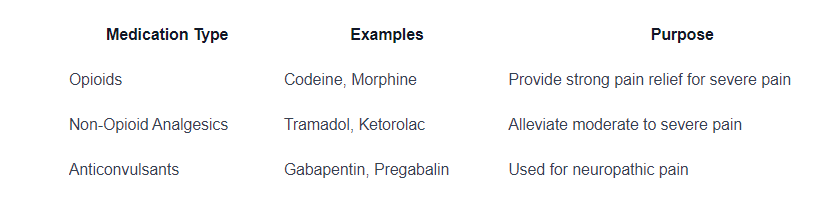
    Prescription medications are often used for more severe or chronic pain in children. These medications can only be obtained with a prescription from a healthcare provider. Prescription medications may include opioids, non-opioid analgesics, or other specialized medications tailored to the child’s specific needs.

    Here are some examples of prescription medications commonly used for pediatric pain management:

    __wf_reserved_inherit

    Prescription medications should always be used under the careful guidance of a healthcare provider. It’s essential to follow the prescribed dosage and monitor for any potential side effects or adverse reactions. Regular communication with the healthcare provider is crucial to ensure the most effective pain management strategy for the child.

    Pharmacological interventions, both over-the-counter and prescription medications, can significantly contribute to pediatric pain management. However, it’s important to remember that medication should be used as part of a comprehensive approach that includes non-pharmacological strategies and takes into account the specific needs and circumstances of each child. Always consult with a healthcare provider to determine the most appropriate pharmacological interventions for pediatric pain management.

    Procedural Pain Management

    When it comes toLocal Anesthetics

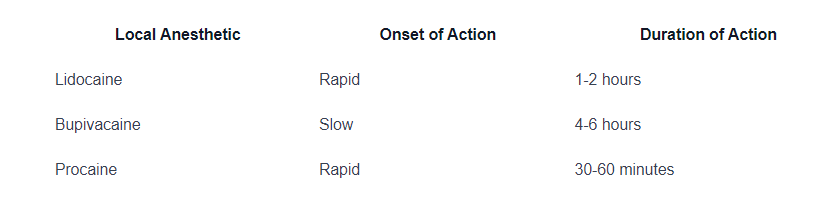
    Local anesthetics are commonly used to provide pain relief during minor procedures in children. These medications are administered topically or through injection, numbing the specific area where the procedure will take place. By blocking nerve signals in the targeted region, local anesthetics help alleviate pain and discomfort.

    Different types of local anesthetics may be used depending on the specific procedure and the child’s medical needs. Some commonly used local anesthetics include lidocaine, bupivacaine, and procaine.

    __wf_reserved_inherit

    It’s important to note that the choice of local anesthetic and the dosage will be determined by the healthcare provider based on factors such as the child’s age, medical history, and the nature of the procedure. Local anesthetics are generally safe when administered by trained professionals and can significantly reduce procedural pain in children.

    Sedation Techniques

    In some cases, procedures may require a higher level of sedation to help children remain calm and relaxed during the intervention. Sedation techniques are used to induce a state of reduced consciousness, allowing the child to tolerate the procedure with minimal discomfort.

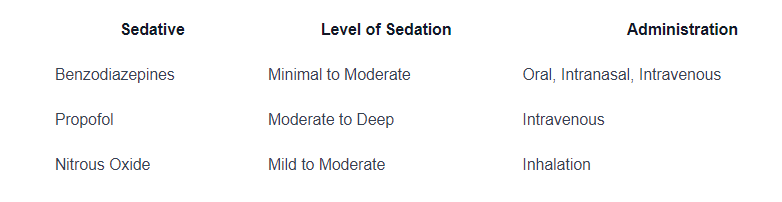
    Different levels of sedation can be achieved, ranging from minimal sedation (where the child remains awake and responsive) to deep sedation (where the child is almost unconscious). The appropriate level of sedation will be determined by the healthcare provider based on the procedure’s complexity, the child’s age and overall health, and the anticipated duration of the intervention.

    Various medications can be used for sedation, including benzodiazepines, propofol, and nitrous oxide. The choice of sedative depends on factors such as the child’s medical condition, the desired level of sedation, and any potential contraindications.

    __wf_reserved_inherit

    It’s important to note that sedation should always be administered by trained healthcare professionals in a controlled environment with appropriate monitoring. The safety and effectiveness of sedation techniques rely on careful evaluation and monitoring of the child throughout the procedure.

    The use of local anesthetics and sedation techniques in procedural pain management for pediatric patients can significantly improve comfort and reduce anxiety. These approaches, when implemented appropriately and with consideration for the child’s individual needs, contribute to a positive healthcare experience for both the child and their family.

    Integrative Approaches

    In addition to non-pharmacological and pharmacological strategies, integrative approaches play a significant role in pediatric pain management. These approaches aim to complement traditional medical interventions and provide holistic care for children experiencing pain. Two commonly utilized integrative approaches are acupuncture and acupressure, as well as massage therapy.

    Acupuncture and Acupressure

    Acupuncture and acupressure are therapeutic techniques rooted in traditional Chinese medicine. They involve the stimulation of specific points on the body to alleviate pain and promote overall well-being. Acupuncture utilizes thin needles inserted into the skin at precise points, while acupressure involves applying pressure to these points using fingers or other devices.

    Research suggests that acupuncture and acupressure may be effective in managing pediatric pain. These approaches activate the body’s natural pain-relieving mechanisms and promote relaxation. They can be particularly beneficial for children who may prefer non-pharmacological interventions or have adverse reactions to medications.

    When considering acupuncture and acupressure for pediatric pain management, it is crucial to consult with a qualified practitioner experienced in working with children. They can ensure that the treatment is safe and tailored to the child’s specific needs. It is also important to note that these approaches may not be suitable for all children or conditions, and individualized assessment is necessary.

    Massage Therapy

    Massage therapy involves the manipulation of soft tissues through various techniques, such as kneading, stroking, and applying pressure. This hands-on approach can help relieve pain, reduce muscle tension, and promote relaxation in pediatric patients.

    Several studies have shown the benefits of massage therapy in managing pediatric pain, including procedural pain, chronic pain, and pain associated with medical conditions. Massage therapy not only provides physical relief but also offers emotional support and a sense of comfort for children.

    The specific techniques and duration of massage therapy sessions may vary depending on the child’s age, condition, and preferences. It is crucial to work with a licensed massage therapist who specializes in pediatric care to ensure the safety and effectiveness of the treatment.

    When integrating acupuncture, acupressure, or massage therapy into pediatric pain management, it is essential to consider the child’s individual needs, preferences, and any contraindications. Collaborating with a multidisciplinary team of healthcare providers can help ensure comprehensive and personalized care for children experiencing pain. By combining traditional medical interventions with integrative approaches, healthcare professionals can enhance the overall well-being and quality of life for pediatric patients.

    Multidisciplinary Care in Pediatric Pain Management

    In pediatric pain management, a multidisciplinary approach involving collaboration among healthcare providers and the active involvement of families plays a vital role in ensuring effective treatment and support for children experiencing pain.

    Collaboration Among Healthcare Providers

    Effective pain management in children requires a collaborative effort among various healthcare providers. This multidisciplinary approach involves healthcare professionals from different specialties, such as pediatricians, nurses, psychologists, physical therapists, and occupational therapists. Each member of the healthcare team brings unique expertise and perspectives to the table, contributing to a comprehensive and holistic approach to pediatric pain management.

    Collaboration among healthcare providers allows for a more thorough assessment of the child’s pain, considering physical, emotional, and psychological factors. By working together, healthcare professionals can develop individualized treatment plans tailored to the child’s specific needs. This collaborative approach ensures that all aspects of the child’s pain experience are addressed, resulting in a more comprehensive and effective pain management strategy.

    Importance of Family Involvement

    In pediatric pain management, the involvement of the child’s family is of utmost importance. Families play a critical role in supporting their child and advocating for their needs. When families are actively involved in the pain management process, it fosters a sense of trust and collaboration between healthcare providers and the family.

    Family involvement encompasses various aspects, including providing information about the child’s pain history, observing and reporting pain symptoms, and participating in the decision-making process regarding treatment options. By actively involving families, healthcare providers gain valuable insights into the child’s pain experience, which helps in tailoring the treatment plan to meet the child’s specific needs.

    Moreover, family involvement extends beyond the treatment phase. Healthcare providers can educate families about pain management strategies, providing them with the necessary tools and resources to support their child’s pain management at home. This ongoing collaboration ensures continuity of care and empowers families to actively participate in their child’s pain management.

    By embracing a multidisciplinary approach and involving families in the pediatric pain management process, healthcare providers can optimize the care and support provided to children experiencing pain. This collaborative effort ensures that all aspects of the child’s pain experience are addressed, promoting effective pain management and improving the overall well-being of the child.

    Sources

    https://www.ncbi.nlm.nih.gov/pmc/articles/PMC6179554/

    https://www.medcentral.com/pain/pediatric-pain-management-review-clinical-diagnosis-management

    https://www.researchgate.net/publication/343277923_Pain_in_child_patients_A_review_on_managements

  • What Is A Nebulizer?

    What Is A Nebulizer?

    Understanding the Role and Function of Nebulizers

    Introduction to Nebulizers

    Nebulizers are critical devices in the management of respiratory conditions. These machines convert liquid medication into a mist, making it easier for patients to inhale medication directly into their lungs. This article will explore the function, types, usage, differences with similar devices, and various considerations associated with nebulizers.

    How Nebulizers Work

    Understanding the Functionality of Nebulizers

    What is a nebulizer and what is its main purpose?

    A nebulizer is a medical device that converts liquid medication into a fine mist, allowing patients to inhale the medication through a mouthpiece or mask. Its main purpose is to help control breathing problems, such as asthma and chronic obstructive pulmonary disease (COPD), by delivering medications directly to the lungs. Common medications used in nebulizers include bronchodilators like albuterol and corticosteroids.

    Function of nebulizers

    Nebulizers play a crucial role in managing respiratory conditions. They work by aerosolizing medication into tiny droplets, making it easier for patients—especially children and those with severe asthma—to inhale the medication effectively. This method ensures that the medicine reaches deep into the lungs, providing faster relief from symptoms compared to oral or other forms of medication administration.

    Types of nebulizers

    There are three primary types of nebulizers:

    Type Description Common Uses
    Jet Nebulizers Utilize compressed air to create a mist. Most common type for delivery.
    Ultrasonic Use ultrasonic waves to generate fine particles. Often used in hospitals.
    Mesh Employ vibrating mesh technology for efficient delivery. High-end option, efficient and quiet.

    Mechanisms of aerosolizing medication

    Different nebulizers utilize distinct technologies to aerosolize medication:

    • Jet nebulizers create a mist via high-pressure air flow.
    • Ultrasonic nebulizers leverage sound waves to break down liquid into fine droplets.
    • Mesh nebulizers use a vibrating mesh to create a consistent aerosol.

    The ideal particle size for effective lung delivery ranges between 1 to 5 micrometers, ensuring that the medication penetrates adequately into the lungs for optimal therapeutic effect.

    When to Use a Nebulizer

    When is it Appropriate to Use a Nebulizer?

    When should you use a nebulizer?

    You should use a nebulizer when experiencing respiratory distress due to specific conditions like:

    • Asthma: During acute attacks or for routine management.
    • Cystic fibrosis: To help clear mucus from the lungs.
    • Chronic obstructive pulmonary disease (COPD): For maintaining airway function during flare-ups.
    • Pneumonia: To deliver antibiotics directly into the lungs.
    • Severe allergic reactions: For immediate medication absorption.

    Advantages over inhalers

    Nebulizers offer several advantages compared to inhalers, particularly for:

    • Children: Easier to use, as they don’t require coordination like inhalers.
    • Elderly or those with severe respiratory distress: Allows for medication delivery without needing complicated techniques.
    • High medication doses: Capable of delivering larger amounts of medication quickly, which is crucial in severe cases.

    Medication absorption

    Nebulizers allow for quick medication absorption, generally taking about 10 to 20 minutes for treatment. They convert liquid medication into a fine mist that penetrates deeply into the lungs, leading to effective relief. Common medications used include bronchodilators like albuterol and corticosteroids, which can provide immediate relief of symptoms.

    While nebulizers need to be prescribed and regularly maintained to avoid issues like mold growth, their impact can be significant for those requiring respiratory assistance.

    Common Medications and Their Effects

    Explore Common Medications for Nebulizers

    What medications are typically used in nebulizers?

    Nebulizers effectively deliver a range of medications to treat respiratory conditions such as asthma and COPD.

    Some common medications include:

    • Bronchodilators: Medications like Albuterol, Ipratropium, and Levalbuterol are commonly used, as they relax airway muscles and improve breathing.
    • Corticosteroids: Medications such as Budesonide, Flunisolide, Fluticasone, and Triamcinolone reduce airway inflammation and are often included in treatment plans.
    • Inhaled antibiotics: Useful for treating lung infections, they can also be administered through nebulizers.
    • Saline solutions: These help to loosen mucus and make it easier to breathe.

    Proper usage and regular cleaning of nebulizers are crucial for ensuring the effectiveness of these medications.

    What are the side effects of using a nebulizer?

    While nebulizers are beneficial, they can also lead to several side effects, particularly when using bronchodilators like albuterol. Common side effects include:

    • Nervousness and shakiness
    • Rapid heartbeat
    • Headache
    • Throat irritation

    More serious side effects such as allergic reactions, chest pain, and worsening breathing difficulties should prompt immediate medical attention. Monitoring symptoms and maintaining open communication with healthcare providers are vital components of safe nebulizer use.

    Medication Type Common Medications Effects/Side Effects
    Bronchodilators Albuterol, Ipratropium, Levalbuterol Improves breathing, may cause nervousness, rapid heartbeat
    Corticosteroids Budesonide, Flunisolide, Fluticasone, Triamcinolone Reduces inflammation, possible throat irritation
    Inhaled antibiotics Various (for lung infections) Treats infections, monitor for allergic reactions
    Saline solutions Sterile saline Loosens mucus for easier breathing

    Using a Nebulizer Correctly

    Guidelines for Effective Nebulizer Use

    Steps in Using a Nebulizer

    To effectively use a nebulizer for treating respiratory issues, follow a few simple steps:

    1. Wash Your Hands: Always start with clean hands to prevent contamination.
    2. Assemble the Device:
      • Gather the nebulizer, air compressor, mouthpiece or face mask, and prescribed medication.
      • Connect the parts according to the manufacturer’s instructions.
    3. Add Medication: Pour the exact dose of medication into the nebulizer cup, ensuring not to overfill.
    4. Start the Nebulizer: Turn on the device and breathe normally through the mouthpiece or mask.
    5. Duration: Treatment generally lasts about 5 to 15 minutes until the medication is fully nebulized.

    Cleaning and Maintenance

    Maintaining a clean nebulizer is critical. Here’s how:

    • Rinse the nebulizer cup and mouthpiece with warm, soapy water immediately after each use.
    • Allow these components to air dry.
    • Perform a thorough disinfection weekly by soaking in a solution recommended by your healthcare provider.
      A clean nebulizer ensures efficient medication delivery and helps prevent infections.

    Proper Techniques

    Proper technique is crucial for effectiveness:

    • Positioning: Sit upright while using the nebulizer to facilitate better airflow.
    • Breathing: Inhale slowly and deeply through your mouth to help the medication reach your lungs efficiently.

    By following these steps and maintaining your nebulizer, you ensure that the medication is effectively delivering the intended benefits to manage respiratory conditions like asthma or a persistent cough.

    Nebulizers vs. Inhalers: Key Differences

    Comparing Nebulizers and Inhalers: Key Insights

    What is the difference between a nebulizer and an inhaler?

    The primary distinction between a nebulizer and an inhaler is in how they deliver medication to the lungs. Inhalers use pressurized canisters to dispense medication in metered doses through a mouthpiece. This method requires users to achieve a tight seal and coordinate their breathing, making it challenging for some, particularly children. On the other hand, nebulizers convert liquid medication into a fine mist, allowing for easier inhalation through a mask or mouthpiece. This facilitates medication delivery, especially beneficial for those unable to use inhalers effectively, such as very young children.

    Situational use

    Different respiratory conditions can dictate whether to use a nebulizer or inhaler. For quick relief during severe asthma attacks, inhalers may offer a faster response due to their portability and immediate delivery. Conversely, nebulizers provide effective treatment for patients with ongoing respiratory issues who need medication delivered over a longer period, usually taking about 5 to 15 minutes for each session.

    Practical considerations

    When choosing between a nebulizer and an inhaler, practical factors such as cost, ease of use, and maintenance must be considered. Nebulizers typically range from $50 to $200 depending on their type, while inhalers vary in price based on the medication they deliver. Inhalers are more portable, making them preferable for active individuals, while nebulizers are advantageous for those who may struggle to coordinate inhalation. For optimal therapeutic effects, users must adhere to proper techniques for both devices, including thorough cleaning and following prescription guidelines.

    Conclusion

    Nebulizers are essential tools for those suffering from respiratory conditions, offering a reliable way to deliver medication directly to the lungs. Understanding how to properly use and maintain these devices is crucial for effectiveness and safety. By comparing nebulizers with inhalers and exploring their respective uses and benefits, patients can better manage their respiratory health under medical guidance. Regular consultation with healthcare professionals ensures that the treatment is appropriate to the individual’s needs, optimizing respiratory therapies.

    References

  • Pediatric Primary and Urgent Care

    Pediatric Primary and Urgent Care

    Discover pediatric primary and urgent care solutions for your child’s health needs. From routine checkups to emergencies, we’ve got you covered!

    Pediatric Care Overview

    Pediatric care plays a vital role in the health and well-being of children. It encompasses both primary care and urgent care, each addressing different aspects of a child’s healthcare needs.

    Importance of Pediatric Care

    Pediatric care is essential for ensuring the healthy development and proper management of children’s health. Regular checkups and preventive care provided by pediatric healthcare professionals help monitor growth, detect and prevent potential health issues, and promote overall well-being.

    __wf_reserved_inherit

    Pediatric care focuses on age-specific healthcare needs, taking into account the unique growth and development milestones of children. It emphasizes early intervention and preventive measures to address potential health concerns before they become more serious.

    Differences Between Primary and Urgent Care

    Primary care and urgent care are two distinct components of pediatric care, each serving a specific purpose.

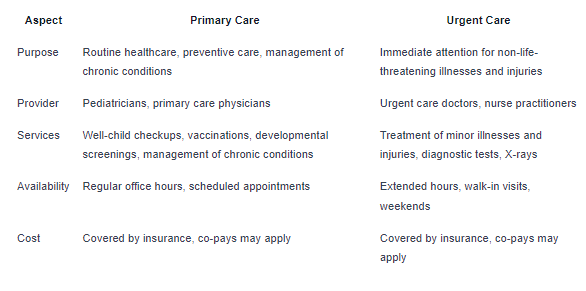
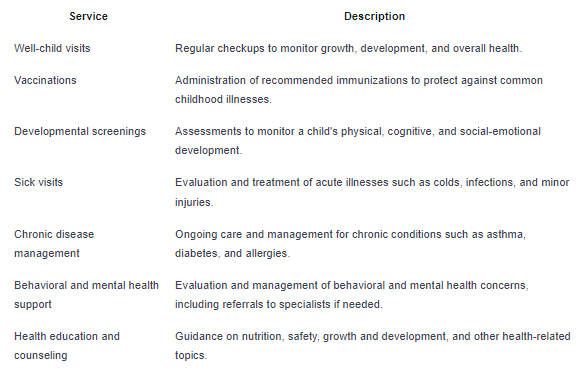
    Primary care providers, such as pediatricians, serve as the primary point of contact for routine healthcare needs. They offer comprehensive healthcare services for children, from infancy through adolescence. Primary care providers establish long-term relationships with patients and families, providing preventive care, vaccinations, developmental screenings, and managing chronic conditions. They also address common illnesses and minor injuries.

    On the other hand, urgent care facilities cater to immediate healthcare needs that require prompt attention but are not life-threatening emergencies. These facilities are equipped to handle conditions such as minor fractures, infections, allergic reactions, and other non-life-threatening illnesses and injuries. Urgent care is available beyond regular office hours and on weekends, providing a convenient alternative to emergency rooms for urgent but non-emergency situations.

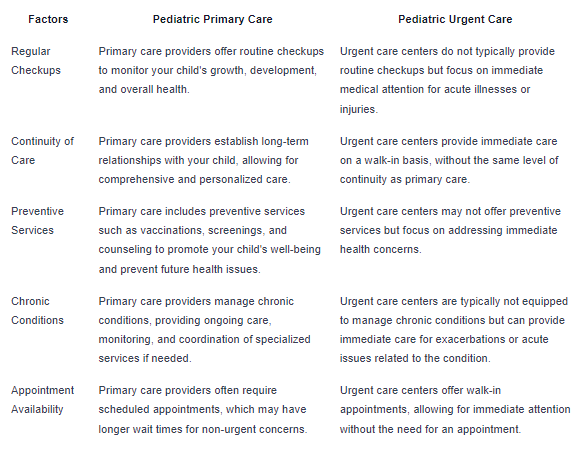
    To help illustrate the differences between primary and urgent care, the following table provides an overview:

    __wf_reserved_inherit

    Understanding the differences between primary and urgent care helps parents and caregivers make informed decisions about seeking appropriate care for their children’s healthcare needs. By utilizing both primary and urgent care services as needed, parents can ensure comprehensive and timely healthcare for their children.

    Primary Care for Children

    Pediatric primary care plays a vital role in the overall health and well-being of children. It serves as the first point of contact for parents and guardians when addressing their child’s healthcare needs. This section will explore the role of pediatric primary care and the range of services offered in this setting.

    Role of Pediatric Primary Care

    Pediatric primary care providers are healthcare professionals who specialize in the medical care of infants, children, and adolescents. They are dedicated to promoting the health and development of children and providing comprehensive medical services from infancy through adolescence.

    The primary care provider serves as a trusted partner in managing a child’s overall health. They focus on preventive care, monitoring growth and development, and addressing any acute or chronic health concerns. Regular checkups with a pediatric primary care provider are essential for early detection of potential health issues, tracking developmental milestones, and ensuring that children are receiving the necessary immunizations.

    Services Offered in Pediatric Primary Care

    Pediatric primary care encompasses a wide range of services to address the unique healthcare needs of children. These services may include:

    __wf_reserved_inherit

    Pediatric primary care providers work closely with families to establish a strong foundation for a child’s health. They provide personalized care, continuity of care, and serve as a resource for any health-related questions or concerns that parents may have.

    By seeking pediatric primary care, parents can ensure that their child receives comprehensive and coordinated healthcare, promoting optimal growth, development, and overall well-being.

    Urgent Care for Children

    When it comes to the healthcare needs of children, there are situations that require immediate attention. Urgent pediatric care provides solutions for these urgent situations, ensuring that children receive prompt medical attention when it is needed the most.

    When to Seek Urgent Pediatric Care

    Urgent pediatric care is appropriate when a child’s medical condition is not life-threatening but requires immediate attention. Some common scenarios that may warrant urgent care include:

    1. Minor Injuries: Urgent care can address minor injuries such as sprains, fractures, cuts, or burns that are not life-threatening but require medical attention to prevent further complications.
    2. Fever: If a child has a high fever that is persistent or accompanied by other concerning symptoms, urgent care can provide a timely evaluation and treatment.
    3. Infections: Urgent care can address infections such as ear infections, urinary tract infections, or respiratory infections that require prompt medical attention.
    4. Allergic Reactions: If a child experiences an allergic reaction that is not life-threatening but requires immediate intervention, urgent care can provide appropriate treatment.
    5. Mild Asthma Attacks: Urgent care can address mild asthma attacks by providing quick relief and guiding parents on managing the condition.

    It’s important to note that for life-threatening emergencies, such as severe difficulty breathing, chest pain, or loss of consciousness, immediate medical attention at an emergency room is crucial.

    Services Offered in Pediatric Urgent Care

    Pediatric urgent care centers are equipped to handle a wide range of urgent medical needs for children. These centers typically offer the following services:

    Services Offered in Pediatric Urgent Care

    Evaluation and treatment of minor injuries

    Diagnosis and treatment of common illnesses

    X-rays and imaging

    Laboratory testing

    Minor surgical procedures

    Administration of medications, including intravenous fluids

    Referral to specialists, if necessary

    Pediatric urgent care centers are staffed by healthcare professionals who are experienced in providing immediate care to children. They strive to create a child-friendly environment and prioritize the comfort and well-being of young patients.

    When faced with an urgent medical situation involving a child, it is crucial to assess the severity of the condition and determine whether it requires immediate attention. Understanding the scope of services offered in pediatric urgent care centers can help parents make informed decisions and ensure their child receives the appropriate level of care in a timely manner.

    Choosing Between Primary and Urgent Care

    When it comes to your child’s healthcare needs, it’s important to understand the differences between pediatric primary care and pediatric urgent care. Both options play a crucial role in ensuring your child receives appropriate medical attention. Consider the following factors to make the right decision for your child:

    Factors to Consider

    __wf_reserved_inherit

    Making the Right Decision for Your Child

    When deciding between pediatric primary care and pediatric urgent care, it’s important to consider your child’s medical needs and the urgency of the situation. Here are some guidelines to help you make an informed decision:

    1. Routine Checkups: If your child requires regular checkups, immunizations, and preventive care, establishing a relationship with a primary care provider is essential.
    2. Acute Illness or Injury: For sudden illnesses or minor injuries that require immediate attention but do not pose a life-threatening situation, urgent care centers can provide prompt medical care.
    3. Chronic Conditions: If your child has a chronic condition, a primary care provider who is familiar with your child’s medical history and specialized needs is best suited to manage their ongoing care.
    4. After-Hours Care: If your child experiences a non-life-threatening medical issue outside of regular office hours, urgent care centers can be a convenient option.
    5. Emergency Situations: For severe injuries or life-threatening emergencies, it is crucial to seek care at an emergency department or call emergency services.

    Remember, it’s always important to consult with your child’s healthcare provider for personalized guidance and recommendations based on your child’s specific needs. By understanding the differences between primary and urgent care and considering the factors mentioned above, you can make an informed decision regarding your child’s healthcare.

    Common Pediatric Health Concerns

    When it comes to pediatric care, there are common health concerns that parents should be aware of. Routine checkups and preventive care play a vital role in maintaining a child’s overall health and well-being. Additionally, knowing how to handle common pediatric emergencies is crucial for ensuring prompt and appropriate medical attention.

    Routine Checkups and Preventive Care

    Routine checkups are an essential aspect of pediatric care as they allow healthcare providers to monitor a child’s growth, development, and overall health. These well-child visits are typically scheduled at regular intervals, starting from infancy and continuing throughout childhood and adolescence.

    During routine checkups, pediatricians assess various aspects of a child’s health, including their physical growth, cognitive development, and emotional well-being. They also administer necessary vaccinations to protect against infectious diseases. Routine checkups provide an opportunity to address any concerns or questions that parents may have and to provide guidance on nutrition, sleep, and behavior.

    The American Academy of Pediatrics (AAP) recommends a schedule of well-child visits that includes regular checkups at specific ages. The frequency of these visits may vary slightly based on individual circumstances and the healthcare provider’s recommendations.

    Common Pediatric Emergencies

    Pediatric emergencies can occur unexpectedly and require immediate medical attention. While it is impossible to predict every emergency situation, being aware of common pediatric emergencies can help parents and caregivers respond effectively and seek appropriate medical care.

    Common Pediatric Emergencies

    Febrile Seizures

    Allergic Reactions

    Asthma Attacks

    Severe Burns

    Head Injuries

    Choking

    Poisoning

    Severe Allergic Reactions (Anaphylaxis)

    Fractures

    Ingestion of Harmful Substances

    It is important for parents to familiarize themselves with basic first aid techniques and know when to seek emergency medical care. In cases of severe bleeding, loss of consciousness, difficulty breathing, or suspected fractures, immediate medical attention should be sought. It is always better to err on the side of caution when it comes to the well-being of a child.

    By prioritizing routine checkups and preventive care, as well as being prepared for common pediatric emergencies, parents can take proactive steps to safeguard their child’s health. Regular visits to a pediatric primary care provider and prompt action during emergencies contribute to the overall well-being of children, ensuring they grow up healthy and happy.

    Accessing Pediatric Care

    When it comes to accessing pediatric care for your child, it’s important to find the right healthcare providers and understand the insurance coverage available. This section will focus on two key aspects: finding pediatric care providers and understanding insurance coverage for pediatric care.

    Finding Pediatric Care Providers

    Finding the right pediatric care provider is essential for your child’s healthcare needs. Here are some steps to help you find pediatric care providers:

    1. Ask for recommendations: Seek recommendations from your friends, family, or trusted healthcare professionals. They may be able to suggest reliable pediatricians or pediatric clinics in your area.
    2. Research online: Utilize online resources such as healthcare directories or review websites to find pediatric care providers near you. Read reviews and check their credentials to gather more information.
    3. Check with your insurance: Contact your insurance provider to obtain a list of in-network pediatric care providers. This will help ensure that the services are covered by your insurance plan.

    Once you have a list of potential pediatric care providers, consider factors such as their experience, location, office hours, and the overall rapport with your child. It’s important to choose a provider who makes you and your child feel comfortable and provides quality care.

    Understanding Insurance Coverage for Pediatric Care

    Understanding your insurance coverage for pediatric care is crucial to ensure that your child’s healthcare needs are met without incurring excessive out-of-pocket expenses. Here are some key points to consider:

    1. Health insurance plans: Review your health insurance plan to understand the coverage it provides for pediatric care. Most plans cover routine checkups, vaccinations, and preventive care for children.
    2. In-network providers: Check whether the pediatric care providers you are considering are in-network with your insurance plan. In-network providers typically have negotiated rates with the insurance company, resulting in lower out-of-pocket costs for you.
    3. Co-pays and deductibles: Familiarize yourself with the co-pays and deductibles associated with pediatric care. Co-pays are fixed amounts you pay for each visit, while deductibles are the amount you must pay out-of-pocket before your insurance coverage kicks in.
    4. Pre-authorization requirements: Some insurance plans require pre-authorization for certain pediatric services, such as specialized tests or procedures. Make sure you understand these requirements to avoid any unexpected denials or costs.
    5. Out-of-network coverage: If you choose to see a pediatric care provider who is out-of-network, understand the potential impact on your insurance coverage. Out-of-network providers may result in higher out-of-pocket costs or limited coverage, so it’s important to weigh the options carefully.

    By understanding your insurance coverage and finding pediatric care providers who align with your insurance plan, you can ensure that your child receives the necessary care while minimizing financial burdens.

    Accessing pediatric care involves finding the right providers and understanding insurance coverage. By taking these steps, you can navigate the healthcare system more effectively and provide your child with the quality care they need.

    Sources

    https://www.ncbi.nlm.nih.gov/pmc/articles/PMC8263464/

    https://www.primaryhealth.com/pediatric-urgent-care

  • Durable Medical Equipment Cost Compare

    Durable Medical Equipment Cost Compare

    Unlock insights on durable medical equipment costs and compare prices for smart shopping decisions.

    The Value of Durable Medical Equipment (DME)

    __wf_reserved_inherit

    When it comes to ensuring optimal healthcare support, durable medical equipment (DME) plays a crucial role in enhancing the quality of life for individuals facing medical challenges. Understanding the significance of DME and grasping the intricacies of DME costs are vital aspects for individuals navigating the realm of medical equipment.

    Importance of Durable Medical Equipment

    Durable medical equipment serves as a lifeline for individuals with medical conditions, enabling them to carry out daily tasks independently and safely. From mobility aids like wheelchairs and walkers to assistive devices such as oxygen equipment and hospital beds, DME enhances mobility, comfort, and overall well-being for patients in need.

    Understanding DME Costs

    DME costs encompass various factors that contribute to the overall financial investment required for medical equipment. It is essential to comprehend the pricing dynamics of DME, including factors such as quality, brand reputation, features, and functionality. By delving into the intricacies of DME costs, individuals can make informed decisions regarding the selection and procurement of medical equipment that aligns with their specific needs and budget considerations.

    Understanding the value of DME and navigating the landscape of DME costs are essential steps in establishing a solid foundation for sourcing durable medical equipment that meets individual healthcare requirements effectively. It is imperative to prioritize both the importance of DME in enhancing quality of life and the intricacies of DME costs in ensuring optimal access to necessary medical equipment.

    Factors Influencing DME Costs

    __wf_reserved_inherit

    When considering the costs associated with durable medical equipment (DME), several factors play a significant role in determining the price. Understanding these factors can help individuals make informed decisions when investing in essential medical devices. Let’s explore the key influencers: quality and durability, brand and reputation, and features and functionality.

    Quality and Durability

    The quality and durability of DME are fundamental factors that directly impact the overall cost of the equipment. High-quality materials and construction contribute to the longevity and reliability of the device, reducing the need for frequent repairs or replacements. While initial costs may be higher for durable and well-built equipment, the long-term benefits in terms of performance and longevity often outweigh the upfront investment.

    Brand and Reputation

    The brand and reputation of the manufacturer or supplier can also influence the pricing of DME. Established brands with a history of producing reliable and innovative medical equipment may command higher price points due to their brand recognition and established reputation for quality. On the other hand, lesser-known brands or generic options may offer more affordable alternatives, but individuals should consider the trade-off between price and quality when making their decision.

    Features and Functionality

    The features and functionality incorporated into DME can significantly impact the overall cost of the equipment. Advanced technological features, ergonomic design, and customizable options may increase the price of the device but provide added value in terms of comfort, convenience, and performance. Individuals should assess their specific needs and prioritize essential features that align with their treatment requirements to ensure they are investing in DME that meets their unique requirements.

    By considering the interplay of quality and durability, brand reputation, and features and functionality, individuals can make informed decisions when evaluating the costs associated with durable medical equipment. Prioritizing value and quality over price alone can lead to more satisfactory outcomes and long-term benefits in terms of performance, durability, and overall user experience.

    Comparing DME Costs

    When considering the costs associated with durable medical equipment (DME), it is important to evaluate various factors that can influence pricing. In this section, we will delve into the cost variations across different suppliers, compare online versus physical store pricing, and explore insurance coverage and reimbursement options for DME.

    Cost Variations Across Different Suppliers

    The cost of DME can vary significantly depending on the supplier or vendor from which you purchase the equipment. Different suppliers may offer varying price points based on factors such as overhead costs, sourcing of materials, and profit margins. It is advisable to compare prices from multiple suppliers to ensure you are getting the best value for your investment.

    __wf_reserved_inherit

    Online vs. Physical Store Pricing

    Another factor to consider when comparing DME costs is the pricing difference between online retailers and physical store locations. Online stores may offer competitive pricing due to lower overhead costs and the ability to reach a broader customer base. On the other hand, physical stores may provide the advantage of immediate availability and in-person assistance.

    __wf_reserved_inherit

    Insurance Coverage and Reimbursement Options

    Insurance coverage plays a significant role in determining the out-of-pocket costs associated with DME. Different insurance plans may offer varying levels of coverage for durable medical equipment, impacting the overall financial burden on the individual. Additionally, reimbursement options such as flexible spending accounts (FSAs) or health savings accounts (HSAs) can help offset some of the costs associated with DME.

    __wf_reserved_inherit

    By understanding the cost variations across different suppliers, comparing online and physical store pricing, and exploring insurance coverage and reimbursement options, individuals can make informed decisions when purchasing durable medical equipment. It is essential to consider these factors to ensure that you are getting the best value for your investment while meeting your healthcare needs effectively.

    Key Considerations Before Purchasing DME

    Before investing in durable medical equipment (DME), it’s essential to consider several key factors to ensure you make the right choice based on your individual needs and circumstances. This section outlines the critical considerations that should be evaluated before purchasing DME.

    Assessing Your Needs

    The first step in the process of acquiring DME is to conduct a thorough assessment of your specific healthcare requirements. Understanding your medical condition, mobility limitations, and daily activities will help determine the type of equipment that best suits your needs. By identifying the precise functions and features you require, you can narrow down your options and choose the most appropriate DME that will enhance your quality of life.

    Evaluating Long-Term Use and Maintenance

    When selecting DME, it’s important to assess the long-term usability and maintenance requirements of the equipment. Consider whether the equipment is designed to withstand regular use over an extended period and whether it can be easily maintained and serviced. Evaluating the durability of the equipment and its ability to adapt to your changing healthcare needs will help you make a more informed decision regarding its suitability for your situation.

    Seeking Professional Advice

    Seeking guidance from healthcare professionals, such as physicians, physical therapists, or occupational therapists, can provide valuable insights and recommendations regarding the most suitable DME for your specific medical condition. These professionals can offer expert advice on the appropriate type of equipment, optimal features, and potential alternatives that align with your healthcare goals. Consulting with healthcare providers can help ensure that the DME you choose is safe, effective, and tailored to meet your individual requirements.

    By carefully considering your needs, assessing the long-term usability and maintenance requirements of the equipment, and seeking expert advice from healthcare professionals, you can make a well-informed decision when purchasing durable medical equipment. These key considerations play a crucial role in selecting the right DME that not only meets your immediate healthcare needs but also enhances your overall well-being and quality of life.

    Tips for Cost-Effective DME Shopping

    When it comes to purchasing durable medical equipment (DME), cost can be a significant consideration. To make the most of your budget and ensure you get the best value for your money, here are some cost-effective shopping tips to keep in mind:

    Researching Prices and Options

    Before making a decision, it’s crucial to conduct thorough research on the prices and options available for the DME you require. Compare prices from different suppliers, both online and in physical stores, to get an idea of the range of costs. Consider factors such as quality, brand reputation, and features when assessing the value of the equipment.

    __wf_reserved_inherit

    Utilizing Discounts and Promotions

    Keep an eye out for discounts and promotions offered by suppliers or manufacturers. Many retailers provide special offers, seasonal sales, or loyalty programs that can help you save money on DME purchases. Additionally, consider purchasing refurbished or lightly used equipment, which may be available at a lower cost compared to brand new items.

    __wf_reserved_inherit

    Negotiating Prices and Payment Plans

    Don’t hesitate to negotiate prices with suppliers, especially if you are purchasing multiple items or higher-priced equipment. Many vendors are open to discussing discounts or flexible payment plans to accommodate your budget. Be prepared to ask for discounts, inquire about price matching policies, or explore financing options to make your DME purchase more affordable.

    When shopping for durable medical equipment, being proactive about researching prices, taking advantage of discounts and promotions, and negotiating when possible can help you secure the best value for your investment. By making informed decisions and exploring cost-saving opportunities, you can ensure that you receive high-quality DME without compromising on your financial well-being.

    Ensuring Value and Quality

    When investing in durable medical equipment (DME), it is essential to prioritize value and quality to meet your healthcare needs effectively. This section focuses on strategies to achieve this by balancing cost with durability and functionality, emphasizing regular maintenance and care, and leveraging customer reviews and feedback.

    Balancing Cost with Durability and Functionality

    When selecting DME, it’s crucial to strike a balance between cost, durability, and functionality. While it may be tempting to opt for the least expensive option, it’s important to consider the long-term value of the equipment. Assess the quality and features of the DME to ensure that it meets your specific medical requirements. By evaluating the durability and functionality of the equipment, you can make an informed decision that aligns with your budget and healthcare needs.

    Regular Maintenance and Care

    To prolong the lifespan and performance of your DME, regular maintenance and care are crucial. Follow the manufacturer’s instructions for cleaning, storage, and usage to prevent premature wear and tear. Scheduled maintenance checks can help identify any issues early on and ensure that the equipment continues to function optimally. By investing time and effort in the upkeep of your DME, you can extend its longevity and reliability.

    Seeking Customer Reviews and Feedback

    Before making a purchase decision, it can be beneficial to seek out customer reviews and feedback on the DME you are considering. Real-life experiences from other users can provide valuable insights into the quality, usability, and effectiveness of the equipment. Online platforms, forums, and healthcare communities are excellent resources for gathering feedback from individuals who have firsthand experience with the DME. By leveraging this information, you can make a more informed choice that aligns with your expectations and requirements.

    Ensuring value and quality in your DME purchase involves careful consideration of cost, durability, functionality, regular maintenance, and customer feedback. By adopting a strategic approach that prioritizes these elements, you can maximize the effectiveness and longevity of your DME investment while meeting your healthcare needs effectively.

    Sources

    https://www.medicare.gov/medical-equipment-suppliers/

    https://www.seniorliving.org/durable-medical-equipment/

    https://www.medicalnewstoday.com/articles/how-to-get-a-medical-device-approved-for-medicare

  • Reuse Tracheostomy Tubes

    Reuse Tracheostomy Tubes

    Discover the benefits and guidelines for reusing tracheostomy tubes to save costs and reduce environmental impact.

    Understanding Tracheostomy Tubes

    When it comes to tracheostomy tubes, it’s essential to comprehend their purpose and the significance of proper care and maintenance to ensure optimal functioning and patient well-being.

    __wf_reserved_inherit

    Purpose of Tracheostomy Tubes

    Tracheostomy tubes are medical devices designed to provide a clear and secure airway for individuals who have undergone a tracheostomy procedure. This surgical intervention involves creating an opening in the windpipe (trachea) to facilitate breathing when the natural airway is compromised or obstructed.

    Tracheostomy tubes serve multiple purposes, including:

    Purpose

    Assisting with breathing

    Facilitating airway clearance and suctioning

    Allowing for long-term ventilatory support

    Enhancing patient comfort and quality of life

    By maintaining a clear airway, tracheostomy tubes support respiratory function and aid in the management of various respiratory conditions.

    Importance of Proper Care and Maintenance

    Proper care and maintenance of tracheostomy tubes are crucial to prevent complications, ensure device functionality, and promote patient safety. Regular cleaning and inspection of the tubes help to minimize the risk of infections and other adverse events.

    When caring for tracheostomy tubes, it is important to:

    Care and Maintenance Practices

    Clean the tube regularly using sterile techniques

    Monitor the tube for signs of damage or blockages

    Ensure proper positioning and secure fixation of the tube

    Follow healthcare provider recommendations for care protocols

    Efficient care and maintenance not only prolong the lifespan of tracheostomy tubes but also contribute to the overall well-being and comfort of individuals who rely on these devices for respiratory support. By understanding the purpose of tracheostomy tubes and emphasizing proper care practices, healthcare providers and patients can optimize treatment outcomes and enhance the quality of care for individuals with tracheostomies.

    Reuse of Tracheostomy Tubes

    When it comes to the reuse of tracheostomy tubes, there are important considerations to keep in mind to ensure the safety and well-being of the patient. Understanding the reasons for considering reuse and following safety guidelines are essential aspects of this practice.

    Reasons for Considering Reuse

    The decision to reuse tracheostomy tubes may stem from various reasons, including:

    • Resource Allocation: In situations where resources are limited, the reuse of tracheostomy tubes can help optimize resource utilization.
    • Cost Savings: Reusing tubes can result in cost savings for both healthcare facilities and patients.
    • Availability: At times, there may be a shortage of new tubes, making the reuse of sterilized tubes a viable option.
    • Custom Fit: Some patients may have customized or specialized tubes that are best suited for their anatomy and needs, making reuse preferable.

    Safety Considerations and Guidelines

    Ensuring the safety of patients is paramount when considering the reuse of tracheostomy tubes. Adhering to stringent safety guidelines and protocols is crucial to minimize the risk of infections and complications associated with tube reuse.

    __wf_reserved_inherit

    By acknowledging the reasons for considering tube reuse and strictly adhering to safety guidelines, healthcare providers can make informed decisions regarding the reuse of tracheostomy tubes while prioritizing patient safety and care.

    Benefits of Reusing Tracheostomy Tubes

    Exploring the advantages of reusing tracheostomy tubes goes beyond just the practicality of the process. Let’s delve into the two key benefits: cost-effectiveness and environmental impact.

    Cost-Effectiveness

    One of the primary benefits of reusing tracheostomy tubes is the cost-effectiveness it offers. By properly cleaning and sterilizing tubes for multiple uses, healthcare facilities and patients can significantly reduce their expenses associated with purchasing new tubes frequently.

    The table below illustrates a comparison between the cost of reusing tracheostomy tubes versus the cost of using single-usage tubes over a specific time period.

    __wf_reserved_inherit

    Environmental Impact

    In addition to cost savings, reusing tracheostomy tubes also has a positive environmental impact by reducing the amount of medical waste generated. Disposable medical supplies, including single-usage tracheostomy tubes, contribute to the growing issue of medical waste accumulation.

    By opting to reuse tracheostomy tubes after proper cleaning and sterilization, healthcare facilities and individuals can play a role in promoting sustainability and minimizing their environmental footprint. This environmentally conscious practice aligns with efforts to reduce waste and conserve resources for a healthier planet.

    The benefits of reusing tracheostomy tubes extend beyond financial savings to include a positive influence on the environment. By adopting responsible reuse practices and following established safety guidelines, healthcare providers and patients can leverage these benefits while ensuring patient safety and well-being.

    Cleaning and Sterilization Process

    When considering the reuse of tracheostomy tubes, proper cleaning and sterilization are paramount to ensure the safety and well-being of the patient. In this section, we will explore the essential cleaning techniques and sterilization methods required for the effective reuse of tracheostomy tubes.

    Proper Cleaning Techniques

    Proper cleaning of tracheostomy tubes is crucial to remove any accumulated secretions, debris, or bacteria that may compromise the tube’s integrity and the patient’s health. The following table outlines the step-by-step cleaning process for tracheostomy tubes:

    Cleaning Steps

    1. Disassemble the tracheostomy tube carefully.

    2. Soak the tube in warm, soapy water or a specialized cleaning solution recommended by healthcare providers.

    3. Use a brush or pipe cleaner to gently scrub the inside and outside of the tube to remove any residue.

    4. Rinse the tube thoroughly with clean water to ensure all cleaning agents are removed.

    5. Allow the tube to air dry completely before reassembling it for use.

    By following these proper cleaning techniques, healthcare providers can effectively cleanse tracheostomy tubes and minimize the risk of contamination during reuse.

    Sterilization Methods

    Sterilization of tracheostomy tubes is essential to eliminate any remaining pathogens and ensure aseptic conditions for patient safety. Healthcare facilities typically employ one of the following sterilization methods for tracheostomy tubes:

    __wf_reserved_inherit

    Healthcare professionals must adhere to specific guidelines and protocols recommended by regulatory bodies and manufacturers when sterilizing tracheostomy tubes. Proper sterilization processes are critical to prevent infections and ensure the safety of patients who rely on reused tracheostomy tubes for their respiratory needs.

    By implementing appropriate cleaning techniques and sterilization methods, healthcare providers can promote the safe and effective reuse of tracheostomy tubes, benefiting both patients and healthcare facilities in terms of cost-effectiveness and environmental sustainability.

    Risks and Challenges

    When considering the reuse of tracheostomy tubes, it’s essential to be aware of the potential risks involved and the challenges that may arise during this process. By understanding these aspects, individuals and healthcare professionals can take necessary precautions to ensure the safety and well-being of patients.

    Potential Risks of Reuse

    Reuse of tracheostomy tubes, if not done correctly, can pose certain risks to patients. Some of the potential risks associated with the reuse of these medical devices include:

    __wf_reserved_inherit

    It’s important to address these risks through stringent cleaning and sterilization protocols to minimize the likelihood of adverse outcomes associated with tube reuse.

    Mitigating Challenges

    To overcome the challenges associated with reusing tracheostomy tubes, healthcare facilities and providers can implement the following strategies:

    • Establish Clear Protocols: Develop detailed protocols for the cleaning, sterilization, and storage of tracheostomy tubes to ensure consistency and compliance with safety standards.
    • Utilize Quality Assurance Measures: Implement regular quality assurance checks to verify the effectiveness of the cleaning and sterilization processes, reducing the risk of contamination.
    • Educate Healthcare Staff: Provide comprehensive training to healthcare staff on proper tube care and maintenance, emphasizing the importance of following established protocols.
    • Monitor Patient Response: Monitor patients closely for any signs of infection or complications related to tube reuse, enabling prompt intervention if necessary.

    By proactively identifying and mitigating potential challenges, healthcare facilities can promote the safe and effective reuse of tracheostomy tubes, benefiting both patients and healthcare providers.

    Consulting Healthcare Professionals

    Seeking medical advice and collaborating with healthcare providers are essential aspects of considering the reuse of tracheostomy tubes. It is imperative to prioritize the guidance and expertise of healthcare professionals to ensure the safety and well-being of the individual using the tubes.

    Importance of Seeking Medical Advice

    When contemplating the reuse of tracheostomy tubes, individuals should always seek medical advice from qualified healthcare professionals. Healthcare providers, including physicians, nurses, and respiratory therapists, possess the knowledge and experience necessary to assess the appropriateness of tube reuse based on the individual’s medical condition and specific needs.

    Medical advice is crucial in determining whether the tracheostomy tubes are suitable for reuse, considering factors such as the patient’s overall health, risk of infection, and potential complications. Healthcare professionals can provide personalized recommendations tailored to the individual’s unique circumstances, ensuring that the reuse of tracheostomy tubes aligns with their medical requirements.

    Collaboration with Healthcare Providers

    Collaborating with healthcare providers is key to establishing a comprehensive plan for the safe and effective reuse of tracheostomy tubes. By working closely with healthcare professionals, individuals can benefit from expert guidance on the proper cleaning, sterilization, and maintenance of the tubes, minimizing the risk of complications and ensuring optimal respiratory care.

    Healthcare providers can offer valuable insights into best practices for tube reuse, including recommended cleaning techniques, sterilization methods, and monitoring protocols. Through open communication and collaboration with healthcare professionals, individuals can address any concerns or questions regarding the reuse of tracheostomy tubes, enabling them to make informed decisions that prioritize patient safety and well-being.

    By engaging with healthcare professionals and incorporating their expertise into the decision-making process, individuals can navigate the complexities of tracheostomy tube reuse with confidence and assurance. Collaborative efforts between patients and healthcare providers facilitate a proactive approach to respiratory care, promoting positive outcomes and enhancing the overall quality of patient treatment.

    Sources

    https://health.ucdavis.edu/children/patient-education/pediatric-tracheostomy/changing-cleaning-tracheostomy-tube#:~:text=

    https://www.rch.org.au/rchcpg/hospital_clinical_guideline_index/Tracheostomy_management/

  • Advocating for Patients: 10 Ways To Do It

    Advocating for Patients: 10 Ways To Do It

    Drive change for patients with these 10 powerful advocacy methods! Empower yourself and others for a healthier tomorrow.

    Advocating for Patients: Driving Positive Change

    Patient advocacy plays a vital role in ensuring the well-being and rights of individuals seeking healthcare services. Through effective advocacy efforts, positive changes can be brought about in the healthcare system. Understanding the significance of patient advocacy and exploring 10 powerful methods for advocating are key components in driving positive change.

    __wf_reserved_inherit

    Importance of Patient Advocacy

    Patient advocacy involves standing up for the rights of patients, ensuring they receive high-quality care, respect, and support throughout their healthcare journey. Advocates serve as a voice for patients, helping to navigate complex healthcare systems, address concerns, and promote patient-centered care. By advocating for patients, individuals can actively participate in decisions regarding their health and well-being, leading to improved outcomes and experiences.

    Overview of 10 Powerful Methods for Advocating

    Advocating for patients can take various forms, encompassing a range of methods and strategies to promote positive change within the healthcare system. Here is an overview of 10 powerful methods for effectively advocating for patients:

    __wf_reserved_inherit

    By implementing these methods, advocates can make a meaningful impact on the healthcare landscape, driving positive change and advancing the well-being of patients. Each method offers unique opportunities to advocate for patients at individual, community, and systemic levels, ultimately contributing to a more patient-centric and equitable healthcare environment.

    Top 6 Methods for Advocating

    1. Education and Empowerment

    When it comes to advocating for patients, education and empowerment play a pivotal role in driving positive change. By providing patients with relevant information and empowering them to advocate for themselves, the healthcare landscape can be significantly improved.

    Providing Patients with Information

    Empowering patients begins with providing them with comprehensive and easily understandable information about their health conditions, treatment options, and healthcare rights. When patients are well-informed, they are better equipped to make informed decisions about their care and actively participate in discussions with healthcare providers.

    __wf_reserved_inherit

    Empowering Patients to Advocate for Themselves

    Empowering patients to advocate for themselves involves equipping them with the knowledge and skills to communicate effectively with healthcare providers, ask pertinent questions, and assert their needs and preferences regarding their care. Self-advocacy not only leads to better health outcomes but also fosters a sense of ownership and control over one’s healthcare journey.

    __wf_reserved_inherit

    By emphasizing education and empowerment in patient advocacy efforts, healthcare providers and support networks can foster an environment where patients feel empowered, informed, and actively engaged in their healthcare decisions. This collaborative approach can lead to improved patient outcomes and a more patient-centered healthcare system.

    2. Building Strong Relationships

    Establishing strong relationships is a fundamental aspect of advocating for patients effectively. By fostering trust and open communication, advocates can create a supportive environment for patients to voice their concerns and receive the necessary care. Additionally, collaborating with healthcare providers plays a crucial role in ensuring that patients’ needs are met and their voices are heard.

    Fostering Trust and Communication

    Building trust with patients is essential in advocacy efforts. Trust forms the foundation of a strong patient-advocate relationship, creating a safe space for patients to share their experiences, concerns, and preferences. Effective communication is key to nurturing this trust, as advocates must listen actively, provide clear information, and engage in respectful dialogue with patients.

    Collaborating with Healthcare Providers

    Collaboration with healthcare providers is paramount in advocating for patients’ rights and ensuring optimal care. By working closely with doctors, nurses, and other healthcare professionals, advocates can gain valuable insights into patients’ medical needs and tailor their advocacy efforts accordingly. This partnership fosters a multidisciplinary approach to patient care, where all stakeholders work together to achieve the best outcomes for patients.

    Building strong relationships through trust, communication, and collaboration is a cornerstone of successful patient advocacy. By prioritizing these aspects, advocates can create a supportive network that empowers patients, promotes positive change in healthcare systems, and ultimately improves the overall quality of care provided to patients.

    3. Policy and System Advocacy

    When it comes to advocating for patients, understanding healthcare policies and advocating for systemic changes are vital components of driving positive change within the healthcare system.

    Understanding Healthcare Policies

    To effectively advocate for patients, it is essential to have a comprehensive understanding of healthcare policies at local, national, and international levels. This includes being familiar with regulations, laws, guidelines, and insurance coverage that impact patient care. By staying informed about healthcare policies, advocates can navigate the system more effectively and identify areas where improvements are needed.

    Advocating for Systemic Changes

    Advocating for systemic changes involves addressing issues at a broader level to improve the overall quality, accessibility, and affordability of healthcare services. This may involve advocating for policy reforms, promoting patient-centered care models, and working towards reducing disparities in healthcare delivery. By collaborating with stakeholders, policymakers, and advocacy groups, advocates can drive initiatives that lead to meaningful and sustainable changes in the healthcare system.

    Having a strong grasp of healthcare policies and actively advocating for systemic changes are powerful methods for patient advocates to make a lasting impact on the healthcare landscape. By focusing on policy and system advocacy, advocates can help create a more patient-centric and equitable healthcare system that prioritizes the needs and well-being of patients.

    4. Community Engagement

    Engaging local communities is a powerful method for advocating for patients and driving positive change in healthcare. Community engagement involves involving local residents and organizations in initiatives that promote patient well-being and advocate for improved healthcare services.

    Involving Local Communities

    Involving local communities in patient advocacy efforts helps to foster a sense of unity and ownership over healthcare issues. By reaching out to community members, healthcare advocates can gather valuable insights into the specific needs and challenges faced by patients in the area.

    Community involvement can take various forms, including organizing town hall meetings, conducting focus groups, and collaborating with community leaders. By actively engaging with residents, advocates can create a more inclusive and patient-centered approach to healthcare advocacy.

    Raising Awareness and Building Support

    One of the key objectives of community engagement in patient advocacy is to raise awareness about healthcare issues and garner support for advocacy initiatives. By organizing educational sessions, distributing informational materials, and utilizing social media platforms, advocates can effectively communicate their message to a wider audience.

    Building support within the community is essential for driving change and influencing policymakers to prioritize patient needs. By mobilizing community members to take action, advocates can amplify their advocacy efforts and make a meaningful impact on healthcare policies and practices.

    Community engagement plays a vital role in patient advocacy by empowering local residents to become active participants in the healthcare decision-making process. By involving communities, raising awareness, and building support, advocates can create a more patient-centered healthcare system that prioritizes the well-being of all individuals.

    5. Utilizing Technology

    In the realm of advocating for patients, leveraging technology plays a pivotal role in enhancing communication, outreach, and access to healthcare services. Two key methods for utilizing technology in patient advocacy are leveraging digital platforms and incorporating telemedicine for remote advocacy.

    Leveraging Digital Platforms

    Digital platforms serve as valuable tools for patient advocacy, allowing advocates to reach a broader audience and disseminate crucial information efficiently. By utilizing social media, websites, and online forums, advocates can engage with patients, caregivers, and the public, raising awareness about healthcare issues and advocating for improved patient outcomes.

    Additionally, digital platforms provide a space for patients to share their experiences, connect with others facing similar challenges, and access educational resources. Advocates can use these platforms to empower patients with knowledge, foster a sense of community, and advocate for policy changes that benefit patient well-being.

    Telemedicine and Remote Advocacy

    Telemedicine has revolutionized the way healthcare is delivered, especially in remote or underserved areas. Through telemedicine, patients can receive medical advice, consultations, and follow-up care from healthcare providers without the need for in-person visits. This technology enables advocates to support patients in accessing healthcare services, particularly those facing barriers such as geographical distance or mobility issues.

    Remote advocacy, facilitated by telemedicine, allows advocates to advocate for patients in real-time, regardless of their physical location. Advocates can participate in virtual meetings, conferences, and consultations to voice patient concerns, lobby for policy changes, and collaborate with healthcare providers to ensure that patient needs are met effectively.

    By embracing digital platforms and telemedicine, patient advocates can amplify their voices, expand their reach, and drive positive change in healthcare systems to better serve the needs of patients and communities.

    6. Continuous Learning and Improvement

    In the realm of patient advocacy, staying informed with current healthcare trends is essential for fostering positive change and advancing the well-being of patients. This section delves into the importance of staying updated with the latest healthcare trends and reflecting on advocacy efforts for personal and professional growth.

    Staying Informed with Current Healthcare Trends

    To effectively advocate for patients, it is crucial to stay abreast of the dynamic landscape of healthcare. This includes staying informed about new developments in medical research, emerging treatment options, changes in healthcare policies, and advancements in technology that impact patient care.

    Staying connected with professional networks, attending conferences and workshops, and engaging in continuous education are valuable ways to remain informed about current healthcare trends. By expanding one’s knowledge and understanding of the healthcare system, patient advocates can adapt their strategies to address evolving challenges and opportunities in patient care.

    Reflecting on Advocacy Efforts for Growth

    Engaging in reflective practice plays a vital role in enhancing advocacy efforts and driving continuous improvement. Reflecting on past advocacy experiences allows advocates to assess their strengths, identify areas for growth, and refine their advocacy strategies to better serve the needs of patients.

    By acknowledging successes and learning from challenges, patient advocates can cultivate self-awareness, resilience, and a deeper understanding of their impact on patient outcomes. This reflective process enables advocates to evolve their approach, refine their communication skills, and adjust their advocacy methods to navigate complex healthcare environments effectively.

    Continuous learning and improvement are key pillars of effective patient advocacy, empowering advocates to adapt to the ever-changing healthcare landscape, advocate for patients with increased proficiency, and drive meaningful change within healthcare systems.

    Sources

    https://www.healthline.com/health/how-to-advocate-for-yourself-at-the-doctor

    https://careoptionsforkids.com/blog/how-do-nurses-advocate-for-patients

    https://pameladwilson.com/10-tips-to-advocate-for-good-care-family/

  • How PPEC Helps Families Navigate Insurance and Financial Assistance

    How PPEC Helps Families Navigate Insurance and Financial Assistance

    Navigating Insurance and Financial Aid with PPEC Services

    Enable Better Healthcare Accessibility for Families

    Prescribed Pediatric Extended Care (PPEC) centers are becoming invaluable allies for families with children who have complex medical needs. They provide not only essential medical care but also assist in navigating the often complicated waters of insurance and financial aid. Here’s a comprehensive overview of how these centers work in tandem with families to ease the stress of healthcare management, while ensuring children receive the optimum level of care.

    Understanding Prescribed Pediatric Extended Care (PPEC)

    Discover the Importance of PPEC: A Lifeline for Children with Complex Medical Needs

    What is Prescribed Pediatric Extended Care (PPEC)?

    Prescribed Pediatric Extended Care (PPEC) centers provide continuous medical care to Medicaid-eligible children from birth through age 20 with medically complex conditions in a non-residential setting. These centers offer various services, including nursing care, developmental therapies, and caregiver training, for up to 12 hours a day.

    To operate as a Medicaid provider, PPECs must comply with licensing requirements and regulations outlined in the Florida Statutes and Administrative Code. The Agency for Health Care Administration oversees the utilization management of PPEC services to ensure appropriate care and reimbursement for providers. Importantly, while many PPEC recipients are enrolled in managed care plans, the services are reimbursed separately, allowing continued access to care regardless of their enrollment status.

    Who is Eligible for PPEC Services?

    PPEC services are designed for children with special healthcare needs who require sustained medical attention but do not necessitate hospitalization. Families seeking PPEC assistance must navigate eligibility criteria, including a physician’s referral and participation in Medicaid or certain insurance plans.

    What Role Do PPEC Centers Play in Healthcare?

    PPEC centers act as essential bridges for families managing complex medical needs. By providing comprehensive medical care alongside therapeutic and developmental support, PPEC centers help children improve their health outcomes while ensuring families receive valuable resources and respite. These services mitigate the need for frequent hospital visits, significantly easing financial burdens on families and promoting overall well-being.

    Exploring the Range of Services Offered by PPEC Centers

    Explore Comprehensive Care: Essential Services Provided by PPEC Centers

    What services do PPEC centers provide?

    PPEC centers, also known as Pediatric Skilled Nursing Facilities, deliver a variety of specialized medical and therapeutic services designed for children facing complex medical conditions. These centers provide care for up to 12 hours a day, ensuring consistent medical supervision.

    The range of services includes:

    • Skilled Nursing Care: Registered nurses and licensed practical nurses administer medication, respiratory support, and feeding assistance, providing essential medical interventions.
    • Therapeutic Services: Children benefit from physical, occupational, and speech therapies tailored to meet their individual developmental needs.
    • Social Activities: PPEC centers foster social engagement by offering structured play and interaction with peers, which is crucial for emotional development.

    Additional support provided by PPEC centers

    Beyond these direct health care services, PPEC centers offer various additional supports to families:

    • Family Support Services: These may include respite care, education, training, and transportation assistance, which help caregivers manage daily responsibilities.
    • Personalized Care Plans: Developed in collaboration with families, these care plans ensure that the medical and developmental requirements of each child are consistently met.

    Holistic care approach

    PPEC centers pride themselves on a holistic approach to care that intertwines medical treatment with emotional and social support:

    • Developmental Activities: Educational initiatives are embedded in daily routines, aiming to enhance cognitive skills and prepare children for academic challenges.
    • Multidisciplinary Teams: Access to multidisciplinary care teams allows for comprehensive health assessments, addressing physical, emotional, and social needs for improved outcomes.

    In summary, PPEC centers provide a supportive and nurturing environment that prioritizes the health, wellbeing, and development of children with special medical needs while simultaneously assisting their families.

    PPEC and Financial Assistance: What Families Need to Know

    Navigating Financial Options: How PPEC Services Fit into Your Healthcare Plan

    Role of Medicaid and Private Insurance

    PPEC centers, or Prescribed Pediatric Extended Care facilities, play a crucial role in providing specialized medical care for children with complex medical needs. These services are often covered by Medicaid and some private insurance plans, making them a viable option for families facing high healthcare costs. Medicaid coverage ensures that eligible children receive necessary services without the burden of excessive out-of-pocket expenses.

    Cost Benefits of PPEC Services

    Utilizing PPEC services can lead to significant cost savings for families. Research indicates that the costs associated with PPEC are typically 40% to 50% lower than traditional home health care services. This reduction is particularly beneficial for families with children who require ongoing medical attention, as it alleviates financial strains linked to frequent hospital visits and long-term care.

    Financial Navigation and Paperwork Assistance

    Navigating the complexities of insurance and healthcare can be challenging for families. PPEC centers assist parents in understanding Medicaid paperwork and enrollment processes, simplifying the administrative burden. By providing resources and guidance, PPEC staff enable families to focus more on their child’s well-being rather than getting lost in paperwork.

    How PPEC Centers Ease the Financial Burden for Families

    Cost-Effective Care: Understanding the Financial Benefits of PPEC Services

    Comparison of costs with other care options

    PPEC centers serve as a cost-effective alternative to traditional healthcare options for families of children with complex medical needs. The average costs associated with PPEC services are reported to be 40% to 50% lower than traditional home health services. They also provide a full range of medical care, therapies, and developmental support without the higher expenses typically seen in hospitalization settings.

    Insurance navigation programs

    Navigating insurance can be daunting, but PPEC centers assist families with Medicaid paperwork and help connect them with insurance providers. Many PPEC services are covered by Medicaid and some commercial insurances, making them accessible to families facing significant health-related financial challenges.

    Supportive financial planning

    PPEC centers offer crucial family support services that include financial guidance and planning resources. This supportive environment helps families manage financial burdens and focuses on the child’s well-being. With the help of PPEC staff, families can make informed decisions that align both medical needs and financial constraints, ensuring they receive the necessary care without incurring excessive costs.

    Cost Comparison Traditional Home Health Services PPEC Centers
    Average Savings% 0% 40-50%
    Coverage Options Limited Medicaid, Insurances
    Additional Benefits More direct supervision Comprehensive therapies & support
    Family Support Minimal Extensive financial and emotional support

    Enhancing the Quality of Life through PPEC Services

    Impact on children’s development

    PPEC centers provide a rich environment where children with complex medical needs receive tailored medical care and early interventions. This approach can significantly enhance children’s physical and cognitive abilities. With services like physical, occupational, and speech therapy integrated into their daily routines, children can achieve crucial developmental milestones.

    Social and emotional benefits

    Socialization is at the heart of PPEC services. By fostering structured interactions with peers, these centers help children develop social skills and emotional resilience. Engaging in group activities and play not only promotes emotional well-being but also helps reduce feelings of isolation, leading to a more rounded development.

    Support for caregivers

    PPEC centers also play a vital role in supporting caregivers. They offer respite care, allowing parents to take a break while their children are in a safe and nurturing environment. Furthermore, PPECs assist families with navigating insurance matters and provide guidance, addressing the emotional and financial burdens often associated with caring for children with special health needs. This support helps caregivers recharge and manage both daily responsibilities and the complexities of caregiving.

    Access and Eligibility for PPEC Programs

    Getting Started with PPEC: Your Guide to Accessing Services and Eligibility

    Application Process

    To access PPEC services, families typically initiate the process by contacting their chosen PPEC facility. It’s essential for parents to gather detailed information regarding their child’s medical needs and overall care requirements, which will facilitate the subsequent steps.

    Physician Referrals

    A physician’s referral is often required to begin services at a PPEC center. This referral confirms that the child needs specialized care that cannot be adequately provided at home. It helps ensure that care plans are tailored effectively to each child’s unique medical and developmental needs.

    Insurance Qualifications

    Insurance coverage for PPEC services varies by state and provider. Many services are covered by Medicaid, and some commercial insurance plans may also provide assistance. Families may need to consult with PPEC staff who can assist them in navigating insurance paperwork, ensuring a smoother application process.

    The Vital Role of PPEC in Sustainable Family Healthcare

    PPEC centers not only alleviate the financial stress associated with caring for medically complex children but also enhance their quality of life through comprehensive and specialized care. Through guided insurance navigation and financial planning, PPEC services ensure that families receive the necessary support, emphasizing the importance of such facilities in the overall ecosystem of pediatric healthcare. As both immediate and long-term benefits of PPEC become increasingly recognized, these centers are poised to play an even more critical role in shaping the future of child medical care support.

    References

  • A Complete Guide to Durable Medical Equipment

    A Complete Guide to Durable Medical Equipment

    Unlock the ultimate guide to durable medical equipment. From selection to maintenance, empower your independence.

    Understanding Durable Medical Equipment

    When exploring the realm of durable medical equipment (DME), it is essential to grasp the fundamentals of what DME encompasses and the pivotal role it plays in daily life.

    __wf_reserved_inherit

    What is Durable Medical Equipment (DME)?

    Durable medical equipment, commonly referred to as DME, comprises a broad category of devices and aids designed to improve the quality of life for individuals with diverse medical needs. These equipment items are intended for repeated use and are typically prescribed by healthcare professionals to support patients in managing their health conditions effectively.

    DME includes a wide range of products, such as wheelchairs, crutches, hospital beds, and oxygen equipment, tailored to address various mobility, safety, and healthcare requirements. The durability aspect signifies that these devices are built to withstand prolonged use and offer long-term assistance to individuals in need.

    Importance of DME in Daily Life

    The significance of durable medical equipment in daily life cannot be overstated, particularly for individuals dealing with chronic illnesses, injuries, or disabilities. DME serves as a lifeline for many, enabling them to maintain independence, mobility, and overall well-being.

    By incorporating appropriate DME into daily routines, individuals can enhance their quality of life, regain autonomy, and engage in activities they may otherwise struggle to participate in. Whether it be navigating their surroundings with a mobility aid or ensuring safety in the bathroom through specialized equipment, DME plays a crucial role in empowering individuals to lead fulfilling lives despite health challenges.

    The comprehensive guide to durable medical equipment aims to shed light on the varied types of DME available, the process of selecting the right equipment, ensuring safe usage, acquiring necessary resources, and navigating the landscape of medical equipment support. Understanding the essence of DME is pivotal in harnessing its benefits and optimizing its impact on daily living.

    Types of Durable Medical Equipment

    When it comes to durable medical equipment (DME), there are various categories that serve specific purposes to enhance the quality of life and independence of individuals. Three key types of DME include mobility aids, bathroom safety equipment, and orthopedic devices.

    Mobility Aids

    Mobility aids play a crucial role in providing assistance to individuals with mobility challenges, enabling them to move around safely and independently. These aids range from simple canes and walkers to more advanced devices like wheelchairs and scooters. Here is an overview of common mobility aids along with their functions:

    __wf_reserved_inherit

    Bathroom Safety Equipment

    Bathroom safety equipment is designed to create a safe environment in the bathroom, where slips and falls are common. These devices help prevent accidents and promote independence in personal hygiene tasks. Here are some examples of bathroom safety equipment commonly used:

    __wf_reserved_inherit

    Orthopedic Devices

    Orthopedic devices play a vital role in supporting and stabilizing various parts of the body affected by musculoskeletal conditions or injuries. These devices help enhance mobility, reduce pain, and promote recovery. Some common orthopedic devices include:

    __wf_reserved_inherit

    Understanding the different types of durable medical equipment available can help individuals make informed decisions about the tools that best meet their specific needs and enhance their overall well-being. By considering factors such as functionality, comfort, and ease of use, individuals can select the most suitable DME to support their daily activities and promote independence.

    How to Select Durable Medical Equipment

    When choosing the right durable medical equipment (DME) for your needs, it’s essential to go through a thorough selection process to ensure that the equipment meets your requirements. Here are the key steps to consider when selecting DME:

    Assessing Your Needs

    The first step in selecting DME is to assess your specific needs and requirements. Determine the activities or tasks that you need assistance with and identify the type of equipment that will help you perform these tasks more effectively. Consider your mobility limitations, safety concerns, and any specific medical conditions that require specialized equipment.

    Consulting with Healthcare Professionals

    Consulting with healthcare professionals, such as doctors, physical therapists, or occupational therapists, is crucial in the selection process. These professionals can provide valuable insights and guidance on the most suitable DME based on your individual needs and medical condition. They can also offer recommendations on specific features or adjustments that may benefit you.

    Considering Long-Term Use

    When choosing DME, it’s important to consider the long-term use of the equipment. Evaluate the durability and quality of the equipment to ensure it can withstand regular use over an extended period. Additionally, think about any potential changes in your medical condition or needs that may require modifications or upgrades to the equipment in the future.

    By following these steps and carefully evaluating your needs with the assistance of healthcare professionals, you can make informed decisions when selecting durable medical equipment that enhances your independence and improves your quality of life.

    Obtaining Durable Medical Equipment

    When it comes to acquiring durable medical equipment (DME), there are several key considerations to keep in mind to ensure you have the resources you need to maintain your health and independence. In this section, we will discuss insurance coverage for DME, the decision between purchasing and renting equipment, and the importance of proper maintenance and care.

    Insurance Coverage

    Insurance coverage plays a vital role in the procurement of durable medical equipment. Many health insurance plans, including Medicare and Medicaid, provide coverage for essential DME items prescribed by healthcare professionals. It’s crucial to review your insurance policy’s specific guidelines regarding coverage for DME to understand what equipment may be eligible for reimbursement.

    __wf_reserved_inherit

    Purchasing vs. Renting

    When considering how to obtain DME, individuals face the decision of whether to purchase or rent the equipment. Purchasing DME may be more cost-effective in the long run for items that have a prolonged or indefinite period of use. On the other hand, renting DME can be a practical option for short-term needs or when frequent upgrades are necessary.

    __wf_reserved_inherit

    Proper Maintenance and Care

    Proper maintenance and care of durable medical equipment are essential for ensuring their longevity, functionality, and safety. Regular maintenance practices, such as cleaning, lubricating moving parts, and inspecting for wear and tear, can prevent malfunctions and accidents. Following manufacturer guidelines for care and maintenance is crucial to uphold the equipment’s performance and durability.

    __wf_reserved_inherit

    By understanding the aspects of insurance coverage, deciding between purchasing and renting, and committing to proper maintenance and care, individuals can navigate the process of obtaining and utilizing durable medical equipment effectively, supporting their independence and quality of life.

    Using Durable Medical Equipment Safely

    When it comes to utilizing durable medical equipment (DME) effectively, safety is paramount. Ensuring that the equipment fits correctly, undergoes regular inspection and maintenance, and receiving the necessary training and education are crucial steps in promoting safety and maximizing the benefits of the equipment.

    Proper Fit and Adjustments

    One of the first considerations when using DME is achieving the proper fit and adjustments. Ill-fitting equipment can not only be uncomfortable but also pose safety risks. It is essential to follow the manufacturer’s guidelines for adjusting the equipment to ensure a secure and comfortable fit.

    Additionally, consulting with healthcare professionals or therapists specializing in DME can provide valuable insights into making the necessary adjustments for optimal functionality and comfort. Proper fit and adjustments help prevent accidents, discomfort, and potential complications associated with incorrect usage.

    Regular Inspection and Maintenance

    Regular inspection and maintenance of DME are vital to ensure its longevity and efficiency. Conducting routine checks for wear and tear, loose components, and functionality issues can help identify potential problems early on and prevent accidents or malfunctions.

    Creating a maintenance schedule based on the manufacturer’s recommendations is essential for prolonging the lifespan of the equipment. Proper maintenance not only promotes safety but also ensures that the equipment continues to meet your specific needs and functions effectively.

    Training and Education

    Equally important is receiving proper training and education on the safe and effective use of DME. Understanding how to operate the equipment correctly, as well as knowing its limitations and potential risks, is crucial for minimizing accidents and maximizing the benefits of the equipment.

    Healthcare professionals, therapists, or equipment suppliers can offer training sessions to familiarize users with the features, functions, and maintenance requirements of the equipment. Ongoing education is essential, especially when new equipment is introduced or when changes in health condition occur.

    By prioritizing proper fit and adjustments, regular inspection and maintenance, and continuous training and education, individuals can confidently and safely incorporate durable medical equipment into their daily lives. Following these guidelines not only enhances safety but also ensures the equipment remains an effective tool in promoting independence and improving quality of life.

    Resources for Durable Medical Equipment

    When in need of durable medical equipment (DME), it’s essential to be aware of the various resources available to access the equipment that can improve your quality of life. Here, we will explore three primary avenues for obtaining DME: local DME suppliers, online DME retailers, and community support and assistance.

    Local DME Suppliers

    Local DME suppliers play a vital role in providing individuals with access to a wide range of medical equipment. These suppliers typically have physical locations within communities and offer personalized assistance in selecting the appropriate DME based on individual needs. Local suppliers often have trained staff who can provide guidance on product selection, fitting, and maintenance.

    Additionally, local DME suppliers may offer services such as equipment delivery, setup, and even demonstrations on how to use the equipment safely. Establishing a relationship with a local supplier can be beneficial for ongoing support and assistance with any issues that may arise concerning the DME.

    Online DME Retailers

    In today’s digital age, online DME retailers have become a convenient option for individuals seeking medical equipment. These online retailers offer a wide selection of DME products that can be purchased from the comfort of your home. Shopping online provides access to a broader range of products and allows for comparison of features, prices, and customer reviews.

    Before making a purchase from an online DME retailer, it’s important to verify the retailer’s credibility and ensure that the equipment meets safety standards and regulatory requirements. Some online retailers may also offer resources such as product guides, sizing charts, and customer support to assist with the selection process.

    Community Support and Assistance

    Community resources play a significant role in providing support and assistance to individuals in need of durable medical equipment. Local organizations, non-profits, and community centers may offer programs or services that help individuals obtain the necessary equipment. These resources can include financial assistance, equipment loan programs, or access to support groups for individuals using DME.

    Furthermore, community support can extend to providing education and training on using DME safely and effectively. Community-based programs often focus on improving independence and enhancing the quality of life for individuals by providing access to the necessary resources and assistance.

    By leveraging the resources provided by local DME suppliers, online retailers, and community support services, individuals can find the optimal DME solutions that meet their specific needs and enable them to lead more independent and fulfilling lives.

    Sources

    https://www.scott-clark.com/blog/comprehensive-guide-to-dme/

    https://curasev.com/a-complete-guide-to-hme-dme-curasev/

    https://www.rightathome.net/blog/durable-medical-equipment-guide

  • How Do I Purchase Durable Medical Supplies Online?

    How Do I Purchase Durable Medical Supplies Online?

    Navigating Online Purchases for Medical Supplies

    Understanding Online Purchases for Durable Medical Supplies

    Purchasing durable medical supplies online can be a convenient and efficient process, but it requires navigating through various e-commerce platforms, understanding what products are available, and recognizing the potential coverage options you may have. This guide aims to help you make informed decisions by exploring the various aspects of buying medical equipment online, from understanding the major suppliers to learning about insurance coverage.

    Key Facts on Medical Supply Purchasing and Insurance Coverage

    1. McKesson does not sell medical supplies directly online; customers use SimplyMedical.com for direct purchases.
    2. SimplyMedical.com offers products like incontinence supplies, mobility aids, and wound care products.
    3. McKesson Medical-Surgical is the largest distributor of medical supplies in the U.S., with over 300,000 products.
    4. McKesson guarantees next-day delivery to over 95% of its customers with a 99.8% order accuracy rate.
    5. Henry Schein restricts sales to licensed medical professionals only, ensuring patient safety and compliance.
    6. Medicare covers durable medical equipment (DME) like wheelchairs, hospital beds, and oxygen equipment.
    7. DME must be medically necessary, suitable for home use, and expected to last for at least three years to be covered by Medicare.
    8. Medicare covers replacement of DME after its expected life span, often a minimum of five years for some items.
    9. Many online medical supply stores offer free shipping on orders above certain thresholds, enhancing customer convenience.
    10. Beneficiaries typically pay 20% coinsurance after reaching the annual Part B deductible for covered DME.

    Purchasing Medical Supplies from McKesson

    McKesson’s Online Consumer Platform

    While McKesson is known for its extensive distribution and pharmacy services, it does not sell medical supplies directly to individuals through its main platform. Instead, it provides consumers with access to its subsidiary website, SimplyMedical.com. This online platform specializes in direct-to-consumer sales of a variety of medical supplies, making it easier for individuals and families to shop for healthcare products from the comfort of their homes.

    Range of Products Available

    SimplyMedical.com boasts an impressive selection of products tailored for home care. Consumers can find:

    • Incontinence Supplies: Various pads, briefs, and skincare products designed for comfort and protection.
    • Mobility Aids: Including walkers, canes, and wheelchairs to assist those with limited mobility.
    • Wound Care Products: Dressings, antiseptics, and surgical supplies to support recovery at home.

    This platform not only focuses on quantity but also aims to ensure quality, carrying respected brands that consumers trust. Navigating SimplyMedical.com is user-friendly, allowing customers to easily search for necessary items and place orders in just a few clicks.

    Summary

    In summary, while McKesson itself does not engage in direct online sales of medical supplies to individuals, their ownership of SimplyMedical.com provides a crucial alternative for purchasing essential healthcare products. This site serves as a valuable resource for those needing access to a wide range of medical supplies, simplifying the procurement process.

    Product Category Description Examples
    Incontinence Supplies Essential products for managing incontinence Pads, briefs, skincare
    Mobility Aids Products to assist with movement Walkers, canes, wheelchairs
    Wound Care Products Supplies for treating and caring for wounds Dressings, antiseptics, more

    Major Players in the Medical Supply Industry

    Who is the largest distributor of medical supplies?

    The largest distributor of medical supplies in the U.S. is McKesson Medical-Surgical. They lead the industry with an impressive selection of over 300,000 products. This extensive catalog includes:

    • Personal protective equipment (PPE)
    • Diagnostic tools
    • Surgical instruments
    • Pharmaceuticals

    McKesson’s reach is vast, with a nationwide distribution network that guarantees next-day delivery to over 95% of their customers. One of their standout features is an exceptional order accuracy rate of 99.8%, making them a reliable partner in the healthcare sector.

    What range of products do they offer?

    The variety of products offered by McKesson covers a comprehensive range, addressing the diverse needs of healthcare providers. Here’s a closer look at some of their main categories:

    Category Examples Unique Features
    Personal Protective Equipment Masks, gloves, gowns Complies with all safety standards
    Diagnostic Tools Blood pressure monitors, stethoscopes Advanced technology for accurate readings
    Surgical Instruments Scalpels, forceps High precision and sterilization options
    Pharmaceuticals Prescription medications Timely delivery and stock assurance

    What are McKesson’s distribution capabilities?

    McKesson goes beyond just moving products from point A to B. Their distribution capabilities play a crucial role in supporting healthcare providers:

    • Inventory Management Tools: These help streamline stock levels and minimize waste.
    • Facility Planning: Expert advice on how to optimize medical supply setups for efficiency.
    • Specialized Support: Tailored assistance for various healthcare settings, ensuring all needs are met.

    McKesson is also proactive in addressing challenges such as drug shortages, providing solutions that help keep healthcare operations running smoothly. Their commitment to excellence is reinforced by a 100% satisfaction guarantee on their products, taking customer confidence to the next level.

    For more extensive insights on major players in the medical supply industry, searching for top medical supply distributors for 2023 can provide additional information.

    Restrictions on Ordering from Henry Schein

    Who can order medical supplies from Henry Schein?

    Henry Schein restricts its product offerings to licensed medical professionals. This includes healthcare providers across a range of specialties, such as doctors, dentists, and medical clinics. In total, they provide access to over 190,000 medical products.

    Their extensive product catalog features:

    • Pharmaceuticals: A variety of medications for different medical conditions.
    • Surgical Instruments: High-quality tools necessary for surgical procedures.
    • Diagnostic Tools: Equipment designed for effective patient assessment and diagnosis.

    This exclusive access ensures that only qualified professionals handle sensitive medical products, which is paramount for patient safety and compliance with medical regulations.

    Product offering for professionals

    Henry Schein offers a robust online platform tailored for medical professionals. The system is structured to facilitate secure and efficient ordering, aimed at maintaining confidentiality and ensuring customer satisfaction.

    Notably:

    • Order Accuracy: The company prides itself on accuracy, significantly reducing the likelihood of errors in fulfilling orders.
    • Fast Delivery: Approximately 94% of orders are delivered the next or same day, allowing healthcare providers to receive essential supplies promptly.

    Due to these stringent requirements and focused services, non-medical professionals and the general public are unable to purchase from Henry Schein. This strategy underscores their commitment to serving licensed practitioners exclusively, thereby maintaining the integrity of the healthcare supply chain.

    Eligibility Criteria Details Additional Notes
    Purchaser Type Licensed medical professionals only – General public restricted
    Product Range Over 190,000 medical products available – Includes pharmaceuticals, instruments, and tools
    Ordering Platform Secure online ordering for professionals – Confidentiality and satisfaction guarantee
    Delivery Speed 94% of orders delivered next/same day – Ensures prompt access to medical supplies

    Medicare Coverage for Durable Medical Equipment

    What DME is covered?

    Medicare provides coverage for numerous types of durable medical equipment (DME) that assist in everyday living for individuals with various medical conditions. Examples of items that Medicare commonly covers include:

    • Wheelchairs
    • Walkers
    • Hospital beds
    • Oxygen equipment
    • Blood glucose monitors
    • CPAP machines for sleep apnea

    For DME to be eligible for Medicare coverage, it must meet specific criteria. It needs to be:

    • Durable
    • Designed for a medical purpose
    • Suitable for home use
    • Expected to last for at least three years

    Replacement and repair policies

    Medicare has distinct guidelines concerning the replacement and repair of eligible DME. These details are essential for beneficiaries to understand their rights and responsibilities regarding their medical equipment.

    How often will Medicare pay for durable medical equipment?

    Medicare pays for DME that is deemed medically necessary and prescribed by a healthcare provider. Here are some notable points about replacements and repairs:

    • Replacement criteria: Medicare will replace DME if it is worn out; however, this is only if you have had the equipment for at least its expected lifetime (usually a minimum of five years).
    • Repair policies: If your DME is worn or damaged, Medicare will cover necessary repairs as long as the item is still within its functional lifetime.

    To ensure that these services are covered, it is advisable to obtain DME from a Medicare-approved supplier. Beneficiaries should also be aware that they might need to pay a 20% coinsurance on the approved amount for both replacements and repairs.

    DME Type Medicare Coverage Replacement/Repair Guidelines
    Wheelchairs Covered if medically necessary Replacement after 5 years; Repairs during lifetime
    Oxygen Equipment Covered for home use Replacement and repairs within functional duration
    CPAP Machines Covered for sleep apnea Replacement after expected lifespan; Repairs allowed
    Hospital Beds Covered if prescribed Same as above criteria

    For further information on coverage rules regarding DME, conducting a search with the term "Medicare coverage rules for DME" can provide enhanced insights.

    Optimizing Online Shopping for Medical Supplies

    What are the best online medical supply stores?

    When it comes to sourcing medical supplies online, two standout options are USA Medical and Surgical Supplies and MedOnTheGo.com. Both stores cater to a wide array of medical needs while emphasizing customer service and product quality.

    • USA Medical and Surgical Supplies

      • Product Range: Extensive selection of medical supplies including reputable brands like 3M Health Care and Covidien.
      • Shipping: Free shipping on orders over $400.
      • Customer Service: Offers a generous return policy and financing options, making it a go-to for many users.
    • MedOnTheGo.com

      • Product Inventory: Hosts over 17,000 medical products, showcasing a robust variety for different needs.
      • Shipping Efficiency: Operates 17 warehouses across the country ensuring swift delivery.
      • Customer Focus: Known for its personalized customer care, enhancing the shopping experience for users.

    Both stores have established a reputation for high customer satisfaction, making them reliable choices in the medical supply arena.

    Do any online medical supply stores offer free shipping?

    Indeed, many online medical supply retailers offer enticing free shipping options. Here’s a glimpse of some notable promotional offers:

    Store Name Free Shipping Threshold Code/Conditions
    Example Store 1 Free shipping on orders over $100 Standard offer for most products
    Example Store 2 Free shipping on orders over $79 Use code FREE79 (valid until November 22, 2024)
    Example Store 3 Free shipping options available (conditions apply) Items over 6 pounds excluded

    Most stores typically ensure that a majority of products are eligible for free shipping but note some exceptions, especially for heavier items. For customers who don’t meet higher order thresholds, many offer affordable fast-track shipping at a fixed rate of around $10.

    Additionally, many online medical supply stores provide a Price Match Guarantee, which helps customers feel confident they are getting the best price possible on their medical supplies, enhancing the overall shopping experience.

    Navigating Online Medical Supply Listings

    Where can I find a list of online medical supply companies?

    Finding reliable online medical supply companies is vital for both healthcare professionals and home users seeking quality products. You can start by checking out several leading suppliers known for their extensive offerings and credibility in the field.

    1. McKesson

      • McKesson is the largest distributor of medical and surgical supplies, providing an impressive range of over 300,000 products through its online platform.
      • Key offerings include personal protective equipment (PPE), surgical instruments, and more, catering to various healthcare sectors.
    2. Medtronic

      • Renowned for its innovative medical devices, Medtronic focuses on solutions for chronic diseases.
      • Their online presence includes a variety of medical devices and accessories crucial for patient care.
    3. Johnson & Johnson

      • This well-known corporation supplies a variety of medical devices and pharmaceutical products through its comprehensive online catalog.
      • They are recognized for their focus on surgical products and indispensable health solutions.
    4. Abbott Laboratories

      • Abbott is particularly noted for diagnostics and nutrition products.
      • Their online offerings include various innovative health technologies essential for monitoring and improving health outcomes.
    5. Becton, Dickinson and Company (BD)

      • BD specializes in medical technology, especially in drug delivery, biosciences, and infection prevention products.
      • Their online catalog is a valuable resource for hospitals and labs.
    6. Cardinal Health

      • This company provides a wide range of products and services, including medical and surgical supplies.
      • The extensive online catalog is well-suited for healthcare providers and facilities.
    7. Siemens Healthineers and Fresenius Medical Care

      • These companies focus on specialized medical equipment and offer dedicated solutions for areas such as imaging and renal care.
      • Their online platforms feature products tailored to specific healthcare needs.

    Comprehensive Overview of Reputable Suppliers

    Here’s a quick reference table summarizing these companies and their focus areas:

    Company Name Specialties Online Offerings
    McKesson General medical supplies 300,000+ products
    Medtronic Chronic disease management Medical devices
    Johnson & Johnson Surgical products Medical devices
    Abbott Laboratories Diagnostics and nutrition Health technologies
    Becton, Dickinson and Company (BD) Drug delivery & infection Medical technology
    Cardinal Health Surgical supplies Extensive products
    Siemens Healthineers Imaging solutions Specialized equipment
    Fresenius Medical Care Renal care Specialized products

    This table can help streamline your search for online medical supplies, ensuring you find reliable partners in healthcare. Utilize the company names differently through a quick search for a deeper insight into their offerings.

    Understanding Insurance Coverage for DME

    What Is the List of Durable Medical Equipment Covered by Insurance?

    Medicare Part B provides coverage for a range of Durable Medical Equipment (DME) essential for patients with certain medical conditions. Here’s a concise list of commonly covered DME:

    • Canes and Crutches: Useful for mobility support.
    • Blood Sugar Meters: Essential for diabetic patients to monitor their glucose levels.
    • Hospital Beds: Necessary for patients requiring special positioning.
    • Nebulizers: Help in delivering medication directly to the lungs.
    • Oxygen Equipment: Vital for patients with respiratory conditions.
    • Patient Lifts: Assist in moving patients safely without strain.
    • Wheelchairs: Provide mobility assistance for those who cannot walk unaided.

    To qualify for coverage, the equipment must meet certain criteria:

    • It should be durable and able to withstand repeated use.
    • The item must be deemed medically necessary.
    • Patients must require the equipment for use within the home.
    • It should have a lifespan of at least three years.

    Notably, everyday items such as air conditioners or general home modifications are excluded from coverage since they do not primarily serve a medical purpose.

    What Is Medicare’s Role in DME Coverage?

    Medicare plays a significant role in facilitating access to DME for eligible beneficiaries. The DME must be prescribed by an authorized healthcare provider, ensuring that it meets the patients’ clinical needs. Under the terms of Medicare coverage:

    • Beneficiaries often pay 20% of the Medicare-approved amount after they meet the annual Part B deductible.
    • Certain DME items may require prior authorization to confirm necessity before coverage is granted.

    For further information regarding insurance coverage for Durable Medical Equipment, you can search using keywords like "insurance coverage for durable medical equipment." This will yield specific details on policies and additional equipment that may be covered.

    Making Informed Purchases

    Purchasing durable medical supplies online can be straightforward with the right information and resources at your fingertips. By understanding which suppliers cater to your needs, exploring online platforms for purchasing, and comprehending insurance coverages, you are well-equipped to make wise purchasing decisions. Whether you’re buying directly from SimplyMedical.com, shopping around on leading e-commerce sites, or ensuring you’re utilizing Medicare benefits, this guide provides the insights necessary to navigate online medical supply shopping effectively.

    References

  • How Does A Pulse Oximeter Work?

    How Does A Pulse Oximeter Work?

    Pulse Oximetry: Unraveling the Mechanics of Oxygen Measurement

    Exploring Pulse Oximetry

    Pulse oximeters have become vital in both clinical and home settings, especially for monitoring respiratory health. This article delves into the intricate workings of these devices, answering key questions about their science, functionality, and accuracy. By the end, you’ll understand not only how they measure oxygen saturation and heart rate but also the variables impacting their reading precision.

    The Science Behind Pulse Oximetry

    Understanding the Fundamentals of Pulse Oximetry: How It Works!

    What is the science behind the pulse oximeter?

    Pulse oximetry is a non-invasive method that measures the oxygen saturation level (SpO2) in the blood. It operates on the underlying principle of differential light absorption between oxyhemoglobin (oxygenated hemoglobin) and deoxyhemoglobin (deoxygenated hemoglobin).
    The pulse oximeter uses red light (660 nm) and infrared light (940 nm) emissions to analyze how much light is absorbed by blood. Oxygenated blood absorbs more infrared light, while deoxygenated blood absorbs more red light. This difference allows the device to calculate the percentage of oxygen saturation using principles derived from Beer-Lambert law, which relates light absorption to the concentration of the absorbing substance.

    Advantages and limitations

    Pulse oximeters offer quick, pain-free measurements, making them essential for ongoing monitoring in clinical environments such as ICU and surgery. A normal reading typically falls between 95% and 100%, indicating proper oxygen levels essential for bodily functions.

    However, accuracy can decrease when readings fall below 90% or when external factors intervene. Conditions like carbon monoxide poisoning and variations in hemoglobin types can mislead results. Additionally, skin tone and the presence of nail polish can affect light absorption, creating disparities in readings. Research indicates that individuals with darker skin tones may receive less accurate results due to melanin interference. Despite these limitations, pulse oximetry remains a critical tool in respiratory health assessments.

    Functionality of Pulse Oximeters

    Pulse Oximeters: Measuring Oxygen Saturation with Precision

    How do pulse oximeters measure oxygen saturation and heart rate?

    Pulse oximeters function as non-invasive devices primarily used to measure the saturation of oxygen in the blood, referred to as SpO2. They operate by utilizing red (660 nm) and infrared (940 nm) light which is emitted through a translucent part of the body, often a fingertip.

    Basic Operations

    During operation, the device shines light through the skin and measures how much light is absorbed by two forms of hemoglobin: oxygenated and deoxygenated. Oxygenated hemoglobin absorbs more infrared light, while deoxygenated hemoglobin absorbs more red light.

    The ratio of light absorption at these two wavelengths enables the pulse oximeter to calculate the percentage of hemoglobin saturated with oxygen.

    Photoplethysmography

    The technology behind pulse oximeters incorporates photoplethysmography (PPG), which tracks blood volume changes in the microvascular tissue beneath the skin. The fluctuations in light intensity correlate with the pulsatile blood flow, thereby directly measuring heart rate as well.

    Interpreting the Readings

    While pulse oximetry provides quick and accurate readings, factors like skin temperature, movement, and ambient light can influence output accuracy. It is crucial to interpret the readings within the context of other medical evaluations to ensure proper clinical decisions. Location of placement also plays a role—commonly on a finger or earlobe, where blood perfusion is optimal for readings.

    Accuracy and Challenges

    Exploring the Accuracy of Pulse Oximeters: Challenges to Consider

    How accurate are pulse oximeters?

    Pulse oximeters are generally considered accurate when measuring oxygen saturation levels between 90% and 100%. However, their accuracy declines significantly as levels drop below 80%. These devices utilize light transmission through the skin to estimate blood oxygen levels, making them essential in clinical settings and home care, particularly highlighted during the COVID-19 pandemic. For a normal reading, oxygen saturation should ideally be above 95%, indicating sufficient oxygen levels in the blood.

    What challenges impact the accuracy of pulse oximeter readings?

    Several factors can adversely affect the accuracy of pulse oximeter readings:

    • Skin Pigmentation: Studies indicate that individuals with darker skin tones may receive less reliable readings due to the absorption of light by melanin.
    • Environmental Factors: Conditions such as low skin temperature, movement during measurement, and the presence of fingernail polish can interfere with light transmission.
    • Peripheral Perfusion: Poor circulation can lead to inadequate readings, as pulse oximeters rely on variations in blood flow to provide accurate results.

    What about diverse population testing?

    The FDA is currently exploring guidelines to ensure that pulse oximeters are tested across diverse populations. Inaccurate readings in underrepresented groups may result in delayed or inadequate medical responses. Studies from 2005 and 2007 indicated discrepancies in readings for African American patients, underscoring the importance of inclusive testing for better healthcare outcomes. Overall, addressing these accuracy challenges is vital for pulse oximeters to serve effectively across all demographics.

    Normal Reading Values and Their Significance

    Decoding Normal Pulse Oximeter Readings: What Do They Mean?

    What is a normal pulse oximeter reading?

    A normal pulse oximeter reading typically indicates an oxygen saturation level of 95% or higher. In individuals with chronic lung diseases, it may be normal for levels to hover around 90%. Monitoring these oxygen levels is crucial, especially for patients with respiratory conditions like COVID-19, where low saturations can indicate a serious decline in health and may require immediate intervention.

    Importance for chronic conditions

    While pulse oximeters are effective for tracking oxygen saturation, relying on them alone for diagnosing conditions is not advisable. Accurate readings can be influenced by various factors, such as skin pigmentation, which may lead to less reliable data for individuals with darker skin tones. As such, it is essential to correlate pulse oximetry results with clinical assessments and other diagnostic tests to ensure an appropriate and effective response to any potential health issues.

    Consistent monitoring is vital for patients with chronic lung conditions to manage their health effectively and recognize when medical support is needed.

    Factors Leading to Inaccurate Readings

    Identifying Factors that Affect the Accuracy of Pulse Oximetry

    What factors can lead to false pulse oximetry readings?

    Several factors can compromise the accuracy of pulse oximeter readings, making it critical for users and healthcare providers to remain vigilant.

    1. Physiological Influences:

      • Poor circulation: Cold extremities or conditions affecting blood flow can lead to inaccurate measurements due to reduced perfusion.
      • Skin thickness and temperature: Variations in these physical properties can cause discrepancies in how light is absorbed.
      • Movement: Patient motion during measurement can disrupt the light transmission, leading to false results.
    2. External Influences:

      • Skin pigmentation: Research suggests that individuals with darker skin tones may receive less accurate readings. Light absorption by melanin can interfere with the pulse oximeter’s ability to measure oxygen saturation effectively.
      • Nail polish and artificial nails: These can obstruct the sensor’s ability to read light wavelengths accurately, introducing further inaccuracies.
      • Ambient light: External lighting can interfere with the pulse oximeter’s function, potentially skewing results.
    3. Additional Factors:

      • Tobacco use: This can alter circulation and possibly affect readings.
      • Intravenous dyes: These can also interfere with light absorption and distort the readings taken by the device.

    Understanding these variables is essential when interpreting pulse oximetry results to ensure patient safety and proper care planning.

    Technological Advances and Future Prospects

    Innovations in pulse oximeter technology

    Recent advancements in pulse oximetry have led to the development of portable and smartphone-integrated devices, enhancing accessibility for both clinical and home use. Newer models leverage advanced algorithms and AI to improve accuracy, especially for individuals with darker skin tones, addressing previous disparities observed in conventional pulse oximeters.

    Impact on healthcare

    These innovations allow for real-time monitoring of patients with respiratory conditions, ensuring timely interventions. By integrating wearable technology, the continuous assessment of blood oxygen levels can provide critical insights, making it easier for healthcare professionals to manage conditions like COVID-19, where silent hypoxia is a concern. With improved accuracy and convenience, the future of pulse oximetry is poised to enhance patient outcomes significantly.

    Clinical Applications and Relevance

    Uses in medical monitoring

    Pulse oximetry is a crucial tool in various medical settings. It is widely used to monitor oxygen saturation levels in patients, particularly those with respiratory issues, such as asthma, COPD, or COVID-19. The non-invasive nature of pulse oximeters makes them ideal for continuous monitoring during surgeries as well as in emergency rooms.

    The quick and reliable measurements allow healthcare providers to make timely interventions, assessing the effectiveness of lung medications and determining the need for respiratory support.

    Role in patient care

    In addition to acute care, pulse oximeters are often employed in outpatient settings to ensure proper oxygenation in patients receiving treatment for heart and lung conditions. They also play a vital role in home care, providing patients with important information about their oxygen levels without the need for painful blood draws.

    Furthermore, understanding pulse oximetry results in the context of other clinical evaluations helps healthcare professionals better manage patients’ overall well-being and optimize treatment plans. Its efficiency and ease of use contribute significantly to patient monitoring, enhancing treatment outcomes.

    The Vital Role of Pulse Oximeters

    Pulse oximeters offer valuable insights into a patient’s respiratory status by allowing healthcare providers to monitor oxygen saturation and heart rate quickly and non-invasively. Despite limitations in accuracy under certain conditions, these devices are indispensable tools, especially in managing conditions requiring close monitoring of oxygen levels, like chronic obstructive pulmonary disease and COVID-19. As technology evolves, enhancements in pulse oximeter reliability will likely continue, ensuring all patients benefit from precise and actionable health data.

    References

  • Dynarex Sterile Suction Catheter Kit, Pediatric

    Dynarex Sterile Suction Catheter Kit, Pediatric

    Discover the essentials of sterile pediatric suction catheter kits for safe and effective pediatric care.

    __wf_reserved_inherit

    Understanding Suction Catheter Kits for Pediatric Use

    When it comes to pediatric care, the utilization of suction catheter kits plays a vital role in maintaining airway patency and ensuring the well-being of young patients. These kits are specifically designed to cater to the unique needs of pediatric individuals, offering a safe and effective solution for suctioning respiratory secretions. Let’s delve into the importance of suction catheter kits in pediatric care and provide an overview of sterile pediatric suction catheter kits.

    Importance of Suction Catheter Kits in Pediatric Care

    Suction catheter kits are indispensable tools in pediatric care, especially in emergency situations where the prompt removal of respiratory secretions is critical for maintaining clear airways. In pediatric patients, who may have difficulty effectively clearing secretions on their own, suction catheters aid in preventing potential complications such as respiratory distress or infection. By removing excess mucus and fluids, these kits help enhance breathing efficiency and decrease the risk of aspiration.

    Overview of Sterile Pediatric Suction Catheter Kits

    Sterile pediatric suction catheter kits are meticulously designed to meet the stringent hygiene standards required for pediatric patients. These kits typically comprise essential components that are crucial for safe and effective suctioning procedures. The emphasis on sterility in pediatric kits is paramount to prevent the introduction of harmful pathogens and reduce the risk of cross-contamination.

    __wf_reserved_inherit

    Sterile pediatric suction catheter kits are engineered with the specific needs of young patients in mind, ensuring that the suctioning process is conducted with utmost care and efficiency. By adhering to strict sterile protocols and incorporating pediatric-friendly features, these kits serve as indispensable tools in pediatric healthcare settings.

    __wf_reserved_inherit

    Key Components of Suction Catheter Kits

    As healthcare professionals navigate the realm of suction catheter kits for pediatric use, understanding the essential components of these kits is paramount to ensuring effective patient care. The key components that play a vital role in the performance and usability of suction catheter kits include catheter size and length, catheter tip design, and control valve.

    Catheter Size and Length

    The size and length of the catheter are critical factors to consider when selecting a suction catheter kit for pediatric patients. The appropriate size ensures efficient suctioning while minimizing discomfort for the patient. Different pediatric age groups may require varying catheter sizes to accommodate their airway needs.

    __wf_reserved_inherit

    Catheter Tip Design

    The design of the catheter tip plays a crucial role in the effectiveness of suctioning and patient comfort. Pediatric suction catheter kits typically feature soft, rounded tips to minimize the risk of tissue trauma during suctioning. The smooth and flexible tip design allows for gentle insertion and maneuverability within the airway, ensuring a safe and effective suctioning process.

    Control Valve

    The control valve is another essential component of suction catheter kits, providing healthcare providers with the ability to regulate and control the suction pressure during the procedure. The control valve allows for precise adjustment of suction levels based on the patient’s needs, ensuring optimal suctioning without causing harm or discomfort.

    By understanding the significance of catheter size and length, catheter tip design, and control valve in suction catheter kits for pediatric patients, healthcare professionals can make informed decisions when selecting the appropriate kit for their clinical practice. Proper consideration of these key components contributes to safe and effective suctioning procedures, ultimately enhancing the quality of care provided to pediatric patients.

    __wf_reserved_inherit

    Sterility and Safety Features

    When it comes to suction catheter kits designed for pediatric use, ensuring sterility and safety features is paramount in providing optimal care for young patients. In this section, we will delve into the importance of sterile packaging, the differentiation between single-use and reusable catheters, and the significance of safety caps and protective covers.

    Sterile Packaging

    Sterile packaging is a critical aspect of suction catheter kits, especially when catering to pediatric patients who are more vulnerable to infections. The packaging should maintain the sterility of the components until they are ready to be used. This helps prevent the risk of contamination and minimizes the chances of introducing harmful pathogens into the delicate airways of children.

    Single-Use vs. Reusable Catheters

    One key consideration when selecting suction catheters for pediatric care is whether to opt for single-use or reusable catheters. Single-use catheters are disposed of after a single use, eliminating the need for cleaning and sterilization. This reduces the risk of cross-contamination and ensures that each procedure is performed with a fresh, sterile catheter. On the other hand, reusable catheters can be sterilized and used multiple times, but proper cleaning and sterilization protocols must be strictly followed to maintain safety and effectiveness.

    __wf_reserved_inherit

    Safety Cap and Protective Cover

    Safety caps and protective covers play a crucial role in safeguarding the integrity and cleanliness of suction catheters. These features help prevent accidental contamination of the catheter tip before use and protect it from damage or exposure to external elements. Safety caps and protective covers are designed to ensure that the catheter remains sterile and ready for use when needed, enhancing the overall safety and efficacy of pediatric suction procedures.

    By prioritizing sterility and safety features in suction catheter kits for pediatric patients, healthcare providers can uphold the highest standards of care and minimize the risk of complications during suctioning procedures. Proper adherence to sterile protocols, selection of appropriate catheter types, and utilization of safety mechanisms are essential components in promoting the well-being of young patients undergoing respiratory care.

    Material and Construction

    When it comes to suction catheter kits designed for pediatric use, the material and construction play a vital role in ensuring effective and comfortable suctioning. In this section, we will explore the key aspects of material and construction, including flexible vs. rigid catheters, smooth surface for comfort, and transparent vs. opaque tubing.

    Flexible vs. Rigid Catheters

    __wf_reserved_inherit

    Smooth Surface for Comfort

    One essential feature of pediatric suction catheter kits is the presence of a smooth surface along the catheter. A smooth surface ensures that the catheter glides easily through the airway, minimizing friction and discomfort for the pediatric patient. The absence of rough edges or irregularities on the catheter surface reduces the risk of tissue damage and enhances the overall patient experience during suctioning procedures.

    Transparent vs. Opaque Tubing

    __wf_reserved_inherit

    The choice between transparent and opaque tubing in suction catheter kits for pediatric use depends on the healthcare provider’s preference for visual monitoring during suctioning procedures. Transparent tubing offers clear visibility of the suctioned material, aiding in the assessment of the patient’s airway condition, while opaque tubing may require additional steps for monitoring and maintenance.

    Compatibility and Versatility

    In the realm of suction catheter kits designed for pediatric use, it is essential to consider their compatibility and versatility to ensure effective patient care. This section delves into the various aspects related to connection types, compatibility with suction machines, and pediatric-friendly designs of these kits.

    Connection Types

    Suction catheter kits for pediatric patients come with different connection types to facilitate seamless integration with suction machines and other medical equipment. These connection types play a crucial role in ensuring proper suctioning and maintaining a sterile environment during procedures.

    __wf_reserved_inherit

    Compatibility with Suction Machines

    Pediatric suction catheter kits need to be compatible with a range of suction machines commonly used in healthcare settings. Ensuring compatibility between the catheter kit and the suction machine is vital for smooth and effective suctioning procedures, especially in pediatric patients who require delicate care.

    __wf_reserved_inherit

    Pediatric-Friendly Designs

    Pediatric suction catheter kits are specifically designed with the unique needs of young patients in mind. These kits feature pediatric-friendly designs that prioritize comfort, safety, and ease of use during suctioning procedures. From smaller catheter sizes to colorful designs that appeal to children, these features aim to create a more positive experience for pediatric patients undergoing suctioning.

    __wf_reserved_inherit

    By considering the compatibility aspects, connection types, and pediatric-friendly designs of suction catheter kits, healthcare providers can enhance the quality of care provided to pediatric patients requiring suctioning procedures. These features contribute to a more efficient and comfortable experience for both healthcare professionals and young patients alike.

    Proper Usage and Care

    When it comes to the proper use and care of suction catheter kits for pediatric patients, there are key considerations that healthcare providers must keep in mind to ensure the safety and well-being of their young patients. This section covers the correct suctioning technique, cleaning and storage guidelines, as well as the monitoring and replacement schedule for these essential medical devices.

    Correct Suctioning Technique

    Proper suctioning technique is crucial to prevent complications and ensure effective removal of secretions from the airways of pediatric patients. Healthcare providers should follow these general steps when performing suctioning:

    1. Prepare the Equipment: Ensure that the suction catheter kit is assembled and ready for use, with the appropriate catheter size and tip design selected.
    2. Position the Patient: Position the pediatric patient in a comfortable and safe position, ensuring proper head and neck support.
    3. Insertion of the Catheter: Gently insert the catheter into the patient’s airway until resistance is felt, then apply intermittent suction while withdrawing the catheter.
    4. Monitor Patient Response: Observe the patient for signs of distress or hypoxia during and after suctioning, and provide necessary support.
    5. Dispose of Used Materials: Dispose of the used catheter and other disposable components properly according to medical waste disposal guidelines.

    Following these steps can help healthcare providers perform suctioning safely and effectively, minimizing the risk of complications and ensuring optimal patient outcomes.

    Cleaning and Storage Guidelines

    Proper cleaning and storage of suction catheter kits are essential to prevent contamination and maintain sterility. Healthcare facilities should adhere to the following guidelines:

    • Cleaning: After each use, thoroughly clean the catheter and other reusable components with mild soap and water or an appropriate disinfectant solution. Rinse and dry the components thoroughly before storage.
    • Storage: Store the suction catheter kit in a clean and dry environment, away from direct sunlight and moisture. Ensure that the kit is stored in a designated area to prevent cross-contamination with other medical supplies.
    • Sterile Packaging: If the catheter kit is intended for single-use, ensure that the packaging remains sealed until ready for use to maintain sterility.

    By following proper cleaning and storage practices, healthcare providers can ensure that suction catheter kits remain safe for use and free from potential pathogens that could harm pediatric patients.

    Monitoring and Replacement Schedule

    Regular monitoring and timely replacement of suction catheter kits are essential to maintain effectiveness and safety. Healthcare providers should adhere to the following guidelines:

    • Monitor Functionality: Regularly inspect the catheter kit for signs of damage or wear, such as cracks in the tubing or malfunctioning control valves.
    • Replace When Necessary: Replace disposable components, such as catheters and control valves, according to the manufacturer’s recommendations or if they show signs of wear or damage.
    • Document Replacement Schedule: Maintain a log of when each suction catheter kit was used and replaced to ensure that they are changed out at appropriate intervals.

    By monitoring the condition of suction catheter kits and adhering to a replacement schedule, healthcare providers can ensure that pediatric patients receive optimal care during suctioning procedures.

    Sources

    https://www.spservices.co.uk/item/SterileSuctionCatheter-Single_4_0_1358_0.html#gref

    https://danddmedical.com/medical/index.php?option=com_hikashop&ctrl=product&task=show&cid=354

    https://dixieems.com/sterile-suction-catheters-8-fr-pediatric/