Category: Uncategorized

  • Home Medical Supplies and Equipment

    Home Medical Supplies and Equipment

    Discover the ultimate guide to home medical supplies and equipment, empowering independence and enhancing lives.

    __wf_reserved_inherit

    Introduction to Home Medical Supplies and Equipment

    When it comes to maintaining health and promoting independence, home medical supplies and equipment play a vital role. These resources are designed to assist individuals with medical conditions, disabilities, or age-related limitations in managing their daily activities and improving their overall quality of life.

    Importance of Home Medical Supplies

    Home medical supplies encompass a wide range of products that aid in managing various health conditions and medical needs. From wound care supplies to respiratory equipment, these supplies are essential for individuals who require ongoing medical care or assistance at home. By having the necessary supplies readily available, individuals can effectively manage their conditions, prevent complications, and promote healing.

    Stocking up on home medical supplies is particularly important for individuals with chronic illnesses or those who require regular monitoring and treatment. It ensures that they have the necessary tools to address medical needs promptly and efficiently, reducing the need for frequent trips to healthcare facilities.

    Role of Equipment in Enhancing Independence

    Home medical equipment, on the other hand, refers to devices and aids that assist individuals in performing daily tasks and activities. These devices are specifically designed to enhance independence, mobility, and safety within the home environment.

    The right equipment can make a significant difference in an individual’s ability to carry out essential activities, such as bathing, walking, and performing household chores. By providing support and assistance, home medical equipment empowers individuals to maintain their independence and live with dignity.

    Different types of home medical equipment cater to specific needs. Mobility aids, including wheelchairs and walkers, enable individuals with mobility limitations to move around more easily. Bathroom safety equipment, such as grab bars and shower chairs, helps reduce the risk of falls and promotes bathroom independence. Daily living aids, like reachers and dressing aids, assist with tasks like dressing, eating, and grooming.

    By recognizing the importance of home medical supplies and equipment, individuals can take proactive steps towards maintaining their health, managing their conditions, and fostering a sense of independence within the comfort of their own homes.

    __wf_reserved_inherit

    Essential Home Medical Supplies

    When it comes to managing health conditions or recovering from an illness or injury at home, having the necessary medical supplies is essential. These supplies help individuals maintain their well-being, promote healing, and enhance independence. In this section, we will provide an overview of commonly used home medical supplies and highlight the importance of properly stocking them.

    Overview of Commonly Used Supplies

    Home medical supplies encompass a wide range of items that cater to various needs and conditions. Here are some commonly used supplies:

    __wf_reserved_inherit

    It’s important to note that the specific supplies required may vary depending on the individual’s health condition and needs. Consulting with healthcare professionals can help determine the most appropriate supplies for each situation.

    Importance of Properly Stocking Supplies

    Properly stocking home medical supplies is crucial for maintaining continuity of care and promoting optimal health outcomes. Here are a few reasons why it is important:

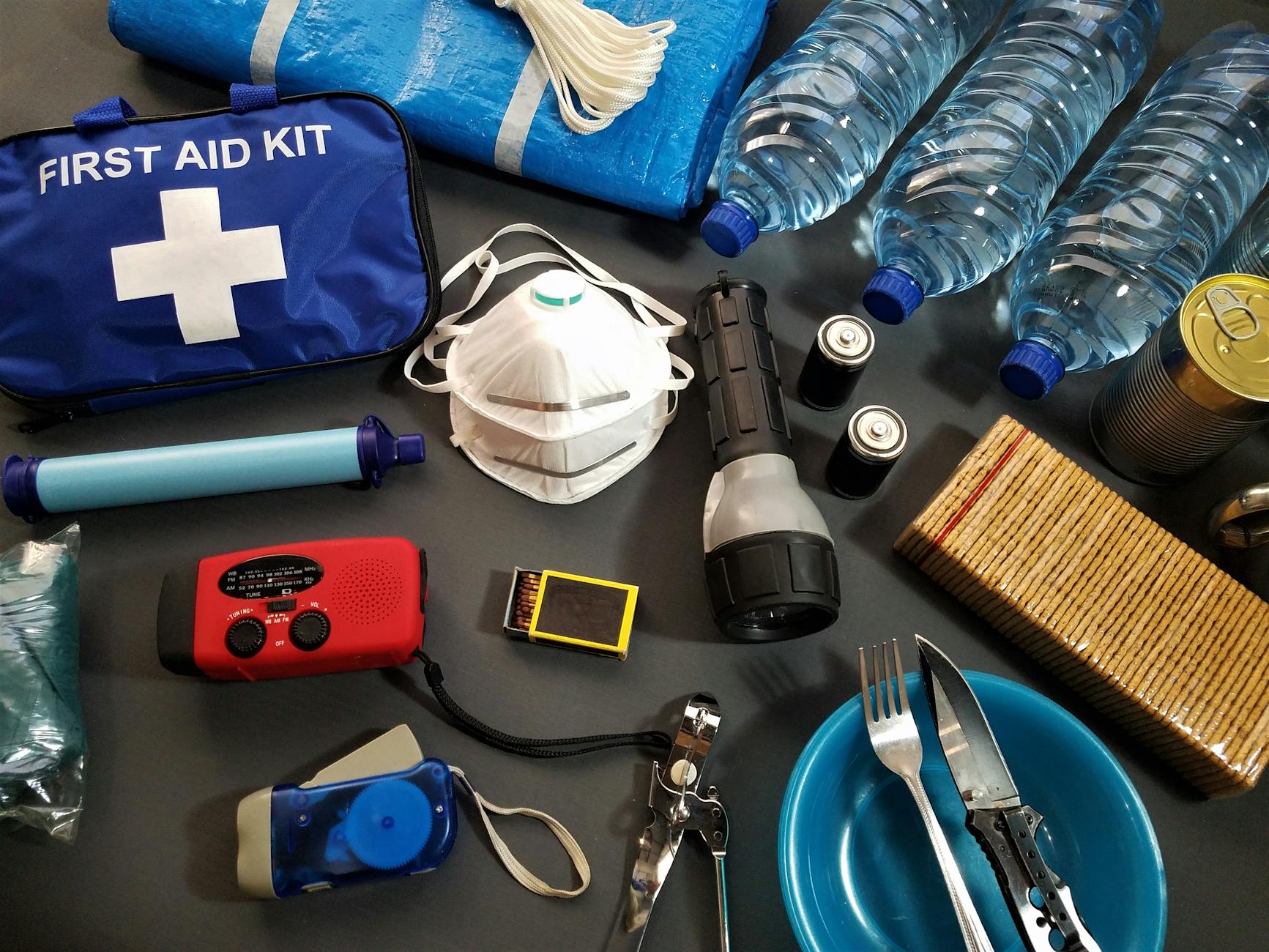
    1. Emergency Preparedness: By having a well-stocked supply of essential medical items, individuals can be prepared for unexpected situations or emergencies, ensuring they have immediate access to the necessary resources.
    2. Promoting Healing and Recovery: Adequate supplies such as wound dressings and medication management tools allow individuals to properly care for their health conditions, facilitating healing and recovery.
    3. Preventing Complications: Regularly replenishing supplies, especially those related to wound care and infection prevention, helps minimize the risk of complications and secondary infections.
    4. Enhancing Independence: Having the right supplies readily available empowers individuals to manage their health conditions at home, promoting independence and reducing the need for frequent healthcare visits.

    To ensure proper stocking of supplies, it’s advisable to maintain an inventory list and regularly check and restock items as needed. It’s also important to store supplies properly, following any specific storage instructions provided by healthcare professionals or manufacturers.

    By having a well-stocked supply of essential home medical supplies, individuals can confidently manage their health conditions and maintain their well-being in the comfort of their own homes.

    __wf_reserved_inherit

    Types of Home Medical Equipment

    Home medical equipment plays a vital role in enhancing independence and improving the quality of life for individuals with medical conditions or disabilities. There are several types of equipment available to assist with various needs. In this section, we will explore three common categories: mobility aids, bathroom safety equipment, and daily living aids.

    Mobility Aids

    Mobility aids are designed to help individuals with mobility challenges move around more easily and safely. These aids provide support and stability, allowing individuals to maintain their independence and engage in daily activities. Here are some commonly used mobility aids:

    __wf_reserved_inherit

    The choice of mobility aid depends on factors such as the individual’s specific needs, level of mobility, and personal preferences. It is important to consult with a healthcare professional to determine the most suitable mobility aid for each individual.

    Bathroom Safety Equipment

    Bathroom safety equipment is essential for individuals who may have difficulties with balance, strength, or mobility in the bathroom. These equipment options help minimize the risk of falls and provide a safer environment. Some common bathroom safety equipment includes:

    __wf_reserved_inherit

    Choosing the appropriate bathroom safety equipment depends on individual needs and the layout of the bathroom. It is crucial to ensure proper installation and follow manufacturer guidelines for safe usage.

    Daily Living Aids

    Daily living aids are designed to assist individuals with performing everyday tasks independently. These aids can enhance autonomy and simplify daily routines. Some examples of daily living aids include:

    __wf_reserved_inherit

    The choice of daily living aids depends on specific needs and the tasks that require assistance. It is important to select aids that are suitable for the individual’s abilities and preferences.

    By understanding the different types of home medical equipment available, individuals and their caregivers can make informed decisions to improve independence and overall well-being. It is recommended to consult with healthcare professionals or specialists to ensure the equipment chosen meets individual needs and promotes safety and independence.

    Factors to Consider When Choosing Equipment

    When selecting home medical equipment, there are several important factors to consider to ensure that you choose the right equipment that meets your individual needs. These factors include individual needs and preferences, safety and comfort features, and budget and insurance coverage.

    Individual Needs and Preferences

    The first factor to consider when choosing home medical equipment is your individual needs and preferences. Each person’s situation is unique, and it’s important to select equipment that is specifically tailored to your requirements. Consider the following questions:

    • What are your specific medical needs or condition?
    • What activities or tasks do you need assistance with?
    • Are there any specific features or functionalities that would be beneficial to you?
    • Do you have any personal preferences or limitations?

    By understanding your individual needs and preferences, you can narrow down the options and select equipment that will truly enhance your independence and quality of life.

    Safety and Comfort Features

    Safety and comfort are crucial considerations when choosing home medical equipment. It’s essential to ensure that the equipment you select provides a safe and comfortable experience. Look for the following features:

    • Sturdy construction and stability to prevent accidents or falls.
    • Adjustable height, width, or other customizable features for optimal comfort and fit.
    • Non-slip surfaces or grips to enhance stability and prevent injuries.
    • Ergonomic design to minimize strain or discomfort during use.
    • Safety mechanisms or indicators to alert you of any potential issues.

    Prioritizing safety and comfort will not only enhance your overall experience but also promote your well-being and independence.

    Budget and Insurance Coverage

    The cost of home medical equipment can vary significantly, so it’s important to consider your budget and insurance coverage when making a selection. Start by checking with your healthcare provider or insurance company to understand what equipment may be covered under your plan. Consider the following factors:

    • What is your budget for purchasing or renting equipment?
    • Does your insurance cover the specific equipment you need?
    • Are there any financial assistance programs or resources available to help with the cost?

    By considering your budget and insurance coverage, you can make informed decisions and explore options that are affordable and accessible to you.

    Remember, it’s always a good idea to consult with healthcare professionals, such as doctors or occupational therapists, who can provide guidance based on your specific medical needs and circumstances. They can offer valuable insights and recommendations to help you choose the most suitable equipment for your situation.

    By carefully considering individual needs and preferences, safety and comfort features, and budget and insurance coverage, you can select home medical equipment that empowers your independence and supports your overall well-being.

    How to Properly Use Home Medical Equipment

    When it comes to home medical equipment, proper usage is key to ensuring safety and effectiveness. This section will guide you through the important steps of setting up and maintaining your equipment, as well as the importance of consulting healthcare professionals.

    Proper Setup and Installation

    When you acquire home medical equipment, it’s crucial to follow the manufacturer’s instructions for proper setup and installation. This ensures that the equipment functions correctly and reduces the risk of accidents or injuries. Some equipment may require professional installation, so it’s important to seek assistance if needed.

    Here are some general guidelines for setting up common home medical equipment:

    __wf_reserved_inherit

    Remember, each type of equipment may have specific setup requirements, so it’s essential to refer to the manufacturer’s instructions for detailed guidance.

    Regular Maintenance and Cleaning

    To ensure the longevity and proper functioning of your home medical equipment, regular maintenance and cleaning are essential. This helps to prevent malfunctions, reduce the risk of infections, and maintain optimal performance.

    Here are some general maintenance and cleaning tips for home medical equipment:

    __wf_reserved_inherit

    By following the recommended maintenance and cleaning practices, you can ensure that your home medical equipment remains in optimal condition for safe and effective use.

    Consulting Healthcare Professionals

    When it comes to using home medical equipment, it’s important to involve healthcare professionals in the process. They can provide valuable guidance, ensure proper usage, and address any concerns or questions you may have.

    Here are some scenarios where consulting healthcare professionals is particularly important:

    • Initial setup and training: Seek guidance from healthcare professionals, such as occupational therapists or respiratory therapists, to ensure you understand how to properly use the equipment from the start.
    • Regular check-ups: Schedule periodic appointments with your healthcare provider to assess the effectiveness of the equipment and make any necessary adjustments.
    • Troubleshooting: If you encounter any difficulties or issues with your home medical equipment, reach out to your healthcare provider for assistance. They can help troubleshoot problems and provide solutions.

    Remember, healthcare professionals are your partners in managing your health and independence. Don’t hesitate to reach out to them whenever you have questions or need support regarding your home medical equipment.

    Proper setup, regular maintenance, and consultation with healthcare professionals are essential for the safe and effective use of home medical equipment. By following these guidelines, you can maximize the benefits of your equipment and empower yourself to lead a more independent and fulfilling life.

    Empowering Independence with Home Medical Supplies and Equipment

    Home medical supplies and equipment play a significant role in empowering individuals to maintain their independence and enhance their quality of life. By providing the necessary support and assistance, these resources enable individuals to overcome daily challenges and live life to the fullest. Let’s explore how home medical supplies and equipment can empower independence.

    Enhancing Quality of Life

    Home medical supplies and equipment contribute to improving the overall quality of life for individuals with medical conditions or disabilities. These resources help manage symptoms, alleviate discomfort, and promote comfort and well-being. By having access to the right supplies and equipment, individuals can better manage their health conditions and engage in activities they enjoy.

    For example, individuals with mobility limitations can benefit from mobility aids such as wheelchairs or walkers, which enable them to move around independently and participate in social events or outdoor activities. Similarly, individuals with chronic conditions can use home medical supplies like blood glucose monitors or nebulizers to monitor their health and manage their conditions effectively.

    Promoting Safety and Independence

    One of the key advantages of home medical supplies and equipment is their ability to promote safety and independence within the home environment. By providing support and assistance, these resources help individuals navigate their homes with confidence and reduce the risk of accidents or injuries.

    Bathroom safety equipment, such as grab bars or shower chairs, can significantly enhance safety and independence for individuals with limited mobility or balance issues. Daily living aids, including reachers or adaptive utensils, enable individuals with physical limitations to perform daily tasks more easily and independently.

    It’s important to consider individual needs and preferences when selecting home medical supplies and equipment. Factors such as safety features, comfort, and ease of use should be taken into account to ensure the chosen resources are well-suited to the individual’s specific requirements.

    Resources for Further Information

    If you’re seeking more information about home medical supplies and equipment, there are several resources available to assist you. Here are a few reliable sources to explore:

    __wf_reserved_inherit

    By utilizing these resources and understanding the benefits of home medical supplies and equipment, individuals can make informed decisions to empower their independence and improve their overall well-being.

    Sources

    https://www.mckesson.com/medical-supplies/

    https://www.vitalitymedical.com/

    https://www.acsmedical.com/products

  • The Role of Continuous Glucose Monitoring Systems for Children with Diabetes

    The Role of Continuous Glucose Monitoring Systems for Children with Diabetes

    Exploring Continuous Glucose Monitoring: A Breakthrough for Pediatric Diabetes Care

    Introduction

    Continuous glucose monitoring (CGM) represents a significant advancement in managing diabetes, especially for children with type 1 diabetes mellitus (T1DM). This technology provides real-time glucose level readings, which are essential for optimizing diabetes care. In this article, we will explore the effectiveness of CGM systems, their role in enhancing diabetes management for young patients, and their broader implications for pediatric diabetic care.

    Understanding CGM: How It Works

    Discover the Components and Functionality of Continuous Glucose Monitoring (CGM) Systems!

    Components of CGM Systems

    Continuous Glucose Monitoring (CGM) systems are designed with three primary components:

    • Sensor: A tiny device placed under the skin that measures glucose levels in interstitial fluid.
    • Transmitter: This component sends glucose data from the sensor to a receiver or smartphone app.
    • Receiver/App: Displays real-time glucose readings and trends, allowing for immediate management decisions.

    Functionality of CGM in Tracking Glucose Levels

    CGMs measure glucose levels every 1 to 5 minutes, providing a continuous stream of data. This real-time monitoring enables caregivers and children to:

    • Detect Changes: Information on glucose trends helps in recognizing potential hypo or hyperglycemia before they become severe.
    • Make Immediate Adjustments: Adjustments to insulin dosing, dietary choices, and activity levels can be made promptly based on current glucose readings.

    Benefits Compared to Traditional Methods

    Using CGMs offers several advantages over conventional self-monitoring blood glucose (SMBG) methods:

    • Reduced Pain: Minimizes the need for frequent fingerstick tests, making diabetes management more comfortable for children.
    • Improved Glycemic Control: Studies show CGMs can lower HbA1c levels and reduce instances of severe hypoglycemic events.
    • Enhanced Parental Involvement: Parents can remotely monitor their child’s glucose levels, allowing for better support in managing diabetes.

    How do continuous glucose monitors function in managing pediatric diabetes?

    Continuous glucose monitors provide real-time glucose level information and trends, which are crucial for managing pediatric diabetes. Their use in children can enhance glycemic control and quality of life by allowing adjustments to diet, activity, and insulin dosing as needed.

    Benefits of Continuous Glucose Monitoring

    Explore the Advantages of CGM Technology in Pediatric Diabetes Management!

    What are the benefits of continuous glucose monitoring (CGM)?

    Continuous glucose monitoring (CGM) provides crucial real-time tracking of blood glucose levels, offering several significant advantages for children with type 1 diabetes (T1DM). One of the most notable benefits is the improvement in A1C levels. Studies have shown that children using CGMs can reduce their average A1C by 1.3% or more, which translates to better long-term glucose control and minimizes the risk of diabetes-related complications.

    Reduction in hypoglycemic episodes

    Another major advantage of CGMs is their ability to detect and prevent hypoglycemic episodes. Traditional glucose monitoring methods often fail to catch rapid changes in blood sugar, leading to severe low glucose events. CGMs alert caregivers in real-time when glucose levels drop, allowing for timely intervention. Research has indicated that CGM use correlates with a 38% reduction in hypoglycemia for individuals with T1DM. This feature is especially critical for children, who may not recognize the symptoms of low blood sugar.

    Convenience and reduced need for finger-prick tests

    Additionally, CGMs offer a more convenient and less invasive method for monitoring glucose. Instead of relying on painful finger-pricks multiple times a day, CGM systems utilize a small sensor placed under the skin to provide continuous readings every 1 to 5 minutes. This not only enhances comfort but also encourages higher adherence to glucose monitoring routines among children and their families. With these devices, parents can also remotely track their child’s glucose levels, ensuring more effective diabetes management even when they are not physically present.

    In summary, CGMs significantly improve diabetes management through better A1C levels, dramatic reductions in hypoglycemia, and a more convenient monitoring process that enhances quality of life for both children and their families.

    Impact of CGM on Diabetes Management in Children

    Learn How CGM Technology Can Transform Diabetes Management for Kids!

    How does continuous glucose monitoring improve outcomes for patients with diabetes?

    CGMs have transformed diabetes management, particularly for children with type 1 diabetes. By providing real-time glucose data, CGMs allow caregivers and families to make informed decisions regarding insulin doses and dietary choices. This technology minimizes the need for painful fingerstick tests, which can alleviate anxiety associated with diabetes management.

    A study found that children using CGMs achieved an average A1C reduction of 1.3%, demonstrating significant improvements in glycemic control. Frequent updates every 1-5 minutes mean that families can detect and respond to high or low glucose levels quickly, preventing severe hypoglycemic events. Notably, 66% of children who begin CGM usage soon after diagnosis manage to reach an A1C level under 7.5%.

    Family life and care

    Families using CGMs report enhanced emotional well-being and reduced stress. With remote monitoring capabilities, parents can keep tabs on their child’s glucose levels from a distance, allowing them to intervene when necessary, especially during school hours.

    Impact on school and social settings

    The presence of CGMs has also improved children’s school integration. Parents noted that children using these devices better manage their diabetes during school activities, resulting in a positive impact on their social interactions.

    Parental involvement

    Parental engagement is crucial for maximizing CGM benefits. While many parents advocate for their child’s use of CGMs, improving children’s understanding of their own diabetes management fosters independence, leading to better health outcomes over time.

    In summary, CGMs play a pivotal role in enhancing diabetes management for children, positively influencing family dynamics, school experiences, and parental involvement.

    The Role of Diabetes Care and Education Specialists

    Understand the Essential Role of Specialists in Optimizing CGM Use!

    What is the role of diabetes care and education specialists in continuous glucose monitoring?

    Diabetes care and education specialists (DCESs) are pivotal in enhancing the management of diabetes in children through continuous glucose monitoring (CGM). Their primary responsibility is to educate both patients and their families about the benefits and functionality of CGMs. This knowledge ensures that users can make informed decisions regarding their diabetes management effectively.

    DCESs provide training on how to use CGMs, interpret the data, and respond to alerts. They assist families in understanding the technology, enabling them to leverage it for better glucose control. For instance, they clarify the correlation between glucose levels and factors such as meals, physical activity, and stress, empowering families to make timely adjustments in insulin or dietary choices.

    Integration into healthcare systems

    Furthermore, DCESs work closely with healthcare providers to integrate CGM technology into diabetes care plans. This collaboration helps identify children who would benefit most from using CGMs and supports ongoing adjustments based on real-time data analysis to address the unique needs of pediatric patients.

    Support for pediatric CGM use

    In addition, specialists offer ongoing support, helping families navigate the complexities of diabetes management in everyday life. Their guidance is essential in easing the anxiety and stress associated with managing glucose levels, ultimately enhancing quality of life for both children and their families.

    Through their expertise, DCESs not only improve the understanding and operation of CGMs but also ensure these systems are effectively utilized within healthcare frameworks, significantly bolstering diabetes management for young patients.

    Guidelines and Research on CGM Use in Children

    Stay Updated with the Latest Research and Guidelines on CGM Usage!

    What are the latest guidelines and research findings on using CGMs in children with diabetes?

    Recent studies and guidelines emphasize the importance of Continuous Glucose Monitors (CGMs) in pediatric diabetes management. Notably, the American Diabetes Association recommends that CGMs be provided to children with type 1 and type 2 diabetes on insulin soon after diagnosis. This is critical for effective early intervention.

    A study involving 31 young children with type 1 diabetes mellitus found that CGM data provides a more detailed picture of glycemic control compared to traditional self-monitoring blood glucose methods. The average percent of time these children spent in the recommended glucose range was only 44%, indicating a high variability that CGMs can help manage by offering real-time data every 1-5 minutes.

    Furthermore, children using CGMs have shown improvements in metabolic control, with studies revealing significant reductions in hemoglobin A1c (HbA1c) levels. For instance, the Dexcom G6 Pro system helped achieve HbA1c reductions of over 1% in many young patients. These advancements not only contribute to better glycemic control but also reduce the risk of severe hypoglycemic events, allowing timely intervention when necessary.

    The benefits extend beyond glucose management; parents report enhanced emotional well-being and quality of life due to the reduced stress associated with monitoring their child’s glucose levels. Overall, CGMs are recognized as vital tools for improving long-term health outcomes in children with diabetes, facilitating better clinical decision-making and reducing the frequency of hospitalizations for critical diabetes-related events.

    Topic Findings/Recommendations
    Recent Studies CGMs significantly improve glycemic control in children.
    Impact on Metabolic Control Children using CGMs have seen notable reductions in HbA1c.
    Long-term Health Outcomes Enhanced quality of life and reduced hospitalizations.

    Advantages and Disadvantages of CGM in School Settings

    What are the advantages and disadvantages of using CGM systems for children in various environments like schools?

    Continuous Glucose Monitoring (CGM) systems offer significant advantages for children managing diabetes in school settings. One of the primary benefits is the ease of use; CGMs eliminate the need for frequent, painful fingerstick tests, thus enhancing the comfort level of children throughout their school day. This non-invasive approach allows children to engage more freely in classroom activities and participate in physical education without the anxiety that comes with traditional testing.

    Additionally, CGMs provide real-time glucose data every 1-5 minutes, enabling students to receive immediate alerts for high or low glucose levels. This capability supports timely interventions, ensuring that both caregivers and teachers can respond promptly to changing glucose levels, ultimately promoting better overall diabetes management.

    However, there are also notable challenges associated with CGM usage in schools. Technical issues may arise, such as sensor malfunctions or inaccurate readings, which could complicate diabetes management. Furthermore, the cost of CGM devices can be a barrier for many families, potentially limiting access, especially in low-income communities.

    Education on the effective use of CGMs is paramount. Teachers and school staff must receive adequate training to interpret CGM data and respond to alarms appropriately. Facilities with comprehensive Diabetes Medical Management Plans (DMMP) can facilitate a supportive environment for children, effectively bridging the gap between home and school management of diabetes.

    A table summarizing the advantages and disadvantages of CGM in school settings is presented below:

    Aspect Advantages Disadvantages
    Ease of Use Continuous monitoring without finger pricks Initial training required for staff
    Monitoring Real-time alerts for low or high blood sugar levels Potential technical issues with devices
    Quality of Life Improved comfort and participation in activities Cost and access issues for low-income families

    Technological Advances in CGM Systems

    Integration with Insulin Pumps

    Recent advancements in continuous glucose monitoring (CGM) technology have led to significant integration with insulin delivery systems. These integrated systems, often referred to as sensor-augmented pump (SAP) therapy, allow for automated insulin delivery based on real-time glucose data. This capability can suspend insulin when low glucose levels are predicted, drastically reducing the risks associated with hypoglycemia in pediatric patients.

    Real-time Data Accuracy

    CGMs provide updates on glucose levels every 1 to 5 minutes, offering rapid insights that facilitate immediate adjustments in insulin dosing and dietary changes. This high frequency of data collection enables users to track glucose trends effectively, helping to ensure more accurate glucose management. While CGMs measure interstitial fluid rather than blood, their real-time data remains critical for preventing dangerous fluctuations in blood sugar.

    Proactive Management Features

    The proactive features of CGMs, such as customizable alarms, alert caregivers and children to impending high or low glucose levels. This early warning system is invaluable, especially for younger children who may not recognize symptoms of hypo- or hyperglycemia. Additionally, the remote monitoring capabilities enable parents to support their children’s diabetes management more effectively, providing peace of mind and enhancing overall health outcomes.

    Feature Description Benefits
    Integration with Pumps Automated insulin delivery based on real-time data Reduces hypoglycemia risk through timely adjustments
    Real-time Data Accuracy Updates every 1-5 minutes Immediate decisions can enhance glycemic control
    Proactive Alerts Customizable alerts for high/low glucose levels Early intervention minimizes severe episodes

    CGMs and Glycemic Control

    Measurement of glycemic variability

    Continuous Glucose Monitoring (CGM) provides a detailed view of glycemic variability by offering real-time glucose data every 1 to 5 minutes. This consistent tracking uncovers patterns and fluctuations that traditional self-monitoring blood glucose (SMBG) cannot capture. In young children with type 1 diabetes, such variability is pronounced and can be critical for effective management.

    Use of metrics like CONGA and MODD

    To quantify this variability, metrics like Continuous Overall Net Glycemic Action (CONGA) and Mean Daily Differences (MODD) are utilized. These measurements indicate how often a child experiences glucose levels outside the recommended range, providing clinicians with essential insights that inform treatment strategies. In a study involving children aged 2 to 7 years with T1DM, it was noted that CGMs highlight greater glucose fluctuations compared to older children, emphasizing the need for tailored management approaches.

    Contribution to lower A1C levels

    Furthermore, studies have shown that consistent use of CGMs leads to significant reductions in A1C levels, with children seeing drops of up to 1.3% compared to those using blood glucose meters alone. This is particularly crucial as it reflects improved long-term glycemic control, ultimately reducing the risk of severe hypoglycemia and associated complications. By enabling proactive glucose management, CGMs are transforming diabetes care in pediatric populations.

    The Psychology of CGM Use in Children

    Behavioral Interventions

    The incorporation of Continuous Glucose Monitoring (CGM) into diabetes management for children isn’t just a technological advancement; it also has potential psychological benefits. By providing real-time glucose data, CGMs can help children understand their body’s responses to different foods and activities. This understanding aids in developing healthier habits and promotes independence in diabetes management.

    Parental and Child Anxiety Reduction

    The constant alerts and trend data offered by CGMs serve to significantly reduce anxiety for both parents and children. For parents, knowing that they can monitor glucose levels in real-time, even from a distance, alleviates worries about potential hypoglycemic episodes. Children who utilize CGMs often report feeling less fearful of hypoglycemia because the device provides early warnings, enabling timely intervention.

    Educational Tools

    CGMs can function as powerful educational tools, enabling kids to learn about the direct linkage between their lifestyle choices and glucose levels. By analyzing patterns and utilizing feedback from CGM data, children can become more engaged in their treatment plans. This interactive learning process not only empowers them but also fosters a sense of responsibility toward their health.

    Aspect Benefits to Children Benefits to Parents
    Behavioral Interventions Develop healthier habits Improved oversight of child’s health
    Anxiety Reduction Greater confidence in management Peace of mind with remote monitoring
    Educational Tools Enhanced understanding of diabetes Promotes involvement in treatment

    Economics and Accessibility of CGM

    Cost and Insurance Coverage

    Continuous Glucose Monitoring (CGM) systems can be expensive, with costs ranging from several hundred to thousands of dollars per year. Insurance coverage varies notably, often dependent on the specific insurer and state regulations. In many cases, not all CGM devices are fully covered, leaving families to bear significant out-of-pocket expenses.

    Socioeconomic Barriers

    Access to CGMs is frequently hindered by socioeconomic factors. Families from lower-income backgrounds may struggle to afford these vital devices, which can create disparities in diabetes management. Studies have indicated that financial constraints disproportionately affect poorer families, potentially leading to worse health outcomes and greater health disparities among racial and ethnic minorities.

    Advocacy for Wider Access

    Given the importance of CGM technology in managing diabetes effectively, advocacy groups such as the American Diabetes Association are fighting to expand access. These organizations work to eliminate barriers imposed by insurance policies and promote awareness about the necessity of CGMs for early and effective diabetes management in children. Increased advocacy efforts can help ensure that more families have access to this crucial technology, enhancing the health outcomes for children with type 1 diabetes.

    Special Considerations for Young Children

    Use in Children Aged 2-8 Years

    Continuous Glucose Monitoring (CGM) is increasingly recognized as beneficial for young children, particularly those aged 2 to 8 years with type 1 diabetes mellitus (T1DM). CGMs provide crucial real-time glucose data every 1-5 minutes, allowing caregivers to track glucose levels closely. In a study conducted with young children, data indicated that CGM use improved glycemic control, with a notable reduction in hemoglobin A1c (HbA1c) levels, highlighting the technology’s potential for better diabetes management from an early age.

    Unique Challenges and Solutions

    While CGMs offer numerous advantages, they also present challenges for young children. Issues such as sensor discomfort during insertion and alert fatigue can create stress for both children and families. Solutions include enhancing education on device usage and the importance of alerts, fostering a supportive environment in home and school settings. Furthermore, using customizable alarms can help address individual needs, allowing caregivers to intervene promptly during high or low glucose events.

    Parental Roles and Responsibilities

    Parents play a pivotal role in managing their child’s diabetes. With CGMs, they can utilize remote monitoring capabilities, which enhance their ability to oversee glucose levels when not physically present. Many parents reported improved emotional well-being and better sleep quality since introducing CGM technology into their children’s diabetes management routines. Education for parents on CGM data interpretation is essential to ensure effective diabetes management and to empower children in their self-care.

    Impact of CGM on Family Dynamics

    Effect on Parental Sleep and Employment

    The introduction of Continuous Glucose Monitoring (CGM) technology has shown significant positive effects on parental well-being. A survey revealed that 84% of parents reported improved sleep due to the reduced anxiety regarding their child’s diabetes management. Interestingly, the use of CGM has led 49% of parents to cut back on work hours or stop working altogether in response to the demands of managing their child’s Type 1 Diabetes Mellitus (T1DM).

    Role in Family Decision-Making

    CGM systems enhance family involvement in diabetes management. The continuous data provided by CGMs allows parents and caregivers to make informed decisions collectively about insulin dosing, dietary changes, and activity levels. Parents are able to understand their child’s needs better and can collaborate on a treatment plan that addresses fluctuations in glucose levels.

    Improvement in Quality of Life

    The overall quality of life for families managing diabetes has improved significantly with CGM usage. The technology not only fosters a sense of security by allowing for remote monitoring but also helps with integrating diabetes management into daily routines. Ninety-eight percent of parents believed that glucose monitoring devices facilitated their child’s integration into school and social settings, positively impacting their social experiences and overall emotional well-being.

    Safety and Efficacy of CGM in Pediatric Populations

    Reduction in Hospitalization Rates

    Continuous glucose monitoring (CGM) has been instrumental in improving health outcomes for children with type 1 diabetes mellitus (T1DM). Studies indicate that children using CGM systems experience reduced hospitalization rates for acute diabetes events, including diabetic ketoacidosis (DKA) and severe hypoglycemia. This reduction is particularly significant as effective glucose management decreases the likelihood of medical emergencies, ultimately enhancing the quality of care and parental peace of mind.

    Detection of Early Dysglycemia

    CGM technology plays a crucial role in detecting early dysglycemia in pediatric populations, especially in young children at risk for T1D. Research has shown that monitoring glucose levels in real time can signal changes in glycemic variability before clinical symptoms arise. This early intervention potential allows for timely adjustments in management strategies, potentially delaying or preventing the onset of full-blown diabetes.

    Clinical Outcomes

    Using CGM devices has demonstrated positive clinical outcomes for pediatric patients, as evidenced by significant reductions in hemoglobin A1c (HbA1c) levels. Approximately 66% of children who initiate CGM shortly after diagnosis maintain HbA1c levels below 7.5%, indicating better long-term glucose control compared to those who start later. Moreover, families report improved emotional well-being and enhanced daily management capabilities, showcasing CGM’s role in transforming diabetes care for children.

    Implementation of CGM in Routine Pediatric Care

    Clinical practices and protocols

    The integration of Continuous Glucose Monitoring (CGM) into pediatric care has transformed diabetes management, allowing for real-time tracking of glucose levels. Clinicians are encouraged to establish protocols that support regular CGM use among children, starting soon after diagnosis. This includes training patients and families on how to utilize CGM data effectively and encouraging consistent use, ideally exceeding 70% of the time, to reap the maximum health benefits.

    Interdisciplinary healthcare teams

    Implementing CGM requires collaboration among healthcare professionals, including pediatricians, endocrinologists, diabetes educators, and nutritionists. Interdisciplinary teams can ensure holistic approaches to diabetes management, addressing not just medical needs but also the educational and emotional support aspects. Regular team meetings and shared access to CGM data can facilitate tailored interventions that align with individual patient requirements.

    Ongoing monitoring and feedback

    Ongoing monitoring of CGM data helps pediatric teams assess the effectiveness of diabetes management strategies in real-time. Families can receive feedback on glucose patterns, helping them adjust insulin dosing and diets proactively. Moreover, remote monitoring features allow healthcare providers to check in with patients regularly, promoting continuous engagement and support, thereby improving overall health outcomes.

    The Future of CGM in Pediatric Diabetes Management

    Potential for Innovation

    Continuous glucose monitoring (CGM) technology is evolving rapidly, with innovations aimed at enhancing diabetes management in children. Future developments may focus on simplifying device wearability and streamlining user interfaces to make them more intuitive for both kids and their families.

    Predictive Analytics and AI Integration

    The integration of predictive analytics and artificial intelligence (AI) into CGMs is another promising area. These technologies can analyze data trends to anticipate glucose fluctuations, potentially allowing caregivers and children to make proactive adjustments in insulin dosing and nutrition. This shift toward more anticipatory care could minimize hypoglycemic and hyperglycemic events, ensuring better health outcomes.

    Vision for Next-Generation Devices

    Next-generation CGM devices are likely to feature enhanced accuracy and reduced discomfort, along with longer-lasting sensors. Advances may include smart alarms that adapt to individual profiles, personalized alerts, and improved mobile app connectivity for remote monitoring. The ultimate goal is to create devices that not only effectively manage diabetes but also empower children and their families, fostering confidence in everyday activities without fear of severe blood sugar fluctuations.

    Educational Resources for CGM Users

    Targeted materials for parents and caregivers

    Parents and caregivers play a vital role in managing diabetes for children using Continuous Glucose Monitors (CGMs). Targeted educational resources can include brochures, webinars, and online courses that explain CGM technology and optimal usage strategies. These materials should cover topics such as understanding glucose readings, interpreting alerts, and making timely adjustments to diet and insulin based on CGM data.

    Training for healthcare providers

    Healthcare providers also need specialized training to effectively support families utilizing CGMs. This training can focus on interpreting CGM data, understanding glycemic variability, and providing actionable advice tailored to the unique needs of pediatric patients. Workshops and continuing medical education units (CME) can ensure that healthcare professionals remain informed about the latest CGM advancements and best practices.

    Patient empowerment strategies

    Empowering patients, particularly children, in managing their diabetes fosters independence and confidence. Educational programs that encourage young users to engage with their CGMs—like setting alerts, tracking patterns, and recognizing symptoms of hypo- and hyperglycemia—can help them understand their condition better. Additionally, involving patients in consultations about their CGM data can further enhance their understanding and adherence to their diabetes management plan. **

    Resource Type Description Audience
    Educational Brochures Written guides on CGM use for parents and children Parents, Caregivers
    Webinars Online presentations about CGM technology Healthcare Providers
    Training Workshops Hands-on learning for healthcare professionals Healthcare Providers
    Empowerment Programs Interactive sessions for children to engage with CGM Pediatric Patients

    Through these educational initiatives, families can enjoy improved diabetes management outcomes and a better quality of life.

    Addressing Disparities in CGM Utilization

    Differences in CGM Adoption Across Populations

    Recent studies have highlighted significant disparities in the adoption of Continuous Glucose Monitoring (CGM) systems, particularly impacting low-income and minority populations. Many families face financial constraints, which can limit their access to this vital technology. Additionally, strict Medicaid coverage policies often restrict eligibility, underscoring the need for better inclusivity in technology access.

    Strategies to Enhance Equity

    To address these disparities, several strategies can be deployed:

    • Increased Education: Empowering healthcare providers and families with information on CGM benefits can facilitate usage.
    • Financial Assistance Programs: Governments and non-profits can establish funds to help cover the costs associated with CGM devices.
    • Community Outreach: Initiatives could focus on rural and underrepresented communities to improve awareness and utilization of CGMs.

    Concluding Thoughts on CGM and Pediatric Diabetes

    What are the benefits of CGM for children with T1D?

    Continuous Glucose Monitoring (CGM) systems offer numerous advantages for children with type 1 diabetes (T1D). These devices provide real-time glucose monitoring, updating every minute to five minutes, which aids in making timely adjustments to insulin doses, food intake, and physical activity levels. One significant benefit is the reduction in hypoglycemic episodes. CGMs alert caregivers and children to impending low or high glucose levels, allowing for prompt intervention before critical situations arise.

    Additionally, studies indicate that children using CGMs experience improved glycemic control, reflected in better average HbA1c levels. Early use of CGMs is associated with achievement of target glucose levels—over 66% of children who begin use soon after diagnosis reach HbA1c levels under 7.5%. Moreover, the increased trend visibility allows for more informed diabetes management decisions, ultimately enhancing quality of life for both children and their families.

    What challenges do families face with CGM technology?

    Despite the benefits, challenges exist in integrating CGM technology into daily life. Cost and access barriers are notable issues, particularly for lower-income families. Technical problems, such as sensor discomfort or alert fatigue, may also pose challenges. Education on proper CGM usage and data interpretation is critical for healthcare providers to support effective diabetes management in children, ensuring that families maximize the benefits of this technology.

    How do CGMs empower children and families?

    CGMs empower children by enhancing their self-management abilities. With real-time data, children can better understand the impact of their activities and dietary choices on their glucose levels. This knowledge fosters a sense of independence and confidence in managing their diabetes. For parents, the capability of remote monitoring alleviates anxiety, enabling them to support their children’s diabetes management effectively. Empowering patients from a young age can contribute to better long-term health outcomes.

    Conclusion

    Continuous glucose monitoring systems are transforming the landscape of pediatric diabetes management, offering unparalleled insights into glycemic control that empower children and their families. While challenges remain, particularly in terms of cost and accessibility, the potential benefits of reduced hypoglycemic episodes, better metabolic control, and improved quality of life make CGM an invaluable tool. As technologies advance and become more integrated into routine care, continuous glucose monitoring will undoubtedly play a central role in safeguarding the health and well-being of children with diabetes.

    References

  • How Special Needs Daycare Helps Manage Chronic Pain in Children

    How Special Needs Daycare Helps Manage Chronic Pain in Children

    Exploring Daycare’s Vital Role in Chronic Pain Management for Special Needs Children

    Understanding the Impact of Daycare on Chronic Pain in Children

    Chronic pain in children, particularly those with intellectual disabilities, presents unique challenges that impact not just their health but also their social and academic engagements. Special needs daycare centers provide platforms that significantly contribute to managing these challenges by fostering environments conducive to therapeutic interventions and social interaction. With chronic pain affecting up to 40% of school-aged children and often being under-treated, understanding the role of these centers in pain management is more crucial than ever.

    Special Needs Daycare: A Catalyst for Pain Management

    Understanding the Role of Special Needs Daycare in Chronic Pain Management

    What is the role of special needs daycare in managing chronic pain in children?

    Special needs daycare plays a crucial role in managing chronic pain in children, particularly those with intellectual disabilities. These facilities offer a supportive environment that fosters both social engagement and therapeutic interventions. By addressing communication barriers, special needs daycares help ensure that children’s pain is acknowledged and treated appropriately.

    Incorporating multimodal approaches, they combine pharmacological treatments with non-pharmacological strategies such as exercise, art therapy, and cognitive behavioral techniques. This holistic approach not only alleviates pain but also enhances children’s emotional and social well-being, allowing them to thrive in a structured environment.

    How do special needs daycares address communication barriers?

    Communication barriers often hinder the effective assessment and management of chronic pain in children. Special needs daycare providers are trained to recognize non-verbal cues and understand the individual needs of each child. This training is essential for tailoring care strategies that align with the specific challenges children face, especially for those with intellectual disabilities who may find it difficult to express their discomfort.

    What is the daycare’s effect on social engagement?

    Regular participation in daycare activities helps prevent isolation, a common issue for children with chronic pain. By encouraging interactions with peers and structured routines, daycares promote social skills and independence. These social engagements, coupled with therapeutic activities, contribute significantly to pain management, allowing children to build resilience and coping strategies.

    The involvement of caregivers is also vital to this process. Educating parents about pain management strategies and fostering an open line of communication between the daycare and home environment creates a cohesive support network that empowers children to participate fully in their daily activities.

    Therapeutic Strategies in Special Needs Daycare

    Exploring Effective Strategies for Chronic Pain Management

    What are effective strategies and therapies offered in special needs daycare for chronic pain management?

    Effective management of chronic pain in children requires a multifaceted approach, particularly in special needs daycare settings. Integrated physical therapy plays a pivotal role, incorporating techniques like manual therapy, therapeutic exercises, and pain education tailored to meet the individual needs of each child. This not only addresses pain directly but also supports general development and mobility.

    Cognitive-behavioral techniques are also crucial in these environments. By teaching children how to recognize negative thought patterns, they can develop coping mechanisms like diaphragmatic breathing and positive self-talk. Such strategies empower children to manage their pain and build resilience against discomfort.

    Relaxation exercises, including mindfulness meditation and guided imagery, can help reduce anxiety associated with chronic pain. Additionally, art therapy and therapeutic recreation offer creative outlets, allowing children to express their feelings and cope with their pain more effectively. These activities can significantly improve social interaction and emotional well-being.

    The importance of individualized plans cannot be overstated. Developing a 504 plan or an Individualized Education Plan (IEP) facilitates appropriate accommodations, enabling children to reintegrate gradually into academic settings. Collaboration among parents, teachers, and healthcare providers is essential, ensuring comprehensive support that addresses both educational and therapeutic needs.

    Holistic Support for Well-being in Daycare Settings

    Holistic Approaches to Support Children's Health and Well-Being

    How do special needs daycare services support children’s health and well-being in the context of chronic pain management?

    Special needs daycare services play a critical role in supporting children with chronic pain by implementing individualized care plans. These plans are crafted by multidisciplinary teams, which may include pediatricians, physical therapists, occupational therapists, and psychologists. The goal of these plans is to ensure that children receive appropriate support tailored to their unique needs, facilitating their overall well-being.

    Programs like Children’s Special Health Care Services (CSHCS) are key in enhancing health outcomes for children with chronic conditions. They offer support not just during childhood but can extend up to age 26, addressing ongoing health challenges that require long-term management. By integrating medical oversight with developmental support, these programs aim to lessen the impact of chronic pain on children’s daily activities.

    In addition to medical assistance, these daycare services provide invaluable resources for families. Peer support networks help caregivers share experiences and strategies for managing pain. Moreover, virtual learning opportunities equip parents and children with coping strategies that further alleviate the burden of chronic pain.

    The Family Center for Children and Youth with Special Health Care Needs connects families to community resources, ensuring comprehensive support. They help navigate specific challenges associated with managing chronic pain, offering information that empowers parents.

    Additional Resources

    • Scholarships for Conferences and Camps: Encouraging social interaction and skill development.
    • Virtual Learning Opportunities: Enhancing coping strategies for both children and parents.

    By fostering a supportive environment, special needs daycare services help children manage their chronic pain while promoting health and well-being.

    Expert Guidance for Parents in Daycare Environments

    Expert Tips for Parents Managing Chronic Pain in Daycare

    What expert recommendations are available for parents managing chronic pain in children at daycare?

    Experts recommend that parents managing chronic pain in children at daycare focus on collaboration with daycare staff. This partnership is crucial in developing and implementing an effective pain management plan. Parents should maintain open lines of communication with both the daycare providers and healthcare professionals involved in their child’s care.

    Establishing a pain management strategy

    Creating a comprehensive pain management strategy can help children feel more secure and supported during their time at daycare. Parents should encourage their children to express their needs and be actively involved in their own care. Teaching coping skills, such as relaxation techniques or mindfulness exercises, can empower children to manage their pain more effectively.

    Finding educational resources

    Providing daycare staff with educational materials about pediatric chronic pain can create a supportive environment. Many programs, such as ‘Parents as Coping Coaches,’ offer training and resources that equip families and daycare personnel with the necessary tools for effective pain management.

    Additional strategies include promoting regular activities and establishing a routine to help children maintain their engagement in daycare, while avoiding excessive rewards that could inadvertently reinforce unhealthy behaviors related to pain expression. This holistic approach encourages responsibility and helps children navigate their experiences of chronic pain more positively.

    Key Programs and Interventions in Special Needs Daycare

    What types of programs and interventions assist children with chronic pain in special needs daycare?

    Programs and interventions aimed at assisting children with chronic pain in special needs daycare are crucial in enhancing their quality of life and educational experience. These programs typically involve a combination of physical therapy, cognitive behavioral techniques, and therapeutic recreation. Each component plays a unique role in improving mobility and alleviating pain-related symptoms.

    1. Physical Therapy: Tailored physical therapy interventions can include manual therapy, therapeutic exercises, and pain education. These help manage chronic pain effectively while enhancing physical abilities and functional independence.

    2. Cognitive-Behavioral Techniques (CBT): Programs such as the HELP PAIN initiative train school providers to implement evidence-based CBT strategies, creating an environment that teaches children these coping skills. These strategies help children process pain and develop resilience against it.

    3. Recreational Therapy: Engaging in fun and structured activities under professional guidance can provide relief from pain and improve social interactions, making therapy more enjoyable and less daunting for children.

    The interdisciplinary approach of the Pediatric Pain Rehabilitation Program also incorporates psychological support alongside academic engagement. This program prioritizes community involvement, especially in rural areas, to mitigate school absenteeism linked to chronic pain. Overall, these interventions equip children with necessary coping strategies, while fostering a sense of community and supporting their participation in daily activities.

    The Benefits of Special Needs Daycare Settings

    Unveiling Benefits of Daycare in Alleviating Chronic Pain

    What are the benefits of special needs daycare settings in alleviating chronic pain and enhancing quality of life?

    Special needs daycare settings serve as crucial environments for improving the quality of life for children experiencing chronic pain and disabilities. These facilities offer structured routines that not only provide stability but also assist in managing chronic pain through consistent activities.

    In these daycare settings, children have access to specialized care which often includes interventions focusing on mental health and pain management strategies. For instance, programs may incorporate cognitive behavioral therapy or mindfulness practices, which can significantly reduce anxiety and help children develop effective coping mechanisms.

    Moreover, coordinated care through models like patient-centered medical homes (PCMH) ensures that both physical and mental health services are integrated. This holistic approach leads to better health outcomes and encourages regular interaction with health professionals, further supporting the child’s development.

    An important aspect of special needs daycare is the reduction of over-protectiveness by promoting independence. Children learn to navigate their pain in daily routines, fostering resilience and enhancing engagement in community activities. By addressing fear and functional limitations, these settings empower children to take control of their lives, ultimately improving their health-related quality of life.

    Benefit Description Impact on Children
    Structured Routines Consistent daily activities reduce uncertainty and anxiety Enhances coping mechanism for pain
    Access to Specialized Care Tailored mental and physical health services Improves overall well-being
    Fostering Independence Encourages children to handle challenges without over-protection Builds resilience and confidence
    Coordinated Care Models Integration of services enhances treatment efficacy Streamlines experiences for better outcomes
    Pain Management Programs Focus on cognitive and physical therapies Reduces functional disability and improves quality of life

    These diverse benefits highlight the significant role of special needs daycare settings in supporting children with chronic conditions.

    Addressing Therapeutic Needs through Specialized Daycare

    How can special needs daycare meet the therapeutic needs of children suffering from chronic pain and disabilities?

    Special needs daycare serves as an essential resource for addressing the therapeutic needs of children dealing with chronic pain and disabilities. These programs focus on creating individualized care plans tailored to each child’s unique challenges. This personalized approach ensures that children receive the specific therapies and support necessary for their condition.

    Individualized Care Approaches

    In a specialized daycare environment, professionals often integrate interdisciplinary strategies involving physical, cognitive, and emotional support. For example:

    • Adaptive Therapies: These can include tailored physical therapy sessions designed to enhance mobility and address pain.
    • Structured Support: Caregivers and educators work closely to implement strategies that promote emotional well-being, helping to manage anxiety and depression.

    This holistic approach not only addresses the medical needs but also supports the child’s social and emotional growth, promoting a greater quality of life.

    Technology in Pain Management

    Leveraging technology is crucial in managing chronic pain. Tools for pain assessment and management can help daycare staff monitor children’s conditions in real time. Advances in technology, like virtual reality, can also be introduced as coping tools, engaging children in fun and interactive ways that alleviate pain and anxiety during various activities.

    Comprehensive Support Systems

    Moreover, specialized daycare programs recognize that caregiver support is vital. Providing resources and guidance to families enables them to better manage their child’s condition at home and in school. This comprehensive system fosters effective communication among healthcare providers, caregivers, and educators, facilitating a smoother transition back to normal activities.

    By combining these elements, special needs daycare can create an environment where children with chronic pain and disabilities not only receive care but also thrive socially and emotionally.

    Integrating Educational and Therapeutic Resources

    How does chronic pain in children impact their educational functioning within special needs daycare environments?

    Chronic pain can significantly disrupt a child’s educational journey, particularly for those attending special needs daycare. High absenteeism is a common issue; children with chronic pain are over four times more likely to be chronically absent from school. This absenteeism directly impacts their academic performance and social interactions, leading to feelings of isolation and anxiety.

    Special needs daycare programs are structured to address these challenges by offering educational support tailored to the unique requirements of children dealing with chronic pain. These centers often employ personalized learning plans and provide tutoring to accommodate the learning pace of each child, ensuring they do not fall behind academically.

    Moreover, successful reintegration strategies are crucial. By fostering collaboration among families, school personnel, and rehabilitation teams, these programs can create individualized accommodations. This approach not only addresses academic needs but also helps manage the emotional toll that chronic pain can take, thus reducing the risk of grade retention and promoting overall success in school environments.

    Additionally, maintaining a routine and structured activity schedule in daycare can enhance the child’s coping mechanisms, making it easier for them to engage both socially and academically while managing their pain. This holistic support system is essential in empowering children to thrive despite their chronic pain.

    Adapting to Chronic Pain: From Creativity to Consistency

    How do alternative therapies enhance chronic pain management in children attending daycare?

    Alternative therapies, such as art therapy, biofeedback, and mindfulness exercises, are vital in managing chronic pain for children in daycare settings. These non-pharmacological methods offer empowering tools, enabling children to actively engage with their pain rather than feeling like passive recipients of their discomfort.

    By incorporating routine-based activities, children learn to express themselves creatively, which can be therapeutic. This fosters emotional resilience and reduces feelings of isolation that often accompany chronic pain. As daycare environments promote social interaction, children are encouraged to participate, which supports both physical and emotional well-being.

    Furthermore, gradual reintegration strategies help ease transitions back into everyday activities after periods of pain-related absence. Regular engagement in daycare not only equips children with coping mechanisms but also strengthens their social skills. This holistic approach can mitigate the emotional challenges of chronic pain while enhancing overall quality of life.

    Importance of routines and participation

    Maintaining routines is critical for children experiencing chronic pain. Consistency in daily activities helps create a sense of stability, which can alleviate anxiety and improve pain management. Regular participation in structured programs at daycare fosters engagement, leading to better social interactions and skill development.

    Overcoming isolation through engagement

    Engagement in daycare activities not only combats feelings of loneliness but also encourages children’s emotional and social development. By relating to peers within a supportive environment, children gain the confidence to voice their experiences and challenges related to pain. Over time, this support network can significantly influence their ability to cope effectively with chronic pain.

    The Transformative Power of Special Needs Daycare

    Special needs daycare centers serve as critical pillars in the landscape of pediatric pain management, blending medical, educational, and psychological support into a unified plan that addresses the complex needs of children with chronic pain. As more families and healthcare providers recognize the importance of these environments, the potential for positive outcomes in children’s health, social interactions, and academic achievements grows substantially. By fostering independence, ensuring routine participation, and encouraging therapeutic interventions, special needs daycares not only alleviate chronic pain but also pave the way toward a brighter, healthier future for affected children.

    References

  • Children and Youth with Special Health Care Needs

    Children and Youth with Special Health Care Needs

    Empower children with special health care needs. Discover strategies, support systems, and advocacy for their well-being.

    Understanding Special Health Care Needs in Children

    Children with special health care needs require unique attention and support to ensure their well-being. Understanding the concept of special health care needs and recognizing common conditions is essential in providing appropriate care and resources for these children.

    Definition of Special Health Care Needs

    Special health care needs refer to conditions or circumstances that require additional medical, educational, or supportive services beyond what is typically required by children. These needs may arise from chronic illnesses, disabilities, developmental delays, or behavioral/emotional disorders.

    __wf_reserved_inherit

    It’s important to note that special health care needs can vary greatly from one child to another. The specific requirements and interventions depend on the nature and severity of the condition.

    Common Conditions Requiring Special Health Care

    There are various conditions that can lead to special health care needs in children. Some of the most common conditions include:

    __wf_reserved_inherit

    It’s important to remember that this is not an exhaustive list, and there are many other conditions that may require special health care for children. Each condition has its own unique challenges and may require specific interventions, therapies, or accommodations to meet the child’s needs.

    By understanding the definition of special health care needs and recognizing common conditions, parents, caregivers, and healthcare professionals can work together to provide the necessary support and resources to empower children with special health care needs.

    Empowering Children with Special Health Care Needs

    Empowerment plays a crucial role in supporting children with special health care needs. By empowering these children, we can help them develop the necessary skills and confidence to navigate their unique challenges and lead fulfilling lives. This section explores the importance of empowerment and strategies to empower children with special health care needs.

    Importance of Empowerment

    Empowering children with special health care needs is essential for several reasons. Firstly, it promotes their independence and self-advocacy skills, allowing them to actively participate in decisions regarding their health and well-being. Empowerment enables them to have a sense of control over their lives, fostering resilience and self-confidence.

    Empowerment also helps children with special health care needs develop a positive self-identity. By recognizing their strengths and abilities, they can overcome societal stigmas and stereotypes associated with their conditions. This positive self-perception enhances their overall well-being and improves their quality of life.

    Strategies for Empowering Children

    There are various strategies that can be employed to empower children with special health care needs:

    1. Encouraging Self-Expression: Providing a safe and supportive environment where children can express their thoughts, feelings, and concerns is crucial. This can be done through open and honest communication, active listening, and validating their experiences.
    2. Promoting Decision-Making Skills: Involving children in decision-making processes related to their health care fosters a sense of ownership and responsibility. It is important to provide age-appropriate information and guidance, allowing them to make informed choices to the best of their abilities.
    3. Building Self-Advocacy Skills: Teaching children how to effectively communicate their needs, rights, and preferences is essential for self-advocacy. This can be done through role-playing exercises, providing opportunities for them to practice assertiveness, and encouraging them to ask questions and seek clarification.
    4. Encouraging Independence: Providing opportunities for children to develop and practice independent living skills can boost their self-confidence. This may include activities such as self-care tasks, managing medications, and participating in age-appropriate recreational activities.
    5. Promoting Peer Support: Connecting children with peers who have similar health care needs can create a sense of belonging and support. Peer support groups, online communities, or organized events can provide a platform for children to share experiences, exchange advice, and develop friendships.

    Remember, each child is unique, and strategies for empowerment may vary depending on their individual needs and abilities. It is important to involve the child’s caregivers, healthcare professionals, and educators in the empowerment process to ensure a holistic and collaborative approach.

    By empowering children with special health care needs, we can help them overcome challenges, build resilience, and thrive in all aspects of their lives. Through fostering their independence, self-advocacy, and positive self-perception, we can create a supportive environment where they can reach their full potential.

    Support Systems for Children with Special Health Care Needs

    Children with special health care needs require a strong support system to help them navigate their unique challenges and thrive. This support system includes family, school, and the broader community, all working together to provide the necessary assistance and resources. Let’s explore each of these support systems in more detail.

    Family Support

    Family support plays a crucial role in the well-being of children with special health care needs. Parents and caregivers are at the forefront, providing emotional support, advocacy, and coordination of care. They often become experts in managing their child’s condition and ensuring access to appropriate medical services.

    In addition to emotional support, families may need financial assistance to cover medical expenses, specialized equipment, or therapy sessions. Various organizations and government programs offer financial aid and resources for families of children with special health care needs.

    It’s important for family members to seek support for themselves as well. Connecting with support groups, online communities, and counseling services can provide valuable guidance, validation, and a sense of community.

    School Support

    Schools play a vital role in supporting children with special health care needs. It is essential for schools to create an inclusive and accommodating environment that promotes the child’s development and learning. This may involve individualized education plans (IEPs) or 504 plans, which outline specific accommodations and modifications to meet the child’s unique needs.

    School support can include specialized instruction, assistive technology, accessible facilities, and additional support staff such as nurses or aides. Collaboration between parents, teachers, and healthcare professionals is crucial to ensure that the child’s health needs are met during school hours. Regular communication and updates help keep everyone informed and involved in the child’s progress.

    Community Support

    The wider community also plays a vital role in supporting children with special health care needs. Community organizations, support groups, and advocacy networks provide valuable resources, educational materials, and social connections for families. They can offer guidance on navigating healthcare systems, accessing financial aid, and connecting with other families facing similar challenges.

    Community support can extend beyond formal organizations. It also involves fostering a culture of inclusivity and acceptance. Encouraging empathy and understanding among peers, neighbors, and community members helps create an inclusive environment where children with special health care needs feel valued and accepted.

    By working together, families, schools, and the community can provide the necessary support systems for children with special health care needs. These networks of support enable children to reach their full potential, thrive in their communities, and lead fulfilling lives.

    Accessing Health Care Services

    When it comes to children with special health care needs, accessing appropriate health care services is essential for their overall well-being. In this section, we will explore the role of healthcare providers and discuss strategies for navigating the complex health care systems.

    The Role of Healthcare Providers

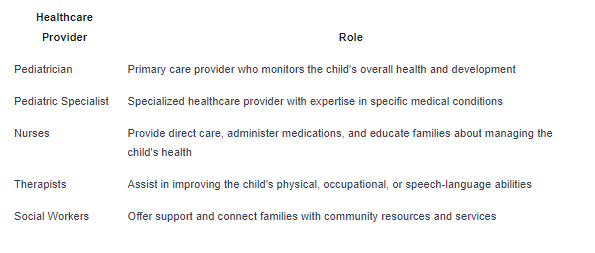
    Healthcare providers play a crucial role in meeting the special health care needs of children. They are responsible for assessing, diagnosing, and treating medical conditions, as well as coordinating the overall care of the child. Some common healthcare providers involved in the care of children with special health care needs include:

    __wf_reserved_inherit

    Collaboration between healthcare providers is crucial to ensure comprehensive and coordinated care for children with special health care needs. This multidisciplinary approach helps address the diverse medical, developmental, and psychosocial aspects of the child’s well-being.

    Navigating Health Care Systems

    Navigating the complex health care systems can be challenging, especially for families of children with special health care needs. Here are some strategies to help navigate the system effectively:

    1. Familiarize yourself with available resources: Research and become familiar with the healthcare services, programs, and support systems available in your area. This can include government-funded programs, non-profit organizations, and support groups.
    2. Communicate effectively with healthcare providers: Establish open and honest communication with your child’s healthcare providers. Clearly express your concerns, ask questions, and actively participate in decision-making regarding your child’s care.
    3. Keep organized records: Maintain a comprehensive record of your child’s medical history, including diagnoses, medications, treatments, and appointments. This will help ensure continuity of care and facilitate communication between different healthcare providers.
    4. Understand your rights and entitlements: Educate yourself about the rights and entitlements of children with special health care needs. Familiarize yourself with laws and regulations that protect your child’s rights to access healthcare services, accommodations in educational settings, and other necessary support.
    5. Seek support from advocacy organizations: Connect with local and national advocacy organizations that specialize in supporting children with special health care needs. These organizations can provide valuable guidance, resources, and advocacy assistance.

    By understanding the role of healthcare providers and navigating the health care systems effectively, families of children with special health care needs can ensure access to the necessary care and support for their child’s unique needs.

    Advocating for Children with Special Health Care Needs

    Advocacy plays a crucial role in ensuring that children with special health care needs receive the support and resources they require to thrive. By advocating for their children, parents can help create a more inclusive and supportive environment. Let’s explore the importance of advocacy and some strategies parents can employ to advocate for their children effectively.

    Importance of Advocacy

    Advocacy is essential for children with special health care needs as it helps to:

    • Ensure access to appropriate healthcare services and interventions.
    • Promote educational opportunities that meet their unique needs.
    • Advocate for policies and legislation that protect their rights.
    • Raise awareness and reduce stigmatization surrounding their conditions.
    • Foster inclusion and acceptance in various settings, such as schools and communities.

    Through advocacy, parents can empower themselves and their children, ensuring that their voices are heard and their needs are met.

    How Parents Can Advocate for Their Children

    Parents play a vital role in advocating for their children with special health care needs. Here are some strategies they can employ to effectively advocate for their children:

    1. Educate themselves: Parents should gather as much knowledge as possible about their child’s condition, treatment options, and available resources. This knowledge empowers them to make informed decisions and articulate their child’s needs effectively.
    2. Build a support network: Connecting with other parents of children with similar needs can provide valuable support and information. Support groups, online communities, and local organizations can be excellent sources of support and advocacy guidance.
    3. Establish open communication: Building strong relationships with healthcare professionals, therapists, teachers, and other relevant individuals involved in their child’s care is critical. Open and respectful communication ensures that everyone is working together to meet the child’s needs.
    4. Collaborate with the school: Parents should actively engage with their child’s school to ensure appropriate accommodations and support are in place. This may involve participating in Individualized Education Program (IEP) meetings, advocating for necessary services, and fostering inclusive environments.
    5. Know their rights: Understanding the legal rights and protections available to children with special health care needs is crucial. Familiarize yourself with laws such as the Individuals with Disabilities Education Act (IDEA) and the Americans with Disabilities Act (ADA) to advocate effectively.
    6. Document and organize: Keeping records of medical appointments, assessments, and educational evaluations can support advocacy efforts. This documentation provides evidence of the child’s needs and progress, helping parents advocate for appropriate services and accommodations.
    7. Engage in policy advocacy: Parents can join advocacy organizations focused on children’s health care rights and policies. By participating in advocacy campaigns, writing to legislators, and sharing personal stories, parents can contribute to positive changes at a systemic level.

    Advocacy is an ongoing process, and parents should be persistent and resilient in their efforts to ensure their child’s needs are met. By being proactive and collaborative, parents can make a significant impact in the lives of their children with special health care needs.

    Promoting Inclusivity and Acceptance

    To create a supportive and inclusive society for children with special health care needs, it is crucial to promote inclusivity and acceptance. By fostering inclusive environments and educating peers and society, we can help create a more inclusive and accepting society for all children.

    Fostering Inclusive Environments

    Fostering inclusive environments is essential for ensuring that children with special health care needs feel valued, respected, and included. By creating an inclusive environment, we can help promote their overall well-being and enhance their opportunities for growth and development.

    Here are some strategies for fostering inclusive environments:

    Strategies for Fostering Inclusive Environments

    Encouraging open communication and dialogue

    Providing accessibility accommodations, such as ramps and wheelchair-friendly spaces

    Implementing inclusive policies and practices in schools, community centers, and public spaces

    Organizing inclusive social events and activities

    Promoting awareness and understanding of different abilities and conditions

    By implementing these strategies, we can create environments where children with special health care needs can thrive and fully participate in various aspects of life.

    Educating Peers and Society

    Educating peers and society is crucial for promoting acceptance and reducing stigma surrounding children with special health care needs. By raising awareness and understanding, we can foster empathy, respect, and support for these children.

    Here are some ways to educate peers and society:

    Ways to Educate Peers and Society

    Conducting educational workshops or presentations in schools and community settings

    Incorporating disability awareness and inclusion in school curricula

    Organizing awareness campaigns to promote understanding and acceptance

    Sharing personal stories and experiences of children with special health care needs

    Encouraging open discussions and addressing misconceptions about disabilities

    By educating peers and society, we can challenge stereotypes and promote a more inclusive and accepting society where children with special health care needs are embraced for their unique abilities and contributions.

    Promoting inclusivity and acceptance requires a collective effort from individuals, families, schools, and communities. By fostering inclusive environments and educating peers and society, we can work towards creating a society that values and supports all children, regardless of their special health care needs.

    Sources

    https://www.cdph.ca.gov/Programs/CFH/DMCAH/Pages/CYSHCN.aspx#:~:text=Children%20a

    https://mchb.hrsa.gov/programs-impact/focus-areas/children-youth-special-health-care-needs-cyshcn

  • Finding the Right Special Needs Daycare in North Miami Dade County

    Finding the Right Special Needs Daycare in North Miami Dade County

    Choosing Inclusive Childcare for Special Needs in North Miami Dade

    Navigating Special Needs Daycare Choices

    Choosing the right daycare facility for a child with special needs can be a complex but essential task for parents in North Miami Dade County. With a variety of specialized programs and services available, understanding the nuances can empower families to make informed decisions. This guide will explore the crucial aspects of locating suitable daycare centers, services offered, and the resources that support special needs children locally.

    Understanding Special Needs and Available Resources

    Explore the essentials of special needs qualifications and vital resources in Miami-Dade!

    What qualifies a child as having special needs?

    A child qualifies as having special needs if they have a disabling condition or an established medical disability. This includes a range of specific conditions such as:

    • Autism
    • Deaf-blindness
    • Hearing impairments
    • Intellectual disabilities
    • Multiple disabilities
    • Orthopedic impairments
    • Health impairments
    • Serious emotional disturbances
    • Specific learning disabilities
    • Speech or language impairments

    The classification is broad, reflecting variations in how conditions affect a child’s ability to learn or function in a typical educational setting.

    Types of disabilities

    In Miami-Dade, several resources cater to children with different types of disabilities, including but not limited to:

    • Physical Disabilities: Programs that include adaptive sports and aquatics through Miami-Dade parks.
    • Developmental Disabilities: Services provided by The Arc of South Florida and the Victory Center, which focus on individual treatment and educational supports.
    • Intellectual Disabilities: Initiatives from local organizations like Parent to Parent of Miami that provide vital support for families.
    • Medical Needs: Kids Miracle Steps offers daycare services tailored specifically for medically fragile children.

    Key local resources

    Here are some important local resources in Miami-Dade:

    | Organization | Focus | Contact Information |
    |——————|———————————————-|———————————————— *|
    | Miami-Dade Parks | Adaptive sports, dedicated programs for disabilities | 305-755-7848, Website |

    | The Victory Center| Individualized treatment for autism | 305-466-1142, Website |

    | The Arc of South Florida | Support for intellectual disabilities | 305-759-8500, Website |

    | Parent to Parent of Miami | Family support services | 305-271-9797, Website |
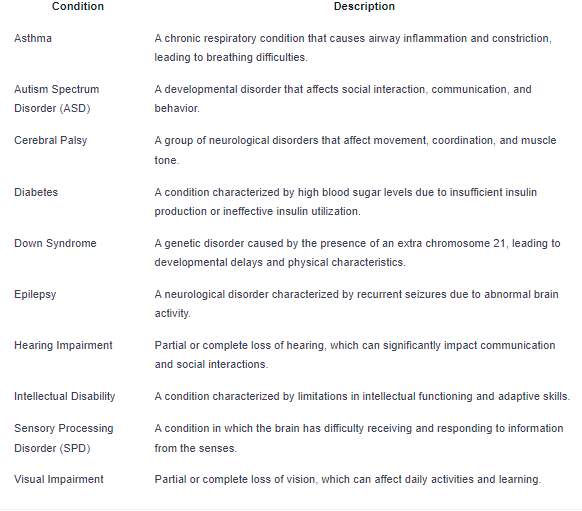
    These resources provide crucial support, education, and developmental opportunities, ensuring families in North Miami Dade get the necessary assistance for their children with special needs.

    Financial Considerations for Special Needs Daycare

    Understand the financial challenges and support available for families with special needs children.

    What financial challenges do parents of special needs children face?

    Parents of special needs children often encounter significant financial challenges that can be overwhelming. On average, they require 17.8% more income annually compared to parents of typically developing children. The total cost of raising a child with disabilities can reach approximately $2.5 million over their lifetime, which is nearly ten times more than that of a non-disabled child.

    These costs encompass not just medical expenses but also therapy sessions, special education needs, and potential loss of income due to caregiving responsibilities. Families navigating these financial waters may also experience limited access to essential resources and support, adding further strain to their budgets.

    What financial aid options are available in Miami-Dade County?

    Fortunately, several options exist to alleviate some of these burdens in Miami-Dade. Programs like the School Readiness Subsidized Childcare Program provide financial assistance tailored for low to moderate-income families with children from birth to age 13. Additionally, scholarships may be available for families earning up to 300 percent of the federal poverty level.

    Resources such as the Coalition’s provider search tool and Miami Dade College’s childcare assistance programs can help families find suitable daycare options. This guidance is crucial for parents seeking quality care that accommodates their child’s unique needs while managing financial constraints.

    Evaluating Local Daycare Options

    Key considerations for selecting the right daycare for your special needs child.

    Visiting Potential Daycare Centers

    When searching for daycare options for children with special needs, it’s essential to visit potential centers personally. This allows parents to assess the environment, staff interaction, and overall atmosphere. Engaging directly can reveal much about how well a facility meets the unique needs of a child.

    Checklist for Assessment

    To make an informed choice, parents can use a checklist during their visits:

    • Safety Measures: Are the facilities secure, clean, and accessible?
    • Staff Qualifications: Do caregivers have training in special needs education?
    • Curriculum: Is there a specialized program in place for children with disabilities?
    • Support Services: Are services like speech or occupational therapy available on-site?
    • Parent Communication: How does the center keep parents informed about their child’s progress?

    Specific Providers in North Miami Dade

    Several providers cater specifically to children with special needs in North Miami Dade, including:

    Provider Services Provided Contact Information
    Kids Miracle Steps Medical daycare for the medically fragile 305-XXX-XXXX
    The Victory Center Individualized treatment for autism 305-466-1142
    Easterseals South Florida Early childhood development and therapy services 305-XXX-XXXX

    By utilizing these tips and resources, parents can better navigate the options available and find the right fit for their children’s specific needs.

    Programs and Services Offered in North Miami Dade

    Discover specialized programs and services available in North Miami Dade!

    Overview of local specialized programs

    North Miami Dade County boasts a variety of programs designed to support children and adults with disabilities. Key organizations, such as the Victory Center and The Arc of South Florida, offer specialized services tailored to the needs of individuals with autism, developmental delays, and intellectual disabilities.

    The Miami-Dade parks department also plays a vital role by providing adaptive sports programs, aquatics, and events for people with disabilities. Parents can easily access information about these programs through the parks department’s dedicated contact number and website.

    Specific services for different disabilities

    Several local centers are dedicated to addressing the needs of children with specific disabilities. For instance:

    Organization Services Offered Contact Information
    Victory Center Individualized treatments for autism, behavior intervention programs 305-466-1142, thevictoryschool.org
    The Arc of South Florida Early intervention, educational opportunities 305-759-8500, arcsofla.org
    Kids Miracle Steps Medical daycare services for medically fragile children Contact for more information
    Easterseals South Florida Early childhood development and therapy services Contact for more information

    Head Start and Early Head Start also provide vital support, offering developmental screenings and educational resources for children from birth to age 5. These programs cater to families in need, ensuring every child receives the support necessary for their unique challenges.

    Ensuring Compliance and Legal Rights

    Know your rights: ADA compliance and protections for children with disabilities.

    ADA Compliance

    Childcare providers, including daycares, must comply with the Americans with Disabilities Act (ADA) regulations. This means they are legally obligated to ensure accessibility and provide reasonable accommodations for children with disabilities. Facilities should be designed to allow individuals with various needs to participate fully in their programs.

    Rights Under the ADA

    Parents of children with special needs should know that the ADA makes it illegal for daycare centers to deny enrollment to children based solely on their disabilities. This law mandates that centers evaluate each child’s situation individually, avoiding any discriminatory practices or assumptions about their capabilities. If a daycare can offer reasonable modifications to help a child with special needs participate in their programs, they are required to do so under the ADA.

    Daycare Obligations

    When evaluating potential daycare providers, it is vital to ask about their policies regarding special needs accommodations. Daycare centers must ensure that their facilities are accessible and provide aids for effective communication when necessary. If parents encounter reluctance or refusal from a daycare, it’s important to understand their rights and seek additional resources or legal advice.

    Topic Details
    ADA Compliance Daycares must follow ADA guidelines, providing accessible environments for all children.
    Rights Under the ADA Discrimination based on disability is prohibited; care should be tailored to each child’s needs.
    Daycare Obligations Centers must offer reasonable accommodations and maintain accessible facilities.

    For more information on ADA guidelines for daycares in Miami Dade, consider checking official government resources or local advocacy groups.

    Tips for Parents with Special Needs Children

    What are some tips for caring for a special needs child?

    Caring for a special needs child requires a tailored approach that considers each child’s unique strengths and challenges. Here are some effective strategies:

    • Understand Your Child: Each child has a unique combination of needs, strengths, and preferences. Understanding these aspects can help make informed decisions regarding care and education.

    • Communication is Key: Regular communication with specialists and educators is crucial. This connection provides valuable insights into your child’s progress and helps in making adjustments to care plans.

    • Spend Quality Time: Building a strong bond with your child through shared activities can nurture understanding and emotional connections. Simple activities like reading or playing can enhance communication and interaction.

    • Build Support Networks: Establishing a network of support with other parents, families, and local organizations, such as Parent to Parent of Miami, can provide emotional support and resource sharing. Engage in community events, workshops, and support groups to discover further assistance and friendships.

    • Develop Consistent Routines: Children with special needs often thrive on routine. Establishing a consistent daily schedule helps them feel secure and understand what to expect.

    • Advocate for Their Needs: Become your child’s advocate by understanding their rights and ensuring they have access to necessary resources. This could include educational support, medical attention, and recreational activities.

    • Plan Ahead: Anticipate changes in behavior or needs as they grow. Flexibility in approaching their needs will ease transitions and reduce stress.

    Incorporating these strategies can promote not just development and learning for special needs children, but also support their overall wellbeing and happiness.

    Making Informed Choices

    Selecting a suitable daycare for a child with special needs in North Miami Dade County involves more than just finding proximity and convenience. By exploring various programs, understanding financial aids, and recognizing the resources available, parents can make well-informed decisions tailored to their child’s unique requirements. Empowered with this knowledge, families can thrive by accessing services that promote development, inclusion, and support.

    References

  • Tips for storing and organizing medical supplies at home

    Tips for storing and organizing medical supplies at home

    Mastering Home Medical Supply Organization: Proven Techniques

    Introduction

    Managing medical supplies at home can be a daunting task, especially when trying to balance safety, accessibility, and orderliness. Proper organization and storage of medical items not only enhance efficiency but also ensure that necessary supplies are readily available during emergencies. This article aims to provide practical advice, focusing on effective strategies for inventory management, creative storage solutions, and best practices to streamline your medical supply management at home.

    Practical Techniques for Organizing Medical Supplies

    Unlock Efficiency: Practical Techniques for Organizing Medical Supplies at Home

    What are some practical techniques for organizing medical supplies at home?

    Organizing medical supplies at home can significantly improve accessibility and efficiency. Here are some practical techniques to consider:

    • Using Labeled Bins and Containers
      Invest in clear, labeled bins and containers. This allows you to quickly find what you need without unnecessary rummaging. Color-coding can enhance tracking and simplify inventory management.

    • Categorizing Items by Type or Use
      Group supplies based on their functionality. For instance, separate bins for daily medications, first aid items, and emergency supplies can streamline organization. This categorization helps in quickly locating items during times of need.

    • Designating a Specific Cabinet or Closet for Storage
      Choose a specific cabinet or closet to store your medical supplies. A dedicated space reduces clutter and makes it easier to monitor inventory. Ensure this area is easily accessible but child-proof if necessary.

    • Ensuring Easy Reach for Frequently Used Items
      Position frequently used supplies within easy reach. Consider utilizing stackable shelves or drawer organizers to facilitate quick access. Utilizing high shelves for less frequently used items keeps the more commonly needed supplies front and center.

    By implementing these techniques, you’ll find that maintaining an orderly system for your medical supplies becomes more straightforward and effective. Regular audits of items help keep your inventory current and ready for immediate use.

    Efficient Inventory Management Strategies

    Streamline Your Inventory: Strategies for Efficient Medical Supply Management

    How can I efficiently keep an inventory of my medical supplies?

    To effectively manage your inventory of medical supplies, start by utilizing inventory management software such as InventoryCloud or Sortly. These tools offer real-time tracking, which allows you to monitor supplies across multiple locations. Features typically include:

    • Centralized Visibility: See all your supplies in one place.
    • Track Locations and Quantities: Know where everything is stored.
    • Expiration Management: Keep an eye on expiration dates.
    • Cost Tracking: Stay within your budget.

    Implementing alerts for low stock levels and upcoming expiration dates can help you avoid shortages and wastage, ensuring that critical items are always available when needed.

    Tracking expiration dates

    Keeping an eye on expiration dates is crucial for any medical supply organization. Effective methods include:

    • Inventory Lists: Maintain a detailed list that notes expiration dates to help you manage them efficiently.
    • Automated Alerts: Set up reminders using software, so you’re notified well in advance of any dates approaching.
    • FIFO Method: Use the first-in, first-out approach for managing supplies, ensuring that older items are used before newer ones.

    Automating alerts for restocking needs

    Automated restocking alerts are a game-changer in maintaining an efficient inventory. You can:

    • Utilize software that sends alerts to remind you of low stock.
    • Set thresholds for supplies that typically require prompt replenishment.
    • Implement periodic reviews of your inventory list to ensure that alerts remain accurate and relevant.

    By integrating these strategies into your inventory management system, you’ll streamline your processes, minimize waste, and ensure the best care for your patients.

    Organizing Medications Effectively

    How do I organize my medications at home?

    To effectively organize your medications at home, start by gathering all your medicines in one place. This step is essential to evaluate what you have and check for expired items that should be discarded.

    Next, consider investing in a pill organizer that fits your routine. For instance, a weekly pill organizer with compartments can help you sort daily doses or you might opt for an automatic pill dispenser that not only holds your medications but also reminds you when it’s time to take them.

    Creating a comprehensive medication checklist is crucial. This list should include the name, dose, and schedule for each medication. Keep it updated to reflect any changes in your medications.

    To further enhance your organization, categorize your medications using clear bins or drawer organizers. Group them by type, such as pain relief, allergy medications, or chronic condition treatments, to ensure easy access. This setup minimizes the risk of confusion and enhances adherence to your regimen.

    Lastly, maintain open communication with your healthcare provider or pharmacist to review your list regularly. This approach ensures that your medication management remains accurate and tailored to your health needs.

    Ensuring Safe and Accessible Storage Solutions

    What storage solutions are recommended for medical supplies to ensure safety and accessibility?

    To ensure the safety and accessibility of medical supplies, it is essential to implement smart storage solutions. Using transparent and modular storage can be extremely beneficial. Clear bins allow for easy visibility of contents, reducing the time spent searching for items. Modular storage options provide the flexibility to adjust space as needed, accommodating changes in inventory and organization priorities.

    Installing shelves and lockable cabinets

    Installing stainless steel shelving not only maximizes vertical space but also enhances workflow efficiency, especially in healthcare settings. It is important to designate specific shelves for various categories of supplies, which helps streamline access and organization. Lockable cabinets should be used for sensitive items, such as medications or controlled substances, ensuring they are out of reach from children or unauthorized users. This added security is vital in maintaining compliance with safety regulations.

    Utilizing climate-controlled storage options

    Climate-controlled storage options should be utilized for medications that require specific temperature ranges to maintain their effectiveness. This practice is not only crucial for the preservation of supplies but also enhances the safety of patient care. Incorporating features like medical carts for easy transport of supplies and ensuring good ventilation in storage areas can further uphold the quality and accessibility of medical resources.

    Storage Solution Benefits Key Use Cases
    Transparent Containers Easy visibility of contents Home organization, first aid kits
    Lockable Cabinets Enhanced security for sensitive items Medications, controlled substances
    Stainless Steel Shelving Maximizes vertical storage space Hospitals, clinics
    Climate-Controlled Units Maintains effectiveness of temperature-sensitive supplies Pharmacies, specialized care facilities

    Best Practices in Managing Medical Supplies at Home

    Optimize Care: Best Practices for Managing Medical Supplies at Home

    What are the best practices for managing medical supplies at home?

    Managing medical supplies at home requires a structured approach to ensure efficiency and safety. Here are some best practices:

    • Maintain an organized inventory:

      • Regularly conduct an inventory audit to assess what supplies you have. This helps determine what needs restocking or replacing.
      • Use systems like spreadsheets or inventory apps to keep track of items and their conditions.
      • Label each item with essential details such as name, dosage, and expiration date to facilitate quick identification.
    • Ensure proper storage conditions:

      • Designate a specific storage area like a cabinet or closet away from children’s reach, ensuring good ventilation for medication preservation.
      • Store medications in a stable, cool environment, avoiding bathrooms or kitchens where temperature and humidity fluctuate.
      • Containerize items for organization; consider using clear bins, stacks, or drawer dividers to categorize supplies such as medications and first aid items.
    • Implement the FIFO system:

      • Adopting a first-in, first-out method minimizes waste by utilizing older supplies first.
      • Keep track of expiration dates by marking them in your inventory to avoid losing medications.

    By integrating these practices, you can ensure that your home medical supplies are accessible, well-organized, and safely stored, enhancing overall preparedness and care delivery.

    Guidelines for Effective Storage

    Essential Guidelines: Effective Storage for Medical Supplies

    What are the essential storage guidelines for medical supplies?

    Essential storage guidelines for medical supplies are crucial in ensuring the integrity and safety of these items. Here are the primary considerations:

    • Temperature and Humidity Control: Supplies should be stored in controlled environments, maintaining temperatures between 22 to 26 °C (72 to 78 °F) and relative humidity below 60%. Avoid environments that experience fluctuations, such as bathrooms, where humidity can affect medication efficacy.

    • Proper Labeling and Secure Storage: Clearly label every item with its name, dosage, and expiration date. This ensures easy identification and helps prevent misuse. For controlled substances, secure storage in locked cabinets is essential to comply with legal requirements and enhance safety, especially in homes with children or pets.

    • Regular Inspections and FIFO System: Conduct regular audits of your inventory. Inspect sterile packages to ensure they are intact and compliant with health regulations. Implement a first-in, first-out (FIFO) system to manage inventory, ensuring older supplies are used first to minimize waste due to expiration.

    These guidelines promote efficient organization, accessibility, and the preservation of medical supplies, ultimately supporting effective patient care.

    Enhancing Aesthetic and Functional Aspects of Storage

    Stylish & Functional: Enhancing Aesthetics in Medical Storage Solutions

    Using Decorative Storage Solutions

    One effective way to keep medical supplies organized is by utilizing decorative storage items. For example, decorative wire baskets can be used to sort items like ointments and lotions. Not only do they provide easy access, but they also add a touch of style to your storage area. Similarly, clear plastic bins allow you to store taller items such as liquids while keeping visibility in mind, so you know what’s inside without having to search through clutter.

    Maximizing Space with Vertical Storage

    Vertical storage solutions can greatly enhance your organization. Using shelving units or wall-mounted racks optimizes available space, making it easier to store a variety of supplies. Consider investing in tall cabinets that provide ample space for larger medical equipment. Incorporating stacking drawers also facilitates the efficient storage of smaller items, allowing for a neat arrangement that healthcare providers can access quickly.

    Incorporating Creative Organizational Techniques

    Using a mix of organizational techniques will streamline your medical supplies storage. For quick access, divide your supplies into categorized sections, such as daily medications, first aid supplies, and emergency kits. Use over-the-door organizers for additional space and keep frequently used items on higher shelves, ensuring they are out of reach of children and pets. Labeling all containers enhances clarity and improves the efficiency of locating supplies in critical situations.

    Conclusion

    Organizing and managing medical supplies at home doesn’t have to be overwhelming. By implementing these techniques and strategies, you can create an efficient, safe, and aesthetically pleasing system. As you apply these practices, remember to regularly update your inventory, ensure proper storage conditions, and address any challenges that arise. Ultimately, a well-organized medical supply setup can greatly enhance your preparedness and peace of mind.

    References

  • The Importance of After-Hours Care for Pediatric Patients

    The Importance of After-Hours Care for Pediatric Patients

    Exploring Comprehensive Pediatric After-Hours Care

    Understanding After-Hours Pediatric Care

    In the fast-paced world of child healthcare, ensuring consistent, dedicated care remains a cornerstone for safeguarding the health and well-being of young patients. After-hours pediatric care plays a pivotal role in bridging gaps that traditional office hours or generalized emergency services might leave, especially when unexpected health issues arise during evenings, weekends, and holidays. This article dives into the nuances of after-hours care dedicated to pediatric patients, underlining its significance, types of services offered, and the impact it bears on the healthcare landscape.

    Why Pediatric Care Matters

    Understanding the Importance of Pediatric Care

    Why is pediatric care important?

    Pediatric care is essential for the unique health needs of infants, children, and adolescents, ensuring they receive tailored medical attention. Specialized pediatric healthcare providers are trained to understand the distinctive ways children express discomfort and pain, which is pivotal for accurate diagnosis and effective treatment.

    Pediatric care plays a vital role in early detection of developmental delays and health issues. Timely intervention can significantly improve long-term health outcomes, as children are regularly monitored for growth milestones and overall wellbeing. Preventive measures—such as immunizations and health screenings—are integral to promoting long-term health and preventing chronic diseases.

    Additionally, incorporating education on healthy lifestyle habits lays the groundwork for a lifetime of wellness. Pediatric practice also emphasizes emotional and behavioral support, addressing mental health concerns to foster a holistic approach to health and quality of life.

    As such, pediatric urgent care services are crucial in enabling access to immediate, specialized medical care, particularly outside of traditional office hours, ensuring children receive the necessary support and treatment when they need it most.

    Key Benefits of After-Hours Pediatric Services

    Discover the Advantages of After-Hours Pediatric Care

    What are the benefits of after-hours pediatric care?

    After-hours pediatric care provides numerous advantages for families. By offering specialized services when pediatricians’ offices are closed, children can receive timely attention for non-life-threatening conditions such as minor injuries, fevers, and ear infections. This prevents escalations that could lead to more serious medical issues.

    Some of the main benefits include:

    • Accessibility: Parents can access care during evenings and weekends without waiting for regular office hours, which is especially helpful for urgent needs that arise unexpectedly.
    • Reduced ER Visits: By utilizing after-hours services, families can avoid crowded emergency rooms for conditions that are not life-threatening, significantly decreasing unnecessary strain on those resources.
    • Tailored Treatment: After-hours pediatric centers are staffed with pediatric specialists, offering child-friendly environments which enhance comfort and reduce anxiety for young patients.
    • Family Peace of Mind: Knowing that immediate care is available during off-hours contributes to parents’ peace of mind, allowing them to feel supported in urgent situations. This ensures they have access to medical advice without the stress of navigating emergency services.

    Overall, after-hours pediatric care promotes a proactive approach to child health, easing the minds of parents while addressing their children’s needs efficiently.

    Reducing Emergency Department Overcrowding

    Alleviating Pressure on Emergency Departments

    How does after-hours pediatric care help reduce emergency department overcrowding?

    After-hours pediatric care plays a critical role in alleviating overcrowding in emergency departments (ED) by addressing non-life-threatening issues promptly. By providing standardized treatment options during times when regular offices are closed, families can seek appropriate care without overwhelming hospitals.

    For example, a study conducted in Malmö, Sweden, revealed that the introduction of a hospital-integrated primary care unit (HPCU) resulted in a remarkable 28% decline in pediatric ED visits during operating hours. Additionally, visits deemed non-urgent saw a 36% decrease, demonstrating that families were being effectively guided towards the right healthcare paths.

    This shift not only helped reduce the number of patients in EDs but also enhanced the efficiency of medical resource usage. By allowing pediatric care specialists to handle less critical situations, this model ensures that emergency departments can concentrate on treating more serious health conditions.

    Overall, improved access to after-hours pediatric care creates a smoother patient flow, not only enhancing the experience for families but also significantly reducing waiting times in often overburdened emergency facilities.

    Navigating After-Hours Services for Children

    Your Guide to After-Hours Pediatric Services

    Guidance on Accessing Pediatric After-Hours Services

    For parents navigating the uncertain waters of pediatric healthcare, knowing where to seek help after regular office hours is crucial. Pediatric urgent care centers have emerged as valuable alternatives when a child requires immediate attention but is not facing a life-threatening condition. These centers often have extended hours, making them accessible in the evenings and weekends, and are designed specifically with children in mind.

    To find these services quickly, parents should identify nearby clinics with extended hours and utilize online resources to check ratings and confirm insurance coverage. Establishing communication with a child’s primary care provider can also help navigate urgent situations, as many pediatricians offer on-call services to assist in these decisions.

    Differences Between ER and Urgent Care

    Understanding when to utilize urgent care versus an emergency room (ER) can alleviate overcrowding in emergency departments and ensure that children receive the appropriate level of care. Urgent care centers are ideal for treating non-life-threatening conditions like:

    • Minor cuts needing stitches
    • Ear infections
    • High fevers

    In contrast, an ER is essential for serious injuries or ailments, such as severe respiratory distress or major trauma. Visits to the ER can expose children to more potential illnesses and generally incur higher costs. Familiarizing oneself with the capabilities and offerings of local urgent care centers is invaluable, ensuring prompt and specialized medical attention is available during critical after-hours periods.

    Role of Telehealth and Triage in After-Hours Pediatric Care

    Leveraging Technology for Pediatric Care Access

    Integration of Technology and Telehealth

    Telehealth has transformed the landscape of pediatric after-hours care by providing families with immediate access to medical advice without needing to visit a physical clinic. This convenience is particularly beneficial for parents trying to navigate their child’s symptoms late at night or on weekends. Virtual consultations can significantly reduce exposure to illnesses commonly found in crowded waiting rooms, creating a safer environment for children and offering peace of mind for parents.

    Nurse Triage System Benefits

    An after-hours nurse triage system plays a vital role in pediatric care by connecting parents to trained professionals who can assess the urgency of a child’s condition. This service can help alleviate anxiety by providing parental reassurance through expert medical guidance. Using established protocols, nurses can advise whether care is needed immediately or if the situation can be managed at home. This not only ensures appropriate care is given but also decreases unnecessary emergency room visits by accurately directing families to the right care level.

    Improving Accessibility and Healthcare Outcomes

    Importance of Accessibility to Care

    Accessibility to after-hours pediatric care is crucial for families, especially given that only about 51% of children have access to their pediatrician during nights or weekends. Pediatric urgent care centers provide an essential service by offering care when regular pediatrician offices are closed. This accessibility not only helps address immediate health concerns but also minimizes visits to crowded emergency rooms filled with potentially contagious patients.

    Outcomes of Improved After-Hours Services

    Pediatric urgent care services enhance health outcomes by providing specialized treatment plans tailored for children. These centers are staffed with trained pediatric professionals who understand children’s unique healthcare needs. With after-hours services, families can avoid unnecessary emergency room visits, reducing worry and costs. Studies indicate that improved after-hours accessibility correlates with a greater likelihood of establishing a medical home, which leads to more consistent care. The integration of after-hours nursing triage systems further supports families in navigating their children’s health concerns, promoting timely and appropriate care while alleviating anxiety.

    A Vital Resource for Pediatric Health

    After-hours pediatric care is indispensable in today’s healthcare landscape, offering timely and specialized care that not only caters to the immediate needs of young patients but also contributes significantly to long-term health management. By providing an essential bridge between routine pediatric services and emergency care, these services help alleviate pressure on emergency departments while ensuring children receive the focused medical attention they deserve, reducing potential growth in healthcare crises and enhancing family peace of mind.

    References

  • What Is the Age Range for Pediatrics?

    What Is the Age Range for Pediatrics?

    Unlock the age range for pediatric care! From infancy to adolescence, discover the secrets of children’s health.

    The World of Pediatrics

    Pediatrics is a specialized branch of medicine that focuses on the health and well-being of children, from birth through adolescence. It is a critical field that plays a vital role in ensuring the proper growth, development, and overall health of pediatric patients. Let’s explore the definition of pediatrics, the importance of pediatric care, and the age range for pediatric patients.

    Defining Pediatrics

    Pediatrics is the medical specialty that is dedicated to the care of infants, children, and adolescents. Pediatricians are trained to diagnose, treat, and prevent a wide range of childhood illnesses, diseases, and conditions. They provide comprehensive medical care, monitor growth and development, administer vaccinations, and offer guidance on nutrition, safety, and overall well-being.

    __wf_reserved_inherit

    Pediatricians work closely with children and their families to establish a trusting relationship, ensuring that the child’s physical, mental, and emotional needs are met. They are equipped with the skills and knowledge to address the unique challenges and complexities that arise during the different stages of childhood.

    Importance of Pediatric Care

    Pediatric care is of utmost importance as it focuses on the specific health needs of children, who are in a constant state of growth and development. Children are not miniature adults, and their bodies and minds require specialized care and attention. Pediatricians are trained to understand the unique physiology, psychology, and social aspects of childhood, enabling them to provide appropriate medical care tailored to the needs of young patients.

    Regular pediatric check-ups and preventive care are vital for early detection of potential health issues, ensuring timely intervention and treatment. Pediatric care also emphasizes the importance of vaccinations to protect children against preventable diseases. By providing comprehensive care, pediatricians support children in reaching their full potential and laying a foundation for a healthy and fulfilling life.

    Age Range for Pediatric Patients

    The age range for pediatric patients generally encompasses newborns, infants, children, and adolescents up to the age of 18. However, it’s important to note that different healthcare systems or individual practices may have slightly varied age limits for pediatric care.

    __wf_reserved_inherit

    Pediatric care ensures that children receive appropriate medical attention and support at each stage of their development. Pediatricians are trained to address the unique needs and challenges that arise during each age group, providing specialized care that promotes optimal health and well-being.

    By understanding the definition of pediatrics, recognizing the importance of pediatric care, and being aware of the age range for pediatric patients, parents and caregivers can make informed decisions regarding the healthcare needs of their children. Regular visits to a pediatrician and adherence to recommended preventive care measures are essential for promoting the health and development of children.

    Infancy

    During the first year of a child’s life, known as infancy, there are significant milestones in growth and development. This is a critical period that requires special attention and care from pediatric healthcare providers. In this section, we will explore the age range from birth to 12 months, developmental milestones, and common health concerns for infants.

    From Birth to 12 Months

    Pediatric care for infants begins at birth and continues until they reach 12 months of age. During this time, infants undergo rapid growth and development, both physically and mentally. Regular check-ups and well-baby visits with a pediatrician are essential to monitor their progress, address any concerns, and ensure they are meeting developmental milestones.

    Developmental Milestones

    Developmental milestones are key markers of a child’s growth and progress. Each infant develops at their own pace, but there are general milestones that most children achieve within specific age ranges. These milestones include motor skills, such as rolling over, sitting up, crawling, and eventually walking. Language and cognitive development, such as babbling, responding to sounds, and recognizing familiar faces, are also important milestones during this stage.

    It’s important to remember that not all infants will reach these milestones at the same time. However, if there are significant delays or concerns about a child’s development, it’s crucial to consult with a pediatrician for further evaluation and support.

    Common Health Concerns

    Infants are susceptible to a range of health concerns during their first year of life. Some common health issues that may arise include:

    __wf_reserved_inherit

    If you have any concerns about your infant’s health, it’s important to consult with a pediatrician. They can provide guidance, support, and necessary treatments to ensure your child’s well-being during this crucial stage of development.

    Understanding the age range for pediatric care and being aware of the developmental milestones and common health concerns during infancy can help parents and caregivers provide the best possible care for their little ones. Regular visits to a pediatrician, along with attentive monitoring of growth and development, will contribute to the overall health and well-being of your child during this important stage of life.

    Early Childhood

    In the world of pediatrics, early childhood refers to the age range of 1-5 years. This period is a critical time for growth, development, and preventive care for children. Understanding the unique needs and milestones of this age group is essential for providing optimal healthcare.

    Ages 1-5 Years

    Early childhood encompasses the age range from 1 to 5 years, which is a period of rapid growth and development. During this time, children undergo significant physical, cognitive, and social-emotional changes. It is a crucial stage for laying the foundation of a child’s overall health and well-being.

    Growth and Development

    Between the ages of 1 and 5, children experience substantial growth in height, weight, and cognitive abilities. Here are some key growth and developmental milestones during this phase:

    __wf_reserved_inherit

    Monitoring these milestones helps healthcare providers assess a child’s development and identify any potential delays or concerns that may require intervention.

    Preventive Care and Vaccinations

    Preventive care and vaccinations play a crucial role in promoting the health and well-being of children in early childhood. Regular check-ups with a pediatrician ensure that a child’s growth, development, and overall health are on track. During these visits, the healthcare provider will assess various aspects, including:

    • Physical examination to monitor growth parameters, blood pressure, and overall health.
    • Screening for vision and hearing problems.
    • Assessing and promoting healthy nutrition and physical activity.
    • Discussing and providing guidance on dental care and hygiene.
    • Administering age-appropriate vaccinations to protect against infectious diseases.

    Following the recommended vaccination schedule is vital to safeguard children against potentially serious illnesses and to contribute to community immunity.

    By focusing on growth and development and providing preventive care and vaccinations, healthcare providers can support the optimal health and well-being of children in the early childhood age range. Regular pediatric visits during this period enable timely interventions and ensure that children have a strong foundation for a healthy future.

    Middle Childhood

    During the middle childhood years, which typically span from ages 6 to 12, children experience significant physical and emotional changes. This phase of development is characterized by growth spurts, refining motor skills, and advancing cognitive abilities. In addition to these changes, it is crucial to monitor and maintain children’s health through regular screenings and health assessments.

    Ages 6-12 Years

    Middle childhood encompasses the ages of 6 to 12 years. At this stage, children are no longer considered toddlers or preschoolers but are not yet adolescents. They are in a transitional phase, where they continue to refine their motor skills, develop their social interactions, and expand their cognitive abilities.

    Physical and Emotional Changes

    During middle childhood, children experience a variety of physical and emotional changes. Physically, they undergo growth spurts, with an average growth rate of about 2-3 inches per year. Their baby teeth are replaced by permanent teeth, and they continue to develop coordination and fine motor skills.

    Emotionally, children in this age range may become more independent and self-aware. They start to understand and express their emotions more effectively, while also developing empathy towards others. Additionally, their cognitive abilities become more advanced, allowing them to think more abstractly and solve complex problems.

    Health Monitoring and Screenings

    Regular health monitoring and screenings are essential during middle childhood to ensure optimal growth and development. Some key aspects to focus on include:

    1. Growth and Development: Monitoring height, weight, and body mass index (BMI) helps assess whether a child is growing at a healthy rate. Growth charts can be used to track their progress.
    2. Vision and Hearing: Regular vision and hearing screenings are important to detect any impairments that may affect a child’s learning and overall well-being.
    3. Dental Health: Dental check-ups and cleanings should be scheduled regularly to promote good oral hygiene and address any potential dental issues.
    4. Immunizations: Ensuring that children receive the necessary immunizations according to the recommended schedule helps protect them from preventable diseases.
    5. Mental and Emotional Well-being: Assessing a child’s mental and emotional well-being is crucial during this stage. Regular check-ins with a pediatrician or mental health professional can help identify any concerns and provide appropriate support.

    Regular visits to a pediatrician or healthcare provider are recommended for ongoing health monitoring and screenings. These visits provide an opportunity to address any concerns, provide guidance on healthy habits, and ensure that children are on track for healthy development.

    By staying proactive and vigilant in monitoring children’s health during middle childhood, parents and caregivers can help promote their overall well-being and set them up for a healthy transition into adolescence.

    Adolescence

    Adolescence is a critical phase of development that encompasses the ages of 13 to 18 years. It is a period marked by significant physical, emotional, and social changes as individuals transition from childhood to adulthood. During this time, specialized care for teenagers becomes essential to support their unique needs and promote their overall health and well-being.

    Ages 13-18 Years

    Adolescence typically begins around the onset of puberty, which is a time of rapid physical growth and development. The age range of 13 to 18 years encompasses the middle and late stages of adolescence, during which individuals experience various milestones and challenges.

    Puberty and Hormonal Changes

    Puberty, a central aspect of adolescence, involves a series of biological changes triggered by hormonal shifts. These changes include the development of secondary sexual characteristics, such as breast development in girls and facial hair growth in boys. Hormonal fluctuations can also lead to mood swings, acne, and increased body odor, among other effects.

    Specialized Care for Teens

    As teenagers navigate the complexities of adolescence, specialized healthcare is crucial to address their unique needs. The healthcare providers who specialize in adolescent medicine understand the physical, emotional, and social aspects of this stage of life.

    During routine check-ups, healthcare providers monitor teens’ growth, assess their physical development, and provide guidance on healthy lifestyle practices. They may also address specific concerns related to puberty, such as menstrual irregularities, gynecological issues, and reproductive health for girls, or concerns related to sexual health and development for both boys and girls.

    Additionally, healthcare providers play a vital role in promoting mental health and well-being during adolescence. They may address issues such as body image, self-esteem, stress management, academic pressures, and the challenges of peer relationships. Furthermore, healthcare providers can offer guidance on healthy habits, including nutrition, exercise, and sleep, which are crucial for overall well-being during this stage of life.

    In some cases, specialized care may involve collaborating with other healthcare professionals, such as psychologists, counselors, or nutritionists, to provide comprehensive support for teenagers facing specific challenges.

    Understanding the unique needs of teenagers and providing specialized care ensures that they receive the guidance, support, and medical attention necessary to navigate the complexities of adolescence and set the foundation for a healthy transition into adulthood.

    Transition to Adult Care

    As children enter their late teenage years, a transition from pediatric care to adult care becomes necessary. This shift is an important milestone that requires careful planning and coordination to ensure a smooth and seamless transfer of healthcare responsibilities. In this section, we will discuss the key aspects of transitioning to adult care, including preparing for the shift, ensuring continuity of care, and the importance of adolescent health maintenance.

    Preparing for the Shift

    Preparing for the transition from pediatric care to adult care begins well in advance of a child’s 18th birthday. Pediatric healthcare providers play a crucial role in helping their patients and their families navigate this process. They can provide guidance on finding suitable adult healthcare providers, understanding the differences between pediatric and adult healthcare systems, and addressing any concerns or questions.

    It is essential for the pediatric care team to collaborate with the adult care providers to ensure a smooth transition. This may involve sharing medical records, discussing the patient’s medical history, and outlining any specific healthcare needs or requirements that should be considered in the adult care setting.

    Ensuring Continuity of Care

    Continuity of care is vital during the transition from pediatric to adult care. It involves the uninterrupted provision of healthcare services and the transfer of medical information between healthcare providers. This ensures that the young adult receives the necessary support and treatment as they move into the adult healthcare system.

    To facilitate continuity of care, healthcare providers should focus on effective communication and coordination. This includes sharing medical records, detailing the patient’s medical history, discussing ongoing treatment plans, and addressing any specific healthcare needs or concerns. By working collaboratively, pediatric and adult care providers can ensure a seamless transfer of care and minimize any potential gaps in healthcare provision.

    Importance of Adolescent Health Maintenance

    During the transition to adult care, it is crucial to emphasize the importance of continued healthcare maintenance for adolescents. This involves regular check-ups, preventive care, and health screenings to monitor and address any potential health issues.

    Adolescent health maintenance visits provide an opportunity to address physical, emotional, and social changes that occur during this developmental stage. These visits typically include discussions on nutrition, exercise, mental health, sexual health, substance abuse prevention, and immunizations. Regular healthcare visits also allow for early detection and intervention of any emerging health conditions.

    It is important for adolescents to actively participate in their healthcare decisions and take ownership of their health. Encouraging open and honest communication between healthcare providers and young adults fosters a sense of responsibility and empowerment, setting the stage for a lifetime of proactive health management.

    Transitioning from pediatric care to adult care marks an important milestone in the healthcare journey of young adults. By adequately preparing for the shift, ensuring continuity of care, and emphasizing the importance of adolescent health maintenance, healthcare providers can support their patients during this period of transition and set them on a path towards a healthy and fulfilling adulthood.

    Sources

    https://www.cuimc.columbia.edu/news/how-old-too-old-see-pediatrician#:~:text=There%20is%20no%20age%20limit,needs%2C%20not%20an%20arbitrary%20number.

    https://publications.aap.org/pediatrics/article/140/3/e20172151/38333/Age-Limit-of-Pediatrics?autologincheck=redirected

    https://www.parents.com/kids/health/at-what-age-should-your-kid-stop-seeing-a-pediatrician/

  • The benefits of home-based therapy for children recovering from illness

    The benefits of home-based therapy for children recovering from illness

    Transforming Recovery: Home-Based Therapy for Pediatric Patients

    Introduction

    As the landscape of pediatric healthcare evolves, families are increasingly opting for home-based therapy to enhance the recovery process for their children. This approach offers numerous benefits, from providing personalized care in the comfort of home to involving family members actively in the therapeutic process. In this piece, we delve into the myriad advantages of home-based therapy for children recovering from illness, exploring how this model supports improved health outcomes and quality of life.

    Creating a Healing Environment at Home

    Explore the pivotal role of home-based therapy in fostering recovery for children.

    What are the benefits of home-based therapy for children’s recovery?

    Home-based therapy offers significant benefits for children’s recovery by providing therapy in a familiar and comfortable environment, which can reduce anxiety and promote engagement. This approach allows for personalized care tailored to each child’s specific needs, enhancing the effectiveness of interventions.

    Family involvement is a key advantage. Parents can actively participate in sessions, reinforcing skills and supporting their child’s ongoing development. This partnership fosters a better therapist-parent-child relationship, improving compliance and receptiveness to treatment. Additionally, the convenience of home therapy eliminates travel-related stress, making it easier for families to integrate therapy into daily routines.

    Therapists can also design treatments that incorporate familiar toys and settings, which enhances motivation for children. The home environment supports neuroplasticity, allowing children to practice skills repeatedly in a space where they feel safe and comfortable.

    How does parental involvement enhance the therapy process?

    The active participation of parents helps in enhancing emotional support and contributes positively to the child’s recovery process. Families often report improvements in emotional well-being, socialization, and overall quality of life, illustrating how home-based care aids not just the child but the entire family unit as well.

    Benefits of Home-Based Therapy Description Importance
    Familiar Environment Reduces stress and anxiety during therapy Promotes comfort and engagement
    Personalized Care Tailored to each child’s unique needs Enhances treatment effectiveness
    Enhanced Parental Involvement Parents are involved in care plans Reinforces skills and support
    Real-life Practice Opportunities for skill acquisition in daily life Leads to better functional outcomes

    In conclusion, home-based therapy not only supports children’s health recovery but also strengthens family dynamics, which is beneficial for long-term wellbeing.

    The Power of Personalization in Pediatric Therapy

    Discover how personalized care transforms pediatric therapy outcomes.

    How does personalized care in home-based therapy affect children’s health outcomes?

    Personalized care in home-based therapy significantly enhances children’s health outcomes by offering tailored treatments that address their specific medical, emotional, and developmental needs. This approach ensures that therapy is not just a generic process, but a customized journey where each child receives the attention they require.

    Innovative solutions like telehealth enable therapists to reach children who might otherwise face barriers to accessing care. The use of robotics-assisted therapy and sensory integration techniques are also on the rise, creating engaging and effective treatment plans that encourage recovery and skill development in a familiar setting.

    The comforting home environment reduces stress and anxiety, making it easier for children to immerse themselves in therapy sessions. This setting allows therapists to observe behavior in a natural context, leading to even more personalized and effective care.

    Moreover, family involvement is integral. Parents can actively participate in their child’s care, gaining valuable strategies to manage needs outside of therapy sessions. This participation not only supports children’s therapeutic progress but also fosters resilience and strengthens family bonds.

    In summary, personalized home health plans pave the way for improved continuity of care, ultimately leading to faster recovery and better overall well-being for children.

    Aspect Description Impact
    Personalized Care Tailored treatment plans Improves health outcomes
    Technological Innovation Use of telehealth, robotics, sensory integration Enhances engagement and effectiveness
    Family Involvement Active parental participation Strengthens support and resilience

    Holistic Benefits of Home-Based Pediatric Healthcare

    Learn about the emotional and practical advantages of healthcare at home.

    What advantages does home-based pediatric healthcare offer in supporting children’s recovery?

    Home-based pediatric healthcare provides numerous advantages that significantly support children’s recovery. The first major benefit is the emotional security it instills in young patients. Being surrounded by the familiar comforts of home helps alleviate the anxiety and fear often associated with medical treatments. This nurturing environment promotes a sense of safety and belonging, which positively impacts children’s emotional well-being.

    Additionally, home care allows for personalized treatment plans tailored to meet each child’s unique medical and emotional needs. These individualized approaches lead to improved health outcomes as therapies are designed specifically for the child’s circumstances. Moreover, involving family members in the caregiving process fosters stronger emotional support and enhances family bonds, which is vital for a child’s recovery.

    Another significant advantage is the flexibility and convenience that home-based services offer. Families can schedule care around their daily routines, minimizing disruptions to the child’s normal activities. This adaptability not only supports emotional stability but also promotes engagement in treatment activities.

    From a financial perspective, home-based care is often more cost-effective than hospital stays, reducing the overall financial burden on families. With lower medical expenses and reduced hospitalization needs, families can focus on the health and enjoyment of their children’s lives without the stress of overwhelming medical costs.

    Enhancing Quality of Life Through Home Health Services

    Find out how home health services improve children's quality of life.

    How effective are home health services in enhancing children’s quality of life?

    Home health services have proven to be highly effective in enhancing quality of life for children, particularly those facing serious illnesses. By offering early intervention programs, these services allow for timely symptom management, which curbs hospitalizations and promotes better health outcomes. Families discover significant improvements in well-being as tailored care plans provide individualized attention, allowing for swift medical responses when needed.

    Moreover, home health services empower families through parental involvement. With caregivers participating actively in their child’s care, stronger emotional support and cooperation emerge. Parents are more equipped to manage their child’s health needs independently, which ultimately fosters a more comforting environment for the child. Yet, challenges remain. Factors like social determinants of health and limited access to resources can hinder the efficiency of these services.

    In summary, the combination of family-centered approaches alongside coordinated care not only supports the health of children but significantly reduces caregiver stress, enhancing the overall quality of life for the entire family.

    Professional Support: Backbone of In-Home Pediatrics

    Understand the crucial role of professionals in in-home pediatric care.

    What is the role of professional support in in-home pediatric services?

    Professional support in in-home pediatric services is essential for delivering tailored care that meets both the medical and emotional needs of children.

    Care teams comprised of healthcare professionals, including nurses, therapists, and social workers, collaborate closely with families. This collaboration ensures that everyone involved understands their roles and responsibilities, minimizing the risk of miscommunication.

    Open communication channels between professionals and families foster trust and empower parents to take an active role in their child’s care. Regular updates and assessments by these professionals allow for timely adjustments to treatment plans, promoting continuity of care.

    This robust support network not only reinforces medical guidelines but also enhances the emotional well-being of children. By receiving care in a familiar environment, children often experience less anxiety and stress, allowing them to engage more effectively in therapy and recover more comfortably.

    Coordination and communication in services

    Effective coordination and communication among healthcare workers are crucial in home-based pediatric services. Such collaboration ensures that every professional involved is on the same page regarding the child’s treatment plan and can adapt it as needed for optimal outcomes.

    Regular interdisciplinary meetings help to consolidate insights from various professionals, which can enhance the personalization of care strategies. This team-oriented approach strengthens family bonds by facilitating shared decision-making and clarifying the specifics of care.

    Ultimately, well-coordinated care articulates a more supportive environment, providing families with the confidence they need as they navigate their child’s health journey at home.

    Comparative Insights: Home Treatment vs. Inpatient Care

    What insights are there into the advantages of home treatment compared to inpatient care for children?

    Home treatment for children has distinct advantages over traditional inpatient care. Research shows that receiving care in a familiar home environment significantly reduces the stress associated with hospital stays. For many children, being at home contributes positively to their emotional and social well-being.

    Several studies have indicated that pediatric home care delivers clinical outcomes that are comparable to those of inpatient care. This is particularly important for families dealing with chronic conditions, as it allows for continuity of care while minimizing disruptions to daily life. Home treatment fosters higher patient satisfaction levels and contributes to lower readmission rates.

    A crucial element of home care is the development of personalized treatment plans tailored to each child’s unique medical and developmental requirements. These plans enable more effective health management, as they focus on timely interventions and preventive care without the need for frequent hospital visits. The support of qualified professionals in the home further ensures that children’s needs are met with high attention to detail.

    Efficiency and cost-effectiveness

    In terms of efficiency, home care addresses logistical burdens like transportation, particularly benefiting families with mobility challenges. This setup translates to improved access to essential health services. Furthermore, pediatric home health care is generally considered more cost-effective than prolonged hospital stays. By reducing hospital-related expenses, families experience decreased financial stress while receiving high-quality, specialized care in a more supportive environment.

    In summary, home treatment emerges as an effective alternative to inpatient care, particularly for managing chronic pediatric conditions. Its emphasis on personalized care, cost-efficiency, and emotional well-being makes it a valuable option for families seeking to improve their child’s health outcomes.

    Integration of Psychoeducational Interventions

    What are the benefits of family involvement in home-based therapy for ill children?

    Home-based therapy facilitates psychoeducational interventions, which are crucial for children coping with stress and illness-related challenges. In this model, family members play an integral role, fostering a sense of support and understanding that can significantly enhance therapeutic outcomes. When families participate, they are better equipped to reinforce the skills their children learn during therapy sessions. This consistency creates an environment conducive to promoting children’s well-being and resilience.

    The active involvement of parents in care planning and implementation is essential. It leads to improved management of health conditions, as parents gain a deeper understanding of their child’s needs. This partnership strengthens family dynamics and allows for a more cohesive approach to treatment, making therapy a collective family journey rather than an isolated experience for the child.

    Moreover, when families engage directly with therapists, they can address specific concerns and tailor interventions to suit their unique situations. This collaborative approach not only enhances emotional support but also helps families navigate the challenges brought about by their child’s illness. The resulting holistic care significantly improves both the child’s emotional and psychological health during recovery.

    Conclusion

    As the evidence mounts, the shift toward home-based therapy for children recovering from illness highlights its transformative potential. By creating personalized, supportive, and family-integrated care plans, this approach not only enhances children’s recovery processes but also improves their emotional, social, and physical well-being. With continued investment in professional support and infrastructure improvements, home-based pediatric therapy is poised to play a pivotal role in the future of children’s healthcare.

    References