
Category: Uncategorized

  • The Importance of Equipment Efficiency

    The Importance of Equipment Efficiency

    Unleash success with efficient equipment! Discover the key to productivity, savings, and quality in every industry.

    The Impact of Equipment Efficiency

    Efficiency in equipment plays a crucial role in the overall performance and success of businesses across various industries. Understanding the significance of equipment efficiency and recognizing the link between efficiency and success is essential for organizations striving to remain competitive in today’s dynamic market.

    __wf_reserved_inherit

    Understanding the Significance of Equipment Efficiency

    Equipment efficiency refers to the ability of machinery and tools to perform tasks with optimal utilization of resources such as time, energy, and materials. Efficient equipment ensures that operations run smoothly, maximizing output while minimizing waste. By investing in efficient equipment, businesses can streamline processes, improve productivity, and ultimately enhance their bottom line.

    The Link Between Efficiency and Success

    The connection between equipment efficiency and business success is clear. Efficient equipment enables organizations to meet production targets, deliver high-quality products or services, and respond quickly to changing market demands. Improved operational efficiency leads to cost savings, increased competitiveness, and enhanced customer satisfaction.

    Incorporating a culture of efficiency into the fabric of an organization fosters innovation, drives continuous improvement, and positions businesses for long-term success. Recognizing and leveraging the impact of equipment efficiency is a strategic imperative for companies looking to thrive in a rapidly evolving business landscape.

    Benefits of Efficient Equipment

    Efficient equipment plays a pivotal role in enhancing operational performance across various industries. The benefits of ensuring equipment efficiency extend beyond mere functionality, ultimately impacting productivity, cost-effectiveness, and the overall quality of output.

    Increased Productivity

    One of the primary advantages of efficient equipment is the notable boost in productivity it provides. By utilizing machinery and tools that function optimally, businesses can streamline their processes, eliminate unnecessary downtime, and accelerate production rates. This enhanced efficiency translates to higher output levels and improved overall efficiency.

    Cost Savings

    Efficient equipment is directly linked to cost savings within an organization. With machinery operating at peak performance, businesses can reduce energy consumption, minimize waste, and lower maintenance costs. Additionally, by avoiding unexpected breakdowns and prolonging the lifespan of equipment through proper care and maintenance, organizations can optimize their budget allocation and allocate resources more effectively.

    __wf_reserved_inherit

    Improved Quality

    Quality is a critical aspect of any product or service, and efficient equipment plays a crucial role in maintaining and enhancing quality standards. By utilizing equipment that operates efficiently and consistently delivers accurate results, businesses can uphold strict quality control measures, leading to products or services that meet customer expectations and regulatory requirements.

    In summary, the benefits of efficient equipment encompass a range of advantages, including heightened productivity, significant cost savings, and elevated product quality. By prioritizing equipment efficiency and implementing strategies to maximize operational effectiveness, businesses can drive success, competitiveness, and sustainability across various industries.

    Factors Influencing Equipment Efficiency

    Efficiency in equipment operation is influenced by several key factors that play a critical role in ensuring optimal performance and productivity. These factors include regular maintenance, proper training and usage, and upgrading to modern technology.

    Regular Maintenance

    Regular maintenance of equipment is essential to keep it running smoothly and prevent unexpected breakdowns that can disrupt operations. By adhering to a scheduled maintenance program, issues can be identified and resolved proactively, minimizing downtime and optimizing efficiency.

    Proper maintenance not only extends the lifespan of equipment but also ensures that it operates at peak performance levels. Here is a simplified table highlighting the impact of regular maintenance on equipment efficiency:

    __wf_reserved_inherit

    Proper Training and Usage

    Efficient equipment operation is heavily reliant on the knowledge and skills of the individuals using the equipment. Proper training ensures that operators understand how to operate the equipment correctly, handle any malfunctions, and perform routine maintenance tasks.

    Training programs should cover not only the technical aspects of equipment operation but also safety protocols and best practices. When operators are well-trained, they can maximize the efficiency of the equipment while minimizing the risk of accidents or damage.

    Upgrading to Modern Technology

    Embracing modern technology is key to enhancing equipment efficiency and keeping pace with industry advancements. Upgrading to equipment with innovative features and capabilities can significantly improve productivity, reduce operating costs, and enhance overall performance.

    Newer equipment often comes equipped with advanced automation, predictive maintenance capabilities, and energy-efficient features that can streamline operations and boost efficiency. Here is a rundown of the benefits of upgrading to modern technology:

    __wf_reserved_inherit

    By emphasizing regular maintenance, ensuring proper training and usage, and embracing modern technology, organizations can optimize equipment efficiency and drive success in their operations. These foundational factors lay the groundwork for a productive and efficient work environment that maximizes both equipment performance and overall efficiency.

    Industries That Rely on Equipment Efficiency

    Efficient equipment plays a critical role in various industries, ensuring smooth operations and optimal productivity. Three key sectors that heavily rely on equipment efficiency are the manufacturing sector, food industry, and healthcare sector.

    Manufacturing Sector

    In the manufacturing sector, equipment efficiency is paramount for meeting production targets, maintaining product quality, and ensuring cost-effectiveness. Machinery and tools must operate seamlessly to streamline manufacturing processes and deliver goods on time.

    Efficient equipment in manufacturing can lead to:

    Benefits of Equipment Efficiency in Manufacturing

    Increased production output

    Reduced downtime

    Enhanced product quality

    Cost savings through optimized processes

    Food Industry

    In the food industry, equipment efficiency is crucial for ensuring food safety, meeting regulatory standards, and maximizing productivity. From food processing equipment to packaging machinery, every component must function efficiently to uphold hygiene standards and deliver fresh, high-quality products to consumers.

    Efficient equipment in the food industry can result in:

    Benefits of Equipment Efficiency in the Food Industry

    Consistent product quality

    Compliance with food safety regulations

    Reduced waste and spoilage

    Enhanced operational efficiency

    Healthcare Sector

    In the healthcare sector, equipment efficiency directly impacts patient care, treatment outcomes, and operational efficiency. Medical devices, diagnostic equipment, and support systems must work flawlessly to provide accurate diagnoses and timely interventions.

    Efficient equipment in healthcare can lead to:

    Benefits of Equipment Efficiency in the Healthcare Sector

    Improved patient care and outcomes

    Enhanced diagnostic accuracy

    Increased staff productivity

    Enhanced safety and quality of care

    These industries rely on equipment efficiency to achieve their operational goals and maintain a competitive edge. By prioritizing maintenance, training, and adopting modern technologies, organizations can enhance equipment efficiency and drive success in dynamic and demanding environments.

    Strategies for Enhancing Equipment Efficiency

    Efficient equipment plays a pivotal role in the success and smooth operations of various industries. To maximize equipment efficiency, organizations can implement several strategic initiatives. In this section, we will explore three key strategies for enhancing equipment efficiency: implementing preventive maintenance programs, monitoring performance metrics, and involving employees through training.

    Implementing Preventive Maintenance Programs

    Preventive maintenance programs are proactive strategies designed to prevent equipment breakdowns and prolong their lifespan. By conducting regular inspections, lubrication, adjustments, and part replacements, organizations can minimize unexpected downtime and costly repairs.

    One effective way to structure a preventive maintenance program is by creating a maintenance schedule that outlines specific tasks to be performed at regular intervals. This schedule can help in tracking maintenance activities, ensuring that equipment remains in optimal working condition.

    Monitoring Performance Metrics

    Monitoring performance metrics is essential for assessing the effectiveness of equipment and identifying areas for improvement. By tracking key performance indicators (KPIs) such as equipment uptime, cycle time, and energy efficiency, organizations can gain valuable insights into the overall health and efficiency of their equipment.

    Utilizing data visualization tools to present performance metrics in a visual format can facilitate quick interpretation and decision-making. Analyzing trends and patterns in performance data can help in predicting potential issues before they escalate, enabling proactive maintenance and enhancing equipment reliability.

    Employee Training and Involvement

    Employee training and involvement are crucial components of enhancing equipment efficiency. Well-trained and engaged employees are better equipped to operate equipment effectively, troubleshoot minor issues, and adhere to safety protocols.

    Providing comprehensive training programs that cover equipment operation, maintenance procedures, and safety guidelines can empower employees to make informed decisions and perform their roles efficiently. Additionally, fostering a culture of continuous learning and improvement encourages employees to actively contribute ideas for optimizing equipment performance.

    By implementing preventive maintenance programs, monitoring performance metrics, and prioritizing employee training and involvement, organizations can significantly enhance equipment efficiency. These strategic initiatives not only contribute to operational excellence but also pave the way for sustained success in today’s competitive business landscape.

    Embracing a Culture of Efficiency

    In the realm of efficiency and productivity, fostering a culture that values and prioritizes efficiency is fundamental to achieving organizational success. This section explores the key components of embracing a culture centered on efficiency: building a team mindset, continuous improvement initiatives, and leveraging technology for optimization.

    Building a Team Mindset

    Creating a team mindset that emphasizes the importance of efficiency is crucial for aligning organizational goals and driving performance. By instilling a shared vision of efficiency among team members, everyone is encouraged to work together towards common objectives. This collaborative approach promotes communication, teamwork, and a strong sense of accountability.

    Benefits of Building a Team Mindset

    Enhanced collaboration and communication

    Improved problem-solving abilities

    Increased morale and motivation among team members

    Continuous Improvement Initiatives

    Continuous improvement lies at the core of an efficient organization. By implementing processes that encourage ongoing evaluation and refinement, companies can adapt to changing market dynamics and identify areas for enhancement. This structured approach to improvement fosters innovation, boosts operational efficiency, and enables organizations to stay ahead of the competition.

    Advantages of Continuous Improvement Initiatives

    Enhanced operational efficiency

    Innovation and creativity within the organization

    Adaptability to market shifts

    Leveraging Technology for Optimization

    In today’s digital era, leveraging technology is pivotal for optimizing processes and enhancing efficiency. By incorporating advanced tools and software solutions, organizations can streamline operations, automate repetitive tasks, and improve decision-making. Technology not only increases productivity but also enables better data analysis, forecasting, and resource allocation.

    Benefits of Leveraging Technology for Optimization

    Streamlined processes and workflows

    Enhanced data accuracy and insight

    Improved operational visibility and control

    By fostering a culture that prioritizes efficiency, organizations can set the foundation for sustainable growth, innovation, and success. Building a team mindset, implementing continuous improvement initiatives, and leveraging technology for optimization are essential components of this culture that can propel organizations towards achieving their strategic objectives.

    Sources

    https://www.commercialcreditgroup.com/blog/importance-equipment-maintenance

    https://www.thecmmgroup.com/importance-manufacturing-equipment-maintenance/

    https://electronichealthreporter.com/the-importance-of-equipment-efficiency-for-the-healthcare-sector/

  • Children and Sleep Apnea

    Children and Sleep Apnea

    Addressing children’s sleep apnea: Understand the signs, causes, and treatment options for better Zzzs!

    __wf_reserved_inherit

    Understanding Children’s Sleep Apnea

    Sleep apnea is a condition that affects not only adults but also children. In this section, we will explore what sleep apnea is specifically in children and delve into the signs and symptoms to look out for.

    What is Sleep Apnea in Children?

    Sleep apnea in children is a sleep disorder characterized by pauses in breathing or shallow breathing during sleep. These pauses can last for a few seconds to minutes and occur multiple times throughout the night. The most common type of sleep apnea in children is obstructive sleep apnea (OSA), which is caused by a partial or complete blockage of the airway.

    During sleep, the muscles in the throat and tongue relax, which can lead to the narrowing or closure of the airway. This obstruction disrupts normal breathing patterns, causing the child to briefly wake up in order to reopen the airway. These awakenings are often so brief that the child may not even remember them, but they can disrupt the sleep cycle and result in poor sleep quality.

    Signs and Symptoms of Sleep Apnea in Children

    Recognizing the signs and symptoms of sleep apnea in children is essential for early intervention and treatment. Here are some common indicators to be aware of:

    Signs and Symptoms

    Snoring

    Pauses in breathing during sleep

    Restless sleep

    Frequent awakenings

    Mouth breathing

    Bedwetting

    Daytime sleepiness

    Difficulty concentrating

    Irritability

    Poor academic performance

    It’s important to note that not all children with sleep apnea will exhibit the same signs and symptoms. Some children may only display a few of these indicators, while others may experience more severe symptoms. If you suspect that your child may have sleep apnea, it’s crucial to consult a healthcare provider for an accurate diagnosis.

    By understanding what sleep apnea is and being aware of the signs and symptoms in children, parents and caregivers can take the necessary steps to address this condition and improve their child’s sleep quality and overall well-being.

    Causes and Risk Factors

    Understanding the causes and risk factors associated with children’s sleep apnea can provide insight into this sleep disorder and help identify potential contributing factors.

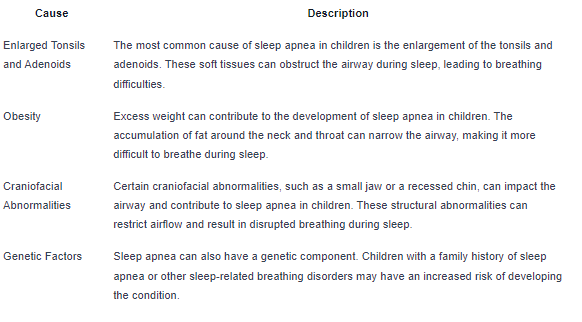
    Common Causes of Sleep Apnea in Children

    Sleep apnea in children can have various causes, including:

    __wf_reserved_inherit

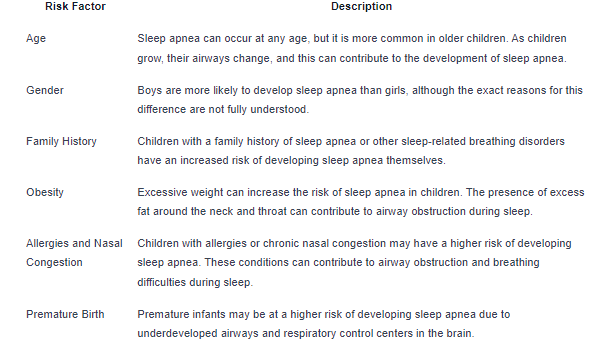
    Risk Factors Associated with Children’s Sleep Apnea

    Several risk factors can increase the likelihood of children developing sleep apnea. These risk factors include:

    __wf_reserved_inherit

    By understanding the common causes and risk factors associated with children’s sleep apnea, parents and healthcare providers can better identify and address this sleep disorder. It is important to consult with a healthcare professional for an accurate diagnosis and appropriate treatment options tailored to the child’s specific needs.

    __wf_reserved_inherit

    Impact on Children’s Health

    Sleep apnea can have significant effects on the health of children if left untreated. It is important to understand the potential consequences that sleep apnea can have on a child’s overall well-being.

    Effects of Untreated Sleep Apnea on Children’s Health

    Untreated sleep apnea in children can lead to a range of health issues. The intermittent pauses in breathing during sleep can disrupt the normal sleep patterns, resulting in poor quality sleep. This can lead to daytime sleepiness and fatigue, affecting a child’s overall mood, behavior, and cognitive function.

    Effects of Untreated Sleep Apnea on Children’s Health

    Daytime sleepiness

    Fatigue

    Poor concentration

    Behavioral problems

    Mood disturbances

    Growth and development issues

    Cardiovascular problems

    Increased risk of accidents

    The fragmented sleep caused by sleep apnea can also impact a child’s growth and development. Growth hormone is primarily released during deep sleep, and when sleep is disrupted, the production of growth hormone can be affected. This may lead to growth delays in children with untreated sleep apnea.

    Furthermore, sleep apnea can strain the cardiovascular system. The repeated episodes of oxygen deprivation during sleep can put stress on the heart and increase the risk of high blood pressure and other cardiovascular problems in children.

    Potential Long-term Consequences

    If left untreated, sleep apnea in children can have long-term consequences. The chronic sleep deprivation and oxygen deprivation that occur with sleep apnea can have a cumulative effect on a child’s health and development.

    Potential Long-term Consequences of Untreated Sleep Apnea

    Cardiovascular diseases

    Neurocognitive deficits

    Learning difficulties

    Behavioral disorders

    Impaired quality of life

    Children with untreated sleep apnea are at a higher risk of developing cardiovascular diseases later in life. The strain on the heart and blood vessels can contribute to the development of conditions such as high blood pressure, heart disease, and stroke.

    Sleep apnea can also impact a child’s neurocognitive function. The disrupted sleep and oxygen deprivation can lead to difficulties with memory, attention, and problem-solving skills. This can affect academic performance and overall cognitive development.

    In addition, untreated sleep apnea has been associated with an increased risk of behavioral disorders and learning difficulties in children. The lack of quality sleep can contribute to hyperactivity, impulsivity, and poor emotional regulation.

    It is important to recognize the potential long-term consequences of untreated sleep apnea in children and seek appropriate diagnosis and treatment. Early intervention can help mitigate these effects and improve a child’s overall health and quality of life.

    Diagnosis and Treatment

    When it comes to sleep apnea in children, early diagnosis and appropriate treatment are essential for managing this condition effectively. In this section, we will explore how sleep apnea in children is diagnosed and the various treatment options available.

    How Sleep Apnea in Children is Diagnosed

    Diagnosing sleep apnea in children usually involves a combination of medical history evaluation, physical examination, and sleep studies. Here are some common methods used in the diagnosis:

    1. Medical History Evaluation: The healthcare provider will inquire about the child’s sleep patterns, symptoms, and overall health. They may also ask about any underlying medical conditions or family history of sleep apnea.
    2. Physical Examination: During a physical examination, the healthcare provider will assess the child’s airway, tonsils, and adenoids. Enlarged tonsils and adenoids are common contributors to sleep apnea in children.
    3. Sleep Studies: Polysomnography (PSG) is the gold standard for diagnosing sleep apnea. This test is conducted overnight in a sleep laboratory or sometimes at home. It involves monitoring various parameters, including brain wave activity, oxygen levels, heart rate, breathing patterns, and movement.

    Sleep studies help identify the severity of sleep apnea, the frequency of apneas and hypopneas (partial blockages), and the impact on sleep quality.

    Treatment Options for Children with Sleep Apnea

    Treating sleep apnea in children typically involves a multi-disciplinary approach, addressing the underlying causes and alleviating symptoms. The treatment options may vary depending on the severity of the condition and the child’s individual needs. Here are some common treatment approaches:

    1. Adenotonsillectomy: If enlarged tonsils and adenoids are identified as the main cause of sleep apnea, surgical removal (adenotonsillectomy) may be recommended. This procedure can improve airflow and alleviate symptoms in many cases.
    2. Continuous Positive Airway Pressure (CPAP): CPAP therapy involves wearing a mask over the nose (or nose and mouth) during sleep. The mask is connected to a machine that delivers a continuous flow of air, keeping the airway open and preventing apneas. CPAP is often prescribed for children with moderate to severe sleep apnea or those who do not show improvement after adenotonsillectomy.
    3. Weight Management: In cases where obesity or excess weight is a contributing factor, weight management strategies may be suggested. Encouraging a healthy diet, regular exercise, and lifestyle modifications can help improve sleep apnea symptoms.
    4. Orthodontic Treatment: For children with structural abnormalities in the jaw or facial bones, orthodontic interventions, such as the use of oral appliances, may be recommended to improve airway function during sleep.
    5. Positional Therapy: Some children experience more pronounced sleep apnea when sleeping in certain positions. In such cases, positional therapy, such as using specialized pillows or devices to encourage side sleeping, may be suggested.
    6. Behavioral Modifications: Certain lifestyle adjustments can also help manage sleep apnea in children. These may include establishing a regular sleep routine, maintaining a conducive sleep environment, and avoiding triggers like allergens or irritants.

    It is important for parents and caregivers to work closely with healthcare professionals to determine the most appropriate treatment plan for their child. Regular monitoring and follow-up visits are crucial to assess the effectiveness of the chosen treatment and make any necessary adjustments. By addressing sleep apnea in children promptly and effectively, we can help improve their overall sleep quality and ensure their well-being.

    __wf_reserved_inherit

    Lifestyle and Home Remedies

    To help manage children’s sleep apnea, certain lifestyle changes can be beneficial. Additionally, there are home remedies and tips that can improve sleep quality for children with sleep apnea.

    Lifestyle Changes to Help Manage Children’s Sleep Apnea

    Implementing the following lifestyle changes can contribute to managing children’s sleep apnea:

    1. Maintain a consistent sleep schedule: Establish a regular bedtime routine and ensure that your child gets the recommended amount of sleep for their age group.
    2. Create a conducive sleep environment: Make sure your child’s bedroom is dark, quiet, and comfortable. Use a humidifier to keep the air moist, as dry air can irritate the airways.
    3. Encourage regular exercise: Engage your child in age-appropriate physical activities to promote overall health and potentially improve sleep patterns.
    4. Promote a healthy diet: Provide a well-balanced diet rich in fruits, vegetables, whole grains, and lean proteins. Avoid heavy meals close to bedtime.
    5. Limit screen time before bed: Minimize your child’s exposure to electronic devices, such as TVs, smartphones, and tablets, at least one hour before bedtime. The blue light emitted by these devices can disrupt sleep.

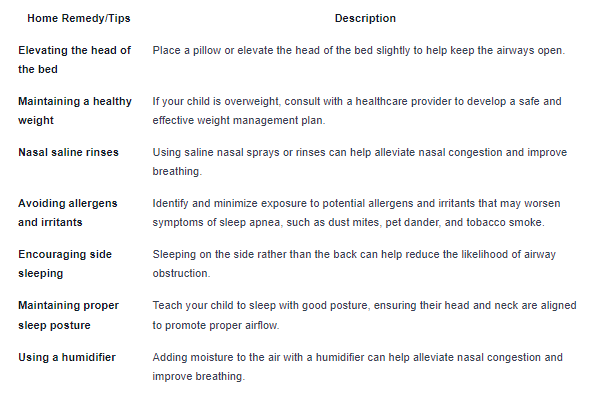
    Home Remedies and Tips for Improving Sleep Quality

    In addition to lifestyle changes, there are several home remedies and tips that can help improve sleep quality for children with sleep apnea:

    __wf_reserved_inherit

    While these lifestyle changes, home remedies, and tips may be helpful in managing sleep apnea in children, it’s important to consult with a healthcare provider for a comprehensive evaluation and personalized treatment plan. Regular monitoring and follow-up appointments are crucial to ensure the effectiveness of the chosen approach and the overall well-being of your child.

    Seeking Professional Help

    In cases where children exhibit signs and symptoms of sleep apnea, it is crucial to consult a healthcare provider for proper evaluation and management. Timely professional help can make a significant difference in addressing children’s sleep apnea and improving their overall health and well-being.

    When to Consult a Healthcare Provider

    If you suspect that your child may be experiencing sleep apnea, it is important to seek medical advice. While occasional snoring is common in children, persistent and loud snoring, along with other symptoms, may indicate the presence of sleep apnea. Here are some signs that should prompt you to consult a healthcare provider:

    • Loud, frequent snoring
    • Pauses in breathing during sleep
    • Gasping or choking sounds during sleep
    • Restless sleep or frequent awakenings
    • Excessive daytime sleepiness or fatigue
    • Behavioral problems or difficulties with attention and learning
    • Bedwetting

    A healthcare provider, such as a pediatrician or sleep specialist, can conduct a thorough evaluation to determine if sleep apnea is the underlying cause of these symptoms. They may recommend further diagnostic testing, such as a sleep study, to monitor your child’s sleep patterns and breathing during sleep.

    Importance of Regular Monitoring and Follow-up

    Once a diagnosis of sleep apnea is established, it is essential to initiate appropriate treatment and maintain regular monitoring and follow-up with healthcare professionals. Regular monitoring helps to assess the effectiveness of the treatment plan and make any necessary adjustments.

    During follow-up visits, healthcare providers may evaluate your child’s response to treatment, monitor their sleep quality, and assess any changes in symptoms. They may also provide guidance on lifestyle modifications and discuss strategies to improve sleep hygiene.

    By staying engaged with healthcare professionals, you can ensure that your child’s sleep apnea is effectively managed. Regular monitoring and follow-up help to address any concerns, track progress, and make any necessary modifications to the treatment plan.

    Remember, sleep apnea in children is a treatable condition, and seeking professional help is crucial for the well-being of your child. By working collaboratively with healthcare providers, you can provide the necessary support and care to improve your child’s sleep quality and overall health.

    Sources

    https://www.mayoclinic.org/diseases-conditions/pediatric-sleep-apnea/symptoms-causes/syc-20376196

    https://www.archildrens.org/blog/how-to-tell-if-your-child-has-sleep-apnea#:~:text=It%20is%

    https://kidshealth.org/en/parents/apnea.html

  • What Parents Should Know About Hand-Foot-and-Mouth Disease

    What Parents Should Know About Hand-Foot-and-Mouth Disease

    Essential Insights on Hand-Foot-and-Mouth Disease for Parents

    Understanding Hand-Foot-and-Mouth Disease

    Hand-foot-and-mouth disease (HFMD) is a common viral illness that predominantly affects children under the age of 10, yet often worries parents due to its contagious nature and uncomfortable symptoms. Despite its prevalence, there are effective ways to manage and prevent HFMD through informed care and hygiene practices. In this article, we will explore the symptoms, treatment options, preventive measures, and critical advice for parents dealing with HFMD in children.

    Recognizing the Symptoms of HFMD

    Understanding the Symptoms of Hand, Foot, and Mouth Disease

    What are the symptoms of hand, foot, and mouth disease?

    Symptoms of hand, foot, and mouth disease (HFMD) typically begin with flu-like signs, such as fever, sore throat, and general discomfort. After a couple of days, painful mouth sores develop, starting as small red spots that can evolve into blisters, leading to difficulty when swallowing. Additionally, a skin rash may occur on the palms of the hands, soles of the feet, and possibly other body areas, consisting of red spots that might become itchy and blistered.

    Common signs parents should be aware of

    Parents should be mindful of:

    • Irritability: Children may be more fussy than usual due to discomfort.
    • Drooling: Painful sores can hinder swallowing, causing drooling.
    • Loss of appetite: Due to mouth pain.
    • Abdominal issues: Some may experience stomach pain or loose stools.

    Other symptoms may include nausea or vomiting, creating further concerns for hydration.

    How symptoms progress

    The progression of HFMD symptoms generally follows a pattern. After the initial flu-like symptoms:

    1. Mouth sores appear within 1-2 days, typically at the back of the throat.
    2. Rashes on the hands and feet may appear, usually following the onset of mouth sores.
    3. Recovery often occurs within 7 to 10 days, although complications such as dehydration can arise, warranting careful monitoring by parents.

    Transmission and Causes of Hand-Foot-and-Mouth Disease

    Transmission and Causes of HFMD

    How is hand, foot, and mouth disease transmitted and what causes it?

    Hand, foot, and mouth disease (HFMD) is primarily caused by enteroviruses, mainly coxsackievirus A16 and enterovirus A71. These viruses are responsible for the characteristic painful blisters found in the mouth and rashes on the hands and feet.

    HFMD spreads easily through various means:

    • Direct Contact: The virus is transmitted via infected saliva, mucus, and feces of an infected person.
    • Respiratory Droplets: Coughing, sneezing, or talking can release droplets containing the virus into the air, making it a risk for those nearby.
    • Contaminated Surfaces: The virus can survive on surfaces for extended periods. Touching these contaminated surfaces and then touching the mouth or face can lead to infection.
    • Fecal-Oral Routes: Particularly in young children, the virus can be spread during diaper changes or through contact with contaminated hands.

    Contagious period

    HFMD is most contagious during the first week after symptoms appear, but the virus can still be present in the stool for several weeks after the initial illness has resolved. This makes managing hygiene and monitoring symptoms crucial for preventing its spread, especially in environments like daycares and schools.

    Preventive Measures
    In addition to awareness, preventive strategies are essential:

    • Frequent Hand Washing: Regular washing with soap and water, especially after changing diapers or caring for sick children, helps reduce transmission.
    • Disinfecting Surfaces: Routinely cleaning commonly touched surfaces can significantly lower the risk of outbreaks.

    Treatment Options for Hand-Foot-and-Mouth Disease

    Treatment Options for HFMD

    What are the treatment options for hand, foot, and mouth disease?

    Hand, foot, and mouth disease (HFMD) typically resolves on its own within 7 to 10 days, and there is no specific antiviral treatment available. Most management focuses on symptomatic relief.

    Home care strategies

    Parents can employ various home care strategies to make a child more comfortable:

    • Soft foods: Providing cold, soft foods like yogurt and applesauce can ease discomfort during meals.
    • Pain relief: Over-the-counter medications, such as acetaminophen or ibuprofen, help reduce fever and alleviate pain associated with mouth sores. Aspirin should always be avoided in young children due to the risk of Reye’s syndrome.
    • Oral rinses: Using topical oral anesthetics may provide additional relief from painful mouth lesions.

    Importance of hydration

    Hydration is crucial since painful mouth sores can inhibit a child’s ability to swallow. Signs of dehydration include a dry mouth and decreased urination. Parents should encourage fluid intake, offering:

    • Fluids: Water, diluted fruit juices, or electrolyte solutions can keep the child hydrated.
    • Ice chips or popsicles: These can soothe the throat while providing necessary hydration.

    Preventive hygiene measures

    Additionally, maintaining good hygiene is vital. This includes frequent handwashing and sanitizing shared surfaces to mitigate the spread of the virus, especially in daycare settings, making it easier to manage and prevent HFMD.

    Preventive Measures Against HFMD

    Preventive Measures to Combat HFMD

    What preventive measures can be taken against hand, foot, and mouth disease?

    Preventive measures against hand, foot, and mouth disease (HFMD) are vital in controlling its spread, especially in environments like daycares and schools where children are in close contact.

    Hygiene practices

    The first line of defense is frequent handwashing. Children should wash their hands with soap and water for at least 20 seconds, particularly after using the toilet, changing diapers, and before meals. In instances where soap and water are not available, alcohol-based hand sanitizers can be used, although washing is preferred. Parents and caregivers should assist younger children to ensure proper technique are followed.

    Reducing transmission

    Avoiding close contact with those infected with HFMD is crucial due to its high contagiousness. Children should be instructed not to share personal items such as utensils or towels. Teaching them not to touch their face, mouth, or eyes will also help reduce the risk of infection. Practicing proper cough and sneeze etiquette—using a tissue or elbow—can prevent respiratory droplet transmission.

    Sanitization and isolation

    Regularly disinfecting frequently touched surfaces and shared items, like toys and countertops, greatly reduces transmission risk. Surfaces should be wiped down with suitable disinfectants, especially in communal areas. Lastly, keeping sick children at home until they are feeling better and their blisters are dry is essential to prevent further outbreaks.
    Adhering to these preventive measures helps protect children from HFMD, ensuring healthier environments.

    When to Seek Medical Help

    When to Seek Medical Help for HFMD

    Signs that require medical attention

    Parents and caregivers should be vigilant for specific signs indicating that medical help may be necessary for hand, foot, and mouth disease (HFMD). This includes a high fever persisting for more than 72 hours, severe pain that disrupts regular activities, and signs of dehydration, such as a dry mouth or decreased urine output. Infants under three months with a fever of 38°C (101°F) or higher and children aged three to six months with a fever of 39°C (102°F) require immediate evaluation by a healthcare provider.

    Potential complications

    While HFMD is generally mild, potential complications can occur. Severe dehydration due to painful mouth sores preventing fluid intake can be dangerous. In rare cases, the disease may lead to serious issues like viral meningitis or encephalitis-conditions that necessitate urgent medical attention.

    Monitoring symptoms

    Monitoring symptom progression is crucial. If symptoms worsen after a few days, such as an increasing rash or infection signs around blisters, it’s essential to consult a medical professional. Additionally, if a child exhibits unusual lethargy or difficulty waking up, these could be alarming indicators of a severe reaction requiring medical intervention. Prompt attention to concerning symptoms can significantly impact recovery and overall well-being.

    Care Guidelines for Affected Children

    What care guidelines should be followed for children with hand, foot, and mouth disease?

    For children with hand, foot, and mouth disease (HFMD), managing symptoms while preventing dehydration is crucial. Parents should encourage their child to drink plenty of fluids, as the painful mouth sores can make swallowing uncomfortable. Soft foods, such as yogurt or applesauce, can help ease discomfort, while hot or acidic foods should be avoided since they may exacerbate the pain.

    Over-the-counter pain relievers such as acetaminophen or ibuprofen can provide relief from fever and pain, ensuring the child’s comfort during recovery. It is important to monitor for any signs of dehydration, which might include a dry mouth or decreased urination.

    How to prevent spread at home?

    To prevent the spread of HFMD at home, good hygiene practices are essential. Regular handwashing with soap and water, especially after changing diapers or caring for an infected child, greatly reduces the risk of virus transmission. Disinfecting surfaces and frequently touched items, such as toys and doorknobs, can further minimize spread within the household.

    When can children return to school or daycare?

    Children should stay home until they have been fever-free for at least 24 hours and feel well enough to engage in daily activities. This typically takes about 7 to 10 days. Most childcare centers follow these guidelines, allowing a return as long as symptoms have improved and children are no longer contagious.

    Following these care guidelines can help ensure a smoother and healthier recovery for children affected by HFMD.

    Key Takeaways for Managing HFMD

    While hand-foot-and-mouth disease is usually mild, its contagious nature means that parents must be vigilant in recognizing symptoms and undertaking preventive measures. Focusing on hygiene, determining when to seek medical care, and accurately managing symptoms are crucial steps. By understanding HFMD, parents can help reduce the spread of the virus and ensure a swift recovery for their children.

    References

  • How to Prepare Your Home for Pediatric Medical Equipment Installation

    How to Prepare Your Home for Pediatric Medical Equipment Installation

    Preparing Your Space for Pediatric Medical Needs

    Introduction

    Bringing medical equipment into your home for a medically fragile child can be daunting, but preparation and understanding can ease the transition. This guide will walk you through the vital steps to ready your home for this crucial aspect of care, ensuring safety and accessibility for your child.

    Understanding Pediatric Medical Equipment Needs

    Explore Essential Pediatric Equipment for Home Care

    What types of pediatric medical equipment might be needed at home?

    Pediatric medical equipment needs vary considerably depending on the individual health requirements of children, especially for those with special healthcare needs. Some commonly required items include:

    • Smaller-sized monitoring tools: This includes age-appropriate blood pressure cuffs and specialized attachments for otoscopes and ophthalmoscopes to facilitate accurate assessment.
    • Pediatric beds: Designed to offer both comfort and safety, these beds typically feature adjustable height settings to aid caregivers while minimizing the risk of injury during care routines.
    • Pediatric exam tables: These tables ensure that children are comfortable during medical assessments; many come equipped with built-in scales for convenience and supplemental storage.
    • Emergency medical carts: Organized with color-coded drawers, these carts allow for quick access to essential medications and supplies tailored to the needs of younger patients.
    • Respiratory aids: Equipment such as nebulizers and CPAP machines is critical for children who require breathing support.
    • Feeding devices: Items like NG tubes and G-tubes are essential for children with feeding challenges.

    These pieces of equipment not only support day-to-day health management but also play a crucial role during emergencies, providing families with the tools they need to maintain their child’s wellbeing at home.

    Navigating Medical Equipment Coverage and Financial Assistance

    Understanding Medicare Coverage for Home Medical Equipment

    What are some examples of home medical equipment that can be covered by Medicare?

    Medicare provides coverage for numerous types of durable medical equipment (DME) necessary for home use, assuming they are prescribed by a healthcare professional enrolled in Medicare. Some commonly covered items include:

    Equipment Type Description Additional Notes
    Blood Sugar Meters Used for monitoring blood glucose levels in diabetes patients. Essential for managing diabetes effectively.
    CPAP Machines Continuous positive airway pressure devices used for sleep apnea. Often requires prior authorization.
    Wheelchairs Mobility aids that help individuals with limited movement. Both manual and powered options are available.
    Oxygen Tanks Provide supplementary oxygen for patients with respiratory issues. Coverage may include rental or purchase.
    Hospital Beds Adjustable beds designed for patient comfort and care. May be equipped with special features.
    Custom-Molded Shoes Designed to address diabetes-related foot issues. Important for preventing complications.
    Walkers Assistive devices to improve mobility and balance. May come with wheels or fixed legs.
    Power Scooters Battery-powered scooters for mobility within the home and community. Helps those with significant mobility challenges.

    After reaching the Part B deductible, patients usually are responsible for 20% of the approved amount for these items. To qualify for Medicare’s coverage, the equipment must be deemed necessary for medical purposes, suitable for home use, and expected to last at least three years.

    Financial assistance and insurance details

    Families looking to obtain home medical equipment can also benefit from understanding their insurance coverage. Medicaid and private health insurance may cover the cost of DME if it is prescribed as medically necessary. Families should check specific benefits, coverage limits, and prior authorization requirements with their insurance providers. Additionally, organizations and health services often offer financial assistance programs for those who may find costs challenging.

    Being informed about both Medicare coverage and available financial assistance options can help families manage the complex landscape of home medical equipment availability and ensure they have the necessary resources for their children’s health requirements.

    Creating a Safe and Accessible Environment

    Preparing Your Home for Pediatric Medical Needs

    Safety Assessments of the Home

    When preparing a home for pediatric medical equipment, conducting a thorough safety assessment is crucial. This evaluation includes verifying that care areas are free from hazards and well-equipped for the specific medical needs of the child. Engage with durable medical equipment (DME) representatives and home health agencies to carry out these assessments effectively. They will assess factors like electrical outlets, space for maneuverability, and safety features to ensure everything is in place for both the child’s safety and caregiver accessibility.

    Space Planning and Accessibility Adjustments

    Space planning is an essential component when setting up for pediatric home care. Designate a specific area for medical equipment to ensure that it is easily accessible during emergencies. Consider arranging the furniture to accommodate items like wheelchairs or walkers, ensuring that the equipment does not obstruct pathways.

    Additionally, check that the equipment can fit comfortably, particularly in high-use areas such as bedrooms or living rooms. It’s vital to majorly consider the layout on the ground floor to allow easy access for caregivers. Family members should be educated on the equipment’s purpose, enabling them to adjust to this setup while contributing to a supportive environment where the child’s needs are met efficiently.

    Effective Organization and Storage Strategies

    Strategies for Organizing Medical Equipment

    How can you organize and store medical equipment at home effectively?

    Effective organization of medical equipment at home enhances safety and efficiency, providing peace of mind for caregivers and families. Begin by taking an inventory of all medical supplies to ensure you have everything necessary for your child’s care setup. After inventory, designate a specific storage area, such as a shelf, cabinet, or a dedicated room, to keep all equipment organized and easily accessible, especially during emergencies.

    Using clear plastic containers is a smart choice as they allow for better visibility of supplies. Labeling bins and drawers can help occupants quickly identify contents, which is crucial when time is of the essence. Regularly checking expiration dates is essential; adopting the FIFO (First In, First Out) method ensures that supplies are used before they expire.

    It’s prudent to maintain an emergency kit stocked with duplicate essential supplies. Regularly verify its contents to ensure readiness for unexpected situations. Consider dividing the storage into categories based on types of medical needs and equipment, which helps in streamlining supplies while ensuring accessibility in stressful moments. This organized approach will aid caregivers in managing their child’s specific health needs effectively.

    Maintaining Hygiene and Equipment Functionality

    Best Practices for Cleaning Pediatric Medical Equipment

    What are the best practices for cleaning pediatric medical equipment?

    Keeping pediatric medical equipment clean is vital to prevent infections and ensure optimal functioning. Here are some recommended practices:

    • Hand Hygiene: Always wash hands thoroughly before and after handling medical equipment.
    • Disassembly: Carefully disassemble the equipment after each use to reach all components for cleaning.
    • Rinsing: Rinse disassembled parts in warm water to remove organic materials.
    • Air Drying: Allow all parts to air dry on a clean towel to discourage bacteria growth.

    For daily cleaning, it’s advisable to use mild dish detergent along with soft brushes for thorough cleaning. Special attention should be paid to tracheostomy speaking valves. Remember to rinse these components with boiled water to ensure they are sanitized.

    Additionally, conduct weekly disinfecting routines. This involves soaking pieces in a vinegar solution, rinsing, and air drying. High-touch surfaces and non-critical medical devices should be wiped down with EPA-registered disinfectants regularly to further reduce infection risks.

    • PPE Use: Wearing personal protective equipment (PPE) during cleaning is essential to maintain safety for both the caregiver and the child throughout this process. Protecting oneself while ensuring the hygiene of medical devices creates a safer environment for care.

    Incorporating these best practices in everyday care routines can greatly enhance the health outcomes for children relying on medical equipment.

    Preparing for the Transition from Hospital to Home

    How can parents prepare for the transition from hospital to home with medical equipment for their child?

    Preparing for the transition from the hospital to home involves several crucial steps to ensure a seamless process. Parents can start by learning how to operate the necessary medical devices in the hospital. This crucial training allows families to ask questions and clarify any doubts about using medical equipment safely.

    Creating a safe and accessible home environment is vital. This may include rearranging furniture to accommodate medical equipment, ensuring electrical sockets are available for devices, and having backup power supplies ready for essential equipment such as nebulizers or monitors.

    It’s essential for families to develop a comprehensive transition plan in collaboration with their healthcare providers. This plan should clarify medication schedules, daily care instructions, and other important considerations for home management. Emergency preparedness is an important aspect of this plan—families should maintain a list of emergency contacts and establish communication protocols with local utility companies regarding the child’s medical needs.

    Additionally, building rapport with the home care team and maintaining an organized care routine can significantly ease the transition. Organizing supplies, keeping medical records easily accessible, and scheduling periodic check-ins with healthcare professionals can help ensure that the child’s health and well-being are maintained effectively.

    Engaging with Professional Support and Resources

    Role of Pediatric Health Services

    Pediatric health services play a crucial role in the care of children with special healthcare needs. These professionals, including registered nurses and respiratory therapists, provide essential guidance on managing medical equipment and home care routines. They assess the child’s needs, offer training on how to use specific devices effectively, and provide continued support through follow-up visits. This ensures that families are not only informed but also empowered to manage their child’s care effectively at home.

    Support from DME Companies and Home Health Agencies

    Durable Medical Equipment (DME) companies are vital partners in home care. After a physician prescribes necessary equipment, these companies arrange for delivery, setup, and training within the home environment. They ensure equipment is adapted to the child’s needs and conduct safety assessments to confirm proper installation, facilitating a smooth transition home. Home health agencies also offer valuable assistance, helping families navigate the complexities of pediatric care through safety evaluations and ongoing support services, easing the burden on caregivers.

    Service Type Examples Benefits
    Pediatric Health Services Nursing care, respiratory therapy Professional guidance, training, and emotional support
    DME Companies Equipment delivery, setup, and training Accessibility, tailored solutions, and safety assessments
    Home Health Agencies Safety assessments and ongoing care support Help in navigating care, reducing caregiver stress

    Conclusion

    Preparing your home for pediatric medical equipment installation involves understanding the equipment, planning your space efficiently, and ensuring safety and hygiene. With these steps, parents and caregivers can feel confident in managing their child’s medical care, making home a secure and comforting environment for their child’s needs. Coordination with healthcare providers and utilizing available resources can fortify the support system around you, ensuring a well-prepared home and peace of mind.

    References

  • Choosing the Right Pediatric Equipment for your Childs Needs

    Choosing the Right Pediatric Equipment for your Childs Needs

    Discover the art of choosing the right pediatric equipment for your child’s needs. Empower parents with expert guidance!

    Navigating Pediatric Equipment

    When it comes to pediatric equipment, choosing the right tools for your child’s specific needs is paramount. Understanding the importance of selecting appropriate pediatric equipment and considering key factors in the decision-making process are crucial aspects of navigating this field effectively.

    __wf_reserved_inherit

    Importance of Choosing the Right Pediatric Equipment

    Selecting the correct pediatric equipment is vital to ensure the safety, comfort, and overall well-being of children with special needs or specific requirements. The right equipment can enhance their mobility, support their development, and empower them to engage in daily activities more independently. By providing tailored pediatric equipment, caregivers can create a supportive environment that promotes growth and enables children to thrive.

    Factors to Consider When Selecting Pediatric Equipment

    When choosing pediatric equipment for your child, several factors should be taken into account to make informed decisions. Considerations such as the child’s age, size, specific needs, and any medical conditions play a crucial role in determining the most suitable equipment. Additionally, factors like durability, ease of use, adjustability, and safety features should be carefully evaluated to ensure the equipment meets both the child’s requirements and the caregiver’s preferences.

    __wf_reserved_inherit

    By carefully evaluating these factors and understanding the significance of choosing the right pediatric equipment, caregivers can effectively navigate the diverse range of options available and provide their children with the support and assistance they need to thrive.

    Mobility Aids

    When it comes to pediatric equipment, choosing the right mobility aids is essential to enhance a child’s independence and quality of life. Mobility aids help children move around safely and comfortably in various environments. In this section, we will explore three common types of mobility aids for children: wheelchairs, walkers, and crutches.

    Wheelchairs

    Wheelchairs are vital pediatric equipment for children who have difficulty walking or need assistance with mobility. These devices provide support and convenience, allowing children to move around with ease. Wheelchairs come in different sizes and designs to accommodate varying needs and preferences.

    __wf_reserved_inherit

    Walkers

    Walkers are another type of mobility aid that can assist children with balance and stability while walking. Walkers provide support and help children maintain an upright posture while moving. These aids are particularly useful for children who are learning to walk or have mobility challenges.

    __wf_reserved_inherit

    Crutches

    Crutches are pediatric equipment commonly used to assist children with mobility issues affecting one leg or foot. Crutches provide support and help distribute weight evenly while walking. They come in different sizes and styles to accommodate children of various ages and heights.

    __wf_reserved_inherit

    Choosing the right mobility aids for children involves considering factors such as the child’s mobility needs, size, comfort, and safety. Consulting with healthcare professionals and therapists can help parents make informed decisions when selecting pediatric equipment for their child’s specific requirements.

    Adaptive Seating

    When it comes to selecting the appropriate pediatric equipment for your child’s needs, adaptive seating plays a crucial role in ensuring comfort and support. In this section, we will explore three essential types of adaptive seating: high chairs, booster seats, and specialized chairs.

    High Chairs

    High chairs are designed to provide a safe and elevated seating option for infants and young children during meal times. These chairs typically come with a tray for easy feeding and are adjustable to accommodate the child’s growth. High chairs offer stability and security, allowing children to sit comfortably while enjoying their meals.

    Booster Seats

    Booster seats are another popular choice for children who have outgrown high chairs but still need additional support to reach the table. These seats elevate the child to the appropriate height for dining and activities, promoting proper posture and independence. Booster seats are portable and can be easily attached to regular dining chairs, making them a versatile seating solution for various settings.

    Specialized Chairs

    Specialized chairs are designed to meet the specific needs of children with physical disabilities or mobility challenges. These chairs provide customized support and positioning to promote comfort and improve posture. Specialized chairs come in various configurations, such as tilt-in-space, reclining, and supportive seating options, tailored to the individual requirements of each child.

    __wf_reserved_inherit

    By considering the unique characteristics of high chairs, booster seats, and specialized chairs, parents can make informed decisions when selecting adaptive seating for their child. It’s essential to assess the child’s comfort, safety, and functional requirements to choose the right pediatric equipment that best suits their individual needs.

    Assistive Devices

    When it comes to pediatric equipment, assistive devices play a crucial role in enhancing the quality of life for children with specific needs. Choosing the right assistive devices, such as hearing aids, glasses, and braces, can significantly impact a child’s overall well-being and development.

    Hearing Aids

    Hearing aids are essential devices for children with hearing impairments. These electronic devices are designed to amplify sound, making it easier for children to hear and communicate effectively. When selecting hearing aids for a child, it’s important to consider factors such as the type and degree of hearing loss, as well as the child’s age and lifestyle needs.

    __wf_reserved_inherit

    Glasses

    Glasses, or eyeglasses, are common visual aids for children with refractive errors such as myopia or hyperopia. By correcting vision problems, glasses help children see clearly and comfortably in their daily activities. When choosing glasses for a child, factors like prescription strength, frame durability, and lens material should be taken into consideration.

    __wf_reserved_inherit

    Braces

    Braces are orthodontic devices used to correct dental alignment and bite issues in children. By applying gentle and continuous pressure on the teeth and jaws, braces help to gradually straighten misaligned teeth and improve overall oral health. When selecting braces for a child, factors such as the type of malocclusion, treatment duration, and maintenance requirements should be taken into account.

    __wf_reserved_inherit

    Choosing the right assistive devices for your child’s specific needs involves careful consideration of various factors to ensure optimal support and effectiveness in addressing their unique requirements. By understanding the options available and consulting with healthcare professionals, parents can make informed decisions to enhance their child’s quality of life.

    Daily Living Aids

    Daily living aids play a crucial role in enhancing the quality of life for children who require pediatric equipment. Within this category, feeding equipment, bathing aids, and dressing aids are essential components to consider when choosing the right pediatric equipment for your child’s needs.

    Feeding Equipment

    Feeding equipment encompasses a range of tools and devices designed to assist children with feeding difficulties or special needs. These aids are tailored to ensure safe and efficient feeding practices, promoting independence and comfort during meal times.

    When selecting feeding equipment, it’s important to consider factors such as material safety, ease of cleaning, and ergonomic design. Here are some common types of feeding aids:

    __wf_reserved_inherit

    By choosing the appropriate feeding equipment based on your child’s specific requirements, you can create a positive and supportive feeding environment.

    Bathing Aids

    Bathing aids are essential tools that provide assistance and safety during bath time for children with physical challenges or sensory sensitivities. These aids are designed to facilitate the bathing process while ensuring the comfort and well-being of the child.

    When selecting bathing aids, considerations should be given to stability, ease of use, and adaptability to the child’s unique needs. Some common types of bathing aids include:

    __wf_reserved_inherit

    By incorporating appropriate bathing aids into your child’s routine, you can promote independence and safety in the bathroom environment.

    Dressing Aids

    Dressing aids are specialized tools that assist children with dressing and grooming tasks, promoting self-reliance and autonomy in daily activities. These aids are designed to simplify clothing manipulation and improve dexterity for children who may face challenges with mobility or coordination.

    When choosing dressing aids, factors such as ease of use, comfort, and adaptability to different clothing styles should be taken into account. Some examples of dressing aids include:

    __wf_reserved_inherit

    By incorporating appropriate dressing aids into your child’s routine, you can promote self-care skills and confidence in managing daily dressing tasks.

    Safety Equipment

    Ensuring the safety of children at home is paramount, and the right safety equipment can play a crucial role in creating a secure environment. This section focuses on three essential types of safety equipment for children: bed rails, stair gates, and childproofing tools.

    Bed Rails

    Bed rails are designed to prevent children from falling out of bed during sleep. They provide a protective barrier along the edges of the bed, offering peace of mind to parents and caregivers. Bed rails come in various sizes and designs to suit different bed types and sizes.

    When selecting bed rails, it’s important to consider the height and compatibility with the child’s bed. The table below illustrates the typical dimensions of bed rails for reference:

    __wf_reserved_inherit

    Stair Gates

    Stair gates are essential for blocking off stairways and restricting access to potentially hazardous areas in the home. They help prevent falls and accidents, especially for young children who are learning to crawl or walk. Stair gates are available in different designs, including pressure-mounted and hardware-mounted options.

    When installing stair gates, ensure they are securely fastened and meet safety standards. The table below outlines common stair gate widths based on standard door sizes:

    __wf_reserved_inherit

    Childproofing Tools

    Childproofing tools encompass a range of items designed to make the home environment safer for children. These tools include outlet covers, cabinet locks, corner guards, and door stoppers, among others. Childproofing tools help prevent accidents and injuries by limiting access to potentially dangerous areas or objects.

    It is important to assess the specific safety needs of your home and choose childproofing tools accordingly. The focus should be on areas where children spend the most time or areas with potential hazards. Below are some common childproofing tools and their purposes:

    • Outlet Covers: Prevent electrical shock by covering unused outlets.
    • Cabinet Locks: Secure cabinets and drawers to keep harmful substances out of reach.
    • Corner Guards: Protect sharp corners of furniture to prevent injuries.
    • Door Stoppers: Safeguard fingers from being pinched by closing doors.

    By investing in the right safety equipment such as bed rails, stair gates, and childproofing tools, parents can create a safer environment for their children to explore and grow while minimizing the risk of accidents and injuries.

    Sources

    https://masvidahealth.com/dme/a-guide-to-pediatric-durable-medical-equipment/

    https://blog.cmecorp.com/pediatric-equipment-list-guide-to-pediatric-tools#:~:text=The

    https://rayatgrup.com/pediatric-equipment-list/

  • Complications of Suctioning and How to Prevent Them

    Complications of Suctioning and How to Prevent Them

    Prevent complications from suctioning in healthcare with expert guidance and proactive measures. Keep your patients safe!

    Suctioning in Healthcare

    In the realm of healthcare, suctioning plays a pivotal role in ensuring the airways of patients remain clear and unobstructed. Understanding the significance of suctioning in medical procedures is essential for healthcare providers to deliver effective care.

    __wf_reserved_inherit

    Importance of Suctioning in Medical Procedures

    The primary purpose of suctioning in medical procedures is to remove secretions, blood, or foreign objects from the airways of patients who are unable to clear these obstructions independently. By effectively suctioning the airways, healthcare providers can prevent complications such as aspiration, respiratory distress, and even respiratory failure. Maintaining clear airways is crucial for proper oxygenation and ventilation, particularly in patients with conditions that compromise their respiratory function.

    Risks Associated with Improper Suctioning Techniques

    While suctioning is a valuable intervention, there are risks associated with improper technique or inadequate precautions. Failure to adhere to proper suctioning protocols can lead to various complications, including:

    __wf_reserved_inherit

    By understanding the risks associated with improper suctioning techniques, healthcare providers can implement preventive measures to mitigate these complications and ensure the safety and well-being of their patients. Proper training, adherence to established guidelines, and continuous evaluation of suctioning practices are essential steps in safeguarding suctioning scenarios and preventing potential complications.

    Common Complications of Suctioning

    When it comes to suctioning procedures in healthcare, there are several potential complications that healthcare providers need to be aware of in order to prevent adverse outcomes. Understanding and addressing these risks is crucial for maintaining patient safety and optimizing treatment effectiveness.

    Risk of Tissue Trauma

    One of the primary complications associated with suctioning is the risk of tissue trauma. The excessive or improper application of suction pressure can lead to damage to delicate mucosal tissues in the airways or other body parts. This can result in bleeding, inflammation, or even more severe complications if not managed promptly and appropriately.

    Potential Infections

    Another significant concern related to suctioning is the potential for infections to occur. During the suctioning process, there is a risk of introducing pathogens from the environment into the patient’s respiratory tract or other sterile body areas. This can increase the likelihood of respiratory infections, pneumonia, or other systemic infections if infection control measures are not strictly followed.

    Respiratory Distress

    Respiratory distress is a serious complication that can arise from suctioning procedures, particularly in patients with compromised respiratory function. Excessive suctioning or suctioning for prolonged periods can lead to airway irritation, bronchospasm, or oxygen desaturation, resulting in respiratory distress. Prompt recognition of respiratory distress during and after suctioning is essential for initiating appropriate interventions and preventing further complications.

    These common complications underscore the importance of adhering to best practices and guidelines when performing suctioning in healthcare settings. By being vigilant, well-trained, and equipped with the right knowledge and resources, healthcare providers can mitigate the risks associated with suctioning and ensure the safety and well-being of their patients.

    Preventative Measures

    In the realm of suctioning in healthcare, taking preventative measures is essential to minimize the risks of complications. Proper training and education, using the right equipment and supplies, and maintaining sterile techniques are crucial elements in safeguarding suctioning scenarios.

    Proper Training and Education

    Training and education play a pivotal role in ensuring healthcare professionals are adept in performing suctioning procedures accurately and safely. Proper training equips staff with the necessary knowledge and skills to assess patient needs, identify potential risks, and execute suctioning protocols effectively.

    Using the Right Equipment and Supplies

    Utilizing appropriate equipment and supplies is fundamental in optimizing suctioning outcomes and reducing the likelihood of complications. From suction catheters to suction machines, having the right tools for the task ensures efficient and effective removal of secretions or foreign objects without causing harm to the patient.

    Maintaining Sterile Techniques

    Maintaining sterile techniques during suctioning procedures is imperative for preventing infections and promoting patient safety. Adhering to strict protocols for hand hygiene, equipment sterilization, and barrier precautions helps mitigate the risk of introducing harmful pathogens into the patient’s airways.

    Adopting these preventative measures not only enhances the quality of care provided during suctioning but also contributes to overall patient well-being by reducing the potential for adverse outcomes. By prioritizing training, equipment selection, and infection control practices, healthcare facilities can establish a safe and reliable environment for suctioning procedures.

    Patient Preparation

    Before proceeding with suctioning procedures, it is essential to ensure that proper patient preparation is carried out to minimize the risk of complications. This involves assessing the patient’s suitability for suctioning, positioning them correctly for optimal suctioning, and providing the necessary comfort and support throughout the procedure.

    Assessing Patient Suitability for Suctioning

    Assessing the patient’s suitability for suctioning involves evaluating their medical condition and determining if suctioning is necessary. This assessment should consider factors such as the presence of secretions, the patient’s ability to tolerate the procedure, and any contraindications to suctioning.

    Positioning the Patient for Optimal Suctioning

    Proper patient positioning is crucial to ensure effective and safe suctioning. Positioning the patient in a semi-Fowler’s position or with their head slightly elevated can facilitate better access to the airways and improve the effectiveness of the suctioning procedure. Additionally, ensuring that the patient is comfortable and relaxed can help optimize the overall experience.

    Providing Comfort and Support

    During the suctioning procedure, it is important to prioritize the patient’s comfort and provide adequate support. This includes explaining the procedure to the patient, addressing any concerns or anxieties they may have, and ensuring that they feel secure throughout the process. Offering reassurance and maintaining open communication can help alleviate any discomfort and promote a more positive experience for the patient.

    By carefully assessing the patient’s suitability for suctioning, positioning them correctly, and providing the necessary comfort and support, healthcare professionals can help minimize the risk of complications and ensure the safety and well-being of the patient during suctioning procedures.

    Suctioning Procedures

    In the realm of healthcare, understanding proper suctioning procedures is paramount to ensure patient safety and prevent potential complications. This section delves into the step-by-step process of safe suctioning, the importance of monitoring the patient throughout and after the procedure, and how to effectively address any unexpected complications.

    Step-by-Step Guide to Safe Suctioning

    Proper suctioning is a critical skill in healthcare settings that involves removing secretions, blood, or other fluids from a patient’s airway to maintain clear breathing passages. Here is a general step-by-step guide to safe suctioning:

    __wf_reserved_inherit

    Adhering to these steps helps to minimize the risk of complications and ensures that suctioning is performed safely and effectively.

    Monitoring the Patient During and After the Procedure

    Continuous monitoring of the patient is essential during and after suctioning to promptly identify any adverse reactions or complications. Monitoring should include:

    • Respiratory Rate: Assess the patient’s breathing pattern and rate for any signs of distress.
    • Oxygen Saturation: Monitor oxygen levels using a pulse oximeter to ensure adequate oxygenation.
    • Cough Reflex: Evaluate the patient’s ability to cough effectively post-suctioning.
    • Color and Secretions: Observe the color and consistency of secretions suctioned to detect any abnormalities.

    Close observation allows healthcare providers to intervene quickly if any issues arise, ensuring the patient’s safety and well-being throughout the process.

    Addressing Unexpected Complications

    Despite adherence to proper suctioning protocols, unexpected complications can still occur. If complications arise during or after suctioning, healthcare professionals should be prepared to address them promptly. Common unexpected complications include:

    • Bleeding: Apply pressure to the site of bleeding and seek medical assistance if bleeding persists.
    • Bronchospasm: Administer bronchodilators as prescribed by the healthcare provider to alleviate bronchospasm.
    • Hypoxia: Provide supplemental oxygen and monitor the patient closely for signs of respiratory distress.

    Timely recognition and appropriate management of unexpected complications are essential to prevent further harm to the patient and ensure a successful outcome post-suctioning.

    By following a structured approach to suctioning, maintaining vigilant monitoring practices, and being prepared to manage unexpected complications, healthcare providers can safeguard suctioning scenarios and prioritize patient safety effectively.

    Evaluating and Improving Suctioning Practices

    Ensuring the safety and effectiveness of suctioning procedures in healthcare settings requires a proactive approach to evaluating and enhancing current practices. By regularly assessing procedures, seeking feedback, and implementing changes, healthcare providers can minimize the risk of complications and improve patient outcomes.

    Reviewing Procedures and Outcomes Regularly

    Periodic review of suctioning procedures and outcomes is essential for identifying areas of improvement and ensuring adherence to best practices. Healthcare facilities should establish protocols for routine evaluations to assess the effectiveness of current suctioning techniques.

    The table below outlines key areas to consider during the review process:

    __wf_reserved_inherit

    Incorporating Feedback and Continuous Learning

    Feedback from both healthcare providers and patients can offer valuable insights into the effectiveness of suctioning practices. Creating channels for open communication and feedback allows for the identification of challenges and opportunities for improvement.

    Key sources of feedback may include:

    • Patient satisfaction surveys
    • Staff feedback sessions
    • Incident reports and safety audits

    By actively engaging with feedback and embracing a culture of continuous learning, healthcare providers can adapt their suctioning practices to meet the evolving needs of patients and enhance overall safety standards.

    Implementing Changes for Safer Suctioning Practice

    Based on the insights gained from reviewing procedures and feedback, healthcare facilities should prioritize the implementation of necessary changes to enhance the safety and efficiency of suctioning practices. This may involve updating protocols, providing additional training to staff, or investing in improved suctioning equipment.

    It is crucial to establish a systematic approach to change implementation, ensuring that updates are communicated effectively, training is provided where needed, and outcomes are monitored to assess the impact of the changes.

    By committing to a process of continuous evaluation, feedback integration, and proactive change implementation, healthcare facilities can optimize their suctioning practices, reduce the risk of complications, and uphold high standards of patient care.

    Sources

    https://www.ncbi.nlm.nih.gov/books/NBK448077/#:~:text=Suctioning%20can%20stimulate%20the%20vagal,from%20blunt%20or%20penetrating%20trauma.

    https://blog.sscor.com/5-complications-of-suctioning-and-how-to-prevent-them

    https://my.clevelandclinic.org/health/procedures/tracheostomy-suctioning

  • What is Pediatric IV Therapy Equipment?

    What is Pediatric IV Therapy Equipment?

    Unlock the secrets of pediatric IV therapy equipment! Discover the components, types of solutions, and advancements in this essential medical field.

    __wf_reserved_inherit

    Pediatric IV Therapy Equipment: An Overview

    Pediatric IV therapy equipment plays a vital role in delivering intravenous (IV) fluids and medications to infants, children, and adolescents. This specialized equipment is designed to meet the unique needs and requirements of pediatric patients, ensuring safe and effective administration of IV therapy.

    Introduction to Pediatric IV Therapy Equipment

    Pediatric IV therapy equipment refers to a range of medical devices and supplies used in the delivery of fluids, medications, and nutrients through the veins of pediatric patients. These equipment include tools such as IV catheters, IV infusion pumps, and IV tubing with connectors. Each component serves a specific purpose in the administration of IV therapy, ensuring accurate and controlled delivery of fluids and medications.

    Importance of Pediatric IV Therapy Equipment

    The use of appropriate pediatric IV therapy equipment is of utmost importance in the healthcare of children. Pediatric patients have unique physiological characteristics that necessitate specialized equipment to ensure their safety and well-being during IV therapy.

    Using equipment specifically designed for pediatric patients helps healthcare providers achieve precise dosing, minimize complications, and provide optimal care. Additionally, pediatric IV therapy equipment takes into account the smaller size and delicate veins of children, ensuring that the devices are suitable and comfortable for their use.

    By utilizing pediatric-specific IV therapy equipment, healthcare professionals can deliver fluids, medications, and nutrients accurately and efficiently, allowing for better management of various conditions such as dehydration, infections, and chronic illnesses.

    In the following sections, we will explore the different components of pediatric IV therapy equipment, discuss the types of IV solutions commonly used, address special considerations, and delve into the administration and advancements of pediatric IV therapy equipment. Through a comprehensive understanding of these topics, healthcare providers can optimize the care they provide to pediatric patients requiring IV therapy.

    Components of Pediatric IV Therapy Equipment

    Pediatric IV therapy equipment consists of various components that play essential roles in delivering fluids and medications to young patients. These components include IV catheters, IV infusion pumps, and IV tubing with connectors.

    IV Catheters

    IV catheters, also known as IV cannulas, are thin, flexible tubes that are inserted into a vein to access the bloodstream. In pediatric IV therapy, catheters with smaller sizes and gauges are typically used to minimize discomfort and complications.

    The size and gauge of the IV catheter depend on factors such as the age and size of the child, as well as the type of therapy being administered. The following table provides a general overview of the sizes and gauges commonly used in pediatric IV therapy:

    __wf_reserved_inherit

    It’s important to note that these are general guidelines, and the appropriate size and gauge may vary depending on the specific needs of the patient and the therapy being administered.

    IV Infusion Pumps

    IV infusion pumps are devices used to accurately control the rate and volume of fluids and medications delivered through an IV catheter. These pumps provide a mechanism for delivering fluids continuously or intermittently, ensuring precise dosing for pediatric patients.

    Infusion pumps are equipped with various safety features to prevent over-infusion or under-infusion of fluids. They may have programmable settings for different flow rates, dose limits, and alarm systems to alert healthcare providers of any irregularities.

    IV Tubing and Connectors

    IV tubing and connectors are essential components that connect the IV catheter to the infusion pump or the IV bag containing the fluids or medications. The tubing is responsible for transporting the fluids from the bag to the patient’s bloodstream.

    The tubing used in pediatric IV therapy is typically designed to be smaller in diameter to accommodate the smaller volumes of fluid needed for children. Additionally, the connectors ensure a secure and leak-free connection between the IV catheter and the tubing.

    Proper care and maintenance of the IV tubing and connectors are crucial to prevent contamination and ensure the integrity of the IV system. Regular monitoring and replacement of these components are necessary to minimize the risk of infection or other complications.

    In summary, pediatric IV therapy equipment comprises IV catheters, IV infusion pumps, and IV tubing with connectors. Each component plays a vital role in delivering fluids and medications safely and accurately to pediatric patients. The selection and use of these components require careful consideration of factors such as the child’s age, size, and therapy requirements.

    __wf_reserved_inherit

    Types of IV Solutions Used in Pediatric IV Therapy

    In pediatric IV therapy, different types of IV solutions are used to meet specific medical needs. These solutions have varying concentrations of electrolytes and other substances that help maintain the body’s fluid balance. Let’s explore three common types of IV solutions used in pediatric IV therapy: isotonic solutions, hypertonic solutions, and hypotonic solutions.

    Isotonic Solutions

    Isotonic solutions have a similar concentration of solutes as the body’s cells and extracellular fluid. They are designed to maintain the body’s fluid balance and replenish lost fluids. Isotonic solutions are often used to treat dehydration, replace electrolytes, and deliver medications.

    Common examples of isotonic solutions used in pediatric IV therapy include:

    __wf_reserved_inherit

    Hypertonic Solutions

    Hypertonic solutions have a higher concentration of solutes compared to the body’s cells and extracellular fluid. These solutions are used to draw fluid from the body’s cells into the bloodstream, helping to reduce swelling or increase blood volume.

    Hypertonic solutions are typically administered in controlled settings under medical supervision. They are used for specific conditions such as severe hyponatremia or cerebral edema. Here are a few examples of hypertonic solutions used in pediatric IV therapy:

    __wf_reserved_inherit

    Hypotonic Solutions

    Hypotonic solutions have a lower concentration of solutes compared to the body’s cells and extracellular fluid. These solutions are used to hydrate the cells and replenish fluids in situations where there is a need to dilute extracellular fluid.

    Hypotonic solutions are generally used cautiously in pediatric IV therapy, as excessive administration can cause fluid shifts and electrolyte imbalances. They are used in specific cases, such as hypernatremia or when there is a need to reduce extracellular fluid concentration. Some examples of hypotonic solutions used in pediatric IV therapy include:

    __wf_reserved_inherit

    It’s important to note that the choice of IV solution in pediatric IV therapy is based on the specific medical condition and the individual needs of the patient. The administration of IV solutions should always be done under the guidance of healthcare professionals to ensure proper dosage, monitoring, and patient safety.

    Special Considerations for Pediatric IV Therapy Equipment

    When it comes to pediatric IV therapy, there are several important considerations that healthcare professionals must keep in mind. These considerations ensure the safe and effective administration of IV therapy to children. Some key factors to consider include the size and gauge of IV catheters, dosing and administration guidelines, and monitoring for complications.

    Size and Gauge of IV Catheters

    The size and gauge of IV catheters play a crucial role in pediatric IV therapy. Choosing the appropriate size and gauge is essential to ensure optimal blood flow and minimize the risk of complications. Here are some general guidelines for selecting IV catheters based on age:

    __wf_reserved_inherit

    It’s important to note that individual patient factors, such as the child’s condition and the purpose of the IV therapy, may influence the selection of the catheter size and gauge. Healthcare professionals should assess the child’s veins and consider the specific requirements of the therapy to make an informed decision.

    Dosing and Administration Guidelines

    Pediatric IV therapy requires careful consideration of dosing and administration guidelines to ensure the safety and efficacy of the treatment. The dosing of medications and fluids for children is typically based on the child’s weight, age, and condition. Healthcare professionals must calculate the appropriate dosage based on these factors and follow established guidelines for administration.

    To prevent medication errors and ensure accurate dosing, healthcare professionals should use weight-based dosing whenever possible. This approach takes into account the child’s weight and provides a more precise dosage calculation. Additionally, healthcare professionals should follow proper administration techniques, including the use of infusion pumps and specialized IV tubing, to ensure accurate and controlled delivery of fluids and medications.

    Monitoring and Complications

    Monitoring is a critical aspect of pediatric IV therapy to ensure the child’s safety and detect any complications that may arise. Healthcare professionals should closely monitor vital signs, such as heart rate, blood pressure, and oxygen saturation, to assess the child’s response to the therapy. Regular monitoring of the IV site for signs of infection, infiltration, or phlebitis is also essential.

    Common complications that healthcare professionals should be vigilant about include catheter-related bloodstream infections, infiltration or extravasation of fluids, and catheter occlusion. Prompt recognition and management of these complications are crucial to prevent further harm to the child.

    By considering the size and gauge of IV catheters, following dosing and administration guidelines, and closely monitoring for complications, healthcare professionals can ensure the safe and effective administration of pediatric IV therapy. Adhering to established protocols and guidelines is essential to provide the best care possible for children requiring IV therapy.

    __wf_reserved_inherit

    Administration of Pediatric IV Therapy

    When it comes to pediatric IV therapy, proper administration plays a crucial role in ensuring the safety and effectiveness of the treatment. This section will guide you through the essential steps involved in administering pediatric IV therapy, including preparation, the IV insertion procedure, and IV therapy maintenance.

    Preparation for IV Therapy

    Before initiating pediatric IV therapy, healthcare professionals must thoroughly prepare to ensure a smooth and successful procedure. This preparation involves several key steps:

    1. Gather necessary equipment: Collect all the required pediatric IV therapy equipment, including IV catheters, IV infusion pumps, IV tubing, connectors, and IV solutions. Ensure that the equipment is sterile and in proper working condition.
    2. Verify patient information: Confirm the patient’s identity, medical history, and any allergies or pre-existing conditions that may impact the choice of IV solutions or equipment.
    3. Select appropriate IV site: Assess the patient’s veins to identify the most suitable site for IV insertion. Factors such as vein accessibility, size, and condition should be taken into consideration.
    4. Prepare the IV site: Cleanse the selected IV site with an appropriate antiseptic solution to minimize the risk of infection. Apply a sterile dressing to maintain the cleanliness of the site.

    IV Insertion Procedure

    The IV insertion procedure involves the careful insertion of an IV catheter into the patient’s vein to establish a secure and reliable access point for IV therapy. This procedure should be performed by a trained healthcare professional following established guidelines and best practices. The steps involved in the IV insertion procedure typically include:

    1. Prepare the patient: Explain the procedure to the patient and address any concerns or fears they may have. Position the patient comfortably, ensuring proper lighting and accessibility to the selected IV site.
    2. Perform hand hygiene and don appropriate personal protective equipment (PPE): Wash hands thoroughly and wear gloves, mask, and other necessary PPE to maintain a sterile environment and reduce the risk of infection.
    3. Prepare the IV catheter: Select an appropriate size and gauge of IV catheter based on the patient’s age, condition, and therapy requirements. Ensure the IV catheter is sterile and intact.
    4. Insert the IV catheter: Cleanse the selected IV site once again with an antiseptic solution. Stabilize the patient’s vein and insert the IV catheter carefully, following the correct angle and depth. Secure the catheter in place, ensuring it is properly positioned within the vein.

    IV Therapy Maintenance

    Once the IV catheter is successfully inserted, proper maintenance is essential to ensure the continuous delivery of IV therapy. The key aspects of IV therapy maintenance include:

    1. Monitor the IV site: Regularly assess the IV site for signs of infiltration, phlebitis, or infection. Observe for any swelling, redness, pain, or leakage at the insertion site. If any abnormalities are detected, promptly address them according to established protocols.
    2. Monitor IV flow rate: Regularly check the IV infusion pump or gravity flow system to ensure the prescribed IV solution is being administered at the correct rate. Adjust the flow rate as necessary based on the patient’s condition and therapy requirements.
    3. Maintain catheter patency: Flush the IV catheter with saline or heparin solution as per the recommended protocol to keep the catheter patent and prevent blockages. Follow proper aseptic technique during flushing to minimize the risk of contamination.
    4. Ensure patient comfort and safety: Continuously monitor the patient for any signs of discomfort, adverse reactions, or complications related to the IV therapy. Provide appropriate pain management, reassurance, and support to ensure the patient’s well-being.

    By following these administration guidelines, healthcare professionals can ensure the safe and effective delivery of pediatric IV therapy. Proper preparation, meticulous IV insertion, and diligent maintenance are crucial for achieving positive treatment outcomes and minimizing potential risks or complications.

    Advancements in Pediatric IV Therapy Equipment

    As medical technology continues to evolve, so does the field of pediatric IV therapy equipment. Advancements in this area have led to innovative technologies, enhanced safety features, and exciting future trends. Let’s explore these advancements in more detail.

    Innovative Technologies in IV Infusion Pumps

    IV infusion pumps are an essential component of pediatric IV therapy equipment, delivering fluids and medications accurately and safely. Recent advancements in IV infusion pumps have introduced several innovative technologies to improve patient care.

    One notable advancement is the integration of smart pump technology. These pumps are equipped with safety features such as drug libraries, which contain pre-programmed medication dosages and rate limits. This helps prevent medication errors and enhances patient safety.

    Additionally, some IV infusion pumps now feature wireless connectivity and integration with electronic medical records (EMRs). This allows for seamless data transfer, real-time monitoring, and remote adjustments, enabling healthcare providers to closely monitor and manage pediatric patients receiving IV therapy.

    Enhanced Safety Features

    Safety is of utmost importance when it comes to pediatric IV therapy equipment. Manufacturers have focused on incorporating enhanced safety features into the design of IV therapy equipment to minimize the risk of complications and adverse events.

    One significant advancement is the development of needleless IV connectors. These connectors reduce the risk of accidental needlestick injuries for healthcare providers and also help prevent the introduction of contaminants into the IV system. Needleless connectors are designed to maintain a closed system, reducing the risk of infection and ensuring the integrity of the IV line.

    Another safety feature is the inclusion of alarms and alerts in IV infusion pumps. These alarms notify healthcare providers of potential issues, such as occlusions, low battery, or programming errors. Prompt detection of these issues can help prevent complications and ensure the timely delivery of IV therapy.

    Future Trends in Pediatric IV Therapy Equipment

    The future of pediatric IV therapy equipment looks promising, with ongoing research and development focused on improving patient care and outcomes. Here are some potential future trends to watch for:

    1. Miniaturization: Advances in technology may lead to the development of smaller, more compact IV therapy equipment, making it easier to administer IV therapy to pediatric patients.
    2. Personalized Medicine: With advancements in genetics and pharmacogenomics, pediatric IV therapy equipment may be tailored to individual patients based on their genetic profiles, allowing for targeted and personalized treatment.
    3. Remote Monitoring: Telemedicine and remote monitoring technologies may play a significant role in the future of pediatric IV therapy. This could enable healthcare providers to monitor patients receiving IV therapy from a distance, improving access to care and reducing hospital stays.
    4. Integration of Artificial Intelligence (AI): AI algorithms may be utilized to optimize IV therapy dosing and administration, reducing the risk of errors and improving treatment outcomes.

    As advancements continue, pediatric IV therapy equipment will become more sophisticated and tailored to the unique needs of pediatric patients. These advancements will ultimately contribute to safer, more efficient, and more effective IV therapy for children in need.

    Sources

    https://www.nationwidechildrens.org/family-resources-education/health-wellness-and-safety-resources/helping-hands/iv-therapy

    https://nurseslabs.com/intravenous-iv-therapy-technique/

    https://www.rch.org.au/rchcpg/hospital_clinical_guideline_index/Peripheral_Intravenous_IV_Device_Management/

  • Medical Device Innovation for the Pediatric Population

    Medical Device Innovation for the Pediatric Population

    Unleash innovation in pediatric care with groundbreaking medical devices! Revolutionizing healthcare for children.

    Evolution of Pediatric Care

    In understanding the evolution of pediatric care, it is crucial to recognize the significance of pediatric health and the vital role that medical devices play in ensuring the well-being of young patients.

    Importance of Pediatric Health

    Pediatric health is a fundamental aspect of society, as children represent the future generation. Their well-being not only impacts their individual growth and development but also influences the overall health of communities and nations. Investing in pediatric health is essential to ensure that children have the best possible start in life and reach their full potential.

    Role of Medical Devices in Pediatric Care

    Medical devices play a crucial role in pediatric care by providing healthcare professionals with the tools and technologies needed to diagnose, monitor, and treat various conditions in children. These devices are designed to be safe, effective, and tailored to the unique physiological and developmental needs of pediatric patients.

    One of the challenges in pediatric medical device innovation lies in creating devices that are not only appropriately sized for children but also take into account their rapid growth and development. Regulatory considerations, such as ensuring safety and efficacy in pediatric populations, further add complexity to the development and approval process of medical devices for children.

    In the realm of pediatric healthcare, medical devices serve as indispensable assets that aid in delivering high-quality care, improving patient outcomes, and revolutionizing the way pediatric conditions are diagnosed, monitored, and treated. As medical device innovation continues to advance, the impact on pediatric healthcare is poised to become even more profound, ushering in a new era of possibilities for the well-being of our youngest patients.

    Challenges in Pediatric Medical Device Innovation

    In the realm of pediatric medical device innovation, several challenges must be overcome to ensure the development of safe and effective devices tailored to the unique needs of young patients. These challenges primarily revolve around considerations for pediatric patients and regulatory hurdles faced in the development of medical devices for this population.

    Considerations for Pediatric Patients

    Pediatric patients present a distinct set of considerations that must be taken into account during the design and development of medical devices. These considerations include:

    __wf_reserved_inherit

    Addressing these specific considerations is essential to developing medical devices that meet the unique needs of pediatric patients while optimizing safety and effectiveness.

    Regulatory Hurdles in Pediatric Medical Device Development

    Navigating the regulatory landscape in pediatric medical device development poses notable challenges for innovators and manufacturers. Key regulatory hurdles include:

    __wf_reserved_inherit

    Overcoming these regulatory hurdles demands collaboration among stakeholders, including manufacturers, healthcare providers, regulatory bodies, and pediatric experts, to streamline the development and approval processes for innovative medical devices tailored to pediatric populations.

    Breakthroughs in Pediatric Medical Devices

    In the realm of pediatric healthcare, there have been significant breakthroughs in medical devices tailored to meet the specialized needs of young patients. These advancements have revolutionized the way monitoring, diagnostics, treatment, and therapeutics are delivered in pediatric settings. Let’s explore the innovations in monitoring and diagnostics, as well as the advancements in treatment and therapeutic devices designed specifically for children.

    Innovations in Monitoring and Diagnostics

    Pediatric medical device innovation has led to remarkable progress in monitoring and diagnostics for young patients. These cutting-edge technologies have transformed the way healthcare providers track and assess the health status of children, allowing for more accurate diagnoses and timely interventions.

    One notable innovation is the development of wearable devices that monitor vital signs and activity levels in real-time. These devices enable continuous monitoring of pediatric patients, providing healthcare professionals with valuable data to detect changes in health status early and tailor treatment plans accordingly.

    Moreover, advancements in diagnostic imaging technologies have revolutionized pediatric radiology. Imaging modalities such as ultrasound, magnetic resonance imaging (MRI), and computed tomography (CT) scans have been refined to cater to the unique anatomical features and lower radiation tolerance of pediatric patients, ensuring accurate and safe diagnostic assessments.

    __wf_reserved_inherit

    Advancements in Treatment and Therapeutic Devices

    Innovations in treatment and therapeutic devices have significantly improved the quality of care and outcomes for pediatric patients. These devices are designed to deliver precise and effective treatments while minimizing discomfort and risks associated with conventional approaches.

    One notable advancement is the development of minimally invasive surgical devices for pediatric procedures. These instruments enable surgeons to perform complex surgeries with greater precision and minimal tissue trauma, leading to faster recovery times and reduced post-operative complications in children.

    Additionally, therapeutic devices such as customized drug delivery systems have been designed to cater to the specific dosing and administration requirements of pediatric patients. These devices ensure accurate drug delivery and compliance, enhancing treatment efficacy and reducing the potential for medication errors.

    __wf_reserved_inherit

    By embracing these breakthroughs in pediatric medical device innovation, healthcare providers can deliver more personalized and effective care to young patients, ultimately improving health outcomes and enhancing the quality of pediatric healthcare services.

    Impact on Pediatric Healthcare

    The advancements in medical device innovation have significantly impacted pediatric healthcare, leading to enhanced patient outcomes and improved quality of care for pediatric populations.

    Enhancing Patient Outcomes

    Medical device innovation tailored to pediatric care has played a pivotal role in enhancing patient outcomes. These innovative devices are designed to meet the unique healthcare needs of children, ensuring accurate diagnoses, precise treatments, and better disease management.

    The utilization of advanced monitoring devices allows healthcare providers to closely track vital signs, detect early warning signs of health issues, and intervene promptly to prevent complications. This proactive approach often leads to improved health outcomes, reduced hospital stays, and enhanced overall well-being for pediatric patients.

    Improving Quality of Care for Pediatric Populations

    The integration of cutting-edge medical devices in pediatric healthcare has brought about a notable improvement in the quality of care delivered to pediatric populations. These innovative devices not only streamline medical procedures but also enhance the overall patient experience by providing efficient and effective healthcare services.

    By incorporating state-of-the-art treatment and therapeutic devices, healthcare providers can deliver personalized and targeted care to children, ensuring optimal treatment outcomes with minimal side effects. Moreover, the use of innovative technologies enables healthcare professionals to tailor treatment plans according to the individual needs of pediatric patients, promoting precise and effective interventions.

    The table below highlights the impact of medical device innovation on pediatric healthcare outcomes:

    __wf_reserved_inherit

    The continuous evolution of medical device innovation in pediatric care is poised to further revolutionize healthcare practices, promoting better health outcomes and improved quality of care for pediatric populations. By embracing technological advancements and innovative solutions, the future of pediatric healthcare is set to witness significant transformations, ensuring a brighter and healthier future for children worldwide.

    Future Trends in Pediatric Medical Device Innovation

    Looking ahead, the future of pediatric medical device innovation is poised to witness significant advancements in two key areas: the integration of artificial intelligence (AI) and the adoption of personalized medicine approaches tailored specifically for children.

    Integration of Artificial Intelligence

    Artificial intelligence is revolutionizing the landscape of pediatric healthcare by offering innovative solutions to enhance diagnostics, treatment, and patient care. AI algorithms have the potential to analyze vast amounts of medical data quickly and accurately, aiding healthcare providers in making precise diagnoses and treatment decisions for pediatric patients.

    One of the primary benefits of AI integration in pediatric medical devices is the ability to streamline processes and improve efficiency in healthcare delivery. By leveraging machine learning techniques, medical devices infused with AI can provide real-time insights, predictive analytics, and decision support tools to healthcare professionals, ultimately improving the overall quality of care for pediatric populations.

    Furthermore, AI-powered medical devices have the capability to adapt and learn from patient data over time, leading to more personalized treatment strategies and better outcomes for pediatric patients. These advancements in AI technology are expected to transform the way pediatric healthcare is delivered, leading to more precise and effective interventions for children in need.

    Personalized Medicine Approaches for Children

    Personalized medicine, also known as precision medicine, is a burgeoning field in pediatric healthcare that aims to tailor medical treatments and interventions to the unique genetic, environmental, and lifestyle factors of individual pediatric patients. By analyzing a child’s specific genetic makeup and biological characteristics, healthcare providers can design personalized therapies that are optimized for effectiveness and safety.

    Incorporating personalized medicine approaches into pediatric medical device innovation empowers healthcare professionals to deliver targeted and customized care to children with complex medical conditions. These tailored interventions not only improve treatment outcomes but also minimize potential adverse effects, leading to enhanced patient satisfaction and overall well-being.

    Through the integration of personalized medicine concepts into pediatric medical devices, healthcare providers can move towards a more proactive and preventive model of care that focuses on optimizing health outcomes and minimizing healthcare disparities among pediatric populations. By embracing personalized medicine approaches, the future of pediatric medical device innovation holds tremendous promise for fostering a new era of patient-centric care for children worldwide.

    Sources

    https://www.embs.org/pulse/articles/medical-device-innovation-for-the-pediatric-population-challenges-and-opportunities/

    https://www.fda.gov/media/115027/download

    https://blogs.bcm.edu/2024/08/16/the-crucial-need-for-innovation-in-pediatric-medical-devices/

  • When to Worry About a Rash on Your Child

    When to Worry About a Rash on Your Child

    Identifying and Assessing Rashes: A Guide for Parents

    Understanding Childhood Rashes

    Childhood rashes are a common occurrence, often causing concern among parents. While many rashes are harmless and resolve on their own, some may indicate more serious conditions that require medical attention. This article aims to provide parents with the information needed to assess when a rash is cause for concern and how to respond appropriately.

    When to Contact a Doctor About Your Child’s Rash

    Know When to Seek Help: Recognizing Serious Symptoms in Your Child's Rash

    Signs a child needs medical attention for a rash

    Parents should be vigilant when monitoring their child for any signs indicating a rash might require professional evaluation. While most rashes in children are benign, certain characteristics signal the need for medical attention:

    • Persistence: If the rash lasts longer than a few days without improvement.
    • Accompanied Symptoms: Look for rashes paired with fever, lethargy, or confusion.
    • Widespread Redness: Red rashes that cover large areas of the body or show no signs of fading when pressed, especially variants like petechiae or purpura.
    • Pain and Swelling: Any rash that is painful, swollen, or feels warm to the touch should be examined.

    Instances requiring urgent care

    Some scenarios particularly necessitate urgent medical care, including:

    Trigger Signs
    Severe Reaction Difficulty breathing or swelling of the lips and tongue, indicating potential anaphylaxis.
    Neurological Symptoms A stiff neck, confusion, or sensitivity to light can indicate meningitis.
    Fever and Rash High fever coupled with a rash, especially if it appears suddenly.
    Systemic Symptoms Children experiencing severe abdominal pain or red urine alongside a rash.

    When should you take a child to the doctor for a rash?

    You should take your child to the doctor for a rash if it persists beyond a few days, covers a large area, or is accompanied by a fever, blistering, or pain. Other concerning signs include rashes that do not improve with treatment, appear suddenly after new foods or medications, or have unusual colors or patterns. Diaper rash is common in infants but should be evaluated if it worsens or spreads. Additionally, if the rash interferes with the child’s daily activities or sleep, or is accompanied by other symptoms like nausea or confusion, a doctor’s visit is advisable. Always trust your instincts as a parent; if you feel something isn’t right, it’s best to consult a healthcare professional.

    Identifying Common Childhood Rashes

    Common Childhood Rashes: Understanding Types and Symptoms

    What are the common types of rashes in children?

    Rashes are a prevalent concern among children, reflecting various underlying issues like infections, irritations, or even seasonal changes. Here are some of the common types:

    1. Eczema: This condition leads to dry, itchy skin and is often found on the elbows, knees, and cheeks. It can be persistent but is usually manageable with moisturizers and topical treatments.

    2. Chickenpox: Owned by a viral infection, chickenpox results in an itchy rash that evolves into fluid-filled blisters. The rash usually appears in waves and is often accompanied by fever and discomfort.

    3. Hand, Foot, and Mouth Disease: This viral infection typically occurs in younger children, causing sores in the mouth and rashes on the hands and feet. It usually resolves on its own with home care.

    4. Impetigo: Characterized by red sores and often honey-crusted lesions, impetigo is a contagious bacterial infection that may require antibiotic treatment.

    5. Hives: These raised, itchy spots can appear suddenly due to allergens or stress. Though often harmless, hives warrant quick attention if symptoms escalate to breathing difficulties.

    6. Heat Rash: Active in hot and humid conditions, heat rash manifests as small red bumps, typically found in areas where sweat accumulates.

    7. Ringworm: This fungal infection results in red, itchy, scaly patches on the skin and requires antifungal treatment.

    8. Fifth Disease: Known for its bright red cheek rash resembling "slapped cheeks," this viral condition usually runs its course without intervention.

    While many rashes in children may be harmless and self-limiting, vigilant monitoring for symptoms is crucial to ensure timely intervention when necessary. Consulting a healthcare provider can help clarify any concerns depending on the severity and characteristics of the rash.

    What a Rash with Cold Symptoms Might Indicate

    Rashes and Cold Symptoms: What You Need to Know

    Link between rashes and cold symptoms in children

    When a child develops a rash accompanied by cold symptoms, it often points towards viral infections. Several common childhood viruses can manifest in this way. For instance, roseola is notable for causing a high fever for several days, followed by a pinkish-red rash appearing once the fever subsides. This pattern is typically harmless and resolves without additional treatment.

    Another viral infection to consider is fifth disease, which begins with symptoms similar to a cold, like a low-grade fever and runny nose, before revealing the telltale “slapped cheek” rash.

    Potential viral causes

    Various other viral rashes can coincide with cold-like symptoms, presenting as redness, small bumps, or itchy spots on the skin. Most of these rashes are self-limiting, meaning they will typically resolve as the viral illness improves. However, if the child appears significantly unwell or if the rash is accompanied by concerning symptoms—such as difficulty breathing or persistent fever—parents should seek medical care promptly.

    In summary, while rashes that occur alongside cold symptoms are often benign, vigilance is key in recognizing when further assessment is needed.

    Full Body Rashes Without Fever: Should You Be Concerned?

    Understanding non-febrile full-body rashes

    Full body rashes in children can often be alarming for parents, especially when they are not accompanied by fever. Such rashes are typically caused by viral infections. Notable examples include:

    • Roseola: After a high fever subsides, a pink rash may appear.
    • Fifth Disease: Known for the classic "slapped cheek" appearance, it can occur with minimal symptoms.
    • Hand, Foot, and Mouth Disease: Can lead to blisters, generally without fever.

    While these viral rashes are usually harmless, observing your child’s overall behavior is essential. If they appear active and hydrated, it may not be serious.

    Symptoms and when to get help

    Parents should monitor for certain concerning symptoms:

    • Significant peeling: This may suggest an infection.
    • Involvement of mouth or eyes: Rashes affecting these areas require prompt examination.
    • Accompanying alarming signs: Such as irritability, lethargy, or dehydration.

    If the rash resembles petechiae or purpura, which appear as small red or purple spots that do not fade when pressed, seek immediate medical attention. It’s always better to consult a pediatrician if you have any concerns about your child’s health.

    Determining the Severity of Rashes in Children

    Evaluating Rash Severity: Key Indicators for Concern

    How can you tell if a rash is serious in a child?

    To determine if a rash in a child is serious, it’s important to assess both their behavior and the rash itself. If your child appears happy or playful despite a rash, it may not be serious. However, certain signs warrant immediate medical attention:

    • Accompanying Symptoms: Watch for a high fever, confusion, stiff neck, or difficulty breathing.
    • Rash Characteristics: Rashes that are painful, swollen, or spreading rapidly should prompt a doctor’s visit.
    • Unusual Appearance: Rashes that look purple, or do not blanch (lighten) when pressed, can be indicators of serious issues and should be evaluated promptly.

    If the rash persists without improvement or is associated with additional symptoms like headache or chills, consulting a healthcare professional is advisable. Trust your instincts as a parent—if you feel concerned, reach out for medical advice.

    Dealing with Viral Rashes in Children

    Managing Viral Rashes: Symptoms and Treatment Options

    What are the symptoms and treatment options for viral rashes in children?

    Viral rashes in children are often accompanied by symptoms such as temperature, body aches, and irritability. Understanding their characteristics helps in managing them effectively. Here are some common types:

    • Fifth Disease: Notable for its distinctive "slapped cheek" rash, it is usually mild and resolves without treatment.
    • Hand-Foot-and-Mouth Disease: Causes painful sores and rashes on the hands, feet, and inside the mouth. Monitoring hydration is essential since it can sometimes lead to dehydration.
    • Roseola: Typically presents with a high fever for a few days, followed by a pink rash. Generally self-limiting and often requires no specific treatment.

    Monitoring and treatment strategies

    Management of viral rashes focuses on alleviating discomfort rather than treating the rash itself. Here are useful strategies:

    • Symptom Relief: Use lotions to relieve itching, and administer acetaminophen for fever reduction.
    • Hydration and Rest: Keep the child well-hydrated and encourage adequate rest to promote recovery.
    • Observation: Watch for any alarming symptoms, such as petechiae or purpura, which necessitate immediate medical attention.

    Most viral rashes are benign and self-resolving. However, understanding when to seek help is crucial for your child’s health.

    Reassuring Parents About Common Childhood Rashes

    What insights can help reassure parents about the usual outcomes of common childhood rashes?

    Parents can take comfort in knowing that many childhood rashes are common and typically harmless. Conditions like roseola and pityriasis rosea often resolve spontaneously, causing little more than temporary discomfort. It’s essential to recognize that while some rashes may appear alarming, they are frequently self-limiting and manage themselves without significant complications.

    For rashes such as impetigo or diaper rash, effective home care or minor medical interventions can quickly alleviate symptoms. Viral infections like hand, foot and mouth disease usually clear up within a week. Additionally, eczema, although chronic, can be managed with proper moisturizers and topical corticosteroids, reducing flare-ups.

    By understanding that these rashes are common in childhood and that most are benign, parents can mitigate their worries. Remembering that these skin reactions often signal the body’s efforts to heal can also provide reassurance during those concerning moments.

    Final Thoughts on Childhood Rashes

    Navigating the myriad of rashes children can develop can be daunting for any parent, yet understanding the characteristics of these rashes and knowing when to seek medical help provides a vital sense of control. While most rashes are benign and self-limiting, vigilance is key to addressing any potentially serious conditions promptly. Always trust your instincts as a parent and consult with healthcare professionals when unsure. Stay informed and reassured that many childhood rashes are natural defenses of the body that resolve with time.

    References

  • What Are The Benefits Of Using Apnea Monitors?

    What Are The Benefits Of Using Apnea Monitors?

    Understanding the Advantages of Apnea Monitoring

    Introduction to Apnea Monitoring

    Apnea monitors play a crucial role in safeguarding the respiratory health of individuals, particularly infants. Used extensively both in hospitals and homes, these devices provide real-time tracking of breathing patterns and heart rates. While the primary users are infants with medical conditions like severe reflux or those requiring respiratory support, apnea monitors have broad applications in detecting and managing varied types of apnea across different age groups. This article delves into the multifaceted benefits of apnea monitors, illustrating their importance in ensuring timely medical intervention and overall safety.

    The Vital Purpose of Apnea Monitors

    Discover the Essential Role of Apnea Monitors in Infant Health!

    What is the purpose of an apnea monitor?

    The primary role of a home apnea monitor is to continuously track a baby’s heart rate and breathing patterns after their discharge from the hospital. It is particularly essential for infants experiencing apnea, severe reflux, or those requiring respiratory support such as oxygen or breathing machines. These monitors are equipped with alarm systems that activate in response to significant changes, such as a drop in heart rate or cessation of breathing, thereby allowing caregivers to intervene promptly and prevent serious complications.

    Despite its benefits for specific medical conditions, the American Academy of Pediatrics cautions against using apnea monitors as a method to prevent sudden infant death syndrome (SIDS). Instead, they emphasize the importance of safe sleep practices, such as placing infants on their backs or sides to sleep.

    Typically, the duration of monitor usage is around 2 to 3 months, tailored to the individual health requirements of each baby and the frequency of alarming events. This monitoring strategy plays a crucial role in ensuring the safety and well-being of vulnerable infants during their early months.

    Health Benefits of Sleep Apnea Machines

    Unlock the Life-Changing Benefits of Sleep Apnea Machines!

    What are the health benefits of a sleep apnea machine?

    The health benefits of a sleep apnea machine, specifically a CPAP (continuous positive airway pressure) machine, are significant. Key improvements include:

    • Enhanced Sleep Quality: By keeping the airways open, CPAP therapy dramatically reduces sleep disturbances, leading to restful nights.
    • Reduced Daytime Sleepiness: Patients often report increased alertness and energy levels during the day after starting CPAP therapy, allowing for improved daily functioning.
    • Elimination of Snoring: CPAP machines maintain airway patency, thus effectively reducing or eliminating snoring, which benefits both the user and their partners.
    • Preventing Health Complications: The therapy prevents complications associated with untreated sleep apnea, such as high blood pressure, heart disease, stroke, and type 2 diabetes.
    • Cognitive Function Improvement: Regular and consistent use can enhance mental clarity, memory, and mitigate risks of cognitive decline, including dementia.

    How do lifestyle factors influence benefits?

    To maximize the benefits of CPAP therapy, integrating healthy lifestyle choices is essential:

    • Maintaining a Healthy Weight: Weight loss in overweight individuals can significantly reduce the severity of sleep apnea symptoms.
    • Regular Physical Activity: Exercise helps improve overall health and can enhance the effectiveness of sleep apnea management.

    How can side effects be managed?

    While CPAP machines are beneficial, users may experience certain side effects, such as skin irritation or discomfort:

    • Regular Follow-ups: Staying in touch with healthcare providers ensures that any side effects are addressed promptly and settings adjusted for comfort.
    • Utilizing Humidifiers: Adding humidification to the CPAP machine can reduce dryness and irritation often associated with air pressure use.

    In summary, consistent CPAP usage not only helps in managing sleep apnea but also contributes to a broader spectrum of health benefits, particularly when paired with healthy lifestyle choices.

    How Apnea Monitors Work

    Understanding How Apnea Monitors Safeguard Vulnerable Infants!

    How do apnea monitors work?

    An apnea monitor is a medical device designed to track an infant’s breathing and heart rate continuously. This technology is crucial for detecting interruptions or abnormalities in respiratory patterns. Typically, the monitor employs sensitive sensors, such as electrodes or a belt placed on the baby’s chest or stomach, to collect vital signs. The system generates alerts if there are significant drops in heart rate or breathing cessation.

    Technology used in apnea monitors

    Common types of sensors used in apnea monitors include:

    • Thoracic impedance pneumography: Measures breathing patterns by detecting changes in impedance caused by chest movements.
    • Thermistors: Detect temperature changes to infer respiratory activity.
    • Respiratory inductance plethysmography: Monitors changes in lung volume through elastic bands.

    Process of monitoring breathing and heart rate

    The monitor’s sensors work by analyzing tiny fluctuations in breathing patterns—triggering alarms for caregivers when issues arise, such as breathing stopping for 20 seconds or heart rates dropping below 80 beats per minute. The early detection capabilities of these monitors allow caregivers to intervene promptly.

    Significance of early intervention alerts

    Alerts for irregularities are crucial in preventing serious health issues, particularly in high-risk infants. By ensuring timely medical action, apnea monitors play an essential role in safeguarding the health and well-being of vulnerable children, providing peace of mind to their caregivers.

    Differentiating Between CPAP Machines and Apnea Monitors

    Learn the Key Differences Between CPAP Machines and Apnea Monitors!

    Distinct Roles of CPAP Versus Apnea Monitors

    CPAP machines and apnea monitors serve different purposes in apnea management. A CPAP (Continuous Positive Airway Pressure) machine actively prevents apnea episodes by delivering continuous air pressure to keep the airways open, crucial for patients with obstructive sleep apnea (OSA). It enhances sleep quality, reduces daytime sleepiness, and improves overall health outcomes by preventing airway collapse during sleep.

    On the other hand, an apnea monitor is used primarily for detection. It alerts caregivers if an infant or a patient has a significant cessation of breathing or irregular heart rate. Often employed in high-risk cases, such as for premature infants or those with chronic lung conditions, apnea monitors are vital for timely intervention when episodes occur.

    Use Cases in Apnea Management

    While the CPAP machine is integral to actively treat sleep apnea in adults and older children, apnea monitors are essential in a hospital or home setting for infants. For instance, parents of premature babies often rely on apnea monitors to detect any potential apnea spells after discharge. This dual approach—using CPAP for treatment and apnea monitors for surveillance—ensures comprehensive apnea management across different age groups and risk factors.

    By understanding these different roles, caregivers and healthcare providers can better tailor the treatment and monitoring strategies to ensure optimal patient safety and health outcomes.

    Deciding on the Discontinuation of Apnea Monitors

    When should I stop using an apnea monitor?

    You should consider stopping the use of an apnea monitor for your infant when they have reached a post-conceptional age of 43 weeks and have been event-free for 6 consecutive weeks. This means that the infant should not have experienced any significant episodes of apnea, bradycardia, or other concerning events during this time.

    If your infant has had bradycardia and is on medications like caffeine or theophylline, they should continue using the monitor until they are event-free for 6 weeks after discontinuing the medication. It’s essential to consult with your healthcare provider before making any decisions regarding the cessation of the apnea monitor to ensure it aligns with your infant’s specific health needs. Always adhere to the guidelines provided in Clinical Policy Bulletins for the safest care practices.

    Medical advice on discontinuation

    Monitoring plans are tailored based on individual circumstances. Factors that may influence the decision to discontinue include the infant’s growth, overall health status, and responses to treatment. Regular consultations with your pediatrician are crucial. They can assess your child’s development and help determine the appropriate timing to stop using the monitor. Additionally, they can address any lingering concerns and provide guidance on transitioning care as needed.

    Key Situations for Apnea Monitor Use

    In what situations are apnea monitors usually recommended?

    Apnea monitors are typically recommended in cases where infants are at high risk of respiratory complications. Here are some key scenarios:

    • Premature Infants: Those born prematurely often experience significant episodes of apnea as they are more vulnerable to respiratory issues. Monitoring helps in timely interventions.
    • Chronic Lung Diseases: Infants with conditions such as bronchopulmonary dysplasia, especially if they require supplemental oxygen or mechanical ventilation, greatly benefit from these monitors.
    • Perioperative Phases: Infants undergoing surgery and recovery are monitored due to increased risks of developing respiratory problems postoperatively.
    • BRUE Cases: After a brief resolved unexplained event, it’s common to use apnea monitors until the infant is event-free for 2-3 months.

    The American Academy of Pediatrics advises monitoring until infants reach 43 weeks postconceptional age or remain free of apnea or bradycardia events for specific periods, showcasing the monitors’ essential role in these critical health situations.

    Benefits in specific health conditions

    These monitors assist in identifying conditions like significant apnea, bradycardia, or hypoxemia that can lead to severe health events. With continuous tracking of heart rates and breathing patterns, they provide caregivers with valuable information.

    Their alerts enable timely interventions during critical moments, potentially preventing complications. Furthermore, through event recording features, healthcare providers can analyze episodes to manage and tailor care effectively, ensuring better health outcomes for at-risk infants.

    Technological Advancements in Apnea Monitoring

    What advancements have been made in apnea monitoring technology?

    Recent advancements in apnea monitoring technology have significantly improved the accuracy and reliability of these essential devices. One key innovation is the introduction of sophisticated sensor types, such as thoracic impedance pneumography and MEMS accelerometers, which enable precise measurement of an infant’s respiratory patterns. These devices work by detecting variations in breathing motion, thus allowing for timely alerts when abnormalities occur.

    Another noteworthy improvement is the incorporation of non-invasive sensors, like thermosensors. These help prevent skin irritation commonly associated with traditional monitoring methods, ensuring that infants remain comfortable during long-term use. Such comfort is crucial for better compliance among caregivers, enhancing the overall effectiveness of apnea monitoring in homes.

    Additionally, features like event recording have been developed. This capability allows healthcare providers to analyze significant episodes, aiding in more effective management strategies tailored to the individual needs of infants at risk of apnea. These technological improvements have made apnea monitors increasingly user-friendly and expanded their functionality in both home and clinical settings, broadening accessibility for families in need.

    Assessing the Efficacy of Sleep Apnea Devices

    Evaluating the Effectiveness of Sleep Apnea Monitoring Devices!

    How effective are apnea monitoring devices?

    Apnea monitoring devices have shown promising results in clinical settings. Numerous studies indicate that these devices possess high sensitivity and specificity, often reported to range between 80% and 96% in their ability to detect apnea events. This efficiency is crucial for the early detection and management of conditions related to apnea, which can significantly impact infant safety and health.

    These monitors assess vital parameters such as heart rate and respiratory patterns continuously. In the context of at-risk infants, early alerts provided by these devices enable caregivers and healthcare professionals to respond swiftly, potentially preventing serious health issues. Moreover, their portable nature offers a remarkable benefit compared to traditional polysomnography, making them more accessible, especially in low-resource settings.

    Comparison with traditional methods

    Traditional diagnostic methods, such as in-laboratory polysomnography, can be resource-intensive and may involve long waiting times for patients, leading to delays in treatment. In contrast, portable apnea monitors provide a cost-effective and convenient alternative, allowing for quick diagnosis and management without the need for hospital visits.

    While apnea monitors are primarily effective in detecting central apnea, they may not always accurately identify obstructive sleep apnea, indicating that a multi-faceted approach towards monitoring—potentially incorporating additional tools like pulse oximeters—may enhance overall efficacy. Thus, integrating different monitoring strategies can ensure comprehensive care and better patient outcomes.

    Benefits of CPAP Therapy in Sleep Apnea Management

    What are the lifestyle benefits of using CPAP therapy?

    Using CPAP therapy can significantly enhance various aspects of life for patients with sleep apnea. One of the most notable benefits is improved daytime alertness. Patients often report feeling much less tired during the day after beginning treatment. This increased energy also boosts cognitive function, aiding in mental clarity, memory, and problem-solving skills.

    Moreover, CPAP therapy positively affects mood, helping mitigate issues for those suffering from depression alongside sleep apnea. This improved mental state contributes to a better quality of life overall. The therapy also plays a crucial role in reducing the long-term health risks associated with untreated sleep apnea, such as heart disease and stroke.

    Comparison with alternative treatments

    When comparing CPAP therapy with alternative treatments—such as oral appliances and positional therapy—CPAP remains the gold standard, particularly for individuals with moderate to severe sleep apnea. While alternative methods can be effective for some, they often do not provide the same level of support for maintaining airway patency that CPAP machines do.

    Despite potential side effects like dry mouth or discomfort, these can often be managed through regular adjustments and ongoing communication with healthcare providers. Ultimately, the comprehensive benefits of consistent CPAP use make it a preferred choice for many patients seeking to improve their overall health and well-being.

    Ensuring Safety and Compliance with Apnea Monitors

    How can caregivers ensure the effective use of apnea monitors?

    To ensure the effective use of apnea monitors, caregivers should follow specific guidelines that include proper placement of electrodes or sensors to reduce the risk of false alarms. These sensors need to be positioned according to the manufacturer’s instructions to enhance the reliability of readings. Regularly checking the device’s functionality is also crucial; this includes monitoring battery levels and ensuring the monitor is powered with backup options in case of power failure.

    Skin irritation can occur from prolonged sensor use, so caregivers should promptly address any signs of discomfort. Using non-invasive sensors, whenever possible, can alleviate this risk. Educating caregivers about the monitor’s alert system is equally important; understanding the meanings behind different alerts can guide timely medical interventions when necessary.

    Addressing operational risks and false alarms

    False alarms can be a common issue with apnea monitors, potentially causing unnecessary anxiety for caregivers. One way to mitigate this is by familiarizing oneself with the monitor’s alert thresholds, such as the breathing cessation period or heart rate limits that trigger alarms. Additionally, caregivers should maintain a calm response to alarms, determining whether intervention is necessary based on the infant’s condition.

    Implementing these best practices not only assures the device’s accuracy but also enhances the safety and comfort for the infant. Regular communication with healthcare providers about the infant’s monitoring can further optimize care strategies and reinforce the importance of the apnea monitor as part of a comprehensive health management plan.

    Medical Necessity and Guidelines for Apnea Monitoring

    Why are some infants required to use apnea monitors?

    Certain medical conditions in infants necessitate the use of apnea monitors. These include:

    • Chronic lung diseases: Conditions like bronchopulmonary dysplasia require constant vigilance due to the increased risk of respiratory issues.
    • Need for respiratory support: Infants who rely on oxygen or mechanical ventilation often need monitoring to prevent complications.
    • Bradycardia or apnea episodes: Infants who have had apparent life-threatening events (BRUE) may require monitoring to ensure quick intervention in case of arousal difficulties.

    The American Academy of Pediatrics outlines specific guidelines for use, recommending apnea monitors for premature infants or those experiencing significant apnea spells until they reach 43 weeks postconceptional age or longer. This continuous monitoring is crucial in aiding caregivers to detect respiratory cessation or bradycardia early, facilitating timely intervention.

    Following these established guidelines not only ensures that the use of apnea monitors is medically justified but also enhances the overall safety and well-being of at-risk infants.

    Challenges and Considerations in Apnea Monitoring

    What challenges can arise with the use of apnea monitors?

    While apnea monitors provide crucial support in managing the health of at-risk infants, several challenges may arise. One significant issue is the frequent occurrence of false alarms, which can lead to unnecessary stress and anxiety for caregivers. False alarms can diminish trust in the monitor’s reliability, making it essential for caregivers to be informed about the limitations and proper functioning of the device.

    Skin irritation from sensor placement is another concern. Ensuring the correct placement of electrodes and regular skin assessments can help mitigate this issue. Additionally, caregivers need proper training on device operation, including what constitutes an actual emergency versus a false alarm, to build their confidence in monitoring.

    Effective response to false alarms

    To effectively manage false alarms, it is vital to calibrate and maintain the monitoring equipment regularly. This includes routine checks of the sensor placement and function, as well as regular caregiver education sessions. Establishing a clear protocol for when to respond to alarms can also alleviate caregiver anxiety, enabling timely and calm responses to actual health issues.

    Lastly, since these devices depend on electrical power, providing robust power management solutions is crucial. Backup systems can ensure constant operation, supporting the continuous observation of infants’ health.

    Addressing these challenges not only maximizes the monitors’ effectiveness but also improves the peace of mind for caregivers.

    Portable Sleep Monitoring as an Alternative

    How does portable sleep monitoring benefit patients?

    Portable sleep monitoring offers numerous advantages over traditional in-lab methods, such as polysomnography. These benefits include comfort and convenience, as patients can undergo testing in their own homes without the stress of traveling to a clinic and the lengthy wait times associated with lab studies. The use of portable monitors is particularly appealing because they allow for personalized sleep assessments in a stress-free environment, bolstering patient compliance.

    Additionally, portable monitors are typically more affordable than traditional methods. They often fall within insurance coverage, thereby alleviating financial burdens. With a faster turnaround on results, doctors can initiate treatment for sleep apnea quicker, enhancing patient outcomes.

    Applications in home environments

    In-home sleep tests provide an invaluable tool for monitoring sleep apnea, especially for high-risk patients. By enabling remote monitoring, these devices can alert caregivers about any breathing irregularities, allowing for timely intervention.

    Moreover, portable monitors can integrate with GSM technology to send alerts directly to healthcare providers, ensuring immediate responses are possible even from home. These features make portable sleep monitoring an essential alternative for those seeking effective and accessible methods for apnea assessment and management.

    Conclusion

    Apnea monitors provide invaluable support in managing and monitoring respiratory health in vulnerable populations, particularly infants. Their ability to detect early signs of apnea and facilitate timely medical interventions plays a crucial role in mitigating life-threatening events, enhancing caregivers’ peace of mind, and improving health outcomes. Furthermore, technologies such as CPAP machines and portable apnea monitors complement these benefits with significant improvements in sleep quality and lifestyle for those suffering from sleep apnea. Ensuring correct usage, understanding limitations, and adhering to medical guidelines not only maximizes the efficacy of apnea monitors but also ensures they remain an integral part of respiratory health management.

    References

  • Screen Time and Children: How to Guide Your Child

    Screen Time and Children: How to Guide Your Child

    Guide your child’s screen time with sanity intact! Learn practical strategies to balance tech use and healthy habits.

    Understanding Screen Time

    In today’s digital age, understanding screen time and its impact on children is crucial for parents and caregivers. This section explores the definition and impact of screen time on children, highlighting the importance of guiding your child’s device use.

    Definition and Impact of Screen Time on Children

    __wf_reserved_inherit

    Research suggests that prolonged screen time can contribute to sedentary behaviors, leading to an increased risk of obesity and related health problems in children. Excessive screen time has also been linked to disrupted sleep patterns, decreased physical activity levels, and impaired social and emotional development.

    It’s important to note that not all screen time is equal. Passive screen time, such as watching non-educational television or playing non-interactive video games, may have more detrimental effects compared to active and educational screen time.

    Importance of Guiding Your Child’s Device Use

    As a parent or caregiver, guiding your child’s device use is essential for their overall well-being. By setting boundaries and establishing healthy screen time habits, you can help your child develop a balanced and responsible relationship with technology.

    When children receive guidance and support in managing their screen time, they are more likely to engage in a variety of activities, including physical play, social interactions, and creative pursuits. Limiting screen time and encouraging other activities can foster a well-rounded lifestyle and promote healthy development.

    By actively participating in your child’s screen time, you can monitor the content they consume and ensure it aligns with their age and developmental stage. Engaging in open dialogues with your child about screen time helps to foster a healthy understanding of technology and its limitations.

    Remember, it’s important to lead by example. Modeling healthy screen time behavior and practicing mindful device use as a family can positively influence your child’s habits and encourage responsible technology use.

    Understanding the definition and impact of screen time on children sets the foundation for effectively guiding your child’s device use. In the next sections, we will explore strategies to set screen time limits, encourage healthy habits, manage content and quality, and be a positive role model for your child.

    Setting Screen Time Limits

    To ensure a healthy balance between screen time and other activities, it is important to establish clear rules and boundaries for your child’s device use. By setting screen time limits, you can help guide your child in developing healthy habits and managing their time effectively.

    Establishing Clear Rules and Boundaries

    When it comes to screen time, clear and consistent rules are essential. Here are some guidelines to consider when establishing screen time limits for your child:

    1. Set daily time limits: Determine the maximum amount of time your child can spend on screens each day. Consider age-appropriate recommendations and the specific needs of your child.
    2. Create a schedule: Establish specific time slots for screen time, such as after completing homework or chores. This helps your child understand when they can expect to use their devices and encourages a routine.
    3. Define screen-free zones: Designate certain areas in your home, such as bedrooms or the dining table, as screen-free zones. These spaces promote face-to-face interaction and help your child develop a healthy relationship with technology.
    4. Encourage breaks: Encourage your child to take regular breaks from screens. Set intervals for breaks during prolonged screen use to prevent eye strain and promote physical activity.

    Remember, it is important to communicate these rules clearly to your child and ensure they understand the reasons behind them. This will help foster a sense of responsibility and accountability.

    Using Screen Time Monitoring Tools

    In addition to setting rules, utilizing screen time monitoring tools can provide valuable insights into your child’s device use. These tools allow you to track and manage the amount of time your child spends on screens, ensuring they stay within the established limits. Here are some commonly used screen time monitoring tools:

    __wf_reserved_inherit

    By utilizing Setting screen time limits is an important step in guiding your child’s device use. By establishing clear rules and utilizing monitoring tools, you can help your child develop healthy screen time habits and maintain a balanced lifestyle.

    Encouraging Healthy Screen Time Habits

    When it comes to screen time and children, it is essential to encourage healthy habits to ensure a balanced approach to technology use. This section will explore two key strategies for promoting healthy screen time habits: balancing screen time with other activities and promoting educational and interactive screen time.

    Balancing Screen Time with Other Activities

    Finding the right balance between screen time and other activities is crucial for your child’s overall well-being. While screens can provide entertainment and educational opportunities, it is important to ensure that they do not overshadow other important aspects of your child’s life.

    To promote a balanced approach to screen time, consider implementing the following strategies:

    1. Set limits: Establish clear guidelines regarding the duration and timing of screen time. Create a schedule that allows for a variety of activities, such as outdoor play, reading, hobbies, and family time.
    2. Encourage physical activity: Engage your child in regular physical activities that get them moving and away from screens. Encourage outdoor play, sports, or other active hobbies that promote a healthy lifestyle.
    3. Promote social interactions: Encourage your child to spend time with family and friends, fostering face-to-face interactions and building social skills. Plan regular family activities, game nights, or outings that do not involve screens.
    4. Encourage hobbies and interests: Help your child discover and develop other interests and hobbies outside of screen time. Encourage them to explore activities such as art, music, reading, or other creative outlets that stimulate their imagination and critical thinking skills.

    By providing a balanced mix of activities, you can help your child develop healthy habits and maintain a well-rounded lifestyle.

    Promoting Educational and Interactive Screen Time

    While it is important to limit recreational screen time, not all screen time is detrimental. Screen time can be educational and interactive, providing opportunities for learning and skill development. By promoting these types of screen time activities, you can maximize the benefits of technology use for your child.

    Consider the following strategies to promote educational and interactive screen time:

    1. Select age-appropriate content: Choose apps, programs, and websites that are educational and aligned with your child’s age and developmental stage. Look for content that encourages problem-solving, creativity, and critical thinking skills.
    2. Engage in co-viewing and co-playing: Whenever possible, engage in screen time activities with your child. This allows you to monitor the content, facilitate discussions, and enhance the learning experience. Co-viewing and co-playing also provide opportunities for bonding and shared experiences.
    3. Encourage educational apps and games: Explore educational apps and games that cover a wide range of subjects, such as math, science, language, and coding. Look for apps that are interactive, engaging, and promote active learning.
    4. Set screen time goals: Encourage your child to set goals for their screen time activities. For example, they could aim to learn something new or complete a specific task while using educational apps or programs.

    By actively promoting educational and interactive screen time, you can help your child develop valuable skills and knowledge while minimizing the potential negative effects of excessive recreational screen time.

    Remember, the key is to find the right balance and guide your child’s screen time habits to ensure a healthy and well-rounded upbringing.

    Communication and Engagement

    When it comes to managing your child’s screen time, open communication and active engagement play a vital role. By fostering dialogues and involving your child in decision-making, you can establish a healthy and balanced approach to their device use.

    Open Dialogues About Screen Time

    Initiating open and honest conversations about screen time is crucial in guiding your child’s device use. It’s important to create a safe and non-judgmental space where your child feels comfortable discussing their experiences, concerns, and preferences regarding screen time.

    Encourage your child to share what they enjoy doing on their devices and why. Listen attentively and ask open-ended questions to gain deeper insights into their digital activities. This will help you understand their perspective and provide an opportunity to discuss any potential concerns or risks associated with certain content or excessive screen time.

    Involving Children in Decision-Making

    Empowering your child to be an active participant in decision-making regarding their screen time can foster a sense of responsibility and ownership. By involving them in establishing guidelines and rules, you can create a collaborative environment that promotes healthy device use.

    Begin by discussing the importance of balance and setting reasonable limits on screen time. Together, establish guidelines that align with your family values and priorities. Encourage your child to contribute their ideas and suggestions, allowing them to feel heard and respected.

    Consider creating a family agreement or contract that outlines the agreed-upon rules and responsibilities regarding screen time. This document can serve as a visual reminder for everyone in the family and provide a reference point for discussions and adjustments as needed.

    By involving your child in decision-making and maintaining open dialogues about screen time, you can foster a sense of trust, understanding, and cooperation. This approach encourages your child to develop responsible digital habits while also allowing them to have a voice in shaping their own device use. Remember, communication is key in guiding your child’s screen time effectively.

    Managing Content and Quality

    When it comes to screen time for children, managing the content and ensuring its quality are essential aspects of guiding your child’s device use. By monitoring and controlling content access and selecting age-appropriate apps and programs, you can create a safe and enriching digital environment for your child.

    Monitoring and Controlling Content Access

    As a parent, it’s important to monitor and control the content your child consumes during screen time. This helps ensure that they are exposed to age-appropriate material and avoids potentially harmful or inappropriate content. Here are some strategies to consider:

    1. Parental Controls: Utilize parental control settings on devices, apps, and streaming platforms. These controls allow you to restrict access to certain types of content, set viewing time limits, and block or filter specific websites or applications.
    2. Content Filtering: Use content filtering software or tools that automatically block or limit access to inappropriate websites or content. These tools help create a safer online environment for your child.
    3. Regular Check-Ins: Stay involved and engaged by periodically checking what your child is watching or playing. This allows you to address any concerns, have conversations about the content, and ensure that it aligns with your family’s values.
    4. Establish Guidelines: Set clear guidelines for what type of content is allowed and what is off-limits. Communicate these guidelines to your child and explain the reasons behind them. Encourage open dialogue so that your child feels comfortable discussing any questions or concerns they may have.

    Selecting Age-Appropriate Apps and Programs

    Choosing age-appropriate apps and programs is crucial in providing your child with educational and engaging content. Consider the following tips when selecting apps and programs for your child:

    1. Research and Reviews: Take the time to research and read reviews about different apps and programs. Look for educational value, positive feedback from parents, and age recommendations. Websites and organizations dedicated to reviewing children’s media can provide valuable insights.
    2. Educational Content: Look for apps and programs that offer educational content in areas such as reading, math, science, and problem-solving. These can help your child learn while using devices and make screen time more productive.
    3. Interactive and Engaging: Choose apps and programs that encourage active participation and engagement. Look for features that promote creativity, critical thinking, and problem-solving skills.
    4. Limit Commercialization: Be mindful of apps or programs that heavily promote or incorporate advertising. Excessive commercialization can distract from the educational value and influence your child’s behavior.

    By monitoring and controlling content access and selecting age-appropriate apps and programs, you can ensure that your child’s screen time is not only enjoyable but also educational and safe. Implementing these strategies helps create a balanced digital experience that supports your child’s growth and development.

    Modeling Healthy Screen Time Behavior

    As parents, it is essential to be mindful of our own screen time habits and serve as positive role models for our children. Modeling healthy screen time behavior sets a strong foundation for guiding our child’s device use. Here are two key aspects to consider:

    Being a Positive Role Model

    Children learn by observing the behavior of those around them, including their parents or caregivers. By demonstrating responsible and balanced screen time habits ourselves, we can influence our children to do the same. Here are a few tips for being a positive role model:

    • Limit excessive screen time: Set reasonable limits on your own screen time and avoid spending excessive hours on devices. This shows your child the importance of finding a healthy balance between screen time and other activities.
    • Engage in offline activities: Actively participate in offline activities, such as reading books, playing sports, or engaging in hobbies. This demonstrates to your child the value of diversifying their interests beyond screens.
    • Practice mindful device use: Be mindful of how and when you use your devices. Avoid distractions during family time or important conversations, and prioritize face-to-face interactions.

    By embodying these habits, you can effectively encourage your child to develop a healthier relationship with screens and technology.

    Practicing Mindful Device Use as a Family

    In addition to being a positive role model, it is crucial to establish mindful device use as a family. By collectively implementing strategies and guidelines, you can create an environment that promotes healthy screen time habits. Here are a few suggestions:

    • Create device-free zones: Designate certain areas or times in your home where devices are not allowed. For example, the dining table or bedrooms can be designated as screen-free zones to encourage conversation and relaxation.
    • Plan family activities: Dedicate specific times for family activities that do not involve screens. This could include game nights, outdoor outings, or engaging in shared hobbies. These activities foster bonding and provide alternatives to screen time.
    • Set screen time rules together: Involve your child in establishing screen time rules and boundaries. Discuss the importance of balancing screen time with other activities and come to a mutual agreement on guidelines that work for your family.

    By involving your child in the decision-making process and practicing mindful device use together, you create a supportive and cooperative environment that encourages healthy screen time habits.

    Modeling healthy screen time behavior is a powerful way to guide your child’s device use. By being a positive role model and practicing mindful device use as a family, you can help your child develop a balanced and responsible approach to screens and technology.

    Sources

    https://www.mayoclinic.org/healthy-lifestyle/childrens-health/in-depth/screen-time/art-20047952

    https://www.mayoclinichealthsystem.org/hometown-health/speaking-of-health/children-and-screen-time

    https://www.healthline.com/health/parenting/screen-time-for-kids

  • How to Get a Hospital Bed for Home Use

    How to Get a Hospital Bed for Home Use

    Discover how to get a hospital bed for home use – from consulting healthcare providers to bed setup and maintenance.

    Assessing the Need for a Hospital Bed at Home

    When considering the option of acquiring a hospital bed for home use, it is essential to assess the need based on the understanding of the purpose it serves and identifying who might benefit from having a hospital bed in a home setting.

    Understanding the Purpose

    The primary purpose of a hospital bed in a home environment is to provide a safe and comfortable sleeping and resting space for individuals with specific medical needs. Hospital beds offer adjustable features that can aid in enhancing comfort, facilitating mobility, and supporting medical care at home. These beds are designed to cater to the unique requirements of individuals who may have difficulty moving, require assistance with position changes, or need medical supervision while resting.

    Who Might Benefit from a Hospital Bed at Home

    Several individuals can benefit from having a hospital bed in their home. This includes:

    • Patients Recovering from Surgery: Individuals recuperating from surgery may find a hospital bed beneficial as it offers support, positioning options, and assistance with mobility during the recovery phase.
    • Elderly Individuals: Seniors with mobility issues, chronic conditions, or those who require frequent position changes may benefit from the comfort and adjustability of a hospital bed.
    • Individuals with Disabilities: People with physical disabilities or medical conditions that impact mobility and require specialized care can benefit from the features of a hospital bed to enhance their quality of life at home.

    Assessing the need for a hospital bed involves understanding the role it plays in improving comfort, safety, and medical care for individuals in a home setting. By identifying the purpose and recognizing who may benefit from a hospital bed, one can make informed decisions regarding the necessity and appropriateness of acquiring such equipment for home use.

    Types of Hospital Beds for Home Use

    When considering a hospital bed for home use, it’s important to understand the different options available to meet your specific needs. There are three main types of hospital beds designed for home use: manual hospital beds, semi-electric hospital beds, and full-electric hospital beds.

    Manual Hospital Beds

    Manual hospital beds are operated entirely through manual mechanisms, including hand cranks. These beds are cost-effective and do not require an external power source for adjustment. While manual beds offer basic functionality, they may require more effort to adjust compared to electric models.

    __wf_reserved_inherit

    Semi-Electric Hospital Beds

    Semi-electric hospital beds combine manual and electric functions, offering both convenience and affordability. These beds feature electric controls for adjusting the head and foot positions, while the bed height is adjusted manually using hand cranks. Semi-electric beds are a popular choice for those seeking a balance between manual and electric functionality.

    __wf_reserved_inherit

    Full-Electric Hospital Beds

    Full-electric hospital beds are fully powered by electricity, providing effortless adjustment of the head, foot, and bed height with the push of a button. These beds offer the highest level of convenience and are ideal for individuals who require frequent position changes or have limited mobility. While full-electric beds offer superior ease of use, they typically come at a higher price point.

    __wf_reserved_inherit

    Understanding the differences between manual, semi-electric, and full-electric hospital beds can help you make an informed decision based on your specific requirements and budget. When selecting a hospital bed for home use, consider factors such as ease of use, functionality, and individual needs to ensure the bed meets your expectations for comfort and care.

    Steps to Obtain a Hospital Bed for Home Use

    When considering acquiring a hospital bed for home use, several important steps need to be followed to ensure a smooth and efficient process. These steps involve consulting a healthcare provider, navigating insurance coverage, and deciding between renting and purchasing options.

    Consulting a Healthcare Provider

    The first step in obtaining a hospital bed for home use is to consult with a healthcare provider. This could be a physician, nurse, or physical therapist who can assess the medical necessity for a hospital bed based on the individual’s condition and care requirements. They will provide valuable insights into the type of bed needed, such as manual, semi-electric, or full-electric, considering factors like mobility, comfort, and care needs.

    Working with Insurance Companies

    Once the healthcare provider has deemed a hospital bed necessary, the next step involves working with insurance companies to determine coverage options. It is essential to contact the insurance provider to understand the extent of coverage for hospital beds and associated accessories. Some insurance policies may fully or partially cover the cost of the bed based on medical necessity and specific coverage terms. Documenting the medical necessity with a prescription or letter from the healthcare provider can aid in the insurance approval process.

    __wf_reserved_inherit

    Renting vs. Purchasing

    After assessing insurance coverage, the decision to rent or purchase a hospital bed for home use needs to be made. Renting a bed may be a more cost-effective short-term solution for temporary medical needs, while purchasing provides long-term access to the bed. Consider factors such as the expected duration of use, budget constraints, and maintenance requirements when deciding between renting and purchasing options. Additionally, some suppliers offer rental-to-purchase programs that allow flexibility in transitioning from renting to owning the bed.

    By following these essential steps of consulting a healthcare provider, collaborating with insurance companies, and evaluating renting versus purchasing options, individuals can successfully obtain a suitable hospital bed for home use that meets their specific medical needs and enhances comfort and care.

    Setting Up the Hospital Bed at Home

    When transitioning a hospital bed into a home environment, several key considerations need attention to ensure a smooth setup process and optimal functionality. This section covers essential aspects, including space considerations, assembly and installation, as well as safety measures and maintenance.

    Space Considerations

    Before setting up a hospital bed at home, it is crucial to evaluate the available space to accommodate the bed adequately. Hospital beds come in various sizes, so measuring the designated area is essential to ensure the bed fits comfortably without any obstructions. Consider factors like doorways, room layout, and clearance space around the bed for easy access.

    Assembly and Installation

    Proper assembly and installation of a hospital bed are critical to ensure its stability and functionality. While some beds may come pre-assembled, others require assembly upon delivery. Follow the manufacturer’s instructions carefully to assemble the bed correctly, ensuring all components are securely attached. Incorrect assembly can compromise the bed’s safety and effectiveness.

    __wf_reserved_inherit

    Safety Measures and Maintenance

    Maintaining a safe environment is paramount when using a hospital bed at home. Implementing safety measures and adhering to maintenance protocols can help prevent accidents and prolong the bed’s lifespan. Regular inspections, cleaning, and upkeep are essential to ensure the bed remains in optimal condition for the user.

    Here are some safety tips and maintenance practices to consider:

    • Regularly check the bed frame, rails, and mechanisms for any signs of wear or damage.
    • Keep the bed clean and free of debris to prevent tripping hazards.
    • Ensure that electrical components (if applicable) are functioning properly and cords are not damaged.
    • Follow the manufacturer’s guidelines for bed maintenance and servicing schedules.
    • Educate users, caregivers, and family members on safe bed operation and emergency procedures.

    By taking proactive steps to address space considerations, assembly and installation, as well as safety measures and maintenance, individuals can successfully set up a hospital bed at home for optimal comfort, convenience, and safety. Proper preparation and ongoing care are crucial in creating a supportive and functional home environment for those in need of specialized care.

    Accessories and Adjustments

    When setting up a hospital bed for home use, it’s essential to consider the accessories and adjustments that can enhance the comfort and functionality of the bed. Here, we explore key elements such as mattresses and bedding, side rails and trays, as well as bed height and position adjustments.

    Mattresses and Bedding

    Selecting the right mattress and bedding is crucial for ensuring the comfort and well-being of the individual using the hospital bed. Different types of mattresses offer varying levels of support and pressure relief, catering to specific needs such as preventing bedsores and promoting better sleep quality.

    __wf_reserved_inherit

    When choosing bedding, opt for soft, hypoallergenic materials that are easy to clean and maintain. Bed sheets, pillows, and blankets should be comfortable, breathable, and conducive to promoting restful sleep.

    Side Rails and Trays

    Side rails are essential safety features for hospital beds, especially for individuals at risk of falls or needing assistance with repositioning. They provide support and stability, preventing accidental rolls off the bed during sleep or when changing positions.

    __wf_reserved_inherit

    Trays that can be attached to the side rails or over the bed can enhance functionality by providing a dedicated space for items like medications, drinks, or personal belongings.

    Bed Height and Position Adjustments

    Adjusting the height and position of the hospital bed is essential for promoting comfort and facilitating caregiving tasks. The ability to raise or lower the bed height ensures ease of access for individuals with mobility issues or caregivers providing assistance.

    __wf_reserved_inherit

    By incorporating these accessories and adjustments into the setup of a hospital bed at home, individuals can personalize their experience and optimize comfort and functionality for better quality of life.

    Ensuring Proper Usage and Care

    Proper usage and maintenance of a hospital bed at home are vital to ensure the comfort and safety of the user. Educating users and caregivers, regular cleaning and maintenance, as well as addressing any issues or concerns promptly, are essential aspects to consider.

    Educating Users and Caregivers

    Educating both users and caregivers on the proper operation and functionalities of the hospital bed is crucial. This includes understanding how to adjust the bed height, position, and any accessory attachments. Users should be informed about the bed’s features, safety precautions, and how to call for assistance if needed.

    Regular Cleaning and Maintenance

    Regular cleaning and maintenance of the hospital bed are necessary to uphold hygiene standards and prolong the bed’s lifespan. It’s important to follow the manufacturer’s instructions for cleaning and disinfecting the bed frame, mattress, and accessories. Additionally, routine checks should be conducted to ensure that all moving parts are functioning properly.

    __wf_reserved_inherit

    Dealing with Issues or Concerns

    Inevitably, issues or concerns may arise during the use of a hospital bed at home. It’s essential to address these promptly to prevent any discomfort or safety risks. Common issues may include malfunctions in the bed’s electronic components, discomfort due to improper mattress settings, or difficulties in adjusting bed positions.

    When faced with concerns, users or caregivers should reach out to the healthcare provider or equipment supplier for assistance. Some issues may require professional maintenance or repair services, which should be organized promptly to ensure the continued functionality of the hospital bed.

    By focusing on educating users and caregivers, maintaining the cleanliness and functionality of the bed, and promptly addressing any issues or concerns, the overall experience of utilizing a hospital bed at home can be enhanced, providing comfort and convenience for the user.

    Sources

    https://www.medicare.gov/coverage/hospital-beds

    https://operabeds.com/en-us/blogs/knowledge-hub/how-to-get-hospital-bed-home

    https://homecarehospitalbeds.com/product-category/hospital-beds/