
Author: abf9372f_admin

  • The Benefits of Using CPAP Machines for Pediatric Sleep Apnea

    The Benefits of Using CPAP Machines for Pediatric Sleep Apnea

    Transformative Impact of CPAP Therapy on Children with Sleep Apnea

    Introduction

    Sleep apnea in children, though less common compared to adults, can have profound impacts on their health and development. Continuous Positive Airway Pressure (CPAP) machines have emerged as a critical therapeutic tool in managing pediatric sleep apnea, particularly in cases that do not respond to surgical interventions. This article explores the myriad benefits of CPAP therapy for children, its effectiveness, and the advances in CPAP technologies tailored for young patients.

    The Mechanism and Effectiveness of CPAP Machines

    Understanding How CPAP Machines Work & Their Impact on Pediatric Sleep Apnea

    How do CPAP machines work and are they effective in treating pediatric sleep apnea?

    CPAP, or Continuous Positive Airway Pressure, functions by delivering a steady stream of air through a mask worn by the child. This air pressure keeps the airways open, preventing blockages that lead to pauses in breathing, a common issue in obstructive sleep apnea (OSA). It involves a machine connected to a mask via a tube, ensuring continuous airflow throughout the night.

    The effectiveness of CPAP therapy in children is well-documented. Studies show that when managed by experienced healthcare professionals specializing in pediatric obstructive sleep apnea, CPAP can dramatically improve sleep quality, behavior, and overall day-to-day functioning. Research indicates that CPAP therapy can alleviate symptoms such as excessive daytime sleepiness and behavioral issues related to sleep disturbances. In fact, consistent use has been shown to enhance cognitive development and overall health outcomes in children affected by OSA.

    To summarize the key information:

    Feature Description Impact
    Function Steady air flow through a mask to keep airways open Prevents breathing pauses during sleep
    Management Requires healthcare professional oversight Ensures proper fitting and therapy adjustments
    Effectiveness Demonstrated improvements in sleep quality and behavior Enhances cognitive performance and health
    Age Range Designed for children, including those as young as two years Tailored to fit and comfort smaller faces

    Regular follow-up and support from health professionals are emphasized as vital for maintaining the therapeutic benefits of CPAP in pediatric patients.

    Advantages of CPAP Therapy for Children

    Explore the Benefits of CPAP Therapy for Children with Sleep Apnea

    What are the benefits of CPAP therapy for children with sleep apnea?

    CPAP therapy delivers numerous advantages for children diagnosed with obstructive sleep apnea (OSA). The most notable improvement is enhanced sleep quality. With CPAP effectively keeping the airway open, children experience fewer breathing interruptions throughout the night, resulting in deeper and more restorative sleep.

    Another prominent benefit is the reduction in snoring, which can significantly improve overall sleep environments for both the child and the family. Less snoring often correlates with enhanced daytime alertness, drastically reducing daytime sleepiness and improving concentration levels in school.

    In terms of behavior, many children display fewer aggression issues and improved mood regulation following CPAP therapy. Notably, studies reveal that symptoms related to conditions like attention deficit hyperactivity disorder (ADHD) may also improve after consistent CPAP use. This leads to a marked enhancement in the child’s social interactions and academic performance, promoting better overall development.

    Long-term health outcomes

    On a broader scale, adherence to CPAP therapy contributes to significant long-term health benefits. Persistent use can mitigate serious health risks, like hypertension and cardiovascular disease, commonly associated with untreated OSA. In fact, regular CPAP therapy is regarded as a leading strategy for managing these adverse conditions early on.

    It is essential for caregivers to ensure that the child’s mask fits well and is comfortable, as this promotes adherence to the therapy. Overall, CPAP therapy stands out as a pivotal option in pediatric sleep apnea treatment, effectively improving both quality of life and long-term health outcomes.

    Resources for Parental Support and Adherence Strategies

    Essential Resources for Parents: Helping Your Child Adapt to CPAP Therapy

    What educational resources are available for parents helping children adapt to CPAP machines?

    Parents facing the challenge of helping their children adapt to CPAP machines can find a wealth of educational resources available. These include:

    • Guidance on Cleaning and Maintenance: Proper hygiene of CPAP equipment is crucial for ensuring its effectiveness and preventing infections. Resources are available to guide parents on how to clean PAP equipment effectively.

    • Desensitization Techniques: Gradual desensitization is a vital approach. This technique involves letting children familiarize themselves with the CPAP mask and machine without pressure, making it easier for them to accept the device when it’s turned on.

    • Support from Organizations: The ASAP Pathway offers resources focused on pediatric sleep-disordered breathing, enhancing collaboration between healthcare providers. This can be an invaluable resource for parents seeking help.

    • American Academy of Sleep Medicine (AASM): The AASM provides an online learning module that specifically addresses the challenges children face when adapting to CPAP therapy. This module equips parents with knowledge and strategies tailored to pediatric patients.

    • Educational Brochures: Various brochures explain sleep disorders, their symptoms, and management options, helping parents identify when to seek further medical advice.

    By utilizing these resources, parents can greatly enhance their children’s acceptance and adherence to CPAP therapy, contributing to improved sleep quality and overall health.

    Safety and Side Effects of Pediatric CPAP Use

    Safety First: Considerations and Side Effects of CPAP Therapy for Children

    What are the safety considerations and potential side effects of CPAP therapy for children?

    When considering CPAP therapy for children, safety measures are paramount. A proper fit of the CPAP mask is essential to minimize air leaks and reduce the risk of skin irritation. Ensuring comfort can greatly enhance a child’s willingness to use the device consistently.

    Continuous Positive Airway Pressure (CPAP) therapy is effective for addressing obstructive sleep apnea (OSA) in pediatric patients. This condition affects approximately 1-4% of children and requires careful management for optimal neurocognitive development, growth, and cardiovascular health. Some common side effects include:

    • Nasal Congestion: This can be minimized with heated humidifiers that add moisture to the air.
    • Runny Nose: Similar interventions as nasal congestion can be helpful.
    • Dry Mouth: Using a humidifier can help mitigate this discomfort.
    • Skin Irritation: A well-fitted mask reduces the risk of irritation on the skin.

    Monitoring children’s facial development during CPAP use is necessary, as prolonged mask use can impact growth. Regular follow-ups with healthcare providers should occur to address any adverse effects and ensure continued effectiveness of the therapy. These measures promote safety and enhance treatment outcomes for pediatric patients.

    Holistic Health Improvements with CPAP

    How does CPAP treatment impact children’s overall health and well-being?

    CPAP treatment significantly enhances children’s overall health and well-being by improving the quality of their sleep. For children with obstructive sleep apnea (OSA), consistent use of CPAP consistently yields remarkable benefits. In just three months, children on CPAP therapy notice reductions in attention deficits, decreased daytime sleepiness, and improvements in behavioral issues, as highlighted by caregivers and the children themselves.

    Such improvements are crucial, given that untreated OSA can lead to serious long-term health risks, including elevated blood pressure during adolescence. When children use CPAP regularly, they not only alleviate immediate symptoms like snoring and restless nights but also diminish the risk of developing future cardiovascular issues stemming from untreated sleep apnea.

    Adhering to CPAP therapy helps in cultivating better mental health as well. Parents often note improved attitude and energy in their children, essential for daily activities and academic performance.

    In summary, effective and consistent use of CPAP therapy is vital to optimizing children’s health outcomes and overall quality of life, enhancing their development and well-being as they grow.

    Guidelines and Recommendations for CPAP Use in Children

    What treatment options are recommended for pediatric sleep apnea, and what do health organizations advise about CPAP use in children?

    For pediatric sleep apnea, particularly obstructive sleep apnea (OSA), the preferred treatment option is continuous positive airway pressure (CPAP) therapy. This method is recognized by the American Academy of Sleep Medicine (AASM) as both safe and effective for children, regardless of age or weight. It’s critical that this therapy is managed by clinicians experienced in pediatric care, ensuring that the therapy is tailored to the child’s unique medical and developmental needs.

    In cases where children initially resist CPAP therapy, desensitization techniques can make the adjustment smoother. Gradual acclimatization to the mask can foster acceptance, helping children feel comfortable with the therapy.

    Health organizations underscore the importance of timely intervention for pediatric OSA. Early treatment is essential for favorable outcomes in terms of growth, cognitive development, and overall cardiovascular health. Given that OSA affects around 1-4% of children, the AASM offers no strict contraindications regarding the use of CPAP based on age or weight, highlighting its wide applicability in pediatric patients.

    Adverse events stemming from CPAP therapy are infrequent, making it a viable and often necessary treatment choice for managing obstructive sleep apnea effectively amongst children.

    Advancements in CPAP Technology for Children

    Discover the Latest Advancements in CPAP Technology for Pediatric Patients

    What advancements have been made in CPAP technology for pediatric patients?

    Recent advancements in CPAP technology for pediatric patients have significantly improved the management of obstructive sleep apnea (OSA). Notably, the introduction of autotitrating CPAP (APAP) with remote modem monitoring allows for more personalized therapy. This feature enables variable pressure delivery based on real-time breathing patterns, which can lead to more tailored treatment plans.

    However, while these innovations enhance convenience, studies indicate they do not drastically increase adherence to therapy when compared to traditional fixed pressure CPAP units—except in children under 13 years.

    Modern CPAP devices are also equipped with improved monitoring accuracy for respiratory indices, making it easier for healthcare providers to track a child’s progress. The ability to adjust pressures automatically further enhances the efficiency of the therapy, ensuring that the child receives the optimal amount of support necessary for their airway management.

    Additionally, advancements in screening and diagnostic technologies — such as wearable devices that track sleep metrics and facial imaging techniques — support better identification and management of pediatric OSA. This comprehensive approach is vital for optimizing treatment outcomes.

    In summary, while technological developments in CPAP for children are meaningful, adherence remains a vital focus area for improving the overall effectiveness of these treatments.

    Conclusion

    CPAP therapy for pediatric sleep apnea is a transformative treatment that not only alleviates the immediate symptoms of sleep disorder breathing in children but also contributes to their overall health and development. With advancements in CPAP technology and an increasing emphasis on ensuring adherence and comfort, CPAP machines are becoming more effective and easier to use for pediatric patients. The benefits of timely CPAP intervention extend beyond sleep, influencing behavioral, cognitive, and cardiovascular health, thus highlighting the critical role of CPAP therapy in managing pediatric sleep apnea and improving the quality of life for affected children and their families.

    References

  • The Importance of Continuity of Care in Pediatric Home Health

    The Importance of Continuity of Care in Pediatric Home Health

    Ensuring Seamless Care for Medically Fragile Children at Home

    Introduction

    Continuity of care is a cornerstone in pediatric home health, particularly for children with complex medical needs who transition from hospital settings to home care. This approach fosters a stable and secure environment for young patients, providing them with the emotional and social foundations necessary for thriving development. As more families navigate the challenges of managing their children’s healthcare needs at home, understanding the significance of continuity in caregiving can markedly improve health outcomes.

    Pediatric Continuity of Care: A Foundation for Healthier Outcomes

    Understanding the Critical Role of Continuity in Pediatric Care

    Significance of continuity in pediatric care

    Continuity of care plays a crucial role in the health and wellness of children, particularly in pediatric settings. It ensures that children and their primary caregivers remain together over time, which significantly reduces stress and anxiety associated with multiple transitions. This stability is essential, as research indicates that children who have consistent care providers develop stronger emotional attachments. Such secure relationships provide a vital protective buffer against toxic stress factors that can adversely affect child development.

    Benefits to medically fragile children

    The necessity of continuity in pediatric care is amplified for medically fragile children, who often present complex health needs. Consistent caregiver relationships facilitate effective communication among parents, medical professionals, and educators. This collaboration ensures that everyone involved is aligned regarding the child’s unique medical and emotional requirements. Through family involvement, parents can actively engage in care routines, enhancing timely interventions when critical changes occur. Such coordinated efforts not only improve health outcomes but also foster trust, enabling these children to integrate better into schooling and community activities.

    Family involvement in care

    Family involvement is instrumental in ensuring effective continuity of care. Parents who develop strong, ongoing relationships with their child’s healthcare team report higher satisfaction levels regarding the quality of care. This connection leads to a shared understanding of the child’s needs, empowering family members to advocate effectively on behalf of their children. When parents perceive consistent communication and involvement from caregivers, they feel more connected and engaged in their child’s health journey.

    Aspect Benefit Importance
    Emotional Stability Stronger attachments between caregivers and children Provides a secure base for exploration and learning, essential for healthy emotional development.
    Clear Communication Fosters collaboration among families, educators, and medical professionals Ensures timely interventions and aligns understanding of a child’s needs.
    Family Empowerment Involves parents as active participants in care routines Enhances feelings of connectedness and trust, leading to improved health outcomes.

    Child Development and Continuity of Care: Building Blocks for Success

    The Importance of Consistent Care for Child Development

    How does continuity of care support child development?

    Continuity of care supports child development by fostering secure attachments between caregivers and children, which are crucial for emotional and social growth.

    When caregivers are consistent, children experience less stress, allowing for more exploration and learning. This stability is particularly beneficial in the formative years, especially the first three years of life, when significant brain development occurs.

    Furthermore, caregivers who maintain ongoing relationships with children can better understand each child’s unique needs. This enables them to provide tailored support that promotes positive developmental outcomes. The American Academy of Pediatrics highlights that strong relationships formed through continuity of care act as a protective buffer against toxic stress that children may face.

    Research indicates that strong attachments correlate with smoother development across physical, social, and emotional domains. Children in stable care environments demonstrate fewer behavioral regressions compared to peers in non-continuous settings. This is critical as secure attachments provide a foundation for future relationships and social interactions.

    Additionally, continuity of care enhances the quality of interactions between caregivers and children, leading to improved communication, emotional regulation, and self-control. Infants with stable caregiver relationships, for instance, tend to display better peer interactions and language development, ultimately preparing them for successful educational experiences.

    In essence, continuity of care creates a nurturing environment that significantly contributes to long-term developmental success across various domains, ensuring children can thrive emotionally, socially, and cognitively.

    Family-Centered Approaches in Pediatric Home Health Care

    Navigating Transitions: Family's Essential Role

    Why is continuity of care important during the transition from hospital to home for children?

    Continuity of care during the transition process from hospital to home is vital for young patients, especially those with medical complexities. It ensures that children receive consistent medical attention while providing their families with crucial caregiver education.

    Parents cherish the familiarity of healthcare professionals throughout this transition. This familiarity not only provides reassurance but significantly reduces anxiety associated with managing complex health conditions. Clear communication from providers detailing specifics about their child’s condition fosters a sense of preparedness, ultimately boosting parental confidence.

    Family’s role in continuity of care

    Families serve as pivotal coordinators of care, taking on the responsibility to manage communication among various medical service providers. This ongoing involvement allows for a smoother transition, especially when families have established trust with consistent caregivers who understand both the medical history and emotional needs of their children.

    Support needed for caregivers at home

    To successfully navigate the challenges of home health care, caregivers need robust support. This includes tailored education on managing their child’s unique health requirements, guidance in using medical equipment, and strategies for routine care. A dedicated primary nurse can help families address home care challenges and enhance overall health education.

    Importance of tailored comprehensive care plans

    Comprehensive care plans are essential as they not only outline the specific medical needs of each child but also consider the family’s circumstances and abilities. These plans require input from multiple disciplines to ensure all aspects of a child’s health are addressed, leading to improved quality of care. In doing so, families receive the necessary support to thrive while managing the complexities of pediatric home health care.

    Strategies for Implementing Effective Continuity in Child Care Settings

    Best Practices for Ensuring Continuity in Child Care

    What are the best practices for implementing continuity of care in child care settings?

    Implementing effective continuity of care in child care settings begins with consistent caregiver assignments. Assigning primary caregivers to infants and toddlers allows for the development of long-term relationships that are crucial in fostering secure attachments. This stability minimizes transitions, which is acknowledged as essential for children’s emotional and cognitive development.

    Another best practice involves creating mixed-age group settings. Enabling children of various ages to interact can facilitate meaningful relationships and promote social learning. It’s also beneficial to maintain manageable group sizes, ensuring that caregivers can spend adequate time with each child.

    Effective communication between families and caregivers is vital. By strengthening these partnerships, caregivers gain a deeper understanding of each child’s unique needs, leading to more personalized care. Training and resources for caregivers can further enhance their ability to implement continuity of care principles effectively.

    Finally, staff development and training play a significant role in the successful adoption of continuity of care practices. Continuous professional growth opportunities empower caregivers to create stable environments conducive to child development. Together, these strategies contribute to enhanced care quality and better outcomes for children and families.

    The Critical Role of Caregivers in Pediatric Health

    The Impact of Caregivers on Child Development and Well-Being

    What role do caregivers play in the continuity of a child’s development and well-being?

    Caregivers are foundational to a child’s growth and success. Through their consistent presence, they foster stable and trusting relationships that are essential for emotional security and confidence. Strong, continuous relationships with caregivers allow children to feel safe, which promotes exploration and learning in their environments.

    When children have the same caregivers over time, they develop a secure base that is crucial for emotional regulation and resilience. Stability in caregiving minimizes feelings of anxiety and stress typically associated with transitions. The familiar presence of caregivers helps children adjust better during pivotal moments, leading to smoother social and cognitive development.

    High-quality caregiver practices—marked by effective communication, sensitivity, and responsiveness—align closely with children reaching important developmental milestones. Moreover, the well-being of caregivers is directly linked to the child’s ability to adapt and thrive in social settings, underscoring the vital connection between caregiver and child development.

    Impact on social and emotional growth

    The impact of caregiver stability extends to various dimensions of child development. Research indicates that children with continuous care relationships exhibit fewer behavioral issues and enhanced emotional regulation. The quality of interactions between caregivers and children directly influences many developmental outcomes.

    Children showing consistent attachment to their caregivers tend to display better language skills and more positive peer interactions. This consistent caregiving not only nurtures a child’s emotional well-being but also forms the basis for them to build healthy relationships in the future.

    In summary, the role of caregivers extends beyond basic child care; it encompasses fostering trust, communication, and emotional stability. These elements are critical in shaping children’s long-term social and emotional growth.

    Conclusion

    Emphasizing continuity of care in pediatric home health ensures that children and families receive the stable, supportive experiences they need for effective health management and overall well-being. This philosophy not only supports fragile pediatric patients’ immediate needs but also lays the groundwork for healthier futures through robust developmental support, reduced stress, and enhanced familial involvement. Ultimately, prioritizing continuity in pediatric care reflects a commitment to building supportive, efficient, and child-centric health care systems.

    References

  • Epidemiology of Cerebral Palsy

    Epidemiology of Cerebral Palsy

    Unveiling the epidemiology of cerebral palsy: prevalence rates, risk factors, and future advancements. Discover the hidden truth now.

    __wf_reserved_inherit

    Understanding Cerebral Palsy

    Cerebral palsy is a complex neurological disorder that affects movement, muscle tone, and posture. It is characterized by a group of permanent disorders that occur during fetal development or early childhood, affecting the brain’s ability to control muscle movement. In this section, we will delve into the definition and overview of cerebral palsy, as well as explore its different types and causes.

    Definition and Overview

    Cerebral palsy is a non-progressive disorder, meaning it does not worsen over time. It is caused by damage to the developing brain, typically before or during birth, but can also occur in early childhood. This damage affects the brain’s ability to control muscle movement and coordination, leading to difficulties in various motor functions.

    Individuals with cerebral palsy may exhibit a range of symptoms, including muscle stiffness, involuntary movements, poor coordination, and balance issues. The severity of these symptoms can vary widely, from mild to severe, and can affect one or multiple limbs. It’s important to note that cerebral palsy is a highly individualized condition, and each person may experience unique challenges.

    Types and Causes of Cerebral Palsy

    Cerebral palsy can be classified into several different types based on the area of the brain that is affected and the specific motor impairments present. The main types of cerebral palsy include:

    1. Spastic Cerebral Palsy: This is the most common type, characterized by muscle stiffness and difficulty with voluntary movements.
    2. Dyskinetic Cerebral Palsy: Individuals with this type of cerebral palsy experience uncontrolled, involuntary movements.
    3. Ataxic Cerebral Palsy: Ataxic cerebral palsy is characterized by problems with balance and coordination, resulting in shaky movements and difficulties with precise motions.
    4. Mixed Cerebral Palsy: Some individuals may exhibit a combination of the above types, leading to a mix of symptoms.

    The causes of cerebral palsy can vary and are often multifactorial. Some common factors that can contribute to cerebral palsy include:

    • Brain injury or abnormal brain development during pregnancy
    • Oxygen deprivation to the brain during birth
    • Infections or illnesses that affect the developing brain
    • Genetic abnormalities or mutations
    • Traumatic brain injury in early childhood

    It’s important to note that in many cases, the exact cause of cerebral palsy cannot be determined. However, ongoing research and advancements in medical understanding continue to shed light on the factors that contribute to this condition.

    Understanding the definition, overview, types, and causes of cerebral palsy is crucial for raising awareness and promoting better understanding of this complex neurological disorder. By increasing knowledge about cerebral palsy, we can support individuals and families affected by it and work towards better prevention, diagnosis, and management strategies.

    Epidemiology of Cerebral Palsy

    Understanding the epidemiology of cerebral palsy is essential for gaining insight into the prevalence rates and risk factors associated with this condition. Let’s explore these aspects in more detail.

    Prevalence Rates

    Cerebral palsy is a relatively common neurodevelopmental disorder that affects individuals worldwide. The prevalence rates of cerebral palsy can vary across different populations and regions. Here are some estimated prevalence rates:

    __wf_reserved_inherit

    It’s important to note that these rates are approximate and can vary depending on the methodology used in data collection and the population studied. Additionally, the prevalence of cerebral palsy tends to be higher in low- and middle-income countries due to various factors such as limited access to healthcare services and higher rates of risk factors.

    Risk Factors

    Cerebral palsy can have various risk factors that contribute to its development. Some of the common risk factors associated with cerebral palsy include:

    1. Preterm Birth: Babies born prematurely, before completing 37 weeks of gestation, have a higher risk of developing cerebral palsy compared to full-term babies.
    2. Low Birth Weight: Babies with a low birth weight, typically weighing less than 2,500 grams (5.5 pounds), are at an increased risk of cerebral palsy.
    3. Infections during Pregnancy: Certain infections during pregnancy, such as maternal rubella, cytomegalovirus (CMV), or severe maternal illness, can increase the likelihood of cerebral palsy.
    4. Birth Complications: Difficulties during labor and delivery, including fetal distress, oxygen deprivation, and trauma, can contribute to the development of cerebral palsy.
    5. Multiple Gestation: Twins, triplets, or other multiple pregnancies have a higher risk of cerebral palsy compared to single pregnancies.
    6. Genetic Factors: Some genetic conditions or abnormalities can increase the susceptibility to cerebral palsy.

    It’s essential to keep in mind that having one or more of these risk factors does not guarantee the development of cerebral palsy. Many individuals with cerebral palsy do not have any identifiable risk factors, highlighting the complex nature of this condition.

    Understanding the prevalence rates and risk factors associated with cerebral palsy provides valuable insights into the epidemiology of the condition. This knowledge aids in raising awareness, developing preventive strategies, and promoting early intervention and support for individuals and families affected by cerebral palsy.

    __wf_reserved_inherit

    Diagnosis and Management

    When it comes to cerebral palsy, early detection and diagnosis are crucial for effective management and intervention. Timely identification allows for early access to appropriate treatments and therapies, which can greatly improve the quality of life for individuals with cerebral palsy. Additionally, understanding the available treatment options and therapies is essential for managing the condition effectively.

    Early Detection and Diagnosis

    Early detection of cerebral palsy involves recognizing developmental delays or abnormalities in infants and young children. Parents and caregivers play a vital role in observing and reporting any concerns to healthcare professionals. Medical evaluations and assessments are typically conducted to diagnose cerebral palsy and determine the severity of the condition.

    Some common signs and symptoms that may indicate cerebral palsy include:

    • Delays in reaching developmental milestones, such as crawling, sitting, or walking.
    • Abnormal muscle tone, such as stiffness or floppiness.
    • Difficulty with motor skills, such as grasping objects or using utensils.
    • Poor coordination and balance.
    • Involuntary movements or tremors.
    • Speech and communication difficulties.

    Healthcare professionals may use various diagnostic tools and assessments to confirm the presence of cerebral palsy. These may include medical history evaluations, physical examinations, neuroimaging (such as MRI or CT scans), and developmental assessments. Early intervention programs can then be initiated to provide appropriate support and therapies.

    Treatment and Therapies

    Treatment plans for cerebral palsy typically involve a multidisciplinary approach tailored to the individual’s specific needs. The goal is to enhance functional abilities, promote independence, and improve overall quality of life. Treatment options may include:

    1. Physical Therapy: Physical therapy focuses on improving motor skills, strength, flexibility, and mobility. Therapists may utilize exercises, stretches, and specialized equipment to help individuals with cerebral palsy achieve their physical goals.
    2. Occupational Therapy: Occupational therapy aims to enhance daily living skills, such as self-care activities, fine motor skills, and cognitive abilities. Therapists work with individuals to develop strategies and adaptive techniques to improve independence and participation in daily activities.
    3. Speech and Language Therapy: Speech and language therapy addresses communication difficulties, including speech production, language comprehension, and social interaction skills. Therapists use various techniques and exercises to improve communication abilities and promote functional communication.
    4. Medications: Medications may be prescribed to manage associated symptoms and complications of cerebral palsy, such as muscle spasticity, seizures, and pain. These medications are typically prescribed and monitored by medical professionals.
    5. Orthotic Devices: Orthotic devices, such as braces or splints, may be recommended to improve mobility, provide support, and correct skeletal alignment.
    6. Surgical Interventions: In some cases, surgical interventions may be necessary to address specific issues related to cerebral palsy, such as muscle lengthening or correcting skeletal deformities.

    It is important to note that treatment plans may vary depending on the severity of cerebral palsy and individual needs. Regular follow-up appointments with healthcare professionals are essential to monitor progress, make any necessary adjustments to the treatment plan, and ensure optimal management of cerebral palsy.

    Impact on Individuals and Families

    Cerebral palsy can have a profound impact on both individuals who have the condition and their families. The challenges faced by individuals with cerebral palsy and the support systems available for families play crucial roles in managing the condition and promoting overall well-being.

    Challenges Faced by Individuals with Cerebral Palsy

    Individuals with cerebral palsy often face a range of challenges that can affect their daily lives and long-term development. These challenges may vary depending on the severity and type of cerebral palsy. Some common difficulties experienced by individuals with cerebral palsy include:

    1. Mobility limitations: Many individuals with cerebral palsy experience difficulties with mobility, such as walking, balancing, and coordination. This can impact their independence and ability to participate in various activities.
    2. Communication difficulties: Cerebral palsy can affect speech and language abilities, making it challenging for individuals to express themselves verbally. Alternative communication methods, such as sign language or assistive communication devices, may be used to facilitate effective communication.
    3. Muscle stiffness and weakness: Muscle stiffness, also known as spasticity, is a common symptom of cerebral palsy. This can lead to muscle tightness, limited range of motion, and muscle weakness, making daily tasks more challenging.
    4. Cognitive impairments: While cerebral palsy primarily affects movement, it can also be associated with cognitive impairments. Some individuals may experience difficulties with learning, problem-solving, memory, and attention.
    5. Social and emotional considerations: Living with cerebral palsy can impact social interactions and emotional well-being. Individuals may face social barriers, encounter discrimination, or struggle with self-esteem and mental health.

    It is important to note that every individual with cerebral palsy is unique, and the challenges they face can vary widely. Proper support and intervention can significantly improve their quality of life and help them overcome these challenges.

    Support Systems for Families

    Families play a critical role in supporting individuals with cerebral palsy. They provide emotional support, advocate for their loved ones, and ensure access to necessary resources. Additionally, various support systems are available to assist families in managing the care and well-being of individuals with cerebral palsy. These support systems may include:

    1. Medical and healthcare professionals: Physicians, therapists, and other healthcare professionals specializing in cerebral palsy can provide guidance, diagnosis, and ongoing treatment. They work closely with families to develop individualized care plans and recommend appropriate therapies and interventions.
    2. Educational support: Schools and educational institutions offer specialized programs and services to support children with cerebral palsy in their academic journey. This may include individualized education plans, assistive technology, and access to resource rooms or specialized classrooms.
    3. Therapeutic interventions: Physical therapy, occupational therapy, and speech therapy are often essential components of managing cerebral palsy. These therapies aim to improve mobility, enhance daily living skills, and develop communication abilities.
    4. Support groups and networks: Joining support groups or connecting with other families facing similar challenges can provide valuable emotional support and a sense of community. These groups often offer a platform for sharing experiences, exchanging information, and learning from one another.
    5. Financial assistance: Families may explore financial assistance programs, grants, or insurance coverage options to help manage the costs associated with cerebral palsy treatment, therapies, and assistive devices.

    By accessing these support systems and resources, individuals with cerebral palsy and their families can navigate the challenges they face more effectively and ensure a better quality of life for everyone involved.

    __wf_reserved_inherit

    Research and Future Directions

    As researchers continue to delve into the complexities of cerebral palsy, numerous studies are being conducted to deepen our understanding of the condition and explore potential advancements in treatment. This section will provide an overview of the current research studies and the potential future directions in the field of cerebral palsy.

    Current Research Studies

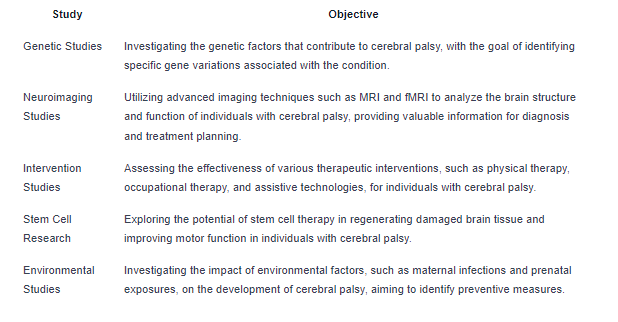
    Researchers around the world are actively engaged in studying various aspects of cerebral palsy. These studies aim to uncover new insights into the condition and develop innovative approaches to enhance the lives of individuals living with cerebral palsy. Some ongoing research studies in the field include:

    __wf_reserved_inherit

    These research studies are instrumental in advancing our knowledge of cerebral palsy and paving the way for improved treatments and interventions.

    Potential Advances in Cerebral Palsy Treatment

    The ongoing research efforts hold promise for potential advances in the treatment of cerebral palsy. While it is important to note that advancements are still in the research stage, they offer hope for improved outcomes and enhanced quality of life for individuals with cerebral palsy. Some potential future directions in cerebral palsy treatment include:

    1. Gene Therapy: Gene therapy holds immense potential in treating cerebral palsy by targeting and correcting specific genetic abnormalities associated with the condition. This approach may offer personalized treatment options tailored to an individual’s genetic profile.
    2. Neuroprotective Strategies: Researchers are exploring various neuroprotective strategies to minimize brain damage and improve long-term outcomes in individuals with cerebral palsy. These strategies may involve medications, antioxidants, or therapeutic hypothermia to protect the brain from further injury.
    3. Regenerative Medicine: Stem cell therapy and regenerative medicine show promise in restoring damaged brain tissue and promoting functional recovery in individuals with cerebral palsy. Ongoing research in this area aims to develop safe and effective stem cell-based treatments.
    4. Technological Advancements: Advancements in technology, such as robotics, virtual reality, and brain-computer interfaces, offer exciting possibilities for improving motor function, communication, and overall independence in individuals with cerebral palsy.

    It is important to note that while these potential advances show promise, further research and clinical trials are needed to establish their safety and efficacy. Nonetheless, they provide a glimpse into the future of cerebral palsy treatment and offer hope for improved outcomes for individuals living with this condition.

    Through ongoing research studies and potential advancements in treatment, the field of cerebral palsy continues to evolve, providing hope for a better understanding of the condition and improved quality of life for those affected by it.

    Sources

    https://www.cerebralpalsy.org/about-cerebral-palsy/prevalence-and-incidence#:~:text=About%20two%2

    https://www.ncbi.nlm.nih.gov/books/NBK538147/

    https://www.sciencedirect.com/science/article/abs/pii/S1751722208001327

  • Essential | Medical Devices Every Home Should Have

    Essential | Medical Devices Every Home Should Have

    Discover the must-have medical devices for every home! Stay prepared for any situation with essential tools at your fingertips.

    Importance of Medical Devices at Home

    Having essential medical devices in every household is crucial for ensuring prompt and effective responses to medical emergencies. By being equipped with the necessary tools, individuals can address health concerns promptly and potentially prevent serious complications. Let’s explore why every household needs these vital medical devices and the significance of preparedness for emergencies.

    __wf_reserved_inherit

    Why Every Household Needs Essential Medical Devices

    Equipping your home with essential medical devices is a proactive approach to safeguarding the health and well-being of your family members. These devices serve as valuable tools for monitoring and managing health conditions, providing vital information to healthcare providers, and facilitating timely interventions in case of emergencies. By having access to medical devices at home, individuals can take a more active role in their health and enhance their overall well-being.

    Ensuring Preparedness for Emergencies

    Emergencies can strike at any time, making preparedness a key aspect of household safety. By having essential medical devices readily available, households can respond swiftly to medical emergencies and potentially save lives. Whether it’s monitoring vital signs, assessing symptoms, or providing immediate care, having the necessary medical devices on hand can make a significant difference in the outcome of medical situations.

    In times of crisis, having access to medical devices such as thermometers, blood pressure monitors, pulse oximeters, and first aid supplies can offer reassurance and confidence in managing health-related events. Being prepared for emergencies not only enhances safety but also fosters a sense of empowerment and control over health outcomes.

    By understanding the importance of having essential medical devices at home and prioritizing preparedness for emergencies, households can create a safer and more proactive environment for addressing healthcare needs. Investing in these fundamental medical tools can contribute to a greater sense of security, peace of mind, and readiness to handle unforeseen medical situations effectively.

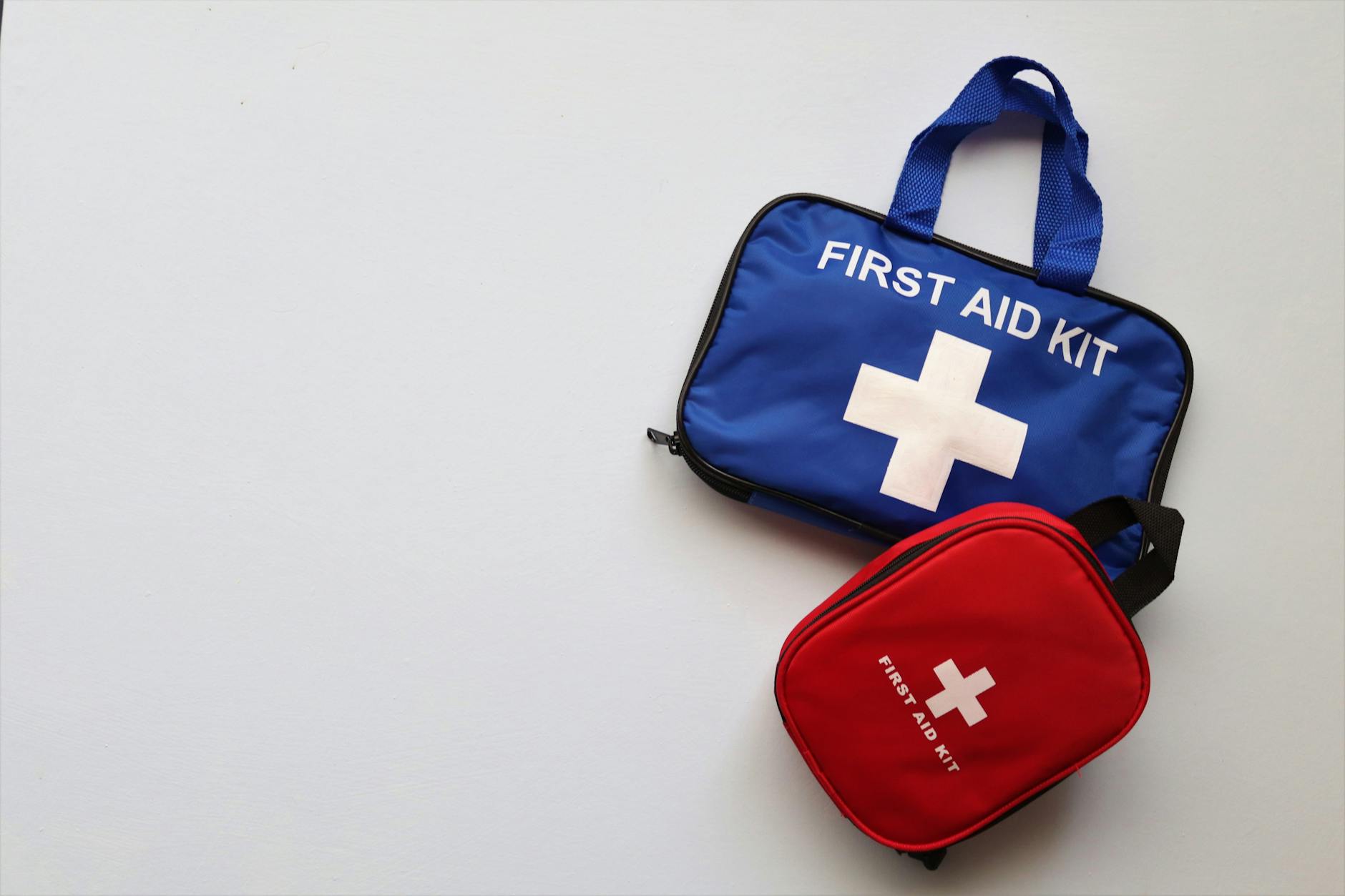
    First Aid Kit

    Having a well-equipped first aid kit is essential for any household to handle minor injuries and emergencies effectively. In this section, we will explore the contents of a basic first aid kit and highlight the importance of having one readily available at home.

    Contents of a Basic First Aid Kit

    A basic first aid kit should contain essential supplies to administer immediate care during minor injuries or medical emergencies. Here is a list of common items that should be included in a standard first aid kit:

    __wf_reserved_inherit

    It’s important to periodically check and restock your first aid kit to ensure that all supplies are up-to-date and in good condition. Customize your kit based on the specific needs of your household members, considering any medical conditions or allergies they may have.

    Importance of Having a First Aid Kit at Home

    Having a first aid kit at home is essential for several reasons. It allows you to provide immediate care for minor injuries, such as cuts, burns, or sprains, before seeking professional medical help. A well-prepared first aid kit can help prevent infections, reduce pain, and promote faster healing.

    Moreover, in case of emergencies or natural disasters where access to medical facilities may be limited, a first aid kit can be a lifesaver. It enables you to stabilize a person’s condition until help arrives, potentially saving lives in critical situations.

    By having a properly stocked and easily accessible first aid kit at home, you can confidently handle common injuries and medical issues that may arise. Being prepared with essential medical supplies ensures that you can respond promptly and effectively to emergencies, safeguarding the health and well-being of your loved ones.

    Thermometer

    Ensuring you have a thermometer at home is essential for monitoring body temperature, especially during illness. Understanding the different types of thermometers available for home use and how to correctly use and interpret thermometer readings can help you effectively monitor your health and that of your family members.

    Types of Thermometers for Home Use

    There are several types of thermometers suitable for home use, each offering unique features and benefits. Here are common types of thermometers you may consider having in your household:

    __wf_reserved_inherit

    Each type of thermometer has its own advantages and considerations, so it’s recommended to choose one that best fits your household’s needs and preferences.

    How to Properly Use and Interpret Thermometer Readings

    Proper usage of a thermometer is crucial to obtaining accurate temperature readings and making informed healthcare decisions. Here are general steps for using a thermometer correctly:

    1. Preparation: Ensure the thermometer is clean and in good working condition before each use.
    2. Placement: Follow the manufacturer’s instructions for placing the thermometer (e.g., oral, underarm, forehead).
    3. Measurement: Wait for the designated time for the temperature reading to stabilize.
    4. Interpretation: Understand the normal temperature range and what constitutes a fever based on the thermometer type used.
    5. Recording: Keep a record of temperature readings, especially during illness, for reference and to share with healthcare providers if necessary.

    Interpreting thermometer readings accurately is essential for monitoring health conditions. Consult healthcare professionals if you have concerns about temperature readings or if symptoms persist.

    By having a suitable thermometer at home and knowing how to use and interpret its readings correctly, you can effectively monitor body temperature and take necessary actions to protect your family’s health and well-being.

    Blood Pressure Monitor

    In the realm of essential medical devices for home use, a blood pressure monitor is a vital tool for maintaining health and well-being. Understanding blood pressure readings and the significance of monitoring blood pressure at home are key aspects of managing cardiovascular health effectively.

    Understanding Blood Pressure Readings

    Blood pressure readings consist of two numbers – systolic pressure (the top number) and diastolic pressure (the bottom number). The systolic pressure indicates the pressure in the arteries when the heart beats, while the diastolic pressure represents the pressure in the arteries when the heart rests between beats.

    __wf_reserved_inherit

    Understanding these blood pressure categories is crucial in assessing cardiovascular health and identifying potential risks for conditions like hypertension, heart disease, and stroke. Regular monitoring of blood pressure readings at home provides valuable insights into overall health trends and helps in early intervention and management of blood pressure issues.

    Importance of Monitoring Blood Pressure at Home

    Monitoring blood pressure at home offers several advantages. It allows individuals to track their blood pressure in a familiar and comfortable environment, reducing the potential for “white coat hypertension” – elevated blood pressure due to the stress of being in a clinical setting.

    Regular monitoring also facilitates early detection of any fluctuations in blood pressure, enabling timely adjustments to lifestyle habits, medications, or medical interventions as needed. By maintaining consistent records of blood pressure readings, individuals and healthcare providers can work together to create personalized plans for managing and optimizing blood pressure levels.

    Investing in a reliable blood pressure monitor and understanding how to correctly interpret blood pressure readings can empower individuals to take an active role in their cardiovascular health. By incorporating blood pressure monitoring into routine health practices, households can enhance their preparedness for managing and safeguarding against cardiovascular conditions effectively.

    Pulse Oximeter

    In the realm of essential medical devices for home use, a pulse oximeter is a fundamental tool that every household should possess. Understanding how pulse oximeters function and being able to interpret oxygen saturation levels can significantly aid in monitoring one’s health and detecting potential issues.

    How Pulse Oximeters Work

    A pulse oximeter is a non-invasive device that operates by emitting light through a person’s fingertip or earlobe to measure oxygen saturation in the blood. The device calculates the percentage of oxygen-bound hemoglobin in relation to the total hemoglobin in the blood. This measurement is crucial for assessing the efficiency of oxygen delivery to the body’s tissues.

    Pulse oximeters work by utilizing two light wavelengths, typically red and infrared, to identify oxygen saturation levels. The oxygenated hemoglobin absorbs more infrared light, while the deoxygenated hemoglobin absorbs more red light. By analyzing the absorption patterns of these wavelengths, the device determines the oxygen saturation level.

    Interpreting Oxygen Saturation Levels

    Interpreting the oxygen saturation levels displayed on a pulse oximeter is essential for gauging one’s respiratory health. The oxygen saturation reading, expressed as a percentage, indicates the amount of oxygen present in the blood. Normal oxygen saturation levels typically range between 95% and 100%. It’s crucial to consult a healthcare provider if the oxygen saturation level falls below 90%, as it may indicate potential breathing or circulation issues.

    __wf_reserved_inherit

    Regularly monitoring oxygen saturation levels with a pulse oximeter can provide valuable insights into one’s respiratory function and overall well-being. By understanding how pulse oximeters work and interpreting oxygen saturation readings accurately, individuals can take proactive measures to maintain optimal health and seek medical attention promptly when necessary.

    Medical Alert System

    A Medical Alert System is a vital component of home safety, particularly for individuals who may require immediate medical attention in case of an emergency. Understanding the benefits of a Medical Alert System and knowing how to choose the right one can significantly enhance the preparedness and well-being of individuals in a household.

    Benefits of a Medical Alert System

    A Medical Alert System provides peace of mind and quick access to assistance in emergency situations, offering several key benefits for households:

    • 24/7 Emergency Response: Medical Alert Systems are equipped with a button or wearable device that can be activated to summon help rapidly in case of a medical emergency, fall, or other urgent situations.
    • Independence and Safety: For individuals with mobility issues, chronic medical conditions, or seniors living alone, a Medical Alert System can provide a sense of security and independence, knowing that help is readily available at the touch of a button.
    • Quick Medical Assistance: In critical scenarios where every second counts, such as a heart attack or a fall, a Medical Alert System can connect the individual with emergency services promptly, potentially saving lives.
    • Peace of Mind for Caregivers: Family members and caregivers also benefit from the assurance that their loved ones have access to immediate assistance when needed, even when they are not physically present.

    Choosing the Right Medical Alert System

    When selecting a Medical Alert System for your home, it’s essential to consider various factors to ensure it aligns with your specific needs and requirements. Some key considerations include:

    • System Features: Evaluate the features offered by different Medical Alert Systems, such as fall detection, GPS tracking, two-way communication, waterproof devices, and in-home base station range.
    • Cost and Subscription Plans: Understand the pricing structure, including upfront costs, monthly fees, and contract terms. Choose a plan that fits within your budget and offers the necessary services.
    • Compatibility and Ease of Use: Ensure that the system is user-friendly and compatible with the individual’s lifestyle and preferences. Look for options with simple setup procedures and clear instructions for operation.
    • Monitoring Service Reputation: Research the reputation and reliability of the monitoring service associated with the Medical Alert System. Opt for a provider with a proven track record of quick response times and quality customer support.

    By recognizing the benefits of a Medical Alert System and being informed about the factors to consider when choosing one, households can enhance their preparedness for emergencies and ensure the safety and well-being of their loved ones. Stay proactive in safeguarding your home with this essential medical device that serves as a lifeline during critical moments.

    Sources

    https://thehealthcareinsights.com/essential-medical-devices-that-should-be-available-at-your

    https://mediworld.co.uk/blogs/home-care/top-5-essential-medical-devices-every-home-should-have

    https://www.sondercare.com/learn/medical-supplies/what-medical-equipment-should-always-have-home/

  • How to create a care plan for children requiring medical equipment

    How to create a care plan for children requiring medical equipment

    Crafting Comprehensive Care Plans for Children With Medical Equipment Needs

    Understanding the Care Plan Process

    Creating an effective care plan for children with medical equipment needs involves a multifaceted approach that integrates critical components, stakeholder collaboration, and adaptability to evolving needs. This article explores the essential elements and processes involved in developing such plans, aiming to enhance the quality and coordination of care for medically fragile children.

    Core Elements of a Care Plan for Medically Fragile Children

    Essentials of a Care Plan: Key Components You Must Know!

    What is a care plan for children with medical equipment needs?

    A care plan for children with medical equipment needs is a comprehensive document addressing the specific health care requirements of a child. It outlines their living arrangements, support systems, and necessary interventions based on the child’s medical needs.
    This document specifies the type of medical equipment required, whether the child lives in foster homes, residential facilities, or at home. It emphasizes continuity of care and includes arrangements for transitioning at the end of their placement.
    A social worker is often assigned to monitor the child’s condition, ensuring regular assessments and necessary interventions. The role of an Independent Reviewing Officer (IRO) is critical in maintaining accountability and facilitating the Looked-After Reviews to engage family members and assess care effectiveness.

    What are the components of an effective care plan for children with special health care needs?

    Effective care plans should incorporate thorough assessments of the child’s medical condition, focusing on required equipment and medications.
    Key components include:

    • Essential Information Documents: These should capture the child’s life history, educational background, and personal preferences.
    • Structured Care Plan: It details support required and coordination with caregivers and healthcare teams.
    • Emergency Preparedness: Plans must prioritize preparedness for any health crises.
    • Mental Health and Psychosocial Support: Addressing both the child’s needs and support for families is paramount.
    • Legal and Administrative Procedures: These should aim to uphold the child’s best interests and promote family unity, ensuring access to community resources.

    In summary, a holistic approach to care planning for medically fragile children emphasizes individualized support and readiness to adapt to changing needs.

    Collaborative Approach to Care Planning

    Building Bridges: Family and Healthcare Team Collaboration!

    How can family and healthcare professionals collaborate in care planning?

    Family members and healthcare professionals can create an effective partnership through open communication and sharing vital information regarding a child’s health. This collaboration begins with creating two crucial documents:

    1. Essential Information Document:

      • Contains demographic details, significant health history, and any medical conditions.
      • Serves as a quick reference for all parties involved in the child’s care.
    2. Comprehensive Care Plan:

      • Outlines specific medical, social, and educational needs tailored to the child.
      • Includes instructions for managing equipment and medications, as well as emergency protocols.

    Regular meetings play a vital role in this process, allowing family members and healthcare professionals to make joint decisions and coordinate care efforts, especially during significant transitions in the child’s care.

    What procedures facilitate effective collaboration in care planning?

    Effective collaboration requires structured procedures, including:

    • Establishing Regular Meetings: Regularly scheduled check-ins can help all stakeholders stay informed and aligned.
    • Involving Various Stakeholders: Engage government agencies and community resources that may have an impact on the child’s care.
    • Focusing on the Child’s Best Interest: Ensure that all discussions are centered on the child’s needs, promoting their well-being throughout the care journey.

    Through these methods, a harmonious approach to pediatric care planning can be established, ultimately benefiting the child’s overall health and development.

    Addressing Challenges in Caring for Medically Fragile Children

    Overcoming Hurdles: Common Challenges in Caregiving!

    What are the challenges in caring for medically fragile children?

    Caring for medically fragile children presents a range of challenges that can overwhelm families. First and foremost, the complex medical care required demands constant supervision and often necessitates significant time commitments. Many families find themselves investing over 15 hours per week on direct home care, which can lead to fatigue and burnout.

    Financial strain is another significant issue. Reports indicate that over half of caregivers experience financial problems, with many even losing employment due to their caregiving responsibilities. This financial burden adds to the stress, making it harder for families to access necessary medical and non-medical services. Alarmingly, nearly half of all families report unmet service needs, which can heighten feelings of frustration.

    Caregivers are not only navigating logistics but also facing emotional challenges. High levels of anxiety and stress are common among those who care for medically fragile children. Additionally, the responsibilities of maintaining organized medical records and coordinating care among various healthcare providers can be daunting.

    Moreover, the demands of caregiving often lead to changes in family dynamics, affecting sibling relationships and overall family well-being. The cumulative effect of these challenges highlights the intense pressure on families, emphasizing the need for comprehensive support systems.

    Training Caregivers for Emergency Preparedness

    Be Prepared: Essential Training for Caregivers!

    The necessity of preparedness training

    Training caregivers to be emergency-ready is critical, especially when caring for children with medical complexities. Ensuring that caregivers are equipped to handle emergencies not only enhances the safety of the child but also fosters the confidence of the caregivers.

    Effective preparedness training can significantly reduce anxiety and improve the response during real emergencies. Caregivers should familiarize themselves with local resources and services, as well as potential risks specific to their environments, such as natural disasters or power outages affecting necessary medical equipment.

    Steps to ensure readiness in emergencies

    To achieve a state of readiness, caregivers can follow several essential steps:

    1. Assess Needs and Risks: Evaluate the specific medical needs of the child and identify potential emergencies that may arise based on their conditions.
    2. Create a Comprehensive Emergency Plan:
      • Evacuation Procedures: Outline clear steps for safely evacuating the child and any necessary medical equipment.
      • Communication Strategies: Designate key contacts (family, friends, healthcare providers) and ensure everyone knows whom to reach out to for help.
      • Emergency Kit: Assemble a tailored emergency kit that includes medical supplies, a list of medications, and equipment instructions.
    3. Engage a Support Network: Partner with neighbors, family members, or local organizations to develop a support network that can provide assistance in emergencies.
    4. Regular Practice: Simulate emergency scenarios with the support network to ensure every member knows their role and can remain calm under pressure.
    5. Stay Informed: Keep up to date with local hazards and health advisories that may impact emergency preparedness.

    By following these steps, caregivers can cultivate a proactive approach to managing emergencies, thus ensuring a safer environment for children with complex health needs.

    Enhancing Communication for Effective Care Planning

    Talk It Out: The Power of Communication in Care!

    Why is communication important in care planning for children with special health care needs?

    Communication is vital in care planning for children with special health care needs. It fosters understanding and diminishes anxiety for both the child and their family regarding health conditions and treatment options. Effective communication cultivates a rapport with families, allowing them to feel heard and included in the decision-making processes, which enhances cooperation and adherence to care plans.

    Moreover, clear and compassionate communication establishes informed consent and supports shared decision-making, essential during emotionally charged situations. Improved communication leads to better patient outcomes by building trust among caregivers, families, and healthcare providers. This coherence ensures all parties are aligned in their approach to care, contributing to effective coordination among healthcare providers.

    Impact of effective communication on care outcomes

    The benefits of effective communication in care planning extend to improved healthcare outcomes. It reduces misunderstandings about treatment protocols, leading to more accurate adherence to the care plan. Families are better equipped to monitor their child’s needs and articulate changes to healthcare providers, which informs necessary adjustments.

    Additionally, regular and open communication keeps everyone informed about evolving medical needs and potential complications, enhancing the overall efficiency and effectiveness of care delivered. Patients often experience better health management when all parties involved are on the same page, reinforcing the imperative of communication in pediatric care planning.

    Resources for Developing Individualized Healthcare Plans

    What resources are available for creating individualized health care plans?

    Numerous resources are available to aid in the creation of individualized healthcare plans, specifically tailored healthcare documents known as Individualized Healthcare Plans (IHPs). These plans are essential for addressing the unique health needs of students, particularly those with chronic conditions affecting their educational experience.

    1. Online Templates and Sample Forms:

      • Various healthcare institutions provide downloadable IHP templates that guide parents, school nurses, and educators in developing these plans.
      • These templates often incorporate sections for assessments, nursing diagnoses, goals, interventions, and evaluations.
    2. Guidelines from Healthcare Institutions:

      • Many pediatric associations and school health organizations offer detailed guidelines to enhance understanding and implementation of IHPs.
      • This ensures that all involved understand the necessary components and their roles in supporting the student’s health needs.
    3. Emergency Information Forms:

      • These forms are critical for providing quick access to vital information during emergencies, such as allergies or specific medical conditions.
    4. Condition-Specific Plans:

      • Resources that focus on chronic illnesses like asthma, diabetes, or epilepsy help tailor IHPs to meet specific medical requirements effectively.

    By utilizing these resources, schools can cultivate a robust support system for students, thereby promoting better attendance and participation in activities while ensuring timely and effective healthcare interventions.

    Managing Medical Equipment in Pediatric Care

    How can medical equipment utilization be managed in pediatric care settings?

    Managing medical equipment utilization in pediatric care settings involves several strategic measures.

    • Collaboration Among Stakeholders: Early collaboration among owners, design teams, and construction teams is essential. Engaging these parties helps identify specific equipment needs and addresses potential issues efficiently.

    • Integration with Design Phases: Integrating medical equipment planning with design and construction phases minimizes unforeseen costs. This proactive approach ensures timely project completion and better alignment with clinical needs.

    • Utilization of Building Information Modeling (BIM): Utilizing BIM enhances coordination, reducing conflicts that may arise during implementation. This technology allows effective visualization and planning of how equipment fits into the care environment.

    • Adopting the ‘Last Responsible Moment’ Approach: This strategy permits deferring equipment decisions, which ensures that the latest technology is utilized while maintaining budgetary constraints. This flexibility is particularly crucial as pediatric patients grow and their needs evolve accordingly.

    This multifaceted approach ensures that equipment utilization is both safe and efficient, enabling better outcomes for pediatric care.

    Conclusion: Implementing Holistic Care Plans

    Developing a care plan for children who require medical equipment is a delicate and comprehensive process that demands thorough consideration of the child’s needs, collaboration among providers and families, readiness for emergencies, and strong communication pathways. By prioritizing these elements and utilizing available resources and technologies, caregivers and professionals can craft effective, adaptive plans that improve health outcomes and enhance the quality of life for medically fragile children. Through ongoing support, collaboration, and preparedness, these plans provide a foundation for consistent, structured care that meets the unique challenges presented by each child’s medical needs.

    References

  • How PPEC Programs Help Children with Muscular Dystrophy

    How PPEC Programs Help Children with Muscular Dystrophy

    Unveiling the Support of PPEC for Muscular Dystrophy-Affected Children

    Exploring the Comprehensive Care at PPEC

    For children diagnosed with muscular dystrophy, accessing specialized medical and developmental care is crucial for managing this condition’s complexities. Prescribed Pediatric Extended Care (PPEC) centers offer a lifeline for these young patients and their families, providing a unique environment that integrates medical care with tailored educational support. This article delves into how PPEC programs significantly impact the lives of children with muscular dystrophy, offering medical, developmental, and educational benefits in a setting designed to meet their specific needs.

    Understanding PPEC: A Vital Resource for Medical Care

    Exploring the Essential Role of PPEC in Children's Medical Care

    What is PPEC?

    Prescribed Pediatric Extended Care (PPEC) centers play a critical role in providing essential medical care for Medicaid-eligible children with complex medical needs in a non-residential environment. These centers serve children from birth through age 20, offering services tailored to their unique health requirements for up to 12 hours a day.

    PPEC encompasses a wide range of services including nursing care, personal care management, and various developmental therapies. To ensure high standards, PPECs must be licensed and adhere to specific regulations set forth in Florida Statutes and Florida Administrative Code.

    Eligibility and service scope

    Families can access PPEC services designed to accommodate both short-term and long-term medical needs. This flexibility is crucial because it allows for adjustments based on a child’s evolving condition. Additionally, PPECs operate on a fee-for-service basis, independent of managed care plans, which facilitates access to specialized care for children with medically complex conditions.

    This structured approach helps families balance their responsibilities, knowing that their child is receiving quality, comprehensive medical care in a supportive and nurturing environment, ultimately enhancing their overall well-being.

    Comprehensive Support for Muscular Dystrophy

    Understanding How PPEC Programs Support Children with Muscular Dystrophy

    How do PPEC programs support children with muscular dystrophy?

    PPEC programs, such as those offered at Creative Day and Spark Pediatrics, provide vital support for children with muscular dystrophy (MD). These programs are centered on customized medical care, developmental assistance, and educational strategies tailored to each child’s unique requirements.

    Children with MD may exhibit varying symptoms based on the specific type of muscular dystrophy they have. For instance, those with Duchenne muscular dystrophy often see onset between ages 3 and 5, while Becker muscular dystrophy typically presents at a later age and less severely. PPEC facilities ensure these differences are taken into account in their care approaches.

    The available therapies include physical therapy (PT), occupational therapy (OT), and speech therapy (ST). Each child receives a tailored treatment plan, which may involve:

    • Physical therapy to enhance mobility and strength.
    • Occupational therapy to improve daily living skills and personal independence.
    • Speech therapy to aid in communication development and cognitive skills.

    Additionally, PPEC programs educate families on the use of assistive devices, helping ensure that children can maintain independence and mobility.

    What resources are available for families?

    PPEC programs also prioritize follow-up care and ongoing communication, allowing families to effectively manage medications and understand necessary treatments. Resources like MyHealth.Alberta.ca offer families trusted health information, guiding them in making informed decisions about their child’s care while fostering a supportive community.

    Educational Enhancements within PPEC Settings

    Fostering Inclusive Education in PPEC Environments

    Inclusive Education in PPEC

    In Prescribed Pediatric Extended Care (PPEC) environments, inclusive education is a primary focus. Children with muscular dystrophy need tailored support to thrive, and PPEC settings provide a structured approach to meet these needs. The implementation of individualized education plans (IEPs) or 504 plans is fundamental. These plans outline necessary modifications and accommodations, such as the use of assistive technology and adaptive devices that cater to each child’s specific abilities.

    Role of Educators in PPEC

    Educators within PPEC programs play a crucial role in fostering an inclusive atmosphere. They can help students with muscular dystrophy by modifying physical activities to ensure participation at appropriate levels of exertion. This includes creating alternatives to traditional physical education exercises to avoid any risk of muscle damage. Communication is vital, and educators should regularly interact with healthcare providers and families to address any health-related concerns or mobility challenges that arise.

    Moreover, encouraging social interactions and promoting understanding among classmates bolsters emotional development. By cultivating a supportive learning environment, educators help students with muscular dystrophy build confidence and connection with their peers, enhancing their overall experience in PPEC programs.

    Therapeutic Interventions in PPEC

    Therapies Vital for Development in PPEC Programs

    Therapy Types in PPEC

    Prescribed Pediatric Extended Care (PPEC) facilities offer various therapeutic services to children with complex medical needs, particularly those diagnosed with muscular dystrophy. The primary types of therapies available include:

    • Physical Therapy (PT): Focuses on improving mobility, strength, and coordination through tailored exercises and activities.
    • Occupational Therapy (OT): Aims to enhance daily living skills and personal independence, encouraging participation in activities of daily life.
    • Speech Therapy (ST): Addresses communication skills and aids in overcoming challenges related to speech and language.

    Impact of Therapies on Development

    The therapeutic interventions in PPEC play a crucial role in the development of children with muscular dystrophy. These therapies support:

    • Physical Development: Enhancing core muscle strength helps children maintain mobility and reduces complications like contractures.
    • Cognitive Development: Stimulating cognitive skills through activities can assist children in their overall learning and adaptation in social environments.
    • Emotional Growth: Opportunities for socialization among peers within PPEC promote emotional resilience and support emotional well-being.

    Overall, these therapies not only cater to the medical requirements but also significantly contribute to improving the quality of life and comprehensive growth of children affected by muscular dystrophy.

    Family Support and Respite Services

    Providing Essential Support for Families of Children with Complex Needs

    Respite Care Benefits

    Respite care plays a significant role in the lives of families with children who have complex medical needs, like muscular dystrophy. PPEC services provide this essential support, allowing caregivers to take necessary breaks while ensuring their child’s safety and medical needs are met. This respite can include a few hours or even full days of care, giving families the opportunity to recharge and attend to personal commitments.

    Emotional Support for Families

    Caring for a child with muscular dystrophy can be emotionally taxing. PPEC services not only alleviate physical caregiving but also serve as a source of emotional support. By fostering connections with other families, caregivers can share experiences and strategies, which helps to combat feelings of isolation. Together, they build a supportive community that acknowledges the challenges while celebrating each child’s achievements.

    Overview of Respite Services

    Services Offered Benefits Support Provided
    Respite Care Reduces caregiver stress Short-term and long-term care options
    Emotional Support Community and connection Peer support networks
    Medical Care Ongoing health monitoring Access to specialized medical staff

    In summary, PPECs like Creative Day and Spark Pediatrics prioritize family well-being, recognizing that a supported caregiver can enhance a child’s quality of life.

    Creating Accessible Educational Experiences

    Adaptive PE and Classroom Modifications

    Children with muscular dystrophy face unique challenges that necessitate adaptive physical education (PE) programs tailored to their specific needs. These programs adapt traditional PE activities, ensuring that every child can participate without risking their health. For instance, students might engage in non-strenuous roles like leading stretches or coaching peers to maintain inclusion while conserving energy. Common activities such as running should be carefully avoided as they can exacerbate muscle damage.

    Facilitating Participation in School Activities

    In addition to adaptive PE, classroom modifications are vital for enhancing participation in school activities. Establishing an Individualized Education Program (IEP) allows students with muscular dystrophy to receive tailored accommodations. Regular communication between parents and educators ensures that any modifications meet the child’s evolving needs, promoting both social interaction and academic success. Good practice includes using adaptive equipment and strategies focused on energy conservation, such as organizing the classroom layout to reduce physical exertion, which maximizes the student’s involvement in their education.

    The Future of Care in PPEC Programs

    Long-term benefits of PPEC

    PPEC programs, particularly those catering to children with muscular dystrophy, offer substantial long-term advantages. By maintaining a structured environment for medical care and therapy, these centers enhance the overall health and development of children, fostering independence and adaptability. Children participate in tailored activities that promote social interaction and emotional health, equipping them with essential life skills.

    The continuous engagement in therapies such as physical, occupational, and speech therapy helps mitigate physical limitations common in muscular dystrophy, thereby supporting improved mobility and cognitive skills over time. Families also benefit from respite opportunities, allowing them to recharge while ensuring their child’s needs are met comprehensively.

    Continuous improvements and innovations

    As awareness of muscular dystrophy and related conditions grows, PPEC programs are evolving with technological advancements and evidence-based practices. Innovations in assistive devices and therapy techniques are implemented to enhance care quality and effectiveness. Programs increasingly emphasize individualized plans that adapt to each child’s changing needs, enhancing the efficacy of interventions.

    Collaboration between healthcare providers, educators, and families leads to refined strategies for managing educational and physical challenges, ensuring that children have equitable access to opportunities in both academic and social environments.

    Emphasizing flexibility in therapy schedules and activities fosters an inclusive approach that addresses the evolving landscape of therapeutic care, preparing children for future transitions into adulthood.

    Embracing a Supportive Future for Children with Muscular Dystrophy

    PPEC programs stand as a testament to the innovation and dedication required to support children with muscular dystrophy, offering a blend of medical, educational, and therapeutic services tailored to each child’s needs. These centers provide an environment where children can thrive academically and socially while receiving the essential medical care they require, giving families the necessary support and respite. As these programs continue to evolve, their importance in improving the quality of life for children with muscular dystrophy and their families cannot be overstated, paving the way for brighter futures.

    References

  • Medical Equipment Distributors and Suppliers in USA

    Medical Equipment Distributors and Suppliers in USA

    Discover top-tier medical equipment distributors and suppliers in the USA leading the way with innovation and excellence.

    Overview of Medical Equipment Distribution in the USA

    In the realm of medical equipment distribution in the United States, the crucial roles played by medical equipment distributors and suppliers cannot be overstated. These entities serve as essential conduits in the healthcare industry, facilitating the efficient flow of vital medical equipment to healthcare facilities and professionals nationwide.

    __wf_reserved_inherit

    Importance of Medical Equipment Distributors

    Medical equipment distributors act as intermediaries between manufacturers and end-users, ensuring that healthcare providers have access to the latest technology and equipment necessary for delivering quality patient care. By streamlining the supply chain and logistics process, distributors play a vital role in ensuring the timely availability of medical equipment, thereby contributing to the overall efficiency and effectiveness of the healthcare system.

    Importance of Medical Equipment Distributors

    Facilitate access to a diverse range of medical equipment

    Ensure timely delivery of critical supplies to healthcare facilities

    Offer technical support and training on equipment usage

    Enhance operational efficiency and cost-effectiveness for healthcare providers

    Role of Suppliers in the Healthcare Industry

    Suppliers, on the other hand, play a pivotal role in sourcing and providing medical equipment to distributors. Their responsibilities encompass maintaining relationships with manufacturers, overseeing inventory management, and guaranteeing the quality and reliability of the products supplied. By collaborating with distributors, suppliers contribute significantly to the seamless functioning of the healthcare supply chain.

    Role of Suppliers in the Healthcare Industry

    Source and procure medical equipment from manufacturers

    Maintain inventory and ensure adequate stock levels

    Provide product specifications and technical support

    Uphold quality standards and regulatory compliance

    The symbiotic relationship between medical equipment distributors and suppliers forms the backbone of the healthcare industry, ensuring that healthcare providers have access to cutting-edge equipment, while maintaining strict adherence to regulatory requirements and quality standards. This synergy ultimately supports the delivery of optimal patient care and drives progress within the medical equipment distribution sector.

    Leading Medical Equipment Distributors in the USA

    In the realm of medical equipment distribution in the USA, several companies stand out for their exceptional services, market presence, and contributions to innovation in the industry. Let’s delve into the offerings of three leading medical equipment distributors in the USA:

    Company A: Services and Offerings

    Company A is renowned for its comprehensive range of services and offerings in the medical equipment distribution sector. They pride themselves on providing an extensive selection of high-quality medical devices, equipment, and supplies to healthcare facilities across the country. Company A’s commitment to quality, reliability, and customer satisfaction sets them apart as a trusted partner in the healthcare industry.

    Services and Offerings

    Medical Devices

    Equipment

    Supplies

    Maintenance and Support Services

    Company B: Market Presence and Specializations

    Company B has established a significant market presence and excels in specializing in specific segments of the medical equipment distribution landscape. Their strategic focus on key areas of healthcare equipment has enabled them to carve out a niche for themselves in the competitive market. Company B’s expertise and specialization contribute to their strong reputation as a reliable and efficient distributor in the healthcare sector.

    Market Presence and Specializations

    Specialty Medical Equipment

    Diagnostic Instruments

    Surgical Supplies

    Medical Imaging Devices

    Company C: Innovation and Industry Contribution

    Company C is recognized for its commitment to innovation and ongoing contributions to the medical equipment distribution industry. By staying at the forefront of technological advancements and industry trends, Company C continually introduces innovative solutions that enhance patient care and streamline healthcare operations. Their dedication to driving progress and improving the efficiency of healthcare delivery underscores their leadership in the field.

    Innovation and Industry Contribution

    Technological Advancements

    Research and Development Initiatives

    Collaboration with Healthcare Providers

    Impactful Industry Partnerships

    These leading medical equipment distributors in the USA play a pivotal role in ensuring the availability of essential medical supplies and equipment to healthcare providers nationwide. Their commitment to quality, specialization, innovation, and industry contributions collectively contribute to advancing the standards of healthcare delivery and patient care in the United States.

    Factors to Consider When Choosing a Medical Equipment Distributor

    When selecting a medical equipment distributor, several key factors should be taken into account to ensure that you are partnering with a reliable and reputable supplier. The following aspects are critical considerations in the decision-making process:

    Quality and Reliability

    Ensuring the quality and reliability of the medical equipment provided by the distributor is paramount to the delivery of effective patient care. Look for distributors that offer products from reputable manufacturers with a track record of producing high-quality, reliable equipment. Consider factors such as warranty coverage, maintenance support, and product reviews to gauge the reliability of the equipment being supplied.

    Range of Products

    A comprehensive range of medical equipment is essential for healthcare facilities to meet the diverse needs of patients and healthcare providers. When choosing a distributor, assess the breadth and depth of their product offerings to ensure they can supply the equipment required for your specific medical specialties and services. A wide range of products allows for greater flexibility in sourcing all necessary equipment from a single supplier.

    Pricing and Cost-effectiveness

    Balancing cost-effectiveness with quality is crucial when selecting a medical equipment distributor. Compare pricing structures across different distributors to determine the most competitive rates without compromising on the quality of the equipment. Consider factors such as bulk purchase discounts, financing options, and value-added services to assess the overall cost-effectiveness of partnering with a particular distributor.

    In the healthcare industry, the choice of a medical equipment distributor plays a significant role in the efficiency and effectiveness of patient care delivery. By prioritizing quality and reliability, evaluating the range of products available, and assessing pricing and cost-effectiveness, healthcare facilities can make informed decisions when selecting a distributor that meets their specific needs and requirements.

    Regulations and Compliance in Medical Equipment Distribution

    When it comes to the distribution of medical equipment in the USA, adherence to regulations and compliance standards is paramount to ensure the safety and efficacy of healthcare products. Two key aspects that medical equipment distributors and suppliers must consider are FDA requirements and certifications, as well as industry standards and best practices.

    FDA Requirements and Certifications

    The Food and Drug Administration (FDA) plays a critical role in regulating medical devices to protect public health. Medical equipment distributors must comply with FDA regulations to legally market and distribute medical devices in the USA. This includes obtaining FDA clearance or approval based on the classification of the device.

    __wf_reserved_inherit

    Moreover, FDA certifications such as the Good Manufacturing Practice (GMP) certification ensure that medical equipment is manufactured, packaged, labeled, and stored in a safe and controlled manner. By meeting these stringent requirements, distributors can instill confidence in healthcare providers and patients regarding the quality and safety of the medical devices they supply.

    Industry Standards and Best Practices

    In addition to FDA regulations, medical equipment distributors are expected to adhere to industry standards and best practices to maintain quality, consistency, and safety in their operations. Compliance with standards such as ISO 13485 for quality management systems in the medical device industry is essential for ensuring that products meet regulatory requirements and customer expectations.

    Furthermore, following best practices for storage, handling, and distribution of medical equipment is crucial to prevent contamination, damage, or misuse. Proper labeling, tracking, and documentation of medical devices throughout the supply chain help to maintain traceability and accountability, which are vital aspects in ensuring patient safety and regulatory compliance.

    By upholding FDA requirements, certifications, industry standards, and best practices, medical equipment distributors demonstrate their commitment to delivering high-quality, safe, and reliable products to healthcare facilities and professionals across the USA. Compliance with these regulations not only safeguards public health but also fosters trust and confidence in the healthcare supply chain.

    Trends and Developments in the Medical Equipment Distribution Sector

    As the landscape of medical equipment distribution evolves, several key trends and developments are shaping the industry. In this section, we will explore the latest advancements in technology, the growing focus on sustainability initiatives, and the impact of global events on distribution channels.

    Technological Advancements

    The medical equipment distribution sector is witnessing a rapid influx of technological advancements that are revolutionizing the way healthcare providers access and procure medical devices. From advanced imaging systems to cutting-edge surgical instruments, technological innovations are enhancing the quality of patient care and streamlining the supply chain process.

    One notable trend is the integration of artificial intelligence (AI) and machine learning algorithms in medical equipment. These technologies enable predictive maintenance, real-time monitoring of equipment performance, and data-driven insights to optimize inventory management. Additionally, telemedicine solutions and remote monitoring devices are becoming increasingly prevalent, providing healthcare professionals with greater flexibility and accessibility to essential medical equipment.

    Sustainability Initiatives

    In response to the growing concern for environmental sustainability, many medical equipment distributors are embracing eco-friendly practices and implementing sustainability initiatives. From reducing carbon footprint in transportation to utilizing renewable energy sources in manufacturing processes, sustainability is becoming a priority across the industry.

    Some distributors are focusing on product packaging redesign to minimize waste and promote recyclability. Others are partnering with suppliers that adhere to sustainable practices and ethical sourcing standards. By prioritizing sustainability, medical equipment distributors are not only reducing their environmental impact but also catering to a more conscientious customer base that values eco-friendly products and services.

    Impact of Global Events on Distribution Channels

    The global events of recent years, such as the COVID-19 pandemic and geopolitical shifts, have had a significant impact on medical equipment distribution channels. These events have underscored the importance of supply chain resilience, agility, and adaptability in ensuring the uninterrupted flow of essential medical equipment to healthcare facilities across the country.

    Supply chain disruptions, border closures, and increased demand for critical medical supplies have highlighted the need for robust contingency plans and diversified sourcing strategies. Medical equipment distributors are reevaluating their operational models, leveraging technology for real-time tracking and inventory management, and establishing partnerships with reliable suppliers to navigate unforeseen challenges effectively.

    By staying abreast of technological advancements, embracing sustainability initiatives, and proactively responding to global events, medical equipment distributors are poised to meet the evolving needs of healthcare providers and contribute to the advancement of the healthcare industry as a whole.

    Sources

    https://www.seaskymedical.com/medical-supply-distributors-list-in-the-usa/

    https://www.usamedicalsurgical.com/?srsltid=AfmBOorxxcbW1YwXDXOXaxhVM1KFRS57Zn1FVy6-qeuqfK1PPDhJ8D_3

    https://www.mckesson.com/medical-supplies/

  • How to coordinate with schools to manage medical needs during the day

    How to coordinate with schools to manage medical needs during the day

    Navigating School Health Coordination for Students with Medical Needs

    Introduction

    Managing students’ medical needs during school hours requires coordinated efforts among parents, healthcare providers, and school staff. This article will explore effective communication strategies, the development of health plans, and best practices for ensuring safety and support for students with health conditions in schools. With increasing emphasis on comprehensive school health programs, it’s vital to understand how to work together to create a supportive environment for all students.

    Promoting Effective Communication Between Schools and Parents

    Open and ongoing communication between parents and schools is essential for managing a child’s medical needs during school hours. When parents and school staff work together, they can create a safe and supportive environment that promotes the child’s health, safety, and learning.

    A crucial first step is developing a detailed, written care plan in collaboration with healthcare providers. This plan should include specific information about the child’s medical condition, symptoms, triggers, medications, emergency procedures, and emergency contacts. Sharing this document with relevant school personnel—such as teachers, nurses, and coaches—ensures everyone is informed and prepared.

    Parents should also provide proper medical documentation and give consent for sharing health information with school staff. Regular communication before the school year starts, as well as ongoing updates, help address any changes in the child’s condition or needs. These regular check-ins can also be opportunities to review and adjust accommodations if necessary.

    Educating the child about their condition is equally important. Encouraging self-awareness enables the child to recognize symptoms early and communicate effectively, which is vital during emergencies or when adjustments are needed.

    To support this collaboration, families can advocate for individualized plans such as an IEP or a 504 plan. These plans provide tailored accommodations, like medication management or classroom modifications, helping children participate fully in school activities.

    By fostering transparent and continuous dialogue, parents and schools can work together to ensure that children with medical needs receive the necessary support, thrive academically, and stay safe throughout the school day.

    Strategies for Collaborative Partnerships

    Building Strong Partnerships for Student Success

    How can parents, healthcare providers, and schools collaborate effectively for student health?

    Effective teamwork among parents, healthcare providers, and schools is vital for supporting a child’s well-being and learning. Building strong partnerships begins with establishing clear communication channels. Regular updates, shared records, and open dialogue help all parties stay informed and responsive to the child’s needs.

    Creating formal agreements — like health plans or memoranda of understanding — helps define each stakeholder’s role. This clarity ensures that medical treatments, accommodations, and emergency responses are well-coordinated.

    Schools are increasingly adopting school-based health services, such as clinic visits, telehealth programs, and health screenings, to facilitate access to care. These initiatives can reduce absences and improve health outcomes.

    Engagement from parents should extend beyond communication to active participation in health education and advocacy. Schools can involve families through parent-teacher meetings, health workshops, and volunteer opportunities.

    Fostering mutual trust is essential. Regular check-ins, joint planning, and problem-solving sessions strengthen relationships. Community resources and leadership support further reinforce the collaboration.

    When all parties work together, using data and evidence-based strategies, they can create a comprehensive, supportive environment that promotes both health and academic achievement.

    Summary table of collaborative strategies:

    Stakeholder Role Actions Examples
    Parents Advocates, communicators Share health updates, participate in planning, educate children Attending health meetings, providing medical records
    Healthcare Providers Advisors, care coordinators Develop health plans, advise on treatments, provide training Medication management, emergency protocols
    Schools Implementers, facilitators Offer health services, foster environments, monitor progress School-based clinics, health screenings

    Combining these efforts leads to a successful, integrated support system that benefits children’s health and education.

    Developing and Implementing Health Plans within Schools

    Creating Customized Health Plans for Student Well-being

    How to create and manage care plans accommodating students’ medical conditions?

    Creating effective care plans for students with medical conditions involves a collaborative process among healthcare providers, school staff, and families. Schools typically develop individualized documents such as an Individualized Healthcare Plan (IHP), 504 Plan, or an IEP tailored to the child’s specific need. These plans detail the student’s medical requirements, triggers, emergency procedures, and necessary accommodations.

    To ensure comprehensive support, the plan must include clear instructions for medication management, symptom monitoring, and procedures for urgent situations. Regular updates are essential to reflect any changes in the child’s health status, requiring ongoing communication between parents, medical teams, and school personnel.

    School nurses play a central role in implementing and reviewing these plans, ensuring staff are trained on proper care procedures. Emergency Care Plans (ECPs) are incorporated into the broader health plan to address crises like seizures or severe allergic reactions.

    Proactive planning, detailed documentation, and periodic reviews foster a safe learning environment where students’ health needs are met efficiently, reducing risk and supporting their academic success.

    What legal considerations are there related to student health management in schools?

    Legal aspects of managing student health include compliance with federal laws such as Section 504 of the Rehabilitation Act and the Individuals with Disabilities Education Act (IDEA). These laws require schools to provide equal access and appropriate accommodations for students with health-related disabilities, which include conditions like asthma, diabetes, and allergies.

    Schools must develop legally compliant, individualized health plans that ensure safety, nondiscrimination, and access. Privacy regulations like FERPA (Family Educational Rights and Privacy Act) and HIPAA govern the sensitive handling of health information, dictating how and when data can be shared.

    Operational considerations also involve ensuring school staff operate within their scope of practice, properly document healthcare activities, and mitigate liability risks. In addition, responding to emergencies within legal frameworks mandates proper consent, confidentiality, and adherence to state and federal guidelines.

    Understanding and implementing these legal requirements safeguards both students’ rights and the school’s responsibilities, creating a compliant and supportive educational environment.

    Roles and Responsibilities of School Staff

    Empowering School Staff to Support Student Health

    What roles and responsibilities do school staff have in managing student health needs?

    School staff play a vital part in supporting students with health needs by being vigilant and prepared. Teachers and aides are often the first to notice signs of illness or emergencies, such as allergic reactions, seizures, or sudden injuries. Their quick response can prevent escalation and ensure the student receives prompt care.

    School nurses are central to health management; they develop personalized health care and emergency response plans tailored to each student. These plans include medication schedules, procedures for common emergencies, and daily health management tasks. Nurses also perform health screenings, coordinate with healthcare providers, and educate staff and students about health topics.

    Beyond medical duties, staff promote a healthy school environment by encouraging hygiene, supporting mental well-being, and implementing policies that minimize health risks. They serve as a key link between families, medical professionals, and community resources to ensure that student health needs are comprehensively addressed.

    Proper training is essential. School personnel are trained on recognizing symptoms of emergencies and understanding how to follow established health plans. They must maintain confidentiality and demonstrate sensitivity toward students with chronic conditions, disabilities, or mental health issues.

    In sum, school staff are responsible for recognizing health issues, providing supportive care, adhering to health and safety policies, and fostering a safe atmosphere that allows all children to participate fully in school activities.

    Medication Administration and Emergency Protocols

    What are the best practices for medication administration and emergency protocols in schools?

    Implementing effective medication and emergency response procedures is vital to safeguard students’ health. Schools should develop and follow standardized policies that include clear guidelines on medication storage, administration, and documentation. School nurses and trained staff must adhere to the ‘6 Rights’ of medication safety: right student, right medication, right dose, right time, right route, and right documentation.

    Medications should always be stored in their original, labeled containers to prevent errors. For students requiring ongoing medication, individualized health care plans or emergency action plans should outline specific instructions and contingencies.

    Regular staff training on emergency response techniques, such as CPR and automated external defibrillator (AED) use, is essential. Schools must keep a stock of emergency medications, including epinephrine auto-injectors and inhalers, and ensure they are accessible during activities like field trips.

    Emergency preparedness also involves routine drills, effective communication systems like public address announcements, and clear procedures for reunification and notification during incidents. Collaboration among school health teams, families, and healthcare providers via consistent communication ensures swift, coordinated responses.

    Staff should be familiar with individual student plans and recognize when to activate emergency protocols. Ongoing review and periodic updates of these protocols enhance preparedness and student safety.

    Ensuring Students’ Safety and Infection Prevention

    Ensuring Safe and Healthy School Environments

    How can schools ensure safety and infection prevention for students with health needs during activities?

    Schools play a vital role in safeguarding students with health concerns, especially during various activities and events. To create a safe environment, several strategies are employed.

    Firstly, maintaining proper ventilation is essential. Incorporating outdoor activities whenever possible and utilizing air cleaners in enclosed spaces can significantly reduce the risk of airborne infections.

    Regular cleaning and disinfecting high-touch surfaces, such as desks, doorknobs, and shared equipment, help prevent the spread of germs.

    Teaching students and staff about proper hand hygiene, respiratory etiquette (covering coughs and sneezes), and the use of masks when necessary are fundamental preventive measures.

    Promoting vaccinations ensures that students and staff are protected against preventable diseases, decreasing the chance of outbreaks during school activities.

    Furthermore, providing accommodations tailored to students’ health needs and fostering open communication with families and healthcare professionals contribute to a comprehensive safety approach.

    By combining these preventive strategies, schools can effectively reduce infection risks and ensure that all students participate safely in school activities.

    More information on infection prevention in schools can be found through searches using the query: "infection prevention in schools."

    Utilizing Resources and Guidelines Effectively

    Leveraging Resources for Optimal Student Health Management

    Supportive resources

    Schools benefit from a variety of tools and protocols designed to manage students’ health needs and respond to emergencies effectively. In Iowa, school nurses operate under the Iowa Nurse Practice Act, enabling them to deliver essential healthcare services, develop personalized health and emergency plans, and identify students needing specific accommodations early on.

    The Iowa Department of Education enhances school health initiatives by offering online templates, guidance documents, and expert advice on creating individualized health plans, emergency procedures, and infection control strategies. These resources help staff develop comprehensive responses tailored to each student’s medical requirements.

    Federal agencies such as the U.S. Department of Health and Human Services provide additional guidance on mental health support, disaster response, and injury prevention. Resources like Psychological First Aid and emergency preparedness planning serve as vital tools for school staff to strengthen their capacity to support students during crises.

    Implementation of guidelines

    Effective management of student health begins with implementing clear policies that promote health and safety. Schools are encouraged to establish protocols for sick leave, ensure availability and proper use of personal protective equipment, and offer flexible learning arrangements for students with health concerns. These policies help reduce risks and create a supportive environment that prioritizes health.

    Training staff on these guidelines ensures everyone is prepared to act swiftly and appropriately during health emergencies. Regular drills, staff education sessions, and updates reinforce the importance of readiness and adherence to best practices.

    Tools for emergencies

    Preparedness tools include emergency action plans, health documentation templates, and communication systems that facilitate quick and coordinated responses. Medical records, often accessible through electronic health record systems, allow school nurses and staff to review critical health information rapidly.

    Resources such as standardized checklists and emergency kits, including first aid supplies and medications, are essential for immediate response. Moreover, collaboration with healthcare providers, community agencies, and emergency services ensures a well-rounded approach to student safety.

    By utilizing these resources, implementing effective policies, and maintaining proper tools, schools can foster a safer environment that supports both the health and educational success of all students.

    Conclusion

    Effectively managing medical needs during the school day is paramount to ensuring that all students receive the support they need to thrive academically and socially. Through robust communication channels, strategic partnerships, comprehensive health planning, and thorough training of school staff, schools can create an inclusive environment where students’ health requirements are seamlessly integrated into their daily routines. By prioritizing safety and employing preventative measures, educational institutions can ensure that students with medical needs are fully included and protected, allowing them to focus on achieving their educational goals.

    References

  • The Role of Pediatric Home Health in Supporting Children with Hemophilia

    The Role of Pediatric Home Health in Supporting Children with Hemophilia

    Comprehensive Home Health Strategies for Pediatric Hemophilia Management

    Introduction: Navigating Pediatric Hemophilia with Home Health Services

    Pediatric hemophilia is a complex and lifelong condition that poses significant challenges for children and their families. Managing this inherited bleeding disorder requires a multifaceted approach, combining medical care, emotional support, and preventive strategies. Pediatric home health services play a crucial role in providing holistic care that empowers families to effectively manage hemophilia from their homes. This article explores how these services support children with hemophilia, offering insights into treatment strategies, caregiver education, and the importance of early intervention.

    Supporting Pediatric Hemophilia Through Home Health Services

    Empowering Families: The Role of Home Health Services in Pediatric Hemophilia Management

    How can pediatric home health services support children with hemophilia?

    Pediatric home health services can significantly support children with hemophilia by providing essential infusion therapy, training family members in administering treatments, and ensuring compliance with prophylactic care. Early involvement in home therapy, starting as young as possible, helps children and their families build confidence and manage the condition effectively.

    Home health providers work closely with the child’s medical team to deliver education and resources that promote emotional and physical readiness for self-care. This partnership ensures that caregivers are equipped to implement infection control, manage potential bleeding episodes, and maintain a well-organized treatment schedule.

    Infusion therapy at home

    The main treatment for hemophilia involves the replacement of missing clotting factors, which is often administered via IV at home or by a healthcare provider. Pediatric home health programs facilitate this process by training families on proper infusion techniques, ensuring dosage accuracy, and troubleshooting potential issues during administration.

    Regular follow-up visits and monitoring can additionally reduce unnecessary hospitalizations and promote independence.

    Family training and support

    Educational programs are essential for caregivers, as they enhance knowledge and confidence in managing hemophilia. Home health services can provide training sessions focused on recognizing signs of a bleeding episode, creating emergency preparedness plans, and maintaining safe home environments to minimize risks of injury.

    Cooperation with medical teams

    Collaboration with a multidisciplinary team—including pediatric hematologists, nurses, and social workers—is crucial. Regular consultations can foster a comprehensive approach in managing hemophilia, optimizing care, and addressing the emotional well-being of both children and their families.

    In summary, pediatric home health services foster a supportive environment, allowing children with hemophilia to lead active and healthy lives through education, self-management, and close cooperation with medical teams.

    Effective Home Management Strategies for Hemophilia

    Home Management Strategies: Enhancing Care for Children with Hemophilia

    What strategies are recommended for managing hemophilia at home in pediatric patients?

    To manage hemophilia at home effectively, families must partner with specialized hemophilia treatment centers. This collaboration is vital for developing personalized care plans tailored to each child’s unique needs. Regular consultations with a pediatric hematologist help ensure timely adjustments to treatment strategies based on the child’s health and developmental progress.

    Education for parents and caregivers is crucial. They should learn the correct procedures for administering medications, particularly clotting factor infusions. Training in emergency response protocols for severe bleeding episodes is equally important. Caregivers must be prepared to recognize signs of bleeding and respond quickly.

    Incorporating low-impact physical activities into the child’s routine can promote better muscle tone and reduce the frequency of bleeding episodes. Using protective gear during playtime also mitigates the risk of injuries. Furthermore, connecting with support organizations provides families with essential resources, such as emotional support networks and educational materials, enhancing their overall management capabilities at home.

    Emergency Preparedness

    Families should create an emergency plan that includes contact information for healthcare providers and a list of necessary medications and supplies. A well-stocked emergency kit tailored for hemophilia should be readily available, containing first aid items and guidance on recognizing serious bleeding.

    Preventive Care Strategies

    Preventive care strategies include regular monitoring and proactive involvement in healthcare. Early initiation of prophylactic treatment with clotting factors is critical in minimizing the risk of bleeding episodes and joint damage. Educating caregivers about maintaining a safe environment and recognizing the dietary and nutritional needs of children with hemophilia is equally important for fostering better health outcomes.

    The Advantages of Home-Based Therapy for Children with Hemophilia

    Home-Based Therapy: Transforming Hemophilia Treatment for Children

    What are the benefits of home-based therapy for children with hemophilia?

    Home-based therapy for children with hemophilia offers several significant benefits, profoundly impacting their overall well-being. One of the primary advantages is the improvement in the quality of life. Treatment in a familiar environment allows for immediate response to bleeding episodes, reducing the risk of permanent joint damage and fostering a sense of functional independence among young patients.

    From an economic perspective, home therapy demonstrates considerable cost-effectiveness. By minimizing the need for frequent clinic visits and hospitalizations, families experience lower overall treatment expenses. According to studies, children receiving comprehensive home therapy report fewer hospitalizations, leading to a savings in medical costs and reducing strain on healthcare resources.

    Moreover, home therapy encourages better therapy adherence. Parents can engage children in their treatment process, enhancing their knowledge and responsibility toward their care. Programs designed for physical exercise at home strengthen mobility, coordination, and overall fitness, further enhancing the management of hemophilia. This comprehensive approach not only empowers children but also supports families in maintaining a healthier lifestyle while navigating the challenges of this condition.

    Educating and Supporting Caregivers of Hemophiliac Children

    Caring with Confidence: Education and Support for Caregivers

    How can caregivers be educated and supported in managing a child with hemophilia?

    Caregivers play a crucial role in managing hemophilia, and their education is paramount. Enrollments in specialized hemophilia treatment centers ensure that caregivers receive comprehensive training from a multidisciplinary team, including hematologists, nurses, and physical therapists. Such programs focus on practical skills like medication administration and first aid, equipping caregivers to attend to emergencies effectively.

    Emotional and community support

    Emotional support is equally important. Caregivers often face stress, anxiety, and feelings of isolation. Community involvement, support groups, and connections with other families can provide encouragement and shared experiences. Regular mental health support, through counseling or programs specifically designed for parents of children with chronic illnesses, enhances coping strategies and emotional resilience.

    Emergency response education

    Knowledge in emergency response is critical for caregivers. They should have a well-stocked emergency kit that includes essential supplies and medications. Learning to recognize early signs of bleeding and understanding when to seek immediate medical attention can significantly improve outcomes. Education about managing routine activities, including safe exercise and nutrition, also ensures that children with hemophilia lead active, fulfilling lives while minimizing risks.

    Vital Treatment and Emergency Preparedness for Hemophilia in Children

    Emergency Preparedness: Essential Strategies for Managing Hemophilia

    What treatment options and emergency preparations are vital for children with hemophilia?

    Children with hemophilia require tailored treatment plans that focus on factor replacement therapies, gene therapies, and non-replacement options. Prophylactic treatment using clotting factor concentrates is considered the gold standard, as it reduces the frequency of bleeding and helps prevent joint damage.

    In addition to treatment, meticulous emergency preparations are crucial. An effective emergency plan should include:

    • A detailed plan outlining steps to take during a bleeding episode to ensure quick and correct responses.
    • A list of all medications, including dosages and administration routes.
    • Medical ID cards that inform caregivers and emergency responders of the child’s condition.

    Educating caregivers, teachers, and school personnel about hemophilia is vital. Creating an Individualized Healthcare Plan (IHP) can enhance safety at school and support teachers in managing potential bleeding incidents. Regular follow-ups with a pediatric hematologist will aid in monitoring the child’s health and adjusting treatment strategies as necessary.

    Furthermore, ensuring a nutrient-rich diet, rich in iron, calcium, and vitamin K, can benefit overall health and recovery. Accessing specialized care through Hemophilia Treatment Centers (HTCs) provides families with valuable resources and comprehensive support, improving both health outcomes and emergency readiness.

    Integral Emotional and Psychological Support for Hemophilia Families

    What emotional support systems are available for children with hemophilia and their caregivers?

    Emotional support systems for children with hemophilia and their caregivers are vital due to the psychological challenges associated with the disorder.

    Healthcare professionals such as psychologists and social workers provide counseling and resources to help families cope with feelings of anxiety, guilt, and confusion. These interventions are crucial in addressing the emotional toll that a chronic condition can impose on families.

    Parent support groups also play a significant role. By connecting with other families affected by hemophilia, parents can reduce feelings of isolation and anxiety, sharing experiences and coping strategies. Resources like counseling and play therapy tailored for children can help them understand their condition and treatment, fostering not only emotional resilience but also better adherence to treatment regimens.

    Additionally, dedicated support services that address caregiver anxiety and stress are essential. This approach can significantly improve the overall well-being of both children and their families, enabling them to manage the complexities of hemophilia more effectively.

    Conclusion: Enhancing Lives Through Pediatric Home Health

    Pediatric home health services offer a lifeline for children with hemophilia and their families, providing comprehensive care that addresses both medical and emotional needs. Through careful planning, education, and support, these services help manage hemophilia effectively, enabling children to lead fulfilling, active lives while providing caregivers with the tools and knowledge they need. As the field continues to advance, the integration of innovative therapies and family-centered care practices will further improve outcomes and reduce the burden of hemophilia for future generations.

    References

  • Why PPEC is Essential for Children with Chronic Conditions

    Why PPEC is Essential for Children with Chronic Conditions

    Understanding the Impact of PPEC on Pediatric Care

    Introduction to PPEC’s Role in Pediatric Healthcare

    As healthcare continues to evolve, the specific needs of children with chronic conditions are becoming more pronounced. For families navigating the complexities of medical care, Prescribed Pediatric Extended Care (PPEC) centers have emerged as a crucial resource. These non-residential facilities serve as a bridge between hospital-level care and home, meticulously catering to the multifaceted needs of medically fragile children. This article delves into the importance of PPEC, illustrating how it enriches the lives of children and their families.

    What is PPEC and Who Benefits?

    Discover the Key Features and Benefits of PPEC for Children with Complex Needs

    What is Prescribed Pediatric Extended Care (PPEC) and who does it serve?

    Prescribed Pediatric Extended Care (PPEC) centers, often termed medical daycare facilities, offer vital support for children from birth to 21 years old who have complex medical needs. Specifically, these centers cater to Medicaid-eligible children who require ongoing medical care but do not necessitate hospitalization.

    Target demographic for PPEC

    PPEC services are tailored for children with chronic health conditions, such as those with neurological disorders, respiratory issues, or congenital syndromes. These children often need continuous medical supervision and therapy to manage their complex health requirements effectively.

    Eligibility and services offered

    To qualify for PPEC, a physician must prescribe skilled nursing services tailored to the child’s unique healthcare needs. PPEC centers provide a range of services including:

    • Nursing Care: Constant medical supervision from skilled professionals.
    • Developmental Therapies: Support through physical, occupational, and speech therapy.
    • Psychosocial and Emotional Support: Services that enhance socialization and emotional well-being.

    Overall, PPECs create a nurturing, family-centered environment that facilitates health outcomes while promoting social interaction among peers.

    Distinguishing PPEC from Traditional Daycare

    Learn How PPEC Compares to Traditional Daycare and Why It Matters

    How does PPEC differ from traditional daycare?

    PPEC (Prescribed Pediatric Extended Care) provides a unique service compared to traditional daycare, focusing on children with complex medical needs. Unlike standard daycares that cater primarily to healthy children, PPEC is tailored for those requiring ongoing medical attention, such as respiratory support and specialized therapies.

    Differences in services offered

    PPEC centers offer a range of specialized services that set them apart from traditional daycare. These include:

    • Medical supervision: Continuous monitoring by licensed nurses for managing chronic conditions.
    • Personalized care plans: Each child receives an individualized plan addressing their specific medical and developmental needs.
    • Therapeutic services: Physical, occupational, and speech therapy integrated into daily routines.
    • Respite care: Support for families, providing relief from caregiving duties.

    In contrast, traditional daycare typically focuses on basic supervision, social activities, and general developmental support without the medical framework needed for fragile children.

    Staff qualifications

    The staff in PPEC centers are highly trained professionals, including:

    • Registered nurses (RNs): With pediatric critical care experience.
    • Licensed practical nurses (LPNs) and certified nursing assistants (CNAs): Providing various levels of medical care.
    • Therapists: Specializing in physical, occupational, and speech therapy.

    This level of professional qualification ensures comprehensive, round-the-clock care, unlike traditional daycare staff, who may not have specialized medical training.

    Purpose and goals

    The ultimate goal of PPEC is to ensure that children with special healthcare needs receive continuous and personalized medical care in a nurturing environment. It aims to prevent unnecessary hospitalizations by maintaining medical stability, while also fostering socialization and development through structured activities. In contrast, traditional daycare’s primary purpose is to provide a safe space for children’s basic needs, without the specialized focus on medical complexities inherent in the PPEC model.

    Overall, PPEC centers serve a crucial role in pediatric healthcare, bridging the gap between hospital care and home-based care for medically fragile children.

    Specialized Services Offered by PPEC

    Explore the Specialized Services Designed for Medically Fragile Children

    What specialized services are offered by PPEC?

    PPEC centers are dedicated to providing a broad spectrum of specialized services tailored specifically for children dealing with complex medical conditions. These services encompass:

    • Comprehensive Medical Care: Skilled nurses offer essential medical care, including monitoring of chronic conditions, administration of medications, and providing respiratory support.
    • Developmental Therapies: Children at PPEC have access to physical, occupational, and speech therapy, which are integral for promoting physical and cognitive development. This approach allows for coordination of therapies in a single location, enhancing accessibility and frequency of sessions.
    • Personalized Care Plans: Each child receives a customized care plan developed in collaboration with their healthcare team, addressing unique medical and developmental needs.

    In addition to medical and therapeutic services, PPEC centers emphasize developmental support. The environment encourages children to engage in age-appropriate group activities. This focus on socialization helps build their emotional growth and enhances social skills, which are often hindered in children with complex medical needs.

    Family-Oriented Services

    PPEC also recognizes the importance of supporting families. Services include:

    • Respite Care: This vital service allows caregivers to recharge while knowing their child is in a safe, nurturing environment.
    • Educational Support: PPEC centers offer guidance and resources to help families navigate the complexities of care coordination with other healthcare providers.

    Overall, PPEC centers serve as a holistic and cost-effective resource, ensuring children receive comprehensive medical and developmental care while providing invaluable support to families facing the challenges of raising a medically complex child.

    Enhancing the Healthcare Experience with PPEC

    Understand How PPEC Enhances Healthcare Experiences for Children

    In what ways can PPEC enhance the healthcare experience for children with chronic conditions?

    PPEC enhances the healthcare experience for children with chronic conditions through a blend of specialized medical care and emotional support. The centers operate under the guidance of a multidisciplinary team, which includes registered nurses, licensed practical nurses, physical and occupational therapists, and social workers. This team approach allows for the effective management of complex health needs, ensuring that each child receives comprehensive care tailored to their unique requirements.

    Role of multidisciplinary teams

    Each child at a PPEC center benefits from customized care plans developed in collaboration with their healthcare providers. This coordination promotes better health outcomes, as trained professionals continuously monitor the children’s conditions and intervene promptly when necessary.

    Impact on children’s development

    PPEC centers go beyond medical care, integrating developmental therapies such as speech and occupational therapy into the daily routine. These services not only support physical health but also enhance cognitive and emotional development. Socialization opportunities allow children to interact with their peers, significantly reducing feelings of isolation and boosting emotional well-being. Research indicates that these interactions contribute to up to a 40% reduction in anxiety and a 35% improvement in developmental indicators.

    Family support mechanisms

    PPEC also recognizes the essential role of family in a child’s care. By providing respite care, facilities allow caregivers to recharge while knowing that their child is in a safe and nurturing environment. Additionally, they offer access to educational resources aimed at empowering families to effectively manage their child’s health, thus reducing the overall emotional and logistical burdens they face.

    The combination of structured care in a warm, community-based setting ultimately leads to improved health outcomes and a better quality of life for both children and their families.

    The Role of PPEC in Family and Community Support

    Uncover the Impact of PPEC on Families and Community Bonds

    How Does PPEC Support the Families of Children with Complex Medical Needs?

    PPEC centers play a vital role in supporting families with children who have complex medical conditions. They provide a nurturing environment that encompasses customized medical and developmental care tailored specifically to each child’s unique needs.

    Families benefit from tailored care plans designed by highly trained healthcare professionals that focus not only on medical needs but also include therapeutic activities, such as physical and occupational therapy. This comprehensive approach helps enhance children’s growth, self-confidence, and social skills.

    Community Building Among Families

    Moreover, PPEC centers create opportunities for community building among families. The shared experiences and emotional support from other parents facing similar challenges foster a sense of belonging. This network encourages caregivers to connect, share resources, and support one another, which significantly contributes to their overall well-being and resilience in managing caregiving responsibilities.

    Economic Benefits of PPEC

    Additionally, PPEC services can alleviate economic strain for families. By providing skilled nursing care and various therapeutic services in one location, PPEC can often be more cost-effective than in-home care, reducing financial burdens. Medicaid eligibility for these services helps ensure that families can access critical care without overwhelming expenses.

    In summary, PPEC empowers families by providing holistic medical support, building community connections, and facilitating economic relief, all while emphasizing their child’s health and development.

    Conclusion: The Indispensable Role of PPEC

    Prescribed Pediatric Extended Care centers stand at the forefront of pediatric care innovation, offering invaluable services that cater to the unique needs of children with chronic conditions. Through their comprehensive and compassionate care, PPECs not only support the physical and developmental health of children but also provide critical resources and peace of mind to their families. As communities continue to seek effective and sustainable ways to support medically complex children, PPECs offer a robust solution that balances healthcare excellence with emotional and social nurturing. With their multidimensional approach, these centers are essential in crafting brighter, healthier futures for children and their families.

    References

  • How to Choose the Right Pediatric Urgent Care Facility

    How to Choose the Right Pediatric Urgent Care Facility

    Finding the Perfect Urgent Care for Your Child’s Needs

    Introduction

    Choosing the right pediatric urgent care facility involves thoughtful consideration of several factors to ensure the best care for your child during medical urgencies. With a variety of options available, it’s crucial for parents to understand what makes a pediatric urgent care center suitable and how it compares to other forms of care such as traditional pediatricians or emergency departments. This article explores the essential elements that contribute to selecting the right clinic to address your child’s unique healthcare needs.

    What to Look for in a Quality Pediatric Urgent Care Center

    Essential Tips for Choosing the Right Pediatric Urgent Care Center

    What factors should I consider when choosing a pediatric urgent care clinic?

    When selecting a pediatric urgent care clinic, several aspects are vital to ensuring your child receives the best care. First, assess the clinic’s quality of care. Verify that it is accredited by reputable organizations such as the American Academy of Pediatrics. This accreditation is often a sign of adherence to high care standards.

    It’s important to check the qualifications of the staff. Ensure the clinic is staffed by board-certified pediatricians and qualified nurse practitioners trained specifically in pediatric medicine. Experienced staff are crucial for addressing children’s unique health needs, such as developmental and psychological considerations.

    Moreover, ensure the clinic is equipped with necessary diagnostic instruments. This could include tools for blood glucose monitoring, urine analysis, and imaging services like X-rays. Facilities that provide immediate access to lab tests can significantly speed up diagnosis and treatment.

    Quality of care criteria

    Comparing clinics is key. Look for those that have multiple examination rooms, optimizing space for walk-in patients and reducing wait times. Also, verify that they stock essential medical supplies, from syringes for vaccinations to stitches for minor injuries.

    Another aspect of quality care is the clinic’s environment. A clean, child-friendly setting can ease anxiety for both parents and children during visits. Reviews and ratings from past patients can give insight into the clinic’s reputation and past experiences.

    Staff credentials and facilities

    Ultimately, the combination of staff expertise and facility preparedness plays a significant role in the overall care experience. A clinic’s ability to provide immediate treatment with a wide range of services can make a substantial difference, especially when time is of the essence. Ensure that the urgent care center is designed specifically for pediatric needs to cater appropriately to your child’s health requirements, thereby enhancing the overall healthcare experience.

    Understanding the Spectrum of Children’s Health Services

    Understanding Pediatric Urgent Care vs. Other Health Services

    What are the differences between pediatric urgent care, pediatricians, and emergency departments?

    Pediatric urgent care centers cater specifically to non-life-threatening conditions requiring prompt attention. They fill the gap when a pediatrician is unavailable, particularly during evenings, weekends, and holidays. These centers are ideal for treating ailments such as minor cuts, fevers, or suspected ear infections that do not warrant a visit to the emergency room.

    On the other hand, pediatricians provide comprehensive, ongoing care, focusing on routine health check-ups, vaccinations, and long-term health management. They are your primary resource for children’s health, offering advice tailored to your child’s health concerns.

    Emergency departments are designed to handle severe or life-threatening situations, such as serious injuries or complications from high fevers in infants. These facilities have the necessary equipment and staff for critical care and should be the first choice in emergencies.

    Choosing the right type of care is essential. If a child’s health issue is not severe but requires quick attention, pediatric urgent care is the way to go. Always feel free to consult your pediatrician for advice if you’re unsure which service to use.

    Common Conditions and Services at Pediatric Urgent Care

    Conditions and Services Offered at Pediatric Urgent Care

    What types of conditions and services are typically handled by pediatric urgent care facilities?

    Pediatric urgent care clinics are designed to provide specialized treatment for children, addressing a range of health needs uniquely suited to their physiology.

    Commonly treated conditions at these facilities include:

    • Minor Injuries: Sprains, fractures, and minor cuts are frequently addressed, ensuring prompt and effective care.
    • Acute Illnesses: Issues such as ear infections, strep throat, flu, and even respiratory infections like pneumonia are routinely managed, thanks to on-site diagnostic tools.
    • Allergies: Clinics can provide immediate treatment for allergic reactions, including non-severe cases of anaphylaxis and skin allergies like eczema and hives.

    In addition to treating acute conditions, pediatric urgent care also offers valuable diagnostic and preventative services. Many facilities are equipped with in-house labs for quick assessment, as well as imaging services like X-rays to help diagnose sprains or other issues right away.

    Preventative care services include vaccinations, routine physicals, and sports physicals, which are crucial for children’s overall health and development. By offering these services, pediatric urgent care clinics not only address immediate health concerns but also promote long-term wellness among their young patients.

    This ensures that care is efficient, allowing families to access comprehensive services in a child-friendly environment without the need for extended waits typically experienced in emergency rooms.

    The Benefits of Specialized Pediatric Urgent Care Centers

    Discover the Advantages of Pediatric Urgent Care

    Advantages of pediatric urgent care over regular urgent care

    Pediatric urgent care centers offer significant advantages over regular urgent care facilities when it comes to treating children. These specialized centers employ board-certified pediatricians and advanced practice nurse practitioners who are trained to handle the unique health needs of children. This specialization ensures that children receive appropriate diagnoses and treatments for their conditions, whether they are dealing with minor injuries or illnesses.

    Additionally, visits to pediatric urgent care clinics tend to be less expensive than emergency room visits for non-life-threatening issues, making them an economical choice for parents seeking immediate care for their children.

    Child-friendly environments and specialized staff

    One of the standout features of pediatric urgent care centers is their child-friendly environments, designed specifically to cater to young patients. From brightly colored waiting rooms to child-sized equipment, these centers prioritize comfort to reduce anxiety that children may feel during medical visits.

    The staff in these facilities are not only trained in pediatric medicine but are also experienced in engaging with children. They are equipped to provide compassionate care that addresses both the physical and emotional needs of young patients.

    Emphasis on pediatric-specific care

    When it comes to urgent care, children are usually better treated at pediatric urgent care centers. These facilities focus on conditions that are more prevalent among kids, such as allergic reactions, fevers, and minor cuts or sprains. The presence of diagnostic services like on-site labs and imaging allows for efficient and effective treatment—ensuring that children receive the right care quickly and conveniently.

    In conclusion, if parents are faced with urgent health issues involving their children, pediatric urgent care centers are designed to provide specialized, comprehensive, and sensitive care, making them the best choice for many urgent situations.

    Maximizing Healthcare Resources: Urgent Care vs Primary Care

    Maximizing Your Child's Healthcare: Urgent Care vs Primary Care

    When to use urgent care versus a pediatrician

    Urgent care clinics are ideal for immediate, non-emergency health concerns, such as minor injuries, fever, or infections. They provide swift access to care without appointments, making them convenient for families during evenings and weekends. For example, children with minor sprains or cold symptoms can be treated promptly at these facilities. Conversely, for broader healthcare needs, especially chronic condition management, a pediatrician is essential. Primary care physicians develop long-term relationships with their patients, facilitating continuity of care that urgent care cannot match.

    Importance of a healthcare continuum

    Establishing a continuum of care is essential for comprehensive health management, especially for children. Primary care practitioners offer regular check-ups, vaccinations, and health screenings that play a vital role in early detection of health issues. They understand a child’s medical history and can coordinate with specialists when necessary, ensuring that all aspects of a child’s health are monitored and managed effectively. This collaboration is crucial, particularly for children with complex health needs.

    How to ensure comprehensive care

    To ensure comprehensive care for your child, evaluate both the urgent care facilities and the pediatrician’s office. Look for clinics with well-trained pediatric staff, appropriate diagnostic capabilities, and a clean, welcoming environment. Verify that urgent care providers communicate with your child’s primary care physician to maintain a complete health record. Encourage open dialogues with both your pediatrician and urgent care staff to address all your child’s health needs and follow up on any urgent visits to ensure nothing is overlooked.

    Criteria Urgent Care Facilities Primary Care Associates
    Availability Open evenings, weekends, no appointments Regular office hours, pre-scheduled visits
    Service Focus Immediate, non-life-threatening issues Ongoing health management and preventative care
    Staff Qualification Board-certified pediatricians, trained nurse practitioners Pediatric specialists with established patient relationships
    Health Records Limited continuity, often stand-alone Comprehensive history tracking, better coordination of care
    Communication Practices Updates during visit, limited follow-up Regular updates and follow-up on health developments
    Costs Generally lower than ER, variable coverage Costs depend on insurance, often higher for specialized services

    Conclusion

    Selecting an appropriate pediatric urgent care facility involves a nuanced understanding of what makes such centers beneficial for addressing children’s immediate health needs. By evaluating the quality of care, the availability of specialized pediatric staff, and the services provided, parents can make informed decisions that best support their child’s health. While pediatric urgent care centers offer vital support in non-emergency situations, continuing to engage with primary healthcare providers ensures a comprehensive approach to managing your child’s overall well-being. By considering these factors, parents can confidently navigate the healthcare landscape to secure the best possible care for their children.

    References

  • What Are The Newest Home Healthcare Devices?

    What Are The Newest Home Healthcare Devices?

    Exploring the Latest Innovations in Home Healthcare Technology

    Introduction to Modern Home Healthcare Devices

    In recent years, significant advancements in home healthcare technology have changed the way care is delivered, making it more accessible and personalized. New devices are providing patients with the ability to monitor their health conditions from the comfort of their own homes, reducing the need for frequent hospital visits and empowering individuals with chronic conditions to take control of their healthcare. This article delves into the latest home healthcare devices, examining their functions, benefits, and the trends shaping this evolving market.

    Revolutionary Wearable Healthcare Devices

    Explore the latest advancements in wearable healthcare technology!

    What is the latest medical device technology?

    The latest medical device technology in 2023 features several innovative advancements. Notably, wearable medical devices continue to enhance health monitoring through real-time data collection. Machine learning and artificial intelligence play critical roles in improving diagnostic accuracy and efficiency, particularly in image analysis and disease detection. Additionally, the Internet of Medical Things (IoMT) facilitates better patient care by connecting devices for continuous health monitoring. Other emerging technologies include 3D printing for customized medical devices and bioprinting, which holds promise for creating living tissues and organs, thus revolutionizing organ transplantation and drug testing processes.

    Key Wearable Innovations

    Here are some notable advancements in wearable healthcare devices:

    Device Name Functionality Unique Features
    Accurate 24 BPM Measures blood pressure, oxygen, and body temperature Cuffless design, can be worn on wrist or neck
    Alerje’s Omniject Auto-injector for epinephrine Attaches to smartphones, offers temperature alerts
    Healthcare Vision’s wearables Noninvasive glucose monitoring Instant readings, no finger sticks required
    Infuzamed’s wearable infusion pump Delivers intravenous medication Remote monitoring of vital signs in real-time
    TruO2 fingertip pulse oximeter Measures blood oxygen levels Designed for adults of all skin tones

    These devices illustrate a trend towards more integrated and patient-centric healthcare solutions, making health management more accessible and effective.

    New Trends in Home Healthcare Technology

    Discover new trends transforming home healthcare experiences!

    What are some new trends in home healthcare technology?

    New trends in home healthcare technology are reshaping how patients manage their health from the comfort of their homes. One significant area of growth is telehealth platforms. These platforms enable remote consultations, making healthcare services more accessible, especially for those with mobility challenges or living in remote locations. The convenience of video calls and apps allows healthcare providers to monitor patient health and provide timely advice without the need for in-person visits.

    Wearable devices are becoming increasingly popular as they allow for continuous health monitoring. These devices can track vital signs such as heart rate, blood pressure, and glucose levels. For instance, innovations like the Accurate 24 BPM blood pressure monitor and noninvasive blood glucose monitors are excellent tools for chronic disease management, giving patients and healthcare providers real-time insights into patient health.

    Additionally, advancements in AI and machine learning are beginning to play a pivotal role in home healthcare. AI algorithms are now being used to analyze patient data, providing predictive insights and personalized treatment plans. This technology enables remote patient monitoring systems to alert healthcare providers about significant health changes instantly.

    The integration of smart home technology has also enhanced home healthcare. Devices like smart pill dispensers help ensure medication compliance, while voice-activated systems enable patients to manage their environments easily. These technologies improve patient engagement and facilitate communication between patients and providers, ultimately fostering a more coordinated approach to care.

    Trend Description Examples
    Telehealth Platforms Remote consultations increasing healthcare access Video calls, digital apps
    Wearable Devices Continuous tracking of vital signs and real-time data collection Accurate 24 BPM monitor, glucose monitors
    AI and Machine Learning Analyzing patient data to provide insights and tailored treatments Predictive analytics, personalized feedback
    Smart Home Technology Integration of tools that enhance patient care and simplify health task management Smart pill dispensers, voice-activated assistants

    Innovations in Self-Care and Chronic Disease Management

    Innovative devices empowering self-care for chronic conditions!

    How do new healthcare devices enhance patient care at home?

    New healthcare devices significantly enhance patient care at home by enabling continuous monitoring of vital signs. For instance, products like the xKidney, a portable hemodialysis unit, allow patients with kidney failure to perform dialysis in the comfort of their homes. This reduces the frequency of hospital visits and offers patients greater autonomy in managing their health.

    Additionally, the GyroGlove provides a noninvasive solution for essential tremor management. This innovative device uses gyroscopic technology to counteract tremors, allowing those affected to maintain greater control over everyday tasks without the need for medications that may have undesirable side effects.

    Vivoo’s UTI testing kit is another groundbreaking tool for self-care. Users can conduct a urinary tract infection test at home using a smartphone, with results processed through an app. This quick and accessible method supports early diagnosis and treatment, minimizing discomfort and potential complications.

    Furthermore, innovations like Beta Bionics’ iLet bionic pancreas automate insulin delivery based on continuous glucose monitoring, significantly simplifying diabetes management. This device allows for real-time adjustments to insulin levels, ensuring better control of blood sugar without the daily burden of manual administration.

    By integrating these devices into everyday lifestyles, patients can take control of their health management, leading to proactive care and improved health outcomes.

    Regulatory Impacts on Home Healthcare Device Innovation

    Understand how FDA initiatives are reshaping healthcare innovation!

    What impact do recent FDA initiatives have on home healthcare devices?

    Recent FDA initiatives have significantly influenced the landscape of home healthcare devices. By streamlining the approval process, these initiatives utilize various pathways including 510(k) clearances, PMA approvals, Humanitarian Device Exemptions, and De Novo classifications. In 2023, the FDA authorized a remarkable total of 124 new medical devices, marking a resurgence in innovation and market activity following the pandemic’s challenges.

    This increase reflects a broader trend over the last 15 years, where FDA authorizations have continually risen, ensuring that new devices can efficiently enter the market while adhering to established safety standards. A significant aspect of this trend is the growing inclusion of AI and machine-learning-enabled medical devices, which have revolutionized the technology available for home healthcare. These advancements allow patients to use sophisticated monitoring and treatment solutions in their own environment, enhancing their overall healthcare experience.

    As the FDA continues to push forward with these initiatives, there is a strong promise of increasing access to safe, effective, and innovative medical devices that are specifically designed for home use. With a particular emphasis on user-friendly designs and automation, the regulatory landscape is becoming more conducive to the integration of high-tech solutions in everyday healthcare environments, which is especially beneficial for chronic disease management.

    Reimagining Homes as Healthcare Hubs

    Learn how homes are evolving into integrated healthcare environments!

    Home as a Health Care Hub initiative

    The FDA’s Home as a Health Care Hub initiative aims to transform home environments into integral parts of the healthcare system. This approach focuses on developing technologies that ensure medical devices are easily integrated into everyday life, allowing seamless health monitoring and treatment.

    Integration of healthcare into home environments

    Innovative medical devices, such as wearable monitors and smart home solutions, play a key role in this integration. Tools like the Accurate 24 BPM blood pressure monitor, Alerje’s Omniject auto-injector, and Infuzamed’s wearable infusion pump highlight a growing trend where patients can manage their health from home with ease. The connection of these devices to telehealth platforms further enhances accessibility, letting patients consult healthcare providers remotely.

    Customization and lifestyle integration

    To ensure that healthcare fits individual lifestyles, developers are focusing on customizable solutions. For example, the FDA is working with various stakeholders to create devices suited for personal use in the home, which can be adjusted according to specific needs. This includes everything from diabetes management tools to mobility aids.

    By promoting awareness of common medical devices used at home, such as blood pressure monitors and glucometers, patients and caregivers can better prepare for effective health management. Integrating technology with personal care enhances patient engagement and compliance, making healthcare more accessible than ever.

    Common Medical Devices used at Home

    Device Type Purpose Additional Info
    Thermometers Measure body temperature Essential for fever detection
    Blood Pressure Monitors Monitor hypertension at home Key for cardiovascular health
    Glucometers Track blood sugar levels for diabetics Allows timely dietary adjustments
    Nebulizers Deliver medication for respiratory patients Used in conditions like asthma
    Oxygen Concentrators Provide supplemental oxygen Beneficial for COPD patients
    Pulse Oximeters Assess oxygen levels Critical for respiratory issues
    Adjustable Beds Aid in recovery for those with mobility issues Helps prevent infections
    Health Monitoring Rings Track vital health metrics Often includes heart rate and sleep quality monitoring

    Enhancing Patient Experience through Smart Technologies

    Smart Home Solutions

    Smart home technology is reshaping patient care by integrating Internet of Things (IoT) devices that enhance accessibility and safety in the home. Devices like humidity control sensors connect to assistants such as Google Home or Amazon Alexa, helping maintain optimal environmental conditions for patients, particularly those with respiratory issues. Moreover, smart medication dispensers ensure that patients adhere to their prescribed medication schedules, reducing the risks of missed doses and complications.

    Remote Patient Monitoring

    Remote Patient Monitoring (RPM) systems allow healthcare providers to track vital signs using smart devices without requiring patients to visit a clinic physically. Wearable health monitors, such as blood pressure cuffs or glucometers, continually provide essential health metrics, aiding chronic disease management. This technology not only empowers patients but also enables early detection of health issues, significantly improving patient engagement in their own care.

    AI and Machine Learning in Personalized Care

    The rise of AI and machine learning is revolutionizing personalized healthcare solutions. These technologies analyze vast data sets, facilitating insights that guide treatment plans specific to individual patient needs. They improve remote monitoring capabilities and enhance support through predictive maintenance for devices, ensuring patients receive timely care tailored to their conditions. This integration marks a significant advancement in transforming patient experiences, making healthcare more responsive and individualized.

    Conclusion: The Future of Home Healthcare

    The advancement of home healthcare devices represents a significant shift in how health services are delivered, tailored, and experienced. Technology continues to drive this transformation, making healthcare more accessible and effective for all. With ongoing innovations and regulatory support from bodies such as the FDA, these devices promise to redefine patient care at home, contributing to an era where health equity and personalized care are paramount. As the industry grows, patients and caregivers alike stand to benefit from these smart, efficient, and inclusive healthcare solutions.

    References