
Category: Uncategorized

  • How Pediatric Home Health Care Helps with Cognitive Development

    How Pediatric Home Health Care Helps with Cognitive Development

    Exploring the Cognitive Benefits of Pediatric Home Health Care

    Introduction

    Pediatric home health care is rapidly gaining recognition as an effective approach to support the cognitive development of children with medical complexities, chronic conditions, and disabilities. By providing tailored medical and therapeutic interventions in the comfort of children’s homes, this model not only meets essential healthcare needs but also enhances cognitive, emotional, and social growth. This article investigates the numerous ways pediatric home health care contributes to cognitive development, examining key components such as caregiver support, personalized treatment plans, and recreational activities.

    Understanding Pediatric Home Health Care

    Explore the Foundations of Pediatric Home Health Care!

    What is pediatric home health care?

    Pediatric home health care encompasses a variety of medical and support services tailored for children, primarily provided in their home environment. This approach is especially advantageous for children with chronic illnesses, disabilities, or complex medical needs. By bringing necessary treatments into the home, children can often bypass long-term hospital stays, enhancing comfort and reducing stress.

    Benefits and services provided

    Families can expect numerous benefits from pediatric home health care, including:

    • Reduced stress: Children receive care in a familiar setting, promoting emotional well-being.
    • Faster recovery times: Healing in a safe and secure home environment is often quicker than in a hospital.
    • Cost-effectiveness: This approach can lead to financial savings by minimizing hospital visits and reducing treatment costs.

    The services provided through pediatric home health care may include:

    Service Type Description Impact on Development
    Personal care Assistance with daily activities and self-care routines Promotes independence and self-esteem
    Medication administration Ensures children receive necessary medications as prescribed Supports ongoing health management
    Family education Instructs families on managing conditions and providing optimal care Enhances caregiver knowledge, leading to better outcomes
    Therapeutic support Includes physical, occupational, and speech therapy Directly contributes to cognitive and physical development

    Candidates for home health care

    Candidates for pediatric home health care include a variety of children, such as:

    • Infants with chronic medical conditions
    • Premature infants needing specialized support
    • Children with specific health requirements like cardiac or respiratory conditions

    Overall, pediatric home health care plays a pivotal role in ensuring children receive comprehensive care while balancing developmental needs and familial involvement.

    Cognitive Development in Children with Intellectual and Developmental Disabilities (IDD)

    What role does pediatric home health care play in the cognitive development of children with Intellectual and Developmental Disabilities (IDD)?

    Pediatric home health care is essential for fostering the cognitive development of children with IDD. This approach emphasizes family involvement while creating personalized care plans that address medical, developmental, and behavioral needs.

    Here are some significant aspects of how home health care supports cognitive development:

    • Personalized Care Plans: Tailored interventions, including speech and occupational therapies, engage children in skill-building activities that enhance cognitive capabilities.
    • Behavioral Support: Professionals focus on managing challenging behaviors, promoting adaptive skills, and cognitive growth through targeted behavioral strategies.
    • Emotional and Social Support: Home care providers nurture emotional health by facilitating interactions, which are crucial for cognitive skills development.
    • Comfort of Home Environment: Children often recover better at home, where they feel secure and comfortable, allowing for stable emotional and cognitive growth.

    Strategies used in pediatric home health care

    The strategies implemented in pediatric home health care play a pivotal role in enhancing cognitive development:

    • Integration of Assistive Technology: Tailored technology enhances communication, fostering interaction that is vital for cognitive progress.
    • Play-Based Therapies: Engaging children in play helps improve planning, organizing, and social skills, essential for overall cognitive development.
    • Routines and Structure: Establishing daily routines provides stability, promoting healthy cognitive and emotional development.
    • Family-Centric Approach: Collaboration among caregivers, families, and healthcare professionals fosters communication and a greater understanding of children’s unique needs.

    Through these strategies, pediatric home health care not only addresses health issues but also actively promotes cognitive and emotional growth, ensuring that children with IDD can thrive during their developmental stages.

    Empowering Cognitive Development through Caregiver Support

    Unlocking Potential: The Role of Caregivers in Cognitive Development!

    Role of caregivers in cognitive development

    Caregivers play a crucial role in fostering cognitive development in children, especially within pediatric home health care settings. By establishing warm and communicative relationships, caregivers help promote self-esteem and resilience in children. This emotional support is foundational for encouraging children to explore their surroundings and engage in problem-solving activities.

    Moreover, caregivers can tailor learning experiences that meet individual children’s unique needs. For instance, strategies like reading, singing, and engaging in educational games encourage language acquisition and cognitive challenges, which are essential for brain development. Evidence indicates that children benefit from repeated exposures to stimulating activities, significantly enhancing their cognitive skills.

    How does caregiver support in home health care enhance cognitive skills in children?

    Caregiver support in home health care enhances children’s cognitive skills through personalized and consistent attention. Programs such as the WHO’s Caregiver Skills Training package equip caregivers with effective child-friendly practices, improving both their skills and the outcomes for their children. Engaging children in stimulating activities within home health care settings leads to enriching environments that promote cognitive, emotional, and social development. Such interventions not only aid in developing routine and stability, necessary for cognitive progress, but they also help establish a supportive atmosphere where children feel safe to explore and learn.

    Benefits of caregiver training programs

    Investing in caregiver training programs yields significant benefits for both caregivers and children. Educated caregivers are better equipped to create learning-rich environments, directly influencing developmental assessments and academic achievements. Programs that enhance caregiver capabilities empower them to strengthen children’s adaptive skills and behavioral management, adding further layers of support in cognitive development. When caregivers feel confident in their skills, the entire family benefits through decreased stress and improved emotional well-being, paving the way for children to thrive cognitively and emotionally.

    Aspect Description Impact on Cognitive Development
    Caregiver Role Establishes trust and nurtures a safe environment for exploration Enhances self-esteem and promotes resilience
    Tailored Learning Customizes educational activities to align with children’s unique needs Fosters cognitive skills through tailored experiences
    Consistency and Support Provides consistent, individualized attention and routines Promotes stability necessary for healthy cognitive growth
    Training Programs Educate caregivers on effective child engagement and cognitive challenges Improves caregiver effectiveness and child developmental outcomes

    The Role of Play in Cognitive Development

    Playtime Matters: Discover the Importance of Play for Cognitive Growth!

    Importance of play for cognitive growth

    Play is a fundamental aspect of children’s lives that significantly contributes to cognitive development. It fosters creativity, problem-solving abilities, and critical thinking skills. Engaging in play allows children to explore their environment, understand relationships, and develop social skills. This interaction is not only vital for learning but also for emotional health, serving as a buffer against stress and anxiety.

    According to the American Academy of Pediatrics, play is essential for nurturing various skill sets that aid cognitive and emotional maturity. It enhances children’s planning and organizing capabilities, emotional regulation, and social interaction skills, directly impacting cognitive function and adaptive skills.

    Types of play activities used in home health care

    In pediatric home health care settings, a range of play activities is tailored to support cognitive development. These activities can include:

    Play Activity Type Description Cognitive Benefits
    Educational Games Games that promote learning concepts like counting, colors, and shapes. Enhances problem-solving and memory.
    Creative Arts Activities like drawing, painting, or crafting that stimulate imagination. Develops critical thinking and self-expression.
    Role-Playing Pretend play that encourages children to act out scenarios and solve problems. Fosters social skills and empathy.
    Physical Play Activities like ball games or obstacle courses to develop motor skills. Improves coordination and cognitive flexibility.

    By incorporating enjoyable and adaptable play activities, pediatric home health aides facilitate trust-building and emotional safety. This environment not only engages children but also enhances their cognitive skills, ultimately supporting their holistic development in the comfort of their homes.

    Significance of Personalized Treatment Plans in Home Health Care

    Why are personalized treatment plans significant in pediatric home health care for cognitive development?

    Personalized treatment plans hold immense significance in pediatric home health care, especially for cognitive development. These plans are designed to cater to each child’s distinct genetic, environmental, and behavioral characteristics, ensuring that interventions are specifically targeted. This individualized approach is instrumental in improving health outcomes, as it addresses both clinical and psychosocial needs that are crucial for a child’s cognitive and emotional growth.

    Early interventions derived from personalized care plans play a vital role in optimizing developmental outcomes. By identifying specific challenges and needs, healthcare providers can make timely adjustments to care. This is particularly important in a home setting, where delivering care in a familiar environment greatly reduces stress for the child, promoting better recovery and supporting cognitive development.

    Moreover, the comprehensive assessments that inform these plans enhance overall care quality. With tailored interventions, children receive support that not only fosters cognitive function but also reduces healthcare costs over time, making it a cost-effective strategy for families. In summary, personalized treatment plans are integral to ensuring that children receive the most appropriate and effective support, enhancing their cognitive and emotional development in the long run.

    Therapeutic Interventions within Pediatric Home Health Care

    Enhancing Lives: The Impact of Therapeutic Interventions!

    Types of Therapies Offered

    Pediatric home health care (PHHC) encompasses a variety of therapeutic interventions tailored to support children’s unique needs. Common types of therapies include:

    • Speech Therapy: Addresses communication difficulties, enhancing language skills and articulation.
    • Occupational Therapy: Focuses on improving daily living skills and sensory processing.
    • Physical Therapy: Aims to build strength, coordination, and mobility through targeted exercises.
    • Behavioral Therapy: Helps manage challenging behaviors, fostering adaptive skills and cognitive function.
    • Rehabilitative Services: Comprehensive support for developmental and physical disorders, crucial for those with complex medical conditions.

    These therapy types work synergistically to address various aspects of cognitive and physical development for children receiving care.

    Benefits of Therapies in Cognitive Development

    Therapies within pediatric home health care provide numerous benefits that enhance children’s overall development. They address specific communication and swallowing disorders, improving language skills and articulation in a familiar and comfortable environment, which reduces stress and anxiety.
    The holistic approach integrates various therapies, allowing for personalized care tailored to each child’s unique needs, thereby maximizing treatment effectiveness.
    Family involvement is significantly increased, as parents and siblings can participate in sessions. This involvement reinforces learned skills and provides essential emotional support.
    Additionally, home-based care facilitates convenience and continuity, making therapy more accessible and effective for children’s ongoing progress.

    Type of Therapy Focus Area Cognitive Development Benefit
    Speech Therapy Communication skills Enhances language skills and articulation
    Occupational Therapy Daily living skills Improves cognitive adaptability and functional independence
    Physical Therapy Strength and mobility Supports overall physical and cognitive growth
    Behavioral Therapy Behavioral management Fosters adaptive skills and cognitive function
    Rehabilitative Services Developmental disorders Improves cognitive performance through targeted support

    Through these therapies, pediatric home health care not only supports immediate health concerns but also promotes long-term cognitive development, ensuring children thrive within their home environments.

    Emotional and Social Support in Home Health Care

    Influence on Emotional and Cognitive Development

    Emotional and social support play a critical role in cognitive development, especially for children with intellectual and developmental disabilities (IDD). Pediatric home care providers create environments where emotional connections flourish. By facilitating social interactions and establishing nurturing relationships, they help children develop crucial cognitive skills. Research indicates that warm relationships fostered through home care are associated with higher self-esteem and better academic performance. Additionally, children engaged in emotional support activities often show improved resilience and adaptability, enabling them to cope with challenges they may face.

    Support Strategies Used

    To provide effective emotional support, pediatric home care employs several strategies, including:

    • Routine Establishment: Establishing consistent daily routines helps children gain stability, which is essential for healthy cognitive and emotional development.
    • Family Involvement: Integrating the entire family into the caregiving process enhances emotional support, ensuring that children feel secure and connected.
    • Engagement Through Play: Caregivers are encouraged to incorporate play into their daily interactions, which serves as both therapy and a means of developing social skills.
    • Communication Enhancement: Regular interactions with caregivers through reading and conversation further support language and cognitive development.
    • Positive Reinforcement: Providing encouragement and support promotes children’s self-esteem and motivation, which are vital for effective cognitive growth.

    Overall, the emotional and social support provided by home health care not only assists in managing health conditions but also nurtures the cognitive development of children.

    Integrating Family in Pediatric Home Health Care

    Family involvement and cognitive outcomes

    Family participation is essential in pediatric home health care as it significantly influences a child’s cognitive development. Caregivers engage in activities such as reading, singing, and educational games, which facilitate language acquisition and cognitive skills. Through these activities, caregivers help to create nurturing and trusting relationships that foster emotional security, promoting further cognitive growth.

    Notably, home care services often include strategies tailored to each child’s needs. Families can establish routines that are critical for cognitive stability, ensuring children are engaged consistently in their learning and emotional support. Active engagement in family rituals, such as meals and play, allows children to enhance their social and emotional skills, all of which contribute to cognitive adaptability.

    Impact on caregiver and child well-being

    Integrating family dynamics into home health care not only benefits the child but also supports the well-being of caregivers. Working in a familiar setting reduces the mental and emotional stress associated with traditional hospital care. This positive atmosphere can yield better outcomes for both caregivers and children, enhancing overall family dynamics.

    This integration fosters emotional connections and reduces social isolation for caregivers, which is essential for their mental health and resilience. As a result, families enrolled in pediatric home health care often report increased satisfaction, improved psychosocial adjustments in their children, and reduced stress levels in their caregiving roles.

    Advancements and Interdisciplinary Collaboration in Home Health Care

    Collaborative Models of Care

    Interdisciplinary collaboration in pediatric home health care has emerged as a transformative approach that effectively addresses the complexities of children’s health needs. This model fosters teamwork among various professionals, including nurses, therapists, and behavioral specialists, who work together to create and implement comprehensive treatment plans tailored to each child’s unique requirements. By integrating diverse expertise, the care provided is not only medical but also addresses behavioral and developmental aspects crucial for overall well-being.

    Utilizing programs like ‘Reach Out and Read’ and the ‘Video Interaction Project’, professionals can promote language skills and cognitive development during critical early life stages. These programs exemplify how collaborative strategies can enhance cognitive, affective, and behavioral outcomes, allowing children to receive well-rounded support.

    Impact on Cognitive Development

    The emphasis on individualized care within interdisciplinary models significantly influences cognitive development. By focusing on the specific developmental milestones of children, care teams can tailor interventions that promote cognitive skills through engaging activities. For instance, regular interactions with caregivers during play and educational activities reinforce learning and nurture emotional connections, essential for healthy brain development.

    Research indicates that such comprehensive care leads to stronger cognitive outcomes, especially in children with complex medical conditions. As a result, pediatric home health care can vastly improve a child’s cognitive ability while enriching their emotional and social skills.

    Challenges and Future Directions in Pediatric Home Health Care

    Navigating the Future: Challenges and Opportunities in Pediatric Home Health Care!

    Addressing Barriers

    Despite the advantages of pediatric home health care, various barriers hinder access and implementation.

    • Financial Constraints: Many families encounter financial difficulties, particularly if caregivers must reduce working hours for effective care management.
    • Resource Availability: Limited access to specialized providers and equipment can hamper the effectiveness of home health services.
    • Awareness and Training: Some families may lack knowledge of available services or how to utilize them, highlighting a need for better education around home health care options.

    Potential Future Trends

    To enhance pediatric home health care, several trends are likely to emerge:

    • Telehealth Integration: The use of telehealth will continue to expand, allowing healthcare professionals to monitor patients remotely and provide timely interventions, thereby fostering cognitive and emotional development.
    • Interdisciplinary Collaboration: Increasing cooperation among healthcare providers, behavioral specialists, and educators will reinforce comprehensive care plans tailored to individual needs.
    • Enhanced Technology: The growing role of assistive technology will improve individualized patient interactions, promoting better cognitive engagement through enhanced communication tools.

    These trends aim to create a more supportive and effective pediatric home health care environment, ultimately benefiting children’s cognitive and emotional growth.

    Conclusion

    Pediatric home health care stands as a transformative approach in supporting the cognitive development of children with diverse health needs. Through personalized treatment plans, the pivotal role of caregivers, and the integration of play and therapeutic interventions, children receive not only medical care but also critical cognitive and emotional support. Emphasizing the inclusion of family and leveraging interdisciplinary collaboration ensures holistic development and the potential for optimal cognitive outcomes. As this field continues to evolve, it holds promising potential to reshape healthcare delivery for children, fostering environments where they can thrive cognitively, emotionally, and socially.

    References

  • How to Manage Pediatric Seizures at Home

    How to Manage Pediatric Seizures at Home

    Essential Tips for Home Management of Pediatric Seizures

    Understanding and Managing Pediatric Seizures at Home

    Pediatric seizures can be a daunting experience for any parent, raising immediate concerns about safety and well-being. Understanding how to effectively manage seizures at home can provide peace of mind and enhance the care routine for children affected by these episodes. This comprehensive guide offers practical advice on recognizing seizure symptoms, executing first aid, and implementing ongoing care strategies to support children and their caregivers.

    Recognizing Pediatric Seizures: Signs and Symptoms

    Identify Key Signs and Symptoms of Pediatric Seizures

    How can I recognize signs and symptoms of seizures in children?

    Recognizing signs and symptoms of seizures in children can be crucial for their safety and well-being. Common indicators include:

    • Sudden uncontrollable movements: This can involve jerking, shaking, or convulsions.
    • Blank staring: Especially in absence seizures, where the child may seem disconnected from their surroundings.
    • Loss of consciousness and confusion: The child may appear unresponsive or have difficulty understanding what is happening afterward.

    Specific types of seizures can manifest differently. For instance, convulsive seizures usually involve prominent shaking and can lead to falls or injuries, while absence seizures may look like brief staring spells without physical shaking.

    Subtle signs of seizures

    In addition to the more recognizable signs, caregivers should also be vigilant about subtle seizure symptoms. These may include:

    • Unusual clumsiness: A sudden decline in coordination or increased accidents.
    • Memory gaps: The child may forget recent events or have trouble recalling specific moments.
    • Sudden emotional outbursts: Unexplained feelings of fear, sadness, or anger can sometimes indicate a seizure.

    Keeping a close watch for these slight changes can provide essential insight into a child’s seizures and help identify if medical attention is needed.

    Tracking seizure behaviors

    It’s important for parents and caregivers to track these behaviors systematically. Keeping a seizure log can help in:

    • Documenting frequency and duration of seizures.
    • Noting the type of symptoms observed during episodes.
    • Identifying potential triggers or patterns.

    If seizures seem to occur frequently or raise any concerns, consulting a healthcare professional can provide guidance and necessary interventions.

    Immediate Steps to Take During a Seizure

    Essential First Aid During Seizures

    Protecting the Child from Injury

    When your child has a seizure at home, the first and most important step is to ensure their safety. Remove any sharp or hard objects nearby that could cause injury. If they are standing or sitting, gently help them to the ground to prevent falls. Placing a soft item under their head can cushion them and further prevent injury.

    Positioning and Timing

    Position the child on their side to keep their airway open and to prevent choking. Additionally, loosen any restrictive clothing, especially around the neck. Start timing the seizure as this information will be vital for healthcare providers. If the seizure lasts longer than 5 minutes, this is a serious sign, and you should call for emergency help.

    When to Call for Emergency Help

    It’s crucial to call for emergency assistance if this is your child’s first seizure, if the seizure exceeds 5 minutes, or if they have trouble breathing afterward. Additionally, if they turn blue or do not regain consciousness promptly, seek immediate medical attention. After the seizure, spend some time with your child as they may feel confused or lethargic, reassuring them until they fully recover.

    Safety Precautions During and After Convulsions

    Safety Measures for Convulsing Children

    How should I handle a convulsing child?

    To handle a convulsing child, the first priority is their safety. Begin by clearing the area of any potential hazards that could cause injury. Place them on a flat surface, cushion their head with a soft object, and gently turn them onto their side to maintain an open airway. It’s crucial to avoid shaking or restraining the child during the convulsion and never to place anything in their mouth.

    Post-seizure recommendations

    After the seizure subsides, check the child for any breathing difficulties or unusual symptoms such as a bluish tint in the lips. Continue to monitor their vital signs; they may be confused and fatigued post-seizure. Allow them to rest, ensuring they remain in a safe position until they fully regain consciousness. It’s important to avoid giving food or medication immediately due to the risk of inhalation unless the child is completely awake.

    When to seek medical assistance

    Medical assistance should be sought if the convulsion lasts longer than 5 minutes, if it is the child’s first seizure, or if they experience complications such as difficulty breathing or a bluish color. Keeping a detailed seizure log can help healthcare providers in diagnosing and managing the condition effectively. Immediate action is essential in these situations to protect the child’s health and well-being.

    First Aid Steps and Emergency Protocols

    Know the Emergency Protocols for Seizures

    What are effective first aid steps and emergency protocols for pediatric seizures?

    Effective first aid for pediatric seizures begins with ensuring the child’s safety. This includes:

    • Clear the Area: Remove any nearby objects that could harm the child during the seizure.
    • Safeguard the Child: Gently guide them to the ground if necessary and position them on their side. This position helps maintain an open airway and prevents choking.
    • Cushion Their Head: Place something soft under the child’s head to minimize injury.

    Avoid restraining the child or putting anything in their mouth as these actions can lead to injuries. Always time the duration of the seizure. If it lasts longer than 5 minutes or if this is the child’s first seizure, call emergency services immediately.

    Post-Seizure Care

    Once the seizure ends, comfort and reassure the child, as they might feel confused or tired. Monitor their breathing and ensure they are safe until they fully regain consciousness. It’s essential to document the duration and details of the seizure, as this information is valuable for healthcare providers during follow-up consultations.

    Emergency Protocols

    In addition to the above actions, ensure that caregivers know how to respond in case of future seizures. Have a seizure action plan in place that includes when to administer rescue medications and how to reach medical help swiftly. Parents should also keep a record of seizures to assist doctors in managing the child’s condition effectively.

    Supporting Children with Epilepsy in Daily Activities

    What activities are safe for a child with epilepsy to participate in?

    Children with epilepsy can engage in various activities like swimming, biking, and team sports, provided that safety measures are in place to manage seizures. For children with well-controlled seizures, contact sports generally do not lead to increased seizure frequency or severity. However, the nature of their seizures should guide participation, particularly for those who experience changes in consciousness.

    Supervision is essential during activities such as swimming, with the level of oversight adjusted according to the child’s seizure control. When engaging in daily functions, such as using elevators instead of stairs or avoiding unsupervised bathing, it is vital to consider their safety.

    How can social and emotional support be provided?

    Encouraging children to participate in social activities can significantly enhance their emotional well-being. Supportive surroundings can be fostered by educating coaches, caregivers, and peers about epilepsy. This open communication helps alleviate fears and promotes a supportive environment for the child and their family.

    What is the importance of communicating with caregivers?

    It is critical for children with epilepsy to ensure that all responsible adults—like teachers, coaches, and babysitters—understand their condition, including their specific triggers and appropriate responses during a seizure. Keeping an open line of communication not only helps create a safe atmosphere for the child but also enhances the collaboration among caregivers, allowing for better management of the child’s needs in various environments.

    Activity Safety Measures Notes
    Swimming Supervised, life jacket if needed Avoid deep waters without supervision
    Biking Helmet, safe riding practices Supervised on busy roads, avoid risky terrains
    Team Sports Education on epilepsy for teammates Modify participation according to seizure control

    Tracking and Managing Seizure Triggers

    Keep Track of Seizure Triggers for Better Management

    What are potential seizure triggers in children and how can they be tracked?

    Potential seizure triggers in children can include:

    • High Fever: Often linked to febrile seizures especially in younger children.
    • Stress and Anxiety: Emotional upheavals may prompt seizures in sensitive individuals.
    • Lack of Sleep: Sleep deprivation is a well-known trigger.
    • Flashing Lights or Loud Sounds: Certain stimuli can provoke seizures in susceptible children.
    • Missed Medication Doses: Skipping prescribed doses can result in breakthrough seizures.
    • Infections and Illness: Higher incidences of seizures can occur during infections.
    • Traumatic Head Injuries: These can lead to seizure activity, particularly in affected areas of the brain.

    To effectively track these triggers, caregivers should maintain a detailed seizure diary. This journal should note:

    • The date and time of each seizure.
    • Any observable triggers or events that occurred prior.
    • The child’s activities, mood, and any recent illnesses.

    By analyzing this data, parents can identify patterns that may assist in managing epilepsy and anticipate potential seizure occurrences.

    Lifestyle and Medication Management for Pediatric Epilepsy

    What lifestyle modifications and medication management strategies can assist children with seizures?

    Children living with epilepsy can greatly benefit from effective lifestyle modifications and a dedicated medication management plan. Consistent adherence to prescribed antiepileptic drugs (AEDs) is crucial, as these medications can control seizures in approximately 70% of patients. Missing doses can lead to breakthrough seizures, making it vital for parents to monitor their child’s medication schedule closely.

    A well-structured daily routine is another key component. Ensuring the child gets adequate sleep and maintains a balanced diet can significantly bolster their overall health. Families are encouraged to explore dietary approaches such as the ketogenic diet, known for its potential to decrease seizure frequency in some children with hard-to-treat epilepsy.

    Natural treatments may also be considered, including medical cannabis, which has shown promise in reducing seizure occurrences in select cases. Beyond medications and diets, non-pharmacological therapies like acupuncture, music therapy, and specific vitamin supplementation could further aid in supporting a child’s health and well-being. However, it’s essential that these alternatives be discussed with healthcare professionals to ensure they complement the primary treatment plan appropriately.

    Additional Medication and Monitoring Tips

    Monitoring for side effects from AEDs is important, as some may cause changes in mood or behavior, which should be logged and reported to healthcare providers. Furthermore, maintaining an organized seizure diary can facilitate better management, allowing families to track episodes and identify triggers.

    Overall, a combination of consistent medication management and supportive lifestyle practices can create a positive impact on a child’s epilepsy management and enhance their quality of life.

    Creating a Safe and Supportive Environment for Children with Seizures

    Managing pediatric seizures at home requires careful attention, informed strategies, and a supportive network. By recognizing the signs and symptoms of seizures, implementing effective first aid, and engaging in comprehensive lifestyle and medication management, caregivers can significantly reduce the risks and improve the quality of life for children with epilepsy. Open communication with healthcare providers and developing an action plan tailored to the child’s unique needs are key components in fostering a safe and nurturing environment. Remember, with the right approach and resources, families can navigate the challenges of pediatric seizures more confidently.

    References

  • Supporting Children with Autism and Sensory Sensitivities at Home

    Supporting Children with Autism and Sensory Sensitivities at Home

    Crafting a Sensory-Safe Haven for Autistic Children

    Understanding the Unique Needs of Autistic Children

    Creating a supportive home environment for children with autism and sensory sensitivities is crucial to their emotional and developmental well-being. These children often experience the world differently due to sensory processing issues, which can lead to heightened sensitivity to various stimuli. By implementing intentional strategies and modifications at home, caregivers can create a nurturing environment that respects each child’s unique sensory profile.

    Understanding Sensory Processing in Autism

    Explore sensory processing challenges and how they impact behavior.

    Sensory processing issues in autism

    Children with autism often face challenges in processing sensory information. This can manifest as sensitivity or insensitivity to various stimuli. For instance, some may react strongly to loud noises or bright lights, leading to distress and avoidance. Conversely, others may seek out sensory experiences, such as touching different textures or enjoying loud environments. These unique responses can greatly affect their behavior and emotional regulation during daily activities.

    Hypersensitivity and hyposensitivity

    Hypersensitivity in autistic children leads to an over-response to sensory stimuli, making them uncomfortable or anxious in certain environments. Common signs of this can include covering ears in response to noise or distress in bright or busy places. On the other hand, hyposensitivity may result in a lack of awareness of sensory input, causing children to engage in more vigorous sensory-seeking behaviors, such as jumping, spinning, or making loud noises.

    Sensory overload in autistic children

    When faced with overwhelming sensory input, many autistic children may experience sensory overload, which can lead to anxiety, meltdowns, or withdrawal. This overload can result from environmental factors like too much visual stimulation or unexpected loud sounds. Recognizing the signs of overload is essential for caregivers; thus, creating a sensory-friendly environment with designated quiet spaces, routines, and sensory tools is crucial to support regulation and comfort.


    Sensory Type Effect on Children When to Seek Help
    Hypersensitivity Avoidance of bright lights or sounds If distress significantly interferes with daily life
    Hyposensitivity Seeking intense sensory experiences If it disrupts engagement or causes safety issues
    Sensory Overload Anxiety, meltdowns If frequent and severe, leading to emotional distress

    Understanding sensory processing in autism not only helps in managing the child’s health but also enhances their quality of life, ensuring they can thrive both at home and in social settings.

    Creating a Supportive and Sensory-Friendly Home Environment

    Learn effective strategies for modifying your home to support sensory needs.

    Environmental adaptations

    Creating a supportive environment for children with autism requires thoughtful modifications to cater to their sensory needs. Start with adjustments in lighting; consider using dimmer switches and warm light bulbs to reduce sensory overload. For sound sensitivity, incorporating noise-reducing curtains or rugs can significantly minimize unpleasant echoes. Additionally, decluttering living spaces helps reduce visual distractions, making the home more calming.

    Routine and structure

    Establishing a predictable routine is crucial for autistic children, as it fosters a sense of security. Visual schedules can help them understand daily activities and transitions. Offering consistent daily routines not only alleviates anxiety but also promotes better engagement with their environment. Important factors include time for both active play and quiet relaxation, allowing children to recharge when needed.

    Personal space considerations

    Respecting personal space is vital to comfort. Create designated sensory zones within the home where children can retreat during overwhelming moments. These spaces should include comforting items such as weighted blankets or soft cushions. It’s also beneficial to encourage autonomy by allowing children to manage their interactions and sensory experiences according to their comfort levels.

    Adaptation Type Examples Benefits
    Lighting Dimmers, warm light bulbs Reduces stress and discomfort
    Sound management Noise-reducing curtains, rugs Minimizes auditory overload
    Personal space Cozy nooks with blankets Provides comfort and security
    Routine & Structure Visual schedules Enhances predictability

    Creating a nurturing environment involves ongoing adjustments tailored to the child’s sensory profile and emotional needs.

    DIY Sensory-Friendly Home Modifications

    Discover simple DIY projects for a sensory-friendly home on a budget.

    What are some DIY ideas for creating a sensory-friendly space at home?

    Creating a sensory-friendly environment in your home doesn’t have to be expensive or complicated. Here are some simple DIY ideas:

    1. Sensory Bins
      Fill clear plastic containers with various textures such as rice, beans, or sand. Kids can explore the different feelings while playing, which can calm their senses.

    2. Quiet Corners
      Designate a small area filled with cozy elements. Use weighted blankets, plush cushions, or even a tent to provide a safe space for calming down when things get overwhelming.

    3. Custom Play Dough
      Making your own play dough can be a fun activity. Involve your child in choosing scents and colors, offering them a tactile experience that they can manipulate and enjoy.

    4. Log Roll Yoga
      Encourage movement with a simple log roll activity. You can use a soft mat for them to roll on, enhancing their body awareness in a playful manner.

    5. Engaging Games
      Play games like hot potato or straw races to promote connection and engagement. These games can also help integrate sensory experiences like touch and teamwork.

    Sensory-friendly lighting and color choices

    Selecting appropriate lighting and color can significantly influence your child’s mood and comfort. Opt for soft, warm lighting in place of harsh, fluorescent lights. Dimming switches allow you to adjust brightness according to their needs. Additionally, choose calming colors like blues and greens, which can help settle the senses and promote a serene atmosphere.

    Soundproofing and noise control

    Managing noise is another crucial aspect. Utilize noise-reducing curtains, rugs, or even strategic furniture placements to minimize echoes. Creating quiet zones in your home equipped with noise-canceling headphones or sound machines can help your child retreat from overwhelming sounds whenever they need a break.

    Safe and calming spaces

    Establishing sensory zones that cater to both play and relaxation is beneficial. Include elements like a crash pad filled with soft items for safe landings, and tactile walls made from different materials for exploration. Incorporate calming scents like lavender to enhance relaxation.

    These modifications can greatly lessen sensory overload, benefiting children with autism and enriching family life.

    Sensory-Friendly Outdoor Spaces and Activities

    Find out how to create calming outdoor environments and engaging activities.

    Designing Mood-Enhancing Outdoor Spaces

    Creating outdoor areas that cater to the sensory needs of autistic children can enhance their mood and well-being. Incorporating elements like shaded seating, sensory gardens with varied textures, and quiet zones allows children to engage with nature while also having the option to retreat to a calming environment.

    Benefits of Nature in Sensory Processing

    Natural settings have been shown to improve emotional regulation and reduce anxiety. Children benefit from the calming effects of greenery and open spaces, which can provide a therapeutic break from the overstimulation often found in indoor environments. Activities like gardening or simply spending time outdoors can significantly boost both mood and overall sensory processing skills.

    Physical Activities for Sensory Integration

    Outdoor play provides ample opportunities for sensory integration through physical activities. Engaging in jumping on trampolines, climbing structures, or playing in parks allows children to gain proprioceptive input, which is beneficial for body awareness. Encouraging movement-focused play can help children with autism process sensory information more effectively, supporting their overall development.

    Using Technology and Tools to Support Sensory Management

    Uncover the latest technology and tools that assist in sensory management.

    Sensory Apps and Communication Aids

    Technology can be a great ally for children with autism when managing sensory experiences. Sensory apps are designed to provide calming visuals, sounds, and interactive activities that can help reduce anxiety. Communication aids, including customizable speech-generating devices, empower children to express their needs, reducing frustration.

    Incorporating Calming Technology

    Devices such as white noise machines or sound machines can create a soothing auditory environment, particularly beneficial for children with auditory hypersensitivity. These devices can mask distressing noises, creating a more peaceful setting at home. Additionally, programmable lighting systems can adjust hues and intensity to minimize visual overstimulation, creating a space tailored to the child’s comfort.

    Tools for Sensory Integration

    Weighted blankets and sensory fidget tools can assist with proprioceptive feedback, helping children feel grounded and secure. These tools are vital for both calming and engaging the sensory system effectively. Connecting with occupational therapists can further enhance the selection of appropriate tools for individual sensory needs, ensuring a supportive environment for sensory processing challenges.

    Incorporating Occupational Therapy into Home Strategies

    Role of occupational therapists

    Occupational therapists (OTs) play a vital role in helping families create supportive environments for children with sensory processing challenges. They assess a child’s sensory needs and work closely with parents to develop effective strategies that mitigate sensory overload and enhance daily living skills. Through personalized therapy sessions, OTs teach techniques to manage sensory responses, empowering children to navigate their sensory experiences more effectively.

    Developing personalized strategies

    A key aspect of occupational therapy is the development of personalized strategies tailored to each child’s unique sensory profile. This often involves identifying specific sensory triggers, whether the child is hypersensitive—easily overwhelmed by environments—or hyposensitive, craving more sensory input. OTs recommend adapting home environments by adjusting lighting, controlling noise levels, and integrating calming sensory tools, such as weighted blankets or noise-canceling headphones. These strategies help provide children with predictable and manageable sensory experiences.

    Creating a sensory profile

    Creating a sensory profile is another essential component of occupational therapy. This profile outlines a child’s responses to various sensory stimuli and guides caregivers in making necessary environmental modifications. For example, if a child exhibits sensitivity to visual stimuli, OTs may suggest using softer lighting and minimizing visual clutter. Conversely, if a child seeks tactile stimulation, engaging them in sensory play with diverse materials can be beneficial. This understanding helps parents create a tailored atmosphere that fosters emotional well-being and developmental growth.

    In summary, occupational therapy is instrumental in addressing sensory issues in children with autism, providing valuable insights and strategies for creating sensory-friendly home environments.

    Fostering Self-Help Skills in Children with Autism

    What self-help skills can be developed for children with autism?

    Children with autism can develop a variety of self-help skills that are crucial for their independence and daily functioning. Starting with basic self-care tasks like washing hands, brushing teeth, and getting dressed lays a strong foundation for more complex skills.

    Breaking down these tasks into smaller, manageable steps enhances understanding and execution. For example:

    • Washing Hands: Teach the sequence—turning on the tap, applying soap, scrubbing for 20 seconds, and rinsing.
    • Brushing Teeth: Use a visual schedule showing each step from applying toothpaste to rinsing.

    Strategies for independence

    Teaching strategies like chaining, where skills are taught sequentially, can help reinforce learning. For instance, once a child masters turning on the faucet, they can add steps like applying soap next. Positive reinforcement, such as praise or small rewards for completing tasks, keeps motivation high and encourages regular practice.

    Using visual aids and social stories

    Social stories can clarify both the processes and the importance of these skills. For example, a story about getting ready for school might illustrate the steps of brushing teeth.

    By integrating these methods into daily routines, caregivers can foster a practical environment that promotes self-sufficiency, empowering children with autism to navigate their daily lives with greater confidence.

    Creating a Tailored Sensory World at Home

    Supporting a child with autism and sensory sensitivities at home requires a deep understanding of their unique sensory needs and an environment that accommodates these differences. By integrating thoughtful adaptations, fostering routine, and seeking professional help when necessary, caregivers can significantly enhance the quality of life for their children, providing them with the stability and support they need to thrive. Identifying each child’s distinct sensory profile is crucial, as it guides the adaptation of their surroundings and activities, encouraging their development and integration into daily life with confidence and comfort.

    References

  • The Role of Pediatric Home Health Care in Assisting with Mobility Issues

    The Role of Pediatric Home Health Care in Assisting with Mobility Issues

    Enhancing Mobility at Home: Pediatric Home Health Care Unpacked

    Understanding Pediatric Home Health Care for Mobility Challenges

    Pediatric home health care offers a transformative approach for children with mobility issues, providing specialized medical and therapeutic services in the comfortable environment of home. These services address a wide range of mobility challenges, ensuring children can thrive in familiar surroundings with the support of their families. By facilitating comprehensive care that includes physical, occupational, and speech therapy, pediatric home health care emphasizes personalized treatment plans and family involvement. This article explores the various aspects of pediatric home health care, uncovering how it supports mobility, its benefits, the role of healthcare professionals, and the challenges faced in providing these critical services.

    Pediatric Home Care: A Personalized Approach to Therapy

    What is pediatric home care?

    Pediatric home care, also known as pediatric home health care, provides therapy services to children and families in the comfort of their homes. This approach allows children to receive care in familiar surroundings, which can enhance therapeutic outcomes significantly. Family involvement is a crucial aspect, as it supports the child during therapy and enables therapists to observe children in their everyday environments.

    Services offered in pediatric home care

    Pediatric home care encompasses a diverse range of services tailored to meet each child’s individual needs. Some of the key services include:

    • Physical Therapy: Improves motor skills, strength, and mobility for children recovering from injuries or facing developmental delays.
    • Occupational Therapy: Assists in developing everyday skills necessary for daily living, which is particularly beneficial for children with feeding disorders.
    • Speech Therapy: Enhances communication skills, crucial for social interaction and academic performance.

    Organizations like Solace Pediatric Healthcare have been vital in providing these in-home nursing services since 2005, focusing on improving therapy accessibility for families.

    Importance of therapy in familiar settings

    Therapeutic services in pediatric home care are particularly effective when delivered in familiar settings. This familiarity not only alleviates anxiety for children but also promotes greater engagement during sessions. The integration of therapy within a routine allows for more natural opportunities for practice, significantly enhancing healing and development. Families play an active role in this process, equipping them with resources and coping strategies to manage their child’s specific health conditions effectively.

    Understanding the Role of Pediatric Home Health Professionals

    Meet the Heroes: Pediatric Health Professionals in Home Care

    What are the duties of a pediatric home health professional?

    The duties of a pediatric home health professional are multifaceted and focused on providing specialized care for children with various medical conditions. They begin by assessing each child’s unique needs to develop personalized care plans that facilitate effective treatment and recovery in a home setting.

    These professionals engage with families, educating them about the child’s health needs and guiding them through discharge plans. This education ensures parents feel empowered to participate in their child’s care.

    In their daily routines, pediatric home health professionals monitor the patient’s progress and adjust care plans as necessary. They assess the safety of the home environment, ensuring it is equipped with appropriate medical supplies and equipment essential for the child’s recovery.

    Additionally, they administer medications and conduct health evaluations. Therapeutic services, including physical, occupational, and speech therapy, are provided to support the child’s developmental needs, focusing on enhancing mobility and daily functioning. Lastly, collaboration with pediatricians and specialists is critical to ensuring comprehensive, coordinated care that addresses all aspects of the child’s health.

    Addressing Mobility: Key Services in Home Health Care

    Critical Services Addressing Mobility Challenges in Pediatric Home Care

    What specific services are offered in pediatric home health care for mobility challenges?

    Pediatric home health care effectively supports children facing mobility challenges through a variety of specialized services aimed at improving their overall functioning and quality of life.

    Key Services Include:

    1. Private Duty Nursing: Registered nurses provide ongoing clinical care tailored to each child’s needs, including administering medications and monitoring health conditions.
    2. Physical Therapy: Focuses on enhancing children’s motor skills, strength, and balance, which is crucial for those recovering from surgeries or coping with disabilities.
    3. Occupational Therapy: Assists children in developing daily living skills and addresses any feeding disorders or developmental delays, indirectly impacting mobility.
    4. Speech Therapy: Helps improve communication skills, often necessary for children who struggle with interactions affecting their mobility and social participation.

    An interdisciplinary care team plays a central role, developing individualized care plans that ensure personalized attention and continuity of care, adapting as the child’s needs evolve over time.

    The role of therapy in mobility improvement

    Therapeutic services are integral in addressing mobility. Physical therapists directly work on enhancing physical capabilities, promoting independence through targeted exercises and adaptive strategies. Occupational therapists also help children adapt their environment and routines to foster improved functionality and mobility.

    Use of assistive technology

    Assistive technologies, including various mobility aids, are crucial. These include:

    • Wheelchairs: For children unable to walk independently, allowing them to navigate their surroundings more freely.
    • Walking Aids: Helping improve stability and walking mechanics.
    • Communication Devices: Supporting interaction, which can enhance social engagement and confidence.

    By combining specialized services with assistive technology, pediatric home health care ensures children can thrive in familiar environments and participate fully in family activities, ultimately enhancing their mobility and well-being.

    The Multifaceted Benefits of Pediatric Home Health Care

    Advantages for children and families

    Pediatric home health care offers numerous benefits for children with chronic medical conditions and their families. It provides personalized and tailored care in a familiar environment, thus enhancing the child’s comfort and reducing stress. Children are able to stay at home, surrounded by family, which fosters better emotional support and stronger family bonds.

    Families are not just passive recipients; they actively participate in care, empowering them to take on caregiving roles confidently. This involvement can significantly alleviate the emotional burden typically associated with medical care.

    Cost-effectiveness

    Opting for home health care can be a cost-effective solution for families. By minimizing hospital visits, families can reduce overall healthcare expenses. Pediatric home health services often lead to fewer acute medical crises, which not only cuts costs but also lessens the financial strain on families already dealing with complex medical needs.

    Reduction in hospital visits

    With pediatric home care, the frequency of hospital admissions is notably lower. Children receiving care at home are less likely to face exposure to hospital-related infections and can have their conditions managed proactively. This integrated approach to care allows healthcare practitioners to monitor children closely, ensuring that issues are addressed before they escalate into more significant problems.

    In summary, pediatric home health care represents a holistic approach that benefits children and their families through personalized comfort, financial savings, and enhanced health management.

    Mobility Support and Specialized Equipment at Home

    Discover Effective Mobility Solutions for Children

    What types of mobility support and specialized equipment are used in home health care?

    In pediatric home health care, various mobility support aids and specialized equipment are integral to enhancing independence and safety for children facing mobility challenges. Key equipment includes wheelchairs, canes, walkers, and scooters.

    Common Mobility Aids

    Equipment Type Purpose Benefits
    Wheelchairs Provides mobility for those unable to walk independently. Boosts independence and mobility access.
    Walking Aids Helps improve stability and walking mechanics. Encourages proper walking techniques.
    Gait Trainers Supports children during walking rehabilitation. Improves balance and coordination.
    Standers Promotes weight-bearing posture. Enhances physical health by aiding circulation.

    Additionally, home modifications such as ramps, grab bars, and stair lifts greatly enhance accessibility within the home environment. These adjustments ensure safer navigation through living spaces, minimizing fall risks.

    Role of Specialized Equipment

    Specialized equipment like power wheelchairs and adaptive strollers not only foster mobility but also allow children to engage more fully with their surroundings. Devices that assist with daily living, such as adjustable beds and sensory tools, further cater to individual needs, ensuring a safe and supportive environment.

    Enhancement of Independence and Safety

    The incorporation of these tools in home health care significantly improves the quality of life for pediatric patients. By offering tailored solutions that address unique mobility challenges, children can experience increased independence and reduced reliance on caregivers for everyday tasks. This holistic approach nurtures their emotional well-being while promoting development in a familiar and comforting home setting.

    The Critical Role of Health Professionals in Mobility Support

    What role do healthcare professionals play in pediatric home health care for mobility needs?

    Healthcare professionals play a crucial role in pediatric home health care for mobility needs by providing specialized services tailored to children’s unique circumstances.

    Pediatric home health nurses focus on:

    • Administering therapies such as physical and occupational therapy to enhance motor skills and overall mobility.
    • Monitoring vital signs to provide timely health assessments, ensuring any changes in condition are promptly addressed.
    • Educating families about care practices that support mobility, which empowers parents to manage their child’s health effectively at home.

    The collaborative nature of home healthcare involves a multidisciplinary team that creates personalized care plans. This team often includes:

    • Pediatricians
    • Physical therapists
    • Occupational therapists
      This comprehensive approach ensures that care addresses not only physical rehabilitation but also emotional and psychological needs.

    Children can recover more effectively in a familiar environment, leading to improved health outcomes. The guidance provided by these health professionals significantly enhances both the mobility and quality of life for children with complex health needs, ultimately promoting greater independence.

    Family Involvement and Personalized Care Plans

    The Significance of Family Engagement in Pediatric Care

    How important is personalized care and family involvement in pediatric home health care?

    Personalized care and family involvement are crucial in pediatric home health care, enhancing health outcomes and satisfaction for both children and their families. Family-centered care (FCC) fosters a partnership between families and healthcare providers, leading to shared decision-making and improved health literacy. When parents actively participate in their child’s healthcare, they are better equipped to provide essential medical history and emotional support, which can greatly reduce anxiety during treatments.

    Development of personalized plans

    The development of personalized care plans is integral to this process. These plans are tailored to each child’s unique medical, developmental, and behavioral needs, ensuring that interventions adapt over time. Regular updates to care plans promote an environment of ongoing assessment and adjustment, which is essential for responsive healthcare.

    Impact on recovery and satisfaction

    Furthermore, pediatric home health care models prioritize a family-centric atmosphere. This approach not only empowers children but also alleviates the stress associated with traditional hospital stays. Families report higher satisfaction levels when involved in care, which correlates with quicker recovery and fewer complications. By prioritizing family perspectives and ensuring consistent communication among healthcare professionals, pediatric care can be optimized, vastly improving recovery processes.

    Challenges and Workforce Gaps in Pediatric Home Health Care

    What are the challenges in accessing and providing pediatric home health care services, and what are potential workforce gaps and solutions?

    Accessing and providing pediatric home health care services face several substantial challenges. One primary issue is the significant shortage of trained home health providers. Many areas have limited access to qualified professionals, resulting in long wait times for families needing services for their children with complex medical needs. This scarcity leads to increased pressure on existing staff, potentially impacting the quality of care.

    Additionally, variability in state policies means that access to home health services can differ drastically. Families often find themselves navigating a complicated landscape of regulations that can impede timely service delivery. Financial issues compound this problem; many caregivers reduce work hours due to their caregiving responsibilities, leading to financial instability and an increased reliance on Medicaid. Unfortunately, Medicaid’s structure tends to favor institutional care over home-based services, creating further barriers.

    Legal advocacy has emerged in response to these challenges, with families fighting for better access and funding. States are looking into proposed solutions, such as improving reimbursement rates for pediatric home health services and reducing administrative burdens on providers. Furthermore, innovative training methods and the integration of technology, including telehealth solutions, can enhance communication and coordination of care, helping to address workforce shortages. Overall, improving access to pediatric home health care is critical for enhancing health outcomes and reducing hospitalizations for these vulnerable children.

    Emotional and Behavioral Support in Home Health Care

    Empowering Kids Through Emotional Support Strategies

    What emotional and behavioral support is available for children with mobility issues in home health care?

    Children with mobility issues receiving home health care benefit from a range of emotional and behavioral support strategies tailored to their individual needs. Programs such as "Incredible Years" and "Stepping Stones Triple P" enable parents to foster better parenting practices and enhance their child’s behavior effectively.

    These parent training initiatives often yield significant improvements in behavioral outcomes. Multi-component interventions are particularly beneficial as they involve family and community settings, promoting early intervention to manage potential behavioral challenges.

    In addition, creative activities, such as art and storytelling, can help children articulate their feelings, supporting emotional expression and resilience. Establishing a nurturing environment that prioritizes safety and trust is vital as well, helping provide a foundation for positive mental health.

    Furthermore, increasing mental health literacy among parents and educators can mitigate stigma and enhance access to support for children with disabilities. Educators and healthcare professionals can work collaboratively, ensuring a comprehensive support system is in place for these children and their families.

    This integrated approach maximizes emotional well-being and assists in managing the complexities of living with mobility restrictions, especially in a home environment.

    Type of Support Description Examples of Programs
    Parent Training Programs Enhance parenting practices and improve child behavior "Incredible Years", "Stepping Stones Triple P"
    Multi-component Interventions Family and community involvement for early intervention Collaborative support networks
    Emotional Expression Through Activities Creative methods to help children express feelings Art therapy, storytelling activities
    Mental Health Literacy Education for parents and educators to reduce stigma Workshops and informational sessions

    By leveraging these strategies, home health care providers can significantly impact children’s emotional and behavioral development, promoting better outcomes for those with mobility challenges.

    The Future of Pediatric Home Health Care for Mobility

    The evolving landscape of pediatric home health care continues to push boundaries in supporting children with mobility challenges. As medical technology advances and awareness grows, the integration of specialized care and personalized treatment within the home setting offers promising outcomes for affected children and their families. Moving forward, addressing the systemic challenges and embracing innovative solutions will be vital in expanding access to these essential services. A concerted effort to enhance family involvement and provide comprehensive support will ensure that pediatric home health care remains an integral part of healthcare, promoting independence and improved quality of life for children with mobility issues.

    References

  • Medical Equipment Needed for Home Care

    Medical Equipment Needed for Home Care

    Discover the essential medical equipment needed for efficient home care. Ensure comfort, safety, and top-notch care delivery.

    Importance of Medical Equipment in Home Care

    In the realm of home care, medical equipment plays a pivotal role in ensuring the well-being and efficient care delivery for individuals in need. Two key aspects highlight the importance of medical equipment in home care: enhancing comfort and safety, and facilitating efficient care delivery.

    Enhancing Comfort and Safety

    Medical equipment is instrumental in providing individuals with a sense of comfort and security within their own homes. Equipment such as mobility aids, hospital beds, and bathroom safety equipment enable patients to move around safely and independently, reducing the risk of accidents and enhancing overall comfort.

    Additionally, monitoring devices like blood pressure monitors and pulse oximeters help caregivers track vital signs and ensure the well-being of the patient. By having access to these tools at home, individuals can receive necessary care in a familiar and relaxed environment, promoting a sense of comfort and well-being.

    Facilitating Efficient Care Delivery

    Efficiency in care delivery is significantly enhanced through the utilization of appropriate medical equipment. Infusion pumps, ventilators, and enteral feeding devices streamline the administration of medications and nutrients, ensuring accuracy and timely delivery of essential treatments.

    Moreover, personal care equipment like commodes and shower chairs simplify daily tasks for caregivers, allowing them to provide quality care with ease. By having the necessary equipment readily available at home, caregivers can focus on the individual needs of the patient without logistical constraints, thus enhancing the overall efficiency of care delivery.

    The seamless integration of medical equipment in home care not only enhances the comfort and safety of patients but also contributes to the effectiveness and efficiency of care delivery. It is through the thoughtful selection and utilization of medical equipment that individuals in home care settings can receive the support they need to maintain their well-being and quality of life.

    Essential Medical Equipment for Home Care

    Amidst the realm of home care, certain medical equipment stands out as indispensable for ensuring the well-being and comfort of individuals receiving care at home. This section highlights three essential categories of medical equipment crucial for effective home care: mobility aids, monitoring devices, and personal care equipment.

    Mobility Aids

    Mobility aids play a key role in facilitating independence and mobility for individuals who may have difficulty moving around independently. These aids not only enhance the quality of life for patients but also contribute to their safety and well-being at home. Here are some common types of mobility aids:

    __wf_reserved_inherit

    Selecting the appropriate mobility aid is essential to ensure the comfort and mobility of the individual receiving care at home. Factors like the individual’s mobility needs, living environment, and physical capabilities should be considered when choosing the right mobility aid.

    Monitoring Devices

    Monitoring devices are essential for keeping track of vital health parameters and ensuring timely interventions when needed. These devices help caregivers and healthcare professionals monitor the health status of patients receiving care at home, enabling swift responses to any changes in health condition. Common monitoring devices include:

    __wf_reserved_inherit

    Regular use of monitoring devices not only aids in early detection of health issues but also provides valuable insight into the overall well-being of the individual under home care. Proper training on the use of these devices is crucial to ensure accurate readings and effective monitoring.

    Personal Care Equipment

    Personal care equipment plays a vital role in maintaining personal hygiene and comfort for individuals receiving home care. These equipment pieces are designed to assist individuals with activities of daily living and ensure their physical well-being. Some examples of personal care equipment include:

    __wf_reserved_inherit

    Choosing the right personal care equipment is essential to promote independence and dignity for individuals requiring assistance in personal care tasks. Caregivers should ensure that personal care equipment is properly maintained, clean, and accessible to facilitate a comfortable and hygienic environment for the individual under their care.

    By incorporating these essential medical equipment categories into home care setups, caregivers can ensure the safety, comfort, and well-being of those under their care while promoting independence and quality of life.

    Specialized Medical Equipment

    In the realm of home care, specialized medical equipment plays a crucial role in ensuring comprehensive and effective treatment for patients. These advanced devices are designed to address specific medical needs and provide necessary support for individuals receiving care in the comfort of their homes. Among the specialized medical equipment commonly utilized in home care settings are infusion pumps, ventilators, and enteral feeding devices.

    Infusion Pumps

    Infusion pumps are sophisticated medical devices that deliver fluids, such as medications, nutrients, or fluids for hydration, into a patient’s body in a controlled manner. These pumps are used to administer precise dosages of medication or nutrients intravenously, subcutaneously, or epidurally. Infusion pumps offer a high level of accuracy and control, ensuring that patients receive the necessary treatment without the risk of human error.

    __wf_reserved_inherit

    Ventilators

    Ventilators, also known as respiratory ventilators or breathing machines, are essential medical devices that support patients who have difficulty breathing on their own. These sophisticated machines assist with the delivery of oxygen to the lungs and removal of carbon dioxide from the body. Ventilators are often used in cases of respiratory failure, chronic lung diseases, or during surgery to maintain proper oxygen levels and support lung function.

    __wf_reserved_inherit

    Enteral Feeding Devices

    Enteral feeding devices are specialized equipment designed to provide nutrition directly to the gastrointestinal tract for patients who are unable to eat or digest food normally. These devices are used to deliver liquid nutrition, formula, or medications into the stomach or small intestine, ensuring that patients receive essential nutrients for their overall health and well-being.

    __wf_reserved_inherit

    By incorporating specialized medical equipment like infusion pumps, ventilators, and enteral feeding devices into home care plans, healthcare providers can offer personalized and effective treatment to patients, promoting their safety, comfort, and overall well-being during recovery or ongoing care.

    Supporting Equipment for Home Care

    When it comes to providing effective care within the home setting, having the right supporting medical equipment is crucial. This section highlights the importance of hospital beds, wheelchairs and lifts, and bathroom safety equipment in ensuring the well-being and comfort of patients receiving home care.

    Hospital Beds

    Hospital beds are key pieces of equipment that enhance the comfort and care of individuals receiving home-based medical treatment. These beds are adjustable to accommodate different positions, making it easier for caregivers to attend to patients’ needs. Hospital beds are especially beneficial for patients with limited mobility or those requiring long-term care.

    __wf_reserved_inherit

    Wheelchairs and Lifts

    Wheelchairs and lifts play a vital role in improving mobility and providing independence to individuals in need of home care services. Wheelchairs enable patients to move around safely, both indoors and outdoors, while lifts assist in transferring patients from one location to another, such as from bed to chair.

    __wf_reserved_inherit

    Bathroom Safety Equipment

    Maintaining a safe and accessible bathroom environment is essential for ensuring the well-being and independence of individuals receiving home care. Bathroom safety equipment, such as grab bars, shower chairs, and raised toilet seats, can prevent accidents and provide support to patients with mobility challenges.

    __wf_reserved_inherit

    By incorporating hospital beds, wheelchairs and lifts, and bathroom safety equipment into home care setups, caregivers can create a safe and comfortable environment that promotes the well-being and independence of patients. These supporting medical equipment pieces are essential for delivering effective care and ensuring a high quality of life for those in need of home-based medical assistance.

    Equipment Maintenance and Safety

    Ensuring the proper maintenance and safety of medical equipment used in home care is essential for the well-being of the patients and the efficiency of care delivery. This section covers key aspects such as cleaning and sanitization, proper storage and organization, and regular maintenance checks.

    Cleaning and Sanitization

    Proper cleaning and sanitization of medical equipment are critical to prevent infections and maintain the effectiveness of the devices. It is important to follow manufacturer guidelines for cleaning and disinfecting equipment to ensure thorough sanitization. Here are some general cleaning guidelines:

    __wf_reserved_inherit

    Regular cleaning not only helps maintain the hygiene of the equipment but also prolongs its lifespan and ensures optimal performance.

    Proper Storage and Organization

    Proper storage and organization of medical equipment are crucial for easy access, safety, and longevity of the devices. Here are some storage tips for common home care equipment:

    • Mobility Aids: Store in a dry and secure place to prevent damage and ensure safety.
    • Monitoring Devices: Keep in a designated area with easy access to power sources and ensure cables are not tangled.
    • Personal Care Equipment: Store in a clean and dry location, following manufacturer recommendations for specific items.

    By maintaining a well-organized storage system, caregivers can efficiently locate and utilize equipment when needed, reducing potential safety risks and enhancing patient care.

    Regular Maintenance Checks

    Performing regular maintenance checks on medical equipment helps identify issues early, ensuring that the devices function properly and safely. Here are some general maintenance checks for common home care equipment:

    __wf_reserved_inherit

    Regular maintenance checks not only help prevent breakdowns and malfunctions but also promote the overall safety and effectiveness of medical equipment in home care settings. By adhering to maintenance schedules and promptly addressing any issues, caregivers can provide optimal care and support to patients in need.

    Accessing Medical Equipment for Home Care

    When considering the necessary medical equipment for home care, it’s important to explore different options for acquiring these essential tools. Whether through rental services, purchase decisions, or utilizing insurance coverage and financial assistance, accessing medical equipment is a critical aspect of ensuring efficient and effective home care.

    Rental Options

    For individuals who require temporary or short-term use of medical equipment, rental options provide a flexible and cost-effective solution. Rental services offer a wide range of equipment, from mobility aids to monitoring devices, allowing patients to access the necessary tools without the commitment of ownership.

    Renting medical equipment can be particularly beneficial for situations where the need is temporary, such as post-operative recovery or during a period of rehabilitation. By opting for rental services, patients can enjoy the benefits of specialized equipment without the long-term financial investment.

    Purchase Considerations

    In cases where the need for medical equipment is ongoing or permanent, purchasing becomes a practical consideration. When purchasing medical equipment for home care, factors such as durability, functionality, and suitability to the individual’s needs should be carefully evaluated.

    It’s essential to conduct thorough research, compare different models and brands, and seek professional advice to ensure that the purchased equipment meets safety standards and regulatory requirements. Additionally, considering factors like warranty, maintenance, and after-sales support is crucial for a seamless home care experience.

    Insurance Coverage and Financial Assistance

    Financial considerations can often be a barrier to accessing necessary medical equipment for home care. However, many insurance plans, including private health insurance and government-sponsored programs, offer coverage for medical equipment prescribed by healthcare providers.

    Patients and caregivers should inquire about their insurance coverage options, including reimbursement policies, coverage limits, and the approval process for acquiring medical equipment. Seeking financial assistance programs and exploring grants or charitable organizations dedicated to providing support for medical equipment expenses can also help alleviate the financial burden of home care equipment purchases.

    By understanding the rental options, purchase considerations, and potential insurance coverage and financial assistance available, individuals can make informed decisions when acquiring the medical equipment needed for efficient and effective home care. Prioritizing access to essential equipment ensures that patients receive the necessary support and assistance to maintain their health and well-being in a home care setting.

    Sources

    https://www.sondercare.com/learn/medical-supplies/what-medical-supplies-needed-home-

    https://www.baptisthealth.com/blog/baptist-health/medical-equipment-needed-for-home-care

    https://www.homeinstead.com/care-resources/care-planning/tips-selecting-home-medical-equipment/

  • How Pediatric Home Health Care Supports Children with Cognitive Delays

    How Pediatric Home Health Care Supports Children with Cognitive Delays

    Enhancing the Lives of Children with Cognitive Challenges: The Role of Home Health Care

    Introduction

    Pediatric home health care is an emerging field that offers critical support to children with cognitive delays by bringing healthcare services directly into the home. This approach not only addresses the unique medical and developmental needs of these children but also alleviates the stress on families often overwhelmed by caregiving responsibilities. By focusing on personalized care and utilizing various supportive strategies, pediatric home health care seeks to improve the overall well-being and development of children with cognitive challenges.

    Benefits of Pediatric Home Health Care for Children with Cognitive Delays

    Transforming Lives: The Impact of Pediatric Home Health Care

    What are the benefits and mechanisms of pediatric home health care for children with cognitive delays?

    Pediatric home health care provides a nurturing environment where children with cognitive delays can thrive. The advantages begin with the familiarity of home, which helps reduce stress and anxiety for the child. This comfort can facilitate smoother interactions and improve responsiveness to care.

    Individualized treatment plans are a hallmark of pediatric home health care. Health professionals develop these plans based on each child’s unique needs, incorporating tailored therapies such as occupational, physical, and speech therapy. This personalized attention allows for proactive management of health issues and overall developmental progress.

    Aspect Benefit Details
    Home Environment Familiar setting reduces stress Enhances emotional and psychological well-being
    Individualized Care Tailored therapy and monitoring Addresses specific medical needs and encourages development
    Cost Efficiency Potential for lower expenses compared to hospital care Minimizes extended hospital stays and related costs
    Economic Advantages Alleviates caregiver burden, allowing parents to maintain employment Helps balance work and caregiving responsibilities
    Pediatric Role Coordination of care ensures comprehensive support Pediatricians advocate for necessary services and monitor progress

    The economic advantages are significant; home health care is often more affordable than lengthy hospital stays. By providing effective in-home support, families can face fewer financial strains. Additionally, pediatricians serve an essential role by coordinating care and advocating for families, ensuring they receive comprehensive services tailored to their children’s needs.

    To further enhance care, supportive services like Child Life Services can be integrated, contributing to better emotional outcomes and reducing anxiety during treatment. Ultimately, pediatric home health care improves the quality of life for children with cognitive delays, fostering a supportive environment for their growth and development.

    Wide Range of Services Offered to Support Unique Needs

    Comprehensive Care: Tailored Services for Every Child

    What specific services are offered in pediatric home health care for children with cognitive delays?

    Pediatric home health care provides a comprehensive suite of specialized services designed for children with cognitive delays. This holistic approach tailors care to the unique needs of each child, ensuring that they receive essential interventions in the comfort of their homes.

    One of the primary offerings includes skilled nursing services. This aspect covers key health monitoring functions such as vital sign assessments, medication administration, and overall coordination of care among healthcare professionals. Our team ensures that each child’s medical needs are met promptly and effectively.

    In addition to nursing care, therapy services are a cornerstone of pediatric home health care. These include:

    • Physical Therapy: Aims to enhance mobility and physical functioning.
    • Occupational Therapy: Assists in developing daily living skills, fostering independence in personal care tasks.
    • Speech Therapy: Focuses on improving communication skills, crucial for social interaction and educational success.

    Furthermore, families receive vital support and education in effective disease management and navigating healthcare options. This not only empowers caregivers but also lays the groundwork for a structured home environment conducive to development.

    Together, these services facilitate recovery and overall well-being, significantly reducing the need for hospital visits and resulting in a more comforting and supportive setting for children and their families.

    Support Systems and Early Intervention Strategies

    Building Foundations: Essential Support for Children

    What are the support systems available through pediatric home health care for children with cognitive challenges?

    Pediatric home health care offers a range of support systems designed specifically for children with cognitive challenges. One of the strongest elements is the access to medical professionals who create personalized care plans tailored to each child’s unique needs. This approach addresses developmental aspects through collaboration with specialists, ensuring comprehensive medical care and support.

    Early intervention is a critical component of these programs. Families can benefit from specialized therapies such as occupational and speech therapy, which are crucial for promoting cognitive, social, and emotional growth. These therapies are often provided in the child’s own environment, which fosters comfort and encourages participation.

    Furthermore, the training for parents and caregivers in psychosocial interventions plays a vital role. When caregivers are educated on effective support strategies, they can contribute significantly to their child’s development. This empowerment helps bridge the gap between professional care and daily family interactions.

    Enhancing Access with Technology and Support

    Incorporating telehealth services enhances access to specialists, allowing ongoing monitoring of children’s conditions without the burden of travel. This adaptation is particularly beneficial in light of workforce shortages in the home health sector.

    Moreover, a holistic approach should also consider the mental health of caregivers. Providing resources that improve their emotional well-being and finding better financial support mechanisms through enhanced payment models for home health care are essential steps. These strategies not only support children with medical complexities but also relieve some of the pressures faced by their families.

    Addressing Challenges: Effective Solutions through Home Health Care

    What challenges do children with cognitive delays face, and how can home health care help?

    Children with cognitive delays encounter numerous obstacles that hinder their development. Common challenges include difficulties with language, motor skills, reasoning, and social interactions. These issues can significantly affect their ability to engage in learning and everyday activities. Given that roughly one in six children in the U.S. has a developmental disability, early recognition becomes crucial in ensuring these children gain access to timely support and therapeutic interventions.

    Pediatric home health care provides a critical solution by offering personalized strategies designed to improve developmental outcomes. Services such as speech and occupational therapy can be tailored specifically to meet the child’s needs. For instance, integrating assistive technology may enhance communication skills, while structured individual routines can promote cognitive growth and emotional support, catering to each child’s unique abilities and preferences.

    Furthermore, caregiver support is an essential aspect of home health care. Often, caregivers experience heightened levels of stress, leading to issues such as depression and anxiety. Respite care services can offer them much-needed relief, allowing caregivers to recharge, while enabling consistent, high-quality care for the child. This holistic approach, involving professional evaluations and targeted therapies, fosters an environment where children with cognitive delays can thrive and reach their full potential.

    Can Developmental Delays Be Overcome?

    Can a child with developmental delays catch up to their peers?

    Many children with developmental delays have the potential to catch up to their peers, particularly when they receive early intervention and consistent support. Developmental delays can stem from a variety of issues, ranging from temporary conditions such as ear infections to more significant complications present at birth.

    Early evaluation plays a pivotal role in this process. Gaining access to therapies such as speech or physical therapy can significantly improve a child’s skills and development. For instance, targeted interventions can lead to substantial progress, with many children showing remarkable improvements over time.

    While it is important to note that not every child will completely outgrow their delays, especially if they persist or are associated with learning disabilities, a supportive home environment contributes greatly to enhancing development. Tailored educational programs and community support are vital.

    Ultimately, the ability for a child to catch up depends on various factors, including the nature and severity of their delays and the quality of interventions they receive. The focus should always be on fostering an environment that promotes growth and learning.

    Recognizing Signs of Developmental Delays

    What signs indicate developmental delays in children?

    Parents and caregivers can observe various signs of developmental delays across multiple domains, which include cognitive, motor, speech and language, as well as social-emotional skills. Understanding these indicators is crucial for timely intervention.

    Signs by Developmental Milestones:

    Age Expected Skills Signs of Delay
    By 9 months Babbling and responding to their name Failing to engage in back-and-forth play
    By 18 months Walking and a vocabulary of at least 6 words Limited vocabulary or inability to walk
    Age 4 Engaging in social interactions Avoiding social interactions

    Some children may also exhibit behavioral signs, such as frequent tantrums or difficulties with self-care tasks, which can indicate possible developmental concerns.

    Importance of early detection

    Recognizing these signs early is vital. Monitoring growth benchmarks and seeking intervention when delays are suspected can immensely benefit a child’s development trajectory. Early support through therapies, education, and home health services can be instrumental in addressing these delays, enabling children to navigate challenges more effectively and thrive alongside their peers.

    Accessing Financial and Legal Support

    How can families of children with cognitive challenges access financial assistance and legal support?

    Families of children with cognitive challenges have several resources to help access financial assistance and legal support. One significant legal framework is the Individuals with Disabilities Education Act (IDEA), which provides funding and educational support for eligible children. This act ensures that children with disabilities receive appropriate services in their educational settings, which can alleviate some financial burdens related to special education needs.

    In addition to federal support, families can reach out to the SAMHSA National Helpline (1-800-662-HELP) for guidance on mental health and substance use disorders, tailored to specific needs that may arise with cognitive challenges. Understanding legal rights is also essential; resources like the Hands & Voices Educational Advocacy Guidebook can empower families with the knowledge necessary to navigate educational systems and advocate for their children’s needs effectively.

    State-specific programs and financial support options are available, which can significantly ease the financial responsibilities associated with healthcare and living expenses. Many states offer unique programs designed to support families managing the costs of raising children with special needs, thus fostering a better quality of life.

    By utilizing these resources and supports, families can work towards reducing financial stress, ensuring the well-being of their children with special needs.

    Early Intervention and Special Education Services: A Comprehensive Support System

    How do early intervention and special education services support children with developmental delays?

    Early intervention and special education services play a vital role in the development of children with cognitive delays. These services create a comprehensive support network that enhances various skills—cognitive, physical, communication, social/emotional, and self-help. The focus is on tailoring therapies, such as speech, physical, and occupational therapy, to meet the specific needs of each child.

    One of the strengths of early intervention is its emphasis on skill development within natural learning environments. For instance, children engage in activities at home or in community settings where they can learn alongside peers, fostering social interactions. Families are pivotal in this process, actively participating and supporting their child’s learning journey. Resources, guidance, and training for parents are integral components, allowing them to effectively navigate challenges.

    To access these services, families undergo evaluations, which are typically offered at no cost, ensuring that all children, regardless of socio-economic status, can receive necessary assistance. Research clearly indicates that early intervention positively influences developmental outcomes. By addressing delays early on, children are better equipped to thrive in school and life, significantly benefiting their overall well-being and that of their families.

    Impact of Pediatric Home Health Care on Family and Child Well-being

    Holistic Health: Strengthening Families Through Care

    How does pediatric home health care impact the well-being and development of children and their families?

    Pediatric home health care plays a crucial role in enhancing the well-being of children with special health care needs and their families. The family-centered care (FCC) model focuses on fostering strong collaborations between healthcare professionals and families. This collaborative approach is particularly beneficial for children with intellectual disabilities (ID), as it leads to improved health outcomes and family satisfaction.

    One significant advantage of pediatric home health care is its ability to identify developmental delays early on. When children receive timely assessments and necessary interventions, families gain access to essential allied health services that support their children’s development. This early intervention can be transformative, ensuring that children achieve key developmental milestones effectively.

    However, challenges remain, particularly in the form of workforce gaps within the home health care system. A shortage of trained professionals can place undue stress on families, often requiring them to rely on informal caregivers. This reliance can strain family resources and impact the quality of care received by children.

    In spite of these challenges, when pediatric home health care services are effectively implemented, they empower families by alleviating some of the stresses associated with managing complex health needs. As families receive consistent and professional medical care at home, they experience a more supportive environment for both their children and themselves. Moreover, this leads to an overall improvement in emotional well-being, allowing families to focus on more meaningful interactions and daily routines.

    The systemic approach of pediatric home health care not only aids in managing children’s health but also fosters resilience and skill-building within families, turning care into an affirming experience rather than an overwhelming burden.

    Benefits Challenges Outcomes
    Enhances family satisfaction Workforce shortages Improved health outcomes for children
    Early intervention services Strain on family resources Supportive environment for children
    Empowerment through education Reliance on informal caregivers Emotional well-being for families

    Importance of Telehealth and Technological Integration

    Innovative Care: The Role of Technology in Pediatric Health

    Role of Telehealth

    Telehealth integration in pediatric home health care is transforming how children with cognitive delays receive support. Through telehealth, healthcare professionals can deliver specialized clinical assistance efficiently, allowing for real-time monitoring of a child’s health. This technology not only enhances accessibility but also ensures timely interventions, which are critical for children with developmental challenges. Parents can connect with medical experts from the comfort of their homes, reducing travel stress and allowing for a more relaxed environment.

    Assistive Technology Benefits

    In addition to telehealth, assistive technology plays a significant role in supporting children with developmental disabilities. Tools such as communication devices and sensory aids enhance a child’s independence and functional skills. Training for both children and caregivers is often provided to ensure effective use of these technologies, fostering better communication and engagement. This use of technology not only supports individual learning and participation but significantly boosts the overall quality of life for families by making care more readily accessible and tailored to unique needs.

    Feature Telehealth Integration Assistive Technology Benefits
    Accessibility Allows remote consultations with specialists Enhances independence and functionality
    Real-time monitoring Supports immediate health interventions Fosters effective communication
    Reduces travel stress Comfort of care at home Tailored learning tools

    Conclusion and Future Directions

    What are the future improvements for pediatric home health care?

    The future of pediatric home health care holds great promise, particularly with advancements in technology and service delivery models. Integrating telehealth into regular pediatric home health services can enhance access to specialists, allowing for real-time support for children with cognitive delays.
    Moreover, training programs aimed at caregivers can significantly improve care quality. The WHO’s Caregiver Skills Training offers essential support, helping caregivers manage daily challenges while ensuring a nurturing environment for children. Increased collaboration between healthcare providers, families, and community resources will contribute to a holistic care approach.

    How can we address systemic challenges in pediatric home care?

    Despite these positive trends, numerous challenges remain. The workforce gap in pediatric home health care must be addressed to ensure families receive the support they need. Advocacy for better wages and working conditions for home health providers is essential to attract and retain qualified professionals.
    Furthermore, system complexities and variability in Medicaid policies across states limit access to necessary services. The existence of waiting lists for home and community-based services poses another barrier.
    Streamlining processes for families and increasing funding for home health services could provide much-needed relief. By focusing on equitable access and innovative practices, we can significantly improve the landscape of pediatric home health care.

    Conclusion

    Pediatric home health care presents a vital solution for supporting children with cognitive delays, offering specialized services aligned with individual needs within the comfort of their homes. Despite the challenges in accessibility and workforce shortages that currently exist, the benefits of personalized care, early intervention, and a supportive family-centered approach cannot be understated. As systems evolve to meet rising demands, pediatric home health care holds promise for continuously enhancing the quality and efficiency of care for children with cognitive challenges and their families. Policymakers and health professionals must collaborate to address existing barriers and ensure that this essential support is accessible to all who need it.

    References

  • What Is The Cost Of A Pulse Oximeter?

    What Is The Cost Of A Pulse Oximeter?

    Exploring the Price and Value of Pulse Oximeters

    Understanding the Financial Landscape of Pulse Oximeters

    As more individuals prioritize health monitoring, the demand for pulse oximeters has increased. These devices are crucial for measuring oxygen saturation and pulse rate, offering a glimpse into one’s cardiovascular health. When considering the purchase of a pulse oximeter, understanding the associated costs becomes pivotal. This article delves into the price range, features, and factors influencing the worth of these essential tools, assisting consumers in making well-informed purchasing decisions.

    Price Range and Options for Consumers

    Explore the Price Range and Options for Consumers

    Price Ranges of Pulse Oximeters

    Pulse oximeters vary significantly in price depending on their type and features. They can range from budget options priced below $30 to premium models that can exceed $300. The cost is often influenced by factors like technology, accuracy, and intended use.

    Factors Influencing Prices

    Several factors play a role in determining the price of a pulse oximeter, including:

    • Type of Device: Finger pulse oximeters are usually less expensive, while advanced models with additional features can cost more.
    • Brand Reputation: Well-established brands tend to charge more for their reliability and customer service.
    • Features: Models with Bluetooth compatibility or continuous monitoring abilities generally have higher prices.
    • Target Audience: Devices designed for professional medical use often come with a steeper price tag compared to those for personal home use.

    Types of Pulse Oximeters Available

    Pulse oximeters come in various types to cater to different needs:

    • Finger Pulse Oximeters: Common for home use, simple to operate, and suitable for adults.
    • Handheld Oximeters: More robust options used in clinical settings, often featuring advanced functionalities.
    • Wearable Oximeters: Designed for continuous monitoring, these can be worn on the wrist or integrated into smart devices.
    • Pediatric Oximeters: Specifically made for children, featuring fun designs and easy readability.

    What is the best pulse oximeter?

    The best pulse oximeter for 2024 is the Oxiline Pulse 9 Pro, recognized for its ease of use and clarity of readings. For those seeking an intuitive and user-friendly device, the Zacurate Pro Series 500DL stands out as the easiest to use. Budget-conscious consumers might prefer the Insignia Pulse Oximeter, which offers reliable performance at a lower price. The Nonin Onyx Vantage 9590 is a top choice for accuracy, particularly for individuals with darker skin tones, despite its higher cost. Lastly, the Zacurate Digital Pediatric Finger Pulse Oximeter is ideal for children, featuring a fun design and large numbers for easy reading.

    Overview Table

    Type Price Range Key Features
    Finger Pulse Oximeters $20 – $100 Easy to use, portable
    Handheld Oximeters $100 – $300 Advanced features, professional use
    Wearable Oximeters $50 – $200 Continuous monitoring, smart device links
    Pediatric Oximeters $30 – $100 Child-friendly design, simple display

    Understanding the Cost in Healthcare Settings

    Understanding the Cost in Healthcare Settings

    Costs of Pulse Oximetry in Hospitals

    Pulse oximetry hardware plays a crucial role in monitoring patients’ oxygen saturation levels in hospitals. However, the financial burden associated with updating this technology is significant. The average equipment cost to replace pulse oximetry hardware is estimated at $15,704.12 per hospital bed. This figure highlights the challenge for healthcare facilities, especially those with a large number of beds, in maintaining up-to-date equipment.

    Integration and Replacement Expenses

    In addition to the individual bed costs, the expenses for integrating and replacing pulse oximetry hardware across a hospital system can be quite staggering. Comprehensive estimates suggest that these costs range from $28.5 million to $31.8 million. These figures encompass not just the equipment but also the necessary training and integration into existing systems, which are essential for effective implementation.

    National Scale Financial Implications

    When scaling these costs to the national level, the implications are profound. Based on 2015 CDC data regarding the total number of hospitals in the United States, the estimated total replacement cost for all hospitals stands at approximately $14.1 billion. This eye-opening statistic serves as a critical reminder of the financial demands facing the healthcare system regarding essential monitoring technologies, such as pulse oximeters.

    Cost Category Estimated Amount Description
    Average Replacement Cost per Bed $15,704.12 Cost of pulse oximetry hardware per hospital bed
    Integration and Replacement Costs $28.5 to $31.8 million Total costs for a hospital system
    National Total Replacement Cost $14.1 billion Overall cost for replacing pulse oximetry in US hospitals

    Over-the-Counter vs. Prescription Pulse Oximeters

    OTC vs. Prescription: What You Need to Know

    Differences between OTC and prescription oximeters

    Pulse oximeters are devices that measure the oxygen saturation of a person’s blood. They come in two varieties: over-the-counter (OTC) and prescription. OTC pulse oximeters are readily available in pharmacies and online, making them convenient for the general public. However, prescription pulse oximeters are designed for clinical use, undergoing more rigorous testing to ensure they meet specific medical standards. These devices are often used by healthcare professionals for accurate assessments in patients with respiratory conditions.

    Impact on cost and accuracy

    When it comes to cost, OTC pulse oximeters tend to be less expensive but may compromise on accuracy. The discrepancy in accuracy can stem from various factors, such as skin pigmentation, nail polish, and overall skin temperature. Prescription models, while potentially more costly, provide more reliable readings—crucial for critical health decisions. This distinction plays a vital role, especially during health crises, when accurate monitoring can lead to timely interventions.

    Consideration for buying

    If you’re considering purchasing a pulse oximeter, one important factor to keep in mind is whether you need it for personal monitoring or if you have a specific medical condition.

    Do you need a prescription for a pulse oximeter?

    You do not necessarily need a prescription to purchase a pulse oximeter, as they are available over the counter. However, the FDA distinguishes between prescription pulse oximeters, which are clinically tested and intended for medical use, and over-the-counter versions, which may lack the same accuracy and are mainly for wellness purposes. Accuracy can be influenced by factors such as skin pigmentation, nail polish, and skin temperature, with ongoing research addressing disparities in measurement for different populations. While pulse oximeters are useful for monitoring blood oxygen levels, particularly during the COVID-19 pandemic, they should not be solely relied upon for medical decisions. For precise measurements of blood gases, more invasive testing like arterial blood gas tests may be necessary.

    Oximeter Type Cost Range Intended Use Accuracy Level
    Over-the-Counter (OTC) Lower (varies widely) Personal use, non-critical Variable, less reliable
    Prescription Higher (more consistent) Clinical use, for accurate monitoring More reliable, validated

    Deciphering Pulse Oximeter Readings

    What are the two readings on a pulse oximeter?

    A pulse oximeter provides two main readings: the oxygen saturation level (SpO2) and the pulse rate.

    • SpO2: This is the percentage of hemoglobin in the blood that is saturated with oxygen. Normal levels are generally around 95% or higher.
    • Pulse Rate: This measures the number of heartbeats per minute, assisting in evaluating cardiovascular health.

    These readings are obtained non-invasively through a clip-like device that utilizes red and infrared light to assess blood oxygen levels.

    Interpreting normal values

    Interpreting the values from a pulse oximeter is crucial for patient care.

    • Normal SpO2 Levels: As stated earlier, SpO2 levels above 95% are typically considered normal. Levels below 90% may indicate a need for medical intervention.
    • Normal Pulse Rate: A resting heart rate for adults usually ranges from 60 to 100 beats per minute. Significant deviations from this range can be indicative of health concerns.

    Usability

    Pulse oximeters are designed for easy use at point-of-care settings, including home monitoring. However, clinicians should consider possible influencing factors:

    • Skin Pigmentation: It can affect the accuracy of the readings.
    • External Conditions: The presence of nail polish or artificial nails may interfere with light passage and result in inaccurate readings.

    In summary, knowing how to read and interpret pulse oximeter data is developing into a vital skill for both healthcare providers and patients monitoring their health.

    Evaluating the Accuracy of Affordable Options

    Evaluating Accuracy: Are Cheap Oximeters Reliable?

    Are cheap pulse oximeters accurate?

    Cheap pulse oximeters can show a wide range of accuracy levels. While some low-cost devices provide highly inaccurate readings, others perform comparably to their pricier counterparts when tested on healthy individuals. The variation often depends on the oximeter’s design and manufacturing quality.

    What are the FDA requirements?

    The FDA mandates stringent testing standards for pulse oximeters to ensure their reliability. This includes thorough accuracy assessments across various arterial oxygen saturation (SaO2) levels and among a diverse set of skin tones. These regulations aim to standardize the performance of pulse oximeters, which is crucial for their use in clinical settings.

    What are the accuracy concerns?

    Despite regulatory measures, there remain accuracy concerns, particularly at lower SpO2 levels. Pulse oximeters generally work well when SpO2 is above 70%. However, readings below this threshold can be significantly affected by issues such as signal quality. This suggests that certain conditions, such as poor circulation or skin tone variations, can influence the accuracy of the readings.

    Ongoing initiatives, like the OpenOximetry.org Project, are focusing on enhancing the validation of these devices to boost their reliability across different populations. In conclusion, while there are affordable options available on the market, their accuracy is not guaranteed, and careful selection based on FDA standards is essential for reliable monitoring.

    Longevity and Environmental Impact

    Longevity and Environmental Impact of Pulse Oximeters

    What is the lifespan of a pulse oximeter?

    The lifespan of a pulse oximeter can vary depending on whether it is reusable or single-use. Manufacturers typically estimate the lifespan of reusable pulse oximeters at around two years. However, considering factors such as wear and tear, a more conservative estimate places reliable usage closer to 365 days.

    Reusable vs. single-use devices

    In terms of sustainability, reusable pulse oximeters have a distinct advantage over single-use models. It takes about 2.3 uses of a reusable device to match the carbon emissions generated by just one single-use oximeter. This stark difference highlights the potential for reducing waste and emissions, especially in high-demand settings like emergency departments.

    Environmental considerations

    Transitioning to reusable options could lead to a significant reduction in carbon footprint. Estimates suggest that emergency departments could save over 7,000 kg of CO2 annually by adopting reusable pulse oximeters. This shift not only promotes environmental sustainability but also assures consistency and reliability in medical monitoring for patients.

    Device Type Estimated Lifespan Environmental Impact
    Reusable Oximeter ~2 years (365 days conservatively) Significant reduction in emissions if used 2.3 times
    Single-use Oximeter Single use Higher carbon footprint due to disposal

    By choosing reusable pulse oximeters, healthcare facilities can enhance their sustainability initiatives while ensuring robust patient care.

    Insurance Coverage Variations

    Does insurance cover pulse oximeters?

    Pulse oximeters, essential for measuring blood oxygen levels, serve a critical role in both clinical settings and home monitoring. However, insurance coverage for these devices varies widely. Medicare typically does not cover the cost of pulse oximeters. In contrast, private insurance providers may offer some coverage based on medical necessity and specific policy terms. To understand available options, it’s essential for individuals to directly contact their insurance providers.

    Differences in coverage by provider

    Coverage for pulse oximeters can be inconsistent among various insurance companies. Some may fully cover the device if deemed medically necessary, while others might only partially reimburse costs or require prior authorization. Factors that influence coverage can include:

    • Type of insurance plan (HMO, PPO, etc.)
    • Specific medical conditions that necessitate use
    • Usage frequency and duration requirements

    Considerations for claims

    When filing a claim for a pulse oximeter, patients should be aware of potential hurdles. Documentation such as a doctor’s prescription, justification of need, and adherence to any pre-approval criteria could be crucial for successful reimbursement. Patients may also need to appeal initial denials, which can be a lengthy process. Keeping thorough records and communicating clearly with providers is vital for navigating insurance claims successfully.

    Summary of Coverage Variations

    Insurance Type Coverage Status Considerations
    Medicare No coverage Generally does not cover pulse oximeters.
    Private Insurers Varies (some may cover) Check policy details and medical necessity.
    Medicaid Depends on state policies May cover under specific circumstances.

    Impacts of COVID-19 on Pulse Oximeter Demand

    Increase in consumer interest during COVID-19

    The COVID-19 pandemic triggered unprecedented consumer interest in pulse oximeters. Initially, these devices became essential tools for monitoring blood oxygen levels at home, particularly for individuals with respiratory concerns. A surge in public awareness about health metrics made pulse oximeters a sought-after item.

    Effects on pricing and availability

    This spike in demand had immediate effects on pricing and availability. Hospitals faced substantial costs to replace outdated pulse oximetry hardware, with estimates around $15,704.12 per hospital bed. The overall replacement costs for hospitals could reach $28.5 to $31.8 million across systems, indicating a significant financial burden in maintaining adequate stock and functionality.

    Long-term trends post-pandemic

    Looking ahead, the trend towards increased demand seems likely to persist. The COVID-19 experience has ingrained an awareness of monitoring health at home. As hospitals adapt to these new dynamics, maintaining modern and efficient pulse oximetry technology will be crucial, driving continued investment in these critical healthcare tools.

    Topic Description Cost Implications
    Consumer Interest Surge due to health awareness Higher demand
    Pricing and Availability Increased costs for hospitals to replace equipment $15,704.12 per bed
    Long-Term Trends Sustained interest in home monitoring Potential for $14.1 billion total replacement costs for all hospitals

    Sales, Discounts, and Purchasing Strategies

    Finding deals on pulse oximeters

    When looking for pulse oximeters, it’s wise to explore various suppliers. Many manufacturers and retailers often offer discounts for bulk purchases. Consider reaching out directly to suppliers to inquire about potential discounts based on volume or loyalty.

    Seasonal and promotional offers

    Pay attention to seasonal promotions. Events like Black Friday or hospital supply expos can yield significant savings. Many companies also have end-of-year sales to clear inventory, making it ideal to purchase equipment at a reduced price.

    Purchasing tips

    • Compare Prices: Always compare prices from several sources to ensure a competitive rate.
    • Consider Used Equipment: Sometimes, refurbished pulse oximeters can meet operational needs at a lower cost.
    • Leverage Relationships: If you’re part of a hospital network, leverage your collective purchasing power for better deals.

    For the latest pricing and potential deals, searching for "current deals on pulse oximeters" online can provide useful insights.

    Future Prospects: Technology and Pricing

    Advancements in pulse oximeter technology

    Recent advancements in pulse oximetry technology are focusing on improving accuracy and reducing patient discomfort. Innovations include wireless systems and sensor integration with smart devices, allowing continuous monitoring outside traditional hospital settings.

    Predictions on pricing trends

    As hospitals aim to integrate newer technologies, replacement costs for pulse oximetry hardware are becoming significant. Currently, the average cost to replace these systems is estimated at around $15,704.12 per hospital bed. With total replacement and integration costs potentially reaching $31.8 million across a hospital system, pricing strategies will likely evolve to accommodate these financial pressures.

    Integration with other health devices

    Future designs will integrate pulse oximeters with other health devices like ECG monitors or wearables. This interconnectedness could lead to improved patient data collection and workflow efficiency, supporting better health outcomes.

    Aspect Current Estimate Implications
    Replacement cost per bed $15,704.12 Impacts financial planning and budgeting
    Total replacement cost (US) $14.1 billion (2015 data) Indicates high investment needs across hospitals
    Integration costs $28.5 to $31.8 million Reflects on systemic healthcare expenses

    Making an Informed Purchase

    With vast options available, understanding the costs and functionalities of pulse oximeters is essential for making a prudent purchasing decision. From interpreting insurance coverage to evaluating the environmental impact of your choice, every aspect plays a role in the decision-making process. By considering your needs and budget while staying informed about technological advancements, you can select a pulse oximeter that provides reliable health monitoring tailored to your lifestyle.

    References

  • Should You Have a Humidifier in Your Baby’s Room?

    Should You Have a Humidifier in Your Baby’s Room?

    Discover the truth about having a humidifier in your baby’s room. Pros and cons, safety tips, and choosing the right one! Should you have one?

    __wf_reserved_inherit

    The Role of Humidifiers in a Baby’s Room

    Humidifiers play a significant role in creating a comfortable and healthy environment for babies. They help to maintain optimal humidity levels in the baby’s room, providing numerous benefits for their well-being.

    What Does a Humidifier Do?

    A humidifier is a device that increases the moisture content in the air by releasing water vapor. It helps to combat dry air, which can be especially problematic during dry seasons or in regions with low humidity. By adding moisture to the air, a humidifier helps to create a more balanced and comfortable environment for babies.

    Importance of Humidity Levels for Babies

    Maintaining appropriate humidity levels in a baby’s room is crucial for their overall health and well-being. Babies have delicate and sensitive skin, which can easily become dry and irritated in low humidity conditions. Dry air can also lead to respiratory issues, including congestion and coughing.

    The American Academy of Pediatrics recommends keeping indoor humidity levels between 30% and 50% for optimal comfort and health. This range helps to prevent dryness and irritation of the baby’s skin, as well as soothe their nasal passages and airways. Adequate humidity levels can promote better sleep for babies and contribute to their overall respiratory health.

    Monitoring the humidity levels in the baby’s room is essential to ensure they are within the recommended range. Using a hygrometer, a device that measures humidity, can help parents keep track of the moisture levels and adjust the humidifier accordingly.

    By understanding the role of humidifiers and the importance of maintaining proper humidity levels, parents can create a more comfortable and healthy environment for their babies. However, it’s essential to consider the pros and cons of using a humidifier before making a decision.

    __wf_reserved_inherit

    Pros of Using a Humidifier

    Using a humidifier in your baby’s room can have several benefits. Let’s explore the pros of having a humidifier and how it can positively impact your little one.

    Alleviating Dry Skin and Irritation

    Babies have delicate skin that can be prone to dryness and irritation. Dry air can exacerbate these issues, leading to discomfort and even skin conditions such as eczema. A humidifier helps to add moisture to the air, preventing dryness and keeping your baby’s skin hydrated. This can alleviate dry skin and reduce the occurrence of skin irritation, promoting healthier and more comfortable skin for your little one.

    Easing Congestion and Coughing

    Babies are more susceptible to nasal congestion and coughing, especially during cold and flu seasons. Dry air can further irritate their nasal passages, making it difficult for them to breathe comfortably. By increasing the humidity in the room, a humidifier helps to moisturize the airways, easing congestion and soothing coughing. This can provide relief for your baby, helping them to breathe more easily and promoting better respiratory health.

    Promoting Better Sleep

    Proper sleep is essential for a baby’s growth and development. Dry air can cause discomfort, leading to restlessness and difficulty falling asleep. A humidifier creates a more comfortable sleep environment by adding moisture to the air, preventing dryness and reducing irritation. The soothing mist from the humidifier can create a calming atmosphere, helping your baby to relax and sleep more soundly. Adequate humidity levels in the room can contribute to better sleep quality for your little one.

    To maximize the benefits of using a humidifier, it’s important to maintain the appropriate humidity level in your baby’s room. The ideal range is between 40% and 60% humidity. Using a hygrometer, a device that measures humidity, can help you monitor and adjust the humidity levels accordingly.

    __wf_reserved_inherit

    Remember to clean and maintain the humidifier regularly to prevent the growth of mold and bacteria. Follow the manufacturer’s instructions for cleaning and replacing filters, if applicable. By using a humidifier properly and maintaining a healthy humidity level, you can provide a more comfortable and beneficial environment for your baby’s well-being.

    __wf_reserved_inherit

    Cons of Using a Humidifier

    While humidifiers can provide numerous benefits for babies, there are also potential drawbacks to consider. It’s important to be aware of these cons to make an informed decision about whether to use a humidifier in your baby’s room.

    Risk of Mold and Bacteria Growth

    One of the main concerns associated with using a humidifier is the risk of mold and bacteria growth. When humidity levels are too high, it creates a favorable environment for mold and bacteria to thrive. This can lead to respiratory issues and allergies in babies, who are more susceptible to these health problems.

    To mitigate this risk, it’s crucial to properly clean and maintain the humidifier according to the manufacturer’s instructions. Regularly changing the water and cleaning the humidifier’s components can help prevent the buildup of mold and bacteria. Additionally, using distilled or demineralized water instead of tap water can minimize the risk of mineral deposits that can contribute to bacterial growth.

    Over-Humidification Concerns

    While maintaining an optimal level of humidity is important, over-humidification can have negative effects on your baby’s health and the room environment. Excessive humidity can create a damp environment that promotes the growth of mold and dust mites. It can also make the room feel uncomfortable and stuffy.

    To avoid over-humidification, it’s essential to monitor the humidity levels in the baby’s room using a hygrometer. The ideal humidity range for a baby’s room is generally between 40% and 60%. If the humidity level consistently exceeds this range, it may be necessary to reduce the use of the humidifier or adjust the settings accordingly.

    Maintenance Requirements

    Another consideration when using a humidifier is the maintenance it requires. Humidifiers need regular cleaning and maintenance to ensure optimal performance and prevent the buildup of mold and bacteria. This involves disassembling the unit, cleaning the water tank, and periodically changing the filters, if applicable.

    Different types of humidifiers have varying maintenance requirements. For example, evaporative humidifiers may require more frequent cleaning and filter replacements compared to ultrasonic or steam humidifiers. It’s important to carefully read and follow the manufacturer’s instructions for proper maintenance.

    __wf_reserved_inherit

    Understanding the potential cons of using a humidifier allows you to make an informed decision about whether it is suitable for your baby’s room. By properly maintaining and monitoring the humidity levels, you can minimize the risks associated with using a humidifier and create a safe and comfortable environment for your little one.

    Choosing the Right Humidifier for Your Baby

    When it comes to selecting a humidifier for your baby’s room, it’s important to consider various factors to ensure the well-being and comfort of your little one. Let’s explore the different types of humidifiers available and the key factors to consider before making a purchase.

    Types of Humidifiers

    There are several types of humidifiers available in the market, each with its own unique features and benefits. Here are some common types of humidifiers suitable for a baby’s room:

    __wf_reserved_inherit

    Consider the needs of your baby and the specific features of each type when deciding which humidifier will best suit your requirements.

    Factors to Consider Before Purchasing

    Before purchasing a humidifier for your baby’s room, there are several factors to take into account. These factors can help ensure that the chosen humidifier meets your baby’s needs and provides a safe and comfortable environment. Consider the following:

    Room Size: Determine the size of your baby’s room to ensure that the humidifier you choose can effectively humidify the space.

    Noise Level: Babies are sensitive to noise, especially during sleep. Opt for a humidifier that operates quietly to promote a peaceful sleeping environment.

    Ease of Use: Look for a humidifier that is easy to set up and operate. Consider features such as adjustable settings and intuitive controls.

    Safety Features: Prioritize safety by selecting a humidifier with features like automatic shut-off when water levels are low or when the desired humidity level is reached.

    Cleaning and Maintenance: Regular cleaning and maintenance are essential to prevent the growth of mold and bacteria. Choose a humidifier that is easy to clean and maintain to ensure a hygienic environment for your baby.

    By considering these factors and choosing the right type of humidifier for your baby’s room, you can create a comfortable and healthy environment for your little one. Remember to follow the manufacturer’s instructions and guidelines for safe and effective use of the humidifier.

    Tips for Using a Humidifier Safely

    When it comes to using a humidifier in your baby’s room, safety should always be a top priority. Here are some important tips to ensure the safe and effective use of a humidifier in your baby’s room.

    Proper Placement of the Humidifier

    It’s crucial to place the humidifier in the right location to maximize its benefits and minimize any potential risks. Here are some guidelines for proper placement:

    • Keep the humidifier on a flat, stable surface, away from the reach of your baby.
    • Place the humidifier at least 3 feet away from your baby’s crib or bed to prevent direct exposure to excess moisture.
    • Ensure that the humidifier is placed on a waterproof surface to protect against any accidental spills.

    Cleaning and Maintenance Guidelines

    Regular cleaning and maintenance of the humidifier are essential to prevent the growth of mold, bacteria, and other harmful microorganisms. Follow these guidelines to keep your humidifier clean:

    • Before cleaning, always turn off and unplug the humidifier.
    • Empty and rinse the water tank daily to prevent the buildup of mineral deposits and bacteria.
    • Clean the humidifier thoroughly once a week using a mixture of water and white vinegar or a mild disinfectant recommended by the manufacturer.
    • Wipe the exterior of the humidifier regularly to remove dust and dirt.

    Monitoring Humidity Levels in the Baby’s Room

    Monitoring the humidity levels in your baby’s room is important to ensure that they are within the optimal range. Here are some tips for monitoring humidity levels:

    • Use a hygrometer, which is a device that measures humidity, to monitor the humidity levels in the room.
    • The ideal humidity range for a baby’s room is between 40% and 50%. This range helps to maintain a comfortable and healthy environment.
    • If the humidity levels exceed 50%, it may indicate over-humidification, which can lead to dampness and promote the growth of mold and bacteria.
    • Adjust the settings of the humidifier accordingly to maintain the recommended humidity levels.

    By following these safety tips, you can enjoy the benefits of using a humidifier in your baby’s room while ensuring a safe and healthy environment. Remember to always prioritize your baby’s well-being and consult with a healthcare professional if you have any concerns regarding the use of a humidifier.

    Sources

    https://www.webmd.com/parenting/baby/what-to-know-about-safe-humidifier-vaporizer-use-for-babies

    https://www.parents.com/baby/care/newborn/how-close-should-a-humidifier-be-to-baby/

    https://www.moncriefair.com/blog/things-to-remember-before-putting-a-humidifier-in-your-babys-room

  • Pediatric Suction Machine for Hospitals

    Pediatric Suction Machine for Hospitals

    Discover the best pediatric suction machines for hospitals. Ensure safety, hygiene, and optimal suction power for young patients.

    Pediatric Suction in Hospitals

    When it comes to providing medical care for children in hospitals, pediatric suction plays a vital role in maintaining airway patency and ensuring optimal respiratory function. This section will highlight the importance of pediatric suction and key considerations when choosing suction machines for pediatric use.

    Importance of Pediatric Suction

    Pediatric suction is crucial in hospitals for several reasons. Children, especially infants, have smaller airways that are more prone to blockages caused by mucus, secretions, or foreign objects. Effective suctioning helps to clear these obstructions, allowing for improved breathing and preventing respiratory distress.

    __wf_reserved_inherit

    Pediatric suction is commonly used in various medical scenarios, such as during intubation, bronchoscopy, or the management of respiratory conditions like asthma or cystic fibrosis. It is also essential for clearing the airway before and after surgical procedures.

    Key Considerations for Pediatric Suction Machines

    When choosing

  • Suction Power and Control: Pediatric suction machines should offer adjustable suction power to cater to the varying needs of different age groups. The ability to control the suction pressure ensures that it is gentle yet effective in removing secretions without causing harm to delicate airways.
  • Size and Portability: Pediatric suction machines should be compact and lightweight for easy maneuverability, especially in critical care settings or during patient transport. Portability allows healthcare providers to quickly and efficiently provide suction when needed.
  • Noise Level and Durability: Children may find loud suction machines distressing. Therefore, machines with low noise levels are preferred to create a more comfortable environment. Additionally, durable construction ensures that the suction machine can withstand frequent use and rigorous cleaning without compromising performance.
  • Considering these key factors can help hospitals select the most suitable pediatric suction machines. It is important to consult with medical professionals and adhere to regulatory guidelines to ensure that the chosen equipment meets the specific needs of pediatric patients.

    Pediatric suction machines are a critical component of medical care for children, enabling healthcare providers to maintain airway clearance and ensure optimal respiratory function. By understanding the importance of pediatric suction and carefully considering the features of suction machines, hospitals can provide effective and safe suctioning for their young patients.

    Types of Pediatric Suction Machines

    When it comes to pediatric suction in hospitals, there are different types of suction machines available to cater to the unique needs of young patients. Let’s explore three common types of pediatric suction machines: portable suction machines, electric suction machines, and battery-operated suction machines.

    Portable Suction Machines

    Portable suction machines are a popular choice in hospitals for their convenience and mobility. These machines are compact and lightweight, allowing healthcare professionals to easily transport them from one location to another. Portable suction machines are powered by electricity and typically come with rechargeable batteries, ensuring uninterrupted suction even in situations where power outlets may not be readily available.

    The suction power of portable machines varies depending on the model, but they are generally designed to provide sufficient suction for pediatric patients. These machines often come with adjustable suction settings, allowing healthcare providers to customize the suction intensity based on the patient’s needs.

    Electric Suction Machines

    Electric suction machines are commonly used in hospital settings for their reliable and consistent performance. These machines are powered by electricity and are typically larger and more robust than portable suction machines. Electric suction machines are designed to generate high levels of suction power, making them suitable for a wide range of medical procedures involving pediatric patients.

    These machines are equipped with powerful motors that create the necessary suction pressure to effectively remove secretions and fluids. They often have adjustable suction settings, allowing healthcare providers to regulate the suction intensity as required. Electric suction machines are typically connected to a power source, ensuring continuous and reliable operation.

    Battery-Operated Suction Machines

    Battery-operated suction machines offer a practical solution for situations where a continuous power supply may not be available or during emergency situations. These machines are designed to be portable and compact, making them easy to carry and use in various settings. Battery-operated suction machines are equipped with rechargeable batteries that provide the necessary power for suctioning pediatric patients.

    The suction power of battery-operated machines may vary depending on the model and battery capacity. These machines often come with adjustable suction settings, allowing healthcare providers to adjust the suction intensity based on the patient’s requirements. Battery-operated suction machines are particularly beneficial in situations where mobility and flexibility are essential.

    __wf_reserved_inherit

    Understanding the different types of pediatric suction machines available can help healthcare professionals select the most appropriate machine for their specific needs. Factors such as portability, power source, and suction power should be considered when choosing the right suction machine for pediatric patients in hospitals.

    Features to Look for in Pediatric Suction Machines

    When selecting a pediatric suction machine for hospitals, it is important to consider various features that can help ensure effective and efficient suctioning procedures. Here are three key features to look for in pediatric suction machines:

    Suction Power and Control

    Suction power plays a critical role in the effectiveness of a pediatric suction machine. The machine should provide sufficient suction force to effectively remove secretions, mucus, or other fluids from the airways of pediatric patients. The suction control feature allows healthcare professionals to adjust the suction power according to the specific needs of each patient, ensuring optimal suctioning without causing discomfort or harm.

    It is important to note that suction power requirements may vary depending on the age, size, and condition of the pediatric patient. Healthcare providers should consider the range of suction power options available in the machine to accommodate different patient needs.

    Size and Portability

    The table below outlines the dimensions and weight range typically associated with pediatric suction machines:

    __wf_reserved_inherit

    It is important to consider the specific requirements of the hospital environment when selecting a suction machine. Machines that are too bulky or heavy may hinder mobility and limit their practicality in certain situations.

    Noise Level and Durability

    The noise level produced by a pediatric suction machine can impact the comfort and overall experience of both patients and healthcare providers. Look for machines that operate quietly, minimizing noise disruptions and ensuring a calm environment during suctioning procedures.

    Durability is another crucial factor to consider. Pediatric suction machines should be built to withstand frequent use and potential rough handling. Robust construction and materials that can withstand accidental drops or impacts enhance the longevity of the machine, reducing the need for frequent repairs or replacements.

    By prioritizing suction power and control, size and portability, as well as noise level and durability, hospitals can select pediatric suction machines that meet the specific needs and demands of their pediatric patients. These features contribute to the efficacy, safety, and reliability of the suctioning process, ultimately enhancing the quality of care provided to pediatric patients.

    Maintenance and Cleaning

    To ensure the optimal performance and longevity of pediatric suction machines in hospitals, proper maintenance and regular cleaning are essential. This section will provide guidelines for cleaning pediatric suction machines and highlight the importance of regular maintenance practices.

    Cleaning Guidelines for Pediatric Suction Machines

    Cleaning pediatric suction machines should be done following specific guidelines to maintain cleanliness and prevent the spread of infections. Here are some general cleaning guidelines to keep in mind:

    1. Disconnect and power off: Before cleaning the suction machine, ensure it is disconnected from the power source and turned off to avoid any electrical hazards.
    2. Wear personal protective equipment (PPE): Put on gloves, a mask, and any other necessary PPE to protect against exposure to bodily fluids and potentially infectious materials.
    3. Disassemble components: Remove any removable parts, such as collection canisters, filters, and tubing, according to the manufacturer’s instructions.
    4. Clean with appropriate solutions: Use a mild detergent or disinfectant recommended by the manufacturer to clean the surfaces of the suction machine and its components. Follow the instructions on the cleaning solution for proper dilution and contact time.
    5. Scrub and rinse: Use a soft brush or cloth to scrub the surfaces, ensuring all visible dirt and debris are removed. Rinse all components thoroughly with clean water to remove any residue from the cleaning solution.
    6. Dry completely: Allow all components to air dry completely before reassembling the suction machine. Ensure that no moisture remains, as it can promote the growth of bacteria or compromise the machine’s functionality.
    7. Reassemble and perform a functional check: Once all components are dry, reassemble the suction machine according to the manufacturer’s instructions. Before using the machine again, perform a functional check to ensure it is working properly.

    Regular Maintenance Practices

    In addition to regular cleaning, pediatric suction machines require routine maintenance to keep them in optimal working condition. Here are some recommended maintenance practices:

    1. Inspect for damage: Regularly inspect the suction machine for any signs of damage, such as cracks, loose connections, or worn-out parts. If any issues are detected, contact the manufacturer or a qualified technician for repairs or replacement.
    2. Check and replace filters: Check the filters regularly and replace them as recommended by the manufacturer. Clean or replace filters that are clogged or visibly dirty to maintain proper airflow and suction power.
    3. Ensure proper storage: Store the suction machine in a clean and dry environment, away from excessive heat, moisture, or direct sunlight. Follow the manufacturer’s instructions for specific storage recommendations.
    4. Follow manufacturer’s maintenance schedule: Consult the manufacturer’s guidelines for the recommended maintenance schedule. This may include lubrication of moving parts, calibration checks, or other specific maintenance tasks.

    By adhering to proper cleaning guidelines and implementing regular maintenance practices, hospitals can ensure the safety, hygiene, and optimal performance of pediatric suction machines. These measures contribute to maintaining a clean and infection-free environment for patients and healthcare professionals alike.

    Ensuring Safety and Hygiene

    When it comes to pediatric suction machines in hospitals, ensuring safety and maintaining proper hygiene is of utmost importance. This section focuses on two key aspects: the importance of proper disposal and infection control protocols for suction machines.

    Importance of Proper Disposal

    Proper disposal of waste collected by pediatric suction machines is crucial to prevent the spread of infections and maintain a clean and safe environment. Hospitals should have clear protocols and guidelines in place for the disposal of suctioned materials. These protocols may vary depending on local regulations and hospital policies.

    It is essential to use leak-proof and puncture-resistant containers specifically designed for medical waste disposal. These containers should be labeled appropriately to indicate their contents and ensure proper handling. Hospital staff should be trained on the correct procedures for disposing of waste material, including suction canisters and other disposable components of the suction machines.

    Infection Control Protocols for Suction Machines

    Maintaining strict infection control protocols for pediatric suction machines is vital to minimize the risk of cross-contamination and the spread of infections within a healthcare setting. Hospitals should develop and implement comprehensive infection control policies that cover the cleaning, disinfection, and sterilization of suction machines and their accessories.

    Regular cleaning and disinfection of suction machines should be performed following manufacturer guidelines and hospital protocols. The frequency of cleaning may vary based on the usage and level of contamination. Proper cleaning agents and disinfectants should be used to effectively eliminate microbial pathogens.

    It is important to note that suction machines may have different components that require separate cleaning and disinfection procedures. This includes suction canisters, tubing, filters, and any reusable attachments. It is essential to follow proper decontamination and sterilization techniques for reusable components to ensure their safety and effectiveness.

    In addition to regular cleaning and disinfection, hospitals should establish a schedule for maintenance and performance checks of suction machines. This helps identify any malfunctions or issues early on, ensuring that the machines are functioning optimally and reducing the risk of contamination.

    By adhering to proper disposal practices and implementing rigorous infection control protocols, hospitals can maintain a safe and hygienic environment when utilizing pediatric suction machines. These measures safeguard the well-being of patients, healthcare professionals, and the overall integrity of the healthcare facility.

    Training and Education

    Operating pediatric suction machines in a hospital setting requires proper training and education to ensure the safety and well-being of pediatric patients. Staff members involved in suctioning procedures need to be trained on the correct usage and maintenance of these machines. Additionally, understanding pediatric suction protocols and best practices is essential for providing optimal care.

    Staff Training on Operating Suction Machines

    Staff members who will be operating pediatric suction machines must undergo comprehensive training to familiarize themselves with the equipment and its functionalities. This training should include:

    1. Machine Familiarization: Staff should learn about the different components of the suction machine, such as the suction canister, tubing, and suction catheters. They should understand how to assemble and disassemble these components correctly.
    2. Operating Procedures: Proper techniques for operating the suction machine should be taught, including how to adjust suction power, control the suction duration, and safely disconnect the machine from the patient.
    3. Infection Control Measures: Staff should be educated on infection control protocols specific to suctioning procedures. This includes proper hand hygiene, use of personal protective equipment (PPE), and the disposal of suctioned materials.
    4. Troubleshooting: Training should cover troubleshooting common issues that may arise during suctioning, such as blockages in the tubing or a malfunctioning suction machine. Staff should be able to identify and address these issues promptly.

    Pediatric Suction Protocols and Best Practices

    In addition to training on machine operation, staff members should also be well-versed in pediatric suction protocols and best practices. These guidelines ensure the safe and effective use of suction machines in pediatric patients. Key considerations include:

    1. Patient Positioning: Proper positioning of the patient is crucial to facilitate effective suctioning. Staff should be familiar with the recommended positions for different age groups and understand how to support the child’s head and neck during the procedure.
    2. Size Selection: Choosing the appropriate size of suction catheter or tip is essential to minimize discomfort and trauma to the child’s airway. Staff should follow guidelines on size selection based on the child’s age and weight.
    3. Suction Technique: Staff should be trained on the correct suctioning technique to avoid causing harm to the patient. This includes using intermittent suction, avoiding excessive suction pressure, and ensuring appropriate suction duration.
    4. Monitoring and Assessment: Regular monitoring of the child’s vital signs, airway clearance, and response to suctioning is essential. Staff should be trained to recognize signs of distress or complications and take appropriate action.

    By providing thorough training on the operation of pediatric suction machines and educating staff on pediatric suction protocols and best practices, hospitals can ensure the delivery of safe and effective suctioning procedures for pediatric patients. Regular refresher courses and ongoing education are also recommended to keep staff members up to date with the latest advancements and guidelines in pediatric suctioning.

    Sources

    https://www.mgeworldwide.com/neonatal

    https://www.medela.com/en/surgical-woundcare/solutions/professional-vacuum-systems/surgical-and-airway-suction/clario-toni-pediatric-airway-suction-pump

    https://www.zoll.com/resources/what-is-a-suction-machine

  • Tracheostomy: Procedure & Purpose

    Tracheostomy: Procedure & Purpose

    Discover the lifesaving tracheostomy: procedure & purpose. Dive into the steps, benefits, and challenges of this vital technique.

    Understanding Tracheostomy

    Tracheostomy is a lifesaving medical procedure that involves creating an opening in the neck to establish a direct airway to the trachea. This section provides an overview of the tracheostomy procedure and delves into the historical evolution of this critical intervention.

    __wf_reserved_inherit

    Introduction to the Tracheostomy Procedure

    The tracheostomy procedure, also known as a tracheotomy, is performed to aid breathing in individuals who have difficulty breathing on their own. A surgical incision is made in the trachea, followed by the insertion of a tracheostomy tube to maintain an open airway. This tube facilitates breathing, bypassing obstructions in the upper airway and providing a secure air passage for patients requiring respiratory support.

    History and Evolution of Tracheostomy

    Tracheostomy has a rich historical background, dating back to ancient civilizations where primitive forms of airway access were utilized. Over time, advancements in medical science and surgical techniques have transformed the tracheostomy procedure into a safer and more effective intervention for various medical conditions affecting the respiratory system.

    __wf_reserved_inherit

    Understanding the historical context of tracheostomy sheds light on its significance as a critical medical procedure that continues to save lives and improve the quality of care for patients with respiratory challenges.

    Indications for Tracheostomy

    Tracheostomy is a critical surgical procedure that is performed for specific medical conditions and emergency situations to ensure a patent airway. Understanding the medical conditions that may necessitate a tracheostomy and the emergency scenarios where this intervention is vital is crucial for healthcare providers and patients.

    Medical Conditions Requiring Tracheostomy

    Tracheostomy may be indicated for various chronic medical conditions that compromise a patient’s ability to breathe effectively through the nose and mouth. Some common medical conditions that may require tracheostomy include:

    __wf_reserved_inherit

    Emergency Situations Where Tracheostomy is Vital

    In emergency medical situations, where immediate access to the airway is crucial for the patient’s survival, tracheostomy can be a life-saving procedure. Emergency scenarios that may necessitate tracheostomy include:

    __wf_reserved_inherit

    Recognizing the medical conditions and emergency situations that may warrant a tracheostomy is essential for healthcare professionals to provide timely and effective airway management for patients in critical need of respiratory support.

    Tracheostomy Procedure

    When it comes to the tracheostomy procedure, there are several key stages involved, starting from pre-operative preparation to post-operative care and potential complications that may arise.

    Pre-operative Preparation

    Before undergoing a tracheostomy, thorough pre-operative preparation is essential to ensure the procedure is conducted safely and effectively. This phase involves:

    1. Patient Evaluation: The medical team evaluates the patient’s respiratory status, medical history, and the need for long-term airway management.
    2. Informed Consent: Patients and their families are informed about the procedure, its risks, benefits, and potential outcomes, allowing them to make an informed decision.
    3. Imaging Studies: Imaging studies like X-rays or CT scans may be performed to assess the anatomy of the airway and facilitate surgical planning.

    Steps Involved in Tracheostomy Surgery

    The actual tracheostomy surgery consists of several sequential steps designed to create a secure airway access. These steps typically include:

    __wf_reserved_inherit

    Post-operative Care and Complications

    Following the tracheostomy procedure, diligent post-operative care is crucial to promote healing and minimize potential complications. Common post-operative care measures include:

    1. Monitoring: Regular monitoring of the patient’s respiratory status, oxygen saturation, and tube placement.
    2. Suctioning: Clearing respiratory secretions from the tracheostomy tube to maintain airway patency.
    3. Wound Care: Keeping the tracheostomy site clean and dry to prevent infections and skin irritation.
    4. Complication Management: Addressing complications such as tube blockage, bleeding, infection, or accidental decannulation promptly.

    It’s important for healthcare providers and caregivers to be well-versed in post-operative care protocols to ensure the patient’s safety and comfort following a tracheostomy procedure. Regular assessment and monitoring play a key role in the successful management of patients with a tracheostomy tube.

    Purpose and Benefits

    Exploring the purpose and benefits of tracheostomy, it becomes evident that this lifesaving procedure serves multiple critical functions in supporting patients’ respiratory needs and overall quality of life.

    Providing Long-term Ventilation Support

    __wf_reserved_inherit

    Tracheostomy plays a pivotal role in providing sustainable ventilation support for individuals who require prolonged mechanical ventilation due to various medical conditions. By creating a direct airway through the trachea, this procedure enables efficient delivery of oxygen and removal of carbon dioxide, essential for maintaining adequate respiratory function over an extended period.

    Improving Breathing Efficiency

    __wf_reserved_inherit

    One of the primary benefits of tracheostomy is the enhancement of breathing efficiency by reducing the resistance encountered during the breathing process. By bypassing the upper airway, tracheostomy promotes smoother airflow, making it easier for patients to breathe and decreasing the energy expenditure typically associated with breathing efforts.

    Enhancing Patient Comfort and Quality of Life

    __wf_reserved_inherit

    Tracheostomy not only addresses the physiological aspects of respiratory support but also significantly enhances the overall comfort and quality of life for patients with compromised breathing function. By freeing individuals from the constraints of invasive ventilation devices, tracheostomy empowers patients to engage in daily activities more comfortably, including speaking, eating, and moving around, thereby promoting a sense of normalcy and independence in their lives.

    Understanding the purpose and benefits of tracheostomy underscores its vital role in ensuring respiratory stability, improving breathing efficiency, and enhancing the overall well-being of individuals who require advanced respiratory support. By prioritizing patient comfort, quality of life, and long-term respiratory care, tracheostomy emerges as a crucial intervention in the management of respiratory conditions and critical care settings.

    Recovery and Rehabilitation

    After undergoing a tracheostomy procedure, the recovery and rehabilitation process plays a crucial role in ensuring the patient’s well-being and adjustment to life post-surgery. Understanding the healing process after tracheostomy and implementing effective rehabilitation strategies are essential in promoting recovery and improving the patient’s quality of life.

    Healing Process After Tracheostomy

    The healing process following a tracheostomy involves the gradual healing of the surgical site and adaptation to the presence of the tracheostomy tube. Patients may experience discomfort, swelling, and mild pain at the incision site initially. Proper wound care, regular monitoring for signs of infection, and following the healthcare provider’s instructions are fundamental in promoting healing.

    It’s important for patients to adhere to proper hygiene practices to prevent complications such as infections. Healthcare professionals will provide guidance on changing the tracheostomy tube, cleaning the stoma site, and monitoring for any unusual discharge or redness, which could indicate an infection.

    Rehabilitation Strategies for Tracheostomy Patients

    Rehabilitation plays a vital role in helping tracheostomy patients regain independence and optimize their quality of life. Rehabilitation strategies focus on enhancing breathing techniques, communication skills, and overall well-being. Speech therapists and respiratory therapists may be involved in developing a personalized rehabilitation plan.

    One key aspect of rehabilitation is learning proper tracheostomy care techniques, including suctioning, humidification, and maintaining a clean stoma site. Patients are educated on how to safely perform these procedures and recognize signs of potential complications that may arise.

    Moreover, speech therapy is often recommended to help patients improve their speaking and swallowing abilities post-tracheostomy. Communication devices and techniques may be utilized to facilitate effective communication, especially during the initial stages of recovery.

    By actively participating in rehabilitation programs tailored to their individual needs, tracheostomy patients can navigate the challenges of post-operative recovery more effectively and work towards regaining normalcy in their daily lives. The support and guidance provided by healthcare professionals during the healing process and rehabilitation phase are instrumental in promoting a successful recovery journey for tracheostomy patients.

    Considerations and Challenges

    Following a tracheostomy procedure, there are various lifestyle adjustments, potential risks and complications, as well as the need for long-term care and management that patients and caregivers must consider.

    Lifestyle Adjustments post-Tracheostomy

    After undergoing a tracheostomy, individuals may need to adapt to certain lifestyle changes to ensure their well-being. Below are some common lifestyle adjustments that may be necessary post-tracheostomy:

    Lifestyle Adjustment

    Learning how to care for and clean the tracheostomy tube

    Incorporating proper hygiene practices to prevent infections

    Understanding dietary modifications, such as avoiding certain foods that may pose a choking hazard

    Engaging in regular exercise routines to maintain overall health and respiratory function

    Seeking emotional and psychological support to cope with the physical and emotional changes

    Potential Risks and Complications

    While tracheostomy is a lifesaving procedure, it is not without risks and potential complications. It is essential for patients and caregivers to be aware of the following risks associated with tracheostomy:

    Potential Risk/Complication

    Infection at the tracheostomy site

    Bleeding during or after the procedure

    Accidental dislodgement of the tracheostomy tube

    Formation of scar tissue in the airway

    Difficulty speaking or swallowing

    Understanding these potential risks can help in early identification and prompt management to prevent complications and promote recovery.

    Long-term Care and Management of Tracheostomy

    Long-term care and management play a crucial role in ensuring the well-being and quality of life of individuals with a tracheostomy. It involves consistent monitoring and maintenance of the tracheostomy site, as well as addressing any challenges that may arise. Here are some key aspects of long-term care following a tracheostomy:

    Care Aspect

    Regular tracheostomy tube changes as per healthcare provider’s recommendations
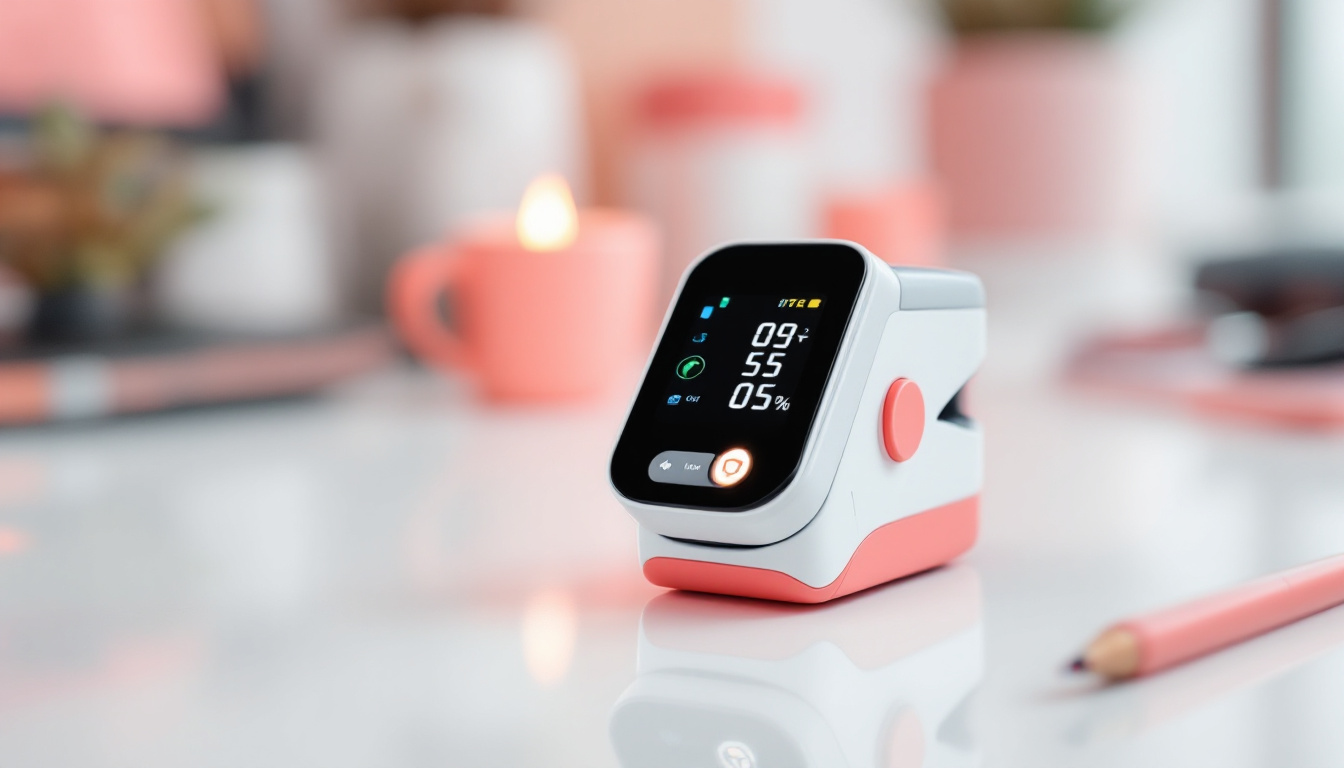
    Routine cleaning and suctioning of the tracheostomy tube

    Monitoring respiratory status and signs of infection

    Collaboration with healthcare team for ongoing care and support

    Education on emergency procedures and troubleshooting common issues

    By adhering to a comprehensive care plan and maintaining open communication with healthcare professionals, individuals with a tracheostomy can navigate the challenges and achieve a better quality of life post-procedure.

    Sources

    https://www.hopkinsmedicine.org/health/treatment-tests-and-therapies/tracheostomy#:~:text=Tracheo

    https://my.clevelandclinic.org/health/treatments/23231-tracheostomy

    https://www.mayoclinic.org/tests-procedures/tracheostomy/about/pac-20384673

  • Do You Need A Nebulizer Mask Or Mouthpiece?

    Do You Need A Nebulizer Mask Or Mouthpiece?

    Nebulizer mask or mouthpiece? Find the perfect fit for effective medication delivery and patient comfort. Choose wisely!

    __wf_reserved_inherit

    Understanding Nebulizers

    To make an informed decision about whether to use a nebulizer mask or a mouthpiece, it’s important to have a basic understanding of nebulizers and their role in medication delivery.

    What is a Nebulizer?

    A nebulizer is a medical device that is commonly used to deliver medication directly into the lungs. It converts liquid medication into a fine mist or aerosol, which can be inhaled by the patient. This method is particularly beneficial for individuals with respiratory conditions such as asthma, chronic obstructive pulmonary disease (COPD), or cystic fibrosis.

    Nebulizers are designed to provide targeted medication delivery to the lungs, allowing for efficient absorption and faster relief of symptoms. They are often recommended when medications need to reach deep into the airways to alleviate breathing difficulties.

    Importance of Nebulizer Masks and Mouthpieces

    Nebulizers can be used with either a mask or a mouthpiece, depending on the patient’s needs and preferences. Both options have their advantages and considerations.

    Nebulizer masks are typically used for infants, young children, or individuals who have difficulty using a mouthpiece. The mask covers the nose and mouth, ensuring that the medication is inhaled properly. It provides a secure fit and allows the patient to breathe comfortably during the treatment. However, some individuals may find the mask cumbersome or uncomfortable to wear.

    On the other hand, nebulizer mouthpieces are used by individuals who are able to inhale medication effectively through their mouth. The mouthpiece is held between the lips and allows for direct delivery of the medication into the lungs. It offers a more targeted approach and allows the patient to have control over their inhalation. However, it may not be suitable for those who have difficulty maintaining a strong seal around the mouthpiece.

    When choosing between a nebulizer mask and a mouthpiece, several factors need to be considered, including patient comfort, effectiveness of medication delivery, and ease of cleaning and maintenance. Each option has its pros and cons, and the decision should be based on individual preferences and healthcare provider recommendations.

    Understanding the basics of nebulizers and the role of masks and mouthpieces can help individuals make the right choice for their specific needs. Whether it’s a nebulizer mask or a mouthpiece, the goal is to ensure effective medication delivery and improved respiratory health.

    Nebulizer Mask

    When it comes to using a nebulizer, there are two primary options for medication delivery: nebulizer masks and nebulizer mouthpieces. In this section, we will explore nebulizer masks, including how they work and the pros and cons associated with their use.

    How Nebulizer Masks Work

    Nebulizer masks are designed to cover the nose and mouth, delivering medication directly into the respiratory system. They consist of a mask that fits securely over the face and a tubing system that connects to the nebulizer machine.

    To use a nebulizer mask, the patient simply places the mask over their nose and mouth, ensuring a proper seal. The nebulizer machine then converts the liquid medication into a fine mist, which is inhaled through the mask. The mist enters the lungs, delivering the medication effectively.

    Nebulizer masks are often used for young children, individuals with limited mobility, or those who may have difficulty using a mouthpiece. The mask design allows for a secure fit, ensuring that the medication is delivered efficiently.

    Pros and Cons of Nebulizer Masks

    Before deciding whether a nebulizer mask is the right choice for you, it’s important to consider the advantages and disadvantages associated with their use.

    __wf_reserved_inherit

    Understanding the pros and cons of nebulizer masks can help individuals make an informed decision about their use. It’s important to consider factors such as patient comfort, ease of use, and the effectiveness of medication delivery when choosing between a nebulizer mask and a nebulizer mouthpiece. Consulting with a healthcare provider can provide further guidance and recommendations based on individual needs and preferences.

    __wf_reserved_inherit

    Nebulizer Mouthpiece

    When it comes to using a nebulizer, one of the options for medication delivery is a nebulizer mouthpiece. This section will explore how nebulizer mouthpieces work and highlight the pros and cons of using them.

    How Nebulizer Mouthpieces Work

    A nebulizer mouthpiece is a device that attaches to the nebulizer machine and delivers medication directly to the patient’s lungs. It consists of a mouthpiece and a T-shaped connector that connects to the nebulizer chamber. The medication is placed into the nebulizer chamber, and when the machine is turned on, it converts the liquid medication into a fine mist that can be inhaled through the mouthpiece.

    To use a nebulizer mouthpiece, the patient simply places the mouthpiece in their mouth, forming a tight seal, and breathes in the mist generated by the nebulizer. The mist travels through the mouthpiece and into the lungs, where the medication is absorbed.

    Pros and Cons of Nebulizer Mouthpieces

    Using a nebulizer mouthpiece has several advantages and disadvantages that should be considered.

    Pros:

    • Efficient Medication Delivery: Nebulizer mouthpieces are designed to deliver medication directly to the lungs, allowing for effective absorption and quick relief.
    • Minimal Medication Waste: The design of the mouthpiece ensures that the medication is delivered directly to the patient, minimizing the chances of medication wastage.
    • Suitable for Different Age Groups: Nebulizer mouthpieces can be used by a wide range of patients, including children and adults, as long as they are able to form a tight seal around the mouthpiece.

    Cons:

    • Potential Discomfort: Some patients may find using a nebulizer mouthpiece uncomfortable, especially if they have difficulty forming a tight seal or if the mouthpiece is too large for their mouth.
    • Limited Mobility: Using a nebulizer mouthpiece requires the patient to hold the device in their mouth throughout the treatment duration, which may limit their mobility during the process.
    • Risk of Contamination: If the mouthpiece is not cleaned and maintained properly, there is a risk of bacterial or fungal growth, which could lead to respiratory infections.

    It’s important to note that the choice between a nebulizer mask and a mouthpiece depends on individual preferences and the patient’s specific needs. Some patients may find the mouthpiece more comfortable and convenient, while others may prefer the mask. Healthcare providers can provide guidance based on the patient’s medical condition, age, and ability to use either option effectively.

    Considering the factors mentioned in the previous section, such as patient comfort, effectiveness of medication delivery, and ease of cleaning and maintenance, patients and their healthcare providers can make the right choice between a nebulizer mask and a nebulizer mouthpiece to ensure optimal treatment outcomes.

    Factors to Consider

    When deciding between a nebulizer mask or mouthpiece, there are several factors to consider. These include patient comfort, effectiveness of medication delivery, and ease of cleaning and maintenance. Let’s explore each of these factors in more detail.

    Patient Comfort

    Patient comfort plays a crucial role in ensuring a positive nebulizer treatment experience. The choice between a nebulizer mask or mouthpiece should be based on the patient’s individual preferences and needs. Some patients may find wearing a mask more comfortable, while others may prefer using a mouthpiece.

    It’s important to consider factors such as the fit of the mask or mouthpiece, the presence of any allergies or sensitivities to materials used, and the overall ease of use. Comfortable and well-fitting equipment can contribute to a more relaxed and effective nebulizer treatment session.

    Effectiveness of Medication Delivery

    The effectiveness of medication delivery is another key consideration when choosing between a nebulizer mask or mouthpiece. Both options can effectively deliver medication to the respiratory system, but the method of delivery may vary.

    A nebulizer mask covers the nose and mouth, allowing the medication to be inhaled directly. This can be beneficial for individuals who have difficulty coordinating their breathing or who require a higher concentration of medication.

    On the other hand, a nebulizer mouthpiece requires the patient to form a seal around the mouthpiece and inhale deeply. This method may be more suitable for individuals who are able to control their breathing and prefer a more targeted medication delivery.

    Ease of Cleaning and Maintenance

    The ease of cleaning and maintenance is an important practical consideration when choosing a nebulizer mask or mouthpiece. Regular cleaning and proper maintenance of the equipment help ensure its longevity and effectiveness.

    Nebulizer masks are generally easier to clean as they can be detached from the nebulizer chamber and washed separately. Mouthpieces, on the other hand, may require more meticulous cleaning due to their smaller size and intricate design.

    It’s important to follow the manufacturer’s instructions for cleaning and maintenance to prevent the build-up of bacteria or residue that could potentially affect the delivery of medication.

    Consider the following table for a quick comparison between nebulizer masks and mouthpieces:

    __wf_reserved_inherit

    By carefully considering patient comfort, effectiveness of medication delivery, and ease of cleaning and maintenance, individuals can make an informed decision on whether to use a nebulizer mask or mouthpiece. It may also be helpful to consult with a healthcare provider for personalized guidance based on specific medical conditions and treatment goals.

    __wf_reserved_inherit

    Making the Right Choice

    When it comes to choosing between a nebulizer mask and a nebulizer mouthpiece, there are a few factors to consider. Ultimately, the decision should be based on individual preferences and healthcare provider recommendations.

    Individual Preferences

    One important factor to consider is your personal comfort and ease of use. Some individuals may find the nebulizer mask more comfortable, as it covers the nose and mouth, allowing for hands-free operation during the treatment. The mask can be particularly beneficial for children or individuals who have difficulty holding a mouthpiece in their mouth for an extended period.

    On the other hand, some individuals may prefer a nebulizer mouthpiece. Mouthpieces are smaller and more portable compared to masks, making them a convenient option for those who are frequently on the go. Additionally, mouthpieces provide a more direct and targeted delivery of medication to the airways.

    Considering your own preferences and comfort level can help you make a choice that suits your specific needs and lifestyle.

    Healthcare Provider Recommendations

    Another crucial aspect to consider when deciding between a nebulizer mask and a nebulizer mouthpiece is the advice and recommendations of your healthcare provider. They have a better understanding of your medical condition and can provide guidance on the most appropriate option for your specific case.

    Healthcare providers take into account factors such as the severity of your respiratory condition, your ability to inhale medication effectively, and any existing respiratory restrictions or challenges. They may recommend a nebulizer mask if they believe it will provide better medication delivery or a mouthpiece if it aligns better with your needs.

    By consulting with your healthcare provider, you can gain valuable insights and make an informed decision that takes into account your individual circumstances.

    In the end, the choice between a nebulizer mask and a nebulizer mouthpiece depends on a combination of personal preference and healthcare provider recommendations. Both options have their own advantages and considerations. Remember to prioritize your comfort, ease of use, and effectiveness of medication delivery when making the decision.

    Sources

    https://my.clevelandclinic.org/health/drugs/4254-home-nebulizer

    https://aeroflowhealth.com/do-you-need-a-nebulizer-mask-or-mouthpiece/

    https://www.pari.com/int/inhalation-therapy/how-to-use-a-nebuliser/inhalation-mask-or-mouthpiece/

  • How Pediatric Home Health Care Supports Children with Cancer

    How Pediatric Home Health Care Supports Children with Cancer

    Exploring the Benefits and Mechanics of Home-Based Cancer Care for Children

    Introduction

    Pediatric home health care is revolutionizing the approach to childhood cancer treatment by allowing young patients to receive attentive and specialized care within the comforts of their own homes. As healthcare models continue to evolve towards home-centric solutions, the implications and benefits of this shift warrant deep exploration. This narrative will delve into the diverse dimensions of how pediatric home health care supports children with cancer, encompassing the roles of nurses, emotional and practical support for families, and the impact on caregivers.

    The Critical Role of Pediatric Home Health Nurses

    Understanding the Impact of Pediatric Home Health Nursing

    What is the role of a pediatric home health nurse in supporting children with cancer?

    The role of a pediatric home health nurse in supporting children with cancer is multifaceted and crucial for their recovery. These specialized nurses conduct thorough evaluations, develop personalized care plans, and administer treatments such as chemotherapy and infusion therapy directly in the home setting.

    Evaluation and personalized care plans

    Pediatric home health nurses start with a comprehensive assessment of the child’s medical condition and needs. They tailor care plans to address specific health issues, ensuring that each child’s unique requirements are met. This personalization is critical in adapting treatments as the child’s condition evolves, allowing for a flexible and effective care strategy.

    Coordination with healthcare teams

    In addition to individual care, these nurses coordinate with various healthcare professionals, including primary care physicians and specialists. This collaboration is essential for managing complex care needs and ensuring consistent communication about the child’s health status. Such teamwork enhances the support network around the family, providing holistic care that encompasses both physical and emotional aspects.

    Benefits of home-based treatments

    Home health care offers considerable benefits, such as reducing the stress and discomfort associated with hospital visits. Children being treated at home often exhibit improved recovery times and emotional well-being, thanks to the familiar and comfortable setting. Having consistent nursing support at home can lead to better medication management, reduced hospitalizations, and enhanced quality of life for both the child and their family.

    Emotional Support Services in Pediatric Home Health Care

    The Importance of Emotional Support for Families

    How do pediatric home health care services support children with cancer and their families emotionally?

    Pediatric home health care services play a vital role in offering emotional support to children with cancer and their families. Specialized therapies such as play therapy and counseling are key components in this support system. These therapies allow children and teenagers to express their feelings and navigate the complex emotions related to their diagnoses. By addressing emotional well-being, healthcare professionals help children cope better with their cancer journey.

    Various organizations, including Kids Cancer Charity and Young Lives Vs Cancer, provide both emotional support and practical assistance. They help families manage unexpected costs associated with treatment, alleviating some financial burdens. Charities like the Brain Tumour Charity and Teenage Cancer Trust also contribute significantly by organizing community events and creating support networks. These initiatives connect families who are facing similar challenges, fostering camaraderie and emotional resilience.

    Furthermore, tools such as ‘find a service’ search options ensure that families can effortlessly access local resources. This makes it easier for them to seek emotional and practical support during tough times. By integrating these resources and strategies, pediatric home health care services help diminish feelings of isolation among families, equipping them with the emotional resilience needed to navigate the challenges of cancer treatment.

    The Essential Impact of Caregivers

    Recognizing the Vital Role of Caregivers

    Roles and responsibilities of caregivers

    Caregivers play a vital role in the home health care of children with cancer. They serve as essential sources of physical, mental, and emotional support throughout the treatment journey. The responsibilities of caregivers encompass a wide range of tasks, including:

    • Administering Medications: Ensuring proper dosages and schedules are followed.
    • Managing Symptoms: Monitoring side effects of treatment and providing comfort measures.
    • Encouragement and Emotional Support: Helping children cope with their illness through positive interactions.
    • Coordinating Medical Care: Arranging appointments and providing transportation to ensure timely care.
    • Household Management: Meal preparation and assistance with daily tasks help foster a nurturing environment conducive to recovery.

    Impact on family dynamics

    The presence of a caregiver significantly influences family dynamics. As parents assume these demanding roles, they often experience a shift in daily routines and emotional burdens. This involvement can lead to:

    • Increased family cohesion through mutual support during difficult times.
    • Enhanced roles for siblings, who may take on additional responsibilities.
    • Greater communication among family members, crucial for navigating the challenges of a cancer diagnosis.

    Managing logistics and emotional support

    Caregivers manage various logistical aspects to facilitate care, such as:

    • Insurance and Billing: Handling the complexities of medical finances allows families to focus more on the child’s health and well-being.
    • Emotional Wellbeing: Caregivers themselves require emotional support and self-care, as the stresses of caregiving can impact their health and the family’s overall dynamics. Groups like Cancer Care provide invaluable resources, ensuring caregivers do not navigate this journey alone.

    Effective At-Home Support Strategies for Families

    What are effective ways to support a child with cancer at home?

    Supporting a child with cancer at home requires families to navigate a range of changes and emotions effectively. One of the most critical aspects is helping children adjust to the physical changes that come with treatment. This may involve preparing them for hair loss or other treatment-related effects in a gentle manner, offering comfort items to help ease their fears.

    Communication and trust building

    Open lines of communication play a vital role in establishing trust. Parents should engage in honest, age-appropriate conversations about cancer. It’s important to clarify that cancer is not contagious and to explain the treatment process in simple terms. Children often appreciate transparency; younger ones may seek reassurance through familiar routines, while school-aged children may have a barrage of questions. Addressing their concerns openly fosters a safe space for them to express their feelings.

    Maintaining routines and social connections

    To help maintain a sense of normalcy, families should strive to preserve daily routines despite the disruptions caused by cancer treatments. Encouraging children to stay connected with friends, even if through virtual means, alleviates feelings of isolation. Support systems can extend to siblings, as well; involving them in discussions about the situation can strengthen family bonds.

    Through prioritizing their own self-care and reaching out for support from family, friends, or local groups, caregivers can better manage the overwhelming stresses associated with caring for a child with cancer.

    Impacts of Home-Based Care on Family and Social Well-being

    How Home-Based Care Benefits Families

    Normalization of cancer in daily life

    Home-based care allows children with cancer to experience their illness within familiar surroundings. This normalization helps families process the reality of cancer while providing emotional stability. By integrating treatment into daily routines, children can maintain a sense of normalcy throughout their journey, fostering resilience and emotional health.

    Family empowerment and involvement

    Caregiving for a child with cancer often falls upon parents, who take on critical roles in coordinating care. Home-based care empowers these caregivers by allowing them to manage treatments and care routines in their child’s comfort zone. Engaging family members, including siblings, is essential, as it helps everyone cope, provides emotional support, and strengthens familial bonds, enhancing overall well-being.

    Financial and social benefits

    The shift to home-based care plays a crucial role in alleviating financial strains for families. Reduced travel requirements and minimized hospital stays lead to significant savings. Additionally, families note improved interactions, leading to better emotional health and support systems. By removing transportation barriers, parents can maintain employment more easily, resulting in strengthened family dynamics.

    Feature Benefit Description
    Normalization of experience Emotional stability Children adapt better to their diagnosis in a familiar environment.
    Family involvement Supportive network Engaging siblings can maintain emotional well-being.
    Financial savings Reduced travel and hospital costs Less burden on family budgets enhances overall dynamics.

    Challenges and Future Directions for Pediatric Home Health Care

    Addressing Challenges in Pediatric Home Health Care

    Coordination and communication challenges

    Families accessing home-based care for children with cancer often encounter significant barriers due to the fragmented healthcare system. This results in inconsistent service delivery and poorly coordinated care, leading to adverse health outcomes. Effective communication between home care agencies, hospitals, and families is essential to navigate these complexities and ensure seamless care delivery.

    Training needs for home health nurses

    A notable challenge is the shortage of adequately skilled home health nurses trained specifically in pediatric oncology. Specialized training is critical to equip nurses with the skills necessary to manage the complexities of caring for children with cancer. By enhancing their expertise, nurses can improve the quality of care provided in home settings.

    Potential improvements and innovations

    To optimize pediatric home health care, innovative solutions such as virtual consultations and robust support networks for caregivers are being explored. Implementing comprehensive education programs for families will empower them to better manage their children’s health at home. Furthermore, initiatives that facilitate collaboration among primary care physicians, home care providers, and hospitals will enhance service integration, ultimately supporting better health outcomes for young patients.

    Conclusion

    Pediatric home health care provides tangible benefits for children with cancer and their families by enabling comprehensive medical care, emotional support, and improved family interactions. While there are challenges, especially around coordination and training, the human-centric approach of delivering cancer care at home promises to enhance quality of life and recovery outcomes. By understanding these dynamics, caregivers, healthcare professionals, and families can better navigate the complexities of pediatric cancer treatment, fostering an environment conducive to healing and emotional well-being.

    References