Category: Uncategorized

  • Medical Equipment Repair Services

    Medical Equipment Repair Services

    Discover why professional medical equipment repair services are crucial! Ensure quality, compliance, and patient safety.

    __wf_reserved_inherit

    Importance of Medical Equipment Maintenance

    Ensuring the proper functioning of medical equipment is of paramount importance in healthcare settings. This maintenance is crucial for compliance with regulations and ultimately impacts patient safety.

    Ensuring Proper Functionality

    Medical equipment maintenance plays a vital role in ensuring that all devices and instruments within healthcare facilities are operating at their optimal level. Regular maintenance checks help identify and address any potential issues before they escalate into significant problems. By maintaining proper functionality, healthcare providers can rely on their equipment to deliver accurate results and support quality patient care.

    Compliance with Regulations

    Adhering to regulations and standards set forth by governing bodies is a fundamental aspect of healthcare operations. Regular maintenance of medical equipment is often a requirement to maintain compliance with regulatory guidelines. Compliance ensures that healthcare facilities meet the necessary safety and quality standards, reducing the risk of potential legal repercussions and penalties.

    Patient Safety

    Perhaps the most critical reason for prioritizing medical equipment maintenance is patient safety. Malfunctioning or poorly maintained equipment can pose serious risks to patients, leading to incorrect diagnoses, treatment errors, and compromised care quality. Regular maintenance and upkeep of medical equipment are essential to preventing adverse events, safeguarding patient well-being, and upholding the reputation of healthcare facilities.

    By recognizing the importance of medical equipment maintenance in ensuring proper functionality, compliance with regulations, and patient safety, healthcare providers can uphold the highest standards of care and maintain a safe environment for both patients and staff.

    __wf_reserved_inherit

    Understanding Medical Equipment Repair Services

    When it comes to maintaining the functionality and safety of medical equipment, understanding the scope of services offered by medical equipment repair providers is essential. In this section, we will delve into the comprehensive range of services available and the benefits of opting for professional repairs.

    Scope of Services Offered

    Medical equipment repair services encompass a wide array of maintenance and repair solutions to ensure that healthcare facilities can rely on their equipment for accurate diagnoses and patient care. Some common services offered by professional repair providers include:

    __wf_reserved_inherit

    By entrusting medical equipment repair services with the maintenance and repair of vital healthcare technology, facilities can enhance the longevity and reliability of their equipment, ultimately leading to improved patient outcomes and operational efficiency.

    Benefits of Professional Repairs

    Opting for professional medical equipment repair services offers a multitude of benefits that contribute to the overall effectiveness and safety of healthcare operations. Some key advantages of choosing professional repair services include:

    __wf_reserved_inherit

    By recognizing the scope of services offered and the benefits of professional repairs, healthcare facilities can prioritize the maintenance and repair of their medical equipment, safeguarding patient care and operational efficiency.

    __wf_reserved_inherit

    Factors to Consider When Choosing Repair Services

    When it comes to selecting medical equipment repair services, several key factors should be taken into consideration to ensure the efficient functioning and longevity of the equipment. These factors include the provider’s experience and expertise, turnaround time and response, and cost-effectiveness.

    Experience and Expertise

    One of the most critical factors to consider when choosing medical equipment repair services is the provider’s level of experience and expertise. An experienced repair service provider will have a deep understanding of various types of medical equipment, allowing them to diagnose and address issues effectively. Look for providers with a proven track record in servicing a wide range of medical equipment to ensure high-quality repairs.

    Turnaround Time and Response

    The turnaround time and response of a repair service provider play a significant role in minimizing equipment downtime and ensuring prompt resolution of issues. Quick response times and efficient turnaround times are essential in the healthcare industry to prevent disruptions to patient care. When evaluating repair services, inquire about their average response time and turnaround time for repairs to gauge their efficiency and reliability.

    Cost-Effectiveness

    While cost should not be the sole determining factor, it is essential to consider the cost-effectiveness of medical equipment repair services. Compare pricing structures among different providers and ensure that the cost aligns with the level of service and expertise offered. Opting for the cheapest option may result in subpar repairs and recurring issues, ultimately costing more in the long run. Balance cost considerations with the quality of service to make an informed decision.

    Considering these factors when selecting medical equipment repair services can help healthcare facilities maintain the optimal performance of their equipment, ensure patient safety, and avoid costly downtime. By prioritizing experience, efficiency, and cost-effectiveness, healthcare providers can partner with reliable repair services to support the seamless operation of their medical equipment.

    Risks of Inadequate Repair Services

    When it comes to medical equipment, the importance of proper maintenance and timely repairs cannot be overstated. Inadequate repair services can pose significant risks that may compromise not only the performance of the equipment but also the safety of patients and healthcare providers. Additionally, overlooking repair needs can lead to legal and regulatory consequences that can have far-reaching implications.

    Compromised Equipment Performance

    One of the primary risks associated with inadequate repair services is the compromised performance of medical equipment. When equipment is not properly maintained or repaired, it may experience malfunctions or breakdowns that can impact its accuracy and reliability. This can result in incorrect readings, misdiagnoses, and errors in patient care, ultimately jeopardizing the quality of healthcare services provided.

    Safety Hazards

    Another critical risk of neglecting repair services is the potential for safety hazards within healthcare facilities. Malfunctioning equipment due to inadequate repairs can pose serious risks to both patients and healthcare professionals. For example, faulty monitoring devices or treatment equipment may lead to incorrect dosages, ineffective treatments, or even patient injuries. Ensuring that medical equipment is properly repaired and maintained is essential for mitigating these safety hazards and upholding patient well-being.

    Legal and Regulatory Consequences

    In the healthcare industry, compliance with legal and regulatory standards is paramount to ensure the delivery of safe and effective patient care. Inadequate repair services can result in violations of regulations set forth by governing bodies, such as the FDA or other healthcare authorities. Non-compliance with these standards not only jeopardizes patient safety but can also lead to legal consequences, fines, loss of accreditation, and damage to the reputation of healthcare facilities.

    By understanding the risks associated with inadequate repair services for medical equipment, healthcare providers can prioritize the timely maintenance and professional repair of their equipment. Investing in quality repair services not only safeguards equipment performance and patient safety but also helps healthcare facilities avoid potential legal and regulatory repercussions. It is crucial for healthcare organizations to recognize the importance of reliable repair services in maintaining the integrity of their medical equipment and upholding the highest standards of care.

    Benefits of Professional Medical Equipment Repair Services

    When it comes to maintaining and repairing medical equipment, opting for professional services offers a multitude of benefits that contribute to the efficient functioning of healthcare facilities. Here are the key advantages of choosing professional medical equipment repair services:

    Quality Assurance

    Professional repair services provide a guarantee of quality workmanship, ensuring that the medical equipment is restored to optimal performance standards. Technicians with specialized training and expertise are equipped to diagnose issues accurately and implement precise repairs, minimizing the risk of equipment malfunctions and breakdowns.

    Long-Term Cost Savings

    Investing in professional medical equipment repair services can lead to long-term cost savings for healthcare facilities. By addressing issues promptly and effectively, professional technicians help prevent minor problems from escalating into major breakdowns that could require costly repairs or equipment replacements. Regular maintenance and timely repairs extend the lifespan of medical equipment, reducing overall operational expenses.

    Peace of Mind

    Entrusting medical equipment repair to professionals provides healthcare providers and staff with peace of mind, knowing that their critical equipment is in capable hands. Professional repair services offer reliability, efficiency, and accountability, alleviating concerns about equipment performance and patient safety. With the assurance of skilled technicians handling maintenance and repairs, healthcare facilities can focus on delivering quality patient care without disruptions caused by equipment failures.

    The benefits of professional medical equipment repair services extend beyond immediate fixes, encompassing quality assurance, cost-effectiveness, and peace of mind. By prioritizing professional repair services, healthcare facilities can uphold operational efficiency, ensure patient safety, and enhance the overall quality of care provided.

    Finding the Right Repair Service Provider

    When it comes to ensuring the optimal functionality and safety of medical equipment, finding the right repair service provider is paramount. To make an informed decision, it’s essential to consider factors such as research and reviews, certifications and accreditations, as well as customer service and support.

    Research and Reviews

    Conducting thorough research and reading reviews from other healthcare professionals can provide valuable insights into the reputation and reliability of a repair service provider. Online platforms and forums dedicated to medical equipment maintenance are excellent resources for gathering feedback and recommendations. By analyzing the experiences of others, you can make an informed decision when selecting a repair service provider.

    Certifications and Accreditations

    Certifications and accreditations serve as indicators of a repair service provider’s commitment to quality and adherence to industry standards. Look for certifications from reputable organizations such as the International Association of Medical Equipment Remarketers and Servicers (IAMERS) or the Medical Equipment Repair Association (MERA). These certifications demonstrate that the provider meets stringent criteria for service excellence and technical proficiency.

    Customer Service and Support

    Effective customer service and support are essential components of a reliable repair service provider. A responsive and knowledgeable customer service team can address your inquiries promptly and provide assistance when needed. Additionally, transparent communication and a customer-centric approach can enhance the overall repair experience, ensuring that your medical equipment is back up and running efficiently in a timely manner.

    By prioritizing research and reviews, certifications and accreditations, as well as customer service and support, you can identify a reputable repair service provider that meets your specific needs and requirements. Investing time and effort in selecting the right partner for medical equipment repair can lead to improved equipment performance, enhanced patient safety, and peace of mind knowing that your equipment is in capable hands.

    Sources

    https://www.zuper.co/blog/medical-equipment-installation-repair-maintenance

    https://www.medsrvc.com/

    https://www.crothall.com/services/clinical-engineering/medical-equipment-repair-services/

  • 2024 Annual Pediatric Device Innovation Symposium

    2024 Annual Pediatric Device Innovation Symposium

    Experience the future at the 2024 Annual Pediatric Device Innovation Symposium – innovation, collaboration, and breakthroughs await!

    Overview of the Pediatric Device Innovation Symposium

    As we delve into the realm of pediatric healthcare, the Pediatric Device Innovation Symposium emerges as a pivotal event in the domain of pediatric medical advancements. This symposium serves as a platform that brings together experts, innovators, and stakeholders to foster innovation in pediatric device development.

    What is the Pediatric Device Innovation Symposium?

    The Pediatric Device Innovation Symposium is a renowned gathering that focuses on driving progress in the field of pediatric medical devices. By uniting key players from various sectors, including healthcare, industry, and academia, the symposium aims to facilitate discussions, collaborations, and initiatives that pave the way for enhanced pediatric healthcare outcomes.

    Importance of Pediatric Medical Devices

    Pediatric medical devices play a crucial role in addressing the unique healthcare needs of children and infants. Unlike adult medical devices, pediatric devices require specialized designs and considerations to ensure safety, efficacy, and comfort for young patients. The development of innovative pediatric medical devices is essential to fill the gaps in pediatric healthcare and improve the quality of care for our young population.

    Through the Pediatric Device Innovation Symposium, stakeholders have the opportunity to explore challenges, share insights, and showcase advancements in the field of pediatric medical technology. By prioritizing pediatric device innovation, we can unlock a future where children have access to safe, effective, and tailored medical devices that cater to their specific needs.

    Event Details

    Providing key information about the 2024 symposium on pediatric device innovation sets the stage for attendees. This section covers the specific details attendees need to know before participating, including the date and location, main speakers and panelists, and highlights of the agenda.

    Date and Location of the 2024 Symposium

    The 2024 annual pediatric device innovation symposium is scheduled to take place:

    __wf_reserved_inherit

    Mark your calendars and plan your travel arrangements accordingly to ensure you don’t miss out on this enriching event.

    Key Speakers and Panelists

    Engage with renowned experts in the field of pediatric healthcare during the symposium. Expect enlightening presentations and discussions from distinguished key speakers and panelists, providing insights into the latest advancements and challenges in pediatric device innovation.

    __wf_reserved_inherit

    Agenda Highlights

    The agenda for the 2024 symposium includes a range of compelling sessions and activities designed to foster collaboration and knowledge sharing within the pediatric healthcare community. Attendees can look forward to:

    • Panel discussions on emerging trends in pediatric device innovation
    • Workshops on regulatory considerations for pediatric medical devices
    • Presentations on breakthrough technologies enhancing pediatric healthcare

    Plan your attendance strategically to make the most of these agenda highlights and expand your understanding of pediatric device innovation.

    Focus on Pediatric Healthcare

    Highlighting the significance of pediatric healthcare, it’s crucial to address the current challenges in pediatric device innovation and understand the impact of pediatric innovations on healthcare.

    Current Challenges in Pediatric Device Innovation

    Pediatric device innovation faces several challenges that hinder the development and accessibility of specialized medical devices for children. Some of the key challenges include:

    __wf_reserved_inherit

    Overcoming these challenges requires collaboration among healthcare providers, researchers, industry partners, and regulatory bodies to prioritize pediatric healthcare needs and drive innovation in the field.

    Impact of Pediatric Innovations on Healthcare

    The impact of pediatric innovations on healthcare extends far beyond the realm of child-specific medical devices. Advancements in pediatric healthcare have the potential to:

    __wf_reserved_inherit

    By addressing the unique healthcare needs of children and investing in pediatric device innovation, healthcare systems can make significant strides in improving pediatric healthcare outcomes and addressing the specific challenges faced by young patients and their families.

    Notable Innovations and Technologies

    Exploring the landscape of pediatric healthcare innovations, the symposium will unveil notable breakthroughs in pediatric medical technology. This section will highlight the showcase of promising pediatric devices and the latest breakthroughs shaping the field.

    Showcase of Promising Pediatric Devices

    The symposium will feature a diverse array of innovative pediatric devices designed to address the unique healthcare needs of children. These devices encompass a wide range of specialties, from diagnostic tools to therapeutic technologies, aiming to enhance treatment outcomes and improve the quality of care for pediatric patients.

    __wf_reserved_inherit

    Breakthroughs in Pediatric Medical Technology

    The symposium will also showcase groundbreaking advancements in pediatric medical technology that are revolutionizing healthcare for children. These innovations represent the forefront of pediatric care and hold the potential to transform treatment approaches and outcomes for pediatric conditions.

    __wf_reserved_inherit

    By featuring these promising pediatric devices and breakthrough medical technologies, the symposium aims to foster collaboration, innovation, and advancements in pediatric healthcare, ultimately benefiting the well-being of children worldwide.

    Collaboration and Opportunities

    In the realm of pediatric device innovation, fostering collaborations and exploring funding opportunities are crucial for advancing the field and bringing impactful solutions to pediatric healthcare settings. This section sheds light on industry partnerships and collaborations, as well as funding opportunities dedicated to fueling pediatric device innovation.

    Industry Partnerships and Collaborations

    In the landscape of pediatric healthcare, industry partnerships play a vital role in driving innovation and bridging gaps in pediatric device development. By collaborating with industry leaders, researchers, healthcare providers, and regulatory bodies, the pediatric device innovation ecosystem can harness diverse expertise and resources to accelerate the translation of novel ideas into tangible solutions for pediatric patients.

    To illustrate the significance of industry partnerships, consider the following table showcasing the types of collaborations that can enhance pediatric device innovation:

    Types of Industry Partnerships

    Research Collaborations with Universities

    Joint Ventures with Medical Device Companies

    Clinical Partnerships with Healthcare Institutions

    Regulatory Collaborations with Government Agencies

    Funding Opportunities for Pediatric Device Innovation

    Securing funding is a critical aspect of pediatric device innovation, as it supports research, development, and commercialization efforts. Various funding opportunities exist to empower innovators and entrepreneurs in their quest to create impactful pediatric medical devices. These opportunities range from government grants to private investments and philanthropic funding.

    To provide insight into the diverse funding opportunities available in the pediatric device innovation space, refer to the following table highlighting different sources of funding:

    Sources of Funding

    Government Grants (e.g., NIH SBIR/STTR Programs)

    Venture Capital Investments

    Foundation Grants and Awards

    Crowdfunding Initiatives

    Accelerator Programs for Healthcare Startups

    By leveraging industry partnerships and exploring funding avenues, stakeholders in the pediatric device innovation ecosystem can collaborate, innovate, and drive positive changes in pediatric healthcare. These collaborative efforts and financial support systems are instrumental in nurturing a vibrant ecosystem that fosters innovation and brings novel pediatric medical devices to the forefront of pediatric care.

    Attending the Symposium

    For those interested in participating in the 2024 Annual Pediatric Device Innovation Symposium, here is essential information on how to register, tips for making the most of the experience, and the networking opportunities available during the event.

    How to Register for the Event

    To secure your spot at the 2024 Symposium, registration is required. Below are the steps to register for the event:

    Registration Steps

    1. Visit the official symposium website

    2. Locate the registration section

    3. Fill out the required personal and payment information

    4. Confirm your registration and receive a confirmation email

    Ensuring that you register early is recommended, as spaces for the symposium may be limited due to high demand.

    Tips for Maximizing Your Experience

    To enhance your overall experience at the symposium and make the most of this valuable opportunity, consider the following tips:

    Tips for Maximizing Your Experience

    Familiarize yourself with the agenda beforehand

    Prepare questions for speakers and panelists

    Network with other attendees

    Take notes during sessions for future reference

    Participate in interactive workshops and discussions

    By actively engaging with the content and connecting with industry experts and peers, you can gain valuable insights and make meaningful contributions to the field of pediatric device innovation.

    Networking Opportunities at the Symposium

    One of the key benefits of attending the 2024 Annual Pediatric Device Innovation Symposium is the networking opportunities it provides. Here are some avenues for networking during the event:

    Networking Opportunities

    Attend networking sessions and social events

    Engage with speakers and panelists during Q&A sessions

    Connect with fellow attendees during breaks and workshops

    Join online symposium communities or discussion forums

    Building relationships and collaborations with like-minded individuals and organizations can open doors to new opportunities in the pediatric healthcare innovation sector. Make the most of these networking opportunities to expand your professional network and knowledge base.

    Sources

    https://www.ctipmedtech.org/2024-ctip-symposium

    https://pediatric-device-symposium.org/

    https://www.childrensnational.org/about-us/newsroom/2024/childrens-national

  • Guidelines for Pediatric Home Health Care

    Guidelines for Pediatric Home Health Care

    Discover essential guidelines for optimal pediatric home health care. Ensure safety, emotional support, and more for young patients.

    Introduction to Pediatric Home Health Care

    __wf_reserved_inherit

    In the realm of pediatric home health care, ensuring optimal care for young patients is paramount. It involves a multidisciplinary approach that caters to the unique needs of children in a home setting. Let’s delve into the importance of pediatric home health care and gain an overview of the guidelines that govern this specialized form of care.

    Importance of Home Health Care for Pediatric Patients

    Pediatric home health care plays a pivotal role in the well-being of young patients who require ongoing medical attention outside of a hospital setting. Home care provides a familiar and comforting environment for children, promoting their emotional well-being and aiding in their recovery and development.

    Moreover, home health care allows for personalized care plans tailored to the individual needs of each child. This tailored approach not only addresses the medical requirements of pediatric patients but also considers their social, emotional, and developmental needs.

    Overview of Pediatric Home Health Care Guidelines

    Guidelines for pediatric home health care encompass a comprehensive framework designed to ensure the provision of safe, effective, and holistic care for young patients. These guidelines cover various aspects of care, including medical management, nutritional support, safety measures, and emotional support, all aimed at optimizing the health and well-being of pediatric patients in a home environment.

    By adhering to these guidelines, healthcare providers, caregivers, and families can work collaboratively to create a nurturing and supportive care environment for pediatric patients. The guidelines serve as a roadmap for delivering quality care that addresses the unique needs of children and promotes their overall health and development.

    Through a structured approach guided by pediatric home health care guidelines, healthcare teams can help pediatric patients thrive and succeed in their home environment, fostering a sense of security, continuity of care, and improved health outcomes.

    Care Planning and Coordination

    __wf_reserved_inherit

    When it comes to pediatric home health care, effective care planning and coordination are essential components. This ensures that pediatric patients receive individualized care plans tailored to their specific needs and that communication among care providers is seamless.

    Creating Individualized Care Plans

    Creating individualized care plans for pediatric patients involves a comprehensive approach that takes into account the unique requirements of each child. These care plans are developed based on various factors such as the child’s medical condition, developmental stage, and personal preferences.

    Key Components of Individualized Care Plans

    Medical history and diagnosis

    Medication schedule

    Nutrition and dietary requirements

    Specialized equipment needs

    Therapy and rehabilitation plans

    Emergency procedures

    By customizing care plans to meet the specific needs of each pediatric patient, healthcare providers can ensure that the child receives the necessary support and treatment to promote their overall well-being.

    Communication and Coordination Among Care Providers

    Effective communication and coordination among care providers are vital for the success of pediatric home health care. This involves establishing clear lines of communication, sharing relevant information, and collaborating to deliver comprehensive care to the pediatric patient.

    Strategies for Communication and Coordination

    Regular team meetings to discuss patient progress

    Utilization of electronic health records for information sharing

    Clear assignment of roles and responsibilities within the care team

    Open channels for feedback and updates among providers

    Emergency protocols and contact information for all team members

    By fostering strong communication and coordination among care providers, healthcare teams can work together cohesively to ensure that the pediatric patient receives consistent and high-quality care at home. This collaborative approach enhances the overall care experience and contributes to the child’s health and well-being.

    Medical Management at Home

    In pediatric home health care, effective medical management plays a crucial role in ensuring the well-being of young patients. Key aspects of medical management include medication administration and the routine monitoring of vital signs and symptoms.

    Medication Administration

    Proper medication administration is essential in pediatric home health care to ensure that children receive their medications safely and accurately. Caregivers must follow specific guidelines and procedures to administer medications correctly, considering factors such as dosage, timing, and any special instructions provided by healthcare professionals.

    It is important to keep a detailed medication schedule that includes the following information:

    __wf_reserved_inherit

    Caregivers should also be educated on the proper storage of medications, potential side effects to watch for, and what to do in case of a missed dose or accidental overdose. Open communication with healthcare providers is essential to address any concerns or questions related to medication administration.

    Monitoring Vital Signs and Symptoms

    Regular monitoring of vital signs and symptoms is a fundamental aspect of pediatric home health care to assess the child’s health status and detect any changes or abnormalities promptly. Vital signs such as temperature, heart rate, respiratory rate, and blood pressure provide valuable insights into the child’s overall well-being.

    Here is a brief overview of typical vital signs ranges for pediatric patients:

    __wf_reserved_inherit

    In addition to vital signs, monitoring symptoms such as pain levels, appetite changes, behavior, and any new or worsening medical conditions is essential. Caregivers should maintain accurate records of vital signs and symptoms, report any concerning changes to healthcare providers, and seek immediate medical attention if necessary.

    By focusing on meticulous medication administration and diligent monitoring of vital signs and symptoms, pediatric patients can receive the comprehensive medical management needed to thrive in the comfort of their home environment.

    Nutritional Support and Dietary Guidelines

    When it comes to pediatric home health care, ensuring proper nutrition is paramount to the overall well-being and development of pediatric patients. In this section, we will explore the importance of proper nutrition and delve into the special considerations that need to be taken into account for pediatric patients.

    Ensuring Proper Nutrition

    Proper nutrition plays a vital role in the growth, development, and overall health of pediatric patients receiving home health care. It is essential to provide a well-balanced diet that meets their unique nutritional needs. Here is a general overview of the recommended daily intake of key nutrients for pediatric patients:

    __wf_reserved_inherit

    Ensuring that pediatric patients receive adequate amounts of essential nutrients is crucial for supporting their immune function, growth, and cognitive development. Caregivers should work closely with healthcare providers to create a nutrition plan tailored to the individual needs of each pediatric patient.

    Special Considerations for Pediatric Patients

    Pediatric patients have unique nutritional needs and considerations that must be addressed to support their health and well-being. Special attention should be given to factors such as:

    • Allergies and Food Intolerances: Identifying and managing allergies or intolerances to certain foods is essential to prevent adverse reactions and ensure proper nutrition.
    • Feeding Difficulties: Some pediatric patients may experience feeding difficulties or require specialized feeding techniques. Working with a healthcare team to address these challenges is crucial.
    • Special Diets: Certain medical conditions may require pediatric patients to follow special diets, such as a low-sugar diet for diabetes or a gluten-free diet for celiac disease.
    • Fluid Intake: Adequate hydration is essential for pediatric patients, especially those with medical conditions that impact fluid balance. Monitoring fluid intake is crucial for overall health.

    By considering these special considerations and working closely with healthcare providers, caregivers can ensure that pediatric patients receive the necessary nutritional support to promote optimal growth, development, and well-being in the home health care setting.

    Safety Measures in the Home Environment

    Ensuring a safe and secure home environment is paramount when providing pediatric home health care. Implementing proper childproofing and safety precautions can significantly reduce the risk of accidents and injuries for pediatric patients.

    Childproofing and Safety Precautions

    Childproofing the home is essential to create a safe environment for pediatric patients. This involves taking preventive measures to safeguard against potential hazards and ensure the well-being of children.

    Here are some key areas to focus on when childproofing the home:

    __wf_reserved_inherit

    By addressing these areas and implementing appropriate childproofing measures, the risk of accidents in the home can be greatly diminished, creating a safe environment for pediatric patients to thrive.

    Preventing Accidents and Injuries

    In addition to childproofing, it is crucial to take proactive steps to prevent accidents and injuries in the home. Vigilance and adherence to safety guidelines are key to maintaining a safe environment for pediatric patients.

    Here are some preventive measures to help reduce the likelihood of accidents and injuries:

    __wf_reserved_inherit

    By being proactive in implementing safety measures, caregivers can create a secure environment that promotes the well-being and safety of pediatric patients in the home setting. Regular inspection and maintenance of safety precautions are essential to ensure a safe and nurturing living space for children undergoing home health care.

    Emotional Support for Pediatric Patients and Families

    Emotional support plays a vital role in the well-being of pediatric patients and their families receiving home health care. Addressing the emotional and psychological needs of both the children and their caregivers is essential for fostering a supportive environment. Additionally, providing access to resources for emotional support can further enhance the overall care experience.

    Addressing Emotional and Psychological Needs

    Pediatric patients undergoing home health care may experience a range of emotions such as fear, anxiety, frustration, and sadness. It is crucial for caregivers and healthcare providers to create a nurturing and understanding environment that acknowledges and addresses these emotional needs. By offering empathy, reassurance, and open communication, pediatric patients can feel more comfortable and secure during their care journey.

    Caregivers and healthcare professionals should be attentive to signs of distress or emotional struggles in pediatric patients, as early intervention and support can positively impact their emotional well-being. By fostering a safe space for sharing feelings and concerns, children are more likely to cope effectively with the challenges they face and maintain a positive outlook.

    Resources for Emotional Support

    Incorporating resources for emotional support into the pediatric home health care plan can significantly benefit both the patients and their families. These resources may include access to child psychologists, social workers, support groups, and counseling services tailored to the unique needs of pediatric patients. By offering a holistic approach to care that addresses emotional well-being alongside medical needs, the overall quality of care can be elevated.

    Moreover, educational materials, online forums, and community organizations focused on pediatric health and emotional support can serve as valuable resources for families seeking guidance and encouragement. By connecting families with these resources, caregivers can empower them to navigate the emotional challenges associated with pediatric home health care more effectively.

    Overall, prioritizing emotional support as part of the pediatric home health care plan contributes to a comprehensive and compassionate care approach. By recognizing and addressing the emotional and psychological needs of pediatric patients and their families, healthcare providers can create a supportive environment that promotes healing, resilience, and overall well-being.

    Sources

    https://publications.aap.org/aapbooks/book/584/Guidelines-for-Pediatric-Home-Health-Care

    https://www.hopkinsmedicine.org/health/caregiving/pediatric-home-health-care-what-you-need-to-know

    https://myfamilyfirsthc.com/blog/everything-you-need-to-know-pediatric-home-healthcare/

  • The Role of Pediatric Tracheostomy Care in Home Settings

    The Role of Pediatric Tracheostomy Care in Home Settings

    Supporting Children’s Well-Being: The Critical Role of Effective Home Tracheostomy Care

    Understanding the Significance of Pediatric Tracheostomy Management at Home

    Pediatric tracheostomy care in home environments plays a vital role in ensuring optimal health outcomes, development, and safety for children with airway difficulties. As more children transition from hospital to home care, understanding best practices, caregiver roles, and system support becomes essential for families and healthcare professionals. This article explores the intricate landscape of pediatric tracheostomy management in the home setting, emphasizing evidence-based practices, caregiver training, safety considerations, and systemic support to promote child health and development.

    Essential Components of Pediatric Tracheostomy Care

    What are the best practices and guidelines for pediatric tracheostomy management at home?

    Effective home management of pediatric tracheostomies requires careful planning, education, and adherence to clinical guidelines to ensure safety and prevent complications. Proper caregiver training is fundamental, encompassing routine care procedures such as cleaning the stoma, managing the tracheostomy tube, and securing the device. Caregivers should become proficient in recognizing early signs of infection—such as redness, swelling, or unusual discharge—and respiratory distress, including labored breathing or cyanosis.

    Emergency preparedness is crucial. Caregivers must know how to perform suctioning correctly, replace or reinsert a dislodged tube safely, and execute CPR if needed. Having an emergency kit, often termed a “Go-Bag,” containing additional tracheostomy tubes, suction equipment, lubricants, and other supplies is vital for immediate response.

    Routine hygiene practices include cleaning the skin around the stoma with saline and avoiding water submersion to prevent infections. Humidification devices like heat and moisture exchangers (HMEs) are used to keep the airway moist, and the use of sterile or clean techniques depends on the home environment to minimize bacterial introduction.

    Monitoring devices, such as pulse oximeters or apnea monitors, help detect respiratory problems early, especially during sleep. Follow-up appointments with healthcare professionals—conducted at intervals such as 1-2 weeks post-discharge and then every 4 to 6 months—ensure ongoing assessment and adjustment of care plans.

    To support families, trained nurses provide pre-discharge education, demonstrating procedures, and answering questions. Coordination with case managers or home health services further assists with supply management, medication administration, and emergency response training.

    Adhering to these practices reduces hospital readmissions, minimizes risks of infection and airway obstruction, and promotes the child’s well-being at home.


    How does home tracheostomy care impact a child’s health and development?

    Proper care of a child with a tracheostomy at home directly influences their health by maintaining airway patency, preventing infections, and protecting the skin around the stoma from breakdown. Consistent, evidence-based management ensures the child’s respiratory health remains stable, reducing the risk of life-threatening complications. Keeping the airway clear through routine suctioning and cleaning prevents mucus buildup and tube blockages.

    Beyond physical health, effective home care supports developmental progress. Children can participate safely in age-appropriate play, social interactions, and educational activities, which are essential for their social, emotional, and cognitive development.

    A well-maintained home care environment decreases caregiver stress, improves quality of life, and fosters family well-being. Training and ongoing support from healthcare providers empower caregivers to manage challenges confidently, encouraging a smoother transition from hospital to home.

    In summary, comprehensive home tracheostomy management safeguards the child’s health, promotes developmental milestones, and enhances overall family quality of life, emphasizing the importance of education, vigilance, and support systems.

    Impact of Home Tracheostomy Care on Child Development

    How does home tracheostomy care impact a child’s health and development?

    Home tracheostomy care plays a vital role in shaping a child’s overall health and developmental trajectory. Properly managed care routines—such as regular cleaning, tube maintenance, and infection prevention—are essential for maintaining airway patency and skin integrity. These practices help reduce the risk of complications like infections, tube blockages, or skin breakdown that could otherwise threaten a child’s safety.

    Ensuring the child remains healthy through meticulous care fosters a stable environment conducive to growth and development. When children are free from frequent hospitalizations due to preventable infections or other complications, they have more opportunities to participate in everyday activities, including social interactions and play.

    Participation in social and physical activities is fundamental to a child’s growth. Home care protocols that support safe engagement in activities such as playing, swimming with precautions, and school involvement promote physical strength, emotional resilience, and social skills. Caregivers trained in emergency management and equipment use can confidently facilitate these activities.

    Support from healthcare providers and trained rehabilitation nurses is critical to empowering family caregivers. Their guidance ensures that care is both effective and adaptable to the child’s changing needs, reducing caregiver stress and improving the overall family environment.

    In addition, consistent and evidence-based home care practices are associated with better health outcomes and fewer hospital readmissions, which sustain a child’s routine and developmental progress. This stability is particularly important for children with complex health needs, as it minimizes disruptions to their education, socialization, and psychological well-being.

    Overall, comprehensive home tracheostomy management not only safeguards physical health but also nurtures developmental milestones, social participation, and psychological comfort. Caregivers’ education, ongoing support, and adherence to best practices create a nurturing environment that fosters growth, independence, and emotional health for children living with a tracheostomy.

    System Support and Practical Measures for Safe Home Tracheostomy Care

    What support do healthcare professionals provide for pediatric tracheostomy care in home settings?

    Healthcare professionals play an essential role in ensuring safe and effective tracheostomy care at home for children. Before discharge, they offer comprehensive education through detailed training programs that cover daily care routines such as cleaning the stoma, changing trach ties and tubes, and performing suctioning. They also teach emergency procedures, including how to recognize signs of respiratory distress and perform CPR.

    Post-discharge, ongoing support is maintained via scheduled follow-up visits with specialists like ENT doctors and rehabilitation nurses. These visits include routine assessments of the child’s airway, speech development, and infection prevention strategies. Multidisciplinary teams are involved to provide holistic care, addressing not only airway management but also nutritional, speech, and psychosocial needs.

    Coordination of supplies and equipment is another critical aspect. Healthcare providers verify that families have access to necessary tools such as suction devices, humidification systems, emergency kits, and replacement parts. They supervise the proper use of these items to prevent misuse or malfunction.

    Safety and infection control are prioritized during caregiver training, ensuring that families understand how to prevent infections and manage emergencies. Emphasis is placed on maintaining a clean environment, recognizing signs of infection, and understanding when to seek urgent medical assistance. This ongoing support structure aims to reduce complications, empower families, and promote optimal health outcomes for these vulnerable children.

    What system considerations and common complications are associated with home tracheostomy care?

    Effective home tracheostomy care depends on a well-organized support system that includes rigorous caregiver training, reliable healthcare team access, and preparedness for emergencies. The system must ensure that families are equipped with the knowledge and skills necessary for daily management and troubleshooting of equipment.

    Common complications encountered include infections—manifesting as redness, swelling, or foul odor at the stoma—highlighting the need for strict hygiene protocols. Tube-related issues such as dislodgement or accidental removal can pose immediate airway risks. Inadequate humidification can lead to thickened secretions and airway obstruction.

    Other potential problems include skin irritation or breakdown around the stoma, bleeding, and mucus plugging. Recognizing early signs of these complications through routine observation is critical. Families should be trained to identify distress signals, like difficulty breathing, increased secretions, or changes in skin appearance.

    Preventive measures include regular cleaning of the stoma with saline, proper fixation of the tube, and adherence to scheduled tube changes. Emergency readiness involves having backup supplies, quick access to healthcare providers, and clear protocols for contacting emergency services.

    In summary, maintaining vigilant daily care, ongoing education, and prompt response to problems are vital components. Systems must support families with resources, training, and communication pathways to mitigate risks and improve overall safety and health outcomes.

    Procedures and Equipment in Pediatric Tracheostomy Care

    What are the best practices and guidelines for pediatric tracheostomy management at home?

    Managing a child’s tracheostomy at home is a complex task that requires thorough preparation, education, and ongoing support. Effective management begins with comprehensive caregiver training, ideally provided by qualified healthcare professionals such as specialized nurses.

    Caregivers should be taught routine care procedures, including how to clean the stoma, change tracheostomy ties, and perform suctioning safely. Recognizing early signs of complications such as infections, respiratory distress, or tube dislodgement is critical. They must also learn emergency response actions, including how to suction effectively, replace the tube if it becomes dislodged, and perform CPR if necessary.

    Maintaining proper hygiene and skin integrity around the stoma involves daily cleaning with saline and careful inspection for skin breakdown. Humidification is essential to prevent airway dryness, and water exposure during bathing must be carefully supervised or avoided.

    It is vital to have the right emergency equipment readily available, including backup tracheostomy tubes, suction devices, and a well-stocked “Go-Bag”. Having trained personnel or support services readily accessible provides added safety.

    Follow-up with healthcare professionals should be regular, with scheduled visits to assess the child’s airway and overall health. Educating family members about the potential risks, proper equipment use, and emergency procedures bolsters safety and reduces hospital readmissions.

    Adherence to these guidelines—compliance with safety protocols and continuous education—aims to prevent complications and promote the child’s well-being while living at home.

    How are tracheostomy tubes cleaned, sterilized, and replaced at home?

    In pediatric care, tracheostomy tubes often need to be replaced weekly due to the lack of disposable inner cannulas and a higher chance of malfunction.

    Cleaning procedures vary based on the type of tube material. Silicone tubes can be cleaned through boiling or soaking in vinegar solutions, which help disinfect and remove mucus buildup. These methods require careful adherence to sterilization protocols to avoid damage and ensure safety.

    Plastic tubes are generally rinsed with sterile or distilled water and inspected for damage, such as cracks or discoloration, before reuse.

    Routine replacement involves several careful steps:

    • Preparation of all necessary supplies, including sterile gloves, new tracheostomy tubes, and securement devices.
    • Proper positioning of the child to ensure easy access to the tracheostomy site.
    • Removal of the old tube gently, followed by cleaning the stoma with saline.
    • Insertion of the new tube using appropriate techniques, such as using an obturator for guidance.
    • Securing the tube firmly with ties or collars to prevent accidental dislodgement.

    Having backup tracheostomy tubes accessible is crucial, especially in emergency situations like accidental decannulation.

    Proper sterilization of reusable tubes and supplies minimizes infection risks and helps maintain functionality. Following manufacturer guidelines and hospital protocols ensures safety and efficacy.

    In summary, diligent routine cleaning, sterilization, inspection, and timely replacement of tracheostomy tubes are essential components of safe pediatric home care. Proper training and adherence to protocols safeguard the child’s health and improve outcomes.

    Training Caregivers and Ensuring Safety at Home

    How can caregivers be trained to effectively manage pediatric tracheostomy care at home?

    Effective training for caregivers of children with tracheostomies involves a structured, comprehensive approach that prepares families to handle daily care and emergency situations confidently. Typically, training begins soon after the child’s surgery, often during hospitalization, where families observe and assist healthcare professionals in real-time. This supervised setting allows caregivers to familiarize themselves with routines such as skin and stoma cleaning, tube changing, and suctioning.

    Hands-on practice using simulation models and demonstration videos boosts skill acquisition. Caregivers are assessed through skills demonstrations, checklists, and competency validations before discharge to ensure they can perform procedures safely and correctly. Providing access to online educational resources, instructional videos, and printed manuals helps reinforce learning and offers reference materials.

    Continued education through follow-up visits and refresher sessions is crucial for maintaining confidence and updating caregivers on new techniques or protocols. Utilizing practical tools like training dolls or mannequins enhances hands-on learning, while ensuring caregivers understand safety protocols, emergency management steps, and when to seek professional help significantly increases home care safety.

    Overall, a multidisciplinary team—including nurses, respiratory therapists, and physicians—collaborates to deliver thorough training while considering the caregiver’s learning style and literacy level, ensuring they are well-prepared for ongoing care responsibilities.

    Decannulation and Transition Strategies

    What are the decannulation strategies and procedures in pediatric tracheostomy care?

    Decannulation in children with tracheostomies involves carefully planned steps to safely remove the airway support when the child is ready. The first phase usually includes staged downsizing of the tracheostomy tube. This process involves gradually replacing the existing tube with smaller sizes to evaluate whether the child can breathe effectively without full-sized support.

    In addition to tube downsizing, it is common to employ endoscopic procedures such as direct laryngoscopy and bronchoscopy. These evaluations help assess airway patency and detect any residual obstructions or abnormalities that may affect decannulation success.

    There is no one-size-fits-all method; decisions are individualized based on the child’s airway anatomy, clinical stability, and airway reflexes. The multidisciplinary team, including ENT specialists, respiratory therapists, and pediatricians, collaborates to determine readiness for decannulation.

    During the decannulation process, safety precautions are vital. Backup tracheostomy tubes are kept on hand in case re-insertion becomes necessary. Careful planning includes preparing emergency resources and ensuring the child’s ability to maintain a patent airway independently.

    Overall, decannulation strategies involve thorough assessment, gradual progression, and multidisciplinary judgment to minimize risks and promote successful removal of airway support.

    How should emergency preparedness be managed in case of accidental decannulation?

    Emergency situations such as accidental decannulation require rapid and effective response to prevent airway compromise. Caregivers should always have immediate access to an emergency kit containing essential supplies, including spare tracheostomy tubes of various sizes, suction devices, and resuscitative equipment.

    The first step in emergency management is to attempt re-insertion of the original tube using proper techniques to prevent trauma or further airway obstruction. If the original tube cannot be reinserted, a smaller, appropriately-sized backup tube should be used temporarily to maintain airway patency.

    Caregivers and family members must be trained to respond swiftly. Regular practice of emergency protocols through simulations enhances confidence and preparedness. Clear, written plans should be communicated, including when to seek emergency medical assistance.

    Ensuring that caregivers are familiar with emergency procedures and that supplies are readily available can significantly reduce adverse outcomes during unforeseen decannulation events. Preparedness is a cornerstone of safe tracheostomy management in children.

    The Need for Ongoing Education, Follow-Ups, and Support Systems

    Stay Connected: Regular Follow-Ups Ensure Safe and Effective Child Tracheostomy Management

    What role do healthcare professionals play in supporting ongoing pediatric tracheostomy care?

    Healthcare professionals are essential partners in ensuring safe, effective, and continual care for children with tracheostomies. They support ongoing management through regular follow-up visits, which are vital for monitoring airway patency, assessing for signs of infection, and checking skin integrity around the stoma.

    These professionals provide continuous education tailored to caregivers, helping them troubleshoot common issues such as tube displacement, blockage, or skin breakdown. Routine assessments include inspecting the tracheostomy tube positioning, evaluating the child’s ability to speak and swallow, and managing ongoing needs like humidification and suctioning.

    Support from multidisciplinary teams—including ENT specialists, respiratory therapists, speech-language pathologists, and nursing staff—ensures comprehensive care. They collaborate to update treatment plans, address emerging problems early, and provide encouragement.

    Consistent contact with healthcare providers also reinforces caregiver training, enhances confidence, and reduces emergency incidents. Such ongoing support is fundamental to maintaining the child’s health, preventing complications, and promoting overall quality of life.

    What are the recommendations for optimizing home tracheostomy care through systemic improvements?

    To elevate the quality of home tracheostomy care, systemic improvements focus on infrastructure, communication, and standardized practices. Improving access to specialized equipment and supplies ensures families are prepared, which reduces the risk of complications. Implementing electronic health records and communication platforms fosters seamless sharing of clinical information, enabling timely interventions.

    Telemedicine has become a vital component, allowing healthcare teams to offer real-time consultation, monitor child progress remotely, and manage issues proactively.

    Developing and standardizing caregiver training programs, including emergency procedures and routine maintenance, increases caregiver confidence and competence. Support systems such as caregiver support groups, case management services, and home health nursing facilitate ongoing assistance.

    Emergency preparedness plans, including easily accessible ‘Go Bags’ with essential supplies, improve readiness for unexpected situations. Regular assessment of caregiver knowledge and skills ensures retained competence.

    By reinforcing these systemic measures—enhanced infrastructure, comprehensive training, and effective communication—healthcare systems can significantly reduce preventable hospital readmissions, minimize complications, and promote long-term well-being for children with tracheostomies.

    Yoking these efforts with community and policy initiatives will foster sustainable, high-quality home care environments, ensuring children’s safety and families’ peace of mind.

    Legal, Ethical, and Policy Considerations in Pediatric Home Care

    Navigating Ethics and Policies: Ensuring Safe, Informed Pediatric Tracheostomy Home Care

    Informed consent and caregiver training

    Providing pediatric children with tracheostomies for home care involves rigorous consent and training processes to ensure safety and respect for family rights. Prior to discharge, healthcare providers must obtain informed consent from the guardians, explaining the nature of the child’s condition, the care procedures, potential risks, and emergency response steps. This includes detailed education on routine tracheostomy care, such as skin cleaning, tube management, suctioning, and recognizing signs of complications.

    Caregivers are typically trained by qualified nurses in a structured, often hands-on, educational program. This training covers how to handle common issues like secretions, accidental dislodgement, or airway obstruction. They learn to use emergency equipment like suction machines, supplemental oxygen, and to perform CPR if necessary.

    It is essential that caregivers demonstrate competence before taking on full responsibility, and ongoing education is encouraged to keep skills current. This process aims to empower families while ensuring compliance with safety standards and reducing the risk of complications.

    System challenges and common complications

    Supporting families in managing pediatric tracheostomy care at home requires a robust healthcare infrastructure. System considerations include ensuring access to specialized equipment, establishing efficient communication channels between families and healthcare teams, and providing continuous education and support.

    Common complications associated with home tracheostomy care include infection around the stoma, which can manifest as redness, swelling, or foul odor. Tube dislodgement or accidental removal is another risk, especially if ties are loose or the tube is not secured properly.

    Airway obstruction due to mucus plugs, bleeding, or skin irritation are also prevalent issues. To prevent these, families must adhere to routine care protocols like daily cleaning, humidifying inspired air, and regular suctioning.

    Early recognition of signs such as increased respiratory difficulty, changes in skin appearance, or unusual secretions is crucial. Prompt intervention, guided by training, can avert serious adverse outcomes.

    Supporting families ethically and effectively

    Health systems can enhance support for families caring for children with tracheostomies through several strategies. First, comprehensive education programs should be accessible, culturally sensitive, and tailored to caregiver literacy levels.

    Policies must ensure equitable access to necessary supplies and expert consultation services, regardless of socio-economic status. The integration of telehealth services allows ongoing remote monitoring and support, reducing geographic barriers.

    Providing mental health resources helps caregivers cope with emotional and psychological stressors related to their child’s care. Multidisciplinary teams—comprising physicians, nurses, social workers, and respiratory therapists—should coordinate care plans and provide a cohesive support network.

    Informed consent is an ongoing process, with regular updates and reviews, to respect family autonomy and ensure they understand the evolving aspects of care management. Continuous policy review and quality improvement initiatives are vital to adapt to emerging needs and technological advances.

    Through these measures, health systems can uphold ethical standards, promote safety, and foster a supportive environment for families managing complex pediatric conditions at home.

    Empowering Families and Advancing Pediatric Care

    Supporting children with tracheostomies at home requires a comprehensive approach that integrates evidence-based clinical practices, caregiver training, systemic support, and safety protocols. Healthcare professionals, families, and policymakers must collaborate to create a sustainable, family-centered environment that fosters the child’s health, development, and quality of life. Continuous education, effective communication, and robust support systems are essential in reducing complications and empowering caregivers. As technologies and knowledge evolve, ongoing investment in infrastructure, research, and policy development will further enhance the safety and effectiveness of pediatric tracheostomy care in home settings, ultimately ensuring that children lead healthier, more fulfilling lives in the comfort of their homes.

    References

  • Pulse Oximetry (Pulse Ox) (for Parents)

    Pulse Oximetry (Pulse Ox) (for Parents)

    Demystify pulse oximetry for parents. Learn how to monitor oxygen levels and detect respiratory issues with ease.

    Understanding Pulse Oximetry

    Pulse oximetry is a non-invasive medical technique used to measure the oxygen saturation level in a person’s blood. It provides valuable information about how well oxygen is being delivered to the body’s tissues. This section will explain what pulse oximetry is and how it works.

    What is Pulse Oximetry?

    Pulse oximetry is a diagnostic tool that measures the oxygen saturation level by emitting light through a sensor placed on a person’s body, typically the fingertip or earlobe. The sensor contains both a light-emitting diode (LED) and a photodetector. The LED emits light, usually red and infrared, which passes through the pulsating blood vessels in the measurement site. The photodetector then measures the amount of light that is absorbed by oxygenated and deoxygenated blood.

    __wf_reserved_inherit

    By comparing the amount of light absorbed at different wavelengths, the pulse oximeter calculates the oxygen saturation level, expressed as a percentage. This measurement, often referred to as SpO2 (peripheral capillary oxygen saturation), indicates the percentage of hemoglobin molecules in the blood that are carrying oxygen. A normal SpO2 level typically ranges from 95% to 100%.

    How Does Pulse Oximetry Work?

    Pulse oximetry works on the principle that oxygenated blood absorbs light differently than deoxygenated blood. Oxygenated blood absorbs more infrared light and allows more red light to pass through, while deoxygenated blood absorbs more red light and allows more infrared light to pass through.

    The pulse oximeter detects the changes in light absorption caused by the pulsating blood flow with each heartbeat. It measures the ratio of red to infrared light absorption and calculates the oxygen saturation level based on this information. The pulse oximeter continuously displays the oxygen saturation level and may also display the heart rate, as it correlates with the pulsating blood flow.

    It’s important to note that while pulse oximetry provides a convenient and non-invasive way to monitor oxygen saturation, it does not provide a complete picture of a person’s respiratory function. Other factors, such as respiratory rate and carbon dioxide levels, need to be considered for a comprehensive assessment.

    Understanding the basic principles of pulse oximetry is crucial for parents who may need to monitor their child’s oxygen saturation levels at home. By using a pulse oximeter correctly and interpreting the results accurately, parents can play an active role in ensuring the well-being of their child’s respiratory health.

    Importance of Pulse Oximetry for Parents

    Understanding the importance of pulse oximetry is crucial for parents when it comes to monitoring their child’s health. This non-invasive method provides valuable information about oxygen levels in the blood, allowing parents to detect potential respiratory issues early on.

    Monitoring Oxygen Levels

    Pulse oximetry plays a vital role in monitoring oxygen levels in the blood. By placing a small device called a pulse oximeter on the finger, toe, or earlobe, parents can obtain real-time measurements of the oxygen saturation level, also known as SpO2. This measurement indicates the percentage of oxygen bound to hemoglobin in the blood.

    Monitoring oxygen levels is particularly important for children with respiratory conditions such as asthma or chronic lung diseases. It helps parents assess how well their child’s lungs are functioning and whether they are receiving adequate oxygen supply. Additionally, pulse oximetry can be useful for children who have recently undergone surgery or those with sleep-related breathing disorders.

    Detecting Respiratory Issues

    Pulse oximetry is an invaluable tool for detecting respiratory issues in children. It can alert parents to potential problems early on, allowing for prompt medical intervention. A sudden drop in oxygen saturation levels can indicate a respiratory distress or an underlying condition that requires medical attention.

    By regularly monitoring oxygen levels with a pulse oximeter, parents can keep a close eye on their child’s respiratory health, especially during times of illness or when symptoms such as coughing, wheezing, or difficulty breathing are present. It is important to remember that while pulse oximetry provides valuable information, it should never replace professional medical advice. If there are concerns about a child’s respiratory well-being, it is always best to consult a healthcare provider.

    Understanding the importance of pulse oximetry empowers parents to actively participate in their child’s healthcare. By monitoring oxygen levels and detecting respiratory issues early, parents can take appropriate steps to ensure their child’s well-being. However, it’s important to note that pulse oximetry has its limitations, and any concerns should always be addressed by a medical professional.

    Using a Pulse Oximeter

    When it comes to using a pulse oximeter, proper placement and usage are essential for accurate readings and reliable monitoring of oxygen levels. Understanding how to use a pulse oximeter correctly and interpreting the results can provide valuable insights into your child’s respiratory health.

    Placement and Usage

    To ensure accurate readings, it’s important to place the pulse oximeter correctly on your child’s body. The most common location is the fingertip, where the pulse oximeter can easily clip onto the finger. However, in some cases, alternative sites such as the earlobe or toe may be used.

    Here are some guidelines for proper placement and usage of a pulse oximeter:

    1. Clean the area: Make sure the finger or chosen site is clean and free from any dirt, moisture, or nail polish that could interfere with the sensor’s readings.
    2. Warm up the fingers: If your child has cold fingers, warm them up before applying the pulse oximeter. This helps to improve blood circulation and ensures accurate readings.
    3. Secure the pulse oximeter: Gently place the finger or site into the pulse oximeter clip, ensuring a snug fit without causing discomfort or constriction. The sensor should be positioned on the side facing the nail bed.
    4. Allow time for stabilization: Once the pulse oximeter is in place, allow a few seconds for the device to stabilize and provide accurate measurements.
    5. Minimize movement: Encourage your child to keep their hand or foot still while the pulse oximeter is on to prevent any motion artifacts that may affect the readings.

    Interpreting the Results

    Interpreting the results of a pulse oximeter involves understanding the measurements provided by the device. The two most common readings displayed are oxygen saturation (SpO2) and pulse rate.

    1. Oxygen Saturation (SpO2): This measurement indicates the percentage of oxygen carried by the red blood cells. The normal range for SpO2 is typically between 95% and 100%. Lower readings may indicate hypoxemia (low oxygen levels) and should be discussed with a healthcare professional.
    2. Pulse Rate: The pulse rate is the number of times the heart beats per minute. The normal range for pulse rate varies depending on age but generally falls between 60 and 100 beats per minute for children. Abnormally high or low pulse rates should be evaluated by a healthcare professional.

    It’s important to note that while pulse oximetry provides valuable information about oxygen levels and pulse rate, it is not a substitute for professional medical advice. If you have concerns about your child’s respiratory health or notice abnormal readings, consult with a healthcare professional for further evaluation and guidance.

    By following proper placement techniques and understanding how to interpret the results, parents can effectively use a pulse oximeter to monitor their child’s oxygen levels and detect any potential respiratory issues. Remember that regular communication with healthcare professionals is crucial in maintaining optimal health and well-being for your child.

    When to Use a Pulse Oximeter

    A pulse oximeter is a valuable tool for monitoring oxygen levels and detecting respiratory issues. Understanding when to use a pulse oximeter is crucial for parents in ensuring the well-being of their children. Here are some common scenarios where using a pulse oximeter can be beneficial, along with an understanding of normal readings.

    Common Scenarios for Monitoring

    There are several situations where using a pulse oximeter can provide valuable insights into a child’s health. Some common scenarios where monitoring oxygen levels may be necessary include:

    1. Respiratory Infections: During respiratory infections such as colds, flu, or pneumonia, monitoring oxygen levels can help assess the severity of the illness and determine if medical intervention is needed.
    2. Asthma Attacks: For children with asthma, an oximeter can help gauge the effectiveness of their medication and provide an early indication of an asthma attack.
    3. Allergic Reactions: In cases of severe allergic reactions or anaphylaxis, a pulse oximeter can help monitor oxygen levels and determine the effectiveness of emergency treatments, such as epinephrine.
    4. Post-Surgery: Following surgical procedures, especially those involving the respiratory system or general anesthesia, monitoring oxygen levels with a pulse oximeter can aid in assessing the child’s recovery and detecting any complications.

    It’s important to note that the specific guidelines for using a pulse oximeter and the frequency of monitoring may vary based on the child’s medical history, age, and the advice of healthcare professionals. Parents should consult their child’s healthcare provider for personalized recommendations.

    Understanding Normal Readings

    Interpreting the readings from a pulse oximeter requires understanding the normal range for oxygen saturation levels. Oxygen saturation (SpO2) is typically expressed as a percentage and represents the amount of oxygen carried by red blood cells.

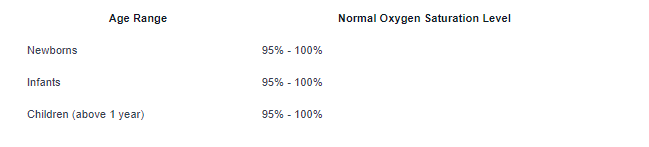
    Normal oxygen saturation levels may vary slightly depending on the age and overall health of the child. In general, normal SpO2 readings for a healthy child should fall within the following range:

    __wf_reserved_inherit

    It’s important to note that some children with pre-existing respiratory conditions or chronic illnesses may have slightly lower normal oxygen saturation levels. Healthcare professionals can provide specific guidance for children with underlying health concerns.

    Understanding normal readings helps parents identify when oxygen levels are within a healthy range. However, it’s crucial to consult with healthcare professionals if the readings consistently fall outside the normal range or if there are any concerns about a child’s well-being.

    By being aware of common scenarios where monitoring with a pulse oximeter is beneficial and understanding normal oxygen saturation levels, parents can use this valuable tool to help safeguard their child’s respiratory health.

    Benefits and Limitations

    Pulse oximetry is a valuable tool that offers several benefits for parents in monitoring their child’s health. However, it’s important to be aware of its limitations to ensure proper understanding and interpretation of the results.

    Benefits of Pulse Oximetry

    Pulse oximetry provides several benefits, making it a valuable tool for parents:

    1. Non-invasive Monitoring: Pulse oximetry is a non-invasive method of monitoring oxygen levels. It involves placing a sensor on the fingertip, toe, or earlobe, making it a comfortable and painless process for children.
    2. Quick and Immediate Results: Pulse oximeters provide real-time measurements of oxygen saturation levels and heart rate. This allows parents to quickly assess their child’s condition and take appropriate action if needed.
    3. Early Detection of Respiratory Issues: Pulse oximetry helps in the early detection of respiratory issues such as asthma, bronchiolitis, or pneumonia. It can indicate if the child is not receiving enough oxygen, prompting parents to seek medical attention promptly.
    4. Monitoring During Illness or Sleep: Pulse oximetry is particularly useful during illnesses or when a child is sleeping. It allows parents to monitor oxygen levels continuously and detect any abnormalities that may require medical intervention.

    Limitations to Consider

    While pulse oximetry has numerous benefits, it’s essential to understand its limitations:

    1. False Readings: Certain factors can affect the accuracy of pulse oximeter readings. These include movement, poor circulation, cold extremities, and nail polish. False readings may occur in these situations, and it’s important to take these factors into account when interpreting results.
    2. Limited Information: Pulse oximetry provides information about oxygen saturation levels and heart rate but does not provide a complete picture of a child’s overall health. It does not measure carbon dioxide levels or provide information about underlying medical conditions.
    3. User Error: Incorrect placement of the sensor or improper usage of the pulse oximeter can lead to inaccurate readings. It’s crucial to follow the manufacturer’s instructions carefully and ensure proper placement for accurate results.
    4. Supplemental Assessment Required: While pulse oximetry can indicate potential respiratory issues, it should not be used as a sole diagnostic tool. If abnormal readings are observed, it’s important to consult a healthcare professional for further assessment and diagnosis.

    Understanding the benefits and limitations of pulse oximetry allows parents to make informed decisions and use this tool effectively in monitoring their child’s health. It’s essential to recognize the value of pulse oximetry as a complementary tool to medical expertise and seek professional advice when necessary.

    Safety and Precautions

    When using a pulse oximeter to monitor oxygen levels, it’s important to follow certain safety precautions to ensure accuracy and maintain the device properly.

    Ensuring Accuracy

    To ensure accurate readings from a pulse oximeter, it’s crucial to take the following precautions:

    • Keep the sensor site clean: Ensure that the area where the sensor is placed, such as the finger or earlobe, is clean and free from dirt, oil, or nail polish. These substances can interfere with the sensor’s ability to accurately detect oxygen levels.
    • Proper positioning: Make sure the sensor is securely attached to the finger or earlobe, ensuring a snug fit without causing discomfort. Any movement or misalignment of the sensor can lead to inaccurate readings.
    • Avoid motion: Encourage the individual being monitored to remain still during the measurement process. Movement and motion artifacts can affect the accuracy of the readings.
    • Avoid ambient light interference: Bright lights, including sunlight, can interfere with the functioning of the pulse oximeter. Ensure that the sensor site is shielded from direct light to prevent inaccuracies in readings.
    • Check battery levels: Regularly verify the battery level of the pulse oximeter to ensure accurate readings. Low battery levels can result in unreliable measurements.

    Proper Maintenance of the Device

    Proper maintenance of the pulse oximeter is essential to ensure its longevity and accuracy. Here are some key maintenance practices to consider:

    • Clean the sensor: After each use, clean the sensor according to the manufacturer’s instructions. This helps to remove any residue or contaminants that may affect the accuracy of the device.
    • Store in a safe place: When not in use, store the pulse oximeter in a clean and dry environment. Avoid exposing it to extreme temperatures or humidity, as this can damage the device.
    • Regular calibration: Some pulse oximeters may require periodic calibration to maintain accuracy. Refer to the manufacturer’s guidelines to determine if calibration is necessary and how often it should be performed.
    • Check for damage: Regularly inspect the pulse oximeter for any signs of damage, such as cracks or loose parts. If any damage is detected, discontinue use and contact the manufacturer for repair or replacement options.

    Taking these safety precautions and maintaining the pulse oximeter properly can help ensure accurate readings and prolong the lifespan of the device. It’s important to consult with a healthcare professional if you have any concerns or questions regarding the use of a pulse oximeter for monitoring oxygen levels.

    Sources

    https://kidshealth.org/en/parents/pulse-oximetry.html#:~:text=During%20pulse%20oximetry%2C%20a%20small,oxygen%20is%20in%20the%20blood.

    https://pubmed.ncbi.nlm.nih.gov/37042222/

    https://kidshealth.org/HumanaOhio/en/parents/pulse-oximetry.html

  • How Pediatric Home Health Care Supports Children with Special Needs

    How Pediatric Home Health Care Supports Children with Special Needs

    Empowering Families and Improving Child Well-Being with Home Health Services

    Understanding Pediatric Home Health Care

    Pediatric home health care has emerged as a vital service for children with special needs, allowing them to receive comprehensive medical and therapeutic attention within the comfort of their own homes. This approach not only addresses severe medical conditions but also supports developmental and emotional well-being by fostering an environment of familiarity and safety. Through this article, we explore how pediatric home health care benefits children with chronic conditions, the range of services provided, and the overarching impact on family life. As families seek to improve the quality of life for their children, choosing the right home health care can offer a lifeline balancing medical needs with emotional nurture.

    Key Benefits and Services of Pediatric Home Health Care

    Discover the pivotal services offered in pediatric home health care that enhance children's well-being.

    What is pediatric home health care?

    Pediatric home health care is a service that allows children with chronic conditions or those recovering from medical treatments to receive care in the comfort of their homes.

    Common conditions treated include complications from prematurity, cardiac diseases, chronic respiratory issues, neurodegenerative diseases, and childhood cancer, among others. Before starting home care, a physician’s referral is necessary, followed by an assessment to develop a personalized care plan.

    Services provided can include nursing care, physical and occupational therapy, and nutritional support, all tailored to meet the child’s individual needs. This approach not only speeds recovery but also enhances comfort, allowing children to maintain social connections while receiving essential health care in a familiar environment.

    What services are offered by pediatric home health care?

    Pediatric home health care offers a wide range of services designed to meet the medical and developmental needs of children at home, including:

    • Skilled Nursing: Provision of complex care needs like medication administration and symptom management.
    • Therapies: Occupational, physical, and speech-language therapies focused on development and rehabilitation.
    • Nutritional Support: Collaborating with nutritionists to meet dietary requirements and establish feeding routines.
    • Palliative and Respite Care: Support for families needing temporary relief while ensuring quality of life for their children.

    This comprehensive approach helps reduce stress for families while allowing children to receive care in a familiar environment, often leading to quicker recoveries and fewer hospital visits.

    Medical and therapeutic interventions

    Home health care not only addresses medical requirements but also fosters emotional and psychological well-being. Families benefit from a multidisciplinary team, ensuring that each child’s unique challenges are met with coordinated care. Furthermore, pediatric professionals are engaged in continuous monitoring, allowing timely adjustments to care plans.

    In summary, pediatric home health care significantly enhances the quality of life for children with special needs while supporting families during challenging times.

    Comparative Advantages to Hospital Care

    Explore the significant advantages of choosing home health care over traditional hospital visits for children.

    What are the advantages of home care compared to hospital care for children with special needs?

    Home care offers numerous advantages over traditional hospital care for children with special needs. Firstly, cost-effectiveness is a major factor; pediatric home health care can be up to 32% less expensive than inpatient hospital care while maintaining equivalent clinical outcomes. This financial relief eases burdens on families often grappling with extensive care requirements.

    Reduction in hospital visits

    Another significant benefit is a reduction in hospital visits. With skilled caregivers providing consistent monitoring and medical attention at home, children’s health issues can be addressed before escalating into more serious problems. As a result, home care promotes quicker recoveries, decreases hospital readmission rates, and minimizes the stress associated with repeated hospital visits.

    Improvement in emotional well-being

    Lastly, the improvement in emotional well-being cannot be overstated. Children receive care in a familiar and comfortable environment, which reduces anxiety typically triggered by medical settings. Interactions with dedicated caregivers create a sense of safety, while family involvement in caregiving fosters emotional bonds and increases feelings of belonging—essential components for a child’s psychological stability.

    In summary, combining cost savings, fewer hospital trips, and better emotional health presents a compelling case for choosing home care for children with special needs.

    Enhancing Quality of Life for Children and Families

    Find out how pediatric home health care improves the quality of life for children and their families.

    How does pediatric home health care enhance the quality of life for children with special needs?

    Pediatric home health care significantly improves the quality of life for children with special needs by offering tailored medical and therapeutic services right in their homes. This personalized approach alleviates the stress and anxiety often triggered by hospital visits. It fosters a nurturing environment that allows children to engage more fully with their families and peer networks, contributing to their emotional well-being.

    The services provided are not only focused on medical needs but also on establishing a consistent daily routine, which is vital for children’s sense of security. Regular interactions with familiar caregivers help children feel safe and supported.

    Furthermore, family involvement in care plays a crucial role. Home health care encourages families to actively participate in their child’s treatment, strengthening emotional bonds and ensuring continuity in care. The collaboration among healthcare professionals, family members, and caregivers fosters better health outcomes and creates a more comfortable recuperation environment. With significant reductions in hospital visits and an emphasis on infection prevention, pediatric home health care offers families peace of mind, allowing for recovery that significantly enhances overall happiness and stability for all involved.

    Providing Emotional and Social Support

    Learn how pediatric home health care provides vital emotional support for families of children with special health needs.

    What emotional support is provided to families through pediatric home health care?

    Pediatric home health care plays a crucial role in supporting families of children with special health care needs. It fosters a nurturing environment that significantly reduces stress and anxiety. The provision of respite care allows family caregivers to take breaks, ensuring they have time to recharge and maintain their well-being.

    Emotional reassurance from pediatric home care nurses is vital, as it lessens the burden on families, allowing them to concentrate on their child’s development. Involving families in care decisions not only boosts the child’s emotional security but also strengthens family bonds and enhances resilience.

    Home health care encourages maintaining regular family routines and quality time, which is essential for emotional stability. Furthermore, continuous relationships between nurses and families build a foundation of trust, ensuring families receive ongoing emotional support throughout their journey.

    Helping Families Access Essential Pediatric Home Health Care Services

    Understand how families can navigate access to pediatric home health care services.

    What are the eligibility criteria for receiving pediatric home health care services?

    Eligibility for pediatric home health care services typically includes infants and children who require ongoing medical supervision. This can encompass:

    • Premature Infants: Born between 24 to 32 weeks of gestation.
    • Chronic Conditions: Children with long-term medical issues requiring specialized care, such as cystic fibrosis or congenital heart defects.
    • Complex Medical Needs: Those needing specialized feeding methods, ventilation support, or care related to neurological conditions like cerebral palsy.

    A physician’s referral is crucial, as is an assessment of medical needs. Ultimately, eligibility is determined on a case-by-case basis in collaboration with healthcare providers.

    How can families navigate the challenges of caring for children with special health care needs?

    Families can manage the complexities of caring for children with special health care needs by actively reaching out to healthcare professionals and utilizing community resources. They should:

    • Engage with Care Coordinators: These professionals can help streamline communication with multiple providers, ensuring comprehensive care.
    • Utilize Support Networks: Connecting with other families facing similar challenges can provide emotional support and share valuable resources.
    • Advocate for Their Child: Using frameworks such as the Blueprint for Change allows families to push for better access to services and health equity. Communication should be open and transparent to foster collaboration in care decisions.

    Access to resources

    Accessing pediatric home health care can be facilitated by understanding available community resources. Families are encouraged to research local programs and services that offer:

    • Financial Assistance: Various funding sources can help cover the costs of home health services, including Medicaid and private insurance options.
    • Educational Support: Programs focused on early intervention and specialized therapy can be invaluable for children needing additional assistance.

    Understanding these options and navigating the healthcare system can significantly improve the quality of life for children and their families.

    Pediatric Home Health Care and Developmental Disabilities

    How does pediatric home health care support the well-being of children with developmental disabilities?

    Pediatric home health care plays a crucial role in supporting the well-being of children with developmental disabilities by delivering tailored medical and therapeutic services right in the comfort of their own homes. This setting minimizes the stress and anxiety that often accompanies hospital visits, creating a nurturing environment that fosters emotional well-being.

    Central to this approach is the development of personalized care plans. Each child’s unique medical and developmental requirements are carefully assessed, ensuring that specialized interventions cater specifically to their needs. For example, services such as physical therapy, speech therapy, and nutritional support can be integrated into the child’s daily routine, making participation in therapy less intimidating and more beneficial.

    Family involvement is a cornerstone of pediatric home health care. Families are actively engaged in the care process, which not only strengthens emotional bonds but also enhances overall treatment efficacy. Collaborating closely with healthcare professionals, families receive education and training, empowering them to play a vital role in their child’s care.

    Additionally, this form of care promotes consistency and stability in a child’s routine, which is essential for developmental progress. Regular interactions with caregivers trained to handle various complex conditions ensure that children receive high-quality support tailored to their requirements.

    In summary, by focusing on individualized care plans, addressing both developmental and medical needs, and encouraging family participation, pediatric home health care significantly enhances the quality of life for children with developmental disabilities.

    Embracing Pediatric Home Health Care for a Better Future

    Through pediatric home health care, families of children with special needs can access personalized, comprehensive, and compassionate care that supports both medical requirements and holistic well-being. By enhancing emotional security and ensuring access to necessary resources, this type of care allows children to thrive in a nurturing environment. As we continue to embrace the benefits and opportunities provided by pediatric home health care, we pave the way for a brighter, healthier future for children with special needs and their families, reinforcing the idea that every child deserves a chance to flourish in a loving home environment.

    References

  • Reliable Medical Supply: Home Medical Equipment

    Reliable Medical Supply: Home Medical Equipment

    Discover top picks for reliable medical supplies that elevate home care. Find essential equipment for safety and comfort!

    Importance of Reliable Medical Supplies

    When it comes to home care, the significance of dependable medical supplies cannot be overstated. These supplies play a crucial role in enhancing the quality of care provided within the comfort of one’s home. Let’s delve into how medical supplies contribute to improving home care and the advantages of utilizing reliable medical equipment.

    __wf_reserved_inherit

    Enhancing Home Care with Medical Supplies

    Medical supplies are essential tools that facilitate various aspects of home care. From assisting with daily activities to managing health conditions, these supplies are instrumental in ensuring that individuals receive the support they need in a familiar and comforting environment. By having the right medical supplies on hand, caregivers can deliver personalized care tailored to the specific needs of their loved ones, promoting comfort and well-being.

    Benefits of Having Reliable Medical Equipment

    The utilization of reliable medical equipment brings forth a multitude of benefits for both patients and caregivers. By investing in high-quality and dependable supplies, individuals can experience improved outcomes and enhanced safety during the care process. Reliable medical equipment helps to ensure accurate monitoring, efficient management of health conditions, and timely interventions when needed, fostering a sense of security and peace of mind for all involved.

    In the realm of home care, the reliability of medical supplies directly contributes to the effectiveness and efficiency of caregiving efforts. By prioritizing the use of dependable equipment, individuals can create a supportive and nurturing home care environment that promotes well-being and enables individuals to maintain their independence and dignity to the fullest extent possible.

    Essential Medical Supplies for Home Care

    When it comes to home care, having essential medical supplies on hand is crucial for ensuring the well-being and comfort of your loved ones. These supplies cover a range of needs, from mobility aids to personal care items and monitoring devices.

    Mobility Aids

    Mobility aids play a significant role in helping individuals move around safely and independently within their homes. These aids can include items such as:

    __wf_reserved_inherit

    Having the appropriate mobility aid can make a big difference in the quality of life for those requiring assistance with movement.

    Personal Care Supplies

    Personal care supplies are essential for maintaining hygiene and comfort for individuals who may have limitations in self-care. These supplies can include:

    __wf_reserved_inherit

    Ensuring access to these personal care supplies can help promote dignity and independence for individuals requiring assistance with personal hygiene tasks.

    Monitoring Devices

    Monitoring devices are essential for keeping track of a person’s health status and ensuring timely intervention when needed. These devices can include:

    __wf_reserved_inherit

    By incorporating monitoring devices into home care routines, caregivers can stay informed about their loved one’s health status and provide appropriate care when necessary.

    Safety and Comfort Features

    In the realm of reliable medical supplies for home use, it is paramount to prioritize safety and comfort to ensure an optimal caregiving environment. Understanding the necessary features to seek in medical supplies and implementing strategies to guarantee safety and comfort are vital elements in the care process.

    Features to Look for in Medical Supplies

    When selecting medical supplies for home care, it is essential to consider specific features that enhance safety and comfort. These features can vary depending on the type of medical equipment but generally include:

    __wf_reserved_inherit

    Ensuring Safety and Comfort at Home

    In addition to selecting medical supplies with the appropriate features, maintaining safety and comfort at home involves implementing certain practices and considerations. Some key aspects to consider include:

    • Accessibility: Ensure that medical supplies are easily accessible and within reach to avoid accidents or unnecessary strain.
    • Proper Installation: Follow manufacturer’s guidelines for installing and using medical equipment to prevent malfunctions or accidents.
    • Regular Maintenance: Perform routine maintenance checks on medical supplies to ensure functionality and safety.
    • Personalized Care: Tailor the use of medical supplies to the individual’s specific needs and preferences for maximum comfort and effectiveness.
    • Emergency Plan: Have a contingency plan in place in case of emergencies, including access to emergency contacts and essential supplies.

    By being mindful of the features to look for in medical supplies and diligently ensuring safety and comfort measures are in place at home, caregivers can create a secure and comfortable environment for their loved ones’ care needs. Prioritizing safety and comfort not only benefits the individual in need but also offers peace of mind to caregivers undertaking the responsibility of home care.

    Factors to Consider When Choosing Medical Supplies

    When selecting medical supplies for home care, there are several key factors to keep in mind to ensure that the equipment meets the specific needs of the individual and enhances their quality of life. Three essential considerations include the durability and quality of the supplies, their compatibility with the home environment, and the ease of use and maintenance.

    Durability and Quality

    Durability and quality are paramount when choosing medical supplies for home use. The equipment must be built to withstand daily use and provide reliable performance over time. Investing in high-quality supplies ensures that they will function effectively and safely, minimizing the need for frequent replacements.

    It’s important to carefully assess the materials and construction of the medical supplies to gauge their durability. Look for features like reinforced frames, sturdy components, and quality finishes that indicate longevity and resistance to wear and tear.

    Compatibility with Home Environment

    Another crucial factor to consider is the compatibility of the medical supplies with the home environment. The equipment should seamlessly integrate into the living space without creating obstacles or disruptions. Assess the dimensions, weight, and design of the supplies to ensure that they fit comfortably within the home and can be maneuvered easily in different areas.

    Evaluate factors such as doorframe widths, maneuverability in confined spaces, and storage requirements to determine the suitability of the supplies for the home environment. Choosing supplies that blend harmoniously with the surroundings promotes a safe and comfortable living environment for the individual receiving care.

    Ease of Use and Maintenance

    Ease of use and maintenance are essential considerations for ensuring the practicality and sustainability of medical supplies in a home care setting. The equipment should be user-friendly, allowing caregivers and individuals to operate it efficiently and safely. Clear instructions, intuitive controls, and ergonomic design contribute to the accessibility and ease of use of the supplies.

    Additionally, consider the maintenance requirements of the medical equipment. Opt for supplies that are easy to clean, maintain, and service to prolong their lifespan and optimize their performance. Regular upkeep and preventive maintenance are key to preserving the functionality and safety of the supplies over time.

    By evaluating the durability and quality, compatibility with the home environment, and ease of use and maintenance of medical supplies, individuals can make informed decisions that support effective and comfortable home care. Prioritizing these factors ensures that the chosen supplies meet the unique needs of the individual and contribute to a supportive and enabling home care environment.

    Where to Find Reliable Medical Supplies

    When it comes to sourcing reliable medical supplies for home use, there are several avenues available to individuals looking to enhance their care routine. Online retailers, local medical supply stores, and healthcare providers offer a wide range of medical equipment to meet various home care needs.

    Online Retailers

    Online retailers have become a popular choice for purchasing reliable medical supplies due to their convenience and accessibility. These platforms offer a diverse selection of medical equipment, ranging from mobility aids to monitoring devices. Customers can easily compare products, read reviews, and make informed decisions from the comfort of their homes.

    __wf_reserved_inherit

    Local Medical Supply Stores

    Local medical supply stores play a crucial role in providing hands-on assistance and personalized recommendations to individuals seeking reliable medical supplies. These stores often have knowledgeable staff members who can guide customers in selecting the right equipment based on their specific needs and preferences. Additionally, immediate availability and the possibility of trying out products in-store are advantages of shopping at local stores.

    __wf_reserved_inherit

    Healthcare Providers

    Healthcare providers, including doctors, hospitals, and clinics, serve as reputable sources for obtaining reliable medical supplies. These professionals can offer guidance on the most suitable equipment based on the individual’s medical condition and care requirements. Furthermore, healthcare providers may have access to specialized equipment and advanced medical technologies that are essential for specific health conditions.

    __wf_reserved_inherit

    By leveraging the resources provided by online retailers, local medical supply stores, and healthcare providers, individuals can access a diverse array of reliable medical supplies to support their home care needs effectively. It is essential to consider factors such as product quality, compatibility with the home environment, and ease of use when making decisions about acquiring medical equipment for home use.

    Budget-Friendly Options for Home Medical Equipment

    When it comes to selecting home medical equipment, cost can be a significant factor for many individuals. Fortunately, there are budget-friendly options available that provide essential support and care. In this section, we will explore cost-effective alternatives and financial assistance programs that can help make reliable medical supplies more accessible to those in need.

    Cost-Effective Alternatives

    For individuals seeking cost-effective solutions for home medical equipment, there are several options to consider. One approach is to explore refurbished or gently used items, which can often be found at a fraction of the cost of brand-new equipment. Online marketplaces, medical supply stores, and community organizations may offer pre-owned medical supplies that are in good condition and fully functional.

    Another strategy is to opt for basic models of essential medical equipment. While these may lack some advanced features, they provide the necessary functionality for daily care and monitoring. By prioritizing simplicity and practicality, individuals can meet their healthcare needs without exceeding their budget.

    Financial Assistance Programs

    In addition to seeking out affordable alternatives, individuals in need of home medical equipment can explore financial assistance programs that may help offset costs. Various organizations, government agencies, and charities offer assistance in the form of grants, subsidies, or discounted pricing for medical supplies.

    One common source of financial aid is through health insurance coverage. Many insurance plans, including Medicare and Medicaid, provide partial or full coverage for certain types of medical equipment when prescribed by a healthcare provider. Patients should check with their insurance provider to understand the extent of coverage and eligibility requirements.

    Furthermore, some community programs and non-profit organizations specialize in assisting individuals with limited financial resources in obtaining necessary medical supplies. These programs may offer direct financial assistance, equipment loans, or access to discounted pricing through partnerships with healthcare providers and suppliers.

    By exploring cost-effective alternatives and investigating available financial assistance programs, individuals can navigate the expenses associated with home medical equipment more effectively. Prioritizing affordability without compromising quality ensures that reliable medical supplies remain accessible to those who require them for home care and management.

    Sources

    https://www.reliamed.com/

    https://reliabledmepos.com/

  • Nursing Guidelines: Tracheostomy Management

    Nursing Guidelines: Tracheostomy Management

    Mastering tracheostomy management with nursing guidelines: Enhance patient outcomes through effective care, collaboration, and emergency preparedness.

    __wf_reserved_inherit

    Importance of Tracheostomy Management

    Tracheostomy management plays a critical role in ensuring the well-being and safety of patients who have undergone a tracheostomy procedure. Understanding tracheostomy and recognizing the significance of effective tracheostomy management are essential for healthcare professionals involved in patient care.

    Understanding Tracheostomy

    A tracheostomy is a surgical procedure that involves creating an opening in the front of the neck to access the trachea. This opening, called a stoma, is then fitted with a tracheostomy tube. Tracheostomies are performed for various medical reasons, including airway obstruction, prolonged mechanical ventilation, or the need for long-term respiratory support.

    The tracheostomy tube allows for direct access to the trachea, bypassing the upper airway. This facilitates breathing, aids in the removal of secretions, and enables the delivery of respiratory treatments. Tracheostomy patients require specialized care and attention to ensure optimal outcomes and reduce the risk of complications.

    Significance of Effective Tracheostomy Management

    Effective tracheostomy management is crucial for several reasons. Firstly, it helps maintain a patent airway, ensuring adequate oxygenation and ventilation. Regular assessment and appropriate suctioning of the tracheostomy tube prevent the accumulation of secretions and potential blockages.

    Secondly, proper tracheostomy care reduces the risk of infection. The tracheostomy site must be cleansed and monitored for signs of infection, such as redness, swelling, or discharge. Careful attention to sterile technique during dressing changes and suctioning helps minimize the risk of introducing pathogens into the trachea.

    Furthermore, effective tracheostomy management promotes patient comfort and quality of life. Regular tube repositioning and skin care around the stoma prevent skin breakdown and discomfort. Adequate humidification and communication techniques enhance patient well-being and enable effective communication between the patient, healthcare providers, and loved ones.

    By adhering to nursing guidelines for tracheostomy care, healthcare professionals can ensure that patients with tracheostomies receive the highest standard of care. These guidelines encompass initial assessment and planning, daily care and maintenance, complication prevention and management, communication and collaboration, emergency preparedness, and quality improvement practices.

    Tracheostomy management is a collaborative effort involving healthcare professionals, patients, and their families. By working together and following best practices, the goal of optimizing patient outcomes and promoting safe and effective tracheostomy care can be achieved.

    __wf_reserved_inherit

    Nursing Guidelines for Tracheostomy Care

    To ensure effective tracheostomy management, nurses play a vital role in providing comprehensive care and support. This section focuses on the nursing guidelines for tracheostomy care, which include initial assessment and planning, daily care and maintenance, and complication prevention and management.

    Initial Assessment and Planning

    When a patient undergoes a tracheostomy procedure, it is crucial for nurses to conduct a thorough initial assessment and develop a comprehensive care plan. This involves:

    1. Assessing the patient’s respiratory status, including oxygen saturation levels, breath sounds, and respiratory effort.
    2. Evaluating the tracheostomy site for signs of infection, inflammation, or skin breakdown.
    3. Assessing the tracheostomy tube for proper placement, correct size, and secure fixation.
    4. Identifying any risk factors or comorbidities that may affect tracheostomy care, such as chronic respiratory conditions or impaired swallowing.

    Based on the assessment findings, nurses can develop an individualized care plan that addresses the specific needs of the patient. This plan should include interventions for airway management, secretion management, and communication facilitation.

    Daily Care and Maintenance

    Consistent and meticulous daily care is essential for maintaining the health and function of the tracheostomy site. Nurses should adhere to the following guidelines:

    1. Perform regular tracheostomy tube site cleaning using sterile technique to prevent infection.
    2. Monitor and document tracheostomy tube cuff pressure to ensure proper inflation and prevent complications.
    3. Assess and manage secretions through regular suctioning and humidification, as needed.
    4. Regularly assess and change tracheostomy dressings to maintain cleanliness and prevent skin breakdown.
    5. Ensure proper hydration and nutrition to support healing and overall well-being.

    By implementing these daily care measures, nurses contribute to the overall comfort and safety of patients with tracheostomies.

    Complication Prevention and Management

    Preventing complications associated with tracheostomies is of utmost importance in nursing care. Nurses should be vigilant in monitoring for potential complications, such as:

    1. Infection: Regular assessment of the tracheostomy site for signs of infection, implementing appropriate infection control measures, and ensuring proper hygiene.
    2. Obstruction: Monitoring for signs of tube blockage, maintaining proper suctioning techniques, and providing education to patients and caregivers on signs of obstruction.
    3. Dislodgement: Ensuring secure fixation of the tracheostomy tube, use of appropriate ties or collars, and providing education on proper handling and prevention of accidental decannulation.
    4. Skin breakdown: Regular assessment of the skin around the tracheostomy site, proper cleaning and dressing changes, and implementing preventive measures, such as proper positioning and padding.

    By promptly recognizing and managing complications, nurses can contribute to improved patient outcomes and overall well-being.

    The nursing guidelines for tracheostomy care encompass initial assessment and planning, daily care and maintenance, and complication prevention and management. By following these guidelines, nurses can ensure the delivery of safe and effective care, promoting optimal patient recovery and well-being.

    __wf_reserved_inherit

    Communication and Collaboration

    Effective communication and collaboration are essential aspects of tracheostomy management in nursing. By involving the interdisciplinary team and providing patient and family education, nurses can ensure comprehensive care and improved patient outcomes.

    Interdisciplinary Team Involvement

    Tracheostomy management requires the expertise of various healthcare professionals. Nurses play a crucial role in collaborating with the interdisciplinary team to provide holistic care. This team may include respiratory therapists, speech-language pathologists, physicians, and wound care specialists, among others.

    By actively involving the team, nurses can ensure that all aspects of tracheostomy care are addressed. This collaboration allows for a comprehensive approach to patient care, with each team member contributing their expertise and knowledge. Regular team meetings and communication channels facilitate coordination and ensure that individualized care plans are developed and implemented effectively.

    Patient and Family Education

    Education plays a vital role in tracheostomy management, and nurses are at the forefront of providing this information to patients and their families. Educating patients about tracheostomy care, including proper hygiene, suctioning techniques, and emergency management, helps promote patient safety and self-care.

    Nurses should provide clear and concise instructions, using language that patients and their families can understand. Visual aids, such as diagrams and videos, can enhance understanding and retention of important information. It is also crucial to address any concerns or questions that patients and families may have, ensuring they feel empowered and confident in managing the tracheostomy at home.

    Regular follow-up visits and ongoing education sessions further reinforce the knowledge and skills necessary for successful tracheostomy management. By involving patients and their families in the care process, nurses can promote a sense of autonomy and shared responsibility, leading to improved patient outcomes.

    In summary, effective communication and collaboration are vital in tracheostomy management. By involving the interdisciplinary team and providing comprehensive patient and family education, nurses can ensure that patients receive the highest quality of care. This collaborative approach promotes patient safety, enhances patient satisfaction, and ultimately leads to improved outcomes.

    Emergency Preparedness

    In tracheostomy management, being prepared to handle potential complications and emergencies is of utmost importance. Nurses play a critical role in recognizing and responding to complications promptly, as well as in providing emergency tracheostomy management when needed.

    Recognizing and Responding to Complications

    As part of their nursing responsibilities, it is crucial for nurses to be vigilant in recognizing any signs or symptoms of complications related to tracheostomy. Prompt identification allows for timely intervention and minimizes the risk of further complications. Some common complications that may arise include:

    __wf_reserved_inherit

    When complications are identified, nurses should follow established protocols and guidelines to respond effectively. This may involve notifying the healthcare team, initiating appropriate interventions, and providing support to stabilize the patient’s condition.

    Emergency Tracheostomy Management

    In emergency situations, nurses must be prepared to perform emergency tracheostomy management until further medical assistance arrives. This may include the following steps:

    1. Assess the patient’s airway: Ensure that the tracheostomy tube is in place and not dislodged. If dislodged, attempt to reinsert it if trained to do so, while maintaining the patient’s airway and oxygenation.
    2. Provide ventilation support: If the tracheostomy tube cannot be immediately reinserted or there is inadequate ventilation, initiate bag-valve-mask ventilation using an appropriate-sized mask and a resuscitation bag.
    3. Maintain oxygenation: Administer supplemental oxygen as required to maintain adequate oxygen saturation levels.
    4. Control bleeding: If there is active bleeding, apply direct pressure to the bleeding site using sterile gauze or dressing.
    5. Stabilize the patient: Monitor vital signs, provide comfort measures, and reassure the patient during the emergency situation.

    Nurses should undergo regular training and refreshers on emergency tracheostomy management to ensure they are equipped with the necessary skills and knowledge to handle such situations effectively. Collaborating with the healthcare team is crucial to ensure coordinated and timely interventions during emergencies.

    By recognizing complications promptly and being prepared to provide emergency tracheostomy management, nurses play a vital role in ensuring the safety and well-being of patients with tracheostomies. Their expertise and quick actions can make a significant difference in patient outcomes.

    Quality Improvement and Best Practices

    To ensure optimal tracheostomy management, quality improvement and adherence to best practices are essential aspects of nursing care. This section focuses on two crucial components: documentation and reporting, as well as continuous education and training for nurses.

    Documentation and Reporting

    Accurate and comprehensive documentation plays a vital role in tracheostomy management. Nurses must maintain detailed records of all aspects related to the tracheostomy care, including assessments, interventions, complications, and patient responses. Documentation serves as a crucial communication tool among healthcare providers and helps track the patient’s progress over time.

    Key elements to include in tracheostomy documentation:

    __wf_reserved_inherit

    Accurate and timely reporting of any changes in the patient’s condition or any concerns related to the tracheostomy is crucial. Nurses should promptly communicate with the interdisciplinary team, including physicians, respiratory therapists, and other healthcare professionals, to ensure coordinated care and timely interventions.

    Continuous Education and Training for Nurses

    Tracheostomy management requires specialized knowledge and skills. Continuous education and training for nurses are essential to ensure competent and up-to-date care. Ongoing training programs provide nurses with the necessary knowledge, skills, and confidence to manage tracheostomies effectively.

    Key areas of focus for continuous education and training:

    1. Anatomy and Physiology: Understanding the anatomy and physiology of the respiratory system, specifically the airway and tracheostomy, is fundamental for safe and effective care.
    2. Tracheostomy Care Guidelines: Nurses should stay updated on evidence-based tracheostomy care guidelines, including best practices for daily care, maintenance, and prevention of complications.
    3. Suctioning Techniques: Proper suctioning techniques are crucial for maintaining a clear airway and preventing complications. Nurses should receive training on various suctioning methods and the appropriate use of suctioning devices.
    4. Emergency Management: Nurses must be trained in recognizing and responding to tracheostomy-related emergencies promptly. This includes knowledge of emergency equipment, such as ambu bags, tracheostomy kits, and emergency tracheostomy tubes.
    5. Communication and Collaboration: Effective communication and collaboration with the interdisciplinary team, patients, and their families are vital for safe and coordinated tracheostomy care. Nurses should receive training on effective communication strategies and interdisciplinary teamwork.

    By prioritizing documentation and reporting, as well as investing in continuous education and training for nurses, healthcare facilities can enhance the quality of tracheostomy management and improve patient outcomes.

    Sources

    https://nurseslabs.com/tracheostomy/

    https://www.rch.org.au/rchcpg/hospital_clinical_guideline_index/tracheostomy_management/

    https://www.ncbi.nlm.nih.gov/books/NBK593189/

  • The Role of Social Workers in PPEC Programs

    The Role of Social Workers in PPEC Programs

    Exploring the Integral Contribution of Social Workers in PPEC Programs

    Introduction to Social Workers in PPEC Programs

    Prescribed Pediatric Extended Care (PPEC) programs are specially designed to cater to children with complex healthcare needs. These programs extend beyond traditional medical care by integrating various therapeutic and developmental activities. At the core of these programs are social workers who play a critical role in bridging medical care with psychosocial support, ensuring a comprehensive care package for children and their families.

    Multifaceted Roles of Social Workers in PPEC Programs

    Discover the Crucial Support roles of Social Workers in PPEC Programs!

    What role does the social worker play in the care of the patient?

    Social workers serve a vital role in the care of patients by addressing their emotional and psychosocial needs alongside medical concerns. They provide a range of services tailored to enhance the overall well-being of children and their families in Prescribed Pediatric Extended Care (PPEC) programs.

    Their support includes meal planning, grief counseling, and discharge planning, ensuring that families feel equipped during transitions. Additionally, social workers help navigate the complexities of healthcare systems by facilitating referrals to appropriate support groups and resources.

    Through thorough psychosocial assessments, social workers evaluate physical and psychological requirements, collaborating with a multidisciplinary healthcare team. They ensure that care is not only medically sound but also respects patient dignity and promotes recovery. Advocacy for patient rights is central to their role, striving to secure respectful treatment and comprehensive recovery solutions.

    In providing assistance to vulnerable populations—those struggling with substance use or mental health challenges—social workers highlight their integral position in mitigating health disparities. This approach not only fosters individual wellness but also strengthens the support network for families, reflecting the multifactorial role social workers play in PPEC settings.

    Thus, the involvement of social workers is crucial in bridging care gaps, enhancing resilience, and advocating for patients’ holistic needs.

    General Responsibilities and Skills of Social Workers

    Explore the Key Responsibilities and Skills Required for Social Workers!

    What are the general responsibilities of a social worker?

    Social workers are key figures in ensuring the well-being of their clients, focusing on helping individuals develop the skills necessary for independent living. Their responsibilities encompass a broad spectrum of tasks directed towards ensuring safety and promoting quality of life. Social workers often engage with diverse groups, which may include children, caregivers, healthcare professionals, and community resources.

    Some core responsibilities include:

    • Client Support: Providing emotional and practical support to individuals and families.
    • Assessment and Planning: Conducting psychosocial assessments and formulating individualized care plans.
    • Advocacy: Representing the interests of vulnerable populations, including those at risk of abuse or with complex health needs.
    • Collaboration: Working with multi-disciplinary teams to coordinate care and services effectively.

    What skills and qualifications are needed?

    Effective social workers must possess a suite of skills that enable them to navigate the complexities of their roles. Key qualifications include:

    • Education: A Master’s degree in social work from an accredited institution.
    • Practical Experience: At least two years of relevant field experience, often involving direct client interactions and case management.
    • Communication Skills: The ability to communicate sensitively and effectively with various stakeholders.
    • Crisis Management: Skills to manage challenging situations and provide support under pressure.

    In summary, social workers play a multifaceted role in various settings, emphasizing the importance of education, practical experience, and interpersonal skills in fulfilling their responsibilities.

    Supporting Families During Hospital Stays

    Learn How Social Workers Support Families During Hospital Stays!

    How do social workers contribute to support during hospital stays for children and families?

    Social workers play a vital role in supporting children and families during hospital stays by addressing their emotional, psychological, and social needs. They engage in discussions with both patients and healthcare providers, assessing comprehensive needs through a holistic approach to care. This often includes providing education regarding health conditions, which not only improves health outcomes but also empowers families to navigate complex medical information.

    In addition to emotional support, social workers assist families with financial planning and help connect them to a variety of community resources. This ensures that families have the necessary support both during and after hospitalization. Integral to their work, social workers develop discharge plans that consider the long-term needs of the child and family.

    Furthermore, social workers offer counseling services, including organizing peer support groups that allow families to share their experiences, which can foster a sense of community. By guiding families through the challenges associated with hospitalization, social workers facilitate a more positive healthcare experience overall.

    Role of Social Workers in Hospitals Examples of Activities Impact on Families
    Emotional and Psychological Support Counseling sessions, peer support groups Improved coping mechanisms during hospitalization
    Resource Facilitation Connecting to community resources Greater access to support services and financial planning
    Comprehensive Needs Assessment Discussing needs with families and providers Holistic care approach that addresses all aspects of health
    Discharge Planning Developing post-hospital plans Smoother transition back home

    Social Workers in Pediatric Oncology: A Supportive Force

    Understand the Supportive Role of Social Workers in Pediatric Oncology!

    What is the role of social workers specifically in pediatric oncology care?

    Pediatric oncology social workers hold a pivotal role in the lives of children battling cancer and their families. Their support extends throughout the entire journey—from initial diagnosis through treatment and into survivorship. This multifaceted role encompasses various essential services, ensuring that families receive the emotional and practical support they desperately need.

    These professionals provide invaluable emotional counseling, helping families confront the psychological, social, and spiritual challenges brought on by a cancer diagnosis. For many, navigating this landscape can be overwhelming; social workers offer comfort and coping strategies to help maintain a semblance of normalcy amidst a life-altering situation.

    Emotional and practical support

    One of the primary responsibilities of pediatric oncology social workers is to help families adjust to new realities. They assist in educational continuity, ensuring that school-aged patients remain engaged in their studies during treatment. This helps alleviate anxiety about falling behind academically and facilitates a smoother transition back to school when therapy ends.

    Furthermore, social workers play a crucial role in navigating the complex medical system. They advocate for patients by connecting families with resources such as financial aid, transportation services, and support programs within both hospital and community settings. This proactive addressing of logistical struggles is instrumental in alleviating some burdens faced by families.

    Family advocacy

    Beyond immediate emotional support, social workers for pediatric oncology patients provide a bridge to essential community resources. They work collaboratively with a multidisciplinary team, ensuring comprehensive care that addresses not only the medical needs of the child but also their psychosocial health. This holistic approach emphasizes the importance of family involvement in care plans and ongoing psychosocial coping strategies.

    Finally, these dedicated professionals support pediatric cancer survivors as they transition into a post-treatment phase, focusing on their ongoing health and psychosocial needs. By emphasizing the integral role of holistic care, pediatric oncology social workers help families adjust not just to cancer treatment but to the broader implications of survivorship. Through their advocacy and support, they serve as advocates for children’s rights, fostering an environment of resilience and informed care.

    Role in Pediatric Palliative and End-of-Life Care

    Grasp the Essential Responsibilities of Social Workers in Pediatric Palliative Care!

    What responsibilities do social workers have in pediatric palliative and end-of-life care?

    Social workers hold a vital role in pediatric palliative and end-of-life care, focusing on emotional and psychological support for families dealing with distressing medical challenges. They are instrumental in facilitating decision-making processes, helping families understand their options while navigating the healthcare landscape effectively.

    In addition to supporting families during critical times, social workers connect them with essential resources. These resources may include:

    • Emotional Support: Counseling services, support groups, and peer networks.
    • Financial Assistance: Information on available financial aid and navigating insurance complexities.
    • Educational Resources: Fostering ongoing education for school-aged children to maintain a sense of normalcy.

    Advocacy is another significant aspect of their responsibilities. Social workers ensure that families’ needs are recognized and met both in hospital settings and within community programs. This comprehensive approach is pivotal in ensuring families receive the multifaceted support necessary for coping during such challenging periods in their lives.

    Integrative Role in Interprofessional Primary Healthcare

    How do social workers manage their role in interprofessional primary healthcare settings for care coordination?

    Social workers in interprofessional primary healthcare settings play a vital role in care coordination. They collaborate closely with a diverse range of healthcare professionals to create comprehensive care plans that not only focus on medical needs but also address the psychosocial dynamics impacting patients’ health. This integrated approach ensures that patients receive holistic support tailored to their unique circumstances.

    These professionals engage actively in evaluations and develop intervention strategies. By doing so, they ensure that both social and emotional support are woven seamlessly into the healthcare framework. For instance, social workers might assess how a patient’s social support systems influence their overall health outcomes, facilitating referrals to community resources where necessary.

    Moreover, social workers also serve as patient advocates within the healthcare system. They work diligently to remove barriers that may impede access to necessary services. This advocacy extends to enhancing communication between patients and their healthcare providers, thereby fostering a more supportive environment.

    Additionally, social workers contribute significantly to staff training and development. They provide essential information to other healthcare providers about the psychosocial factors that can influence treatment outcomes. This educational aspect of their role empowers all team members to offer more comprehensive care, enhancing the overall quality of service delivery.

    What advocacy and training initiatives do social workers undertake?

    Social workers participate in advocacy initiatives that resonate through various levels of healthcare practices. They aim to influence policy changes that improve access to mental health services and support resources for individuals facing challenges.

    In training settings, social workers are pivotal in helping healthcare teams understand the complexities of psychosocial issues. They conduct workshops and educational presentations focusing on behavioral health, psychosocial assessments, and trauma-informed care. These learning opportunities help to bridge knowledge gaps amongst staff, ensuring a well-rounded and informed approach to patient care.

    Through their combined efforts in care coordination, advocacy, and education, social workers enhance collaboration across multidisciplinary teams. Their commitment is essential not only to the welfare of the patients but also to the efficacy of the healthcare system as a whole.

    Role Activities Impact on Healthcare
    Care Coordination Developing comprehensive, personalized plans Improved integration of social and emotional support
    Advocacy Addressing systemic barriers Enhanced access to services for vulnerable populations
    Staff Training Conducting workshops on psychosocial factors Increased awareness and capability within healthcare teams

    These efforts signify the essential contributions of social workers in primary healthcare, ultimately striving for improved patient outcomes and well-being.

    Conclusion

    Social workers are indispensable members of Prescribed Pediatric Extended Care (PPEC) programs. Through their expertise, they provide critical emotional, practical, and social support to children with complex health needs and their families. By participating in multidisciplinary teams, they ensure holistic and seamless integration of care that not only addresses immediate medical needs but also empowers families and nurtures children’s overall growth and development. The contributions of social workers in PPEC settings underscore the essential balance between medical care and psychosocial well-being, promoting optimal health outcomes and enhancing quality of life for children and their families.

    References

  • Supporting Children with Heart Conditions through Home Health Care

    Supporting Children with Heart Conditions through Home Health Care

    Nurturing Young Hearts at Home: The Role of Pediatric Home Health Care

    Introduction: A Heartfelt Journey at Home

    Children born with congenital heart disease (CHD) face unique challenges that require ongoing medical care and support. As these young patients often endure numerous surgeries and treatments, the comfort of home can be a pivotal setting for their recovery and long-term management. This article explores the critical role of pediatric home health care in supporting children with heart conditions, detailing the comprehensive strategies and resources available to families navigating this complex journey.

    Understanding Pediatric Home Health Care’s Vital Role

    Understanding the Importance of Pediatric Home Health Care

    What is pediatric home health care?

    Pediatric home health care is a specialized service designed for children who are recovering from medical treatments or managing chronic conditions. This option allows them to receive care in the comfort of their own homes. It involves a team of licensed professionals, including nurses, therapists, and social workers, who provide personalized care tailored to each child’s specific needs.

    The role of home health care professionals

    Home health care professionals play a vital role in supporting the health and well-being of children with serious medical conditions. They monitor vital signs, administer medications, and provide therapy. These professionals ensure that families are well-informed about their child’s condition, offering guidance on managing symptoms and adhering to diets. For children with heart conditions, regular monitoring and nutritional management are essential, requiring home health care teams to be vigilant and responsive.

    Conditions treated by home health care

    Conditions commonly treated with pediatric home health care include:

    • Congenital Heart Disease (CHD): Affects about 1 in 100 babies and often requires ongoing treatment and monitoring.
    • Chronic Respiratory Diseases: These may need ongoing management and respiratory therapies.
    • Nutritional Needs: Infants and children may require high-calorie formulas or feeding tubes to ensure adequate nutrition, which home health care professionals can provide.

    This specialized home care encourages better recovery times and enhances quality of life, as children often heal faster in familiar environments, creating a nurturing space crucial for their growth and development.

    Spotting the Symptoms and Navigating Treatments

    Recognizing Symptoms and Treatment Options

    What are common symptoms of heart failure in children?

    Children’s heart failure symptoms can vary significantly based on age. Common signs include:

    • Swelling (Edema): Noticeable in the feet, ankles, belly, and neck veins.
    • Trouble Breathing: This may manifest as rapid breathing, wheezing, or excessive coughing, particularly during activities or after feeding.
    • Poor Feeding in Infants: Infants may show poor feeding habits and inadequate weight gain, often failing to thrive effectively.
    • Fatigue and Weight Loss in Older Children: They may experience tiredness, chest pain, and a lack of appetite.
    • Excessive Sweating: Observed during play or feeding.

    Recognizing these indicators early is crucial, as symptoms in infants often revolve around growth issues, whereas older children may struggle with exercise tolerance or increased nighttime urination.

    How is congestive heart failure treated in children?

    The treatment for congestive heart failure (CHF) in children typically involves a multifaceted approach:

    • Medications: Diuretics, such as furosemide (Lasix), help reduce fluid retention, while ACE inhibitors may improve heart function.
    • Surgical Interventions: Depending on the underlying cause, such as congenital heart defects or cardiomyopathy, surgery may be necessary.
    • Support Devices: In some cases, mechanical support devices may be recommended.

    Long-term outcomes hinge on the specific underlying conditions and whether surgical options are feasible. Early and effective intervention is known to yield better prognoses.

    Coordination with healthcare providers

    Effective communication with healthcare professionals is vital. Families should ensure that symptoms are regularly monitored, and health changes are reported promptly. Collaborating with cardiologists and nutritionists helps create tailored care plans addressing both medical and dietary needs. Additionally, involvement in support programs can aid in navigating the complexities of caring for a child with heart issues, fostering both emotional support and practical resources.

    The Compassionate Care of Coordinated Health Services

    Comprehensive Care for Heart Disease in Children

    What treatments are available for managing heart disease in children?

    Treatments for managing heart disease in children vary based on the specific diagnosis and severity of the condition. Common options include:

    • Medications:

      • Digoxin: Helps improve heart function.
      • Diuretics: Reduce fluid overload and manage symptoms.
    • Surgical Interventions:

      • Surgery may correct congenital defects or address heart valve issues.
      • More severe cases might require heart transplants or the use of mechanical support devices such as ventricular assist devices (VADs).
    • Device Implantation:

      • For arrhythmias, pacemakers or automatic cardioverter-defibrillators may be beneficial.

    Additionally, comprehensive management involves regular follow-ups, dietary changes, and emotional support for both the child and family.

    Collaboration between healthcare providers

    Effective management of pediatric heart disease requires collaboration among various healthcare providers. Specialists such as pediatric cardiologists, nutritionists, and child psychologists work together to ensure a holistic approach.

    • Communication: Continuous information exchange between the child’s medical home and specialists fosters coordinated care.
    • Support Networks: Families benefit from support groups, where sharing experiences can help manage the complexities of care.

    Long-term care management for CHD patients

    Long-term management is integral for children with congenital heart defects (CHD). Children often need:

    • Continuous Monitoring: Regular check-ups to assess heart function and catch any complications early on.
    • Nutritional Guidance: Customized nutrition plans tailored to individual needs, especially if appetite is affected.
    • Emotional Support: Palliative care and psychological services play crucial roles in addressing the emotional challenges faced by children and their families.

    In conclusion, coordinating care among healthcare professionals while actively involving families ensures that children with heart conditions receive the comprehensive, compassionate support they need for a better quality of life.

    Harnessing Community Resources and Emotional Support Networks

    Connecting Families with Community Resources

    What community resources are available for families and children with cardiac conditions?

    Families and children facing cardiac conditions can tap into numerous community resources to support their journey. A prominent institution is OHSU Doernbecher Children’s Hospital, which offers various services aimed at enhancing family and patient well-being.

    The hospital hosts support groups like the Heart to Heart Family Connections, designed for engagement among families navigating similar situations. Personalized mentorship programs are also available, allowing experienced families to guide those newly facing the complexities of cardiac challenges.

    Additionally, child life specialists play a crucial role in easing anxiety, using creative therapies to help children express their emotions. Animal-assisted therapy, featuring trained therapy animals, contributes further to emotional resilience during hospital stays.

    Social workers at the hospital assist families in navigating community resources, providing critical connections to emotional support and practical help. For out-of-town families, the hospital offers complimentary accommodations, facilitating close proximity to their child during treatment. By joining national pediatric heart registries, families can also contribute to invaluable research, gaining insights that benefit both their child and others facing similar heart conditions.

    Ultimately, the collaboration of medical resources, counseling, and community networks fosters an environment of support, ensuring families are not alone in their experiences.

    Managing Daily Care and Ensuring Better Outcomes

    Daily health monitoring practices

    Monitoring health daily is pivotal for children with heart defects. Parents and caregivers should keep an eye on symptoms like:

    • Low energy
    • Shortness of breath during daily activities
    • Swelling causing tight clothing or shoes
    • Changes in cough patterns

    Daily weight checks are essential, ideally done each morning under consistent conditions. This helps in detecting fluid overload early, which is crucial for timely management.

    Nutritional and medication management

    Nutrition plays an important role in managing heart conditions. Infants might need higher-calorie formulas or feeding tubes to meet their nutritional needs. Older children often face decreased appetites or significant weight loss, necessitating close monitoring and sometimes feeding tubes as well.

    Medications are another critical aspect; children usually require drugs to help with heart function and fluid retention. Adherence to medication schedules is vital for effective symptom management.

    Balancing family life with caregiving

    Caring for a child with congenital heart disease demands a delicate balance in family life. Families often utilize strategies to optimize their environment and responsibilities, ensuring attention to all children and maintaining a supportive dynamic. Establishing communication with healthcare providers and connecting with support groups can provide much-needed encouragement and shared experiences among families, fostering resilience in challenging times.

    Empowering Parents and Caregivers Through Self-Care

    Supporting Caregivers: The Importance of Self-Care

    Mental Health Support for Caregivers

    Caring for a child with heart conditions can be an overwhelming experience, leading to feelings of shock, fear, and uncertainty for caregivers. Mental health support is essential. Caregivers should seek counseling or join support groups, which provide a safe space to share experiences and feelings. Resources like Cincinnati Children’s Heart & Mind Wellbeing Center offer specialized services for emotional support, ensuring that caregivers can find help tailored to their unique challenges.

    Establishing a Support Network

    Creating a sturdy support network is pivotal. This network can include family, friends, and other parents of children with heart conditions. Engaging with local community support programs like Kids at Heart allows caregivers to connect and share valuable coping strategies. Sharing experiences within support groups helps normalize feelings of isolation and fosters a sense of community.

    Balancing Self-Care with Caregiving Tasks

    It’s crucial for caregivers to balance their health with caregiving responsibilities. This means prioritizing adequate rest, healthy eating, and regular exercising. Engaging in self-care promotes resilience, allowing caregivers to maintain their physical and emotional well-being. Strategies like setting aside time for personal interests or mindfulness practices can alleviate stress, ultimately enhancing their caregiving capabilities.

    Conclusion: Building a Foundation for Health through Home Care

    Putting the heart in health care is more than just medical treatment; it involves compassion, understanding, and the dedication of those who hold a special place in a child’s life: their family. Through pediatric home health care, children with heart conditions receive not only the medical attention required but also the emotional and familial support critical to their well-being. As these young individuals grow, the collective effort of home health care professionals, parents, and community resources creates a nurturing environment that champions resilience and optimism, paving the way for healthy futures.

    References

  • Why Pediatric Medical Daycare Should Be an Option for More Families

    Why Pediatric Medical Daycare Should Be an Option for More Families

    Exploring the Transformative Role of Pediatric Medical Daycare

    Introduction to Pediatric Medical Daycare

    Pediatric Medical Daycare (PMD) presents a pivotal solution for families caring for children with special health needs, offering a unique setting that combines medical care, early education, and social development. As an increasingly popular choice among families with complex medical needs, PMD not only addresses children’s health requirements but also alleviates the childcare challenges faced by working parents. This article delves into the multifaceted benefits and socio-economic implications of PMD, arguing for its broader adoption and support.

    The Critical Benefits of Pediatric Medical Daycare

    Unlocking the Advantages of Pediatric Medical Daycare for Families with Special Needs

    What are the benefits of Pediatric Medical Daycare for families with complex medical needs?

    Pediatric Medical Daycare offers numerous advantages for families managing complex medical conditions. One of the most significant benefits is the structured environment tailored specifically for children with specialized health requirements. This arrangement ensures that children not only receive necessary medical care but also enjoy vital social interactions and peer activities, contributing positively to their physical and emotional well-being.

    Moreover, having trained caregivers present in these settings is essential. These professionals possess the expertise to handle various medical challenges, allowing parents to focus on work or other commitments with greater peace of mind. The presence of skilled staff means that children can safely engage in activities that promote their development while being closely monitored.

    In addition to medical support, Pediatric Medical Daycare also offers access to educational resources that may otherwise be difficult for these families to navigate. Programs are designed to help children develop essential skills in line with their abilities, ultimately aiding in their academic and social readiness.

    Therefore, Pediatric Medical Daycare emerges as a crucial support mechanism for families balancing the intricacies of complex medical needs, ensuring they receive care and opportunities conducive to their growth and well-being.

    Topics Covered

    Benefit Description Key Impact
    Structured Environment Tailored care for children with special health needs Enhances physical & emotional well-being
    Trained Caregivers Expertise in managing complex medical situations Provides peace of mind for parents
    Access to Educational Resources Facilitates skill development aligned with children’s capabilities Prepares children for academic success

    Supporting Special Needs Beyond Traditional Daycare

    How Pediatric Medical Daycare Excels in Supporting Children with Special Needs

    How does Pediatric Medical Daycare support children with special needs compared to traditional daycare?

    Pediatric Medical Daycare offers a specialized environment tailored to the needs of children with special requirements. Unlike traditional daycare, which generally provides basic supervision and socialization, these facilities focus on both medical and developmental needs. They are designed to support children who need ongoing medical care or therapies, crucial for those with severe health conditions.

    Key features of Pediatric Medical Daycare include:

    • Specialized Medical Care: Trained staff can administer medications and provide specialized interventions.
    • Tailored Educational Experiences: Educational activities are adapted to meet individual needs, promoting cognitive and social development.
    • Structured Learning Environments: Activities and routines are planned to foster developmental progress in multiple areas, unlike the more free-form activities typical of traditional daycare.

    Moreover, safety and compliance are top priorities in Pediatric Medical Daycare. These facilities must adhere to strict health regulations and undergo regular inspections, ensuring a secure setting for children. This compliance means parents can feel confident that their children are not just supervised but cared for in a supportive and safe atmosphere.

    In summary, Pediatric Medical Daycare provides a comprehensive approach that enriches the lives of children with special needs while addressing the concerns parents may have about care and development. This innovative solution represents a vital resource for families seeking both medical support and enriching experiences for their children.

    Innovative Childcare Programs Bridging Health and Care

    What are some innovative childcare programs that help families access healthcare and manage childcare challenges?

    Innovative childcare programs are emerging that seamlessly integrate healthcare and childcare services, addressing the dual challenges many families face. For instance, facilities like Annie’s Place at Parkland Health provide on-site childcare at no cost, allowing over 2,000 parents to attend essential medical appointments without worrying about their children’s safety. These initiatives not only take care of children but also support the parents’ health needs, demonstrating a holistic approach to family wellbeing.

    Providing Comprehensive Support for Families

    These programs often feature on-site medical consultations, allowing parents easy access to healthcare services while their children engage in safe, enriching activities. Daycare centers play a crucial role in fostering cognitive, physical, and socio-emotional development among children. By providing structured activities, they ensure that children are well-prepared for academic success in a nurturing environment.

    Emphasizing Safety and Well-Being

    Staff at these childcare centers are trained to comply with health guidelines, which helps to prioritize children’s safety and well-being. This allows parents to focus on their responsibilities and commitments with peace of mind. For many families, such programs not only reduce childcare burdens but also enhance their overall quality of life, empowering children and parents alike.

    Impact on Development and Family Mental Health

    Moreover, the availability of quality childcare has profound implications on child development. Access to these resources contributes to better educational outcomes for children, while simultaneously mitigating stress levels for parents by alleviating childcare concerns. It’s clear that innovative childcare solutions serve as a critical resource in bridging the gaps between health and family care, ultimately fostering a supportive community for all families involved.

    Socioeconomic Benefits of Pediatric Medical Daycare

    Understanding the Socioeconomic Impact of Pediatric Medical Daycare

    What are the socioeconomic implications of Pediatric Medical Daycare on families and the broader community?

    Pediatric Medical Daycare plays a crucial role in addressing the socioeconomic challenges faced by families, particularly those with young children who require reliable childcare due to parents being in the workforce. This type of daycare is especially significant for families with limited financial resources. Working parents often spend a substantial portion of their income on childcare, averaging around 24%, a figure that can exceed in-state college costs.

    By providing affordable care options, Pediatric Medical Daycare enables more parents, particularly single-parent households, to return to full-time work. This access can enhance family income and boost economic stability. For instance, when parents can attend essential medical appointments or work without worrying about their child’s care, they are more likely to maintain consistent employment.

    Furthermore, Pediatric Medical Daycare supports local economies. Businesses often incur losses due to employees missing work over childcare issues, averaging $1,640 per parent, leading to total losses of approximately $23 billion annually. When parents have access to reliable childcare, it decreases absenteeism, leading to improved productivity levels within the workplace.

    Benefit Impact on Families Impact on Community
    Alleviating Financial Burdens Enhances disposable income for families Reduces economic losses for local businesses
    Local Economic Stability Boosts household earnings, enabling spending Increases overall community productivity
    Support for Working Parents Facilitates parental employment Helps build a stable workforce and consumer base

    Improving access to Pediatric Medical Daycare not only benefits individual families but also fosters a more productive community by reducing economic losses associated with inadequate childcare. Thus, comprehensive solutions in childcare provision can have far-reaching implications, enhancing both family welfare and community resilience.

    Research Backing Accessible Childcare Services

    Emphasizing the Importance of Accessible Childcare for Special Needs

    What research supports the need for accessible childcare services for children with special needs?

    Research indicates that accessible childcare services for children with special needs significantly enhance developmental outcomes, support family stability, and improve long-term social benefits. Inclusive childcare environments are essential as they promote socialization and peer interactions vital for developing social skills in children.

    Studies show that these environments not only cater to developmental needs but specifically improve readiness for school. Parents of children requiring special support find that accessible care reduces financial and emotional stress, allowing them to pursue employment or educational opportunities.

    Moreover, early intervention through such programs has been tied to better educational and health outcomes. For instance, children with special needs who participate in accessible childcare show more rapid progress in cognitive and social skills compared to their peers in less supportive environments. This access can ultimately reduce the dependence on additional services later in life.

    Alleviating family burdens

    Affordable and available childcare alleviates the financial pressures on families, particularly those with low incomes. Many families struggle with high childcare costs, which consume a significant portion of their earnings. Thus, affordable childcare options free up more resources for necessities such as housing, health, and food, enhancing overall family well-being.

    Early intervention outcomes

    Crucially, early access to childcare services can lead to improved outcomes for children and families alike. The benefits of quality childcare are undeniable—children exhibit better cognitive development, language skills, and social behavior as a result of interactions within enriching environments. Investing in childcare is not simply an economic decision; it is vital for fostering a healthier, more inclusive society that prioritizes all children’s potential.

    Main Benefits Description Impact on Families
    Developmental Support Enhances academic readiness and social skills for children with special needs More competitive children in educational settings
    Financial Relief Reduces out-of-pocket expenses, freeing resources for essential needs Improved family financial stability
    Equity in Access Bridges the gap in quality childcare, particularly for underrepresented populations Promotes inclusivity and support for all families

    In conclusion, the research clearly points to the necessity of accessible childcare services, not only for the benefit of children with special needs but also for fostering stronger and more stable families.

    Addressing Healthcare Appointment Challenges

    Childcare availability’s effect on healthcare access

    Access to childcare is a significant barrier for many parents, particularly women of reproductive age. Over 50% of surveyed women report missing medical appointments due to childcare issues, highlighting the critical role that accessible childcare plays in healthcare attendance. When parents struggle to find reliable childcare, not only does their health suffer, but the health system faces inefficiencies as well.

    Case study: Annie’s Place

    Annie’s Place at Parkland Health serves as an inspiring example of addressing these challenges. This no-cost on-site childcare facility has cared for more than 2,000 children, enabling countless parents to attend vital medical appointments without the stress of childcare concerns. By offering accessible childcare options, programs like Annie’s Place directly contribute to improving health outcomes for families, addressing one of the key social determinants of health.

    Healthcare system efficiency

    The lack of childcare options doesn’t solely affect patients; it also leads to higher absenteeism rates among healthcare workers. With many parents missing work due to childcare challenges, the overall efficiency and effectiveness of health systems are compromised. A comprehensive approach that includes public investment in childcare could foster a more stable workforce, reducing turnover rates and enhancing service delivery in healthcare. By strengthening childcare infrastructure, we can indeed support the dual aims of improving parental well-being and optimizing health outcomes.

    The Economic Ripple Effect of Childcare

    Impact of childcare costs on family financial stability

    Access to affordable childcare is crucial for families aiming for financial stability. High childcare costs can consume a significant portion of a family’s income, particularly for low-income households. Families often spend a large percentage of their earnings on childcare, leading to financial strain and reduced spending power. Consequently, ensuring that childcare is affordable allows families to allocate more of their income towards essential needs, fostering economic stability.

    Local economic growth from affordable childcare

    Affordable childcare does not only benefit individual families but also stimulates local economies. When families save on childcare costs, they increase their overall spending ability in their communities. Public investments in childcare not only help maintain lower costs but also enhance the quality of care available. Communities with accessible childcare options often see growth in local businesses as families are able to spend more on goods and services, creating a more vibrant local economy.

    Role in workforce stability

    Childcare availability significantly influences workforce stability. Many parents, especially mothers, are integral to the labor force and overall economic health. Without affordable childcare, parents may miss work or opt out of the workforce, leading to high turnover rates and staffing shortages in essential sectors. By investing in comprehensive childcare systems, businesses can reduce employee turnover and maintain a more stable and productive workforce. Addressing the childcare needs of families is not merely a support mechanism; it’s a critical investment in the future of the economy.

    Childcare and Early Childhood Development

    High-quality Care’s Role in Development

    High-quality childcare is essential for young children’s cognitive, physical, and socio-emotional development. Research indicates that children attending high-quality programs tend to perform better academically, showcasing enhanced language and math skills, along with improved behavioral regulation. The NICHD Study of Early Child Care underscores that environments promoting emotional support and developmentally appropriate activities lead to better readiness for school.

    Head Start Program Insights

    The Head Start program has been pivotal in providing quality childcare, especially for disadvantaged children. Findings reveal that center-based Head Start care often surpasses non-Head Start settings in quality, which is critical for the development of at-risk populations. Unfortunately, less than one-third of eligible low-income children participate in Head Start programs, highlighting a significant gap in access to quality care that can influence school readiness.

    Benefits to Disadvantaged Populations

    Access to high-quality childcare is particularly beneficial for families from disadvantaged backgrounds. Quality care helps mitigate risks associated with lower developmental outcomes and behavioral issues. Public investment in childcare could significantly bridge this gap, ensuring that children receive the nurturing environments they need while supporting their parents’ ability to work, resulting in better financial stability. Moreover, effective early childhood education, guided by pediatricians, is crucial in alleviating parents’ concerns about enrollment and overall readiness. As the need for robust childcare solutions grows, especially in urbanized areas with rising employment rates for mothers, addressing these disparities through improved programs and accessibility becomes increasingly imperative.

    Urbanization and Maternal Employment: Driving Demand for Childcare

    Trends illustrating increased need for childcare

    Current global trends indicate a pressing need for childcare services, particularly in urban environments. With urbanization on the rise, more families are relocating to city areas where access to quality care is essential. In fact, a significant 72% of children under primary school age require childcare, highlighting the urgency of addressing this demand.

    Urbanization and workforce participation effects

    Moreover, with maternal employment increasing, women are becoming primary breadwinners in many households. Accessible childcare is a critical factor for mothers to remain in the workforce, pursue education, or further their training. This pivotal role of childcare not only aids the financial stability of families but also supports a robust economy by creating a steady consumer base and workforce.

    Demand exceeding availability

    Despite the evident demand, many parents face obstacles, as access to high-quality childcare is limited. Public investment is essential to bridge this gap, particularly for low- and middle-income families. Currently, many affordable childcare options remain out of reach, shaping a system that fails to meet the needs of working families. As a result, the high demand for childcare is not adequately met, affecting both parents’ well-being and children’s developmental outcomes.

    Topic Evidence/Insight Implication
    Urbanization 72% of children require care Increased need for accessible childcare
    Maternal Employment Rising numbers of working mothers Supports workforce stability and economic growth
    Demand vs. Availability Limited access to high-quality childcare Necessitates public investment for equity

    The Role of Public Investment in Quality Childcare

    Investing in Childcare: A Key to Healthier Families and Communities

    Need for systemic changes in childcare policies

    With over 50% of women of reproductive age reporting missed medical appointments due to lack of childcare, the necessity for systemic changes in childcare policies is increasingly evident. Focusing on children’s needs and parental support is essential for fostering healthier communities.

    Investment to ensure affordability and quality

    Comprehensive public investment in childcare is crucial for making high-quality services accessible and affordable. Many families, especially in low- and middle-income areas, struggle with exorbitant childcare costs, which can consume a significant portion of their income. This situation places not just financial pressure on families but also impacts children’s developmental outcomes.

    Investment can improve wages for childcare workers, who have seen stagnant salaries since 1997 and a concerning decline in employment, especially following the pandemic. By ensuring living wages for caregivers, we can alleviate turnover rates and enhance the consistency of care children receive.

    Stabilizing businesses and community benefits

    Access to affordable, quality childcare supports parents in pursuing work and education, ultimately stabilizing the workforce. Businesses benefit as reduced worker absenteeism leads to increased productivity. Furthermore, when families have spending power, local economic growth is stimulated. Public investment creates strong foundations for businesses and communities to thrive, emphasising the importance of addressing childcare within broader economic frameworks.

    Topic Importance Benefits
    Systemic changes in policies Improve access for families and children Healthier communities
    Investment in childcare Ensures affordability and enhances care quality Better developmental outcomes for children
    Stabilizing businesses Reduces absenteeism and promotes economic growth Stronger local economies and workforce

    Childcare’s Impact on Parental Well-being and Productivity

    Correlation with parental mental health and productivity

    Access to childcare plays a crucial role in supporting parents’ mental well-being. Without reliable childcare options, parents often experience heightened stress and anxiety, which can impact their productivity and mental health. Research indicates that providing affordable childcare reduces family stress, enabling parents to focus on work, education, and personal development.

    Support for economic outcomes and family stress reduction

    Incorporating comprehensive childcare systems can significantly improve economic outcomes for families. By alleviating childcare costs, families have greater financial stability, allowing them to allocate more resources toward necessities. According to studies, parents who secure affordable childcare can contribute more effectively to the economy, thereby creating a robust consumer base for businesses.

    Workforce participation and stability

    Childcare access is essential for enhancing labor force participation, particularly among mothers, who increasingly serve as the primary breadwinners. When parents struggle to find suitable care, it often leads them to miss work or even leave their jobs, resulting in high turnover rates. Approved childcare programs can encourage a stable workforce, improve productivity, and reduce absenteeism, proving beneficial not just for families but also for businesses.

    Barriers in Childcare Workforce Stability

    Decline in childcare employment

    The childcare sector has faced significant challenges, particularly since 2011. Employment of childcare workers has been on a downward trend, exacerbated by the COVID-19 pandemic, which led to a dramatic 12% drop in workforce numbers in 2020 alone. This decline has critical implications for the availability of childcare services, impacting families who depend on these workers for support in balancing work or education.

    Wage stagnation and poverty

    Compounding the employment crisis, median hourly wages for childcare workers have stagnated since 1997, leaving many in poverty. The financial strain is evident, with childcare workers often earning less than the cost of living, leading to a heavy reliance on public assistance programs. The low wages discourage retention and recruitment of qualified personnel, as individuals seek more financially viable career paths.

    Impact on consistency of care

    High turnover rates in the childcare sector result in inconsistency of care for children, undermining the quality of early childhood education. Stability is crucial for child development, particularly for younger children who thrive in nurturing and predictable environments. The interplay between low wages, high turnover, and declining employment highlights an urgent need for public investment in childcare infrastructure to bolster both workforce stability and the quality of care provided.

    Bridging the Gap: Pediatric Involvement in ECE Discussion

    Pediatricians as Advisors in Early Childhood Education

    Many parents primarily seek early childhood education (ECE) advice from family and friends, often overlooking their pediatricians as valuable resources. However, pediatricians can provide crucial insights regarding children’s developmental readiness for ECE. Engaging families in conversations about their children’s needs and capabilities can significantly influence their ECE choices, ensuring that parents feel supported in their decisions.

    Bridging Communication Gaps in ECE Decisions

    Despite the valuable role pediatricians can play, studies indicate that many parents aren’t aware of this potential support. This presents an opportunity for pediatricians to establish dialogues with parents during well-child visits about ECE topics. By initiating these conversations, pediatricians can help bridge the communication gap and alleviate fears surrounding ECE environments, which many parents associate with potential neglect or abuse.

    Ensuring Informed Parental Choices

    Parents often delay enrollment in ECE programs due to concerns over their child’s communication skills and the ability to report mistreatment. Pediatricians can address these fears by providing reassurance and relevant information about quality ECE programs, such as those with a track record in promoting emotional support and developmental activities. Timing for enrollment often correlates with parental perceptions of communication readiness in children, typically around age three. Pediatricians can guide parents in understanding the benefits of early enrollment, helping them make informed decisions that support their child’s educational journey.

    Expanding Access to Pediatric Medical Daycare

    Pediatric Medical Daycare stands at the intersection of childcare, healthcare, and community development, offering essential benefits that uplift both individual families and society at large. By promoting this model of care, we can ensure children with special needs receive the attention and resources required for their development while enabling parents to pursue careers, education, and a balanced life. Through strategic investment, community support, and awareness initiatives, Pediatric Medical Daycare can and should be made accessible to more families across diverse socio-economic backgrounds, ultimately fostering a healthier, more inclusive, and economically stable society.

    References

  • The Role of Pediatric Medical Equipment in Chronic Illness Management

    The Role of Pediatric Medical Equipment in Chronic Illness Management

    Innovative Approaches and Challenges in Pediatric Medical Devices

    Exploring Pediatric Medical Equipment

    Advancements in medical devices specifically designed for children are playing a transformative role in chronic illness management among pediatric populations. Children with complex medical conditions frequently rely on various medical instruments to maintain essential bodily functions and enhance their quality of life. With the global pediatric healthcare market expanding rapidly, the demand for specialized pediatric devices is more pronounced than ever. However, despite the potential, significant regulatory and developmental challenges persist, creating an innovation gap between pediatric and adult medical device sectors.

    Significance of Pediatric Medical Instruments

    Discover the critical role pediatric medical instruments play in delivering quality healthcare.

    Why are medical instruments important in pediatric healthcare?

    Medical instruments are critical in pediatric healthcare as they are specially crafted to meet the unique anatomical and physiological needs of children. These devices ensure the safe and effective prevention, diagnosis, treatment, and rehabilitation of various illnesses. The tailored designs enhance usability and comfort, allowing healthcare providers to deliver high-quality care to younger patients.

    Role of organizations like PAHO in regulations

    Organizations such as the Pan American Health Organization (PAHO) play a vital role in ensuring the regulatory oversight of medical devices across the Americas. Since more than 80% of medical devices in this region are imported, robust regulatory capacity is paramount to guarantee that these products adhere to safety and quality standards. PAHO supports countries in enhancing their medical device regulation and health technology management processes, fostering health equity through improved access to essential care tools.

    Infection control and maintenance of devices

    Infection control is a crucial aspect of pediatric care, where the implementation of guidelines for cleaning, disinfection, and sterilization of medical instruments cannot be overlooked. Proper maintenance of these devices is essential to prevent healthcare-associated infections, ensuring a safer environment for vulnerable young patients. Keeping pediatric medical instruments well-managed not only mitigates infection risks but also upholds the integrity and efficiency of healthcare systems.

    Topic Importance Key Stakeholders
    Pediatric-Specific Instruments Enhance safety, diagnosis, treatment, and rehabilitation for children Healthcare providers, manufacturers
    Regulatory Support from PAHO Ensures quality and safety, promoting health equity through proper regulations PAHO, governmental health departments
    Infection Control Practices Mitigates infections, enhancing patient safety and healthcare quality Healthcare facilities, nursing staff

    Overall, pediatric medical instruments play an indispensable role in improving health outcomes and supporting the operational success of healthcare systems.

    Key Pediatric Medical Devices

    Explore essential medical equipment tailored specifically for pediatric patients.

    What specific medical equipment is used in pediatrics?

    Pediatric medical equipment plays a vital role in addressing the unique health needs of children, ensuring that medical interventions are both effective and suitable for younger patients. Unlike adult equipment, pediatric devices are tailored in size, design, and functionality to fit children’s anatomical requirements and developmental stages.

    Common tools in this category include:

    • Blood Pressure Cuffs: Smaller sizes designed for children help accurately monitor blood pressure.
    • Stethoscopes: Pediatric stethoscopes often feature specialized attachments to ensure clear sound and comfort.
    • Otoscope Attachments: These are designed with child-friendly elements to minimize anxiety during examinations.

    Additionally, specialized equipment includes:

    Device Type Features and Adaptations Purpose
    Pediatric Beds Adjustable height and built-in entertainment Enhance patient comfort and safety
    Exam Tables Safety features and child-friendly designs Facilitate examinations
    Scales and Measurement Tools Specialized models like stadiometers and infantometers Ensure accurate growth assessments and medication dosing
    Emergency Carts Color-coded supplies for quick access Allow prompt intervention in critical situations

    These unique adaptations underscore the essential role that specifically designed pediatric medical devices play in providing thorough and compassionate healthcare for children.

    The Role of Durable Medical Equipment

    Learn how durable medical equipment enhances the quality of life for children.

    What is the purpose of durable medical equipment (DME) in pediatric care?

    Durable medical equipment (DME) serves a crucial role in pediatric care by enhancing the quality of life for children dealing with illnesses or injuries. It provides necessary support for mobility, therapy, and daily living activities, which is vital for both their physical wellbeing and independence.

    Examples of DME include:

    • Wheelchairs: Assist children with mobility challenges.
    • Walkers: Help those needing additional support when walking.
    • Oxygen equipment: Essential for children with respiratory issues.

    Medicare Part B coverage includes DME prescribed by healthcare professionals for home use. It ensures children have access to the equipment required for their ongoing care. However, this coverage can come with specific stipulations:

    • The equipment must be deemed medically necessary.
    • Patients typically bear some cost after agreeing to the deductible.

    Overall, DME is not just about equipment; it’s about facilitating recovery and promoting the general health of pediatric patients.

    What are the challenges surrounding Medicare coverage for DME?

    While Medicare provides essential coverage for DME, families face several challenges regarding access:

    • Approval Process: Obtaining necessary approvals can be time-consuming.
    • Cost Sharing: Patients must often cover costs after meeting deductibles, causing potential financial strain.
    • Availability of Equipment: Some areas may not have the required resources or options available for the specific needs of pediatric patients.

    In conclusion, while DME plays an indispensable role in pediatric care, challenges in its accessibility and affordability remain significant hurdles for families. Understanding these dynamics is essential for enhancing pediatric chronic illness management.

    Technological Innovations and Their Impact

    How do new technologies like 3D printing impact pediatric healthcare?

    New technologies, particularly 3D printing, are transforming pediatric healthcare by enabling the creation of customized medical devices uniquely suited for children. This innovation allows healthcare providers to design and produce devices that are tailored to the specific anatomical and functional needs of young patients, ensuring a better fit and enhanced efficacy.

    3D printing facilitates the rapid fabrication of critical medical equipment, including prosthetics and implants, allowing for timely interventions. The production of anatomical models for educational purposes also improves training for healthcare professionals, boosting their confidence and proficiency in procedures.

    Here are some examples of how 3D printing enhances pediatric care:

    Benefit Description Example Use Case
    Customization Devices can be personalized to better fit the child’s anatomy, promoting comfort and functionality. Custom foot orthotics for children.
    Enhanced Training Medical professionals can practice on realistic models, improving their skills and preparation. Surgical practice for complex surgeries.
    Improved Treatment Outcomes Personalized devices help in better adherence to treatment protocols, catering to specific medical needs. Tailored inhalers for asthma management.
    Innovative Medication Solutions Tailored medications can be produced in child-friendly formulations, improving compliance. Customized dosages of antibiotics.

    The impact of 3D printing extends beyond merely providing devices; it revolutionizes how treatments are designed and delivered. As pediatric healthcare adapts to leverage these technologies, patient outcomes are expected to improve, addressing specific health challenges effectively.

    Challenges in Pediatric Medical Device Development

    Understand the unique challenges faced in developing pediatric medical devices.

    What are the challenges in developing and applying pediatric medical equipment?

    Developing pediatric medical equipment comes with distinct challenges that encompass regulatory, clinical, ethical, and financial obstacles. Firstly, the landscape is characterized by a significant lack of FDA-approved devices specifically designed for children. This scarcity often forces healthcare providers to resort to adult devices, which may not be suitable for pediatric use, thereby posing risks to safety and effectiveness.

    Regulatory and clinical hurdles

    The regulatory framework treats pediatric devices similarly to adult ones, despite significant differences in physiological needs. The unique anatomical changes in children necessitate custom designs that accommodate their growth, complicating the innovation process. Moreover, the high costs associated with developing devices tailored for a smaller market, combined with lower reimbursement rates, discourage investments in pediatric technology.

    Ethical considerations and market viability

    Ethical concerns also play a crucial role in this context. Conducting clinical trials on young populations raises complex moral questions, limiting research efforts on pediatric devices. This can stall the availability of innovative products. Organizations, like the Pediatric Device Innovation Consortium, are actively working to mitigate these challenges. By fostering collaboration among stakeholders and supporting the development of pediatric-specific technologies, they aim to enhance the safety and efficacy of medical devices essential for children with complex healthcare needs.

    Table: Challenges in Pediatric Medical Device Development

    Barrier Type Description Impact on Development
    Regulatory Issues Lack of FDA-approved pediatric devices leading to reliance on unsuitable adult devices. Increases risks for patient safety and regulatory compliance complications.
    Financial Constraints High development costs paired with a smaller market leading to inadequate funding and innovation. Limits the advancement of useful and necessary technologies tailored for children.
    Ethical Concerns Difficulty in conducting trials on vulnerable populations, resulting in less research focus. Stymies the creation and availability of new medical devices for pediatric patients.
    Design Challenges Requirement for adaptability to growth and unique anatomical needs complicates device design. Lengthens the development process and hinders timely access to needed medical solutions.

    Regulatory Landscape and Innovation Needs

    Dive into the complexities of the regulatory landscape for pediatric medical devices.

    What is the regulatory landscape surrounding pediatric medical devices?

    The regulatory landscape for pediatric medical devices is notably complex, presenting significant challenges that result in an innovation gap compared to devices meant for adults. A startling statistic shows that only 10% of pre-market approvals from 2008 to 2018 were for devices intended specifically for patients under 18 years of age. This emphasizes a pressing need for targeted development in pediatric medical technologies.

    Several factors contribute to this shortfall. Financial barriers, such as low reimbursement rates and the limited market size for pediatric devices, deter investment in innovations tailored for children. Additionally, clinical issues related to children’s unique physiology complicate the design and efficacy of devices, making it hard to meet regulatory standards.

    In response, the Food and Drug Administration (FDA) is taking active steps to address these challenges. Initiatives like the Pediatric Device Consortia aim to streamline approval processes and support research efforts tailored to pediatric care needs. Programs focused on Real World Evidence are designed to improve the understanding and assessment of devices in a real-world context.

    Collaborative efforts for improvement

    Collaboration is crucial for fostering a more favorable regulatory climate. Partnerships among industry stakeholders, academic institutions, and advocacy groups are essential to spur the development of safe and effective pediatric medical devices. By combining expertise and resources, these collaborations can help close the innovation gap, ultimately leading to better health outcomes for children with complex medical needs.

    In summary, the need for a concerted effort to enhance the regulatory environment surrounding pediatric medical devices is clear. Only through collaboration and targeted innovation can we hope to develop devices that adequately meet the ongoing and evolving needs of young patients.

    Innovating for a Better Pediatric Future

    The development and implementation of pediatric medical equipment are crucial in managing chronic illnesses in young patients. While challenges remain in terms of regulation, innovation, and personalization, the insights provided by new technologies like 3D printing and the commitment to addressing specific pediatric needs signal hope for significant advancements. As collaboration among medical professionals, families, and regulatory bodies intensifies, the potential for comprehensive, effective, and individualized care for children with chronic conditions becomes increasingly achievable. The journey towards attaining these goals is ongoing, requiring a dedicated focus on research, development, and regulatory reform to improve the lives of young patients and their families across the globe.

    References