
Category: Uncategorized

Regular communication with healthcare professionals is crucial to address any concerns related to mucus build-up. They can provide guidance on proper suctioning techniques and recommend suitable interventions to manage excessive mucus.

Troubleshooting Common Issues

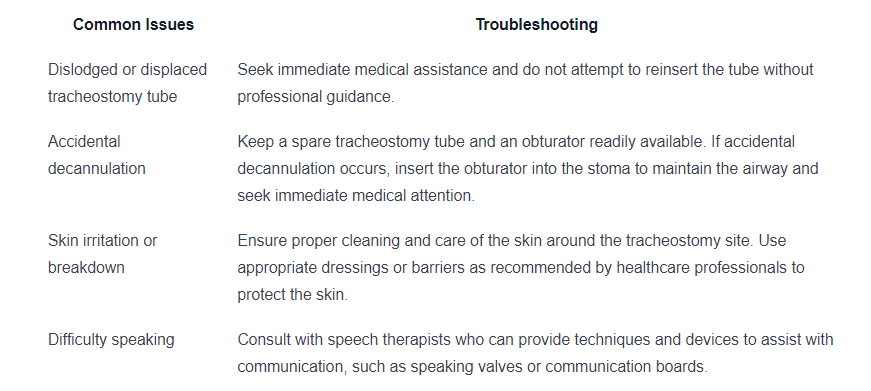
While caring for a tracheostomy, caregivers may encounter various common issues that can be effectively addressed. These issues may include:

__wf_reserved_inherit

It’s important to remember that each individual’s situation may vary, and healthcare professionals should be consulted for personalized guidance when troubleshooting common issues related to tracheostomy care.

By being vigilant and knowledgeable about potential complications, caregivers can provide effective home care for individuals with a tracheostomy. Regular communication with healthcare professionals and prompt intervention when complications arise can help ensure the well-being and safety of those with a tracheostomy.

__wf_reserved_inherit

Nutrition and Hydration

Proper nutrition and hydration play a crucial role in the overall well-being and recovery of individuals with a tracheostomy. This section will discuss the importance of ensuring proper nutrition and meeting hydration needs for tracheostomy patients.

Ensuring Proper Nutrition

Maintaining a well-balanced diet is essential for individuals with a tracheostomy. Adequate nutrition supports the healing process, boosts immunity, and provides the energy needed for daily activities. Here are some key considerations for ensuring proper nutrition:

  • Caloric Intake: Tracheostomy patients may have increased energy needs due to the extra effort required for breathing. It’s important to consult with a healthcare professional or a registered dietitian to determine the appropriate caloric intake based on individual needs.
  • Nutrient-rich Diet: A diverse and nutrient-rich diet is essential for meeting the body’s nutritional requirements. Include a variety of fruits, vegetables, whole grains, lean proteins, and healthy fats in the diet. These foods provide essential vitamins, minerals, and antioxidants necessary for optimal healing and recovery.
  • Texture Modification: Depending on the individual’s swallowing abilities, certain modifications to the texture of food may be necessary. Pureeing, chopping, or softening foods can make them easier to swallow and reduce the risk of choking. Consult with a speech-language pathologist or a healthcare professional for guidance on appropriate texture modifications.
  • Supplements: In some cases, oral supplements may be recommended to ensure adequate intake of essential nutrients. These supplements can be in the form of liquids, powders, or fortified foods. However, it’s important to consult with a healthcare professional before incorporating any supplements into the diet.

Hydration Needs for Tracheostomy Patients

Proper hydration is vital for everyone, including tracheostomy patients. Good hydration helps maintain healthy mucous membranes, supports lung function, and promotes overall well-being. Here are some important points to consider regarding hydration:

  • Fluid Intake: Tracheostomy patients should aim to consume an adequate amount of fluids throughout the day. The recommended amount may vary depending on individual needs and underlying medical conditions. It’s essential to consult with a healthcare professional to determine the appropriate fluid intake.
  • Types of Fluids: Water is usually the best choice for hydration. However, depending on the individual’s condition, other fluids such as herbal teas, clear broths, or diluted fruit juices may be suitable. Avoid excessive intake of caffeinated and sugary beverages, as they can cause dehydration or mucous production.
  • Monitoring Hydration Status: Monitoring hydration status is crucial to ensure adequate fluid intake. Signs of dehydration include increased thirst, dry mouth, decreased urine output, dark-colored urine, and fatigue. It’s important to promptly address any signs of dehydration and consult with a healthcare professional if concerns arise.

Incorporating a well-balanced diet and maintaining proper hydration are essential aspects of tracheostomy care. Consulting with healthcare professionals, such as registered dietitians and speech-language pathologists, can provide valuable guidance in meeting individual nutrition and hydration needs.

Emergency Preparedness

When caring for a tracheostomy at home, being prepared for emergencies is of utmost importance. Recognizing emergency situations and knowing how to provide first aid can make a significant difference in the outcome. In this section, we will discuss how to recognize emergency situations related to tracheostomy care and provide essential first aid tips.

Recognizing Emergency Situations

It is essential for caregivers to be able to identify potential emergency situations related to tracheostomy care. Prompt recognition and appropriate action can prevent further complications and ensure the safety of the individual with a tracheostomy. Some common emergency situations to watch out for include:

  1. Difficulty Breathing: If the person with a tracheostomy is experiencing sudden difficulty breathing, it could indicate an airway obstruction or dislodgement of the tracheostomy tube. Signs of difficulty breathing may include wheezing, gasping for air, or a change in skin color.
  2. Bleeding: Significant bleeding around the tracheostomy site should be addressed immediately. Apply gentle pressure to control the bleeding and seek medical assistance promptly.
  3. Accidental Decannulation: Accidental decannulation occurs when the tracheostomy tube becomes dislodged or falls out. If this happens, it is important to have a spare tracheostomy tube readily available. If a spare tube is not available, call emergency services immediately.
  4. Infection: Signs of infection around the tracheostomy site, such as redness, swelling, increased pain, or pus-like discharge, should not be ignored. Infection can lead to further complications and may require medical intervention.

Remember, if you suspect an emergency situation, it is crucial to seek immediate medical help. Do not hesitate to call emergency services or your healthcare provider for guidance and assistance.

First Aid for Tracheostomy-Related Emergencies

Knowing how to provide first aid in tracheostomy-related emergencies can be lifesaving. Here are some general first aid tips for common emergencies:

  1. Airway Obstruction: If the person with a tracheostomy is experiencing difficulty breathing due to an airway obstruction, follow these steps:
  • Stay calm and reassure the person.
  • Encourage them to cough forcefully to try to clear the obstruction.
  • If coughing does not resolve the obstruction, perform the Heimlich maneuver by standing behind the person and giving abdominal thrusts.
  • If the obstruction persists, call emergency services immediately.
  1. Bleeding: In cases of significant bleeding around the tracheostomy site, follow these steps:
  • Apply gentle pressure to the bleeding site using a clean cloth or sterile gauze.
  • Do not remove any clotted blood that may have accumulated around the site.
  • Seek medical assistance promptly.
  1. Accidental Decannulation: If the tracheostomy tube becomes dislodged or falls out accidentally, take the following steps:
  • Stay calm and support the person’s breathing until medical help arrives.
  • If a spare tracheostomy tube is available, carefully reinsert it following the instructions provided by the healthcare professional.
  • If a spare tube is not available, cover the stoma with a sterile dressing and call emergency services immediately.

Remember, these are general guidelines, and it is crucial to consult with your healthcare provider for specific instructions and to receive proper training in first aid for tracheostomy-related emergencies.

By recognizing potential emergency situations and being prepared to provide first aid, caregivers can ensure the safety and well-being of individuals with tracheostomies.

Sources

https://www.mskcc.org/cancer-care/patient-education/caring-your-tracheostomy

https://www.medicalnewstoday.com/articles/tracheostomy-care

https://health.clevelandclinic.org/trach-care

  • What is A PPEC?

    What is A PPEC?

    Discover the world of Prescribed Pediatric Extended Care (PPEC): Services, eligibility, and transitioning for families.

    Understanding Prescribed Pediatric Extended Care (PPEC)

    When it comes to prescribed pediatric extended care (PPEC), it’s essential to grasp its definition and purpose, along with the array of services offered within PPEC facilities.

    __wf_reserved_inherit

    Definition and Purpose of PPEC

    Prescribed Pediatric Extended Care (PPEC) refers to a specialized healthcare program designed to provide comprehensive medical services to children with complex medical needs. The primary purpose of PPEC is to offer continuous and coordinated care for pediatric patients, ensuring they receive the necessary medical attention and support in a non-residential setting.

    PPEC programs serve as an alternative to traditional daycare or home care for children who require skilled nursing care, therapies, and medical monitoring on a regular basis. By enrolling in a PPEC program, families can access a structured and supportive environment where their child’s medical needs are met by trained healthcare professionals.

    Services Offered in PPEC Facilities

    PPEC facilities are equipped to deliver a wide range of services tailored to meet the diverse needs of pediatric patients. These services are designed to address both medical and developmental requirements, providing a holistic approach to pediatric care.

    __wf_reserved_inherit

    By encompassing a range of services under one roof, PPEC facilities offer a comprehensive care model that focuses on the unique needs of each pediatric patient. Families can benefit from the specialized care provided in PPEC settings, which aims to improve the health outcomes and quality of life for children with complex medical conditions.

    Eligibility for PPEC Services

    When considering enrolling a pediatric patient in Prescribed Pediatric Extended Care (PPEC), specific criteria must be met to ensure that the child receives the appropriate care and support tailored to their medical needs. Additionally, PPEC facilities are equipped to handle a variety of medical conditions to provide comprehensive care for pediatric patients.

    Criteria for Enrollment in PPEC

    To qualify for PPEC services, children must meet certain criteria that determine their eligibility for this specialized form of care. These criteria typically include:

    __wf_reserved_inherit

    Meeting these criteria ensures that pediatric patients receive the necessary support, supervision, and medical attention in a structured and nurturing environment.

    Medical Conditions Supported by PPEC

    PPEC facilities cater to children with a wide range of medical conditions that necessitate specialized care and attention. Some of the medical conditions commonly supported by PPEC services include:

    __wf_reserved_inherit

    By addressing a wide array of medical conditions, PPEC facilities work to deliver comprehensive and individualized care to pediatric patients, ensuring that each child’s unique needs are met effectively.

    Benefits of PPEC for Families

    When it comes to Prescribed Pediatric Extended Care (PPEC), families can experience various benefits that cater to the comprehensive care of pediatric patients and provide much-needed respite for families.

    Comprehensive Care for Pediatric Patients

    In PPEC facilities, pediatric patients receive comprehensive care tailored to their specific medical needs. This type of care is multidisciplinary, involving a team of healthcare professionals who collaborate to address the individual health requirements of each child. From medical interventions to therapeutic services, pediatric patients in PPEC benefit from a holistic approach to their care, focusing on improving their overall well-being and quality of life.

    The table below highlights some of the key components of comprehensive care provided in PPEC facilities:

    Services Provided in PPEC Facilities

    Skilled Nursing Care

    Respiratory Therapy

    Physical and Occupational Therapy

    Speech Therapy

    Nutritional Support

    Medication Management

    Respite Care for Families

    In addition to the specialized care for pediatric patients, PPEC also offers respite care for families. Caring for a child with complex medical needs can be physically and emotionally taxing for parents and caregivers. PPEC facilities provide a supportive environment where trained professionals take over the caregiving responsibilities for a portion of the day, allowing families to take a break, attend to other commitments, or simply recharge.

    The table below outlines some of the benefits of respite care provided by PPEC facilities:

    Benefits of Respite Care in PPEC

    Time for Parents to Rest and Recharge

    Opportunity to Focus on Personal Health and Well-being

    Reduction in Caregiver Stress and Burnout

    Increased Family Quality Time

    Support in Balancing Work and Caregiving Responsibilities

    By offering comprehensive care for pediatric patients and respite care for families, PPEC plays a vital role in supporting the overall well-being of families with children who require specialized medical attention. The combination of medical expertise and emotional support provided by PPEC facilities helps families navigate the challenges of caring for their pediatric loved ones, fostering a supportive and nurturing environment for all involved.

    Day-to-Day Experience in Prescribed Pediatric Extended Care (PPEC)

    In the realm of Prescribed Pediatric Extended Care (PPEC), understanding the day-to-day experience plays a significant role in providing comprehensive care for pediatric patients. This section sheds light on the typical schedule and activities within PPEC facilities, as well as the dedicated care team that supports the well-being of these patients.

    Typical Schedule and Activities

    Within a PPEC facility, a structured daily schedule is implemented to cater to the diverse needs of pediatric patients. This schedule is designed to balance medical care, therapeutic activities, and developmental interventions in a nurturing environment. Below is an overview of a typical day in a PPEC facility:

    __wf_reserved_inherit

    Throughout the day, pediatric patients in PPEC facilities receive personalized attention and medical care tailored to their specific needs. The holistic approach to care aims to promote both physical well-being and emotional development, fostering a supportive and enriching environment for children and their families.

    Care Team in PPEC Facilities

    The care team in PPEC facilities plays a pivotal role in ensuring the well-being of pediatric patients. This multidisciplinary team comprises healthcare professionals with specialized training in pediatric care, including nurses, therapists, physicians, and support staff. Each member of the care team contributes unique skills and expertise to deliver comprehensive services to pediatric patients.

    __wf_reserved_inherit

    Collaboration among the care team members is essential in creating a cohesive and effective care plan for pediatric patients in PPEC. By working together and leveraging their collective expertise, the care team ensures that each child receives individualized care and support to thrive in the PPEC setting.

    Transitioning Out of PPEC Care

    As children in prescribed pediatric extended care (PPEC) approach the end of their care journey, the process of transitioning out of PPEC is a significant milestone for both the families and the pediatric patients involved. This phase involves the gradual shift from the structured care provided within the PPEC facility to alternative care options suited to the child’s evolving needs.

    Graduating from PPEC

    Graduating from PPEC signifies that the pediatric patient has reached a stage where they no longer require the intensive medical and therapeutic services provided within the PPEC setting. This transition out of PPEC care is a culmination of the progress made by the child in terms of health improvement, developmental milestones, and overall well-being.

    Criteria for Graduation from PPEC

    Stability of Medical Conditions

    Demonstrated Progress and Growth

    Ability to Receive Care at Home or in Less Intensive Settings

    Continuing Care Options and Resources

    Upon graduating from PPEC, families are presented with various continuing care options and resources to support the child’s ongoing healthcare needs. These options aim to ensure that the child continues to receive appropriate medical, therapeutic, and developmental support outside of the PPEC environment.

    Continuing Care Options:

    1. Home Health Care: Offers medical services and support within the comfort of the child’s home.
    2. Outpatient Therapy Services: Provides continued therapeutic interventions on an outpatient basis.
    3. Specialized Education Programs: Offers educational support tailored to the child’s individual needs.
    4. Community Support Services: Access to community resources, support groups, and programs for continued assistance.

    Resources for Families:

    1. Care Coordination Services: Assistance in coordinating medical appointments, therapies, and services.
    2. Educational Workshops: Opportunities to learn about managing the child’s healthcare needs at home.
    3. Family Support Networks: Connection to other families and caregivers for peer support and guidance.

    Navigating the transition out of PPEC care involves careful planning, collaboration with healthcare providers, and emotional readiness for both the child and the family. By understanding the available continuing care options and accessing relevant resources, families can effectively support their child’s health and well-being beyond the PPEC setting.

    Navigating PPEC Services

    As families seek to access prescribed pediatric extended care (PPEC) services for their pediatric patients, understanding the process and financial implications is essential. Navigating PPEC services involves knowing how to access these specialized care options and understanding the financial considerations, including insurance coverage.

    How to Access PPEC Services

    Accessing PPEC services typically involves a multi-step process to ensure that pediatric patients receive the appropriate care and support tailored to their unique needs. The following steps outline the typical process for accessing PPEC services:

    1. Medical Referral: The first step in accessing PPEC services is through a medical referral from a pediatrician or specialist. This referral is necessary to initiate the evaluation process and determine if PPEC is suitable for the child’s medical needs.
    2. Initial Assessment: Once the referral is received, the child will undergo an initial assessment by the PPEC facility’s medical team. This assessment helps to determine the child’s eligibility for PPEC services and develop a comprehensive care plan.
    3. Enrollment Process: If the child meets the criteria for PPEC enrollment, the family will work closely with the PPEC facility to complete the enrollment process. This may involve providing medical records, insurance information, and completing necessary paperwork.
    4. Care Plan Development: Upon enrollment, a personalized care plan is developed for the child, outlining the specific medical, therapeutic, and developmental services they will receive during their time at the PPEC facility.
    5. Ongoing Communication: Families are encouraged to maintain open communication with the care team at the PPEC facility to ensure that the child’s needs are consistently met and addressed.

    Financial Considerations and Insurance Coverage

    Understanding the financial aspects of PPEC services is crucial for families considering this specialized care option. Below are some key points related to financial considerations and insurance coverage for PPEC services:

    __wf_reserved_inherit

    By familiarizing themselves with the process of accessing PPEC services and understanding the financial considerations involved, families can make informed decisions about pursuing this specialized care option for their pediatric patients.

    Sources

    https://www.hhs.texas.gov/providers/long-term-care-providers/prescribed-pediatric-extended-care-center-ppecc

    https://www.bridgesppeccenter.com/what-is-a-ppec/

    https://www.leehealth.org/our-services/prescribed-pediatric-extended-care

  • Virtual Support Groups For Home Medical Equipment Users

    Virtual Support Groups For Home Medical Equipment Users

    Exploring Virtual Connections for Home Medical Equipment Users

    Navigating the Digital Support Landscape

    In recent years, virtual support groups have emerged as vital resources for individuals using home medical equipment (HME). These online communities offer a platform for users to share experiences, seek guidance, and connect with others facing similar challenges, all from the comfort of their homes. As the demand for such groups grows, understanding their operations, benefits, and the types of discussions they foster becomes essential for effective participation.

    Understanding Virtual Support Groups

    Explore the significance of virtual support groups in promoting mental well-being!

    What are virtual support groups?

    Virtual support groups are effective online platforms where individuals can gather for encouragement and community as they navigate their recovery journeys. These meetings and sessions provide a vital lifeline, allowing people to connect with others who share similar challenges and experiences related to their health or caregiving.

    Importance during the Covid pandemic

    The onset of the Covid pandemic highlighted the need for these virtual spaces. With social distancing measures in place, many could no longer attend in-person support sessions. Virtual support groups stepped in, offering a safe environment for individuals to share their thoughts and feelings without the risk of exposure to the virus. This shift not only maintained but also expanded access to needed support, demonstrating their significance in sustaining mental well-being during unprecedented times.

    Schedule flexibility as a benefit

    Flexibility is a major advantage of virtual support groups. Many of these groups, like those offered by the Oley Foundation and HeyPeers, are scheduled at convenient times—often monthly or weekly—and allow participants to join from the comfort of their homes. This accessibility is particularly beneficial for those with mobility challenges, those living in remote areas, or individuals who experience social anxiety. However, participants should remain mindful of potential communication challenges, such as misunderstanding cues, which can arise in online environments.

    Feature Virtual Support Groups Benefits
    Accessibility Online meetings available from home Reduces travel barriers and promotes participation
    Flexibility Scheduled sessions with potential for various times Participants can choose convenient times
    Peer Interaction Connections with others facing similar challenges Fosters community and reduces feelings of isolation
    Confidentiality Anonymous participation options for privacy Encourages candid discussions on health issues

    Connecting Through Shared Experiences

    Discover how shared experiences foster a sense of community!

    How can users connect with others facing similar challenges in virtual support groups?

    Connecting with others facing similar challenges is facilitated through virtual support groups, such as those offered by the Oley Foundation and HeyPeers. These platforms host regular video meetings that are led by trained Peer Supporters. This leadership ensures participants receive guidance from individuals who genuinely understand their struggles, fostering a supportive environment.

    In addition to scheduled meetings, users can engage in chatrooms that serve as confidential spaces for discussing their experiences. This privacy is crucial, allowing individuals to share their stories and seek encouragement without fear of judgment. More so, the flexibility to join from any device means users can participate in discussions conveniently, which enhances accessibility and comfort.

    Moreover, the Oley Foundation’s Community Connections and HeyPeers provide a wide array of support options, from group discussions about nutrition challenges to one-on-one coaching sessions. This versatility enables users to choose the connection that best suits their specific needs, promoting a sense of community and reducing feelings of isolation.

    What platforms offer virtual support groups?

    Several platforms provide valuable virtual support opportunities for users of home medical equipment:

    Platform Description Focus Area
    Oley Foundation Hosts Community Connections for nutrition support users Nutritional health
    HeyPeers Offers peer support and coaching Home medical equipment users
    NAMI Facilitates NAMI Connection and Family Support Groups Mental health
    SAMHSA Lists various mental health support groups Mental health and substance use

    These diverse platforms cater to various needs, allowing participants to interact with peers and access resources tailored to their challenges.

    Why is confidentiality important in these discussions?

    Confidentiality is a cornerstone of effective virtual support groups. Maintaining privacy encourages openness, as participants feel safe discussing sensitive topics such as mental health, chronic illness, and personal experiences. For many, the chance to engage anonymously can significantly lower barriers to participation, leading to richer discussions and stronger support networks.

    Ultimately, the combination of secure environments, facilitated discussions, and a sense of community empowers individuals to share and heal together. Engaging with others facing similar challenges enhances the overall well-being of participants, enabling them to build meaningful connections that last.

    Effectiveness of Virtual Support Groups

    Learn about the effectiveness and impact of virtual support communities!

    Are virtual support groups effective for individuals using home medical equipment?

    Virtual support groups can be a lifeline for individuals using home medical equipment. A systematic review analyzed 38 distinct studies focusing on health and social outcomes related to these groups. Although results were mixed concerning improvements in depression and social support, many participants reported their positive experiences with the engagement they found in these communities.

    Benefits of Virtual Support Groups

    1. Increased Motivation: Participants often feel more driven to manage their health when they see others facing similar challenges.
    2. Enhanced Support: Sharing experiences in a group setting can lead to a deeper understanding and emotional support that alleviates feelings of isolation.
    3. Access to Information: Group discussions allow individuals to learn from each other’s experiences and gather tips relevant to managing their conditions.

    Evidence from studies

    The review indicated that while most studies reported mixed outcomes on depression reduction, three studies did record significant improvements. It demonstrated that virtual communities can indeed foster connections that motivate better health management.

    Benefits and challenges of virtual interactions

    While the digital format offers anonymity and flexibility, it comes with challenges, such as the need for reliable internet access and digital literacy. Engaging in an online environment might not replace the nuanced connections of face-to-face interactions but still provides a valuable support system.

    Ultimately, virtual support groups offer a unique opportunity for individuals using home medical equipment to connect, share, and manage their health collaboratively, highlighting the need for ongoing research into their effectiveness as standalone interventions.

    Engaging in Virtual Support Communities

    Uncover the advantages and drawbacks of participating in virtual communities!

    What are the benefits and drawbacks of participating in virtual support communities for home medical equipment users?

    Participating in virtual support communities offers several advantages, particularly for individuals using home medical equipment. One major benefit is increased accessibility; participants can engage from the comfort of their homes, allowing them to join sessions without the stress of travel. Furthermore, these settings often provide a diverse range of experiences and perspectives, which can boost empathy and emotional support. Regular participation has been shown to have a positive impact on health outcomes, especially for those dealing with chronic conditions.

    On the flip side, there are drawbacks to consider. The sense of community can feel less intense in a virtual format compared to face-to-face interactions, potentially leading to feelings of isolation. Additionally, the risk of misinformation can be concerning; without direct oversight, false information might circulate in these forums.

    Moreover, the anonymity that is often a feature of online groups can present challenges. While it allows for privacy, it can also open doors to negative behaviors like online fraud or bullying. Users must remain vigilant and discerning about the interactions they engage in. In summary, while virtual support groups can provide essential resources and foster a sense of community, participants should also be mindful of the potential risks that accompany these platforms.

    Types of Discussions and Assistance Offered

    Find out what discussions and assistance are available in virtual support groups!

    What types of discussions and assistance are typically offered in virtual support groups for home medical equipment users?

    Virtual support groups for home medical equipment users cover a variety of pertinent topics aimed at enhancing participants’ experiences and well-being. Typical discussions may include:

    • Initial Treatment Expectations: What to anticipate when starting treatment with medical equipment.
    • Daily Life Management: Strategies to cope with the challenges of incorporating medical equipment into everyday activities.
    • Stress Management Techniques: Approaches to relieve stress and maintain mental health.

    For example, DaVita hosts virtual support groups that focus specifically on the journey to a kidney transplant, helping members to navigate social relationships while undergoing dialysis.

    Moreover, the groups cater to specific communities; for instance, discussions tailored for young adults with chronic illnesses or those dealing with Inflammatory Bowel Disease are common. These focused discussions foster understanding and provide coping strategies that resonate with shared experiences.

    Types of assistance available

    Participants not only engage in conversations but also receive various forms of assistance through these groups. Some highlights include:

    • Peer Support: One-on-one connections with individuals who have similar experiences, encouraging empathy and shared learning.
    • Resource Sharing: Access to materials or information that can assist in managing health challenges.
    • Crisis Support: Immediate help options for those dealing with acute issues, including linked resources to professional services.

    Examples of existing support groups

    The landscape of support groups is rich, with several options available. Examples include:

    Support Group Focus Area Meeting Frequency
    Oley Foundation Nutrition support and care for users Monthly, 4th Friday at 6 PM ET
    NAMI Connection Mental health for individuals Weekly/Bi-weekly/Monthly
    HeyPeers Peer support for home medical equipment users Varies, confidential meetings
    SAMHSA Partners Mental health support and substance use Varies

    These groups highlight the importance of community engagement in managing health conditions. Support group members gain insights, share experiences, and provide encouragement—essentially fostering a collective resilience.

    Enhancing User Experience Through Virtual Support

    Virtual support groups represent a powerful, flexible resource for home medical equipment users, fostering community support, sharing of personal experiences, and offering a wealth of practical advice. As these groups continue to evolve, they promise to provide greater accessibility and empowerment to users, while recognizing the need for caution regarding privacy and the accuracy of shared information. With careful engagement, these groups can serve not only as support networks but as vital components in the effective management of health and well-being.

    References

  • Pediatric Medical Equipment & Devices

    Pediatric Medical Equipment & Devices

    Discover cutting-edge pediatric medical equipment & devices shaping the future of children’s healthcare!

    Enhancements in Pediatric Medical Equipment

    In the realm of pediatric medical equipment and devices, ongoing advancements play a vital role in improving healthcare for children. These enhancements focus on evolving trends in pediatric medical technology and stress the importance of tailored medical equipment designed specifically for children.

    __wf_reserved_inherit

    Evolving Trends in Pediatric Medical Technology

    The field of pediatric medical technology is continuously evolving, with new innovations aimed at enhancing the diagnosis, treatment, and care of young patients. These trends encompass a wide range of developments, from miniaturized devices for delicate procedures to advanced imaging technologies that provide detailed insights into pediatric conditions.

    The incorporation of telemedicine and remote monitoring systems has also revolutionized the way pediatric healthcare is delivered, allowing for more efficient and accessible care for children, especially those in remote or underserved areas.

    Importance of Tailored Medical Equipment for Children

    One of the key aspects driving progress in pediatric healthcare is the recognition of the unique needs of pediatric patients. Children require medical equipment and devices that are not only effective in addressing their conditions but also tailored to their size, developmental stage, and comfort.

    Tailored medical equipment for children takes into account factors such as age-appropriate design, safety features, and ease of use to ensure that young patients receive the best possible care. By customizing medical devices to suit the needs of children, healthcare providers can improve outcomes, reduce stress and anxiety for young patients, and enhance overall quality of care.

    In the fast-paced world of pediatric medical technology, staying attuned to evolving trends and the importance of tailored medical equipment is essential for driving progress and delivering optimal healthcare outcomes for pediatric patients.

    Diagnostic Devices for Children

    When it comes to pediatric healthcare, specialized diagnostic tools play a crucial role in accurately assessing and diagnosing various medical conditions in children. These tools are designed to cater to the unique needs and requirements of pediatric patients, ensuring optimal care and treatment outcomes. In this section, we will delve into specialized diagnostic tools for pediatrics and explore the advantages of child-friendly diagnostic devices.

    Specialized Diagnostic Tools for Pediatrics

    Pediatric healthcare often requires diagnostic devices that are specifically tailored to the anatomical and physiological characteristics of children. These specialized tools are designed to be child-sized, non-invasive, and user-friendly, making them more suitable and comfortable for pediatric patients.

    __wf_reserved_inherit

    These specialized diagnostic tools ensure that healthcare providers can obtain accurate and reliable diagnostic information, leading to timely interventions and treatments for pediatric patients.

    Advantages of Child-Friendly Diagnostic Devices

    Child-friendly diagnostic devices offer numerous advantages when it comes to pediatric healthcare. These devices are designed to create a positive and comfortable experience for children during medical procedures, promoting cooperation and reducing anxiety. Some key advantages of child-friendly diagnostic devices include:

    • Colorful and Engaging Designs: Pediatric diagnostic tools often feature vibrant colors and playful designs to appeal to children and distract them during examinations.
    • Less Invasive Procedures: Child-friendly devices are designed to be less intimidating and intrusive, helping children feel more at ease during diagnostic tests.
    • Interactive Features: Some diagnostic tools for children incorporate interactive elements or sounds to engage young patients and make the experience more enjoyable.
    • Accurate Readings: Despite their child-friendly design, these devices are built to deliver precise and reliable diagnostic measurements, ensuring accurate medical assessments.

    By incorporating child-friendly diagnostic devices into pediatric healthcare settings, healthcare providers can enhance the overall experience for young patients and facilitate more effective diagnosis and treatment processes. These devices play a vital role in improving the quality of care and outcomes for children in medical settings, ultimately driving progress in pediatric healthcare.

    Treatment Devices for Pediatric Care

    Innovations in treatment equipment for children have significantly advanced pediatric healthcare, providing tailored solutions to meet the unique medical needs of young patients.

    Innovations in Treatment Equipment for Children

    Pediatric medical technology has witnessed remarkable advancements in treatment devices designed specifically for children. These innovative tools cater to the smaller anatomy and varying conditions of pediatric patients, allowing for more accurate diagnoses and effective treatments.

    One notable innovation is the development of minimally invasive surgical tools tailored for pediatric procedures. These specialized instruments enable pediatric surgeons to perform complex surgeries with greater precision and minimal disruption to surrounding tissues. Moreover, advancements in imaging equipment, such as pediatric-specific MRI and CT scanners, have revolutionized diagnostic capabilities, leading to improved treatment outcomes for young patients.

    Impact of Advanced Treatment Devices on Pediatric Healthcare

    The integration of advanced treatment devices in pediatric care has had a profound impact on the healthcare outcomes of children. From infusion pumps and respiratory support devices to intravenous therapy equipment, these devices play a crucial role in delivering optimal care to pediatric patients in various medical settings.

    __wf_reserved_inherit

    The utilization of advanced treatment devices not only enhances the quality of care provided to pediatric patients but also contributes to the overall well-being and comfort of young individuals undergoing medical treatment. By embracing these technological innovations, healthcare providers can deliver more personalized and effective care to children, ensuring better health outcomes and improved pediatric healthcare services.

    Supportive Devices for Pediatric Patients

    When it comes to pediatric medical equipment, supportive devices play a crucial role in addressing the unique needs of children, especially those with special requirements. Among these supportive devices, assistive devices for children with special needs stand out for their impactful contribution to pediatric healthcare.

    Assistive Devices for Children with Special Needs

    Assistive devices for children with special needs are designed to enhance the quality of life and promote independence for pediatric patients facing physical, cognitive, or sensory challenges. These devices encompass a wide range of equipment tailored to meet the specific needs of each child, helping them overcome limitations and participate more fully in daily activities.

    __wf_reserved_inherit

    Functionality and Benefits of Supportive Pediatric Devices

    The functionality of supportive pediatric devices goes beyond mere assistance; these devices contribute significantly to the holistic care and well-being of pediatric patients. By providing tailored solutions that address the unique challenges faced by children, these devices offer a myriad of benefits, including:

    1. Enhanced Mobility: Wheelchairs and mobility aids enable children with mobility limitations to move around independently, promoting physical activity and social interactions.
    2. Improved Communication: Communication devices empower children with speech or communication difficulties to express themselves effectively and engage with their environment.
    3. Increased Independence: Assistive devices like prosthetics and sensory equipment promote independence and self-reliance, fostering confidence and self-esteem in children with special needs.
    4. Quality of Life: Through innovative technology and design, supportive pediatric devices enhance the quality of life for children by enabling them to participate in activities that might otherwise be challenging or inaccessible.
    5. Inclusive Healthcare: By addressing the diverse needs of pediatric patients, these devices contribute to a more inclusive healthcare environment that prioritizes individualized care and support.

    Supportive devices for pediatric patients serve as essential tools in providing comprehensive and tailored care for children with special needs. As advancements in pediatric medical technology continue to drive progress in this field, the development of innovative and effective supportive devices remains a key priority to ensure the well-being and quality of life of pediatric patients across diverse healthcare settings.

    Safety and Comfort in Pediatric Equipment

    Ensuring the safety and comfort of pediatric patients is paramount in the design of medical equipment and devices tailored for children. By incorporating specific design elements and prioritizing ergonomics, healthcare providers can create a conducive environment for pediatric care.

    Design Elements for Safe and Comfortable Pediatric Devices

    When developing pediatric medical equipment, several design elements are crucial to enhance safety and comfort for young patients:

    __wf_reserved_inherit

    By incorporating these design elements, pediatric medical equipment can create a reassuring and secure environment for young patients undergoing medical procedures.

    Importance of Ergonomics in Pediatric Medical Equipment

    Ergonomics plays a key role in the design of pediatric medical equipment, focusing on optimizing the interaction between devices and children to promote safety and efficiency. Key considerations in ergonomic design for pediatric devices include:

    __wf_reserved_inherit

    By integrating ergonomic principles into the design of pediatric medical equipment, healthcare providers can enhance the overall experience for young patients, promoting both safety and comfort during medical procedures.

    Future Directions in Pediatric Medical Devices

    As advancements in medical technology continue to shape the landscape of pediatric healthcare, there are exciting developments on the horizon in the realm of pediatric medical devices. Anticipated innovations in pediatric medical equipment and the potential impact of these technological advancements on pediatric healthcare are crucial areas to explore as we look towards the future.

    Anticipated Innovations in Pediatric Medical Equipment

    The field of pediatric medical devices is constantly evolving, driven by the need for specialized equipment designed to meet the unique healthcare requirements of children. Some anticipated innovations in pediatric medical equipment include:

    __wf_reserved_inherit

    Potential Impact of Technological Advancements on Pediatric Healthcare

    The integration of cutting-edge technology in pediatric medical devices has the potential to revolutionize pediatric healthcare and enhance patient outcomes. Some key impacts of technological advancements on pediatric healthcare include:

    __wf_reserved_inherit

    By focusing on anticipated innovations in pediatric medical equipment and understanding the potential impact of technological advancements on pediatric healthcare, healthcare professionals and researchers can drive progress in pediatric medical device development and contribute to better outcomes for young patients. It is essential to prioritize the advancement of pediatric-specific technologies to address the unique healthcare needs of children and improve the overall quality of pediatric healthcare services.

    Sources

    https://blog.cmecorp.com/pediatric-equipment-list-guide-to-pediatric-tools

    https://www.fda.gov/medical-devices/products-and-medical-procedures/pediatric-medical-devices

    https://www.medicalexpo.com/cat/pediatrics-N.html

  • How Special Needs Daycare Helps Children with Speech Delays

    How Special Needs Daycare Helps Children with Speech Delays

    Empowering Communication and Development in Special Needs Daycare

    Introduction

    Speech delays in children can pose significant challenges not only for the children themselves but also for parents and caregivers seeking the best possible support and interventions. Special needs daycare programs play a crucial role in addressing these challenges, tailoring their approaches to meet individual needs. Through a combination of specialized services, collaborative efforts between parents and professionals, and a nurturing environment that promotes language development, these programs can profoundly influence a child’s communication abilities and overall development.

    The Integral Role of Special Needs Daycare Programs

    How do special needs daycare programs support children with speech delays?

    Special needs daycare programs play a crucial role in supporting children with speech delays by offering a nurturing environment tailored to meet their unique needs. Qualified staff, including special education teachers and aides, are trained to understand the challenges these children face and can implement effective communication strategies.

    A variety of methods are incorporated into the daily routines. For example, interactive play activities are encouraged, where children engage in games that stimulate conversation and social interaction. These settings allow children to hear and model appropriate speech and language through peer interactions, which is essential for their development.

    Furthermore, staff members utilize individualized strategies such as visual aids and direct modeling of language to enhance expressive and receptive skills. This customized support helps children learn to communicate more effectively.

    Staff training and strategies implemented in daycares

    The training of staff in special needs daycare programs is essential for facilitating effective communication among children with speech delays. Caregivers are equipped with knowledge on how to foster foundational social skills, such as eye contact and following instructions, that can be more important than academic readiness at this stage.

    In addition to speech and language training, staff also focus on social skills development, including sharing and cooperation through structured play. Providing a well-rounded educational experience in a supportive environment encourages children to gain confidence in their communication abilities.

    By emphasizing these strategies, special needs daycare programs not only address immediate speech delays but also prepare children for future social interactions and educational settings.

    Benefits and Techniques of Daycare-Based Speech Therapy

    Explore the Benefits of Integrating Speech Therapy in Daycare!

    What are the benefits of daycare speech therapy and the methods involved?

    Integrating speech therapy within daycare settings brings numerous advantages to children with speech delays. One of the most significant benefits is that it promotes communication skills in an environment that feels familiar and social. Children engage in play and daily activities, allowing them to enhance not just their language abilities but also social skills as they interact with peers and caregivers.

    Benefits of Integrating Speech Therapy into Daycare Activities

    • Enhanced Communication Skills: Speech therapy activities within daycare help children develop their verbal and non-verbal communication, making them more effective in expressing needs.
    • Social Interaction: Children often learn best among their peers, where they can practice speech in natural scenarios. Interactions with other children encourage the use of words and phrases they observe, fostering language development.
    • Tailored Learning: Personalized attention from trained therapists enables the development of strategies specific to each child’s unique speech challenges, ensuring that their individual needs are met.

    Methods Used to Enhance Communication Skills in Daycares

    • Language Modeling: Caregivers and speech therapists demonstrate proper speech patterns, providing children with live examples of correct usage. By imitating these models, children can refine their speech naturally.
    • Role-Play Activities: Incorporating structured play can help children practice vocabulary and conversational skills in a fun, engaging way. Activities that require making choices, taking turns, or storytelling improve both language skills and social interaction.
    • Routine Integration: Therapy techniques are embedded within daily routines, allowing children to practice communication during regular activities like snack time or group discussions. This consistent reinforcement aids in retention and application of skills learned.

    In summary, daycare-based speech therapy not only enhances communication skills but also creates a supportive atmosphere that encourages children to improve their speech through engaging methods.

    Impact of Specialized Programs on Communication Skills

    Discover the Impact of Specialized Daycare Programs on Communication Development!

    How do specialized daycare programs impact children’s communication skills?

    Specialized daycare programs make a significant difference in children’s communication skills by creating a language-rich environment. This kind of setting encourages frequent interaction and engagement with peers and caregivers. Caregivers are trained to use descriptive language and engage in meaningful conversations, which is essential for cultivating vocabulary and language skills.

    Through well-planned activities, children have ample opportunities to practice their communication skills naturally. For instance, role-play scenarios and peer interactions allow children to express their needs and feelings, thereby enhancing their love for language and literacy. Therapies like speech therapy provided in these specialized settings directly address delays and offer tailored strategies for individual needs.

    Moreover, observational assessments in these programs help caregivers understand each child’s unique communication style. This understanding allows for personalized support that meets specific developmental goals, including speech and language milestones.

    The importance of a language-rich environment

    A language-rich environment is vital for all children, especially those with speech and language delays. In specialized daycare, children benefit from hearing varied vocabulary and engaging with others in diverse communicative contexts.

    This supportive atmosphere encourages them to practice essential social skills such as turn-taking and active listening. As they interact with peers, they learn to use gestures and words effectively, which helps in developing their speech. Additionally, special needs preschools provide targeted therapies that are integrated into everyday activities, further supporting their communication growth.

    In summary, specialized programs are instrumental in enriching the communication skills of children with developmental delays, laying a strong foundation for their future interactions.

    Early Intervention’s Crucial Role in Development

    Learn Why Early Intervention is Key for Speech Development!

    How important is early intervention and tailored support for speech development in daycares?

    Early intervention plays a vital role in childcare settings, especially for children with speech delays. During the first three years of life, a child’s brain is highly adaptable, making this a critical time for implementing supportive strategies. Programs like the Individualized Family Service Plan (IFSP) and the Individualized Education Program (IEP) provide structured frameworks for service delivery, ensuring that children receive targeted therapies, including speech therapy.

    When caregivers are equipped with special training for supporting children with delays, they can implement effective communication strategies that enhance children’s potential. Specific approaches in preschool environments promote natural learning through interactions with peers, essential for improving language skills. Children learn to express themselves through play, including choosing words and gestures, which can boost their confidence and communication abilities.

    Tailored support strategies for young children with speech delays

    Tailored support strategies focus on individualized attention that acknowledges the unique needs of each child. This can include:

    • Specialized Therapies: Many special needs preschools offer integrated therapies, such as speech therapy, to directly address communication challenges.
    • Individualized Learning Plans: Collaboration between families and educators ensures that each child’s strengths and areas for growth are prioritized.
    • Social Skill Development: Emphasizing foundational skills like eye contact and following directions prepares children socially and emotionally, complementing their academic readiness.

    Many resources are available to track progress in speech and language development.
    Through early interventions, children become better equipped for future academic and social challenges, amplifying their chances for success in life.

    The Power of Collaboration Between Caregivers

    Find Out How Collaboration Enhances Speech Support for Children!

    How do therapists, educators, and parents collaborate to support speech delays in children?

    Collaboration among therapists, educators, and parents is crucial for fostering communication in children with speech delays. Speech-language therapists (SLTs) play a pivotal role by working closely with families to create individualized therapy plans that fit the child’s unique context. This approach empowers parents, enhancing their confidence in reinforcement strategies at home.

    Teachers also contribute significantly by observing and documenting the child’s progress and identifying specific communication challenges within the classroom. By regularly sharing insights, educators help align educational strategies with therapeutic goals, ensuring that all efforts are synchronized.

    Effective communication between therapists, educators, and parents builds trust and accountability. This synergy not only boosts the child’s motivation but also clarifies the expectations of various interventions. Parents can actively partake in goal-setting discussions, allowing them to contribute tailored strategies that can be implemented at home.

    Overall, involving all parties in the process creates a unified support system. Regular updates and feedback loops facilitate ongoing adjustments, making it easier to celebrate small milestones throughout the speech development journey. Emphasizing a cohesive approach leads to better outcomes and helps children navigate their communication challenges more effectively.

    Choosing the Right Daycare for Speech Support

    Essential Tips for Choosing the Right Daycare for Speech Support!

    What should parents consider when selecting a daycare for children with speech delays?

    When selecting a daycare for children with speech delays, several factors are essential. First, assess the qualifications of the staff. Caregivers with special training in working with children with developmental challenges will be crucial for your child’s growth. Look for programs that emphasize developing communication through structured activities and peer interactions.

    Qualifications and Environment

    Next, it’s vital to consider the environment fostered within the daycare. Programs offering a collaborative approach with external specialists, such as speech therapists, should be prioritized. Find out how they communicate and implement therapies in daily activities.

    Additionally, the daycare’s structure is important. Opt for settings that establish clear expectations and provide opportunities for social interactions where children can practice their speech in real-time.

    A nurturing atmosphere is necessary as well; warm and sensitive caregivers can significantly improve a child’s comfort and willingness to engage.

    Finally, keep communication lines open. Collaborate with daycare providers and share your child’s strengths, interests, and needs, as it helps them tailor their methods effectively. Activities at home that reinforce learning will further enhance this partnership, supporting substantial progress in speech development.

    Educational Strategies in Specialized Preschool Programs

    What strategies are used by educational programs to enhance vocal expression and interaction in children with speech delays?

    Educational programs prioritize enhancing vocal expression and interaction for children with speech delays through several effective strategies. At the forefront is early intervention, which is pivotal for fostering communication skills. Here, personalized speech therapy from specialized professionals such as speech-language pathologists (SLPs) plays a critical role, addressing each child’s unique communication needs.

    Play-based learning is another essential approach, providing a fun environment where children can naturally develop language skills through interaction with their peers. This method encourages children to practice speech in engaging contexts, making learning enjoyable.

    For children who experience significant speech delays, Augmentative and Alternative Communication (AAC) devices offer alternative ways to express thoughts and needs. This supports their participation in daily activities and facilitates better communication.

    Furthermore, involving parents in the educational process is vital. By participating in activities at home that are rich in language, parents can reinforce the skills learned in preschool. Utilizing strategies such as joint activities, storytelling, and social scripts helps children improve expressive language while promoting social interactions.

    The role of structured play in communication

    Structured play is integral to advancing communication for children with developmental delays. In a preschool setting, structured play not only fosters social skills like sharing and cooperation but also provides essential opportunities for children to practice language skills in real-world scenarios.

    Interactions during structured play are valuable; they expose children to diverse communication styles and challenges, encouraging them to find new ways to express themselves. This unpredictability of peer interactions makes communication more dynamic and engaging, which can significantly promote language improvement.

    Educators skilled in working with children with special needs utilize various play-based activities to stimulate language development. Role-playing games, for instance, are particularly effective in encouraging children to verbalize their thoughts and interact with peers, enhancing both their vocabulary and confidence.

    In summary, educational strategies in specialized preschool programs focus heavily on adaptive techniques that support communication development through structured and play-centered environments, enabling children with speech delays to thrive.

    Resources and Transition Support for Families

    Navigating available resources and systems

    For families with children who have speech delays, effectively navigating available resources is crucial. One valuable initiative is the Early Start program in California, which offers coordinated and family-centered services for infants and toddlers with developmental delays. This program emphasizes early intervention, enhancing speech and language development to help children acquire necessary communication skills sooner.

    Parents can utilize Family Resource Centers, which provide guidance on accessing the Early Start system. These centers partner with local regional centers, ensuring families are informed about early intervention services tailored to their children’s needs. Utilizing resources for tracking developmental milestones can also help parents monitor their child’s speech and language development.

    Strategies for easing children into daycare settings

    Transitioning to a new daycare or preschool can be challenging for children, particularly those with special needs. Here are some effective strategies:

    • Gradual Introduction: Familiarize the child with the new environment slowly to help reduce anxiety.
    • Communication with Staff: Engage with daycare staff about the child’s strengths, interests, and specific needs, ensuring they can provide adequate support.
    • Focus on Social Skills: Emphasize foundational skills like eye contact and following instructions, which are essential for smooth interactions.
    • Celebrate Milestones: Acknowledge small achievements during the transition, providing motivation for both children and parents.

    These strategies promote a smoother adjustment for children with speech delays, fostering their development in supportive environments.

    Conclusion

    Supporting a child with speech delays requires a comprehensive approach involving specialized daycare programs, collaborative interventions, and early engagement. By understanding the essential role of these interventions and daycares, families can empower their children to overcome communication barriers, fostering not only their speech development but also their social and emotional growth. As parents, educators, and therapists work together to create nurturing environments, children with speech delays can thrive, setting the stage for future success in school and life.

    References

  • What Are The Must-Have Home Healthcare Supplies?

    What Are The Must-Have Home Healthcare Supplies?

    Comprehensive Guide to Home Healthcare Essentials

    Understanding the Basics

    As home healthcare becomes increasingly prevalent, knowing what supplies are essential can make a significant difference in providing safe and effective care. Whether you’re caring for a loved one with chronic conditions or preparing for emergency situations, equipping your home with the right medical supplies ensures peace of mind and promotes a better quality of life.

    __wf_reserved_inherit

    Organizing Your Home Medical Supplies

    How should I organize my medical supplies at home?

    To effectively organize your medical supplies at home, it’s essential to start by choosing a suitable space. Steer clear of the bathroom due to potential humidity and temperature fluctuations; consider utilizing a cool, dry area like a kitchen cabinet or pantry instead.

    Using drawer organizers can help to compartmentalize medications, allowing you to clearly label each one for quick access. Grouping similar items together in baskets can further streamline your storage solution. For medications that you use less frequently, stackable bins can help separate them from your daily essentials.

    Space-saving solutions like turntables make it easy to reach for items without digging through clutter. Over-the-door organizers can also maximize vertical storage, providing additional room in cramped spaces.

    Regularly decluttering is critical; remove expired or unused medications safely, and never share medical supplies with others. By organizing your home medical supplies thoughtfully, you not only improve accessibility but also contribute to a safer home environment.

    Must-Have Medical Supplies for Home Use

    What medical supplies are most useful to have at home?

    When considering what medical supplies are most useful to have at home, a comprehensive first aid kit is essential. This kit should contain basic items like:

    In addition to first aid supplies, it’s wise to stock up on basic health monitoring tools. Essential tools include:

    Basic medications should also be readily available. Common over-the-counter medications to consider are:

    Having a list of emergency contacts and relevant medical information is also crucial for quick responses during health-related emergencies.

    Durable Medical Equipment and Coverage Options

    What are examples of durable medical equipment covered by Medicare for home use?

    Medicare provides coverage for a range of durable medical equipment (DME) intended for home use when prescribed by a Medicare-enrolled healthcare provider. Here are some notable examples:

    Equipment TypePurposeCoverage DetailsBlood Sugar MetersHelps manage diabetes by monitoring blood sugar levelsTypically covered 80% under Part B after meeting the deductibleCanesAids in mobility for individuals with reduced stabilityCovered when prescribed, aiding patient independenceHospital BedsOffers adjustments for comfort during recoveryCoverage available, ensuring adequate rest for patients at homeWheelchairsFacilitates mobility for those who cannot walk independentlyEssential for patients needing to navigate their home safelyCPAP MachinesAssists with sleep apnea treatmentCovered if medically necessary and prescribed by a doctorNebulizersHelps in administering medication for respiratory issuesImportant for managing conditions like asthmaCrutchesProvides support for patients recovering from injuriesEssential for safe mobility during the rehabilitation processHome Oxygen EquipmentSupplies necessary oxygen for patients with respiratory problemsVital for stable health at home

    Medicare covers approximately 80% of the approved costs for these items once the Part B deductible is satisfied. However, not all equipment qualifies; for instance, white canes for the blind are excluded.  It’s essential for patients to consult their healthcare provider to understand eligibility and the specifics of coverage.

    Preparing Your Home for Healthcare Needs

    Safety and Accessibility Installations

    When preparing your home for the healthcare needs of individuals, safety and accessibility are crucial aspects to consider. Installations such as grab bars in bathrooms, non-slip mats, and raised toilet seats are vital in preventing falls.

    Additionally, consider using shower chairs and handheld showerheads to promote safety while bathing. For bedrooms, installing adjustable hospital beds can enhance comfort and facilitate easier transfers. Other essential modifications include wheelchair ramps or stairlifts to improve access throughout the home.

    What Equipment is Essential for a Home Healthcare Setting?

    Essential equipment for a home healthcare setting includes a variety of devices and supplies to ensure effective patient care. Key items are emergency medical devices, such as aspirators, resuscitation masks, and oxygen equipment, which are critical for crisis situations.

    Diagnostic tools, like glucose analyzers and blood pressure monitors, enable caregivers to regularly assess patients’ health conditions. Additionally, basics such as exam tables, scales, and small refrigerators for medication storage are necessary for routine check-ups and maintaining supplies.

    Summary of Essential Equipment for Home Healthcare

    Equipment TypeExamplesPurposeMobility AidsWheelchairs, walkers, canesEnhance movement and independenceBathroom Safety EquipmentGrab bars, shower chairsPrevent falls in bathroomsMonitoring DevicesBlood pressure monitors, thermometersTrack health metricsDaily Living AidsAdaptive kitchen tools, reachersAssist with everyday tasksPersonal Hygiene SuppliesIncontinence productsMaintain comfort and hygiene

    Being proactive in ensuring these safety measures and having the right equipment will not only safeguard health but also enhance the overall comfort and independence of patients at home.

    Adapting Home Environments for Safety and Comfort

    Mobility Aids

    Mobility aids are crucial in enhancing independence for individuals with reduced mobility. Key items include:

    These aids allow individuals to move freely around their homes and communities while reducing the risk of falls.

    Bathroom Safety Equipment

    Bathrooms pose significant risks for slips and falls, especially for seniors or those with mobility challenges. Installing safety equipment can make a big difference. Common items include:

    These enhancements help maintain safety and independence.

    Bedroom Essentials

    Creating a comfortable and accessible bedroom is vital for recovery and independence. Important items include:

    These essentials contribute significantly to a safer and more comfortable environment.

    Guidelines for Choosing and Maintaining Healthcare Supplies

    Factors influencing supply choices

    Choosing the right healthcare supplies can significantly impact patient care and comfort. When selecting these items, consider the patient’s specific needs regarding mobility, safety, and daily living activities. Common factors include:

    Maintenance and longevity of supplies

    Proper maintenance is essential for maximizing the lifespan of healthcare supplies. Here are some maintenance tips:

    Small adjustments in selection and maintenance can make a significant difference in healthcare outcomes at home.

    Ensuring Preparedness for Home Health Emergencies

    Emergency Preparedness

    When preparing for home health care, it’s crucial to make an informed decision about the medical supplies to send with a patient. Start by evaluating the patient’s specific medical needs along with their care plan. Assessing these needs will help in determining essential items such as:

    Consider the importance of educational materials for family caregivers. Training them will ensure effective supervision of care at home, boosting the patient’s health and functional independence.

    Basic Supplies for Caregivers

    Caregivers play a vital role in managing home health emergencies, and having a well-stocked set of supplies is essential. Key items to include are:

    Supply TypeExamplesPurposePersonal Hygiene ItemsAdult diapers, wipes, hand sanitizersMaintaining hygiene and dignityFirst Aid SuppliesAdhesive bandages, antiseptic wipesTreating minor injuries promptlyHealth Monitoring DevicesBlood pressure monitors, thermometersTracking vital health metricsSafety EquipmentGrab bars, non-slip mats, transfer beltsEnhancing safety and reducing fall risksEmergency Communication ToolsPersonal emergency call systems, cell phone chargersEnsuring quick access to help in emergencies

    By providing these supplies, caregivers can enhance their ability to manage health emergencies effectively, promoting a safe environment for patients at home.

    Conclusion: Ready, Set, Care

    A well-prepared home with the right healthcare supplies can significantly ease the responsibilities of caregiving while ensuring the well-being of those in need. By understanding the essentials and planning appropriately, caregivers can create a safe, accessible, and responsive home healthcare environment, ready to meet various challenges and emergencies effectively.

    References

  • The role of pediatric walkers in supporting mobility development

    The role of pediatric walkers in supporting mobility development

    Enhancing Children’s Mobility Through Supportive Devices

    Understanding the Significance of Pediatric Walkers in Development

    Pediatric walkers and gait trainers are vital assistive tools designed to support children with various developmental and physical challenges. These devices facilitate movement, promote independence, and foster social participation, which are essential components of healthy growth. This article explores the multifaceted role of pediatric walkers in supporting mobility development, considering their benefits, usage for children with disabilities, design considerations, and their role in rehabilitation.

    The Fundamental Role of Pediatric Walkers in Supporting Mobility Development

    Fostering Motor Skills and Confidence through Pediatric Walkers

    What is the role of pediatric walkers in supporting children’s mobility development?

    Pediatric walkers are essential assistive devices designed to aid children with mobility limitations, including those with cerebral palsy, spina bifida, or other neurological and musculoskeletal conditions. They help children develop walking skills by providing stability and support for the trunk, pelvis, and sometimes the head, enabling safer exploration of their environment.

    These devices are crucial for fostering independence. They stimulate physical growth by improving posture, muscle strength, and joint development. As children practice standing and walking with support, they enhance their balance and coordination, which are fundamental for more advanced motor skills.

    Beyond physical benefits, support walkers play a vital role in cognitive and emotional growth. By enabling children to explore surroundings more freely, they promote environmental interaction, curiosity, and social participation. This exploration boosts confidence and engagement, contributing to psychological well-being.

    Support walkers also benefit bodily functions such as circulation, lung health, and bowel regulation. Standing and active movement can help prevent complications like contractures, improve bone mineral density, and enhance respiratory capacity.

    However, these devices are not without limitations. Challenges include potential difficulties with transfers, restricted natural visual feedback, and environmental constraints like limited space or uneven surfaces. These issues underscore the importance of personalized design and professional supervision.

    In summary, pediatric walkers are instrumental in supporting mobility and overall development for children with specific needs. Their benefits extend beyond movement, fostering holistic growth, provided their use is well-monitored and tailored to each child’s unique requirements.

    Physical and Social Benefits Derived from Pediatric Support Walkers and Gait Trainers

    Supporting Strength, Gait, and Social Inclusion for Children with Disabilities
    Support walkers and gait trainers play a vital role in promoting both the physical and social development of children with disabilities. These devices are specially designed to support balance, trunk stability, and postural control, which are often areas of difficulty for children with neuromotor impairments such as cerebral palsy or spinal cord injury.

    By providing additional support around the trunk and pelvis, gait trainers assist children in developing more effective gait patterns. They help improve parameters such as step length and walking speed, encouraging more natural and efficient movement. Regular use of these devices not only enhances walking ability but also contributes to increased muscle strength and better coordination.

    Beyond physical benefits, support devices help foster social inclusion by positioning children at eye level with their peers. This visual alignment promotes interactions, boosts confidence, and encourages participation in group activities. As children become more mobile and socially engaged, their overall independence, well-being, and cognitive development are positively impacted.

    In summary, pediatric support walkers and gait trainers significantly aid in physical growth—such as muscle development and improved gait—while also supporting social integration and self-esteem. This comprehensive approach helps children reach their developmental milestones and live more active, engaged lives.

    Device Type Supports Main Benefits Typical Settings
    Support Walkers Balance, trunk stability Posture, mobility, participation Home, school, community
    Gait Trainers Gait development, muscle strength Step length, walking speed, coordination Therapy, school, rehab

    Understanding the substantial impact of these devices underscores their importance in the holistic development of children with mobility challenges.

    Application of Pediatric Walkers in Children with Disabilities like Cerebral Palsy

    Tailored Mobility Solutions for Children with Disabilities: Pediatric Walkers in Action

    How are pediatric walkers used for children with disabilities, such as cerebral palsy?

    Pediatric walkers are vital assistive devices that help children with disabilities like cerebral palsy improve their mobility and support their physical development. They aid in maintaining balance, supporting posture, and enabling children to walk more independently.

    There are different types of pediatric walkers suited for varying needs. Non-wheeled walkers provide stability for children who need maximum support and balance. Two-wheeled models are easier to maneuver, ideal for children with moderate motor skills. Four-wheeled walkers, often called rollators, offer greater stability and are suitable for children with more significant coordination challenges.

    These devices often include special features like seats, harnesses, or head supports, which facilitate motor learning and help children develop strength and coordination. Gait trainers can also be a part of this group, providing extensive trunk, pelvis, and head support to promote upright posture and walking practice.

    In practice, therapists and healthcare professionals evaluate each child’s abilities to prescribe the most suitable walker type. Proper fitting and usage are crucial to maximize benefits and ensure safety.

    Using pediatric walkers not only helps with physical skills but also boosts emotional and social development. When children can move more freely, they are more likely to participate in social activities and explore their environment, which fosters confidence and independence.

    Overall, pediatric walkers are integral tools in therapy and daily life, enabling children with cerebral palsy to achieve better mobility, participate actively, and experience improved quality of life.

    Design Considerations and Variations in Pediatric Walkers and Gait Trainers

    What are important design considerations and the different types of pediatric walkers and gait trainers?

    When developing pediatric mobility devices like walkers and gait trainers, several crucial factors come into play. Safety is foremost, ensuring that devices prevent accidents such as tipping or falls while supporting the child’s stability. Adjustability is also vital; devices should grow with the child, featuring height adjustments and customizable supports.

    Lightweight materials are preferred to make handling easier for children and caregivers. Ease of use is essential, allowing children to operate and participate in activities confidently. Supporting developmental milestones such as standing, walking, and weight-bearing is central to design, aiming to facilitate progression through various motor skills.

    Support for independence and activity participation guides the design process, helping children explore their environment and develop social interactions. To cater to different needs, devices come in several types:

    Type of Device Description Suitable for Additional Features
    Anterior Gait Trainers Support from the front, assisting in walking and gait development Children learning to walk, those with trunk control issues Supports for trunk, pelvis, and head; adjustable straps
    Posterior Walkers Support from behind, promoting upright posture Children needing trunk and postural support Wide base, removable supports, safety brakes
    Suspension Gait Trainers Harness-based devices supporting weight-bearing and movement Children requiring extensive support, high or low tone Customizable supports, weight shifts, and environmental adaptivity

    While research does not clearly favor a specific design, the choice depends on the child’s individual support needs and developmental goals. Proper device selection, tailored to the child’s condition, aids in promoting engagement, safety, and progress in mobility skills.

    Supportive Role of Mobility Aids in Rehabilitation and Therapeutic Interventions

    How do mobility aids like pediatric walkers support rehabilitation and therapy?

    Mobility aids such as pediatric walkers are fundamental tools in helping children with disabilities regain and improve their walking abilities. They provide vital stability and safety, enabling children to practice walking with reduced risk of falls and injuries. This support encourages active participation in therapy sessions, which is essential for motor development.

    By helping children practice walking and improve balance, support aids contribute to strengthening their motor skills and boosting confidence. These devices also help prevent overexertion and injury during exercises, making therapy sessions safer and more effective.

    Different types of mobility aids are tailored to meet individual needs. For example, pediatric walkers are adjustable, supporting children who can sit upright and stand but need additional stability to walk. Scooters, wheelchairs, and gait trainers are also used for children with more severe impairments or for longer-distance mobility.

    Using mobility aids promotes independence and social interaction. Children become more willing to explore their environment, participate in group activities, and develop emotional resilience.

    Proper fitting and selection of these aids are crucial. Clinicians, such as physical and occupational therapists, guide the process to ensure the device supports the child’s specific motor level and safety needs. Additional environmental supports, like ramps, handrails, and wide doorways, complement their use.

    Overall, mobility aids play a significant role in enhancing rehabilitation outcomes. They enable safe practice, foster motor improvements, and contribute to a better quality of life for children undergoing therapy.

    Current Practices and Educational Insights into Pediatric Mobility Devices

    What are current practices and educational insights regarding pediatric mobility support devices?

    In contemporary clinical practice, selecting appropriate mobility aids for children is highly individualized. Healthcare professionals conduct thorough assessments that consider the child’s specific motor skills, tolerance levels, and environmental factors.

    Support walkers, also known as gait trainers, come in various models like the Rifton Pacer, Ormesa Grillo, and Buddy Roamer. These devices are prescribed based on the child’s mobility needs, with decisions influenced by factors such as trunk and head control, space availability, and safety considerations.

    Children typically receive support walkers from as early as 6 months up to 18 years. Many children use these devices for extended periods—sometimes up to 5 or 10 years—to foster not only mobility but also participation in social activities and independence.

    Practitioners prioritize creating safe environments, addressing challenges such as limited space, difficulties with transfers, and maneuverability issues. Training sessions for parents and caregivers are essential to ensure proper device use and safety.

    Educational initiatives have expanded to include the development of smart mobility tools, like smart belts and mobile apps, which assist in gait training, monitor progress, and facilitate data collection. These innovations aim to improve outcomes by supporting tailored therapy and ongoing evaluation.

    Overall, the emphasis lies on integrating these devices seamlessly into daily routines, maximizing benefits for mobility, development, and social participation for children with disabilities.

    Impact of Pediatric Walkers on Achieving Developmental Milestones and Promoting Physical Growth

    Support walkers enable children to stand, walk, and explore environment

    Pediatric walkers are crucial tools that assist children with mobility challenges in achieving essential developmental milestones. By providing stability and support, these devices allow children to practice standing and walking, which are foundational to many aspects of growth.

    In what ways do pediatric walkers contribute to achieving mobility milestones and supporting physical growth?

    Pediatric walkers significantly aid in reaching key mobility milestones and supporting overall physical development. They facilitate independent practice of walking and standing, promoting muscle strengthening, balance, and coordination. For children with conditions such as cerebral palsy, support walkers help improve gait efficiency and postural control.

    These devices promote joint, bone, and skeletal health by encouraging weight-bearing activities that are essential for bone mineral density and joint development. Using walkers regularly can help prevent the development of contractures and improve muscle tone. Moreover, walking support positively impacts lung function and circulation by encouraging active movement.

    Support walkers also contribute to cognitive, social, and emotional development by enabling children to explore their environment freely. This exploration fosters curiosity, enhances visual and cognitive awareness, and promotes social participation, leading to increased confidence. The ability to move more independently encourages children to engage in social interactions and participate actively in daily activities.

    It is important that these devices are carefully selected and appropriately fitted to each child’s needs. Proper usage maximizes developmental benefits and minimizes risks, ensuring that children can safely enjoy the advantages of increased mobility. Overall, pediatric walkers are vital in supporting healthy growth, development, and social participation for children facing mobility impairments.

    Additional Information

    Research indicates that early intervention using walking aids can lead to improved physical health outcomes, such as better bone mineral density and reduced orthopedic deformities. Selecting the right type of support walker, tailored to the child’s abilities and diagnosis, is essential for optimal developmental progress.

    For more detailed insights, searching "pediatric walkers developmental milestones" can provide comprehensive guidelines and studies related to their impact on child development.

    Fostering Independence and Growth Through Mobility Support

    In conclusion, pediatric walkers and gait trainers are essential tools in supporting children’s developmental journey towards independence. They serve not only to enhance physical capabilities but also to bolster social, emotional, and cognitive growth. Tailored design features, proper evaluation, and professional guidance are key to maximizing benefits and ensuring safety. As research continues to evolve and technologies advance, the application of these devices will become more customized and effective, ultimately enriching children’s lives by enabling them to explore, learn, and participate actively in their communities.

    References

  • Pediatric Medical Supplies & Home Equipment

    Pediatric Medical Supplies & Home Equipment

    Discover essential pediatric medical supplies & home equipment for top-notch care. Get equipped today!

    Understanding Pediatric Medical Supplies & Home Equipment

    When it comes to caring for children, having access to the right medical supplies and home equipment is essential for ensuring their well-being and safety. This section delves into the importance of having proper equipment for pediatric care and provides an overview of the essential medical supplies and equipment required for pediatric settings.

    __wf_reserved_inherit

    Importance of Proper Equipment for Pediatric Care

    Proper equipment plays a vital role in pediatric care, as children have unique needs that differ from adults. Ensuring that healthcare providers, caregivers, and parents have access to the right tools and equipment can significantly impact the quality of care provided to children. From diagnostic tools to safety equipment, each item serves a specific purpose in monitoring, treating, and safeguarding the health of pediatric patients.

    It is crucial to consider the size, comfort, and safety features of pediatric medical supplies and home equipment to ensure they are suitable for children of varying ages and sizes. Additionally, having the necessary equipment readily available can enhance efficiency in medical settings and provide peace of mind to caregivers and families.

    Overview of Essential Medical Supplies & Equipment

    __wf_reserved_inherit

    Having a comprehensive understanding of the essential medical supplies and home equipment for pediatric care is vital for healthcare providers, caregivers, and families to create a safe and nurturing environment for children. By being equipped with the right tools and resources, the pediatric healthcare team can effectively address the unique healthcare needs of children and support their growth and development.

    Medical Supplies for Pediatric Care

    When it comes to providing essential care for children, having the right medical supplies is paramount. In this section, we will explore two crucial categories of medical supplies for pediatric care: bandages and dressings, and thermometers and fever reducers.

    __wf_reserved_inherit

    Bandages and Dressings

    Bandages and dressings are vital components of any pediatric first aid kit. They are used to cover and protect wounds, cuts, and injuries, promoting healing and preventing infections. Different types of bandages and dressings serve various purposes, from securing gauze pads to providing compression and support.

    __wf_reserved_inherit

    It’s essential to have a variety of bandages and dressings in different sizes and shapes to address a range of pediatric injuries effectively. Keeping these supplies well-stocked and readily accessible is crucial for prompt and efficient wound care.

    Thermometers and Fever Reducers

    Monitoring a child’s temperature is a fundamental aspect of pediatric care, especially when managing illnesses and infections. Thermometers are essential tools for accurately measuring body temperature and detecting fevers. Additionally, fever reducers, such as acetaminophen and ibuprofen, help lower elevated temperatures and alleviate discomfort.

    __wf_reserved_inherit

    When choosing a thermometer for pediatric use, consider factors like age-appropriate designs, accuracy, and ease of use. It’s essential to follow proper guidelines for taking and interpreting temperature readings to ensure timely intervention in case of fever or illness.

    By being equipped with the right medical supplies, including bandages and dressings, as well as thermometers and fever reducers, caregivers can effectively address common pediatric health concerns and provide optimal care for children in need.

    Home Equipment for Pediatric Care

    When it comes to caring for pediatric patients at home, having the right equipment is essential to ensure their safety and well-being. In this section, we will focus on two key home equipment categories for pediatric care: cribs and bassinets, and baby monitors and safety gates.

    Cribs and Bassinets

    Cribs and bassinets are crucial pieces of home equipment for infants and young children. These specially designed sleep spaces provide a safe and comfortable environment for babies to rest and sleep. Here is a comparison of cribs and bassinets in terms of their key features:

    __wf_reserved_inherit

    When choosing between a crib and a bassinet, consider factors such as the age of the child, available space in the room, and portability requirements. Both options provide a secure sleeping environment, but the choice ultimately depends on individual preferences and needs.

    Baby Monitors and Safety Gates

    Baby monitors and safety gates are essential tools for maintaining a safe environment for young children in the home. Baby monitors help caregivers monitor the baby’s activities and movements even when they are in a different room. Safety gates, on the other hand, help prevent access to certain areas of the house that may pose a safety risk.

    __wf_reserved_inherit

    By using baby monitors, parents can keep a close eye on their child while attending to other tasks. Safety gates provide a barrier to areas that may contain potential hazards, ensuring the child’s safety as they explore their surroundings.

    Incorporating cribs, bassinets, baby monitors, and safety gates into the home environment can enhance the safety and comfort of pediatric patients. These home equipment essentials play a vital role in pediatric care, providing parents and caregivers with the necessary tools to create a secure and nurturing space for their little ones.

    Mobility Aids for Pediatrics

    When it comes to ensuring the mobility and independence of pediatric patients, the availability of suitable aids is paramount. In this section, we will explore two essential mobility aids for pediatrics: strollers and rollators, as well as pediatric wheelchairs and walkers.

    Strollers and Rollators

    Strollers and rollators are valuable mobility aids for pediatric patients, providing support and assistance in various environments. These aids offer a means of transportation for children with mobility challenges, allowing them to move comfortably and securely.

    __wf_reserved_inherit

    Pediatric Wheelchairs and Walkers

    Pediatric wheelchairs and walkers are instrumental in improving the mobility and quality of life for children with mobility impairments. These aids enable pediatric patients to navigate their surroundings safely and independently, promoting greater freedom of movement.

    __wf_reserved_inherit

    By incorporating suitable mobility aids like strollers, rollators, pediatric wheelchairs, and walkers into pediatric care, healthcare providers and caregivers can enhance the mobility and independence of children with mobility challenges. These aids play a crucial role in improving the overall well-being and quality of life for pediatric patients, enabling them to participate more actively in daily activities and social interactions.

    Bathroom Safety Equipment

    Ensuring a safe environment in the bathroom is essential when caring for pediatric patients. It’s crucial to have the right bathroom safety equipment in place to prevent accidents and promote a secure bathing experience. Two key pieces of bathroom safety equipment for pediatric care are bath seats with non-slip mats and toilet seat risers with potty chairs.

    Bath Seats and Non-Slip Mats

    __wf_reserved_inherit

    Toilet Seat Risers and Potty Chairs

    __wf_reserved_inherit

    By incorporating these bathroom safety equipment essentials into your pediatric care routine, you can create a secure and supportive environment for children during daily hygiene tasks. It’s important to carefully select and properly utilize these items to ensure the well-being and safety of pediatric patients while promoting independence and comfort in the bathroom setting.

    Monitoring and Alert Systems

    When it comes to pediatric care, monitoring and alert systems play a vital role in ensuring the well-being of young patients. Two essential devices in this category are pulse oximeters and medical alert bracelets and alarms.

    Pulse Oximeters

    Pulse oximeters are handheld devices used to measure the oxygen saturation levels in a child’s blood. This non-invasive tool clips onto the child’s finger, toe, or earlobe, providing real-time information about their oxygen levels. Pulse oximeters are particularly important for monitoring children with respiratory conditions or those recovering from illnesses to ensure they are receiving adequate oxygen.

    Using a pulse oximeter is a quick and painless way to assess a child’s oxygenation status. The device displays two crucial measurements: oxygen saturation level (SpO2) and heart rate. By regularly monitoring these values, healthcare providers and caregivers can promptly intervene if oxygen levels drop below normal, allowing for timely medical assistance.

    Medical Alert Bracelets and Alarms

    Medical alert bracelets and alarms serve as valuable tools for children with specific medical conditions or allergies. These wearable devices are designed to alert caregivers, teachers, or emergency responders about a child’s medical needs in case of an emergency.

    Medical alert bracelets typically contain essential information such as the child’s name, medical condition, allergies, and emergency contact numbers. In situations where the child is unable to communicate their medical history, these bracelets provide critical information to healthcare professionals for prompt and appropriate treatment.

    In addition to medical alert bracelets, alarms can be incorporated into a child’s routine to remind them and caregivers about medication schedules, therapy sessions, or medical appointments. These alarms help maintain consistency in treatment plans and ensure that important tasks are not overlooked in the busy daily lives of both children and caregivers.

    By incorporating pulse oximeters and medical alert systems into pediatric care, caregivers and healthcare providers can enhance the safety, monitoring, and management of children with diverse medical needs. These devices not only provide essential health data but also offer peace of mind to families by facilitating early intervention and ensuring timely access to medical assistance when required.

    Sources

    https://www.alimed.com/pediatrics/?srsltid=AfmBOoo2Yan19fOZgl-4DUlsYlVYozsRrTwxYsV8e2f5rr7PzoGOUx4t

    https://www.vitalitymedical.com/children-pediatric.html?srsltid=AfmBOoq_K5coJE_BKvKQ9-kC7i-FLqtrzfkbOGdWsgaFIUeSKvdjBg_l

    https://www.universalmedicalinc.com/all-products/clinical-equipment/pediatric-equipment.html?srsltid=AfmBOopiKsohTyeiZlzQc

  • Rights and Responsibilities of Parents and Caregivers

    Rights and Responsibilities of Parents and Caregivers

    Uncover the rights and responsibilities of parents and caregivers. Empower yourself with legal knowledge and effective strategies for collaboration.

    Understanding Parental Rights and Responsibilities

    Parental rights and responsibilities play a vital role in shaping the well-being and development of a child. It is essential to have a clear understanding of what these rights and responsibilities entail, as they form the foundation for effective parenting and caregiving.

    Definition and Importance of Parental Rights

    __wf_reserved_inherit

    The importance of parental rights cannot be overstated. They are crucial for ensuring that parents have the authority to make decisions in the best interest of their child, and to create a safe and nurturing environment for their well-being and development. Parental rights help foster a sense of stability, security, and emotional connection between parents and their children.

    Legal Framework for Parental Responsibilities

    Parental responsibilities are the obligations that parents have towards their children. These responsibilities are enshrined in legal frameworks that vary across jurisdictions. However, there are common principles that guide parental responsibilities in most legal systems.

    The legal framework for parental responsibilities typically includes provisions related to the provision of basic needs, ensuring the safety and well-being of the child, and nurturing and supporting the child’s development. It is the responsibility of parents to meet these obligations and provide a loving and supportive environment for their children to thrive.

    Parental Responsibilities

    Providing basic needs such as food, shelter, and clothing

    Ensuring the safety and well-being of the child

    Nurturing and supporting the child’s physical, emotional, and cognitive development

    Understanding parental rights and responsibilities is crucial for parents and caregivers alike. It helps create a solid foundation for effective parenting, allowing parents to navigate the challenges they may face while fulfilling their responsibilities. By recognizing and respecting these rights and responsibilities, parents and caregivers can empower themselves to make informed decisions and provide the best possible care for the children under their guidance.

    Parental Rights

    As parents, it is essential to understand and assert our rights in order to fulfill our responsibilities effectively. In this section, we will explore two key parental rights: the right to make decisions for the child and the right to education and healthcare choices.

    Right to Make Decisions for the Child

    Parents have the fundamental right to make decisions on behalf of their child, ensuring their well-being and best interests are prioritized. This includes decisions related to the child’s upbringing, education, healthcare, and general welfare.

    __wf_reserved_inherit

    It is important to note that while parents have the right to make decisions for their child, these decisions should always be made in the child’s best interests, taking into account their needs, preferences, and overall well-being.

    Right to Education and Healthcare Choices

    Parents have the

    __wf_reserved_inherit

    Parents should consider the child’s unique needs, abilities, and interests when making these choices. It is important to stay informed about the available options and seek advice from professionals, such as teachers and healthcare providers, to make well-informed decisions.

    By understanding and exercising these parental rights, parents can play an active role in shaping their child’s future and ensuring their overall development and well-being. It is important to approach these rights with a sense of responsibility and always act in the child’s best interest.

    Parental Responsibilities

    As parents, there are several important responsibilities that come with the privilege of raising a child. These responsibilities encompass providing for the child’s basic needs, ensuring their safety and well-being, and nurturing their development.

    Providing Basic Needs

    One of the primary responsibilities of parents is to provide for the basic needs of their child. This includes meeting their physical needs such as food, shelter, and clothing. Ensuring that the child has a safe and stable environment is essential for their overall well-being.

    Additionally, parents should also prioritize the emotional needs of their child. This involves creating a nurturing and loving environment, offering emotional support, and fostering a sense of belonging and security. By meeting these basic needs, parents lay the foundation for a child’s healthy growth and development.

    Ensuring Safety and Well-being

    Parents have a crucial role in ensuring the safety and well-being of their child. This responsibility encompasses various aspects, including physical, emotional, and psychological safety. Parents are responsible for creating a safe living environment, childproofing their homes, and teaching their child about potential dangers and how to stay safe.

    Parents should also be vigilant in monitoring their child’s activities, both online and offline, to protect them from potential risks. This includes setting appropriate boundaries, teaching them about personal safety, and educating them on responsible use of technology.

    Nurturing and Supporting the Child’s Development

    Another important parental responsibility is nurturing and supporting the child’s overall development. Parents play a critical role in providing guidance, encouragement, and opportunities for their child to learn, grow, and explore their interests.

    This responsibility involves fostering a positive and supportive relationship with the child, actively engaging in their education, and promoting their cognitive, emotional, and social development. Parents can do this by providing educational resources, encouraging curiosity, and being actively involved in their child’s academic and extracurricular activities.

    By fulfilling these responsibilities, parents contribute to their child’s well-being and help them develop into confident and capable individuals.

    In summary, parental responsibilities encompass providing for the basic needs of the child, ensuring their safety and well-being, and nurturing their overall development. By fulfilling these responsibilities, parents create a supportive and enriching environment for their child to thrive.

    Caregiver Rights and Responsibilities

    Caregivers play a crucial role in the upbringing and care of children, especially in situations where biological parents are unable to fulfill their responsibilities. It is important to understand the rights and responsibilities of caregivers to ensure the well-being and best interests of the child.

    Legal Recognition of Caregiver Rights

    In many legal systems, caregiver rights are recognized and protected to ensure that the child receives appropriate care and support. These rights may vary depending on jurisdiction, but they generally encompass the following:

    Caregiver Rights

    Right to provide a safe and nurturing environment

    Right to make decisions regarding the child’s well-being

    Right to seek medical care and make healthcare decisions

    Right to access educational opportunities for the child

    Right to receive financial support, if applicable

    It is essential for caregivers to familiarize themselves with the legal rights granted to them in their specific jurisdiction. This knowledge enables them to advocate for the child’s needs and make informed decisions on their behalf.

    Responsibilities in the Absence of Biological Parents

    When caregivers assume responsibility for a child in the absence of biological parents, they take on a range of important responsibilities. These responsibilities include:

    Caregiver Responsibilities

    Providing for the child’s basic needs, including food, shelter, and clothing

    Ensuring the child’s safety and well-being

    Creating a nurturing and supportive environment

    Promoting the child’s physical, emotional, and cognitive development

    Collaborating with professionals and agencies involved in the child’s care

    Caregivers need to understand their role in meeting these responsibilities and strive to create a stable and loving environment for the child.

    Collaboration with Parents for Child’s Best Interest

    In situations where biological parents are still involved in the child’s life, caregivers and parents must work together to prioritize the child’s best interests. Collaboration between caregivers and parents can greatly benefit the child’s overall well-being and development.

    Effective collaboration involves open and respectful communication between all parties involved. It may include:

    • Sharing information regarding the child’s needs, progress, and challenges.
    • Consenting to and coordinating medical, educational, and other important decisions.
    • Establishing visitation schedules and facilitating regular contact between the child and their biological parents, if appropriate.
    • Collaborating with professionals, such as teachers, counselors, or social workers, to ensure coordinated care for the child.

    By working together, caregivers and parents can create a supportive network that promotes the child’s growth and happiness.

    Understanding the rights and responsibilities of caregivers is essential for providing the best possible care for children. It enables caregivers to navigate legal frameworks, fulfill their responsibilities, and collaborate effectively with parents and professionals involved in the child’s well-being.

    Balancing Rights and Responsibilities

    Finding the right balance between rights and responsibilities is crucial for parents and caregivers in fulfilling their roles effectively. However, they often face various challenges along the way. By employing strategies for effective communication and collaboration, they can navigate these challenges and create a conducive environment for the well-being of the child.

    Challenges Faced by Parents and Caregivers

    Parents and caregivers encounter numerous challenges as they strive to fulfill their rights and responsibilities. Some common challenges include:

    1. Time Management: Balancing work, personal life, and caregiving responsibilities can be demanding. Limited time and competing priorities can sometimes make it challenging to dedicate quality time to the child.
    2. Decision-Making: Parents and caregivers often face difficult decisions regarding the child’s upbringing, education, healthcare choices, and discipline. Differing opinions and perspectives can lead to conflicts and disagreements.
    3. Financial Pressure: Providing for the child’s needs, including basic necessities, education, and extracurricular activities, can place a significant financial burden on parents and caregivers. Financial constraints can sometimes limit the opportunities available to the child.
    4. Emotional Well-being: Parents and caregivers may experience emotional stress, anxiety, and self-doubt in their role. The pressure to meet societal expectations and ensure the child’s happiness and success can be overwhelming.

    Strategies for Effective Communication and Collaboration

    To navigate the challenges and strike a balance between rights and responsibilities, parents and caregivers can employ various strategies for effective communication and collaboration. These strategies include:

    1. Open and Honest Communication: Establishing open lines of communication between parents and caregivers is essential. Regularly sharing information, concerns, and updates about the child’s well-being fosters trust and understanding.
    2. Active Listening: Actively listening to each other’s perspectives and respecting diverse viewpoints can help bridge differences and find common ground. This approach promotes effective problem-solving and decision-making.
    3. Establishing Consistency: Maintaining consistent expectations, routines, and discipline strategies across different caregiving environments provides stability and predictability for the child. Consistency fosters a sense of security and reduces confusion.
    4. Cooperation and Collaboration: Working together in the child’s best interest is paramount. Collaborating on major decisions, sharing responsibilities, and supporting each other’s roles helps ensure a holistic approach to caregiving.
    5. Seeking Support: Parents and caregivers can reach out for support from professionals, support groups, or counseling services. Seeking guidance can provide valuable insights and strategies for overcoming challenges.

    By recognizing and addressing the challenges faced by parents and caregivers, and implementing effective communication and collaboration strategies, they can navigate the delicate balance between their rights and responsibilities. This enables them to create a nurturing and supportive environment for the child’s overall well-being and development.

    Sources

    https://www.humanium.org/en/family-and-childrensrights/

    https://www.familycarefirst.org/resources/practitioner-library/05-human-resources/parents-and-caregivers/

  • Medication Errors in Pediatric Emergencies

    Medication Errors in Pediatric Emergencies

    Prevent medication errors in pediatric emergencies. Learn strategies, technology solutions, and training for a safer future.

    Understanding Medication Errors in Pediatric Emergencies

    Medication errors in pediatric emergencies can have serious consequences. It is important to understand the definition and impact of these errors, as well as the common causes that contribute to their occurrence.

    Definition and Impact of Medication Errors

    __wf_reserved_inherit

    The impact of medication errors in pediatric emergencies is significant. Children are particularly vulnerable to medication errors due to their unique characteristics, such as differences in drug metabolism and dosing requirements. These errors can result in incorrect medication dosage, wrong medication administration route, or even medication mix-ups, all of which can have serious consequences on a child’s health and well-being.

    Common Causes of Medication Errors in Pediatric Cases

    Several factors contribute to medication errors in pediatric emergencies. It is important to identify and address these causes to prevent future errors and improve patient safety.

    Common Causes of Medication Errors

    Lack of standardized pediatric medication guidelines

    Miscommunication among healthcare providers

    Inadequate knowledge of pediatric dosing

    Look-alike or sound-alike medication names

    Distractions and interruptions during medication administration

    Insufficient training and education on pediatric medication safety

    Inadequate medication labeling and packaging

    Incomplete patient information or medical history

    By understanding the common causes of medication errors in pediatric cases, healthcare providers can implement targeted strategies and protocols to minimize the occurrence of these errors. It is essential to create a comprehensive approach that addresses these causes and promotes a culture of safety within pediatric emergency settings.

    Importance of Preventing Medication Errors

    When it comes to pediatric emergencies, preventing medication errors is of utmost importance. These errors can have significant risks and adverse effects on patient outcomes. Understanding the risks associated with medication errors and their impact on patient outcomes is crucial for healthcare providers in order to prioritize patient safety.

    Risks Associated with Medication Errors in Pediatric Emergencies

    Medication errors in pediatric emergencies pose various risks to patients. Children are more vulnerable to the effects of medication errors due to their smaller size, immature organ systems, and unique medication requirements. Some common risks associated with medication errors in pediatric emergencies include:

    Risk

    Adverse drug reactions

    Medication toxicity

    Allergic reactions

    Medication contraindications

    Drug interactions

    These risks can lead to severe complications, prolonged hospital stays, and even life-threatening situations. It is imperative for healthcare providers to be aware of these risks and take appropriate measures to prevent medication errors.

    Impact on Patient Outcomes

    Medication errors in pediatric emergencies can have a significant impact on patient outcomes. Children are more susceptible to the adverse effects of medication errors due to their developing bodies and higher sensitivity to medications. Some potential impacts on patient outcomes include:

    Patient Outcomes

    Delayed treatment

    Worsening of the underlying condition

    Development of new health complications

    Prolonged hospitalization

    Increased healthcare costs

    Preventing medication errors in pediatric emergencies is crucial to ensure the safety and well-being of young patients. By implementing strategies and utilizing technology solutions for medication safety, healthcare providers can significantly reduce the occurrence of medication errors and improve patient outcomes.

    Understanding the risks associated with medication errors and their impact on patient outcomes reinforces the importance of implementing preventive measures. Clear communication protocols, proper medication administration techniques, double-checking procedures, and ongoing training and education for healthcare providers are essential in minimizing medication errors. Creating a culture of safety, promoting transparency, and actively reporting and learning from errors further contribute to preventing medication errors and enhancing patient care in pediatric emergencies.

    Strategies for Preventing Medication Errors

    To ensure patient safety in pediatric emergency cases, implementing effective strategies for preventing medication errors is paramount. Here are three key strategies that healthcare providers can employ to minimize the risk of medication errors:

    Clear Communication Protocols

    Establishing clear communication protocols is crucial in preventing Moreover, utilizing electronic prescribing systems that provide clear and legible medication orders can further enhance communication accuracy. These systems also enable real-time access to patient information, including allergies and previous medication history, ensuring that healthcare providers have the necessary information to make informed decisions.

    Proper Medication Administration Techniques

    Adhering to proper medication administration techniques is essential to prevent errors in pediatric emergencies. Healthcare providers should receive comprehensive training on age-appropriate dosage calculations, correct medication preparation, and proper administration routes. Additionally, they should be well-versed in the use of pediatric-specific medication delivery devices, such as oral syringes and pediatric dosing cups, to ensure accurate dosing.

    It is crucial to follow the five rights of medication administration: right patient, right medication, right dose, right route, and right time. Verifying these elements before administering medication can significantly reduce the risk of errors.

    Double-Checking Procedures

    Implementing double-checking procedures is an effective strategy to minimize medication errors in pediatric emergencies. This involves having a second healthcare provider independently verify the medication order, dosage calculations, and administration process before the medication is administered. Double-checking can act as a safety net, catching any potential errors or discrepancies that may have been overlooked.

    To facilitate accurate double-checking, healthcare providers should use standardized checklists or protocols that outline the necessary steps and considerations. This process helps ensure that all aspects of medication administration are thoroughly reviewed and validated.

    By implementing clear communication protocols, adhering to proper medication administration techniques, and incorporating double-checking procedures, healthcare providers can significantly reduce the occurrence of medication errors in pediatric emergencies. These strategies, when combined with ongoing training and a culture of safety, contribute to improved patient outcomes and enhanced overall healthcare quality.

    Technology Solutions for Medication Safety

    In the quest to prevent medication errors in pediatric emergencies, technology plays a vital role. Advancements in healthcare technology have introduced various solutions that enhance medication safety and reduce the risk of errors. Two notable technology solutions in this regard are barcode medication administration and electronic medical records systems.

    Barcode Medication Administration

    Barcode medication administration (BCMA) is a system that utilizes barcodes to ensure accurate medication administration. Each medication and patient has a unique barcode, which is scanned during the medication administration process. This technology helps to minimize errors by verifying the “Five Rights” of medication administration: right patient, right medication, right dose, right route, and right time.

    By scanning the barcode on the medication and the patient’s identification, healthcare providers can confirm that they are administering the correct medication to the right patient. The system also alerts healthcare providers if there is a mismatch between the medication and the patient, such as an incorrect dosage or route of administration.

    Implementing BCMA has shown promising results in reducing medication errors in pediatric emergencies. It provides an additional layer of safety by incorporating technology into the medication administration process, helping to prevent potentially harmful errors and improve patient outcomes.

    Electronic Medical Records Systems

    Electronic medical records (EMR) systems have revolutionized healthcare by digitizing patient health information. These systems enable healthcare providers to access and update patient records electronically, providing a comprehensive view of the patient’s medical history, including medication information.

    EMR systems play a critical role in preventing medication errors by ensuring accurate and up-to-date medication information. Healthcare providers can review a patient’s medication history, including allergies, previous prescriptions, and any potential drug interactions. This information enables healthcare providers to make informed decisions when prescribing and administering medications to pediatric patients in emergency situations.

    Through EMR systems, healthcare providers can also electronically prescribe medications, reducing the likelihood of errors caused by illegible handwriting or misinterpretation of medication orders. This technology helps streamline the medication process, enhancing efficiency and reducing the risk of errors.

    Implementing technology solutions like barcode medication administration and electronic medical records systems enhances medication safety in pediatric emergencies. These systems promote accuracy, improve communication among healthcare providers, and contribute to a safer healthcare environment for pediatric patients. By leveraging technology, healthcare providers can further minimize medication errors and ensure optimal care for pediatric patients in emergency situations.

    Training and Education for Healthcare Providers

    To effectively prevent medication errors in pediatric emergencies, comprehensive training and education for healthcare providers is of utmost importance. This section highlights the significance of ongoing training and the value of simulation exercises for emergency scenarios.

    Importance of Ongoing Training

    Ongoing training plays a crucial role in equipping healthcare providers with the necessary knowledge and skills to prevent medication errors in pediatric emergencies. It ensures that healthcare professionals stay updated with the latest advancements, guidelines, and best practices in medication safety.

    Continuous education allows healthcare providers to enhance their understanding of pediatric pharmacology, dosage calculations, and medication administration techniques. It also helps them stay informed about potential risks and challenges specific to pediatric patients, enabling them to make more informed decisions when prescribing and administering medications.

    By participating in ongoing training programs, healthcare providers can improve their critical thinking abilities, develop effective communication skills, and strengthen their understanding of medication safety protocols. This ongoing education empowers them to provide the highest standard of care and reduce the likelihood of medication errors.

    Simulation Exercises for Emergency Scenarios

    Simulation exercises are a valuable tool in training healthcare providers to handle emergency situations involving pediatric patients. These exercises simulate real-life scenarios in a controlled environment, allowing healthcare professionals to practice their skills and decision-making abilities.

    In simulated emergency scenarios, healthcare providers can practice calculating accurate medication dosages, identifying potential drug interactions, and administering medications safely. These exercises provide an opportunity to refine their critical thinking skills and enhance their ability to respond effectively in high-stress situations.

    Simulation exercises also encourage interdisciplinary teamwork, as healthcare providers collaborate with other members of the healthcare team to manage the simulated emergency. This promotes effective communication, coordination, and mutual understanding, which are essential elements in preventing medication errors.

    By engaging in simulation exercises, healthcare providers can gain valuable hands-on experience without compromising patient safety. These exercises help build confidence, improve response times, and identify areas for improvement in medication administration processes.

    Investing in training and education programs that focus on ongoing learning and simulation exercises is essential for healthcare providers. By continuously enhancing their knowledge, skills, and abilities, healthcare professionals can effectively prevent medication errors in pediatric emergencies and provide the best possible care to their young patients.

    Creating a Culture of Safety

    In order to effectively prevent medication errors in pediatric emergencies, it is crucial to establish a culture of safety within healthcare settings. This involves promoting transparency and fostering an environment where reporting and learning from errors are prioritized.

    Promoting a Culture of Transparency

    Promoting transparency is a fundamental step towards preventing medication errors in pediatric emergencies. By encouraging open communication and creating an atmosphere where healthcare providers feel comfortable discussing errors without fear of retribution, organizations can identify system weaknesses and implement necessary improvements.

    Transparency can be fostered through various strategies, such as:

    • Regularly sharing incident reports and near-miss data with staff members to increase awareness and understanding of potential risks.
    • Conducting root cause analyses to identify underlying factors contributing to medication errors and openly discussing the findings with the healthcare team.
    • Implementing non-punitive approaches that focus on identifying system failures rather than blaming individuals, allowing for open discussions and the sharing of lessons learned.

    By promoting transparency, organizations can create an environment that encourages healthcare providers to openly report errors and near-miss incidents, facilitating a proactive approach to medication safety.

    Reporting and Learning from Errors

    Reporting and learning from errors are crucial components of preventing medication errors in pediatric emergencies. It is essential to establish robust reporting systems that allow healthcare providers to report errors and near-miss incidents easily and confidentially.

    Creating a reporting culture involves:

    • Providing clear guidelines and procedures for reporting medication errors, ensuring that healthcare providers understand the process and the importance of reporting.
    • Offering anonymous reporting options to encourage staff members to report errors without fear of personal repercussions.
    • Implementing a system to analyze reported errors and identify patterns or trends, allowing for targeted interventions and improvements in medication safety protocols.

    Learning from errors involves conducting thorough investigations and using the information gained to implement preventive measures. This includes:

    • Regularly reviewing reported errors to identify common causes and potential areas for improvement.
    • Sharing the lessons learned from errors with the healthcare team through educational sessions, case studies, and ongoing training.
    • Implementing system changes based on the identified root causes of errors to prevent their recurrence.

    By establishing a culture of safety that prioritizes transparency, reporting, and learning from errors, healthcare organizations can continuously improve their medication safety practices and reduce the occurrence of medication errors in pediatric emergencies.

    Sources

    https://www.ncbi.nlm.nih.gov/pmc/articles/PMC3471264/

    https://pubmed.ncbi.nlm.nih.gov/23093991/

    https://www.sciencedirect.com/science/article/pii/S1130634323000272