
Category: Uncategorized

  • Bath Time Safety for Kids

    Bath Time Safety for Kids

    Ensure bath time safety for kids! Discover expert tips on creating a secure environment and handling emergencies.

    Importance of Bath Time Safety

    Ensuring bath time safety for kids is of utmost importance to prevent accidents and create a secure environment for their well-being. By understanding the risks involved and taking necessary precautions, parents and caregivers can make bath time a safe and enjoyable experience for children.

    __wf_reserved_inherit

    Understanding the Risks

    Bath time poses several risks that parents should be aware of to protect their children. Some common risks include:

    1. Drowning: Even a small amount of water can be dangerous for young children. It is important to never leave a child unattended in the bathtub, even for a moment.
    2. Slips and falls: Slippery surfaces in the bathroom can lead to falls and injuries. Children can easily lose their balance, especially when moving around in a wet environment.
    3. Burns from hot water: Water temperature that is too hot can cause burns. Children have sensitive skin, making them more vulnerable to burns from hot water.

    Creating a Secure Environment

    To promote bath time safety, it is essential to create a secure environment in the bathroom. Here are some measures to consider:

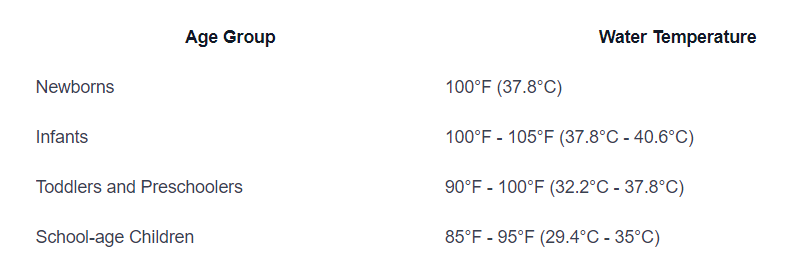
    1. Temperature Control: Ensure that the water temperature is safe for children. The table below provides recommended water temperature ranges for different age groups:
    __wf_reserved_inherit
    1. Slip-Resistant Surfaces: Use non-slip mats or appliques in the bathtub to prevent slips and falls. These provide better traction and stability for children while they are in the tub.
    2. Childproofing the Bathroom: Childproofing measures, such as installing cabinet locks, toilet seat locks, and outlet covers, can help prevent accidents in the bathroom. Keep all potentially hazardous substances, such as cleaning products, out of reach of children.

    By understanding the risks associated with bath time and implementing safety measures, parents can create a secure environment for their children. The next section will delve into setting up a safe bath area, focusing on temperature control, slip-resistant surfaces, and childproofing the bathroom.

    Setting Up a Safe Bath Area

    Ensuring a safe bath time environment is crucial for the well-being of children. By implementing proper safety measures, parents can create a secure bathing area that minimizes the risk of accidents. Here are some key considerations when setting up a safe bath area for kids.

    Temperature Control

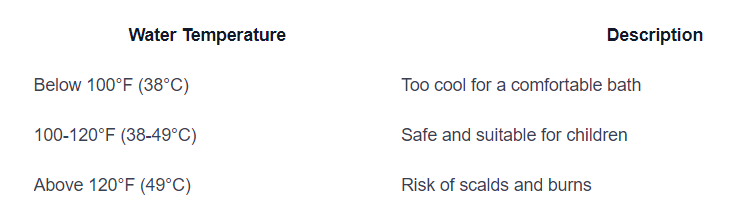
    Maintaining the right water temperature is essential to prevent scalds or burns. It’s recommended to set the water heater temperature to no higher than 120°F (49°C). Always test the water with your wrist or elbow before placing your child in the bath to ensure it is at a safe and comfortable temperature.
    __wf_reserved_inherit

    Slip-Resistant Surfaces

    Slips and falls are common accidents during bath time. To prevent these mishaps, it’s important to have slip-resistant surfaces in the bathing area. Consider using non-slip mats or decals inside the bathtub and on the bathroom floor to provide traction and reduce the risk of falls.

    Additionally, always encourage your child to sit or kneel while bathing to further minimize the chances of slipping. It’s also a good idea to remove any rugs or towels from the bathroom floor to avoid tripping hazards.

    Childproofing the Bathroom

    Childproofing the bathroom is another essential step in ensuring bath time safety. Keep potentially hazardous items, such as medications, cleaning products, and electrical appliances, out of reach by installing childproof locks on cabinets and drawers. Secure loose electrical cords and cover unused electrical outlets with safety plugs.

    To prevent drowning accidents, never leave water in the bathtub unattended, even for a short period. Always drain the tub immediately after use. Consider installing a toilet lock or keeping the bathroom door closed to prevent unsupervised access to the bathroom.

    By implementing these safety measures, parents can provide a secure bath area for their children. Temperature control, slip-resistant surfaces, and childproofing the bathroom are crucial steps in reducing the risk of accidents and ensuring a safe and enjoyable bath time experience.

    Supervision and Precautions

    Ensuring the safety of children during bath time requires active supervision, proper handling of bathing equipment, and taking precautions to prevent slips and falls.

    Active Supervision

    Active supervision is crucial to ensure the safety of children during bath time. It involves giving your undivided attention and staying within arm’s reach of your child at all times. Avoid distractions like phone calls or browsing the internet. By actively supervising your child, you can quickly respond to any potential dangers and prevent accidents from occurring.

    Handling Bathing Equipment Safely

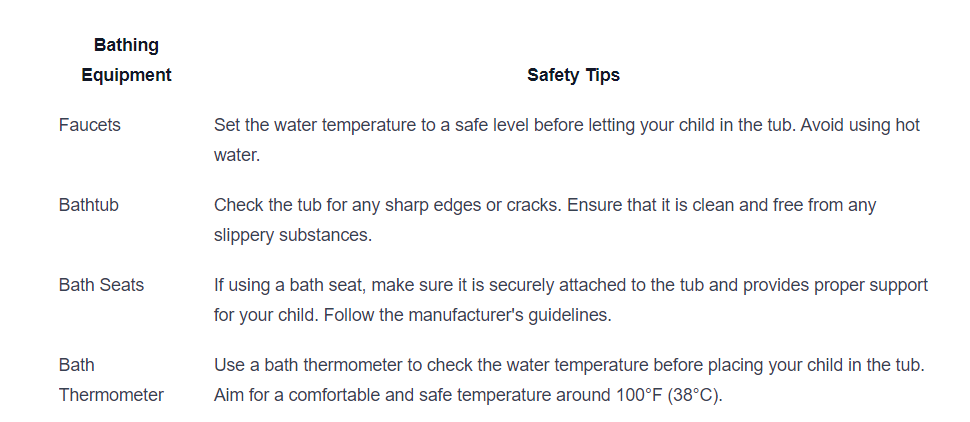
    Proper handling of bathing equipment is essential to maintain a safe bath environment for children. Here are some key points to consider:
    __wf_reserved_inherit

    Preventing Slips and Falls

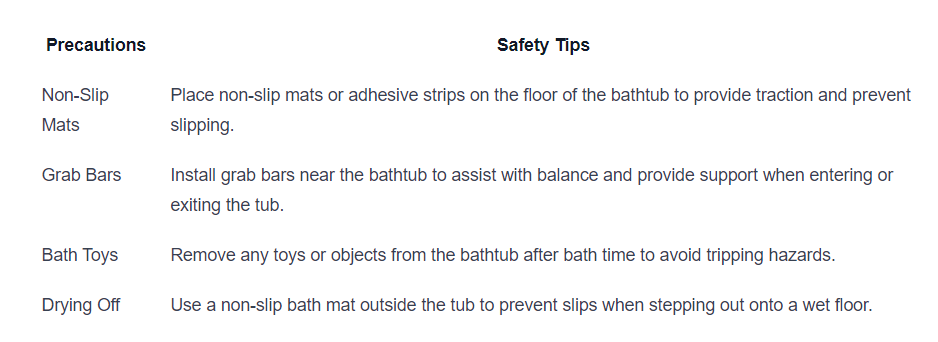
    Preventing slips and falls is a crucial aspect of bath time safety. To minimize the risk of accidents, here are some precautions to take:
    __wf_reserved_inherit

    By implementing these supervision techniques and taking necessary precautions, you can create a safe and secure bath environment for your child. Remember, bath time should be an enjoyable and relaxing experience, and prioritizing safety ensures that it stays that way.

    Bath Time Essentials

    Ensuring bath time safety for kids involves not only creating a secure environment but also selecting the right bath products, handling bath toys properly, and practicing safe drying and dressing techniques.

    Choosing Safe Bath Products

    When it comes to bath time, it’s important to choose safe and age-appropriate bath products for your child. Look for products that are specifically formulated for children and free from harsh chemicals, fragrances, and dyes that may irritate their delicate skin.

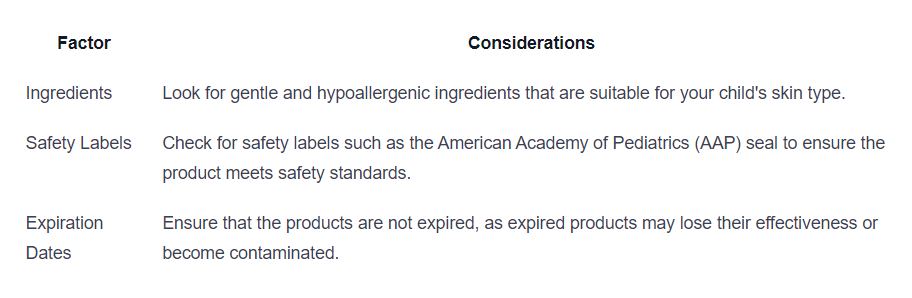
    To select safe bath products, consider the following factors:
    __wf_reserved_inherit

    Properly reading and understanding product labels can help you make informed choices about the bath products you use for your child.

    Proper Handling of Bath Toys

    Bath toys can provide entertainment and sensory stimulation for your child during bath time, but it’s important to handle them safely to prevent any potential hazards. Here are some tips for proper handling of bath toys:

    • After each bath, thoroughly clean and dry the bath toys to prevent the growth of mold or bacteria.
    • Regularly inspect the toys for any signs of damage or wear and tear. Discard any toys that are broken or have small parts that could pose a choking hazard.
    • Avoid keeping toys with holes that can trap water and promote mold growth.
    • Teach your child not to put bath toys in their mouth or near their face to prevent accidental ingestion or injuries.

    By following these guidelines, you can ensure that bath toys remain safe and enjoyable for your child.

    Drying and Dressing Safely

    After bath time, it’s important to dry and dress your child safely to prevent accidents or discomfort. Here are some tips for safe drying and dressing:

    • Use a soft and absorbent towel to gently dry your child, paying special attention to their skin folds to prevent moisture buildup.
    • Ensure the bathroom and surrounding areas are dry to prevent slips and falls.
    • Dress your child in loose-fitting clothes made of breathable fabrics to allow their skin to breathe.
    • Avoid using excessive talcum powder, as it can be harmful if inhaled by your child.

    By following these practices, you can help create a safe and comfortable post-bath experience for your child.

    By prioritizing bath time essentials such as choosing safe bath products, handling bath toys properly, and practicing safe drying and dressing techniques, you can promote a secure and enjoyable bath time routine for your child.

    Teaching Kids Bath Time Safety

    Ensuring the safety of children during bath time is of utmost importance. By teaching kids bath time safety, parents can empower them with the knowledge and skills to stay safe in the water. Here are some key aspects to focus on when teaching kids about bath time safety.

    Establishing Rules and Boundaries

    Setting clear rules and boundaries is essential for maintaining a safe bath time environment. Establishing these guidelines helps children understand what is expected of them and what they should avoid during bath time. Here are a few rules that can be implemented:

    • Always ask for adult supervision before entering the bathtub.
    • Keep toys and other objects away from the water to prevent slipping or accidents.
    • Do not stand up or try to climb in the bathtub.
    • Be careful when using soap or shampoo to avoid getting it in the eyes.

    By consistently reinforcing these rules, children develop a sense of responsibility and awareness when it comes to bath time safety.

    Educating on Water Safety

    Teaching children about water safety is crucial for their overall well-being. It’s important to educate them about the potential dangers associated with water and how to navigate them. Here are some water safety tips to share with kids:

    • Never enter the water without adult supervision.
    • Be cautious around deep water, such as in a bathtub or pool.
    • Avoid running or playing rough games near the water to prevent slips and falls.
    • Learn basic swimming skills and techniques, if age-appropriate.

    By instilling an understanding of water safety, children become better equipped to make safe choices and minimize the risk of accidents.

    Encouraging Independence with Supervision

    While it’s important to teach kids about bath time safety, it’s equally crucial to encourage their independence while maintaining supervision. As children grow older, they may start to develop self-care skills. Here are some ways to promote independence while ensuring safety:

    • Gradually allow children to wash themselves under adult supervision.
    • Teach them how to properly use bath products, such as soap and shampoo.
    • Encourage them to dry themselves and put on their clothes with minimal assistance.

    By fostering independence in a supervised environment, children gain confidence and learn to take responsibility for their own safety during bath time.

    Teaching kids bath time safety involves a combination of establishing rules, educating them about water safety, and encouraging independence with supervision. By consistently reinforcing these principles and providing guidance, parents can create a secure bath time environment for their children.

    Handling Emergencies

    No matter how careful we are, emergencies can still happen during bath time with kids. Being prepared and knowing how to handle these situations is crucial for ensuring their safety. In this section, we will discuss three important aspects of handling emergencies during bath time: knowing CPR and first aid, dealing with slips and falls, and planning for emergency situations.

    Knowing CPR and First Aid

    Having knowledge of CPR (Cardiopulmonary Resuscitation) and first aid is essential for any caregiver or parent. These life-saving techniques can make a significant difference in the event of an emergency. If a child experiences a near-drowning incident or any other medical emergency, quick action is crucial.

    Consider taking a CPR and first aid course specifically designed for infants and children. These courses provide hands-on training and cover topics such as CPR techniques, choking rescue, and basic first aid. By equipping yourself with these skills, you can be better prepared to respond effectively in case of an emergency.

    Dealing with Slips and Falls

    Slips and falls are common accidents that can occur during bath time. It’s important to know how to handle such situations to minimize the risk of injury. Here are some steps to take if a child slips or falls in the bathtub:

    1. Stay calm and reassure the child.
    2. If the child is conscious and not seriously injured, help them out of the water.
    3. Check for any signs of injury, such as cuts or bruises. If necessary, provide basic first aid.
    4. If the child shows any signs of distress or injury, seek medical attention immediately.

    Preventing slips and falls in the first place is crucial. Ensure that the bath area has slip-resistant surfaces and install grab bars or handles for added stability. Always keep a close eye on children during bath time to intervene quickly if needed.

    Planning for Emergency Situations

    While we hope to never experience an emergency during bath time, it’s important to be prepared. Having a plan in place can help you respond promptly and effectively. Consider the following steps when creating an emergency plan:

    1. Keep emergency numbers easily accessible, such as the local emergency services and poison control center.
    2. Post clear instructions on how to perform CPR and basic first aid in a visible location.
    3. Have a well-stocked first aid kit readily available in the bathroom.
    4. Ensure that everyone involved in caring for the child is familiar with the emergency plan and knows their role.

    Regularly review and practice the emergency plan with all caregivers to ensure everyone is prepared and confident in their abilities.

    By knowing CPR and first aid, being prepared for slips and falls, and having a well-thought-out emergency plan, you can handle potential emergencies with calmness and confidence. Remember, vigilance and prevention are key to maintaining a safe environment during bath time, but being prepared for the unexpected is equally important.
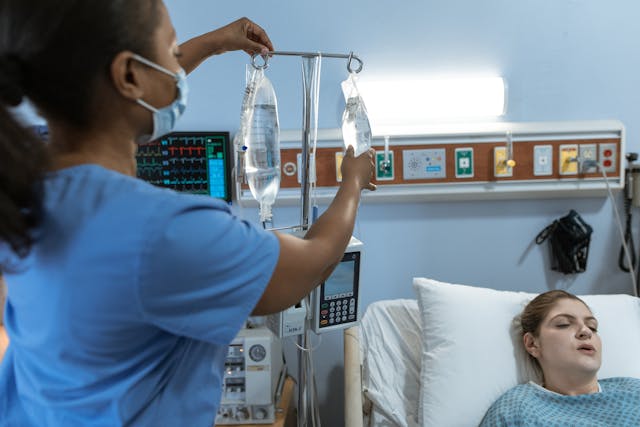
  • Nursing Management of Adult Patients with Tracheostomy

    Nursing Management of Adult Patients with Tracheostomy

    Enhance patient safety with expert nursing guidelines for tracheostomy management. Master care techniques for optimal outcomes.

    Tracheostomy Management: A Crucial Aspect of Patient Care

    In the realm of patient care, tracheostomy management holds significant importance in ensuring the well-being of individuals with compromised airways. Nursing guidelines play a pivotal role in guiding healthcare professionals toward safe and effective tracheostomy care. Let’s delve into the significance of nursing guidelines in tracheostomy management and gain an overview of tracheostomy and its impact on patient safety.

    __wf_reserved_inherit

    Importance of Nursing Guidelines in Tracheostomy Management

    Nursing guidelines serve as a foundational framework for healthcare providers involved in tracheostomy care, outlining best practices and protocols to optimize patient outcomes. These guidelines are designed to enhance the quality of care, promote patient safety, and minimize the risk of complications associated with tracheostomy procedures.

    Adhering to established nursing guidelines ensures standardized care delivery, facilitates effective communication among healthcare team members, and promotes a patient-centered approach to tracheostomy management. By following these guidelines diligently, nurses can navigate the complexities of tracheostomy care with confidence and proficiency, ultimately leading to improved patient safety and well-being.

    Overview of Tracheostomy and Its Role in Patient Safety

    A tracheostomy is a surgical procedure that involves creating a stoma (opening) in the trachea to provide an alternate airway for breathing. This intervention is often necessary for patients with respiratory issues, such as airway obstruction, prolonged ventilation, or neurological conditions affecting breathing ability.

    Tracheostomy plays a critical role in ensuring adequate oxygenation and ventilation for patients who are unable to breathe effectively through their nose and mouth. By establishing a direct air passage to the trachea, tracheostomy can improve respiratory function and enhance patient comfort, particularly in cases where long-term airway support is required.

    From a patient safety perspective, proper tracheostomy management is essential to prevent complications, such as airway blockage, infections, and respiratory distress. Nursing care practices, guided by evidence-based guidelines, are instrumental in maintaining the integrity of the tracheostomy site, monitoring for potential issues, and providing timely interventions to promote optimal patient outcomes.

    Understanding the fundamental role of nursing guidelines and the significance of tracheostomy in patient safety underscores the importance of diligent and informed care practices in tracheostomy management. By upholding high standards of care and adhering to established protocols, healthcare professionals can safeguard the well-being of patients with tracheostomies and ensure their respiratory needs are met with expertise and compassion.

    Nursing Priorities in Tracheostomy Care

    When it comes to tracheostomy care, nurses play a critical role in ensuring the safety and well-being of patients. Two key priorities in nursing guidelines for tracheostomy management are patient assessment and monitoring, as well as infection prevention and control measures.

    Patient Assessment and Monitoring

    Proper patient assessment and monitoring are essential components of effective tracheostomy care. Nurses are responsible for regularly evaluating the patient’s respiratory status, tracheostomy site, and overall condition to identify any changes or complications promptly.

    One crucial aspect of patient assessment is monitoring vital signs, such as respiratory rate, oxygen saturation levels, and signs of distress. By closely observing the patient’s response to tracheostomy care, nurses can intervene early to prevent potential complications and ensure optimal respiratory function.

    In addition to respiratory monitoring, nurses must assess the tracheostomy site for signs of infection, skin breakdown, or any other abnormalities. By conducting thorough and regular assessments, nurses can detect issues early on and collaborate with the healthcare team to implement appropriate interventions.

    Infection Prevention and Control Measures

    Infection prevention and control are paramount in tracheostomy care to reduce the risk of complications and promote patient safety. Nurses must adhere to strict guidelines and protocols to minimize the risk of infection at the tracheostomy site and respiratory system.

    One key infection prevention measure is maintaining proper tracheostomy tube care, including regular cleaning, suctioning, and dressing changes. By following aseptic techniques and utilizing sterile equipment, nurses can reduce the risk of introducing harmful pathogens and causing infections.

    Moreover, promoting hand hygiene practices among healthcare providers and visitors is crucial in preventing the spread of infections in patients with tracheostomies. Nurses should educate patients and their caregivers on proper hygiene measures to minimize the risk of contamination and promote a sterile care environment.

    By prioritizing patient assessment and monitoring, as well as implementing stringent infection prevention and control measures, nurses can enhance the safety and quality of care for patients with tracheostomies. Collaborating closely with the healthcare team and maintaining a vigilant approach to care are key in ensuring positive patient outcomes and preventing complications associated with tracheostomy management.

    Suctioning Techniques and Best Practices

    When it comes to managing a tracheostomy, proper suctioning techniques play a pivotal role in ensuring the patient’s airway remains clear and free from obstructions. Understanding the importance of effective suctioning and following established guidelines is essential for promoting patient safety and well-being.

    Importance of Proper Suctioning

    Effective suctioning is critical in maintaining the patency of the tracheostomy tube and preventing respiratory complications in patients with artificial airways. By promptly and correctly suctioning secretions, nurses can help patients breathe more comfortably, minimize the risk of infections, and optimize respiratory function.

    Proper suctioning also reduces the likelihood of complications such as mucus plugging, respiratory distress, and hypoxia. It is imperative for nursing staff to be proficient in the suctioning process, adhere to evidence-based practices, and prioritize patient comfort and safety during suctioning procedures.

    Guidelines for Safe and Effective Suctioning

    To ensure safe and effective suctioning, nurses must follow established guidelines and best practices tailored to tracheostomy care. These guidelines encompass the proper technique for suctioning, frequency of suctioning, equipment selection, and infection control measures. Adhering to these guidelines not only enhances patient outcomes but also reduces the risk of complications associated with suctioning procedures.

    One of the key aspects of safe suctioning is maintaining sterile technique while handling suctioning equipment and inserting the suction catheter into the tracheostomy tube. Additionally, nurses should monitor the patient’s vital signs, assess the need for suctioning based on clinical indicators, and document the procedure accurately for continuity of care.

    By adhering to established guidelines for safe and effective suctioning, nursing staff can contribute significantly to the overall management of tracheostomy patients, promote patient safety, and facilitate optimal respiratory outcomes. Proper suctioning techniques are a cornerstone of tracheostomy care and are integral to the holistic approach to patient well-being in healthcare settings.

    Emergency Preparedness and Response

    In the realm of tracheostomy management, being prepared for emergencies is paramount to ensuring patient safety. Nursing professionals play a crucial role in recognizing and responding to complications that may arise with tracheostomy patients. Additionally, knowing the appropriate steps to take in emergency situations can make a significant difference in patient outcomes.

    Recognizing and Responding to Complications

    Nurses must be vigilant in monitoring tracheostomy patients for any signs of complications.

    Immediate recognition of these complications is essential for timely intervention and preventing further deterioration of the patient’s condition. Nurses should be well-versed in the signs and symptoms of each complication to provide prompt and appropriate care.

    Steps to Take in Emergency Situations

    When faced with an emergency involving a tracheostomy patient, nurses must act swiftly and decisively to ensure patient safety. Key steps to take in emergency situations include:

    1. Maintain Calmness: Stay calm and focused to effectively assess the situation.
    2. Assess Airway: Ensure the patency of the airway and assess for any obstructions.
    3. Call for Help: Activate the emergency response team or call for assistance if needed.
    4. Administer Oxygen: Provide supplemental oxygen if the patient is experiencing respiratory distress.
    5. Perform Basic Life Support: Initiate basic life support measures if necessary, such as cardiopulmonary resuscitation (CPR).
    6. Follow Emergency Protocols: Adhere to institution-specific emergency protocols for tracheostomy emergencies.

    It is vital for nursing staff to undergo regular training and drills to enhance their preparedness in handling emergency situations involving tracheostomy patients. By staying vigilant, knowledgeable, and proactive, nurses can contribute significantly to patient well-being and safety in critical moments.

    Collaborative Care Approach

    When it comes to tracheostomy management, fostering a collaborative care approach is essential to ensure optimal patient outcomes. This approach involves effective interprofessional communication, team coordination, and strategic planning to provide comprehensive care for patients with tracheostomies.

    Interprofessional Communication

    Interprofessional communication plays a pivotal role in the care of patients with tracheostomies. It involves effective and clear communication among various healthcare professionals involved in the patient’s care, such as nurses, respiratory therapists, physicians, and speech therapists. By maintaining open lines of communication, healthcare team members can share important patient information, discuss treatment plans, and address any concerns collaboratively.

    Moreover, interprofessional communication fosters a cohesive approach to tracheostomy management, ensuring that all team members are aligned in providing safe and effective care. Regular team meetings, case discussions, and interdisciplinary rounds can facilitate communication and promote a unified care delivery model.

    Team Coordination and Planning

    Team coordination and planning are integral components of a successful collaborative care approach in tracheostomy management. Healthcare teams must work together cohesively to develop and implement individualized care plans for patients with tracheostomies. This includes coordinating various aspects of care, such as suctioning schedules, tracheostomy tube changes, and medication administration, to ensure seamless and efficient care delivery.

    Effective planning involves setting clear goals, assigning roles and responsibilities to team members, and establishing contingency plans for any potential complications that may arise. By working together as a cohesive team, healthcare professionals can optimize patient safety, enhance quality of care, and promote positive patient outcomes.

    In the realm of tracheostomy management, a collaborative care approach that emphasizes interprofessional communication, team coordination, and strategic planning is key to providing holistic and patient-centered care. By fostering a culture of collaboration and teamwork, healthcare providers can ensure that patients with tracheostomies receive the comprehensive care they need to promote recovery and well-being.

    Patient Education and Support

    Empowering patients with the knowledge and skills to manage their tracheostomy is an essential aspect of holistic care. Through patient education and support, nurses play a pivotal role in ensuring that patients can effectively care for their tracheostomy and address any emotional or psychosocial needs that may arise.

    Teaching Self-Care Techniques

    Educating patients on proper tracheostomy care is fundamental to maintaining optimal health and preventing complications. By teaching self-care techniques, nurses equip patients with the necessary skills to manage their tracheostomy safely and effectively. This includes guidance on:

    • Changing and cleaning the tracheostomy tube.
    • Suctioning techniques for maintaining airway clearance.
    • Recognizing signs of infection or complication and when to seek medical assistance.
    • Ensuring proper hygiene around the stoma site to reduce the risk of infection.
    • Maintaining a clean and sterile environment during tracheostomy care procedures.

    Ensuring that patients understand and feel confident in performing these self-care techniques is crucial for promoting independence and enhancing their quality of life while living with a tracheostomy.

    Providing Emotional and Psychosocial Support

    Living with a tracheostomy can have a significant impact on a patient’s emotional well-being and quality of life. Nurses should not only address the physical aspects of tracheostomy care but also provide emotional and psychosocial support to help patients cope with the challenges that may arise. This support may include:

    • Offering a listening ear and providing a safe space for patients to express their feelings and concerns.
    • Educating patients and their families about the emotional adjustments that may accompany having a tracheostomy.
    • Providing resources for counseling or support groups to help patients navigate their emotional journey.
    • Encouraging open communication between patients, caregivers, and healthcare providers to address any emotional or psychosocial issues effectively.

    By providing comprehensive patient education and emotional support, nurses can empower patients to take an active role in their tracheostomy care and overall well-being. This collaborative approach fosters a sense of confidence and reassurance for patients as they navigate the challenges associated with tracheostomy management.

    Sources

    https://www.rch.org.au/rchcpg/hospital_clinical_guideline_index/Tracheostomy_Management_Guidelines/

    https://www.ncbi.nlm.nih.gov/books/NBK593189/

  • Understanding the Role of a Medical Director in PPEC Centers

    Understanding the Role of a Medical Director in PPEC Centers

    Exploring the Integral Role of Medical Directors in PPEC Centers

    Introduction: Unveiling the Critical Role of Medical Directors

    The role of a medical director in Prescribed Pediatric Extended Care Centers (PPEC) is pivotal in ensuring that medically complex children receive comprehensive and high-quality healthcare. Medical directors oversee the clinical services, collaborate with multidisciplinary teams, and implement governing policies that align with regulatory requirements. This article delves into the multifaceted responsibilities, qualifications, and impact of medical directors in PPEC settings, enhancing our understanding of their contribution to specialized pediatric care.

    The Core Role of a Medical Director in Quality Healthcare

    Exploring the Essential Functions of Medical Directors in Quality Healthcare

    What is the role of a medical director in ensuring quality healthcare?

    The role of a medical director in ensuring quality healthcare encompasses a range of responsibilities with a strong emphasis on safety and quality of care. These responsibilities include:

    • Organizing and coordinating physician services: Medical directors ensure that the healthcare team is functioning efficiently, that roles are clear, and that patient care remains the priority.
    • Collaborating with healthcare professionals: Fostering a collaborative environment among nurses, therapists, and administrative staff is essential; the medical director must ensure that different departments work together effectively, optimizing patient outcomes.
    • Quality improvement initiatives: Medical directors are pivotal in managing quality improvement programs that continually assess and improve care standards in response to both client needs and regulatory requirements.

    In addition to these roles, the medical director must navigate healthcare ethics and the regulatory landscape, ensuring compliance and fostering accountable practices within the institution. They are responsible for implementing management strategies and training programs to advance the effectiveness of medical staff, further enhancing institutional capabilities.

    This dual focus on clinical expertise and organizational leadership positions medical directors as significant contributors to healthcare quality, ultimately profoundly affecting patient care and outcomes.

    Responsibilities of Medical Directors in PPEC Settings

    Key Duties of Medical Directors in Pediatric Extended Care Centers

    What are the key responsibilities of a medical director in pediatric extended care centers (PPEC)?

    A Medical Director (MeD) in a Pediatric Extended Care Center (PPEC) plays a vital role in ensuring that specialized medical oversight is provided for children with complex medical needs. Their responsibilities include:

    • Coordination of Medical Care: The medical director organizes, directs, and manages collaboration among diverse healthcare providers. This ensures that a comprehensive approach meets the health care and psychosocial needs of each child.
    • Quality Assurance: They periodically review services to guarantee acceptable levels of care and compliance with established medical standards. The MeD is pivotal in maintaining high standards of clinical practice, aligning with the center’s objectives.
    • Policy Development: The medical director influences care strategies by advising on the development and modification of programs. This includes overseeing emergency services policies to ensure prompt care during crises.

    Comprehensive care for medically complex children

    At the PPEC center, the Medical Director ensures a team-based approach to care that includes input from nurses, therapists, and other healthcare professionals. This multidisciplinary collaboration is crucial in addressing the unique needs of medically dependent or technologically dependent children, enabling tailored treatment protocols. The director also acts as a liaison with the medical community, facilitating communication and the integration of best practices.

    In summary, the medical director’s active leadership fosters a nurturing environment that not only supports children’s health but also empowers families through education and coordinated care.

    Qualifications Required for PPEC Medical Directors

    Essential Qualifications for Medical Directors in Pediatric Healthcare

    What qualifications are typically required for a medical director in a pediatric healthcare environment?

    To serve as a Medical Director in a pediatric healthcare setting, particularly a PPEC (Prescribed Pediatric Extended Care) center, several qualifications are essential. Firstly, candidates must hold a medical degree, either a Doctor of Medicine (MD) or a Doctor of Osteopathy (DO). This foundational qualification is followed by the completion of a residency program, which typically spans from three to seven years, specializing in fields relevant to pediatric care.

    Licensing and certification

    A valid and unrestricted medical license in the state where they practice is critical, ensuring they meet local regulations and standards. Moreover, aspiring medical directors should also pursue board certification in pediatrics, which not only enhances their credibility but also demonstrates their expertise in managing specialized care for children with complex medical needs.

    Experience and additional training

    Experience plays a pivotal role; many facilities prefer candidates with at least a decade of practice in the field. This depth of experience indicates a strong commitment to professional growth and patient care outcomes. Additional formal training, such as obtaining a Master of Business Administration (MBA) or specialized certifications in healthcare management, can significantly bolster their qualifications. Their role demands effective leadership and communication skills, coupled with a thorough understanding of pediatric care and regulatory requirements, enabling them to guide medical teams and enhance the overall quality of care provided in the PPEC center.

    Multidisciplinary Team Contributions by Medical Directors

    How Medical Directors Enhance Multidisciplinary Care

    How do medical directors contribute to multidisciplinary care teams?

    Medical directors play a pivotal role in multidisciplinary care teams through their clinical leadership and emphasis on collaboration. They are responsible for establishing clear communication channels among team members, which is essential for fostering an environment focused on patient-centered care.

    Their leadership is evident in care planning and delivery, where they outline optimized teamwork while defining individual roles within the team. By guiding decision-making processes and setting shared treatment goals, medical directors enhance organizational efficiency and contribute to better patient outcomes.

    In addition to overseeing clinical practices, medical directors facilitate multidisciplinary rounds involving various healthcare professionals, allowing for comprehensive discussions about patient care. They implement continuous quality improvement initiatives that ensure adherence to established safety standards and protocols

    This concerted effort not only reduces medical errors but also improves overall patient satisfaction. Medical directors’ commitment to fostering a cooperative culture is instrumental in building a robust framework for effective healthcare delivery.

    Contribution Area Details Examples
    Clinical Leadership Provide guidance and oversight of clinical standards. Edits care plans, sets protocols.
    Team Collaboration Encourage open communication among professionals for enhanced teamwork. Multidisciplinary rounds.
    Quality and Safety Initiatives Implement programs to ensure safety standards are met and improved. Continuous quality improvement.

    Governance and Oversight in PPECs: Role of the Medical Director

    Governance and Oversight: The Medical Director's Crucial Role in PPECs

    What governance and oversight responsibilities does a medical director have in a PPEC setting?

    The medical director in a PPEC (Prescribed Pediatric Extended Care) setting holds crucial governance and oversight responsibilities that encompass medical supervision, policy development, and adherence to regulations. These roles ensure both quality care and patient safety, making the medical director a pivotal figure in the healthcare institution.

    One key responsibility is the active involvement in the creation and ongoing improvement of institutional policies, protocols, and procedures. This entails close collaboration with the executive director to effectively implement local policies, ultimately aiming for optimal healthcare outcomes.

    Coordinating Quality Improvement Programs

    The medical director is also accountable for conducting quality improvement programs and patient care audits. These programs monitor services and compliance with established medical standards, guaranteeing that the care provided aligns with the highest levels of professionalism. Regular assessments of service quality help identify areas for enhancement, contributing to an overall improvement in patient care.

    Community Liaison and Incident Review

    Additionally, maintaining a liaison role with the medical community is paramount. This ensures that the facility stays updated on best practices and integrates services effectively. The medical director reviews incidents to identify safety hazards, facilitating timely corrective actions to maintain a safe environment for all children receiving care. Moreover, they assure that medical consultations are available in their absence, safeguarding continuity of care for the center’s pediatric patients.

    In summary, the medical director’s oversight and governance responsibilities in a PPEC setting are comprehensive, focusing on policy development, quality assurance, and community engagement to foster an environment of excellence in pediatric healthcare.

    Regulatory Frameworks Governing PPEC Centers

    Legal requirements for medical directors

    In Pennsylvania, every Pediatric Extended Care (PPEC) center is mandated to hire or contract with a Medical Director who is a board-certified pediatrician. This requirement ensures that the center maintains high standards of medical oversight for vulnerable populations, particularly children with complex medical needs. Without a qualified Medical Director, these centers cannot operate effectively, reinforcing the importance of this role in safeguarding patient care.

    Compliance with healthcare standards

    Medical Directors in PPEC centers are responsible for overseeing compliance with healthcare regulations and standards. They play a vital role in ensuring that care delivered adheres to established medical guidelines and policies. This includes conducting periodic reviews of services, managing quality assurance initiatives, and leading training programs for staff. Also, by facilitating collaboration among healthcare teams, Medical Directors enhance the overall efficacy and safety of the services provided, fostering an environment where children’s medical and therapeutic needs are prioritized.

    Ensuring Professionalism and High Standards in PPECs

    Professional development and training

    The Medical Director (MeD) plays a pivotal role in fostering professionalism within Pediatric Extended Care Centers (PPECs). As a board-certified pediatrician, the MeD is responsible not just for the health outcomes of children requiring specialized care but also for the comprehensive training and education of the medical staff. This includes implementing ongoing educational programs that emphasize best practices, patient care strategies, and adherence to regulatory standards.

    Continuous professional development ensures that all healthcare personnel are equipped with the skills and knowledge necessary to provide high-quality care. Collaborations with nursing staff, therapists, and administrative teams foster a culture of learning that prioritizes patient safety and effective emergency response.

    Maintaining clinical excellence

    To maintain clinical excellence, the Medical Director must periodically review services and evaluate quality assurance processes. This involves overseeing the delivery of medical, pharmaceutical, and nursing services, tailoring care protocols to meet the diverse needs of children with complex medical conditions.

    Additionally, the Medical Director’s liaison role with the medical community allows PPECs to integrate cutting-edge medical practices into their care strategies. By addressing incidents or unusual occurrences promptly and effectively, the Medical Director aids in creating a safety-first environment that is essential for children’s wellbeing. These efforts combined help ensure that the healthcare provided meets not only legal requirements but also upholds the highest standards of medical care.

    Medical Directors as Key Figures in Healthcare Organizations

    Influence in Healthcare Governance

    Medical Directors play a crucial role in the governance of healthcare organizations. They actively participate in board meetings, facilitating discussions about clinical practices and organizational strategies. Their involvement ensures that medical insights shape decision-making processes, ultimately leading to improved healthcare quality.

    Moreover, having a physician on the board correlates with enhanced service quality as they can address clinical challenges and promote patient-centered policies. Medical Directors act as diplomatic mediators, harmonizing the interests of management, clinical staff, and the broader healthcare community.

    Role in Strategic Decision-Making

    In their strategic capacity, Medical Directors oversee the implementation of essential policies related to patient care and safety. They are instrumental in developing quality improvement initiatives that encourage a culture of ongoing education and professional development among staff.

    Through their leadership, Medical Directors guide the implementation of protocols that meet regulatory standards while also advocating for the rights of patients. Their ability to coordinate among various departments enhances collaboration, significantly affecting the overall effectiveness of healthcare delivery.

    Medical Directors must stay abreast of the latest medical practices, which greatly influences their ability to develop tailored strategies that enhance service quality.

    Role Responsibilities Impact
    Physician Leadership Oversee clinical standards and ensure compliance with medical regulations Strengthens quality and safety
    Patient Care-Clinical Leadership Lead quality assurance programs, ensuring patient-centered approaches Enhances patient satisfaction
    Education Facilitate ongoing training and education for staff and community Improves overall healthcare knowledge

    Enhancing Operational Effectiveness through Medical Directors

    Impact on Clinical Operations

    Medical Directors are pivotal in shaping the clinical operations of healthcare facilities, particularly in Pediatric Extended Care Centers (PPEC). Their responsibilities include ensuring that healthcare services are not only compliant with regulations but also tailored to meet the unique needs of medically dependent children. By providing specialized medical oversight, Medical Directors enhance service quality, thus assuring families that their children are receiving optimal care.

    The influence of Medical Directors extends to fostering collaboration among healthcare professionals. This teamwork is essential for effective emergency response and coordinated care, ultimately leading to improved patient outcomes.

    Strategies for Effective Management

    To ensure operational effectiveness, Medical Directors engage in several strategies:

    • Continuous Quality Improvement: Implementing ongoing evaluation and improvement plans helps in monitoring healthcare activities, thereby enhancing patient care.
    • Education and Training: By developing training programs and promoting professional growth among staff, Medical Directors ensure that healthcare teams are well-equipped to provide high-quality services.
    • Policy Development: Active participation in policy-making helps in establishing guidelines that enhance both quality and compliance in patient care.
    • Liaison Role: They serve as critical links between the healthcare center and the wider medical community, ensuring that clinical practices stay current and evidence-based.

    By integrating these strategies, Medical Directors not only uphold high standards of care but also enhance the operational effectiveness of PPEC facilities.

    Collaborative Role of Medical Directors in Emergency Services

    Policies for Emergency Service Delivery

    The Medical Director plays a crucial role in establishing policies that guide the delivery of emergency services at facilities like the Pediatric Day Health Center (PPEC). These policies are developed to ensure prompt and effective care during crises, aligning with best practices in emergency response. The Medical Director is responsible for crafting protocols that not only comply with regulatory standards but also reflect the specific needs of the vulnerable populations served, particularly children with complex medical conditions.

    Emergency Response Planning

    In addition to policy formulation, the Medical Director is integral to emergency response planning at the PPEC center. This involves collaboration with healthcare personnel across various departments, including registered nurses, licensed practical nurses, and therapists. Together, they create comprehensive plans that ensure the safety and well-being of the children in their care during emergencies. Regular training and simulation exercises may also be conducted to prepare staff for a coordinated response.

    This collaboration ensures that all caregivers are familiar with emergency procedures, ultimately leading to improved outcomes for children requiring skilled nursing services.

    Responsibilities Description Importance
    Policy Development Forms the basis for emergency service protocols Ensures compliance with standards and best practices
    Collaboration with Healthcare Personnel Works with various departments for effective responses Enhances readiness and efficiency during emergencies
    Training and Simulation Conducts drills to prepare staff for potential crises Ensures all caregivers understand emergency procedures

    Medical Director’s Impact on Multidisciplinary Care Models

    Integrating Various Healthcare Services

    The Medical Director (MeD) plays a pivotal role in integrating various healthcare services within the institution. By overseeing comprehensive care plans, they ensure that specialized medical oversight is provided, particularly in centers like PPEC catering to children with complex medical needs. Their expertise allows for the establishment of tailored protocols that address specific health conditions, ensuring that children receive appropriate medical attention. This integration is critical as multidisciplinary teams, which include physicians, nurses, and therapists, work collaboratively to improve patient outcomes.

    Facilitating Interdisciplinary Cooperation

    Collaboration is fundamental in a multidisciplinary environment, and the Medical Director fosters this through effective communication channels between departments. By liaising with medical staff, stakeholders, and the broader medical community, the MeD ensures that best practices are implemented for the delivery of healthcare services. They contribute significantly to emergency response protocols, further underscoring the necessity of teamwork in clinical settings. This cooperation not only enhances the quality of care but also supports continuous education and professional well-being among healthcare personnel. The Medical Director’s leadership in aligning these efforts ultimately elevates the standard of care delivered to patients.

    Leadership in Continuous Quality Improvement Initiatives

    Implementing Quality Improvement Programs

    The Medical Director plays a vital role in the implementation of continuous quality improvement (CQI) programs at healthcare facilities, particularly in Pediatric Extended Care (PPEC) centers. The responsibilities include not only developing these improvement plans but ensuring they align with institutional policies and the specific needs of medically complex children. This involves collaboration with a multidisciplinary team including nurses, therapists, and other healthcare professionals, aiming to create a supportive environment that enhances patient care.

    Evaluating Healthcare Activities

    Regular evaluation of healthcare activities is fundamental to the Medical Director’s duties. They are tasked with performing periodic service reviews to ensure that care meets established quality standards. This assessment process considers various factors, from incident reports to patient outcomes, focusing on identifying areas for improvement. By continuously monitoring and adjusting procedures based on evaluation findings, the Medical Director helps maintain a culture of safety and efficacy, ultimately contributing to better health outcomes for patients at the center.

    Safety and Risk Management in PPEC Centers

    Incident review and safety hazard identification

    The Medical Director plays a pivotal role in incident reviews at Pediatric Extended Care Centers (PPEC). This involves scrutinizing reports of accidents and unusual occurrences to recognize potential hazards that could threaten the safety of children under care. By proactively identifying these risks, the Medical Director can implement preventative measures that fortify the safety protocols in place.

    Maintaining a safe care environment

    Ensuring a safe care environment is non-negotiable in PPEC Centers, given the vulnerable populations they serve. The Medical Director oversees the development and enforcement of safety policies, aligning them with established clinical standards. This leadership guarantees that all medical, pharmaceutical, and nursing services provided adhere to rigorous safety guidelines. Consistent training and education initiatives are leveraged to equip staff with the knowledge necessary to manage health and safety effectively.

    A comprehensive approach to safety not only mitigates risks but also assures families that their children are receiving quality care in a monitored setting. The Medical Director’s involvement in these processes is crucial, emphasizing a commitment to creating a secure and supportive atmosphere for all children.

    Ensuring Continuity of Care in the Director’s Absence

    Availability of Medical Consultation

    In the dynamic environment of a Pediatric Extended Care Center (PPEC), the role of the Medical Director is crucial. However, the absence of the Medical Director does not compromise the standard of care. There must always be arrangements for medical consultation, ensuring that any urgent health needs of children are met without delay. This guarantees that the center can maintain high-quality care even when the director is not present.

    Consistency in Patient Care

    Consistency in patient care is essential to the wellbeing of children receiving services at a PPEC. By establishing protocols that ensure medical oversight is available during any gaps in the Medical Director’s presence, the facility reinforces its commitment to safety and quality. These arrangements may involve training other qualified healthcare personnel to step in as needed, ensuring adherence to medical standards and procedures.

    Overall, the proactive measures taken to maintain medical consultation availability reflect the commitment to continuous care and the overall health and safety of the center’s vulnerable patients.

    Educational and Training Responsibilities of Medical Directors

    Staff and Community Education

    The role of the Medical Director extends beyond clinical oversight; it encompasses educating the staff and the community about healthcare processes. Continuous professional development is essential for maintaining high standards of medical care. Medical Directors can organize workshops, seminars, and training sessions that focus on advancements in pediatric care, safe medication practices, and the latest research in medical treatments.

    In PPEC centers, the Medical Director is pivotal in training healthcare personnel to ensure they are well-versed in protocols needed for comprehensive care of children with complex medical needs. Furthermore, engaging with the community through educational initiatives helps in raising awareness about the services available and encourages family participation in care decisions.

    Development of Training Programs

    Crafting effective training programs is another crucial aspect of the Medical Director’s responsibilities. These programs are designed to equip medical staff with the necessary skills to respond to the diverse needs of patients. Programs may cover topics such as:

    • Emergency Response: Training staff on effective procedures during medical emergencies.
    • Specialized Care: Ensuring staff understand the specific health needs of children with genetic or metabolic disorders.
    • Family Support: Educating staff on ways to empower families through problem-solving and resources.

    The goal is to foster an environment of continuous learning, ultimately guiding teams to deliver high-quality, patient-centered care in a nurturing environment. By prioritizing educational initiatives, Medical Directors enhance both institutional capabilities and patient outcomes.

    Facilitating Development and Modification of PPEC Programs

    Advising on New and Existing Programs

    The Medical Director (MeD) at a Pediatric Extended Care (PPEC) center holds a pivotal role in the evaluation and enhancement of programs designed for medically complex children. They are tasked with advising on the development of new initiatives while also reviewing and modifying existing programs. This ensures that all care strategies align with best practices and cater to the specific health needs of the children served.

    The MeD collaborates closely with healthcare teams, including nurses, therapists, and administrative staff, to develop tailored protocols of care. Their insight into pediatric healthcare allows for the implementation of innovative solutions that improve service delivery and outcomes.

    Enhancing Care Strategies

    In addition to program oversight, the Medical Director’s role extends to enhancing care strategies that directly impact the quality of services provided. By engaging with the medical community, the MeD ensures that the PPEC center’s operations are informed by the latest clinical guidelines and practices. This communication fosters an environment where continuous quality improvement is prioritized, directly benefiting the children in care.

    Moreover, the Medical Director’s responsibilities include establishing guidelines that promote inclusive care for children with diverse medical conditions. The integration of feedback from various stakeholders enables the center to adapt quickly to the evolving needs of its patients, ensuring they receive comprehensive and effective healthcare services.

    Conclusion: The Vital Role of Medical Directors in PPEC Centers

    Medical directors in PPEC centers are instrumental in upholding the quality and safety of pediatric care for medically complex children. Through their leadership, collaboration, and governance, they ensure that care delivery meets regulatory standards and is continuously improved. Their influence extends beyond the clinical environment, affecting organizational strategy and operational effectiveness. As we recognize their critical contributions, it’s clear that medical directors are key to fostering environments where healthcare excellence can thrive.

    References

  • How to Create a Positive Experience with Pediatric Medical Equipment Use

    How to Create a Positive Experience with Pediatric Medical Equipment Use

    Ensuring Comfort and Safety for Pediatric Patients with Tailored Medical Equipment

    Introduction

    In pediatric healthcare, the right approach and equipment can make a significant difference in patient experience and outcomes. Children are not just small adults; they have distinct anatomical and emotional needs that require specialized strategies to alleviate anxiety and ensure comfort during medical visits. In this article, we explore how to create a positive experience with pediatric medical equipment, focusing on design innovations, environmental factors, and the vital role of communication and engagement.

    Designing Child-Friendly Medical Environments

    Creating Inviting Spaces for Young Patients

    How can pediatric patients be made more comfortable during medical visits?

    To make pediatric patients more comfortable during medical visits, it’s crucial to create an inviting atmosphere that diminishes their anxiety. This starts in the waiting room, where cheerful decor and engaging activities can immediately ease the tension. Personalized greetings from staff can help children feel valued, making a world of difference in their experience.

    Importance of design in reducing stress and anxiety

    Designing public spaces within children’s hospitals should prioritize the perspectives of young patients. By incorporating adventurous themes and vibrant colors into patient rooms and diagnostic areas, these spaces not only become welcoming but also encourage exploration. Special attention to details, such as calming colors in procedure rooms, can significantly alleviate fears associated with medical interventions.

    Role of family amenities in pediatric spaces

    Family-friendly amenities play an essential role in pediatric units. Spaces need to cater to various family sizes, ensuring comfort and inclusivity during visits. Comfortable furniture, engaging play areas, and resources for entertainment, like iPads with games, make waiting times more bearable for children. This thoughtful design approach fosters a supportive environment, promoting a positive healthcare journey for both the child and their family.

    Design Considerations Description Benefits
    Welcoming Environments Bright decor, engaging activities Reduces anxiety, provides comfort
    Child-Centric Designs Adventure-themed spaces, interactive elements Encourages exploration, empowers children
    Family Amenities Comfortable spaces, resources for various family sizes Promotes inclusion, enhances support and comfort
    Therapeutic Connections Indoor/outdoor spaces for play and therapy Increases comfort, supports emotional well-being

    Effective Use of Pediatric Medical Equipment

    Optimizing Tools for Comfort and Safety

    What equipment is used in pediatrics?

    Pediatric medical equipment is tailored specifically for the anatomical features of children. This includes:

    • Blood pressure cuffs: Smaller-sized to fit the tiny arms of children, ensuring accurate readings.
    • Otoscope attachments: Designed for smaller ear canals, making examinations more comfortable.
    • Pediatric stadiometers: Essential for measuring height in children with precision.
    • Exam tables and beds: Created with adjustable heights and built-in entertainment options, these tables aim to enhance comfort and reduce anxiety.
    • Emergency medical carts: Organized with color-coded drawers for quick access to supplies suited for varying sizes of children, employing tools like the Broselow Tape for accurate dosing.
    • Pediatric scales: Ensures accurate weight measurements, crucial for assessing growth and medication dosages.
    • Thermometers and diagnostic instruments: Designed with child-focused features to ensure a gentle examination experience.

    Key features of pediatric medical devices

    The effective use of pediatric medical devices hinges on several important features:

    • Child-friendly designs: Brighter colors and playful elements promote a welcoming environment.

    • Safety features: Rounded edges and softer materials are incorporated into beds and examination devices to enhance safety during procedures.

    • Adjustable components: Many devices are tailored to adapt not only to children but also to varying caregiver needs, enhancing usability for families.

      | Feature | Description | Importance |
      |———————–|———————————————-|———————————————–|
      | Size Adjustment | Equipment is adjustable to fit growing children. | Ensures long-term utility and accuracy. |
      | Engaging Designs | Use of favorite characters and bright colors. | Reduces anxiety and makes visits fun. |
      | Safety Design | Elements with rounded edges and safe materials. | Minimizes risk during use. |

    Importance of appropriate equipment sizing and design

    Accuracy in equipment sizing and design is vital. Pediatric devices must accommodate the smaller anatomical features of children to ensure safety and effective treatment. Accurate measurements mean that:

    1. Medication dosages correlate directly with the child’s weight and height, which are monitored using pediatric scales and growth charts.
    2. Comfort is prioritized during examinations, making children more compliant and less anxious.
    3. Trust is built between healthcare providers and young patients, fostering a better overall experience.

    By innovating and designing equipment that resonates with children and their developmental needs, healthcare providers can significantly improve the quality of pediatric care.

    Adapting Medical Equipment for Child Safety and Comfort

    Tailored Designs for Pediatric Needs

    How is pediatric medical equipment adapted for children?

    Pediatric medical equipment is specifically designed with children’s safety and comfort in mind. One primary adaptation is the size and shape of instruments, such as specialized scales that feature curved sides and rounded edges to prevent infants from rolling off during examinations.

    Smaller needles and sutures are created to accommodate the fine vascular structures found in young patients. This ensures that medical procedures are less painful and reduce the risk of trauma. For diagnostics, child-specific instruments like thermometers and otoscopes are essential for obtaining accurate health assessments.

    What customizations are made for pediatric diagnostics and treatments?

    Customizations in pediatric care extend beyond mere size adjustments. Diagnostic rooms are often painted in soothing colors, with interactive designs to create a calming environment. Additionally, pediatric devices frequently incorporate playful themes to engage children. This approach helps reduce anxiety and discomfort during medical assessments and treatments.

    Use of child-friendly materials and designs

    The materials used in pediatric equipment are selected for their safety and comfort. Soft, hypoallergenic materials with rounded edges prevent injuries during examinations. Bright colors and child-friendly designs are common, transforming intimidating spaces into welcoming environments. Incorporating technology, like electronic health records, improves efficiency and reliability in managing pediatric health data. Calming techniques and effective communication geared toward children’s developmental stages further enhance the safety and comfort of young patients during their medical visits.

    Feature Description Benefits
    Safety Features Rounded edges, soft materials Prevents injury and increases comfort
    Custom Designs Bright colors, engaging shapes Reduces anxiety for children
    Child-Friendly Instruments Smaller, specialized tools like thermometers and otoscopes Ensures accurate assessments
    Technological Integration Electronic Health Records Streamlines patient information
    Effective Communication Techniques Age-appropriate explanations and supportive interaction Builds rapport and decreases fear

    Home Care Strategies and Device Adaptation

    What challenges do families face using pediatric medical devices at home?

    Families caring for children with medical complexities often encounter significant barriers when using medical devices at home. These can include insufficient quantities or types of devices, improper design for specific locations, the disruptive nature of device usage, and poor fitting for the child, which can complicate care routines and increase stress for caregivers.

    What are some common workarounds and modifications by caregivers?

    To address these challenges, caregivers have developed innovative workarounds. For instance, they might wash and reuse supplies to make the most of limited resources, and modify equipment for easy transport. Some designate specific spaces for device use while also repurposing household items to suit their child’s medical needs. This creative problem-solving is crucial in ensuring that children receive consistent and effective care.

    How can we enhance home care environments for pediatric patients?

    Creating a supportive home care environment is essential for pediatric patients. Strategies include optimizing device accessibility, childproofing the home for safety, and personalizing decor to reflect the child’s preferences. Additionally, establishing defined care areas helps organize medical supplies and streamline routines, while designated play spaces can facilitate therapeutic activities crucial for development. All these adaptations contribute to both the child’s independence and emotional well-being.

    Medical Play and its Role in Reducing Anxiety

    Using Play to Alleviate Fear in Healthcare

    Impact of medical play on children’s healthcare experiences

    Medical play is a vital method to help children become familiar with healthcare environments and processes. By allowing young patients to interact with medical tools and equipment through play, they can learn to manage their anxiety and fears associated with medical visits. This proactive approach can lead to significant reductions in anxiety levels, fostering a sense of control and mastery over their experiences.

    Role of child life specialists in medical play

    Child life specialists are instrumental in facilitating medical play. They create tailored experiences that are developmentally appropriate, ensuring children understand medical visits without feeling overwhelmed. These professionals use playful interactions to demystify medical procedures, allowing children to express their feelings and ask questions. Their expertise in navigating healthcare experiences makes them essential in providing emotional support and comfort.

    Benefits of desensitization and familiarity with medical equipment

    Desensitization through medical play can significantly decrease fear regarding medical procedures. When children are familiarized with medical equipment via play, such as using toy stethoscopes or doctor kits, they are likely to feel less intimidated during actual examinations. This understanding can lead to improved cooperation and ultimately better healthcare outcomes.

    With these strategies in place, children’s hospitals can create a nurturing environment that prioritizes comfort and emotional well-being, helping to transform healthcare visits into more positive experiences.

    Interactive and Engaging Pediatric Procedures

    Using technology and tools for distraction during procedures.

    Creating a child-friendly atmosphere during medical procedures significantly reduces anxiety. Engaging entertainment options, like pre-loaded iPads with games and stories, serve as effective distractions. By allowing children to interact with age-appropriate tools, such as colorful medical instruments, they can become familiar with the equipment, easing their fears about procedures.

    Role of parents in pediatric medical settings.

    Parents play a crucial role in alleviating anxiety for their children during medical visits. Their involvement is essential; encouraging them to participate in the process—holding instruments or reading stories—can help keep children calm and cooperative. Moreover, incorporating positive reinforcement like stickers or verbal praise after procedures fosters a sense of achievement and comfort.

    Incorporating play and interactive designs to reduce anxiety.

    The design of pediatric rooms should include vibrant colors and playful themes to create welcoming environments. Medical play activities, such as role-playing with toy medical kits, allow children to explore and learn about their upcoming procedures. This method not only normalizes medical settings but also encourages children to express their feelings and questions, ultimately reducing fear and building trust in their healthcare experience.

    Topic Strategy Impact
    Distraction through technology iPads with games and stories Keeps children calm
    Parent involvement Encouraging participation in the procedure Enhances cooperation
    Play and interactive designs Vibrantly decorated rooms and medical play Reduces anxiety and fosters understanding

    Promoting Family Involvement and Collaboration

    Empowering Families in Pediatric Care

    Importance of family involvement in pediatric care.

    Family involvement is essential in pediatric care as it significantly reduces anxiety in children and enhances their overall experience. Studies reveal that children are more cooperative and less anxious when their families are present during medical visits. Engaging families through education and support fosters a collaborative environment, enabling caregivers to better understand and address their child’s needs.

    Training for caregivers managing complex medical equipment.

    Training family caregivers in managing complex medical devices is crucial for effective home care. By providing hands-on education and resources, caregivers gain the confidence to handle these devices, ultimately improving the child’s care. This training also reduces stress for both the caregiver and child, ensuring that medical routines are smoothly integrated into daily life.

    Establishing routines and support networks for home care.

    Establishing consistent routines and supportive networks is vital for children with medical complexities. Routines not only offer security but also allow children to learn what to expect in their care regimen. Support networks, including healthcare providers, provide resources and emotional encouragement, making the caregiving process more manageable for families.

    Design Strategies for Pediatric Clinics

    Creating vibrant and welcoming clinic environments.

    Children’s hospitals and clinics should focus on creating an inviting atmosphere that reduces stress from the moment families arrive. A decorated facility, featuring bright colors and whimsical designs, can significantly improve a child’s initial experience. In fact, studies show that 63% of children favor a lively environment over a plain one, underscoring the importance of aesthetics in pediatric healthcare.

    Incorporating child-friendly themes and features.

    Designing public spaces with children’s perspectives in mind is crucial. Incorporating playful elements like interactive displays or themed décor makes the healthcare experience both adventurous and engaging. Facilities can also enhance comfort by integrating technology, such as iPads filled with games, which serve as effective distractions for anxious patients.

    Design adjustments to reduce anxiety and promote health.

    In patient rooms, amenities like personalized lighting and entertainment options empower children, allowing them to feel in control. Calming colors and interactive designs in diagnostic areas help alleviate anxiety, while family spaces must cater to diverse family sizes to support inclusion during visits. These thoughtful adjustments foster a nurturing environment and improve overall healthcare experiences for young patients.

    Future Innovations in Pediatric Medical Equipment

    Trends in Medical Device Innovation for Children

    The pediatric healthcare market is on the rise, projected to reach approximately USD 15,984 million by 2025. This growth opens up ample opportunities for innovation in medical devices designed specifically for children. Such devices need to cater not only to the smaller anatomical features of children but also to their unique psychological and emotional needs.

    Role of Technology and Customization

    Advanced technologies like 3D printing and new materials are playing a pivotal role in developing medical devices that can be customized for different pediatric applications. Features like engaging colors, softer materials, and interactive designs in devices enhance comfort and safety, making the medical experience less intimidating for young patients.

    Involvement of Children and Parents in Device Development

    Patient and public involvement (PPI) is crucial in medical device development for children. Engaging both children and their families in the design process leads to better products that reflect their actual needs and preferences. This collaborative approach can result in higher acceptance rates of medical devices among pediatric patients, ensuring that the innovations made are truly beneficial.

    Conclusion

    Transforming pediatric healthcare involves a comprehensive approach that considers the unique needs of children and their families. From customized medical equipment to interactive and child-friendly environments, creating a positive and stress-free experience is achievable. By implementing thoughtful design strategies and fostering open communication, healthcare providers can significantly enhance the overall experience for pediatric patients. Continuous innovation and active involvement of caregivers remain key to advancing pediatric care for future generations.

    References

  • Home Security Systems: Features to Keep Children Safe

    Home Security Systems: Features to Keep Children Safe

    Discover essential home security system features for child safety. Protect your family with the best security measures available.

    __wf_reserved_inherit

    Understanding Home Security Systems

    When it comes to protecting your family, home security systems play a crucial role in ensuring the safety of your children. These systems provide peace of mind by offering various features designed to keep your home secure. In this section, we will discuss the importance of home security for child safety and provide an overview of the key features of home security systems.

    Importance of Home Security for Child Safety

    Child safety is a top priority for every parent or guardian. Home security systems offer a layer of protection that can help prevent potential threats and provide a safe environment for your children to grow and thrive. These systems allow you to monitor and control access to your home, detect intrusions, and respond to emergencies promptly.

    By investing in a reliable home security system, you can deter burglars and intruders, ensuring that your children are protected from potential harm. The presence of visible security features, such as surveillance cameras and alarm systems, can act as a deterrent, reducing the likelihood of a break-in.

    Moreover, home security systems offer added peace of mind by providing real-time monitoring and alerts. This allows you to keep an eye on your children when you are away from home, ensuring their safety even when you cannot be physically present.

    Overview of Home Security System Features

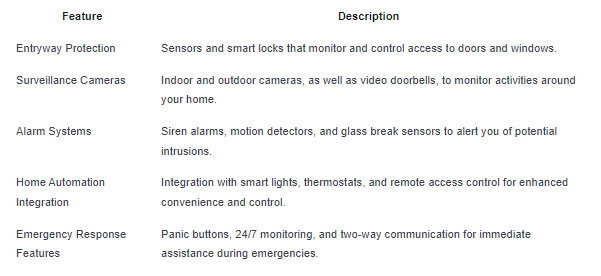
    Home security systems typically consist of a combination of features designed to safeguard your home and protect your loved ones. Here are some of the key features commonly found in home security systems:

    __wf_reserved_inherit

    These features work together to provide comprehensive security coverage for your home, ensuring the safety of your children. By customizing and configuring your home security system to suit your specific needs, you can create a safe and secure environment for your family.

    Understanding the importance of home security and familiarizing yourself with the various features available will empower you to make informed decisions when selecting a home security system for your child’s safety.

    Entryway Protection

    When it comes to ensuring the safety of your children at home, entryway protection is a crucial aspect of any home security system. By securing your doors and windows, you can create a barrier to unauthorized access and provide an added layer of protection. Here are some key features to consider for entryway protection:

    Door Sensors

    Door sensors are a fundamental component of home security systems. These sensors are typically installed on doors and detect when they are opened or closed. When the door is opened, the sensor sends a signal to the control panel, triggering an alarm if the system is armed.

    Door sensors come in various types, including magnetic and recessed sensors. Magnetic sensors consist of two parts: a magnet and a sensor. When the door is closed, the magnet aligns with the sensor, indicating that the door is securely shut. If the door is opened while the system is armed, the magnet moves away from the sensor, triggering the alarm.

    Window Sensors

    Similar to door sensors, window sensors play a vital role in entryway protection. These sensors are designed to detect any unauthorized opening of windows in your home. Window sensors operate on the same principle as door sensors, using magnetic or recessed sensors to trigger an alarm when a window is opened.

    It is important to install window sensors on all accessible windows, including ground-level windows and those on upper floors that can be easily accessed. By securing your windows with sensors, you can enhance the overall security of your home and provide peace of mind when it comes to the safety of your children.

    Smart Locks

    Smart locks are an innovative addition to entryway protection. These locks offer convenience and enhanced security by allowing you to control and monitor access to your home remotely. With smart locks, you can lock or unlock your doors using a smartphone app or a key code.

    One of the key advantages of smart locks is the ability to provide temporary access codes to family members, friends, or service providers. This feature allows you to grant access to specific individuals for a limited time, ensuring that your children are safe even when you’re not home.

    Additionally, smart locks often integrate with other home security systems, providing seamless automation and control. They can be programmed to automatically lock the doors when the security system is armed, adding an extra layer of protection.

    By incorporating door sensors, window sensors, and smart locks into your home security system, you can establish a strong foundation for entryway protection. These features work together to create a secure environment for your children, providing you with peace of mind knowing that their safety is prioritized.

    __wf_reserved_inherit

    Surveillance Cameras

    Surveillance cameras are an integral part of home security systems, providing an extra layer of protection for child safety. By monitoring the surroundings of your home, these cameras help deter potential threats and provide valuable evidence in case of any incidents. Here, we’ll explore three types of surveillance cameras commonly used in home security systems: indoor cameras, outdoor cameras, and video doorbells.

    Indoor Cameras

    Indoor cameras are designed to monitor the inside of your home, including common areas and specific rooms. These cameras can be placed strategically to capture important areas such as the living room, playroom, or nursery. By having indoor cameras, parents can keep an eye on their children and ensure their safety even when they are in a different part of the house.

    Indoor cameras offer various features such as high-definition video quality, night vision, and motion detection. Some cameras even have two-way audio capabilities, allowing parents to communicate with their children remotely. This feature can be particularly useful for checking in on kids when they are alone or interacting with babysitters.

    Outdoor Cameras

    Outdoor cameras are designed to monitor the exterior surroundings of your home, including entry points, driveways, and yards. These cameras act as a deterrent for potential intruders and enable parents to have a clear view of any activity happening outside.

    Outdoor cameras are typically weather-resistant and equipped with features like motion detection, night vision, and high-resolution video. With the ability to capture footage in real-time, outdoor cameras provide parents with peace of mind knowing that they can monitor their children’s outdoor activities, such as playing in the backyard or waiting for the school bus.

    Video Doorbells

    Video doorbells are becoming increasingly popular as they serve both as a surveillance camera and a convenient way to monitor who is at your front door. These doorbells are equipped with a camera, a microphone, and a speaker, allowing parents to see, hear, and communicate with visitors remotely.

    Video doorbells provide an added layer of security for child safety by allowing parents to screen visitors without opening the door. Whether it’s a delivery person, a neighbor, or a stranger, parents can assess the situation and decide whether to answer the door or not. Some video doorbells also have motion detection capabilities, sending alerts to parents’ smartphones whenever someone approaches the front door.

    To ensure optimal surveillance coverage, it’s important to strategically place cameras in areas that provide a clear view of the surroundings. Additionally, consider cameras with features that suit your specific needs, such as remote access, cloud storage, or integration with other smart home devices.

    By incorporating surveillance cameras into your home security system, you can enhance child safety by monitoring both the inside and outside of your home. The combination of indoor cameras, outdoor cameras, and video doorbells provides comprehensive coverage, giving parents peace of mind and ensuring the safety of their children.

    Alarm Systems

    When it comes to home security systems, alarm systems play a crucial role in enhancing the safety of your family, especially your children. These systems are designed to detect and alert you to potential threats, providing an added layer of protection. In this section, we will explore three important components of alarm systems: siren alarms, motion detectors, and glass break sensors.

    Siren Alarms

    Siren alarms are an effective deterrent for intruders and can alert you and your family to potential dangers. These alarms emit loud, attention-grabbing sounds when triggered, drawing attention to your home and potentially scaring off criminals. The volume and duration of the siren can vary depending on the specific alarm system.

    Siren alarms are typically installed in strategic locations throughout the home, including entry points such as doors and windows. They can be set to activate when a sensor detects unauthorized entry or movement. It’s important to choose an alarm system with adjustable siren volume to ensure it is loud enough to be heard throughout your home, while also being mindful of noise regulations in your area.

    Motion Detectors

    Motion detectors are a key component of home security systems, especially when it comes to child safety. These devices use infrared technology to detect movement within a designated area. When a motion detector senses movement, it triggers the alarm system, alerting you to the potential presence of an intruder.

    Motion detectors can be strategically placed in areas where your children spend the most time, such as hallways or playrooms. They are designed to distinguish between normal movements, such as walking or playing, and suspicious activity. However, it’s important to ensure that the motion detectors are installed at an appropriate height to avoid false alarms triggered by pets or small children.

    Glass Break Sensors

    Glass break sensors are specifically designed to detect the sound frequency and vibration patterns associated with breaking glass. These sensors are typically placed near windows, glass doors, or other areas with glass panels. When the sensor detects the distinct sound and vibrations of breaking glass, it triggers the alarm system, alerting you to a potential break-in.

    Glass break sensors provide an additional layer of protection, as they can detect forced entry or attempted break-ins through windows or glass doors. They are particularly important for child safety, as children may be more vulnerable to intrusions through windows or glass panels. It’s important to ensure that the glass break sensors are properly calibrated to minimize false alarms triggered by loud noises or other vibrations.

    By incorporating siren alarms, motion detectors, and glass break sensors into your home security system, you can enhance the safety of your children and deter potential intruders. Remember to regularly test your alarm system and keep it well-maintained to ensure optimal performance. Additionally, consider consulting with a professional security provider to determine the most suitable alarm system components for your specific needs and ensure they are installed correctly.

    __wf_reserved_inherit

    Home Automation Integration

    In addition to its primary function of enhancing home security, a modern home security system can also offer valuable home automation features that contribute to child safety. These home automation integrations provide added convenience and control over various aspects of your home. Let’s explore three key home automation features commonly found in home security systems: smart lights, smart thermostats, and remote access control.

    Smart Lights

    Smart lights are an excellent addition to any home security system, especially when it comes to child safety. With smart lights, you can remotely control and automate the lighting in your home, providing a safer environment for your children.

    By integrating your home security system with smart lights, you can schedule lights to turn on and off at specific times, creating the illusion of an occupied home even when you’re away. This helps to deter potential intruders. Additionally, you can control the lights from your smartphone, enabling you to turn them on remotely if your children arrive home while it’s still dark outside.

    Benefits of Smart Lights for Child Safety

    Schedule lights to turn on and off, creating the appearance of an occupied home

    Remotely control lights to ensure a well-lit environment for your children

    Easy access and control through smartphone apps

    Smart Thermostats

    Smart thermostats offer both energy-saving benefits and child safety advantages. These devices allow you to remotely control and monitor your home’s temperature, ensuring a comfortable and safe environment for your children.

    By integrating your home security system with a smart thermostat, you can adjust the temperature according to your family’s schedule. For example, you can lower the temperature during the night when everyone is sleeping, and then raise it in the morning before your children wake up. This feature helps to provide a comfortable and cozy environment while also saving energy.

    Benefits of Smart Thermostats for Child Safety

    Remotely control and monitor your home’s temperature for a comfortable environment

    Set temperature schedules to match your family’s routine

    Energy-saving capabilities contribute to a more eco-friendly home

    Remote Access Control

    Remote access control is an essential home automation feature that offers convenience and peace of mind, particularly for parents. With remote access control, you can manage and control your home security system from anywhere, using your smartphone or other internet-connected devices.

    This feature allows you to arm or disarm your security system remotely, giving you the ability to grant access to trusted individuals, such as babysitters or family members, without having to provide them with physical keys or access codes. It also enables you to receive real-time notifications about any security events, ensuring that you stay informed and can take appropriate action to keep your children safe.

    Benefits of Remote Access Control for Child Safety

    Manage and control your home security system remotely from your smartphone

    Grant access to trusted individuals without physical keys or access codes

    Receive real-time notifications of security events

    By integrating smart lights, smart thermostats, and remote access control into your home security system, you can enhance child safety in various ways. These automation features provide added convenience, energy efficiency, and control over your home environment, contributing to a safer and more secure living space for your family.

    Emergency Response Features

    When it comes to home security systems, having emergency response features is essential to ensure the safety of your family, especially your children. These features provide an added layer of protection and peace of mind. Let’s explore three important emergency response features that you should consider when choosing a home security system.

    Panic Buttons

    Panic buttons are a valuable feature that can be included in your home security system. These buttons are typically small and can be easily activated in case of an emergency. When pressed, they trigger an immediate response from your security system provider or emergency services, depending on how your system is set up.

    Having panic buttons strategically placed throughout your home allows for quick and discreet activation during critical situations. They can be especially useful for children who may not have access to a phone or may not be able to communicate effectively during an emergency. By pressing the panic button, help can be dispatched promptly, ensuring the safety of your loved ones.

    24/7 Monitoring

    Another crucial emergency response feature is 24/7 monitoring. With this feature, your home security system is actively monitored by professionals around the clock. These monitoring centers are staffed with trained operators who are ready to respond to any alerts or alarms triggered by your security system.

    In the event of an emergency, such as a break-in or a fire, the monitoring center will receive an immediate notification. They can then take appropriate action, such as contacting emergency services or alerting you and your designated emergency contacts. This constant monitoring ensures that any potential threats are quickly identified and addressed, providing an extra layer of protection for your children.

    Two-Way Communication

    Two-way communication is an important feature that allows you to communicate directly with the monitoring center or emergency responders through your home security system. This feature is typically available through a control panel or a mobile app connected to your security system.

    In case of an emergency, two-way communication enables you to provide vital information to the monitoring center or emergency personnel. It allows you to explain the situation, provide additional details, or receive instructions or reassurance during a crisis. This feature is particularly valuable for children who may be scared or unsure of what to do in an emergency. With two-way communication, they can receive guidance and support until help arrives.

    Having panic buttons, 24/7 monitoring, and two-way communication as part of your home security system ensures that you have a comprehensive emergency response plan in place. These features provide quick access to help, continuous monitoring, and effective communication during critical situations. By investing in a home security system with these emergency response features, you can enhance the safety and well-being of your children and your entire family.

    Sources

    https://www.ooma.com/home-security/faqs/how-to-keep-your-kids-safe-with-home-security-systems/#:~:text=Automati

    https://www.vectorsecurity.com/blog/home-security-systems-features-to-keep-children-safe

    https://smartshieldsystems.com/why-all-parents-should-invest-in-a-home-security-system/

  • How to identify signs of equipment malfunction in pediatric devices

    How to identify signs of equipment malfunction in pediatric devices

    Essential Insights into Pediatric Device Malfunction and Safety

    Understanding Pediatric Device Malfunctions

    Pediatric medical devices play a crucial role in the healthcare of children, given their unique developmental needs and smaller size. However, due to the critical nature of their use, even minor malfunctions can lead to significant health setbacks. Identifying signs of malfunction early can prevent adverse events, ensuring the safety and well-being of pediatric patients. This article delves into the key indicators of equipment issues, the consequences of failures, and effective strategies for risk management and troubleshooting.

    Recognizing Signs of Malfunction

    Identify Early Signs of Equipment Malfunctions

    What are the signs of equipment malfunction in pediatric medical devices?

    Signs of equipment malfunction in pediatric medical devices can manifest in various ways. Unexpected alarms or alerts serve as the first indicator that something might be wrong. Devices that are calibrated to sound alarms for alerts can indicate malfunctions that could impact patient care.

    Abnormal readings are another crucial sign. Measurements that do not correlate with a patient’s condition warrant immediate investigation. For example, if a heart rate monitor displays a rate significantly different from expected values, malfunction may be suspected.

    The failure of the device to power on or operate correctly is a straightforward but critical sign of malfunction. Such issues could stem from power supply problems or internal failures within the device.

    Additionally, unusual noises, such as rattling, whirring, or alarms that are out of the ordinary, can indicate mechanical issues or electrical failures. It’s important to listen intently for these auditory cues.

    Changes in device performance, including delays in response or erratic behavior, should also be taken seriously. These changes may not only signify malfunction but can also exacerbate patient risk if not addressed timely.

    Healthcare providers must routinely monitor these signs and follow established maintenance protocols. Regular training and awareness of potential malfunction indicators can ensure effective response and guarantee the safety and well-being of pediatric patients.

    Understanding the Impacts and Managing Risks

    Understand Device Malfunction Consequences and Mitigation Strategies

    What are the consequences of pediatric device malfunctions and risk management strategies?

    Pediatric medical devices play a crucial role in healthcare, but their malfunctions can have severe consequences. Such malfunctions can lead to life-threatening situations that may require additional surgeries, result in chronic pain, or cause long-term disabilities. In fact, the prevalence of surgical "never events"—serious incidents that should never happen—highlights this risk, as there are over 4,000 documented occurrences annually in the United States alone.

    Effective risk management strategies are essential to mitigate these dangers. Regular maintenance protocols for equipment can significantly reduce the likelihood of device failure. Additionally, comprehensive training for healthcare providers ensures they are well-equipped to spot potential issues before they escalate.

    The Importance of Incident Reporting Mechanisms

    Robust incident reporting mechanisms are vital for identifying problems early on. This allows healthcare facilities to address device failures quickly and effectively. Regular reviews of adverse event reports from the FDA’s monitoring program are crucial in understanding the risks associated with pediatric devices and enhancing safety.

    Moreover, maintaining thorough patient medical histories is critical. It helps healthcare providers recognize risk factors and provide appropriate treatments. Neglecting patient history can lead to misdiagnoses and medication errors, compounding the risks associated with device malfunctions.

    In summary, taking a proactive approach to risk management and ensuring comprehensive training for users can significantly reduce adverse outcomes associated with pediatric medical devices. Understanding these risks allows clinicians to implement safeguards effectively.

    Troubleshooting Pediatric Medical Equipment

    How do you troubleshoot pediatric medical equipment?

    To effectively troubleshoot pediatric medical equipment, healthcare providers should follow a structured approach to ensure patient safety. Here are some basic troubleshooting steps to take:

    1. Check Power Supply: Ensure the device is properly plugged in and the outlet is functioning. Look for any switches that may have been inadvertently turned off.
    2. Inspect for Physical Damage: Evaluate the device for signs of wear, physical damage, or loose components, which could affect functionality.
    3. Verify Settings and Connections: Confirm that all device settings are correct and that cables or probes are securely connected. Misconnections can lead to significant issues, especially in pediatric cases.

    Ensuring Device Functionality

    Maintaining the functionality of pediatric medical devices is crucial. It’s essential for providers to understand the intended purpose of each device and the operational protocols. Training for both healthcare professionals and patient caregivers is vital in preventing misuse, which is a common pitfall in device operation.

    In pediatric environments, special attention should be paid to device connectors designed according to ISO 80369 standards, which aim to minimize misconnections. Regular training and thorough orientation programs for families can significantly reduce risks associated with device malfunctions.

    Common Troubleshooting Pitfalls

    • Overlooking Unusual Signs: Ignoring warning signs such as unusual sounds, smells, or alarms can lead to serious adverse events. Listening to the device is equally important as regular inspections.
    • Improper Context of Use: Ensure the device is applied in the correct context. Misapplication can lead to major functionality issues.
    • Communication Lapses: Gaps in communication between healthcare providers and families can exacerbate problems. Proper education around device operation is imperative to avoid mismanagement and enhance patient safety.

    Incorporating these strategies can effectively mitigate risks and enhance the reliability of pediatric medical equipment.

    Reporting Malfunctioning Devices

    Learn the Importance of Reporting Device Malfunctions

    How to report a malfunctioning pediatric medical device in healthcare settings?

    To report a malfunctioning pediatric medical device in healthcare settings, users should first identify the malfunctioning device and immediately remove it from active use. It’s crucial to clearly tag the device with a description of the issue to ensure accurate communication. While healthcare facilities are not legally required to report these malfunctions, they can voluntarily submit notifications to the FDA using the MedWatch Form FDA 3500.

    Why is proper reporting essential?

    Proper reporting of device malfunctions is critical for enhancing patient safety and device effectiveness. Adverse event reporting helps identify serious issues with medical devices used by children, leading to improved design and regulatory measures. Furthermore, it fosters a culture of safety where the health risks associated with certain devices can be monitored continuously, facilitating timely alerts and necessary adjustments in device usage.

    Where to direct reports and inquiries?

    Mandatory reporters, including manufacturers and some healthcare facilities, must report adverse events under regulatory guidelines. For urgent issues outside of standard business hours, the FDA can be contacted at (301) 796-8240 or toll-free at 866-300-4374. Additional resources for reporting inquiries are available through email support at MDRPolicy@fda.hhs.gov.

    In summary, understanding the process for reporting device malfunctions, recognizing the importance of such reporting, and knowing where to direct reports can significantly enhance the safety of pediatric medical device use.

    The Role of Training and Education

    Training: A Key to Safe Device Use in Pediatrics

    What is the importance of staff and caregiver training?

    Training healthcare staff and caregivers on the safe and proper use of pediatric medical devices is crucial. Given the unique developmental characteristics of children, staff must understand the specific functions and potential risks associated with these devices. Well-trained personnel can significantly reduce the incidence of device misuse, which may lead to adverse events involving pediatric patients.

    How can we prevent device misuse?

    Preventing device misuse starts with comprehensive orientation and continuous education for both healthcare providers and caregivers. For instance, caregivers need to learn about device operation and maintenance to manage potential malfunctions effectively. Addressing common human errors during training sessions can prepare users to handle devices proficiently while also recognizing symptoms of malfunctions in a timely manner.

    Why is education important in medical settings?

    Education in medical settings fosters better communication between healthcare providers and families. When caregivers understand the intended use and operation of devices, it can enhance their capacity to identify issues early on. Furthermore, the focus on medical device safety standards and ongoing training helps ensure the well-being of pediatric patients while minimizing the risks associated with medical device use.

    Standards and Compliance in Device Connections

    Importance of ISO 80369 Standards

    The ISO 80369 standards play a critical role in ensuring the safety of medical devices, particularly in pediatric healthcare. These standards focus on the design of connectors that reduce the risk of misconnections. Misconnections can lead to severe patient harm or even death, making compliance with these standards essential for protecting vulnerable populations, such as children.

    Reducing Risks of Misconnections

    Medical device manufacturers are increasingly adhering to ISO 80369 to prevent misconnections that can result from incorrect device linkage. By implementing these standards, the variability in connectors is minimized, thereby reducing the chances of accidental misapplication of devices. This step is vital in pediatric settings, where patient safety is paramount due to the small size and unique physiological characteristics of young patients.

    Compliance in Pediatric Healthcare

    Ensuring that devices comply with recognized standards not only improves safety but also empowers healthcare providers to perform their duties with greater confidence. By understanding and utilizing ISO 80369-compliant devices, healthcare professionals can better mitigate risks associated with device use, ensuring that they are using the right equipment for their patients.

    Aspect Details Importance
    ISO 80369 Standards Design for safer connections Reduces misconnection risks
    Pediatric Safety Compliance and confidence for providers Critical for protecting vulnerable patients
    Healthcare Provider Training Familiarity with device compliance Prevents adverse events due to misuse

    Listening to the Equipment: A Practical Guide

    Identifying Issues Through Sounds

    Auditory cues are vital when assessing the functionality of medical devices, especially in pediatric care. Listening attentively can reveal important indicators of device malfunctions. Unusual sounds can arise from different types of equipment, signaling that a closer inspection is required.

    Unusual Device Noises

    Common specific sounds to monitor include:

    • Electrical Arcing: A crackling sound may indicate electrical issues, leading to device failure.
    • Motor Noises: Irregular or abnormal sounds from motors suggest potential mechanical malfunctions.
    • Alarms: Beeping or warning alarms can denote system errors or alerts needing immediate attention.

    Importance of Auditory Checks

    Routine auditory checks should be an integral part of device management. Not only can they help identify malfunctions early, but they can also prevent serious adverse events. Ensuring caregivers and healthcare professionals are trained to recognize these sounds is crucial, especially as medical devices transition into home settings where awareness of device performance is critical.
    Leveraging auditory indicators can significantly enhance safety measures and improve patient outcomes in pediatric healthcare.

    The Senses as Diagnostic Tools

    Using Smell and Touch in Diagnostics

    Healthcare professionals can employ their senses, particularly smell and touch, as effective diagnostic tools when assessing pediatric medical devices. For instance, unusual odors may signal overheating components or malfunctions in the device’s venting system. A quick sniff can often reveal vital information about a device’s operational status.

    Detecting Overheating or Venting Issues

    If a device emits a burnt or acrid smell, it’s crucial to investigate immediately, as this may indicate potential overheating. Similarly, tactile evaluations, such as feeling for excessive heat on the device’s surface, can alert caregivers to possible issues requiring prompt attention.

    Importance of Sensory Evaluations

    Awareness of these sensory cues can aid in preventing serious malfunctions. Regular checks using these methods complement routine device inspections, ensuring pediatric devices perform safely and effectively. Training caregivers to recognize these signs is essential, as their insights can play a pivotal role in maintaining device functionality.

    Human Factors and Device Use

    Impact of Human Errors

    Human factors play a significant role in the safety and effectiveness of medical devices used in pediatric care. For example, caregivers may inadvertently disconnect power during device maintenance, which can have dire consequences, particularly with devices vital for patient support, such as rotary pumps. Moreover, training gaps can lead to mismanagement of devices, increasing the likelihood of adverse events.

    Proper Device Management

    Ensuring effective device management involves training caregivers and healthcare professionals in the specific use of pediatric devices. Gaps in communication can exacerbate issues, making it essential for families to understand device operation thoroughly. Simple guidelines can help caregivers recognize signs of potential device malfunction, including unusual sounds or smells that may indicate overheating or electrical issues.

    Improvement in Device Design

    Advancements in device design are essential for improving safety. Newer-generation devices, such as mechanical circulatory support systems, have been developed to reduce component complexity while increasing biocompatibility. These innovations help mitigate the risk of failures associated with device usage in children, whose growing bodies may require unique adaptations for effective operation.

    Aspect Challenges Innovations
    Human Errors Caregivers disconnecting power Effective training programs
    Proper Device Management Inadequate understanding User-friendly interfaces and instructions
    Device Design Complexity leading to misuse Next-gen devices with fewer moving parts

    The Importance of Surveillance and Monitoring

    Surveillance: Ensuring Continued Device Safety

    Ongoing Device Testing and Monitoring

    Surveillance of medical devices, particularly those used in pediatric settings, is crucial due to the unique developmental characteristics of children. These devices must undergo continuous evaluation to ensure they meet safety and efficacy standards as children grow and change. Regular postmarket surveillance helps identify issues that may not have been apparent during pre-approval testing, especially since devices may behave differently with pediatric populations.

    Reporting and Surveillance Benefits

    The FDA’s adverse event reporting program plays a vital role in monitoring medical device performance. By gathering data on device malfunctions and failures, healthcare providers can better understand the risks associated with pediatric devices. This proactive approach allows for quicker responses to issues, informing updates and redesigns that can directly enhance patient safety. Reporting not only aids in correcting existing flaws but also fosters improvements in manufacturing standards.

    Adapting to Growth and Development in Children

    Children’s growth and developmental changes necessitate regular re-evaluation of medical devices. As children mature, their needs may shift, requiring modifications or entirely new devices to accommodate these changes effectively. Continuous assessment ensures that devices remain suitable and safe throughout the stages of childhood, thereby minimizing the risk of malfunction due to inappropriate device fitting or functionality. This dynamic approach to device management ultimately supports better health outcomes for pediatric patients.

    Ensuring Pediatric Patient Safety

    The safety of pediatric patients heavily relies on the proper functioning of medical devices. Through diligent monitoring for malfunctions, comprehensive risk management, effective troubleshooting, and adherence to rigorous reporting and training protocols, healthcare providers can safeguard against potential device failures. These strategies, coupled with a strong emphasis on communication and education, are vital in maintaining the integrity of pediatric healthcare settings and ensuring the well-being of our youngest patients. Continual improvement and adaptation of devices to meet the unique needs of children will further enhance safety and effectiveness in pediatric care.

    References

  • How to Incorporate Pediatric Medical Equipment into Everyday Activities

    How to Incorporate Pediatric Medical Equipment into Everyday Activities

    Integrating Pediatric Medical Equipment into Daily Life: Practical Tips and Insights

    Introduction to Pediatric Medical Equipment Integration

    Incorporating pediatric medical equipment into everyday activities can significantly enhance the quality of life for children with special healthcare needs. While these devices offer numerous benefits, there are also unique challenges that caregivers must navigate. This guide explores strategies and insights for successfully using pediatric medical equipment at home, focusing on improving independence, safety, and emotional well-being for children and their families.

    Understanding Pediatric Medical Devices

    Exploring the World of Pediatric Medical Devices: Essential Tools for Young Lives

    What are pediatric medical devices?

    Pediatric medical devices are specifically designed to diagnose or treat diseases and conditions for patients from birth to age 21. This category encompasses various subpopulations including neonates, infants, children, and adolescents. These devices play a crucial role in supporting the health and functionality of children with medical complexities, enhancing their daily activities and quality of life.

    FDA regulatory efforts

    The FDA is actively working to enhance pediatric device development through several key initiatives. This includes ensuring appropriate labeling of devices, improving clinical evaluation processes, and collaborating with healthcare professionals to address unmet needs in pediatric care. The aim of these efforts is to foster innovation and safety in the pediatric medical device landscape.

    Challenges in device approval and safety

    Despite existing incentives for development, the approval rate for novel pediatric devices remains stagnant. This is a significant challenge, often attributed to the limited patient population and the complexities involved in conducting clinical trials with children. Additionally, safety regulations for pediatric devices, such as cribs and other medical equipment, are continually updated to ensure optimal safety for young patients.

    To summarize the current state of pediatric medical devices, here’s a comparative overview:

    Feature Pediatric Medical Devices General Medical Devices
    Age Range From birth to age 21 All age groups
    Regulatory Focus Specific adaptations for children’s needs General safety and effectiveness
    Approval Challenges Stagnant approval rates, complex trials More established pathways
    Innovation Incentives Designed to meet unique pediatric health needs Broader application but may not address specific populations

    Incorporating pediatric medical devices effectively into daily routines remains essential for improving health outcomes among children with medical complexities.

    Strategies for Seamless Integration into Daily Routines

    What are effective strategies for integrating pediatric medical equipment into daily routines?

    Integrating pediatric medical equipment into daily family life can significantly improve the quality of care for children with medical complexity. It starts with a thorough assessment of each child’s specific needs. The unique requirements of neonates, infants, toddlers, and adolescents must be carefully considered. Proper selection of medical devices based on these profiles is crucial.

    Assessment of child’s needs

    To begin, a detailed evaluation from multidisciplinary healthcare teams, including occupational therapists and physiatrists, is essential. This ensures the chosen equipment not only fits physically but also aligns with the child’s activities and growth patterns. Current limitations in mobility, sensory processing, and social engagement should guide this decision.

    Family training and adaptation

    Next, family members must receive comprehensive training on how to operate and troubleshoot medical equipment. This knowledge is vital during transitions from hospital to home care, where parents will be responsible for daily management. Families should also regularly adapt equipment use to keep pace with the child’s development and evolving medical needs. Staying updated on safety information related to pediatric medical devices can help mitigate risks associated with their usage.

    Collaboration with healthcare professionals

    Lastly, ongoing collaboration with healthcare professionals is imperative. Engaging pediatric specialists can provide tailored advice and resources from organizations like the FDA, supporting families in navigating the complexities of daily medical care.

    Through these strategies, families can effectively enhance their child’s independence and quality of life while maintaining a harmonious home environment.

    Tips for Effective Use of Durable Medical Equipment (DME)

    What practical tips can help with the effective use of durable medical equipment (DME) in everyday activities?

    Effective use of durable medical equipment (DME) is pivotal for enhancing the quality of life for children with medical complexities. Here are some practical tips to maximize its effectiveness in daily activities:

    1. Selecting Suitable Equipment

      • Understand your child’s unique medical needs and assess if the DME is appropriate for their age, size, and physical condition.
      • Consult with pediatric specialists to ensure that the equipment aligns with the child’s development and functions effectively in their home environment.
      • Always consider the long-term needs of the child, such as growth adjustments or changing health statuses.
    2. Maintaining and Operating DME

      • Regularly perform maintenance checks to ensure all equipment is functioning properly to avoid any malfunctions during critical times.
      • Caregivers should receive proper training to understand how to operate and troubleshoot the equipment seamlessly.
    3. Integration into Daily Activities

      • Incorporate the use of DME into everyday routines such as mealtimes, bathing, and play, fostering independence for the child.
      • Use creative means, such as carts for mobility devices or adapting ordinary household items for medical use, to integrate DME without disrupting family life.

    These strategies not only provide physical assistance but also promote emotional well-being by allowing children to engage more freely with their surroundings. Staying updated on the latest FDA guidelines and safety requirements can further ensure that the chosen equipment is both safe and functional.

    The Role of Medical Play in Coping with Healthcare Experiences

    Leveraging Medical Play: Helping Children Cope with Healthcare Challenges

    How can medical play help children cope with medical experiences?

    Medical play helps children cope with medical experiences by providing a safe space where they can explore and understand medical scenarios through play. By using toy medical equipment and role-playing, children can familiarize themselves with the tools and processes they might encounter, reducing fear and anxiety. This process empowers them, allowing them to express their feelings and ask questions in a comfortable environment.

    Additionally, medical play can help children practice coping skills and problem-solving, making them feel more in control during actual medical situations. As they engage with toys that mimic real medical tools, children gain practical insights into their healthcare routines. Overall, medical play is a valuable therapeutic tool that promotes emotional well-being in pediatric patients facing medical challenges.

    Recommended medical play activities for different age groups

    To adapt medical play for various developmental stages, different activities can be implemented:

    • Infants: Simple play like peek-a-boo, using doctor hats, and allowing them to touch medical equipment can create initial familiarity.
    • Toddlers: Using toy doctor’s kits, engaging in doctor play with dolls, and making art collages with medical supplies can enhance understanding while reducing anxiety through creative expression.
    • Preschoolers: Medical kits serve for imaginative play. Creating art with medical materials continues to help these children process their experiences safely.
    • School-age children: They can work on art projects using actual medical supplies and read stories about healthcare to demystify medical procedures.
    • Adolescents: Engaging in writing, art, and music projects related to healthcare offers an outlet for expressing their feelings about medical situations.

    Implementing age-appropriate medical play activities can be an essential element in helping children navigate healthcare experiences effectively.

    Navigating Benefits and Challenges of In-Home Pediatric Equipment

    Navigating Home Care: The Advantages and Hurdles of Pediatric Medical Equipment

    What are the benefits and challenges of using pediatric medical equipment at home?

    Using pediatric medical equipment at home presents numerous advantages, particularly in improving overall family life. These devices are tailored to meet the unique health requirements of children from infancy to age 21. Enhanced comfort and convenience allow for better integration into daily routines, ultimately benefiting both the child and their caregivers.

    Despite these benefits, various challenges emerge. One major concern includes the need for thorough caregiver training. Safe and effective use of these devices hinges on family members understanding how to operate and manage the equipment properly. This education is particularly critical, as caregivers need to respond quickly to emergencies or device malfunctions.

    Additionally, home modifications might be necessary to accommodate larger or specialized equipment. Adjustments could include creating accessible spaces for wheelchairs or ensuring adequate power sources for devices.

    The diversity in sizes and developmental stages of children complicates the selection process further, often leading to a limited range of pediatric-specific devices. This scarcity can restrict access to innovative medical solutions that might improve children’s lives.

    Nonetheless, regulatory efforts by the FDA aim to enhance both the safety and effectiveness of pediatric medical devices. By overseeing and advancing availability for home use, the FDA plays a crucial role in promoting healthier living environments for children with medical complexities.

    Best Practices for Selecting and Managing Pediatric Medical Devices

    Best Practices Unveiled: Effective Management of Pediatric Medical Devices

    What are best practices for selecting and managing pediatric medical devices?

    Selecting and managing pediatric medical devices involves several best practices that prioritize the specific needs of children.

    1. Involving Pediatric Specialists
      Consultation with healthcare professionals who specialize in pediatrics is vital. These specialists can provide insights into the unique medical needs and conditions of the child, ensuring that the selected devices are suitable and effective.

    2. Regular Maintenance and Adaptation
      Routine maintenance of medical devices is crucial for safety and functionality. It’s also essential to adapt or upgrade equipment as children’s needs evolve with growth and changes in their health condition.

    3. Understanding FDA Regulations
      Familiarity with the regulatory framework established by the FDA is necessary. Devices should be selected based on their approval for pediatric use, emphasizing safety and efficacy. This evaluation process protects the well-being of children who rely on these technologies.

    Caregivers must be well-trained in the operation and troubleshooting of these medical devices, ensuring they can manage any issues that arise effectively.

    Why is it important to tailor pediatric medical devices to individual needs?

    Tailoring devices to individual needs is crucial because:

    • Children have diverse medical needs, and a one-size-fits-all approach may not be effective.
    • Personalized devices can enhance a child’s quality of life by fostering independence in daily activities.
    • Continuous assessment of medical capabilities is essential as children grow, requiring the timely adjustment of equipment.

    How can the community support families in managing pediatric medical devices?

    Communities can support families through:

    • Educational programs on device management.
    • Enhancing access to resources such as local workshops or online training.
    • Fostering connections with healthcare providers who can offer ongoing guidance and support.

    Final Thoughts

    Collectively, these practices ensure that pediatric medical devices are not only effective but also safe and adaptable, significantly improving the quality of life for children with medical complexities.

    The Importance of Adaptive Equipment for Children with Medical Complexities

    Enhancing Lives: The Crucial Role of Adaptive Equipment for Children in Need

    How does adaptive equipment play a role in improving the quality of life for children with medical complexities?

    Adaptive equipment is vital in enhancing the quality of life for children with medical complexities. It directly impacts their mobility, communication, and daily activities, enabling them to interact more freely with their surroundings.

    Using appropriately designed devices tailored for their unique sizes and developmental stages, these children can gain independence and partake in everyday childhood experiences. This is especially critical considering the diverse needs between different age groups, from neonates requiring specialized feeding devices to adolescents needing advanced communication tools.

    Moreover, the presence of adaptive equipment not only aids in physical functions but also supports emotional well-being and encourages social interactions. Families often face barriers when managing medical devices at home; thus, customized DME allows smoother integration of technology into daily routines, making it easier for caregivers and children alike.

    How does the FDA ensure the safety and innovation of adaptive devices?

    The FDA plays a crucial role in maintaining the safety and effectiveness of adaptive devices for children. Through robust regulatory frameworks, they oversee the development and approval of medical equipment. This involves rigorous testing to meet safety standards before devices can be prescribed for home use.

    The evolving landscape of pediatric care emphasizes the necessity for innovative solutions in adaptive equipment. The FDA supports this by facilitating advancements in technology, including 3D printing and AI-enabled devices, which can greatly enhance pediatric care. Such innovations help bridge the gaps created by traditional equipment shortages and promote accessibility, thus helping children with complex needs thrive.

    Aspect of Adaptive Equipment Importance for Children FDA’s Role
    Mobility Devices Enhance independence Ensures safety and efficacy
    Communication Tools Improve social inclusion Supports innovation
    Daily Activity Supports Foster emotional well-being Regulates device development
    Customizable Devices Meet individual needs Approve personalized solutions

    In conclusion, the integration of adaptive equipment into the lives of children with medical complexities is essential for their development and quality of life. Regulatory efforts by the FDA ensure that these innovations are safe and effective, paving the way for better healthcare outcomes.

    Exploring Innovative Solutions for Pediatric Equipment Management

    What innovative practices and solutions exist for managing pediatric medical equipment?

    Innovative practices for managing pediatric medical equipment focus on enhancing usability and safety. One such advancement involves digital tools that streamline inventory management, ensuring that families have access to the necessary equipment. These tools help track device usage and monitor supplies in real-time, facilitating timely adjustments that adapt to a child’s growth and change in health needs.

    How do collaborative programs enhance device development?

    Collaboration also plays a vital role in addressing pediatric needs. Programs such as the Pediatric Device Consortia Grant Program have emerged, which specifically targets the development and distribution of medical devices for children. These consortia bring together researchers, clinicians, and industry representatives to focus efforts on creating suitable medical solutions. Additionally, the FDA’s commitment to increasing pediatric device labeling and enhancing post-market surveillance supports ongoing safety standards.

    Why is real-time monitoring essential?

    Moreover, the incorporation of smart technology solutions into pediatric devices allows for real-time health monitoring. This adaptability is crucial, as it empowers caregivers to make informed decisions about equipment functionality throughout a child’s growth span. With advanced tracking and monitoring, caregivers can maintain device effectiveness and address issues swiftly, enhancing the overall quality of care.

    Innovation Description Impact
    Digital tooling Streamlined inventory and supply management Improved access to necessary equipment
    Smart technology solutions Real-time monitoring and health data collection Timely adjustments for safety and effectiveness
    Pediatric Device Consortia Collaborative program aiding device development and distribution Tailored solutions for pediatric populations

    By leveraging these innovative practices, families can more effectively manage pediatric medical equipment, easing some of the barriers encountered in daily life.

    Practical Home Adjustments for Pediatric Care

    Home Accessibility Modifications

    Families often face significant challenges when integrating medical devices into their homes. To ease these challenges, home accessibility modifications become essential. Considerations include:

    • Widening doorways to accommodate wheelchairs or walkers.
    • Installing ramps to facilitate smooth entry and exit points for mobility devices.
    • Ensuring power sources are readily available for medical equipment such as ventilators or suction machines in multiple areas of the home.

    Making these adjustments helps create a more supportive environment for children, allowing them to navigate their homes freely.

    Caregiver Training and Emergency Preparedness

    Equipping caregivers with the knowledge to manage medical devices is crucial. Training should encompass:

    • Understanding the operation of devices like feeding pumps and oxygen concentrators.
    • Learning to troubleshoot common issues that may arise during use.
    • Familiarizing caregivers with emergency response techniques, including CPR, to ensure that they can respond effectively during critical situations.

    Family members should also receive hands-on training during hospital stays, preparing them for successful home transitions. This portfolio of training underpins a child’s safety and independence at home.

    Building Successful Partnerships with Families

    Collaboration with caregivers

    One of the pivotal elements in enhancing the experience of families managing children’s medical complexities is the collaboration between medical professionals and caregivers. Establishing open lines of communication fosters trust and ensures that caregivers feel supported. This partnership also enables caregivers to express their observations and concerns effectively.

    Families are encouraged to become active participants in their child’s care, sharing insights about their daily challenges and needs. Regular discussions with healthcare teams, including pediatric specialists and therapists, allow for adjustments in care plans that cater to the unique circumstances of each family.

    Tailoring solutions for home care

    Addressing the specific requirements of each child is essential when integrating medical equipment into everyday life.
    The process of customizing equipment not only considers the medical needs but also the family’s lifestyle and home environment.
    This tailored approach may involve creating solutions that facilitate ease of use for various tasks, like modifying a wheelchair for better accessibility or developing a system to manage equipment efficiently at home.

    By understanding the home dynamics and the technology involved, healthcare providers can help families develop workarounds that minimize disruptions, thus leading to a more harmonious integration of medical devices into daily life.

    Bringing It All Together

    Integrating pediatric medical equipment into the daily lives of children with special healthcare needs requires thoughtful planning, collaboration with medical professionals, and ongoing adaptation to the child’s evolving requirements. By understanding the complexities involved and implementing practical strategies, caregivers can significantly improve the well-being and independence of young patients. Embracing innovations and educational resources can further empower families in managing these essential tools, ultimately enhancing the quality of life for children and their families alike.

    References

  • What Is The Best Apnea Monitor For Home Use?

    What Is The Best Apnea Monitor For Home Use?

    Exploring Optimal Apnea Monitoring Solutions for Home Use

    Understanding Home Apnea Monitors

    Home apnea monitors are devices designed to track a baby’s breathing and heart rate during sleep, aimed at alerting parents to potential irregularities. However, the use and effectiveness of these monitors, particularly in relation to Sudden Infant Death Syndrome (SIDS), remain subjects of ongoing debate. This article delves into the features, necessity, and user experiences associated with home apnea monitors, providing valuable insights for parents and caregivers.

    Features and Considerations for Infant Apnea Monitors

    Key Features to Consider for Infant Apnea Monitors

    What features should I look for in a home sleep apnea monitor for infants?

    When selecting a home sleep apnea monitor for infants, there are several significant features to consider. Reliable Monitoring is essential—look for devices that track both respiratory effort and heart rates accurately. These monitors should alert caregivers in case of irregularities, such as apnea or bradycardia.

    User-Friendly Design is also important. Check how the monitor is worn; options include stick-on sensors or belts attached to the baby’s chest. Clear, noticeable alerts are vital to ensure quick responses in case of emergencies.

    If your baby has specific medical needs, such as severe reflux or requires oxygen, select a monitor tailored to those situations. Consulting healthcare professionals can provide guidance on the most suitable device for your infant.

    Considerations for Parents Using Apnea Monitors

    While apnea monitors can provide reassurance for many parents, it is crucial to recognize that they do not lower the risk of Sudden Infant Death Syndrome (SIDS). False Alarms are common, which may lead to increased parental anxiety instead of alleviating it. Moreover, reliance solely on such devices could discourage adherence to safe sleep practices recommended by the American Academy of Pediatrics.

    Consult with Healthcare Providers before using these monitors to ensure they align with your child’s specific health conditions. Remember, the safest sleep environment—placing babies on their backs on firm mattresses without extra bedding—should remain a priority over monitoring alone.

    Feature Importance Additional Notes
    Reliable Monitoring Tracks breathing and heart rate accurately Alerts for apnea or bradycardia
    User-Friendly Design Ease of attachment and clarity of alerts Ensure comfort for the infant
    Specific Medical Needs Customized monitoring for particular conditions Consultation with professionals needed
    Avoidance of False Alarms Psychological safety for parents Adhere to safe sleep guidelines

    Debunking Misconceptions About Apnea Monitors and SIDS

    Understanding the Facts: Apnea Monitors and SIDS

    Apnea Monitors and Their Perceived Role in SIDS Prevention

    Home apnea monitors are often thought to offer protection against Sudden Infant Death Syndrome (SIDS) by tracking a baby’s breathing and heart rate. They can sound alarms if a baby’s breathing stops or if the heart rate drops significantly. However, evidence shows that these monitors do not prevent SIDS. Research has revealed no clear link between apnea and SIDS, which means most newborns do not require such monitoring for protection against this serious risk.

    The frequent false alarms from these devices can actually exacerbate parental anxiety, leading to increased worry and potential mental health challenges. Families may be misled into believing that these monitors can ensure safety, but they are more likely to instill anxiety than alleviate it.

    Guidelines and Recommendations from the American Academy of Pediatrics

    The American Academy of Pediatrics (AAP) firmly advises against the use of home apnea monitors as a strategy for SIDS prevention. Instead, they promote safe sleep practices, such as placing infants on their backs to sleep and using adequate crib mattresses without extra bedding.

    While in certain cases—such as infants with specific medical needs—a doctor may recommend a home apnea monitor, the AAP emphasizes that these monitors do not replace safe sleep guidelines. The evidence indicates that adherence to these guidelines is far more effective in minimizing SIDS risk than reliance on monitoring devices.

    Adult Sleep Apnea Monitoring at Home: Devices and Effectiveness

    Home Devices for Adult Sleep Apnea Monitoring

    How can I monitor sleep apnea at home?

    To monitor sleep apnea at home, you can use various at-home sleep apnea testing devices. These devices typically include:

    • A chest strap to measure breathing patterns.
    • A nasal cannula to monitor airflow.
    • Additional sensors to track heart rate and oxygen levels during sleep.

    These devices can often be purchased online or through medical supply stores, and some may be available via your healthcare provider. After using the device overnight, you can analyze the data to identify occurrences of apnea or other breathing irregularities. It is essential to consult with a healthcare professional if you suspect you have sleep apnea for proper diagnosis and treatment.

    Is a sleep apnea monitor watch a good alternative for traditional devices?

    A sleep apnea monitor watch, such as the FDA-cleared Apple Watch Series 10, features advanced capabilities for tracking sleep health, including sleep apnea detection. While this watch enhances convenience for everyday monitoring, it may not offer the comprehensive data that traditional devices like CPAP machines or complete home sleep studies provide.

    The Series 10 has a larger display and improved aesthetics, appealing to active users. However, it lacks certain functionalities, such as blood oxygen sensing. While these smartwatches can serve as useful supplementary tools for tracking sleep patterns, they should not replace traditional testing methods for a thorough diagnosis.

    Cost and convenience factors

    At-home sleep apnea tests are often less expensive than traditional in-lab studies—costing one-third to one-fifth the price and usually covered by insurance. The convenience of being in your own home can also lead to a more accurate assessment of sleep patterns, as individuals tend to sleep differently in familiar environments than in clinical settings.

    Feature Home Monitoring Devices Traditional Sleep Tests
    Cost 1/3 to 1/5 of in-lab tests Higher overall cost
    Convenience Self-monitoring at home Requires overnight stay
    Data analysis Basic parameters (HR, airflow) Comprehensive (sleep stages)
    Prescription required May need prescription from doctor Yes
    Health supervision Minimal Full medical supervision

    Understanding the differences between these monitoring options can help you make informed decisions regarding sleep apnea evaluation.

    Effectiveness and Limitations of Home Apnea Monitoring for Infants

    The Realities: Infant Apnea Monitoring Limitations

    Analyses of User Experiences and Parental Concerns

    Home apnea monitors are designed to track a baby’s heart rate and breathing, alerting caregivers if there are any abnormalities. However, many parents find that these devices create more stress than reassurance. Research indicates that often there is no significant link between these monitors and SIDS prevention, leading to the American Academy of Pediatrics’ recommendation against their use for this purpose.

    Parents frequently report feelings of heightened anxiety and emotional distress. The constant monitoring combined with the risk of false alarms leads to an overwhelming sense of worry about their child’s safety, counteracting the intended calming effect of these devices.

    The Impact of False Alarms and Anxiety

    False alarms are common with home apnea monitors, often triggered by normal movements. This frequent disruption not only unsettles parents but can also lead to an erroneous belief in safety, potentially neglecting established safe sleep practices. For example, parents might feel they have control over SIDS risks simply because they have a monitor, which could discourage vigilance in following safe sleep guidelines.

    Interestingly, a comparison of monitored versus unmonitored infants shows that parents of monitored babies often report higher levels of anxiety and depression. Instead of providing peace of mind, the monitors can exacerbate concerns and foster a false sense of security.

    Concern Effect Alternative Recommendation
    Heightened anxiety Increased parental stress Adhere to "Back to Sleep" guidelines
    Frequent false alarms Disturbance in sleep Utilize firm mattresses without extra bedding
    Overreliance on monitoring Neglect of safe sleep practices Stay informed about ongoing safe sleep developments

    Many experts encourage focusing on research-backed strategies rather than relying on home monitors for reducing SIDS risks.

    Evaluating the Costs and Market Availability of Home Monitoring Devices

    Cost Insights and Device Availability for Home Monitoring

    Price Ranges of Apnea Monitors

    Home apnea monitors can vary significantly in price depending on their features and type. Typically, these devices range from $150 to $500. Basic models might offer essential functions, like monitoring heart rate and breathing patterns, while more advanced versions may include additional features such as event recording and connectivity to smartphones for real-time updates.

    Insurance Coverage and Discounts

    Insurance coverage for home apnea monitors often depends on specific medical indications. In general, if a monitor is prescribed due to a medical necessity, such as chronic conditions or following a brief resolved unexplained event, it is more likely to be covered. Coverage details can vary widely between insurers, so it’s advisable to check with your specific plan.

    Moreover, some retailers may offer discounts or financing options for purchasing these devices, making them more accessible. Always inquire about warranties and return policies, as these can also add to overall savings.

    What is a Good Oxygen Level for Sleep Apnea?

    A good oxygen saturation level during sleep for those with sleep apnea should ideally be between 95% and 100%. Individuals with obstructive sleep apnea (OSA) often experience drops in blood oxygen levels, typically below 92%, which can lead to hypoxemia and associated health risks. Continuous positive airway pressure (CPAP) therapy is the first-line treatment for OSA, helping to keep airways open and improve oxygen saturation. If oxygen levels consistently fall below 92%, it is crucial to monitor the situation and contact a healthcare provider for further evaluation and treatment options.

    What Are the Different Types of Sleep Apnea Monitoring Devices Available?

    Several types of sleep apnea monitoring devices are available to help manage obstructive sleep apnea (OSA). The most common device is the Continuous Positive Airway Pressure (CPAP) machine, which delivers pressurized air through a mask to prevent airway blockages during sleep. Other options include BiPAP and AutoPAP machines, offering variations in pressure settings, and oral appliances like mandibular advancement devices that help keep the airway open by repositioning the jaw. Additionally, there are positional therapy devices, tongue retaining devices, and specialized pillows designed to assist with sleep posture. For more severe cases, surgical options like hypoglossal nerve stimulators may be considered to help maintain an open airway during sleep.

    Making Informed Decisions About Apnea Monitoring

    Selecting the best apnea monitor for home use involves understanding the needs and conditions of the individual, whether an infant or an adult. While technology offers a range of monitoring solutions, it is essential to be guided by medical advice and focus on proven safe practices, particularly for infants. Whether considering a monitor for reassurance or an adult testing device for suspected sleep apnea, exploring the devices’ detailed specifications and consulting healthcare professionals will ensure the best choice for peace of mind and health monitoring.

    References

  • Pediatric Hospital Beds for Rent

    Pediatric Hospital Beds for Rent

    Discover top pediatric hospital beds for rent options! From standard to specialty beds, ensure comfort and care for your little ones.

    __wf_reserved_inherit

    Pediatric Hospital Beds for Rent

    When it comes to providing specialized care for pediatric patients, the availability of pediatric hospital beds for rent plays a crucial role in ensuring comfort, safety, and proper medical attention. These beds are specifically designed to meet the unique needs of children during their stay in healthcare facilities.

    Importance of Pediatric Hospital Beds

    Pediatric hospital beds are essential for creating a conducive environment for young patients requiring medical care. These beds are tailored to accommodate the smaller size and specific medical requirements of children, offering features that promote both safety and comfort. By utilizing pediatric hospital beds, healthcare providers can deliver personalized care that addresses the distinct needs of pediatric patients, contributing to better outcomes and overall patient satisfaction.

    Options for Renting Pediatric Hospital Beds

    Renting pediatric hospital beds provides a cost-effective and flexible solution for healthcare facilities, caregivers, and families in need of temporary pediatric care equipment. By opting for rental services, individuals can access a variety of pediatric hospital bed options without the need for a long-term investment. Rental providers typically offer a range of bed models with different features and functionalities to cater to various medical conditions and age groups, ensuring that pediatric patients receive the appropriate level of care and support during their hospital stay.

    By exploring the options available for renting pediatric hospital beds, caregivers and healthcare professionals can select the most suitable bed for each child’s specific needs, promoting a comfortable and secure environment for pediatric patients undergoing medical treatment.

    __wf_reserved_inherit

    Standard Pediatric Hospital Beds

    When it comes to standard pediatric hospital beds available for rent, understanding their features and functions is essential to ensure the comfort and well-being of young patients. These beds are designed to cater to the specific needs of pediatric patients, providing a safe and supportive environment during their healthcare journey.

    Features and Functions

    Standard pediatric hospital beds come equipped with a range of features and functions that contribute to the overall care and comfort of young patients. These beds are typically adjustable in height, allowing healthcare providers to easily access and attend to the child. The ability to raise or lower the bed height ensures optimal positioning for medical procedures and caregiver assistance.

    Moreover, standard pediatric hospital beds often include side rails that can be raised or lowered to prevent accidental falls and provide a sense of security for the child. The mattresses used in these beds are designed to offer support and pressure relief, promoting proper alignment and reducing the risk of bedsores.

    Additionally, many standard pediatric hospital beds come with features such as trendelenburg and reverse trendelenburg positions, allowing for enhanced patient positioning for medical treatments and recovery. Some beds also offer options for electronic controls, making adjustments more convenient for healthcare providers and caregivers.

    Suitability for Different Needs

    Standard pediatric hospital beds are versatile and can accommodate a variety of needs based on the age and medical condition of the child. These beds are designed to be adaptable, offering comfort and support for children of different sizes and weight capacities.

    Whether a child requires post-operative care, ongoing medical treatment, or temporary respite, standard pediatric hospital beds can meet a range of healthcare needs. The adjustability of these beds allows for customization based on the specific requirements of each patient, ensuring optimal comfort and safety throughout their stay.

    By selecting a standard pediatric hospital bed that meets the individual needs of the child, healthcare providers and caregivers can provide a supportive and nurturing environment that promotes healing and recovery. Prioritizing features like adjustability, safety mechanisms, and comfort enhancements can enhance the overall care experience for pediatric patients in a hospital setting.

    __wf_reserved_inherit

    Specialty Pediatric Hospital Beds

    In the realm of pediatric hospital beds for rent, there are specialized options tailored to meet the unique needs of young patients. Two prominent examples of specialty pediatric hospital beds are ICU beds and pediatric crib beds.

    ICU Beds

    ICU beds, short for Intensive Care Unit beds, are designed to provide a high level of care and monitoring for critically ill or injured pediatric patients. These beds are equipped with advanced features to support life-saving interventions, such as ventilator support, cardiac monitoring, and intravenous medication administration.

    ICU beds for pediatric patients are specifically designed to ensure the safety and comfort of the child while allowing medical professionals easy access for necessary procedures and monitoring. These beds often come with adjustable height settings, side rails for added security, and specialized mattress surfaces to prevent pressure ulcers.

    Pediatric Crib Beds

    Pediatric crib beds offer a secure and cozy sleeping environment for infants and young children in healthcare settings. These beds are characterized by their crib-like design, featuring enclosed sides to prevent accidental falls and injuries. Pediatric crib beds are typically used for pediatric patients who require a safe and confined space for rest and recovery.

    The size of pediatric crib beds is tailored to accommodate the needs of young patients, providing a comfortable and secure sleeping area. These beds often come with adjustable mattress heights to facilitate ease of access for caregivers and medical staff. Additionally, pediatric crib beds may include features such as built-in scales for accurate weight monitoring and integrated medical gas outlets for convenience during treatment.

    By understanding the unique characteristics and functionalities of ICU beds and pediatric crib beds, healthcare providers can make informed decisions when selecting the most suitable pediatric hospital bed for their young patients. Prioritizing safety, comfort, and specialized care ensures that pediatric patients receive the best possible support during their hospital stay.

    Factors to Consider

    When exploring rental options for pediatric hospital beds, there are several critical factors to consider to ensure the comfort and safety of young patients. Three key aspects to evaluate when selecting a pediatric hospital bed for rent are safety features, size and adjustability, and rental terms and costs.

    Safety Features

    Ensuring the safety of pediatric patients is paramount when choosing a hospital bed. Safety features play a crucial role in preventing accidents and providing a secure environment for children. Some common safety features to look for in pediatric hospital beds include:

    __wf_reserved_inherit

    Prioritize beds with reliable safety mechanisms to promote a safe and secure healthcare setting for young patients.

    Size and Adjustability

    Pediatric hospital beds come in various sizes and offer different levels of adjustability to accommodate the diverse needs of young patients. It’s essential to consider the following aspects related to size and adjustability when selecting a rental bed:

    __wf_reserved_inherit

    Choosing a bed with appropriate size and adjustability features can enhance the comfort and care provided to pediatric patients during their hospital stay.

    Rental Terms and Costs

    Understanding the rental terms and associated costs is crucial when selecting a pediatric hospital bed for rent. It’s essential to carefully review the rental agreement and consider the following factors:

    By assessing the rental terms and costs upfront, healthcare providers and caregivers can make informed decisions that align with the needs and budget constraints for pediatric patients’ care.

    __wf_reserved_inherit

    Considering these factors in the selection of pediatric hospital beds for rent can contribute to providing a safe, comfortable, and supportive environment for young patients receiving medical treatment.

    Where to Rent Pediatric Hospital Beds

    When it comes to renting pediatric hospital beds, there are several options available to cater to the specific needs of families with children requiring medical care. Medical supply companies and hospitals/clinics are two primary sources where individuals can access pediatric hospital beds for rent.

    Medical Supply Companies

    Medical supply companies specialize in providing a wide range of medical equipment, including pediatric hospital beds, for short-term and long-term rental. These companies offer a variety of bed options to accommodate different medical requirements and ensure the comfort and safety of pediatric patients.

    Renting from a medical supply company often provides families with flexibility in terms of bed selection, rental duration, and delivery options. Additionally, these companies typically offer maintenance services to ensure that the rented hospital bed is in optimal condition throughout the rental period.

    Hospitals and Clinics

    Hospitals and clinics that provide pediatric care may also offer rental services for specialized hospital beds tailored to the unique needs of young patients. Renting directly from healthcare facilities can be advantageous as they have firsthand knowledge of the specific requirements of pediatric patients and can recommend the most suitable bed for individual cases.

    By renting pediatric hospital beds from hospitals and clinics, families can benefit from the expertise of healthcare professionals in selecting the appropriate bed that promotes the comfort and well-being of the child. Moreover, healthcare facilities often provide additional support services to assist families in setting up and maintaining the hospital bed for optimal use.

    When considering where to rent pediatric hospital beds, families should evaluate the options available from medical supply companies and healthcare facilities to choose the most suitable rental source based on their specific needs and preferences. Prioritizing safety, comfort, and quality of care is essential when selecting a pediatric hospital bed for rent to ensure the best possible experience for the child and their caregivers.

    Ensuring Comfort and Care

    When it comes to pediatric hospital beds, ensuring the comfort and well-being of young patients is paramount. Proper bed setup and diligent monitoring and maintenance of the bed play a crucial role in providing a safe and secure environment for pediatric patients.

    Proper Bed Setup

    Proper setup of pediatric hospital beds is essential to create a comfortable and safe resting space for young patients. Here are some key considerations for the setup process:

    • Positioning: Ensure the bed is placed in a suitable location within the hospital room, allowing easy access for caregivers and medical staff.
    • Adjustments: Adjust the bed height, incline, and side rails according to the specific needs and comfort of the child.
    • Bedding: Use appropriate bedding, including soft and clean sheets, blankets, and pillows to enhance comfort.
    • Safety Measures: Double-check all safety features, such as side rails and bed brakes, to prevent accidents and ensure the child’s safety.

    By following these guidelines, healthcare providers can create a supportive and nurturing environment that promotes the well-being of pediatric patients during their hospital stay.

    Monitoring and Maintenance of the Bed

    Regular monitoring and maintenance of pediatric hospital beds are essential to ensure their functionality and safety. Here are some key aspects to consider:

    • Routine Inspections: Conduct regular inspections of the bed frame, mattress, and mechanical components to identify any signs of wear or damage.
    • Cleaning and Sanitization: Keep the bed clean and sanitized to prevent infections and maintain a hygienic environment for the child.
    • Mechanical Checks: Test the bed’s electronic controls, adjustment mechanisms, and safety features to ensure they are functioning correctly.
    • Prompt Repairs: Address any issues or malfunctions promptly by contacting maintenance or repair services to prevent potential hazards.

    By implementing a proactive approach to monitoring and maintaining pediatric hospital beds, healthcare facilities can uphold the highest standards of safety and comfort for young patients in need of medical care.

    Sources

    https://atozwheelchairs.com/pediatric-childrens-hospital-bed-rentals-info

    https://www.agilitihealth.com/product/tom-2/

    https://www.medicalexpo.com/medical-manufacturer/pediatric-bed-27803.html

  • Pediatric Adaptive Equipment

    Pediatric Adaptive Equipment

    Unlocking possibilities with pediatric adaptive equipment. Discover how lives are transformed through enhanced independence and inclusion. Pediatric adaptive equipment at its best!

    __wf_reserved_inherit

    Understanding Pediatric Adaptive Equipment

    Pediatric adaptive equipment plays a crucial role in improving the lives of children with disabilities or special needs. This section will provide an understanding of what pediatric adaptive equipment is and highlight its importance in enhancing the well-being of children.

    Definition and Purpose

    Pediatric adaptive equipment refers to a range of devices and tools designed to assist children with physical, cognitive, or sensory impairments. These specialized equipment are specifically tailored to meet the unique needs and abilities of each child, helping them overcome barriers and engage in daily activities with greater independence.

    The purpose of pediatric adaptive equipment is to provide support, promote mobility, and facilitate participation in various aspects of life, including mobility, communication, self-care, and social interaction. By addressing limitations and enhancing functional abilities, adaptive equipment empowers children to actively participate in their environment and achieve their full potential.

    Importance of Pediatric Adaptive Equipment

    Pediatric adaptive equipment plays a vital role in the overall development and well-being of children with disabilities or special needs. Here are a few key reasons why pediatric adaptive equipment is important:

    1. Enhanced Independence: Adaptive equipment enables children to perform tasks and activities that would otherwise be challenging or impossible. By providing the necessary support and assistance, these devices empower children to gain independence and accomplish everyday tasks with greater ease.
    2. Improved Quality of Life: Access to appropriate adaptive equipment significantly improves the quality of life for children with disabilities. It helps them to engage in activities they enjoy, participate in social interactions, and develop important life skills, fostering a sense of confidence, self-esteem, and overall well-being.
    3. Promoted Inclusion: Adaptive equipment helps break down physical and social barriers, promoting inclusion and equal participation for children with disabilities in various settings. It enables them to actively engage in school, community, and recreational activities, fostering a sense of belonging and acceptance.

    Types of Pediatric Adaptive Equipment

    Pediatric adaptive equipment encompasses a wide range of tools and devices designed to assist children with disabilities in various aspects of their daily lives. This section will explore three common types of pediatric adaptive equipment: mobility aids, seating and positioning devices, and adaptive utensils and tools.

    Mobility Aids

    Mobility aids play a crucial role in helping children with disabilities achieve greater independence and mobility. These aids are designed to assist children who have difficulty walking or require additional support. Some common types of mobility aids include:

    __wf_reserved_inherit

    Seating and Positioning Devices

    Seating and positioning devices are essential for children who require additional support and stability while sitting or engaging in activities. These devices help maintain proper posture, prevent discomfort, and promote optimal positioning. Some common types of seating and positioning devices include:

    __wf_reserved_inherit

    Adaptive Utensils and Tools

    Adaptive utensils and tools are designed to assist children with motor impairments or limited dexterity in performing everyday tasks, such as eating, writing, and playing. These tools are modified to accommodate various needs and abilities. Some examples of adaptive utensils and tools include:

    __wf_reserved_inherit

    By utilizing these types of pediatric adaptive equipment, children with disabilities can overcome barriers and actively participate in daily activities, fostering greater independence and improving their overall quality of life. It is important to consider the specific needs and abilities of each child when selecting the appropriate adaptive equipment.

    __wf_reserved_inherit

    Benefits of Pediatric Adaptive Equipment

    Pediatric adaptive equipment plays a vital role in transforming the lives of children with disabilities or special needs. By providing the necessary support and assistance, this equipment offers a range of benefits that enhance independence, improve quality of life, and promote inclusion.

    Enhancing Independence

    One of the primary benefits of pediatric adaptive equipment is its ability to enhance independence in children. By using specialized devices tailored to their unique needs, children can perform daily activities and tasks that would otherwise be challenging or impossible. Adaptive equipment such as mobility aids, seating and positioning devices, and adaptive utensils and tools empower children to navigate their environment, engage in self-care, and participate in various activities more independently.

    Improving Quality of Life

    Pediatric adaptive equipment significantly improves the quality of life for children with disabilities. It enables them to participate in activities they may have previously struggled with, fostering a sense of achievement and self-confidence. By providing the necessary support and assistance, adaptive equipment allows children to explore their environment, play with their peers, and engage in recreational activities. This not only enhances their physical and cognitive development but also contributes to their overall well-being and happiness.

    Promoting Inclusion

    Another significant benefit of The use of pediatric adaptive equipment goes beyond providing physical support; it empowers children, enhances their independence, improves their quality of life, and promotes their inclusion in society. By recognizing the importance of such equipment, we can create a more accessible and inclusive world for children with disabilities or special needs.

    Considerations for Choosing Adaptive Equipment

    When it comes to choosing pediatric adaptive equipment, there are several important factors to consider. Each child has unique needs and abilities, so it’s crucial to select equipment that is tailored to their specific requirements. In addition, safety, comfort, and long-term use are key considerations in ensuring the effectiveness and suitability of the equipment.

    Individual Needs and Abilities

    The first consideration when choosing pediatric adaptive equipment is to assess the individual needs and abilities of the child. This involves understanding their specific challenges and limitations, as well as their strengths and abilities. By taking into account factors such as their age, size, physical abilities, and cognitive development, you can identify the most appropriate equipment that will support their independence and participation in daily activities.

    Safety and Comfort

    Safety and comfort are paramount when selecting adaptive equipment for children. It is essential to prioritize the child’s safety and ensure that the equipment is designed with appropriate safety features, such as secure harnesses, adjustable straps, and non-slip surfaces. Additionally, the equipment should be comfortable to use, with cushioning or padding where necessary, to prevent discomfort or pressure sores.

    __wf_reserved_inherit

    Long-Term Use

    Considering the long-term use of the adaptive equipment is crucial to ensure its sustainability and cost-effectiveness. Children grow and develop rapidly, so it’s important to select equipment that can accommodate their changing needs over time. Look for equipment that offers adjustable features, such as height, width, or depth adjustments, to provide flexibility as the child grows. This allows for extended use of the equipment without the need for frequent replacements.

    Long-Term Use Considerations

    – Adjustable features (height, width, depth)

    – Ability to accommodate growth and development

    – Potential for extended use

    By carefully considering the individual needs and abilities of the child, prioritizing safety and comfort, and looking for equipment that can support long-term use, you can make informed decisions when choosing pediatric adaptive equipment. Working closely with healthcare professionals and therapists can provide valuable guidance in selecting the most suitable equipment for the child’s unique circumstances. Remember, the goal is to empower children with the right tools that facilitate their independence, enhance their quality of life, and promote their overall well-being.

    __wf_reserved_inherit

    Impact on Families and Caregivers

    Pediatric adaptive equipment not only has a profound impact on the lives of children with special needs but also on their families and caregivers. The availability and utilization of appropriate adaptive equipment can provide much-needed support and resources, training and education, and address emotional and financial considerations.

    Support and Resources

    Families and caregivers of children who require pediatric adaptive equipment often find themselves navigating a complex healthcare system. They may feel overwhelmed and unsure about where to turn for support. Fortunately, there are various support networks and resources available to help families and caregivers in their journey.

    Support groups and online communities allow families to connect with others who are facing similar challenges. These platforms provide a space for sharing experiences, seeking advice, and finding emotional support. Additionally, organizations specializing in pediatric adaptive equipment often offer resources such as informational materials, guides, and access to knowledgeable professionals who can guide families and caregivers through the process of obtaining and using adaptive equipment.

    Training and Education

    Pediatric adaptive equipment can be highly specialized, requiring families and caregivers to have a comprehensive understanding of its features, proper usage, and maintenance. Training and education are crucial components to ensure the safe and effective use of adaptive equipment.

    Manufacturers and healthcare providers play a vital role in providing training and education to families and caregivers. They offer instructional materials, tutorials, and hands-on training sessions to ensure that families and caregivers are equipped with the knowledge and skills necessary to use the equipment correctly. This training empowers families and caregivers to confidently support the child in their daily activities and maximize the benefits of the adaptive equipment.

    Emotional and Financial Considerations

    Caring for a child with special needs can be emotionally and financially challenging for families and caregivers. Pediatric adaptive equipment adds an additional layer of responsibility and potential financial burden. It is essential to acknowledge and address these considerations to support the well-being of families and caregivers.

    Emotionally, families and caregivers may experience a range of feelings, including stress, anxiety, and uncertainty. The process of obtaining and using adaptive equipment can be overwhelming, and it is crucial to provide emotional support and resources to help navigate these challenges. Support groups, counseling services, and access to mental health professionals can play a significant role in addressing the emotional well-being of families and caregivers.

    Financially, pediatric adaptive equipment can be costly. However, there are resources available to help families and caregivers navigate the financial aspects. Insurance coverage, government assistance programs, and nonprofit organizations can provide financial support or guidance on accessing funding options. It is important for families and caregivers to explore these avenues and advocate for financial resources to ensure the child’s needs are met without undue financial strain.

    By recognizing the impact on families and caregivers and providing the necessary support, training, and resources, the journey of utilizing pediatric adaptive equipment can become more manageable. Empowering families and caregivers with knowledge, emotional support, and financial guidance helps create a supportive environment that promotes the well-being of both the child and those who care for them.

    Advocating for Access to Adaptive Equipment

    Ensuring access to pediatric adaptive equipment is crucial for children with special needs to thrive and reach their full potential. Advocacy plays a vital role in addressing barriers, promoting early intervention, and raising awareness for the importance of adaptive equipment.

    Addressing Barriers

    Numerous barriers can hinder access to pediatric adaptive equipment. These barriers may include financial constraints, limited availability, lack of knowledge among healthcare providers, and insurance coverage limitations. Advocacy efforts focus on identifying and addressing these barriers to ensure that children who require adaptive equipment can obtain it without unnecessary obstacles.

    Importance of Early Intervention

    Early intervention is key in providing children with the support they need to overcome challenges and develop their skills. Advocacy for access to adaptive equipment emphasizes the importance of identifying and addressing a child’s needs as early as possible. By intervening early and providing appropriate equipment, children can improve their independence, mobility, and overall quality of life.

    Promoting Awareness and Advocacy

    Promoting awareness about pediatric adaptive equipment is essential to increase understanding and support within communities. Advocacy efforts aim to educate parents, caregivers, healthcare professionals, policymakers, and the public about the benefits of adaptive equipment and the rights of children with special needs. By raising awareness, advocacy initiatives can generate support and foster a more inclusive society for children with disabilities.

    Advocacy for access to pediatric adaptive equipment is an ongoing effort that requires collaboration among various stakeholders, including families, healthcare providers, educators, and policymakers. By addressing barriers, advocating for early intervention, and promoting awareness, we can work towards a future where all children have equal opportunities to thrive and succeed.

    Sources

    https://www.adaptivespecialties.com/pediatric-adaptive-equipment.aspx

    https://www.rehabmart.com/post/ultimate-guide-to-special-needs-adaptive-equipment

    https://www.navigatelifetexas.org/en/diagnosis-healthcare/assistive-technology-adaptive-equipment-for-children-with-disabilities

  • Monitoring Your Child’s Devices is Critical

    Monitoring Your Child’s Devices is Critical

    Discover why monitoring your child’s devices is crucial for their safety and well-being. Learn the risks and benefits today!

    Importance of Monitoring Your Child’s Devices

    When it comes to ensuring the safety and well-being of children in today’s digital age, monitoring their devices is crucial. By understanding the risks associated with unmonitored device usage and recognizing the benefits of active supervision, parents can take proactive steps to protect their children online.

    __wf_reserved_inherit

    Understanding the Risks

    One of the primary risks of unchecked device usage is exposure to various online threats that can negatively impact a child’s mental and emotional well-being. Cyberbullying, encountering inappropriate content, and privacy concerns are just a few examples of the risks children may face when navigating the digital world unsupervised.

    Benefits of Monitoring

    On the flip side, actively monitoring your child’s devices can provide a sense of security and peace of mind for both parents and children. By staying informed about your child’s online activities, you can identify and address any potential dangers before they escalate. Moreover, monitoring allows parents to guide their children towards responsible digital behavior and teach them how to navigate the internet safely.

    Monitoring your child’s devices is not about invading their privacy but rather about creating a safe digital environment where they can learn, explore, and connect with others under parental guidance. By understanding the risks associated with unmonitored device usage and recognizing the positive impact of active monitoring, parents can take important steps towards safeguarding their children’s online experiences.

    Risks of Unmonitored Device Usage

    In today’s digital age, the unrestricted use of electronic devices by children poses various risks that can have detrimental effects on their well-being. Monitoring your child’s devices is crucial in safeguarding them from potential harm. Three key risks of unmonitored device usage include cyberbullying, exposure to inappropriate content, and privacy concerns.

    Cyberbullying

    Cyberbullying is a prevalent risk that children face in the online world. Without proper monitoring, children may become victims of hurtful messages, harassment, or exclusion on social media platforms or through messaging apps. According to a study by the Cyberbullying Research Center, approximately 28% of students in the United States have experienced cyberbullying at some point.

    Inappropriate Content

    Unmonitored device usage can expose children to inappropriate content such as violence, explicit language, or adult material. The unrestricted access to the internet puts them at risk of stumbling upon content that is not age-appropriate, which can have a negative impact on their psychological and emotional development.

    Privacy Concerns

    Children’s privacy is also at risk when their device usage is not monitored. Without supervision, kids may unknowingly share personal information online, making them vulnerable to data breaches, identity theft, and online predators. According to a survey conducted by Pew Research Center, 60% of parents worry about their children’s online privacy and security.

    By monitoring your child’s device usage, you can actively mitigate these risks and create a safer digital environment for them. Establishing clear boundaries, utilizing parental control apps, and fostering open communication are essential strategies to ensure responsible and secure device usage among children.

    Monitoring Methods

    Ensuring the safety and well-being of children in the digital age involves implementing effective monitoring methods to oversee their device usage. There are several strategies parents can utilize to keep tabs on their child’s online activities, including parental control apps, built-in device features, and fostering open communication.

    Parental Control Apps

    Parental control apps are valuable tools that allow parents to monitor and restrict their child’s device usage. These apps offer a range of features, such as content filtering, screen time management, app blocking, and location tracking. By leveraging parental control apps, parents can have greater control over the content their child can access and the amount of time they spend on their devices.

    __wf_reserved_inherit

    Built-in Device Features

    Many devices come equipped with built-in features that enable parents to monitor and manage their child’s device activity. These features may include parental controls, app restrictions, screen time settings, and activity reports. By familiarizing themselves with the built-in functionalities of their child’s devices, parents can establish appropriate boundaries and ensure a safer online experience.

    Open Communication

    Perhaps the most vital aspect of monitoring a child’s device usage is fostering open communication. Establishing a relationship built on trust and transparency allows parents to discuss the importance of safe online practices with their children. Encouraging open dialogue enables parents to address any concerns, educate their children about online risks, and promote responsible digital behavior.

    By incorporating a combination of parental control apps, built-in device features, and open communication into their monitoring approach, parents can better safeguard their child’s online experiences and mitigate potential risks associated with unrestricted device usage. It is essential for parents to stay proactive and involved in their child’s digital activities to promote a healthy balance between technology use and overall well-being.

    Setting Boundaries and Guidelines

    When it comes to monitoring your child’s devices, setting clear boundaries and guidelines is essential to ensure their online safety and well-being. By establishing rules around screen time limits, monitoring social media activity, and educating your child about responsible device usage, you can help create a healthy digital environment for them.

    Establishing Screen Time Limits

    One of the key aspects of managing your child’s device usage is setting screen time limits. Excessive screen time can have detrimental effects on physical health, mental well-being, and academic performance. By defining specific time restrictions for device use, you can encourage a balanced approach to technology and promote other activities like outdoor play, reading, and social interaction.

    __wf_reserved_inherit

    Monitoring Social Media Activity

    Monitoring your child’s social media activity is crucial in safeguarding them from potential online threats such as cyberbullying, inappropriate content, and interactions with strangers. By staying actively engaged in their online presence, you can identify any red flags and address them promptly. It’s important to have open discussions with your child about the risks associated with social media and the importance of privacy and digital etiquette.

    Educating Your Child

    Education plays a vital role in empowering your child to make informed decisions regarding their online behavior. By teaching them about internet safety, privacy settings, and the consequences of sharing personal information online, you can equip them with the knowledge and skills to navigate the digital world responsibly. Encourage open communication with your child so they feel comfortable discussing any concerns or experiences they encounter online.

    By implementing these strategies and guidelines, you can foster a safe and healthy digital environment for your child, promoting responsible device usage and empowering them to make informed choices in their online interactions.

    Signs to Watch for

    In the digital age, monitoring your child’s devices is critical to ensuring their safety and well-being. By staying vigilant and being aware of potential warning signs, parents can identify issues early and take necessary actions. Here are the key signs to watch for when monitoring your child’s device usage:

    Behavioral Changes

    One of the most telling signs that something may be amiss is noticeable changes in your child’s behavior. This could manifest as sudden mood swings, aggression, withdrawal from family and friends, or a decline in academic performance. By observing and addressing these changes promptly, parents can intervene before any underlying issues escalate.

    Secrets and Hiding Activities

    Children who are involved in concerning online activities may resort to secrecy and attempts to hide their actions. If you notice that your child is being secretive about their online behavior, such as quickly minimizing screens when you approach or password-protecting their devices, it could be a red flag that warrants further investigation.

    Excessive Screen Time

    Excessive screen time can have negative impacts on a child’s physical and mental well-being. If your child is spending an inordinate amount of time on their devices, to the detriment of other activities like schoolwork, physical exercise, or social interactions, it could indicate an unhealthy dependence on technology. Setting limits and encouraging balance is crucial in managing screen time effectively.

    Monitoring these signs and staying actively engaged in your child’s digital world can help foster a safe and healthy online environment. By keeping communication lines open, setting boundaries, and utilizing parental control tools, parents can navigate the complexities of monitoring their child’s device usage with compassion and awareness.

    Resources for Parents

    In the digital age, ensuring the safety and well-being of children online is paramount. Parents play a crucial role in monitoring their child’s device usage to protect them from potential risks. Here are some valuable resources that parents can utilize to enhance their monitoring efforts and promote a safe online environment for their children.

    Online Safety Resources

    Online safety resources are invaluable tools for parents looking to educate themselves on the latest online threats and safety measures. These resources provide valuable insights into cybersecurity trends, online privacy, and strategies for safeguarding children in the digital realm.

    __wf_reserved_inherit

    Parental Guides

    Parental guides serve as comprehensive manuals that outline best practices for monitoring and managing children’s device usage. These guides cover topics such as setting up parental controls, explaining online risks to children, and fostering open communication about online activities.

    __wf_reserved_inherit

    Professional Help

    In some cases, seeking professional help may be necessary to address complex issues related to children’s device usage. Professionals such as child psychologists, counselors, or online safety experts can provide tailored guidance and support to both parents and children in navigating the challenges of digital devices.

    __wf_reserved_inherit

    By leveraging these resources, parents can enhance their understanding of online safety, establish effective monitoring strategies, and create a supportive digital environment for their children. Stay informed, stay engaged, and prioritize the well-being of your child in the digital age.

    Sources

    https://youthfirstinc.org/monitoring-your-childs-devices-is-critical/

    https://kidshealth.org/en/parents/monitor-media.html

  • What Parents Need to Know About Sunburn in Kids

    What Parents Need to Know About Sunburn in Kids

    Understanding and Preventing Sunburn in Children

    Introduction

    Sunburn is a prevalent concern amongst parents, particularly during the sunny months when children spend more time outdoors. It goes beyond a temporary discomfort; childhood sunburns can have serious long-term health implications, including an increased risk of skin cancer. Educating caregivers about sunburn causes, symptoms, and protective measures is crucial in ensuring the safety and long-term health of their children.

    Symptoms and Causes of Sunburn in Children

    Understanding the Symptoms and Causes of Sunburn in Children

    What are the symptoms of sunburn in children?

    Sunburn in children typically presents as:

    • Red, painful skin that feels hot and tender.
    • Blistering and swelling in more severe cases.
    • Itchy, peeling skin that may occur 3 to 8 days after exposure.
    • Other possible symptoms include fever, chills, nausea, and fatigue.

    What causes sunburn in children?

    The primary cause of sunburn is excessive exposure to ultraviolet (UV) light, either from the sun or artificial sources such as tanning beds. This UV radiation damages the skin, triggering an inflammatory response. Children are particularly vulnerable due to their thinner skin, and those with fair skin, light hair, or a family history of skin cancer are at increased risk of lasting damage from sun exposure.

    What prevention measures can be taken against sunburn?

    To protect children from sunburn, parents should:

    • Use broad-spectrum sunscreen with an SPF of 30 or higher, applied 30 minutes before going outdoors.
    • Reapply sunscreen every 2 hours, especially after swimming or sweating.
    • Dress children in protective clothing, including hats and sunglasses.
    • Avoid direct sunlight during peak hours, specifically from 10 a.m. to 4 p.m.

    Preventing and Treating Sunburn in Children

    Effective Strategies for Preventing and Treating Sunburn in Kids

    How can sunburn in children be prevented and treated?

    To effectively prevent sunburn in children, parents should apply a broad-spectrum sunscreen with an SPF of at least 30. This should be done 30 minutes before they go outside and reapplied every two hours, especially after swimming or sweating. It’s crucial to keep children out of direct sunlight during peak hours, specifically between 10 a.m. and 4 p.m.. Dress them in protective clothing, including wide-brimmed hats and UV-blocking sunglasses for added defense against harmful rays.

    For infants under 6 months, it’s best to avoid direct sunlight entirely and use protective clothing like long sleeves and hats instead of sunscreen. Otherwise, for children older than this age, consistent sunscreen application remains essential.

    If a child does get sunburned, first aid measures include taking cool baths or showers to soothe the skin. Applying aloe vera gel can provide additional relief. Ensuring the child stays hydrated is also vital; parents should encourage them to drink extra water. Over-the-counter pain relief, such as acetaminophen or ibuprofen, can help manage discomfort.

    Monitoring symptoms is vital; if severe issues arise, like blistering or symptoms of heat stress (confusion, severe pain), seek medical attention immediately. Until fully healed, it’s essential to avoid further sun exposure to allow the skin to recover properly.

    Additional Prevention Strategies:

    • Always look for shade during peak UV hours.
    • Equip children with protective clothing and accessories.
    • Educate children about the importance of sun safety from a young age.

    Long-term Consequences of Childhood Sunburn

    Beware: Long-Term Risks of Childhood Sunburn

    What are the long-term risks and consequences of sunburn in children?

    Repeated sunburns in childhood can have dire consequences for skin health later in life. Research indicates that significant sun exposure during formative years dramatically increases the risk of skin cancer, most notably melanoma.

    One blistering sunburn can more than double the risk of melanoma, while children who experience five or more blistering sunburns between the ages of 15 and 20 face an 80% higher risk of developing this deadly skin cancer. This elevated risk is primarily due to children’s thinner skin and lower levels of protective melanin, making their skin more susceptible to UV damage.

    Furthermore, the cumulative effect of sun exposure adds another layer of concern. Each sunburn adds to the overall skin damage, potentially leading not just to skin cancer but also to premature aging and an increased likelihood of nonmelanoma skin cancers as they grow older.

    To break this cycle, implementing effective sun safety measures is essential. Techniques like consistently applying high SPF sunscreen, dressing children in protective clothing, and avoiding sun exposure during peak hours can significantly mitigate these risks, ensuring healthier skin well into adulthood.

    Recognizing and Responding to Sunburn in Children

    How to Recognize and Respond to Sunburn in Children

    What should parents do to treat sunburn in children and when should they seek medical help?

    To effectively treat sunburn in children, it’s essential for parents to act promptly and provide comforting remedies. Start by applying cool compresses or taking cool baths to soothe the affected skin. Moisturizers containing aloe vera can also be beneficial in alleviating the discomfort and promoting healing. When it comes to pain management, medications like acetaminophen or ibuprofen are recommended and can help ease the pain and swelling associated with mild sunburn.

    Children may exhibit mild symptoms, including redness, warmth, and pain, which are generally manageable with at-home care. However, it is crucial for parents to monitor the child’s condition closely. Seek medical attention if:

    • Blisters develop or there is significant swelling.
    • The sunburn causes severe pain or discomfort.
    • The affected area covers a large portion of the body.
    • Accompanying symptoms arise, such as fever, chills, nausea, or confusion.

    Additionally, watch for dehydration signs like dry mouth or sunken eyes. If any severe symptoms persist or worsen, contacting a healthcare provider is vital to ensure the child receives appropriate care. By staying vigilant, parents can help reduce the risk of complications from sunburn.

    Sun Safety Practices for Kids

    Sun Safety Practices: Keep Your Kids Protected!

    What are the safe sun practices for outdoor activities?

    To ensure children enjoy outdoor play safely, the following sun practices are essential:

    • Use Sunscreen: Apply broad-spectrum sunscreen with an SPF of 30 or higher at least 15-30 minutes before heading outdoors. Remember to reapply it every two hours, especially after swimming or sweating.
    • Dress for Protection: Outfit children in lightweight, tightly woven clothing that covers their arms and legs. Hats with wide brims also help shield the face, ears, and neck.
    • Seek Shade: Encourage kids to stay in shaded areas, especially during peak sun hours between 10 AM and 4 PM. Use umbrellas or find natural shade from trees when possible.
    • Eye Protection: Equip children with UV-protective sunglasses to protect their eyes from harmful rays.

    Educating older children about these practices helps instill lifelong sun safety habits.

    What is the role of parents in sun safety?

    Parents play a crucial role in safeguarding their children from sun exposure. Here are some ways they can contribute:

    • Be Role Models: By practicing sun safety themselves, parents set a positive example, encouraging children to follow suit.
    • Implement Routine: Establish regular sun protection routines before outdoor activities. This includes applying sunscreen and dressing appropriately.
    • Monitor Sun Exposure: Keep an eye on the local UV index and adjust outdoor plans accordingly, particularly on bright, sunny days.

    Overall, proactive measures taken by parents can significantly reduce the risk of sunburn and long-term skin damage for their children.

    Choosing the Right Sunscreen for Your Child

    Importance of SPF in Sunscreens

    Selecting the right sunscreen for your child is crucial for effective sun protection. An ideal sunscreen should have a broad-spectrum SPF of at least 30, which filters out around 97% of the sun’s harmful ultraviolet rays. For enhanced safety, especially for children with fair skin, opting for products with an SPF of 50 or higher is advisable. This provides a stronger barrier against UVA and UVB rays, significantly reducing the risk of sunburn and long-term skin damage.

    Frequency of Application

    Applying sunscreen correctly is just as important as choosing the right one. Sunscreen should be applied 30 minutes prior to sun exposure and reapplied every two hours, particularly after swimming or sweating. It’s critical to ensure that children are fully covered, including often-overlooked areas like the ears, back of the neck, and tops of the feet. Using a water-resistant formula is beneficial for active kids who might be in the water frequently.

    Why Parents Need to Be Cautious About Sun Exposure

    Impact of UV exposure on skin health

    Children’s skin is thinner and more delicate compared to adults, making them particularly vulnerable to sunburn and long-term skin damage. Exposure to ultraviolet (UV) radiation from the sun can lead to immediate reactions like redness and pain, and in severe cases, it may result in blistering or more serious skin conditions. Repeated sunburns in childhood are notably linked to an increased risk of skin cancer later in life, underscoring the importance of rigorous sun protection measures.

    Statistics on sun damage in children

    Research shows that 50% to 80% of skin damage occurs during childhood. Alarmingly, an estimated 55% to 72% of children suffer from sunburn annually. As the UV index rises, parental vigilance becomes essential. For instance, UV rays are most potent between 10 a.m. and 4 p.m. Recognizing these risks can help parents effectively implement protective strategies to safeguard their children’s skin against harmful UV exposure.

    Conclusion

    Sunburn is not just a temporary concern but a significant health issue that can have long-lasting effects on a child’s future wellbeing. Parents play a crucial role in protecting their children from the sun’s harmful effects by understanding the symptoms, treatment, and, most importantly, preventive measures to mitigate the risks. Using effective sun protection strategies will ensure children can enjoy outdoor activities safely and healthily. Let’s commit to safeguarding our children’s skin today to secure their health for tomorrow.

    References