
Category: Uncategorized

  • The Role of Pediatric Occupational Therapy in Sensory Integration

    The Role of Pediatric Occupational Therapy in Sensory Integration

    Understanding Pediatric Occupational Therapy for Sensory Challenges

    Overview of Sensory Integration and Pediatric Occupational Therapy

    Pediatric occupational therapy plays a pivotal role in addressing sensory integration issues among children. Many children face challenges related to how they process sensory information, which can significantly impact their ability to perform day-to-day tasks and participate in social activities. Through tailored therapeutic methods and collaborative approaches, occupational therapy assists in enhancing sensory regulation and improving functional capabilities, providing children with the necessary skills to navigate their environment.

    Understanding Sensory Integration and Pediatric Challenges

    Exploring Sensory Integration and Its Importance in Child Development

    What is sensory integration?

    Sensory integration is the process by which the brain organizes and interprets sensory information from the body and environment. It involves all eight senses including visual, auditory, tactile, vestibular, and proprioceptive systems. Proper sensory integration is crucial for daily activities and overall development. In children, effective sensory processing allows participation in activities like playing, learning, and socializing, which are essential for healthy growth.

    What challenges do children with sensory processing disorders face?

    Children facing sensory processing disorders (SPD) encounter a range of difficulties. Symptoms may include:

    • Trouble focusing: Difficulty in maintaining attention in structured activities.
    • Eating issues: Sensitivities may cause aversions to certain textures or tastes.
    • Clumsiness: Problems with motor coordination leading to unintentional mishaps.
    • Sensory sensitivities: Either being overly sensitive (hypersensitive) or under-reactive (hyposensitive) to sensory stimuli such as light, sound, and touch, which can lead to distress in daily routines.

    These challenges can disrupt not just academic tasks but also social interactions, further impacting a child’s ability to engage in normal daily activities. Occupational therapists play a crucial role in assessing these issues and developing strategies to support children in overcoming sensory processing hurdles.

    Techniques in Sensory Integration Therapy

    Effective Techniques for Sensory Integration Therapy

    What is the sensory approach in occupational therapy?

    The sensory approach in occupational therapy emphasizes using sensory-based strategies to engage clients in meaningful activities. This method tailors various sensory activities to enhance the child’s sensory systems, aiding in their overall skill development and functional capabilities.

    What are some examples of sensory integration techniques in occupational therapy?

    Occupational therapists employ a variety of sensory integration techniques to assist children in managing sensory processing challenges. Some commonly used techniques include:

    • Play-based Activities: Utilizing equipment such as swings, trampolines, and slides to provide enjoyable experiences that stimulate sensory processing.
    • Deep Pressure Techniques: Using weighted tools, brushing, and deep touch inputs to calms children and supports better organization of sensory information.
    • Vestibular Activities: Activities that involve movement, such as swinging or bouncing, help balance responses to sensory stimuli.
    • Tactile Experiences: Engaging children with different textures, like sand or shaving cream, to increase tolerance for varying sensory inputs.

    By employing these methodologies, occupational therapists create individualized treatment plans that enhance children’s abilities to process sensory information effectively, ultimately improving their daily living skills and social interactions. The interdisciplinary teamwork between occupational therapists and other specialists ensures a comprehensive approach tailored to each child’s unique needs.

    Benefits of Occupational Therapy in Sensory Integration

    Unveiling the Benefits of Occupational Therapy for Sensory Integration

    Impact of sensory integration therapy on children

    Occupational therapy plays a vital role in assisting children with sensory processing difficulties. This therapy helps children navigate their sensory environment by utilizing various activities to enhance their ability to process sensory information. Through engaging methods like swinging, climbing, and interactive play, kids learn to manage sensory overload, which can greatly improve their focus and motor skills.

    Furthermore, occupational therapists assess children to identify their specific sensory needs and create tailored intervention plans aimed at improving daily functioning. These plans foster skills such as self-regulation and adaptive strategies, allowing children to participate more fully in social situations, academic tasks, and self-care activities.

    Long-term benefits of occupational therapy

    Long-term, the benefits of occupational therapy can be substantial. Children who engage in sensory integration therapy often show improved concentration and reduced anxiety levels over time. This is crucial not just for immediate challenges but also for the child’s overall development.

    Additionally, as children become more adept at processing sensory inputs, they gain increased independence in everyday activities. The therapeutic skills acquired can enhance their social interactions and academic performance, leading to lasting positive changes in behavior and overall well-being.

    Overall, occupational therapy acts as a bridge to a more functional and fulfilling life for children experiencing sensory processing challenges, offering a vital resource for improved developmental outcomes.

    Collaborative Approaches in Therapy

    Importance of Collaboration in Sensory Integration Therapy

    Role of Family and Interdisciplinary Teams in Therapy

    Collaboration plays a vital role in pediatric occupational therapy, especially for children facing sensory integration challenges. Occupational therapists often work alongside speech therapists, psychologists, and, importantly, the families of their young clients. This interdisciplinary approach allows for a more holistic understanding of a child’s needs.

    Families provide essential context about the child’s daily routines, triggers, and supports, which informs therapy decisions. This engagement ensures that therapy goals align with the child’s lifestyle, fostering a more effective intervention process.

    Collaborative Strategies Between Therapists and Caregivers

    Establishing open lines of communication between therapists and caregivers is crucial. Regular meetings and updates enable caregivers to understand therapy goals and techniques, allowing them to implement strategies at home and reinforce skills learned during sessions.

    Collaborative strategies might involve:

    • Training sessions for parents on how to conduct sensory activities at home.
    • Joint assessments involving therapists and parents to evaluate sensory responses in various environments.
    • Feedback loops where caregivers can report observations of behavioral changes or challenges, facilitating necessary therapy adjustments.

    By working together, families and professionals create a supportive environment that reinforces the child’s development and coping strategies effectively.

    Evaluations and Evidence-Based Practices in Sensory Therapy

    Evaluating Sensory Processing Challenges: Evidence-Based Insights

    Assessment Techniques for Sensory Processing Issues

    Occupational therapists play a crucial role in identifying sensory processing challenges among children. They utilize a combination of standardized tests and subjective observations to assess sensory integration capabilities. Common assessment tools include the Sensory Integration and Praxis Test (SIPT), questionnaires, and detailed case histories. By observing how children react to various sensory inputs, therapists can identify specific sensitivities or deficiencies.

    What is the role of the occupational therapist in sensory integration?

    Occupational therapists assess and address sensory processing challenges by designing sensory-rich, engaging activities to strengthen connections between sensory systems and the brain. They focus on individual assessments, resulting in tailored plans that aid children in better sensory regulation and functional improvement. The ultimate goal is to promote adaptive responses to sensory stimuli, enhancing participation in daily activities.

    Research and Evidence on the Effectiveness of Sensory Integration Therapy

    The effectiveness of sensory integration therapy remains a topic of discussion among professionals. While anecdotal evidence from families suggests positive outcomes, like increased concentration and improved social skills, systematic reviews highlight a gap in robust scientific studies. The American Academy of Pediatrics advises caution in the diagnosis of sensory integration disorder and the application of related therapies.

    Currently, between 90% and 95% of autistic children experience sensory integration difficulties, underscoring the urgency for reliable evidence-based practices in clinical settings. Continued research is essential for validating the efficacy of sensory integration therapy, ensuring it meets the diverse needs of children with sensory processing challenges.

    Conclusion: Integrating Knowledge for Better Outcomes

    Pediatric occupational therapy stands as a crucial intervention in managing sensory integration issues, offering personalized strategies and supportive collaborations that facilitate better outcomes for children. By understanding the intricacies of sensory challenges and employing evidence-based practices, occupational therapy not only enhances individual capabilities but also enriches family dynamics and support systems.

    References

  • Get Tracheostomy Care and Removal

    Get Tracheostomy Care and Removal

    Discover how to achieve optimal recovery with easy tracheostomy care and removal. Essential steps for a smooth process.

    __wf_reserved_inherit

    Understanding Tracheostomy Care

    Tracheostomy care is a vital aspect of managing the health and well-being of individuals with a tracheostomy. To provide proper care, it is essential to have a clear understanding of what a tracheostomy is and the importance of maintaining its care.

    What is a Tracheostomy?

    A tracheostomy is a surgical procedure that involves creating an opening, called a stoma, in the front of the neck to access the trachea. This procedure is performed to assist with breathing when the natural airway is blocked or compromised. A tracheostomy tube is inserted into the stoma to help ventilate the patient and aid in the removal of secretions.

    Tracheostomies may be temporary or permanent, depending on the underlying medical condition. Some common reasons for a tracheostomy include severe respiratory infections, neurological conditions, or trauma to the airway.

    Importance of Proper Tracheostomy Care

    Proper tracheostomy care is crucial to prevent complications and promote optimal healing. It plays a vital role in maintaining the patency of the airway, preventing infections, and ensuring adequate ventilation. Some key reasons why proper tracheostomy care is important include:

    1. Infection Prevention: The tracheostomy site is a potential entry point for bacteria and other pathogens. Regular cleaning and care help reduce the risk of infections, such as pneumonia, which can be life-threatening for individuals with compromised airways.
    2. Mucus and Secretion Management: Tracheostomy tubes can accumulate mucus and secretions that need to be cleared regularly. Proper care involves suctioning and cleaning the tube to maintain a clear airway and prevent blockages.
    3. Skin Care: The skin around the tracheostomy site can become irritated or infected if not properly cared for. Regular cleaning and application of appropriate skin protectants help prevent skin breakdown and discomfort.
    4. Tube Maintenance: Tracheostomy tubes occasionally need to be changed to prevent complications. Regular assessment and timely replacement of the tube help ensure proper functioning and reduce the risk of tube-related issues.

    By understanding what a tracheostomy is and the importance of proper care, caregivers and healthcare professionals can provide the necessary support and guidance to individuals with tracheostomies. With proper care, individuals can experience improved respiratory function, reduced risk of complications, and a better quality of life.

    __wf_reserved_inherit

    Preparing for Tracheostomy Care

    Before embarking on tracheostomy care, it is essential to gather the necessary supplies and create a safe environment to ensure a smooth and effective caregiving process.

    Necessary Supplies

    Having the right supplies readily available is crucial for tracheostomy care. Here are some essential items that you should have on hand:

    Supplies

    Tracheostomy tube

    Sterile tracheostomy dressing

    Sterile saline solution

    Tracheostomy cleaning brush

    Tracheostomy tube holder

    Disposable gloves

    Gauze pads

    Adhesive tape

    Scissors with a rounded tip

    Spare tracheostomy tube (in case of emergencies)

    By having these supplies within reach, you can ensure that you are fully equipped to provide the necessary care for a tracheostomy patient.

    Creating a Safe Environment

    Creating a safe environment is crucial to facilitate the smooth execution of tracheostomy care. Here are some steps you can take to ensure a safe caregiving environment:

    • Keep the area clean and free from clutter to prevent accidents and minimize the risk of infection.
    • Ensure good lighting in the room to enhance visibility during the care process.
    • Maintain a comfortable room temperature and humidity level to promote patient comfort and prevent complications.
    • Keep emergency contact numbers and relevant medical information easily accessible in case of any unforeseen situations.
    • If necessary, consider installing a suction machine within close proximity to the patient’s bed to address any potential respiratory issues quickly.

    By implementing these measures, you can create a safe and conducive environment for tracheostomy care, promoting the well-being of the patient and facilitating a smooth caregiving process.

    Preparing for tracheostomy care involves gathering the necessary supplies and creating a safe environment to ensure the best possible care for the patient. By being well-prepared, you can approach tracheostomy care with confidence, knowing that you have everything you need to provide optimal care and support.

    __wf_reserved_inherit

    Step-by-Step Guide to Tracheostomy Care

    Taking care of a tracheostomy, whether it is temporary or permanent, requires proper technique and attention to detail. This step-by-step guide will walk you through the process of cleaning the tracheostomy site and changing the tracheostomy tube.

    Cleaning the Tracheostomy Site

    Cleaning the tracheostomy site is an essential part of tracheostomy care. Regular cleaning helps prevent infection and keeps the area clean and free from debris. Here’s a step-by-step process for cleaning the tracheostomy site:

    1. Wash your hands thoroughly with soap and water, or use hand sanitizer.
    2. Gather the necessary supplies, including sterile gloves, sterile saline solution, sterile gauze, and a clean towel.
    3. Carefully remove the old dressing, if present, and discard it.
    4. Put on the sterile gloves to maintain a sterile environment.
    5. Moisten the sterile gauze with the sterile saline solution.
    6. Gently clean around the tracheostomy tube site using circular motions, starting from the innermost point and moving outward. Avoid applying excessive pressure to prevent irritation.
    7. Use a new piece of sterile gauze for each cleaning stroke, ensuring that you are using a clean section of gauze each time.
    8. After cleaning, pat the area dry with a clean towel or allow it to air dry.
    9. Dispose of the used supplies properly and remove the gloves. Wash your hands again.

    Changing the Tracheostomy Tube

    Changing the tracheostomy tube is a delicate process that should be performed by a healthcare professional, unless otherwise instructed by a healthcare provider. The following steps provide an overview of the process:

    1. Prepare the necessary supplies, including a new tracheostomy tube of the appropriate size, sterile gloves, sterile saline solution, and sterile gauze.
    2. Wash your hands thoroughly and put on sterile gloves.
    3. Carefully remove the old tracheostomy tube, paying close attention to the cuff, if present.
    4. Inspect the stoma (the opening in the neck) for any signs of redness, swelling, or discharge. If you notice any abnormalities, contact a healthcare professional.
    5. Cleanse the new tracheostomy tube with sterile saline solution.
    6. Insert the new tracheostomy tube into the stoma, ensuring that it is properly aligned and secure.
    7. Inflate the cuff, if necessary, following the healthcare provider’s instructions.
    8. Confirm proper placement of the tracheostomy tube by observing chest rise and fall, listening for breath sounds, and checking for signs of adequate ventilation.
    9. Secure the tracheostomy tube in place using the provided fasteners or ties.
    10. Dispose of used supplies and remove gloves. Wash your hands again.

    Remember, tracheostomy care should always be performed under the guidance of a healthcare professional. It’s important to follow the specific instructions provided by your healthcare team to ensure safe and effective care for your tracheostomy.

    Signs of Complications

    When caring for a tracheostomy, it’s crucial to be aware of potential complications that may arise. Prompt recognition and management of these complications are essential for ensuring the well-being of the individual with a tracheostomy. Two common complications to watch out for are infections and blockages.

    Recognizing Infections

    Infections can occur around the tracheostomy site and within the airway. It’s important to be vigilant and watch for signs of infection, which may include:

    • Redness, swelling, or tenderness around the tracheostomy site
    • Increased warmth or discharge from the site
    • Foul odor coming from the tracheostomy
    • Fever or chills
    • Coughing up green or yellow mucus
    • Increased difficulty breathing

    If any of these signs are observed, it is crucial to seek medical attention promptly. Infections can lead to serious complications if left untreated, so early detection and appropriate treatment are vital.

    Managing Blockages

    Blockages in the tracheostomy tube can occur due to mucus, secretions, or foreign objects. It’s important to be aware of the signs of a blocked tracheostomy and take immediate action. Some signs of a blockage include:

    • Difficulty breathing or shortness of breath
    • Noisy breathing or stridor
    • Decreased air movement through the tracheostomy tube
    • Increased resistance when suctioning or attempting to pass air through the tube

    If a blockage is suspected, follow these steps to manage it:

    1. Stay calm and reassure the individual.
    2. Attempt gentle suctioning using a sterile suction catheter.
    3. If suctioning does not clear the blockage, call for emergency medical assistance immediately.
    4. While waiting for help to arrive, provide rescue breaths using a bag-valve-mask device (if available) or perform CPR if necessary.

    Remember, it is essential to have a clear understanding of emergency protocols and have the necessary equipment readily available when caring for someone with a tracheostomy.

    By recognizing the signs of infections and managing blockages appropriately, you can help ensure the safety and well-being of individuals with a tracheostomy. Regular monitoring and prompt medical intervention are key to preventing complications and supporting optimal recovery.

    Tracheostomy Tube Removal Process

    When it comes to tracheostomy care, knowing when and how to safely remove the tracheostomy tube is crucial. This section will provide an overview of the tracheostomy tube removal process, including when it is safe to remove the tube and the procedure for removal, followed by necessary aftercare.

    When is it Safe to Remove the Tube?

    The decision to remove the tracheostomy tube depends on the individual’s specific condition and the progress of their recovery. The healthcare team, usually consisting of doctors and specialists, will assess various factors to determine if it is safe to remove the tube. These factors may include:

    • Healing of the tracheostomy site: The stoma (the opening in the neck) needs to be fully healed and stable before considering tube removal.
    • Adequate breathing and oxygenation: The individual should be able to breathe comfortably without the need for the tracheostomy tube and maintain sufficient oxygen levels.
    • Ability to manage secretions: The person should have the ability to effectively cough, swallow, and manage their own secretions without the assistance of the tracheostomy tube.
    • Overall medical condition: The individual’s overall health and any underlying medical conditions will be taken into account to ensure that tracheostomy removal is safe.

    The healthcare team will closely monitor the individual’s progress and conduct various assessments to determine the optimal timing for tracheostomy tube removal. It is essential to follow their guidance and not attempt to remove the tube without medical supervision.

    Removal Procedure and Aftercare

    The tracheostomy tube removal procedure is typically performed by a qualified healthcare professional, such as a doctor or nurse. The process involves the following steps:

    1. Pre-removal assessment: The healthcare professional will assess the individual’s readiness for tube removal, ensuring that all necessary criteria are met.
    2. Preparing the individual: The person will be positioned comfortably, and if needed, local anesthesia may be applied to the stoma area to minimize discomfort during the removal process.
    3. Tube removal: The healthcare professional will carefully remove the tracheostomy tube from the stoma. This is usually a quick and relatively painless process.
    4. Assessment and observation: After the tube is removed, the healthcare professional will closely monitor the individual for any immediate complications or difficulties with breathing or oxygenation.
    5. Aftercare and support: Following tracheostomy tube removal, the healthcare team will provide instructions for wound care, breathing exercises, and any necessary follow-up appointments.

    It is crucial to follow the healthcare professional’s instructions for aftercare to ensure proper healing and minimize the risk of complications. This may include wound care techniques, such as cleaning the stoma site, as well as instructions for managing any temporary discomfort or changes in breathing patterns.

    Remember that tracheostomy tube removal is a significant milestone in the recovery process, but it does not signify the end of care. The healthcare team will continue to monitor the individual’s progress, provide necessary rehabilitation, and offer support services to aid in their recovery journey.

    By understanding the process of tracheostomy tube removal and following the guidance of healthcare professionals, individuals can achieve optimal recovery and regain their respiratory function.

    Recovery and Follow-Up Care

    After undergoing a tracheostomy procedure, proper recovery and follow-up care are essential for the healing process. This section will discuss two important aspects: monitoring healing progress and accessing rehabilitation and support services.

    Monitoring Healing Progress

    Monitoring the healing progress of the tracheostomy site is crucial to ensure that the recovery is on track and any potential complications are detected early. Here are some key factors to keep in mind:

    1. Daily Inspection: Regularly inspect the tracheostomy site for any signs of infection, such as redness, swelling, or discharge. Look out for changes in the appearance of the stoma (the opening in the neck) and assess the surrounding skin for any irritation or breakdown.
    2. Suctioning: If suctioning is required, monitor the amount and consistency of the secretions. Excessive or thick secretions may indicate an underlying issue that needs attention.
    3. Breathing Patterns: Pay attention to changes in breathing patterns. Observe for any signs of difficulty breathing, increased work of breathing, or changes in oxygen saturation levels. Report any concerns to your healthcare provider.
    4. Coughing and Swallowing: Assess the patient’s ability to cough effectively and swallow without difficulty. Difficulties in these areas may require additional evaluation and intervention by a healthcare professional.
    5. Pain Management: Monitor the patient’s pain levels and address any discomfort or pain experienced during the healing process. Follow the prescribed pain management plan provided by the healthcare team.

    Regular communication with the healthcare team is essential during the recovery period. They can provide guidance on what to expect and address any concerns or questions that may arise.

    Rehabilitation and Support Services

    Depending on the individual’s specific needs, rehabilitation and support services may be beneficial during the recovery process. These services aim to optimize the patient’s overall well-being and quality of life. Here are some examples of rehabilitation and support services that may be available:

    __wf_reserved_inherit

    These services are typically coordinated by a multidisciplinary team of healthcare professionals who work together to provide comprehensive care. The specific services offered may vary depending on the patient’s needs and the resources available in their healthcare setting.

    By closely monitoring the healing progress and accessing appropriate rehabilitation and support services, individuals who have undergone a tracheostomy can optimize their recovery and regain their quality of life. Remember to follow the guidance of your healthcare team and communicate any concerns or questions that may arise during the recovery process.

    Sources

    https://my.clevelandclinic.org/services/tracheostomy-care-removal

    https://www.mskcc.org/cancer-care/patient-education/caring-your-tracheostomy

    https://www.mayoclinic.org/tests-procedures/tracheostomy/about/pac-20384673

  • Maintenance Tips for Portable Suction Machines

    Maintenance Tips for Portable Suction Machines

    Discover maintenance tips for portable suction machines to optimize performance and prolong lifespan efficiently.

    Importance of Maintenance for Portable Suction Machines

    In the realm of portable suction machines, the significance of regular upkeep cannot be overstated. Maintaining these devices not only ensures their longevity but also enhances their overall performance, making them reliable tools for various medical and emergency situations.

    __wf_reserved_inherit

    Significance of Regular Maintenance

    Regular maintenance plays a vital role in keeping portable suction machines in optimal working condition. By adhering to a routine maintenance schedule, users can prevent potential issues from arising, such as clogs or malfunctions. This proactive approach helps in mitigating the risk of sudden breakdowns during critical situations, where the availability of a functioning suction machine is paramount.

    Extended Lifespan and Enhanced Performance

    When portable suction machines are well-maintained, they tend to have a longer lifespan, serving medical professionals and caregivers efficiently over an extended period. Proper maintenance also contributes to enhanced performance, ensuring that the machine operates at its best capacity when needed. By following maintenance protocols diligently, users can maximize the utility of their portable suction machines and rely on them for consistent and reliable suctioning tasks.

    Regular maintenance not only benefits the individual utilizing the portable suction machine but also contributes to a safer and more effective healthcare environment. Users who prioritize maintenance are better equipped to handle emergencies and routine medical procedures with confidence, knowing that their equipment is in optimal working order. By recognizing the importance of maintenance and incorporating it into standard operating procedures, users can elevate the performance and longevity of their portable suction machines, ultimately enhancing the quality of patient care.

    Cleaning and Sanitizing Procedures

    Maintaining the cleanliness and hygiene of portable suction machines is essential to ensure their proper functionality and prevent the spread of infections. This section covers the necessary cleaning instructions for different components of these devices and provides insights into effective disinfection techniques for hygienic use.

    Cleaning Instructions for Different Components

    __wf_reserved_inherit

    Consistent cleaning of these components helps to prevent blockages, maintain suction power, and extend the lifespan of the portable suction machine. It is recommended to follow the manufacturer’s guidelines for specific cleaning instructions.

    Disinfection Techniques for Hygienic Use

    __wf_reserved_inherit

    Employing proper disinfection techniques is crucial to eliminate harmful pathogens and maintain a clean environment for the operator and patients. Regular disinfection of portable suction machines significantly reduces the risk of cross-contamination and ensures safe and effective use in medical settings.

    Inspection and Testing

    It is imperative to conduct regular inspections and testing on portable suction machines to ensure their optimal functionality and performance. This essential aspect of maintenance helps identify potential issues early on and allows for timely troubleshooting. In this section, we will delve into the importance of regular inspections and trial runs for functionality testing.

    Regular Inspections to Identify Issues

    Regular inspections play a vital role in ensuring the overall health of portable suction machines. By conducting routine checks on various components and functions, potential issues can be detected and addressed promptly. Some key areas to focus on during inspections include:

    __wf_reserved_inherit

    By incorporating regular inspections into the maintenance routine, any underlying issues can be identified early, preventing potential malfunctions and breakdowns.

    Trial Runs for Functionality Tests

    Conducting trial runs for functionality tests is a critical step in ensuring that portable suction machines are operating efficiently. Performing these tests allows for the evaluation of various functions and settings to verify that the machine is working as intended. During functionality tests, it is essential to:

    1. Check Suction Power: Verify that the suction power is consistent and meets the required specifications.
    2. Assess Battery Performance: Evaluate the battery life and charging functionality to ensure uninterrupted operation.
    3. Test Operation Modes: Confirm that all operation modes, such as continuous and intermittent suction, are functioning correctly.
    4. Inspect Alarm Systems: Ensure that alarm systems, such as low battery or blockage alerts, are functioning and audible.

    By regularly conducting trial runs for functionality tests, any deviations from the expected performance can be identified and addressed promptly, enhancing the overall reliability and efficacy of portable suction machines.

    Regular inspections and functionality testing are essential components of a comprehensive maintenance strategy for portable suction machines. By incorporating these practices into the maintenance schedule, users can prolong the lifespan of their devices, prevent potential issues, and ensure consistent performance when needed.

    Storage and Handling Practices

    Proper storage and handling of portable suction machines play a crucial role in maintaining their functionality and extending their lifespan. By following the recommended guidelines for storage conditions and handling practices, users can ensure that their suction machines remain in optimal working condition.

    Proper Storage Conditions

    When not in use, it is important to store the portable suction machine in a clean, dry, and well-ventilated environment. Avoid exposing the machine to extreme temperatures, high humidity, or direct sunlight, as these conditions can potentially damage the components of the machine.

    It is advisable to store the suction machine in a designated case or storage bag to protect it from dust, debris, and potential impacts. Additionally, make sure to keep the machine away from any sources of moisture or liquids to prevent internal damage.

    Safe Handling Guidelines

    Proper handling of the portable suction machine is essential to prevent any accidental damage and ensure user safety. When transporting the machine, always use the provided carrying handle or case to avoid dropping or mishandling it.

    During operation, follow the manufacturer’s instructions for using the machine correctly and safely. Avoid applying excessive force or pressure on the machine’s components, as this can lead to mechanical issues. Be sure to power off the machine and disconnect it from the power source before handling or performing any maintenance tasks.

    By adhering to the recommended storage conditions and safe handling guidelines, users can protect their portable suction machines from damage and maintain their performance over time. Incorporating these practices into the overall maintenance routine can help users maximize the efficiency and longevity of their suction machines, ensuring they are always ready for use when needed.

    Troubleshooting Strategies

    When it comes to maintaining portable suction machines, being equipped with troubleshooting strategies is essential to ensure optimal functionality. By being aware of common problems and their solutions, as well as knowing when to seek professional assistance, users can effectively address issues that may arise during the operation of these devices.

    Common Problems and Solutions

    Portable suction machines may encounter various issues during their lifespan. Understanding these common problems and their solutions can help users resolve minor issues promptly and prevent further complications. Below are some typical problems that users may encounter when using portable suction machines, along with recommended solutions:

    __wf_reserved_inherit

    By addressing these common issues proactively and implementing the suggested solutions, users can maintain the performance and functionality of their portable suction machines efficiently.

    When to Seek Professional Help

    While many maintenance tasks can be carried out by users themselves, there are circumstances where professional assistance is warranted to address more complex issues or for specialized repairs. Knowing when to seek professional help can prevent further damage to the device and ensure that any underlying problems are properly resolved.

    It is advisable to seek professional assistance in the following scenarios:

    • Persistent issues that cannot be resolved through basic troubleshooting steps.
    • Any damage to internal components that may require specialized technical skills to repair.
    • Malfunctioning parts that need replacement or calibration by a trained technician.

    By recognizing when a situation is beyond their expertise, users can prevent potential risks and ensure the longevity of their portable suction machines by entrusting maintenance to qualified professionals when necessary.

    Maintenance Schedule

    When it comes to ensuring the optimal performance and longevity of portable suction machines, establishing a regular maintenance routine is key. This maintenance schedule helps in proactively addressing issues, extending the lifespan of the equipment, and maintaining peak efficiency.

    Establishing a Maintenance Routine

    To keep portable suction machines in top condition, it is imperative to establish a structured maintenance routine. This routine should include a combination of cleaning, inspection, testing, and troubleshooting procedures that are performed on a regular basis. By following a consistent maintenance schedule, potential problems can be identified early, preventing costly repairs and downtime.

    Frequency of Maintenance Tasks

    __wf_reserved_inherit

    By adhering to a set schedule for maintenance tasks, users can ensure that portable suction machines remain in optimal working condition. Regular cleaning, inspection, testing, and troubleshooting not only contribute to the efficient operation of the equipment but also promote a safe and hygienic environment for both patients and healthcare providers.

    Sources

    https://www.medicalsearch.com.au/buying-guide/maintenance-tips-for-portable-suction-machines/f/25088

    https://blog.sscor.com/the-routine-maintenance-you-should-be-performing-on-your-suction-equipment

    https://www.connectedcare.sickkids.ca/quick-hits/how-do-i-clean-and-maintain-a-suction-machine

  • Managing Pediatric Pain at Home with Professional Care

    Managing Pediatric Pain at Home with Professional Care

    Professional Insights for Managing Children’s Pain at Home

    Guiding Families on Pediatric Pain Management

    Effectively managing a child’s pain at home can be challenging for parents. With the right tools, strategies, and professional guidance, however, it can become a more manageable aspect of a child’s health care. This article delves into comprehensive approaches, offering insights into best practices, pain assessment methods, and the critical role of healthcare professionals in assisting families through this journey.

    Understanding the Multifaceted Approaches to Pediatric Pain Management

    Explore Comprehensive Strategies for Managing Pediatric Pain!

    What are the best approaches to pain management in children?

    Effective pain management in children incorporates a multifaceted approach, ensuring that both physical and emotional needs are met. One highly effective method is patient-controlled analgesia (PCA). This allows children to self-administer intravenous opioids within preset safety limits, promoting a sense of control during acute pain episodes.

    Transitioning from stronger pain medications, such as epidural opioids, to oral medications is crucial. This process is ideally done when the child is easier to monitor, often starting in the morning to adjust doses gradually and effectively manage pain levels.

    A valuable strategy to follow is the ‘4Ps’ approach, which includes:

    • Physical: Staying attentive to the body’s signals and pain indicators.
    • Psychological: Implementing techniques that address any fear, anxiety, or emotional distress associated with pain.
    • Pharmacological: Utilizing appropriate medications to alleviate pain while minimizing risks.
    • Procedural: Considering how medical procedures can be conducted with pain control measures in place.

    Education and training for healthcare professionals are integral to this approach. Enhancing their ability to recognize and treat pediatric pain can lead to significantly improved outcomes for young patients. Comprehensive pain strategies can involve a mix of psychological support, integrative therapies, and pharmacologic treatments tailored to each child’s needs.

    Principles and Guidelines for Pediatric Pain Management

    Understand Key Principles in Pediatric Pain Management!

    What is the major principle in pain management in the pediatric population?

    The major principle in pain management for children involves a comprehensive approach that acknowledges the intricate nature of their pain, which may arise from various factors. Accurate pain assessment is crucial, especially for pre-verbal children, necessitating the use of age-appropriate tools. For instance, the CRIES scale is suitable for neonates, while the Wong-Baker FACES Pain Scale can help assess pain in older children, facilitating self-reporting where possible.

    What are the recommended strategies for non-pharmacologic to pharmacologic escalation?

    Implementing non-pharmacologic methods should be the first step in pain management, focusing on comfort measures and distraction techniques. Examples include guided imagery, the application of heat or ice packs, and engaging activities like drawing or listening to soothing music. If these approaches are insufficient, practitioners may escalate to pharmacologic treatments. This escalation typically begins with non-opioid analgesics, such as acetaminophen or NSAIDs, before considering the use of stronger opioids for severe pain.

    Why is prompt analgesic administration essential?

    Prompt recognition and treatment of pediatric pain are critical because pain is frequently undertreated in this population. Barriers to effective management often include insufficient recognition of pain and concerns regarding medication side effects. An interdisciplinary approach that includes collaboration with caregivers enhances pain management implementation, ensuring strategies are tailored to each child’s unique context and needs.

    Innovative Pain Assessment Tools

    Discover Cutting-Edge Tools for Accurate Pain Assessment!

    Pain Management Scales

    The assessment of pediatric pain is critical for effective management. One renowned tool is the FLACC scale (Face, Legs, Activity, Cry, Consolability), which provides a structured way to evaluate pain in children from infancy through early adolescence. Additionally, specialists often utilize the Neonatal Infant Pain Scale (NIPS) for newborns and the FACES-R scale for children aged 4-18. For older children and adults, the Numeric Rating Scale is commonly employed, while the COMFORT scale caters to unconscious children on ventilators.

    Appropriate Assessment Tools

    Using age-appropriate assessment tools is essential for understanding the pain experiences of diverse pediatric patients. These scales not only enhance the ability to gauge pain levels accurately but also facilitate communication between healthcare providers and family members regarding pain management strategies.

    Comprehensive Pain Management Involving Multidisciplinary Teams

    Implementing a multi-faceted approach, pediatric pain management benefits from interdisciplinary teams that include anesthesiologists, psychologists, and physical therapists. This collaboration ensures that each child’s individual pain management needs are met holistically, fostering a supportive environment to address both physical and emotional aspects of pain.

    The Four P’s Approach in Pediatric Pain Management

    Learn About the 4Ps Approach to Enhance Pain Management!

    What are the four P’s of pain management?

    The four P’s of pain management are Physical, Psychological, Pharmacological, and Procedural approaches. These strategies provide a multidisciplinary framework tailored to address chronic pain in children, which often involves complex interaction between different factors.

    • Physical: This component focuses on the biological aspects of pain management. Strategies like exercise, positioning pillows, and heat or cold application help improve mobility and alleviate discomfort.
    • Psychological: This aspect addresses the emotional and mental health of the child, utilizing techniques such as positive thinking strategies, relaxation exercises, and distraction methods to empower children in coping with their pain.
    • Pharmacological: Medications are vital in pain management, providing necessary relief. Nonopioid analgesics like acetaminophen are often used for mild pain, while opioids are reserved for severe cases, always under medical supervision.
    • Procedural: This involves clinical interventions such as nerve blocks or other minimally invasive procedures that can enhance pain relief and overall wellbeing.

    Together, these four P’s ensure a comprehensive approach to managing chronic pediatric pain, ultimately aiming to improve quality of life rather than just focusing on pain reduction.

    Clinical Guidelines for Pediatric Pain Management

    What guidelines exist for pain management in pediatrics?

    Various guidelines exist for pain management in pediatrics, such as the NICE guidelines and WHO guidelines. The WHO guidelines provide evidence-informed recommendations for managing chronic pain in children aged 0 to 19 years, encompassing physical, psychological, and pharmacological interventions.

    These guidelines emphasize the importance of developmentally appropriate pain assessment, prioritizing self-reported pain whenever possible. In cases where self-reporting is not feasible, the use of behavioral tools is encouraged. Both acute and chronic pain management strategies must be tailored to meet individual needs and involve family-centered care.

    Key Components of Effective Pediatric Pain Management

    Component Description Importance
    Developmentally appropriate Pain assessment should match the child’s age. Ensures accuracy in understanding pain levels.
    Family involvement Engage families in pain management strategies. Enhances comfort and trust in treatment.
    Regular reassessment Ongoing evaluation of pain management efficacy. Adapts treatment to changing needs.
    Validated pain assessment tools Use of accurate tools for varied age groups. Improves diagnosis and treatment planning.

    Ensuring that these elements are integrated into pediatric pain management can significantly improve outcomes for children experiencing pain.

    Incorporating Professional Support in Home-Based Pain Management

    Get Insights on Professional Support for Home-Based Pain Management!

    Role of healthcare professionals

    Healthcare professionals play a critical role in managing pediatric pain, especially when transitioning care from hospitals to home settings. They help educate families on effective pain management strategies and provide support tailored to the child’s specific needs.

    Professional guidance for parents

    Parents often feel overwhelmed when addressing their child’s pain. Regular communication with healthcare providers empowers them, allowing parents to ask questions and express concerns. Training on pain assessment tools, such as age-appropriate pain scales, equips parents to evaluate their child’s discomfort effectively.

    Creating a home care plan

    A personalized home care plan is essential for effective pain management. This plan should include guidance on medication schedules, non-pharmacological strategies, and activities that can help alleviate pain, such as relaxation techniques or distractions.

    By collaborating closely with healthcare professionals, parents can ensure they are prepared to implement these plans confidently, fostering a supportive environment that addresses their child’s pain management comprehensively. The involvement of medical experts and the development of a thorough home care strategy not only enhance the child’s comfort but also instill confidence in families as they navigate pain relief at home.

    Empowering Families with Comprehensive Care

    Managing pediatric pain effectively requires a robust, evidence-based approach that combines professional insights and home-based care strategies. By employing developmentally appropriate tools, engaging a multidisciplinary team, and providing parents with comprehensive educational resources, healthcare professionals can significantly ease a child’s pain journey. Families, empowered with knowledge and support, play a crucial role in implementing tailored pain management strategies, ensuring a healthier, happier experience for their children.

    References

  • Emergency Equipment For Individuals With Tracheostomy

    Emergency Equipment For Individuals With Tracheostomy

    Stay prepared with essential emergency equipment for individuals with tracheostomy. Be ready for anything!

    __wf_reserved_inherit

    Emergency Preparedness for Tracheostomy Patients

    Ensuring proper emergency preparedness is essential for individuals with a tracheostomy. Being equipped with the necessary emergency equipment can help manage potential complications and ensure prompt and effective response in critical situations. This section will highlight the importance of emergency equipment and common situations that may require immediate action.

    Importance of Emergency Equipment

    Having the right emergency equipment readily available is crucial for tracheostomy patients. These individuals rely on a tracheostomy tube to provide a secure airway, and any obstruction or displacement of the tube can lead to life-threatening situations. By having the necessary emergency equipment at hand, caregivers and patients can quickly respond to emergencies and maintain the integrity of the airway.

    Common Situations Requiring Emergency Response

    Tracheostomy patients may encounter various situations that require immediate emergency response. These can include:

    1. Accidental decannulation: The accidental removal or displacement of the tracheostomy tube, either by the patient or due to external factors, can result in airway compromise and require immediate action.
    2. Obstruction or blockage: Tracheostomy tubes can become obstructed or blocked with mucus, secretions, or foreign objects. This can lead to difficulty breathing or complete airway obstruction, necessitating immediate intervention.
    3. Respiratory distress or failure: Tracheostomy patients may experience respiratory distress or failure due to underlying medical conditions or complications. Prompt recognition and appropriate emergency response are vital to maintaining adequate oxygenation and ventilation.
    4. Bleeding: In some cases, tracheostomy patients may experience bleeding from the tracheostomy site or within the airway. Managing bleeding promptly is crucial to prevent further complications.
    5. Infection or cellulitis: Tracheostomy sites can be prone to infection or cellulitis, which can rapidly progress and lead to serious complications. Recognizing signs of infection and initiating appropriate measures are essential for patient safety.

    By being aware of these common situations and having the necessary emergency equipment readily available, tracheostomy patients and their caregivers can respond effectively and minimize the risks associated with these emergencies.

    Remember, proper emergency preparedness goes beyond having the equipment at hand. It also involves caregiver training, the development of an emergency response plan, and regular equipment check-ups to ensure everything is functioning properly. By prioritizing emergency preparedness, individuals with a tracheostomy can have peace of mind knowing that they are well-equipped to handle any unexpected situations that may arise.

    __wf_reserved_inherit

    Essential Emergency Equipment

    For individuals with a tracheostomy, having the right emergency equipment readily available is crucial to ensure their safety and well-being. In this section, we will discuss three essential emergency equipment items that are vital for individuals with a tracheostomy: the tracheostomy tube, spare tracheostomy tube, and suction device.

    Tracheostomy Tube

    The tracheostomy tube is a key component in the management of a tracheostomy. It is a hollow tube that is inserted into the trachea, allowing for direct airflow to the lungs. In emergency situations, it is essential to have the tracheostomy tube in place to maintain a clear airway and facilitate breathing.

    The size of the tracheostomy tube varies depending on the individual’s anatomy and needs. It is important to work closely with healthcare professionals to determine the appropriate size and type of tracheostomy tube for each individual.

    Spare Tracheostomy Tube

    Having a spare tracheostomy tube readily available is essential in case of emergencies or complications with the existing tube. This ensures that if the primary tracheostomy tube becomes damaged, dislodged, or blocked, it can be quickly replaced to maintain a patent airway.

    The spare tracheostomy tube should be of the same size and type as the primary tube. It is important to regularly check the spare tube for any damage or defects and keep it in a clean and easily accessible location.

    Suction Device

    A suction device is a critical emergency tool for individuals with a tracheostomy. It is used to remove excess mucus, secretions, or any other obstructions that may block the tracheostomy tube and impede breathing.

    There are different types of suction devices available, such as handheld suction devices or portable battery-operated units. The suction device should be kept within reach at all times, and caregivers or individuals themselves should be trained on how to properly use it in emergency situations.

    To ensure preparedness, it is important to regularly check the functionality and cleanliness of the suction device, as well as maintain an adequate supply of disposable suction catheters.

    Having these essential emergency equipment items readily available is crucial for individuals with a tracheostomy. It is recommended to work closely with healthcare professionals to ensure that the appropriate equipment is selected and that caregivers and individuals themselves receive proper training on their use. Regular maintenance and checks of the equipment are necessary to ensure their reliability in times of emergency.

    __wf_reserved_inherit

    Additional Emergency Supplies

    In addition to the essential emergency equipment for individuals with a tracheostomy, there are several additional supplies that can be invaluable in emergency situations. These supplies help ensure the safety and well-being of tracheostomy patients when unexpected events occur. Here are three important additional emergency supplies to consider:

    Tracheostomy Dressing

    A tracheostomy dressing is a vital component of emergency supplies for tracheostomy patients. It is used to absorb any secretions or bleeding around the tracheostomy site, providing a clean and sterile environment. The dressing helps prevent infection and promotes proper healing.

    It’s important to have an adequate supply of tracheostomy dressings on hand, as they may need to be changed frequently, especially in emergency situations. The specific type and size of the dressing will depend on the patient’s needs and the recommendations of their healthcare provider.

    Tracheostomy Ties or Straps

    Tracheostomy ties or straps are essential for securing the tracheostomy tube in place. These ties or straps help prevent accidental dislodgement of the tube during daily activities or in emergency situations. They provide stability and ensure that the airway remains open.

    Tracheostomy ties or straps come in different materials and designs, including Velcro or adjustable fabric straps. The choice of ties or straps depends on the patient’s comfort and the healthcare provider’s recommendations.

    Scissors

    Having a pair of scissors specifically designated for tracheostomy care is crucial in emergency situations. Scissors are used to quickly and safely cut through any obstructions or entangled materials that may compromise the airway. They can also be used to remove the tracheostomy ties or straps if necessary.

    It is important to keep the scissors clean and easily accessible in case of an emergency. Regularly check the condition of the scissors to ensure that they are sharp and in good working order.

    To summarize the additional emergency supplies for tracheostomy patients, refer to the table below:

    __wf_reserved_inherit

    These additional emergency supplies, along with the essential emergency equipment, play a vital role in ensuring the safety and well-being of tracheostomy patients during unexpected situations. It is essential to have these supplies readily available and regularly check their condition to be prepared for any emergency that may arise.

    Communication Tools

    For individuals with a tracheostomy, effective communication during an emergency is crucial. Having the right communication tools readily available can help facilitate clear and timely communication. Here are three essential communication tools for tracheostomy patients:

    Speaking Valve

    A speaking valve is a device that attaches to the tracheostomy tube and allows individuals to speak more easily. It redirects the airflow, enabling the patient to vocalize by directing the air through the vocal cords. Speaking valves are designed to be lightweight and comfortable, allowing for improved communication without compromising the safety and function of the tracheostomy.

    Communication Board or Device

    In situations where speaking may not be possible, a communication board or device can be invaluable. These tools provide a visual means of communication, allowing tracheostomy patients to express their needs, concerns, or emergency situations. Communication boards often contain a range of words, phrases, and symbols that the patient can point to, ensuring effective communication even in stressful situations.

    Emergency Contact Information

    Having emergency contact information readily available is essential for tracheostomy patients. This information should include the names and contact numbers of primary caregivers, healthcare providers, and emergency services. It is important to keep this information updated and easily accessible, such as by placing it near the patient’s bedside or on their person. In case of an emergency, having this information readily available can expedite the necessary assistance and care.

    __wf_reserved_inherit

    Ensuring effective communication during emergencies is vital for the safety and well-being of individuals with a tracheostomy. By having access to speaking valves, communication boards or devices, and emergency contact information, tracheostomy patients can effectively express their needs and seek the necessary assistance. It is important for caregivers and individuals with tracheostomies to familiarize themselves with these communication tools and keep them within reach at all times.

    Training and Education

    Proper training and education are essential for caregivers and individuals with tracheostomy to effectively respond to emergencies. By gaining the necessary knowledge and skills, caregivers can ensure the safety and well-being of tracheostomy patients. This section will cover three crucial aspects of training and education: caregiver training, emergency response plan, and regular equipment check-ups.

    Caregiver Training

    Caregiver training plays a vital role in managing emergencies for individuals with tracheostomy. Caregivers should receive comprehensive training from healthcare professionals or specialists experienced in tracheostomy care. This training equips caregivers with the necessary skills and knowledge to handle emergency situations, such as managing blocked airways, performing tracheostomy tube changes, and responding to respiratory distress.

    During caregiver training, emphasis is placed on proper tracheostomy care, including routine cleaning, suctioning techniques, and infection control measures. Caregivers also learn how to recognize signs of distress, monitor vital signs, and administer emergency procedures when needed. Regular refresher courses or updates on tracheostomy care are essential to ensure continuous competency and stay up-to-date with the latest practices.

    Emergency Response Plan

    Having a well-defined emergency response plan is crucial for tracheostomy patients and their caregivers. An emergency response plan outlines step-by-step procedures to follow in case of an emergency, ensuring a swift and organized response. The plan should include instructions for identifying emergencies, contacting medical professionals, and performing life-saving measures.

    It is important to involve healthcare professionals, such as the patient’s physician or respiratory therapist, in developing an individualized emergency response plan. This plan should be easily accessible and understood by all caregivers involved in the patient’s care. Regular review and practice of the emergency response plan will help caregivers feel more confident and prepared to handle emergencies.

    Regular Equipment Check-ups

    Regular check-ups of tracheostomy equipment are essential to ensure its functionality and prevent potential emergencies. Caregivers should inspect and assess the condition of the tracheostomy tube, suction device, and other related equipment on a routine basis. This helps identify any signs of wear, damage, or malfunction that may compromise the patient’s safety.

    The following table provides an overview of the recommended frequency for equipment check-ups:

    __wf_reserved_inherit

    Regular check-ups should also include verifying the availability and expiry dates of emergency supplies, such as tracheostomy dressings, ties or straps, and scissors. By ensuring that the equipment is in good working condition and emergency supplies are readily available, caregivers can respond promptly and effectively during emergencies.

    Training and education, along with a well-defined emergency response plan and regular equipment check-ups, are vital components of emergency preparedness for individuals with tracheostomy. By prioritizing these aspects, caregivers can enhance their ability to provide safe and effective care during emergencies, promoting the well-being and peace of mind for tracheostomy patients.

    Emergency Response Protocol

    Having an emergency response protocol in place is crucial for individuals with a tracheostomy. Knowing how to recognize signs of an emergency, the steps to take during an emergency, and when to seek immediate medical assistance can help ensure the safety and well-being of tracheostomy patients.

    Recognizing Signs of Emergency

    It is important for caregivers and individuals with tracheostomies to be able to identify signs of an emergency. Prompt recognition of these signs can help initiate timely intervention and potentially prevent complications. Some common signs of an emergency in tracheostomy patients include:

    • Difficulty breathing or shortness of breath
    • Increased respiratory rate or effort
    • Cyanosis (bluish discoloration of the skin or lips)
    • Inability to speak or make sounds
    • Coughing or choking
    • Excessive bleeding from the stoma site
    • Dislodgement or blockage of the tracheostomy tube

    Caregivers should be vigilant in monitoring these signs and seek immediate action when any of them are observed.

    Steps to Take in an Emergency

    When faced with an emergency situation involving a tracheostomy patient, it is important to remain calm and take decisive action. Here are some steps to follow during an emergency:

    1. Ensure your own safety: Before attending to the patient, make sure you are in a safe environment and protect yourself from any potential hazards.
    2. Assess the situation: Quickly assess the patient’s condition and identify the cause of the emergency. Determine whether the tracheostomy tube is dislodged, blocked, or if there are other complications.
    3. Clear the airway: If the tracheostomy tube is dislodged or blocked, attempt to reposition it or remove any obstructions carefully. Follow the appropriate procedures for clearing the airway, such as suctioning or using a spare tracheostomy tube if available.
    4. Administer rescue breaths if necessary: If the patient is having difficulty breathing or is unable to breathe, perform rescue breaths using a bag-valve-mask device or other appropriate ventilation methods.
    5. Call for medical assistance: If the emergency persists or the patient’s condition worsens, it is crucial to seek immediate medical assistance. Dial the emergency services number and provide them with all relevant information about the situation.

    Seeking Immediate Medical Assistance

    In some emergency situations, immediate medical attention is necessary. It is important to know when to contact emergency medical services. Seek immediate medical assistance in the following situations:

    • Severe difficulty breathing or complete obstruction of the airway
    • Excessive bleeding that cannot be controlled
    • Signs of respiratory distress, such as rapid breathing or cyanosis
    • Loss of consciousness or unresponsiveness
    • Any situation where you are uncertain or feel overwhelmed

    Remember, it is always better to err on the side of caution and seek medical help if you are unsure about the severity of the situation.

    By following an emergency response protocol, individuals with tracheostomies and their caregivers can be prepared to handle emergency situations effectively. Recognizing signs of an emergency, knowing the steps to take, and seeking immediate medical assistance when necessary can make a significant difference in ensuring the safety and well-being of tracheostomy patients.

    Sources

    https://tracheostomyeducation.com/emergency-equipment/

    https://aci.health.nsw.gov.au/__data/assets/pdf_file/0007/685312/ACI-Emergency-equipment-patient-with-tracheostomy.pdf

    https://www.stgeorges.nhs.uk/gps-and-clinicians/clinical-resources/tracheostomy-guidelines/emergency-equipment/

  • Preterm Labor – Symptoms and Causes

    Preterm Labor – Symptoms and Causes

    Unveiling the unseen battle of preterm labor – explore symptoms and causes to stay informed and empowered.

    Understanding Preterm Labor

    Preterm labor is a critical condition that requires attention and understanding, especially for expectant parents. In this section, we will define preterm labor and emphasize the significance of identifying it promptly.

    Definition of Preterm Labor

    Preterm labor, also known as premature labor, refers to the onset of regular contractions and cervical changes before the 37th week of pregnancy. It is a serious concern as it can lead to the birth of a baby before they have had sufficient time to develop and grow in the womb. Babies born prematurely may face various health complications and require specialized medical care.

    __wf_reserved_inherit

    Significance of Identifying Preterm Labor

    Identifying preterm labor is crucial to ensure the best possible outcomes for both the mother and the baby. By recognizing the signs and symptoms early on, healthcare providers can intervene and implement appropriate measures to prolong the pregnancy or provide necessary medical interventions.

    Early identification of preterm labor allows healthcare providers to administer treatments such as corticosteroids to help accelerate the development of the baby’s lungs and reduce the risk of respiratory distress syndrome. It also enables the healthcare team to prepare for a potential preterm birth by arranging for specialized care and facilities, increasing the chances of a positive outcome.

    Moreover, identifying preterm labor promptly provides an opportunity for healthcare professionals to educate expectant parents about the signs and symptoms to watch out for, ensuring they are equipped with the knowledge to seek immediate medical attention if necessary.

    Understanding the definition and importance of preterm labor sets the foundation for recognizing the signs and causes, which will be discussed in the subsequent sections. By being aware of the risks and taking necessary precautions, expectant parents can work closely with their healthcare providers to minimize the chances of preterm labor and optimize the well-being of both the mother and the baby.

    Symptoms of Preterm Labor

    Recognizing the symptoms of preterm labor is crucial for timely intervention and appropriate medical care. Preterm labor refers to the onset of labor before the 37th week of pregnancy. In this section, we will explore the early signs and symptoms, as well as the advanced symptoms to watch out for.

    Early Signs and Symptoms

    Identifying the early signs of preterm labor can help individuals seek medical attention promptly. While these symptoms may not always indicate preterm labor, it is important to be aware of them and consult with a healthcare provider if any of these signs occur. Early signs of preterm labor include:

    • Menstrual-like cramps: Mild, cramp-like sensations in the lower abdomen that may come and go.
    • Low backache: Persistent or intermittent pain in the lower back.
    • Pelvic pressure: A feeling of increased pressure or heaviness in the pelvic area.
    • Abdominal cramps: Pain or tightening in the abdomen, similar to menstrual cramps.
    • Change in vaginal discharge: An increase in vaginal discharge or a change in its consistency, such as watery discharge or mucus-like discharge.

    It’s important to note that experiencing these early signs does not necessarily mean preterm labor is imminent. However, it is essential to contact a healthcare provider if any of these symptoms occur, as they can be indicative of potential complications.

    Advanced Symptoms to Watch for

    As preterm labor progresses, more advanced symptoms may manifest. It is crucial to be vigilant and seek immediate medical attention if any of these symptoms occur. Advanced symptoms of preterm labor include:

    • Regular contractions: Contractions occurring every 10 minutes or more frequently, even if they are not painful.
    • Change in vaginal discharge: A sudden increase in the amount of vaginal discharge, or the discharge becomes bloody or watery.
    • Rupture of membranes: The water breaking or a gush of fluid from the vagina, which may indicate the amniotic sac has ruptured.
    • Pelvic pressure: An intense and constant pressure in the pelvic area, often accompanied by a feeling that the baby is pushing down.
    • Lower back pain: Persistent, severe pain in the lower back that may radiate to the abdomen.

    If any of these advanced symptoms occur, it is crucial to contact a healthcare provider or go to the nearest hospital immediately. Prompt medical attention is essential to assess the situation and ensure the well-being of both the mother and the baby.

    By being aware of the early signs and advanced symptoms of preterm labor, individuals can take appropriate action and seek medical help when necessary. Remember, if you suspect preterm labor or have any concerns, always reach out to your healthcare provider for guidance and support.

    Causes of Preterm Labor

    Preterm labor is a complex condition that can occur for a variety of reasons. Understanding the causes is crucial in identifying and managing the risk factors associated with preterm birth. There are three main categories of causes for preterm labor: maternal health conditions, lifestyle factors, and pregnancy complications.

    Maternal Health Conditions

    Certain maternal health conditions can increase the risk of preterm labor. These conditions may include:

    Maternal Health Conditions

    Chronic hypertension

    Gestational diabetes

    Infections, such as urinary tract infections

    Preeclampsia

    Placental abnormalities

    Multiple pregnancies (twins, triplets, etc.)

    It is important for individuals with these health conditions to receive proper prenatal care and closely monitor their health during pregnancy to minimize the risk of preterm labor.

    Lifestyle Factors

    Lifestyle choices and habits can also contribute to the occurrence of preterm labor. These factors may include:

    Lifestyle Factors

    Smoking

    Substance abuse, including alcohol and illicit drugs

    Poor nutrition

    Stress

    Physical overexertion

    Inadequate weight gain during pregnancy

    Lack of prenatal care

    Adopting a healthy lifestyle, including a balanced diet, regular exercise, and proper prenatal care, can help reduce the likelihood of preterm labor.

    Pregnancy Complications

    Certain pregnancy complications can increase the risk of preterm labor. These complications may include:

    Pregnancy Complications

    Incompetent cervix

    Placenta previa

    Preterm premature rupture of membranes (PPROM)

    Intrauterine growth restriction (IUGR)

    Uterine abnormalities

    Chronic medical conditions, such as kidney disease or heart disease

    Proper medical management and close monitoring of these complications during pregnancy are essential for minimizing the risk of preterm labor.

    Understanding the causes of preterm labor can help individuals and healthcare providers take proactive measures to address and manage the risk factors associated with preterm birth. By addressing maternal health conditions, adopting healthy lifestyle practices, and effectively managing pregnancy complications, the chances of experiencing preterm labor can be significantly reduced. It is important for individuals at risk of preterm labor to work closely with their healthcare providers to develop a personalized care plan that prioritizes the health and well-being of both the individual and their baby.

    Risk Factors for Preterm Labor

    Preterm labor is a complex condition, and several risk factors can increase the likelihood of experiencing it. Understanding these risk factors can help individuals and healthcare providers identify those at a higher risk. In this section, we will explore three main categories of risk factors for preterm labor: medical history, prenatal care, and environmental factors.

    Medical History

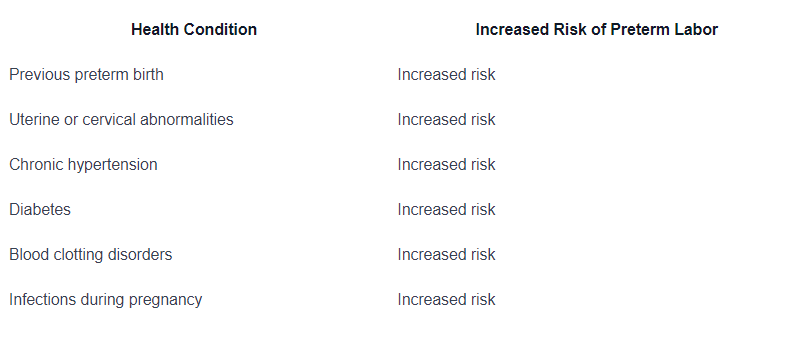
    A person’s medical history plays a significant role in determining their risk of preterm labor. Certain health conditions can increase the likelihood of experiencing preterm labor. These conditions may include:

    __wf_reserved_inherit

    If an individual has a history of preterm labor or any of these medical conditions, it is important to discuss their increased risk with their healthcare provider. Regular prenatal care and monitoring can help manage and reduce the risks associated with these medical conditions.

    Prenatal Care

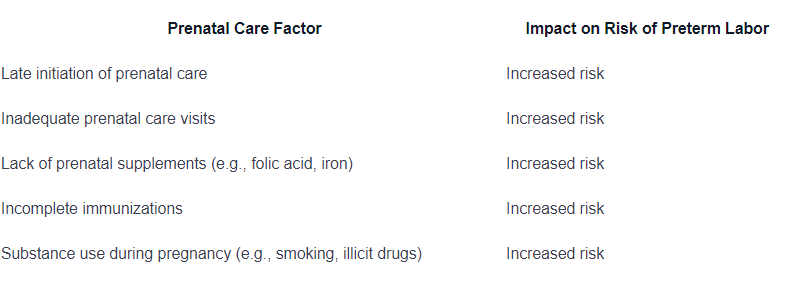
    Proper prenatal care is essential in identifying and managing risk factors for preterm labor. Regular visits to a healthcare provider allow for continuous monitoring and early detection of any potential issues. Key factors related to prenatal care that may impact the risk of preterm labor include:

    __wf_reserved_inherit

    By prioritizing early and consistent prenatal care, individuals can work closely with healthcare providers to identify and manage risk factors, potentially reducing the chances of preterm labor.

    Environmental Factors

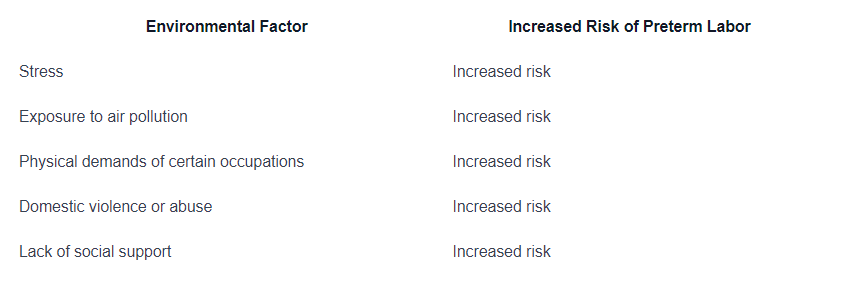
    Environmental factors can also contribute to the risk of preterm labor. These factors include various conditions and circumstances in a person’s environment that may increase the likelihood of preterm birth. Some common environmental risk factors include:

    __wf_reserved_inherit

    It’s important to note that these environmental factors may not directly cause preterm labor but can contribute to an increased risk. Reducing exposure to these risk factors and seeking support can help mitigate the impact on preterm labor risk.

    Understanding the various risk factors associated with preterm labor allows individuals and healthcare providers to identify those at higher risk. By addressing these risk factors through appropriate medical interventions, prenatal care, and lifestyle modifications, it is possible to reduce the likelihood of preterm labor and promote healthier pregnancies.

    Prevention and Management

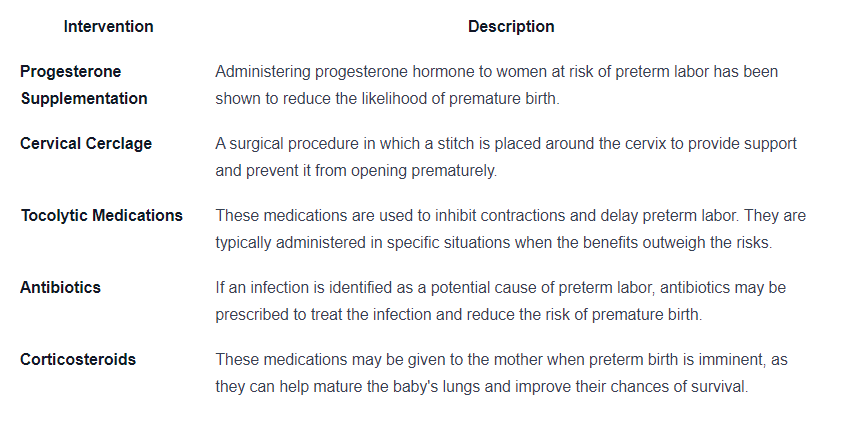
    Preventing and managing preterm labor is of utmost importance to ensure the best outcomes for both the mother and the baby. This section will explore the significance of prenatal care, healthy lifestyle practices, and medical interventions in the prevention and management of preterm labor.

    Prenatal Care Importance

    Prenatal care plays a crucial role in identifying and managing preterm labor. Regular visits to healthcare providers allow for the monitoring of the mother’s health and the baby’s development. During these visits, healthcare professionals can assess any potential risk factors and provide appropriate guidance and interventions.

    Prenatal care involves various components, including physical examinations, blood tests, ultrasound scans, and discussions about the mother’s medical history. These comprehensive assessments help identify any existing health conditions or complications that may contribute to preterm labor. By addressing these factors early on, healthcare providers can take necessary steps to prevent or manage preterm labor effectively.

    Healthy Lifestyle Practices

    Adopting healthy lifestyle practices can significantly reduce the risk of preterm labor. Here are some key practices to consider:

    • Maintain a Balanced Diet: A nutritious diet rich in fruits, vegetables, whole grains, and lean proteins provides essential nutrients for both the mother and the developing baby. Adequate intake of folic acid, iron, and other vital nutrients is particularly important.
    • Stay Hydrated: Drinking an adequate amount of water helps maintain hydration, which is essential for overall health and the functioning of the body.
    • Avoid Smoking, Alcohol, and Illicit Drugs: These substances can increase the risk of preterm labor and have harmful effects on the baby’s development.
    • Manage Stress: High levels of stress can contribute to preterm labor. Engaging in stress-reducing activities such as exercise, meditation, and relaxation techniques can be beneficial.
    • Get Sufficient Rest: Adequate sleep and rest are essential for the well-being of both the mother and the baby.

    Medical Interventions

    In some cases, medical interventions may be necessary to prevent or manage preterm labor. These interventions are typically determined by healthcare providers based on the individual circumstances and risks involved. Some common medical interventions include:

    __wf_reserved_inherit

    It’s important to note that medical interventions should always be discussed and recommended by healthcare professionals who can assess the individual situation and provide appropriate guidance.

    By emphasizing the importance of prenatal care, promoting healthy lifestyle practices, and implementing appropriate medical interventions, the risk of preterm labor can be effectively reduced and managed. It is crucial for individuals at risk to seek regular medical attention and adhere to the recommendations provided by their healthcare providers.

    Seeking Help and Support

    When it comes to preterm labor, seeking help and support is crucial for the well-being of both the expectant mother and the baby. Prompt identification and management of preterm labor can significantly improve outcomes. In this section, we will discuss when to contact your healthcare provider, support systems available for individuals at risk, and resources for further information.

    When to Contact Your Healthcare Provider

    If you experience any signs or symptoms of preterm labor, it is important to contact your healthcare provider promptly. Early intervention can make a significant difference in preventing preterm birth and its associated complications. Some situations that warrant immediate medical attention include:

    • Regular contractions that occur every 10 minutes or less
    • Vaginal bleeding or spotting
    • Fluid leaking from the vagina
    • Pelvic pressure or a feeling that the baby is pushing down
    • Abdominal cramps or lower back pain
    • Change in vaginal discharge, such as an increase in amount or change in color

    Do not hesitate to reach out to your healthcare provider if you have concerns or questions. They are equipped to evaluate your symptoms and provide appropriate guidance and care.

    Support Systems for Individuals at Risk

    For individuals at risk of preterm labor, having a strong support system is essential. Surrounding yourself with understanding and empathetic individuals can provide emotional support during this challenging time. Seek support from:

    • Partner or spouse
    • Family members
    • Friends who have gone through similar experiences
    • Support groups or online communities for expectant mothers

    Engaging with others who have faced or are facing similar challenges can provide a sense of reassurance and help you navigate the journey of preterm labor more effectively.

    Resources for Further Information

    Educating yourself about preterm labor can empower you to make informed decisions and take appropriate actions. Here are some reputable resources for further information:

    __wf_reserved_inherit

    These resources can offer reliable information, answer frequently asked questions, and provide guidance on managing preterm labor.

    By knowing when to seek help, accessing support systems, and utilizing reputable resources, you can navigate the challenges of preterm labor with confidence and ensure the best possible outcomes for both you and your baby. Remember, you are not alone, and help is available to support you every step of the way.

    Sources

    https://www.mayoclinic.org/diseases-conditions/preterm-labor/symptoms-causes/syc-20376842

    https://www.nichd.nih.gov/health/topics/preterm/conditioninfo/symptoms

    https://my.clevelandclinic.org/health/diseases/4498-premature-labor

  • Preterm Birth

    Preterm Birth

    Insights on preterm birth and neonatal care for a brighter journey ahead in neonatal health.

    Understanding Preterm Birth

    Exploring the complexities of preterm birth unveils crucial insights into this significant medical event. Understanding what defines a preterm birth and recognizing the factors that contribute to its occurrence are pivotal in addressing this issue effectively.

    __wf_reserved_inherit

    What is Considered a Preterm Birth?

    A preterm birth, often referred to as a premature birth, occurs when a baby is born before completing 37 weeks of gestation. The classification of preterm birth is further divided into subcategories based on the duration of gestation:

    __wf_reserved_inherit

    These distinctions help healthcare providers assess the level of prematurity and tailor appropriate care to meet the specific needs of the preterm infant.

    Factors Contributing to Preterm Birth

    Various factors can contribute to the occurrence of preterm birth, spanning a complex interplay of medical, environmental, and social determinants. Understanding these factors is essential in predicting, preventing, and managing preterm births effectively. Some key contributors include:

    1. Maternal Health Conditions: Chronic conditions such as hypertension, diabetes, and infections can increase the likelihood of preterm birth.
    2. Maternal Lifestyle Choices: Factors like smoking, substance abuse, and inadequate prenatal care can elevate the risk of premature delivery.
    3. Multiple Pregnancies: Carrying twins, triplets, or higher-order multiples can lead to preterm birth due to the increased strain on the mother’s body.
    4. Previous Preterm Birth: Women who have previously experienced preterm birth are at a higher risk of subsequent preterm deliveries.
    5. Psychosocial Stress: Stressful life events, lack of social support, and mental health issues can contribute to preterm labor.

    By comprehensively understanding what defines preterm birth and recognizing the multifaceted contributors to its occurrence, healthcare providers and individuals alike can work towards mitigating risk factors and promoting healthier outcomes for both mothers and babies.

    Risks and Complications

    When exploring the realm of preterm birth, it’s crucial to understand the associated risks and complications that affect both the short-term health of the newborn and their long-term well-being.

    Short-term Health Complications

    Preterm infants are more susceptible to a variety of short-term health complications due to their underdeveloped organ systems and immature immune defenses. These complications can vary in severity and may necessitate immediate medical intervention. Some common short-term health issues experienced by preterm infants include:

    __wf_reserved_inherit

    Swift and precise medical care is essential to address these short-term health complications and minimize their impact on the newborn’s overall health.

    Long-term Health Effects

    In addition to the immediate challenges faced by preterm infants, there are also potential long-term health effects that may follow them into childhood and beyond. These long-term consequences can impact various aspects of the child’s development and overall health. Some prevalent long-term health effects associated with preterm birth include:

    __wf_reserved_inherit

    Monitoring and early intervention play a critical role in managing and addressing the long-term health effects of preterm birth, ensuring that affected infants receive the necessary support and resources for optimal development and well-being.

    Neonatal Care for Preterm Infants

    When it comes to providing care for preterm infants, specialized support is essential to ensure their health and well-being. Neonatal care for preterm infants involves the use of Neonatal Intensive Care Units (NICU) and specialized medical equipment and procedures to address the unique needs of these fragile newborns.

    Neonatal Intensive Care Units (NICU)

    Neonatal Intensive Care Units (NICUs) are specialized medical facilities equipped to provide around-the-clock care for preterm infants. These units are staffed by a team of neonatologists, nurses, respiratory therapists, and other healthcare professionals trained in caring for critically ill newborns.

    NICUs are equipped with advanced monitoring systems that allow healthcare providers to closely monitor the vital signs and medical status of preterm infants. The units are designed to create a controlled environment that helps regulate temperature, humidity, and oxygen levels to mimic the conditions of the womb and promote the infant’s growth and development.

    Specialized Medical Equipment and Procedures

    In the NICU, preterm infants may require a range of specialized medical equipment and procedures to support their health and development. This equipment includes incubators or warmers to maintain a stable body temperature, ventilators to assist with breathing, feeding tubes for nutrition, and monitors to track heart rate, breathing, and oxygen levels.

    __wf_reserved_inherit

    In addition to medical equipment, preterm infants may undergo specialized procedures such as phototherapy for jaundice, blood transfusions to address anemia, and developmental assessments to monitor progress and identify any potential concerns.

    The care provided in the NICU is essential for the survival and well-being of preterm infants. Through the use of advanced medical technology, skilled healthcare professionals, and a comprehensive care approach, NICUs play a critical role in supporting the growth and development of these fragile newborns.

    Developmental Milestones for Preterm Infants

    As preterm infants embark on their journey, achieving developmental milestones becomes a crucial aspect of their growth and well-being. These milestones encompass physical, cognitive, and emotional development that are essential for their overall progress and quality of life.

    Physical Development

    The physical development of preterm infants involves milestones related to their growth, motor skills, and sensory abilities. Preemies may reach these milestones at a different pace compared to full-term babies due to their early arrival and unique challenges they face.

    __wf_reserved_inherit

    Monitoring and supporting the physical development of preterm infants are essential to ensure they are thriving and reaching their milestones at their own pace.

    Cognitive and Emotional Development

    Cognitive and emotional development play a significant role in the overall well-being and future success of preterm infants. It involves milestones related to learning, problem-solving, social interaction, and emotional regulation.

    __wf_reserved_inherit

    Encouraging and supporting cognitive and emotional development in preterm infants through early interventions, responsive caregiving, and nurturing environments can help them reach their full potential as they grow and develop.

    Understanding and monitoring the developmental milestones of preterm infants are essential for healthcare providers, caregivers, and families to provide personalized care and support tailored to the unique needs of these special individuals as they navigate their journey from early infancy to childhood and beyond.

    Support for Parents

    In the journey of caring for a preterm infant, parents play a crucial role in providing love, support, and understanding. It is essential for parents to receive emotional support and access to educational resources to navigate the challenges that come with caring for a preterm baby.

    Emotional Support

    Emotional support for parents of preterm infants is vital during this challenging time. Parents may experience a range of emotions, including fear, stress, guilt, and sadness. Having a strong support system in place, which can include healthcare professionals, family, friends, and support groups, can help parents cope with these emotions and feel less isolated.

    Additionally, connecting with other parents who have gone through similar experiences can provide reassurance and valuable insights. Sharing feelings, concerns, and triumphs with others who understand can help parents feel less alone on their preterm birth journey.

    Parental Education and Resources

    Parental education is key to empowering parents to be active participants in their preterm infant’s care. Understanding the unique needs of preterm babies, such as feeding challenges, developmental milestones, and potential health issues, can help parents make informed decisions and feel more confident in caring for their child.

    Access to educational resources, such as workshops, online materials, and informative literature, can provide parents with valuable knowledge and practical tips to navigate the complexities of preterm infant care. Learning about topics like kangaroo care, developmental interventions, and early intervention services can equip parents with the tools they need to support their preterm baby’s growth and development.

    Furthermore, seeking guidance from healthcare providers, such as neonatologists, pediatricians, and occupational therapists, can offer parents tailored advice on managing their preterm baby’s unique needs. By staying informed and proactive in seeking out relevant resources, parents can enhance their caregiving abilities and create a nurturing environment for their preterm infant’s well-being.

    Advocacy and Research

    In the realm of advancing neonatal care, significant strides have been made to improve outcomes for preterm infants. Research and advocacy efforts play a crucial role in enhancing the quality of care and preventing preterm births.

    Advances in Neonatal Care

    Advancements in neonatal care have revolutionized the management of preterm infants, offering specialized interventions and treatments to support their growth and development. From innovative medical technologies to enhanced clinical practices, these advancements have significantly improved the survival rates and long-term health outcomes of preterm infants.

    One notable advancement is the increased utilization of surfactant therapy in the treatment of respiratory distress syndrome, a common condition among preterm infants. Surfactant therapy helps optimize lung function and reduce the risk of complications, ultimately enhancing the respiratory outcomes of preterm infants.

    __wf_reserved_inherit

    Initiatives for Preventing Preterm Births

    Efforts to prevent preterm births are multifaceted, involving various initiatives aimed at addressing the underlying risk factors and promoting maternal and fetal health. These initiatives encompass education, awareness campaigns, research studies, and healthcare policies geared towards reducing the incidence of preterm births.

    One key initiative is the promotion of prenatal care and early risk assessment for expectant mothers. Timely identification of risk factors, such as maternal health conditions or lifestyle factors, allows healthcare providers to implement preventive measures and interventions to reduce the likelihood of preterm labor.

    __wf_reserved_inherit

    By advocating for improved neonatal care and championing initiatives to prevent preterm births, healthcare professionals, researchers, and policymakers contribute to the well-being of preterm infants and their families. These collective efforts drive progress in the field of neonatal medicine and pave the way for a brighter future for vulnerable newborns.

    Sources

    https://www.who.int/news-room/fact-sheets/detail/preterm-birth

    https://my.clevelandclinic.org/health/diseases/21479-premature-birth

    https://www.mayoclinic.org/diseases-conditions/premature-birth/symptoms-causes/syc-20376730

  • Supporting Children with Developmental Delays through Home Care

    Supporting Children with Developmental Delays through Home Care

    Empowering Families: Strategies for Home-based Support

    Understanding Developmental Delays and Home Care

    Every child is unique and develops at their own pace. However, for children with developmental delays, receiving the right support at home can make a significant difference in their growth and well-being. Home care offers a nurturing environment where tailored strategies can cater to the specific needs of these children, promoting inclusion and development. This article explores comprehensive approaches, resources, and practices aimed at empowering parents and caregivers to support children with developmental delays effectively at home.

    Creating a Nurturing Home Environment

    Fostering a Supportive Space for Development

    The Importance of Communication in Supporting Developmental Delays

    Effective communication is vital for children with developmental delays. Engaging them in simple conversations, reading, and singing can greatly enhance their language skills. Utilizing play-based interactions helps create a rich learning environment that fosters both cognitive and social development. By being responsive to the child’s cues and encouraging them to express themselves, caregivers promote confidence and learning engagement.

    Incorporating Professional Guidance and Early Intervention at Home

    Parents and caregivers should seek professional guidance to establish an effective home environment. Early intervention services, such as speech and occupational therapy, provide tailored support that is crucial for the child’s progress. Implementing strategies from these professionals at home, such as creating consistent routines and visual schedules, can significantly reduce anxiety and help children feel secure. These interventions also emphasize the importance of nurturing family settings, allowing emotional connections to flourish.

    How Parents Can Use Developmental Milestone Tools

    Monitoring developmental milestones is essential for early identification of potential delays. Tools like the CDC’s Milestone Tracker app can help parents track their child’s progress, ensuring timely interventions if necessary. Engaging alone with these tools facilitates open communication with healthcare providers, empowering parents to recognize and celebrate their child’s achievements. Incorporating these practices into daily routines fosters a supportive atmosphere conducive to children thriving, ensuring they reach their full potential.

    Effective Home Care Strategies for Developmental Delays

    Implementing Practical Care Techniques

    Establishing routines and using visual aids

    Creating a structured routine provides children with developmental delays a sense of security and predictability in their daily lives. Simple visual schedules showing daily activities can help children understand transitions and prepare for what comes next. For example, a chart displaying morning routines or bedtime rituals allows children to anticipate each step, reducing anxiety related to uncertainty.

    Promoting social skills and peer interactions

    Encouraging social engagement is crucial for children with developmental delays. Arrange regular playdates to help them practice sharing, taking turns, and other vital social skills. Partnering children with typical development can inspire imitation of positive interactions, fostering friendships and increasing their confidence in social settings.

    Motivating positive behaviors through praise and rewards

    Using praise and rewards effectively reinforces positive behavior and encourages learning. Recognizing small accomplishments with specific commendations helps children understand which actions are desired. Implementing a reward system, such as stickers, for achieving specific goals can also motivate them, making learning feel rewarding and engaging.

    Strategy Description Impact
    Establishing routines Structured daily routines to provide security Reduces anxiety and enhances readiness
    Utilizing visual aids Visual schedules to foster understanding Improves comprehension and learning
    Promoting social skills Engaging in playdates and peer interactions Increases social confidence and skills
    Motivating with praise and rewards Recognizing accomplishments and rewarding efforts Encourages positive behavior and learning

    Navigating Resources and Information for Developmental Delays

    Accessing Essential Support Systems

    How can parents and caregivers access information about developmental delays?

    Parents and caregivers seeking information about developmental delays can find a variety of resources. Their child’s pediatrician is often the first point of contact, providing insights and referrals. Local hospitals and organizations such as the Early Childhood Technical Assistance Center also serve as valuable resources.

    Additionally, every state offers free developmental screenings and evaluations through a system known as Child Find. This initiative is designed to assist children experiencing delays by evaluating five key developmental areas: physical, cognitive, communication, social or emotional, and adaptive development. For children under three years old, tailored early intervention services are available. Those over three can access special education services established under the Individuals with Disabilities Education Act (IDEA).

    Families may also explore specialized programs like the Sexual Health Equity for Individuals with Intellectual/Developmental Disabilities (SHEIDD) Project, which provides education and support to young individuals with these disabilities. This multifaceted approach ensures that parents and caregivers have the necessary tools and knowledge to navigate their child’s developmental challenges effectively.

    The Role of Early Intervention in Developmental Delays

    Unlocking Potential Through Timely Interventions

    Importance of early intervention services

    Early intervention services are crucial for addressing developmental delays or disabilities in children, particularly during the critical years from birth to five. These services significantly enhance children’s ability to reach developmental milestones, fostering essential skills early in life. Research indicates that identifying delays as soon as possible correlates with more favorable outcomes, reducing the risk of long-term challenges in education and socialization.

    Influence on communication, cognitive development, and motor skills

    Early intervention can have a profound impact on vital areas of development. Therapeutic services like speech therapy, occupational therapy, and behavioral interventions help improve communication, cognitive abilities, and motor skills. By providing targeted support early on, children are more likely to build foundational skills that contribute to their overall success and independence.

    Partnership between parents and intervention professionals

    Collaboration between parents and early intervention professionals is essential in creating effective, personalized support plans. Parents are encouraged to participate actively in their child’s developmental journey, leveraging resources, and being advocates for their child’s needs. This partnership not only strengthens the interventions but also empowers families to better support their children at home and in the community.

    Incorporating Assistive Technology and Alternative Communication

    Use of technology to support communication

    Assistive technology plays a critical role in helping children with developmental disabilities communicate effectively. Devices such as speech-generating devices, communication apps, and alternative keyboards can help children express their needs, thoughts, and feelings. By integrating these tools into daily activities, children can enhance their engagement and autonomy.

    Creating an engaging environment for expression

    A nurturing atmosphere is essential for encouraging communication. Caregivers can foster an environment rich in opportunities for children to practice their communication skills through playful interaction. Strategies like using visually appealing toys, interactive storytelling, and employing gestures during communication can significantly capture children’s interest and promote expression.

    Role of home environments in fostering skills

    Home settings are fundamental in developing communication abilities. By cultivating personalized routines and utilizing technology, parents and caregivers can create structured opportunities for children to learn and communicate. Incorporating daily activities that promote interaction, such as playdates and community events, aids in reinforcing social skills while making the home a dynamic space for growth.

    Pediatric Home Care: Personalized Approaches

    Personalized Care Plans for Medical and Developmental Needs

    Pediatric home care is crucial for delivering personalized care to children with developmental disabilities. Comprehensive care plans are tailored to each child’s unique medical conditions and developmental needs. This approach ensures that children receive the right interventions at the right time, fostering their overall growth and well-being. Not only does it cater to physical health, but it also encompasses developmental milestones aligning with each child’s capabilities.

    Strategies for Addressing Dietary and Behavioral Challenges

    In addressing dietary challenges faced by children with intellectual and developmental disabilities (IDD), pediatric home care teams offer specialized nutritional support. They develop dietary plans that accommodate specific health needs, ensuring optimal growth. Behavioral support strategies are also vital. Care providers utilize positive reinforcement techniques and behavioral therapies to help manage challenging behaviors, promoting positive outcomes in social interaction and learning.

    Respite Care and Emotional Support for Families

    Respite care is a critical aspect of pediatric home care, giving parents temporary relief from the demands of caregiving. This respite is essential for maintaining family well-being and emotional health, allowing caregivers to recharge. Additionally, support providers encourage family engagement through social activities, helping foster a nurturing environment that aids children’s emotional and social development.

    Caregiver Skills Training and Support Systems

    Equipping Families with Essential Skills

    WHO’s Caregiver Skills Training (CST) package

    The World Health Organization has developed a comprehensive Caregiver Skills Training (CST) package designed to equip families caring for children with developmental delays or disabilities. This robust program includes nine group sessions and three individualized home visits, focusing on using play and everyday activities to enhance interaction and development in children. The emphasis on play helps create a nurturing environment conducive to learning and interaction.

    Emphasizing non-specialist care provider roles

    Importantly, CST is designed for delivery by non-specialist care providers. This approach enhances accessibility and ensures that more families can benefit from support regardless of their circumstances. Non-specialists can effectively implement the strategies outlined in the CST, making the program adaptable to various settings and family needs.

    Family-centered approaches in diverse settings

    CST adopts a family-centered perspective, recognizing that families are integral to a child’s development. By focusing on strengthening the skills of caregivers, the program promotes effective parenting strategies, improves overall family well-being, and encourages caregivers to engage confidently with their children. This holistic approach is essential for nurturing children’s growth, particularly in diverse and often challenging settings.

    Advocacy, Education, and Legal Rights

    Importance of Advocacy and Parent Expertise

    Parents of children with developmental delays often become vital advocates, acquiring in-depth knowledge about their child’s specific needs. This expertise enables them to coordinate essential medical, therapeutic, and educational services effectively. Through this advocacy, families can better navigate the complex landscape of care options, ensuring their children receive the best support possible.

    IDEA and Special Education Rights and Services

    The Individuals with Disabilities Education Act (IDEA) is a cornerstone of support for children with developmental disabilities. It guarantees the right to a free appropriated public education tailored to meet individual needs. Under IDEA, early intervention services cater specifically to infants and toddlers, fostering skills that typically develop in early childhood. This early support can significantly enhance a child’s development journey, addressing challenges before they escalate.

    Role of Parent Training and Information Centers

    Parent Training and Information Centers (PTIs) play a crucial role in empowering families. They provide resources to help parents understand their rights under IDEA, offer guidance on navigating the educational system, and connect families with local community supports. These centers are essential for fostering collaborative partnerships between parents and educators, helping to create effective, personalized plans for children with developmental delays.

    Mental Health and Well-being of Caregivers

    Impact of caregiver mental health on child development

    The mental health of caregivers plays a critical role in the overall development of children, especially those with developmental delays or disabilities. When caregivers experience high levels of stress, anxiety, or depression, it can negatively affect their interactions with children. This impact can lead to increased behavioral challenges and hinder social and emotional growth in the child. Positive mental health among caregivers promotes nurturing environments, which are essential for the healthy development of children.

    Access to mental health services for caregivers

    Access to mental health services is vital for caregivers supporting children with developmental challenges. Many caregivers face emotional and psychological strains and often need professional support to cope effectively. Programs like Caregiver Skills Training (CST) equip families with strategies to enhance their emotional well-being and reduce stress. Ensuring caregivers have access to mental health resources strengthens their ability to provide effective care and reinforces positive outcomes for children.

    Self-care and stress management strategies

    Implementing self-care and stress management strategies is essential for caregivers. This could include:

    • Regular physical activity to enhance mood and reduce anxiety.
    • Mindfulness practices, such as meditation or yoga, which can promote emotional stability.
    • Social support networks, allowing caregivers to share their experiences and gain encouragement.
    • Structured routines, which can create stability for both caregivers and children.
      By prioritizing self-care, caregivers can manage stress more effectively and foster healthier environments for their children.

    Balancing Inclusion and Specialized Education

    Exploring mainstream and special education options

    When it comes to addressing the needs of children with developmental delays, families often weigh the benefits of inclusion in mainstream classrooms against specialized educational settings. Inclusion offers children with developmental disabilities opportunities to learn alongside peers, fostering social skills and enhancing communication. Conversely, specialized programs tailor education to individual needs, providing focused support for developmental challenges.

    Advantages of inclusion vs. specialized settings

    Inclusion promotes acceptance and understanding in a diverse learning environment, potentially improving peer relationships. It allows children to receive instruction within the same community as their siblings and friends, integrating them into wider social circles. On the other hand, specialized settings may offer lower student-teacher ratios and targeted interventions that can significantly aid in skill acquisition and academic progress for those with significant needs.

    Tailoring educational approaches to individual needs

    Ultimately, the decision depends on each child’s unique requirements. A personalized approach should assess the effectiveness of inclusion versus specialized education on development, taking into account factors such as the child’s communication style, social skills, and learning pace. Empowering families to advocate for tailored educational plans ensures that each child has the best chance at achieving their developmental milestones.

    Safety and Accessibility in Home Modifications

    Importance of Modifying Home Environments

    Modifying home environments is essential for children with developmental disabilities. Such adjustments ensure that these spaces are safe, accessible, and conducive to the child’s growth, allowing caregivers to provide the best support possible.

    Enhancing Safety and Promoting Independence

    Effective home modifications enhance safety by reducing hazards, which can lead to injuries. These changes also promote independence, enabling children to navigate their environments confidently. A safe and accessible space fosters learning and development, facilitating daily activities and encouraging social interactions.

    Examples of Supportive Home Adjustments

    Here are several specific modifications that can be beneficial:

    Modification Type Description Purpose
    Widening Doorways Expanding door openings to accommodate mobility aids Improve accessibility for wheelchairs
    Installing Ramps Replacing stairs with ramps for easier access Enhance mobility and reduce fall risks
    Safety Rails Adding rails in bathrooms and on stairs Provide stability and support in movement
    Sensory-Friendly Spaces Creating quiet areas with soft lighting and calming textures Support emotional and sensory regulation
    Visual Schedules Introducing clear visual aids for daily routines Help children anticipate activities

    These modifications are not just physical changes but integral parts of fostering a nurturing and supportive environment for children with developmental delays.

    Fostering Growth and Independence through Home-Based Care

    Supporting children with developmental delays at home is a multifaceted journey that requires empathy, consistency, and informed strategies. By leveraging available resources, embracing early intervention, and employing individualized care tactics, families can create a nurturing environment that fosters learning and development. Through continuous advocacy and support, parents and caregivers can empower their children to reach developmental milestones and achieve a higher quality of life, reinforcing the significance of home-based care solutions.

    References

  • The role of pediatric humidifiers in managing respiratory conditions

    The role of pediatric humidifiers in managing respiratory conditions

    Understanding the Impact and Proper Use of Pediatric Humidifiers

    Introduction

    Pediatric humidifiers have gained popularity for their potential benefits in managing respiratory conditions in children. As dry indoor air can exacerbate symptoms such as nasal congestion, coughs, and dry skin, humidifiers work by adding moisture to the environment, providing relief for many respiratory ailments. However, these devices can pose risks if not used correctly. This article seeks to explore the benefits and potential hazards associated with pediatric humidifiers, offering insights into effective use and maintenance to ensure a safe environment for children.

    How Humidifiers Alleviate Respiratory Conditions in Children

    Discover the benefits of humidifiers for your child's respiratory health!

    How do humidifiers help with respiratory conditions in children?

    Humidifiers play an important role in enhancing respiratory health for children by introducing moisture into the air. This addition of humidity can ease symptoms such as nasal congestion, cough, and difficulty breathing.

    When children are exposed to dry air, it can irritate their airways, leading to discomfort and exacerbating conditions like asthma or bronchitis. Humidifiers work by increasing humidity, which helps to soothe dry and itchy airways, making it easier for children to breathe, especially during cold seasons when indoor air tends to be drier.

    Moreover, maintaining optimal humidity levels of 30-50% can help keep mucous membranes healthy, reducing the incidence of respiratory infections. By keeping the airways moist, humidifiers may also enable children to cough up mucus more effectively, facilitating recovery from illnesses such as colds or RSV.

    Benefits of Humidifiers in Detail:

    Benefit Description
    Eases Congestion Moist air helps open nasal passages, relieving stuffiness.
    Supports Cough Relief Humidity makes coughs more productive by loosening phlegm.
    Reduces Dryness Alleviates chafing and irritation in the throat and nose.
    Lowers Infection Risk Optimized humidity keeps airways functioning better, lowering infection chances.

    While these benefits are clear, it is crucial for parents to keep humidifiers well-maintained. Regular cleaning can prevent harmful bacteria and mold from proliferating within the device, which could complicate respiratory symptoms rather than alleviate them.

    In summary, when used correctly, humidifiers can significantly aid in managing respiratory issues in children by maintaining moisture in the air, thus supporting comfortable and healthy breathing.

    Weighing the Benefits and Risks

    Understand the potential risks of using humidifiers in children's health.

    What are the benefits and risks of using humidifiers for respiratory health in children?

    Humidifiers can offer several benefits for respiratory health in children. By adding moisture to the air, they can help alleviate symptoms of dryness, reducing throat irritation, nasal congestion, and dry skin. This is particularly useful during winter months or periods of excessive indoor heating, where dry air can exacerbate respiratory discomfort.

    However, it is essential to recognize the risks associated with humidifier use. One significant concern is that excessive humidity, specifically above 50%, can create an ideal environment for dust mites and mold to thrive. These allergens can trigger asthma attacks and worsen existing respiratory conditions. Therefore, maintaining indoor humidity levels between 30% and 50% is recommended for optimal respiratory health.

    Proper maintenance of humidifiers is crucial. Failure to clean them regularly can result in the proliferation of bacteria and fungi, potentially leading to respiratory issues like humidifier fever or even serious lung injuries. Using distilled water and adhering to cleaning guidelines can help mitigate these risks.

    In summary, while humidifiers can effectively relieve respiratory symptoms in children, vigilance is necessary. Monitoring humidity levels and ensuring regular maintenance will help harness their benefits while minimizing health risks.

    Expert Opinions on Humidifiers for Asthma and Allergies

    Insights from experts on using humidifiers for managing asthma and allergies.

    What do experts say about using humidifiers for children with asthma and allergies?

    Experts generally endorse the use of cool-mist humidifiers for children suffering from asthma and allergies. These devices can help maintain indoor humidity levels between 30% and 50%, which is crucial for preventing dryness in the airways. When humidity is within this range, it may reduce irritation in the nose and throat, alleviating discomfort linked with asthma symptoms and allergies.

    However, expert advice emphasizes the importance of proper maintenance to avoid adverse effects. Excessive humidity can encourage the proliferation of allergens such as dust mites and mold, which can exacerbate respiratory issues. Regular cleaning of the humidifier is essential to prevent these risks.

    In addition to maintenance, experts recommend using distilled or demineralized water in humidifiers. Using tap water may introduce minerals into the air, which can cause irritation and respiratory problems when inhaled.

    Recommendations on humidity levels

    Maintaining optimal humidity levels requires monitoring and adjustments. A hygrometer can be helpful in measuring indoor humidity to ensure it stays within the recommended range. A well-regulated environment can provide relief from symptoms of asthma and allergies, making humidifiers a supportive tool for improving respiratory health in children.

    Advice on maintenance and water quality

    1. Regular Cleaning: Regular maintenance is critical. Clean your humidifier frequently using vinegar and water to prevent bacteria and mold buildup.
    2. Use Distilled Water: Always opt for distilled or demineralized water to minimize the introduction of harmful particulates into the air.
    3. Monitor Humidity: Aim to maintain humidity levels between 30-50%, using a hygrometer for accuracy.

    Assessing the Impact on Lung Function and Safety

    How can humidifiers affect lung function and safety in pediatric patients?

    Humidifiers can significantly impact lung function and safety in pediatric patients, especially when they are not properly maintained. One of the main concerns with improperly used humidifiers is the potential growth of mold, dust mites, and bacteria, which can exacerbate respiratory issues.

    Using a dirty humidifier could lead to conditions like hypersensitivity pneumonitis. This condition may present with various symptoms, including:

    • Dry cough
    • Shortness of breath
    • Chest pain

    In mild cases, symptoms might resolve once the irritant source is removed. However, in more severe cases, medical intervention may be necessary to prevent long-term lung damage.

    What symptoms can arise from misusing humidifiers?

    Poor maintenance or misuse of humidifiers can lead to serious symptoms that affect respiratory health. Children exposed to poorly managed humidification systems might experience:

    • Increased asthma attacks due to allergens in the air
    • Irritation in respiratory pathways, resulting in cough and difficulty breathing
    • Elevated risk of respiratory infections from airborne pathogens

    To enhance safety while using humidifiers, it is essential to:

    • Maintain indoor humidity levels between 30% and 50%
    • Regularly clean the humidifier using vinegar instead of harsh chemicals
    • Replace and clean filters according to the manufacturer’s guidelines

    By implementing these practices, caregivers can significantly reduce the risks associated with humidifier use, ensuring that they provide the intended comfort without compromising lung health.

    Comparative Analysis: Cool-Mist vs. Warm-Mist Humidifiers

    What are the differences between cool-mist and warm-mist humidifiers for children?

    Cool-mist and warm-mist humidifiers serve the same purpose of adding moisture to the air, but they differ significantly in their operation methods and associated safety risks.

    • Operating Differences:

      • Cool-Mist Humidifiers: Utilize ultrasonic vibrations or a fan to produce a fine mist from cool water. They are available in various types, including ultrasonic, evaporative, and impeller humidifiers.
      • Warm-Mist Humidifiers: Boil water to generate steam, which is then cooled slightly before being released into the air. This method can effectively reduce germs and allergens but comes with additional safety concerns.
    • Safety Risks:

      • Cool-Mist Humidifiers: Considered safe for children as they do not pose any burn risk, making them ideal for use in nurseries or children’s rooms.
      • Warm-Mist Humidifiers: Carry a risk of burns from hot water and steam, particularly if a child accidentally spills or gets too close. Because of this, the American Academy of Pediatrics recommends using only cool-mist varieties for children.

    Overall, cool-mist humidifiers are often favored for their safety and effectiveness in alleviating symptoms such as coughs and skin dryness, particularly during cold and flu seasons. However, diligence is required in maintenance, such as frequent cleaning and using distilled water, to promote healthy air quality regardless of the humidifier type.

    Establishing Best Practices for Humidifier Use in Pediatrics

    Are there any best practices for using humidifiers to ensure children’s health and safety?

    To ensure children’s health and safety when using humidifiers, adhering to the following guidelines is crucial:

    • Choose the Right Type: Opt for cool-mist humidifiers to avoid burn risks associated with hot-water vaporizers. Common types include evaporative, ultrasonic, and impeller humidifiers.
    • Monitor Humidity Levels: Maintain indoor humidity levels between 30-50% to prevent mold growth and respiratory issues. A hygrometer can help keep track of humidity.
    • Regular Cleaning: Clean the humidifier every 1-3 days to deter the growth of harmful microorganisms. Filters should be changed weekly to minimize allergen exposure.
    • Use Purified Water: Always use distilled or filtered water rather than tap water. This reduces the risk of introducing minerals and bacteria into the air.
    • Location Matters: Position the humidifier safely, out of children’s reach, to prevent accidents or spills that could cause burns.

    While humidifiers can provide symptom relief, it is essential to use them responsibly to prevent exacerbating respiratory conditions.

    The Role of Humidifiers in Specific Respiratory Conditions

    Explore how humidifiers can assist with asthma, allergies, and colds.

    Use in Conditions Like Asthma, Allergies, and Colds

    Humidifiers can play a beneficial role for children suffering from various respiratory issues, including asthma, allergies, and cold symptoms. By adding moisture to the air, they can help alleviate a dry throat and nasal passages, which is particularly helpful during cold months when indoor heating can lead to dry air.

    When used properly, cool-mist humidifiers are often recommended to improve comfort for children, especially during illnesses when nasal congestion is common. Additionally, maintaining indoor humidity levels between 30% and 50% is crucial to avoid fostering mold and dust mites, which could worsen asthma symptoms.

    Potential Utility Alongside Other Treatments

    While humidifiers can provide symptomatic relief, they should not be viewed as a sole treatment option. Alternatives like nasal saline sprays and ensuring adequate hydration are effective methods for managing respiratory symptoms. Moreover, it’s crucial to consult a healthcare provider before initiating humidifier use in children with chronic respiratory conditions, as excessive humidity can sometimes exacerbate symptoms.

    The type and condition of the humidifier also matter. Regular maintenance—cleaning with mild vinegar and using distilled water—can help to mitigate risks associated with mold and bacteria, thereby enhancing the benefits while minimizing potential hazards.

    Maintenance and Alternatives: A Balanced Approach

    Learn best practices for maintaining humidifiers and exploring alternatives.

    Importance of Regular Cleaning

    Regular maintenance of humidifiers is paramount, as improperly cleaned units can become a breeding ground for bacteria and mold. To ensure a healthy environment, it’s recommended to clean humidifiers with mild soap and water twice a week and to regularly change filters, if applicable. Using distilled or filtered water also helps avoid the inhalation of harmful particulates.

    Possibilities Like Saline Sprays and Hydration as Alternatives

    While humidifiers can provide symptomatic relief, they are not the only option available. Saline nasal sprays are a safe yet effective alternative for alleviating nasal congestion and dry throats in children. Encouraging proper hydration is also crucial; drinking water and consuming hydrating foods can assist in maintaining moisture in airways. Pediatricians often suggest these alternatives, especially for children with chronic respiratory conditions, as they may have fewer risks associated with improper humidifier use.

    Conclusion

    While humidifiers offer tangible benefits in managing respiratory conditions in children, their effectiveness and safety hinge on proper use and diligent maintenance. By understanding the potential risks and adhering to best practices, parents can create a safe and comfortable environment for their children’s respiratory health. Cool-mist humidifiers are generally recommended due to their lower risk of burns, and maintaining proper humidity levels is crucial to avoid the growth of allergens. Consideration of alternatives and consulting healthcare providers can further enhance the effectivity of humidifiers. Thus, with informed use, humidifiers can play a pivotal role in alleviating respiratory issues in pediatric care.

    References

  • What it Means to be a Caregiver for Minors

    What it Means to be a Caregiver for Minors

    Unveiling the true meaning of being a caregiver for minors. Explore the responsibilities, challenges, and impact of caregiving.

    Understanding Caregiving for Minors

    When it comes to the well-being of minors, the role of a caregiver is of utmost importance. Caregivers play a vital role in providing physical care, emotional support, and ensuring the safety and security of minors. Let’s delve deeper into the meaning and significance of being a caregiver for minors.

    Defining the Role of a Caregiver

    A

    __wf_reserved_inherit

    The role of a caregiver extends beyond providing physical care. Caregivers are also responsible for offering emotional support, guidance, and being a source of stability for minors. They are often involved in helping children navigate their emotions, develop healthy coping mechanisms, and build a strong sense of self-esteem and resilience.

    Importance of Caregivers in Minors’ Lives

    The presence of a caregiver in a minor’s life is crucial for their overall well-being and development. Caregivers provide a nurturing and supportive environment that fosters the child’s physical, cognitive, and emotional growth. The consistent presence of a caring adult helps children form secure attachments, which lay the foundation for healthy relationships and emotional stability later in life.

    Research has shown that children who have consistent and responsive caregivers tend to have better social and emotional skills, perform better academically, and exhibit higher levels of self-esteem and confidence. Caregivers play a significant role in shaping the child’s values, beliefs, and behaviors, providing guidance and setting boundaries that help them navigate the world around them.

    Having a caregiver who ensures the safety and security of minors is essential for their overall well-being. Caregivers create a stable and protective environment, reducing the child’s exposure to harmful situations and promoting their physical and emotional safety.

    In summary, caregivers for minors have a multifaceted role that encompasses physical care, emotional support, and creating a safe environment. Their presence and involvement are crucial for the well-being, development, and future success of the children they care for.

    Responsibilities of a Caregiver

    Being a caregiver for minors comes with a range of responsibilities, as the well-being and development of the children in their care depend on the caregiver’s support and guidance. Let’s explore three key responsibilities of a caregiver: providing physical care, offering emotional support, and ensuring safety and security.

    Providing Physical Care

    One of the primary responsibilities of a caregiver is to provide physical care for minors. This includes meeting their basic needs such as food, shelter, and clothing. Caregivers ensure that children have nutritious meals, a safe and comfortable living environment, and appropriate clothing for different weather conditions.

    In addition to meeting their basic needs, caregivers also attend to the personal hygiene of minors. This involves teaching and assisting children with tasks such as bathing, grooming, and maintaining cleanliness. It is essential for caregivers to create a routine that promotes good personal hygiene habits and encourages independence as children grow older.

    Offering Emotional Support

    Caregivers play a crucial role in offering emotional support to minors. They provide a nurturing and loving environment where children feel safe, valued, and understood. Caregivers offer comfort and reassurance during times of distress and help children develop emotional resilience.

    Emotional support also involves actively listening to children, validating their feelings, and providing guidance to help them navigate their emotions. Caregivers create an atmosphere where children feel comfortable expressing their thoughts and emotions, fostering healthy communication and emotional development.

    Ensuring Safety and Security

    The Caregivers also establish boundaries and rules to ensure the well-being of minors. They educate children about personal safety, stranger danger, and appropriate behavior. By setting clear expectations and providing consistent discipline, caregivers create a secure and structured environment that promotes the overall safety and security of the children in their care.

    Overall, the responsibilities of a caregiver for minors encompass providing physical care, offering emotional support, and ensuring safety and security. By fulfilling these responsibilities, caregivers contribute to the well-being, development, and happiness of the children they care for.

    Challenges Faced by Caregivers

    Being a caregiver for minors comes with its own set of challenges. Caregivers often find themselves juggling multiple responsibilities while ensuring the well-being of the children under their care. Let’s explore some common challenges faced by caregivers:

    Balancing Responsibilities

    Caregivers are responsible for meeting the physical, emotional, and developmental needs of the minors in their care. Balancing these responsibilities alongside their own personal commitments can be demanding. From providing meals and ensuring hygiene to assisting with homework and extracurricular activities, caregivers must navigate a wide range of responsibilities. Balancing work, personal life, and caregiving duties requires effective time management and prioritization.

    Dealing with Behavioral Issues

    Children may exhibit behavioral challenges at various stages of their development, and it falls upon the caregiver to address and manage these issues. Behavioral challenges can include tantrums, defiance, aggression, or difficulties with social interactions. Caregivers play a crucial role in helping children understand appropriate behavior, establishing boundaries, and implementing strategies to manage challenging behaviors. Patience, consistency, and effective communication are key in addressing behavioral issues.

    Managing Time and Stress

    Caregivers often find themselves pressed for time as they try to fulfill their caregiving duties alongside other responsibilities. The demands of caregiving can be physically and emotionally exhausting, leading to stress and burnout. Time management techniques, such as creating schedules and prioritizing tasks, can help caregivers better manage their time. It is also vital for caregivers to practice self-care, seek support from others, and engage in stress-reducing activities to maintain their well-being.

    Understanding and acknowledging these challenges can help caregivers develop strategies to address them effectively. Open communication, seeking support from others, and accessing available resources can provide valuable assistance to caregivers in overcoming these challenges. By recognizing the importance of self-care and seeking help when needed, caregivers can ensure their own well-being while providing the best possible care for the minors they support.

    Impact of Caregiving on Minors

    Being a caregiver for minors has a profound impact on their lives, influencing their emotional well-being, development, and overall sense of security. Let’s explore two significant aspects of the impact of caregiving: building trust and attachment, and influencing development and well-being.

    Building Trust and Attachment

    As a caregiver, one of the most important roles is to build trust and foster a secure attachment with the minors under your care. The relationship between a caregiver and a child is crucial for the child’s emotional development and future relationships.

    By consistently meeting the child’s needs and providing a safe and nurturing environment, caregivers create a foundation of trust. This trust allows children to feel secure, develop a positive self-image, and build healthy relationships with others.

    Table: Trust and Attachment in Caregiving

    Benefits of Building Trust and Attachment

    – Enhanced emotional well-being

    – Increased self-confidence

    – Improved social skills and relationships

    – Greater resilience in the face of challenges

    Influencing Development and Well-Being

    Caregivers play a vital role in shaping the development and overall well-being of minors. The experiences, interactions, and guidance provided by caregivers significantly impact a child’s cognitive, emotional, social, and physical development.

    Positive caregiving practices, such as engaging in stimulating activities, providing educational opportunities, and offering emotional support, contribute to the child’s overall development. Caregivers who create a nurturing and supportive environment help foster the child’s self-esteem, curiosity, and desire to explore the world around them.

    Table: Influences of Caregiving on Development and Well-Being

    Areas of Development Influenced by Caregiving

    – Cognitive development (e.g., language skills, problem-solving abilities)

    – Emotional development (e.g., regulation of emotions, empathy)

    – Social development (e.g., building relationships, understanding social norms)

    – Physical development (e.g., promoting healthy habits, ensuring safety)

    – Moral development (e.g., teaching values, guiding ethical decision-making)

    Caregivers have the power to shape the trajectory of a child’s life by providing them with a nurturing and supportive environment. The impact of caregiving extends far beyond the immediate care and has lasting effects on the child’s emotional well-being, development, and future relationships.

    Support Systems for Caregivers

    Being a caregiver for minors can be a demanding and challenging role. It is important for caregivers to have access to support systems that can provide assistance, guidance, and resources. Two key support systems for caregivers are seeking help and resources, as well as practicing self-care.

    Seeking Help and Resources

    Caregivers should not hesitate to seek help and utilize available resources to enhance their caregiving skills and provide the best possible care for the minors under their care. Here are some ways caregivers can seek help and find valuable resources:

    __wf_reserved_inherit

    Self-Care for Caregivers

    Taking care of oneself is essential for caregivers to maintain their own physical and emotional well-being. By prioritizing self-care, caregivers can better fulfill their role and provide quality care to the minors in their care. Here are some self-care practices that caregivers can incorporate into their routine:

    __wf_reserved_inherit

    By actively seeking help and resources and practicing self-care, caregivers can better navigate the challenges they face and provide optimal care for the minors under their supervision. It is crucial for caregivers to prioritize their own well-being, as this ultimately contributes to the well-being of the minors they care for.

    Support Systems for Caregivers

    Being a caregiver for minors can be a rewarding yet challenging role. It is essential for caregivers to have access to support systems that can provide assistance and resources to navigate this journey effectively. In this section, we will explore the importance of seeking help and resources as well as the significance of self-care for caregivers.

    Seeking Help and Resources

    Caregivers often face various challenges in their role, and it is important for them to know that they are not alone. Seeking help and utilizing available resources can provide valuable guidance, knowledge, and assistance to caregivers. There are numerous organizations, support groups, and online communities that cater to caregivers, offering a wealth of information and a platform to connect with others in similar situations.

    It is crucial for caregivers to actively seek out these resources and take advantage of the support they provide. These resources can offer practical advice, emotional support, and a sense of community, helping caregivers navigate the complexities of their role. By accessing these resources, caregivers can gain a better understanding of their responsibilities and learn effective strategies for providing care to minors.

    Self-Care for Caregivers

    While caregivers dedicate their time and energy to the well-being of minors, it is equally important for them to prioritize their own well-being. Self-care plays a vital role in maintaining the physical and emotional health of caregivers. Engaging in self-care activities can help reduce stress, prevent burnout, and enhance overall well-being.

    Caregivers should make time for activities that bring them joy and relaxation. This can include hobbies, exercise, spending time with loved ones, or engaging in activities that promote self-reflection and personal growth. Setting boundaries and practicing self-compassion are also essential aspects of self-care for caregivers.

    Taking care of oneself allows caregivers to be more present, patient, and compassionate in their role. It is not selfish to prioritize self-care; in fact, it is a necessary component of being an effective caregiver. By nurturing their own well-being, caregivers are better equipped to provide the care and support that minors need.

    In conclusion, caregivers for minors should actively seek out help and resources to navigate the challenges they face. Additionally, prioritizing self-care is crucial for caregivers to maintain their own well-being and provide the best possible care to minors. By accessing support systems and practicing self-care, caregivers can find the strength and resilience needed to fulfill their role effectively.

    Sources

    https://trustandwill.com/learn/caregiver-for-minors

    https://caregiver.com/articles/children-as-caregivers/

    https://www.apa.org/pi/about/publications/caregivers/practice-settings/intervention/young-caregivers

  • How to Support Children with Autism Spectrum Disorder at Home

    How to Support Children with Autism Spectrum Disorder at Home

    Empowering Your Autistic Child: A Home-Based Approach

    Understanding Home-Based Support for Autism

    Navigating the world of Autism Spectrum Disorder (ASD) can be challenging for parents. However, with the right strategies, families can create a supportive and nurturing home environment that fosters growth and development for their autistic child. This guide delves into practical approaches like establishing routines, communication techniques, and home-based therapies that can significantly impact a child’s life.

    Creating a Structured Environment

    Creating a Structured Environment for Children with Autism

    Establishing Routines and Schedules

    Creating a structured environment is pivotal for children with autism. Routines provide them with predictability, alleviating anxiety. Parents can establish daily schedules that include regular meal times, therapy sessions, and leisure activities. For instance, using a ‘first-then board’ can help kids visualize the sequence of tasks and motivate them toward a reward after completing necessary activities.

    Use of Visual Aids

    Incorporating visual supports can significantly enhance communication and understanding. Parents can utilize tools such as visual schedules, diagrams, and behavior charts. These aids help children comprehend what is expected of them and can ease the transitions between activities. For example, a visual schedule placed in the child’s room can remind them of daily routines.

    Minimizing Sensory Overload

    Children with autism are often sensitive to sensory inputs. It is crucial to create a calm environment by minimizing sensory overload, such as loud noises or bright lights. Designating a quiet space in the home gives children a retreat to self-soothe when overwhelmed. Additionally, maintaining an organized and clutter-free space can promote a sense of order and reduce stress.

    What is the best environment for a child with autism?

    Children with autism thrive in structured, predictable, and calm environments. Establishing routines can help alleviate anxiety and provide security. It’s crucial to minimize sensory overload by providing quiet zones free from distractions and collaborating with professionals to develop individualized support plans.

    How can families support children with autism?

    Families support their children by recognizing individual strengths and facilitating social relationships through interests. Providing emotional support and utilizing community resources enhance understanding and offer practical help, making navigating challenges easier.

    Home-Based Therapies for ASD

    Effective Home-Based Therapies for Autism Spectrum Disorder

    Types of therapies that can be done at home

    Parents can effectively implement several therapies at home to support their child’s autism journey. Some of the most recognized methods include:

    • Play Therapy: Enhances social interaction through play tailored to the child’s interests.
    • Speech Therapy: Techniques like those from Hanen’s "More Than Words" program help improve communication.
    • Applied Behavior Analysis (ABA): Focuses on breaking down skills into manageable steps for better teaching through reinforcement.
    • Floortime: Engaging with the child on their level to foster communication and emotional skills.
    • Relationship Development Intervention (RDI): Aims at helping children navigate social situations effectively.
    • Parent-Child Interaction Therapy (PCIT): Improves family dynamics and assists in managing challenging behaviors.

    Benefits of home-based therapy

    Home-based therapies offer numerous advantages:

    • Affordability: Many strategies can be implemented with limited resources.
    • Familiar Environment: Therapy in a comfortable setting can lessen anxiety.
    • Daily Practice: Skills can be reinforced continuously, leveraging everyday moments for learning.
    • Tailored Interventions: Parents can customize approaches based on their child’s unique needs and strengths.

    Parental involvement in therapy

    Parental engagement is essential in the effectiveness of these therapies. Active participation enhances the learning environment and fosters meaningful relationships. Furthermore, parents can adapt strategies to their child’s daily routine while observing their behavior and needs.

    • Create Consistency: Establishing structured schedules can help children anticipate their routines, reducing anxiety.
    • Communicate Clearly: Using simple language and visual supports helps convey messages effectively.
    • Reinforce Positivity: Acknowledging and rewarding positive behaviors aid in building confidence.
      Parents are encouraged to seek support, whether through therapy training or community groups, to foster their own well-being as they support their child’s development.

    Enhancing Communication and Social Skills

    Enhancing Communication and Social Skills in Children with Autism

    What do children with autism need?

    Children with autism require a supportive and structured environment. Consistent routines and clear communication can significantly help them feel safe and secure. It’s essential to implement educational and therapeutic support tailored to each child’s individual needs, such as speech therapy and social skills training. Typically, these supports are outlined in an Individualized Education Program (IEP).

    Social interactions are also crucial. Engaging children in low-pressure group activities can enhance their social skills without overwhelming them. Physical activity contributes positively to their overall well-being and helps in managing stress levels. Moreover, incorporating technology-assisted tools, like communication devices, can further enhance their ability to communicate effectively.

    Emotional support plays a significant role in the lives of children with autism. Many face challenges such as anxiety or feelings of isolation. Access to counseling or peer support groups can alleviate these feelings. Fostering an environment of acceptance and understanding among peers and caregivers not only helps build confidence but also aids in the children’s ability to thrive across various social contexts.

    Interactive play therapy

    Interactive play therapy is instrumental in enhancing communication and social skills among children with autism. This therapeutic approach uses play as a medium for children to express themselves and engage with their parents or caregivers. Through structured play sessions, children learn to take turns, share, and develop problem-solving skills, which are crucial for social interaction.

    Speech therapy techniques

    Parents can utilize various speech therapy techniques at home. Programs like Hanen’s "More Than Words" emphasize the importance of using simple language, modeling speech, and incorporating communication into daily activities. Techniques such as offering choices, reading together, and using picture boards can encourage verbal interaction and significantly enhance a child’s communication skills.

    Children with autism thrive on predictable structures, so integrating these techniques into consistent routines—like shared reading time or using visuals during conversations—can further promote skill development. Together, these strategies foster a nurturing environment that supports social connections and communication growth.

    Managing Sensory Overload and Creating Calm

    Managing Sensory Overload and Creating a Calm Environment

    Identifying Sensory Triggers

    To effectively support children with autism, it’s crucial to identify sensory triggers that may lead to overwhelming feelings. Common triggers include

    • Loud noises: Such as sirens or crowded places.
    • Bright lights: Overhead fluorescents or strobe effects can be distracting or painful.
    • Changes in routine: Sudden changes can lead to anxiety.
      By observing your child’s reactions and documenting situations that provoke distress, you can work on minimizing these stressors.

    Creating a Sensory-Friendly Home

    Designing a sensory-friendly environment can greatly assist autistic children in managing their emotions. Consider the following strategies:

    • Quiet Space: Establish a designated area for your child to retreat to when feeling overwhelmed. Ensure it has soft lighting and comforting items such as pillows or sensory toys.
    • Minimize Sensory Overload: Reduce auditory and visual stimuli. Use heavy curtains to limit outside noise and bright lights, and opt for calming colors on the walls.
    • Organized Spaces: Label bins and areas in your home to foster independence and a sense of order, which can ease anxiety.

    Calming Techniques for Autism

    Implementing calming techniques can support emotional regulation. Here are some effective strategies:

    • Deep Breathing Exercises: Teach your child to take slow, deep breaths when they begin to feel anxious.
    • Weighted Blankets: These provide comfort and can help reduce anxiety.
    • Sensory Toys: Engaging with fidget spinners or stress balls can redirect overwhelming feelings into focus.
    • Routine Calming Practices: Establish a routine that includes these activities, helping your child know what to rely on in times of distress.

    By integrating these approaches into your daily routine, you can help your child manage sensory overload and facilitate a greater sense of calm in their environment.

    The Role of Routines and Schedules

    Importance of Schedules

    Routines hold significant value for children with autism, offering stability and predictability in their daily lives. A consistent schedule helps them anticipate upcoming activities, reducing anxiety and facilitating smoother transitions between tasks. Implementing a structured environment helps to support behavioral expectations, making it easier for children to understand what is asked of them each day.

    Visual Aids in Daily Routines

    Visual supports, such as schedules and charts, can greatly enhance a child’s ability to follow routines. These aids break down tasks into manageable steps, allowing a child to grasp complex activities. Visual schedules can be as simple as illustrated daily timelines or as detailed as color-coded charts that depict what comes next, making transitions less daunting.

    Balancing Routine and Flexibility

    While routines are essential, it’s also important for children to learn some flexibility. Introducing small, gradual changes to their routine can help them adapt to unexpected situations. By practicing the ‘first/then’ technique, parents can communicate what’s expected before transitioning into a preferred activity, fostering understanding and reducing resistance.

    Everyday Tasks for Children with Autism

    Everyday tasks for children with autism can incorporate a variety of activities. These include:

    • Activities of Daily Living (ADLs): Dressing, grooming, and eating contribute to personal independence.
    • Structured Play and Educational Activities: Promote learning and social skills through targeted practices.
    • Calming Techniques: Such as deep breathing and mindfulness exercises to manage anxiety.
    • Social Activities: Turn-taking games and group interactions enhance communication skills.

    Establishing a consistent daily routine that includes these elements not only supports development but also mitigates stress, paving the way for confidence and autonomy in children with autism.

    Behavioral Management Strategies

    Positive reinforcement techniques

    Positive reinforcement is a powerful tool for promoting desirable behaviors in children with autism. Using simple rewards such as stickers, extra playtime, or verbal praise can effectively encourage compliance and foster positive behaviors. For instance, when a child successfully follows a directive or engages in a desired social interaction, immediate feedback can reinforce that behavior, making it more likely to occur again. Keeping track of achievements with a behavior chart can further motivate children by visually showcasing their progress.

    Handling challenging behaviors

    Dealing with challenging behaviors requires understanding the underlying causes. Recognizing triggers and being proactive in managing them can significantly reduce incidents of meltdowns or aggression. For example, if sensory issues are identified, implementing strategies to minimize overwhelming stimuli can help. It’s also beneficial to have a calm-down routine in place, allowing the child a designated quiet space where they can self-soothe when needed. When challenging behaviors arise, using techniques such as distraction or redirecting their focus can often lead to a positive outcome without escalating the situation.

    Understanding autistic behaviors

    Understanding the unique behaviors exhibited by autistic children is essential for effective interaction. Behaviors such as stimming, which may involve repetitive movements or sounds, are often coping mechanisms that help them manage anxiety. Rather than discouraging these actions, parents can work to understand their purpose and ensure they are channeled in a safe and constructive way. Additionally, promoting routines helps autistic children feel secure, as they thrive on predictability. Creating a structured environment with visual supports can further aid in reducing anxiety and ensuring clarity in daily activities.

    Interaction Considerations

    What should be avoided when interacting with an autistic child?
    When interacting with an autistic child, it is essential to avoid using ambiguous language and overwhelming sensory input, as clear communication and a calm environment foster comfort. Making sure that the child does not perceive autism negatively is crucial for their emotional well-being; promoting acceptance instead of trying to ‘cure’ them supports a positive self-image. Do not discipline typical autistic behaviors, as this can lead to increased anxiety and lower self-esteem; instead, validate their feelings and support their coping mechanisms. Predictable routines are important, and being patient will help build trust while reducing stress for both the child and caregiver. Finally, avoid forcing social interactions or eye contact, as respecting their boundaries is vital for their emotional health.

    Supporting Parent and Caregiver Well-being

    Supporting Parent and Caregiver Well-being for Better Outcomes

    Importance of Self-Care for Parents

    Taking care of a child with autism can be demanding and exhausting. Therefore, maintaining personal well-being is vital for parents and caregivers. Regular self-care helps manage stress levels, providing the necessary energy and patience needed to support a child’s unique needs. Activities such as physical exercise, adequate rest, or mindfulness practices can contribute significantly to emotional resilience.

    Seeking Support and Community

    Parents should consider joining support groups that allow sharing experiences and tips with others in similar situations. These communities provide emotional assurance and practical advice, creating a network of understanding. Engaging with local or online resources can lead to valuable connections and reduce feelings of isolation.

    Balancing Parent and Child Needs

    Finding a balance between caring for the child and one’s own needs is essential. Setting aside time for personal interests and hobbies not only rejuvenates parents but also models healthy work-life balance for the child. This holistic approach fosters a nurturing environment where both parent and child can thrive together, ultimately leading to better outcomes for the family as a whole.

    Strategy Description Benefit
    Prioritize self-care Allocate time for personal interests and relaxation Reduced stress and improved focus
    Join support groups Connect with other parents for shared experiences Emotional support and practical tips
    Establish a routine Set consistent daily schedules for both parent and child Predictability and security for children
    Practice mindfulness Engage in activities like yoga or meditation Enhanced emotional well-being and clarity

    Integrating Physical Activity and Play

    Exercise Benefits for Autistic Children

    Engaging children with autism in regular physical activity can significantly enhance their physical health, coordination, and emotional well-being. Exercise serves multiple purposes, from alleviating anxiety to fostering better focus during daily activities. Research indicates that just like any child, autistic children thrive in environments that encourage movement, making it essential to incorporate physical activity into their daily routines.

    Incorporating Play into Therapy

    Play therapy plays an integral role in developing social and communication skills among children with autism. By utilizing games that promote interaction, parents can not only create a fun atmosphere but also help their child learn essential skills such as taking turns, following rules, and expressing emotions. Activities like board games and role-playing scenarios are excellent for augmenting their social capabilities and boosting their confidence in a natural setting.

    Recreational Activities at Home

    Parents can explore various recreational activities tailored to their child’s preferences. Options such as indoor obstacle courses, gardening, or outside elements like nature walks and scavenger hunts can excite children while promoting healthy movement. Creating a sensory-friendly environment enhances the experience, allowing children to feel comfortable as they engage in these activities.

    Activity Benefits Notes
    Indoor Obstacle Course Improves gross motor skills Use household items creatively
    Nature Walks Enhances sensory experiences Explore different environments
    Board Games Supports cognitive skills and social skills Encourages family bonding
    Gardening Provides therapeutic benefits and calmness Fosters responsibility

    Leveraging Technology for Autism Support

    Assistive Technology and Devices

    Recent advancements in technology have made a significant impact on autism support, with various assistive devices and applications designed specifically for children with autism. Tools like speech-generating devices and Picture Exchange Communication Systems (PECS) empower nonverbal children to communicate more effectively. These devices help bridge the communication gap by allowing children to express their needs and emotions.

    Using Apps for Learning and Communication

    Numerous apps are available focused on enhancing learning and communication skills for children with autism. These applications integrate fun and interactive methods for teaching social skills, language development, and daily routines. Parents can use apps tailored to their child’s preferences, making learning engaging and personalized.

    Benefits of Technology in Autism Therapy

    Incorporating technology into autism therapy offers various benefits. It enhances engagement through interactive tools and visual aids that cater to different learning styles. Additionally, technology allows parents to monitor progress through data tracking features and reinforces consistency in therapeutic practices. Overall, technology can provide invaluable support, reducing barriers and easing communication, ultimately leading to improved outcomes for children with autism.

    Building a Nurturing Home for Autism

    As we deepen our understanding of autism, it becomes clear that creating a supportive home environment is integral to the development and well-being of children with ASD. By focusing on structured routines, compassionate communication, and adapting the home to meet sensory needs, parents can effectively support their child’s journey toward greater independence and fulfillment. Embracing therapeutic activities, fostering parent-child bonds, and leveraging community resources are pivotal steps in empowering both the child and family as a whole. Understanding and acceptance are key to enriching the lives of children with autism, making the journey a collaborative and rewarding adventure.

    References

  • Managing Pediatric Head Injuries with Home Health Care

    Managing Pediatric Head Injuries with Home Health Care

    Essential Guide to Pediatric Head Injury Care at Home

    Introduction to Pediatric Head Injuries

    Pediatric head injuries are a prevalent concern, arising from everyday activities like play, sports, and minor accidents. While most of these injuries are mild, parental vigilance and informed home care practices are crucial. This guide provides a comprehensive overview of handling pediatric head injuries at home, emphasizing prevention, recognition, and evidence-based care strategies that ensure the well-being of children under domestic supervision.

    Understanding Pediatric Head Injuries

    Understanding Causes, Severity, and Prevalence of Head Injuries in Children

    Causes of head injuries in children

    Head injuries in children can arise from several common causes. The primary culprits include:

    • Falls: A leading cause, particularly in younger children who may fall from heights, like beds or playground equipment.
    • Motor vehicle accidents: Injuries sustained during car crashes where proper safety measures may not be enforced.
    • Sports-related trauma: Increased participation in sports often leads to injuries from contact or collisions.

    Boys are at a greater risk compared to girls, especially during the active spring and summer months when outdoor activities rise.

    Severity levels of head injuries

    Head injuries can range from minor bumps and bruises to severe traumatic brain injuries (TBIs). They are categorized as:

    • Mild: Often includes concussions with symptoms like headaches and temporary dizziness.
    • Moderate: May involve increased headaches, confusion, or partial loss of consciousness.
    • Severe: Characterized by prolonged unconsciousness, seizures, or severe symptoms requiring immediate medical attention.

    The Glasgow Coma Scale (GCS) is used to assess injury severity, guiding medical professionals on necessary imaging and potential treatments.

    Prevalence of head injuries in children

    In 2020, approximately 6.8% of children reported having experienced symptoms associated with concussions or brain injuries at some point in their lives. This prevalence showcases the importance of awareness and preventive measures. The prevalence increases with age, highlighting that preteens and teenagers often face higher risks of experiencing TBIs.

    Regular monitoring and preventive education for caregivers and schools can assist in reducing the occurrence of these injuries. Understanding the protocol for managing head injuries in children is essential for prompt intervention and recovery.

    Immediate Response to Head Injuries

    Immediate Actions to Take After a Head Injury: What Every Parent Should Know

    What should I do immediately after a child hits their head?

    After a child hits their head, the very first task is to evaluate their consciousness and responsiveness. If the child loses consciousness, it’s imperative to call 911 immediately for medical assistance. If they are alert and responsive after a minor bump, you should keep a close watch on them for the next 24 hours. During this monitoring period, keep an eye out for alarming signs such as worsening headaches, repeated vomiting, or confusion.

    Initial symptoms to monitor

    Be vigilant for common symptoms associated with concussions, which can include:

    • Dizziness or balance issues
    • Mood swings or emotional changes
    • Persistent headaches
    • Sensitivity to light or noise
    • Nausea or vomiting

    These symptoms can sometimes take time to surface, so careful observation is essential.

    When to seek medical help

    In the event that any serious symptoms appear, such as prolonged loss of consciousness, severe headaches, repeated vomiting, seizures, or unusual behavior, immediate medical help is necessary. Parents should also consult healthcare professionals for any persistent or severe symptoms, no matter how minor the initial impact may have seemed.

    Home Management of Mild Head Injuries

    Home Care Strategies for Treating Mild Head Injuries in Children

    How can I treat my child’s head injury at home?

    Treating a child’s head injury at home involves several steps, depending on the severity of the injury. For minor bumps, the following first-aid techniques are recommended:

    • Apply Ice: Use a cold pack wrapped in cloth to reduce swelling, applying it for 15 to 20 minutes at a time.
    • Rest: Encourage the child to lie down and rest. This is essential to allow the brain to recover.
    • Care for Cuts: If there are any cuts, gently clean the area with soap and water. Apply an antibiotic ointment and cover with a bandage.

    Monitoring symptoms at home

    It’s crucial to observe your child closely for symptoms that may indicate a more serious injury. Watch for:

    • Severe headaches
    • Confusion or unusual behavior
    • Loss of consciousness, even briefly
    • Repeated vomiting
    • Seizures or inability to wake up
      If any of these symptoms arise, seek medical attention immediately.

    Preventative measures

    Preventing head injuries is equally important. Here are some key strategies:

    1. Create safe environments: Ensure play areas are free of hazards and supervise children during play.
    2. Use protective gear: Helmets should be worn when biking, skateboarding, or engaging in contact sports.
    3. Educate on safe practices: Teach children the importance of following safety rules during sports and other activities.

    Diagnostic Considerations in Pediatric Head Injury

    Important Diagnostic Protocols for Pediatric Head Injuries

    What are the indications for a CT scan after a head injury in a child?

    CT scans are essential for assessing pediatric head injuries when the child presents with severe symptoms. Key indicators for performing a CT scan include:

    • Loss of consciousness
    • Repeated vomiting
    • Severe headache
    • Persistent neck pain
    • Changes in behavior (confusion, excessive sleepiness, irritability)
    • Signs predictive of concussion like dizziness or blurred vision.

    Immediately seek medical assistance if any of these symptoms are present, as those may suggest more serious underlying issues requiring imaging. In the emergency department, medical professionals will evaluate and potentially conduct imaging tests based on the severity and type of symptoms exhibited.

    What observational protocols should be followed after a head injury?

    Observational protocols are crucial in determining the need for further intervention post-head injury. Parents should monitor their child closely in the hours and days following an injury for signs of deterioration. Key points include:

    • Check for responsiveness frequently.
    • Watch for new symptoms, particularly confusion, severe headaches, or unusual sleepiness.
    • Avoid routines of activities like screen time until cleared by a healthcare provider.

    A structured observation of at least 24 hours is advised for many children to ensure any latent symptoms are caught in a timely manner.

    What risk factors require medical attention following a head injury?

    Certain risk factors heighten the urgency for medical evaluation after a head injury. These include:

    • Children under 6 months.
    • Pre-existing neurodevelopmental disabilities.
    • Severe behavioral changes like unresponsiveness or lack of appropriate concern for environment.

    Rapid intervention is crucial in these cases, as early detection can lead to better outcomes for children suffering from significant head trauma or potential traumatic brain injuries.

    Delayed Symptoms and Long-term Observation

    Identifying delayed symptoms

    After a toddler suffers a head injury, it’s essential for caregivers to be vigilant for any delayed symptoms. These can be subtle and might not manifest until several hours or even days later. Common symptoms to watch for include:

    • Irritability: Increased fussiness beyond the usual discomfort.
    • Poor balance: Difficulty in walking or maintaining steady posture.
    • Excessive crying: Unexplained and persistent tears.
    • Sleep disturbances: Changes in sleep patterns or trouble sleeping.
    • Confusion and concentration issues: The child may seem dazed or have trouble focusing.
    • Sensitivity to light or noise could also indicate issues.

    Serious signs warranting immediate medical attention include persistent headaches, altered behavior, ongoing confusion, or a loss of consciousness.

    Long-term care and monitoring

    Long-term observation is crucial after a head injury, especially in toddlers. Because young children cannot always articulate their discomfort, parents must evaluate behavioral changes closely. Some children may develop complications such as prolonged cognitive effects even after a seemingly minor bump.

    Importance of follow-up care

    Follow-up care with healthcare professionals is vital. Regular check-ups can help assess recovery and monitor for any issues emerging from the injury. Professionals might suggest specific rehabilitation therapies, such as occupational or speech therapy, if symptoms persist. Parents should remember that vigilant monitoring and timely intervention can significantly impact a child’s long-term health after a head injury.

    Critical Care and Emergency Guidelines for Severe Injuries

    What are the guidelines for pediatric traumatic brain injury management?

    Pediatric traumatic brain injury (TBI) management varies based on age and severity. For infants and young children, specific protocols are necessary, primarily due to the distinct types of head injuries present in this demographic. Common injuries include:

    • Cephalhematomas: Blood accumulation between the skull and its outer covering, often harmless but requiring observation.
    • Diastatic Skull Fractures: Fractures along the sutures of the skull that may necessitate surgical interventions.
    • Depressed Skull Fractures: Fractures where bone fragments are pushed inward, which can be critical and demand immediate attention.

    Early intervention is crucial for children showing symptoms such as:

    • Seizures
    • Pallor or unusual skin tone
    • Rapid loss of consciousness

    In such cases, it’s essential to establish protocols that emphasize the prevention of seizures and continuous monitoring of the child’s neurological status upon arrival at the emergency department.

    Hospital management

    When a child arrives with a suspected severe head injury, the following steps guide hospital management:

    • Neuroimaging: CT scans are performed to assess for intracranial injuries, especially if there are signs of altered mental states or significant scalp hematomas.
    • Stabilization: Immediate efforts focus on stabilizing the child’s vital signs to avoid further brain damage, incorporating measures for maintaining oxygen and blood flow.
    • Monitoring and Observation: Establish routines to monitor neurological recovery, paying close attention to the developmental milestones as recovery progresses.

    Protocols for severe cases

    Protocols for severe pediatric head injuries include:

    • Triage Assessments: Quickly evaluating the child’s Glasgow Coma Score (GCS) to determine urgency.
    • Emergency Response: In emergencies, focus on administering high-flow oxygen and rapid intravenous fluids to mitigate hypoxia and hypotension—commonly referred to as the ‘three H bombs’ to avoid during treatment.
    • Follow-up Care: Continuous assessment and follow-up appointments should be arranged to monitor cognitive and physical recovery, which is paramount to reintegrating the child back into normal activities.

    These structured protocols not only enhance immediate care but also support long-term rehabilitation, ensuring pediatric patients receive comprehensive attention throughout their recovery journey.

    Safety Precautions and Prevention Strategies

    Preventing Head Injuries: Essential Safety Tips for Parents

    Prevention of head injuries

    Head injuries in children are a significant concern, but many are preventable. One of the most effective strategies includes creating safe play environments. Ensure that play areas are free of hazards and have appropriate surfaces, such as grass or soft mats, to minimize the impact from falls.

    Safety guidelines for home and sports activities

    Supervision is key, especially during active sports seasons in spring and summer when head injuries are more prevalent among children. Parents should enforce safety rules during play and sports. Educating children about the risks of reckless behavior can also empower them to make safer choices.

    Use of protective equipment

    The use of protective gear cannot be overstated in preventing head injuries. Children should wear helmets during activities such as biking, skating, or playing contact sports. It’s crucial for parents to ensure that this equipment fits properly and is worn consistently.

    Prevention Strategy Details Importance
    Create safe play environments Use soft surfaces and remove hazards Reduces risk of falls and injuries
    Supervise activities Closely observe children during active play Lowers risk of dangerous behaviors
    Use protective equipment Ensure helmets and gear are used when appropriate Provides added protection against impacts

    By adopting these preventive measures, parents can significantly reduce the likelihood of head injuries among their children.

    Role of Family and Recovery Support

    Family-centered care

    Family-centered care plays a vital role in the recovery of children with traumatic brain injuries (TBI). Engaging family members in decision-making processes ensures they understand the child’s needs and can provide the necessary support during recovery. Families are encouraged to foster an environment that promotes healing and emotional stability.

    Support during recovery

    During the recovery phase, families are essential sources of emotional support. They can help monitor the child’s behavior, manage symptoms, and encourage compliance with medical advice. Active family involvement can enhance the child’s overall recovery experience.

    Involvement in therapy and rehabilitation

    Families are also crucial in the implementation of therapy and rehabilitation strategies. Regular participation in therapy sessions, whether physical, occupational, or speech therapy, allows families to reinforce learned skills at home. This direct involvement helps children to adapt to their limitations while promoting emotional well-being as they regain independence.

    Educational Resources and Community Support

    Educational tools for parents

    Parents play a crucial role in managing head injuries in children. There are numerous resources available to help them understand the signs, symptoms, and appropriate responses following a head injury. Organizations like the American Academy of Pediatrics (AAP) provide educational materials, including guidelines on monitoring symptoms after a concussion and recovery activities. Using the REAP model (Remove/reduce, Educate, Adjust/accommodate, and Pace) can guide families in managing their child’s recovery in a supportive environment.

    Community resources

    Community support is vital for the recovery process. Local health departments often offer programs focusing on injury prevention and safety practices. Many communities have support groups for families dealing with brain injuries, providing a space for sharing experiences and coping strategies. Schools may also have resources to assist students with head injuries, ensuring they receive the necessary accommodations.

    Rehabilitation opportunities

    For children recovering from severe head injuries, rehabilitation services become essential. These might include physical, occupational, and speech therapy tailored to each child’s specific needs. Hospitals often have pediatric rehabilitation programs designed to address the unique challenges faced by young patients after a brain injury. Early intervention with these services can greatly enhance the child’s recovery and support long-term outcomes.

    Conclusion: Ensuring Safe Recovery at Home

    Managing pediatric head injuries requires a robust understanding of symptoms, intervention protocols, and prevention strategies. While most injuries are minor, recognizing when to seek professional help is crucial for the safety and wellbeing of the child. By equipping families with the right tools and knowledge, we can navigate the complexities of home health care with confidence and ensure that our children recover safely and swiftly from head injuries.

    References