
Category: Uncategorized

  • Pediatric Hospital Bed

    Pediatric Hospital Bed

    Discover the best pediatric hospital beds for little patients. Ensure safety, comfort, and functionality for their critical care needs.

    Pediatric Hospital Beds: A Critical Care Element

    Pediatric hospital beds play a vital role in providing optimal care and comfort for young patients during their hospital stay. These specialized beds are designed to meet the unique needs of children, ensuring their safety, well-being, and recovery. In this section, we will explore the importance of pediatric hospital beds and the factors to consider when selecting them.

    __wf_reserved_inherit

    Importance of Pediatric Hospital Beds

    Pediatric hospital beds are specifically designed to cater to the unique requirements of children. These beds are crucial for ensuring the safety, comfort, and overall well-being of young patients. Here are some key reasons why pediatric hospital beds are of utmost importance:

    1. Safety: Pediatric beds are equipped with safety features such as side rails, bed exit alarms, and locking mechanisms to prevent falls and injuries. They are designed with the appropriate height and size to accommodate children of different ages and sizes.
    2. Comfort: Children may experience anxiety and discomfort during their hospital stay. Pediatric beds are designed to offer comfort with features like adjustable mattress height, padded surfaces, and ergonomic positioning to enhance the child’s overall comfort and relaxation.
    3. Support for Medical Procedures: Pediatric hospital beds are designed to support various medical procedures, including diagnostics, treatments, and surgeries. They provide easy access for medical professionals to administer care and monitor the child’s condition.
    4. Promoting Healing and Recovery: A comfortable and supportive environment is essential for the healing and recovery of pediatric patients. The right hospital bed can contribute to the child’s sense of security, reduce stress, and enhance their overall well-being.

    Factors to Consider in Pediatric Hospital Beds Selection

    Selecting the most suitable pediatric hospital bed involves considering various factors to ensure the best care for young patients. Here are some key factors to consider:
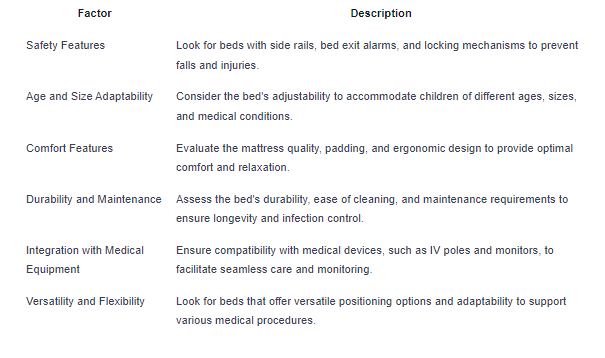
    __wf_reserved_inherit

    By understanding the importance of pediatric hospital beds and considering the key factors during the selection process, healthcare providers can ensure that young patients receive the best possible care and support throughout their hospital stay.

    Types of Pediatric Hospital Beds

    When it comes to pediatric care, choosing the right hospital bed is crucial for the comfort and safety of young patients. There are different types of pediatric hospital beds available, each designed to meet specific needs. In this section, we will explore three main types: standard pediatric hospital beds, ICU pediatric hospital beds, and transport pediatric hospital beds.

    Standard Pediatric Hospital Beds

    Standard pediatric hospital beds are the most commonly used beds in pediatric wards. These beds are designed to provide a comfortable and secure resting place for young patients. With adjustable features such as height and head positioning, they can be customized to meet the specific needs of each child.

    The key features of standard pediatric hospital beds include:

    • Side rails: These rails provide added security, preventing accidental falls and ensuring the child’s safety during sleep or rest.
    • Mattress options: Standard pediatric beds often come with various mattress options, such as foam or air mattresses, to provide optimal comfort and support.
    • Weight capacity: These beds typically have weight capacities suitable for most pediatric patients, ensuring they can support the child’s weight safely.

    ICU Pediatric Hospital Beds

    ICU pediatric hospital beds are specifically designed for use in intensive care units. These beds are equipped with advanced features to cater to critically ill or injured children. They provide a high level of monitoring, support, and accessibility for medical staff.

    The key features of ICU pediatric hospital beds include:

    • Advanced monitoring capabilities: ICU beds often have integrated monitoring systems that allow healthcare providers to closely monitor vital signs, such as heart rate, oxygen levels, and blood pressure.
    • Patient accessibility: These beds are designed to allow easy access to the child from all sides, enabling medical staff to provide necessary care and treatments without disturbing the child’s comfort.
    • Versatility: ICU beds are highly adjustable, allowing medical professionals to easily position the child for various medical procedures and treatments.

    Transport Pediatric Hospital Beds

    Transport pediatric hospital beds are specifically designed for safe and efficient movement of patients within the hospital or between healthcare facilities. These beds are equipped with features to ensure stability and comfort during transportation.

    The key features of transport pediatric hospital beds include:

    • Durability and stability: These beds are built with sturdy materials and secure mechanisms to withstand movement and maintain stability during transportation.
    • Maneuverability: Transport beds are designed with wheels and locking mechanisms, allowing for easy maneuvering and secure positioning in different areas of the hospital.
    • Safety features: These beds often have safety belts and side rails to ensure the child’s safety during transportation.

    By understanding the different types of pediatric hospital beds available, healthcare providers can choose the most suitable option for their young patients’ specific needs. Whether it’s a standard bed for general care, an ICU bed for intensive monitoring, or a transport bed for safe movement, selecting the right bed is essential to ensure the well-being and comfort of little patients.

    Features to Look for in Pediatric Hospital Beds

    When selecting pediatric hospital beds, it’s important to consider various features that prioritize the safety, comfort, and flexibility of young patients. Here are three key features to look for:

    Safety Features

    Ensuring the safety of pediatric patients is of utmost importance in hospital settings. Pediatric hospital beds should be equipped with safety features designed to prevent accidents and injuries. These features may include:

    • Side rails: Adjustable side rails provide a barrier to prevent children from accidentally rolling off the bed.
    • Bed exit alarms: Alarms that alert healthcare providers when a patient attempts to leave the bed without assistance.
    • CPR release mechanism: A quick-release mechanism that allows for rapid removal of the head section in emergency situations.
    • Low bed height: Beds with a low minimum height reduce the risk of falls and make it easier for children to get in and out of bed safely.

    Patient Comfort Features

    Comfort plays a vital role in a child’s recovery and overall well-being during their hospital stay. Pediatric hospital beds should be designed with features that prioritize the comfort of young patients. Some comfort features to consider include:

    • Mattress quality: A comfortable and supportive mattress that promotes proper body alignment and pressure relief.
    • Noise reduction: Beds with noise-reducing mechanisms help create a quieter and more peaceful environment for children to rest.
    • Soft and hypoallergenic materials: Using materials that are gentle on the skin and hypoallergenic can help prevent skin irritations and allergies.
    • Bed extensions: Some beds offer the option to extend the length of the bed, accommodating taller children and ensuring their comfort.

    Adjustability and Flexibility

    Children come in various sizes and have unique medical needs. Pediatric hospital beds should be adjustable and flexible to cater to these individual requirements. Key aspects of adjustability and flexibility include:

    • Height adjustability: Beds with adjustable height settings allow healthcare providers to find the optimal height for medical procedures and patient care.
    • Backrest and leg rest adjustment: The ability to adjust the backrest and leg rest independently provides personalized support and comfort for children with different conditions.
    • Trendelenburg and reverse Trendelenburg positions: Beds that offer these positions provide flexibility for patients who require head-down or head-up positions for medical reasons.

    By considering these features, healthcare providers can select pediatric hospital beds that prioritize the safety and comfort of young patients while offering the necessary flexibility to accommodate their unique medical needs.

    Special Considerations for Pediatric Hospital Beds

    When selecting pediatric hospital beds, there are several special considerations that need to be taken into account. These considerations ensure the safety, comfort, and well-being of the young patients. Three important factors to consider are size and weight capacity, infection control measures, and durability and maintenance.

    Size and Weight Capacity

    Pediatric hospital beds should be appropriately sized to accommodate the needs of young patients. The beds should provide enough space for the child to move comfortably and ensure proper positioning during treatment and recovery. It’s essential to consider the age range and size of the patients that will be using the beds to ensure a proper fit.

    The weight capacity of pediatric hospital beds is also a crucial consideration. Beds should be able to support the weight of the child and any necessary medical equipment. It’s important to select beds with weight capacities that align with the expected patient population.

    Infection Control Measures

    In healthcare settings, infection control is of utmost importance. Pediatric hospital beds should be designed with features that facilitate infection prevention and control. Smooth, non-porous surfaces are easier to clean and disinfect, reducing the risk of cross-contamination.

    Additionally, beds should have removable and washable mattress covers to maintain cleanliness and hygiene. Anti-bacterial coatings or materials can further enhance infection control efforts.

    Durability and Maintenance

    Pediatric hospital beds need to withstand the demands of daily use and frequent cleaning. Durability is essential to ensure that the beds can withstand the rigors of a healthcare environment and continue to provide a safe and comfortable resting place for young patients.

    Regular maintenance is necessary to keep the beds in optimal condition. Beds should have easily accessible components for repairs and routine maintenance tasks. It’s important to select beds that come with warranties and have support services available for any necessary repairs or replacements.

    Taking special considerations into account when selecting pediatric hospital beds ensures that the beds meet the unique needs of young patients. By considering factors such as size and weight capacity, infection control measures, and durability and maintenance, healthcare providers can provide a safe and comfortable environment for the little patients under their care.

    Design and Functionality of Pediatric Hospital Beds

    When it comes to pediatric hospital beds, design and functionality play a crucial role in providing a comfortable and safe environment for young patients. Let’s explore three key aspects of design and functionality: bed controls and accessibility, integration with other medical equipment, and patient and caregiver interaction.

    Bed Controls and Accessibility

    Pediatric hospital beds should be equipped with user-friendly bed controls that allow healthcare providers to easily adjust the bed’s position and functions. These controls should be intuitive and accessible, ensuring that medical staff can quickly and efficiently make necessary adjustments to meet the specific needs of each patient.

    In addition to bed controls, accessibility features such as side rails and bed height adjustment mechanisms are essential. These features enable healthcare providers to provide optimal care and ensure the safety of young patients. It’s important to choose pediatric hospital beds that offer easy access for medical procedures and patient monitoring.

    Integration with Other Medical Equipment

    Pediatric hospital beds often need to work in conjunction with various medical equipment to provide comprehensive care. Integration capabilities are crucial to ensure seamless connectivity and compatibility with devices such as IV poles, patient monitors, and respiratory equipment.

    By choosing pediatric hospital beds that are designed with integration in mind, healthcare providers can streamline workflows and improve patient care. Bedside controls and connectivity options allow medical staff to monitor and adjust medical equipment without disrupting the comfort and stability of the young patients.

    Patient and Caregiver Interaction

    Pediatric hospital beds should be designed to facilitate positive interaction between patients, caregivers, and medical staff. Features like adjustable headrests and footrests allow patients to find a comfortable position for activities such as reading or watching TV. This helps create a more pleasant and engaging environment during the hospital stay.

    Moreover, the design of pediatric hospital beds should consider the needs of caregivers as well. Features like easy maneuverability, clear visibility, and storage options can enhance the caregiver’s ability to provide attentive and nurturing care.

    Ensuring that pediatric hospital beds are designed with ease of use, compatibility with medical equipment, and patient and caregiver interaction in mind is crucial for creating a supportive and healing environment for young patients. By considering these aspects, healthcare providers can make informed decisions when selecting the most suitable pediatric hospital beds for their facilities.

    Ensuring the Best Pediatric Hospital Bed for Little Patients

    When it comes to selecting the best pediatric hospital bed for little patients, there are several key considerations to keep in mind. Collaborating with healthcare providers, exploring customization options, and ensuring follow-up and support services are essential steps in ensuring the optimal care and comfort for young patients.

    Collaborating with Healthcare Providers

    Collaborating with healthcare providers, including pediatricians and hospital staff, is crucial in selecting the best pediatric hospital bed. These professionals have valuable insights and expertise in understanding the specific needs of young patients. They can provide guidance on the appropriate bed features, size, and functionality that align with the medical requirements and comfort of the child. Engaging in open communication and seeking their recommendations will help in making an informed decision.

    Customization Options

    Each child is unique and may have specific needs and preferences. Customization options for pediatric hospital beds can play a significant role in accommodating these individual requirements. These options may include adjustable bed heights, side rails, and mattress choices. By tailoring the bed to the child’s specific needs, healthcare providers can ensure a comfortable and safe environment for their young patients.

    Follow-up and Support Services

    After the pediatric hospital bed is selected and installed, ongoing follow-up and support services are vital. Regular maintenance checks, repairs, and adjustments are necessary to ensure the bed continues to meet the child’s needs over time. Additionally, having access to a responsive support team that can address any concerns or issues that may arise is crucial for the well-being and safety of the child.

    By collaborating with healthcare providers, exploring customization options, and ensuring follow-up and support services, healthcare facilities can provide the best pediatric hospital beds for their little patients. This collaborative approach ensures that the beds meet the unique needs of each child, promoting their comfort, safety, and overall well-being during their hospital stay.

    Sources

    https://www.medik-medical.com/pediatric-hospital-bed/

    https://www.medicalexpo.com/medical-manufacturer/pediatric-bed-27803.html

    https://www.tychemed.in/product/medical-pediatric-bed/

  • Oxygen Therapy at Home

    Oxygen Therapy at Home

    Discover the benefits of oxygen therapy at home. Breathe better, live better with improved quality of life and enhanced independence.

    Oxygen Therapy at Home

    Oxygen therapy is a medical treatment that involves delivering supplemental oxygen to individuals who have low oxygen levels in their blood. This therapy is typically administered in a healthcare setting, but it can also be provided at home. By bringing oxygen therapy into the comfort of one’s own home, patients can experience several benefits and improve their quality of life.

    Introduction to Oxygen Therapy

    Oxygen therapy is a treatment method that involves the delivery of oxygen to individuals who have difficulty breathing or low oxygen levels in their body. It aims to increase the amount of oxygen in the blood, allowing the body to function more efficiently and effectively. Oxygen therapy can be administered using various delivery systems, such as compressed gas cylinders, liquid oxygen systems, or oxygen concentrators.

    __wf_reserved_inherit

    Importance of Oxygen Therapy at Home

    Providing oxygen therapy at home is crucial for individuals who require long-term oxygen supplementation. By receiving treatment in their own living space, patients can experience a range of benefits. First and foremost, home oxygen therapy improves breathing and increases oxygen levels in the blood. This is particularly beneficial for individuals with chronic respiratory conditions, such as chronic obstructive pulmonary disease (COPD) or pulmonary fibrosis.

    In addition to improved breathing, oxygen therapy at home enhances the overall quality of life for patients. It allows them to engage in daily activities with greater ease and comfort, reducing the limitations caused by low oxygen levels. By improving their oxygenation, individuals may experience increased energy levels, better sleep, and improved mental clarity.

    Furthermore, home oxygen therapy provides patients with a sense of independence and mobility. Instead of being confined to a hospital or healthcare facility, individuals can move freely within their own homes while receiving the necessary oxygen support. This freedom allows them to maintain their regular routines and continue to participate in social activities, contributing to a more fulfilling and enjoyable lifestyle.

    Oxygen therapy at home is a valuable treatment option for individuals with chronic respiratory conditions. By introducing oxygen therapy into the home environment, patients can experience improved breathing, enhanced quality of life, and increased independence. However, it is important to consult with healthcare professionals and follow the prescribed guidelines to ensure safe and effective use of oxygen therapy at home.

    Types of Oxygen Delivery Systems

    When it comes to Compressed Gas Cylinders

    Compressed gas cylinders are portable oxygen tanks that store oxygen in a compressed form. These cylinders are commonly used for short-term or ambulatory oxygen therapy. They are lightweight and easy to transport, allowing individuals to maintain their mobility while receiving oxygen therapy.

    The capacity of compressed gas cylinders varies, and the duration of oxygen supply depends on factors such as the flow rate prescribed by the healthcare provider and the size of the cylinder. It is important to monitor the oxygen level in the cylinder and refill or replace it as needed.

    __wf_reserved_inherit

    Liquid Oxygen Systems

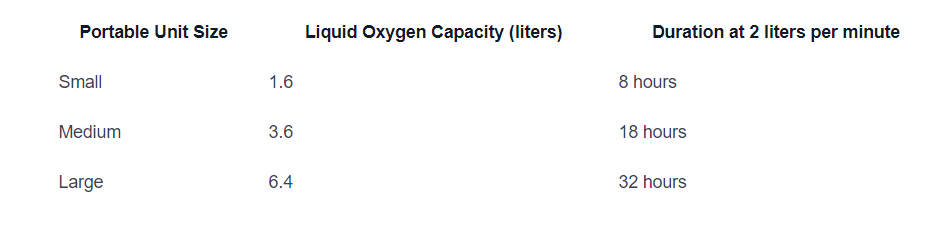
    Liquid oxygen systems consist of a base unit that stores liquid oxygen and a portable unit for easy transportation. Liquid oxygen is stored at extremely low temperatures, which allows it to be condensed into a smaller volume.

    The base unit of a liquid oxygen system is typically stationary and requires refilling by a medical oxygen supplier. The portable unit, which is filled from the base unit, allows individuals to move around freely while receiving oxygen therapy.

    The duration of liquid oxygen supply depends on factors such as the flow rate and the size of the portable unit. Regular refilling of the base unit is necessary to ensure a continuous supply of liquid oxygen.

    __wf_reserved_inherit

    Oxygen Concentrators

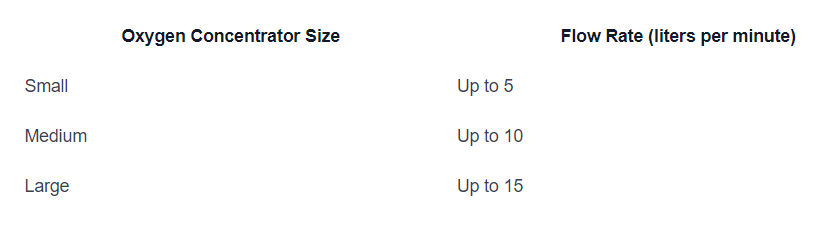
    Oxygen concentrators are devices that extract oxygen from the surrounding air and deliver concentrated oxygen to the individual. They are typically used for long-term oxygen therapy at home.

    One of the main advantages of oxygen concentrators is that they do not require refilling or replacement of oxygen cylinders, making them a convenient option for continuous oxygen supply. Oxygen concentrators use filters and sieve beds to remove nitrogen from the air, resulting in oxygen-rich gas for the individual to breathe.

    Oxygen concentrators come in different sizes and flow rates, allowing for customization based on individual oxygen requirements. They require a power source, such as electricity, to operate.

    __wf_reserved_inherit

    Choosing the most suitable oxygen delivery system depends on factors such as the individual’s oxygen needs, lifestyle, and mobility requirements. It is important to consult with a healthcare provider to determine the most appropriate option for oxygen therapy at home.

    Benefits of Oxygen Therapy at Home

    Improved Breathing and Oxygen Levels

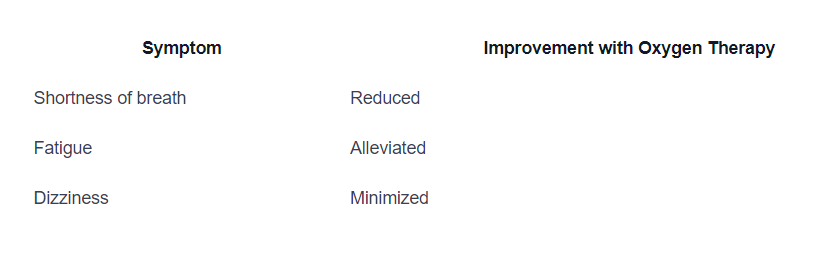
    One of the primary benefits of oxygen therapy at home is the significant improvement it brings to breathing and oxygen levels. For individuals with respiratory conditions or low blood oxygen levels, supplemental oxygen helps to ensure that their bodies receive an adequate supply of oxygen. By increasing the oxygen levels in the blood, oxygen therapy can alleviate symptoms such as shortness of breath, fatigue, and dizziness.

    To better understand the impact of oxygen therapy, consider the following table:

    __wf_reserved_inherit

    Enhanced Quality of Life

    Oxygen therapy at home can significantly enhance the quality of life for individuals with chronic respiratory conditions. By improving breathing and oxygenation, it allows individuals to engage in daily activities with greater ease and comfort. With the proper oxygen therapy, individuals may experience increased energy levels and reduced fatigue, enabling them to participate in social activities, hobbies, and even exercise.

    Independence and Mobility

    Another important benefit of oxygen therapy at home is the increased independence and mobility it provides. With portable oxygen concentrators or other mobile oxygen delivery systems, individuals can move freely and engage in various activities both inside and outside their homes. This newfound freedom allows individuals to maintain an active and fulfilling lifestyle, without being confined to a stationary oxygen source.

    By recognizing the benefits of oxygen therapy at home, individuals can make informed decisions regarding their respiratory health. Improved breathing and oxygen levels, enhanced quality of life, and the ability to maintain independence and mobility are all invaluable advantages that oxygen therapy can offer to those in need.

    Considerations for Oxygen Therapy

    Prescription Requirements

    Before starting oxygen therapy at home, it is important to have a prescription from a qualified healthcare professional. Oxygen therapy is a medical treatment that should be prescribed based on individual needs and medical conditions. The prescription will specify the flow rate or liters per minute (LPM) of oxygen needed for effective therapy.

    The healthcare professional will assess the patient’s oxygen saturation levels using a pulse oximeter or blood gas analysis to determine the appropriate oxygen therapy requirements. It is crucial to follow the prescribed oxygen flow rate to ensure safety and effectiveness.

    Safety Measures

    Safety is paramount when using oxygen therapy at home. Here are some important safety measures to consider:

    • No smoking: Oxygen supports combustion, making it highly flammable. It is essential to strictly adhere to a no-smoking policy and keep all sources of ignition, including candles, open flames, and flammable materials, away from the oxygen equipment.
    • Ventilation: Adequate ventilation is necessary to prevent the accumulation of oxygen in confined spaces. Ensure that the room where oxygen is being used is well-ventilated and free from any potential hazards.
    • Avoiding oxygen leaks: Regularly check oxygen equipment for leaks and ensure proper connections to prevent any escape of oxygen. Oxygen concentrators, compressed gas cylinders, and liquid oxygen systems should be handled with care to avoid damage and potential leaks.
    • Electrical safety: Oxygen concentrators and other oxygen therapy devices require electricity. Follow electrical safety guidelines, such as using grounded outlets and avoiding the use of extension cords, to minimize the risk of electrical hazards.

    Maintenance and Care

    Proper maintenance and care of oxygen therapy equipment are crucial for its safe and effective use. Here are some maintenance considerations:

    • Regular equipment checks: Regularly inspect the oxygen equipment for any signs of wear, damage, or malfunction. This includes checking the oxygen concentrator filters, tubing, and connections. Follow the manufacturer’s guidelines for specific maintenance requirements.
    • Cleaning: Clean the equipment as recommended by the manufacturer to prevent the buildup of dust, dirt, or bacteria. Avoid using harsh chemicals or cleaning agents that may damage the equipment.
    • Replacement of accessories: Replace oxygen tubing, nasal cannulas, and other accessories as recommended by the healthcare provider or manufacturer. Over time, these components may degrade and affect the delivery of oxygen.
    • Backup equipment: It is advisable to have a backup oxygen system in case of power outages or equipment failure. This ensures continuity of oxygen therapy and provides peace of mind.

    By following prescription requirements, implementing safety measures, and maintaining the oxygen therapy equipment properly, individuals can ensure the safe and effective use of oxygen therapy at home. Consulting with healthcare professionals and adhering to their recommendations is crucial throughout the therapy journey.

    Setting Up Oxygen Therapy at Home

    When it comes to setting up oxygen therapy at home, there are important considerations to keep in mind. This section will guide you through the process of choosing the right equipment and the installation and setup process.

    Choosing the Right Equipment

    Selecting the appropriate equipment for oxygen therapy is crucial to ensure effective and safe treatment. The choice of equipment depends on factors such as the individual’s specific medical needs and lifestyle. Here are three common options:

    1. Compressed Gas Cylinders: Compressed gas cylinders are portable oxygen systems that store oxygen in metal cylinders. These cylinders come in various sizes to accommodate different oxygen flow rates and duration requirements. They provide mobility and flexibility for individuals who need to move around while receiving oxygen therapy.
    2. Liquid Oxygen Systems: Liquid oxygen systems consist of a portable container filled with liquid oxygen. The liquid oxygen is converted to gas for inhalation. These systems are more compact and lighter compared to compressed gas cylinders, making them easier to transport. They also offer longer duration of use before refilling is required.
    3. Oxygen Concentrators: Oxygen concentrators are stationary devices that extract oxygen from the surrounding air. They concentrate the oxygen and deliver it through a nasal cannula or mask. Oxygen concentrators are convenient for individuals who require oxygen therapy at home on a continuous basis. They eliminate the need for refilling or replacing oxygen cylinders.

    When choosing the right equipment, it’s essential to consult with a healthcare professional who can assess your specific needs and recommend the most suitable option. They will consider factors such as oxygen flow rate, portability requirements, and lifestyle considerations.

    Installation and Setup Process

    Once you have selected the appropriate equipment, the next step is to install and set up the oxygen therapy system at home. It is crucial to follow the manufacturer’s instructions and any guidance provided by your healthcare provider. Here are some general steps involved in the installation and setup process:

    1. Location: Choose a well-ventilated area in your home that is free from obstructions, heat sources, and flammable materials. Ensure that there is adequate space for the equipment and easy access for maintenance and servicing.
    2. Safety Measures: Follow all safety guidelines provided by the manufacturer and your healthcare provider. This may include keeping the equipment away from open flames, regularly checking the oxygen tubing for any damage, and avoiding smoking or using open flames in the vicinity of the oxygen therapy system.
    3. Power Source: If you are using an oxygen concentrator, ensure that there is a reliable power source nearby. Oxygen concentrators require electricity to function, so it’s important to have a backup plan in case of power outages.
    4. Proper Ventilation: Adequate ventilation is essential when using any oxygen therapy equipment. Ensure that the room is well-ventilated to prevent the buildup of oxygen concentration, which can be a fire hazard.
    5. Education and Training: Familiarize yourself with the operation of the equipment and any necessary maintenance procedures. Your healthcare provider or a trained professional should provide you with comprehensive training on how to use and care for the equipment properly.

    By following these steps and seeking guidance from healthcare professionals, you can ensure a smooth setup process for your oxygen therapy at home. Remember to regularly communicate with your healthcare provider to monitor your progress and make any necessary adjustments to your treatment plan.

    Living with Oxygen Therapy

    Living with oxygen therapy at home requires incorporating it into daily life and managing the challenges that may arise as you adapt to this new routine.

    Incorporating Oxygen Therapy into Daily Life

    Incorporating oxygen therapy into your daily life involves making some adjustments to ensure a smooth and seamless experience. Here are some practical tips to help you integrate oxygen therapy into your routine:

    1. Plan Ahead: Make sure you have an ample supply of oxygen and any necessary accessories, such as nasal cannulas or masks, so you don’t run out unexpectedly. It’s essential to communicate with your oxygen supplier to ensure timely deliveries.
    2. Create an Oxygen-friendly Environment: Arrange your living space in a way that accommodates your oxygen needs. Keep your oxygen equipment away from potential hazards, such as open flames or heat sources. Ensure good ventilation and avoid using flammable substances, like aerosol sprays, near your oxygen setup.
    3. Stay Active: Oxygen therapy should not restrict your daily activities. Speak with your healthcare provider about safe exercises and physical activities you can engage in while using oxygen. This may include light walking, stretching, or gentle movements that help maintain your overall well-being.
    4. Traveling with Oxygen: If you plan to travel, whether it’s a short trip or a more extended vacation, it’s crucial to plan ahead. Inform your oxygen supplier about your travel plans and discuss portable oxygen options that suit your needs. Ensure you have the necessary documentation, such as a letter from your healthcare provider, for air travel.

    Managing Challenges and Adapting to Change

    Living with oxygen therapy may present some challenges, but with the right strategies, you can navigate them effectively. Here are some common challenges and ways to manage them:

    1. Social Stigma: Some individuals may feel self-conscious or experience social stigma due to using oxygen therapy. Remember that oxygen therapy is a vital medical treatment, and it’s essential to prioritize your health. Educate others about your condition and the benefits of oxygen therapy to help dispel any misconceptions.
    2. Mobility and Independence: While oxygen therapy provides numerous benefits, it may require you to carry or transport oxygen equipment. Consider using a compact and lightweight portable oxygen concentrator if approved by your healthcare provider. This can enhance your mobility and independence, allowing you to engage in various activities outside your home.
    3. Emotional Support: Adjusting to oxygen therapy can sometimes be emotionally challenging. Seek support from friends, family, or support groups who can understand and empathize with your situation. Consider discussing any concerns or anxieties with your healthcare provider, who can provide guidance and resources to help you cope.

    By incorporating oxygen therapy into your daily life and managing the challenges that arise, you can continue to live an active and fulfilling lifestyle. Remember to stay in regular contact with your healthcare provider to monitor your progress and make any necessary adjustments to your oxygen therapy plan.

    Sources

    https://www.webmd.com/lung/lung-home-oxygen-therapy

    https://www.lung.org/lung-health-diseases/lung-procedures-and-tests/oxygen-therapy/using-oxygen-at-home

    https://www.fda.gov/consumers/consumer-updates/pulse-oximeters-and-oxygen-concentrators-what-know-about-home-oxygen-therapy

  • Healthcare Business Ideas for Emerging Entrepreneurs

    Healthcare Business Ideas for Emerging Entrepreneurs

    Healthcare Business Ideas for Emerging Entrepreneurs

    Healthcare Business Ideas for Emerging Entrepreneurs

    Exploring opportunities in the healthcare sector can be both rewarding and challenging for emerging entrepreneurs looking to make a difference in the industry. Understanding the appeal of healthcare entrepreneurship and the key factors driving business opportunities can pave the way for successful ventures.

    __wf_reserved_inherit

    The Appeal of Healthcare Entrepreneurship

    Healthcare entrepreneurship offers a unique opportunity to merge business acumen with the noble goal of improving healthcare outcomes for individuals and communities. Entrepreneurs in the healthcare sector have the chance to create innovative solutions that address unmet needs, drive positive changes in patient care delivery, and contribute to the overall well-being of society.

    Moreover, the dynamic nature of the healthcare industry presents a fertile ground for entrepreneurial spirit to flourish. With advancements in technology, evolving patient expectations, and shifting regulatory landscapes, there is ample room for creative thinkers to introduce disruptive business models and innovative healthcare solutions.

    Factors Driving Healthcare Business Opportunities

    Several factors contribute to the burgeoning opportunities in healthcare entrepreneurship, making it an attractive space for emerging entrepreneurs to explore. Key drivers of healthcare business opportunities include:

    Factors Driving Healthcare Business Opportunities

    Increasing Demand for Personalized Healthcare Services

    Technological Advancements and Digital Health Revolution

    Shift Towards Preventive and Wellness-focused Care

    Aging Population and Growing Healthcare Needs

    Regulatory Changes and Policy Reforms in Healthcare

    Understanding these driving forces can help aspiring entrepreneurs identify gaps in the market, envision novel business ideas, and develop sustainable strategies to capitalize on the evolving landscape of healthcare entrepreneurship.

    By recognizing the appeal of healthcare entrepreneurship and leveraging the factors propelling business opportunities in the industry, emerging entrepreneurs can embark on a fulfilling journey to establish innovative healthcare ventures that make a positive impact on individuals’ lives and contribute to the overall advancement of healthcare delivery.

    Telemedicine Services

    In the realm of healthcare entrepreneurship, telemedicine services have emerged as a promising avenue for both practitioners and patients. Understanding the landscape of telemedicine and the entrepreneurial opportunities it presents is essential for emerging entrepreneurs looking to make a mark in the healthcare industry.

    Overview of Telemedicine

    Telemedicine, also known as telehealth, involves the remote delivery of healthcare services through technology, such as video calls, phone consultations, and mobile apps. This virtual approach to healthcare enables patients to access medical care from the comfort of their homes, eliminating the need for in-person visits to healthcare facilities.

    Telemedicine encompasses various services, including virtual consultations with healthcare providers, remote monitoring of patients’ vital signs, and electronic prescription services. The convenience, accessibility, and cost-effectiveness of telemedicine have made it increasingly popular among patients seeking timely and efficient healthcare solutions.

    Opportunities in Telemedicine Entrepreneurship

    The rise of telemedicine has opened up a wide range of entrepreneurial opportunities for individuals looking to innovate in the healthcare sector. Entrepreneurs can explore diverse avenues within telemedicine, from launching teleconsultation platforms to developing remote health monitoring devices and telehealth apps.

    __wf_reserved_inherit

    By leveraging the growing demand for telemedicine services and embracing technological advancements, emerging entrepreneurs can carve out their niche in the healthcare industry. The flexibility, scalability, and patient-centric nature of telemedicine make it a fertile ground for innovative business ideas that have the potential to transform the way healthcare is delivered and accessed.

    Health and Wellness Apps

    __wf_reserved_inherit

    With the rapid digitization of the healthcare industry, there has been a notable surge in the development and popularity of health and wellness apps. These apps cater to a wide range of health-related needs, offering users convenient access to information, tools, and services to improve their well-being.

    Rise of Health and Wellness Apps

    The rise of health and wellness apps can be attributed to the increasing focus on preventive healthcare and the growing adoption of mobile technology. These apps provide users with a wealth of resources, including fitness tracking, nutritional guidance, mental health support, and chronic disease management tools, all at their fingertips.

    Health and wellness apps have gained significant traction among individuals seeking personalized health solutions and the convenience of managing their well-being on the go. The user-friendly interfaces and interactive features of these apps have made them a popular choice for people looking to take control of their health in today’s fast-paced world.

    Potential Business Ventures in Health Apps

    For emerging entrepreneurs looking to venture into the healthcare industry, developing health and wellness apps presents a promising opportunity. Creating a health app allows entrepreneurs to address specific health needs, target niche markets, and provide value-added services to users.

    Entrepreneurs can explore various business models for health apps, including subscription-based services, in-app purchases, and partnerships with healthcare providers or insurance companies. By leveraging data analytics and user feedback, entrepreneurs can continuously enhance their app’s features and functionalities to meet evolving user demands and stay competitive in the market.

    When considering a health app venture, entrepreneurs should focus on designing a user-friendly interface, ensuring data privacy and security compliance, and incorporating innovative features that differentiate their app from existing competitors. By staying abreast of industry trends and consumer preferences, entrepreneurs can develop health apps that not only empower users to improve their health but also drive business growth and success in the digital healthcare landscape.

    Home Healthcare Services

    The demand for home healthcare services is on the rise, driven by various factors such as an aging population, increasing chronic illnesses, and the preference for personalized care in a familiar environment. Emerging entrepreneurs in the healthcare industry are recognizing the opportunities in providing healthcare services directly to patients’ homes.

    Growing Demand for Home Healthcare

    As the population continues to age, there is a growing need for home healthcare services to support individuals with medical conditions or those recovering from surgeries. Home healthcare offers patients the convenience of receiving personalized care in a comfortable setting, enhancing their overall quality of life. Additionally, the current healthcare landscape emphasizes preventive care and management of chronic conditions, further fueling the demand for home-based services.

    Business Models for Home Healthcare Services

    Entrepreneurs venturing into the home healthcare sector have various business models to consider, each catering to specific needs and preferences of the target market. Some common business models for home healthcare services include:

    __wf_reserved_inherit

    Entrepreneurs entering the home healthcare industry need to tailor their business models to meet the specific needs of their target demographic and differentiate themselves in a competitive market. By adopting innovative technologies, collaborating with healthcare professionals, and maintaining high standards of care, emerging entrepreneurs can establish successful home healthcare ventures that make a positive impact on the lives of patients and their families.

    Health Tech Innovations

    In the realm of healthcare entrepreneurship, the fusion of technology and healthcare has paved the way for groundbreaking innovations and new avenues for aspiring entrepreneurs. Technology has significantly impacted the healthcare sector, leading to advancements in patient care, operational efficiency, and overall healthcare outcomes.

    Impact of Technology on Healthcare

    The integration of technology in healthcare has revolutionized the industry, offering numerous benefits and improvements in various aspects of patient care and healthcare delivery. Some key impacts of technology on healthcare include:

    __wf_reserved_inherit

    The continuous evolution of technology in healthcare is creating a transformative impact, opening up avenues for innovative solutions and entrepreneurial ventures in the healthcare landscape.

    Innovative Healthcare Business Ideas

    With the rapid advancements in health technology, emerging entrepreneurs have a wealth of innovative healthcare business ideas to explore. These ideas leverage technology to address current healthcare challenges and enhance the quality of healthcare services. Some examples of innovative healthcare business ideas include:

    __wf_reserved_inherit

    These innovative healthcare business ideas demonstrate the potential for entrepreneurs to make a significant impact in the healthcare industry by harnessing the power of technology to drive positive change and create valuable solutions for healthcare stakeholders.

    Specialty Clinics

    In the realm of healthcare entrepreneurship, specialty clinics present a unique opportunity for emerging entrepreneurs to tap into niche healthcare markets and provide specialized services to meet specific needs. Establishing and running specialty clinics requires a deep understanding of the target market and the ability to deliver high-quality, tailored care to patients.

    Identifying Niche Healthcare Markets

    One of the key aspects of setting up a successful specialty clinic is identifying niche healthcare markets that are currently underserved or untapped. By conducting thorough market research and analyzing healthcare trends, entrepreneurs can pinpoint areas where there is a demand for specialized services. This could include focusing on specific medical conditions, demographics, or treatment modalities that are not widely available in traditional healthcare settings.

    By targeting niche healthcare markets, entrepreneurs can differentiate their specialty clinics from existing healthcare providers and attract a dedicated clientele seeking specialized care. The following table provides some examples of niche healthcare markets that entrepreneurs can consider when setting up a specialty clinic:

    __wf_reserved_inherit

    Establishing and Running Specialty Clinics

    Once the niche healthcare market has been identified, entrepreneurs can focus on establishing and running specialty clinics that cater to the specific needs of their target demographic. This involves creating a business plan, securing necessary licenses and certifications, hiring trained healthcare professionals, and implementing quality control measures to ensure patient satisfaction and safety.

    Specialty clinics should aim to provide a customized and patient-centric approach to healthcare, offering specialized treatments, advanced diagnostics, and exceptional customer service. By fostering a positive patient experience and building a reputation for excellence in their niche market, specialty clinics can establish themselves as trusted providers of specialized healthcare services.

    Entrepreneurs looking to venture into the realm of specialty clinics must be prepared to invest time and resources into building a strong foundation for their business. By staying abreast of industry trends, adapting to changing healthcare landscapes, and prioritizing patient care, specialty clinics can thrive in competitive healthcare markets and make a lasting impact on the communities they serve.

    Sources

    https://appinventiv.com/blog/healthcare-business-ideas-for-startup/

    https://www.jaroeducation.com/blog/top-20-healthcare-startup-ideas-for-entrepreneurs/

    https://infostride.com/healthcare-business-ideas/

  • Creating an Individualized Care Plan for Children with Special Needs

    Creating an Individualized Care Plan for Children with Special Needs

    Crafting Personalized Plans for Kids with Special Needs

    Understanding the Essentials of an Individualized Care Plan

    Children with special needs require tailored approaches to ensure their health, education, and emotional well-being are comprehensively supported. Creating an effective Individualized Care Plan involves collaboration among families, educators, healthcare providers, and community services, focusing on the child’s unique requirements and goals. This article explores various aspects of individualized care planning, including Individualized Health Care Plans (IHCPs), Individualized Education Programs (IEPs), and strategies for long-term care.

    The Role of Individualized Health Care Plans (IHCPs) in Schools

    Understanding the Importance of IHCPs

    What is an Individualized Health Care Plan for a child?

    An Individualized Health Care Plan (IHCP) is a comprehensive document designed to ensure that children with special healthcare needs receive the necessary health services during the school day.

    The IHCP is developed collaboratively by the child’s family, school nurse, healthcare providers, and community support services, taking into account the student’s unique medical conditions and educational needs. This plan details specific health services required, who will provide them, along with special transportation and emergency response plans.

    While there is no legal mandate for every child to have an IHCP unless they have a specific health issue, it is crucial for children with special needs to have this plan in place to enhance their educational experience and ensure their safety.

    Components of an IHCP

    The IHCP is structured to cover critical aspects of a child’s health care in schools, including:

    • Current Medical Condition: A clear description of the child’s health status and its impact on their school performance.
    • Medication Management: A detailed account of medications including dosage, administration routes, and potential side effects.
    • Health Services: Specified services required in school, along with who will provide them, and transportation needs.
    • Emergency Response Plan: Protocols in case of a health crisis, ensuring that all staff are prepared to act swiftly.

    Benefits of having an IHCP

    Having an IHCP in place offers numerous benefits:

    • Improved Health Management: Regular health care and monitoring lead to fewer medical emergencies.
    • Enhanced School Attendance: Well-managed health care helps reduce absenteeism due to health issues.
    • Better Participation: Students can focus more on learning when health needs are systematically managed.

    Review and update process

    It’s essential for the IHCP to be reviewed and updated regularly, particularly after any significant change in the child’s health condition. Parents should inform the school nurse of any changes promptly, ensuring the IHCP remains relevant and effective. This ongoing communication supports the child’s educational and health needs, fostering a collaborative environment among healthcare providers and educators.

    Developing Individualized Education Programs (IEPs)

    Crafting Tailored Educational Plans for Success

    What is an Individualized Education Plan (IEP)?

    An Individualized Education Plan (IEP) is a tailored program crafted for public school children in the U.S. diagnosed with disabilities. This plan is essential in ensuring that students receive specialized instruction and services catered to their unique educational requirements. The IEP is developed through a collaborative process involving the child, family members, educational professionals, and advocates. It outlines the child’s current performance levels, establishes measurable annual goals, and specifies necessary accommodations to facilitate the child’s participation in the general curriculum. Importantly, the IEP creation and execution are governed by the Individuals with Disabilities Education Act (IDEA), which mandates regular updates to meet the student’s evolving needs.

    Process of developing an IEP

    The IEP development process begins with a referral, typically initiated by a teacher, parent, or healthcare provider when a child shows difficulty in the classroom. This leads to an evaluation to ascertain the child’s educational requirements. The IEP team, composed of classroom teachers, psychologists, and relevant specialists, collaborates to formulate an appropriate educational plan. This involvement ensures that all aspects of the child’s learning and support needs are accounted for.

    Legal rights of parents in the IEP process

    Parents hold critical legal rights throughout the IEP process. They have the authority to control assessments and can disagree with recommendations made by the school. If disputes arise, parents can seek mediation to address concerns regarding their child’s educational plan. Understanding these rights is vital for parents to advocate effectively for their child.

    Updating and maintaining IEPs

    To ensure the IEP remains relevant, it must be updated regularly, especially when there are significant changes in the child’s health or educational status. Regular meetings are essential for revisiting and revising the goals and services outlined in the IEP, ensuring continuous alignment with the child’s needs. Families should stay actively involved in this process to advocate for necessary adjustments based on the child’s progress.

    Understanding the Legal Aspects of Individualized Care Plans

    Navigating Legal Frameworks in Educational Care

    Is an Individualized Healthcare Plan (IHP) a legally binding document?

    An Individualized Healthcare Plan (IHP) is not a legally binding document in the same manner as an Individualized Education Plan (IEP) or a 504 Plan. While IHPs serve to address specific medical needs that may not directly influence a student’s learning, they are generally more informal and operate as guidance rather than a legal requirement.

    Federal laws governing IEPs and 504 Plans

    IEPs are protected under the Individuals with Disabilities Education Act (IDEA), which mandates that public schools provide specialized services to students with disabilities. Similarly, Section 504 of the Rehabilitation Act establishes rights for individuals with disabilities, ensuring they have equal access to educational programs. These documents outline exact provisions, accommodations, and supports mandated by law, thereby making them legally enforceable.

    Role of IHPs in supporting student health needs

    Although IHPs do not carry the same legal weight, they play a crucial role in supporting a student’s overall health within the school setting. By outlining necessary health services, medication protocols, and emergency procedures, IHPs ensure that children’s health considerations are adequately addressed during school hours.

    In conclusion, while IHPs provide essential frameworks for managing health needs, they do not hold the formal status of IEPs or 504 Plans, reminding parents and caregivers to actively communicate with school personnel to ensure health needs are met effectively.

    Key Components of a Holistic Care Plan for Children with Special Needs

    Comprehensive Strategies for Holistic Care

    How do you create an individualized self-care plan?

    Creating an individualized self-care plan for children with special needs begins with a thorough assessment of their unique medical and safety needs. This involves gathering health information from parents, medical providers, and conducting physical assessments to establish a baseline health status. The plan should describe any existing medical conditions, medications, and specific interventions tailored to the child. Additionally, it should detail emergency procedures to ensure the child’s safety during school hours.

    Educational supports

    An effective care plan also considers educational supports to accommodate the child’s learning needs. This can include an Individualized Education Program (IEP) that outlines specific goals and necessary adjustments in teaching strategies. For instance, staff training may cover using assistive technologies or modifications to the learning environment to facilitate access and participation in classroom activities.

    Emotional and social considerations

    Emotional and social dimensions are equally important in a holistic care plan. Strategies should promote social skills and emotional wellness, allowing the child to interact with peers and build self-esteem. Incorporating community resources and support groups can provide families with valuable tools and connections to improve emotional health for both the child and caregivers.

    Family and caregiver involvement

    Family and caregiver involvement is a cornerstone of any individualized health care plan. Collaboration among family members, healthcare providers, and school personnel ensures that everyone is informed and aligned on the child’s needs and progress. This joint effort enhances communication, guarantees a continuity of care, and empowers families to advocate for the resources their child requires to thrive.

    Collaborative Processes in Care Plan Development

    Empowering Families and Professionals Through Collaboration

    Role of Families in Care Planning

    Families play a crucial role in the development of an Individualized Health Care Plan (IHCP). Their insights about the child’s health history and specific needs are essential for creating an inclusive and effective plan. Parents and guardians contribute their perspectives during meetings with school staff and healthcare professionals, ensuring the child’s best interests are prioritized.

    Involvement of School Staff and Healthcare Providers

    Collaboration among diverse school personnel, such as teachers and school nurses, alongside healthcare providers, is vital. This transdisciplinary approach ensures that all parties understand the student’s needs. By sharing knowledge and strategies, they can implement tailored interventions that support the student effectively within the school environment.

    Communication Strategies for Effective Collaboration

    Effective communication is the cornerstone of successful care plan development. Regularly scheduled meetings and open channels encourage sharing updates and feedback among families, educators, and health providers. Utilizing technology, such as shared online platforms or secure messaging systems, can enhance collaboration, ensuring everyone stays informed about the child’s health and educational progress.

    Long-Term Planning for Children with Special Needs

    Financial and Legal Considerations

    Long-term care planning for children with special needs involves crucial financial and legal measures. Establishing legal guardianship ensures that someone can make fundamental health and well-being decisions on behalf of the child. Additionally, conservatorships can protect financial assets, preventing mismanagement and ensuring responsible fund allocation.

    Utilizing a Special Needs Trust (SNT) can be vital, allowing children to maintain eligibility for government benefits while still preserving their assets for personal care.

    Transition Planning to Adulthood

    As children with special needs approach adulthood, transition planning becomes critical. This planning includes coordination of vocational and educational opportunities to promote independence through skill acquisition and self-management. Starting these discussions well in advance enables a smooth progression to adult life.

    Support Networks and Resources

    Creating a robust support network can significantly ease the burdens faced by families. This network may comprise family, friends, support groups, and professional services that provide practical and emotional assistance. Collaborating with healthcare professionals ensures families receive the necessary resources and strategies tailored to their child’s unique needs.

    Educational and Healthcare Coordination for Optimized Care

    Integrating IHPs and IEPs

    Creating a seamless health and educational experience for students with special needs often involves integrating Individualized Healthcare Plans (IHPs) and Individualized Education Programs (IEPs). The IHP details a child’s specific health conditions and necessary interventions during school hours, while the IEP focuses on educational goals and support requirements. By combining these plans, educators and health professionals can ensure that all aspects of a child’s needs are addressed holistically, fostering better academic performance and attendance.

    Training and Competence of School Staff

    The effectiveness of IHPs is significantly bolstered by the training provided to school staff. Understanding the specifics of a student’s health needs, including emergency protocols and medication management, is crucial. A well-informed team can respond appropriately to health crises, thereby minimizing risks and ensuring an environment conducive to learning. Continuous training and updates are essential, especially when a child’s health status or medical needs change.

    Use of Additional Resources like IFSPs

    Individualized Family Service Plans (IFSPs) play a pivotal role in early childhood care and education. For children under three with special health care needs, IFSPs help coordinate services among families, educators, and specialists. As children transition to school, the IFSP can serve as a foundation for the IHP, ensuring that health and educational strategies remain consistent and comprehensive. This coordinated approach promotes the child’s overall development and optimizes learning opportunities.

    Building a Supportive Framework for Success

    Creating an individualized care plan for children with special needs involves more than just addressing educational requirements—it’s about forming a holistic support system that caters to each child’s health, education, and emotional well-being. Through thoughtful planning, regular reassessment, and collaborative efforts from families, educators, and healthcare providers, children with special needs can be empowered to achieve their full potential. By understanding and utilizing the frameworks of IHCPs, IEPs, and coordinated care strategies, families and schools can ensure every child’s pathway to success is both supportive and personalized.

    References

  • Organizing Your Space for Effective In-Home Healthcare

    Organizing Your Space for Effective In-Home Healthcare

    Efficiently organize your space for in-home healthcare success with expert design strategies – maximize comfort and functionality!

    Importance of Space Optimization

    __wf_reserved_inherit

    When it comes to in-home healthcare, the significance of space optimization cannot be overstated. Creating a supportive environment tailored to healthcare needs and ensuring that the space is well-organized bring about numerous benefits for both the caregivers and care recipients.

    Creating a Supportive Environment for Home Healthcare

    Designing a supportive environment for in-home healthcare involves thoughtful planning and consideration of the unique requirements of the individuals receiving care. By optimizing the space to accommodate necessary medical equipment, facilitate ease of movement, and provide a sense of comfort, caregivers can enhance the overall care experience.

    Benefits of Well-Organized Spaces

    A well-organized space can greatly contribute to the efficiency and effectiveness of in-home healthcare. By having designated areas for specific activities, such as medication management or therapy sessions, caregivers can streamline daily routines and minimize unnecessary stress. Moreover, an organized space promotes safety by reducing the risk of accidents and eliminating potential hazards.

    In the context of in-home healthcare, the benefits of space optimization extend beyond just physical organization. A well-thought-out space not only enhances functionality but also plays a key role in promoting a sense of well-being and comfort for both the individuals receiving care and their caregivers.

    Numerical data can be included in the form of a table where relevant to illustrate specific benefits or statistics related to space optimization in the context of in-home healthcare.

    Assessing Your Home Environment

    When it comes to optimizing your living space for effective in-home healthcare, a critical first step is to assess your home environment thoroughly. By identifying areas that require improvement and considering aspects of accessibility and functionality, you can create a supportive and efficient setting for caregiving.

    Identifying Areas for Improvement

    Before making any organizational changes, it’s essential to identify specific areas in your home that may need improvement to cater to healthcare needs effectively. This assessment involves evaluating the layout of each room, identifying potential hazards, and recognizing spaces that can be optimized for caregiving tasks.

    Here are some key areas to focus on:

    __wf_reserved_inherit

    By pinpointing areas in your home that require attention, you can proactively address any shortcomings and tailor your space to meet the demands of in-home healthcare effectively.

    Considering Accessibility and Functionality

    Accessibility and functionality are fundamental aspects to consider when designing a space for in-home healthcare. Ensuring that the environment is easily navigable and that essential items are within reach can significantly enhance the caregiving experience and improve the overall quality of care.

    Key considerations include:

    __wf_reserved_inherit

    By prioritizing accessibility and functionality in your home environment, you can create a space that promotes independence, safety, and efficiency in the delivery of in-home healthcare services.

    Design Strategies for Effective In-Home Healthcare

    __wf_reserved_inherit

    When optimizing your home environment for effective in-home healthcare, employing the right design strategies can significantly enhance the care experience for both patients and caregivers. Key considerations include utilizing storage solutions, creating functional zones, and incorporating safety measures to ensure a supportive and efficient healthcare setting.

    Utilizing Storage Solutions

    One of the fundamental aspects of designing a space for in-home healthcare is effective storage solutions. Proper organization and storage not only optimize space utilization but also contribute to a clutter-free and accessible environment. Utilizing storage solutions such as cabinets, shelves, baskets, and bins can help keep essential medical supplies, equipment, and personal items neatly organized.

    __wf_reserved_inherit

    Creating Functional Zones

    Creating distinct functional zones within the home setting is essential for efficient in-home healthcare. By designating specific areas for different activities, such as treatment, relaxation, and mobility, you can streamline caregiving tasks and promote a sense of structure and routine. Functional zones can include a designated treatment area with medical supplies easily accessible, a comfortable resting space, and clear pathways for safe movement.

    __wf_reserved_inherit

    Incorporating Safety Measures

    Safety is paramount when designing a space for in-home healthcare. Incorporating safety measures can help prevent accidents, reduce risks, and promote a secure environment for patients and caregivers alike. Consider installing grab bars in bathrooms, securing rugs to prevent slips, and ensuring adequate lighting in all areas of the home to minimize hazards.

    __wf_reserved_inherit

    By implementing these design strategies, you can create a supportive and functional environment that enhances the effectiveness of in-home healthcare. Prioritizing storage solutions, functional zoning, and safety measures will not only optimize the care experience but also contribute to the overall well-being and comfort of individuals receiving care at home.

    Maximizing Efficiency

    When it comes to in-home healthcare, maximizing efficiency in daily care routines is essential for providing effective and timely assistance. By streamlining daily care routines and implementing time-saving techniques, caregivers can optimize their efforts and enhance the overall caregiving experience.

    Streamlining Daily Care Routines

    Efficient daily care routines play a vital role in ensuring the well-being of individuals receiving in-home healthcare. By organizing tasks in a logical sequence and utilizing time-saving strategies, caregivers can streamline their workflow and provide care in a systematic and efficient manner.

    One effective way to streamline daily care routines is to create a schedule or checklist outlining the tasks that need to be completed each day. This helps caregivers stay organized and ensures that all essential care activities are addressed in a timely manner. By breaking down larger tasks into smaller, manageable steps, caregivers can approach caregiving with a structured and systematic approach.

    Implementing Time-Saving Techniques

    Time-saving techniques can significantly impact the efficiency of in-home healthcare practices. By incorporating tools and strategies that expedite care processes, caregivers can optimize their time and focus on delivering quality care to their loved ones.

    __wf_reserved_inherit

    By integrating these time-saving techniques into daily care routines, caregivers can enhance the quality of care provided, minimize stress and fatigue, and create a more efficient caregiving environment for both the caregiver and the care recipient.

    Personalizing the Space

    When it comes to organizing your space for effective in-home healthcare, personalization plays a crucial role in ensuring comfort and meeting individual needs. By adapting the home environment to cater to specific requirements and adding personal touches, individuals can create a supportive and welcoming setting conducive to their healthcare needs.

    Adapting to Individual Needs

    Personalizing the space for in-home healthcare begins with understanding and adapting to the unique needs of the individual. This involves customizing the layout and design of the living space to accommodate any mobility challenges, medical equipment requirements, and accessibility considerations.

    __wf_reserved_inherit

    Adding Comfort and Personal Touches

    In addition to catering to practical needs, adding comfort and personal touches to the living space can significantly enhance the overall well-being of individuals receiving in-home healthcare. By creating a warm and inviting environment, it can positively impact mood, relaxation, and recovery.

    __wf_reserved_inherit

    By customizing the space to suit individual requirements and preferences, individuals can feel more at ease and supported during their in-home healthcare journey. The combination of adapting to specific needs and incorporating personal touches fosters a nurturing environment that promotes well-being and enhances the overall healthcare experience.

    Maintenance and Adaptation

    Ensuring that the home environment remains conducive to effective in-home healthcare involves regular maintenance and adaptation. This section focuses on the importance of regularly assessing and reorganizing the space, as well as making necessary adjustments as healthcare needs evolve.

    Regularly Assessing and Reorganizing

    Regular assessment and reorganization of the home space are essential to maintain functionality and efficiency in in-home healthcare. By periodically reviewing the layout and organization of the space, individuals can identify areas that may require improvement or modification to better support their healthcare needs.

    One approach to regular assessment is to create a checklist to systematically evaluate the different aspects of the living environment. This can include checking the accessibility of key areas, ensuring that necessary supplies are readily available, and identifying any safety hazards that need to be addressed.

    Example Checklist for Home Environment Assessment:

    __wf_reserved_inherit

    Making Adjustments as Needs Change

    As healthcare needs can evolve over time, it is important to be proactive in making adjustments to the home environment to accommodate these changes. This may involve modifying the layout of the space, incorporating new assistive devices, or implementing different organizational systems to better meet evolving healthcare requirements.

    When making adjustments, individuals should consider consulting with healthcare professionals or occupational therapists to ensure that the modifications made align with their specific healthcare needs. Additionally, staying informed about advancements in home healthcare technology and design trends can provide insights into innovative solutions for optimizing the living space.

    By making proactive adjustments and staying attuned to changing healthcare needs, individuals can create a supportive and adaptive environment that promotes effective in-home healthcare delivery. Regular maintenance and adaptation play a crucial role in ensuring that the home remains a safe, functional, and personalized space for healthcare management.

    Sources

    https://www.neximcare.ca/organizing-your-space-for-effective-in-home-healthcare/

    https://www.homecareassistanceanchorage.com/organizing-homes-for-caregivers/

    https://restoringorder.com/organizing-a-home-health-clinic/

  • How Pediatric Home Health Care Supports Post-Surgery Recovery

    How Pediatric Home Health Care Supports Post-Surgery Recovery

    Enhancing Pediatric Recovery Through Home-Based Care

    Introduction

    Pediatric home health care is transforming the recovery process for children post-surgery by offering comprehensive and personalized medical support in a familiar environment. This approach not only facilitates faster and safer recovery but also significantly contributes to the child’s emotional well-being and comfort. In this article, we explore the intricacies of pediatric home health care, its benefits, and strategies for optimal child support during post-surgery recuperation.

    Understanding Pediatric Home Health Care

    Uncovering the Essential Role of Home Health Care in Pediatric Recovery!

    What is the role of pediatric home health care in post-surgery recovery for children?

    Pediatric home health care plays a critical role in post-surgery recovery for children by providing personalized treatment plans that cater to each child’s unique needs and developmental stages. This care model enables children to heal in a familiar environment, which has been shown to promote faster recovery.

    Key aspects of pediatric home health care include administering medications, managing wounds, and teaching families critical care routines. By minimizing hospital visits, this approach not only reduces the risk of infection but also helps to alleviate parental anxiety regarding their child’s health.

    Additionally, home health care emphasizes family involvement. Engaging family members in the care process reinforces emotional support for the child, which is essential during recovery. Parents receive guidance on crucial care tasks, such as recognizing signs of complications, managing pain, and establishing a suitable diet, which encourages a collaborative environment for healing.

    This supportive structure significantly enhances the comfort of pediatric patients, allowing for a smoother transition from hospital to home, ensuring they receive adequate care tailored to their needs during this vital recovery phase.

    Types of Pediatric Home Health Services

    Understanding the Variety of Home Health Care Services Available for Children!

    What types of care are provided by pediatric home health services after surgery?

    Pediatric home health services deliver a diverse range of post-surgical care options tailored specifically for children recovering at home. This includes personalized nursing care to oversee medication administration, monitor health progress, and make necessary adjustments to care plans as the child’s needs evolve.

    In addition to nursing services, physical and occupational therapy are integral components of the recovery process. These therapies help children regain motor skills and support daily living activities, promoting independence. Skilled wound care management is crucial too, ensuring that surgical wounds heal appropriately without the need for frequent hospital visits.

    Nutritional support is also vital, especially for children who may not be able to eat solid food right away. Home health services can offer enteral feeding options when necessary, alongside pain management strategies that help parents track and manage their child’s discomfort effectively.

    Overall, pediatric home health services are designed to offer comprehensive care in a nurturing environment, ensuring close coordination with healthcare providers to facilitate the best recovery possible for each child.

    Benefits of Home Health Care for Pediatric Recovery

    Exploring Key Advantages of Home Health Care for Children!

    What are the benefits of home health care versus traditional hospital recovery for pediatric patients?

    Home health care for pediatric patients offers several advantages over traditional hospital recovery. One of the primary benefits is the emotional comfort provided by a familiar environment. Children are often less anxious at home, which can facilitate a smoother recovery process.

    Another significant advantage is the reduction in the risk of hospital-acquired infections. Hospitals can expose patients to various pathogens, while home care minimizes this risk, allowing for a safer healing process.

    Moreover, home health care is typically more cost-effective. By avoiding prolonged hospital stays, families can reduce their financial burden significantly, especially for children with complex or chronic conditions that require ongoing care.

    Home health care also supports individualized treatment plans tailored to each child’s unique requirements. These plans often involve family participation, ensuring caregivers are educated about their child’s needs and recovery strategies, which can enhance outcomes.

    Comparison with hospital recovery

    Despite the setting differences, research indicates that postoperative recovery at home can yield equivalent clinical outcomes to hospital recovery. In fact, children demonstrate quicker recovery times and lower readmission rates when cared for at home.

    Infection risk reduction

    By receiving care at home, pediatric patients benefit from a significant reduction in hospital-related infections, contributing to a safer overall recovery experience.

    Cost-effectiveness

    Lastly, utilizing home health services considerably cuts costs associated with hospital care, making it a viable solution for post-surgical recovery, given the financial strains families may face.

    In summary, pediatric home health care enhances recovery functionality while fostering a nurturing environment for healing.

    Managing a Child’s Recovery at Home

    Essential Strategies for Parents to Manage Their Child's Recovery at Home!

    How can parents manage a child’s recovery at home, including care instructions and potential complications?

    Managing a child’s recovery at home requires diligence and adherence to care instructions outlined by healthcare providers. Parents should ensure they thoroughly understand and follow the discharge instructions given at the hospital. This includes monitoring for complications and administering any prescribed medications.

    It’s common for children to experience increased fatigue post-surgery, so parents should prioritize rest and encourage quiet, low-energy activities. Strenuous exertion needs to be avoided until follow-up appointments are conducted. Dietary management is also crucial; starting with clear liquids and gradually introducing bland foods helps to avoid nausea while ensuring hydration.

    Behavioral changes—such as clinginess or altered sleep patterns—are typical reactions as children readjust to their home environment, and these should resolve within a few days. If challenges arise or complications develop, parents can engage pediatric home health care services, which provide professional support and promote a quicker, more comfortable recovery. This home-based approach not only matches the quality of hospital care but fosters a nurturing environment conducive to healing.

    Comprehensive Post-Surgery Services

    What specific services, such as skilled nursing and therapy, are offered for post-surgery care?

    Post-surgery care for children includes a variety of specialized services to support recovery in a familiar home environment. Skilled nursing services are at the forefront, where licensed pediatric nurses provide essential care such as:

    • Wound Care Management: Ensuring incisions heal properly while preventing infections.
    • Medication Management: Administering medications accurately and monitoring their effects.
    • Vital Sign Monitoring: Keeping a close eye on the child’s health status to catch any complications early.

    In addition to skilled nursing, pediatric physical therapy and rehabilitation are crucial for helping children regain strength, motor skills, and balance following surgery. Therapists create tailored recovery plans, guiding children through exercises in a comfortable setting.

    Infusion services are another vital aspect, allowing for the administration of necessary medications intravenously. This is especially critical for children post-surgery, as they may require specific treatments not easily administered through oral medications.

    Lastly, home care services provide support for daily activities, enhancing comfort and autonomy during the recovery process. Personal care services can include assistance with grooming, bathing, and meal preparation, ensuring that the child is well taken care of as they recuperate.

    Supporting Emotional Well-Being

    Strategies to Boost Your Child's Emotional Comfort During Recovery!

    How can parents support a child’s comfort and emotional well-being during recovery?

    Parents can effectively support their child’s comfort and emotional well-being during recovery through various strategies. Family presence is vital; having loved ones around can provide reassurance and comfort to the child, making the recovery process less intimidating.

    Clear and open communication about medical procedures helps alleviate anxiety. When children understand what to expect, they are more likely to feel in control of their situation. Additionally, engaging them in coping strategies and decision-making allows them to have a say in their care, which can enhance their emotional resilience.

    Incorporating resources such as the Family Resource Center and engaging Child Life Specialists can also be beneficial in providing emotional support tailored to children’s needs. Maintaining familiar routines and introducing comfort items from home can foster a sense of security and stability during recovery.

    It’s important for parents to remember to prioritize their own self-care as well. Their emotional well-being has a direct impact on their child’s recovery; when parents feel supported and well, they can better assist their child in navigating the challenges of recovery.

    Strategy Description Benefits
    Family Presence Keeping family members close during recovery Provides comfort and support
    Open Communication Discussing medical procedures openly Reduces anxiety and fear
    Coping Strategies & Decisions Involving kids in care choices Empowers children
    Utilizing Hospital Resources Accessing support from specialists and centers Enhances emotional support
    Maintaining Routines Sticking to familiar patterns and comfort items Promotes stability
    Prioritizing Self-Care for Parents Ensuring parents take care of their own needs Improves overall family well-being

    Eligibility for Home Health Services

    Who is eligible for pediatric home health care services post-surgery?

    Eligibility for pediatric home health care services post-surgery typically includes children recovering from surgical procedures or those with complex or chronic medical conditions. To qualify, a physician must provide a referral; this can happen either prior to hospital discharge or during outpatient treatment. Children who require specialized nursing, physical therapy, or rehabilitation after surgeries—such as orthopedic operations—are particularly suitable candidates.

    Additionally, children classified as high-risk may need to remain in the hospital until cleared by a physician before transitioning home, mitigating any potential complications that could arise during their recovery. Ultimately, for a pediatric home health care service to be utilized, the need must be medically justified. This ensures that the home environment will be conducive to the child’s recovery process.

    Criteria Description Importance
    Medical Need Evidence of recovery requirement post-surgery Ensures appropriate care is provided
    Physician Referral Must be issued by a healthcare professional Validates necessity for home health services
    Suitability Conditions like chronic illness or complex recovery Determines eligibility for tailored home care

    Innovations in Monitoring Recovery

    Are there any tools or applications, like mobile apps, that facilitate monitoring a child’s recovery?

    Yes, there are several innovative tools and applications designed to assist in monitoring a child’s recovery after surgery. For instance, apps like Medisafe are excellent for providing medication reminders, which help ensure adherence to prescribed treatment plans. The Child Health Tracker enables parents to document and manage key medical information, creating a personal health record that is easily accessible.

    Another useful app, SymptomMD, offers tailored symptom and first-aid advice specifically for children, proving invaluable during recovery. To enhance mental health support, applications such as Recovery Record and MindShift can be beneficial, particularly for children facing anxiety or the aftermath of eating disorders.

    These digital tools showcase a growing array of resources available to caregivers, enhancing their ability to monitor and support children’s health effectively during recovery.

    Conclusion

    Pediatric home health care provides a compassionate, tailored, and efficient approach to recovery for children post-surgery. By enabling medical services in the comfort of home, it effectively reduces hospital readmissions, lowers the risk of infection, and eases the emotional stress associated with hospital environments. As healthcare continues to evolve with technological advancements and a deeper understanding of family-centered care, pediatric home health care becomes an invaluable ally in the recovery journey of young patients. Supporting and involving families in the care process not only enhances clinical outcomes but also enriches the child’s overall experience, fostering a holistic recovery process.

    References

  • Top 10 Suppliers of Medical Supplies in the World 2023

    Top 10 Suppliers of Medical Supplies in the World 2023

    Discover 2023’s top 10 medical supplies suppliers, uncovering key criteria and trends for informed choices.

    Exploring the Medical Supplies Market

    In the realm of medical supplies, understanding the significance of these essential products is paramount for the seamless functioning of healthcare facilities. Moreover, gaining insights into the top suppliers in 2023 sheds light on the key players driving innovation and reliability in the industry.

    Importance of Medical Supplies

    Medical supplies form the backbone of healthcare delivery, encompassing a wide range of products crucial for diagnosis, treatment, and patient care. From disposable gloves and syringes to complex surgical equipment and diagnostic tools, the availability of high-quality medical supplies is indispensable for ensuring patient safety and the efficacy of medical procedures.

    __wf_reserved_inherit

    Top 10 Medical Suppliers in the United States

    1. McKesson Corporation: A global leader in healthcare supply chain management, pharmaceutical distribution, and medical supplies.
    2. Cardinal Health: Offers a wide range of medical products and services to hospitals, healthcare systems, and pharmacies.
    3. Medline Industries: One of the largest privately-held manufacturers and distributors of medical supplies and equipment.
    4. Henry Schein: A worldwide distributor of medical, dental, and veterinary supplies.
    5. Owens & Minor: Specialize in medical and surgical supplies distribution, logistics, and value-added services.
    6. Becton, Dickinson and Company (BD): A global medical technology company that manufactures and sells medical devices, instrument systems, and reagents.
    7. Thermo Fisher Scientific: Provides a wide range of scientific and medical products, including laboratory equipment and supplies.
    8. Baxter International: Focuses on renal and hospital products, including dialysis equipment and intravenous solutions.
    9. Stryker Corporation: Specialize in medical technologies, including orthopedic implants, surgical equipment, and neurotechnology products.
    10. 3M Health Care: Offers a diverse range of medical and dental products, including wound care supplies and infection prevention solutions.

    Emerging Trends in Medical Supplies

    In the fast-paced world of medical supplies, staying abreast of emerging trends is pivotal for healthcare providers and suppliers alike. Two key areas driving innovation and sustainability in the industry are technological advancements and sustainable practices.

    Technological Advancements

    The landscape of medical supplies is constantly evolving with technological breakthroughs that enhance patient care and streamline healthcare processes. Advancements in medical equipment, devices, and materials are revolutionizing the way healthcare is delivered. Key technological trends in medical supplies include:

    __wf_reserved_inherit

    By harnessing these technologies, medical suppliers can improve patient outcomes, optimize workflows, and contribute to the advancement of healthcare on a global scale.

    Sustainable Practices

    In response to the growing emphasis on environmental responsibility and resource conservation, sustainable practices are becoming increasingly prevalent in the medical supplies industry. From reducing waste in production processes to adopting eco-friendly materials, sustainability is a key focus for many suppliers. Sustainable trends in medical supplies include:

    __wf_reserved_inherit

    By integrating sustainable practices into their operations, medical suppliers can reduce their carbon footprint, meet the increasing demand for eco-conscious products, and contribute to a greener and more sustainable future for healthcare.

    Embracing technological advancements and sustainable practices is not only beneficial for the medical supplies industry but also for the well-being of patients and the environment. By staying informed and adapting to these trends, suppliers can position themselves as leaders in innovation and sustainability within the ever-evolving world of healthcare.

    Criteria for Evaluating Suppliers

    When assessing the top suppliers of medical supplies, it is essential to consider various criteria to ensure quality, reliability, and efficiency. Key factors for evaluating suppliers include their commitment to quality control and compliance, focus on innovation and research, as well as their global reach and distribution capabilities.

    Quality Control and Compliance

    Quality control and compliance are paramount when selecting a supplier of medical supplies. Suppliers must adhere to rigorous standards and regulations to ensure the safety and efficacy of the products they provide. Certifications such as ISO standards and FDA approvals are indicators of a supplier’s commitment to quality control and regulatory compliance.

    __wf_reserved_inherit

    Innovation and Research

    Innovation and research play a significant role in the development of cutting-edge medical supplies. Suppliers that invest in research and development are more likely to offer advanced products that meet the evolving needs of the healthcare industry. Collaborations with healthcare professionals and institutions also contribute to driving innovation in medical supplies.

    __wf_reserved_inherit

    Global Reach and Distribution

    Suppliers with a global reach and efficient distribution networks are better equipped to serve a diverse range of customers across various regions. A robust distribution network ensures timely delivery of medical supplies, reducing lead times and ensuring seamless supply chain management. Partnerships with logistics companies and distributors also contribute to expanding the supplier’s global reach.

    __wf_reserved_inherit

    By evaluating suppliers based on these criteria, healthcare providers can make informed decisions when choosing top suppliers of medical supplies. Quality control and compliance, innovation and research, and global reach and distribution capabilities are essential aspects to consider to ensure the delivery of high-quality and reliable medical supplies to meet the needs of the healthcare industry.

    Making Informed Choices

    When it comes to selecting the right supplier for your medical supplies, it is essential to consider key aspects that can impact the quality, reliability, and effectiveness of the products you receive. Here are some fundamental considerations to keep in mind when choosing a supplier, along with factors that play a crucial role in ensuring the reliability and quality of the medical supplies you acquire.

    Key Considerations When Choosing a Supplier

    Choosing a reputable supplier for medical supplies is a critical decision that can significantly impact the efficiency and success of your healthcare operations. Some key considerations to prioritize when evaluating potential suppliers include:

    • Quality Assurance: Look for suppliers that adhere to stringent quality control measures and comply with industry standards and regulations to ensure the safety and efficacy of the medical supplies.
    • Product Range: Assess the diversity and breadth of the supplier’s product portfolio to ensure they can meet your specific needs and requirements effectively.
    • Customer Support: Evaluate the supplier’s customer service and support capabilities, including response times, assistance with product inquiries, and post-purchase support.
    • Reliability: Choose a supplier known for consistent delivery timelines, reliable inventory management, and overall dependability to minimize disruptions in your supply chain.

    Factors to Ensure Reliability and Quality

    Ensuring the reliability and quality of the medical supplies you procure is paramount to the delivery of high-standard patient care and the overall success of your healthcare processes. Several key factors contribute to the reliability and quality of medical supplies:

    __wf_reserved_inherit

    By focusing on these key considerations and factors, you can make informed decisions when choosing a supplier for your medical supplies, ultimately enhancing the quality of care you provide and the efficiency of your healthcare operations.

    Sources

    https://www.proclinical.com/blogs/2023-10/top-10-medical-device-companies-in-the-world-in-2023

    https://guanxin-machinery.com/top-suppliers-of-medical-supplies-in-the-world-2023/

    https://www.mddionline.com/business/top-40-medical-device-companies

  • Epilepsy and Seizures Treatment & Management

    Epilepsy and Seizures Treatment & Management

    Discover effective treatment and management strategies for epilepsy and seizures. Take control of your health with personalized care plans.

    __wf_reserved_inherit

    Understanding Epilepsy and Seizures

    To gain a better understanding of epilepsy and seizures, it is important to explore what epilepsy is and the different types of seizures that can occur.

    What is Epilepsy?

    Epilepsy is a neurological disorder characterized by recurrent seizures. It is a condition that affects the brain’s electrical activity, causing abnormal and excessive neuronal firing. These abnormal electrical discharges can result in various symptoms and seizure types.

    Epilepsy can develop at any age and can be caused by a variety of factors, including genetic predisposition, brain injuries, infections, or developmental disorders. While the exact cause of epilepsy may not always be known, advancements in medical research have led to effective treatment options for managing seizures and improving the quality of life for individuals with epilepsy.

    Types of Seizures

    Seizures can manifest in different ways, depending on the part of the brain affected and the extent of the abnormal electrical activity. Understanding the different types of seizures can help individuals and their healthcare providers tailor appropriate treatment plans.

    There are two main categories of seizures: focal seizures (also known as partial seizures) and generalized seizures.

    __wf_reserved_inherit

    It is important to note that every individual’s experience with epilepsy and seizures may vary. Proper diagnosis and understanding of the specific seizure types are crucial for determining the most effective treatment and management strategies.

    By gaining a deeper understanding of epilepsy and the various types of seizures, individuals and their healthcare providers can work together to develop personalized treatment plans that focus on seizure control and overall well-being.

    Treatment Approaches

    When it comes to managing epilepsy and seizures, there are various treatment approaches available. These approaches aim to reduce the frequency and severity of seizures, improve quality of life, and promote overall well-being. The two main treatment approaches for epilepsy and seizures include medication management and diet and lifestyle modifications.

    Medication Management

    Medication management is a common and effective approach in the treatment of epilepsy and seizures. Antiepileptic drugs (AEDs), also known as anticonvulsant medications, are prescribed to help control and prevent seizures. The type and dosage of medication prescribed may vary depending on the individual’s specific condition and seizure type.

    It is important to work closely with a healthcare provider, typically a neurologist or epileptologist, to determine the most appropriate medication and dosage for each person. Regular follow-up appointments are necessary to monitor the effectiveness of the medication, adjust dosages if needed, and manage any potential side effects.

    The table below provides a list of commonly prescribed antiepileptic drugs along with their respective dosage ranges:

    __wf_reserved_inherit

    It is important to take medications as prescribed and follow the healthcare provider’s instructions carefully. Abruptly stopping or changing medication without medical guidance can lead to increased seizure activity or other complications.

    Diet and Lifestyle Modifications

    In addition to medication management, diet and lifestyle modifications can also play a significant role in the treatment and management of epilepsy and seizures. Certain diets have shown potential benefits in reducing seizure frequency in some individuals. These include:

    1. Ketogenic Diet: A high-fat, low-carbohydrate diet that forces the body to utilize ketones for energy instead of glucose. This diet has been found to be effective in reducing seizures, particularly in children with epilepsy.
    2. Modified Atkins Diet: A more liberal version of the ketogenic diet, which allows slightly higher carbohydrate intake while still maintaining a low-carbohydrate and high-fat ratio.
    3. Low Glycemic Index Treatment (LGIT): Focuses on consuming foods that have a low glycemic index to stabilize blood sugar levels and potentially reduce seizure frequency.

    It is important to work with a registered dietitian or nutritionist specialized in epilepsy diets to ensure proper implementation and adherence to these dietary modifications. They can provide guidance on meal planning, food choices, and monitoring nutritional adequacy.

    In addition to dietary changes, certain lifestyle modifications can also contribute to seizure management. These may include maintaining a regular sleep schedule, managing stress levels through relaxation techniques or therapy, and avoiding triggers such as alcohol, certain medications, or flickering lights.

    By combining medication management with appropriate diet and lifestyle modifications, individuals with epilepsy and seizures can enhance their overall treatment approach and strive for improved seizure control and quality of life. Regular communication and collaboration with healthcare providers are essential to ensure a comprehensive and personalized treatment plan.

    __wf_reserved_inherit

    Seizure Management Techniques

    When it comes to managing seizures and providing support during episodes, there are various techniques that can be employed. In this section, we will explore two important seizure management techniques: seizure first aid and seizure diaries.

    Seizure First Aid

    Knowing how to respond during a seizure can make a significant difference in ensuring the safety and well-being of the individual experiencing it. Here are some key steps to follow when providing seizure first aid:

    1. Stay calm: While witnessing a seizure can be distressing, it’s important to remain calm and composed. Panicking may escalate the situation and potentially harm the individual.
    2. Ensure safety: Clear the immediate area of any objects that could pose a risk of injury. Cushion the person’s head with a soft object or gently place something flat, like a folded jacket, under their head to prevent head injuries.
    3. Do not restrain: Avoid restraining the person during a seizure, as it can potentially cause harm. Instead, create a safe space by removing any hazardous objects and guiding the person away from dangerous areas.
    4. Time the seizure: Note the duration of the seizure, as this information can be helpful for medical professionals. Most seizures last only a few minutes, but if the seizure exceeds five minutes or the person experiences multiple seizures without regaining consciousness, it is important to seek immediate medical attention.
    5. Stay by their side: Offer reassurance and stay with the person until the seizure has ended. Once the seizure is over, help them into a comfortable position and provide support as needed.
    6. Do not offer food or drink: Refrain from giving the person anything to eat or drink until they are fully alert and responsive. This helps to prevent choking.

    Seizure Diaries

    Keeping a seizure diary can be a valuable tool for individuals with epilepsy and their healthcare providers. A seizure diary allows for the systematic tracking of seizure frequency, duration, triggers, and other relevant information. This information can assist in optimizing treatment plans and identifying patterns in seizure activity.

    Here are some key components to include in a seizure diary:

    __wf_reserved_inherit

    By maintaining a seizure diary, individuals can identify potential triggers, monitor the effectiveness of medications, and share accurate information with their healthcare providers. This data-driven approach can help in developing personalized seizure management plans and making informed decisions regarding treatment options.

    Seizure first aid and seizure diaries are both important components of managing epilepsy and seizures. By being prepared with seizure first aid knowledge and diligently maintaining a seizure diary, individuals and their support networks can contribute to a safer and more comprehensive approach to seizure management.

    Alternative Therapies

    In addition to traditional medical treatments, alternative therapies can play a supportive role in the overall management of epilepsy and seizures. These therapies focus on holistic approaches to promote physical and emotional well-being. Two alternative therapies that have shown promise in this regard are yoga and meditation, as well as acupuncture and herbal remedies.

    Yoga and Meditation

    Yoga and meditation have gained recognition for their potential benefits in managing epilepsy and seizures. These practices aim to enhance relaxation, reduce stress, and improve overall mental and physical health. While they do not replace medical treatment, they can complement traditional approaches and contribute to a more comprehensive care plan.

    Yoga involves gentle stretching exercises, controlled breathing techniques, and meditation. It promotes relaxation and stress reduction, which may help in managing seizures triggered by stress or anxiety. Additionally, certain yoga postures and breathing exercises may improve balance and coordination, which can be beneficial for individuals with epilepsy.

    Meditation, on the other hand, focuses on calming the mind and achieving mental clarity. It involves techniques such as mindfulness meditation, guided imagery, and deep breathing exercises. By practicing meditation regularly, individuals with epilepsy can develop greater self-awareness, reduce stress levels, and potentially improve seizure control.

    Acupuncture and Herbal Remedies

    Acupuncture, a form of traditional Chinese medicine, has been explored as a complementary therapy for epilepsy. This technique involves the insertion of thin needles into specific points on the body to stimulate energy flow and restore balance. While the scientific evidence regarding its effectiveness is limited, some individuals with epilepsy have reported positive outcomes, such as reduced seizure frequency and improved overall well-being.

    Herbal remedies, including various plant extracts and supplements, have also been studied for their potential benefits in epilepsy management. However, it’s important to approach these remedies with caution, as their safety and efficacy may vary. Some herbal remedies may interact with antiepileptic medications, leading to adverse effects or reduced effectiveness. It is crucial to consult with a healthcare professional before incorporating any herbal remedies into your treatment plan.

    It’s important to note that alternative therapies should always be used in conjunction with medical treatment, not as a replacement. It is advisable to consult with a healthcare provider, preferably one who is knowledgeable about epilepsy, before considering alternative therapies. They can provide guidance, evaluate the potential risks and benefits, and help develop an individualized care plan that incorporates both traditional and alternative approaches.

    By exploring alternative therapies like yoga and meditation, as well as acupuncture and herbal remedies, individuals with epilepsy and seizures can take a proactive role in their overall wellness and complement their medical treatment. Remember to prioritize safety, seek guidance from healthcare professionals, and make informed decisions based on your specific needs and circumstances.

    __wf_reserved_inherit

    Emotional Support and Coping Strategies

    Living with epilepsy and managing seizures can be challenging both physically and emotionally. Alongside medical treatment, it is important to prioritize emotional support and coping strategies to enhance overall well-being. Here are two key approaches for emotional support and managing stress related to epilepsy and seizures: support groups and counseling, as well as stress management techniques.

    Support Groups and Counseling

    Participating in support groups and seeking professional counseling can provide individuals with epilepsy and seizures the opportunity to connect with others facing similar challenges. These avenues offer a safe space to share experiences, gain insights, and receive emotional support.

    Support groups bring together individuals with epilepsy, their caregivers, and medical professionals. They provide a platform for open discussions, educational sessions, and the exchange of coping strategies. Being part of a support group can help individuals realize that they are not alone and provide reassurance that others understand their journey.

    Counseling, whether individual or family-based, can be beneficial for those with epilepsy and their loved ones. It offers a confidential environment to discuss concerns, fears, and emotions related to the condition. A qualified counselor can provide guidance, coping techniques, and assist in developing effective strategies to navigate the challenges associated with epilepsy and seizures.

    Stress Management Techniques

    Stress has the potential to trigger or exacerbate seizures in some individuals with epilepsy. Therefore, adopting stress management techniques is essential in epilepsy and seizure management. Here are some widely used strategies:

    • Relaxation Techniques: Practicing relaxation techniques such as deep breathing exercises, progressive muscle relaxation, and guided imagery can help reduce stress levels and promote a sense of calmness.
    • Regular Exercise: Engaging in regular physical activity, with the guidance of a healthcare professional, can contribute to reducing stress and improving overall well-being. Exercise releases endorphins, which are natural mood enhancers.
    • Healthy Lifestyle: Maintaining a healthy lifestyle through proper nutrition, sufficient sleep, and avoiding substance abuse can contribute to stress reduction and overall well-being.
    • Time Management: Efficiently managing time and prioritizing tasks can help reduce feelings of overwhelm and stress. This can be achieved through techniques such as making to-do lists, setting realistic goals, and delegating responsibilities when possible.
    • Hobbies and Recreation: Engaging in activities that bring joy and relaxation, such as pursuing hobbies, spending time in nature, or engaging in creative outlets, can provide a much-needed break from daily stressors.

    By incorporating emotional support resources and stress management techniques into the overall care plan, individuals with epilepsy and seizures can enhance their quality of life and achieve a better balance between physical and emotional well-being. It’s important to consult with healthcare professionals to determine the most appropriate strategies for each individual’s unique circumstances.

    Creating a Comprehensive Care Plan

    When it comes to epilepsy and seizures, creating a comprehensive care plan is essential for effective treatment and management. This involves collaborating with healthcare providers and developing a personalized seizure management plan.

    Collaborating with Healthcare Providers

    Collaboration with healthcare providers is crucial in managing epilepsy and seizures. By working closely with neurologists, epileptologists, and other specialists, individuals with epilepsy can receive the most appropriate and up-to-date care.

    Healthcare providers play a vital role in the diagnosis, treatment, and management of epilepsy. They help determine the optimal medication regimen, provide guidance on lifestyle modifications, and monitor the effectiveness of the treatment plan. Regular check-ups and open communication with healthcare providers allow for adjustments and optimization of the care plan as needed.

    Developing a Personalized Seizure Management Plan

    A personalized seizure management plan is tailored to the individual’s specific needs, triggers, and seizure types. This plan serves as a roadmap for both the person with epilepsy and their caregivers, providing guidance on how to respond during seizures and ensuring a safe and supportive environment.

    The components of a personalized seizure management plan may include:

    1. Seizure Triggers: Identifying triggers that may provoke seizures, such as lack of sleep, stress, or certain foods, can help individuals with epilepsy minimize their exposure to these triggers.
    2. Medication Schedule: Establishing a consistent medication schedule is crucial for maintaining therapeutic levels of antiepileptic drugs (AEDs) in the body. Adhering to the prescribed medication regimen is key to reducing the frequency and severity of seizures.
    3. Seizure First Aid: Educating family members, friends, and caregivers on seizure first aid is essential. This includes knowing what to do during a seizure, how to keep the person safe, and when to seek medical help.
    4. Emergency Contacts: Maintaining a list of emergency contacts, including healthcare providers, family members, and close friends, ensures that support is readily available during seizure-related emergencies.
    5. Seizure Diaries: Keeping a seizure diary can help individuals track seizure frequency, duration, triggers, and any potential patterns. This information can be valuable for healthcare providers to assess the effectiveness of the treatment plan and make necessary adjustments.
    6. Safety Measures: Implementing safety measures at home, work, and other environments is crucial to minimize the risk of injury during seizures. This may include removing sharp objects, using padded surfaces, and installing alarms or monitoring systems.

    By collaborating with healthcare providers and developing a personalized seizure management plan, individuals with epilepsy can have a comprehensive approach to treatment and management. This empowers them to take an active role in their own care, improve seizure control, and enhance their overall quality of life.

    Sources

    https://www.nhs.uk/conditions/epilepsy/treatment/

    https://emedicine.medscape.com/article/1184846-treatment?form=fpf

    https://my.clevelandclinic.org/health/diseases/17636-epilepsy

  • Can Getting a Tracheostomy Affect My Life Expectancy?

    Can Getting a Tracheostomy Affect My Life Expectancy?

    Delve into how a tracheostomy can affect life expectancy. Uncover crucial factors and care insights!

    Understanding Tracheostomy

    For individuals facing respiratory challenges, understanding what a tracheostomy entails and the reasons behind undergoing this procedure is essential.

    __wf_reserved_inherit

    What is a Tracheostomy?

    A tracheostomy is a surgical procedure that involves creating a hole in the neck leading directly to the trachea (windpipe). This opening, known as a stoma, allows for easier breathing and the removal of secretions from the lungs. A tracheostomy tube is typically inserted into the stoma to maintain the airway and facilitate airflow.

    Reasons for Getting a Tracheostomy

    There are various medical conditions and situations that may necessitate the need for a tracheostomy. Some common reasons for undergoing this procedure include:

    __wf_reserved_inherit

    Understanding the purpose and rationale behind a tracheostomy is crucial in navigating the impact it may have on an individual’s life expectancy and overall quality of life. Engaging with healthcare providers to gain further insights and information can help individuals make informed decisions regarding their respiratory care.

    Impact on Life Expectancy

    When considering the impact of a tracheostomy on life expectancy, several factors come into play. Understanding these factors is important for individuals and their caregivers to make well-informed decisions. Additionally, research studies provide valuable insights into the relationship between tracheostomy and life expectancy.

    Factors That Influence Life Expectancy

    The impact of a tracheostomy on life expectancy varies depending on individual circumstances. Several factors can influence how a tracheostomy may affect life expectancy:

    __wf_reserved_inherit

    Research Studies and Findings

    Research studies have been conducted to investigate the relationship between tracheostomy and life expectancy. These studies provide valuable insights into the potential outcomes and prognosis associated with the procedure. While individual experiences may vary, research findings contribute to the collective understanding of the impact of tracheostomy on life expectancy.

    __wf_reserved_inherit

    By considering the factors that impact life expectancy and reviewing research studies, individuals can gain a deeper understanding of the potential implications of undergoing a tracheostomy. Consulting healthcare providers and discussing concerns about life expectancy can help in making informed decisions regarding tracheostomy placement.

    Quality of Life Considerations

    When facing the decision of undergoing a tracheostomy procedure, it’s crucial to consider the impact it may have on daily life and emotional well-being. Managing daily activities with a tracheostomy can pose challenges, but with proper care and support, individuals can maintain a fulfilling lifestyle.

    Managing Daily Life with a Tracheostomy

    Living with a tracheostomy requires adjustments to daily routines to ensure optimal health and safety. Tasks such as cleaning and changing the tracheostomy tube, suctioning mucus, and monitoring for signs of infection become part of a daily care routine. It’s essential for individuals with a tracheostomy to receive proper training on managing the device and understanding potential complications.

    It’s advisable to have a support system in place that includes healthcare providers, family members, and caregivers who can assist in navigating the challenges of living with a tracheostomy. Creating a safe and comfortable environment at home, with necessary supplies and emergency protocols in place, can help individuals feel more confident in managing their tracheostomy on a day-to-day basis.

    Emotional and Mental Health Support

    In addition to the physical adjustments, the emotional and mental impact of living with a tracheostomy should not be overlooked. It’s common for individuals to experience a range of emotions, including anxiety, frustration, and sadness, as they adapt to life with a tracheostomy. Seeking support from mental health professionals, joining support groups, or engaging in counseling can provide valuable emotional support and coping strategies.

    Maintaining a positive outlook and focusing on self-care activities can also help improve emotional well-being. Participating in hobbies, staying connected with loved ones, and engaging in relaxation techniques such as meditation or breathing exercises can assist in managing stress and promoting mental health.

    By addressing the daily challenges and emotional aspects of living with a tracheostomy, individuals can enhance their quality of life and find ways to navigate the adjustments with resilience and support. Open communication with healthcare providers and seeking assistance when needed are essential steps in ensuring holistic care for individuals with a tracheostomy.

    Medical Management

    When it comes to the medical management of tracheostomy, there are two critical aspects that require attention: monitoring and maintenance, as well as understanding potential complications and risks associated with the procedure.

    Monitoring and Maintenance

    After undergoing a tracheostomy, it is essential for individuals to receive diligent monitoring and maintenance to ensure the proper functioning of the tracheostomy tube and overall respiratory health. Regular check-ups with healthcare providers are imperative to assess the following factors:

    • Tracheostomy Tube Position: Regular examinations are necessary to confirm that the tracheostomy tube is correctly placed and secure in the trachea.
    • Skin Integrity: Monitoring the skin around the tracheostomy site is crucial to detect any signs of irritation, infection, or pressure injuries.
    • Breathing and Oxygen Levels: Continuous monitoring of respiratory status, including breathing patterns and oxygen saturation levels, is vital to address any changes promptly.

    A well-established maintenance routine, which may include suctioning, tube changes, and tracheostomy care education, is essential to prevent complications and ensure optimal respiratory function.

    Potential Complications and Risks

    While tracheostomy can significantly improve breathing and quality of life for many individuals, it is not without potential complications and risks. Understanding these factors is crucial for both patients and caregivers. Some common complications and risks associated with tracheostomy include:

    __wf_reserved_inherit

    By actively monitoring the tracheostomy site and being aware of potential complications, individuals and their caregivers can take proactive measures to manage risks and ensure the best possible outcomes following a tracheostomy procedure.

    Caregiver Support

    Caring for individuals who have undergone a tracheostomy is a significant responsibility that requires compassion, patience, and knowledge. Caregivers play a crucial role in providing support and assistance to tracheostomy patients to ensure their well-being and quality of life.

    Role of Caregivers in Tracheostomy Care

    Caregivers of individuals with tracheostomies are essential pillars of support in the management of daily care routines and medical needs. Their responsibilities include:

    • Monitoring: Regularly checking the tracheostomy site for any signs of infection or complications.
    • Suctioning: Performing suctioning to clear the airway and maintain proper breathing.
    • Changing Dressings: Changing the tracheostomy dressing and keeping the site clean and dry.
    • Assisting with Tube Changes: Helping with tube changes as per the healthcare provider’s instructions.
    • Providing Emotional Support: Offering emotional support and comfort to the tracheostomy patient.
    • Ensuring Safety: Creating a safe environment to prevent any accidents or mishaps related to the tracheostomy tube.

    Caregivers play a critical role in the overall well-being and quality of life of individuals with tracheostomies, providing both physical and emotional support throughout the recovery and ongoing care process.

    Resources for Caregivers

    In addition to providing hands-on care, caregivers of tracheostomy patients can benefit from various resources and support networks. These resources are designed to offer guidance, education, and assistance to caregivers, helping them navigate the complexities of tracheostomy care effectively.

    __wf_reserved_inherit

    By utilizing these resources, caregivers can enhance their skills, knowledge, and confidence in managing the care needs of individuals with tracheostomies, ultimately improving the quality of life for both the patient and the caregiver.

    Seeking Professional Advice

    When considering a tracheostomy and its potential impact on life expectancy, seeking guidance from healthcare providers is essential. Consulting with medical professionals can provide valuable insights and support in making informed decisions regarding tracheostomy procedures.

    Consultation with Healthcare Providers

    Before undergoing a tracheostomy, individuals should schedule consultations with healthcare providers, including surgeons, pulmonologists, and other specialists. During these consultations, the healthcare team will assess the individual’s medical history, current health status, and the reasons necessitating a tracheostomy.

    These consultations serve as an opportunity for individuals to ask questions, express concerns, and gain a thorough understanding of the tracheostomy procedure, risks, benefits, and potential outcomes. Healthcare providers can offer personalized recommendations based on the individual’s unique circumstances, helping them make well-informed decisions about their healthcare journey.

    Making Informed Decisions about Tracheostomy

    Making decisions about tracheostomy can be challenging, both for the individual undergoing the procedure and their families. Healthcare providers play a crucial role in supporting individuals through this process, presenting all relevant information in a clear and understandable manner.

    Through these consultations, individuals are encouraged to actively participate in decision-making, considering factors such as quality of life, potential benefits, risks, and impact on life expectancy. Healthcare providers will discuss alternative treatment options, if applicable, and address any concerns to empower individuals to make choices that align with their goals and values.

    Navigating the decision-making process surrounding tracheostomy can be complex, but with the guidance and expertise of healthcare providers, individuals can feel confident in their choices and move forward with a comprehensive understanding of the implications of undergoing a tracheostomy.

    Sources

    https://www.healthline.com/health/life-expectancy-after-tracheostomy

    https://www.medicalnewstoday.com/articles/how-long-can-you-live-with-a-tracheostomy

    https://my.clevelandclinic.org/health/treatments/23231-tracheostomy

  • How to Transition Your Child to a PPEC Program

    How to Transition Your Child to a PPEC Program

    Navigating the Transition to PPEC: A Comprehensive Guide

    Understanding PPEC: A Specialized Approach for Complex Care

    Prescribed Pediatric Extended Care (PPEC) programs serve as a critical resource for families of children with complex medical needs, offering specialized, non-residential medical care. These programs enable children to receive vital healthcare services in a structured, daycare-like setting, providing a balance between home care and hospitalization. This article guides you through the process of transitioning your child to a PPEC, covering essential eligibility requirements, available services, and the benefits for both children and families.

    Understanding the Scope of PPEC Services

    Discover the Comprehensive Services Offered by PPEC Programs!

    What are Prescribed Pediatric Extended Care (PPEC) programs and what services do they provide for children with complex medical needs?

    Prescribed Pediatric Extended Care (PPEC) programs offer specialized medical care to children with complex needs in a non-residential setting. This innovative model allows children to attend a PPEC for up to 12 hours a day while receiving crucial support from trained healthcare professionals. It bridges the critical gap between hospital care and home care, ensuring that children get the medical attention they need without the extended hospital stays.

    PPECs provide a wide range of essential services, including:

    • Nursing Services: Skilled nursing care tailored to each child’s needs.
    • Developmental Therapies: Integrated therapeutic services such as physical, occupational, and speech therapy aimed at supporting children’s developmental milestones.
    • Personal Care: Assistance in daily living activities to promote independence.
    • Caregiver Training: Education and resources for families to manage their child’s complex medical conditions effectively.

    Furthermore, PPECs foster social interaction among children, allowing them to engage with peers, which is pivotal for their emotional well-being. This family-centered approach enhances overall satisfaction, alleviating caregiver stress while providing educational support.

    Ultimately, PPEC programs serve as a vital resource, utilizing Medicaid to ensure accessibility for families facing medical challenges. They create a nurturing environment that emphasizes both health and development, critical for children’s long-term outcomes.

    Eligibility Requirements for PPEC Enrollment

    Learn How to Qualify for PPEC Enrollment!

    What are the eligibility requirements for enrollment in a PPEC program?

    To qualify for enrollment in a Prescribed Pediatric Extended Care (PPEC) program, children must meet specific criteria. The primary requirement is Medicaid eligibility, meaning the family must be enrolled in Medicaid for coverage.

    Additionally, children must have a chronic medical condition that necessitates continuous care. The range of conditions recognized for PPEC services is broad and includes:

    • Respiratory Disorders: Such as chronic lung disease and cystic fibrosis.
    • Genetic Disorders: Including Marfan’s Syndrome and Fragile X Syndrome.
    • Neurological Disorders: Conditions like seizures and autism spectrum disorders.
    • Gastrointestinal Issues: For example, reflux and G-Tube feeding requirements.
    • Metabolic Disorders: Such as diabetes and other similar conditions.
    • Post-Transplant Needs: Children who have undergone organ transplants.
    • Developmental Delays: Particularly those stemming from birth injuries.

    PPEC centers, like VIP Kidz, assess each child’s individual needs to create a personalized care plan, ensuring support is tailored specifically to their medical and developmental requirements.

    Benefits of PPEC Programs

    Explore the Advantages of PPEC Programs for Your Family!

    What are the benefits of PPEC programs for children and their families?

    PPEC programs offer numerous advantages for children with complex health conditions and their families. These specialized medical daycares, tailored for Medicaid-eligible children, provide continuous, individualized medical care for up to 12 hours each day. This ensures ongoing support for children while allowing families to maintain their daily routines and responsibilities.

    One of the core benefits of PPEC is the multidisciplinary team of trained professionals. This team often includes nurses and various therapists who deliver integrated care, encompassing physical, occupational, speech, and respiratory therapies. Such a comprehensive approach enhances the effectiveness of treatment plans, ensuring that each child receives the specialized attention they need.

    Additionally, PPECs play a crucial role in fostering social skills and emotional development. By offering a safe environment where children can engage with their peers, these centers help promote interaction and cultivate emotional support—key elements that contribute positively to a child’s overall well-being.

    Furthermore, PPECs provide essential support to families through respite care, education, and care coordination. With Medicaid coverage easing financial burdens, families experience significantly improved access to necessary services. This combination of medical expertise and family-centered support leads to a higher quality of life for both children and their families, addressing both health and emotional needs comprehensively.

    Transitioning to a PPEC Program

    A Guide to Smoothly Transition Your Child to PPEC!

    What steps are involved in transitioning a child from other care programs to a PPEC program?

    Transitioning a child from other care programs to a Prescribed Pediatric Extended Care (PPEC) program is a structured process designed to ensure comprehensive care. Here are the essential steps families should follow:

    1. Assess Eligibility: Determine if the child meets the medical criteria for PPEC services. Eligible conditions include respiratory disorders, genetic disorders, or developmental delays.

    2. Coordinate with Healthcare Providers: Engage with the child’s existing healthcare team to collect pertinent medical records and treatment histories. This collaboration is crucial for effective planning and communication among all parties involved.

    3. Evaluation at PPEC Facility: Schedule an evaluation at the chosen PPEC center. This assessment facilitates the creation of personalized care plans tailored to the child’s unique medical and developmental needs.

    4. Family Communication: Keep family members informed throughout the transition process. Address any concerns the families may have, ensuring they feel confident and supported during this change.

    5. Enroll and Prepare for Services: Once eligibility is confirmed, complete the necessary enrollment paperwork. Families should also prepare for the integration of the child’s care routines within the PPEC framework.

    6. Utilize Support Services: Take advantage of available support services within the PPEC, such as caregiver training and pediatric therapy options, to foster a smooth transition.

    By following these steps, families can ensure that their child receives the specialized care needed, facilitating a successful move to PPEC services and improving health outcomes.

    Comparing PPEC with Other Care Options

    How does PPEC compare with other care options for children with complex medical needs?

    PPEC, or Prescribed Pediatric Extended Care, offers specialized care that distinguishes it from traditional daycare and home care solutions. These centers cater specifically to children with complex medical needs, providing extensive medical oversight in a structured environment.

    Individualized Care and Professional Staff

    One significant advantage of PPEC centers is their staffed team of healthcare professionals, including nurses and therapists. This staffing model allows for individualized care plans that are tailored to the specific medical and developmental needs of each child. In contrast, traditional daycare facilities may lack the specialized medical support necessary for children with chronic conditions, which can limit care quality and safety.

    Integrated Therapy and Developmental Support

    PPEC centers also provide integrated therapeutic services, including physical, speech, and occupational therapy, all in one location. This holistic approach enhances treatment effectiveness and ensures consistent support as children transition from hospital care to home. Traditional daycare may not offer similar comprehensive therapeutic support, often requiring families to seek these services separately.

    Encouraging Social Interaction

    Moreover, PPEC fosters social interactions among children with similar needs, which is vital for emotional health. Such social engagement not only helps children develop essential social skills but also provides emotional support through shared experiences.

    Affordability and Accessibility

    Affordability is another hallmark of PPEC, particularly as many services are covered by Medicaid, making them accessible for families from diverse economic backgrounds. This financial support can be a crucial determining factor for families looking for adequate care solutions that balance medical needs with emotional and developmental support.

    Overall, PPEC centers create a unique care environment, combining medical expertise with developmental resources and social opportunities, thus providing a distinct advantage over typical daycare or home care options.

    Resources and Tips for a Smooth Transition

    Essential Tips for Facilitating a Successful Transition!

    What resources and tips are there to help facilitate a smooth transition to a PPEC program?

    To facilitate a smooth transition to a PPEC program, families should prioritize open communication with healthcare providers. This includes discussing any specific medical needs and ensuring that all necessary documentation is prepared ahead of time.

    Visiting the PPEC facility prior to enrollment can help both the child and family acclimate to the new setting. This visit not only familiarizes families with the environment but also allows for any questions to be addressed by PPEC staff.

    Engaging in caregiver training offered by the program is another useful step. This training empowers parents with essential medical care techniques, enhancing their confidence in managing their child’s needs. Emotional support can also be obtained through these sessions, helping to alleviate anxiety that may come with transitions.

    Families should take full advantage of the comprehensive services provided by PPECs. These services include nursing care, developmental therapies, and coordinated care plans tailored to their child’s unique requirements. Additionally, utilizing transportation services can mitigate logistical challenges, ensuring consistent attendance and access to essential care during this critical phase.

    Highlight the importance of communication and preparation

    Effective communication and thorough preparation are the cornerstones of a successful transition to a PPEC program. By being proactive and involved, families can ensure their child’s health and developmental needs are met seamlessly, contributing to better outcomes in this new care setting.

    Embracing Change for Better Health Outcomes

    Transitioning to a PPEC program can offer transformative benefits for children with complex medical needs and their families. Through careful planning, communication, and collaboration with healthcare providers, families can ensure a smooth transition, maximizing the potential benefits of PPEC services. With the support of Medicaid and a multidisciplinary team of professionals, children can thrive both medically and socially, leading to improved health outcomes and enhanced quality of life. By understanding the process and embracing the resources available, families can pave the way for a brighter, healthier future for their children.

    References

  • How Pediatric Urgent Care Centers Handle Emergency Diagnostics

    How Pediatric Urgent Care Centers Handle Emergency Diagnostics

    Navigating Pediatric Urgent Care: Speedy Diagnostics for Young Patients

    Introduction

    In the world of pediatric healthcare, urgent care centers stand as vital allies for families facing non-life-threatening emergencies. These centers bridge the gap between a child’s primary care physician and the emergency room, offering specialized, immediate medical attention tailored to the needs of young patients. Parents often find themselves uncertain whether to rush to an emergency room or wait for a pediatrician’s office to open. This article provides clarity by exploring how pediatric urgent care centers manage emergency diagnostics, their distinctive role in child healthcare, and when it is most appropriate to utilize their services.

    Distinguishing Pediatric Urgent Care from Emergency Rooms

    Understanding the Key Differences Between Pediatric Urgent Care and Emergency Rooms

    How do the services offered by pediatric urgent care differ from those in emergency rooms?

    Pediatric urgent care centers provide specialized services targeting non-life-threatening conditions. These include minor injuries like cuts and sprains, also treating common ailments such as cold symptoms, ear infections, and mild asthma episodes. In contrast, emergency rooms (ERs) are designed for severe and life-threatening emergencies, such as major trauma, heart attacks, or strokes.

    Pediatric urgent care staff focus on delivering prompt attention for situations that require immediate care but are not critical, whereas ERs are staffed 24/7 with advanced medical equipment and specialists to handle complex emergencies.

    Types of conditions managed by each facility

    Facility Type Common Conditions Treated Emergency Situations Managed
    Pediatric Urgent Care Minor injuries, fever, sore throats, respiratory issues N/A
    Emergency Room Severe trauma, chest pain, strokes, major burns Yes

    While pediatric urgent care centers are equipped to quickly address issues like broken bones and asthma attacks, emergency rooms handle life-threatening conditions efficiently using a triage system to prioritize based on severity.

    Cost and wait time comparisons

    Urgent care centers typically have shorter wait times compared to emergency rooms, allowing for quicker assessments and treatments. This is particularly beneficial for parents seeking immediate care for their children outside of normal office hours. In terms of cost, pediatric urgent care visits are generally more affordable than emergency room visits, reducing the financial burden on families. However, it’s important to note that insurance copays can vary, so checking specific plans is advised.

    Choosing the appropriate facility can significantly affect both the outcome and experience of children needing medical attention.

    Optimal Scenarios for Visiting Pediatric Urgent Care

    Identifying When to Choose Pediatric Urgent Care Over Emergency Rooms

    What are the situations where visiting pediatric urgent care is more appropriate than going to an emergency room?

    Visiting pediatric urgent care is more suitable than going to an emergency room for various non-life-threatening conditions that still require immediate attention. Some examples include:

    • Minor fractures: Suitable for quick assessment and treatment without requiring extensive services.
    • Flu symptoms: They can provide rapid diagnostics and symptom relief.
    • Sprains: Prompt care and evaluation can prevent complications.
    • Mild asthma issues: Immediate stabilization and treatment can be provided using bronchodilators.

    Pediatric urgent care centers are often preferred due to their shorter wait times and lower costs compared to emergency rooms, factor important for parents needing efficient care. They are well-equipped to manage common conditions like bronchitis, minor burns, and gastrointestinal concerns.

    However, parents should seek emergency room care if their child experiences severe symptoms such as:

    • Difficulty breathing: Indicates a potentially critical situation that requires extensive resources.
    • Chest pain: A concerning symptom that may require urgent cardiac assessment.
    • Uncontrolled bleeding: Potential need for surgical intervention or advanced care.

    In instances where the pediatric urgent care capabilities are exceeded, healthcare professionals will refer patients to an emergency department for further evaluation and treatment. This system ensures that children receive the appropriate level of care based on their specific conditions.

    Emergency Diagnostic Processes and Capabilities

    Unpacking the Diagnostic Processes in Pediatric Urgent Care

    What are the processes and capabilities of pediatric urgent care centers for handling emergency diagnostics for children?

    Pediatric urgent care centers provide essential services tailored for children’s health, especially in non-life-threatening emergencies. Utilizing protocols like the Pediatric Assessment Triangle (PAT), they assess a child’s appearance, breathing, and circulation effectively.

    These centers are equipped with advanced diagnostic tools, which include:

    • X-rays for injury assessment
    • Rapid flu tests and strep tests to determine infections
    • Blood and urine analysis for various conditions

    This robust diagnostic capability allows for the quick identification of common pediatric emergencies, such as respiratory infections and traumatic injuries. For instance, urgent care staff are trained to manage conditions like respiratory syncytial virus (RSV) and gastrointestinal infections efficiently.

    Staff expertise and diagnostic tools available

    Pediatric urgent care centers are staffed by professionals specifically trained in children’s health issues, including pediatricians and emergency care specialists. This expertise is crucial for delivering age-appropriate diagnostics and treatments.

    Commonly available equipment and medications include:

    • Bag-valve masks and suction equipment for respiratory emergencies (nearly universally available)
    • Epinephrine and dexamethasone for managing allergic reactions and potential anaphylaxis (98% availability)
    • Laryngeal masks in approximately 41% of hospital-affiliated centers, ensuring preparedness in airway emergencies

    The rapid assessment processes in place ensure that urgent care staff can make informed decisions and refer cases needing advanced treatment to emergency departments when necessary. This continuity of care is essential in safeguarding the health and safety of pediatric patients during their medical visits.

    Meeting Children’s Unique Needs in Emergencies

    Catering to the Unique Medical and Psychological Needs of Children

    How do pediatric urgent care centers cater to the unique medical and psychological needs of children during emergencies?

    Pediatric urgent care centers are specifically designed to address the unique medical and psychological needs of children. Staffing these facilities with trained pediatric specialists ensures that care is tailored to the developmental requirements of young patients. This specialization is crucial as it enhances the quality of medical assessments and treatments.

    Creating a child-friendly environment is a core focus of these urgent care facilities. Engaging decor, toys, and age-appropriate medical equipment help to alleviate anxiety that children may feel during medical visits. Additionally, the swift service offered minimizes wait times, further reducing stress for both the child and family.

    Effective communication plays a vital role in pediatric urgent care. Providers work closely with parents and guardians, fostering trust and involving them in the treatment process. This partnership helps parents feel more at ease and empowered regarding their child’s health.

    Moreover, many urgent care centers have begun to integrate mental health services. By evaluating and addressing psychological needs during emergencies, they ensure a holistic approach to pediatric care. This aspect is essential in providing comprehensive treatment that encompasses both physical ailments and psychological well-being, crucial for the growth and development of children.

    Operational Readiness and Protocols in Pediatric Urgent Care

    Evaluating Operational Readiness in Pediatric Urgent Care Facilities

    Preparedness Standards in Pediatric Urgent Care

    Pediatric urgent care centers are essential in managing non-life-threatening conditions when pediatricians are unavailable. These facilities operate under varying preparedness standards, which can differ significantly based on their affiliation with hospitals or private practices. While some centers have established protocols for emergency situations, the absence of universally standardized guidelines is noteworthy.

    Availability of Medical Equipment and Medications

    The operational readiness of pediatric urgent care centers is evidenced by their equipment and available medications. A study assessing 109 facilities revealed that nearly all centers possess essential equipment, such as:

    Equipment Availability Purpose
    Bag-Valve Masks Almost 100% Respiratory emergencies
    Dexamethasone 98% Allergic reactions
    Epinephrine 98% Anaphylaxis treatment
    Cervical Collars 95% Spinal injury protection

    However, there is significant variation in advanced tools, such as laryngeal masks, which were found in 41% of hospital-affiliated settings compared to 83% in private centers. This suggests that while equipment for common scenarios is widely available, specialized tools may not be uniformly accessible.

    Coordination with Primary Care Providers

    Effective communication and coordination with primary care providers are crucial in pediatric urgent care. Facilities prioritize continuity of care, ensuring families receive a comprehensive treatment plan that aligns with their child’s ongoing medical needs. This collaboration aids in efficient follow-up and reinforces tailored healthcare management for children.

    Conclusion

    Pediatric urgent care centers play an essential role in the healthcare system by offering specialized, immediate diagnostic services tailored for young patients. These facilities provide an effective alternative to emergency rooms for non-life-threatening conditions while maintaining a focus on the unique needs of children. With their advanced diagnostic capabilities, child-friendly environments, and specialized pediatric staffing, urgent care centers ensure quick and trustworthy medical attention, easing the concerns of parents and offering peace of mind. Understanding the capacity and scope of pediatric urgent care ensures that families can make informed decisions during emergencies, ultimately improving care outcomes for their children.

    References

  • Cheap Diabetic Supplies

    Cheap Diabetic Supplies

    Discover tips for finding cheap diabetic supplies! Navigate cost-effective diabetes management like a pro.

    Understanding Diabetic Supplies

    Navigating the world of diabetic supplies is essential for individuals managing diabetes efficiently. Understanding the importance of diabetic supplies and recognizing the different types needed are key factors in maintaining good health and well-being.

    __wf_reserved_inherit

    Importance of Diabetic Supplies

    Diabetic supplies play a crucial role in the daily management of diabetes. These supplies are indispensable tools that help individuals monitor their blood glucose levels, administer insulin, and care for their overall health. By utilizing the necessary diabetic supplies, individuals can effectively regulate their blood sugar levels, reduce the risk of complications, and lead a healthy lifestyle.

    Types of Diabetic Supplies Needed

    Various types of diabetic supplies are essential for proper diabetes management. These supplies cater to different aspects of diabetes care, including monitoring blood glucose levels, administering insulin, and promoting foot care and wound management.

    __wf_reserved_inherit

    Understanding the importance of these diabetic supplies and ensuring adequate access to them is vital for individuals to effectively manage their condition and lead a fulfilling life. By recognizing the significance of diabetic supplies and being equipped with the necessary tools, individuals with diabetes can navigate their healthcare journey with confidence and ease.

    Factors to Consider When Purchasing

    When it comes to purchasing diabetic supplies, there are important factors that individuals need to consider to ensure they are getting the best value for their money. Two primary considerations include the balance between quality and cost and exploring insurance coverage and assistance programs.

    Quality vs. Cost

    __wf_reserved_inherit

    Insurance Coverage and Assistance Programs

    __wf_reserved_inherit

    By carefully weighing the trade-offs between quality and cost when selecting diabetic supplies and exploring available insurance coverage and assistance programs, individuals can effectively manage their condition while being mindful of their budget constraints. It’s essential to prioritize both the effectiveness of the supplies and their affordability to ensure optimal diabetes management and overall well-being.

    Navigating Cheap Diabetic Supplies

    When it comes to managing diabetes, the cost of supplies can quickly add up. Navigating the world of inexpensive diabetic supplies requires careful consideration and research. Here, we explore three strategies for finding affordable options: online retailers, generic brands, and bulk buying options.

    Online Retailers

    Online retailers have become a popular destination for purchasing diabetic supplies at competitive prices. These retailers often offer discounts, promotions, and bulk-buying options that can help individuals save money on essential diabetes supplies. Furthermore, the convenience of online shopping allows for easy comparison of prices and products, ensuring that individuals can find the best deals without leaving the comfort of their homes.

    __wf_reserved_inherit

    Generic Brands

    Opting for generic brands can be a cost-effective way to obtain diabetic supplies without compromising on quality. Generic brands offer similar performance and efficacy as their brand-name counterparts but at a lower price point. By choosing generic diabetic supplies, individuals can save money without sacrificing the necessary tools for managing their diabetes effectively.

    __wf_reserved_inherit

    Bulk Buying Options

    Bulk buying diabetic supplies is another strategy to reduce costs in the long run. By purchasing supplies in larger quantities, individuals can benefit from volume discounts and lower unit prices. This not only helps save money but also ensures that individuals have an ample supply of essentials on hand, reducing the need for frequent restocking and potential price fluctuations.

    __wf_reserved_inherit

    By exploring these navigational strategies for obtaining cheap diabetic supplies, individuals can make informed decisions that support their diabetes management needs while being mindful of cost considerations. Whether utilizing online retailers, opting for generic brands, or taking advantage of bulk buying options, there are various ways to access affordable diabetic supplies without compromising on quality or safety.

    Tips for Cost-Effective Diabetes Management

    Effectively managing diabetes involves a comprehensive approach that encompasses various aspects of self-care. Here are some essential tips for individuals looking to maintain their health while being mindful of cost:

    Monitoring Blood Glucose Levels

    Regular monitoring of blood glucose levels is a fundamental aspect of diabetes management. By keeping track of your blood sugar levels, you can make informed decisions about medication, diet, and lifestyle choices. Monitoring can be done through the use of blood glucose meters and test strips.

    __wf_reserved_inherit

    To save on costs, consider purchasing generic brands or exploring bulk buying options for these supplies. Additionally, some insurance plans may cover the cost of blood glucose monitoring equipment, so be sure to check your coverage options.

    Insulin Administration

    For individuals with type 1 diabetes or type 2 diabetes requiring insulin therapy, the cost of insulin and delivery devices can be a significant expense. When looking for cost-effective options, consider the following:

    __wf_reserved_inherit

    Generic forms of insulin may offer savings compared to brand-name options. It’s also advisable to discuss with your healthcare provider about potential cost-saving measures, such as switching to a different insulin type or exploring patient assistance programs offered by pharmaceutical companies.

    Foot Care and Wound Management

    Proper foot care is crucial for individuals with diabetes to prevent complications such as foot ulcers and infections. Investing in quality foot care products and practicing daily foot inspections can help maintain foot health and detect any issues early on.

    __wf_reserved_inherit

    To reduce costs, consider purchasing these items in bulk or shopping for generic alternatives. It’s important to prioritize foot care to prevent serious complications that may require expensive medical interventions.

    By incorporating these cost-effective tips into your diabetes management routine, you can prioritize your health while being mindful of your budget. Remember to consult with your healthcare team for personalized advice and assistance in navigating cost-saving options for diabetic supplies.

    Ensuring Safety and Quality

    When it comes to managing diabetes with affordable supplies, ensuring the safety and quality of these supplies is paramount. This section focuses on three key aspects: checking expiration dates, proper storage of supplies, and consulting healthcare providers.

    Checking Expiration Dates

    Regularly checking the expiration dates of diabetic supplies is crucial for maintaining their efficacy and safety. Using expired supplies, such as test strips or insulin, can lead to inaccurate results or potential health risks. It’s essential to be vigilant about expiration dates and discard any expired items promptly.

    Proper Storage of Supplies

    Proper storage of diabetic supplies is essential to preserve their effectiveness. Insulin, for example, should be stored in a cool place, away from direct sunlight and extreme temperatures. Test strips and other supplies should be kept in a dry and clean environment to prevent contamination. Refer to the manufacturer’s instructions for specific storage requirements for each type of supply.

    Consulting Healthcare Providers

    Consulting healthcare providers, such as doctors, nurses, or diabetes educators, can provide valuable guidance on selecting and using diabetic supplies. They can offer expert advice on the appropriate supplies for your specific needs and help you navigate the complexities of managing diabetes. Regular consultations with healthcare providers can ensure that you are using the right supplies correctly and receiving the necessary support for your diabetes management.

    By prioritizing the checking of expiration dates, proper storage practices, and seeking guidance from healthcare providers, individuals can effectively maintain the safety and quality of their diabetic supplies while adhering to a cost-effective approach to diabetes management.

    Community Resources and Support

    When seeking affordable diabetic supplies, tapping into community resources and support can be invaluable. Local clinics, diabetes support groups, and financial assistance programs can provide crucial aid in managing diabetes effectively.

    Local Clinics and Health Centers

    Local clinics and health centers play a vital role in supporting individuals with diabetes. These facilities often offer access to healthcare professionals who can provide guidance on managing the condition. Additionally, they may have resources available for obtaining diabetic supplies at reduced costs or through assistance programs.

    Diabetes Support Groups

    Joining a diabetes support group can offer emotional encouragement and practical advice for navigating the challenges of diabetes management. These groups provide a platform for individuals to share experiences, learn from one another, and stay motivated in their journey towards better health. Some support groups may also provide information on accessing affordable diabetic supplies.

    Financial Assistance Programs

    Financial assistance programs can be a lifeline for individuals facing financial constraints in purchasing diabetic supplies. These programs, which may be offered by government agencies, non-profit organizations, or pharmaceutical companies, can help offset the costs of essential supplies such as glucose meters, test strips, and insulin. Eligibility criteria for these programs vary, so it’s important to explore options that best suit your financial situation.

    By leveraging the resources and support available within the community, individuals with diabetes can access the necessary tools for effective diabetes management without incurring overwhelming expenses. Whether through local clinics, support groups, or financial assistance programs, there are avenues to explore for obtaining affordable diabetic supplies and ensuring continued care and support for this chronic condition.

    Sources

    https://www.diabeticwarehouse.org/?srsltid=AfmBOoq__RIo74WiDXgCJKEtTVdIMVEc2j3iPq4j9PwOEfsTZhpk9Ww3

    https://affordableotc.com/?srsltid=AfmBOoodEavI15sjoflEaSzwHoiRdqIEsmlJxEw6qYG1jmUptSrlwUO1

    https://www.goodrx.com/conditions/diabetes/diabetic-test-strips