
Category: Uncategorized

  • Bedside Equipment for Patient with a Tracheostomy

    Bedside Equipment for Patient with a Tracheostomy

    Prepare for emergencies with top tracheostomy care gear. Learn about essential equipment to safeguard patients!

    Understanding Tracheostomy Care

    When it comes to tracheostomy care, having a clear understanding of what a tracheostomy is and the importance of being prepared for emergencies is crucial for both patients and caregivers.

    __wf_reserved_inherit

    What is a Tracheostomy?

    A tracheostomy is a surgical procedure that involves creating an opening in the neck to provide a direct airway to the trachea. This procedure is typically performed when a person has difficulty breathing due to conditions such as severe respiratory infections, neck trauma, or certain neurological disorders.

    The tracheostomy tube, which is inserted into the opening in the neck, helps to bypass any obstructions in the upper airway and allows for easier breathing. This tube needs to be carefully maintained and monitored to prevent complications and ensure proper airflow to the lungs.

    Importance of Emergency Preparedness

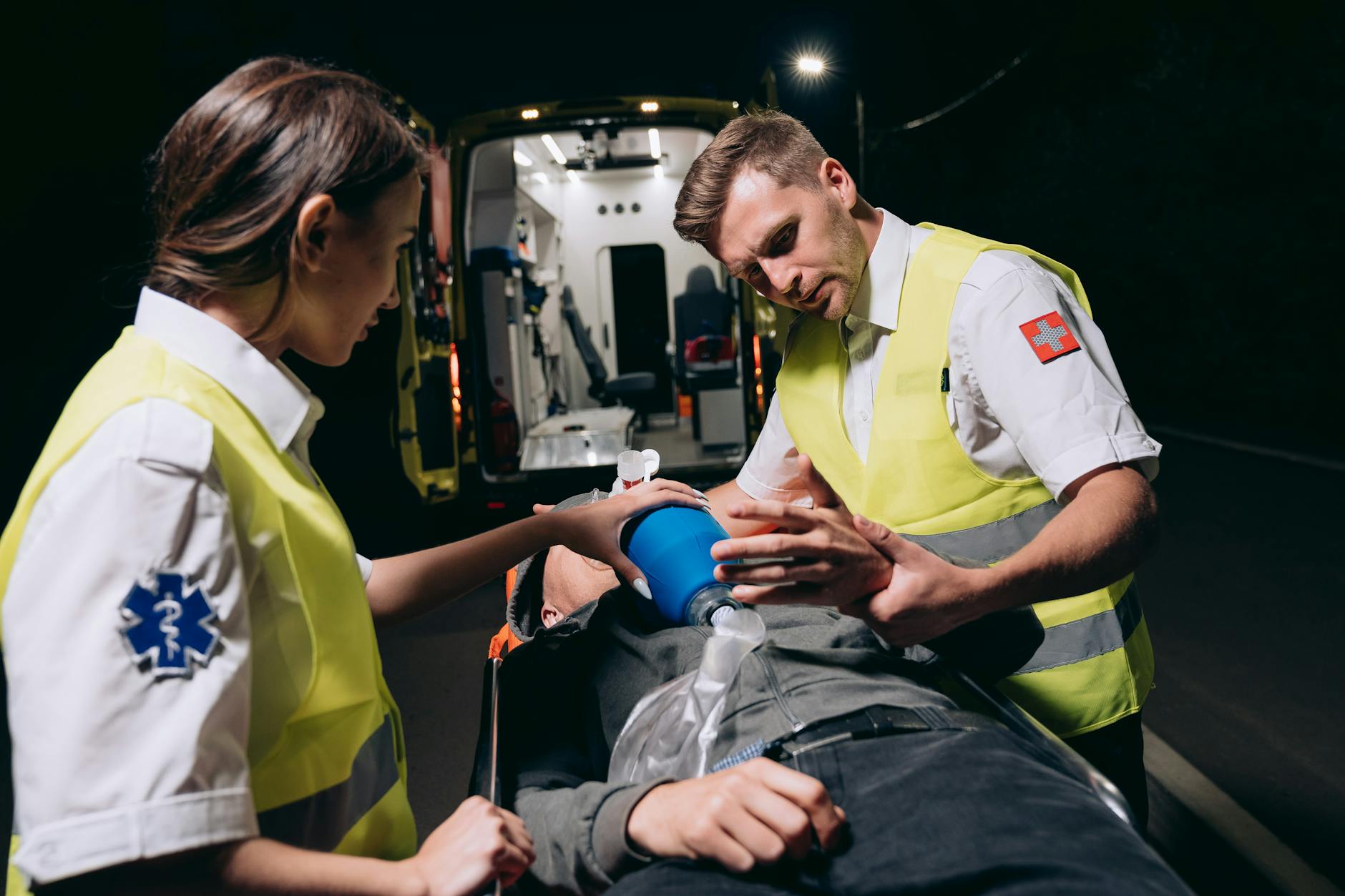
    Emergency preparedness is vital for individuals with tracheostomies as any blockage or issue with the tracheostomy tube can quickly lead to life-threatening situations. Having the right emergency equipment and knowing how to respond to critical situations can make a significant difference in the outcome of an emergency.

    By being prepared with essential emergency equipment such as suctioning devices, spare tracheostomy tubes, and emergency tracheostomy kits, caregivers can quickly address any issues that may arise. These tools are crucial for maintaining a clear airway and ensuring that the patient can breathe comfortably and safely at all times.

    Furthermore, monitoring tools like a pulse oximeter, a medical alert bracelet, and a nebulizer help in keeping track of the patient’s vital signs, alerting caregivers to any abnormalities, and providing necessary treatments promptly.

    Understanding the fundamentals of tracheostomy care and the importance of being well-equipped for emergencies is key to ensuring the well-being and safety of individuals with tracheostomies. Caregivers should be knowledgeable about the procedure, the equipment involved, and the necessary steps to take in critical situations to provide the best possible care for their loved ones.

    Essential Emergency Equipment

    When it comes to ensuring the safety and well-being of patients with tracheostomies, having the right emergency equipment on hand is paramount. In emergency situations, quick access to essential devices can make a significant difference. Three crucial pieces of emergency equipment for patients with tracheostomies include suctioning devices, spare tracheostomy tubes, and emergency tracheostomy kits.

    Suctioning Devices

    Suctioning devices are instrumental in clearing excess mucus or secretions from the patient’s airway. These devices help prevent blockages in the tracheostomy tube, ensuring that the patient can breathe freely. It’s essential to have a suctioning machine readily available, along with spare catheters of varying sizes to accommodate different needs.

    __wf_reserved_inherit

    Spare Tracheostomy Tubes

    In emergencies where the tracheostomy tube becomes damaged or blocked, having spare tubes on hand is crucial. These tubes should be compatible with the patient’s anatomy and size requirements. Regularly check the integrity of spare tubes to ensure they are functional and sterile when needed.

    __wf_reserved_inherit

    Emergency Tracheostomy Kits

    Emergency tracheostomy kits contain essential supplies and tools needed to manage tracheostomy-related emergencies effectively. These kits typically include items such as sterile gloves, scissors, dressings, and a resuscitation mask. Having a well-equipped emergency tracheostomy kit readily available ensures prompt and effective intervention during critical situations.

    __wf_reserved_inherit

    By having suctioning devices, spare tracheostomy tubes, and emergency tracheostomy kits easily accessible, caregivers and healthcare providers can ensure prompt and effective responses to emergencies involving patients with tracheostomies. Regular training on the proper use of this equipment is essential to enhance preparedness and improve patient outcomes in critical situations.

    Monitoring Tools

    Monitoring tools play a critical role in the ongoing care of patients with tracheostomies, helping to ensure their safety and well-being. Three essential monitoring tools for patients with tracheostomies are the pulse oximeter, medical alert bracelet, and nebulizer.

    Pulse Oximeter

    A pulse oximeter is a non-invasive device that measures the oxygen saturation levels in the blood. For patients with tracheostomies, monitoring oxygen levels is crucial to detect any respiratory distress or complications promptly. The pulse oximeter provides real-time data on the patient’s oxygen saturation levels, allowing caregivers to take immediate action if necessary.

    Medical Alert Bracelet

    A medical alert bracelet serves as a vital communication tool in case of emergencies. Patients with tracheostomies should wear a medical alert bracelet that clearly indicates their medical condition and the presence of a tracheostomy. This information can assist first responders and medical professionals in providing the appropriate care quickly and effectively.

    Nebulizer

    A nebulizer is a device that converts liquid medication into a fine mist that can be inhaled into the lungs. Patients with tracheostomies may require nebulized medications to manage respiratory conditions or alleviate symptoms. The nebulizer helps deliver the medication directly to the airways, promoting effective treatment and symptom relief.

    Monitoring tools such as the pulse oximeter, medical alert bracelet, and nebulizer are essential components of emergency equipment for patients with tracheostomies. These tools support caregivers in monitoring the patient’s health status, ensuring timely intervention during emergencies, and managing respiratory conditions effectively. By incorporating these monitoring tools into the care plan, caregivers can provide optimal support and enhance the safety and well-being of patients with tracheostomies.

    Emergency Response Plan

    When it comes to caring for patients with tracheostomies, having a well-thought-out emergency response plan is essential to ensure their safety and well-being. This section focuses on the importance of creating a comprehensive plan and providing adequate training for caregivers to handle emergency situations effectively.

    Creating a Plan

    Developing a detailed emergency response plan for patients with tracheostomies involves considering various factors to address potential challenges promptly. The plan should outline step-by-step procedures to follow in case of emergencies, including scenarios like tube blockages, bleeding, or respiratory distress.

    __wf_reserved_inherit

    Having a written plan that is easily accessible to caregivers, family members, and healthcare providers can help streamline emergency responses and minimize risks during critical situations.

    Training for Caregivers

    Equally important as having an emergency plan is ensuring that caregivers receive comprehensive training on tracheostomy care and emergency procedures. Caregivers should be familiar with the patient’s specific needs, the function of the tracheostomy tube, and the equipment involved in its care.

    Training caregivers on how to recognize signs of potential complications, perform suctioning safely, and respond to emergencies promptly can significantly improve patient outcomes in critical situations. Regular training sessions, including hands-on practice and simulations, can enhance caregivers’ confidence and competence in managing tracheostomy emergencies.

    By providing caregivers with the knowledge and skills needed to respond effectively to emergencies, patients with tracheostomies can receive prompt and appropriate care when unexpected situations arise. Continuous education and training play a crucial role in ensuring the safety and well-being of patients with tracheostomies, empowering caregivers to handle emergency scenarios with confidence and competence.

    Handling Emergency Situations

    In the event of a medical emergency involving a patient with a tracheostomy, it is crucial to be prepared to handle common critical situations effectively. Three primary emergency scenarios that may arise with tracheostomy patients include a blocked tube, bleeding, and respiratory distress.

    Blocked Tube

    A blocked tracheostomy tube can quickly lead to a life-threatening situation by obstructing the airway and impeding the flow of oxygen. Recognizing the signs of a blocked tube is essential for prompt intervention. Symptoms such as difficulty breathing, noisy breathing, or a sudden decrease in oxygen saturation levels should raise concerns about a potential blockage.

    Signs of a Blocked Tracheostomy Tube:

    __wf_reserved_inherit

    Immediate action should be taken if a blocked tube is suspected. Stay calm, ensure emergency suctioning equipment is readily available, and follow the established emergency response plan for clearing the obstruction.

    Bleeding

    Bleeding around the tracheostomy site can occur due to various reasons, such as trauma to the area or dislodgment of the tube. While minor bleeding may be common during routine tracheostomy care, persistent or excessive bleeding requires prompt attention.

    Steps for Managing Bleeding:

    __wf_reserved_inherit

    If bleeding persists despite initial measures, do not attempt to remove the tracheostomy tube. Seek immediate medical help to address the underlying cause and ensure proper management of the situation.

    Respiratory Distress

    Respiratory distress in a tracheostomy patient can manifest as rapid breathing, wheezing, chest tightness, or cyanosis (bluish discoloration of the skin). It indicates a severe impairment of the patient’s ability to breathe and necessitates urgent intervention.

    Indicators of Respiratory Distress:

    __wf_reserved_inherit

    If a patient with a tracheostomy displays signs of respiratory distress, initiate appropriate measures as per the emergency response plan. Administer oxygen if available and seek immediate medical assistance to address the underlying cause and ensure timely intervention.

    Being equipped with the necessary knowledge and preparedness to handle emergency situations involving tracheostomy patients is imperative for ensuring their safety and well-being during critical incidents. Regular training, practice drills, and adherence to established protocols can help caregivers respond effectively and decisively in times of crisis.

    Additional Considerations

    When it comes to caring for patients with tracheostomies, there are important additional factors to consider beyond the emergency equipment. Regular maintenance of the equipment, effective communication strategies, and knowing how to promptly contact emergency services are crucial aspects to ensure the well-being of the patient.

    Regular Equipment Maintenance

    Proper maintenance of tracheostomy equipment is essential to prevent malfunctions and ensure optimal functionality. This includes regular cleaning and sterilization of suctioning devices, checking the integrity of spare tracheostomy tubes, and monitoring the expiration dates of emergency tracheostomy kits. Establishing a routine maintenance schedule can help prevent equipment-related complications and maintain the safety of the patient.

    Communication Strategies

    Effective communication is key when providing care for patients with tracheostomies, especially during emergencies. Caregivers should establish clear communication protocols, including non-verbal cues and alternative communication methods for patients who may have difficulty speaking. It is also important to educate caregivers, family members, and healthcare providers on how to communicate effectively with a patient with a tracheostomy to ensure timely and accurate information exchange.

    Contacting Emergency Services

    In emergency situations involving a patient with a tracheostomy, quick access to medical help is crucial. Caregivers should have a clear plan in place for contacting emergency services, including knowing when to activate emergency response protocols and providing essential information about the patient’s condition and medical history. It is advisable to keep emergency contact numbers readily accessible and to ensure that all caregivers are familiar with the steps to take in case of an emergency.

    By paying attention to these additional considerations, caregivers and healthcare providers can further enhance the safety and well-being of patients with tracheostomies. Regular equipment maintenance, effective communication strategies, and efficient emergency response protocols play a vital role in ensuring the optimal care and support for individuals with tracheostomies.

    Sources

    https://aci.health.nsw.gov.au/__data/assets/pdf_file/0007/685312/ACI-Emergency-equipment-patient-with-tracheostomy.pdf

    https://tracheostomyeducation.com/emergency-equipment/
    https://www.stgeorges.nhs.uk/gps-and-clinicians/clinical-resources/tracheostomy-guidelines/emergency-equipment/

  • Subsidies for Home Healthcare Items

    Subsidies for Home Healthcare Items

    Unlock subsidies for home healthcare items! Discover Medicaid, Medicare, state programs, veteran benefits, and more.

    Understanding Home Healthcare Subsidies

    Home healthcare subsidies play a crucial role in assisting individuals in acquiring essential healthcare items for their home. Understanding the significance of these subsidies and having an overview of the available options is essential for those seeking financial support in this aspect.

    __wf_reserved_inherit

    Importance of Home Healthcare Items

    Home healthcare items are vital for individuals who require specialized care or assistance within the comfort of their own homes. These items range from medical equipment like wheelchairs and walkers to daily living aids such as shower benches and grab bars. By having access to these items, individuals can maintain their independence, improve their quality of life, and manage their health conditions effectively in a familiar environment.

    Overview of Subsidies Available

    Various subsidies are available to help individuals cover the costs of home healthcare items. These subsidies can come from government programs, nonprofit organizations, community support programs, or veteran assistance programs. Understanding the eligibility criteria, coverage options, and application processes for these subsidies is crucial to ensure that individuals in need receive the financial assistance they require.

    In some cases, subsidies may cover a portion of the cost, while in others, they may provide full financial assistance. Below is an overview of the types of subsidies available and the general scope of coverage they may offer:

    __wf_reserved_inherit

    By exploring the range of subsidies available for home healthcare items, individuals can make informed decisions about accessing the financial support they need to enhance their well-being and maintain their independence at home.

    Medicaid Assistance

    __wf_reserved_inherit

    When exploring options for subsidies to assist with home healthcare items, Medicaid stands as a vital resource for individuals in need of financial support. Understanding the coverage provided by Medicaid for home healthcare items and the eligibility criteria is essential for those seeking assistance in this area.

    Coverage for Home Healthcare Items

    Medicaid offers coverage for a wide range of home healthcare items, aiming to support beneficiaries in maintaining their independence and quality of life. These items may include medical equipment, supplies, and services necessary for individuals to receive care in the comfort of their own homes.

    Here is a summary of some of the home healthcare items that may be covered under Medicaid:

    __wf_reserved_inherit

    Understanding the scope of coverage provided by Medicaid can help individuals make informed decisions regarding their home healthcare needs and the financial assistance available to them.

    Eligibility Criteria for Medicaid

    To qualify for Medicaid assistance for home healthcare items, individuals must meet specific eligibility criteria set forth by the program. These criteria may vary by state and typically consider factors such as income level, medical necessity, and citizenship status.

    Key eligibility factors for Medicaid assistance include:

    • Income Requirements: Medicaid eligibility is often based on income level, with specific thresholds determining qualification.
    • Medical Necessity: Individuals must demonstrate the medical necessity of home healthcare items to receive coverage.
    • Citizenship Status: Eligibility for Medicaid is typically restricted to U.S. citizens or legal residents.

    By understanding the eligibility criteria for Medicaid assistance, individuals can determine their likelihood of qualifying for financial support to acquire essential home healthcare items. It is advisable to consult with local Medicaid offices or healthcare providers for detailed information on eligibility requirements and the application process.

    Medicare Benefits

    Medicare plays a crucial role in providing assistance for home healthcare items to eligible individuals. Understanding the coverage provided by Medicare and the qualifications required for assistance is essential for those seeking support in this area.

    Home Healthcare Items Covered by Medicare

    Medicare offers coverage for a range of home healthcare items to help individuals manage their health needs in the comfort of their own homes. These items are designed to promote independence and enhance the quality of life for Medicare beneficiaries.

    Here is a breakdown of some common home healthcare items covered by Medicare:

    __wf_reserved_inherit

    Medicare’s coverage of home healthcare items can vary based on individual needs and the specific items required. It’s important to consult with healthcare providers and Medicare representatives to understand the full scope of coverage available.

    Qualifications for Medicare Assistance

    To be eligible for Medicare assistance for home healthcare items, individuals must meet certain criteria set forth by the program. Qualifications are based on factors such as age, medical necessity, and enrollment in specific Medicare plans.

    Key qualifications for Medicare assistance include:

    • Being age 65 or older, or qualifying for Medicare due to a disability
    • Having a medical need for the home healthcare items prescribed by a healthcare provider
    • Being enrolled in Medicare Part A and/or Part B or a Medicare Advantage plan that covers home healthcare items

    It’s important for individuals seeking Medicare assistance for home healthcare items to understand and meet the eligibility requirements set by the program. By fulfilling these qualifications, beneficiaries can access the support they need to maintain their health and well-being at home.

    State Assistance Programs

    When exploring subsidies for home healthcare items, state assistance programs play a crucial role in providing support to individuals in need. These programs offer state-specific subsidies tailored to meet the unique requirements of residents. Let’s delve into state-specific subsidies and understand how individuals can apply for state assistance.

    State-Specific Subsidies

    State assistance programs offer a range of subsidies to assist individuals with acquiring essential home healthcare items. These subsidies can cover a variety of products such as medical equipment, assistive devices, and home modifications. Each state has its own eligibility criteria and coverage options, ensuring that residents receive the support they need based on their specific circumstances.

    Below are some common examples of state-specific subsidies for home healthcare items:

    __wf_reserved_inherit

    How to Apply for State Assistance

    Applying for state assistance programs for home healthcare subsidies is typically a straightforward process. Individuals seeking support can follow these general steps to begin the application process:

    1. Research: Start by researching the specific state assistance programs available in your area. Understand the types of subsidies offered, eligibility criteria, and application requirements.
    2. Documentation: Gather the necessary documentation, which may include proof of income, medical records, prescriptions, and identification documents.
    3. Application Submission: Complete the application form for the state assistance program that aligns with your needs. Ensure that you provide accurate and detailed information to expedite the review process.
    4. Review Process: The state agency responsible for administering the assistance program will review your application to determine eligibility. Be prepared to provide additional information or attend interviews if required.
    5. Approval and Benefits: If your application is approved, you will receive confirmation of your eligibility and information on how to access the subsidies for home healthcare items. Benefits may vary based on the program and your specific needs.

    By exploring state-specific subsidies and understanding the application process, individuals can access the necessary support to acquire essential home healthcare items. State assistance programs are designed to alleviate financial burdens and ensure that individuals can receive the care and equipment they require for their well-being.

    Veteran Programs

    Veterans have access to specific programs and benefits that can assist them in obtaining subsidies for home healthcare items. These programs are designed to support veterans in managing their healthcare needs effectively.

    Benefits for Veterans

    Veterans can benefit from a range of programs that offer financial assistance for home healthcare items. These benefits may include coverage for medical supplies, equipment, and services needed to support their well-being at home. By utilizing these programs, veterans can alleviate the financial burden associated with accessing essential healthcare items.

    How Veterans Can Access Home Healthcare Subsidies

    Veterans can access home healthcare subsidies through various channels, including the Department of Veterans Affairs (VA) and specific veteran programs. To avail of these subsidies, veterans typically need to meet certain eligibility criteria, which may vary depending on the specific program or benefit.

    One way for veterans to access home healthcare subsidies is by contacting their local VA healthcare facility or visiting the official VA website for information on available programs. Additionally, veterans can reach out to veteran service organizations that provide support and guidance on accessing subsidies for home healthcare items.

    By leveraging these veteran programs and benefits, veterans can secure the necessary financial assistance to acquire essential home healthcare items that contribute to their overall health and well-being. Through these resources, veterans can navigate the process of accessing subsidies with support and guidance tailored to their unique needs.

    Other Subsidy Options

    When seeking assistance for home healthcare items, there are additional subsidy options available beyond government programs. Nonprofit organizations, community support programs, and other resources play a vital role in providing aid to individuals in need.

    Nonprofit Organizations

    Nonprofit organizations are valuable sources of support for individuals requiring home healthcare items. These organizations often offer financial assistance, equipment donations, and access to services that can help alleviate the financial burden associated with purchasing essential healthcare products.

    __wf_reserved_inherit

    Community Support Programs

    Community support programs are designed to assist individuals within local communities in accessing home healthcare subsidies. These programs may include charitable funds, community outreach initiatives, and partnerships with healthcare providers to ensure that individuals receive the necessary support.

    __wf_reserved_inherit

    Additional Resources for Home Healthcare Subsidies

    In addition to government programs, nonprofit organizations, and community support programs, there are various resources available to help individuals navigate the landscape of home healthcare subsidies. These resources provide valuable information, assistance in applying for subsidies, and guidance on accessing essential healthcare items.

    __wf_reserved_inherit

    By exploring these additional subsidy options, individuals can uncover a wider range of resources and support networks to assist them in obtaining the necessary home healthcare items. Whether through nonprofit organizations, community programs, or online resources, there are avenues available to help individuals access the vital healthcare products they require.

    Sources

    https://www.aic.sg/financial-assistance/home-healthcare-items/

    https://ntuchealth.sg/elderly-care/subsidies

    https://www.nber.org/reporter/2013number2/subsidies-health-products

  • Innovative Pediatric Home Medical Equipment In 2024

    Innovative Pediatric Home Medical Equipment In 2024

    Exploring the Future of Pediatric Home Healthcare Devices

    Introduction: Transforming Home Healthcare for Children

    The landscape of pediatric home healthcare is rapidly evolving in 2024, driven by advancements in medical technology that promise to transform the care and treatment of pediatric patients. This article delves into the latest innovations in pediatric medical devices that are bringing healthcare directly into the homes of children, meeting their unique needs and offering significant improvements in health outcomes. With a focus on wearable technology, artificial intelligence, and integrated healthcare solutions, we explore how these advancements are redefining pediatric care and addressing unmet medical needs.

    Emerging Trends in Pediatric Medical Devices for Home Use

    Revolutionizing Home Healthcare: Explore the Latest Trends in Pediatric Medical Devices for 2024

    What are the latest trends in pediatric medical devices for home healthcare in 2024?

    In 2024, pediatric home healthcare is experiencing significant advancements driven by innovative technologies. One major trend is the rise of wearable technologies, which continuously monitor vital signs such as heart rate, blood oxygen levels, and glucose levels. These devices allow for real-time health data transmission to healthcare providers, improving proactive care management.

    Another prominent development is the incorporation of artificial intelligence (AI) and machine learning in medical devices. These technologies enable devices to analyze data effectively and provide personalized treatment plans based on each child’s unique health patterns, predicting potential health issues before they escalate.

    Additionally, nanomedicine is gaining traction in pediatric healthcare, focusing on enhancing drug delivery systems. These systems are designed to target therapies more precisely, improving efficacy while minimizing side effects.

    Moreover, telemedicine is expanding its role in home healthcare. Virtual consultations and remote patient monitoring allow families to access specialists without the burden of travel. This increased accessibility is particularly invaluable for those in rural or underserved areas, making healthcare more equitable.

    The merging of these advancements—wearable tech, AI, nanomedicine, and telemedicine—marks a shift towards more personalized, efficient, and comprehensive care for pediatric patients at home.

    Navigating Regulatory Challenges and Seizing Market Opportunities

    Navigating the Landscape: Overcoming Regulatory Hurdles in Pediatric Medical Technology

    What are the regulatory challenges and market opportunities in pediatric medical technology?

    The pediatric medical technology sector is navigating a complex landscape filled with regulatory hurdles. Obtaining approval for pediatric medical devices involves rigorous safety and efficacy assessments, significantly extending the time it takes to bring new innovations to market. For instance, about 79% of high-risk therapeutic devices lack FDA pediatric approval, which signifies a substantial gap in suitable medical technologies for children. Moreover, 40% of the pediatric devices that do receive approval are based on studies without child participants, raising concerns about their applicability and safety in younger populations.

    Despite these challenges, there are also substantial market opportunities exploring pediatric care automation and innovation within the broader $800 billion medical device industry projected by 2030. As demand for specialized pediatric solutions continues to grow, companies are increasingly pivoting towards integrated and innovative healthcare solutions. This shift has prompted the need for new business models, highlighting the importance of strategic partnerships and collaborations.

    Additionally, the transition towards value-based healthcare is reshaping how pediatric device manufacturers approach the market. They must ensure that their products not only address clinical needs but also align with the economic considerations that healthcare buyers face. By strategically navigating these regulatory challenges and capitalizing on the emerging market opportunities, companies have the potential to advance pediatric healthcare technologies significantly and improve care outcomes for children.

    Leveraging Telehealth for Enhanced Pediatric Care

    Telehealth Transformation: Enhancing Pediatric Care Through Technology

    How are technologies like telehealth enhancing home medical care for pediatric patients?

    Telehealth technologies are revolutionizing pediatric home healthcare by improving access and efficiency for both patients and providers. Families are now able to engage with pediatric specialists more frequently through virtual consultations, which is particularly beneficial for children with chronic conditions or special healthcare needs. This increased contact ensures better health management without the burden of traveling to healthcare facilities.

    The integration of Artificial Intelligence (AI) and Machine Learning (ML) into telehealth platforms allows for enhanced diagnostic support. These technologies aid in accurate health assessments, enabling quicker decision-making about treatment. Moreover, the Internet of Medical Things (IoMT) plays a crucial role by facilitating real-time data collection from connected medical devices, empowering healthcare providers to remotely monitor vital signs and health status continuously.

    Smart medical devices, including blood glucose monitors and heart rate monitors, increase safety and traceability. For instance, Smart Labels help ensure that healthcare professionals have immediate access to important treatment information. Collectively, these advancements foster a more integrated and responsive home healthcare environment, enabling personalized care plans that cater to the unique medical, emotional, and developmental needs of each child.

    Through the use of telehealth, the overall pediatric healthcare experience is becoming more accessible and tailored, ultimately leading to improved outcomes and higher family satisfaction.

    Innovations Addressing Unmet Needs in Pediatric Healthcare

    Innovating for Children: Addressing Unmet Healthcare Needs with Advanced Medical Devices

    What recent developments in pediatric medical devices address unmet healthcare needs for children?

    Recent developments in pediatric medical devices are making strides in addressing critical healthcare needs by utilizing innovative technologies. One of the significant areas of advancement is the development of wearable devices and smart applications. These technologies facilitate remote monitoring of chronic conditions such as asthma and diabetes, allowing for real-time health data sharing with healthcare providers, which in turn enables personalized care strategies.

    Non-invasive solutions and personalized care strategies

    A strong emphasis is being placed on non-invasive treatment methodologies that are less distressing for young patients. Notable innovations include hands-free ultrasound devices and noninvasive blood pressure monitors tailored for pediatric use. These devices not only enhance diagnostic accuracy but also cater to the unique physiological needs of children. Moreover, personalized care plans are increasingly being implemented, taking into account the medical, emotional, and developmental needs of each child. This holistic approach promotes better health outcomes and keeps families engaged in the ongoing management of their children’s health conditions.

    In summary, the integration of advanced technologies and patient-centered care approaches marks a transformative moment in pediatric healthcare, ultimately aiming to improve accessibility and efficiency for young patients and their families.

    Addressing Disparities in Pediatric Medical Device Availability

    Bridging the Gap: Tackling Disparities in Pediatric Medical Device Availability

    What disparities exist in the availability of pediatric medical devices, and how are they being addressed?

    Disparities in the availability of pediatric medical devices often arise from economic and geographical barriers. This is particularly evident in underserved areas, where access to essential health technologies is limited. Approximately 40,000 children are born each year with congenital heart defects, highlighting a pressing need for suitable devices designed specifically for pediatric patients.

    Efforts to tackle these disparities are gaining momentum through public-private partnerships (PPPs) aimed at enhancing funding initiatives and driving policy reforms. These collaborations focus not only on improving device accessibility but also on fostering innovation in pediatric healthcare. They target substantial gaps in device approvals and encourage development that meets children’s specific medical needs.

    Additionally, the pandemic has accentuated the need for telehealth solutions and digital therapeutics, which play a significant role in overcoming geographical barriers. Remote monitoring and virtual consultations enable better access to specialized care, allowing families to manage health conditions without traveling long distances.

    Another promising avenue is the incorporation of sustainability practices and advanced technologies like generative AI in the production of pediatric devices. This approach optimizes resource allocation, improves manufacturing efficiency, and ultimately aims to bridge the existing gaps in healthcare equity for children.

    In summary, addressing disparities in pediatric medical device access requires a multifaceted strategy, leveraging innovation, collaboration, and technology to ensure that all children can receive the care they need.

    Conclusion: Shaping the Future of Pediatric Home Healthcare

    The advancements in pediatric home medical equipment are poised to transform the way children receive care at home, offering more tailored, efficient, and accessible healthcare solutions. As across-the-board integration of technology and innovation continues, these trends not only promise improvements in health outcomes but also provide opportunities to address long-standing disparities in device availability. By pushing the boundaries of traditional healthcare approaches, stakeholders across the industry, including regulators, innovators, and healthcare providers, are collaboratively working to ensure that every child has access to the cutting-edge medical devices they need to thrive.

    References

  • List of Best Baby Walker Manufacturers

    List of Best Baby Walker Manufacturers

    Discover the leading baby walker manufacturers! Unveiling the top companies that prioritize safety and innovation.

    __wf_reserved_inherit

    Understanding Baby Walkers

    Baby walkers are popular devices designed to assist infants in learning how to walk. They typically consist of a frame with wheels and a fabric seat or harness where the baby can sit. Understanding the purpose of baby walkers and being aware of safety concerns and guidelines is essential for parents and caregivers.

    Purpose of Baby Walkers

    The primary purpose of baby walkers is to provide support and mobility to infants who are in the early stages of walking. They allow babies to move around independently, promoting their motor skills development and coordination. Baby walkers often come equipped with toys and interactive features, which can provide entertainment and stimulate the baby’s sensory and cognitive development.

    Safety Concerns and Guidelines

    While baby walkers can offer benefits, it is crucial to prioritize safety when using them. The American Academy of Pediatrics (AAP) and other child safety organizations have expressed concerns about the potential risks associated with baby walkers. Here are some safety guidelines to consider:

    1. Age and Development: Ensure that the baby is developmentally ready before introducing a walker. It is generally recommended to wait until the baby can sit up unassisted and has good head control, usually around six months of age.
    2. Supervision: Never leave a baby unattended in a walker. Adult supervision is necessary at all times to prevent accidents and ensure the baby’s safety.
    3. Safe Environment: Use baby walkers only on flat and smooth surfaces to minimize the risk of tipping over or getting stuck. Keep the area free of hazards such as stairs, sharp edges, and hot surfaces.
    4. Proper Fit: Choose a walker that fits the baby appropriately. The baby’s feet should touch the floor comfortably, allowing for a natural walking motion. Avoid using oversized or undersized walkers.
    5. Safety Features: Look for walkers with safety features such as wheel locks, stable frames, and sturdy construction. These features help prevent accidents and ensure the baby’s stability while in the walker.
    6. Limited Usage: Limit the amount of time the baby spends in the walker to avoid prolonged pressure on their developing joints and muscles. It is recommended to use baby walkers for short periods, such as 15-20 minutes at a time.

    By understanding the purpose of baby walkers and following safety guidelines, parents and caregivers can provide a supportive and secure environment for their little ones as they explore the exciting journey of learning to walk.

    __wf_reserved_inherit

    Leading Baby Walker Manufacturers

    When it comes to choosing a baby walker for your little one, it’s important to consider reputable manufacturers that prioritize safety, innovation, and quality. Here, we will explore the criteria for evaluating baby walker manufacturers and provide a list of some of the top manufacturers in the industry.

    Criteria for Evaluating Manufacturers

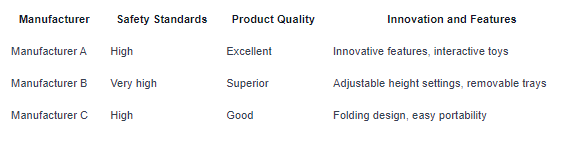
    To determine the leading baby walker manufacturers, several key criteria should be considered. These criteria help assess the overall reputation, safety standards, and product quality of each manufacturer:

    1. Safety Standards: Manufacturers that prioritize safety should adhere to stringent safety standards and regulations, ensuring that their baby walkers are designed with the utmost care and consideration for the well-being of infants.
    2. Product Quality: The quality of materials used, construction, and durability of the baby walkers is an important factor to consider. Well-made walkers should be sturdy, easy to use, and able to withstand regular use.
    3. Innovation and Features: Manufacturers that innovate and incorporate features that enhance the baby walker experience can offer added value to parents and their little ones. Features like adjustable height settings, interactive toys, and removable trays can contribute to a more engaging and functional walker.
    4. Customer Reviews and Ratings: Feedback from customers can provide valuable insights into the overall satisfaction and experience with a particular manufacturer’s baby walkers. Positive reviews and high ratings can be indicative of a manufacturer’s commitment to customer satisfaction.

    Top Baby Walker Manufacturers

    Here are some of the leading baby walker manufacturers based on their reputation, safety standards, product quality, and customer feedback:

    __wf_reserved_inherit

    Please note that this list is not exhaustive and there are many other reputable baby walker manufacturers in the market. It is always recommended to conduct thorough research, read reviews, and consider individual preferences and requirements before making a final decision on purchasing a baby walker.

    By evaluating manufacturers based on the criteria mentioned above, you can narrow down your options and choose a baby walker that not only meets safety standards but also offers the quality and features that best suit your little one’s needs.

    Company A

    Company Background

    Company A is one of the leading manufacturers in the baby walker industry, specializing in designing and producing innovative products for infants and toddlers. With years of experience and a dedication to safety and quality, Company A has established itself as a trusted name in the market.

    Products and Innovation

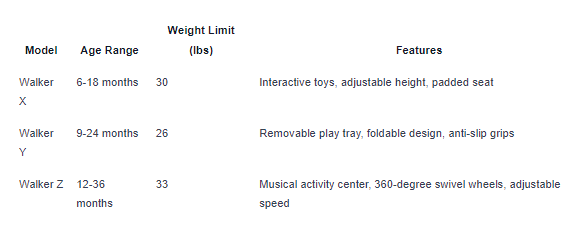
    Company A offers a wide range of baby walkers designed to support and entertain little ones as they take their first steps. Their walkers are crafted with durable materials and undergo rigorous testing to ensure they meet the highest safety standards.

    To provide a comprehensive overview of Company A’s products, here is a table showcasing some of their popular baby walkers:

    __wf_reserved_inherit

    Company A understands the importance of innovation in keeping up with the evolving needs of parents and babies. They constantly strive to introduce new features and technologies to enhance the functionality and safety of their products. From interactive toy panels to anti-slip grips and adjustable speed settings, Company A’s commitment to innovation is evident in their product offerings.

    By combining their expertise in design and manufacturing, Company A continues to provide parents with reliable and innovative baby walkers that promote both motor skill development and entertainment for their little ones.

    __wf_reserved_inherit

    Company B

    Company Background

    Company B is a prominent player in the baby walker manufacturing industry. With years of experience and a strong reputation, they have established themselves as a trusted brand. Their commitment to quality, safety, and innovation sets them apart from the competition.

    Products and Innovation

    Company B offers a wide range of baby walkers designed to aid in the developmental stages of a child. Their products are known for their durability, functionality, and safety features. Here are some key aspects of their product line:

    1. Design Variety: Company B offers baby walkers in various designs, catering to different preferences and needs. From traditional styles to modern and interactive designs, they strive to provide options that suit every family’s requirements.
    2. Adjustability: Their baby walkers are designed with adjustable features to accommodate the growing needs of the child. Adjustable height settings and seat positions ensure optimal comfort and support during the different stages of walking development.
    3. Safety Features: Safety is a top priority for Company B. Their baby walkers are equipped with features such as sturdy frames, non-slip wheels, and secure harnesses to provide a safe and secure environment for the child.
    4. Interactive Elements: Company B understands the importance of engaging the child’s senses. They incorporate interactive elements into their baby walkers, such as toys, music, and lights, to stimulate sensory development and keep the child entertained.
    5. Ease of Use: Company B focuses on creating user-friendly baby walkers. Their products are designed with easy assembly, foldable frames for convenient storage, and smooth maneuverability to enhance the overall user experience.

    Company B’s commitment to quality, safety, and innovation has contributed to their success as one of the leading baby walker manufacturers in the industry. Their dedication to meeting the needs of both parents and babies sets them apart and makes them a reliable choice for families seeking a high-quality baby walker.

    Company C

    Company Background

    Company C is one of the leading manufacturers in the baby walker industry. With a strong presence in the market, they have established themselves as a reputable and reliable provider of high-quality baby walkers. Their commitment to safety, innovation, and customer satisfaction has contributed to their success.

    Products and Innovation

    Company C offers a wide range of innovative baby walkers designed to provide support and assistance to babies as they start their journey of walking. Their products are known for their durability, functionality, and appealing designs. Here are some key features of their baby walkers:

    1. Adjustable Height: Company C understands that babies grow quickly, which is why their baby walkers come with adjustable height settings. This feature allows parents to customize the walker’s height to ensure a comfortable and ergonomic fit for their little ones.
    2. Safety Features: Safety is a top priority for Company C. Their baby walkers are equipped with safety features such as sturdy frames, non-slip pads, and locking mechanisms to prevent accidents and provide stability during use.
    3. Interactive Toys and Activities: To engage and entertain babies, Company C incorporates interactive toys and activities into their baby walkers. These toys help stimulate sensory development and keep babies entertained while they explore their surroundings.
    4. Compact and Portable: Company C understands the importance of convenience for parents. Their baby walkers are designed to be compact and portable, making them easy to transport and store when not in use.

    Company C consistently strives to innovate and improve their products to meet the evolving needs of parents and babies. They conduct thorough research and development to ensure that their baby walkers adhere to the highest quality standards.

    When considering baby walkers, Company C is a manufacturer worth considering for their dedication to safety, their innovative features, and their commitment to providing a positive walking experience for babies.

    Sources

    https://www.craftchildren.com/blog/top-10-best-baby-walker-manufacturers-in-the-world-2023_b27

    https://www.riverbabygroup.com/list-of-best-baby-walker-manufacturers/

  • How To Clean Apnea Monitor Sensors?

    How To Clean Apnea Monitor Sensors?

    Essential Techniques for Maintaining Apnea Monitor Sensors

    Understanding the Importance of Sensor Maintenance

    Regular cleaning and maintenance of apnea monitor sensors are crucial for ensuring optimal monitoring of breathing patterns. Clean sensors not only help in providing accurate readings but also prevent the buildup of harmful substances that could lead to device malfunction or false alarms. This guide provides detailed instructions on how to properly care for these sensitive devices, focusing on cleaning techniques, recommended materials, and best practices for ongoing maintenance.

    Personal Hygiene: The First Step in Cleaning

    Essential Hygiene Tips for Effective CPAP Therapy

    The Importance of Skin Cleanliness

    Maintaining skin cleanliness is crucial for effective CPAP therapy. The skin naturally sheds oils and cells, which can accumulate on CPAP components like masks and sensors. This buildup not only diminishes the effectiveness of the therapy but can also lead to infections or skin irritation. Regular cleaning of the mask and associated parts helps ensure a proper seal, maintaining the effectiveness of the therapy.

    Avoiding Interference with Sensors

    For apnea monitoring devices, hygiene is equally paramount. Dirty sensors may yield inaccurate readings, which can result in alarm fatigue or false alarms. Cleanliness of the skin under the sensors is essential, as dirt and oils can interfere with signal transmission. Thus, it is advised to keep the skin clean and dry before attaching monitoring devices.

    Initial Cleaning Steps

    Cleaning begins with disassembling the CPAP mask into its three parts: the cushion, headgear, and frame. For the mask cushion, washing it daily with warm, drinking-quality water and a mild, fragrance-free liquid detergent is recommended. After cleaning, air drying is important to ensure all moisture evaporates without direct sunlight exposure.

    In addition, the recommended cleaning process for the ApneaLink Air system includes regular maintenance, which involves wiping the device with a damp cloth and mild soap. Following these steps helps create a hygienic environment conducive to effective sleep apnea therapy.

    Component Cleaning Frequency Recommended Cleaning Method
    Mask Cushion Daily Wash with warm soapy water, air dry
    Headgear Weekly Clean with warm soapy water, air dry
    Air Tubing Weekly Rinse thoroughly with mild dish soap and warm water
    Humidifier Tub Weekly Soak in vinegar-water solution, rinse thoroughly
    Filters Weekly Wash reusable filters, replace disposable ones as needed

    Additional Information

    ResMed recommends using distilled water along with a mild, fragrance-free soap or mild liquid detergent for cleaning CPAP equipment. Avoidance of bleach or perfumed soaps is crucial to prevent damage and respiratory irritation. Following guidelines for regular cleaning and replacement maintains optimal performance and hygiene.

    Systematic Cleaning Process for Apnea Monitor Sensors

    Step-by-Step Guide to Cleaning Apnea Monitor Sensors

    Step-by-step cleaning instructions

    1. Preparation: Before cleaning, ensure the apnea monitor is off and unplugged. Remove any sensors and disposable components like electrodes.
    2. Wiping the Device: Use a damp cloth with mild soap to gently wipe down the monitor’s exterior. Avoid submerging the device in water.
    3. Cleaning the Sensors: For carbon electrodes, clean them with a solution of mild soap and warm water. Rinse them thoroughly to eliminate any soap film, which can affect signal strength.
    4. Drying: Let the sensors air dry completely before reattaching them to the monitor.
    5. Final Inspection: After cleaning, inspect the sensors for any cracks or signs of wear. Replace any damaged parts immediately to maintain effectiveness.

    Recommended cleaning materials

    • Mild Soaps: Use mild liquid soaps that do not contain moisturizers.
    • Alcohol Wipes: Ideal for disinfecting surfaces and sensors. Ensure they do not introduce moisture into electrical contacts.
    • Enzymatic solutions: These often consist of non-ionic detergents and enzymes that can effectively break down dirt and oils.
    • Lint-free cloths: Important for drying the sensors and preventing scratches.

    Safety precautions

    • Avoid Harsh Chemicals: Do not use bleach, alcohol-based products, or any abrasive cleaners that could damage sensors.
    • Proper Sensor Placement: Ensure the sensors are placed according to the manufacturer’s directions to avoid false readings or alarms.
    • Regular Maintenance: Schedule regular cleaning to prevent the buildup of dirt and bacteria, ensuring the monitor remains effective and safe to use.

    Can I use Dawn dish soap to clean my CPAP equipment?

    Yes, you can use Dawn dish soap to clean your CPAP equipment, as it is effective for daily cleaning. However, it’s important to avoid moisturizing soaps, bleach, or alcohol-based solutions, as these can irritate your skin and lungs. For optimal hygiene, the CPAP mask should be washed daily, and the tubing should be cleaned weekly with warm water and mild dish detergent. Additionally, the humidification chamber should be emptied and refilled with clean, distilled water daily, with a thorough cleaning once a week using a vinegar-water solution. Regular maintenance is crucial to prevent the buildup of germs, bacteria, and allergens that can lead to health issues and ensure the proper functioning of your CPAP machine.

    Handling and Care of Sensors

    Best Practices for Sensor Handling and Cleaning

    Proper Handling of Sensors

    When dealing with apnea monitor sensors, ensure proper handling to maintain their functionality. Sensitive sensors require careful placement and should not be subjected to moisture or extreme temperatures. Always clean the area of the skin where the sensor will be applied, and avoid applying lotions or powders that could interfere with adhesion.

    Cleaning Reusable Sensors

    Regular cleaning of reusable sensors is essential for accurate monitoring. Use a soft brush with a mild enzyme-based cleaning solution to remove any dirt or oils. After soaking the sensor for 3-5 minutes, rinse it thoroughly in room temperature water and dry it with a lint-free cloth.

    Avoiding Moisture and Harsh Chemicals

    It’s crucial to avoid moisture from getting into electrical contacts while cleaning. Harsh chemicals, such as bleach or alcohol, should be strictly avoided as they can damage the sensors. Instead, stick to mild cleaning agents and ensure that the sensors are completely dry before use.

    Can I use hydrogen peroxide to clean my CPAP machine?

    No, you should not use hydrogen peroxide to clean your CPAP machine. Hydrogen peroxide, along with substances like bleach, ammonia, and rubbing alcohol, can damage the materials of the CPAP components. It is important to follow the manufacturer’s cleaning guidelines to ensure the longevity and effectiveness of the device. Instead, consider using mild soap and water or a specific CPAP cleaning solution recommended by the manufacturer. Regular cleaning with the appropriate methods will help maintain your CPAP machine’s performance and hygiene.

    Regular Inspection and Replacement of Components

    Stay Smart: Inspect and Replace Components Regularly

    Inspection for defects

    Routine inspection of your CPAP equipment is essential for effective therapy. Look for visible defects such as cracks, discoloration, or exposed wires in your components. Ensure that reusable sensors are free from debris and damage before each use, as these issues can impair performance.

    Replacement guidelines

    Replacement of CPAP parts follows specific guidelines. For a reusable belt, replace it after 100 uses, and the effort sensor after 200 uses. The oximeter should be replaced every five years to maintain efficiency.

    Maximum reuse limits

    Adhering to maximum reuse limits is crucial for maintaining hygiene and effectiveness. Inspect each part’s performance regularly and replace them based on manufacturer recommendations. This practice prevents the risk of infections and ensures optimal functioning of your CPAP therapy.

    Best Practices for Safe Storage and Maintenance

    Storage Secrets: Preserve Your CPAP and Monitor Equipment

    Proper Storage Techniques

    To ensure the longevity and functionality of apnea monitors and CPAP equipment, proper storage is crucial. Components should be kept in a cool, dry place away from direct sunlight and moisture. This helps prevent deterioration and potential functionality issues.

    Avoiding Damage During Storage

    When storing your CPAP equipment, particularly the tubing and sensors, it’s advised to coil cables loosely to avoid pinching or crimping. Make sure that all parts are dry before storage to prevent mold and bacteria growth.

    Protecting Sensor Longevity

    For sensors, inspect regularly for any wear and tear, and store them in a clean environment. Avoid using powders or lotions on the skin that may interfere with the sensor adhesion. Following these practices will help you maintain the effectiveness of your apnea monitoring system.

    Concluding Thoughts on Sensor Maintenance

    Keeping apnea monitor sensors clean and well-maintained is integral to ensuring the accurate monitoring of breathing patterns and the overall effectiveness of the device. By following these systematic cleaning steps, you can help prolong the life of your sensors, prevent device malfunctions, and better support the health and safety of those who rely on apnea monitors. Consistency in maintenance routines not only enhances device performance but also contributes to peace of mind for caregivers and medical professionals alike.

    References

  • The importance of home-based monitoring for children with heart conditions

    The importance of home-based monitoring for children with heart conditions

    Revolutionizing Pediatric Cardiac Care Through Home Monitoring

    Understanding the Need for Vigilant Monitoring

    For children with heart conditions, especially congenital heart disease (CHD), vigilant monitoring is not just a recommendation—it’s a lifeline. This article explores the transformative role of home-based monitoring technologies in pediatric cardiac care, examining how these systems not only enhance clinical outcomes but also significantly improve the quality of life for young patients and their families.

    The Critical Role of Home-Based Monitoring

    The Importance of Home-Based Monitoring for Pediatric Heart Patients

    Why is home-based monitoring important for children with heart conditions?

    Home-based monitoring is crucial for children with heart conditions as it ensures continuous observation and assessment of their heart health. Devices like the Gabi SmartCare wearable band facilitate real-time monitoring of vital signs such as heart rate and oxygen saturation, enabling timely interventions that could be lifesaving.

    Heart health observation and assessment

    Utilizing various types of heart monitors, healthcare providers can record heart rate and rhythm over extended periods. This is key in diagnosing abnormal heart rhythms and making correlations between symptoms like fainting or palpitations and underlying cardiac issues. The technology ensures a proactive approach to patient care, allowing for immediate data-driven decisions.

    Diagnosis of abnormal heart rhythms

    Detecting arrhythmias early can lead to significant improvements in management strategies. With home-based monitoring, irregularities can be identified and addressed promptly, enhancing patient safety. Ongoing support and monitoring through telehealth platforms further empower caregivers to better manage their children’s health needs from home, reducing anxiety and improving overall well-being.

    Benefits of Remote Monitoring Technologies in Pediatric Cardiac Care

    Unlocking Benefits: Remote Monitoring in Pediatric Cardiac Care

    What are the benefits of using remote monitoring technologies in pediatric cardiac care?

    Remote monitoring technologies in pediatric cardiac care offer several significant benefits. These innovative solutions enable real-time data collection, allowing healthcare providers to swiftly adjust treatment plans based on the child’s current health status. This agility enhances health outcomes and significantly improves the quality of life for young patients.

    Moreover, these technologies facilitate early detection of potential complications, thereby reducing the need for frequent hospital visits. This, in turn, lessens the stress often associated with hospital environments for both children and their families. With a variety of congenital heart disease (CHD) conditions, remote monitoring ensures personalized care by keeping parents engaged and informed about their child’s health journey.

    This approach also complements preventive strategies that are crucial for long-term health management, focusing on proactive lifestyle factors that contribute to children’s overall cardiac wellbeing. Ultimately, remote monitoring empowers families, enhances communication with healthcare providers, and promotes a seamless continuum of care.

    Innovations in Telehealth and Wearable Devices

    Innovative Advances in Telehealth and Wearable Technology

    What are some technological advancements in home monitoring programs for children with heart conditions?

    Recent advancements in home monitoring programs for children with heart conditions have brought significant improvements in patient care. At the forefront are wearable devices like the Gabi SmartCare, which continuously track vital signs such as heart rate and oxygen levels in real time. This allows parents to monitor their children’s health from the comfort of their homes and catch any irregularities early.

    In addition, telehealth solutions have transformed the landscape of pediatric care. These platforms enable families to have remote consultations with healthcare providers, enhancing communication and continuity of care. For instance, the Jabber app and similar technologies allow parents to input daily health metrics like weight and feeding behaviors, which helps healthcare professionals assess the child’s condition remotely.

    Moreover, multidisciplinary care plays a crucial role in managing congenital heart diseases. With input from various healthcare professionals, families receive comprehensive support tailored to their child’s needs. This degree of integrated care not only facilitates timely interventions but also empowers parents to take an active role in managing their child’s health, fostering a collaborative approach to care.

    Through these technological innovations, families are better equipped to navigate the complexities of pediatric cardiac care, ultimately improving health outcomes and enhancing the quality of life for children with heart conditions.

    Impact of Home Monitoring on Patient Health Outcomes

    Transformative Impact of Home Monitoring on Patient Outcomes

    How do home monitoring systems impact health outcomes for children with heart conditions?

    Home monitoring systems for children with heart conditions play a crucial role in enhancing health outcomes by offering continuous data tracking. These systems allow healthcare providers to monitor vital signs such as heart rate and oxygen saturation in real-time. This capability is essential for making timely decisions, especially for high-risk patients who require close observation.

    Aligned with recommendations from the American Academy of Pediatrics (AAP), home monitoring supports regular screenings. These screenings are vital for early detection of potential heart issues, enabling healthcare providers to conduct thorough assessments during well-child checks. The focus on proactive rather than reactive care paves the way for better management of youth heart health and helps prevent serious complications.

    Furthermore, parents are empowered to monitor their children for warning signs and report any emerging health issues. This engagement not only facilitates early intervention but also reassures caregivers, improving compliance and the overall quality of care. By reducing the risk of sudden cardiac events and hospital visits, home monitoring tools significantly enhance outcomes for children with congenital heart conditions.

    Challenges and Future Implications of Home Monitoring Technologies

    Addressing Challenges in Home Monitoring Technologies

    What challenges exist in implementing home-based monitoring technologies in pediatric healthcare?

    Implementing home-based monitoring technologies in pediatric healthcare, especially for children with congenital heart disease (CHD), brings a set of distinct challenges. One significant concern is data security. Protecting sensitive health information during transmission and storage is critical, as breaches could severely impact patient privacy.

    Another hurdle is the cost associated with these advanced monitoring tools. Families may struggle to afford technologies such as wearable biosensors or remote monitoring apps, limiting access to necessary healthcare resources. Thus, equitable access should be a top priority when developing these systems.

    Training for both families and healthcare providers is imperative to ensure effective usage of these technologies. A comprehensive understanding of how to interpret health data and respond appropriately is essential for successful outcomes. Without adequate training, the benefits of home monitoring may be diminished.

    Lastly, considering the unique healthcare needs of children with CHD, there’s a demand for personalized treatment plans. Systems must be designed to accommodate ongoing specialized care, including monitoring for neurodevelopmental issues, ensuring that each child’s individual needs are met seamlessly.

    Moving Towards a Future with Enhanced Pediatric Cardiac Care

    Home-based monitoring for children with heart conditions is rapidly transforming pediatric cardiac care. As technology continues to advance, offering more precise and user-friendly solutions, the potential for improved health outcomes and quality of life grows. By overcoming challenges and expanding accessibility, healthcare systems can empower families while reducing the burden of frequent hospital visits. This shift not only promises better management for young patients with heart conditions but also paves the way for a future where pediatric cardiac care is proactive, patient-centered, and optimally effective.

    References

  • Epilepsy Facts and Stats

    Epilepsy Facts and Stats

    Unveiling epilepsy facts and statistics! Dive into understanding, diagnosis, and dispelling myths about this condition.

    Epilepsy: Understanding the Basics

    Epilepsy is a neurological disorder characterized by recurrent seizures. Seizures are disruptions in the brain’s normal electrical activity that can cause changes in behavior, awareness, or motor function. Understanding the basics of epilepsy is essential for recognizing the condition and providing appropriate support to individuals affected by it.

    __wf_reserved_inherit

    What is Epilepsy?

    Epilepsy is a chronic disorder of the brain that is characterized by an increased susceptibility to recurrent seizures. These seizures can vary in intensity and duration, affecting individuals in different ways. While the exact cause of epilepsy in many cases is unknown, it can be triggered by various factors such as brain injury, genetics, or certain medical conditions.

    Types of Seizures Associated with Epilepsy

    Seizures are the hallmark symptom of epilepsy and can be classified into several types based on their characteristics and the areas of the brain affected. Understanding the different types of seizures can help in the diagnosis and management of epilepsy. Here are some common types of seizures associated with epilepsy:

    __wf_reserved_inherit

    By understanding the nature of epilepsy and the types of seizures associated with it, individuals can better recognize the symptoms, seek appropriate medical care, and support those living with the condition.

    Facts and Statistics

    When it comes to understanding epilepsy, delving into the facts and statistics provides valuable insights into the prevalence of this neurological disorder and the demographics most affected by it.

    Prevalence of Epilepsy

    Epilepsy is a relatively common health condition worldwide, with a significant number of individuals impacted by this disorder. Below is a table highlighting the prevalence of epilepsy globally:

    __wf_reserved_inherit

    Demographics Affected by Epilepsy

    Epilepsy can affect individuals of all ages, genders, and backgrounds, but certain demographics are more susceptible to the condition. Here is a breakdown of the demographics most commonly affected by epilepsy:

    __wf_reserved_inherit

    | Gender | | – Male | Slightly higher prevalence | | – Female | Lower overall prevalence but higher prevalence during childbearing years |

    Understanding the prevalence and demographics affected by epilepsy is essential for raising awareness, improving diagnosis rates, and providing appropriate support and resources to individuals living with this condition. By dispelling myths, addressing stigma, and promoting education, we can work towards creating a more inclusive and supportive environment for those affected by epilepsy.

    Causes and Risk Factors

    Understanding the factors that contribute to epilepsy is essential in unraveling this neurological condition. Here, we delve into the common causes of epilepsy and the risk factors associated with its development.

    Common Causes of Epilepsy

    Epilepsy can stem from various factors, both identifiable and unknown. Some of the common causes include:

    __wf_reserved_inherit

    Identifying the underlying cause of epilepsy is crucial in determining the most effective treatment approach and management strategies.

    Risk Factors Associated with Developing Epilepsy

    While the exact cause of epilepsy may not always be clear, several risk factors are associated with an increased likelihood of developing this condition:

    __wf_reserved_inherit

    By recognizing these risk factors, individuals and healthcare providers can take proactive steps in managing epilepsy and enhancing the quality of life for those affected by this condition.

    Diagnosis and Treatment

    When it comes to the management of epilepsy, a proper diagnosis and tailored treatment plan are crucial for individuals living with this condition. In this section, we will delve into the process of diagnosing epilepsy and the various treatment options available for managing the seizures associated with this neurological disorder.

    Diagnosing Epilepsy

    Diagnosing epilepsy involves a comprehensive evaluation that includes a thorough medical history, neurological examination, and various diagnostic tests to confirm the presence of seizure activity. Some common diagnostic tests used in the evaluation of epilepsy include:

    __wf_reserved_inherit

    A timely and accurate diagnosis is essential for developing an effective treatment plan and managing epilepsy symptoms.

    Treatment Options for Epilepsy

    The treatment of epilepsy aims to control seizures, improve quality of life, and minimize the adverse effects of antiepileptic medications. The choice of treatment depends on various factors, including the type of seizures, the individual’s overall health, and their response to previous therapies. Some common treatment options for epilepsy include:

    __wf_reserved_inherit

    Individuals with epilepsy may require a combination of different treatment modalities to effectively manage their condition. Regular follow-up with healthcare providers is essential to monitor treatment effectiveness, adjust medications as needed, and address any emerging concerns.

    By understanding the diagnostic process and the range of treatment options available for epilepsy, individuals can work closely with healthcare professionals to optimize their care and improve their quality of life.

    Living with Epilepsy

    Living with epilepsy poses unique challenges that individuals affected by this condition navigate on a daily basis. Managing epilepsy in daily life requires a combination of self-care, adherence to treatment plans, and awareness of triggers. Additionally, having a strong support system in place can significantly impact the well-being and quality of life of those living with epilepsy.

    Managing Epilepsy in Daily Life

    Effective management of epilepsy involves various strategies aimed at reducing the frequency and severity of seizures. Individuals living with epilepsy are encouraged to maintain a consistent medication routine as prescribed by their healthcare provider. It’s essential to keep track of medication schedules and communicate any changes in symptoms or side effects to the medical team.

    In addition to medication management, maintaining a healthy lifestyle through regular exercise, proper nutrition, and sufficient sleep can contribute to overall well-being and may help in seizure control. Avoiding triggers such as stress, lack of sleep, or certain medications is also crucial in minimizing seizure activity.

    Creating a seizure action plan is recommended for individuals with epilepsy, outlining steps to take in the event of a seizure. Educating family members, friends, and coworkers on how to respond during a seizure can provide a sense of security and support in daily life situations.

    Support Systems for Individuals with Epilepsy

    Having a strong support system is invaluable for individuals living with epilepsy. Family members, friends, healthcare professionals, and support groups play a vital role in providing emotional support, encouragement, and understanding. Support systems can help individuals cope with the challenges associated with epilepsy, reduce feelings of isolation, and promote a sense of community.

    Support groups specifically tailored for epilepsy provide a platform for individuals to connect with others facing similar experiences, share resources, and exchange information. These groups offer a safe space for individuals to express their concerns, seek advice, and gain insights from others who understand the complexities of living with epilepsy.

    Caregivers and loved ones also benefit from support systems, as they navigate the impact of epilepsy on their relationships and daily routines. By fostering open communication, advocating for awareness, and accessing available resources, individuals living with epilepsy can lead fulfilling and empowered lives with the support of those around them.

    Dispelling Myths and Addressing Stigma

    When it comes to epilepsy, there are various misconceptions and stigmas that surround this neurological disorder. By debunking common myths about epilepsy and actively addressing the stigma associated with it, we can foster a more informed and supportive environment for individuals living with epilepsy.

    Common Myths about Epilepsy

    __wf_reserved_inherit

    Dispelling these myths is crucial in providing accurate information about epilepsy and dispelling misconceptions that can lead to discrimination and isolation.

    Combatting Stigma Surrounding Epilepsy

    Stigma associated with epilepsy can have a profound impact on the lives of individuals with the condition. By raising awareness and promoting education, we can combat the stigma surrounding epilepsy and create a more inclusive and supportive society.

    Education: Providing accurate information about epilepsy through educational campaigns and resources can help dispel misconceptions and reduce stigma.

    Support: Establishing support groups and networks for individuals with epilepsy and their families can create a sense of community and understanding.

    Advocacy: Advocating for policies and initiatives that promote inclusivity and accessibility for individuals with epilepsy can help break down barriers and promote equal opportunities.

    Together, by addressing misconceptions and challenging stigma, we can create a more compassionate and understanding society for those living with epilepsy.

    Sources

    https://www.cdc.gov/epilepsy/data-research/facts-stats/index.html

    https://www.who.int/news-room/fact-sheets/detail/epilepsy

    https://www.epilepsy.com/what-is-epilepsy/statistics

  • Long-Term Survival of Persons Ventilator Dependent

    Long-Term Survival of Persons Ventilator Dependent

    Discover the secrets to long-term survival for ventilator-dependent individuals. Uncover inspiring journeys and care strategies here!

    Ventilator Dependency: An Overview

    Amidst the complexities of ventilator dependence, it is essential to grasp the fundamental aspects surrounding this medical necessity. By understanding ventilator dependence, delving into the factors leading to such dependency, and recognizing the significance of long-term survival, individuals can navigate this challenging terrain more effectively.

    __wf_reserved_inherit

    Understanding Ventilator Dependence

    Ventilator dependence, also known as being reliant on mechanical ventilation, is a critical aspect of care for individuals who are unable to breathe independently. This life-supporting intervention assists in maintaining adequate oxygen levels in the body and facilitating the removal of carbon dioxide. Ventilator dependence can arise from various medical conditions and situations, necessitating a personalized approach to care and management.

    Factors Leading to Ventilator Dependency

    The journey towards ventilator dependency can be influenced by a multitude of factors, ranging from underlying health conditions to traumatic events. Chronic respiratory diseases, spinal cord injuries, neuromuscular disorders, and certain congenital anomalies are among the primary causes that may lead individuals to require ventilatory support. Understanding these contributing factors is crucial for tailoring treatment plans and providing comprehensive care to those in need.

    Importance of Long-Term Survival

    In the realm of ventilator dependency, the concept of long-term survival holds immense significance. For individuals reliant on ventilators, achieving long-term survival encompasses not only extending one’s lifespan but also enhancing the quality of life during this prolonged journey. By prioritizing strategies that promote sustainable health outcomes and holistic well-being, healthcare providers can contribute to fostering a thriving community of long-term survivors.

    Ventilator dependency presents unique challenges and demands a multifaceted approach to care. By recognizing the nuances of ventilator dependence, exploring the underlying factors, and emphasizing the importance of long-term survival, stakeholders can collaborate towards creating a supportive environment for individuals navigating this intricate landscape.

    Factors Influencing Long-Term Survival

    When examining the long-term survival of individuals who are dependent on ventilators, several key factors play a crucial role in determining their outcomes. These factors include medical conditions and severity, quality of care received, and psychological and emotional support.

    Medical Conditions and Severity

    The underlying medical conditions and their severity significantly impact the long-term survival of ventilator-dependent individuals. Conditions such as respiratory muscle weakness, neuromuscular disorders, spinal cord injuries, and certain neurological conditions can contribute to the need for prolonged ventilator support.

    Severity of the underlying condition can also influence survival rates. Individuals with more severe respiratory or neurological impairments may face higher risks and challenges in achieving long-term survival. It is essential for healthcare providers to tailor treatment plans and interventions based on the specific medical needs of each individual.

    Quality of Care Received

    The quality of care received by ventilator-dependent individuals is paramount to their long-term survival and overall well-being. Access to specialized medical professionals, including pulmonologists, respiratory therapists, and critical care nurses, plays a crucial role in managing complications and optimizing treatment outcomes.

    Regular monitoring of respiratory function, adjustments to ventilator settings, and prompt intervention in case of emergencies are vital aspects of ensuring the safety and stability of ventilator-dependent individuals. Additionally, comprehensive care coordination among healthcare providers, caregivers, and support services is essential for maintaining continuity of care and addressing evolving needs.

    Psychological and Emotional Support

    In addition to medical care, providing psychological and emotional support is essential for promoting the long-term survival and quality of life of ventilator-dependent individuals. Dealing with the challenges of ventilator dependency can take a toll on mental health and emotional well-being, both for the individual and their caregivers.

    Emotional support services, counseling, and access to mental health professionals can help individuals cope with the psychological impact of their condition and adjust to the lifestyle changes associated with long-term ventilator use. Building a strong support network of family, friends, and community resources can also provide a sense of belonging and connectedness, enhancing the overall well-being of ventilator-dependent individuals.

    By addressing these key factors influencing long-term survival – medical conditions and severity, quality of care received, and psychological and emotional support – healthcare providers and caregivers can collaborate to optimize outcomes and enhance the quality of life for individuals dependent on ventilators.

    Long-Term Survival Patterns

    Exploring the long-term survival patterns of individuals who are ventilator-dependent provides valuable insights into their journey. This section delves into the statistical data on long-term survivors, the common challenges they face, and the inspiring success stories that offer hope and motivation.

    Statistical Data on Long-Term Survivors

    Understanding the statistical data pertaining to long-term survival among individuals who rely on ventilators is essential for healthcare professionals and caregivers. Here is an overview of some key figures:

    __wf_reserved_inherit

    Analyzing these statistics can aid in identifying trends and patterns that contribute to long-term survival outcomes in ventilator-dependent individuals.

    Common Challenges Faced

    Despite the resilience and determination of ventilator-dependent individuals, they encounter various challenges on their long-term survival journey. Some common hurdles include:

    • Respiratory Infections: Increased susceptibility to respiratory infections due to the use of ventilators.
    • Psychological Strain: Dealing with emotional distress, anxiety, and depression associated with long-term dependence on ventilators.
    • Healthcare Costs: Managing the financial burden of continuous medical care and support services.
    • Social Isolation: Feeling disconnected from society and facing challenges in social interactions.

    Addressing these challenges requires a comprehensive approach that focuses on both physical and emotional well-being.

    Success Stories and Inspirational Journeys

    Amidst the challenges, there are numerous inspiring success stories that shed light on the resilience and courage of ventilator-dependent individuals. These stories serve as beacons of hope and motivation for others facing similar struggles.

    • Case Study 1: John, a ventilator-dependent individual for over a decade, defied the odds by pursuing his passion for painting and inspiring others with his artwork.
    • Case Study 2: Sarah, a young woman with a neuromuscular disorder, embraced her ventilator dependence by advocating for disability rights and raising awareness about her condition.
    • Case Study 3: Michael, a long-term survivor of a spinal cord injury, dedicated himself to mentoring newly ventilator-dependent individuals and providing them with guidance and support.

    These success stories highlight the strength and resilience of individuals who navigate the challenges of ventilator dependence, offering hope and encouragement to those on a similar path.

    Care Strategies for Long-Term Survival

    When it comes to enhancing the long-term survival prospects of individuals who are ventilator dependent, a comprehensive approach to care is essential. This section delves into key care strategies that play a pivotal role in supporting the long-term well-being of ventilator-dependent individuals.

    Medical Monitoring and Support

    Effective medical monitoring and support are paramount in ensuring the optimal health and safety of ventilator-dependent individuals. Regular monitoring of vital signs, including oxygen levels and respiratory function, helps healthcare providers detect any potential issues early on. Utilizing advanced monitoring technology can provide real-time data, enabling timely interventions and adjustments to the ventilator settings as needed.

    Additionally, consistent medical support from a multidisciplinary team comprising pulmonologists, respiratory therapists, and nurses is crucial for managing complex medical conditions and addressing any respiratory challenges that may arise. Collaborative care ensures that individuals receive tailored medical interventions to optimize their respiratory function and overall health.

    Rehabilitation and Physical Therapy

    Incorporating rehabilitation and physical therapy into the care plan of ventilator-dependent individuals is instrumental in promoting physical strength, mobility, and functional independence. Physiotherapists work closely with patients to develop personalized exercise routines that target muscle strength, flexibility, and respiratory endurance.

    Physical therapy sessions focus on improving respiratory muscle function, enhancing lung capacity, and addressing any musculoskeletal issues that may arise due to prolonged ventilator dependency. Through guided rehabilitation programs, individuals can regain or maintain their physical abilities, improve their quality of life, and reduce the risk of complications associated with immobility.

    Lifestyle Modifications

    Lifestyle modifications play a significant role in supporting the long-term survival and well-being of ventilator-dependent individuals. Adopting a healthy lifestyle that includes a balanced diet, adequate hydration, and regular physical activity can help individuals manage their overall health and optimize their respiratory function.

    Incorporating stress-reducing techniques, such as mindfulness practices and relaxation exercises, can also benefit individuals by promoting emotional well-being and reducing anxiety associated with ventilator dependency. Moreover, creating a supportive and conducive living environment that prioritizes safety, comfort, and accessibility contributes to a higher quality of life for ventilator-dependent individuals.

    By implementing these care strategies, healthcare providers can enhance the long-term survival prospects and quality of life of individuals who rely on ventilator support. Through a holistic approach that encompasses medical monitoring, rehabilitation, and lifestyle modifications, ventilator-dependent individuals can navigate their unique challenges with resilience and support.

    Enhancing Quality of Life

    In the quest for long-term survival of individuals dependent on ventilators, enhancing the quality of life becomes a crucial aspect. This involves addressing mental health support, social support and community involvement, as well as utilizing adaptive equipment and assistive technologies to improve daily living.

    Mental Health Support

    Mental health support plays a significant role in the well-being of ventilator-dependent individuals. Managing the emotional impact of ventilator dependency is essential for overall mental wellness. Providing access to mental health professionals and support groups can help individuals cope with the challenges they face and improve their quality of life.

    Social Support and Community Involvement

    Building a strong support system and fostering community involvement can greatly enhance the quality of life for individuals reliant on ventilators. Social connections and interactions play a vital role in combatting feelings of isolation and loneliness. Engaging in community activities, support groups, or online forums can provide a sense of belonging and emotional support.

    Adaptive Equipment and Assistive Technologies

    Utilizing adaptive equipment and assistive technologies can significantly improve the daily living experience of ventilator-dependent individuals. These devices are designed to enhance independence, mobility, and overall quality of life. From mobility aids to communication devices, adaptive equipment plays a pivotal role in enabling individuals to participate fully in activities and maintain a sense of autonomy.

    Incorporating mental health support, social connections, and adaptive equipment into the care plan of ventilator-dependent individuals can help enhance their quality of life and promote long-term survival. By addressing these aspects comprehensively, caregivers and healthcare professionals can contribute to improving the overall well-being and happiness of individuals facing ventilator dependency.

    Future Perspectives

    As advancements in medical technology continue to evolve, there are promising future perspectives for individuals dependent on ventilators for long-term survival. This section will delve into three key aspects: advances in ventilation technology, research and innovation in care, and ethical considerations in the decision-making process.

    Advances in Ventilation Technology

    The field of ventilation technology has witnessed significant advancements in recent years, leading to improved outcomes for individuals relying on ventilators for long-term support. New ventilator models incorporate innovative features such as adaptive modes of ventilation, improved synchronization with patient breathing patterns, and enhanced portability for increased mobility.

    These advanced ventilation technologies aim to optimize respiratory support, enhance patient comfort, and reduce the risk of complications associated with long-term ventilator use. By integrating cutting-edge technology and design, these ventilators strive to create a more seamless and customized experience for individuals requiring prolonged mechanical ventilation.

    Research and Innovation in Care

    Research and innovation play a crucial role in enhancing the quality of care and outcomes for ventilator-dependent individuals over the long term. Ongoing studies focus on developing tailored care plans, optimizing ventilator management strategies, and exploring novel interventions to address the specific needs of this patient population.

    Innovative approaches, such as telemedicine for remote monitoring, personalized rehabilitation programs, and multidisciplinary care teams, are being implemented to improve the overall quality of life and long-term survival of ventilator-dependent individuals. By fostering collaboration between healthcare professionals, researchers, and technology experts, these initiatives aim to drive continuous improvements in care delivery and patient outcomes.

    Ethical Considerations and Decision-making Process

    Ethical considerations play a central role in the care of ventilator-dependent individuals, especially when making decisions about long-term survival and quality of life. Healthcare providers, patients, and families are faced with complex ethical dilemmas surrounding life-sustaining treatments, end-of-life care options, and patient autonomy in decision-making.

    Balancing the principles of beneficence, autonomy, non-maleficence, and justice is essential when navigating the ethical landscape of long-term ventilator dependency. Engaging in open and honest discussions, respecting patient preferences and values, and upholding the dignity and well-being of each individual are paramount in the decision-making process.

    By considering advances in ventilation technology, ongoing research and innovation in care, and the ethical dimensions of decision-making, the future holds promising prospects for enhancing the long-term survival and quality of life of individuals dependent on ventilators. Continued collaboration, advocacy, and compassionate care are essential in shaping a brighter future for this patient population.

    Sources

    https://www.mdpi.com/1648-9144/59/3/614#:~:text=For%20the%20157

    https://www.ncbi.nlm.nih.gov/pmc/articles/PMC1949034/

    https://www.nature.com/articles/sc2010131

  • Managing Chronic Health Conditions

    Managing Chronic Health Conditions

    Discover effective strategies for managing chronic health conditions. Empower yourself with medical treatments, lifestyle changes, and support networks.

    __wf_reserved_inherit

    Understanding Chronic Health Conditions

    Living with a chronic health condition can present unique challenges and impact various aspects of daily life. It is essential to have a clear understanding of what chronic health conditions are and how they can affect individuals.

    Definition and Types of Chronic Health Conditions

    Chronic health conditions, also known as chronic diseases, are long-term medical conditions that require ongoing management. These conditions typically persist for three months or more and often do not have a definitive cure. Some common examples of chronic health conditions include:

    __wf_reserved_inherit

    It’s important to note that there are numerous other chronic health conditions, each with its own set of symptoms, causes, and management approaches. The key aspect of chronic health conditions is their long-lasting nature, requiring individuals to actively manage their health on an ongoing basis.

    Impact of Chronic Health Conditions on Daily Life

  • Physical Limitations: Chronic conditions can lead to physical limitations, reducing the ability to perform certain activities or tasks.
  • Pain and Discomfort: Many chronic health conditions are accompanied by pain and discomfort, which can affect overall quality of life.
  • Emotional and Mental Health: Living with a chronic condition can contribute to feelings of stress, anxiety, depression, and reduced self-esteem.
  • Social Challenges: Chronic conditions may require lifestyle modifications, leading to limitations in social activities and relationships.
  • Financial Burden: The cost of managing chronic health conditions, including medication, treatments, and healthcare visits, can place a financial burden on individuals and their families.

Understanding the definition and impact of chronic health conditions is the first step towards effective management. By recognizing the challenges these conditions present, individuals can seek appropriate support, develop coping strategies, and implement lifestyle changes to lead a fulfilling life while managing their health condition.

Importance of Effective Management

When it comes to chronic health conditions, effective management plays a crucial role in maintaining overall well-being and improving quality of life. Properly managing these conditions can bring about a range of benefits, while also presenting unique challenges.

Benefits of Properly Managing Chronic Health Conditions

Implementing effective management strategies for chronic health conditions can yield numerous advantages that positively impact an individual’s physical, mental, and emotional well-being. Some key benefits include:

__wf_reserved_inherit

Challenges Faced in Managing Chronic Health Conditions

While the benefits of managing chronic health conditions are substantial, it is important to recognize the challenges that come with it. These challenges can vary depending on the specific condition and individual circumstances. Some common challenges include:

__wf_reserved_inherit

Understanding the benefits and challenges of managing chronic health conditions can empower individuals to take proactive steps towards effective management. By working closely with healthcare providers, implementing appropriate treatment strategies, and addressing the challenges head-on, individuals can achieve better outcomes and improve their overall well-being.

__wf_reserved_inherit

Strategies for Managing Chronic Health Conditions

Managing chronic health conditions requires a comprehensive approach that encompasses medical treatment, lifestyle changes, and attention to mental and emotional well-being. By implementing these strategies, individuals can take an active role in managing their condition and improving their overall quality of life.

Medical Treatment Options

Medical treatment plays a crucial role in managing chronic health conditions. Depending on the specific condition, treatment options may include medication, therapies, or surgical interventions. It is essential to work closely with healthcare providers and specialists to develop a personalized treatment plan tailored to individual needs.

Regular check-ups and monitoring are key aspects of medical management. By tracking progress and making necessary adjustments, healthcare professionals can ensure that the treatment plan remains effective. It’s important to adhere to prescribed medications and follow recommended guidelines to optimize health outcomes.

Lifestyle Changes and Healthy Habits

Lifestyle changes and healthy habits are fundamental in Implementing a healthy lifestyle not only helps manage symptoms but also improves overall well-being. It’s beneficial to consult with healthcare professionals or specialists who can provide guidance on appropriate dietary modifications and exercise routines tailored to individual needs.

Mental and Emotional Well-being

Managing chronic health conditions involves addressing mental and emotional well-being. Living with a chronic condition can be challenging, leading to stress, anxiety, and depression. It is crucial to prioritize mental health and seek support when needed.

Engaging in stress-reducing activities such as meditation, mindfulness, or engaging in hobbies can help improve mental well-being. Additionally, seeking support from mental health professionals, support groups, or loved ones can provide the necessary emotional support.

By implementing these strategies, individuals can proactively manage their chronic health conditions and improve their overall quality of life. It’s important to remember that managing chronic health conditions is a journey, and it may require regular adjustments to treatment plans and lifestyle habits. By taking an active role in self-care and seeking support, individuals can empower themselves to effectively manage their condition and lead fulfilling lives.

Building a Support System

When managing chronic health conditions, building a strong support system is essential for navigating the challenges that may arise. A support network can provide physical, emotional, and informational assistance, helping individuals with chronic health conditions maintain their well-being and quality of life. Involving healthcare providers and specialists is also crucial in effectively managing these conditions.

Importance of Support Networks

Having a support network can significantly impact the management of chronic health conditions. It provides individuals with the necessary emotional support, encouragement, and understanding during their health journey. Support networks can consist of family, friends, support groups, and online communities. Here are some key benefits of having a strong support system:

  • Emotional support: Dealing with chronic health conditions can be emotionally challenging. Having loved ones who understand and empathize with your situation can help alleviate stress, anxiety, and feelings of isolation.
  • Practical assistance: Support networks can provide practical help with daily tasks, such as grocery shopping, meal preparation, or transportation to medical appointments. This assistance can greatly reduce the burden on individuals managing their health conditions.
  • Information and resources: Support networks can provide valuable information and resources about the condition, treatment options, and self-care strategies. Sharing experiences and knowledge within the support system can empower individuals with chronic health conditions to make informed decisions about their health.

Involving Healthcare Providers and Specialists

Beyond the support network, involving healthcare providers and specialists is crucial for effectively managing chronic health conditions. These professionals possess the expertise and knowledge necessary to provide appropriate medical guidance and treatment. Here are some key considerations when involving healthcare providers and specialists in managing chronic health conditions:

  1. Primary care physician: Your primary care physician serves as the central point of contact for managing your overall health. They can coordinate your care, provide routine check-ups, and refer you to specialists when needed.
  2. Specialists: Depending on the specific chronic health condition, involving specialists may be necessary. These specialists could include cardiologists, rheumatologists, endocrinologists, or other healthcare professionals who specialize in the relevant field.
  3. Care teams: In some cases, chronic health conditions may require multidisciplinary care teams. These teams consist of various healthcare professionals, such as nurses, dietitians, physical therapists, or psychologists, who collaborate to provide comprehensive care and support.

By involving healthcare providers and specialists, individuals with chronic health conditions can benefit from tailored treatment plans, regular monitoring, and access to specialized knowledge and resources. Regular communication and collaboration with these professionals are essential for managing symptoms, preventing complications, and optimizing overall health.

Building a support system that includes both personal networks and healthcare professionals is a powerful strategy for effectively managing chronic health conditions. It provides individuals with the necessary emotional support, practical assistance, and access to medical expertise, empowering them to navigate the challenges and achieve a better quality of life.

__wf_reserved_inherit

Monitoring Progress and Adapting

Managing chronic health conditions requires ongoing monitoring and adaptation to ensure the best possible outcomes. Regular health check-ups and adjusting treatment plans as needed are essential components of effective management.

Regular Health Check-ups and Monitoring

Regular health check-ups play a vital role in monitoring the progress of chronic health conditions. These check-ups allow healthcare providers to assess the effectiveness of current treatment plans, identify any changes in symptoms or condition progression, and make necessary adjustments.

During these check-ups, various measurements and tests may be conducted to evaluate the status of the condition. Some common assessments include:

__wf_reserved_inherit

By regularly monitoring these aspects, healthcare providers can gain a comprehensive understanding of the condition’s progression and make informed decisions regarding treatment adjustments.

Adjusting Treatment Plans as Needed

Chronic health conditions often require long-term management, and treatment plans may need to be adjusted periodically. As the condition evolves or new information emerges, healthcare providers may modify the treatment approach to optimize outcomes.

Adjustments to treatment plans can include:

  • Medication changes or dosage adjustments: Based on the individual’s response to medication and any changes in the condition, healthcare providers may alter the type or dosage of medications prescribed.
  • Therapy modifications: For certain chronic conditions, therapies such as physical therapy, occupational therapy, or counseling may be beneficial. The frequency or intensity of these therapies may be adjusted based on the individual’s progress and needs.
  • Lifestyle recommendations: Lifestyle modifications, such as dietary changes, exercise routines, or stress management techniques, may need to be adapted to better support the management of the chronic condition.

It is crucial for individuals with chronic health conditions to maintain open communication with their healthcare providers. Sharing any changes in symptoms, concerns, or challenges faced can help guide the necessary adjustments to the treatment plan, ensuring optimal management of the condition.

By regularly monitoring progress and adapting treatment plans as needed, individuals can proactively manage their chronic health conditions and work towards achieving better health outcomes. Collaborating with healthcare providers and actively participating in the management process is key to successful long-term management.

Empowering Yourself

Managing chronic health conditions can be a challenging journey, but empowering yourself with knowledge, advocacy, and self-care practices can make a significant difference in your overall well-being. Here are some strategies to help you take control and effectively manage your chronic health condition.

Education and Advocacy

Becoming educated about your chronic health condition is crucial in managing it effectively. Take the time to understand the underlying causes, symptoms, and treatment options available. This knowledge will enable you to make informed decisions about your healthcare and actively participate in your treatment plan.

Advocacy is another powerful tool for managing chronic health conditions. By advocating for yourself, you can ensure that your needs are met and that you receive appropriate care. This may involve communicating your concerns and preferences to your healthcare providers, seeking second opinions, or joining support groups to connect with others facing similar challenges.

Setting Realistic Goals

Setting realistic goals is an essential aspect of managing chronic health conditions. It’s crucial to establish achievable objectives that align with your capabilities and limitations. These goals can be related to your treatment plan, lifestyle changes, or overall well-being.

By setting realistic goals, you can maintain a sense of accomplishment, boost your motivation, and track your progress over time. Remember to break down larger goals into smaller, more manageable steps to make them less overwhelming and more attainable.

Self-Care Practices and Coping Strategies

Self-care practices and coping strategies play a vital role in managing chronic health conditions. These practices focus on taking care of your physical, mental, and emotional well-being. Here are some self-care practices and coping strategies to consider:

__wf_reserved_inherit

Incorporating these self-care practices and coping strategies into your daily routine can help reduce stress, improve your overall quality of life, and better manage your chronic health condition.

Remember, managing a chronic health condition is a journey unique to each individual. What works for one person may not work for another. It’s important to listen to your body, communicate openly with your healthcare team, and make adjustments as needed. By empowering yourself through education, advocacy, and self-care, you can navigate the challenges of living with a chronic health condition and lead a fulfilling life.

Sources

https://www.healthdirect.gov.au/management-of-chronic-conditions

https://my.clevelandclinic.org/health/articles/4062-chronic-illness

  • How to Address Growth Needs with Adjustable Pediatric Equipment

    How to Address Growth Needs with Adjustable Pediatric Equipment

    Understanding the Importance of Adjustable Pediatric Equipment for Growth and Development

    Introduction to Pediatric Growth Needs

    As children grow, particularly those with unique health needs, it is crucial to address their evolving requirements using specialized equipment. Adjustable pediatric equipment plays a significant role in accommodating these growth changes, ensuring that children receive the support they need to reach their developmental milestones comfortably and safely. This article explores the diverse types of adjustable pediatric equipment, their benefits, and how they can be effectively utilized to meet the growth needs of children.

    Selecting the Right Adjustable Pediatric Equipment

    Navigating the selection of adjustable pediatric equipment for optimal support!

    How do you choose and use adjustable pediatric equipment for children with special needs?

    Choosing adjustable pediatric equipment for children with special needs involves several crucial steps. First, it is essential to understand the individual child’s medical diagnosis, growth patterns, and activity levels, ensuring that the equipment can adapt as the child develops.

    Pediatric equipment should be designed with child-friendly features to reduce anxiety and enhance comfort, while also including necessary safety elements. This is particularly important in items such as high-low chairs, which provide adjustable height for better interaction, and walkers that accommodate a child’s growth while supporting postural correction.

    Importance of healthcare professional guidance

    Collaborating with healthcare professionals, including pediatric specialists, is vital. They can assist in customizing the equipment to meet each child’s unique needs and ensure compliance with safety standards. This guidance is crucial to determine which adaptive devices, like wheelchairs or therapy benches, will promote mobility and independence effectively based on the child’s diagnosis and developmental goals.

    Ensuring equipment can adapt to growth

    Additionally, it’s essential to select equipment that can grow with the child. Many pediatric devices, such as wheelchairs and seating systems, feature adjustable components that accommodate physical growth, typically allowing for variations of 4 to 6 inches.

    Regular checks and adjustments to maintain proper fit and comfort are necessary, reinforcing the importance of a proactive approach to ensure the child’s safety and comfort while using these vital tools.

    Benefits of Adjustable Pediatric Equipment

    Uncover the life-changing benefits of adjustable pediatric equipment!

    What are the benefits of using adjustable pediatric equipment in supporting children’s development and healthcare?

    Adjustable pediatric equipment offers numerous benefits that support children’s development and healthcare. One significant advantage is customization; as children grow, their equipment can be tailored to ensure a proper fit. This fit facilitates mobility, posture, and participation in daily activities, promoting better overall health.

    Enhanced independence is another core benefit. Children with disabilities can navigate their environments more easily, engage in social interactions, and participate in classroom activities with equipment like high-low chairs and adaptive seating options. This fosters emotional resilience and social skills essential for their development.

    Moreover, adjustable equipment plays a crucial role in managing complex medical conditions. By enabling effective home care, it reduces the need for frequent hospital visits, ultimately lowering healthcare costs. Specialized devices ensure ongoing support for mobility, therapeutic needs, and overall well-being.

    In summary, adjustable pediatric equipment is vital not just for physical support, but also for encouraging cognitive and emotional growth. It empowers caregivers and families to actively engage in their children’s health management, crafting a nurturing environment crucial for their development.

    Adjusting and Assessing Pediatric Equipment for Growth

    How can pediatric equipment be assessed and adjusted for comfort and safety as children grow?

    Assessing and adjusting pediatric equipment is vital to ensuring comfort and safety as children grow. Regular evaluations should be carried out to confirm that the equipment aligns with the child’s current size and developmental needs. This includes updates to settings on adjustable devices, like pediatric beds and strollers, as well as ensuring that medical instruments are appropriately scaled for children’s smaller anatomical features.

    Utilizing professional guidelines and assessments

    Healthcare professionals should adhere to guidelines from organizations such as the Emergency Medical Services for Children (EMSC) to ensure that essential pediatric equipment is available and effectively meets the needs of young patients. Utilizing tools like the Pediatric Readiness Assessment can help identify whether emergency departments have the necessary equipment and trained staff to manage pediatric cases efficiently.

    Specialized tools for growth monitoring

    Incorporating specialized monitoring tools, such as pediatric stadiometers for height and scales for weight, is crucial for accurate assessments. These tools allow for ongoing growth evaluations that inform adjustments in pediatric equipment, facilitating better outcomes in comfort, safety, and functional development.

    Assessment Type Tools Used Purpose
    Regular evaluations Adjustable devices Ensure comfort and fit as the child grows
    Professional guidelines EMSC principles Confirm equipment meets pediatric needs
    Growth monitoring Stadiometers, weight scales Track growth for timely adjustments in equipment

    Exploring Key Features of Clinical Pediatric Equipment

    What are the features and functionalities of various adjustable pediatric equipment used in clinical settings?

    Adjustable pediatric equipment in clinical settings is specifically designed to meet the unique anatomical and physiological needs of children. Key features include:

    • Customizable Dimensions: Equipment such as blood pressure cuffs and stethoscopes can be adjusted to fit smaller bodies, ensuring accurate readings.
    • Ergonomic Designs: Pediatric beds and exam tables often feature settings that cater to children’s sizes, promoting comfort during assessments and treatments.
    • Safety Enhancements: Equipment includes side rails on beds and beveled sides on exam tables to protect young patients from falls, ensuring their safety as they receive care.

    Various diagnostic and treatment tools are also modified for younger patients. For example:

    • Pediatric Thermometers and Otoscopes: These tools are designed for accuracy while ensuring comfort for the child.
    • Measurement Devices: Scaled tools for measuring height and weight provide precise assessments, which are vital for medication dosing.
    • Emergency Carts: These utilize a color-coded organization system, allowing for quick access to medications that are suited to varying child sizes in urgent situations.

    Additionally, specialized rehabilitation equipment like balance beams and rocker boards support developmental activities, enhancing recovery and overall health for pediatric patients.

    Impact of Adjustable Equipment in Occupational Therapy

    In what ways does adjustable equipment impact growth and developmental needs in children, particularly in occupational therapy?

    Adjustable equipment plays a significant role in meeting the growth and developmental needs of children in occupational therapy. Promoting Independence: Tailored adjustments according to each child’s anatomical needs enhance functional performance. For instance, specialized seating systems can be adjusted to ensure proper support, leading to improved posture and reduced discomfort.

    Prevention of Musculoskeletal Disorders: By employing adjustable tools, therapists can prevent severe complications. Proper positioning aids help mitigate issues like pressure ulcers and deformities, fostering a healthier development trajectory. Regular monitoring ensures that the equipment remains suitable as children grow.

    Support for Therapeutic Activities: Adjustments not only enhance mobility but also expand the range of therapeutic options available. Safe-patient-handling equipment can facilitate participation for medically complex patients, boosting their engagement in meaningful activities. The strategic integration of these devices ultimately enhances quality of life, allowing for more enriched social interactions and skill development as children navigate their environments.

    Adapting Pediatric Mobility Devices for Independence

    How do pediatric mobility devices adapt to enhance child independence and functionality?

    Pediatric mobility devices play a crucial role in fostering independence and enhancing functionality for children with disabilities. These devices, which include kiddie canes, adapted canes, and ride-on cars, are customized to meet the specific needs of each child, allowing them to navigate their environment more effectively.

    Kiddie canes and adapted canes boast features that improve grip and control, making it easier for young children to mobilize. This boosts their confidence and encourages them to explore their surroundings. Additionally, adapted ride-on cars are valuable interim mobility devices, enabling children to engage in physical exploration while also helping to develop language and social skills.

    The customization of these mobility aids is typically handled by orientation and mobility (O&M) instructors, who assess each child’s abilities and challenges. This ensures that the mobility devices are tailored accurately to support the child’s developmental progress and skill-building.

    What types of resources are available for families to improve accessibility to mobility aids?

    Accessibility to pediatric mobility devices is bolstered by a network of specialized suppliers and O&M specialists. These professionals work closely with families to provide the necessary resources and support. They help families navigate through available funding options, ensuring that children can access the mobility aids they require. With the right resources, families can secure devices that not only enhance mobility but also promote better integration into everyday activities and peer interactions.

    Suggested Adaptive Equipment for Child Development

    What recommendations are there for adaptive equipment that supports growth and development, including mobility aids and positioning techniques?

    When considering adaptive equipment for children, particularly those with cerebral palsy and other mobility challenges, a variety of options are essential for supporting their growth and development.

    Different types of mobility aids

    • Wheelchairs: Both manual and power wheelchairs are crucial for enabling mobility, allowing children to navigate their environments independently. Many have adjustable features to accommodate growth.
    • Gait trainers: These devices not only support balance but also encourage walking skills and muscle strengthening, adapting as the child’s abilities improve.
    • Adaptive strollers: Designed for comfort, these can be customized to suit children with weak trunk muscles, facilitating a seated position that promotes proper posture and mobility as they grow.

    Positioning techniques

    • Standing frames: These devices provide support for standing, helping to strengthen leg muscles while promoting bone health and social interaction.
    • Leg lifters and positioning cushions: These tools help adjust body position for comfort and support, encouraging better posture during daily activities.
    • Universal cuffs and adaptive utensils: Useful for fine motor skills, these tools empower children to engage in daily tasks like eating and playing independently.

    Consulting specialists for customization

    Engaging with specialists, such as pediatric occupational therapists and rehabilitation experts, is vital when selecting adaptive equipment. They ensure that the chosen devices are tailored to fit the child’s unique anatomical needs and growth patterns. This customization maximizes independence and functional ability, providing the best outcomes as the child develops.

    In summary, a thoughtful selection of mobility aids and positioning devices, alongside professional guidance, creates a robust framework for promoting growth and enhancing daily activities for children with disabilities.

    Factors Influencing Pediatric Equipment Selection

    What factors should be considered when selecting pediatric equipment amidst anatomical and physiological changes due to growth?

    When selecting pediatric equipment, several critical factors must be considered due to the anatomical and physiological changes that occur with growth.

    1. Age-Specific Growth Patterns: Equipment needs to accommodate children’s various growth phases. Adjustable features such as seat depth, backrest height, and footrest positions are vital for accommodating growing bodies.

    2. Adaptability: As children develop, their physical requirements can change significantly. Equipment that can be easily modified or adjusted will remain relevant and effective over time.

    3. Challenges in Device Availability: Recent shortages of pediatric medical devices, particularly heightened by events such as the COVID-19 pandemic, spotlight the need for innovative solutions. These may include utilizing 3D printing technology for customizable devices or repurposing existing equipment.

    4. Access to Specialists: The availability of pediatric specialists influences equipment selection significantly. Limited access often leads to increased reliance on emergency care, which is not ideal for effective management of chronic conditions.

    5. Barriers to Innovation: Addressing ethical, clinical, regulatory, and financial challenges is essential. Ensuring that pediatric devices meet the specific needs of children relies on overcoming these barriers to enhance both safety and effectiveness.

    By considering these aspects, caregivers and healthcare providers can better select equipment that will support children’s development and independence effectively.

    Role of Teamwork in Pediatric Equipment Use

    Collaboration is key! Discover how teamwork enhances pediatric care!

    How does teamwork in pediatric care contribute to the effective use of adjustable equipment?

    Effective teamwork in pediatric care is essential for optimizing the use of adjustable equipment tailored to the individual needs of children. A multidisciplinary team, consisting of pediatricians, nurses, specialists, therapists, and parents, can collaboratively develop care strategies that adapt over time in response to the child’s evolving requirements.

    Communication is vital in this process. Effective dialogue among team members ensures that each child’s health updates and equipment adjustments are shared promptly. Utilizing technology can enhance this communication, enabling efficient information exchange regarding the child’s progress and any changes needed in the adaptive equipment.

    Enhancements through technology

    Technology also supports team collaboration by providing tools for remote monitoring and data collection. This real-time health data plays a critical role in managing equipment use, helping identify when adjustments are necessary to maintain functionality. Such a coordinated effort among diverse professionals fosters a comprehensive support system that prioritizes the child’s well-being while bolstering independence through effective adaptive equipment use.

    By harnessing teamwork and technology, pediatric care can significantly improve the experiences of children using adjustable equipment, ensuring that each child can engage in daily activities with comfort and confidence.

    Integrating Growth Requirements in Life Care Plans

    How should the growth requirements associated with pediatric medical equipment be managed within a life care plan?

    To effectively manage growth requirements associated with pediatric medical equipment within a life care plan, a comprehensive, collaborative approach is essential. Regular growth assessments should be conducted to match the child’s evolving physical needs with appropriate equipment adjustments. Engaging the child and their family in these assessments fosters a sense of control, promoting independence and wellbeing.

    Importance of interdisciplinary collaboration

    An interdisciplinary care team is crucial for holistic support. This team, which can include therapists, medical providers, and educators, should work in unison to monitor a child’s growth while assessing the effectiveness of utilized equipment. Their collective insights enhance the ability to provide tailored solutions that adapt to each child’s unique situation.

    Financial and emotional support aspects

    Life care plans must also address financial and emotional needs, helping families navigate funding for necessary adaptive equipment. Emotional support from peers and professionals aids families in coping with the stresses of securing appropriate medical equipment while promoting a positive outlook.

    Role of home visitation and documentation

    Home visitation services serve as vital touchpoints to document feeding behaviors and monitor daily living activities, especially in cases of faltering growth. This documentation is essential for making informed decisions about necessary adjustments to equipment and therapy regimens, ensuring that the life care plan remains responsive to the child’s ongoing development.

    Technological Advancements in Pediatric Equipment

    Explore the cutting-edge technology shaping pediatric equipment!

    Role of Technological Innovations

    Advancements in technology are reshaping the landscape of pediatric medical equipment. A significant focus has been on developing devices that grow with children, such as adaptive wheelchairs and mobility aids tailored to changing medical and physical needs. Innovations like joystick-controlled and voice-activated systems allow children with limited coordination to navigate their environments more effectively, promoting independence.

    Impact on Usability and Effectiveness

    The usability of pediatric equipment has vastly improved thanks to recent technological innovations. Devices designed with user feedback in mind ensure better alignment with children’s physical, emotional, and social needs, reducing equipment abandonment. Enhanced designs, such as adjustable seating in wheelchairs, cater to various growth stages, ensuring comfort and efficiency in daily activities.

    Real-Time Health Data Enhancement

    Another notable advancement includes the integration of real-time health data monitoring. Wearable devices and smart equipment provide caregivers and healthcare providers with vital information regarding a child’s health metrics, enabling timely interventions. This capability not only enhances the effectiveness of care provided but also ensures that equipment adjustments can be made proactively as children’s needs evolve.

    Technological Innovations Usability Improvements Real-Time Health Data Enhancement
    Growth-accommodating designs Better alignment with children’s needs Enable timely interventions
    Joystick & voice-controlled systems Reduces equipment abandonment Vital health monitoring features
    Adaptive seating solutions Increased comfort during use Supports proactive adjustments

    Challenges and Barriers in Pediatric Equipment Development

    Addressing obstacles in pediatric equipment innovation!

    Ethical and Financial Barriers

    Developing pediatric equipment faces multiple challenges, especially regarding ethical considerations and financial constraints. The unique needs of children require manufacturers to invest in research and development that often has limited immediate returns. This financial hurdle can discourage innovation, particularly in creating adaptive devices that are both effective and affordable for families.

    Regulatory Framework Issues

    Another significant barrier lies within existing regulatory frameworks. Currently, many guidelines do not differentiate between adult and pediatric medical devices, risking the safety and adaptability of products. The need for specific regulations tailored to pediatric populations is evident, as children’s growth and developmental stages vary greatly, demanding unique approaches in equipment design.

    Innovative Design Solutions

    Despite these challenges, innovative design solutions are emerging, with advances such as 3D printing technology gaining traction. This method allows for customized pediatric medical devices that are adaptable as children grow. Engaging young users in the design process also leads to better usability and acceptance, ensuring that products effectively meet their needs without compromising safety and comfort.

    Conclusion: The Path Forward

    Adapting to the growth needs of children with adjustable pediatric equipment is a crucial aspect of supporting their development and healthcare. By understanding the diverse types of equipment available, their benefits, and the challenges faced in their provision, caregivers and healthcare providers can better cater to the individual needs of each child. As technological advancements continue to shape the landscape of pediatric equipment, ensuring accessibility and effective use of these tools will remain a priority for fostering independence and enhancing the quality of life for children with special healthcare needs.

    References

  • Asia Pacific Pediatric Medical Device Market Overview

    Asia Pacific Pediatric Medical Device Market Overview

    Discover the Asia Pacific pediatric medical device market insights and future trends for innovations and growth.

    Understanding the Asia Pacific Pediatric Medical Device Market

    __wf_reserved_inherit

    In the realm of pediatric medical devices, understanding the nuances of the Asia Pacific market is crucial for stakeholders in the healthcare industry. This section delves into the significance of pediatric medical devices and provides an overview of the Asia Pacific market landscape.

    Importance of Pediatric Medical Devices

    Pediatric medical devices play a vital role in addressing the unique healthcare needs of children. These specialized devices are specifically designed and calibrated to cater to the anatomical and physiological differences present in pediatric patients. From neonatal care to adolescent treatment, pediatric medical devices ensure accurate diagnosis, effective treatment, and improved quality of care for young patients.

    Overview of the Asia Pacific Market

    The Asia Pacific region presents a dynamic and rapidly evolving landscape in the field of pediatric medical devices. With a growing focus on pediatric healthcare and increasing investment in medical technology, the Asia Pacific market offers substantial opportunities for market players. Let’s delve into some key aspects of the pediatric medical device market in the Asia Pacific region:

    __wf_reserved_inherit

    Understanding the unique challenges and opportunities within the Asia Pacific pediatric medical device market is essential for stakeholders looking to navigate this dynamic landscape effectively. By staying informed about market trends, regulatory requirements, and technological advancements, industry players can contribute to the advancement of pediatric healthcare in the region.

    Market Trends

    In the realm of pediatric medical devices in the Asia Pacific region, market trends play a significant role in shaping the landscape. Two key factors influencing market trends are demographics impacting the market and technological advancements in pediatric devices.

    Demographics Impacting the Market

    Demographics are a crucial aspect when considering the demand and supply of pediatric medical devices in the Asia Pacific region. The region’s population composition, particularly the increasing number of children and infants, directly impacts the demand for specialized medical devices catering to this demographic segment.

    __wf_reserved_inherit

    Understanding the demographics of each country within the Asia Pacific region helps manufacturers and suppliers tailor their products to meet the specific needs of the pediatric population in these areas.

    Technological Advancements in Pediatric Devices

    Technological advancements in pediatric medical devices have been a driving force behind the innovation and development in the industry. From miniaturized devices for neonatal care to advanced monitoring systems for pediatric surgeries, technology has significantly improved the efficacy and safety of medical treatments for children.

    __wf_reserved_inherit

    By incorporating cutting-edge technologies such as artificial intelligence, Internet of Things (IoT), and precision medicine, pediatric medical device manufacturers can enhance the quality of care provided to young patients in the Asia Pacific region. The continuous advancement in technology not only improves treatment outcomes but also contributes to the overall growth and advancement of the pediatric medical device market.

    Regulatory Landscape

    Navigating the regulatory landscape is crucial in the Asia Pacific region to ensure the safety and efficacy of pediatric medical devices. Let’s delve into the regulations specific to this region and the importance of compliance and standardization.

    Regulations in the Asia Pacific Region

    The Asia Pacific region is governed by a set of regulatory frameworks that oversee the manufacturing, distribution, and usage of pediatric medical devices. These regulations aim to safeguard the health and well-being of pediatric patients while maintaining high standards of quality and safety.

    One key regulatory body in the Asia Pacific region is the Asian Harmonization Working Party (AHWP), which collaborates with regulatory authorities to harmonize medical device regulations across different countries. This harmonization process streamlines the regulatory pathway for pediatric medical devices, facilitating access to innovative technologies for healthcare providers and patients.

    Compliance and Standardization

    Compliance with regulatory requirements and adherence to standardized practices are essential aspects of the pediatric medical device market in the Asia Pacific region. Manufacturers and suppliers must meet stringent criteria to obtain regulatory approval for their devices, ensuring that they meet the necessary safety and performance standards.

    Standardization plays a critical role in ensuring the interoperability and quality of pediatric medical devices. Adhering to internationally recognized standards helps streamline the regulatory approval process and promotes consistency in device design and performance. By following standardized protocols, manufacturers and suppliers can enhance the safety and effectiveness of pediatric medical devices, ultimately benefiting patients and healthcare providers.

    In the dynamic landscape of pediatric medical devices in the Asia Pacific region, staying informed about regulations and maintaining compliance with standards is fundamental to driving innovation, fostering growth, and improving healthcare outcomes for pediatric patients.

    Key Players in the Market

    In the Asia Pacific pediatric medical device market, several leading manufacturers and suppliers play a significant role in driving innovation and shaping the industry landscape. These key players are at the forefront of developing cutting-edge pediatric medical devices and technologies to meet the unique healthcare needs of children.

    Leading Manufacturers and Suppliers

    __wf_reserved_inherit

    These leading manufacturers and suppliers leverage their expertise and resources to create tailored solutions that address the specific requirements of pediatric patients. By investing in research and development, quality control, and regulatory compliance, these companies contribute to advancements in pediatric medical device technology.

    Innovations Driving the Industry

    Innovation is a driving force in the Asia Pacific pediatric medical device market, with ongoing developments revolutionizing pediatric healthcare. From state-of-the-art diagnostic tools to advanced treatment modalities, innovative solutions are enhancing the quality of care for pediatric patients across the region.

    Some notable innovations driving the industry include:

    • Smart Monitoring Systems: Integration of IoT technology for real-time monitoring of pediatric vital signs.
    • Minimally Invasive Surgical Devices: Devices designed for less invasive procedures, reducing recovery times for young patients.
    • Telemedicine Solutions: Remote healthcare services facilitating access to specialized pediatric care in remote areas.
    • Personalized Pediatric Implants: Customized implants for orthopedic and craniofacial procedures, improving patient outcomes.

    These innovations not only address the unique medical needs of children but also contribute to the overall growth and advancement of the Asia Pacific pediatric medical device market. By embracing cutting-edge technologies and collaborating with healthcare providers, these innovations are driving positive change in pediatric healthcare delivery.

    Market Growth and Outlook

    __wf_reserved_inherit

    As the Asia Pacific pediatric medical device market continues to evolve, evaluating the current market size and growth trends is essential in understanding the landscape. Additionally, exploring future projections and opportunities can provide valuable insights for industry stakeholders.

    Current Market Size and Growth Trends

    To comprehend the current state of the Asia Pacific pediatric medical device market, it is crucial to analyze the market size and growth trends. The table below presents an overview of the market size and key growth trends in the region:

    __wf_reserved_inherit

    The market size reflects the total value of pediatric medical devices in the Asia Pacific region, showcasing the significant demand and investment in pediatric healthcare. The Compound Annual Growth Rate (CAGR) indicates the annual growth rate of the market, highlighting the steady expansion of the industry.

    The segmentation of the market into diagnostic, therapeutic, and supportive devices provides a comprehensive view of the diverse range of pediatric medical devices available, catering to different healthcare needs of young patients.

    Future Projections and Opportunities

    Looking ahead, the Asia Pacific pediatric medical device market presents promising growth opportunities and future projections. Anticipated advancements in technology, coupled with changing healthcare landscapes, are expected to drive the market forward. The table below outlines future projections and opportunities in the Asia Pacific pediatric medical device market:

    __wf_reserved_inherit

    These future projections signify the shift towards innovative healthcare solutions tailored to pediatric patients in the Asia Pacific region. The emphasis on telehealth, precision medicine, and wearable devices indicates a transformative period in pediatric healthcare, anticipating improved outcomes and patient experiences.

    By delving into the current market size, growth trends, and future opportunities, stakeholders in the Asia Pacific pediatric medical device market can navigate the evolving landscape with strategic insights and a forward-thinking approach.

    Challenges and Future Developments

    In the Asia Pacific pediatric medical device market, there are various obstacles that industry stakeholders face, alongside promising opportunities for future advancements.

    Obstacles Faced in the Market

    One of the primary challenges in the Asia Pacific pediatric medical device market is the complex regulatory landscape. Navigating the diverse regulations across different countries in the region can be a significant hurdle for manufacturers and suppliers. Ensuring compliance with varying standards and certification requirements adds to the complexity of bringing pediatric medical devices to market.

    Another obstacle is the limited investment in research and development specific to pediatric medical devices. Compared to adult medical devices, resources allocated for developing innovative technologies tailored to pediatric patients are comparatively lower. This disparity hinders the pace of advancements in pediatric medical device technology and limits the availability of specialized devices for children.

    Additionally, the high costs associated with pediatric medical device development pose a challenge for industry players. The smaller market size and unique patient population characteristics in pediatrics can result in higher development costs and longer time-to-market for new devices. Balancing the need for affordable pediatric medical devices with the financial realities of product development presents a significant challenge for companies operating in this market.

    Potential for Future Advancements

    Despite the challenges, the Asia Pacific pediatric medical device market holds immense potential for future developments. As awareness of the importance of pediatric medical devices continues to grow, there is a rising demand for innovative technologies that cater specifically to the unique needs of pediatric patients.

    Advancements in materials science and manufacturing technologies are driving opportunities for the development of more efficient and patient-friendly pediatric medical devices. The integration of digital health solutions, such as telemedicine and remote monitoring, is also poised to transform pediatric healthcare delivery, offering enhanced care and convenience for patients and caregivers.

    Moreover, collaborations between industry stakeholders, healthcare providers, and regulatory bodies can foster a conducive environment for innovation in pediatric medical devices. By working together to address regulatory challenges, streamline approval processes, and promote investment in pediatric device research, the industry can unlock new possibilities for improving pediatric healthcare outcomes in the Asia Pacific region.

    As the Asia Pacific pediatric medical device market continues to evolve, overcoming existing obstacles and seizing opportunities for future advancements will be crucial in shaping the landscape of pediatric healthcare and driving innovation for the benefit of young patients across the region.

    Sources

    https://www.stellarmr.com/report/Asia-Pacific-Pediatric-Medical-Device-Market/

    https://healthcareasiamagazine.com/healthcare/news/global-pediatric-medical-device-market-reach-703b-2033

    https://www.grandviewresearch.com/industry-analysis/pediatric-medical-devices-market-report

  • How Pediatric Medical Daycare Can Help Manage Sleep Disorders

    How Pediatric Medical Daycare Can Help Manage Sleep Disorders

    The Impact of Pediatric Daycares on Childhood Sleep Disorders

    Understanding Sleep Disorders in Children

    Sleep is a crucial component of a child’s development, affecting everything from cognition to mood. Despite its importance, many children face sleep disturbances that can have significant repercussions on their health. Approximately 5% of children suffer from medically-based sleep disorders, while up to 40% experience behaviorally-based sleep problems. Pediatric medical daycares offer a lifeline for these children and their families, providing essential services to diagnose, treat, and manage these conditions effectively.

    The Role of Pediatric Daycares in Sleep Health

    Explore how pediatric daycares help manage sleep health!

    What role do pediatric medical daycares play in managing children’s sleep disorders?

    Pediatric medical daycares are vital in managing sleep disorders among children by providing a structured environment conducive to healthy sleep practices. Facilities like the Memorial Hermann Pediatric Sleep Center and Children’s Health Sleep Disorders Center are at the forefront of this initiative. These specialized centers offer comprehensive sleep studies, which help diagnose a variety of sleep disorders in children.

    What services are provided in managing sleep disorders?

    In addition to conducting sleep studies in child-friendly settings, pediatric medical daycares employ skilled professionals who ensure comfort for both children and their caregivers. Their services often include:

    • Individualized Treatment Plans: Tailored to fit each child’s unique sleep issues.
    • Behavioral Interventions: Employing strategies like cognitive behavioral therapy to establish healthy sleep habits.
    • Lifestyle Modifications: Offering guidance on diet, screen time, and environmental adjustments to improve sleep quality.

    Early intervention through these specialized centers is crucial since sleep disorders can lead to significant behavioral and medical issues that affect a child’s development and overall well-being. By focusing on prevention and management, pediatric medical daycares enhance not just individual health but also promote a holistic approach to children’s sleep health.

    Specialized Services Offered by Pediatric Medical Daycares

    Discover the specialized services that enhance child sleep quality!

    What specific services and support are provided by pediatric medical daycares for children with sleep issues?

    Pediatric medical daycares deliver a wide array of services tailored to assist children grappling with sleep disorders. One of the most crucial offerings is detailed assessments provided through overnight polysomnography. This approach is widely recognized as the gold standard for diagnosing sleep-related breathing disorders, ensuring accurate detection of conditions like obstructive sleep apnea.

    These facilities are designed with child-friendly environments, enhancing comfort for young patients. The overnight studies employ non-invasive methods, allowing sleep parameters to be monitored without distress.

    Multidisciplinary Approach in Care

    A notable feature of pediatric medical daycares is their multidisciplinary teams. Composed of pediatric sleep specialists, neurologists, psychologists, and other relevant health professionals, these teams collaborate to develop personalized care plans. They assess various factors contributing to a child’s sleep difficulties, creating integrated strategies that may include:

    • Behavior Modification Therapies: Techniques like graduated extinction and parental education are popular for encouraging better sleep habits.
    • Pharmacological Interventions: When necessary, medications are prescribed specifically tailored to a child’s unique condition.
    • Sleep Hygiene Education: Families receive guidance on improving sleep environments and routines, which are essential in managing disorders such as insomnia or sleep apnea.

    This comprehensive support network emphasizes the importance of addressing each child’s individual needs, promoting overall health and well-being.

    Intervention and Treatment Strategies

    Learn about effective interventions for pediatric sleep disorders!

    What are effective treatments for sleep disorders in children?

    Effective treatments for sleep disorders in children often involve a combination of behavioral interventions and pharmacological options. Implementing behavioral strategies can lead to significant improvements in sleep patterns.

    Behavioral Interventions:

    • Consistent Bedtime Routines: Establishing a regular routine helps signal to the child that it’s time to wind down.
    • Sleep Hygiene: Reducing environmental stimulation, such as keeping electronic devices out of bedrooms and creating a dark, quiet sleeping environment, promotes better sleep quality.
    • Cognitive Behavioral Techniques: Specifically designed strategies help treat conditions like insomnia, focusing on addressing sleep initiation and maintenance difficulties.
    • Parent Education: Educating parents on the importance of sleep habits can empower them to guide their children towards healthier routines.

    Pharmacological Options:
    In some cases, medication can be warranted. For example, melatonin is often prescribed, especially for children with conditions like Autism Spectrum Disorder (ASD) or Attention-Deficit Hyperactivity Disorder (ADHD). It may improve sleep duration and reduce the time it takes to fall asleep, with generally mild side effects.

    A thorough assessment of sleep issues can reveal underlying problems, allowing tailored strategies that fit individual needs and promote optimal outcomes.

    Importance of personalized treatment

    The effectiveness of sleep disorder interventions is greatly enhanced by a personalized approach. Individualized care considers unique biological, emotional, and environmental factors. Collaboration among healthcare providers across various disciplines—such as sleep specialists, psychologists, and primary care providers—ensures comprehensive evaluations and treatments.

    Personalization in Treatment Plans:

    • Family and Developmental Histories: Assessing the child’s background helps identify factors affecting sleep.
    • Tailored Interventions: Addressing specific physiological or behavioral factors that contribute to sleep issues can provide more effective solutions.

    By prioritizing personalized assessments and treatment plans, healthcare providers can significantly improve sleep health in children, which is crucial for their development and overall well-being.

    Understanding the Multidisciplinary Team

    Meet the multidisciplinary team that supports children's sleep health!

    What does the multidisciplinary team involved in managing pediatric sleep disorders at daycare facilities comprise?

    Pediatric medical daycares use a multidisciplinary strategy to tackle sleep disorders effectively. This team comprises several specialists:

    • Pediatric Sleep Specialists: They assess and diagnose sleep disorders, guiding treatment approaches based on each child’s unique needs.
    • Pulmonologists: These experts focus on breathing-related issues, particularly important for conditions like obstructive sleep apnea, ensuring optimal respiratory health during sleep.
    • Neurologists: They address neurological factors that may impact sleep, crucial for conditions such as narcolepsy or hypersomnia.
    • Psychologists: They help manage behavioral sleep challenges, providing interventions and support to alleviate anxiety and promote better sleep habits.

    Role of each specialist

    Every member of this comprehensive team plays a vital role in the management of pediatric sleep disorders:

    Specialist Role Focus Area
    Pediatric Sleep Specialist Diagnose and direct treatment plans Sleep disorders
    Pulmonologist Manage breathing issues related to sleep Obstructive Sleep Apnea
    Neurologist Address neurological impacts on sleep Conditions like narcolepsy
    Psychologist Provide behavioral interventions Anxiety and behavioral sleep hygiene

    Through collaboration, this multidisciplinary team ensures that interventions and treatment are optimized, catering to the child’s overall health and development while fostering effective communication among caregivers. This coordinated approach enhances outcomes, making it essential for managing pediatric sleep disorders.

    Best Practices for Sleep Hygiene in Children

    Creating a conducive sleep environment

    Creating a comfortable sleep environment is crucial for children. A quiet, dark, and cool room helps promote better sleep quality. Parents should ensure that the child’s sleeping space is free from distractions such as electronic devices. For infants, it’s important to use a firm mattress and avoid loose bedding to reduce the risk of suffocation, adhering to recommendations from the American Academy of Pediatrics (AAP).

    Sleep schedule tips for parents

    How can parents help establish a sleep schedule for their child? Parents can help by implementing a consistent bedtime routine that incorporates calming activities such as reading, taking a bath, or listening to soothing music. Maintaining this routine signals the body that it’s time to wind down.

    Moreover, good sleep hygiene entails limiting screen time before bed to avoid sleep disruptions. Children need different amounts of sleep depending on their age, so understanding these needs is essential for their growth and development. Regular exercise during the day—while avoiding vigorous activity close to bedtime—also contributes to better sleep regulation. By following these practices, parents can help their children build healthy sleep habits that enhance overall well-being.

    Assessing Pediatric Sleep Disorders

    Importance of thorough evaluations

    Assessing sleep disorders in children is crucial for ensuring their overall health and development. Early detection through comprehensive evaluations can prevent cognitive issues, behavioral problems, and psychosocial challenges.

    A thorough evaluation typically begins with gathering detailed familial and developmental histories. This step is essential, as many children may not accurately report their nocturnal experiences like snoring or breathing interruptions.

    Diagnostic techniques

    Several key diagnostic techniques aid in accurately assessing sleep disorders in children:

    • Polysomnography (PSG): This sleep study is the gold standard for diagnosing conditions like obstructive sleep apnea, providing extensive data on breathing patterns, oxygen levels, and brain activity.
    • Sleep diaries: Caregivers are encouraged to maintain logs of sleep patterns, noting sleep duration, disturbances, and daytime somnolence, which contribute helpful insights for clinicians.
    • Multiple Sleep Latency Test (MSLT): This test assesses daytime sleepiness and can indicate potential disorders like narcolepsy.

    By employing these methods, pediatric sleep specialists can effectively identify the roots of sleep disturbances and tailor individualized treatment plans for optimal outcomes.

    The Implication of Sleep on Child Development

    Consequences of untreated sleep disorders

    Sleep disorders in children are not trivial; they can have serious repercussions if left unaddressed. Chronic sleep interruptions may lead to cognitive difficulties, including memory deficits and trouble concentrating. Furthermore, behavioral issues may arise, such as irritability and hyperactivity, which can adversely affect academic performance and social interaction. Children with untreated sleep issues might also struggle with emotional regulation, influencing their general mood and relationships with peers and family members.

    Impact on cognitive and social-emotional health

    The correlation between sleep quality and cognitive development is significant. For instance, studies indicate that children facing sleep disorders are at risk for reduced attention span, learning challenges, and in severe cases, developmental delays. Social-emotional impacts extend even further, with untreated sleep problems linked to increased anxiety and depression rates in the pediatric population. Therefore, addressing sleep disorders is vital, as early interventions can promote better cognitive performance and a healthier social-emotional landscape.

    Why is it important to address sleep disorders in children?

    Addressing sleep disorders in children is crucial because sleep significantly impacts various aspects of development. Chronic sleep interruptions can lead to cognitive impairments, such as issues with memory and attention, and can detrimentally affect a child’s behavior, emotional well-being, and academic performance. Untreated sleep disorders may also contribute to psychosocial challenges and increased caregiver burden. By effectively managing these sleep-related issues early, children are more likely to experience optimal developmental growth, improved health outcomes, and enhanced overall well-being.

    Resources and Support for Families

    Find valuable resources for parents to support sleep health!

    What resources are available for parents seeking to support their child’s sleep health through medical daycare programs?

    Pediatric medical daycares provide a wealth of resources aimed at assisting parents and caregivers in managing their child’s sleep health. These facilities commonly offer educational programs that delve into sleep hygiene, guiding families on how to establish and maintain healthy sleep routines.

    In addition to education, many daycares feature specialized counseling services that help families address the underlying challenges associated with sleep disturbances. Support groups can also be valuable, as they foster connections among parents encountering similar issues, enabling shared experiences and strategies for overcoming sleep-related problems.

    Furthermore, medical daycares help connect families with a range of healthcare specialists, ensuring that children receive comprehensive assessments and interventions tailored to their needs. Programs typically include resources like sleep assessment tools and individualized treatment plans, aiming to empower parents with the knowledge and skills necessary to support their child’s ability to sleep well.

    How can parental support enhance a child’s sleep health?

    Parental support plays a vital role in addressing children’s sleep problems. Engaged parents can create calm bedtime routines, establish consistent sleep schedules, and minimize disruptions by limiting screen time in the evening. Encouraging physical activity during the day and maintaining a sleep-friendly environment at home can significantly enhance sleep quality for children.

    Moreover, when parents are informed about sleep disorders, they are better equipped to recognize symptoms and seek appropriate help. Involving the family in the treatment process can lead to sustained improvements in sleep behavior, which is beneficial for both child and caregiver wellbeing.

    Ultimately, strong parental support significantly contributes to children’s sleep health, promoting not only restfulness but overall development.

    Empowering Healthier Sleep

    Pediatric medical daycares represent an essential component in the management of childhood sleep disorders, providing specialized care through a comprehensive, multidisciplinary approach. By addressing these issues early and holistically, these facilities not only improve the sleep health of children but also empower parents with the tools needed to maintain healthy sleep patterns at home. As sleep is foundational to a child’s development, initiatives that support better sleep habits have far-reaching benefits, enhancing both individual well-being and family dynamics.

    References