
 visit site
Revolutionize patient care with expert tracheostomy nursing and management. Discover innovative technologies and best practices for optimal outcomes.

Understanding Tracheostomy Nursing and Management
Tracheostomy nursing and management play a vital role in providing optimal care for patients with a tracheostomy. It involves a comprehensive approach to ensure the well-being and safety of individuals who have undergone tracheostomy procedures. Nurses play a crucial role in managing tracheostomies and promoting positive patient outcomes.
Importance of Proper Tracheostomy Care
Proper tracheostomy care is of utmost importance to prevent complications and ensure the well-being of patients. Some key reasons why proper care is essential include:
- Maintaining Airway Patency: Tracheostomy tubes are inserted to bypass upper airway obstructions or to facilitate long-term ventilation. Proper care involves regular cleaning and suctioning to keep the airway clear and prevent blockages.
- Preventing Infections: Tracheostomy sites are susceptible to infections, which can lead to serious complications. Adequate care includes meticulous cleaning, dressing changes, and prompt identification and management of any signs of infection.
- Promoting Optimal Healing: Tracheostomy sites require proper care to facilitate healing. Appropriate cleaning techniques, wound care, and monitoring of the site are essential to prevent complications and promote timely healing.
- Facilitating Communication: Tracheostomy patients often face communication challenges due to the altered anatomy of their airway. Proper care involves strategies to enhance communication, such as providing communication boards, teaching patients and caregivers alternative communication methods, and ensuring the availability of assistive devices.
Role of Nurses in Tracheostomy Management
Nurses play a critical role in the comprehensive management of tracheostomy patients. Some key responsibilities include:
- Assessment and Monitoring: Nurses assess the patient’s respiratory status, perform routine tracheostomy care, and monitor for any signs of complications such as infection, bleeding, or tube displacement. Regular assessments help identify potential issues early and facilitate timely interventions.
- Collaboration and Communication: Nurses collaborate with the multidisciplinary team, including respiratory therapists, speech-language pathologists, and physicians, to ensure coordinated care. Effective communication is essential to address patient needs, provide education, and ensure a smooth transition from hospital to home or other care settings.
- Education and Training: Nurses play a vital role in educating patients and their caregivers about tracheostomy care, including proper cleaning techniques, suctioning, and emergency management. Patient and caregiver education empowers them to actively participate in tracheostomy management, reducing the risk of complications.
- Psychosocial Support: Tracheostomy patients may experience emotional and psychological challenges due to the altered body image, communication difficulties, and lifestyle changes. Nurses provide emotional support, address psychosocial needs, and connect patients and caregivers with appropriate resources and support groups.
By recognizing the importance of proper tracheostomy care and understanding the pivotal role of nurses in tracheostomy management, healthcare professionals can work together to revolutionize patient care and improve outcomes for individuals with tracheostomies.
Tracheostomy Basics
To understand tracheostomy nursing and management, it’s important to have a solid foundation of knowledge about tracheostomies. In this section, we will explore what a tracheostomy is, the reasons for tracheostomy placement, and the different types of tracheostomies.
What is a Tracheostomy?
A tracheostomy is a surgical procedure that involves creating an opening, known as a stoma, in the front of the neck to access the trachea (windpipe). This stoma serves as an alternative airway, bypassing the nose and mouth, and allows for the insertion of a tracheostomy tube. The tube is placed into the trachea to facilitate breathing, especially in cases where the upper airway is compromised or requires long-term ventilation support.
Reasons for Tracheostomy Placement
Tracheostomy placement may be necessary for various reasons, including:
- Severe respiratory conditions such as chronic obstructive pulmonary disease (COPD), asthma, or lung cancer.
- Upper airway obstruction due to trauma, swelling, tumors, or infections.
- Neurological conditions that affect respiratory function, such as spinal cord injuries or muscular dystrophy.
- Prolonged mechanical ventilation for patients in intensive care units.
- Facilitation of airway clearance and secretion management in patients with impaired cough reflex or excessive secretions.
The decision to perform a tracheostomy is made by a healthcare provider based on the individual patient’s condition and needs.
Different Types of Tracheostomies
The choice of tracheostomy type depends on the patient’s condition, expected duration of airway support, and the goals of treatment. Understanding the basics of tracheostomies provides a foundation for comprehending the nursing care and management required in tracheostomy patients. By recognizing the reasons for tracheostomy placement and the different types of tracheostomies, healthcare professionals can provide optimal care and support to these individuals. Providing optimal care for patients with tracheostomies is essential to ensure their well-being and quality of life. Nurses play a critical role in the daily care, maintenance, and management of tracheostomies. This section will focus on the key aspects of nursing care for tracheostomy patients, including daily care and maintenance, monitoring and managing complications, and communication strategies. Proper daily care and maintenance of a tracheostomy are crucial to prevent complications and promote healing. This includes regular cleaning of the tracheostomy site, as well as the inner cannula and outer dressing, if applicable. Daily Care and Maintenance Ensure a clean and sterile environment during tracheostomy care Use sterile technique when changing inner cannulas or dressing Cleanse the tracheostomy site with sterile saline or prescribed solution Gently remove any crusted secretions around the tracheostomy site Inspect the skin around the stoma for signs of redness, irritation, or infection Assess and document the tracheostomy tube’s secure placement and patency Regularly assess and document the patient’s respiratory status Provide appropriate humidification and suctioning as needed Ensure proper positioning of the patient to prevent complications Educate the patient and caregivers on tracheostomy care and emergency procedures While tracheostomies can improve a patient’s respiratory function, they also carry the risk of complications. It is crucial for nurses to monitor and manage these complications promptly to prevent further complications and promote optimal patient outcomes. Complications and Management Infection: Monitor for signs of infection, such as increased redness, swelling, or purulent discharge. Administer prescribed antibiotics as needed. Tracheostomy Tube Dislodgement: Assess the tube’s placement regularly and ensure it is secure. If dislodgement occurs, have an emergency tracheostomy tube and equipment readily available. Tracheal Stenosis: Monitor for signs of narrowing of the trachea, such as increased respiratory distress or difficulty breathing. Collaborate with the healthcare team for appropriate interventions. Granulation Tissue: Assess for the formation of excessive granulation tissue around the tracheostomy site. Consult with the healthcare team for appropriate management, which may include silver nitrate application or surgical intervention. Tracheostomy patients often face challenges with speaking and communicating effectively. Nurses can employ various strategies to enhance communication and support the emotional well-being of tracheostomy patients. Communication Strategies Use alternative communication methods, such as writing, gesturing, or using communication boards or apps Encourage patients to express their needs and concerns through non-verbal cues Provide emotional support and reassurance to alleviate anxiety and frustration Collaborate with speech therapists to assess and implement appropriate communication techniques, such as speaking valves or speaking aids Educate family members and caregivers on effective communication techniques to facilitate interaction with the patient By focusing on the daily care and maintenance of tracheostomies, monitoring and managing complications, and implementing effective communication strategies, nurses can play a vital role in promoting positive outcomes for tracheostomy patients. Through their expertise and compassionate care, nurses contribute to the overall well-being and improved quality of life for individuals with tracheostomies. Multidisciplinary Team Involvement
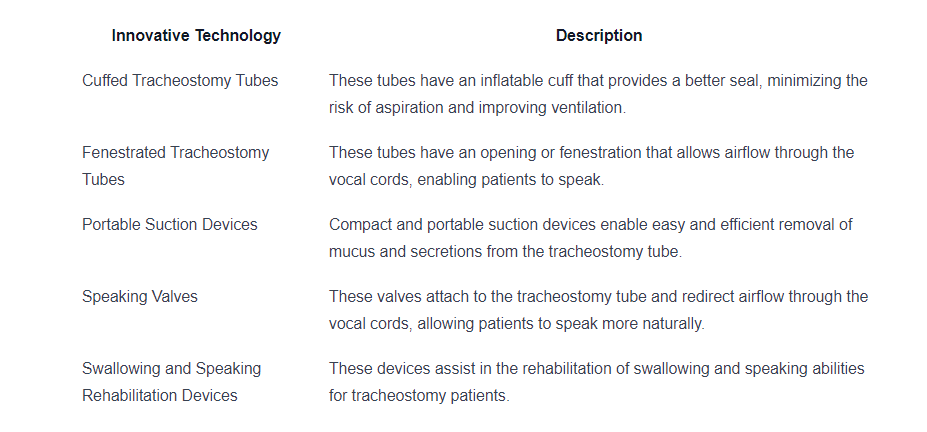
Successful tracheostomy care relies on the expertise and collaboration of a multidisciplinary team. This team typically includes physicians, nurses, respiratory therapists, speech-language pathologists, and other healthcare professionals. Each member brings unique skills and knowledge to the table, contributing to comprehensive patient care. The responsibilities of the multidisciplinary team in tracheostomy management may include: By working together, the multidisciplinary team can optimize patient outcomes and provide comprehensive care throughout the tracheostomy journey. Education plays a vital role in tracheostomy management. Patients and their caregivers need to understand the care and maintenance required for a tracheostomy, as well as potential complications and how to address them. The key aspects of patient and caregiver education for tracheostomy management include: Effective education empowers patients and caregivers to actively participate in tracheostomy care, improving patient outcomes and promoting a safe and supportive environment at home. Tracheostomy patients often face unique psychosocial challenges that can impact their emotional well-being and quality of life. It is crucial to address these needs to provide holistic care. Psychosocial support for tracheostomy patients may involve: By addressing the psychosocial needs of tracheostomy patients, healthcare professionals can promote overall well-being and enhance the patient’s ability to adapt to their new circumstances. In tracheostomy management, a collaborative approach involving a multidisciplinary team, patient and caregiver education, and psychosocial support is essential for providing optimal care and improving patient outcomes. Through this coordinated effort, healthcare professionals can ensure that tracheostomy patients receive comprehensive care that addresses their physical, emotional, and social needs. As medical technology continues to advance, so does the care and management of tracheostomy patients. Innovative technologies, research, and the promotion of best practices have revolutionized tracheostomy care, improving patient outcomes and enhancing the quality of life for individuals with a tracheostomy. Advancements in medical devices and equipment have significantly influenced tracheostomy care. These innovative technologies aim to enhance patient comfort, ease of use, and overall safety. Some notable advancements include: These innovative technologies continue to evolve, providing healthcare professionals with valuable tools to optimize tracheostomy care and improve patient outcomes. Ongoing research and emerging trends in tracheostomy nursing contribute to the advancement of care practices. These studies help healthcare professionals stay updated on the latest evidence-based practices and improve patient care. Some areas of research and trends in tracheostomy nursing include: By staying informed about the latest research and trends, healthcare professionals can continually improve patient care and enhance the overall well-being of tracheostomy patients. Promoting best practices in tracheostomy care is vital to ensure optimal patient outcomes. Best practices encompass a comprehensive approach that includes proper tracheostomy care, effective communication, and collaboration among healthcare professionals. Some key elements of best practices in tracheostomy patient care include: By embracing best practices in tracheostomy care, healthcare professionals can provide high-quality care that maximizes patient safety, promotes recovery, and improves the overall well-being of individuals with a tracheostomy. https://nurseslabs.com/tracheostomy/ https://www.nursetogether.com/tracheostomy-nursing-diagnosis-care-plan/ https://www.ncbi.nlm.nih.gov/books/NBK593189/ 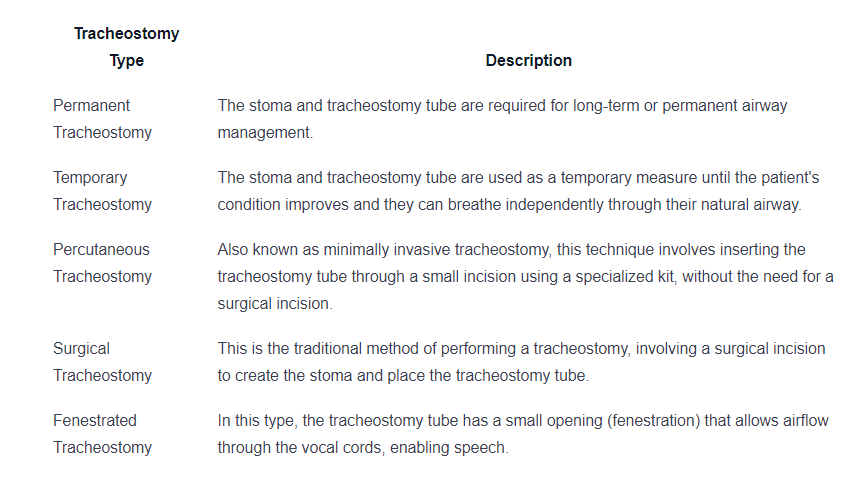

Nursing Care for Tracheostomy Patients
Daily Care and Maintenance of a Tracheostomy
Monitoring and Managing Complications
Communication Strategies for Tracheostomy Patients

Collaborative Approach in Tracheostomy Management
Patient and Caregiver Education
Addressing Psychosocial Needs
Advancements in Tracheostomy Care
Innovative Technologies in Tracheostomy Management
Research and Trends in Tracheostomy Nursing
Promoting Best Practices in Patient Care
Sources
Leave a Reply