
Author: abf9372f_admin

However, it’s important to consider the limitations of syringe infusion pumps:

  • Limited volume: Due to the size constraints of syringes, these pumps may not be suitable for infusions requiring large volumes of fluids over an extended period.
  • Continuous infusions: While syringe pumps can deliver medications continuously, they may not be as efficient as volumetric infusion pumps for long-term continuous infusions.
  • Complex programming: Some syringe pumps may have a more intricate programming process compared to other types of infusion pumps, requiring healthcare professionals to familiarize themselves with the specific device.

When selecting an infusion pump, healthcare providers must carefully assess the specific needs of their patients and the clinical setting to determine if a syringe infusion pump is the most appropriate choice.

By understanding how syringe infusion pumps function and considering their advantages and limitations, healthcare professionals can make informed decisions regarding the use of these pumps for accurate medication delivery in clinical practice.

PCA Infusion Pumps

PCA (Patient-Controlled Analgesia) infusion pumps are a specific type of infusion pump commonly used in healthcare settings to provide pain management to patients. These pumps allow patients to self-administer pain medication within preset limits, providing them with a level of control over their pain relief. Let’s take a closer look at how PCA infusion pumps work and the benefits and considerations associated with their usage.

How PCA Infusion Pumps Work

PCA infusion pumps operate on the principle of patient-controlled dosing. The pump is programmed to deliver a specific dose of medication over a set period of time. Patients have access to a handheld device, often referred to as a PCA controller, which allows them to self-administer additional doses of medication within predetermined safety limits. The patient can activate the pump by pressing a button when they require pain relief.

The PCA infusion pump is designed to prevent overmedication by incorporating safety features such as a lockout interval, which limits the frequency of additional doses. This ensures that patients do not exceed the prescribed dosage and helps prevent the risk of medication overdose.

Benefits and Considerations

PCA infusion pumps offer several benefits for both patients and healthcare providers. Some of these advantages include:

  • Improved pain management: PCA infusion pumps provide patients with the ability to control their pain relief, resulting in better pain management and increased patient satisfaction.
  • Reduced staff intervention: By enabling patients to self-administer medication, PCA infusion pumps reduce the need for frequent nursing interventions, allowing healthcare providers to focus on other aspects of patient care.
  • Customizable dosing: PCA infusion pumps allow for personalized dosing based on individual patient needs, ensuring that pain relief is tailored to each patient’s specific requirements.
  • Enhanced patient safety: The safety features incorporated into PCA infusion pumps, such as lockout intervals and dose limits, help prevent medication errors and reduce the risk of medication overdose.

However, there are also some considerations to keep in mind when using PCA infusion pumps:

  • Patient suitability: Not all patients may be suitable candidates for PCA infusion pumps, and individual patient assessment is crucial to determine if this method of pain management is appropriate.
  • Patient education: Proper patient education is essential to ensure that patients understand how to use the PCA infusion pump correctly and are aware of the potential risks and limitations.
  • Monitoring and supervision: While PCA infusion pumps provide patients with a level of autonomy, healthcare providers must still closely monitor patients to ensure safety and address any complications or concerns that may arise.
  • Compatibility with medications: It’s important to ensure that the medication being used is compatible with the specific PCA infusion pump being utilized to avoid any potential issues or complications.

By understanding how PCA infusion pumps work and considering the associated benefits and considerations, healthcare providers can make informed decisions regarding their usage in pain management protocols. Patient safety, education, and careful monitoring are key factors in maximizing the effectiveness and safety of PCA infusion pumps in healthcare settings.

Factors to Consider When Choosing

When selecting an infusion pump, it’s important to consider several factors to ensure that it meets the specific requirements of the healthcare setting. Three critical factors to consider are infusion rate accuracy, programming capabilities, and patient safety features.

Infusion Rate Accuracy

Infusion rate accuracy is a crucial aspect to consider when choosing an infusion pump. It refers to the pump’s ability to deliver fluids at the desired rate with precision. The accuracy of the infusion rate is particularly important when administering medications or fluids that require precise dosing.

Different types of infusion pumps may have varying levels of accuracy. It’s crucial to review the specifications provided by the manufacturer to determine the infusion rate accuracy of each pump. This information can guide healthcare professionals in selecting the most suitable pump for their specific needs.

Programming Capabilities

Another important factor to consider is the programming capabilities of the infusion pump. The pump should offer a user-friendly interface that allows healthcare professionals to easily program the desired infusion parameters, such as flow rate, dose, and duration. The programming capabilities should be intuitive and efficient to ensure accurate and efficient administration of fluids.

Additionally, some advanced infusion pumps may offer customizable programming options, allowing healthcare professionals to create personalized infusion protocols based on individual patient needs. These advanced features can enhance the flexibility and precision of the infusion process.

Patient Safety Features

Patient safety is of paramount importance in infusion therapy. When choosing an infusion pump, it’s crucial to consider the safety features it offers. These features can help prevent medication errors, reduce the risk of adverse events, and enhance patient outcomes.

Common patient safety features to look for include:

  • Alarm Systems: Infusion pumps should have audible and visual alarms to alert healthcare professionals of any deviations from the set parameters, such as occlusions, air bubbles, or low battery.
  • Dose Error Reduction Systems: These systems help prevent incorrect dosing by providing safety checks and alerts to ensure accurate medication delivery.
  • Drug Library: Some infusion pumps have a built-in drug library that contains predefined medication protocols, dosage limits, and safety alerts. This feature can help minimize the risk of medication errors.
  • Wireless Connectivity: Infusion pumps with wireless connectivity can integrate with electronic medical records (EMRs) and other healthcare systems, facilitating seamless data transfer and enhancing patient safety through improved tracking and documentation.

Considering these patient safety features can help healthcare professionals select infusion pumps that prioritize patient well-being and minimize the potential for errors or adverse events.

By carefully evaluating infusion rate accuracy, programming capabilities, and patient safety features, healthcare professionals can make informed decisions when choosing the most suitable infusion pump for their specific healthcare setting.

Comparison of the 3 Major Types

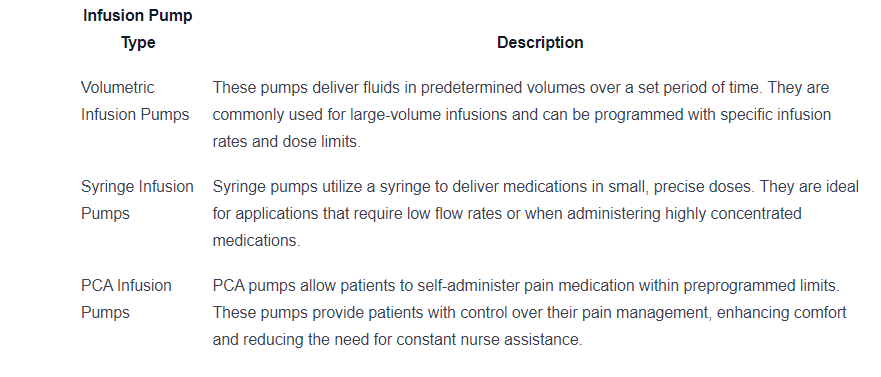
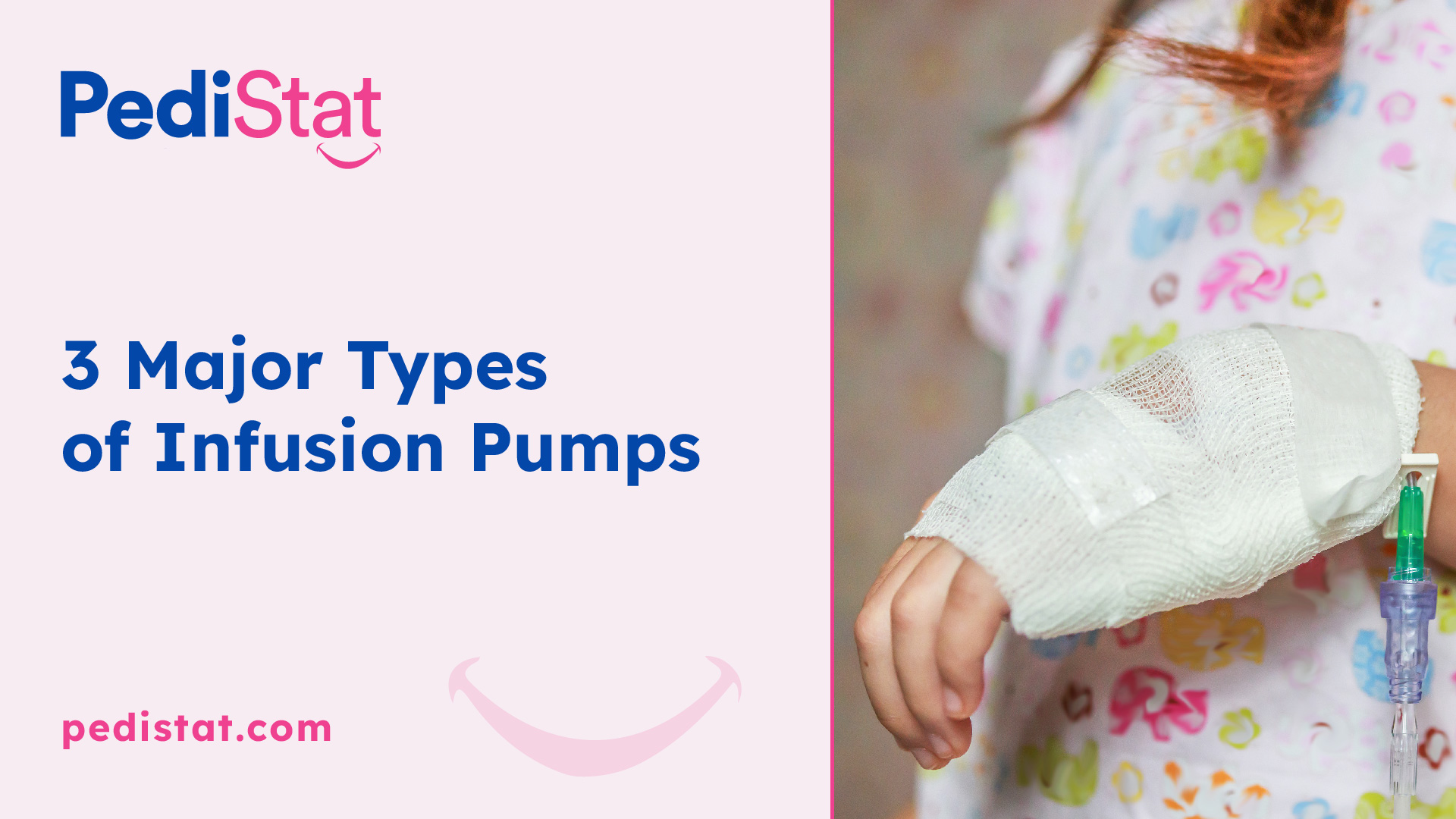
When it comes to infusion pumps, there are three major types to choose from: volumetric infusion pumps, syringe infusion pumps, and PCA (Patient-Controlled Analgesia) infusion pumps. Each type has its own set of pros and cons, which are important to consider when selecting the right fit for your specific needs. Let’s take a closer look at the advantages and limitations of each type.

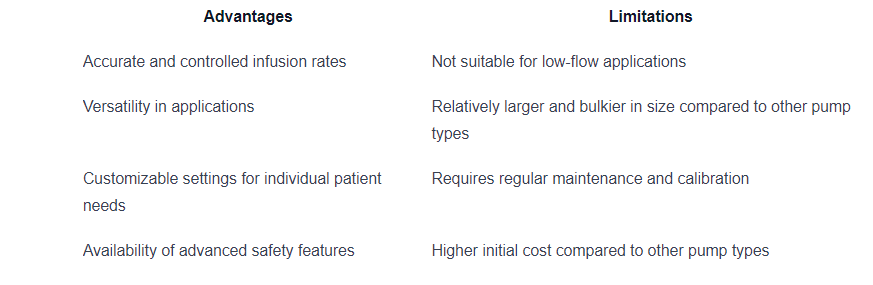
Pros and Cons of Volumetric Infusion Pumps

Volumetric infusion pumps are widely used in various medical settings. Here are the key pros and cons associated with these pumps:

Pros:

  • Accurate and precise delivery of fluids and medications
  • Suitable for both intermittent and continuous infusion
  • Can handle a wide range of flow rates
  • Programmable settings for customized therapy
  • Safety features to prevent over-infusion or under-infusion

Cons:

  • Bulkier and heavier compared to other types of infusion pumps
  • Limited portability due to their size
  • Higher cost compared to syringe pumps
  • May require additional training to operate effectively

Considering these advantages and disadvantages can help you determine if volumetric infusion pumps are the right choice for your specific application.

Pros and Cons of Syringe Infusion Pumps

Syringe infusion pumps are commonly used for delivering medications in small volumes. Here are the key pros and cons associated with these pumps:

Pros:

  • Precise and controlled delivery of small volumes
  • Compact and portable design
  • Suitable for administering medications that require precise dosing
  • Lower cost compared to volumetric pumps
  • Can be used for both intermittent and continuous infusion

Cons:

  • Limited capacity for holding larger volumes of fluids
  • Requires frequent refilling of syringes
  • Not suitable for high-flow applications
  • May have limitations in terms of programmability and advanced features

Considering these advantages and limitations can help you determine if syringe infusion pumps are the right choice for your specific needs.

Pros and Cons of PCA Infusion Pumps

PCA infusion pumps are specifically designed to provide patient-controlled pain management. Here are the key pros and cons associated with these pumps:

Pros:

  • Empowers patients to self-administer pain medication within preset limits
  • Provides better pain control and patient satisfaction
  • Reduces the need for frequent nurse interventions
  • Allows for individualized pain management
  • Enhances patient mobility and comfort

Cons:

  • Requires careful monitoring to prevent overuse or misuse
  • Higher cost compared to other types of infusion pumps
  • Potential risk of patient self-administering excessive medication

Considering these advantages and considerations can help you determine if PCA infusion pumps are the right choice for your specific pain management requirements.

By understanding the pros and cons of each type of infusion pump, you can make an informed decision based on the specific needs and requirements of your medical setting. Remember to consider factors such as accuracy, programming capabilities, and patient safety features when comparing the different types of infusion pumps.

Sources

https://www.medonegroup.com/aboutus/blog/3-major-types-of-infusion-pumps

https://www.fda.gov/medical-devices/general-hospital-devices-and-supplies/infusion-pumps

https://www.ncbi.nlm.nih.gov/books/NBK361395/table/T1/
  • FastStats – Chronic Lower Respiratory Disease

    FastStats – Chronic Lower Respiratory Disease

    Explore Faststats analysis on chronic lower respiratory disease – uncover trends, risk factors, and prevention strategies.

    Understanding Chronic Lower Respiratory Disease

    Chronic lower respiratory disease, often abbreviated as CLRD, encompasses a group of respiratory conditions that affect the airways and structures of the lungs. Understanding the complexities of CLRD is essential in assessing its impact on public health and implementing effective prevention and management strategies.

    __wf_reserved_inherit

    Overview of Chronic Lower Respiratory Disease

    CLRD includes conditions such as chronic obstructive pulmonary disease (COPD), asthma, bronchitis, and emphysema, among others. These diseases are characterized by persistent respiratory symptoms and airflow limitation that can significantly impact an individual’s quality of life. CLRD is a leading cause of morbidity and mortality worldwide, making it a major public health concern.

    Importance of Faststats Analysis

    Faststats analysis plays a crucial role in providing up-to-date and comprehensive statistical data on CLRD. By utilizing Faststats tools and resources, researchers and public health officials can access vital information on disease prevalence, incidence rates, mortality rates, and demographic patterns. This data is instrumental in shaping public health policies, guiding research initiatives, and developing targeted interventions for preventing and managing CLRD.

    In delving into the intricacies of CLRD through Faststats analysis, a clearer understanding of the disease burden and trends can be gained. This knowledge is essential for healthcare professionals, policymakers, and stakeholders to implement evidence-based strategies that aim to reduce the prevalence of CLRD, enhance patient outcomes, and alleviate the socioeconomic impact associated with these respiratory conditions.

    __wf_reserved_inherit

    By comprehensively examining the intricacies of CLRD and harnessing the power of Faststats analysis, a proactive approach can be adopted in confronting the challenges posed by chronic lower respiratory diseases and ultimately improving public health outcomes.

    Facts and Figures

    When it comes to chronic lower respiratory disease, understanding the statistical data and trends is essential for addressing this significant health concern. Let’s delve into the statistical data on chronic lower respiratory disease and explore the trends and patterns in incidence rates.

    Statistical Data on Chronic Lower Respiratory Disease

    Chronic lower respiratory disease encompasses a range of conditions that affect the lungs and airways, leading to long-term breathing difficulties. Here is a snapshot of the statistical data related to chronic lower respiratory disease:

    __wf_reserved_inherit

    The data highlights the significant impact of chronic lower respiratory diseases on individuals, with varying prevalence and mortality rates for different conditions within the spectrum of lung diseases.

    Trends and Patterns in Incidence Rates

    Analyzing the trends and patterns in the incidence rates of chronic lower respiratory disease can provide valuable insights into the evolving landscape of respiratory health. Some key trends to note include:

    • An overall increase in the prevalence of chronic lower respiratory diseases, particularly in aging populations.
    • Regional variations in incidence rates, influenced by factors such as air quality, smoking prevalence, and access to healthcare.
    • The impact of environmental factors, occupational hazards, and genetic predispositions on the development of respiratory conditions.
    • Efforts to mitigate risk factors and improve early diagnosis and management strategies to reduce the burden of chronic lower respiratory diseases.

    By monitoring and analyzing trends in incidence rates, healthcare professionals and public health officials can develop targeted interventions and policies to promote respiratory health and reduce the prevalence of chronic lower respiratory diseases.

    Risk Factors

    When examining chronic lower respiratory disease, it’s vital to understand the common risk factors that are associated with the development and progression of this condition. Additionally, lifestyle choices play a significant role in influencing the onset and severity of chronic lower respiratory disease.

    Common Risk Factors Associated with Chronic Lower Respiratory Disease

    Several risk factors are known to increase the likelihood of developing chronic lower respiratory disease. These include:

    __wf_reserved_inherit

    Understanding these risk factors can help individuals and healthcare providers identify potential areas of concern and take appropriate steps to mitigate the associated risks.

    Impact of Lifestyle Choices on Disease Development

    In addition to genetic and environmental factors, lifestyle choices have a significant impact on the development and progression of chronic lower respiratory disease. Poor lifestyle habits can exacerbate respiratory issues and contribute to the worsening of symptoms.

    __wf_reserved_inherit

    By making positive lifestyle changes, such as adopting a healthy diet, engaging in regular physical activity, avoiding tobacco smoke, and practicing stress management techniques, individuals can reduce their risk of developing chronic lower respiratory disease and improve their overall respiratory health.

    Diagnostic Tools and Treatment Options

    When it comes to chronic lower respiratory disease, timely diagnosis and appropriate treatment are crucial for managing the condition effectively. In this section, we will explore the methods used for diagnosing chronic lower respiratory disease and the treatment approaches available to help individuals better cope with the disease.

    Methods for Diagnosing Chronic Lower Respiratory Disease

    Diagnosing chronic lower respiratory disease often involves a combination of clinical evaluation, imaging tests, and pulmonary function tests. Here are some common methods used by healthcare providers to diagnose this condition:

    __wf_reserved_inherit

    Early and accurate diagnosis is essential in determining the appropriate course of treatment and management strategies to improve the individual’s quality of life.

    Available Treatment Approaches and Management Strategies

    The treatment of chronic lower respiratory disease aims to alleviate symptoms, slow disease progression, and improve overall respiratory function. Treatment options may include medications, inhalers, oxygen therapy, pulmonary rehabilitation, and, in severe cases, surgery. Here are some common treatment approaches and management strategies used for chronic lower respiratory disease:

    __wf_reserved_inherit

    Collaboration between healthcare providers and individuals with chronic lower respiratory disease is vital in developing a personalized treatment plan that addresses their specific needs and optimizes their respiratory health. By utilizing a combination of diagnostic tools and treatment options, individuals can better manage their condition and strive for improved respiratory function and well-being.

    Prevention and Management

    When it comes to chronic lower respiratory disease, adopting appropriate prevention strategies and making lifestyle modifications are key factors in managing the condition effectively.

    Strategies for Preventing Chronic Lower Respiratory Disease

    Prevention plays a crucial role in reducing the incidence of chronic lower respiratory disease. Here are some strategies that can help lower the risk of developing this debilitating condition:

    __wf_reserved_inherit

    Lifestyle Modifications to Improve Respiratory Health

    In addition to prevention strategies, making lifestyle modifications can also have a positive impact on respiratory health. Here are some lifestyle changes that individuals can implement to improve their lung function and quality of life:

    __wf_reserved_inherit

    By incorporating these preventive strategies and lifestyle modifications into daily routines, individuals can take proactive steps towards preventing chronic lower respiratory disease and improving their respiratory health for the long term.

    Public Health Implications

    Chronic lower respiratory disease presents a significant public health burden, necessitating focused efforts to address its prevalence and impact on individuals and communities. Initiatives and programs aimed at disease prevention play a crucial role in mitigating the challenges associated with this condition.

    Addressing the Public Health Burden of Chronic Lower Respiratory Disease

    Chronic lower respiratory disease, including conditions such as chronic obstructive pulmonary disease (COPD) and asthma, ranks among the leading causes of morbidity and mortality worldwide. The chronic nature of these respiratory illnesses not only affects individuals’ quality of life but also places a strain on healthcare systems and economy.

    The public health implications of chronic lower respiratory disease extend beyond the individual level, affecting families, communities, and society at large. It is essential for policymakers, healthcare providers, and public health agencies to collaborate in implementing comprehensive strategies to reduce the incidence and impact of these diseases.

    Initiatives and Programs Aimed at Disease Prevention

    To combat the rising prevalence of chronic lower respiratory disease, various initiatives and programs have been developed to focus on prevention, early detection, and management. These efforts aim to raise awareness, promote healthy lifestyle choices, and provide access to essential healthcare services for individuals at risk or already affected by these conditions.

    One of the key aspects of prevention initiatives is educating the public about the risk factors associated with chronic lower respiratory disease. By raising awareness about smoking cessation, environmental triggers, occupational hazards, and genetic predispositions, individuals can make informed decisions to reduce their risk of developing these debilitating conditions.

    In addition to awareness campaigns, programs aimed at disease prevention often emphasize the importance of early detection through screenings and diagnostic tests. Timely identification of respiratory issues allows for prompt intervention and treatment, ultimately improving outcomes and reducing the burden of disease on individuals and healthcare systems.

    Public health efforts directed towards chronic lower respiratory disease prevention also involve advocating for policies that promote clean air, tobacco control, and workplace safety. By addressing environmental factors and social determinants of health, these initiatives seek to create a supportive and conducive environment for respiratory wellness.

    Through the collaborative efforts of policymakers, healthcare professionals, advocacy groups, and individuals, it is possible to make substantial progress in addressing the public health challenges posed by chronic lower respiratory disease. By prioritizing prevention, early intervention, and comprehensive care, society can work towards reducing the incidence, prevalence, and impact of these debilitating respiratory conditions.

    Sources

    https://www.cdc.gov/nchs/fastats/copd.htm

    https://ncdalliance.org/why-ncds/ncds/chronic-respiratory-diseases-0

    https://www.who.int/health-topics/chronic-respiratory-diseases#tab=tab_1

  • Using a Home Ventilator with a Child

    Using a Home Ventilator with a Child

    Master the art of using a home ventilator with a child. Ensure safety, maintenance, and collaboration with healthcare professionals.

    Understanding Home Ventilators

    When it comes to providing respiratory support for children with respiratory conditions, home ventilators play a crucial role. Understanding what a home ventilator is and why it is important to use one with children is essential for caregivers.

    What is a Home Ventilator?

    A

    __wf_reserved_inherit

    Home ventilators consist of several components, including a main unit, tubing, and a mask or interface that connects to the child’s airway. These devices can be customized to meet the specific needs of each child, with adjustable settings for breath rate, volume, and pressure. By providing respiratory support, home ventilators can help children with chronic respiratory conditions lead more comfortable lives.

    Importance of Using a Home Ventilator with Children

    Using a home ventilator is particularly important when caring for children with respiratory conditions. Children, especially those with underlying health issues, may be more susceptible to respiratory distress, making it crucial to ensure proper ventilation.

    For children with conditions such as muscular dystrophy, spinal muscular atrophy, or neuromuscular disorders, home ventilators can help manage respiratory muscle weakness and prevent respiratory failure. These devices provide the necessary support to overcome breathing difficulties and maintain adequate oxygenation.

    Additionally, home ventilators can improve the quality of life for children with chronic respiratory conditions. By ensuring proper ventilation, these devices can help reduce symptoms such as shortness of breath, fatigue, and difficulty participating in daily activities. They can also minimize the risk of complications associated with inadequate respiratory support.

    It’s important to note that the use of a home ventilator should always be supervised and guided by healthcare professionals. Caregivers should work closely with their child’s healthcare team to ensure proper setup, usage, and maintenance of the home ventilator.

    By understanding the purpose and significance of home ventilators, caregivers can make informed decisions and provide the necessary respiratory support for their children with respiratory conditions.

    Getting Started with a Home Ventilator

    When it comes to using a home ventilator with a child, getting started correctly is essential for their safety and well-being. This section will guide you through the initial steps of setting up a ventilator system and understanding its controls and settings.

    Setting Up the Ventilator System

    Setting up a ventilator system requires careful attention to detail and adherence to the manufacturer’s instructions. Here are some general steps to get you started:

    1. Prepare the ventilator: Ensure that the ventilator is placed on a stable surface, such as a table or bedside stand, within easy reach. Make sure that all necessary components, such as the tubing and mask, are clean and readily available.
    2. Connect the tubing: Attach the appropriate tubing to the ventilator and ensure that it is securely connected. The tubing will deliver the air or oxygen to your child’s airway.
    3. Prepare the interface: Depending on your child’s needs, you may use a mask, nasal prongs, or a tracheostomy tube as the interface between the ventilator and your child’s airway. Ensure that the interface is clean and properly fitted to your child’s face or airway. Follow the manufacturer’s guidelines for proper placement.
    4. Connect the interface: Carefully connect the interface to the tubing. Make sure that all connections are secure to prevent any air leaks.
    5. Power on the ventilator: Plug the ventilator into a reliable power source and switch it on. Allow the ventilator to initialize and ensure that it is functioning properly.

    Remember, it is crucial to follow the instructions provided by the ventilator manufacturer and consult with your child’s healthcare team for specific guidance tailored to your child’s needs.

    Understanding the Controls and Settings

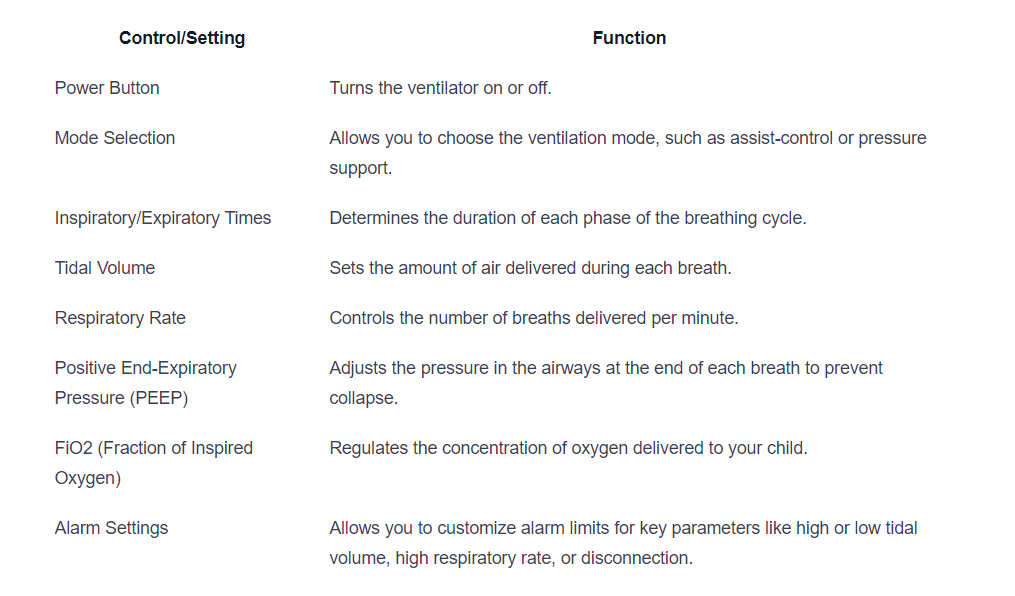
    To effectively use a home ventilator, it’s important to familiarize yourself with the various controls and settings. While specific ventilator models may have different layouts, the following are some common controls and settings you may encounter:

    __wf_reserved_inherit

    Understanding these controls and settings will help you adjust the ventilator to meet your child’s specific respiratory needs. Always consult with your child’s healthcare team to determine the appropriate settings and ensure you receive proper training on the specific ventilator model you are using.

    By carefully setting up the ventilator system and understanding its controls and settings, you can provide your child with the respiratory support they need while ensuring their safety and comfort. Regular communication with your child’s healthcare team is crucial to address any concerns and ensure that your child’s ventilator settings are appropriately adjusted based on their ongoing needs.

    Using a Home Ventilator Safely

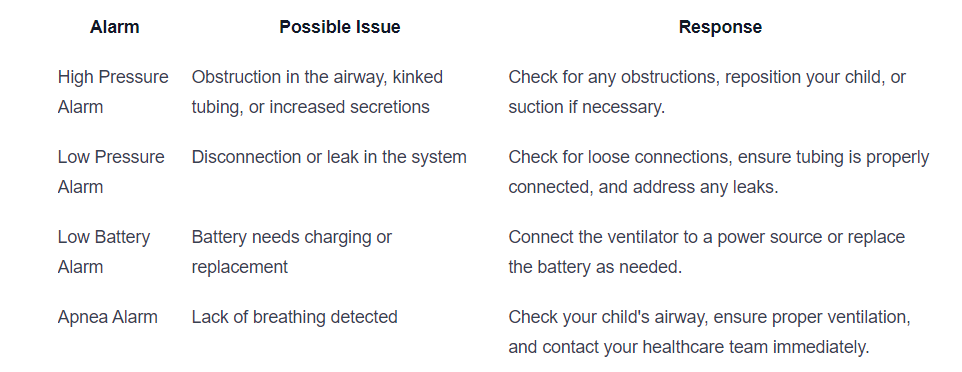
    When using a home ventilator with a child, safety is of utmost importance. Proper monitoring and prompt response to alarms and issues are crucial to ensure the well-being of your child. Here are some key considerations for using a home ventilator safely.

    Monitoring Your Child During Ventilation

    Monitoring your child during ventilation is essential to ensure their comfort and safety. Keep a close eye on their breathing patterns, oxygen levels, and overall well-being. Here are some aspects to monitor:

    1. Breathing: Pay attention to the quality and rate of your child’s breaths. If you notice any changes such as increased respiratory effort, shallow breaths, or irregular patterns, it is important to notify your child’s healthcare team.
    2. Oxygen Saturation Levels: Use a pulse oximeter to monitor your child’s oxygen saturation levels. Your healthcare team will provide guidance on the target range for your child. If oxygen levels fall below the recommended range or if you notice a significant drop, contact your healthcare provider immediately.
    3. Behavior and Comfort: Observe your child’s behavior and comfort level during ventilation. Look for any signs of distress, discomfort, or unusual behavior. If your child appears agitated, restless, or displays any concerning symptoms, consult your healthcare team.

    It is essential to maintain open communication with your child’s healthcare team and report any significant changes or concerns promptly.

    Responding to Alarms and Issues

    __wf_reserved_inherit

    In addition to alarms, it is important to have a backup plan in case of power outages. Ensure you have a backup power source or a plan to transfer your child to a facility with power capabilities if needed.

    Remember, always follow the guidance and instructions provided by your child’s healthcare team when responding to alarms or addressing any issues. Promptly reporting and seeking assistance for any concerns can help ensure the safe and effective use of the home ventilator.

    By monitoring your child during ventilation and responding appropriately to alarms and issues, you can help maintain their safety and well-being while using a home ventilator. Regular communication with your child’s healthcare team is vital to ensure proper monitoring and to address any concerns or questions that may arise.

    Maintaining the Home Ventilator

    To ensure the safety and optimal functioning of a home ventilator used with a child, regular maintenance is essential. This section will cover two important aspects of ventilator maintenance: cleaning and sterilizing the equipment, and replacing filters and components.

    Cleaning and Sterilizing the Equipment

    Proper cleaning and sterilization of the ventilator equipment is crucial to prevent the build-up of bacteria, viruses, and other contaminants. Regular cleaning helps maintain the hygiene of the system and reduces the risk of infections. Here are some guidelines for cleaning and sterilizing the equipment:

    1. Follow Manufacturer’s Instructions: Always refer to the manufacturer’s guidelines for specific cleaning and sterilization instructions for your home ventilator model.
    2. Wash Hands: Before handling the equipment, ensure that you thoroughly wash your hands with soap and water or use hand sanitizer.
    3. Disconnect the Ventilator: Before cleaning, disconnect the ventilator from the power source and any other accessories.
    4. Clean the External Surfaces: Use a mild detergent and clean cloth to wipe down the external surfaces of the ventilator. Avoid using abrasive cleaners or solvents that can damage the equipment.
    5. Clean the Filters: Remove and clean the filters according to the manufacturer’s instructions. Filters should be replaced if they are damaged or no longer effective in filtering particles from the air.
    6. Sterilize Reusable Components: If there are reusable components, such as masks or tubing, follow the manufacturer’s instructions for proper sterilization. This may involve boiling, disinfecting with a mild bleach solution, or using a sterilization chamber.
    7. Allow Proper Drying: After cleaning and sterilization, allow all components to air dry thoroughly before reassembling or storing them.

    Replacing Filters and Components

    Regular replacement of filters and components is essential to maintain the efficiency and effectiveness of the home ventilator system. Over time, filters can become clogged or deteriorate, while components may wear out or become damaged. Here are some considerations for replacing filters and components:

    1. Refer to Manufacturer’s Guidelines: Consult the manufacturer’s recommendations for the frequency of filter replacements and component inspections.
    2. Inspect Regularly: Periodically inspect the filters and components for signs of wear, damage, or clogging. Replace them if necessary, even if it is before the recommended replacement interval.
    3. Use Genuine Parts: When replacing filters or components, always use genuine parts recommended by the manufacturer. Using non-standard parts can compromise the performance and safety of the ventilator.
    4. Keep Spare Parts: It is advisable to keep a supply of spare filters and components on hand to ensure timely replacements and minimize interruptions in ventilation.

    Regular cleaning, sterilization, and replacement of filters and components are integral parts of maintaining a home ventilator used with a child. By following the manufacturer’s guidelines and practicing good maintenance habits, you can help ensure the longevity and safe operation of the ventilator system.

    Troubleshooting Common Ventilator Concerns

    Using a home ventilator with a child requires careful attention and occasional troubleshooting to ensure its proper functioning. Here are two common concerns that may arise when using a home ventilator and how to address them:

    Addressing Air Leakages

    Air leakages can occur when there is a loss of pressure or an improper seal in the ventilation system. Detecting and addressing air leakages promptly is crucial to maintain effective ventilation for your child. Here are a few steps to address air leakages:

    1. Check the connections: Ensure that all tubing and connections are properly secured and tightly attached. Inspect for any loose connections or damaged tubing that may be causing the air leakage.
    2. Examine the mask or interface: If your child uses a mask or interface for ventilation, check for any gaps between the mask and their face. Adjust the straps or try a different size or type of mask to achieve a proper seal.
    3. Replace worn-out components: Over time, the components of the ventilator system, such as the tubing or mask, may wear out and become less effective in maintaining a seal. Regularly inspect these components and replace them as necessary.
    4. Consult the healthcare team: If you are unable to address the air leakage or suspect a problem with the ventilator system, contact your child’s healthcare team for guidance. They can provide further troubleshooting steps or arrange for necessary repairs or replacements.

    Dealing with Power Outages or Malfunctions

    Power outages or malfunctions can be concerning when relying on a home ventilator for your child’s respiratory support. It’s important to be prepared and know how to respond in such situations. Here are a few steps to deal with power outages or malfunctions:

    1. Have a backup power source: It is recommended to have a backup power source, such as a battery or generator, specifically designed for use with the ventilator. This ensures that ventilation can continue uninterrupted during power outages.
    2. Follow the manufacturer’s instructions: Familiarize yourself with the manufacturer’s instructions for handling power outages or malfunctions. They may provide specific guidance on how to switch to battery power or troubleshoot common issues.
    3. Contact the healthcare team: If you are unable to resolve the power issue or suspect a malfunction with the ventilator, reach out to your child’s healthcare team immediately. They can provide guidance over the phone or arrange for emergency assistance if needed.
    4. Keep emergency contacts readily available: Maintain a list of emergency contacts, including the healthcare team, local emergency services, and the ventilator manufacturer’s support line. This ensures quick access to assistance during critical situations.

    By addressing air leakages and being prepared for power outages or malfunctions, you can ensure the safe and effective use of a home ventilator for your child. Regular communication with the healthcare team and following proper maintenance protocols will contribute to a smooth and reliable ventilation experience.

    Working with Healthcare Professionals

    When it comes to using a home ventilator with a child, collaboration with your child’s healthcare team is essential. These professionals have the expertise and knowledge to guide you through the process and ensure the safety and well-being of your child. Here are two key aspects of working with healthcare professionals when using a home ventilator.

    Collaborating with Your Child’s Healthcare Team

    Your child’s healthcare team plays a crucial role in managing their respiratory health. When it comes to using a home ventilator, it is important to collaborate closely with these professionals. They can provide valuable guidance and support throughout the entire process.

    Here are some ways you can collaborate with your child’s healthcare team:

    1. Training and Education: Work with the healthcare team to receive comprehensive training on how to use the home ventilator properly. They can teach you how to set up the equipment, monitor your child’s condition, and respond to any alarms or issues.
    2. Regular Check-ups: Schedule regular check-ups with your child’s healthcare team to ensure that the home ventilator is functioning optimally and meeting your child’s needs. These appointments provide an opportunity to discuss any concerns or questions you may have.
    3. Communication: Maintain open and clear communication with your child’s healthcare team. Inform them about any changes in your child’s condition or if you notice any issues with the home ventilator. They can provide guidance and make any necessary adjustments to the ventilator settings.
    4. Emergency Planning: Work with your child’s healthcare team to develop an emergency plan in case of power outages or other unforeseen circumstances. They can help you create a step-by-step plan to ensure your child’s safety and well-being during such situations.

    Remember, your child’s healthcare team is there to support you every step of the way. Don’t hesitate to reach out to them for any concerns or questions you may have regarding the use of a home ventilator.

    Seeking Support and Guidance

    In addition to collaborating with your child’s healthcare team, it can be helpful to seek support and guidance from other resources. Here are some avenues you can explore:

    1. Support Groups: Connect with other parents or caregivers who have experience using home ventilators with their children. Support groups provide a safe space to share experiences, seek advice, and find emotional support.
    2. Online Resources: Utilize reputable online resources to access information, articles, and forums related to using home ventilators with children. Be cautious and ensure that the sources are reliable and trustworthy.
    3. Community Organizations: Look for local organizations or non-profits that specialize in supporting families with respiratory conditions. These organizations can provide educational materials, workshops, and additional resources to assist you in navigating the challenges of using a home ventilator.

    Remember, seeking support and guidance from various sources can help you gain a broader perspective and feel more confident in managing your child’s respiratory health with a home ventilator.

    By collaborating with your child’s healthcare team and seeking support from other resources, you can ensure that you are equipped with the necessary knowledge and guidance to provide the best care for your child while using a home ventilator.

    Sources

    https://www.thoracic.org/patients/patient-resources/resources/using-a-home-ventilator-with-a-child.pdf

    https://www.nhlbi.nih.gov/health/ventilator/home-care

    https://elsevier.health/en-US/preview/ventilator-pediatric

  • The Complete Guide to Chronic Care Management

    The Complete Guide to Chronic Care Management

    Discover the ultimate guide to chronic care management! Enhance health outcomes and quality of life effectively.

    Chronic Care Management Overview

    Chronic care management plays a crucial role in supporting individuals with long-term health conditions. Before delving into the specifics of chronic care management, it is essential to understand chronic conditions and recognize the importance of effective management strategies.

    __wf_reserved_inherit

    Understanding Chronic Conditions

    Chronic conditions are persistent health issues that require ongoing medical attention and management. These conditions often develop slowly and may worsen over time. Common examples of chronic conditions include diabetes, heart disease, asthma, and arthritis.

    Effectively managing chronic conditions involves a comprehensive approach that focuses on not just treating symptoms but also improving overall health and quality of life. Individuals living with chronic conditions often require coordinated care and personalized treatment plans to address their specific needs and challenges.

    Importance of Chronic Care Management

    Chronic care management is vital for optimizing health outcomes and enhancing the quality of life for individuals with chronic conditions. By implementing structured care plans, promoting coordination among healthcare providers, and ensuring efficient medication management, chronic care management helps individuals better manage their conditions and prevent complications.

    Moreover, chronic care management has been shown to be cost-effective in the long run. By proactively managing chronic conditions and preventing exacerbations or hospitalizations, healthcare costs can be reduced, and resources can be allocated more efficiently.

    Understanding the significance of chronic care management is the first step toward providing individuals with the necessary support and resources to effectively manage their chronic conditions. By emphasizing the importance of early intervention, comprehensive care plans, and patient engagement, healthcare providers can empower individuals to lead healthier and more fulfilling lives despite their chronic health challenges.

    Components of Chronic Care Management

    When it comes to chronic care management, there are key components that play a crucial role in ensuring the well-being of patients with long-term health conditions. These components include care plans, coordination of care, and medication management.

    Care Plans

    Care plans are personalized roadmaps that outline the tailored approach to managing a patient’s chronic condition. These plans are developed in collaboration with healthcare providers and patients to address specific needs, goals, and interventions. By detailing the necessary actions, follow-ups, and assessments, care plans guide both patients and healthcare providers towards effective chronic disease management.

    Coordination of Care

    Coordination of care involves seamless communication and collaboration among healthcare providers, specialists, and other stakeholders involved in a patient’s care. This component ensures that all aspects of the patient’s treatment and management are well-integrated, preventing gaps in care and promoting a holistic approach to chronic care management.

    Medication Management

    Medication management is a critical component of chronic care management, especially for patients with complex medication regimens. It involves the supervision, monitoring, and optimization of medications to ensure effective treatment of chronic conditions while minimizing adverse effects. Healthcare providers work closely with patients to educate them about their medications, address concerns, and promote adherence to prescribed regimens.

    __wf_reserved_inherit

    By focusing on these components of chronic care management, healthcare providers can create individualized strategies to empower patients in effectively managing their chronic conditions. Through comprehensive care plans, streamlined coordination of care, and meticulous medication management, the quality of life for individuals with chronic illnesses can be significantly enhanced.

    Benefits of Chronic Care Management

    Chronic care management plays a crucial role in enhancing the well-being of individuals with long-term health conditions. By implementing comprehensive care plans and promoting effective coordination of care, chronic care management offers a range of benefits that contribute to improved health outcomes, enhanced quality of life, and cost-effectiveness.

    Improved Health Outcomes

    One of the primary benefits of chronic care management is the significant improvement in health outcomes for individuals facing chronic conditions. Through personalized care plans, regular monitoring, and proactive interventions, healthcare providers can help patients better manage their health and prevent complications associated with chronic illnesses.

    Enhanced Quality of Life

    Chronic care management aims to enhance the overall quality of life for patients by addressing not only their medical needs but also their emotional and social well-being. By providing continuous support, education, and resources, individuals with chronic conditions can lead more fulfilling and independent lives, despite their health challenges.

    Cost-Effectiveness

    In addition to improving health outcomes and quality of life, chronic care management also offers cost-effective solutions for both patients and healthcare systems. By preventing hospital admissions, emergency room visits, and disease progression, proactive management of chronic conditions can lead to reduced healthcare costs in the long run.

    __wf_reserved_inherit

    The benefits of chronic care management extend beyond the individual level, positively impacting healthcare systems by promoting efficient resource utilization and better health outcomes for populations with chronic conditions. By recognizing and harnessing these benefits, healthcare providers and policymakers can work towards realizing the full potential of chronic care management in improving patient care and healthcare sustainability.

    Implementing Chronic Care Management

    When it comes to implementing strategies for chronic care management, two key components play a pivotal role: healthcare team collaboration and patient engagement strategies.

    Healthcare Team Collaboration

    Effective chronic care management relies heavily on the collaboration and coordination among healthcare professionals involved in the care of individuals with chronic conditions. This interdisciplinary approach ensures that patients receive comprehensive and holistic care that addresses all aspects of their health needs.

    Healthcare Team Members Involved in Chronic Care Management:

    __wf_reserved_inherit

    By fostering open communication, sharing information, and working collaboratively, healthcare teams can streamline care delivery, prevent gaps in treatment, and ensure that each patient receives personalized and effective care tailored to their specific chronic conditions.

    Patient Engagement Strategies

    Patient engagement is a critical component of successful chronic care management. Engaged patients are more likely to actively participate in their own care, adhere to treatment plans, and make positive lifestyle changes that can improve health outcomes and quality of life.

    Strategies for Enhancing Patient Engagement in Chronic Care Management:

    • Providing education and resources to promote health literacy and empower patients to make informed decisions about their care.
    • Involving patients in shared decision-making regarding their treatment plans and goals for managing their chronic conditions.
    • Utilizing technology tools such as patient portals, telehealth services, and remote monitoring devices to facilitate communication and engagement between patients and healthcare providers.
    • Implementing patient support programs, peer support groups, and community resources to offer emotional support and encouragement to individuals coping with chronic conditions.

    By implementing effective patient engagement strategies, healthcare providers can promote self-management, enhance treatment adherence, and ultimately improve health outcomes for individuals living with chronic conditions. Collaborating with healthcare teams and engaging patients actively are essential pillars of a successful chronic care management approach.

    Challenges in Chronic Care Management

    Navigating chronic care management comes with its own set of challenges that healthcare providers and patients often face. These challenges can impact the effectiveness of treatment plans and overall health outcomes. In this section, we will examine three key challenges in chronic care management: adherence to treatment plans, addressing social determinants of health, and technology integration.

    Adherence to Treatment Plans

    Ensuring patient adherence to treatment plans is a significant challenge in chronic care management. Many chronic conditions require long-term medication regimens, lifestyle modifications, and regular medical appointments. However, factors such as forgetfulness, financial constraints, lack of understanding about the importance of treatment, and adverse side effects can hinder patient compliance.

    Promoting adherence to treatment plans requires a collaborative effort between healthcare providers and patients. Educating patients about their condition, potential risks of non-adherence, and involving them in shared decision-making can improve treatment compliance. Moreover, personalized care plans tailored to the individual needs and preferences of patients can enhance their motivation to stick to the prescribed treatment regimen.

    Addressing Social Determinants of Health

    Social determinants of health, including factors such as socioeconomic status, access to healthcare resources, education level, and living conditions, play a crucial role in chronic care management. Disparities in social determinants can significantly impact a patient’s ability to manage their chronic condition effectively.

    Healthcare providers must address social determinants of health by adopting a holistic approach to patient care. This may involve connecting patients with community resources, providing transportation assistance for medical appointments, offering financial support for medications, and promoting health education in underserved populations. By addressing social determinants of health, healthcare teams can improve patient outcomes and reduce healthcare disparities.

    Technology Integration

    Integrating technology into chronic care management presents both opportunities and challenges. While technology advancements have the potential to enhance patient monitoring, communication between healthcare providers and patients, and data management, implementation barriers such as interoperability issues, data security concerns, and limited digital health literacy can impede the seamless integration of technology in chronic care.

    Healthcare organizations need to invest in user-friendly digital solutions that empower patients to actively participate in their care. Virtual care platforms, remote monitoring devices, and mobile health applications can facilitate real-time communication, track health metrics, and promote self-management of chronic conditions.

    By addressing these challenges and implementing effective strategies to overcome them, healthcare providers can optimize chronic care management processes and improve outcomes for patients living with chronic conditions.

    Future of Chronic Care Management

    As the healthcare landscape continues to evolve, the future of chronic care management holds promising advancements in treatment and the potential impact of research and innovation. These developments are poised to transform the way chronic conditions are managed, leading to improved outcomes for patients.

    Advancements in Treatment

    Advances in medical technology and treatment options are revolutionizing the field of chronic care management. Innovative therapies, such as targeted biologics and gene-based treatments, are offering new possibilities for managing chronic conditions more effectively. These cutting-edge treatments are tailored to individual patients, aiming to address the root cause of their conditions and deliver personalized care.

    Furthermore, the integration of telemedicine and remote monitoring tools is enhancing access to care for individuals with chronic conditions. Telehealth services allow patients to consult healthcare providers from the comfort of their homes, reducing barriers to receiving timely medical attention. Remote monitoring devices, such as wearables and connected health platforms, enable healthcare teams to track patients’ health metrics in real time, facilitating proactive intervention and management of chronic conditions.

    Potential Impact of Research and Innovation

    Research and innovation play a critical role in shaping the future of chronic care management. Ongoing studies and clinical trials are uncovering new insights into the mechanisms of chronic diseases, paving the way for targeted therapies and preventive strategies. By understanding the genetic, environmental, and lifestyle factors that contribute to chronic conditions, researchers can develop more precise treatments that improve patient outcomes and quality of life.

    In addition, the integration of artificial intelligence (AI) and machine learning algorithms is driving advancements in predictive analytics and personalized medicine. These technologies analyze vast amounts of patient data to identify patterns, predict disease progression, and recommend tailored interventions. By harnessing the power of AI, healthcare providers can deliver proactive and individualized care to patients with chronic conditions, optimizing treatment strategies and reducing overall healthcare costs.

    The future of chronic care management is a dynamic landscape defined by continuous innovation and collaboration among healthcare stakeholders. By leveraging advancements in treatment modalities and embracing research-driven practices, healthcare providers can enhance the quality of care delivered to individuals with chronic conditions, ultimately improving health outcomes and transforming the patient experience.

    Sources

    https://www.healthrecoverysolutions.com/the-complete-guide-to-chronic-care-management

    https://neolytix.com/chronic-care-management-guide/

    https://www.signallamphealth.com/chronic-care-management-the-ultimate-guide/

  • How to Choose the Best Medical Equipment

    How to Choose the Best Medical Equipment

    Discover how to choose the best medical equipment effortlessly. Elevate your care with expert insights on quality and budgeting.

    Understanding Medical Equipment

    In the realm of healthcare, the significance of selecting the appropriate medical equipment cannot be overstated. When healthcare providers prioritize choosing the correct medical equipment, it directly impacts the quality of patient care and overall operational efficiency. Let’s explore the importance of choosing the right medical equipment and the key factors that should be taken into account when making these critical decisions.

    __wf_reserved_inherit

    Importance of Choosing the Right Medical Equipment

    The choice of medical equipment plays a pivotal role in the delivery of healthcare services. It directly influences the accuracy of diagnoses, the effectiveness of treatments, and the ability to monitor patient health. Opting for the right medical equipment enhances patient outcomes, reduces the risk of errors, and promotes a safer healthcare environment. Whether it is diagnostic tools, treatment devices, or monitoring instruments, each piece of medical equipment has a specific role that contributes to the overall patient care pathway.

    Factors to Consider When Selecting Medical Equipment

    A plethora of factors should be carefully evaluated when selecting medical equipment to ensure it meets the needs of both healthcare professionals and patients. These factors include:

    __wf_reserved_inherit

    By thoroughly evaluating these factors and aligning them with the specific needs of the healthcare facility and patient population, healthcare providers can make informed decisions when selecting the best medical equipment to enhance the quality of care provided.

    Types of Medical Equipment

    When it comes to medical equipment, there are various types designed to serve different purposes within healthcare settings. Understanding the distinctions between diagnostic equipment, treatment equipment, and monitoring equipment is essential for healthcare providers to effectively cater to the needs of their patients.

    Diagnostic Equipment

    Diagnostic equipment plays a critical role in identifying and diagnosing medical conditions. These tools are used to assess a patient’s health status, make accurate diagnoses, and monitor disease progression. Some common examples of diagnostic equipment include:

    __wf_reserved_inherit

    Treatment Equipment

    Treatment equipment encompasses a wide range of devices and tools used to administer medical interventions and therapies to patients. These equipment aid healthcare professionals in delivering precise treatments and managing a patient’s health effectively. Some examples of treatment equipment include:

    __wf_reserved_inherit

    Monitoring Equipment

    Monitoring equipment is utilized to track and monitor vital signs, physiological parameters, and overall patient condition in real-time. These devices assist healthcare providers in closely observing patient health status and identifying any deviations that may require immediate attention. Common examples of monitoring equipment include:

    __wf_reserved_inherit

    Understanding the distinct functions and applications of diagnostic, treatment, and monitoring equipment is essential for healthcare professionals to make informed decisions when selecting the best medical equipment for their clinical practices. By evaluating the specific needs of their patients and considering the features and capabilities of each type of equipment, healthcare providers can ensure optimal care delivery and patient outcomes.

    Evaluating Quality and Safety

    __wf_reserved_inherit

    When it comes to choosing the best medical equipment, evaluating its quality and safety is paramount. Understanding the regulatory standards and certifications, assessing the durability and reliability, and considering user-friendly features are crucial aspects in ensuring optimal performance and patient care.

    Regulatory Standards and Certifications

    Medical equipment must adhere to stringent regulatory standards and certifications to guarantee its safety, efficacy, and quality. These standards are put in place to ensure that the equipment meets the necessary requirements for clinical use and patient safety. Common regulatory bodies include the FDA (Food and Drug Administration) in the United States and the CE (Conformité Européenne) marking in Europe.

    Durability and Reliability

    Durability and reliability are key factors to consider when selecting medical equipment. The equipment should be built to withstand the rigors of daily clinical use and maintain consistent performance over time. Assessing the construction materials, design quality, and manufacturer reputation can help determine the durability and reliability of the equipment.

    User-Friendly Features

    Medical equipment should be designed with user-friendly features to facilitate efficient operation and minimize errors. Intuitive interfaces, clear displays, and streamlined workflows contribute to the overall usability of the equipment. Training and support resources should also be readily available to ensure that healthcare staff can effectively utilize the equipment in their practice.

    Ensuring that the medical equipment meets regulatory requirements, exhibits durability and reliability, and incorporates user-friendly features is essential for making informed decisions in selecting the best equipment for healthcare settings. By prioritizing quality and safety considerations, healthcare providers can enhance patient care outcomes and streamline clinical workflows effectively.

    Budget Considerations

    When it comes to procuring medical equipment, budget considerations play a crucial role in the decision-making process. Understanding the balance between initial costs and long-term value, assessing maintenance and operational costs, and exploring financing options are key aspects to consider.

    Initial Cost vs. Long-Term Value

    __wf_reserved_inherit

    When evaluating medical equipment, it’s important to look beyond the initial purchase price and consider the long-term value it provides. Equipment with a higher initial cost may offer better quality, durability, and features that result in cost savings over its lifespan. Assessing the estimated lifespan of the equipment helps in determining its overall value to the healthcare facility.

    Maintenance and Operational Costs

    __wf_reserved_inherit

    Maintenance and operational costs are ongoing expenses that should be factored into the budget when selecting medical equipment. Regular maintenance ensures the equipment functions optimally, prolonging its lifespan and reducing the risk of breakdowns. Understanding the operational costs, including consumables and utilities, helps in estimating the total cost of ownership over time.

    Financing Options

    __wf_reserved_inherit

    Exploring different financing options can help healthcare facilities acquire the necessary medical equipment while managing cash flow effectively. Whether opting for a direct purchase, lease arrangement, or financing plans, it’s essential to weigh the pros and cons of each method to determine the most suitable option based on budget constraints and organizational needs.

    By carefully assessing budget considerations such as initial cost versus long-term value, maintenance and operational costs, and available financing options, healthcare providers can make informed decisions when selecting the best medical equipment to meet the needs of their facility.

    Customizing Medical Equipment

    When it comes to choosing the best medical equipment, customization plays a vital role in ensuring that the equipment meets the specific needs of the healthcare facility or provider. Customization involves assessing specific requirements, ensuring compatibility with existing equipment, and exploring various customization options.

    Assessing Specific Needs

    Before investing in medical equipment, it is crucial to conduct a thorough assessment of the specific needs of the healthcare setting. This includes evaluating the patient population, the type of procedures performed, and the workflow of the facility. By understanding these unique requirements, healthcare providers can select equipment that aligns with their operational needs and enhances patient care.

    Compatibility with Existing Equipment

    When customizing medical equipment, compatibility with existing devices and systems is key. It is essential to ensure that the new equipment integrates seamlessly with the current infrastructure to avoid operational challenges and maximize efficiency. Compatibility considerations may include data sharing capabilities, interoperability with electronic health record systems, and ease of communication between different devices.

    Customization Options

    Medical equipment manufacturers often offer customization options to cater to the diverse needs of healthcare providers. These customization features may include adjustable settings, specialized configurations for specific medical procedures, and personalized user interfaces. By exploring the customization options available for medical equipment, healthcare facilities can tailor the equipment to suit their unique requirements and optimize performance.

    By assessing specific needs, ensuring compatibility with existing equipment, and exploring customization options, healthcare providers can effectively customize medical equipment to enhance patient care, improve workflow efficiency, and achieve better clinical outcomes. Customization plays a crucial role in aligning medical equipment with the specific requirements of healthcare settings, ultimately contributing to the delivery of high-quality care and positive patient experiences.

    Ensuring Proper Training and Support

    When it comes to choosing the best medical equipment, ensuring proper training and support for the equipment is paramount. This section focuses on the key aspects related to training, technical support, and warranty agreements to optimize the use and maintenance of medical equipment.

    Training Staff on Equipment Usage

    Training healthcare staff on the proper usage of medical equipment is essential to maximize efficiency, accuracy, and patient safety. Providing comprehensive training programs that cover equipment operation, maintenance procedures, and troubleshooting tips can help equip staff with the necessary knowledge and skills to use the equipment effectively.

    __wf_reserved_inherit

    Access to Technical Support

    Access to reliable technical support is crucial for resolving equipment-related issues promptly and ensuring minimal downtime. Establishing clear channels of communication with technical support services, including helplines, online resources, and on-site assistance, can help address any technical challenges that may arise during operation.

    __wf_reserved_inherit

    Warranty and Service Agreements

    Warranty and service agreements play a vital role in safeguarding your investment in medical equipment. Understanding the warranty coverage, service terms, and renewal options can provide peace of mind and ensure timely maintenance and repairs when needed. It is advisable to review the warranty terms carefully and consider extended service agreements for comprehensive coverage.

    __wf_reserved_inherit

    By prioritizing staff training, access to technical support, and warranty agreements, healthcare facilities can ensure the optimal performance and longevity of their medical equipment. Investing in these support mechanisms is key to enhancing operational efficiency, maintaining quality of care, and meeting regulatory requirements effectively.

    Sources

    https://infiniummedical.com/starting-a-health-care-business-how-to-choose-the-best-medical-equipment/

    https://www.completemedicalsupply.net/post/how-to-choose-the-right-medical-equipment-for-your-needs

    https://penn-yorkmedical.com/2024/04/a-guide-to-choosing-the-right-home-medical-equipment/

  • How Do I Obtain Home Infusion Equipment?

    How Do I Obtain Home Infusion Equipment?

    Navigating the Path to Home Infusion Equipment

    Introduction to Home Infusion Therapy

    Home infusion therapy offers an efficient and convenient alternative for patients who need long-term intravenous treatment, allowing them to receive necessary medical care in the comfort of their own homes. With the proper infusion equipment and professional guidance, patients can manage their treatments effectively while reducing hospital visits. This article provides a comprehensive guide on how to obtain home infusion equipment, detailing the types covered by Medicare, associated costs, and the process involving healthcare providers and accredited suppliers.

    __wf_reserved_inherit

    Understanding Home Infusion Providers and Services

    What is a home infusion provider?

    A home infusion provider is a specialized pharmacy that is state-licensed to administer infusion therapy to patients in their homes or alternative care settings. This therapy is essential for treating medical conditions that cannot be effectively managed with oral medications, such as severe infections, chemotherapy needs, chronic pain management, and dehydration.

    Home infusion services involve a coordinated healthcare team, which typically includes pharmacists and specialized nurses. They work together to ensure safe and effective medication administration. Providers are mandated to adhere to strict safety and quality standards and are often accredited by organizations like The Joint Commission.

    Role of healthcare teams in home infusion

    Healthcare teams play a pivotal role in home infusion therapy. They are responsible for:

    During the initial visit, a nurse usually spends a significant amount of time instructing the patient on setting up the infusion system. Regular follow-ups ensure continuity of care and allow adjustments to the treatment plan as needed.

    Benefits of home infusion therapy

    Home infusion therapy offers a multitude of benefits, such as:

    Overall, home infusion therapy not only enhances the quality of life for patients but also integrates necessary medical treatment into their daily routines.

    Medicare Coverage for Home Infusion Equipment

    What Medicare covers for home infusion

    Medicare provides coverage for certain types of home infusion equipment and supplies needed to administer specific therapies effectively. This coverage falls primarily under Medicare Part B, classifying these supplies as Durable Medical Equipment (DME). Under the provisions set by the 21st Century Cures Act, Medicare includes the coverage of pumps, IV poles, catheters, and necessary tubing used in home infusion therapy.

    List of equipment under Medicare Part B

    The following is a list of essential home infusion equipment commonly covered by Medicare:

    Equipment TypeDescriptionCoverage NotesInfusion PumpsDevices that control the flow of medication, essential for accurate dosing.Covered if DME criteria are met and prescribed.IV PolesStructures to support IV bags or bottles during infusion.Typically included as part of the infusion setup.TubingFlexible tubes used to carry fluids from the bag to the patient.Required for safe administration of medications.CathetersMedical devices used to access the bloodstream for IV therapy.Various types, including PICC or central lines, covered.

    Associated patient costs and coverage specifics

    After meeting the Part B deductible, patients usually pay 20% of the Medicare-approved amount for home infusion equipment and services, provided that the supplier accepts assignment. It’s crucial for patients to consult their infusion provider before beginning treatment to discuss coverage specifics, potential out-of-pocket costs, and whether additional training or professional services may incur extra fees. Patients should be aware that the list of covered infusion drugs is updated quarterly and may require prior authorization for those obtained outside the network. Understanding these details can help patients maximize their benefits and manage expenses effectively.

    Acquiring Home Infusion Therapy

    How do I obtain home infusion therapy, and what role do healthcare providers play?

    To obtain home infusion therapy, a healthcare provider must first prescribe the treatment based on the patient’s medical needs—this may include conditions requiring antibiotics, chemotherapy, or other intravenous medications. After receiving a prescription, patients are referred to accredited home infusion therapy suppliers, like Mount Sinai Home Infusion or RWJBarnabas Health Infusion Pharmacy.

    The process involves several steps:

    What are the insurance and prescription requirements?

    Insurance, including Medicare coverage, plays a significant role in facilitating access to home infusion therapy. Typically, Medicare part B covers equipment classified as Durable Medical Equipment (DME), as well as nursing and monitoring services after meeting a deductible, where patients pay 20% of the approved amount.

    Patients are advised to consult their home infusion providers to verify insurance coverage, discuss out-of-pocket costs, and confirm if the supplier accepts assignment with Medicare. Various factors—including the choice of infusion pump and medications—can influence coverage, emphasizing the need for clear communication with healthcare providers regarding the integration of therapy into the patient’s care plan.

    Coordinating with Healthcare Providers

    What are the steps involved in coordinating with healthcare providers for home infusion?

    Coordinating with healthcare providers for home infusion therapy is an important process that ensures patients receive medication safely at home. The workflow generally begins with the patient receiving a physician’s order, which triggers a comprehensive assessment of the patient’s condition and home environment. This evaluation helps determine eligibility for home infusion therapy.

    Once suitability is established, nurses and pharmacists collaborate to craft a personalized treatment plan, detailing medication regimens and administration procedures. Persistent communication amongst healthcare providers is critical. They must verify the patient’s insurance coverage to facilitate care, confirming that all necessary services and supplies are covered.

    Throughout this process, healthcare professionals engage in regular updates regarding patient status, addressing any complications that might arise during treatment. To maximize safety and efficacy, training sessions are held to instruct the patient and caregivers on how to properly administer the therapy and manage potential side effects.

    Additional Information

    Here are some essential services often provided:

    ServiceDescriptionImportancePatient AssessmentEvaluating needs and home conditionsEnsures suitability for therapyTreatment Plan DevelopmentCrafting a plan that includes dosage and administrationTailors therapy to patient needsInsurance VerificationConfirming covered services and suppliesPrevents unexpected costsOngoing CommunicationKeeping care teams updated on patient progressFacilitates timely interventionsTraining for AdministrationInstructing on safe drug delivery methodsIncreases safety and confidence

    This structured coordination helps achieve seamless home infusion therapy, reinforcing the patient’s health journey with professional guidance and support.

    Resources and Insurance Insights for Home Infusion Equipment

    What resources and checklists are available for acquiring home infusion equipment and supplies?

    To acquire home infusion equipment and supplies, patients can benefit from a detailed checklist outlining essential items needed for treatment. This checklist should typically include:

    Additionally, a trained nurse will assist in setting up the home infusion system, incorporating it seamlessly into the patient’s routine. Specialized pharmacies and multidisciplinary teams play a critical role in providing home infusion services, ensuring effective coordination and overall patient care. Patients must also consult their insurance providers regarding coverage, as many plans cover home infusion therapy, though specifics may vary.

    What are Medicare’s guidelines for home infusion therapy?

    Medicare guidelines for home infusion therapy, established under the 21st Century Cures Act, became effective on January 1, 2021. These guidelines offer coverage for professional services related to intravenous (IV) or subcutaneous medications administered at home. To qualify for this benefit, patients must have Medicare Part B and be under the care of a qualified healthcare professional, with a plan of care developed by a physician.

    Services covered under this benefit include nursing visits, patient and caregiver training, and continuous remote monitoring. Suppliers offering home infusion therapy must be accredited by a Medicare-approved organization, and reimbursement is structured as bundled services paid per infusion day. After meeting the Part B deductible, patients typically pay 20% of the Medicare-approved amount for services and supplies.

    Do you need a prescription for home infusion therapy?

    Yes, obtaining a prescription from a physician is essential for insurance coverage of home infusion therapy. The cost of treatment can vary significantly, potentially ranging from $200 to over $1,000 per session, leading to substantial annual expenses, particularly for chronic conditions. It’s important for patients to have comprehensive documentation from their healthcare provider to facilitate insurance approval.

    Moreover, the site of infusion can greatly influence costs; inpatient settings can be 3 to 5 times more expensive than home or ambulatory care settings. To minimize expenses, patients should explore cost-saving alternatives such as in-network providers and biosimilars.

    Summary Table of Home Infusion Therapy Resources

    ResourcePurposeNotesInfusion PumpsSafe medication administrationEssential for home therapy successIV Bags/BottlesHolds fluids for infusionProperly sized for treatment amountsClear Plastic TubingTransports fluidsEnsure compatibility with infusion systemPrescription from PhysicianEnsures insurance coverageEssential for initiating home infusion therapyNursing SupportTrains patients and monitors treatmentProvides ongoing education and monitoringMedicare Coverage GuidelinesClarifies benefits and responsibilitiesCoverage starts January 1, 2021, under Part B

    Conclusion

    Obtaining home infusion equipment and services requires careful coordination between patients, healthcare providers, and infusion therapy suppliers. With the proper understanding of Medicare coverage, professional service requirements, and insurance processes, patients can effectively manage their treatment at home. By leveraging the convenience of home infusion therapy, individuals can maintain a higher quality of life while receiving necessary medical care. It is essential to stay informed and proactive in the process, ensuring that all necessary resources and support systems are in place for effective therapy administration.

    References

  • Issues in Pediatric Health Care

    Issues in Pediatric Health Care

    Tackling health care issues in pediatric care head-on! Explore challenges, innovations, and collaborative approaches.

    Pediatric Healthcare Landscape

    In the realm of pediatric healthcare, understanding the landscape is essential for ensuring the well-being of the youngest members of our society. This section provides an overview of pediatric healthcare and emphasizes the significance of addressing health care challenges that impact children.

    __wf_reserved_inherit

    Overview of Pediatric Healthcare

    Pediatric healthcare focuses on the medical care and well-being of infants, children, and adolescents. It encompasses a wide range of services, including preventive care, diagnosis, treatment, and ongoing management of childhood health conditions. Pediatric healthcare providers, including pediatricians, nurses, and specialists, play a vital role in promoting the health and development of children.

    Within pediatric healthcare, preventive care is particularly emphasized to monitor growth and development, administer vaccinations, and detect any health concerns early on. Regular check-ups and screenings are essential components of pediatric care to ensure that children are growing and developing according to established milestones.

    Importance of Addressing Health Care Issues

    Addressing health care issues in pediatric populations is critical for safeguarding the well-being of children and promoting their long-term health outcomes. By identifying and addressing health care challenges proactively, healthcare providers can intervene early, prevent complications, and improve the overall quality of care for children.

    __wf_reserved_inherit

    By recognizing the unique healthcare needs of children and adolescents and addressing the challenges they face, the pediatric healthcare landscape can be enhanced to better support the health and development of our future generations.

    Current Challenges in Pediatric Care

    As the landscape of pediatric healthcare evolves, there are several significant challenges that healthcare providers must address to ensure the well-being of children. These challenges encompass access to quality healthcare, the childhood obesity epidemic, and mental health issues in children.

    Access to Quality Healthcare

    Ensuring access to quality healthcare services is paramount for safeguarding the health of children. Unfortunately, disparities in access persist, impacting the delivery of care to vulnerable populations.

    __wf_reserved_inherit

    Efforts to enhance access to quality healthcare include the expansion of telemedicine services, community outreach programs, and initiatives to increase the number of healthcare providers in underserved areas.

    Childhood Obesity Epidemic

    The childhood obesity epidemic represents a pressing health concern, with long-term implications for the well-being of children. Factors contributing to this epidemic include sedentary lifestyles, unhealthy eating habits, and environmental influences.

    __wf_reserved_inherit

    Addressing childhood obesity requires a multifaceted approach, including nutrition education, promoting physical activity, and fostering supportive environments in schools and communities.

    Mental Health Issues in Children

    Mental health issues in children pose a significant challenge to pediatric healthcare providers. The prevalence of conditions such as anxiety, depression, and ADHD is on the rise, necessitating proactive interventions to support mental well-being.

    __wf_reserved_inherit

    Strategies to address mental health issues in children include early screening, access to mental health professionals, and integration of mental health services into primary care settings.

    By acknowledging and addressing these current challenges in pediatric care, healthcare providers can work towards enhancing the quality and accessibility of healthcare services for children and adolescents. Efforts to mitigate these challenges are essential for promoting optimal health outcomes and well-being among pediatric populations.

    Enhancing Pediatric Services

    In the realm of pediatric healthcare, advancements in technology have paved the way for enhancing the quality and efficiency of care delivery. Two key strategies in this domain are embracing telemedicine for pediatric care and integrating technology for efficient care management.

    Embracing Telemedicine for Pediatric Care

    Telemedicine, also known as telehealth, has revolutionized the way pediatric care is delivered. This approach involves using technology, such as video conferencing and remote monitoring, to provide healthcare services to children from a distance. It offers several benefits, including increased access to care, reduced wait times, and convenience for both patients and providers.

    Telemedicine can be particularly beneficial for pediatric patients residing in rural or underserved areas, where access to specialized care may be limited. By leveraging telemedicine, healthcare providers can conduct virtual consultations, monitor patients’ health remotely, and collaborate with specialists in real-time to ensure comprehensive care for children.

    Additionally, telemedicine can play a vital role in managing chronic conditions, providing mental health services, and offering follow-up care without the need for frequent in-person visits. This approach not only improves patient outcomes but also enhances the overall healthcare experience for families.

    Integrating Technology for Efficient Care

    Integrating technology into pediatric care practices can streamline processes, enhance communication among healthcare teams, and improve patient outcomes. Electronic health records (EHRs), telehealth platforms, and mobile health apps are some of the technological tools that are transforming the pediatric healthcare landscape.

    By utilizing EHR systems, healthcare providers can access comprehensive patient information, track treatment plans, and ensure continuity of care across different settings. This digital approach enhances care coordination, minimizes errors, and enables providers to make informed clinical decisions based on real-time data.

    Incorporating telehealth platforms and mobile health apps into pediatric practices allows for effective communication with patients and families, remote monitoring of health metrics, and timely interventions when needed. These technologies enable proactive healthcare delivery, empower patients to participate in their care, and foster collaborative relationships between providers and families.

    Integrating technology into pediatric care not only improves efficiency and accessibility but also contributes to the overall quality of care provided to children. By leveraging telemedicine and advanced technological solutions, healthcare providers can address various health care issues, enhance patient outcomes, and ensure that pediatric services are at the forefront of innovation and excellence in healthcare.

    Collaborative Care Approaches

    Collaborative care approaches play a pivotal role in ensuring comprehensive and effective pediatric healthcare services. By fostering teamwork and communication among healthcare providers, multidisciplinary teams can deliver holistic care that addresses the diverse needs of pediatric patients. Moreover, enhancing care coordination among providers promotes seamless delivery of services and improves patient outcomes.

    Importance of Multidisciplinary Teams

    Multidisciplinary teams in pediatric healthcare comprise professionals from various disciplines, such as physicians, nurses, psychologists, therapists, and social workers, working together to provide integrated care. Each team member brings a unique set of skills and expertise to the table, contributing to a more comprehensive assessment and treatment plan for pediatric patients.

    The collaborative nature of multidisciplinary teams allows for a holistic approach to pediatric care, considering not only the physical health of the child but also their emotional well-being, developmental milestones, and social determinants of health. This comprehensive care model ensures that all aspects of a child’s health are addressed, leading to better health outcomes and quality of life.

    Enhancing Care Coordination among Providers

    Care coordination is essential for ensuring seamless transitions between different healthcare settings and providers, minimizing gaps in care, and preventing medical errors. Effective communication and information sharing among healthcare professionals are critical components of care coordination in pediatric healthcare.

    Utilizing electronic health records (EHRs) and health information exchange systems can facilitate the exchange of patient information among providers, leading to better-informed care decisions and improved continuity of care. By streamlining communication pathways and creating standardized protocols for care coordination, healthcare providers can work together more efficiently and effectively to meet the needs of pediatric patients.

    Incorporating collaborative care approaches, such as multidisciplinary teams and enhanced care coordination, into pediatric healthcare practices can result in more personalized and integrated care for children. By promoting teamwork, communication, and information sharing among providers, healthcare systems can address the complex and unique healthcare needs of pediatric patients, ultimately improving overall health outcomes and well-being.

    Addressing Healthcare Disparities

    When examining pediatric healthcare, it is crucial to recognize the profound impact of socioeconomic factors on the quality of care provided to children. These disparities contribute to unequal access to healthcare services, leading to varied health outcomes among pediatric populations.

    Impact of Socioeconomic Factors on Pediatric Care

    Socioeconomic factors play a significant role in shaping the health outcomes of children. The disparities stemming from socioeconomic status can manifest in various ways, including:

    • Access to Healthcare: Children from lower-income households often face barriers in accessing quality healthcare services, including preventive care and specialized treatments.
    • Nutrition and Health: Socioeconomic status can influence a child’s access to nutritious food, leading to higher rates of malnutrition or obesity among disadvantaged populations.
    • Educational Opportunities: Limited access to educational resources and information can impact a child’s health literacy and awareness of preventive health measures.
    • Environmental Exposures: Children in low-income communities may be more susceptible to environmental hazards due to inadequate housing conditions and exposure to pollutants.

    Understanding these disparities is essential for developing targeted interventions and policies that address the root causes of health inequities among pediatric populations.

    Strategies for Addressing Disparities

    To mitigate healthcare disparities and improve pediatric care outcomes, healthcare providers and policymakers can implement a range of strategies tailored to the unique needs of vulnerable populations. Some effective strategies include:

    __wf_reserved_inherit

    By implementing these strategies and fostering collaboration among healthcare providers, community organizations, and policymakers, it is possible to narrow the healthcare disparities that hinder optimal pediatric care delivery. By addressing the socioeconomic factors that contribute to health inequities, the healthcare system can strive towards providing equitable and inclusive care for all pediatric patients.

    Future of Pediatric Care

    Looking ahead, the future of pediatric healthcare is poised for significant advancements and improvements to address the evolving needs of children and families. Two key areas that will shape the future of pediatric care are innovations in pediatric healthcare and advocacy for enhancing pediatric health services.

    Innovations in Pediatric Healthcare

    Innovations in pediatric healthcare are revolutionizing the way healthcare providers deliver care to children, enhancing outcomes, and improving overall patient experience. These innovations encompass a wide range of technologies and approaches, including:

    __wf_reserved_inherit

    These innovations are set to reshape the landscape of pediatric healthcare, promoting more personalized and efficient care delivery while striving to optimize health outcomes for children of all ages.

    Advocacy for Improving Pediatric Health Services

    Advocacy plays a pivotal role in driving positive change and shaping the future of pediatric health services. By advocating for the needs and rights of children, healthcare providers, policymakers, and community stakeholders can work together to implement policies and initiatives that enhance pediatric care. Key advocacy efforts include:

    __wf_reserved_inherit

    Through advocacy efforts, stakeholders can collaborate to create a healthcare system that prioritizes the well-being of children, promotes health equity, and ensures that pediatric health services are comprehensive, accessible, and of the highest quality.

    As the landscape of pediatric healthcare continues to evolve, these innovations and advocacy initiatives will play a pivotal role in shaping a future where children receive the best possible care and support for their health and well-being.

    Sources

    https://www.childrenshospitals.org/news/childrens-hospitals-today/2020/01/3

    https://www.sciencedirect.com/journal/current-problems-in-pediatric-and-adolescent-health-care

    https://www.ecgmc.com/insights/blog/1645/the-unique-nuances-of-pediatric-care-access-challenges

  • Supporting Children with Autism through Early Intervention at Home

    Supporting Children with Autism through Early Intervention at Home

    Empowering Families: Home Strategies for Children with Autism

    Understanding Early Intervention

    Early intervention is a powerful tool in supporting children with autism, offering them a foundation to develop essential skills. With the prevalence of Autism Spectrum Disorder (ASD) being high, it becomes crucial for parents and caregivers to implement evidence-based strategies at home. This approach provides families with practical means to enhance their child’s communication, social, and behavioral development from the earliest stages.

    The Importance of Early Intervention

    Unlocking Potential: Why Early Intervention Matters for Children with Autism

    Why is early intervention important for children with autism?

    Early intervention is crucial for children with autism because it can lead to significant long-term improvements in their development, such as enhanced communication, social skills, and independence. Research indicates that initiating interventions as early as ages 2 or 3, when a child’s brain is rapidly developing, can yield dramatic positive effects on skills and behaviors.

    Programs that include family training and various therapies, such as speech therapy and play therapy, facilitate greater learning and coping strategies. This combination ultimately contributes to improving a child’s overall quality of life.

    Additional Benefits

    Children who start early intervention show:

    • Higher IQ Gains: Studies have shown an average IQ increase of 17 to 18 points for children who receive early intervention.
    • Improved Academic Success: Early intervention correlates with a higher likelihood of attending regular education classes.
    • Long-Term Employment Success: Early intervention can improve employment rates in adulthood.

    Understanding Brain Development

    The importance of early intervention can be attributed to the malleable nature of a young child’s brain. Interventions are most effective before preschool age.

    • Critical Developmental Window: During ages 2-3, children experience significant brain plasticity, allowing for effective learning and adaptation of new skills.
    • Skill Acquisition: Early intervention programs target essential skills like communication, problem-solving, and social interaction.

    Long-term Impacts

    The long-term impacts of early intervention are evident. Children can achieve:

    • Significant Progress: Many children who receive early intervention can make so much progress that they no longer meet the criteria for autism as they grow older.
    • Better Coping Mechanisms: Early support helps establish structured routines and positive behaviors that support long-term development.

    Early intervention is not just about addressing challenges; it fundamentally changes a child’s developmental trajectory, offering a clearer path toward a fulfilled life.

    Understanding Early ASD Diagnosis

    Key Insights: Understanding Early Autism Diagnosis

    What is early intervention for autism and at what age should it begin?

    Early intervention for autism involves a variety of strategies aimed at supporting the developmental needs of autistic children, primarily focusing on skills such as communication, socialization, and behavior. It is recommended that intervention begins as early as 18 months to 3 years of age due to the rapid brain development occurring during this period. Research, including studies on the Early Start Denver Model (ESDM), demonstrates that starting intervention before two-and-a-half years can lead to significant improvements in IQ, communication skills, and overall developmental outcomes.

    Signs of early autism

    Identifying early signs of autism is crucial for timely intervention. Common indicators can include:

    • Limited eye contact: Difficulty making or sustaining eye contact.
    • Delayed speech: Lack of spoken language skills expected for their age.
    • Preference for solitary play: Tendency to play alone rather than engage with peers.
    • Repetitive behaviors: Engaging in same actions or routines repeatedly.

    Screening recommendations

    The American Academy of Pediatrics recommends routine screening for autism at 18 and 24 months. Early screenings are essential for catching developmental delays and initiating early intervention programs. This proactive approach helps ensure that children receive the necessary support when they need it the most.

    Statistics on early diagnosis

    Despite the importance of early intervention, the average age for an autism diagnosis in the U.S. is around 4.5 years, often too late for optimal developmental support. Statistics reveal that 85% of children identified with ASD had developmental concerns noted by age three, yet only 42% received a developmental evaluation by that age. This gap highlights the need for increased awareness and access to early intervention services.

    Therapies Available at Home

    Diverse Therapies: Exploring Home-Based Intervention Options

    What kinds of therapies are available for children with autism at home?

    Home-based therapies for children with autism provide flexible and personalized support. Common options include:

    • Play Therapy: Utilizing play to support social skills and emotional growth.
    • Speech Therapy: Enhancing communication through engaging activities like singing or interactive storytelling.
    • Floortime: Focusing on emotional engagement and interactions in a playful manner.
    • Parent-Child Interaction Therapy (PCIT): Teaching parents strategies during play to improve parenting and child behavior.
    • Relationship Development Intervention: Helping children develop relationships through structured interactions with caregivers.

    Implementing therapy practices at home

    Implementing these therapies allows parents to reinforce lessons learned in therapy sessions. Family members can learn and adapt specific techniques for day-to-day interactions, creating a consistent support system. Therapists help establish structured routines and personalized plans that encourage parental involvement, which is essential for effective outcomes.

    Comparison with center-based programs

    While home-based therapies are valuable, they have some advantages and limitations compared to center-based programs. Therapy at specialized autism centers generally offers more focused learning due to access to teams of trained professionals and extensive resources. Notably, research shows that children in these centers often achieve more learning objectives per hour. Furthermore, the opportunity to socialize with peers adds to critical emotional and social development.

    In conclusion, home-based therapy presents an accessible and effective option for supporting children with autism, though center-based programs also provide valuable benefits through structured environments and social engagement.

    Speech and Play Therapy Techniques

    Effective Techniques: Enhancing Communication Through Play and Speech Therapy

    How does early intervention help children with autism?

    Early intervention plays a crucial role in helping children with autism by facilitating early detection and support, which can lead to significant developmental gains. Detecting autism as early as 18 months allows for timely interventions that can improve social engagement, communication, and independence, making it easier for children to adapt to societal norms. Research is advancing toward identifying signs of autism in infants as young as six months, which could enhance early intervention strategies. By addressing developmental delays and promoting positive skills, early intervention helps improve the quality of life for children with autism. Ultimately, these proactive measures aim to provide children with the best possible chance for a fulfilling future.

    Benefits of speech therapy

    Speech therapy focuses on enhancing a child’s communication skills, allowing them to effectively express their needs. Techniques such as interactive methods—like pointing at food items during meals—can motivate children to communicate verbally. Engaging in activities that emphasize reading, singing, and playing can also nurture language skills. This personalized approach helps children become more confident in social settings.

    Play therapy strategies

    Play therapy utilizes play as a medium for social and emotional development, providing children with opportunities to learn problem-solving and empathy. Engaging children in activities such as building blocks fosters turn-taking and cooperation. These strategies not only make learning enjoyable but also help improve social skills in a natural context.

    Role in enhancing communication and social skills

    Both speech and play therapy play a significant role in enhancing communication and social skills in children with autism. By integrating therapeutic techniques into familiar, playful settings, therapists can better support children in navigating social interactions and developing language proficiency. As children progress through these therapies, they often experience enhanced social engagement and improved ability to connect with others.

    Applied Behavior Analysis at Home

    Principles of ABA

    Applied Behavior Analysis (ABA) is a widely used therapeutic approach that helps children with autism learn new skills by reinforcing desired behaviors. At its core, ABA focuses on understanding how behaviors work and how they can be changed. It employs techniques such as positive reinforcement, where specific behaviors are rewarded to increase their occurrence.

    Implementation in Daily Routines

    Parents can effectively implement ABA techniques in their daily lives. For example, during mealtime, parents might encourage their child to ask for their favorite food by using verbal requests rather than gestures. By rewarding these verbal requests with positive feedback, children learn to express their needs more effectively. Additionally, establishing clear and consistent routines can reinforce learning, allowing children to anticipate and respond to expectations.

    Controversies and Modern Practices

    While ABA has been shown to maximize developmental progress, it has been subject to criticism regarding its focus on compliance. Modern practices shift away from merely enforcing behaviors toward fostering understanding and engagement, emphasizing the emotional needs of the child. Therefore, a balanced approach that combines effective behavior techniques with kindness and respect is vital for successful ABA therapy at home.

    ABA Component Description Importance in Home Setting
    Positive Reinforcement Rewarding desired behaviors Encourages children to repeat those behaviors
    Structured Routines Consistent daily schedules Provides stability and security, helping learning retention
    Family Involvement Engaging parents in therapy Enhances skill generalization across settings

    Parental Involvement and Strategies

    How can parents effectively support their autistic children at home?

    Parents play a crucial role in the early intervention process for children with autism. They can effectively support their autistic children at home by employing a variety of tailored strategies.

    1. Use Clear and Specific Language: Children with autism may struggle with nonverbal communication and can take phrases literally. It’s critical to communicate in straightforward terms to avoid confusion.

    2. Implement Positive Reinforcement: Positive encouragement is vital. Children thrive on feedback, so providing compliments and rewards for good behavior can significantly motivate them.

    3. Respect Personal Space: Many children on the spectrum might be sensitive to physical contact. Understanding and respecting their boundaries is essential. On the flip side, some may seek physical affection, so it’s important to gauge their comfort levels.

    4. Ongoing Education: Staying informed through credible resources and expert literature can keep parents updated on effective strategies and interventions, helping to support their child’s development more effectively.

    Resources for Parental Support

    Various resources exist for parents looking to enhance their support strategies:

    • Workshops and Training Programs: Local communities often offer training on specific techniques like Applied Behavior Analysis (ABA) and speech therapy.
    • Online Platforms and Forums: Engaging with other parents through online forums can provide emotional support and practical tips.
    • Books and Literature: Literature from child development professionals can lend insights into the behavior and needs of children with autism.
    • Therapy Services: Professional therapists can work with parents to create personalized intervention strategies tailored to their child’s unique needs.

    Together, these strategies and resources equip parents to provide meaningful support to their children with autism, enriching their development at home.

    Family Training and Support Resources

    What supports are available to children with autism and their parents?

    Families and individuals with autism benefit from numerous resources tailored to enhance their quality of life. Here are some essential support options:

    1. Training Programs for Family Members

      • Parent Training Programs: Programs like Project ImPACT offer structured training for parents, helping them learn effective strategies to engage their children with autism in daily activities.
      • Online Workshops: Many organizations provide webinars and workshops for families, with topics focusing on communication skills and developmental strategies.
    2. Community and Online Resources

      • Guides for Families: Specialized guides such as A Parent’s Guide to Autism, Grandparent’s Guide to Autism, and Sibling’s Guide to Autism offer role-specific advice and support.
      • Support Groups: Local community groups foster connections among families, providing shared experiences and emotional support.
      • Online Forums: Websites and social media platforms dedicated to autism community engagement allow sharing valuable resources and personal experiences.
    3. Financial Aids and Guidance

      • Government Assistance: Financial aid options like Supplemental Security Income (SSI), Social Security Disability Insurance (SSDI), and Medicaid Waivers can relieve some of the financial burdens families face.
      • Autism Response Team: This team helps families navigate available services, access disability benefits, and understand insurance coverage, offering personalized assistance when needed.
      • Grants and Toolkits: Organizations like Autism Speaks provide grants and toolkits designed to help families manage challenges effectively.

    By utilizing these various supports, families can find tailored assistance that meets their unique needs, ensuring a proactive approach to managing autism and fostering positive outcomes.

    Overcoming Challenges with Home Intervention

    Addressing Behavioral Challenges

    Managing behavioral challenges in children with autism can be daunting. Effective interventions begin with understanding the function of these behaviors. Parents can learn to assess triggers and implement strategies tailored to encourage positive behaviors. Techniques such as redirecting attention and offering immediate rewards for desired actions can reinforce good behavior while reducing frustration for both child and parent.

    Incorporating Routine and Structure

    Establishing a structured daily routine is vital for children with autism. Having predictable schedules helps the child feel secure and reinforces learning. Parents can work with therapists to create a routine that accommodates therapy activities, self-care, and recreational time, ensuring a balance of focused learning and play.

    Adapting Interventions to Individual Needs

    Each child’s unique strengths and challenges require personalized interventions. Therapists can offer guidance on tailoring strategies to suit the child’s interests and developmental level. Strategies might include utilizing preferred activities to maintain motivation during therapy, applying specific techniques like play therapy or ABA, or adapting speech and social skill practices to fit the child’s communication style.

    Intervention Type Key Focus Areas Adaptation Techniques
    Behavioral Interventions Encouragement of positive behaviors Reward systems tailored to behaviors
    Speech Therapy Enhancing communication skills Interactive play and activities
    Social Skills Training Developing social interactions Real-life context practice

    Benefits of Home-Based Therapy

    Home Advantage: The Unique Benefits of Therapy at Home

    Flexibility and accessibility

    Home-based therapy for children with autism offers a significant advantage through its flexibility in scheduling. Families can arrange sessions that fit their busy lifestyles, avoiding the logistical challenges often associated with traditional center-based programs. This accessibility allows for timely interventions to be initiated, crucial for maximizing a child’s developmental potential.

    Family involvement advantages

    Another critical benefit of home-based therapy is the strong emphasis on family involvement. Parents and caregivers participate actively in sessions, learning valuable strategies to reinforce skills within their daily routines. This collaboration not only strengthens family bonds but also empowers parents to implement therapeutic techniques, promoting greater consistency in learning and behavior.

    Customization to individual needs

    Home-based therapy is designed to address each child’s unique strengths and challenges. Therapists conduct assessments to create personalized treatment plans that remain effective and relevant over time. By focusing on individual needs, home-based therapy can help children improve essential skills such as communication, social interaction, and daily living tasks, ultimately fostering better outcomes in their development.

    The Path Forward for Families

    As families navigate the journey of autism, understanding and implementing early intervention at home becomes a beacon of hope. Equipped with tailored strategies and supportive resources, parents can create nurturing environments that foster their children’s development and potential. By integrating early intervention into daily life, families are empowered to build a brighter future for their children, unlocking possibilities for growth and integration into society.

    References

  • How PPEC Can Help Families Understand Their Child’s Medical Condition Better

    How PPEC Can Help Families Understand Their Child’s Medical Condition Better

    Understanding the Impact of PPEC on Family and Child Wellness

    Introduction

    Prescribed Pediatric Extended Care (PPEC) centers emerge as a vital resource for families with children facing complex medical challenges. These specialized centers not only offer critical medical support but also provide a holistic environment that enhances a child’s development while easing the caregiving burden on families. This article explores how PPEC services can profoundly benefit families by explaining children’s medical conditions and enhancing daily lives.

    The Role of PPEC in Supporting Families

    Empowering Families with Comprehensive Support!

    What is Prescribed Pediatric Extended Care (PPEC) and how does it assist families in understanding their child’s medical condition?

    Prescribed Pediatric Extended Care (PPEC) centers provide specialized, continuous medical care for children with complex medical needs in a non-residential setting. These facilities combine essential services such as skilled nursing, medication administration, developmental therapies, and educational support tailored to each child’s unique requirements.

    Structure of PPEC Centers

    PPEC centers are designed to be welcoming and home-like, which reduces anxiety and promotes a positive experience for children. This structured environment provides consistent medical attention that is typically unavailable in traditional daycare settings.

    • Medical Supervision: Trained healthcare professionals monitor children’s health and offer emergency management, ensuring safety and well-being.
    • Ther therapeutic Services: Integrating therapies like physical, occupational, and speech therapy into care plans to maximize developmental progress, enhances both health and emotional well-being.
    • Social Activities: PPEC programs foster social interactions through structured play and educational activities, which are crucial for cognitive and emotional development.

    Family Involvement and Support

    PPEC emphasizes the importance of family participation in a child’s care. Families collaborate with professionals to create individualized care plans, ensuring that treatment aligns with each child’s specific needs. This approach offers families a peace of mind as they navigate the complexities of their child’s health conditions.

    • Parental Guidance: The PPEC program provides educational resources, empowering families to effectively manage their child’s condition at home.
    • Respite Care: Offering caregivers relief for up to 12 hours a day enables parents to manage daily responsibilities while ensuring their child is cared for in a safe and supportive environment.

    Enhanced Understanding of Child’s Health Conditions

    By promoting education about medical conditions and care routines, PPEC helps families better understand their children’s unique health challenges. This comprehensive approach enhances family involvement, ensuring that care remains centered on the child’s needs and strengthens the support system around them.

    In conclusion, PPEC serves a critical role in not just managing health care but also in bridging the gap between medical needs and family support, ensuring families feel involved and informed throughout their child’s care journey.

    Comprehensive Benefits of PPEC Services

    Discover the Multi-Faceted Benefits of PPEC Services!

    What are the benefits of PPEC services, including specialized medical care, therapy options, and family support?

    PPEC services deliver a multitude of benefits especially designed for children with complex medical conditions. These benefits include:

    • Specialized Medical Care: PPEC centers provide tailored medical attention from a team of trained healthcare professionals, ensuring that each child’s unique health requirements are thoroughly addressed.

    • Therapy Options: Children can access a variety of therapeutic services, including physical, occupational, speech, and respiratory therapy. This comprehensive support aids in their developmental progress and helps integrate therapeutic practices into their daily care routines.

    • Family Support and Respite Care: Essential family support is offered through respite care, providing caregivers with valuable time to manage their personal responsibilities while knowing their child is in safe hands. Educational resources and guidance help families gain a better understanding of their child’s medical needs.

    These facilities not only enhance children’s health outcomes but also create a secure environment for social interaction. By facilitating socialization opportunities, PPECs enable children to build essential social skills and emotional resilience, crucial for their overall development. Cost-effective compared to prolonged hospital stays, PPEC services are often Medicaid-covered, thus broadening accessibility for families needing continuous care.

    Managing Complex Medical Needs Through PPEC

    Expert Care for Complex Medical Needs!

    How does PPEC help manage complex medical needs and support family education?

    PPEC, or Prescribed Pediatric Extended Care, offers a structured approach to managing complex medical needs in children. These facilities are designed specifically for medically fragile children, accommodating various chronic health conditions such as neurological and cardiac disorders. With licensed nurses and healthcare professionals on-site, PPEC centers provide 24/7 supervision and continuous medical attention, ensuring a safe and nurturing environment.

    In addition to ongoing medical care, PPEC programs feature comprehensive therapeutic services, including physical, occupational, and speech therapy. These therapies not only address the medical needs of the children but also play a critical role in fostering their physical and emotional development. By integrating these services into daily routines, PPEC maximizes each child’s growth potential while promoting overall well-being.

    Family education is another pivotal aspect of PPEC, with tailored programs aimed at equipping caregivers with essential knowledge for at-home care. This approach empowers families to navigate their child’s complex medical needs effectively. Additionally, PPEC provides respite for families, helping to reduce caregiver stress and improve overall familial well-being. Through this cohesive management strategy, PPEC enhances the quality of life for children while creating a supportive network for their families.

    Enhancing Child Development Through PPEC

    Fostering Child Development Through Unique Services!

    What types of services are provided by PPEC facilities and how do they impact child development and family dynamics?

    PPEC facilities offer a comprehensive range of services tailored for medically fragile children, including skilled nursing care, specialized therapies, and enriching educational activities. The core of PPEC’s approach lies in creating individualized care plans that stem from detailed health assessments. This focus ensures that each child’s unique medical and developmental needs are met effectively.

    In a structured and nurturing environment, PPEC centers not only address health issues but also significantly reduce caregiver stress. By providing essential respite for families, they allow parents to manage other responsibilities without the constant worry of their child’s well-being. Moreover, the collaboration among a multidisciplinary team — comprising nurses, therapists, and educators — empowers families through education and training in home care techniques.

    The impact of PPEC services extends beyond immediate medical care. By facilitating socialization opportunities, fostering friendships, and enhancing communication skills, children experience vital emotional growth. Overall, PPEC services intricately weave together the threads of medical care, emotional support, and family involvement, promoting improved child development outcomes while ensuring that families feel supported and informed.

    Financial Considerations and Eligibility for PPEC

    Understanding Coverage and Financial Support for PPEC!

    How does PPEC operation and conditions treated relate to Medicaid coverage or financial considerations?

    PPEC (Prescribed Pediatric Extended Care) centers are designed to serve Medicaid-eligible children with complex medical conditions, providing essential nursing and therapeutic services in a supportive environment. Offering care for up to 12 hours a day allows for comprehensive management of health needs without the need for lingering hospital stays.

    Families benefit greatly when PPEC services are covered by Medicaid, as this includes vital services such as skilled nursing, personal care, and developmental therapies. The importance of these services is underscored by the assurance they provide to families, reducing the financial burden associated with frequent healthcare visits.

    Operational procedures require PPEC centers to adhere to Florida’s licensing laws and administrative codes, including eligibility for out-of-state providers who meet set standards. Coverage involves a rigorous authorization process overseen by the Agency for Health Care Administration, which ensures that all services rendered are necessary and appropriate for the child in care.

    By centralizing medical and therapeutic services, PPEC centers diminish the frequency of hospital visits, yielding significant savings for families in emergency care costs and additional out-of-pocket expenses.

    Conclusion

    Prescribed Pediatric Extended Care centers provide an essential bridge between medical care and daily family life for children with complex medical needs. By understanding the comprehensive services PPEC offers, families are empowered to improve their child’s quality of life while also managing their responsibilities and stress. As PPEC continues to grow and evolve, its role in supporting both the medical and emotional needs of children and their families will remain indispensable.

    References

  • What are the Benefits of Disposable Medical Supplies

    What are the Benefits of Disposable Medical Supplies

    Discover the benefits of disposable medical supplies – from infection control to sustainability, revolutionizing healthcare!

    The Role of Disposable Medical Supplies

    In the realm of healthcare, disposable medical supplies play a vital role in ensuring the safety and well-being of patients and healthcare providers. Understanding the definition and importance of these supplies, as well as recognizing the common types available, is essential for effective healthcare delivery.

    __wf_reserved_inherit

    Definition and Importance

    Disposable medical supplies refer to single-use items that are designed for a specific medical purpose and are intended to be discarded after use. These supplies serve a crucial function in healthcare settings by reducing the risk of cross-contamination and infection transmission. They offer a hygienic and safe solution for various medical procedures, from wound care to surgical interventions.

    The importance of disposable medical supplies lies in their ability to minimize the spread of harmful pathogens and bacteria, thus helping to maintain a sterile environment in healthcare facilities. By using disposable supplies, healthcare providers can mitigate the risk of healthcare-associated infections and promote better patient outcomes.

    Common Types of Disposable Medical Supplies

    __wf_reserved_inherit

    These are just a few examples of the myriad disposable medical supplies available in healthcare settings. Each type of supply serves a specific purpose and contributes to the overall safety and effectiveness of patient care. By utilizing disposable medical supplies, healthcare facilities can uphold high standards of infection control, ensure patient and staff safety, and enhance the quality of healthcare delivery.

    Benefits of Opting for Disposable Medical Supplies

    When it comes to healthcare practices, opting for disposable medical supplies offers a range of benefits that positively impact patients, healthcare providers, and the overall medical environment. Let’s delve into the advantages of choosing disposable medical supplies in terms of enhanced infection control, convenience and efficiency, as well as cost-effectiveness.

    Enhanced Infection Control

    Disposable medical supplies play a crucial role in enhancing infection control protocols within healthcare settings. By using single-use items such as gloves, masks, and gowns, the risk of cross-contamination and spread of infectious diseases is significantly reduced. These disposable supplies are designed for one-time use, ensuring that each patient interaction maintains a high level of hygiene and prevents the transmission of pathogens.

    Convenience and Efficiency

    The convenience and efficiency offered by disposable medical supplies cannot be overstated. Healthcare professionals can save valuable time by using disposable items that do not require cleaning or sterilization after each use. This streamlined process allows for quick and easy disposal of used supplies, enabling healthcare providers to focus on delivering prompt and effective care to their patients without compromising on quality or safety.

    Cost-Effectiveness

    In addition to promoting infection control and efficiency, opting for disposable medical supplies can also lead to cost savings in the long run. While the initial upfront cost of disposable items may appear higher compared to reusable alternatives, factoring in the expenses associated with cleaning, sterilization, and maintenance of reusable supplies reveals the cost-effectiveness of disposables. Furthermore, disposable supplies eliminate the need for costly repair or replacement of reusable items over time, contributing to overall healthcare cost savings.

    By prioritizing the benefits of enhanced infection control, convenience and efficiency, and cost-effectiveness, healthcare facilities can make informed decisions when selecting disposable medical supplies. These advantages not only benefit healthcare providers and patients but also contribute to a safer and more sustainable healthcare environment.

    Environmental Impact

    When considering the use of disposable medical supplies, it’s important to evaluate the environmental impact associated with their disposal process and explore sustainability considerations.

    Disposal Process

    The disposal process of disposable medical supplies plays a crucial role in minimizing environmental harm. Proper disposal methods help prevent the spread of infections and contamination. Healthcare facilities follow strict guidelines for disposing of single-use items to ensure the safety of both healthcare workers and the general public.

    One of the common disposal methods is biohazard waste disposal, where disposable items contaminated with biological materials are carefully segregated and disposed of in designated containers. This process helps prevent the transmission of infectious diseases and maintains a clean and safe healthcare environment.

    Sustainability Considerations

    In recent years, there has been a growing focus on the sustainability of healthcare practices, including the use of disposable medical supplies. Healthcare facilities are increasingly adopting eco-friendly alternatives and implementing practices that reduce waste generation and environmental impact.

    One approach to improving sustainability is the use of recyclable or biodegradable materials in the manufacturing of disposable medical supplies. By choosing materials that can be recycled or naturally decompose, healthcare providers can minimize the long-term environmental footprint of these products.

    Additionally, healthcare facilities are exploring ways to reduce excess packaging, optimize supply chain processes to minimize transportation emissions, and incorporate energy-efficient practices in their operations. These sustainability considerations contribute to a more eco-conscious approach to healthcare delivery and align with global efforts to promote environmental stewardship.

    By evaluating the disposal process of disposable medical supplies and incorporating sustainability considerations into healthcare practices, facilities can work towards minimizing their environmental impact and contributing to a more sustainable healthcare ecosystem.

    Quality and Safety

    In the realm of disposable medical supplies, maintaining high standards of quality and safety is paramount to ensure the well-being of patients and healthcare workers. This section delves into the regulatory frameworks and guidelines that govern the production and usage of disposable medical supplies, as well as the importance of ensuring their proper usage.

    Standards and Regulations

    The manufacturing, distribution, and usage of disposable medical supplies are subject to stringent standards and regulations set forth by regulatory bodies such as the Food and Drug Administration (FDA) in the United States. These standards aim to guarantee the quality, safety, and effectiveness of disposable medical supplies, covering aspects such as material quality, performance standards, and labeling requirements.

    Adherence to these guidelines is essential to ensure that disposable medical supplies meet the necessary quality benchmarks and pose minimal risks to patients. Manufacturers must comply with Good Manufacturing Practices (GMP) to maintain consistent product quality and safety throughout the production process.

    Ensuring Proper Usage

    In addition to meeting regulatory requirements, ensuring the proper usage of disposable medical supplies is crucial in healthcare settings. Proper training and education should be provided to healthcare professionals to guarantee the correct handling, storage, and disposal of these supplies. This includes following manufacturer instructions, adhering to expiration dates, and understanding the indications and contraindications for each supply.

    Healthcare facilities must establish protocols and procedures for the appropriate use of disposable medical supplies to mitigate the risk of contamination, infection, or other adverse events. Regular audits and quality assessments help monitor compliance with usage protocols and identify areas for improvement.

    Maintaining the quality and safety of disposable medical supplies not only upholds patient safety but also contributes to the overall effectiveness and efficiency of healthcare delivery. By adhering to established standards and guidelines, healthcare providers can ensure the optimal performance and safety of disposable medical supplies across various healthcare settings.

    Applications in Various Healthcare Settings

    Disposable medical supplies play a pivotal role in various healthcare settings, offering convenience, hygiene, and efficiency in their usage. Let’s explore how these supplies are utilized in hospitals and clinics, home healthcare, and emergency response scenarios.

    Hospitals and Clinics

    In hospitals and clinics, the usage of disposable medical supplies is widespread and essential for the provision of safe and effective patient care. These settings require a constant supply of disposable items to maintain high levels of hygiene and prevent cross-contamination among patients.

    __wf_reserved_inherit

    Home Healthcare

    Disposable medical supplies also have significant applications in home healthcare settings, where patients receive medical treatment and assistance in the comfort of their own homes. These supplies enable caregivers to provide necessary care while maintaining a sterile and safe environment.

    __wf_reserved_inherit

    Emergency Response

    During emergency situations and disaster response efforts, disposable medical supplies are indispensable for providing rapid and effective medical aid. These supplies are easily portable, hygienic, and crucial for addressing urgent healthcare needs in unpredictable environments.

    __wf_reserved_inherit

    By understanding the diverse applications of disposable medical supplies in hospitals, home healthcare, and emergency response settings, healthcare providers can leverage the benefits of these supplies to deliver quality care and protect both patients and caregivers.

    Sources

    https://imlasers.com/articles/pros-and-cons-of-disposable-medical-devices/

    https://vantagemedtech.com/what-are-disposable-medical-devices-and-why-are-they-important/

    https://bmpmedical.com/reasons-to-switch-to-single-use-medical-devices-and-disposable-medical-supplies/

  • Seizures – Diagnosis and Treatment

    Seizures – Diagnosis and Treatment

    Discover groundbreaking innovations in seizure diagnosis and treatment. Explore advanced imaging techniques and neurostimulation therapies for seizures.

    __wf_reserved_inherit

    Understanding Seizures

    Seizures are a neurological condition characterized by abnormal electrical activity in the brain. They can manifest in various ways and impact an individual’s physical and mental state. Understanding seizures is essential in order to diagnose and treat them effectively.

    What Are Seizures?

    Seizures are episodes of abnormal brain activity that can cause a wide range of symptoms. They occur when there is a sudden surge of electrical activity in the brain, disrupting its normal functioning. Seizures can affect different parts of the brain and result in various physical and behavioral changes.

    Symptoms of seizures can vary widely, depending on the type and severity of the seizure. Some common signs include:

    • Loss of consciousness
    • Uncontrolled movements or convulsions
    • Muscle stiffness or rigidity
    • Sensory disturbances, such as tingling or numbness
    • Changes in behavior or emotions
    • Altered awareness or confusion

    It’s important to note that not all seizures are the same. There are different types of seizures, each with its own distinct characteristics and effects.

    Different Types of Seizures

    Seizures can be classified into several categories based on their characteristics and the areas of the brain they affect. Understanding the different types of seizures is crucial for accurate diagnosis and treatment. Here are some of the most common types:

    __wf_reserved_inherit

    It’s important to consult with a healthcare professional if you or someone you know experiences seizures. Proper diagnosis and understanding of the specific seizure type are crucial for developing an appropriate treatment plan.

    By understanding what seizures are and the different types that exist, healthcare professionals can accurately diagnose seizures and tailor treatment strategies to manage and control them effectively.

    Diagnosis of Seizures

    When it comes to diagnosing seizures, healthcare professionals employ various methods to gather information and determine the most appropriate course of treatment. This section explores two key aspects of seizure diagnosis: medical history and physical examination, and diagnostic tests.

    Medical History and Physical Examination

    The first step in diagnosing seizures involves taking a detailed medical history and conducting a thorough physical examination. During the medical history, the healthcare provider will ask questions about the patient’s symptoms, the frequency and duration of the seizures, any potential triggers, and family history of seizures or other neurological conditions. This information helps the healthcare provider understand the pattern and nature of the seizures, which can aid in identifying the underlying cause.

    Following the medical history, a physical examination is performed to assess the overall health of the individual and look for any signs of neurological abnormalities. The healthcare provider will evaluate reflexes, coordination, muscle tone, and other neurological functions. This examination helps identify any physical indicators that may be associated with seizures.

    Diagnostic Tests for Seizures

    In addition to the medical history and physical examination, diagnostic tests play a crucial role in confirming the presence of seizures and determining their underlying cause. These tests help healthcare professionals gather objective data and make informed decisions about treatment options. Some common diagnostic tests for seizures include:

    __wf_reserved_inherit

    The combination of medical history, physical examination, and diagnostic tests allows healthcare professionals to make an accurate diagnosis and develop an individualized treatment plan. By understanding the underlying cause of the seizures, healthcare providers can tailor treatment approaches to address the specific needs of each patient.

    __wf_reserved_inherit

    Traditional Treatment Methods

    When it comes to the management of seizures, traditional treatment methods play a crucial role in controlling and reducing seizure activity. These methods primarily involve the use of medications and implementing lifestyle changes to improve seizure management.

    Medications for Seizures

    Medication is often the first line of treatment for individuals with seizures. Antiepileptic drugs (AEDs) are commonly prescribed to help reduce the frequency and severity of seizures. There are various types of AEDs available, and the choice of medication depends on factors such as the type of seizures, age, overall health, and individual response to the medication.

    It’s important to work closely with a healthcare professional to find the most effective medication and dosage for each individual. The goal of medication treatment is to achieve seizure control while minimizing side effects. It’s worth noting that some individuals may require a combination of medications to effectively manage their seizures.

    Below is a table showcasing commonly prescribed antiepileptic drugs along with their generic names and potential side effects:

    __wf_reserved_inherit

    Please note that this table is not exhaustive and only serves as a general reference. Consultation with a healthcare professional is necessary to determine the most appropriate medication for an individual’s specific condition.

    Lifestyle Changes and Seizure Management

    In addition to medication, implementing lifestyle changes can greatly contribute to seizure management. Here are some key lifestyle modifications that may help:

    • Sleep: Maintaining a consistent sleep schedule and getting enough restful sleep can help reduce the frequency of seizures.
    • Stress Management: Stress and anxiety can trigger seizures in some individuals. Developing effective stress management techniques, such as relaxation exercises or therapy, can be beneficial.
    • Avoidance of Triggers: Identifying and avoiding triggers that may provoke seizures, such as specific foods, alcohol, or flickering lights, can help minimize seizure activity.
    • Regular Exercise: Engaging in regular physical activity can have a positive impact on overall health and may potentially reduce the occurrence of seizures. However, it’s important to consult with a healthcare professional before starting any exercise program.
    • Healthy Diet: A well-balanced diet can support overall health and potentially reduce the risk of seizures. While there is no specific “seizure diet,” some individuals may find that certain dietary approaches, such as the ketogenic diet, can be helpful. It’s essential to consult with a healthcare professional or a registered dietitian before making any significant dietary changes.

    By combining medication with lifestyle modifications, individuals with seizures can improve seizure control and enhance their overall quality of life. It’s important to work closely with healthcare professionals to create a comprehensive treatment plan tailored to individual needs. Regular follow-up appointments and open communication with the healthcare team are vital for monitoring progress and making necessary adjustments to the treatment approach.

    Innovations in Seizure Diagnosis

    As advancements in medical technology continue to unfold, there have been significant innovations in the diagnosis of seizures. These innovations aim to improve accuracy, efficiency, and the overall understanding of seizures. In this section, we will explore two key innovations: advanced imaging techniques and genetic testing for seizures.

    Advanced Imaging Techniques

    Advanced imaging techniques have revolutionized the diagnosis of seizures by providing detailed insights into the brain’s structure and function. These techniques enable healthcare professionals to visualize the areas of the brain that may be affected by seizures, aiding in accurate diagnosis and personalized treatment plans.

    One common imaging technique used in seizure diagnosis is magnetic resonance imaging (MRI). MRI utilizes powerful magnets and radio waves to generate detailed images of the brain. It can help identify structural abnormalities, such as tumors or scar tissue, that may be causing seizures. Additionally, functional MRI (fMRI) can be used to map brain activity during seizures, providing valuable information about the areas of the brain involved.

    Another imaging technique that has shown promise in seizure diagnosis is positron emission tomography (PET). PET scans involve injecting a small amount of radioactive material into the body, which is then detected by a specialized camera. By analyzing the distribution of this material in the brain, healthcare professionals can identify areas of abnormal activity and pinpoint the source of seizures.

    Genetic Testing for Seizures

    Genetic testing has emerged as a valuable tool in diagnosing seizures, particularly those with an underlying genetic component. By analyzing an individual’s DNA, genetic testing can identify specific gene mutations or variations that may contribute to seizures.

    There are different types of genetic tests available, including targeted gene panel testing and whole exome sequencing. Targeted gene panel testing focuses on a specific set of genes associated with seizures, while whole exome sequencing examines the entire exome, which is the protein-coding region of the genome. These tests can help determine if there is a genetic basis for the seizures and guide treatment decisions accordingly.

    Genetic testing can provide important information about the underlying cause of seizures, potential treatment options, and the likelihood of passing on the condition to future generations. However, it’s important to note that not all seizures have a genetic basis, and genetic testing may not be necessary for every individual with seizures. Healthcare professionals can assess the appropriateness of genetic testing based on the individual’s medical history, family history, and other clinical factors.

    By leveraging advanced imaging techniques and genetic testing, healthcare professionals can enhance their understanding of seizures and tailor treatment approaches to the specific needs of each patient. These innovations contribute to improved accuracy in diagnosis, more targeted treatment plans, and ultimately better outcomes for individuals living with seizures.

    __wf_reserved_inherit

    Cutting-Edge Treatment Approaches

    When it comes to the treatment of seizures, medical advancements have paved the way for cutting-edge approaches that offer new hope for patients. In this section, we will explore two innovative treatment approaches: neurostimulation therapies and surgical interventions.

    Neurostimulation Therapies

    Neurostimulation therapies involve the use of electrical stimulation to modulate brain activity and reduce the frequency and severity of seizures. These therapies are typically considered for individuals who have not responded well to traditional medications or are not suitable candidates for surgery.

    One type of neurostimulation therapy is Vagus Nerve Stimulation (VNS). This involves implanting a small device, similar to a pacemaker, beneath the skin of the chest. The device delivers mild electrical impulses to the vagus nerve, which then sends signals to the brain, helping to regulate abnormal electrical activity and prevent seizures.

    Another neurostimulation therapy is Responsive Neurostimulation (RNS). This treatment involves the placement of a small neurostimulator device directly on the surface of the brain or within the brain tissue. The device continuously monitors brain activity and delivers targeted electrical stimulation to disrupt seizure activity before it manifests.

    These neurostimulation therapies are tailored to the individual needs of each patient, and their effectiveness may vary. It’s important for patients to work closely with their healthcare providers to determine the most suitable neurostimulation therapy and optimize its settings for optimal seizure control.

    Surgical Interventions for Seizures

    For individuals with severe and medication-resistant seizures, surgical interventions may be considered as a treatment option. Surgical interventions aim to remove or disconnect the brain tissue responsible for generating seizures, thus reducing or eliminating seizure activity.

    One common surgical procedure is a resective surgery, where the epileptic focus (the area of the brain responsible for seizures) is identified through pre-surgical evaluation, such as brain imaging and monitoring. The surgeon then removes or disconnects the affected brain tissue, helping to control seizures.

    Another surgical option is corpus callosotomy, which involves cutting the fibers connecting the two hemispheres of the brain. This procedure is typically performed to prevent the spread of seizures from one side of the brain to the other.

    It’s important to note that surgical interventions are typically considered after thorough evaluation and when other treatment options have been ineffective. These procedures carry risks and require careful consideration by both the patient and the medical team.

    By exploring these cutting-edge treatment approaches, individuals with seizures have more options and hope for improved seizure control and quality of life. It’s important to remember that the suitability and effectiveness of these treatments may vary depending on each individual’s specific circumstances. A comprehensive evaluation by a healthcare professional is crucial in determining the most appropriate treatment approach for optimal seizure management.

    Holistic Care for Seizure Patients

    When it comes to managing seizures, a holistic approach that considers the overall well-being of the patient can be highly beneficial. In addition to medical treatments, integrating various approaches and providing support services can help improve the quality of life for individuals living with seizures. This section explores two important aspects of holistic care for seizure patients: integrative approaches to seizure management and support services and resources available.

    Integrative Approaches to Seizure Management

    Integrative approaches to seizure management involve combining conventional medical treatments with complementary therapies. These therapies aim to address not only the physical symptoms but also the emotional and psychological well-being of the individual. While these approaches may not replace traditional treatments, they can be used as adjunct therapies to enhance overall seizure management.

    Some common integrative approaches to seizure management include:

    • Mind-body techniques: Practices like meditation, deep breathing exercises, and yoga can help reduce stress and promote relaxation, potentially reducing the frequency and severity of seizures.
    • Dietary changes: Certain diets, such as the ketogenic diet or modified Atkins diet, have shown promise in reducing seizures, particularly in individuals with drug-resistant epilepsy. These diets involve high fat, low carbohydrate, and controlled protein intake.
    • Acupuncture: This ancient Chinese therapy involves the insertion of thin needles at specific points on the body to restore the flow of energy. While research on acupuncture for seizures is limited, some studies suggest it may have a positive impact on seizure frequency and intensity.

    It’s important to note that integrative approaches should be discussed with healthcare professionals to ensure their safety and compatibility with existing treatments. Each individual is unique, and what works for one person may not work for another. A personalized approach tailored to the specific needs of the patient is crucial.

    Support Services and Resources for Seizure Patients

    Living with seizures can be challenging, both for individuals experiencing seizures and their families. That’s why it’s important to have access to support services and resources that can provide guidance, education, and emotional support. Here are some valuable resources available for seizure patients:

    __wf_reserved_inherit

    By incorporating integrative approaches and utilizing the available support services and resources, seizure patients can enhance their overall well-being and effectively manage their condition. It’s important to engage in open and honest communication with healthcare providers, explore different options, and create a comprehensive care plan that addresses the unique needs of each individual.

    Sources

    https://www.mayoclinic.org/diseases-conditions/epilepsy/diagnosis-treatment/drc-20350098

    https://my.clevelandclinic.org/health/diseases/17636-epilepsy

    https://www.webmd.com/epilepsy/understanding-seizures-basics

  • The Role of Pediatric Home Health Care in Pediatric Stroke Recovery

    The Role of Pediatric Home Health Care in Pediatric Stroke Recovery

    Elevating Pediatric Stroke Recovery: Home Health Care Essentials

    Introduction to Pediatric Stroke Recovery at Home

    Pediatric stroke, though rare, poses unique challenges that require specialized care strategies. With advancements in medical services, pediatric home health care emerges as a pivotal element in facilitating recovery. This model not only addresses the diverse physical and medical needs of young stroke survivors but also considers the child’s comfort by leveraging the familiarity of home environments. We explore how tailored home health care services play a crucial role in optimizing recovery outcomes for pediatric stroke patients.

    Personalized Pediatric Home Health Care for Stroke Recovery

    Exploring the Role of Pediatric Home Health Care Services in Stroke Recovery

    What is the role of pediatric home health care services in stroke recovery?

    Pediatric home health care services are essential during the recovery from pediatric stroke, providing customized medical and therapeutic support tailored to each child’s unique needs. These services include skilled nursing, physical therapy, and occupational therapy. The goal is not just to manage medical symptoms, but also to enhance the child’s overall quality of life.

    An interdisciplinary team plays a vital role in developing individualized care plans which are assessed and adjusted at least every 60 days. This ensures that the evolving medical and physical needs of the child are met promptly. The engagement of family members in the care process is also prioritized, significantly alleviating caregiver stress and enhancing rehabilitation outcomes. Families feel empowered to participate actively in their child’s recovery, which fosters a supportive healing environment.

    Tailored home health services

    The significant advantage of pediatric home health care is that it allows children to recover in the comfort of their own homes. This familiarity can lead to increased comfort levels, ultimately contributing to improved recovery times. Specialized treatments like physical, occupational, and speech therapy are effectively delivered within the home setting. These therapies are critical in helping children regain motor skills and functionality post-stroke, as they address specific health needs in a comprehensive manner.

    With a focus on holistic care, pediatric home health services manage not only the medical requirements but also emotional and developmental aspects. Integrating psychological support into the recovery plan is vital, as many children experience emotional challenges following a stroke. Consequently, utilizing personalized care plans can dramatically enhance the recovery process, ensuring children can thrive in their familiar environments.

    Diverse Roles of Pediatric Home Health Care Professionals

    What are the responsibilities and roles of pediatric home health care professionals in stroke recovery?

    Pediatric home health care professionals are instrumental in facilitating stroke recovery in children. Their roles encompass a wide range of responsibilities tailored to the unique needs of each child and the guidance from their physician.

    Key responsibilities include:

    Interdisciplinary team dynamics

    The recovery process benefits greatly from an interdisciplinary team approach. This team often includes registered nurses, physical therapists, occupational therapists, speech therapists, and social workers. Together, they collaborate to:

    This coordinated effort not only fosters effective communication among caregivers but also enhances the support that children receive at home, significantly impacting their recovery journey.

    Advantages of Home Setting for Pediatric Stroke Rehabilitation

    Discover the Benefits of Home-Based Rehabilitation for Pediatric Stroke Recovery

    What are the benefits of receiving pediatric home health care at home for stroke rehabilitation?

    Receiving pediatric home health care at home for stroke rehabilitation offers numerous benefits that facilitate recovery. First and foremost, it provides medical and non-medical services in a familiar environment. This familiarity promotes comfort and emotional well-being, both of which can enhance the overall recovery process. Children often feel safer and more relaxed at home, which is crucial during challenging rehabilitation periods.

    Families benefit significantly from the convenience of avoiding frequent trips to busy hospitals, a factor that greatly contributes to reduced stress levels. The individualized, one-on-one care available in home healthcare settings means that healthcare professionals can tailor rehabilitation approaches to suit each child’s unique needs. Regular visits from skilled professionals, like nurses and therapists, allow for constant assessment and adjustment of treatment plans relevant to the child’s progress and changing conditions.

    Additionally, involving families in the care process fosters their active participation, making them feel more engaged and empowered. This collaboration can lead to better treatment outcomes and increased satisfaction with the overall recovery journey. Such comprehensive support strengthens the family unit while enhancing the child’s experience significantly.

    Challenges in Pediatric Stroke Diagnosis and Treatment

    Overcoming Obstacles: Challenges in Pediatric Stroke Diagnosis and Treatment

    What are the challenges in the diagnosis and treatment of pediatric stroke?

    The diagnosis and treatment of pediatric stroke can be particularly challenging due to several factors. One significant issue is the delayed recognition of symptoms by caregivers and healthcare providers. Often, symptoms are not immediately linked to a stroke, resulting in a notable lag between the onset of symptoms and when the child receives appropriate medical attention. This delay can severely impact treatment effectiveness and long-term recovery outcomes.

    Complexity of pediatric stroke

    Moreover, pediatric strokes often stem from a complex interplay of factors rather than the more traditional risk factors commonly associated with adult strokes. This complexity complicates risk assessments and may lead to misdiagnoses. Imaging techniques, such as Diffusion-weighted MRI, are essential tools but may require sedation in young patients, adding another layer of difficulty to timely diagnosis.

    Early recognition and treatment

    Furthermore, the scarcity of comprehensive treatment studies focused specifically on children means clinicians often lack evidence-based guidelines tailored for this demographic. While antiplatelet and anticoagulant medications are available, their application in pediatric patients is not as firmly established as in adults. Hence, promoting awareness and education about pediatric stroke symptoms among caregivers and medical professionals is crucial to enhance early recognition and treatment, ultimately improving outcomes for affected children.

    Innovative Rehabilitation Strategies in Home Health Care

    Innovative Strategies for Pediatric Rehabilitation at Home: Enhancing Recovery Through Tailored Care

    What rehabilitation strategies and treatment methods are available through pediatric home health care?

    Pediatric home health care provides an array of rehabilitation strategies and treatment methods specifically designed for children with intricate medical needs. One of the core services is physical therapy, aimed at enhancing motor skills and physical strength. This therapy employs techniques like movement exercises and strength training to support recovery and rehabilitation.

    Occupational therapy is another critical component, focusing on assisting children in mastering daily living skills. Therapists work with children to improve their independence in activities such as dressing, eating, and personal hygiene.

    For children facing communication challenges, speech therapy is essential. This type of therapy targets speech articulation, language development, and swallowing difficulties, enabling children to express themselves effectively.

    In addition to therapy services, nursing care is integrated to ensure comprehensive support. Nurses administer medications, monitor vital signs, and provide critical family education to empower families in managing their child’s health needs at home.

    Specialized services also cater to specific conditions. For example, children with asthma receive tailored asthma management plans, while those with chronic illnesses may require nutritional counseling or palliative care to enhance their overall quality of life.

    Interdisciplinary care approaches

    Interdisciplinary care is foundational in pediatric home health care. A cohesive team of health professionals—including physicians, nurses, therapists, and nutritionists—collaborates to create personalized care plans. This approach not only enhances the recovery process but also addresses the multifaceted needs of each child, ensuring effective management of their health in a nurturing home setting.

    Ultimately, pediatric home health care stands out for its commitment to providing holistic rehabilitation services, enabling children to improve their health while remaining in a familiar and supportive environment.

    Importance of Family Involvement in Recovery

    The Essential Role of Family in Stroke Recovery: A Collaborative Approach

    Why is family involvement important in pediatric stroke recovery within home health care settings?

    Family involvement is vital in pediatric stroke recovery within home health care settings for several reasons. Most stroke survivors are cared for by family members who often lack training, making their engagement in the care process essential. By actively participating in therapy and treatment planning, family members gain the knowledge and skills necessary to provide effective support for their loved ones. This engagement helps bridge the gap created by limited professional supervision, ensuring that recovery progresses effectively.

    Moreover, family-centered care fosters collaboration among patients, their families, and healthcare providers. This collaborative approach enhances the quality and effectiveness of care, as family insights can help tailor treatment plans to meet the patient’s specific needs. When family caregivers are involved, they are more likely to feel empowered and satisfied with their role, ultimately leading to better outcomes for the child.

    Enhancing caregiver involvement

    Integrating family-centered strategies into rehabilitation allows for individualized care that addresses the specific needs of both the patient and their caregivers. Research has shown that involving family members in treatment planning decreases mental health risks such as anxiety and depression among caregivers, which can also affect the child’s recovery process. Therefore, prioritizing family involvement not only supports the child’s healing journey but also bolsters the overall well-being of the family unit during a challenging time.

    Research and Innovations in Pediatric Stroke Recovery

    Outcome Measurements and New Technologies

    Recent developments in pediatric stroke recovery focus on enhancing outcome measurements to better capture the child and family experience. Tools being developed emphasize multi-informant approaches involving perspectives from children and their families during recovery from hemorrhagic stroke. This is crucial since current outcome measures often do not adequately address child and family-centered needs.

    Furthermore, technology is increasingly playing a vital role in monitoring health progress through telehealth and digital tools, enabling swift adjustments to treatment plans as needed.

    Studies on Recovery Processes

    A significant area of research is how children’s brains recover from strokes, particularly in early childhood. Studies such as the Pediatric Stroke Research Project utilize assessments and functional brain imaging to explore how functional reorganization occurs following a stroke. Understanding these processes can help in creating effective rehabilitation strategies tailored to each child’s unique needs.

    The I-ACQUIRE trial highlights ongoing efforts to refine treatment protocols, comparing constraint-induced movement therapy to traditional methods, thus aiming to enhance rehabilitation outcomes systematically.

    Comprehensive Approach through Home Health Care

    What is the overall approach to care in pediatric stroke recovery provided through home health services?

    The overall approach to care in pediatric stroke recovery through home health services is grounded in collaboration among a multidisciplinary team. This team includes physicians, nurses, physical therapists, occupational therapists, and social workers, all working together to create individualized care plans tailored to each child’s unique health needs. These plans ensure that recovery focuses not only on medical treatment but also on holistic improvement, addressing physical, emotional, and developmental challenges.

    Regular assessments of physical and emotional health allow caregivers to monitor progress and adapt interventions as necessary. Home health care emphasizes family-centered care; this means that caregivers receive education and training to be active participants in the rehabilitation process.

    The Role of Technology and Adaptations in Support

    Technology, including telehealth services, enhances communication among family members and care providers, facilitating real-time monitoring of the child’s condition. Moreover, adapting the home environment for safety and accessibility fosters independence. Together, these strategies constitute a comprehensive approach, prioritizing effective and compassionate care that greatly benefits pediatric stroke recovery.

    Conclusion on the Vital Role of Pediatric Home Health Care

    The realm of pediatric stroke recovery is enhanced significantly through home health care models, offering tailored, comprehensive support dedicated to the unique challenges of each child. The interdisciplinary effort from healthcare professionals and the seamless integration of families into the care ecosystem fortify the recovery journey, ensuring that young patients can indeed flourish despite their medical hurdles. As pediatric home health care evolves, its role in stroke recovery remains indispensable, continuously adapting to meet the needs of children and their families for optimal outcomes.