
Author: abf9372f_admin

  • Prevalence and Costs of Five Chronic Conditions in Children

    Prevalence and Costs of Five Chronic Conditions in Children

    Uncover the prevalence and costs of chronic conditions in children. Gain insights on healthcare burden and strategies for managing costs.

    __wf_reserved_inherit

    Understanding Chronic Conditions in Children

    Chronic conditions in children refer to persistent health conditions that last for an extended period or recur frequently. These conditions can significantly impact a child’s overall well-being and quality of life. Understanding the definition of chronic conditions and their impact is crucial in addressing the challenges they present.

    Definition of Chronic Conditions

    Chronic conditions are characterized by their long-lasting nature, typically lasting three months or more. These conditions may result from genetic factors, environmental influences, or a combination of both. Common chronic conditions in children include asthma, obesity, attention deficit hyperactivity disorder (ADHD), diabetes, and allergies, among others.

    Chronic conditions can manifest in various ways, such as physical symptoms, cognitive impairments, or behavioral challenges. It’s important to note that each chronic condition is unique and may require specific approaches to management and treatment.

    Impact of Chronic Conditions on Children

    Chronic conditions can have a significant impact on the lives of children. They can affect various aspects, including physical health, emotional well-being, academic performance, and social interactions.

    Physically, chronic conditions may result in symptoms such as pain, fatigue, difficulty breathing, or limitations in mobility. These symptoms can interfere with a child’s ability to engage in regular activities, participate in sports, or enjoy a normal childhood.

    Emotionally, chronic conditions can lead to feelings of frustration, anxiety, or sadness. Children with chronic conditions may experience lower self-esteem or struggle with their body image due to physical differences or limitations.

    Academically, chronic conditions can pose challenges in terms of attendance, concentration, and overall performance. Frequent hospital visits, medical treatments, or the need for special accommodations can disrupt a child’s educational routine.

    Socially, children with chronic conditions may face difficulties in forming connections or participating in social activities. Stigma or misunderstanding from peers can further exacerbate feelings of isolation and loneliness.

    Understanding the impact of chronic conditions on children is crucial for healthcare providers, educators, and parents. By recognizing these challenges, we can better support children with chronic conditions and ensure they have the necessary resources and accommodations to thrive.

    Chronic conditions in children are complex, requiring a holistic approach that addresses both their physical and emotional well-being. By raising awareness, promoting early detection, and implementing effective management strategies, we can improve the quality of life for children living with chronic conditions.

    __wf_reserved_inherit

    Prevalence of Chronic Conditions

    Chronic conditions can have a significant impact on the health and well-being of children. Understanding the prevalence of these conditions is crucial for addressing their impact on society. In this section, we will explore the prevalence of three common chronic conditions in children: asthma, obesity, and ADHD.

    Asthma

    Asthma is a chronic respiratory condition characterized by inflammation and narrowing of the airways, leading to breathing difficulties. It is one of the most prevalent chronic conditions in children.

    According to recent data, approximately [X%] of children in the United States have been diagnosed with asthma[^1^]. This prevalence has been steadily increasing over the years, highlighting the need for effective management strategies.

    Obesity

    Childhood obesity is a serious health concern with long-term implications for both physical and psychological well-being. It is defined as having excess body weight for a child’s age and height.

    The prevalence of obesity in children has reached alarming levels. Studies indicate that around [X%] of children in the United States are considered obese[^2^]. This trend is concerning as obesity is associated with an increased risk of various health complications, including diabetes, cardiovascular disease, and mental health issues.

    ADHD

    Attention-deficit/hyperactivity disorder (ADHD) is a neurodevelopmental disorder characterized by persistent patterns of inattention, hyperactivity, and impulsivity. It can significantly impact a child’s academic performance and social interactions.

    The prevalence of ADHD in children varies, but it is estimated that approximately [X%] of children in the United States have been diagnosed with ADHD[^3^]. Boys are more commonly diagnosed with ADHD than girls, but it can affect children of any gender.

    Understanding the prevalence of chronic conditions in children is essential for healthcare professionals, policymakers, and parents alike. By recognizing the scope of these conditions, efforts can be made to improve prevention, diagnosis, and management strategies to enhance the overall well-being of children.

    [^1^]: Source for asthma prevalence data [^2^]: Source for obesity prevalence data [^3^]: Source for ADHD prevalence data

    __wf_reserved_inherit

    Economic Impact of Chronic Conditions

    Chronic conditions in children not only have a significant impact on their health and well-being but also impose a substantial economic burden on families and society as a whole. This section will explore the healthcare costs associated with chronic conditions in children and the productivity loss experienced by parents or caregivers.

    Healthcare Costs

    The healthcare costs linked to chronic conditions in children can be substantial. These costs encompass a range of expenses, including medical visits, hospitalizations, medication, therapies, and assistive devices. The financial strain of managing these expenses can be overwhelming for families.

    To provide a clearer picture of the economic impact, let’s examine the estimated annual healthcare costs for three prevalent chronic conditions in children:

    __wf_reserved_inherit

    These figures highlight the significant financial burden that families with children affected by chronic conditions face. It’s important to note that these costs may vary depending on factors such as the severity of the condition, access to healthcare services, and geographic location.

    Productivity Loss

    In addition to healthcare costs, chronic conditions in children can also result in productivity loss for parents or caregivers. Balancing caregiving responsibilities with work commitments can be challenging, leading to reduced work hours, missed workdays, or the need for flexible work arrangements. These disruptions can have a detrimental impact on the financial stability of families.

    While it is difficult to quantify the exact productivity loss experienced by parents or caregivers, it is important to acknowledge the effect it has on their earning potential and career advancement. The emotional toll of managing a child’s chronic condition, coupled with the financial strain, can create additional stress and anxiety for families.

    By understanding the economic impact of chronic conditions in children, we can better appreciate the need for comprehensive support systems and resources to alleviate the financial burden on families. Exploring strategies for managing healthcare costs and accessing available support programs can help families navigate the economic challenges associated with chronic conditions.

    It is crucial to continue investing in research and innovation in pediatric healthcare to develop more effective treatment options and interventions. Furthermore, fostering collaborative efforts among healthcare providers, policymakers, and community organizations can lead to improved outcomes and better support for families facing the economic challenges of chronic conditions in children.

    Addressing the Financial Burden

    When it comes to chronic conditions in children, the financial burden on families can be significant. Managing healthcare costs and accessing necessary support programs and resources are crucial for families facing this challenge.

    Strategies for Managing Healthcare Costs

    Managing healthcare costs is essential for families with children who have chronic conditions. Here are some strategies that can help alleviate the financial burden:

    1. Health Insurance: Ensure that you have comprehensive health insurance coverage for your child. Review your policy to understand the benefits, coverage limits, and any out-of-pocket expenses. Consider options like government-sponsored programs or employer-provided insurance if available.
    2. Regular Preventive Care: Emphasize the importance of regular check-ups and preventive care for your child. By detecting and addressing health issues early on, you may be able to prevent costly complications down the line.
    3. Medication Management: Work closely with your child’s healthcare provider to optimize medication management. This may include exploring generic alternatives, utilizing prescription assistance programs, or discussing medication cost concerns with your healthcare team.
    4. Healthcare Savings Accounts: Consider setting up a healthcare savings account, such as a Health Savings Account (HSA) or Flexible Spending Account (FSA). These accounts allow you to set aside pre-tax dollars to cover qualified medical expenses, reducing your out-of-pocket costs.
    5. Seeking Financial Assistance: Research and inquire about financial assistance programs offered by pharmaceutical companies, nonprofit organizations, and government agencies. These programs may provide financial support or discounted medications for families in need.

    Support Programs and Resources

    In addition to managing healthcare costs, accessing support programs and resources can provide valuable assistance to families with children facing chronic conditions. Here are some avenues to explore:

    1. Government Assistance Programs: Investigate government assistance programs that may provide financial support, medical coverage, or disability benefits for children with chronic conditions. These programs can vary by location, so research the specific options available in your area.
    2. Nonprofit Organizations: Many nonprofit organizations focus on specific chronic conditions and offer support services, educational resources, and financial assistance programs. Reach out to relevant organizations that specialize in your child’s condition to explore available support.
    3. Local Community Resources: Check with local community centers, hospitals, and clinics for resources and support groups that cater to families with children facing chronic conditions. These resources can offer emotional support, educational materials, and connections to other families facing similar challenges.
    4. Education and Advocacy: Stay informed about your child’s condition and their rights as a patient. Educate yourself on local laws and regulations surrounding healthcare access and advocate for your child’s needs within the healthcare system.

    By implementing strategies to manage healthcare costs and accessing available support programs and resources, families can alleviate some of the financial burden associated with chronic conditions in children. Remember, reaching out to healthcare providers, local organizations, and other families can provide valuable guidance and support during this journey.

    Future Considerations

    As we continue to address the prevalence and economic impact of chronic conditions in children, there are critical future considerations that can shape the landscape of pediatric healthcare. Research and innovation, along with collaborative efforts, play a significant role in striving for better outcomes for children with chronic conditions.

    Research and Innovation in Pediatric Healthcare

    Ongoing research and innovation in pediatric healthcare are essential for improving the understanding, prevention, and management of chronic conditions in children. By exploring new treatments, therapies, and interventions, we can enhance the quality of life for children living with these conditions.

    Research efforts focus on various aspects, including identifying risk factors, exploring genetic and environmental influences, and studying the impact of lifestyle choices. By gaining a deeper understanding of the underlying causes and mechanisms, medical professionals can develop targeted interventions and personalized treatment plans.

    Innovations in healthcare technology also contribute to improved pediatric care. Advanced diagnostic tools, remote monitoring devices, and telehealth services enhance accessibility and enable early detection and intervention. These innovations empower healthcare providers to deliver timely and effective care to children with chronic conditions.

    Collaborative Efforts for Better Outcomes

    Collaboration among healthcare professionals, researchers, policymakers, and community organizations is key to achieving better outcomes for children with chronic conditions. By working together, we can address the multifaceted challenges associated with these conditions and ensure comprehensive care and support for affected children and their families.

    Collaborative efforts involve sharing knowledge, best practices, and resources across different healthcare sectors. This interdisciplinary approach fosters a holistic and integrated healthcare system, where medical professionals from various specialties collaborate to provide comprehensive care. It also enables the development of standardized guidelines and protocols for managing chronic conditions in children.

    Additionally, collaboration extends beyond the healthcare sector. Partnerships with schools, community organizations, and government agencies can help create supportive environments for children with chronic conditions. By raising awareness, promoting education, and implementing policies that prioritize the needs of children with chronic conditions, we can ensure their inclusion and well-being in various settings.

    By prioritizing research and innovation in pediatric healthcare and fostering collaborative efforts, we can pave the way for a future where the prevalence and economic impact of chronic conditions in children are minimized. Together, we can strive for better outcomes, improved quality of life, and equal opportunities for every child, regardless of their health condition.

    Sources

    https://pubmed.ncbi.nlm.nih.gov/27044668/

    https://stacks.cdc.gov/view/cdc/41198

    https://www.cdc.gov/chronic-disease/data-research/facts-stats/index.html

  • The Role of Home Care in Managing Pediatric Pain

    The Role of Home Care in Managing Pediatric Pain

    Bringing Comfort Home: Effective Strategies in Pediatric Pain Management

    Exploring Home Care’s Potential for Pediatric Pain Relief
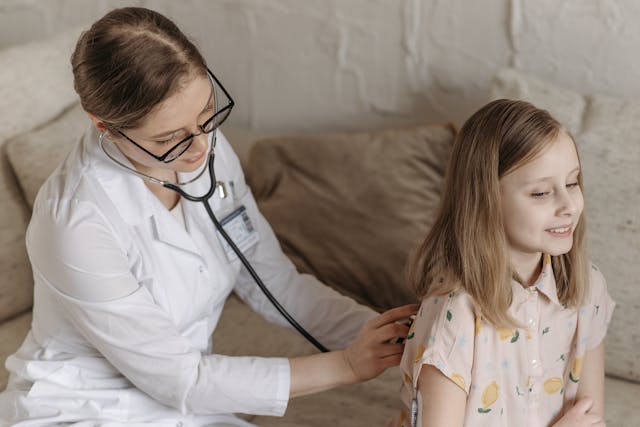
    In recent years, there has been a growing recognition of the importance of home care in managing pediatric pain. With increasing awareness and understanding of both the benefits and challenges associated with home care practices, caregivers, healthcare providers, and child life specialists are discovering ways to improve comfort and satisfaction for children experiencing pain due to surgeries, injuries, and chronic conditions. This article explores the critical role of home care, presents effective pain management techniques, discusses existing guidelines, and highlights the significance of a team approach in delivering pediatric pain management at home.

    The Role of Home Care in Pediatric Pain Management

    Explore how home care practices are essential for managing pediatric pain effectively.

    What role do home care practices play in pediatric pain management, especially post-surgery or after injuries?

    Home care practices serve as a cornerstone for effective pediatric pain management, particularly when patients transition from hospital to home care after surgeries or injuries. These practices provide ongoing support and address the complex needs of children recovering at home. Research indicates that dissatisfaction among parents concerning home pain management is not uncommon, with approximately 32% reporting that their child did not receive adequate pain relief following surgical procedures.

    This sense of dissatisfaction can manifest in various forms. Many parents find their children experiencing significant discomfort that interferes with daily activities, including playtime and sleep. Furthermore, high levels of unmanaged pain can correlate with increased behaviors such as nausea, leading to a negative spiral affecting recovery.

    A critical factor in enhancing home pain management is effective communication between healthcare professionals and families. Tailored educational sessions and detailed symptom management plans can bolster caregivers’ confidence in administering pain relief strategies.

    Providing parents with clear, concise instructions alongside opportunities for questions can bridge the knowledge gaps highlighted in studies, leading to improved analgesic use practices. Such intervention not only empowers parents in pain management but also can foster a collaborative relationship with healthcare providers.

    In summary, effective home care practices are pivotal for pediatric pain management, especially post-surgery, as they significantly influence children’s recovery experiences and overall satisfaction in the home environment.

    Effective Techniques for At-Home Pediatric Pain Management

    Discover practical techniques for managing children's pain at home.

    What are some effective techniques for managing pain in children at home?

    Effective at-home pain management for children requires a balanced approach combining pharmacological and non-pharmacological methods. Over-the-counter medications, such as paracetamol or ibuprofen, can help alleviate mild pain. However, the integration of non-pharmacological strategies is essential.

    Pharmacological and non-pharmacological strategies

    Non-pharmacological techniques may include:

    • Relaxation techniques: These might involve deep breathing exercises or guided imagery, helping children to calm and divert their focus from pain.
    • Comforting hold methods: Parents can provide physical comfort, such as gentle hugs or soothing voice modulation, to help children feel more secure and reduce their pain perception.

    Educating parents about these strategies is crucial, as many express dissatisfaction with pain relief when they are not aware of available options. Understanding the importance of both medication and comfort techniques can lead to better pain management outcomes.

    Educating parents on pain management

    Furthermore, parents should maintain open communication with healthcare professionals. This dialogue can reaffirm the effectiveness of various techniques and empower children to participate in their pain management as they grow older. Engaging older children in discussions about their pain levels and relief strategies fosters a sense of control and can enhance overall effectiveness in managing their condition.

    Regular assessments of pain intensity and its impact on the child’s daily activities are vital to ensuring that pain management is adjusted as needed, ultimately enhancing the quality of care at home.

    Guidelines for Managing Pediatric Pain at Home

    Review comprehensive guidelines for effective pediatric pain management.

    What guidelines exist for managing pain in children at home using pharmacological and non-pharmacological methods?

    Guidelines for managing pediatric pain at home advocate a comprehensive strategy that integrates both pharmacological and non-pharmacological techniques. It’s crucial to accurately assess the child’s pain, focusing on self-reported symptoms where possible.

    Age-Appropriate Assessment Tools

    Pain assessment tools should be developmentally appropriate, enabling effective monitoring:

    • Older Children: Use the Numeric Rating Scale, allowing children to indicate pain intensity on a scale from 0 to 10.
    • Younger Children: The Faces Pain Scale helps children express their pain through visual representations, making it easier for caregivers to gauge discomfort.

    Pharmacological Treatments

    In terms of pharmacological approaches:

    • Over-the-Counter Medications: Age-appropriate medications such as acetaminophen and ibuprofen are commonly recommended.
    • Minimizing Opioid Use: Non-opioid adjuncts can supplement analgesics to manage pain effectively while limiting reliance on opioids.

    Non-Pharmacological Strategies

    Non-pharmacological methods are equally vital in pain management:

    • Physical Methods: Techniques such as massage or applying ice packs can provide immediate relief.
    • Psychological Techniques: Engaging in cognitive-behavioral strategies or simple distraction techniques during painful procedures helps reduce anxiety and perceived pain levels.

    Role of Caregivers in Pain Management

    Parents and caregivers play a pivotal role in the pain management process. Education on effective pain assessment and management empowers them to tailor support to their child’s individual needs, ensuring a more proactive approach to pain relief. This collaborative effort enhances the likelihood of successful pain mitigation at home.

    Barriers to Effective Pediatric Pain Management at Home

    Identify common challenges in managing pediatric pain outside hospital settings.

    What challenges are there in managing pediatric pain outside of hospital settings?

    Managing pediatric pain outside of hospital settings presents several challenges. One significant factor is the variability in provider comfort levels regarding the administration of analgesics to children. This can often lead to under-treatment, with many children experiencing higher pain levels than necessary. Many parents are inadequately informed about pain management, leading to misconceptions that prevent them from effectively administering pain relief at home.

    Provider comfort levels with medication

    The comfort levels of healthcare providers with prescribing and administering medications can impact pain management efficacy. In the study, a notable number of parents expressed dissatisfaction with pain treatments, stemming from insufficient education about dosages and appropriate medications. When parents are unsure about medication guidelines or fear potential side effects, they may err on the side of caution, administering lower dosages than needed or avoiding pain relief altogether.

    Logistical and communication issues

    Logistical barriers play a crucial role as well. Poor communication among healthcare teams often leads to fragmented care, where parents may receive conflicting instructions. Heavy workloads and time constraints on healthcare providers can exacerbate these issues, leading to rushed consultations and less comprehensive pain management plans.

    Moreover, the lack of tailored education and clear guidelines leaves parents feeling unsupported in managing their child’s pain. Therefore, establishing effective communication channels among healthcare providers, parents, and children is fundamental to overcoming these barriers for better pain management outcomes at home.

    Home Health Care’s Role in Managing Chronic Pediatric Conditions

    Learn how home health care supports children with chronic conditions.

    How can home health care assist in managing chronic conditions in pediatric patients?

    Home health care plays a vital role in managing chronic conditions in pediatric patients by offering personalized care plans tailored to each child’s unique needs and family circumstances. This approach involves coordinated services from various healthcare providers, including nursing care and therapy, ensuring comprehensive support for the child’s medical, emotional, and psychological well-being.

    One significant aspect of home health care is family engagement in care routines. Families are actively involved in the care process, which enhances their confidence and ability to manage treatment routines effectively. This engagement not only improves the overall quality of life for families but also fosters a supportive environment for the child, which is crucial for recovery and emotional stability.

    Additionally, home health care facilities enable preventing complications through home monitoring. Continuous monitoring allows healthcare professionals to oversee the child’s condition and make timely interventions if complications arise, significantly reducing the need for hospital visits. Through regular health assessments, families can keep track of their child’s progress and adjust care plans as necessary.

    Despite these benefits, there are challenges such as provider shortages and discrepancies in insurance coverage that need to be addressed to optimize the services provided. Ultimately, a well-coordinated home health care approach can significantly enhance the management of chronic pediatric conditions, ensuring children receive the care they need while remaining in the comfort of their homes.

    Benefits of Pediatric Home Care Services in Pain Management

    How can pediatric home care services benefit children in pain management?

    Pediatric home care services provide a multitude of benefits for children facing pain management challenges. One of the most significant advantages is the development of specialized, personalized care plans tailored to address each child’s unique medical needs. This targeted approach allows for effective pain control strategies customized to the child’s condition, ensuring they receive suitable medication and therapies in a comfortable setting.

    Reducing hospital visits and stress

    Home care assists in minimizing hospital visits, reducing stress for both children and their families. When treatment occurs in the familiar surroundings of home, children can recover more comfortably, allowing them to engage in regular activities and interact with family members. This environment can foster emotional well-being, reducing anxiety often associated with hospital stays.

    Supporting family bonding and education

    Moreover, pediatric home care promotes family bonding. Parents receive essential education regarding pain management practices, enhancing their ability to administer appropriate care at home. This educational component supports the family in reducing misunderstandings about pain management, allowing them to become proactive caregivers. With the guidance of skilled professionals, families can improve overall pain management outcomes, ensuring children achieve better recovery results.

    In summary, pediatric home care services not only optimize pain management for children but also contribute significantly to their emotional and physical recovery, providing a holistic approach that benefits both the patient and their family.

    The Importance of Child Life Specialists in Non-Pharmacological Pain Management

    What role do child life specialists play in non-pharmacological pain management for children?

    Child life specialists (CCLSs) are pivotal in non-pharmacological pain management strategies, particularly in pediatric settings. Their primary focus is to support children during medical procedures by employing a range of techniques aimed at reducing pain and anxiety.

    A few effective methods include:

    • Providing Information and Preparation: CCLSs help convey what children can expect during medical procedures, facilitating a sense of control and understanding.
    • Comforting and Reassurance: They offer emotional support which can help alleviate fear and stress, significantly impacting the child’s overall experience.
    • Positive Reinforcement: Encouraging children throughout the process fosters a positive attitude and willingness to engage with their treatment.

    Through play and distraction techniques, these specialists promote relaxation and help children manage anxiety effectively. The interaction of CCLSs not only encourages better communication about pain but also enhances the effectiveness of both psychosocial and topical pain-relieving techniques.

    Trained in various pain management techniques, CCLSs are equipped to engage children through creative interventions, which can minimize the emotional repercussions associated with painful experiences like immunizations or surgical procedures. This creates a supportive environment where children can express their feelings, allowing caregivers to respond to their needs better.

    In summary, child life specialists act as vital advocates for pediatric patients, ensuring that their emotional and medical needs are comprehensively addressed during challenging hospital experiences.

    The Vital Role of Caregiver Education in Pediatric Pain Management

    Why is caregiver education vital in managing a child’s pain?

    Caregiver education is crucial in effectively managing a child’s pain because it provides them with the necessary knowledge and strategies tailored to their child’s individual circumstances. Educated caregivers can understand various pain assessment tools, like the Wong-Baker FACES scale or the FLACC scale, which assist in accurately reporting pain levels based on observations or child expressions.

    By mastering pain management interventions, caregivers are better equipped to implement effective care plans that consider pain type, location, underlying causes, and personal preferences. This understanding leads to more thoughtful monitoring of pain, enabling caregivers to recognize when medical intervention or adjustments are necessary.

    Another aspect of caregiver education focuses on enhancing collaboration with healthcare professionals. Trained caregivers feel more comfortable discussing pain management options, which include both pharmacological and non-pharmacological strategies. This collaboration ensures safer medication management, as well as exploring alternative methods such as physical therapy, relaxation techniques, or child life specialist interventions, all of which can contribute to reducing pain intensity and anxiety.

    Research supports the notion that informed caregivers can significantly enhance pain management during critical recovery periods. Studies like the Ready2Care intervention demonstrate how equipping caregivers with comprehensive strategies not only aids in the immediate alleviation of pain but also addresses broader emotional support needs—fostering the child’s overall well-being.

    Additional Considerations

    As caregivers gain knowledge, they often experience reduced anxiety related to their child’s pain management, allowing for a more supportive and effective home environment. The vital role of ongoing education emphasizes its importance not just in addressing immediate pain but also in nurturing a constructive relationship between caregivers and healthcare providers, ensuring the child receives well-rounded and empathetic care throughout their recovery journey.

    Best Practices for Transitioning Pediatric Patients to Home Care

    What are best practices for transitioning pediatric patients from hospital to home care for pain management?

    Best practices for transitioning pediatric patients from hospital to home care for pain management involve several critical components. First, creating a detailed discharge plan is essential. This plan should include clear home health orders and comprehensive written instructions designed for caregivers. The instructions need to outline pain management protocols and emergency response steps, equipping caregivers with the knowledge to effectively manage their child’s pain at home.

    Effective communication is another cornerstone of a smooth transition. It’s crucial that hospital-based clinicians collaborate closely with home health providers and primary care physicians. This connection ensures continuity of care, aided by timely discharge summaries and nurse-to-nurse hand-offs during transitions. Such communication helps to clarify expectations and responsibilities for both families and healthcare providers, minimizing confusion as care shifts to the home environment.

    Moreover, ongoing community support plays a vital role in post-discharge care. Regular follow-ups with healthcare providers allow for the monitoring of the child’s progress and the adjustment of pain management strategies as necessary. This holistic approach emphasizes a collaborative effort among the healthcare team and the family, ensuring that each child’s unique needs are met throughout their recovery journey.

    In summary, a focus on detailed discharge planning, communication among care teams, and community support is essential for optimizing pain management and fostering a safe transition for pediatric patients to home care.

    Integrating Home Care into Pediatric Pain Management Plans

    How can home care be integrated into a child’s pain assessment and treatment plan?

    Integrating home care into pain management plans for children involves a multi-faceted approach. This begins with prioritizing the child’s ability to communicate their pain through developmentally appropriate assessment tools. Engaging parents and caregivers in this process is crucial, as they often play a pivotal role in managing their child’s pain at home.

    Assessment tools and parent involvement

    Using age-specific pain assessment tools like the Wong-Baker FACES scale for older children can help guide caregivers in understanding their child’s pain. Parents should be trained in these assessment methods, enabling them to provide accurate reports to healthcare providers which assist in tailoring pain management strategies.

    Structured interventions for effective management

    Structured interventions include detailed education on around-the-clock analgesic dosing and understanding when to administer medications. Caregivers must learn the balance between pharmacological methods, such as acetaminophen and NSAIDs, and nonpharmacological strategies like distraction techniques and physical comfort measures. This comprehensive approach not only improves adherence to treatment but also enhances the efficacy of pain relief methods.

    Therapeutic play and nonpharmacologic methods

    Incorporating therapeutic play into pain management can assist children in developing coping mechanisms. Nonpharmacologic methods like comforting techniques, distractions, and relaxation strategies are critical, especially in younger children who struggle to articulate their pain. By providing tools and techniques, home care can effectively support pain management while fostering emotional stability and recovery at home.

    Continuous communication between home care providers and the child’s healthcare team is vital to optimize these pain management strategies, ensuring a streamlined and responsive approach to care.

    Advancing Pediatric Pain Management: Education and Resources

    What educational resources are available to advance caregiver knowledge and individualized pain management for children?

    Improving caregiver knowledge in pediatric pain management is essential for effective home care. Various educational resources can enhance this understanding, including:

    • Workshops and Seminars: Local hospitals and clinics often host hands-on sessions focused on pain assessment and management techniques tailored for caregivers.
    • Online Courses and Webinars: Many healthcare institutions offer online training that covers essential topics such as recognizing pain in children, medication administration, and the use of non-pharmacological strategies.
    • Printed Materials: Pamphlets, brochures, and detailed guides help caregivers understand how to effectively use pain scales and various pain relief strategies, both pharmacologic and non-pharmacologic.

    Regular consultations between caregivers and healthcare providers are crucial. This ongoing dialogue allows caregivers to ask specific questions regarding their child’s pain management and receive personalized advice for their individual circumstances. Collaborative efforts also ensure that caregivers are well-informed about pharmacological options, appropriate dosages, and potential side effects, enabling them to optimize their child’s pain care at home.

    How can individualized pain management strategies be implemented effectively?

    Implementing an individualized pain management approach begins with thorough assessments of each child’s pain levels and specific needs. Healthcare professionals can help caregivers identify appropriate pain-relief techniques based on their child’s developmental stage and communicated symptoms. Utilizing validated pain scales like the Wong-Baker FACES scale or the FLACC scale aids in this assessment.

    Caregivers should be encouraged to integrate both behavioral techniques (distraction or relaxation methods) alongside pharmacological interventions (like NSAIDs or opioids if necessary). This comprehensive strategy not only accommodates the child’s unique situation but also fosters various opportunities for effective pain management.

    How can healthcare providers engage caregivers in pain management strategies?

    Engagement between healthcare providers and caregivers can significantly enhance pain management outcomes. Providers need to maintain open lines of communication and make it a priority to educate caregivers about pain management options. This collaborative relationship allows caregivers to feel more supported in their roles, as they have the opportunity to express concerns and preferences regarding their child’s pain management.

    In summary, by leveraging educational resources and promoting individualized pain management strategies, healthcare providers can better equip caregivers to address their children’s pain effectively and compassionately.

    Interdisciplinary Approaches to Pediatric Pain Management

    Importance of team collaboration in pain management

    Interdisciplinary care plays a crucial role in pediatric pain management, particularly at home. This approach not only combines the expertise of various healthcare professionals but also fosters an environment of shared knowledge and responsibility. By working in tandem, a team can develop comprehensive pain management strategies that address both the physical and emotional needs of children recovering from surgery or dealing with chronic conditions.

    Role of different healthcare professionals

    In an effective interdisciplinary care model, numerous professionals contribute to the child’s recovery:

    • Pediatricians oversee overall medical care and coordinate pain management plans.
    • Nurses provide continuous monitoring and support, ensuring that pain is managed appropriately and that medication protocols are followed.
    • Therapists (occupational, physical, and speech) offer rehabilitation therapies tailored to improve function and manage pain.
    • Child Life Specialists use nonpharmacological strategies to reduce anxiety and discomfort during medical procedures.
    • Pharmacists ensure safe medication administration, educating families on proper dosages and potential side effects.

    Optimizing outcomes through interdisciplinary strategies

    Such collaborative efforts are essential for optimizing outcomes in pediatric pain management. Teams can maximize effective pain relief by tailoring interventions to the child’s needs and family dynamics. This comprehensive strategy not only alleviates physical pain but also enhances psychological well-being. Families often report feeling more empowered and involved in their child’s care when multiple professionals collaborate seamlessly.

    Interdisciplinary approaches in pediatric pain management ultimately result in greater satisfaction for both patients and caregivers, with a notable improvement in the overall quality of life for children.

    Understanding the Psychological and Developmental Impacts of Pain Management

    What are the psychological and developmental impacts of effective vs. ineffective pain management in children?

    Effective pain management in children plays a significant role in shaping their psychological and developmental outcomes. When pain is well-managed, it can significantly reduce fear, anxiety, and psychological distress. This reduction facilitates emotional stability, which is essential for healthy developmental processes.

    In contrast, inadequate pain management has detrimental effects. Chronic pain can persist and lead to increased sensitivity to pain over time, alongside the development of long-term psychological issues such as anxiety disorders and depression. From a developmental standpoint, untreated pain may interfere with physical and cognitive growth, limiting a child’s ability to engage in age-appropriate activities and hindering social interactions. This lack of engagement can have cascading effects on learning and emotional regulation.

    To illustrate these impacts, consider the following table that summarizes effects associated with effective versus ineffective pain management:

    Pain Management Type Psychological Outcomes Developmental Outcomes
    Effective Pain Management Reduced anxiety and fear; Emotional stability Enhanced cognitive and physical engagement
    Ineffective Pain Management Increased anxiety; Risk of chronic pain Interference with growth and social skills

    In summary, the importance of ensuring effective pain management—through pharmacological and non-pharmacological methods—cannot be overstated. This approach is crucial not only for alleviating immediate discomfort but also for fostering the child’s overall well-being and developmental trajectories.

    Future Directions for Pediatric Pain Management at Home

    What are the future directions and innovations for pediatric pain management at home?

    The future of pediatric pain management at home is poised for remarkable advancements, largely driven by emerging technologies and innovative strategies. One significant area of development lies in digital health solutions. Mobile applications and online platforms are increasingly being utilized for caregivers to monitor and manage their child’s pain efficiently. These tools encourage real-time communication with healthcare providers, enabling quick adjustments to pain management strategies based on the child’s needs.

    Additionally, wearable devices present an exciting frontier in pain monitoring. These gadgets can track physiological indicators like heart rate variability and skin conductance, offering objective data that can enhance traditional pain assessment methods.

    Telehealth services are also expanding, providing caregivers with more straightforward access to consultations with specialists from the comfort of their homes. This convenience can significantly reduce stress and improve the continuity of care for pediatric patients.

    Research continues to progress into personalized medicine and pain genomics. This field holds promise for developing tailored pain management strategies that align more closely with individual patients’ genetic profiles, potentially leading to improved efficacy and reduced side effects.

    The integration of these innovations into pediatric pain management practices represents a pivotal shift aimed at optimizing pain relief for children while enhancing care experiences for families. Ongoing support and investment in these technological advancements are essential to drive this progress forward and improve outcomes for all involved.

    Embracing the Future of Pediatric Pain Management

    As we continue to explore the evolving landscape of pediatric pain management, it’s clear that home care offers invaluable opportunities for enhancing care. By integrating comprehensive strategies, fostering interdisciplinary collaboration, and embracing new technologies, we can better address the multifaceted needs of pediatric patients in pain. Empowering caregivers with the knowledge and resources required to support their children is essential for effective management, ensuring that children experience relief, improve their quality of life, and achieve optimal developmental outcomes. The future of pediatric pain management lies in our ability to innovate and adapt, with the ultimate goal of reducing pain and suffering for every child under our care.

    References

  • How Pediatric Home Health Care Can Support a Healthy Home Environment

    How Pediatric Home Health Care Can Support a Healthy Home Environment

    Nurturing Growth: Leveraging Pediatric Home Health Care

    Introduction

    In recent years, the model of pediatric home health care has gained recognition for its role in supporting medically fragile children within their home environments. This care modality offers a holistic approach to managing complex medical needs, emphasizing comfort, familiarity, and comprehensive support for both the child and their family. As we delve into the world of pediatric home health care, we’ll explore how it enhances recovery, facilitates family collaboration, and addresses the unique challenges faced by children with medical complexities.

    Understanding the Benefits and Processes of Pediatric Home Health Care

    Exploring the Advantages of Pediatric Home Health Care

    What are the benefits and processes of pediatric home health care?

    Pediatric home health care offers numerous advantages that cater specifically to the needs of children recovering from medical treatment or managing chronic conditions. The comforting environment of home leads to enhanced recovery, as children typically heal faster in familiar surroundings. This type of care includes personalized treatment plans that consider each child’s unique requirements, ensuring tailored support.

    The process usually starts with a doctor’s referral, which guarantees that care is medically supervised and customized. Services can encompass skilled nursing, occupational therapy, and palliative care. Families can expect collaboration among healthcare professionals, where roles are clearly defined, and effective communication is maintained. This coordinated effort not only aids recovery but also allows families to be actively involved in managing their child’s health.

    How cost-effective is home-based care?

    Pediatric home health care often proves to be a more economical choice than traditional hospital stays. By reducing the frequency of hospital visits, families can save on travel expenses and other associated costs. Additionally, pediatric home health care can decrease the overall financial burden usually linked with chronic care management. Medicaid may cover these essential services if deemed medically necessary, making access to quality care more feasible for families.

    In summary, pediatric home health care provides a comprehensive and cost-effective approach to health management for children in a familiar environment, significantly contributing to their overall well-being and quality of life.

    Varied and Specialized Care Services: A Comprehensive Approach

    Comprehensive Care Services for Children

    What types of care are offered in pediatric home health services?

    Pediatric home health services encompass a broad spectrum of care tailored to the specific needs of each child. Medical care is a cornerstone, featuring skilled nursing and doctor visits that focus on essential tasks such as wound care, medication management, and ongoing health monitoring.

    Therapeutic services are equally vital. These include:

    • Physical Therapy: Helps in enhancing mobility and skill development following an illness or injury.
    • Occupational Therapy: Assists children in mastering daily activities necessary for independence.
    • Speech Therapy: Supports language development and communication skills, crucial for overall growth.

    In addition to medical and therapy services, pediatric home health care often provides:

    • Medical Social Support: Guidance for families on accessing resources and managing care.
    • Home Health Aide Assistance: Helps with personal care tasks, such as bathing and dressing.
    • Homemaker Services: Support for daily household chores, ensuring a conducive environment for recovery.

    This comprehensive approach allows children to thrive in their own homes, receiving specialized care while maintaining comfort and a sense of normalcy.

    Enhancing Recovery and Comfort at Home

    Enhancing Recovery: Comfort at Home

    How does pediatric home health care impact children’s recovery and comfort at home?

    Pediatric home health care significantly influences children’s recovery and comfort by providing medical treatment in their familiar home environment, which reduces stress and anxiety associated with hospital visits. Research indicates that children heal faster at home, enjoying better sleep and experiencing fewer hospital readmissions. Tailored treatment plans delivered by trained professionals cater to each child’s unique needs, enhancing both physical and emotional well-being.

    What role does home health care play in stress reduction?

    By receiving care at home, children can maintain their daily routines and social interactions, contributing to their overall happiness. The approach avoids the often stressful atmosphere of hospitals, allowing for a nurturing environment that promotes emotional wellbeing. Additionally, home health care professionals build trusting relationships with the children, which further reduces anxiety and creates a sense of security.

    What are the financial benefits for families?

    Home health care alleviates the financial burden on families by minimizing trips to hospitals, saving on travel expenses, and potentially reducing hospital admission costs. This is particularly advantageous for long-term care needs, which can become financially overwhelming. Many insurance plans, including Medicaid, cover necessary pediatric home health care services, making it a more accessible option for families in need.

    The Vital Role of Family and Provider Collaboration

    Collaboration in Pediatric Home Care

    What is the role of healthcare providers and family collaboration in pediatric home care?

    Collaboration between families and healthcare providers is essential for effective pediatric home care. This partnership is vital for delivering comprehensive medical support tailored to each child’s individual needs. By forming a multidisciplinary team consisting of pediatricians, nurses, therapists, and social workers, families and providers can develop holistic treatment plans that encompass the child’s physical, emotional, and social well-being.

    Importance of communication and teamwork

    Effective collaboration hinges on clear communication among all parties. Family members serve as invaluable partners in the care process, offering insights into their child’s daily life, which can influence treatment plans. Regular discussions about the child’s progress and care needs foster mutual respect and shared goals. This teamwork helps coordinate care, ensuring that all aspects of the child’s health are addressed.

    Integrated care for improved outcomes

    An integrated approach leads to better health outcomes. When families are involved, they become invested in the treatment process, enhancing adherence to care plans and improving overall satisfaction. This collaboration supports the child’s recovery and allows for real-time adjustments to care, fostering a nurturing environment essential for thriving. Ultimately, the synergy between families and healthcare providers enhances the quality and efficiency of pediatric home care services.

    Addressing Challenges and Crafting Solutions

    Navigating Challenges in Pediatric Home Health Care

    What are the challenges and solutions in pediatric home health care services?

    Pediatric home health care faces several notable challenges that can impede effective delivery of services. Workforce shortages are a leading concern, as there are not enough qualified professionals trained to manage the complex needs of children with medical complexities. Subsequent to this, inadequate reimbursement models can exacerbate issues, leaving families to navigate complex insurance systems that may delay care and impose financial burdens.

    Additionally, caregivers often encounter emotional and mental health challenges such as compassion fatigue. Managing care for children with intricate medical requirements can be both physically and psychologically demanding. Effective communication is vital; however, it is frequently complicated, leading to ethical dilemmas between the families and health care workers.

    To combat these issues, solutions like specialized training programs for caregivers are essential. Developing enhanced telehealth integrations can facilitate better communication and timely interventions. Furthermore, implementing comprehensive community support systems can improve access to high-quality home health services. These strategies not only aim to enhance care delivery but also significantly contribute to better health outcomes and reduce hospitalization costs for children with complex medical needs.

    Challenge Solution Impact of Solutions
    Workforce shortages Specialized training Increases the number of qualified professionals
    Inadequate reimbursement Improved telehealth integrations Reduces care delays and enhances communication
    Emotional stress on caregivers Community support systems Provides necessary support and reduces burnout

    Selecting the Right Care Providers: A Family’s Guide

    How can families select the right home care providers for pediatric health services?

    Selecting the right home care provider for pediatric health services involves several key factors. Families should start by obtaining a referral from a doctor, as this is required to initiate pediatric home health care. This step helps ensure that the chosen provider is appropriate for the child’s specific health needs.

    Evaluating provider qualifications and services

    When assessing potential providers, it’s crucial to evaluate their qualifications and experience with pediatric cases. Consider the range of personalized services they offer, such as skilled nursing, occupational therapy, and physical therapy. A provider who offers comprehensive services can better address the specific health challenges your child may face.

    Feedback from other families can provide valuable insights into the provider’s effectiveness and approaches to care, so don’t hesitate to review testimonials or online ratings.

    Importance of pediatric specialization

    Lastly, ensure that the provider emphasizes coordinated care and has a team of trained professionals who focus solely on pediatric health. Specialization in pediatric care can greatly enhance the quality of service and support your child’s health and well-being effectively.

    Fostering a Supportive Home Environment for Medically Fragile Children

    Creating a Safe and Positive Home Setting

    Creating a safe home environment is crucial for children with medical needs. This may involve modifications such as installing safety gates, securing furniture, and setting up therapy areas. Having accessible medical supplies and equipment can minimize stress during care routines, contributing to the child’s overall comfort.

    The Role of Routines and Sibling Involvement

    Establishing a predictable daily routine can provide a sense of stability for children, helping them navigate their health challenges. Regular schedules for medication, therapy, and activities reinforce security. Additionally, involving siblings not only fosters understanding but also offers emotional support. Open communication with siblings about the child’s needs is vital to cultivate empathy within the family.

    Trust-Building Between Families and Caregivers

    Developing a trusting relationship with caregivers ensures effective communication about the child’s progress and care requirements. Families should feel empowered to express their concerns and preferences. A supportive caregiver can help parents manage daily medical tasks while enhancing the child’s emotional well-being. Quality home health care emphasizes collaboration, making families feel valued and more involved in the care process.

    Focus Areas Key Practices Benefits
    Safe Home Environment Install safety measures Reduces risks and enhances comfort
    Daily Routines Structured schedules Provides security and predictability
    Sibling Involvement Open discussions Fosters empathy and support
    Trust-Building with Caregivers Effective communication Strengthens collaboration and care

    Conclusion

    Pediatric home health care serves as a transformative approach to managing children’s health needs within the comfort of their homes. By ensuring access to skilled nursing, therapy services, and comprehensive care plans, families can cultivate an environment that supports their child’s recovery and wellbeing. The integration of family involvement and professional care lays the groundwork for improved health outcomes, offering a practical, emotionally sustainable, and efficient alternative to traditional hospital stays. With a focus on personalized care and enduring trust, home health services empower families to navigate their children’s healthcare journeys with confidence and compassion.

    References

  • Pediatric Orthoses: A Guide to Treating Children

    Pediatric Orthoses: A Guide to Treating Children

    Discover the power of pediatric orthoses in treating children! From AFOs to spinal orthoses, this guide has got you covered.

    Understanding Pediatric Orthoses

    Pediatric orthoses play a vital role in the healthcare of children with various conditions affecting their musculoskeletal system. These specialized devices are designed to provide support, stability, and correction to specific body parts, aiding in the treatment and management of a range of pediatric orthopedic conditions.

    What are Pediatric Orthoses?

    Pediatric orthoses, also known as orthotic devices, are custom-made or prefabricated devices designed to provide external support to the body, particularly for children. These devices are typically worn externally and are specifically tailored to the unique needs of pediatric patients. Pediatric orthoses can be made from various materials, including plastics, metals, and fabrics, depending on the specific requirements of the child and their condition.

    __wf_reserved_inherit

    Pediatric orthoses are available for different body parts, such as the lower limbs, spine, and upper extremities. They are designed to address various conditions, including but not limited to musculoskeletal deformities, neuromuscular disorders, and injuries.

    Importance of Pediatric Orthoses in Children’s Health

    Pediatric orthoses play a crucial role in the overall health and well-being of children with orthopedic conditions. They provide several important benefits, including:

    Improved Mobility

    Pediatric orthoses are designed to enhance mobility and enable children to participate in daily activities with greater ease. By providing support and stability to weakened or misaligned body parts, orthoses help children overcome mobility limitations and achieve a higher level of independence.

    Correcting Alignment Issues

    In children with musculoskeletal deformities or conditions affecting bone alignment, pediatric orthoses can help correct or manage these issues. Orthoses provide external support to guide and maintain proper alignment of bones, joints, and muscles, promoting optimal growth and development.

    Preventing Further Complications

    Orthotic devices can help prevent or minimize complications associated with certain conditions. For example, in children with cerebral palsy, orthoses can assist in preventing contractures, which are permanent shortening of muscles or tendons. By maintaining proper alignment and providing support, orthoses can help reduce the risk of secondary complications and improve long-term outcomes.

    Understanding the importance of pediatric orthoses is essential for parents, caregivers, and healthcare providers involved in the care of children with orthopedic conditions. By utilizing these specialized devices, children can experience improved mobility, correct alignment issues, and potentially prevent further complications. Collaborating with healthcare professionals, such as orthotists, physical therapists, and orthopedic specialists, can ensure the proper selection, fitting, and maintenance of pediatric orthoses for optimal outcomes.

    Types of Pediatric Orthoses

    Pediatric orthoses are specially designed medical devices that aid in the treatment and management of various conditions in children. These orthoses are customized to suit the unique needs of growing bodies. Let’s explore three common types of pediatric orthoses: Ankle-Foot Orthoses (AFOs), Knee-Ankle-Foot Orthoses (KAFOs), and Spinal Orthoses.

    Ankle-Foot Orthoses (AFOs)

    Ankle-Foot Orthoses (AFOs) are orthotic devices that provide support and stability to the ankle and foot region. They are commonly used to address conditions such as foot drop, toe walking, and ankle instability. AFOs are typically made of lightweight and durable materials, such as plastic or carbon fiber, and are custom-fitted to ensure optimal comfort and functionality.

    __wf_reserved_inherit

    Knee-Ankle-Foot Orthoses (KAFOs)

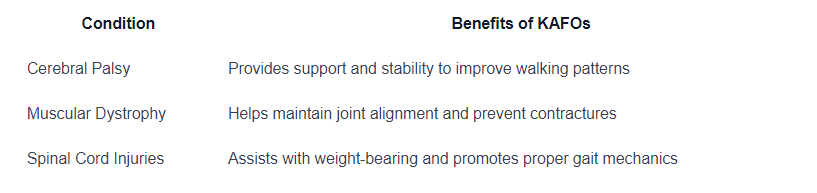
    Knee-Ankle-Foot Orthoses (KAFOs) are orthotic devices that extend from the foot to the thigh, encompassing the knee joint. They are used to provide stability and control to the lower limbs. KAFOs are typically prescribed for conditions such as cerebral palsy, muscular dystrophy, and spinal cord injuries. These orthoses are custom-made to ensure an optimal fit and accommodate the unique needs of each child.

    __wf_reserved_inherit

    Spinal Orthoses

    Spinal Orthoses are devices designed to support and immobilize the spine, providing stability and promoting proper spinal alignment. They are commonly used to manage conditions such as scoliosis, kyphosis, and spinal fractures. Spinal orthoses can be rigid or flexible, depending on the specific needs of the child. These orthoses are custom-fit to ensure proper alignment and support.

    __wf_reserved_inherit

    By understanding the different types of pediatric orthoses available, healthcare providers can tailor treatment plans to meet the specific needs of each child. Whether it’s providing support to the ankle and foot with AFOs, addressing stability and control with KAFOs, or promoting proper spinal alignment with spinal orthoses, pediatric orthoses play a crucial role in enhancing the quality of life for children with various conditions.

    Conditions Treated with Pediatric Orthoses

    Pediatric orthoses play a crucial role in the treatment and management of various conditions in children. These orthoses are designed to provide support, stability, and alignment to specific body parts, helping children improve their mobility and overall well-being. Here are three common conditions in children that can be effectively treated with pediatric orthoses:

    Cerebral Palsy

    Cerebral palsy is a neurological disorder that affects a child’s movement, muscle tone, and posture. Pediatric orthoses, such as ankle-foot orthoses (AFOs) and knee-ankle-foot orthoses (KAFOs), can be used to provide stability and correct alignment issues in children with cerebral palsy. These orthoses help improve mobility, enhance balance, and promote more efficient movement patterns.

    __wf_reserved_inherit

    Muscular Dystrophy

    Muscular dystrophy is a group of genetic disorders that cause progressive muscle weakness and degeneration. Pediatric orthoses, such as AFOs and spinal orthoses, can be utilized to support and align the affected body parts, allowing children with muscular dystrophy to maintain or improve their mobility and function.

    __wf_reserved_inherit

    Spina Bifida

    Spina bifida is a birth defect that affects the development of the spinal cord and surrounding structures. Pediatric orthoses, particularly spinal orthoses, can be used to provide support and maintain proper alignment in children with spina bifida. These orthoses help prevent further complications, such as spinal deformities, and promote optimal development and function.

    __wf_reserved_inherit

    By utilizing pediatric orthoses, healthcare providers can effectively manage and treat various conditions in children, enhancing their quality of life and functional abilities. It’s important to work closely with healthcare professionals and orthotists who specialize in pediatric orthotics to ensure the proper fit, selection, and ongoing management of orthoses for each child’s unique needs.

    Benefits of Pediatric Orthoses

    Pediatric orthoses play a crucial role in the overall well-being and development of children with various medical conditions. These specialized devices offer a range of benefits that contribute to improved mobility, corrected alignment issues, and prevention of further complications.

    Improved Mobility

    One of the primary benefits of pediatric orthoses is the significant improvement in mobility they provide. These devices are specifically designed to support and stabilize the affected areas, enabling children to move more freely and comfortably. By minimizing pain and enhancing balance, pediatric orthoses allow children to participate in daily activities, play, and explore their surroundings with greater ease.

    Correcting Alignment Issues

    Another important benefit of pediatric orthoses is their ability to correct alignment issues. Many children with conditions such as cerebral palsy, muscular dystrophy, or spina bifida may experience difficulties with proper alignment of their bones and joints. Pediatric orthoses help to realign and maintain the correct positioning, improving overall body mechanics and preventing further deformities. By addressing alignment issues, these devices also contribute to better posture and overall musculoskeletal health.

    Preventing Further Complications

    Pediatric orthoses not only address existing conditions but also play a crucial role in preventing further complications. By providing support and stability, these devices help to minimize the risk of secondary problems that can arise due to improper body mechanics or abnormal movement patterns. For example, wearing ankle-foot orthoses (AFOs) can prevent foot drop, which can lead to tripping and falling. Similarly, spinal orthoses can help stabilize the spine and prevent the progression of spinal deformities.

    By promoting proper alignment, reducing strain on muscles and joints, and supporting healthy movement patterns, pediatric orthoses contribute to the overall well-being and quality of life for children with various medical conditions. They empower children to engage in physical activities, enhance their independence, and maximize their potential for growth and development.

    It’s important to note that each child’s situation is unique, and the benefits of pediatric orthoses may vary depending on the specific condition and individual needs. Working closely with healthcare providers, including orthotists, physical therapists, and orthopedic specialists, is key to ensuring the optimal use and effectiveness of pediatric orthoses for each child’s specific needs.

    Fitting and Maintenance

    When it comes to pediatric orthoses, achieving a proper fit is of utmost importance. The proper fit ensures that the orthoses effectively address the child’s specific needs and provide the necessary support. Additionally, proper maintenance is essential to extend the lifespan of the orthoses and ensure their continued effectiveness.

    Importance of Proper Fit

    A proper fit is crucial for pediatric orthoses as it directly impacts their functionality and effectiveness. Here are some reasons why achieving a proper fit is essential:

    • Optimal Support: A well-fitted orthosis provides the correct support to the affected area, promoting proper alignment and improving mobility. It helps in managing conditions such as cerebral palsy, muscular dystrophy, and spina bifida, among others.
    • Comfort and Compliance: A properly fitting orthosis is more comfortable for the child to wear, increasing compliance with the prescribed treatment plan. This is especially important for long-term use, as comfort plays a significant role in the child’s willingness to wear the orthosis consistently.
    • Prevention of Complications: A precise fit can help prevent complications such as skin irritation, pressure sores, and discomfort. By ensuring that the orthosis fits correctly, the risk of these complications is minimized, allowing for a smoother healing process.

    Orthotists, healthcare professionals specializing in orthotic care, play a crucial role in ensuring a proper fit. They assess the child’s individual needs, take measurements, and make adjustments to achieve the best fit possible.

    Care and Maintenance of Pediatric Orthoses

    Proper care and maintenance of pediatric orthoses are essential to ensure their longevity and continued effectiveness. Here are some important considerations for maintaining pediatric orthoses:

    • Cleaning: Regularly clean the orthosis using mild soap and water. Follow any specific cleaning instructions provided by the orthotist. Thoroughly dry the orthosis after cleaning to prevent moisture buildup.
    • Inspection: Regularly inspect the orthosis for any signs of wear, damage, or loose components. Check for any changes in fit that may require adjustments. Promptly address any issues by consulting with the orthotist.
    • Avoiding Excessive Heat: Keep the orthosis away from excessive heat sources (such as direct sunlight or heaters) as it can cause warping or damage to the materials.
    • Storage: Store the orthosis in a clean and dry environment when not in use, following the orthotist’s recommendations. Avoid placing heavy objects on top of the orthosis, as it may cause deformation.

    By following these care and maintenance practices, you can ensure that the pediatric orthosis remains in good condition and continues to provide the necessary support and functionality. Regular communication with the orthotist is also crucial to address any concerns or adjustments that may be needed to maintain the proper fit over time.

    Working with Healthcare Providers

    When it comes to pediatric orthoses, working with healthcare providers who specialize in orthotics and prosthetics, physical therapy, and orthopedics is essential. These professionals play a crucial role in the evaluation, prescription, fitting, and ongoing care of pediatric orthoses. Let’s take a closer look at the different healthcare providers involved in the process.

    Orthotists and Prosthetists

    Orthotists and prosthetists are healthcare professionals who specialize in designing, fabricating, and fitting orthoses and prostheses. They work closely with children and their families to assess their needs, select the appropriate orthosis, and ensure a proper fit. Orthotists and prosthetists have expertise in biomechanics, materials, and the latest advancements in orthotic technology.

    Throughout the process, orthotists and prosthetists collaborate with other healthcare providers to develop a comprehensive treatment plan. They play a vital role in customizing pediatric orthoses to meet the specific needs of each child, taking into account factors such as age, condition, lifestyle, and functional goals.

    Physical Therapists

    Physical therapists are key members of the healthcare team when it comes to pediatric orthoses. They are trained in evaluating and treating children with movement disorders or musculoskeletal conditions. Physical therapists work closely with orthotists and prosthetists to develop individualized rehabilitation plans that incorporate the use of orthoses.

    Physical therapists play a crucial role in maximizing the benefits of pediatric orthoses. They help children improve their mobility, strength, and motor skills through targeted exercises and therapeutic interventions. Physical therapists also provide ongoing guidance and support to ensure that the orthoses are being used effectively and that children are achieving their functional goals.

    Orthopedic Specialists

    Orthopedic specialists, such as pediatric orthopedic surgeons, have expertise in diagnosing and treating musculoskeletal conditions in children. They play a crucial role in the overall management of pediatric orthoses by providing medical evaluations, surgical interventions (if necessary), and long-term follow-up care.

    Orthopedic specialists collaborate with orthotists, prosthetists, and physical therapists to ensure that the orthotic intervention aligns with the child’s medical needs and treatment plan. They provide valuable insights into the underlying condition and help determine the most appropriate orthotic solution for each child’s unique circumstances.

    By working together, orthotists and prosthetists, physical therapists, and orthopedic specialists provide comprehensive care to children requiring pediatric orthoses. This multidisciplinary approach ensures that children receive the best possible outcomes and support their journey towards improved mobility, alignment, and overall well-being.

    Sources

    https://www.anatomicalconceptsinc.com/articles/pediatric-orthoses-a-guide-to-treating-children#:~:text=Pediatric%20o

    https://orthopedicapplianceco.com/images/Comprehensive-Guide-to-Pediatric-Orthotic-Devices.pdf

    https://www.durrettsoandp.com/blog/basics-of-pediatric-orthoses

  • Can Apnea Monitors Be Used For Adults?

    Can Apnea Monitors Be Used For Adults?

    Exploring the Use of Apnea Monitors in Adult Care

    Introduction to Apnea Monitors for Adults

    Sleep apnea is a prevalent disorder characterized by recurrent interruptions in breathing during sleep, affecting millions of adults globally. As technology evolves, apnea monitors are increasingly becoming an essential tool in diagnosing and managing this condition. This article delves into the capabilities of apnea monitors for adults, their effectiveness, potential limitations, and the advancements that are making these devices more accessible and efficient for home use.

    Understanding Apnea Monitors for Adult Use

    Learn about the essential features and roles of apnea monitors for adult patients.

    What is an apnea monitor for adults?

    An apnea monitor for adults is a device designed to detect episodes of sleep apnea, a condition marked by intermittent interruptions in breathing during sleep. These monitors are essential tools as they can be used in home sleep studies, employing compact sensors that monitor vital signs such as oxygen levels, heart rate, and body movement.

    A prominent example of such a device is the CardiacSense Medical Watch. This innovative watch not only offers continuous monitoring but can also differentiate between obstructive and central sleep apnea. It provides monthly health reports and alerts caregivers to potential issues related to vital signs, significantly improving the management of sleep-related disorders for users.

    What capabilities do adult apnea monitors have in sleep apnea monitoring?

    Apnea monitors come equipped with various capabilities tailored to enhance their effectiveness in tracking sleep apnea. They measure critical parameters including:

    • Airflow: Monitoring breathing strength and patterns.
    • Oxygen Saturation: Ensuring oxygen levels remain within safe ranges.
    • Heart Rate: Tracking heart rhythm to detect potential disturbances during sleep.
    • Body Movement: Observing changes in position that may influence apnea events.

    These devices are particularly valuable for adults suffering from obstructive sleep apnea (OSA), allowing for remote monitoring and data collection without the need for cumbersome in-lab sleep studies. The ability of monitors to calculate metrics like the apnea-hypopnea index (AHI) provides crucial insights into the severity of apnea, with higher AHI values indicating more severe conditions.

    In summary, apnea monitors significantly enhance the ability to diagnose and manage sleep apnea effectively, thus playing a pivotal role in adult health monitoring.

    Functionality and Effectiveness of Adult Apnea Monitors

    Explore the various types and capabilities of adult apnea monitors.

    Types and Mechanisms of Apnea Monitors

    Apnea monitors available for adults come in various forms, including wearable devices, smartphone applications, and more comprehensive home monitoring systems. Some popular devices include:

    • LOOKEE Wrist Sleep Oxygen Monitor: A wearable bracelet that tracks oxygen levels and provides real-time data during sleep.
    • Wellue O2Ring: A finger-worn monitor that offers continuous oxygen saturation tracking overnight.
    • SleepScore App: Utilizes smartphone technology to analyze sleep patterns and detect apnea events.

    These devices generally monitor critical parameters such as blood oxygen levels, airflow, and respiratory effort, providing alerts for any irregularities. For adults at risk of sleep apnea, this continuous monitoring can be especially beneficial in ensuring prompt intervention when breathing problems occur.

    Capabilities Compared to Traditional Sleep Studies

    In comparison to traditional polysomnography (PSG), which requires a night in a clinical setting for comprehensive monitoring, at-home apnea monitors allow for greater convenience and accessibility. These devices measure essential parameters and can often provide a diagnosis through automated assessments of the Apnea Hypopnea Index (AHI).

    There are different levels of home sleep apnea testing (HSAT) devices categorized as Type II, III, and IV:

    Type Channels Use Case
    Type II 7 channels Comprehensive monitoring for detailed assessments
    Type III 4 channels Simplified programs for preliminary evaluations
    Type IV 1-2 parameters Basic measurements for screening purposes

    At-home testing offers a cost-effective alternative for diagnosing obstructive sleep apnea (OSA) in adults, especially for those without significant comorbidities. However, for complex cases or if HSAT results are inconclusive, further in-lab studies may still be necessary.

    Detection of Sleep Apnea

    Is there a device that can detect sleep apnea? Yes, there are devices that can detect sleep apnea. One such device is the ApneaLink Air, a wearable sleep monitor that tracks breathing patterns during sleep. This device provides valuable data that can assist healthcare professionals in diagnosing different severities of obstructive sleep apnea. Besides the ApneaLink Air, there are other options like home sleep apnea tests and polysomnography, which can also accurately diagnose sleep apnea. These devices are crucial in determining the appropriate treatment plan, including whether a CPAP machine or surgical intervention is necessary.

    In summary, adult apnea monitors present a valuable option for individuals at risk of sleep apnea, combining functionality and effectiveness while reducing the need for traditional sleep study methods.

    Clinical Guidelines for Portable Sleep Apnea Monitoring

    Understand the clinical recommendations for using portable sleep monitors.

    Clinical Recommendations for Use

    The American Academy of Sleep Medicine (AASM) provides specific clinical guidelines for the use of portable monitors (PMs) in diagnosing obstructive sleep apnea (OSA) in adults. These guidelines emphasize that PMs should be used in conjunction with a comprehensive sleep evaluation conducted by a board-certified sleep medicine practitioner. It is essential that PMs are approved for use in adults who exhibit a high pretest probability of moderate to severe OSA.

    Continuous monitoring can be an effective method for tracking patients suffering from OSA, especially when conventional lab tests may not be feasible due to factors like immobility or safety concerns. The guidelines suggest that PMs must record essential data including airflow, respiratory effort, and blood oxygen levels to ensure accurate diagnostics.

    Appropriateness of Home Monitoring Devices

    Home sleep apnea testing (HSAT) is recommended as an accessible alternative to in-laboratory polysomnography, primarily for adults. Devices classified as Type II, III, and IV vary in the number of parameters they measure, with Type II being the most comprehensive.

    However, these devices are not suitable for all patients; specifically, adults with significant comorbid conditions such as severe pulmonary diseases, neuromuscular disorders, or those suspected of central sleep apnea should undergo formal polysomnography.

    Moreover, it is crucial that any prescription for HSAT be given by a healthcare provider, ensuring effective monitoring while maintaining safety standards. Hence, appropriate patient selection and a thorough understanding of each device’s capabilities are imperative for effective home monitoring.

    Technological Advancements in Apnea Monitoring

    Emergence of Wearable Technologies

    The need for effective sleep apnea monitoring has led to a surge in wearable technologies. Devices like the LOOKEE Wrist Sleep Oxygen Monitor and Wellue O2Ring are designed to be user-friendly and non-intrusive, allowing adults to track their breathing patterns comfortably from home. These devices measure vital parameters such as oxygen levels, heart rate, and respiratory effort, providing valuable insights into the sleep health of users.

    Moreover, the development of home sleep apnea testing (HSAT) has made diagnosing obstructive sleep apnea (OSA) more accessible and cost-effective. HSAT devices are compact and can be utilized in a home setting, eliminating the need for uncomfortable overnight lab studies.

    The Role of AI and Machine Learning

    Artificial intelligence (AI) and machine learning are enhancing the efficacy of apnea monitoring. These technologies can automate the detection of apneic events, ensuring timely alerts for caregivers when dangerous breathing patterns occur. Algorithms analyze data collected from wearable devices to offer a detailed assessment of a patient’s sleep quality and response to treatments over time.

    The introduction of intelligent monitoring systems not only aids in the early detection of potential issues but also empowers patients to take informed actions regarding their sleep health, a particularly crucial benefit for adults over the age of 40, who are at a higher risk for sleep apnea.

    Limitations and Key Considerations

    Discover the limitations and key considerations when using apnea monitors.

    What are the limitations and considerations for using apnea monitors in adults?

    The use of apnea monitors in adults presents several limitations and considerations that warrant attention. Firstly, many of these monitors are originally designed with infants in mind, which may impact their effectiveness when applied to adults, who display different physiological responses to apnea. This difference can potentially result in variations in sensitivity and specificity between adult and pediatric applications.

    False Alarms and Inaccuracies
    Another significant limitation involves the possibility of false alarms and inaccurate readings. Such inaccuracies can inadvertently cause unnecessary anxiety for both patients and healthcare providers. The emotional distress resulting from constant monitoring may not be conducive to restful sleep, and excessive reliance on these devices might influence sleep patterns negatively.

    Clinical Context and Data Interpretation
    Healthcare professionals must be equipped to interpret the data generated by these monitors accurately. Without appropriate clinical context, misinterpretations could lead to ineffective management of apnea in adults. It is essential to balance the perceived safety of using these devices with comprehensive clinical evaluations.

    The Need for Comprehensive Evaluation
    In summary, while apnea monitors can be beneficial in identifying sleep apnea, their limitations and the need for thorough clinical evaluations cannot be overlooked. Proper methodologies must be adhered to for effective apnea management in adult patients, ensuring safety and reliability in treatment.

    The Role of CPAP and Alternative Treatments

    Find out how CPAP therapy and alternative treatments help manage sleep apnea.

    Can CPAP be used for adults with sleep apnea?

    Yes, CPAP can be used for adults with sleep apnea, specifically for those with Obstructive Sleep Apnea (OSA). OSA is a common disorder that affects at least 10% of the US population and is characterized by episodes of breathing cessation during sleep.

    CPAP therapy is the most common treatment for OSA, and it has been shown to improve sleep quality significantly. Users often experience reduced daytime sleepiness and better management of chronic health conditions like high blood pressure and diabetes. Moreover, CPAP devices not only help maintain open airways by delivering a continuous air pressure but also alleviate snoring, benefiting both the patient and their bed partner.

    What are other treatment alternatives?

    While CPAP remains the go-to for many, various alternative treatments exist for those who may not find it effective or comfortable. These options include:

    • Oral Appliances: These are designed to reposition the jaw and tongue to keep the airway open during sleep.
    • Surgical Procedures: For some patients, surgical options to remove excess tissue or reposition anatomical structures may be explored.
    • Lifestyle Changes: Weight loss, avoiding alcohol, and changing sleep positions can also aid in reducing symptoms of OSA.

    Ultimately, the treatment approach should be tailored to the individual based on the severity of their condition and personal preferences, ensuring the most effective management of sleep apnea.

    Exploring At-Home Diagnostic and Monitoring Solutions

    Home Sleep Apnea Testing

    Home sleep apnea testing (HSAT) represents a convenient and cost-effective way to assess breathing patterns, particularly for adults suspected of having obstructive sleep apnea (OSA). HSAT devices are designed to monitor vital signs such as airflow, oxygen levels, and respiratory effort, helping to diagnose apnea outside of a laboratory setting. These at-home tests require a prescription from a primary care physician or a sleep clinic, ensuring that the process is medically supervised.

    Benefits for Adult Patients

    The advantages of HSAT for adults include:

    • Accessibility: Patients can conduct tests in the comfort of their home, eliminating the need for overnight lab stays, which can be uncomfortable and expensive.
    • Cost-Effectiveness: HSAT devices are generally cheaper than traditional polysomnography (PSG), making them a viable option for those with financial constraints.
    • Continuous Monitoring Options: For ongoing management of OSA, devices like the CardiacSense Medical Watch allow for multiple nights of data collection, aiding in the tracking of apnea severity and treatment response.

    Combining modern technology with medical supervision, HSAT presents a practical solution for adult patients facing sleep apnea challenges.

    Bridging the Gap in Adult Sleep Apnea Care

    Apnea monitors are becoming invaluable tools for adults suffering from sleep apnea, providing accessible and efficient ways to diagnose and monitor this common sleep disorder outside of uncomfortable and costly lab settings. While there are limitations and considerations to keep in mind, the advancements in technology, including wearable devices and AI, are promising steps toward more personalized and effective management of sleep apnea in adults. With proper use and professional guidance, these devices can greatly enhance the quality of life for those affected by this serious condition.

    References

  • Administration of Medicines to Children: A Practical Guide

    Administration of Medicines to Children: A Practical Guide

    Safely administer medicines to children with our practical guide! Avoid risks and ensure proper dosage for their well-being.

    Importance of Safe Medication Administration

    Ensuring the safe administration of medicines to children is of utmost importance. This section will highlight the significance of safe medication administration and shed light on the risks associated with incorrect practices.

    Why Safe Administration of Medicines to Children is Crucial

    Administering medications to children in a safe and appropriate manner is crucial for several reasons. Firstly, children have developing bodies that can react differently to medications compared to adults. Proper administration helps prevent adverse drug reactions and ensures that the child receives the intended therapeutic benefits.

    Secondly, accurate medication administration plays a vital role in managing the child’s health condition effectively. Whether it’s treating an illness, managing chronic conditions, or providing pain relief, the correct administration of medication is essential for optimal outcomes.

    __wf_reserved_inherit

    Furthermore, safe medication administration promotes trust and confidence between parents, caregivers, and healthcare providers. It reassures parents that their child is receiving the necessary treatment and fosters a collaborative approach in managing the child’s health.

    Understanding the Risks of Incorrect Medication Administration

    Incorrect administration of medications can pose significant risks to children’s health. Some common risks associated with incorrect practices include:

    1. Underdosing: Administering less than the prescribed dosage may result in inadequate treatment. The child may not receive the full therapeutic effect, leading to ineffective management of the health condition.
    2. Overdosing: Providing a higher dose than recommended can cause serious harm to a child’s health. Overdosing may lead to toxicity, adverse reactions, or even life-threatening situations.
    3. Medication Errors: Errors in dosage calculation, incorrect measurement, or confusion between medications can occur if proper precautions are not taken. These errors can result in suboptimal treatment or adverse effects.
    4. Drug Interactions: Some medications may interact with each other, leading to unwanted side effects or reduced efficacy. It is important to be aware of potential drug interactions and consult healthcare professionals when multiple medications are involved.

    By understanding the risks associated with incorrect medication administration, parents and caregivers can take the necessary precautions to ensure the safety and well-being of children.

    Being mindful of the importance of safe medication administration and the risks involved, it becomes imperative to follow general guidelines, age-appropriate practices, safety precautions, and effective communication with healthcare providers. These aspects will be discussed in the subsequent sections to provide a practical guide for safely administering medicines to children.

    General Guidelines for Administering Medications

    Obtaining the Correct Dosage

    Obtaining the correct dosage is crucial to ensure that children receive the appropriate amount of medication. Dosages for children are typically based on their weight or age. It is important to consult the healthcare provider or refer to the medication packaging for specific instructions.

    __wf_reserved_inherit

    When measuring liquid medications, it is advisable to use a syringe or a calibrated measuring device provided with the medication to ensure accuracy. Household spoons should be avoided, as they may not provide the correct dosage.

    Proper Administration Techniques

    Proper administration techniques are important to ensure that medications are administered safely and effectively. Here are some key considerations:

    • Oral Medications: For oral medications, ensure that the child is in an upright position to prevent choking. Follow the prescribed dosage instructions and administer the medication slowly, allowing the child to swallow between doses if necessary.
    • Topical Medications: When applying topical medications, clean the affected area and gently apply the medication as directed. Be cautious to avoid any open wounds or sensitive areas.
    • Eye and Ear Medications: When administering eye or ear medications, wash your hands thoroughly and use a clean dropper or applicator provided with the medication. Tilt the child’s head back slightly for eye medications and gently pull the earlobe down and back for ear medications.
    • Nasal Medications: Nasal medications should be administered with caution. Clear the child’s nasal passages if needed, and gently insert the applicator into the nostril, following the instructions provided. Avoid inserting the applicator too far into the nose to prevent injury.

    Ensuring Compliance with Prescribed Instructions

    Ensuring compliance with prescribed instructions is essential for the safe administration of medications to children. Here are some key points to consider:

    • Follow the Instructions: Carefully read and follow the instructions provided by the healthcare provider or on the medication packaging. Pay attention to the timing and frequency of doses.
    • Complete the Full Course: It is important to complete the full course of prescribed medications, even if the child’s symptoms improve. Stopping medication prematurely may lead to incomplete treatment.
    • Avoid Sharing Medications: Medications prescribed for one child should not be shared with others, as each child’s medical condition and dosage requirements may vary.

    By adhering to these general guidelines, parents and caregivers can confidently administer medications to children, ensuring their safety and promoting their well-being. Remember to always consult a healthcare provider if you have any questions or concerns about medication administration.

    Age-Appropriate Medication Administration

    When it comes to administering medications to children, it is crucial to consider their age and stage of development. Different age groups may require specific approaches to ensure safe and effective medication administration. In this section, we will explore age-appropriate guidelines for medication administration in infants, toddlers, and school-aged children.

    Infants (0-12 months)

    Administering medications to infants requires special care and attention. Here are some key considerations for this age group:

    • Follow the healthcare provider’s instructions carefully regarding dosage and frequency.
    • Use a syringe or dropper to measure and administer liquid medications accurately.
    • Avoid mixing medication with milk or other liquids unless instructed by a healthcare professional.
    • Be cautious when using over-the-counter medications, as they may not be suitable for infants.
    • Keep a record of the medications given, including the time and dosage.

    Toddlers (1-3 years)

    Toddlers can be more challenging to administer medications to due to their increased mobility and limited understanding. Here are some guidelines for administering medications to toddlers:

    • Use age-appropriate formulations such as liquids, chewable tablets, or dissolvable tablets.
    • Offer a choice when possible, allowing the toddler to select the flavor of liquid medications.
    • Use positive reinforcement, such as praise or small rewards, to encourage cooperation during medication administration.
    • Administer medications in a quiet and calm environment to minimize distractions and resistance.
    • Ensure proper storage of medications, keeping them out of reach of curious toddlers.

    School-Aged Children (4-12 years)

    School-aged children may have a better understanding of medication administration. However, they still require supervision and guidance. Here are some recommendations for administering medications to this age group:

    • Explain the purpose and importance of the medication to the child in age-appropriate language.
    • Encourage the child’s involvement in the administration process, such as holding the cup or taking the medication independently under supervision.
    • Teach the child how to swallow pills if appropriate, using techniques such as the “pop-bottle” method or using a pill-swallowing cup.
    • Emphasize the importance of taking medications as prescribed and the potential consequences of not following the instructions.
    • Keep medications stored securely, away from the reach of children.

    By following these age-appropriate guidelines, parents and caregivers can ensure the safe and effective administration of medications to children of different age groups. It is always recommended to consult with healthcare professionals for specific instructions and guidance regarding medication administration in children.

    Safety Precautions

    Ensuring the safety of medication administration to children requires taking specific precautions. By implementing safety measures, parents and caregivers can minimize the risk of medication errors, store medications properly, and effectively manage any potential side effects.

    Storing Medications Safely

    Proper storage of medications is essential to maintain their effectiveness and prevent accidental ingestion by children. Here are some guidelines for storing medications safely:

    __wf_reserved_inherit

    Identifying and Preventing Medication Errors

    To prevent medication errors, it is important to be vigilant and follow these guidelines:

    __wf_reserved_inherit

    Dealing with Medication Side Effects

    It is important to be aware of potential side effects of medications and take appropriate actions if they occur. Here are some general guidelines:

    __wf_reserved_inherit

    By following these safety precautions, parents and caregivers can minimize the risks associated with medication administration to children. It is crucial to store medications appropriately, prevent medication errors, and effectively manage any potential side effects to ensure the well-being of the child.

    Communication with Healthcare Providers

    When it comes to administering medications to children, open and effective communication with healthcare providers is crucial. By consulting healthcare professionals, seeking clarification on medication administration, and keeping track of medication records, parents and caregivers can ensure the safe and appropriate use of medicines for children.

    Importance of Consulting Healthcare Professionals

    Consulting healthcare professionals, such as pediatricians or pharmacists, is essential before administering any medication to a child. These professionals have the expertise to provide valuable guidance and recommendations based on the child’s specific needs and medical history.

    Reasons to Consult Healthcare Professionals

    Determine the correct dosage for the child’s age and weight

    Identify potential drug interactions or contraindications

    Obtain clear instructions on how to administer the medication

    Seek advice on managing any potential side effects

    Ensure the medication is appropriate for the child’s condition

    Seeking Clarification on Medication Administration

    It’s important to seek clarification from healthcare professionals regarding medication administration to children. This ensures that caregivers fully understand the proper dosage, frequency, and method of administration for each medication. Asking questions and seeking clarification can help prevent errors and ensure the child receives the intended benefits of the medication.

    Key Questions to Ask Healthcare Professionals

    What is the recommended dosage for the child’s age and weight?

    How should the medication be administered (e.g., orally, topically, injection)?

    Should the medication be taken with food or on an empty stomach?

    Are there any special instructions or precautions to be aware of?

    What are the potential side effects and how should they be managed?

    Keeping Track of Medication Records

    Maintaining accurate and up-to-date medication records is essential for safe medication administration. This includes keeping track of the medications prescribed for the child, dosages, administration schedules, and any changes made by healthcare providers. Here is an example of a table for tracking medication records:

    __wf_reserved_inherit

    By keeping detailed medication records, caregivers can ensure that medications are administered correctly and avoid any potential errors or confusion.

    Open and effective communication with healthcare providers plays a vital role in the safe administration of medications to children. Consulting professionals, seeking clarification on medication administration, and maintaining accurate medication records are essential steps to ensure the well-being and safety of the child.

    Emergency Procedures

    In the event of an emergency related to medication administration to children, it is important to be prepared and take immediate action. This section outlines the steps to follow in case of an overdose, recognizing allergic reactions, and contacting emergency services.

    What to Do in Case of Overdose

    If you suspect that a child has ingested an excessive amount of medication, it is crucial to act quickly. Follow these steps:

    1. Stay calm: It is important to remain calm to make rational decisions and provide the necessary assistance.
    2. Assess the situation: Determine the type and amount of medication the child has taken, if possible. Look for any visible signs of distress or abnormal behavior.
    3. Contact a healthcare professional: Reach out to a healthcare professional, such as a poison control center or your child’s pediatrician, for immediate guidance on what actions to take.
    4. Follow medical advice: Follow the instructions provided by the healthcare professional. They may advise you to induce vomiting or take other necessary measures based on the specific medication and dosage involved.
    5. Seek emergency medical assistance: If directed by the healthcare professional or if the child’s condition worsens, call emergency services or take the child to the nearest emergency department.

    Remember, it is essential to keep all medications out of reach and in child-resistant containers to minimize the risk of accidental overdose.

    Recognizing Allergic Reactions

    Allergic reactions to medications can range from mild to severe. It is important to be vigilant and watch for any signs of an allergic reaction in children. Common symptoms of an allergic reaction may include:

    • Rash or hives
    • Itching or swelling
    • Difficulty breathing or wheezing
    • Dizziness or lightheadedness
    • Nausea or vomiting

    If you notice any of these symptoms after administering medication to a child, take the following steps:

    1. Stop medication administration: Cease giving the medication immediately.
    2. Assess the child’s condition: Monitor the child closely for any further development of symptoms. If the symptoms worsen or if the child experiences difficulty breathing, seek emergency medical assistance without delay.
    3. Contact a healthcare professional: Inform your child’s healthcare provider about the allergic reaction and follow their guidance on further management or alternative treatment options.

    Contacting Emergency Services

    In certain emergency situations, it is crucial to contact emergency services right away. Examples of such situations include:

    • Severe allergic reactions (anaphylaxis)
    • Loss of consciousness
    • Difficulty breathing
    • Unresponsiveness or seizures

    If you encounter any of these situations or if you believe the child’s life is in immediate danger, call emergency services immediately. Provide them with clear and concise information about the child’s condition, the medication involved, and any other relevant details.

    Remember, in emergency situations, it is always better to err on the side of caution and seek prompt medical assistance. The well-being and safety of the child should always be the top priority.

    Sources

    https://www.ncbi.nlm.nih.gov/pmc/articles/PMC9722353/

    https://pubmed.ncbi.nlm.nih.gov/36479324/

    https://www.researchgate.net/publication/365875067_Administration_of_medicines_to_children_a_practical_guide

  • How home suction devices benefit children with swallowing difficulties

    How home suction devices benefit children with swallowing difficulties

    Enhancing Safety and Health: The Role of Home Suction Devices in Pediatric Care

    Introduction

    Managing swallowing difficulties in children poses significant challenges, making innovative solutions like home suction devices invaluable. These devices offer mechanical assistance in managing airway obstructions, ultimately preventing choking emergencies and offering peace of mind to caregivers. Through effective airway maintenance, suction devices can immensely benefit children with swallowing difficulties, ensuring their safety and improving their overall quality of life.

    Effectiveness of Suction Devices in Managing Swallowing Difficulties

    Explore the Role and Impact of Suction Devices in Pediatric Care

    How do suction devices help children with swallowing difficulties?

    Suction devices are essential tools for assisting children experiencing swallowing difficulties. These devices offer mechanical support to manage airway obstructions and secretions, thereby reducing the risks of aspiration and choking emergencies. For instance, devices like LifeVac and Dechoker rely on a negative pressure system to help dislodge objects blocking the airway, presenting a potential alternative to traditional abdominal thrusts, which may not always be effective.

    Research suggests that LifeVac may have a higher success rate in removing food bolus during choking scenarios than classical methods, enhancing safety for children vulnerable to foreign body airway obstruction (FBAO). The device was successful in multiple trials, showcasing its potential in critical situations.

    Prevention of aspiration and choking

    For children with dysphagia or feeding disorders, suction devices are invaluable. They help maintain clear airways, which is vital during instances of excessive mucus production or respiratory complications. This function is particularly beneficial for those diagnosed with conditions like cerebral palsy or neurodegenerative disorders.

    Moreover, the effective use of suction devices can enhance feeding experiences, enabling children to interact socially during meals without the stress of swallowing difficulties. Knowing how to use these devices can therefore significantly improve quality of life for both the child and caregivers.

    Comparison to traditional methods

    While suction devices like LifeVac show promise, the effectiveness of these devices varies. Standard methods, such as back thrusts and abdominal thrusts, are traditionally recommended for choking episodes due to their established efficacy. Experts advise that these techniques should be used primarily, reserving suction devices for situations where traditional methods fail or aren’t possible.

    Overall, suction devices can serve as a critical aid in emergencies, but the integration of traditional methods remains a cornerstone of choking response protocols.

    Safety Considerations in Pediatric Suction Device Use

    Essential Guidelines for Safe Suction Device Usage in Children

    What are the safety considerations for using suction devices in pediatric care?

    In pediatric care, ensuring the safety of suction device usage is critical due to children’s unique anatomical traits and physiological responses. Here are essential safety considerations:

    • Proper Equipment: Use appropriately sized catheters for suctioning. Smaller sizes help prevent injury to delicate tissues in young patients.
    • Controlled Suction Pressure: Employ lower suction pressures to minimize the risk of trauma while effectively clearing obstructions.

    Risk factors associated with suction device use

    Risk factors in suctioning involve understanding the child’s medical history and potential complications. These include:

    • Rapid Deterioration: Children can decompensate quickly, making speed and accuracy during suctioning essential.
    • Hypoxia Risk: Limit suctioning time to under 10 seconds to lower the chance of hypoxia.

    Tips for safe use of suction devices

    Caregivers’ education is crucial for safe suctioning practices. Here are practical tips:

    • Regular Equipment Checks: Ensure that suction devices are functional, clean, and adequately powered before use.
    • Sign Recognition: Train caregivers to identify when suctioning is necessary, such as observing audible breathing sounds or visible distress signals. Communication is key in these critical moments.

    By adhering to these guidelines, caregivers can significantly enhance safety when using suction devices in pediatric care.

    Evaluating Evidence Supporting Suction Devices for Dysphagia

    What evidence supports the use of suction devices for children with dysphagia?

    Evidence supporting the use of suction devices for children with dysphagia is accumulating, particularly in the context of choking emergencies. A notable case series showcased a 97% resuscitation success rate for patients with oropharyngeal dysphagia using devices such as the LifeVac, highlighting their effectiveness in critical situations.

    The regulatory approval of these suction devices also suggests recognition of their safety and utility. These devices are especially relevant for children prone to aspiration due to swallowing difficulties, which can lead to severe complications like aspiration pneumonia. In emergency scenarios, every second counts, making effective interventions vital.

    While research on the efficacy of suction devices is still evolving, findings indicate that they may provide additional benefits when used alongside traditional methods like back blows and abdominal thrusts. Studies show that these devices can effectively clear the airway, thus reducing the risk of life-threatening events.

    Success rates and comparisons with traditional methods

    When directly comparing suction devices with traditional choking response techniques, evidence remains mixed. For example, traditional methods, including back thrusts and abdominal thrusts, have established success rates backed by significant research. In contrast, newer suction devices, though promising, lack extensive studies specifically catering to children.

    In summary, current evidence suggests that while suction devices can play a critical role in managing dysphagia-related emergencies, continued research is needed to fully establish their effectiveness compared to conventional methods. Understanding their best usage scenarios remains crucial for ensuring child safety during feeding.

    Advantages of Suction Devices Over Traditional Management Methods

    Are there any benefits of using suction devices over traditional methods for managing swallowing difficulties in children?

    Suction devices, like LifeVac and DeChoker, bring several advantages compared to traditional methods when addressing swallowing difficulties in children, particularly during choking incidents. These airway clearance devices (ACDs) utilize a negative pressure system for removing obstructions, which can be less invasive than abdominal thrusts.

    In acute scenarios, ACDs provide hands-free and continuous suction, facilitating quicker interventions that are essential for maintaining airway patency. Research supports their efficacy, with reported success rates for relieving foreign body airway obstructions ranging from 71% to 99%. This suggests that suction devices can be particularly effective in critical situations.

    However, it’s crucial to note that traditional techniques, such as the Heimlich maneuver, remain valid, especially for individuals who may face challenges using devices due to physical limitations. Therefore, an integrated approach combining suction devices with these established methods is advisable. This dual use helps to improve patient outcomes and enhances safety in emergency choking interventions.

    Method Success Rate Usability Notes
    LifeVac 71% – 99% Moderate to Easy Used effectively in many emergency cases.
    DeChoker Unsuccessful More Difficult Reported injuries; not widely effective.
    Heimlich Maneuver Moderate Easy Well-established technique with broad support.

    Training in both suction devices and traditional methods is essential for caregivers and responders, ensuring they are well-prepared to handle choking emergencies efficiently.

    Types and Uses of Suction Devices for Pediatric Health

    What types of suction devices are used to improve children’s health outcomes?

    Several suction devices play a vital role in enhancing children’s health. These include various suction catheters and aspirators designed for specific applications.

    Common Suction Devices:

    • Tip Catheters: Used primarily for suctioning oral secretions and mucus.
    • Little Suckers: Ideal for nasal suctioning in infants and young children.
    • Yankauer Catheters: Effective for oropharyngeal suctioning, often used in hospitals.

    Suctioning Techniques:
    Effective suctioning involves multiple approaches:

    • Oropharyngeal Suctioning: Clears the throat area.
    • Nasopharyngeal Suctioning: Targets deep nasal passages.
    • Nasotracheal Suctioning: Used in emergencies for airway management.

    For at-home care, parents may utilize:

    • Bulb Syringes: Simple suction devices for nasal congestion relief.
    • Commercial Nasal Aspirators: More advanced options for effective draining.

    For severe cases, either portable or stationary suction machines are ideal. It’s crucial to select proper equipment, ensuring catheter sizes match the child’s nostril dimensions for effective and safe suctioning.

    With the right devices and techniques, caregivers can significantly mitigate the risks of aspiration and improve overall respiratory health in children.

    Implementing Home Suction Devices for Swallowing Challenges

    How should home suction devices be implemented for children with swallowing challenges?

    Home suction devices can play a vital role in managing the swallowing difficulties faced by children. To ensure safety and effectiveness, caregivers should follow established guidelines for their use.

    First and foremost, proper training is essential. Caregivers must familiarize themselves with the correct techniques for using the device. This includes knowing that suctioning the mouth should be done before the nose, which helps clear excess secretions effectively. It is also important to limit suctioning frequency to prevent irritation of the mucous membranes.

    Prioritizing cleanliness and maintenance for safety

    Regular cleaning and maintenance of the equipment are crucial. Caregivers should wash canisters daily and conduct monthly checks of filters and tubing to prevent contamination. This practice not only extends the longevity of the device but also enhances its safety for the child.

    Additionally, caregivers must be educated about hygiene measures. Using clean filters and following safe suctioning procedures are essential to mitigate risks associated with infections or complications.

    Preparing for emergencies with troubleshooting strategies

    Caregivers should also be equipped with troubleshooting strategies that can help them tackle any issues that may arise during emergencies. This proactive approach ensures that the suction device functions effectively when it matters the most, especially concerning respiratory difficulties or choking incidents.

    Implementing these practices can significantly improve the quality of life for children facing swallowing challenges, making meals safer and less stressful for both caregivers and children.

    Enhancing Oral Hygiene With Suction Devices for Dysphagia

    Can suction devices aid in improving oral hygiene for children with dysphagia?

    Yes, suction devices can play a crucial role in enhancing oral hygiene for children with dysphagia. These devices manage excess oral secretions effectively, which is vital in preventing material build-up that can lead to serious complications such as aspiration. By using suction to clear the mouth and throat, caregivers can significantly reduce the risk of choking and aspiration pneumonia, conditions that are particularly concerning in children with swallowing difficulties.

    Regular oral hygiene practices are essential in caring for these children. Painful infections can develop from poor oral care, leading to bacterial colonization in the mouth, which poses an added risk if aspirated into the lungs. Utilizing suction devices alongside daily cleaning routines can keep the oral cavity clear and healthy.

    What role do suction devices have in aspiration prevention?

    Suction devices, when incorporated into normal oral care routines, greatly aid in aspiration prevention. For example, using suction toothbrushes can enhance effectiveness by preventing harmful microorganisms from being ingested during tooth brushing. This not only protects oral health but also helps maintain a clear airway during mealtime or other oral activities.

    To maximize effectiveness, it’s advised to perform oral cleaning at least twice daily with antibacterial toothpaste while using suction devices. This combination helps mitigate risks associated with dysphagia and maintains overall oral health.

    In summary, suction devices are essential tools for caregivers of children with dysphagia, not just for emergency situations but also as a routine part of oral hygiene to prevent complications.

    Challenges and Limitations of Anti-Choking Devices

    Device Efficacy Concerns

    Anti-choking devices, particularly those like LifeVac and DeChoker, have shown potential in emergencies, yet their overall efficacy remains questionable. Research indicates mixed results; for example, LifeVac did succeed in some studies, but only on manikins. There are significant concerns about its effectiveness in real-life scenarios involving children, as evidence supporting its use is limited and primarily consists of self-reported data rather than rigorous clinical trials. Additionally, the DeChoker device was comprehensively ineffective in trials, complicating its viability in critical situations.

    Reported User Experiences

    While some users of LifeVac reported success, highlighting its use in 38 out of 39 choking emergencies, this feedback comes from voluntary reports rather than structured studies. Users appreciated the device’s portability and ease of application, yet challenges such as achieving an adequate seal remain a concern, which is crucial for effective suction. Experts from organizations like the FDA and American Heart Association recommend established methods, such as abdominal thrusts, over routine use of these devices, indicating a preference rooted in existing efficacy data.

    Device Effectiveness User Experience
    LifeVac Mixed, with variable success Reported success in 38/39 cases but lacks controlled study support
    DeChoker Ineffective in trials No positive feedback reported; potential for injury
    Abdominal Thrusts More evidence of efficacy Long-standing recommended method over devices

    Training and Resources for Effective Use of Suction Devices

    Training Programs and Resources for Caregivers on Suction Devices

    Training Programs for Caregivers

    Understanding the effective use of suction devices is crucial, particularly for caregivers managing children with dysphagia or respiratory complications. Training programs are available to ensure caregivers can proficiently use devices like LifeVac and No-Bite V™. These programs often include hands-on sessions and demonstrations. Additionally, many hospitals and clinics offer tailored training sessions that focus on proper suction techniques and emergency response strategies.

    Resources for Caregivers

    To support caregiver education, various resources exist, including:

    • Online Learning Modules: These e-learning tools provide interactive content on suction device usage and maintenance.
    • Video Tutorials: Many organizations offer step-by-step video guides, making it easier to understand suction techniques in practical settings.
    • Printed Manuals: Comprehensive guides are often provided during training sessions, detailing operational procedures and safety protocols.

    With these resources, caregivers can better navigate challenges associated with suction devices, ensuring the highest level of care for their children.

    Integrating Suction Devices in Pediatric Healthcare Systems

    Integrating Suction Technology for Enhanced Pediatric Healthcare Outcomes

    Pediatric Healthcare Integration

    The integration of suction devices, such as LifeVac and No-Bite V™, into pediatric healthcare systems is essential for enhancing care for children with swallowing difficulties. These devices provide critical airway clearance for children, particularly those with conditions like cerebral palsy or neurodegenerative disorders that increase the risk of choking. By employing these devices in clinical settings and home care, healthcare providers can ensure safer feeding experiences for their patients, reducing risks associated with aspiration and choking during mealtime.

    The availability of training resources, including e-learning modules, empowers caregivers, parents, and medical staff to effectively utilize these devices. This not only enhances their proficiency but also builds confidence among families, fostering a proactive approach to manage swallowing challenges. Providing caregivers with the skills to operate suction devices could translate to improved emergency responses and better health outcomes for vulnerable children.

    Policy and Regulatory Considerations

    Despite their potential benefits, the incorporation of suction devices into standard protocols requires careful navigation of policy and regulatory frameworks. The lack of FDA approval for some devices, like the LifeVac, raises critical questions about their standardization in emergency choking responses.

    Healthcare policies must prioritize established methods while cautiously integrating new technologies. This ensures that practices remain evidence-based. Regulatory bodies, including the American Heart Association, recommend conventional techniques such as abdominal thrusts as primary responses to choking. Proper guidelines must be developed to evaluate the effectiveness of suction devices, ensuring they complement rather than replace traditional methods.

    In conclusion, the careful integration of suction devices into pediatric healthcare can enhance care quality, but this should be informed by robust evidence and regulatory insights.

    The Role of Suction Devices in Preventing Dysphagia-Related Complications

    What are effective prevention strategies?

    Suction devices play a pivotal role in managing dysphagia, especially among children who encounter swallowing difficulties. By efficiently removing fluids and food residues from the airway, these devices help prevent aspiration, which can lead to serious complications like pneumonia. Caregivers are encouraged to develop awareness about potential choking signs, including audible breathing sounds or visible fluids.

    What are the health benefits of suction devices?

    The use of suction devices, such as the LifeVac and MaxVac, offers significant health benefits for children with neurological impairments and other related conditions. These devices not only maintain a clear airway but also foster a more enjoyable mealtime experience, reducing stress for both the child and caregiver. Supporting safe swallowing through these interventions can lead to improved social interactions and overall quality of life for children affected by dysphagia.

    Future Directions and Innovations in Pediatric Suction Device Technology

    Innovations in Suction Device Technology for Improved Pediatric Care

    Potential advancements in suction technology

    As research continues, advancements in pediatric suction devices are likely to focus on enhancing safety and efficacy. Future devices may feature improved sealing mechanisms to ensure effective suction without causing injury. Additionally, real-time feedback mechanisms could help caregivers monitor suction effectiveness, adapting to changing emergency conditions.

    Innovative solutions for swallowing difficulties

    Innovative products, such as the MaxVac device, combine multiple functionalities to address issues like drooling and dysphagia. This type of technology not only focuses on suctioning but also incorporates features like brushing to improve oral hygiene for children with swallowing challenges. Ongoing development in suction devices aims to cater to various health needs, further supporting the independence and quality of life for affected children.

    Conclusion

    The advent of home suction devices marks a promising advancement in managing swallowing difficulties among children. By offering safer and more efficient management of airway obstructions and oral hygiene, these devices play a pivotal role in enhancing the quality of life and safety of affected children. While challenges remain, particularly in standardizing practices and integrating these devices into broader healthcare frameworks, the potential benefits underscore the importance of continuing research and development efforts. As more caregivers and medical professionals embrace these innovative solutions, the path to safer and more effective management of dysphagia in children appears increasingly attainable.

    References

  • Compassionate Pediatric Home Care Services

    Compassionate Pediatric Home Care Services

    Discover compassionate pediatric home care services that empower families. Get the support you need for your child’s well-being.

    Pediatric Home Care Services

    When it comes to the well-being of children, pediatric home care services play a vital role in ensuring their health and comfort. These specialized services provide compassionate care to children in the comfort of their own homes, catering to their unique needs and circumstances. Let’s delve into the importance of pediatric home care and explore an overview of the compassionate services it offers.

    The Importance of Pediatric Home Care

    Pediatric home care is of utmost importance for children who have complex medical conditions or disabilities that require ongoing care and support. For these children, receiving care in the familiar and nurturing environment of their home can have a significant positive impact on their overall well-being.

    __wf_reserved_inherit

    By providing care at home, pediatric home care services enable children to avoid unnecessary hospitalizations and reduce the disruption to their daily lives. This allows them to maintain a sense of normalcy, continue their education, and engage in activities they enjoy, promoting their physical and emotional development.

    Overview of Compassionate Pediatric Home Care Services

    __wf_reserved_inherit

    Pediatric home care services strive to create a nurturing and supportive environment for children and their families, where their unique needs are met with compassion and expertise. By providing comprehensive medical care, emotional support, and education, these services aim to enhance the quality of life for children and empower families to navigate the challenges of caring for a child with complex medical needs.

    Through the convenience and personalized care offered by pediatric home care services, families can find comfort and peace of mind, knowing that their child is receiving the specialized care they need in the familiar and loving surroundings of their home.

    Services Offered

    Pediatric home care services aim to provide comprehensive and compassionate care for children in the comfort of their own homes. These services encompass various aspects to address the medical, emotional, and educational needs of the child and support the family throughout the care journey.

    Medical Care

    Medical care is a crucial component of pediatric home care services. It involves skilled healthcare professionals who provide specialized medical treatments and interventions tailored to the child’s specific needs. These services may include:

    • Medication administration and management
    • Wound care and dressing changes
    • Monitoring vital signs and health assessments
    • Managing chronic conditions and diseases
    • Assisting with medical equipment and technology

    By bringing medical care directly to the home, pediatric home care services can help minimize the disruptions and stress associated with hospital visits while ensuring that the child receives the necessary medical attention in a familiar environment.

    Emotional Support

    Emotional support is an essential aspect of pediatric home care services, recognizing the emotional well-being of the child and the impact it has on their overall health. Trained professionals, such as child life specialists and social workers, provide emotional support by:

    • Creating a comforting and nurturing environment for the child
    • Providing age-appropriate activities and play therapy
    • Assisting with coping strategies and emotional regulation
    • Offering guidance and counseling to the child and their family

    By addressing the emotional needs of the child, pediatric home care services aim to enhance their overall quality of life, promote resilience, and foster a positive outlook.

    Education and Training

    Education and training are vital components of

  • Educating the family about the child’s condition and treatment plan
  • Providing training on medication administration and medical procedures
  • Offering guidance on nutrition, hygiene, and self-care
  • Teaching parents and caregivers how to monitor and manage the child’s health
  • Assisting with care coordination and connecting families to community resources

By equipping families with the necessary knowledge and skills, pediatric home care services enable them to actively participate in their child’s care and promote a sense of empowerment and confidence.

These services work collaboratively to provide comprehensive care, focusing not only on the child’s medical needs but also their emotional well-being and educational development. By tailoring the care to the unique requirements of each child, pediatric home care services strive to optimize the child’s health outcomes and enhance their overall quality of life.

Benefits for Families

Pediatric home care services offer numerous benefits for families who have children with medical needs. These services go beyond providing medical care and extend support to the emotional well-being of the child and the family as a whole. Let’s explore the key benefits that compassionate pediatric home care services bring to families.

Convenience of Home Care

One of the significant advantages of pediatric home care is the convenience it offers to families. By receiving care in the comfort of their own home, children can avoid the stress and discomfort associated with hospital visits. This eliminates the need for long commutes and waiting times, allowing families to spend more quality time together.

Additionally, pediatric home care services provide flexibility in scheduling appointments and visits. This ensures that the child’s care can be tailored to their specific needs and the family’s routine. With the healthcare professionals coming to the home, families can focus on creating a nurturing environment for their child while still receiving the necessary medical support.

Emotional Well-being of the Child

The emotional well-being of a child is of utmost importance, especially when they require medical care. Pediatric home care services recognize this and strive to create a compassionate and supportive environment for the child. By receiving care at home, children can feel more secure and familiar in their surroundings, reducing anxiety and stress.

Furthermore, pediatric home care providers often develop strong bonds with the child and their family. This continuity of care builds trust, enabling the child to feel more comfortable and at ease during medical procedures or treatments. The emotional support provided by compassionate caregivers can have a positive impact on the child’s overall well-being, promoting a sense of stability and confidence.

Support for the Family

Pediatric home care services not only focus on the child but also extend support to the entire family. Caring for a child with medical needs can be physically and emotionally demanding, and it’s essential for families to have the necessary support system in place. Home care providers understand this and offer assistance, education, and resources to help families navigate the challenges they may face.

Additionally, pediatric home care services can provide respite care, allowing family members to take breaks and recharge. This gives parents and caregivers the opportunity to tend to their own needs and maintain their well-being, ensuring they can provide the best care possible for their child.

By offering convenience, emotional support, and overall family support, compassionate pediatric home care services play a vital role in empowering families. They provide a holistic approach to care, recognizing the unique needs of each child and family, and working towards improving their quality of life.

Qualities of a Good Pediatric Home Care Provider

When choosing a pediatric home care provider for your child, it’s essential to consider certain qualities that contribute to high-quality and compassionate care. A good pediatric home care provider should possess the following qualities:

Compassion and Empathy

Compassion and empathy are fundamental qualities that a pediatric home care provider should possess. These qualities enable them to form a strong connection with the child and their family, providing emotional support and understanding during challenging times. A compassionate and empathetic provider can create a nurturing environment that helps the child feel safe, comfortable, and cared for.

Expertise and Experience

Expertise and experience are crucial qualities in a pediatric home care provider. They should have the necessary knowledge and skills to address the specific medical needs of the child. Pediatric home care providers should be well-versed in administering medications, managing medical equipment, and handling emergency situations. Experience in pediatric care allows them to anticipate and respond effectively to the unique challenges that may arise while caring for a child at home.

Communication and Collaboration

Effective communication and collaboration are essential for a pediatric home care provider to work seamlessly with the child, their family, and the healthcare team. They should possess strong communication skills to convey important information, answer questions, and provide updates on the child’s condition. Collaboration with other healthcare professionals, such as doctors and therapists, ensures coordinated care and optimal outcomes for the child. A good pediatric home care provider actively listens to the concerns and needs of the family and engages in open and transparent communication.

To summarize, a good pediatric home care provider possesses qualities of compassion and empathy, expertise and experience, as well as effective communication and collaboration skills. These qualities are essential in providing the highest level of care for children in the comfort and familiarity of their own homes.

Making the Decision

When it comes to choosing pediatric home care services, making an informed decision is crucial for the well-being of your child. This section will guide you through the process of assessing your needs, finding the right provider, and transitioning to pediatric home care.

Assessing Your Needs

Before embarking on the search for a pediatric home care provider, it’s important to assess your specific needs. Consider the medical condition of your child, the level of care required, and any specific services or therapies needed. This assessment will help you identify the type of home care services that will best meet your child’s needs.

Factors to Consider

Medical condition of the child

Level of care required

Specific services or therapies needed

Finding the Right Provider

Finding the right pediatric home care provider is crucial for the overall well-being of your child. Here are some key factors to consider when searching for a provider:

  1. Accreditation and Licensing: Ensure that the provider is accredited and licensed to provide pediatric home care services. This ensures that they meet the required standards of care and adhere to regulations.
  2. Experience and Expertise: Look for a provider with experience and expertise in caring for children with similar medical conditions. They should have a team of skilled professionals, including pediatric nurses, therapists, and caregivers.
  3. Compassion and Empathy: A good pediatric home care provider should prioritize compassion and empathy. They should understand the unique needs of children and their families, providing support and care in a compassionate manner.
  4. Communication and Collaboration: Effective communication and collaboration between the provider, the child, and the family are essential. Look for a provider who values open communication, actively involves the family in the care plan, and encourages collaboration with other healthcare professionals.
  5. Availability and Flexibility: Consider the availability and flexibility of the provider’s services. Pediatric home care should be accessible when needed, whether it’s for short-term or long-term care.

Transitioning to Pediatric Home Care

Transitioning to pediatric home care can be a significant change for both the child and the family. Here are some tips to help ease the transition:

  1. Open Communication: Maintain open and honest communication with your child about the transition to home care. Explain the benefits and reassure them that they will receive the necessary care and support at home.
  2. Collaboration with the Provider: Work closely with the pediatric home care provider during the transition phase. They can provide guidance, answer questions, and help address any concerns you may have.
  3. Preparing the Home: Make any necessary modifications to ensure a safe and comfortable environment for your child. This may include setting up medical equipment, arranging supplies, and making adaptations to accommodate their needs.
  4. Establishing Routines: Establishing consistent routines can provide stability and familiarity for your child. Work with the home care provider to develop a care plan that includes daily activities, medication schedules, therapy sessions, and any other necessary routines.

By carefully assessing your needs, finding the right provider, and facilitating a smooth transition, you can ensure that your child receives compassionate pediatric home care services tailored to their unique requirements.

Sources

https://www.mashomecare.com/pediatric-home-care-services/

https://www.auroraathome.com/2024/01/05/what-is-pediatric-home-health-care/

  • How Pediatric Home Health Care Supports Children with Rare Diseases

    How Pediatric Home Health Care Supports Children with Rare Diseases

    The Vital Role of Home Healthcare in Pediatric Rare Disease Management

    Introduction

    Navigating the complexities of pediatric care for children with rare diseases is a daunting challenge faced by many families. The clinical trajectories are often unpredictable, and the emotional toll on caregivers is substantial. Pediatric home health care has emerged as a pivotal support system, offering tailored interventions designed to meet the unique needs of these children and their families within the comforting environment of their homes. This article explores the various facets of pediatric home health care and its profound impact on families dealing with rare diseases.

    Understanding Pediatric Home Health Care

    Discover the Importance of Pediatric Home Health Care for Recovery!

    What is pediatric home health care?

    Pediatric home health care is a specialized service that allows children recovering from medical treatment or managing chronic conditions to receive care in the comfort of their own home. This type of care is beneficial for the child’s recovery and may include services such as nursing, physical therapy, occupational therapy, and the provision of specialized medical equipment. Each child’s care plan is personalized based on their unique needs and the physician’s orders, with ongoing adjustments as necessary. Certified professionals, including registered nurses and therapists, coordinate closely with the child’s primary pediatrician to ensure comprehensive care. Overall, pediatric home health care aims to improve the quality of life for children, facilitating faster healing and reducing the need for hospital visits.

    Services provided by pediatric home health care

    Pediatric home health care encompasses a wide array of services designed to meet the specific needs of children with complex medical conditions. These services include:

    • Skilled Nursing: Providing daily care and monitoring of health conditions.
    • Physical Therapy: Helping children regain mobility and strength.
    • Occupational Therapy: Facilitating daily living skills and independence.
    • Speech Therapy: Addressing communication and swallowing difficulties.
    • Palliative Care: Offering support that focuses on relief from symptoms and stress.
      Each service aims to provide a holistic approach to care in a familiar environment, further promoting recovery.

    Personalization of care plans

    The essence of pediatric home health care is the personalized care plan tailored to each child’s unique health conditions and family dynamics. Care plans are developed through consultations with parents and medical providers, ensuring that every aspect of care corresponds to the child’s needs. Regular reassessments enable care teams to make necessary adjustments, enhancing the overall effectiveness of the interventions and ensuring that families receive the support they need to manage complex health challenges.

    Special Health Concerns in Pediatric Patients

    Uncover the Unique Health Challenges Faced by Pediatric Patients!

    What are special health concerns of pediatric patients?

    Pediatric patients often grapple with a range of unique health issues, notably chronic conditions like cystic fibrosis, asthma, and diabetes mellitus. The landscape of special health concerns also encompasses genetic disorders, congenital diseases, and rare diseases, which impact not only physical health but also psychological well-being.

    Moreover, children with disabilities experience heightened risks for unintentional injuries. Research reveals that 67% of students with disabilities have reported such injuries, compared to 51% of their peers. Behavioral disorders can further escalate these risks, leading to actions that may cause severe injuries.

    The prevalence of intellectual disability (ID) and global developmental delay (GDD) emphasizes the critical importance of early diagnosis and timely intervention. Current studies further stress that medication considerations in children require special attention, as some treatments present risks tailored to the pediatric demographic. Understanding these multifaceted health concerns can inform better care strategies for children with special health needs.

    The Benefits of Pediatric Home Health Care

    Explore How Home Health Care Enhances Quality of Life for Children!

    How does pediatric home health care enhance the quality of life for children with rare diseases and their families?

    Pediatric home health care significantly enhances the quality of life for children with rare diseases and their families by providing tailored medical services and support in the comfort of their homes. This approach reduces hospital readmissions and related costs, promoting faster recovery and better overall health outcomes.

    In this home-based care model, families gain greater control over care schedules, allowing children to engage in normal activities such as attending school or social events while receiving essential medical care. This arrangement also alleviates stress for both the children and their caregivers. Families reported that children often heal better in familiar environments, reducing emotional strain and anxiety associated with hospital stays.

    Additionally, the integration of family-centered and coordinated care improves caregiver health-related quality of life. Caregivers find themselves more capable of managing both their child’s complex health needs and their own well-being. As caregivers access necessary support systems and resources, they experience greater emotional relief, which is paramount in caring for children with chronic or rare conditions.

    Despite the identified gaps in access and service provision in pediatric home health care, initiatives like the PediHome survey are for assessing and improving these vital services. Such efforts are crucial to ensure that the unique needs of children with medical complexities are adequately met, further enhancing the quality of life for both children and their families.

    Challenges Faced by Caregivers of Children with Rare Diseases

    Understand the Emotional and Financial Struggles of Caregivers!

    Emotional and Financial Strains

    Caring for a child with a rare disease imposes a heavy emotional burden on caregivers. Many report feelings of isolation and stress attributed to the unpredictable nature of the child’s condition. High levels of anxiety are common, often exacerbated by the challenges of navigating complex healthcare systems. Financial strains are significant as well, with families incurring hefty medical costs, some reaching nearly $36 billion annually in uncompensated medical expenses. The average annual cost for professional caregivers can top $6,400 per child, making affordability a pressing issue.

    Systemic Healthcare Challenges

    Caregivers also struggle with systemic healthcare challenges, including difficulty accessing timely and adequate medical care. Many report feeling unsupported by healthcare professionals, often having to take on the role of ‘expert’ in managing their child’s complex health needs. This lack of specialized knowledge among healthcare providers regarding rare diseases can lead to misdiagnosis or delays in necessary treatments, intensifying the caregivers’ emotional distress.

    Support Needs for Caregivers

    There is an urgent need for comprehensive support systems tailored to caregivers. The Family-Centered Pediatric Advance Care Planning-Rare (FACE-Rare) intervention exemplifies this approach. By assessing caregiver needs and facilitating crucial discussions about pediatric advance care, it alleviates some of the emotional and logistical burdens faced by families. Enhanced access to pediatric home health care also plays a vital role, offering personalized support that allows families to manage care from the comfort of their homes, reducing hospital visits and promoting emotional well-being.

    Educational Resources for Advanced Care Planning

    Access Vital Educational Resources for Caregiver Support!

    What educational resources are available for advanced care planning and caregiver support in rare diseases?

    In the realm of advanced care planning and caregiver support for rare diseases, several valuable resources are at caregivers’ disposal:

    • National Organization for Rare Disorders (NORD): NORD provides a range of caregiver resources, which include financial support, educational webinars, and a Rare Disease Database connecting caregivers with specific disease organizations.
    • Caregiver Action Network: This organization focuses on the unique challenges related to caregiving for rare diseases, offering advance care planning tools and insights designed to support families effectively.
    • Global Genes: They provide a comprehensive roadmap for treatment options along with resources aimed at mental health and financial literacy for both patients and caregivers.
    • PREPARE For Your Care and Respecting Choices: These programs assist individuals in articulating their healthcare preferences, which helps caregivers make well-informed decisions that align with the wishes of their loved ones.

    These resources empower caregivers by equipping them with essential tools and support for navigating the complexities of rare disease caregiving and advanced care planning.

    Policy and Workforce Challenges in Home Healthcare

    What are the healthcare policies and workforce challenges affecting pediatric home health care?

    Pediatric home health care is currently facing significant challenges, particularly rooted in workforce shortages. Specialized providers, including pediatric advanced practice nurses and home care nurses, are in high demand, yet their numbers remain critically low. The turnover rate for registered nurses in children’s hospitals has increased significantly, a trend worsened by the COVID-19 pandemic. This shortage impacts the availability of skilled professionals needed to care for children with complex medical needs.

    Moreover, reimbursement issues exacerbate these workforce challenges. Pediatric providers often encounter low reimbursement rates from Medicaid and other insurance programs, making it financially challenging for them to sustain their practices. As a result, many providers are unable to offer comprehensive services in home health care settings, leading to further disparities in access to care.

    Families are also responding to these challenges with legal action, seeking accountability for insufficient nursing availability. Such legal challenges highlight the systemic failures within the healthcare framework that complicate care delivery for children with special health needs.

    Proposed solutions

    Addressing the policy and workforce challenges in pediatric home health care requires a multifaceted approach. Key proposed solutions include:

    • Payment Reform: Enhancing reimbursement rates can incentivize more providers to enter the pediatric home health field.
    • Improved Care Coordination: Streamlining services can enhance efficiency and make better use of existing resources.
    • Enhanced Training Opportunities: Partnerships between healthcare institutions and educational organizations can create training programs tailored to pediatric home health care needs.
    • Telehealth Initiatives: Integrating telehealth services can provide real-time support for families and help alleviate care burdens on in-home networks, ensuring children continue to receive specialized care in their home environment.

    Conclusion

    As we’ve explored in this article, pediatric home health care plays a crucial role in supporting children with rare diseases and their families. By providing comprehensive, personalized care within the home, it not only addresses the immediate medical needs of the child but also offers relief to caregivers facing emotional and financial challenges. While policy and workforce challenges pose significant barriers, ongoing reform efforts and innovative solutions have the potential to enhance the delivery of care. Involving families in the care process, empowering them with resources for advanced care planning, and ensuring their vital role in decision-making are all fundamental components of this evolving healthcare model. Ultimately, pediatric home health care stands as a beacon of hope for a better quality of life for children and families navigating the complexities of rare diseases.

    References

  • How to Use Pulse Oximeters Safely for Children at Home

    How to Use Pulse Oximeters Safely for Children at Home

    Essential Steps to Monitor Children’s Health at Home Using Pulse Oximeters

    Introduction

    Pulse oximeters have become a common household device, especially for parents seeking to monitor their children’s health. These small devices, which clip onto a finger, provide critical data on oxygen saturation levels in the blood. However, using them accurately and safely, particularly for children, requires understanding and careful preparation. This article delves into the guidelines and best practices for effectively using pulse oximeters at home with children, providing parents with the confidence and knowledge to ensure their child’s well-being.

    Understanding Pulse Oximeters and Their Importance

    Unlocking the Basics of Pulse Oximeters

    What is a Pulse Oximeter?

    A pulse oximeter is a small, often clip-like device that attaches to a child’s finger or toe to measure oxygen saturation levels in the blood. It utilizes light sensors to assess how much oxygen the blood carries, providing quick and non-invasive readings that can help monitor a child’s respiratory health.

    How Do Pulse Oximeters Work in Monitoring Health?

    When using a pulse oximeter, it is essential to follow certain steps to ensure accurate readings. For instance, children’s hands should be clean and warm, without any nail polish that could interfere with the device. The oximeter must remain still and at heart level to provide a reliable measurement, typically displaying results within seconds. The device can track two critical metrics: oxygen saturation (SpO2) and pulse rate (PRbpm). Parents are encouraged to record these readings regularly and be aware of the symptoms that may indicate fluctuating oxygen levels.

    Why is Accurate Pulse Oximeter Readings Essential for Children?

    Accurate readings are crucial as they provide vital information regarding a child’s respiratory function and oxygenation status. Inaccurate measurements can lead to mismanagement of health issues, particularly in cases of hypoxemia. A study reported that oximeters can often overestimate oxygen saturation levels, especially at lower readings from 76% to 90%. It points out that the greatest discrepancies appear at saturation levels below 85%. Healthcare professionals recommend verifying measurements with additional methods when levels drop below 80%, underscoring the necessity of accuracy in pediatric care to ensure timely intervention.

    Preparing Your Child for Pulse Oximeter Use

    Essential Steps for a Smooth Reading Experience

    Pre-requisites before using a pulse oximeter

    Before using a pulse oximeter, it is crucial to prepare your child appropriately. Start by washing their hands and removing any nail polish or glitter from the nails. This step is vital, as nail products can interfere with the accuracy of the readings. For children under 30kg, ensure you have a child-sized pulse oximeter for optimal results.

    Ensuring conditions favorable for accurate readings

    Make certain that your child is calm and has rested for at least five minutes prior to the reading. This allows the body to stabilize, resulting in more accurate measurements. When positioning the pulse oximeter, clip it onto a finger or toe that is warm and free from polish or coverings. It is best to let them hold their hand still at heart level for a few moments.

    Tips for calming children during readings

    To help calm your child during the reading, you might consider diverting their attention by talking softly, reading a story, or using a favorite toy. Being present and reassuring can significantly reduce any anxiety they may experience, making the process smoother and more comfortable for both of you.

    Quick guide on using the pulse oximeter

    Step Description Notes
    1 Wash hands and remove nail polish Essential for accuracy
    2 Ensure the child has rested for at least 5 mins Stabilizes the body
    3 Clip the oximeter on a warm, clean finger Avoid cold fingers for best results
    4 Keep the hand still and at heart level Helps ensure accurate readings
    5 Read the results displayed after a few seconds Wait for stable reading

    By following these steps, you can help provide clear and accurate readings from the pulse oximeter, ensuring effective monitoring of your child’s health.

    Taking Readings and Understanding Results

    Decoding Your Child's Pulse Oximeter Readings

    Proper finger selection for pulse oximeter use

    For taking a pulse oximeter reading on children, it is best to use the middle or index finger of either hand. The pulse oximeter clips onto the child’s finger and measures their pulse and oxygen saturation level. Before using the device, ensure that the child’s hands are clean and free from nail polish or artificial nails, as these can affect accuracy. It’s essential to keep the child still for 1 to 2 minutes to ensure an accurate reading, allowing the pulse and oxygen saturation to stabilize for at least five seconds.

    Understanding reading levels and implications

    Oxygen levels below 92% are generally considered too low for children and may indicate the need for medical attention. Normal oxygen saturation levels for children are typically between 95% and 100%. If a child’s oxygen saturation falls between 92% and 94%, it’s advisable to contact a healthcare team. Levels below 92% necessitate calling emergency services, as such low readings can indicate serious issues like hypoxemia. Signs of low oxygen levels may include:

    • Blue lips or tongue
    • Severe difficulty breathing
    • Irregular breathing patterns
      This highlights the importance of monitoring both oxygen levels and other symptoms closely, ensuring prompt medical assistance when necessary.

    Safety Measures and Best Practices

    Keeping Your Child Safe with Pulse Oximeters

    What are the best practices for using pulse oximeters at home for children?

    To ensure the best results when using pulse oximeters at home for children, selecting the correct size is crucial. For those under 30kg, a pediatric model is recommended, while those over 30kg can use an adult oximeter. Prior to measurement, ensure the child’s hands are clean and free from nail polish or glitter, as these can interfere with the readings.

    Factors influencing accuracy

    Take the reading after the child has rested for at least five minutes. The hand should be kept still, warm, and ideally positioned below heart level for accurate results. Common factors affecting accuracy include skin temperature, circulation, and nail decorations, so it’s vital to monitor these closely.

    Safety measures to avoid false readings

    In case the pulse oximeter alarms, do not ignore it; check the child’s color, breathing, and any symptoms like coldness or sweating. It’s also advisable not to rely solely on the pulse oximeter; correlate readings with visible health symptoms and consult a healthcare professional promptly if levels drop to 92% or below.

    Troubleshooting Common Pulse Oximeter Issues

    Solving Common Pulse Oximeter Challenges

    What should I do if I face issues with pulse oximeter readings in children?

    If you encounter problems with pulse oximeter readings in children, start by checking the sensor placement. Ensure the probe is securely attached to a clean, warm finger or toe, avoiding any nail polish or glitter that may interfere with the reading. The red light from the probe should be correctly aligned to get an accurate measurement.

    Additionally, consider the device’s battery status. A low battery can lead to performance issues, so make sure it’s fully charged. If the pulse oximeter displays error codes, turn it off, wait ten seconds, and turn it back on to reset the device. If issues persist, contact the equipment provider for further assistance.

    Maintaining and testing device reliability

    It’s crucial to familiarize yourself with acceptable oxygen saturation levels. Healthy readings typically range from 95% to 100%, while levels below 92% warrant immediate medical care. Always prioritize your child’s well-being and consult a healthcare provider for persistent concerns or frequent alarms. Keeping a detailed log of readings can also help healthcare providers monitor the child’s health more effectively.

    Responding to device alarms

    When the pulse oximeter alarms, check for any visible signs of distress in your child, such as changes in skin color, difficulty breathing, or coldness to the touch. If alarms sound, maintain calmness and address any potential issues before attending to the device. Remember, while pulse oximeters are helpful tools for monitoring oxygen levels, they should not be the sole measure of your child’s health.

    Addressing Concerns and Considerations for Infants

    Are there specific considerations for using pulse oximeters on infants and younger children?

    Using pulse oximeters on infants and younger children requires careful attention to detail. To ensure accurate readings and the safety of the child, it is vital to utilize infant-sized pulse oximeter sensors. These sensors should be applied to calm and still limbs, typically on the great toe or thumb, to minimize movement that can disrupt accuracy. Additionally, the sensor must fit snugly against the skin and the monitored area should be clean and warmed to avoid erroneous readings.

    Nail polish and extreme external light can interfere with results, so the monitoring environment should be controlled, with the child kept comfortable—possibly through gentle swaddling. Regularly checking the probe site for irritation is also recommended. Caregivers need to be prepared to respond to alarm situations, which may involve administering CPR if necessary.

    Can adults’ pulse oximeters be used on children?

    Adult pulse oximeters can be used on children, but their reliability varies based on the child’s age and size. Research indicates that these devices perform adequately on children aged 2 years and older, particularly in those weighing 30 kg or more. However, for younger children or infants, specialized pediatric devices are advised for more reliable results.

    Studies show that pediatric pulse oximeters are typically preferred due to their higher accuracy and tailored design. Adult models may underestimate oxygen saturation levels in smaller kids. This makes the choice of the appropriate equipment crucial when monitoring the oxygen levels of younger patients.

    Consideration Details Recommendations
    Sensor Size Use infant-specific sensors for accurate readings Apply on quiet limbs, like the great toe or thumb
    Nail Health Ensure no nail polish or false nails on fingers Clean fingers and monitor the conditions closely
    Temperature Warm the child’s extremities for improved circulation Lightly swaddle or use blankets to keep the child comfortable
    Response Preparedness Be ready for alarms; know CPR procedures Inform caregivers of immediate actions if alarms sound

    Conclusion

    Monitoring children’s oxygen saturation levels at home via pulse oximeters can be an effective way to ensure their respiratory health, provided the readings are accurate and the devices are used correctly. From choosing the appropriate device for different age groups to understanding what the readings signify, parents must be informed and prepared. By following best practices and remaining vigilant about troubleshooting and addressing any issues, parents can confidently add pulse oximeters to their healthcare toolkit. Nonetheless, it’s crucial to consult with healthcare providers to complement pulse oximeter readings with professional medical advice for maintaining the health and safety of their child.

    References

  • How To Maintain Apnea Monitors?

    How To Maintain Apnea Monitors?

    Optimizing Safety and Performance for Infant Apnea Monitors

    Understanding the Importance of Proper Maintenance

    Apnea monitors play a crucial role in safeguarding infants, particularly those at risk of breathing irregularities. These devices track heart rate and breathing patterns, alerting caregivers to potential apneic events. Ensuring their proper functioning requires consistent and meticulous maintenance practices. This article delves into comprehensive strategies and guidelines for maintaining apnea monitors, assuring their reliability and accuracy.

    Significance of Apnea Monitors in Infant Care

    Understanding the Importance of Apnea Monitors

    Purpose of Apnea Monitors

    Home apnea monitors play a vital role in tracking the heart rate and breathing patterns of infants at risk for apnea, a condition where breathing temporarily stops. These devices, such as the SmartMonitor 2, continuously monitor a baby while they sleep, sounding alarms if irregularities are detected. They are particularly essential for keeping an eye on vulnerable infants post-hospital discharge, offering caregivers peace of mind.

    Target Users

    The primary users of apnea monitors are premature infants or those with underlying health conditions such as chronic lung disease, tracheostomies, or neurologic disorders. The American Academy of Pediatrics recommends these monitors specifically for babies with significant apnea, reinforcing the importance of continuous observation to help mitigate risks such as Sudden Infant Death Syndrome (SIDS).

    Benefits and Limitations

    Apnea monitors provide several benefits, including improved monitoring of apneic events and the potential for early intervention. However, they also possess limitations. For instance, they may result in false alarms due to movement or poor lead placement, which can increase parental anxiety and disrupt sleep. Standard settings for these devices often feature an apnea delay of 20 seconds and heart rate thresholds of 80 beats per minute for low and 210 beats per minute for high rates. While effective, caregivers must remain vigilant and responsive to alarms, as the monitors cannot restore breathing or heart activity.

    Additional Insights

    Ongoing communication with healthcare providers regarding the monitor’s use and any adjustments required is crucial for optimal safety outcomes. Monitoring should be accompanied by education in CPR techniques, enhancing caregivers’ readiness in case of emergencies.

    Routine Maintenance: Ensuring Optimal Performance

    Key Practices for Optimal Monitor Functionality

    Cleaning Practices

    Regular cleaning of the apnea monitor’s sensors and electrodes is essential for accurate readings. The electrodes should be washed daily with soapy water to remove contaminants. It’s important to avoid using lotions or powders on the baby’s skin where the monitor attaches, as these can interfere with signal detection and cause false readings. Ensure that every time electrodes are replaced, their position is adjusted slightly to minimize skin irritation.

    Functional Tests

    Conduct functional tests regularly to verify that the apnea monitor operates correctly. This includes checking that the monitor is powered on, the alarm system is audible, and all connections (like patient cables and lead wires) are secure. A daily test of the breath detection indicator is also recommended to confirm its operational status, which helps in identifying any malfunction early.

    Calibration Procedures

    Calibration is necessary to maintain the accuracy of the monitor. Follow the manufacturer’s instructions regarding how often to calibrate and test the device. Ensuring the monitor has been calibrated properly can make a significant difference in detecting apneic events. Documentation of any maintenance performed is also crucial for tracking the monitor’s functionality over time.

    Maintenance Aspect Details Importance
    Cleaning Practices Daily washing of electrodes, avoiding skin irritants Ensures signal accuracy and reduces false alarms
    Functional Tests Daily checks of power, alarms, and connections Identifies potential issues before they escalate
    Calibration Procedures Regularly calibrate as per manufacturer’s instructions Maintains reliability in detecting breathing issues

    Proper Setup and Usage Instructions

    Essential Setup Instructions for Apnea Monitors

    Correct Attachment of Electrodes

    To effectively monitor your baby, start by ensuring that the infant’s skin is clean and dry. Place stick-on patches, or electrodes, securely on the baby’s chest or stomach. Position them under the armpits at the nipple line while ensuring that they are snugly attached using an infant belt—allowing only one finger to fit between the belt and your baby’s body. Each time you replace the electrodes, slightly adjust their position to avoid skin irritation.

    Preventing Skin Irritation and Interference

    To minimize the risk of skin irritation, avoid using lotions or powders on the baby’s chest, as these can disrupt the sensors’ functionality. Daily washing of the electrodes with soapy water will help keep them clean. It’s also important to check that the patient cables are securely connected and to adjust belts to prevent false alarms due to loose connections.

    Storage and Placement Guidelines

    Store the apnea monitor on a clean, flat surface away from the baby’s crib, ensuring the speaker is unobstructed. Keep the monitor at least three feet away from other electrical appliances to eliminate interference. When positioning the monitor, always ensure it is accessible and that the alarm can be heard clearly in all necessary areas.

    Addressing Alarm Signals and Troubleshooting

    Managing Alarms: What You Need to Know

    Understanding Alarm Types

    Apnea monitors are equipped with various alarm types designed to keep caregivers informed about their baby’s condition. Common alarm signals include:

    • Patient alarms: Triggered when the monitor detects apnea, low heart rate, or high heart rate.
    • System alarms: Indicate equipment issues such as loose leads or low battery status.

    Understanding these alarm types can help caregivers distinguish between critical alerts and maintenance notifications.

    What should I do if the apnea monitor alarm goes off?

    If the apnea monitor alarm goes off, immediately check on your baby to assess their condition. Look for signs of breathing, such as chest movement or any unusual skin color, and determine if the infant is in distress. If the baby is not breathing or is experiencing shallow breaths and does not resume normal breathing after following emergency instructions, perform CPR and call 911 right away. Remain calm during this process, as your response is crucial for your baby’s safety. After addressing the immediate situation, consult your healthcare provider for further guidance and to understand any necessary adjustments to the monitoring procedure.

    Avoiding False Alarms

    False alarms can lead to unnecessary anxiety for caregivers. To minimize these occurrences, ensure that:

    • Electrodes are securely and correctly attached to the baby’s skin.
    • The monitor is positioned away from electrical appliances that may cause interference.
    • Loose wires and belts are removed to prevent disconnections.

    By closely monitoring these aspects, caregivers can enhance the reliability of the apnea monitor and reduce the frequency of false alarms.

    Safety Protocols and Compliance

    Ensuring Safety Through Protocols and Regular Maintenance

    Battery Maintenance

    Ensuring consistent power supply is vital for the reliable operation of an apnea monitor. Users should always keep spare batteries on hand, preferably known brands that are compatible with their specific monitor. For instance, Eastleigh monitors may require black and gold Duracell batteries, while MR10 monitors typically use 4 AA batteries. Regular checks of battery connections and charging systems should be conducted to avoid functionality issues that could jeopardize the monitor’s performance.

    Equipment Verification

    To confirm that the apnea monitor is working correctly, caregivers should perform daily tests. This includes examining the breath detection indicator and ensuring that the device passes self-tests when powered on. Additionally, the visible and audible alarms must be verified for functionality. Equipment should be positioned away from other electrical devices to reduce potential interference with readings.

    Ensuring Audio-Visual Alarm Functionality

    The alarm system on the apnea monitor is crucial for alerting caregivers to any concerning events. It should always be audible in the room where the baby sleeps. Frequent monitoring of the alarm’s performance is essential, and alarms should be treated with urgency. If an alarm sounds, ensure immediate assessment of the infant to verify that it is a genuine alert and not a false alarm caused by sensor displacement or low battery.

    When is it appropriate to discontinue the use of an apnea monitor?

    An apnea monitor can typically be discontinued when an infant has been event-free for at least 6 weeks following a documented episode of prolonged apnea lasting more than 20 seconds. This decision should be made in consultation with the treating physician, who ensures that the infant no longer exhibits symptoms warranting monitoring. Additionally, the monitor is primarily intended for infants 12 months or younger with specific medical conditions. Coverage for the use of apnea monitors may be authorized for up to 3 months, after which the infant needs to demonstrate a sustained absence of apnea events for discontinuation. It’s essential to evaluate the individual’s health status and the underlying reasons for prior apnea events before making the decision to stop monitoring.

    Leveraging Technology and Resources

    Advanced Features of Modern Monitors

    Modern apnea monitors, such as the SmartMonitor 2, offer advanced features that improve monitoring accuracy. These devices typically include real-time tracking of both heart rate and breathing patterns, with alarms to alert caregivers of any irregularities. Additionally, many newer models have wireless capabilities, allowing for remote access and data sharing with healthcare providers.

    Role of Telemedicine

    Telemedicine has emerged as a valuable tool in managing infant apnea. Families using telemedicine for reporting results often see increased compliance with monitoring protocols. Virtual consultations enable parents to receive immediate guidance and support, which can alleviate anxiety associated with alarms and offer reassurance on best practices for their baby’s safety.

    Community Resources and Equipment Sharing

    Community resources play an important role in supporting families using apnea monitors. Many organizations provide equipment-sharing programs, allowing families to borrow monitors for the necessary period. This access not only reduces financial strain but also ensures that infants at risk have the monitoring they need, enhancing overall safety and peace of mind.

    Feature Description Benefits
    Real-time tracking Monitors heart and breathing rates continuously Immediate alerts for irregularities
    Wireless capabilities Remote data access and sharing Improved compliance and guidance
    Equipment sharing Community programs for borrowing monitors Reduces cost, increases access

    Maintaining Infant Safety with Proper Monitoring

    Adhering to maintenance and operational guidelines for apnea monitors ensures their effective functioning, thereby enhancing infant safety. Despite technological advancements, the diligent care of these devices remains paramount. Constant reassurance from healthcare providers, coupled with adherence to recommended maintenance practices, assures caregivers of the high safety standards required for managing infants with respiratory monitoring needs.

    References

  • Premature Birth Statistics

    Premature Birth Statistics

    Unveiling premature birth statistics: Discover the unseen battle and its global impact on babies and families.

    Understanding Premature Birth

    Premature birth is a significant concern in the field of perinatal health. It refers to the birth of a baby before completing 37 weeks of gestation. Understanding the definition of premature birth and the factors that contribute to it is crucial in addressing this global issue.

    __wf_reserved_inherit

    Definition of Premature Birth

    Premature birth is generally defined as the delivery of a baby before 37 completed weeks of pregnancy. It is categorized into different subgroups based on the gestational age at birth:

    __wf_reserved_inherit

    Premature birth can occur spontaneously, known as spontaneous preterm birth, or it can be medically indicated due to maternal or fetal health concerns. It is important to note that the definition of prematurity may vary slightly across countries or organizations.

    Factors Contributing to Premature Birth

    Premature birth can arise from a combination of factors, and in many cases, the exact cause remains unknown. However, several factors have been identified as potential contributors:

    • Maternal Factors: Certain maternal health conditions, such as preeclampsia, gestational diabetes, infections, and multiple pregnancies (e.g., twins or triplets), can increase the risk of premature birth.
    • Environmental and Lifestyle Factors: Factors such as tobacco smoking, alcohol or drug use, inadequate prenatal care, high levels of stress, and exposure to air pollution have been associated with an increased risk of premature birth.

    It is important to note that while these factors are associated with an increased risk, not all premature births can be attributed to them. Ongoing research aims to better understand the complex interplay between biological, environmental, and social factors contributing to premature birth.

    Understanding the definition and factors contributing to premature birth lays the groundwork for comprehending the impact it has on both short-term and long-term outcomes for babies and their families. By addressing these factors and implementing appropriate interventions, the goal is to reduce the prevalence of premature births and improve the overall well-being of premature babies.

    Impact of Premature Birth

    Premature birth, also known as preterm birth, can have significant short-term complications and long-term effects on both the baby and the family. Understanding these impacts is crucial in providing appropriate medical care and support.

    Short-Term Complications

    Premature babies face a higher risk of various short-term complications due to their underdeveloped organs and physiological systems. Some common short-term complications associated with premature birth include:

    __wf_reserved_inherit

    It’s important to note that not all premature babies will experience these complications, and the severity can vary depending on the gestational age and overall health of the baby.

    Long-Term Effects

    __wf_reserved_inherit

    The severity of these long-term effects can vary widely among premature babies. Early intervention services, such as developmental assessments, physical and occupational therapy, and educational support, can help mitigate some of these challenges and promote optimal development.

    Understanding the short-term complications and long-term effects of premature birth is essential for healthcare professionals, parents, and caregivers. It allows for proactive measures to be taken to minimize potential complications and provide the necessary support to ensure the best possible outcomes for premature babies and their families.

    Global Statistics on Premature Births

    Premature birth is a significant global health concern that affects millions of babies and their families every year. To understand the magnitude of this issue, it is important to explore the global statistics on premature births.

    Prevalence of Premature Births Worldwide

    Premature birth rates vary across countries, but collectively they contribute to a substantial number of births worldwide. According to the World Health Organization (WHO), an estimated 15 million babies are born prematurely each year, accounting for approximately 1 in 10 births globally.

    To provide a regional perspective, the following table illustrates the prevalence of premature births in different regions:

    __wf_reserved_inherit

    It is important to note that these rates are approximate and can vary within specific countries or even regions within a country. Premature birth rates are influenced by various factors, including healthcare access, socio-economic conditions, and maternal health indicators.

    Variations in Premature Birth Rates by Region

    Premature birth rates can vary significantly across different regions of the world. Factors such as healthcare infrastructure, quality of prenatal care, and socio-economic conditions contribute to these variations. The following table highlights the variations in premature birth rates by region:

    __wf_reserved_inherit

    These rates indicate that certain regions, such as South Asia and Sub-Saharan Africa, have higher rates of premature births compared to regions like Western Europe. Understanding these regional differences is crucial for implementing targeted interventions and improving healthcare systems to reduce the burden of premature births.

    Global statistics on premature births underscore the need for continued efforts to address this issue on a global scale. By focusing on prevention, improving access to quality prenatal care, and supporting families affected by premature birth, we can strive to reduce the rates of premature births and improve outcomes for these vulnerable babies.

    Risk Factors for Premature Birth

    Premature birth can be influenced by various factors, including maternal health factors and environmental and lifestyle factors. Understanding these risk factors is crucial in identifying potential interventions and strategies to prevent or manage premature births.

    Maternal Health Factors

    Maternal health plays a significant role in the occurrence of premature births. Certain health conditions and lifestyle choices can increase the risk of preterm labor and delivery. Some of the key maternal health factors associated with premature birth include:

    • Previous Preterm Birth: Women who have previously experienced a premature birth are at a higher risk of having another premature birth in subsequent pregnancies.
    • Pregnancy Complications: Certain pregnancy complications, such as preeclampsia, gestational diabetes, and infections, can increase the likelihood of premature birth.
    • Chronic Conditions: Women with chronic conditions like high blood pressure, diabetes, or autoimmune disorders may have an increased risk of preterm labor.
    • Multiple Pregnancies: Women carrying twins, triplets, or higher-order multiples are more likely to deliver prematurely compared to those with singleton pregnancies.
    • Age: Teenage mothers and women over the age of 35 may face a slightly higher risk of premature birth.
    • Substance Abuse: Smoking, alcohol consumption, and illicit drug use during pregnancy can significantly increase the risk of preterm labor and other complications.

    Environmental and Lifestyle Factors

    In addition to maternal health factors, certain environmental and lifestyle factors can also contribute to premature birth. These factors include:

    • Socioeconomic Status: Women from disadvantaged socioeconomic backgrounds may have limited access to quality prenatal care, proper nutrition, and a supportive environment, increasing the risk of premature birth.
    • Stress and Mental Health: High levels of stress, anxiety, and depression during pregnancy have been associated with an increased risk of preterm labor.
    • Physical Demands: Physically demanding work or activities that require prolonged standing or heavy lifting may contribute to an increased risk of premature birth.
    • Inadequate Prenatal Care: Late initiation of prenatal care or inadequate prenatal care can hinder the timely detection and management of potential risk factors for premature birth.

    It’s important to note that while these factors may increase the likelihood of premature birth, not all women with these risk factors will experience preterm labor. Additionally, some premature births occur without any identifiable risk factors.

    Understanding and addressing these risk factors through education, access to healthcare, and support services can help reduce the occurrence of premature births and improve outcomes for both mothers and babies. Healthcare providers play a vital role in assessing individual risk factors and providing appropriate care and interventions to minimize the impact of these factors on pregnancy.

    Initiatives and Interventions

    Efforts to ReduceReducing the incidence of premature birth is a global priority, and various initiatives and interventions have been implemented to address this issue. These efforts focus on improving maternal health, providing education and support, and implementing preventive measures. Some key initiatives include:

    __wf_reserved_inherit

    Support for Premature Babies and Families:

    Premature birth can have a significant impact on both the baby and their family. To address the unique needs of premature babies and their families, various support services and interventions have been established. These initiatives aim to provide medical, emotional, and social support during and after the neonatal period. Some examples of support for premature babies and families include:

    __wf_reserved_inherit

    By implementing these initiatives and interventions, the goal is to reduce the rates of premature birth and provide the necessary support to ensure the well-being and development of premature babies and their families. Continued research and collaboration are essential to further understanding the causes of premature birth and identifying effective strategies to prevent it.

    Global Statistics on Premature Births

    Gaining insight into premature birth statistics is essential for understanding the scope and impact of this global issue. Let’s explore the prevalence of premature births worldwide and the variations in premature birth rates across different regions.

    Prevalence of Premature Births Worldwide

    Premature birth is a significant concern globally, affecting millions of families each year. According to the World Health Organization (WHO), an estimated 15 million babies are born prematurely annually. This staggering number highlights the urgent need for attention and intervention to address this public health challenge.

    To further comprehend the prevalence of premature births, it is crucial to consider the global premature birth rate. The premature birth rate is a measure of the proportion of babies born before 37 completed weeks of gestation in a given population. The global average premature birth rate is approximately 10.6%, which means that approximately 1 in 10 babies is born prematurely.

    Variations in Premature Birth Rates by Region

    While premature birth is a concern worldwide, the rates vary significantly across different regions. Factors such as socio-economic conditions, healthcare access, and quality of prenatal care contribute to these variations. Here is an overview of premature birth rates in different regions:

    __wf_reserved_inherit

    It is important to note that these rates represent an average and may vary within specific countries or sub-regions. Additionally, advancements in healthcare and prenatal interventions have contributed to reducing premature birth rates in certain regions. However, there is still much work to be done to address the disparities and ensure optimal outcomes for all babies.

    By understanding the global statistics on premature births and the variations in rates across regions, we can better comprehend the magnitude of the issue and work towards implementing effective interventions to reduce premature birth rates and improve the health of mothers and babies worldwide.

    Sources

    https://www.tommys.org/pregnancy-information/premature-birth/premature-birth-statistics

    https://www.who.int/news/item/06-10-2023-1-in-10-babies-worldwide-are-born-early–with-major-impacts-on-health-and-survival

    https://www.ncbi.nlm.nih.gov/pmc/articles/PMC10037778/