
Author: abf9372f_admin

  • How suction machines help manage airway clearance for pediatric patients

    How suction machines help manage airway clearance for pediatric patients

    Unlocking the Role of Suction Machines in Pediatric Airway Care

    Introduction

    In pediatric healthcare, maintaining clear airways is critical for optimizing respiratory health and preventing complications. Suction machines play a pivotal role in managing airway clearance for child patients, particularly those prone to respiratory issues due to conditions such as cystic fibrosis. Understanding the mechanisms, benefits, and best practices for using suction machines in pediatric care settings is essential for healthcare providers and caregivers alike.

    The Importance of Suctioning for Pediatric Patients

    Understanding the Vital Role of Suctioning in Pediatric Care

    Significance of Suctioning

    Suctioning plays a vital role in pediatric care, particularly for patients with conditions affecting their ability to clear mucus naturally, like cystic fibrosis or neuromuscular disorders. By ensuring airway patency, suctioning removes secretions that can obstruct airflow, which is especially crucial for children with tracheostomies or those on mechanical ventilation.

    Effective suctioning not only prevents respiratory infections but also maintains adequate oxygenation. This is crucial for infants and young children who may not exhibit strong cough reflexes. Regular suctioning helps reduce the risk of choking, aspiration, and unwanted complications in this vulnerable population.

    Prevention of Respiratory Complications

    By regularly removing mucus from the airways, suctioning significantly lowers the risk of respiratory complications such as atelectasis and pneumonia. These conditions, characterized by airway obstruction, can lead to hypoxemia and impaired gas exchange. Therefore, suctioning is a preventive measure that promotes lung health and enhances overall respiratory function in pediatric patients.

    Common Signs Indicating the Need for Suctioning

    Signs that indicate suctioning is required include:

    • Difficulty breathing: Observable struggle during inhalation or exhalation.
    • Visible mucus: Excessive secretions noted in the mouth or throat.
    • Low oxygen saturation levels: Monitoring devices may show decreased oxygen levels, alerting caregivers to potential airway obstructions.

    Keeping an eye on these signs is crucial for timely intervention. By facilitating regular suctioning when necessary, healthcare providers can ensure better respiratory outcomes for pediatric patients and improve their overall quality of life.

    Primary Indications for Suctioning in Children

    Key Indicators for Suctioning in Pediatric Patients

    What are the primary indications for suctioning in pediatric patients?

    The primary indications for suctioning in pediatric patients include the removal of excessive secretions, blood, or meconium that may obstruct the airway and impair gas exchange. It is particularly necessary for patients with altered mental states, neuromuscular disorders, or artificial airways who cannot effectively clear secretions due to inability or respiratory distress.

    What conditions require suctioning?

    Conditions that often necessitate suctioning include:

    • Respiratory Infections: Conditions like pneumonia, RSV, and bronchitis can lead to excess secretion production.
    • Cystic Fibrosis: Patients frequently have thick mucus that must be cleared to avoid blockages.
    • Neuromuscular Disorders: These conditions impair the cough reflex, making suctioning essential for airway hygiene.
    • Artificial Airways: Patients with tracheostomies require regular suctioning to prevent secretions from obstructing airflow.

    What indicators suggest the need for suctioning?

    Key indicators that suctioning may be required:

    • Audible Respiratory Distress: Gurgling or wheezing sounds can indicate mucus buildup.
    • Visible Secretions: Presence of mucus in the airway.
    • Decreased Oxygen Saturation: Low oxygen levels in the blood can signify obstruction.
    • Increased Respiratory Rate: Rapid breathing may point to respiratory distress from retained secretions.

    Overall, the goal of suctioning is to maintain airway patency and prevent complications like infections or atelectasis.

    The Benefits of Suctioning in Pediatric Care

    Critical Advantages of Airway Suctioning in Pediatric Health

    What are the benefits of airway suctioning in pediatric patients?

    Airway suctioning in pediatric patients provides several critical benefits, largely centered around maintaining airway patency. It is particularly vital for children with artificial airways, such as endotracheal or tracheostomy tubes. Suctioning prevents respiratory infections caused by trapped secretions and reduces complications like atelectasis, a condition where part of the lung collapses due to blockage.

    Enhancing gas exchange

    Effective airway clearance through suctioning is essential for enhancing gas exchange in pediatric patients. By removing secretions, blood, or debris that obstruct airflow, suctioning helps maintain adequate oxygenation. This is especially crucial for infants with underdeveloped airway reflexes, who may struggle to cough out mucus naturally.

    Reducing respiratory infections

    By preventing the buildup of mucus that can harbor bacteria, suctioning reduces the risk of respiratory infections. This is particularly important in children with chronic conditions like cystic fibrosis or those who are on mechanical ventilation, as they are at a higher risk for these complications.

    Maintaining airway patency

    Regular suctioning maintains airway patency, ensuring clear airways for effective gas exchange. Proper suctioning techniques tailored to pediatric anatomy are necessary for minimizing risks, such as hypoxia or mucosal trauma. Well-trained caregivers and medical professionals can significantly improve outcomes for pediatric patients through effective suction management.

    Exploring Suctioning Methods for Children

    Methods for Effective Suctioning in Pediatric Practice

    What are the types of suctioning methods used in pediatric care?

    In pediatric care, various suctioning methods are employed to clear secretions from a child’s airway. These include:

    • Nasal Suctioning: Uses a catheter to suction visible blockages in the nose.
    • Oral Suctioning: Utilizes a Yankauer suction device for clearing secretions from the mouth.
    • Nasopharyngeal and Oropharyngeal Suctioning: Involves accessing the throat through the nose or mouth to clear pooled secretions.
    • Deep Suctioning: Targets mucus removal from an artificial airway, typically in emergency situations.
    • Nasotracheal Suctioning: Reserved for severe cases when oral methods fail.

    Devices used for suctioning

    A range of devices is available for effective suctioning, including:

    • Portable Suction Machines: Handy for emergency situations; can remove mucus, food, or blood quickly.
    • Bulb Syringes: Often used at home for minor suctioning needs, effective for clearing nasal passages.
    • Mechanical Suction Devices: Automated devices that provide consistent suction pressure, beneficial for in-hospital care.

    Emergency vs routine suctioning

    Suctioning can be distinguished as routine or emergency:

    • Routine Suctioning: Performed as needed when excess secretions are visible or reported.
    • Emergency Suctioning: Conducted in acute scenarios, often necessitating immediate action to prevent airway obstruction.

    Both types are essential for maintaining patency in pediatric airways, facilitating effective breathing during medical interventions. Proper techniques are vital to minimize risks and ensure the child’s comfort during procedures.

    Essential Guidelines for Pediatric Suctioning

    Guidelines for Safe and Effective Suctioning in Pediatric Care

    What guidelines exist for suctioning in pediatric patients?

    Guidelines for suctioning pediatric patients focus on maintaining safety and effectiveness. Key practices include:

    • Assessment Criteria: Indicators such as breath sounds, visual secretions, and ventilator waveform changes should guide the decision to suction.
    • Technique: Aspiration should always employ sterile techniques to minimize infection risks.

    Before initiating suctioning, preoxygenation is highly recommended to prevent hypoxemia. This step ensures the patient has adequate oxygen before the procedure.

    Procedure steps and suction management

    During the suctioning process, adhere to these steps:

    1. Position the Patient: Ensure proper alignment for easier access and airway clearance.
    2. Prepare the Equipment: Use a sterile suction catheter and connect to a suction machine.
    3. Suction Pressure: Set the suction pressure below -120 mmHg to prevent tissue damage and complications.
    4. Duration: Limit suctioning to a maximum of 15 seconds per attempt to minimize discomfort and stress.

    Note: Deep suctioning is advised only if shallow suctioning fails to clear the airway effectively.

    What are recommended suction pressures and timings?

    Routine monitoring of the patient’s condition is essential, particularly regarding the frequency of suctioning based on secretions. Typically, as-needed suctioning suffices unless persistent secretions necessitate more frequent interventions. Adjust frequency based on clinical signs observed during monitoring.

    Advanced Techniques in Airway Management

    What are the common airway clearance techniques used in pediatric care?

    In pediatric care, effective airway clearance techniques (ACTs) are crucial for managing respiratory conditions. These techniques can include:

    • Percussion: This involves patting the child’s chest with cupped hands to help dislodge mucus from the airway.
    • Vibrations and Shaking: Often demonstrated by a physiotherapist, these methods can help encourage mucus clearance through vibrations that promote coughing.
    • Active Cycle of Breathing Technique (ACBT): ACBT consists of exercises designed to facilitate lung expansion and enhance secretion clearance. It encourages children to take deep breaths and engage in controlled coughing.
    • Forced Expiratory Technique (FET): This method involves a ‘huff’ technique that helps to propel secretions up the windpipe, making it easier to cough them out.
    • Breathing Games: Engaging children in fun, interactive breathing games can make the process enjoyable while encouraging effective airway management.
    • Postural Drainage: This method uses body positioning to help drain mucus from specific lung segments.

    Incorporation of innovative methods

    The use of mechanical devices like mechanical insufflation-exsufflation has transformed airway management in children with weak cough reflexes by simulating natural coughing. Similarly, High-Frequency Chest Wall Oscillation employs a vest that vibrates to loosen mucus, facilitating better secretion clearance. Such innovative techniques supplement traditional methods, enhancing effectiveness while reducing discomfort for pediatric patients.

    Interactive approaches

    Integrating interactive approaches can greatly improve patient compliance and outcomes. Teaching children to play breathing games not only makes the process enjoyable, but also instills a sense of involvement in their care. Healthcare providers can personalize these methods based on specific age groups, making airway clearance techniques more engaging and effective for young patients.

    These advanced techniques in airway management underline the importance of adapting interventions to meet the unique needs of pediatric patients and ensure successful respiratory health outcomes.

    Conclusion

    Suction machines provide critical support in managing airway clearance for pediatric patients. By enabling effective removal of secretions, they help maintain open airways, reduce infection risks, and enhance overall respiratory function. With the right techniques and guidelines, healthcare providers can improve patient outcomes, ensuring better health and comfort for children facing respiratory challenges.

    References

  • What Causes Cerebral Palsy?

    What Causes Cerebral Palsy?

    Discover the causes of cerebral palsy in this ultimate guide. Unravel prenatal, perinatal, and postnatal factors impacting lives.

    Understanding Cerebral Palsy

    Cerebral palsy is a complex neurological disorder that affects movement, posture, and muscle coordination. Understanding the definition and impact of cerebral palsy is essential in providing insights into this condition.

    __wf_reserved_inherit

    Defining Cerebral Palsy

    Cerebral palsy is a group of permanent movement disorders that appear in early childhood. It is caused by abnormal development or damage to the parts of the brain that control movement, balance, and posture. Individuals with cerebral palsy may experience difficulties in muscle control, reflexes, coordination, and balance. The severity of cerebral palsy can vary widely, ranging from mild motor impairments to severe physical limitations.

    Impact of Cerebral Palsy

    The impact of cerebral palsy extends beyond physical challenges and can affect various aspects of an individual’s life. In addition to motor difficulties, individuals with cerebral palsy may experience communication impairments, cognitive limitations, and associated medical conditions. The impact of cerebral palsy can influence an individual’s independence, social interactions, educational opportunities, and overall quality of life.

    Understanding the definition and impact of cerebral palsy is crucial in recognizing the challenges faced by individuals living with this condition. By gaining insights into the complexities of cerebral palsy, efforts can be directed towards providing appropriate support, resources, and interventions to enhance the well-being and quality of life of individuals with cerebral palsy.

    Causes of Cerebral Palsy

    Cerebral palsy is a complex condition that can have various contributing factors. Understanding the causes of cerebral palsy is essential in shedding light on this neurological disorder. The causes can be broadly categorized into prenatal factors, perinatal factors, and postnatal factors.

    __wf_reserved_inherit

    Prenatal Factors

    Prenatal factors refer to conditions or events that occur before birth and can influence the development of cerebral palsy. These factors may include genetic predisposition, maternal infections during pregnancy, exposure to toxins or drugs, and certain maternal health conditions.

    __wf_reserved_inherit

    Perinatal Factors

    Perinatal factors encompass events that occur during childbirth and immediately after. These factors can play a significant role in the development of cerebral palsy. Perinatal factors may include birth complications, oxygen deprivation during labor, and premature birth.

    __wf_reserved_inherit

    Postnatal Factors

    Postnatal factors involve events or conditions that occur after birth and can contribute to the development of cerebral palsy. These factors may include infections in infancy, head injuries, or complications during early childhood that affect brain function.

    __wf_reserved_inherit

    By examining the various prenatal, perinatal, and postnatal factors associated with cerebral palsy, healthcare professionals can better understand the complexity of this condition and provide appropriate care and support to individuals affected by it.

    Risk Factors for Cerebral Palsy

    When exploring the causes of cerebral palsy, it’s important to consider the various risk factors that can contribute to the development of this condition. These risk factors can be categorized into three main areas: maternal health, birth complications, and infant health.

    __wf_reserved_inherit

    Maternal Health

    Maternal health plays a significant role in the risk of cerebral palsy. Certain conditions or factors during pregnancy can increase the likelihood of a child being born with cerebral palsy. It’s essential for expecting mothers to receive proper prenatal care and monitor their health to reduce the risk of potential complications.

    Maternal Health Risk Factors

    Infections during pregnancy

    Maternal high blood pressure

    Maternal thyroid disorders

    Birth Complications

    Birth complications are another crucial factor that can contribute to the development of cerebral palsy. Difficulties during labor and delivery can lead to oxygen deprivation or trauma to the baby’s brain, increasing the risk of cerebral palsy. It’s vital for healthcare providers to closely monitor both the mother and baby during childbirth to identify and address any potential complications promptly.

    Birth Complications Risk Factors

    Premature birth

    Low birth weight

    Multiple births (twins, triplets)

    Infant Health

    The health of the infant after birth also plays a role in the risk of cerebral palsy. Certain medical conditions or events during infancy can increase the likelihood of cerebral palsy development. Monitoring the infant’s health, providing necessary medical interventions, and early detection of any issues are crucial in minimizing the risk of cerebral palsy.

    Infant Health Risk Factors

    Severe jaundice after birth

    Infections in infancy

    Brain injuries post-birth

    Understanding the risk factors associated with cerebral palsy is essential in raising awareness and promoting preventive measures. By addressing maternal health, birth complications, and infant health factors, healthcare providers can work towards reducing the incidence of cerebral palsy and providing better outcomes for both mothers and babies.

    Medical Conditions Associated with Cerebral Palsy

    When exploring the medical conditions associated with cerebral palsy, it’s important to understand the role these conditions play in the development of the disorder. Three significant medical conditions often linked to cerebral palsy are Hypoxic-Ischemic Encephalopathy (HIE), Intraventricular Hemorrhage (IVH), and Periventricular Leukomalacia (PVL).

    Hypoxic-Ischemic Encephalopathy (HIE)

    Hypoxic-Ischemic Encephalopathy, commonly referred to as HIE, occurs when there is a lack of oxygen and blood flow to the brain, leading to brain damage. This condition often occurs during childbirth, particularly in cases of birth asphyxia or complications during delivery. The lack of oxygen and blood flow can result in lasting neurological deficits, including the development of cerebral palsy.

    Intraventricular Hemorrhage (IVH)

    Intraventricular Hemorrhage, known as IVH, is a condition characterized by bleeding into the brain’s ventricular system, where cerebrospinal fluid is produced. Premature infants are particularly at risk for IVH due to the fragility of their developing blood vessels. The presence of IVH can lead to brain injury and increase the likelihood of cerebral palsy development in affected individuals.

    Periventricular Leukomalacia (PVL)

    Periventricular Leukomalacia, or PVL, is a condition that primarily affects the white matter surrounding the brain’s ventricles. PVL is often seen in premature infants and is caused by damage to the brain’s blood vessels, leading to softening and loss of white matter. The resulting brain abnormalities can contribute to motor impairments and neurodevelopmental issues, including cerebral palsy.

    These medical conditions associated with cerebral palsy underscore the complex interplay between neurological insults and brain development. Understanding the impact of HIE, IVH, and PVL can provide insights into the underlying mechanisms that contribute to the manifestation of cerebral palsy in affected individuals. By recognizing and addressing these conditions early on, healthcare professionals can better support individuals with cerebral palsy and tailor treatment approaches to meet their specific needs.

    Diagnosis and Treatment of Cerebral Palsy

    When it comes to the diagnosis and treatment of cerebral palsy, early detection and intervention play a crucial role in managing the condition effectively. This section will delve into the early signs and symptoms that may indicate cerebral palsy, the diagnostic procedures used to confirm the condition, and the multidisciplinary treatment approaches adopted to support individuals with cerebral palsy.

    Early Signs and Symptoms

    Recognizing the early signs and symptoms of cerebral palsy is essential for prompt intervention and management. While symptoms may vary depending on the type and severity of the condition, common signs in infants and young children include:

    Early Signs and Symptoms

    Delayed milestones, such as rolling over, sitting up, or crawling

    Muscle stiffness or weakness

    Poor coordination and balance

    Abnormal reflexes

    Difficulty with fine motor skills, like grasping objects

    Speech and developmental delays

    It’s important for caregivers and healthcare providers to monitor these signs closely and seek medical evaluation if any concerns arise.

    Diagnostic Procedures

    Diagnosing cerebral palsy typically involves a comprehensive assessment by healthcare professionals, including pediatricians, neurologists, and developmental specialists. Diagnostic procedures may include:

    Diagnostic Procedures

    Physical examination to assess motor skills and reflexes

    Developmental screening to evaluate cognitive and communication abilities

    Neuroimaging studies, such as MRI or CT scans, to assess brain structure

    Genetic testing to identify underlying genetic conditions

    Electroencephalogram (EEG) to evaluate brain activity

    These diagnostic tools help healthcare providers determine the presence of cerebral palsy, identify the type and severity of the condition, and tailor treatment plans accordingly.

    Multidisciplinary Treatment Approaches

    Managing cerebral palsy often requires a multidisciplinary approach involving various healthcare professionals to address the diverse needs of individuals with the condition. Treatment approaches may include:

    Multidisciplinary Treatment Approaches

    Physical therapy to improve motor function and mobility

    Occupational therapy to enhance daily living skills and independence

    Speech therapy to address communication challenges

    Orthotic devices and assistive technology to support mobility

    Medications to manage symptoms like muscle spasticity

    Surgical interventions in cases of severe muscle contractures or skeletal abnormalities

    By combining these multidisciplinary treatment strategies, individuals with cerebral palsy can maximize their functional abilities, improve quality of life, and enhance overall well-being. Collaborating closely with healthcare providers and engaging in ongoing therapy and support services can help individuals with cerebral palsy achieve their full potential and lead fulfilling lives.

    Prognosis and Support for Individuals with Cerebral Palsy

    For individuals living with cerebral palsy, understanding the long-term outlook, available support services and therapies, as well as advocacy and community resources are essential aspects of managing the condition effectively.

    Long-Term Outlook

    The long-term outlook for individuals with cerebral palsy varies depending on the severity of the condition, the presence of associated medical conditions, and the effectiveness of treatment and therapies. While cerebral palsy is a lifelong condition, early intervention and comprehensive care can significantly improve quality of life and functional outcomes.

    __wf_reserved_inherit

    Support Services and Therapies

    A multidisciplinary approach is often employed to support individuals with cerebral palsy in reaching their full potential. Various support services and therapies play a crucial role in addressing the physical, cognitive, and emotional needs of individuals with cerebral palsy.

    __wf_reserved_inherit

    Advocacy and Community Resources

    Advocacy groups and community resources play a vital role in raising awareness, providing support, and advocating for the rights of individuals with cerebral palsy and their families. These resources offer valuable information, guidance, and connections to services that can positively impact the lives of individuals with cerebral palsy.

    __wf_reserved_inherit

    By understanding the long-term outlook, accessing support services and therapies, and leveraging advocacy and community resources, individuals with cerebral palsy can lead fulfilling lives and navigate the challenges associated with the condition effectively.

    Sources

    https://www.nichd.nih.gov/health/topics/cerebral-palsy/conditioninfo/causes

    https://www.mayoclinic.org/diseases-conditions/cerebral-palsy/symptoms-causes/syc-20353999

    https://my.clevelandclinic.org/health/diseases/8717-cerebral-palsy

  • What Are the Benefits of Pulse Oximetry?

    What Are the Benefits of Pulse Oximetry?

    Discover the benefits of pulse oximetry tech – from monitoring oxygen levels to early hypoxemia detection. Get insightful insights now!

    Understanding Pulse Oximetry Technology

    Pulse oximetry is a non-invasive medical technology that plays a crucial role in monitoring oxygen levels in the blood. Understanding the fundamentals of pulse oximetry is essential for comprehending its significance in healthcare settings and beyond.

    __wf_reserved_inherit

    What is Pulse Oximetry?

    Pulse oximetry is a method used to measure the oxygen saturation level in the blood. It is a non-invasive and painless procedure that provides valuable information about how effectively oxygen is being carried to the body’s extremities.

    By using a pulse oximeter device, which typically attaches to a fingertip, toe, or earlobe, healthcare providers can quickly obtain oxygen saturation readings. These readings are expressed as a percentage, with normal blood oxygen levels typically falling between 95% and 100%.

    How Does Pulse Oximetry Work?

    Pulse oximetry operates based on the principle of spectrophotometry, where light of two different wavelengths is passed through a pulsating capillary bed. The oxygenated hemoglobin (oxyhemoglobin) absorbs more infrared light, while the deoxygenated hemoglobin (deoxyhemoglobin) absorbs more red light.

    The pulse oximeter measures the amount of light absorbed by the hemoglobin and calculates the oxygen saturation level in the blood. By continuously analyzing the absorption of light with each pulse, the device provides real-time data on oxygen saturation levels.

    Understanding the mechanics of pulse oximetry technology enables healthcare professionals to effectively assess patients’ oxygen levels, detect early signs of hypoxemia, and make timely interventions to ensure optimal oxygenation. This information is vital in various healthcare settings, from hospitals and clinics to home care environments.

    Benefits of Pulse Oximetry

    Pulse oximetry provides a range of benefits that contribute to the early detection of potential health issues and the monitoring of critical physiological parameters. This section delves into the advantages of pulse oximetry, focusing on the early detection of hypoxemia, monitoring oxygen saturation levels, and assessment of respiratory function.

    __wf_reserved_inherit

    Early Detection of Hypoxemia

    Hypoxemia, a condition characterized by low oxygen levels in the blood, can have serious implications for overall health. Pulse oximetry plays a vital role in the early detection of hypoxemia by measuring the oxygen saturation levels in the bloodstream. By identifying decreased oxygen saturation levels promptly, healthcare providers can intervene early and initiate necessary treatments to prevent complications associated with inadequate oxygen supply to tissues and organs.

    Monitoring Oxygen Saturation Levels

    One of the key benefits of pulse oximetry technology is its ability to continuously monitor oxygen saturation levels in real-time. Oxygen saturation, represented as SpO2, indicates the percentage of hemoglobin bound with oxygen in the blood. By tracking SpO2 levels, healthcare professionals can assess how effectively oxygen is being transported from the lungs to the rest of the body. This continuous monitoring is particularly crucial in critical care settings, where immediate interventions based on oxygen saturation readings can be lifesaving.

    Assessment of Respiratory Function

    In addition to oxygen saturation monitoring, pulse oximetry facilitates the assessment of respiratory function. By measuring other parameters like pulse rate and detecting irregularities in breathing patterns, pulse oximeters provide valuable insights into respiratory health. Abnormalities in respiratory function, such as rapid or shallow breathing, can be identified through pulse oximetry readings, prompting further evaluation and management by healthcare providers.

    The benefits of pulse oximetry extend beyond the detection of hypoxemia to encompass the dynamic monitoring of oxygen saturation levels and the assessment of respiratory function. With its non-invasive and user-friendly nature, pulse oximetry technology plays a crucial role in improving patient outcomes by ensuring timely interventions and enhancing the quality of care across various healthcare settings.

    Applications of Pulse Oximetry

    Pulse oximetry technology has a wide range of applications across various settings, including medical environments, home monitoring, as well as sports and fitness activities. Understanding how pulse oximeters are utilized in these different contexts can shed light on the versatile benefits of this technology.

    __wf_reserved_inherit

    Medical Settings

    In medical settings, pulse oximetry plays a crucial role in assessing the oxygen saturation levels in patients. Healthcare professionals rely on pulse oximeters to monitor the oxygen levels in the blood, especially during surgeries, intensive care, and emergency situations. By providing real-time data on oxygen saturation, pulse oximeters aid in the early detection of hypoxemia, a condition characterized by low oxygen levels in the blood. This enables healthcare providers to intervene promptly and optimize patient care.

    Home Monitoring

    Pulse oximeters are increasingly being used for home monitoring purposes, allowing individuals with respiratory conditions like chronic obstructive pulmonary disease (COPD) or asthma to track their oxygen saturation levels regularly. By using a pulse oximeter at home, patients can monitor their respiratory function, detect potential abnormalities, and make informed decisions about their health. This proactive approach to monitoring can help individuals manage their conditions more effectively and seek medical attention if necessary.

    Sports and Fitness

    In the realm of sports and fitness, pulse oximetry technology is being utilized to optimize performance and enhance training outcomes. Athletes and fitness enthusiasts can use pulse oximeters to monitor their oxygen saturation levels during workouts, helping them gauge their cardiovascular efficiency and endurance. By tracking how their bodies respond to physical exertion, individuals can tailor their training regimens to improve their overall fitness levels. Pulse oximeters also aid in preventing overexertion and optimizing recovery, contributing to enhanced athletic performance.

    Understanding the diverse applications of pulse oximetry technology underscores its significance in various settings, from medical facilities to homes and fitness arenas. By harnessing the benefits of pulse oximeters in these different contexts, individuals can take proactive steps towards monitoring their health, optimizing performance, and ensuring overall well-being.

    Using Pulse Oximeters

    When utilizing pulse oximeters, it is essential to understand how to properly use them, interpret the readings accurately, and avoid common mistakes that may affect the results.

    How to Properly Use a Pulse Oximeter

    Using a pulse oximeter correctly is crucial for obtaining accurate readings. Follow these steps to ensure the proper usage of a pulse oximeter:

    1. Place the oximeter on a stable part of the body, such as a fingertip or earlobe.
    2. Turn on the device and wait for the readings to stabilize.
    3. Avoid moving or talking during the measurement to prevent interference with the oximeter’s accuracy.
    4. Ensure that the sensor is securely in place and that there is adequate blood flow to the area being monitored.
    5. Record the oxygen saturation (SpO2) and heart rate readings for future reference or analysis.

    Interpreting Readings

    Interpreting the readings provided by a pulse oximeter is essential for understanding your oxygen saturation levels and overall respiratory health. Here is a general guideline for interpreting pulse oximeter readings:

    __wf_reserved_inherit

    In addition to oxygen saturation levels, pay attention to your heart rate readings, as abnormalities in heart rate may indicate underlying health issues that require further evaluation by a healthcare professional.

    Common Mistakes to Avoid

    To ensure the accuracy of pulse oximeter readings, avoid the following common mistakes:

    • Placing the oximeter on cold fingers, as this can affect blood flow and lead to inaccurate readings.
    • Using nail polish or artificial nails, which may interfere with the sensor’s ability to detect oxygen saturation levels.
    • Ignoring symptoms of respiratory distress even if the oximeter readings appear normal, as other factors may contribute to respiratory issues.
    • Relying solely on pulse oximeter readings without consulting a healthcare provider in case of persistent abnormal readings.

    By understanding how to use a pulse oximeter correctly, interpreting the readings accurately, and avoiding common mistakes, individuals can effectively monitor their oxygen saturation levels and respiratory function. Remember that pulse oximeters are valuable tools for assessing health status, but any concerns should be addressed promptly by a medical professional to ensure proper evaluation and treatment.

    Limitations and Considerations

    When utilizing pulse oximetry technology, there are certain limitations and considerations that users should be aware of to ensure accurate and reliable results. This section highlights the factors that can affect the accuracy of pulse oximeters, guidelines for understanding the readings, and indications for seeking medical advice based on the results.

    Factors Affecting Accuracy

    Several factors can impact the accuracy of pulse oximetry readings. It’s essential to consider the following:

    • Motion Artifact: Movement during oximetry measurement can lead to inaccurate readings.
    • Poor Perfusion: Inadequate blood flow to the finger or earlobe where the device is attached can affect accuracy.
    • Nail Polish: Dark nail polish or artificial nails may interfere with the sensor’s ability to accurately detect oxygen levels.
    • Skin Tone: Skin pigmentation can impact the sensor’s ability to penetrate the skin and obtain accurate readings.

    Understanding these factors can help users optimize the conditions for accurate pulse oximetry measurements.

    Understanding the Results

    Interpreting pulse oximetry readings is crucial for assessing oxygen saturation levels accurately. Here is a general guideline:

    __wf_reserved_inherit

    It’s important to consult a healthcare professional for a comprehensive evaluation if consistently low oxygen saturation levels are detected.

    When to Seek Medical Advice

    Despite being a valuable tool for monitoring oxygen levels, pulse oximetry results should be interpreted in context with other clinical signs and symptoms. Users should seek medical advice if:

    • Oxygen saturation levels consistently fall below 90%.
    • An individual experiences shortness of breath, chest pain, confusion, or other concerning symptoms.
    • There is uncertainty or inconsistency in the measured oxygen saturation levels.

    Prompt medical evaluation can help in determining the underlying cause of low oxygen saturation levels and guide appropriate interventions.

    Sources

    https://www.yalemedicine.org/conditions/pulse-oximetry#:~:text=When%20the%20capacity%20of%20

    https://www.medicalnewstoday.com/articles/318489

    https://www.ncbi.nlm.nih.gov/books/NBK470348/

  • A Valuable Home Dialysis Procedure for Children

    A Valuable Home Dialysis Procedure for Children

    Discover the valuable home dialysis procedure for children, enhancing their health and comfort at home!

    Understanding Home Dialysis for Children

    When it comes to pediatric dialysis, understanding home-based dialysis procedures is essential for providing effective care to children with renal conditions. This section delves into how home dialysis works and the significant benefits it offers to children undergoing this treatment.

    How Home Dialysis Works

    Home dialysis involves a process where children can receive dialysis treatment in the comfort of their own homes, under the guidance of healthcare professionals. Two primary types of dialysis are commonly utilized for pediatric patients: Peritoneal Dialysis (PD) and Hemodialysis (HD).

    __wf_reserved_inherit

    Benefits of Home Dialysis for Children

    Implementing home dialysis for children offers a range of benefits that contribute to their overall well-being and quality of life. Some of the key advantages include:

    __wf_reserved_inherit

    Understanding how home dialysis functions and the advantages it offers for children is fundamental in providing optimal care and support for pediatric patients undergoing dialysis treatment. By embracing home dialysis as a valuable option, healthcare providers and families can work together to ensure the best possible outcomes for children requiring renal care.

    Types of Home Dialysis Procedures

    When it comes to home dialysis procedures for children, there are several options available to cater to their specific medical needs. In this section, we will explore three primary types of home dialysis procedures: Peritoneal Dialysis (PD), Hemodialysis (HD), and Continuous Cycling Peritoneal Dialysis (CCPD).

    Peritoneal Dialysis (PD)

    Peritoneal Dialysis (PD) is a form of dialysis that utilizes the peritoneal membrane in the abdomen to filter waste and excess fluids from the blood. During PD, a special solution called dialysate is introduced into the peritoneal cavity through a catheter. The dialysate draws waste and toxins from the blood into the abdominal cavity, where it is then drained out.

    __wf_reserved_inherit

    Hemodialysis (HD)

    Hemodialysis (HD) is another type of dialysis that involves using a machine to filter the blood outside the body. During HD, the patient’s blood is pumped through a dialyzer, a filter that removes waste and extra fluids. The purified blood is then returned to the body.

    __wf_reserved_inherit

    Continuous Cycling Peritoneal Dialysis (CCPD)

    Continuous Cycling Peritoneal Dialysis (CCPD) is a variation of Peritoneal Dialysis that involves automated cycling of dialysate in and out of the peritoneal cavity throughout the night. This continuous process allows for efficient removal of waste and excess fluid while the child sleeps, providing a more convenient dialysis option for some families.

    __wf_reserved_inherit

    Each home dialysis procedure offers unique advantages and considerations for children requiring dialysis treatment. By understanding the differences between Peritoneal Dialysis (PD), Hemodialysis (HD), and Continuous Cycling Peritoneal Dialysis (CCPD), caregivers and healthcare providers can make informed decisions to ensure the well-being of pediatric patients undergoing home dialysis.

    Advantages of Home Dialysis for Children

    Home dialysis offers numerous benefits for children undergoing renal therapy. It not only provides them with a sense of familiarity and comfort but also enhances their overall well-being. Let’s explore some of the advantages associated with home dialysis for children.

    Improved Quality of Life

    One of the primary advantages of home dialysis for children is the significant improvement in their quality of life. By receiving treatment in the comfort of their own home, children can maintain a sense of normalcy in their daily routines. This leads to reduced stress and anxiety associated with hospital visits, contributing to a better overall mental and emotional well-being.

    Flexibility and Convenience

    Home dialysis provides children with the flexibility to schedule their treatments around their daily activities. This flexibility allows them to participate in school, extracurricular activities, and social events without the constraints of frequent hospital visits. The convenience of home dialysis empowers children to take control of their treatment regimen and leads to a more independent lifestyle.

    Reduced Risk of Infections

    Another key advantage of home dialysis for children is the reduced risk of infections compared to traditional in-center dialysis. Hospitals and healthcare facilities can expose children to various pathogens, increasing their susceptibility to infections. By receiving dialysis at home, children are in a familiar and controlled environment, minimizing the risk of exposure to harmful germs and promoting a safer treatment experience.

    In addition to these benefits, home dialysis for children offers personalized care, increased family involvement, and ongoing support from healthcare professionals. By embracing this valuable home dialysis procedure, children can experience enhanced health outcomes and a better overall quality of life.

    Factors to Consider for Home Dialysis

    When opting for home dialysis for children, several crucial factors should be taken into account to ensure the safety and efficacy of the procedure. These key considerations include training and support, home environment adaptations, and effective communication with the healthcare team.

    Training and Support

    Proper training and adequate support are essential components of successful home dialysis for children. Caregivers must undergo comprehensive training to learn how to perform dialysis procedures correctly, handle equipment safely, and recognize and respond to any potential complications. Regular refresher courses and ongoing support from healthcare professionals are vital to ensure the well-being of the child undergoing home dialysis.

    Home Environment Adaptations

    Creating a suitable home environment for home dialysis is crucial for the comfort and safety of the child. Necessary adaptations may include setting up a dedicated dialysis area that is clean, well-lit, and free from distractions. Ensuring proper storage of dialysis supplies, maintaining hygiene standards, and adhering to infection control protocols are essential for a sterile dialysis environment. Additionally, caregivers should have easy access to emergency contact information and relevant medical resources in case of any unforeseen situations.

    Communication with Healthcare Team

    Effective communication between caregivers, the child, and the healthcare team is paramount to the success of home dialysis. Open and transparent communication allows for the timely reporting of any changes in the child’s condition, dialysis-related concerns, or the need for additional support. Regular follow-up appointments, consultations, and communication channels with healthcare providers help in monitoring the child’s progress, addressing any challenges, and making necessary adjustments to the dialysis plan as needed.

    By considering these factors and implementing appropriate measures, caregivers can ensure a safe and supportive environment for children undergoing home dialysis. Prioritizing training, home environment adaptations, and communication with the healthcare team is vital in providing the best possible care and support for children receiving dialysis treatment at home.

    Ensuring Safety and Efficacy

    When it comes to home dialysis for children, ensuring the safety and efficacy of the procedure is paramount. Proper monitoring and management of dialysis, along with the ability to swiftly address any potential complications, are key aspects of maintaining the well-being of pediatric patients undergoing home dialysis.

    Monitoring and Managing Dialysis

    Monitoring and managing dialysis at home require a coordinated effort among caregivers, healthcare providers, and the child themselves. Regular monitoring of vital signs, fluid intake and output, and dialysis machine parameters is essential to ensure that the procedure is working effectively.

    One critical aspect of monitoring dialysis is tracking the child’s weight and blood pressure before and after each session. Changes in weight can indicate fluid retention, while changes in blood pressure can reflect the effectiveness of the dialysis process. Additionally, monitoring laboratory values such as blood urea nitrogen (BUN) and creatinine levels helps assess the adequacy of dialysis and the overall health status of the child.

    The management of dialysis involves adhering to a strict schedule for dialysis sessions, medications, and dietary restrictions. It is important to follow the prescribed dialysis plan meticulously to maintain the balance of electrolytes, fluids, and waste products in the child’s body.

    Potential Complications and How to Handle Them

    While home dialysis can offer many benefits, it is crucial to be aware of potential complications that may arise during the procedure. Some common complications include infection at the catheter site, blood clotting, electrolyte imbalances, and fluid overload.

    In case of infection at the catheter site, it is essential to follow strict hygiene protocols, such as washing hands thoroughly before handling the catheter and using sterile techniques during catheter care. If a blood clot develops, immediate medical attention is necessary to prevent further complications.

    Electrolyte imbalances can occur due to fluctuations in the child’s fluid and nutrient intake. Monitoring electrolyte levels regularly and adjusting the dialysis prescription as needed can help prevent these imbalances. Similarly, if the child experiences symptoms of fluid overload, such as swelling or shortness of breath, adjusting the dialysis parameters to remove excess fluid may be required.

    By recognizing the importance of monitoring and managing dialysis effectively and being prepared to handle potential complications promptly, caregivers and healthcare teams can help ensure the safety and efficacy of home dialysis for children. Consistent communication with healthcare providers and adherence to the prescribed dialysis plan are key factors in promoting the well-being and comfort of pediatric patients undergoing home dialysis.

    Sources

    https://kidshealth.org/en/parents/peritoneal-dialysis.html#:~:text=Peritoneal%

    https://health.ucdavis.edu/news/headlines/a-valuable-home-dialysis-procedure-for-children-with-chronic-kidney-disease/2023/11

    https://www.healthychildren.org/English/health-issues/conditions/genitourinary-tract/Pages/dialysis-in-children.aspx

  • Your Tracheostomy: Care Instructions

    Your Tracheostomy: Care Instructions

    Master tracheostomy care with invaluable instructions for proper management and optimal health. Take charge of your tracheostomy today!

    __wf_reserved_inherit

    Understanding Tracheostomy Care

    Tracheostomy care is a vital aspect of maintaining the health and well-being of individuals with a tracheostomy. This section provides an understanding of what a tracheostomy is and emphasizes the importance of proper tracheostomy care.

    What is a Tracheostomy?

    A tracheostomy is a surgical procedure that creates an opening, called a stoma, in the front of the neck leading directly to the trachea (windpipe). This opening allows for easier access to the airway and is typically done when a person has difficulty breathing or needs assistance with breathing.

    A tracheostomy tube is inserted into the stoma to keep the airway open and provide a pathway for breathing. The tube can be temporary or permanent, depending on the individual’s medical condition. Tracheostomies are often performed in cases of respiratory failure, prolonged mechanical ventilation, or airway obstruction.

    Importance of Proper Tracheostomy Care

    Proper tracheostomy care is crucial to prevent complications, maintain the functionality of the tracheostomy tube, and promote overall respiratory health. It involves various aspects, including cleaning and maintenance, managing secretions, and monitoring the tracheostomy site.

    By following the care instructions provided by healthcare professionals, individuals with a tracheostomy can minimize the risk of infections, ensure adequate breathing, and enhance their quality of life. Regular cleaning of the tracheostomy tube, along with proper suctioning techniques, helps prevent blockages and maintain a clear airway.

    Monitoring and managing secretions is also an essential part of tracheostomy care. Excessive or thick secretions can lead to complications, such as difficulty breathing or infection. Regular suctioning and humidification techniques help keep the airway clear and promote optimal respiratory function.

    Additionally, proper care of the tracheostomy site is essential for preventing infections and addressing common concerns and complications. This involves ensuring proper skin care around the tracheostomy, keeping the stoma clean and dry, and inspecting the site for any signs of infection or irritation.

    Understanding the importance of proper tracheostomy care empowers individuals and their caregivers to take an active role in managing their respiratory health. By following the care instructions provided by healthcare professionals and seeking regular medical follow-ups, individuals with a tracheostomy can lead a healthy and fulfilling life.

    __wf_reserved_inherit

    Care Instructions for Your Tracheostomy

    Proper care and maintenance of your tracheostomy is crucial to ensure optimal health and well-being. By following the recommended care instructions, you can minimize the risk of complications and promote a healthy healing process. This section will guide you through the daily cleaning and maintenance, changing the tracheostomy tube, and monitoring and managing secretions.

    Daily Cleaning and Maintenance

    Regular cleaning of your tracheostomy site is essential to prevent infections and maintain cleanliness. Here are the steps to follow for daily cleaning:

    1. Wash your hands thoroughly with soap and water before touching the tracheostomy site.
    2. Gently clean around the tracheostomy tube using sterile saline solution or prescribed cleaning solution.
    3. Use sterile cotton swabs or gauze to clean any crusted secretions or debris around the site.
    4. Ensure that the inner cannula, if applicable, is cleaned and replaced according to the healthcare professional’s instructions.
    5. Inspect the skin around the tracheostomy for any signs of irritation, redness, or infection.
    6. If there are any concerns or abnormalities, contact your healthcare provider for further guidance.

    Changing the Tracheostomy Tube

    Periodically changing the tracheostomy tube is necessary to maintain proper airway management and prevent complications. Follow these steps when changing the tube:

    1. Gather all the necessary supplies, including a new sterile tracheostomy tube of the appropriate size, sterile gloves, and any additional equipment as recommended by your healthcare provider.
    2. Wash your hands and put on sterile gloves.
    3. Loosen the ties or fasteners securing the current tracheostomy tube.
    4. Remove the inner cannula, if applicable, and clean it according to the instructions provided by your healthcare professional.
    5. Carefully remove the old tracheostomy tube and replace it with the new sterile tube, ensuring a secure fit.
    6. Reattach the inner cannula, if applicable, and secure the ties or fasteners snugly but not too tight.
    7. Check for proper placement and stability, ensuring that the tube is not pressing against the tracheal wall.
    8. Observe for any signs of discomfort or breathing difficulties after the tube change and notify your healthcare provider if any issues arise.

    Monitoring and Managing Secretions

    Monitoring and managing secretions is an essential aspect of tracheostomy care. Excessive or thick secretions can obstruct the airway and lead to complications. Here are some guidelines for monitoring and managing secretions:

    1. Regularly assess the color, consistency, and amount of secretions.
    2. If secretions are excessive or thick, consider using suctioning techniques to clear the airway. Follow the instructions provided by your healthcare professional for proper suctioning technique and frequency.
    3. Maintain proper hydration by drinking adequate fluids, as recommended by your healthcare provider, to help thin the secretions.
    4. Humidification can also help keep the airway moist and facilitate the movement of secretions. Consult your healthcare provider for options and recommendations.
    5. If you notice any changes in the color, odor, or consistency of the secretions, or if you experience difficulty breathing, contact your healthcare provider immediately.

    By following these care instructions for your tracheostomy, you can ensure the proper functioning of the tracheostomy site, minimize the risk of infections, and maintain optimal respiratory health. Always consult your healthcare provider for specific instructions and guidance tailored to your individual needs.

    __wf_reserved_inherit

    Managing the Tracheostomy Site

    Proper care of the tracheostomy site is essential to maintain the health and well-being of individuals with a tracheostomy. This section will provide instructions on skin care around the tracheostomy, preventing infections, and addressing common concerns and complications that may arise.

    Skin Care Around the Tracheostomy

    Maintaining healthy skin around the tracheostomy site is crucial to prevent irritation, breakdown, and infection. Here are some key points to remember when it comes to skin care:

    • Cleanse the skin around the tracheostomy site daily with mild soap and water. Pat the area dry gently.
    • Inspect the skin for any signs of redness, irritation, or breakdown. Report any concerns to the healthcare provider.
    • Avoid applying lotions, powders, or creams directly to the tracheostomy site, as they may interfere with the adherence of the tracheostomy dressing.

    Preventing Infections

    Infections are a significant concern when it comes to tracheostomy care. Proper infection prevention techniques can help minimize the risk. Consider the following steps:

    • Wash hands thoroughly before and after any tracheostomy care procedures.
    • Ensure that all tracheostomy equipment, such as tracheostomy tubes and suction catheters, are clean and sterile.
    • Follow the healthcare provider’s instructions for cleaning and changing the tracheostomy tube to prevent contamination.
    • Regularly monitor the tracheostomy site for signs of infection, such as increased redness, swelling, or discharge. Report any signs of infection promptly.

    Addressing Common Concerns and Complications

    Several concerns and complications may arise when managing a tracheostomy. Being aware of these issues and knowing how to address them is essential. Here are some common concerns and their potential solutions:

    __wf_reserved_inherit

    By effectively managing the tracheostomy site, practicing good hygiene, and promptly addressing any concerns or complications, individuals with a tracheostomy can maintain optimal health and prevent potential issues. Regular communication with healthcare providers is key to ensure proper care and support throughout the tracheostomy journey.

    Ensuring Proper Breathing and Airway Management

    When it comes to tracheostomy care, ensuring proper breathing and airway management is of utmost importance. This involves various techniques and considerations to maintain a clear and functional airway. In this section, we will explore suctioning techniques, humidification and oxygen therapy, as well as emergency preparedness and troubleshooting.

    Suctioning Techniques

    Suctioning is a critical aspect of tracheostomy care as it helps to remove secretions and maintain a patent airway. Proper suctioning techniques are essential to prevent complications and ensure effective airway clearance. Here are some key points to keep in mind:

    • Always wash your hands thoroughly before performing suctioning.
    • Use sterile suction catheters or suction kits to minimize the risk of infection.
    • Ensure that the suction catheter size is appropriate for the tracheostomy tube.
    • Maintain aseptic technique throughout the procedure.
    • Gently insert the suction catheter into the tracheostomy tube until resistance is felt, then withdraw slightly before applying suction.
    • Apply suction intermittently and rotate the catheter during withdrawal to remove secretions effectively.
    • Monitor the patient’s oxygen saturation and respiratory status during suctioning.
    • Avoid excessive suctioning, as it can cause trauma to the airway.

    Humidification and Oxygen Therapy

    Humidification and oxygen therapy are crucial for maintaining the health and comfort of individuals with a tracheostomy. Here are some key considerations:

    • Humidification: The air delivered through the tracheostomy tube can be dry, which may cause discomfort and dry secretions. Humidifiers can be used to add moisture to the inhaled air and prevent drying of the airway. Ensure proper cleaning and maintenance of the humidifier to prevent contamination.
    • Oxygen Therapy: Some individuals with a tracheostomy may require supplemental oxygen. Oxygen can be delivered through the tracheostomy tube using an oxygen mask or a specialized tracheostomy collar. It is essential to monitor oxygen levels and adjust the flow rate as per the healthcare provider’s instructions.

    Emergency Preparedness and Troubleshooting

    Being prepared for emergencies and knowing how to troubleshoot potential issues is crucial for tracheostomy care. Here are some key points to consider:

    • Have an emergency plan in place and ensure that caregivers and family members are trained on what to do in case of emergencies.
    • Keep emergency contact numbers readily available.
    • Regularly check the tracheostomy tube for proper placement and signs of displacement.
    • Be aware of potential complications such as tube blockage, bleeding, or dislodgement, and know how to respond to them.
    • Ensure that the tracheostomy tube is securely fastened and that spare tubes are readily available.
    • Regularly monitor the patient’s breathing, oxygen saturation, and overall comfort level.

    By following proper suctioning techniques, ensuring adequate humidification and oxygen therapy, and being prepared for emergencies, you can help ensure proper breathing and airway management for individuals with a tracheostomy. Always consult with healthcare professionals for specific guidance and instructions tailored to individual needs.

    Nutrition and Hydration Considerations

    Proper nutrition and hydration are essential for individuals with a tracheostomy to maintain optimal health and well-being. In this section, we will explore the specific considerations and guidelines for feeding, hydration, and dietary modifications for those with a tracheostomy.

    Feeding with a Tracheostomy

    Feeding with a tracheostomy requires special attention to ensure safe and effective delivery of nutrition. The method of feeding will depend on the individual’s condition and the healthcare professional’s recommendations. Here are some common feeding options for individuals with a tracheostomy:

    __wf_reserved_inherit

    It’s crucial to follow the guidance and instructions provided by healthcare professionals when it comes to feeding with a tracheostomy. Regular monitoring and evaluation of the individual’s nutritional status will help ensure that their dietary needs are being met.

    Hydration Needs

    Proper hydration is equally important for individuals with a tracheostomy. Maintaining adequate hydration helps to prevent complications, promote healing, and support overall well-being. The specific hydration needs will vary depending on the individual’s age, medical condition, and activity level.

    __wf_reserved_inherit

    It’s important to note that these recommendations are general guidelines and may vary based on individual circumstances. It’s essential to consult with a healthcare professional to determine the appropriate hydration goals for someone with a tracheostomy.

    Dietary Modifications for Optimal Health

    In addition to addressing feeding and hydration, dietary modifications may be necessary for individuals with a tracheostomy to support their overall health. Here are some considerations for optimal nutrition:

    • Soft or Pureed Foods: Depending on the individual’s swallowing ability and tracheostomy condition, the texture of food may need to be modified. Soft or pureed foods can be easier to swallow and minimize the risk of choking or aspiration.
    • Consistency Modifications: Thickening liquids, such as juices or soups, may be necessary to prevent aspiration and ensure safe swallowing.
    • Nutrient-Dense Foods: Focus on incorporating nutrient-dense foods into the diet to support overall health. This includes fruits, vegetables, whole grains, lean proteins, and healthy fats.
    • Allergies and Sensitivities: Consider any known food allergies or sensitivities when planning meals. Avoiding trigger foods is important to prevent allergic reactions or respiratory distress.

    Working closely with a healthcare professional, such as a dietitian or nutritionist, can help ensure that dietary modifications are tailored to the individual’s specific needs and preferences. Regular monitoring and evaluation of nutritional status are essential to make any necessary adjustments to the diet.

    By understanding the specific nutrition and hydration considerations for individuals with a tracheostomy, it becomes possible to provide the necessary support and care to promote their overall health and well-being.

    Lifestyle and Emotional Support

    Living with a tracheostomy can be a significant adjustment, both physically and emotionally. It is important to have the right support and resources to adapt to this new way of life. In this section, we will explore how to adapt to life with a tracheostomy, the importance of support networks and resources, and how to address psychological and emotional challenges.

    Adapting to Life with a Tracheostomy

    Adapting to life with a tracheostomy involves learning new routines and incorporating necessary care into your daily life. Here are a few tips to help you adjust:

    • Familiarize yourself with the tracheostomy care instructions provided by your healthcare professional.
    • Learn how to safely and effectively perform tracheostomy care tasks, such as cleaning and changing the tracheostomy tube.
    • Incorporate these care tasks into your daily routine to ensure proper maintenance and minimize the risk of complications.
    • Educate your family members or caregivers on tracheostomy care so they can provide support when needed.
    • Stay organized by keeping necessary supplies and equipment readily available.

    Support Networks and Resources

    Having a strong support system is crucial when living with a tracheostomy. Reach out to the following resources to help navigate this new journey:

    • Support groups: Joining local or online support groups can connect you with individuals who have experienced similar challenges and provide valuable emotional support.
    • Healthcare professionals: Regularly communicate with your healthcare team, including doctors, nurses, and respiratory therapists, who can offer guidance and answer any questions or concerns you may have.
    • Tracheostomy organizations and websites: Access reputable organizations and websites that provide educational materials, forums, and resources specifically tailored to tracheostomy care.

    Addressing Psychological and Emotional Challenges

    Living with a tracheostomy can bring about a range of psychological and emotional challenges. It is important to address these challenges to maintain overall well-being. Here are some strategies to consider:

    • Seek professional counseling: If you find yourself struggling with anxiety, depression, or other emotional challenges, consider seeking support from a mental health professional who can provide guidance and coping strategies.
    • Educate yourself: Learn as much as you can about your tracheostomy and the care required. Understanding the reasons behind certain procedures or precautions can help alleviate anxiety and build confidence.
    • Practice self-care: Engage in activities that bring you joy and relaxation. This could include hobbies, exercise, meditation, or spending time with loved ones.
    • Communicate openly: Share your feelings and concerns with your support system. This can help relieve emotional burden and foster understanding among family members and friends.

    Remember, adapting to life with a tracheostomy takes time and patience. By seeking support, staying informed, and prioritizing self-care, you can navigate the emotional challenges and lead a fulfilling life with your tracheostomy.

    Sources

    https://www.mountsinai.org/health-library/selfcare-instructions/tracheostomy-care

    https://www.mskcc.org/cancer-care/patient-education/caring-your-tracheostomy

    https://myhealth.alberta.ca/Health/aftercareinformation/pages/conditions.aspx?hwid=ut3041

  • Pediatric Ventilation Guidelines

    Pediatric Ventilation Guidelines

    Unravel the complexities of pediatric ventilation guidelines. Master the code for optimal care.

    Pediatric Ventilation Guidelines Demystified

    Understanding and following pediatric ventilation guidelines is essential in providing optimal care for critically ill children. These guidelines serve as evidence-based recommendations to assist healthcare providers in making informed decisions and optimizing ventilation management for pediatric patients. In this section, we will explore the importance of pediatric ventilation guidelines and provide an overview of pediatric ventilation.

    Importance of Pediatric Ventilation Guidelines

    Pediatric ventilation guidelines play a crucial role in standardizing and improving the care of children requiring mechanical ventilation. These guidelines are developed based on extensive research, clinical expertise, and consensus from experts in the field. They provide healthcare providers with evidence-based recommendations, helping to improve patient outcomes and reduce variability in practice.

    __wf_reserved_inherit

    By adhering to pediatric ventilation guidelines, healthcare providers can ensure that children receive appropriate ventilation support tailored to their specific needs. These guidelines consider various factors, such as age, weight, underlying condition, and respiratory status, to guide the selection of ventilation modes, settings, and strategies. Consistent application of these guidelines can help minimize complications, optimize lung function, and promote the overall well-being of pediatric patients.

    Overview of Pediatric Ventilation

    Pediatric ventilation involves the use of mechanical ventilation to support or replace a child’s respiratory function. It is employed when a child is unable to maintain adequate oxygenation or ventilation independently. Pediatric ventilation can be required in various clinical situations, including respiratory failure, acute respiratory distress syndrome (ARDS), neuromuscular disorders, and other conditions affecting the respiratory system.

    The primary goal of pediatric ventilation is to optimize gas exchange, maintain adequate oxygenation, and support proper ventilation. Ventilation strategies and settings are tailored to each patient’s specific needs, based on factors such as age, size, underlying condition, and response to therapy. Ventilation modes, such as pressure support ventilation, volume-controlled ventilation, and high-frequency oscillatory ventilation, can be utilized to meet individual patient requirements.

    It’s important for healthcare providers to have a comprehensive understanding of pediatric ventilation principles, including the indications for ventilation, types of ventilation modes, and the parameters to monitor and adjust. By following established guidelines and protocols, healthcare providers can ensure safe and effective ventilation management for pediatric patients.

    Understanding the importance of pediatric ventilation guidelines and having a solid overview of pediatric ventilation is crucial for healthcare providers involved in the care of critically ill children. By following evidence-based guidelines and staying informed about the latest advancements in pediatric ventilation, healthcare providers can provide the best possible care and outcomes for pediatric patients in need of mechanical ventilation.

    Basics of Pediatric Ventilation

    Pediatric ventilation is a critical aspect of medical care for children who require assistance with breathing. In this section, we will explore the fundamentals of pediatric ventilation, including its definition, indications, and the different types of ventilation modes commonly used.

    What is Pediatric Ventilation?

    Pediatric ventilation can be invasive or non-invasive. In invasive ventilation, a breathing tube is inserted into the child’s airway, securing the air passage and delivering the necessary oxygen and air pressure. Non-invasive ventilation, on the other hand, provides respiratory support without the need for an artificial airway, typically through the use of masks or nasal prongs.

    Indications for Pediatric Ventilation

    Pediatric ventilation may be indicated for various medical conditions and situations, including:

    • Acute respiratory distress syndrome (ARDS)
    • Respiratory failure due to pneumonia, bronchiolitis, or other respiratory infections
    • Chronic lung diseases, such as cystic fibrosis or bronchopulmonary dysplasia
    • Neuromuscular disorders, such as muscular dystrophy or spinal cord injuries
    • Severe asthma exacerbations
    • Post-operative care following certain surgeries
    • Trauma or injuries affecting the respiratory system

    The decision to initiate pediatric ventilation is based on a thorough assessment of the child’s clinical condition and respiratory status by healthcare professionals.

    Types of Ventilation Modes

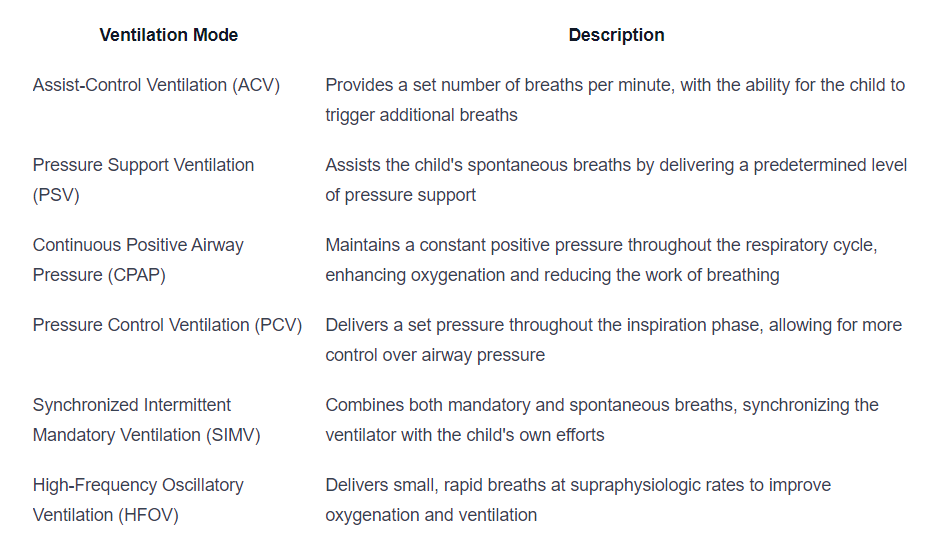
    Pediatric ventilation can be delivered using various ventilation modes, each serving specific purposes. The choice of ventilation mode depends on the child’s underlying condition, respiratory needs, and response to therapy. Some commonly used ventilation modes for pediatric patients include:

    __wf_reserved_inherit

    The selection of the appropriate ventilation mode depends on the child’s specific needs and the goals of therapy, which are determined by the healthcare team.

    Understanding the basics of pediatric ventilation, including its definition, indications, and the various ventilation modes available, is essential for healthcare professionals who care for children requiring respiratory support. By utilizing the appropriate ventilation techniques, healthcare providers can optimize respiratory function and improve outcomes for pediatric patients in need of ventilation.

    Understanding Ventilator Settings

    When it comes to pediatric ventilation, understanding the various ventilator settings is crucial for providing optimal care to young patients. Ventilator settings are carefully adjusted based on individual patient needs and the specific condition being treated. This section will delve into the parameters that healthcare providers monitor, the process of adjusting ventilator settings, and the ventilation strategies employed for different conditions.

    Parameters to Monitor

    Monitoring specific parameters is essential to ensure that pediatric patients receive appropriate ventilation support. Healthcare providers closely monitor the following parameters:

    1. Tidal Volume: Tidal volume refers to the amount of air delivered with each breath. It is important to adjust tidal volume based on the child’s weight and lung condition. Table 1 provides general guidelines for tidal volume settings based on body weight.
    __wf_reserved_inherit
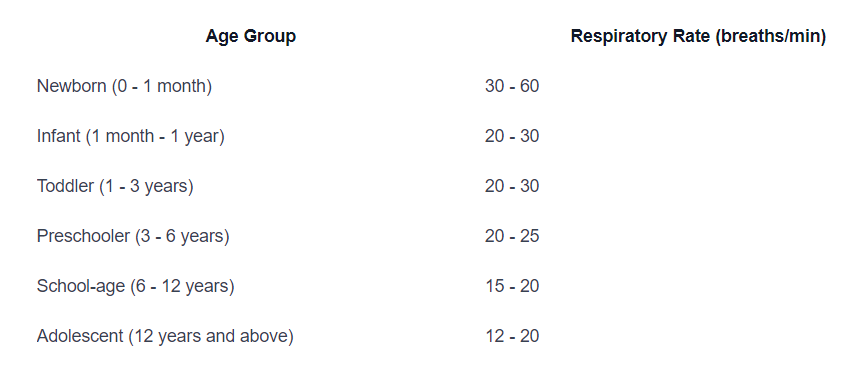
    1. Respiratory Rate: Respiratory rate represents the number of breaths delivered per minute. It is typically adjusted based on the child’s age and the underlying respiratory condition. Table 2 presents recommended respiratory rate ranges based on age.
    __wf_reserved_inherit
    1. Positive End-Expiratory Pressure (PEEP): PEEP is the amount of pressure maintained in the airways at the end of expiration. It helps improve oxygenation and prevent alveolar collapse. The appropriate PEEP level varies depending on the child’s lung condition and oxygenation needs.
    2. Fraction of Inspired Oxygen (FiO2): FiO2 represents the concentration of oxygen delivered to the child. The FiO2 is adjusted to achieve adequate oxygenation while minimizing the risk of oxygen toxicity.

    Adjusting Ventilator Settings

    The process of adjusting ventilator settings involves modifying parameters such as tidal volume, respiratory rate, PEEP, and FiO2. These adjustments are made based on the child’s clinical condition, blood gas results, and the goals of therapy. Regular monitoring and close collaboration between healthcare providers are essential to ensure effective ventilation.

    Ventilation Strategies for Different Conditions

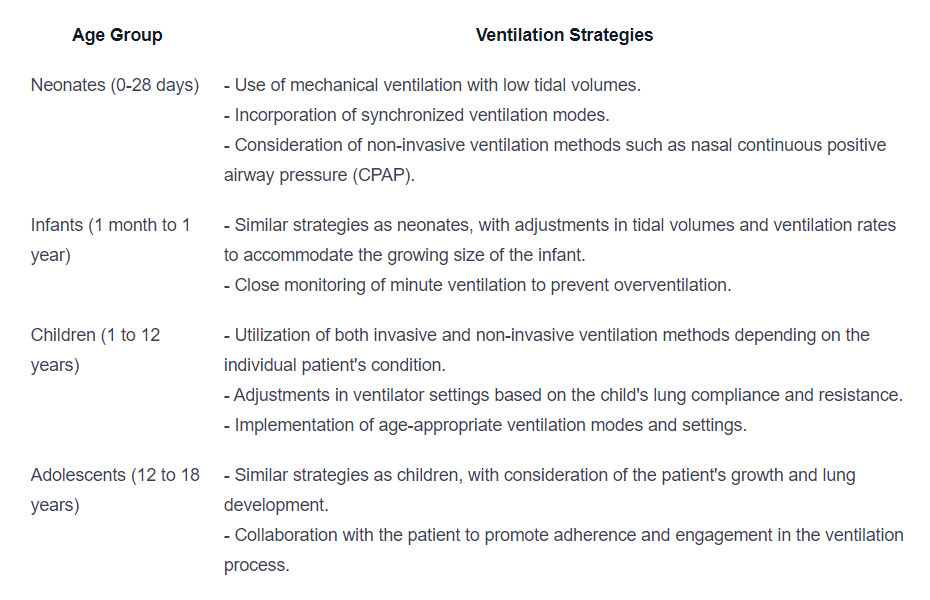
    Pediatric ventilation strategies vary based on the underlying respiratory condition. Some common conditions that may require specific ventilation strategies include acute respiratory distress syndrome (ARDS), asthma, bronchiolitis, and congenital heart defects.

    For example, in ARDS, a lung-protective ventilation strategy is employed to minimize further lung injury. This includes using lower tidal volumes, lower inspiratory pressures, and higher levels of PEEP. In asthma, strategies may involve bronchodilator therapy and adjusting ventilator settings to manage airflow obstruction.

    The ventilation strategies employed for different conditions require expertise and consideration of individual patient needs. Close collaboration between healthcare providers, including respiratory therapists and pediatricians, is crucial to develop and implement appropriate ventilation strategies.

    By understanding the parameters to monitor, adjusting ventilator settings appropriately, and employing specific ventilation strategies for different conditions, healthcare providers can ensure optimal respiratory support for pediatric patients requiring ventilation. Regular assessment and ongoing evaluation of the child’s response to ventilation are essential to provide the best possible care.

    Monitoring Pediatric Patients on Ventilation

    When it comes to pediatric ventilation, monitoring the patients closely is of utmost importance. This ensures that their respiratory needs are met and any complications are addressed promptly. In this section, we will discuss vital signs monitoring, complications to watch for, and assessing ventilation effectiveness in pediatric patients.

    Vital Signs Monitoring

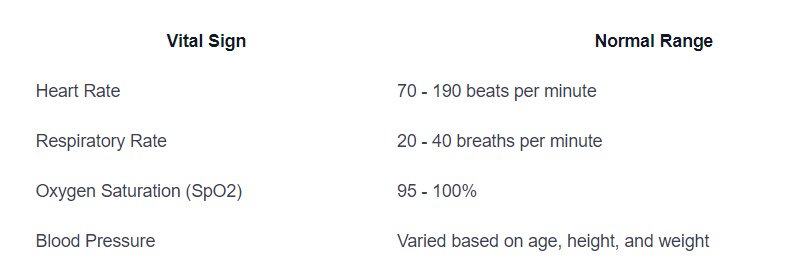
    Monitoring vital signs is crucial for assessing the overall well-being of pediatric patients on ventilation. The following vital signs should be regularly monitored:

    __wf_reserved_inherit

    Regularly assessing and documenting these vital signs allows healthcare providers to detect any abnormalities or changes in the patient’s condition. It is important to note that normal ranges may vary depending on the age and medical condition of the pediatric patient.

    Complications to Watch For

    While on ventilation, pediatric patients may experience complications that require immediate attention. Some complications to watch for include:

    1. Barotrauma: This refers to damage to the lungs caused by excessive pressure during ventilation. Signs of barotrauma include subcutaneous emphysema (air under the skin) and pneumothorax (collapsed lung).
    2. Ventilator-associated pneumonia (VAP): VAP is a lung infection that can occur as a result of prolonged ventilation. Symptoms include fever, increased respiratory secretions, and changes in chest x-rays.
    3. Acid-base imbalance: Ventilation can affect the acid-base balance in the body. Monitoring blood gas levels helps identify imbalances such as respiratory acidosis or alkalosis.

    Prompt recognition and management of these complications are vital in ensuring the well-being of pediatric patients on ventilation. Healthcare providers should closely monitor the patient for any signs or symptoms of these complications.

    Assessing Ventilation Effectiveness

    Assessing ventilation effectiveness involves evaluating whether the patient’s respiratory needs are being met and if the chosen ventilation settings are appropriate. The following factors should be considered:

    1. Arterial Blood Gas (ABG) Analysis: ABG analysis provides information about oxygen and carbon dioxide levels in the blood, as well as acid-base balance. It helps determine if ventilation is achieving the desired gas exchange.
    2. End-Tidal Carbon Dioxide (EtCO2) Monitoring: EtCO2 monitoring measures the level of carbon dioxide at the end of each breath. This non-invasive method helps assess ventilation adequacy and can indicate changes in patient condition.
    3. Chest X-rays: Periodic chest x-rays can be used to evaluate lung expansion, identify abnormalities, and assess the placement of tubes and catheters.

    By closely monitoring vital signs, watching for complications, and assessing ventilation effectiveness, healthcare providers can optimize care for pediatric patients on ventilation. Regular assessments and prompt interventions contribute to improved outcomes and the overall well-being of these patients.

    Pediatric Ventilation in Practice

    When it comes to pediatric ventilation, healthcare providers need to consider the unique needs and challenges associated with different age groups. Additionally, understanding the challenges and implementing best practices is crucial for providing effective and safe ventilation for pediatric patients.

    Ventilation in Different Age Groups

    Pediatric ventilation varies depending on the age and size of the patient. The table below provides a general overview of the ventilation strategies used for different age groups:

    __wf_reserved_inherit

    Challenges in Pediatric Ventilation

    Pediatric ventilation poses unique challenges that healthcare providers must navigate. Some of the common challenges include:

    • Size and anatomical differences: Pediatric patients have smaller airways and lungs compared to adults, requiring accurate sizing and adjustments of equipment.
    • Dynamic respiratory mechanics: Children’s lungs are more compliant and have higher airway resistance, necessitating careful monitoring and adjustment of ventilator settings.
    • Patient cooperation: It can be challenging to ensure patient cooperation, especially in younger children. Healthcare providers must employ strategies to minimize anxiety and discomfort during ventilation procedures.
    • Disease-specific considerations: Different respiratory diseases require tailored ventilation approaches and close monitoring of disease progression.

    Best Practices for Pediatric Ventilation

    To ensure the best outcomes for pediatric patients undergoing ventilation, healthcare providers should adhere to best practices, including:

    • Close monitoring of vital signs and respiratory parameters to assess the effectiveness of ventilation.
    • Regular assessment of lung compliance and airway resistance to adjust ventilator settings accordingly.
    • Collaboration with a multidisciplinary team, including respiratory therapists and pediatric specialists, to optimize ventilation strategies.
    • Continuous education and training for healthcare providers to stay updated with the latest guidelines and advancements in pediatric ventilation.
    • Individualized care based on the patient’s unique needs, disease condition, and response to ventilation.

    By understanding the specific considerations and challenges associated with pediatric ventilation, healthcare providers can deliver optimal care to pediatric patients in need of respiratory support. Implementing best practices and staying informed about guidelines and advancements in pediatric ventilation helps ensure the best possible outcomes for these vulnerable patients.

    Staying Informed and Prepared

    When it comes to pediatric ventilation, staying informed and prepared is crucial for healthcare providers. By continuously updating their knowledge and skills, they can ensure the best possible care for pediatric patients. This section focuses on the importance of training and education, staying up-to-date with guidelines, and utilizing resources for pediatric ventilation information.

    Training and Education for Healthcare Providers

    Proper training and education play a vital role in maintaining proficiency in pediatric ventilation. Healthcare providers involved in pediatric care should undergo specialized training programs that cover the principles, techniques, and best practices of pediatric ventilation. These programs equip healthcare providers with the necessary skills to manage and support pediatric patients on ventilators.

    Continuing education and professional development are also essential for healthcare providers. Regular participation in workshops, seminars, and conferences allows them to stay updated with the latest advancements in pediatric ventilation. This ongoing education ensures that healthcare providers are well-prepared to handle any challenges that may arise during the ventilation process.

    Staying Up-to-Date with Guidelines

    Pediatric ventilation guidelines are continuously evolving as new research and evidence emerge. It is crucial for healthcare providers to stay up-to-date with these guidelines to provide the best care for pediatric patients. Regularly reviewing and familiarizing themselves with the latest guidelines ensures that healthcare providers adhere to the most current recommendations and protocols.

    Medical organizations and professional societies often publish and update guidelines related to pediatric ventilation. Healthcare providers should regularly check these authoritative sources to stay informed about any changes or updates in the field. By doing so, they can ensure that their practices align with the most current standards of care.

    Resources for Pediatric Ventilation Information

    In addition to guidelines, various resources are available to healthcare providers seeking pediatric ventilation information. These resources provide valuable insights, research findings, and practical tips for managing pediatric patients on ventilators.

    Medical journals dedicated to pediatric care and critical care medicine are excellent sources of in-depth articles and studies on pediatric ventilation. These journals often publish research papers, case studies, and review articles that contribute to the knowledge and understanding of pediatric ventilation.

    Online databases and professional websites also offer a wealth of information on pediatric ventilation. These platforms provide access to guidelines, protocols, and educational materials. Additionally, online forums and communities allow healthcare providers to engage in discussions, share experiences, and seek advice from peers.

    By utilizing these resources, healthcare providers can expand their knowledge, enhance their skills, and stay informed about the latest developments in pediatric ventilation. This continuous learning and access to information contribute to improved patient outcomes and the delivery of high-quality care.

    Staying informed and prepared is essential for healthcare providers involved in pediatric ventilation. By prioritizing training and education, staying up-to-date with guidelines, and utilizing available resources, healthcare providers can ensure that they are equipped with the knowledge and skills necessary to provide optimal care for pediatric patients on ventilators.

    Sources

    https://www.health.gov.fj/wp-content/uploads/2014/05/Ventilation-Guidelines-for-PICU_Oct-2010.pdf

    https://www.ncbi.nlm.nih.gov/pmc/articles/PMC8969224/

    https://www.ncbi.nlm.nih.gov/pmc/articles/PMC5717127/

  • Pediatric Acute Care Nurse Practitioner

    Pediatric Acute Care Nurse Practitioner

    Discover the vital role of pediatric acute care nurse practitioners in transforming pediatric care. Enhancing specialized treatment and collaborating for better outcomes.

    Pediatric Acute Care Nurse Practitioners: An Overview

    Pediatric Acute Care Nurse Practitioners (PACNPs) play a vital role in the healthcare system, providing specialized care to infants, children, and adolescents in acute care settings. They have a unique set of responsibilities and undergo rigorous training and certification to ensure they are equipped to handle the complexities of pediatric care.

    __wf_reserved_inherit

    Role and Responsibilities

    PACNPs are healthcare professionals who work alongside physicians and other healthcare providers to deliver comprehensive care to pediatric patients in acute care settings such as hospitals, emergency departments, and intensive care units. Their primary role is to assess, diagnose, and manage acute and critical conditions in children.

    Some of the key responsibilities of PACNPs include:

    • Conducting comprehensive physical assessments of pediatric patients.
    • Ordering and interpreting diagnostic tests.
    • Diagnosing and treating acute illnesses and injuries.
    • Developing and implementing treatment plans.
    • Prescribing medications and administering treatments.
    • Collaborating with healthcare teams to ensure coordinated care.
    • Providing education and support to patients and their families.

    PACNPs bring a holistic approach to patient care, considering not only the physical health of the child but also their emotional and psychosocial well-being. They play a crucial role in promoting health promotion and disease prevention strategies to optimize the overall health of the pediatric population.

    Training and Certification

    Becoming a PACNP requires advanced education and specialized training. Individuals interested in this field typically pursue a Master of Science in Nursing (MSN) or a Doctor of Nursing Practice (DNP) degree with a specialization in pediatric acute care.

    During their education, aspiring PACNPs receive comprehensive training in pediatric care, acute and critical care management, and advanced assessment and diagnostic skills specific to the pediatric population. Clinical rotations in various acute care settings provide hands-on experience in managing complex pediatric cases under the supervision of experienced healthcare professionals.

    After completing their education, PACNPs must obtain national certification through organizations such as the Pediatric Nursing Certification Board (PNCB) or the American Nurses Credentialing Center (ANCC). Certification ensures that PACNPs have met the rigorous standards set by these organizations and have demonstrated their competence in providing safe and effective care to pediatric patients in acute care settings.

    Continuing education is also essential for PACNPs to stay up-to-date with the latest advancements in pediatric acute care. They engage in ongoing professional development activities, attend conferences, and participate in specialized training programs to enhance their knowledge and skills.

    By understanding the role and responsibilities of PACNPs and the extensive training and certification they undergo, we can appreciate the invaluable contribution they make in improving the quality of pediatric care in acute settings. Their expertise and dedication to the well-being of pediatric patients ensure that children receive the specialized care they need during times of acute illness or injury.

    Importance of Pediatric Acute Care Nurse Practitioners

    Pediatric Acute Care Nurse Practitioners (PACNPs) play a vital role in enhancing pediatric care and collaborating with healthcare teams. Their specialized knowledge and skills contribute to improved outcomes for children in acute care settings.

    Enhancing Pediatric Care

    PACNPs bring a unique set of skills and expertise to the field of pediatric care. They are trained to provide comprehensive care for children with acute illnesses and injuries. By working closely with physicians and other healthcare professionals, PACNPs enhance the overall quality of care provided to pediatric patients.

    PACNPs have advanced knowledge in managing acute health conditions in children, allowing for timely and appropriate interventions. They are skilled in assessing and diagnosing acute illnesses, developing treatment plans, and implementing evidence-based interventions. This specialized approach ensures that children receive the individualized care they need during critical periods of their health journey.

    Collaborating with Healthcare Teams

    Collaboration is a key aspect of pediatric care, and PACNPs excel in working as part of a healthcare team. They collaborate with physicians, specialists, nurses, and other healthcare professionals to deliver comprehensive care to pediatric patients.

    By working closely with physicians, PACNPs contribute to well-rounded and coordinated care plans. They assist in the assessment, diagnosis, and management of patients, providing valuable insights and recommendations based on their specialized training. This collaborative approach ensures that the healthcare team can effectively address the unique needs of each pediatric patient.

    PACNPs also play a crucial role in supporting families and patients. They provide education and guidance, helping families understand the diagnosis, treatment options, and potential outcomes. This collaborative approach fosters a sense of trust and partnership between healthcare providers, families, and patients, ultimately leading to improved pediatric care experiences.

    The importance of PACNPs cannot be overstated. Their expertise, collaboration, and dedication to pediatric care significantly contribute to the well-being of children in acute care settings. By working alongside other healthcare professionals, PACNPs ensure that children receive the best possible care, leading to improved health outcomes and a brighter future for pediatric patients.

    Scope of Practice

    Pediatric Acute Care Nurse Practitioners play a vital role in providing comprehensive care to pediatric patients in acute care settings. Their scope of practice encompasses a range of responsibilities, including assessment and diagnosis, as well as treatment planning and management.

    Assessment and Diagnosis

    Pediatric Acute Care Nurse Practitioners are trained to perform thorough assessments of pediatric patients in acute care settings. Through their specialized knowledge and expertise, they are able to evaluate the physical, developmental, and psychosocial aspects of a child’s health. This includes conducting physical examinations, reviewing medical histories, and ordering and interpreting diagnostic tests.

    During the assessment process, Pediatric Acute Care Nurse Practitioners are skilled in identifying signs and symptoms of various pediatric conditions. They use their clinical judgment and critical thinking skills to make accurate diagnoses and develop appropriate treatment plans. By conducting comprehensive assessments, they ensure that the unique needs of each pediatric patient are addressed, leading to timely and effective interventions.

    Treatment Planning and Management

    Once a diagnosis has been made, Pediatric Acute Care Nurse Practitioners play a crucial role in developing and implementing treatment plans for their patients. They collaborate with other healthcare professionals, such as physicians, specialists, and nurses, to create individualized care plans that address the specific needs of each child.

    Pediatric Acute Care Nurse Practitioners are trained to manage acute and chronic illnesses in pediatric patients. They prescribe medications, order and interpret diagnostic tests, perform procedures, and provide patient education and counseling. They closely monitor the progress of their patients, making necessary adjustments to treatment plans as needed.

    By utilizing their expertise in pediatric care, Pediatric Acute Care Nurse Practitioners ensure that children receive evidence-based and comprehensive treatment. They work collaboratively with the healthcare team to provide holistic care that promotes the well-being and recovery of pediatric patients.

    In summary, the scope of practice for Pediatric Acute Care Nurse Practitioners includes conducting thorough assessments and making accurate diagnoses, as well as developing and implementing individualized treatment plans. Their expertise and specialized knowledge are instrumental in providing high-quality care to pediatric patients in acute care settings.

    Advantages of Pediatric Acute Care Nurse Practitioners

    Pediatric Acute Care Nurse Practitioners (PACNPs) play a vital role in delivering high-quality care to pediatric patients. They offer several advantages that contribute to improved healthcare outcomes for children. Two significant advantages of PACNPs are timely and specialized care, as well as continuity of care.

    Timely and Specialized Care

    PACNPs are trained to provide prompt and focused care to pediatric patients. With their specialized knowledge and skills, they are equipped to assess and manage acute illnesses and injuries efficiently. By collaborating closely with physicians and other healthcare professionals, PACNPs ensure that children receive timely interventions and appropriate treatments.

    Moreover, PACNPs are skilled in recognizing critical situations and making swift decisions to stabilize pediatric patients. Their ability to quickly assess and respond to emergencies helps in preventing complications and promoting optimal outcomes. By delivering timely and specialized care, PACNPs contribute significantly to the well-being of pediatric patients.

    Continuity of Care

    Continuity of care is crucial in pediatric healthcare. PACNPs play a vital role in ensuring that children receive consistent and coordinated care throughout their healthcare journey. They work closely with primary care providers, specialists, and other members of the healthcare team to facilitate seamless transitions between different healthcare settings.

    PACNPs are often involved in providing follow-up care after a hospital visit or emergency department visit. This continuity of care ensures that pediatric patients receive consistent monitoring, medication management, and necessary interventions. By collaborating with primary care providers, PACNPs help bridge the gap between acute care and ongoing management, promoting comprehensive and holistic healthcare for children.

    To summarize, the advantages of Pediatric Acute Care Nurse Practitioners (PACNPs) include the provision of timely and specialized care as well as ensuring continuity of care for pediatric patients. Their expertise in acute care management and collaboration with healthcare teams contribute to improved healthcare outcomes and enhanced well-being for children.

    Collaborative Approach in Pediatric Care

    Pediatric Acute Care Nurse Practitioners (PACNPs) play a vital role in the collaborative approach to pediatric care. They work closely with physicians and specialists, as well as provide support to families and patients, ensuring comprehensive and coordinated care for pediatric patients.

    Working with Physicians and Specialists

    Pediatric Acute Care Nurse Practitioners collaborate closely with physicians and specialists to provide optimal care for their patients. They work as part of a healthcare team, actively participating in discussions, sharing their expertise, and contributing to the decision-making process.

    PACNPs work alongside physicians and specialists in various ways, including:

    • Conducting comprehensive assessments and evaluations of patients, gathering information about medical history, symptoms, and current health status.
    • Collaborating in the diagnosis and treatment planning for pediatric patients, providing valuable insights and recommendations.
    • Ordering and interpreting diagnostic tests, such as laboratory tests or imaging studies, in collaboration with physicians and specialists.
    • Administering treatments, medications, and therapies as prescribed by the healthcare team.
    • Monitoring the progress and response to treatment, adjusting care plans as necessary, and communicating updates to the healthcare team.
    • Participating in interdisciplinary rounds and meetings to discuss patient progress, treatment options, and discharge planning.

    By working closely with physicians and specialists, PACNPs contribute to a well-rounded and comprehensive approach to pediatric care. Their collaboration ensures that patients receive the best possible care and benefit from the collective expertise of the healthcare team.

    Supporting Families and Patients

    In addition to collaborating with physicians and specialists, Pediatric Acute Care Nurse Practitioners also play a crucial role in supporting families and patients throughout their healthcare journey. They serve as advocates and educators, providing guidance and emotional support to patients and their families.

    PACNPs support families and patients in various ways, including:

    • Communicating with families to explain diagnoses, treatment plans, and procedures in a clear and compassionate manner.
    • Addressing any concerns or questions that families may have, offering reassurance and guidance.
    • Educating families about the management of acute and chronic conditions, including medication administration, symptom management, and home care instructions.
    • Collaborating with other healthcare professionals, such as social workers or child life specialists, to address the emotional and psychosocial needs of patients and their families.
    • Providing resources and referrals to support services or community organizations to assist families in accessing additional assistance or resources.

    By supporting families and patients, PACNPs help to alleviate anxiety and promote a positive healthcare experience. Their compassionate and patient-centered approach ensures that families feel empowered and well-informed, leading to better outcomes for pediatric patients.

    In conclusion, the collaborative approach in pediatric care is greatly enhanced by the active involvement of Pediatric Acute Care Nurse Practitioners. Their collaboration with physicians and specialists and their support for families and patients contribute to the delivery of comprehensive and coordinated care for pediatric patients.

    Sources

    https://nursinglicensemap.com/advanced-practice-nursing/nurse-practitioner/pediatric-nurse-practitioner-acute-care/

    https://www.nursing.upenn.edu/pediatric-acute-care-nurse-practitioner/

    https://www.nursing.emory.edu/program-details/pediatric-acute-care-nurse-practitioner

  • Comprehensive Guide to Pediatric Orthotic Devices

    Comprehensive Guide to Pediatric Orthotic Devices

    Revolutionize pediatric care with our comprehensive guide to orthotic devices. Discover the benefits, considerations, and future trends in pediatric orthotics.

    __wf_reserved_inherit

    Pediatric Orthotic Devices: An Overview

    In the field of pediatric care, orthotic devices play a significant role in improving the quality of life for children with various conditions or injuries. These devices are designed to provide support, stability, and assistance to children with musculoskeletal or neurological impairments. Let’s explore what pediatric orthotic devices are and why they are crucial in pediatric care.

    What Are Pediatric Orthotic Devices?

    Importance of Orthotic Devices in Pediatric Care

    Orthotic devices play a crucial role in pediatric care by providing numerous benefits to children with physical challenges. These devices can:

    • Support and Stability: Orthotic devices provide external support to weak or unstable body parts, helping children maintain proper alignment and balance during movement. This support aids in improving overall mobility and reducing the risk of falls or injuries.
    • Correcting Alignment Issues: Some children may have alignment issues due to conditions like flat feet or scoliosis. Orthotic devices are designed to correct these alignment problems by providing the necessary support and gentle pressure to realign the affected body parts.
    • Aid in Rehabilitation: After an injury or surgery, orthotic devices can assist in the rehabilitation process by providing support, protecting the affected area, and promoting proper healing. These devices may also help improve muscle strength, range of motion, and functional abilities.

    To ensure the effectiveness of pediatric orthotic devices, it is crucial to consider proper fit, sizing, comfort, and regular maintenance. Additionally, advancements in technology and the availability of custom-made and off-the-shelf options have revolutionized the field of pediatric orthotics, offering more personalized and functional solutions for children with varying needs.

    Overall, pediatric orthotic devices are a valuable tool in enhancing the well-being and independence of children with mobility challenges. By providing the necessary support, correction, and rehabilitation assistance, these devices contribute significantly to improving the overall quality of life for children with musculoskeletal or neurological conditions.

    Types of Pediatric Orthotic Devices

    Pediatric orthotic devices come in various forms, each designed to address specific needs and conditions. In this section, we will explore four common types of pediatric orthotic devices: Ankle-Foot Orthoses (AFOs), Knee-Ankle-Foot Orthoses (KAFOs), Spinal Orthoses, and Upper Limb Orthoses.

    Ankle-Foot Orthoses (AFOs)

    Ankle-Foot Orthoses, commonly referred to as AFOs, are orthotic devices that provide support and stabilization to the ankle and foot. They are often used to address conditions such as foot drop, ankle instability, and flat feet in pediatric patients.

    AFOs are typically made from lightweight and durable materials, such as plastic or carbon fiber. These devices can be customized to fit the child’s unique foot shape and size. AFOs help improve gait patterns, correct foot and ankle alignment, and provide stability during walking or standing.

    Knee-Ankle-Foot Orthoses (KAFOs)

    Knee-Ankle-Foot Orthoses, known as KAFOs, are orthotic devices that encompass the knee, ankle, and foot. These devices are prescribed for children with more extensive lower limb conditions, such as cerebral palsy, muscular dystrophy, or spinal cord injury.

    KAFOs are designed to provide stability and support to the entire lower limb. They help control joint movement, maintain proper alignment, and assist with walking and weight-bearing activities. KAFOs are typically custom-made to ensure an optimal fit and functionality for each child’s specific needs.

    Spinal Orthoses

    Spinal Orthoses are orthotic devices used to support and align the spine in children with spinal deformities or injuries. These devices can be in the form of braces or corsets and are often prescribed for conditions like scoliosis or kyphosis.

    Spinal Orthoses apply external forces to the spine, helping to control abnormal curvature, maintain proper spinal alignment, and prevent further progression of the deformity. These devices are custom-made based on the child’s unique spinal curvature and may need regular adjustments as the child grows.

    Upper Limb Orthoses

    Upper Limb Orthoses can take various forms, including braces, splints, or custom-made devices. They help improve upper limb positioning, provide stability, and assist with functional activities such as grasping and reaching. These devices are tailored to the child’s specific upper limb needs and may be adjusted as their abilities and growth progress.

    Understanding the different types of pediatric orthotic devices allows healthcare professionals and caregivers to select the most appropriate device for each child’s unique needs. Customization, proper fit, and regular monitoring are essential factors in optimizing the benefits of these orthotic devices for pediatric patients.

    __wf_reserved_inherit

    Benefits of Orthotic Devices for Children

    Orthotic devices play a crucial role in pediatric care, providing numerous benefits for children who require additional support and assistance. These devices offer support and stability, correct alignment issues, and aid in the rehabilitation process.

    Support and Stability

    One of the primary benefits of orthotic devices for children is the support and stability they provide. These devices are designed to help children with various conditions or injuries maintain proper posture, balance, and mobility. By offering external support to the affected body part, orthotic devices assist in improving overall stability and reducing the risk of falls or further injury.

    For example, ankle-foot orthoses (AFOs) provide support to the ankle and foot, helping children with conditions such as cerebral palsy or foot drop maintain a more stable gait. Similarly, knee-ankle-foot orthoses (KAFOs) offer support to the knee, ankle, and foot, aiding children with conditions like spina bifida or muscular dystrophy in maintaining proper alignment and stability while walking or standing.

    Correcting Alignment Issues

    Orthotic devices are also instrumental in correcting alignment issues in children. These devices are often custom-made to address specific anatomical or musculoskeletal concerns, helping to guide the growth and development of the affected body part.

    For instance, spinal orthoses, such as braces or corsets, are used to correct spinal deformities like scoliosis in children. These orthotic devices apply gentle pressure to the spine, gradually guiding it into a more aligned position and preventing further progression of the curvature.

    Similarly, upper limb orthoses, such as wrist splints or elbow braces, aid in correcting alignment issues in the upper extremities, promoting proper joint alignment and function.

    Aid in Rehabilitation

    Orthotic devices also play a crucial role in the rehabilitation process for children recovering from injuries or surgeries. These devices provide support and protection to the affected area, allowing for controlled movement and preventing further damage during the healing process.

    For example, after a fracture or surgery, a child may require a specialized orthotic device, such as a cast or brace, to immobilize and support the injured limb. This aids in the healing process by providing stability and protecting the affected area from excessive movement.

    Orthotic devices can also aid in rehabilitation by facilitating proper movement patterns and muscle activation. By providing external support and guidance, these devices help children regain strength, coordination, and range of motion in the affected body part.

    By offering support and stability, correcting alignment issues, and aiding in rehabilitation, orthotic devices play a vital role in improving the quality of life for children with various conditions or injuries. These devices are designed to address specific needs and requirements, allowing children to participate in daily activities, move more comfortably, and achieve their optimal potential.

    Considerations When Using Pediatric Orthotic Devices

    When it comes to using pediatric orthotic devices, there are certain considerations that should be kept in mind to ensure their effectiveness and the well-being of the child. These considerations include proper fit and sizing, comfort and skin care, and regular maintenance and cleaning.

    Proper Fit and Sizing

    Achieving a proper fit and sizing is crucial when using pediatric orthotic devices. Ill-fitting devices may not provide the intended support and can cause discomfort or even lead to skin issues. It is essential to work with a healthcare professional experienced in orthotics to ensure the correct measurements and fit for the child’s specific needs.

    To determine the proper fit, various factors must be taken into account, including the child’s age, weight, height, and the specific condition being treated. The orthotic device should be designed to align with the child’s anatomy and provide the necessary support and stability.

    Comfort and Skin Care

    Comfort is another essential consideration when using pediatric orthotic devices. It is crucial to ensure that the device does not cause any discomfort or irritation to the child. Padded or cushioned areas within the device can help improve comfort and reduce pressure points.

    Proper skin care is also vital when using orthotic devices. Regular inspection of the skin under the device is necessary to identify any signs of irritation, redness, or pressure sores. Clean the skin gently and ensure it is dry before putting the device back on. If any skin issues arise, it is important to consult with a healthcare professional.

    Regular Maintenance and Cleaning

    Regular maintenance and cleaning of pediatric orthotic devices are essential to ensure their longevity and hygiene. The specific care instructions may vary depending on the type of device and materials used. It is important to follow the manufacturer’s guidelines and any additional instructions provided by the healthcare professional.

    Cleaning the orthotic device with mild soap and water is typically recommended. Ensure thorough drying before reapplying it to avoid moisture buildup. Regularly inspect the device for any signs of wear and tear, such as loose straps or damaged components, and address them promptly to maintain the device’s effectiveness and safety.

    By considering proper fit and sizing, comfort and skin care, and regular maintenance and cleaning, caregivers can maximize the benefits of pediatric orthotic devices while ensuring the child’s comfort and safety. Working closely with healthcare professionals experienced in orthotics can provide valuable guidance and support throughout the process.

    __wf_reserved_inherit

    Custom vs. Off-the-Shelf Orthotic Devices

    When it comes to pediatric orthotic devices, there are two main categories to consider: custom orthotic devices and off-the-shelf orthotic devices. Each option has its own set of advantages and considerations, ensuring that children receive optimal care based on their unique needs.

    Custom Orthotic Devices

    Custom orthotic devices are specifically designed and fabricated to meet the individual requirements of a child. These devices are created based on detailed assessments, measurements, and prescriptions from healthcare professionals. Customization allows for a precise fit and addresses specific conditions or anatomical considerations.

    The process of obtaining custom orthotic devices typically involves a series of steps, including a comprehensive evaluation, casting or scanning of the affected body part, and subsequent fabrication. This level of customization ensures maximum effectiveness and comfort for the child.

    While custom orthotic devices offer several benefits, it’s important to be aware of potential drawbacks as well. The fabrication process may take longer, and the devices can be more expensive compared to off-the-shelf options. However, the tailored fit and targeted support make custom orthotic devices an excellent choice for children with complex or unique orthotic needs.

    Off-the-Shelf Orthotic Devices

    Off-the-shelf orthotic devices are pre-fabricated and readily available for immediate use. These devices are designed to fit a range of sizes and can be adjusted to accommodate individual variations. Off-the-shelf options offer convenience and affordability, making them a suitable choice for children with less complex orthotic needs.

    These devices are often categorized by size or age range, allowing healthcare professionals to select the most appropriate fit for the child. While they may not provide the same level of customization as custom orthotic devices, off-the-shelf options still offer valuable support and functionality.

    It is important to note that off-the-shelf orthotic devices may not address specific anatomical variations or complex conditions as effectively as custom devices. However, they can be a viable option for temporary use, initial treatment, or as a cost-effective solution for children with less severe orthotic needs.

    To determine the most suitable orthotic approach for a child, healthcare professionals consider factors such as the child’s condition, prognosis, functional goals, and financial considerations. By carefully assessing these factors, healthcare providers can make informed decisions regarding the use of custom or off-the-shelf orthotic devices, ensuring that children receive the best possible care for their orthotic needs.

    Future Trends in Pediatric Orthotic Devices

    As technology continues to advance, the field of pediatric orthotic devices is experiencing exciting developments. These trends are revolutionizing the way orthotic devices are designed and utilized, bringing new possibilities and benefits for children in need of orthotic support. Let’s explore three key future trends in pediatric orthotic devices.

    Technological Advancements

    Technological advancements are reshaping the landscape of pediatric orthotic devices. Innovative materials, such as carbon fiber composites, are being used to create lightweight and durable orthoses. These materials provide improved strength and flexibility, allowing for more customized and comfortable devices.

    Additionally, advancements in sensor technology are enabling the integration of smart features into orthotic devices. These sensors can monitor gait patterns, muscle activity, and pressure distribution, providing valuable data to healthcare professionals. This data can help optimize treatment plans, track progress, and improve the overall effectiveness of orthotic interventions.

    Personalization and 3D Printing

    The advent of 3D printing technology has opened up new possibilities for personalized pediatric orthotic devices. 3D scanning and modeling techniques allow for precise measurements and customization based on the individual needs of each child. This personalization ensures a better fit and improved overall effectiveness of the orthotic device.

    Furthermore, 3D printing enables rapid prototyping and manufacturing of orthoses, reducing production time and costs. This technology also allows for the creation of complex geometries and structures, enhancing the design possibilities for orthotic devices. The ability to create lightweight and breathable orthoses with intricate designs promotes better comfort and aesthetics for children.

    Enhanced Comfort and Functionality

    In the future, pediatric orthotic devices will place even greater emphasis on comfort and functionality. The integration of advanced padding and cushioning materials will enhance the overall wearability of orthoses, reducing pressure points and improving comfort for children. These materials will also contribute to better moisture management, reducing the risk of skin issues.

    Additionally, improvements in joint mechanisms and strapping systems will enhance the functionality of orthotic devices. Adjustable components will allow for better alignment and support, accommodating the changing needs of growing children. The focus on user-friendly features will make it easier for caregivers to manage and maintain the orthotic devices.

    By embracing these future trends, pediatric orthotic devices are becoming more effective, comfortable, and personalized. The combination of technological advancements, 3D printing capabilities, and enhanced comfort and functionality will continue to transform the field, providing children with improved mobility, support, and quality of life.

    Sources

    https://orthopedicapplianceco.com/pediatric-orthotic-devices

    https://www.pedistat.com/blog/pediatric-orthoses-guide-treating-children

    https://www.durrettsoandp.com/blog/basics-of-pediatric-orthoses

  • Diabetic Care Products

    Diabetic Care Products

    Discover essential diabetic care products to enhance your routine. From monitoring tools to storage solutions, we’ve got you covered!

    Understanding Diabetic Care Products

    When it comes to managing diabetes, utilizing diabetic care products plays a crucial role in maintaining one’s health and well-being. These products are designed to aid individuals in monitoring their blood sugar levels, administering insulin, caring for their feet, incorporating dietary supplements, and organizing their diabetic supplies efficiently.

    __wf_reserved_inherit

    Importance of Diabetic Care Products

    Diabetic care products are essential tools that help individuals with diabetes effectively manage their condition on a day-to-day basis. These products not only assist in monitoring blood glucose levels and administering insulin but also support overall health and ensure that potential complications are minimized.

    By incorporating diabetic care products into their daily routine, individuals can proactively track their blood sugar levels, make informed decisions regarding their diet and medication, and take necessary precautions to prevent diabetic-related complications. Furthermore, utilizing these products can empower individuals to take control of their health and lead a fulfilling and active lifestyle while effectively managing their diabetes.

    Types of Products Available

    __wf_reserved_inherit

    Understanding the diverse range of diabetic care products available is essential for individuals with diabetes to effectively manage their condition and prioritize their health and well-being. By incorporating these products into their diabetic care routine, individuals can take proactive steps towards maintaining optimal blood sugar levels, minimizing complications, and leading a healthy and fulfilling life.

    Monitoring and Testing Tools

    When it comes to managing diabetes effectively, having the right monitoring and testing tools is essential. Two key products that play a crucial role in diabetic care are glucometers with test strips and continuous glucose monitors (CGMs).

    Glucometers and Test Strips

    Glucometers, also known as blood glucose meters, are handheld devices used by individuals with diabetes to measure their blood sugar levels. These portable devices provide on-the-spot blood glucose readings, allowing individuals to monitor and track their levels throughout the day.

    Glucometers operate by analyzing a small blood sample obtained from a finger prick. The test strips, which are inserted into the glucometer, interact with the blood sample to provide accurate glucose readings. It is important for individuals to follow the instructions provided with the glucometer and test strips to ensure precise results.

    Using a glucometer regularly can help individuals with diabetes make informed decisions about their diet, medication, and overall health. Keeping track of blood sugar levels is vital in managing the condition effectively and avoiding complications associated with high or low blood sugar.

    Continuous Glucose Monitors (CGMs)

    Continuous Glucose Monitors (CGMs) are innovative devices that offer a more continuous and real-time approach to monitoring blood sugar levels. Unlike glucometers that provide point-in-time readings, CGMs continuously track glucose levels throughout the day and night, providing valuable insights into patterns and trends.

    CGMs consist of a sensor that is placed under the skin to measure interstitial glucose levels, and a transmitter that sends this data wirelessly to a receiver or compatible smart device. The information gathered by the CGM helps individuals understand how their blood sugar levels fluctuate in response to food, exercise, medication, and other factors.

    By providing continuous monitoring and alerts for high or low blood sugar levels, CGMs offer a proactive approach to diabetes management. This real-time data empowers individuals to make timely adjustments to their treatment plan, ultimately improving their overall control of the condition.

    Incorporating glucometers with test strips and CGMs into a diabetic care routine can significantly aid in the management of diabetes. These tools provide valuable insights into blood sugar levels, enabling individuals to make informed decisions and take proactive steps to maintain their health and well-being.

    Insulin Delivery Devices

    When it comes to managing diabetes, the selection of appropriate insulin delivery devices plays a critical role in maintaining blood glucose levels. Two primary types of insulin delivery devices commonly used by individuals with diabetes are insulin pens and insulin pumps.

    Insulin Pens

    Insulin pens offer a convenient and discreet way to administer insulin. These compact devices come pre-filled with insulin and are designed for easy and precise dosing. Insulin pens provide a convenient alternative to traditional vial and syringe methods, making insulin administration simple and portable.

    __wf_reserved_inherit

    Insulin pens are especially favored for their user-friendly design, making them ideal for those who require multiple insulin injections throughout the day. The availability of different pen types allows individuals to choose a pen that aligns with their specific insulin regimen and lifestyle needs.

    Insulin Pumps

    Insulin pumps are advanced devices that deliver a continuous flow of insulin throughout the day, mimicking the function of a healthy pancreas more closely. These small, wearable devices are connected to the body via a catheter and are programmed to deliver precise doses of insulin based on individual settings.

    __wf_reserved_inherit

    Insulin pumps offer enhanced flexibility in insulin dosing, allowing users to customize insulin delivery patterns to match their daily activities and nutritional intake. They are particularly beneficial for individuals who require precise insulin management, have variable insulin needs, or prefer a more automated approach to insulin delivery.

    Choosing between insulin pens and insulin pumps often depends on individual preferences, lifestyle considerations, and healthcare provider recommendations. Both devices are valuable tools in diabetes management, providing individuals with options to effectively manage their insulin therapy and optimize blood sugar control.

    Foot Care Products

    Foot care plays a vital role in the overall diabetic care routine, as individuals with diabetes are prone to foot complications. Proper foot care can help prevent serious issues such as ulcers and infections. Understanding the importance of foot care for diabetics is essential to maintaining optimal foot health.

    Importance of Foot Care for Diabetics

    Individuals with diabetes often experience nerve damage (neuropathy) and poor circulation, which can lead to decreased sensation in the feet and slower wound healing. As a result, small injuries or cuts on the feet can progress quickly into serious infections or ulcers. Regular foot inspections, proper hygiene, and appropriate footwear are crucial components of diabetic foot care to prevent complications.

    Recommended Foot Care Products

    To support effective foot care for diabetics, various foot care products are available in the market. These products are designed to help maintain foot health and reduce the risk of complications. Some common recommended foot care products for individuals with diabetes include:

    __wf_reserved_inherit

    Using recommended foot care products in conjunction with regular foot examinations by a healthcare provider can help individuals with diabetes maintain healthy feet and prevent potential complications. Prioritizing foot care as part of the diabetic care routine is essential for overall well-being and quality of life.

    Dietary Supplements

    Dietary supplements play a significant role in the overall diabetic care routine, providing essential vitamins, minerals, and other nutrients that may be lacking in a diabetic person’s diet. These supplements can help support overall health and well-being, as well as manage specific health concerns related to diabetes. In the realm of dietary supplements for diabetes, there are two primary categories to consider: vitamins and minerals, and herbal and nutritional supplements.

    Vitamins and Minerals

    Vitamins and minerals are crucial for maintaining optimal health, especially for individuals with diabetes who may have specific nutritional needs. Certain vitamins and minerals play key roles in regulating blood sugar levels, supporting immune function, and aiding in the proper functioning of various bodily processes.

    Here is a table outlining some essential vitamins and minerals commonly recommended for diabetic individuals:

    __wf_reserved_inherit

    When incorporating vitamins and minerals into your diabetic care routine, it’s essential to consult with a healthcare provider to determine the appropriate dosages and ensure that they do not interact with any medications you may be taking.

    Herbal and Nutritional Supplements

    Herbal and nutritional supplements have gained popularity in diabetic care for their potential to support blood sugar management and overall well-being. These supplements often contain plant-based ingredients known for their medicinal properties, which may help in controlling blood sugar levels, reducing inflammation, and promoting better health outcomes for individuals with diabetes.

    Here are some common herbal and nutritional supplements used in diabetic care:

    __wf_reserved_inherit

    While herbal and nutritional supplements can offer additional support in managing diabetes, it’s crucial to approach them with caution. Consult with a healthcare provider or a registered dietitian before incorporating these supplements into your diabetic care regimen, as they may interact with medications or have side effects that need to be considered.

    Organizational and Storage Products

    Efficient organization and proper storage of diabetic care products are vital aspects of managing diabetes effectively. In this section, we will explore two essential types of organizational and storage products: carrying cases and refrigeration solutions.

    Carrying Cases

    Carrying cases play a significant role in ensuring that diabetic supplies are easily accessible and well-protected, especially when individuals are on the go. These cases are designed to hold essentials such as insulin pens, glucometers, test strips, and other necessary items. By keeping everything neatly organized in a dedicated case, individuals can easily monitor their blood sugar levels and administer insulin as needed, even outside their homes.

    Carrying cases come in various shapes, sizes, and designs to accommodate different preferences and lifestyles. Some cases offer additional compartments and pockets for storing extra accessories like lancets, alcohol swabs, and emergency snacks. When selecting a carrying case, it’s important to choose one that meets both practical needs and personal preferences to ensure convenience and ease of use.

    Refrigeration Solutions

    Proper storage of insulin and other temperature-sensitive medications is crucial for maintaining their efficacy and safety. Refrigeration solutions, such as portable insulin coolers and mini-fridges, provide a convenient way to store insulin at the recommended temperature range, especially when traveling or when access to a standard refrigerator is limited.

    Refrigeration solutions help to extend the shelf life of insulin and prevent it from being exposed to extreme temperatures that can impact its effectiveness. These solutions often come with insulated compartments or cooling packs to maintain the temperature within the required range. By utilizing refrigeration solutions, individuals can confidently store their insulin while on the move, ensuring that their medication remains potent and reliable.

    By incorporating effective organizational and storage products like carrying cases and refrigeration solutions into their diabetic care routine, individuals can streamline their management process and ensure that their supplies are well-protected and readily available whenever needed. Investing in these products can contribute to greater convenience, efficiency, and peace of mind in handling diabetic care essentials.

    Sources

    https://www.diabetescare.abbott/products.html

    https://www.accu-chek.com/

    https://www.webmd.com/diabetes/what-diabetes-supplies-will-i-need

  • How PPEC Promotes Cognitive Development in Medically Complex Children

    How PPEC Promotes Cognitive Development in Medically Complex Children

    Unlocking Potential: PPEC’s Impact on Cognitive Growth in Medically Complex Children

    Understanding PPEC and Cognitive Development

    Prescribed Pediatric Extended Care (PPEC) centers are specialized daycare facilities designed to meet the unique medical, developmental, and educational needs of children with complex medical conditions. These centers play a vital role in promoting cognitive development by integrating therapeutic services, customized care plans, and educational activities within a safe and nurturing environment. This article explores the strategies implemented by PPECs to support cognitive growth, highlighting the significance of early intervention and integrated therapies for holistic child development.

    The Integral Role of PPEC in Cognitive Development

    Unleashing Potential: How PPEC Shapes Cognitive Growth

    What role do Prescribed Pediatric Extended Care (PPEC) centers play in fostering cognitive development in medically complex children?

    Prescribed Pediatric Extended Care (PPEC) centers are essential in fostering the cognitive development of medically complex children. They do this through a unique blend of specialized programs that intertwine physical activity with educational and therapeutic activities.

    Impact of Physical Activity
    Research indicates that physical activity is significantly linked to cognitive enhancement. Activities designed for children at PPEC centers promote functions essential for development, including:

    • Executive Functioning: Helps with decision-making and problem-solving.
    • Memory Improvement: Enhances information retention and recall.
    • Creativity Boost: Encourages imaginative thinking and expression.

    By engaging in physical activities tailored to their needs, children at PPEC centers not only stimulate brain development but also improve attention and concentration, which are critical in learning environments.

    Supportive environment for holistic development

    A supportive environment is fundamental for the holistic development of children in PPEC centers. Staffed with healthcare professionals, these centers ensure that each child receives individualized care plans that focus on their medical, developmental, and emotional needs. This includes:

    • Therapeutic Integration: Therapies like occupational, physical, and speech therapy are woven into daily activities, fostering cognitive and social skills.
    • Structured Routines: Daily routines are designed to provide consistency, which is beneficial for cognitive processing and reducing anxiety.

    This combination of medical care, educational programming, and social interactions forms a nurturing setting where children can thrive cognitively, emotionally, and physically. Through PPEC centers, medically complex children gain the support they need to reach their full potential.

    Strategies and Therapies for Cognitive Growth

    Tailored Approaches: Empowering Cognitive Development Through Strategies and Therapies

    What strategies and therapies do PPEC centers offer to support cognitive growth in children?

    PPEC centers integrate a variety of strategies and therapies designed to nurture cognitive growth in children with medical complexities. These strategies begin with individualized care plans, tailored to each child’s specific medical and developmental needs. This customized approach ensures that children’s unique challenges are addressed comprehensively, supporting their capabilities and areas for growth.

    Speech therapy plays a critical role in enhancing communication skills, which are vital for cognitive development and social interaction. By improving articulation and language comprehension, speech therapy assists children in becoming more effective communicators, ultimately boosting their confidence and cognitive abilities.

    Socialization is another focal point at PPEC centers. Group activities and collaborative play create opportunities for children to interact with their peers, fostering teamwork and problem-solving skills. Engaging with others helps develop emotional intelligence and enhances cognitive functions through shared experiences.

    Incorporating educational activities that are both stimulating and accessible adds another layer of cognitive support. Activities like painting, music, and themed lesson plans encourage creative expression while allowing children to explore new concepts in an engaging manner. This holistic environment fosters a love for learning, essential for cognitive advancement.

    Benefits of Early Intervention and Therapeutic Services

    Early Support Matters: The Critical Benefits of Early Intervention in PPEC

    How do early intervention and therapeutic services in PPEC benefit cognitive and overall child development?

    Early intervention and therapeutic services at PPEC centers are pivotal for enhancing cognitive and overall development in children facing medical complexities.

    These services integrate therapeutic play, which is vital for fostering skills in areas like language, problem-solving, and creativity—elements critical for future academic success. By engaging in play, children not only develop cognitively but also learn valuable social skills. This includes teamwork, cooperation, and emotional regulation, all contributing to their emotional intelligence and resilience.

    Structured activities at PPEC, characterized by colorful and engaging environments, encourage exploration and creativity. Activities such as music and art stimulate multiple brain areas, thereby improving memory retention and cognitive processing.

    Moreover, the physical components of therapeutic play promote healthier lifestyles and well-being, enabling children to interact with their environment safely. This wholesome approach ensures that children have the support they need to thrive both physically and emotionally.

    In essence, PPEC facilities create nurturing spaces where therapeutic play leads to holistic development, empowering children to reach their full potential.

    Integrated Therapies and Their Importance in PPEC

    Supporting social-emotional development

    Integrated therapies, such as speech therapy and occupational therapy, are vital at PPEC centers for fostering social-emotional development. These therapies create engaging environments where children can interact with their peers, promoting skills like empathy, cooperation, and emotional regulation. As children participate in group activities or collaborative play, they learn to express their feelings and navigate social situations, which are essential components of emotional intelligence.

    The nurturing atmosphere of PPEC centers also aids in reducing anxiety, creating opportunities for positive reinforcement, which builds confidence. When children feel safe and supported, they are more likely to engage in social interactions, thus enhancing their overall cognitive and emotional growth.

    Enhancement of communication skills

    Communication skills are another critical focus of integrated therapies in PPEC settings. Speech therapy is particularly crucial for children with communication challenges, as it goes beyond merely improving speech articulation. It works to enhance language comprehension and social communication abilities, all of which support cognitive functions.

    Activities such as storytelling and role-playing are designed to improve not only individual language skills but also essential social skills like taking turns and listening. Through these engaging methods, children learn to express themselves better, which fuels cognitive development by facilitating more effective interaction with peers and caregivers.

    In summary, the blend of therapies not only addresses health needs but also plays a significant role in holistic child development at PPEC centers. This multifaceted approach ensures children receive support tailored to their unique challenges, fostering a foundation for future learning and success.

    Educational and Therapeutic Activities in PPEC Programs

    What educational curriculum and individualized learning approaches are used in PPEC programs?

    PPEC programs utilize a specialized educational curriculum designed to address the unique developmental needs of each child. This curriculum focuses on individual learning styles and abilities, integrating structured activities and play-based learning experiences.

    Teachers create personalized goals and interventions for each student, ensuring that they receive tailored instruction. Regular assessments and progress monitoring are crucial, helping educators verify that educational objectives are being met effectively.

    In this nurturing environment, the combination of a tailored curriculum and individualized strategies promotes holistic development, enhancing both cognitive skills and social competencies.

    How do therapeutic activities and socialization opportunities in PPEC contribute to cognitive and emotional development?

    Therapeutic activities and socialization opportunities in PPEC significantly boost cognitive and emotional development. Active and imaginative play engages children’s creativity, language skills, and problem-solving abilities, which are essential for cognitive growth.

    A safe and supportive framework encourages children to explore their emotions, develop resilience, and learn self-coping strategies, fostering emotional intelligence.

    Moreover, socialization through play helps children expand their friendship circles and learn critical social skills for peer interactions. By weaving play into therapeutic activities, PPEC programs nurture both cognitive and emotional competencies, leading to balanced overall development.

    Enhancing Cognitive Development through PPEC

    Prescribed Pediatric Extended Care (PPEC) centers stand as vital institutions for the cognitive development of medically complex children by providing a holistic blend of medical, educational, and therapeutic services. Through customized care plans, integrated therapies, and engaging educational activities, PPEC centers build a supportive environment that nurtures both cognitive and emotional growth. As a crucial layer of support beyond traditional healthcare settings, PPECs ensure that children with complex medical needs have the opportunity to develop to their fullest potential in a nurturing space. The early and comprehensive interventions provided by PPEC centers serve as a cornerstone for lifelong learning and development.

    References

  • What Parents Should Do After a Child Experiences a Seizure

    What Parents Should Do After a Child Experiences a Seizure

    Steps to Take When Your Child Has a Seizure: An Essential Guide for Parents

    Understanding Seizures and First Steps in Responding

    Experiencing a child’s seizure can be a frightening ordeal for parents. Knowing how to respond effectively during and after a seizure is crucial for ensuring the child’s safety and well-being. This guide covers immediate actions to take, safety precautions, emotional support strategies, and long-term management considerations for parents of children experiencing seizures.

    Immediate Response: Dos and Don’ts During a Seizure

    Responding Effectively During a Seizure: Key Dos and Don'ts

    How should you respond when a child is having a seizure?

    When a child is having a seizure, your first priority is their safety. Start by gently guiding the child to a safe position, ideally onto a flat, soft surface. This helps minimize the risk of injury. Lay them on their side to maintain an open airway and allow any secretions to drain, which can help prevent choking.

    Stay with the child throughout the episode to monitor their behavior and the seizure’s duration. It’s critical to time the seizure; if it lasts longer than five minutes, call emergency services immediately.

    Make sure the area around the child is clear of any hard, sharp, or potentially harmful objects to prevent injury. Do not attempt to restrain them or put anything in their mouth, as this can lead to injury to both the child and the person assisting them. After the seizure, offer reassurance as the child may be confused or disoriented. Allow them to rest to aid in their recovery.

    Mistakes to avoid during a seizure

    Several common mistakes should be avoided during a seizure:

    • Avoid Restraining Movements: Trying to hold the child down can result in injury and does not help stop the seizure.
    • No Objects in Mouth: Do not place anything in the child’s mouth; they cannot swallow their tongue, and doing so can cause choking or damage.
    • Do Not Leave the Child Alone: It’s crucial to stay with the child until they are fully alert and aware after the seizure ends.
    • Do Not Call for Help Prematurely: Only call 911 if the seizure exceeds five minutes or for additional concerning symptoms post-seizure.

    Being informed and calm can make all the difference in an emergency situation, ensuring the best possible response for your child.

    Post-Seizure Care: Next Steps for Parents

    Essential Post-Seizure Steps for Caregivers

    What should you do after a child has a seizure?

    After a child experiences a seizure, your first priority is to ensure their immediate safety. Begin by gently moving any hazardous objects out of the way to prevent injury. If the child has fallen, provide soft padding around their head. Observe the seizure closely and note its duration, as this information can be crucial for healthcare providers.
    Once the seizure subsides, place the child in the recovery position by turning them onto their side. This helps keep their airway clear and prevents choking, especially if they are still unresponsive. Remove any excess clothing to help cool the child down, as raised body temperature can sometimes trigger seizures.
    It’s important to stay with your child and offer reassurance as they recover, as they may feel confused or very tired afterward. Keep monitoring them until they are fully alert.

    When should you seek medical help following a child’s seizure?

    Medical help is necessary if the seizure is the child’s first one or if it lasts more than five minutes. Additionally, call for emergency services if your child has difficulty breathing after the seizure or remains unresponsive. If the seizure occurs in water, if another seizure happens shortly after the first one, or if the child sustains any injury, these situations also require immediate medical attention.

    Follow up with your child’s healthcare provider after any seizure incident to discuss their condition and potential next steps. Keeping a detailed record of seizures—including duration and any unusual behaviors—will help inform your child’s medical professionals and aid in their assessment.

    Implementing Safety Precautions for Children with Seizures

    Safety First: Implementing Precautions for Children at Risk

    What precautions should you take for a child with seizures?

    To ensure the safety of a child susceptible to seizures, numerous precautions should be implemented. First and foremost, never leave a child alone in any body of water, including bathtubs or swimming pools, and always supervise them closely during swimming. In physical activities, the use of protective gear, such as helmets, is highly advisable to mitigate injuries caused by falls.

    Additionally, it’s crucial to educate family members, friends, and teachers about the child’s condition and the best ways to respond during a seizure. This fosters a supportive environment and prepares everyone involved for any emergencies that may arise.

    Having a comprehensive Seizure Action Plan tailored for different scenarios—such as during travel or school—is also essential to maintain the child’s safety. Adherence to prescribed medication is vital, along with ensuring the child gets adequate sleep, as both can significantly influence seizure management.

    Daily life adaptations for safety

    Adapting daily life for a child prone to seizures is equally important for their safety. Encourage routines that support health, including regular sleep patterns and a balanced diet. Monitor the child’s surroundings to eliminate potential hazards, especially in areas where they spend significant time, like the home and school.

    Furthermore, maintaining open communication with their health care team about any behavioral changes or seizure activity can empower parents to manage their child’s condition effectively. Checking in frequently on the child’s feelings and understanding towards their epilepsy can also promote emotional well-being and resilience.

    Providing Emotional and Physical Support Post-Seizure

    Supporting Your Child: Emotional and Physical Recovery Strategies

    How can parents emotionally and physically support a child after a seizure?

    Supporting a child post-seizure requires a blend of emotional reassurance and practical measures. One of the most significant aspects is fostering an environment of understanding and security. Parents should educate themselves about epilepsy to effectively communicate with their child about the experience, reducing fear and misconceptions.

    Emotional Support Strategies for Children

    Promoting emotional well-being can be achieved through several strategies:

    • Open Communication: Encourage children to express their feelings about seizures, allowing them to share their experiences without fear of judgment.
    • Positive Attitude: Maintain a hopeful outlook regarding epilepsy. This helps in shaping the child’s perspective and boosts their self-esteem.
    • Routine and Consistency: Establishing consistent daily routines can provide the child with a sense of stability, which is particularly important after a seizure.

    Creating a Supportive Environment

    Creating a safe environment involves:

    • Seizure Action Plan: Develop a plan outlining steps to take during a seizure, and share this with caregivers and teachers.
    • Social Engagement: Encourage participation in activities and social events, helping the child maintain connections and a sense of normalcy.
    • Educating Others: Inform friends, family, and school staff about the child’s condition and how to respond during seizures, minimizing anxiety for everyone involved.

    These approaches not only aid in the child’s recovery but also foster resilience and independence in their daily life.

    Developing an Effective Seizure Safety Plan

    Creating a Comprehensive Seizure Safety Plan for Your Child

    How can parents create a seizure safety plan for their child?

    Creating a seizure safety plan begins with developing a comprehensive Seizure Action Plan. This detailed document should include crucial information about the child’s specific seizure types, medication regimen, and emergency procedures. Important contact information, such as the child’s neurologist and relevant emergency contacts, should be clearly outlined.

    Parents should definitely involve their child in the creation of this plan to enhance understanding and empowerment. Sharing the Seizure Action Plan with caregivers, teachers, and coaches boosts awareness and preparedness for any potential seizures. It’s vital to review and revisit the plan regularly, especially after changes in the child’s health or seizure frequency.

    Education is another key component. Parents should inform caregivers about seizure first aid, ensuring they know to keep the child safe during an episode, such as cushioning their head and timing the duration of seizures. Implementing safety measures at home, such as using safety gates and supervising the child during activities like swimming, can further enhance protection during potentially dangerous moments.

    Long-Term Care and Management of Pediatric Epilepsy

    What are the long-term care considerations for children with epilepsy?

    Long-term care for children with epilepsy involves a multi-faceted approach, addressing not only the medical needs of the child but also the emotional and psychological adaptation of the family. It is essential for parents to be aware of the phases they may undergo, including disbelief, patience, the need for change, acceptance, and ultimately self-empowerment. These phases can significantly influence how they engage in caregiving.

    Emotional and Psychological Support

    To improve the quality of life for both the child and the family, robust supportive resources are crucial. When parents receive adequate guidance and help, they are better equipped to handle the complexities of epilepsy management. Continuous efforts to maintain a calm household environment can mitigate stress for both parents and children, which is vital for effective care.

    Tailored Interventions

    Tailored interventions that assist families can have a profound impact on managing the emotional burden associated with epilepsy. These may include therapy, support groups, and educational resources designed to meet the unique needs of each family, ensuring that long-term considerations for the child’s health and well-being are comprehensively addressed.

    Educational Resources and Knowledge for Empowering Parents

    What educational resources are available for parents about seizure management?

    There are numerous educational resources available for parents regarding seizure management, especially tailored for children with epilepsy.

    • Epilepsy Foundation Resources: This organization provides toolkits containing essential materials such as seizure calendars, treatment fact sheets, and a Seizure Medication List, which are beneficial for discussions with healthcare providers.
    • Online Training Programs: Free online training sessions are available for school staff. These programs focus on recognizing seizures, administering first aid, and ensuring the safety of students with epilepsy.
    • CDC Educational Materials: The Centers for Disease Control and Prevention (CDC) also offers a variety of resources focused on understanding epilepsy. This includes strategies to effectively manage seizure triggers and promote safe environments for children.
    • Support Networks: Parents can find additional support from local epilepsy organizations, which often provide workshops, community events, and peer support groups.

    These resources aim to empower parents and caregivers with the necessary knowledge to support their children effectively and advocate for their needs in different settings.

    Conclusion: Empowering Parents Through Knowledge and Preparation

    Equipping parents with the knowledge and tools to manage and support a child who experiences seizures is vital in reducing fear and ensuring effective care. By understanding the immediate actions, fostering a safe and supportive environment, and utilizing educational resources, parents can confidently navigate the challenges posed by seizures. Empowerment through education and preparation not only aids the child’s safety and well-being but also strengthens family resilience as they journey together through the realities of managing epilepsy.

    References

  • How Pediatric Home Health Care Can Help with Post-Hospital Discharge

    How Pediatric Home Health Care Can Help with Post-Hospital Discharge

    The Crucial Role of Pediatric Home Health Care After Hospital Discharge

    Understanding Pediatric Home Health Care Post-Discharge

    Pediatric home health care plays a significant role in ensuring the smooth transition of children from hospital to home settings, especially for those with complex medical needs. This care model not only addresses medical and therapeutic needs but also reduces stress, enhances recovery, and significantly lowers healthcare costs. With advancements in medical treatments and increased emphasis on patient-centered care, pediatric home health services have become indispensable in post-hospitalization recovery plans. This article explores the various facets of pediatric home health care, from eligibility and benefits to the challenges faced by families and healthcare systems.

    Defining Pediatric Home Health Care

    Understanding Pediatric Home Health Care: Key Definitions & Services

    What does post-discharge care entail?

    Pediatric home health care focuses on children transitioning from hospital to home, especially those with complex medical needs. Post-discharge care involves detailed coordination among healthcare professionals, family involvement, and adherence to a customized care plan. This ensures that children receive the necessary attention and medical support at home, minimizing the risk of readmissions.

    What types of services are offered in pediatric home health care?

    Pediatric home health care encompasses various services tailored to meet the unique needs of each child. These services include:

    • Clinical Care: Administering medications, respiratory support, and wound care.
    • Therapeutic Services: Occupational, physical, and speech therapy provided in-home.
    • Family Education and Support: Guiding families on managing the child’s condition, medication reminders, and emergency preparedness.
    • Specialized Equipment Management: Managing Durable Medical Equipment (DME) such as feeding pumps and oxygen supplies.
    • Respite Care: Offering breaks to primary caregivers to alleviate stress and prevent burnout.

    What are the benefits to families?

    The advantages of pediatric home health care are significant. Families experience reduced stress and improved support, as children can recuperate in a familiar environment. Home care typically results in lower hospital costs and fewer readmissions. Furthermore, families report higher satisfaction levels when receiving at-home care, as it facilitates better communication with healthcare providers and ensures continuity of care. This is vital for enhancing both emotional well-being and the child’s recovery process.

    What are guidelines for pediatric home health care?

    Guidelines for pediatric home health care involve several key components to ensure a safe and effective transition from hospital to home. Firstly, a comprehensive post-discharge care plan should be developed in collaboration with hospital staff, detailing specific care requirements such as dietary restrictions and medication management. Caregivers must be trained in necessary care techniques and should actively participate in medication reconciliation to avoid errors with prescriptions. It is crucial to schedule follow-up visits with healthcare providers to monitor the child’s progress and prevent re-hospitalization. Lastly, caregivers should feel empowered to communicate openly with medical staff and seek support from available resources to enhance their ability to provide care at home.

    Types of Pediatric Care Provided at Home

    Exploring Types of Pediatric Care Available at Home

    Range of Care Services

    Pediatric home health care encompasses a broad spectrum of services tailored to meet the unique needs of children, especially those with complex medical conditions. Some common services include:

    • Skilled Nursing: Coordinated by pediatricians, nurses manage medications, provide respiratory support, monitor vital signs, and offer personal care.
    • Therapy Services: Occupational, physical, and speech therapies can be provided at home to support recovery and developmental goals following surgeries or injuries.
    • Medication Management: Ensuring timely administration of prescribed medications, along with education for caregivers on medication schedules.

    Medical and Supportive Tasks

    Home health care is not limited to medical tasks; it also includes various supportive services:

    • Education for Families: Teaching about warning signs and health management, empowering families to be proactive after discharge.
    • Monitoring and Assessments: Regular follow-ups to assess the child’s response to treatment and adjust care plans accordingly.
    • Palliative Care: For children with life-limiting illnesses, focusing on improving quality of life while managing symptoms at home.

    Role of Healthcare Professionals

    A pediatric home health care team can include:

    • Registered Nurses: Provide specialized medical care and coordinate overall treatment plans.
    • Physical and Occupational Therapists: Help children regain function and independence in their daily lives.
    • Social Workers: Assist families in navigating community resources, ensuring they receive the support they need.

    What steps should families follow after their child’s discharge from the hospital?
    After your child’s discharge from the hospital, it’s important to carefully follow the healthcare provider’s instructions regarding follow-up care, medications, and any required medical equipment. A discharge planner can assist with coordinating care and ensuring you understand all necessary information. Ensure you have appropriate transportation home, as your child may still be recovering from anesthesia or may require assistance. Monitor your child closely for any signs of complications, and do not hesitate to reach out to healthcare providers with any concerns. Keeping a list of emergency contacts and following up on scheduled appointments is crucial for a smooth transition to home care or any further rehabilitation needed.

    Eligibility and Access to Pediatric Home Health Care

    Navigating Eligibility & Access to Home Health Care Services

    Criteria for Home Health Care Eligibility

    Pediatric home health care is designed for children with complex medical needs who require a certain level of ongoing care. Good candidates for these services include:

    • Premature infants
    • Children needing gastrostomy support
    • Those with chronic respiratory issues
    • Individuals with cardiac problems
    • Children suffering from neurological disorders
      Eligibility typically hinges on the child’s specific health conditions and the necessity for continuous medical support, which is assessed by healthcare professionals.

    Impact of Access Variability Across Regions

    Access to pediatric home health care is not uniform nationwide; there exists a significant disparity among states. For instance, recent studies have revealed that the probability of receiving home nursing can vary between 3.4% to 19.2%. This variability leads to prolonged hospital stays for families with medically complex children, with home care shortages causing delays in discharge.

    State Home Nursing Access (%) Adjusted Median Days of Care
    State A 3.4% 6.6 days
    State B 19.2% 24.5 days

    Role of Legislative Frameworks

    Legislation such as the Medicare and Medicaid Act plays a crucial role in facilitating children’s access to home health services. These policies underpin families’ rights to home-based medical care, attempting to level disparities and enhance access to necessary pediatric support. However, many families still encounter challenges due to the underfunding and inconsistent policies from state to state, which impacts availability and creates obstacles in securing home health care.

    Addressing Challenges with Home Health Care Access

    Confronting Access Challenges in Pediatric Home Health Care

    Impact of workforce shortages

    The shortage of trained home health care providers significantly hampers access to essential services for children with medical complexities (CMC). In a study, only 9.9% of children discharged from the hospital received home nursing care, with variabilities across states ranging from 3.4% to 19.2%. This shortage results in longer hospital stays for families who need nursing support to safely bring their children home, with average increases in hospitalization days reaching up to 53.9 days. Such delays, in turn, can lead to increased financial burdens and emotional stress for families.

    Financial implications for families

    The inability to access adequate home health services can create substantial financial strain on families. Without qualified home care, families are often left with prolonged hospital stays, leading to inflated medical bills and missed work days. Programs like Supplemental Security Income (SSI), Comprehensive Care Program (CCP), and Medically Dependent Children Program (MDCP) offer some financial relief, but many families still struggle to cover the necessary costs. The absence of sufficient funding for pediatric home health care exacerbates the situation, leading families to face avoidable expenses related to their child’s care.

    State-specific access issues

    State-specific policies governing home health care access can create barriers for families trying to obtain necessary services. The patchwork of varying state regulations can lead to inconsistencies that make it harder for families to find and secure the support they need. By understanding available programs and advocating for better access to home care, families can navigate these challenges and facilitate smoother discharge transitions.

    Challenge Impact Potential Solutions
    Workforce shortages Longer hospital stays, delayed discharges Advocate for increased funding and training
    Financial strain Unsustainable medical costs for families Utilize government assistance programs
    State-specific access issues Inconsistent care access Engage in advocacy for state policy changes

    How can families address common issues following a child’s hospital discharge?

    Families can address common issues following a child’s hospital discharge by creating a comprehensive post-discharge care plan that includes medication reconciliation, special dietary needs, and any follow-up appointments required. It’s vital to schedule follow-up visits with healthcare providers to monitor recovery and adjust care plans as necessary. Caregivers should actively communicate with hospital staff to ask questions and clarify any concerns about the child’s care, ensuring they receive appropriate support and resources. Additionally, preparing the home environment before discharge, including stocking necessary supplies and ensuring availability of medical equipment, can facilitate a smoother transition. Utilizing community resources and support groups can also help caregivers manage the challenges of post-discharge care effectively.

    Interventions to Improve Post-Discharge Outcomes

    Role of Coordination and Family Engagement

    Effective transitions from hospital to home are critical, especially for pediatric patients who often exhibit unique needs. Care coordination and family engagement play a pivotal role in enhancing discharge outcomes. When families are actively involved in the discharge planning process, they are less likely to encounter stress and readmissions. Studies indicate that interventions that prioritize family involvement yield higher parental satisfaction and a smoother adjustment to home care.

    Care Models Reducing Readmissions

    Research demonstrates that specific care models significantly reduce readmissions post-discharge. Programs that implement follow-up care, discharge planning, and teach-back methods for education have been particularly effective. These strategies not only enhance parental understanding of care instructions but also ensure continuity in healthcare. Intervention studies have shown that these evidence-based practices correlate with fewer return visits to the hospital, particularly among patients with chronic illnesses.

    Success of Bundled Care Strategies

    Bundled care strategies that integrate care coordination with family engagement have been shown to be especially effective. For instance, combining interventions like home visits within 72 hours after discharge with ongoing family education has proven successful in addressing health issues early. These approaches ensure that families have the necessary resources and knowledge to manage their child’s care at home, ultimately reducing the risk of complications and readmissions.

    What is the Importance of Follow-Up Care After Discharge from the Hospital?

    Follow-up care after discharge from the hospital is vital for monitoring a patient’s recovery and preventing complications or readmissions. These appointments allow healthcare providers to review test results that may have been pending upon discharge and discuss any medication changes to ensure patient safety. It also provides an opportunity to address any concerns the patient might have, reinforcing the importance of medication adherence and overall well-being. Research indicates that timely follow-up, particularly within the first week post-discharge, significantly reduces the likelihood of readmission. Overall, consistent follow-up care contributes to better health outcomes and continuity of care for patients transitioning from hospital to home.

    Research Insights on Parental Support and Outcomes

    Parental Satisfaction

    Research indicates that effective discharge interventions significantly enhance parental satisfaction. Strategies such as careful discharge planning and family engagement have been linked to better experiences for families, particularly those navigating the complexities of pediatric healthcare.

    Impact of Home Visits

    Home visits within the first few days post-discharge have proven beneficial. They facilitate addressing emerging health issues, reinforcing discharge education, and allowing families to better understand clinical warning signs. These visits are instrumental in alleviating parental stress by ensuring that families are fully supported when returning home.

    Assessment of Home Environments

    During home visits, healthcare professionals assess the home environment and identify potential problems. Data revealed that common concerns include medications, durable medical equipment, and family support needs. By recognizing these issues early, healthcare providers can implement solutions, fostering a more adequate recovery process for pediatric patients.

    Integrating Discharge Planning with Home Health Care

    Interprofessional Collaboration

    Effective discharge planning requires the collaboration of diverse healthcare professionals. This includes doctors, nurses, social workers, and home health care providers working together to create tailored discharge plans. By coordinating these efforts, care teams can ensure that children receive appropriate follow-up care, medication management, and ongoing support once they leave the hospital.

    Comprehensive Discharge Planning

    A structured discharge planning process addresses the unique needs of pediatric patients, particularly those with complex medical conditions. Elements of a comprehensive plan encompass death monitoring, medication reminders, arrangements for home health services, and transportation to follow-up appointments. All these facets contribute to reducing readmissions and ensuring a smoother transition from hospital to home.

    Communication with Families

    Engaging families in the discharge process is crucial for successful outcomes. Open lines of communication foster a better understanding of discharge instructions and care strategies. When families are well-informed, they can effectively manage care at home, leading to increased satisfaction and diminished stress levels.

    Additional Support for Patients

    How can patient advocates assist if a hospital discharge feels premature?
    Patient advocates play a crucial role when a hospital discharge feels premature. They help patients understand their rights, advocate for their needs, and facilitate communication with medical staff. Advocates encourage patients to voice concerns about early discharge, assess their readiness for home care, and organize essential follow-up appointments. They also guide families in monitoring symptoms and managing new medications to enhance recovery at home. If discharge remains an unresolved issue, patients on Medicare can request a fast appeal to postpone their discharge, ensuring their health needs are adequately met.

    Topic Key Points Impacts
    Interprofessional Collaboration Teamwork among healthcare professionals Enhances coordinated care
    Comprehensive Discharge Planning Tailored plans for individual needs Reduces readmission rates
    Communication with Families Informed families manage home care better Improves satisfaction and reduces stress
    Patient Advocate Support Guidance on discharge rights and options Empowers patients and families

    Evaluating the Effectiveness of Home Visits

    Results from Nursing-Led Home Visits

    Nursing-led home visits conducted within 72 hours post-discharge have shown compelling results in enhancing care for children with medical complexity (CMC). In a study involving 1,500 participants for home visits, every visit successfully identified at least one post-discharge issue that required attention. Problems identified ranged from social/family needs to medication management, emphasizing the diverse challenges families face after leaving the hospital.

    Challenges Addressed During Visits

    The primary challenges addressed included social and family issues (26.5%), medication adjustments (23.8%), and equipment needs (20.4%). Moreover, home environments also posed specific challenges (20.4%), and health issues accounted for 8.8% of concerns raised during these visits. Such assessments highlight the necessity of post-discharge support in mitigating risks associated with readmissions.

    Family and Clinician Perceptions

    Both families and clinicians reported positive perceptions regarding the value of home visits. Families noted the visits significantly improved their understanding of complex care needs, suggesting that proactive engagement enhances recovery. Clinicians observed that these home interactions could bridge gaps in communication, ultimately leading to better health outcomes and reduced stress for families during the transition from hospital to home.

    Topic Specific Issues Addressed Family/Clinician Feedback
    Nursing-Led Home Visits Identified issues in care Positive engagement and clarity improve outcomes
    Challenges Addressed Social needs, Medications, Families appreciated proactive involvement
    DME, Home environment Clinicians found home visits critical for care

    Benefits of Home Health Care for Medically Complex Children

    Comparison with Hospital Stays

    Pediatric home health care offers a significant alternative to lengthy hospital stays for children with medical complexities. By facilitating care at home, families often see reduced stress and costs related to hospital admissions. As studies show, children receiving home health care post-discharge not only have lower readmission rates but also experience shorter hospital stays overall.

    Support for Chronic Condition Management

    For children managing chronic conditions, such as those with respiratory or cardiac issues, home health care provides tailored support that addresses their specific needs. Skilled nurses and therapists can deliver ongoing care, administer medications, and assist with rehabilitation efforts post-surgery, ensuring that children receive high-quality treatment comparable to that of hospital care.

    Psychosocial Benefits for Families

    In addition to logistical advantages, pediatric home health care significantly impacts family well-being. Parents often report greater satisfaction with in-home services compared to standard hospital care. The familiar environment promotes healing, reduces anxiety, and enables families to engage actively in their child’s recovery. Moreover, home care alleviates financial burdens associated with frequent travel to medical facilities, enhancing the overall quality of life for both children and their families.

    Overview of Benefits

    Benefit Description Impact
    Reduced Hospital Stays Decreases length of stay and associated costs Financial relief
    Tailored Chronic Condition Support Provides individualized care for chronic health issues Improved health
    Increased Family Satisfaction Enhances family’s emotional well-being and support systems Better quality of life

    Exploring Support and Resources for Families

    Government and private assistance programs

    Families caring for children with complex medical needs often find relief through various assistance programs. Government initiatives such as the Supplemental Security Income (SSI), Comprehensive Care Program (CCP), and Medically Dependent Children Program (MDCP) help cover the costs associated with pediatric home health care services. These resources are essential for families who struggle with the financial burden that arises from lengthy hospital stays and ongoing care needs.

    Navigating insurance and reimbursements

    Understanding insurance coverage can be overwhelming for families. Organizations like BAYADA assist families in navigating reimbursement options for pediatric home health care, ensuring that services are covered by private insurance, HMOs, Medicaid, and other governmental programs. This support is vital for families to access the necessary care without incurring crippling out-of-pocket expenses.

    Community resource integration

    Community resources play a pivotal role in the support system for families post-discharge. Continuity of care is facilitated through connections to home health services, schools, and therapy programs established before discharge. Collaboration among hospitals, community organizations, and families is crucial to ensure that children receive comprehensive care tailored to their needs, easing the transition from hospital to home.

    Fostering Progress Through Improved Policy and Training

    Enhancing Pediatric Home Health Care: Policies and Training for Better Access

    Policy Recommendations to Improve Access

    To enhance access to pediatric home health care, policymakers must implement consistent regulations across states for home health services. Establishing clear guidelines can alleviate discrepancies in access and ensure equitable care for children with medical complexities. Additionally, increasing funding for home health services, particularly for underserved regions, will improve the quality and availability of care.

    Training Needs for Pediatric Home Health Nurses

    There is a pressing need for specialized training programs tailored to pediatric home health care. Equipping nurses with unique skills for managing complex care scenarios will ensure high-quality treatment at home. Comprehensive training should cover areas such as chronic disease management, family engagement strategies, and effective communication techniques, ensuring nurses can adequately support both children and their families.

    Future Directions for Home Health Care

    As advancements in medical technology evolve, the future of pediatric home health care must also adapt. Leveraging telehealth services can facilitate ongoing support and monitor patient progress post-discharge. Additionally, fostering collaboration among healthcare providers will create comprehensive care plans that ensure seamless transitions from hospital to home.

    Focus Area Key Strategies Expected Outcomes
    Access to Care Consistent state regulations and increased funding Equitable access for children across states
    Education & Training Specialized training for home health nurses Improved care quality in home settings
    Technological Integration Expansion of telehealth services Enhanced monitoring and communication for families
    Interdisciplinary Collaboration Engaging multiple healthcare providers in care planning Seamless transitions and better discharge outcomes

    Conclusion

    Pediatric home health care offers a comprehensive and supportive pathway for children transitioning from hospital to home environments. While it significantly enhances the quality of life for children with complex medical needs, widespread challenges such as workforce shortages and regional variability in access require urgent attention. By implementing robust policy frameworks, fostering collaboration among healthcare providers, and ensuring adequate training and resources for pediatric home health professionals, we can better address the needs of these vulnerable populations. Continued research and investment into this sector will contribute to family satisfaction, better health outcomes, and reduced systemic healthcare costs, ultimately supporting the holistic well-being of medically complex children and their families.

    References