
Author: abf9372f_admin

  • Disposable Supplies For Pediatric Home Medical Equipment

    Disposable Supplies For Pediatric Home Medical Equipment

    A Comprehensive Guide to Pediatric Home Care Supplies

    Understanding Pediatric Home Medical Equipment

    Navigating the world of pediatric home medical equipment can be a daunting task for parents and caregivers. With the need to ensure safety, hygiene, and effectiveness, it’s crucial to understand the array of disposable supplies available and how they fit into home care for children with medical needs. This article guides you through the essentials, offering insights into making informed purchasing decisions, understanding the market, and ensuring the provision of top-notch care for young patients.

    Importance of Disposable Medical Supplies in Home Care

    Understanding the Vital Role of Disposable Medical Supplies in Pediatric Home Care

    What are disposable medical supplies?

    Disposable medical supplies are single-use items specifically designed for clinical use. They are discarded immediately after a procedure to maintain hygiene and prevent infection. These supplies are vital in any healthcare setting, significantly reducing the risk of cross-contamination and ensuring safety during various treatments.

    Role of disposable supplies in pediatric home care

    In pediatric home care, the use of disposable medical supplies is essential. Caregivers often face the challenge of managing the health needs of children, who may require frequent and varied medical interventions. With disposable items such as syringes, gloves, and wound dressings, caregivers can ensure a sterile environment for the child. This streamlining not only simplifies the process but also fosters a safer care approach, minimizing exposure to harmful pathogens.

    Hygiene and safety benefits

    The hygiene benefits of disposable supplies cannot be overstated. By using items that are discarded after one use, the risk of infections—in children who may have weaker immune systems—is significantly reduced. Moreover, these items help caregivers maintain a clean and organized care space. This focus on infection control is paramount when treating pediatric patients, who often require extra precautions.

    Cost considerations

    Cost is another factor to consider when assessing the use of disposable medical supplies. While they may have lower upfront costs, their long-term expenses can sometimes surpass those of reusable options. This is particularly relevant when evaluating the costs associated with cleaning and sterilization of reusable products.

    Overall, the importance of disposable supplies in pediatric home care lies in their contributions to safety, hygiene, and ease of use, all while navigating the financial implications.

    Exploring Types of Pediatric Disposable Supplies

    A Comprehensive Guide to Pediatric Disposable Supplies

    Overview of Different Disposable Supplies

    Pediatric care requires a variety of disposable supplies designed specifically for the needs of children. These supplies include items like syringes, gloves, breathing masks, and wound dressings. Each of these products ensures both hygiene and safety in medical settings.

    Specific Needs for Pediatric Care

    In pediatric medicine, the requirements differ significantly from adult care. Supplies must be designed for smaller body sizes and physical capabilities. For example, the appropriate size for syringes or cannulas is crucial, as they often vary from standard adult sizes to accommodate infants and younger children. Additionally, pediatric supplies should have engaging designs and colors to help alleviate anxiety in young patients.

    Product Variations

    Pediatric disposable supplies come in various shapes and sizes to cater to different medical situations. Here’s a breakdown:

    Type of Supply Common Variations Purpose
    Syringes 1ml, 3ml, 5ml (with or without needles) Medication administration
    Gloves Small, Medium, Large (latex and non-latex) Barrier protection for healthcare providers
    Breathing Masks Pediatric sizes, with adjustable straps Oxygen delivery and respiratory support
    Wound Dressings Adhesive, non-adhesive, waterproof Covering and protecting injuries

    Understanding these different supplies and their specific variations is essential for providing effective pediatric care.

    Navigating Product Options and Features

    How to Select the Best Pediatric Medical Supplies for Your Needs

    Evaluating Product Features

    When it comes to selecting pediatric medical supplies, evaluating product features is essential. You should assess each product’s functionality, ease of use, and safety aspects. Compare specifications to ensure they meet the unique needs of pediatric patients. Features such as material quality, age specifications, and adaptability to children’s sizes can make a significant difference in effectiveness and comfort.

    Benefits of Various Pediatric Supplies

    Pediatric supplies vary greatly, each designed to address specific health needs. For instance, specialized thermometers for children provide quick, accurate readings without discomfort. Additionally, adjustable pediatric wheelchairs can grow with the child, ensuring prolonged usability. Choosing suitable supplies can enhance comfort, safety, and overall health outcomes for young patients.

    Key Considerations for Selection

    Selecting the right pediatric medical supplies involves several important considerations. Always prioritize items that meet regulatory standards and bear safety certifications. Furthermore, think about the child’s specific condition, the environment they’ll use the supplies in, and the need for any additional features said as portability or ease of cleaning. It’s also beneficial to consult healthcare professionals for their insights on product reliability and recommendations.

    Consideration Detail Example Product
    Functionality Must serve specific pediatric needs Specialized pediatric thermometer
    Safety Compliance with safety standards CE marked medical supplies
    Ease of Use User-friendly for caregivers Adjustable wheelchair for children
    Durability Long-lasting under active conditions Resilient orthopedic braces

    Understanding Medical Equipment and Supplies

    What is considered medical equipment and supplies?

    Medical equipment and supplies, also known as Durable Medical Equipment (DME), play a vital role in supporting individuals with various medical needs. This category includes a multitude of items designed to aid in mobility, health monitoring, and rehabilitation.

    Examples of DME include:

    • Walkers
    • Wheelchairs
    • Canes
    • Scooters
    • Oxygen tanks and supplies
    • Speech-generating devices
    • Therapeutic mattresses

    For an item to be classified as DME, it must meet specific criteria: it should be medically necessary, durable enough to withstand repeated use (typically lasting several years), and primarily used within a home setting. Notably, both Medicaid (Medi-Cal) and Medicare offer coverage for DME, although eligibility requirements and guidelines for reimbursement may differ significantly. For instance, Medi-Cal demands that the equipment must be functional for a duration of up to five years, while Medicare requires a minimum lifespan of three years.

    What are the differences between disposable supplies and durable medical equipment?

    Understanding the difference between disposable supplies and DME is crucial for proper healthcare management:

    Category Definition Examples
    Disposable Supplies Items used once or for a short period before disposal. Bandages, gloves, syringes
    Durable Medical Equipment (DME) Long-lasting items intended for ongoing medical use. Wheelchairs, oxygen equipment, walkers

    While disposable supplies are meant for temporary, single-use applications, durable medical equipment is designed to provide continuous support over a longer period. This distinction impacts insurance coverage and patient care strategies significantly.

    How Pediatricians Utilize Disposable Supplies

    Role of pediatric supplies in clinical settings

    In pediatric practice, disposable supplies play a crucial role in maintaining hygiene and efficiency. These items help minimize the risk of infection, particularly when treating infants and young children who are more susceptible to pathogens. Common disposable supplies include gloves, syringes, and tongue depressors, which not only ensure safety but also streamline the clinical process. By utilizing items that are used once and disposed of, pediatricians can maintain a clean environment for each patient.

    What equipment does a pediatrician use?

    Pediatricians utilize a variety of specialized equipment tailored to the unique medical needs of children. Essential tools include stethoscopes, blood pressure cuffs, and child-sized diagnostic instruments such as otoscopes and ophthalmoscopes for examining ears and eyes. Pediatricians also employ thermometers, pulse oximeters, and reflex hammers to monitor growth, assess neurological development, and measure vital signs. Additionally, treatment devices like nebulizers are used for delivering medications to young patients, particularly for respiratory conditions. Overall, the use of child-focused tools ensures accurate assessments and effective treatments for infants and adolescents.

    Tools specific to pediatric care

    Specific tools have been developed to cater to the pediatric population, making examinations less daunting and more efficient. For example:

    • Child-sized stethoscopes: Designed to fit the smaller bodies of children, providing clear sound for effective diagnosis.
    • Murmur detectors: Specialized microphones for identifying heart murmurs in younger patients.
    • Pediatric scales: Ensuring precise weight measurements which are foundational for appropriate medication dosages.

    Integration into home care environments

    In recent years, the integration of pediatric supplies into home care settings has increased, allowing for ongoing care outside of the clinical environment. Disposable supplies for home use include:

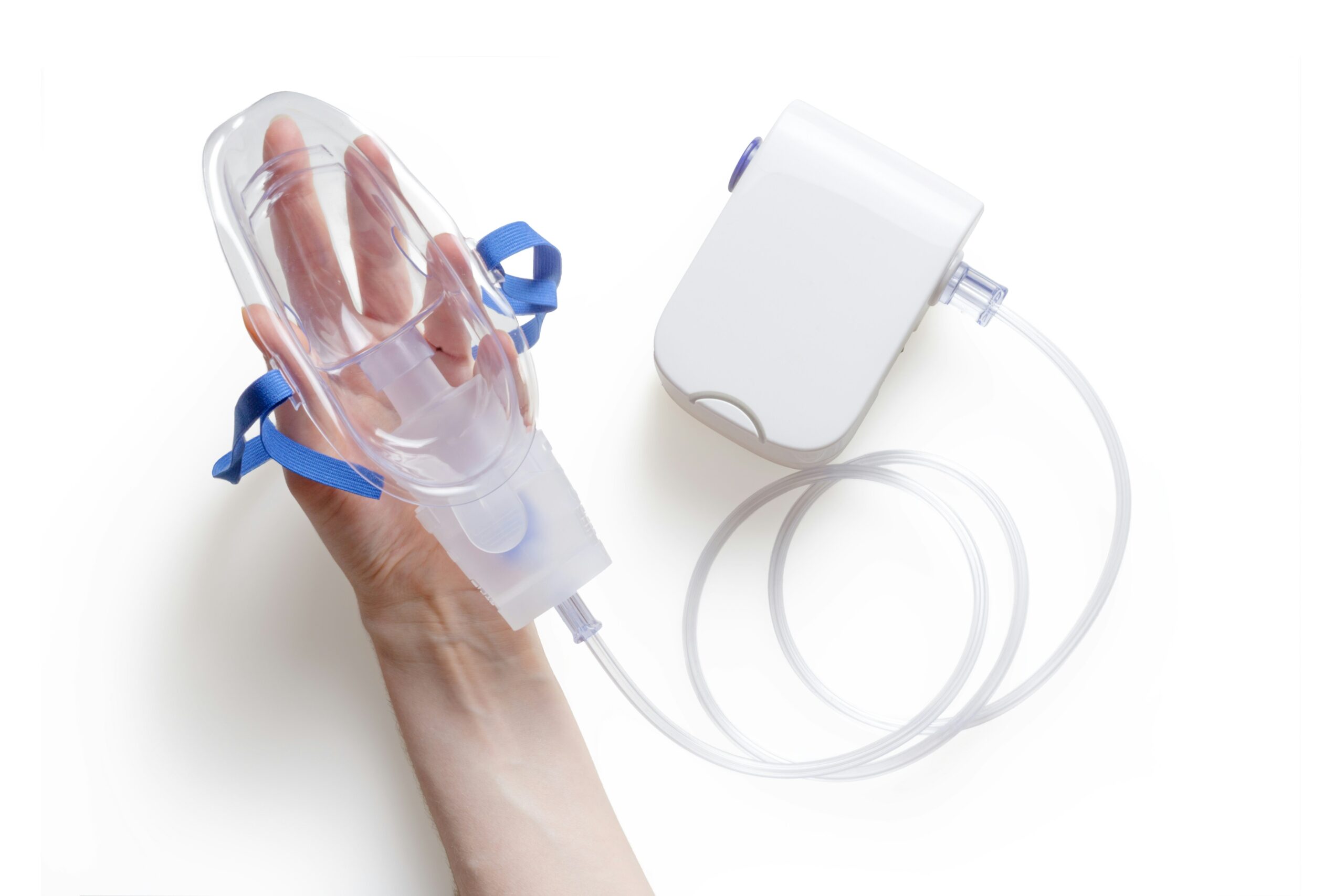
    • Home nebulizers: Portable units that allow children to receive treatments in comfort.
    • Temperature strips: Easy-to-use devices for parents to monitor their child’s fever.
    • IV supplies: For children needing intravenous medication at home, ensuring safety with disposables helps in proper administration.

    This shift allows families to manage pediatric care effectively while keeping the same standards of hygiene as found in clinical practices.

    Organizing Pediatric Home Medical Supplies

    How do I organize my home medical supplies?

    To organize your home medical supplies effectively, begin by investing in functional storage solutions. Shelving units, labeled bins, or dedicated cabinets can enhance both accessibility and order. Assign specific spaces for each item, making it easier to locate what you need during critical moments.

    Using clear, see-through containers is a practical approach. These containers allow you to quickly identify contents, facilitating efficient supply management. Creating a home layout that groups similar items together – such as first aid supplies, feeding equipment, and medications – can further aid in organization.

    Best practices for organizing supplies

    Proper organization is crucial for maintaining health and safety. One effective practice is to maintain a detailed inventory list. This list should include quantities of each item, their storage locations, and expiration dates, helping to streamline management and ensure nothing is overlooked.

    Implementing the FIFO (First-In, First-Out) method is also beneficial. This approach ensures that older supplies are utilized before newer ones, which helps reduce waste and makes the organization routine more efficient.

    Importance of proper storage

    The importance of proper storage cannot be understated. An organized medical supply area enhances the ability to respond quickly in emergencies. Moreover, it ensures that all medical supplies are fresh and safe for use. Having supplies stored appropriately is vital for preventing potential mix-ups and maintaining hygiene standards.

    Inventory management tips

    To maintain an effective inventory, conduct regular audits to review stock levels. This process allows you to identify slow-moving items and adjust your storage strategy accordingly. Creating seasonal reminders to check inventory and refresh stocks ensures that your pediatric supplies remain relevant and ready for use.

    Here’s a summary of the organizational tips discussed:

    Organization Tips Description
    Functional Storage Solutions Use shelving, bins, or cabinets for accessibility and order.
    Clear Containers Utilize see-through storage to quickly identify contents.
    FIFO Method Rotate supplies to use older items first and minimize waste.
    Inventory List Keep an up-to-date inventory detailing quantities and expiration dates.
    Regular Audits Conduct checks to maintain proper stock levels and adjust strategy as needed.

    Pricing and Supplier Information

    Comparing Costs of Pediatric Home Care Supplies

    When managing pediatric home care, understanding the costs associated with medical supplies is essential. Prices for items such as diapers, feeding tubes, and medication can significantly vary between suppliers. Conducting a price comparison across multiple vendors can lead to substantial savings. For instance, bulk purchasing options often provide lower per-unit costs, allowing families to find more affordable solutions for their children’s care.

    Finding Reliable Suppliers and Vendors

    Identifying trustworthy suppliers for pediatric medical supplies is critical. Parents and caregivers should research vendors that specialize in pediatric care and read reviews to gauge their reliability. Many organizations, such as the National Association for Home Care & Hospice, offer directories of certified suppliers. It’s also wise to verify if suppliers adhere to quality standards and provide essential customer support.

    Examining Pricing Strategies

    Vendors often employ various pricing strategies to attract customers. Some may offer loyalty programs, incentivizing frequent purchases with discounts or rewards. Others might engage in bundled pricing, where essential supplies are packaged together at a reduced rate. Understanding these strategies can help caregivers make informed decisions about where to buy supplies, ensuring they receive the best value without compromising care quality.

    Topic Description Notes
    Pediatric Home Care Supplies Cost-effective options and quality assessments Utilize bulk purchases
    Reliable Suppliers Importance of vendor reputation and certifications Check reviews and directories
    Pricing Strategies Different approaches including bundling and loyalty Explore various suppliers’ offers

    Evaluating Quality and Suitability of Supplies

    Assessing Quality and Suitability of Pediatric Medical Supplies

    Assessing quality of pediatric supplies

    When it comes to pediatric supplies, quality is paramount. Medical devices, medications, and therapeutic products designed for children must meet rigorous safety and effectiveness standards. Organizations such as the FDA provide guidelines to ensure that all pediatric medical supplies undergo thorough testing before approval. Parents and healthcare providers should look for supplies that carry seals of approval from reputable agencies to guarantee their safety and efficacy.

    Factors affecting suitability for children

    Several factors determine if a supply is appropriate for use in children. These include:

    • Age Appropriateness: Supplies should be designed specifically for the age group being treated.
    • Size and Dosage: Equipment and medications should be adjusted to accommodate the smaller bodies and specific needs of children.
    • User-Friendly Design: Items should be easy for both healthcare providers and parents to use.

    Ensuring reliability

    To ensure reliability, it’s essential that supplies are sourced from trustworthy manufacturers. Researching product reviews, examining clinical studies, and consulting with pediatric professionals can provide insight into the reliability of these products. In addition, regular quality checks and recalls of products should be monitored, maintaining vigilance on the ongoing performance of pediatric supplies.

    Aspect What to Check Importance
    Quality FDA approval and certifications Ensures safety and effectiveness
    Suitability Factors Age, size, and usability Prevents adverse reactions
    Dealer Reliability Manufacturer reputation Guarantees ongoing safety and support

    Promotional Offers and Discounts

    Maximize Savings: Explore Promotional Offers on Pediatric Supplies

    Exploring available promotions

    Promotional offers and discounts can play a crucial role for families looking for pediatric medical supplies. Many suppliers frequently run promotions that allow customers to save on essential items. By subscribing to newsletters or following social media channels of suppliers, users can stay updated on upcoming sales and exclusive deals.

    How to leverage discounts for pediatric supplies

    When hunting for discounts on pediatric supplies, there are several strategies families can employ. Consider bulk buying essentials that often have a greater chance of discount, like diapers or first-aid supplies. Additionally, using manufacturer coupons can provide significant savings. Joining loyalty programs offered by many suppliers can also yield rewards and personalized discount offers based on previous purchases.

    Impact of offers on purchasing decisions

    Promotional offers significantly influence purchasing behaviors. Research indicates that discounts create a sense of urgency, prompting quicker buying decisions. Families are more likely to stock up on pediatric supplies when they can take advantage of a sale. Furthermore, promotions can make higher-quality or otherwise unaffordable products accessible to those in need, improving overall health outcomes for children.

    Trends in Pediatric Home Care Products

    Innovations in Disposable Supplies

    The landscape of pediatric home care products has seen remarkable advancements in recent years. Innovative designs in disposable supplies, such as diapers, wipes, and other hygiene products, are becoming more effective and user-friendly. Manufacturers are focusing on soft materials that reduce the risk of skin irritations and rashes, crucial for children with sensitive skin.

    Sustainability Efforts in Manufacturing

    Sustainability is gaining a foothold in the manufacturing of pediatric supplies. Companies are increasingly adopting eco-friendly materials to create products that are not only safe for children but also gentle on the environment. Recyclable packaging, biodegradable components, and sustainable sourcing practices are becoming commonplace, reflecting a shift towards responsible manufacturing.

    Future Outlook for Pediatric Supplies

    Looking ahead, the future for pediatric home care supplies appears promising. With ongoing research and development, we can expect products that are more personalized to meet individual health needs. Advances in technology, such as smart monitoring devices integrated with traditional supplies, may enhance the quality of home care, giving parents greater peace of mind.

    Making Informed Choices for Pediatric Home Care

    Choosing the right disposable supplies for pediatric home care involves balancing quality, cost, and suitability to ensure children receive the best care at home. By understanding the various options, evaluating suppliers, and staying informed about market trends, caregivers can make confident decisions that support the health and wellbeing of young patients. It is essential to remain vigilant in keeping up with innovations and sustainability efforts that promise to enhance the safety and efficiency of pediatric home care solutions.

    References

  • The Future of Pediatric Care

    The Future of Pediatric Care

    Embark on a journey into the future of pediatric care, where innovation and hope collide for children worldwide.

    Pediatric Care Revolution

    The field of pediatric care has undergone a remarkable evolution over the years, with advancements in medical technology and innovative approaches reshaping the way healthcare is delivered to children. This section will explore the evolution of pediatric care and the cutting-edge innovations that are driving the future of pediatric medicine.

    __wf_reserved_inherit

    Evolution of Pediatric Care

    Pediatric care has transformed significantly from its early beginnings, where medical interventions for children were limited and often rudimentary. The establishment of specialized pediatric hospitals and the development of pediatric medical specialties marked a significant shift towards providing comprehensive and specialized care for young patients.

    Over time, the focus in pediatric care has shifted towards a more holistic approach that considers not only the physical health of children but also their emotional well-being and social environment. The integration of family-centered care practices has played a crucial role in improving patient outcomes and ensuring a comfortable and supportive healthcare experience for children and their families.

    Innovations Driving the Future

    The future of pediatric care is being shaped by groundbreaking innovations that are revolutionizing the way healthcare is delivered to children. From cutting-edge technologies to innovative treatment approaches, these advancements are paving the way for a new era in pediatric medicine.

    One notable innovation driving the future of pediatric care is the advent of telemedicine. Telemedicine allows healthcare providers to remotely assess, diagnose, and treat pediatric patients, reducing the need for in-person visits and improving access to care, especially for children in rural or underserved areas.

    Another significant development in pediatric care is the integration of robotics and artificial intelligence (AI) into medical practices. Robotics technology is being used to assist in surgical procedures, improving precision and reducing the risk of complications. AI algorithms are being leveraged to analyze vast amounts of medical data and provide personalized treatment plans for pediatric patients.

    As pediatric care continues to evolve, these innovations hold the promise of improving healthcare outcomes for children, enhancing the quality of care they receive, and shaping a brighter future for pediatric medicine.

    Technology in Pediatric Care

    Advancements in technology have significantly transformed the landscape of pediatric care, introducing new possibilities and enhancing the quality of healthcare services. In this section, we will explore two key areas where technology plays a pivotal role: telemedicine advancements and the integration of robotics and artificial intelligence (AI) in pediatric care.

    Telemedicine Advancements

    Telemedicine has revolutionized the way pediatric healthcare is delivered, especially in remote or underserved areas. Through telemedicine, healthcare providers can remotely diagnose, treat, and monitor pediatric patients using telecommunications technology. This approach has improved access to specialized care, reduced travel burdens for families, and enhanced the overall efficiency of healthcare delivery.

    Telemedicine also allows for real-time consultations between pediatric specialists and primary care providers, enabling timely interventions and collaborative decision-making. By leveraging video conferencing, secure messaging platforms, and digital health records, telemedicine has facilitated a seamless continuum of care for pediatric patients.

    Robotics and AI in Pediatric Care

    The integration of robotics and artificial intelligence (AI) has marked a significant advancement in pediatric care, enhancing diagnostic accuracy, treatment precision, and patient outcomes. Robotics are being used in surgical procedures, especially in minimally invasive surgeries, offering greater precision and reducing recovery times for pediatric patients.

    On the other hand, AI technologies are revolutionizing diagnostic capabilities by analyzing vast amounts of data to identify patterns, predict outcomes, and personalize treatment plans for pediatric patients. AI-powered algorithms can assist healthcare providers in early detection of diseases, optimizing medication dosages, and streamlining patient management processes.

    The table below provides a comparison of telemedicine advancements and robotics/AI integration in pediatric care:

    __wf_reserved_inherit

    By embracing these technological advancements in pediatric care, healthcare professionals can provide more efficient, personalized, and accessible services to pediatric patients and their families. The future of pediatric care is undoubtedly intertwined with the continued integration of technology, paving the way for innovative solutions and improved healthcare delivery.

    Specialized Pediatric Treatments

    In the realm of pediatric healthcare, specialized treatments play a crucial role in addressing complex medical conditions unique to children. Two revolutionary approaches paving the way for the future of pediatric care are gene therapy and precision medicine.

    Gene Therapy in Pediatrics

    Gene therapy in pediatrics involves the deliberate alteration of a child’s genetic makeup to treat or prevent genetic disorders. This cutting-edge approach holds immense promise in addressing inherited conditions that were previously considered incurable. By targeting specific faulty genes, gene therapy aims to correct genetic abnormalities at the root level, offering hope for children with genetic diseases.

    One significant example of gene therapy success in pediatrics is the treatment of certain types of inherited blindness. By introducing functional genes into the retina, gene therapy has restored vision in children with genetic retinal disorders, transforming their lives and potentially opening doors to treating a broader range of genetic conditions.

    Precision Medicine for Children

    Precision medicine for children represents a tailored approach to healthcare that considers each child’s unique genetic, environmental, and lifestyle factors when determining treatment strategies. By leveraging advancements in genomic sequencing and data analysis, precision medicine enables healthcare providers to deliver personalized care that is tailored to the individual needs of each child.

    A key aspect of precision medicine in pediatrics is its emphasis on predicting and preventing diseases before they manifest. By identifying genetic predispositions and risk factors early on, healthcare providers can intervene proactively, potentially averting the onset or progression of diseases.

    __wf_reserved_inherit

    As gene therapy and precision medicine continue to advance, the landscape of pediatric care is poised for remarkable transformations. These specialized treatments hold the promise of not only treating diseases at a fundamental level but also offering tailored and holistic care that prioritizes the well-being of each child.

    Family-Centered Care

    In the realm of pediatric care, the involvement of families plays a pivotal role in the well-being and healing of the young patients. Recognizing the importance of family participation, healthcare providers are increasingly emphasizing a holistic approach to pediatric care that embraces the family unit.

    Importance of Family Involvement

    The active participation of families in the care and decision-making process is crucial for the overall health outcomes of pediatric patients. When families are engaged and informed, they become valuable partners in the care team, contributing essential insights into the child’s health history, preferences, and needs. Studies have shown that family involvement can lead to improved patient satisfaction, adherence to treatment plans, and better overall health outcomes.

    Ensuring that families feel empowered and supported in their role as caregivers is essential for creating a nurturing and effective healthcare environment for pediatric patients. By fostering open communication, providing education, and involving families in care planning, healthcare providers can strengthen the bond between the medical team and the family, ultimately benefiting the child’s well-being.

    Holistic Approach to Pediatric Care

    Incorporating a holistic approach to pediatric care goes beyond treating just the physical symptoms of a condition. It involves addressing the emotional, social, and psychological aspects of the child’s health, taking into consideration the impact of family dynamics, cultural beliefs, and environmental factors on the child’s well-being.

    By considering the whole child and their family within the context of their community, healthcare providers can provide comprehensive and individualized care that meets the diverse needs of pediatric patients. This approach not only focuses on treating illnesses but also on promoting overall wellness and preventive care.

    The table below illustrates the key elements of family-centered care and its impact on pediatric health outcomes:

    __wf_reserved_inherit

    By embracing family-centered care and adopting a holistic approach to pediatric care, healthcare providers can pave the way for a future where children receive not only effective medical treatment but also compassionate and supportive care that nurtures their overall well-being.

    Future Challenges and Solutions

    As the field of pediatric care continues to advance, there are key challenges to address and innovative solutions to shape the future landscape of pediatric education and healthcare disparities.

    Addressing Healthcare Disparities

    One of the pressing challenges in pediatric care is addressing healthcare disparities, ensuring that all children have equitable access to quality healthcare services. Disparities can arise from various factors, including socioeconomic status, geographic location, and cultural barriers. By focusing on targeted interventions and community outreach programs, healthcare providers can work towards reducing these disparities and improving health outcomes for all children.

    __wf_reserved_inherit

    To bridge the gap in healthcare disparities, collaboration among healthcare providers, policymakers, and community organizations is essential. By implementing comprehensive strategies that address the root causes of disparities, the future of pediatric care can be more inclusive and effective for all children.

    Shaping the Future of Pediatric Education

    Another critical aspect of advancing pediatric care is shaping the future of pediatric education. Healthcare professionals and educators play a vital role in preparing the next generation of pediatric caregivers. By integrating cutting-edge technologies, evidence-based practices, and interprofessional collaboration into pediatric education curricula, students can acquire the knowledge and skills needed to meet the evolving needs of pediatric patients.

    __wf_reserved_inherit

    By providing immersive learning experiences and mentorship opportunities, pediatric education can produce competent and compassionate healthcare professionals who are adept at providing family-centered care and addressing the unique healthcare needs of pediatric populations. Through a commitment to innovation and continuous learning, the future of pediatric care can be shaped to optimize outcomes and elevate the standard of care for all children.

    Sources

    https://care.choc.org/future-pediatrics-bright/

    https://medicalxpress.com/news/2024-07-disinterest-pediatric-future-child-health.html

    https://www.sciencedirect.com/science/article/pii/S2667009724000861

  • How PPEC Helps Children with Feeding Therapy Needs

    How PPEC Helps Children with Feeding Therapy Needs

    Enhancing Children’s Feeding Experiences with PPEC Programs

    Introduction: The Crucial Role of Feeding Therapy

    Feeding therapy plays an essential role in helping children overcome eating challenges, ensuring they receive optimal nutrition crucial for healthy growth and development. Many children face hurdles in their feeding journey, whether due to sensory processing issues, medical conditions, or developmental delays, and require specialized interventions. Prescribed Pediatric Extended Care (PPEC) centers emerge as pivotal in providing these children with the comprehensive care and therapeutic support they require. This article explores how PPEC facilities facilitate feeding therapy needs for children, focusing on the integration of medical and therapeutic services to support families.

    Understanding the Benefits of Feeding Therapy

    Discover the transformative benefits of feeding therapy for children's health and wellness!

    What are the benefits of feeding therapy?

    Feeding therapy offers numerous benefits that go beyond just improving mealtimes. It helps children develop essential skills such as sensory tolerance to different food textures and effective chewing habits, which are vital for their overall health and wellness. Additionally, this therapy aims to increase the variety and volume of nutritional intake, ensuring that children can enjoy a balanced diet that includes all food groups.

    Improvement of chewing and swallowing skills

    A significant focus in feeding therapy is on enhancing chewing and swallowing capabilities. Therapists use oral motor exercises that strengthen the muscles involved in these activities, crucial for safe and effective eating. Furthermore, they employ sensory integration techniques, providing kids gradual exposure to different food textures, which can alleviate sensory aversions and build confidence.

    Role in balanced diet and nutrition

    Feeding therapy plays a pivotal role in promoting a balanced diet and proper nutrition for children. By addressing specific feeding difficulties and creating individualized plans, therapists work to ensure each child receives the essential nutrients needed for optimal growth. The collaborative approach means that therapists frequently include parents in the process, equipping them with strategies to encourage healthy eating habits at home and create a positive mealtime environment.

    Aspect Description Benefits
    Skill Development Enhances chewing, swallowing, and sensory tolerance Improved safety and confidence
    Nutritional Intake Focus on increasing food variety and balance Ensures essential nutrient intake
    Collaborative Approach Involves parents and caregivers in therapy process Supports positive mealtime experiences

    Role of Pediatric Feeding Therapists

    Learn about the vital role pediatric feeding therapists play in developing healthy eating habits!

    What does a pediatric feeding therapist do?

    A pediatric feeding therapist specializes in helping children develop healthy feeding habits and overcome eating difficulties. Their primary focus is to assess each child’s unique challenges, which may include struggles with chewing, swallowing, and transitioning between different food textures.

    Therapists utilize a variety of intervention strategies tailored to the child’s needs. They conduct thorough evaluations, observing mealtime behaviors and assessing oral motor skills. By identifying specific issues, they design individualized therapy plans that aim to enhance the child’s relationship with food, making mealtimes enjoyable and safe.

    Assessment and intervention strategies

    The assessment process is comprehensive, covering the child’s medical history and family routines, which informs intervention strategies. Techniques employed by therapists may include:

    • Sensory Integration: Gradually introducing various food textures.
    • Oral Motor Exercises: Aimed at strengthening muscles used in eating.
    • Behavioral Approaches: Utilizing positive reinforcement to encourage desirable behaviors at mealtimes.

    These strategies help children with diverse needs such as picky eating and sensory processing challenges to expand their dietary variety while ensuring nutritional adequacy.

    Collaboration with families

    Family involvement is crucial in feeding therapy. Therapists work with parents and caregivers, equipping them with practical tools and strategies to support their children during meals. This guidance extends beyond therapy sessions, fostering a collaborative approach that emphasizes creating a positive mealtime environment. Open communication ensures that caregivers understand how to reinforce therapy objectives at home, further supporting the child’s feeding development.

    Integration of Speech Therapy in Feeding Support

    How does speech therapy help with feeding?

    Speech therapy plays a vital role in supporting children with feeding challenges by focusing on improving oral motor skills. This includes enhancing muscle strength, coordination, and control of the mouth, tongue, and jaw through targeted oral motor exercises. These exercises not only improve feeding techniques but also enhance swallowing abilities, ensuring safer eating practices.

    Therapists regularly assess the child’s feeding posture, developing strategies to foster a comfortable and supportive environment during mealtimes. This holistic approach reduces anxiety related to eating, enabling children to engage more positively with food.

    Oral motor exercises and coordination

    Incorporating oral motor exercises is crucial for children facing difficulties with feeding. These exercises strengthen the mouth’s muscles, which are essential for chewing and swallowing.

    Examples of oral motor exercises include:

    • Chewing soft foods to build muscle strength.
    • Blowing bubbles to improve lip and tongue coordination.
    • Using straws for drinking, which aids in mouth control.

    By improving these foundational skills, speech therapy significantly boosts overall feeding abilities, transforming mealtime experiences.

    Creating optimal feeding environments

    Creating a conducive feeding environment is another essential aspect of speech therapy. Therapists guide parents in establishing routines that promote positive mealtime experiences. Suggestions typically include:

    • Minimizing distractions, like screens or loud noises.
    • Offering favorite foods alongside new ones to encourage variety.
    • Establishing consistent meal schedules to foster familiarity.

    By prioritizing these elements, children can develop better relationships with food, allowing them to explore and enjoy eating with confidence.

    Occupational Therapy’s Contribution to Feeding Development

    Find out how occupational therapy enhances children's feeding skills for better nutrition!

    How does occupational therapy help with feeding?

    Occupational therapy plays a vital role in enhancing children’s feeding skills, particularly for those facing difficulties associated with eating and swallowing. Practitioners conduct in-depth assessments that consider physiological challenges, such as muscle strength and coordination, alongside psychosocial factors, including a child’s sensory preferences and mealtime behaviors.

    Interventions are tailored to meet the unique needs of each child. These may involve:

    • Individualized feeding strategies: Focusing on specific challenges the child faces, such as difficulty chewing or reluctance to try new foods.
    • Environmental modifications: Creating a comfortable and supportive eating environment, which can reduce anxiety and improve focus during mealtimes.
    • Adaptive equipment: Utilizing tools like modified utensils or specialized seating to facilitate easier and more effective feeding.

    Family education on feeding strategies

    Involving families is crucial for continued success in feeding therapy. Occupational therapists educate parents on strategies that can improve mealtime experiences at home. This education includes:

    • Creating positive mealtime routines: Encouraging family meals to promote social interaction and reduce mealtime stress.
    • Encouraging food exploration: Providing guidance on introducing new foods gradually, making mealtime less daunting for children.
    • Building self-efficacy: Helping families understand their role in supporting their child’s independence in eating tasks, fostering self-confidence.

    Through these comprehensive approaches, occupational therapy significantly improves children’s feeding habits, promoting healthy growth and nurturing positive relationships with food.

    Integration of Medical and Therapeutic Care at PPEC

    Explore the integrated care approach at PPEC for comprehensive feeding support!

    Medical Services in PPEC

    Prescribed Pediatric Extended Care (PPEC) provides essential medical services for children with complex health conditions. These services include medication management, respiratory support, and feeding tube assistance, all crucial for maintaining the health and well-being of children requiring specialized care. The facilities are staffed with skilled nurses and healthcare professionals who ensure round-the-clock support and supervision.

    Therapeutic Integration in Feeding Therapy

    PPEC plays a vital role in offering an integrated approach to feeding therapy. The center incorporates various therapies, such as occupational and speech therapy, to address both the physical aspects of eating and communication challenges. This holistic approach enhances the effectiveness of feeding therapy by creating a structured routine that includes mealtime practices, promoting safe eating and nutritional growth.

    Coordination and Family Involvement

    Family participation is a cornerstone of the therapy process at PPEC. Therapists work closely with families, providing guidance on techniques to manage feeding challenges at home. Regular updates about the child’s health and therapy goals foster open communication, ensuring that families are actively involved in their child’s care and the development of positive mealtime habits.

    Services Offered Purpose Benefits
    Medical Care Supervision of health conditions Ongoing medical support
    Occupational Therapy Develop fine motor skills Enhanced independence in daily tasks
    Speech Therapy Address communication and swallowing Improved feeding skills
    Family Support Active involvement in therapy Better management at home
    Structured Routine Integrated therapy sessions Consistent care and progress

    By integrating medical and therapeutic services, PPEC ensures a comprehensive support system for children facing feeding challenges.

    Family-Centric Approach and Success Stories

    Read inspiring success stories and the importance of family involvement in feeding therapy!

    Family Involvement in Feeding Therapy

    Parental engagement plays a crucial role in the success of feeding therapy. Therapists provide families with tools and techniques to create a supportive eating environment at home. Families are encouraged to actively participate by practicing skills they learn during therapy sessions, helping children gain confidence and comfort with food. Open communication with therapists also facilitates monitoring progress and adjustments in strategies as needed.

    Success Stories in PPEC

    Pediatric Feeding Therapy programs in PPEC centers have seen remarkable success stories. Many children who initially struggled with extreme pickiness or fear of solid foods have transitioned to enjoying a variety of nutritious options. Through personalized care plans and dedicated support, these children not only improved their eating habits but also fostered a positive relationship with food that benefits their overall health and development.

    Reduction of Mealtime Stress and Enhancement of Nutrition

    Feeding therapy alleviates the stress often associated with mealtime for families. It empowers parents with strategies that promote calm and enjoyable eating experiences. As children’s eating habits improve, caregivers report a significant reduction in mealtime anxiety, leading to more relaxed and nourishing family meals. Enhanced nutrition through exposure to diverse foods is pivotal for each child’s growth journey.

    Conclusion: PPEC’s Role in Transforming Feeding Therapy

    PPEC centers represent a beacon of hope for many families struggling with their children’s feeding challenges. By integrating medical care with comprehensive therapeutic services, these centers nurture not only the physical but also the emotional and social well-being of children. The collaborative approach, incorporating families into the care plan, ensures that mealtime improvements continue at home, promoting lasting benefits for children’s development. Through personalized care, expert support, and a nurturing environment, PPEC facilities profoundly enhance children’s feeding experiences and pave the way for healthier growth.

    References

  • Getting Supplies and Equipment

    Getting Supplies and Equipment

    Discover top-notch supplies & durable medical equipment for children. Essential gear for ensuring their wellness.

    Essentials for Children’s Wellness

    When it comes to ensuring the well-being of children, having the right supplies and durable medical equipment is essential. These items play a crucial role in maintaining their health and providing necessary support when needed. In this section, we will delve into the importance of supplies and durable medical equipment for children, along with the key factors to consider when selecting these essentials.

    __wf_reserved_inherit

    Importance of Supplies & Durable Medical Equipment

    Supplies and durable medical equipment are vital components of pediatric care, as they aid in managing various health conditions and promoting overall wellness. From bandages to assistive devices, these items serve as tools to support children in their daily activities and medical needs. Here are some key reasons why supplies and durable medical equipment are indispensable for children’s well-being:

    • Promote Healing: Supplies such as bandages and dressings help in wound care and promote proper healing of injuries, cuts, and scratches.
    • Monitor Health: Equipment like thermometers and blood pressure monitors enable caregivers to monitor children’s health status and respond promptly to any changes.
    • Enhance Mobility: Mobility aids such as wheelchairs and walkers provide support to children with mobility challenges, allowing them to move around comfortably and safely.
    • Ensure Safety: Safety gear like helmets and child-friendly first aid kits protect children from potential injuries and emergencies, promoting a secure environment.

    Factors to Consider When Choosing Supplies

    When selecting supplies and durable medical equipment for children, several factors should be taken into account to ensure optimal functionality and safety. Caregivers and parents should carefully consider the following aspects before making a decision:

    • Durability: Opt for supplies and equipment that are sturdy and durable to withstand daily use and provide long-term support.
    • Comfort: Choose items that are comfortable for children to use, ensuring that they do not cause discomfort or irritation.
    • Safety Features: Prioritize items with safety mechanisms and child-friendly designs to prevent accidents and injuries.
    • Size and Fit: Ensure that the supplies and equipment are appropriate in size and fit for the child’s age and specific needs.
    • Ease of Use: Select items that are easy to use and maintain, facilitating caregivers in providing efficient care to children.

    By considering these factors and understanding the importance of supplies and durable medical equipment in children’s wellness, caregivers can make informed choices that contribute to the health and well-being of the young ones in their care.

    Medical Supplies for Children

    When it comes to ensuring the well-being of children, having the right medical supplies and durable equipment on hand is essential. This section highlights two key categories of medical supplies for children: bandages and dressings, as well as thermometers and medication dispensers.

    Bandages and Dressings

    Bandages and dressings are fundamental components of any first aid kit for children. They play a critical role in wound care and help protect injuries from external contaminants. Here is a breakdown of commonly used bandages and dressings:

    __wf_reserved_inherit

    It is important to have a variety of bandages and dressings in different sizes and shapes to accommodate various types of injuries children may encounter. Regularly check your supplies and replenish them as needed to ensure you are prepared for any unexpected incidents.

    Thermometers and Medication Dispensers

    Accurately monitoring a child’s temperature is crucial in assessing their health status. Thermometers are indispensable tools for parents and caregivers to quickly and effectively check for fevers. Here are common types of thermometers and medication dispensers used for children:

    __wf_reserved_inherit

    Having a reliable thermometer at home allows for timely monitoring of a child’s temperature, aiding in early detection of illnesses. Similarly, proper medication dispensers help ensure precise dosing, reducing the risk of errors in administering medications to children. By being equipped with essential medical supplies like thermometers and medication dispensers, caregivers can promptly attend to children’s health needs when necessary.

    Mobility Aids and Equipment

    When it comes to providing support and enhancing mobility for children with specific medical needs, the right aids and equipment play a crucial role. In this section, we will focus on two essential mobility devices for children: wheelchairs and walkers, as well as crutches and canes.

    Wheelchairs and Walkers

    Wheelchairs and walkers are indispensable mobility aids for children requiring assistance with movement. These devices are designed to provide support, stability, and independence for children with mobility challenges.

    __wf_reserved_inherit

    When selecting a wheelchair or walker for a child, factors such as size, weight capacity, adjustability, and intended use should be carefully considered to ensure proper fit and functionality.

    Crutches and Canes

    Crutches and canes are valuable mobility aids for children recovering from injuries or dealing with temporary mobility limitations. These devices provide support and stability while promoting proper gait and posture during movement.

    __wf_reserved_inherit

    It is essential to ensure that crutches and canes are properly sized and adjusted to each child’s height and comfort level to maximize their effectiveness and safety during use. Regular monitoring and maintenance of these aids are also necessary to ensure optimal performance and safety for the child.

    Assistive Devices for Daily Living

    When it comes to ensuring the well-being of children, having the right assistive devices for daily living can make a significant difference in their quality of life. Two key categories of assistive devices for children are adaptive utensils and cups, as well as orthopedic braces and splints.

    Adaptive Utensils and Cups

    Adaptive utensils and cups are specially designed tools that help children with physical challenges to eat and drink independently. These adaptive devices are ergonomically shaped and often feature non-slip grips, making it easier for children to hold and use them.

    __wf_reserved_inherit

    By using adaptive utensils and cups, children can enhance their sense of independence and confidence during meal times, fostering a positive dining experience.

    Orthopedic Braces and Splints

    Orthopedic braces and splints are essential devices that provide support, stability, and alignment for children with musculoskeletal conditions or injuries. These devices help to improve mobility, reduce pain, and promote proper healing of the affected body part.

    __wf_reserved_inherit

    Orthopedic braces and splints play a crucial role in promoting the comfort, mobility, and overall well-being of children with orthopedic challenges, allowing them to engage in daily activities with greater ease and safety.

    By incorporating these assistive devices into the daily lives of children in need, caregivers and healthcare providers can ensure that children experience improved functionality, comfort, and independence in their daily activities.

    Wellness Equipment for Children

    When it comes to children’s wellness, having the right equipment on hand is essential for monitoring and managing their health. In this section, we will focus on two key wellness equipment items specifically designed for children: blood pressure monitors and nebulizers and inhalers.

    Blood Pressure Monitors

    Blood pressure monitoring is crucial for children with certain medical conditions, such as hypertension or cardiac issues. Blood pressure monitors for children are designed to be child-friendly and easy to use, helping caregivers and healthcare providers accurately track blood pressure readings.

    __wf_reserved_inherit

    It’s important to follow the recommended guidelines for taking blood pressure measurements in children to ensure accurate results. Regular monitoring can help detect any abnormalities early on and facilitate timely intervention if needed.

    Nebulizers and Inhalers

    Nebulizers and inhalers are commonly used by children with respiratory conditions such as asthma or cystic fibrosis. These devices deliver medication directly to the lungs, providing quick relief during asthma attacks or managing chronic respiratory symptoms.

    __wf_reserved_inherit

    Nebulizers are often preferred for younger children who may have difficulty using inhalers correctly. They convert liquid medication into a fine mist for easy inhalation. Inhalers, on the other hand, deliver medication in a metered dose format, making them convenient for older children and adolescents.

    By ensuring access to blood pressure monitors, nebulizers, and inhalers tailored to children’s needs, caregivers can play a proactive role in safeguarding their health and well-being. Regular monitoring and appropriate use of these wellness equipment items can contribute to better management of children’s health conditions and overall quality of life.

    Safety Gear for Children

    Ensuring the safety of children is paramount, especially when it comes to outdoor activities and emergencies. Safety gear designed specifically for children plays a crucial role in preventing injuries and providing necessary aid when accidents occur. In this section, we will explore two essential categories of safety gear: helmets and protective gear, as well as child-friendly first aid kits and emergency supplies.

    Helmets and Protective Gear

    Helmets and protective gear are vital for safeguarding children during various recreational activities, such as biking, skating, and sports. These items help reduce the risk of head injuries, fractures, and abrasions by providing a protective barrier between the child’s body and potential impacts.

    __wf_reserved_inherit

    It is essential to ensure that helmets and protective gear fit properly and are worn correctly to provide maximum protection. Regularly inspecting and replacing damaged gear is crucial to maintain its effectiveness.

    Child-Friendly First Aid Kits and Emergency Supplies

    In emergencies, having a well-equipped first aid kit tailored to children’s needs can make a significant difference in providing immediate care. Child-friendly first aid kits contain essential supplies and tools to address common injuries and medical emergencies that children may encounter.

    __wf_reserved_inherit

    Additionally, emergency supplies such as flashlights, blankets, and non-perishable snacks should be included in emergency kits to ensure children’s safety during unexpected situations like power outages or natural disasters.

    By prioritizing the use of helmets and protective gear, as well as having child-friendly first aid kits and emergency supplies readily available, parents and caregivers can create a safe environment for children to explore and thrive while being prepared for unforeseen circumstances that may arise.

    Sources

    https://www.pediatrichomeservice.com/service/durable-medical-equipment/

    https://www.nationwidechildrens.org/family-resources-education/health-wellness-and-safety-resources/helping-hands/getting-supplies-and-equipment

    https://childrenfirst.com/dme/

  • The Benefits of Walkers and Gait Trainers for Pediatric Patients

    The Benefits of Walkers and Gait Trainers for Pediatric Patients

    Exploring Pediatric Mobility Aids: A Closer Look at Walkers and Gait Trainers

    Unlocking Mobility for Young Patients

    In the realm of pediatric rehabilitation, walkers and gait trainers emerge as crucial tools that significantly enhance the lives of children facing mobility challenges. These assistive devices not only facilitate independent movement but also spur numerous physical, cognitive, and social benefits. This article delves into the myriad ways gait trainers and walkers contribute to improving the quality of life for children, aiding in their developmental journey toward independence and well-being.

    Understanding the Purpose of Gait Trainers

    Exploring the Importance of Gait Trainers for Children's Mobility

    What is a gait trainer used for?

    A gait trainer is a supportive walking aid primarily used for children who need assistance in developing their walking skills and strengthening their leg muscles. It is designed to provide trunk and pelvic support, allowing children to practice standing and walking more effectively than they might with a standard walker.

    Intended use for children with mobility challenges

    Children who benefit from gait trainers typically have mobility limitations due to conditions such as cerebral palsy, spina bifida, or other neuromuscular impairments. To use a gait trainer, a child usually needs to have the ability to hold their head up, sit with minimal support, and bear some weight on their legs. These devices help enhance muscle strength, coordination, and overall functional mobility, fostering independence during activities.

    Medical necessity and coverage insights

    Gait trainers are often considered medically necessary for children with substantial mobility challenges. Insurance coverage can vary; however, many plans do include gait trainers if parents provide comprehensive documentation from a healthcare provider justifying their necessity for the child’s rehabilitation. Overall, gait trainers play a crucial role in helping children improve their mobility and independence, making a significant difference in their daily lives.

    Delineating Differences: Gait Trainers vs. Walkers

    Understanding Key Differences Between Gait Trainers and Walkers

    How do gait trainers differ from walkers?

    Gait trainers differ from walkers primarily in their intended use and design. Gait trainers, such as the Miniwalk I, are specifically crafted for children aged 18 months to 4 years, who require assistance in developing weight-bearing strength and walking ability due to mobility impairments like Cerebral Palsy. Some key features of gait trainers include:

    • Spring Suspension: This helps mimic a more natural gait pattern.
    • Adjustable Trunk Support: Offers personalized fitting to ensure secure support for each child’s unique needs.

    In contrast, walkers are meant for children who can already bear weight but require additional stability while moving. They are designed primarily for balance and support.

    Who benefits most from walkers and from gait trainers?

    • Children Needing Developmental Support: Gait trainers are essential for children with severe mobility impairments; they encourage rehabilitation and development, allowing for skill acquisition in a controlled environment.
    • Children with Moderate Mobility Needs: Walkers are suitable for those who can walk but need assistance, improving their stability and confidence when moving around.

    Overall, gait trainers foster recovery and growth, while walkers maintain mobility and enhance safety for children already on the move.

    The Multifaceted Benefits of Gait Training in Children

    Unlocking the Benefits of Gait Training for Young Learners

    What are the benefits of gait training for children?

    Gait training for children provides numerous benefits that significantly enhance their mobility and overall physical capabilities. It aims to improve walking ability through supervised exercises, which can help strengthen muscles, improve posture, and retrain movement patterns.

    By addressing various gait disorders, gait training can enhance stability and reduce the fear of falling, especially in children undergoing rehabilitation. Additionally, it helps restore confidence, encouraging participation in daily activities by improving balance and coordination.

    Physical benefits from increased activity

    One of the most critical advantages of gait training is increased physical activity. This arises from the use of gait trainers and other assistive devices, leading to improved muscle strength, bone mineral density, and respiratory function. Studies indicate that when children engage in gait training, they tend to experience better engagement in physical activities, which ultimately supports their overall health.

    Cognitive and social impacts

    The positive impacts extend beyond physical health; gait training also plays a vital role in cognitive and social development. Standing and moving independently in gait trainers fosters exploration, allowing children to interact with their environment better. This boosts cognitive engagement and encourages social interactions, subsequently aiding in their emotional and social growth.

    Role in rehabilitation

    In rehabilitation settings, gait training serves as a cornerstone approach for children with mobility impairments. It allows them to practice essential motor skills while promoting independence. Furthermore, gait training can significantly reduce the risk of complications such as muscle contractures and chronic pain, making it indispensable for those suffering from conditions like cerebral palsy or muscular dystrophy.

    In conclusion, the holistic benefits of gait training are substantial, leading to improved mobility, enhanced cognitive abilities, and effective rehabilitation outcomes for children, especially those facing significant mobility challenges.

    Pediatric Rehabilitation: Enhancements Through Gait Trainers and Walkers

    How effective are walkers and gait trainers for children with motor impairments?

    Walkers and gait trainers serve as vital tools for enhancing mobility in children with motor impairments. They provide essential support, promoting stability and facilitating movement in children who struggle to walk independently.

    Research indicates that these devices not only improve physical mobility but also foster various aspects of health. For instance, devices such as gait trainers have been shown to improve outcomes related to walking distance, functional ambulation, and even contribute positively to bowel function in pediatric patients.

    The evidence gathered from recent studies presents a compelling case for their effectiveness:

    • Mobility Improvements: Many prescribers noted a significant increase in physical activity levels among users, with over 98% reporting positive outcomes.
    • Social Engagement: Gait trainers allow children to stand and interact at eye level with peers, potentially enhancing social connections and emotional well-being.
    • Physical Health Benefits: Research suggests improvements in muscle strength and respiratory function, with recent findings highlighting additional benefits such as elevated bone mineral density.

    However, it’s essential to note that while encouraging outcomes have been documented, much of the available evidence is descriptive. There is a pressing need for rigorous, controlled studies to substantiate the current findings and provide definitive insights into the long-term effectiveness of these devices. In summary, walkers and gait trainers represent promising interventions that can significantly support children with mobility challenges, but further investigation is required to truly understand their potential impact.

    Navigating Choices: Selecting the Right Mobility Aid

    Essential Considerations When Choosing Mobility Aids for Children

    What should be considered when selecting mobility aids for children with specific needs?

    When choosing mobility aids for children, various factors come into play. First, the child’s level of mobility is crucial. Assessing their ability to bear weight and the type of support they need determines the device’s design, whether it’s a gait trainer, standard walker, or specialized aid like the NF-Walker.

    Next, understanding the child’s individual challenges can help pinpoint the most suitable options. For instance, some children require more postural support due to conditions like cerebral palsy, while others may benefit from devices that encourage independence.

    Regular consultation with pediatric experts and physical therapists cannot be overlooked. They offer invaluable insights into assessing the child’s needs and fitting the device appropriately for safety and comfort.

    Additionally, the child’s home environment and daily activities should be considered. Mobility devices must promote accessibility and align with the child’s lifestyle, enabling them to navigate their surroundings effectively. Practicing with these aids helps build the child’s confidence and enhances their mobility skills.

    Lastly, emotional support is vital. Open discussions about the mobility device can help children adjust to their new aid and develop a sense of ownership, which plays a significant role in their confidence and engagement.

    Key Considerations Description Examples of Devices
    Level of Mobility Assess their ability to walk or bear weight Gait trainers, Walkers
    Individual Needs Identify specific challenges such as postural issues NF-Walker, Pediatric standers
    Expert Consultation Involve pediatricians and therapists for expert assessment Custom-fitted mobility devices
    Home Environment Ensure the device suits accessibility requirements Portable walkers, adjustable gait trainers
    Emotional Support Provide encouragement and foster ownership over the device Regular check-ins, discussions

    This structured approach can help ensure that the selected mobility aid effectively addresses the child’s unique needs, facilitating their growth and independence.

    Medical and Functional Benefits: Enhancing Physical Health

    Improvement in Muscle Strength and Motor Abilities

    Using support walkers and gait trainers significantly enhances muscle strength and motor abilities in children with disabilities. According to a study, 98.1% of prescribers reported increases in physical activity among children using these devices. This boost in activity leads to improved muscle activity, which is crucial for children who often struggle with mobility.
    Moreover, gait training can help prevent contractures and improve range of motion, essential factors for children with conditions like cerebral palsy and Down syndrome. Active engagement through walking can also foster greater independence, which is vital for their emotional and social growth.

    Contribution to Bone Health and Bowel Function

    Engaging in upright standing and walking with gait trainers plays a crucial role in promoting bone mineral density and overall skeletal health. By bearing weight through their feet, children stimulate bone growth, which is imperative for those who otherwise have limited mobility.
    Additionally, support walkers improve bowel and bladder function, contributing to the overall health of pediatric patients. Children using these devices often report better digestion and regularity, which can enhance their quality of life.

    Benefit Description Evidence
    Muscle Strength Increased physical activity leads to stronger muscles. 98.1% of prescribers report improvement
    Bone Health Weight-bearing through gait trainers improves bone density. Essential for non-ambulant children
    Bowel Function Enhanced movement supports digestion and regularity. Improved physiological health

    Social and Cognitive Growth Through Mobility

    Impact on Social Participation and Cognitive Development

    Mobility aids, particularly gait trainers, play a significant role in fostering social participation among children with disabilities. By enabling children to stand and move independently, these devices allow them to engage with peers at eye level. This interaction is crucial for developing social skills and enhancing emotional well-being. Research indicates that mobility can positively influence cognitive development by encouraging exploration and engagement with surroundings, which is not possible when children are confined to sitting or lying down.

    Promotion of Independence and Self-Esteem

    The use of assistive devices like gait trainers also promotes independence. Children learn to navigate their environment autonomously, which significantly boosts their self-esteem and self-image. As they master new skills, they gain confidence not only in mobility but also in perspective-taking during social interactions. This increased engagement leads to better cognitive growth from environmental exploration, improved visual awareness, and a heightened sense of belonging in social settings.

    Overall, by supporting both mobility and social interaction, gait trainers and similar devices enhance the psychosocial development of children, paving the way for a more inclusive and fulfilling childhood.

    Innovations in Assistive Device Technology

    Advancements in pediatric walkers and gait trainers

    Recent developments in assistive technology have led to remarkable enhancements in pediatric walkers and gait trainers. These devices now feature adjustable supports, which can be customized according to a child’s specific motor control needs. This is crucial for children with conditions such as cerebral palsy, who require varying degrees of stabilization and can benefit significantly from the ability to progress at their own pace.

    Moreover, new designs prioritize ergonomic features to improve comfort and ease of use. For example, gait trainers are now lightweight yet sturdy, promoting independence and enabling children to practice weight-bearing activities that are crucial for their physical development.

    Examples of popular models and their features

    Several popular models illustrate these innovations:

    Model Name Type Key Features
    Rifton Pacer Gait Trainer Adjustable support for trunk and pelvic stability; promotes motor learning and independence.
    KidWalk Gait Trainer Provides a unique ambulation experience, allowing children to move in an upright position.
    Walkabout Gait Gait Trainer Supportive structure to aid mobility while allowing easy transitions between sitting and standing.
    NF-Walker Walker Comprehensive support for upper and lower body alignment; designed for children with limited independent movement.

    These advancements not only promote better mobility and strength but also enhance social interaction among peers, leading to improved overall well-being.

    Navigating the Financial Aspects: Insurance and Accessibility

    Addressing Financial Challenges in Obtaining Mobility Aids

    Insurance coverage challenges and solutions

    Securing insurance coverage for pediatric mobility aids, such as gait trainers and walkers, is a complex challenge for many families. Medicaid coverage often leads to denied requests due to misunderstandings about the specific functions and benefits of these devices. It is critical that healthcare professionals effectively communicate the necessity of these devices to insurers, emphasizing how they contribute to a child’s mobility development and overall health.

    Economic considerations for families regarding assistive devices

    The costs associated with assistive devices can be significant. Many families face financial challenges when acquiring necessary mobility aids, as equipment can be expensive and not always covered by insurance. The initial outlay may create barriers to access, impacting a child’s development opportunities. Additionally, families may need to consider ongoing costs for maintenance or replacement.

    To ease the financial strain, support groups and organizations may provide resources or assistance programs tailored to families in need. Understanding insurance policies and exploring different funding options can help families navigate these financial challenges while ensuring their children have access to the mobility aids they need.

    Empowering Pediatric Patients Through Assistive Mobility

    The impactful role that walkers and gait trainers play in the lives of pediatric patients cannot be overstated. Through strategic design and functionality, these mobility aids not only address physical challenges but also enrich cognitive and social facets of a child’s life. As the medical community continues to innovate and research the benefits of these devices, it becomes imperative that educators, healthcare providers, and families work collaboratively to overcome barriers, ensuring every child has access to the tools they need to thrive. With ongoing dedication to enhancing the efficacy and accessibility of these devices, we move closer to a future where every child with mobility challenges can achieve their fullest potential.

    References

  • The Truth About Home Apnea Monitors for SIDs

    The Truth About Home Apnea Monitors for SIDs

    Discover the truth about home apnea monitors for SIDS. Unravel misconceptions and make informed choices today.

    Decoding Home Apnea Monitors for SIDS

    To truly understand the application of home apnea monitors in the context of Sudden Infant Death Syndrome (SIDS), it is essential to delve into the intricacies of these monitoring devices and their relationship to SIDS.

    __wf_reserved_inherit

    Understanding Sudden Infant Death Syndrome (SIDS)

    Sudden Infant Death Syndrome (SIDS) remains a complex and devastating phenomenon that impacts families worldwide. Also known as crib death, SIDS is the sudden and unexplained death of an otherwise healthy infant, typically under the age of one. Despite extensive research, the exact cause of SIDS continues to elude medical professionals, making it a challenging issue to address and prevent.

    The Role of Home Apnea Monitors

    Home apnea monitors play a significant role in the monitoring and surveillance of infants at risk of SIDS. These devices are designed to detect and alert caregivers to changes in an infant’s breathing patterns, heart rate, or movement during sleep. While home apnea monitors can provide a sense of vigilance and reassurance to parents and caregivers, their effectiveness in preventing SIDS and reducing mortality rates remains a topic of discussion and debate within the medical community.

    It is imperative to explore the intricacies and limitations of home apnea monitors to make informed decisions regarding their use in the context of SIDS. By understanding the nuances of these devices and their role in monitoring infants at risk of SIDS, caregivers can navigate the complexities of SIDS prevention with greater clarity and confidence.

    The Reality of Home Apnea Monitor Use

    When it comes to utilizing home apnea monitors for SIDS, it’s essential to understand the effectiveness of these devices and the potential limitations they may pose.

    Effectiveness of Home Apnea Monitors for SIDS

    Home apnea monitors are designed to detect pauses in an infant’s breathing or abnormal breathing patterns, providing caregivers with a sense of reassurance and the ability to respond promptly to any potential breathing issues. While these monitors can serve as a valuable tool in certain cases, it’s important to note that they are not foolproof in preventing SIDS.

    __wf_reserved_inherit

    The effectiveness of home apnea monitors for SIDS varies across different studies and scenarios. While they may offer peace of mind and early detection in some instances, they should not be solely relied upon as the sole means of preventing SIDS.

    Limitations and False Sense of Security

    Despite their benefits, home apnea monitors come with limitations that can lead to a false sense of security among caregivers. It’s crucial to acknowledge that these monitors have their drawbacks, including false alarms, technical errors, and the potential for missing critical events.

    __wf_reserved_inherit

    Caregivers should be aware of these limitations and understand that home apnea monitors should complement rather than replace safe sleep practices and regular pediatric care. Regular consultation with healthcare professionals is essential to ensure a comprehensive approach to infant health and safety.

    By being informed about the realities of home apnea monitor use, caregivers can make well-rounded decisions regarding the inclusion of these devices in their infant care routine. It’s crucial to weigh the benefits and limitations of home apnea monitors alongside other preventive measures to create a safe and supportive environment for infants.

    Factors to Consider

    When it comes to considering the use of a home apnea monitor, there are several critical factors to keep in mind to make an informed decision. Understanding who would benefit from using a home apnea monitor and seeking medical advice and consultation are key aspects to consider.

    Who Should Consider Using a Home Apnea Monitor?

    The decision to use a home apnea monitor should be made in consultation with healthcare providers, especially for infants deemed at a higher risk for Sudden Infant Death Syndrome (SIDS). It is essential to identify specific groups of infants who may benefit from the use of a home apnea monitor:

    __wf_reserved_inherit

    Parents and caregivers should work closely with healthcare providers to assess the individual needs of the infant and determine if the use of a home apnea monitor is appropriate.

    Medical Advice and Consultation

    Before considering the use of a home apnea monitor, it is crucial to seek medical advice and consultation from healthcare professionals, including pediatricians and neonatologists. These experts can provide valuable insights into the necessity and effectiveness of home apnea monitors for specific cases.

    Medical consultations can help in understanding the underlying risk factors associated with SIDS and determine the most appropriate monitoring strategies. Healthcare providers can guide parents and caregivers on the proper use of home apnea monitors, interpret monitor data accurately, and provide support and reassurance throughout the monitoring process.

    By prioritizing medical advice and consultation, caregivers can ensure that the decision to use a home apnea monitor is based on sound medical guidance and tailored to the individual needs of the infant. Seeking expert opinions can help dispel myths and misconceptions surrounding home apnea monitors and empower caregivers to make informed choices regarding their child’s safety and well-being.

    Types of Home Apnea Monitors

    When considering home apnea monitors for SIDS, it’s essential to understand the different types of monitors available. These monitors serve the purpose of providing parents with added peace of mind and assistance in monitoring their infants. The three main types of home apnea monitors are movement monitors, breathing monitors, and combination monitors.

    Movement Monitors

    Movement monitors, also known as movement arousal monitors, are designed to detect the movement of the infant. These monitors typically consist of sensor pads placed under the baby’s mattress or on their body. The sensors detect the baby’s movements, such as breathing and body position changes. If the monitor detects no movement for a specified period, an alarm is triggered to alert caregivers.

    Movement monitors are intended to pick up on movements associated with breathing and reassure caregivers that the baby is moving as expected during sleep. However, it’s important to note that movement monitors may not provide direct information about breathing patterns or the presence of apnea episodes.

    Breathing Monitors

    Breathing monitors, also known as apnea monitors, focus specifically on monitoring the baby’s respiratory patterns. These monitors typically use sensor technology to track the infant’s breathing rate and patterns. If the monitor detects an interruption in breathing or significant changes in breathing patterns, an alarm is triggered to alert caregivers.

    Breathing monitors are designed to detect apnea episodes or irregular breathing patterns that could indicate potential respiratory issues. These monitors can be particularly useful for infants who have a history of breathing difficulties or are at a higher risk of apnea episodes.

    Combination Monitors

    Combination monitors incorporate both movement and breathing monitoring capabilities. These monitors offer a comprehensive approach to infant monitoring by combining the features of movement and breathing monitors into a single device. By integrating both functions, combination monitors provide parents with a more holistic view of their infant’s well-being during sleep.

    Combination monitors offer the benefits of both movement and breathing monitoring, providing caregivers with a more comprehensive overview of their infant’s sleep patterns. While these monitors offer enhanced monitoring capabilities, it’s essential for caregivers to follow the manufacturer’s instructions carefully to ensure proper usage and accurate monitoring outcomes.

    Understanding the differences between movement monitors, breathing monitors, and combination monitors can help parents make informed decisions about the type of home apnea monitor that best suits their needs and provides the desired level of monitoring and peace of mind.

    Proper Usage and Maintenance

    When it comes to home apnea monitors for SIDS, ensuring the proper setup and maintenance of the monitor is crucial for accurate monitoring of your baby’s health. This section focuses on two key aspects: setting up the monitor correctly and monitoring your baby safely.

    Setting Up the Monitor Correctly

    Properly setting up the home apnea monitor is essential to ensure its effectiveness in detecting any potential breathing irregularities in your baby. Follow these steps for a correct setup:

    1. Placement: Position the monitor close to your baby’s crib but out of reach to prevent any interference with your baby or bedding.
    2. Sensor Application: Secure the monitor’s sensors according to the manufacturer’s instructions. Ensure they are placed correctly to accurately monitor your baby’s breathing movements.
    3. Power and Alarm Settings: Connect the monitor to a stable power source and adjust the alarm settings based on your baby’s normal breathing patterns. Test the alarm to ensure it is functioning correctly.

    By following these setup guidelines, you can optimize the functionality of the home apnea monitor and provide continuous monitoring of your baby’s breathing during sleep.

    Monitoring Your Baby Safely

    Alongside the correct setup, safely monitoring your baby while using the home apnea monitor is paramount to avoid potential risks and ensure the well-being of your little one. Here are some safety tips to consider:

    1. Regular Checks: Routinely check the monitor’s connection and sensors to ensure they are functioning properly. Address any issues promptly to avoid inaccurate readings.
    2. False Alarms: Be prepared for false alarms, which can be triggered by factors such as sensor displacement or motion. Familiarize yourself with the monitor’s alarm settings to differentiate between critical alerts and false alarms.
    3. Supervision: While the monitor provides continuous monitoring, it should not replace direct supervision of your baby. Always follow safe sleep practices and make sure your baby sleeps on their back in a crib with a firm mattress.

    By incorporating these safety measures into your monitoring routine, you can utilize the home apnea monitor effectively while prioritizing your baby’s safety and comfort. Remember, the monitor is a tool to aid in monitoring your baby’s well-being, but it should be complemented with regular medical check-ups and consultations to ensure comprehensive care.

    Final Thoughts on Home Apnea Monitors

    As we conclude our exploration of home apnea monitors for SIDS, it’s crucial to address common misconceptions and emphasize the importance of making informed decisions when considering the use of these devices.

    Clarifying Misconceptions

    There are several misconceptions surrounding the use of home apnea monitors for SIDS detection. While these devices can provide reassurance to parents and caregivers, it’s essential to understand their limitations. Home apnea monitors are not foolproof and should not be viewed as a substitute for safe sleep practices or regular medical check-ups. These monitors may offer a sense of security, but they are not a guarantee against SIDS. It’s vital to recognize that SIDS is complex and multifactorial, and no single device can completely eliminate the risk.

    __wf_reserved_inherit

    Making Informed Decisions

    When contemplating the use of a home apnea monitor for SIDS, it is essential to consult with healthcare professionals and gather accurate information. Healthcare providers can offer guidance on whether your baby may benefit from monitoring based on individual risk factors and medical history. It’s crucial to weigh the benefits and limitations of home apnea monitors in the context of your baby’s overall well-being and risk profile.

    __wf_reserved_inherit

    By clarifying misconceptions and emphasizing the need for informed decision-making, parents and caregivers can navigate the complexity of home apnea monitors for SIDS with a balanced perspective. It’s essential to prioritize safe sleep practices, regular medical assessments, and open communication with healthcare providers to ensure the well-being and safety of infants at risk of SIDS.

    Sources

    https://medlineplus.gov/ency/patientinstructions/000755.htm#:~:text=

    https://www.healthychildren.org/English/ages-stages/baby/sleep/Pages/Home-Apnea-Monitors-for-SIDs.aspx

    https://www.ncbi.nlm.nih.gov/pmc/articles/PMC9227273/

  • Oxygen Therapy and Oxygen Delivery

    Oxygen Therapy and Oxygen Delivery

    Unleash healing potential with oxygen therapy! Discover methods of delivery, benefits, and future developments for better health.

    Oxygen Therapy: An Overview

    Oxygen therapy is a medical treatment that involves administering supplemental oxygen to individuals who have difficulty breathing or have low oxygen levels in their blood. It is a crucial intervention that can significantly improve the health and well-being of patients with various medical conditions. Let’s delve into what oxygen therapy is and the conditions that may require it.

    What is Oxygen Therapy?

    __wf_reserved_inherit

    Oxygen therapy is often prescribed based on the measured level of oxygen saturation in the blood or as a response to symptoms like shortness of breath, fatigue, or confusion. It can be used in both acute and chronic medical conditions to support breathing and enhance overall oxygen delivery to the body’s tissues.

    Conditions That May Require Oxygen Therapy

    There are several medical conditions that may necessitate the use of oxygen therapy. These include:

    __wf_reserved_inherit

    These are just a few examples of conditions that may require oxygen therapy. The decision to initiate oxygen therapy is made by healthcare professionals based on individual patient needs, medical history, and diagnostic test results.

    Oxygen therapy plays a vital role in improving the quality of life and overall well-being of individuals with respiratory and cardiovascular conditions. By ensuring proper oxygenation, it can alleviate symptoms, enhance physical endurance, and promote better health outcomes. However, it’s crucial to consult with a healthcare provider to determine the appropriate oxygen therapy regimen for each individual case.

    Methods of Oxygen Delivery

    When it comes to oxygen therapy, there are various methods of delivering supplemental oxygen to individuals who require it. The choice of oxygen delivery method depends on factors such as the patient’s needs, comfort, and the severity of their condition. In this section, we will explore three common methods of oxygen delivery: nasal cannula, oxygen masks, and oxygen concentrators.

    Nasal Cannula

    Nasal cannula is one of the most frequently used oxygen delivery methods. It consists of a flexible tube with two prongs that fit into the patient’s nostrils, allowing oxygen to flow directly into their nasal passages. The other end of the tube is connected to an oxygen source such as an oxygen concentrator or portable oxygen tank.

    Nasal cannulas are lightweight, comfortable, and easy to use. They allow patients to move around freely, as the tubing can be secured behind the ears and under the chin. The flow of oxygen can be adjusted to meet the patient’s specific oxygen requirements.

    __wf_reserved_inherit

    Oxygen Masks

    Oxygen masks are another commonly used method of delivering supplemental oxygen. These masks cover the patient’s nose and mouth, ensuring that they receive a higher concentration of oxygen compared to a nasal cannula. Oxygen masks are typically secured to the face using an elastic strap.

    There are different types of oxygen masks available, including simple masks, partial rebreather masks, and non-rebreather masks. The type of mask used depends on the patient’s oxygen requirements and the healthcare professional’s recommendation.

    Oxygen masks provide a higher concentration of oxygen to the patient, making them suitable for individuals who require a more significant amount of oxygen supplementation.

    __wf_reserved_inherit

    Oxygen Concentrators

    Oxygen concentrators are devices that extract oxygen from the surrounding air, concentrate it, and deliver it to the patient. These devices are especially beneficial for individuals who require oxygen therapy on a long-term basis.

    Oxygen concentrators work by filtering out nitrogen and other gases from the air, leaving behind high-purity oxygen. The concentrated oxygen is then delivered to the patient through a nasal cannula or oxygen mask.

    One of the advantages of using oxygen concentrators is that they provide a continuous and reliable source of oxygen without the need for refilling or replacing oxygen tanks. They are also more cost-effective and environmentally friendly compared to traditional oxygen tanks.

    Oxygen concentrators are available in various sizes, including portable options that allow patients to maintain their mobility while receiving the necessary oxygen therapy.

    By understanding the different methods of oxygen delivery, healthcare professionals can determine the most suitable method for each patient’s specific needs. Whether it’s the convenience of a nasal cannula, the higher oxygen concentration of an oxygen mask, or the continuous supply provided by an oxygen concentrator, these delivery methods play a critical role in ensuring patients receive the oxygen therapy they require.

    Exploring Oxygen Therapy Equipment

    Oxygen therapy is a medical treatment that involves the administration of supplemental oxygen to individuals with certain medical conditions. Various types of equipment are used to deliver oxygen effectively and efficiently. In this section, we will explore three commonly used oxygen therapy equipment: portable oxygen tanks, home oxygen concentrators, and liquid oxygen systems.

    Portable Oxygen Tanks

    One of the key advantages of portable oxygen tanks is their portability. They are designed to be easily carried or transported, enabling individuals to maintain their mobility and engage in daily activities. However, it’s important to note that the duration of oxygen supply from a portable tank depends on the flow rate and tank capacity, which can vary.

    Home Oxygen Concentrators

    Home oxygen concentrators are stationary devices that extract oxygen from the surrounding air and deliver it to the user. These devices are commonly used by individuals who require oxygen therapy on a regular basis, especially while at home.

    Home oxygen concentrators are considered a convenient and cost-effective option for long-term oxygen therapy. They eliminate the need for regular refills or replacements of oxygen tanks since they can continuously generate oxygen from the ambient air. Additionally, these concentrators typically offer adjustable flow rates to meet the specific needs of the user.

    Liquid Oxygen Systems

    Liquid oxygen systems are another type of oxygen therapy equipment that provides a continuous supply of oxygen. These systems store oxygen in liquid form, which is then converted into gas for delivery to the user. They are commonly used by individuals who require high flow rates or have increased oxygen needs.

    Liquid oxygen systems offer the advantage of providing a larger oxygen supply compared to portable tanks. They are typically stored in stationary reservoirs at home and can be conveniently refilled by a professional oxygen supplier. However, it’s important to consider the safety precautions associated with handling liquid oxygen due to its highly combustible nature.

    __wf_reserved_inherit

    Exploring the different types of oxygen therapy equipment can help individuals and healthcare providers choose the most suitable option based on individual needs, lifestyle, and medical requirements. It is important to consult with a healthcare professional to determine the appropriate equipment and settings for effective oxygen therapy.

    Benefits of Oxygen Therapy

    Oxygen therapy offers various benefits to individuals who require supplemental oxygen to improve their health and well-being. Let’s explore three key benefits of oxygen therapy: improved oxygen delivery to tissues, enhanced physical endurance, and better quality of life.

    Improved Oxygen Delivery to Tissues

    One of the primary goals of oxygen therapy is to increase the amount of oxygen delivered to the body’s tissues. By providing a higher concentration of oxygen, this therapy helps to compensate for conditions where the body is unable to adequately oxygenate the tissues on its own.

    The improved oxygen delivery promotes cellular respiration, allowing cells to produce energy more efficiently. This can have a positive impact on various bodily functions, including organ function, wound healing, and overall tissue health.

    Enhanced Physical Endurance

    For individuals with respiratory conditions or low oxygen levels, participating in physical activities can be challenging. Oxygen therapy can help improve physical endurance by increasing the oxygen supply to the muscles during exercise. This allows individuals to engage in activities with less fatigue and breathlessness, ultimately improving their overall physical performance.

    By providing supplemental oxygen, oxygen therapy helps individuals maintain optimal oxygen levels, reducing the strain on the respiratory system and enhancing their ability to engage in physical activities with greater ease.

    Better Quality of Life

    Oxygen therapy can significantly improve the quality of life for individuals with chronic respiratory conditions or other medical conditions that affect oxygen levels. By ensuring adequate oxygen supply, it can alleviate symptoms such as shortness of breath, fatigue, and cognitive impairment.

    Improved oxygenation can enhance mental clarity, increase energy levels, and promote a sense of well-being. This, in turn, allows individuals to engage in daily activities, social interactions, and hobbies with greater ease and enjoyment.

    To summarize the benefits of oxygen therapy:

    Benefits of Oxygen Therapy

    Improved oxygen delivery to tissues

    Enhanced physical endurance

    Better quality of life

    Oxygen therapy plays a vital role in supporting individuals with conditions that affect their oxygen levels. By improving oxygen delivery to tissues, enhancing physical endurance, and enhancing overall quality of life, this therapy offers valuable support and relief to those who require it.

    Risks and Considerations

    While oxygen therapy can be a beneficial treatment option for many individuals, there are certain risks and considerations that need to be taken into account. It’s important to be aware of these factors to ensure the safe and effective use of oxygen therapy.

    Oxygen Toxicity

    One of the risks associated with oxygen therapy is oxygen toxicity. Oxygen toxicity occurs when high levels of oxygen are administered for an extended period of time. Prolonged exposure to high concentrations of oxygen can damage the lungs and other organs. It is essential to follow the prescribed oxygen flow rate and duration as recommended by a healthcare professional to minimize the risk of oxygen toxicity.

    Fire Hazards and Safety Precautions

    Oxygen itself is not flammable, but it supports combustion. Therefore, it is crucial to take fire hazards and safety precautions seriously when using oxygen therapy. Some key safety considerations include:

    • Avoid smoking or open flames in the vicinity of oxygen equipment.
    • Keep oxygen cylinders upright and in a well-ventilated area.
    • Ensure that electrical equipment used near oxygen is in good working condition and doesn’t pose a fire hazard.
    • Regularly check oxygen equipment for leaks and ensure proper maintenance.

    By following these safety precautions, the risk of fire hazards associated with oxygen therapy can be minimized, ensuring a safe environment for the individual receiving oxygen.

    Monitoring Oxygen Levels

    Regular monitoring of oxygen levels is crucial during oxygen therapy. This can be done using a pulse oximeter, a non-invasive device that measures the oxygen saturation level in the blood. It provides a quick and reliable way to monitor the effectiveness of oxygen therapy and ensure that the prescribed oxygen levels are being delivered.

    Monitoring oxygen levels allows healthcare professionals to make adjustments to the oxygen flow rate if necessary and ensure that the therapy is providing the intended benefits without any adverse effects.

    It is important to consult with a healthcare professional to determine the appropriate oxygen flow rate and monitoring schedule based on individual needs and medical conditions.

    Understanding and addressing the risks and considerations associated with oxygen therapy is vital to ensure its safe and effective use. By following safety precautions, monitoring oxygen levels, and working closely with healthcare professionals, individuals can benefit from oxygen therapy while minimizing potential risks.

    Future Developments in Oxygen Therapy

    As medical technology continues to advance, the field of oxygen therapy is also evolving. Researchers and healthcare professionals are constantly exploring new ways to improve the delivery and effectiveness of oxygen therapy. Here are some potential future developments in oxygen therapy:

    Advancements in Delivery Systems

    Advancements in delivery systems are being made to enhance the convenience and comfort of oxygen therapy. One area of development is the improvement of portable oxygen concentrators. These devices are becoming smaller, lighter, and more efficient, allowing individuals to have greater mobility while receiving the necessary oxygen support.

    Another area of focus is the development of wearable oxygen delivery devices. These devices aim to provide oxygen therapy in a more discreet and user-friendly manner. For example, researchers are exploring the use of oxygen patches or wearable sensors that can deliver oxygen directly to the skin.

    Personalized Oxygen Therapy

    Personalized medicine is a growing field, and oxygen therapy is no exception. In the future, oxygen therapy may become more tailored to an individual’s specific needs. This could involve the use of advanced diagnostic tools to determine the optimal oxygen levels required for each patient. By customizing the therapy based on factors such as the underlying condition, activity level, and oxygen saturation levels, patients may experience even greater benefits from oxygen therapy.

    Potential Areas of Research

    There are several potential areas of research in the field of oxygen therapy. Some of these include:

    • Hyperbaric oxygen therapy (HBOT): HBOT involves breathing pure oxygen in a pressurized chamber and has shown promise in treating various medical conditions. Ongoing research aims to further understand its applications and benefits.
    • Oxygen therapy for neurological conditions: Studies are being conducted to explore the effects of oxygen therapy on neurological conditions such as stroke, traumatic brain injury, and neurodegenerative disorders. The goal is to determine the potential benefits and develop targeted therapies.
    • Optimizing oxygen delivery: Researchers are investigating methods to optimize the delivery of oxygen to tissues and organs. This includes exploring alternative delivery routes and developing novel oxygen carriers that can enhance oxygen transport to areas that may be difficult to reach.
    • Combination therapies: Combining oxygen therapy with other treatment modalities, such as medications or physical therapy, is an area of interest. Researchers are studying the potential synergistic effects of these combinations to improve patient outcomes.

    The future of oxygen therapy holds promise for advancements in delivery systems, personalized treatments, and ongoing research in various areas. These developments have the potential to further optimize the benefits of oxygen therapy and improve the quality of life for individuals who rely on this essential treatment.

    Sources

    https://www.rch.org.au/rchcpg/hospital_clinical_guideline_index/oxygen_delivery/

    https://www.ncbi.nlm.nih.gov/books/NBK551617/

    https://elsevier.health/en-US/preview/oxygen-therapy-and-oxygen-delivery-respiratory-therapy

  • Understanding Seasonal Flu Risks in Pediatric Populations

    Understanding Seasonal Flu Risks in Pediatric Populations

    Decoding Flu Risks in Children’s Health

    The Significance of Understanding Flu Risks in Children

    As flu season looms on the horizon, it is imperative for parents and caregivers to arm themselves with detailed knowledge about the seasonal influenza risks impacting pediatric populations. Children, especially those under five, face heightened threats from this contagious virus that extends beyond the realms of the common cold, necessitating a proactive approach in understanding, preventing, and managing flu-related complications.

    Risk Factors for Pediatric Flu Complications

    Identifying High-Risk Groups for Flu Complications in Children

    Who is at risk for complications from the flu, particularly in children?

    Children under 5 years old, especially those under 2, are considered high-risk for serious complications from influenza. The risks increase significantly for those with chronic health conditions, making them more vulnerable to severe outcomes such as pneumonia and dehydration.

    Chronic conditions that elevate these risks include asthma, diabetes, and heart diseases. Additionally, the Centers for Disease Control and Prevention (CDC) highlights that children younger than 6 months cannot receive the flu vaccine and rely on those around them being vaccinated for protection.

    Impact of chronic conditions on flu risks

    Flu complications can exacerbate existing health problems in children. For instance, an asthma attack can become more severe during flu infection, indicating that these children need careful monitoring and management.

    Research has shown that about 70% of hospitalized children during the 2023-2024 flu season had at least one underlying condition, underscoring the importance of preventive measures such as regular check-ups and flu vaccinations.

    Significance of vaccination for high-risk groups

    Vaccination is critical for high-risk groups. The CDC strongly recommends that all children aged 6 months and older receive the seasonal flu vaccine. Studies indicate that flu vaccination can significantly reduce hospitalization rates and complications, illustrating its vital role in public health efforts.

    By improving vaccination coverage among children and their caregivers, we can help protect vulnerable populations and minimize the transmission of influenza within communities.

    Understanding Flu Symptoms in Children

    Recognizing Key Flu Symptoms in Pediatric Populations

    What are the typical symptoms of the flu in children?

    Typical symptoms of the flu in children include:

    • High Fever: Ranges from 103°F to 105°F.
    • Severe Body Aches: Intense discomfort and sore muscles.
    • Headaches: Can be quite severe and persistent.
    • Sore Throat: Often associated with discomfort during swallowing.
    • Cough: Usually a dry, persistent cough.
    • Fatigue: Extreme tiredness that can linger after other symptoms subside.
    • Other Symptoms: A runny or stuffy nose, nausea, vomiting, and diarrhea can also occur.

    While many children recover from the flu within a week, they might continue to feel tired for several weeks afterward. Parents should keep a close watch for further complications.

    Differences from common cold

    Flu symptoms generally present more severely than the common cold. Colds usually cause milder symptoms such as a runny nose and slight cough, whereas the flu often results in high fevers and significant body aches, making it more serious, especially for young children.

    Emergency warning signs

    It’s crucial to recognize emergency warning signs when children have flu symptoms. Parents should seek immediate medical attention if they notice:

    • Difficulty Breathing: Struggling to breathe or rapid panting.
    • Persistent Vomiting: Inability to keep fluids down.
    • Severe Irritability: Excessive fussiness or lethargy.

    If a child has prolonged or worsening symptoms, consulting a pediatrician is essential for further guidance and the possibility of antiviral medications.

    The Critical Role of Vaccination

    The Essential Importance of Vaccination for Children

    Importance of flu vaccination

    Vaccination stands as the most effective method to safeguard children against influenza, particularly for those over 6 months of age. Flu vaccines reduce the risk of severe complications, including pneumonia and hospitalizations, which are significant concerns for young children—especially those under 5 and with chronic health conditions. Annual flu shots are not merely beneficial; they are crucial in mitigating the impact of influenza on pediatric health.

    Vaccination rates and public health

    Despite the documented benefits, flu vaccination rates among children remain suboptimal. Many children aged 6 months to 4 years and teens do not receive their annual flu shot. The CDC underscores the importance of fostering greater vaccination uptake to protect not only individual children but also broader community health—particularly during periods when both flu and COVID-19 are prevalent.

    Impact on flu-related mortality

    Flu-related mortality rates illustrate the grave implications of vaccination gaps. Data indicates that about 80% of pediatric deaths from influenza occur in unvaccinated children. By vaccinating children, families can significantly lower the risk of hospitalizations and deaths associated with influenza, which emphasizes the critical need for regular vaccinations.

    Should I vaccinate my child against the flu?

    Yes, you should vaccinate your child against the flu if they are 6 months or older. The flu vaccine significantly protects against severe complications from influenza, such as pneumonia and hospitalization, especially in children. Vaccination is particularly important in the current context of co-circulating flu and COVID-19 viruses to alleviate pressure on healthcare systems. While the vaccine may cause mild side effects, it cannot cause the flu itself, as it contains either inactivated or weakened virus. Overall, getting the flu vaccine annually is a safe and effective way to protect your child and the community from influenza.

    Complications and Risks of the Flu in Pediatric Populations

    Understanding Flu-Related Risks and Complications in Children

    What are the risks and complications associated with the flu in children?

    Children face significant risks when infected with influenza, with possible complications including:

    • Pneumonia: A severe lung infection that can arise from the flu.
    • Dehydration: Resulting from fever and decreased fluid intake during illness.
    • Exacerbation of chronic health conditions: Such as asthma or heart disease, which can worsen due to flu infection.

    The Centers for Disease Control and Prevention (CDC) highlights that annual flu hospitalization statistics for children under five can range between 6,000 to 27,000 in the U.S. Susceptibility is particularly pronounced in children younger than 2 years old and those with underlying health issues.

    Why is vaccination important?

    The CDC asserts that up to 80% of flu-related deaths in children occur in patients who are unvaccinated. This underscores the importance of flu vaccination in protecting vulnerable populations. To prevent severe consequences of the flu, the CDC strongly recommends that all individuals aged 6 months and older receive an annual flu vaccine.

    Hospitalization statistics

    Flu-related hospitalizations among children indicate a broader public health concern. The CDC estimates that:

    • 6,000 to 27,000 children under the age of five are hospitalized each year due to flu complications.
    • Most hospitalizations for flu-related illnesses occur in children who may not have previously encountered the virus.

    Overall, vaccination serves as a key strategy in minimizing the severity and incidence of influenza-related complications in young patients.

    Managing Flu Symptoms: When to Be Concerned

    Key Signs of Severe Flu Symptoms That Require Attention

    Emergency Signs of Flu Complications

    Parents should be vigilant for emergency symptoms that indicate severe flu complications in their children. Notably:

    • Trouble breathing: Difficulty in breathing or wheezing.
    • Skin discoloration: Gray or blue skin, particularly around the lips or face.
    • Severe muscle pain: Extreme discomfort that hampers mobility.
    • Signs of dehydration: Look for pale, sunken eyes or decreased urination.

    When to Contact Healthcare Providers

    It’s essential to seek medical attention if:

    • Your child is less than 3 months old and presents a high fever.
    • They seem limp, unresponsive, or too sleepy to wake.
    • Symptoms worsen or do not improve after a few days, especially if combined with confusion or severe fatigue.

    Monitoring Symptoms

    Parents should closely monitor flu symptoms, particularly in young children and those with chronic health issues. Signs to watch for include high fever, cough, sore throat, and unusual fussiness. Immediate medical attention is warranted in any scenario where the child’s condition appears to worsen or where they show unusual behavior or lethargy. By staying observant, parents can help protect their children and ensure timely intervention when necessary.

    Treatment and Transmission of Flu in Children

    What are the treatment options for Influenza B in children?

    Treatment options for Influenza B in children primarily include antiviral medications. These are most effective when administered within the first two days of showing symptoms. The FDA has approved several antiviral drugs for pediatric use, such as:

    Medication Age Guidelines Notes
    Oseltamivir (Tamiflu®) 2 weeks and older Oral administration
    Zanamivir (Relenza®) 7 years and older Inhalation only
    Peramivir (Rapivab®) 2 years and older Intravenous use only
    Baloxavir (Xofluza®) 12 years and older Single-dose oral treatment

    In addition to antiviral medications, supportive care is crucial. This may involve:

    • Ensuring hydration with fluids
    • Encouraging rest
    • Administering acetaminophen or ibuprofen for fever and discomfort
    • Using honey to soothe coughs for children over 12 months
    • Administering saline drops to relieve nasal congestion
      Vaccination against Influenza B is recommended, particularly for children aged 6 months to 5 years, to prevent severe illness and complications.

    Is it possible for my child to transmit the flu to me?

    Yes, it is possible for your child to transmit the flu to you. Flu viruses spread easily through sneezing, coughing, and touching contaminated surfaces or shared items. Notably, children can be contagious even 24 hours before showing any symptoms, which increases the risk of transmission within the household.
    To reduce the risk of catching the flu, it’s essential to maintain good hygiene practices, such as frequent handwashing and avoiding close contact with your sick child. Vaccination remains the best preventive method for minimizing flu transmission and protecting household members.

    Treatment Option Description
    Antiviral Medications Effective when taken within 48 hours
    Supportive Care Includes hydration, rest, and fever reducers
    Vaccination Recommended annually for children for protection

    By understanding treatment options and transmission dynamics, families can better navigate flu season and protect their health.

    Protecting Children from Influenza

    Navigating the challenges posed by the seasonal flu in children demands awareness, action, and advocacy. From understanding the symptoms and knowing when to seek medical intervention, to the pivotal role of annual vaccinations, staying informed ensures that parents and caregivers can make informed decisions. By incorporating preventive measures, monitoring health closely, and adhering to public health guidelines, we can collectively reduce the burden of flu and protect our children from its potential dangers. Remember, preparedness and prevention are the cornerstones of safeguarding our young ones against influenza-related health risks.

    References

  • Orthopedic Medical Supplies and Equipment

    Orthopedic Medical Supplies and Equipment

    Discover trendy orthopedic medical supplies that combine style and functionality for a chic healing experience.

    Embracing Orthopedic Medical Supplies

    __wf_reserved_inherit

    Orthopedic medical supplies play a crucial role in assisting individuals with mobility issues and supporting their overall well-being. These supplies encompass a wide range of equipment designed to aid in recovery, rehabilitation, and daily activities. Let’s delve into the importance of orthopedic medical supplies and explore the evolution of style in medical equipment.

    The Importance of Orthopedic Medical Supplies

    Orthopedic medical supplies are essential tools that help individuals regain mobility, alleviate pain, and support proper healing of orthopedic injuries. From braces and supports to compression garments and walking aids, these supplies are tailored to meet the specific needs of patients recovering from surgery, injury, or chronic conditions.

    __wf_reserved_inherit

    Using the right orthopedic medical supplies can significantly improve quality of life, promote faster recovery, and prevent further complications in orthopedic conditions. It’s essential for individuals to work closely with healthcare professionals to select the appropriate supplies that cater to their unique needs.

    Evolution of Style in Medical Equipment

    Over the years, there has been a notable evolution in the design and style of orthopedic medical supplies and equipment. Manufacturers are increasingly focusing on combining functionality with aesthetics, creating products that not only serve a medical purpose but also cater to individual preferences and fashion sensibilities.

    The incorporation of innovative materials, ergonomic designs, and customizable options has revolutionized the appearance of orthopedic supplies. Patients now have access to a variety of stylish braces, supports, and compression garments that blend seamlessly into their daily routines, allowing them to embrace their medical needs with confidence and style.

    By embracing the evolution of style in orthopedic medical supplies, individuals can feel empowered and express their personalities while managing their health conditions. This fusion of functionality and fashion reflects a positive shift towards inclusivity and personalization in the realm of medical equipment, enhancing the overall experience for users.

    Functional and Stylish Orthopedic Supplies

    __wf_reserved_inherit

    When it comes to orthopedic medical supplies, functionality is key, but style can also play a significant role in enhancing the overall experience for individuals. In this section, we will explore two essential orthopedic supplies that merge functionality with style: braces and supports, and orthopedic shoes and inserts.

    Braces and Supports

    Braces and supports are crucial orthopedic aids that provide stability, support, and protection to injured or weak joints and muscles. These orthopedic devices come in various forms and designs, catering to different areas of the body and specific medical conditions.

    __wf_reserved_inherit

    By incorporating innovative materials and ergonomic designs, modern braces and supports not only offer effective support but also prioritize comfort and style. Whether it’s a sleek knee brace for sports enthusiasts or a discreet wrist support for daily wear, there are options available to suit individual needs and preferences.

    Orthopedic Shoes and Inserts

    Orthopedic shoes and inserts are specifically designed footwear that focuses on comfort, support, and alignment for individuals with orthopedic concerns. These specialized shoes and inserts can help alleviate foot pain, improve gait, and provide stability for those with foot-related conditions.

    __wf_reserved_inherit

    Orthopedic shoes and inserts are no longer limited to bulky and unattractive designs. Manufacturers are now offering stylish options that blend therapeutic features with contemporary aesthetics. From casual orthopedic sneakers to discreet orthotic inserts, individuals can find orthopedic footwear that meets their medical needs without compromising on style.

    By combining functionality with style, orthopedic braces, supports, shoes, and inserts empower individuals to navigate their daily activities with confidence and comfort, ensuring that their orthopedic needs are met without sacrificing personal style.

    Trendy Walking Aids

    When it comes to orthopedic medical supplies that are not only functional but also stylish, trendy walking aids play a significant role in helping individuals move around comfortably and confidently. In this section, we will explore two popular options: canes and walking sticks, as well as walkers and rollators.

    Canes and Walking Sticks

    Canes and walking sticks are classic mobility aids that provide support and stability to individuals with orthopedic needs. These aids come in various styles and designs, making them not only functional but also trendy accessories.

    One of the key benefits of canes and walking sticks is their versatility. They can be customized to fit the user’s height and walking style, ensuring optimal support and comfort. Additionally, these aids are lightweight and easy to use, making them ideal for individuals who need assistance with balance but still want to maintain their mobility.

    Walkers and Rollators

    Walkers and rollators are more advanced walking aids that offer enhanced stability and support for individuals with orthopedic conditions. These aids come with features such as hand brakes, adjustable heights, and storage compartments, making them both functional and stylish.

    Walkers are ideal for individuals who require additional support and stability while walking, especially over longer distances. Rollators, on the other hand, are equipped with wheels for easier maneuverability and reduced strain on the user’s arms and shoulders.

    __wf_reserved_inherit

    By incorporating trendy walking aids like canes, walking sticks, walkers, and rollators into daily life, individuals can navigate their surroundings with confidence and style. These aids not only offer functional support but also contribute to a sense of independence and empowerment for those with orthopedic needs.

    Fashionable Compression Garments

    Exploring the realm of orthopedic medical supplies, fashionable compression garments play a vital role in providing both style and functionality to individuals in need. Let’s delve into the benefits of compression clothing and the various types available in the market.

    Benefits of Compression Clothing

    Compression garments offer a range of benefits beyond their stylish appearance. These garments are designed to apply controlled pressure to specific areas of the body, aiding in circulation and providing support to muscles and joints. Some key benefits of wearing compression clothing include:

    • Improvement in blood circulation, which can help reduce swelling and inflammation.
    • Enhanced muscle support and stability, particularly during physical activities.
    • Prevention of blood clots, especially in individuals with limited mobility or those recovering from surgery.
    • Reduction of muscle fatigue and soreness, promoting faster recovery after strenuous activities.

    Overall, compression garments are not only fashionable but also serve a practical purpose in promoting comfort and well-being for individuals with orthopedic needs.

    Types of Compression Garments

    There are several types of compression garments available to cater to different orthopedic requirements. These garments vary in design, compression levels, and target areas of the body. Some common types of compression garments include:

    __wf_reserved_inherit

    Choosing the right type of compression garment depends on individual needs and preferences. It’s essential to consult with a healthcare provider to determine the most suitable option based on the specific orthopedic concerns. By combining functionality with style, fashionable compression garments can help individuals navigate their orthopedic challenges with confidence and comfort.

    Stylish Accessories for Medical Needs

    Enhancing the experience of using orthopedic medical supplies can be both functional and fashionable. Incorporating stylish accessories into your medical needs not only adds a touch of personal flair but also promotes a sense of confidence and individuality. In this section, we will explore two popular accessories that blend style with utility: medical alert jewelry and designer covers for braces and casts.

    Medical Alert Jewelry

    Medical alert jewelry serves a dual purpose by combining fashion with crucial medical information. These pieces of jewelry are not only stylish but also serve as a means of communication in case of emergencies. From bracelets to necklaces, medical alert jewelry is available in a variety of designs, allowing individuals to express their personal style while ensuring that critical health information is readily accessible to medical professionals.

    Medical alert jewelry typically includes details such as the wearer’s name, specific medical conditions, allergies, and emergency contact information. This information is engraved or printed on the jewelry piece for easy identification. By wearing medical alert jewelry, individuals with orthopedic conditions can feel safe and confident knowing that important health information is always within reach.

    Designer Covers for Braces and Casts

    Transforming the appearance of braces and casts from mundane to eye-catching is made possible with designer covers. These covers come in a range of colors, patterns, and materials, allowing individuals to personalize their orthopedic devices according to their style preferences. Whether opting for a bold statement or a subtle accent, designer covers offer a creative way to make medical equipment more aesthetically pleasing.

    Designer covers not only enhance the visual appeal of braces and casts but also serve a practical function. They can help protect the underlying medical device from dirt, scratches, and wear, prolonging its lifespan and maintaining its functionality. Additionally, designer covers can contribute to a sense of normalcy and self-expression for individuals undergoing orthopedic treatment, helping them feel more comfortable and confident in their journey to healing.

    By incorporating stylish accessories like medical alert jewelry and designer covers into orthopedic medical supplies, individuals can infuse elements of personal style and creativity into their healthcare routines. These accessories not only complement the functional aspects of orthopedic equipment but also empower individuals to embrace their medical needs with confidence and individuality.

    Personalizing Your Medical Equipment

    When it comes to orthopedic medical supplies and equipment, personalization and style can play a significant role in improving both the functionality and aesthetics of the gear. Customizing your orthopedic gear and adding a touch of style to your medical supplies can enhance your overall experience and make dealing with medical conditions more empowering.

    Customizing Your Orthopedic Gear

    Customization of orthopedic gear allows individuals to tailor their medical equipment to meet their specific needs and preferences. Whether it’s adding personalized design elements, adjusting the fit for better comfort, or incorporating specialized features, customizing orthopedic gear can make a significant difference in the user’s comfort and confidence.

    __wf_reserved_inherit

    Adding a Touch of Style to Your Medical Supplies

    Incorporating style into medical supplies can help individuals feel more positive and confident while using orthopedic equipment. From vibrant colors and patterns to sleek and modern designs, adding a touch of style to medical supplies can transform the perception of medical gear from strictly functional to fashionable and expressive.

    __wf_reserved_inherit

    By customizing orthopedic gear and infusing style into medical supplies, individuals can not only meet their functional needs but also express their personal style and preferences. This combination of customization and style can positively impact the user experience, promoting confidence, comfort, and a sense of individuality in navigating orthopedic challenges.

    Sources

    https://medicalsupplygroup.com/collections/orthopedics?srsltid=AfmBOorT7lUvpjrT87TRMflcmW58eyqmJrBfFL-ahC2eiF3k2GJBg5W_

    https://www.henryschein.com/us-en/medical/our-customers/providers-specialties/orthopedics/orthopedics.aspx

  • The Impact of Pediatric Medical Daycare on Long-Term Health Outcomes

    The Impact of Pediatric Medical Daycare on Long-Term Health Outcomes

    Exploring the Lifelong Benefits of Pediatric Daycare

    Introduction

    Pediatric medical daycare programs represent a crucial intersection of health and education, offering early childhood interventions designed to set the stage for lifelong benefits. By integrating quality care with robust educational environments, these centers strive to enhance the health, development, and subsequent opportunities for children. Understanding the broader impacts of these programs on long-term health outcomes is essential for evaluating their role in modern healthcare and education systems.

    The Role of Pediatric Medical Daycare in Early Development

    Unlocking the Benefits: How Pediatric Medical Daycare Enhances Child Development

    What are the benefits of daycare on child development?

    Daycare provides significant benefits for child development by promoting social, emotional, cognitive, and language skills. High-quality daycare settings enable children to interact with peers and caring adults, fostering their ability to form relationships and develop essential social skills.

    Research shows that children in such environments often achieve better academic outcomes, including stronger foundational skills in reading and mathematics. Additionally, these programs can improve emotional well-being, leading to fewer behavioral issues as children grow.

    High-quality daycare services are particularly beneficial for children from low-income families, offering a structured environment that can bridge gaps in early learning. This formative experience builds resilience, encourages curiosity, and establishes a foundation for lifelong learning.

    Overall, enrolling children in quality daycare, especially during early critical development stages, supports their long-term educational success and emotional health, helping to mitigate adverse experiences that may arise from their home environments and paving the way for healthier adulthood.

    Health Outcomes of Early Childhood Education

    The Health Connection: Positive Outcomes from Early Childhood Education

    What are the health outcomes associated with early childhood education?

    Early childhood education (ECE) has significant positive health outcomes associated with it. High-quality ECE programs promote healthy development during critical early years, leading to better academic achievement and improved cognitive, social-emotional, and physical development.

    Children who participate in ECE are shown to have:

    • Better cognitive development: Engaging early in structured learning supports brain development and strengthens essential skills for future learning.
    • Enhanced social-emotional growth: ECE programs foster relationships and help children develop crucial emotional regulation and interpersonal skills, reducing the likelihood of behavioral issues.
    • Improved health outcomes: Access to ECE can mitigate the effects of adverse childhood experiences, such as poverty and neglect, which can hinder development and lead to poor health outcomes later in life.

    Research shows that children who participate in ECE programs are less likely to engage in health-risk behaviors and have a lower prevalence of chronic diseases in adulthood. This underscores the long-term benefits of high-quality ECE as a protective factor in children’s lives.

    Overall, investing in ECE not only enhances children’s health and educational preparedness but also contributes positively to their overall well-being into adulthood.

    Long-Term Effects of Pediatric Medical Daycare

    Building Foundations: Long-Term Health Benefits of Pediatric Medical Daycare

    What are the long-term health outcomes of pediatric medical daycare programs for children?

    Pediatric medical daycare programs can produce varied long-term health outcomes, largely shaped by the quality of care provided. High-quality early childhood education (ECE) is notably linked to better cognitive, social, and emotional growth, promoting resilience against chronic diseases and contributing to enhanced health throughout life.

    In contrast, low-quality daycare environments or excessive exposure to non-maternal care can lead to persistent behavioral challenges, such as heightened anxiety and impulsivity during adolescence. Data shows that children who experience low-quality care are at a greater risk for negative outcomes, which can carry into young adulthood, reflecting a troubling trend in developmental trajectories.

    Research highlights that disadvantaged children often reap greater benefits from high-quality ECE, showing improved behavior and health outcomes. However, adverse early experiences, including exposure to environmental hazards or unstable home environments, can aggravate health risks in these populations.

    Overall, the effectiveness of pediatric medical daycare programs, particularly regarding long-term health, is heavily influenced by the consistency and quality of educational and health services provided. Programs that integrate comprehensive support tend to yield more positive results, reinforcing the critical impact early childhood experiences have on lifelong health outcomes.

    Promoting Health Equity Through Pediatric Daycare

    Fostering Equity: The Role of Pediatric Medical Daycare in Health Disparities

    What is the role of pediatric medical daycare in promoting health equity and addressing health disparities?

    Pediatric medical daycare serves as a cornerstone in promoting health equity by providing essential healthcare services tailored for children from diverse backgrounds. These facilities integrate early care and education with health services that are crucial in improving children’s health outcomes.

    The comprehensive approach of pediatric daycare addresses social determinants of health, including nutrition, physical activity, and mental well-being. Such programs significantly reduce barriers to healthcare access, particularly for low-income and marginalized communities.

    • Accessibility: Many programs include language services to cater to non-English speaking families, ensuring they are not left behind.
    • Advocacy and Outreach: Patient advocacy and community outreach initiatives empower families, providing essential support structures to navigate the healthcare system.
    • Resource Hubs: These facilities often act as resource centers where families can access various services, nurturing resilience and addressing the holistic needs of children.

    Through these multifaceted strategies, pediatric medical daycare not only helps to close the gap in health disparities but also fosters a more equitable healthcare landscape, ensuring all children receive critical care and support necessary for their development and long-term well-being.

    The Significance of Early Childcare Experiences

    How does early childcare experience affect health outcomes over time?

    Early childcare experiences, particularly through high-quality early childhood education (ECE) programs, significantly impact health outcomes over time. These programs contribute to better developmental outcomes, such as improved cognitive, social-emotional, and self-regulation skills, which lay the foundation for lifelong health.

    Children who participate in ECE programs exhibit lower rates of chronic diseases. They also experience better mental health, alongside more positive health behaviors in adulthood, including reduced smoking rates and healthier eating habits. Furthermore, high-quality ECE can mitigate the adverse effects of childhood stress and negative experiences, promoting healthier development and lower healthcare costs over the long term.

    Lasting effects on health

    The first three years of life are critical for social and cognitive development, impacting lifelong health. Research has shown that negative childhood experiences—like poverty or exposure to violence—can lead to chronic health issues later on, including mental health disorders. High-quality daycare can act as a buffer against such adversities, providing a safe environment that fosters resilience.

    Behavioral outcomes

    Moreover, studies indicate that the quality and quantity of early childcare influence behavioral outcomes later in life. Children with access to quality ECE have shown improved social-emotional skills, which are essential for forming healthy relationships and adapting to various life situations.

    Role of environment

    Access to affordable, high-quality child care is crucial, particularly for low-income families. Quality early education can help break cycles of poverty, improving both immediate family conditions and long-term health outcomes. Disparities in access to these programs underscore the significance of ensuring equality in early childhood educational opportunities.


    Impact Categories Short-Term Effects Long-Term Effects
    Cognitive Development Improved cognitive skills in early years Higher educational attainment in adulthood
    Health Outcomes Better mental health, reduced stress Lower rates of chronic diseases, healthier behaviors
    Behavioral Adjustments Enhanced social-emotional skills Reduced involvement in crime, positive social interactions

    Contributions of High-Quality Early Care

    Investing in Futures: The Impact of High-Quality Early Care on Development

    How do high-quality early care and education contribute to children’s health and development?

    High-quality early care and education (ECE) are crucial for nurturing children’s development and improving their overall health. Research indicates that these programs significantly enhance brain development, laying a solid foundation for future learning. Children enrolled in high-quality ECE are less likely to require special education, engage in criminal activities, and they tend to achieve higher graduation rates.

    These educational environments provide safe and supportive spaces that foster social skills, emotional intelligence, and self-confidence. They are essential for mitigating the adverse effects of poverty and cognitive disparities which often emerge in early childhood.

    Furthermore, investing in high-quality ECE yields significant economic returns, benefiting individuals and society at large. Programs like Head Start demonstrate how early education can support parents by improving maternal employment and boosting family income.

    Below is a summary of the impacts associated with high-quality early care:

    Aspect Impact on Children Economic Benefits
    Cognitive Improved brain development and skills Higher future earnings
    Health Lower health risks and better mental health Reduced crime rates
    Education Increased graduation rates Lower reliance on welfare programs
    Social-Emotional Enhanced social skills and emotional well-being Positive community outcomes

    High-quality early childhood programs not only foster immediate development but also create pathways for lifelong success.

    Addressing Disparities in Early Childhood Education

    Impact on disadvantaged children

    Early childhood education (ECE) programs significantly benefit children from low-income families. Research indicates that participation enhances academic success, cognitive development, and overall well-being. Such programs provide a protective factor against adverse outcomes related to health and education. Disadvantaged children who engage in ECE experience improvements in social competence, mental health, and reduced rates of behavioral problems.

    Financial and social returns

    Investing in high-quality ECE yields substantial financial returns. Programs like the Carolina Abecedarian Project demonstrate a 13% annual return on investment, translating to improved future earning potential. Furthermore, increased maternal employment and educational attainment create a two-generation effect, enhancing economic stability for families.

    Barriers to access

    Despite the benefits, access to high-quality ECE remains a challenge due to systemic inequities. Many low-income families face barriers such as the high cost of care and insufficient availability of quality programs. Addressing these disparities is crucial to ensure that all children can reap the long-term benefits associated with early childhood education.

    From Daycare to Lifelong Success: The Generational Impact

    Economic impacts of quality daycare

    High-quality early childhood education (ECE) programs significantly influence economic outcomes for families. Research indicates that such programs yield a considerable return on investment, averaging 13% per year. This translates into heightened future earnings for participants, which benefits the economy at large by increasing productivity and reducing societal costs associated with crime and health issues.

    Intergenerational benefits

    The impact of quality daycare extends beyond individual children; it also benefits their families. Programs like the Carolina Abecedarian Project improve the educational and economic prospects of both children and their mothers. Enhanced maternal engagement often leads to increased labor force participation and family income, breaking cycles of poverty for future generations.

    Comprehensive service importance

    Integrating educational, health, and social services within early childhood programs fortifies developmental gains. Programs that address not only education but also health care access and nutritional support are essential. They ensure children receive comprehensive assistance during their formative years, setting a foundation for long-term well-being.

    Aspect Benefits Key Insights
    Economic Impact Higher future earnings and reduced societal costs Returns of 13% per year from ECE investments
    Intergenerational Enhanced prospects for both children and mothers Breaks cycles of poverty and supports family stability
    Comprehensive Services Addresses education, nutrition, and health care access Vital for fostering long-term developmental success

    Conclusion

    Pediatric medical daycare programs occupy a unique space in both the education and health systems, influencing long-term health outcomes for children. These programs, particularly when high in quality, offer a wealth of benefits including enhanced cognitive and social-emotional development, improved health trajectories, and economic advantages. The relationship between early childcare experiences and long-term outcomes underscores the importance of continued investment in these programs, especially for disadvantaged communities. By addressing disparities in access and quality, pediatric medical daycare programs can serve as powerful tools for fostering health equity and ensuring that all children have the opportunity to thrive.

    References

  • How to support siblings of children with medical needs

    How to support siblings of children with medical needs

    Navigating the Challenges: Supporting Siblings of Children with Health Needs

    Understanding the Sibling Experience

    When one child in a family faces medical challenges, the entire family dynamic shifts, often leaving the siblings of these children navigating a complex emotional landscape. These siblings, sometimes referred to as ‘glass children’ or ‘forgotten siblings,’ can feel overlooked as attention gravitates towards the sibling in need. Understanding their unique challenges and offering appropriate support is crucial to maintaining family harmony and ensuring each child’s emotional well-being.

    Meeting Emotional Needs: Understanding the Spectrum of Feelings

    Navigating the Emotional Landscape: Understanding and Supporting Siblings' Feelings

    Recognizing Emotional Challenges Among Siblings

    Siblings of children with medical needs often navigate a complex emotional landscape. Common feelings include confusion, guilt, fear, anger, jealousy, and even rejection. These emotions can stem from witnessing their sibling’s struggles, leading to an overwhelming sense of uncertainty about their family’s dynamics.

    For instance, a sibling may feel guilty for being healthy, while their brother or sister struggles with illness or trauma. They might grapple with fears about their sibling’s well-being, leading to anxiety that can affect their daily lives. Anger towards the situation can also surface, especially if they feel neglected when caregivers focus more on the sick child. These difficult feelings can make siblings feel isolated from their parents and peers.

    Manifestations of These Emotions in Behaviors

    These emotional challenges often manifest in behavioral changes. Altered eating habits—such as loss of appetite or overeating—can occur, along with disruptions in sleep patterns, irritability, or moodiness. Some siblings may act out at school or home due to the internal turmoil they are experiencing.

    Understanding and acknowledging these emotions is crucial. Parents should recognize that mood fluctuations and changing behaviors are not only common but also valid responses to a high-stress home environment. Offering consistent support and open lines of communication can help siblings process their feelings and reduce the emotional burden they carry.

    Effective Communication: The Backbone of Emotional Support

    The Power of Communication: Fostering Emotional Support Among Siblings

    Importance of Age-Appropriate and Accurate Information

    Parents should strive to provide siblings with age-appropriate explanations regarding their sibling’s medical condition. This clear communication helps demystify the situation and reduces potential fears or misconceptions, such as the false belief that certain illnesses are contagious. Keeping siblings informed fosters understanding and trust, allowing them to express their feelings more freely.

    It’s crucial that parents approach conversations with honesty, inviting questions and addressing concerns openly. This practice not only helps siblings process their emotions but also reassures them that it’s normal to feel a wide range of feelings, from fear and jealousy to compassion.

    Benefits of Maintaining Open Discussions about a Sibling’s Condition and Feelings

    Regularly discussing the hospitalized sibling’s condition and how it affects the family can alleviate feelings of isolation and guilt often experienced by siblings. Open dialogues allow siblings to validate their emotions, mitigating misunderstandings and feelings of neglect due to the focus on the healthier sibling’s needs.

    Including siblings in conversations about their brother or sister’s care can significantly reduce their anxiety about the future. Engaging them in active discussions fosters a sense of involvement and control.

    Adopting these communication strategies not only supports emotional health but is essential for strengthening family bonds during challenging times.

    Strategies to Support Healthy Sibling Bonds

    Building Strong Connections: Key Strategies for Supporting Siblings

    What are some strategies to support siblings of children with medical needs?

    To support siblings of children with medical needs, caregivers should prioritize open communication and provide age-appropriate information about the sibling’s condition to alleviate confusion and fear.

    It is essential to acknowledge and validate the siblings’ feelings, such as anger, guilt, or jealousy. Ensuring they feel heard and supported fosters a healthy emotional environment.

    Creating one-on-one time for siblings can strengthen their sense of value within the family. Simple activities, such as reading, walking, or engaging in hobbies together, can significantly boost their emotional well-being.

    Involving siblings in caregiving activities, like helping with small tasks or discussing their sibling’s care, can enhance family connections and give them a sense of purpose. This inclusion makes them feel part of the family team instead of sidelined.

    Participating in support groups or Sibshops is another valuable strategy. These platforms allow siblings to connect with peers who share similar experiences, helping reduce feelings of loneliness and isolation.

    Overview of Key Strategies for Supporting Siblings

    Strategy Description Benefits
    Open Communication Provide age-appropriate info on the sibling’s condition Reduces confusion and fear
    One-on-One Time Dedicate time to bond with each sibling Reinforces their value and strengthens bonds
    Involvement in Caregiving Engage siblings in activities related to their sick sibling Enhances family connection and purpose
    Participation in Support Groups Connect with peers who understand their situation Alleviates feelings of isolation and guilt

    Understanding Obligations and Future Roles

    Are siblings obligated to care for their brother or sister with disabilities in the future?

    Siblings do not have a legal obligation to provide care for their brother or sister with disabilities once they become adults. The decision to take on caregiving roles rests primarily on personal choice rather than any legal requirement. For parents apprehensive about future caregiving needs, seeking a care assessment from Adult Social Care can help in organizing support and funding for care, easing the potential burden on siblings.

    It’s common for siblings to reconsider their willingness to be caregivers as they grow older. Conversations often revolve around feelings of pressure and expectation, especially concerning how caregiving might conflict with their own life goals and ambitions. Support groups or counseling can be beneficial for navigating these discussions and alleviating feelings of anxiety about potential caregiving roles.

    Balancing future aspirations with caregiving responsibilities

    Many siblings experience significant stress when balancing aspirations of their own lives against the perceived need to care for a sibling with complex medical needs. As they reflect on their paths, they might feel torn, struggling to align their dreams with the responsibilities society or family might impose on them.

    Open communication with parents about these feelings is crucial. Reassurance that their future roles are flexible and that support systems exist can help siblings feel more empowered and less isolated in their burden. Each sibling must carefully assess their own situation, weighing personal aspirations against the emotional complexities of caregiving responsibilities for their sibling.

    Support Networks: Essential Resources for Healthy Siblings

    What are some support groups for siblings of children with disabilities?

    There are several support groups for siblings of children with disabilities, notably the Sibling Leadership Network (SLN). The SLN is a national nonprofit organization dedicated to providing resources and advocacy throughout the sibling experience. Offering tools tailored to different age groups, SLN empowers siblings to navigate their unique emotions and challenges while advocating for their loved ones.

    Another exciting initiative is "Sibshops." This program serves as an interactive peer support platform designed to foster community and discussions among siblings of individuals with special needs. These workshops offer a space for siblings to connect, engage in recreational activities, and share their feelings with others who understand their situation.

    Why is it important to connect siblings with peer support programs?

    Connecting siblings with peer support programs, such as those offered by SLN and Sibshops, fosters an environment of empathy and understanding. Siblings often feel isolated due to their family dynamics. Peer support can alleviate this sense of loneliness by allowing them to exchange experiences, worries, and insights with others who face similar challenges.

    These interactions provide a vital outlet for emotional expression. Programs also help normalize their feelings, helping siblings understand that the mixed emotions they face—like guilt, resentment, and even anger—are common and valid. Building these networks not only supports their emotional health but also fortifies family relationships, creating a more cohesive family unit.

    Support Program Description Benefits
    Sibling Leadership Network (SLN) National nonprofit advocating for siblings Resources for advocacy and education
    Sibshops Interactive peer support workshops Community building and emotional sharing
    Courageous Parents Network Resources supporting families of children with medical complexities Addressing the entire family’s needs
    Pediatric Palliative Care Coalition Collaborative resources for family support Focusing on comprehensive care for the whole family

    Engaging in these supportive environments encourages resilience, promotes social skills, and reinforces the need for care and understanding within the unique relationships shared among siblings.

    Balancing Family Dynamics: Attention and Routine

    Finding Balance: The Importance of Attention and Routine for Siblings

    Importance of Maintaining Daily Routines Despite Medical Challenges

    Maintaining daily routines is essential for the emotional stability of siblings when a child is hospitalized or has medical needs. Regular schedules help children feel a sense of normalcy amidst the chaos. Engaging in familiar activities—like attending school, participating in sports, or enjoying family game nights—provides comfort and predictability. This stability can alleviate anxiety and reduce feelings of loneliness, as siblings navigate the emotional challenges their family faces.

    Ensuring a Balanced Distribution of Parental Attention

    Parental attention should be distributed carefully to avoid the pitfalls of what is often termed "forgotten sibling syndrome." A child with special needs might naturally capture more parental focus, leading well siblings to feel neglected or secondary. It’s vital for parents to carve out time for each child, affirming that all children are valued equally. Whether through one-on-one outings, shared hobbies, or simple quality time, ensuring that each sibling feels seen and appreciated can diminish resentment and promote emotional well-being.

    Aspect Importance Actions to Take
    Daily Routines Provides stability and normalizes experience Keep schools, routines, and activities consistent
    Balanced Attention Reduces feelings of neglect and resentment Schedule individual time with each sibling
    Open Communication Helps siblings express feelings and concerns Regular family discussions about emotions
    Encouragement of Connection Strengthens sibling bonds amidst challenges Engage in shared activities, such as family games

    These strategies will help support all siblings emotionally, ensuring that their unique experiences and feelings are acknowledged and addressed.

    The Impact of Medical Complexities on Mental Health

    Mental Health Matters: Understanding the Impact of Medical Complexities on Siblings

    How can having a sibling with a special need affect your mental health?

    Having a sibling with special needs can create a complex emotional landscape for non-disabled siblings. Feelings of neglect often emerge as parental attention is naturally divided, leading to potential behavioral changes, such as moodiness or acting out.

    Research indicates that siblings frequently experience increased responsibilities and challenges, which can result in heightened anxiety and mild depressive symptoms. Despite this, strong sibling relationships can provide invaluable emotional support, acting as a buffer against these adverse effects. The companionship and understanding shared between siblings can significantly enhance resilience.

    Building these supportive connections allows siblings to negotiate their feelings of isolation and guilt, fostering empathy while also helping to normalize their experiences.

    The way siblings relate to each other can ultimately shape their mental health outcomes, making the quality of these relationships critical. Healthy dynamics, characterized by open communication, mutual support, and shared activities, significantly improve emotional well-being, highlighting the importance of nurturing sibling relationships within families facing medical complexities.

    Fostering Resilience and Understanding Within Families

    Supporting siblings of children with medical needs requires a thoughtful approach that acknowledges and addresses their unique emotional challenges. By maintaining open communication, fostering supportive environments, and connecting them with resources like Sibshops and the Sibling Leadership Network, families can enhance sibling resilience and ensure that the health and happiness of all children are prioritized. As these siblings navigate the complexities of their roles, empowering them with knowledge and compassion remains key to nurturing their well-being and strengthening familial bonds.

    References

  • How Pediatric Medical Daycare Can Support Emotional Resilience

    How Pediatric Medical Daycare Can Support Emotional Resilience

    Enhancing Emotional Resilience Through Pediatric Medical Daycare

    Introduction to Pediatric Medical Daycare

    Pediatric medical daycare, commonly known as Prescribed Pediatric Extended Care (PPEC), plays a crucial role in nurturing emotional resilience among children with complex health needs. These daycare centers offer beyond standard child care by providing a holistic approach that integrates medical, emotional, and educational support to foster overall well-being in children. Our exploration delves into how these facilities contribute to children’s emotional and social prowess, integral to their current and future success.

    The Role of Pediatric Medical Daycare in Building Emotional Resilience

    Fostering Growth Through Supportive Care

    What role does pediatric medical daycare play in fostering emotional resilience in children?

    Pediatric medical daycare, or Prescribed Pediatric Extended Care (PPEC), plays a vital role in fostering emotional resilience in children with complex health needs. By providing a nurturing environment that integrates medical care with developmental and emotional support, PPEC encourages children to express their feelings and develop coping strategies.

    Social interactions within the daycare setting help children build friendships and enhance their social skills, which are crucial for emotional well-being. Engaging in structured activities fosters communication and empathy, allowing children to connect with their peers and form supportive relationships.

    Moreover, the implementation of consistent routines and caregiving is essential in creating a sense of security and predictability. This stability helps children manage their emotions better and fosters resilience in the face of challenges.

    Ultimately, the holistic approach of PPEC empowers children and their families, facilitating growth in various areas including emotional, cognitive, and social development. Encouraging traits such as problem-solving and emotional regulation within a supportive framework lays the foundation for emotional resilience that benefits them throughout their lives.

    Contributing to Social and Emotional Development

    Nurturing Emotional Connections in Childcare

    How do PPEC daycare services contribute to children’s emotional and social development?

    Pediatric Prescribed Extended Care (PPEC) daycare services play a pivotal role in nurturing children’s emotional and social development.

    1. Structured Environments: PPEC daycare offers a structured and predictable setting, which is essential for fostering emotional security. Consistent routines help children feel safe, allowing them to explore and engage more freely.

    2. Peer Interactions: Engaging with peers through structured activities promotes socialization. Children develop critical social skills such as empathy and cooperation. These interactions are vital for building friendships and learning to work as a team.

    3. Social Skills Enhancement: Caregivers at PPEC are trained to foster positive interactions among children. Through group activities and supervised play, children learn how to express emotions, communicate effectively, and resolve conflicts, enhancing their emotional intelligence.

    4. Integration of Therapy Services: PPEC daycare includes therapeutic interventions like physical, occupational, and speech therapy within daily routines. This holistic approach addresses both medical and developmental needs, ensuring comprehensive growth that supports emotional resilience alongside physical and cognitive milestones.

    Overall, PPEC daycare services create a nurturing community where children are encouraged to thrive socially and emotionally, significantly enhancing their sense of belonging and well-being.

    Evidence-Based Practices in Daycare Programs

    Implementing Proven Strategies for Resilience

    What evidence-based practices do daycare programs use to nurture emotional resilience?

    Daycare programs utilize various evidence-based practices to nurture emotional resilience. Structured routines are foundational, providing children with a stable environment that fosters predictability and security. This consistency is essential for helping children feel safe, reducing anxiety, and allowing them to explore new challenges.

    Additionally, emotional coaching plays a vital role in teaching children essential coping strategies. Caregivers support emotional regulation by introducing techniques like deep breathing exercises and mindfulness practices. These skills not only help children manage their emotions but also enhance their ability to bounce back from setbacks.

    Social-emotional learning (SEL) activities are also integral to daycare curriculums. They foster critical skills such as self-regulation, empathy, and effective communication. Programs like the REDI preschool intervention exemplify successful models, targeting language and emotional skills specifically aimed at building resilience, especially among children from low-income families.

    Finally, strong relationships between caregivers and children, along with parental involvement, enhance children’s emotional well-being. Supportive relationships cultivate a sense of belonging, vital for emotional resilience. Consequently, daycare programs create nurturing environments where children connect with their community and nature, fostering their overall development.

    Importance of Stable Environments and Social Support

    Creating a Foundation for Emotional Security

    Why are stable environments and social support crucial for developing emotional resilience in young children?

    Stable environments and social support are essential for nurturing emotional resilience in young children. They provide a foundation of security and predictability that is crucial for healthy growth. Consistent caregiving, which is characterized by enduring relationships and predictable routines, enables children to feel safe. This sense of safety fosters trust, which is vital for helping them manage their emotions effectively.

    Security and predictability

    In a stable environment, children experience less anxiety and are more willing to engage in exploration and learning. Predictable routines lay the groundwork for emotional security, allowing children to develop confidence in their surroundings. This consistency helps them form their coping mechanisms and enhances their ability to regulate emotions during challenging situations.

    Trust and communication

    Trust is built through open communication. Caregivers and educators can encourage children to express their feelings and thoughts. This process helps children learn to process their emotions healthily, developing emotional literacy and resilience. Positive interactions between children and caregivers create a sense of belonging, which is fundamental for mental health.

    Role of strong social connections

    Supportive relationships with peers, family, and caregivers expand children’s emotional support networks. Strong friendships provide additional layers of social support, enabling children to navigate challenges more effectively. These connections encourage empathy and help children learn essential social skills.

    Prosocial behaviors development

    Moreover, nurturing environments minimize stress and teach children prosocial behaviors, equipping them with vital skills. Engaging in cooperative activities fosters social skills and teaches children the importance of collaboration. Strengthening these abilities supports their emotional well-being, helping them bounce back from adversity.

    Through these interconnected elements, caregivers play a pivotal role in cultivating resilience, ultimately promoting healthy emotional and social growth in children.

    Guidance for Caregivers in Daycare Settings

    Empowering Caregivers with Essential Resources

    What resources and guidance are available for caregivers to foster emotional resilience in daycare settings?

    Caregivers play a crucial role in fostering emotional resilience in children within daycare settings. A variety of valuable resources can help them achieve this goal.

    Training Workshops

    These workshops often focus on emotional coaching strategies, teaching caregivers how to support children’s emotional well-being effectively. Initiatives like the "Building Resiliency Skills in Caregivers & Children" program provide professional development that enhances caregivers’ skills and knowledge in child emotional health.

    Support Groups

    Support groups offer caregivers a vital space to share experiences, challenges, and successes. These communities foster shared learning and provide emotional support, essential for maintaining their mental health while caring for children.

    Self-Care Practices

    Emphasizing self-care allows caregivers to manage stress better and combat burnout. Techniques such as mindfulness meditation, deep breathing exercises, and scheduling break times help caregivers maintain their resilience, which directly influences the care they provide.

    Utilizing Resources Like Storybooks

    Tools like Bounce Back storybooks offer narratives that help children learn about emotions and coping mechanisms. Engaging children with stories not only enhances their emotional literacy but also helps them relate these lessons to their experiences, reinforcing resilience.

    Creating a supportive environment, leveraging training materials, and fostering caregiver-child relationships remain pivotal in nurturing resilience among young learners.

    The Impact of Pediatric Medical Daycare on Emotional Resilience

    Long-term outcomes

    Pediatric medical daycare programs like PPEC-Daycare play a crucial role in enhancing long-term emotional resilience in children. By consistently providing a nurturing environment, these programs foster the skills necessary for children to adapt to challenges, ultimately leading to fewer mental health issues as they transition into adolescence and adulthood.

    Reducing behavioral issues

    Evidence indicates that fostering resilience through structured daycare initiatives can significantly diminish behavioral problems in young children. When caregivers emphasize emotional regulation and effective coping strategies, children learn to manage their frustrations better, resulting in a more harmonious social dynamic both inside and outside the daycare setting.

    Enhancements for mental health

    The holistic approach of PPEC-Daycare integrates nursing and psychosocial services aimed at bolstering emotional well-being. Programs that emphasize emotional health lead to happier, more engaged children who participate positively in their educational settings. This improvement in mental health is evidenced by children’s enhanced emotional intelligence and better communication skills.

    Engagement through supportive environments

    Moreover, a consistent and supportive daycare environment is fundamental. Regular interactions with caregivers help build trust and a sense of security, which are vital for encouraging positive peer connections and agency among children. Ultimately, PPEC-Daycare nurtures resilience through intentional social interactions and structured activities, which collectively empower children to manage life’s challenges effectively.

    Conclusion: The Holistic Impact of Pediatric Medical Daycare

    Emphasizing emotional resilience in pediatric medical daycare centers sets a strong foundation for children’s future mental and emotional well-being. Through stable routines, supportive relationships, and integration of therapy into daily activities, PPEC centers help children navigate complex emotional landscapes effectively. By equipping them with coping skills and fostering a robust support system, these daycare facilities not only improve immediate developmental outcomes but also contribute to healthier adolescent and adult lives. As they grow, resilient children become contributors to their communities, equipped with adaptability and perseverance to tackle life’s inevitable challenges.

    References