
Author: abf9372f_admin

  • Understanding the role of durable medical equipment in pediatric health

    Understanding the role of durable medical equipment in pediatric health

    The Impact and Integration of Durable Medical Equipment in Pediatric Care

    Introduction

    Durable medical equipment (DME) is a cornerstone of pediatric healthcare, providing vital support that can improve the quality of life and independence for children with medical needs. This article explores the significance, applications, and challenges associated with DME in pediatric health, and how it shapes treatment outcomes for young patients.

    Understanding Durable Medical Equipment (DME)

    Unlocking the Essentials of Durable Medical Equipment (DME)

    What is Durable Medical Equipment (DME)?

    Durable Medical Equipment (DME) refers to medical devices that are designed for long-term use, typically lasting three to five years. These items include essential tools such as wheelchairs, oxygen equipment, and various types of mobility aids like crutches and walkers. DME is specifically prescribed by healthcare professionals to assist individuals in their daily living activities, especially patients with disabilities, chronic illnesses, or those recovering from injuries.

    What purpose does durable medical equipment serve?

    DME serves multiple purposes. Primarily, it aids individuals with disabilities, injuries, or chronic health conditions by providing necessary tools for daily living and medical care. Common examples include:

    • Wheelchairs: Facilitate mobility for those with limited ambulation.
    • Oxygen Concentrators: Support breathing for patients with respiratory issues.
    • CPAP Machines: Assist in sleep apnea management.
    • Nebulizers: Deliver medications for respiratory conditions.

    All of these devices are prescribed and must meet standards set by Medicare to ensure they are durable and medically necessary. Moreover, DME is regulated by agencies like the Centers for Medicare & Medicaid Services and the FDA, ensuring users’ safety and effectiveness during treatment.

    Why is DME important in healthcare settings?

    The significance of DME in healthcare cannot be overstated. It enhances the quality of life by promoting independence in activities of daily living, thereby decreasing the need for caregiver assistance. With a growing global market driven by an aging population and increased chronic conditions, DME remains crucial for home health care and rehabilitation settings. Such tools foster a patient’s ability to manage their health effectively, enabling earlier hospital discharges and reducing the frequency of readmissions, thus optimizing overall healthcare outcomes.

    Significance of DME in Pediatric Health

    The Crucial Role of DME in Enhancing Pediatric Health

    What is the importance of durable medical equipment in pediatric health?

    Durable medical equipment (DME) plays a vital role in pediatric health by providing essential support to children with disabilities, injuries, or chronic conditions. It promotes independence, assists in healing, and enhances the overall quality of life for pediatric patients.

    Role in supporting pediatric health

    DME enables children to recover from medical conditions and injuries more effectively. By facilitating mobility and independence, it allows for smoother reintegration into daily activities. For instance,

    • Wheelchairs and walkers aid those with mobility issues.
    • Braces and splints support recovery from fractures or sprains.

    Examples of DME in pediatric care

    At clinics like All Kidz Urgent Care, specific types of DME are tailored to pediatric needs:

    • Ankle/walking boots for foot and ankle injuries.
    • Arm slings for shoulder support.
    • Crutches to assist in weight-bearing.
      Each device is chosen based on the child’s injury type, age, and health condition to ensure optimal recovery.

    Impact on quality of life

    The incorporation of DME can significantly enhance children’s quality of life. With appropriate equipment, children can engage in normal activities during recovery:

    • Reduced pain and accelerated healing promote active participation.
    • Accessibility to various activities encourages social integration and reduces feelings of isolation.
      Overall, DME is indispensable, not only in medical contexts but also in fostering a supportive and conducive environment for children’s development and well-being.

    Types and Applications of Pediatric DME

    Exploring the Varieties of Pediatric DME and Their Uses

    Common DME used in pediatrics

    Durable Medical Equipment (DME) plays a vital role in pediatric healthcare, supporting children facing various medical challenges. Some of the most common types of DME utilized in this population include:

    • Ankle/Walking Boots: These provide stabilization after an injury.
    • Arm and Shoulder Slings: Used to support arm injuries, ensuring correct positioning during healing.
    • Crutches: Aid mobility for children recovering from leg injuries.
    • Orthoglass Splints: Help immobilize limbs to foster proper healing.
    • Wrist Splints: Support wrist injuries, allowing for recovery while maintaining some mobility.

    These devices are essential not only for recovery but also for fostering a child’s independence and comfort during their healing process.

    Specific examples and their roles

    DME is integral in pediatric care for various reasons:

    • Acceleration of Healing: Proper equipment can significantly enhance recovery speed.
    • Reduction of Pain: Effective devices help in managing discomfort associated with injuries.
    • Improved Functional Outcomes: Children equipped with DME can resume daily activities sooner, promoting a smoother return to normal life.

    Access to DME correlates strongly with enhanced health management for pediatric patients, particularly those with chronic conditions. From ventilators used in critical situations to mobility devices helping children thrive at home, DME’s role is irreplaceable. Continuous support involves educating parents on proper usage, maintenance, and expectations from these medical devices, ensuring the best outcomes for children in diverse healthcare scenarios.

    The Role of DME in Enhancing Pediatric Health Outcomes

    Transforming Pediatric Health Outcomes Through DME

    Benefits of using DME

    Durable Medical Equipment (DME) significantly enhances the quality of care for pediatric patients. By providing essential support for healing and recovery, DME enables children to regain independence and engage in their day-to-day activities more effectively.

    Kids using equipment like crutches, ankle boots, and orthoglass splints may experience reduced pain and accelerated healing times. This, in turn, allows for a smoother transition back to regular activities, making recovery less disruptive to their lives.

    Impact on health management

    Access to DME is strongly correlated with improved health management for children with chronic conditions. Equipment such as ventilators, oxygen supplies, and gastrostomy tubes are vital for ongoing treatment and daily functioning.

    As noted, children with special medical needs require tailored support that DME provides. This also includes ongoing monitoring and adjustments to ensure effectiveness as a child’s health evolves. Engaging families in training on these devices further promotes optimal outcomes.

    Improving quality of care

    The involvement of multidisciplinary teams in assessing DME needs ensures that children receive the appropriate equipment based on their unique circumstances. These assessments consider age, medical history, and lifestyle, ensuring that DME fits not only medically but also socially and emotionally.

    By promoting independence and safety in daily activities, DME contributes significantly to the overall well-being of pediatric patients and their families.

    Aspects Details Examples
    Type of DME Equipment designed for long-term use Wheelchairs, oxygen devices
    Functionality Supports treatment and enhances independence Crutches, feeding tubes
    Patient outcomes Accelerates recovery and improves daily living activities Enhanced mobility and reduced pain
    Family involvement Education on usage and management of devices Proper fitting and maintenance

    Overall, the integration of DME into pediatric healthcare exemplifies how proper support can lead to better health outcomes.

    Challenges and Barriers in Home Use of Pediatric DME

    Overcoming Challenges in the Home Use of Pediatric DME

    Common Barriers for Families

    Families with children who require durable medical equipment (DME) face several challenges in effectively integrating these devices into their home lives. Research identifies four main barriers:

    1. Insufficient typology of devices – Often, the amount and kind of equipment allocated do not meet the specific needs of each family.
    2. Inadequate design for home environments – Some equipment may not function well in the spaces where families require them, making usage difficult.
    3. Physical disruption – Certain devices can disrupt daily routines, adding stress to family dynamics.
    4. Poor fit for the user – Equipment that isn’t tailored correctly to the child can lead to discomfort or ineffective use.

    Adapting DME to Home Settings

    Successful integration of DME into家庭环境 is crucial. Healthcare providers should assess not only the medical needs but also how the equipment can fit into daily life without causing inconvenience. Collaboration with occupational therapists can promote a smoother transition from clinical settings to home use.

    Workarounds by Families

    Families often develop creative solutions to optimize DME usage, showcasing their resilience. Their strategies can include modifying the placement of equipment or adjusting routines to accommodate their child’s needs. Understanding these workarounds can inform the design of more user-friendly medical devices tailored for home use.

    FDA Guidelines and Safety of Pediatric DME

    Regulatory Framework

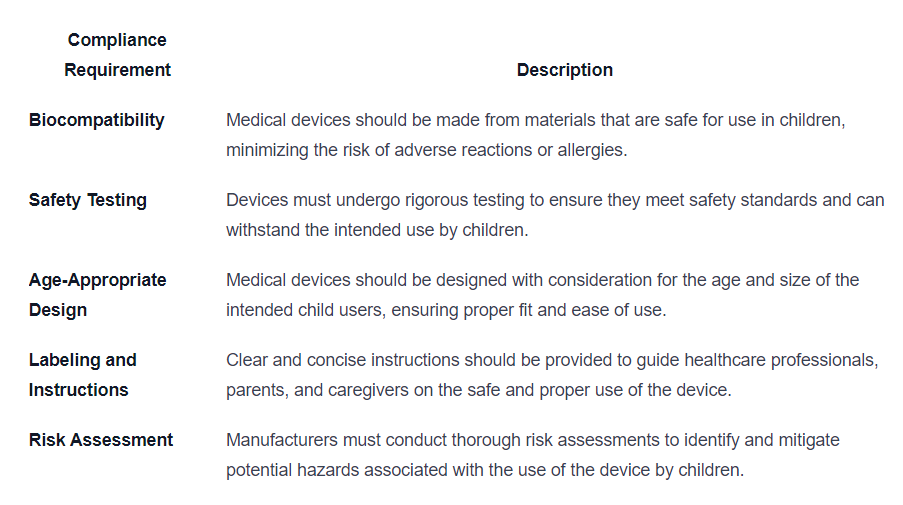
    The FDA plays a vital role in ensuring the safety and effectiveness of Durable Medical Equipment (DME) intended for pediatric use. By increasing the number of devices labeled explicitly for children, the FDA aims to protect young patients during clinical trials and throughout the product lifecycle. Adherence to these guidelines is crucial for manufacturers, as it helps to foster designs that cater specifically to the unique anatomical and physiological needs of pediatric patients.

    Importance of Safety and Design

    Designing pediatric DME requires careful consideration of safety features that accommodate the diverse needs of younger users. This includes features like child-friendly mechanisms, appropriate sizing, and enhanced usability adapted for various age groups, from neonates to adolescents. Focusing on these critical design aspects not only prevents potential injuries but also improves the overall user experience, encouraging compliance and efficient use.

    Collaborations for Device Improvement

    The FDA collaborates with organizations such as the Institute of Medicine to enhance post-market surveillance of pediatric DME. This collaboration is essential for continuously monitoring device performance and ensuring ongoing safety. By gathering data on how children interact with medical devices, improvements can be made to existing designs, laying the foundation for future innovations that better meet pediatric needs.

    Streamlining the Procurement and Use of DME

    Obtaining DME

    To procure durable medical equipment (DME), parents must first secure a prescription from their child’s doctor that outlines the necessary equipment. Collaborating with therapists or specialists can further clarify the specific needs and ensure the equipment is suitable for the child. This thorough approach avoids delays in obtaining critical medical supplies.

    Insurance Coverage

    Insurance coverage plays a pivotal role in the procurement process. Many health insurance plans, including Medicaid, cover DME costs if deemed medically necessary. It’s vital for families to communicate their child’s specific needs, insurance plan details, and any unique requirements to the DME provider to streamline the claim process. Pediatric patients on Medicaid have specific rights that facilitate their access to essential equipment.

    Best Practices in Managing DME

    Effective management of DME involves continuous education and monitoring. Parents should be well-informed about handling and maintaining the equipment and should advocate for any necessary supplies if initially denied by insurance. Ensuring that all equipment fits the child properly upon delivery is crucial for safety and efficacy. By following these best practices, families can enhance their child’s health outcomes and promote better integration into daily life.

    Future Directions and Innovations in Pediatric DME

    Trends in DME Technology

    Emerging technology trends are shaping the future of durable medical equipment (DME) for pediatric use. Integrating smart technologies and IoT functionality is at the forefront, allowing for real-time monitoring and adjustments based on a child’s recovery needs. These innovations are expected to improve health outcomes by offering healthcare providers instant access to patient data.

    Design and Usability Improvements

    Usability is critical in pediatric DME design. Future innovations will focus on making devices not only more functional but also engaging and supportive for children. The incorporation of child-friendly aesthetics and adjustable features will enhance both comfort and usability. This will help to reduce anxiety during treatments and support the child’s overall demeanor during care.

    Research and Development Directions

    Ongoing research will play a key role in understanding the unique interactions families have with DME. A focus on user-centered design will be crucial for creating devices that address common barriers faced in home environments. This means developing equipment that accommodates diverse needs and integrates easily into daily life, ultimately aiming for improved health management and patient satisfaction.

    Future Focus Areas Expected Innovations Benefits
    Smart Technology Real-time monitoring and data access Enhanced health management
    Usability Design Child-friendly features Reduces anxiety and promotes recovery
    Research Insights User-centered product development Better equipment integration into homes

    Conclusion

    Durable Medical Equipment (DME) is indispensable in pediatric healthcare, supporting children with a variety of medical needs and enhancing their quality of life. While challenges remain in obtaining and adapting these essential tools, ongoing advancements and a strong regulatory framework promise continued improvements in accessibility and effectiveness. For families, healthcare providers, and regulatory bodies, understanding and enhancing the role of DME in pediatrics can lead to better health outcomes and a brighter future for young patients.

    References

  • The Benefits of Lightweight Pediatric Mobility Equipment

    The Benefits of Lightweight Pediatric Mobility Equipment

    Exploring Lightweight Solutions for Pediatric Mobility

    Introduction

    Pediatric mobility equipment is essential for children with disabilities, providing them with the tools needed for independence, participation, and developmental growth. Recently, advancements in lightweight design have played a pivotal role in enhancing the functionality and accessibility of these devices. This article delves into the benefits, types, and customization options available for lightweight pediatric mobility equipment, highlighting their impact on children’s lives.

    The General Benefits of Pediatric Mobility Devices

    Discover How Mobility Devices Transform Children's Lives

    What are the general benefits of mobility devices for children?

    Mobility devices for children are not just tools for physical movement; they bring a multitude of benefits that enhance every aspect of a child’s life. First and foremost, they significantly enhance the quality of life by enabling children to participate more fully in social activities and play, crucial for emotional and developmental growth.

    How do mobility devices reduce fall risks?

    These devices also play an important role in reducing the risk of falls. By providing proper support and stability, mobility devices help children maintain balance while moving, which lowers the chances of injury and instills a sense of security in their activities.

    How do they foster confidence and autonomy?

    Furthermore, fostering confidence and autonomy is another vital advantage. With the independence gained through mobility aids, children can experience newfound freedom. This independence not only boosts their self-esteem but also encourages them to explore their surroundings, leading to greater engagement with their environment and peers.

    How can overcoming stigma through education enhance outcomes?

    However, it’s crucial to address the stigma associated with mobility aid use. Educational efforts aimed at raising awareness can help change negative perceptions and promote understanding among peers and the wider community. Supportive environments, where adults and children alike encourage mobility device usage, can significantly improve outcomes and ensure that children benefit fully from the opportunities these aids provide.

    In summary, pediatric mobility devices improve life quality, enhance stability, promote independence, and can help combat stigma, making them essential for children with mobility challenges.

    The Importance of Mobility for Development

    Learn About the Crucial Role of Mobility in Child Development

    Why is mobility important for the development of children with disabilities?

    Mobility holds a crucial role in the development of children with disabilities. It directly influences their physical activity levels, which in turn affects their cognitive and social growth. Typically, toddlers with mobility impairments engage in significantly less physical play. This limitation reduces their chances for developing essential motor skills, language capabilities, and social interactions.

    Impact on physical activity and social interactions

    Limited mobility can hinder a child’s ability to participate in typical play activities with peers, resulting in reduced opportunities for social connections. Active participation fosters essential emotional skills and enhances confidence. Engaging in physical activities allows children to explore their environment, which is vital for cognitive development and helps build a sense of independence.

    Examples of early mobility initiatives

    Programs like "Go Baby Go" exemplify initiatives designed to provide modified toy cars, enabling children with mobility limitations to navigate their surroundings independently. These toys not only enhance mobility but also encourage these children to engage with their peers, breaking down barriers to social interaction.

    Bridging developmental gaps

    Research demonstrates that when children with disabilities are given the opportunity to practice their motor skills—especially with the support of parents—they show notable improvement. Promoting mobility can bridge the developmental gaps that exist between children with disabilities and their typically developing peers. In summary, mobility is instrumental in enhancing independence and social participation for children with disabilities.

    Types and Features of Pediatric Mobility Devices

    Explore Various Types of Pediatric Mobility Devices

    What types of pediatric mobility devices are available and what are their key features?

    Pediatric mobility devices come in various forms, each tailored to meet the unique needs of children with disabilities. The most common types include:

    • Wheelchairs: These range from manual and power wheelchairs to ultra-light and tilt-in-space models, accommodating different mobility requirements. Power wheelchairs, in particular, enable young users to operate independently and engage socially.
    • Walkers and Gait Trainers: Essential for children primarily wheelchair-bound, these devices aid in balance and mobility, helping children develop walking skills and muscle strength.
    • Standers: These devices allow children to bear weight and stand, supporting bone and muscle development while enhancing respiratory and digestive function.
    • Adaptive Strollers: Designed for younger children or those with significant mobility impairments, adaptive strollers offer essential support and positioning for growth and development.

    Key features and their functions

    Many of these devices feature:

    • Adjustability: Most mobility aids are designed to grow with the child, offering customizable settings for height, width, and depth.
    • Materials: Devices made from strong yet lightweight materials like aluminum and carbon fiber facilitate easier maneuverability, enhancing independence for both children and caregivers.
    • Technological Features: Innovations such as power assist add-ons and environmental controls increase independence, allowing users to interact with their environment effectively.

    Integrating new technologies

    Recent advancements in pediatric mobility devices focus on introducing lightweight materials and smart functionalities that enhance usability. For instance, the inclusion of power-seat elevators helps children engage at eye level, fostering better social interactions. Furthermore, customizable settings and alternative access controls enable children with limited mobility to operate wheelchairs more independently, reflecting a growing trend towards creating inclusive solutions that adapt to individual needs.

    Enhancing Effectiveness Through Lightweight Design

    How do lightweight designs enhance the effectiveness of pediatric mobility aids?

    Lightweight designs in pediatric mobility aids significantly enhance their effectiveness by improving user experience through better handling and maneuverability. For children with mobility challenges, these factors are crucial as they allow for a more intuitive and manageable interaction with their mobility devices.

    The use of strong yet light materials such as aluminum and carbon fiber lends itself to easier propulsion and steering. This is especially important for caregivers who assist children, ensuring their movements remain safe and controlled, which is important during everyday activities.

    Impact on safety

    Safety is paramount when it comes to mobility aids. Lightweight designs not only ease the burden on caregivers but also reduce the risk of injury during transfers and adjustments. Regular maintenance becomes less cumbersome, allowing families to ensure that devices are always safe and functional.

    User-centered design

    A user-centered design approach emphasizes customizability. Pediatric mobility aids can be tailored in various ways—frame size, seating, and weight—with the lightweight aspect ensuring that these customizations do not impede mobility. Children are better able to engage with their peers and surroundings when their mobility aids fit their specific needs while remaining manageable.

    Economic considerations and market trends

    From an economic standpoint, the disability market boasts over $2.6 trillion in disposable income among people with disabilities, highlighting the importance of investing in lightweight, innovative solutions. As the demand for personalized mobility equipment grows, the transition to lightweight materials aligns with broader industry trends focusing on sustainability and efficiency.

    Notably, advancements in technology are not just limited to materials; digital functionalities in modern equipment can provide real-time health data, increasing caregivers’ ability to monitor health and activity levels.

    In conclusion, incorporating lightweight principles into pediatric mobility aids not only enhances usability and safety but also fosters independence and improves the overall quality of life for children with disabilities.

    Customizing Pediatric Mobility Equipment

    Understand the Importance of Customization in Mobility Equipment

    Individual needs and adaptability

    Customization in pediatric mobility equipment is essential to address the diverse physical and functional needs of children. Each child is unique, so their mobility devices must be adjustable in size and support features to enhance usability and ensure comfort. For instance, adaptive scooters, strollers, and wheelchairs can be modified according to a child’s height, weight, and mobility capabilities.

    Role of practitioners in customization

    Certified practitioners, including physical and occupational therapists, play a crucial role in the customization process. They conduct comprehensive assessments to identify specific adaptations that might be necessary. This may involve evaluating the child’s current posture, strength, and mobility level, as well as considering the need for pressure relief in seating solutions. By employing their expertise, these professionals ensure the equipment not only supports the child’s immediate needs but also accommodates their growth.

    Meeting specific growth and health needs

    Pediatric mobility aids, such as standers or walkers, can also be tailored to reflect developmental changes in alignment and physical abilities. Features like adjustable heights, widths, and support surfaces contribute to the growing child’s health and well-being. For example, standers can be set to promote proper weight-bearing and improve various bodily functions, proving vital as children develop. Overall, customization enhances mobility and encourages independence, engagement, and social interactions, making it an integral part of pediatric rehabilitation.

    Equipment Type Customization Options Benefits
    Wheelchairs Adjustable height, widths Improved comfort, pressure relief
    Walkers Support settings, handle height Better posture, enhanced balance
    Adaptive Strollers Tilt, reclining options, postural supports Proper positioning, growth adjustments

    Technological Advancements in Pediatric Mobility Aids

    Uncover the Latest Innovations in Pediatric Mobility Aids

    Impact of Digital Functionalities

    Technological advancements in pediatric mobility aids have significantly enhanced their usability through digital functionalities. Many modern devices come equipped with features that provide real-time feedback, allowing caregivers to monitor the child’s movements and health metrics. This feedback can guide therapy and mobility interventions, ensuring that children receive tailored support that evolves with their needs.

    Adaptive Capabilities as Children Grow

    A major benefit of contemporary mobility aids is their adjustable nature, designed to accommodate a child’s growth. Devices such as powered wheelchairs and adaptive strollers feature user-friendly settings that allow for height, width, and depth adjustments. This adaptability means that as children develop physically and cognitively, their mobility aids continue to meet their specific requirements, contributing to sustained independence and engagement in activities.

    Real-Time Health Data

    Incorporating technology into pediatric durable medical equipment enables real-time health data collection. This information can include metrics related to mobility patterns, usage duration, and physiological responses to movement. By analyzing this data, therapists and caregivers can make informed decisions, promoting better health outcomes and supporting the child’s overall development.

    Materials and Innovation in Pediatric Mobility Aids

    Use of Lightweight Materials

    Pediatric mobility aids play a crucial role in enhancing the independence and quality of life for children with disabilities. The use of lightweight materials, such as aluminum and carbon fiber, is essential in designing these devices. Such materials allow easier maneuverability for both children and caregivers. Ultra lightweight wheelchairs, for instance, are configured uniquely to individual needs, allowing children to engage more readily in their surroundings and daily activities.

    Potential of Bio-Composite Materials

    The future of pediatric mobility aids may lie in the adoption of bio-composite materials. These materials not only promise weight reductions but also support sustainable practices through recycling. Current trends indicate that integrating bio-composite materials into the design of pediatric aids could lead to significant advancements in usability and comfort, catering to the changing needs of growing children.

    Environmental Considerations

    Incorporating lighter and biodegradable materials into pediatric mobility devices aligns with broader environmental objectives, including those part of the European Green Deal. Shifting focus towards sustainable manufacturing not only benefits children with mobility impairments by providing innovative and efficient products, but also contributes positively to health and environmental sustainability.

    Material Type Benefits Environmental Impact
    Aluminum/CFRP Lightweight, durable, easy to maneuver Recyclable, energy intensive
    Bio-composite Weight reduction, sustainable sourcing Lower ecological footprint

    The Role of Pediatric Therapists

    Evaluating and recommending mobility aids

    Pediatric therapists play a vital role in the assessment and recommendation of mobility aids for children with disabilities. They evaluate the specific needs and abilities of each child, ensuring that the selected equipment promotes optimal mobility. The therapist’s familiarity with the child’s medical history and capabilities allows for tailored solutions that address individual challenges effectively.

    Fostering independent movement

    These professionals focus on fostering independent movement, recognizing that mobility is not merely a skill to be mastered, but a critical component of a child’s developmental journey. Therapists facilitate training sessions with the children to enhance their confidence and help them adapt to their mobility devices, ensuring they engage actively in activities and social interactions.

    Continuous adaptation and care

    As children grow, their physical needs change. Pediatric therapists provide ongoing care by continuously assessing the child’s mobility requirements. They make adjustments to the devices and suggest new equipment as necessary, promoting an environment where children can thrive and maintain independence throughout their development.

    Enhancing Independence Through Mobility

    Promoting social inclusion

    Pediatric accessibility devices play a pivotal role in promoting social inclusion for children with disabilities. Devices such as powered wheelchairs and gait trainers enable children to engage more freely with peers, enhancing their ability to participate in social activities and build relationships. The positive effects on family interactions and playtime activities can be profound, significantly improving a child’s social skills.

    Participation in daily activities

    Mobility aids are designed not just for function but also to empower children to take part in daily routines. Adaptive strollers, walkers, and lightweight wheelchairs facilitate easier movement around the home and community. This independence allows children to engage fully in activities like playing outside, attending school, or participating in family events, fostering a sense of belonging.

    Empowerment through mobility

    The customization and advanced features of pediatric mobility devices, including adjustable settings, support independence. New technologies such as power-seat elevators and alternative access controls grant children control over their mobility, promoting confidence. Engaging with mobility aids enhances not only physical capabilities but also self-esteem, allowing children to navigate their world on their terms.

    Safety Considerations in Mobility Aid Use

    Proper Fit and Maintenance

    Ensuring that pediatric mobility aids fit properly is crucial for the child’s safety and overall effectiveness. Devices must be adjustable to accommodate growth and changing needs. Regular maintenance checks are essential to prevent malfunctions that could compromise safety. Caregivers should routinely inspect the equipment for any wear and tear, ensuring parts function correctly.

    Training and Familiarization

    Training with physical therapists plays a vital role in promoting confidence and independence for children using mobility aids. Sessions should focus on familiarizing the child with their device, helping them understand how to maneuver it safely. This education not only enhances the child’s ability to use the equipment effectively but also helps minimize the risk of accidents during use.

    Creating Accessible Environments

    A child’s home and social spaces should be designed to support the safe use of mobility aids. This includes eliminating barriers such as stairs or uneven surfaces, ensuring pathways are clear, and using ramps where necessary. By creating an accessible environment, caregivers enhance the child’s ability to move freely and independently, which is fundamental for their development.

    Conclusion

    Lightweight pediatric mobility equipment has transformative potential in improving the lives of children with disabilities. Through thoughtful design, customization, and the incorporation of new technologies, these devices not only meet essential mobility needs but also empower children to participate fully in their environments. As innovation continues, the future looks promising for more inclusive, adaptable solutions that respect diverse user requirements and advance quality of life.

    References

  • The Role of Pediatric BiPAP Machines in Respiratory Care

    The Role of Pediatric BiPAP Machines in Respiratory Care

    Understanding the Impact of BiPAP Machines in Pediatric Respiratory Therapy

    Introduction to Pediatric BiPAP Machines

    Bilevel Positive Airway Pressure (BiPAP) machines have become an integral tool in pediatric respiratory care, providing non-invasive support to children who experience difficulty breathing. This advanced therapy enhances the quality of life for young patients by offering a method to maintain oxygen levels and improve breathing efficacy without the need for invasive procedures. Understanding the functionality, applications, and considerations of BiPAP therapy is crucial for healthcare providers and caregivers alike as they navigate the complexities of pediatric respiratory challenges.

    How Pediatric BiPAP Machines Work

    Understanding the Functionality of Pediatric BiPAP Machines

    What is the main function of a BiPAP machine?

    The primary function of a BiPAP machine, which stands for bilevel positive airway pressure, is to assist pediatric patients with breathing difficulties by providing varying levels of pressurized air. This noninvasive device is typically employed through a mask or nasal prongs.

    BiPAP delivers higher pressure during inhalation (Inspiratory Pressure, or IPAP) and lower pressure during exhalation (Expiratory Pressure, or EPAP). This dual pressure support helps in keeping the airways open and facilitating improved gas exchange in the lungs, especially crucial for children with conditions like asthma, pneumonia, or neuromuscular disorders.

    What is the difference between BiPAP and CPAP therapy?

    The main difference between BiPAP (Bilevel Positive Airway Pressure) and CPAP (Continuous Positive Airway Pressure) therapy lies in their pressure delivery mechanisms. While CPAP delivers a continuous level of air pressure to stent the airway open—primarily benefitting patients suffering from obstructive sleep apnea—BiPAP operates with two different pressure levels: IPAP for inhalation and EPAP for exhalation.

    This distinction allows BiPAP to provide a more comfortable experience for pediatric patients, particularly those who may struggle to exhale against the continuous pressure of CPAP. For complicated respiratory issues or cases of central sleep apnea, BiPAP is often preferred.

    To summarize the differences, the following table provides a concise overview:

    Feature BiPAP CPAP
    Pressure Delivery Two levels (IPAP and EPAP) Constant pressure
    Comfort for Exhalation Easier (lower pressure on exhale) More challenging for some users
    Typical Use Cases Asthma, neuromuscular disorders, etc. Mainly obstructive sleep apnea
    Cost Consideration Generally more expensive Generally less expensive

    Additional Insights

    Pediatric BiPAP machines are vital tools in managing severe respiratory conditions, and their ability to alleviate the work of breathing contributes significantly to recovery in children’s healthcare settings. They not only maintain oxygenation more effectively than single pressure devices but also enhance communication and bonding opportunities between parents and their children undergoing treatment.

    Clinical Applications of BiPAP in Pediatrics

    Exploring Clinical Uses of BiPAP in Young Patients

    When might a child require BiPAP therapy?

    A child might require BiPAP therapy in cases of respiratory distress, particularly in situations involving weak breathing muscles or sleep-related hypoventilation. Conditions such as asthma exacerbations, neuromuscular disorders, and pneumonia often call for BiPAP as a means to enhance oxygen levels in the lungs, facilitate carbon dioxide removal, and reduce the overall effort of breathing. Common symptoms indicating the need for BiPAP may include:

    • Worsening breathlessness
    • Chest tightness
    • Confusion or altered mental state
    • Daytime fatigue

    A supervised sleep study can help establish the appropriate pressures for the BiPAP machine. Regular follow-ups are essential to evaluate therapy effectiveness and make necessary adjustments tailored to the child’s medical condition.

    What are the common reasons a baby might need a BiPAP machine?

    For infants, several reasons may indicate the need for a BiPAP machine. These include:

    • Weak respiratory muscles
    • Issues with the brain’s breathing center
    • Respiratory problems during sleep, such as sleep apnea
    • Insufficient oxygen levels in the bloodstream
    • Possible lung collapse due to various conditions

    Given its two-level pressure system, BiPAP effectively supports babies needing assistance during both inhalation and exhalation phases. Parents should prioritize following proper setup and maintenance guidelines for the BiPAP machine, including connecting the mask securely and regularly cleaning the equipment. Coordination with healthcare providers for tailored treatment plans is vital for the successful use of BiPAP machines in pediatrics.

    Condition Indications for BiPAP Rationale for Use
    Asthma Exacerbation Respiratory distress, hypoxemia Improves ventilation and oxygenation
    Pneumonia Severe respiratory failure Reduces need for intubation
    Neuromuscular Disorders Weak respiratory muscles Facilitates adequate breathing assistance
    Sleep Apnea Breathing irregularities during sleep Enhances oxygen delivery and comfort
    Bronchiolitis Acute respiratory distress Supports gas exchange and reduces work of breathing

    BiPAP Settings and Patient Specificity

    Optimizing BiPAP Settings

    BiPAP therapy is highly effective for managing pediatric respiratory distress, but its success heavily relies on the appropriate settings tailored to individual patient needs. Each child requires specific Inspiratory Positive Airway Pressure (IPAP) and Expiratory Positive Airway Pressure (EPAP) settings based on their age, weight, and clinical presentation. Common median settings for pediatric patients have shown IPAP around 18 cm H2O and EPAP about 8 cm H2O, with an I:E (inspiratory-to-expiratory) ratio typically set at approximately 1.75.

    Such customized adjustments help in improving tidal volumes and respiratory function, making careful monitoring essential throughout the treatment process.

    Importance of Age-Appropriate Settings

    The effectiveness of BiPAP in pediatric patients is largely attributed to its age-appropriate settings. Infants and younger children will have different respiratory mechanics compared to older children or adolescents, which necessitates a nuanced approach in the application of BiPAP therapy. Health care providers must evaluate the child’s respiratory status and adjust parameters accordingly.

    This individualized care can significantly reduce the risk of discomfort and complications, ultimately leading to improved patient comfort and better therapeutic outcomes, such as reduced intubation rates.

    In summary, effective BiPAP usage in pediatrics requires not only optimal settings but also ongoing assessment to ensure that interventions are tailored to the changing needs of young patients.

    BiPAP in Managing Pediatric Asthma

    How does BiPAP function for pediatric asthma patients?

    BiPAP, or Bilevel Positive Airway Pressure, operates by providing two levels of airway pressure, enhancing the effectiveness of respiratory support for children facing asthma exacerbations. It delivers higher pressure during inhalation (IPAP) and lower pressure during exhalation (EPAP), helping to keep airways open and aiding in ventilation. This method is especially beneficial during acute respiratory distress, as evidenced by a comprehensive study conducted between 2005 and 2013 that assessed 1,157 pediatric asthma patients.

    Notably, only 0.5% of these patients necessitated intubation—an impressive statistic that underscores BiPAP’s effectiveness and reliability. The typical settings for this therapy were identified as an IPAP of 18 cm H2O and EPAP of 8 cm H2O, which are pivotal in managing severe asthma cases. Critical improvements were observed post-treatment, such as significant reductions in both the Pediatric Asthma Severity scores and respiratory rates, indicating better respiratory functioning. Moreover, the study revealed an increase in tidal volumes, further supporting the efficacy of BiPAP in asthmatic children. Thus, it is clear that BiPAP should be integrated as an early intervention strategy for those experiencing severe or unresponsive asthma attacks.

    What outcomes are associated with BiPAP in pediatric respiratory conditions?

    The application of BiPAP in pediatric patients extends beyond asthma, effectively treating various respiratory conditions. Its impacts are considerable:

    • Lower Intubation Rates: BiPAP significantly reduces the necessity for intubation, which lowers the risks associated with invasive procedures.
    • Decreased Hospitalization Duration: Patients receiving BiPAP often experience shorter hospital stays, leading to more efficient healthcare delivery.
    • Enhanced Patient Comfort: Non-invasive ventilation promotes better interaction between patients and caregivers, reducing the need for sedation and enhancing overall comfort.

    These positive outcomes highlight the importance of BiPAP in managing pediatric respiratory distress syndromes and illustrate its potential as a frontline treatment in acute pediatric care settings.

    Parameter Pre-Treatment Post-Treatment
    Pediatric Asthma Severity Score High Significantly Lower
    Respiratory Rate Elevated Reduced
    Tidal Volume Low Increased
    Intubation Requirement 0.5% Minimal

    Overall, the effectiveness of BiPAP positions it as an essential approach in the ongoing management of children with respiratory challenges.

    Risks and Safety Measures with BiPAP

    Potential Risks Involved in BiPAP Usage

    While BiPAP (Bilevel Positive Airway Pressure) therapy is generally regarded as safe for pediatric patients, some adverse effects may arise. Common risks include:

    • Face Mask Discomfort: Improperly fitted masks can cause pressure sores or discomfort on the skin, necessitating careful fitting to ensure patient comfort.
    • Skin Damage: Prolonged use can lead to irritation or breakdown of the skin around the mask area, which requires monitoring and possible adjustments in usage.
    • Difficulty Exhaling: If settings are too high, patients may struggle to exhale effectively, potentially causing distress.

    Patient Safety Protocols

    To ensure child safety during BiPAP therapy, healthcare providers should follow these protocols:

    • Thorough Assessment: Evaluate each patient for specific fitting needs and ensure that optimal IPAP and EPAP settings are determined based on individual clinical presentations.
    • Regular Monitoring: Constantly monitor vital signs and comfort levels during therapy to swiftly address any complications that may arise.
    • Education for Caregivers: Teach parents and caregivers about proper use, equipment maintenance, and recognizing signs of complications, such as mask fit issues or respiratory distress.

    Implementing these safety measures helps to maximize the benefits of BiPAP therapy while minimizing potential risks, allowing for better overall outcomes.

    Role of BiPAP in Noninvasive Ventilation

    What are Noninvasive Ventilation Techniques?

    Noninvasive ventilation (NIV) includes methods like Bilevel Positive Airway Pressure (BiPAP) and Continuous Positive Airway Pressure (CPAP). These techniques are crucial for children with respiratory distress as they assist in maintaining adequate oxygenation and reducing the work of breathing.

    BiPAP stands out by providing two levels of pressure: Inspiratory Positive Airway Pressure (IPAP) during inhalation, and Expiratory Positive Airway Pressure (EPAP) during exhalation. This dual pressure system enhances ventilation and supports children experiencing conditions like asthma exacerbations, pneumonia, and neuro-muscular disorders.

    What are the Comparative Advantages Over Invasive Methods?

    Using BiPAP in pediatric care presents several benefits compared to invasive measures such as endotracheal intubation:

    • Reduced Intubation Rates: BiPAP can significantly lower the need for invasive intubation, making it a safer option for acute management.
    • Improved Oxygenation: It helps maintain better oxygenation levels, especially in pre-oxygenation scenarios, facilitating smoother transitions to potential intubation if required.
    • Less Sedation Required: Patients using BiPAP often experience enhanced comfort, requiring less sedation, allowing for better communication with caregivers.
    • Shortened Hospital Stays: Studies show that BiPAP therapy results in shorter hospital admissions and decreased PICU stays, indicating improved overall patient outcomes.
    Criteria BiPAP Advantages Invasive Ventilation Drawbacks
    Intubation Requirement Lower rates Higher rates
    Oxygenation Maintenance Superior Varied
    Sedation Needs Minimal Significant
    Hospital Stay Duration Shorter Longer

    BiPAP thus plays a vital role in pediatric care, offering a noninvasive alternative that helps manage respiratory conditions effectively.

    Case Studies and Statistical Outcomes of Pediatric BiPAP

    Case studies highlighting BiPAP efficacy

    Research demonstrates significant gains from BiPAP in pediatric respiratory care, with numerous case studies showcasing its practical application. One notable case involved a 5-year-old with severe asthma exacerbation. The immediate use of BiPAP led to reduced respiratory distress and enabled successful management without intubation. In another example, a child with bronchiolitis showed improved oxygenation levels and a marked decrease in respiratory rate after initiating BiPAP therapy, highlighting its role in avoiding invasiveness.

    Statistical insights on outcomes

    Statistical analyses confirm the effectiveness of BiPAP in improving patient outcomes. A Continuous Quality Improvement Program evaluated 1,157 pediatric asthma patients from 2005 to 2013, reporting that 99.5% avoided intubation, indicating a dramatic reliance on BiPAP over invasive methods. Furthermore, median BiPAP settings showed inspiring outcomes with an Inspiratory Positive Airway Pressure (IPAP) of 18 cm H2O and an Expiratory Positive Airway Pressure (EPAP) of 8 cm H2O, enhancing respiratory function. Consequently, BiPAP use significantly decreased hospital admissions to the Pediatric Intensive Care Unit (PICU) and shortened hospital stays, thus proving to be a critical agent in pediatric respiratory management.

    Case Study Focus Key Outcomes Clinical Significance
    Severe Asthma Exacerbation Avoided intubation Immediate respiratory relief
    Bronchiolitis Improved oxygenation & decreased respiratory rate Effective non-invasive relief
    CQIP Analysis 99.5% avoided intubation Highly effective in pediatric asthma management
    BiPAP Settings IPAP 18 cm H2O, EPAP 8 cm H2O Enhanced tidal volumes & respiratory function

    Comparing BiPAP with Other Respiratory Supports

    Comparison with CPAP and other modalities

    BiPAP (Bilevel Positive Airway Pressure) and CPAP (Continuous Positive Airway Pressure) are both noninvasive ventilation techniques used extensively in pediatric care, but they serve different purposes.
    While CPAP delivers a constant pressure to maintain airway patency during both inhalation and exhalation, BiPAP offers distinct pressures for inhalation (IPAP) and exhalation (EPAP). This capability to adjust pressures makes BiPAP particularly effective for patients who have difficulty exhaling against the constant pressure provided by CPAP.

    Selection criteria for therapy choice

    The choice between BiPAP and other modalities depends on several factors related to the patient’s condition:

    • Underlying condition: BiPAP is often indicated for respiratory failures like asthma exacerbations, pneumonia, and certain neuromuscular disorders, providing respiratory assistance during crises.
    • Tolerance to therapy: BiPAP may be preferred for children who exhibit discomfort during CPAP, as its dual pressure settings can enhance comfort and adherence.
    • Severity of respiratory distress: In cases of severe respiratory distress or chronic lung diseases, BiPAP can help unload fatigued respiratory muscles and prevent the necessity for intubation.

    Utilizing BiPAP can lead to improved ventilation efficiency, reduced work of breathing, and better overall oxygenation in pediatric patients. This makes it a pivotal tool in managing both acute and chronic respiratory conditions, setting it apart from other respiratory support options.

    Indications and Contraindications of Pediatric BiPAP

    Situations where BiPAP is indicated

    BiPAP therapy is often employed in pediatric patients with various respiratory challenges. The following conditions frequently warrant its use:

    • Asthma Exacerbations: BiPAP helps to relieve bronchospasm and improve airflow.
    • Pneumonia: This device can assist in oxygenation, helping battle respiratory infections.
    • Neuromuscular Diseases: Conditions affecting respiratory muscles often benefit from support provided by BiPAP.
    • Chronic Lung Diseases: Including cystic fibrosis and bronchopulmonary dysplasia, where respiratory support is crucial.
    • Sleep-Related Breathing Disorders: BiPAP is also used in cases such as obstructive sleep apnea when traditional CPAP fails.

    These indications highlight BiPAP’s vital role in preventing the need for intubation and enabling timely interventions.

    Contraindications to consider in therapy

    While BiPAP is beneficial, there are contraindications to be aware of:

    • Severe Facial Trauma: This can complicate mask fitting and may require alternative ventilation solutions.
    • Uncooperative Patients: Children who cannot tolerate the device or are unable to cooperate during the therapy may not be suitable candidates.
    • Severe Respiratory Distress: In cases where immediate airway protection is required, intubation may be preferred.
    • Persistent Vomiting: This can pose risks of aspiration, especially with mask ventilation.

    Understanding these indications and contraindications is essential for proper clinical decision-making in pediatric respiratory management.

    BiPAP and Chronic Lung Conditions in Children

    Managing Chronic Lung Issues with BiPAP Therapy

    Benefits of BiPAP for Chronic Lung Diseases

    BiPAP, or Bilevel Positive Airway Pressure, offers significant advantages for children suffering from chronic lung conditions. By providing two levels of airway pressure, it assists in maintaining open airways during inhalation and exhalation. This dual pressure support is especially beneficial for children with diseases like cystic fibrosis and neuromuscular disorders. BiPAP enhances ventilation, improves gas exchange, and reduces the work of breathing, alleviating symptoms associated with chronic lung diseases.

    Impact on Quality of Life and Survival

    The utilization of BiPAP therapy can lead to notable improvements in children’s quality of life. Studies indicate that it has the potential to decrease hospital admissions and reduce the length of hospital stays. Moreover, regular use can improve nocturnal hypoventilation, ultimately leading to better daytime function and decreased fatigue. In terms of survival, BiPAP can improve oxygenation levels, which is critical for managing chronic respiratory conditions. Its role in preventing the need for invasive ventilation methods supports not only physical health but also emotional well-being by allowing better communication between parents and children during treatment.

    Aspect Details
    Device Type Bilevel Positive Airway Pressure (BiPAP)
    Key Benefits Enhanced ventilation and gas exchange
    Quality of Life Improvements Decreased hospital stays, improved function
    Conditions Treated Cystic fibrosis, neuromuscular disorders

    Importance of Adherence to BiPAP Therapy

    Ensuring Compliance for Effective BiPAP Therapy

    Adherence Challenges and Solutions

    Adherence to BiPAP therapy can be challenging for pediatric patients due to discomfort and anxiety regarding the equipment. Factors like mask fit, noise from the machine, and pressure sensations may deter children from using the device consistently.

    To enhance compliance, it’s vital to engage children in the process, allowing them to be part of their treatment plan. Gradual acclimatization using techniques such as modeling or graduated exposure can help them adapt positively to therapy.

    Monitoring Compliance and Outcomes

    Monitoring adherence involves regular follow-ups by healthcare providers to assess the use of BiPAP therapy and make necessary adjustments. Tools like compliance tracking devices and sharing symptom diaries can help parents gauge their child’s engagement with the treatment.

    Effective adherence significantly improves clinical outcomes, including reduced hospitalization rates and better management of respiratory conditions. Regular assessments can ensure that therapy meets individual needs and enhances patient comfort.

    Educating Caregivers on BiPAP Management

    Training caregivers to use BiPAP effectively

    Equipping caregivers with the skills to manage BiPAP therapy is essential for the ongoing health of pediatric patients. Education should include how to properly fit the mask and adjust the device settings to ensure comfort and effectiveness. Caregivers should be trained to recognize signs of distress or deteriorating condition, such as increased respiratory rate or decreased oxygen saturation. Understanding the nuances of Inspiratory Positive Airway Pressure (IPAP) and Expiratory Positive Airway Pressure (EPAP) is crucial for optimizing treatment.

    Routine maintenance and follow-up care

    Regular maintenance of BiPAP equipment is crucial for function and patient safety. Caregivers should be instructed on cleaning masks and tubing to prevent infections and irritations. They should also monitor the device for any unusual sounds or malfunctions. Follow-up appointments with healthcare providers ensure that the therapy continues to meet the child’s evolving needs and allows for adjustments in pressure settings as required.

    Overall, effective caregiver education will enhance adherence to therapy, leading to improved outcomes and comfort for the pediatric patients using BiPAP.

    Technological Advances in Pediatric BiPAP Machines

    Recent advancements and their impact

    Recent technological advancements in pediatric BiPAP machines have revolutionized management of respiratory distress in children. Enhanced features include more precise pressure settings, improved feedback mechanisms, and user-friendly interfaces that can aid healthcare providers in customizing therapy.

    These innovations streamline patient monitoring and enhance comfort, allowing for better compliance. Innovations such as integrated humidifiers also help to prevent dry airway complications, making BiPAP a more appealing option for children, especially during prolonged use.

    Future directions in BiPAP technology

    Future developments may focus on miniaturization of devices, making them more portable, and integrating smart technology for real-time monitoring and adjustments. Wearable BiPAP technology could drastically improve everyday patient comfort and freedom, particularly for those requiring long-term therapy at home.

    Additionally, further research into artificial intelligence could facilitate personalized therapy adjustments based on individual patient responses, ultimately leading to improved outcomes in pediatric respiratory care.

    BiPAP as a Home Therapy Option

    Implementation and benefits of home-based BiPAP

    BiPAP therapy is increasingly recognized as a viable option for home use in children with respiratory conditions. This therapy allows children with difficulties in breathing—including those with obstructive sleep apnea, neuromuscular disorders, or chronic lung diseases—to receive the respiratory support they need while remaining in a familiar and comfortable environment.

    Home-based BiPAP setups provide several advantages:

    • Continued Treatment: Allows ongoing management of respiratory conditions without the need for constant hospital visits.
    • Quality of Life: Enhances the child’s quality of life by enabling participation in daily activities, such as schooling and play.
    • Family Involvement: Families can actively participate in care routines, fostering communication and support.

    Considerations for home use

    While home BiPAP therapy has its benefits, careful evaluation and training are crucial before implementation:

    • Proper Assessment: Healthcare providers must evaluate the child’s specific needs and determine the most appropriate BiPAP settings.
    • Ongoing Monitoring: Regular follow-ups are essential to ensure the device is correctly set up and the child tolerates treatment well.
    • Comfort and Adherence: It’s important to address issues such as mask fit and comfort to enhance adherence to therapy, minimizing complications such as facial skin damage.

    Overall, with appropriate guidance, home BiPAP therapy can significantly improve outcomes for children requiring respiratory support.

    Conclusion: Embracing BiPAP in Pediatric Respiratory Care

    Pediatric BiPAP machines have revolutionized the management of respiratory conditions in children by providing a noninvasive and effective treatment option, particularly for conditions that lead to compromised breathing. The documented success of BiPAP in various clinical scenarios underscores its importance as both an acute intervention and a home-based therapy. As technology advances and more data become available, BiPAP’s role will continue to evolve, offering hope and improved outcomes for countless young patients and their families. Comprehensive understanding and diligent management of BiPAP therapy are essential for optimizing respiratory care in pediatrics.

    References

  • Understanding Croup: Symptoms, Treatment, and Care

    Understanding Croup: Symptoms, Treatment, and Care

    A Comprehensive Guide to Croup in Children and Its Management

    Introduction to Croup

    Croup is a common respiratory condition that primarily affects infants and young children, causing significant distress for both the child and their caregivers. Characterized by a distinctive barking cough, croup often leads to concerns about breathing difficulties. This article delves into the symptoms, causes, and treatment options for croup, providing a clear understanding for parents and caregivers on how to manage this condition effectively.

    Recognizing the Symptoms and Causes of Croup

    Identifying the Key Symptoms and Causes of Croup

    What are the symptoms, causes, and diagnosis of croup?

    Croup primarily affects children under 5 years old and is characterized by specific symptoms. The most notable symptom is a loud barking cough, often likened to the sound of a seal. Other common symptoms include:

    • Stridor: A high-pitched, raspy sound when breathing in.
    • Hoarseness: A noticeable change in voice pitch.
    • Fever: Mild to moderate fever may accompany other signs.
    • Respiratory Distress: Difficulty in breathing, which can worsen at night or when the child is agitated.

    The primary cause of croup is viral infections, with the parainfluenza virus being the most frequent culprit. Other viruses, such as RSV and influenza, can also lead to croup.

    How is croup diagnosed?

    Diagnosis of croup is often straightforward and relies on a clinical examination. Healthcare providers typically consider the child’s

    • Medical History: Previous episodes of croup and recent illnesses.
    • Physical Examination: Listening for the characteristic cough and stridor.
    • Seasonality: The condition peaks during fall and winter months, often following cold-like symptoms.

    In some cases, additional imaging, such as X-rays, may be required to rule out other respiratory issues. While many instances of croup are mild and manageable at home, severe symptoms warrant immediate medical care to prevent complications.

    For further studies on croup, search for "Croup symptoms and causes."

    Understanding Treatment and Care for Croup

    Effective Care Strategies for Managing Croup

    What are the treatment steps for croup?

    Croup typically occurs in young children, often triggered by viral infections, resulting in symptoms like a distinctive barking cough, hoarseness, and potential breathing difficulties. For mild cases, home care is usually sufficient. Here are some effective treatment steps:

    1. Keep the Child Calm: Reducing anxiety is important, as crying can worsen symptoms. Engage in comforting activities like reading stories or gently singing.
    2. Hydration: Encourage the child to drink plenty of fluids. Warm, clear liquids can help soothe the throat and loosen mucus, while cool-mist humidifiers can provide relief from dry air.
    3. Pain Relief: Administer fever-reducing medications like paracetamol or ibuprofen as directed by a healthcare provider.
    4. Upright Positioning: Holding the child upright can help ease breathing difficulties and prevent airway obstruction.

    When should you seek medical help?

    Parents should be vigilant in monitoring their child’s condition. Immediate medical attention is warranted if:

    • The child exhibits severe difficulty breathing or shows signs of distress.
    • You notice stridor while the child is resting, indicating airway obstruction.
    • The lips or face appear bluish in color.
    • The child becomes unusually sleepy or unresponsive.
    • Rapid breathing occurs, or signs of dehydration develop (such as dry mouth or lack of tears).

    What medical treatments are available for severe cases?

    If croup symptoms are severe or do not improve with home treatment, medical intervention is necessary. Possible treatments include:

    • Corticosteroids, such as dexamethasone, to reduce swelling in the airways.
    • Nebulized epinephrine for quick relief of respiratory distress.
    • In rare circumstances, hospitalization may be required for observation and further intensive treatment.

    With appropriate care and attention, most cases of croup resolve within a week, allowing the child to recover comfortably at home.

    Why Symptoms Worsen at Night

    Understanding the Nighttime Challenges of Croup Symptoms

    Why is croup worse at night?

    Croup symptoms often worsen at night for several reasons. Hormonal changes like circadian fluctuations in cortisol levels peak in the morning and trough at night, causing increased airway inflammation.

    Additionally, when children lie down, the position can exacerbate airway swelling, leading to more pronounced breathing difficulties. Nighttime also tends to heighten anxiety in children, which can further complicate their breathing.

    As a result, symptoms such as the hallmark barking cough and stridor become more noticeable during sleep, leading to disturbance and waking the child. This combination of factors makes nighttime particularly challenging for both children and their parents.

    Managing nighttime symptoms

    To help manage symptoms during the night, consider the following strategies:

    • Maintain a Calm Environment: Keeping the atmosphere soothing can help reduce anxiety levels, potentially lessening breathing difficulties.
    • Elevate the Head: While it’s prudent not to use pillows for infants under 12 months, slightly raising the head during sleep can aid in making breathing easier.
    • Use Humidified Air: Cool-mist humidifiers or sitting in a steamy bathroom can provide relief and help keep airways moist.
    • Stay Hydrated: Encourage warm, clear fluids to help loosen mucus and ease vocal cord pressure, which can be particularly helpful at night.

    Contagious Nature and Prevention of Croup

    Preventing the Spread of Croup: Essential Measures

    Is croup contagious?

    Croup is indeed contagious, primarily affecting babies and young children. The condition is commonly triggered by viral infections, with the parainfluenza virus being the most frequent culprit. These viruses disseminate easily through respiratory droplets released when an infected person coughs or sneezes. They can also spread from contact with surfaces contaminated by those droplets.

    Children diagnosed with croup remain contagious for three days following the onset of symptoms, or until they have been fever-free for at least 24 hours without the assistance of fever-reducing medications. To help curb the spread of croup, infected children should stay home from school or daycare during this infectious period. This preventive measure is crucial in managing outbreaks, especially in settings where multiple children gather.

    What are the preventive measures for croup?

    To reduce the risk of contracting croup, parents can encourage several health practices:

    • Frequent Hand Washing: Regularly washing hands with soap can help eliminate viruses and prevent their spread.
    • Avoiding Close Contact: Keep children away from sick individuals, particularly during peak cold and flu seasons.
    • Encouraging Cough Etiquette: Teach children to cough into their elbows, rather than their hands, to minimize droplet spread.
    • Cleaning Surfaces: Regularly disinfect surfaces frequently touched by children to lower the chance of contamination.
    • Vaccinations: Staying current on vaccinations can help prevent infections that could lead to croup, like influenza.

    Implementing these preventative measures ensures children remain healthy and minimizes the occurrence of croup in community settings.

    Effective Treatments and When to Seek Medical Help

    Treatment Options and Warning Signs for Severe Croup

    What are the most appropriate treatments for croup?

    The primary treatment for croup focuses on reducing airway inflammation, with glucocorticoids being the go-to medication. Dexamethasone is particularly effective and commonly prescribed due to its strong anti-inflammatory properties. For children with moderate to severe symptoms, nebulized epinephrine may be administered to relieve airway obstruction and prevent intubation.

    In cases of mild croup, supportive care at home is often sufficient. Parents are encouraged to maintain a calm environment, provide plenty of fluids for hydration, and consider using a cool-mist humidifier, though the effectiveness of humidified air specifically for croup relief remains uncertain.

    Severe cases of croup may necessitate hospitalization, where further interventions such as oxygen therapy can be implemented to assist with breathing difficulties. Overall, the choice of treatment should depend on the severity of symptoms, with glucocorticoids being the first-line therapy.

    When should you seek medical help for croup?

    Medical attention should be sought if the child shows signs of moderate to severe croup symptoms. Key warning signs include difficulty breathing, rapid or labored respiration, and retractions (skin pulling in near the ribs). A bluish tint around the mouth or lips also necessitates urgent care, as does severe agitation or fatigue.

    For infants under 3 months old presenting a high fever (38°C or above) or a low temperature (36°C or less), parental intervention is critical. Other red flags include signs of dehydration—like a lack of urine for 8 to 12 hours, dry mouth, or sunken eyes. When in doubt, consulting a healthcare provider is always prudent to ensure your child’s safety.

    Croup’s Impact on Children’s Health and Management Strategies

    How does croup affect children’s health and what are the management strategies?

    Croup is a prevalent respiratory infection that primarily impacts children, especially those under 5 years old. This viral illness, most commonly caused by the parainfluenza virus, accounts for approximately 3% of pediatric health visits each year. It leads to significant symptoms such as a distinctive barking cough, stridor (a high-pitched wheezing sound), and hoarseness. While many cases remain mild and resolve within a week, there is potential for severe cases to result in serious complications like respiratory distress, which is particularly concerning for younger children due to their narrower airways.

    Management strategies for croup vary by severity. For mild cases, parents can treat their children effectively at home by ensuring they receive adequate hydration, using humidifiers to moisten the air, and utilizing fever-reducing medications such as acetaminophen or ibuprofen. Additionally, keeping children calm is crucial, as anxiety can exacerbate airway swelling and symptoms.

    In cases where croup is moderate to severe, corticosteroids like dexamethasone may be prescribed to reduce inflammation and airway swelling. Nebulized epinephrine could be used for immediate symptomatic relief, and healthcare providers often monitor the child closely during severe episodes. Moreover, up-to-date vaccinations against respiratory infections can help mitigate the risk and impact of croup in young children. This comprehensive approach to management ensures better health outcomes for affected children.

    Concluding Thoughts on Croup Management

    Understanding the complexities of croup—from identifying symptoms and causes to exploring effective management strategies—is essential for parents and caregivers. Although croup can be alarming due to its impact on breathing, most cases resolve with proper home care and, when necessary, medical intervention. Maintaining good hygiene practices and staying informed about preventive measures can greatly reduce the occurrence and spread of this condition, ensuring the health and well-being of children during their vulnerable years.

    References

  • Cerebral Palsy Prevalence

    Cerebral Palsy Prevalence

    Understanding the Scope and Pattern of Cerebral Palsy Incidence and Prevalence

    Unveiling Cerebral Palsy: A Global Landscape

    Cerebral palsy (CP) stands as the most prevalent childhood physical disability, impacting millions globally. As statistics reveal varying prevalence rates across different regions and demographics, it’s imperative to delve into these numbers for a comprehensive understanding. This narrative will explore CP’s prevalence and incidence, demographic disparities, global trends, and the core factors driving these differences.

    Prevalence vs. Incidence: Decoding the Difference in Cerebral Palsy Statistics

    Understanding the Key Difference: Prevalence vs. Incidence

    What is the difference between the prevalence and incidence of cerebral palsy?

    The difference between prevalence and incidence of cerebral palsy (CP) lies in their definitions and applications. Prevalence refers to the total number of individuals living with CP at a specific point in time; for example, approximately 764,000 people in the U.S. are currently living with the condition. In contrast, incidence pertains to the rate of new cases diagnosed within a specific timeframe, with an estimated 8,000 to 10,000 babies born each year in the U.S. developing CP.

    Essentially, prevalence answers the question of how many people have CP? while incidence answers how often does CP occur? This distinction is crucial for understanding the overall burden of the condition in the population.

    Current prevalence and incidence rates of CP

    The current global prevalence of cerebral palsy is a significant concern, especially in the U.S., where about 1 in 345 children is diagnosed with CP. This translates to roughly 2.6 to 2.9 cases per 1,000 children, highlighting the condition’s status as the most common physical childhood disability.

    In terms of incidence, it’s estimated that 8,000 to 12,000 infants born in the U.S. each year develop CP. The birth prevalence of cerebral palsy varies internationally; in high-income countries (HICs), it’s around 1.5 to 1.6 per 1,000 live births, whereas in low- and middle-income countries (LMICs), it can reach 3.4 per 1,000 live births. Such statistics underscore the varying degrees of CP occurrence and highlight the importance of proactive health measures in different socioeconomic contexts.

    Unpacking Global Prevalence Rates: How Common Is Cerebral Palsy?

    Exploring Global Prevalence Rates of Cerebral Palsy

    What is the global prevalence of cerebral palsy?

    Cerebral palsy (CP) is recognized as the most common physical childhood disability, affecting an estimated 18 million people globally. This condition displays a notable prevalence rate, occurring in about 1 to 4 cases per 1,000 live births. Interestingly, CP is more prevalent in boys than in girls, with varying rates among different demographics.

    In the United States, around 1 million individuals live with CP, translating to approximately 3 out of every 1,000 children being affected. Each year, between 8,000 and 12,000 children are diagnosed with the disorder, which highlights its enduring impact on families and communities.

    Factors that contribute to the development of CP include:

    • Maternal infections
    • Low birth weight
    • Adverse labor and delivery events

    Notably, 85-90% of cerebral palsy cases are related to birth, emphasizing the significant influence of birth injuries on the prevalence of the condition.

    Region Estimated Prevalence Individuals Affected
    Global ~1 to 4 per 1,000 18 million
    United States ~3 per 1,000 1 million
    Birth-related cases 85-90% Varies by population

    Observing Trends: Is Cerebral Palsy Becoming Less Common?

    Current Trends in Cerebral Palsy Prevalence

    Is cerebral palsy becoming less common?

    The landscape of cerebral palsy (CP) prevalence shows intriguing shifts, particularly when comparing high-income countries (HICs) and low- and middle-income countries (LMICs). Recent estimates indicate that the birth prevalence of pre-/perinatal CP in HICs has declined significantly to around 1.6 cases per 1000 live births (95% CI: 1.5–1.7). This trend is encouraging, suggesting improvements in prenatal care and medical interventions. Studies have documented a notable decrease in CP rates across regions like Europe and Australia, indicating effective public health measures at play.

    Conversely, the situation remains stark in LMICs, where the prevalence of CP reaches approximately 3.4 per 1000 live births (95% CI: 3.0–3.9). The difference in rates underscores various challenges, such as access to quality maternal and neonatal healthcare services that contribute to these disparities. Moreover, the systematic review highlights that current trends in LMICs cannot be accurately assessed due to limited data availability, complicating efforts to promote health strategies effectively.

    What are some of the contributing factors?

    The decline in HICs can be attributed to improved healthcare practices, while ongoing high prevalence in LMICs underscores the need for enhanced maternal health initiatives. Continuing surveillance and research are crucial to uncover these trends and evaluate the impact of socio-economic factors on CP rates globally.

    Region Current Birth Prevalence (per 1000 live births) Observations
    HICs 1.6 (95% CI: 1.5–1.7) Significant decline in CP prevalence
    LMICs 3.4 (95% CI: 3.0–3.9) Higher rates, data limitations hinder trends
    Global Varies between 1.5 to 4 per 1000 Need for ongoing monitoring and research

    Diving into Demographics: What Factors Influence Prevalence?

    Key Factors Influencing Cerebral Palsy Prevalence

    What factors influence the prevalence of cerebral palsy across different regions?

    Several factors influence the prevalence of cerebral palsy (CP) across different regions, highlighting the complexity of this condition. Key factors include:

    • Maternal Health: Inadequate prenatal care increases the likelihood of CP, emphasizing the crucial need for accessible healthcare.
    • Socioeconomic Status: Families with lower socioeconomic status often face higher risks due to limited access to prenatal resources and education.
    • Racial Disparities: Statistics show that Black infants have a higher prevalence of CP compared to White infants. For instance, studies indicate Black children are about 29% more likely to develop CP than their white counterparts.
    • Birth Weight: About 36% of CP cases are seen in infants weighing less than 2500 grams at birth, correlating lower birth weight with higher prevalence rates.
    • Maternal Age: Younger mothers, particularly adolescents, carry higher risk factors related to infant health outcomes.
    • Delivery Complications: Difficulties during labor, such as infections or trauma, also significantly increase the risk of CP.

    These demographic factors illustrate how CP prevalence can vary not only by geography but also by individual and systemic health conditions, underscoring the need for targeted interventions.

    Understanding Cerebral Palsy Subtypes and Associated Impairments

    Insight into Cerebral Palsy Subtypes and Their Impacts

    Cerebral Palsy Subtypes

    Cerebral palsy (CP) is primarily categorized into several distinct subtypes based on the nature of muscle control and movement difficulties. The most prevalent subtype is spastic cerebral palsy, which affects 61% to 77% of individuals diagnosed with CP. This type is characterized by stiff muscles and awkward movements due to increased muscle tone.

    Other subtypes include:

    • Dyskinetic cerebral palsy: Involves uncontrolled movements and fluctuating muscle tone.
    • Ataxic cerebral palsy: Affects balance and coordination, resulting in unsteady movements.
    • Mixed cerebral palsy: A combination of rigidity, uncontrolled movements, and coordination issues.

    Impacts of Associated Impairments

    CP is not just a motor disorder; it can also come with associated impairments. It’s reported that approximately 30% of children with CP might possess severe intellectual disability. This complicates their overall functioning and quality of life.

    Common associated impairments include:

    • Intellectual disabilities (ID): Affecting 12.1 to 12.2 per 1,000 children, often correlating with severity of CP.
    • Learning difficulties: Children may have trouble with academic skills.
    • Speech or language delays: Common among CP patients, affecting communication skills.
    • Physical disabilities: Varying degrees of mobility issues, leading to challenges in daily activities.

    Understanding these subtypes and impairments fosters better-tailored interventions and support strategies for individuals with cerebral palsy.

    Reflecting on the Implications of Cerebral Palsy Prevalence Data

    In examining cerebral palsy prevalence, it becomes evident that while significant strides are being made in understanding and managing the condition, challenges remain, particularly in regions with limited healthcare resources. The disparities highlighted in prevalence rates underscore the importance of targeted interventions and equitable healthcare access. Continued research and surveillance are vital in fostering better outcomes for all affected by CP.

    References

  • How To Set Up An Apnea Monitor?

    How To Set Up An Apnea Monitor?

    A Comprehensive Guide to Installing an Infant Apnea Monitor

    Introduction

    For parents of infants dealing with apnea, setting up a reliable apnea monitor at home can offer peace of mind and a sense of control. This article provides detailed, step-by-step guidance on installing and using an apnea monitor correctly to ensure your baby’s safety and your own confidence in managing their care.

    Setting Up and Using an Apnea Monitor

    Setting Up: Essential Steps for Successful Use

    How do I set up and use an apnea monitor for home?

    To set up and use an apnea monitor at home for a baby, start with the following steps:

    1. Connect the Patient Cable and Lead Wires: Ensure that the patient cable snaps securely into the monitor, followed by connecting the lead wires to the ECG patient cable.
    2. Electrode and Belt Placement: Attach the electrodes to the electrode belt and wrap it snugly around the baby’s chest, ensuring proper placement between the armpits and the bottom rib. This ensures accurate monitoring of the infant’s breathing and heart activity.
    3. Power On the Device: Press the gray POWER button once. The device will perform a self-check, indicated by blinking lights.

    Device Operation

    Once the device is powered on, it continuously monitors the baby’s respiratory rate and heart activity. Position the monitor on a clean, flat surface, avoiding locations near heads or electrical appliances to reduce the chance of interference.

    Additionally, caregivers should regularly check the battery status and confirm that alarm sounds are audible throughout the home. In the event of an alarm, it is critical to respond quickly: assess the baby’s condition and follow any instructions provided by the healthcare professional.

    Daily cleaning of electrodes is also recommended to maintain their conductivity and prevent skin irritation. By following these guidelines, caregivers can effectively use the apnea monitor to ensure the safety and well-being of their infant.

    Understanding Standard Settings and Monitoring Parameters

    Understanding Standard Settings: Key Parameters for Accurate Monitoring

    What are the standard settings for a home apnea monitor?

    The standard settings for a home apnea monitor are critical for accurate monitoring of an infant’s health. Generally, the apnea monitor will have:

    • Apnea Delay: Typically set to 20 seconds. This means that if breathing ceases, the monitor records data from the prior 20 seconds before triggering an alarm.
    • Heart Rate Thresholds:
      • Low Threshold: Usually set at 80 beats per minute.
      • High Threshold: Commonly set at 210 beats per minute.

    These settings utilize transthoracic impedance techniques to detect respiratory patterns in real time, ensuring caregivers are alerted promptly if the baby’s breathing stops or their heart rate falls outside the defined limits.

    It is essential to acknowledge that various factors can influence the accuracy of these monitors. For example, body movement may cause false alarms, underscoring the need for caregivers to respond appropriately to alarm signals.

    Additionally, the American Academy of Pediatrics advises that home monitoring is particularly recommended for premature infants identified as at risk for apnea until they attain a postmenstrual age of 43 weeks, or after they have ceased experiencing abnormal respiratory episodes.

    Pediatric guidelines on monitor usage

    When utilizing an apnea monitor, adherence to pediatric guidelines is paramount. The setup must ensure proper connection and functionality:

    • Continuous Monitoring: Infants are typically monitored for 1 to 6 months, depending on their medical condition and the physician’s recommendation.
    • Education: Parents and caregivers must be trained to understand alarm signals, ensuring they can act quickly should the monitor alert them.
    • Care Compliance: Ensure regular checks on connections, and daily care routines for the infant’s skin can prevent issues associated with electrode placement and enhance monitor efficacy.

    Summary of Standard Settings and Guidelines

    Setting/Guideline Recommended Value Notes
    Apnea Delay 20 seconds Records 20 seconds of data before alarm triggers.
    Low Heart Rate Threshold 80 beats per minute Alerts caregivers if heart rate drops below this value.
    High Heart Rate Threshold 210 beats per minute Warns of tachycardia if exceeded.
    Monitoring Duration 1 to 6 months Based on physician’s recommendation.
    Pediatric Guidelines As per AAP guidelines Important for ensuring infant safety during monitoring.

    Indicators for Discontinuing Monitor Use

    Discontinuation Guidelines: Knowing When It's Time to Stop

    When should the use of an apnea monitor be discontinued?

    The use of an apnea monitor is an essential tool in managing infants at risk of respiratory issues. However, discontinuation should be guided by established criteria. According to the American Academy of Pediatrics, it is typically recommended to discontinue its use around 43 weeks postmenstrual age, or even later if the infant continues to have significant apnea episodes.

    What are the key criteria?

    Discontinuation should be considered based on several factors:

    • Infant’s Clinical Stability: The infant should display consistent and stable respiratory patterns, without experiencing significant episodes of bradycardia (low heart rate).
    • Parental Education: Caregivers must be trained to recognize signs of apnea and manage the infant’s needs once the monitor is no longer in use.
    • Consultation Required: Always consult with healthcare professionals for personalized recommendations tailored to the infant’s unique circumstances before making any changes."

    Addressing Common Issues and Troubleshooting

    Troubleshooting: Solutions to Common Problems with Apnea Monitors

    False Alarms

    False alarms are a common challenge when using apnea monitors. They often occur due to movement, loose wires, or incorrect placement of electrodes. Consequently, caregivers should verify electrode positioning and ensure lead wires are securely connected. If false alarms persist, checking the monitor’s connections and performing routine maintenance can help mitigate these issues.

    Monitors and Electric Interference

    Electrical interference can significantly affect the performance of an apnea monitor. To avoid disruptions, it’s essential to position the monitor away from potential sources of interference such as microwaves and cordless phones. Placing the device on a stable surface, like a dresser, can minimize electronic disturbances and ensure optimal functionality.

    Routine Maintenance Steps

    Routine upkeep is crucial for the longevity of an apnea monitor. Caregivers should execute a functional self-test weekly and after any adjustments to cables or lead wires. Regularly cleaning electrodes and ensuring they are securely attached to the infant will aid in accurate readings, while also preventing skin irritation.

    Practical Safety Tips for Effective Use

    Safety First: Best Practices for Using an Apnea Monitor

    Safety Precautions

    When using an apnea monitor, it’s essential to prioritize safety. Ensure the device is placed on a sturdy, flat surface, away from the baby’s head, and keep wires clear from the infant to prevent strangulation. Always check the alarm functionality before use to verify that it can be heard from other rooms and fits snugly around the infant’s chest to maintain good contact with the skin.

    Avoiding Electrical Interference

    Apnea monitors can be sensitive to electrical interference. Keep them away from strong radio signals, microwaves, and cordless phones. Position the monitor in a space ideally devoid of electronic appliances to minimize reading disruptions.

    Proper Caregiver Response

    Caregivers should be ready to promptly respond to alarms. Regular training in CPR is vital, alongside a thorough understanding of alarm procedures. Differentiating between a false alarm and a genuine emergency by quickly assessing the infant’s condition can be lifesaving. Regular cleaning of electrodes is also advisable to prevent skin irritation and ensure reliable readings.

    Conclusion

    With the proper setup and careful monitoring, an apnea monitor can be an invaluable tool in ensuring the well-being of infants with apnea. By understanding the functions, settings, and necessary precautions, caregivers can significantly diminish the stress and worry associated with managing an infant’s condition at home. Always consult a healthcare professional for guidance on the monitor’s usage and rely on the manufacturer’s instructions to ensure safety and efficacy.

    References

  • The Importance of Regular Monitoring in Pediatric Home Health Care

    The Importance of Regular Monitoring in Pediatric Home Health Care

    Why Monitoring Matters: Enhancing Pediatric Care Through Consistency and Collaboration

    Introduction

    Pediatric home health care is an evolving field that provides medical and non-medical services right at home, offering comfort and convenience to children with chronic health conditions and complex medical needs. A cornerstone of this care is regular health monitoring, which plays a critical role in the early detection of health issues and the ongoing management of chronic conditions. This article delves into the significance of regular monitoring in pediatric home health care, exploring its many benefits and the strategies employed to implement effective monitoring practices.

    Understanding the Significance of Regular Monitoring

    Unlocking the Importance of Regular Monitoring in Pediatric Healthcare

    What is the significance of regular health monitoring in pediatric home health care?

    Regular health monitoring is a cornerstone of pediatric home health care, crucial for early diagnosis and management of chronic conditions. Children with such conditions often require specialized services tailored to their unique needs. Systematic assessments guide interventions and support families in navigating their child’s health journey.

    By routinely tracking health indicators, families can access essential resources, which significantly enhance the quality of life for the child. It also ensures timely treatment and care adjustments, crucial for preventing complications.

    Benefits for children with chronic conditions

    Monitoring extends beyond mere assessments; it guarantees comprehensive care. Regular check-ups facilitate vital growth monitoring and timely vaccinations, crucial in preventing severe illnesses. Moreover, these visits provide parents with an opportunity to voice concerns and receive critical guidance.

    In the case of children with chronic illnesses, regular health assessments can foster better long-term health outcomes by adapting care plans according to a child’s evolving needs. They also help bridge health inequities, contributing to broader public health strategies essential in today’s dynamic healthcare landscape.

    Aspect Importance Benefits for Children with Chronic Conditions
    Early Diagnosis Facilitates timely interventions Improved management of conditions, reducing hospital visits
    Growth Monitoring Ensures appropriate developmental progress On-time achievement of milestones, enhancing overall well-being
    Vaccination Updates Prevents serious diseases Significant decline in illness rates
    Parent Support and Education Empowers families to manage care Enhanced familial engagement and reduced caregiver stress

    Impact of Regular Assessments on Health Outcomes

    Discover the Benefits of Regular Health Assessments

    Benefits of Regular Health Assessments

    Regular health assessments play a pivotal role in identifying a child’s physical, cognitive, and emotional development. They help in monitoring growth and detecting any potential health issues early on, which can lead to timely interventions. This proactive approach is essential for conditions such as asthma or developmental disorders, allowing healthcare providers to tailor individualized care plans for each child. Regular evaluations also promote preventative care by focusing on early detection and effective management strategies.

    Impact on Overall Health Outcomes

    How do regular health assessments impact children’s overall health outcomes?
    Regular health assessments are crucial for children’s overall health as they facilitate the early detection and intervention of potential health issues. By customizing care plans based on individual assessment results, these evaluations ensure children receive tailored support that aligns with their specific developmental needs. This practice supports emotional and psychological well-being as families gain confidence in managing their child’s health conditions. Additionally, the continuity of care from trusted healthcare providers fosters adherence to treatment plans, significantly enhancing long-term health trajectories. Regular, thorough assessments contribute to improved physical, cognitive, and emotional development, ensuring children can achieve their developmental milestones effectively.

    Aspect Regular Health Assessments Benefits Overall Health Outcomes Impact
    Early Detection Identifies issues like asthma or diabetes Prevents complications and hospitalizations
    Individualized Care Plans Tailored interventions for specific needs Improves treatment effectiveness
    Preventative Care Fosters healthy lifestyle choices Reduces long-term health risks
    Emotional Support Enhances family involvement and confidence Promotes better mental health

    The Power of Personalized Care and Early Detection

    Harnessing the Power of Personalized Care and Early Detection

    Why is personalized care important in pediatric home health care?

    Personalized care plans are crucial in pediatric home health care as they cater to the distinct medical, developmental, and emotional needs of children. Each child presents unique challenges, necessitating tailored interventions that address specific health issues. This individualized approach not only enhances the efficacy of treatment but also fosters a supportive environment conducive to recovery.

    Care providers develop these personalized plans in collaboration with families, ensuring that both the healthcare team and parents engage in the child’s care. By integrating education, monitoring, and emotional support into these plans, families feel empowered to actively participate in managing their child’s condition. This collaborative effort can boost medication adherence, which is vital for stable health.

    How does early detection contribute to successful home health care?

    Early detection is another significant aspect of pediatric home health care. It plays a pivotal role in identifying health issues before they develop into more severe conditions. Many childhood diseases manifest through subtle or mild symptoms, underscoring the importance of monitoring health closely. For example, recognizing the early signs of asthma or diabetes can lead to timely interventions that prevent complications.

    This proactive stance not only improves long-term health outcomes but also reduces hospital visits, allowing children to heal in the comfort of their homes. Studies highlight that early identification of developmental concerns, such as autism spectrum disorder, can substantially improve a child’s future developmental trajectory, making early detection an invaluable focus in pediatric home settings.

    Element Importance Benefits
    Personalized Care Customizes interventions for unique needs Enhances treatment effectiveness
    Early Detection Identifies health issues early Prevents severe complications and promotes long-term health outcomes

    Strategies for Effective Home Monitoring

    Effective Strategies for Monitoring Health at Home

    What strategies can be used for effective health monitoring in a home care setting?

    Effective health monitoring in a home care setting is essential for children with chronic health conditions. To ensure accurate tracking and timely interventions, several strategies can be employed:

    • Leveraging Technology: Utilizing remote monitoring tools and wearable devices can facilitate continuous assessment of health metrics such as heart rate, blood oxygen levels, and more. Technologies like telemedicine can also enable virtual consultations, ensuring that healthcare providers can address concerns without needing in-person visits.

    • Training Family Caregivers: Educating family members on how to use and maintain medical equipment is crucial. With proper training, caregivers can effectively monitor their child’s condition and quickly recognize any emergencies.

    • Documentation through Health Journals: Keeping a detailed health journal helps document changes over time and can enhance communication among caregivers. This record is vital for ensuring that healthcare providers are well-informed about the child’s health status during check-ups.

    • Personalized Care Plans: Care plans should be tailored based on the child’s unique needs, allowing for adjustments in monitoring strategies as their condition evolves.

    • Utilizing Mobile Health Applications: Apps designed for symptom tracking and medication reminders empower families to manage their child’s health proactively, promoting engagement in the health monitoring process.

    These strategies not only improve monitoring but also enhance the overall quality of care for children in home health settings.

    The Role Healthcare Professionals Play

    The Vital Role of Healthcare Professionals in Pediatric Home Care

    What role do healthcare professionals play in pediatric home health care?

    Healthcare professionals play a crucial role in pediatric home health care by delivering a wide range of medical, therapeutic, and supportive services tailored for children with chronic or complex medical needs. In a home setting, these providers include pediatricians, nurses, therapists, and social workers, all collaborating as a multidisciplinary team.

    Together, they develop personalized care plans that not only focus on each child’s specific health requirements but also consider their developmental stages. These plans are continuously adjusted to respond to changes in a child’s condition, ensuring that care remains relevant and effective.

    Impact of multidisciplinary teams

    The involvement of a multidisciplinary team significantly enhances the effectiveness of pediatric home health care. By fostering effective communication with families, healthcare professionals empower caregivers to actively participate in their child’s care and emergency preparedness.

    This collaborative approach also helps create a nurturing home environment, which reduces stress for children and facilitates their healing processes. Moreover, healthcare providers coordinate skilled nursing care, manage therapeutic interventions, and provide essential education and emotional support. This integrated method ensures that children receive care that is comparable to that found in a hospital setting, thus improving their overall health outcomes.

    Overall, the role of healthcare professionals in pediatric home care not only centers on medical treatment but also emphasizes emotional and psychological well-being, showing a comprehensive approach to child health.

    Collaborative Approaches and Challenges

    What are the collaborative care approaches involved in pediatric home health services?

    Collaborative care approaches in pediatric home health services emphasize a coordinated effort among healthcare professionals, families, and caregivers to comprehensively manage children’s health needs. One effective program is the Massachusetts Child Psychiatry Access Program, which integrates mental health services with primary care. This model enhances access to treatment for behavioral health issues like anxiety and ADHD.

    Key elements of these approaches include:

    • Shared Decision-Making: Parents and caregivers are actively involved in choosing treatment plans that best fit their child’s needs.
    • Continuous Communication: Regular updates and discussions between providers and families bolster trust and clarity in care delivery.
    • Multidisciplinary Teams: Collaboration among various healthcare specialists ensures holistic care for physical and mental health.
    • Early Identification and Intervention: Consistent screenings can catch potential issues early, leading to better outcomes.

    These models have been shown to improve satisfaction and reduce costs compared to traditional care methods.

    What challenges do caregivers and healthcare providers face in monitoring pediatric patients at home?

    Monitoring pediatric patients at home presents several challenges for caregivers and healthcare providers:

    • Limited Resources: Many families lack access to the necessary tools for effective remote monitoring.
    • Inconsistent Adherence: Adhering to Remote Patient Monitoring (RPM) plans can be sporadic, complicating health tracking.
    • Data Integration Issues: Different documentation formats can make it difficult to incorporate data from various vendors into electronic health records.
    • Regulatory Compliance: Navigating the regulatory landscape for FDA-approved monitoring devices adds complexity to home health services.
    • Technology Barriers: Fears around technology access, digital literacy, and reimbursement complicate care delivery.

    Additionally, concerns about the effectiveness of telemedicine compared to traditional visits and the accuracy of non-invasive monitoring tools can lead to misdiagnosis or delayed care. Acknowledging and overcoming these challenges is crucial for successful pediatric home healthcare.

    Conclusion

    Regular monitoring in pediatric home health care not only plays a vital role in maintaining the health and well-being of children with chronic conditions but also provides a support system for families. By facilitating early intervention and personalized care, families can actively participate in the management of their child’s health, ensuring that potential issues are addressed promptly and effectively. The strategies and collaborative approaches outlined here showcase the benefits of pediatric home health services, highlighting the importance of continual adaptation and communication. As healthcare technology advances and methodologies improve, the observance of regular monitoring will undoubtedly enhance health outcomes and the quality of life for many children and their families.

    References

  • The role of medical intervention in supporting mental health in kids

    The role of medical intervention in supporting mental health in kids

    Enhancing Child Mental Health Through Early and Effective Interventions

    Understanding the Essential Role of Medical Interventions

    Mental health disorders in children present a growing challenge worldwide, exacerbated by a significant treatment gap where over half of those affected do not receive necessary care. The role of medical interventions in supporting children’s mental health is crucial, offering not only therapeutic solutions but also an opportunity for preventative measures. This article explores the comprehensive landscape of medical interventions tailored for children, highlighting their significance, types, and the critical role of early action.

    The Significance of Early Intervention in Youth Mental Health

    Understanding the Crucial Impact of Early Intervention

    Why is early intervention important for addressing youth mental health challenges?

    Early intervention is crucial for addressing youth mental health challenges due to its proactive approach in detecting mental health issues early. Timely identification and support not only reduce the severity and duration of mental disorders but also enhance the developmental trajectory of children.

    Evidence indicates that interventions enacted during childhood can lead to considerable improvements in various aspects of life. These include better mental health outcomes and enriched education and employment prospects. Engaging youth through initiatives that raise awareness about mental health services empowers them to seek help independently, reducing stigma.

    Furthermore, programs incorporating lived experiences, such as the perinatal mental health project, showcase the need for tailored support systems. These systems not only benefit young parents but also positively influence their children’s futures.

    Impact on long-term health outcomes

    Addressing mental health issues early is shown to improve long-term health outcomes significantly. Studies reveal that early intervention can decrease the likelihood of subsequent mental health disorders in adulthood. By equipping children with coping strategies and resilience, the risk of developing severe conditions reduces substantially.

    Effects on education and employment

    Early mental health intervention is vital for educational attainment and future employment opportunities. Children receiving timely mental health support often exhibit improved academic performance, leading to enhanced career prospects.

    In summary, prioritizing early intervention in youth mental health not only fosters healthier individuals but cultivates a more robust society by lessening the long-term burden of untreated mental health issues.

    Understanding the Purpose and Impact of Mental Health Interventions

    Exploring the Goals of Mental Health Interventions

    What is the purpose of mental health interventions?

    The purpose of mental health interventions is to provide vital support and treatment for individuals facing mental health challenges, especially among children and adolescents. These interventions encompass a variety of approaches, including therapy, medication, and lifestyle changes, aimed at alleviating symptoms and enhancing emotional well-being.

    These interventions serve multiple objectives:

    • Improve Quality of Life: By addressing mental health issues, interventions help individuals better manage their conditions and maintain daily activities.
    • Prevent More Severe Issues: Early and preventive strategies are emphasized to reduce the risk of developing more severe mental health disorders in the future. This is particularly crucial during childhood, as half of all mental illnesses manifest by age 14.
    • Enhance Resilience: Interventions foster resilience by equipping individuals with coping strategies, allowing them to navigate life’s challenges more effectively.

    Approaches and strategies used

    A range of strategies are utilized in mental health interventions:

    • Therapy Options: Evidence-based therapies such as cognitive-behavioral therapy (CBT) and behavior therapy are prominent, addressing common issues like anxiety and behavioral disorders by teaching coping skills and modifying negative thought patterns.
    • Family Involvement: Programs often include family therapy, reinforcing family support systems crucial for the child’s recovery and emotional development.
    • Accessibility Enhancements: Initiatives like appointment reminders and treatment engagement interventions significantly improve attendance at initial appointments, thus increasing access to care.
    • Integrated Care Models: Comprehensive, multidisciplinary approaches consolidate various services, enhancing the effectiveness of interventions.

    Exploring Types of Mental Health Interventions For Children

    Diverse Strategies for Supporting Children's Mental Health

    What are some types of intervention strategies for mental health?

    Intervention strategies for children facing mental health challenges are varied and can be tailored to meet individual needs. Some of the primary types include:

    • Cognitive-Behavioral Therapies (CBT): These therapies, such as trauma-focused cognitive-behavioral therapy (TF-CBT) and eye movement desensitization and reprocessing (EMDR), are effective in addressing emotional and psychological issues related to trauma or anxiety.
    • Relationship-Based Interventions: These focus on enhancing caregiver sensitivity, promoting secure attachments that are crucial for healthy emotional development, especially in young children.
    • Systemic Interventions: By looking at family dynamics and the broader systems involved in a child’s life, these approaches seek to address underlying issues affecting mental health.
    • Psychoeducational Interventions: These educate families about mental health, equipping them with the tools needed to support their children.
    • Group Work and Intensive Services: This can include family-centered approaches that provide supportive environments, enhancing recovery processes.

    Examples and effectiveness

    Research indicates that universal interventions, like school-based programs, can significantly raise mental health awareness with around 80% reporting improved knowledge on accessing care. However, targeted interventions for at-risk youth were more effective in improving access (71% effectiveness) and satisfaction (80%).

    Targeted populations

    These strategies cater to different populations, with specific interventions targeting children facing maltreatment, those showing early signs of distress, or adolescents navigating complex emotional landscapes. Integrated care models, where healthcare providers work closely with families and schools, play a critical role in ensuring tailored support and improving overall outcomes.

    This multi-faceted approach underscores the necessity of early intervention in fostering healthy mental development and mitigating long-term consequences.

    The Role of Healthcare Professionals in Children’s Mental Health

    Empowering Families: The Role of Healthcare Providers

    Pediatricians’ Role in Early Intervention

    Pediatricians play a vital role in early intervention for children’s mental health. They serve as the first point of contact for families concerned about their child’s mental well-being. Pediatricians are equipped to conduct initial assessments, identify potential mental health issues, and refer children to mental health specialists when necessary.

    By providing anticipatory guidance, pediatricians can educate families on safe parenting practices and effective communication strategies. These practices foster emotional development and help create a supportive home environment. Additionally, regular screenings during healthcare visits enable pediatricians to detect signs of mental disorders early, facilitating timely interventions.

    Healthcare Providers’ Guidelines and Recommendations

    The American Academy of Pediatrics (AAP) emphasizes a developmental approach to children’s mental health, advocating for a continuum of care that includes prevention, identification, and treatment. AAP guidelines suggest integrating mental health assessments into routine pediatric care, ensuring that children receive both physical and mental health support.

    Healthcare professionals are encouraged to promote mental health awareness, address stigma, and involve families in treatment processes. This collaborative engagement strengthens families’ understanding and support for their child’s mental health journey, improving overall outcomes. The need for adequate resources and trained professionals in schools and clinical settings is critical, as about 80% of children needing help do not receive appropriate services.

    Challenges and Strategies in Educational Settings for Mental Health Support

    Overcoming Barriers to Mental Health Support in Schools

    Barriers in Educational Settings

    Educational settings encounter various barriers hindering effective mental health support for children. One major challenge is inadequate staffing of mental health professionals in schools, which results in limited access to necessary resources. Stigma surrounding mental health also remains a significant barrier, preventing children and their families from seeking help.

    Strategies for Improvement

    To tackle these challenges, schools can implement several strategies:

    • Increase Resources: Advocate for more funding to hire trained mental health staff.
    • Integrate Mental Health Screening: Regular screenings may identify at-risk students early, facilitating timely interventions.
    • Engage Families: Building strong communication channels between educators and families can enhance support for children facing mental health challenges.

    Role of Schools in Intervention

    Schools play a vital role in mental health intervention by creating safe environments where students feel comfortable discussing their issues. Implementing universal prevention programs can improve general mental health awareness, reduce bullying, and strengthen community ties. By promoting communication and collaboration among educators, healthcare providers, and families, schools can significantly enhance the overall effectiveness of mental health interventions.

    Towards a Holistic Approach to Children’s Mental Health

    The understanding and implementation of medical interventions in supporting children’s mental health mark a crucial step towards bridging the gap in care. These interventions, particularly when applied early, not only mitigate immediate symptoms but also lay the foundation for healthier developmental trajectories. As we advance, a collaborative and integrated framework involving education, healthcare, and community resources becomes vital to ensure that every child has the opportunity to lead a fulfilled and mentally healthy life.

    References

  • Safe Medical Devices for Children

    Safe Medical Devices for Children

    Discover the keys to safe medical devices for children. From design considerations to testing and certifications, ensure their well-being.

    Importance of Safety in Medical Devices for Children

    Ensuring the safety of medical devices designed for children is of utmost importance. These devices play a crucial role in diagnosing, treating, and monitoring various medical conditions in pediatric patients. In this section, we will explore why safety is paramount in medical devices and discuss the unique considerations that must be taken into account for children’s medical devices.

    Why Safety is Paramount in Medical Devices

    __wf_reserved_inherit

    By prioritizing safety in medical devices, we can:

    • Minimize the risk of injury: Children may not have the physical abilities or cognitive understanding to use medical devices correctly. Ensuring that devices are safe and user-friendly reduces the risk of accidents, such as burns, cuts, or falls.
    • Enhance treatment outcomes: Safe medical devices contribute to effective treatment outcomes. When children feel secure and comfortable using the devices, they are more likely to comply with treatment protocols, leading to better health outcomes.
    • Build trust and confidence: Safety instills trust and confidence in healthcare providers, parents, and caregivers. Knowing that medical devices are designed with the child’s safety in mind helps alleviate concerns and promotes a positive healthcare experience.

    Unique Considerations for Children’s Medical Devices

    Children have unique needs and requirements that must be considered when designing medical devices for them. Some of the key considerations include:

    • Size and weight: Children have smaller bodies, and medical devices must be appropriately sized to fit them comfortably. Devices that are too large or heavy can be cumbersome and may hinder mobility or cause discomfort.
    • Ergonomics: Medical devices should be designed with ergonomic principles in mind, taking into account the physical capabilities and limitations of children. Ergonomic designs ensure ease of use, reduce strain, and promote proper posture during device use.
    • User interface: Children may have limited cognitive abilities or motor skills, so medical devices should have user interfaces that are intuitive and easy to understand. Clear instructions, simplified controls, and age-appropriate visual cues can help children navigate and operate the devices independently.
    • Durability and safety of materials: Children are often active and curious, which means medical devices may be subjected to more wear and tear. Using durable and child-safe materials ensures that devices can withstand the rigors of daily use and minimize the risk of breakage or exposure to harmful substances.

    By understanding and addressing these unique considerations, medical device manufacturers can develop products that prioritize the safety, comfort, and well-being of children. Through continual research, innovation, and adherence to regulatory standards, the field of pediatric medical devices continues to advance, ensuring safer and more effective healthcare for children.

    Regulatory Standards for Children’s Medical Devices

    Ensuring the safety of medical devices designed for children is of utmost importance. Regulatory bodies play a crucial role in establishing and enforcing standards to protect the well-being of young patients. In this section, we will provide an overview of the regulatory bodies involved and outline the compliance requirements for child-safe medical devices.

    Overview of Regulatory Bodies

    Several regulatory bodies around the world are responsible for setting standards and guidelines for medical devices. These organizations work to ensure that medical devices, including those intended for children, meet rigorous safety and performance requirements. Some of the prominent regulatory bodies include:

    1. Food and Drug Administration (FDA): In the United States, the FDA is responsible for regulating medical devices. They provide guidance and enforce regulations to ensure the safety and effectiveness of medical devices, including those specifically designed for children.
    2. European Medicines Agency (EMA): The EMA is responsible for regulating medical devices within the European Union. They assess the safety, quality, and performance of medical devices to ensure they meet the necessary standards.
    3. World Health Organization (WHO): The WHO plays a vital role in providing global guidance on medical devices, including those for children. They work to ensure that medical devices meet international standards and are accessible, safe, and effective.
    4. International Electrotechnical Commission (IEC): The IEC is an international standardization organization that focuses on electrical and electronic products, including medical devices. They develop standards to ensure the safety, performance, and compatibility of medical devices used by children.

    Compliance Requirements for Child-Safe Devices

    To ensure the safety of

    __wf_reserved_inherit

    Compliance with these requirements helps to ensure that medical devices designed for children meet the necessary safety standards. It is essential for manufacturers to work closely with regulatory bodies, follow guidelines, and conduct thorough testing to provide safe medical devices for young patients.

    Designing Child-Friendly Medical Devices

    Designing medical devices specifically for children requires careful consideration of their unique needs and capabilities. To ensure the safety and effectiveness of medical devices for children, designers must take into account ergonomic considerations, size and shape adaptations, and the user interface.

    Ergonomic Considerations

    Ergonomics plays a crucial role in designing child-friendly medical devices. The device should be comfortable and easy for children to hold and operate. Considerations should include the size and weight of the device, as well as the placement of buttons and controls to accommodate smaller hands and limited dexterity.

    By making the device ergonomic, children will be more likely to use it correctly and feel comfortable during the process. This can lead to better treatment outcomes and increased compliance with medical procedures.

    Size and Shape Adaptations

    Medical devices designed for adults may not be suitable for children due to differences in size and anatomy. It is important to adapt the size and shape of medical devices to ensure proper fit and functionality for children. Devices should be scaled down to match the proportions of a child’s body, making them more manageable and less intimidating.

    For example, blood pressure cuffs or oxygen masks should be appropriately sized to fit a child’s arm or face. This not only ensures accurate measurements and delivery of treatment but also helps alleviate any anxiety or discomfort that may arise from using adult-sized equipment.

    User Interface for Children

    The user interface of medical devices should be intuitive and child-friendly. Designers should consider using visual cues, symbols, and colors that are easily recognizable and understandable by children. Instructions should be clear and concise, using age-appropriate language and avoiding complex medical terminology.

    To enhance usability, interactive features such as touchscreens or buttons with tactile feedback can be incorporated. This allows children to engage with the device more effectively and encourages their active participation in their own healthcare.

    By designing medical devices with ergonomic considerations, size and shape adaptations, and a user interface tailored for children, we can create a safer and more child-friendly environment for medical procedures. These design elements not only enhance the usability of the devices but also contribute to a positive and comforting experience for children and their caregivers.

    Materials and Components Selection

    When it comes to designing medical devices for children, careful consideration must be given to the materials and components used. The safety and well-being of children should always be the top priority. In this section, we will discuss the importance of selecting safe materials for children’s medical devices and considerations for durability and longevity.

    Safe Materials for Children

    Choosing the right materials for children’s medical devices is crucial to ensure their safety and minimize the risk of harm. Here are some key factors to consider:

    1. Hypoallergenic Materials: Children may have sensitivities or allergies to certain materials. It’s important to select hypoallergenic materials that are less likely to cause adverse reactions. Common hypoallergenic materials include medical-grade silicone, stainless steel, and certain plastics.
    2. Non-Toxic Materials: Children are more susceptible to the harmful effects of toxins. Medical devices for children should be made from non-toxic materials that have been tested and certified to meet safety standards. Examples of non-toxic materials include BPA-free plastics and lead-free metals.
    3. Biocompatible Materials: Medical devices that come into contact with the body should be made from biocompatible materials. These materials have been tested to ensure they do not cause any adverse reactions or harm to the child’s tissues or organs. Some examples of biocompatible materials include medical-grade silicone and titanium.
    4. Durable and Easy to Clean: Children can be rough with their belongings, so it’s important to choose materials that are durable and can withstand wear and tear. Additionally, medical devices should be easy to clean and disinfect to maintain proper hygiene.

    Durability and Longevity Considerations

    Children’s medical devices should be designed to be durable and long-lasting, considering the active nature of children and the need for repeated use. Here are some considerations:

    1. Impact Resistance: Children’s medical devices should be able to withstand accidental drops or impacts without compromising their functionality or safety. Selecting materials with high impact resistance, such as reinforced plastics or metals, can help ensure the longevity of the device.
    2. Wear and Tear Resistance: Children tend to use their medical devices frequently, which can result in wear and tear over time. It’s important to choose materials that are resistant to scratches, cracks, and other forms of damage to maintain the device’s integrity.
    3. Ease of Maintenance: Medical devices for children should be designed for easy maintenance. This includes features like removable components for cleaning, replaceable parts if needed, and clear instructions for caregivers on proper care and maintenance.

    By carefully selecting safe materials and considering durability and longevity, medical device manufacturers can create products that meet the unique needs of children. Adhering to regulatory standards and conducting thorough testing ensures that these devices are safe and reliable for use in pediatric healthcare settings.

    Testing and Certification

    Ensuring the safety of medical devices for children is of utmost importance. Rigorous testing and certification processes play a vital role in guaranteeing the reliability and effectiveness of these devices. In this section, we will explore the importance of rigorous testing and the certifications associated with child-safe medical devices.

    Importance of Rigorous Testing

    Rigorous testing is a critical step in the development and manufacturing of medical devices for children. It involves subjecting the devices to various tests and evaluations to assess their safety, functionality, and performance. Through rigorous testing, manufacturers can identify and address any potential risks or flaws in the design or operation of the devices.

    Testing for child-safe medical devices encompasses a wide range of aspects, including electrical safety, mechanical strength, biocompatibility, and usability. It also involves assessing the devices’ ability to withstand wear and tear, as children may subject them to more rigorous handling compared to adults.

    By conducting comprehensive and systematic testing procedures, manufacturers can minimize the likelihood of accidents, malfunctions, or adverse reactions associated with the use of medical devices for children. It instills confidence in healthcare providers, caregivers, and parents, knowing that the devices have undergone rigorous scrutiny to ensure their safety and effectiveness.

    Certifications for Child-Safe Medical Devices

    Certifications serve as an important indicator of a medical device’s compliance with safety standards. They provide assurance that the device has met specific criteria and regulations set forth by regulatory bodies. In the realm of child-safe medical devices, several certifications are recognized globally.

    One notable certification is the International Organization for Standardization (ISO) 13485. This certification demonstrates that a manufacturer has established and maintained a quality management system compliant with regulatory requirements for medical devices. ISO 13485 encompasses various aspects of device design, development, production, and distribution, with a focus on ensuring safety and effectiveness.

    Another widely recognized certification is the CE marking. This marking indicates that a medical device complies with the European Union’s health, safety, and environmental protection standards. It is mandatory for medical devices intended for sale within the European Economic Area (EEA).

    Other country-specific certifications may also be required, depending on the target market. For example, in the United States, the Food and Drug Administration (FDA) regulates medical devices through a pre-market clearance or approval process. Devices that meet the FDA’s safety and performance requirements receive clearance or approval to be marketed and sold in the United States.

    These certifications serve as a testament to a manufacturer’s commitment to producing safe and reliable medical devices for children. It is essential for healthcare professionals, caregivers, and parents to look for these certifications when selecting medical devices, as they provide reassurance and peace of mind regarding the safety and quality of the devices.

    By emphasizing rigorous testing and obtaining the necessary certifications, manufacturers contribute to the overall safety and well-being of children who rely on medical devices for their health and care.

    Educating Users and Caregivers

    Ensuring the safety of medical devices for children goes beyond the design and manufacturing processes. It also involves educating the users and caregivers on proper device usage, handling, and maintenance. By providing clear guidelines and information, we can enhance the safety and effectiveness of medical devices for children.

    Proper Device Usage Guidelines

    Developing comprehensive usage guidelines is essential to educate users and caregivers on how to safely operate medical devices for children. These guidelines should be written in a clear and concise manner, using language that is easily understandable by parents, caregivers, and even older children. Key points to include in these guidelines may vary depending on the specific device, but they often encompass the following:

    • Step-by-step instructions: Provide detailed instructions on how to use the device, including any necessary preparations or precautions.
    • Dosage instructions: Clearly state the appropriate dosage or treatment regimen to ensure the device is used correctly.
    • Storage and transportation guidelines: Explain how to store and transport the device safely, taking into consideration factors such as temperature and humidity.
    • Battery usage and replacement: If the device operates on batteries, provide instructions on how to properly insert, replace, and dispose of batteries.
    • Cleaning and maintenance instructions: Outline the recommended cleaning and maintenance procedures to keep the device in optimal condition.

    Including illustrations or diagrams can further enhance the understanding of the guidelines. Additionally, it may be beneficial to provide contact information for customer support or healthcare professionals who can address any questions or concerns.

    Ensuring Safe Handling and Maintenance

    In addition to proper device usage, educating users and caregivers on safe handling and maintenance practices is vital for maintaining the safety and longevity of medical devices for children. Consider including the following points in the education materials:

    • Supervision: Emphasize the importance of supervising children during device use to prevent accidents or misuse.
    • Age-appropriate usage: Specify the recommended age range for device use and highlight any restrictions or precautions for younger children.
    • Storage and accessibility: Advise on storing devices out of reach of children when not in use to prevent accidental ingestion or tampering.
    • Cleaning and disinfection: Provide detailed instructions on how to clean and disinfect the device, including the appropriate cleaning agents and frequency.
    • Regular inspection: Encourage users and caregivers to regularly inspect the device for any signs of damage or wear, such as cracks, frayed cords, or malfunctioning parts. If any issues are identified, they should be promptly reported and addressed.

    By educating users and caregivers on proper device usage, handling, and maintenance, we can promote a safer environment for children using medical devices. These guidelines serve as a valuable resource to ensure that medical devices are utilized correctly and effectively, minimizing the risk of accidents and maximizing their benefits.

    Sources

    https://nap.nationalacademies.org/catalog/11313/safe-medical-devices-for-children

    https://www.fda.gov/medical-devices/products-and-medical-procedures/pediatric-medical-devices

    https://pubmed.ncbi.nlm.nih.gov/19298160/

  • Most Affordable Medical Alert Systems

    Most Affordable Medical Alert Systems

    Discover the most affordable medical alert systems for your safety needs. Compare prices, features, and make an informed choice!

    The Importance of Medical Alert Systems

    In the realm of personal emergency devices, medical alert systems play a pivotal role in ensuring the safety and well-being of individuals, especially those who may require immediate assistance in times of distress. These systems are designed to provide rapid response and support when facing medical emergencies or situations where help is urgently needed.

    Role of Medical Alert Systems

    The primary role of medical alert systems is to act as a lifeline for individuals in need of immediate assistance. With just a press of a button, users can quickly alert trained professionals, caregivers, or emergency services about their situation, enabling prompt intervention and response. These systems are especially beneficial for individuals living alone, seniors, people with disabilities, or those with chronic medical conditions.

    Medical alert systems are equipped with various features such as wearable devices, home base units, and mobile options that allow users to summon help effortlessly in case of falls, accidents, sudden illnesses, or any other emergencies. The round-the-clock monitoring and swift response provided by these systems offer peace of mind to both users and their loved ones, knowing that help is just a button press away.

    Benefits of Using Medical Alert Systems

    The utilization of medical alert systems offers a myriad of advantages that enhance the safety, independence, and quality of life for users. Some key benefits include:

    Benefits

    Immediate access to help

    24/7 monitoring and support

    Peace of mind for users

    Prompt emergency response

    Enhanced safety and security

    Increased independence

    Improved quality of life

    By leveraging the benefits and functionalities of medical alert systems, individuals can empower themselves with reliable and affordable solutions that prioritize their safety and well-being, ultimately offering a sense of security and reassurance in times of need.

    Factors to Consider

    In the realm of medical alert systems, several key factors should be considered when evaluating the most affordable options. These factors include cost-effectiveness, features and functionality, as well as customer service and support.

    Cost-Effectiveness

    Cost-effectiveness is a critical factor when choosing a medical alert system, especially for those seeking affordable options. It’s essential to assess not only the upfront cost of the system but also any recurring fees or additional charges associated with the service. By comparing the overall cost of different systems, individuals can make an informed decision based on their budget constraints.

    __wf_reserved_inherit

    Features and Functionality

    When evaluating affordable medical alert systems, it’s important to consider the features and functionality offered by each system. Features such as fall detection, GPS tracking, two-way communication, and waterproof capabilities can enhance the effectiveness and usability of the system. Assessing the features provided by different systems can help individuals choose a system that aligns with their specific needs and preferences.

    __wf_reserved_inherit

    Customer Service and Support

    Customer service and support play a crucial role in the overall satisfaction and effectiveness of a medical alert system. Individuals should consider the responsiveness of customer service representatives, the availability of technical support, and the ease of reaching out for assistance in case of emergency. Reliable customer service and support can provide peace of mind and ensure that help is readily available when needed.

    __wf_reserved_inherit

    By carefully evaluating the cost-effectiveness, features and functionality, as well as customer service and support offered by different medical alert systems, individuals can make an informed decision when selecting the most affordable option that meets their safety and budget requirements.

    Unveiling the Most Affordable Options

    In the realm of medical alert systems, affordability is a key factor to consider when selecting the right solution for your safety needs. Here, we uncover three categories of medical alert systems known for their cost-effectiveness: basic medical alert systems, mobile medical alert systems, and home-based medical alert systems.

    Basic Medical Alert Systems

    Basic medical alert systems are designed to provide immediate assistance at home in case of emergencies. These systems typically consist of a base unit and a wearable help button, allowing users to summon help with the press of a button. Basic medical alert systems are often the most budget-friendly option for individuals seeking essential emergency support within their homes.

    Mobile Medical Alert Systems

    Mobile medical alert systems offer the flexibility of on-the-go protection by combining GPS tracking and cellular connectivity. With a compact wearable device, users can access help from anywhere, not limited to their homes. Mobile medical alert systems are ideal for individuals leading active lifestyles or those who may require assistance while outdoors or away from home.

    Home-Based Medical Alert Systems

    Home-based medical alert systems are tailored for individuals who primarily need assistance within their homes. These systems feature a base unit connected to a landline or cellular network, along with wearable help buttons or pendants. Home-based medical alert systems are cost-effective options for those prioritizing safety and peace of mind while staying within their residential environment.

    When exploring the most affordable medical alert systems, it is important to assess your unique needs and preferences to determine the system that best aligns with your safety requirements and budget constraints. By considering factors such as features, functionality, and overall cost-effectiveness, you can find a solution that empowers your safety and enhances your peace of mind without breaking the bank.

    Comparison of Affordable Systems

    When considering the most affordable medical alert systems, it’s essential to compare various aspects to make an informed decision. Here, we will analyze the pricing, features, and user reviews and ratings of these systems.

    Pricing Comparison

    __wf_reserved_inherit

    The pricing of medical alert systems can vary based on the type of system and the features included. Basic systems tend to be more affordable, while mobile systems, providing on-the-go protection, usually come at a slightly higher cost. Home-based systems offer a middle-ground solution in terms of pricing.

    Features Comparison

    __wf_reserved_inherit

    The features offered by medical alert systems can greatly impact their functionality and suitability for individual needs. While basic systems provide essential emergency monitoring and communication capabilities, mobile systems offer additional features like GPS tracking and fall detection. Home-based systems strike a balance between these options with a moderate range of features.

    User Reviews and Ratings

    __wf_reserved_inherit

    User reviews and ratings provide valuable insights into the user experience with different medical alert systems. While basic systems receive commendation for their simplicity and reliability, mobile systems are appreciated for their advanced features despite occasional concerns about accuracy. Home-based systems are well-received for their ease of use, although some users find limitations in terms of range.

    By comparing the pricing, features, and user feedback of affordable medical alert systems, individuals can weigh their options and select the system that aligns best with their safety needs and budget constraints.

    Making an Informed Decision

    When considering the purchase of a medical alert system, it is crucial to assess your specific needs and choose the right system that aligns with your requirements. By taking the time to evaluate your circumstances and preferences, you can make an informed decision that enhances your safety and peace of mind.

    Assessing Your Needs

    To begin the process of selecting the most suitable medical alert system for your situation, it is essential to assess your needs comprehensively. Consider the following factors:

    • Medical Conditions: Evaluate your existing medical conditions and any potential risks that may require immediate assistance.
    • Lifestyle: Take into account your daily activities, mobility, and the frequency of being alone or away from assistance.
    • Budget: Determine a budget that suits your financial constraints while still providing the necessary level of safety.
    • Location: Consider whether you need a system that works primarily at home, outdoors, or both.

    By evaluating these aspects, you can gain a clearer understanding of the functionalities and features that are crucial for your medical alert system to effectively meet your needs.

    Choosing the Right System for You

    Once you have assessed your needs, the next step is to choose the medical alert system that best fits your requirements. Different systems offer varying features and capabilities, so it is essential to select one that aligns with your preferences. Consider the following factors:

    • Monitoring Services: Determine whether you prefer a system that connects to a monitoring center for immediate assistance or one that alerts your loved ones directly.
    • Technological Features: Assess the technological capabilities of the system, such as GPS tracking, fall detection, and two-way communication.
    • Ease of Use: Choose a system that is user-friendly and easy to operate, especially in times of distress.
    • Contract Terms: Review the contract terms, cancellation policies, and any additional fees related to the system.

    By carefully evaluating these factors and comparing different options, you can confidently choose the most affordable medical alert system that meets your needs and provides the level of support you require in case of an emergency.

    Sources

    https://www.safewise.com/resources/best-affordable-medical-alert-systems/

    https://www.theseniorlist.com/medical-alert-systems/best/affordable/

    https://www.seniorliving.org/medical-alert-systems/best/

  • Practical Pediatric Cart with Comprehensive Accessories

    Practical Pediatric Cart with Comprehensive Accessories

    Discover the ultimate pediatric cart with all the bells and whistles for your clinic’s needs!

    __wf_reserved_inherit

    Pediatric Cart Essentials

    Pediatric carts play a vital role in clinics, providing healthcare professionals with a convenient and organized solution for pediatric care. Understanding the importance of pediatric carts and the key features of a practical pediatric cart is essential for efficient and effective patient care.

    Importance of Pediatric Carts in Clinics

    Pediatric carts are indispensable tools in clinics that cater to the unique needs of pediatric patients. These specialized carts are designed to store essential medical supplies, equipment, and medications specifically tailored for pediatric care. By having a dedicated pediatric cart, healthcare providers can streamline their workflow, reduce treatment time, and enhance the overall patient experience.

    Pediatric carts also contribute to a child-friendly environment by incorporating colorful designs, child-appropriate accessories, and features that help to alleviate anxiety and fear in young patients. The presence of a well-equipped pediatric cart in clinics demonstrates a commitment to providing high-quality and specialized care for pediatric populations.

    Key Features of a Practical Pediatric Cart

    A practical pediatric cart is characterized by its functional design, organizational capacity, and comprehensive set of accessories. When selecting a pediatric cart for clinical use, it is important to consider the following key features:

    __wf_reserved_inherit

    By incorporating these key features, a practical pediatric cart can enhance the efficiency of clinical operations, improve patient care outcomes, and create a child-centered healthcare environment that prioritizes the well-being of young patients.

    __wf_reserved_inherit

    Storage Solutions

    When it comes to pediatric carts, efficient storage solutions are essential for maintaining a well-organized and functional clinical environment. In this section, we will explore the organizational features and storage capacity that are key considerations when selecting a practical pediatric cart with comprehensive accessories.

    Organizational Features

    Organizational features play a crucial role in ensuring that medical supplies and equipment are easily accessible and neatly arranged within the pediatric cart. Some common organizational features to look for include:

    • Drawers: Multiple drawers with dividers or compartments help segregate different types of supplies, making it easier to locate items quickly.
    • Shelving: Adjustable shelves provide flexibility in storing items of various sizes, ensuring efficient use of space.
    • Bins and Trays: Removable bins and trays allow for the categorization of supplies and easy transport to different areas of the clinic.
    • Hooks and Holders: Integrated hooks and holders help secure tools and accessories in place, preventing them from shifting during movement.
    __wf_reserved_inherit

    Storage Capacity

    The storage capacity of a pediatric cart is a critical factor to consider based on the clinic’s specific needs and the volume of supplies required. Assessing the storage capacity involves evaluating the total space available for storage and the weight-bearing capacity of the cart.

    __wf_reserved_inherit

    By prioritizing organizational features and storage capacity when selecting a pediatric cart, clinics can enhance efficiency, streamline workflow, and ensure that essential supplies are readily accessible during pediatric patient care.

    __wf_reserved_inherit

    Mobility and Accessibility

    When it comes to pediatric carts in clinical settings, mobility and accessibility are key factors in ensuring efficient and effective patient care. In this section, we will explore the importance of maneuverability and accessibility to tools and supplies when considering a practical pediatric cart.

    Maneuverability

    Maneuverability is essential for pediatric carts to navigate through busy clinic spaces with ease. Carts with swivel casters that can rotate 360 degrees offer enhanced maneuverability, allowing healthcare providers to move the cart smoothly around corners and tight spaces. Additionally, carts with locking wheels provide stability when the cart needs to remain stationary during procedures or examinations.

    A well-designed handlebar or push handle is another critical feature that enhances maneuverability. An ergonomic handlebar ensures a comfortable grip for healthcare providers, reducing strain on the wrists and arms during cart movement. Smooth and silent gliding wheels contribute to quiet operation, which is particularly important in pediatric environments to avoid disturbing young patients.

    Accessibility to Tools and Supplies

    Accessibility to tools and supplies is paramount for healthcare providers when using a pediatric cart. A cart with multiple compartments, drawers, and shelves that are easily accessible ensures that essential medical equipment, medications, and supplies are within reach during patient care activities.

    Organizational features such as adjustable shelves, removable bins, and transparent compartments enhance visibility and accessibility to tools. Clear labeling of compartments and drawers aids in quick identification of items, reducing search time and streamlining clinical workflows. Additionally, carts with integrated power outlets or USB ports provide convenient access to electronic devices for documentation or communication purposes.

    To further optimize accessibility, consider the layout and design of the cart to accommodate the specific needs of pediatric patients. Child-friendly features such as colorful drawers, playful designs, or adjustable height options can create a welcoming environment for young patients and help alleviate anxiety during medical procedures.

    By prioritizing maneuverability and accessibility in the design of pediatric carts, healthcare providers can enhance efficiency, safety, and patient care outcomes in clinical settings. Choosing a cart that offers seamless movement and easy access to tools and supplies can positively impact the overall workflow and patient experience within pediatric clinics.

    Comprehensive Accessories

    When it comes to pediatric carts, having the right accessories is essential for ensuring efficient and effective patient care. In this section, we will explore the essential accessories that should be included with a practical pediatric cart and the customization options available to tailor the cart to specific clinic needs.

    Essential Accessories for Pediatric Carts

    Pediatric carts are designed to accommodate the unique needs of pediatric patients, making it crucial to have a range of essential accessories to support various medical procedures and treatments. Some key accessories that are typically found in practical pediatric carts include:

    __wf_reserved_inherit

    Having these essential accessories readily available in a pediatric cart can streamline medical procedures, enhance patient care, and improve overall clinic efficiency.

    Customization Options

    Customization options for pediatric carts allow clinics to tailor the cart to their specific needs and preferences. Clinics can choose from a variety of customization options to optimize the functionality and usability of the cart. Some common customization options include:

    __wf_reserved_inherit

    By leveraging customization options, clinics can create a pediatric cart that meets their specific requirements, enhances workflow efficiency, and promotes a child-friendly environment for pediatric patients.

    Safety and Hygiene

    Ensuring the safety and hygiene of pediatric carts is paramount in clinical settings to provide a clean and secure environment for young patients. This section covers the aspects of cleaning and maintenance, as well as the safety features and standards that pediatric carts should adhere to.

    Cleaning and Maintenance

    Proper cleaning and maintenance of pediatric carts are essential to prevent the spread of germs and maintain a hygienic environment in clinics. Regular cleaning routines should be established to disinfect the cart and its accessories. Here are some general cleaning guidelines:

    __wf_reserved_inherit

    Regular maintenance of the pediatric cart, including inspecting wheels, locks, and structural integrity, is crucial to ensure its longevity and functionality. Any damaged or malfunctioning parts should be promptly repaired or replaced to prevent accidents and maintain a safe working environment.

    Safety Features and Standards

    Pediatric carts should be equipped with various safety features to ensure the well-being of both patients and healthcare providers. These safety features are designed to prevent accidents and promote a secure clinical environment. Some essential safety features include:

    __wf_reserved_inherit

    Adhering to safety standards and regulations set by healthcare authorities is crucial when selecting a pediatric cart for clinical use. Compliance with safety standards ensures that the cart meets industry requirements for quality, durability, and safety. Before purchasing a pediatric cart, it is essential to verify that it meets the necessary safety standards to provide a secure and reliable storage solution for pediatric supplies and equipment.

    Considerations for Purchasing

    When it comes to investing in a practical pediatric cart with comprehensive accessories for clinics, there are several key considerations that need to be taken into account to ensure that the cart meets the specific needs of the facility. In this section, we will explore the essential factors to consider before making a purchase.

    Budget Considerations

    One of the primary considerations when purchasing a pediatric cart is the budget available for the investment. Clinics need to assess their financial capacity and determine how much they are willing to allocate towards acquiring a pediatric cart. It is important to strike a balance between cost and quality, ensuring that the chosen cart offers the necessary features and accessories within the allocated budget.

    Assessing Clinic Needs

    Before selecting a pediatric cart, clinics must evaluate their specific requirements and determine the functionalities and accessories that are essential for their daily operations. Factors such as the volume of pediatric patients, the types of medical supplies and tools used regularly, and the available storage space in the clinic should all be taken into consideration. By understanding the unique needs of the clinic, healthcare providers can choose a pediatric cart that enhances efficiency and workflow.

    Warranty and Customer Support

    When purchasing a pediatric cart, it is crucial to consider the warranty and customer support provided by the manufacturer or supplier. A comprehensive warranty ensures that the clinic is covered in case of any manufacturing defects or issues with the cart. Additionally, reliable customer support is essential for addressing any queries or concerns that may arise post-purchase. Clinics should inquire about the warranty terms, duration, and the availability of customer support channels before finalizing their decision.

    By carefully evaluating budget constraints, clinic requirements, and the warranty and customer support offerings, healthcare facilities can make an informed decision when selecting a practical pediatric cart with comprehensive accessories. Prioritizing these considerations ensures that the chosen cart not only meets the clinic’s needs but also offers long-term value and support for pediatric care services.

    Sources

    https://www.bailida-medical.com/en/product/pediatric-medical-cart_mx-series.html

    https://innerspacehealthcare.com/medical-storage/pace-pediatric-care-cart/

    https://blog.cmecorp.com/pediatric-equipment-list-guide-to-pediatric-tools

  • Portable Monitor/ Home Sleep Apnea

    Portable Monitor/ Home Sleep Apnea

    Discover how portable monitors revolutionize home sleep apnea monitoring. Optimize your sleep with advanced technology!

    Understanding Sleep Apnea

    Sleep apnea is a common sleep disorder characterized by pauses in breathing or shallow breaths during sleep. These interruptions can last from a few seconds to minutes and may occur multiple times throughout the night. This disruption of normal breathing patterns can lead to poor sleep quality and various health complications.

    __wf_reserved_inherit

    What is Sleep Apnea?

    Sleep apnea is typically classified into three main types:

    • Obstructive sleep apnea (OSA): This is the most common form of sleep apnea and occurs when the throat muscles relax, leading to the obstruction of the airway.
    • Central sleep apnea (CSA): In CSA, the brain fails to signal the muscles responsible for breathing, resulting in interrupted breathing patterns.
    • Mixed sleep apnea: This type is a combination of both obstructive and central sleep apnea.

    Individuals with sleep apnea often experience symptoms such as loud snoring, daytime fatigue, morning headaches, and difficulty concentrating. Untreated sleep apnea can have serious consequences on overall health, including an increased risk of heart disease, stroke, and diabetes.

    Importance of Monitoring Sleep Apnea

    Monitoring sleep apnea is essential for both diagnosis and treatment. Portable monitors for home sleep apnea provide a convenient and efficient way to track sleep patterns and identify potential disruptions in breathing during the night. By monitoring sleep apnea at home, individuals can:

    • Conduct sleep studies: Portable monitors allow for the collection of data on breathing patterns, oxygen levels, and sleep stages without the need for a clinical setting.
    • Track treatment effectiveness: Regular monitoring with portable devices helps individuals and healthcare providers assess the impact of treatment interventions, such as CPAP therapy.

    By understanding sleep apnea and the significance of monitoring it, individuals can take proactive steps to improve their sleep quality and overall well-being. Monitoring devices play a crucial role in the management of sleep apnea by providing valuable insights that support effective treatment strategies.

    Portable Monitors for Home Sleep Apnea

    When it comes to managing sleep apnea at home, portable monitors play a crucial role in the diagnosis and monitoring of this sleep disorder. Understanding the functionality and benefits of portable monitors is essential for individuals seeking to optimize their sleep quality.

    Functionality of Portable Monitors

    Portable monitors for home sleep apnea are designed to track and record various parameters during sleep, providing valuable insights into the individual’s breathing patterns and sleep quality. These compact devices are equipped with sensors that monitor key metrics such as airflow, oxygen levels, respiratory effort, and heart rate.

    By wearing a portable monitor overnight in the comfort of their own home, individuals can gather important data about their sleep patterns and identify any potential signs of sleep apnea. The data collected by the monitor is then analyzed to assess the severity of the condition and guide further steps for treatment.

    Benefits of Using Portable Monitors

    The use of portable monitors for home sleep apnea offers several benefits compared to traditional in-lab sleep studies. Some of the advantages of utilizing portable monitors include:

    Benefits of Portable Monitors

    Convenience: Individuals can undergo sleep monitoring in their own home environment, avoiding the need for overnight stays in sleep clinics.

    Cost-Effective: Portable monitors are often more affordable than in-lab sleep studies, making them a more accessible option for many individuals.

    Comfort: Sleeping in familiar surroundings can lead to more accurate data collection as it reflects the individual’s typical sleep patterns.

    Accessibility: Portable monitors are readily available and can be used by individuals who may have difficulty accessing traditional sleep clinics.

    Timely Results: The data collected by portable monitors can be analyzed quickly, providing timely insights into sleep apnea symptoms and severity.

    By understanding how portable monitors function and the advantages they offer, individuals can take proactive steps towards managing their sleep apnea from the comfort of their own home. The accessibility and convenience of portable monitors make them a valuable tool in optimizing sleep quality and promoting overall well-being.

    Types of Portable Monitors

    In the realm of portable monitors for home sleep apnea, there are two main categories to consider: wearable sleep monitors and home sleep study kits. Each type serves a specific purpose in monitoring and evaluating sleep patterns and potential apnea episodes.

    Wearable Sleep Monitors

    Wearable sleep monitors are compact devices designed to be comfortably worn during sleep. These portable monitors typically come in the form of a wristband or a clip-on device that gathers data on various sleep parameters such as movement, heart rate, and breathing patterns. Wearable sleep monitors are convenient for continuous monitoring throughout the night without interfering with sleep quality.

    These monitors may have the capability to track sleep stages, detect disruptions in sleep patterns, and provide insights into overall sleep quality. While wearable sleep monitors offer real-time data and ease of use, they may have limitations in terms of accuracy compared to more comprehensive sleep study kits.

    Home Sleep Study Kits

    Home sleep study kits are more comprehensive portable monitoring systems that provide a detailed analysis of sleep patterns, respiration, and potential sleep apnea events. These kits typically include sensors that are attached to the body to monitor breathing patterns, oxygen levels, and other vital indicators during sleep.

    One of the key benefits of home sleep study kits is their ability to provide a more in-depth assessment of sleep apnea compared to wearable sleep monitors. These kits may also include software for data analysis and reporting, allowing individuals to track their sleep health over time and share the results with healthcare providers for diagnosis and treatment planning.

    When considering portable monitors for home sleep apnea, choosing between wearable sleep monitors and home sleep study kits depends on individual needs, monitoring requirements, and the level of detail desired in sleep analysis. Both types of monitors play a crucial role in facilitating at-home monitoring of sleep apnea, empowering individuals to take proactive steps towards optimizing their sleep health.

    Monitoring Sleep Apnea at Home

    When it comes to monitoring sleep apnea at home, portable monitors offer a convenient and effective way to track your sleep patterns and identify potential issues. Understanding how to properly use portable monitors and interpret the results is essential for managing sleep apnea effectively.

    How to Use Portable Monitors

    Using portable monitors for home sleep apnea monitoring is relatively straightforward, allowing individuals to conduct sleep studies in the comfort of their own homes. Here is a basic guide on how to use portable monitors effectively:

    1. Preparation: Before going to bed, ensure the portable monitor is properly charged and ready for use. Follow the manufacturer’s instructions for setup and placement of the device.
    2. Placement: Secure the portable monitor to your body according to the recommended positioning. This typically involves attaching sensors to various parts of your body, such as the chest and abdomen, to record vital sleep data.
    3. Sleeping: Try to maintain your usual sleep routine while wearing the portable monitor. The device will continuously monitor your breathing patterns, heart rate, and oxygen levels throughout the night.
    4. Morning Routine: Upon waking up, carefully remove the portable monitor and follow the specific instructions provided to stop the data recording. Make a note of any disturbances or factors that may have affected your sleep quality.

    Interpreting Results

    After using a portable monitor to track your sleep patterns, it’s crucial to interpret the results correctly to gain insights into your sleep apnea condition. Here are key points to consider when interpreting the results:

    • Apnea-Hypopnea Index (AHI): This metric indicates the number of apnea and hypopnea events per hour of sleep. A higher AHI score may suggest more severe sleep apnea.
    • Oxygen Desaturation Levels: Monitoring oxygen levels during sleep helps identify periods of low oxygen saturation, which can indicate breathing disruptions related to sleep apnea.
    • Sleep Architecture: Examining the different sleep stages recorded by the portable monitor can provide valuable information about your overall sleep quality and patterns.

    Analyzing these data points allows you and your healthcare provider to assess the severity of your sleep apnea and tailor treatment plans accordingly, whether it involves lifestyle changes, continuous positive airway pressure (CPAP) therapy, or other interventions.

    By understanding how to effectively use portable monitors and interpret the results, individuals with sleep apnea can take proactive steps towards improving their sleep quality and overall well-being. Regular monitoring empowers individuals to track their progress and work towards better sleep health.

    Advancements in Sleep Monitoring

    As technology continues to evolve, so do the innovations in portable monitors for monitoring sleep apnea at home. These advancements play a crucial role in enhancing the accuracy, convenience, and efficiency of home sleep apnea monitoring. In this section, we will explore the latest technology innovations in portable monitors and discuss the potential future of home sleep apnea monitoring.

    Technology Innovations in Portable Monitors

    Portable monitors for sleep apnea have seen significant technological advancements in recent years, making them more user-friendly and accurate. Some of the notable innovations in portable monitors include:

    __wf_reserved_inherit

    These technology innovations not only improve the user experience but also enhance the overall effectiveness of portable monitors in detecting and monitoring sleep apnea at home.

    Future of Home Sleep Apnea Monitoring

    The future of home sleep apnea monitoring holds promising possibilities as technology continues to advance. Some anticipated developments in the field of home sleep apnea monitoring include:

    __wf_reserved_inherit

    By embracing these technological advancements and anticipating the future developments in home sleep apnea monitoring, individuals can take proactive steps towards optimizing their sleep health and managing sleep apnea effectively from the comfort of their own homes.

    Sources

    https://globalsleepcarecentre.com/cpap-machine/resmed-hsat-portable-monitor-apnealink-air/

    https://www.riversideonline.com/en/medical-services/sleep-medicine-services/diagnostic-tests/portable-home-monitor

    https://pmc.ncbi.nlm.nih.gov/articles/PMC4943369/