Author: abf9372f_admin

  • Home Infusion Therapy For Kids: What Parents Need To Know

    Home Infusion Therapy For Kids: What Parents Need To Know

    Essential Guide for Parents Navigating Pediatric Home Infusion Therapy

    Introduction

    Home infusion therapy for children is becoming an increasingly popular option for families seeking to provide medical care in the comfort of their own home. As parents, it’s crucial to understand the different aspects of this form of therapy, from the conditions it can treat to the safety protocols involved. This guide aims to offer comprehensive insights into preparing for and managing home infusion therapy for kids.

    Key Facts About Pediatric IV Hydration Therapy

    1. Direct Nutrient Delivery: IV therapy ensures direct delivery of fluids and essential nutrients to the bloodstream when oral intake is insufficient.
    2. Precision Control: Medical professionals can precisely control the amounts and types of fluids administered, enhancing patient care.
    3. Simultaneous Administration: IV therapy allows for concurrent administration of medications, aiding recovery while minimizing pain.
    4. Chronic Pain Management: Effective for alleviating chronic conditions such as migraines, improving overall well-being.
    5. Safety Monitoring: Regular observation is necessary to detect adverse reactions, as children’s responses can vary.
    6. Sterile Techniques: Adhering to strict sterile techniques minimizes infection risks, crucial for children.
    7. Continuous Supervision: Medical supervision during therapy ensures safety and allows for immediate intervention if needed.
    8. Pediatric Facilities: Choosing an infusion center should prioritize specialized staff expertise in pediatric care.
    9. Child-Friendly Environment: A welcoming ambiance with toys and comfort items can significantly reduce anxiety during treatment.
    10. Home Infusion Versatility: Home infusion therapy can address various conditions, enhancing comfort and quality of life for children.

    Understanding Pediatric IV Hydration Therapy

    Explore the Benefits of Pediatric IV Hydration Therapy

    What are the benefits of pediatric IV hydration therapy?

    Pediatric IV hydration therapy offers significant advantages for children requiring immediate and effective hydration.

    • Direct Nutrient Delivery: IV therapy ensures fluids and essential nutrients are directly delivered to the bloodstream, especially beneficial when oral intake is insufficient. This approach helps meet the specific hydration and nutritional needs of each child.
    • Precision Control: Medical professionals can precisely control the amounts and types of fluids administered, such as water, glucose, and electrolytes.
    • Simultaneous Administration: It allows for the concurrent administration of medications and nutrients, promoting efficient recovery from various illnesses or injuries while minimizing pain.
    • Chronic Pain Management: IV hydration can alleviate chronic conditions like migraines, easing symptoms and contributing to the child’s overall emotional well-being.

    Is IV therapy safe for kids?

    When performed by trained healthcare professionals, pediatric IV therapy is deemed safe and effective. Here are key safety considerations:

    • Monitoring: Regular observation is necessary to detect any potential adverse reactions, as responses to IV treatment can differ among children.
    • Sterile Techniques: It’s crucial to adhere to strict sterile techniques to minimize infection risks, particularly since children may be more susceptible to complications.
    • Medical Supervision: Continuous medical supervision during therapy helps ensure safety and efficacy, allowing for immediate intervention if issues arise.

    In summary, pediatric IV hydration therapy stands as a vital treatment method that caters to the urgent hydration needs of children, prioritizing their safety under specialized care.

    Selecting the Right Pediatric Infusion Center

    Key Considerations for Choosing the Right Pediatric Infusion Center

    What key considerations are there when choosing a pediatric infusion center?

    When choosing a pediatric infusion center, it’s essential to evaluate several factors that can make treatment as smooth as possible for both the child and family. The expertise of the facility’s staff is paramount; look for centers that specialize in pediatric infusion therapy, ensuring that nurses and healthcare professionals are adequately trained.

    Moreover, the ambiance of the infusion center should be welcoming and child-friendly. Offering amenities like toys, games, and comfortable seating can significantly lessen anxiety during treatment, which is critical since many infusion sessions can last several hours.

    Accessibility is another critical factor. Consider the center’s proximity to your home, insurance acceptance, and the availability of supportive services, such as meal provision and comfort items. Lastly, effective communication between the infusion center’s staff and the referring healthcare provider is vital, as this facilitates high-quality, personalized care tailored to the unique needs of children and their families.

    Preparing Your Child for Infusion Therapy

    Prepare Your Child for a Positive Infusion Experience

    How do I prepare my child for infusion therapy?

    To prepare your child for infusion therapy, begin with clear communication. Use simple language to explain why the treatment is necessary, which can help alleviate anxiety. Dressing in layers will provide comfort as the temperature in the infusion center may vary. Eating a small, bland meal ahead of time is advisable to keep their stomach settled.

    What items should I bring?

    Pack a bag with personal items that can offer comfort during the visit:

    • Favorite books and toys: These can serve as distractions.
    • Snacks: Since food options may be limited, having familiar snacks available can ease hunger.
    • Daily medications: Ensure that your child takes any necessary medications on treatment days.

    Who can provide support?

    You may bring a support person over the age of 12 into the infusion room to help your child feel more at ease. Additionally, remind them of the requirement for blood work before the infusion; preparing your child for this step can help set expectations. Lastly, try to avoid scheduling other appointments on treatment days to allow ample time for the infusion process.

    Comprehensive Insights into Home Infusion Therapy

    Understanding Home Infusion Therapy for Children

    What conditions can be treated with home infusion therapy for children?

    Home infusion therapy for children is versatile and can address numerous conditions requiring injectable medications. This includes:

    • Severe Infections: Antibiotics and antifungal treatments help tackle serious infections that may not respond well to oral medications.
    • Anticoagulation Therapy: Necessary for managing blood clots, providing critical intervention in clot-related conditions.
    • Chemotherapy: Children undergoing cancer treatment receive chemotherapy and support, such as IV fluids, at home to reduce hospital visits.
    • Total Parenteral Nutrition (TPN): For those unable to eat, TPN delivers essential nutrients directly into the bloodstream.
    • Hydration Therapy: Vital for children needing electrolyte replenishment or rehydration after illness or surgery.
    • Pain Management: Infusion therapy can be tailored for children with chronic pain conditions, ensuring they remain comfortable.

    This broad approach significantly improves comfort and quality of life for children with various chronic and acute illnesses.

    How does home infusion therapy work, and what are the safety protocols?

    Home infusion therapy works by administering medications either directly into the bloodstream or subcutaneously within the comfort of a child’s home, usually supervised by trained healthcare professionals. The process includes:

    • Patient Education: Caregivers receive thorough instruction on administering medications, recognizing side effects, and managing therapy.
    • Safety Protocols: Clean environments and the secure storage of medications are paramount. This ensures infection prevention and minimizes contamination risks.
    • Interdisciplinary Communication: Coordinated efforts among healthcare providers prevent errors, enhancing care quality.
    • Home Assessments: Each home environment is reviewed to eliminate hazards and tailor a safe administration plan based on the patient’s specific needs.

    Overall, these measures foster a supportive structure, ensuring that both the child and caregiver are confident and prepared for the infusion process.

    Educating Parents About Home Health Care Options

    What education do parents need about home health care options for children?

    Parents require thorough education regarding the various home health care options available for their children. This education should cover a wide range of services, including nursing, physical therapy, and the provision of necessary medical equipment. Resources such as the Affordable Care Act can provide relevant information on Habilitative Services and Health Home Programs that support families in accessing these services.

    Moreover, parents should learn how to effectively partner with healthcare providers. Tools like the Well-Visit Planner and the ‘Extra-Ordinary Care’ guide help families navigate services and prepare for appointments. Understanding the referral process initiated by their child’s doctor is also crucial, as it determines the support they can receive. The personalized nature of home care services means that parents should feel empowered to advocate for tailored solutions that meet their child’s specific needs.

    Additionally, it’s essential for parents to recognize the vital role of home health aides. These professionals support both the child’s medical care and the family’s overall well-being, fostering an environment of collaboration between caregivers and parents. This knowledge not only alleviates anxiety but also enhances the overall experience for children receiving care at home, encouraging a healthier recovery and interaction with their own environment.

    Resources and support available for home care

    In terms of resources, numerous support systems are available to assist families in understanding and utilizing home health care options. Organizations often provide educational materials tailored to specific pediatric conditions, ensuring that parents feel informed and prepared.

    Pediatric Home Services (PHS) offers medical support 24/7, giving families access to infusion nurses and coordinators, which is a significant advantage. This type of continuous support helps maintain clear lines of communication and ensures that concerns can be addressed promptly.

    Additionally, educational workshops and support groups can be invaluable for parents, offering them a platform to share experiences, gain insights, and receive emotional support from others facing similar challenges. This community and resource sharing is paramount for guiding families as they navigate home health care for their children.

    Recognizing and Addressing Complications in Home Infusion Therapy

    Recognize & Manage Complications in Home Infusion Therapy

    How can caregivers and parents recognize and address complications related to home infusion therapy?

    Caregivers and parents play a vital role in monitoring their child’s intravenous (IV) therapy at home. To effectively recognize and address complications, it’s essential to have knowledge of various signs indicating potential issues. Common indicators include:

    • Redness or swelling at the infusion site
    • Fever which may suggest a systemic response
    • Discomfort or pain around the catheter insertion point
    • Infiltration, where fluid leaks into surrounding tissue instead of remaining in the vein
    • Phlebitis, which is inflammation of the vein

    Monitoring these symptoms closely is crucial. Prompt communication with healthcare providers about any concerns can facilitate timely interventions. Moreover, caregivers should be educated on proper catheter placement and management to minimize risks such as extravasation (leakage of infusion into surrounding tissue) and infection.

    What preventative measures and communication strategies can be employed?

    Preventative measures include strict adherence to hygiene protocols like handwashing and using aseptic techniques during catheter insertion. Establishing a routine for monitoring the infusion site can significantly reduce risks.

    Effective communication is key. Maintaining regular contact with the infusion center enhances the collaboration between parents and healthcare providers, ensuring that caregivers feel supported. Utilizing educational resources about infusion devices can also empower parents to recognize and prevent complications.

    What support systems are available for managing complications?

    Support systems such as 24/7 medical support from specialized infusion nurses can significantly alleviate caregiver stress. Programs like Pediatric Home Service (PHS) provide dedicated nurse coordinators who help families manage home infusion therapy, ensuring they receive expert guidance whenever needed.

    Additionally, caregivers may benefit from peer support groups where they can share experiences and solutions regarding infusion management. Education on recognizing adverse reactions, potential side effects, and when to seek help further equips parents to handle complications effectively.

    Conclusion

    As home infusion therapy becomes more viable for pediatric patients, understanding the process, benefits, and safety measures becomes essential for parents and caregivers. By choosing the right facilities, preparing children properly, and engaging with healthcare providers effectively, families can ensure the best possible outcomes for their children. Ongoing education and support can empower families to handle the complexities of home infusion treatment confidently, ultimately enhancing their child’s health and quality of life.

    References

  • This is How You Can Best Care for a Child with Diabetes

    This is How You Can Best Care for a Child with Diabetes

    Discover the ultimate child diabetes care strategies! From blood sugar monitoring to emotional support, unlock the best ways to care for your child

    Understanding Child Diabetes

    When it comes to caring for a child with diabetes, it’s essential to have a clear understanding of the condition and the importance of proper diabetes care. This section will provide an overview of what diabetes in children entails and emphasize the significance of effective diabetes management.

    __wf_reserved_inherit

    What is Diabetes in Children?

  • Type 1 Diabetes: This form of diabetes occurs when the immune system mistakenly attacks and destroys the insulin-producing cells in the pancreas. As a result, the child’s body is unable to produce insulin, a hormone necessary for regulating blood sugar levels. Type 1 diabetes typically develops in childhood or adolescence and requires lifelong insulin treatment.
  • Type 2 Diabetes: Type 2 diabetes is associated with insulin resistance, where the body becomes less responsive to insulin. This type of diabetes can develop in children, although it is more commonly seen in adults. Lifestyle factors such as poor diet, sedentary behavior, and obesity contribute to the development of type 2 diabetes. Management of type 2 diabetes in children often includes lifestyle modifications, medication, and, in some cases, insulin therapy.

Importance of Proper Diabetes Care

Proper diabetes care is crucial for children with diabetes to lead healthy and fulfilling lives. Effective diabetes management helps children maintain stable blood sugar levels, which in turn reduces the risk of short-term complications like hypoglycemia (low blood sugar) or hyperglycemia (high blood sugar), as well as long-term complications such as heart disease, kidney disease, and nerve damage.

By closely monitoring blood sugar levels, administering insulin or other prescribed medications, and following a balanced diet, parents and caregivers can help children with diabetes achieve and maintain optimal blood sugar control. Additionally, regular physical activity and emotional support play significant roles in managing diabetes in children.

It is important to work closely with healthcare providers to develop an individualized diabetes care plan tailored to the child’s specific needs. Regular check-ups, collaboration with the healthcare team, and ongoing education about diabetes are essential components of providing the best possible care for a child with diabetes.

Understanding the unique challenges and requirements of diabetes in children is the first step towards ensuring their well-being and empowering them to live life to the fullest. By implementing proper diabetes care strategies, parents and caregivers can help children with diabetes thrive and navigate the challenges associated with this chronic condition.

Essential Components of Child Diabetes Care

When it comes to caring for a child with diabetes, there are essential components that need to be considered. These components include blood sugar monitoring, insulin administration, and diet and nutrition. By focusing on these aspects, parents and caregivers can help manage the child’s diabetes effectively.

Blood Sugar Monitoring

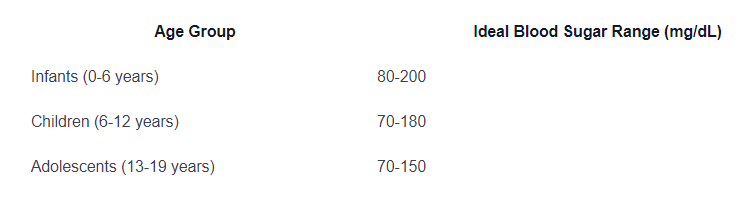
Regular blood sugar monitoring is crucial for children with diabetes. This process involves checking the child’s blood glucose levels to ensure they are within the target range. Monitoring blood sugar levels helps in making informed decisions about insulin dosage, food choices, and physical activity.

__wf_reserved_inherit

Parents and caregivers should work with healthcare providers to determine the appropriate frequency of blood sugar testing. This may vary depending on the child’s age, type of diabetes, and overall health. Regular monitoring helps identify patterns, make necessary adjustments to the child’s diabetes management plan, and prevent complications.

Insulin Administration

For children with type 1 diabetes, insulin administration is a critical component of their care. Insulin is required to regulate blood sugar levels and ensure the body can effectively use glucose for energy. The administration of insulin typically involves injections using a syringe, insulin pen, or insulin pump.

The dosage and administration schedule of insulin will be determined by the child’s healthcare provider. It is important to follow their guidance closely to maintain stable blood sugar levels. Parents and caregivers should receive proper training on insulin administration techniques and ensure that the child’s insulin supply is always accessible.

Diet and Nutrition

Proper diet and nutrition play a vital role in managing diabetes in children. A balanced diet helps regulate blood sugar levels and maintain overall health. It is important to focus on providing a variety of nutrient-rich foods while considering portion sizes and carbohydrate intake.

__wf_reserved_inherit

Parents and caregivers should work with a registered dietitian or healthcare provider to create a personalized meal plan for the child. This plan may involve monitoring carbohydrate intake, practicing portion control, and understanding the timing of meals and snacks. Regular communication with the healthcare team helps ensure the child’s nutritional needs are met while maintaining stable blood sugar levels.

By prioritizing blood sugar monitoring, insulin administration, and proper diet and nutrition, parents and caregivers can effectively care for a child with diabetes. It is important to work closely with healthcare providers to develop a comprehensive diabetes management plan that suits the specific needs of the child. With consistent monitoring and support, children with diabetes can thrive and live a healthy life.

Physical Activity and Diabetes Management

Regular physical activity plays a vital role in the management of diabetes in children. Engaging in exercise offers a range of benefits that can help children with diabetes lead healthier lives. However, it is important to take certain precautions and considerations when it comes to physical activity for children with diabetes.

Benefits of Exercise for Children with Diabetes

Physical activity offers numerous benefits for By engaging in physical activity, children with diabetes can experience improved glycemic control, leading to more stable blood sugar levels. This can help reduce the risk of both short-term and long-term complications associated with diabetes.

Precautions and Considerations

While exercise is generally beneficial for children with diabetes, there are important precautions and considerations to keep in mind. Here are a few key points:

  1. Blood sugar monitoring: It is crucial to monitor blood sugar levels before, during, and after exercise. This helps ensure that the child’s blood sugar is within a safe range and allows for adjustments to be made in insulin dosage or carbohydrate intake if necessary.
  2. Timing of exercise: The timing of exercise can impact blood sugar levels. It is important to avoid exercising when blood sugar levels are too high or too low. Working closely with healthcare providers and following their recommendations regarding exercise timing can help optimize blood sugar control.
  3. Hypoglycemia prevention: Exercise can sometimes lead to low blood sugar levels (hypoglycemia). To prevent hypoglycemia during or after physical activity, it may be necessary to adjust insulin dosage or carbohydrate intake. Carrying a source of fast-acting glucose, such as glucose tablets or juice, is also important.
  4. Hydration: Staying hydrated is essential during exercise. Encourage children to drink water before, during, and after physical activity to prevent dehydration.
  5. Safety considerations: It is important to ensure the safety of children with diabetes during exercise. They should wear appropriate footwear, protective gear if necessary, and be aware of their blood sugar levels and any symptoms of hypoglycemia.

The table below provides general guidelines for blood sugar management before, during, and after exercise:

__wf_reserved_inherit

By following these precautions and considerations, children with diabetes can safely enjoy the benefits of physical activity while effectively managing their condition. It is important to work closely with healthcare providers to develop an individualized exercise plan that suits the child’s needs and abilities.

Emotional Support for Children with Diabetes

Caring for a child with diabetes goes beyond the physical aspects of their condition. Providing emotional support is equally important in helping them cope with their diagnosis and navigate the challenges that come with managing their diabetes. In this section, we will explore two crucial aspects of emotional support for children with diabetes: coping with diagnosis and building a support system.

Coping with Diagnosis

Receiving a diabetes diagnosis can be overwhelming for both the child and their family. It is essential to approach this news with sensitivity and provide the necessary emotional support during this time. Here are some strategies to help children cope with their diagnosis:

  1. Open Communication: Encourage open and honest communication with the child about their condition. Answer their questions and address any concerns they may have. Providing age-appropriate information helps them understand their diabetes and feel more in control.
  2. Positive Reinforcement: Acknowledge the child’s efforts in managing their diabetes and provide positive reinforcement. This can boost their self-esteem and motivation to take charge of their health.
  3. Encourage Peer Support: Connect the child with other children who have diabetes through support groups or camps. This helps them realize that they are not alone and provides a platform for sharing experiences and coping strategies.
  4. Emotional Expression: Encourage the child to express their feelings about their diabetes. Create a safe space for them to share their frustrations, fears, and any challenges they may be facing. This can help alleviate emotional distress and promote resilience.

Building a Support System

Building a strong support system is crucial for children with diabetes. It ensures that they have a network of individuals who understand their condition and can provide assistance when needed. Here are some key elements of building a support system:

  1. Family Support: The family plays a vital role in supporting the child with diabetes. Educate family members about the condition and involve them in the child’s care routine. This fosters a sense of unity and shared responsibility.
  2. School Support: Collaborate with the child’s school to create a supportive environment. Educate teachers and staff about diabetes management and ensure they are aware of the child’s specific needs. Implement a diabetes care plan to address any potential emergencies and ensure the child’s well-being during school hours.
  3. Healthcare Team: Establish a strong relationship with the child’s healthcare team, including doctors, nurses, and diabetes educators. Regular appointments and communication with the healthcare team are essential for monitoring the child’s health and adjusting their care plan as needed.
  4. Psychosocial Support: Consider involving a mental health professional or counselor who specializes in pediatric diabetes. They can provide additional emotional support and help the child develop coping strategies to manage the emotional impact of their condition.

By providing the necessary emotional support and building a robust support system, children with diabetes can navigate their condition more effectively. Remember that each child’s experience is unique, and it is important to tailor support strategies to their individual needs.

Working with Healthcare Providers

When it comes to managing diabetes in children, working closely with healthcare providers is essential for ensuring the best possible care. Regular check-ups and collaboration with the healthcare team play a crucial role in the effective management of child diabetes.

Importance of Regular Check-ups

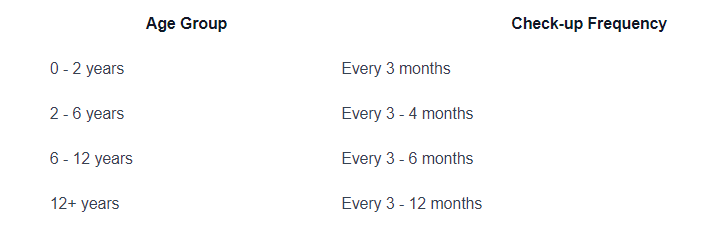
Regular check-ups are vital for monitoring the child’s overall health and diabetes management. During these check-ups, healthcare providers can assess the child’s blood sugar levels, review insulin dosage, and evaluate any potential complications. These appointments also provide an opportunity to address any concerns or questions that parents or caregivers may have.

Here is a table showcasing the recommended frequency of check-ups for children with diabetes:

__wf_reserved_inherit

It’s important to follow the recommended check-up schedule to ensure that the child’s diabetes is effectively managed and any necessary adjustments to their care plan can be made in a timely manner.

Collaboration with Healthcare Team

Collaboration between parents, caregivers, and the healthcare team is crucial for providing comprehensive care for children with diabetes. The healthcare team typically includes endocrinologists, diabetes educators, dietitians, and nurses who specialize in diabetes management.

Working together, the healthcare team can develop an individualized care plan that takes into account the child’s specific needs, preferences, and lifestyle. This collaboration ensures that the child receives appropriate guidance regarding medication, diet, exercise, and blood sugar monitoring.

Regular communication with the healthcare team is important for addressing any challenges or changes in the child’s condition. This may involve sharing blood sugar logs, discussing any difficulties in managing diabetes, and seeking guidance on adjusting insulin dosage or meal plans.

By actively collaborating with the healthcare team, parents and caregivers can gain valuable knowledge and skills to effectively manage their child’s diabetes. This partnership provides a support system and empowers parents to make informed decisions about their child’s care.

Remember, every child is unique, and diabetes management should be tailored to their specific needs. By prioritizing regular check-ups and fostering collaboration with the healthcare team, parents and caregivers can ensure that their child receives the best possible care for their diabetes.

Educating Others about Child Diabetes

Raising awareness about child diabetes is essential to foster understanding and support within the community. By educating others, we can create a more inclusive environment that promotes proper care and empathy for children with diabetes. Here are two key ways to educate others about child diabetes:

Raising Awareness

Raising awareness about child diabetes involves disseminating information to the general public, schools, and other community organizations. This helps to dispel myths and misconceptions surrounding diabetes and promotes a more accurate understanding of the condition.

Methods of Raising Awareness

Organizing community events or workshops to educate the public about child diabetes

Sharing informative articles, brochures, or pamphlets in schools, healthcare centers, and public spaces

Collaborating with local media outlets to feature stories or interviews about child diabetes

Utilizing social media platforms to share educational content and personal experiences of families managing child diabetes

By raising awareness, we can enhance people’s knowledge about child diabetes, its management, and the challenges faced by children and their families. This can help foster a supportive environment and reduce stigma associated with the condition.

Advocating for Child Diabetes Care

Advocacy plays a crucial role in ensuring that children with diabetes receive the care and support they need. Advocates strive to improve access to quality healthcare, education, and resources for children with diabetes. Here are some ways to advocate for child diabetes care:

Methods of Advocating for Child Diabetes Care

Collaborating with local healthcare organizations to develop diabetes management programs for children

Participating in local and national advocacy groups focused on child diabetes

Engaging with policymakers to promote policies that support children with diabetes, such as access to medication and supplies

Sharing personal stories and experiences to highlight the challenges faced by children with diabetes and their families

Advocacy efforts can lead to positive changes in healthcare policies, increased funding for research, and improved support networks for children with diabetes. By advocating for child diabetes care, we can help create a more inclusive society where children with diabetes can thrive.

Educating others about child diabetes is a powerful way to foster understanding and support. By raising awareness and advocating for child diabetes care, we can make a positive impact on the lives of children with diabetes and their families. Together, we can create a more compassionate and informed community.

Sources

https://kidshealth.org/en/parents/diabetes-control.html

https://www.healthline.com/health/diabetes/caring-for-child-with-diabetes

https://www.webmd.com/diabetes/tips-to-help-your-child-with-type-1-diabetes

  • What Is The Best Service For Medical Supply Delivery?

    What Is The Best Service For Medical Supply Delivery?

    Finding the Perfect Fit for Medical Supply Delivery

    Navigating the Medical Supply Delivery Landscape

    In today’s fast-paced healthcare environment, the demand for efficient and secure medical supply delivery is crucial. As healthcare facilities and patients seek reliable solutions, the choice of service providers can significantly impact operations. This article delves into the intricacies of medical supply delivery services, providing insights into the best providers, the technology that drives efficiency, and the factors that distinguish top contenders in the field. Whether you’re a healthcare professional or an individual in need of these services, our comprehensive guide will help you make informed decisions that ensure timely and secure deliveries.

    Leading Contender for Medical Supply Delivery

    Explore the Top Medical Supply Delivery Contender!

    What is the best medicine delivery courier?

    American Expediting is widely recognized as one of the leading couriers for medical supply delivery across the United States. With over 40 years of dedicated experience in the transportation and logistics industry, they have tailored their services specifically to meet the needs of healthcare organizations.

    Their offerings are comprehensive, beginning with on-demand and same-day delivery services. For urgent needs, they also provide next-flight-out delivery options, ensuring that critical medical supplies reach their destinations without delay.

    How does American Expediting stand out in the logistics industry?

    What sets American Expediting apart is their extensive network, featuring more than 2,000 couriers and drivers throughout the nation. This expansive reach means they can provide timely service even in remote locations, a vital factor for healthcare providers that depend on quick access to medical supplies.

    What service options do they provide?

    In addition to reliable service, American Expediting offers robust tracking and monitoring capabilities. Their real-time shipment visibility allows healthcare professionals to maintain accountability over their medical supplies, critical for managing patient care effectively. Furthermore, American Expediting’s strict adherence to HIPAA and DEA regulations ensures the secure transport of medical supplies and prescription medications, making them a trustworthy choice for healthcare logistics.

    Feature Details Benefits
    Experience Over 40 years in logistics Tailored services for healthcare
    Delivery Options On-demand, same-day, next-flight-out Fast and urgent service for critical needs
    Network Coverage More than 2,000 couriers nationwide Reliable service in remote areas
    Tracking and Monitoring Real-time tracking for complete shipment visibility Enhanced accountability in healthcare
    Compliance Adherence to HIPAA and DEA regulations Secure transport of medical supplies

    Top Apps Enhancing Medical Courier Services

    Discover the Best Medical Courier Apps!

    What are some top medical courier apps for drivers?

    Several apps have gained popularity among medical courier drivers for their comprehensive features and ease of use. Notable names include:

    • Onro: Starting at $239/month, it offers automated dispatch and real-time tracking.
    • Kosmo: Priced at $199/month, it features route optimization and automated order importing.
    • Track-POD: Highly rated with a user score of 4.5/5.0 on G2, it’s known for its reliability.
    • Routific: Offers competitive pricing starting at $150/month, focusing on route efficiency.
    • Onfleet, Circuit, and GSMtasks also provide valuable tools for logistics management in medical couriers.

    What features and benefits do these apps provide?

    These applications boast a variety of features aimed at streamlining medical deliveries:

    • Automated Dispatch: Reduces manual workload and increases efficiency.
    • Real-time Tracking: Ensures transparency during the delivery process, allowing clients to stay updated.
    • Route Optimization: Helps drivers save time and fuel with the most efficient routes.
    • Integration Capabilities: Many apps can seamlessly connect with existing systems to enhance operational workflows.
    • User-friendly Interfaces: Designed for ease of use, enabling drivers to operate the app with minimal training.

    What should you consider when choosing an app?

    When selecting the most suitable medical courier app, consider the following:

    • User Experience: Look for an intuitive interface that minimizes the learning curve.
    • Integration Capabilities: Ensure the app can work well with your current systems for better efficiency.
    • Cost Efficiency: Balance the features offered with the price to find the best value.
    • Customer Support: Access to reliable support can be crucial for resolving any issues quickly.

    In summary, utilizing the right medical courier app can greatly enhance service delivery and operational efficiency.

    Ensuring Reliability and Security in Deliveries

    Enhancing Reliability and Security in Deliveries

    How do medical supply delivery companies ensure reliability and security in their services?

    Medical supply delivery companies leverage a combination of advanced technologies and stringent regulations to ensure the reliability and security of their services. One of the primary technologies in use is real-time tracking systems, which allow both the company and the recipients to monitor the location and status of shipments. This transparency enhances trust and allows for quick responses to any potential delays.

    Automated routing is another crucial technology that optimizes delivery paths, reducing transit times and improving overall efficiency. This ensures that deliveries arrive when expected, a vital factor for time-sensitive medical supplies.

    Compliance and Safety Protocols

    Adherence to regulatory standards such as HIPAA is fundamental for these companies. This compliance not only guarantees the privacy of patient information but also mandates best practices for the handling of medical materials. Organizations like The Joint Commission also set forth industry guidelines that delivery companies must follow to ensure safety and reliability.

    Additionally, training couriers in secure handling procedures and safety protocols is imperative. This specialized training educates couriers on the importance of protecting sensitive items, especially those that are temperature-sensitive or require special care during transport.

    Maintaining Integrity Through Documentation

    Meticulous documentation plays a critical role in ensuring that medical supplies maintain their integrity during transit. For items that require temperature control, like certain medications or specimens, delivery companies often utilize climate-controlled transport solutions. This commitment to detail guarantees that supplies arrive in their optimal condition.

    To summarize, the integration of emerging technologies, regulatory compliance, specialized training, and stringent documentation processes all work together to enhance the reliability and security of medical delivery services.

    The Significance of Customer Satisfaction

    Understanding the Importance of Customer Satisfaction

    Importance of Customer Feedback

    Customer feedback is vital for businesses, especially in the medical supply industry. It plays a crucial role in understanding user needs and expectations. Actively soliciting feedback allows companies to identify areas for improvement, enhance product offerings, and tailor services to better meet customer demands. Feedback can come in various forms, including surveys, direct communication, and online reviews.

    Testimonials from Users

    User testimonials serve as powerful endorsements of a company’s service. Positive testimonials often highlight how timely deliveries and product reliability contribute to the overall satisfaction of customers. For instance, medical professionals rely on fast and accurate deliveries to provide care, and hearing from satisfied users can instill confidence in potential clients about choosing a supplier.

    Impact of Service Quality on Satisfaction

    Service quality directly correlates with customer satisfaction levels. In the medical supply delivery sector, aspects like promptness, accuracy, and customer service effectiveness are critical. Studies show that higher service quality leads to increased customer loyalty and repeat business. Thus, companies that prioritize outstanding service often enjoy a competitive edge in the market.

    Topic Details Importance
    Customer Feedback Gathering insights through surveys and reviews. Provides a roadmap for improvement.
    User Testimonials Positive reviews from satisfied clients. Builds trust and credibility.
    Service Quality Measures such as delivery speed, accuracy, and support quality. Key contributor to overall customer satisfaction.

    Comparative Analysis of Delivery Services

    Comparative Insights on Leading Delivery Services!

    Comparison of Major Service Providers

    When assessing medical delivery services, some of the most prominent players in the market include UPS Healthcare, FedEx, and DHL. Each of these providers specializes in delivering pharmaceuticals and medical supplies to healthcare facilities and patients.

    • UPS Healthcare: Known for its robust tracking system, UPS offers temperature-controlled transport, making it ideal for sensitive medical shipments.
    • FedEx: With a widespread network, FedEx is lauded for its speed and reliability, particularly useful for urgent medical deliveries.
    • DHL: Though often associated with international shipping, DHL has been expanding its domestic options, providing extensive global options for medical deliveries.

    Strengths and Weaknesses

    Service Provider Strengths Weaknesses
    UPS Healthcare Strong tracking; temperature control Higher costs for express services
    FedEx Fast delivery; extensive network Limited international capacity
    DHL Global reach; flexible options Transit times can vary greatly

    Factors Influencing Service Choice

    Several factors can impact the choice of delivery service:

    • Cost: Price points vary among providers; organizations often balance cost with service reliability.
    • Urgency: For time-sensitive deliveries, providers like FedEx may be preferred for their quick logistics.
    • Type of Products: The nature of the medical goods—whether they require special handling or temperature control—can dictate provider selection.

    Understanding these variables helps healthcare operations make informed decisions about their delivery needs.

    Key Features of Leading Delivery Services

    Unique Features of Top Providers

    Leading delivery services such as FedEx, UPS, and DHL offer a range of unique features designed to cater to different customer needs. For instance, some providers provide real-time tracking systems that allow customers to monitor the location of their packages throughout the delivery process.
    Other unique offerings include specialized services like temperature-controlled shipping for sensitive items like pharmaceuticals and perishables. Some providers also offer insurance coverage for valuable shipments, ensuring peace of mind for customers.

    How Features Enhance Service Quality

    The features provided by these top delivery services significantly enhance the overall quality of their service. For example, real-time tracking not only fosters transparency but also improves customer satisfaction by allowing clients to plan around delivery times.
    Additionally, improved logistics technology enables faster delivery times, making services more efficient. The availability of 24/7 customer support also contributes to a better service experience, resolving issues and inquiries promptly.

    Customization Options Available

    Customization is a vital aspect of leading delivery services. Many providers allow customers to choose delivery times that fit their schedules, with options for same-day or next-day delivery.
    Service users can often adjust package handling based on the type of goods being shipped, making it easy to select the best shipping method for fragile items or large quantities.

    Feature Benefit Providers Example
    Real-time tracking Increases transparency FedEx, UPS
    Temperature control Ensures product safety DHL, USPS
    Customized delivery Flexibility for customer needs FedEx, UPS, DHL
    24/7 customer support Quick resolution of inquiries All major providers

    Logistics Solutions Optimizing Delivery Operations

    Emerging Logistics Technologies

    In the fast-paced world of logistics, emerging technologies are revolutionizing delivery operations. Innovations such as artificial intelligence (AI), the Internet of Things (IoT), and blockchain are transforming how businesses manage supply chains. Systems powered by AI can predict demand patterns, improving inventory management and reducing waste. IoT devices, such as smart sensors, track package conditions and locations in real-time, enabling proactive handling of deliveries. Blockchain technology enhances transparency and security in shipping, ensuring that stakeholders can verify each transaction in the supply chain.

    Impact on Delivery Efficiency

    These cutting-edge technologies significantly enhance delivery efficiency. For instance, AI algorithms can optimize delivery routes, minimizing travel time and fuel consumption. This not only speeds up the delivery process but also lowers operational costs. Companies that adopt these solutions often report improved customer satisfaction due to faster and more reliable delivery times. Furthermore, real-time tracking of shipments reduces the risk of errors and enhances communication with customers about their order statuses.

    Case Studies of Successful Implementations

    Numerous businesses have successfully implemented these technologies in their logistics operations.

    Company Technology Used Outcome
    Company A AI Route Optimization 30% reduction in delivery times
    Company B IoT Tracking 20% decrease in missed shipments
    Company C Blockchain Enhanced security and transparency

    These case studies exemplify how integrating advanced logistics solutions can optimize delivery operations, creating a competitive edge in the industry.

    Understanding Medical Supply Logistics

    Components of Medical Supply Logistics

    Medical supply logistics encompasses various components that ensure timely delivery and efficiency. These components include:

    • Inventory Management: Keeping track of stock levels, expiry dates, and storage conditions.
    • Transportation: Selecting appropriate transportation methods to deliver supplies quickly and safely.
    • Warehousing: Efficient storage solutions that facilitate easy access to medical supplies when needed.

    Challenges Faced

    The field of medical supply logistics encounters numerous challenges that can hinder operations:

    • Demand Variability: Fluctuations in demand for certain medical supplies can lead to overstocking or shortages.
    • Regulatory Compliance: Adhering to strict regulations concerning storage and transport can complicate logistics processes.
    • Supply Chain Interruptions: Natural disasters, global pandemics, and geopolitical issues can disrupt supply chains, making timely delivery difficult.

    Innovations Improving Logistics Effectiveness

    Recent innovations are helping address these challenges:

    • Automation and AI: Automated systems for inventory management and AI for predictive analytics are streamlining operations.
    • Blockchain Technology: This enhances transparency in the supply chain, allowing for better tracking and accountability.
    • Telemedicine Integration: Streamlining supply logistics through telemedicine has improved the distribution of medical supplies.
    Component Challenge Innovation
    Inventory Management Demand Variability Automation and AI
    Transportation Supply Chain Interruptions Blockchain Technology
    Warehousing Regulatory Compliance Telemedicine Integration

    FedEx: Setting a High Standard in Deliveries

    Why FedEx is a top choice

    FedEx stands out in the delivery industry as a leading option for both individuals and businesses. One of the main factors contributing to its popularity is its impressive tracking system. Customers can monitor their packages in real-time, which fosters trust and transparency. This level of detail helps alleviate concerns that might arise during transit.

    Another reason for FedEx’s top-tier status is its versatility in shipping options. They provide a range of services from same-day delivery for urgent needs to economical ground shipping solutions, effectively catering to a broad spectrum of customer requirements. Such flexibility allows customers to select a service that fits their specific needs.

    Comparison with other delivery services

    When comparing FedEx to other delivery services, its reliability often shines through. While competitors like UPS and DHL also offer comprehensive services, FedEx has maintained a reputation for both speed and efficiency. This is particularly evident in its express shipping options, which promise quick transit times.

    Service Delivery Speed Tracking Capabilities Customer Support
    FedEx Same-day to Ground Excellent Highly rated
    UPS Next-day to Ground Good Good
    DHL International focus Fair Fair

    Customer satisfaction

    FedEx’s dedication to customer satisfaction is another hallmark of its service. Surveys and reviews often highlight positive experiences with both the quality of service and the professionalism of staff. Many customers express appreciation for the responsive customer service teams, which help resolve any issues quickly.

    In short, FedEx consistently earns remarkable ratings for reliability, service options, and customer support, making it a preferred choice in the competitive delivery marketplace.

    Choosing the Right Provider for Your Needs

    Factors to Consider in Selection

    When selecting a medical supply delivery provider, it’s essential to evaluate several factors. Look at their reputation in the industry. Customer reviews can provide insight into reliability and service quality. Also, assess their range of products; a diverse inventory will allow you to source various items from a single provider.

    Pricing is another crucial element. Compare costs among competitors, but remember that the cheapest option isn’t always the best. Consider quality and customer service in your overall evaluation.

    Customizing Services to Specific Needs

    Every home care environment is unique, which is why it’s vital to find a provider willing to customize their services. Inquire whether they can accommodate specific equipment requests, delivery times, or special handling requirements. A tailored approach can significantly enhance the efficiency of care.

    Long-term Partnerships

    Building a long-term relationship with a medical supply provider can yield benefits like better pricing and priority service during emergencies. Look for companies that emphasize customer satisfaction and are open to feedback and adjustments in their service offerings.

    In summary, taking the time to research and consider these factors can lead to a better fit for your specific medical supply delivery needs.

    Making Informed Decisions for Reliable Deliveries

    Selecting the right medical supply delivery service involves careful consideration of various factors, from the reliability and security offered by the provider to the technological capabilities that enhance service efficiency. With a clear understanding of the options and their respective advantages, healthcare providers and individuals can make informed decisions that meet their specific needs. By leveraging cutting-edge technologies and choosing partners with proven track records, stakeholders can ensure that critical medical supplies reach their destinations safely and promptly, ultimately supporting the broader mission of healthcare excellence.

    References

  • Pediatric CPAP: Exploring CPAP for Kids

    Pediatric CPAP: Exploring CPAP for Kids

    Discover the benefits of pediatric CPAP for kids, improving sleep quality and breathing patterns! Explore the future of CPAP for children’s health.

    Understanding Pediatric CPAP

    When it comes to treating certain respiratory conditions in children, Pediatric Continuous Positive Airway Pressure (CPAP) therapy plays a vital role. This section aims to provide an understanding of what Pediatric CPAP is and when it is prescribed.

    What is Pediatric CPAP?

    Pediatric CPAP is a non-invasive therapy that delivers a continuous flow of air pressure to a child’s airways, helping to maintain open and unobstructed breathing during sleep. It involves the use of a CPAP machine, which is a small device that delivers pressurized air through a mask worn over the nose or both the nose and mouth.

    __wf_reserved_inherit

    The CPAP machine generates a gentle flow of air that creates positive pressure within the airways, preventing them from collapsing or becoming blocked. By keeping the airways open, Pediatric CPAP helps to alleviate symptoms of sleep-disordered breathing and improve overall breathing efficiency during sleep.

    When is Pediatric CPAP Prescribed?

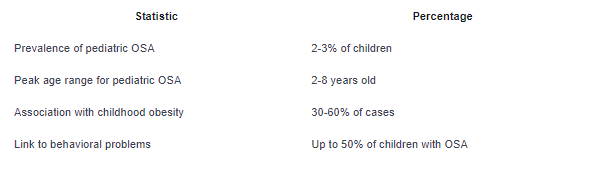
    Pediatric CPAP is typically prescribed for children who have been diagnosed with sleep-disordered breathing conditions, such as obstructive sleep apnea (OSA) or upper airway resistance syndrome (UARS). These conditions are characterized by partial or complete blockage of the airways during sleep, leading to disturbed breathing patterns and inadequate oxygen intake.

    Pediatric CPAP may be recommended when conservative measures, such as lifestyle modifications or positional therapy, have proven ineffective in managing the child’s symptoms. It is important to note that Pediatric CPAP should always be prescribed and monitored by a healthcare professional experienced in pediatric sleep medicine.

    By implementing Pediatric CPAP, healthcare providers aim to improve the quality of sleep, enhance breathing patterns, and address potential health concerns associated with sleep-disordered breathing in children. Through regular monitoring and adjustments, the therapy can be tailored to meet the specific needs of each child, ensuring optimal treatment outcomes.

    Benefits of CPAP for Kids

    Pediatric CPAP (Continuous Positive Airway Pressure) therapy offers several benefits for children with breathing difficulties during sleep. This section explores the positive effects of CPAP on kids, including improved sleep quality, enhanced breathing patterns, and potential health benefits.

    Improved Sleep Quality

    One of the primary benefits of CPAP therapy for children is the improvement in sleep quality. By providing a constant flow of air pressure, CPAP helps to keep the airways open during sleep, preventing interruptions in breathing and reducing the occurrence of sleep apnea events. This allows children to obtain a more restful and uninterrupted sleep, leading to increased energy levels, improved mood, and better overall well-being.

    Enhanced Breathing Patterns

    Pediatric CPAP therapy helps to promote and maintain healthy breathing patterns in children. By delivering a continuous stream of pressurized air, CPAP helps to prevent the collapse of the airway, ensuring a consistent and adequate supply of oxygen throughout the night. This not only reduces the occurrence of breathing disturbances but also helps to normalize respiratory functions, such as snoring and gasping, resulting in more efficient and effortless breathing.

    Potential Health Benefits

    In addition to improving sleep quality and breathing patterns, CPAP therapy for children may also have potential health benefits. Some studies suggest that CPAP can contribute to the management of underlying health conditions, such as obstructive sleep apnea, asthma, and allergies. By addressing the root cause of these conditions and ensuring proper oxygenation, CPAP therapy may help to alleviate symptoms and improve overall respiratory health in children.

    To better understand the benefits of CPAP therapy for kids, it’s essential to consider individual circumstances and consult with healthcare professionals specializing in pediatric sleep medicine. They can provide tailored guidance and support to ensure that CPAP therapy is appropriate and beneficial for each child’s specific needs.

    By improving sleep quality, enhancing breathing patterns, and potentially addressing underlying health conditions, CPAP therapy offers valuable benefits for children with respiratory challenges during sleep. With proper monitoring and adjustment, pediatric CPAP can contribute to the overall well-being and quality of life for these young individuals.

    How Pediatric CPAP Works

    Pediatric CPAP (Continuous Positive Airway Pressure) is a treatment method used to assist children with breathing difficulties during sleep. Understanding how pediatric CPAP works and the components of a pediatric CPAP system is essential for parents and caregivers.

    Mechanism of Action

    Pediatric CPAP works by delivering a constant and gentle flow of air pressure to the child’s airways, keeping them open and preventing obstructions. The primary purpose is to provide continuous support to the child’s respiratory system, ensuring that they receive enough oxygen and can breathe comfortably throughout the night.

    By maintaining a positive airway pressure, pediatric CPAP helps to overcome breathing issues such as obstructive sleep apnea (OSA) or other respiratory disorders. It prevents the collapse of the airway, allowing the child to breathe more easily and experience uninterrupted sleep.

    Components of a Pediatric CPAP System

    A pediatric CPAP system consists of several key components that work together to deliver the necessary air pressure and ensure effective treatment for children.

    1. CPAP Machine: The CPAP machine is the main device that generates the air pressure. It typically includes a motor, a fan, and a humidifier. The motor produces the airflow, the fan controls the pressure, and the humidifier adds moisture to prevent dryness.
    2. Mask: The mask is an essential part of the CPAP system as it delivers the air pressure to the child’s airways. There are different types of masks available, including nasal masks, nasal pillows, and full-face masks. The choice of mask depends on the child’s comfort and specific needs.
    3. Tubing: The tubing connects the CPAP machine to the mask, allowing the air pressure to travel from the machine to the child’s airways. It is important to ensure that the tubing is the right length and properly attached to avoid any air leaks.
    4. Filters: CPAP machines have filters that help purify the air before it reaches the child. These filters prevent dust, allergens, and other particles from entering the airway. Regular filter replacement is necessary to maintain the cleanliness and efficiency of the system.
    5. Ramp Feature: Some pediatric CPAP machines have a ramp feature, which allows for a gradual increase in air pressure over a specified period. This feature enables children to comfortably adjust to the therapy and fall asleep more easily.
    6. Data Recording: Many CPAP machines have built-in data recording capabilities that track the child’s usage and therapy effectiveness. This data can be useful for healthcare providers to monitor the child’s progress and make any necessary adjustments.

    Understanding the mechanism of action and components of a pediatric CPAP system is crucial for parents and caregivers in ensuring the proper use and effectiveness of the therapy. By providing continuous positive airway pressure, pediatric CPAP helps children breathe easier, improves their sleep quality, and contributes to their overall well-being.

    Considerations for Pediatric CPAP

    When it comes to using Continuous Positive Airway Pressure (CPAP) therapy for children, there are several important considerations to keep in mind. These considerations include sizing and fit for children, monitoring and adjustment of the CPAP system, as well as potential challenges and solutions that may arise during the treatment process.

    Sizing and Fit for Children

    Proper sizing and fit are crucial for the effective and comfortable use of pediatric CPAP. Children have smaller facial structures and airways compared to adults, so it’s essential to ensure that the CPAP mask is appropriately sized for their age and facial dimensions. This helps to maintain a proper seal and prevent air leaks during sleep.

    To determine the correct mask size, healthcare professionals may measure the child’s face or use specific guidelines based on age and weight. It’s important to regularly reassess the fit of the mask as a child grows, as their facial structure can change over time. Ensuring a proper fit promotes better adherence to CPAP therapy and enhances treatment outcomes.

    Monitoring and Adjustment

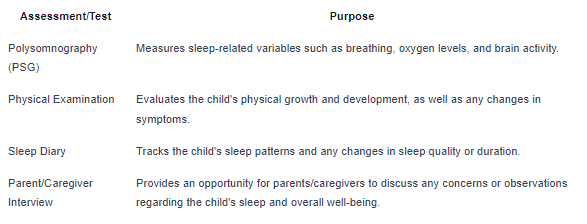
    Regular monitoring of a child’s CPAP therapy is essential to ensure its effectiveness and address any issues that may arise. Healthcare providers may use various methods to assess the child’s response to CPAP, such as monitoring sleep patterns, evaluating symptoms, and conducting follow-up visits.

    Adjustments to the CPAP settings may be necessary to optimize therapy for each child. This can include modifying the pressure level, humidity settings, or mask fit. Healthcare providers work closely with the child and their caregivers to monitor progress and make any necessary adjustments to the CPAP system to ensure optimal treatment outcomes.

    Potential Challenges and Solutions

    While pediatric CPAP therapy can be highly beneficial, there may be challenges that children and their caregivers may face during the treatment process. It’s important to address these challenges proactively to improve adherence and overall success with CPAP therapy.

    Some potential challenges include mask discomfort, difficulty adjusting to wearing the mask during sleep, or feelings of claustrophobia. To overcome these challenges, healthcare providers may recommend gradually increasing the time spent wearing the mask during waking hours, providing emotional support, or exploring different mask options that offer greater comfort and flexibility.

    Additionally, maintaining proper mask hygiene and addressing any skin irritations or pressure sores that may develop are important for the child’s comfort and overall adherence to therapy.

    By considering the unique needs of children, monitoring their progress, and addressing any challenges that may arise, pediatric CPAP therapy can be optimized for each individual. Working closely with healthcare providers and maintaining open communication throughout the treatment journey helps to ensure the best possible outcomes for children using CPAP to improve their sleep and respiratory function.

    Adapting to Pediatric CPAP

    When it comes to pediatric CPAP therapy, ensuring that children are comfortable and compliant is crucial for the success of the treatment. Here are two important aspects to consider when adapting to pediatric CPAP: getting kids comfortable and encouraging compliance and consistency.

    Getting Kids Comfortable

    Introducing CPAP therapy to children can be a challenging process, as they may find it uncomfortable or unfamiliar. However, there are steps that can be taken to help children adjust and feel more at ease with the therapy.

    First and foremost, it’s important to explain the benefits of CPAP therapy to children in a way they can understand. Emphasize how it can improve their breathing, enhance their sleep quality, and potentially alleviate any symptoms they may be experiencing. This can help them feel more motivated and willing to give CPAP a try.

    Choosing the right mask is essential for children’s comfort. Pediatric CPAP masks come in various sizes and styles to accommodate different facial structures and preferences. It’s important to ensure that the mask fits properly and feels secure but not overly tight. Providing children with options and involving them in the decision-making process can help them feel more in control and increase their acceptance of the therapy.

    Additionally, creating a positive and supportive environment is crucial. Encourage children to decorate their CPAP equipment with stickers or colors that they like. Make the therapy routine a fun and interactive experience by incorporating games, stories, or favorite activities during mask fitting and bedtime. This can help to distract and engage children, making the transition to CPAP therapy smoother.

    Encouraging Compliance and Consistency

    Consistency is key when it comes to pediatric CPAP therapy. To ensure effective treatment, it’s important to encourage children to use their CPAP device consistently and as prescribed. Here are some strategies to promote compliance:

    1. Routine: Establish a consistent bedtime routine that includes the use of CPAP. This helps children associate CPAP therapy with their sleep routine, making it a natural part of their bedtime ritual.
    2. Rewards and Incentives: Implement a reward system to motivate children to comply with CPAP therapy. This can involve small rewards or privileges for consistently using the CPAP device.
    3. Education: Continuously educate children about the importance of CPAP therapy and its impact on their health. Help them understand how regular use of the device can improve their sleep quality and overall well-being.
    4. Support: Provide ongoing support and encouragement to children as they adapt to CPAP therapy. Address any concerns or difficulties they may have and collaborate with healthcare providers to find solutions.

    Ensuring that children are comfortable and compliant with pediatric CPAP therapy requires patience, understanding, and a child-centered approach. By creating a positive and supportive environment, involving children in decision-making, and providing consistent encouragement, caregivers can help children adapt to CPAP therapy successfully.

    The Future of Pediatric CPAP

    As medical technology continues to advance, ongoing research and development in pediatric continuous positive airway pressure (CPAP) is paving the way for improved treatment options for children with sleep-related breathing disorders. Let’s explore the future of pediatric CPAP and its potential impact on children’s health and well-being.

    Ongoing Research and Development

    Researchers and medical professionals are actively involved in studying and refining pediatric CPAP treatment. Ongoing research aims to enhance the effectiveness, comfort, and usability of CPAP devices specifically designed for children.

    Advancements in CPAP technology focus on improving the user experience for children, with features such as smaller and lighter devices, quieter operation, and improved mask designs. Research also explores the use of alternative delivery methods, such as nasal pillows or masks specifically designed for children’s facial structures.

    Furthermore, studies are being conducted to evaluate the long-term effects of pediatric CPAP treatment. This research aims to provide a deeper understanding of the benefits and potential risks associated with CPAP therapy in children, helping healthcare providers make informed decisions about treatment options.

    Impact on Children’s Health and Well-being

    The future of pediatric CPAP holds great promise in positively impacting the health and well-being of children with sleep-related breathing disorders. By effectively treating conditions such as obstructive sleep apnea, CPAP therapy can have several potential benefits for children:

    1. Improved Sleep Quality: Pediatric CPAP aids in maintaining open airways during sleep, reducing apnea events and improving sleep quality. Proper sleep is essential for a child’s overall growth, development, and cognitive function.
    2. Enhanced Cognitive Function: By ensuring uninterrupted breathing during sleep, CPAP therapy may contribute to improved cognitive function, attention span, and academic performance in children.
    3. Positive Impact on Behavior and Mood: Restorative sleep achieved through CPAP therapy can positively influence a child’s behavior and mood, leading to better emotional well-being and overall quality of life.
    4. Reduced Risk of Complications: Effective management of sleep-related breathing disorders with CPAP therapy can help reduce the risk of complications associated with untreated conditions, such as cardiovascular problems, hypertension, and metabolic disorders.

    It is important to note that each child’s response to CPAP therapy may vary, and treatment plans should be tailored to individual needs. Regular monitoring and follow-up with healthcare professionals are essential to ensure optimal outcomes and make any necessary adjustments to the treatment.

    As research and development in pediatric CPAP continue to evolve, healthcare providers can look forward to improved treatment options that are more comfortable, efficient, and effective for children. By addressing sleep-related breathing disorders in children at an early stage, the future of pediatric CPAP holds the potential to positively impact their health, well-being, and overall quality of life.

    Sources

    https://www.resmed.com/en-us/sleep-apnea/sleep-blog/pediatric-cpap-exploring-cpap-for-kids/#:~:text=Pediatric%20CPAP%

    https://www.childrens.com/specialties-services/treatments/cpap

  • Home Modifications For Pediatric Medical Equipment

    Home Modifications For Pediatric Medical Equipment

    Creating Safe Spaces for Medically Complex Kids at Home

    Introduction

    For families with children who require medical equipment, modifying the home can create a safer and more accessible environment. These changes are not only about convenience but are essential in enhancing the child’s independence and quality of life. This article explores key aspects of home modifications, from practical examples and benefits to the challenges and resources available to support these necessary changes.

    Essential Home Modifications for Accessibility

    Explore the Essential Home Modifications for Accessibility to Enhance Independence!

    Benefits of Accessibility Modifications

    Home modifications play a critical role in enhancing the quality of life for children with medical complexities (CMC) and their families. These modifications not only improve physical access within the home but also promote independence, safety, and social inclusion. By addressing environmental barriers, children can engage in daily activities more easily, fostering a sense of autonomy.

    When families invest in accessibility modifications, they can also relieve caregivers from the physical strain associated with assisting their children. This leads to stronger family dynamics, as less dependency on caregivers allows for a more balanced distribution of tasks within the household.

    Examples of Home Modifications

    Common home modifications for children with medical complexities that enhance accessibility include:

    • Ramps and Lifts: These provide wheelchair access to various levels of the home, ensuring smooth transitions between floors without physical strain.
    • Widened Doorways: Ideal for wheelchair users, doorways that are at least 36 inches wide allow safe passage throughout the home.
    • Grab Bars and Walk-in Tubs: These bathroom modifications maximize safety and independence while helping children navigate personal care routines with ease.
    • Lowered Sinks and Countertops: Adjustments in kitchen and bathroom heights make everyday tasks like washing hands or cooking much more feasible for children with mobility challenges.

    Principles of Universal Design

    The principles of universal design prioritize accessibility and usability for all individuals, regardless of ability. By incorporating these principles, families can create functional, inclusive spaces that cater not only to the specific needs of their children but also to the families’ broader needs.

    Key elements of universal design include:

    • Equitable Use: Facilities should be usable by all individuals, minimizing stigma.
    • Flexibility in Use: Spaces can be designed to accommodate a wide range of users, preferences, and abilities.
    • Simple and Intuitive Use: The design should be easily understandable, with minimal complexity, making it user-friendly.

    Incorporating innovative solutions such as voice-activated home automation can significantly aid children with fine motor limitations, making everyday life more manageable. Families can access funding through government grants or low-cost loans to implement these essential adaptations, further enhancing the home’s accessibility.

    Overall, well-planned home modifications contribute to a supportive and adaptable living environment for children with medical complexities.

    Navigating Financial Support for Home Modifications

    Discover Funding Options for Home Modifications and Improve Accessibility!

    What types of funding options are available for home modifications for children with disabilities?

    Families seeking home modifications for children with disabilities have access to various funding options to ease the financial burden associated with necessary adaptations. These include grants and loans specifically tailored for this purpose, allowing families to improve accessibility and safety in their homes.

    Grants and Loans

    1. Section 504 Home Repair Program:

      • Offers grants up to $10,000.
      • Aims to eliminate health and safety hazards in homes of elderly and disabled individuals.
    2. Special Adapted Housing (SAH) Grant:

      • Funded by the Department of Veterans Affairs.
      • Provides around $101,754 for veterans with total service-connected disabilities to make necessary home adaptations.
    3. Local Initiatives:

      • For example, Chicago’s Small Accessible Repairs for Seniors (SARFS) program offers grants that assist with minor repairs and modifications, specifically for older adults and disabled residents, fostering a safer living environment.
    4. MedicAid and Insurance:
      Funding through Medicaid can support costs for modifications essential for improving mobility and independence. Home and Community Based Services (HCBS) waivers might cover specific adaptation costs that cater to the needs of children with disabilities.

    In summary, financial support for home modifications is crucial as it substantially impacts the independence of children with medical complexities, allowing them to navigate their home environments more safely and easily. Families are encouraged to explore these avenues to enhance the quality of life for their loved ones.

    Integrating Assistive Technology to Enhance Independence

    Integrate Assistive Technology in Home Modifications for Greater Independence!

    What home modifications can be made to accommodate assistive technologies and enhance independence?

    Home modifications play a pivotal role in accommodating assistive technologies, significantly enhancing independence for children and adults with various disabilities. Essential modifications include:

    • Widening Doorways: Ensures easy access for wheelchairs and mobility devices.
    • Entryway Ramps: Provides a safe and easy entrance and exit from the home, crucial for wheelchair users.
    • Roll-in Showers: Design facilitates safe bathing for individuals with mobility challenges.
    • Lowering Countertops: Enhances accessibility in kitchens, allowing individuals to engage in meal preparation effectively.
    • Installing Grab Bars: Offers support in bathrooms and hallways, reducing the risk of falls.
    • Using Non-slip Flooring: Enhances safety by providing stability in areas prone to moisture, like kitchens and bathrooms.
    • Electric Door Openers: This technology supports independence by allowing easy access to the home without physical exertion.

    Veteran assistance programs for home modifications

    Veterans can access several financial assistance programs specifically designed to support home modifications that enhance their independence. Notable programs include:

    Program Name Description Eligible Modifications
    Specially Adapted Housing (SAH) Helps veterans buy, build, or modify homes for accessibility. Wheelchair ramps, wider doorways, accessible bathrooms and kitchens
    Home Improvements and Structural Alterations (HISA) Provides funds for medically necessary home modifications. Grab bars, roll-in showers, other accessibility improvements

    These initiatives ensure that veterans receive the necessary support to create a home environment that supports their independence and overall quality of life.

    Overcoming Barriers to Home Modifications

    What are some barriers to implementing home modifications for children with disabilities?

    Families seeking home modifications for children with disabilities often encounter several significant barriers. Financial constraints can pose the greatest challenge; the costs associated with essential modifications frequently exceed budget limitations, and funding sources like government loans and grants can be difficult to access.

    Moreover, a lack of awareness about available resources and options can lead to confusion, leaving families uninformed about where to turn for assistance. Psychological factors, such as stigma or fear of discrimination, may also deter families from pursuing necessary changes. Concerns about how modifications will affect the aesthetics of a home, coupled with resistance to change, may further complicate their decision-making process.

    Additionally, practical issues arise, especially for families living in rental properties. Landlords may impose restrictions on making significant adjustments, limiting families from tailoring their homes to meet their child’s specific needs.

    Solutions for overcoming barriers

    Addressing these challenges necessitates a multifaceted approach. Families can benefit from clear guidance on how to navigate funding options. Knowledge of local resources, such as government programs or local nonprofits, can alleviate financial burdens. Creating centralized databases to collate information on available programs can streamline the process.

    Educational workshops led by experts can also provide families with practical strategies and support networks, including emotional backing from others in similar situations.

    Role of therapists and organizations

    Occupational and physical therapists play a pivotal role in facilitating home modifications. They assess individual needs and recommend specific changes tailored to enhance mobility and functionality in the home. Organizations dedicated to supporting individuals with disabilities can assist families in understanding their options, obtaining funding, and connecting them with contractors experienced in adaptive design.

    Through collaboration and support from these professionals and organizations, families can navigate the complexities of home modifications more effectively, leading to improved living conditions for children with disabilities.

    The Role of Insurance and Medicaid in Home Modifications

    How can insurance and Medicaid funding affect home modifications for children with disabilities?

    Insurance and Medicaid funding play a crucial role in facilitating home modifications for children with disabilities. Medicaid specifically covers necessary modifications like ramps and grab bars, enabling children to live independently rather than being forced into institutional care. Many children with disabilities rely on Medicaid for essential services, including medical equipment and therapies that private insurance may not provide adequately.

    Importance of Medicaid for home modifications

    Medicaid’s funding for home modifications can significantly alleviate the financial burden on families. Modifications that promote safety and accessibility, such as wheelchair ramps or barrier-free showers, can be pivotal for children with medical complexities (CMC). The EPSDT (Early and Periodic Screening, Diagnostic and Treatment) benefit under Medicaid ensures that necessary services, including critical home adaptations, are provided, highlighting the program’s importance in enhancing the quality of life for these children.

    Impact of funding cuts

    Cuts to Medicaid funding could lead to substantial financial burdens for families, hindering access to vital home modifications. With many families facing challenges in navigating the complex application processes, any reduction in funding could not only delay essential renovations but may also deny needed support altogether. Such funding is essential for families to secure safe, accessible living environments, and without it, the risk of increased dependency on caregivers and institutional settings rises.

    Topic Description
    Role of Insurance Provides coverage for medical equipment and therapies; may not cover all home modification needs.
    Medicaid’s Role Funds essential home modifications to enhance safety and independence for children with disabilities.
    EPSDT Benefit Ensures necessary screenings and services are provided for children under Medicaid, including home adaptation needs.
    Consequences of Funding Cuts Financial strain on families, delays in home renovations, and an increased risk of institutionalization for affected children if vital adaptive modifications are not financed.

    Promoting Independence Through Universal Design

    Promote Independence in Your Home with Universal Design Principles!

    Principles and Application of Universal Design

    Universal design is centered on creating environments that accommodate people of varying abilities, ensuring usability for everyone. This approach involves designing spaces that minimize barriers and enhance accessibility. Key principles include user-centered design, flexibility, and inclusive aesthetics.

    Benefits for Multi-Generational Living

    In households where children with disabilities reside alongside aging family members, universal design is especially beneficial. Modifications like wider doorways, non-slip flooring, and easily accessible kitchens not only support children with medical complexities but also facilitate ease of movement and access for older adults. Such adaptations promote independence and enhance overall family dynamics.

    Designating Spaces for Different Abilities

    Effective home modifications should consider the specific needs of all household members. Spaces can be tailored with features like sensory-safe areas for children with autism, accessible kitchens for wheelchair users, and adjustable lighting for those with vision impairments.

    Modification Type Design Features Benefits
    Entryways Ramps, wider door frames Easier access for wheelchair users
    Bathrooms Roll-in showers, grab bars Increased safety and convenience
    Common Areas Open layouts, flexible furniture Enhanced mobility and social interaction

    By embracing universal design principles, families can create inclusive environments that support the independence and safety of all members.

    Resources and Organizations for Home Modifications

    Find Resources and Organizations to Support Your Home Modification Journey!

    Key organizations providing support

    Various organizations offer financial assistance and resources for home modifications. Notable examples include:

    • Illinois Department of Human Services: Provides guidelines for modifications under its Division of Developmental Disabilities.
    • Rebuilding Together®: Offers critical repairs and accessibility modifications at no cost for families with disabilities.
    • Cincinnati Children’s: Provides resources for home modification assistance.

    Utilizing centralized databases

    Establishing centralized databases could significantly streamline access to home modification resources, simplify funding applications, and encourage collaboration among service providers, benefiting families of children with medical complexity.

    Therapists’ role in planning modifications

    Occupational and vocational therapists are crucial in assessing living environments. They recommend specific modifications, analyze individual needs, and can connect families with funding sources for necessary adjustments.

    Practical Steps for Families Planning Modifications

    Importance of Contractor Selection

    Choosing the right contractor for home modifications is crucial. Families should seek professionals with specific experience in modifying homes for children with disabilities. This ensures that modifications meet both safety and accessibility standards. Checking references and verifying proper licensing and insurance can help ensure quality work.

    Planning Approaches

    Before starting any home modification project, it’s essential to assess the individual needs of the child. Consulting with occupational or physical therapists can provide insights into necessary changes. An evaluation of the home can highlight areas that require immediate attention, such as wider doorways, sensory-friendly spaces, or appropriate flooring.

    Tailoring Modifications to Individual Needs

    Modifications should be customized to address the child’s unique requirements. For instance, installing grab bars in bathrooms, creating wheelchair ramps, or adding automated light switches can significantly enhance safety and independence. Consideration of long-term needs is essential, as modifications may evolve with the child’s growth and changing capabilities.

    Conclusion

    Modifying a home for pediatric medical equipment requires a thoughtful approach that balances enhanced accessibility with maintaining a comfortable and supportive environment. By using the principles of universal design, accessing available funding, and consulting with experts, families can transform their homes into spaces that foster independence and improve quality of life for their children. While challenges exist, strategic planning and awareness of resources can make these modifications attainable and effective.

    References

  • How Pediatric Medical Daycare Can Improve Academic Readiness

    How Pediatric Medical Daycare Can Improve Academic Readiness

    The Impact of Pediatric Medical Daycare on Academic Preparedness

    Introduction to Pediatric Medical Daycare

    Pediatric medical daycare integrates specialized healthcare with early childhood education, specifically designed to support children, especially those from disadvantaged backgrounds or with chronic health conditions. This model bridges the gap between medical and educational needs, creating an environment where children can thrive in their formative years. The concept is gaining traction as a means to enhance school readiness and academic success, providing a multi-faceted approach that combines social, emotional, cognitive, and physical development.

    Understanding School Readiness and Its Importance

    Unlocking the Key to Educational Success: Understanding School Readiness!

    What is school readiness?

    School readiness refers to a child’s preparedness for entering kindergarten, encompassing a wide range of developmental skills needed for success in an educational environment. It includes critical areas such as social-emotional development, cognitive abilities, language and literacy skills, and physical development.

    Key components of school readiness involve not only academic skills but also the capacity for self-regulation, emotional management, and social interaction. Research indicates that healthy development in early childhood enhances social skills and reduces developmental delays, both of which are crucial for thriving in a school setting.

    Components contributing to a child’s readiness for kindergarten

    A successful transition into kindergarten is influenced by various factors:

    • Cognitive Development: The ability to engage with learning materials, understand basic math and reading concepts.
    • Social-Emotional Skills: Skills like self-control and forming positive relationships are essential for classroom interactions.
    • Physical Readiness: Health factors such as nutrition and absence of chronic conditions are fundamental for consistent learning.

    Role of families in supporting school readiness

    Families play a crucial role in supporting school readiness by fostering healthy relationships. Pediatricians emphasize engaging in activities that build language and cognitive skills, such as reading and playing together. Research shows that children from engaged families exhibit greater academic readiness. Moreover, schools and families must align in their goals for a successful educational experience. In this partnership, the active involvement of families in establishing learning goals enhances the development of children, ensuring they are prepared for academic challenges.

    The Formative Role of Early Experiences in School Readiness

    Shaping Futures: The Impact of Early Experiences on School Readiness!

    How do early experiences shape children’s readiness for school?

    Early experiences play a critical role in shaping children’s readiness for school by influencing their social-emotional, cognitive, language, and physical development. Quality interactions with caregivers and peers foster essential skills such as self-control, problem-solving, reasoning, and language acquisition, which are vital for success in school environments.

    Positive early childhood experiences, such as nurturing relationships and engaging in language and literacy activities, significantly boost children’s developmental outcomes and readiness for formal education. Research indicates that over 1 million neural connections form each second in the first three years of life, making this an optimal time for learning.

    Supportive experiences can buffer negative impacts from adverse childhood experiences, which may include trauma, poverty, and lack of access to resources. A stable home environment, where caregivers provide warmth and cognitive stimulation, helps in developing core skills that prepare children for school.

    Ultimately, early interventions and active parental involvement are crucial in preparing children for a successful transition into school, enabling them to begin their educational journeys with the abilities necessary to thrive.

    Benefits of Daycare on Child Development

    Nurturing Growth: The Transformative Effects of Quality Daycare on Development!

    What are the benefits of daycare on child development?

    Daycare plays a vital role in child development by providing enriching socialization opportunities. Through their interactions with peers and caregivers, children develop critical social skills, such as empathy, cooperation, and effective communication. The structured environments of high-quality daycare settings are designed to promote cognitive, language, and social-emotional growth.

    A key component of quality daycare includes low staff-to-child ratios, enabling caregivers to form nurturing relationships with each child. These positive interactions support secure attachments, which are essential for enhancing children’s social competence and emotional well-being. As a result, children become more resilient in facing challenges both in daycare and later in school.

    Research indicates early enrollment in high-quality daycare can yield significant long-term academic benefits. Children from these settings often showcase improved skills in vital areas such as reading, math, and self-regulation. They are better prepared for the academic challenges of kindergarten and beyond.

    Moreover, children from lower-income families or those facing adverse conditions gain particularly significant advantages from high-quality early care. Daycare can act as a buffer against negative environmental factors, providing support that enhances their learning trajectories.

    Overall, children who attend daycare demonstrate greater school readiness and better health outcomes, underscoring the importance of investing in quality early childhood education to foster positive future development.

    High-Quality Early Care as a Foundation for Academic Success

    Laying the Groundwork: The Importance of High-Quality Early Care in Education!

    What role does high-quality early care play in academic success?

    High-quality early care is instrumental in shaping a child’s academic landscape. These programs lay the groundwork for cognitive and emotional growth during their most formative years. Evidence suggests that children enrolled in high-quality early childhood education (ECE) are significantly more likely to graduate from high school and pursue higher education.

    Research highlights several critical outcomes associated with quality early care:

    • Narrowing the Achievement Gap: ECE programs are particularly beneficial for children from low-income backgrounds, equipping them with foundational skills in literacy and math. These skills are not only essential for academic success but also for overall social-emotional development, enabling children to better navigate their educational journeys.
    • Long-term Educational Outcomes: The investment in high-quality early education translates into tangible results. Children who experience such care are likely to earn higher salaries and have reduced behavioral issues as they progress into adulthood. They also demonstrate improved performances in STEM subjects during their later years of schooling.
    • Investment in Early Care: Society’s commitment to funding and expanding access to high-quality ECE is pivotal. It’s projected that for every dollar spent on quality early education, there could be substantial returns, enriching both individual lives and the broader economy.

    In sum, prioritizing high-quality early childhood education not only fosters academic readiness but also promotes equity, enabling all children, especially those from diverse backgrounds, to flourish in their educational pursuits.

    Pediatric Medical Daycare: Bridging Health and Education

    How do pediatric medical daycare programs influence academic preparedness?

    Pediatric medical daycare programs, such as PPEC-Daycare, significantly influence academic preparedness by providing a comprehensive approach that integrates medical care with developmental and educational support.

    These programs specifically address the health needs of high-risk children, often from backgrounds marked by poverty or chronic health challenges. This integration ensures that children are not only healthy but also equipped with the skills necessary for successful learning when they enter school.

    PPEC-Daycare offers tailored educational activities alongside therapeutic services, fostering vital areas of growth, including cognitive development, social skills, and emotional well-being. Studies have indicated that participation in high-quality early education improves both academic performance and health outcomes, underscoring the dual benefits of these programs.

    By bridging the gap between health care and education, pediatric medical daycare becomes a crucial resource in enhancing school readiness for vulnerable populations. This approach not only prepares children academically but also supports their overall development, ultimately contributing to better long-term outcomes.

    Addressing Disparities in Academic Readiness through Targeted Interventions

    Creating Equals: Strategies to Bridge Disparities in Academic Readiness!

    How can disparities in academic readiness be addressed through pediatric medical daycare?

    Disparities in academic readiness, often driven by socioeconomic factors, can be mitigated through targeted pediatric medical daycare interventions. Research has shown that children living in poverty or with chronic health conditions face significant challenges that hinder their readiness for school. Programs providing pediatric medical daycare are essential, particularly for children from low-income families, those experiencing chronic health issues, or those facing adverse childhood experiences.

    By integrating health services with educational support, pediatric medical daycare fosters environments that promote both cognitive and emotional development. This holistic approach is crucial in ensuring that all children, regardless of their backgrounds, are adequately prepared for school. Effective interventions should prioritize the health and wellness of children while also supporting their social-emotional skills, effectively closing the opportunity gap.

    Moreover, enhanced access to comprehensive care through pediatric medical daycare allows children from diverse backgrounds to achieve their full potential, paving the way for more equitable educational outcomes.

    Key Areas of Focus for Equitable Access

    Focus Area Description Importance
    Achievement Gaps Addressing disparities in school readiness linked to income. Crucial for ensuring children have equal opportunities.
    Early Childhood Interventions Providing high-quality preschool to enhance readiness. Essential for developing foundational cognitive skills.
    Educational Resources Ensuring equitable access to quality education programs. Critical for fostering long-term academic success.

    Addressing these components through targeted interventions can significantly enhance children’s academic readiness, promoting better outcomes in their future educational journeys.

    Conclusion

    Pediatric medical daycare plays an indispensable role in equipping children for academic challenges by harmonizing healthcare and educational support. As more families recognize the importance of such integrated approaches, the path to academic success becomes clearer, ensuring that children from all backgrounds have the means to reach their full potential. Investing in pediatric medical daycare not only supports individual children but also fosters a more equitable society, where educational attainment and lifelong learning are accessible to all.

    References

  • How To Choose A Pulse Oximeter?

    How To Choose A Pulse Oximeter?

    Selecting the Right Pulse Oximeter for Your Needs

    Understanding Pulse Oximeters

    With the rise of remote health monitoring, pulse oximeters have become essential tools for both medical professionals and patients. These devices offer a simple, painless method to gauge your blood’s oxygen saturation and pulse rate, crucial for individuals managing chronic respiratory or cardiovascular conditions. However, choosing the right pulse oximeter requires understanding their functionality, differences in models, and the criteria that inform their accuracy and usability.

    What Do Pulse Oximeter Readings Indicate?

    Understanding Pulse Oximeter Readings: Key Factors That Matter

    What are the readings shown on a pulse oximeter?

    A pulse oximeter provides important readings including SpO2, which indicates the blood oxygen saturation level, and pulse rate, measured in beats per minute. For a healthy individual, normal oxygen saturation levels range from 95% to 100%. A reading below 92% can suggest potential hypoxemia, indicating a possible need for medical attention. In terms of pulse rate, adults typically fall within a range of 60 to 100 beats per minute.

    What are the normal ranges for SpO2 and pulse rate?

    Parameter Normal Range Concern Level
    SpO2 95% – 100% Below 92%
    Pulse Rate 60 – 100 bpm Outside 60-100 bpm

    Monitoring these readings regularly can be particularly crucial for individuals with chronic respiratory or cardiovascular conditions, aiding in early detection of health issues.

    What factors affect pulse oximeter readings?

    The accuracy of pulse oximeter readings can be affected by several factors, including:

    • Skin tone: Studies suggest that darker skin tones may yield less accurate results.
    • Nail polish: It can interfere with light transmission during the measurement.
    • Circulation: Poor circulation can affect the device’s ability to gauge oxygen levels accurately.

    The FDA notes that typical accuracy for these devices is within 2% to 4%. Therefore, it’s critical to interpret readings in conjunction with other symptoms, especially for individuals potentially at risk.

    Choosing the Right Pulse Oximeter

    Choosing the Right Device: What You Need to Know

    How do I choose a good pulse oximeter?

    Choosing the right pulse oximeter involves several important considerations. Start by deciding between two main categories: prescription devices, which are FDA-approved for medical accuracy, and over-the-counter (OTC) models, which generally lack such rigorous testing.

    Key features and criteria

    When evaluating pulse oximeters, prioritize features that enhance measurement accuracy and user experience:

    • Accuracy: Look for models with clinical validation, ensuring reliable readings under various conditions.
    • Adaptability: Devices that can accommodate different finger sizes are crucial for accurate results across diverse populations.
    • Display Quality: A bright, clear display and backlighting make it easier to read results, especially for individuals with visual impairments.
    • Battery Life: Opt for devices with automatic shut-off functions to conserve battery life, especially if portability is a key requirement.
    • Connectivity: Consider models with Bluetooth functionality for tracking and sharing data through apps.

    Manufacturer considerations

    Investigate the manufacturer’s reputation for quality and support:

    • Durability: A good pulse oximeter should withstand regular use and last for years.
    • Warranties: Long-term warranty options indicate a manufacturer’s confidence in their product’s reliability.
    • Customer Service: Responsive support is vital for troubleshooting any issues post-purchase.

    These criteria ensure that you invest in a pulse oximeter that meets your health monitoring needs and enhances your overall wellbeing.

    Interpreting Pulse Oximeter Readings

    Interpreting Readings: Normal vs. Critical Levels

    Understanding Normal and Critical Readings

    A normal reading on a pulse oximeter for oxygen saturation is typically between 95% and 100%. Readings below 95% may indicate low oxygen saturation and should prompt further investigation or a call to a healthcare provider.

    For individuals with chronic lung conditions, such as COPD or sleep apnea, acceptable oxygen levels may differ, potentially being around 90%. However, caution is essential; if readings drop below 92%, it is crucial to consult a doctor, as this could signal hypoxemia.

    Guidance for Chronic Conditions

    In cases where saturation levels fall to 88% or lower, immediate medical attention is necessary. Regular monitoring is vital for patients with respiratory issues, as changes in oxygen levels can indicate worsening health, requiring swift action and possible intervention. It’s crucial to understand one’s baseline levels to effectively gauge any significant drops that might necessitate contacting a healthcare professional.

    Optimal Finger Placement for Accurate Readings

    Which finger is best for using a pulse oximeter?

    The middle or index finger is generally the best choice for using a pulse oximeter. These fingers provide accurate readings due to their adequate blood flow and fingertip skin thickness. Studies show that the right middle finger yields the highest average SpO2 value of 98.2% ± 1.2%. While using the pinky or thumb is discouraged for optimal accuracy, in right-handed individuals, the right thumb can offer reliable readings.

    To further ensure accurate measurements, it’s essential to remove any nail polish and keep fingers warm. Cold fingers can hinder the device’s reading capabilities. Thus, for the most trustworthy results, healthcare providers recommend using the index or middle finger of the right hand.

    Factors impacting accuracy

    Several factors can affect the accuracy of pulse oximeter readings:

    • Blood flow: Optimal blood circulation ensures precise measurements.
    • Skin temperature: Warmer digits typically provide better readings.
    • Nail polish and abnormalities: Removal of nail polish is crucial as it can impede light transmission through the nail.
    • Movement: Staying still during measurement helps avoid inaccuracies.

    Considering these factors can greatly enhance the effectiveness of pulse oximetry at home.

    Ensuring Pulse Oximeter Accuracy

    Ensuring Accuracy: Factors to Keep in Mind

    How can I know if a pulse oximeter is accurate?

    To determine if a pulse oximeter is accurate, consider its type: prescription pulse oximeters undergo stringent clinical testing and are generally more reliable than over-the-counter devices, which may not have FDA approval or adequate testing.

    Accuracy tends to be highest when blood oxygen saturation levels fall between 90% and 100%. However, various factors can affect readings. For instance, skin pigmentation, nail polish, and motion during the measurement can lead to inaccuracies. Recent studies indicate that pulse oximeters may provide less reliable readings for individuals with darker skin tones, potentially resulting in falsely elevated oxygen saturation levels.

    It’s crucial to know that monitoring should not solely depend on pulse oximeter readings, especially for those with respiratory conditions or COVID-19 symptoms. It is recommended to consult healthcare providers if low oxygen levels are suspected. A comprehensive assessment involves comparing oximeter readings with clinical data and obtaining professional medical guidance to ensure accurate health evaluations.

    Regulatory Approvals and Standards

    What are the criteria to consider FDA approval for pulse oximeters?

    To consider FDA approval for pulse oximeters, devices must be assessed for safety, accuracy, and overall medical-grade reliability. The FDA-cleared pulse oximeters, like Masimo’s MightySat Medical and Nonin Onyx Vantage 9590, are held to rigorous standards, ensuring accurate measurements across various skin tones and conditions.

    Importance of FDA-Cleared Devices

    It’s important to note that many pulse oximeters available in retail settings are not FDA-cleared, which raises concerns about their reliability. The FDA has expressed concerns regarding the performance limitations of these devices, especially for individuals with darker skin tones.
    When selecting a pulse oximeter, consumers should prioritize FDA-cleared models, as they have undergone comprehensive testing for accuracy and safety.

    Criteria for Reliable Devices

    Reliable pulse oximeters share common characteristics:

    • Clinical Evidence: Backed by studies validating their accuracy.
    • FDA Clearance: Indicates adherence to safety and performance standards.
    • Certification: Devices should meet international standards like CE and ISO.
    • Adaptability: They should function well across various skin types and conditions.
    • Precision: The measurement error should be minimal, ideally within ±2% to ±4%.

    These factors play a crucial role in assuring that the pulse oximeter provides accurate readings that can inform necessary healthcare decisions.

    Overnight Monitoring and Device Recommendations

    Nightly Monitoring: Recommended Devices for Optimal Health

    How important is overnight monitoring with a pulse oximeter, and which models are best?

    Overnight monitoring with a pulse oximeter is essential, especially for individuals experiencing conditions like sleep apnea or chronic respiratory issues. By tracking metrics such as oxygen saturation and heart rate while sleeping, users can gain crucial insights into their health. It’s a proactive approach to ensuring stable oxygen levels and can highlight potential health problems that may occur during the night.

    For effective overnight monitoring, the SLEEPON Go2Sleep Wearable Sleeping Monitor stands out. This device continuously tracks vital signs and offers personalized feedback through its dedicated app, making it particularly user-friendly and informative.

    If you’re looking for alternatives, the Oxiline Pulse 9 Pro is often cited as the best overall pulse oximeter due to its accuracy and reliability. On the other hand, the Zacurate Pro Series 500DL is praised for its ease of use, making it a great choice for those new to pulse oximeters or for casual users.

    When selecting a pulse oximeter for overnight use, consider:

    • Accuracy: Devices should have credible performance ratings and clinical backing.
    • Ease of Use: A simple interface can make a significant difference, especially during late-night checks.
    • Portability: Lightweight and compact designs are ideal for comfortable overnight wear.
    • Data Tracking Capabilities: Features that allow for monitoring trends over time can help users and doctors make informed decisions regarding health management.

    With increasing awareness of respiratory health, having a reliable pulse oximeter at home can be a vital tool for ongoing health monitoring.

    Practical Tips for Using Pulse Oximeters

    How to use a pulse oximeter effectively

    Using a pulse oximeter is quite straightforward. Begin by ensuring your hands are warm and relaxed; cold fingers can lead to inaccurate readings. Remove any nail polish or artificial nails that may interfere with light transmission. Place the device on your middle or index finger for optimal blood flow, keeping your hand below heart level for the best results. Wait a few seconds for the reading to stabilize, ideally falling within the normal range of 95% to 100% oxygen saturation.

    Common user errors

    Common mistakes include movement during the measurement, using the oximeter on cold or sweaty fingers, or reading through nail polish. Additionally, different finger sizes can affect fit; always choose a snug but comfortable fit.

    Environmental considerations

    Take care with ambient light, as excessive brightness may distort readings. Ensure the device is clean and dry before each use and be aware of conditions like altitude or tobacco use that could impact accuracy. Remember, it’s always a good idea to consult your healthcare provider for guidance on your readings, particularly if they drop below 90%.

    Concluding Thoughts on Pulse Oximeter Selection

    Choosing the right pulse oximeter depends on your specific needs, whether for general health monitoring or managing a chronic condition. Understanding how these devices function, acknowledging the value of FDA-approved models, and considering user-friendly features are critical steps in making an informed decision. Regularly monitoring your blood oxygen and pulse rate can provide valuable health insights, but it is important to have a comprehensive approach by also considering other symptoms and consulting healthcare professionals when needed. As technology advances, pulse oximeters will continue to evolve, offering even more reliable and user-friendly options for home and professional use.

    References

  • Caring for Your Tracheostomy

    Caring for Your Tracheostomy

    Master the art of caring for a tracheostomy efficiently with expert tips on cleaning, maintenance, and emergency readiness.

    Understanding Tracheostomy Care

    When it comes to the care of a tracheostomy, having a clear understanding of what a tracheostomy is and the significance of proper tracheostomy care is essential for ensuring the well-being of individuals with this medical intervention.

    __wf_reserved_inherit

    What is a Tracheostomy?

    A tracheostomy, sometimes referred to as a “trach,” is a surgical procedure that involves creating a stoma (opening) in the neck to provide an alternative airway for breathing. This procedure is often necessary for patients who have difficulty breathing due to various conditions such as airway blockages, neurological issues, or respiratory illnesses. A tracheostomy tube is inserted into the stoma to maintain an open airway and facilitate breathing.

    Importance of Proper Tracheostomy Care

    Proper care of a tracheostomy is crucial for preventing complications and ensuring optimal respiratory function for individuals with a tracheostomy tube. Effective tracheostomy care involves regular cleaning and maintenance of the tracheostomy site, suctioning to remove secretions, and monitoring for any signs of infection or other issues.

    Regular and meticulous care of the tracheostomy tube and surrounding skin helps prevent infections, skin breakdown, and other complications. Proper suctioning techniques are vital for clearing airway secretions and maintaining clear breathing passages. Additionally, vigilance in monitoring the tracheostomy site for any signs of redness, swelling, or discharge is essential to identify and address potential issues promptly.

    By understanding the purpose of a tracheostomy and the importance of diligent care, caregivers and healthcare providers can ensure that individuals with tracheostomies receive the necessary support and attention to maintain their airway health and overall well-being.

    Daily Care Routine

    Efficient and proper daily care of a tracheostomy is essential to maintain respiratory health and prevent complications. This routine involves cleaning and changing the tracheostomy tube, employing suctioning techniques, and ensuring optimal skin care around the tracheostomy site.

    Cleaning and Changing the Tracheostomy Tube

    Regular cleaning and changing of the tracheostomy tube are crucial to prevent blockages and infections. Here is a general guideline for cleaning and changing the tracheostomy tube:

    __wf_reserved_inherit

    It is important to follow sterile procedures during these processes to reduce the risk of contamination and infection.

    Suctioning Techniques

    Suctioning is necessary to clear mucus and secretions from the airways, aiding in breathing and preventing blockages. Proper suctioning techniques are essential to prevent tissue damage and ensure effective clearance. Here are some key points to remember:

    __wf_reserved_inherit

    Always follow healthcare provider recommendations on the frequency and depth of suctioning.

    Skin Care Around the Tracheostomy Site

    Maintaining healthy skin around the tracheostomy site is vital to prevent skin irritation, breakdown, and infection. Proper skin care can help minimize discomfort and promote healing. Consider the following tips for skin care:

    __wf_reserved_inherit

    Using appropriate skincare products recommended by healthcare providers can help maintain the integrity of the skin and promote overall comfort and well-being.

    Managing Challenges

    When it comes to caring for a tracheostomy, individuals may encounter various challenges that require attention and proper management. This section focuses on dealing with mucus build-up, preventing infections, and troubleshooting common issues that may arise.

    Dealing with Mucus Build-Up

    One of the common challenges faced by individuals with a tracheostomy is mucus build-up in the airway. Proper techniques for managing mucus are essential to ensure effective breathing and prevent complications. Regular suctioning of the tracheostomy tube is necessary to remove excess mucus and maintain airway clearance.

    Preventing Infections

    Preventing infections is a crucial aspect of tracheostomy care to avoid potentially serious complications. Maintaining good hygiene practices, proper cleaning of tracheostomy equipment, and regular changing of dressings are essential in reducing the risk of infections. Monitoring the tracheostomy site for signs of redness, swelling, or discharge can help in early detection and prompt treatment of potential infections.

    Troubleshooting Common Issues

    In the management of a tracheostomy, individuals may encounter common issues that require troubleshooting to ensure optimal care. Some common problems include dislodgement of the tracheostomy tube, difficulty breathing, or skin irritation around the tracheostomy site. Promptly addressing these issues and seeking medical assistance when needed is crucial in maintaining the health and safety of the individual with a tracheostomy.

    Proper knowledge and skills in managing challenges such as mucus build-up, infection prevention, and troubleshooting common issues are essential for caregivers and individuals with a tracheostomy. By staying informed and proactive in addressing these challenges, individuals can effectively care for their tracheostomy and minimize the risks associated with this medical intervention.

    Equipment Maintenance

    Proper maintenance of tracheostomy supplies is essential to ensure the effectiveness and safety of the tracheostomy procedure. This section focuses on the crucial aspects of cleaning and sterilizing tracheostomy supplies, as well as monitoring and replacing equipment as needed.

    Cleaning and Sterilizing Tracheostomy Supplies

    Regular cleaning and sterilization of tracheostomy supplies are paramount in preventing infections and complications. Here are some key steps to follow for cleaning and sterilizing tracheostomy supplies:

    __wf_reserved_inherit

    Ensuring that tracheostomy supplies are cleaned and sterilized using proper techniques can significantly reduce the risk of infections and promote overall respiratory health.

    Monitoring and Replacing Equipment as Needed

    Regular monitoring of tracheostomy equipment is essential to identify any signs of wear and tear, damage, or malfunction. Here are some guidelines for monitoring and replacing tracheostomy equipment:

    __wf_reserved_inherit

    By staying vigilant and proactive in monitoring and replacing tracheostomy equipment as needed, individuals with tracheostomies can ensure the integrity of the procedure and promote optimal respiratory function.

    Communication and Lifestyle Considerations

    When it comes to caring for a tracheostomy, effective communication and making necessary lifestyle adjustments play a significant role in maintaining a good quality of life. Understanding how to communicate with a tracheostomy in place and adapting to lifestyle changes can help individuals with tracheostomies navigate their daily routines more comfortably.

    Communicating Effectively with a Tracheostomy

    Communication can be a challenge for individuals with tracheostomies, but there are various methods to ensure effective communication:

    __wf_reserved_inherit

    By exploring different communication strategies and finding the method that best suits individual preferences and needs, individuals with tracheostomies can maintain clear and effective communication with others.

    Lifestyle Adjustments and Support

    Living with a tracheostomy may require some lifestyle adjustments to ensure comfort and safety. These adjustments can include:

    • Hygiene Practices: Maintaining proper hygiene around the tracheostomy site to prevent infections.
    • Sleeping Position: Adopting a safe sleeping position to enhance breathing and reduce the risk of complications.
    • Dietary Modifications: Making dietary changes, if necessary, to prevent aspiration and support overall health.
    • Physical Activity: Engaging in suitable physical activities to promote well-being while considering the tracheostomy.

    Additionally, seeking support from healthcare professionals, caregivers, and support groups can provide valuable assistance and guidance in adapting to life with a tracheostomy. By proactively addressing lifestyle adjustments and seeking support when needed, individuals with tracheostomies can better manage their condition and lead fulfilling lives.

    Emergency Preparedness

    In the context of caring for a tracheostomy, being prepared for potential emergencies is essential to ensure the safety and well-being of the individual with a tracheostomy. This section focuses on recognizing signs of complications and outlining the necessary steps to take in emergency situations related to tracheostomy care.

    Recognizing Signs of Complications

    It is vital for caregivers and medical personnel to be able to recognize signs of complications that may arise with a tracheostomy. Prompt identification of these signs can facilitate timely intervention and prevent further complications. Signs of potential issues include:

    __wf_reserved_inherit

    Steps to Take in Emergency Situations

    In the event of an emergency related to a tracheostomy, it is crucial to act promptly and follow established protocols to ensure the individual’s safety. Below are general steps to take in common emergency situations involving a tracheostomy:

    __wf_reserved_inherit

    By familiarizing oneself with the signs of complications and knowing the appropriate steps to take in emergency situations, caregivers and individuals with tracheostomies can better navigate challenging scenarios and ensure the best possible outcomes for tracheostomy care.

    Sources

    https://www.mountsinai.org/health-library/selfcare-instructions/tracheostomy-care

    https://www.mskcc.org/cancer-care/patient-education/caring-your-tracheostomy

    https://www.medicalnewstoday.com/articles/tracheostomy-care

  • Key Facts to Know | Pediatric Infusion Therapy

    Key Facts to Know | Pediatric Infusion Therapy

    Discover key facts for pediatric infusion therapy. Learn about types, preparation, and monitoring for your child’s health journey.

    Understanding Pediatric Infusion Therapy

    When it comes to pediatric infusion therapy, having a clear understanding of its definition and importance is paramount for both parents and caregivers looking after children in need of such treatments.

    Definition of Pediatric Infusion Therapy

    Pediatric infusion therapy refers to the administration of fluids, medications, nutrients, or blood products directly into a child’s bloodstream or tissues through various methods such as intravenous (IV), intramuscular (IM), or subcutaneous (SubQ) routes. This specialized therapy is essential for delivering vital substances to children who are unable to take oral medications or require immediate intervention for their conditions.

    Importance of Pediatric Infusion Therapy

    Pediatric infusion therapy plays a crucial role in the care and treatment of children facing a wide range of medical conditions. It is indispensable for managing chronic illnesses, addressing acute medical situations, and providing preventive treatments to safeguard a child’s health and well-being.

    One of the key benefits of pediatric infusion therapy is its ability to deliver medications and fluids directly into the child’s bloodstream, ensuring rapid and effective absorption. This direct delivery method allows for precise dosing and immediate therapeutic effects, particularly vital in emergency situations or when oral medications are not feasible.

    Moreover, pediatric infusion therapy enables healthcare providers to tailor treatments to meet the unique needs of each child, ensuring individualized care and optimal outcomes. Regular monitoring during and after infusion sessions helps to assess the child’s response to treatment, manage any potential side effects, and make necessary adjustments to enhance the therapeutic benefits.

    Understanding the definition and importance of pediatric infusion therapy equips parents and caregivers with the knowledge and confidence needed to support children undergoing such treatments. By recognizing the vital role that infusion therapy plays in pediatric care, individuals can actively participate in the treatment process and advocate for the well-being of their loved ones.

    Conditions Requiring Pediatric Infusion Therapy

    Pediatric infusion therapy plays a vital role in the treatment of various medical conditions in children. Understanding the conditions that may necessitate infusion therapy is crucial for ensuring optimal care and management. Here are the key categories of conditions that often require pediatric infusion therapy: chronic illnesses, acute medical situations, and preventive treatments.

    Chronic Illnesses

    Children with chronic illnesses, such as:

    • Type 1 Diabetes: requires regular insulin infusions to manage blood sugar levels.
    • Cystic Fibrosis: may need enzyme replacement therapy via infusion to aid digestion.
    • Hemophilia: may require factor replacement infusions to manage bleeding episodes.

    Acute Medical Situations

    In acute medical situations, pediatric infusion therapy may be necessary for:

    • Dehydration: where intravenous fluids are administered to restore hydration levels.
    • Infections: requiring antibiotic infusions to combat bacterial infections.
    • Severe Allergic Reactions: necessitating the administration of intravenous medication like epinephrine.

    Preventive Treatments

    Pediatric infusion therapy is not limited to treatment but also extends to preventive care. Some preventive treatments that may involve infusion therapy include:

    • Vaccinations: certain vaccines are administered via intramuscular or subcutaneous infusion.
    • Iron Deficiency Anemia: iron infusions may be recommended to address severe cases of anemia.
    • Preventative Antibiotics: for children with recurrent infections who may benefit from prophylactic antibiotic infusions.

    By recognizing the conditions that may require pediatric infusion therapy, healthcare providers can tailor treatment plans to meet the specific needs of each child. Regular monitoring, proper administration, and close communication with the healthcare team are essential to ensure the safety and efficacy of infusion therapy in pediatric patients.

    Types of Infusions for Children

    In the realm of pediatric infusion therapy, healthcare providers employ various methods to administer medications and fluids to children. Understanding the different types of infusions used for pediatric patients is crucial in ensuring effective treatment. The primary infusion methods for children include intravenous (IV), intramuscular (IM), and subcutaneous (SubQ) infusions.

    Intravenous (IV)

    Intravenous (IV) infusion involves delivering medications, fluids, or nutrients directly into a vein. This method allows for rapid absorption of the infused substances into the bloodstream, making it ideal for providing immediate therapeutic effects in emergency situations or when precise dosing is required.

    IV infusions offer healthcare providers the flexibility to adjust the infusion rate based on the patient’s condition and response to treatment. Additionally, IV therapy can be used for both short-term interventions, such as administering antibiotics or pain relief, and long-term treatments like chemotherapy or hydration therapy.

    Intramuscular (IM)

    Intramuscular (IM) infusion involves injecting medications into the muscle tissue, where the medication is gradually absorbed into the bloodstream. IM injections are often used when a medication cannot be administered orally or intravenously, or when sustained release of the medication is desired.

    IM infusions are commonly used for vaccinations, certain antibiotics, and pain management medications. While the absorption rate may be slightly slower compared to IV infusions, IM injections provide a reliable method of drug delivery, especially in pediatric patients who may have difficulty taking oral medications.

    Subcutaneous (SubQ)

    Subcutaneous (SubQ) infusion involves delivering medications into the subcutaneous tissue, which is the fatty layer located just beneath the skin. SubQ infusions are typically used for medications that require slow and continuous absorption, allowing for a sustained release of the medication over an extended period.

    Common medications administered via SubQ infusions include insulin for diabetes management, growth hormones, and certain types of immunotherapy. SubQ injections are generally well-tolerated by pediatric patients and can be self-administered in some cases, providing convenience for patients and caregivers.

    By understanding the intricacies of intravenous, intramuscular, and subcutaneous infusions for children, healthcare providers can tailor treatment plans to meet the specific needs of each pediatric patient. The selection of the most appropriate infusion method depends on various factors, including the medication being administered, the patient’s age and condition, and the desired therapeutic outcome. Through careful consideration and monitoring, pediatric infusion therapy can be safely and effectively delivered to optimize patient care and outcomes.

    Preparing for Pediatric Infusion Therapy

    When it comes to preparing for pediatric infusion therapy, there are several important steps to ensure a smooth and safe experience for children. This section focuses on appointment scheduling, pre-infusion protocols, and comfort measures tailored to children’s needs.

    Appointment Scheduling

    Before the pediatric infusion therapy session, caregivers need to schedule an appointment with the healthcare provider or infusion center. It is crucial to plan ahead and allocate sufficient time for the infusion therapy, considering factors such as the duration of the infusion, transportation to and from the facility, and any pre-appointment requirements.

    __wf_reserved_inherit

    Pre-Infusion Protocols

    Prior to the infusion therapy, healthcare providers will typically establish pre-infusion protocols to ensure the child’s safety and optimize the effectiveness of the treatment. These protocols may include verifying the child’s identity, reviewing medical history, conducting necessary tests, and assessing any potential risks or allergies.

    __wf_reserved_inherit

    Comfort Measures for Children

    During pediatric infusion therapy, prioritizing the comfort and well-being of children is paramount. Healthcare providers and caregivers should implement various comfort measures to help children feel at ease during the infusion process. This may involve creating a calming environment, providing distractions such as toys or entertainment, and maintaining open communication with the child throughout the procedure.

    __wf_reserved_inherit

    By focusing on appointment scheduling, pre-infusion protocols, and comfort measures tailored to children, caregivers and healthcare providers can help facilitate a positive and effective pediatric infusion therapy experience for young patients.

    During Pediatric Infusion Therapy

    As children undergo pediatric infusion therapy, it is essential to closely monitor vital signs, manage potential side effects, and maintain open communication with healthcare providers throughout the process to ensure the safety and efficacy of the treatment.

    Monitoring Vital Signs

    During pediatric infusion therapy, healthcare providers regularly monitor vital signs to assess the child’s response to the treatment and ensure their well-being. Vital signs that are typically monitored include:

    __wf_reserved_inherit

    Monitoring vital signs allows healthcare providers to detect any changes or abnormalities promptly, enabling them to intervene if necessary and ensure the child’s safety throughout the infusion therapy.

    Managing Potential Side Effects

    Children undergoing infusion therapy may experience potential side effects, ranging from mild discomfort to more serious reactions. Common side effects and their management strategies include:

    __wf_reserved_inherit

    It is crucial for healthcare providers to assess for and address any side effects promptly to minimize discomfort and ensure the child’s well-being during and after the infusion therapy session.

    Communication with Healthcare Providers

    Effective communication between caregivers, children, and healthcare providers is paramount during pediatric infusion therapy. Open and transparent communication ensures that all parties are informed about the treatment plan, potential side effects, and any concerns that may arise.

    By fostering a collaborative communication approach, caregivers can actively participate in their child’s care, raise any questions or concerns, and work together with healthcare providers to optimize the child’s treatment outcomes and overall well-being during and after the pediatric infusion therapy sessions.

    Monitoring vital signs, managing potential side effects, and maintaining clear communication with healthcare providers are key components of ensuring a safe and successful pediatric infusion therapy session. By remaining vigilant, responsive, and communicative, caregivers and healthcare providers can work together to provide the best possible care for children undergoing infusion therapy.

    After Pediatric Infusion Therapy

    Once pediatric infusion therapy is completed, it is crucial to focus on post-infusion care, follow-up appointments, and monitoring the progress of the child’s health.

    Post-Infusion Care

    After pediatric infusion therapy, it is essential to provide proper post-care to ensure the well-being of the child. This includes monitoring the insertion site for any signs of infection or complications. Additionally, following any specific post-care instructions provided by the healthcare team is vital to promote healing and prevent potential issues.

    Post-Infusion Care Tips

    Check the infusion site for redness, swelling, or tenderness.

    Keep the site clean and dry as recommended by healthcare providers.

    Watch for signs of infection, such as increased pain, warmth, or oozing.

    Follow any prescribed aftercare instructions diligently.

    Follow-Up Appointments

    Scheduled follow-up appointments are an integral part of pediatric infusion therapy. These appointments allow healthcare providers to assess the child’s progress, monitor any potential side effects, and make necessary adjustments to the treatment plan. Attending all follow-up appointments is essential for ensuring the effectiveness of the therapy and addressing any concerns promptly.

    Follow-Up Appointment Schedule

    Follow-up appointment one week after infusion therapy.

    Monthly check-up appointments for monitoring progress.

    Quarterly assessments to evaluate long-term effects.

    Monitoring Progress

    Regular monitoring of the child’s progress following pediatric infusion therapy is vital for tracking the response to treatment and making informed decisions about future care. Healthcare providers will evaluate various factors, such as symptom improvement, laboratory results, and overall well-being, to determine the efficacy of the therapy. Open communication with the healthcare team regarding any changes or concerns is key to ensuring the child’s ongoing health and wellness.

    Parameters for Monitoring Progress

    Symptom improvement or resolution.

    Laboratory test results, such as blood counts or inflammatory markers.

    Adverse reactions or side effects post-infusion therapy.

    Overall quality of life and well-being.

    By focusing on post-infusion care, attending follow-up appointments, and closely monitoring progress, caregivers can support the child’s recovery journey and ensure the success of pediatric infusion therapy. Regular communication with healthcare providers and adherence to post-care instructions play a vital role in promoting the child’s health and well-being post-treatment.

    Sources

    https://www.luxinfusion.com/blog/pediatric-infusion-therapy-key-considerations

    https://www.nationwidechildrens.org/family-resources-education/health-wellness

    https://www.rhcnj.com/blog/5-compelling-facts-about-infusion-therapy

  • Understanding the Role of Pediatric Home Infusion Pumps

    Understanding the Role of Pediatric Home Infusion Pumps

    Leveraging Technology for Better Pediatric Home Care

    Introduction to Pediatric Home Infusion Pumps

    Pediatric home infusion therapy represents a significant shift in healthcare delivery, offering young patients the opportunity to receive critical medical treatments within the comforting environment of their own homes. This approach not only alleviates the stress and anxiety associated with hospital visits but also enhances adherence to treatment protocols tailored to unique pediatric needs. At the heart of this evolving trend are infusion pumps, sophisticated devices that ensure precise delivery of medications and nutrients, crucial for managing chronic or severe illnesses in children. This article explores the multifaceted roles of infusion pumps in pediatric care, their functionality, safety protocols, and the collaborative efforts required for their successful management at home.

    Exploring the Basics of Infusion Pumps

    Understanding Infusion Pumps: Mechanisms and Functions in Pediatric Care

    How do infusion pumps work?

    An infusion pump is a medical device specifically designed to deliver fluids, medications, or nutrients into a patient’s bloodstream in a precise and controlled manner. By regulating the flow of these substances, infusion pumps ensure accurate dosing, which is critical for effective treatment outcomes.

    Infusion pumps come in various forms, including large volume pumps, patient-controlled analgesia (PCA) pumps, and insulin pumps. Each type caters to specific medical needs and protocols, allowing for tailored patient care. They operate through mechanisms such as peristaltic motion or piston-driven systems, which help maintain consistent flow rates.

    Functionality in healthcare

    In healthcare settings, infusion pumps significantly enhance medication delivery compared to traditional gravity-based systems. Integrated safety features play a vital role; many pumps are equipped with alerts for malfunctions, blockages, and potential adverse drug interactions, thus promoting patient safety.

    For instance, smart infusion pumps include dose error reduction systems (DERS) and drug libraries to minimize the risks of medication errors. This level of automation and monitoring is essential in critical environments, like pediatric care, where dosing precision can be a matter of life or death. Overall, infusion pumps contribute immensely to treatment efficacy and patient safety across a range of medical applications.

    Types and Specific Uses of Infusion Pumps in Pediatrics

    Overview of Infusion Pump Types: Tailoring Treatments for Children

    What are the different types of infusion pumps and their uses?

    Infusion pumps are a vital part of pediatric care, offering a range of classifications suited for different therapeutic needs. Here’s a quick overview of some commonly used types:

    Type of Infusion Pump Function Applications in Pediatrics
    Large Volume Pumps Deliver significant amounts of fluids Administering hydration or medication over extended periods.
    Patient-Controlled Analgesia (PCA) Pumps Allow self-administration of pain relief Used in post-operative care for managing pain effectively.
    Ambulatory Pumps Portable devices enabling mobility Suitable for outpatient care, allowing activity during treatment.
    Syringe Pumps Deliver small volumes of medications Ideal for precise dosing in critical care situations.
    Elastomeric Pumps Provide continuous medication without external power Convenient for outpatient chemotherapy or hydration.

    Each type of infusion pump is equipped with advanced safety features to reduce the risk of medication errors and enhance the efficacy of treatments. They facilitate a flexible, yet controlled delivery of vital medications necessary for managing various pediatric conditions.

    Understanding the Mechanics: Parts and Functions

    What are the parts and functions of an infusion pump?

    Infusion pumps are indispensable devices designed to deliver medications, fluids, and nutrients at controlled rates directly to the bloodstream. Their effectiveness hinges on several key components:

    1. Fluid Reservoir: The starting point where the medication or fluid is stored before delivery.
    2. Catheter: A tube that carries the fluid from the pump into the patient’s bloodstream.
    3. Infusion Mechanism: This includes the pump motor that drives the fluid through the catheter at a precise rate.
    4. Control Circuit: The brain of the pump, programming the flow rate and volume based on physician orders.
    5. Alarms and Monitoring System: Essential for alerting users to problems such as air in the line, blockages, or device malfunctions.

    Different types of infusion pumps serve specific needs:

    • Large Volume Pumps: Ideal for delivering large quantities of fluids.
    • Syringe Pumps: For small, precise doses of medications.
    • Ambulatory Pumps: Portable for patient mobility, allowing infusion during travel.
    • Smart Pumps: Equipped with drug libraries and safety features to minimize medication errors.

    These pumps also include user-friendly display screens for easy programming, and high-accuracy sensors ensure the continuous and safe delivery of medications, paving the way for better patient outcomes. Regular maintenance and feedback loops are crucial in addressing software issues and alarm errors to maintain patient safety.

    Weighing Pros and Cons: Advantages and Disadvantages

    Weighing the Benefits and Challenges of Infusion Pumps

    What are the advantages and disadvantages of using infusion pumps?

    Infusion pumps have transformed the delivery of medications and fluids in clinical settings, especially for pediatric patients requiring precise treatment regimens. One of the primary benefits is their ability to administer exact doses, minimizing the risk of human error compared to manual infusion methods. This precision is crucial in pediatrics, where the margin for error is often much smaller.

    The rise of smart infusion pumps has further bolstered patient safety with features designed to reduce medication dosing errors significantly. In fact, studies have shown that these pumps can reduce infusion-related medication errors by up to 80%. They often include dose error reduction systems (DERSs) and drug libraries, which alert users to potential risks, enhancing overall care quality.

    However, despite these advantages, infusion pumps are not without their challenges. User programming errors and equipment malfunctions remain prevalent, posing risks of serious complications. Between 2005 and 2009, the FDA logged approximately 56,000 adverse event reports linked to infusion pumps, indicating a substantial safety concern. Ensuring regular maintenance and compliance with existing guidelines is essential to mitigate these risks.

    In summary, while infusion pumps are invaluable for precise drug delivery and reduced medication errors, they require vigilant management to resolve the inherent risks involved.

    Addressing Safety Concerns in Pediatric Infusion Therapy

    Safety First: Navigating Risks in Pediatric Infusion Therapy

    What are the main problems associated with infusion pumps?

    The use of infusion pumps in pediatric home therapy introduces several safety concerns. The most notable problems include software defects, user interface issues, and mechanical or electrical failures. Such malfunctions can significantly compromise patient safety by leading to incorrect medication delivery, resulting in either over- or under-infusion. This problem is particularly critical in pediatric care, where dosage precision is vital due to the smaller body size and varying sensitivities of children.

    Between 2005 and 2009, the FDA documented nearly 56,000 adverse event reports linked to infusion pumps. These reports indicated serious health risks, prompting numerous recalls. Some of these recalls, classified as Class I, suggested an imminent risk of severe health consequences or even death.

    In response to these mounting safety concerns, the FDA has initiated several safety measures focused on improving manufacturer guidelines and enhancing user awareness. Regular and comprehensive training for healthcare providers and caregivers is essential to mitigate the risks associated with these devices. By emphasizing correct operational practices, nurses and caregivers can significantly reduce the likelihood of infusion-related errors.

    Infusion Pumps as Pillars of Pediatric Care

    What is the role of an infusion pump in pediatric care?

    An infusion pump plays a crucial role in pediatric care by allowing children who require medication, such as antibiotics, to receive treatment at home while maintaining their normal activities. These devices deliver medication through an intravenous (IV) line into a large vein, ensuring continuous therapy even when the child is ready for discharge from the hospital.

    Infusion pumps typically need changing every 12-24 hours by a trained nurse, which guarantees that the child consistently receives the necessary dosage. Caregivers are instructed on various aspects, including monitoring the pump for deflation and maintaining proper care to avoid complications.

    In case of issues with the pump or IV line, caregivers have clear protocols to follow and should contact medical professionals if problems arise. This structured approach fosters a secure environment for young patients, offering peace of mind to families and ensuring adherence to treatment protocols.

    What are the home care benefits of infusion pumps for children?

    Home infusion therapy provides numerous benefits for pediatric patients. Primarily, it allows children to be treated in a comforting, familiar environment, which can significantly reduce anxiety and improve overall health outcomes. By receiving treatment at home, children can engage in daily activities and avoid the stress typically associated with hospital stays.

    Additionally, the active involvement of family members in administering care is crucial. Proper training equips them to use infusion pumps effectively, promoting better adherence to treatment regimens. Caregivers also benefit from clear communication with healthcare providers, enhancing the safety and quality of care.

    Benefits of Home Infusion Therapy Description
    Comfort and Familiarity Reduces anxiety by allowing treatment in a known environment
    Enhanced Involvement Family participation promotes adherence and confidence in care
    Reduced Hospital Burden Lessens the need for hospital stays, which can be costly and stressful
    Continuous Monitoring Caregivers are trained to monitor infusion pumps for safety

    Through the use of infusion pumps, home healthcare providers can transform complex medical regimens into manageable home care for pediatric patients.

    Nursing Duties in Pediatric Home Infusion

    What are the responsibilities of nurses in managing infusion pumps?

    Nurses play a vital role in pediatric home infusion therapy, particularly in managing infusion pumps. Their responsibilities encompass several critical aspects to ensure patient safety and effective medication delivery.

    1. Monitoring Infusion Rates
      Nurses must continuously monitor infusion pumps during administration, confirming that they deliver medications at the prescribed rates and volumes. This vigilance helps prevent oversights that could lead to medication errors.

    2. Assessment of Patients
      Regular assessment of the patient and the vascular access site is crucial. Nurses must watch for signs of complications such as infection or thrombosis, ensuring timely interventions when necessary.

    3. Understanding Technology
      Proficiency in using smart infusion pumps is essential. This includes familiarity with drug libraries and dose error reduction systems (DERS), which help mitigate medication administration mistakes.

    4. Training and Compliance
      Nurses are obliged to adhere to organizational guidelines and participate in ongoing training. This continuous education is vital for maintaining skills and remaining updated on the latest safety protocols.

    5. Advocacy for Safety Policies
      They also advocate for strong safety policies within healthcare settings to support best practices in infusion management. This leadership in policy development enhances the safety landscape for pediatric patients receiving home infusion therapy.

    In this complex environment, effective nursing practices are essential in optimizing care and ensuring the well-being of children receiving home infusion therapies.

    Differentiating Between IV Pumps and Infusion Pumps

    What is the difference between an IV pump and an infusion pump?

    The primary distinction lies in their specific applications. An IV pump is tailored for intravenous administration, facilitating the direct delivery of fluids and medications into a patient’s veins. In contrast, an infusion pump encompasses a wider variety of devices that can administer treatments through multiple routes, including intravenous, subcutaneous, and epidural.

    Understanding device-specific roles

    Infusion pumps enhance patient safety by minimizing the potential for human errors in dosing. This is achieved through automated control and monitoring systems that guide healthcare providers in administering precise dosages. The versatility of infusion pumps allows tailored treatment plans, adjusting to the unique needs of each patient, particularly children with chronic conditions.

    Benefits of precise control

    Both IV and infusion pumps are essential in modern medical practice, offering significant benefits such as:

    • Accuracy: Automated systems help ensure exact fluid delivery rates, critical in managing pediatric patients.
    • Customization: These devices facilitate individualized treatment protocols depending on the patient’s condition and response.
    • Mobility: Many models are portable, allowing patients to maintain freedom of movement while receiving necessary therapies.
    Feature IV Pump Infusion Pump
    Delivery Route Intravenous Various routes including IV, subcutaneous, epidural
    Primary Use Fluids and medications via IV Broad medication administration across multiple conditions
    Precision Control High Automated, reduces risk of dosing errors
    Mobility Stationary for hospital use Portable options available for home care

    In conclusion, while IV pumps are a subset of infusion pumps specifically for intravenous applications, the broader category of infusion pumps provides a critical framework for safer, more effective patient care.

    Engaging Caregivers and Their Roles in Home Infusion

    Importance of Caregiver Training

    In the realm of pediatric home infusion therapy, caregiver involvement is paramount. Effective training equips caregivers with the skills needed for safe medication administration. This training encompasses not only the mechanics of using infusion pumps but also emergency procedures and recognizing signs of complications. Caregivers must understand how to maintain a sterile environment since a clean space is crucial for preventing infections.

    Communication with Healthcare Providers

    Maintaining open lines of communication with healthcare providers significantly enhances care quality. Caregivers should feel empowered to discuss their child’s progress and any medication concerns. Regular check-ins help ensure everyone is on the same page regarding treatment plans. By actively participating in care discussions, families can improve adherence to medication protocols, ultimately leading to better health outcomes for their children.

    Examining Smart Pump Technology and Its Impact

    Innovations in Safety: The Rise of Smart Infusion Pumps

    Advancements in smart pump features

    Smart infusion pumps have transformed medication delivery in both hospitals and home infusion settings. They are equipped with advanced functionalities, including Drug Error Reduction Systems (DERSs) and drug libraries. These features help prevent medication errors by alerting healthcare personnel to potential risks associated with drug interactions and erroneous programming.

    The integration of smart pumps in clinical care has grown significantly. As of 2013, 72.9% of U.S. hospitals utilized smart pumps, a notable increase from 44% in 2007. Such growth highlights a broader recognition of the importance of these tools in improving patient safety and treatment outcomes. Additionally, interoperability with electronic health records (EHRs) streamlines documentation, reducing manual input errors.

    Reducing medication errors

    Despite the progress, challenges persist. Smart pumps are still associated with 54% of all adverse drug events and 56% of medication errors. Though newer models have enhanced safety features and usability, user errors and programming mistakes continue to pose risks. The Food and Drug Administration (FDA) received approximately 56,000 reports of adverse events related to infusion pumps between 2005 and 2009, emphasizing the critical need for ongoing training and user education in pediatric home care settings.

    In summary, the continuous evolution and deployment of smart pump technologies are crucial in reducing medication errors and ensuring safer home and hospital infusions for pediatric patients. This advancement is part of a multidisciplinary approach involving healthcare providers and families to enhance the quality of care.

    Conclusion: Enhancing Pediatric Care with Technology

    In the intricate landscape of pediatric healthcare, infusion pumps serve as invaluable tools, seamlessly bridging the gap between complex medical needs and home-based comfort. From delivering lifesaving medications with precision to promoting independence among young patients, these devices significantly impact therapeutic outcomes. However, their safe and effective use hinges on a collaborative approach involving well-trained caregivers, vigilant healthcare providers, and continuous technological advancements. By prioritizing education, adherence to safety protocols, and innovative developments, the healthcare community can ensure that pediatric patients receive the highest standard of care, fostering both their recovery and overall well-being in the warmth of their home surroundings.

    References

  • Pediatric Obstructive Sleep Apnea – Conditions and Treatments

    Pediatric Obstructive Sleep Apnea – Conditions and Treatments

    Discover pediatric obstructive sleep apnea diagnosis and treatment options for empowering young sleepers. Get expert insights today!

    __wf_reserved_inherit

    Pediatric Obstructive Sleep Apnea: An Overview

    Pediatric obstructive sleep apnea is a sleep disorder that affects children and is characterized by partial or complete blockage of the upper airway during sleep. This obstruction leads to pauses in breathing and disrupted sleep patterns. Understanding this condition is crucial for early diagnosis and effective treatment.

    What is Pediatric Obstructive Sleep Apnea?

    Pediatric obstructive sleep apnea (OSA) occurs when the muscles at the back of the throat relax and obstruct the airway during sleep. This blockage hinders the normal flow of air, resulting in breathing difficulties. OSA can occur in infants, children, and adolescents of various ages.

    In children, the most common cause of obstructive sleep apnea is enlarged tonsils and adenoids. Other factors that can contribute to pediatric OSA include obesity, craniofacial abnormalities, and neuromuscular disorders. It’s important to note that OSA can have serious implications for a child’s overall health and well-being if left untreated.

    Understanding the Impact on Young Sleepers

    Pediatric obstructive sleep apnea can have a significant impact on young sleepers. The disrupted sleep patterns caused by OSA can lead to excessive daytime sleepiness, poor concentration, and behavioral issues. Children with OSA may also experience growth problems, cardiovascular issues, and developmental delays if the condition is not addressed promptly.

    To better understand the impact of pediatric OSA, let’s take a look at some key statistics:

    __wf_reserved_inherit

    These statistics highlight the importance of recognizing and addressing pediatric obstructive sleep apnea early on. Timely diagnosis and appropriate treatment can help improve a child’s quality of life and mitigate the potential long-term consequences associated with this condition.

    By gaining a comprehensive understanding of pediatric obstructive sleep apnea, including its definition, causes, and impact on young sleepers, parents and healthcare professionals can work together to ensure early intervention and effective management of this sleep disorder.

    Recognizing Symptoms

    Pediatric obstructive sleep apnea (POSA) can have a significant impact on the health and well-being of young sleepers. Recognizing the signs and symptoms is crucial for early detection and appropriate management. In this section, we will explore the common signs and symptoms of pediatric obstructive sleep apnea and discuss when it’s important to seek medical advice.

    Common Signs and Symptoms of Pediatric Obstructive Sleep Apnea

    POSA can manifest in various ways, and it’s important for parents and caregivers to be aware of the following signs and symptoms:

    Signs and Symptoms

    Loud, persistent snoring while asleep

    Frequent pauses or gasps during sleep

    Restless or disturbed sleep

    Mouth breathing during sleep

    Daytime sleepiness or excessive fatigue

    Behavioral problems or poor concentration

    Bedwetting during sleep

    Morning headaches

    Sore throat or dry mouth upon waking

    It’s important to note that these symptoms may vary in severity and can be present in other sleep disorders or medical conditions. However, if your child consistently exhibits multiple symptoms, it is advisable to consult a healthcare professional for further evaluation.

    When to Seek Medical Advice

    If you suspect that your child may have pediatric obstructive sleep apnea, it is important to seek medical advice. While occasional snoring or mild disruptions in sleep are common in children, persistent and severe symptoms may indicate a more serious underlying condition.

    It is recommended to consult a healthcare professional if your child experiences:

    • Loud, persistent snoring that is disrupting their sleep or the sleep of other family members.
    • Frequent pauses or gasps during sleep, indicating possible breathing difficulties.
    • Excessive daytime sleepiness or fatigue that affects their daily activities and quality of life.
    • Behavioral problems, poor concentration, or difficulty performing at school.
    • Bedwetting during sleep, especially if it is accompanied by other symptoms.
    • Morning headaches or complaints of a sore throat and dry mouth upon waking.

    By seeking medical advice, you can undergo a thorough evaluation to determine the cause of your child’s symptoms and receive appropriate treatment or management strategies. Early diagnosis and intervention can significantly improve the quality of sleep and overall well-being of young sleepers with pediatric obstructive sleep apnea.

    __wf_reserved_inherit

    Diagnosis Process

    When it comes to diagnosing pediatric obstructive sleep apnea (OSA), a thorough evaluation is essential to ensure accurate identification and appropriate treatment. This section focuses on the diagnostic tests used and the importance of consulting with pediatric specialists.

    Diagnostic Tests for Pediatric Obstructive Sleep Apnea

    To determine if a child has obstructive sleep apnea, healthcare professionals employ various diagnostic tests. These tests help evaluate the severity of the condition and identify any underlying causes. Some common diagnostic tests for pediatric obstructive sleep apnea include:

    __wf_reserved_inherit

    These diagnostic tests provide valuable information for healthcare professionals to make an accurate diagnosis and develop an appropriate treatment plan for pediatric obstructive sleep apnea.

    Consulting with Pediatric Specialists

    When it comes to the diagnosis of pediatric obstructive sleep apnea, it is crucial to involve pediatric specialists who have expertise in sleep medicine. These specialists, including pediatric pulmonologists, otolaryngologists, and sleep medicine physicians, have the necessary knowledge and experience to evaluate and manage sleep disorders in children.

    Pediatric specialists will thoroughly evaluate the child’s medical history, symptoms, and the results of diagnostic tests to confirm the diagnosis of obstructive sleep apnea. They will also assess any underlying conditions or anatomical abnormalities that may contribute to sleep apnea and develop an individualized treatment plan.

    Collaboration between the child’s primary care physician and pediatric specialists is vital in ensuring comprehensive care and monitoring of pediatric obstructive sleep apnea. Regular communication and follow-up visits with the specialists will help monitor the child’s progress, adjust treatment as needed, and address any concerns or challenges that may arise.

    By utilizing appropriate diagnostic tests and consulting with pediatric specialists, healthcare professionals can accurately diagnose pediatric obstructive sleep apnea and provide the necessary treatment and support to improve the sleep quality and overall well-being of young sleepers.

    Treatment Options

    When it comes to managing pediatric obstructive sleep apnea, there are various treatment options available. The approach to treatment typically involves a combination of lifestyle changes, behavioral interventions, and medical interventions. Let’s explore these treatment options in more detail.

    Lifestyle Changes and Behavioral Interventions

    In many cases, making certain lifestyle changes and implementing behavioral interventions can significantly improve pediatric obstructive sleep apnea symptoms. These interventions may include:

    1. Weight Management: Maintaining a healthy weight can help reduce the severity of sleep apnea symptoms. Encouraging a balanced diet and regular physical activity can be beneficial.
    2. Sleep Positioning: Encouraging the child to sleep on their side rather than their back can help prevent the collapse of the airway during sleep. Special pillows or positioning devices may be used to promote side sleeping.
    3. Establishing a Consistent Sleep Routine: Creating a regular sleep schedule and ensuring the child gets an adequate amount of sleep can improve sleep quality and reduce sleep apnea episodes.
    4. Avoiding Certain Substances: Limiting the intake of caffeine and avoiding the use of tobacco products can help in managing pediatric obstructive sleep apnea.
    5. Nasal Decongestion: If nasal congestion is contributing to sleep apnea symptoms, the use of saline nasal sprays or nasal strips may provide relief.

    Medical Interventions for Pediatric Obstructive Sleep Apnea

    In some cases, lifestyle changes and behavioral interventions alone may not be sufficient to manage pediatric obstructive sleep apnea. Medical interventions may be recommended by healthcare professionals. These interventions may include:

    1. Continuous Positive Airway Pressure (CPAP): CPAP therapy involves wearing a mask over the nose or both the nose and mouth during sleep. The mask is connected to a machine that delivers a continuous flow of air, helping to keep the airway open and prevent apnea episodes.
    2. Bi-level Positive Airway Pressure (BiPAP): BiPAP therapy is similar to CPAP therapy, but it delivers two different levels of air pressure: one during inhalation and a lower pressure during exhalation. This can be particularly helpful for children who struggle with exhaling against the continuous pressure of CPAP.
    3. Adenotonsillectomy: In cases where enlarged tonsils and adenoids are causing the obstruction, surgical removal of these tissues may be recommended. Adenotonsillectomy is a common surgical procedure for pediatric obstructive sleep apnea.
    4. Orthodontic Treatment: For children with structural abnormalities in the jaw or dental arches contributing to sleep apnea, orthodontic interventions such as palatal expansion or oral appliances may be considered.

    It’s important to note that the choice of treatment will depend on the severity of the condition and the specific needs of the child. Healthcare professionals will work closely with families to determine the most appropriate treatment plan to address pediatric obstructive sleep apnea and improve the child’s quality of sleep and overall well-being.

    Surgical Interventions

    In some cases, surgical interventions may be necessary for the treatment of pediatric obstructive sleep apnea (POSA). These procedures aim to address the underlying anatomical issues that contribute to the obstruction of the airway during sleep. Surgical interventions can be considered when conservative treatment options have not provided sufficient relief or when the severity of the condition requires immediate intervention.

    Surgical Procedures for Pediatric Obstructive Sleep Apnea

    There are several surgical procedures available for the treatment of pediatric obstructive sleep apnea. The choice of procedure depends on various factors, including the specific anatomical abnormalities and the individual needs of the child. Some common surgical procedures for POSA include:

    1. Adenotonsillectomy: This is the most common surgical procedure for treating POSA. It involves the removal of both the adenoids and tonsils to improve airflow and reduce obstruction in the upper airway.
    2. Nasal Surgery: In cases where nasal abnormalities contribute to the obstruction, nasal surgery may be performed. Procedures such as septoplasty or turbinate reduction aim to correct structural issues in the nasal passages, improving nasal airflow.
    3. Orthognathic Surgery: For children with significant jaw abnormalities that contribute to airway obstruction, orthognathic surgery may be recommended. This procedure involves repositioning the upper and/or lower jaw to improve the alignment of the jaw and airway.
    4. Tracheostomy: In rare and severe cases of POSA that do not respond to other treatment options, a tracheostomy may be considered. This procedure involves creating a surgical opening in the neck to bypass the upper airway completely.

    Considerations and Risks

    Before considering surgical interventions for pediatric obstructive sleep apnea, it is important to thoroughly evaluate the risks and benefits of each procedure. Surgical interventions, like any medical procedure, carry certain risks and potential complications. These risks may include bleeding, infection, adverse reactions to anesthesia, and possible changes in facial appearance or speech for certain procedures.

    It is crucial for parents and caregivers to have open and honest discussions with their child’s healthcare provider and pediatric specialist to fully understand the potential risks and benefits of surgical interventions. The decision to proceed with surgery should be based on a comprehensive evaluation of the child’s overall health, the severity of the condition, and the likelihood of improvement with surgical intervention.

    Regular follow-up appointments are necessary after surgery to monitor the child’s progress and ensure optimal outcomes. Surgical interventions, when carefully considered and performed by experienced healthcare professionals, can provide significant relief and improve the quality of life for children with pediatric obstructive sleep apnea.

    __wf_reserved_inherit

    Long-Term Management and Monitoring

    After the diagnosis and initial treatment of pediatric obstructive sleep apnea (POSA), long-term management and monitoring are crucial to ensure the well-being of young sleepers. This involves follow-up care and addressing the challenges faced by children with POSA.

    Follow-Up Care and Monitoring

    Regular follow-up visits with pediatric specialists are essential to monitor the progress of children with POSA. These visits allow healthcare providers to assess the effectiveness of the treatment plan and make any necessary adjustments. The frequency of follow-up visits may vary depending on the severity of the condition and the individual needs of the child.

    During follow-up appointments, healthcare providers may conduct various assessments and tests to evaluate the child’s sleep patterns, breathing, and overall health. These may include:

    __wf_reserved_inherit

    Based on the results of these assessments, healthcare providers can modify the treatment plan if necessary, ensuring that it continues to address the specific needs of the child.

    Addressing Challenges and Supporting Young Sleepers

    Living with POSA can present various challenges for children and their families. It is important to address these challenges and provide support to help young sleepers thrive. Here are some strategies that can be helpful:

    • Education and Communication: Educate the child and their parents/caregivers about POSA, its impact, and the importance of adhering to the treatment plan. Encourage open communication and provide resources for them to learn more about the condition.
    • Sleep Hygiene: Promote good sleep hygiene practices, such as establishing a consistent sleep schedule, creating a relaxing bedtime routine, and ensuring a comfortable sleep environment. These practices can contribute to better sleep quality and overall well-being.
    • Emotional Support: Recognize the emotional impact of POSA on children and provide emotional support. Encourage them to express their feelings and concerns, and offer reassurance and understanding.
    • Lifestyle Modifications: Encourage healthy lifestyle habits, such as regular exercise and a balanced diet, to optimize overall health and well-being. Weight management may also be recommended if obesity is a contributing factor to POSA.
    • Support Groups and Resources: Connect families with support groups or resources that provide information, guidance, and a sense of community. These platforms can offer valuable support and advice from individuals who have experience with POSA.

    By prioritizing long-term management and monitoring, healthcare providers and families can work together to ensure that children with POSA receive the ongoing care they need. With proper support and interventions, young sleepers can lead healthier lives and enjoy improved sleep quality.

    Sources

    https://www.yalemedicine.org/conditions/pediatric-obstructive-sleep-apnea#:~:text=Fortunately%2C%20pediatric%20o

    https://www.mayoclinic.org/diseases-conditions/pediatric-sleep-apnea/diagnosis-treatment/drc-20376199

    https://www.childrensnational.org/get-care/health-library/obstructive-sleep-apnea

  • The Benefits of Collaboration Between Providers and Families for Pediatric Medical Equipment

    The Benefits of Collaboration Between Providers and Families for Pediatric Medical Equipment

    Unlocking Opportunities: How Family-Provider Collaboration Transforms Pediatric Equipment Use

    Introduction: Bridging Gaps in Pediatric Care

    In pediatric healthcare, the synergy between healthcare providers and families is vital, especially when it involves the use of medical equipment for children with special needs. This collaboration not only fosters more personalized care but leads to significantly improved health outcomes for young patients. By understanding the roles of both families and providers, one can appreciate the value that effective teamwork brings to the pediatric medical landscape. This article explores various aspects of collaboration, focusing on how these partnerships enhance the quality of care, improve the efficiency of medical equipment use, and ultimately benefit children with complex medical needs.

    The Foundation of Family-Centered Care in Pediatrics

    Unlocking the Benefits of Family-Centered Care: A Collaborative Approach to Pediatric Health

    Why is it important for healthcare providers and families to collaborate in pediatric medical care?

    Collaboration between healthcare providers and families is crucial in pediatric medical care as it fosters a family-centered care (FCC) approach, which is recognized as the standard by various health organizations. This partnership enhances shared decision-making, ensuring that care decisions respect and reflect the unique perspectives and needs of families.

    Engaging families in their child’s care leads to improved health outcomes and increased satisfaction. It also fosters a sense of confidence among families in their caregiving roles. This is facilitated through active participation in care discussions, where families can voice concerns and provide insights that inform tailored care plans.

    Effective communication among all parties is fundamental. Regular check-ins and updates promote alignment on care plans, addressing any changes in the child’s condition promptly. As research indicates, effective collaboration can enhance trust between families and healthcare providers, translating into improved adherence to treatment plans.

    The benefits of collaboration extend beyond immediate care. Families play a vital role in supporting their child’s emotional well-being and stability, particularly during medical treatments—creating an environment conducive to healing and resilience.

    Benefits of shared decision-making

    A family-centered care approach inherently relies on shared decision-making, which emphasizes the need for partnerships between families and healthcare providers. This collaboration not only ensures a comprehensive understanding of the child’s needs but also allows for tailored interventions that consider the family’s cultural and situational contexts.

    Improving health outcomes through collaboration

    Overall, when families are actively involved, it creates a supportive environment that enhances both the child’s recovery and the overall healthcare experience. Evidence supports that coordinated, family-centered approaches lead to better health outcomes for children, particularly those with complex care needs. This fosters a sustainable model where families are equipped and ready to manage ongoing care, contributing to a healthier, more engaged child and family unit.

    Understanding the Roles: Families and Providers as Partners

    Enhancing Partnerships: Understanding Roles in Family-Provider Collaboration

    Role Clarification in Family-Provider Partnerships

    Understanding the roles of pediatric home health professionals is crucial for effective collaboration. Each member of the care team, including nurses, therapists, and aides, has specific responsibilities. Families should familiarize themselves with these roles to know whom to contact for particular concerns. This clarity enhances care coordination and ensures that specific needs are addressed promptly.

    Communication in Healthcare Settings

    Open and ongoing communication is the backbone of successful collaboration. Regular check-ins among families and healthcare providers allow everyone involved to stay aligned on care plans. These dialogues enable timely updates and problem-solving, which is critical, especially as a child’s condition changes. Utilizing technology, such as health apps and online portals, further streamlines communication and facilitates a deeper connection between families and health professionals.

    Effective Contribution by Families

    Families play an integral role in their child’s care. By clarifying their responsibilities, such as medication administration and daily activities, they augment the professional duties of healthcare providers. This active participation not only ensures the emotional stability of the child but also leads to informed decision-making that reflects the family’s insights. When families engage in discussions about care plans, they advocate for their children’s needs and help bridge communication gaps among providers, fostering a tailored approach to healthcare.

    Aspect of Collaboration Family Role Provider Role
    Understanding Roles Know whom to contact Define and communicate roles
    Open Communication Provide updates and feedback Facilitate regular discussions
    Active Participation Involve in daily care routines Support and guide family efforts

    Together, these elements create a collaborative atmosphere that significantly enhances healthcare outcomes for children.

    Enhancing Care Outcomes through Collaborative Efforts

    How can collaboration improve care outcomes for children with special needs, especially regarding medical equipment?

    Collaboration improves care outcomes for children with special needs by tailoring medical equipment to their specific requirements. By ensuring consistent usage through coordinated care efforts, families and healthcare providers can work together effectively. This partnership is crucial, as agencies that participate in community coalitions often report better collaboration, which enhances access to resources.

    Effective communication among team members—including families and interdisciplinary professionals—is vital for crafting cohesive treatment plans. Regular meetings allow all parties to stay informed and discuss any updates or changes in the child’s needs, particularly regarding medical equipment.

    The Role of Coordination in Care Efforts

    Specific care categories improve when coordinated care efforts are prioritized. Families who actively engage contribute insights that can inform the selection and use of medical tools, while professionals can tailor interventions based on these inputs. This leads to:

    • Enhanced understanding of each child’s unique needs.
    • Timely updates on medical equipment as requirements evolve.
    • Reduced misunderstandings through clear role definitions and shared goals.

    Building Trust for Better Outcomes

    Trust among collaborating organizations is fundamental for improved health outcomes. When families feel valued and heard in the care planning process, they are more likely to advocate for their child’s needs, leading to a stronger implementation of the care plan. In summary, collaboration and coordination not only support effective medical equipment use but also foster a holistic approach to care that significantly benefits children with special needs.

    Blueprint for Family-Centered Care Excellence

    What are the best practices for family-centered care in pediatric settings that enhance support for children with complex medical needs?

    Best practices for family-centered care in pediatric settings prioritize the active involvement of families in the care planning process. This engagement not only increases the relevance of healthcare decisions but also fosters a sense of partnership and shared responsibility. Here are several essential practices:

    • Active Family Involvement: Families should be encouraged to participate in care discussions and decisions, ensuring their insights and concerns are incorporated into treatment plans.
    • Open Communication: Establishing a two-way communication channel between families and healthcare providers is critical. Regular updates and check-ins help keep everyone informed and aligned on the child’s care journey.
    • Ongoing Education and Resources: Healthcare professionals should provide families with educational materials and resources tailored to the child’s specific needs. This empowers families to manage care effectively.

    Central to these practices are the principles of respect, partnership, and collaboration, which form the foundation of family-centered care. For instance, Family-Centered Rounds allow families to participate actively in care discussions at the bedside, enhancing engagement and satisfaction.

    Implementing the Medical Home model is also pivotal. This model ensures comprehensive, coordinated, and culturally competent care, addressing the unique dynamics of each family. By supporting families throughout various life stages and recognizing cultural diversity, healthcare providers can greatly improve health outcomes and enhance overall family satisfaction.

    Building Strong Family-Provider Partnerships

    Strengthening Care: The Impact of Family-Provider Partnerships on Health Outcomes

    Impact of partnerships on care quality

    Family-provider partnerships serve as a cornerstone for enhancing pediatric care and improving health outcomes. Engaged families are more likely to adhere to treatment protocols, which leads to decreased missed school days, fewer hospitalizations, and higher satisfaction with care services. These collaborations encourage families to actively participate in care decisions, thereby tailoring treatment plans to the child’s unique needs.

    Trust and communication in care

    Building trust and maintaining open lines of communication are essential in these partnerships. Families that communicate their observations and concerns can significantly influence care strategies, leading to informed and timely adjustments in treatment. This dynamic relationship fosters a supportive environment, encouraging parents to advocate for their child’s needs. Moreover, when healthcare providers actively listen to families, it results in better care coordination and more efficient use of pediatric resources.

    Utilization of pediatric equipment

    Utilizing pediatric medical equipment effectively is heavily reliant on these partnerships. When families feel included in care discussions, they become more adept at using medical devices at home. This proficiency not only enhances the child’s ongoing health management but also supports their emotional connectedness with the care process. Organizations like the FamilY Partnerships Network reinforce the notion that a family-centered approach improves treatment outcomes by addressing both medical and emotional needs in conjunction with equipment use.

    Insights from Evidence-Based Collaboration in Pediatrics

    What evidence-based insights support the benefits of collaboration in pediatric care, particularly regarding health outcomes and care coordination?

    Evidence-based insights illustrate how collaboration in pediatric care leads to improved health outcomes, heightened patient satisfaction, and more effective care coordination, especially for children with special health care needs (SHCN). The Institute of Medicine identifies care coordination as a national priority. This focus was further reinforced by the Affordable Care Act, which seeks to create reimbursement structures supporting care coordination services.

    Research shows that implementing multidisciplinary teams and family-centered care models significantly enhances chronic condition management. These collaborative approaches ensure effective communication that addresses the comprehensive needs of pediatric patients.

    Moreover, incorporating advanced practice nurses in care coordination roles has been linked to lower healthcare costs and improved patient outcomes. This shift emphasizes the value of teamwork in providing holistic care.

    How do care coordination and communication influence pediatric health outcomes?

    Care coordination and communication among healthcare providers, families, and various support services are paramount. They ensure that all parties involved are informed and aligned, facilitating more timely interventions and adjustments to care plans as needed. This dynamic is especially beneficial for families, who can often feel overwhelmed by their child’s medical complexities.

    Frequent check-ins and structured communication among providers create a framework of ongoing engagement. Families reporting satisfaction indicate they feel seen and heard, which directly correlates with better health outcomes. Thus, these strategies not only enhance care quality but also improve the overall experience for families navigating healthcare systems.

    What are the benefits for children with special health care needs (SHCN) in terms of collaborative pediatric care?

    For children with SHCN, the benefits of collaborative pediatric care are pronounced. Enhanced care coordination leads to more comprehensive care plans tailored to individual medical and emotional needs. By actively involving families in discussions about these plans, healthcare providers can ensure that care strategies align with families’ routines and preferences, promoting better adherence to treatment protocols.

    Furthermore, families acting as advocates fosters a vital connection between healthcare providers and community resources. This connection is essential for addressing diverse needs, facilitating access to services, and providing ongoing support for both the child and their family. Overall, these collaborations contribute significantly to improved development and health outcomes, reinforcing the necessity of structured, teamwork-oriented approaches in pediatric healthcare.

    Strategies for Overcoming Barriers in Interprofessional Collaboration

    Overcoming Barriers: Strategies for Effective Interprofessional Collaboration in Pediatric Care

    What are the effective strategies and barriers to interprofessional collaboration in pediatric healthcare?

    To foster effective interprofessional collaboration (IPC) in pediatric healthcare, there are several proven strategies. Regular interdisciplinary meetings allow team members from various disciplines to coordinate care and share updates. Adding training on communication skills enhances the ability of health professionals to convey important information clearly and effectively.

    Moreover, implementing collaborative care models and utilizing structured communication methods, such as standardized documentation and electronic health records, facilitate smoother exchanges of information. Co-location of professionals can also lead to better teamwork and coordination in the care provided to children.

    Despite these strategies, several barriers can impede collaboration. Unclear professional roles can lead to confusion about responsibilities and undermine teamwork. Hierarchical differences among team members might suppress open communication and sharing of ideas. Additionally, time constraints often limit the feasibility of regular meetings and may lead to miscommunication.

    Variability in the goals of team members can also create friction, particularly in complex cases involving children with complex care needs (CCN). Financial limitations and insufficient leadership support further complicate the collaboration landscape. Addressing these challenges through strategic initiatives, such as enhancing leadership involvement and clarifying roles, can lead to improved patient outcomes and continuity of care for children in need.

    Technology: Enabling Seamless Coordination and Communication

    Role of technology in enhancing coordination

    Technology plays a vital role in healthcare, especially for children with complex medical needs. Digital tools streamline communication between families and health professionals, reducing misunderstandings and improving overall care coordination. By leveraging technology, families and caregivers can ensure that crucial health information is easily accessible and shared among all involved parties.

    Digital tools for family-provider communication

    Various digital tools aid in enhancing communication. Health apps, online portals, and secure messaging systems enable families to provide real-time updates on their child’s condition. These tools facilitate appointments, medication tracking, and the exchange of health records. This organized approach alleviates the burden on families, who often find themselves responsible for managing multiple aspects of their child’s care.

    Advantages of health apps

    The use of health apps comes with numerous benefits, including:

    • Improved Accessibility: Families can access vital information anytime, anywhere.
    • Enhanced Coordination: Health apps consolidate data, facilitating seamless communication among providers.
    • Timely Interventions: Regular health monitoring through apps allows for prompt detection and resolution of issues.
    • Empowerment: Families gain confidence in managing care and participating in decision-making processes.

    The integration of technology in pediatric care continues to be a game-changer, significantly enhancing communication, coordination, and ultimately, health outcomes.

    Success Stories of Family Engagement in Care

    Educational Interventions in Healthcare

    Educational interventions have proven to enhance collaboration between families and healthcare providers. For instance, a study in eight Finnish NICUs demonstrated that training staff to engage more effectively with parents led to significant improvements in family-centered care. Staff members learned to trust and support parents, fostering a meaningful partnership that directly benefited infants’ health.

    Case Studies from NICUs

    The positive outcomes from the NICU study highlight how unrestricted parental participation correlates with shorter hospital stays and better developmental results. Such collaboration not only alleviated parental stress but also strengthened the parent-infant bond. Families became active participants, enhancing communication and care just by being involved in daily routines and medical decisions.

    Family Empowerment

    Empowering families is crucial in pediatric care, as their active involvement leads to better health outcomes. When families engage during the development of Individualized Family Service Plans (IFSPs), they can express their insights effectively. This engagement allows for tailored strategies that meet their child’s specific medical and emotional needs, illustrating the vital role families play in the care continuum.

    Success Story Description Outcome
    Finnish NICUs Training staff for better parent engagement. Improved family-centered care ratings.
    Parent-Infant Interaction Increased parental participation in care routines. Shorter hospital stays, enhanced bonding.
    Individualized Plans Family involvement in developing IFSPs. Tailored strategies leading to improved outcomes.

    Developing a Comprehensive Approach with Interdisciplinary Teams

    Transdisciplinary Team Models

    Interdisciplinary teams enhance pediatric care by integrating professionals across various disciplines. This approach ensures that every aspect of a child’s health is considered. Teams typically include healthcare providers such as pediatricians, nurses, therapists, and social workers. Each member plays a vital role in addressing medical, emotional, and social needs, providing a well-rounded care plan for the child.

    Service Integration for Holistic Care

    Successful integration of services leads to holistic care, particularly for children with complex needs. Coordinated care involves ongoing communication among all team members, which allows for timely updates on a child’s progress and immediate adjustments to care plans as necessary. The combination of medical, educational, and social services ensures that families receive comprehensive support tailored to their unique circumstances.

    Tailored Support Systems for Families

    Building a robust support system is crucial for effective care. This involves recognizing each family’s specific needs and ensuring that they have access to resources and assistance. Collaboration fosters trust between families and care providers, allowing families to feel engaged in their child’s health journey. Empowering families through educational initiatives equips them to take an active role, further enriching the care process and outcomes.

    Building Trust Through Engagement and Cultural Competence

    Cultural Competency in Pediatrics

    In pediatric healthcare, cultural competency is crucial for delivering effective and sensitive care. It involves understanding and respecting the diverse backgrounds of children and their families. Training healthcare providers to engage with different cultural perspectives can positively impact the quality of care delivered. Programs emphasizing empathy and communication skills ensure that cultural beliefs and practices are integrated into care plans, thereby increasing family satisfaction and cooperation.

    Building Trust with Families

    Establishing trust with families is essential for successful collaboration. Trust can be fostered through consistent, open communication, and by valuing family input during care discussions. When families feel heard and respected, they are more likely to engage actively in their child’s care process. This dynamic is particularly beneficial in managing chronic conditions or special health care needs, where families often become advocates for their children.

    Tailoring Care Plans to Family Dynamics

    Every family is unique, with distinct challenges and resources. Tailoring care plans to align with family dynamics enhances involvement and support for the child’s needs. This approach not only addresses medical requirements but also considers emotional and social factors. Collaborative discussions about care plans ensure that solutions are practical and culturally sensitive, thereby improving adherence to treatment and overall health outcomes.

    Topic Description Outcome
    Cultural Competency Training healthcare providers on cultural diversity. Enhanced family satisfaction.
    Building Trust Open communication and valuing family input. Increased family engagement.
    Tailoring Care Plans Customizing care based on family dynamics and needs. Improved treatment adherence and outcomes.

    The Role of Care Coordination in Improving Outcomes

    Benefits of care coordination models

    Effective care coordination significantly enhances the experience of families and improves health outcomes for children, especially those with complex needs. When healthcare providers, families, and professionals collaborate, they can better tailor care plans to meet a child’s unique requirements. This teamwork ensures that care is both comprehensive and continuous, addressing medical and emotional health needs.

    Impact on patient satisfaction

    Families actively engaged in their child’s care report higher satisfaction rates. Effective communication and collaboration lead to better understanding and responsiveness to a child’s condition. With less stress from miscommunication, parents feel empowered, reducing anxiety and promoting a sense of partnership with healthcare professionals, which is essential for positive health outcomes.

    Economic benefits of coordinated care

    Coordinated care is not only beneficial for emotional and physical well-being but also offers economic advantages. By integrating services and reducing redundancy, families often encounter fewer hospital visits and emergency interventions, ultimately lowering healthcare costs. When resources such as health apps and online portals are utilized, families can easily access health information, reducing time and financial burdens associated with fragmented care.

    Benefits of Care Coordination Impact on Patient Satisfaction Economic Benefits
    Comprehensive, tailored care plans Higher satisfaction rates for families Reduced healthcare costs
    Continuous support for emotional needs More empowered families Fewer emergency visits
    Enhanced communication among providers Less anxiety and stress for parents Increased efficiency in service delivery

    Addressing the Unique Challenges of Rural Healthcare Systems

    Logistical hurdles in rural care

    Rural healthcare systems face significant logistical hurdles. Families often encounter long distances to travel for specialty medical services, which can be especially burdensome for children with special health care needs. Limited local resources force families to navigate complex travel routes while balancing the demands of their child’s medical appointments, education, and daily life.

    Partnerships to alleviate travel burdens

    Creating partnerships between local healthcare providers and urban specialty care can help ease these burdens. Collaborations allow for shared resources and reduce the necessity for families to travel long distances for care. Community-based programs can assist with transportation, while care coordinators can help schedule appointments with minimal travel conflicts, thereby improving access for families in remote areas.

    Value of telehealth initiatives

    Telehealth initiatives offer significant advantages in overcoming the challenges faced by rural families. Virtual consultations can replace several in-person visits, reducing the travel burden and enhancing timely access to specialized care. This technology not only improves communication between families and healthcare providers but also supports continuity in care by allowing health professionals to monitor their patients’ health remotely, ensuring effective management of complex cases.

    Challenge Proposed Solution Benefits
    Long-distance travel Developing local partnerships Easier access to care, reduced travel stress
    Limited provider availability Telehealth initiatives Increased access to specialists, convenience
    Communication gaps Care coordination models Streamlined information sharing and support

    Impact of Educational Programs on Healthcare Provider Engagement

    Training programs for clinicians

    Educational initiatives aimed at primary care clinicians (PCCs) play a crucial role in improving healthcare provider engagement. These programs provide training on family-centered care practices, instilling the values of collaboration and communication with families. By enhancing clinicians’ understanding of both medical and emotional needs, these initiatives create a more supportive environment for children and their families.

    Empowerment through education

    When healthcare providers undergo specialized training, they are empowered to recognize the vital role families play in the care process. Through workshops and continual education, clinicians gain skills that enable them to effectively partner with families. This partnership is fundamental to implementing personalized care plans that address a child’s unique needs.

    Enhancing provider-family communication

    Effective communication is vital for the success of treatments and the overall health of children. Training programs designed for healthcare providers emphasize the importance of active listening and collaboration with families. These skills lead to better experiences for parents, ensuring they feel valued and heard in the decision-making processes regarding their children’s care. As a result, families become more engaged advocates, further bridging any existing gaps in care.

    Topic Key Aspect Impact on Care Coordination
    Training programs for clinicians Skills development Improved provider engagement and family partnership
    Empowerment through education Recognition of family role Personalized and responsive care plans
    Enhancing provider-family communication Communication skills Stronger family advocacy and better outcomes

    Leveraging Community Resources for Enhanced Pediatric Care

    Community Partnerships

    Engaging community partnerships is vital in pediatric care. Collaborating with local organizations, such as hospitals, educational institutions, and non-profits, can significantly improve the comprehensive care provided to children. These partnerships open doors to additional resources and expertise that families may not otherwise have access to, enabling a broader support network for children with complex needs.

    Extended Networks for Family Support

    Creating extended networks helps bolster family support. Community centers and family support organizations can offer programs, workshops, and peer support groups. These initiatives greatly assist families in sharing experiences and resources, ultimately fostering a sense of reassurance and connection among parents navigating the challenges of pediatric healthcare.

    Creative Family Engagement Activities

    Incorporating creative engagement activities can enhance the healthcare experience for children and their families. Programs such as ‘teddy bear clinics’ allow children to role-play medical scenarios with their toys, helping them process feelings about healthcare encounters. Additionally, digital programs like science demonstrations maintain children’s connections to their communities while in hospitals, making medical visits less intimidating and more enjoyable.

    Community Resource Type Benefits Examples
    Community Partnerships Access to additional resources Collaborations with local hospitals
    Extended Support Networks Emotional reassurance and sharing Peer support groups at community centers
    Creative Family Engagement Activities Enhanced child experience Teddy bear clinics, educational programming

    Advancing Pediatric Care Through Continuous Improvement and Feedback

    Driving Improvement: The Importance of Feedback in Pediatric Care

    Quality Improvement Initiatives

    To achieve excellence in pediatric care, continuous quality improvement (CQI) initiatives are essential. These structured programs encourage healthcare providers to analyze care processes regularly, leading to enhancements in service delivery. For example, implementing guidelines that promote effective teamwork among pediatricians, nurses, and therapists ensures that children receive coordinated and comprehensive medical attention.

    Feedback Loops for Care Refinement

    Incorporating feedback loops into pediatric healthcare practices directly involves families in the care process. This feedback can come through surveys, focus groups, or informal discussions, allowing families to express their experiences and concerns. Such mechanisms help healthcare providers identify gaps in care and address specific needs, from adapting medication plans to enhancing emotional support services for the child.

    Adapting Care Based on Family Input

    Active listening to families facilitates a partnership where their insights inform tailored care strategies. For example, understanding a family’s daily routine can help establish a more effective home care plan, aligning it with the child’s developmental milestones and health needs. By valuing family input, healthcare teams can refine their approach, ensuring that all aspects of a child’s health and well-being are proactively managed.

    Conclusion: A Collaborative Path Forward

    In navigating the complexities of pediatric care, the collaborative efforts between family members and healthcare providers cannot be understated. As we have explored, the integration of these partnerships is essential for optimizing the use of pediatric medical equipment and enhancing health outcomes. By fostering open communication, understanding roles, and leveraging technology, both providers and families can work towards a shared goal of improving care quality, satisfaction, and the overall well-being of children with special needs. It is through these concerted efforts that the future of pediatric care will continue to evolve, becoming more effective and inclusive for all involved.

    References