
Author: abf9372f_admin

  • Pediatric Medical Supplies and Equipment

    Pediatric Medical Supplies and Equipment

    Demystifying pediatric medical supplies & equipment. Discover the complete toolbox for quality care.

    Pediatric Medical Supplies & Equipment Overview

    In the field of pediatric healthcare, having the right medical supplies and equipment is essential to ensure the well-being and proper care of young patients. From diagnosis to treatment, monitoring, emergency situations, and supportive care, various supplies and equipment play a crucial role in pediatric medical settings.

    Importance of Pediatric Medical Supplies & Equipment

    Pediatric medical supplies and equipment are specifically designed and tailored to meet the unique needs of children. The smaller size, gentle materials, and specialized features help healthcare providers deliver safe and effective care to their young patients.
    __wf_reserved_inherit

    These supplies and equipment serve several important purposes. They enable accurate diagnosis, facilitate appropriate treatment, monitor vital signs, and provide support to children with medical conditions. By utilizing pediatric-specific supplies and equipment, healthcare professionals can ensure that children receive the care they need in a manner that is suitable and comfortable for their age and size.

    Key Factors to Consider

    When selecting pediatric medical supplies and equipment, there are several key factors to consider. These factors help ensure that the supplies and equipment are appropriate for pediatric patients and meet their specific requirements.

    1. Size and Fit: Pediatric supplies and equipment should be sized appropriately for children of different age groups. This ensures proper functionality and comfort during diagnosis, treatment, and monitoring.
    2. Safety Features: The safety of pediatric patients is of utmost importance. Supplies and equipment should have safety features such as rounded edges, secure fastenings, and child-proof mechanisms to minimize the risk of accidents or injuries.
    3. Durability and Reliability: Pediatric medical supplies and equipment should be durable and able to withstand the demands of regular use. They should also be reliable in terms of accurate measurements, consistent performance, and long-lasting functionality.
    4. Ease of Use: Healthcare providers need supplies and equipment that are easy to use, especially when dealing with young patients who may be fearful or uncooperative. User-friendly designs and clear instructions contribute to smoother procedures and better patient experiences.
    5. Compatibility: It is important to ensure compatibility between different supplies and equipment. For example, medical devices should be compatible with appropriate accessories, such as pediatric-sized cuffs for blood pressure monitors or specialized probes for diagnostic equipment.

    By considering these key factors, healthcare providers can select the most suitable pediatric medical supplies and equipment to deliver optimal care to their young patients. This ensures that children receive the necessary medical attention in a manner that is safe, effective, and tailored to their unique needs.

    Diagnostic Equipment

    When it comes toThermometers

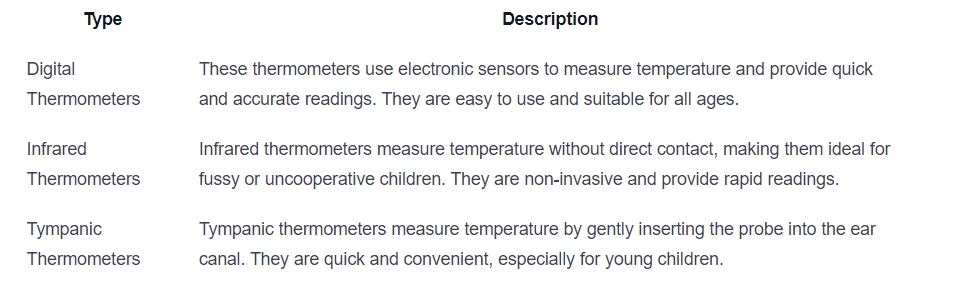
    Thermometers are vital for measuring body temperature, a crucial indicator of a child’s health. There are various types of thermometers available, including digital, infrared, and tympanic (ear) thermometers. Each type has its own benefits and considerations.

    __wf_reserved_inherit

    When selecting a thermometer, it’s important to consider factors such as ease of use, accuracy, and age-appropriate features. Always follow the manufacturer’s instructions for proper usage and hygiene.

    Stethoscopes

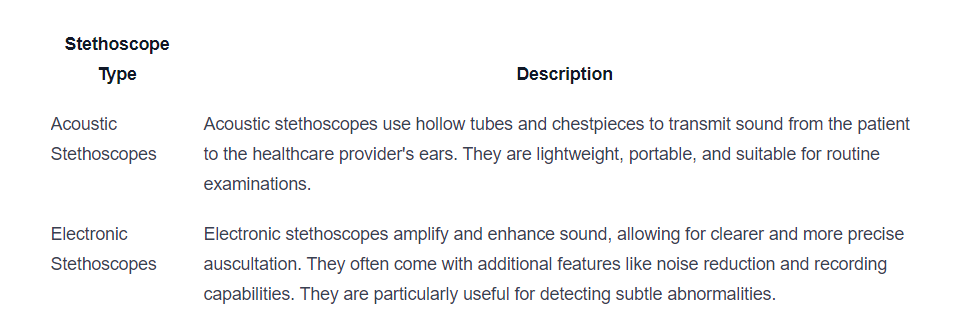
    Stethoscopes are indispensable tools for pediatric healthcare professionals, allowing them to listen to a child’s heart, lungs, and other internal sounds. These devices come in different types, including acoustic and electronic stethoscopes, each with its own advantages.

    __wf_reserved_inherit

    When choosing a stethoscope, consider factors such as sound quality, comfort, and durability. It’s important to select a stethoscope specifically designed for pediatric use to ensure accurate and reliable results.

    Blood Pressure Monitors

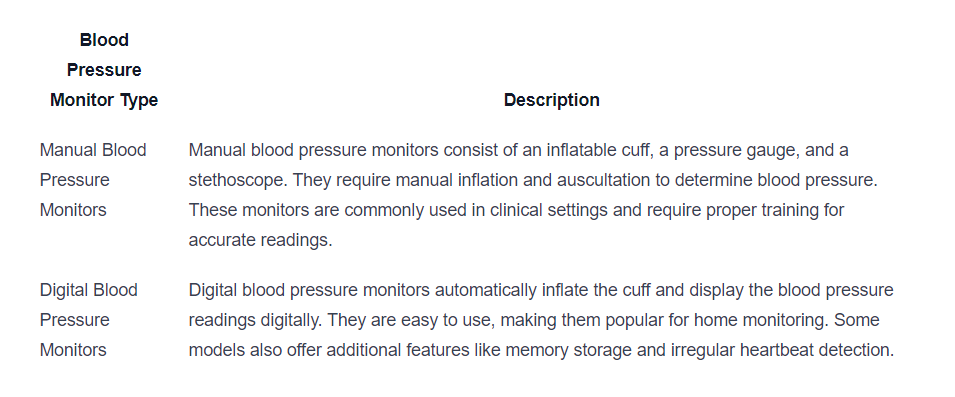
    Measuring blood pressure is a vital part of pediatric healthcare, especially for monitoring cardiovascular health and identifying potential issues. Pediatric blood pressure monitors are designed to accommodate the smaller arm sizes of children, providing accurate readings.

    __wf_reserved_inherit

    When selecting a blood pressure monitor, consider factors such as ease of use, accuracy, and cuff size compatibility. It’s important to choose a monitor that is appropriate for the child’s age and size, ensuring accurate and reliable blood pressure measurements.

    By understanding the different diagnostic equipment available, healthcare providers can make informed decisions when selecting the tools that best suit their pediatric patients’ needs. These tools play a vital role in ensuring accurate diagnoses, monitoring, and overall pediatric healthcare.

    Treatment Supplies

    Bandages and Wound Care

    When it comes to pediatric medical supplies and equipment, bandages and wound care products play a critical role in the treatment of injuries and wounds. It’s important to have the right supplies on hand to effectively address these situations.

    __wf_reserved_inherit

    In addition to bandages, wound care supplies such as antiseptic solutions and ointments are crucial for preventing infection and promoting healing. These supplies should be used under the guidance of a healthcare professional to ensure proper application and dosage.

    Medications and Dosage

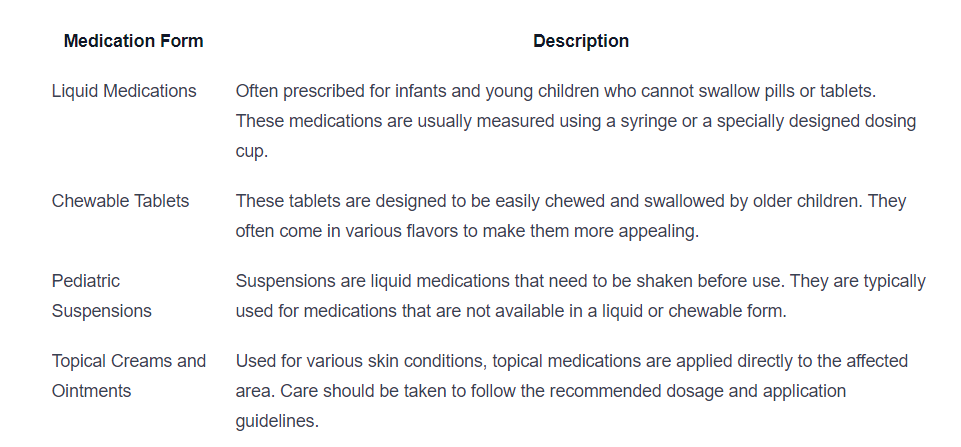
    Administering medications to pediatric patients requires careful consideration of the dosage and appropriate delivery methods. The correct dosage is determined based on factors such as the child’s weight, age, and specific medical condition. It’s essential to consult a healthcare provider or pharmacist for accurate information regarding pediatric medication dosages.

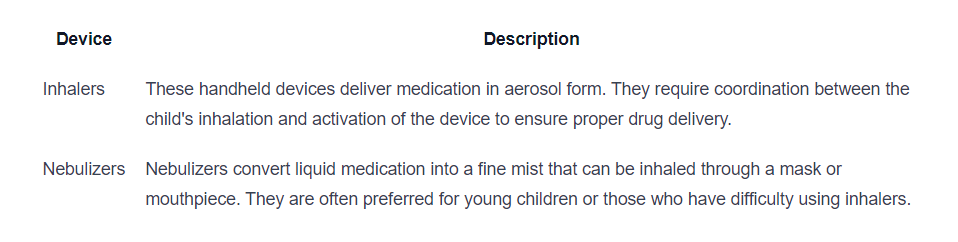
    Here are some common medication forms and delivery methods for pediatric patients:

    __wf_reserved_inherit

    It is important to store medications properly, keeping them out of reach of children to prevent accidental ingestion. Always follow the instructions provided by the healthcare professional or pharmacist when administering medications to pediatric patients.

    Inhalers and Nebulizers

    For pediatric patients with respiratory conditions such as asthma, inhalers and nebulizers are essential treatment tools. These devices deliver medication directly to the airways, providing relief and improving breathing.

    __wf_reserved_inherit

    Both inhalers and nebulizers require specific medication formulations prescribed by a healthcare professional. It is important to follow the prescribed dosage and administration instructions to ensure effective treatment.

    By having the necessary treatment supplies, including bandages and wound care products, medications with appropriate dosages, and inhalers or nebulizers for respiratory conditions, healthcare providers can provide comprehensive care to pediatric patients. Remember to consult a healthcare professional for specific guidance on the proper use of these supplies and equipment for pediatric patients.

    Monitoring Devices

    When it comes to pediatric medical care, monitoring devices play a crucial role in assessing a child’s health status. These devices provide valuable information to healthcare professionals, aiding in diagnosis, treatment, and ongoing monitoring. In this section, we will explore three essential monitoring devices for pediatric care: pulse oximeters, glucose monitors, and ECG machines.

    Pulse Oximeters

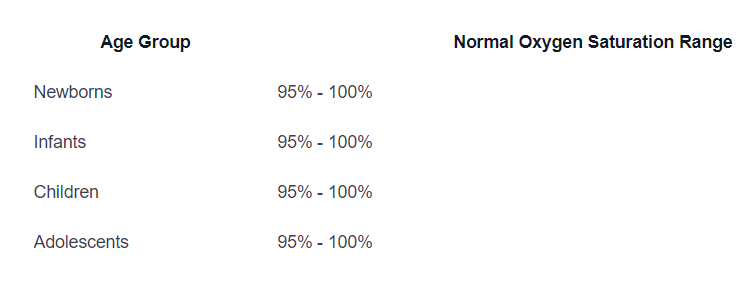
    Monitoring a child’s oxygen saturation level is particularly important for those with respiratory conditions, such as asthma or pneumonia. It allows healthcare providers to assess the effectiveness of oxygen therapy and ensure the child is receiving adequate oxygen supply.

    __wf_reserved_inherit

    Glucose Monitors

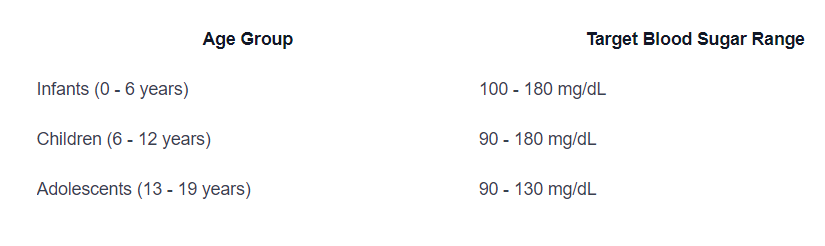
    Glucose monitors, also known as blood glucose meters, are essential for monitoring blood sugar levels in children with diabetes. These devices measure the concentration of glucose in a small blood sample obtained through a finger prick. By regularly checking blood sugar levels, healthcare providers can assess diabetes management and adjust treatment plans accordingly.

    Glucose monitoring is crucial in maintaining stable blood sugar levels in children with diabetes. It allows for timely interventions to prevent complications associated with high or low blood sugar levels.

    __wf_reserved_inherit

    ECG Machines

    ECG (Electrocardiography) machines are used to record the electrical activity of a child’s heart. These devices capture the heart’s rhythm and can detect any abnormalities or irregularities. ECGs are commonly used to diagnose and monitor conditions such as arrhythmias, congenital heart defects, and cardiac abnormalities.

    By analyzing the ECG tracings, healthcare providers can identify potential heart conditions and develop appropriate treatment plans. ECG machines are available in various forms, including portable handheld devices and larger machines used in medical facilities.

    Monitoring devices like pulse oximeters, glucose monitors, and ECG machines are invaluable tools in pediatric medical care. They enable healthcare providers to obtain vital information about a child’s health status, assisting in accurate diagnosis, effective treatment, and ongoing monitoring. By utilizing these monitoring devices, healthcare professionals can provide optimal care and ensure the well-being of pediatric patients.

    Emergency Equipment

    In emergency situations involving pediatric patients, having the right medical supplies and equipment readily available is crucial. This section will explore three essential emergency equipment items specifically designed for pediatric use: first aid kits, defibrillators, and splints and braces.

    First Aid Kits

    First aid kits are essential for providing immediate care and addressing minor injuries or medical emergencies. These kits typically contain a variety of supplies such as bandages, gauze, antiseptic wipes, adhesive tape, and scissors. They are designed to be portable and easily accessible in case of emergencies both at home and in other settings.

    While the contents of first aid kits may vary, they are generally equipped to handle common injuries and emergencies that may occur in pediatric patients. It’s important to regularly check and replenish the supplies in the first aid kit to ensure that it is always well-stocked and ready for use.

    Defibrillators

    Defibrillators, also known as Automated External Defibrillators (AEDs), are life-saving devices used to restore the heart’s normal rhythm in cases of sudden cardiac arrest. These devices deliver an electrical shock to the heart, allowing it to resume its regular beating pattern.

    In pediatric settings, it is crucial to have pediatric-specific defibrillators available. These defibrillators come equipped with pediatric pads or electrodes that are specifically designed for use on children. Additionally, they often have pediatric-specific protocols and energy settings to ensure safe and effective treatment for pediatric patients.

    Splints and Braces

    Splints and braces are essential emergency equipment for stabilizing fractures, sprains, and other musculoskeletal injuries in pediatric patients. These devices help immobilize the affected area, providing support and reducing the risk of further injury.

    Splints are often used to immobilize fractures or suspected fractures, providing temporary stabilization until more definitive treatment can be provided. They are typically made of lightweight materials and can be easily applied to the affected limb.

    Braces, on the other hand, are used for long-term immobilization and support. They are commonly used for conditions such as scoliosis or sports-related injuries that require ongoing stabilization and protection.

    When using splints and braces, it is important to ensure proper fitting and follow the instructions provided by healthcare professionals to ensure optimal support and protection for the pediatric patient.

    Having these emergency equipment items readily available can make a significant difference in providing timely and appropriate care during pediatric emergencies. It is essential to ensure that these items are well-maintained, regularly checked for functionality, and replaced as needed to ensure their effectiveness when needed the most.

    Supportive Equipment

    When it comes to providing comprehensive pediatric care, supportive equipment plays a crucial role in ensuring the comfort, mobility, and safety of young patients. In this section, we will explore three essential types of supportive equipment: wheelchairs and walkers, pediatric beds, and adaptive seating and positioning devices.

    Wheelchairs and Walkers

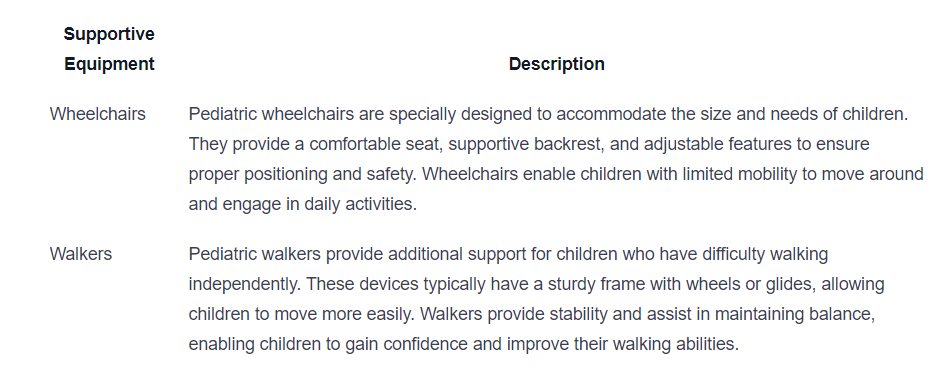
    For children with mobility challenges, wheelchairs and walkers offer invaluable support and independence. These assistive devices are designed to facilitate movement and enhance mobility for pediatric patients with various physical limitations.

    __wf_reserved_inherit

    Pediatric Beds

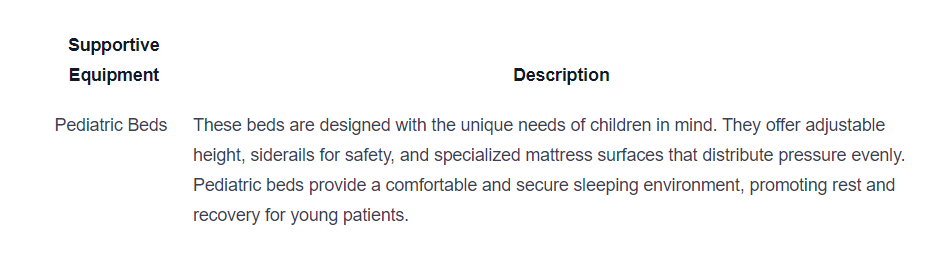
    Pediatric beds are designed to meet the specific needs of young patients, ensuring their comfort and safety during hospital stays or at home. These beds offer adjustable features and specialized functions tailored to pediatric care.

    __wf_reserved_inherit

    Adaptive Seating and Positioning Devices

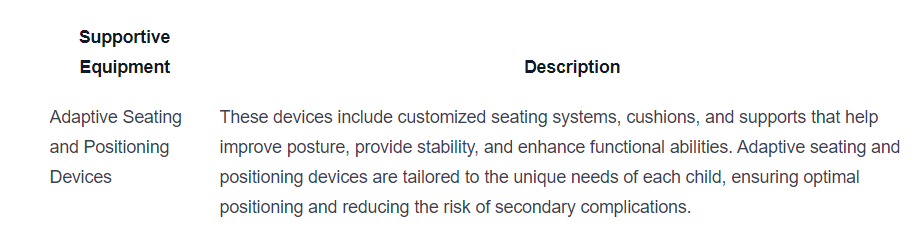
    Adaptive seating and positioning devices are essential for children with postural challenges or physical disabilities. These devices offer customized support to optimize comfort, alignment, and function for pediatric patients.

    __wf_reserved_inherit

    By utilizing supportive equipment such as wheelchairs and walkers, pediatric beds, and adaptive seating and positioning devices, healthcare professionals can enhance the overall care experience for pediatric patients. These equipment options provide support, comfort, and mobility, helping children navigate their daily activities and promoting their overall well-being.

    Sources

    https://www.alimed.com/pediatrics/

    https://www.henryschein.com/us-en/medical/our-customers/providers-specialties/pediatrics.aspx

    https://www.universalmedicalinc.com/all-products/clinical-equipment/pediatric-equipment.html
  • How Pediatric Urgent Care Centers Use Telemedicine to Serve Families

    How Pediatric Urgent Care Centers Use Telemedicine to Serve Families

    Embracing Telemedicine: Revolutionizing Pediatric Urgent Care

    Introduction to Pediatric Telemedicine

    With the onset of the COVID-19 pandemic, the healthcare industry witnessed a swift transformation towards digital solutions. Pediatric telemedicine emerged as a critical component, significantly enhancing the accessibility and quality of urgent care for children. This approach utilizes advanced technology to connect pediatric patients and healthcare providers virtually, ensuring that children receive timely medical attention from the comfort of their homes.

    Implementing Pediatric Telemedicine During the Pandemic

    Transforming Pediatric Care Through Telehealth: A Comprehensive Guide

    What is pediatric telemedicine?

    Pediatric telemedicine, or pediatric telehealth, employs technology to link children and their families with healthcare providers through virtual visits. This approach enhances accessibility by eliminating travel barriers, enabling families to receive care when needed. Telehealth not only leads to improved satisfaction and reduced healthcare costs but also offers tools such as medication management and symptom surveys, especially useful for chronic condition management like asthma and diabetes. Reports indicate that many parents find telehealth visits more convenient and less disruptive to their daily routines, ultimately improving access to essential support for children with special healthcare needs.

    Rapid implementation during COVID-19

    In response to the COVID-19 pandemic, pediatric telemedicine was rapidly implemented, starting on March 30, 2020, just 19 days after the first case in the county. This swift action underscored the urgent need for accessible care options during a public health crisis. The initiative quickly managed to complete 580 unique visits within its first month, demonstrating significant demand from families navigating healthcare during lockdowns. With a patient satisfaction rate averaging 4.9 out of 5, the service became a reliable resource in a time of uncertainty.

    Technological platforms utilized

    The telemedicine program utilized the American Well platform, allowing families to connect via smart devices or a secure website. Operating around the clock, it was staffed by pediatric emergency medicine physician assistants and nurse practitioners, ensuring immediate care was always available. Advanced audio and video communication capabilities helped maintain high medical standards while catering to various pediatric complaints, from rashes to respiratory issues. This seamless blend of technology and qualified staff exemplified a successful shift toward virtual healthcare.

    Accessibility and availability

    The accessibility of telemedicine proved vital during the pandemic, with services drastically reducing barriers to care. Notably, the telehealth platform expanded services to underserved populations, including low-income families in Florida, where the percentage of patients utilizing government-supported health insurance rose significantly. Despite overall gains in telehealth usage, challenges persisted for rural communities, where access remained limited. Nonetheless, telehealth offered critical support, connecting families with specialists and local providers, ensuring that children maintained their healthcare needs amidst the ongoing crisis.

    The Diverse Applications of Telehealth in Pediatric Urgent Care

    Exploring Telehealth Use Cases: Delivering Pediatric Care Efficiently

    What are common applications of telehealth?

    Telehealth has transformed pediatric urgent care by enabling various applications that cater to the diverse needs of children and their families. Virtual consultations are perhaps the most recognized, allowing healthcare providers to connect with patients through live video interactions. This setup facilitates real-time assessments for issues ranging from minor illnesses to more serious conditions, significantly improving access to care for families.

    Another critical application is remote monitoring and coordination. Healthcare providers can keep track of children’s health data without requiring frequent in-person visits. This is particularly vital for managing chronic conditions and ensuring consistent follow-up care, as seen when managing young patients with asthma or diabetes.

    Furthermore, school-based health services have taken advantage of telehealth technology. Programs like Health-e-Schools enable school nurses to conduct virtual consultations with pediatricians, addressing common health concerns on-site. This connection allows for quicker decision-making regarding further medical attention, thereby enhancing health outcomes for children while minimizing educational interruptions.

    Overall, these applications showcase how telehealth enhances pediatric care delivery, accommodating various health needs and improving accessibility, especially during challenging times like the COVID-19 pandemic.

    Benefits of Telemedicine in Pediatric Healthcare

    Unlocking the Benefits: How Telemedicine Enhances Pediatric Healthcare

    What are the benefits of using telemedicine in pediatric care?

    Telemedicine in pediatric care offers a variety of advantages that significantly enhance the patient experience and healthcare outcomes. One of the primary benefits is increased access and convenience. Families, especially those in remote or underserved areas, can consult healthcare providers from home, eliminating the need for long-distance travel. This is particularly useful during busy schedules or for those concerned about exposing their child to infectious diseases during in-person visits.

    In essence, telemedicine simplifies the healthcare process. Virtual visits can be convenient for non-urgent conditions, allowing parents to connect with pediatricians using their smartphones or tablets. The flexibility of scheduling helps accommodate parents’ work commitments, making healthcare more accessible and versatile.

    Additionally, cost-effectiveness plays a significant role in the advantages of telemedicine. Appointments conducted through telehealth platforms tend to be less expensive than in-person visits. Families can save on travel expenses and time wasted in waiting rooms. Moreover, as insurance coverage for telemedicine becomes more widely accepted, more families can benefit from this affordable access to healthcare.

    Lastly, family involvement in care is crucial. Telehealth facilitates real-time communication between healthcare providers and family members, ensuring that support is available for children during visits. Parents can be present during consultations, providing insight about their child’s symptoms and engage in discussions about care plans. This collaborative approach not only improves communication but also strengthens the continuity of care. Overall, the integration of telemedicine into pediatric healthcare proves to be a vital tool in improving accessibility, reducing costs, and fostering family engagement.

    Improving Urgent Care Through Telemedicine

    Revolutionizing Urgent Care: The Role of Telemedicine in Pediatric Health

    How does telemedicine improve pediatric urgent care?

    Telemedicine enhances pediatric urgent care by offering rapid access to medical attention. Families can connect with healthcare providers through apps or secure websites, eliminating the need to travel to clinics. Since its implementation during the COVID-19 pandemic, the pediatric virtual urgent care saw 580 visits within its first month, underscoring the significant demand for convenient healthcare options.

    Remote evaluations enable healthcare professionals to conduct thorough assessments with tools like high-quality audio and video communication. Providers can visually check symptoms and track activity levels, allowing for accurate diagnoses and timely prescriptions without in-person visits. This process not only helps maintain continuity of care but also ensures that children receive the necessary medical guidance.

    Additionally, telemedicine greatly reduces the risk of exposure to contagious illnesses. Children can consult with providers from the safety of their homes, which is crucial in preventing the spread of infections, especially during health crises. While the telemedicine visits achieved a high satisfaction rating, they also played a vital role in minimizing disruptions for families, making healthcare more accessible and affordable.

    In summary, the expansion of telehealth services during the COVID-19 pandemic significantly improved pediatric care. It offers an efficient solution for urgent medical needs, particularly benefiting underserved populations and families balancing busy schedules.

    Telemedicine Utilization and Demographic Impact

    Increase in telemedicine usage

    The urgency of the COVID-19 pandemic propelled a significant increase in telemedicine usage among pediatric patients. Reports show a staggering 172% rise in pediatric telehealth encounters compared to the previous year. In the first month alone, a new virtual urgent care service recorded 580 unique visits, highlighting its immediate demand amidst health concerns and restrictions.

    Access disparities

    Despite the notable growth in telemedicine, disparities in access remain. For instance, the proportion of Hispanic patients using telehealth grew, yet the telemedicine engagement in rural areas stagnated at just 2-5%. These figures reveal ongoing challenges, particularly for low-income families and those in under-resourced communities, where technology access and digital literacy can hinder effective use of telehealth services.

    Diverse populations’ engagement

    As telehealth services evolved, new linguistic diversity emerged among users, revealing a notable shift towards accommodating various populations. Programs like Children’s Medical Services in Georgia and the Telehealth ROCKS initiative in Kansas are designed specifically to bridge gaps for underserved children by providing access to essential health services, including behavioral health and specialized care. This adaptable approach enriches care equity, aiming to ensure all families, regardless of background or location, can connect effectively with healthcare providers.

    Navigating Challenges and Enhancing Telemedicine Access

    Overcoming Barriers: Expanding Access to Pediatric Telemedicine

    Technology Barriers

    Despite the rapid growth of telemedicine, several technology barriers persist, particularly in underserved communities. Issues like limited access to high-speed broadband internet can hinder routine telehealth use. Many families may not own smart devices or may have inadequate digital literacy, further complicating their ability to engage with these services.

    Equitable Access

    Equity in telemedicine access remains a critical challenge. While telehealth offers remarkable benefits to families, variations in utilization rates have been observed among different racial and socioeconomic groups. Data showed that Hispanic and low-income families significantly increased their use of telehealth, whereas Black patients utilized these services less frequently than their non-Black counterparts. This gap indicates that targeted efforts are essential to ensure that telehealth serves all children effectively.

    Training for Pediatric Healthcare Providers

    Pediatric-specific training for telehealth providers is essential. Children have unique healthcare needs compared to adults, and providers must be well-versed in addressing these through telemedicine. Ongoing training ensures that medical standards are upheld and that providers can deliver appropriate care during virtual consultations.

    Challenge Description Impact
    Technology Barriers Limited access to devices and internet connectivity, hindering service usage. Reduces healthcare accessibility.
    Equitable Access Disparities in usage rates among different demographic groups. Exacerbates health inequalities.
    Training for Providers Need for pediatric-specific training for effective telemedicine delivery. Ensures quality of care during visits.

    Telemedicine: The Future of Pediatric Urgent Care

    Telemedicine has undeniably transformed how pediatric urgent care is delivered, offering a viable solution to healthcare accessibility challenges faced by many families. While there is much to celebrate about the innovations it has brought, the focus must remain on overcoming existing barriers and ensuring these services are equitably distributed. By continuing to enhance these programs, we can look towards a future where all children, regardless of their circumstances, have access to quality healthcare when they need it most.

    References

  • Tracheostomy: What Are Some Early and Late Complications?

    Tracheostomy: What Are Some Early and Late Complications?

    Explore tracheostomy complications: early vs. late woes unravelled. Discover risk factors, prevention, and management strategies.

    Understanding Tracheostomy Complications

    __wf_reserved_inherit

    Tracheostomy procedures are commonly performed in medical settings to assist with breathing in individuals who have difficulty with their airways. However, along with the benefits, there are associated complications that require careful management. Understanding these complications, both early and late, is essential for healthcare providers and patients alike.

    Importance of Managing Complications

    Effective management of tracheostomy complications is crucial to ensuring the well-being and safety of patients who undergo the procedure. Early identification and intervention can help prevent complications from worsening and improve patient outcomes. Healthcare providers must be knowledgeable about the potential complications that may arise post-tracheostomy to provide timely care and support.

    Differentiating Between Early and Late Complications

    Tracheostomy complications can be categorized into early and late complications based on the timeframe in which they occur post-procedure. Early complications typically manifest shortly after the tracheostomy insertion, while late complications may develop over a more prolonged period. Differentiating between these two categories is imperative for tailored treatment and monitoring strategies.

    Understanding the distinction between early and late tracheostomy complications is essential for healthcare professionals to provide appropriate care and support to tracheostomy patients. By recognizing the specific challenges associated with each timeframe, healthcare providers can address complications promptly and improve patient outcomes.

    Early Complications of Tracheostomy

    __wf_reserved_inherit

    Delving into the potential challenges associated with tracheostomy, it’s paramount to recognize the early complications that may arise post-procedure. These early complications can significantly impact the patient’s recovery and necessitate prompt intervention. Let’s explore three common early complications associated with tracheostomy: infection risks, bleeding issues, and tube displacement.

    Infection Risks

    Infection is a primary concern following a tracheostomy procedure. The insertion of a tracheostomy tube creates a direct pathway for pathogens to enter the respiratory tract, leading to the development of infections. Common microbial culprits include bacteria and fungi, which can cause localized or systemic infections if left untreated.

    Early detection and prompt management of infections are crucial to prevent complications. Healthcare providers closely monitor tracheostomy sites for signs of infection, such as increased redness, swelling, warmth, or purulent discharge. Antibiotic therapy may be initiated based on culture results to target the specific causative organisms.

    Bleeding Issues

    Another early complication associated with tracheostomy is bleeding, which can occur during or after the procedure. Bleeding may stem from trauma to blood vessels during tube insertion, mucosal irritation, or clot dislodgment. Excessive bleeding can compromise the patient’s airway and lead to respiratory compromise.

    Effective management of bleeding involves meticulous hemostasis during the procedure and continuous monitoring post-tracheostomy. Providers assess the color and amount of bleeding, apply pressure to the site if needed, and may utilize hemostatic agents to control bleeding. In severe cases, surgical intervention may be necessary to address persistent bleeding.

    Tube Displacement

    Tube displacement is a critical early complication that can jeopardize airway patency and impede effective ventilation. Dislodgment of the tracheostomy tube may result from accidental pulls on the tube, coughing fits, or inadequate securing of the tube. A displaced tube necessitates immediate attention to prevent respiratory distress and potential hypoxia.

    Healthcare providers emphasize the importance of securing the tracheostomy tube adequately to prevent accidental displacement. Regular assessments of tube placement, fixation devices, and skin integrity around the stoma are essential components of tracheostomy care. In cases of tube displacement, providers promptly reposition or replace the tube to ensure proper airway maintenance.

    Early recognition and proactive management of these common early complications of tracheostomy are vital in enhancing patient safety and optimizing outcomes post-procedure. By staying vigilant and implementing appropriate preventive measures, healthcare teams can mitigate the risks associated with tracheostomy and provide comprehensive care to patients undergoing this intervention.

    Late Complications of Tracheostomy

    As time progresses post-tracheostomy, patients may encounter late complications that require careful monitoring and management. Three common late complications of tracheostomy include tracheal stenosis, granulation tissue formation, and tracheoesophageal fistula.

    Tracheal Stenosis

    Tracheal stenosis, a narrowing of the trachea, can develop as a late complication of tracheostomy. This constriction can impede proper airflow and lead to breathing difficulties. Understanding the factors that contribute to tracheal stenosis and early detection are crucial for effective management.

    Granulation Tissue Formation

    Granulation tissue formation is another late complication that can occur at the tracheostomy site. This excessive tissue growth can obstruct the airway and cause discomfort for the patient. Monitoring the tracheostomy site for signs of granulation tissue and implementing appropriate interventions are essential in preventing further complications.

    Tracheoesophageal Fistula

    A tracheoesophageal fistula is a serious late complication in which an abnormal connection forms between the trachea and the esophagus. This condition can lead to aspiration of food or fluids into the lungs, increasing the risk of respiratory infections. Early recognition of symptoms and prompt medical intervention are crucial in managing tracheoesophageal fistula to prevent complications.

    Late complications of tracheostomy pose significant challenges for patients and healthcare providers alike. By staying vigilant for signs of tracheal stenosis, granulation tissue formation, and tracheoesophageal fistula, healthcare teams can intervene early and provide the necessary care to minimize the impact of these complications on patients’ overall well-being.

    Risk Factors and Prevention

    When it comes to tracheostomy, understanding the risk factors and implementing preventive strategies play a crucial role in mitigating complications associated with the procedure. By identifying the factors contributing to complications and adopting appropriate prevention measures, healthcare providers can significantly improve patient outcomes and reduce the likelihood of adverse events.

    Factors Contributing to Complications

    Several factors can contribute to complications following a tracheostomy procedure. These include:

    __wf_reserved_inherit

    By addressing these factors proactively, healthcare providers can reduce the likelihood of complications and promote better patient outcomes following a tracheostomy procedure.

    Strategies for Preventing Complications

    Preventive strategies play a pivotal role in reducing the occurrence of tracheostomy-related complications. These strategies include:

    __wf_reserved_inherit

    By implementing these preventive measures, healthcare teams can create a safer environment for patients undergoing tracheostomy and reduce the incidence of both early and late complications associated with the procedure.

    Treatment and Management

    When it comes to addressing complications related to tracheostomy, timely intervention and appropriate management strategies are essential. This section focuses on the intervention for early complications, addressing late complications, and the long-term care required for patients with tracheostomy.

    Intervention for Early Complications

    Early complications following a tracheostomy procedure can pose significant risks to the patient’s health and well-being. Prompt recognition and intervention are vital in managing these complications effectively. The table below outlines common early complications of tracheostomy and appropriate interventions:

    __wf_reserved_inherit

    Addressing Late Complications

    Late complications of tracheostomy, although less common, require careful monitoring and appropriate management to prevent further complications. The table below highlights common late complications and strategies for addressing them:

    __wf_reserved_inherit

    Long-Term Care for Tracheostomy Patients

    After the immediate issues of early and late complications are addressed, long-term care for patients with a tracheostomy is crucial in ensuring their well-being and quality of life. This care may involve regular follow-up appointments, specialized nursing care, and ongoing support to manage any lingering complications or adjustments needed for the tracheostomy tube.

    By implementing appropriate intervention strategies for early complications, addressing late complications effectively, and providing comprehensive long-term care, healthcare providers can optimize the outcomes for patients with a tracheostomy. Collaborative efforts between the medical team, patients, and caregivers are essential in managing the complexities associated with tracheostomy and promoting the patient’s overall health and comfort.

    Sources

    https://www.medicalnewstoday.com/articles/tracheostomy-complications#summary

    https://journals.lww.com/bronchology/abstract/2015/10000/tracheostomy_tube_placement__early_and_late.19.aspx

    https://shc.amegroups.org/article/view/6988/html

  • Leveraging User-Friendly Mobile Medical Devices

    Leveraging User-Friendly Mobile Medical Devices

    Unlock the power of user-friendly mobile medical devices for enhanced healthcare delivery. Experience the future of care!

    Enhancing Healthcare Delivery

    In the realm of healthcare, the utilization of user-friendly mobile medical devices plays a pivotal role in revolutionizing care delivery. By focusing on the importance of these devices and harnessing the benefits of mobile technology in healthcare, providers can enhance the overall quality and efficiency of patient care.

    __wf_reserved_inherit

    The Importance of User-Friendly Mobile Medical Devices

    User-friendly mobile medical devices hold significant importance in modern healthcare settings. These devices are designed with the end user, whether healthcare professionals or patients, in mind. By prioritizing usability and simplicity, user-friendly devices streamline workflow processes, reduce errors, and improve overall user satisfaction.

    The emphasis on user-friendliness ensures that healthcare professionals can easily integrate these devices into their daily routines, leading to increased efficiency and accuracy in diagnosis, monitoring, and treatment. For patients, user-friendly devices empower them to actively participate in their own care management, promoting better adherence to treatment plans and enhancing overall health outcomes.

    Benefits of Leveraging Mobile Technology in Healthcare

    Leveraging mobile technology in healthcare brings forth a multitude of benefits that positively impact patient care delivery. From improved communication and data accessibility to enhanced efficiency and convenience, mobile technology has the potential to transform the way healthcare services are delivered.

    One key benefit of mobile technology in healthcare is the ability to provide real-time access to critical patient information. With mobile medical devices, healthcare providers can remotely monitor patients, access electronic health records, and make informed clinical decisions promptly. This real-time data access leads to quicker diagnosis, personalized treatment plans, and ultimately, better patient outcomes.

    Another advantage of mobile technology is its role in promoting patient engagement and empowerment. Mobile medical devices allow patients to actively participate in their care by tracking vital signs, managing chronic conditions, and receiving timely reminders and educational resources. This increased engagement fosters a collaborative relationship between patients and healthcare providers, leading to more personalized and effective care strategies.

    By acknowledging the significance of user-friendly mobile medical devices and harnessing the benefits of mobile technology in healthcare, care delivery can be elevated to new heights, ultimately resulting in improved patient outcomes, enhanced efficiency, and greater patient satisfaction.

    Types of Mobile Medical Devices

    In the realm of mobile medical devices, there are various categories designed to cater to different healthcare needs. These devices play a crucial role in modern healthcare delivery, offering convenience, efficiency, and improved patient outcomes. Let’s explore three key types of mobile medical devices: monitoring devices, diagnostic devices, and treatment devices.

    Monitoring Devices

    Monitoring devices are essential tools that enable continuous tracking of vital health parameters. These devices are particularly valuable for patients with chronic conditions or those requiring regular health monitoring. By leveraging monitoring devices, healthcare providers can remotely observe and analyze vital signs, such as heart rate, blood pressure, glucose levels, and more.

    __wf_reserved_inherit

    These devices provide real-time data that can be transmitted to healthcare professionals for timely intervention and personalized care plans. By utilizing monitoring devices, healthcare providers can proactively manage patient health and detect potential issues before they escalate.

    Diagnostic Devices

    Diagnostic devices play a critical role in facilitating accurate and efficient medical assessments. These devices are designed to aid in the diagnosis of various health conditions by performing tests and evaluations. From portable ultrasound machines to mobile ECG devices, diagnostic tools empower healthcare professionals to conduct on-the-spot assessments and make informed decisions.

    __wf_reserved_inherit

    By leveraging diagnostic devices, healthcare providers can streamline the diagnostic process, reduce wait times, and enhance the accuracy of medical diagnoses. These devices are instrumental in improving patient care outcomes and optimizing healthcare delivery.

    Treatment Devices

    Treatment devices encompass a wide range of mobile tools designed to deliver therapeutic interventions and support patient recovery. These devices offer innovative solutions for managing various health conditions, aiding in rehabilitation, pain management, and overall well-being. From wearable insulin pumps to portable nebulizers, treatment devices empower patients to take an active role in their healthcare journey.

    __wf_reserved_inherit

    By integrating treatment devices into healthcare protocols, healthcare providers can enhance treatment adherence, improve patient comfort, and promote better health outcomes. These devices offer flexibility and convenience, ultimately supporting patient-centered care and fostering positive health behaviors.

    Features of User-Friendly Devices

    In the realm of mobile medical devices, the emphasis on user-friendly features plays a critical role in enhancing the overall healthcare experience. User-friendly devices not only improve efficiency but also foster better patient outcomes. Let’s delve into three key features that characterize user-friendly mobile medical devices: intuitive interface, wireless connectivity, and compatibility with healthcare systems.

    Intuitive Interface

    A user-friendly mobile medical device boasts an intuitive interface that is easy to navigate, even for individuals with varying levels of technological proficiency. The interface should be designed with clear labels, simple navigation menus, and interactive elements that guide users through the device functionalities. By prioritizing user experience design, healthcare providers can minimize user errors, streamline workflows, and ultimately improve the quality of care delivered.

    Wireless Connectivity

    Wireless connectivity is a fundamental feature of user-friendly mobile medical devices, enabling seamless data transfer and real-time communication between devices, healthcare providers, and electronic health records (EHR) systems. By eliminating the need for cumbersome wires and cables, wireless connectivity enhances mobility and flexibility in healthcare settings, allowing providers to access patient information effectively and make informed decisions promptly.

    Compatibility with Healthcare Systems

    User-friendly mobile medical devices must be compatible with existing healthcare systems and software to ensure smooth integration and data interoperability. Compatibility with electronic health records (EHR) systems, telehealth platforms, and other digital health solutions is essential for effective data exchange, care coordination, and cross-functional collaboration among healthcare teams. By aligning mobile devices with existing healthcare infrastructure, providers can maximize efficiency, accuracy, and patient safety.

    By incorporating these user-friendly features into mobile medical devices, healthcare organizations can elevate care delivery, promote patient engagement, and drive better health outcomes. As technology continues to advance, the integration of intuitive interfaces, wireless connectivity, and seamless compatibility with healthcare systems will play a pivotal role in transforming the landscape of modern healthcare delivery.

    Implementing Mobile Medical Devices

    When integrating mobile medical devices into healthcare settings, several key considerations come into play to ensure a successful implementation. This section will cover the essential aspects of implementing user-friendly mobile medical devices, including staff training and support, data security and privacy, and integration with electronic health records.

    Staff Training and Support

    Proper training and ongoing support for healthcare staff are crucial when introducing user-friendly mobile medical devices into clinical practice. Training programs should focus on familiarizing staff with the devices’ functionalities, troubleshooting common issues, and ensuring efficient utilization to enhance patient care.

    It’s important to tailor training sessions to the specific roles and responsibilities of different staff members, ensuring that each individual understands how to effectively incorporate mobile medical devices into their workflow. Continuous support, such as access to technical assistance and resources, is also vital to address any challenges that may arise during device usage.

    Data Security and Privacy

    Maintaining the security and privacy of patient data is a top priority when leveraging user-friendly mobile medical devices in healthcare settings. Robust data encryption, secure authentication methods, and adherence to regulatory guidelines, such as HIPAA, are essential to protect sensitive patient information from unauthorized access or breaches.

    Healthcare organizations must establish clear protocols and policies for data security and privacy when using mobile medical devices. Regular audits, risk assessments, and compliance checks should be conducted to ensure that patient data remains secure throughout the device’s lifecycle.

    Integration with Electronic Health Records

    Seamless integration of user-friendly mobile medical devices with electronic health records (EHR) is key to streamlining workflows, improving data accuracy, and enhancing overall patient care. Interoperability between mobile devices and EHR systems enables healthcare providers to access real-time patient information, make informed clinical decisions, and track patient progress seamlessly.

    By integrating mobile medical devices with EHR systems, healthcare organizations can reduce redundancies, minimize documentation errors, and improve care coordination among multidisciplinary teams. This integration fosters a more comprehensive and holistic approach to patient care, leading to better health outcomes and enhanced patient satisfaction.

    Successfully implementing user-friendly mobile medical devices in healthcare environments requires a systematic approach that prioritizes staff training, data security, privacy, and integration with electronic health records. By addressing these key areas, healthcare organizations can leverage the full potential of mobile technology to enhance care delivery, optimize workflows, and improve patient outcomes.

    Impact on Patient Care

    In the realm of healthcare, the utilization of user-friendly mobile medical devices has significantly enhanced patient care across various aspects. These devices have revolutionized the way healthcare is delivered, leading to improved access to healthcare services, enhanced patient engagement, and ultimately better health outcomes.

    Improved Access to Healthcare

    User-friendly mobile medical devices have played a pivotal role in breaking down barriers to healthcare access. By leveraging these devices, individuals can now conveniently connect with healthcare providers anytime and anywhere. This increased access to medical resources has been particularly beneficial for individuals residing in remote areas or those with limited mobility.

    The table below illustrates the impact of user-friendly mobile medical devices on healthcare access:

    __wf_reserved_inherit

    Enhanced Patient Engagement

    Engaging patients in their own healthcare journey is vital for ensuring positive health outcomes. User-friendly mobile medical devices empower patients to take an active role in managing their health. These devices provide users with easy-to-understand health data and insights, fostering a sense of ownership and accountability for their well-being.

    The table below summarizes the effects of user-friendly mobile medical devices on patient engagement:

    __wf_reserved_inherit

    Better Health Outcomes

    Ultimately, the integration of user-friendly mobile medical devices in healthcare has led to marked improvements in health outcomes. By enabling timely monitoring, early diagnosis, and proactive treatment, these devices contribute to the prevention and management of various health conditions. The convenience and efficiency offered by these devices help in optimizing patient care and promoting overall well-being.

    The following table highlights the positive impact of user-friendly mobile medical devices on health outcomes:

    __wf_reserved_inherit

    By leveraging user-friendly mobile medical devices, healthcare providers can transform the delivery of care, placing greater emphasis on patient-centered approaches and driving positive outcomes in the realm of healthcare.

    Future Trends in Mobile Medical Devices

    As technology continues to advance, the future of mobile medical devices holds exciting possibilities that can revolutionize healthcare delivery. Three key trends to watch out for in the realm of user-friendly mobile medical devices are wearable technology, artificial intelligence integration, and remote monitoring and telehealth.

    Wearable Technology

    Wearable medical devices are gaining traction in the healthcare industry, offering continuous monitoring and tracking of vital signs and health parameters. These devices are designed to be worn comfortably on the body, providing real-time data that can be remotely accessed by healthcare providers.

    Wearable devices come in various forms, such as smartwatches, fitness trackers, and health monitoring patches. These devices can collect valuable health data, including heart rate, blood pressure, activity levels, and even sleep patterns. By leveraging wearable technology, healthcare professionals can gain deeper insights into patients’ health status and provide personalized care plans based on real-time data.

    Artificial Intelligence Integration

    The integration of artificial intelligence (AI) into mobile medical devices is poised to transform the way healthcare is delivered. AI algorithms can analyze vast amounts of data quickly and accurately, helping healthcare providers make more informed decisions and predictions regarding patient care.

    AI-powered mobile devices can assist in diagnosis, treatment planning, and patient monitoring. These devices can detect patterns, trends, and anomalies in health data, leading to early intervention and improved patient outcomes. By harnessing the power of AI, mobile medical devices can enhance the efficiency and effectiveness of healthcare delivery.

    Remote Monitoring and Telehealth

    Remote monitoring and telehealth have become essential components of modern healthcare delivery, especially in light of recent global events. Mobile medical devices that support remote monitoring enable patients to receive care from the comfort of their homes, reducing the need for frequent hospital visits and enhancing convenience.

    Telehealth platforms integrated with mobile medical devices allow healthcare providers to conduct virtual consultations, monitor patient progress, and remotely adjust treatment plans. This not only improves access to healthcare services, particularly in underserved areas, but also promotes continuity of care and patient engagement.

    By embracing these future trends in mobile medical devices, healthcare organizations can elevate the standard of care delivery, enhance patient outcomes, and improve the overall healthcare experience for both patients and providers. The combination of wearable technology, artificial intelligence, and remote monitoring holds the potential to reshape the landscape of healthcare, making it more accessible, efficient, and patient-centered.

    Sources

    https://pubmed.ncbi.nlm.nih.gov/38929262/

    https://www.mdpi.com/2227-9067/11/6/683

    https://www.researchgate.net/publication/381182076_Leveraging_User-Friendly_Mobile_Medical_D

  • How Do I Find Medical Equipment Rental Services?

    How Do I Find Medical Equipment Rental Services?

    Navigating the World of Medical Equipment Rentals

    Introduction

    In times when purchasing medical equipment may not be feasible due to cost or temporary need, renting becomes a viable option. Navigating the medical equipment rental market requires an understanding of available resources, the rental process, and what equipment best suits your needs. This article delves into how one can efficiently find and utilize medical equipment rental services, covering the types of equipment available, how to start the rental process, and considerations for renting, especially during travel or for short-term needs.

    Types of Medical Equipment Available for Rent

    Explore the Different Categories of Medical Equipment Available for Rent!

    What are the main types of medical equipment available for rent?

    Renting medical equipment offers flexibility and access to a range of essential devices in healthcare and personal settings. The main types of medical equipment available for rent include:

    • Diagnostic Equipment: This type includes machines like X-ray and MRI scanners, crucial for identifying diseases and monitoring health conditions. Hospitals typically prefer to lease these expensive machines instead of purchasing them outright.

    • Laboratory Equipment: Essential tools such as microscopes and centrifuges fall under this category. They are vital for conducting tests and analyses in medical laboratories.

    • Monitoring Equipment: Equipment like heart rate monitors and blood pressure cuffs are used to track patient vitals continuously. This equipment helps healthcare providers quickly respond to any changes in a patient’s condition.

    • Assistive Equipment: This set includes devices that support mobility, such as walkers and wheelchairs, often available for rental to accommodate short-term needs or to assist during rehabilitation.

    In addition to the primary categories mentioned, other equipment available for rent may include treatment equipment, surgical instruments, and personal protective equipment (PPE). By providing these options, companies like Med One Group ensure that healthcare facilities and individuals can find tailored solutions to their medical equipment needs, simplifying access to essential healthcare tools.

    Equipment Type Examples Purpose
    Diagnostic Equipment X-rays, MRIs Disease detection and monitoring
    Laboratory Equipment Microscopes, centrifuges Testing and analysis
    Monitoring Equipment Heart monitors, BP cuffs Track patient vitals
    Assistive Equipment Walkers, wheelchairs Support mobility and recovery

    Understanding the Medical Equipment Leasing Process

    Unlock the Benefits: Understand the Medical Equipment Leasing Process!

    How does leasing medical equipment work?

    Leasing medical equipment enables healthcare providers to access vital tools without the burden of hefty upfront costs typically required for outright purchases. This process usually involves monthly payments spread over a predetermined lease term. At the end of that term, lessees often have the option to purchase the equipment, renew the lease agreement, or return the items.

    Leasing agreements frequently include comprehensive maintenance and support services, ensuring that the equipment remains functional and well-maintained throughout its use. This is crucial in a healthcare setting, where reliability is essential. Additionally, leasing allows facilities to stay current with technological advancements by upgrading to newer models as they become available.

    This approach not only bolsters financial management by converting large capital expenditures into manageable operating costs but also guarantees healthcare providers access to essential medical technology without the immediate fiscal strain of purchasing.

    Key Benefits of Leasing Over Buying

    • Lower Initial Costs: Leasing reduces the upfront investment, conserving capital for other crucial areas.
    • Maintenance Included: Many leasing agreements cover routine maintenance, saving costs on repairs and ensuring reliability.
    • Flexibility: Leasing allows facilities to adapt their equipment needs as technology evolves, eliminating obsolescence issues.
    • Tax Benefits: Lease payments can often be deducted as a business expense, reducing overall tax liabilities.

    Choosing the Right Rental Provider for Your Needs

    Select the Perfect Rental Provider: Key Considerations to Keep in Mind!

    Evaluating rental companies

    When it comes to renting medical equipment, a variety of options are available. It’s essential to evaluate providers based on their inventory, service quality, and whether they meet your specific needs. For instance, companies like Med One Group specialize in custom leasing and rentals of equipment such as infusion pumps and ventilators. Look for transparency in their practices, which can significantly enhance your rental experience.

    Considerations for selection

    Consider key factors such as the types of equipment provided, the condition of the rentals, and the ease of rental processes. Some companies, like HELP, offer gently used equipment at reduced costs, while others may present new options. Ensure that the rental provider maintains high safety standards, cleaning, and sanitizing all equipment before distribution. Identify whether they cater to specific populations, such as the low-income residents helped by the Bridge of Hope Foundation.

    Customer reviews

    Customer feedback can be illuminating. Prioritize companies with positive reviews that highlight customer support, delivery timeliness, and overall satisfaction. Observing the experiences of past clients can foster confidence in your decision, ensuring you choose a provider that aligns with your needs and expectations.

    Planning for Medical Equipment Rentals During Travel

    Traveling Made Easy: Essential Tips for Renting Medical Equipment!

    Travel-specific rental companies

    When planning for travel, especially for those who require medical equipment, it’s crucial to explore specialized rental companies. Scootaround is a well-known option that offers rental services in numerous popular tourist destinations across the U.S. and Canada. This company can provide a no-obligation quote, making it easier to budget for your rental needs.

    Another noteworthy option is Special Needs at Sea, which specializes in providing medical equipment specifically designed for cruise ship passengers. They ensure that the equipment is compatible with the unique constraints of cruise ship layouts, such as narrow doorways and hallways.

    Important travel details for rentals

    Before securing your medical equipment rental, ensure you have all necessary details organized. Having information ready will help streamline the booking process. Here are key details to prepare:

    • Travel dates: Know the exact days you will need the equipment.
    • Accommodation address: This helps pinpoint delivery and pickup logistics.
    • Specific equipment needs: Be clear about what you require, including the manufacturer, make, and model to ensure you get the right items.

    By keeping these details at hand, you can facilitate a smoother rental experience and enjoy your travels without worry.

    Insider Tips on Starting the Rental Process

    Streamlining the rental process

    Starting the process of renting medical equipment can be simple and hassle-free. Many rental companies, such as Med One Group, make it easy to access the equipment you need by offering straightforward paperwork that can often be completed in just a few minutes. Their transparent leasing options, such as Capital and Operating Leases, allow healthcare facilities to select solutions tailored directly to their needs.

    Using services like Scootaround or Special Needs at Sea can improve your experience, especially when traveling. These companies operate in popular tourist areas and specialize in providing essential medical equipment fit for various travel situations.

    Necessary preparation steps

    To ensure a smooth rental experience, prepare the necessary information ahead of time. Important details to have ready include travel dates, accommodation addresses, and specific equipment requirements, such as manufacturer, make, and model.

    This preparedness not only expedites the reservation process but also helps you avoid complications once you reach your destination. By knowing exactly what you need and how long you’ll need it, you can enjoy easier travels and peace of mind.

    Providing Accessible Rental Options for Everyone

    Making Healthcare Accessible: Discover Rental Options for All!

    Non-Insurance-Based Rental Services

    For individuals facing financial constraints, securing medical equipment through rental services can be a practical solution. Organizations like HELP offer a range of gently used durable medical equipment at a fraction of the retail cost. This program is designed to be accessible regardless of income or insurance status, making it an invaluable resource for people in need.

    Programs Like HELP

    HELP’s rental program is particularly beneficial as it caters to short-term needs without the burden of insurance requirements. Users can rent equipment for up to one year, with options to renew or return it afterward. This flexibility is crucial for those who may only need assistance temporarily.

    Peace of Mind with Inspections

    To ensure safety, all rented equipment undergoes a thorough inspection and cleaning process before being made available. This gives users peace of mind that the equipment they receive is safe and ready for use, especially for those who might not have access to other healthcare resources.

    Easy Access and Affordability

    With no income restrictions, HELP and similar programs provide easy access to essential equipment. Users only need to know what they require, making the process straightforward and hassle-free.

    Conclusion

    Finding and utilizing medical equipment rental services can significantly alleviate the financial and logistic burdens of acquiring necessary devices. By understanding the types of equipment available, evaluating rental options, and preparing adequately, users can make informed choices that best suit their needs. Whether renting for home use, traveling, or looking for short-term solutions, the market offers flexible, cost-effective options to meet diverse requirements.

    References

  • How to Choose an Equipment Vendor

    How to Choose an Equipment Vendor

    Choose the right equipment vendor for success! Master vendor evaluations and build lasting partnerships.

    Understanding the Importance of Choosing the Right Equipment Vendor

    When it comes to sourcing equipment for your business, selecting the right vendor is paramount to success. Understanding the role of equipment vendors and recognizing the impact of your vendor choice on your business are crucial steps in this process.

    __wf_reserved_inherit

    Role of Equipment Vendors

    Equipment vendors play a vital role in the supply chain of businesses across various industries. These vendors specialize in providing a wide range of equipment, from machinery to tools, that businesses rely on to operate efficiently. The role of equipment vendors extends beyond the mere transactional aspect of buying and selling goods; they serve as strategic partners in supporting the operational needs of their clients.

    By collaborating with equipment vendors, businesses can leverage their expertise and industry knowledge to make informed decisions about the equipment that best suits their requirements. Vendors often offer technical assistance, maintenance services, and product guidance to ensure that their clients maximize the value of their investments.

    Impact of Vendor Choice on Business Success

    The decision to choose a particular equipment vendor can have far-reaching implications for the success and growth of a business. Opting for the right vendor can lead to increased operational efficiency, cost savings, and improved productivity. Conversely, selecting an unsuitable vendor can result in delays, quality issues, and financial setbacks.

    One of the key impacts of vendor choice on business success is the reliability and quality of the equipment provided. A reputable vendor with a track record of delivering high-quality products can enhance the performance and longevity of the equipment, leading to a positive impact on business operations.

    Moreover, the level of customer service and support offered by the vendor can significantly influence the overall experience of the business-client relationship. Timely responses to inquiries, efficient problem resolution, and proactive communication are attributes of a vendor that can contribute to a seamless and productive partnership.

    Recognizing the pivotal role that equipment vendors play in the success of a business underscores the importance of a thorough evaluation process when selecting the right vendor for your equipment needs. By understanding the role of equipment vendors and acknowledging the impact of your vendor choice on business outcomes, you can make informed decisions that align with your business goals and objectives.

    Factors to Consider When Choosing an Equipment Vendor

    When it comes to selecting an equipment vendor, there are several essential factors to consider to ensure a successful partnership. These factors play a significant role in determining the efficiency and effectiveness of your business operations. Let’s delve into three key considerations when choosing an equipment vendor: industry experience and reputation, product range and quality, and customer service and support.

    Industry Experience and Reputation

    The industry experience and reputation of an equipment vendor are paramount when making a selection. A vendor with a solid track record and extensive experience in providing equipment to businesses within your industry is more likely to understand your specific needs and challenges. By partnering with a vendor that has a strong reputation for delivering reliable and high-quality equipment, you can mitigate the risks associated with subpar products or services.

    It’s essential to conduct thorough research on potential vendors, including reviewing their client testimonials, case studies, and industry certifications. Additionally, consider the vendor’s longevity in the market and their reputation among peers and competitors.

    Product Range and Quality

    The product range and quality offered by an equipment vendor can significantly impact the efficiency and performance of your business operations. When assessing vendors, evaluate the diversity and relevance of their product offerings to ensure they align with your specific requirements. A vendor that provides a comprehensive range of equipment options gives you the flexibility to choose products that best suit your needs.

    Moreover, prioritizing product quality is crucial to avoid issues such as frequent breakdowns, maintenance issues, or safety concerns. Look for vendors that adhere to industry standards and certifications, as this indicates a commitment to delivering high-quality and reliable equipment.

    __wf_reserved_inherit

    Customer Service and Support

    The level of customer service and support provided by an equipment vendor can significantly influence your overall experience and satisfaction. A vendor that offers excellent customer service is responsive, proactive, and attentive to your needs throughout the procurement and post-sale processes.

    When evaluating vendors, consider factors such as the responsiveness of their customer support team, the availability of technical assistance, and the efficiency of their warranty and repair services. Effective communication and support from the vendor can help resolve issues promptly and ensure a smooth partnership.

    It’s advisable to seek references or testimonials from existing customers to gauge the vendor’s customer service reputation. Additionally, assess the vendor’s communication channels and support policies to determine whether they align with your expectations and requirements.

    Prioritizing industry experience and reputation, product range and quality, and customer service and support when choosing an equipment vendor is essential for establishing a successful and sustainable partnership. By carefully evaluating these factors, you can make an informed decision that aligns with your business objectives and enhances operational efficiency.

    Evaluating Vendor Proposals

    When it comes to choosing an equipment vendor, a crucial step in the process is evaluating the proposals put forth by potential vendors. This involves reviewing their offerings, assessing their capabilities, and negotiating terms that align with your business needs. In this section, we will explore the key aspects of evaluating vendor proposals, including issuing a Request for Proposals (RFP), establishing vendor assessment criteria, and navigating negotiations regarding terms and pricing.

    Request for Proposals (RFP)

    Issuing a Request for Proposals (RFP) is a structured approach to soliciting competitive bids from equipment vendors. An RFP outlines your requirements, expectations, and evaluation criteria, giving vendors a clear understanding of what is needed. By detailing your specifications in the RFP, you can ensure that vendors provide comprehensive proposals that are tailored to your organization’s needs.

    The RFP process typically includes the following elements:

    __wf_reserved_inherit

    Issuing a well-crafted RFP sets the stage for a transparent and competitive vendor selection process, enabling you to make an informed decision based on the proposals received.

    Vendor Assessment Criteria

    Once you receive proposals from equipment vendors, it’s essential to establish clear assessment criteria to evaluate and compare the offerings. Vendor assessment criteria should align with your business goals and priorities, ensuring that the selected vendor can meet your specific requirements.

    Key vendor assessment criteria may include:

    __wf_reserved_inherit

    By formulating robust evaluation criteria, you can objectively assess vendor proposals and select a vendor that best aligns with your organization’s needs and preferences.

    Negotiating Terms and Pricing

    Negotiating terms and pricing with prospective equipment vendors is a critical aspect of the vendor selection process. Effective negotiation ensures that both parties reach a mutually beneficial agreement that addresses key aspects such as cost, delivery timelines, service levels, and contractual obligations.

    During negotiations, it’s essential to:

    • Clearly communicate your expectations and requirements.
    • Seek clarity on pricing structures, including any additional costs or fees.
    • Negotiate favorable terms that safeguard your interests while maintaining a positive relationship with the vendor.

    By engaging in transparent and constructive negotiations, you can establish a solid foundation for a successful partnership with your chosen equipment vendor, setting the stage for a productive and mutually beneficial collaboration.

    Building a Long-Term Relationship

    When establishing a partnership with an equipment vendor, focusing on building a long-term relationship is vital for ensuring successful collaborations. This section delves into key aspects that contribute to fostering strong and enduring relationships with equipment vendors: communication and collaboration, feedback and continuous improvement, and contractual agreements and service level agreements.

    Communication and Collaboration

    Effective communication is the cornerstone of any successful vendor relationship. Clear and open lines of communication foster mutual understanding, transparency, and trust between both parties. Regular updates, feedback sessions, and progress reports help mitigate misunderstandings and ensure that expectations are aligned. Collaborating closely with your equipment vendor can lead to streamlined processes, improved problem-solving, and enhanced efficiency in project deliveries.

    __wf_reserved_inherit

    Feedback and Continuous Improvement

    Feedback mechanisms play a crucial role in driving continuous improvement within vendor relationships. Providing constructive feedback on performance, product quality, and service delivery enables vendors to address areas of improvement effectively. Simultaneously, vendors should be encouraged to share feedback on your organization’s requirements and expectations. This two-way feedback loop fosters a culture of learning, growth, and enhancement, benefiting both parties in the long haul.

    __wf_reserved_inherit

    Contractual Agreements and Service Level Agreements

    Solidifying agreements through contractual and service level agreements (SLAs) is essential for outlining the terms, conditions, and expectations of the partnership. Detailed contracts that delineate deliverables, timelines, pricing structures, warranties, and dispute resolution mechanisms provide a foundational framework for the relationship. SLAs establish measurable performance indicators, response times, and quality standards to hold vendors accountable and ensure adherence to agreed-upon service levels.

    Key Elements of Contractual Agreements and SLAs

    – Scope of Work- Deliverables and Timelines

    – Payment Terms

    – Quality Standards

    – Dispute Resolution Mechanisms

    Navigating the nuances of communication, feedback, and contractual agreements is paramount in cultivating enduring and mutually beneficial relationships with equipment vendors. By prioritizing these elements, organizations can optimize operational efficiency, drive innovation, and fortify partnerships that withstand the test of time.

    Addressing Potential Challenges

    When it comes to selecting an equipment vendor, there are several potential challenges that businesses may face. It is essential to address these challenges proactively to ensure a smooth and successful partnership. In this section, we will explore three key challenges: vendor reliability and delivery times, handling vendor disputes, and ensuring compliance and quality assurance.

    Vendor Reliability and Delivery Times

    One of the critical factors to consider when choosing an equipment vendor is their reliability in terms of product delivery and lead times. Delays in product delivery can disrupt operations and impact business schedules. It’s crucial to assess the vendor’s track record for meeting deadlines and fulfilling orders promptly.

    __wf_reserved_inherit

    To mitigate the risk of delays, businesses should establish clear communication channels with the vendor regarding delivery schedules and deadlines. Setting expectations upfront and having a contingency plan in place can help minimize the impact of any unforeseen delays.

    Handling Vendor Disputes

    Vendor disputes can arise due to various reasons, such as disagreements over contract terms, quality issues, or pricing disputes. It is essential to have a structured approach to resolving disputes efficiently to prevent them from escalating and negatively impacting the partnership.

    Common Dispute Areas

    Pricing discrepancies

    Quality of delivered products

    Contractual obligations

    When faced with a vendor dispute, businesses should prioritize open communication and engage in constructive dialogue to reach a mutually beneficial resolution. Establishing clear dispute resolution procedures in the vendor contract can provide a framework for resolving conflicts effectively and maintaining a positive vendor relationship.

    Ensuring Compliance and Quality Assurance

    Maintaining compliance with industry regulations and ensuring high-quality products and services are essential aspects of vendor management. Businesses must verify that their chosen equipment vendor adheres to industry standards, regulatory requirements, and quality control measures.

    Compliance Metrics

    Regulatory certifications obtained

    Quality control processes in place

    Audit and inspection history

    Regular monitoring and audits can help ensure that the vendor maintains compliance standards and consistently delivers products that meet quality expectations. Implementing quality assurance protocols and conducting periodic reviews can safeguard against potential compliance breaches and quality issues.

    Addressing potential challenges such as vendor reliability, dispute resolution, and compliance assurance is integral to fostering a successful and sustainable partnership with an equipment vendor. By being proactive in assessing these areas and implementing strategies to mitigate risks, businesses can enhance the effectiveness of their vendor relationships and drive long-term success.

    Finalizing Your Decision

    When it comes to choosing an equipment vendor, the final step involves making an informed decision, implementing vendor partnerships strategically, and monitoring performance and feedback to ensure a successful collaboration.

    Making an Informed Decision

    Before finalizing your decision on an equipment vendor, it is crucial to conduct a thorough evaluation based on predefined criteria. Look beyond just the cost and consider factors such as industry experience, product quality, customer service, and overall reputation. Utilize vendor proposals, request for proposals (RFPs), and vendor assessment criteria to compare different vendors objectively. Making an informed decision ensures that you choose a vendor who aligns with your business goals and values.

    Implementing Vendor Partnerships Strategically

    Once you have selected an equipment vendor, it is essential to implement the partnership strategically. Clearly define roles, responsibilities, and expectations to ensure a mutual understanding between your business and the vendor. Establish open lines of communication and collaboration to foster a strong working relationship. By strategically managing the vendor partnership, you can maximize the value derived from their products and services.

    Monitoring Performance and Feedback

    After entering into a partnership with an equipment vendor, ongoing monitoring of performance and feedback is critical for long-term success. Set key performance indicators (KPIs) to track the vendor’s delivery times, reliability, and quality of products or services. Encourage regular feedback sessions to address any issues promptly and identify opportunities for continuous improvement. By actively monitoring performance and feedback, you can maintain a healthy vendor relationship and ensure that your business needs are met effectively.

    In the journey of selecting an equipment vendor, finalizing your decision marks the beginning of a collaborative partnership aimed at enhancing your business operations. By making informed decisions, strategically implementing vendor partnerships, and continuously monitoring performance and feedback, you can build strong relationships with vendors that contribute to the overall success of your business.

    Sources

    https://teamfinancialgroup.com/blog/5-effective-tips-for-choosing-the-right-equipment-supplier-for-your-business/

    https://www.elixirphil.com/factors-to-consider-choosing-industrial-equipment-supplier/

    https://mathmec.com/what-to-know-when-selecting-an-industrial-equipment-supplier/

  • What Are The Benefits of Durable Medical Equipment?

    What Are The Benefits of Durable Medical Equipment?

    Explore the benefits of durable medical equipment! Discover how DME enhances patient care and supports caregivers.

    Understanding Durable Medical Equipment (DME)

    When it comes to healthcare, understanding Durable Medical Equipment (DME) plays a vital role in enhancing patient care and quality of life. This section delves into the definition of Durable Medical Equipment and the types available to meet diverse healthcare needs.

    __wf_reserved_inherit

    Definition of Durable Medical Equipment

    Durable Medical Equipment, often referred to as DME, encompasses a broad category of medical devices and equipment designed for long-term use to aid in the treatment of various medical conditions and improve the quality of life for patients. DME is intended for repeated use and is prescribed by healthcare providers to address specific medical needs.

    Durable Medical Equipment includes a wide range of devices such as:

    __wf_reserved_inherit

    Types of DME Available

    The availability of Durable Medical Equipment is vast, catering to the diverse needs of patients across different healthcare specialties. Some common types of DME include:

    __wf_reserved_inherit

    Understanding the breadth of available Durable Medical Equipment is crucial in ensuring that patients receive the appropriate support and care for their medical needs. By exploring the different types of DME and their applications, healthcare providers and patients alike can make informed decisions to optimize healthcare outcomes and improve overall well-being.

    Importance of Durable Medical Equipment

    When it comes to durable medical equipment (DME), the benefits extend far beyond just providing physical aid. DME plays a significant role in enhancing patient mobility, improving quality of life, and supporting independence for individuals in need.

    __wf_reserved_inherit

    Enhancing Patient Mobility

    One of the primary benefits of durable medical equipment is its ability to enhance patient mobility. Whether it’s a walker, wheelchair, or crutches, DME enables individuals with mobility limitations to move around with greater ease and confidence. By providing the necessary support and stability, DME empowers patients to navigate their surroundings and participate in daily activities more comfortably.

    Improving Quality of Life

    Durable medical equipment plays a crucial role in improving the overall quality of life for individuals facing medical challenges. By mitigating physical limitations and offering assistance with tasks that may otherwise be challenging, DME helps to enhance the daily living experience. From adaptive tools to mobility aids, each piece of equipment serves to promote greater comfort, convenience, and functionality, ultimately enriching the lives of patients.

    Supporting Independence

    Independence is a fundamental aspect of an individual’s well-being, and durable medical equipment plays a vital role in supporting and preserving independence. By providing the necessary tools and devices to aid in daily activities, DME allows individuals to maintain a sense of autonomy and self-reliance. Whether it’s through assistive devices or adaptive equipment, DME empowers patients to carry out tasks independently, fostering a sense of dignity and self-sufficiency.

    In essence, the importance of durable medical equipment transcends mere physical assistance; it encompasses the broader aspects of patient well-being, including mobility, quality of life, and independence. By recognizing and harnessing the benefits of DME, individuals can experience improved comfort, enhanced functionality, and a greater sense of empowerment in their daily lives.

    Benefits for Patients

    Exploring the advantages of durable medical equipment (DME) for patients reveals several key benefits that contribute to their overall well-being and quality of life.

    __wf_reserved_inherit

    Customized Fit for Comfort

    One significant benefit of durable medical equipment is the ability to provide patients with a customized fit for enhanced comfort and functionality. DME such as orthotic devices, prosthetics, and mobility aids can be tailored to meet the specific needs and preferences of individual patients. This personalized approach not only improves comfort but also promotes better utilization of the equipment, leading to more effective treatment outcomes.

    Long-Term Cost Savings

    Investing in durable medical equipment can result in long-term cost savings for patients. While the initial purchase or rental of DME may require a financial commitment, the durability and longevity of these devices can offset frequent expenses associated with temporary solutions or repeated replacements. In the long run, patients may find that owning durable medical equipment is a more cost-effective solution for managing their healthcare needs.

    Better Management of Chronic Conditions

    Durable medical equipment plays a crucial role in the management of chronic conditions by providing patients with the tools and support they need to monitor and treat their health effectively. Devices like blood pressure monitors, insulin pumps, and home oxygen therapy equipment empower patients to take charge of their health and adhere to treatment plans with greater ease. By offering reliable and consistent assistance, DME contributes to improved disease management and better health outcomes for patients.

    In summary, the benefits of durable medical equipment for patients extend beyond comfort and cost savings to include enhanced management of chronic conditions. By providing customized solutions, promoting long-term financial efficiency, and supporting ongoing healthcare needs, DME plays a vital role in improving the overall quality of life for individuals facing diverse health challenges.

    Benefits for Caregivers

    When it comes to the benefits of durable medical equipment (DME), caregivers play a crucial role in ensuring the comfort and well-being of their loved ones. By utilizing DME, caregivers can experience a range of advantages that ultimately contribute to more effective and efficient care.

    Easier Assistance with Daily Activities

    One of the primary benefits of DME for caregivers is the facilitation of daily caregiving tasks. By incorporating specialized equipment such as transfer chairs, mobility aids, and assistive devices, caregivers can provide better support and assistance to individuals with mobility limitations. This streamlined approach not only enhances the quality of care but also promotes independence and dignity for the care recipient.

    Reduced Physical Strain

    Caring for individuals with chronic conditions or disabilities can often take a toll on the physical health of caregivers. DME plays a vital role in reducing the physical strain associated with caregiving by providing tools and equipment designed to support safe and efficient care practices. Lift chairs, adjustable beds, and walker aids are examples of DME that help caregivers minimize physical exertion and prevent injuries while attending to the needs of their loved ones.

    Peace of Mind

    Another significant benefit of DME for caregivers is the sense of peace of mind it offers. Knowing that their loved ones have access to necessary medical equipment that enhances their comfort, safety, and well-being can alleviate caregiver stress and anxiety. DME provides reassurance to caregivers, allowing them to focus on providing compassionate care and support without constant worry about the individual’s physical needs.

    By recognizing the benefits of utilizing durable medical equipment, caregivers can create a more conducive and supportive caregiving environment that prioritizes the health and happiness of both the care recipient and the caregiver themselves. The ease of assistance, reduced physical strain, and peace of mind afforded by DME underscore its importance in enhancing the overall caregiving experience and improving the quality of care provided.

    Accessibility and Availability of DME

    When it comes to durable medical equipment (DME), accessibility and availability are key considerations for both patients and caregivers. This section delves into the crucial aspects related to the accessibility of DME, including insurance coverage, selecting the right DME provider, and ensuring proper maintenance and care.

    Insurance Coverage for DME

    One of the primary factors that impact the accessibility of durable medical equipment is insurance coverage. Many health insurance plans, including Medicare and Medicaid, provide coverage for a wide range of DME items. It’s essential for patients and caregivers to understand their insurance policies and the specific DME items that are covered.

    __wf_reserved_inherit

    By leveraging insurance coverage for DME, patients can access necessary equipment without facing significant financial burdens, improving their overall quality of life and well-being.

    Choosing the Right DME Provider

    Selecting the right DME provider is another crucial aspect of ensuring the accessibility of durable medical equipment. Patients and caregivers should opt for reputable providers with a track record of delivering high-quality products and excellent customer service. When choosing a DME provider, considerations should include:

    • Licensing and accreditation of the provider
    • Range of DME products offered
    • Delivery and installation services
    • Availability of maintenance and support

    By partnering with a trusted DME provider, patients and caregivers can access reliable equipment that meets their specific needs, enhancing their overall healthcare experience.

    Ensuring Proper Maintenance and Care

    Ensuring the proper maintenance and care of durable medical equipment is essential for prolonging its lifespan and maintaining its functionality. Regular maintenance, cleaning, and inspection of DME items can help prevent malfunctions and ensure optimal performance. Caregivers should follow manufacturer guidelines for maintenance and storage to maximize the durability and safety of the equipment.

    Moreover, timely repairs and replacements of worn-out components are critical to prevent accidents and maintain the effectiveness of the equipment. By proactively caring for DME items, patients and caregivers can optimize their use and longevity, promoting safe and effective healthcare management.

    By prioritizing accessibility, insurance coverage, selecting reputable providers, and ensuring proper maintenance, patients and caregivers can harness the full benefits of durable medical equipment, enhancing their overall healthcare experience and quality of life.

    Sources

    https://www.goodrx.com/classes/medical-supplies-and-devices/durable-medical-equipment

    https://www.danleemedical.com/blog/advantages-of-purchasing-durable-medical-equipment/

    https://northsidemedicalsupply.com/blog/what-are-the-benefits-of-durable-medical-equipment/

  • Breathing Oxygen Through the Nose and Tracheostomy Tube

    Breathing Oxygen Through the Nose and Tracheostomy Tube

    Master nose and tracheostomy tube breathing for optimal oxygen intake. Revolutionize your respiratory health today!

    Understanding Breathing Techniques

    Proper breathing techniques play a vital role in maintaining optimal oxygen intake and overall respiratory health. Whether breathing through the nose or a tracheostomy tube, understanding the importance of these techniques is essential for individuals seeking to improve their breathing efficiency.

    __wf_reserved_inherit

    Importance of Proper Breathing

    Efficient breathing is necessary for the body to function effectively and maintain sufficient oxygen levels. Proper breathing techniques not only ensure adequate oxygen intake but also help to expel carbon dioxide, a waste product of cellular metabolism. By mastering correct breathing patterns, individuals can enhance their lung capacity, improve respiratory muscle function, and promote oxygenation of tissues throughout the body.

    Breathing Through the Nose vs. Tracheostomy Tube

    The method of breathing, whether through the nose or a tracheostomy tube, can significantly impact an individual’s respiratory function. Breathing through the nose is the body’s natural way of inhaling and exhaling air. The nasal passages serve as a filtration system, warming and humidifying the air before it reaches the lungs. In contrast, a tracheostomy tube is a medical device inserted into the windpipe (trachea) to provide an alternate airway for breathing. This method is often used in cases where natural breathing is compromised or restricted.

    __wf_reserved_inherit

    Understanding the differences between nose breathing and tracheostomy tube breathing is essential for individuals who may need to utilize these techniques. By incorporating appropriate breathing strategies, individuals can optimize their oxygen intake and facilitate better respiratory function.

    Nose Breathing Techniques

    When it comes to breathing techniques, utilizing the nose plays a fundamental role in optimizing oxygen intake and overall respiratory health. In this section, we will explore the benefits of nose breathing and delve into effective nasal breathing exercises.

    Benefits of Nose Breathing

    Breathing through the nose offers several advantages in comparison to mouth breathing. Nasal breathing helps filter and humidify the air, reducing the risk of foreign particles entering the respiratory system. Additionally, the nasal passages produce nitric oxide, a gas that dilates blood vessels and enhances oxygen uptake in the lungs. Here is a comparison of nose breathing and mouth breathing benefits:

    __wf_reserved_inherit

    Nasal Breathing Exercises

    Engaging in nasal breathing exercises can help improve lung capacity, optimize oxygen exchange, and promote relaxation. These exercises focus on deep, diaphragmatic breathing through the nose to enhance respiratory function. Some common nasal breathing exercises include:

    1. Diaphragmatic Breathing: Inhale deeply through your nose, allowing your diaphragm to expand fully. Exhale slowly through your nose, focusing on fully emptying your lungs.
    2. Alternate Nostril Breathing: Close one nostril with your finger and inhale deeply through the other nostril. Close the other nostril and exhale through the first nostril. Continue alternating nostrils for several breaths.
    3. Box Breathing: Inhale through your nose for a count of four, hold your breath for a count of four, exhale through your nose for a count of four, and hold for a count of four before inhaling again.
    4. Resonant Breathing: Find a breathing rate that feels natural and comfortable. Inhale and exhale through your nose at this pace, focusing on a smooth and even rhythm.

    Incorporating these nasal breathing exercises into your daily routine can help strengthen your respiratory system, enhance oxygen uptake, and promote a sense of calmness and well-being. Practice these techniques consistently to experience the full benefits of nose breathing.

    Tracheostomy Tube Usage

    When it comes to respiratory support, understanding tracheostomy tube usage is crucial for individuals who require assistance with breathing. This section will explore what a tracheostomy tube is and highlight the importance of proper care and maintenance of the tube.

    What Is a Tracheostomy Tube?

    A tracheostomy tube, often referred to simply as a trach tube, is a medical device that is inserted into the trachea through a surgically created hole known as a stoma. This tube serves as an artificial airway, allowing direct access to the trachea and facilitating breathing for individuals who have difficulty breathing on their own.

    Tracheostomy tubes come in various sizes and designs to accommodate different patient needs. They are typically made of materials such as plastic or silicone and are secured in place with adjustable straps to prevent dislodgment. The size and type of tracheostomy tube chosen depend on factors such as the patient’s anatomy, medical condition, and ventilation requirements.

    Proper Care and Maintenance of Tracheostomy Tube

    Ensuring proper care and maintenance of the tracheostomy tube is essential to prevent complications and maintain optimal airway patency. Regular cleaning and monitoring of the tube are necessary to reduce the risk of infection and ensure effective breathing support.

    __wf_reserved_inherit

    Proper care of the tracheostomy tube involves keeping the tube and surrounding skin clean and dry to prevent irritation and infection. Daily cleaning of the tube and stoma with sterile supplies, along with routine inspection for signs of redness, swelling, or discharge, are essential practices for maintaining respiratory health.

    Additionally, ensuring that the inner cannula, if present, is changed as needed and that the tube is securely fastened at all times can promote proper airflow and prevent accidental dislodgment. Any concerns or changes in breathing patterns should be promptly reported to a healthcare provider for evaluation and adjustment of the tracheostomy tube as necessary.

    By understanding the function of a tracheostomy tube and following proper care guidelines, individuals can effectively utilize this device to support their breathing needs while minimizing the risk of complications. Regular monitoring, proactive maintenance, and ongoing communication with healthcare providers are key elements in the successful management of tracheostomy tube usage.

    Breathing Challenges and Solutions

    When it comes to breathing, individuals may face various challenges that impact their ability to maintain efficient oxygen intake. In this section, we will explore ways to overcome breathing difficulties and discuss techniques for optimizing oxygen intake through both nasal breathing and tracheostomy tube usage.

    Overcoming Breathing Difficulties

    Breathing difficulties can arise from a variety of factors, such as underlying health conditions, respiratory issues, or environmental factors. To overcome these challenges, individuals can implement the following strategies:

    • Deep Breathing Exercises: Engaging in deep breathing exercises can help improve lung capacity and oxygen absorption. Techniques like diaphragmatic breathing and pursed lip breathing can enhance respiratory function.
    • Postural Adjustments: Maintaining proper posture can aid in optimizing breathing mechanics. Sitting or standing upright allows for better expansion of the lungs and promotes effective oxygen exchange.
    • Breathing Support Devices: Utilizing breathing support devices, such as incentive spirometers or positive expiratory pressure devices, can assist in enhancing lung function and promoting effective breathing patterns.

    By incorporating these strategies into a daily routine, individuals can work towards overcoming breathing difficulties and improving overall respiratory function.

    Techniques for Efficient Oxygen Intake

    Optimizing oxygen intake is essential for maintaining overall health and well-being. Whether breathing through the nose or a tracheostomy tube, there are techniques that can help individuals achieve efficient oxygen intake:

    • Nose Breathing Optimization: Practicing nasal breathing techniques, such as conscious breathing and nasal strips, can help individuals maximize oxygen intake through the natural air passage of the nose.
    • Tracheostomy Tube Management: For individuals utilizing a tracheostomy tube, proper care and maintenance are crucial for ensuring optimal oxygen flow. Regular cleaning of the tube, monitoring for any obstructions, and following recommended protocols can support efficient oxygen intake.

    By combining these techniques with a focus on proper breathing mechanics and monitoring oxygen levels, individuals can enhance their respiratory function and promote better oxygen intake, whether breathing through the nose or via a tracheostomy tube.

    Combining Nose and Tube Breathing

    When it comes to breathing techniques, the integration of nose breathing and tube breathing can be a beneficial approach to ensure optimal oxygen flow and respiratory efficiency. By combining these techniques, individuals with tracheostomy tubes can maximize oxygen intake and improve overall respiratory function.

    Integrating Nose and Tube Breathing Techniques

    Integrating nose breathing and tube breathing techniques involves coordinating the use of both the natural air passageway (nose) and the artificial airway (tracheostomy tube). This combination allows for a more comprehensive and effective approach to breathing, especially for individuals who rely on tracheostomy tubes for respiratory support.

    Nose breathing promotes natural filtration, humidification, and warming of the inhaled air, which are essential functions that contribute to respiratory health. By incorporating specific nasal breathing exercises and focusing on proper breathing mechanics through the nose, individuals can enhance their lung function and improve oxygen exchange efficiency.

    Simultaneously, the use of tracheostomy tubes assists in maintaining a clear airway and providing direct access to the lungs for oxygen delivery. Combining the benefits of nose breathing with the assistance of tracheostomy tubes can optimize respiratory function and support individuals in maintaining adequate oxygen levels.

    Ensuring Optimal Oxygen Flow

    To ensure optimal oxygen flow when combining nose and tube breathing techniques, it is essential to maintain proper coordination and synchronization between the two breathing methods. This coordination allows for a seamless transition between natural and assisted breathing, ultimately enhancing respiratory performance.

    Monitoring oxygen levels regularly is crucial to gauge the effectiveness of the integrated breathing techniques. By utilizing pulse oximetry devices or other monitoring tools, individuals and healthcare providers can track oxygen saturation levels and make adjustments to the breathing techniques as needed to maintain optimal oxygen flow.

    Incorporating both nose and tube breathing techniques into daily respiratory practices can help individuals with tracheostomy tubes achieve a balance between natural breathing patterns and artificial respiratory support. By prioritizing proper breathing mechanics and ensuring effective oxygen flow, individuals can enhance their respiratory well-being and respiratory efficiency.

    Safety Precautions

    Ensuring the safety and well-being of individuals practicing breathing techniques through the nose and tracheostomy tube involves diligent monitoring of oxygen levels and familiarity with emergency procedures and protocols.

    Monitoring Oxygen Levels

    Monitoring oxygen levels is a critical aspect of managing breathing techniques through both the nose and a tracheostomy tube. By keeping a close eye on oxygen saturation levels, healthcare providers and individuals can ensure that an adequate amount of oxygen is being delivered to the body for optimal functioning.

    __wf_reserved_inherit

    Regular monitoring of oxygen levels is essential to detect any abnormalities early on and take appropriate action to prevent complications related to inadequate oxygenation.

    Emergency Procedures and Protocols

    In the event of an emergency related to breathing techniques through the nose or a tracheostomy tube, having established procedures and protocols in place is crucial for prompt and effective intervention. Healthcare providers and caregivers should be well-versed in emergency response strategies to address any breathing-related issues that may arise.

    Common emergency procedures include:

    • Ensuring proper positioning of the individual for optimal airflow.
    • Administering supplemental oxygen if oxygen levels are low.
    • Clearing airway obstructions promptly to facilitate breathing.
    • Contacting emergency medical services if the situation requires immediate attention.

    By proactively familiarizing oneself with emergency procedures and protocols, individuals can act swiftly and decisively in critical situations, potentially preventing adverse outcomes and ensuring the safety of those undergoing breathing techniques through the nose and tracheostomy tube.

    Sources

    https://www.hopkinsmedicine.org/health/treatment-tests-and-therapies/tracheostomy

    https://www.mayoclinic.org/tests-procedures/tracheostomy/about/pac-20384673

  • Tips for keeping children comfortable during medical interventions

    Tips for keeping children comfortable during medical interventions

    Strategies to Ease Children’s Anxiety During Medical Appointments

    Understanding the Importance of Comfort for Children During Medical Interventions

    Medical procedures can be daunting for adults, much less for children, who might not fully understand what’s happening. Preparing children for medical interventions and providing comfort throughout the experience is crucial to alleviate their anxiety and make the process smoother for everyone involved. Parents, caregivers, and healthcare professionals can employ specific strategies to ensure children remain calm, cooperative, and comfortable.

    How Healthcare Professionals Can Enhance Comfort

    Enhancing Comfort: Simple Steps for Pediatric Patient Care

    How can healthcare professionals make pediatric patients more comfortable?

    Healthcare professionals play a vital role in enhancing the comfort of pediatric patients. Establishing a connection by greeting the child first is an essential step that helps build rapport. By taking the time to engage in a brief conversation, medical staff can uncover common interests, which fosters trust and cooperation. This approach is crucial for easing anxiety and ensuring compliance during medical procedures.

    Offering choices to children

    Empowering children by offering them choices significantly reduces feelings of anxiety. For instance, allowing them to decide which procedure to begin with or selecting a comfort item can help them feel more in control. This sense of autonomy is vital, particularly for older children and teens, making the overall experience less daunting.

    Effective communication with young patients

    Clear and positive communication with both the child and their caregivers is essential. Healthcare professionals should tailor their explanations based on the child’s developmental stage, providing honest, simple information about what to expect. Using soothing language and avoiding negative suggestions can help promote a calm atmosphere and greatly enhance the child’s experience. Regular check-ins about how the child is feeling during the procedure can reassure them that their feelings are valid and heard.

    By utilizing these strategies, healthcare providers can create a more comfortable and supportive environment for young patients, ultimately leading to more successful medical interactions.

    Parental Strategies for Hospital Comfort

    Effective Parental Strategies: Comforting Children in Hospitals

    How should a parent comfort a child while they’re in the hospital?

    To comfort a child in the hospital, tailoring your approach by age is essential. Here are some suggestions:

    • Infants (0-2 years): Spend time at their bedside with physical closeness like cuddling and soothing. Familiar items such as blankets or pacifiers can provide additional comfort.

    • Toddlers (3-5 years): They require reassurance that they are not at fault for their illness. Use simple language to explain what’s happening and employ familiar comfort items and distraction techniques like singing or playing interactive games.

    • School-age children (6-12 years): Offer clear and honest explanations about their diagnosis and treatment. Engage them in discussions and choices regarding their care; this fosters a sense of control and eases anxiety.

    • Adolescents (13-18 years): Include them in conversations about their treatment and encourage expression of their feelings. Support their involvement in decision-making processes to promote independence.

    Role of Child Life Specialists in hospitals

    Child Life Specialists play a pivotal role in hospitals by helping children and families navigate medical experiences. Their strategies may include:

    • Preparation for Procedures: They provide age-appropriate explanations about medical procedures, helping reduce anxiety and improving cooperation.
    • Comfort Techniques: They utilize comfort holds and distraction methods tailored to the child’s age and developmental stage, enhancing emotional support during procedures.
    • Therapeutic Play: Through activities like pretend play or games, they help children process their experiences, making procedures less intimidating.

    Approaching hospital stays with these tailored strategies and the guidance of Child Life Specialists facilitates a supportive environment, easing stress for children and their families.

    Engaging Play Activities During Hospitalization

    The Power of Play: Alleviating Anxiety in Hospitalized Children

    What role does play have in alleviating anxiety?

    Play serves as a crucial therapeutic tool for hospitalized children, helping them to express emotions and cope with their stressful surroundings. Through engaging in play, children can distract themselves from anxiety-inducing medical procedures, allowing for a sense of normalcy amidst the challenges of hospitalization. Interactive and imaginative play can also help children process their healthcare experiences, enabling them to better understand their medical situation.

    What are some play activities beneficial for hospitalized children?

    Here’s a look at age-appropriate play activities that can support hospitalized children:

    Age Group Play Activity Examples Benefits
    Infants & Toddlers – Listening to lullabies
    – Water Wow Books
    – Sensory toys
    Provides distraction and comfort
    Preschoolers – Medical play with dolls
    – Arts and crafts
    – Music or dance
    Encourages imaginative expression and calmness
    School-age Children – Coloring books
    – Puzzles
    – Group games
    Enhances creativity and fosters social skills
    Adolescents – Journaling
    – Light games on devices
    – Video calls with friends
    Maintains social connections and emotional support

    Additionally, programs like the Toy Lending Library and activities led by volunteers play a significant role in providing structured play opportunities, helping to ease children’s fears and contribute positively to their hospital experience.

    Techniques for a Stress-Free Procedure

    Techniques for a Stress-Free Experience: Supporting Young Patients

    What techniques can help comfort children during stressful medical procedures?

    To effectively comfort children during medical procedures, honest communication is essential. Using clear and age-appropriate language helps explain what to expect, reducing anxiety while increasing the child’s sense of control. For example, rather than saying it will hurt, parents can acknowledge, "Some children feel a quick pinch, while others don’t even notice."

    Offering limited choices, like selecting which arm to use for an injection, empowers children and helps them feel part of the decision-making process. This fosters a sense of control in an environment where they often feel vulnerable.

    Pretend play is another valuable technique. Parents can engage their children with medical dolls or toy kits at home, allowing them to act out scenarios, which demystifies medical settings and procedures. This practice helps reduce fear and promotes familiarity with what will happen at their appointment.

    Additionally, distraction techniques play a significant role in easing anxiety. Activities such as using seek-and-find books, fidget toys, or simple games like "I Spy" can maintain calmness and divert attention away from the procedure. Parents and caregivers are encouraged to explore these methods, and the insights of child life specialists can provide tailored strategies for a smoother experience during medical visits.

    The Role of Physical Holds in Comforting Children

    Physical Holds: A Key to Comforting Pediatric Patients

    How can you comfort children during pediatric procedures using physical holds?

    To comfort children during pediatric procedures, utilizing physical holds can significantly ease their anxiety and create a sense of security. These holds involve positioning the child in a way that allows them to feel safe and supported while still providing the medical team with necessary access for procedures.

    Different types of comfort positions

    • Back-to-Chest: The child sits on a parent’s lap facing away, with arms secured to minimize movement. This hold is effective for procedures where the child’s arms need to be still.
    • Chest-to-Chest: Here, the child faces the parent, which fosters closeness while keeping them securely in place. This position offers emotional comfort during interventions.
    • Sideways Lap Sit: In this hold, the child sits sideways on the parent’s lap, which allows for control of their legs while also providing emotional support.
    • Shoulder Hug: The child rests against the parent’s shoulder. This position helps keep the child’s head still while creating a nurturing environment, perfect for procedures like blood draws.

    Benefits of using comfort positions

    The application of comfort positions not only lowers fear during medical procedures but also contributes positively to the child’s overall medical experience. These methods promote relaxation, reduce pain perception, and enable the child to feel more in control of an otherwise intimidating situation. Establishing this physical connection can enhance trust between the child and the caregiver while making the medical process smoother for both parties.

    Creating a Conducive Environment

    Importance of Familiar Items

    Familiar items from home play a vital role in comforting children during medical procedures. These comforts act as reassuring symbols of safety, helping children feel more secure in unsettling environments. Items such as a favorite blanket, stuffed animal, or even a beloved toy can be pivotal. These personal belongings not only provide emotional solace but can also serve as excellent distractions during procedures, helping to shift their focus away from stress and anxiety.

    Adjusting Hospital Environment for Comfort

    Creating a calm hospital environment is crucial for easing children’s fears. Simple adjustments like altering the room’s temperature to a comfortable level or adjusting lighting can significantly impact how children perceive their surroundings. Furthermore, engaging with children in soothing tones and maintaining a peaceful atmosphere contributes to their emotional security.

    Various child-friendly techniques, such as avoiding negative suggestions and replacing them with positive affirmations, can further enhance comfort. When healthcare providers use language that emphasizes care and support, this fosters a trusting relationship, reducing perceived pain and anxiety during medical procedures.

    This supportive environment ultimately signals safety and familiarity, transforming a potentially daunting experience into a more manageable one.

    The Psychological Impact of Preparation

    How important is preparation in reducing anxiety in children before medical procedures?

    Preparation is critical in reducing anxiety in children before medical procedures. Research shows that children who receive appropriate, developmentally tailored information feel less anxious. For example, very young children may only need to be informed on the day of the procedure, while older children and teenagers typically benefit from having a few days’ notice. This advanced notice allows them to mentally prepare and even get involved in the planning process.

    Adapting explanations to children’s developmental stages

    When discussing procedures, it is essential to adapt explanations to match the child’s developmental stage. For toddlers, simple language and reassurance are key, while preschoolers may benefit from imaginative distractions, like role-playing with medical toys. School-age children should receive clear and honest descriptions of what to expect, allowing them to ask questions and feel included.

    The role of parental presence and reassurance

    Parents play a vital role in this preparation process. Their calm demeanor and reassuring presence can significantly ease a child’s fears. Comfort can come from holding hands, explaining that medical staff are helpers, or simply being there during the procedure. The combination of accurate information and parental support helps children manage anxiety and feel more in control, ultimately leading to smoother medical experiences.

    Concluding Thoughts on Comforting Children in Medical Settings

    Ensuring that children are comfortable during medical interventions is a multifaceted process involving preparation, effective communication, physical comfort, and environmental adjustments. Parents, caregivers, and healthcare providers must work collaboratively to employ strategies that minimize anxiety and promote a positive experience for children. By making thoughtful choices about language, engaging in comforting play, and maintaining a soothing environment, we can transform daunting medical encounters into opportunities for growth, understanding, and emotional resilience for every child.

    References

  • Innovative Technologies in Pediatric Home Medical Equipment

    Innovative Technologies in Pediatric Home Medical Equipment

    Revolutionizing Pediatric Home Healthcare: The Role of Cutting-Edge Medical Solutions

    Introduction

    As healthcare continues to evolve, new technologies in pediatric medical equipment are playing an increasingly pivotal role in enhancing the quality of care delivered in home settings. These advances not only improve children’s health outcomes but also support the families and caregivers involved in their daily care. From telehealth services to groundbreaking wearable devices, the landscape of pediatric healthcare is undergoing significant transformation, driven by innovation and collaboration. This article delves into the latest technological advancements and examines the challenges and opportunities they present for pediatric home healthcare.

    Understanding Pediatric Medical Devices

    Key Insights into Pediatric Medical Devices

    What are pediatric medical devices?

    Pediatric medical devices refer to equipment specifically designed to diagnose, treat, and manage medical conditions in patients from birth to age 21. These devices address the unique anatomical and physiological needs of various age groups, including neonates, infants, children, and adolescents. With children’s bodies undergoing rapid changes, it is essential that these devices are tailored to provide effective and safe care.

    FDA’s role in ensuring safety and effectiveness

    The FDA plays a pivotal role in the development of pediatric medical devices by ensuring their safety and effectiveness. This involves reviewing devices through diverse premarket pathways, often employing pediatric experts to evaluate the data regarding their use in younger populations. Despite the challenges faced, such as devices potentially lagging behind their adult counterparts, the FDA actively seeks to close this gap by advocating for innovations that specifically cater to the pediatric demographic.

    Guidance and resources for manufacturers

    To support manufacturers in creating pediatric medical devices, the FDA provides guidance and resources pertinent to design, testing, and regulatory approval processes. This includes safety communications that inform users about associated risks with certain products. In addition, collaboration initiatives, such as the Pediatric Device Consortia Program, are set in place to foster innovation and ensure a robust infrastructure for developing devices tailored for children’s unique healthcare needs.

    Key Tools and Technologies in Pediatric Care

    Essential Tools for Pediatric Healthcare

    What tools and technologies are commonly used in pediatrics?

    Common tools and technologies in pediatric settings are specifically designed to accommodate children’s unique needs at various developmental stages. Examples include:

    • Child-sized scales for accurately weighing infants.
    • Small needles that minimize discomfort during injections.
    • Tailored stethoscopes and blood pressure cuffs suitable for smaller physiques.

    Diagnostic tools frequently utilized are:

    • Otoscope for examining ear health.
    • Pediatric thermometers for accurate body temperature measurements.
    • Reflex hammers for neurological assessments.
    • Tongue depressors to examine the throat and mouth.

    Electronic Health Records (EHR) are integral for securely transferring and managing patient data. They enhance operational efficiency and improve care coordination, which is vital in pediatrics.

    Role of technology in pediatric care

    Technology plays a critical role in pediatric care, helping caregivers monitor health remotely and simplify communication with healthcare providers. By utilizing telehealth services, families have access to continuous support from professionals, which can significantly reduce hospital admissions. The proliferation of wearable devices allows for real-time health monitoring, ensuring timely interventions when necessary.

    Effective communication in pediatric healthcare

    Effective communication is essential in pediatric healthcare, where engendering trust with young patients can directly alleviate anxiety. Pediatricians utilize playful interactions and simplified language to make children feel comfortable, allowing them to express concerns openly. This approach not only fosters a positive atmosphere but also improves the overall healthcare experience, enhancing the relationship between healthcare providers, children, and families.

    Innovative Streams Transforming Pediatric Equipment

    Latest Innovations in Pediatric Devices

    What are the latest innovations in pediatric medical devices?

    Recent innovations in pediatric medical devices are strongly characterized by technological advancements that enhance both patient management and quality of care. Wearable technology has made significant strides, with devices like ECG monitors and biopatches enabling remote health monitoring for children. These devices ensure real-time data collection—empowering parents and caregivers to track their child’s health conditions continuously.

    Surgical robots have transformed pediatric surgery by facilitating minimally invasive procedures, leading to reduced trauma, less blood loss, and faster recovery times for young patients. Additionally, the integration of telemedicine is vital for improving access to medical care, particularly in underserved rural areas. This allows for real-time communication between families and healthcare professionals, enabling more timely interventions and potentially decreasing hospital admissions.

    The capabilities of 3D printing further revolutionize pediatric care by enabling the production of custom medical devices tailored specifically to the anatomical needs of children. This advancement not only enhances safety and effectiveness but also improves the overall patient experience during treatment.

    Artificial intelligence is also making an impact, contributing to higher diagnostic accuracy. By assisting healthcare providers in early detection of conditions, AI tools can significantly change treatment pathways and enhance outcomes for pediatric patients.

    Innovation Type Example Impact on Care
    Wearable Technology ECG Monitors, Biopatches Continuous health monitoring, remote management
    Surgical Robotics Minimally invasive surgical tools Reduced recovery times, less blood loss
    Telemedicine Real-time consultations Increased access to care, timely intervention
    3D Printing Custom pediatric devices Improved safety, enhanced treatment effectiveness
    Artificial Intelligence Diagnostic tools Enhanced early detection and treatment capabilities

    Telehealth and Wearables: Extending the Reach of Care

    Telehealth: A New Era of Pediatric Care

    Role of telehealth in pediatric home care

    Telehealth is revolutionizing pediatric home healthcare by connecting families directly with healthcare professionals. It enables continuous monitoring and timely interventions, significantly reducing hospital admissions. Families can access medical expertise from the comfort of their homes, ensuring that pediatric patients receive the necessary care while staying in a familiar environment.

    How wearable devices benefit children

    Wearable technology is playing a critical role in pediatric care. Devices designed for real-time monitoring allow caregivers to track health metrics, which helps in early detection of potential issues. Custom-made wearables are being developed, taking into account children’s growth and physiological changes, ensuring safety and effectiveness in their use.

    Mobile health applications for caregivers

    Mobile health applications empower caregivers by facilitating communication with healthcare providers and offering easy access to essential medical information. These tools can improve medication adherence and help manage more complex health conditions efficiently. As care moves more towards home settings, these applications are becoming invaluable in enhancing the quality of care for pediatric patients.

    Addressing the Innovation Gap in Pediatric Devices

    Challenges in Pediatric Device Development

    Developing pediatric medical devices is fraught with unique challenges, primarily due to the distinct physiology of children. Unlike adults, children’s sizes and growth patterns mean devices must be custom-engineered, complicating design processes. Many existing medical devices are adult-sized and often require off-label use in pediatric populations, leading to safety concerns. This gap in tailored solutions has significant implications for the efficacy and safety of treatments available to children.

    Regulatory Hurdles and Market Trends

    The regulatory landscape poses additional complexities. The FDA classifies medical devices into three tiers of risk, with Class III devices undergoing the most stringent approval processes, including necessary clinical trials that can be difficult to conduct due to the limited pediatric patient population. Moreover, the pediatric healthcare market continues to lag, with projections indicating a growing demand yet insufficient investment, highlighting the urgent need for innovative solutions that meet children’s specific medical needs.

    Financial and Ethical Considerations

    Financial barriers also significantly impact the development of pediatric devices. The smaller market size results in lower reimbursement rates, discouraging manufacturers from investing in pediatric-focused innovations. Ethically, there are concerns regarding the limited involvement of children in clinical trials, raising questions about the safety and appropriateness of devices designed for them. Collaborations like the Pediatric Device Consortia Program are essential in addressing these gaps, aiming to foster innovation while ensuring ethical standards in the development of pediatric medical technologies.

    Project Initiatives Enhancing Pediatric Device Creation

    Role of public-private partnerships

    The development of pediatric medical devices has gained momentum through strategic public-private partnerships (PPPs). One notable collaboration involves the Foundation for the NIH (FNIH), which aims to support the development of pediatric medical devices by establishing a sustainable infrastructure for innovation. This initiative not only engages key stakeholders such as the NIH and FDA but also addresses the pressing gaps in pediatric healthcare resources.

    Consortium and collaboration efforts

    Organizations like the Midwest Pediatric Device Consortium (MPDC) and the National Capital Consortium for Pediatric Device Innovation (NCC-PDI) play vital roles by providing incubator space for startups and encouraging the development of tailored medical solutions. With financial backing, including $6.95 million from the FDA, these consortia mentor sponsors, helping them navigate the complexities of bringing pediatric-specific devices to market.

    Examples of emerging pediatric devices

    Innovative pediatric devices showcase the advancements being made in this field. Examples include a synthetic heart valve that expands with the child, child-sized inhalers, and wearable monitoring tools like the Owlet Dream Sock Plus. These products represent a proactive response to identified needs, emphasizing a shift from off-label adult devices to specialized solutions designed explicitly for children.

    Supporting Family Caregivers in Pediatric Home Healthcare

    Empowering Family Caregivers in Pediatric Care

    Experiences and Challenges of Caregivers

    Family caregivers of pediatric patients with medical complexities often face emotional distress and anxiety, particularly during the transition from hospital to home. Managing medical technologies independently can be daunting, especially without clear guidelines on addressing emergencies or troubleshooting devices. Caregivers report feeling overwhelmed by the responsibility, highlighting the need for tailored support.

    Support Systems and Educational Resources

    To address these challenges, comprehensive support systems are crucial. Education and ongoing training post-hospital discharge help caregivers manage innovative medical technologies effectively. The Connected Care Program, for example, enhances caregiver confidence and competencies, providing a structured education framework that equips families with the necessary skills for at-home care.

    Programs Designed to Aid Caregiver Competence

    Initiatives like the Pediatric Device Consortia Program foster collaboration among hospitals, manufacturers, and caregivers to streamline the development and access to pediatric medical devices. By creating a supportive network and resources, these programs aim to alleviate caregivers’ stress, ensuring they are well-prepared to navigate the complexities of pediatric home healthcare.

    Program Focus Area Impact
    Connected Care Program Caregiver training and support Increases confidence and skill in technology management
    Pediatric Device Consortia Program Collaboration for device development Enhances access to innovative pediatric devices
    System of Hospitals for Innovation in Pediatrics Regulatory science for devices Reduces barriers in device development and approval

    By bolstering support for family caregivers, the healthcare system can greatly improve care quality for children with complex medical needs.

    Expanding Market Potential for Pediatric Home Devices

    Market growth and projections

    The pediatric home-use medical devices market is experiencing significant growth, with projections indicating it will surpass USD 4.27 billion by 2031. This represents a robust compound annual growth rate (CAGR) of 6.2% from 2022 to 2031. With children constituting a substantial portion of the population, and yet receiving less than 10% of healthcare spending, the potential for this market is considerable.

    Impact of technological advancements

    Technological innovations are pivotal in enhancing pediatric home care. The introduction of wearable devices, such as the Owlet Dream Sock Plus, which monitor vital signs and sleep patterns, exemplifies how technology is transforming at-home management of pediatric patients. Additionally, telehealth and digital platforms facilitate constant communication between families and healthcare providers, improving monitoring and care delivery.

    Trends in pediatric home medical equipment

    Key trends emerging in this area include the increasing use of miniaturized and portable medical devices designed specifically for children. As healthcare moves from hospital-centric models to home-based solutions, continuous monitoring systems are becoming vital for pediatric care. This shift not only enhances patient safety but also supports caregivers in managing complex health needs comprehensively.

    Future Trends and Prospects in Pediatric Medical Technology

    Promising technologies and innovations

    The pediatric healthcare landscape is witnessing a surge in innovative technologies designed to cater to the unique needs of children. Among the standout developments are wearable devices that allow for real-time monitoring of vital signs and health conditions in young patients. Notable products like the Owlet Dream Sock Plus exemplify this trend, leveraging technology to ensure early detection of health issues in the comfort of home. Additionally, advancements in 3D printing are paving the way for custom medical devices that adapt to children’s physiological changes, enhancing treatment effectiveness.

    Long-term solutions for pediatric healthcare

    Efforts are underway to establish a sustainable infrastructure that supports the development and commercialization of pediatric devices. Collaborative initiatives, such as the Pediatric Device Consortia Program, aim to bridge the gap in device availability by encouraging innovative solutions specifically tailored for children. These partnerships create an ecosystem that not only fosters device innovation but also addresses regulatory obstacles and enhances access to necessary healthcare technologies.

    The role of entrepreneurship in device development

    Entrepreneurship plays a crucial role in pediatric medical technology. Startups are increasingly recognized for their ability to identify unmet needs in this sector and develop targeted solutions. Programs like the Midwest Pediatric Device Consortium (MPDC) act as incubators, supporting innovators in transforming ideas into viable medical devices. With a market projected to grow significantly, these entrepreneurial ventures become pivotal in driving the future of pediatric healthcare.

    Conclusion

    The journey of innovation in pediatric home medical equipment is marked by both immense challenges and incredible opportunities. As we continue to make strides in developing devices that cater specifically to the needs of children, the importance of collaboration between healthcare providers, regulatory bodies, and technology developers becomes ever more evident. Moving forward, fostering these partnerships and addressing the unique challenges in pediatric healthcare will be crucial in ensuring that innovative technologies not only reach the market but also achieve their full potential in improving the lives of children and their families. By staying committed to this cause, we can look forward to a future where pediatric home healthcare is more accessible, effective, and tailored to the unique needs of every child.

    References

  • How PPEC Programs Work with Pediatricians and Specialists

    How PPEC Programs Work with Pediatricians and Specialists

    Unveiling the Synergy Between PPEC Centers and Pediatric Specialists

    Introduction to PPEC and Its Collaborative Framework

    Prescribed Pediatric Extended Care (PPEC) centers have emerged as a crucial component in the healthcare landscape for medically complex children. These centers not only offer specialized medical care but also serve as a bridge between medical services and familial support, fostering a collaborative environment with pediatricians and specialists. This synergy is essential to provide continuous, tailored care that meets both the medical and developmental needs of children.

    The Structure and Purpose of PPEC Programs

    Understanding the Framework of PPEC: Essential for Tailored Care

    What is a PPEC daycare?

    A PPEC (Pediatric Extended Care Center) daycare is a specialized facility tailored to children with complex medical needs. These centers operate as medical care environments rather than traditional daycares, providing up to 12 hours of continuous nursing and therapeutic care in a non-residential setting. Staffed with licensed nurses and healthcare professionals, PPECs ensure comprehensive medical supervision for children with conditions such as G-tubes or tracheostomy tubes.

    These programs create unique opportunities for socialization, allowing children to interact with peers and participate in developmental activities while receiving essential medical attention.

    Role of pediatricians and specialists

    The integration of pediatricians and specialists is critical in PPEC programs. Each child benefits from a personalized care plan developed collaboratively with their healthcare team, which may include physicians, therapists, and dietitians. Regular assessments ensure that care remains aligned with medical recommendations, addressing the child’s unique health and developmental needs.

    Services provided by PPEC

    PPEC programs offer a variety of services, including:

    Service Type Description Staff Involved
    Skilled Nursing Care Continuous medical supervision tailored to individual needs. Registered Nurses, LPNs
    Developmental Therapies Occupational, physical, and speech therapy sessions, integrated into daily routines. Therapists (OT, PT, ST)
    Nutritional Support Customized feeding plans for children with dietary requirements. Dietitians
    Educational Activities Structured learning opportunities aligned with individual educational goals. Certified Educators
    Social Activities Peer interaction opportunities to enhance emotional and cognitive development. All Staff

    PPEC programs not only meet the medical and therapeutic needs of children but also support their educational growth and social development, making them valuable resources for families seeking holistic care solutions.

    Enhancing Care Through Multi-Disciplinary Collaboration

    Collaboration is Key: Uniting Experts for Comprehensive Care

    How do PPEC programs collaborate with pediatricians and specialists?

    PPEC programs facilitate collaboration with pediatricians and specialists through a well-structured, multidisciplinary approach. This team-based model includes a variety of healthcare professionals: licensed nurses, physician assistants, and subspecialty-trained physicians, all focused on addressing the intricate medical needs of children with complex conditions.

    Integration of care strategies with pediatrics

    PPEC staff coordinate directly with a child’s healthcare team, which includes pediatricians and various specialists, to create comprehensive, personalized care plans. This process ensures that every therapeutic and medical intervention aligns with physician recommendations, thus optimizing care delivery. The PPEC environment provides regular health assessments, allowing for prompt detection of issues or adjustments in care, contributing to enhanced outcomes over time.

    Role of specialists in PPEC programs

    Specialists play a crucial role in advancing the quality of care in PPEC centers. They contribute knowledge and expertise to develop and implement individualized plans that incorporate these children’s nutritional, developmental, and medical requirements. Incorporating therapies such as speech, occupational, and physical therapy, specialists work collaboratively within the PPEC framework, bridging the gap between medical and developmental needs for a holistic approach to care.

    Collaborative Care Model

    Role Responsibility Collaboration Example
    Pediatricians Oversee overall health and give referrals Regular health assessments and adaptation of care
    Nurses Provide daily medical care and monitoring Administer treatments and communicate with the team
    Therapists Address developmental milestones Implement therapy sessions tailored to individual needs
    Dietitians Create personalized nutrition plans Ensure nutritional support aligned with medical care

    This collaborative and integrated model is essential for ensuring that children with special healthcare needs receive continued, comprehensive support that extends beyond medical interventions, enriching their educational and social development as well.

    Transformative Benefits of PPEC Services for Children

    Unlocking Potential: How PPEC Services Transform Lives

    What are the benefits provided by PPEC programs for children with complex medical needs?

    Pediatric Extended Care Centers (PPEC) provide significant benefits for children with complex medical needs, offering specialized medical daycare and continuous care in a safe, non-residential setting. Licensed nurses and medical professionals staff PPEC centers, ensuring that personalized and comprehensive care is tailored to each child’s unique requirements.

    The range of support services available at PPECs includes:

    • Skilled nursing care: Administered by licensed healthcare professionals, which is essential for managing complex medical conditions.
    • Nutritional support: Dietitians create individualized feeding plans to ensure adequate nutritional intake.
    • Therapy services: Including occupational, physical, and speech therapy, facilitating improved developmental outcomes.

    How do PPEC centers enhance therapeutic programs?

    PPEC centers facilitate access to multiple therapy services, increasing the frequency of sessions while promoting better coordination amongst therapists. This integration can enhance therapeutic outcomes significantly. Each child’s care plan is developed in collaboration with their healthcare team, making sure that medical and therapeutic needs are cohesively addressed.

    What social and developmental benefits do PPEC services provide?

    Besides medical care, these centers foster social interactions, allowing children to develop essential social skills in a supportive environment. PPEC programs also serve as a respite for families, accommodating the care needs of children while offering financial accessibility through Medicaid. By bridging medical, educational, and social support, PPEC programs significantly improve the overall quality of life for children and their families.

    Roles and Contributions of Healthcare Professionals in PPEC

    Meet the Care Team: The Vital Roles of Healthcare Professionals

    What roles do healthcare professionals play within PPEC programs?

    Healthcare professionals in PPEC (Pediatric Day Health Care) programs play vital roles in ensuring comprehensive care for medically complex children. At these specialized centers, you’ll find a diverse team that includes:

    • Pediatricians who assess and manage children’s health needs, ensuring that their overall development is supported.
    • Registered Nurses (RNs) who monitor health, administer medications, and implement nursing care plans tailored to each child’s needs.
    • Licensed Practical Nurses (LPNs) and nursing assistants who provide everyday care and assist with medical procedures.
    • Therapists such as physical, occupational, and speech therapists who focus on developmental therapies, addressing skills essential for growth and daily living.

    How are collaborative care plans developed in PPEC?

    In PPEC centers, collaborative care is key to managing children’s complex needs. Each child receives a personalized care plan, meticulously crafted by:

    • Healthcare providers who assess the child’s unique medical, developmental, and nutritional needs.
    • Pediatricians who offer medical oversight, ensuring all treatments and interventions align with recommended protocols.
    • Therapists and dietitians who contribute their expertise to ensure that therapy and nutrition plans support the child’s growth and development.

    This ongoing coordination fosters a holistic approach, combining medical care with therapeutic interventions.

    What role do pediatricians play in PPEC programs?

    Pediatricians are integral to PPEC programs, as they:

    • Provide ongoing medical supervision, adjusting care plans based on the child’s evolving needs.
    • Facilitate communication between the PPEC team and families, reinforcing the collaborative approach to care.
    • Coordinate with specialists to manage complex conditions, ensuring that comprehensive health issues are addressed early and effectively.

    This close collaboration not only improves health outcomes but also supports families, giving them peace of mind knowing their child is in capable hands.

    Family Support and Respite in PPEC Programs

    Supporting Families: Respite and Resources Through PPEC Programs

    How do PPEC programs support families of medically fragile children?

    PPEC programs provide invaluable support for families with medically fragile children. By offering specialized medical daycare, these centers allow children to receive continuous care in a non-residential setting for up to 12 hours a day. This care is delivered by a skilled team of healthcare professionals, including nurses and therapists, ensuring each child’s unique medical and therapeutic needs are comprehensively addressed.

    In addition to health care, PPEC fosters essential social interactions among children. By participating in age-appropriate activities, children engage in play and learning that promotes both emotional and social development. This safe environment benefits parents, knowing their children are well-cared for while receiving necessary therapeutic interventions.

    Additional services for family support

    PPEC centers enhance family support by offering services such as respite care, which allows caregivers a much-needed break from day-to-day caregiving tasks. Families also gain access to educational resources and emotional support systems, ensuring that they are not alone on their journey. The collaboration with local pediatricians strengthens the level of care, providing families with peace of mind and information about managing their child’s health.

    Financial accessibility of PPEC services

    Financially, PPEC services are often covered by Medicaid, which significantly lowers the out-of-pocket expenses for families facing complex medical challenges. This makes PPEC a cost-effective alternative to traditional home health care or long-term care solutions, promoting greater access for families needing support. With a focus on comprehensive care and affordability, PPEC programs effectively respond to the multifaceted needs of families with children who have special healthcare requirements.

    Conclusion on the Pivotal Role of PPEC in Pediatric Care

    In conclusion, PPEC programs serve as a critical nexus between healthcare providers and families, enhancing the care of children with complex medical needs through multi-disciplinary collaboration and comprehensive support services. By integrating medical, developmental, and social care, PPECs ensure that children not only receive the medical attention they require but also thrive in a nurturing environment tailored to their individual needs. This model not only alleviates the burden on families but enhances the quality of life for both children and their caregivers, underlining the importance of these centers in the pediatric healthcare ecosystem.

    References

  • Pediatric Equipment List: Essential Tools for Child Healthcare

    Pediatric Equipment List: Essential Tools for Child Healthcare

    Discover the top pediatric equipment tools list to empower child healthcare with essential examination, diagnostic, treatment, monitoring, safety, and comfort tools.

    Pediatric Equipment in Healthcare

    When it comes to providing healthcare for children, having the right pediatric equipment is essential to ensure accurate diagnosis, effective treatment, and overall patient well-being. Pediatric equipment plays a vital role in the delivery of specialized care tailored to the unique needs of young patients.

    __wf_reserved_inherit

    Importance of Pediatric Equipment

    Pediatric equipment is specifically designed with the smaller bodies and unique physiology of children in mind. Unlike equipment intended for adults, pediatric tools are adapted to ensure safe and effective use for infants, toddlers, and adolescents. The importance of pediatric equipment lies in its ability to:

    • Provide accurate measurements and readings suitable for pediatric patients.
    • Ensure comfort and reduce anxiety during medical procedures.
    • Improve diagnostic precision and treatment outcomes.
    • Safeguard the well-being of young patients by minimizing risks and errors associated with using adult equipment.

    Overview of Essential Tools

    In pediatric healthcare settings, a range of essential tools is used to examine, diagnose, treat, monitor, and ensure the safety and comfort of children. These tools are carefully selected to address the unique healthcare needs of pediatric patients and support healthcare providers in delivering high-quality care.

    __wf_reserved_inherit

    Each of these essential tools plays a crucial role in pediatric healthcare, contributing to the comprehensive care and well-being of young patients. By understanding the significance of pediatric equipment and utilizing the right tools, healthcare providers can empower child healthcare and ensure optimal outcomes for pediatric patients.

    Examination Tools

    When it comes to pediatric healthcare, having the right examination tools is essential for accurately assessing and diagnosing young patients. In this section, we will explore three crucial examination tools used in pediatric care: thermometers, stethoscopes, and otoscopes.

    Thermometers

    Thermometers are indispensable tools in pediatric healthcare for measuring body temperature, a key indicator of a child’s health. There are various types of thermometers available, including digital thermometers, infrared thermometers, and tympanic thermometers. These devices provide quick and accurate temperature readings, allowing healthcare providers to monitor fever and track changes in body temperature.

    Stethoscopes

    Stethoscopes play a vital role in auscultation, allowing healthcare providers to listen to the internal sounds of a child’s body, such as heartbeats and lung sounds. Pediatric stethoscopes are designed with smaller chest pieces to comfortably fit on a child’s chest. By using a stethoscope, healthcare professionals can assess cardiac and respiratory functions, detect abnormalities, and monitor the overall health of pediatric patients.

    Otoscopes

    Otoscopes are specialized tools used to examine the ears, nose, and throat of pediatric patients. These devices have a light source and a magnifying lens that enable healthcare providers to visualize the ear canal and eardrum clearly. Otoscopes are essential for diagnosing ear infections, assessing ear health, and identifying any abnormalities in the ear structure. Regular otoscopic examinations are crucial for maintaining optimal ear health in children.

    These examination tools are indispensable in pediatric healthcare settings, allowing healthcare providers to conduct thorough assessments, make accurate diagnoses, and provide appropriate treatment for young patients. With the right tools at their disposal, healthcare professionals can ensure the best possible care for children and promote their overall health and well-being.

    Diagnostic Tools

    In pediatric healthcare, diagnostic tools play a crucial role in assessing the health status of children. This section will explore three essential diagnostic tools commonly used in pediatric settings: blood pressure monitors, pulse oximeters, and glucometers.

    Blood Pressure Monitors

    Blood pressure monitoring is vital for detecting hypertension and hypotension in children. Pediatric blood pressure monitors are specially designed to provide accurate readings for different age groups. It is essential to use cuffs that are appropriately sized for the child’s arm to ensure precise measurements.

    __wf_reserved_inherit

    Pulse Oximeters

    Pulse oximeters are valuable tools for monitoring oxygen saturation levels in children. These non-invasive devices measure the percentage of hemoglobin in the blood that is saturated with oxygen. Pulse oximeters are particularly useful in assessing respiratory conditions and monitoring oxygen therapy effectiveness.

    __wf_reserved_inherit

    Glucometers

    Glucometers are essential for monitoring blood glucose levels in pediatric patients with diabetes or other metabolic conditions. Regular blood glucose monitoring is crucial for managing blood sugar levels and preventing complications. Pediatric glucometers are designed to provide accurate and quick readings with minimal discomfort to the child.

    __wf_reserved_inherit

    By utilizing these diagnostic tools, healthcare providers can assess and monitor children’s health effectively. Regular screenings and monitoring with blood pressure monitors, pulse oximeters, and glucometers are essential components of pediatric healthcare that help in early detection, intervention, and management of various medical conditions.

    Treatment Tools

    When it comes to treating pediatric patients, healthcare facilities rely on a range of specialized tools designed to provide effective care tailored to children’s unique needs. In this section, we will explore three essential treatment tools: nebulizers, IV infusion pumps, and pediatric ventilators.

    Nebulizers

    Nebulizers are vital in delivering medication to pediatric patients in a mist form that can be easily inhaled into the lungs. These devices are particularly useful for treating respiratory conditions such as asthma, bronchitis, and cystic fibrosis in children. Nebulizers work by converting liquid medication into a fine mist that can be inhaled through a mask or mouthpiece, allowing the medication to reach the lungs directly.

    IV Infusion Pumps

    IV infusion pumps are crucial in administering fluids, medications, and nutrients intravenously to pediatric patients. These pumps deliver precise amounts of fluids and medications at controlled rates, ensuring that the child receives the correct dosage without fluctuations. IV infusion pumps are commonly used in scenarios where continuous or periodic delivery of fluids or medications is necessary, such as during surgeries, critical care, or long-term treatments.

    Pediatric Ventilators

    Pediatric ventilators play a critical role in providing respiratory support to children who have difficulty breathing on their own. These machines deliver oxygen-enriched air to the lungs and help remove carbon dioxide, supporting the child’s respiratory function. Pediatric ventilators are designed with special features to accommodate the smaller airways and lung capacities of children, making them essential in managing conditions that affect breathing, such as respiratory distress, pneumonia, or neuromuscular disorders.

    By utilizing these treatment tools, healthcare providers can deliver high-quality care to pediatric patients, ensuring effective treatment and management of various health conditions. Each tool plays a unique role in addressing the specific needs of children, emphasizing the importance of specialized equipment in pediatric healthcare settings.

    Monitoring Tools

    In pediatric healthcare, monitoring tools play a vital role in ensuring the well-being of young patients. These tools assist healthcare providers in keeping track of various vital parameters and measurements. Here, we will explore three essential monitoring tools specifically designed for pediatric use: pediatric scales, pediatric blood pressure cuffs, and pediatric ECG monitors.

    Pediatric Scales

    Pediatric scales are designed to accurately measure the weight of infants and children. These scales are essential for monitoring growth and development, as weight is an important indicator of a child’s overall health. Pediatric scales come in various types, including traditional beam scales, digital scales, and infant scales with specialized features.

    __wf_reserved_inherit

    Pediatric Blood Pressure Cuffs

    Pediatric blood pressure cuffs are specifically designed for children to accurately measure their blood pressure. These cuffs come in various sizes to ensure a proper fit for children of different ages and sizes. Monitoring blood pressure in pediatric patients is essential for early detection of potential health issues and ensuring proper cardiovascular health.

    __wf_reserved_inherit

    Pediatric ECG Monitors

    Pediatric ECG monitors are used to record the electrical activity of the heart in children. These monitors provide valuable information about the heart’s rhythm and any potential abnormalities. Pediatric ECG monitors are equipped with features tailored to the size and needs of pediatric patients, ensuring accurate and reliable cardiac monitoring.

    __wf_reserved_inherit

    By utilizing these essential monitoring tools, healthcare providers can closely monitor the health and well-being of pediatric patients, ensuring timely interventions and optimal care. From measuring weight to monitoring blood pressure and cardiac activity, these tools play a crucial role in pediatric healthcare settings.

    Safety and Comfort Tools

    In pediatric healthcare, ensuring the safety and comfort of young patients is paramount. This is where safety and comfort tools play a crucial role in providing a positive healthcare experience for children. Let’s delve into three essential safety and comfort tools commonly used in pediatric settings: pediatric restraints, pediatric positioning aids, and pediatric examination tables.

    Pediatric Restraints

    Pediatric restraints are tools designed to safely secure a child during medical procedures or examinations. These restraints help to prevent sudden movements that could potentially harm the child or interfere with the medical procedure. By ensuring the child remains still and secure, pediatric restraints contribute to a safer and more efficient healthcare environment for both the healthcare provider and the patient.

    Pediatric Positioning Aids

    Pediatric positioning aids are specialized tools used to help position pediatric patients comfortably during medical examinations or procedures. These aids are designed to provide support and stability, allowing children to maintain a proper position for examinations without causing discomfort or distress. By using pediatric positioning aids, healthcare providers can ensure optimal positioning for accurate assessments and treatments while prioritizing the comfort and well-being of the child.

    Pediatric Examination Tables

    Pediatric examination tables are specially designed tables used for pediatric assessments and examinations. These tables are tailored to meet the unique needs of children, taking into consideration their smaller size and specific anatomical features. Pediatric examination tables are equipped with features such as adjustable height, cushioning for comfort, and safety rails to ensure the child’s safety and security during examinations. These tables provide a dedicated space for pediatric evaluations, promoting a child-friendly and welcoming environment within healthcare facilities.

    Incorporating safety and comfort tools like pediatric restraints, pediatric positioning aids, and pediatric examination tables into pediatric healthcare settings is essential for creating a supportive and child-friendly environment. These tools not only enhance the quality of care provided to pediatric patients but also contribute to a positive healthcare experience for children and their families. By prioritizing safety, comfort, and specialized care for young patients, healthcare providers can empower child healthcare and promote positive health outcomes for the pediatric population.

    Sources

    https://blog.cmecorp.com/pediatric-equipment-list-guide-to-pediatric-tools

    https://rayatgrup.com/pediatric-equipment-list/

    https://www.health.state.mn.us/facilities/traumasystem/documents/resource_manual/pedequipchecklist.pdf