Author: abf9372f_admin

  • Nebulizer Supplies & Equipment

    Nebulizer Supplies & Equipment

    Discover the essentials of nebulizer care with the right supplies & equipment for optimal respiratory health.

    Understanding Nebulizer Care

    When it comes to managing respiratory conditions, proper care and maintenance of nebulizers play a vital role in ensuring effective treatment outcomes. Understanding the importance of maintaining nebulizer equipment and supplies is essential for individuals relying on these devices for respiratory therapy.

    __wf_reserved_inherit

    Importance of Proper Nebulizer Care

    Proper care of nebulizers is crucial for maintaining their functionality and preventing contamination. Regular cleaning and maintenance help to eliminate residue buildup, ensuring that the device delivers medication effectively. By adhering to recommended care practices, individuals can minimize the risk of bacterial growth and ensure the optimal performance of their nebulizers.

    Overview of Nebulizer Supplies and Equipment

    Nebulizers consist of various components that work together to convert liquid medication into a mist for inhalation. Understanding the different supplies and equipment associated with nebulizers is key to effectively managing respiratory conditions.

    __wf_reserved_inherit

    Having a comprehensive understanding of nebulizer supplies and equipment enables individuals to identify the necessary components for their specific respiratory needs. By recognizing the role of each part in the nebulizer system, users can effectively maintain and utilize their devices for optimal respiratory care.

    Essential Nebulizer Supplies

    Proper care and maintenance of nebulizers are essential to ensure effective respiratory treatments. Key nebulizer supplies play a crucial role in delivering medication efficiently and keeping the device in optimal working condition. The essential nebulizer supplies include the nebulizer compressor, nebulizer cups and masks, as well as tubing and filters.

    Nebulizer Compressor

    The nebulizer compressor serves as the power source for the nebulizer system. It converts liquid medication into a mist that can be inhaled into the lungs. The compressor creates the necessary airflow to aerosolize the medication, delivering it effectively to the patient for respiratory relief.

    Nebulizer Cups and Masks

    Nebulizer cups are the containers that hold the liquid medication during the aerosolization process. They come in various sizes to accommodate different medication volumes. Nebulizer masks, on the other hand, are used to deliver the mist to the patient’s airways. Masks are available in adult and pediatric sizes to ensure proper fit and effective treatment delivery.

    __wf_reserved_inherit

    Tubing and Filters

    Tubing connects the nebulizer compressor to the nebulizer cup, allowing the mist to flow from the compressor to the mask or mouthpiece. It’s essential to regularly check and replace tubing to prevent blockages and maintain the efficiency of medication delivery. Filters in the nebulizer system help to ensure that the air pumped into the nebulizer is clean and free of contaminants, protecting the patient during treatment.

    __wf_reserved_inherit

    Understanding the role of these essential nebulizer supplies is crucial for effective respiratory treatments. By ensuring you have the necessary equipment in good working condition, you can optimize the delivery of medication and support better respiratory health outcomes.

    Maintenance and Cleaning

    Proper maintenance and cleaning of nebulizer parts are essential to ensure optimal performance and prevent the risk of contamination. This section covers the specific cleaning instructions for nebulizer parts and provides guidance on the frequency of cleaning and replacement.

    Cleaning Instructions for Nebulizer Parts

    __wf_reserved_inherit

    It’s important to follow these cleaning instructions diligently to prevent the buildup of mold, bacteria, or other contaminants in your nebulizer equipment. Regular cleaning helps maintain the effectiveness of the nebulizer and reduces the risk of respiratory infections.

    Frequency of Cleaning and Replacement

    __wf_reserved_inherit

    Establishing a regular cleaning routine and adhering to the recommended replacement schedule helps ensure the longevity and effectiveness of your nebulizer equipment. Consistent maintenance not only improves the quality of your nebulizer treatments but also promotes overall respiratory health.

    Accessories for Comfort and Convenience

    When it comes to managing nebulizer care, having the right accessories can make the process more comfortable and convenient. In this section, we will explore three key accessories that can enhance the user experience: storage cases and bags, portable nebulizer options, and nebulizer masks designed specifically for children.

    Storage Cases and Bags

    Proper storage of nebulizer supplies is essential for maintaining hygiene and organization. Storage cases and bags are designed to keep all nebulizer components together in one place, making it easy to transport and store the equipment. These cases typically have compartments to hold the nebulizer compressor, cups, masks, tubing, and filters securely.

    A storage case or bag not only helps you keep track of all your nebulizer supplies but also protects them from dust and other contaminants when not in use. It’s important to choose a storage solution that is durable, easy to clean, and large enough to accommodate all your nebulizer accessories.

    Portable Nebulizer Options

    For individuals who need to use a nebulizer on the go, portable nebulizer options provide a convenient solution. Portable nebulizers are compact, lightweight, and battery-operated, allowing for easy transport and use outside the home. These devices are especially beneficial for individuals who require frequent nebulizer treatments while away from home.

    Portable nebulizers come in various designs, ranging from handheld devices to wearable options. They offer flexibility and independence for individuals with respiratory conditions, enabling them to continue their treatment regimen even when they are not at home. Before purchasing a portable nebulizer, it’s important to consider factors such as battery life, noise level, and portability.

    Nebulizer Masks for Children

    When it comes to pediatric nebulizer use, having the right mask is crucial to ensure effective and comfortable treatment for children. Nebulizer masks for children are specially designed to fit smaller faces and deliver medication efficiently to young patients. These masks come in child-friendly designs and sizes to make the treatment process less intimidating for children.

    It’s important to choose a nebulizer mask that fits snugly but comfortably on the child’s face to prevent medication leakage and ensure proper inhalation. Some masks feature fun prints or characters to make the experience more enjoyable for young patients. Regular cleaning and replacement of nebulizer masks are essential to prevent contamination and ensure optimal treatment outcomes.

    By incorporating these accessories into your nebulizer care routine, you can enhance the comfort, convenience, and effectiveness of your nebulizer treatments, whether at home or on the go. Remember to choose accessories that are compatible with your nebulizer equipment and follow proper cleaning and maintenance guidelines to prolong the life of your supplies.

    Finding the Right Supplies

    When selecting the appropriate nebulizer supplies and equipment, it’s essential to consider various factors to ensure that you meet your specific respiratory needs. Additionally, knowing where to purchase reliable nebulizer equipment is crucial for obtaining high-quality products that aid in effective respiratory therapy.

    Factors to Consider When Choosing Nebulizer Supplies

    There are several key factors to keep in mind when evaluating and selecting nebulizer supplies:

    __wf_reserved_inherit

    By taking these factors into account, you can make informed decisions when selecting nebulizer supplies that best suit your individual respiratory requirements.

    Where to Purchase Nebulizer Equipment

    When seeking dependable nebulizer equipment, individuals can explore various sources for their purchase:

    __wf_reserved_inherit

    By exploring these different avenues for acquiring nebulizer equipment, individuals can find reputable sources that offer reliable products to support their respiratory health and treatment needs effectively.

    Proper Nebulizer Usage

    When it comes to utilizing a nebulizer for respiratory treatments, understanding the correct nebulizer treatment guidelines is essential for optimal effectiveness. Additionally, being able to troubleshoot common nebulizer issues can help ensure seamless treatment sessions.

    Nebulizer Treatment Guidelines

    Nebulizer treatment guidelines serve as a roadmap for individuals requiring respiratory therapy via a nebulizer. These guidelines outline the steps to follow for a successful treatment session:

    1. Preparation:
    • Wash hands thoroughly before handling the nebulizer equipment.
    • Ensure all necessary supplies, including medication, nebulizer cups, masks, and tubing, are clean and ready for use.
    1. Medication Preparation:
    • Measure the prescribed dose of medication as instructed by the healthcare provider.
    • Place the medication in the nebulizer cup according to the device’s instructions.
    1. Assembling the Nebulizer:
    • Attach the tubing to the nebulizer compressor and nebulizer cup securely.
    • Connect the mask or mouthpiece to the nebulizer cup.
    1. Treatment Administration:
    • Sit in a comfortable position and hold the mask securely over the nose and mouth or use the mouthpiece.
    • Turn on the nebulizer compressor and inhale the medication mist until the cup is empty, following the prescribed timeframe.
    1. After Treatment:
    • Turn off the nebulizer compressor and disconnect the equipment.
    • Rinse the nebulizer cup and mask with warm water after each use, allowing them to air dry.

    Adhering to these treatment guidelines can help individuals effectively manage their respiratory conditions and improve their quality of life.

    Troubleshooting Common Nebulizer Issues

    Despite proper care and maintenance, nebulizers may encounter common issues that can hinder treatment effectiveness. Understanding how to troubleshoot these issues can help address technical difficulties promptly. Here are some common nebulizer issues and their possible solutions:

    __wf_reserved_inherit

    By troubleshooting these common nebulizer issues effectively, individuals can continue their respiratory treatments without disruptions, ensuring optimal therapeutic outcomes.

    Sources

    https://www.oxygenconcentratorsupplies.com/nebulizers/nebulizer-supplies?srsltid

    https://my.clevelandclinic.org/health/drugs/4254-home-nebulizer

    https://medlineplus.gov/ency/patientinstructions/000006.htm

  • What to Pack in a First Aid Kit for Families

    What to Pack in a First Aid Kit for Families

    Family First Aid Kit Essentials: Your Go-To Guide

    An Introduction to Family First Aid Kits

    In a world full of unexpected events, being prepared for minor injuries and medical emergencies is more important than ever, especially for families with children and pets. A well-organized family first aid kit is a necessity for managing emergencies at home or on the road, and knowing what to pack is crucial to be ready for any situation. This guide walks you through the essential items to include in a family first aid kit, helping you prepare for bumps, bruises, allergies, and more.

    Key Facts about Essential First Aid Kit Items

    1. A comprehensive family first aid kit must include various sizes of adhesive bandages for minor cuts.
    2. Sterile gauze pads (4"x4" and 3"x3") are essential for larger wounds and should be securely taped.
    3. Including antiseptic wipes and antibiotic ointments is crucial for preventing infections in wound care.
    4. Ensure your kit has non-latex disposable gloves and face masks for hygiene during treatments.
    5. Incorporate age-appropriate pain relievers like children’s ibuprofen in your kit for family travel versatility.
    6. A thermometer is important for monitoring fever and health status during emergencies.
    7. When traveling, include instant cold packs and hand sanitizers to maintain hygiene and manage injuries.
    8. Customize kits for children and pets by including specific medications and comfort items for younger family members.
    9. Always keep non-perishable food and sufficient water supplies in emergency kits for sustenance during crises.
    10. Avoid including hydrogen peroxide, cotton balls, and aloe vera gel as they can hinder healing and treatment.

    1. Basic Medical Supplies

    Essential Items for a Family First Aid Kit

    Essential Bandages and Gauze

    A comprehensive family first aid kit should include various sizes of adhesive bandages to cover minor cuts and scrapes. Stock up on sterile gauze pads (4 inches x 4 inches and 3 inches x 3 inches) for larger wounds. Additionally, a couple of rolls of adhesive tape and medical tape are necessary to secure gauze in place. Elastic bandages can provide support for sprains, while triangular bandages can be utilized for slings or larger bandaging needs.

    Antiseptic and Antibiotic Solutions

    To ensure wounds are treated properly, include antiseptic wipes or sprays to clean the area, minimizing infection risks. Antibiotic ointments, such as Neosporin®, play a critical role in treating minor cuts and preventing infection upon wound care. Don’t forget to include products specifically designed for insect bites or stings, as well as treatments for allergic reactions, making the kit more versatile.

    Inclusion of Sterile Gloves and Disposable Masks

    To maintain hygiene during first aid treatment, include a pair of non-latex disposable gloves in your kit. This is especially important when treating open wounds. Additionally, maintaining current health protocols may require disposable face masks. Ensure these items are stored in a manner that’s both accessible and secure from young children to prepare for emergencies effectively.

    What are some essential items to include in a family first aid kit?

    Essential items to include in a family first aid kit are hand sanitizer, latex-free gloves, sterile alcohol pads, and antibiotic ointment. Also important are sting relief products, adhesive bandages, gauze, Q-tips, and tweezers for addressing various injuries. Pain relievers such as acetaminophen and ibuprofen should be included to help manage discomfort and reduce fever. These supplies enable immediate response to emergencies like cuts, scrapes, insect bites, and burns. Having a well-stocked first aid kit can be crucial for treating injuries effectively and potentially saving lives.

    2. Medications to Ease Common Ailments

    Medications for Common Health Issues

    Pain Relievers and Antihistamines

    Including pain relievers in your first aid kit is necessary for addressing common discomforts. Over-the-counter medications like acetaminophen and ibuprofen are effective in alleviating headaches, minor aches, and inflammation. For children, ensure to include age-appropriate dosages—children’s ibuprofen or infant acetaminophen is essential. Also, antihistamines such as Benadryl or Claritin are invaluable for managing allergic reactions and seasonal allergies.

    Cold Relief Options and Motion Sickness Medication

    Coping with colds during travels can be uncomfortable; hence, adding cold relief options like daytime and nighttime formulas helps manage symptoms effectively. For those prone to motion sickness, including children’s Dramamine is crucial to prevent nausea during travel, particularly on trips by boat or vehicle.

    Guidance on Prescription Medications

    Ensure that all family members’ prescription medications are included in the first aid kit, particularly any essential medications such as inhalers or auto-injectors for allergies. These should be stored separately, clearly labeled and out of reach of children, while regularly checking for expiration dates to maintain effectiveness.

    Medications Purpose Notes
    Acetaminophen / Ibuprofen Pain relief and inflammation Include children’s formulations
    Antihistamines (Benadryl) Allergy relief Check for age-specific doses
    Cold relief medications Manage cold symptoms Include both day/night formulas
    Motion sickness meds (Dramamine) Prevent nausea Essential for travel
    Prescription medications Manage specific health needs Store separately, label clearly

    Regular evaluation of these medications ensures that your kit is prepared for any common ailments you may encounter.

    3. Tools and Equipment

    Necessary Tools for Effective First Aid

    Tweezers for Splinters and Insect Removal

    Tweezers are invaluable in any first-aid kit, particularly for removing splinters and ticks. It’s important to select a pair that is fine-tipped to grasp small objects effectively, minimizing any skin irritation.

    Scissors and Safety Pins

    Scissors are essential for cutting adhesive bandages, gauze, or tape quickly. Opt for a pair with rounded tips for safety. Safety pins can be handy too, for securing bandages or clothing during emergencies. They are small but mighty tools your first-aid kit should never be without.

    Thermometers and Emergency Blankets

    A thermometer is crucial for monitoring fever or health status, making it easier to make informed decisions about seeking further medical help. Keep a digital thermometer in your kit for quick and accurate readings. Additionally, an emergency blanket can provide warmth and comfort in stressful situations, potentially preventing hypothermia in critical scenarios.

    Tool/Equipment Purpose Recommendation
    Tweezers Splinter and tick removal Fine-tipped for best results
    Scissors Cutting bandages and gauze Rounded tips for safety
    Safety Pins Securing bandages or clothing Keep multiple for versatile uses
    Thermometer Checking for fever Digital for accuracy
    Emergency Blanket Providing warmth during emergencies Lightweight and compact for easy storage

    4. Items for Travel Scenarios

    Travel Ready: First Aid Essentials on the Go

    Compact and travel-friendly essentials.

    When preparing a first aid kit for travel, compactness is crucial. Opt for a well-organized kit that is easy to carry. Essential items should include assorted bandages, adhesive tape, antiseptic wipes, medicated ointment, and tweezers.

    Instant cold packs and hand sanitizers.

    Instant cold packs are invaluable for managing bumps or bruises, providing immediate relief when an injury occurs. Additionally, hand sanitizers should be included as they are critical for maintaining good hygiene, particularly when traveling with children. Look for hand sanitizers that contain at least 60% alcohol to maximize effectiveness.

    Recommendations for kids’ travel needs.

    When traveling with kids, ensure your first aid kit contains age-appropriate items. This could include children’s pain relievers like ibuprofen or acetaminophen, antihistamines for allergies, and a digital thermometer for quick temperature checks. Consider adding comfort items, such as travel-friendly toys or books, to alleviate stress during journeys. Having a compact kit tailored for children’s needs can enhance safety and ensure a more enjoyable traveling experience.

    5. Special Considerations for Family and Pets

    Customizing First Aid Kits for Families and Pets

    Customizing Kits for Children and Pets

    When assembling a first aid kit for families, it’s important to consider the unique needs of children and pets. For children, you might want to include age-appropriate medications like ibuprofen for pain relief, antihistamines for allergies, and even comfort items such as small toys or stuffed animals. For pets, include any specific medications they require, along with items like a pet first aid manual and basic supplies for treating minor injuries.

    Seasonal Items Like Sunscreen and Insect Repellent

    Seasonal changes can impact first aid needs. During summer, stocking your kit with sunscreen and insect repellent can help prevent sunburn and insect bites, especially during family outings. In winter, consider adding items like saline nasal spray for congestion, as well as supplies to treat minor injuries caused by cold weather activities.

    Considerations for Family Activities and Unique Needs

    Family activities such as hiking, camping, or swimming may require specialized items in your kit. For instance, if you plan on hiking, a blister treatment kit would be valuable. When traveling, include hand sanitizer and face masks, especially considering current health guidelines. Assess the family’s unique needs and customize your first aid kit accordingly to ensure it is fully equipped for any adventure.

    Essential Emergency Kit Additions

    What should be included in an emergency kit besides first aid supplies?

    A comprehensive emergency kit should comprise more than just first aid supplies. It’s essential to have adequate water, with at least one gallon per person per day, to cater to drinking and sanitation needs. Non-perishable food items, ideally a three-day supply, should also be included to ensure sustenance during emergencies.

    Additionally, you should pack a flashlight with extra batteries, along with hygiene supplies such as hand sanitizer, soap, and sanitizing wipes to maintain cleanliness. Warm blankets or sleeping bags are crucial for warmth in unexpected situations, while clothing durable enough for the local weather adds a layer of preparation.

    Highlight the importance of water, food, and communication devices.

    Communication during a crisis is vital. A battery-powered radio can keep you informed about the situation around you, which is essential during power outages. Families should also consider their specific medical needs, including regular medications, and necessary medical equipment for individuals requiring special care.

    Older adults might benefit from comfort items like books or games and should address any mobility or medical needs. Each family must personalize their emergency kit based on unique requirements, ensuring that everyone’s safety and well-being are prioritized.

    Items to Exclude from the Kit

    What items should not be included in a first aid kit?

    When assembling a first aid kit, it’s crucial to avoid certain items that can do more harm than good. For instance, cotton balls and hydrogen peroxide are commonly believed to be useful in treating wounds, but they can actually hinder proper healing. Cotton balls can leave fibers in open wounds, increasing the risk of infection, while hydrogen peroxide can damage tissue, delaying recovery.

    Another item to steer clear of is aloe vera gel. Though often regarded as soothing, it may not be suitable for all types of burns and could complicate treatment. Similarly, aspirin should not be included, particularly in kits for children, due to the risk of Reye’s syndrome.

    In addition to these items, you should always remove expired medications or supplies, as their effectiveness cannot be guaranteed during an emergency. Also, complicated items like specific types of tourniquets should be excluded. These often require detailed instructions for proper use, introducing a greater risk of incorrect application in high-pressure situations.

    In summary, your first aid kit should be stocked with effective, easy-to-use supplies, avoiding those that may pose risks or become outdated and ineffective.

    Final Thoughts on Family First Aid Kits

    A well-stocked family first aid kit can make a significant difference during emergencies, providing you with the tools needed to treat injuries promptly and effectively. Regularly check and update your kit, customize it to meet your family’s specific needs, and ensure it’s always accessible yet out of reach from young children to maintain safety and readiness. Stay prepared, and know that having the right supplies could potentially save a life.

    References

  • Pediatric Respiratory Care Services

    Pediatric Respiratory Care Services

    Discover the crucial role of pediatric respiratory care services in safeguarding children’s health. Learn about treatments, conditions, and collaborative care.

    Understanding Pediatric Respiratory Care

    Respiratory care plays a vital role in the well-being of children, especially those who experience respiratory issues. Pediatric respiratory care services are dedicated to the diagnosis, treatment, and management of respiratory conditions in children, ensuring optimal lung function and overall health. Understanding the importance of these services and the impact of respiratory issues on children is crucial.

    Importance of Pediatric Respiratory Care Services

    Pediatric respiratory care services are essential for several reasons. Firstly, children have unique respiratory needs and vulnerabilities compared to adults. Their respiratory systems are still developing, making them more susceptible to respiratory conditions and complications. Respiratory care services specifically tailored to children’s needs ensure that these conditions are identified and managed effectively.

    __wf_reserved_inherit

    Secondly, timely and appropriate respiratory care can prevent or minimize the long-term effects of respiratory conditions in children. By providing early intervention, pediatric respiratory therapists can help improve lung function, reduce the risk of complications, and enhance overall quality of life for children with respiratory issues.

    Impact of Respiratory Issues on Children

    Respiratory issues can significantly impact a child’s health and well-being. Conditions such as asthma, cystic fibrosis, and respiratory infections can cause breathing difficulties, wheezing, coughing, and reduced physical activity. These symptoms can disrupt a child’s daily life, limit their participation in activities, and affect their emotional well-being.

    Furthermore, respiratory issues can lead to frequent hospitalizations and missed school days, impacting a child’s education and social interactions. Children with chronic respiratory conditions may require ongoing medical treatment and monitoring to manage their symptoms and prevent exacerbations.

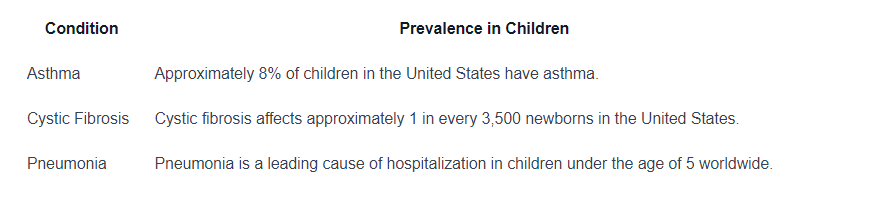
    To highlight the impact of respiratory issues, here are a few statistics related to pediatric respiratory conditions:

    __wf_reserved_inherit

    Understanding the importance of pediatric respiratory care services and recognizing the impact of respiratory issues on children allows healthcare professionals, families, and communities to prioritize early intervention, effective treatment, and ongoing support for children with respiratory conditions. By providing comprehensive respiratory care, we can ensure that children can breathe easier and thrive in their daily lives.

    Respiratory Care Services

    Respiratory care services play a vital role in the healthcare of pediatric patients, providing specialized care and support for children with respiratory conditions. Pediatric respiratory therapists are trained professionals who are dedicated to improving the respiratory health and well-being of children. Let’s take a closer look at the overview of pediatric respiratory therapists and the services they provide in pediatric respiratory care.

    Overview of Pediatric Respiratory Therapists

    Pediatric respiratory therapists are healthcare professionals who specialize in the evaluation, treatment, and management of respiratory disorders in children. They work closely with pediatricians and other members of the healthcare team to develop and implement comprehensive care plans tailored to the unique needs of each child.

    These therapists undergo specialized training in pediatric respiratory care, equipping them with the knowledge and skills to address the respiratory needs of children of all ages, from newborns to adolescents. They are well-versed in the assessment of respiratory function, the use of advanced respiratory equipment, and the provision of therapeutic interventions to optimize lung health.

    Pediatric respiratory therapists often work in various healthcare settings, including hospitals, clinics, and home care environments. They collaborate closely with the multidisciplinary team to ensure coordinated and effective care for pediatric patients with respiratory conditions.

    Services Provided in Pediatric Respiratory Care

    Pediatric respiratory care services encompass a wide range of interventions and treatments aimed at improving respiratory function and enhancing the quality of life for children with respiratory conditions. Some of the key services provided by pediatric respiratory therapists include:

    • Assessment and Monitoring: Pediatric respiratory therapists evaluate the respiratory status of children, assessing lung function, oxygen levels, and breathing patterns. They use specialized tools and techniques to monitor the response to treatment and make necessary adjustments to the care plan.
    • Airway Management: Pediatric respiratory therapists assist in airway management, ensuring that the air passages are clear and open. They are trained in techniques such as suctioning and the use of airway adjuncts to maintain optimal airway patency.
    • Oxygen Therapy: For children with respiratory conditions, pediatric respiratory therapists administer oxygen therapy to ensure adequate oxygenation. They assess oxygen needs, select appropriate devices, and monitor oxygen levels to optimize respiratory function.
    • Inhalation Therapy: Pediatric respiratory therapists play a crucial role in providing inhalation therapy to children with respiratory conditions. They educate patients and their families on the correct use of inhalers and nebulizers, ensuring that medications are delivered effectively to the lungs.
    • Mechanical Ventilation: In cases where children require assistance with breathing, pediatric respiratory therapists are skilled in managing mechanical ventilation. They collaborate with the healthcare team to set ventilator parameters, monitor respiratory function, and make adjustments as needed.
    • Patient and Family Education: Pediatric respiratory therapists provide education and support to patients and their families. They teach proper breathing techniques, demonstrate the use of respiratory devices, and educate on self-management strategies to promote optimal respiratory health.

    Pediatric respiratory care services are integral in managing respiratory conditions in children, promoting lung health, and improving overall well-being. The expertise and dedication of pediatric respiratory therapists contribute to the comprehensive care of pediatric patients, ensuring that they receive the specialized respiratory support they need to thrive.

    Common Pediatric Respiratory Conditions

    Pediatric respiratory care services play a crucial role in managing various respiratory conditions that affect children. Understanding these conditions is essential for providing effective care and support. Here are three common respiratory conditions seen in pediatric patients:

    Asthma in Children

    Asthma is a chronic respiratory condition characterized by inflammation and narrowing of the airways. It affects millions of children worldwide, making it one of the most prevalent pediatric respiratory conditions. Asthma can cause wheezing, coughing, shortness of breath, and chest tightness.

    Managing asthma in children involves a combination of medication, lifestyle modifications, and avoiding triggers that can worsen symptoms. The goal is to control and prevent asthma attacks, allowing children to lead active and fulfilling lives.

    Cystic Fibrosis in Pediatric Patients

    Cystic fibrosis (CF) is a genetic disorder that primarily affects the lungs and digestive system. It leads to the production of thick, sticky mucus that clogs the airways, making breathing difficult and increasing the risk of respiratory infections. CF can also impact the pancreas, liver, and other organs.

    Treatment for cystic fibrosis focuses on clearing the airways, preventing infections, and managing symptoms. A comprehensive approach typically includes airway clearance techniques, medications, nutritional support, and close monitoring of lung function.

    Pneumonia and Respiratory Infections

    Pneumonia and other respiratory infections can affect children of all ages. These infections can be caused by viruses, bacteria, or other pathogens, leading to inflammation and infection in the lungs. Symptoms may include cough, fever, rapid breathing, and chest pain.

    The treatment of pneumonia and respiratory infections in children depends on the specific cause and severity of the condition. It may involve medications, such as antibiotics for bacterial infections or antiviral drugs for viral infections. Supportive care, including rest, fluids, and monitoring, is also important for a child’s recovery.

    Understanding these common pediatric respiratory conditions is vital for healthcare professionals providing respiratory care services. By identifying and addressing these conditions promptly, healthcare providers can help children breathe easier and improve their overall respiratory health.

    Treatment Approaches

    When it comes to pediatric respiratory care, there are several treatment approaches that healthcare professionals utilize to manage respiratory conditions in children. These approaches include medications and inhalers, oxygen therapy, and airway clearance techniques.

    Medications and Inhalers

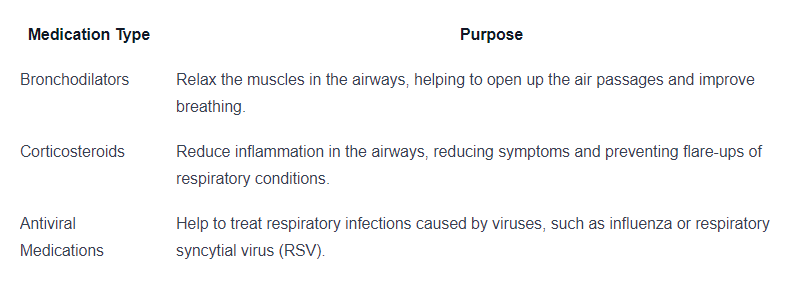
    Medications play a crucial role in managing respiratory conditions in children. Depending on the specific condition and its severity, healthcare providers may prescribe different types of medications to alleviate symptoms and improve breathing. Common medications used in pediatric respiratory care include bronchodilators, corticosteroids, and antiviral medications.

    Inhalers are a popular method of delivering medications directly to the lungs. Inhalers are portable devices that allow children to inhale the medication in the form of a fine mist or powder. This targeted delivery system ensures that the medication reaches the lungs directly, providing quick relief and reducing the risk of systemic side effects.

    Here are some common medications and inhalers used in pediatric respiratory care:

    __wf_reserved_inherit

    Oxygen Therapy for Children

    In cases where a child’s oxygen levels are low, oxygen therapy may be needed. Oxygen therapy involves the administration of oxygen through various devices to ensure an adequate supply of oxygen to the body. This therapy can be delivered through nasal cannulas, oxygen masks, or specialized devices like high-flow nasal cannula systems.

    The goal of oxygen therapy is to increase the amount of oxygen in the bloodstream, improving breathing and overall oxygenation. It is often used in children with respiratory conditions like pneumonia, chronic lung disease, or those experiencing respiratory distress.

    Airway Clearance Techniques

    Airway clearance techniques are an important aspect of pediatric respiratory care, especially for children with conditions that cause mucus buildup in the airways. These techniques help to loosen and remove excess mucus, making it easier for children to breathe and reducing the risk of respiratory infections.

    There are various airway clearance techniques available, and the selection depends on the child’s age, condition, and individual needs. Some commonly used techniques include chest physiotherapy, positive expiratory pressure devices, and oscillatory positive expiratory pressure devices.

    These techniques aim to mobilize and clear mucus from the airways, improving lung function and preventing complications. They are often performed under the guidance of respiratory therapists, who can provide personalized recommendations and instructions based on the child’s specific needs.

    By employing these treatment approaches, healthcare professionals can effectively manage respiratory conditions in children, providing relief from symptoms, improving lung function, and enhancing overall quality of life. It is important for parents and caregivers to work closely with their child’s healthcare team to ensure proper administration and adherence to the prescribed treatment plan.

    Collaborative Care

    In the realm of pediatric respiratory care, collaboration between pediatricians and respiratory therapists plays a crucial role in ensuring the optimal health and well-being of children. This collaborative approach allows for comprehensive care and a more effective management of respiratory conditions. Let’s explore the roles of pediatricians and respiratory therapists, as well as the importance of family involvement in respiratory care.

    Role of Pediatricians and Respiratory Therapists

    Pediatricians are medical doctors who specialize in the care of infants, children, and adolescents. They play a vital role in the diagnosis, treatment, and overall management of respiratory conditions in pediatric patients. Pediatricians have a deep understanding of children’s unique physiological and developmental needs, allowing them to provide specialized care tailored to each child’s specific condition.

    Respiratory therapists, on the other hand, are healthcare professionals who specialize in respiratory care. They work closely with pediatricians to provide specialized respiratory interventions and therapies to children. Respiratory therapists are trained to assess lung function, administer respiratory treatments, and monitor the effectiveness of therapies. Their expertise in airway management, oxygen therapy, and other respiratory interventions is invaluable in the comprehensive care of pediatric patients with respiratory conditions.

    The collaboration between pediatricians and respiratory therapists ensures a multidisciplinary approach to care. By combining their expertise and knowledge, they can develop individualized treatment plans, monitor progress, and make informed decisions regarding the management of respiratory conditions in children.

    Family Involvement in Respiratory Care

    Family involvement is a vital component of pediatric respiratory care. Parents and caregivers play a crucial role in supporting their child’s respiratory health and adhering to the prescribed treatment plan. By working together with the healthcare team, families can actively participate in the management of their child’s respiratory condition.

    Family involvement encompasses various aspects, including:

    • Education: Families are provided with information and resources to understand the nature of their child’s respiratory condition, the recommended treatments, and potential complications. This knowledge equips them to make informed decisions and take appropriate actions.
    • Treatment adherence: Parents and caregivers are responsible for ensuring that their child receives the prescribed treatments and medications as directed. This may involve administering medications, monitoring symptoms, and following recommended preventive measures.
    • Communication: Open and effective communication between healthcare providers and families is vital. Parents and caregivers should feel comfortable discussing any concerns, reporting changes in their child’s condition, and seeking guidance when needed.
    • Home care management: Families are often involved in managing their child’s respiratory condition at home. This may include monitoring symptoms, performing airway clearance techniques, and maintaining proper environmental conditions to promote respiratory health.

    By actively participating in their child’s respiratory care, families can contribute to improved outcomes and a higher quality of life for their children.

    The collaborative care between pediatricians, respiratory therapists, and families ensures a holistic approach to pediatric respiratory care. Through this partnership, children with respiratory conditions can receive comprehensive, individualized care that addresses their specific needs and promotes optimal respiratory health.

    Importance of Early Intervention

    When it comes to pediatric respiratory care, early intervention plays a critical role in ensuring the well-being of children. By identifying and addressing respiratory issues at an early stage, healthcare providers can provide timely and appropriate care, leading to numerous benefits for pediatric patients. Let’s explore the importance of early intervention and the long-term impact it can have on pediatric health.

    Benefits of Timely Respiratory Care

    Timely respiratory care for children offers several significant benefits. By intervening early, healthcare professionals can effectively manage respiratory conditions, preventing them from worsening and reducing the risk of complications. Some key benefits of timely respiratory care include:

    1. Improved Respiratory Function: Early intervention allows healthcare providers to implement appropriate treatment plans and therapies to optimize respiratory function in pediatric patients. This can lead to improved breathing and oxygenation, enhancing overall health and well-being.
    2. Reduced Hospitalizations: By addressing respiratory issues promptly, healthcare professionals can help minimize the need for hospitalizations and emergency room visits. Timely management of respiratory conditions can prevent exacerbations and complications, allowing children to lead healthier lives.
    3. Enhanced Quality of Life: Early intervention in pediatric respiratory care can greatly improve the quality of life for children and their families. By effectively managing respiratory conditions, children can participate in daily activities, sports, and social interactions, without the limitations imposed by untreated or uncontrolled respiratory issues.

    Long-Term Impact on Pediatric Health

    Early intervention in pediatric respiratory care can have a profound and long-lasting impact on a child’s overall health. When respiratory conditions are identified and managed early, it can help prevent the progression of the diseases and provide better long-term outcomes. Here are some ways in which early intervention can positively influence pediatric health:

    1. Prevention of Complications: By addressing respiratory issues early on, healthcare providers can minimize the risk of complications associated with respiratory conditions. This includes reducing the likelihood of recurrent infections, lung damage, and the development of chronic respiratory diseases.
    2. Optimal Growth and Development: Proper management of respiratory conditions from an early age ensures that children can grow and develop without the interference of respiratory limitations. Healthy lung function supports optimal physical growth, cognitive development, and academic performance.
    3. Lifelong Respiratory Health: Early intervention sets the stage for long-term respiratory health in children. By providing appropriate treatment, education, and support, healthcare professionals can empower pediatric patients to effectively manage their respiratory conditions throughout their lives, reducing the impact on their overall health.

    Early intervention in pediatric respiratory care is crucial for maximizing positive outcomes and minimizing the impact of respiratory conditions on children. By recognizing the importance of timely intervention and seeking appropriate care, parents and healthcare providers can work together to ensure the best possible respiratory health for pediatric patients.

    Sources

    https://careoptionsforkids.com/nursing/respiratory-care

    https://www.childrensnational.org/get-care/departments/respiratory-care-services

    https://www.saintpetershcs.com/services/pediatric-respiratory-care-services

  • The Impact of Genetic Diseases

    The Impact of Genetic Diseases

    Unveiling the hidden impact of genetic diseases: Understand the physical, emotional, and financial burdens they bring.

    __wf_reserved_inherit

    Understanding Genetic Diseases

    Genetic diseases are a group of disorders that are caused by abnormalities in an individual’s DNA. These disorders can be inherited from one or both parents or occur due to spontaneous genetic mutations. Understanding the nature of genetic diseases is crucial in comprehending their impact on individuals and families. Let’s explore what genetic diseases are and the different types that exist.

    What Are Genetic Diseases?

    Genetic diseases, also known as inherited or hereditary diseases, are disorders that result from alterations in the genetic material within an individual’s cells. These alterations can affect genes, chromosomes, or both. The presence of these abnormalities can lead to various health conditions and impairments.

    Genetic diseases can manifest in different ways and can range from mild to severe. Some genetic diseases are present from birth, while others may develop later in life. Examples of genetic diseases include cystic fibrosis, sickle cell anemia, Huntington’s disease, and Down syndrome.

    It is important to note that genetic diseases are not contagious and cannot be acquired through contact with an affected individual. They are a result of inherited or spontaneous genetic mutations.

    Types of Genetic Diseases

    Genetic diseases can be categorized into different types based on their inheritance patterns and the specific genetic alterations involved. Here are some common types of genetic diseases:

    1. Autosomal Dominant Disorders: These genetic diseases occur when a mutation in a single copy of an autosomal gene is sufficient to cause the disease. Offspring of an affected individual have a 50% chance of inheriting the disease. Examples include Huntington’s disease and Marfan syndrome.
    2. Autosomal Recessive Disorders: In autosomal recessive disorders, both copies of the gene must be mutated for the disease to manifest. Offspring of carrier parents have a 25% chance of inheriting the disease. Examples include cystic fibrosis and sickle cell anemia.
    3. X-Linked Disorders: X-linked disorders are caused by mutations in genes located on the X chromosome. These diseases primarily affect males, as they have one X and one Y chromosome. Females can be carriers or affected, depending on their genetic makeup. Examples include hemophilia and Duchenne muscular dystrophy.
    4. Multifactorial Disorders: Multifactorial disorders are influenced by a combination of genetic and environmental factors. These diseases result from the interaction of multiple genes and environmental triggers. Examples include heart disease, diabetes, and certain types of cancer.

    Understanding the different types of genetic diseases is essential for healthcare professionals, individuals, and families affected by these conditions. It helps guide genetic testing, diagnosis, treatment, and management strategies.

    By shedding light on genetic diseases and their classification, we can begin to explore the impact they have on individuals and families.

    Impact on Individuals

    When it comes to genetic diseases, individuals who are affected often face significant challenges. These challenges manifest in both physical and emotional aspects, which can have a profound impact on their lives.

    Physical Effects

    Genetic diseases can cause a wide range of physical effects on individuals. The severity and specific symptoms vary depending on the genetic disorder. Some genetic diseases may result in physical abnormalities, such as structural malformations or developmental delays. Others may lead to chronic pain, impaired mobility, or organ dysfunction.

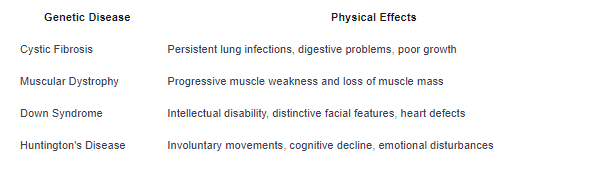
    To better understand the physical impact of genetic diseases, here are a few examples showcasing the diversity of conditions and their effects:

    __wf_reserved_inherit

    These are just a few examples, and there are many more genetic diseases with varying physical effects. The impact on individuals can range from mild to severe, affecting their overall quality of life and daily functioning.

    Emotional and Psychological Impact

    In addition to the physical challenges, genetic diseases can also have a significant emotional and psychological impact on individuals. Dealing with a chronic or potentially life-threatening condition can evoke a range of emotions, including fear, anxiety, sadness, and frustration.

    Individuals with genetic diseases may face emotional struggles related to their diagnosis, prognosis, and the uncertainty of their future. They may experience feelings of isolation or stigmatization, especially if their condition is visible or misunderstood by others. Coping with the limitations imposed by their genetic disease can also lead to psychological distress.

    It’s important to recognize that the emotional and psychological impact of genetic diseases can vary widely from person to person. While some individuals may develop resilience and find ways to adapt and thrive, others may require additional support and resources to manage their mental well-being.

    By acknowledging and addressing the physical, emotional, and psychological impact of genetic diseases, individuals, their families, and healthcare providers can work together to provide comprehensive care and support. This may include medical interventions, counseling services, and access to support groups where individuals can connect with others facing similar challenges.

    __wf_reserved_inherit

    Impact on Families

    Genetic diseases not only affect individuals, but they also have a profound impact on their families. In this section, we will explore the two main aspects of this impact: genetic disease transmission and the financial and social burdens associated with these conditions.

    Genetic Disease Transmission

    Genetic diseases can be inherited from parents to their children. The transmission of these diseases is dependent on various factors, including the type of genetic disease and the specific inheritance pattern. Some genetic diseases are caused by a single gene mutation, while others may result from a combination of genetic and environmental factors.

    Understanding the mode of inheritance is crucial for families affected by genetic diseases. It allows them to make informed decisions regarding family planning and seek appropriate genetic counseling. The table below provides an overview of different inheritance patterns:

    __wf_reserved_inherit

    Financial and Social Burdens

    Genetic diseases can impose significant financial and social burdens on affected families. The costs associated with diagnosis, treatment, and ongoing medical care can be substantial. Families may need to bear expenses for genetic testing, specialized healthcare providers, medications, and supportive therapies.

    Moreover, genetic diseases often require long-term management and support, which can impact the family’s financial stability. Families may need to navigate complex healthcare systems, insurance coverage, and access to specialized services. This can result in additional stress and strain on the family’s resources.

    The social impact of genetic diseases on families should not be underestimated. These conditions can affect family dynamics, relationships, and daily routines. Families may experience emotional distress, isolation, and a sense of uncertainty about the future. It is crucial for affected families to have access to support networks, counseling services, and resources to help them cope with the challenges they face.

    By recognizing the impact of genetic diseases on families, we can strive to provide better support and resources for those affected. Raising awareness, advocating for improved healthcare systems, and promoting education about genetic diseases are essential steps in addressing these burdens and ensuring that affected families receive the care and support they need.

    Medical Advances and Treatments

    When it comes to genetic diseases, medical advances and treatments have played a significant role in improving the lives of affected individuals. In this section, we will explore two important aspects: genetic testing and treatment options.

    Genetic Testing

    Genetic testing has revolutionized the field of genetic diseases by enabling early identification and diagnosis. This type of testing involves analyzing an individual’s DNA to identify any genetic mutations or variations that may be associated with a specific disease or condition.

    Genetic testing serves multiple purposes, including:

    • Diagnostic Testing: Genetic testing can confirm the presence of a specific genetic disease in an individual who exhibits symptoms. It helps provide a definitive diagnosis, enabling healthcare professionals to develop appropriate treatment plans.
    • Carrier Screening: Carrier screening is conducted on individuals who do not show any signs or symptoms of a genetic disease but may carry a genetic mutation. This type of testing is particularly useful for individuals planning to start a family, as it helps assess the risk of passing on a genetic disease to their children.
    • Predictive Testing: Predictive testing is performed on individuals who have a family history of a specific genetic disease but do not yet show any symptoms. This type of testing can determine their likelihood of developing the disease in the future, allowing for proactive management and preventive measures.

    Genetic testing has become more accessible and affordable over time, allowing for early detection and intervention. It empowers individuals and their healthcare providers to make informed decisions regarding their health and treatment options.

    Treatment Options

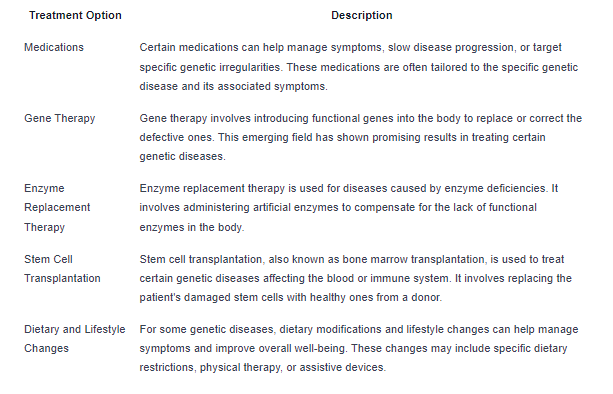
    Treatment options for genetic diseases vary depending on the specific condition and its underlying mechanisms. While some genetic diseases do not yet have a cure, advancements in medical research and technology have led to the development of various treatment approaches.

    Here are some common treatment options utilized for genetic diseases:

    __wf_reserved_inherit

    It’s important to note that the effectiveness of treatment options may vary depending on the specific genetic disease, its stage, and individual factors. Genetic diseases often require a multidisciplinary approach, involving a team of healthcare professionals specializing in genetics, pediatrics, neurology, or other relevant fields.

    By advancing genetic testing techniques and exploring innovative treatment options, medical professionals continue to make significant strides in improving the lives of individuals affected by genetic diseases. Ongoing research and collaboration among scientists, clinicians, and patients are paving the way for more effective treatments and potential cures in the future.

    __wf_reserved_inherit

    Support and Resources

    Dealing with the impact of genetic diseases can be challenging, not only for the individuals affected but also for their families. Fortunately, there are various support groups and counseling services available to provide assistance and guidance during these difficult times.

    Support Groups

    Support groups play a vital role in helping individuals and families affected by genetic diseases. These groups bring together people who share similar experiences, providing a safe and understanding environment to share emotions, challenges, and strategies for coping.

    Support groups offer several benefits, including emotional support, encouragement, and a sense of belonging. They provide a platform for individuals to share their stories, exchange information, and learn from others who are going through similar situations.

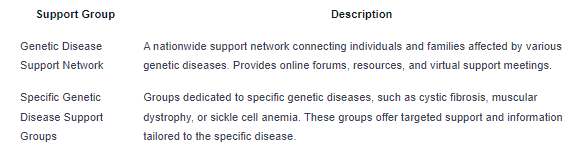
    Here are some examples of support groups that cater to individuals and families affected by genetic diseases:

    __wf_reserved_inherit

    Counseling Services

    Counseling services are another valuable resource for individuals and families impacted by genetic diseases. Professional counselors and therapists who specialize in genetic disorders can provide emotional support, guidance, and coping strategies to help navigate the challenges associated with these diseases.

    Counseling services can help individuals and families in various ways, including:

    1. Emotional Support: Counselors provide a safe space for individuals and families to express their emotions, fears, and concerns related to the genetic disease. They offer empathy, understanding, and guidance to help individuals cope with their emotions effectively.
    2. Decision-Making Process: Genetic diseases often present complex medical decisions, such as genetic testing, family planning, or treatment options. Counselors can help individuals and families understand the available choices, weigh the pros and cons, and make informed decisions that align with their values and goals.
    3. Family Dynamics: Genetic diseases can impact family dynamics and relationships. Counselors can assist in addressing communication challenges, resolving conflicts, and fostering healthy coping mechanisms within the family unit.

    If you or your family are facing the impact of a genetic disease, consider reaching out to genetic counselors, psychologists, or therapists who specialize in genetic disorders. They can provide the necessary support and guidance to help you navigate the emotional and psychological aspects associated with these diseases.

    By utilizing the support and resources available, individuals and families affected by genetic diseases can find solace, gain valuable insights, and develop effective coping mechanisms to navigate the challenges they face. Remember, you are not alone, and there are dedicated professionals and support networks ready to assist you on your journey.

    Raising Awareness

    Raising awareness about genetic diseases is crucial in order to bring attention to the impact they have on individuals, families, and society as a whole. By increasing awareness, we can foster understanding, support, and resources for those affected by genetic diseases. Let’s explore the importance of genetic disease awareness and the role of advocacy and education in this regard.

    Importance of Genetic Disease Awareness

    Genetic disease awareness plays a vital role in various aspects of healthcare and society. Here are a few reasons why raising awareness is essential:

    1. Early Detection and Diagnosis: Increased awareness can lead to early detection and diagnosis of genetic diseases. This allows individuals to access appropriate medical care, interventions, and support services at an earlier stage, potentially improving outcomes.
    2. Preventive Measures: Awareness empowers individuals and families to make informed decisions regarding genetic testing and family planning. By understanding their genetic risk factors, individuals can take preventive measures, such as genetic counseling or prenatal testing, to make informed choices about their future.
    3. Access to Support and Resources: Raising awareness helps individuals and families affected by genetic diseases to connect with support groups, counseling services, and other resources. This access to support networks can provide emotional and practical assistance during challenging times.
    4. Advancements in Research and Treatment: Increased awareness can lead to increased research funding and interest in genetic diseases. This can drive advancements in medical research, treatment options, and the development of potential cures or interventions.

    Advocacy and Education

    Advocacy and education are key components of raising awareness about genetic diseases. Here’s how these efforts can make a difference:

    1. Advocacy: Advocacy involves speaking up for individuals affected by genetic diseases, promoting their rights, and influencing policies that support their needs. Advocacy efforts can include lobbying for increased funding for research, pushing for legislation that protects individuals with genetic diseases from discrimination, and raising public awareness through campaigns and events.
    2. Education: Education plays a vital role in increasing awareness and understanding of genetic diseases. By providing accurate and accessible information, educational initiatives can help dispel myths, reduce stigmatization, and promote empathy and support for individuals and families affected by genetic diseases.

    By combining advocacy and education efforts, we can create a society that is knowledgeable, compassionate, and inclusive towards individuals with genetic diseases. Together, we can work towards a future where individuals affected by genetic diseases receive the support, resources, and understanding they need to lead fulfilling lives.

    Remember, raising awareness is an ongoing effort that requires collaboration between individuals, healthcare professionals, researchers, and organizations. By joining forces, we can make a significant impact in the lives of those affected by genetic diseases and contribute to a more inclusive and supportive society.

    Sources

    https://www.thegenehome.com/basics-of-genetics/disease-examples

    https://www.ncbi.nlm.nih.gov/books/NBK132186/

    https://my.clevelandclinic.org/health/diseases/21751-genetic-disorders

  • Seizures- Symptoms and Causes

    Seizures- Symptoms and Causes

    Unveiling the hidden truth about seizures – explore symptoms, causes, and treatment options for a better understanding.

    __wf_reserved_inherit

    Understanding Seizures

    Seizures are a neurological phenomenon that can be both alarming and debilitating. It’s important to understand what seizures are and the different types that can occur.

    What Are Seizures?

    Seizures are sudden, abnormal electrical disturbances in the brain that can cause changes in behavior, movements, sensations, or consciousness. They are typically characterized by a temporary disruption of normal brain activity, resulting in various physical and mental manifestations.

    During a seizure, there may be an excessive and uncontrolled firing of neurons, leading to a wide range of symptoms. These symptoms can vary greatly depending on the type of seizure and the area of the brain affected. While seizures are often associated with epilepsy, they can also occur as a result of other medical conditions or triggers.

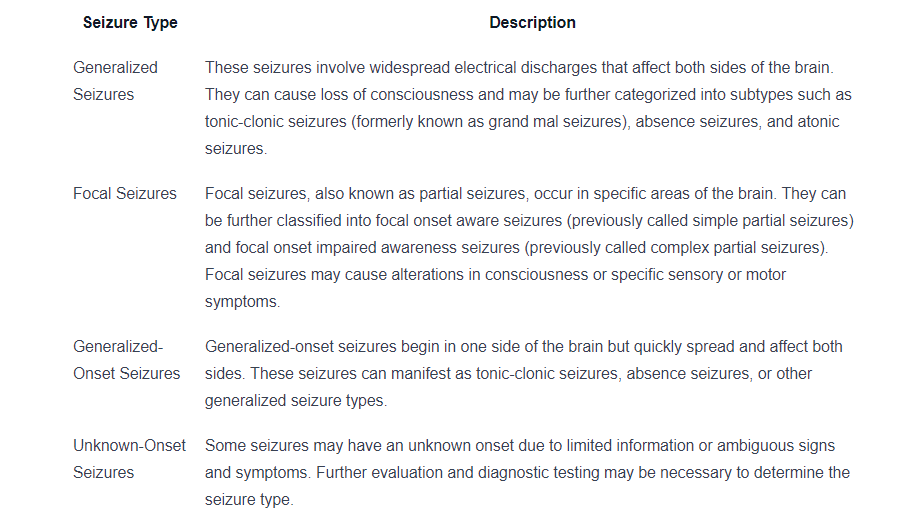
    Different Types of Seizures

    Seizures can be classified into different types based on their characteristics and the part of the brain involved. The following are some common types of seizures:

    __wf_reserved_inherit

    Understanding the different types of seizures is crucial for accurate diagnosis and appropriate management. If you or someone you know experiences seizures, it is important to seek medical attention to determine the underlying cause and develop an effective treatment plan.

    Symptoms of Seizures

    Recognizing the symptoms of seizures is essential for early identification and appropriate management. Seizure symptoms can vary depending on the type of seizure and the individual experiencing it. In this section, we will discuss the general symptoms of seizures, as well as the specific symptoms of focal seizures and absence seizures.

    General Symptoms

    General symptoms of seizures are observed in various types of seizures and can include:

    • Temporary confusion or disorientation
    • Uncontrolled shaking or convulsions
    • Loss of consciousness
    • Stiffening of muscles
    • Rapid eye movements
    • Unresponsiveness to external stimuli

    It’s important to note that not all seizures present with these general symptoms. Some seizures may have specific symptoms that are characteristic of the type of seizure experienced.

    Focal Seizure Symptoms

    Focal seizures, also known as partial seizures, occur when abnormal electrical activity is limited to a specific area of the brain. The symptoms experienced during focal seizures can vary depending on the part of the brain affected. Focal seizure symptoms can be categorized into two types:

    1. Focal seizures without loss of consciousness:
    • Altered sense of taste, smell, or touch
    • Tingling or twitching in specific parts of the body
    • Dizziness or lightheadedness
    • Unusual visual or auditory sensations
    1. Focal seizures with impaired awareness:
    • Staring blankly or appearing dazed
    • Performing repetitive movements, such as hand rubbing or lip smacking
    • Inability to respond or communicate effectively during the seizure

    Absence Seizure Symptoms

    Absence seizures, also known as petit mal seizures, are characterized by a brief loss of awareness or responsiveness. These seizures mainly affect children and may go unnoticed due to their subtle nature. Common symptoms of absence seizures include:

    • Brief episodes of staring into space
    • Momentary pause in speech or activity
    • Eyelid fluttering or rapid blinking
    • Lip smacking or chewing movements
    • Absence of response to external stimuli

    It’s important to consult a healthcare professional if you or someone you know experiences any of these symptoms. Proper diagnosis and understanding of the specific seizure symptoms can guide the appropriate management and treatment plan.

    __wf_reserved_inherit

    Causes of Seizures

    Seizures can occur due to a variety of factors, ranging from genetic factors to brain injuries and underlying medical conditions. Understanding these causes is crucial in order to manage seizures effectively.

    Genetic Factors

    In some cases, seizures can be attributed to genetic factors. Certain genetic mutations or variations may disrupt the normal functioning of the brain, leading to an increased susceptibility to seizures. These genetic factors can be inherited from family members or occur spontaneously.

    Genetic Factors

    Genetic mutations or variations

    Family history of seizures

    Brain Injuries

    Brain injuries can also be a significant cause of seizures. Traumatic brain injuries resulting from accidents, falls, or other head traumas can disrupt the normal electrical activity in the brain, leading to seizures. Additionally, strokes, brain tumors, and infections that affect the brain can also increase the risk of seizures.

    Brain Injuries

    Traumatic brain injuries

    Strokes

    Brain tumors

    Infections affecting the brain

    Medical Conditions

    Underlying Medical Conditions

    Epilepsy

    Neurological disorders

    Metabolic disorders

    Brain malformations

    Alzheimer’s disease

    Multiple sclerosis

    It’s important to note that these causes are not exhaustive, and seizures can have other underlying factors as well. Consulting with a healthcare professional is crucial in order to determine the specific cause of seizures and develop an appropriate treatment plan.

    By understanding the causes of seizures, individuals and healthcare providers can work together to identify triggers, manage risk factors, and develop effective strategies for seizure control.

    Diagnosis and Treatment

    When it comes to seizures, accurate diagnosis and appropriate treatment are crucial for managing this neurological condition. In this section, we will explore the process of diagnosing seizures, the available treatment options, and lifestyle and home remedies that can help in seizure management.

    Diagnosing Seizures

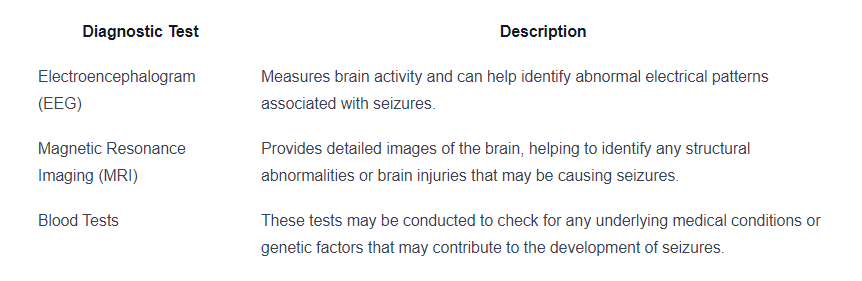
    Diagnosing seizures involves a comprehensive evaluation of a person’s medical history, symptoms, and physical examination. The healthcare provider may also order several tests to aid in the diagnosis. These tests may include:

    __wf_reserved_inherit

    It’s important to consult with a healthcare professional experienced in diagnosing and treating seizures to ensure an accurate diagnosis and appropriate management plan.

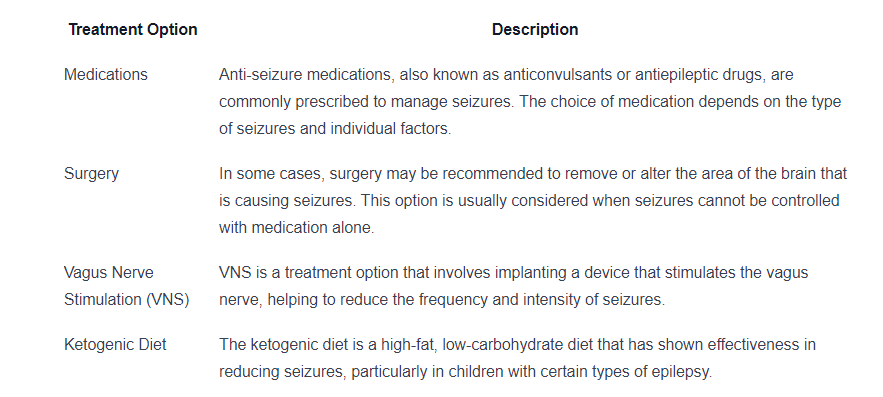
    Treatment Options

    The treatment for seizures may vary depending on the underlying cause, the type of seizures, and the individual’s overall health. The primary goals of treatment are to control or reduce seizure frequency, minimize side effects of medications, and improve the person’s quality of life. Treatment options may include:

    __wf_reserved_inherit

    The choice of treatment will be determined by a healthcare professional based on a thorough evaluation of the individual’s specific condition.

    Lifestyle and Home Remedies

    In addition to

  • Maintaining a regular sleep schedule to minimize sleep deprivation, which can trigger seizures.
  • Managing stress through relaxation techniques, such as meditation or deep breathing exercises.
  • Avoiding known triggers, such as specific foods, alcohol, or flashing lights, if they have been identified.
  • Creating a safe environment by removing potential hazards and ensuring appropriate supervision during activities that may pose a risk during a seizure.

It’s important to note that lifestyle and home remedies should be discussed with a healthcare professional to ensure they are appropriate and safe for individual circumstances.

By accurately diagnosing seizures, exploring the available treatment options, and incorporating lifestyle and home remedies, individuals can effectively manage their seizures and improve their overall quality of life. It’s crucial to work closely with healthcare professionals to develop a personalized treatment plan that addresses the unique needs and challenges associated with seizures.

__wf_reserved_inherit

Managing Seizures

For individuals with seizures, effective management is essential in order to minimize their impact on daily life. Managing seizures involves various strategies, including medication management, developing a seizure action plan, and accessing support and resources.

Medication Management

Medication plays a crucial role in managing seizures for many individuals. Antiepileptic drugs (AEDs) are commonly prescribed to help control seizures and reduce their frequency and intensity. It is important for individuals with seizures to work closely with their healthcare provider to find the most appropriate medication and dosage for their specific condition.

The table below provides an overview of some commonly prescribed antiepileptic drugs and their potential side effects:

__wf_reserved_inherit

It’s important to note that the effectiveness and side effects of medications can vary among individuals. Regular monitoring and communication with a healthcare provider are crucial to ensure that the medication is working optimally and to address any concerns or side effects that may arise.

Seizure Action Plan

Developing a seizure action plan is an essential part of managing seizures. This plan outlines the steps to be taken during and after a seizure, both by the individual experiencing the seizure and by those around them. The plan may include information such as:

  • Emergency contact numbers
  • Instructions for administering rescue medication, if applicable
  • Precautions to ensure safety during a seizure
  • Post-seizure care and recovery guidelines

Creating a seizure action plan in collaboration with healthcare providers helps ensure that appropriate actions are taken to manage seizures effectively and minimize risks.

Support and Resources

Living with seizures can be challenging, but there are various support networks and resources available to help individuals and their families. These resources provide valuable information, guidance, and emotional support throughout the journey of managing seizures.

Support groups, both online and in-person, allow individuals to connect with others who have similar experiences. Sharing experiences and coping strategies can provide a sense of community and reassurance.

Additionally, organizations such as the Epilepsy Foundation and local epilepsy centers offer educational materials, workshops, and advocacy initiatives. These resources can enhance understanding, provide access to expert advice, and empower individuals to take an active role in managing their seizures.

Remember, effective seizure management involves a comprehensive approach that includes medication management, developing a seizure action plan, and accessing support and resources. By working closely with healthcare providers and utilizing available tools and support systems, individuals with seizures can lead fulfilling lives while effectively managing their condition.

Seizure First Aid

In the event of witnessing someone having a seizure, it’s important to take immediate action to ensure their safety and provide appropriate assistance. Understanding seizure first aid can help you respond effectively in such situations. This section will cover the steps to ensure safety, how to help during a seizure, and when to seek emergency help.

Ensuring Safety

When someone is experiencing a seizure, it’s crucial to create a safe environment to prevent any potential injuries. Here are some steps to ensure safety during a seizure:

  1. Stay calm and reassure others around you.
  2. Clear the surrounding area of any sharp objects or furniture that could pose a risk.
  3. If possible, cushion the person’s head with a soft object to prevent head injuries.
  4. Do not attempt to hold the person down or restrain their movements.
  5. Remove any tight clothing or accessories that may restrict breathing.
  6. Do not insert anything into the person’s mouth, as it can cause injury.

How to Help During a Seizure

During a seizure, it’s important to provide support and assistance to the person experiencing it. Follow these guidelines to help during a seizure:

  1. Time the seizure duration. If it lasts longer than five minutes, seek emergency help.
  2. Stay with the person until the seizure ends naturally.
  3. Keep calm and speak in a reassuring and comforting manner.
  4. Do not try to stop or interrupt the seizure.
  5. If the person falls, gently guide them to the ground and cushion their head.
  6. If the person is wearing glasses, remove them to prevent injury.
  7. After the seizure, help the person into a safe and comfortable position, such as on their side, to prevent choking.
  8. Offer support and reassurance as they regain consciousness.

When to Seek Emergency Help

While most seizures end on their own and do not require emergency assistance, there are situations where it is essential to seek immediate medical attention. Call emergency services or go to the nearest emergency room if:

  1. The seizure lasts longer than five minutes (status epilepticus).
  2. The person experiences difficulty breathing or turns blue during the seizure.
  3. The person is injured during the seizure.
  4. The person is pregnant or has diabetes.
  5. The person has multiple seizures in a short period of time.
  6. The person does not regain consciousness or has difficulty waking up after the seizure.

Knowing when to seek emergency help can be crucial in ensuring the well-being of someone experiencing a seizure. By following seizure first aid guidelines and seeking appropriate medical attention when necessary, you can provide support and assistance to those in need.

Sources

https://www.mayoclinic.org/diseases-conditions/seizure/symptoms-causes/syc-20365711

https://my.clevelandclinic.org/health/diseases/22789-seizure

https://www.webmd.com/epilepsy/understanding-seizures-basics

  • Pediatric Obstructive Sleep Apnea

    Pediatric Obstructive Sleep Apnea

    Discover the impact of pediatric obstructive sleep apnea on your child’s health and development. Find diagnosis, treatment, and support here.

    __wf_reserved_inherit

    Understanding Pediatric Obstructive Sleep Apnea

    Pediatric obstructive sleep apnea (POSA) is a sleep disorder that affects children and can have significant impacts on their health and well-being. In this section, we will explore what POSA is, its causes and risk factors, as well as the symptoms and signs to watch for.

    What is Pediatric Obstructive Sleep Apnea?

    Pediatric obstructive sleep apnea is a condition characterized by partial or complete blockage of the upper airway during sleep, leading to interrupted breathing. It is more common in children than central sleep apnea, where the brain fails to send proper signals to control breathing.

    During sleep, the muscles in the throat relax, and in children with POSA, this relaxation causes the airway to become narrowed or blocked. The resulting pauses in breathing can last for a few seconds to minutes and may occur multiple times throughout the night. These disruptions can lead to fragmented sleep and decreased oxygen levels in the body.

    Causes and Risk Factors

    Several factors can contribute to the development of pediatric obstructive sleep apnea. These include:

    • Enlarged tonsils and adenoids: The size of these tissues can obstruct the airway and interfere with normal breathing during sleep.
    • Obesity: Excess weight can put pressure on the airway, making it more susceptible to blockage.
    • Craniofacial abnormalities: Certain structural abnormalities in the face, jaw, or throat can contribute to airway narrowing.
    • Family history: Having a family member with sleep apnea may increase the likelihood of a child developing POSA.
    • Certain medical conditions: Children with conditions like Down syndrome or neuromuscular disorders may be at higher risk for POSA.

    Symptoms and Signs to Watch For

    Recognizing the symptoms and signs of pediatric obstructive sleep apnea is crucial for early detection and intervention. Some common indicators of POSA include:

    • Loud snoring
    • Pauses in breathing during sleep
    • Restless sleep or frequent awakenings
    • Mouth breathing
    • Daytime sleepiness or fatigue
    • Behavioral problems or difficulty concentrating
    • Bedwetting
    • Poor school performance

    It’s important to note that not all children with POSA display the same symptoms, and the severity can vary. If you notice any of these signs in your child, it is recommended to consult a healthcare professional for further evaluation.

    Understanding the basics of pediatric obstructive sleep apnea, including its definition, causes, and symptoms, can help parents and caregivers better identify and address potential sleep issues in children. Early recognition and appropriate management of POSA can greatly improve a child’s sleep quality, overall health, and development.

    Diagnosis and Treatment

    When it comes to pediatric obstructive sleep apnea, early diagnosis and treatment are crucial for the well-being of the child. In this section, we will explore the process of diagnosing pediatric obstructive sleep apnea, the available treatment options, and the importance of early intervention.

    Diagnosis of Pediatric Obstructive Sleep Apnea

    Diagnosing pediatric obstructive sleep apnea involves a comprehensive evaluation of the child’s symptoms, medical history, and a sleep study, also known as a polysomnography. During a sleep study, the child’s breathing patterns, oxygen levels, and other sleep-related parameters are monitored to determine the presence and severity of sleep apnea.

    In addition to the sleep study, healthcare professionals may also assess the child’s physical examination, including an examination of the airway, tonsils, and adenoids, which can contribute to the obstruction. The involvement of a pediatric sleep specialist or otolaryngologist is often necessary for an accurate diagnosis.

    Treatment Options Available

    Treating pediatric obstructive sleep apnea is essential to improve the child’s quality of sleep, overall health, and development. The appropriate treatment option will depend on the severity of the condition and underlying causes. Some common treatment options include:

    __wf_reserved_inherit

    It’s important to note that treatment plans should be tailored to each child’s specific needs and may involve a multidisciplinary approach, including the collaboration of pediatricians, sleep specialists, otolaryngologists, and other healthcare professionals.

    Importance of Early Intervention

    Early intervention is paramount in the management of pediatric obstructive sleep apnea. Timely diagnosis and treatment can help alleviate symptoms, improve sleep quality, enhance cognitive and behavioral development, and prevent potential long-term consequences.

    Left untreated, pediatric obstructive sleep apnea can lead to various health complications, such as cardiovascular problems, growth issues, cognitive deficits, and behavioral challenges. By addressing the condition promptly, healthcare professionals can implement appropriate treatment strategies to alleviate symptoms and improve the child’s overall well-being.

    Parents and caregivers play a crucial role in recognizing the signs of pediatric obstructive sleep apnea and seeking medical attention. By being proactive and seeking professional help, they can ensure that their child receives the necessary diagnosis and treatment to promote healthy sleep and optimal development.

    __wf_reserved_inherit

    Effects of Pediatric Obstructive Sleep Apnea

    Pediatric Obstructive Sleep Apnea (POSA) can have significant effects on a child’s health, development, behavior, and long-term well-being. Understanding these effects is crucial for early detection and intervention.

    Impact on Child’s Health and Development

    POSA can have a profound impact on a child’s overall health and development. The repeated interruptions in breathing during sleep can lead to poor-quality sleep, resulting in daytime sleepiness and fatigue. This can affect a child’s ability to concentrate, learn, and perform well in school. Inadequate sleep can also hinder physical growth and development in children.

    Additionally, POSA can contribute to various health issues in children. It may lead to high blood pressure, heart problems, and an increased risk of developing metabolic disorders such as obesity and diabetes. The decreased oxygen levels during sleep can also impact the immune system, making children more susceptible to infections.

    Behavioral and Cognitive Effects

    POSA can manifest as behavioral and cognitive changes in children. Sleep deprivation caused by POSA can result in irritability, mood swings, and difficulty regulating emotions. Children with POSA may exhibit attention problems, hyperactivity, and poor impulse control, resembling symptoms of attention-deficit/hyperactivity disorder (ADHD).

    Cognitive deficits are also observed in children with POSA. They may experience difficulties with memory, problem-solving, and executive functions. These cognitive impairments can affect academic performance and disrupt overall cognitive development.

    Long-Term Consequences

    Without appropriate diagnosis and treatment, POSA can have long-term consequences for children. The chronic sleep deprivation and oxygen deprivation associated with POSA can lead to persistent health problems and developmental delays. If left untreated, POSA can impact a child’s growth trajectory, cognitive abilities, and overall quality of life.

    Furthermore, studies have shown that children with untreated POSA are at a higher risk of developing cardiovascular diseases later in life. The strain on the cardiovascular system caused by POSA can contribute to hypertension, atherosclerosis, and other cardiovascular conditions.

    It is crucial to recognize and address the effects of POSA early on to minimize the long-term consequences. Timely intervention and appropriate management strategies can help alleviate the impact of POSA on a child’s health, development, and future well-being.

    Lifestyle Changes and Management

    When it comes to managing pediatric obstructive sleep apnea (POSA), lifestyle changes play an important role in improving sleep quality and reducing the severity of symptoms. In this section, we will explore three key areas of lifestyle changes and management: sleep hygiene practices, weight management and exercise, and managing allergies and nasal congestion.

    Sleep Hygiene Practices

    Establishing good sleep hygiene practices can significantly improve sleep quality for children with POSA. Here are some key practices to consider:

    • Consistent Bedtime Routine: Encourage a regular bedtime routine to help signal to the body that it’s time to sleep.
    • Comfortable Sleep Environment: Create a sleep-friendly environment by ensuring the bedroom is cool, dark, and quiet.
    • Limit Screen Time: Limit exposure to electronic devices, such as smartphones, tablets, and TVs, before bedtime as the blue light emitted from these devices can interfere with sleep.
    • Avoid Stimulants: Discourage the consumption of caffeinated beverages or foods close to bedtime as they can disrupt sleep.
    • Relaxation Techniques: Incorporate relaxation techniques, such as deep breathing exercises or listening to calming music, to help children wind down before sleep.

    Weight Management and Exercise

    Maintaining a healthy weight and engaging in regular physical activity can have a positive impact on POSA. Excess weight can contribute to the obstruction of the airway during sleep, exacerbating the symptoms of POSA. Here are some strategies for weight management and exercise:

    • Balanced Diet: Encourage a well-balanced diet rich in fruits, vegetables, whole grains, and lean proteins. Limit the consumption of sugary and processed foods.
    • Portion Control: Teach children about appropriate portion sizes to help them maintain a healthy weight.
    • Regular Exercise: Encourage children to engage in regular physical activity, such as biking, swimming, or playing sports. Aim for at least 60 minutes of moderate to vigorous exercise each day.

    Managing Allergies and Nasal Congestion

    Allergies and nasal congestion can worsen the symptoms of POSA by causing nasal obstruction and difficulty breathing during sleep. Here are some strategies for managing allergies and nasal congestion:

    • Identify Allergens: Work with a healthcare professional to identify and minimize exposure to allergens that may trigger symptoms.
    • Dust-Free Environment: Keep the bedroom clean and free from dust mites by regularly washing bedding, vacuuming, and using dust-proof covers on pillows and mattresses.
    • Nasal Saline Irrigation: Use a nasal saline rinse or spray to help clear nasal passages and reduce congestion.
    • Allergy Medication: If necessary, consult with a healthcare professional about appropriate allergy medications to manage symptoms.

    By incorporating these lifestyle changes and management strategies into the daily routine of children with POSA, it is possible to improve sleep quality and reduce the impact of the condition on their overall well-being. However, it is important to consult with a healthcare professional for personalized advice and guidance based on the specific needs of the child.

    __wf_reserved_inherit

    Support for Parents and Caregivers

    Parents and caregivers play a crucial role in supporting children with pediatric obstructive sleep apnea (POSA). Managing the condition can be challenging, but there are coping strategies, professional help, and various resources and support groups available to assist in navigating this journey.

    Coping Strategies

    Coping with pediatric obstructive sleep apnea can be overwhelming for parents and caregivers. Here are some strategies to help you navigate the challenges:

    1. Educate Yourself: Learn as much as you can about POSA, its causes, symptoms, and treatment options. Understanding the condition will empower you to make informed decisions about your child’s well-being.
    2. Establish a Routine: Establishing a consistent sleep routine can help improve your child’s sleep quality. Set regular bedtimes and wake-up times, create a calming pre-sleep routine, and ensure a comfortable sleep environment.
    3. Maintain Open Communication: Stay in close communication with your child’s healthcare provider. Discuss any concerns, ask questions, and share updates about your child’s sleep patterns, progress, or setbacks.
    4. Seek Support: Reach out to other parents or caregivers who have children with POSA. Sharing experiences and insights can provide valuable support and reassurance. Online forums and support groups can also be great resources for connecting with others facing similar challenges.

    Seeking Professional Help

    It’s important to involve healthcare professionals in the management of pediatric obstructive sleep apnea. Here are some steps to seek professional help:

    1. Consult a Pediatrician: If you suspect your child may have POSA, start by booking an appointment with their pediatrician. The pediatrician can evaluate your child’s symptoms, conduct necessary tests, and provide guidance on the next steps.
    2. Visit a Sleep Specialist: In some cases, your child may be referred to a sleep specialist for further evaluation and diagnosis. Sleep specialists have expertise in sleep disorders and can recommend appropriate treatment options based on your child’s specific needs.
    3. Collaborate with an ENT Specialist: An Ear, Nose, and Throat (ENT) specialist may be involved in the management of POSA, especially if your child’s condition is related to anatomical abnormalities in the airway. They can assess and discuss surgical options if necessary.

    Resources and Support Groups

    Finding resources and support can be immensely beneficial for parents and caregivers of children with POSA. Here are some avenues to explore:

    1. Educational Websites: Visit reputable websites that provide information on pediatric sleep apnea. These websites often offer guidance, tips, and resources to help you better understand and manage the condition.
    2. Parenting Books: Look for books written by experts or parents who have firsthand experience with pediatric sleep apnea. These books can offer insights, practical advice, and emotional support.
    3. Support Groups and Organizations: Joining support groups or connecting with organizations dedicated to pediatric sleep apnea can provide a sense of community and a platform for sharing experiences. These groups often organize events, webinars, and support networks to assist parents and caregivers.

    Remember, you are not alone in this journey. Reach out for support, stay informed, and work closely with healthcare professionals to ensure the best care for your child with pediatric obstructive sleep apnea.

    Sources

    https://www.mayoclinic.org/diseases-conditions/pediatric-sleep-apnea/symptoms-causes/syc-20376196

    https://www.ncbi.nlm.nih.gov/books/NBK557610/

    https://www.mayoclinic.org/diseases-conditions/pediatric-sleep-apnea/diagnosis-treatment/drc-20376199

  • Tracheostomy Prevalence

    Tracheostomy Prevalence

    Exploring the Trends and Challenges in Tracheostomy Care

    Understanding Tracheostomy Trends

    Tracheostomy, a surgical procedure that creates an opening in the neck to place a tube into a person’s windpipe, has seen significant shifts in its prevalence and application over recent years. This article delves into the epidemiology, patient demographics, procedural timing, and complications associated with tracheostomy, presenting a comprehensive view of its role in modern healthcare settings. From examining trends in various health facilities to highlighting the specific challenges faced in pediatric and adult care, we aim to provide readers with a detailed understanding of tracheostomy’s evolution and its impact on patient outcomes.

    Epidemiological Trends in Tracheostomy Procedures

    Exploring the Evolution and Decline in U.S. Tracheostomy Procedures

    What is the epidemiology of tracheostomy procedures, and how has it evolved over recent years?

    The epidemiology of tracheostomy procedures in U.S. acute care hospitals from 2002 to 2017 highlights a significant decline in both total volume and occurrence rates. During these years, an estimated 1,241,428 tracheostomies were performed, averaging about 84,762 tracheostomies annually. The annual occurrence peaked at 89,545 procedures in 2008, but notably decreased to 58,840 by 2017. The overall occurrence rate also plummeted from 37.5 per 100,000 adults in 2002 to 28.4 in 2017.

    Over this period, the demographic profile of tracheostomy patients shifted. Although the mean age of patients gradually decreased, there was an increase in the percentage of patients aged 50-69 years being subjected to the procedure, while older age groups (70 and above) represented a smaller fraction of tracheostomy cases.

    Statistical trends indicate that on average, 9.6% of patients with respiratory failure needing invasive mechanical ventilation received tracheostomies. This trend reflects changing clinical practices and selection criteria for patients who require surgical airway management. Additionally, as hospital care improved, the mean length of stay for tracheostomy patients declined from 39.4 days in 2002 to 32.8 days in 2017, accompanied by a reduction in in-hospital mortality from 25.7% to 12.7%.

    These findings signal a continuing evolution in the management of patients with acute respiratory failure and a shift towards more effective and timely interventions for those requiring prolonged mechanical ventilation.

    Annual Volume and Primary Reasons for Tracheostomy

    Annual Insights on Tracheostomy Volume & Key Indications

    How many tracheostomies are performed each year in the US, and what are the primary reasons for these procedures?

    Each year, more than 100,000 tracheostomies are performed in the United States. This surgical intervention primarily facilitates prolonged mechanical ventilation for patients suffering from acute respiratory failure. Over the period from 2002 to 2017, an estimated total of 1,241,428 tracheostomies were conducted across U.S. acute care hospitals, reflecting a consistent annual average of about 84,762 tracheostomies.

    The need for tracheostomy is often linked to several critical health conditions, including:

    • Prolonged mechanical ventilation: Approximately 34% of patients requiring mechanical ventilation for more than 48 hours undergo this procedure.
    • Airway obstruction: This covers various anatomic and neurologic reasons.
    • Acute respiratory distress syndrome (ARDS): Among ARDS patients, tracheostomy rates reach 13% in critical settings.

    Demographic analysis

    Trends in the demographics of tracheostomy patients show significant changes over the years. The age group of 50-59 and 60-69 years has seen an increase in tracheostomy rates, while the older population (70 and above) has demonstrated a decline in procedures. The mean hospital length of stay for patients receiving tracheostomy has also improved, decreasing from 39.4 days in 2002 to 32.8 days in 2017.

    These statistics are further characterized by concerning outcomes, such as a one-year mortality rate of 46.5% among these patients, with older adults facing even higher rates at 54.7%. Hospital readmissions within the first year post-surgery are particularly prevalent, impacting 60.3% of patients, especially within the older demographic where readmissions stand at 66.1%. Moreover, the average hospital costs in the first year following a tracheostomy amount to a staggering $215,369, underscoring the considerable healthcare implications of these procedures, especially for the aging population.

    Demographic Shifts in Tracheostomy Patients

    Understanding Demographic Changes in Tracheostomy Patients

    Age-related trends

    Between 2002 and 2017, the demographic profile of tracheostomy patients has notably shifted. The proportion of patients aged 50-59 and 60-69 years has seen an increase, while the percentage of those over 70 years has declined. Specifically, the steady reduction in tracheostomy rates among older patients highlights a significant trend in patient selection and treatment approaches over time.

    Demographic factors

    These age-related trends may correlate with broader demographic changes in the population and advances in medical practice. Early intervention and improved care for patients with acute respiratory failure may explain the decreasing utilization of tracheostomy in older adults, a group which traditionally faced higher in-hospital mortality rates. As patient selection becomes more sophisticated, clinicians are increasingly choosing younger patients for tracheostomy interventions, potentially leading to better overall outcomes.

    Care improvements

    Reflecting advancements in clinical care, the mean hospital length of stay for tracheostomy patients has decreased, dropping from 39.4 days in 2002 to 32.8 days in 2017. Additionally, in-hospital mortality for these patients has decreased significantly from 25.7% to 12.7%. This improvement suggests that with better patient management and selection criteria, outcomes for those undergoing tracheostomy are getting progressively better.

    Tracheostomy in Acute Respiratory Distress Syndrome (ARDS)

    Tracheostomy's Role in Treating ARDS: Insights and Statistics

    ARDS and Tracheostomy

    Tracheostomy is a common intervention for patients suffering from Acute Respiratory Distress Syndrome (ARDS), especially when they require prolonged mechanical ventilation. Approximately 13% of ARDS patients developed tracheostomy as part of their critical care management. The median timing for this procedure occurred around 14 days after the onset of ARDS, with 27.8% receiving it within the first week of their illness.

    Patient Outcomes

    Patient outcomes after tracheostomy in the context of ARDS have shown variable results. While short-term survival rates improved with the procedure, indicated by a 28-day mortality of 22.4% for those with tracheostomy versus 30.3% for those without, long-term survival did not significantly differ between both groups at 60 days or 90 days post-operation. Additionally, 58.5% of patients were liberated from mechanical ventilation following tracheostomy, illustrating recovery potential in a challenging health context.

    Timing and Incidence

    The incidence of tracheostomy among patients with ARDS highlights its significance as a treatment avenue. The urgent need for this intervention is underscored by the high rates of airway issues, such as tracheal stenosis in 31.9% of tracheostomy patients. Early execution of tracheostomy (within 10 days of intubation) correlates with better outcomes, underscoring the importance of timing in this life-saving procedure.

    Tracheostomy Trends in COVID-19 Patients

    Impact of COVID-19 on Tracheostomy Trends and Patient Outcomes

    COVID-19 Impact on Tracheostomy Use

    Tracheostomy has become increasingly significant in the management of patients critically ill with COVID-19. During the pandemic, this procedure was frequently employed to support patients suffering from acute respiratory distress syndrome (ARDS) resulting from the virus. Among those analyzed, 164 patients with COVID-19 and ARDS required tracheostomies, demonstrating a critical need for such interventions in severe cases.

    Patient Demographics

    The demographic profile of tracheostomy patients during the COVID-19 outbreak revealed pertinent trends. Patients exhibiting respiratory failure, especially older adults and those with underlying health issues like obesity and diabetes, were predominant. Obesity, in particular, played a crucial role as a comorbidity, suggesting a targeted approach is needed in future tracheostomy protocols due to its frequency among critically ill patients.

    Mortality and Recovery Rates

    Mortality rates following tracheostomy in COVID-19 patients were notably high, with 44.5% dying within one year post-procedure. Nonetheless, recovery remains a hopeful aspect; 58.5% of patients who underwent the tracheostomy were successfully liberated from mechanical ventilation. This recovery statistic points to the potential benefits of the procedure, despite the associated risks, indicating a balanced assessment of outcomes is essential for managing such patients effectively.

    Prevalence and Trends in Different Healthcare Settings

    Facility Types

    In the U.S., tracheostomies are commonly performed in acute care hospitals and specialized facilities such as intensive care units (ICUs) and rehabilitation centers. The choice of facility often correlates with the complexity of the case and the required level of care.

    Incidence Rates

    From 2002 to 2017, there was a steady decline in the annual occurrence of tracheostomies. The rates began at 37.5 per 100,000 adults in 2002, peaking at 39.7 in 2003, and then decreasing to 28.4 by 2017. This trend reflects a notable shift in the utilization patterns of tracheostomies over the years, particularly among older patients.

    Procedure Patterns

    The percentage of patients receiving tracheostomy while on invasive mechanical ventilation dropped from 10.4% in 2002 to 7.4% in 2017, indicating changing patient selection criteria. Among those with acute respiratory distress syndrome (ARDS), tracheostomy was performed in 13% of ICU patients. Moreover, early tracheostomy has shown improved short-term survival rates, emphasizing the importance of timely intervention in critical care settings.

    Tracheostomy Procedures in Pediatric Populations

    Pediatric Tracheostomy Prevalence

    Approximately 4,500 pediatric tracheostomies are performed annually in the United States, showcasing a notable prevalence of this procedure in younger patients. These interventions are often necessary for critical respiratory needs, resulting from various medical conditions including congenital anomalies, neuromuscular diseases, and severe respiratory illnesses.

    Common Airway Abnormalities

    In pediatric populations with tracheostomy, a significant incidence of airway abnormalities has been documented. A study focusing on tracheostomy-dependent patients revealed that 72.7% exhibited abnormal findings upon endoscopic evaluation. The most prevalent issue identified was granulation tissue, affecting around 29.1% of these patients. This condition highlights the recurring complications and the necessity for ongoing monitoring and potential airway interventions.

    Outcomes

    Survival rates following pediatric tracheostomy are encouraging but vary considerably based on individual circumstances. Reports indicate a 1-year survival rate of 83%, while 68% of patients are expected to survive for 5 years post-procedure. However, the underlying reasons for the tracheostomy significantly influence these outcomes, particularly among those with pulmonary indications, which are associated with a higher mortality risk. These statistics emphasize the complexities and critical nature of pediatric care surrounding tracheostomy management.

    Impact of Tracheostomy Timing on Patient Outcomes

    Early vs. Late Tracheostomy

    The timing of tracheostomy procedures plays a crucial role in the recovery of critically ill patients. When performed early, typically within the first 10 days after intubation, tracheostomy is often linked to significant benefits. Early procedure execution is associated with shorter durations of mechanical ventilation, reduced sedation needs, and lower rates of weaning failure compared to late tracheostomy, which is characterized by delays of 11 to 21 days.

    Mortality and Recovery

    In patients requiring extracorporeal membrane oxygenation (ECMO), the connection between early tracheostomy and outcomes is particularly notable. Studies indicate lower mortality rates among those receiving early tracheostomy. However, waiting too long—specifically after 26 days—has shown a marked increase in mortality risk. Despite these advantages, some studies focusing on stroke patients did not find significant differences in mortality associated with the timing of tracheostomy, indicating that individual patient conditions can heavily influence outcomes.

    Clinical Implications

    The clinical implications of tracheostomy timing underscore the necessity for tailored medical approaches. While early tracheostomy frequently translates to better short-term outcomes, healthcare providers must also account for the specific health status and recovery trajectories of each patient. This delicate balance requires ongoing research to further understand the optimal timing under diverse clinical conditions. Overall, while early intervention presents promising advantages, the variability in outcomes necessitates comprehensive assessment and planning for each patient.

    Challenges and Adverse Events in Tracheostomy Care

    What are the common tracheostomy-related adverse events, and what improvements can be made in patient care to address them?

    Tracheostomy procedures, while often life-saving, pose various risks that can lead to adverse events. Common immediate complications include:

    • Bleeding: A standard risk associated with any surgical procedure.
    • Pneumothorax: A potentially life-threatening condition where air leaks into the space between the lung and chest wall.
    • Tube Obstruction: This can occur if secretions clog the tracheostomy tube, requiring urgent intervention.
    • Accidental Displacement: If the tube is unintentionally removed, reintubation may be necessary.

    Late complications can include chronic issues such as tracheal stenosis, which can develop in about 32% of long-term tracheostomy patients due to hypergranulation tissue formation. A significant proportion of patients (20-30%) experience some form of complication following their tracheostomy.

    To enhance patient safety and reduce these adverse events, several strategies can be implemented:

    • Standardized protocols: Creating clear protocols for tracheostomy care can minimize mistakes and improve service delivery.
    • Healthcare staff training: Comprehensive and ongoing education ensures that staff are adept at recognizing and managing potential complications.
    • Collaboration with multidisciplinary teams: Involving various specialties can lead to better-rounded care strategies.

    Preventive measures also play a crucial role. Regular monitoring and management of cuff pressures can help avoid over-inflation that might contribute to tissue damage and stenosis. Utilizing high-volume, low-pressure cuffs can significantly lower the risk of injury to the trachea.

    Overall, fostering a culture of safety, continuous education, and adhering to best practices can greatly improve outcomes for patients undergoing tracheostomy.

    Life Expectancy and Long-Term Outcomes

    What are the life expectancy considerations for individuals with tracheostomy, particularly those with chronic health conditions?

    Life expectancy for individuals with a tracheostomy largely hinges on the underlying health conditions that prompted the procedure. For patients who receive temporary tracheostomies, the impact on overall health is generally minimal. However, those with permanent tracheostomies typically endure chronic or severe medical issues, significantly influencing their longevity.

    Research indicates that post-tracheostomy, the one-year survival rate stands at 83%, while the five-year survival rate drops to 68%. These figures underscore the critical role existing health problems play in recovery outcomes. In particular, considerations of specific conditions, such as neurological or pulmonary disorders, suggest that children facing these challenges may exhibit poorer survival rates post-procedure.

    Common Chronic Health Conditions Associated with Tracheostomy

    Many individuals requiring tracheostomy often present with chronic health conditions that complicate their prognosis. Common comorbidities include:

    • Obesity
    • Hypertension
    • Diabetes
    • Chronic respiratory diseases

    These factors are prevalent among tracheostomy patients and can adversely affect their recovery and long-term outcomes.

    Survival Rates and Implications

    The observed survival rates signal the potential longevity some patients may experience following tracheostomy. However, mortality remains notably higher among individuals whose underlying indications for the procedure are pulmonary-related. Such trends point to a correlation where the nature and severity of the pre-existing condition directly influence the timing and likelihood of mortality following the intervention.

    In summary, while tracheostomies can effectively improve quality of life and facilitate easier breathing, the long-term prognosis significantly depends on the individual’s overall health and the specific medical conditions they face.

    Factors Influencing Tracheostomy Decision-Making

    Clinical Decision Factors

    The decision to perform a tracheostomy is influenced by various clinical factors. It is typically indicated for prolonged mechanical ventilation, upper airway obstruction, or significant neurologic injuries. Research indicates that tracheostomy is most frequently required in critical conditions such as acute respiratory failure, coma, and trauma. Among patients receiving invasive mechanical ventilation, nearly 34% will require a tracheostomy if their ventilation needs extend beyond 48 hours.

    Patient Comorbidities

    Comorbidities significantly affect tracheostomy rates. Conditions such as obesity, hypertension, diabetes, and chronic respiratory diseases are prevalent among critically ill patients. These factors contribute to complications and must be considered when evaluating the appropriateness of a tracheostomy. Interestingly, studies have shown that those who underwent early tracheostomy (within ten days of intubation) had better outcomes than those who were subjected to late procedures.

    ICU Protocols

    ICU protocols and care pathways also shape the decision-making process for tracheostomy in critically ill patients. Many ICUs are increasingly adopting early tracheostomy protocols to improve patient outcomes. The overall decrease in tracheostomy rates over time suggests evolving clinical practices, possibly emphasizing patient selection and improved care protocols. As medical teams continue to refine their strategies, individualized assessments remain crucial for achieving optimal results post-tracheostomy.

    Technological Advancements and Their Impact

    What are the technological advances in tracheostomy procedures?

    Recent technological advancements in tracheostomy have significantly enhanced how the procedure is performed and managed. Innovations such as percutaneous tracheostomy techniques have minimized surgical invasiveness, reducing overall complication rates and recovery times. Enhanced imaging techniques allow surgeons to perform these procedures with greater accuracy, decreasing the risk associated with cannula placement.

    How have these innovations influenced patient outcomes?

    The impact of these advancements is evident in patient outcomes. The mean length of hospital stay for tracheostomy patients has decreased from 39.4 days in 2002 to 32.8 days in 2017, demonstrating improved recovery dynamics. Alongside this reduction in stay duration, in-hospital mortality has dropped from 25.7% to just 12.7%, reflecting advancements in patient selection and care quality.

    What are the implications for future tracheostomy practices?

    As technology continues to evolve, the future of tracheostomy practices seems promising. Enhanced procedural techniques, along with improved postoperative care through monitoring and intervention, indicate a moving trend towards better clinical outcomes. Additionally, with a better understanding of complications such as tracheal stenosis, caregivers can employ preventive strategies, which further refine the tracheostomy experience for patients.

    Topic Pre-2000 Estimates Recent Trends
    Procedure Volume <100,000 annually ~100,000 annually
    In-Hospital Mortality Rate 25.7% 12.7%
    Length of Stay (days) 39.4 32.8

    Global Disparities in Tracheostomy Prevalence

    International trends

    Tracheostomy procedures have varied considerably across different countries, influenced by healthcare systems, patient demographics, and prevalence of conditions requiring intervention. In resource-rich nations, approximately 250,000 tracheostomies are performed annually. This statistic is significantly higher compared to global averages, demonstrating not just the demand but also the accessibility of such procedures in developed healthcare systems.

    Income-related differences

    Income plays a crucial role in the rates of tracheostomy procedures. For example, patients in high-income European countries are reported to receive tracheostomy more frequently than those in lower-income nations. This disparity reflects differences in healthcare resources, availability of critical care facilities, and the prevalence of diseases requiring advanced respiratory support like tracheostomy.

    Cultural factors

    Cultural attitudes toward surgical interventions also contribute to disparities. In cultures where invasive procedures are less favored or approached with caution, tracheostomy rates may be lower. Understanding these cultural nuances is essential when analyzing global health trends and improving strategies for addressing respiratory failure needs.

    Region Estimated Annual Tracheostomies Common Indications
    High-income Europe Higher than average (~250,000) Prolonged mechanical ventilation, airway obstruction
    Low-income countries Significantly lower rates Often limited to severe cases due to resource constraints
    United States ~100,000 annually Acute respiratory failure, trauma

    This overview highlights that while tracheostomy is a critical intervention, its prevalence and application are deeply influenced by economic and cultural contexts.

    Economic Implications of Tracheostomy Procedures

    Cost considerations

    Tracheostomy procedures significantly impact healthcare costs due to the complexity of care required. With over 100,000 tracheostomies performed annually in the U.S., these procedures necessitate prolonged hospitalization, especially in cases where patients require mechanical ventilation. The average hospital stay for tracheostomy patients was reported to be 32.8 days in 2017, down from 39.4 days in 2002, indicating improvements in care but still reflecting high costs.

    Healthcare system impact

    The demand for tracheostomy services has implications for healthcare systems, especially as more patients aged 50-69 are receiving the procedure. This trend emphasizes a growing need for specialized care teams and resources. With tracheostomy-related complications being a significant factor in ICU admissions, healthcare systems must balance resource allocation effectively to manage both tracheostomy patients and those requiring other critical care services.

    Resource allocation

    Effective resource allocation is essential, as tracheostomy procedures involve not just hospitalization costs but also the management of possible complications. About half of tracheostomy patients suffer adverse events, which can lead to increased healthcare utilization and resource strain. Ensuring that hospitals have the necessary tools and staff trained in tracheostomy care can optimize outcomes while mitigating costs.

    In summary, addressing the economic implications of tracheostomy procedures involves multiple facets of healthcare costs, system capacity, and careful resource management.

    Advancements in Training and Protocols for Tracheostomy

    Training Improvements

    Over the years, training for healthcare professionals performing tracheostomies has undergone significant advancements. Emphasis is placed on hands-on skill development, simulation-based learning, and standardized practices. These training enhancements ensure that clinicians are well-equipped to handle various complications associated with tracheostomy procedures.

    Protocol Development

    The establishment of robust protocols has been vital in minimizing risks linked to tracheostomies. Guidelines now focus on patient selection, timing of the procedure, and aftercare, enhancing safety and efficacy. For instance, early placement of tracheostomy (within 10 days of intubation) is actively encouraged, reflecting a proactive approach based on evidence that it often leads to better outcomes.

    Quality Care

    Quality care during and after tracheostomy procedures has become a primary objective. Continuous education on airway management and monitoring for complications is crucial, particularly considering the significant proportion of patients who develop abnormalities post-procedure. Improved follow-up care and regular assessments help in identifying issues such as tracheal stenosis early, leading to timely interventions and improved patient outcomes.

    Future Directions in Tracheostomy Research and Care

    Research Advancements

    The field of tracheostomy care is vast and continually evolving. Recent studies underline the importance of early tracheostomy, particularly within 10 days of intubation, emphasizing better patient outcomes. Research is moving toward identifying specific patient profiles that might benefit from prompt intervention.

    Moreover, advances in understanding the complications associated with tracheostomies are essential. Studies reveal that conditions such as tracheal stenosis occur in a significant portion of patients. As such, further research is warranted to explore preventive measures and long-term management strategies for these complications.

    Future Care Models

    Future care models could pivot towards integrative approaches that emphasize multi-disciplinary teams. Involving specialists from pulmonary medicine, rehabilitation, and even nutrition could enhance patient recovery trajectories. Focusing on personalized care plans that account for individual comorbidities, such as obesity, diabetes, and chronic respiratory issues, can improve the prognosis for tracheostomy patients.

    Implementing standardized protocols for monitoring and follow-up care may also reduce complications and improve long-term health outcomes for these patients.

    Innovative Solutions

    Innovation plays a crucial role in future tracheostomy care. Development of advanced tracheostomy devices with built-in monitoring systems could help in the early detection of complications. Additionally, telehealth options may provide continuous follow-up and support, especially for patients living in remote areas.

    Overall, focusing on these advancements can lead to safer and more effective tracheostomy care, ultimately aiming to decrease the risks associated with this life-saving procedure.

    Focus Area Current Challenges Future Opportunities
    Research Advancements High complication rates, variable outcomes Identify patient-friendly protocols
    Care Models Fragmented care, lack of integration Multi-disciplinary approaches
    Innovative Solutions Inadequate monitoring tools, slow follow-up Smart devices and telehealth integration

    The Future of Tracheostomy in Modern Medicine

    Tracheostomy remains a vital procedure within critical care, providing life-saving support for patients requiring prolonged mechanical ventilation and those with severe airway obstructions. The evolving trends and demographic shifts underscore a need for continued research and innovation. Understanding patient outcomes, minimizing complications, and addressing the economic and ethical considerations associated with tracheostomy procedures will be crucial as healthcare continues to adapt to the needs of diverse patient populations. As multidisciplinary teams work towards enhancing care quality, the future holds promise for improved protocols, patient selection criteria, and overall outcomes in tracheostomy care.

    References

  • Understanding Pediatric Orthotics and Prosthetics for Home Use

    Understanding Pediatric Orthotics and Prosthetics for Home Use

    Exploring the World of Pediatric Orthotics and Prosthetics

    Introduction to Pediatric Orthotic and Prosthetic Care

    Pediatric orthotics and prosthetics are essential tools in helping children with limb differences or mobility challenges achieve greater independence and improve their quality of life. This article delves into the types of devices available, the processes involved in fitting and maintaining them, and the critical roles played by therapy and family support.

    Types and Benefits of Pediatric Orthotics and Prosthetics

    Discover the various types of pediatric prosthetics and orthotics!

    What are the different types of prosthetics?

    Pediatric prosthetics are tailored for children and come in four main types:

    Type Description Usage
    Transradial Below the elbow prosthetics for upper limb loss Ideal for those with hand or forearm amputations
    Transhumeral Above the elbow prosthetics Suitable for amputation above the elbow
    Transtibial Below the knee prosthetics Commonly used for lower leg amputations
    Transfemoral Above the knee prosthetics Used for those who have lost their leg above the knee

    These devices not only replace limbs but are often equipped with advanced features, such as dynamic feet and microprocessor controls, enhancing mobility and function.

    What are the common pediatric orthotics?

    Pediatric orthotic devices support various conditions and can include:

    Type Purpose Common Conditions Treated
    Ankle-Foot Orthoses (AFOs) Stabilize the ankle and foot Cerebral palsy, muscular dystrophy
    Knee-Ankle-Foot Orthoses (KAFOs) Support knee, ankle, and foot Conditions requiring additional stability
    Spinal Orthoses Correct spinal deformities Scoliosis, kyphosis
    Upper Limb Orthoses Aid in functionality of hands and arms Various neuromuscular conditions

    Each of these devices enhances mobility, independence, and confidence in children, making daily activities and social participation more achievable. Overall, both prosthetics and orthotics are essential tools for improving the quality of life in young patients.

    The Fitting Process and Maintenance of Pediatric Prosthetics

    Explore the essential steps in fitting and maintaining pediatric prosthetics.

    What is involved in the fitting of pediatric prosthetics?

    The fitting process for pediatric prosthetics is crucial and involves a comprehensive evaluation by a specialized team, including prosthetists and physical therapists. This assessment ensures that the device is not only tailored for comfort but also optimally functional from the outset.

    Steps of the Fitting Process

    The fitting typically follows several steps:

    1. Evaluation: Understanding the child’s needs and how the prosthetic will integrate into their daily life.
    2. Measurement and Molding: Capturing precise measurements to create a custom fit.
    3. Test Fitting: Assessing the comfort and function of the device before finalizing.
    4. Adjustment: Modifying the device as necessary based on feedback, especially due to a child’s rapid growth.
    5. Training: Educating both the child and caregivers on how to use and care for the prosthetic.

    How is maintenance managed?

    Maintenance of pediatric prosthetics requires regular check-ups approximately every 6-12 months to accommodate growth spurts and ensure continued comfort and functionality. Parents play a vital role in monitoring the device for signs of wear and ensuring proper routine care. Regular adjustments or replacements may be necessary to prevent complications such as irritation or skin issues.

    What challenges exist in making prosthetics for children?

    The challenges in making prosthetics for children mainly involve their rapid growth and development, which necessitates constant adjustments and replacements. Ensuring comfort is essential, as children lead active lives; therefore, prosthetics need to be sturdy yet lightweight. Additionally, children may struggle with self-esteem and stigma, requiring emotional support and understanding from caregivers.

    Financial constraints can also emerge as a challenge since quality prosthetics can be very costly, often beyond the limitations of insurance. Innovative approaches like 3D printing are being explored to provide customizable, engaging, and emotionally supportive solutions for pediatric patients.

    Emotional and Financial Considerations in Pediatric Prosthetic Care

    Understand the emotional and financial aspects of pediatric prosthetic care.

    What are the advantages and disadvantages of prosthetics?

    Pediatric prosthetics provide substantial benefits for children with limb loss or differences, enhancing mobility and promoting independence. Children equipped with these devices often experience improved confidence and self-esteem, as they can actively engage in school and recreational activities alongside their peers. This active participation fosters a sense of belonging, which is crucial for emotional development.

    However, the journey with prosthetics is not without challenges. Regular cleaning and maintenance are necessary to ensure the devices remain functional and comfortable. Improper fittings can lead to discomfort, pressure sores, or more serious complications, such as infections. Additionally, children may face mechanical or electronic issues depending on the complexity of their prosthetic devices.

    Financial considerations also weigh heavily on families. The costs for pediatric prosthetics can range from $5,000 to $50,000, a significant burden for many. While insurance may cover some expenses, it often does not fully address the costs of necessary fittings and adjustments as children grow. Financial aid options through charities or support groups can help alleviate some of these pressures, allowing families to focus on the overall well-being of their children rather than the financial strain of prosthetic care.

    Role of Therapy and Support at Home

    Learn about the vital role of therapy and caregiver support at home.

    Therapy’s Role in Prosthetic Use

    Therapy plays a vital role in ensuring that children can effectively use their prosthetics. Physical therapists work closely with children to build strength, enhance mobility, and improve coordination. By tailoring exercises to the child’s unique needs, therapists help them adapt to their new devices. This assistance is essential, particularly for teaching proper walking techniques or engaging in sports and recreational activities.

    Regular therapy sessions can significantly contribute to the child’s confidence and ability to perform daily tasks. As children grow, their therapy needs may change, necessitating ongoing assessments to update their exercise programs and accommodate any changes in their mobility or prosthetic adjustments.

    Caregiver Support Strategies

    Caregiver support is crucial in helping children navigate the challenges of using prosthetics at home. Parents and guardians should monitor the fit and comfort of the prosthetic, ensuring it’s maintenance-free and tailored to the child’s needs as they grow. Active participation in the child’s therapy sessions can provide caregivers with valuable insights into effective support strategies.

    Creating an encouraging environment is essential. Caregivers can foster a positive attitude by celebrating milestones and achievements, no matter how small, reinforcing the child’s independence and self-esteem. Sneaking physical activities into daily routines can also help children become accustomed to their prosthetics while making fun memories with family.

    Conditions Requiring Pediatric Orthotics and Prosthetics

    Identify the medical conditions that require pediatric orthotics and prosthetics.

    What medical conditions necessitate orthotics or prosthetics?

    Pediatric orthotics and prosthetics address a wide range of medical conditions affecting children’s mobility and development. Common conditions requiring these interventions include:

    • Congenital limb differences: These are present at birth and may include conditions like amputation or limb deformities.
    • Injuries: Trauma leading to limb loss necessitates prosthetic devices.
    • Neurological disorders: Conditions such as cerebral palsy or spina bifida can impair movement and require assistive devices.
    • Skeletal disorders: Conditions like scoliosis or clubfoot often need orthotic support to correct alignment and enhance mobility.
    • Growth-related issues: Children with muscle or joint issues may require orthotics for support during development.

    Why is early intervention important?

    Early intervention in pediatric prosthetics and orthotics is crucial. It enhances a child’s ability to develop mobility skills and adapt to their environment effectively. Starting treatment at a young age may also improve emotional well-being, paving the way for:

    • Increased confidence and independence: Children are more likely to participate in daily activities, social interactions, and physical exercises when they have the support they need.
    • Better alignment of developmental milestones: Timely fitting of these devices supports physical development alongside motor skills, essential for cognitive and social growth.

    What is the difference between an orthotic and a prosthesis?

    An orthotic device is a supportive brace designed to improve biomechanical function, align joints properly, or protect existing limbs. In contrast, a prosthesis is an artificial limb intended to replace a missing body part. Facilities like the Orthotics and Prosthetics Center at the University of Michigan provide tailored services for both, ensuring children receive the appropriate support based on their needs.

    Condition Type Device Needed Importance of Early Intervention
    Limb differences Prosthetics Enhances mobility and confidence
    Neurological conditions Orthotics Supports development and independence
    Skeletal deformities Orthotic devices Corrects alignment and mitigates pain
    Trauma-related injuries Prosthetics Facilitates recovery and mobility

    Empowering Children Through Innovative Pediatric Solutions

    The field of pediatric orthotics and prosthetics offers transformative solutions for children with limb differences and mobility challenges, enhancing their physical capabilities and emotional resilience. By leveraging continual advancements in technology and multidisciplinary healthcare approaches, these devices empower young individuals to lead fulfilling, active lives. Parents and caregivers play a pivotal role in this journey, providing essential support and ensuring that children receive optimal care and opportunities.

    References

  • Colostomy and Ileostomy

    Colostomy and Ileostomy

    Discover the truth about colostomy and ileostomy, shattering stigmas and offering coping strategies for living with an ostomy.

    Understanding Colostomy and Ileostomy

    For individuals facing specific health conditions that affect their digestive system, colostomy and ileostomy surgeries are often necessary interventions. Understanding the fundamental aspects of colostomy and ileostomy, along with the reasons for undergoing these surgical procedures, is essential in navigating the medical journey effectively.

    __wf_reserved_inherit

    What are Colostomy and Ileostomy?

    Both colostomy and ileostomy are surgical procedures that involve creating an opening in the abdominal wall to divert the flow of waste from the intestines to a pouch attached to the exterior of the body. These openings, known as stomas, are created when normal bowel function is compromised due to various medical conditions.

    __wf_reserved_inherit

    Individuals who undergo colostomy surgery have their stool consistency usually formed, as a part of the colon is still in use before the stoma. In contrast, those with an ileostomy pass more liquid and frequent stool since the small intestine directly connects to the stoma.

    Reasons for Colostomy and Ileostomy Surgery

    The decision to undergo colostomy or ileostomy surgery is often a result of severe medical conditions that impact the normal functioning of the digestive system. Various reasons may warrant the need for these surgical interventions, including:

    Conditions Requiring Surgery

    Colorectal cancer

    Inflammatory bowel diseases (Crohn’s disease, ulcerative colitis)

    Diverticulitis

    Birth defects affecting the digestive system

    Traumatic injuries to the abdomen

    Despite the challenges associated with living with a colostomy or ileostomy, these surgical procedures play a vital role in improving the quality of life for individuals facing significant digestive health issues. By understanding the purpose and implications of colostomy and ileostomy surgeries, individuals can better cope with the physical and emotional aspects of managing an ostomy effectively.

    Living with an Ostomy

    Living with a colostomy or ileostomy involves adapting to significant changes in daily life and managing the care and maintenance of the ostomy site to ensure comfort and well-being.
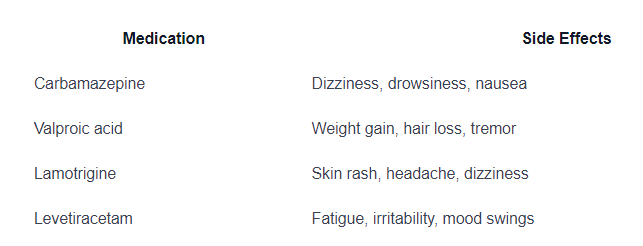
    Adapting to Life with a Colostomy or Ileostomy

    Adapting to life with a colostomy or ileostomy can be a challenging but transformative experience. It involves adjusting to a new way of living and incorporating ostomy care into daily routines. Here are some key aspects to consider when adapting to life with an ostomy:

    • Body Image: Accepting changes in body image and self-perception is an essential part of adapting to an ostomy. Seeking support from loved ones, counseling, or support groups can help individuals come to terms with these changes.
    • Clothing Choices: Finding clothing that is comfortable and accommodates the ostomy pouch is important. Loose-fitting clothes with elastic waistbands or ostomy-specific garments can help individuals feel more at ease.
    • Physical Activities: Engaging in physical activities is possible with an ostomy, but it may require some adjustments. Consult with healthcare providers on how to safely participate in exercise and sports while maintaining ostomy care.
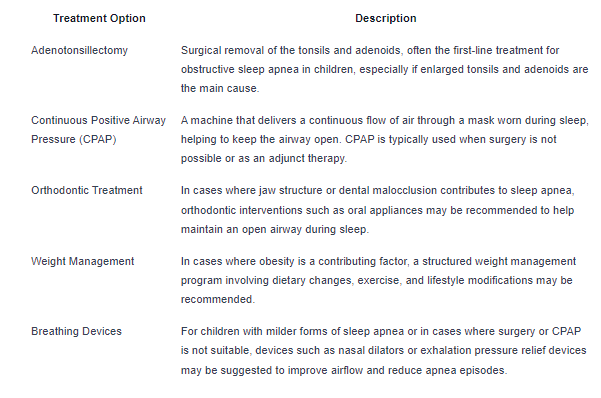

    Managing Care and Maintenance

    Proper care and maintenance of a colostomy or ileostomy are vital to prevent complications and ensure the longevity of the stoma. Managing care and maintenance involves a routine that includes emptying and changing the ostomy pouch, skin care, and monitoring for any signs of skin irritation or infection. Here are some guidelines for managing care and maintenance of an ostomy:

    __wf_reserved_inherit

    By adapting to life with a colostomy or ileostomy and effectively managing care and maintenance, individuals can enhance their quality of life and confidently navigate the challenges that come with having an ostomy. Seeking support from healthcare professionals, support groups, and loved ones can provide valuable guidance and encouragement on this journey.

    Breaking Stigmas

    When it comes to colostomy and ileostomy, there are often stigmas, myths, and misconceptions that surround these life-saving procedures. In this section, we aim to address some of the most common myths and misconceptions while promoting awareness and acceptance for individuals living with an ostomy.

    Addressing Myths and Misconceptions

    __wf_reserved_inherit

    It is essential to dispel these myths and provide accurate information to foster a better understanding of colostomy and ileostomy among the general population.

    Promoting Awareness and Acceptance

    Raising awareness about living with an ostomy is crucial in promoting acceptance and creating a supportive environment for individuals who have undergone colostomy or ileostomy surgery. By sharing personal stories, educating others about the realities of life with an ostomy, and advocating for inclusivity, we can help reduce the stigma surrounding these procedures.

    Support groups, online communities, and educational materials play a vital role in connecting individuals with similar experiences, providing a platform for sharing knowledge and offering emotional support. By promoting awareness and acceptance, we can contribute to a more inclusive and understanding society for individuals living with colostomy and ileostomy.

    By addressing myths and misconceptions while promoting awareness and acceptance, we can work towards a more empathetic and supportive community for individuals living with an ostomy. Together, we can break stigmas and create a more inclusive environment where everyone feels accepted and understood.

    Coping Strategies

    Living with a colostomy or ileostomy can present emotional challenges that may impact one’s overall well-being. Coping strategies play a crucial role in helping ostomy patients navigate these challenges and maintain a positive outlook on life. In this section, we will explore two key coping strategies: emotional support for ostomy patients and ways to maintain confidence and self-esteem.

    Emotional Support for Ostomy Patients

    Adjusting to life with a colostomy or ileostomy can evoke a range of emotions, including anxiety, sadness, and frustration. Seeking emotional support from healthcare professionals, support groups, or mental health professionals can provide a safe space to express feelings and receive guidance on coping strategies.

    __wf_reserved_inherit

    Connecting with others who have undergone similar experiences can help reduce feelings of isolation and provide reassurance that you are not alone in your journey. Engaging in open and honest conversations about your feelings can foster emotional healing and promote a sense of empowerment.

    Maintaining Confidence and Self-Esteem

    Maintaining confidence and self-esteem while living with an ostomy is essential for one’s mental and emotional well-being. It’s common for individuals with colostomies or ileostomies to experience body image concerns and self-doubt. Practicing self-care and adopting positive affirmations can help boost self-esteem and promote a positive self-image.

    __wf_reserved_inherit

    Engaging in activities that bring joy and fulfillment can help shift the focus away from the ostomy and towards aspects of life that bring enrichment. Building a strong support network of family, friends, and healthcare professionals who uplift and encourage you can also enhance your confidence and self-worth.

    By prioritizing emotional well-being, seeking support when needed, and adopting positive coping mechanisms, individuals living with colostomies and ileostomies can cultivate resilience and navigate the challenges of ostomy care with strength and grace.

    Practical Tips and Resources

    When navigating life with a colostomy or ileostomy, incorporating practical tips and accessing relevant resources can significantly enhance the overall quality of living with these conditions. In this section, we will delve into essential aspects such as skin care and hygiene, diet and nutrition guidelines, as well as the availability of support groups and educational materials.

    Skin Care and Hygiene

    Maintaining proper skin care and hygiene is crucial for individuals with a colostomy or ileostomy to prevent skin irritation and infection. Here are some key tips to ensure optimal skin health:

    Skin Care Tips for Ostomy Patients

    Cleanse the skin around the stoma with warm water and a mild soap, avoiding harsh chemicals.

    Pat the skin dry gently, ensuring no moisture remains.

    Use ostomy-specific skin barrier products to protect the skin from output contact.

    Regularly check the skin for any signs of irritation, redness, or breakdown.

    Consult with a healthcare provider if skin issues persist or worsen.

    Diet and Nutrition Guidelines

    Adopting a well-balanced diet is essential for individuals with a colostomy or ileostomy to maintain proper nutrition and prevent complications. Here are some dietary guidelines to consider:

    Diet and Nutrition Tips for Ostomy Patients

    Stay hydrated by consuming an adequate amount of fluids throughout the day.

    Incorporate fiber-rich foods to promote healthy digestion.

    Monitor foods that may cause gas or odor, such as certain vegetables and carbonated beverages.

    Chew food thoroughly and eat slowly to aid digestion and reduce the risk of blockages.

    Consult with a registered dietitian for personalized nutrition recommendations.

    Support Groups and Educational Materials

    Engaging with support groups and accessing educational materials can provide valuable information, emotional support, and a sense of community for individuals living with a colostomy or ileostomy. Here are some resources that can offer assistance:

    Available Support Resources for Ostomy Patients

    Local or online ostomy support groups for peer-to-peer interaction and shared experiences.

    Educational materials and websites offering in-depth information on ostomy care and management.

    Ostomy nurse specialists who provide personalized guidance and support for stoma care.

    Ostomy organizations and foundations that offer advocacy, education, and resources for individuals with ostomies.

    Counseling services for emotional support and coping strategies related to living with an ostomy.

    By incorporating these practical tips and utilizing the available resources, individuals with a colostomy or ileostomy can effectively manage their conditions, maintain overall well-being, and navigate their journey with confidence and support.

    Sources

    https://www.betterhealth.vic.gov.au/health/conditionsandtreatments/stoma-after-ileostomy-or-colostomy

    https://cancer.ca/en/treatments/tests-and-procedures/colostomy-and-ileostomy

    https://www.healthline.com/health/ileostomy-vs-colostomy

  • Managing Chronic Conditions During Pediatric Emergencies

    Managing Chronic Conditions During Pediatric Emergencies

    Strategies for Handling Pediatric Emergencies Involving Chronic Illness

    Caring for Children with Chronic Conditions in Crises

    Managing chronic conditions in children during emergencies is a multifaceted challenge that requires specialized care, structured protocols, and effective communication. Children with chronic illnesses such as asthma, diabetes, and rare metabolic diseases face unique challenges when emergency situations arise, demanding tailored approaches to ensure their safety and health.

    Understanding the Complexity of Pediatric Chronic Conditions

    Exploring the Challenges of Managing Pediatric Chronic Conditions

    Improved life expectancy for children with chronic diseases

    Innovative therapies have remarkably enhanced life expectancy for children with chronic diseases. These advancements provide hope for families and improve the quality of life, yet many of these children still endure significant health challenges. In emergencies, the situation becomes even more complex.

    Challenges faced during emergencies

    During medical emergencies, children with chronic illnesses often experience complications that require specialized knowledge and resources. Unfortunately, they are typically treated by emergency medical services (EMS) and non-specialized physicians, who may not have adequate training in managing their unique needs. This often leads to treatment gaps that can adversely affect outcomes.

    Need for specialized care teams

    Specialized care is integral for pediatric patients with chronic conditions during emergencies. This is pivotal because these children have intricate health profiles that necessitate tailored emergency interventions. Research indicates that pediatric emergency departments (PEDs) yield significantly better outcomes for these patients compared to general emergency departments (GEDs). Specialized teams understand the nuances of chronic conditions, ensuring much-needed focused care during critical times. Additionally, proactive strategies like disaster planning and clear communication channels with EMS can further enhance patient safety. For families navigating these complexities, the value of specialized care cannot be overstated, as it can substantially improve treatment outcomes in emergencies.

    Critical Training for Emergency Services

    Empowering EMS Providers: The Importance of Specialized Training

    Importance of EMS training for chronic illness emergencies

    Emergency medical services (EMS) play a vital role in handling pediatric patients with chronic illnesses. However, these children often present unique challenges due to their complex health needs. Current guidelines and best practices for pediatric emergency care highlight the necessity for specialized training to empower EMS providers in managing these situations.

    The American Academy of Pediatrics (AAP) establishes essential standards regarding equipment, supplies, and medications to prepare emergency departments for pediatric emergencies. These measures are crucial for timely and effective response, particularly in cases involving chronic conditions.

    Interviews with EMS providers about needs and concerns

    To understand the scope of these challenges, interviews conducted with over 1,000 EMS providers revealed significant concerns regarding the management of children with chronic diseases. Providers expressed the need for specific training that better equips them to handle emergencies involving conditions like asthma and diabetes, which can complicate standard emergency protocols.

    Providers acknowledged that tailored training modules focusing on pediatrics, particularly chronic illness management, are essential. Enhancing EMS education to address these patient populations can improve emergency care outcomes, ultimately benefiting both children and families navigating these distressing situations.

    Topic Description Importance
    EMS Training for Chronically Ill Children Specialized training for EMS on handling pediatric conditions Ensures effective emergency management for complex needs
    AAP Guidelines Standards for emergency equipment and medications Prepares EMS for pediatric emergencies
    Provider Needs Insights from over 1,000 EMS providers Highlights gaps in current EMS training

    Addressing Challenges in Emergency Protocols

    Navigating Emergency Protocols for Pediatric Chronic Illnesses

    What are the challenges and protocols for treating children with chronic illnesses in emergency situations?

    Treating children with chronic illnesses in emergencies entails navigating several challenges rooted in their complex health needs. Many chronic conditions can present unexpectedly during crises, necessitating immediate and tailored interventions. Unfortunately, current clinical guidelines often lack specific protocols for managing these unique pediatric cases, leading to complications during treatment. This absence of guidance complicates care and increases the risk of adverse outcomes.

    Another significant issue is the variability in protocols across different emergency medical services (EMS) agencies. This inconsistency can result in a patchwork of responses that might not effectively address the specialized needs of chronically ill children. Studies highlight that many EMS providers are not sufficiently trained in managing pediatric patients with chronic conditions, showcasing an urgent need for comprehensive training programs.

    Tools like the Emergency Information Form (EIF) serve as important resources, aiming to streamline communication and preparedness. By ensuring that critical patient information is readily accessible to first responders, these tools can play a vital role in facilitating effective care during pediatric emergencies.

    Challenge Explanation
    Lack of Specific Guidelines Many protocols are not tailored for chronic pediatric emergencies.
    Variability in EMS Protocols Different agencies operate under inconsistent treatment procedures.
    Need for Specialized Training EMS providers often lack training tailored to chronic conditions.

    The Role of Self-Management and Family Support

    Strengthening Self-Management and Family Support in Pediatric Care

    Promoting self-care in children and young adults

    Self-care is vital for children and young adults (CYAs) with chronic conditions, particularly when emergencies arise. These individuals must develop the skills to monitor their health and manage symptoms proactively. This self-management can make a significant difference in emergency situations, where timely actions can improve outcomes. Strategies for promoting self-care involve teaching children how to recognize the signs of distress related to their condition, such as wheezing in asthma or symptoms of low blood sugar in diabetes.

    Family-centered care approaches

    Family-centered care plays a crucial role in managing chronic health issues. Families are encouraged to engage actively in their child’s health management, providing essential emotional and logistical support during emergencies. This approach caters to the child’s needs while respecting the family’s dynamics. Shared decision-making can empower families, enabling them to respond effectively and swiftly when emergencies arise, reinforcing a cohesive treatment plan developed in collaboration with healthcare professionals.

    Importance of self-management support

    Self-management support (SMS) is imperative for ensuring that CYAs and their families can navigate daily challenges related to chronic conditions and emergencies. Effective SMS involves not only the ability to follow treatment plans but also the provision of resources to ease adherence, such as educational modules and counseling. It is crucial for healthcare providers to recognize the multifaceted challenges faced by families, which may stem from biological, psychological, and contextual factors. By addressing these elements and fostering open communication, health outcomes can significantly improve.

    Aspect of Care Details Strategies to Implement
    Promoting Self-Care Monitoring symptoms and managing health proactively Education on recognizing distress signs
    Family-Centered Care Families involved in health management Collaborative care plans tailored to the family
    Self-Management Support Skills for coping with chronic conditions Resources and training for adherence to treatment

    What strategies can healthcare professionals, caregivers, and educators use to manage chronic health issues during emergencies?

    Healthcare professionals, caregivers, and educators can implement several strategies to manage chronic health issues during emergencies. These include developing individualized disaster preparedness plans that incorporate essential supplies, medication logs, and key contacts such as healthcare providers. Effective communication among healthcare providers is critical to prevent fragmented care and ensure patients receive coherent treatment. Furthermore, involving family caregivers in the care process and addressing both emotional and physical needs can enhance support for patients. Lastly, empowering patients with resources and skills for self-management, alongside educating caregivers, is essential in ensuring comprehensive care during crises.

    Insights from Chronic Illness Management Programs

    Role of chronic illness management programs

    Chronic Illness Management Programs are pivotal for children facing lifelong health challenges. These programs focus on providing comprehensive care tailored to the unique needs of pediatric patients. The integration of medical, psychological, and wellness strategies helps in addressing not just the physical aspects of a chronic illness but also the emotional ramifications.

    Integration of psychiatric and nutritional support

    Effective management includes psychiatric support for emotional well-being and nutritional guidance to promote overall health. By incorporating mental health professionals into the care team, children can receive therapy and coping strategies, essential for dealing with chronic conditions. Nutritional counseling likewise ensures that dietary choices support symptom management and promote energy levels.

    Structured follow-up and community transition

    A structured follow-up is essential post-hospitalization, ensuring smooth transitions back into everyday life. Regular appointments facilitate ongoing monitoring of health, allowing healthcare providers to adjust treatment plans as necessary. Furthermore, transitioning to community resources helps children maintain their self-management practices outside the medical environment.

    How do you manage chronic conditions?

    Managing chronic conditions involves a multifaceted approach that includes following your treatment plan, staying active, and maintaining a balanced diet. It’s crucial to take medications as prescribed and regularly monitor your health at home, alongside scheduling checkups with your healthcare provider. Engaging in self-management education programs can provide valuable skills for managing symptoms and improving overall health. Regular physical activity, targeting at least 150 minutes of moderate-intensity exercise per week, is essential for maintaining well-being. Additionally, adopting a healthy eating plan rich in fruits, vegetables, and whole grains can help prevent complications associated with chronic diseases.

    Effective Coping and Support Strategies

    How can you support a child with a chronic illness?

    Supporting a child with a chronic illness requires a compassionate approach. Parents and caregivers can help by validating their child’s feelings and normalizing their experiences related to the illness. Engaging in open discussions about how the condition affects their daily life allows the child to express their emotions and concerns.

    Working together to identify solutions for challenges can empower children and give them a sense of control over their health. This cooperative problem-solving fosters resilience in managing their illness. Encouraging the child to find constructive outlets for their emotions and involving them in self-care practices can further bolster their coping abilities.

    What are effective coping strategies for managing chronic illness?

    Effective coping strategies for children managing chronic illnesses encompass various approaches:

    • Utilize Healthy Coping Skills: Activities like light exercise and mindfulness can significantly enhance mental well-being.
    • Educate About the Condition: Understanding their illness helps children manage expectations and seek reliable information when needed.
    • Establish a Support System: Creating a network of friends, family, and support groups provides essential emotional backing.
    • Individual Counseling: Tailored strategies from professional counselors can assist in developing coping mechanisms and emotional resilience.
    • Advocacy in Healthcare: Encouraging children to voice their concerns and preferences during medical visits fosters a proactive relationship with healthcare providers.
    • Self-Care Practices: Emphasizing routine self-care improves overall quality of life, helping children feel more in control of their health.

    Maintaining open communication at all levels, from family to healthcare teams, is crucial in helping children navigate their chronic conditions effectively.

    Developing Pediatric Emergency Plans for Chronic Illness

    Crafting Effective Emergency Plans for Children with Chronic Conditions

    Creation of emergency plans tailored to individual patient needs

    Children with chronic illnesses, such as asthma and diabetes, benefit greatly from personalized emergency plans prepared in advance. These plans must consider specific symptoms and treatment options to ensure quick responses during emergencies. For instance, for a child with asthma, a detailed asthma management plan could outline the steps to take during an asthma attack, including the administration of necessary medications like inhalers.

    Furthermore, incorporating family preferences and logistics into these plans is crucial. Emergency plans should be accessible for caregivers and medical personnel and must include vital information about the child’s condition and contact details for healthcare providers. Tailoring these strategies not only aids in immediate care during crises but also provides peace of mind for families.

    Importance of specialized conditions like asthma and diabetes

    Asthma and diabetes management are essential areas of focus in pediatric emergency planning. Children with asthma may present with symptoms such as wheezing, frequent coughing, and respiratory distress, demanding prompt assessment and treatment. Similarly, those with diabetes require emergency protocols to address insulin administration and hyperglycemic or hypoglycemic events effectively.

    Addressing such specialized conditions with comprehensive emergency plans enhances the care provided in acute situations. On a broader scale, effective planning can significantly impact the overall healthcare response for children with chronic illnesses in emergencies, ensuring they receive timely and appropriate interventions.

    Innovations in Pediatric Emergency Medical Transport

    What is the main priority in managing chronic conditions?

    The main priority in managing chronic conditions is to improve quality of life and health outcomes through effective health promotion, prevention, and tailored management strategies. This approach emphasizes understanding how chronic conditions impact daily activities and utilizing habits, routines, and environmental supports to maintain health. Notably, addressing significant disparities among racial and ethnic groups is crucial, as these populations often encounter a higher prevalence of chronic diseases.

    Family-centered care models

    Family-centered care embodies the principle that families should actively participate in the medical evaluation and management of their child. This involvement ensures that the unique needs of children with chronic conditions are met during emergencies. By fostering strong communication between healthcare providers and families, the care process is more holistic and responsive to the child’s specific health requirements.

    Specialized pediatric transport teams

    Specialized pediatric transport teams have emerged as a critical innovation in managing medically complex children. These dedicated teams are specifically trained to handle the intricacies of pediatric emergencies, particularly those involving chronic conditions. Their expertise can dramatically reduce the risks associated with transporting serious health cases, ensuring that children receive timely and appropriate care while en route to medical facilities.

    Emerging strategies in medical transport

    Recent developments in medical transport strategies include the establishment of emergency information forms and training modules for prehospital care providers. These enhancements focus on providing tailored care for children with complex chronic conditions. With the emphasis on family-centered care and specialized teams, these emerging strategies aim to improve the overall quality of pediatric emergency services, leading to better health outcomes for children.

    Towards Better Outcomes for Children in Emergencies

    Managing chronic conditions during pediatric emergencies requires a concerted effort from healthcare professionals, caregivers, and community resources, emphasizing individualized care plans, specialized training, and robust support systems. By fostering proactive management and continued research, the medical community can better address the complex needs of children with chronic illnesses, ultimately improving their health outcomes and quality of life.

    References

  • Wholesale Medical Supplies & Equipment

    Wholesale Medical Supplies & Equipment

    Efficiency is key with wholesale medical supplies & equipment – save money, enhance safety, and streamline your operations!

    The Importance of Wholesale Medical Supplies & Equipment

    Advantages of Buying Wholesale

    __wf_reserved_inherit

    How Efficiency Is Enhanced

    When it comes to acquiring medical supplies and equipment, opting for wholesale purchases offers a range of benefits that can elevate the efficiency of healthcare facilities. Understanding the importance of buying medical supplies and equipment in bulk can lead to cost savings, improved workflow, and better patient care.

    Advantages of Buying Wholesale

    Purchasing medical supplies and equipment wholesale presents multiple advantages for healthcare providers. By buying in bulk, facilities can benefit from:

    __wf_reserved_inherit

    How Efficiency Is Enhanced

    Efficiency in healthcare operations is crucial for providing timely and effective patient care. Wholesale procurement of medical supplies and equipment contributes to enhanced efficiency by:

    __wf_reserved_inherit

    Recognizing the advantages of buying medical supplies and equipment wholesale and understanding how it enhances efficiency can empower healthcare facilities to optimize their procurement processes, allocate resources effectively, and ultimately deliver high-quality care to patients.

    Essential Medical Supplies

    When it comes to ensuring optimal patient care and operational efficiency in healthcare settings, having access to essential medical supplies is paramount. This section provides an overview of medical supplies and highlights the significance of quality and reliability in these crucial resources.

    Overview of Medical Supplies

    Medical supplies encompass a wide range of products essential for diagnosing, treating, and managing various medical conditions. These supplies include items such as:

    __wf_reserved_inherit

    Having a well-stocked inventory of these supplies is vital for healthcare facilities to deliver timely and effective patient care, respond to emergencies, and maintain day-to-day operations smoothly.

    Importance of Quality and Reliability

    Quality and reliability are key factors to consider when sourcing medical supplies. The quality of medical supplies directly impacts patient outcomes and safety. Reliable supplies ensure consistency in performance, reducing the risk of errors and enhancing overall efficiency in healthcare delivery.

    When choosing medical supplies, healthcare providers and facilities should prioritize:

    • Compliance with regulations and standards to ensure safety and effectiveness.
    • Durability and sterility to prevent contamination and maintain hygiene standards.
    • Compatibility with existing equipment and procedures to streamline workflows.
    • Cost-effectiveness while maintaining high quality to maximize value for the healthcare organization.

    By prioritizing quality and reliability in the selection of medical supplies, healthcare providers can uphold the highest standards of care, promote patient well-being, and drive operational excellence across various healthcare settings.

    Key Medical Equipment

    In the realm of medical settings, having the right equipment is essential to providing high-quality care to patients. Let’s explore the different types of medical equipment commonly utilized and the crucial considerations to keep in mind when purchasing such equipment.

    Different Types of Medical Equipment

    Medical equipment encompasses a wide range of tools and devices that aid in diagnosis, treatment, and patient care. Some common types of medical equipment include:

    __wf_reserved_inherit

    Each type of medical equipment plays a vital role in the healthcare ecosystem, supporting healthcare professionals in delivering effective and efficient care to patients.

    Considerations When Purchasing Equipment

    When acquiring medical equipment, several key factors need to be considered to ensure optimal functionality, safety, and quality:

    1. Purpose and Intended Use: Clearly define the purpose of the equipment and ensure it aligns with the specific needs of your healthcare facility or practice.
    2. Quality and Reliability: Prioritize the quality and reliability of the equipment to guarantee accurate performance and longevity.
    3. Budget and Cost: Evaluate the cost of the equipment in relation to your budget constraints, aiming to strike a balance between affordability and quality.
    4. Compatibility and Integration: Ensure that the equipment integrates seamlessly into your existing systems and workflows to enhance operational efficiency.
    5. Regulatory Compliance: Verify that the equipment meets all regulatory standards and certifications to ensure compliance with healthcare guidelines and safety regulations.

    By carefully assessing these considerations and selecting the appropriate medical equipment, healthcare providers can optimize patient care, streamline processes, and enhance overall efficiency within their practice or facility.

    Cost-Effective Solutions

    In the realm of medical supplies and equipment, seeking cost-effective solutions is paramount to maintaining efficient healthcare practices. Opting for wholesale purchases of medical supplies and equipment can significantly impact budget management and overall operational efficiency.

    Saving Money with Wholesale Purchases

    Purchasing medical supplies and equipment in bulk through wholesale channels offers substantial cost savings compared to buying items individually. By buying in larger quantities, healthcare facilities and providers can benefit from economies of scale, leading to lower unit costs per item.

    Wholesale suppliers often provide discounts and special pricing for bulk orders, allowing healthcare organizations to stretch their budgets further and allocate resources to other critical areas of patient care. Additionally, the ability to stock up on essential supplies reduces the risk of running out of crucial items, ensuring seamless operations and continuity of care.

    Balancing Cost and Quality

    While cost savings are a primary advantage of wholesale purchases, it’s crucial for healthcare professionals to strike a balance between cost and quality when procuring medical supplies and equipment. In the healthcare sector, quality and reliability are paramount to ensuring patient safety and optimal treatment outcomes.

    Healthcare facilities should prioritize sourcing from reputable wholesale suppliers that offer high-quality products that meet industry standards and regulations. Conducting thorough research on product specifications, performance reviews, and supplier certifications can help healthcare providers make informed decisions when selecting items for purchase.

    When weighing cost and quality considerations, healthcare organizations must assess the long-term benefits and value that quality products bring to patient care. By investing in durable and reliable medical supplies and equipment through wholesale channels, healthcare providers can enhance operational efficiency, reduce maintenance costs, and deliver superior healthcare services to patients.

    Ensuring Compliance and Safety

    When it comes to the procurement of wholesale medical supplies and equipment, ensuring compliance with regulations and prioritizing safety in equipment selection are paramount considerations. This section delves into the importance of adhering to regulations in medical supply purchases and the significance of emphasizing safety when choosing equipment.

    Regulations in Medical Supply Purchases

    Medical supply purchases are subject to stringent regulations to guarantee the quality, efficacy, and safety of the products. Compliance with these regulations not only upholds the standards of healthcare delivery but also mitigates the risk of using substandard or unreliable supplies. It is essential for healthcare facilities to source their supplies from reputable wholesalers who adhere to regulatory guidelines to safeguard patient well-being and maintain ethical practices within the industry.

    Prioritizing Safety in Equipment Selection

    When selecting medical equipment, safety considerations should take precedence to prevent potential hazards and ensure optimal patient care outcomes. Prioritizing safety involves evaluating the durability, reliability, and performance of the equipment to minimize the risk of malfunctions or accidents during medical procedures. Healthcare providers must conduct thorough assessments of equipment safety features, certifications, and maintenance requirements to uphold the highest standards of patient safety and quality of care.

    __wf_reserved_inherit

    By adhering to regulations in medical supply purchases and prioritizing safety in equipment selection, healthcare facilities can uphold the highest standards of quality, safety, and compliance in their medical practices. Investing in wholesale medical supplies and equipment that meet regulatory standards and safety requirements is essential for optimal patient care and operational efficiency within healthcare settings.

    Supplier Relationships

    Establishing strong relationships with suppliers is essential when it comes to procuring wholesale medical supplies and equipment. These relationships not only foster trust and reliability but also play a crucial role in streamlining the ordering process for medical facilities.

    Building Strong Relationships with Suppliers

    Maintaining open communication and fostering mutual trust with suppliers is key to building strong relationships in the wholesale medical supply industry. By understanding each other’s needs and expectations, both parties can work together effectively to ensure the timely delivery of high-quality products.

    __wf_reserved_inherit

    Streamlining the Ordering Process

    Efficiency in the ordering process is paramount for medical facilities looking to procure wholesale supplies and equipment. Streamlining this process can help reduce lead times, minimize errors, and optimize inventory management.

    __wf_reserved_inherit

    By focusing on building strong relationships with suppliers and streamlining the ordering process, medical facilities can enhance their efficiency in acquiring wholesale medical supplies and equipment. These practices not only contribute to cost-effectiveness but also ensure that facilities are well-equipped to provide quality care to their patients.

    Sources

    https://www.mckesson.com/medical-supplies/

    https://www.bluecart.com/blog/types-of-medical-supplies

    https://ddpmedical.com/

  • The Role of Play-Based Learning in Pediatric Medical Daycare

    The Role of Play-Based Learning in Pediatric Medical Daycare

    How Play-Based Learning Transforms Pediatric Medical Environments

    Introduction to Play-Based Learning

    In pediatric medical daycares, where children often face health challenges and stress, play-based learning emerges as a crucial tool. This approach integrates play into learning, promoting cognitive, emotional, and social development while helping children cope with the pressures of medical environments. Through guided and unstructured play, children not only find joy but also build essential life skills necessary for their holistic development.

    The Transformative Power of Play

    Discover the Four Types of Play in Child Development!

    What are the four types of play in child development?

    The four types of play in child development are functional play, constructive play, dramatic play, and games with rules. Each of these types contributes uniquely to a child’s growth:

    • Functional Play: Involves repetitive movements, helping children develop their motor skills. Activities like running, jumping, or stacking blocks fall into this category.
    • Constructive Play: Focuses on building and creating, fostering problem-solving abilities and spatial awareness. Activities such as building with LEGO or drawing are examples of constructive play.
    • Dramatic Play: Encourages imagination and social interaction as children act out different roles and scenarios, enhancing their creativity. For example, playing house or pretending to be superheroes promotes social skills and empathy.
    • Games with Rules: Teach children the importance of boundaries, cooperation, and negotiation. Games like tag or board games instill understanding of social dynamics and teamwork.

    Role in Child Development

    Play is pivotal for healthy child development, enhancing cognitive, social-emotional, and physical skills. Through play, children learn vital problem-solving techniques, engage with peers to develop social competencies, and express their emotions. This interaction contributes to building resilience and coping strategies, particularly during early experiences of adversity. Developing nurturing relationships during play is essential, as children learn to work collaboratively and manage their emotions effectively.

    Significance in Medical Settings

    In pediatric medical settings, play is an essential tool for easing anxiety and promoting emotional resilience. Research has shown that engaging children in play can help them cope with stress related to medical treatments, fostering a sense of normalcy even in challenging environments. Pediatricians are encouraged to advocate for playful experiences during well-child visits, emphasizing the importance of incorporating play into daily routines to support children’s overall health and development.

    Benefits of Play-Based Learning in Pediatric Settings

    Unlocking the Benefits of Play-Based Learning in Pediatric Care!

    How does play-based learning benefit children in pediatric medical daycare settings?

    Play-based learning plays a crucial role in promoting cognitive, emotional, and social development among children in pediatric medical daycare settings. It creates a nurturing environment where children can enhance brain function and develop essential skills such as executive function, self-regulation, and emotional resilience—all of which are vital, especially in challenging medical contexts.

    By integrating various types of play, including guided and free play, children not only acquire language and communication skills but also learn negotiation and cooperation through interactions with peers and caregivers. For example, activities like role-playing or building blocks not only spark creativity but also foster decision-making ability and problem-solving skills.

    Moreover, playful learning serves as a mechanism for stress relief, allowing children to cope with their medical experiences in a safe and supportive atmosphere. This integrated approach fosters inquiry and a love for learning, which are fundamental for children’s holistic development, ensuring they are prepared for future educational success. Overall, play-based learning lays a strong foundation for healthy growth and resilience, reinforcing the importance of play in pediatric care.

    Integrating Play Therapy in Pediatric Care

    Utilizing Play Therapy: A Key to Pediatric Care Success!

    How can play therapy be utilized in pediatric care?

    Play therapy serves as a vital tool in pediatric care by creating a secure and stimulating environment where children can express their feelings and experiences through play. This therapeutic approach encompasses both directive and non-directive methods, enabling therapists to guide activities or allow children to dictate the direction of their play.

    Common techniques employed in play therapy include the use of toys, games, and art materials that foster communication, especially for children grappling with emotional challenges or trauma. Involving parents in the process enhances the effectiveness of therapy, reinforcing familial support that is crucial during the healing journey.

    Evidence reveals that play therapy leads to positive outcomes by helping children develop essential skills such as problem-solving, emotional regulation, and social interaction. These skills are foundational for healthy emotional and physical development, ensuring that children thrive in pediatric settings.

    Developmental Theories Supporting Play-Based Learning

    Exploring Theories that Support Play-Based Learning!

    What principles and theories support play-based learning for child development?

    Play-based learning is supported by several foundational educational theories that emphasize its critical role in child development.

    1. Piaget’s Cognitive Development Theory

      • Highlights how children actively engage with their surroundings through play.
      • Encourages exploration and experimentation, allowing them to construct knowledge.
    2. Vygotsky’s Social Development Theory

      • Emphasizes social interactions as vital for cognitive growth.
      • Collaborative play experiences promote learning through shared knowledge.
    3. Erikson’s Psychosocial Development Theory

      • Indicates that play is essential for emotional exploration.
      • Supports the development of self-esteem during critical stages.
    4. Froebel’s and Montessori’s Approaches

      • Advocate for child-led, purposeful play.
      • Foster holistic development and encourage independent exploration.

    Collectively, these theories illustrate that play is not merely a leisure activity but a vital component for cognitive, social, and emotional learning in early childhood education. By engaging children in play, educators facilitate meaningful experiences that lead to essential skill development.

    Effective Strategies for Play-Based Learning Integration

    Implementing Effective Strategies for Play-Based Learning!

    What strategies exist for integrating play-based learning in pediatric medical daycares?

    Integrating play-based learning in pediatric medical daycares involves creating environments rich in play opportunities. These spaces should stimulate children’s imaginations and encourage active exploration.

    Creating Play-Rich Environments

    1. Variety of Play Activities: Incorporate diverse activities like role play, music and movement, and nature projects. These can help develop critical social, emotional, and cognitive skills in children.

    2. Guided Play: Facilitate guided play based on Lev Vygotsky’s Zone of Proximal Development. Educators can challenge children just beyond their current understanding, promoting both engagement and development.

    3. Group-Based Games: Organize group-based games to foster problem-solving and collaboration. This not only enhances social skills but also allows children to learn essential life skills in an enjoyable setting.

    Personalization and Engagement

    1. Personalizing Learning Experiences: Tailor play activities to cater to each child’s unique interests. This approach makes play more engaging and effective in achieving developmental goals.

    2. Involvement of Educators: Teachers should play an active role, using guided questions to enhance critical thinking and adapt interactions to individual learning styles.

    In summary, by fostering enriching and personalized play experiences, pediatric medical daycares can effectively integrate play-based learning, ensuring children thrive emotionally and cognitively.

    Conclusion: The Future of Play-Based Learning in Pediatric Care

    As pediatric medical daycare settings continue to embrace play-based learning, the benefits for children’s development, health, and well-being become increasingly evident. The integration of play into these environments not only supports children through their medical challenges but also prepares them for lifelong learning and success. With ongoing research and commitment to playful pedagogies, play-based learning will remain a cornerstone of effective early childhood education in medical environments, fostering resilience and joy in every child’s learning journey.

    References