
Author: abf9372f_admin

  • What is the Prognosis of a Genetic Condition?

    What is the Prognosis of a Genetic Condition?

    Unlock the genetic crystal ball! Discover how to predict the prognosis of genetic conditions and find hope for the future.

    __wf_reserved_inherit

    Understanding Genetic Conditions

    To comprehend the prognosis of genetic conditions, it is essential to first understand what genetic conditions are and how they develop.

    What Are Genetic Conditions?

    Genetic conditions, also known as genetic disorders or genetic diseases, are disorders caused by abnormalities in an individual’s genes or chromosomes. These conditions can be inherited from one or both parents or occur spontaneously due to genetic mutations.

    Genetic conditions can manifest in various ways, affecting different parts of the body and resulting in a wide range of symptoms. Some genetic conditions are present at birth, while others may develop later in life. Examples of genetic conditions include cystic fibrosis, Down syndrome, Huntington’s disease, and sickle cell anemia.

    How Do Genetic Conditions Develop?

    Genetic conditions develop due to changes or mutations in an individual’s genetic material. These mutations can occur in the DNA sequence of genes or in the structure of chromosomes. The specific cause of genetic conditions can vary depending on the type of condition and the underlying genetic alteration.

    There are several ways genetic conditions can develop:

    1. Inherited Genetic Conditions: These conditions are passed down from parents to their children through the transmission of altered genes. Inherited genetic conditions can follow different inheritance patterns, such as autosomal dominant, autosomal recessive, X-linked dominant, or X-linked recessive.
    2. Acquired Genetic Conditions: These conditions arise due to genetic mutations that occur during a person’s lifetime. Acquired genetic conditions can result from factors such as exposure to certain chemicals or radiation, errors in DNA replication, or spontaneous genetic mutations.

    Understanding how genetic conditions develop is crucial for predicting their prognosis and determining appropriate management strategies. Genetic testing plays a significant role in diagnosing and assessing the prognosis of genetic conditions, as it helps identify specific genetic alterations and provides valuable information for personalized treatment plans.

    Prognosis of Genetic Conditions

    When it comes to genetic conditions, understanding the prognosis is essential for individuals and their families. In this section, we will delve into the concept of prognosis in genetics and explore the various factors that can affect the outcome of a genetic condition.

    Defining Prognosis in Genetics

    Prognosis in genetics refers to the predicted course and outcome of a genetic condition. It provides insight into the potential progression of the condition and the expected impact on an individual’s health and well-being. The prognosis can vary widely among different genetic conditions, ranging from mild and manageable to severe and life-threatening.

    It’s important to note that while prognosis provides valuable information, it does not guarantee an exact outcome for an individual. Genetic conditions can manifest differently even among individuals with the same condition due to various factors, such as genetic modifiers and environmental influences.

    Factors Affecting Prognosis

    Several factors can influence the prognosis of a genetic condition. Understanding these factors can help individuals and their healthcare providers make informed decisions and develop appropriate management plans.

    1. Genetic Mutation or Variant: The specific genetic mutation or variant responsible for the condition can significantly impact the prognosis. Some mutations may result in milder symptoms or a slower disease progression, while others can lead to more severe manifestations.
    2. Inheritance Pattern: The mode of inheritance of a genetic condition can also affect the prognosis. Conditions inherited in an autosomal dominant manner, where a single copy of the mutated gene is sufficient to cause the condition, may have a different prognosis compared to conditions inherited in an autosomal recessive manner, where two copies of the mutated gene are typically required for manifestation.
    3. Genetic Modifiers: Genetic modifiers are genes or genetic variations that can influence the expression and severity of a genetic condition. These modifiers can either worsen or improve the prognosis, leading to variations in disease progression and outcomes among affected individuals.
    4. Environmental Factors: Environmental factors, such as exposure to certain substances or lifestyle choices, can interact with genetic factors and impact the prognosis of a genetic condition. For example, environmental triggers may exacerbate symptoms or accelerate disease progression.
    5. Access to Healthcare and Treatment: The availability and effectiveness of healthcare resources, including diagnostic tools, therapies, and supportive care, can play a significant role in managing a genetic condition and improving the prognosis. Access to early intervention and appropriate treatment options can positively impact outcomes.

    Understanding the factors that influence prognosis is crucial for individuals and families dealing with genetic conditions. Genetic counseling and ongoing monitoring can help provide further insights and guidance regarding the prognosis, empowering individuals to make informed decisions about their healthcare and well-being.

    __wf_reserved_inherit

    Predicting the Outcome

    When it comes to genetic conditions, predicting the outcome or prognosis is a crucial aspect of understanding the potential course and impact of the condition on an individual’s health. In this section, we will explore two key factors that contribute to predicting the outcome of genetic conditions: genetic testing and counseling/support services.

    Genetic Testing for Prognosis

    Genetic testing plays a vital role in predicting the outcome of genetic conditions. This type of testing involves analyzing a person’s DNA to identify specific gene mutations or variations that may be associated with a particular condition. By identifying these genetic markers, healthcare professionals can gain insights into the prognosis and potential trajectory of the condition.

    Genetic testing can provide valuable information such as:

    • Genetic Variants: Identifying specific genetic variants associated with the condition can help predict the severity, progression, and potential complications of the genetic condition.
    • Family Inheritance: Understanding the mode of inheritance, whether it is autosomal dominant, autosomal recessive, or X-linked, can help determine the likelihood of the condition being passed on to future generations.
    • Risk Assessment: Genetic testing can help assess the risk of developing certain conditions, allowing individuals to make informed decisions about their healthcare and take appropriate preventive measures.

    It’s important to note that genetic testing should always be conducted in consultation with a healthcare professional or genetic counselor who can help interpret the results and provide guidance based on the individual’s unique circumstances.

    Counseling and Support Services

    In addition to genetic testing, counseling and support services play a vital role in predicting the outcome of genetic conditions. Genetic counselors are healthcare professionals with specialized training in genetics and counseling. They provide individuals and families with the necessary information and emotional support to navigate the complexities associated with genetic conditions.

    Genetic counseling services can assist in:

    • Interpreting Genetic Test Results: Genetic counselors help individuals understand the implications of genetic test results and how they relate to the prognosis of the genetic condition.
    • Risk Assessment and Family Planning: Genetic counselors can assess the risk of the condition recurring in future pregnancies and provide guidance on family planning options and reproductive choices.
    • Emotional Support: Coping with the diagnosis of a genetic condition can be challenging. Genetic counselors offer emotional support and help individuals and families navigate the psychological and emotional aspects associated with the condition.

    By providing comprehensive counseling and support services, healthcare professionals can empower individuals and families affected by genetic conditions to make informed decisions and better manage their prognosis.

    In summary, predicting the outcome of genetic conditions involves a combination of genetic testing and counseling/support services. Genetic testing can provide valuable insights into the genetic variants and risk factors associated with the condition, while counseling and support services ensure individuals and families receive the necessary guidance and emotional support to navigate the challenges that come with a genetic condition.

    Types of Genetic Conditions

    Genetic conditions can be broadly classified into two main categories: inherited genetic conditions and acquired genetic conditions. Understanding these categories is crucial for comprehending the nature and prognosis of different genetic conditions.

    Inherited Genetic Conditions

    Inherited genetic conditions, also known as hereditary genetic conditions, are passed down from generation to generation through genetic material (DNA). These conditions are caused by mutations or changes in specific genes, which can affect the functioning of certain proteins in the body. Inherited genetic conditions can be further categorized based on the mode of inheritance, such as autosomal dominant, autosomal recessive, X-linked dominant, and X-linked recessive.

    The table below provides an overview of the inheritance patterns and examples of inherited genetic conditions:

    __wf_reserved_inherit

    Acquired Genetic Conditions

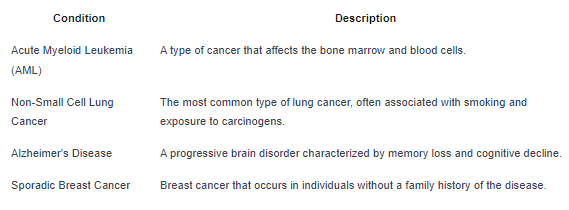
    Acquired genetic conditions, also known as somatic genetic conditions, develop during a person’s lifetime due to changes or mutations in specific genes or chromosomes within certain cells. Unlike inherited genetic conditions, acquired genetic conditions are not passed on to future generations. These mutations can occur due to various factors, including environmental exposures, aging, and other external influences. Acquired genetic conditions can be associated with the development of certain cancers and other disorders.

    The table below provides examples of acquired genetic conditions:
    __wf_reserved_inherit

    Understanding the distinction between inherited and acquired genetic conditions is essential for determining the prognosis, management, and treatment options for individuals affected by these conditions. Genetic testing and counseling play a crucial role in providing accurate information and support to individuals and families dealing with genetic conditions, helping them make informed decisions about their health and well-being.

    __wf_reserved_inherit

    Managing Genetic Conditions

    When it comes to managing genetic conditions, there are various treatment options and coping strategies available to individuals and their families. These approaches aim to improve the quality of life and provide support throughout the journey of living with a genetic condition.

    Treatment Options for Genetic Conditions

    The treatment of genetic conditions is highly dependent on the specific condition and its characteristics. While some genetic conditions have targeted treatments, others may focus on managing symptoms and providing supportive care. Here are some common treatment options:
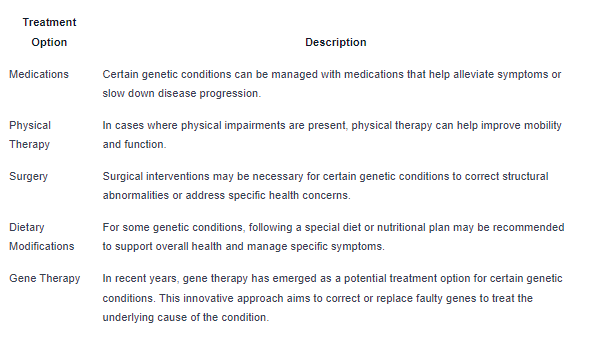
    __wf_reserved_inherit

    It’s important to note that not all genetic conditions have curative treatments available. In such cases, the focus shifts towards managing symptoms, optimizing quality of life, and providing supportive care.

    Coping Strategies for Individuals and Families

    Living with a genetic condition can pose unique challenges for individuals and their families. Coping strategies can help navigate these challenges and promote emotional well-being. Here are some coping strategies that can be beneficial:

    • Education and Information: Learning about the genetic condition and understanding its implications can empower individuals and families to make informed decisions and actively participate in their care.
    • Support Groups: Joining support groups or connecting with others who have similar experiences can provide a sense of community, emotional support, and an opportunity to share coping strategies and resources.
    • Therapy and Counseling: Seeking professional therapy or counseling can be beneficial for individuals and families dealing with the emotional impact of living with a genetic condition. It can provide a safe space to express feelings, develop coping mechanisms, and explore strategies to manage stress and anxiety.
    • Self-Care: Prioritizing self-care activities such as exercise, relaxation techniques, and hobbies can help individuals maintain their overall well-being and reduce stress levels.
    • Family Support: Encouraging open communication within the family, fostering a supportive environment, and involving family members in the management of the genetic condition can help build resilience and strengthen relationships.

    Each genetic condition and individual experience is unique, so it’s important to find coping strategies that work best for each situation. Consulting with healthcare professionals who specialize in genetic conditions can provide personalized guidance and support throughout the management process.

    By combining appropriate treatment options with effective coping strategies, individuals and their families can navigate the challenges associated with genetic conditions and strive for a fulfilling and meaningful life.

    Research and Advances

    Keeping up with the latest research and advances in the field of genetic conditions is crucial for understanding prognosis and improving patient outcomes. Scientists and medical professionals are constantly studying genetic conditions to gain new insights and develop innovative approaches. In this section, we will explore the current research on genetic conditions and discuss future directions in prognosis.

    Current Research on Genetic Conditions

    Researchers are actively investigating various genetic conditions to enhance our understanding of their underlying causes, progression, and potential treatments. Through extensive studies and clinical trials, they aim to improve diagnosis, prognosis, and management strategies. Here are some areas of current research in the field of genetic conditions:

    1. Genetic Mapping: Scientists are mapping the human genome to identify specific genetic variations associated with various conditions. This knowledge enables them to develop targeted therapies and personalized treatment plans.
    2. Gene Therapy: Gene therapy holds promise for the treatment of genetic conditions. Researchers are exploring techniques to introduce healthy genes into affected cells, potentially correcting genetic abnormalities and preventing disease progression.
    3. Precision Medicine: Precision medicine focuses on tailoring medical treatments to an individual’s unique genetic makeup. By considering an individual’s genetic information, doctors can make more accurate predictions about disease progression and determine the most effective treatments.
    4. Genomic Medicine: Genomic medicine involves analyzing a person’s entire genome to identify genetic variants that contribute to disease development and progression. This approach allows for more precise diagnostics and personalized treatment plans.
    5. CRISPR-Cas9 Technology: CRISPR-Cas9 is a revolutionary gene-editing tool that enables scientists to modify specific genes. This technology shows promise in correcting genetic mutations associated with certain conditions, potentially offering new treatment options.

    Future Directions in Genetic Prognosis

    As research progresses, the field of genetic prognosis is expected to witness significant advancements. Here are some potential future directions in genetic prognosis:

    1. Expanded Genetic Testing: The availability of more comprehensive genetic testing panels will allow for the identification of a wider range of genetic variations associated with specific conditions. This will improve the accuracy of prognosis and aid in personalized treatment planning.
    2. Predictive Analytics: Advancements in data analysis and artificial intelligence will enable medical professionals to predict disease progression and outcomes with higher precision. By analyzing large datasets, algorithms can identify patterns and factors that affect prognosis, leading to more accurate predictions.
    3. Gene Editing Therapies: Continued research in gene editing technologies, such as CRISPR-Cas9, holds promise for correcting genetic abnormalities associated with certain conditions. This could potentially alter the course of disease progression and improve prognosis.
    4. Regenerative Medicine: The field of regenerative medicine aims to replace or regenerate damaged tissues or organs. Advanced techniques, such as stem cell therapy, may offer new avenues for treating genetic conditions and improving prognosis.
    5. Patient-Specific Therapies: With the advancement of precision medicine, treatment plans can be tailored to an individual’s genetic profile. This personalized approach has the potential to optimize outcomes and prognosis for individuals with genetic conditions.

    Through continuous research and technological advancements, the field of genetic prognosis is poised to make significant strides. These advancements will contribute to improved diagnostic accuracy, better understanding of disease progression, and the development of targeted treatments for individuals with genetic conditions.

    Sources

    https://medlineplus.gov/genetics/understanding/consult/prognosis/#:~:text=The%20progno].

    https://my.clevelandclinic.org/health/diseases/21751-genetic-disorders

    https://www.ncbi.nlm.nih.gov/books/NBK132142/

  • Tracheostomy in Critically Ill Adults

    Tracheostomy in Critically Ill Adults

    Expert advice on tracheostomy care for critically ill adults. Discover crucial tips for optimal care and comfort.

    Understanding Tracheostomy Care

    Tracheostomy care plays a vital role in the management of critically ill adults requiring respiratory support. Understanding the basics of tracheostomy care, from the procedure itself to the importance of proper care, is essential for ensuring the well-being of patients.

    __wf_reserved_inherit

    What is a Tracheostomy?

    A tracheostomy is a surgical procedure that involves creating an opening in the neck to provide a secure airway for patients who have difficulty breathing on their own. This procedure involves inserting a tracheostomy tube through the opening into the trachea, allowing for the passage of air directly into the lungs.

    Tracheostomies are commonly performed in critically ill adults who require long-term mechanical ventilation or who have upper airway obstructions. This procedure helps to bypass any blockages in the upper airway and facilitates effective breathing, especially in patients with compromised respiratory function.

    Importance of Proper Tracheostomy Care

    Proper tracheostomy care is crucial for maintaining the health and safety of patients with tracheostomies. Given the direct access to the airway, meticulous care and attention to detail are necessary to prevent complications and ensure optimal respiratory function.

    One of the primary goals of tracheostomy care is to prevent infections and promote healing around the tracheostomy site. Regular cleaning and maintenance of the tracheostomy tube, as well as sterile dressing changes, are essential for reducing the risk of infections.

    Additionally, monitoring for signs of complications and promptly addressing any issues that arise is paramount in tracheostomy care. Being vigilant for changes in breathing patterns, wound appearance, or secretions can help in early detection and intervention, thereby preventing further complications and promoting recovery.

    By understanding the significance of proper tracheostomy care, healthcare providers and caregivers can provide the best possible support to critically ill adults with tracheostomies, ensuring their well-being and respiratory stability.

    Essential Care Tips for Critically Ill Adults

    __wf_reserved_inherit

    When it comes to caring for critically ill adults with a tracheostomy, proper maintenance and attention to detail are paramount. This section outlines key care tips for maintaining hygiene around the tracheostomy site, performing suctioning techniques, and changing and securing tracheostomy tubes.

    Maintaining Hygiene Around the Tracheostomy Site

    Ensuring proper hygiene around the tracheostomy site is crucial to prevent infections and complications. Here are some essential steps to maintain cleanliness:

    • Regularly clean the skin around the tracheostomy site with mild soap and water.
    • Gently pat the area dry to prevent moisture buildup.
    • Inspect the site for any redness, irritation, or signs of infection.
    • Change the tracheostomy dressing as needed to keep the area clean and dry.

    Suctioning Techniques

    Suctioning is a vital aspect of tracheostomy care to remove secretions and maintain a patent airway. Here are some important considerations for effective suctioning:

    • Use a clean suction catheter for each suctioning procedure to prevent the risk of contamination.
    • Ensure proper suction pressure to avoid damaging the airway or causing discomfort.
    • Suction only as needed to clear secretions, as excessive suctioning can lead to airway irritation.
    • Monitor the patient for signs of distress during suctioning and adjust the technique as necessary.

    Changing and Securing Tracheostomy Tubes

    Regularly changing and securing tracheostomy tubes is essential to prevent complications and ensure optimal airflow. Here are some guidelines for tube management:

    • Follow sterile technique when changing tracheostomy tubes to minimize the risk of infection.
    • Check the cuff pressure regularly to maintain proper seal and prevent air leaks.
    • Secure the tracheostomy tube in place using appropriate ties or fasteners to prevent accidental dislodgement.
    • Monitor the tube placement and ensure it is aligned correctly to facilitate breathing.

    By adhering to these essential care tips for critically ill adults with a tracheostomy, healthcare providers can help promote proper healing, prevent complications, and improve overall patient outcomes. Regular assessments, patient education, and collaboration among healthcare teams are key components of successful tracheostomy care in critically ill adults.

    Managing Secretions and Airway Clearance

    Proper management of secretions and airway clearance is crucial for individuals with a tracheostomy, especially those who are critically ill. This section focuses on the importance of maintaining adequate humidification and effective strategies for managing secretions to ensure optimal respiratory health and prevent complications.

    Importance of Proper Humidification

    Humidification plays a vital role in tracheostomy care, as it helps to keep the airway moist and facilitates the clearance of mucus and secretions. Adequate humidification is essential in preventing the airway from becoming dry, which can lead to discomfort, increased mucus production, and potential blockages.

    Maintaining the correct humidity levels in the airway helps to promote ciliary function, which is responsible for moving mucus out of the respiratory tract. Proper humidification also supports the integrity of the mucous membranes, reducing the risk of irritation and inflammation.

    Techniques for Effective Secretion Management

    Effective secretion management is necessary to prevent complications such as mucus plugging and respiratory distress. There are several techniques that can aid in the removal of excess secretions and maintain airway clearance:

    __wf_reserved_inherit

    By implementing these secretion management techniques in conjunction with proper humidification, healthcare providers and caregivers can optimize airway clearance, enhance respiratory function, and mitigate the risk of complications associated with tracheostomy care in critically ill adults.

    Preventing Complications

    Ensuring proper care of a tracheostomy in critically ill adults is imperative to prevent complications that may arise. In this section, we will focus on two key aspects: preventing infection and recognizing, addressing signs of complications that may occur.

    Preventing Infection

    One of the primary concerns when caring for a tracheostomy is preventing infections, as the tracheostomy site provides a direct entry point for bacteria into the respiratory system. It is essential to follow strict hygiene protocols to minimize the risk of infection.

    Proper hand hygiene is crucial when handling the tracheostomy site, as well as when performing any tracheostomy care procedures. Regularly changing and cleaning the tracheostomy dressing can help prevent the buildup of bacteria and reduce the risk of infection. Additionally, using sterile techniques during tracheostomy tube changes and suctioning can further minimize the risk of introducing pathogens into the airway.

    Recognizing and Addressing Signs of Complications

    It is vital for caregivers and healthcare providers to be vigilant in recognizing early signs of complications related to a tracheostomy in critically ill adults. Prompt identification and intervention can prevent serious issues from escalating.

    Common signs of complications may include:

    __wf_reserved_inherit

    If any of these signs are observed, immediate action should be taken. Seek medical assistance, especially for any signs of respiratory distress, bleeding, or infection. Regular monitoring of the tracheostomy site, changes in breathing patterns, and overall patient condition is essential to detect complications early and prevent further complications from developing.

    By focusing on preventing infections and promptly addressing complications, caregivers can help ensure the safety and well-being of critically ill adults with a tracheostomy. Regular training and education on tracheostomy care best practices are key to maintaining proper care and minimizing the risk of complications in this vulnerable patient population.

    Ensuring Safety and Comfort

    When it comes to caring for individuals with a tracheostomy, ensuring their safety and comfort is paramount. Proper positioning and mobility considerations, along with tips for optimal comfort and communication, play a crucial role in the overall well-being of critically ill adults with a tracheostomy.

    Positioning and Mobility Considerations

    Proper positioning of a patient with a tracheostomy is essential to prevent complications and ensure effective breathing. Here are some key considerations for positioning and mobility:

    Positioning and Mobility Considerations

    Keep the patient’s head elevated at a 30-45 degree angle to facilitate proper airflow and reduce the risk of aspiration.

    Ensure that the tracheostomy tube is secure and positioned correctly to maintain a patent airway.

    Encourage gentle neck movements and mobility exercises, while avoiding any excessive pressure on the tracheostomy site.

    Use appropriate support cushions or positioning devices to help the patient maintain a comfortable and safe position.

    By attentively addressing the positioning and mobility needs of patients with a tracheostomy, healthcare providers can help minimize the risk of complications and promote better overall respiratory health.

    Tips for Optimal Comfort and Communication

    Critically ill adults with a tracheostomy may face challenges related to comfort and communication. Implementing strategies to enhance their comfort and facilitate effective communication can significantly improve their quality of life. Here are some tips to consider:

    Tips for Optimal Comfort and Communication

    Use soft and non-irritating materials for securing the tracheostomy tube to prevent skin irritation and discomfort.

    Maintain proper humidification levels to prevent dryness and irritation in the airway, promoting comfort and ease of breathing.

    Encourage the use of communication tools such as writing pads, communication boards, or speech therapy to facilitate effective communication.

    Ensure that the patient’s psychological and emotional well-being is taken into consideration, as this can have a significant impact on their overall comfort and recovery.

    By prioritizing the comfort and communication needs of individuals with a tracheostomy, healthcare providers can promote a supportive and empowering environment that enhances patient outcomes and overall well-being.

    Sources

    https://www.sciencedirect.com/science/article/abs/pii/S0025619611610598#:~:text

    https://www.mayoclinicproceedings.org/article/S0025-6196(11)61059-8/fulltext

    https://www.cuh.nhs.uk/patient-information/tracheostomy-in-critically-ill-adults/

  • Medical Suction Equipment and Aspirators

    Medical Suction Equipment and Aspirators

    Discover the versatility of medical suction equipment & aspirators. From emergency rooms to operating theaters, their importance in healthcare settings is unmatched.

    Introduction to Medical Suction Equipment & Aspirators

    Medical suction equipment and aspirators play a crucial role in various healthcare settings, providing essential support for medical professionals in a wide range of situations. These devices are designed to remove unwanted materials, fluids, or gases from the body or specific areas during medical procedures. Their versatility and applications make them indispensable tools in the field of healthcare.

    Role and Importance in Healthcare Settings

    __wf_reserved_inherit

    Furthermore, in emergency situations, medical suction equipment is crucial for clearing airways and assisting in the resuscitation of patients who are unable to breathe on their own. The ability to quickly and efficiently remove obstructions or excess fluids can be lifesaving in critical moments.

    Versatility and Applications

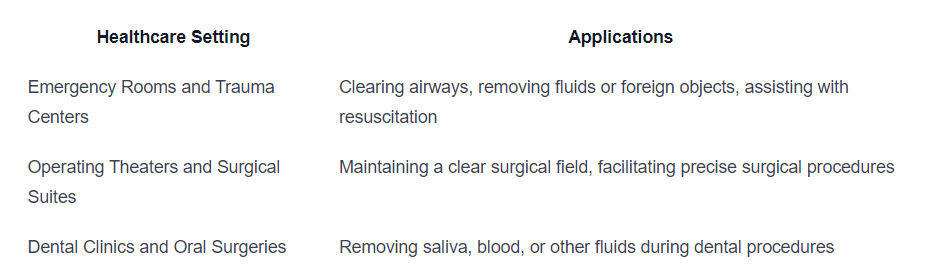
    The versatility of medical suction equipment and aspirators is evident in their wide-ranging applications across various healthcare settings. Let’s explore some of the key areas where these devices are indispensable:

    __wf_reserved_inherit

    These are just a few examples of how medical suction equipment and aspirators are utilized in healthcare. The adaptability and reliability of these devices make them essential tools for medical professionals, contributing to improved patient outcomes and enhanced healthcare delivery.

    Understanding the role, importance, and versatility of medical suction equipment and aspirators sets the stage for exploring the different types, functionalities, and advancements in this critical area of medical technology.

    Types of Medical Suction Equipment

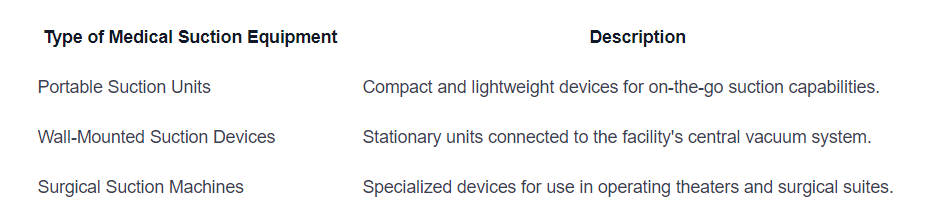
    Medical suction equipment and aspirators come in various types, each designed to cater to specific needs and healthcare settings. Let’s explore three common types: portable suction units, wall-mounted suction devices, and surgical suction machines.

    Portable Suction Units

    Portable suction units are compact and lightweight devices that provide on-the-go suction capabilities. They are often battery-powered or come with rechargeable batteries, making them highly portable and suitable for use in various healthcare settings, including ambulances, home healthcare, and outpatient clinics.

    These units typically have adjustable suction power settings to accommodate different medical procedures and patient requirements. The suction is created through a vacuum mechanism, drawing fluids and debris into disposable collection canisters for safe disposal. Portable suction units are versatile and essential tools for medical professionals who require mobility and flexibility in their suction equipment.

    Wall-Mounted Suction Devices

    Wall-mounted suction devices are stationary units installed in healthcare facilities such as hospitals, clinics, and doctor’s offices. These devices are directly connected to the facility’s central vacuum system, providing a constant and reliable source of suction power.

    Wall-mounted suction devices are typically more powerful than portable units, allowing for efficient suction during medical procedures. They are often equipped with multiple collection canisters that can be easily replaced and disposed of as needed. These devices are commonly found in examination rooms, emergency departments, and other areas where a continuous and high-suction capacity is required.

    Surgical Suction Machines

    Surgical suction machines are specialized devices designed specifically for use in operating theaters and surgical suites. They are equipped with advanced features and capabilities to meet the demanding requirements of surgical procedures.

    These machines offer precise control over suction power and can generate high levels of vacuum pressure when necessary. They are designed to handle large volumes of fluids and debris during surgical interventions, ensuring a clear surgical field for the medical team. Surgical suction machines often have integrated filtration systems to prevent the backflow of contaminated fluids and maintain a clean and sterile environment.

    __wf_reserved_inherit

    By understanding the different types of medical suction equipment, healthcare professionals can choose the most suitable option based on the specific requirements of their practice. Whether it’s the mobility of portable suction units, the reliability of wall-mounted devices, or the precision of surgical suction machines, having the right equipment ensures effective and efficient suction in various healthcare settings.

    Functionality and Components

    To understand the functionality of Vacuum Creation Mechanism

    The vacuum creation mechanism is responsible for generating the suction force necessary for medical procedures. There are different methods employed to create this vacuum, including:

    1. Venturi Effect: This mechanism utilizes the principle of fluid dynamics to create suction. It involves the use of high-speed fluid flow through a narrow tube, which creates a pressure drop and generates suction.
    2. Diaphragm Pump: A diaphragm pump consists of a flexible diaphragm that moves back and forth, creating a pressure difference that generates suction. This mechanism is commonly used in portable suction units.
    3. Rotary Vane Pump: This pump uses rotating vanes to create suction. As the vanes rotate, they trap and compress air, creating a vacuum that generates suction.

    Collection Canisters

    Collection canisters are containers that collect the fluids and debris removed from the patient’s body during suctioning. These canisters are typically made of clear, durable materials such as plastic or glass, allowing healthcare professionals to monitor the amount and nature of the collected fluids.

    The collection canisters may have different capacities, ranging from small canisters for portable suction units to larger ones for wall-mounted suction devices and surgical suction machines. Some canisters feature disposable liners or filters to enhance hygiene and simplify disposal.

    Tubing and Attachments

    Tubing and attachments play a crucial role in connecting the suction device to the patient and facilitating the removal of fluids and debris. The tubing is flexible and typically made of medical-grade materials such as PVC (polyvinyl chloride) or silicone.

    Different types of attachments can be used with the tubing to accommodate various medical procedures. Examples include suction catheters, Yankauer suction tips, and suction handles. These attachments are designed to effectively suction fluids from specific areas of the body, such as the oral cavity or surgical sites.

    When using medical suction equipment, it’s important to ensure that the tubing and attachments are properly attached, secure, and free from any obstructions. Regular cleaning and maintenance of these components are essential to prevent cross-contamination and ensure optimal performance.

    Understanding the functionality and components of medical suction equipment and aspirators is crucial for healthcare professionals. By selecting the appropriate vacuum creation mechanism, collection canisters, and tubing with attachments, healthcare providers can effectively manage suction requirements in various medical settings.

    Applications Across Healthcare Settings

    Medical suction equipment and aspirators are essential tools used in various healthcare settings to remove unwanted fluids, debris, and gases from the body. Their versatility makes them indispensable in emergency rooms, trauma centers, operating theaters, surgical suites, dental clinics, and oral surgeries. Let’s explore their specific applications in each of these healthcare settings.

    Emergency Rooms and Trauma Centers

    In emergency rooms and trauma centers, medical suction equipment plays a critical role in providing immediate care and stabilizing patients. These settings often deal with patients who require prompt attention due to injuries, accidents, or medical emergencies. Medical suction devices are used to clear airways, remove excess fluids, and assist in managing respiratory distress. They aid in maintaining clear air passages, which is crucial for patients who may be struggling to breathe. The quick and efficient suctioning provided by these devices can help save lives in critical situations.

    Operating Theaters and Surgical Suites

    Medical suction equipment is an integral part of operating theaters and surgical suites. During surgical procedures, maintaining a clear surgical field is crucial for the surgeon’s visibility and precision. Suction devices are used to remove blood, fluids, and debris from the surgical site, ensuring a clear view and facilitating the successful completion of the procedure. These devices also assist in controlling bleeding, maintaining a clean and sterile environment, and preventing potential complications.

    Dental Clinics and Oral Surgeries

    In dental clinics and oral surgeries, suction equipment plays a vital role in maintaining a dry and clear operating field. Dental procedures often involve the generation of saliva, blood, and other fluids that can obstruct the dentist’s view and compromise patient comfort. Suction devices help to remove excess fluids and debris from the oral cavity, ensuring optimal visibility and enhancing the efficiency of dental procedures. They also aid in preventing the inhalation or swallowing of fluids, promoting patient safety during treatment.

    The applications of medical suction equipment are diverse and extend beyond these specific healthcare settings. From clearing airways in emergency situations to facilitating surgical procedures and enhancing dental treatments, these devices are indispensable in providing effective patient care. With advancements in technology, medical suction equipment continues to evolve, offering improved functionality, enhanced safety features, and greater convenience for healthcare professionals.

    Key Considerations for Medical Suction Equipment

    When it comes to medical suction equipment and aspirators, there are several key considerations to keep in mind. These considerations play a crucial role in ensuring the effectiveness, safety, and reliability of the equipment. Let’s explore three important factors to consider: suction power and control, hygiene and maintenance, and safety features and regulations.

    Suction Power and Control

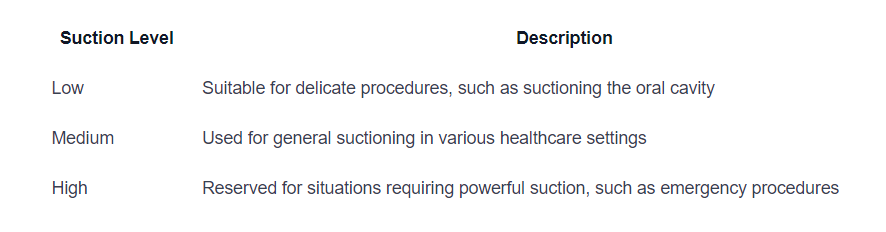
    Suction power and control are vital aspects of medical suction equipment. The ability to generate sufficient suction power is essential for effective removal of fluids, secretions, and debris in various healthcare settings. Different procedures and situations may require different levels of suction power, so having adjustable settings is crucial.

    To provide an overview of the suction power range, below is a table depicting the suction levels typically used in medical suction equipment:

    __wf_reserved_inherit

    Having control over the suction power allows healthcare professionals to tailor the equipment to the specific needs of each patient and procedure.

    Hygiene and Maintenance

    Maintaining proper hygiene and cleanliness is of utmost importance when it comes to medical suction equipment. Regular cleaning and disinfection help prevent the spread of infections and ensure the equipment functions optimally.

    Medical suction equipment should be designed for easy cleaning, with smooth surfaces and removable components that can be properly sanitized. It is also essential to follow manufacturer recommendations for cleaning solutions and methods to ensure compatibility and effectiveness.

    Additionally, proper maintenance of the equipment is crucial for its longevity and performance. This includes regular inspection, calibration, and servicing according to the manufacturer’s guidelines. Adhering to a maintenance schedule helps identify any potential issues and ensures the equipment remains in optimal working condition.

    Safety Features and Regulations

    Safety features and adherence to regulations are paramount in medical suction equipment. These features help mitigate risks and ensure the safety of both patients and healthcare professionals. The equipment should meet industry standards and comply with relevant regulations and guidelines.

    Some common safety features to look for in medical suction equipment include:

    • Overpressure protection: Prevents excessive pressure buildup that could lead to tissue damage.
    • Filter systems: Capture and prevent the release of harmful particles and pathogens.
    • Alarm systems: Alert users in case of equipment malfunctions or blockages.
    • Electrical safety: Compliance with electrical safety standards to prevent electrical hazards.

    Healthcare facilities should ensure that the medical suction equipment they choose meets the necessary safety requirements and undergoes regular inspections to maintain compliance.

    By considering the suction power and control, hygiene and maintenance, and safety features and regulations, healthcare professionals can make informed decisions when selecting and using medical suction equipment. These considerations contribute to effective patient care while prioritizing safety and maintaining the highest standards of hygiene in healthcare settings.

    Advancements in Medical Suction Technology

    As technology continues to advance, so does the field of medical suction equipment and aspirators. These advancements have led to the development of innovative features and technologies that enhance the performance and efficiency of these vital healthcare tools. Additionally, ongoing research and development in the field point towards exciting future trends and developments.

    Innovative Features and Technologies

    The evolution of medical suction technology has introduced several innovative features and technologies that improve the functionality and usability of suction equipment. Some notable advancements include:

    1. Variable Suction Power: Modern suction devices now offer adjustable suction power settings, allowing healthcare professionals to customize the level of suction based on the specific needs of the procedure or patient. This flexibility helps to optimize patient comfort and safety.
    2. Enhanced Control Systems: Advanced control systems have been integrated into medical suction equipment, offering improved precision and ease of use. These systems may include digital interfaces, touchscreens, and intuitive controls, enabling healthcare providers to efficiently manage the suction process.
    3. Improved Filtration Systems: To ensure optimal air quality and prevent contamination, newer suction devices are equipped with advanced filtration systems. These systems effectively capture and filter out potentially harmful particles, reducing the risk of cross-contamination and maintaining a clean and safe environment.
    4. Quieter Operation: Noise reduction technology has been incorporated into many modern suction devices, providing a quieter operating experience for both healthcare professionals and patients. This feature can contribute to a more comfortable and less stressful healthcare environment.

    Future Trends and Developments

    The future of medical suction technology holds promising developments that aim to further enhance the effectiveness and versatility of these devices. Some of the anticipated trends include:

    1. Miniaturization: Advancements in miniaturization techniques may lead to the development of smaller and more portable suction devices. This can improve their usability in various healthcare settings, including ambulances, home healthcare, and remote areas with limited resources.
    2. Wireless and Battery-Powered Devices: The integration of wireless technology and rechargeable batteries may eliminate the need for cumbersome cords and power outlets, providing greater mobility and flexibility in the use of suction devices. This can be particularly beneficial in emergency situations or during procedures where maneuverability is crucial.
    3. Smart Features and Connectivity: The incorporation of smart features, such as connectivity to electronic medical records and data monitoring systems, can streamline workflow and enhance patient care. Real-time monitoring of suction parameters and automated documentation can improve efficiency and accuracy in healthcare settings.
    4. Advancements in Filtration: Ongoing research is focused on developing more efficient and effective filtration systems to ensure the highest level of air quality and reduce the risk of contamination during suction procedures. This can contribute to improved infection control measures and patient safety.

    As technology continues to advance and research in the field progresses, the future of medical suction technology holds great promise. These advancements and future trends aim to further improve the functionality, performance, and safety of medical suction equipment, ultimately benefiting healthcare professionals and patients alike.

    Sources

    https://www.zoll.com/resources/what-is-a-suction-machine

    https://www.medicaldevicedepot.com/Suction-Equipment-s/1220.htm

    https://www.ncbi.nlm.nih.gov/pmc/articles/PMC9002857/

  • Recognizing and Treating Chickenpox in Children

    Recognizing and Treating Chickenpox in Children

    A Comprehensive Guide to Chickenpox Symptoms and Care in Kids

    Understanding Chickenpox

    Chickenpox is a common childhood infection marked by a distinctive itchy rash and fever, caused by the varicella-zoster virus. Despite its prevalence, knowing how to identify, treat, and prevent this highly contagious illness is essential for effective management and reducing complications. This guide offers a detailed overview of chickenpox, focusing on recognizing symptoms, diagnosis, self-care practices, treatment options, and preventive measures.

    Symptoms and Identification of Chickenpox

    Recognizing the Symptoms of Chickenpox: Key Signs to Look For

    What are the symptoms of chickenpox in children?

    The symptoms of chickenpox in children typically start with a low-grade fever, headache, tiredness, and loss of appetite, occurring 1 to 2 days before the rash appears. The hallmark of chickenpox is a distinctive itchy rash that emerges as small red bumps, primarily on the face, scalp, chest, and back. These bumps quickly progress to fluid-filled blisters that eventually dry up and form scabs.

    In addition to the rash, children may experience muscle or joint pain, irritability, and sometimes a cough or runny nose. Chickenpox is highly contagious; infected children can spread the virus from 1-2 days before symptoms appear until all blisters have dried and crusted over.

    How is chickenpox diagnosed and identified?

    Chickenpox is primarily identified by healthcare providers based on the characteristic appearance of the rash. This rash typically begins as red bumps and develops into fluid-filled blisters before crusting. The identification process may include taking a medical history to determine recent exposure to the virus, especially in communities experiencing outbreaks.

    Prodromal symptoms, such as mild fever and fatigue, may precede the rash, particularly in adults, while children often present primarily with the rash itself. For diagnosis confirmation, lab tests like PCR, viral culture, or antibody tests can be conducted, although these are rarely necessary. Given its highly contagious nature, isolating the patient and notifying health authorities is crucial when chickenpox is suspected.

    Effective Treatment and Care Strategies

    Managing Chickenpox: Treatment and Self-Care Strategies for Relief

    What are the treatment options for chickenpox?

    Treatment for chickenpox primarily focuses on alleviating symptoms, especially in otherwise healthy children, who may not require medical intervention. Common supportive treatments include:

    • Antihistamines for itching relief.
    • Acetaminophen for managing fever.
    • Calamine lotion for skin irritation.

    For individuals at higher risk of complications, antiviral medications like acyclovir may be recommended, particularly if administered within the first 24 hours after the rash appears. In severe cases or for immunocompromised patients, intravenous acyclovir may be necessary. Vaccination remains the best prevention strategy against chickenpox, with recommendations for two doses to ensure immunity.

    What self-care strategies can help alleviate symptoms of chickenpox?

    To alleviate symptoms of chickenpox, it is crucial to avoid scratching, which can prevent scarring and infections. Here are some effective self-care strategies:

    • Trimming fingernails and using mittens for young children can help reduce scratching.
    • Cool baths with colloidal oatmeal or baking soda can soothe itchiness.
    • Applying calamine lotion helps calm irritated skin.
    • Offer soft, bland foods if sores develop in the mouth, and provide cold, sugar-free popsicles for comfort.
    • Use acetaminophen for fever management, avoiding aspirin due to the risk of Reye’s syndrome.
    • Ensuring plenty of rest and maintaining a cool environment can further help minimize itching.

    Seeking Medical Assistance

    When to Seek Medical Help: Important Warning Signs for Chickenpox

    When should one seek medical help for chickenpox?

    Seeking medical help for chickenpox is essential in certain circumstances. If severe symptoms arise, such as difficulty breathing, chest pain, or a high fever lasting more than four days, immediate attention is warranted. Additionally, if the rash appears infected—indicated by redness, warmth, or pus—or if signs of dehydration (like fewer wet nappies or excessive drowsiness) emerge, it’s crucial to contact a healthcare provider.

    Adults should be particularly vigilant and seek medical advice if they suspect they have chickenpox, especially if they live with someone pregnant or immunocompromised. For children, it’s critical to consult a professional if they exhibit severe headache, have trouble waking up, or develop sores in their eyes. When unsure about symptoms or how to proceed, reaching out to a healthcare provider is always a wise decision.

    Preventive Measures Against Chickenpox

    Prevention is Key: Vaccination and Hygiene Tips to Avoid Chickenpox

    What preventive measures can be taken to avoid chickenpox, including vaccination?

    The most effective way to prevent chickenpox is through vaccination with the varicella vaccine. This vaccine is both safe and effective, providing about 90% effectiveness in preventing the infection.

    Vaccination is typically administered in two doses:

    • First Dose: given at 12-15 months of age.
    • Second Dose: given between 4-6 years.

    Not only does the varicella vaccine protect the vaccinated individual, but it also contributes to herd immunity, protecting those who cannot be vaccinated, such as immunocompromised individuals. In fact, if the vaccine is given within 3 to 5 days of exposure to chickenpox, it can prevent or significantly reduce the severity of the illness.

    In addition to vaccination, maintaining good hygiene practices and isolating infected individuals are crucial steps to minimize the spread of the virus.

    Understanding Potential Complications

    What are the potential complications of chickenpox in children?

    While chickenpox is typically mild in healthy children, it can lead to complications in certain cases. Notable potential complications include:

    • Bacterial Infections: Skin infections can occur in 5-10% of chickenpox cases, sometimes progressing to severe conditions like septicemia.
    • Pneumonia: Particularly risky for high-risk groups, pneumonia can develop and may require hospitalization.
    • Encephalitis: This rare but serious condition can cause inflammation of the brain, leading to neurological issues.
    • Cerebellar Ataxia: Some children may experience coordination problems as a complication.

    For children with weakened immune systems or existing health issues, the risk of severe complications increases. Studies indicate that roughly 1 in 50 cases may lead to these complications, underscoring the importance of monitoring symptoms.

    In very rare instances, chickenpox can be fatal, with a mortality rate of about 2 deaths per 100,000 cases among healthy children. Prompt medical attention is crucial if severe symptoms arise.

    Comprehensive Care and Best Practices

    Comprehensive Care for Chickenpox: Best Practices to Support Recovery

    How can comprehensive care practices help manage chickenpox in children?

    Comprehensive care practices for managing chickenpox in children involve several important strategies. The first line of defense is vaccination, recommended in two doses at 12-15 months and again at 4-6 years. This significantly reduces the risk of contracting chickenpox and helps ensure that, if infection occurs, symptoms remain milder.

    If a child does contract chickenpox, it is crucial to monitor their symptoms closely. Supportive care includes rest, maintaining hydration, and managing fever with medications like acetaminophen. Importantly, aspirin must always be avoided due to the risk of Reye’s syndrome.

    To relieve discomfort from itching, caregivers can use calamine lotion and ensure the child takes cool baths. It’s also advisable to keep nails trimmed to prevent skin infections resulting from scratching.

    For high-risk individuals—such as older children, those with asthma, or those with weakened immune systems—antiviral medications like acyclovir may be prescribed to lessen the severity and duration of the illness, highlighting the need for timely medical intervention.

    Care Practices Description/Benefits
    Vaccination Reduces incidence and severity of chickenpox
    Symptom Monitoring Allows for early intervention if complications arise
    Supportive Care Rest and hydration support recovery
    Fever Management Use of acetaminophen, avoiding aspirin
    Anti-Itch Methods Calamine lotion and cool baths alleviate itching
    Nail Care Short nails prevent scratching and infections
    Antiviral Treatment Effective for high-risk individuals

    Final Thoughts on Chickenpox Management

    Successfully managing chickenpox in children requires a comprehensive approach, from accurate diagnosis and effective symptom relief to preventive vaccinations and timely medical interventions. By understanding the symptoms and utilizing proper care strategies, parents and caregivers can help children navigate this common illness with fewer complications. The information presented in this guide underscores the importance of vaccines in reducing the incidence and severity of chickenpox, promoting health and well-being across entire communities.

    References

  • How PPEC Facilities Promote a Sense of Normalcy for Children

    How PPEC Facilities Promote a Sense of Normalcy for Children

    Creating a Nurturing Environment: The Role of PPEC Facilities

    Introduction

    In a world where children with complex medical needs often face an uphill battle, Prescribed Pediatric Extended Care (PPEC) facilities shine as beacons of hope. These centers are specifically designed to cater to the unique health requirements of these children, promoting not only their medical well-being but also their emotional and social development. By offering structured support systems and comprehensive caregiving, PPEC facilities create environments where children can flourish despite their challenges. This article delves into the pivotal role PPECs play in promoting a sense of normalcy for children.

    Understanding PPEC Daycare Facilities

    Unpacking the Features of PPEC Daycare Facilities

    What is a PPEC daycare?

    A PPEC (Pediatric Extended Care Center) daycare is a specialized medical facility designed for children with complex medical conditions. These centers provide continual medical care in a non-residential setting, ensuring that children receive the skilled nursing and therapeutic services that they require. Staffed by healthcare professionals, including nurses and therapists, PPECs focus on managing children’s diverse health needs while also promoting their emotional and social development.

    Medical and therapeutic services offered

    PPEC facilities offer a variety of medical and therapeutic services tailored to each child’s needs. Services include:

    • Skilled nursing care: Continuous monitoring and timely interventions to ensure children’s health and stability.
    • Therapeutic interventions: Integrated physical, occupational, and speech therapy sessions help support the child’s development.
    • Individualized care plans: Personalized programs are based on thorough health assessments to cater to unique medical and developmental requirements.
    • Emergency preparedness: Trained staff ensures safety and readiness to address any medical emergencies that may arise.

    These services are not only beneficial for medical care but also provide structured daily routines that promote emotional well-being and normalcy.

    Role of PPECs in socialization

    Socialization is a core aspect of PPEC programs, allowing children to interact with peers in a supportive environment. Through integrated group activities, children develop social skills and build confidence. For instance, recreational activities such as field trips and holiday celebrations create joyful experiences that enhance quality of life. These interactions cultivate relationships and encourage a sense of community, thereby helping children overcome feelings of isolation related to their medical challenges. By fostering a nurturing atmosphere, PPECs play a pivotal role in promoting both emotional health and normal childhood experiences.

    Creating Safe and Nurturing Environments

    Creating Safe Spaces for Medical Complexities

    How do PPEC facilities create a safe and nurturing environment for children with medical complexities?

    PPEC facilities are designed specifically to cater to the needs of children with medical complexities, ensuring their environment is both safe and nurturing. These centers incorporate specialized medical care tailored to each child’s unique health requirements. Qualified medical supervision ensures skilled nursing care and emergency preparedness, allowing caregivers to provide necessary treatments while ensuring the children’s safety and stability.

    In addition to medical care, PPECs integrate a variety of therapeutic services into their daily routines. Children receive physical, occupational, and speech therapy, all within a structured environment that promotes social interactions among peers. This structure not only facilitates essential socialization opportunities but also helps foster emotional well-being by reducing feelings of isolation.

    Moreover, the secure and hygienic conditions in PPEC facilities minimize health risks, while personalized care plans are created based on thorough health assessments. These tailored plans allow for both medical and developmental support, effectively addressing each child’s specific needs.

    PPEC centers also extend vital family support services. Respite care and caregiver education play crucial roles in alleviating stress for families, allowing parents to fulfill their responsibilities while knowing their children are in a nurturing environment. Overall, PPECs provide a holistic approach, blending medical, therapeutic, and emotional support, which is essential for the comprehensive development of children with complex medical conditions.

    Supporting Emotional and Social Well-being

    Enhancing Emotional and Social Well-Being in PPEC Programs

    What benefits and services do PPEC programs offer to support the emotional and social well-being of children?

    PPEC programs excel in providing a nurturing environment that supports both the emotional and social well-being of children with complex medical needs. Central to this support are structured socialization opportunities that encourage children to engage with their peers.

    Through group activities, children develop vital social skills and learn to build confidence. These interactions make a profound difference, fostering a sense of community among children who may feel isolated due to their medical conditions.

    Daily routines in PPEC facilities are essential for reducing anxiety. They provide familiarity and a sense of normalcy. Additionally, when therapeutic interventions, such as physical, occupational, and speech therapy, are integrated into these routines, children benefit from both development and emotional health.

    Service/Benefit Description Impact on Emotional/Social Well-being
    Structured Socialization Activities Group play, peer interactions, and community events help build social connections. Promotes friendship, reduces isolation.
    Personalized Therapy Sessions Tailored physical, occupational, and speech therapy to support individual needs. Legitimizes growth while improving communication skills.
    Respite and Family Support Services Support for families allows them to recharge while ensuring children receive care. Reduces caregiver stress, creates space for family well-being.
    Emotional Support from Trained Staff Staff-designed programs to nurture emotional growth and development through engagement. Fosters security and emotional resilience in children.

    By providing these integrated services, PPECs create an environment that bridges essential medical care and valuable social experiences, ensuring that children with medical complexities not only thrive but also feel connected and supported.

    Enhancing Development and Stability

    Fostering Development and Stability in Children's Lives

    How do PPEC facilities contribute to the overall development and stability of children facing medical challenges?

    PPEC (Prescribed Pediatric Extended Care) facilities provide a supportive environment that integrates medical care with developmental activities, essential for children dealing with complex health issues. By serving as specialized medical daycare centers, PPECs ensure that children receive comprehensive medical supervision from qualified healthcare professionals. This includes skilled nursing care and emergency preparedness, which are critical for maintaining the health and safety of medically fragile children.

    One of the most significant advantages of PPEC centers is their tailored approach to each child’s needs. Personalized care plans are created based on thorough health assessments and developmental goals. Children benefit from a variety of therapeutic interventions—like physical, occupational, and speech therapy—woven into their daily routines, which support their growth in a natural and engaging way.

    Furthermore, PPECs emphasize socialization through group activities. By providing opportunities for interaction with peers, children can enhance their social skills and emotional well-being. Structured daily routines foster a sense of normalcy, while also being adaptable to individual needs, which reduces anxiety and promotes stability.

    Additionally, these facilities not only cater to the children’s needs but also support families by offering respite care and educational resources. This holistic model helps alleviate parental stress, ensuring families feel empowered and supported.

    Overall, PPECs play a pivotal role in enhancing the development and stability of children facing medical challenges, making a significant impact on their health and quality of life.

    The Impact of Recreational and Developmental Activities

    Recreational activities in PPECs

    Recreational activities in Pediatric Day Health Care (PPEC) facilities play a vital role in enhancing the daily experience of children with complex medical needs. These activities are not just meant for entertainment; they are structured to provide therapeutic benefits that aid in the overall development of the child. For instance, playtime may include physical exercises designed to improve motor skills and coordination.

    Additionally, diverse activities such as field trips and celebrations allow children to engage with the community and experience significant milestones, creating joyful memories that can often be overshadowed by their medical conditions. These experiences foster a sense of normality that is crucial for a child’s emotional and social health.

    Social interaction and normalcy

    Socialization is another critical aspect of PPEC activities. Group interactions and structured play are essential in promoting peer relationships, which are vital for a child’s cognitive and social development. Children learn to communicate effectively, develop friendships, and build confidence. These interactions also provide comfort, as children connect with peers who face similar challenges, reducing feelings of isolation.

    By incorporating these recreational and developmental activities, PPEC centers significantly contribute to creating an enriching environment where children feel supported and secure. This nurturing environment enables children to thrive emotionally, socially, and developmentally, allowing them to enjoy a semblance of normalcy despite their medical complexities.

    Supporting Families of Children with Medical Complexities

    Empowering Families of Children with Special Medical Needs

    How do PPEC programs assist families of children with special medical needs?

    PPEC programs play a crucial role in supporting families of children with special medical needs. These centers provide essential care services, allowing parents to work or take breaks without constant worry about their child’s wellbeing. This respite is invaluable for mental health, enabling parents to recharge and focus on their own needs.

    In addition to care, PPEC programs equip families with important resources. For instance, caregiver training ensures that parents feel confident in managing their child’s unique medical needs at home. Educational programs and counseling services are also offered, which empower families with knowledge and practical skills.

    Open communication channels between families and healthcare providers are integral in these settings. Parents are kept informed about their child’s care plan and progress, fostering a genuine partnership. This strong connection between PPEC facilities and families enhances the overall quality of life for not just the children, but for the entire family unit.

    Respite and educational support

    PPEC facilities serve as a supportive system, providing not just medical care, but also educational opportunities for children. Structured routines promote a sense of normalcy, reducing anxiety for both children and parents. While children engage in therapeutic and recreational activities, parents have peace of mind knowing their children are receiving high-quality care.

    These programs focus on holistic development—cognitive, social, and emotional—offering interventions like physical or occupational therapy integrated within daily routines. The nurturing environment encourages children to learn and socialize, which is vital for their emotional health.

    Moreover, PPECs help families build a community. By providing socialization opportunities through group activities, parents can connect with other families facing similar challenges, fostering a network of understanding and support. This collective strength can be a lifeline for those navigating the complexities of caring for medically fragile children.

    Conclusion

    Prescribed Pediatric Extended Care facilities are a vital lifeline for children with complex medical needs and their families. By integrating comprehensive medical care with ample opportunities for emotional and social growth, PPECs offer a nurturing environment where children can thrive. Through structured activities, family support, and expert medical supervision, these facilities help maintain a sense of normalcy essential for holistic development. As we continue to embrace and expand programs like PPEC, we contribute to a better quality of life for some of the most vulnerable members of our communities.

    References

  • Tracheostomy Tube Change Periprocedural Care

    Tracheostomy Tube Change Periprocedural Care

    Discover essential protocols for tracheostomy tube change periprocedural care. Ensure safety every step of the way!

    Understanding Tracheostomy Tube Changes

    When it comes to tracheostomy tube changes, understanding the significance of these procedures and the associated risks is vital for ensuring optimal patient care and safety.

    __wf_reserved_inherit

    Importance of Tracheostomy Tube Changes

    Tracheostomy tube changes play a crucial role in maintaining airway patency, facilitating effective breathing, and preventing complications in patients with tracheostomies. Regular tube changes help prevent infections, promote proper healing, and ensure proper functioning of the airway. By adhering to recommended change schedules and protocols, healthcare providers can minimize the risk of complications and improve patient outcomes.

    Risks Associated with Tracheostomy Tube Changes

    While tracheostomy tube changes are necessary, they are not without risks. Some of the potential risks associated with tube changes include:

    __wf_reserved_inherit

    Healthcare providers must be aware of these risks and take appropriate precautions to mitigate them during tracheostomy tube changes. Regular training, adherence to protocols, and thorough patient assessment are essential in ensuring safe and effective tube change procedures. By understanding the importance of tracheostomy tube changes and recognizing the associated risks, healthcare teams can prioritize patient safety and optimize care for individuals with tracheostomies.

    Preparing for a Tracheostomy Tube Change

    Before a tracheostomy tube change procedure, thorough preparation is essential to ensure the safety and well-being of the patient. This phase involves gathering the necessary equipment and supplies and conducting a detailed patient assessment to identify any potential risks or complications.

    Necessary Equipment and Supplies

    To perform a tracheostomy tube change effectively, healthcare providers must have the appropriate equipment and supplies readily available. These items may include:

    __wf_reserved_inherit

    Ensuring that all equipment is sterilized and organized before the procedure helps to minimize the risk of infection and complications during the tracheostomy tube change.

    Patient Assessment Before the Procedure

    Prior to performing a tracheostomy tube change, a comprehensive assessment of the patient is crucial. This assessment should include evaluating the patient’s respiratory status, presence of any secretions, skin condition around the tracheostomy site, and overall comfort level.

    __wf_reserved_inherit

    By conducting a comprehensive assessment before the tracheostomy tube change, healthcare providers can identify any potential issues that may affect the procedure or the patient’s well-being. This proactive approach helps in mitigating risks and ensuring a smooth transition during the tube change process.

    Performing a Tracheostomy Tube Change

    When it comes to performing a tracheostomy tube change, it is essential to follow a meticulous step-by-step procedure to ensure the safety and well-being of the patient. Additionally, being aware of potential complications that may arise during or after the procedure is crucial for prompt management.

    Step-by-Step Procedure

    Before initiating the tracheostomy tube change, ensure that the necessary equipment and supplies are readily available. Always conduct a thorough patient assessment to evaluate the need for the tube change and identify any potential risks.

    __wf_reserved_inherit

    Potential Complications to Watch For

    During and after a tracheostomy tube change, healthcare providers must remain vigilant for potential complications that could arise and require immediate intervention. Being prepared to address these complications effectively is crucial for ensuring the safety and well-being of the patient.

    __wf_reserved_inherit

    By understanding the step-by-step procedure for a tracheostomy tube change and being knowledgeable about potential complications, healthcare providers can ensure a safe and successful procedure while promptly addressing any adverse events that may arise.

    Post-Tracheostomy Tube Change Care

    After a tracheostomy tube change procedure, proper post-care is essential to ensure the patient’s safety and comfort. This stage involves monitoring the patient for any signs of complications and providing appropriate wound care and dressing changes as needed.

    Monitoring the Patient

    Following a tracheostomy tube change, close monitoring of the patient is crucial to promptly identify and address any potential complications. Some key aspects of patient monitoring post-procedure include:

    __wf_reserved_inherit

    It is essential to observe for signs of respiratory distress, such as increased respiratory rate, decreased oxygen saturation, or changes in the patient’s complexion. Any sudden deterioration in the patient’s condition should be addressed promptly by the healthcare team.

    Wound Care and Dressing Changes

    Proper wound care and dressing changes are vital components of post-tracheostomy tube change care. These practices help prevent infections, promote healing, and ensure the optimal functioning of the tracheostomy site. Key considerations for wound care include:

    Wound Care Steps

    Gently clean around the tracheostomy site with sterile saline or prescribed solution

    Inspect the site for any signs of infection, redness, swelling, or discharge

    Change the dressing as per the healthcare provider’s recommendations

    Secure the dressing in place to prevent movement and contamination

    Regular assessment of the tracheostomy site for any signs of infection or skin breakdown is essential. Any abnormalities should be reported to the healthcare provider promptly to prevent complications and promote proper healing.

    By diligently monitoring the patient’s condition and adhering to appropriate wound care protocols, healthcare providers can optimize the post-tracheostomy tube change care and ensure the patient’s well-being during the recovery period. This focused approach to post-care plays a crucial role in promoting positive outcomes and reducing the risk of complications associated with tracheostomy tube changes.

    Common Questions About Tracheostomy Tube Changes

    As individuals navigate the process of tracheostomy tube changes, several common questions often arise, shedding light on crucial aspects of this procedure and its aftercare.

    How Often Should a Tracheostomy Tube Change be Done?

    The frequency of tracheostomy tube changes varies depending on the patient’s specific needs and medical condition. In general, tracheostomy tubes are typically changed every 1 to 3 months or sooner if complications arise. However, healthcare providers will assess each patient individually and determine the appropriate timing for tube changes based on factors such as the patient’s comfort, the condition of the tracheostomy site, and the risk of infection.

    What are the Signs of Complications After a Tube Change?

    Following a tracheostomy tube change, it is crucial to monitor the patient for any signs of complications that may indicate a need for further medical intervention. Common signs include:

    __wf_reserved_inherit

    If any of these signs or symptoms occur after a tube change, it is essential to seek immediate medical attention to prevent further complications.

    Can Tracheostomy Tube Changes be Done at Home?

    Tracheostomy tube changes are typically performed by trained healthcare professionals in a clinical setting. While some patients with long-term tracheostomies may learn how to perform routine tube changes at home under the guidance of healthcare providers, this practice is not common for the general population. It is crucial to follow specific protocols and receive proper training before considering performing tracheostomy tube changes at home to ensure the safety and well-being of the patient.

    By addressing these common questions about tracheostomy tube changes, individuals can gain a better understanding of the procedure, its recommended frequency, potential complications, and the importance of seeking appropriate medical care when needed.

    Sources

    https://emedicine.medscape.com/article/1580576-periprocedure?form=fpf

    https://www.ncbi.nlm.nih.gov/books/NBK555919/

    https://www.wyccn.org/uploads/6/5/1/9/65199375/ics_tracheostomy_standards__2014_.pdf

  • The Role of Pediatric Home Health Aides in Child Care

    The Role of Pediatric Home Health Aides in Child Care

    Understanding Pediatric Home Health Aides: Functions and Impact

    Introduction to Pediatric Home Health Aides

    Pediatric home health aides play a transformative role in modern child healthcare by delivering essential support services directly in children’s homes. These services are vital for children with complex medical needs, offering comfort, consistency, and care as these children and their families navigate health challenges. This article explores the multifunctional responsibilities of home health aides, their influence on child wellbeing, and the broader implications within the pediatric care system.

    Core Functions of Pediatric Home Health Aides

    Key Roles of Pediatric Home Health Aides

    What are the functions and responsibilities of pediatric home health aides?

    Pediatric home health aides fulfill a crucial role in the lives of children with medical needs, helping them manage daily living activities. They assist with personal care tasks, including bathing, dressing, and maintaining hygiene, which are vital for the child’s overall health and comfort.

    Not only do aides provide direct assistance to children, but they also focus on creating a safe and nurturing home environment. This support can significantly enhance recovery, as children often heal better in familiar surroundings.

    In addition to daily living support, pediatric home health aides may help coordinate care schedules, ensuring that medical appointments, therapy sessions, and other essential activities align smoothly. They communicate with healthcare teams to keep everyone informed and uphold care continuity, although they are limited to non-medical functions.

    Aides also contribute to household management by assisting with tasks like meal preparation and transportation, allowing families to focus more on caregiving and less on logistical concerns. While they do not administer medications or perform medical assessments, their role in providing emotional and practical support is irreplaceable, making them an integral part of the healthcare team that helps children to thrive at home.

    Benefits of Pediatric Home Healthcare

    Advantages of Home Healthcare Services

    What are the benefits of pediatric home health care services for children with medical needs?

    Pediatric home health care services provide essential personalized care directly in children’s homes. This setup not only fosters a comfortable healing environment but also supports the child’s emotional well-being.

    The services offered include skilled nursing, physical therapy, occupational therapy, and speech-language therapy. These comprehensive care options are designed to meet the specific needs of children suffering from chronic illnesses or those recovering from medical treatments.

    Cost-effectiveness

    One of the significant advantages of pediatric home health care is its cost-effectiveness. It tends to be more affordable than prolonged hospital stays and is often covered by insurance, making it accessible for many families. This affordability helps families manage their healthcare costs without sacrificing the quality of care their child receives.

    Emotional well-being

    Moreover, children receiving care in their familiar surroundings often experience reduced anxiety and stress, leading to faster recovery times. Pediatric home health services include 24/7 access to on-call support, which provides families with peace of mind and immediate assistance when necessary. This presence can greatly enhance family dynamics, allowing for a supportive atmosphere that is vital for the child’s emotional and psychological development.

    Comprehensive care services

    In addition to medical services, pediatric home healthcare integrates various therapies and supports, all tailored to each child’s unique needs. This personalized approach ensures that children receive well-rounded care that not only addresses their medical conditions but also short- and long-term developmental goals. Overall, pediatric home health care enhances the quality of life for children and their families while facilitating effective medical management.

    Qualifications and Skills for Pediatric Home Health Aides

    Qualifications and Skills Required

    What qualifications and skills are required for pediatric home health aides?

    Pediatric home health aides are essential in providing care for children with medical needs. To start, they typically require a high school diploma. Depending on the region, formal training or certification may also be necessary.

    Key skills and competencies

    Essential skills for these aides include:

    • Strong communication: Communicating effectively with children and their families is crucial.
    • Empathy and patience: Caring for children requires a compassionate approach.
    • Attention to detail: Aides must follow precise care instructions to ensure the child’s safety and well-being.

    Organizations such as Pediatric Home Service (PHS) offer training programs before aides begin their roles and emphasize ongoing education to maintain their competencies.

    Certification needs

    Some employers might require CPR and first aid certification, adding an important layer of preparedness for emergencies. PHS also provides benefits including medical, dental, and vision packages, plus opportunities for professional growth to attract potential aides.

    Support for Families with Developmental Challenges

    Supporting Families with Tailored Care

    Personalized Care Plans

    Pediatric home health care involves creating personalized care plans tailored to the unique medical and developmental needs of each child. This individualized approach ensures that therapies and support strategies align with both health goals and family preferences. Families play an integral role in the development of these plans, which helps them feel more involved and informed about their child’s care, thus fostering a supportive environment for growth.

    Family Respite Care

    Respite care is an essential component of pediatric home health services. This service provides temporary relief for primary caregivers, allowing them time to recharge and manage their own well-being. Families receive help from trained aides, who can take over daily tasks such as meal preparation and light housekeeping during the caregiver’s break. This support not only lessens caregiver burnout but also enhances the overall family dynamic by allowing dedicated attention to health and emotional needs.

    Therapeutic Support

    Home health aides also support families by facilitating therapeutic exercises and educational activities. Led by registered nurses, these aides implement therapeutic exercises pertinent to the child’s development, which may include speech or physical therapy. The home environment allows children to engage in comfort and familiarity, making progress more achievable. Overall, this specialized assistance significantly contributes to a child’s development, while also alleviating stress on the whole family.

    Challenges in Delivering Quality Pediatric Home Care

    Overcoming Challenges in Pediatric Home Care

    What challenges do pediatric home health aides face in delivering quality care?

    Pediatric home health aides encounter several significant challenges that can impact their ability to provide top-notch care. One of the primary issues is the workforce shortage in pediatric home health care, particularly for providers trained in managing complex medical conditions. This shortage can lead to increased workloads and lower caregiver-to-patient ratios, making it harder for home health aides to give individualized attention to each child.

    Additionally, the complexity of family dynamics poses a further challenge. Home health aides must navigate diverse family situations while maintaining professionalism. Building trusting relationships with families is crucial, yet it can be difficult when family members may have differing opinions about care routines or treatment plans. Aides need to foster open lines of communication while being sensitive to familial concerns.

    Integrating assistive technology into home care is another area that can both aid and complicate care delivery. While technology can enhance patient monitoring and communication, aides must be proficient in using various medical devices, applications, and software. This requirement places an added responsibility on aides to keep current with advancements in technology and adapt to new tools that may change how care is documented or administered.

    Moreover, given the physical and emotional demands of the job, aides often experience high levels of stress, making resilience and adaptability essential traits for success in this vital role.

    Overall, addressing these challenges is crucial for establishing a consistent, high-quality pediatric home care environment that effectively meets the needs of both children and their families.

    Integration of Pediatric Home Healthcare in Child Services

    How does pediatric home healthcare fit into the broader context of child health services?

    Pediatric home healthcare seamlessly integrates into the broader child health system by providing specialized services that cater to the unique needs of medically fragile children. Agencies such as Aveanna Healthcare and BAYADA Pediatrics deliver essential services, including skilled nursing, in-home therapies, and comprehensive support for various medical conditions. This model is especially critical during transitions from hospital care to home, ensuring that children receive necessary treatments without delays or interruptions.

    These home healthcare services not only decrease the likelihood of hospital readmissions but also support continuous care, allowing children to balance therapeutic needs with daily routines like attending school. Many insurance plans, including Medicaid, cover these services, promoting accessibility for families in need.

    In essence, pediatric home healthcare enhances the overall health outcomes by delivering personalized and consistent care right where it is most comforting—the child’s home, tailored to their specific medical and developmental needs.

    Trends and Resources in Pediatric Home Healthcare

    What resources are available for families seeking pediatric home health care?

    Families seeking pediatric home health care can access a variety of resources. Major providers in this field include:

    • Aveanna Healthcare: Serving over 40,000 patients daily, specializing in private duty nursing for medically fragile children. They offer a comprehensive range of medical solutions.
    • BAYADA Pediatrics: Focuses on family-centered services for children up to 18 years old. They have a strong emphasis on managing complex conditions and delivering high-quality care.
    • Maxim Healthcare Services: Provides 24/7 support including private duty nursing and in-home therapies, ensuring tailored care for children with diverse needs.
    • BrightStar Home Care: Develops personalized care plans overseen by registered nurses, addressing various health issues in a comprehensive approach to pediatric home health care.

    These providers play a crucial role in delivering specialized care at home, enhancing the quality of life for children with medical complexities.

    What are the current trends and policies influencing pediatric home healthcare practices?

    Current trends shaping pediatric home healthcare include the increasing adoption of technology and telehealth services, which significantly improve care delivery for children with medical complexities. Despite obstacles like insurance denials and workforce limitations, stakeholders are acknowledging the positive impacts of home healthcare on patient outcomes and family well-being.

    There’s ongoing advocacy for regulatory changes and adjustments in reimbursement models to address access issues, as home health care is projected to expand substantially in the coming years. With a growing incidence of chronic illnesses in children, there is a pressing need for comprehensive, home-based care solutions. Furthermore, enhancing training for providers and integrating home health care into child-focused systems are critical steps towards meeting the needs of this vulnerable population.

    Conclusion

    Pediatric home health aides serve a critical role in the care network for children with special medical needs by providing personalized, in-home support tailored to enhancing comfort and recovery. They not only contribute to the physical well-being of the children but also to the emotional stability of the family unit by ensuring continuity of care in a familiar environment. As the need for pediatric home healthcare services continues to grow, so does the importance of developing robust systems and policies to support these efforts, ensuring accessibility and quality for all families in need.

    References

  • How to Select the Right Wheelchair for Your Child

    How to Select the Right Wheelchair for Your Child

    Choosing the Right Pediatric Wheelchair: A Comprehensive Guide

    Introduction

    Selecting a wheelchair for your child is a significant decision that impacts their independence, mobility, and quality of life. With a variety of options available, understanding the key factors involved can help you make an informed choice. This guide will walk you through essential considerations, including the role of healthcare professionals, customization options, and the unique requirements of pediatric wheelchairs.

    Factors to Consider When Selecting a Wheelchair

    Key Factors to Consider for Selecting the Right Wheelchair for Children

    What factors should be considered when selecting a wheelchair for a child?

    When selecting a wheelchair for a child, various factors come into play to ensure it meets their unique needs.

    • Types of Wheelchairs:

      • Self-Propelled Wheelchairs: These allow children to move independently. Essential for increasing confidence and autonomy.
      • Attendant-Propelled Wheelchairs: These require caregiver assistance, beneficial for younger children or those with limited mobility.
    • Adjustability and Growth:

      • Ensure the wheelchair can adjust in width, depth, and height to accommodate growth. This adaptability extends the life of the wheelchair and improves comfort.
      • Regular assessments by healthcare professionals, such as occupational therapists, can help ensure the chair remains suitable as the child develops.
    • Comfort and Durability:

      • Evaluate the materials used (usually nylon or vinyl) for durability and ease of cleaning.
      • Comfort features such as adjustable footrests, armrests, and seat cushions can prevent pressure sores and enhance usability.
    • Additional Features:

      • Look for features like removable footplates, various wheel types (solid rubber or pneumatic), and safety mechanisms such as seat belts.
      • Consider lightweight and foldable models for easier transport, especially if the child will need to travel frequently.

    Prioritizing these elements can facilitate a more satisfying and functional wheelchair experience for children.

    The Importance of Customization

    Customization: Tailoring Wheelchairs for Individual Needs

    Why is customization important for children’s wheelchairs?

    Customization is crucial for children’s wheelchairs as it tailors the fit to their unique medical and physical requirements. A proper fit enhances comfort and can prevent complications such as pressure sores, which are vital for maintaining the child’s overall health.

    Benefits of customization

    Custom wheelchairs not only provide better support but also allow for adjustments that can be made as the child grows. This means parents can invest in a chair that lasts longer, ensuring it meets the child’s evolving needs over time.

    Growth accommodation

    Adjustable features such as seat width, depth, and backrest height are important to accommodate a child’s growth. This adaptability helps maintain usability, comfort, and safety, alleviating the need for frequent replacements.

    Increase in independence

    Moreover, a customized wheelchair promotes independence. Children are more likely to feel empowered when using a chair that is designed for them, especially when it includes options for personalization like colors and designs. This sense of ownership can significantly enhance their confidence and willingness to engage in social activities, ultimately enriching their experiences in various environments, including home, school, and community.

    In conclusion, the importance of customization in pediatric wheelchairs lies in the significant positive impact on a child’s mobility, comfort, and self-esteem. By addressing individual needs, these wheelchairs can substantially improve their quality of life.

    Healthcare Professionals’ Role in Wheelchair Selection

    The Crucial Role of Healthcare Professionals in Wheelchair Selection

    What role do healthcare professionals play in selecting a wheelchair for a child?

    Healthcare professionals, particularly occupational therapists and physiotherapists, are pivotal in the wheelchair selection process for children. They begin with a thorough assessment of each child’s unique physical and psychosocial needs, collaborating closely with the child and their family to ensure the selection aligns with the child’s specific growth and mobility goals.

    These professionals evaluate several critical factors during assessments, such as postural support, weight distribution, and the environments where the wheelchair will be used. This comprehensive approach allows them to make individualized recommendations tailored to each child’s distinct abilities and challenges.

    Additionally, healthcare professionals not only select suitable wheelchairs but also provide essential education and training for families. This education includes guidance on the proper use and maintenance of the wheelchair, which is vital for preventing complications like pressure sores. By empowering families with knowledge, professionals help ensure that the selected wheelchair enhances the child’s independence and facilitates active participation in daily life.

    Engaging with healthcare providers ensures a well-informed selection process, vital for the child’s quality of life and mobility success.

    Differences Between Pediatric and Adult Wheelchairs

    Understanding the Differences: Pediatric vs Adult Wheelchairs

    How does a wheelchair for a child differ from an adult wheelchair?

    A wheelchair for a child significantly differs from an adult wheelchair in several aspects. Adjustability is one of the most critical features. Pediatric wheelchairs, such as the KARMA Flexx Junior, are designed with growth in mind, allowing adjustments to seat height, width, and depth as children develop. This adaptability ensures the wheelchair remains comfortable and supportive as the child grows, which is pivotal for maintaining posture and preventing health issues.

    Comfort is another focal point in pediatric wheelchairs. The design prioritizes ergonomic seating, which can include adjustable cushioning and torso support to cater to the unique physical needs of children. This attention to comfort can help prevent pressure sores and ensure the child can use the wheelchair for extended periods.

    Postural support becomes especially vital in pediatric wheelchairs. Children often face a range of developmental challenges, such as spinal issues or cerebral palsy, which necessitate specialized seating systems that promote proper alignment and support. Wheelchairs for kids typically integrate features to address these concerns effectively.

    Finally, functionality is designed to engage children in their activities. Unlike standard adult chairs that may focus on efficiency, pediatric models allow for greater mobility and interaction, vital for social development and play. Such wheelchairs aim to enhance independence while accommodating the user’s dynamic lifestyle.

    Proper Fitting and Maintenance of Pediatric Wheelchairs

    Essential Guide to Fitting and Maintaining Pediatric Wheelchairs

    What should you know about fitting and maintaining a child’s wheelchair?

    Fitting and maintaining a child’s wheelchair requires careful measurement and personalization to ensure comfort and functionality.

    Key measurements include:

    • Seat Width: Typically between 16 to 20 inches. Measure the child’s hip width and add an inch for comfort.
    • Seat Depth: Measure from the back of the buttocks to the back of the knee and subtract 2.5 inches. Adjust based on cushion thickness if needed.
    • Height: Measure from the floor to the seat to enable proper foot positioning.
    • Armrest Height: This should allow the child’s arms to rest comfortably without causing strain.
    • Back Height: Measure from the seating surface to the shoulder to provide adequate trunk support.

    Regular maintenance is crucial, including:

    • Frequent checks to ensure the wheelchair’s brakes, tires, and control systems are functioning effectively.
    • Adjustments as needed to accommodate growth or changes in ability, preventing discomfort or pressure sores.

    The wheelchair design should also accommodate the surfaces the child will navigate to ensure maximum durability and functionality in both indoor and outdoor settings. Overall, a properly fitted wheelchair promotes healthy posture, freedom of movement, and enhances the child’s overall well-being.

    Conclusion

    Investing the time and effort to select the right wheelchair for your child is essential for their development and independence. By understanding the factors involved in selection, the importance of customization, and the role of healthcare professionals, parents and caregivers can ensure that their child’s wheelchair enhances their quality of life. Proper fitting and maintenance further contribute to this goal, offering comfort, safety, and adaptability for ongoing needs. With thoughtful decision-making, a wheelchair can open doors to new opportunities for your child, fostering growth and exploration.

    References

  • Hello world!

    Welcome to WordPress. This is your first post. Edit or delete it, then start writing!

  • 10 Ways Your Child Can Benefit From Physical Therapy

    10 Ways Your Child Can Benefit From Physical Therapy

    Discover the transformative power of physical therapy for your child. Boost motor skills, confidence, and social development!

    __wf_reserved_inherit

    Understanding Physical Therapy for Children

    Physical therapy for children is a specialized branch of healthcare that focuses on improving the physical abilities and overall well-being of children who may have developmental delays, disabilities, or injuries. It involves the use of therapeutic exercises, activities, and interventions to address various physical challenges and promote optimal growth and development.

    What is Physical Therapy for Children?

    Physical therapy for children, often referred to as pediatric physical therapy, aims to address a wide range of conditions and challenges that affect a child’s physical function. These conditions may include:

    • Developmental delays: Physical therapy can help children who are not meeting their developmental milestones, such as delayed crawling, walking, or other motor skills.
    • Congenital disabilities: Children born with conditions like cerebral palsy, spina bifida, or muscular dystrophy can benefit from physical therapy to improve their mobility and independence.
    • Orthopedic injuries: Physical therapy can aid in the rehabilitation process for children who have experienced fractures, sports injuries, or musculoskeletal conditions.
    • Neurological disorders: Conditions like Down syndrome, autism spectrum disorders, and traumatic brain injuries may impact a child’s motor skills and coordination, which can be addressed through physical therapy.

    Pediatric physical therapists are trained professionals who work closely with children and their families to create individualized treatment plans. They employ a variety of techniques, exercises, and activities to improve strength, flexibility, coordination, balance, and overall physical function.

    The Importance of Early Intervention

    Early intervention is crucial when it comes to physical therapy for children. The earlier a child receives appropriate therapy, the better the chances of achieving positive outcomes. Early intervention allows for the identification and assessment of potential physical challenges or delays, enabling therapists to develop targeted treatment plans and strategies tailored to the child’s needs.

    By addressing physical difficulties at an early stage, physical therapy can help children reach their developmental milestones and build a solid foundation for future growth. It can also prevent secondary complications and promote overall physical health and well-being.

    Early intervention in physical therapy can make a significant difference in a child’s life, improving their quality of life, independence, and overall participation in daily activities.

    To ensure your child receives the most effective treatment, consult with a qualified pediatric physical therapist who can assess your child’s needs, develop an appropriate treatment plan, and guide you through the journey of empowering your child’s physical growth and development.

    __wf_reserved_inherit

    Benefits of Physical Therapy for Children

    Physical therapy for children offers a wide range of benefits, helping them improve their overall development and quality of life. Let’s explore some of the key advantages that physical therapy can bring to children.

    Improved Motor Skills

    Physical therapy plays a crucial role in improving a child’s motor skills. Through targeted exercises and activities, physical therapists help children develop and enhance their gross motor skills, fine motor skills, and overall coordination.

    __wf_reserved_inherit

    Enhanced Coordination

    Coordination is a critical aspect of a child’s development, enabling them to perform various daily activities more effectively. Physical therapy helps children enhance their coordination skills through targeted exercises and activities that focus on balance, body awareness, and spatial orientation.

    __wf_reserved_inherit

    Increased Strength and Flexibility

    Physical therapy helps children strengthen their muscles and increase their overall strength and flexibility. By tailoring exercises to target specific muscle groups, physical therapists can help children build strength, improve range of motion, and enhance flexibility.

    __wf_reserved_inherit

    Through improved motor skills, enhanced coordination, and increased strength and flexibility, physical therapy empowers children to overcome challenges and reach their full potential. These benefits are just a glimpse of the positive impact physical therapy can have on a child’s life.

    __wf_reserved_inherit

    Emotional and Psychological Benefits

    Physical therapy for children not only focuses on improving motor skills and physical abilities but also has a profound impact on their emotional and psychological well-being. Let’s explore two key benefits in this regard: a boost in confidence and a sense of achievement and independence.

    Boost in Confidence

    Engaging in physical therapy can significantly boost a child’s confidence. As they progress through therapy, children start to overcome physical challenges and achieve milestones they may have previously thought impossible. This newfound ability to accomplish tasks that were once difficult or even impossible can have a profound effect on their self-esteem.

    Confidence is further enhanced as children receive positive reinforcement and encouragement from their physical therapists. These professionals provide a supportive environment where children feel safe to explore their capabilities and take risks. Through consistent practice and guidance, children gradually develop confidence in their abilities, both in therapy sessions and beyond.

    Sense of Achievement and Independence

    Physical therapy helps children cultivate a sense of achievement and independence. As they work towards their goals and witness their progress, they experience a sense of accomplishment. Each milestone reached, whether it’s improving balance, walking independently, or mastering a new physical skill, reinforces their belief in their own capabilities.

    The sense of achievement gained through physical therapy extends beyond the therapy sessions. Children begin to transfer their newfound skills and confidence to their daily lives, such as navigating their home or participating in recreational activities. This increased independence fosters a positive mindset and empowers children to take on challenges with resilience and determination.

    These emotional and psychological benefits are crucial for a child’s overall well-being and development. Physical therapy not only supports their physical growth but also nurtures their mental and emotional growth, enabling them to face future challenges with confidence and a strong sense of self.

    Social Benefits

    Physical therapy can have a significant impact on a child’s social development, helping them improve their social skills and build meaningful friendships and peer relationships. Let’s explore the social benefits that physical therapy can provide for children.

    Improved Social Skills

    Physical therapy sessions often involve group activities and exercises that encourage interaction and collaboration among children. These activities provide a supportive environment where children can practice and develop their social skills. Through these interactions, children learn how to communicate effectively, take turns, cooperate, and engage in positive social interactions with their peers.

    __wf_reserved_inherit

    Building Friendships and Peer Relationships

    Physical therapy provides children with opportunities to interact and connect with other children facing similar challenges. This shared experience can create a sense of camaraderie and support. Building friendships and peer relationships can boost a child’s self-esteem and create a sense of belonging.

    During physical therapy sessions, children engage in activities that promote teamwork and collaboration. They learn to support and encourage each other, fostering a positive and inclusive environment. These interactions not only contribute to their physical and motor development but also provide a foundation for building lasting friendships outside of therapy.

    By participating in physical therapy, children not only improve their physical abilities but also develop valuable social skills, forge friendships, and build connections with their peers. These social benefits can have a profound impact on their overall well-being, helping them thrive both inside and outside of therapy.

    Educational Benefits

    Physical therapy can have numerous educational benefits for children, enhancing their focus, attention, and participation in school activities. By addressing physical challenges, physical therapy helps children overcome barriers that may hinder their educational progress.

    Better Focus and Attention

    Physical therapy interventions, such as exercises and activities, can improve a child’s focus and attention span. Engaging in physical movements and exercises stimulates the brain and promotes neural connections, leading to improved cognitive function.

    Physical therapy also incorporates techniques to enhance concentration and attention, which can positively impact a child’s ability to learn and retain information. By improving focus and attention, children can better engage in classroom activities and absorb educational content.

    Improved Participation in School Activities

    Physical challenges can sometimes limit a child’s participation in school activities. However, physical therapy can address these limitations and improve a child’s ability to engage fully in various school-related tasks and exercises.

    Through physical therapy, children can develop the necessary strength, coordination, and motor skills required to participate in physical education classes, sports activities, and other school-related events. This increased participation can contribute to a child’s overall educational experience and social integration.

    Furthermore, physical therapy may involve implementing strategies to adapt the school environment to accommodate a child’s specific needs. This could include modifications to seating arrangements, assistive devices, or techniques to aid in classroom participation.

    By improving focus and attention and promoting active participation in school activities, physical therapy plays a vital role in supporting a child’s educational journey. It empowers children to overcome physical challenges, enabling them to fully engage in the educational environment and reach their academic potential.

    Sources

    https://www.physiotattva.com/blog/child-physiotherapy-10-ways-it-helps-your-child

    https://steppingstonesptnh.com/blog/10-amazing-benefits-of-physical-therapy-for-kids

    https://premierpediatrictherapy.com/blog/ways-your-child-can-benefit-from-physical-therapy/

  • Guidelines for Equipment and Supplies for Use in Pediatric

    Guidelines for Equipment and Supplies for Use in Pediatric

    Discover essential guidelines for pediatric equipment and supplies to enhance care for young patients efficiently.

    Introduction to Pediatric Equipment and Supplies

    In the realm of pediatric healthcare, the significance of appropriate equipment and supplies cannot be overstated. Having access to the right tools and resources is paramount in delivering quality care to young patients. Let’s delve into the importance of utilizing suitable equipment and supplies in pediatric care and gain an overview of the established guidelines governing their use.

    Importance of Proper Equipment and Supplies in Pediatric Care

    Ensuring that pediatric healthcare providers have access to proper equipment and supplies is essential for delivering optimal care to children. The unique needs and vulnerabilities of pediatric patients necessitate specialized tools and resources to diagnose, treat, and monitor their health effectively. By having access to equipment specifically tailored for pediatric use, healthcare professionals can provide accurate assessments, appropriate treatments, and compassionate care to their young patients.

    Overview of Guidelines for Pediatric Equipment and Supplies

    Guidelines have been established to outline the necessary standards and practices for the selection, use, and maintenance of equipment and supplies in pediatric settings. These guidelines serve as a framework for healthcare providers to ensure the safety, effectiveness, and quality of care provided to pediatric patients. By adhering to these guidelines, healthcare facilities can standardize their practices, minimize risks, and maintain a high standard of care in pediatric settings.

    When incorporating equipment and supplies into pediatric care, it is imperative to consider the specific needs of young patients and prioritize their well-being. Adhering to established guidelines can help healthcare providers navigate the complexities of pediatric healthcare and uphold the highest standards of care for their pediatric population.

    Exam Room Essentials

    When it comes to pediatric care, having the right equipment and supplies in the exam room is essential for providing quality healthcare services to children. This section outlines the basic equipment required in pediatric exam rooms and the essential supplies needed for pediatric examinations.

    Basic Equipment Required in Pediatric Exam Rooms

    Pediatric exam rooms are equipped with a variety of essential tools and devices to facilitate thorough medical assessments of young patients. Some of the basic equipment that should be present in a pediatric exam room include:

    __wf_reserved_inherit

    Having these basic pieces of equipment readily available in the pediatric exam room enables healthcare providers to conduct comprehensive physical examinations and assessments, ensuring timely and accurate diagnoses and treatment plans for young patients.

    Essential Supplies for Pediatric Examinations

    In addition to equipment, pediatric exam rooms need to be well-stocked with essential supplies to support various diagnostic and examination procedures. Some of the key supplies required for pediatric examinations include:

    __wf_reserved_inherit

    Ensuring that these essential supplies are readily available in the pediatric exam rooms not only enhances the efficiency of healthcare delivery but also contributes to a safe and child-friendly environment for young patients. Properly stocked exam rooms enable healthcare providers to conduct examinations with precision, maintain infection control measures, and deliver compassionate care to pediatric patients.

    Safety Considerations

    When it comes to pediatric care, ensuring the safety of equipment and supplies is paramount. Guidelines have been put in place to guarantee the well-being of young patients and maintain the effectiveness of medical tools. This section focuses on the guidelines for ensuring the safety of pediatric equipment and stresses the importance of regular maintenance and inspection.

    Guidelines for Ensuring Safety of Pediatric Equipment

    Pediatric equipment must meet stringent safety standards to protect the vulnerable population it serves. Here are some key guidelines to follow when using pediatric equipment:

    1. Size and Fit: Ensure that equipment is appropriately sized for pediatric patients to prevent accidents or discomfort.
    2. Ease of Use: Choose equipment that is user-friendly and easy for healthcare providers to operate effectively.
    3. Durability: Opt for durable equipment that can withstand frequent use and rigorous cleaning protocols.
    4. Safety Features: Verify that all equipment has necessary safety features to minimize risks and ensure patient well-being.
    5. Certifications: Select equipment that meets industry standards and has necessary certifications for pediatric use.

    By adhering to these guidelines, healthcare professionals can create a safe and secure environment for pediatric patients, enhancing the quality of care and outcomes.

    Importance of Regular Maintenance and Inspection

    Regular maintenance and inspection of pediatric equipment are essential to uphold safety standards and prolong the lifespan of medical devices. Neglecting maintenance can lead to equipment malfunction, compromising patient safety and the accuracy of diagnoses.

    __wf_reserved_inherit

    By establishing a routine maintenance schedule and conducting thorough inspections, healthcare facilities can detect issues promptly and take corrective actions, reducing the risk of equipment failure during pediatric procedures. Regular maintenance not only ensures the safety and efficacy of equipment but also contributes to the overall quality of care provided to pediatric patients.

    Specialized Equipment for Pediatric Care

    In pediatric care, having the right specialized equipment is essential to providing high-quality medical services to young patients. This section focuses on the specialized equipment required for pediatric diagnostics and procedures.

    Equipment for Pediatric Diagnostics

    Pediatric diagnostics involve a range of medical tests and procedures to assess the health and well-being of young patients. The following table outlines some essential diagnostic equipment commonly used in pediatric care:

    __wf_reserved_inherit

    These diagnostic tools play a crucial role in identifying health issues, monitoring progress, and making informed medical decisions when caring for pediatric patients.

    Equipment for Pediatric Procedures

    In pediatric care, specialized equipment is also necessary for performing various medical procedures on young patients. The following table highlights some equipment commonly used for pediatric procedures:

    __wf_reserved_inherit

    These procedure-specific tools are vital in conducting interventions, treatments, and emergency measures tailored to the unique needs of pediatric patients. Proper training, maintenance, and adherence to safety guidelines are essential when utilizing specialized equipment in pediatric healthcare settings.

    Supply Management

    Managing supplies effectively is crucial in pediatric care to ensure the seamless operation of healthcare facilities. Proper inventory management practices and strategic storage of pediatric supplies play a significant role in optimizing patient care and maintaining a safe environment.

    Inventory Management Best Practices

    Effective inventory management is essential for healthcare facilities dealing with pediatric patients. By implementing best practices in inventory management, facilities can ensure the availability of necessary supplies while minimizing waste and reducing costs.

    An organized inventory system that tracks the usage and restocking needs of pediatric supplies is key to preventing shortages and stockouts. Regular audits and assessments of inventory levels help in identifying trends and forecasting future supply needs. Utilizing electronic inventory management systems can streamline the process and enhance accuracy in tracking supplies.

    Inventory Management Best Practices

    Implement a systematic approach to inventory tracking

    Conduct regular audits of supply levels

    Utilize electronic inventory management systems for efficiency

    Establish clear protocols for reordering and restocking

    Ensuring Proper Storage and Organization of Pediatric Supplies

    Proper storage and organization of pediatric supplies are critical to maintaining the quality and safety of medical equipment and supplies. Ensuring that supplies are stored in appropriate conditions not only prevents contamination and damage but also promotes efficient workflow within healthcare settings.

    Pediatric supplies should be stored in designated areas that are clean, well-ventilated, and free from moisture and direct sunlight. Implementing a labeling system for easy identification and retrieval of supplies is essential for reducing retrieval time during emergency situations.

    Storage Guidelines for Pediatric Supplies

    Store supplies in clean and well-ventilated areas

    Avoid direct sunlight and moisture exposure

    Implement a labeling system for easy identification

    Regularly inspect and organize supplies to prevent expiration

    By adhering to inventory management best practices and maintaining proper storage and organization of pediatric supplies, healthcare facilities can enhance operational efficiency, ensure the availability of essential supplies, and ultimately deliver optimal care to pediatric patients.

    Sources

    https://pmc.ncbi.nlm.nih.gov/articles/PMC2735386/

    https://emscimprovement.center/education-and-resources/toolkits/pediatric-equipment-toolkit/

    https://blog.cmecorp.com/pediatric-equipment-list-guide-to-pediatric-tools