
Author: abf9372f_admin

  • What are Acute Care Services?

    What are Acute Care Services?

    Discover acute care services: Get timely medical assessment, treatment, and surgical procedures for critical conditions. Bridge the gap between primary care and emergency care.

    Understanding Acute Care Services

    Acute care services play a crucial role in the healthcare system, providing specialized medical care for individuals with urgent and serious medical conditions. This section will provide a clear understanding of what acute care services are and their scope in the healthcare industry.

    Definition of Acute Care Services
    Acute care services are designed to address a wide range of medical needs, including but not limited to, trauma, severe infections, heart attacks, strokes, respiratory distress, and complications from chronic illnesses. These services are vital in managing acute conditions and preventing further deterioration.

    __wf_reserved_inherit

    Scope of Acute Care Services

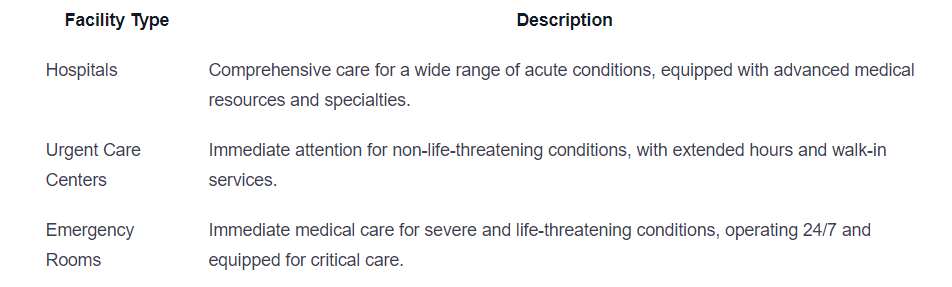
    The scope of acute care services encompasses a variety of healthcare settings and professionals. Acute care can be delivered in different facilities, each tailored to meet specific needs. The primary types of acute care facilities include hospitals, urgent care centers, and emergency rooms.

    Hospitals are comprehensive healthcare facilities equipped to provide a full range of acute care services. They have specialized departments, advanced medical technology, and a variety of healthcare professionals to address various medical conditions.

    Urgent care centers are walk-in clinics that offer immediate care for non-life-threatening conditions such as minor injuries, infections, and illnesses. These centers provide an alternative to emergency rooms for situations that require prompt attention but are not considered emergencies.

    Emergency rooms (ERs) are specifically designed to handle life-threatening and critical conditions. They operate 24/7 and have a multidisciplinary team of healthcare professionals skilled in handling emergencies, including trauma, severe illnesses, and acute injuries.

    Acute care services involve a wide range of medical assessments, treatments, diagnostic services, and surgical procedures. These services aim to stabilize patients, relieve symptoms, and initiate appropriate interventions to prevent further complications.

    Understanding the definition and scope of acute care services is essential for individuals seeking immediate medical attention and for healthcare providers who play a crucial role in delivering timely and effective care to patients in urgent situations.

    Types of Acute Care Facilities

    Acute care services are provided in various healthcare settings, each with its own unique capabilities and resources. Let’s explore the three main types of facilities where acute care services are delivered: hospitals, urgent care centers, and emergency rooms.

    Hospitals

    Hospitals are often the primary facility for delivering acute care services. These institutions have a wide range of medical specialties and departments, allowing them to provide comprehensive care for a variety of acute conditions. Hospitals are equipped with advanced diagnostic tools, surgical suites, and intensive care units, making them capable of handling complex and critical cases.

    In hospitals, acute care services are typically provided by a team of healthcare professionals, including physicians, nurses, and specialists. The level of care in hospitals is generally more extensive and specialized compared to other acute care facilities. Hospitals are well-suited for treating severe injuries, major surgeries, and life-threatening illnesses.

    Urgent Care Centers

    Urgent care centers are facilities that bridge the gap between primary care and emergency care. These centers are designed to provide immediate medical attention for non-life-threatening conditions that require prompt treatment. Urgent care centers are often open outside of regular office hours, including evenings and weekends, providing convenient access to acute care services.

    One of the key advantages of urgent care centers is their ability to offer same-day appointments or walk-in services. They are well-suited for treating conditions such as minor injuries, infections, flu-like symptoms, and other acute illnesses that require prompt attention but are not severe enough to warrant a visit to the emergency room.

    Emergency Rooms

    Emergency rooms (ERs) are specialized departments within hospitals that provide immediate medical care for severe and life-threatening conditions. ERs operate 24/7 and are equipped to handle a wide range of medical emergencies. They have advanced medical equipment, including resuscitation equipment and trauma bays, to provide critical care in urgent situations.

    Emergency rooms are designed to handle conditions such as heart attacks, strokes, severe injuries, and other life-threatening emergencies. They have the necessary resources and expertise to stabilize patients quickly and, if needed, arrange for further hospitalization or transfer to specialized departments within the hospital.

    To summarize the types of acute care facilities:
    __wf_reserved_inherit

    Understanding the different types of acute care facilities can help individuals make informed decisions about where to seek care based on the urgency and severity of their condition. It’s important to choose the appropriate facility that best matches the level of care needed for timely and effective treatment.

    Services Provided in Acute Care Settings

    Acute care settings play a vital role in providing immediate medical attention for individuals with urgent health needs. These facilities offer a range of services to ensure timely assessment, diagnosis, and treatment. Let’s explore the services commonly provided in acute care settings.

    Medical Assessment and Treatment

    In Diagnostic Services

    Acute care facilities are equipped with various diagnostic tools and technologies to aid in the diagnosis and evaluation of patients. These may include laboratory services, radiology departments, and specialized equipment for diagnostic procedures. By utilizing these resources, healthcare providers can quickly identify the cause of a patient’s symptoms or monitor their condition to guide treatment decisions.

    Surgical Procedures

    Acute care settings also offer surgical services for patients with urgent surgical needs. These facilities have operating rooms and highly trained surgical teams who perform a wide range of procedures. Surgical interventions in acute care settings can include emergency surgeries, such as appendectomies or trauma surgeries, as well as other time-sensitive procedures to address critical conditions.

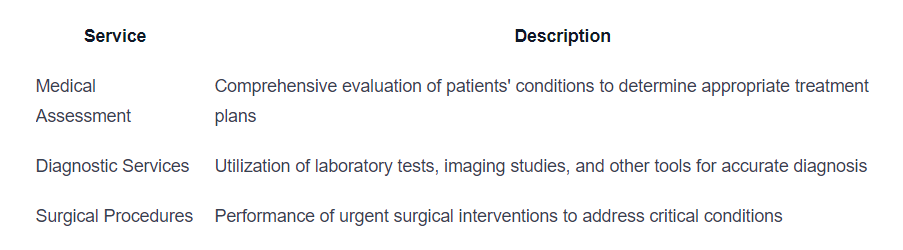
    To provide a clearer understanding of the services provided in acute care settings, below is a table summarizing the key services:

    __wf_reserved_inherit

    The services offered in acute care settings are essential for addressing urgent healthcare needs promptly and effectively. By providing medical assessment and treatment, diagnostic services, and surgical procedures, these facilities play a vital role in ensuring the well-being of individuals with urgent health concerns.

    Importance of Acute Care Services

    Acute care services play a crucial role in the healthcare system by providing timely care for critical conditions and acting as a bridge between primary care and emergency care. Let’s explore the importance of these services in more detail.

    Timely Care for Critical Conditions

    Acute care services are designed to provide immediate and specialized care for patients with critical or severe medical conditions. These services ensure that patients receive prompt medical attention, which is essential in preventing the progression of their conditions and improving their chances of recovery.

    By offering timely care, acute care services help stabilize patients and manage their symptoms effectively. This is particularly important in cases where delays in treatment can have severe consequences or even be life-threatening. Whether it’s a sudden illness, injury, or exacerbation of a chronic condition, acute care services are equipped to handle urgent medical needs.

    Bridge Between Primary Care and Emergency Care

    Acute care services also serve as a vital link between primary care and emergency care. While primary care focuses on preventive care, routine check-ups, and managing chronic conditions, and emergency care is designed for life-threatening situations, acute care services fill the gap for urgent medical needs that require immediate attention but do not necessarily warrant a visit to the emergency room.

    Acute care services provide a middle ground for patients who require more urgent care than what primary care can offer but do not require the level of care provided in an emergency room. By offering services such as medical assessment, treatment, diagnostic services, and minor surgical procedures, these facilities ensure that patients have access to appropriate care without overwhelming emergency departments.

    This bridge between primary care and emergency care helps alleviate the burden on emergency departments, allowing them to focus on true emergencies and life-threatening situations. It also enhances continuity of care for patients, ensuring that their urgent medical needs are addressed promptly and effectively.

    The importance of acute care services cannot be overstated. These services provide timely and specialized care for critical conditions, ensuring that patients receive the attention they need when time is of the essence. Moreover, they act as a bridge between primary care and emergency care, offering a middle ground for urgent medical needs. By understanding the scope and significance of acute care services, individuals can make informed decisions about seeking the appropriate level of care for their healthcare needs.

    Accessing Acute Care Services

    When it comes to accessing acute care services, there are a few important factors to consider. These include the referral process, walk-in policies, and insurance coverage. Understanding these aspects can help individuals navigate the system and receive the necessary care in a timely and efficient manner.

    Referral Process

    In some cases, accessing acute care services may require a referral from a primary care physician or another healthcare provider. A referral helps ensure that the individual receives the appropriate level of care and that their condition is properly assessed by a specialist. The referral process often involves the primary care provider coordinating with the acute care facility to schedule an appointment or admission.

    Walk-in Policies

    Acute care facilities, such as urgent care centers and emergency rooms, often have walk-in policies in place. This means that individuals can seek care without a prior appointment or referral. Walk-in policies are especially valuable for acute conditions that require immediate attention but may not warrant a visit to the emergency room. Urgent care centers, for example, are designed to provide prompt care for non-life-threatening conditions, offering extended hours and shorter wait times compared to emergency rooms.

    Insurance Coverage

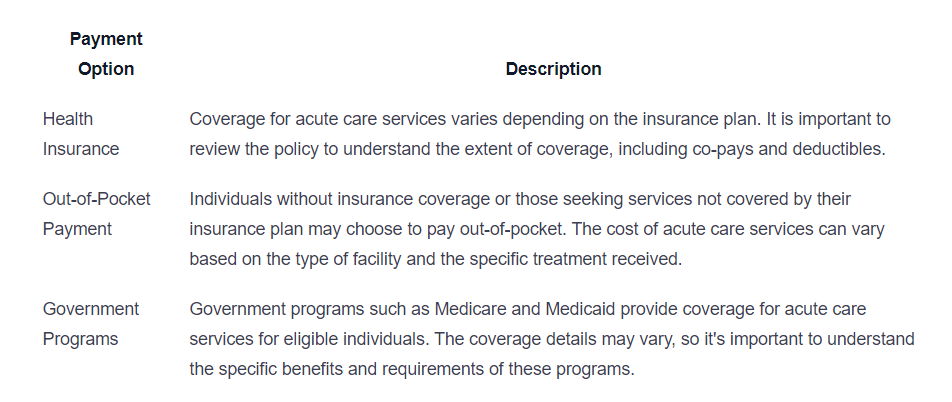
    Insurance coverage is an important consideration when accessing acute care services. Different insurance plans may have varying levels of coverage for acute care, and it’s essential to understand what services are included and any associated costs. Acute care services may be covered by health insurance plans, including private insurance, employer-provided insurance, or government programs like Medicare or Medicaid. It’s advisable to check with the insurance provider to understand the specific coverage details, including co-pays, deductibles, and any limitations or exclusions.

    To provide a general overview, here is a table comparing the common payment options for acute care services:

    __wf_reserved_inherit

    Understanding the referral process, walk-in policies, and insurance coverage can help individuals access acute care services in a timely and appropriate manner. Whether through a referral from a primary care provider or by utilizing walk-in options, individuals can receive the necessary care for their acute conditions. Checking with insurance providers and understanding coverage details can also help manage the financial aspect of acute care services.

    Accessing Acute Care Services

    When it comes to accessing acute care services, there are various ways individuals can seek the care they need. Whether it’s a medical emergency or a time-sensitive condition, knowing how to access these services efficiently is essential.

    Referral Process

    In some cases, individuals may require a referral from their primary care physician or another healthcare professional to access acute care services. The referral process ensures that patients receive appropriate care and that their condition is evaluated by a specialist who can provide the necessary treatment. Referrals are commonly required for specialized services or procedures, such as surgeries or complex diagnostic tests.

    Walk-in Policies

    For urgent situations that require immediate attention, many acute care facilities offer walk-in services. This means that individuals can visit the facility without an appointment and receive prompt care. Urgent care centers and emergency rooms often operate on a walk-in basis, providing services for a range of non-life-threatening emergencies and urgent medical needs.

    It’s important to note that while walk-in services are available, the severity of the condition will determine the level of care received. Emergency rooms are equipped to handle critical and life-threatening situations, while urgent care centers cater to less severe conditions that still require timely attention. Understanding the difference between these facilities can help individuals make informed decisions about where to seek care.

    Insurance Coverage

    Insurance coverage plays a crucial role in accessing acute care services. Before seeking care, individuals should review their insurance policies to understand the coverage provided for different types of acute care facilities. Insurance plans may have specific networks or preferred providers, and deviating from these networks may result in higher out-of-pocket costs.

    It’s recommended to contact the insurance provider or review the policy documents to confirm which acute care facilities are covered under the insurance plan. Understanding the coverage details, copayments, deductibles, and any restrictions can help individuals make informed decisions about accessing acute care services while minimizing financial burdens.

    By familiarizing themselves with the referral process, walk-in policies, and insurance coverage, individuals can navigate the process of accessing acute care services more efficiently. Whether it’s seeking care through a referral, visiting an urgent care center, or understanding insurance coverage, being well-informed empowers individuals to receive the necessary care promptly and effectively.

    Sources

    https://leafcare.co.uk/home-care-services/acute-care/

    https://www.emergencyhospitals.care/what-is-acute-care/

    https://www.ncbi.nlm.nih.gov/pmc/articles/PMC3646345/

  • The Power of a Health Care Advocate

    The Power of a Health Care Advocate

    Discover the power of a health care advocate in navigating medical complexities and empowering patients.

    The Role of a Health Care Advocate

    Understanding the pivotal role of a health care advocate is essential in navigating the complexities of the healthcare system. This section will provide a comprehensive overview by defining what a health care advocate is and highlighting the significance of having one.

    __wf_reserved_inherit

    Defining a Health Care Advocate

    A health care advocate is an individual who acts on behalf of a patient to ensure that their healthcare needs and preferences are communicated and respected. Advocates may be family members, friends, or professionals trained to support patients in making informed decisions about their health care.

    Importance of Having a Health Care Advocate

    The importance of having a health care advocate cannot be overstated, especially in situations where patients may face challenges in understanding their medical conditions or navigating healthcare processes. Some key benefits of having a health care advocate include:

    • Facilitating Communication: Advocates bridge the gap between patients and healthcare providers, ensuring that information is effectively exchanged and understood.
    • Providing Decision-making Support: Advocates help patients weigh their treatment options, make informed decisions, and advocate for their preferences.
    • Protecting Rights: Advocates ensure that patients’ rights are upheld, empowering them to actively participate in their healthcare decisions.

    Having a health care advocate by your side can significantly enhance the quality of care you receive and contribute to better health outcomes. Whether facing complex medical conditions, advancing in age, or encountering challenges due to limited health literacy, the presence of an advocate can offer invaluable support in navigating the healthcare landscape with confidence and reassurance.

    Responsibilities of a Health Care Advocate

    A crucial aspect of being a health care advocate is fulfilling various responsibilities to ensure the well-being and empowerment of the individual being represented. These responsibilities encompass communication facilitation, decision-making support, and rights protection.

    Communication Facilitation

    Central to the role of a health care advocate is acting as a liaison between the patient and the healthcare team. This involves ensuring that clear and effective communication takes place between all parties involved. The advocate may help the patient understand medical information, ask relevant questions, and convey the patient’s concerns and preferences to the healthcare providers.

    Decision-making Support

    Health care advocates play a vital role in assisting patients in making informed decisions about their healthcare. They provide guidance, information, and emotional support to help patients navigate complex treatment options, understand potential risks and benefits, and ultimately make decisions aligned with their values and wishes.

    Rights Protection

    Another key responsibility of a health care advocate is to safeguard the rights of the patient throughout the healthcare journey. Advocates advocate for patient autonomy, informed consent, and respect for the patient’s choices. They also ensure that the patient’s privacy and confidentiality are upheld in all interactions with healthcare providers and institutions.

    These responsibilities underscore the critical role that health care advocates play in advocating for and supporting the needs and rights of individuals in healthcare settings. By fulfilling these duties with compassion, expertise, and dedication, advocates can truly unleash the strength and impact of their advocacy efforts in improving the overall healthcare experience for the individuals they represent.

    Who Can Benefit from a Health Care Advocate?

    In the realm of healthcare, the presence of a health care advocate can significantly benefit certain groups of individuals by ensuring their needs are effectively addressed and their rights protected. Let’s delve into the specific groups that can benefit from the advocacy of a health care advocate: patients with complex medical conditions, elderly patients, and individuals with limited health literacy.

    Patients with Complex Medical Conditions

    Patients grappling with complex medical conditions often face a myriad of challenges, from navigating intricate treatment regimens to coordinating various healthcare providers. In such instances, a health care advocate can serve as a guiding force, offering support and assistance in comprehending medical information, advocating for comprehensive care plans, and ensuring seamless communication among healthcare professionals.

    Elderly Patients

    Elderly patients, with their unique healthcare needs and potential vulnerabilities, can greatly benefit from the presence of a health care advocate. As individuals age, they may encounter complexities in managing multiple medical conditions, understanding treatment options, and advocating for their preferences. A health care advocate can provide invaluable support by advocating for their rights, coordinating care transitions, and facilitating clear communication between the patient, caregivers, and healthcare providers.

    Individuals with Limited Health Literacy

    Individuals with limited health literacy often face barriers in comprehending medical information, making informed healthcare decisions, and effectively communicating with healthcare providers. For this group, a health care advocate can bridge the gap by simplifying complex medical terminology, providing educational resources, and empowering them to actively participate in their healthcare decisions. By advocating for clear communication and ensuring that the individual’s voice is heard, a health care advocate can enhance the overall healthcare experience for those with limited health literacy.

    By recognizing the diverse needs and challenges faced by patients with complex medical conditions, elderly patients, and individuals with limited health literacy, the vital role of a health care advocate in championing for their rights and well-being becomes evident. Through advocacy, support, and empowerment, health care advocates play a pivotal role in ensuring that these individuals receive the comprehensive care and attention they deserve.

    How to Be an Effective Health Care Advocate

    Navigating the healthcare system can be complex and overwhelming, especially for individuals facing challenging medical situations. Being an effective health care advocate requires specific skills and qualities to ensure the best outcomes for the patient. Three key aspects of being a successful health care advocate include building trust and rapport, understanding medical terminology, and empowering and educating the patient.

    Building Trust and Rapport

    Building trust and rapport is fundamental in the role of a health care advocate. Establishing a strong relationship with the patient, their family, and the healthcare team fosters open communication and collaboration. By listening attentively, showing empathy, and respecting the patient’s values and preferences, advocates can create a supportive environment where the patient feels heard and valued.

    Actions for Building Trust and Rapport

    Active listening

    Compassion and empathy

    Respect for patient autonomy

    Clear and transparent communication

    Understanding Medical Jargon

    Understanding medical terminology is essential for effective communication and advocacy within the healthcare setting. Health care advocates need to be familiar with common medical terms, procedures, and diagnoses to facilitate discussions between the patient and healthcare providers. By translating complex medical information into layman’s terms, advocates empower patients to make informed decisions about their care.

    Common Medical Terms

    Diagnosis

    Treatment options

    Prognosis

    Medication names and dosages

    Empowering and Educating the Patient

    Empowering and educating the patient is a core aspect of being a successful health care advocate. By providing patients with accurate information about their health condition, treatment options, and healthcare rights, advocates empower them to actively participate in decision-making processes. Educating patients on self-care practices, lifestyle modifications, and available support resources enhances their health literacy and promotes better health outcomes.

    Ways to Empower and Educate Patients

    Discussing treatment alternatives

    Encouraging questions and involvement in care decisions

    Providing resources for further information

    Promoting self-advocacy and self-management skills

    By focusing on building trust, understanding medical terminology, and empowering patients, health care advocates can make a significant impact on the well-being and healthcare experiences of patients. Through effective communication, advocacy, and education, advocates play a vital role in ensuring that patients receive the support and care they need to navigate the complexities of the healthcare system.

    Advocacy in Different Healthcare Settings

    When it comes to navigating the complexities of the healthcare system, the role of a health care advocate is invaluable. Advocates play a crucial role in various healthcare settings, ensuring that patients receive the support, information, and care they need. Let’s explore how health care advocates make a difference in hospitals and emergency rooms, doctor’s appointments and follow-ups, as well as health insurance and billing processes.

    Hospitals and Emergency Rooms

    In hospitals and emergency rooms, health care advocates act as a bridge between patients, healthcare providers, and medical staff. They facilitate communication, ensure that patients’ concerns and preferences are heard, and help navigate the often stressful and overwhelming hospital environment.

    __wf_reserved_inherit

    During emergency situations, health care advocates play a critical role in advocating for timely care and proper medical attention. In inpatient units, they serve as liaisons between the patient, family members, and the healthcare team, ensuring that all parties are informed and involved in the treatment plan.

    Doctor’s Appointments and Follow-ups

    When it comes to doctor’s appointments and follow-ups, health care advocates work to support patients in understanding their health conditions, treatment options, and recommendations from healthcare providers. They help facilitate communication, clarify medical jargon, and ensure that patients feel empowered and informed during medical consultations.

    __wf_reserved_inherit

    At doctor’s appointments, health care advocates assist patients in asking relevant questions, expressing concerns, and comprehending the information provided by healthcare professionals. During follow-up visits, advocates help patients stay on track with their treatment plans, medication schedules, and recommended lifestyle changes, promoting overall health and well-being.

    Health Insurance and Billing

    Navigating health insurance and billing processes can be complex and confusing for many patients. Health care advocates offer support in understanding insurance policies, coverage options, and medical bills, ensuring that patients are not overwhelmed by financial concerns while focusing on their health.

    __wf_reserved_inherit

    In the realm of health insurance, advocates review insurance policies, explain coverage details, and help patients make informed decisions about their healthcare expenses. When it comes to billing concerns, advocates assist in addressing billing errors, disputing questionable charges, and negotiating payment plans to alleviate financial burdens on patients.

    By advocating for patients in hospitals, doctor’s offices, and insurance matters, health care advocates play a vital role in ensuring that individuals receive quality care, have their voices heard, and can navigate the healthcare system with confidence and support.

    Resources for Health Care Advocates

    In the realm of health care advocacy, having access to the right resources can greatly enhance one’s ability to advocate effectively on behalf of others. This section highlights key resources available to health care advocates, including support groups and organizations, online tools and resources, as well as training and certification opportunities.

    Support Groups and Organizations

    Support groups and organizations play a vital role in providing guidance, networking opportunities, and emotional support to health care advocates. These groups bring together individuals who share a common interest in advocating for improved health care outcomes. By participating in support groups, advocates can exchange knowledge, learn from the experiences of others, and stay informed about the latest developments in the field.

    __wf_reserved_inherit

    Online Tools and Resources

    The digital landscape offers a wealth of online tools and resources designed to empower health care advocates in their advocacy efforts. These tools provide convenient access to information, communication platforms, and educational materials, enabling advocates to stay organized and informed throughout the advocacy process.

    __wf_reserved_inherit

    Training and Certification Opportunities

    To further develop their skills and expertise, health care advocates can benefit from participating in training programs and seeking certification in health advocacy. These opportunities help advocates enhance their knowledge, gain credibility in the field, and stay abreast of best practices in health care advocacy.

    __wf_reserved_inherit

    By leveraging these resources, health care advocates can strengthen their advocacy skills, expand their knowledge base, and ultimately make a meaningful difference in the lives of those they advocate for.

    Sources

    https://www.hopkinsmedicine.org/health/wellness-and-prevention/the-power-of-a-health-care-advocate#:~:text=Your%20

    https://publichealth.tulane.edu/blog/healthcare-advocacy/

    https://pmc.ncbi.nlm.nih.gov/articles/PMC2834716/

  • Medical Supplies and Pediatric Durable Medical Equipment

    Medical Supplies and Pediatric Durable Medical Equipment

    Discover the power of pediatric durable medical equipment and essential medical supplies for optimal care. Unveil a world of possibilities!

    __wf_reserved_inherit

    Navigating Pediatric Durable Medical Equipment

    When it comes to pediatric care, the availability and proper utilization of durable medical equipment (DME) and medical supplies play a vital role in ensuring the well-being and quality of life for children with medical needs. This section aims to highlight the importance of pediatric durable medical equipment and provide an overview of medical supplies and pediatric DME.

    Importance of Pediatric Durable Medical Equipment

    Pediatric durable medical equipment refers to a wide range of devices and aids designed specifically for children with medical conditions or disabilities. These equipment and supplies are essential in assisting with mobility, providing support, and improving the overall comfort and safety of children with special healthcare needs.

    The significance of pediatric durable medical equipment lies in its ability to enhance the daily lives of children and promote their independence. Whether it’s a wheelchair that enables a child to move around freely or orthotic devices that aid in proper alignment and support, each piece of equipment serves a unique purpose in meeting the specific needs of the child.

    Pediatric DME not only improves the physical well-being of children but also contributes to their psychological and emotional well-being by fostering inclusion and participation in various activities. It allows children to engage in social interactions, attend school, and explore their environment with greater ease and confidence.

    Overview of Medical Supplies and Pediatric Durable Medical Equipment

    Medical supplies are an integral part of

    __wf_reserved_inherit

    The selection of medical supplies depends on the specific medical condition and needs of the child. Proper utilization and regular maintenance of these supplies are crucial in ensuring the child’s well-being and preventing complications.

    Understanding the importance of pediatric durable medical equipment and medical supplies is essential for healthcare providers, parents, and caregivers alike. By navigating this realm of pediatric care, they can make informed decisions, collaborate with healthcare professionals, and provide the best possible support for children in need.

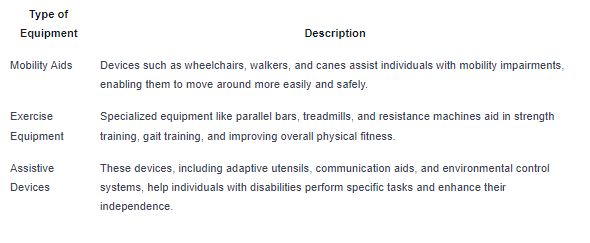
    Types of Pediatric Durable Medical Equipment

    Pediatric durable medical equipment plays a vital role in providing support and enhancing the quality of life for children with medical conditions or disabilities. There are various types of equipment specifically designed to meet the unique needs of pediatric patients. In this section, we will explore three common categories: wheelchairs and mobility aids, orthotic devices, and assistive technology devices.

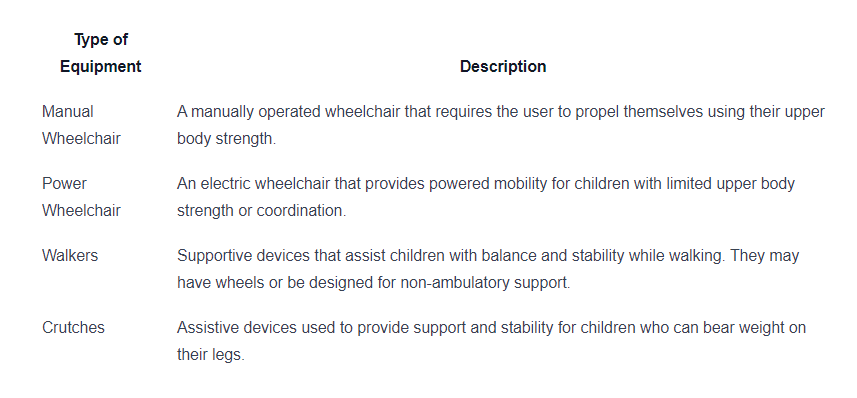
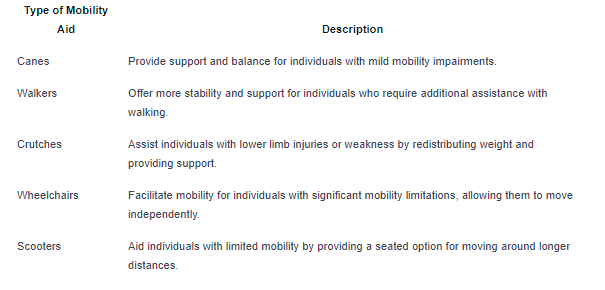
    Wheelchairs and Mobility Aids

    Wheelchairs and mobility aids are essential for children who have difficulty walking or require assistance with mobility. These devices provide independence and help children navigate their surroundings more easily. Depending on the specific needs of the child, different types of wheelchairs and mobility aids may be recommended.

    __wf_reserved_inherit

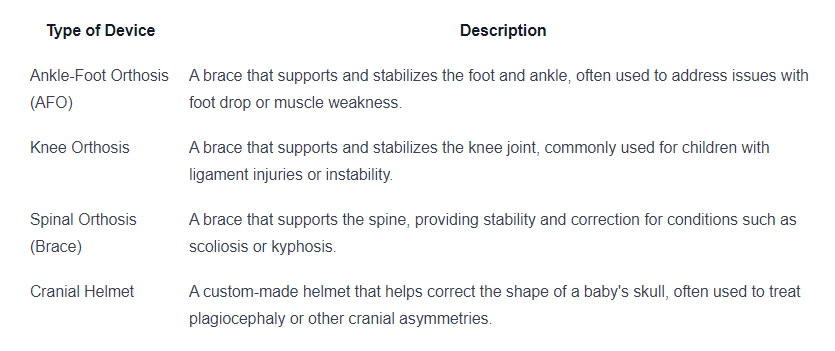
    Orthotic Devices

    Orthotic devices are used to support and align specific body parts, such as the spine, limbs, or feet. These devices are custom-made to ensure a proper fit and provide the necessary support to enhance mobility and function.

    __wf_reserved_inherit

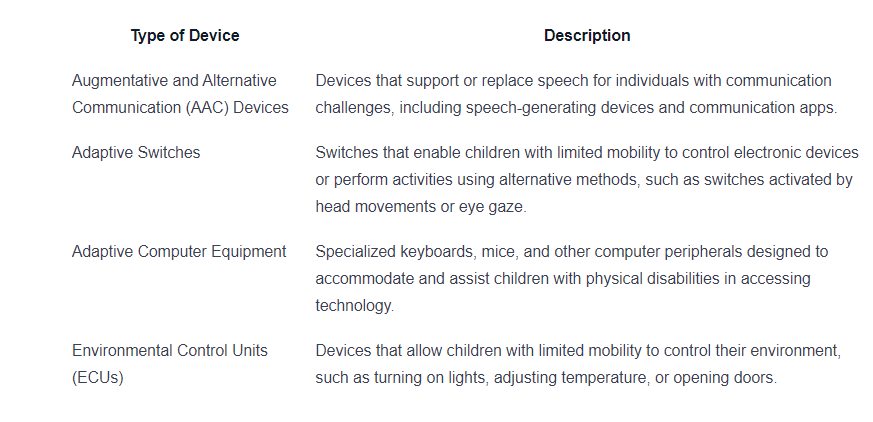
    Assistive Technology Devices

    Assistive technology devices are designed to assist children with disabilities in performing various tasks and activities. These devices can enhance communication, learning, and independence, enabling children to participate more fully in daily life.

    __wf_reserved_inherit

    By understanding the different types of pediatric durable medical equipment available, healthcare providers and families can make informed decisions regarding the appropriate equipment for each child’s unique needs. It’s important to consult with healthcare professionals to ensure proper evaluation, fitting, and ongoing support for the selected equipment, maximizing its effectiveness and benefit for the child.

    __wf_reserved_inherit

    Medical Supplies for Pediatric Care

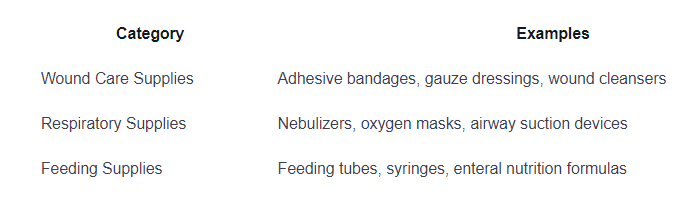
    When it comes to pediatric care, having access to the right medical supplies is essential. Medical supplies play a crucial role in providing the necessary support and care for children with various medical conditions. In this section, we will explore three important categories of medical supplies for pediatric care: wound care supplies, respiratory supplies, and feeding supplies.

    Wound Care Supplies

    Wound care supplies are vital for managing and treating wounds in

    __wf_reserved_inherit

    It’s important to note that the specific wound care supplies needed may vary depending on the type and severity of the wound. Healthcare providers can assess the individual needs of the child and recommend the appropriate supplies for effective wound care.

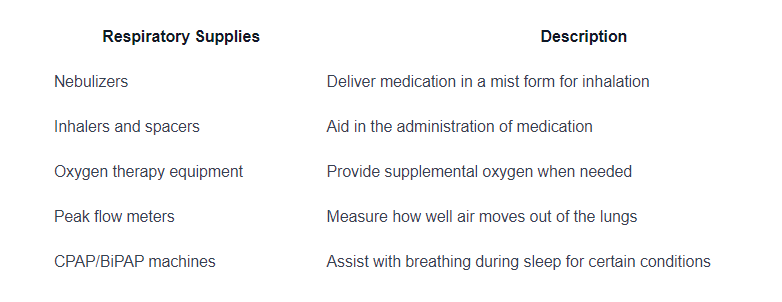
    Respiratory Supplies

    Respiratory supplies are essential for children with respiratory conditions or those who require respiratory support. These supplies help manage respiratory symptoms, improve breathing, and enhance overall respiratory function. Some common respiratory supplies used in pediatric care include:

    __wf_reserved_inherit

    The specific respiratory supplies required will depend on the child’s respiratory condition and the treatment plan prescribed by healthcare professionals. It is important to follow the recommended guidelines for their proper use and maintenance.

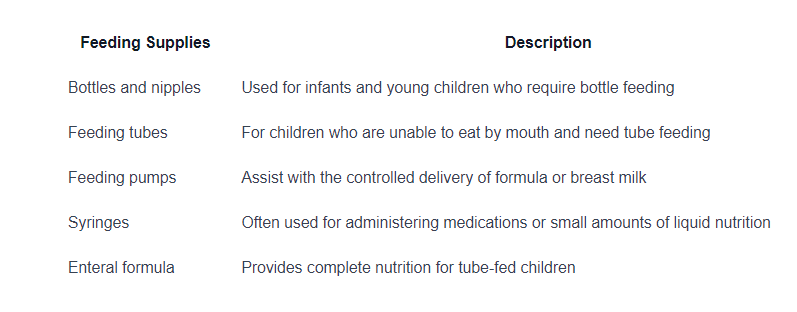
    Feeding Supplies

    Feeding supplies are crucial for children who have difficulty eating or require specialized feeding methods. These supplies ensure proper nutrition and hydration for pediatric patients. Here are some common feeding supplies used in pediatric care:

    __wf_reserved_inherit

    The specific feeding supplies needed will depend on the child’s feeding abilities and medical condition. Healthcare providers, along with pediatric dieticians, can guide parents and caregivers in selecting the appropriate supplies and establishing proper feeding routines.

    Having the right medical supplies for pediatric care is crucial to ensure the well-being and comfort of children with medical conditions. Each category of supplies serves a specific purpose in addressing the unique needs of pediatric patients. Working closely with healthcare providers and following their recommendations will help ensure that children receive the appropriate medical supplies for their specific care requirements.

    Ensuring Proper Fit and Function

    When it comes to pediatric durable medical equipment, ensuring proper fit and function is crucial for the well-being and comfort of the child. This section will highlight the importance of proper sizing and the benefits of customization and adjustability in pediatric durable medical equipment.

    Importance of Proper Sizing

    Proper sizing of pediatric durable medical equipment is essential to meet the unique needs of each child. Ill-fitting equipment can lead to discomfort, limited mobility, and potential health issues. It is crucial to consider factors such as the child’s age, height, weight, body proportions, and specific medical condition when determining the appropriate size.

    To ensure proper sizing, healthcare professionals and suppliers often utilize measurement guides and specialized fitting techniques. They take into account the child’s growth potential, allowing for adjustments and future adaptations as the child develops. Properly sized equipment promotes better posture, reduces the risk of pressure sores, and enhances overall functionality.

    Customization and Adjustability

    Customization and adjustability play a significant role in pediatric durable medical equipment. Every child has unique needs, and equipment that can be tailored to those needs provides optimal support and comfort. Customization allows for modifications based on individual requirements, ensuring a better fit and function.

    Adjustability features, such as adjustable seat heights, footrests, and backrests, allow equipment to adapt as the child grows or as their needs change over time. This flexibility reduces the need for frequent replacements and provides cost-effective solutions for families and healthcare providers.

    By incorporating customization and adjustability, pediatric durable medical equipment can be tailored to fit the child precisely. This not only promotes better comfort and functionality but also enhances the child’s independence and participation in daily activities.

    Proper sizing, customization, and adjustability are vital considerations when selecting pediatric durable medical equipment. These factors contribute to the overall well-being and quality of life for children with medical needs. Healthcare providers and suppliers work closely with families to ensure that the chosen equipment meets the specific requirements of each child, providing them with the support they need to thrive.

    __wf_reserved_inherit

    Accessing Pediatric Durable Medical Equipment

    When it comes to accessing pediatric durable medical equipment, there are a few important factors to consider. These include obtaining a prescription and understanding insurance coverage, as well as working closely with healthcare providers to ensure the best equipment for your child’s needs.

    Prescription and Insurance Coverage

    To access pediatric durable medical equipment, a prescription from a healthcare professional is typically required. The prescription specifies the specific type of equipment needed and any special features or modifications necessary to meet your child’s unique requirements. It’s essential to consult with your child’s healthcare provider to obtain the appropriate prescription.

    Once you have the prescription, understanding your insurance coverage is crucial. Different insurance plans may have varying policies regarding coverage for pediatric durable medical equipment. It’s important to review your insurance policy or contact your insurance provider to understand the specific coverage details, including any limitations or requirements.

    Working with Healthcare Providers

    Collaborating with healthcare providers is essential to ensure that your child receives the most suitable pediatric durable medical equipment. Your child’s healthcare team, including doctors, therapists, and specialists, can provide valuable insights and recommendations based on their expertise and knowledge of your child’s medical condition.

    When working with healthcare providers, it’s important to communicate openly and share any specific concerns or requirements related to the equipment. They can guide you in selecting the appropriate equipment based on your child’s individual needs, considering factors such as mobility, safety, and comfort.

    Additionally, healthcare providers can assist with completing any necessary paperwork or documentation required by insurance companies. They may also have information about local suppliers or resources that specialize in pediatric durable medical equipment.

    By working closely with healthcare providers, you can navigate the process of accessing pediatric durable medical equipment more effectively and ensure that your child receives the necessary support for their healthcare needs.

    Remember, every child is unique, and their medical equipment requirements may vary. It’s crucial to consult with healthcare professionals and follow their guidance to ensure the best possible outcomes for your child’s health and well-being.

    Maintenance and Care

    Proper maintenance and care of pediatric durable medical equipment and medical supplies are essential to ensure their longevity and functionality. Regular cleaning, sanitizing, as well as prompt repairs and replacements, contribute to the overall safety and effectiveness of these medical aids.

    Cleaning and Sanitizing

    Cleaning and sanitizing pediatric durable medical equipment and medical supplies are crucial steps in preventing the spread of infections and maintaining a hygienic environment for pediatric patients. Here are some general guidelines for cleaning and sanitizing:

    1. Follow manufacturer’s instructions: Always refer to the manufacturer’s guidelines for specific cleaning and sanitizing instructions for each equipment or supply. They provide valuable information on suitable cleaning agents, recommended methods, and any precautions to be taken.
    2. Use appropriate cleaning agents: Depending on the type of equipment or supply, different cleaning agents may be required. Commonly used cleaning agents include mild soap and water, disinfectant wipes, or specialized cleaning solutions. Ensure that the cleaning agent is compatible with the materials of the equipment or supply to avoid damage.
    3. Clean regularly: Establish a routine cleaning schedule to ensure regular maintenance. Wipe down surfaces, remove any debris or dirt, and sanitize according to the manufacturer’s instructions. Pay extra attention to areas that come into direct contact with the patient’s skin or bodily fluids.
    4. Monitor for wear and tear: During the cleaning process, inspect the equipment or supply for any signs of wear and tear. This includes checking for loose parts, frayed cables, or damaged surfaces. Promptly address any repairs or replacements needed to maintain the equipment’s functionality and safety.

    Repairs and Replacements

    Even with proper care, pediatric durable medical equipment and medical supplies may require repairs or replacements over time. It is essential to address any issues promptly to ensure the continued functionality and safety of the equipment. Here are some considerations:

    1. Follow manufacturer’s guidelines: Refer to the manufacturer’s guidelines for procedures on repairs and replacements. Some repairs may need to be performed by authorized technicians, while others may require specific replacement parts.
    2. Work with healthcare providers: If you notice any issues with the equipment or supplies, notify your healthcare provider or the supplier immediately. They can guide you on the appropriate steps to take, whether it involves arranging repairs, replacements, or obtaining new supplies.
    3. Maintain a record: Keep a record of any repairs or replacements performed on the equipment or supplies. This helps to track the maintenance history and aids in communicating any relevant information to healthcare providers or insurance companies.
    4. Stay informed about insurance coverage: Familiarize yourself with your insurance coverage regarding repairs and replacements. Some insurance plans may cover the costs of repairs or replacements under certain conditions. Understanding your coverage can help alleviate any financial burdens associated with maintenance.

    By following proper cleaning and sanitizing procedures, as well as addressing repairs and replacements in a timely manner, you can ensure the longevity and effectiveness of pediatric durable medical equipment and medical supplies. Regular maintenance contributes to the overall safety, hygiene, and functionality of these essential tools in pediatric care.

    Sources

    https://childrenfirst.com/dme/

    https://www.pediatrichomeservice.com/services/equipment-and-supplies/equipment-supplies-dme/

    https://www.alimed.com/pediatrics/

  • The Benefits of Pediatric Home Health Care for Children with Autism

    The Benefits of Pediatric Home Health Care for Children with Autism

    Exploring How Home Health Care Empowers Autistic Children and Their Families

    An Introduction to Pediatric Home Health Care

    Pediatric home health care is an invaluable resource for families of children on the autism spectrum, offering a unique approach to health management that enhances clinical outcomes and overall well-being. By providing medical and therapeutic care within the comfort of home, this service not only benefits the child but also significantly alleviates familial burdens. In this article, we delve into the comprehensive advantages of pediatric home health care, highlighting how it meets the complex needs of autistic children and supports their development.

    Understanding Pediatric Home Health Care

    Discover the Essential Aspects and Benefits of Pediatric Home Health Care

    What is pediatric home health care?

    Pediatric home health care refers to the provision of medical and therapeutic services to children in their own homes. This approach supports recovery and enhances overall well-being, catering especially to those with chronic conditions or those requiring rehabilitation. By delivering care in a familiar environment, children can experience reduced anxiety and improved comfort, which is vital for their emotional health.

    Describe the services included

    A wide array of services is encompassed in pediatric home health care, including but not limited to:

    • Nursing Care: Professional nurses provide medical support, including medication management and health monitoring.
    • Therapies: Tailored therapies such as occupational, physical, and speech therapy help address developmental needs and improve daily functioning.
    • Social Services: Support from social workers assists families in navigating resources and managing care complexities.
    • Nutritional Guidance: Dietitians may offer advice tailored to specific medical needs, which is particularly important for children with conditions like autism who may have dietary restrictions.
    • Family Training: Parents receive training to effectively manage their child’s care, empowering them to handle various health situations.

    Explain the benefits for medically complex children

    Pediatric home health care offers numerous advantages for children with complex medical needs:

    • Comfort and Familiarity: Healing in a known environment helps children feel safe and less anxious, promoting emotional well-being.
    • Reduced Hospitalization: Home care decreases the likelihood of hospital stays, thus lowering the risk of infections and complications.
    • Customized Care Plans: Professionals develop individualized care plans, ensuring that children receive tailored support that meets their unique requirements.
    • Enhanced Family Engagement: With the family actively involved in care decisions, emotional bonds are strengthened, providing a sense of security for the child.

    This model not only ensures timely health interventions but also fosters a collaborative environment that integrates both health and educational needs, highlighting its importance in the holistic care of children.

    Personalized Support for Children with Autism

    Uncover How Home Health Care Support Transforms Lives for Children with Autism

    How does pediatric home health care benefit children with autism?

    Pediatric home health care significantly benefits children with autism by delivering personalized and specialized support right within their familiar home environment. This approach greatly reduces the stress and emotional distress commonly associated with institutional care settings.

    One of the hallmarks of pediatric home health care is the creation of tailored care plans. Caregivers, including skilled nurses, therapists, and social workers, work closely with families and medical providers to develop customized strategies that address each child’s unique challenges and needs. This family-centered model promotes collaboration, ensuring that services are aligned with the child’s individual requirements.

    Moreover, the familiar environment of home provides a comforting backdrop for children with autism. This stability is crucial for emotional well-being and fosters independence. Children can engage in everyday activities, building essential life skills without the disruption of transitioning back and forth from hospital settings.

    A significant advantage of receiving care at home is the ability to maintain continuity in education. Home health care professionals often collaborate with schools, ensuring children receive the necessary educational support while balancing their health needs. This ensures social interactions with peers, which are vital for developing communication and social skills.

    Research shows that children receiving in-home support often enjoy better clinical outcomes, faster recovery times, and heightened overall comfort than those placed in hospital environments. Additionally, enhanced communication between families and healthcare providers streamlines care coordination, leading to improved access to essential resources within the community.

    Diverse Services Offered in Home Health Care Programs

    Explore the Wide Range of Services Available in Pediatric Home Health Care

    What services are typically provided in pediatric home health care for children with autism?

    Pediatric home health care for children with autism offers a variety of specialized services tailored to their unique needs. Key services include:

    • Speech Therapy: Focuses on improving communication skills.
    • Occupational Therapy: Aims to enhance daily living skills and independence.
    • Behavioral Therapy: Addresses behavioral challenges and promotes positive interactions.
    • Physical Therapy: Supports motor skill development and physical well-being.
    • Pediatric Nursing: Provides medical care, medication management, and education for families.
    • Pediatric Palliative Care: Enhances the quality of life for children facing serious health challenges.

    This range of therapies is critical for promoting essential skills and fostering social interaction.

    Benefits of a multidisciplinary approach

    The multidisciplinary approach of pediatric home health care brings various professionals together, including nurses, therapists, and social workers. This collaboration offers numerous benefits, such as:

    • Customized Care Plans: Plans are designed based on input from families and specialists, addressing individual needs and preferences.
    • Comprehensive Support: Families receive holistic assistance that encompasses medical, emotional, and developmental needs, ensuring a complete care experience.
    • Enhanced Communication: Regular team meetings allow for timely adjustments to care strategies, keeping the focus on the child’s evolving needs.
    • Improved Family Engagement: Involvement in the care process strengthens family bonds and enhances overall confidence in managing care at home.

    In essence, the integration of diverse services and a multidisciplinary team creates an environment where children can thrive, especially those with autism, all while receiving essential support in the comfort of their homes.

    Service Type Purpose Key Benefits
    Speech Therapy Improve communication skills Enhances social interaction
    Occupational Therapy Develop daily living skills Promotes independence
    Behavioral Therapy Manage behavioral challenges Encourages positive behavior
    Physical Therapy Support motor skill development Increases physical health
    Pediatric Nursing Provide medical care and education Ensures safety and effective care
    Pediatric Palliative Care Improve quality of life Enhances comfort and support

    Enhancing Family Life Through Home Health Care

    Learn How Home Health Care Improves Family Life and Connection

    How can home health care improve the quality of life for families of children with autism?

    Home health care transforms the lives of families with children who have autism by delivering essential therapeutic and medical support right in their own homes. This caters to the unique needs of each child in a familiar setting, which significantly enhances the stability and predictability that many children with autism require.

    Key benefits include:

    • Reduction of Caregiver Stress:
      Home health care professionals, including nurses and therapists, relieve parents from continuous caregiving burdens. This allows for greater focus on their own well-being, reducing feelings of exhaustion and stress.
    • Enhancements in Developmental Skills:
      Through tailored therapies, such as speech therapy and occupational therapy, children cultivate vital communication and daily living skills. This fosters a sense of independence and self-esteem, transforming how they engage with family and society.

    Improvements in Routine and Family Dynamics

    A structured daily routine is crucial for children on the autism spectrum, and home health care facilitates this by providing consistent support and care schedule. This fosters a sense of security for the child and allows families to maintain predictable daily activities together.

    Additional advantages include:

    • Increased Family Cohesion:
      Involving family members in care helps in building stronger emotional bonds, enhancing a child’s sense of belonging.
    • Accessibility of Services:
      Home care significantly reduces the logistical and financial challenges associated with hospital visits, making vital resources more manageable for families.

    By promoting a nurturing home environment and empowering parents through training and resources, pediatric home health care vastly improves the overall quality of life for families navigating the challenges of autism.

    The Critical Role of Respite Care

    Understand the Importance of Respite Care for Families with Children on the Autism Spectrum

    Why is respite care important for families with children on the autism spectrum?

    Respite care plays a vital role for families with children on the autism spectrum. It offers essential short-term relief for primary caregivers who often experience constant demands due to the complexities of caring for a child with special needs. By providing time away from caregiving, respite services allow caregivers to recharge physically and mentally, which can significantly diminish the risk of burnout.

    For caregivers, respite care opens the door to personal well-being — whether it’s the chance to engage in social activities, pursue personal interests, or simply relax. This time off is crucial for maintaining their health and ensuring they can continue to provide effective care.

    Moreover, respite care enhances family dynamics by enabling caregivers to devote more quality time to other family members. Strengthened relationships and improved communication stem from this ability to reconnect, which is vital in fostering a harmonious home environment.

    Benefits of respite care

    Respite services come in various forms, including in-home support and specialized activities designed for children with autism. This flexibility accommodates the unique needs of each family, ensuring that both caregivers and children reap rewards from the arrangement. Caring for siblings is also part of this support structure, providing them opportunities for one-on-one time with parents, which can sometimes be overshadowed by caregiving duties.

    In addition, children with autism benefit greatly from respite care programs that enhance their socialization skills, allowing interaction with peers who face similar challenges. This social engagement serves as an enriching experience, contributing positively to the overall family life and emotional health of each member.

    Supporting Developmental Needs with Home Health Care

    Early Intervention and Therapy

    Early intervention is crucial for children with developmental disorders, particularly for those on the autism spectrum. Pediatric home health care provides access to essential therapies like speech, occupational, and Physical Therapy aligned with individual needs. These services are vital for helping children develop communication and social skills, promoting independence and overall well-being.

    Customized care plans are executed in collaboration with family and medical professionals, ensuring that therapies address the child’s unique challenges and abilities. Such an approach not only aids in developmental growth but also fosters a strong emotional bond as families actively engage in their child’s progress.

    Specialized Therapeutic Services

    Specialized therapeutic services, such as Applied Behavior Analysis (ABA) and Relationship Development Intervention (RDI), are fundamental components of pediatric home health care. These therapies focus on behavioral management and skill development, creating a tailored framework that enhances the educational experience for children with autism.

    Incorporating therapies like Equestrian Therapy and Sensory Integration Therapy can further support emotional and social development. By offering tailored therapeutic services in a familiar home setting, families can ensure continuity in care while allowing their child to thrive in a secure and comfortable environment.

    Emotional and Social Benefits of Home Health Care

    Improved Social Interactions

    Children receiving pediatric home health care can enjoy enhanced social interactions. In a familiar environment, they engage more easily with caregivers and siblings, fostering relationships that help build communication skills. Dedicated caregivers can offer targeted social activities that promote interaction, leading to improved emotional and cognitive development.

    Reduced Feelings of Isolation

    Home health care also significantly reduces feelings of isolation for children, particularly those with autism who may struggle in traditional group settings. By providing tailored interventions and support, these services enable children to connect with peers through play and social activities. This social engagement not only supports their emotional health but assists them in developing a sense of belonging and community.

    Benefit Description Implication
    Improved Social Skills Regular interaction with caregivers and peers helps develop communication skills. Increases overall emotional well-being.
    Enhanced Sense of Belonging Engaging in social activities within a familiar setting fosters connections. Reduces feelings of isolation.
    Tailored Support Personalized programs designed to meet individual needs. Promotes confidence and independence.

    Challenges and Strategies in Pediatric Home Health Care

    Workforce Shortages in Pediatric Home Health Care

    Pediatric home health care faces significant workforce shortages, which limits the availability of trained professionals for children with complex medical needs. Families often find it challenging to secure qualified caregivers, leading to increased stress and financial burdens. Parents may need to forgo work to provide care themselves, intensifying their exhaustion and complicating home management. Strategies to address these shortages include enhanced training programs and incentives for new healthcare workers to enter this specialized field.

    Integrating Home Health Care with Educational Systems

    Effective coordination between home health care providers and educational institutions is crucial, especially for children with autism and developmental disabilities. Many families report barriers stemming from a fragmented system, where medical and educational services operate independently. Developing collaborative frameworks can help ensure children receive consistent support across settings. Initiatives might focus on integrating care plans with educational goals, thereby facilitating smoother transitions that can enhance the overall quality of care and learning for children.

    Evidence-Based Insights into Home Health Care Effectiveness

    Research findings on home care versus institutional care

    Research indicates that pediatric home health care is a significant improvement over institutional care for medically fragile children. This model of care not only enhances the children’s emotional well-being by allowing them to remain in familiar environments, but it also leads to faster recovery times. In particular, children with chronic conditions, such as those on the autism spectrum, tend to fare better when cared for at home. Home-based care reduces hospitalizations and is often more cost-effective than traditional facility care.

    Long-term outcomes for autistic children

    Long-term outcomes for autistic children receiving home health care show improved developmental trajectories when individualized care is provided. The integration of early intervention services, such as speech and occupational therapies, into home care plans can significantly enhance skills like communication and social interactions. Furthermore, parental involvement in care leads to better healthcare management and heightened emotional security for the child, reinforcing stable routines that are crucial for their development. These findings emphasize the importance of tailored home health services to meet the unique needs of each child, ultimately promoting better health and quality of life.

    Practical Guidance for Families Navigating Home Health Care

    Improving Comfort and Convenience

    Pediatric home health care is designed to provide essential medical support in a familiar environment, enhancing comfort for both children and their families. Here are some practical tips:

    • Develop a routine: Establishing a daily schedule can help children, especially those with autism, feel secure and understand what to expect.
    • Create organized spaces: Ensure that medical equipment and therapy materials are easily accessible, which can simplify caregiving for parents and enhance the child’s participation in their care.
    • Engage caregivers: Building strong relationships with the home health care staff fosters trust and ensures that care is tailored to your child’s unique needs.

    Utilizing Telehealth Services

    Telehealth can be a beneficial tool for families managing home health care:

    • Convenience: Parents can consult with medical professionals from home, eliminating travel stress and allowing for more flexible scheduling.
    • Continuous monitoring: Telehealth allows for regular check-ins, ensuring timely adjustments to care plans based on the child’s changing needs.
    • Efficient coordination: It facilitates better communication between caregivers, medical professionals, and educators, supporting a cohesive approach to the child’s care.

    Integrating Educational and Health Services for Holistic Care

    Addressing Barriers

    Integrating educational and health services for children with complex conditions, such as autism, presents several barriers. Limited provider knowledge about autism can hinder effective care coordination. Additionally, inadequate communication between health and educational systems often leads to fragmented services, preventing children from receiving comprehensive support.

    Improving Service Accessibility

    To tackle these barriers, it is essential to adopt a family-centered approach. This includes ensuring families have equitable access to medical home care and educational services. Enhanced coordination can lead to better health outcomes and reduce the likelihood of unmet healthcare needs among children on the autism spectrum.

    Overview of Current Solutions

    Solution Description Benefits
    Care Coordination Collaboration between healthcare providers and educators to share information and strategies. Improved access to services and more personalized care plans.
    Comprehensive Training Educating providers on autism-specific needs can enhance care quality. Greater trust and understanding between families and providers.
    Integrated Support Systems Combining health services with educational resources to create a seamless experience. Reduced fragmentation of care and improved emotional well-being.

    By focusing on these approaches, we can create a more integrated care landscape that supports children’s health and educational needs.

    Embracing Pediatric Home Health Care for a Brighter Future

    As we explore the multifaceted benefits of pediatric home health care for children with autism, it becomes apparent that this service not only addresses medical needs but also enriches the family structure as a whole. Through personalized care, compassionate support, and strategic collaborations with educational systems, home health care holds the promise of better outcomes for the child and a more balanced life for their families. By continuing to invest in such comprehensive care systems, we pave the way for more inclusive and effective health models that cater to the unique needs of every child. Ultimately, embracing this approach can lead to a brighter, more empowered future for children on the autism spectrum and their loved ones.

    References

  • Tips for Parents Preparing for a Pediatric Urgent Care Visit

    Tips for Parents Preparing for a Pediatric Urgent Care Visit

    Preparing for Your Child’s Urgent Care Visit: A Parent’s Guide

    Introduction

    Navigating a pediatric urgent care visit can be a daunting experience for both parents and children. Being prepared not only ensures a smoother visit but also helps in effectively managing the situation without added stress. This guide is designed to provide tips and insights on how to prepare for the process, from understanding when to opt for urgent care to managing your child’s anxiety.

    Gathering Essential Items for the Visit

    Prepare for Your Pediatric Urgent Care Visit: Essential Items You Shouldn't Forget!

    What should I bring to a pediatric urgent care visit?

    When preparing for a pediatric urgent care visit, it’s crucial to gather all necessary items to ensure a smooth experience. Start by bringing a form of identification—this could be a driver’s license or passport—as well as your insurance card for billing purposes. It’s also important to carry contact information for yourself and any emergency contacts.

    Next, compile a written list of questions for the physician. This can help you address any specific concerns during the visit. Additionally, include essential information about your child’s health history. You should have details on current medications, allergies, and any past medical procedures readily available.

    Lastly, be prepared to share the name of your child’s primary care physician and any existing medical conditions. Having this information organized helps facilitate better communication with the healthcare provider, ultimately leading to more effective care.

    Organizing Medical History

    A well-organized medical history is invaluable during urgent care visits. Maintain a medical binder with records such as:

    • Immunization history.
    • List of allergies and medications.
    • Any relevant hospital visits.

    This will streamline the check-in process and allow healthcare professionals to quickly assess your child’s needs.

    Bringing Comfort Items for the Child

    To ease the emotional strain on your child, packing comfort items is highly recommended. Consider including:

    • A favorite stuffed animal or toy.
    • A soothing blanket.
    • Snacks and drinks for when they may feel anxious or hungry.

    These familiar items can provide reassurance and much-needed support during the visit, positively impacting their experience.

    Choosing the Right Care: Urgent Care vs. Emergency Room

    When should parents opt for urgent care instead of emergency services for their child?

    Parents should consider urgent care when their child’s condition is not life-threatening and does not require the immediate attention of a hospital. Urgent care is ideal for less severe conditions such as:

    • Mild fevers
    • Minor cuts or sprains
    • Earaches
    • Respiratory issues without severe symptoms

    If the child can walk, talk, and engage in play, their situation is likely not an emergency. Urgent care facilities can provide quicker service compared to emergency rooms for these non-critical issues.

    It is also advisable to opt for urgent care when the child’s regular pediatrician is unavailable, especially during hours outside of the clinic schedule.

    However, certain scenarios necessitate a trip to the emergency room:

    • High fevers in infants, especially under two months old
    • Severe injuries that may involve fractures or head trauma
    • Difficulty breathing or any severe reactions

    In these situations, calling 911 or heading directly to the emergency department is essential for safety. Always prioritize your child’s health by assessing the urgency of their symptoms before deciding on a care path.

    Effective Communication with Healthcare Providers

    Enhance Your Experience: Tips for Effective Communication with Healthcare Providers!

    How can parents effectively communicate their child’s symptoms to health care providers?

    Parents can enhance communication with healthcare providers by fostering an open dialog that includes both themselves and their child. Here are some strategies to facilitate this:

    • Establish Rapport: Building a trusting relationship with healthcare professionals helps create a comfortable environment for discussing health concerns.
    • Use Age-Appropriate Language: Tailoring explanations to a child’s level of understanding ensures clarity, letting the child feel engaged and understood.
    • Listen Actively: Paying attention to the child’s words and feelings plays a critical role. Encourage the child to express their symptoms, which can lead to more reliable information for the provider.
    • Encourage Participation: Involving children in conversations about their health not only empowers them but also enables better symptom reporting. Children can provide insights that parents might overlook.

    This clear communication approach ensures that healthcare providers receive essential information, which is pivotal for delivering effective and tailored care. Addressing specific symptoms accurately is fundamental in shaping appropriate treatment plans, ensuring that both parent and child feel supported throughout the process.

    Addressing Children’s Anxiety About Medical Visits

    Ease Your Child’s Anxiety: Effective Strategies for Medical Visits!

    What are effective ways to manage children’s anxiety about medical appointments?

    Managing anxiety in children before medical visits is essential to ensure a positive experience. Start by preparing your child for the appointment by explaining what they can expect in simple terms. Using role play with toy medical kits allows them to act out the process, making the real-life scenario less intimidating.

    Distractions play a significant role during waiting times. Bringing along their favorite toy, game, or book can help occupy their minds while waiting. It’s also important to validate their feelings. Let them know it’s perfectly normal to feel a bit anxious about medical visits, reassuring them of your support.

    Additionally, it’s crucial for parents to maintain a calm demeanor. Children are highly sensitive to their parents’ emotions, and showing your own nervousness can heighten their anxiety. Keeping the conversation open and using age-appropriate language about any procedures planned helps in building trust and reducing fear.

    Preparing the Child for the Visit

    Preparation goes beyond just discussing what to expect; it involves engaging with the child in a reassuring manner. Consider choosing a relaxed moment to discuss the visit and address any specific fears they might have, utilizing comforting information.

    Packing comfort items, such as a favorite blanket or a stuffed animal, often provides security during the visit. Encourage children to express their feelings by listening and validating them. This helps them feel understood and can facilitate a smoother transition through the appointment.

    Involving visual aids can further demystify the experience. For example, picture cards representing steps they will take can be especially beneficial for younger or nonverbal children. All these techniques can ease your child’s anxiety about medical appointments while fostering a sense of security as they navigate their healthcare journey.

    Importance of a Well-Stocked First Aid Kit

    Be Prepared: The Importance of a Well-Stocked First Aid Kit!

    Why is it important to maintain a first aid kit, and what should it contain?

    Maintaining a first aid kit is crucial for ensuring a quick response during medical emergencies. It allows parents and caregivers to address injuries immediately, preventing complications and potentially saving lives. A well-stocked first aid kit should contain various essential supplies:

    • Adhesive bandages: For minor cuts and scrapes.
    • Antiseptic wipes: To clean wounds and prevent infections.
    • Antibiotic ointments: To promote healing and protect against bacteria.
    • Disposable gloves: For hygiene during treatment.
    • Pain relievers: Such as acetaminophen or ibuprofen for children.
    • Gauze and tape: For heavy bleeding or larger wounds.
    • Thermal blanket: To keep warm in emergencies.
    • Sting relief: For treating insect bites.

    Regularly checking the kit for expired items and replenishing supplies ensures it’s ready for action when needed. Additionally, customizing the kit to include items suitable for your child’s specific needs provides further preparedness. Overall, having a first aid kit accessible in homes, cars, and schools reflects a strong commitment to safety and a proactive approach to emergency care.

    Understanding Pediatric Urgent Care Facilities

    Discover the Benefits of Pediatric Urgent Care Facilities!

    Benefits of Pediatric Urgent Care Centers

    Pediatric urgent care centers are tailored specifically for treating non-life-threatening health issues in children. These facilities provide several distinct advantages:

    • Child-Friendly Environment: Designed with pediatric patients in mind, these centers feature comforting decor and toys that create a welcoming atmosphere.
    • Shorter Wait Times: Unlike traditional emergency rooms, pediatric urgent care centers typically have shorter wait times, allowing for quicker treatment of minor conditions.
    • Evening and Weekend Availability: Many pediatric urgent care centers operate extended hours, ensuring care when your primary pediatrician may not be available.
    • Specialized Staff: Medical professionals at these centers are trained in pediatric care, which means they understand the unique needs and behaviors of children.

    Features of Pediatric Urgent Care

    When evaluating pediatric urgent care facilities, consider key features that cater specifically to children:

    Feature Description
    Specialized Equipment Tools and technology that are adapted for children, providing safer and more effective treatment.
    Health Records Access Staff can access your child’s medical history, immunizations, and allergies efficiently for immediate care.
    Family-Centric Approach Flexible visiting policies allow parents to stay with their child throughout the examination process.
    Emergency Protocols Trained to quickly handle pediatric emergencies that are not necessarily life-threatening but require urgent treatment.

    Can children attend regular urgent care centers?

    Yes, children can attend regular urgent care centers, as they are suitable for treating minor health concerns or injuries that require immediate attention. However, regular urgent care may not provide a child-friendly environment or the specialized pediatric care that children often need. Pediatric urgent care centers are specifically designed for children and staffed with professionals trained in pediatric care, ensuring that they understand child development and can address common pediatric conditions effectively. These centers also offer specialized equipment and a comfortable atmosphere geared towards reducing anxiety in young patients. While pediatric urgent care may be more expensive, it provides benefits that can be crucial for the health and well-being of children.

    Navigating the Urgent Care Visit Efficiently

    Understanding Urgent Care Visit Dynamics

    In pediatric urgent care centers, services are typically delivered on a first-come, first-served basis. This means that arriving early can significantly reduce wait times, making the experience smoother for both parents and children. Familiarizing yourself with the clinic’s hours and location beforehand can also save precious time during an emergency.

    Preparing for Your Visit

    It’s essential to gather necessary documents, such as your child’s medical records, immunization history, and insurance information, to streamline the check-in process during the visit. Having this information organized and easily accessible will not only alleviate stress but also enable healthcare providers to better understand your child’s needs from the outset.

    Post-Visit Care and Follow-Up

    After the urgent care visit, follow-up care is crucial. Ensure you clearly understand the post-visit instructions provided by the healthcare team. Schedule a follow-up appointment with your child’s primary care physician if any further evaluation or ongoing care is needed. Make it a priority to monitor your child’s recovery and adhere to any prescribed treatment plans.

    Quick Reference Table: Key Steps for an Efficient Urgent Care Experience

    Step Details Purpose
    Arrive Early Reduces waiting times Efficient check-in & care
    Gather Documents Medical records, insurance, contact info Smooth and fast check-in
    Understand Post-Visit Care Follow-up instructions and pediatrician appointment Ensure continuity of care
    Utilize Comfort Items Bring soothing toys or blankets to help reduce anxiety Create a relaxed environment

    By following these guidelines, parents can navigate pediatric urgent care visits more effectively, ensuring their children receive timely and appropriate care.

    Conclusion

    Being prepared for a pediatric urgent care visit can significantly reduce anxiety and ensure that your child receives timely and effective care. By gathering necessary documents, understanding the type of care needed, communicating effectively with healthcare providers, and managing your child’s concerns, you create a more positive experience for both you and your child. Always remember that a calm and prepared approach can make all the difference in urgent medical situations.

    References

  • Pediatric Home Medical Equipment For Seizure Management

    Pediatric Home Medical Equipment For Seizure Management

    Navigating Pediatric Epilepsy: Tools and Techniques for Effective Home Management

    Introduction

    Pediatric epilepsy presents unique challenges for families, requiring effective management strategies that extend beyond clinical settings. With advancements in medical technology, families now have access to various tools designed to monitor and manage seizures at home. From seizure monitors to non-invasive wearable devices, these technologies offer hope for enhanced caregiving and improved quality of life for children with epilepsy. This article will explore pediatric home medical equipment for seizure management, provide insights into available options, and discuss best practices for integrating these tools into a comprehensive care plan.

    Understanding Seizure Monitors in Pediatric Care

    The Importance of Seizure Monitors for Pediatric Safety

    What are seizure monitors and how can they help pediatric patients?

    Seizure monitors, often referred to as alarms, serve a pivotal role in alerting caregivers when a seizure occurs. Designed primarily for pediatric patients, these devices are particularly crucial during nighttime, when children might be alone and unobserved. They leverage wearable technology to detect specific movements linked to seizures, such as tonic-clonic or focal motor seizures.

    When a seizure is detected, the device triggers an alarm, prompting immediate assistance from caregivers. This feature can be vital for ensuring timely intervention, enhancing safety, and potentially reducing complications associated with prolonged seizures.

    However, reliance on seizure monitors comes with caveats. No device can guarantee complete safety or prevent seizures, underscoring the need for ongoing research to better assess their overall effectiveness in real-world scenarios. Caregivers are encouraged to consider several factors before deciding on a seizure monitor, including:

    • Accuracy of detection: How reliably does the device detect seizures?
    • Frequency of false alarms: Does the device cause frequent false alarms that may desensitize caregivers?
    • Suitability for seizure types: Is the device responsive to the specific types of seizures experienced by the child?
    • Cost considerations: Are the financial implications manageable within the family budget?

    In conclusion, while seizure monitors can be significant tools for managing pediatric epilepsy, they should complement a comprehensive care approach that includes monitoring with an Epilepsy Management Plan and keeping a seizure diary for effective oversight of the condition.

    Wearable Devices for Seizure Detection in Children

    Innovative Wearable Devices for Seizure Monitoring

    Types of Wearable Devices for Epilepsy

    Wearable devices for pediatric epilepsy management have become increasingly essential, providing an innovative way to monitor seizure activity. These include wrist- and ankle-worn multisignal biosensors capable of recording electrodermal activity, accelerometry, and blood volume pulses. By leveraging these physiological signals, these devices can offer continuous monitoring and timely alerts.

    Features and Usability in Pediatric Patients

    The effectiveness of wearable devices hinges on their features and ease of use. They must be user-friendly for caregivers, including those who may not have medical training. High sensitivity for seizure detection and a lightweight, comfortable design enhance compliance among young patients. Devices like the Embrace2 feature a companion app that allows seamless communication between the device and caregivers, ensuring alerts are sent out promptly.

    Example of Embrace2 Device

    The Embrace2 is a notable example of a wearable seizure detection device designed specifically for children aged 6 and older. Approved by the FDA, it detects generalized tonic-clonic seizures that last over 20 seconds. The device employs various sensors to monitor physiological data and communicates alerts to caregivers via a dedicated app named Alert. Although it’s available internationally, it currently mandates a prescription for purchase in the US and UK. Importantly, users should note that the device is not intended to predict seizure onset and should not be used during physical activities.

    Device Age Approval Seizure Type Detected Communication Method
    Embrace2 6+ Generalized tonic-clonic Phone call and text message via app

    This table summarizes key features of the Embrace2 device, illustrating its suitability for pediatric patients.

    Advanced Medical Devices for Seizure Management

    Cutting-Edge Medical Devices Revolutionizing Seizure Treatment

    What medical devices are used to manage seizures?

    Medical devices play a crucial role in managing seizures, particularly for pediatric patients struggling with epilepsy. The latest advancements focus on therapeutic methods that are less invasive yet effective for controlling seizures. Some notable devices include:

    • Responsive Neurostimulation (RNS): This device continuously monitors electrical activity in the brain. When abnormal activity is detected, it delivers immediate stimulation to prevent seizures from occurring. RNS is particularly beneficial for patients who do not respond adequately to medication.

    • Vagus Nerve Stimulation (VNS): An implanted device sends regular electrical pulses to the vagus nerve, signaling the brain to help reduce seizure frequency. This method can be especially helpful for children whose seizures cannot be fully controlled with medication.

    • MRI-guided Laser Ablation: This minimally invasive surgery uses MRI technology to guide a laser probe that targets and destroys problematic brain tissue. By carefully focusing on the areas responsible for seizures, it minimizes damage to surrounding healthy tissues, making it a preferable option for some candidates.

    These treatment modalities are crucial for patients with intractable epilepsy, offering alternative solutions when conventional medications fall short.

    Strategies for Nighttime Monitoring of Pediatric Epilepsy

    Essential Strategies for Monitoring Nighttime Seizures

    How can parents monitor a child with epilepsy during the night?

    Monitoring a child with epilepsy during the night can be vital for ensuring their safety and well-being. Parents can utilize a blend of audio and video monitors that enable them to observe or listen for any signs of seizures. This dual approach allows caregivers to respond quickly if they detect unusual activity.

    Additionally, specialized nighttime monitoring devices are available that can alert parents to abnormal movements or specific sounds related to seizures. These devices provide real-time feedback that is crucial for timely interventions.

    Wearable devices also play an essential role. Many options track vital signs, such as heart rate and electrodermal activity, which can be particularly useful for continuous monitoring during sleep hours. Many of these innovative devices enable parents to receive alerts directly on their smartphones, enhancing their ability to act swiftly if needed.

    Maintaining a well-lit room can help parents quickly assess their child’s condition without disrupting their sleep. Parents should also keep an open line of communication with healthcare providers to share monitoring techniques tailored to their child’s specific needs and receive ongoing support.

    These strategies, combined with a comprehensive seizure safety plan, can help ensure that parents are well-equipped to manage their child’s nighttime epilepsy monitoring effectively.

    Safety and Treatment Protocols in Pediatric Seizure Management

    Key Safety Protocols and Treatment Approaches for Pediatric Seizures

    Are there specific safety precautions and treatment methods for managing seizures in children?

    Yes, there are comprehensive safety precautions and treatment methods available for effectively managing seizures in children. One of the first steps for parents is to develop a detailed seizure safety plan that accounts for various situations, such as travel, babysitting, school activities, and emergencies. This plan helps to ensure that caregivers know how to respond appropriately during a seizure.

    Emergency responses

    In the event of an emergency, parents need to recognize specific symptoms that require immediate medical attention. These include:

    • Prolonged seizures (lasting longer than five minutes)
    • Breathing difficulties or turning blue
    • Repeated seizures without recovery in between
    • Injuries sustained during a seizure
    • Seizures occurring in water
      Observing these symptoms necessitates a call to emergency services, ensuring timely and appropriate care.

    Antiseizure medications and alternative treatments

    Treatment for pediatric epilepsy primarily involves anti-seizure medications, which must be regularly monitored to optimize their effectiveness and limit side effects. When seizures are resistant to medications, alternative treatments can be explored, including:

    • The ketogenic diet: This dietary regimen may help some children when medications fail.
    • Vagus nerve stimulation (VNS): A device implanted to provide electrical impulses to the brain, reducing seizure frequency.

    Incorporating these strategies into a cohesive management plan can significantly enhance safety and quality of life for children with epilepsy.

    Portable Devices: Understanding Epidet’s Role in Seizure Management

    Epidet Device Functionality

    The Epidet is a groundbreaking portable medical device designed to support caregivers of pediatric epilepsy patients. Its primary functions include continuous monitoring of various seizure types and physiological characteristics, such as ECG and electrodermal activity. Using Bluetooth connectivity, it ensures real-time alerts arrive promptly, which is essential for timely interventions.

    Benefits for Pediatric Patients

    One of the significant advantages of the Epidet is its user-friendly design, suitable for non-medical personnel. This accessibility is crucial, as Dr. Dave Clarke points out, allowing caregivers to manage seizures effectively without the need for advanced medical training. Furthermore, continuous logging of seizure events enhances health management and could potentially help patients achieve seizure freedom.

    Use in Home Settings

    Incorporating Epidet into home care settings could greatly enhance the quality of life for children with epilepsy. There’s a growing trend of utilizing wearable devices in pediatric epilepsy management. With its ability to monitor and alert caregivers, the Epidet aligns well with current needs, making it easier for families to track seizure activity and maintain safety at home.

    Non-Invasive Seizure Detection Technologies

    In-ear EEG and Wearable Accelerometer Devices

    Non-invasive technologies for seizure detection are becoming increasingly important in managing pediatric epilepsy. Devices like in-ear EEGs and wearable accelerometers offer promising alternatives to traditional EEGs. The in-ear EEG devices facilitate monitoring brain activity without the discomfort of scalp electrodes. On the other hand, wearable accelerometer-based devices can track movement and physiological signals, such as electrodermal activity, across various points on the body.

    Pros and Cons for Pediatric Use

    While these technologies provide real-time alerts and remote monitoring, they come with both advantages and drawbacks.

    Advantages Disadvantages
    Comfort – Less intrusive and easier to wear for kids Data Accuracy – Potential for false alarms
    Continuous monitoring – Allows for constant observation of seizures Battery Life – Requires recharging, which might disrupt tracking
    User-friendly – Designed for non-medical users Cost – Can be expensive for families

    Impact on Quality of Life

    Ultimately, these technologies can significantly enhance the quality of life for pediatric epilepsy patients and their families. Continuous monitoring empowers caregivers to respond promptly in case of a seizure, decreasing anxiety and improving confidence in managing the condition at home. By reducing the need for more invasive procedures and enhancing seizure prediction, devices like the Epidet can lead to better health outcomes for young patients.

    Comprehensive Home Care for Pediatric Epilepsy

    Transition from Hospital to Home Care

    Transitioning pediatric epilepsy patients from a hospital setting to home care is crucial for their continuous management. This shift requires comprehensive planning to ensure that both medical and emotional needs are met. Hospitals like CHOP’s Epilepsy Monitoring Unit (EMU) provide essential evaluations during inpatient stays. This helps identify the appropriate treatment and medication strategies to support children once they return home.

    Services Provided by Home Care Professionals

    Home care professionals play a pivotal role in managing pediatric epilepsy. They provide:

    • Clinical Services: Special therapies, such as respiratory and seizure monitoring, tailored to individual needs.
    • Durable Medical Equipment: Essential devices to assist in safety, including apnea monitors, which help track breathing patterns during seizures.
    • Education and Training: Empowering families with knowledge on how to manage seizures at home effectively, including emergency response plans.

    Integration of Equipment in Home Settings

    Integrating advanced medical equipment into home settings enhances patient care. For instance, portable devices like Epidet can continuously monitor physiological signals. Moreover, wearable technologies such as multisignal biosensors enable parents to track seizure activity in real time. These advancements significantly improve the quality of life for pediatric patients and support independence.

    Type of Service Examples Benefit
    Clinical Therapy Respiratory therapy services Supports overall health monitoring
    Medical Equipment Apnea monitors & seizure trackers Enhances safety and quick response
    Family Education Seizure safety plans Helps caregivers feel more secure

    Role of Seizure Tracking and Parental Involvement

    Using apps and diaries to track seizures

    Tracking seizures is a crucial part of managing pediatric epilepsy. Parents can use various methods, such as seizure diaries or apps, to log details like seizure frequency, duration, and type. This not only helps in creating a detailed history for the child but also aids in identifying triggers and understanding patterns. Modern seizure tracker apps provide features that allow real-time logging of events, which can be shared with healthcare providers.

    Parental roles in epilepsy care

    Parents play a significant role in the care of children with epilepsy. Their involvement includes ensuring medication adherence, observing and documenting seizures, and working with healthcare professionals to adjust treatment plans. Creating a seizure safety plan tailored to the child’s specific needs is also essential, covering daily activities, travel considerations, and emergency protocols.

    Enhancing communication with healthcare providers

    Effective communication with healthcare providers is vital for optimal seizure management. Parents should feel empowered to discuss their observations, such as any changes in seizure patterns or medication side effects. Scheduling regular appointments and using log data can enhance these discussions, ensuring that care adjustments are based on comprehensive patient information.

    Aspect Importance Tools for Implementation
    Seizure Tracking Understand seizure patterns and triggers Apps, diaries
    Parental Involvement Ensure proper care and adherence to plans Safety plans, medication tracking
    Communication Foster collaboration with healthcare teams Regular appointments, detailed logs

    Parental engagement and effective seizure tracking create a robust support network, ultimately enhancing the quality of life for pediatric epilepsy patients.

    Conclusion

    Effective management of pediatric epilepsy requires a multifaceted approach that integrates advanced medical devices, practical monitoring strategies, and robust support systems. As families navigate the complexities of home-based care, leveraging these tools can significantly enhance the quality of life for both children living with epilepsy and their caregivers. It is essential for parents to remain informed about available technologies, communicate regularly with healthcare providers, and actively participate in creating a safe and supportive environment for their child. This proactive approach not only supports immediate health needs but also offers hope for achieving better long-term outcomes in pediatric epilepsy management.

    References

  • The importance of maintaining a routine for children with medical needs

    The importance of maintaining a routine for children with medical needs

    Creating Structures: Why Routine Matters for Children with Medical Needs

    Understanding the Power of Routine

    In the world of parenting children with medical needs, establishing and maintaining routines play an indispensable role. Not only do routines bring comfort and predictability, but they also have profound impacts on a child’s emotional, developmental, and physical well-being. This article delves into the multifaceted significance of routine for children with medical needs, presenting insights and strategies for parents seeking to harmonize health management with everyday family life.

    The Critical Role of Predictability and Structure

    Understanding the Importance of Routines for Emotional Stability

    Why are routines and boundaries important for children?

    Routines and boundaries are essential for children due to the structure and predictability they provide. Understanding what to expect in their daily lives helps kids reduce anxiety and fosters a sense of security. This predictability is especially beneficial during times of uncertainty or change, allowing children to navigate their environment confidently.

    Additionally, routines aid in developing essential life skills. Children learn self-regulation, which includes managing emotions and behaviors effectively. They also cultivate social skills through consistent interaction within set frameworks. Positive reinforcement and the integration of choices within routines empower children, giving them a degree of autonomy while still ensuring they follow guidelines.

    Emotional well-being is closely linked to these organized patterns. Children who participate in regular routines and boundaries are more likely to experience improved mental health, including reduced anxiety levels. They develop trust in their environment, which is crucial for a nurturing development experience. Therefore, establishing clear routines and boundaries isn’t just about organization but is pivotal in nurturing emotional stability and encouraging constructive behaviors as children grow into independent individuals.

    Impact of Routine Disruptions

    Navigating the Effects of Unstable Routines on Children

    How does lack of routine affect children?

    Lack of routine can significantly affect children by creating a sense of instability and unpredictability in their lives. Children thrive on structure, as it helps them feel secure and understand what to expect throughout their day.

    Without regular schedules, they may experience increased anxiety and stress, leading to behavioral problems such as irritability or difficulty focusing. For instance, when children are unsure of their daily activities, they may struggle to manage their feelings, which can lead to outbursts or withdrawal.

    Moreover, inconsistent routines can disrupt their sleep patterns and eating habits, further impacting their overall well-being. Sleep issues can hinder growth and cognitive skills, complicating academic pursuits and social interactions.

    Behavioral outcomes

    Children without stable routines often show higher levels of impulsivity and oppositional behaviors. They may find transitions or changes in activities particularly challenging, resulting in meltdowns or expressed frustration.

    Furthermore, routine disruptions can affect readiness for school and diminish emotional regulation. Predictable routines not only enhance focus and concentration but also foster independence and self-confidence. As such, maintaining consistent daily structures is critical for supporting healthy behavioral outcomes and ensuring children’s emotional stability.

    Defining Routines and Their Significance

    Establishing Routines: The Key to Security and Well-being

    What are routines and why are they important?

    Routines are structured patterns of behavior that individuals engage in regularly, often on a daily basis. For children, these routines can include morning activities, meal times, play, study sessions, and bedtime rituals. Establishing such patterns is essential because they create a sense of stability and predictability in a child’s life.

    Engaging in routines significantly enhances well-being. Children with consistent daily schedules often feel more in control of their environment, which fosters feelings of safety and security. In times of uncertainty, familiar activities can boost confidence and emotional resilience, enabling children to manage their feelings and behaviors more effectively.

    Moreover, routines are linked to improved physical and mental health outcomes. For example, regular sleep schedules promote better sleep quality, which is particularly vital among children with medical needs, affecting their overall health and recovery. Routines can also facilitate effective stress management, reducing anxiety and other health risks such as obesity and diabetes.

    In summary, having a routine leads to a more organized and balanced life, making it easier for children to achieve their personal goals while supporting their mental, emotional, and physical development.

    Psychological and Developmental Boost from Routines

    Enhancing Child Development through Structured Routines

    What are the psychological and developmental benefits of maintaining routines for children?

    Maintaining routines for children offers several psychological and developmental benefits. One of the key advantages is the development of self-regulation skills. Routines provide a framework that helps children learn to manage their emotions and behaviors effectively. By having predictable daily activities, they gain confidence in navigating their environment.

    Additionally, predictable routines create a sense of security for children, which can significantly reduce anxiety. When children know what to expect, they feel more in control, leading to increased feelings of safety and confidence.

    Routines also enhance cognitive outcomes. Structured daily rituals promote focused learning opportunities, which help children retain information better. Engaging in familiar activities not only comforts them during stressful times but also fosters exploration and learning.

    Here’s a summary of the psychological and developmental benefits of routines:

    Benefit Description Impact on Children
    Self-Regulation Routines help children manage emotions and behaviors. Develops coping skills and independence.
    Cognitive Development Structured learning opportunities improve focus. Enhances retention and engagement.
    Emotional Security Predictability reduces anxiety. Promotes confidence and a sense of safety.
    Social Skills Development Regular interactions within routines foster bonds. Builds emotional support networks.

    In summary, establishing routines fosters a stable environment that supports children’s emotional well-being and developmental growth.

    Routine as a Lifeline for Children with Medical Needs

    Supporting Children with Medical Needs through Consistent Routines

    Why is maintaining routine important for children, especially those with medical needs?

    Maintaining routine is crucial for children, especially those with medical needs, as it fosters a sense of security and stability in their lives. Predictable schedules help children feel in control and safe, allowing them to engage more fully in learning and social interactions.

    Familiar activities create comfort and boost self-confidence, enabling children to navigate daily challenges with greater ease. Here are some major benefits of establishing routines:

    • Emotional Security: Regular routines help reduce anxiety and stress, making children feel more secure in an unpredictable environment.
    • Enhanced Learning: Predictability encourages children to focus better on their education and personal development.
    • Improved Sleep: Good sleep hygiene integrated into routines leads to better overall health, impacting cognitive function, mood, and physical growth.
    • Fostering Independence: As children learn to follow and adapt to routines, they develop self-regulation and responsibility, enhancing their overall confidence and independence.

    Additionally, routines serve as a step-by-step guide, helping children understand what to expect and alleviating fears during transitions or changes. Participating in family routines strengthens relationships and builds lasting memories, supporting emotional growth and resilience. Overall, structured daily routines can be seen as essential tools in managing both health and behavior in children with medical needs.

    Strategies for Implementing Effective Routines

    How can parents implement effective routines to promote their child’s well-being?

    Parents can implement effective routines to promote their child’s well-being by creating consistent daily schedules that encompass time for meals, play, learning, and rest. These structured routines help children feel secure, which is paramount for their emotional and physical development.

    Creating Effective Routines

    • Daily Schedules: Introduce a predictable daily routine that includes waking up, meals, school or learning, playtime, and bedtime.
    • Visual Aids: Use charts or pictures to help children understand and follow their routines easily, especially for children with special needs.
    • Flexible Adjustments: Periodically assess and adjust routines if necessary, accommodating any changes in the child’s needs or family circumstances.

    Practical Parenting Tips

    • Family Bonding Activities: Incorporate regular family activities such as game nights or outdoor outings to strengthen emotional bonds.
    • Involve the Kids: Encourage children to take part in daily chores or responsibilities, fostering a sense of independence and accomplishment.
    • Emotional Rituals: Integrate emotional rituals that add a layer of comfort, such as storytime or relaxing bedtime routines to signal the end of the day.

    By prioritizing these strategies, parents can lay a strong foundation for their children’s well-being, equipping them with the ability to manage life’s challenges more effectively.

    The Lasting Impact of Routine

    Routines provide more than just a framework for daily life; they nurture a child’s emotional and physical development, prepare them for future independence, and offer stability, especially critical for those with medical needs. Parents can play a pivotal role in their children’s development by maintaining structured and consistent routines that cater to both typical daily activities and specific health requirements. As families continue to navigate the complexities of raising children with special needs, understanding and implementing effective routines can transform daily challenges into opportunities for growth and connection.

    References

  • Outcome Measures for Medical Device Studies

    Outcome Measures for Medical Device Studies

    Unlock the secrets of essential outcome measures in medical device studies. Elevate your insights now!

    Introduction to Outcome Measures

    In the realm of medical device studies, understanding the significance of outcome measures is paramount for evaluating the efficacy and safety of these devices. Selecting appropriate outcome measures is crucial for assessing the impact of medical devices on patients’ health outcomes and quality of life.

    __wf_reserved_inherit

    Importance of Outcome Measures in Medical Device Studies

    Outcome measures play a pivotal role in medical device studies as they provide objective data to gauge the effectiveness and safety of these devices. By utilizing outcome measures, researchers can quantify the impact of medical devices on various health parameters, such as symptom improvement, functional outcomes, and quality of life enhancements.

    Moreover, outcome measures serve as valuable tools for comparing different treatment modalities and guiding healthcare decision-making processes. They allow researchers to systematically collect and analyze data to determine the benefits and potential risks associated with the use of medical devices.

    Factors Influencing Selection of Outcome Measures

    Several factors influence the selection of outcome measures in medical device studies, ensuring that the chosen measures align with the study objectives and effectively capture the intended outcomes. Key considerations include:

    __wf_reserved_inherit

    By carefully considering these factors when selecting outcome measures for medical device studies, researchers can enhance the quality and reliability of their findings, ultimately contributing to advancements in patient care and treatment outcomes.

    Commonly Used Outcome Measures

    __wf_reserved_inherit

    When conducting studies on medical devices, selecting appropriate outcome measures is crucial to assess the effectiveness and impact of the devices. Three commonly used types of outcome measures in medical device studies are Patient-Reported Outcome Measures (PROMs), Clinical Outcome Assessments (COAs), and Performance Outcome Measures.

    Patient-Reported Outcome Measures (PROMs)

    Patient-Reported Outcome Measures (PROMs) provide valuable insights into the patient’s perspective regarding their health condition and how it is affecting their quality of life. PROMs involve patients directly reporting their symptoms, functional status, and overall well-being. These measures are essential in capturing subjective experiences that may not be evident through clinical assessments alone.

    __wf_reserved_inherit

    Clinical Outcome Assessments (COAs)

    Clinical Outcome Assessments (COAs) include measurements conducted by healthcare professionals to evaluate the impact of a medical device on a patient’s health status. COAs provide objective data regarding the effectiveness of the device in treating the targeted medical condition. These assessments are vital in determining the clinical benefits of the medical device.

    __wf_reserved_inherit

    Performance Outcome Measures

    Performance Outcome Measures focus on evaluating the functional performance and usability of a medical device. These measures assess the device’s ability to deliver the intended outcomes efficiently and safely. Performance Outcome Measures are critical in determining the practical effectiveness of the device in real-world settings.

    __wf_reserved_inherit

    By incorporating a mix of Patient-Reported Outcome Measures, Clinical Outcome Assessments, and Performance Outcome Measures in medical device studies, researchers and healthcare professionals can comprehensively evaluate the impact, effectiveness, and usability of the devices in improving patient outcomes and quality of life.

    Criteria for Selecting Outcome Measures

    In the realm of medical device studies, the selection of appropriate outcome measures plays a pivotal role in evaluating the efficacy and safety of these devices. When determining the most suitable outcome measures for a study, several key criteria should be considered: relevance to study objectives, validity and reliability, and sensitivity to change.

    Relevance to Study Objectives

    The relevance of an outcome measure to the study objectives is paramount in ensuring that the collected data aligns with the goals of the research. When selecting outcome measures, researchers should carefully assess whether the chosen measures directly measure the intended outcomes of the study. By selecting outcome measures that are closely tied to the research objectives, researchers can effectively gauge the impact of the medical device being studied.

    Validity and Reliability

    Validity and reliability are essential characteristics of outcome measures that determine the accuracy and consistency of the data collected. Validity refers to the extent to which an outcome measure accurately assesses the intended outcome, while reliability pertains to the consistency with which the measure yields similar results over repeated administrations.

    __wf_reserved_inherit

    It is crucial for researchers to utilize outcome measures that have been rigorously validated and demonstrated to yield reliable results. This ensures that the conclusions drawn from the study are robust and trustworthy.

    Sensitivity to Change

    The ability of an outcome measure to detect meaningful changes in the observed outcomes over time is known as sensitivity to change. In medical device studies, it is imperative to choose outcome measures that are sensitive enough to capture even subtle variations in the effects of the device being studied. A measure that lacks sensitivity may fail to detect clinically significant changes, leading to inaccurate assessments of the device’s impact.

    When evaluating the sensitivity of an outcome measure, researchers should consider factors such as the responsiveness of the measure to changes in the studied outcomes and the minimally clinically important differences that can be detected.

    By adhering to these criteria when selecting outcome measures for medical device studies, researchers can ensure the robustness and validity of their research findings, ultimately contributing to the advancement of healthcare practices and the development of innovative medical devices.

    Implementing Outcome Measures

    In medical device studies, the implementation of outcome measures plays a pivotal role in assessing the efficacy and safety of these devices. Effective data collection methods and an understanding of the challenges and limitations in outcome measurement are essential for conducting rigorous research.

    Data Collection Methods

    Implementing appropriate data collection methods is crucial for capturing accurate and meaningful outcome measures in medical device studies. Various methods can be utilized depending on the nature of the study and the outcome measures being assessed. Common data collection methods include:

    __wf_reserved_inherit

    By employing a combination of these data collection methods, researchers can obtain comprehensive and reliable data on the impact of medical devices on patient outcomes.

    Challenges and Limitations in Outcome Measurement

    Despite the importance of outcome measures in medical device studies, researchers often encounter challenges and limitations in the implementation and interpretation of these measures. Some common challenges include:

    __wf_reserved_inherit

    Overcoming these challenges requires careful planning, standardized protocols, and robust data management processes. By addressing these limitations head-on, researchers can enhance the validity and reliability of outcome measures in medical device studies, ultimately advancing the field of healthcare and improving patient outcomes.

    Case Studies: Effective Outcome Measures

    In the realm of medical device studies, the selection of appropriate outcome measures is crucial to assess the efficacy and safety of these devices. Let’s delve into two case studies that illustrate the effective use of outcome measures in evaluating orthopedic devices and cardiovascular devices.

    Case 1: Orthopedic Devices

    Orthopedic devices play a significant role in enhancing mobility and quality of life for individuals with musculoskeletal conditions. When evaluating the outcomes of orthopedic devices, researchers often utilize a combination of patient-reported outcome measures (PROMs) and clinical outcome assessments (COAs).

    __wf_reserved_inherit

    By incorporating PROMs to capture the patient’s subjective experience and COAs to provide objective clinical data, researchers can gain comprehensive insights into the impact of orthopedic devices on patient outcomes.

    Case 2: Cardiovascular Devices

    In the realm of cardiovascular devices, outcome measures play a critical role in assessing the effectiveness and safety of interventions for heart-related conditions. Key outcome measures often include performance outcome measures and clinical assessments tailored to cardiovascular health.

    __wf_reserved_inherit

    By incorporating performance outcome measures that provide objective data on device functionality and clinical assessments that monitor changes in cardiovascular health, researchers can evaluate the real-world impact of cardiovascular devices on patient outcomes.

    These case studies highlight the importance of selecting relevant and robust outcome measures to assess the effectiveness and safety of medical devices across different healthcare domains. By leveraging a combination of outcome measures tailored to specific device types, researchers can enhance their insights and contribute to evidence-based decision-making in the field of medical device studies.

    Future Trends in Outcome Measures

    As the landscape of medical device studies continues to evolve, it is essential to stay abreast of the emerging trends in outcome measures. Two key areas that are shaping the future of outcome measurement in this field are the incorporation of patient experience and technological advancements.

    Incorporating Patient Experience

    In recent years, there has been a growing recognition of the importance of incorporating the patient’s perspective into medical device studies. Patient-reported outcome measures (PROMs) and patient-reported experience measures (PREMs) are becoming increasingly integral in evaluating the efficacy and impact of medical devices on patients’ daily lives.

    By actively seeking and incorporating feedback from patients, researchers can gain valuable insights into the real-world outcomes of medical devices beyond traditional clinical endpoints. This patient-centered approach not only enhances the relevance and validity of outcome measures but also empowers patients to play a more active role in their healthcare decisions.

    Technological Advancements in Outcome Measurement

    Advancements in technology are revolutionizing the way outcome measures are collected, analyzed, and interpreted in medical device studies. From wearable devices that track patient outcomes in real-time to remote monitoring systems that enable continuous data collection, technology is opening up new possibilities for capturing objective and reliable outcome data.

    One notable technological advancement in outcome measurement is the use of digital health platforms and mobile applications to streamline data collection processes and improve patient engagement. These tools not only enhance data accuracy and accessibility but also offer researchers the opportunity to gather insights over extended periods, leading to a more comprehensive understanding of the long-term impacts of medical devices.

    Incorporating patient experiences and leveraging technological advancements in outcome measurement are driving forces that are shaping the future of medical device studies. By embracing these trends, researchers and healthcare providers can enhance the quality and relevance of outcome measures, ultimately advancing the field of medical device research and improving patient outcomes.

    Sources

    https://iprocess.net/medical-device-studies/#:~:text=Outcome%20measures%20in%

    https://pubmed.ncbi.nlm.nih.gov/28560938/

    https://www.fda.gov/about-fda/division-patient-centered-development/clinical-outcome-assessments-coas-medical-device-decision-making

  • How to Properly Clean A Portable Suction Device

    How to Properly Clean A Portable Suction Device

    Master the art of cleaning a portable suction device with our step-by-step guide. Keep it spotless for optimal performance!

    Importance of Cleaning Portable Suction Devices

    Ensuring the cleanliness of portable suction devices is paramount to maintaining their functionality and promoting user safety. Regular cleaning is essential for these devices to operate efficiently and to prevent the buildup of harmful bacteria and contaminants. Let’s delve into why consistent cleaning is crucial and explore the benefits of proper maintenance.

    __wf_reserved_inherit

    Why Regular Cleaning is Essential

    Portable suction devices are frequently used in medical settings to remove fluids and debris from the airways or wounds. Over time, these devices can become reservoirs for bacteria, viruses, and other pathogens if not cleaned regularly. Failure to clean the devices can lead to cross-contamination, infection transmission, and compromised patient care.

    By implementing a routine cleaning schedule, healthcare providers can mitigate the risk of contamination and ensure that the suction device remains in optimal working condition. Regular cleaning helps to remove residual secretions, blood, and other organic matter that can accumulate within the device, preventing blockages and preserving the device’s suction power.

    Benefits of Proper Maintenance

    Proper maintenance of portable suction devices offers a multitude of benefits, both in terms of device longevity and patient safety. Regular cleaning and disinfection not only extend the lifespan of the device but also contribute to its overall performance and reliability.

    Maintaining a clean portable suction device reduces the risk of device malfunction, ensuring that it operates effectively when needed. By adhering to a consistent cleaning regimen, healthcare professionals can enhance the longevity of the device and minimize the need for costly repairs or replacements.

    Furthermore, thorough cleaning of portable suction devices promotes a hygienic healthcare environment and safeguards the well-being of patients and caregivers. By removing potentially harmful microorganisms and contaminants, healthcare providers can uphold high standards of infection control and patient safety.

    In summary, regular cleaning of portable suction devices is a fundamental aspect of equipment maintenance in healthcare settings. By understanding the importance of cleanliness and the benefits of proper maintenance, healthcare professionals can uphold the highest standards of care and safety for both patients and staff.

    Gathering Cleaning Supplies

    Ensuring the proper cleaning of a portable suction device requires the right tools and materials to effectively maintain its functionality and hygiene. Let’s delve into the necessary tools and materials needed for cleaning and emphasize the importance of adhering to manufacturer recommendations.

    Necessary Tools and Materials

    Before embarking on the cleaning process, make sure you have the essential tools and materials at hand. These items are crucial for effectively removing dirt, debris, and contaminants from the suction device, ensuring its optimal performance and cleanliness.

    __wf_reserved_inherit

    Importance of Using Manufacturer Recommendations

    Following the manufacturer’s recommendations for cleaning and maintenance is crucial to ensure the longevity and effectiveness of the portable suction device. These guidelines are tailored to the specific device model, materials, and components, providing detailed instructions on how to clean and care for the device properly.

    By adhering to the manufacturer’s recommendations, you can avoid damaging sensitive components, maintain warranty coverage, and uphold the device’s performance standards. Manufacturers often provide valuable insights into the cleaning process, including compatible cleaning solutions, recommended techniques, and frequency of maintenance to keep the suction device in optimal condition.

    Remember, using manufacturer-approved cleaning methods and supplies not only preserves the device’s functionality but also contributes to maintaining a sanitized and safe healthcare environment. By prioritizing adherence to manufacturer recommendations, you can effectively clean and care for your portable suction device, promoting both equipment longevity and patient safety.

    Step-by-Step Cleaning Process

    Maintaining the cleanliness of a portable suction device is crucial to ensure its optimal performance and prevent the risk of contamination. This step-by-step guide outlines the proper cleaning process for portable suction devices, including preparing the device for cleaning, cleaning the detachable parts, and cleaning the suction tubing.

    Preparing the Suction Device for Cleaning

    Before initiating the cleaning process, it is essential to ensure that the portable suction device is disconnected from the power source and turned off. Additionally, make sure to remove any residual liquids or debris from the device. This initial step prevents any damage during the cleaning process and promotes effective sanitation.

    Cleaning the Detachable Parts

    1. Start by carefully detaching the removable parts of the suction device, such as the collection canister, lid, and filters.
    2. Using a mild detergent solution and a soft, non-abrasive cloth, gently clean the detachable parts to remove any dirt, residue, or biofilm buildup.
    3. Rinse the parts thoroughly with clean water to remove any soap residue.
    4. Allow the detachable components to air dry completely before reassembling them back onto the suction device.
    __wf_reserved_inherit

    Cleaning the Suction Tubing

    1. Disconnect the suction tubing from the device and remove any excess liquid or debris by flushing it with water.
    2. Prepare a solution of warm water and mild detergent to clean the suction tubing thoroughly.
    3. Use a cleaning brush or pipe cleaner to reach into the tubing and remove any blockages or buildup.
    4. Rinse the tubing with clean water to remove any soap residue and ensure it is free of debris.
    5. Hang the tubing to air dry completely before reconnecting it to the portable suction device.

    Properly cleaning the detachable parts and suction tubing of a portable suction device is essential for maintaining hygiene standards and ensuring the device functions efficiently. By following these steps diligently, you can prolong the lifespan of your suction device and promote a safe and sterile environment in healthcare settings.

    Disinfecting the Device

    Ensuring the proper disinfection of a portable suction device is vital in maintaining a hygienic and safe environment for both patients and healthcare providers. This section focuses on the significance of disinfection and outlines effective methods for disinfecting the device.

    Importance of Disinfection

    Disinfection of a portable suction device plays a critical role in preventing the spread of infections and maintaining a sterile medical setting. By eliminating potentially harmful microorganisms and pathogens that may accumulate on the device during use, regular disinfection helps to minimize the risk of cross-contamination and infection transmission.

    Methods for Disinfecting

    When it comes to disinfecting a portable suction device, there are several recommended methods that can effectively eliminate germs and bacteria. The choice of disinfection method may vary based on the type of device and the materials used in its construction. Here are some commonly used methods for disinfecting portable suction devices:

    __wf_reserved_inherit

    By incorporating proper disinfection practices into the cleaning routine of a portable suction device, healthcare facilities can uphold stringent hygiene standards and contribute to a safer healthcare environment for all stakeholders involved.

    Drying and Reassembling

    After completing the cleaning process for your portable suction device, the next crucial steps involve proper drying techniques and reassembling the device to ensure its functionality and longevity.

    Proper Drying Techniques

    It is essential to thoroughly dry all components of the suction device to prevent the growth of mold, bacteria, or mildew. Here are some proper drying techniques to follow:

    1. Air Drying: Place the cleaned and rinsed parts in a well-ventilated area to air dry completely. Ensure that all moisture is evaporated before reassembling the device.
    2. Microfiber Cloth: Use a clean microfiber cloth to gently pat dry the detachable parts, including the canister, lid, tubing, and filters. Avoid using rough or abrasive materials that may damage the components.
    3. Compressed Air: If needed, use compressed air to blow out any excess moisture from hard-to-reach areas or intricate parts of the suction device. Make sure to hold the device in a position that allows water to drain away from sensitive electronic components.
    4. Sunlight: In cases where appropriate and safe, natural sunlight can be effective in accelerating the drying process. However, exercise caution with electronic parts that may be sensitive to direct sunlight or heat exposure.

    Reassembling the Device

    Once all components of the portable suction device are properly dried, it’s time to reassemble the device to ensure it functions correctly. Follow these steps for reassembling the device:

    1. Refer to the Manual: Consult the manufacturer’s instructions or user manual to guide the reassembly process. Pay close attention to the correct positioning and attachment of each component.
    2. Secure Connections: Ensure that all detachable parts are securely connected and in their proper place. Double-check for any loose fittings or misalignments that could affect the device’s performance.
    3. Inspect for Damage: While reassembling, inspect each part for any signs of damage, wear, or contamination. Replace any damaged or worn components to maintain the device’s effectiveness and hygiene standards.
    4. Functional Testing: Before putting the device back into service, conduct a functional test to verify that all parts are correctly reassembled and that the suction device operates smoothly and efficiently.

    By following these proper drying techniques and reassembling the portable suction device accurately, you can ensure the device remains clean, functional, and ready for its next use. Remember to maintain a regular cleaning schedule and adhere to manufacturer recommendations for optimal device performance.

    Maintenance and Storage Tips

    Maintaining a regular schedule for the upkeep of portable suction devices is vital to ensure their longevity and optimal functioning. Alongside proper cleaning procedures, following a consistent maintenance routine and adopting appropriate storage practices are essential for preserving the efficacy of the device.

    Regular Maintenance Schedule

    Establishing a consistent maintenance schedule is key to preventing potential issues and prolonging the lifespan of your portable suction device. Here is a basic outline for a regular maintenance routine:

    __wf_reserved_inherit

    By adhering to a structured maintenance plan, you can address any issues promptly and maintain the performance of your portable suction device over time.

    Proper Storage Practices for Portable Suction Devices

    Proper storage of portable suction devices is crucial to safeguard their functionality and prevent damage. Implementing the following storage practices can help preserve the device:

    1. Clean and Dry Before Storing: Ensure the device and its components are thoroughly cleaned and dried before storing to prevent the growth of mold or bacteria.
    2. Protect from Dust and Debris: Store the device in a clean and dust-free environment to avoid clogging and contamination.
    3. Avoid Extreme Temperatures: Store the device in a cool, dry place away from direct sunlight and extreme temperatures to prevent damage to sensitive components.
    4. Secure Components: Store detachable parts in a designated area or container to prevent loss and maintain organization.
    5. Follow Manufacturer Guidelines: Adhere to any specific storage recommendations provided by the manufacturer to ensure the longevity of the device.

    By incorporating these proper storage practices into your routine, you can safeguard the integrity of your portable suction device and maximize its performance throughout its lifespan. Regular maintenance and conscientious storage are key components of responsible device ownership and can contribute to a seamless user experience.

    Sources

    https://blog.sscor.com/how-to-properly-clean-a-portable-suction-device#:~:text=Use%20a%

    https://www.connectedcare.sickkids.ca/quick-hits/how-do-i-clean-and-maintain-a-suction-machine

    https://www.aboutkidshealth.ca/cleaning-suctioning-equipment-and-troubleshooting-problems

  • Disposable Medical Supplies

    Disposable Medical Supplies

    Discover the reliability of disposable medical supplies. From safety standards to sustainability, find strategic solutions here!

    Introduction to Disposable Medical Supplies

    Delving into the realm of disposable medical supplies, it’s essential to recognize the significance and the pivotal role these supplies play within healthcare settings.

    Importance of Disposable Medical Supplies

    Disposable medical supplies are crucial components of maintaining a sanitary and safe healthcare environment. These supplies are designed for single-use, eliminating the risk of cross-contamination and the spread of infections. By using disposable supplies, healthcare facilities can adhere to strict hygiene protocols, safeguarding both patients and healthcare providers.

    In addition to infection control, disposable medical supplies contribute to the efficiency and smooth operation of healthcare facilities. They eliminate the need for time-consuming sterilization processes, allowing medical professionals to focus on delivering quality care to patients without compromising on safety.

    Role in Healthcare Settings

    Disposable medical supplies serve as indispensable tools in a wide range of healthcare settings, including hospitals, clinics, ambulatory care centers, and home healthcare. From protective apparel like gloves and gowns to surgical supplies such as syringes and catheters, these supplies are integral to various medical procedures and treatments.

    The use of disposable supplies not only streamlines clinical processes but also promotes patient comfort and confidence in the healthcare system. Patients can rest assured knowing that the supplies used during their treatment are sterile and free from contamination, enhancing their overall experience and trust in the healthcare providers.

    By acknowledging the importance and the role of disposable medical supplies in healthcare settings, we underscore the critical contribution these supplies make to maintaining a safe, efficient, and patient-centric healthcare environment.

    Categories of Disposable Medical Supplies

    Protective Apparel

    Durable Medical Equipment

    Surgical Supplies

    When it comes to disposable medical supplies, they are categorized into three main groups to cater to different needs within healthcare settings. These categories include protective apparel, durable medical equipment, and surgical supplies.

    Protective Apparel

    Protective apparel plays a vital role in safeguarding both healthcare providers and patients from potential infections and contaminants. This category includes items such as gloves, gowns, masks, and shoe covers. They are designed to create a barrier against pathogens and other harmful substances, ensuring a safe and hygienic environment in healthcare facilities.

    __wf_reserved_inherit

    Durable Medical Equipment

    Durable medical equipment refers to items that are intended for long-term use by patients or healthcare providers. While the term “disposable” may not immediately align with durability, in the medical context, it refers to the single-use nature of these items for infection control purposes. Examples of durable medical equipment in this category include blood pressure cuffs, thermometers, and pulse oximeters.

    __wf_reserved_inherit

    Surgical Supplies

    Surgical supplies encompass a wide range of disposable items that are crucial for performing surgical procedures safely and efficiently. These supplies include surgical drapes, gauze, needles, syringes, and sutures. By utilizing disposable surgical supplies, healthcare providers can minimize the risk of cross-contamination and ensure optimal patient care.

    __wf_reserved_inherit

    Understanding the different categories of disposable medical supplies is essential for healthcare professionals to effectively address the diverse needs of patients while maintaining a high level of safety and hygiene within healthcare settings. Each category serves a specific purpose in supporting medical care and promoting positive health outcomes for both providers and patients alike.

    Quality Standards and Regulations

    When it comes to disposable medical supplies, ensuring safety and efficacy is paramount in healthcare settings. These products play a vital role in patient care, infection control, and overall healthcare delivery. Let’s delve into the importance of quality standards and regulations that govern the use of disposable medical supplies.

    Ensuring Safety and Efficacy

    Quality standards for disposable medical supplies are designed to guarantee the safety and effectiveness of these products. Regulatory bodies, such as the Food and Drug Administration (FDA) in the United States, set stringent criteria that manufacturers must meet to ensure that the supplies are of high quality and pose minimal risks to patients and healthcare providers.

    These standards encompass various aspects, including materials used, manufacturing processes, labeling, sterility, and performance characteristics. By adhering to these standards, manufacturers can minimize the likelihood of product defects, contamination, or failures, thereby safeguarding patient well-being and promoting positive healthcare outcomes.

    Compliance with Healthcare Guidelines

    In addition to safety and efficacy, disposable medical supplies must also comply with healthcare guidelines and protocols. Healthcare facilities, from hospitals to clinics, follow specific guidelines to maintain a safe and sterile environment for patient care. Disposable supplies form an integral part of these protocols, contributing to infection prevention and control measures.

    By adhering to healthcare guidelines, healthcare providers can ensure the proper use, handling, and disposal of disposable medical supplies. This not only helps in maintaining a clean and hygienic environment but also reduces the risk of cross-contamination and healthcare-associated infections.

    Ensuring that disposable medical supplies meet quality standards and adhere to healthcare guidelines is essential for upholding patient safety, promoting effective care delivery, and maintaining the integrity of healthcare facilities. Healthcare professionals and organizations are responsible for selecting and utilizing disposable supplies that fulfill these requirements, ultimately contributing to improved patient outcomes and overall healthcare quality.

    Advantages of Disposable Medical Supplies

    In the realm of healthcare, disposable medical supplies play a critical role in ensuring the safety of patients and healthcare providers. Let’s explore the key advantages of using disposable medical supplies: hygiene and infection control, cost-effectiveness, and convenience and accessibility.

    Hygiene and Infection Control

    One of the primary benefits of disposable medical supplies is their contribution to maintaining high standards of hygiene and infection control in healthcare settings. By using single-use items such as gloves, masks, and gowns, healthcare professionals can minimize the risk of cross-contamination and the spread of infectious diseases. These disposable supplies are designed for one-time use, ensuring that each patient interaction starts with a fresh, clean product, thus reducing the likelihood of healthcare-associated infections.

    Cost-Effectiveness

    While the initial cost of disposable medical supplies may seem higher compared to reusable items, their cost-effectiveness becomes apparent when considering factors such as labor, sterilization, and maintenance expenses associated with reusable supplies. With disposable supplies, healthcare facilities can avoid the time and resources required for cleaning and sterilizing equipment, as well as the risk of equipment breakdown or wear and tear. This can lead to overall cost savings in the long run, especially in high-volume healthcare settings.

    Convenience and Accessibility

    Disposable medical supplies offer unparalleled convenience and accessibility in healthcare environments. They eliminate the need for time-consuming cleaning processes and sterilization, allowing healthcare providers to focus more on patient care. Additionally, the widespread availability of disposable supplies ensures easy access to essential items when needed, reducing delays in treatment and enhancing the efficiency of healthcare delivery.

    The advantages of disposable medical supplies extend beyond the realms of hygiene, cost-effectiveness, and convenience, making them indispensable tools in maintaining the highest standards of care and safety in healthcare facilities. By prioritizing these benefits, healthcare providers can uphold optimal standards of patient care while safeguarding the well-being of both patients and healthcare professionals.

    Sustainability and Environmental Impact

    When considering disposable medical supplies, it’s important to weigh the sustainability and environmental implications of using such products compared to reusable options. This section delves into the differences between disposable and reusable options and highlights the importance of recycling and proper waste management practices within healthcare settings.

    Disposable vs. Reusable Options

    __wf_reserved_inherit

    Recycling and Waste Management

    Proper recycling and waste management practices are crucial in healthcare facilities to minimize the environmental impact of disposable medical supplies. Implementing effective waste management strategies can help reduce landfill waste and promote sustainability within the healthcare industry.

    __wf_reserved_inherit

    By weighing the pros and cons of disposable versus reusable options and implementing effective recycling and waste management practices, healthcare facilities can make informed decisions that prioritize sustainability and environmental responsibility without compromising on quality patient care.

    Considerations for Selecting Disposable Medical Supplies

    When it comes to choosing the right disposable medical supplies, several key factors need to be considered to ensure optimal performance and safety. Among these critical considerations are material quality, proper sizing and fit, and storage and handling requirements.

    Material Quality

    The material quality of disposable medical supplies plays a significant role in their effectiveness and safety. Medical supplies are often in direct contact with patients, making it essential for them to be made from durable and non-allergenic materials. Here are some common materials used in disposable medical supplies:

    __wf_reserved_inherit

    Ensuring that the disposable medical supplies are made from high-quality materials can help prevent skin irritation, promote comfort for the patient, and maintain the integrity of the supplies during use.

    Proper Sizing and Fit

    Proper sizing and fit are crucial aspects to consider when selecting disposable medical supplies. Supplies that are too loose or too tight can compromise their effectiveness and may lead to discomfort for the patient. It is important to refer to sizing guides provided by manufacturers to ensure a proper fit.

    Here is an overview of sizing considerations for common disposable medical supplies:

    __wf_reserved_inherit

    Selecting the appropriate size based on individual patient needs and requirements is essential to provide optimal protection and comfort.

    Storage and Handling Requirements

    Proper storage and handling of disposable medical supplies are essential to maintain their integrity and effectiveness. Different supplies have specific storage and handling requirements that should be followed to prevent contamination and ensure their usability.

    Here are some general storage and handling tips for disposable medical supplies:

    • Store supplies in a clean and dry environment away from direct sunlight and moisture.
    • Follow manufacturer instructions for temperature and humidity conditions.
    • Ensure proper labeling and rotation of supplies to prevent expiration and degradation.
    • Handle supplies with clean hands to avoid contamination.

    By adhering to proper storage and handling guidelines, healthcare facilities can extend the shelf life of disposable medical supplies and safeguard the health and well-being of both patients and healthcare providers.

    Sources

    https://novosci.us/disposables-kits/single-use/

    https://www.byramhealthcare.com/

    https://dynarex.com/products/disposable-medical-supplies/

  • How to use adaptive car seats for children with medical needs

    How to use adaptive car seats for children with medical needs

    A Comprehensive Guide to Using Adaptive Car Seats for Children with Special Needs

    Understanding the Importance of Adaptive Car Seats

    Adaptive car seats play a crucial role in ensuring the safety and comfort of children with special needs during transportation. Unlike conventional car seats, these specialized seating solutions cater to the unique physical and behavioral requirements of children with medical conditions. In this article, we delve into the use, types, and benefits of adaptive car seats, as well as safety strategies for caregivers.

    What is a Medical Car Seat and Why is it Essential?

    Understanding Medical Car Seats: Essential Support for Special Needs!

    What is a medical car seat?

    A medical car seat is a specialized seating device designed for individuals with specific orthopedic or medical requirements that cannot be safely accommodated in conventional car seats. Unlike standard seats, these adaptive restraints are engineered to provide additional support and positioning to ensure comfort and safety.

    Why are medical car seats important for children with special health care needs?

    For children with special health care needs, proper positioning and support during car travel is vital. Medical car seats cater to various conditions, such as low muscle tone or certain orthopedic challenges that standard car seats do not address effectively. These seats help prevent injury during travel and accommodate medical devices, ensuring that safety is not compromised for those who require special considerations.

    Examples of situations where adaptive seats are necessary

    Adaptive car seats become essential in several scenarios:

    • Post-surgery recovery: Children recovering from procedures may need specific seating to prevent strain or injury.
    • Children in casts or splints: Seats like the Merritt Wallenberg spica car seat can secure children with casts, providing support without compromising safety.
    • Behavioral challenges: Some children may unbuckle or have sensory aversions that necessitate a specialized harness system to keep them securely restrained.

    Adaptive car seats offer crucial support and security for children with unique medical needs, ensuring their safety while traveling.

    Features and Benefits of Adaptive Car Seats

    Exploring Adaptive Car Seats: Features That Make a Difference!

    What are adaptive car seats and what features do they offer for children with special needs?

    Adaptive car seats are specialized seating solutions designed for children with behavioral or physical needs, ensuring their safety and comfort during travel. These seats often incorporate specific features, such as:

    • Escape prevention: Many adaptive seats include locking chest clips and other mechanisms to prevent accidental unbuckling.
    • Positional support: Adaptive car seats often have custom padding and supports to maintain an optimal seating position, especially for children with low muscle tone or physical challenges.

    Different types of adaptive car seats

    There are several types of adaptive car seats tailored for children with special health care needs, including:

    • Rear-facing seats: Provide additional postural support for children with certain medical conditions.
    • Convertible seats: Allow for extended rear-facing use, accommodating larger infants and toddlers.
    • Vests and harnesses: Ideal for children in casts or needing extra support to remain upright while traveling.

    Examples of popular adaptive car seat models and their uses

    Some well-known adaptive car seat models include:

    Model Weight Capacity Special Feature
    Roosevelt 35 to 115 lbs Ideal for children who may unbuckle their seatbelt
    Spirit 25 to 130 lbs Additional positioning aids for support
    EZ-On Vest 31 to 168 lbs Bypasses standard seatbelt requirement
    Ride Safer Vest 30 to 110 lbs Portable option, suitable for various settings

    These specialized car seats are crucial for enhancing safety and helping children maintain proper seating positions while traveling.

    Insurance Coverage for Adaptive Car Seats

    Navigating Insurance: Are Adaptive Car Seats Covered?

    Are adaptive car seats covered by insurance?

    Adaptive car seats designed for children with special needs may indeed be covered by insurance, including Medicaid, depending on specific circumstances. To facilitate the process, it is crucial for families to consult with a pediatrician or surgeon who can evaluate the child’s unique positioning and transportation needs. They can offer guidance on whether a specialized seat is necessary or if a standard restraint might suffice.

    Documentation needed for insurance claims

    Proper documentation is essential when seeking insurance coverage for adaptive car seats. Parents must provide records demonstrating medical necessity, which typically includes recommendations from healthcare professionals such as pediatricians or occupational therapists. These documents help ensure that the insurance provider understands the child’s specific needs and the rationale behind selecting an adaptive seat.

    Differences in approval based on medical necessity

    Coverage for adaptive car seats, particularly through Medicaid, often hinges on the documented medical necessity. While some standard car seats might meet safety standards for cheaper options under 65 lbs, they may not fulfill the requirements for children with unique health challenges. The approval process can range significantly, from a couple of months to as long as a year, so families should be prepared for possible delays. Ensuring compliance with Federal Motor Vehicle Safety Standards and avoiding any unauthorized modifications to the safety seat is crucial for eligibility and safety in transport.

    Ensuring Safety with Adaptive Car Seats

    Ensuring Safety: Tips for Using Adaptive Car Seats!

    How can caregivers ensure the safety of special needs children in adaptive car seats?

    Caregivers can ensure the safety of special needs children in adaptive car seats by selecting seats specifically designed to accommodate their unique needs. It’s vital to avoid modifications to standard car seats, as these changes can compromise safety.

    The harness must be properly fitted before every ride; a snug fit is essential for providing protection during potential crashes. Additionally, consulting certified child passenger safety technicians (CPSTs) can provide invaluable guidance on correct installation and usage of the seats.

    To encourage children to remain buckled in their seats, techniques like positive reinforcement can be beneficial. Caregivers should also regularly evaluate the seat’s fit against the child’s height and weight requirements to maintain ongoing safety compliance.

    Safety tips for using adaptive car seats

    • Consult Professionals: Always work with certified CPSTs or pediatric therapists to find the right seat and ensure correct installation.
    • Proper Harness Usage: Ensure harnesses are snug and secure but not too tight, allowing for comfort without risking safety.
    • Regular Checks: Frequently check the seat for any signs of wear or damage, and ensure it still fits the child appropriately as they grow.

    Role of certified child passenger safety technicians

    CPSTs play an essential role in ensuring the safe use of adaptive car seats. They provide expertise on the specific needs of children with medical or behavioral challenges, helping caregivers choose the most suitable car seat. These technicians can assist in evaluating the child’s size, behavior, and needs to recommend the best seating position.

    Importance of proper seat fit and installation

    Proper fit and installation are critical for maximizing safety. The best adaptive car seat for a child is one that fits them properly and can be used correctly by the caregiver. Misuse is a common issue, highlighting the importance of professional assistance in ensuring that the seat is installed following federal safety standards, thereby providing peace of mind for safe transportation.

    The Importance of Professional Guidance and Resources

    Professional Guidance Matters: Finding the Right Adaptive Car Seat!

    Consultation with Healthcare Providers

    When it comes to selecting the right adaptive car seat for a child with special health care needs, consultation with healthcare providers is crucial. Certified Child Passenger Safety Technicians (CPSTs) and pediatric therapists can offer invaluable insights into what type of car seat will provide the best support. Their assessments help determine not only the correct car seat type but also the most suitable installation and usage techniques. Consulting with a child’s medical team—including pediatricians and therapists—is essential to ensure all physical and developmental needs are adequately addressed.

    Resources Available for Adaptive Car Seat Assistance

    Various organizations offer resources and loaner programs for families in need of specialized car seats. Some notable options include:

    • Lurie Children’s Special Needs Car Seat Program: Loans specialized car seats to families.
    • UNC Children’s Hospital Loaner Program: Provides access to adaptive car seats during recovery.
    • Riley Children’s Health: Offers evaluations and support for adaptive car seats.

    These resources can significantly ease the burden on families, ensuring safe transportation for their children.

    Where to Find Specialized Support and Programs

    Finding specialized support for adaptive car seats can be accomplished through several avenues. Parents can look for certified CPSTs in their area via platforms such as the Safe Kids Worldwide Certification website. Additionally, many local children’s hospitals or rehabilitation centers have programs dedicated to assisting families with special needs regarding safe transportation. Collaborating with healthcare providers ensures that families are well-informed on the options available to meet their children’s specific requirements.

    What is the 2-hour car seat rule and why is it important?

    The 2-hour car seat rule recommends that babies should not remain in a car seat for longer than 2 hours within a 24-hour period to prevent various health risks. Prolonged use of car seats can strain a baby’s developing spine and restrict airflow, potentially leading to respiratory issues if their head is positioned incorrectly. It’s essential for parents to take frequent breaks during long journeys, as car seats should not be used as primary sleeping places; babies should be transferred to a crib or cot for safe sleep. Research indicates that a significant percentage of parents are unaware of the 2-hour rule, despite its importance in preventing serious health risks such as oxygen desaturation and "hypoxia." The American Academy of Pediatrics emphasizes following this guideline until infants can sit upright and control their head and neck, ensuring their safety and well-being during travel.

    Ensuring Safe Journeys for Children with Special Needs

    Adaptive car seats are essential tools for safely transporting children with special health care needs. By understanding the types of seats available, consulting with professionals, and ensuring proper usage, caregivers can significantly enhance the safety and comfort of children during travel. Embracing these practices not only complies with safety standards but also offers peace of mind to families on every journey.

    References

  • Neurological Rehab Equipment Products

    Neurological Rehab Equipment Products

    Discover the best neurological rehab equipment products for empowering recovery. From virtual reality systems to robotic assistive devices, find the tools you need!

    __wf_reserved_inherit

    Understanding Neurological Rehabilitation

    Neurological rehabilitation plays a vital role in helping individuals recover from neurological conditions and improve their quality of life. This form of rehabilitation focuses on addressing impairments and disabilities caused by conditions such as stroke, traumatic brain injury, spinal cord injury, and multiple sclerosis. The use of specialized equipment in neurological rehab is integral to the recovery process.

    Importance of Neurological Rehabilitation

    Neurological rehabilitation is crucial for individuals affected by neurological conditions because it aims to optimize their physical, cognitive, and psychological functioning. It focuses on helping patients regain independence, enhance their mobility, and improve their overall well-being. Rehabilitation not only assists with physical recovery but also helps individuals relearn skills, improve their communication, and regain control over their daily lives.

    Through neurological rehabilitation, patients can achieve various goals, such as:

    • Restoring motor function: Rehabilitation helps individuals regain strength, coordination, and balance, enabling them to perform activities of daily living more independently.
    • Enhancing cognitive abilities: Rehab programs incorporate cognitive exercises and strategies to improve memory, attention, problem-solving, and decision-making skills.
    • Facilitating psychological well-being: Rehabilitation provides emotional support and counseling to address the psychological challenges that often accompany neurological conditions.
    • Promoting community reintegration: Rehabilitation programs assist individuals in reintegrating into their communities, fostering social interaction and participation.

    Role of Equipment in Neurological Rehabilitation

    Equipment plays a vital role in neurological rehabilitation by facilitating and enhancing the recovery process. It helps therapists and patients achieve specific therapeutic goals, improve functional abilities, and promote independence. Here are some common types of equipment used in neurological rehab:

    __wf_reserved_inherit

    Neurological rehab equipment is carefully selected based on the individual’s condition, needs, and goals. Therapists work closely with patients to determine the most appropriate equipment and develop customized rehabilitation plans. The use of technology and innovative equipment, such as virtual reality systems, robotic assistive devices, and electrical stimulation devices, has also emerged as a promising avenue in neurological rehabilitation.

    Understanding the importance of neurological rehabilitation and the role of equipment in the process is essential for individuals seeking recovery from neurological conditions. By utilizing specialized equipment and working closely with therapists, individuals can enhance their chances of achieving optimal outcomes and regaining control over their lives.

    Types of Neurological Rehab Equipment

    Neurological rehabilitation requires the use of various equipment to aid individuals in their recovery journey. These equipment products are designed to assist with mobility, exercise, and daily tasks. In this section, we will explore three main types of neurological rehab equipment: mobility aids, exercise equipment, and assistive devices.

    Mobility Aids

    Mobility aids play a vital role in neurological rehabilitation by assisting individuals with impaired mobility. These aids provide support, stability, and assistance for walking or moving around. They help promote independence and enhance mobility skills during the recovery process.

    __wf_reserved_inherit

    Exercise Equipment

    Exercise is a crucial component of neurological rehabilitation, and specialized exercise equipment can help individuals in their recovery journey. These equipment products are designed to improve strength, coordination, balance, and overall physical fitness.

    __wf_reserved_inherit

    Assistive Devices

    Assistive devices are designed to help individuals perform daily tasks and regain independence. These devices are particularly useful for individuals with fine motor skill impairments or limitations in performing activities of daily living.

    __wf_reserved_inherit

    By understanding the different types of neurological rehab equipment, individuals and healthcare professionals can choose the most appropriate products to support the rehabilitation process. These equipment products, whether mobility aids, exercise equipment, or assistive devices, play a vital role in empowering individuals to regain their independence and improve their quality of life.

    __wf_reserved_inherit

    Evaluating Neurological Rehab Equipment

    When it comes to choosing neurological rehab equipment, it’s essential to consider various factors to ensure that the equipment meets the specific needs of the individual undergoing rehabilitation. Evaluating the equipment involves considering its suitability, functionality, and safety features.

    Considerations for Choosing Equipment

    When evaluating neurological rehab equipment, several considerations come into play. These considerations can help determine the appropriateness of the equipment for the individual’s specific needs and goals. Some key considerations include:

    1. Rehabilitation Goals: The equipment should align with the individual’s rehabilitation goals. Whether the focus is on mobility improvement, strength training, or coordination enhancement, selecting equipment that targets these specific areas is crucial.
    2. Individual Abilities: Consider the individual’s physical abilities and limitations. Equipment should be suitable for their current level of functionality, allowing for gradual progress and challenging but achievable exercises.
    3. Versatility and Adjustability: Look for equipment that offers versatility and adjustability to accommodate different exercises, body types, and levels of impairment. This flexibility ensures that the equipment can be tailored to the individual’s unique needs and allows for progression as their abilities improve.
    4. Space and Accessibility: Consider the available space for the equipment and ensure that it can be easily accessed and used. Equipment should fit within the rehabilitation environment without hindering movement or compromising safety.

    Safety Features to Look For

    Safety should be a top priority when evaluating neurological rehab equipment. To ensure the well-being of the individual undergoing rehabilitation, look for the following safety features:

    1. Stability: Equipment should be sturdy and stable, providing a secure platform for exercises and movements. It should not wobble or tip over during use, reducing the risk of falls or accidents.
    2. Adjustable Resistance: Resistance levels should be adjustable to match the individual’s strength and prevent strain or injury. This feature allows for gradual progression as the individual’s abilities improve.
    3. Safety Straps and Supports: Equipment that includes safety straps, supports, or harnesses provides additional stability and helps prevent falls or excessive strain. These features are particularly important for individuals with balance or coordination issues.
    4. Clear Instructions and Labels: Equipment should come with clear instructions for proper use, maintenance, and any safety precautions. Labels indicating weight limits, proper body alignment, and usage guidelines are essential for safe and effective rehabilitation.

    By carefully considering the specific needs of the individual and evaluating the equipment based on suitability, functionality, and safety features, you can select the most appropriate neurological rehab equipment. This ensures a safe and effective rehabilitation journey, promoting progress and empowering recovery.

    Specialized Neurological Rehab Equipment

    In the field of neurological rehabilitation, specialized equipment plays a crucial role in helping individuals regain their independence and improve their quality of life. In this section, we will explore three types of specialized neurological rehab equipment: virtual reality systems, robotic assistive devices, and electrical stimulation devices.

    Virtual Reality Systems

    Virtual reality (VR) systems have emerged as a promising tool in neurological rehabilitation. These systems use immersive technology to create simulated environments that can be tailored to meet the needs of individual patients. By engaging in virtual activities and scenarios, patients can work on various aspects of their rehabilitation, such as balance, coordination, and cognitive skills.

    One of the key advantages of virtual reality systems is their ability to provide a safe and controlled environment for patients to practice and improve their functional abilities. These systems can also offer real-time feedback, allowing therapists to monitor progress and make necessary adjustments to the rehabilitation program.

    Benefits of Virtual Reality Systems in Neurological Rehab

    – Engaging and motivating

    – Allows for repetitive practice

    – Simulates real-life situations

    – Provides immediate feedback

    Robotic Assistive Devices

    Robotic assistive devices are designed to assist individuals with neurological impairments in performing various activities. These devices use advanced robotics technology to provide support and assistance, allowing patients to practice movements and exercises with greater ease and precision.

    Robotic exoskeletons, for example, can be used to assist individuals with lower limb impairments in walking and gait training. These devices provide mechanical support to the affected limbs, allowing patients to engage in repetitive gait training and improve their walking abilities.

    Benefits of Robotic Assistive Devices in Neurological Rehab

    – Facilitates repetitive and intensive therapy

    – Provides precise and adjustable assistance

    – Supports functional movements

    – Tracks and monitors progress

    Electrical Stimulation Devices

    Electrical stimulation devices are another type of specialized equipment used in neurological rehabilitation. These devices deliver controlled electrical impulses to specific muscles or nerves, aiming to stimulate muscle contractions and improve motor function.

    Functional electrical stimulation (FES) devices, for example, can be used to stimulate the muscles of individuals with paralysis or weakness. By delivering electrical impulses, FES devices can help activate muscles, improve blood circulation, and enhance muscle strength and coordination.

    Benefits of Electrical Stimulation Devices in Neurological Rehab

    – Facilitates muscle activation

    – Improves muscle strength and coordination

    – Enhances blood circulation

    – Can be customized for specific needs

    These specialized neurological rehab equipment options, including virtual reality systems, robotic assistive devices, and electrical stimulation devices, offer innovative and effective ways to support the recovery process. By incorporating these technologies into rehabilitation programs, therapists can provide tailored and engaging interventions to help individuals with neurological impairments regain their functional abilities and improve their overall well-being.

    __wf_reserved_inherit

    Future Trends in Neurological Rehab Equipment

    As technology continues to advance, the field of neurological rehabilitation is also evolving. New and innovative equipment is being developed to enhance the effectiveness and efficiency of rehabilitation programs. In this section, we will explore two future trends in neurological rehab equipment: advances in technology and personalized rehabilitation solutions.

    Advances in Technology

    Advancements in technology have revolutionized the field of neurological rehabilitation. These technological innovations offer new possibilities for patients and therapists alike, providing improved outcomes and experiences. Some notable advances in technology include:

    __wf_reserved_inherit

    These technological advancements have the potential to revolutionize the way neurological rehabilitation is delivered, allowing for more engaging and targeted therapy sessions.

    Personalized Rehabilitation Solutions

    In the field of neurological rehabilitation, personalized solutions are becoming increasingly important. Every patient has unique needs and goals, and tailoring rehabilitation programs to individual requirements can significantly improve outcomes. Personalized rehabilitation solutions encompass various aspects, including:

    __wf_reserved_inherit

    By incorporating personalized rehabilitation solutions, therapists can optimize treatment plans and empower patients to actively participate in their recovery journey.

    The future of neurological rehabilitation equipment is bright, with advances in technology and personalized solutions shaping the way therapy is delivered. These advancements provide exciting opportunities to enhance the effectiveness and efficiency of neurological rehabilitation, ultimately improving the quality of life for individuals undergoing rehabilitation.

    Accessing Neurological Rehab Equipment

    When it comes to accessing neurological rehab equipment, there are a few key aspects to consider. This section will explore the availability of insurance coverage for such equipment and provide guidance on where to find reliable options.

    Insurance Coverage

    Obtaining insurance coverage for neurological rehab equipment can significantly alleviate the financial burden associated with these specialized products. Many insurance plans, including private health insurance and government programs, offer coverage for various types of medical equipment.

    To determine if your insurance plan covers neurological rehab equipment, it is essential to review your policy or contact your insurance provider directly. They can provide you with specific details regarding coverage, including any limitations or requirements that may apply.

    In some cases, insurance coverage for neurological rehab equipment may require a prescription or recommendation from a healthcare professional. The healthcare professional will evaluate your condition and determine the appropriate equipment needed for your rehabilitation journey. This step helps ensure that the equipment is suitable for your specific needs and aids in maximizing your recovery.

    Where to Find Reliable Equipment

    Finding reliable neurological rehab equipment is crucial for a successful rehabilitation process. There are several avenues to explore when searching for such equipment:

    1. Medical Supply Stores: Local medical supply stores often carry a range of neurological rehab equipment. These stores have knowledgeable staff who can help guide you in selecting the right equipment based on your needs.
    2. Online Retailers: Online retailers specializing in medical equipment offer a wide selection of neurological rehab products. It is important to carefully research and choose reputable retailers to ensure the quality and reliability of the equipment.
    3. Physical Therapy Centers: Physical therapy centers may have their own inventory of neurological rehab equipment. They can guide you in accessing the equipment you need and provide personalized recommendations based on your treatment plan.
    4. Hospitals and Rehabilitation Centers: Hospitals and rehabilitation centers typically have access to a variety of neurological rehab equipment. They may also offer rental programs or provide information on reputable suppliers.

    It is essential to thoroughly research and compare different options before making a purchase. Consider factors such as product quality, warranty, customer reviews, and return policies to ensure you are obtaining reliable equipment that meets your specific requirements.

    By exploring insurance coverage options and researching reliable sources for neurological rehab equipment, individuals can access the necessary tools to support their rehabilitation journey. Remember to consult with healthcare professionals to ensure that the equipment chosen aligns with your treatment plan and goals.

    Sources

    https://www.apemedical.com.au/product-category/neurological-rehab-equipment/

    https://www.saebo.com/blogs/clinical-article/benefits-neurological-rehab-devices

    https://www.aimedical.com.au/neuro-rehabilitation-equipment