
Author: abf9372f_admin

  • Guide to Pediatric Tools and Equipment

    Guide to Pediatric Tools and Equipment

    Unlocking pediatric success with our essential guide to tools and equipment. Discover the must-have gear for quality care.

    Essential Pediatric Tools and Equipment

    Proper tools and equipment play a vital role in delivering effective and safe healthcare to pediatric patients. In pediatric care settings, healthcare professionals rely on a range of specialized tools and equipment specifically designed to meet the unique needs of children. This section will highlight the importance of using the right tools in pediatric care and provide an overview of key equipment commonly found in pediatric settings.

    Importance of Proper Tools in Pediatric Care

    Using

    __wf_reserved_inherit

    Secondly, child-friendly tools help create a positive and comfortable healthcare experience for young patients. Pediatric tools are often designed with bright colors, playful designs, and smaller sizes to reduce fear and anxiety in children. This promotes a sense of trust and cooperation, making it easier for healthcare professionals to provide the care needed.

    Lastly, proper tools contribute to the safety of pediatric patients. Tools designed for pediatric use are equipped with features that prioritize the well-being of children, such as safety locks, size-appropriate components, and gentle modes of operation. These features help minimize the risk of harm and ensure the best possible care for young patients.

    Overview of Key Equipment for Pediatric Settings

    Pediatric care settings are equipped with a variety of tools and equipment to meet the unique needs of children. Here is an overview of some key equipment commonly found in pediatric healthcare settings:

    __wf_reserved_inherit
    __wf_reserved_inherit
    __wf_reserved_inherit

    Utilizing these essential tools and equipment in pediatric care settings helps healthcare professionals deliver high-quality care that meets the unique needs of children. By using tools designed specifically for pediatric patients, healthcare providers can ensure accurate assessments, safe treatments, and positive healthcare experiences for young patients and their families.

    Diagnostic Tools

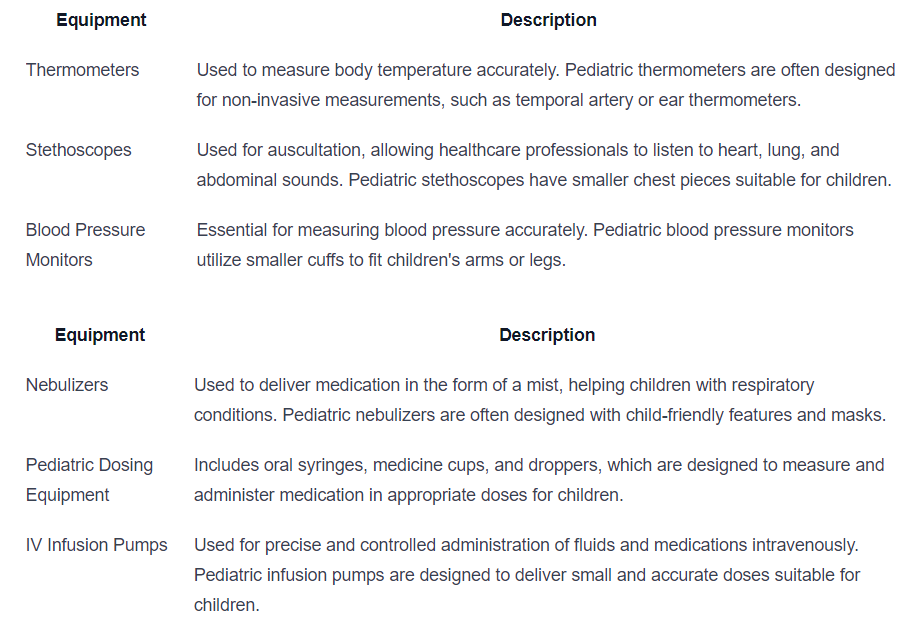
    In pediatric care, having the right diagnostic tools is crucial for accurate assessments and efficient healthcare delivery. This section will highlight three essential diagnostic tools commonly used in pediatric settings: thermometers, stethoscopes, and blood pressure monitors.

    Thermometers

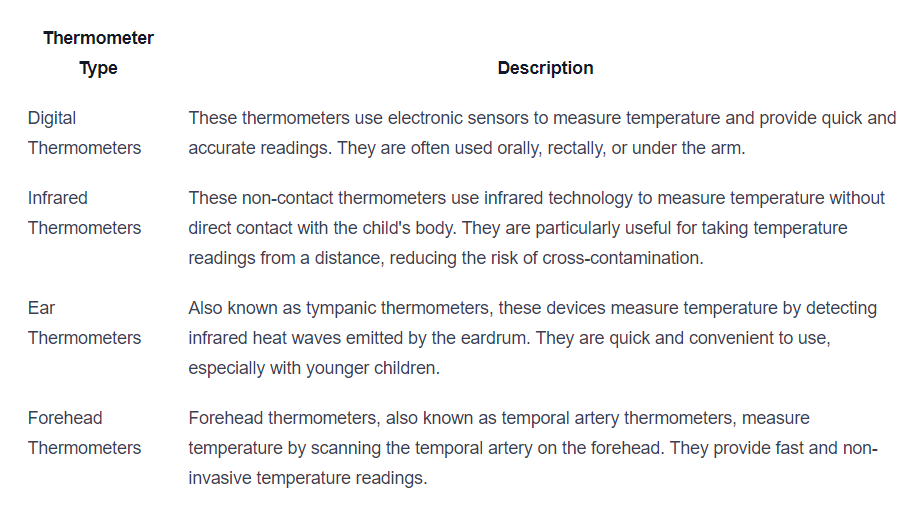
    Thermometers are vital for measuring body temperature, a key indicator of a child’s health. There are different types of thermometers available, including:

    __wf_reserved_inherit

    Stethoscopes

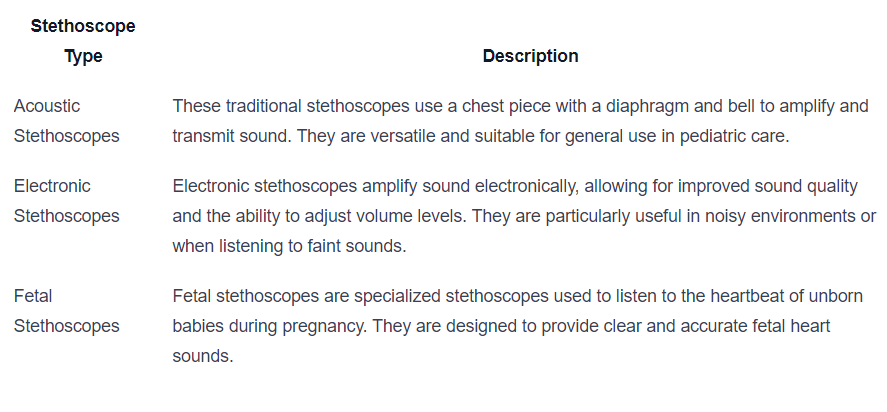
    Stethoscopes are essential tools that enable

    __wf_reserved_inherit

    Blood Pressure Monitors

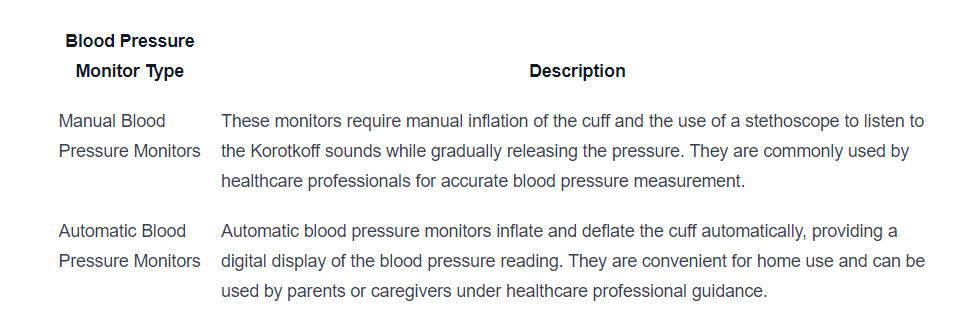
    Accurate blood pressure measurement is crucial in pediatric care, as it helps assess a child’s cardiovascular health. Pediatric blood pressure monitors are designed with appropriate cuff sizes and features suitable for children. They can be classified into two main types:

    __wf_reserved_inherit

    By ensuring the availability of accurate and appropriate diagnostic tools like thermometers, stethoscopes, and blood pressure monitors, pediatric healthcare providers can effectively assess and monitor a child’s health, contributing to better outcomes and optimal care.

    Treatment Tools

    When it comes to pediatric care, having the right tools is essential to ensure accurate diagnosis and effective treatment. In this section, we will explore three important treatment tools commonly used in pediatric settings: nebulizers, pediatric dosing equipment, and IV infusion pumps.

    Nebulizers

    Nebulizers are frequently used in pediatric care to deliver medication directly into the lungs. They are particularly useful for children who have respiratory conditions such as asthma or bronchitis. Nebulizers work by converting liquid medication into a fine mist that is inhaled by the patient.

    Nebulizers come in different types, including jet nebulizers and ultrasonic nebulizers. The choice of nebulizer depends on the specific needs of the child and the type of medication being administered. It’s important to follow the manufacturer’s instructions and ensure proper cleaning and maintenance of the nebulizer to prevent contamination.

    Pediatric Dosing Equipment

    Accurate dosing of medication is crucial in pediatric care to ensure safety and effectiveness. Pediatric dosing equipment is specifically designed to administer the correct amount of medication based on the child’s weight or age. This equipment includes oral syringes, droppers, and calibrated spoons.

    Using the appropriate pediatric dosing equipment helps healthcare professionals and caregivers accurately measure and administer medications. It’s important to choose equipment that is easy to use and provides clear measurements. Always follow the healthcare provider’s instructions and dosage guidelines when administering medication to children.

    IV Infusion Pumps

    In certain situations, intravenous (IV) therapy may be necessary for pediatric patients. IV infusion pumps are used to deliver fluids, medications, or nutrients directly into the child’s bloodstream. These pumps provide controlled and precise delivery of fluids, ensuring the correct dosage and rate of infusion.

    IV infusion pumps can be programmable, allowing healthcare professionals to set specific infusion rates based on the child’s needs. Some pumps also have safety features, such as alarm systems that alert healthcare providers if there are any issues with the infusion.

    It’s important for healthcare professionals to receive proper training on how to use IV infusion pumps and to closely monitor pediatric patients during IV therapy. Adhering to established protocols and guidelines helps ensure the safe and effective administration of fluids and medications.

    By utilizing these treatment tools, healthcare providers can deliver appropriate and effective care to pediatric patients. Nebulizers aid in respiratory treatments, pediatric dosing equipment ensures accurate medication administration, and IV infusion pumps allow for precise delivery of fluids and medications. These tools play a vital role in improving the health outcomes of children in pediatric settings.

    Examination Tools

    When it comes to examining pediatric patients, having the right tools is essential for accurate assessments. In this section, we will explore three important examination tools commonly used in pediatric care: otoscopes, ophthalmoscopes, and reflex hammers.

    Otoscopes

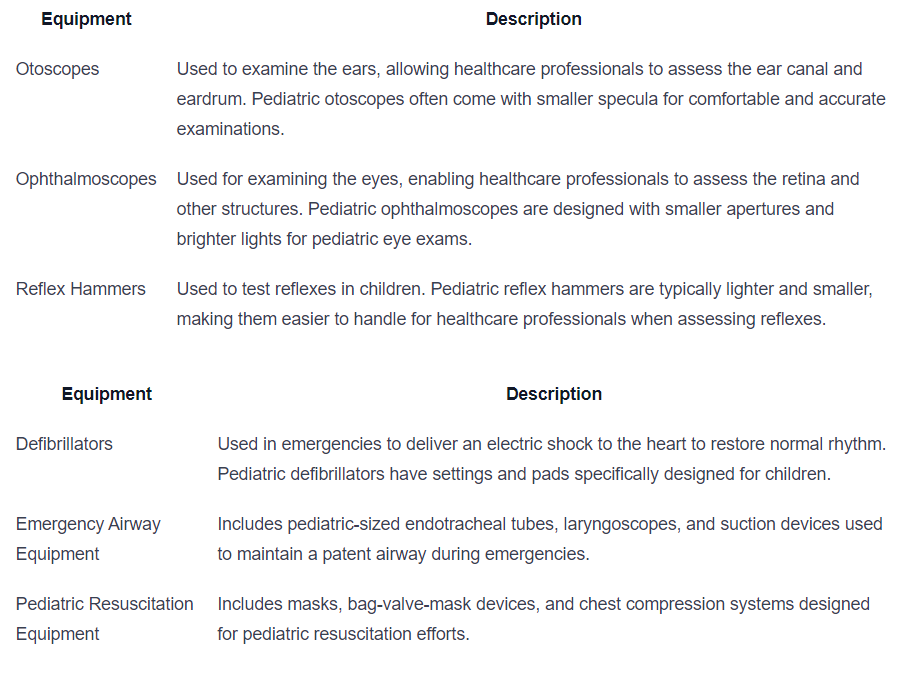
    Otoscopes are handheld devices used to examine the ears of pediatric patients. They consist of a light source and a magnifying lens, allowing healthcare providers to visualize the ear canal, eardrum, and surrounding structures. Otoscopes are particularly useful in diagnosing conditions such as ear infections and ear wax buildup.

    When using an otoscope, healthcare providers can choose different sizes of specula (tips) to accommodate the varying sizes of pediatric ear canals. This ensures a proper fit and optimal visualization during the examination. It is important to handle the otoscope with care and follow proper hygiene practices to prevent cross-contamination between patients.

    Ophthalmoscopes

    Ophthalmoscopes are specialized tools used to examine the eyes and the structures within them. They enable healthcare providers to assess the retina, optic nerve, blood vessels, and other vital components of the eye. Ophthalmoscopes are valuable in detecting eye conditions and abnormalities, such as retinopathy and optic nerve disorders.

    Similar to otoscopes, ophthalmoscopes have a range of settings and interchangeable lenses to accommodate the different needs of pediatric patients. The healthcare provider can adjust the light intensity and focus to obtain a clear view of the eye. Proper positioning and patient cooperation are crucial during ophthalmic examinations to ensure accurate results.

    Reflex Hammers

    Reflex hammers, also known as percussion hammers, are used to assess the reflexes in pediatric patients. These handheld tools have a rubber or synthetic head that is used to strike specific areas of the body, such as the knee or elbow, to elicit reflex responses. Reflex hammers are essential for evaluating the nervous system and identifying any abnormalities or neurological conditions.

    During the examination, the healthcare provider applies a controlled strike to the designated area and observes the patient’s response. The reflex hammer should be used with precision and accuracy to elicit the appropriate reflex response. It is important to note that different types of reflex hammers may be used for specific reflex assessments, such as the Babinski reflex or the patellar reflex.

    By utilizing otoscopes, ophthalmoscopes, and reflex hammers, healthcare providers can conduct thorough examinations of pediatric patients. These tools aid in the accurate diagnosis and assessment of various conditions, ensuring the provision of effective and appropriate care.

    Emergency Tools

    In pediatric care, having the right emergency tools is crucial for providing immediate and effective care in critical situations. Here are three essential emergency tools that play a vital role in pediatric settings:

    Defibrillators

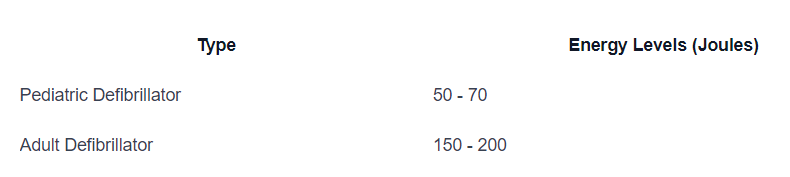
    Defibrillators are life-saving devices used to restore normal heart rhythm in individuals experiencing cardiac arrest or severe arrhythmias. These devices deliver an electric shock to the heart, helping it regain its normal rhythm. In pediatric settings, it is important to have defibrillators specifically designed for children, as their energy levels and electrode sizes differ from those used for adults.

    __wf_reserved_inherit

    Remember, defibrillators should only be used by trained healthcare professionals who are well-versed in pediatric resuscitation protocols.

    Emergency Airway Equipment

    During pediatric emergencies, maintaining a clear and open airway is of utmost importance. Emergency airway equipment includes devices and tools that assist in establishing and securing an airway to ensure proper ventilation. Some common emergency airway equipment used in pediatric care includes:

    • Pediatric-sized endotracheal tubes: These tubes are inserted into the trachea to provide a clear pathway for oxygen and the removal of carbon dioxide.
    • Laryngeal mask airways (LMAs): LMAs are devices that sit in the throat, allowing for ventilation without the need for intubation. They are commonly used in situations where intubation is challenging or not possible.
    • Bag-valve-mask (BVM) devices: BVM devices are handheld devices used to deliver positive pressure ventilation by manually squeezing a bag. They are important tools for providing immediate ventilation support in emergency situations.

    Pediatric Resuscitation Equipment

    Pediatric resuscitation equipment is specifically designed to support the resuscitation efforts of infants and children. These tools aid in maintaining circulation, oxygenation, and ventilation during resuscitation procedures. Some key components of pediatric resuscitation equipment include:

    • Pediatric-sized CPR masks: These masks create a seal over the child’s nose and mouth, allowing for effective delivery of rescue breaths during cardiopulmonary resuscitation (CPR).
    • Chest compression devices: These devices help ensure proper depth and rate of chest compressions during CPR, optimizing circulation.
    • Pediatric-sized automated external defibrillators (AEDs): AEDs equipped with pediatric pads are used to assess and deliver appropriate shocks in the event of pediatric cardiac arrest.

    It is essential for healthcare providers working in pediatric settings to be trained in the proper use of these emergency tools and equipment. Additionally, regular maintenance and checks should be conducted to ensure that the tools are in optimal working condition when needed.

    Specialized Pediatric Equipment

    In pediatric care, specialized equipment is essential to provide optimal care for young patients. This section highlights three key specialized pediatric equipment: pediatric wheelchairs, pediatric examination tables, and pediatric scales.

    Pediatric Wheelchairs

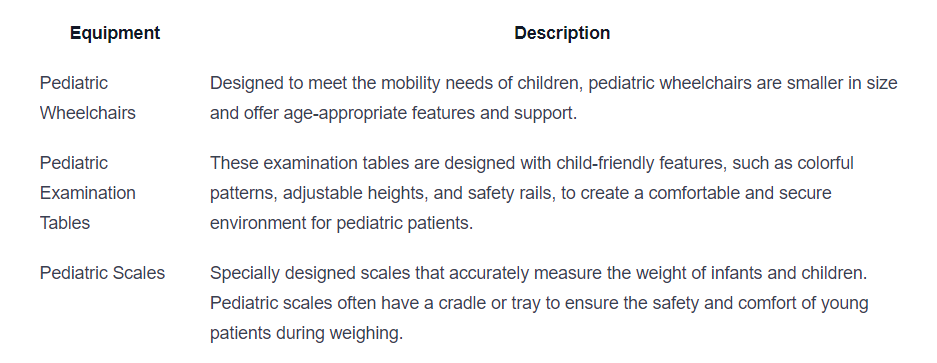
    Pediatric wheelchairs are designed to meet the unique needs of children with mobility limitations. These wheelchairs are specifically tailored to provide comfort, support, and safety for pediatric patients. They come in various sizes and configurations to accommodate different age groups and specific conditions.

    When choosing a pediatric wheelchair, factors such as adjustability, durability, and ease of maneuverability are crucial. The goal is to provide children with the freedom and independence to move around while ensuring their safety and well-being.

    Pediatric Examination Tables

    Pediatric examination tables are specially designed to create a child-friendly environment during medical examinations. These tables are equipped with features to enhance comfort and reduce anxiety for young patients. They typically have colorful designs, soft padding, and child-friendly patterns to make the experience more pleasant.

    Pediatric examination tables often include adjustable height settings to accommodate children of different ages and sizes. This ensures that healthcare providers can perform examinations and procedures with ease while maintaining the child’s comfort and safety.

    Pediatric Scales

    Accurate measurement of a child’s weight is crucial in monitoring their growth and development. Pediatric scales are designed to provide precise weight measurements for infants and children. These scales have a lower weight capacity compared to adult scales, allowing for accurate readings in the pediatric range.

    Pediatric scales often come with features such as a comfortable weighing platform, easy-to-read displays, and secure restraints to ensure the safety of the child during the weighing process. They play a vital role in tracking a child’s growth trajectory and assessing their overall health.

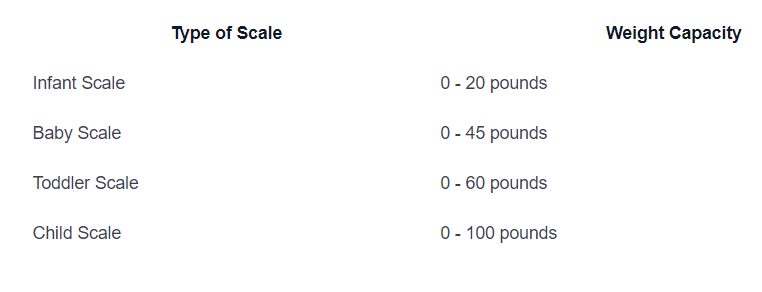
    Here is a table summarizing the typical weight capacity ranges for different types of pediatric scales:

    __wf_reserved_inherit

    Specialized pediatric equipment, including pediatric wheelchairs, examination tables, and scales, are essential tools in providing comprehensive care for young patients. They are designed to meet the unique needs of children, ensuring their comfort, safety, and well-being throughout the healthcare experience.

    Sources

    https://www.deviceinformed.com/global-medical-devices-directory/primary-care/pediatrics

    https://nurseslabs.com/pediatric-health-assessment/

    https://www.coastalvalleysems.org/resources/pdf/children/182.pdf

  • Pieces of Medical Equipment All Hospitals Need

    Pieces of Medical Equipment All Hospitals Need

    Discover the must-have medical equipment for hospitals: from life support to emergency response gear. Stay crisis-ready now!

    Essential Medical Equipment for Hospitals

    Medical equipment plays a vital role in the delivery of quality healthcare services within hospitals. This section explores the significance of medical equipment in hospital settings and the regulations that govern the acquisition and utilization of such equipment.

    __wf_reserved_inherit

    Importance of Medical Equipment in Hospitals

    Medical equipment serves as the backbone of healthcare facilities, aiding healthcare providers in the diagnosis, treatment, and monitoring of patients. The availability of essential medical equipment is crucial for ensuring accurate clinical assessments, timely interventions, and improved patient outcomes.

    Hospitals rely on a wide range of medical equipment to address diverse healthcare needs, from diagnostic tools like X-ray machines and MRI machines to life-support devices such as ventilators and defibrillators. Access to advanced medical technology enhances the efficiency of medical procedures, minimizes errors, and contributes to the overall safety of patients.

    By investing in high-quality medical equipment, hospitals can enhance their diagnostic capabilities, streamline patient care processes, and ultimately save lives. Compliance with regulatory standards and quality requirements is essential to guarantee the effectiveness, reliability, and safety of medical equipment in hospital settings.

    Regulations Regarding Medical Equipment

    The acquisition, maintenance, and use of medical equipment in hospitals are subject to stringent regulations and guidelines to ensure patient safety and quality of care. Regulatory authorities, such as the Food and Drug Administration (FDA) in the United States, set standards for the design, performance, and labeling of medical devices to mitigate risks and protect public health.

    Hospitals are required to adhere to regulatory frameworks that govern the procurement, calibration, and maintenance of medical equipment. Compliance with regulations pertaining to equipment safety, sterilization procedures, and maintenance protocols is essential to prevent hazards, malfunctions, and substandard performance.

    Furthermore, regulatory compliance extends to the training of healthcare personnel on the proper use of medical equipment, as well as the documentation of equipment specifications, maintenance records, and incident reporting. Regular audits and inspections ensure that hospitals meet regulatory requirements and maintain the quality and integrity of their medical equipment inventory.

    By prioritizing regulatory compliance and investing in accredited medical equipment, hospitals can uphold standards of care, promote patient safety, and foster trust among healthcare stakeholders. External audits and internal quality assurance mechanisms are essential for monitoring compliance with regulations and continuously improving the management of medical equipment within hospital environments.

    Diagnostic Equipment

    X-Ray Machines

    Ultrasound Machines

    MRI Machines

    When it comes to ensuring effective diagnosis and treatment in hospitals, having the right diagnostic equipment is paramount. This section focuses on three essential pieces of diagnostic equipment that all hospitals should have: X-ray machines, ultrasound machines, and MRI machines.

    X-Ray Machines

    X-ray machines play a crucial role in diagnosing a wide range of medical conditions by producing images of the internal structures of the body. These machines use X-ray radiation to create detailed images of bones, organs, and tissues, aiding healthcare providers in identifying fractures, infections, and other abnormalities.

    X-ray machines are versatile tools that can be used for various purposes, including detecting broken bones, locating foreign objects within the body, and monitoring the progression of certain diseases. The quick and non-invasive nature of X-ray imaging makes it an indispensable part of the diagnostic process in hospitals.

    Ultrasound Machines

    Ultrasound machines utilize high-frequency sound waves to generate real-time images of the body’s internal structures. These machines are commonly used in hospitals for a wide range of diagnostic purposes, including monitoring the growth and development of fetuses during pregnancy, evaluating the functioning of organs, and detecting abnormalities within the body.

    One of the key advantages of ultrasound imaging is its ability to visualize soft tissues and organs that may not be clearly visible on X-ray or CT scans. This non-invasive and radiation-free imaging technique is safe and effective for patients of all ages, making it a valuable asset in the diagnostic arsenal of hospitals.

    MRI Machines

    MRI (Magnetic Resonance Imaging) machines use a powerful magnetic field and radio waves to create detailed images of the body’s internal structures, including organs, tissues, and nerves. MRI imaging provides exceptional clarity and contrast, enabling healthcare providers to diagnose a wide range of conditions, such as tumors, brain injuries, and joint disorders.

    MRI machines offer superior soft tissue contrast compared to other imaging modalities, making them particularly useful for detecting abnormalities in delicate structures like the brain, spinal cord, and joints. While MRI scans can take longer to perform than X-rays or ultrasounds, the detailed images they produce are invaluable for accurate diagnosis and treatment planning.

    By equipping hospitals with X-ray machines, ultrasound machines, and MRI machines, healthcare providers can enhance their diagnostic capabilities and provide patients with the high-quality care they deserve. These essential pieces of diagnostic equipment play a critical role in improving patient outcomes and ensuring efficient and accurate diagnosis and treatment in healthcare settings.

    Life-Support Equipment

    In any hospital setting, the presence of life-support equipment is crucial for providing immediate and effective care to patients in critical conditions. This section focuses on three essential pieces of life-support equipment that all hospitals should have: ventilators, defibrillators, and cardiac monitors.

    Ventilators

    Ventilators are vital life-support devices that assist patients with breathing difficulties or respiratory failure. These machines deliver oxygen to the lungs and remove carbon dioxide from the body, ensuring that patients receive adequate oxygen levels. Ventilators come in various types, including invasive and non-invasive models, and play a key role in supporting patients during surgeries, in intensive care units, and in emergency situations.

    Defibrillators

    Defibrillators are crucial for treating life-threatening cardiac arrhythmias, such as ventricular fibrillation and ventricular tachycardia. These devices deliver an electrical shock to the heart to restore normal rhythm, making them essential in saving lives during cardiac emergencies, including sudden cardiac arrest. Automated external defibrillators (AEDs) are commonly available in public spaces for immediate use by trained individuals, while hospitals typically have more advanced defibrillator models for various cardiac interventions.

    Cardiac Monitors

    Cardiac monitors are used to continuously monitor a patient’s heart rate, rhythm, and other vital signs. These devices provide real-time data on the patient’s cardiac activity, allowing healthcare providers to detect any abnormalities or changes promptly. Cardiac monitors are essential for monitoring patients in critical care units, post-surgery recovery rooms, and emergency departments. Advanced cardiac monitors can also offer additional features such as arrhythmia detection, ST-segment analysis, and remote monitoring capabilities.

    Ensuring that hospitals are equipped with ventilators, defibrillators, and cardiac monitors is vital for providing comprehensive and immediate life support to patients in critical situations. These pieces of equipment play a fundamental role in emergency response, intensive care, and cardiac care, making them indispensable in the healthcare setting. By investing in high-quality and reliable life-support equipment, hospitals can enhance patient outcomes and improve overall care delivery.

    Surgical Equipment

    When it comes to equipping a hospital for surgical procedures, certain pieces of medical equipment are indispensable. Among the essential surgical equipment that all hospitals should have are operating tables, surgical lights, and anesthesia machines.

    Operating Tables

    Operating tables are crucial components of any surgical suite. These specialized tables provide a stable and adjustable platform for patients during surgical procedures. Designed to ensure patient comfort and accessibility for healthcare providers, operating tables come in various configurations to accommodate different types of surgeries.

    __wf_reserved_inherit

    Surgical Lights

    Proper illumination is essential in the operating room to facilitate precise and accurate surgical procedures. Surgical lights, also known as operating room lights, provide focused and shadow-free lighting for surgeons to work effectively. These lights are designed to minimize heat generation and maintain a cool working environment.

    __wf_reserved_inherit

    Anesthesia Machines

    Anesthesia machines play a critical role in administering and monitoring anesthesia during surgical procedures. These sophisticated devices deliver precise concentrations of anesthetic gases and oxygen to patients while monitoring their vital signs. Anesthesia machines are equipped with safety features to ensure the safe delivery of anesthesia throughout the surgery.

    __wf_reserved_inherit

    By ensuring that hospitals are equipped with operating tables, surgical lights, and anesthesia machines, healthcare facilities can create a safe and efficient environment for surgical procedures. These pieces of surgical equipment are instrumental in providing quality care to patients and supporting healthcare professionals in delivering successful surgical outcomes.

    Patient Monitoring Equipment

    Patient monitoring equipment plays a crucial role in assessing and tracking the vital signs of patients in hospitals. These tools help healthcare professionals to monitor the patient’s condition continuously and make informed decisions about their care. Some vital pieces of patient monitoring equipment that all hospitals should have include vital sign monitors, pulse oximeters, and ECG machines.

    Vital Sign Monitors

    Vital sign monitors are essential devices used to measure and track important physiological parameters that indicate the overall health status of a patient. These parameters typically include:

    __wf_reserved_inherit

    Vital sign monitors provide real-time data on these vital signs, allowing healthcare providers to detect any abnormalities promptly and initiate appropriate interventions.

    Pulse Oximeters

    Pulse oximeters are non-invasive devices that measure the oxygen saturation level in the blood, as well as the patient’s heart rate. Oxygen saturation levels should ideally be above 95% in healthy individuals. Here is a table illustrating the interpretation of oxygen saturation levels:

    __wf_reserved_inherit

    Pulse oximeters are invaluable in assessing respiratory function and ensuring that patients are receiving adequate oxygenation.

    ECG Machines

    ECG (Electrocardiogram) machines are used to record the electrical activity of the heart and diagnose various cardiac conditions. They provide valuable information about the heart’s rhythm, rate, and overall cardiac health. ECG interpretation involves analyzing the waveforms and intervals to detect any abnormalities or irregularities in the heart’s electrical activity.

    __wf_reserved_inherit

    By having ECG machines readily available, hospitals can quickly assess cardiac function, identify heart conditions, and take appropriate actions to ensure patient safety.

    Investing in patient monitoring equipment such as vital sign monitors, pulse oximeters, and ECG machines is essential for hospitals to deliver optimal care and monitor patients effectively. These tools enable healthcare providers to assess patient status continuously, intervene promptly when necessary, and enhance the overall quality of patient care.

    Emergency Response Equipment

    In critical situations within a hospital setting, having the right emergency response equipment readily available can make a significant difference in patient outcomes. Hospitals should ensure they have essential pieces of medical equipment that are crucial for emergency response scenarios. This section highlights the importance of crash carts, oxygen delivery systems, and suction devices in ensuring prompt and effective emergency medical care.

    Crash Carts

    Crash carts are mobile units equipped with a variety of lifesaving supplies and medications that are essential for responding to medical emergencies quickly. These carts are strategically placed throughout hospital units to ensure immediate access to critical tools and medications when time is of the essence.

    Contents of a Typical Crash Cart

    Defibrillator

    Medications (e.g., epinephrine, atropine)

    Airway management equipment (e.g., intubation supplies)

    Intravenous (IV) access supplies

    Basic life support supplies (e.g., CPR masks, gloves)

    Oxygen Delivery Systems

    Oxygen delivery systems are fundamental in emergency situations where patients are experiencing respiratory distress or require supplemental oxygen therapy. Hospitals should have reliable oxygen delivery systems in place to ensure that patients receive the appropriate oxygen levels to support their breathing and overall well-being.

    Types of Oxygen Delivery Systems

    Oxygen cylinders

    Oxygen concentrators

    Oxygen masks and nasal cannulas

    Venturi masks

    Suction Devices

    Suction devices are essential pieces of equipment that aid in clearing the airways of patients who are unable to do so themselves. These devices are crucial for managing respiratory secretions, blood, or other fluids that may obstruct a patient’s airway and compromise breathing.

    Types of Suction Devices

    Portable suction units

    Wall-mounted suction units

    Yankauer suction tips

    French suction catheters

    Having efficient suction devices on hand allows healthcare providers to quickly and effectively address airway obstructions and maintain clear airways for patients in emergency situations. Hospitals should prioritize the presence of crash carts, oxygen delivery systems, and suction devices as part of their emergency response protocol to ensure swift and effective care during critical medical events.

    Sources

    https://www.futurehealthconcepts.com/blog/posts/10-pieces-of-medical-equipment-all-hospitals-need.html

    https://www.primedeq.com/blog/basic-common-medical-equipment-list-required-in-a-hospital/

    https://tentabs.in/blogs/news/medical-equipments-every-hospital-should-have?srsltid=AfmBOoqDhsG6LqGklFVu-b31QGfhhpOWrJ2oWQ-IbssXsvh-OW5LEDt2

  • Trainings for Medical Services

    Trainings for Medical Services

    Discover practical trainings for medical devices – essential for mastering device operation and regulatory compliance.

    Importance of Training for Medical Devices

    Proper training plays a pivotal role in ensuring the safe and effective use of medical devices in various healthcare settings. Understanding the advantages of thorough training and complying with regulatory requirements are essential aspects in the realm of medical device training.

    Advantages of Proper Training

    Training healthcare professionals on the correct usage and maintenance of medical devices offers a multitude of benefits, including:

    • Enhanced Patient Safety: Well-trained staff can effectively operate medical devices, reducing the risk of errors and ensuring the safety of patients.
    • Optimal Device Performance: Proper training enables users to maximize the functionality of medical devices, leading to accurate diagnoses and improved patient outcomes.
    • Efficiency in Healthcare Delivery: Trained personnel can work efficiently with medical devices, streamlining workflows and enhancing overall healthcare delivery.
    • Compliance with Standards: Training ensures that users are compliant with industry standards and regulations, minimizing the likelihood of non-compliance issues.

    Regulatory Requirements for Training

    Regulatory bodies mandate specific training requirements to uphold quality standards and ensure patient safety when using medical devices. These requirements may vary between regions and types of medical devices. Compliance with regulatory training standards is crucial for:

    __wf_reserved_inherit

    Adhering to regulatory training requirements not only ensures legal compliance but also promotes a culture of continuous learning and improvement within healthcare facilities. By prioritizing training initiatives and regulatory compliance, healthcare professionals can enhance patient care and contribute to the overall quality of healthcare services.

    Types of Training Programs

    As the field of medical devices continues to evolve, the need for comprehensive training programs becomes increasingly essential. These programs serve to educate professionals on the safe and effective use of various medical devices, ensuring optimal patient care. In this section, we will explore three primary types of training programs: basic device training, advanced device training, and specialized device training.

    Basic Device Training

    Basic device training serves as the foundation for understanding the functionality and operation of commonly used medical devices. This training program is designed for healthcare professionals who are new to a particular device or field, providing them with essential knowledge on device features, setup, and basic troubleshooting.

    Professionals undergoing basic device training learn how to perform routine tasks, interpret device readings, and address common issues that may arise during device use. This training instills confidence and proficiency in handling basic medical devices, laying the groundwork for more advanced training programs.

    Advanced Device Training

    Advanced device training caters to healthcare professionals who require in-depth knowledge and skill enhancement for complex medical devices. This program delves deeper into the technical aspects of specialized devices, focusing on advanced functionalities, maintenance procedures, and troubleshooting techniques.

    Participants in advanced device training gain a thorough understanding of device calibration, data interpretation, and patient-specific device adjustments. This training equips professionals with the expertise needed to handle intricate medical devices with precision and accuracy, ensuring optimal patient outcomes.

    Specialized Device Training

    Specialized device training is tailored for healthcare professionals working with highly specialized or niche medical devices. This program is designed to provide comprehensive insights into the unique features, applications, and best practices associated with specific devices or technologies.

    During specialized device training, participants learn specialized procedures, troubleshooting strategies, and advanced applications of the device within a clinical setting. This training program aims to enhance expertise in a particular device category, enabling professionals to deliver specialized care and services to patients effectively.

    By offering a spectrum of training programs, including basic, advanced, and specialized device training, healthcare facilities can ensure that their staff is well-prepared to utilize medical devices safely and efficiently. These training programs play a pivotal role in enhancing skills, promoting patient safety, and maintaining compliance with regulatory standards in the dynamic landscape of medical devices.

    Training Delivery Methods

    When it comes to training for medical devices, organizations have various delivery methods to choose from to ensure their staff are well-equipped to handle these devices effectively. The three primary training delivery methods include in-person training, online training, and hands-on workshops.

    In-Person Training

    In-person training remains a traditional yet effective method for educating individuals on the operation and maintenance of medical devices. This approach involves face-to-face interaction between trainers and trainees, allowing for real-time feedback and demonstration of device handling procedures.

    In-person training sessions provide a personalized learning experience, enabling trainees to ask questions, practice hands-on skills under supervision, and receive immediate guidance. This method fosters direct communication and ensures that trainees fully grasp the technical aspects of operating medical devices.

    Online Training

    With the advancement of technology, online training has become increasingly popular in the realm of medical device education. Online training modules offer flexibility and convenience, allowing learners to access training materials at their own pace and from any location with an internet connection.

    Online training is beneficial for organizations with dispersed teams or limited resources for on-site training. Interactive multimedia elements, quizzes, and virtual simulations can enhance the learning experience while providing a cost-effective and efficient way to train a large number of individuals simultaneously.

    Hands-On Workshops

    Hands-on workshops merge theoretical knowledge with practical application, offering a dynamic learning experience for individuals tasked with using medical devices. These workshops typically involve interactive sessions where participants engage in hands-on activities, simulations, and case studies related to specific devices.

    Hands-on workshops enable trainees to gain practical experience in a controlled environment, enhancing their proficiency in handling complex medical devices. The interactive nature of these workshops fosters engagement and collaboration among participants, leading to a deeper understanding of device functionality and troubleshooting techniques.

    By leveraging a combination of in-person training, online modules, and hands-on workshops, organizations can tailor their training programs to meet the diverse learning needs of their staff. Each delivery method offers unique benefits and can be integrated to create a comprehensive training curriculum that enhances the skills and competencies of individuals working with medical devices.

    Accreditation and Certification

    When it comes to training programs for medical devices, accreditation and certification play a crucial role in ensuring quality and compliance. Let’s dive into the importance of accredited programs and the process of obtaining certification in the field of medical devices.

    Importance of Accredited Programs

    Accreditation of training programs for medical devices is essential for maintaining high standards of education and training in the healthcare industry. Accredited programs undergo rigorous evaluation to ensure that they meet predefined criteria set by accrediting bodies. Some key advantages of enrolling in accredited programs include:

    • Quality Assurance: Accredited programs are recognized for their adherence to industry standards and best practices, ensuring that participants receive comprehensive and up-to-date training.
    • Credibility and Trust: Completion of an accredited program enhances credibility and instills trust in the knowledge and skills acquired, both for healthcare professionals and employers.
    • Regulatory Compliance: Accredited programs often align with regulatory requirements, providing assurance that participants are well-prepared to navigate the complexities of medical device use and maintenance.

    Obtaining Certification in Medical Devices

    Certification in medical devices serves as a formal recognition of an individual’s expertise and proficiency in handling medical technology. Obtaining certification involves completing a structured training program and successfully passing an assessment or examination. Some common certifications in medical devices include:

    __wf_reserved_inherit

    Certification not only demonstrates competency but also opens up career advancement opportunities within the healthcare industry. Healthcare professionals who hold certifications in medical devices are often viewed favorably by employers and are better equipped to handle the evolving landscape of medical technology.

    Accredited programs and certifications go hand in hand in ensuring that professionals receive comprehensive and standardized training in the field of medical devices. By enrolling in accredited programs and pursuing relevant certifications, individuals can enhance their skills, stay abreast of industry advancements, and contribute effectively to healthcare delivery and patient care.

    Training Best Practices

    When it comes to training individuals on medical devices, implementing best practices is essential to ensure competency and compliance. In this section, we will explore key practices for establishing effective training protocols, conducting regular training updates and refreshers, and monitoring training progress and compliance.

    Establishing Training Protocols

    Establishing clear and comprehensive training protocols is fundamental in the effective education of individuals on medical devices. Training protocols should outline the objectives of the training program, the target audience, the learning outcomes, and the assessment methods. By setting clear guidelines and expectations, trainees can better understand what is required of them and how to successfully navigate the training process.

    Regular Training Updates and Refreshers

    In the dynamic field of medical devices, technology and regulations are constantly evolving. Therefore, providing regular training updates and refreshers is essential to ensure that trainees are up-to-date with the latest developments in the industry. These updates may cover new device features, revised regulatory guidelines, or enhanced safety protocols. By offering ongoing training opportunities, organizations can reinforce knowledge and skills, ultimately enhancing the quality of care provided with medical devices.

    Tracking Training Progress and Compliance

    Monitoring and tracking training progress and compliance is a crucial aspect of ensuring that training initiatives are effective and successful. Organizations can utilize tracking tools and systems to keep a record of trainees’ completion of training modules, assessment scores, and any additional certifications obtained. By regularly reviewing training data and compliance metrics, organizations can identify areas for improvement, address any gaps in knowledge or skill, and maintain a high standard of competency across their workforce.

    In summary, by implementing these best practices – by establishing clear training protocols, providing regular updates and refreshers, and tracking training progress and compliance – organizations can enhance the knowledge, skills, and competencies of individuals working with medical devices. These practices not only contribute to improved patient outcomes but also support regulatory compliance and organizational excellence in the field of medical device training.

    Future Trends in Medical Device Training

    As the field of medical device training continues to evolve, several future trends are shaping the way professionals learn and engage with new technologies. Incorporating virtual reality (VR), developing personalized training programs, and fostering industry collaboration on training initiatives are key trends that are driving innovation in medical device training.

    Incorporating Virtual Reality

    Virtual reality (VR) technology is revolutionizing the way training programs are delivered in the medical device industry. By immersing trainees in realistic and interactive simulated environments, VR offers a hands-on approach to learning that enhances retention and engagement. Trainees can practice using medical devices in a safe virtual space, allowing them to develop critical skills and refine techniques before applying them in real-world settings.

    The use of VR in medical device training not only improves the efficiency of training programs but also reduces the risks associated with hands-on practice. Trainees can familiarize themselves with complex medical devices, interactive scenarios, and procedural simulations, leading to enhanced knowledge and confidence in using advanced technologies.

    Personalized Training Programs

    Personalized training programs are becoming increasingly popular in the medical device industry, catering to the individual learning needs and preferences of trainees. These programs utilize innovative learning management systems and adaptive technologies to tailor training content, pace, and assessments to the specific requirements of each trainee.

    By offering personalized training experiences, professionals can access targeted learning materials, receive real-time feedback, and track their progress more effectively. This approach not only increases engagement and motivation but also ensures that trainees acquire the necessary skills and knowledge to operate medical devices with precision and confidence.

    Industry Collaboration on Training Initiatives

    Collaboration among industry stakeholders, including manufacturers, regulatory bodies, healthcare providers, and educational institutions, is essential for driving advancements in medical device training. By working together to develop standardized training protocols, share best practices, and establish training guidelines, the industry can ensure the uniformity and quality of training programs across the board.

    Industry collaboration also fosters knowledge sharing, promotes innovation, and accelerates the adoption of new technologies in medical device training. By pooling resources, expertise, and insights, stakeholders can collectively address the evolving training needs of healthcare professionals, ultimately enhancing patient safety and care outcomes.

    Embracing these future trends in medical device training, including the integration of virtual reality, the implementation of personalized training programs, and the promotion of industry collaboration, will shape the future landscape of training for medical devices, ensuring that professionals are equipped with the necessary skills and competencies to meet the evolving demands of the healthcare industry.

    Sources

    https://medcerts.com/programs/healthcare/

    https://www.redcross.org/take-a-class?srsltid=AfmBOor-Tw1rbEOseB_E5QIdwbEyO0SeLuN2fyZ8cxJ1tCE_3eWbt66W

    https://training.safetyculture.com/course-collection/training-in-healthcare/

  • Why Is Pediatric Physical Therapy Important?

    Why Is Pediatric Physical Therapy Important?

    Unlocking potential through pediatric physical therapy! Discover the vital role it plays in early intervention and improving quality of life.

    __wf_reserved_inherit

    Understanding Pediatric Physical Therapy

    Pediatric Physical Therapy is a specialized branch of physical therapy that focuses on addressing the unique needs of children. It involves the evaluation, diagnosis, and treatment of a wide range of conditions that affect a child’s physical development and function. This section will provide an overview of what pediatric physical therapy entails and who can benefit from it.

    What is Pediatric Physical Therapy?

    Pediatric Physical Therapy is a branch of healthcare that aims to promote optimal physical development and function in children. It involves the use of therapeutic exercises, activities, and interventions to address various musculoskeletal, neuromuscular, and developmental conditions that may impact a child’s movement and mobility.

    Pediatric physical therapists are trained professionals who have expertise in working with children of all ages, from infants to adolescents. They employ evidence-based techniques and therapeutic strategies to help children improve their strength, flexibility, balance, coordination, and overall physical abilities.

    Who Can Benefit from Pediatric Physical Therapy?

    Pediatric physical therapy can benefit a wide range of children with diverse needs. It is commonly recommended for children who experience developmental delays, congenital disorders, injuries, neurological conditions, or musculoskeletal impairments.

    Here are some examples of conditions and situations in which pediatric physical therapy can be beneficial:

    __wf_reserved_inherit

    Pediatric physical therapy is tailored to meet the unique needs of each child. The treatment plans are designed to address specific goals and challenges, helping children reach their highest potential and improve their overall quality of life.

    Understanding the importance of pediatric physical therapy is crucial in ensuring that children receive the necessary support and interventions to optimize their physical development and function.

    __wf_reserved_inherit

    Importance of Pediatric Physical Therapy

    Pediatric physical therapy plays a vital role in promoting the health and well-being of children. It focuses on addressing physical challenges and maximizing the potential for optimal development. Here are three key reasons why pediatric physical therapy is important:

    Early Intervention and Development

    Early intervention is crucial for children with developmental delays or physical impairments. Pediatric physical therapy aims to identify and address these challenges at the earliest stages. By intervening early, physical therapists can help children develop essential motor skills, improve coordination, and enhance overall physical development.

    Through a variety of techniques, such as therapeutic exercises, play-based activities, and specialized equipment, pediatric physical therapists work with children to promote gross motor skills, balance, strength, and coordination. This early intervention can have long-lasting positive effects on a child’s overall development, potentially minimizing the impact of developmental delays in the future.

    Improving Physical Function

    Pediatric physical therapy plays a crucial role in improving physical function for children with various conditions or injuries. Whether it’s helping a child learn to walk independently, improving their range of motion, or enhancing their balance and coordination, physical therapists work closely with children to address specific physical challenges.

    By utilizing evidence-based techniques and interventions, pediatric physical therapists help children build strength, improve flexibility, and enhance motor skills. This not only improves physical function but also promotes independence and participation in daily activities.

    Enhancing Quality of Life

    Pediatric physical therapy goes beyond addressing physical challenges. It also focuses on enhancing the overall quality of life for children. By helping children gain confidence in their physical abilities, pediatric physical therapists empower them to actively engage in social, recreational, and educational activities.

    Through customized treatment plans, physical therapists work with children to set achievable goals and milestones. This collaborative approach helps children develop a positive self-image, build resilience, and improve their overall well-being. By addressing physical challenges, pediatric physical therapy contributes to a child’s overall quality of life and promotes their full participation in various aspects of life.

    Pediatric physical therapy is a valuable resource for children with a wide range of conditions or developmental challenges. By providing early intervention, improving physical function, and enhancing overall quality of life, pediatric physical therapists help children reach their full potential, enabling them to lead happy, healthy, and fulfilling lives.

    __wf_reserved_inherit

    Conditions Treated

    Pediatric physical therapy addresses a wide range of conditions that affect children’s physical development and overall well-being. Through tailored treatment plans, pediatric physical therapists work to improve mobility, strength, and function in children of all ages.

    Common Conditions Addressed

    Pediatric physical therapy is designed to address various conditions and disorders that may impact a child’s physical abilities. Some common conditions treated through pediatric physical therapy include:

    __wf_reserved_inherit

    These are just a few examples of the many conditions that can be effectively addressed through pediatric physical therapy. By identifying and targeting specific challenges, physical therapists can help children improve their physical abilities and achieve their developmental milestones.

    Tailored Treatment Plans

    Pediatric physical therapy utilizes individualized treatment plans that are tailored to each child’s unique needs. These plans are developed based on thorough assessments and evaluations conducted by a pediatric physical therapist. The treatment plan may incorporate a variety of techniques and interventions, including:

    • Therapeutic exercises targeting specific muscle groups and motor skills.
    • Balance and coordination training to improve stability and movement.
    • Functional training to enhance daily activities and independence.
    • Assistive devices and equipment to support mobility and proper body alignment.
    • Pain management techniques, such as heat or cold therapy, as appropriate.

    The duration and frequency of therapy sessions will depend on the child’s condition and goals. Regular evaluations are conducted to monitor progress and make any necessary adjustments to the treatment plan.

    By tailoring the treatment plan to each child’s unique needs, pediatric physical therapy aims to maximize the child’s potential and improve their overall physical function. Through consistent therapy sessions and ongoing support, children can make significant progress and achieve better physical outcomes.

    Role of the Pediatric Physical Therapist

    Pediatric physical therapists play a vital role in the assessment, evaluation, and treatment of children with various physical challenges. They utilize their expertise to help children improve their functional abilities, enhance their mobility, and achieve optimal physical development. Let’s explore the specific responsibilities of pediatric physical therapists in two key areas: assessment and evaluation, and treatment techniques and interventions.

    Assessment and Evaluation

    Pediatric physical therapists begin by conducting a thorough assessment and evaluation of the child’s physical abilities and limitations. This helps them understand the child’s unique needs and develop an individualized treatment plan. During the assessment process, the therapist may:

    • Observe the child’s movement patterns and motor skills
    • Assess the child’s strength, flexibility, and coordination
    • Evaluate the child’s balance and postural control
    • Identify any developmental delays or physical impairments
    • Utilize standardized assessment tools to gather objective data

    By conducting a comprehensive assessment, pediatric physical therapists are able to establish a baseline and identify specific areas of concern. This forms the foundation for developing targeted treatment strategies that address the child’s unique needs.

    Treatment Techniques and Interventions

    Once the assessment is complete, pediatric physical therapists design and implement tailored treatment plans that are specifically tailored to each child. These treatment plans are focused on improving the child’s physical function, enhancing their mobility, and maximizing their overall quality of life. Here are some common treatment techniques and interventions employed by pediatric physical therapists:

    • Therapeutic exercises: These exercises are designed to improve strength, flexibility, balance, and coordination. They help children develop better motor skills and achieve age-appropriate milestones.
    • Manual therapy: This hands-on technique involves the therapist gently manipulating and mobilizing the child’s muscles and joints to improve range of motion, relieve pain, and promote healing.
    • Assistive devices: Pediatric physical therapists may recommend and provide assistive devices such as braces, splints, or walking aids to support the child’s mobility and independence.
    • Gait training: For children with walking difficulties, therapists may focus on gait training techniques to improve their walking pattern and stability.
    • Adaptive equipment: Therapists may introduce adaptive equipment such as wheelchairs, standing frames, or orthotics to help children participate in daily activities and promote functional independence.

    Pediatric physical therapists continuously monitor and adjust the treatment plan based on the child’s progress and evolving needs. They collaborate with the child’s parents, caregivers, and other healthcare professionals to ensure a holistic and coordinated approach to care.

    By fulfilling their roles in assessment, evaluation, and treatment, pediatric physical therapists make a significant impact in promoting the physical well-being and functional abilities of children. Their expertise, compassion, and dedication contribute to unlocking the potential of each child they work with.

    Collaborative Approach

    Pediatric physical therapy is a collaborative effort that involves working closely with parents, caregivers, and a multidisciplinary team. This collaborative approach is crucial for ensuring the effectiveness of treatment and maximizing the potential of the child.

    Working with Parents and Caregivers

    Parents and caregivers play a vital role in the success of pediatric physical therapy. They are the primary advocates for their child and are deeply involved in their day-to-day care. When working with parents and caregivers, pediatric physical therapists provide guidance, education, and support to help them understand and participate in their child’s therapy journey.

    By collaborating with parents and caregivers, therapists gain valuable insights into the child’s abilities, challenges, and goals. This information helps in tailoring treatment plans and setting realistic expectations. It also enables therapists to provide parents with strategies and techniques to incorporate therapy exercises into the child’s daily routine.

    Multidisciplinary Team Involvement

    Pediatric physical therapy often involves a multidisciplinary approach, where professionals from various disciplines work together to address the comprehensive needs of the child. This collaborative team may include occupational therapists, speech therapists, doctors, nurses, educators, and other specialists.

    The involvement of a multidisciplinary team ensures a holistic approach to the child’s care. Each team member brings a unique perspective and expertise, contributing to a comprehensive evaluation and treatment plan. Regular communication and coordination among team members ensure that the child’s needs are addressed from multiple angles, maximizing their progress and overall development.

    Collaboration with other professionals also allows for a seamless transition between different therapies and interventions. This coordinated approach ensures consistency and continuity of care, leading to better outcomes for the child.

    By working closely with parents, caregivers, and a multidisciplinary team, pediatric physical therapists create a supportive and integrated environment for the child’s growth and development. This collaborative approach fosters effective communication, shared decision-making, and a unified focus on improving the child’s physical function and overall quality of life.

    Empowering Children

    Pediatric physical therapy plays a pivotal role in empowering children to reach their full potential. By addressing their unique needs and providing specialized interventions, physical therapists help children build confidence, independence, and achieve long-term benefits.

    Building Confidence and Independence

    Pediatric physical therapy focuses not only on improving physical function but also on enhancing a child’s overall well-being. Through tailored treatment plans and therapeutic activities, physical therapists create a supportive environment that encourages children to explore their abilities and overcome challenges. By progressively working towards their goals, children gain confidence in their abilities and develop a positive self-image.

    Physical therapists also emphasize the importance of age-appropriate independence. They facilitate the development of essential motor skills, balance, and coordination, allowing children to participate in activities alongside their peers. This newfound independence boosts their self-esteem and fosters a sense of belonging.

    Long-Term Benefits of Pediatric Physical Therapy

    The benefits of pediatric physical therapy extend far beyond the immediate improvements in physical function. By addressing underlying issues and promoting optimal development, physical therapy can have a lasting impact on a child’s life.

    Research has shown that early intervention through pediatric physical therapy can significantly improve a child’s motor skills, mobility, and overall quality of life. It can enhance their ability to perform daily activities, participate in sports and recreational activities, and engage in social interactions. This improved physical function not only allows them to keep up with their peers but also supports their cognitive, emotional, and social development.

    Additionally, pediatric physical therapy promotes long-term physical health and reduces the risk of secondary complications. By addressing musculoskeletal imbalances, postural issues, and movement limitations, physical therapists help children maintain optimal physical alignment and prevent future injuries or complications.

    It is important to note that the benefits of pediatric physical therapy are highly individualized, as each child’s needs and goals are unique. Physical therapists work closely with children, their families, and other healthcare professionals to create a comprehensive and personalized treatment plan, ensuring the best possible outcomes.

    By empowering children through pediatric physical therapy, physical therapists play a critical role in helping them embrace their potential, overcome challenges, and thrive in all aspects of their lives.

    Sources

    https://www.h2health.com/why-is-pediatric-physical-therapy-important/#:~:text=Pediatric%20physic

    https://ptsolutions.com/blog/the-importance-of-pediatric-physical-therapy/

    https://napacenter.org/benefits-pediatric-physical-therapy/

  • How Can I Locate Home Medical Supply Companies?

    How Can I Locate Home Medical Supply Companies?

    Navigating the World of Home Medical Suppliers

    Introduction

    Finding the right home medical supply company is crucial for individuals needing consistent access to medical equipment and supplies. Whether for temporary medical assistance or chronic care, these suppliers provide essential products like wheelchairs, hospital beds, and respiratory equipment. Understanding where and how to locate these suppliers can greatly enhance the quality of care and convenience for users at home.

    Using Online Directories to Locate Suppliers

    Discover How to Find Trusted Home Medical Suppliers!

    How can I locate home medical supply companies?

    To locate home medical supply companies, a great starting point is the Medicare website, which features a comprehensive Supplier Directory. This directory allows users to search for medical equipment suppliers by entering their ZIP code, making it easy to find options in specific areas. This functionality is especially beneficial for individuals seeking home medical supplies like wheelchairs, walkers, and hospital beds.

    In addition, the site hosts an A-Z equipment directory. Users can browse various types of medical equipment and identify corresponding suppliers based on their needs. This feature streamlines the process of matching personal requirements with available suppliers, enhancing user experience.

    The Medicare website also emphasizes quality by offering tools for comparing care providers. By assessing the quality of services from different suppliers, users can make informed decisions about whom to choose for their medical equipment needs. This ensures a higher likelihood of receiving reliable and necessary supplies, contributing to a better home care experience.

    Benefits of comparison tools

    Comparison tools on the Medicare site help users evaluate different suppliers based on service quality, ensuring they receive the best possible care. These tools are not just useful for finding suppliers but also for assessing the reliability of those suppliers, which can be crucial when dealing with medical equipment that affects daily living. Thus, utilizing these resources can lead to improved accessibility and satisfaction with home medical supplies and services.

    Feature Description Benefits
    Supplier Directory Search based on ZIP code Find local suppliers quickly
    A-Z Equipment Directory Browse various types of equipment Easily match needs with available suppliers
    Quality Comparison Tools Compare care providers Ensure reliable and effective service

    Medicare’s Role in Equipment Coverage

    Explore Medicare's Essential Coverage for Durable Medical Equipment!

    What is a list of durable medical equipment covered by Medicare?

    Medicare provides coverage for a wide range of durable medical equipment (DME) under Part B when these items are considered medically necessary and have been prescribed by a licensed healthcare provider. Here are some common examples of covered equipment:

    • Wheelchairs
    • Walkers
    • Hospital Beds (manual and electric)
    • CPAP Machines for sleep apnea
    • Oxygen Equipment, including concentrators and tanks
    • Crutches and Canes
    • Diabetic Supplies like blood sugar meters and test strips
    • Medications for nebulizers

    To qualify for coverage, items must be durable, intended for home use, and expected to last at least three years.

    What are the requirements for Medicare coverage?

    To receive Medicare coverage for DME, the following criteria must be met:

    • Items must be prescribed by a doctor.
    • They must be classified as medically necessary for your treatment.
    • The equipment should be durable and appropriate for use in home settings.

    What are the costs associated with covered equipment?

    Patients typically incur some costs under Medicare coverage. After meeting the annual deductible:

    • Generally, patients are responsible for 20% of the Medicare-approved amount for covered DME.
    • It’s essential to note that this cost applies only if the medical supply supplier agrees to accept assignment.

    This system ensures that patients have access to necessary medical equipment while keeping out-of-pocket expenses manageable, provided they work with approved suppliers.

    Spotlight on Leading Suppliers

    Meet the Top Medical Supply Distributors!

    Who is the largest distributor of medical supplies?

    The largest distributor of medical supplies in the United States is McKesson Medical-Surgical. This company offers an expansive inventory of over 300,000 products, including personal protective equipment, diagnostic tools, and pharmaceuticals. McKesson is recognized for its impressive order accuracy rate of 99.8%, ensuring that healthcare providers receive exactly what they need when they need it. Moreover, 95% of its customers benefit from next-day delivery, highlighting the efficiency of its logistics services.

    The company places a strong emphasis on customer satisfaction, providing a full refund option for any unsatisfactory products. McKesson also supports healthcare facilities with a variety of management tools, which enhances their operational effectiveness. Backed by a dedicated workforce of over 1,600 sales representatives, McKesson is a leading player in the healthcare supply sector.

    Does McKesson sell to individuals?

    While McKesson primarily serves healthcare providers, pharmacies, and other businesses, it does offer limited access to individual consumers. This is facilitated through their subsidiary, SimplyMedical.com, where individuals can order a wide range of medical supplies directly. These include essential home care products such as incontinence supplies, mobility aids, and wound care items. Therefore, although McKesson’s main focus is on wholesale distribution, it does provide a pathway for consumers to obtain necessary medical supplies for personal use.

    Specialized Providers like Aurora Health

    Aurora Health at Home is a prominent provider of home medical equipment, particularly in eastern Wisconsin. They not only offer delivery of medical supplies but also provide equipment setup, patient education, and follow-up appointments, ensuring comprehensive care beyond just product delivery. Their offerings include CPAP machines, portable oxygen concentrators, wheelchairs, and walkers, which highlight their commitment to enhancing patient mobility and respiratory health.

    In summary, the medical supply landscape features a mix of large distributors like McKesson, direct-to-consumer services through subsidiaries, and specialized providers focusing on comprehensive home healthcare solutions.

    Supplier Services Offered Notable Features
    McKesson Wholesale medical supplies for businesses 99.8% order accuracy, next-day delivery
    SimplyMedical.com Direct sales to consumers Wide range of home care products
    Aurora Health at Home Home medical equipment delivery and setup Patient education and follow-up
    Byram Healthcare Home medical supplies & insurance coordination Direct delivery and customer support
    Reliable Medical Supply Specialized rehab and mobility devices Expert guidance on insurance
    Memorial Home Medical Supply Licensed, Medicare-certified provider Accredited by Joint Commission
    Ballad Health Medical Equipment Equipment delivery and patient education High-quality equipment selections
    Brown University Health Durable equipment for daily living Physical showroom available

    This table summarizes the varying capabilities and specialty areas of major medical equipment suppliers, showcasing the robust options available for consumers seeking medical supplies in their homes.

    Key Considerations for Choosing a Supplier

    Essential Factors to Consider When Selecting a Supplier!

    Factors to consider when choosing a supplier

    When selecting a medical supply company, several factors are important. Consider evaluating the range of equipment offered, convenience of delivery services, and whether they accept your health insurance. It’s also crucial to ensure that the company is accredited and has a good reputation in the community.

    Comparative analysis of services

    Different suppliers have unique strengths. For instance, Byram Healthcare excels in diabetes and wound care supplies and offers direct delivery to patients’ homes. In contrast, Aurora Health at Home focuses heavily on respiratory therapies and provides additional support through patient education and follow-ups. Reliable Medical Supply, with its extensive experience since 1989, is well-regarded for customer service and guidance on insurance processes.

    Importance of customer support

    Customer support is vital in medical supply procurement. Effective support can enhance satisfaction and streamline the ordering process. Supplier testimonials often highlight positive experiences, which indicate dependable service. Choosing a provider with knowledgeable staff can ensure you receive the right equipment through proper guidance, particularly when navigating insurance claims.

    Understanding the Medical Device Industry Landscape

    Navigate the Complex World of Medical Device Companies!

    Where are most medical device companies located?

    Medical device companies are predominantly found in the United States, particularly in regions known for their innovation in healthcare technology. Notable concentrations include:

    • California: Home to Silicon Valley, it’s a hub for startups and established companies focusing on cutting-edge medical technologies.
    • Massachusetts: Known for its strong emphasis on biotechnology and medical research, it houses numerous device manufacturers.
    • Minnesota: With a long history in the medical device sector, it hosts major players like Medtronic.

    Overall, the medical device industry plays a crucial role in the healthcare system, accounting for approximately 4% to 6% of total U.S. healthcare spending. Hospitals alone expended around $14 billion on implantable devices in 2014, underscoring the financial weight of these products.

    Impact of device companies on healthcare costs

    The profitability of larger medical device firms is significant, with average profit margins ranging from 20% to 30%. This profitability can point to the cost structures involved, affecting overall healthcare expenses. The innovations these companies bring to market often lead to improved patient outcomes but can also contribute to rising costs.

    Regulation of medical devices

    When it comes to regulation, the U.S. Food and Drug Administration (FDA) plays a pivotal role. Most low-risk devices can be marketed with minimal oversight, but as the risk levels increase, so does the regulatory scrutiny. Medium and high-risk devices must undergo rigorous approval processes. This regulatory framework reflects the complexity and varied nature of the medical device industry, ensuring safety while promoting innovation.

    Conclusion

    Locating a reliable home medical supply company is an important step for those in need of medical equipment for home use. By leveraging online directories and understanding coverage options through Medicare, users can make informed decisions about their suppliers. Research into company reputation, service range, and support can further guide individuals in finding a provider that matches their specific healthcare needs.

    References

  • The Benefits of PPEC for Children with Medical Needs

    The Benefits of PPEC for Children with Medical Needs

    Unlocking Potential: How PPEC Transforms Care for Medically Complex Children

    Understanding PPEC

    Prescribed Pediatric Extended Care (PPEC) centers are revolutionizing the care landscape for children with complex medical needs. These unique facilities offer a blend of medical, therapeutic, and developmental support in a nurturing day-care setting, creating an inclusive environment where these children can thrive. This article explores the multifaceted benefits of PPEC, shedding light on how these centers address individual child health requirements while providing indispensable support to their families.

    Tailored Care and Comprehensive Services at PPEC

    Discover the Comprehensive Services of PPEC for Children with Complex Medical Needs!

    What is Prescribed Pediatric Extended Care (PPEC) in medical terms and its purpose?

    Prescribed Pediatric Extended Care (PPEC) is a specialized service that provides continual medical care in a non-residential setting for Medicaid-eligible children from birth to age 20 who have medically complex conditions.
    PPEC centers cater to children needing short-term, long-term, or intermittent care, ensuring they receive necessary medical attention while also offering a daycare environment. To qualify for PPEC services, children must be under the age of 21, have complex medical needs, and be medically stable. Medicaid reimburses these services through a fee-for-service model, which includes comprehensive preventative healthcare as outlined in the EPSDT program. Additionally, PPEC centers align with the Florida Medicaid Bright Futures Recommendations, emphasizing regular health check-ups and preventive screenings to promote early detection and treatment of health issues.

    Seamless integration of medical and therapeutic services

    At PPEC centers, children receive an array of therapeutic services, including physical, occupational, and speech therapy, all under one roof. This seamless integration facilitates better coordination and frequency of therapy sessions, essential for those with complex medical needs. The multidisciplinary team, including registered nurses, licensed practical nurses, and specialized therapists, collaborates to address each child’s comprehensive healthcare and developmental requirements.

    Individualized care plans

    Each child enrolled in a PPEC center benefits from an individualized care plan tailored to their specific medical and developmental goals. Developed collaboratively by healthcare professionals, therapists, and family members, these plans ensure that every child receives personalized attention and care. This focus on customized treatment strategies helps improve health outcomes and reduces the likelihood of hospital admissions, supporting the children’s overall well-being.

    Supportive family services

    PPECs also recognize the importance of family support in navigating complex medical needs. They offer respite care, educational resources, and support groups for parents, fostering a family-centered approach to care. By providing families with these essential services, PPEC centers help reduce caregiver burdens while ensuring children receive continuous and quality medical supervision.

    Specialized Care Tailored to Each Child

    Explore How PPEC Provides Individualized Care for Every Child!

    How does PPEC provide specialized care tailored to individual children’s health requirements?

    PPEC centers deliver specialized care by integrating a wide array of medical, therapeutic, and educational services specifically designed for children with complex health needs. Each child benefits from a dedicated healthcare team that typically includes registered nurses, licensed practical nurses, and various therapists, all focused on creating a personalized care plan.

    Healthcare teams collaborate closely to address individual health requirements, ensuring that each plan supports the child’s unique medical and developmental goals. This collaboration is crucial when managing conditions that may require continuous health monitoring or specialized therapies, such as for children using G-tubes or those needing respiratory support.

    PPEC facilities offer a holistic approach by providing multiple therapies—such as physical, occupational, and speech therapy—under one roof. This continuity allows for efficient coordination of care, maximizing the frequency and quality of therapy sessions. Each child’s progress is monitored daily, with adjustments to their care plans made as necessary based on their evolving needs.

    In addition to medical and therapeutic services, PPEC centers also foster socialization among peers. This interaction is essential for emotional and developmental growth, aiding children in building social skills in a safe, nurturing environment. Families receive support in navigating their child’s complex health landscape, which further simplifies the care process.

    Benefits Beyond Medical Care

    Uncover the Wide-Ranging Benefits of PPEC Beyond Just Medical Care!

    What are the benefits of PPEC, including socialization and early health issue detection?

    Pediatric Extended Care Centers (PPEC) offer significant benefits for children with complex medical conditions, ensuring they receive individualized medical care and comprehensive therapy services.

    One key advantage is the emphasis on socialization. Children attending PPEC engage with peers facing similar challenges and participate in age-appropriate activities. This interaction promotes essential social skills and reduces feelings of isolation while fostering friendships in a supportive environment.

    Early Health Issue Detection
    PPEC centers provide continuous medical attention, enabling early detection and management of health issues. Regular assessments by skilled healthcare professionals help address potential health concerns before they escalate, leading to better health outcomes for the children.

    Family Respite Services
    PPEC also offers vital family support, including respite care for parents and training resources. This helps alleviate caregiver stress, allowing parents to balance their responsibilities while ensuring that their children receive the necessary care and support.

    Many PPEC services are also cost-effective, often fully covered by Medicaid, making specialized care accessible to families with financial constraints. Overall, PPEC enhances both the quality of life for children and the emotional well-being of their families.

    Integrating Care and Development at PPEC

    Learn About the Integration of Medical Care and Developmental Support at PPEC!

    In what ways does PPEC combine medical care with developmental support for children?

    Prescribed Pediatric Extended Care (PPEC) centers seamlessly blend medical care with developmental support by creating an environment where children with complex medical needs receive comprehensive healthcare and therapy. These centers operate for up to 12 hours a day, allowing children to access various therapies while also receiving essential medical services.

    At PPEC, a multidisciplinary team—including pediatric nurses, physical therapists, occupational therapists, and speech therapists—works collaboratively to design individualized care plans tailored to each child’s unique requirements. This holistic approach ensures that while a child’s medical needs are monitored and treated, their developmental milestones are also met through targeted therapies embedded within their daily routines.

    Therapies offered at PPEC

    The therapeutic services available at PPEC enhance children’s growth across multiple dimensions. The therapy options include:

    Therapy Type Purpose Integration
    Physical Therapy Improve mobility and motor skills Daily routines with a focus on mobility and physical interaction
    Occupational Therapy Develop independent living skills Embedded in play activities and daily tasks
    Speech Therapy Address communication challenges Incorporated into social activities and interactions
    Feeding Therapy Support nutritional needs and swallowing Offered during meal times and snack activities

    These therapies are designed not only to promote physical rehabilitation but also to engage children socially and cognitively, reinforcing learning through play and structured peer interactions.

    Family-centered approaches

    PPEC centers prioritize a family-centered approach, offering extensive support to caregivers. This includes:

    • Respite care to give parents relief from caregiving responsibilities.
    • Education and training for parents on managing complex medical needs.
    • Support groups that connect families experiencing similar challenges.

    By empowering families and easing their burdens, PPEC reinforces community ties and encourages active participation in their children’s care, which is vital for positive health outcomes.

    The Holistic Impact of PPEC on Child Development

    Examine the Holistic Impact of PPEC on Children's Overall Development!

    How does PPEC impact children’s development across different domains?

    PPEC centers offer a multifaceted approach to child development through specialized medical daycare, catering to the intricate health needs of children. This supportive environment allows for continual care, which is critical for their overall well-being.

    The multidisciplinary team at PPEC includes skilled nurses and various therapists who deliver a range of therapies, such as physical, occupational, and speech therapy. These services not only focus on medical assessment but also enhance cognitive and physical development. For example, physical therapy aims to improve mobility, while occupational therapy fosters independent living skills.

    Moreover, PPEC facilitates socialization among children, providing opportunities to interact with peers facing similar challenges. Engaging in structured play and group activities is essential for nurturing social skills, which are crucial for emotional development.

    Family support is also a significant component of PPEC. The centers offer respite care, training for parents, and emotional support, easing caregiver stress and encouraging a nurturing environment for children. By addressing both medical and emotional needs, PPEC plays a vital role in fostering holistic development in children.

    Empowering Families, Enabling Growth

    PPEC centers stand at the forefront of pediatric care innovation, offering an invaluable service to children with complex medical needs and their families. By fostering a nurturing, comprehensive environment, PPECs not only address immediate healthcare requirements but also lay the groundwork for lifelong development and success. As families navigate the often arduous journey of managing pediatric health complexities, PPEC provides a pivotal lifeline, ensuring that both children and their caregivers receive optimal support and care.

    References

  • How to use compression garments to support circulation in children

    How to use compression garments to support circulation in children

    Guidelines for Using Pediatric Compression Garments

    Understanding Pediatric Compression Therapy

    Compression garments are increasingly recognized as an essential tool in managing pediatric circulatory issues. Designed to enhance blood flow, these garments offer significant benefits, particularly for children with conditions like deep vein thrombosis, post-thrombotic syndrome, and edema. This article explores the application, effectiveness, and proper use of compression garments to support circulation in children, emphasizing guidelines and expert recommendations for optimal outcomes.

    Benefits and Mechanism of Compression Therapy in Children

    Discover the Impact of Compression Therapy on Circulation and Overall Health!

    How do compression garments improve circulation?

    Compression garments significantly enhance circulation by applying graduated mechanical pressure to the body’s surface. This pressure promotes venous return—the efficient flow of blood back to the heart. By counteracting gravity, these garments help prevent blood from pooling in the extremities, which can lead to conditions like edema and deepen circulation-related complications.

    Role in improving circulation

    The therapeutic effect of compression garments extends beyond basic circulation. As they compress blood vessels, especially those near the skin’s surface, they effectively increase blood flow and oxygen delivery to muscles, particularly during physical activity. Studies have shown improvements in tissue oxygen saturation when compression sleeves are used, indicating heightened blood flow and muscle oxygenation. However, it’s important to understand that while they can support recovery and circulation, evidence remains inconclusive regarding any enhancement in athletic performance outcomes.

    Conditions addressed by compression therapy

    Compression therapy is widely used for various circulation-related health issues among children, such as chronic venous insufficiency, deep vein thrombosis (DVT), and post-thrombotic syndrome (PTS). By improving venous return and preventing blood stagnation, these garments not only alleviate symptoms but also minimize the risk of complications related to poor blood circulation. Conditions like orthostatic hypotension and varicose veins can also benefit from consistent use of compression garments, making them a versatile tool in pediatric healthcare for managing circulatory health.

    Applications of Compression Garments in Managing Pediatric Conditions

    Explore How Compression Garments Support Circulation and Edema Relief!

    Do compression garments help with circulation and edema?

    Compression garments can indeed help with circulation and edema. They are designed to apply pressure to specific areas, enhancing blood flow, particularly beneficial for individuals who sit or stand for long periods or those on prolonged bed rest.

    Medical-grade compression clothing, featuring specific pressure ratings measured in mmHg, provides significant support for conditions like chronic venous insufficiency and deep vein thrombosis (DVT). These garments assist in the efficient return of blood to the heart and help reduce swelling (edema), which is particularly vital for children during recovery from surgery or managing other circulatory issues like lymphedema.

    Daily use guidelines

    For optimal results, compression garments should be worn regularly, especially during physical activities, traveling, or when symptoms worsen. It is recommended that children wear these garments for 8 to 12 hours each day, ensuring they are most beneficial when the child is active. This consistent use can lead to extended symptom relief, lasting from weeks to even years.

    Additionally, it’s essential to start wearing compression garments in the morning to prevent fluid buildup during the day and maintain effectiveness over time. Regular washing is crucial to preserve elasticity, and it’s advisable to replace them every 3 to 6 months as their effectiveness can diminish with use.

    Specific benefits for children

    Children experiencing conditions impacting circulation, such as DVT or chronic venous insufficiency, can see considerable improvements with the use of compression garments. A recent study indicated that 49% of pediatric patients found these garments helpful for symptom relief. Moreover, those adhering to a consistent wear schedule reported a notable decrease in the severity of symptoms, underscoring the positive impact of compression therapy on the health and comfort of children.

    Guidelines for Proper Use and Maintenance of Compression Garments

    Top Tips for Ensuring Effective Use and Longevity of Compression Garments!

    Wearing Schedule and Maintenance

    For optimal results, compression garments should be worn according to your healthcare provider’s recommendations. Typically, wearing compressive socks or stockings for 8 to 12 hours a day can enhance circulation and alleviate symptoms. Daily use is especially crucial during physical activities, while traveling, or during periods of symptoms intensification. Remember to remove the garments before going to bed unless otherwise directed by a physician.

    Additionally, compression garments should be regularly maintained to ensure their effectiveness. They should be washed every day to keep them clean and maintain elasticity. Following the recommended washing instructions, often washing at 30°C and air drying, can extend the life of these garments. It’s also wise to have two pairs available for alternation to maintain hygiene and usability.

    Tips for Putting on Compression Garments

    Putting on compression garments can sometimes be challenging. Here are a few helpful tips:

    • Start in the morning: Put them on before getting out of bed to take advantage of the least swelling.
    • Use rubber gloves to help pull them on with ease.
    • Apply silicone lotion or cornstarch (while avoiding latex) to facilitate sliding them on.
    • Consider a stocking donner if putting them on becomes too difficult.

    Proper positioning is important for comfort and effectiveness; ensure they are smooth with no bunching, particularly at the ankles.

    Importance of Fit and Hygiene

    The fit of compression garments is crucial for maximum effectiveness. They should fit snugly around the ankle and gradually decrease in pressure as they travel up the leg. Having garments properly fitted and periodically re-evaluated by a healthcare professional is essential, especially as a child grows.

    Daily inspection of the legs for signs of irritation or redness is also advisable to avoid complications. Good hygiene practices not only maintain the elasticity of the garments but also promote skin health, notably aiding in moisture retention with appropriate moisturizing after their removal.

    Choosing the Right Compression Garment for Your Child

    Navigate the Best Choices in Compression Garments for Your Child's Needs!

    Consultation with healthcare providers

    Choosing the right compression garment for your child begins with a thorough consultation with a healthcare provider. They will assess your child’s specific condition, such as chronic venous insufficiency or deep vein thrombosis, and determine the best type of garment based on their unique needs. This medical advice is crucial to ensure optimal effectiveness and comfort.

    Factors influencing garment choice

    When selecting compression garments, consider multiple factors:

    • Age and size: Proper fitting is essential, as incorrectly sized garments can lead to discomfort or inadequate support.
    • Duration of wear: Daily wear is recommended, especially during activities that may exacerbate symptoms or during long periods of inactivity.
    • Condition severity: Depending on the circulatory issue, your child may require stronger levels of pressure or specialized designs.

    Different compression levels for specific needs

    Compression garments come in varying pressure levels. For children, lighter compression (class 1) may be suitable for mild symptoms, while stronger options (class 2) often require a prescription and are recommended for more severe conditions such as post-thrombotic syndrome.

    Monitoring your child’s comfort and adherence to wearing these garments is essential to achieving the best outcomes.

    Incorporating Compression Therapy with Pediatric Care

    Learn How to Integrate Compression Therapy with Pediatric Health Strategies!

    Is compression therapy beneficial for children?

    Compression therapy has shown to be especially beneficial for children, particularly those facing sensory processing challenges. For instance, compression vests are effective in providing deep pressure input, which can help these children feel more grounded and organized. This kind of sensory input can assist in calming the nervous system, potentially leading to improved focus and better behavioral outcomes.

    How does compression therapy pair with pediatric-specific equipment?

    Using pediatric-specific medical equipment alongside compression therapy is crucial for achieving positive health outcomes. Equipment such as adjustable beds and exam tables cater to the unique anatomical features of children. This not only facilitates accurate diagnoses but also enhances the comfort and safety of children during medical examinations or treatments. Tailoring medical interventions to fit their physical needs ensures that pediatric therapy is both effective and compassionate.

    Can combining these approaches enhance therapeutic outcomes?

    Combining compression therapy with appropriate pediatric medical tools creates a synergistic effect that enhances therapeutic experiences. For example, improved comfort during therapy can lead to better compliance, as children are more likely to engage in treatments that feel safe and supportive. This integration ultimately promotes better overall outcomes, as children are more likely to progress positively in their therapies when both their sensory and physical needs are met.

    Conclusion: Empowering Pediatric Health with Compression Garments

    Compression garments serve as a critical component in the management of circulatory conditions in children, offering benefits that extend beyond symptom relief to include enhanced physiological health and support for various pediatric conditions. When used correctly, under the guidance of healthcare providers, compression garments can significantly improve the quality of life for pediatric patients facing circulation-related challenges. By understanding the proper applications and care of these garments, parents and caregivers can ensure effective treatment and support children’s overall health and well-being.

    References

  • Managing Sleep Disruptions in Sick Children

    Managing Sleep Disruptions in Sick Children

    Helping Your Child Sleep Through Illness: Practical Tips and Advice

    Understanding Sleep Challenges During Illness

    When children fall ill, sleep disruptions often follow, complicating their recovery and adding stress for the family. This article explores various aspects of managing sleep in sick children, providing parents with practical strategies and insights on maintaining healthier sleep routines during these challenging times. From comforting your child to recognizing when to seek medical advice, this guide covers all you need to know to help your child rest better.

    The Causes of Sleep Disruptions in Sick Children

    Understanding Sleep Challenges in Sick Children: Key Factors at Play

    Why do kids not sleep well when they are sick?

    When children are sick, their sleep cycles may be significantly disrupted due to several uncomfortable symptoms. Common ailments such as fever, congestion, and coughing can lead to difficulty in both falling asleep and staying asleep.

    • Fever: Elevated body temperature can cause discomfort, leading to restlessness and frequent awakenings. A warm bath might help calm them, but parents should monitor fever levels closely.
    • Congestion: Blocked nasal passages can make it tough for children to breathe while sleeping. Elevating the child’s head may offer some relief, alongside moisture from a humidifier.
    • Coughing: A persistent cough can cause significant disruptions, often leading to interrupted sleep and increased crying at night.

    Comfort Measures

    Maintaining a calm and reassuring environment is crucial. Extra cuddles and comfort can soothe sick infants, helping them reestablish their sleep habits. While illness may create a cycle of fatigue, keeping to normal routines when possible can promote healthier sleep patterns. If symptoms persist, parents should not hesitate to consult a pediatrician for advice and support.

    Comforting a Sick Child at Night

    Effective Comfort Measures: Supporting Your Child During Nighttime Illness

    Maintaining Sleep Routines

    Even when a child is ill, it’s important to keep existing sleep routines intact. Consistent bedtime practices can help the child’s brain cue for sleep, improving their comfort and recovery. Sick children may wake up more frequently, but maintaining a routine can guide them back to restful sleep more easily.

    Soothing Techniques for Sick Children

    When it comes to soothing a sick child, several techniques can be beneficial:

    • Warm Baths: A warm bath can provide immediate comfort and help bring down a fever.
    • Comforting Activities: Engage in soft, calming activities like reading a bedtime story or providing gentle back rubs to help them relax.
    • Elevate their Head: For congestion and cough, consider using a humidifier and elevating the head slightly with pillows (though always ensure a safe sleep surface).
    • Medications: Administer appropriate medications like acetaminophen or ibuprofen, avoiding aspirin, as advised by a pediatrician.
    • Cuddle Time: Sometimes, just being present is enough. Extra cuddles and reassurance can help a sick child feel secure, aiding their ability to fall asleep.

    These strategies can facilitate better sleep during illness, ensuring that children feel supported as they rest and recuperate.

    Common Sleep Disorders in Children

    Navigating Common Sleep Disorders: What Parents Should Know

    Prevalence and types of sleep disorders

    Sleep problems are quite common among children, with estimates suggesting that up to 50% will experience some form of sleep disturbance during their early years. The most prevalent sleep disorders include:

    • Insomnia: This affects around 20% to 30% of children, often manifesting as difficulty in falling or staying asleep.
    • Night terrors: Typically occurring between the ages of 3 and 7, children may wake up frightened but often have no recollection of the episode.
    • Sleepwalking: Affects about 5% of children and can pose safety risks if the surroundings are not secure.
    • Obstructive Sleep Apnea (OSA): Impacting 1% to 5% of children, OSA presents symptoms such as loud snoring, restlessness, and excessive daytime sleepiness.

    Symptoms and treatments

    Identifying sleep disorders can be challenging as symptoms may vary. Key indicators include:

    • Excessive daytime sleepiness
    • Frequent night awakenings
    • Loud snoring
    • Resistance to settling at bedtime
    • Complaints of restless legs or other discomfort

    Treatment options often include behavior interventions like consistent bedtime routines and cognitive-behavioral techniques. For obstructive sleep apnea, treatments such as adenotonsillectomy may be necessary, alongside lifestyle adjustments for better sleep hygiene. Although pharmacological interventions like melatonin are sometimes used, they are usually recommended as a second-line treatment after behavioral strategies have been tried.

    Underlying Mechanisms of Sleep Disruptions in Sick Children

    Factors contributing to sleep issues

    Children’s sleep can be significantly impacted by various factors, particularly when they are unwell. Sleep disturbances are common in toddlers and can stem from behavioral issues, physiological conditions, or emotional stress. Common causes include:

    • Behavioral insomnia: Children may resist sleep, leading to frequent nighttime awakenings.
    • Sleep apnea: Affecting about 1-5% of children, this condition can disrupt sleep due to blocked airways, causing noisy breathing and intervals of waking.
    • Restless legs syndrome: Linked to iron deficiency, it causes involuntary leg movements, impacting sleep quality.
    • Parasomnias: Night terrors and sleepwalking can lead to disruptions in sleep cycles.
    • Stress and anxiety: These challenges can lead to difficulty falling asleep or waking up too early, further exacerbating sleep problems.

    Role of illnesses and chronic conditions

    When children are sick, their bodies require more rest to heal. Conditions like fever, asthma, or allergies can lead to nighttime awakenings. For instance, fever can cause discomfort, while asthma may lead to difficulty breathing at night. Chronic conditions can also disrupt sleep patterns:

    • Sick children often wake more frequently, needing more parental comfort to help them reestablish a sleep routine.
    • Elevating the head or using moisture can ease nighttime congestion, supporting better sleep.

    Common causes of sleep disturbances in toddlers

    Common causes of sleep disturbances in toddlers include behavioral insomnia, where children resist sleep and frequently wake up at night. Sleep apnea, affecting about 1-5% of children, can significantly disrupt sleep due to blocked airways. Conditions like restless legs syndrome and periodic limb movement disorder, often linked to iron deficiency, lead to involuntary movements during sleep. Additionally, stress and anxiety can result in insomnia, characterized by difficulty falling asleep or waking too early. Parasomnias such as night terrors and sleepwalking are also prevalent, affecting sleep quality and overall wellbeing in toddlers.

    Addressing Neurodevelopmental Disorders and Sleep

    Tackling Sleep Issues in Neurodevelopmental Disorders: Strategies for Success

    Impact of neurodevelopmental disorders on sleep

    Children with neurodevelopmental, emotional, and behavioral disorders often face significant sleep challenges, with studies showing that up to 75% experience various forms of insomnia. This prevalence is considerably higher than the 3% to 36% seen in the general population. Such sleep problems can lead to chronic sleep deprivation, which are linked to behavioral issues, impaired cognitive development, and adverse mood disorders. Given that these sleep disturbances can affect both the child and their family, timely recognition and management become essential.

    Effective management strategies

    Addressing sleep disorders in children with neurodevelopmental issues requires a multifaceted approach. Effective strategies include:

    • Parenting training: Educating parents on healthy sleep habits and routines.
    • Psychoeducation: Helping families understand the importance of sleep for their child’s overall development.
    • Cognitive-behavioral strategies: Implementing behavioral techniques, such as establishing consistent bedtime routines and reducing screen time before bed, can significantly improve sleep quality.
    • Pharmacotherapy: Medications, like melatonin, may be considered only if behavioral interventions fail.

    Why is my child so restless while sleeping?

    Restlessness during sleep in children can indicate a sleep disorder, with approximately 7% qualifying for restless sleep disorder (RSD). This condition features excessive body movements and can significantly disrupt daytime functioning. Other underlying issues such as restless leg syndrome, sleep apnea, or ADHD may also contribute. Nutritional deficiencies, particularly iron, have been linked to movement disorders. If your child frequently demonstrates restless behavior during sleep, consulting with a pediatrician is crucial to identify the root cause and explore treatment options.

    Practical Strategies for Maintaining Sleep Routines

    Importance of Routine

    Maintaining healthy sleep routines is crucial for children, especially when they are sick. Keeping consistent bedtimes and naptimes can help signal to the child’s brain that it’s time to sleep. Even when illness disrupts a child’s normal schedule, adhering to these routines fosters a sense of stability, which can be comforting and aid in better sleep.

    When children are ill, they may wake more frequently, but having a structured routine can help guide them back to sleep. Incorporating calming activities, such as reading or gentle cuddling, can also promote relaxation and support the child’s ability to self-soothe during nighttime awakenings.

    Adapting Sleep Strategies When Ill

    Sick children may require some adaptation to their usual sleep strategies. For instance, conditions like congestion can be managed by providing moisture-rich air and ensuring their sleeping surface is safe and comfortable. Avoiding physical elevation of the sleeping surface is crucial for safety. Medication, like acetaminophen or ibuprofen, may also assist with discomfort, but aspirin should be strictly avoided due to the Reye’s syndrome risk.

    Additionally, guardians should respond quickly to an overtired or distressed child during an illness. Extra cuddles or gentle back rubbing may make a significant difference in helping the child feel secure and reestablish their sleep habits.

    Ultimately, while it’s important to adapt, keeping a semblance of routine can mitigate the effects of sickness on sleep quality.

    Common Management Techniques and Therapies

    Behavioral and Pharmacologic Strategies

    When managing sleep disorders in children, a blend of behavioral and pharmacological strategies is often utilized. Behavioral interventions serve as front-line treatments, effectively addressing issues like sleep-onset association disorder. Establishing consistent bedtime routines, using positive reinforcement, and implementing techniques such as systematic ignoring and bedtime fading encourage children to fall asleep independently.

    For parents concerned about immediate changes, gradual methods, including graduated extinction, can ease the transition. These approaches not only help but also enhance self-soothing abilities in children. Improvements typically become noticeable within 1-2 weeks, showcasing the effectiveness of these strategies.

    On the pharmacologic front, melatonin is the most frequently used medication for sleep difficulties in children, particularly effective for those with conditions affecting their sleep cycles. However, its application requires careful consideration, as ongoing research aims to establish its efficacy and safety in pediatric populations.

    Cognitive-Behavioral Therapy

    Cognitive-behavioral therapy (CBT) is another effective management technique for children struggling with sleep problems. CBT can help children recognize and reframe negative thoughts associated with sleep and develop healthier sleep habits. This method can be tailored to suit the child’s developmental level, addressing specific sleep challenges such as falling asleep or staying asleep.

    CBT incorporates various sleep hygiene practices and relaxation techniques, helping children to cope with anxiety or fears that might be contributing to their sleep issues. As both behavioral interventions and CBT focus on modifying sleep patterns and behaviors, they together form a comprehensive approach to resolving sleep disturbances in children.

    The Role of Healthcare Professionals in Sleep Management

    The Importance of Professional Guidance: Ensuring Healthy Sleep in Children

    Consulting Professionals

    For children experiencing sleep difficulties, it is crucial to consult healthcare professionals. Pediatricians can provide insights into potential underlying health issues and develop personalized strategies for addressing sleep disorders. Early intervention is key, particularly for conditions that can significantly impact a child’s health, behavior, and development. Parents should feel empowered to discuss any sleep-related concerns and ask questions about their child’s sleep patterns.

    Importance of Regular Sleep Assessments

    Conducting regular sleep assessments during routine health checks can help identify sleep issues early on. This is especially vital for children with behavioral or neurodevelopmental disorders, as they are more susceptible to sleep problems. Disturbed sleep can be a symptom of broader developmental issues, necessitating a comprehensive approach to health management. Staying proactive about sleep is essential for enhancing both child wellbeing and family dynamics.

    Sleep Disruptions and Developmental Outcomes

    Impact on Cognitive and Emotional Development

    Sleep plays a crucial role in a child’s cognitive and emotional development. Lack of adequate sleep can lead to difficulties in attention and learning, affecting school performance and overall social interactions. Research shows that up to 50% of children experience sleep disturbances at some point, which correlates with challenges such as irritability, mood swings, and behavioral issues.

    Significantly, children with neurodevelopmental, emotional, behavioral, and intellectual disorders are more vulnerable to sleep disruptions, with up to 75% affected. This prevalence is markedly higher than the 3% to 36% seen in typically developing children. Chronic sleep deprivation in these populations is linked to risks of behavioral problems and impaired cognitive development, emphasizing the need for effective sleep management strategies.

    Family Stress Due to Sleep Problems

    The effects of sleep disturbances extend beyond the child, impacting family dynamics and creating significant stress for parents. About 47% of primary caregivers of children with sleep difficulties report clinically significant parenting stress. This overwhelming burden can lead to deterioration in family well-being, causing challenges in day-to-day functioning.

    Encouraging good sleep hygiene, establishing consistent bedtime routines, and acknowledging the importance of proper sleep assessments for children are crucial strategies for alleviating stress. By recognizing and addressing sleep issues early, families can improve not only the child’s sleep quality but also the overall family health and happiness.

    Safe Sleeping Practices for Sick Infants and Children

    Safe Sleep Environment

    Creating a safe sleep environment for infants and children, especially when sick, is crucial. It’s important to maintain a firm, flat sleeping surface for babies, as elevating sleeping areas may pose safety risks. Ensure the sleep space is free from soft toys, loose bedding, and any potential suffocation hazards. Keeping the sleeping area quiet, cool, and dark can promote better sleep quality, even when a child is feeling unwell.

    Preventative Measures and Corrections

    While illnesses can disrupt sleep, parents should strive to maintain normal bedtime and naptime routines. This consistency helps cue the brain for sleep despite discomfort. For congestion, consider saline drops and a suction device to ease breathing without altering the sleep surface. If a child has a fever, over-the-counter medications such as acetaminophen or ibuprofen may help, but always consult a pediatrician when symptoms persist or in the case of young infants. Using soothing techniques, like extra cuddles or gentle back rubbing, can also help sick infants reestablish their sleep rhythms.

    When to Seek Medical Attention for Sleep Issues

    Recognizing Severe Symptoms

    Children experience various sleep disorders that may disrupt their sleep patterns. It’s important for parents to be vigilant about recognizing severe symptoms that could indicate a health concern. If a child has a fever higher than 104°F, persistent vomiting or diarrhea, or shows any signs of distress along with sleep disruptions, it is crucial to consult a pediatrician.

    Additionally, behaviors such as excessive daytime sleepiness, noisy breathing during sleep, and ongoing irritability or behavioral issues may suggest sleep disorders that require further evaluation.

    Guidelines for Pediatric Consultation

    Parents should also consider seeking medical attention if a child shows signs of sleep issues lasting more than 24 hours, especially following an illness. It’s essential to assess recurrent awakenings, difficulty falling asleep, or patterns of excessive restless behavior at night. A thorough sleep assessment by a healthcare professional can help unveil underlying sleep disorders and provide appropriate management strategies to support the child’s overall health and well-being.

    Supporting a Restful Recovery

    Understanding and addressing the sleep challenges that arise when children are sick is crucial for facilitating both recovery and a return to normalcy. By adopting effective strategies and knowing when to seek professional help, parents can significantly improve their child’s comfort and health. A balanced approach that includes maintaining routines, paying attention to the sleep environment, and being responsive to the child’s changing needs will foster a supportive space for healing. With the right tools and knowledge, parents can alleviate the additional stress that sleep disturbances bring during illness, ensuring both children and their families can rest more easily.

    References

  • How Pediatric Medical Daycare Helps in Managing Medications

    How Pediatric Medical Daycare Helps in Managing Medications

    Exploring the Role of Medical Daycare in Medication Management for Children

    Understanding Pediatric Medical Daycare

    Pediatric medical daycare is a specialized care setting designed to meet the needs of children with complex medical conditions. These facilities provide much more than basic daycare; they integrate medical care with social activities to help children thrive in a supportive environment. Among the many benefits offered by these centers is the precision and care given to medication management, an essential aspect for children with chronic or acute health issues.

    How Pediatric Medical Daycare Supports Medication Management

    Supporting Complex Needs: The Role of Pediatric Medical Daycare in Medication Management

    How does pediatric medical daycare assist in medication management for children with complex needs?

    Pediatric medical daycare plays a vital role in managing medications for children with complex medical needs. The structured environment ensures that trained staff administer the required medications accurately and on schedule. This consistency is crucial for maintaining health and improving outcomes.

    Caregivers work collaboratively with healthcare providers to craft individualized care plans. These plans detail the purpose of each medication, outline the specific dosing regimen, and establish monitoring protocols for side effects. By having such plans in place, families are better equipped to understand their child’s needs and how best to support them.

    In addition to direct medication administration, daycare staff can assist families in managing refills and communicating with pharmacies to prevent any interruption in medication supply. This proactive approach is essential for maintaining a child’s treatment plan without delays.

    Education is another critical aspect. Family caregivers receive guidance on potential drug interactions, the importance of keeping an updated list of all medications, and adherence strategies. Staff provide tools and tips on organizing medications and utilizing reminders, which can significantly enhance adherence to medication schedules.

    By creating a supportive and educational environment, pediatric medical daycares greatly improve medication management for children with complex needs, leading to better health outcomes and enhanced support for families.

    Medication Administration Policies in Daycare Settings

    Ensuring Safety: The Importance of Medication Administration Policies

    Why is it important to have medication administration policies in place within daycare settings?

    Having medication administration policies in place within daycare settings is crucial for several reasons. Firstly, these policies help to protect the health and safety of children by ensuring that medications are administered correctly and consistently. This structured approach significantly reduces the likelihood of medication errors, which can lead to serious health issues.

    Moreover, clear policies provide essential guidelines for staff regarding medication management. This fosters effective communication and coordination about each child’s medication needs, especially in emergencies or when there are changes in a child’s health status. For instance, if a child has an unexpected seizure or asthma attack, having a predetermined protocol enables staff to react promptly and appropriately.

    Additionally, these policies promote accountability among staff members. By defining roles and responsibilities for medication administration, daycare facilities create a culture of safety and care. Having specific documentation practices, such as a medication log, helps ensure that the administration of medications is transparent and traceable.

    In summary, well-defined medication administration policies are integral for ensuring that children in daycare receive the safe and effective medical care they require in a nurturing environment.

    Table: Benefits of Medication Policies in Daycare Settings

    Benefit Description Importance
    Child Health & Safety Ensures correct and consistent medication administration Reduces the likelihood of medication errors that could potentially harm children.
    Staff Guidelines Provides clear protocols for medication management Enhances communication regarding each child’s needs and ensures standardized practices across staff.
    Accountability Promotes a culture of responsibility among caregivers Increases transparency in medication administration, helping to build trust with parents and enhance safety monitoring.
    Emergency Preparedness Establishes protocols for handling urgent health situations Ensures that staff are well-prepared to respond immediately to emergencies, thereby safeguarding the health of children in critical moments.

    Steps for Safe Medication Administration

    The Six Rights of Medication Administration: A Guide for Caregivers

    Overview of the Six Rights of Medication Administration

    To ensure the safety of children receiving medications in daycare, caregivers must adhere to the Six Rights of Medication Administration. These rights include:

    • Right Patient: Confirm the child’s identity by cross-checking their name with the medication label.
    • Right Medication: Verify that the correct medication is being given by reviewing the label and understanding its purpose.
    • Right Dose: Check the dosage to ensure it matches the prescribed amount.
    • Right Time: Administer the medication at the correct time as indicated in the prescription or dosage schedule.
    • Right Route: Ensure the medication is given correctly, whether orally, through injection, or another method.
    • Right Documentation: Document the administration details accurately to maintain a reliable record of what was given, when, and by whom.

    Role of Measurement Accuracy

    Accurate measurement is crucial when administering medication, especially for liquid forms. Caregivers should utilize specialized measuring devices like oral syringes or dosing cups, avoiding household spoons which can lead to errors in dosing. This attention to detail helps prevent potential overdoses or underdoses that could jeopardize the child’s health.

    Importance of Proper Communication and Documentation

    Clear communication among caregivers is essential for safe medication administration. This includes discussing any uncertainties with parents or healthcare providers regarding dosages or specific medication instructions. Proper documentation is also vital; each administration must be accurately logged, noting the child’s name, medication, dose, and timing. This practice ensures accountability and helps in tracking medication administration, minimizing the risk of missed or duplicated doses.

    Ensuring Safety with Trained Staff

    Safety First: Importance of Training in Medication Management

    How is safe and effective medication management ensured in pediatric care environments?

    Safe and effective medication management in pediatric care environments relies on the combination of well-trained healthcare professionals and established safety protocols. Staff members, especially in Medical Daycare settings, undergo specialized training on pediatric pharmacology which focuses on understanding age-specific dosages and potential side effects. Such training is critical given that medications administered can include a variety of treatments ranging from antibiotics to chronic condition medications.

    Training programs for staff

    Training programs must cover essential areas including:

    • Medication administration practices: Understanding the correct techniques for administering oral, injectable, and other forms of medication, ensuring staff are equipped with the skills to manage various scenarios.
    • Monitoring patient responses: Staff should be trained to recognize side effects and react promptly if adverse reactions occur, emphasizing the need for ongoing vigilance.
    • Documentation practices: Maintaining accurate records of medication doses administered, including the timing and any observed effects is crucial for accountability.

    Adherence to clinical guidelines

    Adherence to clinical guidelines ensures that caregivers follow appropriate regulations, significantly reducing the chances of medication errors. Regular updates and reviews of these guidelines reinforce safe practices among childcare staff.

    Importance of informed consent from parents

    Obtaining informed consent from parents is vital. Care providers must communicate openly with parents, ensuring they understand their children’s medication regimens. This transparency fosters trust and promotes collaborative care, where parents feel empowered in their child’s health management.

    Common Challenges and Solutions in Medication Management

    Navigating Challenges: Tools and Resources for Effective Medication Management

    Challenges faced by caregivers

    Managing medications for children with complex medical needs can be daunting for caregivers. They often encounter several hurdles, including:

    • Complex Medication Regimens: Many children require multiple medications, making it tough to track dosages and schedules.
    • Communication Gaps: Inconsistent communication between healthcare providers and caregivers can lead to misunderstandings about medication administration.
    • Emotional Stress: Caregivers may feel overwhelmed by their responsibilities, leading to potential errors in medication management.

    Tools and resources needed

    To navigate these challenges, caregivers can benefit from an array of tools and resources, such as:

    • Medication Logs: Keeping a detailed record helps in tracking what has been administered and can prevent missed doses.
    • Training Programs: Engaging in courses like "Medication Administration in Early Care and Education Settings" can equip caregivers with the necessary skills and best practices for safe medication delivery.
    • Reminder Tools: Utilizing mobile apps or alarms can aid in timely administration and enhance adherence.

    Support systems and collaborative practice agreements

    Implementing collaborative practice agreements (CPAs) involving pharmacists can significantly enhance medication management. These agreements facilitate:

    • Comprehensive Medication Management: Pharmacists can coordinate care, identify medication therapy problems, and assist in reducing drug regimens when necessary.
    • Ongoing Support: Regular communication between all parties, including parents, healthcare providers, and pharmacists, ensures that caregivers receive the support they need to manage their child’s medications effectively.

    What should be done if a child spits out their medication?

    If a child spits out their medication, it’s crucial to consult with a healthcare professional to decide on possibly administering a second dose. Employ techniques like using a dropper aimed at the back of the cheek, and gently holding the child’s cheeks together to encourage swallowing. For younger children, mixing medication with a small portion of an enjoyable food or drink can help, but always verify this approach with a doctor first. Establishing a consistent medication routine can ease anxiety and support compliance, making the process easier for both child and caregiver.

    Conclusion

    Pediatric medical daycare centers play a pivotal role in addressing the medication management needs of children with complex medical conditions. These facilities offer structured support, incorporating trained staff, comprehensive policies, and effective communication strategies, ensuring the safe administration of medications. By doing so, they not only enhance medical care but also empower families by providing education and fostering an environment of trust. As the demand for these services continues to grow, ongoing investment in training and policy development will be crucial to maintaining the high standards of care that children deserve.

    References

  • Effectiveness of Treatment in Children With Cerebral Palsy

    Effectiveness of Treatment in Children With Cerebral Palsy

    Delve into the effectiveness of treatment in kids with cerebral palsy. Explore therapies, interventions, and monitoring for success.

    Cerebral Palsy and Treatment

    __wf_reserved_inherit

    Understanding Cerebral Palsy in Children

    Importance of Effective Treatment

    In the realm of pediatric medicine, understanding cerebral palsy in children is paramount to providing appropriate care and support. Cerebral palsy is a group of neurological disorders that affect movement, muscle tone, and coordination. It is often diagnosed in early childhood and can vary in severity, with some children experiencing mild symptoms while others may require more extensive interventions.

    The importance of effective treatment for children with cerebral palsy cannot be overstated. Early intervention and ongoing therapy play a crucial role in improving quality of life, enhancing mobility, and promoting independence in affected children. Tailored treatment plans that address the specific needs of each child are essential for maximizing their potential and promoting overall well-being.

    One key aspect of successful treatment for cerebral palsy is the collaboration between healthcare providers, therapists, educators, and caregivers. Working together as a multidisciplinary team allows for comprehensive care that addresses the physical, emotional, and developmental aspects of the child’s condition. Regular communication and evaluation help ensure that treatment plans are adjusted as needed to achieve optimal outcomes.

    __wf_reserved_inherit

    Understanding the unique challenges posed by cerebral palsy in children and recognizing the significance of effective treatment are pivotal in fostering positive outcomes and enhancing the lives of these individuals. By prioritizing early intervention, individualized care, collaborative approaches, and ongoing therapy, healthcare providers and caregivers can chart a path to success for children with cerebral palsy.

    Assessing Treatment Efficacy

    In the realm of pediatric care for cerebral palsy, assessing the effectiveness of treatment interventions is paramount to enhancing the quality of life for children with this condition. Understanding the methods for evaluating treatment effectiveness and recognizing the key factors that influence treatment success are essential components in this process.

    Methods for Evaluating Treatment Effectiveness

    When evaluating the effectiveness of treatments for children with cerebral palsy, several methods are commonly utilized to assess progress and outcomes. These methods may include:

    __wf_reserved_inherit

    By employing a combination of these evaluation methods, healthcare providers can comprehensively monitor the child’s response to treatment and tailor interventions to meet their specific needs.

    Factors Influencing Treatment Success

    Various factors can significantly impact the success of treatment for children with cerebral palsy. Understanding and addressing these factors are crucial for optimizing outcomes. Some key factors include:

    __wf_reserved_inherit

    By recognizing and addressing these factors, healthcare providers can develop tailored treatment plans that maximize the efficacy of interventions and improve the quality of life for children with cerebral palsy.

    Therapies for Cerebral Palsy

    __wf_reserved_inherit

    When it comes to managing cerebral palsy in children, a combination of therapies plays a vital role in improving their quality of life and enhancing functional capabilities. Three key therapies commonly used in the treatment of cerebral palsy are physical therapy, occupational therapy, and speech therapy.

    Physical Therapy

    Physical therapy focuses on improving mobility, strength, and coordination in children with cerebral palsy. Through specialized exercises and activities, physical therapists aim to enhance motor skills, balance, and gait. The primary goal is to help children move more freely and independently.

    Physical therapy not only addresses physical challenges but also aids in pain management and prevents complications associated with muscle stiffness. Therapists work closely with children to develop personalized treatment plans that address their unique needs and goals.

    Occupational Therapy

    Occupational therapy is designed to help children with cerebral palsy develop independence in activities of daily living. Occupational therapists focus on enhancing cognitive, sensory, and motor skills required for self-care, play, and school tasks. They may recommend adaptive equipment and techniques to promote functional independence.

    By targeting specific skills such as fine motor coordination, handwriting, and self-feeding, occupational therapy aims to improve the overall quality of life for children with cerebral palsy. Therapists collaborate with families and caregivers to ensure a supportive environment for skill development.

    Speech Therapy

    Speech therapy is essential for children with cerebral palsy who experience difficulties with communication, speech production, and swallowing. Speech therapists work on improving articulation, language skills, voice quality, and oral motor function. They also address feeding and swallowing challenges that may arise due to muscle control issues.

    Through a combination of exercises, games, and communication strategies, speech therapy helps children enhance their ability to express themselves effectively and participate in social interactions. Therapists tailor interventions to each child’s communication goals and may involve family members in treatment to encourage consistent progress.

    Incorporating a comprehensive approach that includes physical, occupational, and speech therapy can significantly impact the well-being and functional abilities of children with cerebral palsy. These therapies, when implemented consistently and tailored to individual needs, play a crucial role in maximizing the potential for growth and development in children living with cerebral palsy.

    Medical Interventions

    When it comes to managing cerebral palsy in children, medical interventions play a crucial role in addressing symptoms and improving quality of life. These interventions often involve a combination of medications, surgical procedures, and assistive devices to cater to the specific needs of each child.

    Medications

    Medications are frequently used in the treatment of cerebral palsy to manage symptoms such as muscle stiffness, spasticity, and seizures. These medications are prescribed based on the individual’s symptoms and may include:

    __wf_reserved_inherit

    It’s important for healthcare providers to carefully monitor the effects of medications and adjust dosages as needed to minimize side effects and optimize treatment efficacy.

    Surgical Procedures

    In some cases, surgical interventions may be recommended to address specific aspects of cerebral palsy. Common surgical procedures for children with cerebral palsy include:

    __wf_reserved_inherit

    Surgical procedures are usually considered when conservative treatments are not effective in managing symptoms and improving function.

    Assistive Devices

    Assistive devices are essential tools that help children with cerebral palsy enhance their mobility, communication, and overall independence. These devices can range from mobility aids to communication devices and adaptive equipment. Common assistive devices used in the management of cerebral palsy include:

    __wf_reserved_inherit

    Using assistive devices tailored to the child’s specific needs can significantly improve their quality of life and facilitate their participation in daily activities.

    By incorporating a combination of medications, surgical interventions, and assistive devices into the treatment plan for children with cerebral palsy, healthcare providers can effectively manage symptoms, optimize functional outcomes, and enhance overall well-being. It’s essential to individualize treatment approaches and regularly assess the efficacy of these medical interventions to ensure the best possible outcomes for each child.

    Alternative Approaches

    Exploring alternative methods beyond traditional therapies can provide additional avenues for the treatment of cerebral palsy in children. Alternative approaches can encompass a wide range of practices that aim to complement or enhance conventional treatments. In this section, we will delve into two key categories of alternative approaches: alternative therapies and complementary treatments.

    Alternative Therapies

    Alternative therapies for children with cerebral palsy often involve non-traditional methods that focus on promoting overall well-being and addressing specific symptoms. These therapies may include approaches such as acupuncture, chiropractic care, homeopathy, and herbal remedies. While the effectiveness of alternative therapies varies and may not have robust scientific evidence to support their efficacy, some children and parents find them to be beneficial in managing certain aspects of cerebral palsy.

    It’s important to approach alternative therapies with caution and consult with healthcare providers to ensure they are safe and appropriate for the child. Understanding the potential risks and benefits of alternative therapies is crucial in making informed decisions about incorporating them into the treatment plan.

    Complementary Treatments

    Complementary treatments are often used in conjunction with conventional therapies to enhance the overall effectiveness of treatment for children with cerebral palsy. These treatments are intended to complement rather than replace traditional interventions, offering a holistic approach to managing the condition. Common complementary treatments include massage therapy, yoga, music therapy, and dietary supplements.

    When considering complementary treatments, it’s essential to discuss them with healthcare providers to ensure they align with the child’s treatment goals and do not interfere with existing therapies. Integrating complementary treatments into the overall treatment plan can provide additional support and address various aspects of cerebral palsy, promoting a well-rounded approach to care.

    While alternative therapies and complementary treatments can offer additional support and options for children with cerebral palsy, it’s crucial to approach them thoughtfully and in conjunction with traditional medical interventions. By exploring a combination of approaches tailored to the child’s needs and preferences, healthcare providers can create a comprehensive treatment plan that maximizes the potential for positive outcomes and enhances the overall well-being of the child.

    Monitoring Progress and Adjusting Treatment

    In the realm of pediatric care for children with cerebral palsy, the monitoring of progress and the adjustment of treatment plans play a pivotal role in ensuring optimal outcomes. This section sheds light on the importance of regular evaluation, the significance of modifying treatment plans, and the benefits of collaborating with healthcare providers throughout the treatment journey.

    Regular Evaluation

    Regular evaluation is a cornerstone of effective treatment for children with cerebral palsy. Monitoring the child’s progress at defined intervals allows healthcare providers to assess the efficacy of the current treatment regimen, identify any improvements or setbacks, and make informed decisions regarding the next steps in the child’s care.

    __wf_reserved_inherit

    Modifying Treatment Plans

    Modifying treatment plans based on the evaluation outcomes is crucial in addressing the evolving needs of children with cerebral palsy. Adjustments may involve altering therapy techniques, revising exercise routines, or introducing new interventions to better cater to the child’s changing abilities and goals.

    The table below provides an overview of common modifications made to treatment plans for children with cerebral palsy:

    __wf_reserved_inherit

    Collaborating with Healthcare Providers

    Collaboration with a multidisciplinary team of healthcare providers is essential for comprehensive and coordinated care for children with cerebral palsy. By working together, therapists, physicians, and specialists can share insights, exchange information, and collectively contribute to the child’s treatment plan, ensuring a holistic approach to care.

    Effective collaboration involves open communication, shared decision-making, and a unified focus on the child’s well-being. Healthcare providers collaborate to tailor treatment strategies, address any emerging challenges, and optimize the child’s developmental progress and quality of life.

    By actively engaging in regular evaluation, modifying treatment plans as needed, and fostering collaboration among healthcare providers, the journey of children with cerebral palsy toward improved function and independence is enhanced, paving the way for positive treatment outcomes and enhanced quality of life.

    Sources

    https://pubmed.ncbi.nlm.nih.gov/33842131/

    https://www.sciencedirect.com/science/article/pii/S2324242623000311

    https://bmcpediatr.biomedcentral.com/articles/10.1186/1471-2431-8-14

  • How Special Needs Daycare Promotes Independence and Life Skills

    How Special Needs Daycare Promotes Independence and Life Skills

    Empowering Special Needs Children Through Daycare Programs

    Introduction: The Power of Life Skills in Special Needs Daycare

    In the realm of special needs education, the emphasis on developing life skills stands paramount. Special needs daycare programs play a vital role in nurturing these skills, supporting children in achieving independence and enhancing their quality of life. By focusing on essential daily living abilities, social interaction, and personal growth, these programs lay the foundation for children to thrive inside and outside of the classroom.

    The Significance of Life Skills for Special Needs Students

    Discover the Importance of Life Skills for Special Needs Students

    Why are life skills important for special needs students?

    Life skills are crucial for special needs students as they equip them with the essential abilities to navigate daily life effectively and promote independence. Early education in life skills helps identify challenges and enables timely interventions, fostering self-sufficiency and boosting self-esteem.

    Teaching these skills enhances their confidence, leading to improved social interactions and reduced dependency on caregivers. Skills like communication, problem-solving, and personal hygiene are particularly vital, as they prepare students for significant life transitions, including adulthood.

    Preparing for real-world situations

    A well-structured life skills curriculum integrates various areas such as community, household, and vocational skills, ensuring comprehensive learning. These skills not only address immediate needs but also promote long-term independence in real-world scenarios. For instance, understanding budgeting and cooking can empower students to manage their own households effectively.

    Boosting self-esteem and problem-solving abilities

    The process of mastering life skills contributes significantly to self-esteem. As students learn to manage daily tasks independently, they gain a sense of accomplishment. Additionally, promoting decision-making through practical exercises helps enhance problem-solving abilities, fostering a mindset of self-determination that is crucial for transitioning into adulthood.

    Fostering Independence and Skills in Daycare Settings

    Explore How Daycare Programs Foster Independence and Life Skills

    How does special needs daycare promote independence and life skills?

    Special needs daycare plays a fundamental role in the skill development of children with developmental challenges. These programs provide structured activities specifically designed to teach essential daily living skills such as cooking, personal hygiene, and organization. Each of these skills empowers children, allowing them to navigate daily challenges with increased confidence and self-esteem.

    Fostering social skills and decision-making abilities is also a pivotal focus. Activities aimed at enhancing these skills improve social integration and relationships with peers, which are vital for any child’s social development.

    Strategies employed in special needs daycare

    Daycare programs for children with special needs utilize effective teaching strategies that cater to the unique abilities of each child.

    • Task Analysis: This involves breaking down complex activities into smaller, manageable steps, enabling children to learn at their own pace.
    • Hands-On Learning: Engaging in interactive activities supports better retention of skills, encouraging children to actively participate in their learning process.
    • Visual Supports: Incorporating visual aids can significantly enhance understanding and communication.
    • Positive Reinforcement: Celebrating small achievements fosters motivation and builds self-esteem, which is essential for learning.

    Benefits for children with developmental challenges

    The advantages of special needs daycare are manifold. By integrating life skills training into their daily curricula, these programs prepare children for greater independence and active participation in their communities. This engagement not only bolsters self-reliance but also equips children with tools that enhance their quality of life as they transition into adulthood. Such focused care ultimately ensures that children can lead successful and fulfilling lives as engaged members of society.

    Benefits of Early Independence Training

    Learn About the Benefits of Teaching Independence Early

    How can teaching independence from an early age benefit children with special needs?

    Teaching independence from an early age can significantly benefit children with special needs in various ways. By engaging in age-appropriate tasks like cleaning their rooms or preparing simple meals, children develop essential self-care skills essential for navigating daily life with confidence.

    Completing these tasks serves not just a practical purpose; it also fosters emotional growth. As children accomplish responsibilities, they build self-esteem, helping to cultivate a sense of responsibility. This sense of achievement is crucial as it reinforces their belief in their abilities, which can dramatically impact their overall self-worth.

    Cognitive development is similarly enhanced. Engaging in chores and structured activities encourages problem-solving skills, which lays a solid foundation for more complex tasks as they grow older. Practicing routine chores helps children anticipate what comes next in their day, establishing comfort and independence in their environment.

    Furthermore, the presence of positive role models—especially involved parents—can influence the emotional and social growth of these children. By modeling behaviors such as empathy, patience, and resilience, role models can instill significant life skills. With focused support and early training, children with special needs are better prepared to lead independent and fulfilling lives, navigating the challenges of future adulthood.

    Practical Strategies to Cultivate Independence

    Implement Effective Strategies to Cultivate Independence in Children with Disabilities

    What are the practical strategies to promote independence in children with disabilities?

    Promoting independence in children with disabilities requires a multifaceted approach that emphasizes their unique strengths and needs. Here are some effective strategies:

    1. Encourage Choice-Making: Regularly provide opportunities for children to make decisions, even in small matters. This practice helps them build confidence and fosters self-reliance. Simple choices, such as selecting their outfits or picking activities, can develop essential decision-making skills.

    2. Focus on Strengths: Acknowledge and utilize a child’s abilities. Recognizing their strengths can motivate them and enhance their belief in their capabilities. Tailoring activities that align with these strengths can lead to more successful experiences.

    3. Create Accessible Environments: Implement adaptive tools and assistive technologies, making it easier for children to engage in daily tasks. For instance, using visual schedules can help them manage routines and responsibilities effectively.

    4. Set Personalized Goals: Work with children to establish realistic, interest-aligned goals. Breaking these goals into manageable steps encourages steady progress and a sense of accomplishment.

    5. Support Daily Living Skills: Focus on teaching essential life skills, like cooking or personal hygiene. This training not only promotes self-sufficiency but also enhances overall confidence in their ability to navigate daily challenges.

    Incorporating Technology and Adaptive Tools

    Utilizing technology, such as apps designed for life skills training or communication, can greatly support children in their journey towards independence. These tools can provide:

    • Visual reminders and prompts for daily tasks.
    • Fun, interactive learning experiences that engage children.
    • A platform for enhancing communication skills and self-advocacy.

    Role of Choice-Making in Building Self-Reliance

    Encouraging children to make choices plays a critical role in fostering independence. When they practice making decisions in comfortable settings, they learn to express their preferences and assert their needs. This empowerment is pivotal for developing self-advocacy, significantly impacting their autonomy.

    By implementing these strategies, caregivers and educators can create a supportive framework for children with disabilities, enhancing their independence and self-management skills.

    The Role of Personalized Instruction in Skill Development

    Understand the Role of Personalized Instruction in Developing Life Skills

    Importance of individualized education

    Personalized instruction is crucial in special education as it tailors teaching methods to meet the specific needs of each child. Every child has unique challenges and strengths, and individualized education plans (IEPs) ensure that these are addressed effectively. By focusing on students’ individual abilities, educators can create a customized learning environment that encourages independence and self-advocacy.

    Integration of academic and life skills

    In special education, merging academic knowledge with practical life skills is essential for fostering independence. Curricula must involve daily living skills like personal hygiene, cooking, and budgeting alongside traditional academic subjects. This approach not only enhances functional skills but also prepares students for real-world situations they will face beyond school.

    Overcoming educational challenges

    The COVID-19 pandemic has intensified the challenges in providing personalized education. Teachers may struggle to deliver individualized instruction effectively. Nevertheless, utilizing innovative platforms and tools can help overcome these barriers. Engaging technology makes it easier to connect with students and support their unique learning needs, facilitating both social and academic growth.

    Taking a personalized approach equips children with essential skills for self-sufficiency while also promoting a sense of belonging in their communities, thus enhancing their overall development.

    Creating a Supportive Environment for Lifelong Learning

    Importance of Community and Family Engagement

    Engagement from families and the community enhances the educational experience for children with special needs. When families actively participate in their child’s learning, it fosters consistency in teaching life skills both at home and school. This collaboration encourages children to practice their skills in various environments, increasing their likelihood of success.

    Availability of Resources and Support Networks

    Access to resources, such as training programs, workshops, and community initiatives, is vital for teaching life skills. Organizations like the Special Olympics and Autism Speaks provide educational materials that empower families. These networks offer a safety net for caregivers, allowing them to share experiences and gain valuable insights on supporting their children’s growth.

    Role of Specialized Preschools in Fostering Independence

    Specialized preschools create a nurturing atmosphere tailored to the unique needs of each child. They implement Individualized Education Plans (IEPs) that focus on essential life skills. Through interactive learning and on-site therapeutic support, children in these environments gain confidence and develop social skills, laying the groundwork for future independence.

    Topic Importance Examples
    Community Engagement Encourages consistency in learning Family workshops, community events
    Resources Provides essential support and knowledge Training programs, support networks
    Specialized Preschools Fosters independence through tailored curricula IEPs, interactive learning activities

    The Long-Term Impact of Life Skills Education

    Enhancing self-sufficiency and quality of life

    Teaching life skills to children with special needs significantly enhances their self-sufficiency and overall quality of life. Skills like personal hygiene, cooking, and money management equip them to manage daily tasks independently. Mastery of these abilities leads to increased self-confidence and a sense of accomplishment. Children learn to navigate challenges, make informed decisions, and engage in their communities more actively.

    Preparation for employment and adult life

    Life skills education is crucial for preparing individuals for employment and adult responsibilities. Skills such as organization, communication, and teamwork are essential in the workplace. Early training in these areas not only enhances job readiness but also encourages autonomy—allowing individuals to take charge of their careers. Programs that integrate life skills with academic learning provide a more holistic approach to education, paving the way for successful adult life.

    Empowerment and advocacy for individuals with learning disabilities

    Empowering children with special needs through life skills training fosters self-advocacy. When individuals learn to express their needs and preferences, they gain control over their lives. Independence in daily activities supports their ability to speak up for themselves, facilitating meaningful interactions and social inclusion. Ultimately, promoting independence through life skills education encourages a greater sense of belonging within their communities.

    What role does independence play for individuals with learning disabilities?

    Independence plays a crucial role for individuals with learning disabilities by enabling them to lead more fulfilling and autonomous lives. It allows them to express their own needs and wants, fostering greater choice and control over their daily activities. This sense of autonomy encourages self-advocacy, empowering individuals to speak up for themselves and seek the necessary support. In addition, independence can enhance their confidence and self-esteem, providing opportunities for skill development and personal growth. Overall, promoting independence is essential for helping individuals with learning disabilities achieve a sense of belonging and well-being in society.

    Conclusion: Building a Foundation for Independence

    The commitment of special needs daycare programs to emphasize life skills and independence is transformative for children with special needs. By focusing on individualized approaches and creating supportive environments, these programs empower children to navigate daily life confidently and independently. Aided by effective strategies and early intervention, children develop a sense of autonomy that not only enriches their childhood experience but also sets a strong foundation for adulthood. As a community, continued support and dedication to inclusive, life skills-oriented education will ensure these children achieve their full potential, leading fulfilling, self-sufficient lives.

    References

  • How Pediatric Home Health Care Helps with Chronic Respiratory Conditions

    How Pediatric Home Health Care Helps with Chronic Respiratory Conditions

    Unlocking the Potential of Home-Based Treatment for Kids

    The Growing Role of Home Health Care

    Home health care is rapidly becoming a crucial component in managing pediatric chronic respiratory conditions. With the advancement of medical technology and a better understanding of the psychological and physiological benefits of home-based care, more families are turning to this model. This article explores how pediatric home health care provides an effective and compassionate approach to managing chronic respiratory conditions in children, offering insights into its benefits, services, and impact on patients and their families.

    Understanding the Benefits of Home Care

    Discover How Home Care Supports Emotional Well-being and Recovery for Children

    What are the benefits of pediatric home health care for children with chronic respiratory conditions?

    Pediatric home health care brings a multitude of advantages for children grappling with chronic respiratory conditions. Firstly, receiving treatment at home significantly reduces stress levels in children. Familiar environments empower them to feel safe and comfortable, fostering a stronger emotional foundation that can expedite recovery. The bonding time with family also contributes to emotional well-being, which is critical in healing.

    Additionally, home care is often more cost-effective than prolonged hospital stays. Families can save on hefty medical bills while avoiding the disruptions and stresses associated with hospital visits. With well-structured home care interventions, families can potentially reduce the frequency of hospital readmissions, further alleviating financial strain.

    Moreover, pediatric home health care improves the overall quality of life for both children and their families. Personalized, focused care delivered by qualified health professionals ensures that children not only receive medical attention tailored to their specific needs but also benefit from assistance with activities of daily living. This holistic support enhances both the emotional and physical health of children.

    The comprehensive, family-centered approach inherent in pediatric home health care encourages families to actively participate in care planning. This inclusion promotes better management of complex conditions and increases peace of mind for families navigating these challenges.

    Overall, pediatric home health care represents a forward-thinking solution, addressing the unique needs of children with chronic respiratory conditions while supporting family cohesion and improving health outcomes.

    Comprehensive Care Strategies

    Explore Specialized Services in Pediatric Home Health Care for Respiratory Issues

    What types of services and care strategies are offered in pediatric home health care for respiratory issues?

    Pediatric home health care for respiratory issues encompasses a variety of specialized services designed to meet the unique needs of children suffering from chronic pulmonary conditions. The options available include:

    • Respiratory Support Systems: This covers critical interventions such as BiPAP, CPAP, and ventilator support, which are vital for children with chronic respiratory illnesses. Such technologies help manage breathing difficulties, ensuring that these young patients receive the oxygen they need in a comfortable home setting.

    • Pediatric Home Mechanical Ventilation Program: This comprehensive program supports those needing mechanical ventilation full-time or part-time at home. It not only provides the necessary equipment but also focuses on educating families on use and maintenance, enhancing caregivers’ confidence in managing care independently.

    • Respiratory Therapy Services: Home-based respiratory therapy includes the administration of therapeutic treatments and monitoring of any necessary medical devices. Families benefit from guidance and training on the proper methods for aerosol treatments and the use of associated equipment, which are vital for conditions such as asthma or bronchopulmonary dysplasia.

    Families engaged in home health care can expect continuous oversight from healthcare professionals specialized in pediatric respiratory care, which significantly improves the quality of life for these children. By providing personalized and comprehensive care strategies, pediatric home health care enables children to thrive and recover within their familiar home environments.

    Effectiveness of Home Health Interventions

    Learn About the Positive Impact of Home-Based Interventions on Health Outcomes

    How effective are home health interventions in managing chronic respiratory conditions?

    Home health interventions, particularly tailored home-based pulmonary rehabilitation (home-PR), have demonstrated effectiveness in managing chronic respiratory conditions like Chronic Obstructive Pulmonary Disease (COPD).
    Studies show that home-PR leads to significant improvements in functional exercise capacity and overall health-related quality of life compared to standard care approaches.

    Additionally, programs designed for in-home health care targeting patients with advanced respiratory diseases have reported a remarkable decrease in emergency visits and hospital admissions. This reduction is not only beneficial for the patients but also alleviates the burden on healthcare systems.

    These home care interventions emphasize the importance of self-management and adherence to treatment plans. Family involvement is also encouraged, which plays a crucial role in fostering better health outcomes.

    Overall, evidence supports the notion that home health interventions offer a feasible and effective strategy for enhancing the management of chronic respiratory conditions among pediatric patients, ultimately leading to improved quality of life and functional outcomes.

    Healthcare Professionals: The Backbone of Home Care

    Meet the Key Healthcare Providers Enhancing Pediatric Home Health Care

    What role do healthcare professionals play in pediatric home health care for children with chronic respiratory issues?

    Healthcare professionals are essential to providing pediatric home health care for children with chronic respiratory issues. They deliver specialized treatments and create support systems tailored to the individual needs of each child.

    Nurses perform thorough evaluations, administer medications, and educate families on managing conditions like asthma or COPD. For instance, they train parents on the correct use of nebulizers or inhalers, ensuring effective care.

    Pediatricians collaborate with nurses, respiratory therapists, and other specialists to set up comprehensive care plans that evolve based on the child’s progress. This collaborative approach is crucial, as it reduces hospital visits and promotes recovery in a reassuring and familiar home environment.

    Care coordinators play a pivotal role in helping families navigate healthcare services. They assist with transitioning from hospitals to home care, ensuring families are equipped with educational resources. By advocating for the child’s needs, they facilitate open communication among all healthcare team members.

    Additionally, therapists provide respiratory support, monitor equipment use, and educate families on therapy administration and emergency protocols, which are critical in managing chronic respiratory conditions. Overall, this multidisciplinary care model significantly enhances the quality of life for these children by empowering families and reducing stress.

    Improving Health Outcomes and Quality of Life

    Understand the Significant Health Benefits of Pediatric Home Health Care

    How does pediatric home health care impact health outcomes and quality of life for affected children and their families?

    Pediatric home health care plays a crucial role in enhancing health outcomes and quality of life for children struggling with chronic conditions. By enabling treatment in the comfort of their own homes, children often experience quicker recoveries and improved comfort compared to traditional hospital settings. This approach significantly reduces the need for frequent hospital visits, which is paramount for children with complex health needs.

    Quicker Recovery and Lower Readmission Rates

    Children receiving care at home benefit from a familiar environment, leading to greater emotional comfort and better sleep quality. Studies confirm that home care interventions can lower readmission rates for respiratory patients by allowing for early supported discharges and ongoing therapy at home. Families also consistently report satisfaction with home health services, citing improved management of complex chronic conditions like asthma and COPD.

    Family Satisfaction and Psychosocial Well-Being

    Familial bonds can strengthen when care is provided at home, significantly impacting psychosocial well-being. Parents feel more engaged in the care process and have access to educational resources, empowering them to manage their child’s health effectively. Despite these advantages, disparities in access to home health care services remain significant, as many families face financial barriers and insufficient Medicaid support. Addressing these issues could further enhance the benefits of pediatric home health care, leading to improved outcomes for children and their families.

    Eligibility for Home Health Services

    Who is eligible for pediatric home health care services for chronic respiratory conditions?

    Children eligible for pediatric home health care services for chronic respiratory conditions include:

    • Ventilator-Dependent Children: Those who require mechanical ventilation due to chronic respiratory illnesses.
    • Children with Bronchopulmonary Dysplasia: This includes infants suffering from long-term lung issues related to preterm birth.
    • Tracheostomy Care Needs: Kids who need care for tracheostomy management are also suitable for home health services.
    • Infants and Children Post-Hospitalization: Premature infants (born between 24-32 weeks) with complications or other complex chronic medical problems also fit the criteria, especially as they transition from hospital care to home.

    A significant portion of these children rely on technology-assisted measures to manage their respiratory needs, showcasing a focused effort on providing care in familiar home environments. Overall, pediatric home health care directly supports children with chronic respiratory conditions, ensuring they receive the specialized attention required for their unique health challenges.

    Barriers to Accessing Home Health Care

    What are the barriers to accessing pediatric home health care services for respiratory conditions?

    Accessing pediatric home health care services, particularly for children with chronic respiratory conditions, presents several challenging barriers. One of the most significant issues is the shortage of healthcare providers trained to handle the complex medical needs of these children. This limited workforce often leads to inadequate service coverage, making it difficult for families to receive necessary care at home.

    Financial constraints further exacerbate these problems. Economic impacts on families are substantial, as many parents must reduce their working hours or even leave their jobs to provide care. The reliance on Medicaid can also be problematic; as it disproportionately allocates funds to hospital care rather than home health provisions. This creates accessibility issues that are compounded by a variability in service availability across states, leading to disparities in access and long wait times.

    Additional barriers include high medication costs, inconsistencies in caregiver education, and systemic issues within healthcare access. Families often struggle with health literacy, which complicates their ability to advocate effectively for their children’s needs, creating a cycle that undermines the potential benefits of home health care services.

    In summary, these barriers significantly impact families seeking effective pediatric home health care for their children with chronic respiratory illnesses.

    The Importance of Family Education and Involvement

    Why is family education and involvement important in managing chronic respiratory conditions at home?

    Family education and involvement are fundamental to effectively managing chronic respiratory conditions, especially in pediatric home health care settings. Engaging family members not only enhances self-management practices but also significantly improves health outcomes for young patients. Families play a crucial role in a child’s daily routine, providing emotional support and encouragement, both of which are essential for tackling chronic health issues.

    Research indicates that when families are well-informed, children tend to exhibit better health behaviors. This includes improved medication adherence, healthier dietary choices, and consistent participation in rehabilitation programs.

    Moreover, many family members express a strong desire to learn more about their loved one’s medical condition. This underscores the necessity for open communication channels between healthcare providers and families. By fostering knowledge sharing, caregivers can empower families to participate actively in managing their child’s health, thus creating a cohesive approach to care.

    This involvement translates to enhanced patient satisfaction and quality of life. Families equipped with the right skills and knowledge can better oversee daily health activities and implement necessary interventions, ultimately benefiting their child’s well-being. Overall, putting families at the center of pediatric respiratory care is a strategy that leads to more effective disease management and happier outcomes for all involved.

    Aspect Impact Example
    Self-Management Practices Enriches patient routine and health behaviors Improvement in medication adherence
    Family Support Provides emotional and practical care to children Enhanced daily living and coping
    Education and Knowledge Increases health literacy among family members Improved lifestyle choices
    Communication Promotes collaboration between families and providers Better care coordination
    Overall Health Outcomes Results in higher satisfaction and quality of life Reduced hospital readmissions

    Innovative Therapeutic Approaches at Home

    What specific therapeutic approaches, including home mechanical ventilation, are used in pediatric home health care?

    In pediatric home health care, a variety of innovative therapeutic methods are employed, particularly for children requiring home mechanical ventilation (HMV). These methods are designed to meet the unique health needs of pediatric patients.

    One integral component is the use of multidisciplinary teams, including physicians, nurses, respiratory therapists, and social workers. This coordinated approach ensures comprehensive care tailored to each child’s circumstances.

    Key Components of Pediatric Home Health Care:

    Component Description Benefits
    Home Mechanical Ventilation (HMV) Advanced breathing support personalized to the child’s respiratory needs. Enhances respiratory function and promotes recovery at home.
    Multidisciplinary Care Team Collaboration among various healthcare providers for holistic care delivery. Addresses all aspects of health, improving outcomes.
    Family Training and Support Education for families on using ventilators, emergency responses, and caregiving techniques. Empowers families, leading to better care and confidence.
    Rehabilitation Programs Focus on enhancing lung function and overall quality of life through targeted exercises and therapies. Supports long-term health and activity levels.

    The training and education provided to families is essential for ensuring they are well-prepared to manage home care effectively. This includes understanding the operation of ventilators, recognizing signs of distress, and maintaining an effective response plan in emergencies.

    By integrating these approaches, pediatric home health care not only facilitates smoother transitions from hospital to home but also significantly enhances the quality of life for children with chronic respiratory issues.

    A Path Forward for Pediatric Respiratory Care

    The evolution of pediatric home health care represents a promising future for children with chronic respiratory conditions. By offering comprehensive, personalized care in the comfort of home, these services not only improve health outcomes and quality of life but also empower families with the knowledge and tools they need to manage complex conditions. Addressing current challenges, such as access barriers and workforce shortages, is essential to fully realize the potential of home-based care. With continued dedication, this model can serve as a gold standard for pediatric respiratory care, ensuring that all children receive the necessary support to thrive.

    References