
Author: abf9372f_admin

  • Pediatric Tracheostomy

    Pediatric Tracheostomy

    Discover the essential roadmap for pediatric tracheostomy care. From daily maintenance to emergency preparedness, empower yourself as a parent or caregiver.

    Understanding Pediatric Tracheostomy

    For parents and caregivers, understanding pediatric tracheostomy is essential in providing the best care for their child. This section will cover what a pediatric tracheostomy is, the reasons for its necessity, and the importance of proper pediatric tracheostomy care.

    What is a Pediatric Tracheostomy?

    A pediatric tracheostomy is a surgical procedure that creates an opening, called a tracheostomy stoma, in the front of a child’s neck, allowing direct access to their windpipe (trachea). A small tube, known as a tracheostomy tube, is then inserted into the stoma to help the child breathe.

    __wf_reserved_inherit

    This procedure is usually recommended when a child has a condition that affects their ability to breathe properly or when there is an obstruction in the upper airway that needs to be bypassed. The tracheostomy tube provides an alternate pathway for breathing, allowing oxygen to reach the lungs and removing secretions more effectively.

    Reasons for Pediatric Tracheostomy

    There are various reasons why a pediatric tracheostomy may be necessary for a child. Some common reasons include:

    1. Airway Obstruction: Tracheostomy may be performed if a child’s upper airway is blocked due to conditions such as severe swelling, tumors, or trauma.
    2. Congenital Anomalies: Certain birth defects or abnormalities of the airway can necessitate a tracheostomy to ensure adequate breathing.
    3. Neuromuscular Disorders: Children with neuromuscular conditions like muscular dystrophy or spinal muscular atrophy may require a tracheostomy due to weak respiratory muscles.
    4. Long-term Mechanical Ventilation: If a child requires prolonged mechanical ventilation, a tracheostomy may be performed to facilitate long-term respiratory support.
    5. Recurrent Infections: In some cases, recurrent respiratory infections or severe chronic lung diseases may lead to the need for a tracheostomy to improve airway management.

    Importance of Pediatric Tracheostomy Care

    Proper care of a pediatric tracheostomy is crucial for the well-being and safety of the child. Adequate care helps prevent complications and ensures optimal functioning of the tracheostomy tube. Some key aspects of pediatric tracheostomy care include:

    • Regular cleaning and maintenance of the tracheostomy site to prevent infection.
    • Suctioning to clear secretions from the airway and maintain proper breathing.
    • Monitoring for any signs of complications, such as infection, blockage, or displacement of the tracheostomy tube.
    • Education and training of caregivers on tracheostomy care techniques and emergency management.

    By understanding what a pediatric tracheostomy is, the reasons for its necessity, and the importance of proper care, parents and caregivers can provide the best possible support and ensure the well-being of their child with a tracheostomy.

    Preparation for Pediatric Tracheostomy Care

    When it comes to caring for a child with a tracheostomy, preparation is key to ensuring their safety and well-being. This section will cover two important aspects of preparation: setting up a safe environment and gathering necessary supplies.

    Setting Up a Safe Environment

    Creating a safe environment is essential to minimize potential risks and ensure the comfort of the child with a tracheostomy. Here are some key considerations:

    1. Cleanliness and Hygiene: Maintain a clean and hygienic environment to reduce the risk of infection. Regularly disinfect surfaces, equipment, and hands before handling the tracheostomy.
    2. Air Quality: Ensure good air quality by keeping the immediate surroundings free from smoke, dust, and other irritants. Use air filters or purifiers if necessary.
    3. Ventilation: Adequate ventilation is crucial to prevent the buildup of carbon dioxide. Ensure proper airflow in the room and avoid excessive humidity.
    4. Childproofing: Childproof the environment by securing electrical cords, removing small objects, and installing safety gates or barriers to prevent accidents.
    5. Emergency Preparedness: Keep emergency supplies readily accessible, such as spare tracheostomy tubes, suctioning equipment, and a resuscitation bag. Educate caregivers and family members on emergency procedures.

    Gathering Necessary Supplies

    Having the necessary supplies readily available is essential for providing proper care to a child with a tracheostomy. Here are some key supplies to gather:
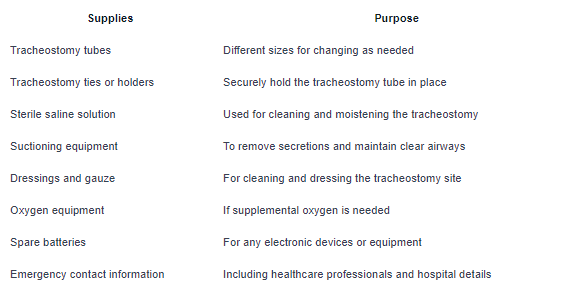
    __wf_reserved_inherit

    It’s important to regularly check the supplies and ensure they are not expired. Maintain a well-organized storage area to easily locate and access the necessary supplies when needed.

    By setting up a safe environment and gathering the necessary supplies, parents and caregivers can be well-prepared to provide optimal care for a child with a tracheostomy. Regularly reassess the environment and update supplies as needed to ensure the child’s safety and well-being.

    Daily Care and Maintenance

    When it comes to pediatric tracheostomy care, daily care and maintenance are essential to ensure the well-being of the child. This section will cover three important aspects of daily care: changing tracheostomy tubes, suctioning techniques, and monitoring for complications.

    Changing Tracheostomy Tubes

    Regularly changing the tracheostomy tube is crucial to maintain proper airflow and prevent infection. The frequency of tube changes may vary depending on the child’s condition and the healthcare provider’s recommendations. It’s important to follow proper hygiene practices and seek guidance from healthcare professionals during the tube changing process.

    Tube Change Frequency

    Every 1-3 months (as recommended by the healthcare provider)

    Suctioning Techniques

    Suctioning helps to remove mucus and secretions from the airway, ensuring clear breathing. It’s important to use proper suctioning techniques to minimize the risk of injury and infection. Here are some key steps to follow:

    1. Wash hands thoroughly before starting the suctioning procedure.
    2. Set up the suctioning equipment and ensure it is clean and functioning properly.
    3. Position the child appropriately, ensuring their head is tilted back slightly.
    4. Insert the suction catheter gently into the tracheostomy tube until resistance is felt.
    5. Apply suction intermittently while withdrawing the catheter slowly.
    6. Monitor the child’s oxygen levels and heart rate throughout the procedure.

    Monitoring for Complications

    Monitoring for complications is a vital part of pediatric tracheostomy care. It’s important to be vigilant and watch for any signs of problems or changes in the child’s condition. Some common complications that may require immediate attention include:

    • Signs of infection (increased redness, swelling, or discharge around the tracheostomy site)
    • Difficulty breathing or increased respiratory distress
    • Changes in the child’s skin color or appearance
    • Obstruction or dislodgement of the tracheostomy tube
    • Excessive bleeding or bleeding that doesn’t stop

    If any of these complications are observed, it’s crucial to seek medical assistance promptly.

    By following proper techniques for changing tracheostomy tubes, employing correct suctioning methods, and staying vigilant for potential complications, parents and caregivers can ensure the daily care and maintenance of a pediatric tracheostomy. Regular communication with healthcare professionals and adherence to their guidance is vital to ensure the child’s well-being and overall tracheostomy care.

    Communication and Social Interaction

    When it comes to pediatric tracheostomy, effective communication and addressing social challenges are important aspects to consider. Here, we will explore strategies for effective communication and how to address the social challenges that may arise.

    Strategies for Effective Communication

    Communicating with a child who has a tracheostomy requires some adjustments to ensure effective and clear communication. Here are some strategies that can help improve communication:

    1. Visual cues: Use visual cues like gestures, facial expressions, and pictures to enhance understanding. This can be especially helpful for children who have difficulty speaking or understanding verbal communication.
    2. Augmentative and alternative communication (AAC) devices: AAC devices, such as communication boards or electronic devices, can assist in conveying messages. These devices allow the child to express their thoughts, needs, and feelings, promoting effective communication.
    3. Encourage questions: Create a supportive environment where the child feels comfortable asking questions or expressing concerns about their tracheostomy. Encouraging open and honest communication can help address any uncertainties or fears they may have.
    4. Patient and attentive listening: Give the child ample time to express themselves, and actively listen to their thoughts and feelings. Practice active listening skills by paraphrasing and repeating key points to ensure understanding.

    Addressing Social Challenges

    Children with tracheostomies may face social challenges due to their medical condition. Addressing these challenges can help them integrate into social settings more comfortably. Here are some strategies to consider:

    1. Education and awareness: Educate family members, friends, teachers, and peers about tracheostomies to foster understanding and acceptance. Sharing educational materials or arranging informational sessions can help dispel misconceptions and eliminate stigmas.
    2. Open communication with others: Encourage open communication between the child, their caregivers, and those around them. This can help establish a supportive network and ensure that others are aware of the child’s needs and how to assist when necessary.
    3. Inclusion in activities: Encourage the child’s participation in age-appropriate activities. Work with teachers, coaches, and other caregivers to modify activities as needed, ensuring that the child feels included and able to participate to the best of their abilities.
    4. Building self-confidence: Foster a positive self-image and self-confidence in the child by emphasizing their strengths and accomplishments. Encourage them to engage in activities that enhance their self-esteem and promote their overall well-being.

    By implementing strategies for effective communication and addressing social challenges, parents and caregivers can help children with pediatric tracheostomies navigate social interactions with confidence and build strong connections with others. Creating an inclusive and supportive environment is essential for the child’s overall development and well-being.

    Emergency Preparedness

    In the event of an emergency related to a pediatric tracheostomy, it is crucial for parents and caregivers to be prepared and equipped with the knowledge to act swiftly and effectively. This section will outline two important aspects of emergency preparedness: recognizing signs of distress and the steps to take in an emergency.

    Recognizing Signs of Distress

    Recognizing signs of distress in a child with a tracheostomy is vital for prompt intervention. It is essential to closely monitor the child’s breathing and overall condition. The following signs may indicate a potential emergency situation:
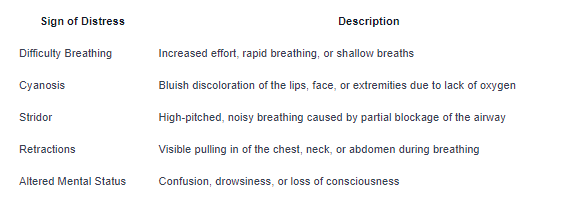
    __wf_reserved_inherit

    If any of these signs are observed, immediate action should be taken to ensure the child’s safety and well-being.

    Steps to Take in an Emergency

    In the event of an emergency related to a pediatric tracheostomy, it is important to remain calm and follow these steps:

    1. Assess the Situation: Quickly evaluate the child’s condition and determine the severity of the emergency.
    2. Call for Help: Dial emergency services or contact the child’s healthcare provider for guidance and immediate medical assistance.
    3. Provide Oxygen: If the child is experiencing breathing difficulties, administer supplemental oxygen if available, according to the healthcare provider’s instructions.
    4. Clear the Airway: If there is an obstruction in the tracheostomy tube, carefully remove it using sterile technique. If the obstruction cannot be cleared, perform emergency tracheostomy tube change if trained to do so.
    5. Perform CPR, if Necessary: If the child becomes unresponsive and is not breathing, initiate cardiopulmonary resuscitation (CPR) following the guidelines provided by healthcare professionals or emergency responders.
    6. Stay with the Child: Provide continuous support and reassurance while waiting for medical help to arrive.

    Remember, every emergency situation may differ, and it is crucial for parents and caregivers to receive training specific to their child’s tracheostomy care. This will enable them to respond appropriately and confidently during emergencies, ensuring the child’s safety until professional help arrives.

    By recognizing the signs of distress and following the appropriate steps during an emergency, parents and caregivers of children with tracheostomies can help mitigate potential risks and ensure the child’s well-being.

    Support and Resources

    When caring for a child with a tracheostomy, it’s important for parents and caregivers to access the support and resources available to them. Connecting with support groups and accessing educational materials can provide valuable information, guidance, and a sense of community.

    Connecting with Support Groups

    Support groups play a crucial role in providing emotional support and practical advice to parents and caregivers of children with tracheostomies. These groups bring together individuals who have firsthand experience in managing tracheostomies and can offer insights, tips, and encouragement.

    Support groups can be found both online and in-person, offering a variety of platforms for parents and caregivers to connect with others facing similar challenges. These groups provide a safe space to share experiences, ask questions, and learn from one another. They can also serve as a valuable source of emotional support during difficult times.

    To find support groups, consider reaching out to local hospitals, pediatric clinics, or organizations specializing in pediatric tracheostomy care. Online communities and social media platforms can also be excellent resources for connecting with other parents and caregivers. Remember to prioritize joining groups that have a positive and supportive atmosphere, and always consult healthcare professionals for medical advice.

    Accessing Educational Materials

    Educational materials are an essential resource for parents and caregivers of children with tracheostomies. These materials provide comprehensive information about tracheostomy care, addressing common concerns and providing guidance on various aspects of managing a tracheostomy.

    There are various sources for accessing educational materials, including healthcare providers, pediatric tracheostomy clinics, and reputable websites dedicated to pediatric tracheostomy care. These materials can include brochures, pamphlets, videos, and online articles that cover topics such as tracheostomy care techniques, emergency management, and daily activities.

    In addition to healthcare professionals, parents and caregivers can also consult with respiratory therapists and tracheostomy nurses who are experienced in pediatric tracheostomy care. These specialists can provide personalized guidance and answer specific questions related to the child’s tracheostomy care.

    By connecting with support groups and accessing educational materials, parents and caregivers can enhance their knowledge and find the necessary support to navigate the challenges of caring for a child with a tracheostomy. Remember, every child is unique, and it’s important to work closely with healthcare professionals to ensure the best care for your child’s individual needs.

    Sources

    https://www.ncbi.nlm.nih.gov/books/NBK560622/

    https://www.hopkinsmedicine.org/health/treatment-tests-and-therapies/pediatric-tracheostomy

    https://emedicine.medscape.com/article/873805-overview?form=fpf

  • How Pediatric Home Health Care Can Help with Pediatric Obesity

    How Pediatric Home Health Care Can Help with Pediatric Obesity

    Exploring Effective Home-Based Strategies For Tackling Childhood Obesity

    Understanding Pediatric Home Health Care’s Role

    Pediatric obesity is a growing concern worldwide, affecting millions of children and their families. As a multifactorial public health issue, it requires comprehensive strategies for prevention and management. One promising approach involves pediatric home health care, which offers tailored interventions to support children struggling with obesity and equips families with the necessary resources to foster healthier lifestyles. This article explores how home health care can effectively address pediatric obesity, examining successful programs, engaging family participation, and leveraging community resources.

    Impact of Home Visiting Programs on Pediatric Obesity

    Exploring Effective Home Visiting Programs to Combat Pediatric Obesity

    Effectiveness of Minding the Baby (MTB) Program

    The Minding the Baby (MTB) program has shown remarkable results in combating pediatric obesity, particularly among 2-year-old children in low-socioeconomic-status communities. A study indicated that only 3.3% of children in the MTB intervention group were classified as obese, compared to 19.7% in the control group. This represents an 88% reduction in obesity rates among those enrolled in the program.

    This program’s tailored approach particularly benefited Hispanic families, with a significant 68% decrease in the odds of children being overweight or obese while participating. Such results highlight the importance of culturally sensitive interventions in addressing health disparities and show how home visiting programs can make a substantial impact on children’s health outcomes.

    Benefits of Home Visiting Interventions in Reducing Obesity

    Home visiting interventions, like the MTB and ProxOb programs, emphasize family involvement and create supportive environments for healthy behaviors. Through these programs, families are educated on dietary choices and encouraged to engage in physical activity together. Notably, families participating in the ProxOb program saw a significant decrease in z-BMI scores after just six months of intervention.

    These initiatives also promote healthy routines, including consistent sleep practices, which are crucial for preventing obesity. Behavioral changes that happen within a home setting—such as increased family activity and improved eating habits—significantly reduce the risk of obesity in children.

    Why Are Child Care Providers Important in Preventing Childhood Obesity?

    Child care providers influence the care environment, which directly affects children’s dietary and activity choices. By establishing policies for nutrition, physical activity, and screen time, alongside training for providers, we can help foster healthy habits that are essential in preventing childhood obesity. This integrated approach understands that obesity prevention requires collaboration and commitment from caregivers and health professionals alike.

    Multidisciplinary Approaches: The ProxOb Program

    Understanding the ProxOb Program's Multifaceted Approach

    Description and outcomes of the ProxOb program

    The ProxOb program represents a comprehensive 6-month intervention designed to combat pediatric obesity through a multidisciplinary home-based approach. This program not only focuses on diet and physical activity but also emphasizes the importance of engaging families in the process. Evaluations reveal a significant decrease in children’s z-BMI, as those with obesity saw a reduction from 4.38 ± 1.05 at the start to 4.06 ± 1.07 by the intervention’s conclusion, showcasing the program’s early effectiveness.

    Out of 130 participating families, more than 90% had at least one parent with overweight or obesity. This statistic underscores the program’s potential to catalyze lifestyle changes that benefit the entire family unit. Moreover, the ProxOb program features a maintenance phase lasting 18 months, ensuring sustained support for participants in managing weight after the initial intensive phase.

    Role of family dynamics in pediatric obesity treatment

    Family dynamics play a crucial role in addressing pediatric obesity, as shown by the ProxOb program’s findings. Notably, children in single-parent households exhibited a higher completion rate of the intervention (63%) compared to those from two-parent families (33.3%). This indicates that the participation structure and support systems in different family scenarios can significantly influence treatment success.

    Creating a supportive family environment is vital in reinforcing healthy habits. By modeling positive behaviors such as healthy eating and increased physical activity, families can work together to combat the obesity epidemic. Ultimately, programs like ProxOb that engage families holistically show promising potential in reducing pediatric obesity rates.

    Family Involvement and Lifestyle Modifications

    The Crucial Role of Family in Preventing Childhood Obesity

    Importance of family-based interventions

    Family-based interventions are crucial in managing childhood obesity as they create a supportive environment for healthy behavior changes. Studies, such as those conducted by the Minding the Baby program, show that family engagement significantly enhances the success of obesity prevention strategies. These programs help address health disparities, particularly in low-socioeconomic communities where children are at higher risk for obesity.

    Recommendations for healthier lifestyle choices

    Parents can play a vital role in combating childhood obesity by implementing several lifestyle modifications:

    • Healthy Eating Patterns: Serve a variety of fruits, vegetables, and whole-grain options at meals while limiting sugary drinks. Modeling these habits encourages children to follow suit.
    • Regular Physical Activity: Engage in daily physical activities together. Children aged 3-5 should remain active throughout the day, while older children need at least 60 minutes of exercise daily to maintain a healthy weight.
    • Consistent Sleep Routines: Establish regular sleep schedules, as proper rest is essential in weight management. Sleep deprivation can lead to unhealthy eating habits and weight gain.
    • Screen Time Management: Minimize screen time to promote better physical activity and mental health. Keeping screens out of bedrooms can also help improve sleep quality.

    Encouraging these practices within the family unit helps create a healthy environment conducive to lasting lifestyle changes. Parents should consult healthcare providers for further guidance and explore family weight management programs to bolster their efforts in addressing childhood obesity effectively.

    The Role of Healthcare Professionals and Community Resources

    Empowering Healthcare Professionals and Communities in Obesity Management

    Role of pediatricians and healthcare teams

    Healthcare professionals play a pivotal role in combating childhood obesity. Pediatricians, alongside multidisciplinary teams, are essential in assessing and diagnosing obesity through BMI evaluations and growth chart comparisons. They provide critical guidance to families on nutrition, physical activity, and lifestyle changes. Pediatricians not only educate but also support families in identifying healthy habits early on, emphasizing that addressing obesity is a lifelong endeavor.

    Such teams might include dietitians, exercise physiologists, and psychologists, ensuring a comprehensive approach tailored to each child’s needs. Behavioral strategies are employed to encourage healthier routines at home, and consistent follow-up is crucial for long-term success.

    Community-based initiatives and support

    Community resources also contribute significantly to obesity prevention and management efforts. Programs like "Let’s Go!" focus on promoting healthy eating and physical activity among families. Moreover, initiatives in healthcare settings, such as family-focused health coaching, connect families with local resources to observe and overcome unique dietary and activity challenges.

    What strategies and resources can help fight against childhood obesity?

    To fight against childhood obesity, parents and caregivers should focus on providing healthy meals and snacks, encouraging daily physical activity, and offering nutrition education. Efforts should begin early, as unhealthy habits can form in childhood, with an emphasis on maintaining a healthy weight rather than pursuing weight loss unless medically necessary. Involving the entire family in lifestyle changes and establishing regular meal times can help cultivate consistent healthy habits. Reducing sedentary activities is also essential for promoting a more active lifestyle. Additionally, using specific serving sizes for children aged 2 to 6 can guide parents in meal planning and ensure nutritious balance in their diets.

    Innovative Technological Interventions in Pediatric Obesity Management

    Use of mobile health (mHealth) systems

    Mobile health (mHealth) systems are revolutionizing the landscape of pediatric obesity management. The integration of daily self-monitoring tools allows families to track their children’s weight in an accessible manner. A recent study indicates that families engaged with an mHealth intervention showed a significant reduction in BMI standard deviation scores (-0.24 units), outperforming the standard treatment group (0.01 units). This innovative approach not only personalizes the treatment experience but also facilitates ongoing communication between parents and healthcare providers through text messages, enhancing support and accountability.

    Benefits of technology in improving treatment adherence

    Access to technology significantly boosts adherence to recommended interventions. The same evaluation of the mHealth system revealed that non-compliance at follow-up appointments was substantially lower (40% vs 85%) in the mHealth group. Parents in these interventions expressed a greater sense of effectiveness and satisfaction, indicating that tailored technology not only improves the tracking of health metrics but also motivates families to engage more actively in obesity management. These advancements exemplify the growing importance of combining traditional care with technological innovations to address complex health challenges like pediatric obesity.

    Exploring Long-term Solutions and Preventive Measures

    Long-Term Strategies for Preventing Pediatric Obesity

    Preventive strategies for childhood obesity

    Managing childhood obesity starts with comprehensive preventive measures that instill healthy habits early in life. Here are some effective strategies:

    • Healthy Eating: Families should aim to include a variety of fruits and vegetables in meals, limit sugary drinks, and reduce the intake of highly processed foods.
    • Physical Activity: Engaging children in at least one hour of physical activity daily is critical. This can include outdoor play, sports, or family walks.
    • Screen Time Management: Limiting screen time to no more than two hours a day can promote a more active lifestyle.
    • Sleep Routines: Establishing consistent sleep patterns aids in overall health and weight management.

    By tying these practices into daily routines, families create an environment that supports healthy habits, reducing obesity risk.

    Importance of early intervention and ongoing support

    Early intervention in childhood obesity is crucial, as it paves the way for lifelong healthy habits. Programs like Minding the Baby (MTB) and ProxOb show how tailored home visiting can significantly lower obesity rates among disadvantaged children. For instance, children participating in MTB were 88% less likely to be obese compared to those not in the program.

    Ongoing support, such as the 18-month follow-up maintenance phase in the ProxOb program, plays a vital role in sustaining these health behaviors. Continuous family involvement, support from healthcare providers, and access to educational resources are essential for effective management and prevention of obesity.

    What is the best treatment for childhood obesity?

    The best treatment for childhood obesity involves a comprehensive, personalized approach that focuses on long-term lifestyle changes in diet and physical activity. Diagnosis starts with calculating the child’s BMI and comparing it to standard growth charts to determine their weight status.

    Evidence-based strategies recommend healthy eating habits, such as serving more fruits and vegetables, limiting sugary drinks, and encouraging family involvement in meal preparation. Regular physical activity is also crucial, with a goal of at least one hour of exercise per day while limiting screen time. In some cases, healthcare professionals may prescribe medications or consider weight-loss surgery for severely obese adolescents who have not had success with lifestyle changes alone.

    Conclusion: Emphasizing a Collaborative Approach in Pediatric Obesity

    What Were the Outcomes of the Minding the Baby Program?

    The Minding the Baby (MTB) home visiting program has achieved notable success in reducing obesity rates among 2-year-old children in low-socioeconomic-status communities. Within this intervention group, only 3.3% of children were classified as obese, a significant decrease compared to 19.7% in the control group. This translates to an impressive 88% lower likelihood of obesity among participating children, reinforcing the program’s effectiveness in pediatric obesity prevention.

    How Does the ProxOb Program Enhance Family Involvement?

    The ProxOb program employs a multidisciplinary, home-based approach that emphasizes family involvement. Over 90% of participants had at least one parent with overweight or obesity, highlighting the role of family dynamics. With a substantial completion rate of 63% among single-parent households, the data suggests that program structure supports various family configurations while addressing the dietary and physical activity needs of children.

    The follow-up maintenance phase, extending for 18 months, continues to provide support, illustrating the necessity of sustained engagement in managing pediatric obesity. During this period, the z-BMI of children with obesity reduced significantly, underscoring early intervention effectiveness.

    Why is a Family-Centric Approach Important?

    Family engagement is paramount in addressing childhood obesity. Parents can model healthy eating habits and physical activity, significantly influencing children’s lifestyle choices. Programs like FamilyPower and FCU4Health prioritize families in their strategies, reinforcing healthy behaviors that are essential for long-term health. By fostering an environment that promotes healthier habits, these interventions not only help reduce obesity but also work towards improving overall family health and dynamics.

    What Are the Broader Implications?

    Pediatric obesity management necessitates a collective effort from various stakeholders, including healthcare providers, parents, and community resources. By integrating family-focused interventions, the chances of successful outcomes in combatting obesity rise significantly. This community-centric strategy is crucial for tackling the broader epidemic of childhood obesity and ensuring the well-being of future generations.

    Towards a Healthier Future for Our Children

    Addressing pediatric obesity requires a multifaceted strategy where home health care plays a crucial role. By integrating comprehensive programs, engaging families, and utilizing available community resources, we can create an effective support system for children and their families. The concerted efforts of healthcare professionals, educators, and families can foster an environment promoting long-term lifestyle changes that combat obesity. Together, we can work towards making significant strides in managing and preventing pediatric obesity, ensuring a healthier future for the next generation.

    References

  • How Do I Choose Respiratory Equipment Suppliers?

    How Do I Choose Respiratory Equipment Suppliers?

    Choosing the Right Supplier for Your Respiratory Equipment Needs

    Introduction

    Selecting a reliable supplier for respiratory equipment is a critical decision that can significantly affect patient care and the efficiency of a medical practice. With various factors to consider, ranging from product quality to customer service and compliance with safety standards, making an informed choice requires careful evaluation. This guide will explore the essential aspects to consider when choosing respiratory equipment suppliers, providing insights and tips to help you make the best decision for your medical practice or personal healthcare needs.

    Assessing Supplier Reputation and Experience

    Choosing the Right Medical Equipment Supplier: Key Reputation Factors

    How do I choose a medical equipment supplier?

    Choosing a reliable medical equipment supplier begins with thorough research into their reputation and experience. Look for suppliers with a business history of at least five years, as this longevity often indicates stability and reliability in the industry. A well-established supplier will typically have more experience in handling various equipment needs and understand what medical practices require to deliver quality patient care.

    Research on reputation

    In addition to business longevity, assess the supplier’s overall reputation within the healthcare community. Explore online reviews and ratings, and check for customer testimonials to measure satisfaction. Engaging in forums or seeking references from other medical professionals can provide valuable insights into their service quality and responsiveness, ensuring you choose a supplier that values customer care.

    Customer reviews and references

    It’s essential to prioritize customer feedback. High ratings and positive reviews suggest consistent service delivery and quality products. Conversely, negative feedback can reveal potential red flags regarding reliability and support services. Identify suppliers that demonstrate strong customer support and timely responses, particularly for urgent equipment needs.

    In summary, evaluating a supplier’s reputation, experience, and customer feedback is crucial for making an informed decision. This process sets the foundation for a successful partnership, ultimately enhancing your practice’s operations and patient care.

    Understanding Durable Medical Equipment and Suppliers

    Essential Insights on Durable Medical Equipment

    What does DME supplier mean?

    A Durable Medical Equipment (DME) supplier plays a crucial role in providing essential medical equipment and supplies prescribed by healthcare professionals for both everyday and extended use. This equipment is designed to improve patients’ quality of life and can include items like oxygen equipment, wheelchairs, crutches, and blood testing strips for diabetics.

    Types of equipment

    DME encompasses a wide range of products, each serving specific medical purposes. Here are some common types:

    • Mobility Aids: Wheelchairs, walkers, and scooters designed to assist with movement.
    • Respiratory Equipment: Devices like oxygen concentrators and nebulizers that support breathing.
    • Monitoring Devices: Blood glucose meters and blood pressure monitors essential for chronic disease management.

    Insurance coverage details

    Coverage for durable medical equipment can vary significantly among health insurance plans. Generally, Medicare Part B covers certain medically necessary DME prescribed by healthcare providers, with patients responsible for 20% of the approved amount after meeting the deductible. It is advisable to check individual health insurance plans’ Summary of Benefits for specific details on coverage of DME items, which are expected to last for at least three years. Unlike disposable medical supplies, DME is primarily used for medical purposes, ensuring long-term usage and support for patient care.

    Evaluating Product Quality and Compliance

    Quality Matters: Selecting the Right Equipment

    What are the key considerations in selecting a respiratory equipment supplier?

    Choosing the right respiratory equipment supplier is essential for both operational efficiency and patient safety. Start by understanding the reputation and track record of the supplier, ideally one with over five years of industry experience. This experience often correlates with reliability and the ability to deliver quality products.

    Next, assess the product quality and functionality. Ensure that the equipment offered meets the specific requirements of your practice and functions reliably. Look for equipment certified by reputable organizations like the FDA, which is crucial for safety and effectiveness.

    Quality Standards and Certifications

    Compliance with quality management standards, such as ISO 13485:2016, highlights a manufacturer’s commitment to consistency and risk management. It guarantees that the products have undergone rigorous testing and are manufactured with high standards. A supplier adhering to these standards is more likely to supply reliable equipment that enhances patient care.

    Safety and Reliability

    Safety certifications provide an extra layer of assurance. Confirm that the products meet necessary safety guidelines, as this directly affects patient care and outcomes. Additionally, inquire about the durability and stability of the equipment to prevent accidents during use.

    Product Functionality

    Evaluate the variety and customization options a supplier offers. Being versatile in their product range ensures you can find specific equipment tailored to your medical needs, whether that involves mobility aids, monitoring devices, or specific respiratory support tools.

    By investigating these aspects—supplier reputation, quality standards, safety certifications, and product functionality—you can effectively select a respiratory equipment supplier that meets your practice’s needs and supports your commitment to quality patient care.

    Researching and Comparing Supplier Offerings

    Comparative Analysis: Finding the Best Supplier

    Variety of Products

    When selecting a medical equipment supplier, ensure they offer a wide range of products. This variety is crucial so that you can find the equipment that closely matches your specific practice needs. For example, respiratory equipment may range from simple inhalers to complex ventilators, and having access to multiple options allows for better patient care.

    Customization Options

    Opt for suppliers who provide customization options. This flexibility is particularly beneficial for practices requiring tailored solutions based on unique patient demographics or specific medical conditions. Customization can also enhance the usability of equipment, thereby improving the effectiveness of patient treatment plans.

    Technological Advancements

    Stay informed about technological advancements offered by suppliers. Medical equipment evolves rapidly, and the latest technologies can significantly enhance diagnostic accuracy and treatment outcomes. Suppliers that invest in up-to-date equipment can provide tools that facilitate better patient monitoring and management, contributing positively to the overall standard of care delivered in your practice.

    Aspect Importance Recommendation
    Variety of Products Enhances choice and functionality Choose suppliers with comprehensive catalogs
    Customization Options Tailors equipment to individual needs Look for flexible and adaptable solutions
    Technological Advancements Improves patient outcomes Select suppliers committed to innovation

    Evaluating Customer Service and Support

    After-sales services

    When selecting a medical equipment supplier, after-sales services are pivotal. These services encompass maintenance, repairs, and training related to equipment usage. A supplier with robust after-sales support can significantly enhance the longevity and usability of the equipment, ensuring that practices can rely on issued devices over time.

    Technical support availability

    Timely and effective technical support is essential when dealing with complex medical devices. Evaluate suppliers based on their ability to provide prompt assistance for equipment issues. Ensure that they have dedicated support staff available to address questions or technical problems, which is crucial for minimizing downtime and maintaining operational efficiency.

    Delivery and setup options

    Delivery and proper setup of medical equipment are often overlooked but are vital for optimal operation. Confirm that the supplier offers reliable delivery services, including installation and training for medical staff. This process guarantees that the equipment functions as intended, preventing accidents and ensuring thorough understanding of its operation.

    Emergency support

    Finally, inquire about the availability of emergency support services. This aspect is critical in ensuring that practices can receive immediate help during equipment malfunctions. Reliable emergency support can prevent potential patient care disruptions and assures that the necessary assistance is available when it’s needed most.

    Financial Considerations and Insurance Coverage

    Cost Comparison

    When selecting medical equipment, cost comparison is essential. It’s advisable to look beyond the base price of equipment and evaluate the total value offered. Consider elements such as durability, reliability, and ongoing support services. Often, equipment that appears low-priced may compromise on quality or require costly repairs down the line. Ensure you are getting a fair deal by comparing multiple suppliers and understanding their pricing structures in depth.

    Insurance Partnership

    Working with suppliers that cooperate with your insurance provider can simplify the purchasing process. Confirm whether the suppliers accept Medicare or other private insurance plans that you have. This ensures that necessary medical equipment is covered, minimizing out-of-pocket expenses. Check if the supplier can assist with the relevant paperwork to help you navigate any insurance claims efficiently.

    Financing and Rental Options

    Consider financing or rental options if the total upfront cost of equipment is a concern. Many suppliers offer flexible payment plans, allowing practices to manage cash flow better without sacrificing quality or service. Additionally, renting options can be a suitable alternative for short-term needs, enabling access to high-quality equipment for your operations without significant initial investment.

    Combining these financial considerations can significantly reduce stress when procuring medical equipment.

    Consulting Healthcare Professionals for Informed Decisions

    Role of Healthcare Providers

    When it comes to selecting the right medical equipment, healthcare professionals play an essential role. Physicians and specialists possess extensive knowledge of medical conditions and can provide insights that are highly beneficial. They understand the specific needs of patients, from mobility aids to monitoring devices, ensuring that any recommended equipment aligns well with the patient’s health status.

    Tailored Equipment Recommendations

    Consulting with these experts allows for tailored recommendations based on individual medical requirements. For instance, primary care physicians can guide patients on equipment that optimally supports their unique conditions, improving their quality of care and comfort. This connection between medical professionals and suppliers results in recommendations that prioritize safety and efficacy, such as suggesting equipment certified by the FDA to meet safety standards.

    By fostering a relationship with healthcare providers, patients and medical practices can enhance their chances of choosing equipment that truly serves its intended purpose. This proactive approach significantly contributes to better health outcomes and operational efficiency in medical settings.

    Planning and Evaluating Supplier Logistics

    What are the considerations regarding lead times?

    When selecting a medical equipment supplier, lead times are a crucial factor to consider. It’s wise to investigate the availability of products and the estimated timeframes for their delivery. Proper planning can alleviate procurement stress and ensure that equipment is accessible when needed.

    How to manage logistics effectively?

    Effective logistics management encompasses various components including delivery reliability and timely responses from suppliers. A supplier that demonstrates strong logistics capabilities can fulfill orders promptly, which is essential for maintaining uninterrupted practice operations.

    Why are stock levels important?

    Assessing stock levels at potential suppliers can reveal their ability to meet your demands consistently. Suppliers with adequate stock can quickly provide necessary equipment, ultimately enhancing patient care and operational efficiency.

    Ensuring Long-term Equipment Usability

    Maximizing Longevity: Maintenance and Training Essentials

    Maintenance Services

    To guarantee the longevity and efficiency of medical equipment, establishing a solid maintenance plan is essential. Regular maintenance helps identify potential issues early, ensuring that equipment continues to function at optimal levels without unexpected failures. Suppliers should offer comprehensive maintenance agreements that detail the frequency of checks and any service provisions included.

    Spare Parts Availability

    Access to spare parts can significantly impact the usability of medical equipment. Suppliers should not only provide high-quality equipment but also ensure a steady supply of necessary replacement parts. This availability is crucial for timely repairs and minimizing downtime, particularly for equipment that plays a vital role in patient care.

    Training for Equipment Use

    Proper training for staff on equipment usage is vital for maximizing its benefits and ensuring patient safety. Suppliers should include training sessions as part of their service offerings. These sessions should cover not only the operation of the equipment but also troubleshooting basic issues. This proactive approach can prevent accidents and ensure the equipment serves its intended purpose effectively.

    By focusing on these aspects—maintenance services, spare parts availability, and training—you can ensure that your medical equipment remains functional and reliable, ultimately enhancing patient care.

    Conclusion

    Selecting the right supplier for respiratory equipment is a multifaceted process involving careful assessment of various factors, including supplier reputation, product quality, customer service, and compliance with safety standards. By thoroughly evaluating each potential supplier’s offerings and support services, as well as consulting with healthcare professionals, you can ensure you choose a reliable partner that meets your unique needs and enhances patient care. With the knowledge and insights gained from this guide, you are well-positioned to make informed decisions in securing the best respiratory equipment supplier for your practice or personal use.

    References

  • How PPEC Addresses Common Health Concerns in Medically Complex Children

    How PPEC Addresses Common Health Concerns in Medically Complex Children

    Unlocking the Potential of Medically Complex Children Through PPEC

    Understanding the Vital Role of PPEC

    Prescribed Pediatric Extended Care (PPEC) centers are a lifeline for families with medically complex children. These centers diligently cater to the diverse needs of children living with chronic medical conditions, offering not just medical care but a supportive environment that fosters development and emotional well-being. The structured, non-residential care provided at PPEC centers allows for a holistic approach that benefits both the children and their families. This article explores the myriad ways in which PPEC addresses common health concerns in such children, highlighting its essential role in modern pediatric care.

    Comprehensive Services Offered by PPEC

    Explore the Range of Services Offered at PPEC!

    What is PPEC and what services does it provide for medically complex children?

    Prescribed Pediatric Extended Care (PPEC) centers are specialized healthcare facilities dedicated to caring for medically complex children who require ongoing assistance. These centers provide skilled nursing services, including medication management, tracheostomy care, ventilator support, and feeding tube assistance. Such focused medical services ensure that each child receives tailored care in a safe and supportive environment.

    Overview of PPEC services

    At PPEC facilities, individualized care plans are developed for every child, encompassing their unique medical and developmental needs. Services provided often include:

    • Medical Monitoring: Continuous observation of children’s health status.
    • Therapeutic Services: Physical, occupational, and speech therapy to enhance developmental outcomes.
    • Social Interaction Opportunities: Activities designed for peer engagement, supporting social skills and emotional growth.
    • Respite for Families: Allowing parents to take a break while ensuring their child remains safe and well-cared for.

    Role of multidisciplinary teams

    A hallmark of PPEC is its multidisciplinary team approach. Staff members generally include:

    • Registered nurses
    • Licensed practical nurses
    • Physical, occupational, and speech therapists
    • Social workers

    This collaborative structure allows for comprehensive care that not only focuses on medical needs but also addresses educational and developmental support. The involvement of families in care planning is crucial, optimizing outcomes and ensuring that the needs of the child are met efficiently. By providing a structured environment with experienced professionals, PPEC centers enhance both the quality of life for children and the peace of mind for their families.

    Addressing Specific Health Issues with Tailored Care

    Discover How PPEC Addresses Unique Health Needs!

    How does PPEC address specific health issues for children with complex medical needs?

    PPEC, or Prescribed Pediatric Extended Care, effectively mitigates the challenges faced by children with complex medical conditions by utilizing a multidisciplinary team approach. This team consists of pediatricians, registered nurses, licensed practical nurses, and various therapists who collaboratively develop individualized care plans tailored to each child’s specific needs.

    Specialized Medical Care

    One of PPEC’s strengths lies in its provision of specialized care. For instance, children facing issues such as Failure to Thrive receive personalized feeding plans crafted by dietitians. This ensures they receive comprehensive nutritional support crucial for their growth and development.

    Promoting Socialization and Development

    In addition to medical attention, PPEC creates a structured environment conducive to socialization and development. Children engage in activities that foster communication and interpersonal skills while still receiving the necessary healthcare services. This holistic approach not only improves their physical health but also enhances their emotional well-being.

    Educating Families for Effective Care

    PPEC also focuses on empowering families. Parents are provided with essential education regarding complex medical routines and the operation of specialized equipment. This prepares them to manage their child’s care at home effectively. By fostering family involvement, PPEC creates support networks that ease the burdens of caregiving and improve the outcomes for the children.

    By successfully addressing the medical, developmental, and emotional needs of children with complex health concerns, PPEC stands out as a valuable resource for families navigating these challenges.

    Therapeutic Offerings: Beyond Basic Care

    Learn About PPEC's Advanced Therapeutic Services!

    What are the medical and therapeutic services offered by PPEC?

    PPECs, or Prescribed Pediatric Extended Care centers, provide a comprehensive range of medical and therapeutic services tailored for children with complex medical needs. At these specialized centers, children receive skilled nursing care, ensuring continuous medical monitoring and responsiveness to their evolving health conditions.

    The therapeutic services available at PPEC facilities include:

    • Physical Therapy: Aimed at improving physical function and mobility.
    • Occupational Therapy: Focused on enhancing daily living skills and independence.
    • Speech Therapy: Designed to support communication skills and swallowing abilities.
    • Respiratory Therapy: Essential for managing respiratory challenges, especially for children relying on ventilators or other breathing support.

    These interventions create individualized care plans that incorporate input from healthcare providers and family members, addressing both medical and developmental requirements.

    Enhancing developmental outcomes

    PPEC centers place a strong emphasis on fostering comprehensive development. By integrating therapy into daily routines, children can enhance cognitive, social, and emotional skills through engaged learning environments. Activities like sensory play and art therapy are designed to stimulate curiosity, strengthen communication, and develop social skills among peers. This structured and supportive environment is vital, especially for children characterized as Medically Complex, as it prepares them for future educational opportunities.

    Socialization opportunities

    Socialization is a critical component of child development, and PPECs recognize this need by promoting interactions among peers in a safe setting. Children are encouraged to play and communicate with one another, laying the foundation for lifelong social skills. The shared experiences facilitate emotional growth and establish connections, helping to decrease feelings of isolation that can accompany complex health issues. This integrative approach not only addresses medical needs but also supports the overall emotional and psychological well-being of children.

    Eligibility and Advantages for Families

    Find Out if Your Child Qualifies for PPEC Services!

    What are the eligibility criteria for PPEC and its advantages for children and families?

    Eligibility for PPEC, or Prescribed Pediatric Extended Care, is primarily targeted towards children from birth to age 21 with complex medical needs. Common conditions include:

    • Cerebral palsy
    • Respiratory disorders
    • Dependence on medical technology (e.g., ventilators, tracheostomy tubes)

    To qualify, a physician’s prescription is essential, as well as documentation such as medical records and proof of insurance or Medicaid eligibility. This ensures that the child’s ongoing skilled nursing care and therapy needs can be addressed, which may not be feasible in standard daycare settings.

    The advantages for children and families using PPEC services are significant. Each child receives an individualized care plan tailored to their distinct medical and developmental requirements. Children benefit from skilled nursing support that ensures their health is closely monitored throughout the day. Additionally, integrated therapies such as occupational, physical, and speech therapy are accessible, fostering essential development.

    The structured environment of PPEC also allows for socialization with peers, which can enhance the child’s emotional and cognitive development, providing a community aspect that is crucial for growth.

    Families also experience respite from caregiving duties, which helps to ease the burden of managing complex health needs. This balance not only enhances the quality of life for children but brings peace of mind to parents knowing their child is receiving specialized care. Early detection of health issues is another benefit, aiding families in proactive health management.

    A Holistic and Effective Care Solution

    Understand the Holistic Approach PPEC Utilizes!

    How does PPEC integrate medical and developmental support to promote a holistic approach to care?

    PPEC (Prescribed Pediatric Extended Care) integrates medical and developmental support through a structured environment tailored to the unique needs of children with complex health issues. These facilities provide continuous medical care alongside therapeutic and educational programs.

    By focusing on emotional, social, and cognitive development, PPEC ensures a well-rounded approach to each child’s care. Specialized therapies, such as physical, occupational, and speech therapy, are thoughtfully woven into daily routines. This integration helps children reach essential developmental milestones while receiving necessary medical treatment.

    Moreover, PPEC emphasizes the involvement of families in care planning, which not only fosters a support network but also strengthens the bonds necessary for effective caregiving. By facilitating social interactions, PPEC supports both individual growth and the creation of a nurturing community for families.

    How effective is PPEC in facilitating growth and managing health conditions?

    PPEC centers prove to be highly effective in promoting growth and managing health conditions for children with complex medical needs. They offer specialized nursing care, crucial medical services, and developmental therapies in a nurturing, home-like setting.

    Each child’s care plan is tailored by a multidisciplinary team, addressing unique health needs and leading to better health outcomes. This holistic care model has been shown to enhance the quality of life for children. Studies indicate higher healthcare quality of life ratings for children in PPEC compared to those receiving care at home or in long-term facilities.

    Additionally, by providing socialization opportunities and family support, PPEC enhances overall well-being, preventing hospitalizations and allowing families to thrive while their children receive care.

    A Future with PPEC

    By seamlessly integrating medical expertise with developmental support, PPEC centers prove indispensable for families of medically complex children. They not only address critical health issues but also pave the way for a brighter, healthier future for these young individuals. As an increasingly vital aspect of pediatric healthcare, PPEC transforms lives by empowering children with complex medical needs to thrive within their communities while providing families with the reassurance and support they need on this journey.

    References

  • Trigger Performance of Five Pediatric Home Ventilators

    Trigger Performance of Five Pediatric Home Ventilators

    Discover the trigger performance of top pediatric ventilators. Dive into key factors and comparative analysis for optimal care.

    Pediatric Ventilator Showdown

    __wf_reserved_inherit

    Exploring Trigger Performance Evaluation of Pediatric Home Ventilators

    Ventilators play a critical role in providing respiratory support to pediatric patients, especially those requiring home ventilation. One key aspect that determines the efficacy of pediatric home ventilators is the trigger performance. Evaluating the trigger performance of these ventilators is essential to ensure optimal breathing support for pediatric patients.

    In the realm of pediatric ventilation, trigger performance refers to the ventilator’s ability to detect the patient’s respiratory efforts and deliver the appropriate support in response. A well-performing trigger ensures that the ventilator synchronizes effectively with the patient’s breathing patterns, enhancing comfort and optimizing ventilation outcomes.

    Assessing the trigger performance of pediatric home ventilators involves analyzing various parameters and criteria to determine the responsiveness and accuracy of the triggers. By comparing the trigger performance of different ventilators, healthcare professionals and caregivers can make informed decisions regarding the selection of the most suitable device for pediatric patients requiring respiratory support at home.

    Understanding the nuances of trigger performance evaluation in pediatric home ventilators is crucial in ensuring the highest standard of care for pediatric patients with respiratory conditions. By delving into the trigger performance of five pediatric home ventilators, a comprehensive assessment can be made to guide healthcare providers and caregivers in choosing the most appropriate ventilator for pediatric respiratory support at home.

    Importance of Trigger Performance

    In the realm of pediatric ventilation, the significance of trigger performance cannot be overstated. Understanding the importance of trigger performance and its impact on pediatric patients is vital in ensuring optimal respiratory support.

    Understanding the Significance

    The trigger performance of pediatric home ventilators directly influences the effectiveness of assisted breathing in young patients. A ventilator with precise trigger performance can respond promptly to the child’s respiratory efforts, providing support exactly when needed. This synchronization between the ventilator and the patient’s breathing pattern is crucial for maintaining adequate ventilation and preventing respiratory distress.

    Impact on Pediatric Patients

    For pediatric patients, particularly those with underlying respiratory conditions, the trigger performance of a ventilator can significantly impact their comfort, oxygenation, and overall respiratory function. A ventilator with poor trigger performance may lead to patient-ventilator asynchrony, where the machine fails to adapt to the child’s breathing pattern accurately. This can result in discomfort, increased work of breathing, and potentially compromise the effectiveness of respiratory therapy.

    Understanding the significance of trigger performance and its direct impact on pediatric patients underscores the importance of evaluating and optimizing this aspect when selecting a pediatric home ventilator. By prioritizing trigger performance in ventilator selection, healthcare providers can enhance the quality of care and improve outcomes for young patients requiring respiratory support.

    Evaluation Criteria

    Trigger performance evaluation of pediatric home ventilators is a crucial aspect in ensuring optimal respiratory support for pediatric patients. To effectively assess the trigger performance of these ventilators, several key factors and methods are employed in evaluation studies.

    Key Factors for Trigger Performance Evaluation

    1. Sensitivity: The sensitivity of a ventilator’s trigger mechanism determines its ability to detect the patient’s respiratory efforts accurately. A ventilator with high sensitivity ensures that it responds promptly to the patient’s breathing, providing timely support.
    2. Specificity: Specificity refers to the ventilator’s ability to differentiate between patient-triggered and machine-triggered breaths. A ventilator with high specificity minimizes the occurrence of false triggering, which can lead to patient-ventilator asynchrony.
    3. Response Time: The response time of a ventilator is critical in delivering assistance to the patient in a timely manner. A fast response time ensures that the ventilator synchronizes effectively with the patient’s breathing pattern, reducing the risk of respiratory distress.
    4. Noise Sensitivity: Noise sensitivity indicates how susceptible a ventilator is to external triggers, such as ambient noise or movement. A ventilator with low noise sensitivity is less likely to generate false alarms or trigger inaccuracies, ensuring stable ventilation support.

    Methods Used in Evaluation Studies

    Evaluation studies on trigger performance of pediatric home ventilators utilize standardized methods to assess the key factors mentioned above. Commonly employed methods include:

    __wf_reserved_inherit

    By employing these evaluation criteria and methods in trigger performance assessment, healthcare providers can make informed decisions regarding the selection and optimization of pediatric home ventilators for enhanced patient care.

    Comparison of Five Pediatric Home Ventilators

    When considering pediatric home ventilators, trigger performance plays a critical role in the efficiency and effectiveness of respiratory support. In this section, we will compare the trigger performance of five pediatric home ventilators, denoted as Ventilator A, Ventilator B, Ventilator C, Ventilator D, and Ventilator E.

    Ventilator A

    Ventilator A stands out for its trigger sensitivity and responsiveness, ensuring prompt detection of patient respiratory efforts. The adjustable trigger settings make it suitable for a wide range of pediatric patients, providing personalized care and support.

    Ventilator B

    Ventilator B offers advanced trigger algorithms that enhance sensitivity while maintaining specificity, reducing the likelihood of false triggering. This ventilator’s adaptive trigger technology adjusts to the patient’s breathing patterns, ensuring optimal synchronization between the patient and the ventilator.

    Ventilator C

    Ventilator C excels in trigger performance with customizable trigger settings that cater to the unique needs of pediatric patients. The low trigger delay and high trigger sensitivity contribute to enhanced patient-ventilator synchrony, improving overall ventilation outcomes.

    Ventilator D

    Ventilator D features innovative trigger mechanisms that prioritize patient comfort and support. The dual-trigger functionality allows for both flow and pressure triggering, giving clinicians flexibility in adapting to individual patient requirements.

    Ventilator E

    Ventilator E emphasizes reliability and consistency in trigger performance. The ventilator’s robust trigger system ensures rapid response to patient inspiratory efforts, minimizing the risk of asynchrony and optimizing ventilation support.

    Comparing the trigger performance of these five pediatric home ventilators provides valuable insights into their capabilities and suitability for pediatric patients requiring respiratory assistance. By understanding the unique features and performance characteristics of each ventilator, healthcare providers can make informed decisions to meet the specific needs of pediatric patients in home care settings.

    Analysis of Trigger Performance Results

    In the realm of pediatric home ventilation, the evaluation of trigger performance among different ventilators plays a crucial role in determining their effectiveness in assisting young patients. Let’s delve into the comparative analysis of trigger performance and explore the implications for pediatric ventilation.

    Comparative Analysis of Trigger Performance

    To assess the trigger performance of five pediatric home ventilators, various key factors were considered. These factors include:

    __wf_reserved_inherit

    From the evaluation results, it is evident that each ventilator exhibits variations in trigger sensitivity, trigger delay, trigger flow/pressure, and asynchrony rate. These differences may impact the ventilatory support provided to pediatric patients, highlighting the importance of selecting a ventilator with optimal trigger performance for enhanced patient care.

    Implications for Pediatric Ventilation

    The trigger performance of pediatric home ventilators has significant implications for the overall management of pediatric patients requiring respiratory support. A ventilator with precise trigger sensitivity and minimal trigger delay ensures prompt and efficient delivery of breaths, reducing the risk of patient-ventilator asynchrony and enhancing comfort during ventilation.

    By understanding the comparative trigger performance outcomes of different ventilators, healthcare providers and caregivers can make informed decisions when selecting the most suitable ventilator for pediatric patients. Improved trigger performance not only enhances the efficacy of ventilation but also contributes to better outcomes and overall quality of care for pediatric individuals in need of respiratory support.

    Future Considerations

    In the realm of pediatric ventilation, there are ongoing efforts to enhance trigger performance to ensure optimal care for young patients. Improving trigger performance is a critical aspect that can significantly impact the effectiveness of pediatric home ventilators.

    Enhancing Trigger Performance

    To advance the field of pediatric ventilation, there is a continual focus on enhancing trigger performance in home ventilators. By fine-tuning the triggering mechanisms, healthcare providers can ensure that the ventilator responds promptly and accurately to a child’s respiratory efforts. This improvement is vital for maintaining proper ventilation and providing optimal support for pediatric patients.

    Challenges and Opportunities in Pediatric Ventilation

    Despite advancements in pediatric ventilation technology, there are persistent challenges that need to be addressed. One of the primary challenges is ensuring that trigger performance is consistent and reliable across different ventilator models. Standardizing evaluation criteria and methodologies can help facilitate accurate comparisons and enhance the quality of care provided to pediatric patients.

    Opportunities for innovation in pediatric ventilation include the development of intelligent trigger systems that can adapt to a child’s changing respiratory patterns. By leveraging cutting-edge technology and real-time monitoring capabilities, healthcare providers can tailor ventilation strategies to meet the unique needs of each pediatric patient. This personalized approach has the potential to improve outcomes and enhance the overall quality of care in pediatric ventilation.

    As the field of pediatric ventilation continues to evolve, it is essential to prioritize research and development efforts aimed at improving trigger performance and addressing the challenges associated with pediatric ventilation. By fostering collaboration among healthcare professionals, researchers, and industry experts, we can unlock new possibilities and drive advancements that benefit pediatric patients and their families.

    Sources

    https://pubmed.ncbi.nlm.nih.gov/34910384/

    https://onlinelibrary.wiley.com/doi/full/10.1002/ppul.25791

    https://www.researchgate.net/publication/357073258_Trigger_performance

  • 7 Simple Benefits of Home Medical Supply Delivery

    7 Simple Benefits of Home Medical Supply Delivery

    Discover the 7 simple benefits of home medical supply delivery. From convenience to cost-efficiency, revolutionize your healthcare experience.

    __wf_reserved_inherit

    The Evolution of Healthcare Delivery

    In recent years, healthcare delivery has undergone a significant transformation, with an increasing focus on home medical supply delivery. This shift has revolutionized the way patients receive essential medical supplies and has brought about a range of benefits for individuals in need of these supplies.

    Shifting Towards Home Medical Supply Delivery

    Traditionally, patients would have to visit a physical store or a healthcare facility to purchase their medical supplies. However, with the advancement of technology and the increasing demand for convenience, the healthcare industry has recognized the importance of delivering medical supplies directly to patients’ homes.

    Home medical supply delivery offers a more accessible and efficient way for patients to obtain the supplies they need. It eliminates the need for individuals to leave their homes, especially for those with limited mobility or chronic illnesses. Instead, patients can conveniently order their medical supplies from the comfort of their own homes.

    Understanding the Concept

    The concept of home medical supply delivery is relatively straightforward. Patients can place their orders online or over the phone, selecting the specific supplies they require. These supplies can range from everyday items like bandages and wound dressings to more specialized equipment such as mobility aids or respiratory devices.

    Once the order is received, the medical supply provider prepares the package and arranges for its delivery to the patient’s doorstep. This process ensures that individuals have access to the necessary medical supplies without the hassle of visiting a physical store or healthcare facility.

    By embracing home medical supply delivery, healthcare providers aim to improve the patient experience by offering convenience, accessibility, and personalized service. Patients can now receive the medical supplies they need in a timely and efficient manner, enhancing their overall healthcare journey.

    As healthcare continues to evolve, the adoption of home medical supply delivery represents a significant step towards enhancing patient care and improving the accessibility of essential medical supplies. The benefits of this approach extend beyond convenience and accessibility, as we will explore in the subsequent sections of this article.

    __wf_reserved_inherit

    Convenience and Accessibility

    When it comes to home medical supply delivery, convenience and accessibility are two key benefits that make it an attractive option for many individuals. By opting for home delivery of medical supplies, patients can enjoy a hassle-free experience and gain easy access to the products they need.

    Benefit 1: Ease of Ordering

    One of the primary advantages of home medical supply delivery is the ease of ordering. Instead of having to visit a physical store or pharmacy, patients can simply place their orders online or over the phone. This eliminates the need for travel and allows individuals to order their supplies from the comfort of their own homes.

    By providing a user-friendly online platform or a dedicated customer service hotline, medical supply providers make it convenient for patients to browse through a wide range of products and place their orders with ease. Furthermore, many providers offer the option to set up recurring orders, ensuring a steady supply of essential medical items.

    Benefit 2: Delivery to Your Doorstep

    Perhaps one of the most significant benefits of home medical supply delivery is the convenience of having the products delivered directly to your doorstep. This eliminates the need for patients to make multiple trips to the store or pharmacy, saving them time and effort.

    The table below highlights the time-saving benefits of home medical supply delivery compared to traditional methods:

    __wf_reserved_inherit

    By having medical supplies delivered to their homes, patients can focus on their health and well-being without the added stress of logistics. This is especially beneficial for individuals with limited mobility or those who may find it challenging to leave their homes regularly.

    With the convenience and accessibility offered by home medical supply delivery, patients can experience a simplified and streamlined process of obtaining the necessary supplies for their medical needs. Whether it’s ordering online or over the phone, and having the products delivered right to their doorstep, these benefits contribute to a more efficient and patient-centered healthcare experience.

    __wf_reserved_inherit

    Time-Saving Benefits

    When it comes to home medical supply delivery, there are several time-saving benefits that can greatly improve the overall convenience and efficiency of the healthcare process. Let’s explore two key advantages: eliminating travel time and an efficient reordering process.

    Benefit 3: Eliminating Travel Time

    One of the significant time-saving benefits of home medical supply delivery is the elimination of travel time. Traditionally, individuals requiring medical supplies would need to visit a physical store or healthcare facility to obtain the necessary supplies. This often involves commuting, waiting in queues, and potentially facing traffic or transportation challenges. With home medical supply delivery, these time-consuming aspects are eliminated.

    By having the medical supplies delivered directly to your doorstep, you can save precious time that would otherwise be spent on transportation and waiting. This is particularly beneficial for individuals with mobility limitations or those living in remote areas where access to healthcare facilities may be limited. The convenience of having the supplies delivered directly to your home allows you to focus on your health and well-being without the added stress of travel.

    Benefit 4: Efficient Reordering Process

    Another time-saving benefit of home medical supply delivery is the efficient reordering process. When you opt for home delivery, you can set up recurring orders for your medical supplies. This means that the supplies will be automatically replenished at a specified interval, ensuring you never run out of essential items.

    By having a seamless and automated reordering process, you can save time and avoid the hassle of manually placing orders each time you need to restock. This is particularly beneficial for individuals with chronic conditions or long-term medical needs, as it provides a convenient and reliable supply of necessary items.

    To illustrate the time-saving benefits of home medical supply delivery, consider the following table:

    __wf_reserved_inherit

    The time-saving benefits of home medical supply delivery not only streamline the healthcare process but also allow individuals to allocate more time to their recovery and well-being. By eliminating travel time and implementing an efficient reordering process, home delivery services enhance the overall convenience and efficiency of accessing medical supplies.

    Improved Patient Experience

    When it comes to healthcare, patient experience plays a significant role in overall satisfaction and well-being. Home medical supply delivery offers several benefits that contribute to an improved patient experience. Let’s explore two of these benefits: enhanced comfort and privacy, and personalized service.

    Benefit 5: Enhanced Comfort and Privacy

    Home medical supply delivery provides patients with the convenience of receiving necessary supplies in the comfort of their own homes. This eliminates the need to travel to a physical store or healthcare facility, reducing any discomfort or inconvenience associated with transportation.

    Moreover, receiving medical supplies at home ensures a higher level of privacy for patients. Some individuals may feel uncomfortable discussing their medical needs or conditions in public settings. Home delivery allows for a more discreet experience, allowing patients to maintain their dignity and confidentiality.

    Benefit 6: Personalized Service

    Home medical supply delivery often comes with personalized service tailored to the specific needs of each patient. Delivery personnel are trained to handle medical supplies with care and provide any necessary instructions for usage and storage.

    Additionally, home delivery services may offer personalized consultations or assistance, ensuring that patients receive the right supplies and understand how to use them effectively. This level of individual attention helps to address any concerns or questions patients may have, promoting a sense of confidence and security in their healthcare journey.

    By focusing on enhancing comfort and privacy, as well as providing personalized service, home medical supply delivery aims to improve the overall patient experience. This approach ensures that patients feel supported, empowered, and well-cared for, ultimately contributing to their overall well-being.

    Cost-Efficiency and Sustainability

    When it comes to home medical supply delivery, there are several cost-efficiency and sustainability benefits that patients can enjoy. Not only does this method offer convenience and accessibility, but it can also lead to potential cost savings and have a positive environmental impact.

    Benefit 7: Potential Cost Savings

    Home medical supply delivery can potentially lead to cost savings for patients. By eliminating the need for multiple trips to a physical store or healthcare facility, individuals can save on transportation costs, parking fees, and other expenses associated with traveling. Additionally, home delivery often allows patients to compare prices and choose from a variety of suppliers, enabling them to find the most cost-effective options for their medical supplies.

    To illustrate the potential cost savings, let’s consider the following example:

    __wf_reserved_inherit

    Assuming a patient needs to visit the store twice a month, the total cost for transportation and time off work would amount to $140 per month. With home medical supply delivery, these costs can be significantly reduced or even eliminated altogether, leading to substantial savings over time.

    Environmental Impact of Home Delivery

    In addition to cost efficiency, home medical supply delivery also has a positive environmental impact. By reducing the need for individual trips to physical stores, the carbon emissions associated with transportation can be significantly minimized. This can contribute to a cleaner and healthier environment for everyone.

    According to a study conducted by the Environmental Protection Agency (EPA), transportation accounts for approximately 28% of greenhouse gas emissions in the United States. By opting for home delivery, patients can play a role in reducing these emissions and mitigating climate change.

    By embracing home medical supply delivery, patients can not only experience the convenience and accessibility it offers but also enjoy potential cost savings and contribute to a more sustainable future.

    Note: The cost savings mentioned in this article are for illustrative purposes only and may vary depending on individual circumstances and factors such as insurance coverage.

    Sources

    https://burtsrx.com/benefits-home-medical-supply-delivery/

    https://www.dcsdelivery.com/blogs/blog/1204428-a-look-at-the-benefits-of-medical-courier-service

    https://baygreenpharmacy.com/7-key-advantage-of-medical-supplies/

  • What Are The Best Home Care Medical Supplies?

    What Are The Best Home Care Medical Supplies?

    Essential Equipment for Safe and Comfortable Home Care

    Introduction

    Navigating the world of home care medical supplies can be daunting, especially for those at the beginning stages of research. Whether for yourself or a loved one, understanding the essential tools needed for effective home care is crucial. This guide delves into the array of home care medical supplies available, their benefits, and how to make informed purchasing decisions to enhance safety, comfort, and independence at home.

    Understanding Essential Home Medical Devices

    Explore the Importance of Home Medical Devices for Effective Health Management!

    What are some essential medical devices for home use?

    Essential medical devices for home care are vital for monitoring and managing health effectively. Here are some key devices:

    Device Purpose Importance
    Thermometers Measure body temperature to detect fever Critical for infection monitoring
    Blood Pressure Monitors Track heart health and hypertension Helps manage cardiovascular conditions
    Glucometers Monitor blood sugar levels for diabetes Essential for diabetes management
    Nebulizers Deliver medication directly to the lungs Important for asthma and respiratory issues
    Oxygen Cylinders Supply supplemental oxygen for breathing difficulties Vital for patients with chronic lung diseases
    Body Weight Scales Monitor weight to track health changes Useful for managing weight-related conditions

    Additionally, masks for oxygen administration and basic first aid kits are crucial for comprehensive at-home health management.

    The increasing number of individuals receiving home health care—over 7 million in the U.S. annually—highlights the robust demand for such devices. However, these devices can vary in complexity and often pose safety risks if users, who may not be medical experts, lack clear guidance on operating them.

    To address this, manufacturers must focus on simplifying instructions and enhancing user support, ensuring that both patients and caregivers can safely and effectively utilize these devices.

    High-Demand Home Care Medical Supplies

    Discover High-Demand Medical Supplies That Support Home Health Care!

    What are some examples of high-demand medical supplies on Amazon?

    In today’s market, various medical supplies cater to needs for home health care. Some of the most sought-after items include:

    • iHealth Track Smart Upper Arm Blood Pressure Monitor – Priced at $39.99, this device allows users to monitor blood pressure accurately and conveniently at home.
    • Etekcity Digital Body Weight Bathroom Scale – At $15.88, this scale helps individuals keep track of body weight for health management.
    • Fit Simplify Resistance Loop Exercise Bands – These fitness-related bands, costing $9.98, are popular among seniors who aim to incorporate light exercise into their daily routine.
    • Zacurate Pro Series 500DL Fingertip Pulse Oximeter – This essential device for measuring blood oxygen levels is available for $22.99.

    In the arena of medication management, two products stand out:

    • EZY DOSE Push Button Pill Case – Priced at $5.05, this organizer simplifies pill management for those on multiple medications.
    • AUVON XL Weekly Pill Organizer – At $6.98, it provides a more extensive option for organizing daily doses.

    For surgical needs, the Chucks MAX Hospital Bed Pads – costing $31.99 – are highly rated, emphasizing the range of consumables available for home health care support.

    Leading Brands in the Medical Device Market

    Learn About the Top Brands Leading the Medical Device Industry!

    Which companies are leading in the medical device market?

    The medical device market is largely dominated by several major players in 2023. The leaders include:

    Company Revenue (in billions) Notes
    Medtronic $31.56 Largest medical device company.
    Abbott $31.27 Known for cardiovascular devices.
    Danaher $29.57 Focuses on diagnostics and research tools.
    Johnson & Johnson $27.40 Offers a wide range of medical devices.
    Siemens Healthineers $23.43 Specializes in medical imaging systems.

    Other notable companies in this competitive landscape include Stryker, GE Healthcare, and Becton Dickinson. Each company offers unique products, contributing to innovations within the industry. This dynamic market continues to evolve, reflecting shifts in consumer needs and technological advancements.

    What are the market trends and revenue generation?

    In recent years, the medical device market has seen significant growth, partly driven by an aging population and an increase in chronic diseases. Technological innovations such as telemedicine and wearable devices are playing a crucial role in shaping market trends. Revenue generation is projected to rise as companies increasingly focus on developing advanced medical solutions that enhance patient outcomes and streamline healthcare delivery.

    The movement towards personalized medicine and home healthcare solutions is expected to further influence market expansion, ensuring these leading brands remain at the forefront of the industry.

    The Role of Mobility Aids in Home Care

    Uncover Commonly Used Mobility Aids That Enhance Patient Independence!

    What Medical Devices Are Commonly Used in a Home Care Environment?

    In-home care settings, various medical devices significantly improve patient independence and safety. Mobility aids rank among the most critical tools, as they directly influence a person’s ability to move and perform daily activities with confidence.

    1. Wheelchairs
    Powered wheelchairs and manual options enhance mobility for individuals requiring assistance. These devices allow users to navigate their homes and the community independently, fostering a sense of autonomy.

    2. Walkers and Rollators
    Walkers provide essential support for those needing extra stability while walking. Rollators, which are four-wheeled walkers with brakes and seats, offer versatility for both indoor and outdoor use. Their lightweight designs and cushioned seats make them ideal for extended use, promoting engagement in social activities.

    3. Hoyer Lifts
    These devices aid caregivers in transferring individuals safely from one location to another, reducing the risk of injury for both parties. Hoyer lifts are particularly valuable for patients with severe mobility limitations.

    4. Canes
    Offering balance and stability, canes are a simple yet effective aid. They are especially beneficial for seniors who wish to maintain a degree of independence while managing conditions that affect their mobility.

    Utilizing these devices effectively enhances the quality of life for home care patients, enabling them to engage more fully in their daily activities while minimizing risks associated with mobility challenges.

    Enhancing Safety with Bathroom Aids

    Find Out How Bathroom Aids Can Improve Safety and Prevent Falls!

    Bathroom Safety Equipment

    Home medical equipment greatly emphasizes safety, particularly in the bathroom, where the risk of falls is substantial. Over one in four older adults experiences a fall yearly, making bathroom safety aids essential. Key equipment includes:

    • Grab Bars: Offering stability and support for standing and sitting.
    • Raised Toilet Seats: Minimizing the distance for easier access.
    • Shower Chairs: Providing a stable resting spot during bathing.
    • Bathtub Safety Rails: Preventing slips while entering or exiting the tub.
    • Toilet Safety Rails: Enhancing leverage for safe transitions.

    Essential Bathroom Aids for Fall Prevention

    Utilizing these aids can significantly reduce fall risks in wet environments. Considerations include reliability, comfort, and ease of installation when selecting equipment. Here’s a summary of recommended products:

    Equipment Purpose Key Features
    Grab Bars Stability while using the toilet or shower Sturdy materials, various lengths
    Raised Toilet Seats Easier sitting and standing Height options, padded versions
    Shower Chairs Safe bathing support Adjustable heights, backs for comfort
    Bathtub Safety Rails Support when entering/exiting the tub Adjustable positions, slip-resistant grips
    Toilet Safety Rails Aid during toilet use Ergonomic design, easy installation

    Investing in these products ensures a safer bathroom environment for individuals receiving home care.

    Boosting Bedroom Comfort and Accessibility

    Bedroom Essentials for Care

    Creating a comfortable and accessible bedroom is vital for individuals needing home care. Essential bedroom items can greatly enhance safety and comfort for both caregivers and patients. Hospital beds allow for adjustable positioning, aiding in getting in and out of bed, while bedside commodes provide an easy and safe alternative for bathroom access.

    Hospital Beds and Bedside Commodes

    Hospital beds come equipped with features such as adjustable heights and inclines, enabling easier movement for users and caregivers alike. Bedside commodes, particularly those with features like non-removable armrests, rubber tips for stability, and covered pails, are invaluable in managing personal needs, especially during the night when mobility may be limited.

    Overbed Tables for Convenience

    Overbed tables serve multiple functions, such as providing a space for meals and activities without the need to get out of bed. Many models are adjustable, allowing users to set them at a comfortable height. This adaptability enhances independence, making daily routines easier for individuals receiving home care.

    Daily Living Aids for Independence

    Reachers and Adaptive Tools

    Daily living aids like reachers and adaptive tools significantly enhance independence for seniors. Reachers help individuals grab items that are out of reach without bending or stretching, reducing the risk of falls. Adapted kitchen tools, designed for those with limited grip strength, make food preparation easier and safer. These tools include ergonomic knives and easy-open jar lids, enabling individuals to participate in kitchen activities more comfortably.

    Medication Organizers

    Medication organizers are essential for helping seniors manage their medications effectively. These organizers come in various designs, such as pillboxes with daily compartments, which remind users to take their medication on schedule. Some advanced models even feature alarms or electronic alerts, ensuring that medications are taken at the right time. This support is crucial for maintaining health and minimizing the risk of forgotten doses.

    Activities of Daily Living Aides

    A range of aides is available to support seniors in activities of daily living (ADLs). Clothing with elastic waistbands, slip-on shoes, and easy-grip dinnerware can make dressing and eating simpler. Additionally, grab sticks can assist individuals in reaching items around the home, eliminating awkward bending or straining. These aids foster independence and promote a better quality of life.

    Conclusion

    Choosing the right home care medical supplies is integral to creating a safe and supportive environment for those in need. From mobility aids to health monitoring devices, each piece of equipment plays a vital role in enhancing comfort, safety, and independence. As you explore the vast array of available options, consider factors such as ease of use, quality, and specific needs. Discussing these with healthcare providers can further ensure the selected items meet both medical requirements and personal preferences, ultimately improving quality of life.

    References

  • How to Address Pediatric Nutritional Needs with Feeding Pumps

    How to Address Pediatric Nutritional Needs with Feeding Pumps

    Ensuring Proper Nutrition for Children: The Role of Feeding Pumps

    Understanding Pediatric Nutritional Needs

    Caring for children with feeding difficulties involves unique challenges, particularly in meeting their nutritional needs to support growth and development. Enteral feeding through feeding pumps is a key method used when children cannot consume adequate nutrition orally. This approach ensures that children receive essential nutrients required for their health and well-being. In this guide, we will explore the intricacies of addressing pediatric nutritional needs with feeding pumps, covering feeding methods, best practices, and solutions to common challenges faced by caregivers.

    Exploring Enteral Nutrition for Pediatric Patients

    The Importance of Tailored Nutrition for Pediatric Patients!

    What types of feeding methods and formulas are best for pediatric tube feeding?

    When it comes to pediatric tube feeding, there are several effective feeding methods and formulas suitable for children. Standard enteral nutrition formulas are commonly used to provide essential nutrients directly to the child. However, an increasingly popular option is blenderized tube feeding (BTF), which consists of homemade pureed foods specifically prepared for feeding via a tube.

    Benefits of Blenderized Tube Feeding

    • Enhanced Variety: BTF allows for a diverse menu, making feeding time more enjoyable for the child.
    • Improved Digestive Tolerance: Many caregivers report that BTF can lead to better bowel regularity, which is vital for overall health.

    It’s critical to follow food safety protocols when preparing BTF, especially for children with compromised immune systems. Hygiene and proper storage can prevent contamination, an essential consideration in pediatric nutrition. Additionally, parents should be aware of the potential for tube clogging if the formulas are not appropriately prepared.

    While BTF offers attractive benefits, safety must remain the top priority. For instance, the FDA advises against homemade formulas for infants to reduce health risks. It’s also essential to consult with a healthcare professional when customizing dietary choices for tube-fed children to ensure they meet nutritional needs without compromising safety.

    Importance of Using Tubing for Medical Conditions

    Feeding tubes are crucial for children who cannot meet their nutritional requirements through oral feeding due to various medical conditions. These may include instances of swallowing difficulties, neurological conditions, or chronic illnesses. Enteral nutrition via tubes ensures that these children receive adequate calories, proteins, vitamins, and minerals necessary for growth.

    In conclusion, whether utilizing standard formulas or exploring blenderized options, enteral nutrition plays a vital role in supporting the health and well-being of pediatric patients who face feeding challenges.

    Criteria for Implementing Enteral Nutrition

    Essential Guidelines for Implementing Enteral Nutrition!

    What is the recommended criteria for the use of enteral feedings in pediatric patients?

    Enteral feedings are recommended for pediatric patients when regular dietary intake is insufficient to meet their energy and nutritional needs. Conditions such as growth retardation, weight faltering, and other significant health issues necessitate these interventions. Given that children require tailored nutritional support due to their unique growth and developmental needs, careful consideration is needed in selecting the appropriate feeding method.

    Consider the following conditions that may require tube feeding:

    • Inability to gain weight: Children who cannot maintain or improve their weight may benefit from enteral nutrition.
    • Difficulty digesting or absorbing food: Issues such as Crohn’s disease or gastrointestinal surgeries can hinder nutrient absorption.
    • Swallowing difficulties: Conditions impacting the ability to swallow, like cerebral palsy, necessitate alternative feeding methods.
    • Post-surgery recovery: Children who have undergone surgery may need additional nutritional support during recovery.

    What are the key considerations for complications and safety measures?

    While enteral feeding plays a vital role in supporting pediatric nutritional needs, it is crucial to monitor for potential complications:

    • Mechanical issues: Tube displacements or blockages can occur, necessitating vigilant management and timely interventions.
    • Gastrointestinal disturbances: Monitoring for signs of intolerance, such as bloating or gastrointestinal discomfort, is essential.
    • Infections: Maintaining hygiene during feeding is critical to reduce infection risks.
    • Metabolic concerns: Continuous assessment of nutritional intake and growth is necessary to prevent metabolic imbalances.

    Implementing enteral nutrition safely enhances the recovery and growth potential of children in need. A multidisciplinary team should involve caregivers in training sessions for better understanding and management of enteral feeding protocols.

    Administering Nutrition Through Feeding Tubes

    Key Techniques for Safe Tube Feeding Administration!

    How do you administer nutrition to a child using a feeding tube?

    To administer nutrition through a feeding tube, careful preparation and monitoring are crucial. Start by ensuring the correct tube placement. You can do this by testing the pH of gastric contents; a reading between 1-5 typically indicates proper placement.

    Techniques for feeding tube administration

    When preparing to feed, use a 60mL syringe:

    1. Remove the plunger and attach extension tubing.
    2. Fill the syringe with the appropriate formula or breastmilk.
    3. Flush the feeding tube with water both before and after feeding to prevent any blockages.

    Ensuring correct placement and reducing risk of aspiration

    Position the child at a 30-45 degree angle during the feeding to reduce the risk of aspiration. Accurate positioning supports safe and effective nutrition delivery.

    Steps for pump and gravity feeding processes

    For feeding, you can utilize either a pump or gravity methods:

    • Pump Feeding: Set the pump according to the prescribed flow rate and volume, ensuring all connections are secure before starting the feed.
    • Gravity Feeding: Hold the syringe above the child’s stomach to let gravity do the work, ensuring that you monitor flow and adjust height for the desired feeding rate.

    After feeding, ensure to clean all feeding supplies following hygiene protocols. Regular monitoring is crucial to detect any discomfort, and to make adjustments as necessary.

    Ensuring Hydration in Enteral Feeding

    Hydration Strategies for Tube-Fed Children!

    How can caregivers maintain hydration in children receiving enteral tube feeding?

    Caregivers have several strategies to maintain hydration in children receiving enteral tube feeding. A core practice is regularly flushing the feeding tube with water to prevent clogs and ensure that adequate fluids are delivered. Typical recommendations suggest flushing with about 30-60 mL of water following each feeding or medication administration.

    What are the signs of dehydration and how can they prevent clogs?

    Monitoring signs of dehydration is essential. Indicators may include dark urine, dry mouth, increased fussiness, and constipation. To prevent clogs, caregivers should prioritize fluid intake alongside formula in certain situations, particularly when noticing gastrointestinal distress. Administering water before or between feedings can help improve tube tolerance and minimize reflux risk.

    How do hydration needs change for children on blended diets?

    Children on blended diets may have different hydration needs, often requiring additional fluids. The consistency of blended diets can increase the risk of dehydration; thus, caregivers must ensure they are providing extra water. It is advisable for caregivers to calculate daily water needs based on the child’s weight and activity level, aiming for about 30-35 mL/kg daily. By keeping track of both fluid and nutrient intake, caregivers can better support the nutrition and hydration needs of their child.

    Operating Feeding Pumps Safely

    Setting up feeding pumps correctly

    Setting up a feeding pump, such as the Enteralite Infinity Pump, requires careful adherence to safety protocols. Before use, it’s essential to ensure that all feeding supplies are clean and ready. Begin by filling the administration bag with the feeding formula as per the clinician’s specifications, ensuring to monitor the date for freshness. Adjust the pump settings by pressing the RATE/DOSE key to display ‘RATE’. Use the ‘+’ or ‘-‘ buttons to set the desired mL/hour rate.

    Best practices for hygiene and maintenance

    Maintaining proper hygiene when operating feeding pumps is crucial. Always wash hands thoroughly and use clean supplies to prevent contamination. Feeding bags and syringes should be replaced every 1 to 2 days, and feeding equipment must be cleaned regularly to reduce the risk of infections. Ensure that the feeding tube is flushed with water before and after use to prevent clogging, typically requiring around 60 mL.

    Feeding intervals and hang-time

    Feeding intervals can be customized according to a child’s needs, with options for continuous or bolus feeding methods. For infant formulas, the hang-time should not exceed four hours to ensure safety and freshness. It’s important to monitor the child’s tolerance during feeding and adjust the rate as necessary. Always consult healthcare professionals for guidance on feeding schedules tailored to the child’s specific nutritional requirements.

    Feeding Tubes: Variations and Choices

    Comparison of NG, G, and PEG Tubes

    Feeding tubes come in several types, the most common being Nasogastric (NG) tubes, Gastrostomy (G) tubes, and Percutaneous Endoscopic Gastrostomy (PEG) tubes. Each type serves specific needs:

    Tube Type Description Indications
    NG Tube Inserted through the nose to the stomach. Used for short-term feeding needs (up to 4-6 weeks). Common in patients unable to swallow or digest foods.
    G Tube Surgically placed through the abdomen into the stomach. Suitable for long-term feeding (months to years). Often chosen for children with chronic conditions.
    PEG Tube A type of G tube placed using endoscopy. Indicated for patients needing long-term nutrition, similar usage as G tubes.

    Expected Duration of Tube Use

    • NG tubes are typically for short-term interventions. They can exist in a child’s care for several days to several weeks, depending on the need.
    • G and PEG tubes, however, are meant for long-term feeding options, often for many months or even years, accommodating ongoing medical conditions.

    Indications for Each Tube Type

    • NG tubes are often indicated in situations like swallowing difficulties or acute illness which affects feeding.
    • G tubes are advisable for children with chronic feeding issues, severe swallowing difficulties, or neurological conditions affecting oral intake.
    • PEG tubes provide a similar purpose to G tubes but are often used in children requiring surgical placement options, facilitating easier maintenance for caregivers.

    Challenges in Pediatric Tube Feeding

    What challenges do caregivers face with pediatric tube feeding and how can they overcome them?

    Caregivers navigating the world of pediatric tube feeding encounter numerous obstacles. One of the main challenges is managing the feeding schedule, which can be demanding in terms of time and resource allocation. Emotional stress is also a significant factor, as caregivers often worry about their child’s well-being, nutritional intake, and social interactions.

    The decision to use a feeding tube adds another layer of complexity, as caregivers must learn intricate procedures and handle specific machinery, which can be overwhelming without adequate training. Often, they face frustrations stemming from lack of clear support or guidance on feeding practices and equipment maintenance.

    Strategies to improve social and oral feeding aspects

    To improve the feeding experience, caregivers can adopt several strategies. For instance, involving children in family meals, even when tube feeding is necessary, can foster a sense of belonging and normalcy. Integrating small amounts of regular food alongside tube feedings can support the development of oral skills, encouraging participation in mealtime activities.

    Additionally, using whole food blends under the guidance of a registered dietitian can enhance tolerance and acceptance of feeding. These blends often create a more enjoyable experience compared to standard formulas, benefiting both children and caregivers.

    Support systems available for families

    Support systems play a crucial role in alleviating the challenges of tube feeding. Caregivers can turn to peer support groups, where they can connect with others facing similar struggles. Furthermore, involving a multidisciplinary team—including pediatricians, dietitians, and occupational therapists—can provide a comprehensive approach to managing tube feeding. This collaborative strategy ensures caregivers receive the practical assistance and emotional support they need to navigate their responsibilities effectively.

    In summary, while the road of pediatric tube feeding comes with challenges, various strategies and support networks can help families manage these hurdles more smoothly, fostering better outcomes for both children and caregivers.

    Monitoring and Assessing Pediatric Nutrition

    Ongoing Nutrition Monitoring: A Key to Child Health!

    Assessments for Growth and Nutritional Needs

    Monitoring a child’s growth and nutritional needs is paramount, especially when tube feeding is involved. Regular assessments help evaluate growth patterns, ensuring nutritional requirements are being met. Healthcare professionals should track key metrics such as weight, height, and body mass index (BMI) regularly. For tube-fed children, growth parameters can signify the effectiveness of the feeding plan.

    Handling Formula Adjustments for Health Concerns

    In cases of health concerns or dietary restrictions, adjustments in the feeding formula may be necessary. Dietitians evaluate the child’s response to their current formula, noting any signs of intolerance or inadequate nutrient absorption. This ongoing evaluation aids in fine-tuning the feeding schedule and formula type—such as switching from standard formulas to hypoallergenic or blended diets—which can optimize nutritional support and health outcomes.

    Involvement of Healthcare Professionals

    Collaboration among healthcare professionals, including pediatricians, dietitians, and occupational therapists, is essential in managing tube feeding. These experts work together to develop a tailored feeding plan that aligns with the child’s specific nutritional needs and medical conditions. Their involvement ensures comprehensive care that adjusts to the evolving needs of each child, fostering not only physical health but also emotional well-being during feeding times.

    Maintaining Feeding and Oral Skills

    Encouraging oral feeding alongside tube feeding

    Maintaining oral feeding skills is vital for children who rely on tube feeding. It not only supports their nutritional needs but also fosters enjoyment of eating, which is crucial for their social interactions. Parents and caregivers can facilitate this by offering small amounts of age-appropriate foods alongside tube feeds. Engaging children in the process can promote positive associations with mealtime and help them develop necessary oral skills.

    Involving children in feeding routines

    Involving children in their feeding routines can significantly enhance their experience. Simple actions, such as allowing them to choose when they want to eat and which foods to try, can empower them and make mealtimes more enjoyable. Creating a predictable routine can help them feel more secure and engaged, reducing anxiety around feeding times.

    Balancing social and health benefits

    The social aspect of eating is important for children’s emotional well-being. Parents can encourage family meals where tube-fed children can participate, creating a sense of normalcy. By sharing mealtime with family members, children can observe and learn from those around them while also maintaining a connection with food. This balance between health needs and social interaction is essential for their holistic growth and development.

    Aspect Description Benefits
    Oral Skills Encouraging small food intake alongside feeds Develops abilities to chew and swallow
    Involvement Allowing children to partake in feeding decisions Promotes autonomy and enjoyment of the meal process
    Social Interaction Family meals including tube-fed children Supports emotional health and normalizes feeding experiences

    Educational Support for Caregivers

    What educational resources are available for caregivers on pediatric nutritional management and feeding pumps?

    Caregivers have access to a variety of educational resources that can greatly assist in managing pediatric nutritional needs through tube feeding. One of the most direct resources is a selection of downloadable booklets available online. These materials cover fundamental aspects of tube feeding, including types of formulas and essential caregiver support, providing foundational knowledge for effective management.

    In addition, organizations such as the Oley Foundation and Feeding Matters serve as valuable platforms for offering information and psycho-social support. They focus specifically on children who require enteral nutrition, helping caregivers navigate both the emotional and practical aspects of feeding.

    The Kangaroo™ Learning Center stands out with its instructional videos, enabling caregivers to watch best practices and procedures related to various feeding systems. This visual approach can significantly enhance understanding and skills.

    For those looking for a deeper educational experience, continuing education courses on enteral nutrition are available, emphasizing the collaborative nature of care. Through this multidisciplinary approach, caregivers learn the importance of teamwork involving dietitians, healthcare professionals, and specialist support.

    Supportive community networks

    Connecting with community support networks is crucial for caregivers managing tube feeding. These networks foster a sense of belonging and provide practical tips and emotional support.

    Training offered by healthcare organizations

    Healthcare organizations often offer training sessions or workshops that cover topics related to tube feeding management. These sessions can help caregivers build confidence and competence in providing care to their children.

    Addressing Complications in Tube Feeding

    Understanding Common Complications

    Tube feeding can present several challenges, with common complications including tube displacement, blockage, infection, and gastrointestinal issues. These complications can impact the child’s nutritional intake and overall health. For instance, tube displacement may occur if the tube is pulled or not properly secured, while blockages can arise from formula or medication residues within the tube.

    Preventive Measures for Infections and Clogs

    Maintaining proper hygiene is vital in preventing infections associated with tube feeding. This includes regularly cleaning feeding equipment, replacing feeding bags and syringes every 1-2 days, and ensuring that the feeding setup is done under hygienic conditions. To prevent clogs, it is essential to flush the feeding tube before and after administering feedings or medications. A typical flushing volume is about 60 mL of water.

    Guidance for Troubleshooting Issues

    If complications occur, certain troubleshooting steps can be implemented. For tube displacement, check the markings on the tube and measure the external length to confirm placement. Blockages may be resolved by gently flushing the tube with warm water. In case of signs of infection, such as fever or unusual drainage from the insertion site, consulting a healthcare professional immediately is crucial. Remember, involving a multidisciplinary care team can provide comprehensive support in managing these issues effectively.

    Promoting Well-being Through Adequate Nutrition

    Feeding pumps play an integral role in meeting the nutritional needs of pediatric patients who face challenges with oral feeding. By understanding the types of feeding tubes, methods, nutritional requirements, and maintaining best practices for feeding pump usage, caregivers can ensure children receive the nourishment necessary for healthy growth and development. Alongside medical guidance, the use of educational resources and community support empowers caregivers to overcome challenges and enrich the lives of the children they care for. Addressing these needs holistically contributes significantly to the child’s overall well-being and quality of life.

    References

  • The Role of Home Monitoring Systems for Pediatric Cardiac Patients

    The Role of Home Monitoring Systems for Pediatric Cardiac Patients

    Innovations and Impacts of Home Cardiac Monitoring for Children

    Understanding the Shift to Home Monitoring in Pediatric Cardiology

    The landscape of pediatric cardiac care has evolved significantly with the advent of home monitoring systems, providing critical support for children with complex heart conditions. These systems have ushered in a new era of healthcare that combines advanced technology with personalized care, heralding significant improvements in patient outcomes. With remote monitoring becoming the standard of care for various cardiac conditions, families and healthcare providers are better equipped to manage the nuanced needs of pediatric patients. This article explores the myriad benefits, technological advancements, and successful implementations of home monitoring in the realm of pediatric cardiology.

    Key Benefits of Home Monitoring for Pediatric Heart Patients

    Unlocking the Future of Pediatric Cardiac Care: Benefits of Home Monitoring Systems!

    What are the general benefits of home monitoring systems for pediatric cardiac patients?

    Home monitoring systems for pediatric cardiac patients offer several significant benefits. They enable real-time tracking of vital signs, allowing for early detection of potential issues and significantly reducing the need for emergency hospital visits. This proactive approach is crucial, as it helps to identify symptoms before they escalate into more serious complications.

    By providing continuous monitoring, these systems enhance care access for families, particularly those living in remote areas far from specialized medical centers. This accessibility is essential for families juggling multiple responsibilities and those requiring frequent health assessments. The convenience of managing care at home also leads to reduced stress and anxiety for both parents and children.

    The use of telemedicine and remote monitoring devices increases parent empowerment and adherence to monitoring protocols, which is vital for effective health management. For instance, tools like the CHAMP app integrate vital data collection, allowing instant communication between parents and healthcare providers. This ongoing dialogue is critical for adapting care strategies promptly.

    Overall, advancements in home monitoring technology not only improve the quality of care but also significantly enhance the quality of life for pediatric patients and their families.

    Outcomes and Implications: Transforming Pediatric Cardiac Care

    Transforming Lives: The Impact of Home Monitoring on Pediatric Cardiac Outcomes

    What are the implications of home monitoring systems on the outcomes of pediatric cardiac patients?

    Home monitoring systems have tremendously enhanced the outcomes for pediatric cardiac patients, particularly those suffering from congenital heart disease (CHD) and single-ventricle defects. Evidence shows a notable 40% decrease in mortality rates during the crucial interstage period between surgeries for infants enrolled in these monitoring programs.

    These systems empower caregivers to detect complications early and promote education regarding vital health indicators, facilitating prompt medical interventions. For instance, pediatric patients engaged in structured monitoring initiatives report significantly fewer unplanned hospital readmissions. Some studies exhibit impressive survival rates, reaching as high as 95% among participants, reflecting the power of these innovative programs in improving care.

    Importantly, the benefits of home monitoring extend across diverse socioeconomic backgrounds. Research indicates that the positive outcomes seen from these systems are consistent regardless of family income level, underscoring their potential to mitigate health disparities within this vulnerable population.

    Impact of home monitoring on mortality and morbidity rates

    The implementation of home monitoring systems in pediatric cardiac care has been associated with remarkable reductions in mortality and morbidity. These monitoring tools not only track essential health metrics but also play a pivotal role in fostering proactive healthcare management.

    • Mortality rates: Evidence from various programs highlights a collective interstage survival rate of 95%. Such statistics showcase the effectiveness of continuous monitoring in safeguarding the lives of infants after congenital heart surgeries.
    • Morbidity rates: Early detection of adverse health events through these systems has significantly contributed to lowering morbidity rates. For instance, the monitoring practices allow for intervention at critical times, preventing potential health declines.

    Reducing hospital readmissions

    One of the most significant advantages of home monitoring systems is their ability to reduce hospital readmissions. By enabling healthcare teams to track patient conditions remotely, caregivers can address issues before they necessitate emergency visits. This efficiency in healthcare management not only alleviates the burden on hospitals but also contributes to the well-being of patients by ensuring timely interventions.

    Health disparities mitigation

    The deployment of home monitoring technologies has had a transformative impact on mitigating health disparities among pediatric cardiac patients. With tools that provide real-time data analysis, families from various socioeconomic backgrounds can access similar levels of care. Notably, studies have shown no significant differences in outcomes among patients from differing income levels, suggesting that these systems could help level the playing field in healthcare quality for pediatric patients.

    Specialized Management: Addressing Brugada and Hypoplastic Left Heart Syndromes

    How do home monitoring systems specifically aid in managing conditions like Brugada syndrome and hypoplastic left heart syndrome?

    Home monitoring systems provide critical support in managing Brugada syndrome and hypoplastic left heart syndrome (HLHS).

    For Brugada syndrome, these systems enable continuous tracking of alerts from implantable cardioverter defibrillators (ICDs). By monitoring these alerts remotely, healthcare providers can address potential health issues proactively, allowing for timely interventions with an average anticipation of treatment needs by 76 days. This proactive approach significantly enhances patient safety and management.

    In the case of hypoplastic left heart syndrome, home monitoring programs focus on essential health indicators such as oxygen saturation and weight. These parameters are crucial for identifying complications at an early stage, crucially maximizing morbidity-free survival. The effectiveness of these monitoring systems is demonstrated by a remarkable decrease in inter-stage mortality rates among children with HLHS.

    Both home monitoring systems streamline clinical management, enable early detection of serious health issues, and reinforce the safety of high-risk patients, illustrating their substantial role in pediatric cardiac care.

    Technological Breakthroughs Enhancing Pediatric Cardiac Monitoring

    Revolutionizing Care: Technological Advances in Pediatric Cardiac Monitoring

    What advancements in technology are influencing the effectiveness of home monitoring systems for pediatric cardiac care?

    Advancements in technology are reshaping pediatric cardiac care, particularly through home monitoring systems. Innovations such as noninvasive wearable biosensors, advanced telemedicine platforms, and remote monitoring devices are pivotal. These technologies allow for continuous at-home health tracking, minimizing the need for frequent hospital visits, which can detract from children’s overall quality of life.

    Wearable devices designed for comfort are making a significant impact. They enhance compliance among pediatric patients, with studies showing high satisfaction rates. The ability to monitor health metrics comfortably encourages longer use, ensuring ongoing awareness of health status.

    Tele-echocardiography stands out by enhancing accessibility to specialist care. It permits timely evaluations and diagnoses of congenital heart disease, especially critical for newborns. Aiding this, AI-driven diagnostic tools enable quicker analyses, which can lead to faster treatment decisions – a necessity for conditions that can escalate rapidly.

    Overall, these technological breakthroughs are not only improving the effectiveness of remote monitoring systems—they are also driving better patient outcomes. By empowering families and reducing stress around pediatric cardiac management, they are shaping a future where proactive care becomes the norm.

    The Crucial Role of Families in Pediatric Home Monitoring

    Empowering Families: The Essential Role of Family Involvement in Pediatric Home Monitoring

    How important is family involvement in the successful implementation of home monitoring systems for pediatric patients?

    Family involvement is essential for the successful implementation of home monitoring systems for pediatric patients. Their active engagement directly impacts both monitoring efficacy and the emotional well-being of the child.

    Families play a pivotal role in interpreting monitor data, responding to alerts, and managing the technology used. This fosters a sense of empowerment, promoting adherence to care plans. As families engage in their child’s care, they enhance communication with healthcare providers, ensuring questions and concerns are promptly addressed.

    Furthermore, the emotional support families provide can be invaluable during the home hospitalization process. The challenges associated with alarm fatigue or technical issues highlight how critical it is for families to be knowledgeable and involved. Ultimately, when families actively participate in the monitoring process, it leads to improved health outcomes, tailoring care to the unique needs of each child.

    Seizing the Future of Pediatric Cardiac Care

    As pediatric cardiology continues to advance, the integral role of home monitoring systems stands clear. These systems not only promise improved clinical outcomes and greater efficiency in patient care but also empower families through active engagement and technological support. Looking ahead, as research and innovation extend the capabilities of remote monitoring, the potential to further transform pediatric cardiac care seems boundless. Embracing these advances will be crucial to delivering high-quality, equitable care to all children with cardiac conditions.

    References

  • Medical Device Development for Children and Young

    Medical Device Development for Children and Young

    Discover the evolution of medical device development for children and youth. How innovations shape pediatric care!

    Pediatric Medicine Advancements

    The progress in pediatric medicine has been marked by significant advancements in the development of medical devices tailored specifically for children and young patients. This specialization in medical device development for pediatric patients is crucial for providing high-quality healthcare tailored to their unique needs.

    __wf_reserved_inherit

    Importance of Specialized Medical Devices for Children

    Specialized medical devices designed for children play a pivotal role in ensuring accurate diagnoses, effective treatments, and improved outcomes for young patients. These devices are crafted with the size, anatomy, and physiological characteristics of children in mind, addressing the specific challenges that come with pediatric healthcare.

    The adaptation of medical devices to fit the needs of pediatric patients helps healthcare providers deliver safe and precise care, minimizing the risks associated with using adult-focused devices in pediatric settings. From diagnostic tools to therapeutic devices, specialized medical equipment enhances the quality of care and promotes the well-being of children and young individuals.

    Evolution of Medical Device Development for Pediatric Patients

    The evolution of medical device development for pediatric patients has seen a shift towards creating devices that are not only effective but also safe and age-appropriate. As medical technology continues to advance, there is a growing emphasis on developing innovative solutions tailored specifically for the pediatric population.

    This evolution involves leveraging the latest research, technology, and methodologies to design medical devices that address the unique needs of children and young patients. From improving device usability to enhancing patient comfort, the ongoing evolution of medical device development in pediatric medicine is driven by the commitment to providing children with the best possible healthcare experience.

    By prioritizing specialized medical devices and fostering advancements in pediatric medical technology, the field of pediatric medicine continues to make significant strides in improving the quality of care and outcomes for young patients.

    Challenges in Pediatric Medical Device Development

    When it comes to developing medical devices for children and young patients, there are specific challenges that need to be addressed to ensure the safety and efficacy of these devices. In this section, we will explore the unique considerations for children and young patients in medical device development, as well as the regulatory requirements and safety standards that govern this process.

    Unique Considerations for Children and Young Patients

    Developing medical devices for pediatric patients involves unique considerations that differentiate them from those designed for adults. Children have distinct anatomical and physiological characteristics that must be taken into account during the design and development phases. Some key considerations include:

    • Size and Weight: Children come in various sizes and weights, requiring medical devices that are appropriately sized and calibrated for their specific needs.
    • Growth and Development: Pediatric patients are constantly growing and developing, which necessitates adjustable or adaptable devices to accommodate their changing bodies.
    • Psychological Considerations: Children may have different psychological responses to medical devices, emphasizing the importance of user-friendly and child-friendly designs.
    • Safety and Efficacy: Pediatric devices must meet stringent safety and efficacy standards to ensure minimal risk and optimal outcomes for young patients.

    Understanding these unique considerations is essential for creating medical devices that cater to the specific needs of children and young patients.

    Regulatory Requirements and Safety Standards

    In addition to addressing the unique considerations for pediatric patients, medical device developers must adhere to strict regulatory requirements and safety standards set forth by regulatory bodies. These requirements are put in place to safeguard the health and well-being of children and young patients and ensure the efficacy of medical devices intended for pediatric use.

    Regulatory requirements for pediatric medical devices often include:

    • Pediatric Testing: Medical devices designed for children may require specialized pediatric testing to assess safety, efficacy, and usability in pediatric populations.
    • Pediatric Labeling: Clear and age-appropriate labeling is crucial for pediatric devices to ensure proper use and understanding by both healthcare professionals and caregivers.
    • Post-Market Surveillance: Ongoing monitoring of pediatric medical devices post-market is essential to identify and address any safety concerns or adverse events that may arise.

    Compliance with regulatory requirements and safety standards is paramount in pediatric medical device development to guarantee the highest level of quality and protection for young patients.

    By recognizing and overcoming the challenges related to pediatric medical device development, developers can contribute to the advancement of pediatric medicine and improve healthcare outcomes for children and young patients globally.

    Technology Integration in Pediatric Medicine

    In the realm of pediatric medicine, technology plays a vital role in advancing healthcare for children and young patients. This section focuses on the innovations driving medical device development and the growing role of digital health in pediatric care.

    Innovations Driving Medical Device Development

    The field of pediatric medical device development has witnessed significant advancements, with innovations tailored to meet the unique healthcare needs of children and young patients. These innovations are driven by a deep understanding of pediatric physiology and the challenges associated with treating young individuals.

    One key aspect of innovation in medical device development for pediatric patients is the miniaturization of devices. Smaller and more ergonomic designs allow for easier and less invasive procedures, enhancing the comfort and safety of young patients. Additionally, the use of biocompatible materials in device construction reduces the risk of adverse reactions and ensures compatibility with developing pediatric bodies.

    Another notable innovation is the integration of smart technologies into medical devices. These smart devices can provide real-time monitoring, remote data transmission, and personalized treatment options, revolutionizing the way healthcare providers interact with and care for pediatric patients.

    Role of Digital Health in Pediatric Care

    Digital health technologies have transformed the landscape of pediatric care, offering new avenues for diagnosis, treatment, and patient management. These technologies encompass a wide range of tools, including telemedicine, health monitoring apps, and electronic health records, all tailored to meet the specific needs of young patients.

    Telemedicine, in particular, has emerged as a valuable resource for pediatric healthcare providers, offering remote consultations, virtual appointments, and access to specialized care regardless of geographic location. This technology not only improves access to healthcare services for children and their families but also enables timely intervention and continuous monitoring of pediatric conditions.

    Moreover, digital health tools such as mobile health apps empower young patients and their caregivers to actively participate in their healthcare journey. These apps facilitate self-management, medication reminders, and communication with healthcare providers, promoting greater engagement and adherence to treatment plans.

    By integrating innovative technologies and digital health solutions into pediatric medicine, healthcare providers can enhance the quality of care, improve patient outcomes, and ultimately shape a brighter future for children and young individuals in need of medical attention.

    Impact on Pediatric Healthcare

    In the realm of pediatric healthcare, the impact of advanced medical device development is profound, influencing both the diagnosis and treatment processes as well as enhancing the overall patient experience and outcomes.

    Improving Diagnosis and Treatment

    The integration of specialized medical devices tailored for children and young patients has significantly improved the accuracy and efficiency of diagnosing various health conditions. These devices are designed to meet the unique anatomical and physiological needs of pediatric populations, ensuring precise and reliable diagnostic results.

    Moreover, innovative medical technologies enable healthcare providers to administer targeted treatments that are specifically formulated for children. From minimally invasive surgical instruments to customized drug delivery systems, these advancements play a pivotal role in optimizing pediatric healthcare outcomes and reducing the risks associated with traditional treatment approaches.

    Enhancing Patient Experience and Outcomes

    Beyond the realms of diagnosis and treatment, the evolution of medical device development for pediatric patients has also focused on enhancing the overall patient experience and improving long-term health outcomes. Child-friendly devices and interactive technologies have been instrumental in easing children’s anxieties during medical procedures, fostering a more positive healthcare environment.

    Furthermore, these advancements contribute to improved treatment adherence and compliance among young patients, leading to better recovery rates and long-term health management. By prioritizing patient comfort and engagement, medical device developers are reshaping the pediatric healthcare landscape and empowering children and their families to actively participate in their care journey.

    The impact of advanced medical device development on pediatric healthcare extends far beyond the clinical setting, shaping the future of child-centered medical innovation and driving positive changes in the way childhood illnesses and conditions are diagnosed, treated, and managed.

    Collaboration in Pediatric Device Development

    In the realm of pediatric device development, collaboration plays a crucial role in ensuring that medical devices tailored for children and young patients meet their unique healthcare needs. This collaborative approach involves the coordination of multidisciplinary teams and fostering partnerships between industry stakeholders, healthcare providers, and regulators.

    Importance of Multidisciplinary Teams

    The complexity of pediatric medical device development necessitates the involvement of multidisciplinary teams consisting of professionals from various fields such as pediatrics, engineering, design, regulatory affairs, and more. These diverse teams bring together a range of expertise to address the specific challenges associated with developing medical devices for children and young patients.

    By working collaboratively, multidisciplinary teams can leverage their collective knowledge and skills to design and implement innovative solutions that meet the clinical, safety, and usability requirements of pediatric medical devices. This approach ensures that the devices are not only effective in treating pediatric conditions but also tailored to the unique physiological and psychological needs of young patients.

    Partnerships Between Industry, Healthcare Providers, and Regulators

    Partnerships between industry stakeholders, healthcare providers, and regulators are instrumental in advancing pediatric medical device development. Industry partners, including medical device manufacturers and technology companies, bring expertise in innovation, research, and commercialization, driving the development of cutting-edge medical devices for children.

    Healthcare providers, including pediatricians, nurses, and specialists, play a critical role in providing insights into the clinical needs of pediatric patients, guiding the development of devices that align with current healthcare practices and standards. Collaboration with healthcare providers ensures that the medical devices are safe, effective, and clinically relevant for pediatric use.

    Regulators, such as the FDA and international regulatory bodies, oversee the approval and compliance of pediatric medical devices, ensuring that they meet stringent safety and efficacy standards. Collaborating with regulators early in the development process helps manufacturers navigate regulatory requirements and adhere to guidelines that govern pediatric device development.

    By fostering partnerships between industry, healthcare providers, and regulators, stakeholders can collectively drive innovation, promote patient safety, and accelerate the development of medical devices that cater to the specific needs of children and young patients. This collaborative effort paves the way for advancements in pediatric healthcare and enhances the quality of care provided to the pediatric population.

    Future Trends in Pediatric Medical Device Development

    Anticipating the future of medical device development for pediatric patients involves identifying emerging trends that aim to enhance the quality of care for children and young individuals. Two key areas of focus in this realm are personalized medicine for children and the integration of artificial intelligence (AI) and robotics in pediatric healthcare.

    Personalized Medicine for Children

    Personalized medicine, also known as precision medicine, is gaining momentum in the field of pediatric healthcare. This approach involves tailoring medical treatment and interventions to suit the unique genetic, environmental, and lifestyle factors of each child. By harnessing advanced technologies and genetic testing, healthcare providers can better predict how a child may respond to specific treatments and medications.

    __wf_reserved_inherit

    Personalized medicine holds the potential to revolutionize pediatric healthcare by enabling more effective and targeted treatment strategies, minimizing adverse reactions to medications, and improving overall patient outcomes.

    Integration of Artificial Intelligence and Robotics

    The integration of artificial intelligence (AI) and robotics is reshaping the landscape of pediatric medical device development. AI algorithms can analyze vast amounts of data to assist healthcare providers in diagnosing conditions, predicting outcomes, and personalizing treatment plans for children. Robotics, on the other hand, can be utilized in surgical procedures, rehabilitation, and therapy sessions for young patients.

    __wf_reserved_inherit

    By incorporating AI and robotics into pediatric medical device development, healthcare professionals can streamline processes, enhance accuracy, and improve the overall quality of care for children and young patients.

    As the landscape of pediatric medicine continues to evolve, personalized medicine for children and the integration of artificial intelligence and robotics are poised to play pivotal roles in advancing the field of pediatric medical device development. These future trends hold great promise for revolutionizing the way pediatric healthcare is delivered, ensuring that children receive the most effective and personalized care possible.

    Sources

    https://pubmed.ncbi.nlm.nih.gov/34959459/

    https://www.researchgate.net/publication/357175437_Medical_Device_Development_for_Children_and

    https://publications.aap.org/pediatrics/article/149/5/e2021053390/186768/Pediatric-Medical-Device-Development-and?autologincheck=redirected

  • The Role of Therapy in PPEC: Physical, Occupational, and Speech Therapy

    The Role of Therapy in PPEC: Physical, Occupational, and Speech Therapy

    Exploring the Impact of Integrated Therapies in Pediatric Prescribed Extended Care

    Understanding the Role of Therapies in Holistic Child Development

    In the evolving landscape of Pediatric Prescribed Extended Care (PPEC), therapeutic interventions like physical, occupational, and speech therapy play a pivotal role in supporting children with complex medical needs. These therapies are not mere adjuncts but integral components that address the developmental challenges these children face, contributing significantly to their independence and quality of life. By focusing on individual goals, the PPEC model aims to integrate these therapies to promote holistic development and enhance everyday functioning. This narrative outlines the methodologies, benefits, and collaborative approaches within PPEC settings that bolster child development and independence.

    Defining Key Therapeutic Interventions in PPEC

    Explore the Foundation of Therapeutic Interventions!

    What are physical, occupational, and speech therapies?

    Physical therapy (PT) focuses on improving movement and function in patients, primarily targeting large muscle groups. Techniques used include exercises, hands-on therapy, and manual interventions to reduce pain and enhance recovery from injuries or chronic conditions.

    Occupational therapy (OT) works on enhancing fine motor skills and supporting individuals in performing daily living tasks, which is particularly crucial for those adjusting to post-surgery recovery or dealing with disabilities. OT aims to develop independence in activities like dressing, eating, and grooming.

    Speech therapy addresses communication disorders, including difficulties with speech and language, and can also cover swallowing issues. Speech therapists use targeted exercises to improve articulation, comprehension, and overall communication abilities.

    Roles of these therapies in child development

    These therapies play interlinked roles in rehabilitation, especially within pediatric settings like PPEC. They not only aid in overcoming physical challenges but also support cognitive and communicative development. For example, PT enhances mobility, OT aids in self-care tasks, and speech therapy fosters effective communication. Together, they create a holistic framework that empowers children, promotes independence, and enhances their overall quality of life.

    Therapy Type Focus Area Goals
    Physical Therapy Movement & Function Improve mobility, reduce pain
    Occupational Therapy Daily Living Skills Enhance independence, fine motor skills
    Speech Therapy Communication Skills Improve speech, language, and swallowing

    This interdisciplinary approach ensures comprehensive support for children with complex medical needs, ultimately fostering better long-term outcomes.

    Occupational Therapy: Fostering Independence and Functional Abilities

    Discover How OT Empowers Independence for Children!

    Role of occupational therapy in fostering independence

    Occupational therapy (OT) plays a pivotal role in pediatric Prescribed Pediatric Extended Care (PPEC) settings by promoting independence among children with complex medical needs. The therapy specifically targets everyday activities that encompass dressing, eating, and playing, which are essential for personal development and self-sufficiency.

    Through individualized intervention plans, occupational therapists assess each child’s unique challenges, focusing on enhancing fine motor skills and sensory processing capabilities. This tailored approach allows children to engage actively in their daily lives, mitigating the effects of their medical conditions.

    Functional development through occupational therapy in PPEC

    In PPEC facilities, OT targets specific functional goals related to children’s abilities in daily living. Collaboration among occupational therapists, physical therapists, and speech-language pathologists ensures a comprehensive assessment of each child’s needs. This multidisciplinary approach enhances overall support for functional development.

    Family involvement is a cornerstone, with therapists educating families on adaptive techniques and modifications that can be implemented at home. This engagement fosters continuity in therapy goals, ultimately empowering children to achieve greater independence and a higher quality of life.

    Speech Therapy: Enhancing Communication and Self-Expression

    Unlock Communication Skills with Effective Speech Therapy!

    Impact of speech therapy on communication

    Speech therapy plays a crucial role in enhancing communication skills for children in Prescribed Pediatric Extended Care (PPEC). These specialized programs help children with complex medical needs overcome challenges related to speech and language. Through individualized therapy plans, speech therapists focus on improving articulation, language comprehension, and social communication skills, empowering children to express themselves more effectively.

    Specific areas addressed by speech therapy in PPEC

    In PPEC settings, speech therapy targets various specific areas:

    • Speech Articulation: Correcting difficulties in producing sounds and words to promote clearer communication.
    • Language Comprehension: Helping children understand language, facilitating better interaction with peers and caregivers.
    • Expressive Language Skills: Aiding in the formulation of sentences and ideas, fostering effective self-expression.
    • Communication Development: Reinforcing social skills through interactions and cooperative play, enhancing overall social engagement.
    • Feeding and Swallowing Abilities: Addressing feeding difficulties that may accompany communication challenges.

    By addressing these areas, speech therapy significantly improves the quality of life for children in PPEC, ensuring their long-term communication success.

    Physical Therapy: Developing Movement and Coordination

    Enhance Movement and Coordination Through Physical Therapy!

    Methods and benefits of physical therapy

    Physical therapy (PT) employs various approaches to improve physical function and overall quality of life for children facing mobility challenges. Techniques include exercises targeting strength, flexibility, and coordination, along with manual therapy and the use of specialized equipment.

    Benefits of PT extend beyond just physical improvement; they encompass enhancing daily living activities and encouraging participation in social and recreational opportunities. Regular sessions can foster independence, reduce pain, and help prevent complications such as contractures that may arise due to lack of mobility.

    Focus on mobility and coordination in children with cerebral palsy

    For children with cerebral palsy, PT is vital in promoting functional movement and coordinated actions. Therapists tailor treatment plans that adapt to each child’s specific needs, focusing on developing gross motor skills like crawling, standing, and walking.

    This individualized care not only helps improve mobility but also supports overall developmental outcomes, enabling children to interact more freely with their environment and peers. By addressing mobility and coordination, PT ensures children with cerebral palsy can engage actively in their daily lives.

    Integrating Therapies for Holistic Development

    Learn How Integrated Therapies Promote Holistic Growth!

    Collaborative approaches in PPEC

    In pediatric Prescribed Pediatric Extended Care (PPEC) settings, collaboration among healthcare professionals enhances therapeutic outcomes. Occupational therapists (OTs) and speech-language pathologists (SLPs) work in tandem to create a robust support network for children with complex medical needs. This collaboration ensures that therapy plans are comprehensive and address multifaceted developmental challenges.

    Families play a crucial role in this process, receiving guidance on how to apply therapeutic techniques at home, reinforcing skills learned during sessions.

    How therapies are integrated to support holistic development

    The integration of occupational and speech therapy in PPEC contributes significantly to holistic development. For instance, Occupational Therapy helps build foundational skills for speech, such as turn-taking, joint attention, and imitation. These skills enhance the effectiveness of Speech Therapy, which focuses on developing communication abilities.

    The coordinated care approach includes:

    Therapy Type Focus Area Key Benefits
    Occupational Therapy Daily living skills, fine motor skills Builds independence in tasks like dressing and feeding
    Speech Therapy Communication, language skills Enhances expressive abilities and social interaction
    Physical Therapy Mobility, strength Improves overall physical function and activity engagement

    This collaborative and integrated therapeutic strategy promotes overall growth and well-being in children, supporting their journey towards independence and functional success.

    Family Involvement and Evidence-Based Outcomes

    Role of family engagement in therapy success

    Family involvement is crucial in pediatric Prescribed Pediatric Extended Care (PPEC) settings. By actively participating in the therapy process, families are better equipped to support their children’s therapy goals at home. Training is provided for families on adaptive strategies and modifications that promote independence in daily activities. This partnership enhances communication between therapists and families, fostering an environment where children can thrive and achieve greater functional abilities.

    Evidence-based effectiveness of therapies in improving quality of life

    Research demonstrates that integrated therapies, particularly occupational, physical, and speech therapy, significantly improve outcomes for children with complex medical needs. Studies show that rehabilitation therapies, when family-centered and tailored to meet individual needs, lead to enhanced participation and self-care among children. The focus not on the quantity of therapy, but on quality and targeted goals, ensures a holistic approach that dramatically enhances children’s overall well-being.

    Empowering Children Through Integrated Therapies

    The integration of physical, occupational, and speech therapy within PPEC centers highlights the importance of a collaborative, individualized approach to child development. By focusing on the unique needs and abilities of each child, these therapies not only improve immediate functional capabilities but set a foundation for long-term success and independence. Supporting families and incorporating evidence-based practices serve to enhance the therapeutic outcomes, ultimately contributing significantly to improving the quality of life for children with complex medical needs. As PPEC centers continue to evolve, their commitment to holistic child development through integrated therapies remains a cornerstone of pediatric care.

    References

  • Pediatric Emergency Drug Dosage

    Pediatric Emergency Drug Dosage

    Discover the pediatric emergency drug dosage chart – a game-changer in precise medication administration for children. Enhance patient safety today!

    __wf_reserved_inherit

    Pediatric Emergency Drug Dosage Chart

    Accurate drug dosage is of utmost importance when it comes to pediatric emergency care. Administering medications to children requires precision to ensure their safety and well-being. To address this critical need, a new tool has been unveiled – the Pediatric Emergency Drug Dosage Chart.

    Importance of Accurate Pediatric Drug Dosage

    Accurate pediatric drug dosage is essential for several reasons. Firstly, it ensures that children receive the appropriate amount of medication needed to effectively treat their condition. Secondly, it helps prevent medication errors and potential adverse reactions. Lastly, accurate dosage calculations contribute to the overall safety and well-being of pediatric patients.

    Unveiling the Pediatric Emergency Drug Dosage Chart

    To address the need for precise pediatric drug dosage, the Pediatric Emergency Drug Dosage Chart has been introduced. This chart is a comprehensive and reliable resource that provides healthcare professionals with accurate dosage guidelines for commonly used emergency medications in pediatric patients.

    The chart includes information on a wide range of medications used in emergency situations, such as analgesics, antibiotics, bronchodilators, and antiepileptic drugs. It provides dosage recommendations based on the child’s weight, age, and sometimes body surface area (BSA). The chart is designed to be easily accessible, enabling healthcare professionals to quickly locate the appropriate dosage information during critical situations.

    Here is an example of the dosage information provided in the chart:

    __wf_reserved_inherit

    The Pediatric Emergency Drug Dosage Chart aims to standardize medication administration in pediatric emergencies, reducing the risk of errors and ensuring accurate dosing. It serves as a valuable tool for healthcare professionals working in emergency settings, providing them with the necessary information to make informed decisions when treating pediatric patients.

    By utilizing the Pediatric Emergency Drug Dosage Chart, healthcare professionals can enhance patient safety and optimize emergency pediatric care. The chart’s user-friendly layout and inclusion of key information make it a valuable resource in managing medication dosing for pediatric patients. Its implementation in healthcare settings requires appropriate training and integration into emergency protocols to ensure its effective utilization.

    Design and Functionality

    The design and functionality of the pediatric emergency drug dosage chart play a crucial role in its effectiveness and usability. A well-designed chart ensures that healthcare professionals can quickly access and interpret the necessary information when administering medications to pediatric patients in emergency situations.

    User-Friendly Layout

    The pediatric emergency drug dosage chart is designed with a user-friendly layout, prioritizing ease of use and clarity. The layout is structured in a way that allows healthcare professionals to locate the required drug information rapidly. The chart is typically organized by drug names or categories, with clear headings and subheadings for easy navigation.

    To enhance readability, the font size is selected to be legible, even in high-stress situations. The use of bold or colored text helps to highlight important dosage information, such as concentration or recommended dosing intervals.

    Key Information Included

    The pediatric emergency drug dosage chart includes essential information that healthcare professionals need to administer medications accurately. This information may vary depending on the specific chart, but it typically includes:

    1. Drug Names: The chart lists the names of commonly used emergency drugs for pediatric patients. Each drug is clearly identified to avoid confusion.
    2. Dosage Guidelines: The chart provides dosage guidelines based on the patient’s weight or age. It may include recommended dosages for different administration routes, such as oral, intravenous, or intramuscular.
    3. Concentration: For drugs that require dilution or reconstitution, the chart includes information on the concentration of the medication. This helps healthcare professionals ensure the correct preparation of the medication before administration.
    4. Dosage Calculations: To assist healthcare professionals in calculating the appropriate dosage, the chart may include formulas or equations for determining the correct amount based on the patient’s weight.
    5. Administration Instructions: The chart provides clear instructions on how to administer the medication, including the recommended route, infusion rate, and any special considerations.
    6. Monitoring and Safety Precautions: It is crucial to monitor patients closely when administering medications. The chart may include guidelines on monitoring parameters, potential adverse effects, and safety precautions specific to each medication.

    By including these key pieces of information, the pediatric emergency drug dosage chart ensures that healthcare professionals have the necessary guidance to administer medications accurately and safely in emergency situations. The clear and concise presentation of the information helps to minimize errors and promote efficient patient care.

    __wf_reserved_inherit

    Guidelines for Usage

    To ensure the safe and effective administration of pediatric emergency drugs, it is essential to understand how to interpret the dosage information provided in the Pediatric Emergency Drug Dosage Chart. Additionally, healthcare professionals must follow specific guidelines to ensure precision in medication administration.

    Interpreting Dosage Information

    The Pediatric Emergency Drug Dosage Chart provides comprehensive information regarding the dosages of emergency drugs for pediatric patients. To interpret this information accurately, healthcare professionals should consider the following:

    1. Weight-Based Dosage: The dosages listed in the chart are typically based on the weight of the child. It is crucial to accurately determine the weight of the patient to calculate the appropriate dosage. In cases where the weight falls between two weight categories, healthcare professionals should use their clinical judgment to determine the most suitable dosage.
    2. Age Considerations: While weight-based dosages are the primary reference, age can also provide valuable information. Healthcare professionals should consider both weight and age when determining the appropriate dosage for a pediatric patient.
    3. Dosage Units: The chart provides the dosage information in standardized units, such as milligrams (mg), milliliters (mL), or micrograms (mcg). It is vital to double-check the dosage units to ensure accuracy during medication preparation and administration.
    4. Route of Administration: The chart specifies the recommended route of administration for each medication. Healthcare professionals should carefully follow these guidelines to ensure the medication is administered correctly and safely.

    Ensuring Precision in Medication Administration

    When administering pediatric emergency drugs, precision is of utmost importance to avoid medication errors and ensure patient safety. Healthcare professionals should adhere to the following guidelines:

    1. Double-Check Dosages: Before administering any medication, healthcare professionals should double-check the dosage calculations and verify the accuracy. This includes confirming the correct dosage, correct medication, and correct route of administration.
    2. Use Appropriate Tools: Utilize appropriate measuring devices, such as syringes or graduated cups, to ensure accurate measurement of liquid medications. Avoid estimating or using household spoons, as they may lead to dosing errors.
    3. Follow Administration Protocols: Healthcare professionals should follow established protocols and guidelines for medication administration. This includes proper hand hygiene, checking medication labels, and verifying patient identification.
    4. Document Administration: Accurate documentation of medication administration is crucial. Healthcare professionals should record the medication name, dosage, route of administration, and any observations or reactions. This documentation helps ensure continuity of care and provides valuable information for future reference.

    By following these guidelines, healthcare professionals can ensure precision in medication administration and minimize the risk of medication errors. The Pediatric Emergency Drug Dosage Chart serves as a valuable resource in providing accurate and safe emergency care for pediatric patients.

    Benefits of Utilizing the Chart

    The pediatric emergency drug dosage chart offers several significant benefits for healthcare professionals and patients alike. By ensuring accurate and precise medication administration, this chart enhances patient safety and streamlines emergency pediatric care.

    Enhancing Patient Safety

    One of the primary benefits of utilizing the pediatric emergency drug dosage chart is the enhancement of patient safety. Administering medications to pediatric patients requires careful consideration of their age, weight, and specific medical condition. The chart provides clear and concise dosage information based on these factors, reducing the risk of medication errors.

    By following the dosage guidelines outlined in the chart, healthcare professionals can minimize the chances of under-dosing or overdosing, both of which can have serious consequences for pediatric patients. The chart serves as a reliable resource, ensuring that medications are administered accurately and safely in emergency situations.

    Streamlining Emergency Pediatric Care

    The pediatric emergency drug dosage chart plays a crucial role in streamlining emergency pediatric care. During high-stress situations, such as in the emergency department, time is of the essence. Having immediate access to accurate and standardized dosage information helps healthcare professionals make decisions quickly and efficiently.

    The chart’s user-friendly layout and key information inclusion enable healthcare professionals to identify the appropriate drug and dosage promptly. This expedites the medication administration process and ensures that pediatric patients receive the necessary treatment without delay.

    By streamlining emergency pediatric care, the chart optimizes the overall efficiency and effectiveness of healthcare delivery. This is particularly crucial in emergency situations where every second counts and prompt action can make a significant difference in patient outcomes.

    Utilizing the pediatric emergency drug dosage chart not only enhances patient safety but also improves the overall quality of care provided to pediatric patients in emergency settings. By following the dosage guidelines and utilizing this valuable tool, healthcare professionals can confidently and accurately administer medications, contributing to optimal patient outcomes.

    __wf_reserved_inherit

    Implementation in Healthcare Settings

    To ensure the proper utilization of the Pediatric Emergency Drug Dosage Chart, it is essential to focus on training and educating healthcare professionals and integrating the chart into emergency protocols. These steps play a crucial role in maximizing its effectiveness and promoting patient safety. Additionally, ongoing evaluation and feedback mechanisms are vital to continually improve the chart’s implementation and usage.

    Training and Education for Healthcare Professionals

    Training and education are key components when implementing the Pediatric Emergency Drug Dosage Chart in healthcare settings. It is important to provide comprehensive training sessions to healthcare professionals, including doctors, nurses, and pharmacists, on the proper use and interpretation of the chart.

    During the training sessions, healthcare professionals should be educated on the importance of accurate dosing in pediatric emergencies, the significance of using the chart as a reliable resource, and the potential risks associated with incorrect medication administration. They should also be familiarized with the user-friendly layout and key information included in the chart.

    Additionally, healthcare professionals should be trained on how to update and maintain the chart to ensure that it reflects the most up-to-date drug dosages and guidelines. Regular refresher courses and ongoing education can help reinforce the knowledge and skills necessary for utilizing the chart effectively.

    To enhance the training experience, healthcare facilities can incorporate hands-on simulations and case studies that allow professionals to practice using the chart in realistic scenarios. This practical approach can boost confidence and proficiency in applying the chart during high-stress emergency situations.

    Integration into Emergency Protocols

    Integrating the Pediatric Emergency Drug Dosage Chart into emergency protocols is crucial for ensuring its widespread adoption and utilization. By incorporating the chart into established protocols, healthcare facilities can establish a standardized approach to pediatric medication administration during emergencies.

    Emergency departments and pediatric units should update their protocols to include references to the chart as the primary resource for accurate pediatric drug dosages. This ensures that healthcare professionals have immediate access to the chart when faced with a pediatric emergency.

    Furthermore, the chart can be integrated into electronic medical record systems or other digital platforms commonly used in healthcare settings. This allows for easy accessibility and facilitates quick and efficient reference during emergency situations.

    To further enhance integration, healthcare facilities can create visual aids, such as posters or pocket cards, that highlight key information from the chart. These quick-reference tools can be strategically placed in high-traffic areas or carried by staff members for immediate access during emergencies.

    Continuous Evaluation and Improvement

    Implementing the Pediatric Emergency Drug Dosage Chart is an ongoing process that requires continuous evaluation and improvement. Healthcare facilities should establish a system for regularly assessing the chart’s effectiveness and gathering feedback from healthcare professionals who use it.

    This evaluation process can include:

    1. Conducting periodic surveys to gather user feedback on the chart’s usability and effectiveness.
    2. Analyzing data on medication errors and near-misses to identify areas where the chart may need improvement.
    3. Reviewing the latest research and guidelines to ensure the chart remains up-to-date with current best practices.
    4. Holding regular meetings with key stakeholders to discuss challenges and opportunities for enhancing the chart’s implementation.

    Based on the feedback and data collected, healthcare facilities can make necessary adjustments to the chart, training programs, or integration methods to optimize its use and effectiveness.

    Collaboration and Knowledge Sharing

    Encouraging collaboration and knowledge sharing among healthcare professionals and institutions can further enhance the implementation of the Pediatric Emergency Drug Dosage Chart. This can be achieved through:

    1. Organizing regional or national conferences focused on pediatric emergency care and medication safety.
    2. Establishing online forums or communities where healthcare professionals can share experiences and best practices related to the chart’s use.
    3. Partnering with academic institutions to conduct research on the chart’s impact on patient outcomes and medication safety.
    4. Collaborating with professional organizations to promote the chart’s adoption and standardization across healthcare settings.

    By fostering a culture of collaboration and continuous improvement, healthcare facilities can maximize the benefits of the Pediatric Emergency Drug Dosage Chart and ensure its long-term success in enhancing pediatric emergency care.

    By incorporating the Pediatric Emergency Drug Dosage Chart into training programs and emergency protocols, healthcare professionals can confidently and accurately administer medications to pediatric patients in critical situations. This implementation not only enhances patient safety but also streamlines the delivery of emergency pediatric care, leading to improved outcomes for children in need of urgent medical attention. Through ongoing evaluation, improvement, and collaboration, healthcare facilities can ensure that the chart remains a valuable and effective tool in pediatric emergency medicine for years to come.

    Sources

    https://www.ncbi.nlm.nih.gov/pmc/articles/PMC4187533/

    https://www.researchgate.net/figure/

    https://pubmed.ncbi.nlm.nih.gov/23135772/