Author: abf9372f_admin

  • How to keep children engaged during long-term medical treatments

    How to keep children engaged during long-term medical treatments

    Engaging Strategies for Families During a Child’s Long-term Medical Treatment

    Introduction

    Long-term medical treatments can be challenging for children and their families, not only due to the physical demands but also due to the emotional and psychological impact. Keeping children engaged and supporting their emotional health is crucial to improving their overall experience and outcomes during such challenging times. This article explores various strategies and insights that can aid families in enhancing their child’s engagement during long-term medical treatments, focusing on communication, environment, play, and practical coping techniques.

    Family Communication’s Vital Role

    Connecting Families for Better Health Outcomes

    What’s the importance of family communication and involvement in children’s healthcare experiences?

    Family communication and involvement play a vital role in children’s healthcare experiences by providing essential emotional support. When children undergo medical treatments, feeling connected to their loved ones can alleviate feelings of isolation and anxiety. Having visitors can significantly improve their sense of engagement and connection, ensuring they know they are not alone during potentially scary experiences.

    Open dialogue between caregivers and children regarding their health creates a supportive environment. Children who are well-informed about their treatments tend to feel more secure and less anxious. Studies show that when families actively participate in discussions around medical procedures, children often experience reduced pain and anxiety. For instance, integrating distraction techniques, such as play and storytelling, into these conversations can further enhance their comfort.

    Moreover, involving parents in healthcare discussions fosters a collaborative approach. This allows the child’s care to align with family values and emotional needs, which is crucial for effective treatment. They can share updates with selected family members, reducing caregivers’ stress and enabling them to focus on their child’s engagement activities.

    Ultimately, effective family communication not only improves healthcare experiences but also leads to better compliance and outcomes for pediatric patients. Having open lines of communication helps children feel empowered in their care, which can create a positive ripple effect on their recovery and overall well-being.

    Engagement Strategies for Young Patients

    Engaging Young Patients: Strategies that Work!

    How do you engage pediatric patients?

    Engaging pediatric patients begins with creating a kid-friendly environment. Hospitals can establish a "kids’ corner" filled with toys, games, and engaging activities to make the space more inviting. This can help children feel at ease during their stay.

    Effective communication also plays a crucial role. It’s important to address children at their eye level, learn their names, and use supportive language to alleviate their fears. Positive reinforcement is essential; acknowledge their bravery during visits and keep explanations age-appropriate to build trust.

    Effective communication techniques with children

    A structured approach to communication helps to ensure children feel informed and empowered. Before medical procedures, clear explanations tailored to each child’s understanding can significantly reduce anxiety. Involving both the child and their parents in care discussions fosters a collaborative atmosphere and encourages engagement.

    Additionally, understanding children’s interests, such as current pop culture references, can help build rapport and ease feelings of fear. This way, children can express their emotions and thoughts, making them more likely to participate proactively in their care.

    In summary, combining a friendly environment with effective communication practices lays the groundwork for improved patient experience and engagement in young patients during medical treatment.

    Coping with Hospitalization: Practical Tips for Parents

    Practical Tips for Easing Hospital Stays

    How can I help my child cope with hospitalization?

    Helping a child cope with hospitalization stems from fostering trust and transparency. Openly discuss what they can expect during their stay, which assists in reducing anxiety. It’s crucial for children to express their feelings, so allow them to share their concerns.

    Engaging in role-playing with medical toys can make medical procedures seem less daunting and more familiar, reducing feelings of fear. Allowing children to choose between options, even something as simple as what to wear to the hospital, can empower them. This sense of control can significantly alleviate stress and anxiety.

    Bringing favorite items from home, like toys or a comforting blanket, can enhance comfort in the sterile hospital environment. Encourage discussions and check-ins with the child about their comfort level and feelings. Keeping communication channels open with the medical team is equally vital; clearly explain any treatment or procedure in simple, comforting language.

    Techniques to reduce anxiety and stress during hospital stays

    To effectively reduce anxiety in children during hospital stays, parents should consider several techniques:

    • Utilize Play and Creativity: Activities like drawing or storytelling can provide distraction and comfort.
    • Child Life Specialists: Engage with Child Life specialists who can offer tailored activities to ease fears and make the experience more enjoyable.
    • Child-Friendly Environment: Personalize the hospital room with decorations or familiar items to create a comforting atmosphere.
    • Routine Maintenance: As much as possible, stick to familiar routines, which can provide stability amidst the chaos of hospitalization.

    In summary, combining these strategies can greatly contribute to a child’s emotional well-being and overall experience during their hospital stay, setting a positive tone for healing.

    Uplifting Activities for Hospitalized Children

    Brightening Hospital Days: Uplifting Activities for Kids

    What are some techniques to cheer up a child in the hospital?

    To bring joy to a child in the hospital, it’s crucial to offer both emotional and physical comfort that aligns with their developmental stage.

    • For Infants (0-2 years): Close physical contact is key. Bringing familiar items from home, like their favorite blanket or stuffed animal, can help them feel secure.
    • For Toddlers (3-5 years): Providing simple, reassuring explanations helps ease their fears. Comforting them with favorite toys or a warm hug shows them they are loved and supported during this challenging time.
    • For School-aged Children (6-12 years): Engaging them in conversations about their treatment empowers them, allowing them to express feelings and concerns meaningfully. Encouraging a sense of ownership in their care can improve their emotional state.
    • For Adolescents (13-18 years): Including them in health discussions allows them to voice their thoughts, contributing to improved coping as they navigate this distressing experience.

    Creating a supportive family environment

    Supporting not just the child but also siblings during a hospital stay is essential. Maintaining familiar routines can help children feel more at ease. Caregivers should encourage open dialogues about feelings, ensuring everyone feels heard. Utilizing hospital resources, such as Child Life Specialists, can provide emotional support and engaging activities tailored to different age groups, making the hospital environment less intimidating and more welcoming.

    Creating joy amidst the challenges of hospitalization can be achieved through these thoughtful strategies, fostering resilience within the family.

    Harnessing Technology and Support Systems

    Leveraging Technology for Family Connection

    Utilizing Technology for Family Connection

    Staying connected with family during long hospital stays is vital for a child’s emotional well-being. Utilizing technology like phones and social media can significantly enhance this connection, enabling love and support to flow freely, even when physical visits aren’t feasible. This interaction helps alleviate feelings of isolation, keeping children more engaged with their loved ones.

    Additionally, selecting specific family members or friends to share updates can ease the burden on caregivers. It minimizes the stress and time commitment required to keep everyone informed, allowing caregivers to focus on their child’s needs and interaction activities.

    Involving Child Life Specialists

    Child Life Specialists play a crucial role in making hospital stays more engaging and less daunting for children. They create tailored activities that cater to a child’s interests, improving their overall experience and allowing for meaningful emotional expression.

    These specialists provide a comforting presence, encouraging coping strategies that help children navigate the hospital environment. They can facilitate play and storytelling, making the hospital feel less intimidating and more like a supportive space. Overall, involving Child Life Specialists not only supports the child’s mental health but also provides caregivers a valuable resource during stressful times.

    Embracing Play and Social Connections

    Role of Play in Easing Medical Stress

    Play is an essential aspect of childhood development and even more significant during medical challenges. Engaging in play helps children cope with the stress of hospitalization by providing a sense of normalcy. Activities like role-playing or using dolls to simulate medical visits allow kids to express their feelings and gain better control over their situation.

    Additionally, methods such as storytelling about hospitals can help familiarize children with medical concepts, leading to reduced anxiety when undergoing treatments. Using comfortable and relatable language during these interactions further enhances their experience and alleviates fears associated with medical procedures.

    Social Interaction Benefits During Hospital Stays

    Encouraging social interactions during hospital stays helps combat feelings of isolation, which can be particularly intense for children away from their usual environments. Connecting with family through technology, like video calls or social media, ensures children feel supported and engaged.

    Involving child life specialists in creating interactive activities invites collaboration, turning stressful hospital settings into spaces for connection and engagement. Children who see their loved ones actively involved often feel a stronger sense of belonging, thereby improving their emotional health and overall treatment outcomes.

    Strategy Description Benefit
    Role-Playing Pretending to be doctors or using dolls for stories Reduces anxiety, fosters understanding
    Family Connections Using tech for regular updates and engagement Eases feelings of isolation
    Child Life Specialists Facilitating fun and educational activities Enhances emotional health

    Conclusion

    Ensuring the emotional health and engagement of children during long-term medical treatments requires a holistic approach that incorporates family communication, a supportive environment, strategic use of technology, and play. These elements not only make the hospital experience more bearable for children but also contribute significantly to their mental and emotional well-being. Parents, caregivers, and healthcare providers must collaborate closely, using available resources creatively to foster a comforting and empowering experience for young patients. By prioritizing these strategies, we can enhance the resilience and outcomes of children facing medical challenges.

    References

  • How to Choose the Best Suction Machines for Pediatric Patients

    How to Choose the Best Suction Machines for Pediatric Patients

    Selecting Pediatric Suction Machines: Essential Insights and Guidelines

    Understanding the Importance of Suction Machines for Children

    Suction machines play a crucial role in pediatric healthcare by maintaining airway patency in children who cannot effectively clear their own secretions. Whether it’s due to chronic conditions or emergency situations, having the right suction machine tailored for pediatric use is invaluable for caregivers and healthcare providers. This article delves into the key considerations and best practices for choosing suction machines suited for children.

    Types of Suction Machines for Pediatric Use

    Explore the Best Suction Machine Options for Pediatric Care!

    What types of suction machines are best suited for pediatric care?

    When selecting suction machines for pediatric care, it is crucial to choose devices that balance portability, ease of operation, and safety features. Portable suction machines are favored for their lightweight design and battery operation, making them ideal for emergency situations and home use. These machines enable healthcare providers to reach patients quickly, even in challenging environments.

    Stationary suction machines also have their place, particularly in hospitals or clinics where constant power supply and robust suction are required. Both types can serve pediatric patients effectively, but portable units lead in scenarios that demand mobility.

    Suitable suction pressures for different pediatric age groups

    Adjustable suction pressure settings are vital in ensuring patient safety during suctioning. The recommended suction pressures vary by age:

    • Neonates: 60-80 mmHg
    • Infants: 80-100 mmHg
    • Children/Teens: 100-120 mmHg
      This tailored approach helps avoid potential trauma to delicate tissues and ensures effective removal of secretions.

    Types of suctioning catheters used in pediatric care

    In pediatric care, various types of suctioning catheters are used, including:

    • Yankauer Catheters: Ideal for oral suctioning.
    • Tip Catheters: Suitable for deeper suctioning of the trachea.
    • Flexible Catheters: Used for nasal suctioning and help navigate anatomical challenges.
      Regular use of appropriate catheters is essential for patients with artificial airways to maintain clear air passages and avoid obstructions.

    In summary, when selecting a suction machine for pediatric care, ensure it matches the clinical needs and conditions of the user.

    Performing Safe Suctioning Techniques for Children

    Master Safe Suctioning Techniques for Children!

    Supplies and preparation for pediatric suctioning

    When preparing for suctioning a pediatric patient, gather the necessary supplies to ensure a smooth process. Essential items include:

    • Suction machine: Ensure it’s portable and battery-operated for flexibility.
    • Closed suction catheter: Use appropriate sizes that don’t exceed half the size of the child’s nostril.
    • Normal saline drops: These can help moisten secretions.
    • Gloves and protective gear: Maintain hygiene throughout the procedure.

    It’s also crucial to check that the suction machine is functioning properly. Perform a vacuum test to ensure sufficient suction power is available.

    Age-appropriate communication and comfort strategies

    Before initiating suctioning, explaining the procedure in language that matches the child’s understanding is crucial. Use simple terms to describe what will happen, aiming to reduce anxiety. For younger children, consider swaddling them to limit movement, making it easier to perform suctioning safely. Encourage them by making it a game, if appropriate, to ease tension.

    Technical steps of safe suctioning

    1. Confirm readiness: Ensure all supplies are in reach and that the suction machine is set up properly.
    2. Insert catheter: Following pre-measured guidelines, carefully insert the suction catheter to the designated depth.
    3. Suctioning: Apply gentle suction while withdrawing the catheter. Limit suction time to no more than 5-10 seconds to prevent trauma.
    4. Post-suction monitoring: Observe the child for any signs of distress or complications. Wait at least 30 seconds before considering another suction attempt.

    This structured approach helps maintain the child’s safety and comfort during the suctioning process.

    Determining the Right Suction Pressure for Pediatric Patients

    Find the Right Suction Pressure for Safe Pediatric Care!

    Adjusting Suction Pressure Based on Age

    To ensure safe and effective suctioning in pediatric patients, it is essential to adjust the suction pressure according to their age. Here are the recommended pressure settings:

    • Neonates (under 1 year): 60-80 mmHg
    • Infants (1 year or younger): 80-100 mmHg
    • Children/Teens (1 year and older): 100-120 mmHg

    Maintaining suction pressures under 120 mmHg is crucial to preventing potential trauma to the airway. Furthermore, suctioning should only be performed when necessary, and each suctioning attempt should be limited to a maximum of 15 seconds to minimize risks.

    Safety Measures to Prevent Airway Trauma

    When suctioning pediatric patients, safety is paramount. To avoid injuries, it’s important to ensure that:

    • Suction pressures are set appropriately based on the patient’s age.
    • The suction catheter used is the correct size, ideally no larger than half the diameter of the child’s nostril.
    • The suctioning procedure is performed gently and briefly.

    Regular checks of the suctioning equipment, including the pressure settings, can further enhance safety and effectiveness during the procedure.

    Evaluating Key Features in Pediatric Suction Machines

    Key Features to Look for in Pediatric Suction Machines!

    What key features should be evaluated when selecting a suction machine for pediatric needs?

    When selecting a suction machine for pediatric needs, there are several key features to consider to ensure safe and effective care. First, the suction pressure settings must be adjustable to match the specific requirements of different age groups, which typically range from 80 to 120 mmHg for children. This flexibility is critical for avoiding trauma, especially in delicate nasal and oral tissues.

    Another important factor is the suction catheter size and type. The catheter must be suitable for the patient’s anatomical dimensions; for instance, it should not exceed half the size of a child’s nostril. This prevents unnecessary trauma during procedures such as nasopharyngeal or endotracheal suctioning.

    Why are portability and maintenance important in suction machines?

    Portability is a crucial feature for pediatric suction machines, particularly in emergency situations. Units should be lightweight and compact, making them easy to transport across various settings. Devices with long battery life are preferable, as they improve readiness during critical care scenarios.

    Furthermore, machines should be designed for easy cleaning to maintain hygiene, especially since suctioning may result in contamination. A low noise level is also vital, as it reduces anxiety for young patients during the suctioning procedure. Moreover, caregivers should receive clear instructions and explanations about the machine’s operation, ensuring informed consent and a smoother experience for both the child and their guardians.

    Ensuring Maintenance and Functionality in Healthcare Settings

    What considerations should be taken into account for the maintenance and functionality of suction machines in pediatric healthcare settings?

    For the effective maintenance and functionality of suction machines in pediatric healthcare environments, several important practices must be observed. Routine checks are indispensable, beginning with a daily routine to ensure all elements are operational. This includes emptying and cleaning the canister, checking suction pressure, and making sure the battery is adequately charged for efficient operation.

    Sanitization is critical, particularly due to the susceptibility of pediatric patients to infections. Equipment should be thoroughly cleaned after each use to inhibit bacteria growth. Additionally, certain components like tubing should be replaced periodically—ideally every few weeks—while filters may require monthly changes to assure optimum performance.

    Training for caregivers in handling equipment safely

    Furthermore, training for caregivers cannot be overlooked. They should be comprehensively educated on how to monitor suction settings effectively and adjust techniques according to a child’s unique needs. This training helps minimize risks, ensuring safe, continuous, and effective airway management through proper use of suction machines. Familiarity with the equipment elevates its function and enhances the quality of care provided to vulnerable pediatric patients.

    Best Practices and Clinical Requirements for Pediatric Suctioning

    Learn Essential Best Practices for Pediatric Suctioning!

    What are the best practices for suctioning in pediatric care?

    Best practices for suctioning in pediatric care involve several key steps to ensure safety and effectiveness. Here’s a breakdown of crucial methods:

    • Use Appropriate Catheter Sizes: Ensure the suction catheter is no larger than half the diameter of the child’s nostril to minimize tissue trauma.
    • Set Correct Pressure: Adjust suction pressure according to age: 60-80 mmHg for neonates, 80-100 mmHg for infants, and 100-120 mmHg for children.
    • Maintain Aseptic Techniques: Always apply sterile gloves and ensure equipment is clean to prevent infections.
    • Timing of Suctioning: Perform suctioning before feeding if nasal congestion is present and limit the procedure to two or three times a day to avoid irritation.
    • Utilize Techniques to Minimize Trauma: Techniques such as shallow suctioning and using pre-measured catheters can help protect delicate tissues.
    • Monitor Respiratory Status: Keep a close eye on the child’s respiratory condition throughout the suctioning process to identify any immediate need for adjustments or additional care.

    What signs indicate the need for suctioning and when should medical attention be sought?

    Signs that indicate the need for suctioning include observable mucus, gurgling sounds, difficulty breathing, and changes in color around the eyes or mouth. If a child displays an increased heart rate or respiratory distress, suctioning may be necessary.

    It’s recommended to seek medical attention if:

    • There is blood in the mucus or persistent breathing difficulties post-suctioning.
    • Mucus consistency changes significantly or increases in volume, suggesting a potential complication.
    • The child exhibits signs of hypoxemia or respiratory distress despite suctioning efforts.

    In summary, effective pediatric suctioning not only relies on technical familiarity but also on vigilant monitoring and being responsive to the child’s condition.

    Conclusion: Prioritizing Safety and Effectiveness in Suctioning

    Selecting the right suction machine requires careful evaluation of various factors tailored to pediatric needs, including age-appropriate pressure settings, portability, and ease of use. Regular training and vigilance in maintenance ensure that devices function optimally, thereby safeguarding the well-being of young patients. Adhering to best practices in suctioning will help caregivers provide the highest level of care, alleviating airway obstructions while reducing the risk of complications. By prioritizing these elements, healthcare providers and families can ensure their pediatric patients receive the crucial respiratory support they need.

    References

  • The Importance of Ergonomic Design in Pediatric Medical Equipment

    The Importance of Ergonomic Design in Pediatric Medical Equipment

    Enhancing Pediatric Care Through Ergonomic Innovations

    Understanding Ergonomics in Pediatric Medical Devices

    Ergonomic design plays a pivotal role in advancing pediatric healthcare by ensuring that medical devices are safe, comfortable, and user-friendly for young patients. Children’s unique physical and cognitive characteristics necessitate medical equipment tailored to their needs, enabling better interaction, reducing risks, and improving health outcomes.

    The Crucial Role of Ergonomics in Pediatric Healthcare

    Why is ergonomics important in medical equipment used for children?

    Ergonomics plays a vital role in pediatric healthcare by ensuring that medical devices are safe, comfortable, and easy to use for both children and their caregivers. Devices like ventilators, gastrostomy tubes, and oxygen supplies need to accommodate the child’s size, developmental stage, and physical abilities. Proper ergonomic design reduces the risk of injury and errors during operation.

    In pediatric settings, devices that are poorly designed can cause discomfort or even harm, especially if they do not fit well or are cumbersome to handle. For example, children with unique needs, such as those with mobility challenges or sensory sensitivities, benefit from equipment tailored to their physical and cognitive profiles. Incorporating ergonomic principles helps develop devices that are intuitive, accessible, and supportive of the child’s health and development.

    How does safety and comfort influence pediatric patient care?

    Safety and comfort are fundamental for effective pediatric care. Ergonomically designed equipment promotes proper posture, reduces physical strain on healthcare workers and families, and minimizes the likelihood of injury. For children, comfortable equipment means less distress and better cooperation during treatment, which is crucial for successful health outcomes.

    Design choices—like adjustable features, soft materials, and accessible controls—allow for a more positive experience. For instance, adjustable wheelchairs that fit a child’s size prevent postural issues and support healthy growth. When children feel safe and comfortable, they are more likely to cooperate with treatments and procedures, reducing anxiety and improving overall well-being.

    What are the principles of user-centered design in pediatric medical devices?

    User-centered design focuses on creating medical devices that meet the needs of children and their families. This involves engaging end-users—children, parents, and caregivers—in the design process to gather insights about their experiences and preferences.

    Design principles include:

    • Adjustability to accommodate growth and physical differences,
    • Safety features like rounded edges and non-toxic materials,
    • Accessibility with controls within reach and simple interfaces,
    • Comfort through proper support and ergonomically optimized shapes,
    • Durability and ease of maintenance.

    By applying these principles, developers can create devices that are more effective and easier to use at home and in clinical settings. This approach not only enhances safety and usability but also reinforces confidence among families managing complex medical needs.

    Aspect Focus Outcome
    Safety Injury prevention, stability Reduced adverse events
    Comfort Fit, tactile feel, ease of use Increased cooperation, less distress
    Adjustability Growth, unique needs Longevity, personalized care
    Accessibility Controls, interfaces Ease of operation
    Durability Materials, construction Sustained use over time

    Improving Outcomes Through Ergonomic Principles

    How do ergonomic principles improve safety and outcomes for children using medical devices?

    Ergonomic principles play a vital role in ensuring the safety and well-being of children who depend on complex medical devices such as gastrostomy tubes, ventilators, oxygen supplies, and suction equipment. By designing devices that consider the child’s physical size, developmental stage, and cognitive abilities, manufacturers can create tools that are more intuitive to use and easier to operate.

    This tailored approach minimizes the risk of misuse, accidental injury, or device-related complications. For example, adjustable pediatric wheelchairs, designed with appropriate anthropometric data, not only promote comfort but also prevent postural issues, supporting healthy development.

    Furthermore, ergonomic designs enhance the usability of devices within varied environments. Whether at home or in clinical settings, equipment that fits seamlessly into the surroundings reduces operational errors and facilitates family caregiving. This, in turn, leads to better adherence to treatment protocols and more consistent use.

    Incorporating ergonomic principles also improves workflow for healthcare providers. Devices designed for ease of access, adjustable controls, and clear visual cues reduce fatigue and cognitive load on staff, leading to fewer errors and safer patient care.

    Overall, embedding ergonomic considerations into device development ensures that children’s safety is maximized while supporting their participation in care. Such designs foster independence, improve comfort, and contribute to positive health outcomes, making pediatric care more effective and family-centered.

    How do ergonomic principles impact children’s well-being?

    Ergonomics profoundly influences children’s overall well-being by creating environments and tools that support their growth, safety, and comfort. Properly designed pediatric equipment, such as chairs, beds, and assistive devices, aligns with children’s physical and cognitive stages, promoting correct posture and reducing pain or injury.

    In addition, ergonomic design considers sensory and developmental needs, creating engaging and non-threatening environments that aid in sensory development and emotional comfort. For example, lightweight, customizable wheelchairs made from safe, durable materials enable children to explore, learn, and participate actively in daily life.

    The use of ergonomic principles also ensures that children are not only safe but also empowered. Supportive furniture, adjustable tech, and user-friendly controls foster independence, confidence, and a sense of control over their environments and healthcare routines.

    Research findings underscore the importance of ergonomic solutions in pediatric safety — from fall prevention tools like the Humpty Dumpty Falls Scale to safety features integrated into medical devices. These advancements reduce injury risks and improve quality of life.

    By focusing on ergonomic design, healthcare providers and manufacturers contribute to holistic child development, enhancing physical health, safety, and psychological well-being. Ultimately, thoughtful ergonomic solutions pave the way for a safer, more inclusive, and developmentally supportive environment for children with medical complexities.

    Implementing Ergonomics: Best Practices and Guidelines

    What are the best practices and guidelines for implementing ergonomic design in pediatric medical equipment?

    To effectively incorporate ergonomics into pediatric medical devices, a collaborative approach is essential. Engaging healthcare professionals, children, and their caregivers early in the design process helps identify specific needs, preferences, and potential challenges.

    Designs should feature adjustability to accommodate a child’s growth and variability in size. For example, adjustable support surfaces, such as backrests, footrests, and control interfaces, allow customization for comfort and safety.

    Safety standards are fundamental. Devices must meet international safety and quality benchmarks, including non-toxic materials, rounded edges, and secure locking mechanisms. Ease of use is equally important; intuitive controls and clear instructions reduce user errors and make the equipment accessible to both children and caregivers.

    Proper placement and environmental integration enhance safety and efficiency. Monitoring equipment should be positioned at eye level to facilitate interaction without strain. Seating should support proper posture to prevent musculoskeletal issues.

    Regular movement and scheduled breaks can mitigate risks of discomfort and support physical development. Designing devices that encourage gentle activity or stretch can be beneficial.

    Ergonomic guidelines also emphasize the importance of durable, lightweight materials that facilitate mobility and handling, particularly in home environments. These best practices collectively foster safer, more effective, and child-friendly medical care.

    Benefits for Pediatric Healthcare Professionals

    How does ergonomic design benefit healthcare professionals in pediatric settings, particularly in terms of efficiency and safety?

    Ergonomic design plays a crucial role in enhancing the safety and efficiency of healthcare professionals working in pediatric environments. By creating workspaces tailored to the physical needs of clinicians, ergonomic principles reduce physical strain, fatigue, and the risk of musculoskeletal injuries such as back pain, neck strain, or wrist problems. For example, adjustable workstations, chairs, and equipment placement allow healthcare workers to maintain proper body positioning during procedures, promoting comfort and reducing fatigue.

    Proper ergonomic setup also streamlines workflows. When tools, monitors, and supplies are organized within easy reach, staff spend less time on unnecessary movements, which accelerates procedures and improves accuracy. Additionally, ergonomic designs incorporate features like anti-fatigue mats and supportive seating, further preventing strain during long shifts.

    Engaging healthcare professionals in participatory ergonomic practices empowers them to identify local challenges and suggest practical solutions. This collaborative approach ensures that work environments are safe and suited to specific pediatric care challenges. Ultimately, ergonomic strategies not only protect clinician health but also enable them to deliver higher quality, safer care to their young patients, leading to better health outcomes and increased job satisfaction.

    Evidence and Research on Pediatric Ergonomics

    Is there evidence, research, or case studies demonstrating the importance of ergonomic considerations in pediatric medical devices and healthcare settings?

    Extensive research and real-world case studies underscore the critical role of ergonomic factors in pediatric healthcare. For example, studies on pediatric bicycles have utilized anthropometric data and virtual modeling to optimize fit and comfort. These ergonomic interventions not only improved ease of use but also significantly reduced injury risks, demonstrating how thoughtful design can enhance safety and comfort for children.

    In addition, epidemiological data reveal that poor ergonomic design of playground and medical devices can lead to injuries. Research shows that many pediatric injuries in hospitals and recreational areas could be prevented through better ergonomic practices, such as adjusting device layouts or redesigning equipment to match children’s physical dimensions.

    Studies focusing on device and environment safety emphasize that ergonomic principles—like adjustable features, accessible controls, and supportive structures—are vital in minimizing errors, reducing injury, and promoting better outcomes. For instance, ergonomic redesigns of hospital beds, wheelchairs, and pediatric examination tables have demonstrated improvements in usability and safety, supporting the essential nature of ergonomic considerations in pediatric healthcare.

    Overall, this body of research clearly illustrates that integrating ergonomic principles into the design of pediatric devices and environments not only enhances safety and comfort but also prevents adverse events. This evidence advocates for ongoing research and application of ergonomic strategies to ensure safer, more effective care for children.

    Overcoming Barriers: Family and Device Interaction

    Enhancing Family Engagement Through User-Centered Device Design

    How does the impact of device design on families influence everyday life?

    Children with medical complexities often depend on sophisticated medical devices such as gastrostomy tubes, ventilators, and oxygen equipment. While essential, these devices can be bulky, difficult to use, or incompatible with home environments, making daily routines challenging for families.

    Families frequently develop workarounds—altering devices or repurposing household items—to manage these issues. Although such adaptations demonstrate resilience and creative problem-solving, they also highlight underlying design shortcomings.

    Why is the importance of fit and usability critical in pediatric medical devices?

    Proper fit and ease of use are vital for children’s safety and comfort. Devices that do not align with a child’s size or specific needs can cause discomfort, hinder mobility, or increase risk of injury. Ergonomic, adjustable devices promote better functioning and support the child’s development.

    Understanding the interactions between families and these devices can guide improvements. Designing user-friendly, ergonomic equipment tailored to children’s physical and environmental needs helps reduce risks, enhances safety, and fosters a more supportive home care setting. Ultimately, better-designed devices can improve quality of life for both children and their families.

    Advanced Ergonomic Solutions for Child Development

    Incorporating play and development

    Ergonomic design plays a vital role in supporting children’s growth, safety, and overall well-being. Products and environments that are tailored to their physical and cognitive needs encourage active participation, exploration, and learning. For example, adjustable furniture like supportive chairs and desks facilitate proper posture and comfort across different ages.

    Play is fundamental in child development, and ergonomic toys, equipment, and play areas promote safe, engaging experiences. Features such as rounded edges, non-toxic materials, and easily accessible controls ensure safety while fostering creativity and motor skills.

    Adapting designs for growth

    Children are constantly growing, so their equipment must adapt accordingly. Ergonomic solutions include adjustable features like height, backrest angle, and support straps, enabling products to accommodate their changing sizes without compromising safety or comfort.

    Designs should be user-friendly for both children and caregivers. For example, ergonomic wheelchairs like those from Kalstein are designed with adjustable components to support different stages of growth and specific physical needs, helping children develop independence while reducing discomfort or postural issues.

    Supporting development through design

    By integrating ergonomic principles, products can support developmental milestones and sensory needs. Equipment that adapts easily promotes comfort, encourages movement, and prevents long-term musculoskeletal issues.

    Ultimately, involving children and their caregivers in the design process ensures that products are not only functional and safe but also appealing and easy to use. Such thoughtful design enhances children’s quality of life, fostering healthier, happier development.

    Kalstein Wheelchairs: A Case Study in Pediatric Ergonomics

    Kalstein Wheelchairs: Prioritizing Comfort, Safety, and Independence

    Features of Kalstein children’s wheelchairs

    Kalstein’s children’s wheelchairs are thoughtfully designed with ergonomics and safety as top priorities. They utilize lightweight yet resistant materials like aluminum, which enhances mobility without sacrificing durability. The design closely follows pediatric anthropometry to ensure a proper fit, helping to prevent postural problems and support healthy development.

    These wheelchairs are adjustable to adapt to growing children, featuring customizable backrests, footrests, and armrests. This flexibility allows for long-term use, accommodating children’s changing needs over time. Wheels are engineered for safe maneuverability, promoting independence and ease of movement.

    Models include manual, folding, and electric options, suitable for diverse environments and user requirements. The ergonomic layout and high-quality construction contribute greatly to comfort and safety, creating a supportive environment for active participation in daily life.

    User feedback and satisfaction

    Feedback from users highlights high levels of satisfaction regarding ease of use, comfort, and adaptability. Parents and caregivers appreciate the lightweight design, which simplifies transport and handling.

    Children report feeling more comfortable and secure in these wheelchairs, which have a positive impact on their quality of life. The customizable features enable better fitting, which enhances postural support and promotes overall well-being.

    Overall, Kalstein wheelchairs exemplify the integration of ergonomic principles into pediatric equipment, supporting health, comfort, and independence.

    Aspect Details Importance
    Materials Lightweight alloys like aluminum Safety, ease of transport
    Design Adjustable, anatomically optimized Comfort, long-term usability
    Models Manual, foldable, electric Suitability for various needs
    User Feedback Positive on comfort and adaptability Satisfaction, trust
    Impact Supports mobility, safety, development Enhanced quality of life

    Human Factors and Pediatric Healthcare

    How does ergonomics impact healthcare workflows?

    Ergonomics plays a vital role in pediatric healthcare by designing environments, equipment, and processes that fit the needs of children, their families, and healthcare workers. Proper ergonomic design enhances safety, improves efficiency, and promotes comfort. For children, ergonomic considerations include adjustable, supportive devices and environments that accommodate their physical growth and development.

    Healthcare workers also benefit from ergonomic solutions such as ergonomically designed beds, chairs, and medical devices. These reduce physical strain and prevent injuries, leading to higher job satisfaction and less fatigue. When workflows and equipment are optimized ergonomically, healthcare providers can deliver better care with fewer errors.

    This setting’s human-centered approach encourages safety, reduces stress, and increases effectiveness. For example, ergonomic device placement minimizes reaching and awkward postures, streamlining procedures and allowing quicker responses in critical moments.

    How can ergonomic design reduce adverse events?

    Improperly designed devices or environments are linked to preventable adverse events in pediatric care, especially in intensive care units where most incidents occur. Research shows that ergonomic shortcomings can lead to injuries, errors, and other safety issues.

    To address this, tools like pediatric early warning scores (PEWS) and fall prevention scales, such as the Humpty Dumpty Falls Scale, incorporate ergonomic principles to identify at-risk situations early. By designing these tools to be intuitive and accessible, clinicians can make rapid, accurate decisions, reducing deterioration and harm.

    Ergonomically designed equipment minimizes fall risks—different fall mechanisms require specific protective measures. For instance, designing furniture and environments that prevent children from falling from stairs or furniture significantly reduces injury rates.

    Overall, applying ergonomic insights leads to safer, more effective pediatric care. Safer environments and better-designed devices help prevent injuries, errors, and adverse events, ultimately improving health outcomes for children.

    Innovations in Medical Device Technology

    What are some smart solutions and methods to customize pediatric medical devices?

    Modern pediatric medical devices are increasingly equipped with smart features that enhance safety, comfort, and usability. These include devices with real-time monitoring capabilities, wireless data transmission, and adjustable functionalities tailored to each child’s needs.

    For example, adjustable wheelchairs are designed with ergonomic features that can be modified as a child grows. They often include customizable backrests, footrests, and armrests, providing a proper fit and reducing postural issues.

    Smart sensors embedded within devices can automatically adjust positioning or alert caregivers to potential issues like pressure points or improper fit. Remote control systems and data tracking enable caregivers and healthcare professionals to monitor device performance and patient progress from a distance.

    Customization extends further through inclusion of materials that are non-toxic, durable, and environmentally friendly. Equipment such as bariatric chairs, flexible treatment tables, and adjustable headrests are designed with specific conditions and growth stages in mind, providing safety and comfort throughout different phases.

    The integration of AI also plays a role; AI-designed patient chairs can adapt positioning in real-time based on indicators like muscle tension or weight, supporting better comfort and health outcomes.

    Overall, these advanced, customizable solutions are transforming pediatric care by making devices more intuitive, safer, and aligned with individual needs.

    What are current technology trends in pediatric healthcare?

    The landscape of pediatric healthcare technology is rapidly evolving. Trends include the adoption of smart sensors, AI-powered systems, and remote monitoring tools that facilitate continuous and real-time health assessment.

    Devices with wireless capabilities allow for seamless data transfer to healthcare providers, enabling timely interventions and reducing the necessity for frequent hospital visits. Telemedicine has expanded access to specialist care, especially for children in remote areas.

    Incorporating AI and automation enhances device functionality. For example, AI algorithms can detect subtle behavioral or physiological changes in children, predicting deterioration or adverse events before symptoms become apparent.

    Modern devices also emphasize sustainability with the use of eco-friendly materials, reflecting a growing concern for environmental impact.

    Additionally, designs increasingly focus on safety and sensory considerations, creating devices that are less intimidating and easier to use for children, such as quiet motor systems and non-threatening aesthetics.

    These innovations aim to improve quality of care, promote independence, and streamline workflows, benefiting both young patients and healthcare providers.

    Technology Trend Description Impact
    Wireless Data Transfer Devices transmit information wirelessly for monitoring and alerts. Enables remote care, faster response times, and better data management.
    AI and Automation Incorporates intelligent algorithms for predictive and adaptive functions. Improves preventive care, device adaptability, and patient comfort.
    Smart Sensors Embedded sensors detect real-time physiological and positional data. Promotes safety, early warning, and customized interventions.
    Telemedicine Integration Facilitates remote consultations and monitoring. Expands access, reduces travel stress, and supports at-home care.
    Eco-friendly Materials Use of durable, non-toxic, and sustainable materials. Supports environmental sustainability and safety in sensitive populations.

    These technological advances are charting a new course in pediatric healthcare, making devices more responsive, sustainable, and tailored to children’s needs.

    Anthropometry in Pediatric Equipment Design

    Importance of measurements

    Anthropometry involves measuring the sizes and proportions of children’s bodies to ensure that medical devices and equipment fit safely and comfortably. Accurate anthropometric data help designers create products that support children’s physical development and reduce the risk of injury.

    In pediatric healthcare, equipment such as wheelchairs, beds, and diagnostic tools need to match children’s unique body dimensions. Proper measurements are vital for ensuring these devices provide the right support, facilitate ease of use, and promote independence.

    Tailoring equipment to children’s needs

    Children are not just small adults; their bodies change rapidly as they grow. This makes customization and adjustability essential in pediatric device design. Adjustments in height, width, and support features accommodate different ages and sizes, enhancing safety and comfort.

    Designs also need to consider children’s cognitive and sensory needs. Equipment should be easy to operate, non-toxic, and engaging, promoting positive experiences and supporting growth. Incorporating ergonomic principles based on anthropometric data ensures that devices are suitable for children’s individual needs, making healthcare safer and more effective.

    The ERGOMeyer Project and Its Contributions

    Leading Safety Innovations with the ERGOMeyer Project

    What are the goals and outcomes of the ERGOMeyer project?

    The ERGOMeyer project at Meyer Children’s Hospital is dedicated to enhancing patient and healthcare worker safety through risk management strategies. Over its four years of activity, the project has focused on improving organizational performance and aligning with international safety and quality standards. Its efforts span several critical domains, including infection prevention, patient identification, safety during surgery, and optimizing healthcare environments.

    The primary goal is to reduce adverse events and improve the overall quality of pediatric healthcare settings. The project emphasizes the importance of human factors and ergonomics by developing systems and protocols that enhance safety, efficiency, and comfort for children and staff.

    How does the ERGOMeyer project support risk management?

    Risk management is a core pillar of the ERGOMeyer project. It involves proactive measures to identify potential hazards, implement safety protocols, and monitor outcomes. A significant part of this effort is targeted at systemic improvements, such as redesigning environments and workflows to prevent accidents like falls, infections, and procedural errors.

    For example, the project has contributed to research on fall prevention tools like the Humpty Dumpty Falls Scale, helping clinicians identify at-risk children and take preventive actions. Moreover, efforts in infection control and safe patient handling are part of its broader strategy to minimize preventable harms.

    By integrating ergonomic design principles and supporting staff with safer, user-friendly equipment and procedures, the ERGOMeyer project promotes a safer pediatric healthcare environment. Its comprehensive approach ensures both children and healthcare providers operate in settings that prioritize safety, reduce risks, and foster continuous improvement.

    Telemedicine and Remote Monitoring for Pediatrics

    What are the benefits of remote access?

    Telemedicine and remote monitoring have greatly transformed pediatric healthcare by enabling children to receive medical attention without frequent hospital visits. Families can connect with healthcare providers through video consultations, which saves time and minimizes travel, especially for children with mobility challenges or those living in remote areas.

    Advanced monitoring devices can track vital signs, oxygen levels, and other health indicators in real-time. This continuous data flow helps doctors detect early signs of deterioration, facilitating timely interventions. Children can remain comfortable at home, reducing stress and exposure to hospital environments.

    Furthermore, remote access technology supports ongoing management of chronic conditions, ensuring consistent care while reducing the need for emergency visits or hospital admissions. Overall, these innovations promote a safer, more convenient, and family-centered approach to pediatric healthcare.

    How does technology help in reducing healthcare burdens?

    The integration of telemedicine and remote monitoring eases the strain on healthcare systems. By managing many routine check-ups remotely, clinics and hospitals can allocate resources more effectively toward urgent and complex cases.

    Remote systems also decrease the frequency of in-person visits, which reduces overcrowding in healthcare facilities. This approach minimizes the risk of infection transmission, particularly vital during health crises such as pandemics.

    For families, remote care reduces logistical challenges—like transportation costs and time off work—making healthcare more accessible. It also enables healthcare teams to monitor pediatric patients continuously, leading to early problem detection and less reliance on hospital readmissions.

    Investing in these technologies not only improves individual patient outcomes but also optimizes healthcare delivery at a broader level, making pediatric care more efficient, accessible, and safer.

    Ergonomics and Environmental Factors in Child Healthcare

    Creating Safer, More Comfortable Pediatric Healthcare Environments

    How can environments be optimized to support healing and safety for children?

    Creating child-friendly healthcare environments involves considering ergonomic design to promote comfort, safety, and functionality. Features like adjustable furniture, non-toxic materials, and rounded edges help prevent injuries and accommodate children’s growth.

    A well-designed space also reduces stress for children and their families by incorporating sensory-friendly elements, adequate lighting, and quiet zones. These factors help create a calm atmosphere conducive to healing.

    What ergonomic setups are essential in clinical environments for pediatric care?

    In clinical settings, ergonomic arrangements focus on facilitating healthcare providers’ tasks while ensuring children’s safety. Adjustable examination tables, appropriately sized equipment, and accessible controls allow staff to perform procedures efficiently and safely.

    Designs that match children’s physical dimensions enable better interventions. For instance, pediatric medical devices like wheelchairs are crafted to fit a child’s size, promoting comfort and preventing postural issues.

    Constructing environments with ergonomic principles enhances how staff interact with young patients, reduces fatigue, and minimizes risk of accidents or injuries. Implementing these setups is vital for providing effective, safe, and compassionate pediatric care.

    Aspect Purpose Design Considerations
    Adjustability Supports growth and individual needs Adjustable furniture, equipment, and controls
    Safety Prevents injuries and accidents Rounded edges, non-toxic, hypoallergenic materials
    Accessibility Ensures easy use for staff and children Controls within reach, clear pathways, ergonomic tools
    Comfort Promotes healing and cooperation Comfortable seating, supportive surfaces

    Integrating ergonomic principles into pediatric healthcare environments not only improves safety and efficiency but also fosters a supportive space vital for young patients’ recovery and well-being.

    Customization in Pediatric Medical Devices

    What are the benefits of customizing pediatric medical devices?

    Customizing medical devices to fit children’s unique needs offers numerous advantages. Properly fitted devices ensure safety by reducing risks of injury or malfunction associated with poorly fitting equipment. Comfort is significantly improved, alleviating pain and preventing pressure sores or postural issues. When devices are tailored to a child’s size and developmental stage, they support better mobility and participation in daily activities, which boosts independence.

    Customization also enhances usability. Devices that are ergonomic and adjusted to individual physical and cognitive capabilities facilitate easier operation for children and caregivers. This leads to greater adherence to treatment plans and reduces frustrations, making therapy and care routines more effective.

    How do designers ensure pediatric devices are tailored to individual needs?

    Designing for the diverse and evolving needs of children involves extensive use of anthropometric data—measurements of body sizes and shapes—to create adaptable and adjustable solutions. Manufacturers incorporate features like adjustable backrests, footrests, and armrests to accommodate growth and different body types.

    Materials used are chosen for safety and durability, often lightweight and non-toxic to support active children. Ergonomic principles are applied to ensure controls are within easy reach, and surfaces are smooth and rounded to prevent injuries. User input from both children and parents guides the development process, ensuring the final product is user-friendly, safe, and appealing.

    How do innovations in ergonomic pediatric medical devices improve children’s lives?

    Advances such as smart sensors, adjustable controls, and remote monitoring capabilities allow devices to adapt dynamically to each child’s needs. For example, wheelchair designs with easy-to-use adjustments or smart alert systems help caregivers respond promptly to changes.

    Furthermore, inclusive and adaptable devices support children with disabilities, ensuring that every child’s needs are addressed. These innovations promote safety, comfort, and independence, which are crucial for physical development and emotional well-being.

    Aspect Description Impact
    Adjustable features Components that can be tweaked for size and comfort Supports growth, improves fit
    Safety materials Non-toxic, smooth, rounded surfaces Reduces injury risks
    Smart technology Sensors, remote control, alerts Enhances usability and safety
    User involvement Feedback from families Ensures relevance and ease of use

    In sum, customized pediatric medical devices are vital for promoting safety, comfort, and independence in children. Well-designed, adaptable equipment responds to individual needs, fostering better health outcomes and quality of life.

    Designing Pediatric Devices for Special Populations

    Inclusive and Adaptive Medical Devices for All Children

    How to Address the Diverse Needs of Pediatric Patients

    Pediatric medical devices must be specifically adapted to meet the wide range of physical and developmental needs of children with medical complexity. These children often rely on devices such as gastrostomy tubes, ventilators, oxygen supplies, and suction equipment, which are vital for their survival and wellbeing.

    However, many devices are bulky, poorly suited for the home environment, or do not fit a child’s size or specific needs. For example, standard hospital equipment may be uncomfortable or difficult for children to use safely at home, leading families to develop makeshift workarounds. Such improvisations, while demonstrating resilience, often reveal deficiencies in device design.

    Promoting Inclusivity in Healthcare Design

    Manufacturers and healthcare providers are now recognizing the importance of customizing and improving equipment to foster inclusivity. Ergonomically designed wheelchairs, adjustable beds, and supportive devices account for individual physical growth and cognitive development, promoting safety, independence, and comfort.

    The essence of inclusive design is involving children and their families in the development process. Their feedback helps create devices that are not only functional and safe but also engaging and easy to operate. Materials used are non-toxic, durable, and easy to clean, supporting both safety and environmental sustainability.

    Modern advancements include the integration of smart sensors and remote monitoring capabilities, which enhance safety and enable personalized care at home. Adjustability, comfort, safety, and accessibility are prioritized to accommodate different ages and needs.

    Why Ergonomics Matters

    Good ergonomic design improves device usability, reduces physical strain on children and caregivers, and minimizes risks of injury. For example, lightweight, adaptable wheelchairs with adjustable features ensure proper support and promote active participation.

    By focusing on ergonomic principles, device manufacturers can improve health outcomes and overall quality of life for children with complex medical needs. This approach encourages development of innovations that truly serve the unique needs of each child, fostering healthier, more inclusive environments.

    Principles of Safety and Usability in Child Medical Devices

    Guidelines for safe device use

    Ensuring the safe use of medical devices for children with complex health needs is essential. Devices such as gastrostomy tubes, ventilators, oxygen supplies, and suction equipment must be designed to minimize risks of injury, malfunction, or misuse. Proper ergonomic design allows for safe handling and adjustments, reducing the likelihood of harm during daily use. Clear instructions, easy access controls, and durable materials help promote safety and reliability, especially in home environments where supervision may vary.

    Ensuring user-friendly interfaces

    Child-focused medical devices should feature intuitive and accessible interfaces. This includes simple controls that children and caregivers can operate without extensive training, and displays that clearly convey vital information. Adjustable features that accommodate different ages and sizes simplify device management, promoting independence and proper usage. By prioritizing ergonomic, visual, and tactile factors, manufacturers can create solutions that improve overall usability, reduce errors, and support effective health management for children.

    Materials and Ergonomic Design Considerations

    Non-toxic and durable material choices

    In pediatric medical devices, selecting the right materials is crucial for safety and longevity. Lightweight metals such as aluminum are common due to their resistance and ease of handling, especially in wheelchairs and support equipment. These materials must be non-toxic and free from harmful chemicals to protect young users, who often have sensitive skin or may put objects in their mouths.

    Durability is equally important, as devices need to withstand daily use and cleaning. High-quality, resistant plastics and non-toxic finishes enhance safety and prolong the device’s lifespan, reducing the need for frequent replacements.

    Functional and sensory-friendly designs

    Devices should be designed with children’s sensory sensitivities in mind. This includes smooth, rounded edges and surfaces that minimize discomfort and injury risks. The design should also consider the cognitive ease for children, with controls and adjustments placed within easy reach, promoting independence.

    Ergonomic features such as adjustable supports and customizable components allow devices to grow with the child, ensuring proper fit and comfort over time. Incorporating sensory-friendly elements can also make devices less intimidating and more engaging, improving overall experience and compliance.

    By focusing on safe, adaptable, and sensory-conscious materials and designs, medical devices can better serve children’s needs, promoting health, safety, and emotional well-being.

    Ergonomics Supporting Pediatric Healthcare Evolution

    What are the long-term benefits of ergonomic design?

    Implementing ergonomic principles in pediatric healthcare settings offers significant long-term advantages. Well-designed medical devices and environments enhance safety by reducing the risk of injuries and adverse events. For children with complex medical needs, ergonomic design ensures their comfort and promotes proper development, preventing postural issues and physical strain.

    Healthcare workers also benefit from ergonomic environments, experiencing less physical fatigue and lower risk of musculoskeletal injuries. This improvement leads to increased job satisfaction and better focus during patient care, ultimately elevating the quality and safety of treatments.

    Moreover, ergonomic solutions support family well-being by making devices more user-friendly and adaptable to individual needs. When families can effectively operate and maintain these devices, the risk of errors diminishes, and children receive more consistent and safe care over time.

    What are future trends in pediatric equipment?

    Looking ahead, pediatric medical devices are trending toward greater customization, smart technology integration, and sustainability. Advances include adjustable, inclusive devices that accommodate children of all sizes and developmental stages, such as adaptable wheelchairs and treatment tables.

    Smart sensors and real-time monitoring features are becoming standard, providing immediate feedback on patient status and alerting caregivers to potential issues early. These technologies enable remote supervision, which is especially beneficial for at-home care.

    Additionally, with a focus on sustainability, manufacturers are developing eco-friendly materials and designs to minimize environmental impact while maintaining safety and durability.

    The continued evolution of pediatric equipment will emphasize user-centered design, incorporating input from children and families to ensure devices are not only functional but also engaging and easy to use. These innovations will foster safer, more efficient, and more comfortable healthcare experiences for pediatric patients.

    Aspect Current Focus Future Outlook Importance
    Device Design Adaptability, safety Customizable, smart, eco-friendly Enhances safety, comfort, and sustainability
    Technology Integration Basic monitoring Advanced AI, real-time data, remote control Improves early detection and care efficiency
    User Engagement Family assistance Inclusive, engaging interfaces Promotes independence and satisfaction
    Environmental Impact Standard materials Sustainable materials and designs Supports environmental health

    These trends underscore a healthcare future where ergonomic design continually adapts to meet the physical, cognitive, and emotional needs of children, ensuring safer and more efficient care.

    Promoting Safety and Independence: Pediatric Wheelchairs

    How Does Ergonomic Design Support Independence?

    Pediatric wheelchairs play a crucial role in fostering independence among children with mobility challenges. Ergonomic designs tailored to a child’s body ensure comfort, safety, and proper posture, which are essential for everyday activities. Features like adjustable backrests, footrests, and armrests accommodate growth and provide personalized support.

    Lightweight frames made from durable materials such as aluminum allow children to maneuver their wheelchairs easily, promoting confidence and autonomy. Wheelchairs with sit-to-stand functions or those that can be controlled remotely enhance independence, especially as children grow older.

    What Do Children and Families Say About These Wheelchairs?

    Feedback from wheelchair users and their families underscores the importance of comfort, adaptability, and ease of use. Parents appreciate adjusting features to match their child’s size and developmental needs, which contributes to ongoing safety and comfort.

    Children often report feeling more confident and less reliant on caregivers when using ergonomic wheelchairs designed with their input. Positive experiences include smoother rides, easier handling, and a sense of control over their mobility.

    Highlighted Features in Pediatric Wheelchair Design for Safety and Independence

    Feature Description Benefit
    Adjustable components Customizable backrests, armrests, footrests Grows with the child, ensures proper support
    Lightweight construction Use of lightweight, resilient alloys Easy to maneuver, reduces fatigue
    Safety enhancements Rounded edges, non-toxic materials Prevent injuries, promote health
    Mobility aids Easy-to-use wheels, remote operation options Encourage independence
    Customization options Various models and configurations Cater to individual needs

    Supporting Child Development and Well-being

    Ergonomic pediatric wheelchairs are designed not only with safety in mind but also to support children’s physical and cognitive development. These innovative features help children participate actively in daily routines, promote proper posture, and foster social inclusion.

    Incorporating feedback from users ensures that designs align with children’s evolving needs, ultimately enhancing their quality of life through increased mobility, safety, and independence.

    The Future of Pediatric Healthcare Through Ergonomic Design

    As healthcare continues to evolve, the integration of ergonomics in pediatric medical equipment promises to enhance the safety, comfort, and well-being of young patients. By emphasizing user-centered and human factors design principles, the future of pediatric care looks to not only improve individual health outcomes but also contribute significantly to family and professional environments engaged in the healthcare journey. Employing adaptable, safe, and technologically advanced solutions, ergonomic design is set to become an indispensable part of delivering effective pediatric healthcare. With continued research and innovation, the potential to revolutionize how children interact with medical devices remains vast.

    References

  • Pediatric Medical Devices

    Pediatric Medical Devices

    Discover the game-changing world of pediatric medical devices, revolutionizing healthcare for young patients. Redefine pediatric care today!

    Pediatric Medical Devices: Enhancing Pediatric Healthcare

    Pediatric medical devices play a vital role in enhancing healthcare for children. These specialized devices are designed to meet the unique needs of pediatric patients, ensuring accurate diagnosis, effective treatment, and improved quality of life. Recent advancements in pediatric medical devices have further revolutionized pediatric healthcare, providing innovative solutions for young patients.

    Importance of Pediatric Medical Devices

    __wf_reserved_inherit

    The significance of pediatric medical devices lies in their ability to provide healthcare professionals with the tools needed to diagnose and treat various pediatric conditions. From monitoring vital signs to administering medication, these devices enable healthcare providers to deliver optimal care to their young patients, ensuring their well-being and recovery.

    Overview of Recent Advancements

    Recent advancements in pediatric medical devices have brought about game-changing innovations in the field of pediatric healthcare. These advancements have addressed the specific challenges faced when treating pediatric patients, leading to improved outcomes and enhanced overall care.

    __wf_reserved_inherit

    The continuous development and introduction of innovative pediatric medical devices are reshaping pediatric healthcare, improving diagnostics, treatments, and overall patient care. These advancements are paving the way for a more efficient, precise, and child-centered approach to pediatric medicine.

    Innovations in Pediatric Medical Devices

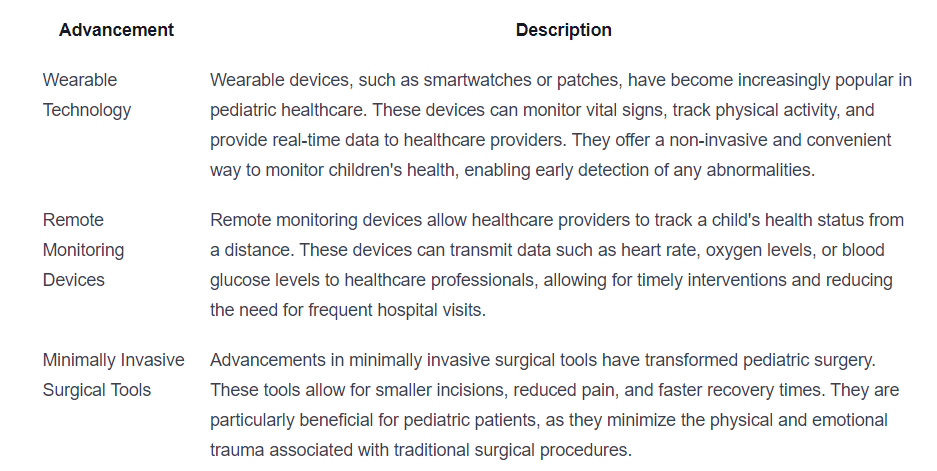
    As medical technology continues to advance, there have been significant innovations in pediatric medical devices. These advancements are revolutionizing healthcare for children, providing improved diagnostics, treatments, and overall care. In this section, we will explore three key innovations in pediatric medical devices: wearable technology, remote monitoring devices, and minimally invasive surgical tools.

    Wearable Technology

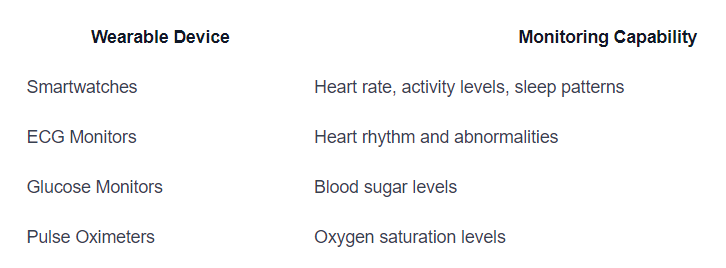
    Wearable technology has become increasingly popular in the field of pediatric healthcare. These devices are designed to be worn on the body and can monitor various aspects of a child’s health in real-time. From heart rate and oxygen levels to sleep patterns and activity levels, wearable devices provide valuable data that can aid in the early detection and management of medical conditions.

    __wf_reserved_inherit

    The continuous monitoring provided by wearable technology allows healthcare providers to track a child’s health remotely and make timely interventions when necessary. This can lead to early intervention, improved treatment outcomes, and enhanced overall care for pediatric patients.

    Remote Monitoring Devices

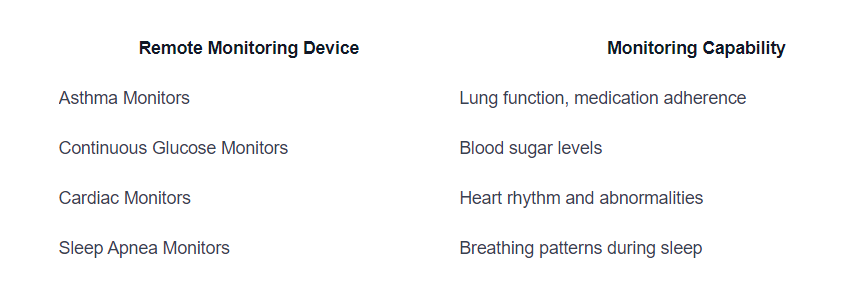
    Remote monitoring devices have transformed the way healthcare is delivered to pediatric patients. These devices enable healthcare providers to monitor patients’ health status from a distance, reducing the need for frequent hospital visits and allowing children to receive care in the comfort of their own homes. Remote monitoring devices can be used for conditions such as asthma, diabetes, and cardiac disorders.

    __wf_reserved_inherit

    By utilizing remote monitoring devices, healthcare professionals can gather real-time data and make informed decisions regarding treatment plans. This technology not only improves patient outcomes but also enhances the quality of life for pediatric patients and their families.

    Minimally Invasive Surgical Tools

    Minimally invasive surgical tools have revolutionized pediatric surgery, offering less invasive procedures with reduced pain, scarring, and recovery time. These tools, such as laparoscopic instruments and robotic surgical systems, allow surgeons to perform complex procedures with greater precision and minimal disruption to a child’s body.

    Minimally invasive surgical tools offer numerous benefits, including shorter hospital stays, reduced risk of infection, and faster recovery. These advancements have made surgeries less daunting for pediatric patients and their families, leading to better overall experiences and outcomes.

    Innovations in wearable technology, remote monitoring devices, and minimally invasive surgical tools are transforming pediatric healthcare. These advancements provide healthcare providers with valuable data, enable remote monitoring, and offer less invasive treatment options for pediatric patients. As technology continues to evolve, we can expect even more groundbreaking innovations in pediatric medical devices, further improving the lives of children around the world.

    Impact on Pediatric Patients

    The advancements in pediatric medical devices have had a significant impact on the healthcare of pediatric patients. These devices have revolutionized the way doctors diagnose, treat, and manage various medical conditions in children. Let’s explore the specific impacts on pediatric patients:

    Improved Accuracy in Diagnosis

    Pediatric medical devices play a crucial role in improving the accuracy and precision of diagnosis in children. These devices are designed to be age-appropriate, ensuring that they can effectively assess and monitor the unique physiological characteristics of pediatric patients.

    By utilizing advanced technologies and algorithms, these devices provide healthcare providers with more accurate and reliable data for diagnosis. For example, diagnostic devices such as pediatric-specific imaging tools and specialized sensors enable doctors to detect and identify medical conditions at an early stage, leading to timely interventions and better outcomes.

    Enhanced Treatment Options

    Pediatric medical devices have expanded the range of treatment options available for children. These devices are designed to address the specific needs and challenges associated with pediatric healthcare. For instance, there are specialized drug delivery devices that ensure accurate dosing for children, taking into consideration their size and weight.

    Additionally, advancements in surgical tools and techniques have led to the development of minimally invasive procedures for pediatric patients. These procedures minimize trauma, reduce pain, and promote faster recovery, improving the overall experience for children undergoing treatment.

    Better Quality of Life

    Perhaps one of the most significant impacts of pediatric medical devices is the improvement in the quality of life for pediatric patients. These devices help manage chronic conditions, alleviate symptoms, and promote overall well-being in children.

    For example, wearable technology such as insulin pumps for children with diabetes allows for continuous glucose monitoring and insulin delivery, giving them more control over their condition and reducing the need for frequent injections. Similarly, remote monitoring devices enable pediatric patients to receive medical care and support from the comfort of their homes, reducing hospital visits and allowing them to engage in normal daily activities.

    The advances in pediatric medical devices have transformed the healthcare landscape for children, providing them with more accurate diagnoses, enhanced treatment options, and a better quality of life. However, it’s important to address the challenges related to safety, accessibility, and affordability to ensure that these devices are accessible to all pediatric patients who can benefit from them.

    Challenges and Considerations

    As pediatric medical devices continue to redefine healthcare for children, there are several challenges and considerations that need to be addressed. These factors play a crucial role in the successful integration and utilization of pediatric medical devices in pediatric healthcare settings.

    Safety and Regulatory Compliance

    Safety is of utmost importance when it comes to pediatric medical devices. These devices must meet stringent safety standards to ensure the well-being of young patients. Regulatory compliance is essential to ensure that the devices are designed, manufactured, and used in accordance with established guidelines and regulations.

    Healthcare providers and manufacturers must collaborate to develop robust safety protocols and adhere to regulatory requirements. This includes rigorous testing, quality control measures, and ongoing monitoring to mitigate any potential risks associated with the use of pediatric medical devices.

    Accessibility and Affordability

    Ensuring accessibility and affordability of pediatric medical devices is another significant challenge. These devices should be accessible to all children, regardless of their socioeconomic background or geographic location. However, cost and availability can pose barriers to accessing these life-changing technologies.

    Efforts should be made to make pediatric medical devices more affordable and accessible to patients and healthcare facilities. Collaboration between manufacturers, healthcare providers, and policymakers can help drive down costs and increase accessibility. Additionally, exploring funding options and reimbursement strategies can make these devices more attainable for families and healthcare systems.

    Customization for Pediatric Patients

    Pediatric medical devices should be specifically designed and customized to cater to the age, size, and developmental stages of children. This includes considering factors such as adjustable sizing, age-appropriate interfaces, and pediatric-friendly designs. Collaborative efforts between healthcare providers, manufacturers, and pediatric specialists can help ensure that these devices are tailored to meet the specific needs of pediatric patients.

    Addressing these challenges and considerations is essential to unlock the full potential of pediatric medical devices. By prioritizing safety, improving accessibility, and customizing devices for pediatric patients, healthcare providers and manufacturers can continue to revolutionize pediatric healthcare and improve the lives of countless children.

    Future Trends in Pediatric Medical Devices

    As technology continues to advance, the field of pediatric medical devices is poised to undergo significant transformations. These innovations are set to revolutionize pediatric healthcare and improve outcomes for young patients. Let’s explore some of the future trends in pediatric medical devices.

    Integration of Artificial Intelligence

    Artificial Intelligence (AI) is expected to play a major role in the future of pediatric medical devices. AI algorithms can analyze vast amounts of data and provide valuable insights to healthcare professionals, aiding in the diagnosis and treatment of pediatric conditions. These intelligent systems can assist in identifying patterns, predicting outcomes, and personalizing treatment plans.

    The integration of AI into pediatric medical devices has the potential to enhance decision-making processes, optimize treatment strategies, and improve patient safety. By leveraging machine learning algorithms, these devices can continuously learn and adapt, ensuring the delivery of the most effective and personalized care to young patients.

    Personalized Medicine Approaches

    Personalized medicine is an emerging field that aims to tailor medical treatments to individual patients based on their unique characteristics. In the context of pediatric medical devices, personalized medicine approaches can significantly improve the accuracy and effectiveness of treatments.

    By leveraging genetic and molecular information, doctors can better understand a child’s specific needs and design targeted therapies. Personalized medical devices can be tailored to provide precise monitoring, diagnostics, and treatment for pediatric patients. This approach holds great promise for optimizing outcomes and minimizing adverse effects in pediatric healthcare.

    Collaboration for Innovation

    Collaboration among various stakeholders is crucial for driving innovation in pediatric medical devices. Bringing together healthcare professionals, engineers, researchers, and industry experts can foster the development of groundbreaking solutions.

    By collaborating, these stakeholders can share knowledge, expertise, and resources to overcome challenges and create innovative devices that address the specific needs of pediatric patients. This collaborative approach can lead to the development of safer, more effective, and user-friendly pediatric medical devices.

    The future of pediatric medical devices holds immense potential. Through the integration of artificial intelligence, personalized medicine approaches, and collaborative efforts, healthcare providers can revolutionize pediatric healthcare, providing young patients with the best possible care and improving their overall well-being.

    Sources

    https://www.fda.gov/medical-devices/products-and-medical-procedures/pediatric-medical-devices

    https://www.medicalexpo.com/cat/pediatrics-N.html

    https://nap.nationalacademies.org/read/11313/chapter/4

  • The Importance of Early Speech Therapy for Children with Communication Delays

    The Importance of Early Speech Therapy for Children with Communication Delays

    Unlocking Potential: The Power of Early Speech Intervention

    Understanding the Impact

    Early speech therapy plays a crucial role in children’s developmental trajectories. Recognizing the indicators of communication delays and intervening promptly can make significant differences in a child’s ability to communicate, interact, and succeed in the future. This article explores the impact, benefits, and importance of timely speech therapy for children with communication delays, helping parents understand when and how to seek help for their child.

    Recognizing the Need for Early Intervention

    Identify Early Signs of Speech Delays!

    Signs to Watch For Indicating Speech Delays

    Identifying speech delays early is crucial for effective intervention. Parents should be vigilant for specific signs that may indicate their child is struggling with communication skills. Common signs include:

    • Lack of joint attention: Not sharing focus on objects or events with others.
    • No babbling by six months: This can indicate a delay in developing basic speech sounds.
    • Not using single words by twelve months: Children typically begin to say "mama" or "dada" around this age.
    • Not using simple two-word phrases by eighteen months: For instance, saying "want cookie" is a milestone for this age.

    Importance of Early Intervention for Timely Development

    The early years of a child’s life are a sensitive period for speech and language development. Research indicates that the earlier a child receives intervention, the more likely they are to catch up to their peers. Early intervention not only aids in cognitive and language skill development but also boosts social and emotional growth. In fact, participating in structured intervention programs can lead to improvements in both communication abilities and overall confidence.

    To summarize, parents should seek early intervention when they notice signs of speech delay. Collaboration with professionals can provide tailored strategies that reinforce development and support the child’s unique needs effectively. The impact of timely intervention can greatly enhance a child’s ability to communicate, influencing their long-term educational and social success.

    The Benefits of Early Speech Therapy

    Unlock the Benefits of Early Speech Therapy!

    What is the significance of early speech therapy for children with communication delays?

    Early speech therapy is significant for children with communication delays because it enables timely evaluation and treatment. This approach is crucial during their formative years, particularly when brain development is at its peak. Early identification of speech and language issues can prevent negative impacts on personal, social, academic, and vocational aspects of a child’s life.

    Tailored interventions provided through early therapy address specific delays, enhancing language development and effective communication skills before the child falls further behind peers. This early action is vital in reducing frustration, helping children express their needs appropriately, and ultimately improving their behavioral outcomes.

    Furthermore, early intervention equips parents with resources and strategies to foster their child’s communication abilities. This involvement is essential for enhancing social skills and academic success. Without early therapy, children risk continued delays, behavioral challenges, and difficulty engaging in meaningful interactions, thus making early intervention a critical component in their overall development.

    Positive outcomes of early speech therapy

    The benefits of early intervention extend beyond immediate communication improvements. Children receiving therapy often demonstrate

    • Enhanced communication skills: Improved expressive and receptive language abilities facilitate better interactions.
    • Boosted social skills: Children learn vital skills for forming relationships and resolving conflicts, reducing the chance of social isolation.
    • Academic success: Stronger language skills correlate with better literacy development, leading to improved performance in school.
    • Emotional well-being: As children build confidence in their communication, they experience less frustration and improved self-esteem.

    Early speech therapy sets a strong foundation for lifelong learning and social engagement, emphasizing the importance of identifying and addressing speech delays early.

    How Speech Therapy Works

    Understanding How Speech Therapy Can Help Your Child!

    Methodologies Used in Speech Therapy

    Speech therapy employs a variety of methodologies to effectively address speech delays in children. These methodologies are tailored to the individual needs of each child. Common techniques include:

    • Targeted Exercises: Activities designed to improve speech sound production, enabling clearer articulation of words.
    • Vocabulary Development: Exercises aimed at expanding a child’s word bank, aiding in better expression and comprehension.
    • Sentence Construction: Strategies to help children formulate sentences, facilitating coherent speech.
    • Social Communication Skills: Focus on teaching effective conversational skills, helping children navigate social interactions.

    Tailoring Interventions to Individual Needs

    Speech therapies are meticulously designed after an in-depth assessment by a speech-language pathologist (SLP). The SLP evaluates the child’s unique strengths and challenges, considering factors such as age, developmental stage, and specific speech and language needs. After this evaluation, a Personalized Therapy Plan is created that outlines targeted strategies for improvement.

    Additionally, therapy may include:

    Technique Purpose Notes
    Play-Based Activities Make learning engaging and fun, improving motivation. Often used with younger children for better engagement.
    Visual Supports Use of diagrams or pictures to enhance understanding. Helps children with receptive language difficulties.
    Caregiver Involvement Training parents to reinforce techniques at home. Enhances therapy effectiveness by practicing daily.

    Through these combined strategies, speech therapy aims to significantly enhance a child’s ability to communicate effectively and confidently, thereby promoting their social and academic success.

    The Critical Nature of Early Intervention

    Why Early Intervention Matters for Speech Development!

    Why is early intervention important for speech, language, and communication delays?

    Early intervention is vital for addressing speech, language, and communication delays as it allows for timely diagnosis and effective support at crucial developmental stages. The window for optimal brain development occurs between ages 3 and 6, when the brain’s plasticity is highest. During this phase, timely interventions can profoundly impact a child’s communication abilities and emotional regulation.

    By providing early support, parents can prevent future challenges related to behavior, learning, and social interactions, ensuring foundational communication skills are cemented. Interventions enhance children’s abilities to express themselves effectively, fostering better relationships with peers and caregivers.

    Impacts of early brain development on language acquisition

    Research underscores that children who receive early intervention exhibit improved outcomes in literacy and social skills. Specifically, by strengthening neural connections through quality interactions and engaging experiences, early intervention lays the groundwork for academic success and emotional well-being. In fact, children with early support are significantly more likely to encounter fewer educational challenges later in life, equipping them with crucial skills for school and beyond.

    The proactive approach of early intervention not only enhances children’s communication skills but also enriches their confidence, preparing them for future academic and social endeavors. Parents are encouraged to seek professional help as soon as they notice signs of potential speech delays, ensuring their child has the best chance of thriving.

    Guiding Parents: Steps to Take

    Proactive Steps for Parents to Support Communication!

    What can parents do if they suspect speech delays in their children?

    When parents notice potential signs of speech delays in their children, taking proactive steps is crucial. Monitoring developmental milestones is a practical first step. By age 12 months, children should start using gestures, and by 24 months, many should be producing simple words.

    If any indicators of delay are present, such as a lack of gesture use, following simple directions, or fewer than 50 words by age 2, consulting with a pediatrician is essential. Pediatricians can provide preliminary assessments and refer families to specialists, including speech-language pathologists (SLPs) who can perform in-depth evaluations and recommend suitable intervention strategies.

    How can parents foster communication-rich environments?

    Engaging in communication-rich activities is beneficial for nurturing speech and language development. Parents can incorporate activities such as:

    • Reading together: Curl up with a book. Discuss the pictures and ask questions to enrich vocabulary and comprehension.
    • Singing songs and nursery rhymes: These not only boost language skills but also make learning fun.
    • Playing interactive games: Games encourage turn-taking and conversation skills, enhancing social engagement.
    • Establishing routines: Consistent daily practices help children anticipate and understand language better, making instructions clearer.
    • Using visual aids: Picture charts or simple illustrations can provide context and support verbal instructions.

    By actively engaging in these practices, parents play an integral role in their child’s speech and language development, easing frustration and promoting effective communication.

    Embracing the Path Forward

    Early intervention in speech therapy is a key component in shaping positive developmental outcomes for children with communication delays. By understanding the signs, benefits, and necessary actions, parents and caregivers are empowered to support their children’s journey towards improved communication skills, better social interactions, and academic readiness. The combined efforts of families and professionals ensure that each child has the opportunity to unlock their full potential and thrive.

    References

  • The Importance of Family Education in Pediatric Urgent Care

    The Importance of Family Education in Pediatric Urgent Care

    Empowering Families in Pediatric Health: The Role of Education

    Introduction

    Family education plays a pivotal role in shaping the experiences and outcomes of pediatric urgent care. By equipping families with the necessary knowledge and skills, healthcare systems can ensure a more effective and supportive environment for children requiring urgent medical attention. This article delves into the significance of family education, exploring its impacts, principles, and best practices within pediatric settings.

    Understanding the Significance of Family Education

    Empowering Families Through Education

    Why is family education important in healthcare?

    Family education plays a critical role in healthcare by equipping families with the necessary knowledge to collaborate with healthcare providers effectively. This partnership is essential in making informed health decisions and achieving optimal health outcomes. The key objectives of family education consist of:

    • Increasing Knowledge: Families learn about medical conditions and treatment options.
    • Addressing Misconceptions: Education helps clear up misunderstandings that might lead to poor health choices.
    • Implementing Behavioral Changes: Guidance is provided to support lifestyle adjustments that contribute to better health.

    Support groups are an integral component of family education, offering not just information but also emotional backing, particularly for families dealing with chronic conditions like asthma and diabetes. These groups foster a sense of community and shared experience, which can be invaluable.

    Impact on health outcomes

    The impact of family education on health outcomes is significant. In pediatric care, educated families are more likely to comply with treatment plans, leading to:

    • Improved Health Management: Compliance with medications and follow-up appointments increases.
    • Enhanced Recovery Times: Children supported by informed families recover from illnesses and procedures more quickly.
    • Reduced Anxiety for Patients: Understanding medical processes lessens children’s fears and anxieties during healthcare experiences.

    Support in chronic conditions

    For chronic conditions, family education is especially beneficial. Educated families are better equipped to manage ongoing health issues through:

    • Effective Communication with Providers: Families can articulate concerns and better understand care recommendations.
    • Proactive Health Management: They are more likely to recognize early signs of complications or exacerbations and respond appropriately.
    • Support for Behavioral Changes: Continuous education helps families adhere to treatment regimens and lifestyle modifications geared toward health maintenance.

    In summary, family education strengthens the foundation of patient- and family-centered care, ultimately fostering better health outcomes and reducing healthcare costs.

    Principles and Practices of Family-Centered Care

    Emphasizing Family Engagement in Healthcare

    Family as primary support in pediatric care

    Family-centered care (FCC) is rooted in the understanding that families are the primary source of strength and support for their children during health challenges. This approach emphasizes that family members should be actively included in the healthcare process, from routine check-ups to complex medical decision-making. Their involvement not only aids in building emotional connections but also enhances the young patients’ comfort and reduces anxiety during medical procedures.

    Involving families in care decisions is particularly significant in pediatric nursing, as children often rely heavily on familial support for emotional and social well-being. By fostering an environment where families feel valued and heard, healthcare providers can facilitate a smoother recovery for both the child and family.

    Incorporation of family perspectives

    A cornerstone of FCC is the recognition of family insights as valuable contributions to healthcare strategies. Families bring vital information about a child’s medical history, daily habits, and responses to previous treatments, which can shape effective care plans.

    Establishing open lines of communication between healthcare professionals and families encourages shared decision-making and promotes transparency in treatment options. This partnership not only informs care strategies but also ensures that medical decisions are aligned with the family’s values and preferences.

    Role of cultural competence

    Cultural competence plays an essential role in implementing FCC effectively. Providers must recognize the diverse backgrounds and beliefs of families, which can significantly influence health-related practices and decisions.

    Understanding a family’s cultural context enhances the quality of care by tailoring interventions to meet specific needs. This approach fosters equitable care, ensuring that every family receives the support and resources necessary for their child’s unique health journey.

    By integrating cultural competence into FCC practices, healthcare professionals can address social determinants of health, ultimately contributing to healthier communities.

    Overall, by prioritizing family perspectives and valuing cultural differences, pediatric nursing enhances health outcomes and sustains a more inclusive healthcare environment.

    The Influence of Family Involvement in Urgent Care Settings

    The Importance of Family Participation in Urgent Care

    How does family involvement influence health outcomes for children in urgent care settings?

    Family involvement plays a crucial role in enhancing health outcomes for children in urgent care settings through several mechanisms. One important aspect is the concept of family-centered care (FCC), which emphasizes the partnership between families and healthcare providers. When families share their child’s medical history and habitual patterns, it allows healthcare professionals to develop more effective treatment plans tailored to the child’s needs.

    Families also serve as vital advocates for their children during healthcare visits. By actively seeking information, asking pertinent questions, and providing feedback, they help ensure the quality of care received. This advocacy is especially important in urgent care settings, where time is of the essence, and quick, informed decisions can significantly affect outcomes.

    The emotional support provided by family members is another critical factor. The presence of parents or guardians during medical procedures can help alleviate anxiety for both the child and the family, creating a more positive healthcare experience. This comfort can also lead to better cooperation during treatment, as children feel more secure and understood in the support of their loved ones.

    Here is a summary table that highlights the impact of family involvement in pediatric urgent care:

    Aspect Impact of Family Involvement Outcome
    Information Sharing Families provide insights into medical history and children’s habits. Informed treatment plans.
    Advocacy Families seek the best options and give feedback on services. Improved quality of care.
    Emotional Support Family presence reduces anxiety for both children and families. Enhanced healing environments.
    Treatment Adherence Families encourage compliance with medical recommendations. Better health outcomes.

    In essence, the active engagement of families in healthcare processes leads to better health outcomes for children by fostering a supportive and communicative care environment.

    Implementing Family-Centered Practices in Pediatric Care

    What are the best practices for implementing family-centered care in pediatric environments?

    Implementing family-centered care (FCC) in pediatric settings involves actively engaging family members in all aspects of their child’s health care. This begins with inclusion in treatment planning and decision-making processes. Recognizing families as vital partners ensures that their insights and preferences inform the caregiving strategies, which can lead to improved outcomes.

    Importance of open communication

    Open communication is key to successful FCC. Healthcare providers should foster an environment where families feel comfortable sharing their concerns, experiences, and questions. Establishing trust through transparent dialogue not only enhances family understanding but also encourages their active participation in the child’s treatment. Strategies might include regular updates about the child’s condition, inviting family feedback, and addressing cultural considerations that may impact care.

    Role of support services

    Support services play a critical role in the implementation of FCC. Professionals such as social workers and child life specialists can provide essential emotional and logistical assistance, especially during stressful situations like hospital stays or procedures. These specialists help families navigate complex medical systems and address educational needs, ensuring that the entire family is involved and supported. Continuous quality improvement should be prioritized, with facilities encouraging family feedback on their experiences. This not only refines the approach to FCC but strengthens the healthcare setting’s commitment to patient and family engagement.

    To summarize, effective implementation of family-centered care requires sustained commitment to partnership, open communication, involvement of specialized support services, and a framework for continuous improvement. Feedback from families serves as a foundation for enhancing health care practices, ultimately resulting in better health outcomes for pediatric patients and greater satisfaction for their families.

    Navigating Pediatric Urgent Care Services

    What are the effects of family education on navigating pediatric urgent care services?

    Family education plays a crucial role in enhancing health literacy, which empowers families to navigate pediatric urgent care services effectively. By arming parents with the necessary knowledge, families can better advocate for their children’s health needs. This education promotes an understanding of when to seek urgent care, what to expect during a visit, and how to engage with healthcare professionals.

    Additionally, educated families can provide essential medical history and information about their child’s habits, facilitating informed treatment decisions. This collaborative approach aligns with family-centered care principles, ensuring that both the emotional and medical needs of pediatric patients are addressed. When family members are actively involved, it significantly reduces anxiety during medical encounters, fostering a supportive environment for children.

    Trained pediatric nurse practitioners are invaluable in this context. These professionals prioritize communication and continuity of care, ensuring that families feel heard and understood. They guide families through the decision-making process, encouraging shared insights that can lead to better health outcomes. For instance, their expertise allows for tailored treatment plans that consider the child’s unique health background, enhancing the overall care experience.

    Ultimately, family education leads to improved healthcare experiences in pediatric urgent care settings. It equips families to engage effectively with health services, ensuring they receive timely and appropriate care while contributing positively to their child’s journey toward health and wellness.

    Family Dynamics in Pediatric Healthcare

    Recognizing family’s role in pediatric care

    Family-centered care (FCC) places significant emphasis on the integral role families play in the health of their children. This model recognizes that family members are not just support systems; they are active participants in healthcare decisions. They advocate for their children, often seeking optimal treatment options while providing invaluable feedback on health services to improve care delivery.

    Dynamic family contributions

    In a collaborative healthcare environment, families contribute critical information regarding their child’s medical history and habits. This exchange helps healthcare professionals tailor effective care plans that reflect a child’s unique needs. Notably, the presence of family members during medical procedures not only comforts children, reducing their anxiety, but also enhances the family’s understanding of the medical processes involved.

    Impacts on healthcare processes

    Implementing family-centered approaches in pediatric care has shown great potential for improving health outcomes. Despite its recognized importance, many healthcare settings have yet to fully incorporate FCC principles. Addressing this gap could lead to more favorable patient experiences and health outcomes, validating the family’s crucial role in health management.

    Communication: The Backbone of Effective Family-Centered Care

    Enhancing Communication for Better Outcomes

    Strategies for effective communication

    Effective communication is essential in family-centered care (FCC), especially in pediatric settings. Healthcare professionals should aim for open dialogues where families feel comfortable sharing their concerns and insights. This can be achieved through:

    • Active listening: Give families full attention and validate their feelings.
    • Clear language: Avoid medical jargon; use simple, understandable terms.
    • Regular updates: Keep families informed about their child’s treatment and care choices.

    Role of cultural competence

    Cultural competence plays a crucial role in enhancing communication in FCC. Healthcare providers must understand and respect the diverse backgrounds of families. This includes:

    • Acknowledging cultural beliefs that may influence health views.
    • Incorporating family preferences into care plans.
    • Utilizing interpreter services when needed to bridge language gaps.

    Reducing communication barriers

    To foster effective communication, reducing barriers is imperative. This can be accomplished by:

    • Providing education to families with varying health literacy levels through easy-to-understand materials.
    • Creating a welcoming environment where families feel valued and heard.
    • Training staff in communication strategies that emphasize empathy and collaboration.

    By prioritizing these strategies, healthcare providers can significantly enhance patient outcomes and ensure that the family remains an integral part of the healthcare team.

    Patient- and Family-Centered Care: A Model for Better Outcomes

    Building Healthier Futures Together

    Benefits of PFCC

    Patient- and family-centered care (PFCC) enhances health outcomes by actively involving families in health decisions. This approach acknowledges that families are integral to a child’s care, not only providing emotional support but also critical information regarding the child’s health history and habits. Engaging families reveals unique insights that help shape effective care plans.

    Implementation in Emergency Departments

    In emergency departments (EDs), PFCC must overcome challenges like overcrowding and the acute nature of visits. Despite these obstacles, implementing PFCC practices leads to improved communication and trust between families and healthcare providers. Family members participating in procedures provide emotional support to children, helping alleviate anxiety and leading to better cooperation during treatment.

    Improving Patient Satisfaction and Safety

    Research has shown that hospitals applying PFCC principles report higher patient satisfaction. Families feel more valued and involved in care that respects their individual backgrounds and cultures, fostering a cooperative environment. Improved communication and coordination can also lead to fewer medical errors and enhanced safety, making PFCC essential in pediatric settings, especially during urgent care contexts.

    Aspect Benefits of PFCC Implementation Challenges
    Health Outcomes Enhanced care through family involvement Overcrowding and time limitations
    Patient Satisfaction Higher satisfaction rates Building trust in acute settings
    Communication & Safety Fewer medical errors Language barriers

    Health Literacy and Emergency Department Utilization

    Impact of Low Health Literacy

    Approximately one in three parents seeking care in emergency departments (ED) have low health literacy. This limitation can significantly hinder their ability to process, understand, and make informed medical decisions for their children, especially in urgent situations. Parents with low literacy often exhibit increased utilization of ED services, particularly for chronic conditions like asthma, reflecting a correlation between health literacy and the frequency of emergency visits.

    Role of Interventions

    Interventions targeting low health literacy among parents have shown promising results. These initiatives can include educational programs designed to simplify medical information and enhance understanding of care options. A systematic review suggests that such interventions can effectively reduce unnecessary ED visits, indicating their importance in managing children’s health more effectively.

    Decreasing ED Utilization

    Statistical analyses indicate that interventions aimed at improving health literacy can lead to a significant decrease in inappropriate ED utilization, with an estimated odds ratio of 0.35. This implies that families with better-informed parents are less likely to resort to emergency services, thereby improving overall health management and reducing strain on healthcare systems.

    Integrating Family-Centered Approaches in Telehealth

    Telehealth in pediatric care

    Telehealth has emerged as a significant tool in pediatric healthcare, providing remote access to medical advice and consultations for children. This digital platform allows healthcare providers to deliver services that are crucial to addressing urgent care needs while minimizing the risk of exposure and anxiety associated with physical visits.

    Family involvement in virtual consultations

    Family-centered care is integral in telehealth, particularly in pediatric contexts. During virtual consultations, families play a vital role by sharing accurate medical histories, detailing their child’s habits, and asking pertinent questions. This active engagement enhances communication between healthcare professionals and families, fostering a collaborative atmosphere that supports effective decision-making.

    Improving access and care continuity

    Telehealth also improves accessibility for families, especially those with transportation challenges or other barriers to visiting traditional clinics. By allowing continuity of care, even between in-person visits, telehealth practices ensure that families remain informed and involved in their child’s health journey, reinforcing the principles of patient- and family-centered care.

    Empowering Families Through Education and Outreach

    Community Outreach Programs

    Pediatric urgent care centers play a pivotal role in enhancing community health through outreach programs. These initiatives are designed to educate parents about child health concerns and the availability of care options tailored specifically for children. By engaging with the community, urgent care facilities can address common misconceptions and promote proactive health management.

    Building Health Literacy

    Health literacy is a crucial aspect of ensuring families can make informed decisions regarding their children’s health. Many parents face challenges due to low health literacy, which can impact their ability to navigate healthcare systems effectively. Programs aimed at improving health literacy can help families understand medical information, recognize when to seek care, and manage chronic conditions more effectively. In fact, targeted interventions have shown promising outcomes in reducing emergency department visits linked to low health literacy.

    Support from Pediatric Urgent Care Centers

    Pediatric urgent care centers are increasingly focusing on family education as part of their service model. These centers not only treat immediate health concerns but also provide resources and training to help families manage health effectively at home. From workshops to informational materials, these resources foster a collaborative environment where families are more engaged in their children’s health care, ultimately leading to improved health outcomes.

    Conclusion

    In conclusion, family education stands as a cornerstone in pediatric urgent care, offering numerous benefits from improved health outcomes to enhanced satisfaction with care services. By embracing family-centered care principles, healthcare professionals can create more supportive, effective environments for children and their families. As the healthcare landscape evolves, continued commitment to educating and involving families will be vital to achieving optimal health outcomes for pediatric patients.

    References

  • Importance of Power Chair Lifts for The Elderly

    Importance of Power Chair Lifts for The Elderly

    Empower the elderly with power chair lifts – promoting independence, safety, and improved quality of life!

    Enhancing Mobility for the Elderly

    As individuals age, they often encounter various challenges that can impact their mobility and independence. The elderly population faces unique obstacles that can hinder their ability to move around freely and engage in daily activities. In this section, we will explore the challenges faced by the elderly and introduce the concept of power chair lifts as a solution to enhance their mobility.

    __wf_reserved_inherit

    Challenges Faced by the Elderly

    1. Reduced Strength and Balance: Aging can lead to a decline in muscle strength and balance, making it difficult for seniors to navigate stairs or get in and out of vehicles safely.
    2. Limited Range of Motion: Arthritis and other age-related conditions can restrict the range of motion in joints, making tasks like bending down to sit or standing up challenging.
    3. Risk of Falls: The fear of falling is a common concern for the elderly, especially when attempting to transfer from a wheelchair to a vehicle or vice versa.
    4. Dependence on Caregivers: Mobility limitations often result in increased reliance on caregivers for transportation, leading to a loss of independence and autonomy.

    Introduction to Power Chair Lifts

    Power chair lifts are assistive devices designed to help individuals, particularly the elderly, overcome mobility barriers by providing a safe and efficient way to transport mobility devices such as wheelchairs and scooters. These lifts are crucial in empowering seniors to maintain their independence and engage in activities outside the home without relying on constant assistance.

    By understanding the challenges faced by the elderly and recognizing the importance of power chair lifts in addressing these obstacles, we can appreciate the significant impact these devices have on enhancing mobility and improving the quality of life for older individuals.

    Importance of Power Chair Lifts

    __wf_reserved_inherit

    Understanding the significance of power chair lifts in the lives of the elderly is crucial in recognizing how these devices can positively impact daily living. Power chair lifts play a vital role in promoting independence, preventing injuries, and enhancing the overall quality of life for elderly individuals.

    Promoting Independence

    Power chair lifts empower the elderly by providing them with the ability to move around independently, both indoors and outdoors. By removing barriers to mobility, these lifts enable older adults to engage in activities they enjoy and maintain a sense of freedom and autonomy in their daily routines.

    Preventing Injuries

    One key benefit of power chair lifts is their role in reducing the risk of injuries for elderly individuals. Getting in and out of vehicles or navigating stairs can pose a significant safety hazard for those with limited mobility. Power chair lifts eliminate the need for strenuous transfers and manual lifting, minimizing the likelihood of falls, strains, or accidents.

    Improving Quality of Life

    The impact of power chair lifts on the overall quality of life for the elderly cannot be understated. These assistive devices enhance accessibility and convenience, allowing older adults to remain actively involved in social engagements, outings, and everyday tasks. By promoting greater mobility and reducing physical exertion, power chair lifts contribute to a higher level of comfort and well-being.

    In recognizing the importance of power chair lifts for the elderly, it becomes evident that these devices serve as essential tools in not only addressing mobility challenges but also in fostering independence, safety, and an improved quality of life for older individuals.

    Types of Power Chair Lifts

    When it comes to enhancing mobility for the elderly, power chair lifts play a vital role in improving their independence and quality of life. There are several types of power chair lifts available to cater to different needs and preferences. Let’s delve into the three main categories: vehicle-mounted lifts, inside vehicle lifts, and outside vehicle lifts.

    Vehicle-Mounted Lifts

    Vehicle-mounted lifts are designed to lift and transport power chairs using a vehicle’s hitch. These lifts are ideal for individuals who prefer to transport their power chairs with their vehicles. Vehicle-mounted lifts come in various configurations, including platform lifts and swing-away lifts, to accommodate different types of power chairs and vehicles.

    One advantage of vehicle-mounted lifts is their convenience and ease of use. Users can effortlessly load and unload their power chairs without the need for manual lifting or assistance. These lifts are especially beneficial for elderly individuals who enjoy traveling independently or require their power chairs for mobility outside of their homes.

    Inside Vehicle Lifts

    Inside vehicle lifts are installed inside the vehicle’s cargo area to lift and stow power chairs during transportation. These lifts are a popular choice for individuals who prefer to keep their power chairs inside their vehicles for added security and protection from the weather. Inside vehicle lifts come in various styles, such as platform lifts and crane lifts, to suit different vehicle types and power chair sizes.

    The main advantage of inside vehicle lifts is their ability to keep the power chair secure and out of sight while traveling. This is particularly advantageous for elderly individuals who value discretion and prefer to maintain a neat and organized vehicle interior. Additionally, inside vehicle lifts help protect the power chair from external elements during transportation.

    Outside Vehicle Lifts

    Outside vehicle lifts, also known as exterior lifts, are mounted on the exterior of the vehicle to carry power chairs. These lifts provide a convenient solution for individuals who need to transport their power chairs but want to preserve interior space in their vehicles. Outside vehicle lifts come in different designs, such as platform lifts and boom lifts, to accommodate various power chair models and vehicle configurations.

    One of the key benefits of outside vehicle lifts is their versatility and adaptability to different vehicle styles, such as vans, SUVs, and trucks. These lifts allow elderly individuals to easily load and unload their power chairs without compromising interior space or visibility. Additionally, outside vehicle lifts offer efficient and secure transportation of power chairs during travel, giving users peace of mind on the road.

    Understanding the different types of power chair lifts empowers elderly individuals and their caregivers to choose the most suitable option based on their lifestyle, mobility requirements, and vehicle preferences. Whether opting for a vehicle-mounted lift, inside vehicle lift, or outside vehicle lift, the goal remains the same: to enhance mobility, promote independence, and improve the overall quality of life for elderly individuals relying on power chairs for mobility assistance.

    Considerations When Choosing a Power Chair Lift

    When selecting a power chair lift for the elderly, it is essential to consider several key factors to ensure that the lift meets their specific needs and requirements. Compatibility with mobility devices, weight capacity, and installation and maintenance are crucial considerations that should not be overlooked.

    Compatibility with Mobility Devices

    Before purchasing a power chair lift, it is vital to ensure that it is compatible with the specific mobility device the elderly individual uses. Different power chair lifts are designed to accommodate various types of wheelchairs and scooters. Checking the specifications of the lift to verify compatibility with the mobility device can help prevent any issues or complications during installation.

    Weight Capacity

    Another important consideration when choosing a power chair lift is the weight capacity it can support. It is essential to match the weight capacity of the lift with the weight of the mobility device and the individual. Exceeding the weight limit of the lift can compromise safety and functionality, leading to potential accidents or damage to the equipment.

    A comparison table can be used to display weight capacity for different types of power chair lifts:

    __wf_reserved_inherit

    Installation and Maintenance

    The ease of installation and maintenance of the power chair lift is another crucial factor to consider. Choose a lift that comes with clear installation instructions and preferably professional installation services to ensure proper setup. Regular maintenance is also essential to keep the lift in optimal working condition and extend its lifespan.

    It is recommended to refer to the manufacturer’s guidelines for maintenance schedules and procedures. Additionally, periodic inspections by qualified technicians can help detect any issues early on and prevent potential breakdowns.

    By taking into account these considerations when selecting a power chair lift for the elderly, you can ensure that the lift is not only safe and functional but also tailored to meet their specific mobility needs. Prioritizing compatibility, weight capacity, installation, and maintenance will help enhance the overall experience and utility of the power chair lift for the elderly individual.

    How Power Chair Lifts Work

    Understanding the functionality of power chair lifts is essential in comprehending their significance in aiding the elderly. This section provides an overview of the mechanism and safety features of these assistive devices.

    Mechanism Overview

    Power chair lifts are designed to lift and transport mobility devices, such as power wheelchairs or scooters, into vehicles for transportation. The mechanism of a power chair lift typically involves the following components:

    1. Platform: The platform serves as the base on which the mobility device is placed for lifting and securing.
    2. Lifting Mechanism: This mechanism, often powered by hydraulics or electricity, raises and lowers the platform with the mobility device.
    3. Attachment Points: Secure attachment points, such as straps or locks, are used to fasten the mobility device to the lift platform during transportation.
    4. Controls: User-friendly controls, either manual or electronic, allow for the operation of the lift, enabling individuals to load and unload their mobility devices with ease.

    The mechanism of power chair lifts is designed to streamline the process of transferring mobility devices, offering convenience and independence to elderly individuals with limited mobility.

    Safety Features

    Safety is paramount when it comes to using power chair lifts, especially for the elderly. These lifts are equipped with a range of safety features to ensure smooth and secure transportation of mobility devices. Some key safety features include:

    1. Automatic Stop: Power chair lifts are designed with automatic stopping mechanisms that halt the lift operation if an obstruction is detected during loading or unloading.
    2. Anti-Sway Technology: Anti-sway technology minimizes movement and swaying of the mobility device during transport, enhancing stability and safety.
    3. Safety Locks: Secure locks and fastening systems are incorporated to prevent the mobility device from shifting or becoming dislodged while in transit.
    4. Emergency Backup: Many power chair lifts are equipped with emergency backup systems, such as manual override options or battery backup, to ensure functionality in case of power failures.

    By prioritizing safety features in the design of power chair lifts, manufacturers aim to provide elderly users with peace of mind and confidence in using these assistsive devices for their mobility needs.

    Funding Options for Power Chair Lifts

    When it comes to obtaining assistance for acquiring power chair lifts, there are various funding options available to help alleviate the financial burden for the elderly. Understanding these options can make a significant difference in the accessibility and affordability of this essential mobility aid. Below, we delve into the three main funding avenues: Medicare coverage, Medicaid assistance, and private insurance options.

    Medicare Coverage

    Medicare, a federal health insurance program primarily for individuals aged 65 and older, provides coverage for durable medical equipment, including power chair lifts. To qualify for Medicare coverage, certain criteria must be met, such as a doctor’s prescription stating the medical necessity of the power chair lift. Medicare typically covers 80% of the approved amount for the lift, while the beneficiary is responsible for the remaining 20% and any deductible.

    __wf_reserved_inherit

    Medicaid Assistance

    Medicaid, a state and federally funded health insurance program for low-income individuals, also offers assistance for power chair lifts. Eligibility requirements vary by state, but Medicaid often covers a broader range of services than Medicare, making it a crucial resource for individuals with limited financial means. Medicaid assistance can significantly reduce or eliminate the out-of-pocket costs associated with power chair lifts for eligible beneficiaries.

    Private Insurance Options

    Private health insurance companies may also provide coverage for power chair lifts, depending on the policy’s terms and the specific circumstances of the individual. Coverage levels and criteria vary widely among insurance providers, so it’s essential to review the policy details carefully. Some private insurance plans may cover a portion of the cost or require pre-authorization for the lift to be eligible for reimbursement.

    Exploring these funding options can help elderly individuals and their families navigate the financial aspects of acquiring a power chair lift. Whether through Medicare, Medicaid, or private insurance, there are resources available to support the mobility and independence of seniors in need of these essential devices.

    Sources

    https://www.westernstairlifts.com/blog/importance-of-power-lift-chairs

    https://www.colders.com/blog/power-lift-chair-benefits?srsltid=AfmBOooKkXMKJMaBwZcYaBq4i27IoQB9Ad2x9Ofb4az7y1V1S5tirGce

  • Managing Pediatric Anxiety During Immunizations

    Managing Pediatric Anxiety During Immunizations

    Guiding Your Child Through Fear-Free Vaccinations

    Introduction

    Vaccinations are an essential component of children’s healthcare, protecting them from serious diseases. However, the process of getting shots can trigger significant anxiety and fear, particularly in younger patients. Recognizing the common concerns related to vaccinations is the first step to ensuring a more relaxed and comfortable experience for children and their parents.

    Understanding Vaccination Anxiety in Children

    Discover the roots and impacts of vaccination anxiety in children!

    Common Fears of Needles and Medical Procedures

    Many children experience anxiety surrounding vaccinations, primarily due to their fear of needles. About two-thirds of children fear needles, which can stem from anticipating pain, previous negative experiences, or the unfamiliar environment of a medical setting. This fear can have significant consequences, leading some to avoid necessary vaccinations altogether.

    Impact of Parents’ Attitudes on Children’s Anxiety

    Parents play a crucial role in shaping their child’s perception of vaccinations. When caregivers exhibit calmness and positivity about the process, it helps to alleviate the child’s anxiety. In contrast, displaying apprehension can amplify a child’s fear. Providing honest explanations can also ease concerns; simple phrases that describe the shot as a quick "pinch" can create a more reassuring atmosphere ahead of the vaccination visit.

    How Can Fear of Needles Be Addressed in Children?

    Fear of needles in children can be effectively addressed through a combination of strategies:

    • Distraction techniques: Engaging children with bubble blowing, interactive games, or talking about their favorite characters can shift their focus during the vaccination.
    • Empowering language: Parents can describe vaccinations as “invisible shields” protecting them from illness, which may provide them with a sense of purpose during the procedure.
    • Comfort strategies: Using local anaesthetic creams and creating a comforting environment can minimize pain and anxiety.
    • Positive reinforcement: Offering rewards for completing the shot can motivate children and make the experience feel less daunting.
      Choosing smaller, quieter vaccination settings also may help reduce stress for anxious children. Lastly, open communication about the process and acknowledging their feelings can empower and help manage their fears.

    Effective Communication and Preparation

    How can parents help children with vaccine anxiety?

    Parents can significantly ease their children’s vaccine anxiety through honest and supportive communication about the process. It’s essential to explain that vaccinations may feel like a "pinch" but that the discomfort is brief. This framing lowers the fear that often accompanies the term "shot."

    Discussing the health benefits of immunizations is another crucial step. By describing how vaccines protect against serious diseases, parents can help their children understand the importance of the procedure, ultimately providing reassurance.

    Distractions are highly effective tools during vaccinations. Encouraging children to bring along favorite items such as toys or books can redirect their attention. Engaging in activities like counting, singing, or telling jokes can also help keep their minds off the injection.

    Allowing children to sit up during the procedure can contribute to their comfort. It’s beneficial to apply relaxation techniques beforehand, such as deep breathing exercises or visualizing calming scenarios, preparing them for the experience.

    By combining these strategies with a positive demeanor, parents can foster a more relaxed atmosphere, reducing anxiety and helping their children feel safe and supported during vaccinations.

    Creating a Calming Environment During the Vaccination

    Find out how to create a calming environment to reduce stress during vaccinations!

    Using Comfort Positioning

    Comfort positioning is an effective approach when preparing children for vaccinations. Instead of physically restraining a child, which could cause trauma and anxiety, caregivers are encouraged to hold their child in a secure manner. Techniques such as hugging them closely or allowing them to sit on a parent’s lap can provide reassurance and help to create a sense of safety. This method not only prevents unwanted movement during the procedure but also promotes emotional comfort, allowing the child to feel supported throughout the vaccination process.

    Importance of Caregiver Demeanor

    The demeanor of caregivers during vaccination is crucial. Remaining calm and poised can significantly influence a child’s perception of the experience. Caregivers should communicate in supportive and encouraging tones, using positive words to describe the procedure. Phrases like “pinch” or “quick poke” are more beneficial than using terms associated with pain. When caregivers demonstrate confidence and serenity, it instills a similar sense of calm in the child, easing anxiety related to the vaccination. Therefore, the interaction style and emotional state of caregivers play a pivotal role in fostering a reassuring environment for children undergoing vaccinations.

    Topic Comfort Positioning Caregiver Demeanor
    Definition Securely holding or hugging the child Maintaining a calm and positive attitude
    Purpose To provide emotional safety and prevent movement To influence the child’s perception positively
    Techniques Sitting on a parent’s lap or using familiar items for comfort Using supportive language to describe the process
    Impact on Child Reduces feelings of anxiety and can improve the overall vaccination experience Promotes a sense of security and trust

    Distraction and Comfort Techniques

    Learn creative distraction and comfort methods to support children during vaccinations!

    Distraction as a method to reduce pain perception

    Distraction plays a crucial role in managing pain and anxiety for children during vaccinations. Engaging children with activities such as singing, storytelling, or visual distractions can redirect their focus away from the needle. Toys, games, videos, or even counting can serve as effective diversion techniques. Studies have shown that child-led distractions, like letting them hold a favorite item or using gadgets that stimulate multiple senses, not only lessen perceived pain but also create a more positive vaccination experience.

    Role of comfort items and activities

    Comfort items like stuffed animals, blankets, or favorite toys can provide emotional security to children facing vaccinations. Parents can also introduce relaxation techniques such as deep breathing exercises to help their child stay calm. Encouraging kids to acknowledge their feelings while practicing grounding techniques—like identifying things they can see, hear, touch, taste, and smell—can further alleviate anxiety. These strategies create a reassuring environment, making vaccinations feel less intimidating and more manageable.

    Distraction Activities Comfort Techniques Additional Strategies
    Singing songs Bringing a favorite toy Explain vaccination process simply
    Counting before the shot Holding hands for security Use numbing cream beforehand
    Watching videos Giving hugs or cuddles Engage in activities during wait time

    Pain Management Strategies

    Explore effective pain management techniques to ease children's vaccination experience!

    How can shots be made less painful for children?

    Shots can be made less painful for children by employing various techniques to manage their fear and discomfort. Educating children about the benefits and process of vaccinations can help reduce anxiety. Distraction techniques, such as engaging in conversation or using comforting items, can divert their attention from the procedure.

    Incorporating pain management options like numbing creams (such as 4% lidocaine) or cooling devices (like Buzzy Bee) can significantly minimize the sensation of pain during the injection. These methods can make a noticeable difference in how children perceive the vaccination experience.

    Pharmacological and non-pharmacological options

    Several strategies can help manage pain and anxiety:

    Strategy Type Specific Techniques Description
    Pharmacological Numbing creams, cooling sprays These temporarily numb the injection site or cool the skin, reducing pain.

    Non-pharmacological Distraction techniques (music, toys), deep breathing exercises, comfort positioning Engaging children in activities or providing comfort items helps them relax during the procedure.

    Role of clinicians in minimizing pain

    Healthcare providers play a crucial role in alleviating discomfort during vaccinations. They can create a child-friendly atmosphere by using calm and supportive language, engaging with both the child and their caregivers to discuss prior experiences and effective coping strategies. Providing clear guidance about what to expect and reassuring families can significantly mitigate anxiety surrounding immunizations, making for a more positive experience overall.

    When Professional Help May Be Necessary

    Understand when to seek professional help for severe vaccination anxiety!

    Recognizing when anxiety is overwhelming

    There are times when a child’s fear of needles becomes so severe that it disrupts their lives. If a child shows persistent fear, experiences physical symptoms such as panic attacks, or refuses medical appointments entirely, it may be time to seek professional help. Parents should remain vigilant and take note of their child’s reactions before, during, and after vaccination appointments.

    Role of mental health professionals

    Mental health professionals, including child life specialists and therapists, can provide effective support for managing vaccination anxiety. They can help children develop coping strategies and work through any past negative experiences associated with needles. Early intervention can significantly lessen anxiety and establish a more positive relationship with healthcare practices, ensuring that children receive the necessary immunizations without undue stress.

    Conclusion

    Successfully navigating the vaccination process requires understanding, preparation, and effective communication. By employing strategies to reduce anxiety and employing pain management techniques, parents and caregivers can create a more positive vaccination experience for children. Remember, the goal is not just to administer the vaccine but to ensure that each child feels safe, supported, and understood throughout the process. These combined efforts contribute positively to a child’s view of healthcare and can foster long-term trust in medical settings.

    References

  • Use of Telemedicine Healthcare Systems in Pediatric

    Use of Telemedicine Healthcare Systems in Pediatric

    Empower pediatric care with telemedicine! Enhance access, convenience, and quality for your little ones.

    Evolution of Pediatric Care

    The evolution of pediatric care has witnessed a transformative shift from traditional in-person visits to the integration of telemedicine technologies, revolutionizing the way healthcare is delivered to children.

    __wf_reserved_inherit

    Traditional Pediatric Visits

    In the past, pediatric care predominantly involved face-to-face interactions between healthcare providers and young patients in a clinical setting. These traditional visits often required families to travel to healthcare facilities, leading to potential challenges such as long wait times, transportation issues, and missed school or work days.

    Introduction of Telemedicine in Pediatric Care

    With the advancement of technology, the landscape of pediatric care has been reshaped by the introduction of telemedicine. Telemedicine in pediatric care leverages digital platforms to facilitate remote consultations, diagnosis, and treatment, offering a convenient and efficient alternative to in-person visits.

    Telemedicine has opened up new avenues for healthcare delivery, enabling pediatricians to connect with patients and families virtually, regardless of geographical barriers. This shift has not only enhanced access to care but also improved the overall healthcare experience for families, particularly in scenarios where in-person visits may not be feasible.

    The utilization of telemedicine in pediatric care represents a significant milestone in healthcare innovation, underscoring the importance of adapting to modern technologies to meet the evolving needs of young patients and their families.

    Benefits of Telemedicine in Pediatric Healthcare

    In the realm of pediatric healthcare, the utilization of telemedicine systems brings forth a multitude of advantages that revolutionize the way care is delivered to young patients. This section explores the key benefits of integrating telemedicine in pediatric healthcare, focusing on improved access to care, cost-effectiveness, and enhanced convenience for families.

    Improved Access to Care

    Telemedicine in pediatric healthcare breaks down geographical barriers, granting children access to specialized care regardless of their location. Through virtual consultations, children living in remote areas or underserved communities can connect with pediatric specialists, receiving timely diagnosis and treatment. This enhanced accessibility ensures that all children, regardless of their physical location, have the opportunity to receive the care they need.

    Cost-Effectiveness

    By reducing the need for in-person visits and medical transportation, telemedicine offers a cost-effective alternative for pediatric care. Families can potentially save on expenses related to travel, accommodation, and missed work days. Moreover, telemedicine consultations tend to be more efficient, helping to streamline the healthcare process and minimize unnecessary expenditures. This cost-effectiveness not only benefits families but also aids healthcare systems in optimizing resource allocation.

    Enhanced Convenience for Families

    Telemedicine in pediatric care provides families with unparalleled convenience, eliminating the need for extensive travel and long wait times at medical facilities. Parents can schedule virtual appointments at a time that suits their family’s schedule, reducing disruptions to daily routines and school activities. Convenience plays a crucial role in ensuring that families can access timely care for their children without added stress or inconvenience.

    The incorporation of telemedicine in pediatric healthcare showcases the potential to enhance access, reduce costs, and increase convenience for families, ultimately transforming the landscape of pediatric care delivery. By embracing these benefits, healthcare providers can strive to provide comprehensive and accessible care to young patients, ensuring better health outcomes and improved well-being for children across diverse communities.

    Telemedicine Technologies in Pediatric Care

    In the realm of pediatric care, telemedicine has revolutionized the way healthcare services are delivered to children. Telemedicine technologies have paved the way for enhanced accessibility, convenience, and efficiency in pediatric healthcare. Let’s explore three key telemedicine technologies utilized in pediatric care: video consultations, remote monitoring systems, and secure messaging platforms.

    Video Consultations

    Video consultations have emerged as a vital component of telemedicine in pediatric care. This technology enables healthcare providers to conduct virtual appointments with young patients and their families, eliminating the need for in-person visits. Through live video interactions, pediatricians can assess and diagnose various health concerns, provide medical advice, and even prescribe treatments remotely.

    One of the key advantages of video consultations is the ability to connect patients with specialists and pediatric care providers regardless of their geographical location. This feature is particularly beneficial for families residing in remote or underserved areas, ensuring that children receive timely and expert medical attention.

    Remote Monitoring Systems

    Remote monitoring systems play a significant role in pediatric telemedicine by allowing healthcare providers to remotely track and monitor a child’s health status. These systems utilize wearable devices, sensors, and smart technology to collect real-time health data such as heart rate, blood pressure, temperature, and oxygen saturation levels. This data is then transmitted securely to healthcare professionals for continuous monitoring and analysis.

    By utilizing remote monitoring systems, pediatricians can closely monitor chronic conditions, track developmental milestones, and detect potential health issues early on. This proactive approach to pediatric care enables timely interventions, personalized treatment plans, and improved overall health outcomes for young patients.

    Secure Messaging Platforms

    Secure messaging platforms are essential tools in pediatric telemedicine for facilitating communication between healthcare providers, parents, and caregivers. These platforms offer a secure and encrypted means of exchanging confidential medical information, test results, and treatment plans in a convenient and timely manner.

    Through secure messaging, parents can seek medical advice, share updates on their child’s health, and request prescription refills without the need for an office visit. Healthcare providers, in turn, can respond promptly to inquiries, provide guidance on home care, and ensure continuity of care for pediatric patients.

    Incorporating telemedicine technologies like video consultations, remote monitoring systems, and secure messaging platforms into pediatric care has significantly transformed the delivery of healthcare services. These technologies have facilitated seamless communication, remote monitoring, and virtual consultations, ultimately enhancing the quality of care provided to children and their families.

    Overcoming Challenges in Telemedicine for Pediatrics

    As telemedicine continues to transform pediatric care, several challenges need to be addressed to ensure the successful implementation and adoption of remote healthcare services for children. In this section, we will explore the key challenges faced by healthcare providers and stakeholders in leveraging telemedicine for pediatric patients.

    Ensuring Patient Privacy

    Privacy concerns are a significant challenge in the use of telemedicine for pediatric care. Safeguarding sensitive patient information and maintaining confidentiality are critical aspects of delivering telehealth services. Healthcare providers must ensure that telemedicine platforms comply with HIPAA regulations and other data protection standards to protect the privacy of pediatric patients and their families.

    Establishing Trust in Remote Care

    Building trust between healthcare providers, patients, and caregivers is essential for the effective delivery of telemedicine services in pediatrics. Establishing a strong patient-provider relationship, despite the physical distance, requires clear communication, empathy, and reassurance. Healthcare professionals must focus on fostering trust and confidence in the quality of care provided through telemedicine platforms to ensure positive healthcare outcomes for pediatric patients.

    Addressing Technological Barriers

    Overcoming technological barriers is crucial for the successful implementation of telemedicine in pediatric care. Access to reliable internet connectivity, appropriate devices, and user-friendly telehealth applications are essential for both healthcare providers and families utilizing telemedicine services. Addressing disparities in access to technology and providing adequate training and support for all users are key steps in overcoming technological challenges and ensuring equitable access to telemedicine for pediatric patients.

    By proactively addressing these challenges and implementing effective strategies to ensure patient privacy, establish trust in remote care, and address technological barriers, healthcare providers can optimize the use of telemedicine in pediatric healthcare and improve access to high-quality medical services for children.

    Future Trends in Pediatric Telemedicine

    As technology continues to advance, the future of pediatric telemedicine is poised for significant growth and innovation. This section explores the anticipated trends that will shape the landscape of telemedicine in pediatric care, including the expansion of telemedicine services, integration of artificial intelligence (AI), and the potential impact on pediatric care delivery.

    Expansion of Telemedicine Services

    The expansion of telemedicine services in pediatric care is expected to bring healthcare closer to families, especially those in remote or underserved areas. By leveraging telemedicine technologies, healthcare providers can reach a wider patient population, enabling more children to receive timely and specialized care without the constraints of geographic boundaries.

    Integration of Artificial Intelligence

    Artificial intelligence (AI) is set to revolutionize pediatric telemedicine by enhancing diagnostic accuracy, treatment planning, and patient monitoring. AI-powered algorithms can analyze vast amounts of data to support clinical decision-making, optimize treatment outcomes, and personalize care for pediatric patients. Incorporating AI into telemedicine platforms can improve efficiency, reduce errors, and ultimately enhance the quality of care provided to children.

    Potential Impact on Pediatric Care Delivery

    The integration of telemedicine and AI in pediatric care has the potential to transform the way healthcare is delivered to children. By streamlining processes, improving access to specialists, and enhancing communication between healthcare providers and families, pediatric telemedicine can offer a more comprehensive and patient-centered approach to care. Additionally, the adoption of telemedicine technologies can lead to earlier interventions, improved health outcomes, and greater overall patient satisfaction.

    Looking ahead, the future trends in pediatric telemedicine are set to drive advancements in healthcare delivery, foster collaboration among providers, and ultimately improve the well-being of pediatric patients. As telemedicine continues to evolve and expand, it is essential for healthcare professionals, policymakers, and families to embrace these technological advancements to ensure that children receive the highest quality of care, regardless of their location or circumstances.

    Regulatory Considerations for Pediatric Telemedicine

    Amid the increasing integration of telemedicine in pediatric care, several regulatory considerations play a pivotal role in shaping the landscape and ensuring the quality and safety of remote healthcare delivery for children. Key areas of focus include licensing and credentialing requirements, reimbursement policies, and legal and ethical implications.

    Licensing and Credentialing Requirements

    In the realm of pediatric telemedicine, healthcare providers must adhere to specific licensing and credentialing requirements to practice across state lines and provide care via telehealth platforms. The following table highlights some key aspects of licensing and credentialing in pediatric telemedicine:

    __wf_reserved_inherit

    Reimbursement Policies

    Ensuring fair and sustainable reimbursement policies for pediatric telemedicine services is essential to support healthcare providers and maintain the quality of care. The table below outlines some important factors related to reimbursement in pediatric telemedicine:

    __wf_reserved_inherit

    Legal and Ethical Implications

    Navigating the legal and ethical landscape of pediatric telemedicine is indispensable for safeguarding patient rights and ensuring adherence to professional standards. Here are some critical legal and ethical considerations within the realm of pediatric telemedicine:

    __wf_reserved_inherit

    By paying close attention to licensing and credentialing requirements, reimbursement policies, and legal and ethical implications, the integration of telemedicine in pediatric care can progress in a manner that ensures responsible and effective healthcare delivery to children.

    Sources

    https://pmc.ncbi.nlm.nih.gov/articles/PMC9964859/

    https://actamedicaphilippina.upm.edu.ph/index.php/acta/article/view/8458

    https://ijponline.biomedcentral.com/articles/10.1186/s13052-023-01408-9

  • The role of adaptive toys in pediatric therapy

    The role of adaptive toys in pediatric therapy

    Unlocking Potential: How Adaptive Toys Transform Pediatric Therapy

    Introduction to Pediatric Therapy and Adaptive Toys

    In the dynamic realm of pediatric therapy, play serves as a cornerstone of developmental progress for children. Yet for children with disabilities, traditional toys may pose significant barriers. Enter adaptive toys—ingenious innovations that not only level the playing field but open up new worlds of possibilities and growth. As the landscape of therapeutic strategies continues to evolve, these toys play an increasingly vital role in integrating therapy with play, ultimately providing pathways to enhanced development and independence.

    The Crucial Role of Adaptive Toys in Pediatric Therapy

    Discover the Importance of Adaptive Toys in Therapy!

    What is the role of adaptive toys in pediatric therapy?

    Adaptive toys play a crucial role in pediatric therapy by promoting engagement, enhancing motor skills, and fostering creativity among children with disabilities. These specially designed toys address the barriers that children, especially those with conditions like cerebral palsy, face when interacting with standard toys.

    Switch-adapted toys allow for easier access and operation, supporting children’s cognitive, social, physical, and emotional development. They are equipped with interactive features, such as lights and sounds, which not only make playtime more enjoyable but also stimulate sensory processing. This engagement is essential, as children are more likely to benefit from therapeutic interactions when they find the activities enjoyable.

    Promotion of engagement and development

    By lowering the barriers to play, adaptive toys encourage children to participate more fully in their own activities. This promotes independence and encourages the development of vital skills. Children using these toys can practice fine motor skills, strength, and coordination through play that feels rewarding and fun rather than a chore.

    In addition to motor skill improvement, adaptive play can enhance social interaction and communication. Children can play alongside peers or family members, helping to foster inclusivity and empathy within shared experiences.

    Role in enhancing motor skills

    The integration of adaptive toys into therapy sessions also serves to motivate children and reduce compliance issues often seen in traditional therapy. For instance, engaging with toys that require physical activity allows children to build both strength and confidence.

    Ongoing research and community efforts continue to enhance the customization of these toys, ensuring they meet the specific needs of children with varying disabilities. As pediatric therapy evolves, adaptive toys will undoubtedly remain a central feature, providing essential support for development through play.

    Exploring the Benefits of Switch-Adapted Toys in Therapy

    Unlock the Benefits of Switch-Adapted Toys!

    What are the benefits and applications of switch-adapted toys in therapeutic settings?

    Switch-adapted toys offer a range of benefits, especially for children with motor disabilities. These toys allow children to engage in play through simple switches, promoting greater independence and accessibility.

    • Motor Skill Development: They support the enhancement of motor skills, including eye-hand coordination and active range of motion.
    • Communication Skills: The integration of assistive language devices encourages communication among peers.
    • Social Interaction: By facilitating participation in age-appropriate play, switch-adapted toys foster social skills and help build relationships.

    Overall, these toys not only provide valuable opportunities for play but also contribute significantly to a child’s confidence and autonomy, making them essential tools in pediatric therapy settings.

    Impact on children’s development

    The impact of switch-adapted toys on children’s development is profound. They help children express creativity, engage in imaginative play, and improve their cognitive skills while making therapy sessions enjoyable and motivating. Engaging with these toys can lead to increased participation and more effective play behaviors, thereby supporting holistic development for children with disabilities.

    Integration of Adaptive Toys in Therapy Strategies

    Unveiling Effective Therapy Strategies with Adaptive Toys!

    How are adaptive toys integrated into occupational and physical therapy strategies?

    Adaptive toys, particularly switch-adapted toys, are integral to occupational and physical therapy strategies. These toys significantly enhance children’s engagement in play, providing crucial support for their developmental goals. They are specifically designed for children with motor disabilities, such as cerebral palsy, enabling them to gain independence and participate in activities that are appropriate for their age.

    Using switch-adapted toys allows therapists to foster motor skills, hand-eye coordination, and social interactions. These toys create a motivating environment that promotes learning through play, helping children understand concepts like cause and effect. In this way, therapeutic interventions can be tailored to the unique needs of each child, emphasizing the development of adaptive play skills through structured activities that bolster social competencies and emotional expression.

    Overall, adaptive toys not only facilitate physical and cognitive growth but also encourage family involvement in the therapeutic process, intertwining play with therapy strategies for a more holistic approach.

    Research Supporting Adaptive Toy Benefits

    Explore Groundbreaking Research on Adaptive Toys!

    What Are the Research Findings Highlighting the Significance of Adaptive Toys in Enhancing Play for Children with Special Needs?

    Research findings underscore the pivotal role that adaptive toys play in enriching playtime for children with special needs. By allowing greater engagement and interaction, these toys can overcome the challenges children face when using traditional toys. They are crucial in nurturing the development of essential skills, including motor, social-emotional, and cognitive abilities.

    Studies have demonstrated that switch-adapted toys considerably expand the range of toys accessible to children, resulting in greater variety and enhanced participation in play activities. For example, children using adaptive toys reported higher levels of effective play behaviors compared to those using standard toys.

    However, while adaptive toys can boost accessibility, research indicates that merely providing these toys may not automatically increase overall playtime, highlighting the necessity for deeper exploration of effective techniques to foster active play. Emphasizing the importance of feedback from families and healthcare professionals can improve toy designs and their functionalities, ultimately promoting social interaction and independence for children with disabilities.

    Adapting Toys for Better Accessibility & Interaction

    Learn How Toys Are Adapted for Better Interaction!

    How are toys adapted for improved accessibility and interaction in therapeutic contexts?

    Toys are adapted for improved accessibility and interaction through various innovative methods. One common strategy includes modifying existing toys by adding large adaptive switches, which make operation easier for children with fine motor difficulties.

    Other adaptations might entail extending handles for improved grasp, stabilizing toys to prevent unwanted tipping during play, and incorporating sensory features that keep children engaged. For example, toys can be designed with different textures, sounds, or colors to effectively stimulate a child’s senses.

    Economic considerations are also important; many therapists modify everyday toys to make them accessible and affordable. This approach allows parents to utilize toys already within the home, reducing financial stress while still ensuring beneficial play opportunities.

    Additionally, adaptations can tailor toys to support specific developmental milestones, fostering meaningful interactions and enriching learning experiences. In such a way, play is transformed, promoting both enjoyment and vital therapeutic outcomes for children with disabilities.

    Conclusion on the Impact of Adaptive Toys

    Adaptive toys are transformative within the field of pediatric therapy, providing children with disabilities the ability to interact with and explore their environments more freely. These toys contribute to crucial aspects of development, including physical, cognitive, and emotional growth, through play that is both inclusive and engaging. By bridging gaps in accessibility, adaptive toys pave the way for more independent play, enriching therapy strategies and enhancing the lives of children with special needs. With continued innovation and community involvement, adaptive toys will undoubtedly remain a powerful tool in the therapeutic landscape, ensuring every child receives the opportunity to learn and play to their fullest potential.

    References

  • What Is The Best Medical Alert System For Home Use?

    What Is The Best Medical Alert System For Home Use?

    Choosing the Right Medical Alert System for Your Safety and Peace of Mind

    Understanding Medical Alert Systems

    Medical alert systems have become an essential tool for many, particularly seniors and their caregivers, who look for safety solutions at home. Whether it’s the risk of falls or the need for emergency assistance, these systems provide a critical safety net. This guide explores the best medical alert systems available for home use, considering features, pricing, and real-life user experiences.

    Criteria for Selecting a Medical Alert System

    Consider Key Features: Safety, Pricing, Usability

    Important Features to Look For in Medical Alert Systems

    When choosing a medical alert system, several important features can enhance the overall user experience. Look for:

    • 24/7 Monitoring: Ensure that the system provides round-the-clock support.
    • Automatic Fall Detection: This technology can automatically alert responders if a fall is detected.
    • Water Resistance: A water-resistant device is crucial, especially for use in the shower or bath.
    • Two-Way Communication: Speak directly with emergency personnel through the device.

    Considerations for Pricing and Plans

    Pricing can vary significantly between different medical alert systems. Consider the following:

    • Monthly Fees: Look for systems with flexible plan options, summing up to approximately $30 to $60 monthly.
    • Upfront Costs: Be prepared for initial costs which may include equipment purchase or activation fees.
    • Contracts and Commitments: Check if the service requires long-term contracts or offers pay-as-you-go plans for flexibility.

    Ease of Use and Customer Satisfaction

    Ultimately, ease of use and reliability are paramount. Pay attention to:

    • User Reviews: Research user experiences through reviews to gauge satisfaction.
    • Setup Process: Ensure that the system is easy to set up without professional assistance.
    • Customer Support: Evaluate the availability of customer service for troubleshooting and guidance.
    Feature Description Importance
    24/7 Monitoring Constant emergency coverage Critical for timely assistance
    Automatic Fall Detection Auto-alert system during falls Enhances safety for users
    Water Resistance Durability against water damage Vital for bathroom use
    Two-Way Communication Direct communication with responders Immediate interaction in emergencies

    Medical Alert Systems with Fall Detection

    Explore Top Fall Detection Systems for Greater Safety

    Fall Detection Technology and Its Importance

    Fall detection technology is crucial for ensuring the safety of seniors and individuals with mobility issues. These systems utilize advanced sensors and algorithms to detect falls automatically, allowing for rapid responses in emergencies.

    The technology typically involves wearable devices like pendants or wristbands equipped with accelerometers that monitor the user’s movements. If a fall is detected, the device can alert caregivers or emergency services, significantly reducing response times and potentially saving lives.

    Comparison of Systems Offering Fall Detection Capabilities

    Several medical alert systems stand out for their fall detection capabilities, each with unique features:

    System Name Monthly Cost Fall Detection Fee User Rating Unique Features
    Bay Alarm Medical $24.95 Included 5.0 24/7 monitoring, easy setup
    Medical Guardian $29.95 +$10 4.8 GPS tracking, smartphone app
    Lively $24.95 +$9.99 4.6 Mobile system, customizable
    LifeFone Starts at $5 Varies by plan 4.7 Family notifications option
    Alert1 $28.95 Included 4.5 Multi-user monitoring

    What are the best medical alert systems with fall detection?

    Based on user ratings and features, the best medical alert systems with fall detection include:

    • Bay Alarm Medical is acclaimed for its seamless integration of fall detection in its base price, offering reliable service at a low monthly cost.
    • Medical Guardian provides an excellent balance of features, while Lively focuses on mobility with adaptable solutions.
    • LifeFone stands out for its family notification options, ensuring loved ones stay informed.
    • Alert1 offers a unique multi-user monitoring service, which is beneficial for households with multiple seniors.

    All these systems cater to different needs, making it essential for users to evaluate their specific requirements when choosing a service.

    Subscription-Free Medical Alert Systems

    Discover Unmonitored Systems: Cost-Effective Alternatives

    Are there medical alert systems without a subscription fee?

    Yes, there are medical alert systems without a subscription fee. These unmonitored systems typically require an upfront equipment fee but do not have monthly charges.

    • Silent Beacon: This system allows users to make emergency calls directly to 911 and designated contacts without ongoing fees. It’s a one-time purchase option, which many find appealing for long-term savings.
    • SkyAngel 911 FD: Recognized for its automatic fall detection, this device also operates without monthly costs, providing peace of mind for users who value safety.
    • Personal Assistance Emergency Phone Dialer: Another budget-friendly alternative, this device offers essential emergency dialing capabilities without the burden of recurring bills.

    Pros and cons of unmonitored systems

    While the appeal of subscription-free medical alert systems is clear, they come with their own set of pros and cons:

    Aspect Pros Cons
    Cost No monthly fees save money in the long run. Higher upfront investment compared to monitored systems.
    Control Users can call their own contacts/emergency services. No professional monitoring can delay response times.
    Accessibility Simple devices with easy-to-use interfaces. Limited features compared to monitored systems.
    Reliability Dependable in the event of an emergency. Requires users to ensure their own readiness and knowledge of the system.

    Choosing a subscription-free medical alert system can be a practical option for many seniors, especially those looking to avoid ongoing expenses while still ensuring emergency preparedness.

    Top-Rated Medical Alert Systems for Home Use

    Overview of top-rated systems

    When it comes to ensuring safety for seniors at home, medical alert systems are indispensable. In 2024, several systems stand out for their reliability, features, and customer satisfaction.

    1. Bay Alarm Medical

      • Rating: 5.0
      • Starting Cost: $24.95/month
      • Features: Caregiver mobile app, GPS tracking, optional fall detection (+$10/month)
    2. Medical Guardian

      • Rating: Highly praised for its technology
      • Starting Cost: $32.95/month
      • Features: Advanced technology, fall detection, responsive mobile app
    3. Lively

      • Rating: Notable for mobile capabilities
      • Starting Cost: $19.99/month
      • Features: Combines mobile phone abilities with medical alert functions
    4. LifeFone

      • Rating: Competitive pricing and features
      • Starting Cost: Competitive (exact pricing varies)
      • Features: Extensive fall detection capabilities

    Cost versus benefits for each system

    Understanding the cost versus benefits helps in making an informed decision.

    System Monthly Cost Key Benefits Extra Features
    Bay Alarm Medical $24.95 Perfect rating, reliable support Caregiver app, GPS tracking
    Medical Guardian $32.95 Advanced fall detection technology, quick response Responsive app
    Lively $19.99 Affordable, phone accessibility Combination of phone and alert
    LifeFone Varies Competitive pricing, extensive features Fall detection options

    Choosing the right medical alert system ultimately balances budget constraints with the necessity for comprehensive safety measures. Each of these systems offers valuable features that can provide peace of mind for both seniors and their caregivers.

    Medical Alert System Providers and Discounts

    Discounts Available for Different Groups

    When considering medical alert systems, it’s crucial to be aware of the discounts available to different population segments. Many providers offer special rates for seniors, veterans, and individuals with disabilities. Additionally, groups such as AARP often negotiate discounts for their members, making these systems more affordable.

    For instance, AARP members can access a 15% discount on the Lifeline Medical Alert Service, which includes benefits like free shipping and activation. Other companies such as Medical Guardian and GetSafe may also provide discounts and promotions, although their policies specific to AARP members are not explicitly noted.

    Providers Offering Special Promotions

    Several medical alert system providers frequently roll out promotional offers. It’s a good practice to check on the latest deals, especially during seasonal sales or special events. Each provider may have unique incentives and pricing structures; therefore, it is beneficial to compare several options. Here’s a snapshot of some popular providers:

    Provider Discount Type Notes
    Lifeline 15% discount for AARP members Free shipping and activation included.
    Medical Guardian Various promotional offers Seasonal discounts may vary; check website.
    GetSafe Possible discounts available Specific member discounts not clarified.

    Considering options that may be covered by Medicaid and your insurance plan can further alleviate costs associated with medical alert systems. Careful research into these discounts can lead to significant savings while ensuring safety and peace of mind.

    Understanding Costs: Subscription Fees and Equipment Charges

    Monthly Cost Breakdown for Popular Systems

    MedAlert systems often come with a variety of pricing options tailored to different user needs. For example, the Medical Guardian Alert system offers various plans:

    • MGClassic Plan: $32.95 per month (landline connection)
    • MGHome Cellular Plan: $37.95 per month (cellular and Wi-Fi)
    • MGMini Plan: $39.95 per month (mobile with GPS capabilities)

    Additionally, users can enhance functionality with fall detection for an extra $10 a month, making it a comprehensive option for safety. Notably, Medical Guardian has no activation fees, and users can cancel at any time without penalties.

    Comparative Analysis of Costs versus Features

    When comparing costs, it’s crucial to evaluate what features come with each price point. Below is a breakdown of the features relative to the monthly fees:

    System Type Monthly Fee Key Features
    Medical Guardian (MGClassic) $32.95 Landline connection
    Medical Guardian (MGHome Cellular) $37.95 Cellular & Wi-Fi connectivity
    Medical Guardian (MGMini) $39.95 Mobile with GPS tracking

    While Medical Guardian provides flexible choices, other services may offer different features at varying price points, catering to diverse needs. Therefore, researching costs alongside features is essential for finding the right system that balances budget and safety effectively.

    Insurance and Coverage for Medical Alert Systems

    Understand Coverage Options to Alleviate Costs

    Does Medicare pay for an alert system?

    Medicare does not typically cover medical alert systems, also known as personal emergency response systems (PERS) or medical emergency response systems (MERS). These systems are designed to assist individuals in calling for help during emergencies, but they fall under the category of assistive devices rather than durable medical equipment. Therefore, traditional Medicare leaves out coverage for them.

    However, there is some hope for beneficiaries of Medicare Advantage plans. Some of these plans may offer limited coverage for medical alert systems. This coverage varies by plan, meaning you should check the specifics of your policy to see what options may be available.

    What about Medicaid coverage?

    Medicaid, on the other hand, might provide coverage for medical alert systems. This typically occurs through programs like Home and Community-Based Services (HCBS), though eligibility and coverage specifics depend heavily on individual state regulations. It’s essential for individuals to consult their state Medicaid office for detailed information.

    Are there financial assistance options?

    For those facing difficulties affording medical alert systems, various financial assistance options exist. Organizations like AARP and Veterans Affairs often provide discounts, which can significantly lower the costs associated with these devices. Additionally, some manufacturers may offer financial programs to help reduce the out-of-pocket expenses for customers.

    Coverage Type Medicare Medicaid Financial Assistance
    Standard Coverage No Possible (state-dependent) Discounts from AARP, VA
    Coverage Variability Medicare Advantage plans may cover Programs like HCBS may cover Manufacturer programs

    Innovative Features and Technological Advances

    New Technologies: Enhancing Your Medical Alert Experience

    Newest Technological Advancements in Medical Alert Systems

    Recent innovations in medical alert systems have greatly improved user experience and functionality. These systems now often include GPS tracking, which allows for accurate location services during emergencies. This feature ensures that help can be dispatched promptly, even if the user is unable to communicate their location.

    Additionally, many modern devices are now designed with fall detection capabilities. Utilizing advanced sensors, these systems can automatically detect if the user has fallen and alert emergency services without the need for the user to press any buttons.

    Voice activation is another cutting-edge feature prevalent in today’s medical alert systems. This allows users to call for help simply by speaking, making assistance more accessible for those with limited mobility.

    Benefits of Modern Features for Users

    The advancements in technology enhance not only safety but also user comfort and independence.

    • Increased Safety: With features like GPS and fall detection, users can feel more secure knowing that help is just a call away.
    • Ease of Use: Voice-activated systems eliminate the need for buttons, appealing to older users or those with physical limitations.
    • 24/7 Monitoring: Many systems provide constant monitoring, ensuring that someone is always ready to respond to an emergency.

    Embracing these innovative features allows users to maintain their independence while providing peace of mind to them and their loved ones.

    User Experiences and Satisfaction

    Feedback from Actual Users on System Effectiveness

    User testimonials play a crucial role in understanding the real-world application of medical alert systems. Many users report feeling a heightened sense of security, thanks to the immediate access to help in emergencies. Users frequently highlight the ease of use of these devices, with simple buttons to press in case of distress. Some individuals in assisted living or aging independently note that the reassurance provided by these systems allows them to maintain their lifestyle with less anxiety.

    However, there are also concerns expressed by users. Some report issues with connectivity, particularly in rural areas where cellular signals may be weak. Others face challenges with device battery life, stipulating that timely charging is essential to avoid lapses in service.

    Case Studies Highlighting Pros and Cons

    Several case studies illustrate both the advantages and disadvantages of medical alert systems.

    Case Study Niche Pros Cons
    Elderly Independent Living Increased sense of safety Connectivity challenges
    Health Monitoring Remote health tracking assists caregivers Technology can be complex for some
    Emergency Services Quick response times reported Regular system updates required

    These contrasting perspectives inform potential users about what they can realistically expect, allowing for a more informed decision. A deeper look into specific user experiences can provide valuable insights when considering a medical alert system.

    Personalizing Your Medical Alert System Choice

    Tailoring Features to Match Individual Needs

    Selecting a medical alert system requires you to consider specific personal needs. Start by evaluating the user’s daily activities and potential emergencies. Here are some features to consider based on lifestyle:

    • GPS Tracking: Ideal for active individuals who may spend time outdoors.
    • Fall Detection: Crucial for seniors who may be at risk of falls.
    • Two-Way Communication: Important for users who may need immediate dialogue with emergency responders.

    Customizing the alert system to fit these unique requirements will enhance safety and usability.

    Strategies for Making the Right Purchase Decision

    Choosing the right medical alert system involves thorough research and comparison. Here are effective strategies for making an informed purchase:

    • Read Reviews: Look for testimonials and ratings from other users.
    • Trial Periods: Check if the service offers a risk-free trial to test the system.
    • Customer Support: Ensure the company provides reliable customer support services available 24/7.

    By considering these factors, you can confidently choose a medical alert system that enhances safety and provides peace of mind.

    Making an Informed Choice

    Choosing the best medical alert system requires careful consideration of features, costs, and personal needs. By evaluating the various options available, potential buyers can find a system that not only fits their budget but also provides the reliability and peace of mind essential for users and their caregivers. Armed with the right information, individuals can make informed decisions that enhance their safety and independence at home.

    References

  • How to communicate with healthcare providers about medical equipment needs

    How to communicate with healthcare providers about medical equipment needs

    Strategies for Effective Dialogue with Healthcare Providers on Medical Equipment

    Understanding the Importance of Communication with Healthcare Providers

    Navigating healthcare interactions effectively involves more than just understanding medical terminology; it requires preparing for conversations about specific needs, such as medical equipment. This article explores ways to ensure that patients, especially those with disabilities, can communicate their equipment requirements effectively with healthcare providers. We’ll delve into techniques and tools that improve these critical interactions, emphasizing the role of effective communication in enhancing patient safety and satisfaction.

    Guidelines for Expressing Medical Equipment Needs Clearly

    Communicating Your Needs: Essential Guidelines for Effective Discussions with Healthcare Providers

    What are some guidelines for communicating effectively with healthcare providers about medical equipment needs?

    To communicate effectively about medical equipment needs, preparation is essential. Start by writing down a list of questions and concerns before your appointment. This list should include:

    • Specific symptoms affecting your daily life.
    • Equipment needs that you believe could help improve your situation.
    • Concerns you have about existing conditions or treatments.

    Openly discussing your symptoms, even those that feel embarrassing, is crucial for an accurate diagnosis.

    Involving a support person during appointments

    Consider bringing a family member or a friend to appointments. They can provide emotional support and help ensure that all information communicated is clear and understood. This support can be particularly valuable when discussing complex issues related to medical equipment.

    Tracking medical history and equipment use

    Keep a record of your medical history and the equipment you’ve used. Accessing your medical records can support your discussions with healthcare providers by providing context about your needs. During consultations, taking notes on what the provider discusses helps you remember important details about your equipment needs, recommendations, and any follow-up actions required. With these strategies, you can foster clearer communication and ultimately enhance your healthcare experience.

    The Critical Role of Communication in Healthcare

    The Foundation of Healthcare: Why Effective Communication Matters

    Why is effective communication important in healthcare settings?

    Effective communication is essential in healthcare settings because it significantly enhances patient safety and reduces the likelihood of medical errors. It fosters effective coordination among care teams, ensuring that all healthcare professionals are aligned in their approach to patient care.

    Improving patient safety and satisfaction

    Strong communication builds trust and encourages open dialogue, which greatly improves patient satisfaction and health outcomes. For instance, patients are more likely to share their concerns about medical equipment or treatment needs when they feel supported, fostering an environment of trust.

    Reducing medical errors through effective communication

    Miscommunication is a leading cause of adverse events in healthcare, accounting for approximately 60% of such incidents according to The Joint Commission. Tools like the SBAR technique can standardize communication among healthcare professionals, bridging training gaps and ensuring critical information is shared effectively.

    Building trust between patients and providers

    Moreover, effective communication involves not only conveying complex medical information clearly but also using respectful language and active listening. By engaging patients through methods tailored to their needs, such as visual aids or interpreters for those with disabilities, healthcare providers can foster a supportive atmosphere that invites patients to voice their concerns openly.

    In summary, effective communication is crucial for optimizing care efficiency, ensuring compliance with health regulations, and creating a supportive environment for patients to express their needs. When done right, it cultivates collaboration that can significantly impact clinical outcomes and patient satisfaction.

    The Seven C’s: A Framework for Effective Healthcare Communication

    Mastering Communication: The Seven C's Framework in Healthcare

    What are the 7 C’s of communication in healthcare?

    The 7 C’s of communication in healthcare are fundamental principles designed to enhance clarity and effectiveness in interactions between healthcare providers and patients. They include:

    1. Clear: Use direct language without ambiguity, ensuring messages are easily comprehensible.
    2. Concise: Keep communication brief and to the point, avoiding unnecessary jargon.
    3. Concrete: Provide specific details rather than vague assertions, which helps in understanding.
    4. Correct: Ensure all information provided is accurate to avoid misinformation and potential errors.
    5. Coherent: Maintain logical flow in your communication to facilitate understanding.
    6. Complete: Supply all necessary information to give a full picture that supports informed decision-making.
    7. Courteous: Treat all communication with respect and kindness, fostering a supportive environment.

    Improving communication consistency

    Implementing the 7 C’s establishes consistency in healthcare communication, which is essential for patient safety. These principles encourage providers to develop a habit of structured communication that improves patient comprehension and retention of important information. This consistency can minimize errors and enhance patient satisfaction, contributing to better health outcomes.

    Applying the framework in healthcare settings

    Healthcare settings can apply the 7 C’s framework through training programs focused on communication skills. For instance, regular workshops can reinforce these principles, and providers can practice using them in simulated patient interactions. Moreover, adopting tools that promote clear communication, such as patient information sheets written using the 7 C’s guidelines, can further facilitate effective exchanges. By embedding these practices within organizational culture, healthcare providers can significantly enhance their interactions with patients and their families.

    Addressing Communication Barriers for Individuals with Disabilities

    Breaking Barriers: Strategies for Effective Communication with Individuals with Disabilities

    How can individuals with disabilities overcome barriers in healthcare communication?

    Individuals with disabilities can overcome barriers in healthcare communication through several effective strategies. Central to these approaches is the commitment of healthcare providers to practice empathetic communication. It is crucial for providers to treat individuals with disabilities like any other adult and employ people-first language that acknowledges their personhood before their disability.

    Specific adaptations play a vital role in facilitating communication. For example, maintaining eye level when speaking to individuals with mobility limitations fosters a sense of equality and respect. Clear directional cues are essential for individuals with vision loss, guiding them effectively within the healthcare setting. Additionally, reducing background noise helps patients with hearing loss engage more fully in conversations.

    Training in disability-inclusive care is important for healthcare professionals to enhance their understanding and effectiveness in communication. Such training can enable providers to recognize diverse communication needs while offering tailored support to patients. Furthermore, implementing policies that promote accessible healthcare environments, alongside the integration of various communication aids, leads to more effective interactions.

    To summarize strategies for effective communication:

    Strategy Explanation Benefits
    Empathetic Communication Treat individuals with disabilities as equals Builds rapport and trust
    People-First Language Focus on the individual rather than the disability Promotes respect and dignity
    Maintaining Eye Level Adjust positioning while speaking Enhances connection and clarity
    Clear Directional Cues Provide guidance for navigating healthcare settings Reduces anxiety and confusion
    Reducing Background Noise Minimize distractions during consultations Improves understanding
    Disability-Inclusive Training Educate providers on best practices for communication Fosters effective exchanges
    Accessible Healthcare Policies Standardize resources and environments Ensures inclusivity in care
    Use of Communication Aids Incorporate sign language, written materials, etc. Accommodates different communication preferences

    These strategies emphasize the importance of open communication channels, enabling individuals with disabilities to advocate for their needs effectively in healthcare settings.

    Harnessing Technology for Better Communication in Healthcare

    Transforming Communication: The Role of Technology in Healthcare

    How does technology facilitate effective communication in healthcare settings?

    Technology facilitates effective communication in healthcare settings by integrating various platforms that enhance interaction among patients, providers, and community health workers (CHWs).

    • Electronic Health Records (EHRs): EHRs allow for real-time documentation and secure messaging, improving coordination of care. They ensure that healthcare providers have immediate access to patient history, enabling personalized treatment plans based on individual needs.

    • Mobile Applications: Health apps empower patients to track their health concerns and communicate directly with their healthcare team, promoting engagement and continuity of care.

    • Telehealth Services: These services enable patients to consult healthcare providers remotely, which reduces barriers related to travel and provides a convenient method for discussing ongoing treatment needs.

    Benefits of telehealth solutions

    Telehealth solutions deliver several key benefits:

    • Enhanced access to care, especially for patients in rural areas.
    • Cost-effective options for consultations, reducing the need for in-person visits.
    • Increased frequency of follow-ups, allowing for better monitoring of patient progress.

    Technology’s impact on healthcare outcomes

    The impact of technology on healthcare outcomes cannot be overstated:

    • Improved Clinical Outcomes: Enhanced communication between healthcare providers leads to better decision-making and patient management.
    • Patient Safety: Accurate and timely information sharing decreases the likelihood of medical errors.
    • Engagement: Patients are more involved in their care, leading to increased satisfaction and adherence to treatment plans.

    In conclusion, advancements in health informatics and communication tools are pivotal in streamlining information exchange within the healthcare system, ultimately contributing to improved health outcomes.

    Protocols for Managing Medical Device Recalls Discussions

    How should communication be managed around medical device recalls?

    Effective communication around medical device recalls should prioritize clarity, timeliness, and accuracy to safeguard patient safety. The FDA plays a crucial role by regulating recalls and providing guidance on effective communication strategies. This ensures that patients are informed about the reasons for recalls and the necessary actions they must take.

    To manage communication effectively, healthcare providers should implement a well-structured communication plan that includes:

    • Identifying affected patients: It’s essential to create a list of patients who are directly impacted by the recall. This helps ensure that all necessary individuals receive appropriate information.
    • Utilizing various communication channels: Different channels such as emails, phone calls, and messaging can help reach diverse patient demographics effectively.
    • Providing essential details: Include clear product information, the nature of the recall, and instructions for what patients should do next.

    Moreover, incorporating feedback from both patients and healthcare providers can enhance communication efforts. This encourages dialogue and helps address any concerns that arise during the recall process.

    Adhering to FDA regulatory guidelines and maintaining customer trust are vital for effective recall management. This is to minimize potential harm and to ensure patients feel supported throughout the recall process.

    The Three C’s: Enhancing Patient Experience Through Communication

    What are the three C’s in communication within healthcare?

    The three C’s in communication within healthcare, which are crucial for enhancing patient experience, are Communication, Collaboration, and Caring. These elements serve as the foundation of effective interactions between healthcare providers and patients, ultimately leading to improved outcomes.

    How communication improves patient care

    Effective communication allows healthcare providers to understand patient needs better. By encouraging open dialogue, patients feel safe to share their concerns about treatment and medical equipment without fear of judgment. This trust fosters a conducive environment for discussing individual requirements and preferences, enhancing overall patient satisfaction.

    Role of collaboration and caring in healthcare

    Collaboration among healthcare teams plays a crucial role in ensuring comprehensive care delivery. When Patient Experience Managers work closely with nursing staff, they create a cohesive approach that prioritizes patient needs. Caring extends beyond clinical interactions; it involves every team member’s engagement with patients, significantly impacting their experience.

    Achieving high patient satisfaction

    Focusing on the three C’s helps healthcare organizations cultivate value-oriented patient experiences. Communication ensures patients comprehend their health management, collaboration guarantees seamless care transitions, and caring creates a supportive environment. Together, these factors contribute to higher patient satisfaction scores and foster lasting loyalty across healthcare services.

    C’s Description Impact on Patients
    Communication Open dialogue about needs and risks Increases trust and understanding
    Collaboration Teamwork among healthcare providers Ensures comprehensive care
    Caring Compassionate interactions with patients Enhances overall patient experience

    Navigating Healthcare Regulations in Equipment Discussions

    What protocols should be followed when discussing medical equipment needs in line with healthcare regulations?

    When discussing medical equipment needs, it’s vital to adhere to healthcare regulations that ensure patient safety and equipment effectiveness. Compliance begins with understanding the Essential Principles of Safety and Effectiveness for medical devices. This is paramount for manufacturers, who must demonstrate compliance throughout their design and manufacturing processes.

    Regulatory authorities play a crucial role in overseeing adherence to these standards through rigorous risk management processes. Stakeholder involvement is essential in these discussions, including healthcare providers, patients, and relevant regulatory bodies, ensuring that all aspects related to equipment needs are considered.

    Healthcare organizations should follow guidelines established by entities like the Care Quality Commission. These guidelines underscore the importance of infection control and adherence to equipment standards. Additionally, training staff properly on the usage of medical equipment helps mitigate risks associated with errors and non-compliance.

    Privacy and security are also key. Establishing robust protocols for handling protected health information is necessary to comply with patient confidentiality regulations. Implementing recognized standards aids in selecting safe and effective medical devices, thereby prioritizing high-quality care and enhancing patient safety.

    Key Regulatory Protocols Overview

    Protocol Element Description Importance
    Regulatory Compliance Adherence to Essential Principles of Safety and Effectiveness Ensures safety and efficacy of medical devices
    Stakeholder Involvement Engagement of healthcare providers, patients, and regulatory bodies Facilitates comprehensive discussions and decisions
    Staff Training Training on medical equipment use and compliance Reduces the risk of errors and improves safety
    Privacy & Security Protocols Protection of patient health information Maintains patient confidentiality and trust

    Emphasizing Safety and Efficacy in Medical Device Communication

    Implementing NIST and ISO standards

    The development of standards by NIST and ISO is pivotal in enhancing medical device communication. These standards ensure that various medical devices can share data efficiently and accurately. By focusing on interoperability, they create an environment where different devices and systems work seamlessly together, reducing the risk of miscommunication that can lead to medical errors.

    Role of interoperability

    Interoperability plays a crucial role in patient safety. When devices—from infusion pumps to imaging systems—can communicate effectively, healthcare providers can make well-informed decisions quickly. For instance, if a patient is using multiple devices, consistent data sharing can prevent critical oversights in medication dosages or treatment plans.

    Ensuring transparent communication of device capabilities

    Transparent communication about a device’s capabilities is vital. Implementation Conformance Statements (ICS) serve as essential tools for manufacturers, offering insights into the functional capabilities of medical devices. Such clarity allows healthcare providers to understand how to use devices effectively while making safety assessments during patient care. This transparency ensures that both patients and providers are aware of the benefits and risks associated with each medical technology involved in their care.

    Conclusion: Empowering Patients Through Effective Communication

    Effective communication with healthcare providers, particularly around medical equipment needs, is foundational for safe, respectful, and competent care. By implementing clear communication guidelines, leveraging technology, overcoming barriers for individuals with disabilities, and adhering to regulatory standards, both patients and providers can work towards optimal healthcare outcomes. Empowering patients through informed discussions and consistent follow-up ensures a collaborative healthcare environment where everyone’s needs are met, leading to increased satisfaction and improved health outcomes.

    References