Author: abf9372f_admin

  • The Importance of Maintaining Your Medical Equipment

    The Importance of Maintaining Your Medical Equipment

    Discover the importance of maintaining your medical equipment for patient safety and cost-effectiveness. Elevate your practice now!

    The Importance of Medical Equipment Maintenance

    __wf_reserved_inherit

    In the realm of healthcare, the significance of upkeeping medical equipment cannot be overstated. Maintenance plays a pivotal role in ensuring the effectiveness and accuracy of the equipment, ultimately supporting patient safety.

    Ensuring Effectiveness and Accuracy

    Maintaining medical equipment regularly is essential to uphold its optimal performance. Regular maintenance routines, such as calibration and inspections, help to detect any potential issues or deviations in the equipment’s functionality. By ensuring that the equipment operates within the specified parameters, healthcare providers can rely on accurate readings and results, leading to better diagnostic precision and treatment outcomes.

    Supporting Patient Safety

    Patient safety is paramount in any healthcare setting, and well-maintained medical equipment is a cornerstone of ensuring patient well-being. Properly maintained equipment reduces the risk of malfunctions or errors that could jeopardize patient care. By conducting routine maintenance tasks like cleaning, sanitizing, and inspecting equipment, healthcare facilities can create a safer environment for both patients and staff.

    Regular maintenance not only enhances the longevity and efficiency of medical equipment but also instills confidence in healthcare providers regarding the accuracy and reliability of the tools they rely on for patient care. By prioritizing maintenance practices, healthcare organizations can uphold the highest standards of quality and safety in their medical services.

    Benefits of Regular Maintenance

    __wf_reserved_inherit

    Maintaining medical equipment is vital to ensure its longevity, cost-effectiveness, and compliance with regulations. Regular maintenance not only extends the lifespan of the equipment but also contributes to efficient operations within healthcare facilities. Let’s delve into the key benefits of consistent maintenance in the medical field:

    Longevity of Equipment

    One of the primary advantages of adhering to a regular maintenance schedule is the prolongation of the equipment’s lifespan. By conducting routine inspections, cleaning, and servicing, healthcare facilities can prevent premature wear and tear of medical equipment. This proactive approach helps in maximizing the operational life of the equipment, reducing the need for frequent replacements, and ensuring consistent performance.

    Cost-Effectiveness

    Regular maintenance of medical equipment can lead to cost savings in the long run. By identifying and addressing minor issues early on, facilities can prevent major breakdowns that may result in costly repairs or replacements. Moreover, well-maintained equipment operates more efficiently, reducing energy consumption and minimizing operational costs. Investing in preventive maintenance programs can ultimately contribute to cost-effectiveness and optimal utilization of resources.

    __wf_reserved_inherit

    Compliance with Regulations

    Compliance with regulatory standards and guidelines is essential in the healthcare industry to uphold patient safety and quality of care. Regular maintenance of medical equipment is often a requirement mandated by regulatory bodies such as the FDA and CDC. By adhering to maintenance schedules and documentation practices, healthcare facilities demonstrate their commitment to meeting industry regulations and ensuring the safety and well-being of patients and staff.

    __wf_reserved_inherit

    By prioritizing regular maintenance of medical equipment, healthcare facilities can reap the benefits of enhanced longevity, cost-effectiveness, and regulatory compliance. This proactive approach not only safeguards the investment in equipment but also contributes to the overall efficiency and quality of healthcare services provided.

    Preventive Maintenance Practices

    To ensure the efficiency and longevity of medical equipment, implementing preventive maintenance practices is essential. This section focuses on three key aspects of preventive maintenance: cleaning and sanitizing, calibrating equipment, and regular inspections.

    Cleaning and Sanitizing

    Regular cleaning and sanitizing of medical equipment is paramount in preventing the spread of infections and maintaining functionality. Proper cleaning protocols should be established and followed diligently to eliminate pathogens and ensure the safety of patients and healthcare workers.

    __wf_reserved_inherit

    Calibrating Equipment

    Calibrating medical equipment involves adjusting and verifying the accuracy of measurements to ensure precise results. Calibration should be performed according to manufacturer guidelines and regulatory requirements. Failure to calibrate equipment can lead to incorrect readings and compromise the quality of patient care.

    __wf_reserved_inherit

    Regular Inspections

    Conducting routine inspections of medical equipment helps identify potential issues early and prevent unexpected breakdowns. Inspections should encompass visual checks, functional tests, and performance evaluations to guarantee that equipment is operating optimally and adhering to quality and safety standards.

    __wf_reserved_inherit

    By incorporating thorough cleaning and sanitizing practices, regular calibration of equipment, and consistent inspections into the maintenance routine, healthcare facilities can uphold the functionality, accuracy, and safety of their medical equipment, ultimately enhancing patient care outcomes and ensuring operational efficiency.

    Risks of Neglecting Maintenance

    Neglecting the maintenance of medical equipment can lead to various risks, impacting both the functionality of the equipment and the care provided to patients. It is essential to understand the potential consequences of overlooking maintenance tasks to ensure the smooth operation of healthcare facilities and the safety of patients and staff.

    Impaired Functionality

    One of the primary risks of neglecting medical equipment maintenance is impaired functionality. Over time, equipment that is not properly maintained may experience wear and tear, leading to malfunctions or breakdowns. This can result in inaccurate readings, improper functioning, or complete failure of the equipment, ultimately compromising the quality of patient care.

    Compromised Patient Care

    Neglected maintenance of medical equipment can have a direct impact on patient care. Malfunctioning or inaccurate equipment can lead to misdiagnoses, incorrect treatment decisions, or delays in patient care. For instance, relying on a faulty monitor or device could result in inaccurate vital signs readings or missed critical information, potentially putting patients at risk.

    Increased Downtime

    Another significant risk of neglecting maintenance is the increased downtime of medical equipment. When equipment fails unexpectedly due to lack of maintenance, healthcare providers may face disruptions in patient care delivery, leading to delays in procedures, diagnostic tests, or treatments. Increased downtime not only affects patient outcomes but also impacts operational efficiency and workflow within healthcare settings.

    By understanding the risks associated with neglecting medical equipment maintenance, healthcare facilities can prioritize timely and proactive maintenance practices to ensure optimal equipment functionality, uphold patient safety, and minimize downtime for seamless healthcare delivery. Regular maintenance and adherence to best practices are essential for the effective management of medical equipment and the overall quality of healthcare services provided.

    Training and Education

    In the realm of medical equipment maintenance, adequate training and ongoing education play a vital role in ensuring that staff members are proficient in the use and care of the equipment. This section emphasizes the importance of providing staff training on equipment use and maintenance, as well as the significance of staying informed about industry updates and best practices.

    Staff Training on Equipment Use and Maintenance

    Proper training on the operation and upkeep of medical equipment is essential for maintaining optimal functionality and extending the lifespan of the equipment. By ensuring that staff members are well-versed in using the equipment correctly and following maintenance protocols, healthcare facilities can minimize the risk of malfunctions and enhance patient safety.

    Incorporating hands-on training sessions, instructional materials, and competency assessments can empower staff members to confidently handle the medical equipment in their care. Regular refresher courses and skill evaluations can also help reinforce best practices and address any gaps in knowledge or skills.

    Keeping Up with Industry Updates and Best Practices

    The field of medical equipment maintenance is constantly evolving, with new technologies and guidelines emerging regularly. It is imperative for healthcare providers and maintenance personnel to stay abreast of industry updates and best practices to ensure that equipment is maintained according to the latest standards.

    By subscribing to industry publications, attending professional development seminars, and participating in training programs, staff members can expand their knowledge base and stay current on the advancements in medical equipment maintenance. This proactive approach not only enhances the quality of equipment care but also fosters a culture of continuous learning and improvement within healthcare settings.

    Continuous training and education not only benefit individual staff members but also contribute to the overall effectiveness and safety of medical equipment maintenance practices. By investing in staff development and promoting a culture of learning, healthcare facilities can elevate the standard of care provided to patients and maximize the longevity and efficiency of their medical equipment assets.

    Developing a Maintenance Schedule

    Efficient maintenance of medical equipment is essential to ensure the smooth operation and accuracy of devices within healthcare facilities. Establishing a structured maintenance schedule helps in proactively addressing equipment issues and maintaining optimal performance. This section will delve into creating a maintenance plan, setting reminders and alerts, and documenting maintenance activities.

    Creating a Maintenance Plan

    A well-defined maintenance plan forms the backbone of equipment upkeep. It outlines the specific tasks to be performed, the frequency of maintenance activities, and the responsible individuals or departments. By detailing the maintenance requirements for each piece of equipment, healthcare facilities can stay organized and methodical in their maintenance efforts.

    __wf_reserved_inherit

    Setting Reminders and Alerts

    Incorporating reminders and alerts into the maintenance schedule helps ensure that tasks are carried out promptly and efficiently. This can be done through digital systems, calendar notifications, or specialized maintenance management software. Alerts can notify staff members of upcoming maintenance activities, calibration due dates, or equipment inspections, reducing the risk of oversight.

    Documenting Maintenance Activities

    Documenting maintenance activities is crucial for tracking the history of equipment upkeep, identifying trends in performance, and complying with regulatory standards. Keeping detailed records of maintenance tasks, including dates, performed repairs, and any issues encountered, provides an audit trail that demonstrates due diligence in equipment maintenance.

    __wf_reserved_inherit

    By implementing a comprehensive maintenance schedule that includes a detailed plan, timely reminders and alerts, and meticulous documentation of maintenance activities, healthcare facilities can uphold the reliability and longevity of their medical equipment. This proactive approach not only enhances equipment performance but also contributes to ensuring the safety and well-being of patients and staff members.

    Sources

    https://tracemedical.com/blog/2022/3/11/the-importance-of-maintaining-your-medical-equipment

    https://isnmedical.com/the-importance-of-proper-medical-equipment-maintenance/

    https://www.medonegroup.com/aboutus/blog/the-importance-of-routine-maintenance-for-medical-equipment

  • How to Coordinate Pediatric Home Health Care with Specialists

    How to Coordinate Pediatric Home Health Care with Specialists

    Navigating Pediatric Home Health Care: A Guide to Specialist Coordination

    Understanding Pediatric Home Health Care

    Pediatric home health care offers essential medical support to children with chronic conditions, enabling them to receive personalized care without the need for extended hospital stays. This form of care involves a multidisciplinary team that works closely to tailor services to each child’s unique needs. As such, effective coordination with healthcare specialists is crucial to ensure both optimal health outcomes and the well-being of the child and family.

    Developing Individualized Care Plans

    Creating Tailored Care Plans for Unique Needs

    Importance of Customized Care Plans

    Each child has unique medical needs, making customized care plans essential in pediatric home health care. These plans ensure that treatments and interventions fit the specific requirements of the child. By tailoring care plans, the healthcare team can enhance the child’s recovery process and improve outcomes. Customized plans take into account the child’s medical history, current conditions, and family dynamics, providing a comprehensive approach to care.

    Role of Multidisciplinary Teams

    Multidisciplinary teams play a crucial role in developing effective care plans. This collaborative approach involves various professionals, including:

    • Registered Nurses (RNs): They oversee medical protocols and medication management.
    • Occupational and Physical Therapists: They design therapies to enhance mobility and daily living skills.
    • Speech-Language Pathologists (SLPs): They address communication and feeding difficulties.
    • Social Workers: They assist families in accessing community resources.

    Each member contributes expertise that leads to well-rounded, effective care plans that evolve as the child’s needs change.

    Pediatricians’ Involvement

    Pediatricians are pivotal in the care coordination process. They provide initial referrals and medical oversight, ensuring that the home health care aligns with the child’s medical home model. This involvement offers families a familiar point of contact, helping to maintain continuity of care. Pediatricians not only assess the child’s needs but also collaborate with the multidisciplinary team to adapt care plans over time, accommodating any changes in the child’s health status.

    These practices are guided by the "Guidelines for Pediatric Home Health Care," which emphasizes safe and family-centered protocols. For instance, the second edition of these guidelines outlines best practices for organization, funding, and provider roles, ensuring that care remains high-quality and effective.

    Overall, personalized care plans supported by collaborative efforts among healthcare providers and families contribute significantly to improved health outcomes for children receiving pediatric home health care.

    Key Elements Roles Impact
    Personalized Care Plans Tailored to individual needs Enhanced recovery and comfort
    Multidisciplinary Collaboration Involvement of RNs, therapists, social workers Comprehensive support
    Pediatric Oversight Continuous assessment and adaptation Aligned care with medical needs

    The Role of Pediatric Care Coordinators

    Essential Role of Pediatric Care Coordinators in Home Health

    What role does a pediatric care coordinator play in home health care?

    A Pediatric Care Coordinator is essential in home health care, acting as a bridge between families and healthcare providers. They ensure children receive tailored support for their unique medical needs. Here’s a closer look at their responsibilities:

    • Care Coordination: They develop and manage individualized care plans that encompass medical, behavioral, and social services.
    • Monitoring Progress: Coordinators regularly assess the child’s condition and progress, adjusting care strategies as necessary. This dynamic approach ensures that medical services are continually responsive to changing health scenarios.
    • Education and Resources: A vital aspect of the role involves educating families about their child’s care and providing resources that help them effectively navigate the healthcare system. This empowers families to engage proactively in their child’s health.

    Engagement with Families

    Pediatric Care Coordinators place strong emphasis on family engagement. They facilitate regular communication between families and various health services, ensuring that the family’s insights and preferences guide care decisions. By fostering open lines of communication, coordinators help families feel more connected and supported, which can significantly impact overall care satisfaction and outcomes.

    Monitoring and Adjusting Care

    These coordinators are vigilant in monitoring healthcare interventions and outcomes. They keep a close eye on the child’s progress, proactively identifying any concerns that may arise. The ability to adjust care plans in real-time based on the child’s needs and family feedback is crucial in promoting healing and comfort, ultimately enhancing the quality of life for both the child and their family.

    Effective pediatric care coordination not only leads to better health outcomes but also reduces the stress families face in managing complex healthcare needs.

    The Importance of Effective Communication

    Building Strong Communication for Better Patient Outcomes

    Communication Strategies

    Effective communication in pediatric home health care goes beyond just verbal exchanges. Healthcare professionals are encouraged to create a welcoming environment that makes children feel comfortable. This can be achieved by decorating spaces with colorful themes and providing engaging activities. It’s vital to communicate at the child’s level, which includes using their name, matching their eye level, and encouraging parental involvement to enhance comfort and security.

    Collaboration Among Providers

    Collaboration among various healthcare providers—such as pediatricians, nurses, and therapists—is crucial in delivering comprehensive care. Regular communication aids in keeping everyone informed about the child’s progress and any changes in the care plan. Employing a team-based approach ensures that all providers work together efficiently, making it easier to address a child’s evolving health needs promptly.

    Cultural Competency

    Cultural competency remains an essential aspect of effective communication in pediatric care. Understanding and respecting diverse backgrounds can improve the quality of care provided. It is crucial for healthcare professionals to demonstrate awareness of different cultural practices, languages, and values. This sensitivity creates trust and facilitates better interactions, ensuring that families feel their needs are met respectfully.

    How Can Healthcare Professionals Effectively Communicate with Children About Their Health?

    Healthcare professionals can communicate effectively with children about their health by creating a kid-friendly atmosphere. This involves getting down to the child’s eye level, using age-appropriate language, and explaining procedures before they occur, so the child feels safe and informed. Recognizing and praising a child’s bravery helps build trust, while being attuned to popular culture can foster a relatable connection.

    Communication Aspect Description Impact
    Kid-Friendly Space Colorful decor and activities Reduces anxiety
    Age-Appropriate Language Simple explanations used during procedures Fosters understanding
    Involving Parents Parents help comfort the child Enhances trust
    Cultural Sensitivity Awareness of backgrounds and practices Improves care quality
    Recognition Acknowledging children’s bravery Builds confidence

    Coordinating Care with Registered Nurses

    Collaboration Between RNs and Families for Comprehensive Care

    Who is responsible for coordinating home health care services?

    Registered nurses (RNs) in home health agencies are primarily tasked with coordinating and managing home health care services. Their role encompasses a variety of responsibilities which are crucial to ensure effective care coordination.

    Responsibilities of home health staff

    RNs perform assessments to determine patients’ needs, monitor health conditions, administer medications, and deliver treatments according to individualized care plans. They also educate families about care techniques to manage the child’s specific medical needs at home.

    Home health aides (HHAs) and personal care aides (PCAs) support the care process by assisting patients with daily living activities. These aides often spend more time with patients, helping them with tasks such as bathing, eating, and mobility, which aids in their overall recovery process.

    Comprehensive care management

    This collaborative approach among RNs, HHAs, and PCAs allows for comprehensive care management, ensuring all aspects of a child’s health are addressed. As RNs act as a central point for coordinating care, they maintain communication with pediatricians and other specialists, which is essential for delivering seamless healthcare in the home environment. Regular updates and shared care plans among the team members ensure that the care remains tailored to the evolving needs of the child, promoting recovery and assisting families in managing complex health conditions effectively.

    Personalized Pediatric Therapy at Home

    Enhancing Development Through Pediatric Therapy at Home

    What is pediatric home health physical therapy?

    Pediatric home health physical therapy is a specialized service designed to assist infants and children in achieving developmental milestones or recovering lost skills while surrounded by the comfort of their own homes. This therapy primarily focuses on enhancing mobility, alleviating pain, and addressing various challenges that may impede a child’s growth. It is particularly beneficial for children with conditions like cerebral palsy or those recovering from injuries.

    Improving mobility and development

    Treatment plans in pediatric home health physical therapy are carefully tailored to meet each child’s unique needs and home environment. Physical therapists utilize evidence-based techniques to improve motor skills, strength, and balance. By focusing on individual capabilities, these therapists aim to maximize developmental potential and promote greater independence in their young patients. This personalized approach encourages active participation from children, fostering a sense of comfort that leads to better therapeutic outcomes.

    Benefits of home settings

    Receiving therapy in a familiar environment offers considerable advantages. Children often feel more secure at home, which can lead to reduced anxiety and better engagement during sessions. Additionally, families can be actively involved in the therapy process, learning how to support their child’s development effectively. The interaction between therapists and families enhances communication, aligning therapeutic goals with home routines, which is crucial for the long-term success of the therapy. In essence, pediatric home health physical therapy not only promotes healing and skill development but also strengthens the family dynamic and eases the transition back to everyday life for children with complex health needs.

    Facilitating Home Health Care Transitions

    Transitioning from hospital care

    The transition from hospital to home health care is a critical phase for pediatric patients. It requires a systematic approach to ensure that conditions are optimal for recovery. The process starts with a comprehensive assessment performed by health care providers before discharge. Families are educated about the expected care procedures, medication management, and emergency protocols to effectively manage their child’s care at home.

    Family training and support

    Equipping families with the necessary skills is vital. Family caregivers are guided on the use of medical equipment, recognizing signs of complications, and adhering to prescribed therapies. This training typically occurs while the child is still hospitalized, allowing caregivers to practice under the supervision of healthcare professionals. Support extends beyond training, as families are often connected with resources and community services to assist their caregiving roles.

    Coordination with healthcare providers

    Care coordination involves ongoing communication between families and a multidisciplinary team, including pediatricians, nurses, and therapists. Regular updates and consultations ensure that the care plan remains effective and responsive to the child’s evolving needs. This collaboration facilitates adjustments to treatment, reduces the likelihood of hospital readmissions, and fosters a supportive environment for the child’s recovery.

    Through these facilitated transitions, pediatric home health care aims to provide seamless, personalized support tailored to each child’s specific requirements, ultimately enhancing their recovery experience.

    Addressing Challenges in Pediatric Home Care

    What are the challenges and solutions in home care for children with special needs?

    Caring for children with special needs often leads to unique challenges for families. These include caregiver burnout, heightened family stress, and the difficulty in securing suitable support services.

    One effective response to these challenges is respite care, which allows caregivers to take much-needed breaks. Respite care can be provided through various avenues, such as in-home services, specialized camps, or community programs. Funding sources often include Medicaid or state initiatives that help relieve some financial pressures associated with caregiving.

    Parents are encouraged to seek out community resources and connect with other families facing similar circumstances. Many local areas may have trained respite caregivers available, ensuring that the specific needs of each child are met. Building a community support network can lead to better resource accessibility and a more comprehensive home care experience for families.

    Overcoming logistical challenges

    To tackle logistical issues in home care, families can establish a well-planned schedule that aligns medical appointments and therapy sessions. Engaging local health providers and home care agencies can create a streamlined communication protocol that minimizes confusion.

    Improving resource accessibility

    Increasing access to resources starts with awareness. Educational programs about available services can empower families to navigate the healthcare system more efficiently. Enhanced collaboration between healthcare providers and community services often yields better overall support for families.

    Caregiver training

    Training for family caregivers is essential to ensure they are fully equipped to manage their child’s medical needs. Hospitals can provide resources and workshops for families before transitioning from inpatient to home care. Involvement in this educational process not only boosts the caregiver’s confidence but also fosters better health outcomes for the child.

    Enhancing Care Coordination through Technology

    Integration of Health Technologies

    In pediatric home health care, leveraging technology can streamline the integration of services and enhance communication among healthcare providers. Tools like telehealth and remote monitoring devices enable healthcare teams to oversee patient conditions from afar, ensuring timely interventions.

    Improving Coordination and Outcomes

    By employing advanced health technologies, care coordination becomes more efficient, particularly for children with complex health conditions. Digital platforms facilitate the sharing of care plans and updates among pediatricians, nurses, and therapists. This level of connectivity not only improves health outcomes but also fosters a more cohesive approach to managing pediatric patients’ needs.

    Use of EMR Systems

    Electronic Medical Records (EMR) play a pivotal role in maintaining comprehensive care coordination by documenting each interaction and therapy provided. These systems allow for real-time updates and easy access to a child’s medical history, ensuring that everyone involved in the child’s care is informed and aligned. EMR systems also support proactive care management by tracking growth, treatment responses, and follow-up schedules, ultimately leading to better-informed healthcare decisions.

    Benefits of Pediatric Home Health Care

    Emotional and Financial Advantages

    Pediatric home health care offers significant benefits for children and their families, primarily by improving the emotional well-being of pediatric patients. Healing in a familiar environment reduces anxiety and stress, making the recovery process smoother.

    Financially, home health care can be more cost-effective than extended hospital stays, helping families lower medical expenses associated with repeated hospital admissions.

    Reducing Hospital Reliance

    By allowing treatment at home, pediatric home health care minimizes unnecessary hospital visits. Children with chronic or complex conditions receive the specialized care they need right where they feel most secure, enhancing their recovery times and overall health outcomes.

    Promoting Family-Centered Care

    Family involvement is essential in this care model. Parents and caregivers are integral to the care process, maintaining open communication with healthcare providers. This partnership not only fosters better care outcomes but also strengthens the family unit by making parents active participants in their child’s health journey.

    Conclusion & Future Directions

    Coordinating pediatric home health care with specialists ensures that children with chronic and complex medical conditions receive comprehensive, personalized care. By effectively integrating various specialists, leveraging communication strategies, and utilizing supportive technologies, families can enjoy the benefits of home-based treatment while maintaining high standards of care. Moving forward, advancements in healthcare technology and systems of care coordination will continue to enrich the lives of pediatric patients and their families, promoting better health outcomes and quality of life.

    References

  • Types Of Durable Medical Equipment In Nursing Homes

    Types Of Durable Medical Equipment In Nursing Homes

    Discover the essential types of durable medical equipment in nursing homes for enhanced care and safety.

    Introduction to Durable Medical Equipment

    Durable medical equipment (DME) plays a crucial role in providing essential support and care for individuals in nursing homes. Understanding the definition and importance of DME is fundamental in ensuring the well-being and comfort of residents.

    __wf_reserved_inherit

    Definition and Importance

    Durable medical equipment refers to devices that aid in the treatment, mitigation, or prevention of medical conditions. These equipment pieces are designed to withstand repeated use and play a significant role in enhancing mobility, safety, and independence for individuals with healthcare needs.

    Role of Durable Medical Equipment in Nursing Homes

    In nursing homes, DME serves as a lifeline for residents with various medical conditions, ensuring they receive comprehensive care and support. From mobility aids to safety equipment, DME plays a vital role in improving the quality of life and promoting autonomy among residents.

    __wf_reserved_inherit

    Understanding the definition and significance of DME underscores the importance of these devices in fostering a caring and supportive environment within nursing homes. By integrating various types of DME, healthcare professionals can cater to the diverse needs of residents and promote their overall health and well-being.

    Types of Mobility Aids

    __wf_reserved_inherit

    When it comes to enhancing mobility and independence for individuals in nursing homes, a variety of durable medical equipment known as mobility aids play a crucial role. These aids help residents move around safely and confidently within the facility. Three common types of mobility aids frequently utilized in nursing homes are wheelchairs, walkers, and canes.

    Wheelchairs

    Wheelchairs are a staple in nursing homes, providing individuals with limited mobility the opportunity to move around comfortably. These devices come in various types, including manual wheelchairs that require self-propulsion and power wheelchairs that are electrically operated. Wheelchairs offer residents the freedom to navigate both indoors and outdoors, promoting social engagement and participation in activities.

    Walkers

    Walkers are another essential mobility aid in nursing homes, particularly for individuals who need extra stability and support while walking. These devices come in different designs, such as standard walkers with four legs, rolling walkers with wheels, and wheeled walkers with brakes. Walkers help residents maintain balance, prevent falls, and navigate through corridors and common areas with greater confidence.

    Canes

    Canes are lightweight and versatile mobility aids commonly used in nursing homes to assist individuals with mild balance issues or limited weight-bearing capacity. Canes provide stability and support while walking and help distribute weight more evenly to reduce strain on joints. They come in various styles, including standard canes, quad canes with a broader base, and offset canes with ergonomic handles for added comfort.

    By incorporating wheelchairs, walkers, and canes into the daily care routines of residents, nursing homes can significantly improve mobility and quality of life for their occupants. It’s essential for caregivers and staff members to assess each individual’s mobility needs and choose the appropriate aid that best suits their requirements, promoting independence and well-being within the nursing home environment.

    Bathroom Safety Equipment

    In nursing homes, ensuring the safety of residents during daily activities, especially in the bathroom, is paramount. Various types of durable medical equipment are utilized to create a safe environment in these facilities. Let’s explore three essential bathroom safety equipment options: shower chairs and transfer benches, toilet safety frames, and grab bars.

    Shower Chairs and Transfer Benches

    Shower chairs and transfer benches are vital pieces of bathroom safety equipment in nursing homes. These devices provide support and stability to individuals who may have difficulty standing for extended periods or maintaining balance in the shower.

    __wf_reserved_inherit

    Toilet Safety Frames

    Toilet safety frames are essential aids that help individuals safely navigate the toilet area. These frames provide sturdy handholds for support when sitting down or getting up from the toilet.

    __wf_reserved_inherit

    Grab Bars

    Grab bars are fixtures mounted on the walls of bathrooms to provide stability and support for individuals moving around the space. These bars are strategically placed near toilets, showers, and bathtubs to offer a firm grip and prevent slips and falls.

    __wf_reserved_inherit

    By incorporating these bathroom safety equipment options in nursing homes, caregivers can enhance the independence and well-being of residents while minimizing the risk of accidents and injuries during essential daily activities.

    Bed and Positioning Aids

    In nursing homes, the availability of bed and positioning aids plays a crucial role in ensuring the comfort and safety of residents. These aids are designed to assist individuals with varying mobility and positioning needs. Here, we will explore three essential types of bed and positioning aids commonly found in nursing homes: hospital beds, overbed tables, and positioning wedges.

    Hospital Beds

    Hospital beds are adjustable beds that provide both comfort and medical support to residents in nursing homes. These beds can be adjusted to various positions, allowing for customization based on the individual’s needs. Hospital beds often come with features such as adjustable height, side rails for safety, and the ability to change the bed’s angle for optimal positioning.

    Hospital beds are vital for residents who require assistance in sitting up, lying down, or changing positions due to medical conditions or limited mobility. These beds promote better circulation, reduce the risk of pressure sores, and enhance overall comfort for residents.

    Overbed Tables

    Overbed tables are versatile pieces of furniture that can be positioned over a resident’s bed for easy access to meals, medications, or personal items. These tables are adjustable in height and angle, allowing residents to comfortably eat, read, or engage in activities while remaining in bed.

    Overbed tables are ideal for residents with limited mobility or those who need to spend extended periods in bed. These tables provide a convenient surface for various activities, promoting independence and enhancing the quality of life for residents.

    Positioning Wedges

    Positioning wedges are supportive cushions or wedges designed to provide proper alignment and positioning for residents while they are in bed. These wedges can be used to elevate specific body parts, such as the legs or back, to promote comfort, alleviate pressure points, and prevent musculoskeletal issues.

    Positioning wedges are beneficial for residents with conditions that require additional support or alignment while lying down. By using positioning wedges, caregivers can help residents maintain a correct posture, reduce discomfort, and improve overall sleep quality.

    By incorporating hospital beds, overbed tables, and positioning wedges into the care environment of nursing homes, caregivers can enhance the comfort, safety, and quality of life for residents with diverse mobility and positioning needs. These bed and positioning aids play a vital role in promoting independence, preventing complications, and ensuring the well-being of individuals under care.

    Assistive Devices for Activities of Daily Living

    In nursing homes, assistive devices play a crucial role in enhancing the quality of life for residents by promoting independence in daily activities. Among the various types of durable medical equipment available, assistive devices for activities of daily living are particularly essential. Here, we will explore three key categories: reachers and grabbers, dressing aids, and adaptive utensils.

    Reachers and Grabbers

    Reachers and grabbers are designed to assist individuals with limited mobility in reaching and grasping objects that are otherwise out of their physical reach. These devices are particularly helpful for residents who have difficulty bending, stretching, or lifting objects. Reachers and grabbers come in various lengths and styles to accommodate different needs and preferences.

    These assistive tools provide residents with increased independence in performing tasks such as retrieving items from shelves, picking up dropped objects, or reaching for clothing in closets. By reducing the need for constant assistance, reachers and grabbers empower individuals to engage in daily activities more comfortably and efficiently.

    Dressing Aids

    Dressing aids are specialized tools that help residents with physical limitations in dressing themselves with ease and dignity. These devices are designed to simplify the process of putting on clothes, socks, shoes, and other garments. Common dressing aids include button hooks, zipper pulls, elastic shoelaces, and sock aids.

    By using dressing aids, residents can maintain a sense of independence and privacy while getting dressed. These tools eliminate the frustration and difficulty associated with manipulating small buttons, zippers, or shoelaces, making the dressing process more manageable and less time-consuming. Dressing aids promote self-reliance and enhance residents’ overall well-being.

    Adaptive Utensils

    Adaptive utensils are specialized eating tools designed to assist residents with limited dexterity, hand weakness, or coordination issues during meal times. These utensils are ergonomically designed to make eating easier and more comfortable for individuals with physical challenges.

    Adaptive utensils may include utensils with larger handles for better grip, weighted utensils to reduce tremors, angled utensils to facilitate hand-to-mouth movement, and utensils with built-up handles for improved stability. By using adaptive utensils, residents can enjoy their meals independently and with greater confidence, maintaining their dignity and enhancing their dining experience.

    Incorporating assistive devices for activities of daily living in nursing homes not only promotes residents’ autonomy and self-sufficiency but also contributes to their overall quality of life. By understanding the benefits and functionalities of reachers and grabbers, dressing aids, and adaptive utensils, caregivers and residents alike can make informed decisions about selecting the most suitable tools to meet individual needs and preferences.

    Safety Alarms and Monitoring Devices

    In nursing homes, safety alarms and monitoring devices play a crucial role in ensuring the well-being and security of residents. These devices provide an additional layer of protection and assistance to both the residents and the staff. Let’s delve into three essential types of safety alarms and monitoring devices commonly found in nursing home settings: bedside alarms, motion sensors, and call buttons.

    Bedside Alarms

    Bedside alarms are designed to alert caregivers when a resident attempts to exit their bed without assistance. These alarms typically consist of a sensor pad placed under the resident’s bed sheet or a pressure-sensitive mat connected to a monitoring system. When the resident shifts their weight or attempts to get out of bed, the alarm is triggered, notifying the staff to provide timely assistance.

    Motion Sensors

    Motion sensors are instrumental in monitoring the movement and activity of residents within specific areas of the nursing home. These sensors can be strategically placed in hallways, common areas, or individual rooms to track residents’ movements. When motion is detected, the sensor sends a signal to the monitoring system, allowing staff to respond promptly to any unusual or concerning activities.

    Call Buttons

    Call buttons are simple yet effective devices that allow residents to request assistance at any time. These buttons are typically located within reach of the resident, either by the bedside or in the bathroom, enabling them to summon help with a press of a button. When activated, the call button sends a signal to the nursing home’s staff or monitoring system, indicating that assistance is needed.

    Nursing homes rely on these safety alarms and monitoring devices to enhance resident safety, promote independence, and provide peace of mind to both residents and caregivers. By incorporating these essential tools into the care environment, nursing homes can ensure a secure and responsive system that prioritizes the well-being of all residents.

    Sources

    https://masvidahealth.com/dme/a-comprehensive-list-of-durable-medical-equipment/

    https://www.medicare.gov/coverage/durable-medical-equipment-dme-coverage

    https://www.reliancemedicalinc.com/types-of-durable-medical-equipment/

  • Considerations for Medical Equipment in a Pediatric Life

    Considerations for Medical Equipment in a Pediatric Life

    Discover the key considerations for pediatric medical equipment, ensuring safety, comfort, and functionality for little patients. Elevate pediatric care today!

    Pediatric Care Equipment

    When it comes to pediatric care, utilizing specialized medical equipment is of utmost importance. Children have unique healthcare needs that require equipment designed specifically for their size, comfort, and safety. In this section, we will explore the importance of specialized equipment in pediatric care and highlight key considerations to keep in mind when selecting medical equipment for children.

    __wf_reserved_inherit

    Importance of Specialized Equipment

    Pediatric care requires equipment that is tailored to the specific needs of children. Using adult-sized or generic medical equipment can pose significant risks and hinder the delivery of optimal care. Specialized pediatric equipment takes into account the anatomical and physiological differences of children, ensuring their safety and well-being during medical procedures.

    Children have smaller airways, fragile bones, and different physiological responses compared to adults. Using appropriately sized equipment reduces the risk of injury and discomfort, allowing healthcare providers to provide accurate diagnoses and deliver effective treatments. Moreover, specialized equipment contributes to a child-friendly environment, helping to alleviate anxiety and fear.

    Key Considerations for Pediatric Medical Equipment

    When selecting medical equipment for pediatric care, several key considerations should be taken into account. These considerations ensure that the equipment meets the unique needs of children and enables healthcare providers to deliver the best possible care. The following table summarizes the important factors to consider:

    __wf_reserved_inherit

    By considering these factors, healthcare providers can select the most suitable medical equipment for pediatric care, promoting the well-being and safety of children in medical settings. Specialized equipment designed specifically for pediatric patients plays a crucial role in elevating the quality of care and ensuring positive healthcare experiences for children and their families.

    Safety First

    When it comes to pediatric care equipment, ensuring safety is of paramount importance. Medical equipment used for children must meet stringent safety standards and incorporate child-friendly designs to provide a secure and comfortable environment. In this section, we will explore the key considerations for ensuring safety in pediatric medical equipment.

    Ensuring Safety Standards

    Pediatric medical equipment should adhere to rigorous safety standards to minimize the risk of harm to children. These standards encompass various aspects, including electrical safety, material safety, and ergonomic design. Equipment manufacturers must comply with regulations and guidelines set forth by regulatory bodies to ensure the highest level of safety.

    By using materials that are non-toxic, hypoallergenic, and free from harmful chemicals, the risk of adverse reactions or allergic responses can be minimized. Additionally, electrical safety features, such as grounded plugs and insulation, are crucial to prevent electrical hazards.

    Regular inspections and maintenance checks are essential to ensure that the equipment remains in optimal working condition. It is vital for healthcare providers to follow manufacturer recommendations for routine maintenance and inspections to identify any potential safety issues and address them promptly.

    Child-Friendly Designs

    Pediatric medical equipment should be designed with the unique needs and characteristics of children in mind. Child-friendly designs aim to create a less intimidating and more welcoming environment for young patients. These designs often incorporate appealing colors, playful patterns, and familiar themes to help reduce anxiety and fear.

    Adjustable features are also crucial in pediatric medical equipment to accommodate children of different ages, sizes, and developmental stages. Adjustable height, width, and depth allow for a customized fit and ensure optimal positioning and support. This adaptability is particularly important in equipment such as beds, chairs, and examination tables.

    To assist healthcare providers in selecting appropriate equipment, manufacturers often provide size charts and guidelines for selecting the right equipment based on a child’s age or height. These resources help ensure that the equipment is properly sized for the child, minimizing the risk of accidents or discomfort.

    By prioritizing safety standards and incorporating child-friendly designs, medical equipment used in pediatric care can create a safe and reassuring environment for children and their families. Proper safety measures and thoughtful design considerations play a crucial role in enhancing the overall healthcare experience for pediatric patients.

    Size and Adjustability

    Ensuring that medical equipment is appropriately sized and adjustable is a critical consideration in pediatric care. Children come in various sizes and stages of development, which necessitates the need for equipment that can accommodate their unique needs. In this section, we will explore the importance of proper sizing and the benefits of adjustable features for growth.

    Importance of Proper Sizing

    Proper sizing of medical equipment is essential to ensure the safety and comfort of pediatric patients. Equipment that is too big or too small can impede accurate diagnosis, treatment, and monitoring. It is crucial to select equipment that is specifically designed for pediatric use, taking into account the age, weight, and height of the child.

    To illustrate the importance of proper sizing, here is an example of how height can vary across different age groups:

    __wf_reserved_inherit

    By selecting equipment that aligns with the specific height range of a child, healthcare providers can ensure accurate measurements and appropriate treatment.

    Adjustable Features for Growth

    Children undergo rapid growth and development, making adjustable features in medical equipment crucial. Adjustable equipment allows healthcare providers to adapt the equipment to the child’s changing needs as they grow. This not only enhances the effectiveness of the equipment but also reduces the need for frequent replacements.

    For example, adjustable height settings in examination tables and chairs allow healthcare providers to position the child at the appropriate level for examination or treatment. This ensures both the comfort of the child and the ease of access for healthcare professionals.

    Similarly, adjustable straps on medical devices, such as blood pressure cuffs or pulse oximeters, can be tightened or loosened to accommodate the child’s arm or finger size. This ensures accurate readings and minimizes discomfort for the child.

    By incorporating adjustable features into pediatric medical equipment, healthcare providers can effectively cater to the unique needs of each child and promote optimal care throughout their growth and development.

    Proper sizing and adjustability are essential considerations when selecting medical equipment for pediatric care. By ensuring that equipment is appropriately sized and can be adjusted to accommodate growth, healthcare providers can deliver safe, comfortable, and effective care to pediatric patients.

    Comfort and Familiarity

    Ensuring the comfort and familiarity of pediatric patients is essential when it comes to medical equipment. By creating a comforting environment and familiarizing children with the equipment, healthcare providers can help alleviate anxiety and enhance the overall experience for young patients.

    Creating a Comforting Environment

    Creating a comforting environment plays a significant role in reducing stress and anxiety for pediatric patients. When designing medical facilities or pediatric care units, it’s crucial to consider the following factors:

    • Color and Decor: Choose colors that are calming and soothing, such as pastel shades. Incorporate child-friendly decor, such as murals or artwork, to create a welcoming atmosphere.
    • Lighting: Ensure that the lighting is gentle and not overly bright. Soft, diffused lighting can help create a relaxed environment.
    • Noise Reduction: Implement measures to minimize noise in the environment, as loud or unfamiliar sounds can be distressing for children. Consider using soundproofing materials or providing headphones to block out noise during procedures or treatments.
    • Privacy: Design spaces that provide privacy for patients and their families, allowing them to feel secure and comfortable during examinations or procedures.

    Familiarizing Children with Equipment

    Familiarity with medical equipment can significantly reduce fear and anxiety in pediatric patients. Healthcare providers can employ various strategies to familiarize children with the equipment they may encounter:

    • Child-Friendly Explanations: Use age-appropriate language and explanations to ensure children understand the purpose and function of the equipment. Avoid using technical jargon that may confuse or frighten them.
    • Demonstrations and Play: Demonstrate how equipment works by using toys, dolls, or models. Allowing children to play with non-functional versions of the equipment can help them become more comfortable and understand what to expect.
    • Role-Playing: Encourage children to pretend to be healthcare providers or patients, using play equipment or props. This can help them feel more in control and familiarize themselves with the procedures they may undergo.
    • Distraction Techniques: Use distraction techniques, such as engaging toys, videos, or interactive displays, to divert the child’s attention during procedures or treatments.

    By creating a comforting environment and familiarizing children with medical equipment, healthcare providers can help alleviate fear and anxiety, thereby improving the overall experience for pediatric patients. These considerations contribute to a more positive and effective healthcare journey for young individuals.

    Functionality and Versatility

    Ensuring that medical equipment meets the specific needs of pediatric patients is of utmost importance. Pediatric medical equipment should not only be functional but also versatile to cater to various medical requirements and conditions.

    Meeting Specific Medical Needs

    Pediatric patients have unique medical needs that may differ from those of adults. Medical equipment designed for pediatric care should be tailored to address these specific needs. This includes equipment that is appropriately sized, has adjustable features, and is designed to accommodate various medical procedures.

    To ensure optimal functionality, pediatric medical equipment should be designed with precision and attention to detail. It should be able to accurately measure and monitor vital signs, administer medications, and support diagnostic and therapeutic procedures specific to children.

    Versatile Equipment for Various Uses

    Versatility is a key consideration when selecting medical equipment for pediatric care. Pediatric patients may require different types of medical procedures, ranging from routine check-ups to complex treatments. Therefore, having equipment that can adapt to different functions and medical scenarios is essential.

    Versatile medical equipment allows healthcare providers to efficiently address a wide range of medical needs. For example, examination tables that can be adjusted to accommodate different positions and procedures, such as physical examinations or minor surgeries, contribute to the versatility of pediatric care.

    Similarly, equipment that can be easily modified or customized to meet specific patient requirements enhances its versatility. Adjustable features, such as height adjustments, armrests, or headrests, can improve patient comfort and facilitate the delivery of accurate medical care.

    When selecting versatile medical equipment, it’s important to consider factors such as ease of use, reliability, and compatibility with other devices or systems. This ensures seamless integration into the overall healthcare environment and enhances the efficiency and effectiveness of pediatric care.

    In summary, functionality and versatility are crucial considerations in pediatric medical equipment. The equipment should be designed to meet the specific medical needs of pediatric patients and provide flexibility for various medical procedures. By incorporating these considerations, healthcare providers can elevate the quality of pediatric care and ensure the well-being of their young patients.

    Maintenance and Durability

    When it comes to pediatric medical equipment, maintenance and durability are crucial factors to consider. Ensuring regular maintenance and investing in durable equipment are essential for providing high-quality care to children in the long run.

    Importance of Regular Maintenance

    Regular maintenance of pediatric medical equipment is vital to ensure its proper functioning and safety. By following manufacturer guidelines and scheduling routine inspections, healthcare providers can identify and address any potential issues before they become major concerns.

    Maintenance tasks may include cleaning, calibration, lubrication, and replacing worn-out parts. Keeping a detailed maintenance record helps track the equipment’s history and ensures that it remains in optimal condition for use. Regular maintenance not only extends the lifespan of the equipment but also reduces the risk of malfunctions and potential harm to patients.

    Durability for Long-Term Use

    Pediatric medical equipment needs to withstand frequent use and potential rough handling. Durability is a key consideration when selecting equipment, as it directly impacts its longevity and cost-effectiveness.

    By investing in durable equipment, healthcare facilities can minimize the need for frequent replacements and repairs, reducing overall costs and disruptions to patient care. Equipment constructed from high-quality materials and designed to withstand the demands of pediatric care ensures that it can withstand the rigors of daily use.

    To assess the durability of medical equipment, it’s important to consider factors such as the materials used, construction quality, and the reputation of the manufacturer. By choosing reliable and reputable suppliers, healthcare providers can have confidence in the durability and longevity of the equipment they purchase.

    Ensuring regular maintenance and selecting durable equipment are key considerations in pediatric care. By prioritizing these factors, healthcare providers can enhance patient safety, optimize equipment performance, and provide reliable and effective care to children in need.

    Sources

    https://www.rifton.com/education-center/articles/choosing-equipment-pediatric-life-care-plan

    https://www.fda.gov/medical-devices/products-and-medical-procedures/pediatric-medical-devices

    https://masvidahealth.com/dme/a-guide-to-pediatric-durable-medical-equipment/

  • The Role of Home Medical Equipment in Pediatric Palliative Care

    The Role of Home Medical Equipment in Pediatric Palliative Care

    Enhancing Pediatric Palliative Care with Essential Home Medical Equipment

    Transforming Pediatric Palliative Care at Home

    Pediatric palliative care focuses on improving the quality of life for children with life-limiting or threatening illnesses, with a significant role played by home medical equipment (HME). As families increasingly embrace home-based care, understanding and integrating medical equipment into everyday life becomes crucial. This article explores the benefits, challenges, and practicalities of using medical equipment in pediatric palliative care, from enhancing life quality to logistical considerations.

    The Critical Role of Medical Equipment in Pediatric Palliative Care

    Enhancing Comfort and Quality of Life for Children

    What role does medical equipment play in pediatric palliative care?

    In pediatric palliative care, medical equipment is essential for enhancing the comfort and quality of life for children suffering from serious illnesses. Durable medical equipment (DME) such as oxygen delivery systems, feeding tubes, and ventilators play significant roles in ensuring that children receive appropriate care at home.

    These tools are not just about managing symptoms; they also support overall well-being by allowing children to remain in familiar environments surrounded by their families. Families who prefer home care over facility care often find that the availability of suitable medical equipment reduces disruptions in their daily lives, preserving a sense of normalcy during challenging times.

    How does medical equipment support in symptom management?

    The right medical equipment can significantly improve symptom management in pediatric palliative care. For example, oxygen systems aid respiratory function in children who need respiratory support, while feeding tubes ensure that those who cannot feed themselves receive adequate nutrition. Moreover, equipment such as adjustable beds and pressure-relief mattresses helps mitigate pain and discomfort, enabling better rest.

    Equip technological solutions also assist healthcare providers in monitoring the child’s condition closely, thus facilitating timely interventions when necessary. As families navigate the complexities of at-home care, access to appropriate medical devices eases logistical burdens and helps them feel empowered in providing care.

    How can families navigate the acquisition of medical equipment?

    Acquiring the necessary medical equipment can sometimes be overwhelming for families, especially when considering insurance coverage and logistics. Palliative care teams generally provide guidance on how to navigate these challenges. They help families understand which items are essential, how their insurance may cover them, and what local resources are available.

    For example, hospitals typically collaborate with suppliers to ensure timely delivery of equipment after discharge. Caregivers must also receive training to use the equipment effectively; this is crucial to maintaining the health and safety of the child at home.

    Overall, the effective integration of medical equipment into pediatric palliative care is critical, not just for managing symptoms, but also for providing the compassionate, holistic support that children and families need during difficult times.

    Enhancing Quality of Life Through Home Medical Equipment

    Transforming Pediatric Palliative Care Through Home Medical Solutions

    How can home medical equipment enhance the quality of life for children in palliative care?

    Home medical equipment (HME) plays a vital role in improving the quality of life for children in palliative care. By effectively managing symptoms and allowing for more comfortable living conditions, HME significantly impacts children’s daily life. Equipment such as hospital beds, wheelchairs, and other mobility aids provide enhanced comfort and accessibility within the home environment.

    Furthermore, respiratory devices and feeding pumps ensure that children receive vital treatments without the need for frequent hospital visits. This transition to home-based care not only minimizes hospitalizations but also fosters a sense of normalcy for both the child and their family. The ability to stay at home provides emotional reassurance, allowing families to maintain routines and engage in activities that promote comfort and happiness.

    The benefits of HME extend beyond just physical health; they also address emotional and psychological needs. Familiar surroundings can reduce anxiety, enabling children to interact more freely with family and friends. The presence of necessary medical equipment helps create a peaceful environment essential for children facing serious health challenges, thereby enhancing their overall well-being.

    Improvement in Daily Life Reduction of Hospital Visits Emotional and Psychological Benefits
    Essential support for symptom management Decreased need for hospital trips Reduced anxiety in children and families
    Enhanced mobility with wheelchairs and aids More comfort at home Increased family engagement and support
    Comfort-focused equipment, like hospital beds Improved life quality Familiar environment reducing stress

    The integration of home medical equipment allows children in pediatric palliative care to live more comfortably while navigating complex health conditions. It emphasizes the importance of quality of life, fostering a supportive and caring atmosphere during challenging times.

    Common Medical Equipment in Pediatric Palliative Care

    Essential Tools for Comfort and Care in Pediatric Palliative Settings

    What types of medical equipment are commonly used in pediatric palliative care?

    Commonly used medical equipment in pediatric palliative care includes a variety of devices that enhance comfort and aid in the daily care of children facing life-limiting conditions. The range encompasses:

    • Adjustable beds: Facilitating easier positioning for patients.
    • Special mattresses: Designed to prevent pressure sores.
    • Accessibility aids: Bed handles and over-bed tables enhancing mobility and convenience.
    • Mobility support devices: Grab rails and walking aids ensuring safer movement.
    • Hygiene aids: Bathing aids such as basins, wipes, and carer assistance for maintaining cleanliness.
    • Toileting aids: Including toilet frames, raised toilet seats, and commodes for those facing mobility challenges.

    Purpose and functionality of these equipment

    The primary function of this medical equipment is to provide comfort and facilitate independence for pediatric patients. These tools reduce the physical strain on caregivers and adapt to the specific needs of each child. For example, specialized mattresses can significantly enhance a child’s comfort during prolonged rest.

    Hygiene is a central aspect of care, ensuring children can maintain dignity and cleanliness. Toileting aids are integral to promote independence for those with movement difficulties.

    Healthcare professional involvement in equipment selection

    Healthcare professionals, including nurses and occupational therapists, play a vital role in assessing each child’s needs. They recommend suitable equipment that fits within the family’s home environment and care approach. Additionally, training and support are provided to family caregivers on the effective use and maintenance of these devices, ensuring safety and comfort for the child at home.

    Considerations for Implementing Home Medical Equipment

    Key Considerations for Effective Home-Based Pediatric Care

    What are key considerations for obtaining and using medical equipment in home-based pediatric palliative care?

    When navigating home-based pediatric palliative care, several essential factors emerge in relation to obtaining and utilizing medical equipment. First, it’s critical to assess the specific needs of the child, ensuring that the selected equipment effectively augments comfort, safety, and independence.

    Families should collaborate closely with healthcare professionals, including nurses and therapists, to identify suitable medical equipment. Commonly sought items like adjustable hospital beds, mobility aids (e.g., walkers or wheelchairs), and bathing supports are integral to easing daily activities at home.

    How can training and financial support assist in effective care?

    Training plays a pivotal role in empowering caregivers to manage sophisticated medical tools efficiently. Caregivers must be well-versed in the proper use and maintenance of equipment—like oxygen delivery systems or feeding tubes—to enhance the child’s quality of life and ensure safety. In addition, many families encounter financial barriers when procuring necessary equipment. They can explore rental options and financial assistance programs to alleviate the burden of acquiring these vital resources.

    What strategies address environmental challenges in home care?

    Environmental adjustments are crucial for effective home-based care. Simple modifications can significantly enhance care quality, such as creating a comfortable, quiet space that alleviates anxiety and addresses issues like breathlessness. Additionally, implementing coping strategies for families, including support groups or counseling, can foster resilience in managing the complexities associated with pediatric palliative care at home.

    Telehealth and eHealth Technologies in Pediatric Home Care

    Revolutionizing Care: The Role of Technology in Pediatric Palliative Support

    How do telehealth and eHealth technologies support pediatric palliative care at home?

    Telehealth and eHealth technologies offer substantial support in pediatric palliative care by enabling real-time communication and monitoring, ensuring continuous care without the constraints of physical distance. Families experiencing challenges due to their child’s illness can utilize remote consultations, which provide reassurance and reduce anxiety during difficult transitions from hospital to home.

    Positive attitudes towards these technologies are common among families, who view eHealth as a significant tool for enhancing control over their homecare situations. In fact, the integration of health technology enables better access to care, allowing families to maintain normalcy in their routines, which is often a priority during palliative care.

    However, healthcare personnel express mixed feelings about eHealth tools, seeing them as a potential support system but also viewing them as an intrusion into the home. Successful integration requires a delicate balance, ensuring that technology enhances rather than replaces the essential human connections in palliative care.

    Benefits of eHealth and telehealth

    The benefits of home telehealth services in pediatric palliative care are multiple:

    • Improved Accessibility: Remote care can reach families in remote areas, addressing geographical barriers.
    • Real-Time Communication: Enables families to communicate immediately with healthcare providers about any concerns or emergencies.
    • Ongoing Monitoring: Healthcare personnel can track patients’ conditions closely, leading to timely interventions.
    • Enhanced Emotional Support: Virtual consultations help families feel connected and supported, fostering trust amid uncertainty.

    Challenges and solutions

    Significant challenges arise with the integration of technology in pediatric palliative care:

    • Technical Barriers: Healthcare personnel often face cumbersome software and a lack of integration between different health platforms.
    • Data Security Concerns: Maintaining patient privacy is of utmost importance and can complicate care strategies.
    • Need for Training: Healthcare providers express a need for specialized training in using eHealth technologies effectively.

    Addressing these challenges involves refining eHealth platforms for ease of use, providing rigorous training for healthcare staff, and establishing clear guidelines on data security to foster a safer and more effective care environment. This comprehensive approach can enhance the quality of life for children with serious illnesses while supporting their families in the home setting.

    The Family’s Perspective in Pediatric Home Care

    Why do families prefer home care over traditional facility care for their children receiving palliative care?

    Families often gravitate towards home care instead of traditional facility care when their children require palliative support, as it significantly enhances their daily life. Home care provides the flexibility they desire, allowing family members to maintain their typical routines during a challenging time.

    This arrangement minimizes disruptions that are commonplace in healthcare settings, promoting a sense of normalcy. Children are able to stay in a familiar environment, which greatly contributes to their emotional and psychological well-being. The comfort of home not only provides security for the child but also alleviates stress for family members who might otherwise face obstacles when visiting healthcare facilities.

    Additionally, families value home care because it enables better accessibility to loved ones. In many cases, being at home facilitates real-time communication with healthcare providers, ensuring the child’s needs are promptly addressed. This connection reinforces emotional support for both the child and family, emphasizing the importance of a stable, loving environment during difficult times.

    Incorporating pediatric palliative care into the home setting means families can engage actively in their child’s healthcare, leading to a more personalized and fulfilling care experience.

    Logistical Challenges in Pediatric Palliative Equipment Use

    What are the main logistical challenges involved in using home medical equipment in pediatric palliative care?

    Logistical challenges in pediatric palliative care primarily revolve around equipment availability and access. Families often face delays due to supply chain disruptions or difficulties in sourcing specialized equipment, which can hinder timely care. This situation is exacerbated in remote areas where healthcare services and equipment may not be as readily available.

    Training and Professional Support

    Another challenge is ensuring that families are adequately trained to operate and maintain the medical equipment used at home. Comprehensive training is crucial, as improper use can lead to complications. Support from healthcare professionals is essential to guide families through the usage, troubleshooting, and maintenance processes.

    Financial Implications

    Financial concerns significantly impact the ability to secure and utilize home medical equipment. Families may struggle with insurance limitations that do not cover the full range of equipment needed for effective care. This can force them to seek alternative funding sources, such as charitable organizations or special assistance programs, to bridge the gap and ensure they can provide the necessary care for their children at home.

    Challenge Category Description Potential Solutions
    Equipment Availability Delays and issues in obtaining necessary equipment, especially in remote areas. Enhance supply chains and local partnerships
    Family Training Need for proper training on equipment usage and maintenance. Develop robust training programs for families and staff.
    Financial Difficulties Insurance may not cover all costs for home medical needs, leaving families with financial burdens. Explore charity options and assistance programs.

    This structured approach to understanding and addressing logistical challenges can help enhance the effectiveness of pediatric palliative care in the home setting.

    Role of Caregivers and Training for Home Equipment Use

    What training does home-based pediatric palliative care require for caregivers?

    Caregivers play a vital role in home-based pediatric palliative care, as they are often responsible for managing complex medical needs. This includes using and maintaining various types of home medical equipment, such as oxygen systems, feeding pumps, and ventilators.

    Training for caregivers is essential for several reasons:

    • Safety: Understanding how to operate equipment safely is crucial for preventing accidents that could jeopardize a child’s health.
    • Precision: Knowledge of specific medical devices helps ensure that care is given accurately and per medical guidelines.

    Caregivers receive comprehensive training from healthcare professionals that involves:

    • Hands-on Learning: Engaging directly with equipment during training sessions to build familiarity.
    • Emergency Procedures: Learning protocols for unexpected situations to ensure caregivers can respond swiftly.
    • Device Operation: Detailed instruction on how to navigate various medical devices effectively.
    • Troubleshooting: Equipping caregivers with problem-solving skills for common equipment issues.

    This training not only empowers caregivers but also enhances the overall quality of care that pediatric palliative patients receive at home. By providing families with the necessary skills and knowledge, caregivers can successfully manage their child’s conditions while maintaining comfort in their familiar environment.

    Financial and Policy Aspects of Pediatric Home Care Equipment

    How do financial constraints affect the acquisition and maintenance of home medical equipment for pediatric patients?

    Financial constraints significantly impact the acquisition and maintenance of home medical equipment for pediatric patients. The costs associated with such equipment can be prohibitive, especially for families without adequate insurance coverage or access to financial assistance programs.

    Families often struggle to navigate the complexities of insurance policies, making it difficult to secure necessary equipment. For instance, advocacy may be required to ensure coverage for essential items like ventilators or feeding tubes.

    Moreover, maintenance and updates to medical equipment, such as replacement parts, introduce additional financial pressures. Families might find themselves incurring unexpected expenses due to the ongoing need for repairs, comfort adjustments, or even upgrades as a child’s health condition changes.

    Cost challenges and the role of insurance coverage

    Families may also face challenges with reimbursement processes, leading to delays in receiving necessary equipment. In some cases, insurance may only cover certain types of equipment or require a lengthy approval process, which can hinder timely access, impacting the quality of care.

    Policy and financial assistance

    To alleviate these financial burdens, comprehensive support policies and assistance programs are essential. Such measures would help bridge gaps in coverage, ensuring that families can afford necessary medical supplies without compromising their child’s care or well-being.

    Overall, understanding the financial implications of pediatric home medical equipment acquisition is critical for families as they work to manage complex medical needs at home.

    Building a Supportive Home Environment for Pediatric Care

    How does the home environment contribute to effective pediatric palliative care?

    The home environment plays a crucial role in facilitating effective pediatric palliative care. A secure and emotionally supportive atmosphere can significantly enhance the quality of life for children facing life-limiting illnesses. Families often express a preference for maintaining normal routines and minimizing disruptions. This setting allows them to focus on comfort and well-being, which is essential during challenging times.

    Incorporating appropriate home medical equipment (HME) is vital. Tools such as oxygen systems, feeding tubes, and ventilators must be available to adapt to the child’s evolving medical needs. Having these resources at hand not only aids in symptom management but also fosters a sense of autonomy among family members in conducting day-to-day care.

    Additionally, psychosocial support is essential. Caregiving can be emotionally taxing, and families benefit from ongoing communication with healthcare professionals. Establishing trusting relationships enables more effective collaboration and shared decision-making, aligning care with the family’s values and goals.

    Integration of professional and family care

    Effective pediatric palliative care relies on a blend of professional expertise and family involvement. Training caregivers on the use and maintenance of medical equipment is crucial, ensuring they feel competent and secure in managing their child’s care. Family caregivers should have accessible emergency plans and be well-informed, which empowers them and instills greater confidence in their caregiving role.

    The integration of professional insights with family dynamics not only supports comprehensive care but also promotes a holistic approach tailored to the unique needs of the child and family, ultimately enhancing the overall palliative care experience.

    Enhancing Communication Between Families and Healthcare Professionals

    Importance of clear communication

    Effective communication is a cornerstone of pediatric palliative care. It ensures that families and healthcare professionals are on the same page regarding treatment goals and plans. By fostering open lines of communication, caregivers can express their child’s needs and preferences, while healthcare personnel can provide the necessary support and guidance.

    Family-professional relationships

    Building strong relationships between families and professionals enhances trust and collaboration. Families benefit when healthcare providers remain accessible and responsive to their concerns. This partnership also encourages families to engage actively in their child’s care, which leads to better health outcomes.

    Impact of effective dialogue

    Effective dialogue aids in navigating complex emotions and difficult decisions inherent in palliative care. It helps align treatment with family values, enabling a personalized care approach. When family members feel heard and understood, it reduces anxieties associated with home caregiving transitions.

    How does effective communication influence pediatric palliative care outcomes?
    Effective communication significantly impacts pediatric palliative care outcomes by ensuring clarity in treatment plans and reinforcing trust between families and healthcare providers. Open dialogue allows for a better understanding of family needs, preferences, and concerns, which is crucial for tailoring individualized care approaches. This strong communicative relationship fosters a collaborative environment that supports shared decision-making and enhances the overall quality of care provided to the child.

    Summary of Communication Benefits

    Benefits of Effective Communication Description
    Clarity in Treatment Plans Ensures families understand care strategies and objectives.
    Trust Building Strengthens partnerships between families and healthcare teams.
    Emotional Support Provides reassurance during difficult transitions and decision-making.
    Personalized Care Tailors interventions to align with family values and preferences.
    Shared Decision-making Encourages involvement of families in care decisions, improving satisfaction.

    Research Insights and Future Directions

    What recent research findings highlight the effectiveness of home medical equipment in pediatric palliative care?

    Recent research underscores the effectiveness of home medical equipment (HME) in enhancing the quality of life for pediatric palliative care patients. A study conducted in Ohio revealed that 85% of pediatric palliative care patients utilized durable medical equipment, showcasing its significant role in managing care at home. This included devices such as gastrostomy tubes for nutrition, which were used by 22% of the cohort, illustrating the diverse needs of this patient population.

    However, the same research highlighted considerable gaps. Methodological challenges exist, notably a scarcity of robust data regarding long-term impacts of HME on symptom management and emotional well-being. Families reported reduced anxiety during transitions from hospital to home when using telehealth services, suggesting that technology can positively influence both care delivery and emotional support.

    What knowledge gaps were identified in current research?

    Several knowledge gaps remain in the realm of pediatric palliative care.

    • Limited Research Scope: Despite the documented effectiveness of HME, there are few extensive studies examining the comprehensive impacts of eHealth technologies in palliative care settings.
    • Outcome Measurement: A pressing need exists for clear metrics and robust data to evaluate the effectiveness and efficiency of these technologies in pediatric care.
    • Integration Challenges: Current literature indicates that healthcare personnel experience challenges with existing technology platforms, including cumbersome software and lack of integration, highlighting the need for improved systems.

    What are emerging technology trends in pediatric palliative care?

    Emerging trends in technology indicate a transformative shift in pediatric palliative care.

    • Telemedicine: Notably, telehealth is becoming increasingly acceptable to families and healthcare providers, promoting real-time access to care and enhancing coordination between specialists and family caregivers.
    • eHealth Innovations: The integration of eHealth systems facilitates better communication, enabling comprehensive assessments and timely interventions.
    • Focus on Training: There’s a growing emphasis on specialized training for healthcare personnel to ensure effective use of medical equipment, aligning technology with human-centered care.

    In summary, while advancements in HME and technology offer promising pathways for improving pediatric palliative care, continued investigation is crucial to address existing gaps and enhance care quality.

    Evolving Care Strategies with Home Medical Equipment

    The integration of home medical equipment in pediatric palliative care not only alleviates physical symptoms for children with severe health conditions but also supports emotional and psychological well-being for families. As technological advancements continue to reshape care models, the role of caregivers, effective communication, and comprehensive policy support remain central to successful home care implementation. Continued research and systematic reviews will further enhance understanding, ultimately leading to improved care outcomes and enriched lives for pediatric patients and their families.

    References

  • Recognizing and Treating Scabies in Children

    Recognizing and Treating Scabies in Children

    Understanding Pediatric Scabies: Symptoms, Spread, and Treatment

    Introduction to Scabies in Children

    Scabies is a skin condition caused by the mite Sarcoptes scabiei var. hominis, affecting adults and children alike. Particularly common among school-aged children, scabies causes intense itching and a distinctive rash. Prompt recognition and treatment are crucial to prevent complications and stop the spread of this highly contagious infestation within families and communities. This article provides detailed insights into recognizing and managing scabies infestations in children, including symptoms, diagnosis, and effective treatment strategies.
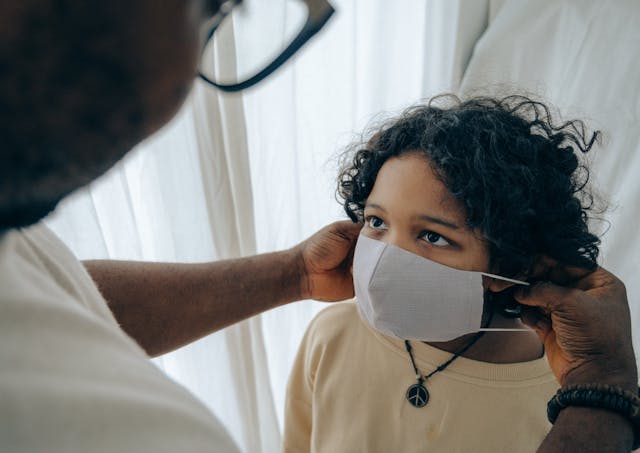
    Hallmarks of Scabies in Children

    Recognizing the Key Symptoms of Scabies in Children!

    What is the hallmark of scabies in children?

    The hallmark of scabies in children is intense itching, particularly at night. This itching arises from the mite Sarcoptes scabiei burrowing into the skin and laying eggs. The rash is characterized by pink-to-red papules and small, thread-like burrows.


    Symptoms

    Along with itching, children may show other symptoms like:

    • Raised red bumps and blisters resembling bug bites.
    • Scaly or crusty skin in advanced cases.
    • Increased irritability or poor feeding in young children due to discomfort.

    Common locations of rashes

    In children under two years of age, scabies often manifests on:

    • Face
    • Scalp
    • Neck
    • Palms of hands
    • Soles of feet
      For older children, common areas include:
    • Hands
    • Between fingers
    • Underarms
    • Belly button
    • Genital area

    Impact of scabies on children

    Scabies can significantly affect the quality of life for children, leading to sleepless nights due to itching. The rash can develop quickly, resulting in several lesions that may become infected due to scratching. It is essential to seek treatment promptly, which typically involves medicated creams or oral medications. Preventative measures against reinfestation are also crucial to alleviate ongoing itching and discomfort.

    Effective Treatment Approaches for Scabies

    Essential Treatment Strategies for Scabies in Children!

    How do you treat scabies in children?

    To treat scabies in children, the most commonly recommended medication is permethrin 5% cream, which should be applied thoroughly over the entire body.

    • For infants and toddlers, special attention must be given to the scalp, neck, and all over the body, as these areas are frequently affected.
    • Older children generally require treatment from the neck to the toes.

    Application guidelines

    • Apply the cream before bedtime and leave it on for 8 to 14 hours before rinsing it off.
    • It’s essential to repeat the treatment one week later to eliminate any surviving eggs that may hatch subsequently.
    • After treatment, symptoms, including itching, may persist for a couple of weeks due to an allergic reaction to dead mites and their waste.

    Importance of treating contacts

    Treating all household contacts is crucial to prevent re-infection, as scabies spreads easily through close physical contact.

    • Additionally, ensure that clothes, bedding, and towels used by the infected person are washed in hot water and the living environment is cleaned thoroughly.
    • If itching becomes severe, alternatives like hydrocortisone cream or antihistamines can help provide relief.

    Identifying Scabies in Children

    Step-by-Step Guide to Identifying Scabies in Kids!

    How do you identify scabies in kids?

    To identify scabies in kids, parents should look out for intense itching, particularly at night. This can often disturb their sleep, leading to irritability and poor feeding in younger children. You might notice:

    • Small itchy bumps or blisters that resemble bug bites
    • Wavy, thread-like burrow tracks on the skin
    • A generalized rash that might appear on the palms, soles, and scalp of infants and young children

    Diagnosing scabies

    Diagnosing scabies usually involves a physical examination by a healthcare provider. They will look for characteristic symptoms and may conduct a skin scraping to check for mites or their eggs under a microscope. This helps confirm the infestation.

    When to seek medical advice

    If you suspect your child has scabies, it’s important to seek medical advice, especially if the itching is persistent or if the rash worsens. Additionally, all close contacts of the infected child should be treated simultaneously to prevent re-infestation. Timely treatment can help manage symptoms effectively and reduce the risk of secondary infections.

    Understanding the Spread and Contagion of Scabies

    Understanding How Scabies Spreads and How to Prevent It!

    Modes of transmission

    Scabies is primarily spread through direct, prolonged physical contact with an infected person. Close interactions, particularly in crowded conditions, significantly increase the risk of transmission. Additionally, scabies can also spread through contaminated clothing, bedding, or personal items, allowing the mites to hitch a ride and infect others. Interestingly, unlike some skin infections, scabies is not transmitted by pets, as the mites specifically infest humans.

    Preventing the spread

    To minimize the risk of infection, it’s crucial to treat all close contacts simultaneously upon diagnosis of scabies. Individuals should avoid sharing personal items like towels and clothing with someone infected. Special attention should be given to younger children, as they are more susceptible to the itch mite due to frequent skin-to-skin contact.

    Importance of home hygiene

    Home hygiene is a pivotal element in controlling and preventing scabies infestations. Washing all clothing, linens, and towels in hot water not only helps eradicate mites but also provides peace of mind. For items that cannot be washed immediately, sealing them in airtight bags for several days can help kill any existing mites. Additionally, vacuuming furniture and communal living areas can further ensure cleanliness, effectively cutting off the mite’s transmission before it spreads within the household.

    The Gold Standard in Diagnosing Scabies

    The Importance of Accurate Diagnosis in Scabies Management!

    What is the gold standard for diagnosing scabies?

    The gold standard for diagnosing scabies is the microscopic examination of skin scrapings for the presence of the mites, their eggs, or fecal pellets (scybala). This method requires a healthcare professional to take samples from affected areas, particularly where the itching is most severe. Detection can be particularly tricky as a single infestation may consist of only a few adult female mites, especially in otherwise healthy individuals.

    Why microscopy is important

    Microscopy plays a crucial role in confirming a diagnosis of scabies. The direct observation of the Sarcoptes scabiei mite or its products under a microscope provides definitive evidence of infestation. This method helps differentiate scabies from other dermatological conditions that present similar symptoms, such as eczema or contact dermatitis, thus ensuring effective treatment.

    Challenges in detection

    One of the challenges in diagnosing scabies is the stigma associated with the condition, which can lead to delayed consultations. Additionally, symptoms can take 2 to 6 weeks to manifest following initial exposure, resulting in a lag between infection and identification of the condition. These factors can complicate timely treatment, allowing the infestation to spread further within households.

    Challenge Description Impact on Diagnosis
    Stigma Delayed consultations due to embarrassment Prolonged infection time
    Symptom onset timing 2-6 weeks post-exposure for symptoms to appear Delays in detecting and treating the condition
    Low mite count Less than five mites can signify an infestation Makes detection via scraping harder

    Resolving these challenges requires awareness and proactive measures to seek medical help.

    Conclusion

    Early recognition and comprehensive treatment of scabies in children are key to managing the condition effectively and preventing further spread. Parents and caregivers should be aware of the symptoms, ensure prompt diagnosis, and adhere strictly to treatment regimens to alleviate discomfort and stop the transmission of the mites. With proper precautionary measures, including treating all contacts and maintaining hygiene in the home, families can successfully control scabies infestations and minimize their impact on children’s health and well-being.

    References

  • Best CPAP Masks for Children

    Best CPAP Masks for Children

    Discover the best CPAP masks for children! Ensure comfortable and effective sleep apnea treatment for your little ones.

    __wf_reserved_inherit

    Understanding Sleep Apnea in Children

    Sleep apnea is a sleep disorder characterized by pauses in breathing or shallow breathing during sleep. It can affect people of all ages, including children. Understanding sleep apnea is crucial in recognizing its symptoms and seeking appropriate treatment for children.

    What is Sleep Apnea?

    Sleep apnea is a condition in which the upper airway becomes partially or completely blocked during sleep, leading to disruptions in breathing. These interruptions can last for a few seconds to a minute and can occur multiple times throughout the night. Sleep apnea can be categorized into two main types: obstructive sleep apnea (OSA) and central sleep apnea (CSA).

    In children, the most common type of sleep apnea is obstructive sleep apnea. It occurs when the muscles at the back of the throat relax and obstruct the airway, causing breathing difficulties during sleep. This can lead to fragmented sleep and inadequate oxygen supply to the body and brain.

    Causes of Sleep Apnea in Children

    Several factors can contribute to the development of sleep apnea in children. Some common causes include:

    1. Enlarged Tonsils and Adenoids: Enlarged tonsils and adenoids can obstruct the airway, making it difficult for children to breathe properly during sleep.
    2. Obesity: Excess weight can put pressure on the airway, increasing the risk of airway blockage and sleep apnea.
    3. Narrow Airway: Some children may naturally have a narrower airway, making them more susceptible to sleep apnea.
    4. Genetic Factors: Sleep apnea can sometimes run in families, suggesting a genetic component to the condition.
    5. Underlying Medical Conditions: Certain medical conditions, such as Down syndrome or craniofacial abnormalities, can increase the risk of sleep apnea in children.

    Importance of Treating Sleep Apnea in Children

    Treating sleep apnea in children is crucial for their overall health and well-being. If left untreated, sleep apnea can have significant effects on a child’s development, behavior, and quality of life. Some potential consequences of untreated sleep apnea in children include:

    • Daytime Sleepiness: Sleep apnea can lead to excessive daytime sleepiness, which can affect a child’s ability to concentrate, learn, and perform well in school.
    • Behavioral Issues: Sleep apnea has been linked to behavioral problems, including hyperactivity, irritability, and poor impulse control.
    • Delayed Growth: The disruptions in sleep caused by sleep apnea can interfere with the release of growth hormones, potentially leading to delayed physical growth in children.
    • Cardiovascular Problems: Sleep apnea can strain the cardiovascular system, increasing the risk of high blood pressure and other cardiovascular issues in children.

    Treating sleep apnea in children often involves the use of Continuous Positive Airway Pressure (CPAP) therapy, which helps keep the airway open during sleep. Selecting the right CPAP mask for children is important to ensure comfort, compliance, and effective treatment.

    CPAP Therapy for Children

    Overview of CPAP Therapy

    CPAP therapy is designed to address the underlying cause of sleep apnea by providing a constant flow of pressurized air through a mask. The CPAP machine, which includes a motor and a humidifier, gently delivers the air pressure based on the prescribed settings determined by a healthcare professional.

    The CPAP mask, specifically designed for children, is worn over the nose, mouth, or both, depending on the type of mask. The mask is connected to the CPAP machine via tubing, allowing the pressurized air to reach the airways and prevent obstructions during sleep.

    Benefits of CPAP Therapy for Children

    CPAP therapy offers several benefits for children with sleep apnea. These include:

    1. Improved sleep quality: By keeping the airways open, CPAP therapy helps children with sleep apnea to experience uninterrupted sleep, leading to improved sleep quality and restfulness.
    2. Reduced daytime symptoms: Sleep apnea can cause daytime symptoms such as fatigue, poor concentration, and irritability. CPAP therapy helps alleviate these symptoms, allowing children to feel more alert and focused during the day.
    3. Enhanced cognitive development: Adequate sleep is essential for proper cognitive development in children. By ensuring uninterrupted breathing during sleep, CPAP therapy supports healthy brain function and cognitive growth.
    4. Better physical health: Sleep apnea can contribute to various health issues, including cardiovascular problems. CPAP therapy helps reduce the risk of these complications and promotes overall physical well-being in children.

    It’s important to note that CPAP therapy should be used consistently and as prescribed by a healthcare professional. Regular follow-ups with the healthcare team can help monitor the effectiveness of the therapy and make any necessary adjustments to ensure optimal results.

    By understanding the overview of CPAP therapy and recognizing its benefits for children, parents and caregivers can make informed decisions regarding the treatment of sleep apnea in children. The next section will explore the factors to consider when choosing CPAP masks specifically designed for children.

    __wf_reserved_inherit

    Factors to Consider When Choosing CPAP Masks for Children

    When selecting CPAP masks for children, there are several important factors to consider to ensure the best fit, comfort, and maintenance. Taking these factors into account can help children with sleep apnea have a positive and effective CPAP therapy experience.

    Mask Size and Fit

    Choosing the right mask size and fit is crucial for children to receive the optimal benefits from their CPAP therapy. A well-fitting mask helps to ensure proper air pressure delivery and minimize air leaks.

    To determine the correct mask size, it is essential to consult with a healthcare professional who specializes in pediatric sleep disorders. They will assess the child’s facial structure and recommend the appropriate mask size based on their age and physical characteristics. It’s important to adjust the mask straps properly to achieve a secure but comfortable fit.

    Comfort and Design Features

    Comfort is key when it comes to CPAP masks for children. A comfortable mask encourages compliance and helps children to sleep comfortably throughout the night. Look for masks that have child-friendly design features such as soft cushioning, lightweight materials, and adjustable headgear.

    Additionally, masks with innovative design features can enhance comfort. For example, some masks have forehead supports or nasal pillows that can reduce pressure points and improve overall comfort. It’s important to consider the individual preferences and needs of the child when selecting a mask.

    Durability and Maintenance

    Durability and ease of maintenance are important factors to consider when choosing CPAP masks for children. Children can be active sleepers, so it’s crucial to select masks that are designed to withstand movement and potential accidental impacts.

    Masks made from durable materials, such as silicone or polypropylene, tend to be more resilient and long-lasting. It’s also important to consider the ease of cleaning and replacing mask components. Regular cleaning and maintenance are necessary to ensure hygiene and prolong the lifespan of the mask.

    Considering these factors when choosing CPAP masks for children can help parents and healthcare providers select the most suitable options to optimize therapy outcomes. By prioritizing mask size and fit, comfort and design features, as well as durability and maintenance, children can have a more positive and successful experience with CPAP therapy.

    Types of CPAP Masks for Children

    When it comes to choosing the right CPAP mask for children, there are several options available. Each type of mask serves a specific purpose and offers unique features to ensure effective and comfortable therapy. Let’s explore the three main types of CPAP masks for children: nasal masks, nasal pillow masks, and full face masks.

    Nasal Masks

    Nasal masks are a popular choice for children undergoing CPAP therapy. These masks cover the nose and are held in place by straps that secure them comfortably on the child’s head. Nasal masks are designed to deliver pressurized air directly to the nasal passages, making them suitable for children who primarily breathe through their noses.

    __wf_reserved_inherit

    Nasal Pillow Masks

    Nasal pillow masks are another option for children in need of CPAP therapy. These masks consist of small, soft nasal pillows that fit directly into the child’s nostrils. The pillows create a seal around the nostrils to deliver the pressurized air. Nasal pillow masks are ideal for children who prefer minimal contact on their face or have claustrophobia.

    __wf_reserved_inherit

    Full Face Masks

    Full face masks cover both the nose and the mouth, making them suitable for children who breathe through their mouths or have difficulties breathing through their noses. These masks have a larger surface area and are secured in place with headgear. Full face masks ensure that pressurized air reaches both the nose and mouth, providing effective therapy.

    __wf_reserved_inherit

    When selecting a CPAP mask for a child, it’s important to consider their individual needs, comfort, and preferences. Finding the right mask size and fit is crucial to ensure effective therapy and minimize air leaks. Additionally, considering factors such as comfort, design features, and ease of maintenance can help enhance the overall experience for the child.

    Remember, it is essential to consult with a healthcare professional or a pediatric sleep specialist to determine the most suitable CPAP mask for a child. They can provide guidance based on the child’s specific condition and ensure that the chosen mask meets their needs effectively.

    __wf_reserved_inherit

    Tips for Successful CPAP Mask Use in Children

    Ensuring successful CPAP (Continuous Positive Airway Pressure) therapy for children involves proper mask cleaning and maintenance, helping them adjust to the therapy, and involving them in the process.

    Proper Mask Cleaning and Maintenance

    To maintain the effectiveness and hygiene of CPAP masks for children, it’s crucial to establish a regular cleaning routine. Follow the manufacturer’s instructions for cleaning and disinfecting the mask components. Here are some general guidelines:

    1. Daily Cleaning: Clean the mask cushion, headgear, and other removable parts with mild soap and warm water. Rinse thoroughly and allow them to air dry before reassembling.
    2. Weekly Cleaning: Perform a more thorough cleaning by soaking the mask components in a solution of equal parts water and white vinegar for 15-30 minutes. Rinse thoroughly and air dry.
    3. Replace Components: Regularly inspect the mask and its components for signs of wear and tear. Replace them as recommended by the manufacturer to ensure optimal performance.

    Remember, a clean and well-maintained CPAP mask helps promote comfort and reduces the risk of skin irritation or infections.

    Adjusting to CPAP Therapy

    For children, adjusting to CPAP therapy can be a gradual process. Here are some tips to help them adapt:

    1. Start Slowly: Begin by having your child wear the CPAP mask during the day for short periods, gradually increasing the duration. This allows them to get used to the sensation of wearing the mask and breathing with the airflow.
    2. Comfortable Environment: Create a comfortable sleep environment by ensuring the room is quiet, dark, and at a comfortable temperature. This can enhance the overall experience for your child.
    3. Positive Reinforcement: Encourage your child by offering praise and rewards for successful nights of CPAP therapy. Positive reinforcement can help motivate them and make the process more enjoyable.

    Involving Children in the Process

    Involving children in the CPAP therapy process can help them feel more empowered and engaged. Here are some ways to include them:

    1. Education and Explanation: Explain to your child why they need CPAP therapy and how it can improve their sleep and overall health. Use age-appropriate language and visuals to help them understand.
    2. Personalization: Allow your child to choose a mask design or add stickers to make it more appealing and personalized. This can create a sense of ownership and make them more comfortable wearing the mask.
    3. Routine and Responsibility: Involve your child in the CPAP therapy routine. Encourage them to take an active role in putting on the mask, adjusting the straps (with your assistance if needed), and turning on the machine. This promotes independence and a sense of responsibility.

    By following these tips, you can help ensure successful CPAP mask use in children. Remember that each child is unique, so it’s important to be patient, supportive, and adapt the strategies to their individual needs.

    Sources

    https://www.sleepapnea.org/cpap/best-cpap-mask-for-children/

    https://cpaprx.com/mirage-micro-for-kids/

    https://www.mayoclinic.org/diseases-conditions/sleep-apnea/in-depth/cpap-masks/art-20546828

  • Facts About Seizures and Epilepsy

    Facts About Seizures and Epilepsy

    Discover eye-opening facts about seizures and epilepsy. Demystify misconceptions and promote understanding.

    Understanding Seizures and Epilepsy

    Delving into the realm of seizures and epilepsy, it’s essential to grasp the distinction between these terms and comprehend the widespread prevalence and impact of epilepsy.

    __wf_reserved_inherit

    Differentiating Seizures and Epilepsy

    Seizures and epilepsy are often used interchangeably, but they have distinct meanings. Seizures refer to sudden, uncontrolled electrical activity in the brain, which can manifest as changes in behavior or movements. On the other hand, epilepsy is a neurological disorder characterized by recurrent seizures. Not all individuals who experience a seizure have epilepsy, as some seizures may occur due to temporary triggers such as fever or head injury.

    Prevalence and Impact of Epilepsy

    Epilepsy is more common than perceived, with a significant impact on individuals and their families. Understanding the prevalence of epilepsy sheds light on the scale of this disorder and its implications.

    __wf_reserved_inherit

    Recognizing the prevalence and impact of epilepsy is crucial in fostering awareness and support for individuals living with this condition. By differentiating between seizures and epilepsy and acknowledging the widespread impact of the disorder, we can work towards promoting understanding, empathy, and effective management strategies for those affected by seizures and epilepsy.

    Types of Seizures

    One of the key aspects in understanding seizures and epilepsy is recognizing the different types of seizures that individuals may experience. These can be broadly categorized into focal seizures and generalized seizures.

    Focal Seizures

    Focal seizures, also known as partial seizures, originate in a specific area of the brain. They may cause localized symptoms that vary depending on the part of the brain affected. Focal seizures can be further classified into two subtypes: simple focal seizures and complex focal seizures.

    __wf_reserved_inherit

    It’s important to note that focal seizures can sometimes progress to generalized seizures, involving both hemispheres of the brain and resulting in widespread effects on the body.

    Generalized Seizures

    Generalized seizures involve abnormal electrical activity throughout the brain from the start of the seizure. These seizures typically affect both sides of the brain and often lead to loss of consciousness. Generalized seizures are further divided into several subtypes, including absence seizures, tonic-clonic seizures, atonic seizures, and myoclonic seizures.

    __wf_reserved_inherit

    Understanding the different types of seizures is crucial in diagnosing and managing epilepsy effectively. By recognizing the unique characteristics of focal seizures and generalized seizures, healthcare professionals can tailor treatment plans to meet the specific needs of individuals living with seizure disorders.

    Common Causes of Seizures

    When exploring the common causes of seizures, it is essential to consider both genetic factors and brain injuries or conditions as significant contributors to the development of seizure disorders.

    Genetic Factors

    Genetic factors play a crucial role in the occurrence of seizures and epilepsy. Certain genetic mutations or inherited conditions can predispose individuals to seizures. These genetic factors may influence the electrical activity in the brain, leading to abnormal neuronal firing patterns that can trigger seizures.

    __wf_reserved_inherit

    Understanding the genetic aspects of seizures is vital in diagnosing and managing epilepsy effectively. Genetic testing and counseling can help individuals and families better comprehend the hereditary nature of certain seizure disorders.

    Brain Injuries and Conditions

    Brain injuries and underlying brain conditions are also common causes of seizures. Traumatic brain injuries, strokes, brain tumors, infections, and developmental abnormalities can all disrupt normal brain function, leading to seizure activity.

    __wf_reserved_inherit

    Identifying and addressing the underlying brain injuries or conditions is essential in managing seizures and epilepsy effectively. Treatment strategies often focus on addressing the root cause of the seizures, whether it be through medication, surgery, or other interventions tailored to the specific brain condition.

    Diagnosis and Treatment

    When it comes to seizures and epilepsy, timely diagnosis and appropriate treatment are essential for managing the condition effectively. Understanding the diagnostic process for seizures and epilepsy, as well as the various medication and treatment options available, plays a significant role in improving the quality of life for individuals affected by these conditions.

    Diagnostic Process for Seizures and Epilepsy

    Diagnosing seizures and epilepsy involves a comprehensive evaluation by healthcare professionals, including neurologists and epileptologists. The diagnostic process typically includes the following steps:

    __wf_reserved_inherit

    By following a structured diagnostic approach, healthcare providers can determine the type of seizure or epilepsy syndrome a person may have and tailor treatment plans accordingly.

    Medication and Other Treatment Options

    Medication is often the first line of treatment for seizures and epilepsy. Antiepileptic drugs (AEDs) are prescribed to help control seizures and reduce their frequency. Some common AEDs include:

    __wf_reserved_inherit

    In addition to medication, other treatment options may be recommended depending on the individual’s specific condition. These may include:

    • Surgery: For individuals with drug-resistant epilepsy, surgical procedures to remove or disconnect the part of the brain causing seizures may be considered.
    • Vagus Nerve Stimulation (VNS): A device is implanted under the skin to deliver electrical impulses to the vagus nerve, helping to reduce seizure activity.
    • Ketogenic Diet: A high-fat, low-carbohydrate diet that has shown efficacy in some individuals with epilepsy, particularly children.

    It is crucial for individuals with seizures and epilepsy to work closely with their healthcare team to find the most effective treatment plan for their condition. Regular monitoring and adjustments to the treatment regimen may be necessary to achieve optimal seizure control and improve overall quality of life.

    Living with Epilepsy

    Living with epilepsy requires individuals to adapt their lifestyle to manage the condition effectively. It also involves accessing the necessary support systems to navigate the challenges that epilepsy may present.

    Managing Lifestyle with Epilepsy

    Managing lifestyle with epilepsy involves incorporating strategies to minimize the risk of seizures and improve overall quality of life. This can include:

    • Medication Adherence: Following prescribed medication schedules to control seizures.
    • Healthy Lifestyle Choices: Maintaining a balanced diet, getting regular exercise, and prioritizing sufficient sleep.
    • Seizure Response Plans: Developing and sharing seizure response plans with family, friends, and caregivers.
    • Avoiding Triggers: Identifying and avoiding triggers that may precipitate seizures.
    • Regular Medical Check-Ups: Attending regular appointments with healthcare providers to monitor the condition.

    It’s essential for individuals with epilepsy to work closely with their healthcare team to create a personalized management plan that addresses their specific needs and concerns.

    Support Systems for Individuals with Epilepsy

    Support systems play a crucial role in helping individuals with epilepsy cope with the challenges they may face. These support systems can include:

    __wf_reserved_inherit

    Having a strong support system can help individuals with epilepsy navigate the complexities of the condition, reduce feelings of isolation, and improve their overall quality of life. By accessing appropriate support systems and actively managing their lifestyle, individuals with epilepsy can lead fulfilling and meaningful lives while effectively managing their condition.

    Dispelling Myths and Stigma

    In the realm of seizures and epilepsy, misconceptions and stigma can often lead to misunderstandings and discrimination. Addressing these myths head-on is crucial in promoting a more inclusive and empathetic society.

    Addressing Misconceptions about Seizures and Epilepsy

    One prevalent myth surrounding seizures is the belief that all seizures are the same. In reality, there are various types of seizures, each with distinct characteristics and triggers. Understanding the differences between focal and generalized seizures can help dispel this misconception and foster greater awareness.

    __wf_reserved_inherit

    Another common misconception is that epilepsy is always genetic. While genetic factors can contribute to the development of epilepsy, the condition can also be caused by brain injuries, infections, and other underlying health issues. By acknowledging the diverse causes of epilepsy, we can combat the oversimplification of this complex neurological disorder.

    Promoting Understanding and Empathy

    To promote a more supportive and empathetic environment for individuals living with seizures and epilepsy, it is essential to foster understanding within the community. Educating the public about the realities of seizures, their impact on daily life, and the available treatment options can help reduce stigma and discrimination.

    By sharing personal stories, raising awareness through educational campaigns, and advocating for inclusive policies, we can create a more compassionate society where individuals with seizures and epilepsy feel accepted and supported.

    Together, by addressing misconceptions and promoting understanding and empathy, we can work towards a world where seizures and epilepsy are met with compassion, respect, and solidarity.

    Sources

    https://www.epilepsy.com/what-is-epilepsy/statistics

    https://www.who.int/news-room/fact-sheets/detail/epilepsy

    https://www.cdc.gov/epilepsy/data-research/facts-stats/index.html

  • Pediatric Home Medical Equipment For Digestive Disorders

    Pediatric Home Medical Equipment For Digestive Disorders

    Essential Pediatric Equipment for Digestive Care at Home

    Introduction to Pediatric Digestive Health Equipment

    Caring for children with digestive disorders presents unique challenges that require specialized medical equipment. As more families are choosing home care for their children with digestive health issues, understanding the right pediatric medical equipment becomes crucial. This article explores the types of durable medical equipment (DME) essential for managing such conditions, the role of enteral nutrition solutions, and how these tools can significantly improve children’s quality of life.

    Understanding Durable Medical Equipment (DME) in Pediatric Digestive Health

    Essential Tools for Nutritional Support!

    What is DME and how does it relate to children’s digestive health?

    Durable Medical Equipment (DME) encompasses medical supplies and devices prescribed for long-term use. In the context of children’s digestive health, DME includes essentials like feeding pumps, nasogastric tubes (NG tubes), and gastrostomy tubes (G-tubes). These tools support children who have trouble swallowing or must receive nutrition directly through a tube due to digestive disorders.

    Using specialized DME ensures that children receive proper nourishment. For example, feeding pumps provide a steady and controlled delivery of nutrition, which is crucial for children with conditions that hinder their ability to eat normally. Adaptive utensils and accessories, such as Mic-Key buttons, enhance the feeding experience and ease the process for both children and caregivers.

    Role of DME in pediatric digestive care

    DME plays a vital role in pediatric digestive care by enabling effective management of nutrition for children facing challenges. It helps to:

    • Facilitate tube feeding: Providing sustained nutrition through NG tubes and G-tubes.
    • Support local home care: Offering educational support for families to manage equipment safely at home.
    • Improve quality of life: Assisting children in maintaining a healthy weight and nutritional status, crucial for their growth and development.

    Importance of specialized equipment for children

    Specialized equipment is crucial not only for delivering nutrition but also for ensuring safety and comfort. Children may experience anxiety with feeding methods, making the right equipment essential for:

    • Reducing discomfort: Ensuring that tubes fit and function properly can minimize distress during feeding.
    • Enhancing compliance: Age-appropriate equipment encourages children to engage in their care more willingly.

    Insurance coverage considerations

    When it comes to insurance, coverage for DME varies significantly among plans. Parents should thoroughly review their policy options to understand what DME is covered, focusing on:

    • Cost-sharing responsibility: Knowing what is out-of-pocket versus what is covered.
    • Pre-authorization requirements: Some plans may necessitate approvals for certain equipment before acquisition.

    By understanding the role of DME and how it integrates into their child’s digestive health care, families can confidently navigate the challenges of managing nutritional needs at home.

    Essential Equipment for Home Care of Digestive Disorders

    Must-Have Equipment for Home Care!

    What pediatric medical equipment is essential for home care for children with digestive disorders?

    For families managing children’s digestive disorders at home, having the right equipment is vital. Essential pediatric medical equipment includes:

    • Feeding Pumps: These devices allow for controlled feeding, maintaining a steady flow of nutrition directly into the child’s gastrointestinal tract.
    • Feeding Tubes: Various types of feeding tubes, such as nasogastric (NG) tubes and gastrostomy (G-tube), are necessary for long-term enteral feeding. NG tubes are used for immediate short-term needs while G-tubes are more suited for long-term nutrition management.

    Importance of feeding pumps and tubes

    Feeding pumps and feeding tubes are critical in ensuring that children receive the proper nutritional intake when they cannot swallow food effectively.

    • Feeding Pumps: These devices help administer nutrition at a set schedule, which can be adjusted based on medical guidance to suit the child’s needs.
    • Feeding Tubes: By providing direct access to the stomach, feeding tubes minimize the risk of aspiration and support children with significant swallowing difficulties.

    Comprehensive home care solutions

    Beyond feeding supplies, comprehensive care solutions often involve:

    • Nutritional Therapy Supplies: Specialized metabolic formulas are essential to meet the specific dietary requirements of children with gastrointestinal conditions.
    • Apnea Monitoring: For those with complex health issues affecting respiratory function, apnea monitors can be crucial to ensure safety during feeding and rest.
    • Additional Medical Equipment: Depending on individual health scenarios, families may also require urology supplies and diabetes management tools for holistic care.

    In conclusion, the equipment needed for effective management of pediatric digestive disorders not only ensures adequate nutrition but also promotes the overall health and safety of children at home.

    Common Home Medical Supplies for Pediatric Care

    Key Supplies for Pediatric Health at Home!

    What are common pediatric medical supplies used at home?

    Common pediatric medical supplies used at home are crucial for managing various health conditions in children. These supplies often include:

    • Nutritional Support Equipment: Enteral feeding supplies, like feeding pumps, syringes, and specialized formulas, help children who cannot consume sufficient nutrients orally or have swallowing difficulties.
    • Sleeping Arrangements: Pediatric beds, bassinets, and cribs are designed to ensure safe and comfortable sleep for children with medical needs. Proper sleeping arrangements are essential for recovery and overall well-being.
    • Diagnostic Tools: Highlights include thermometers, pulse oximeters, and weight scales specifically designed for children. These tools enable routine health monitoring at home.
    • Mobility Aids: Items like walkers or wheelchairs can support children with mobility issues, enhancing their ability to move around comfortably.
    • Wound Care Supplies: Specialized bandages, antiseptics, and dressing materials help manage any wounds or injuries effectively.

    Importance of tailored supplies

    Tailored medical supplies ensure that children receive appropriate care based on their unique health needs. Collaboration with healthcare providers is vital for families to obtain the right equipment. This guidance can help manage conditions such as digestive disorders through enteral nutrition. Furthermore, the availability of these supplies enables parents to provide effective care in the comfort of their homes, improving the quality of life for their children.

    Home versus Hospital Supplies for Pediatric Digestive Care

    Understanding Care Supply Differences!

    How do hospital medical supplies differ from those used at home for pediatric care?

    Hospital medical supplies for pediatric care are distinct from those utilized at home in several important ways. In hospitals, supplies focus on complex medical treatment needs, including advanced diagnostic tools and intricate therapeutic devices. For instance, specialized feeding systems and pediatric bracing products are specifically designed to cater to the unique requirements of infants and children, ensuring appropriate support throughout their growth phases.

    In contrast, home care supplies emphasize meeting everyday health management needs. These are often less complex and focus on symptom relief and regular monitoring. Medical Nutrition Therapists provide guidance on managing enteral nutrition at home, ensuring that parents can adeptly use feeding pumps, syringes, and tubing systems like G-tubes or NG tubes.

    Specialized tools and devices

    Several specialized devices underscore the differences in care settings:

    Device Type Home Use Hospital Use
    Feeding Pumps Basic models for home use Advanced models with monitoring features
    Syringes Standard, multi-use Sterile, single-use for safety
    Mic-Key Buttons Common for long-term care Less frequent, specialized use
    NG Tubes For at-home feeding More varied sizes and types available

    Focus on home care management

    Home care management requires an understanding of using these supplies effectively. Families benefit from educational support to navigate the challenges of tube feeding or caring for children with digestive disorders. This training includes:

    • Setup of feeding equipment and accessories.
    • Understanding individual feeding techniques like gravity or bolus feeding.
    • Ensuring safety and comfort while administering nutrition.

    This careful approach bridges the gap between hospital and home care, ensuring that children receive consistent and appropriate nutritional support without needing constant hospital visits.

    Pediatric Enteral Nutrition Solutions

    Nutritional Strategies for Children!

    Enteral Feeding Techniques and Equipment

    Enteral nutrition is essential for children who struggle to consume adequate nutrients orally. The process may involve several techniques including:

    • Syringe bolus feeding: Nutrients are delivered directly into the stomach using a syringe.
    • Gravity feeding: Food flows through the tube via gravity, which is particularly gentle on the child’s system.
    • Feeding pumps: These devices provide a controlled delivery of nutrition, suitable for long-term use.

    Key equipment includes nasogastric (NG) tubes, which are inserted through the nose and into the stomach, and gastrostomy tubes (G-tubes), designed for longer-term feeding.

    Benefits of Enteral Nutrition for Children

    Enteral therapy offers a safe and effective means to ensure adequate nutrition, especially for children with swallowing difficulties or chronic conditions. Benefits include:

    • Improved nutritional intake which supports growth and development.
    • Reduced risk of aspiration or choking during feeding.
    • Personalized care plans developed by healthcare providers.

    Managing Chronic Digestive Issues

    For children with digestive disorders, enteral nutrition can play a crucial role in their overall health management. This approach may include:

    • Direct nutrition delivery for those with compromised gastrointestinal function.
    • Parenteral feeds via intravenous lines for acute cases where normal absorption is severely hindered.

    These solutions not only provide necessary sustenance but also empower families with the tools and education to manage care effectively at home.

    Technique Equipment Used Notes
    Syringe bolus feeding Syringe Fast delivery, requires oversight.
    Gravity feeding Gravity setup Gentle method, suitable for sensitive stomachs.
    Feeding pumps Pump Allows for precise control over nutrition delivery.

    Emotional Support and Resources for Caregivers

    Resources Available for Parents and Caregivers

    Caring for a child with digestive disorders can often feel overwhelming. Lincare and Children’s Home Healthcare both provide extensive support and resources for families navigating enteral therapy. This includes offering access to specialized formulas, feeding pumps, and essential equipment like Mic-Key buttons and NG tubes. These resources streamline the process of ensuring that children receive adequate nutrition, easing some of the burden on caregivers.

    Importance of Emotional Support

    Beyond physical resources, emotional support is crucial for caregivers. Programs designed to assist families often integrate counseling services or support groups. These platforms allow caregivers to share experiences, learn coping strategies, and obtain reassurance from others in similar situations. Building a network of support can significantly alleviate stress, enabling caregivers to provide better care.

    Finding Reliable Suppliers for Equipment

    Identifying dependable suppliers for medical and nutritional supplies is vital. Children’s Home Healthcare not only provides necessary equipment but also offers education on its use to ensure that families are well-prepared to manage their child’s needs. This includes comprehensive guidance on feeding techniques, whether through syringe bolus feeding, gravity feeding, or feeding pumps, fostering confidence in caregivers.

    Resource Service Offered Contact Information
    Lincare Enteral therapy and nutrition assistance Contact Lincare
    Children’s Home Healthcare Home medical supplies and education Contact Children’s Home
    Support Groups for Caregivers Emotional and social support for parents Find a Group

    Incorporating these support systems is essential for both the child’s health and the caregiver’s well-being.

    Conclusion: The Future of Pediatric Digestive Care at Home

    Managing pediatric digestive disorders with home medical equipment is an evolving field that prioritizes the well-being and convenience of young patients and their families. As technology advances, the range of available equipment broadens, offering new ways to support children’s health effectively. Ensuring families have access to the proper tools, support networks, and reliable suppliers is paramount for improving the quality of life for children with digestive health challenges. With continuous education and innovation, caregivers can confidently provide the care their children need to thrive.

    References

  • Pediatric Oxygen Therapy: A Review and Update

    Pediatric Oxygen Therapy: A Review and Update

    Stay informed on pediatric oxygen therapy: Current challenges, innovations, and improved outcomes for young patients.

    Pediatric Oxygen Therapy: An Overview

    Pediatric oxygen therapy plays a crucial role in the care and treatment of children with respiratory conditions. This section provides an overview of the importance of oxygen therapy in pediatrics, the evolution of oxygen therapy in pediatric care, and the current challenges and trends in this field.

    Importance of Oxygen Therapy in Pediatrics

    __wf_reserved_inherit

    Evolution of Oxygen Therapy in Pediatric Care

    Over the years, pediatric oxygen therapy has continually evolved to meet the specific needs of young patients. Advancements in medical technology and research have led to the development of various oxygen delivery systems that are safe, effective, and well-tolerated by children. From traditional oxygen masks to innovative high-flow nasal cannula systems, healthcare professionals now have a range of options to choose from when delivering oxygen therapy to pediatric patients.

    Current Challenges and Trends

    While pediatric oxygen therapy has come a long way, there are still challenges and ongoing trends in this field. One of the challenges is ensuring accurate monitoring of oxygen saturation levels in children. This involves using pulse oximeters and other monitoring devices to assess the effectiveness of therapy and make necessary adjustments.

    Another trend in pediatric oxygen therapy is the increasing use of high-flow nasal cannula (HFNC) systems. HFNC provides heated and humidified oxygen at higher flow rates, which can help improve respiratory support and reduce the need for invasive procedures such as intubation.

    __wf_reserved_inherit

    Additionally, there is ongoing research aimed at improving the delivery efficiency of oxygen therapy and enhancing outcomes for pediatric patients. This includes exploring new technologies, optimizing oxygen delivery algorithms, and evaluating the long-term effects of oxygen therapy in children.

    In summary, pediatric oxygen therapy is a vital aspect of caring for children with respiratory conditions. It has evolved significantly over time, with advancements in oxygen delivery systems and monitoring techniques. Despite the challenges, ongoing research and emerging trends continue to drive innovation in this field, ensuring that pediatric patients receive the best possible oxygen therapy for improved respiratory function and overall well-being.

    Types of Oxygen Delivery Systems

    In pediatric care, various oxygen delivery systems are used to provide the necessary oxygen support to children. These systems are designed to deliver oxygen effectively and safely. Let’s explore three common types of oxygen delivery systems used in pediatric care: nasal cannula, oxygen masks, and high-flow nasal cannula (HFNC).

    Nasal Cannula

    A nasal cannula is a flexible tube with prongs that are placed into the child’s nostrils. It is one of the most commonly used oxygen delivery systems in pediatric care. The prongs deliver oxygen directly into the child’s nasal passages, allowing for comfortable and continuous oxygen flow.

    The flow rate of oxygen delivered through a nasal cannula can be adjusted based on the child’s needs. It is typically measured in liters per minute (LPM). The following table provides an overview of the recommended flow rates for different age groups:

    __wf_reserved_inherit

    Oxygen Masks

    Oxygen masks are another common oxygen delivery system used in pediatric care. These masks cover the child’s nose and mouth, delivering oxygen directly into the airways. Oxygen masks are particularly useful for children who may have difficulty tolerating nasal cannulas or require higher oxygen concentrations.

    Similar to nasal cannulas, the flow rate of oxygen through masks can be adjusted to meet the child’s needs. Oxygen masks are available in different sizes to ensure proper fit and comfort for pediatric patients.

    High-Flow Nasal Cannula (HFNC)

    High-flow nasal cannula (HFNC) is a more advanced oxygen delivery system used in specific pediatric cases. HFNC delivers a higher flow of warm and humidified oxygen through nasal prongs. The high flow rate of oxygen helps to provide adequate oxygenation while maintaining the child’s comfort.

    HFNC systems are equipped with a heated humidifier to prevent drying of the respiratory tract. This feature is particularly beneficial for children with respiratory conditions that require long-term oxygen therapy. HFNC can provide higher oxygen concentrations and positive airway pressure, which can help improve oxygenation and respiratory effort.

    Choosing the appropriate oxygen delivery system for pediatric patients depends on factors such as age, comfort, oxygen requirements, and clinical condition. Healthcare professionals carefully evaluate these factors to determine the most suitable delivery system for each child.

    By understanding and utilizing different types of oxygen delivery systems like nasal cannula, oxygen masks, and high-flow nasal cannula (HFNC), healthcare providers can ensure effective and tailored oxygen therapy for pediatric patients in need.

    Indications for Pediatric Oxygen Therapy

    Pediatric patients may require oxygen therapy for various medical conditions. This section highlights three primary indications for pediatric oxygen therapy: respiratory distress, chronic lung conditions, and surgery/anesthesia.

    Respiratory Distress

    It’s important to monitor oxygen saturation levels using a pulse oximeter to ensure appropriate oxygen administration. The target range for oxygen saturation in pediatric patients is typically between 92% and 98%.

    Chronic Lung Conditions

    Children with chronic lung conditions, such as asthma, cystic fibrosis, or bronchopulmonary dysplasia, often require long-term oxygen therapy. Chronic lung conditions can impair the lungs’ ability to adequately oxygenate the blood, leading to hypoxemia.

    Oxygen therapy for these patients aims to maintain optimal oxygen levels in the blood, promoting proper growth and development while reducing the risk of complications associated with chronic hypoxemia. The specific oxygen requirements will vary depending on the severity of the condition and the individual patient’s needs.

    Surgery and Anesthesia

    During surgical procedures and anesthesia, pediatric patients may require supplemental oxygen to maintain adequate oxygenation. Anesthesia can depress the respiratory drive and compromise oxygen levels, especially in patients with pre-existing respiratory conditions.

    Oxygen therapy is crucial in these situations to ensure sufficient oxygen delivery to vital organs and tissues. The anesthesiologist carefully monitors the patient’s oxygen saturation levels throughout the procedure and adjusts the oxygen flow as needed to maintain optimal oxygenation.

    It’s worth noting that these indications for pediatric oxygen therapy are not exhaustive, and each patient’s condition should be evaluated on an individual basis. Proper assessment and monitoring of oxygen needs, along with close collaboration between healthcare providers, are essential to ensure the safe and effective use of oxygen therapy in pediatric patients.

    Monitoring and Adjusting Oxygen Therapy

    Monitoring and adjusting oxygen therapy is a critical aspect of pediatric care to ensure optimal oxygen levels for young patients. This section will discuss three key components of monitoring and adjusting pediatric oxygen therapy: oxygen saturation monitoring, titration of oxygen levels, and response to therapy.

    Oxygen Saturation Monitoring

    Oxygen saturation monitoring is an essential tool for assessing the effectiveness of oxygen therapy in pediatric patients. It measures the amount of oxygen carried by the red blood cells, providing valuable information about the child’s oxygenation status.

    The most common method of oxygen saturation monitoring is through the use of a pulse oximeter. This non-invasive device is typically placed on the child’s fingertip, toe, or earlobe, and it measures the oxygen saturation level as a percentage (SpO2). The normal range for oxygen saturation in healthy children is typically above 95%.

    Regular monitoring of oxygen saturation allows healthcare providers to assess the child’s response to therapy and make necessary adjustments to ensure the appropriate oxygen levels are maintained.

    Titration of Oxygen Levels

    Titration of oxygen levels involves adjusting the flow rate or concentration of oxygen to achieve the desired oxygen saturation for pediatric patients. It is done based on the child’s clinical condition, response to therapy, and oxygen saturation monitoring.

    The healthcare provider carefully evaluates the child’s oxygen needs, taking into account factors such as respiratory distress, chronic lung conditions, and underlying medical conditions. They then adjust the oxygen delivery system accordingly, ensuring that the child receives the right amount of oxygen to maintain optimal saturation levels.

    The goal of titration is to provide enough oxygen to meet the child’s oxygen requirements without exceeding safe limits. Regular assessment and adjustment of oxygen levels are crucial to prevent both hypoxia (inadequate oxygenation) and hyperoxia (excessive oxygen exposure).

    Response to Therapy

    Monitoring the child’s response to oxygen therapy is essential to gauge the effectiveness of treatment and make any necessary modifications. The healthcare provider closely observes the child’s clinical condition, vital signs, and oxygen saturation levels to assess the response to therapy.

    Positive signs of response to oxygen therapy include improved respiratory rate, decreased work of breathing, and increasing oxygen saturation levels within the desired range. Conversely, a lack of improvement or worsening symptoms may indicate the need for adjustments in oxygen therapy or further evaluation.

    Regular assessment of the child’s response to therapy allows healthcare providers to make informed decisions regarding the duration and intensity of oxygen therapy, ensuring optimal care for pediatric patients.

    By closely monitoring oxygen saturation levels, titrating oxygen levels appropriately, and assessing the child’s response to therapy, healthcare providers can optimize pediatric oxygen therapy and provide the best care for young patients in need of supplemental oxygen.

    Complications and Considerations

    When it comes to pediatric oxygen therapy, there are important complications and considerations that healthcare providers must keep in mind to ensure the safety and well-being of young patients. These include oxygen toxicity, infection control, and transporting pediatric patients.

    Oxygen Toxicity

    While oxygen therapy is essential for pediatric patients with respiratory issues, it is crucial to be aware of the potential risks of oxygen toxicity. Prolonged exposure to high levels of oxygen can cause damage to the lungs and other organs, particularly in premature infants. Healthcare providers must carefully monitor and regulate the oxygen levels to avoid this complication.

    Infection Control

    In healthcare settings, infection control is of utmost importance, especially when it comes to pediatric patients who may have compromised immune systems. Proper hygiene practices, including handwashing and equipment sterilization, are essential to prevent the spread of infections. Additionally, healthcare providers should regularly assess the patient’s condition and adjust the oxygen therapy plan as needed to minimize the risk of infection.

    Transporting Pediatric Patients

    Transporting pediatric patients who require oxygen therapy can present unique challenges. Whether it is transferring a patient within the hospital or transporting them between facilities, certain precautions must be taken to ensure their safety. Equipment must be properly secured, and healthcare providers must closely monitor the patient’s condition throughout the journey. Communication between the transporting team and the receiving facility is vital to ensure a seamless transfer of care.

    Considering these complications and considerations is essential for healthcare providers who administer pediatric oxygen therapy. By closely monitoring oxygen levels, practicing infection control measures, and taking precautions during patient transport, healthcare providers can provide the best possible care for pediatric patients in need of oxygen therapy.

    Future Directions in Pediatric Oxygen Therapy

    As medical advancements continue to progress, the field of pediatric oxygen therapy is also evolving to improve outcomes and enhance the care provided to pediatric patients. This section focuses on the future directions and innovations in pediatric oxygen therapy.

    Research and Innovations

    Research plays a crucial role in shaping the future of pediatric oxygen therapy. Ongoing studies are exploring new treatment modalities, optimizing delivery systems, and identifying novel approaches to enhance oxygenation in pediatric patients. These research efforts aim to improve the understanding of oxygen therapy in various pediatric conditions and identify more effective and efficient treatment strategies.

    Enhancing Delivery Efficiency

    Efforts are being made to improve the delivery efficiency of oxygen therapy to pediatric patients. This includes advancements in oxygen delivery systems, such as the development of more comfortable and user-friendly nasal cannulas and masks. Additionally, there is ongoing research to optimize the flow rates and oxygen concentration to ensure effective oxygenation while minimizing the risk of complications.

    To further enhance delivery efficiency, healthcare providers are exploring the use of devices like high-flow nasal cannulas (HFNC). HFNC delivers a high flow of humidified oxygen, providing a more comfortable and efficient method of oxygen delivery for children with respiratory distress. The use of HFNC has shown promising results in improving oxygenation and reducing the need for invasive ventilation in some cases.

    Improving Outcomes for Pediatric Patients

    The ultimate goal of pediatric oxygen therapy is to improve outcomes for pediatric patients. Future directions in this area focus on tailoring oxygen therapy to individual patient needs, considering factors such as age, underlying condition, and severity of respiratory distress. By customizing treatment plans, healthcare providers can optimize oxygen therapy to achieve the best possible outcomes for each child.

    Furthermore, efforts are being made to develop guidelines and protocols specific to pediatric oxygen therapy. These guidelines help standardize practices and ensure that healthcare providers have evidence-based recommendations to guide their decisions. Consistent adherence to these guidelines can lead to improved outcomes, reduced complications, and enhanced patient safety.

    By embracing research, enhancing delivery efficiency, and prioritizing patient outcomes, the future of pediatric oxygen therapy looks promising. These advancements will continue to revolutionize pediatric care, ensuring that children receive the highest quality of oxygen therapy tailored to their individual needs.

    Sources

    https://pubmed.ncbi.nlm.nih.gov/28546370/

    https://rc.rcjournal.com/content/62/6/645

    https://www.ncbi.nlm.nih.gov/pmc/articles/PMC5717127/

  • The Importance of Pediatric Physical Therapy

    The Importance of Pediatric Physical Therapy

    Unlocking potential through pediatric physical therapy. Discover the power and importance of early intervention for developmental delays.

    __wf_reserved_inherit

    Understanding Pediatric Physical Therapy

    Pediatric Physical Therapy is a specialized branch of physical therapy that focuses on the evaluation, diagnosis, and treatment of children with movement difficulties. It aims to promote optimal physical development, improve motor skills, and enhance the overall quality of life for children.

    What is Pediatric Physical Therapy?

    Pediatric Physical Therapy involves the use of therapeutic techniques and exercises to address a wide range of conditions that affect a child’s physical abilities. It is designed to help children develop, regain, or improve their strength, balance, coordination, and mobility.

    Pediatric Physical Therapists are trained professionals who work closely with children and their families to develop individualized treatment plans. They employ various evidence-based interventions, including exercises, stretches, play-based activities, and assistive devices, to support children in reaching their full potential.

    Who Can Benefit from Pediatric Physical Therapy?

    Pediatric Physical Therapy can benefit children of all ages, from infants to adolescents, who have physical challenges or conditions that affect their ability to move and function. Some common reasons why children may benefit from pediatric physical therapy include:

    • Developmental delays: Children who are not meeting their developmental milestones or experiencing delays in motor skills may benefit from early intervention through physical therapy.
    • Neurological conditions: Children with conditions such as cerebral palsy, muscular dystrophy, or spina bifida can benefit from pediatric physical therapy to improve their mobility, strength, and overall functional abilities.
    • Orthopedic injuries: Children who have experienced fractures, sports injuries, or other orthopedic conditions can benefit from physical therapy to recover strength, range of motion, and motor skills.
    • Genetic conditions: Children with genetic conditions like Down syndrome or genetic disorders that affect movement and coordination can benefit from physical therapy to improve their physical abilities and enhance independence.
    • Cardiovascular and respiratory conditions: Children with heart or lung conditions may require physical therapy to improve endurance, breathing techniques, and overall physical fitness.

    Pediatric Physical Therapy plays a vital role in helping children overcome physical challenges, improve their motor skills, and achieve their developmental milestones. By addressing these challenges early on, children have a better chance of reaching their full potential and enjoying an improved quality of life.

    __wf_reserved_inherit

    Importance of Early Intervention

    Early intervention plays a crucial role in pediatric physical therapy as it allows for timely identification of developmental delays and helps prevent long-term issues that may arise if left untreated.

    Early Identification of Developmental Delays

    By engaging in pediatric physical therapy at an early stage, developmental delays can be identified and addressed promptly. Physical therapists are trained to assess and monitor the motor skills and movement patterns of children. Through various tests and observations, they can identify potential delays in areas such as gross motor skills, coordination, balance, and muscle strength.

    Timely identification of developmental delays enables physical therapists to create individualized treatment plans tailored to each child’s specific needs. By addressing these delays early on, therapists can help children develop the necessary skills to reach their full potential and overcome challenges that may hinder their physical development.

    Preventing Long-Term Issues

    Early intervention in pediatric physical therapy is essential for preventing long-term issues that may arise if developmental delays are left untreated. Addressing these delays during the early stages of a child’s life can significantly improve their outcomes and overall quality of life.

    Without early intervention, developmental delays can impact a child’s physical abilities and overall development. For example, delays in gross motor skills can affect a child’s ability to crawl, walk, or engage in age-appropriate physical activities. These delays can potentially lead to limitations in participation, decreased self-confidence, and difficulties in social interactions.

    By intervening early and providing appropriate therapies, physical therapists can help children overcome these challenges and minimize the potential long-term impact on their physical development. Through targeted interventions, children can improve their motor skills, strength, flexibility, and endurance, enabling them to participate fully in activities and reach their developmental milestones.

    Early intervention in pediatric physical therapy sets the foundation for a child’s physical development and can have a profound impact on their future. It empowers children to reach their maximum potential, enhances their overall well-being, and promotes independence in their daily lives. By recognizing the importance of early intervention, parents and caregivers can ensure their children receive the necessary support to thrive and succeed.

    __wf_reserved_inherit

    Goals of Pediatric Physical Therapy

    Pediatric physical therapy plays a vital role in the development and well-being of children. The goals of pediatric physical therapy are multifaceted, focusing on enhancing motor skills, improving strength and endurance, and promoting independence in children.

    Enhancing Motor Skills

    One of the primary goals of pediatric physical therapy is to enhance motor skills in children. Motor skills refer to the ability to control and coordinate movements of the body. Through targeted exercises and interventions, pediatric physical therapists help children improve their gross motor skills (such as walking, running, and jumping) and fine motor skills (such as writing, buttoning, and manipulating objects). By enhancing motor skills, children can better navigate their physical environment and engage in age-appropriate activities.

    Improving Strength and Endurance

    Pediatric physical therapy also focuses on improving strength and endurance in children. Strength refers to the ability of muscles to generate force, while endurance refers to the ability to sustain physical activity over a period of time. Physical therapists work with children to develop exercises and activities that target specific muscle groups, helping them build strength and endurance. By improving these aspects, children can participate in physical activities, sports, and daily tasks with greater ease and confidence.

    Promoting Independence

    Promoting independence is a key goal of pediatric physical therapy. Physical therapists work closely with children to develop skills that enable them to perform daily activities independently. This may include tasks such as dressing, grooming, feeding, and mobility. By focusing on enhancing independence, pediatric physical therapy empowers children to actively participate in their daily routines and engage in age-appropriate activities, fostering their overall development.

    Through a comprehensive approach, pediatric physical therapy aims to address the individual needs of each child, taking into account their unique abilities and challenges. By setting and working towards these goals, pediatric physical therapy helps children reach their full potential and improve their overall quality of life.

    Common Conditions Treated

    Pediatric physical therapy plays a crucial role in addressing various conditions that affect children’s physical development and mobility. Here are three common conditions that are often treated through pediatric physical therapy:

    Cerebral Palsy

    Cerebral palsy is a neurological disorder that affects movement, muscle tone, and coordination. It is caused by abnormal brain development or damage to the developing brain, typically occurring before or during birth. Children with cerebral palsy may experience difficulties with posture, balance, and motor skills.

    Pediatric physical therapy can help children with cerebral palsy improve their physical abilities and maximize their independence. Therapists focus on strengthening muscles, improving coordination, and enhancing overall motor function. Treatment plans are tailored to the specific needs of each child, aiming to enhance their mobility and quality of life.

    Developmental Delays

    Developmental delays encompass a range of conditions where children do not reach developmental milestones at the expected age. These delays can affect various aspects of a child’s development, including motor skills, cognitive abilities, speech and language, and social-emotional skills.

    Physical therapy plays a vital role in addressing developmental delays by focusing on enhancing motor skills and overall physical development. Therapists work closely with children to improve muscle strength, coordination, balance, and mobility. By targeting these areas, physical therapy helps children catch up to their peers and reach their full potential.

    Muscular Dystrophy

    Muscular dystrophy refers to a group of genetic disorders characterized by progressive muscle weakness and degeneration. These conditions affect the muscles responsible for movement, leading to difficulties with mobility, posture, and overall physical function. Muscular dystrophy can vary in severity and may impact different muscle groups.

    Pediatric physical therapy plays a critical role in managing muscular dystrophy by focusing on preserving and improving muscle strength, flexibility, and mobility. Therapists incorporate exercises, stretches, and other interventions to help children maintain their physical abilities, manage symptoms, and optimize their overall quality of life.

    By addressing these common conditions, pediatric physical therapy aims to improve children’s physical abilities, enhance their independence, and promote their overall well-being. Therapists work closely with children and their families to create individualized treatment plans that target specific needs and goals. Through early intervention and tailored interventions, pediatric physical therapy plays a vital role in helping children reach their full potential.

    The Role of the Pediatric Physical Therapist

    Pediatric physical therapists play a crucial role in the well-being and development of children. They are specialized healthcare professionals who focus on improving the physical abilities and overall quality of life for children with various conditions or developmental delays. Let’s explore the key aspects of their role:

    Assessment and Evaluation

    Pediatric physical therapists begin by conducting thorough assessments and evaluations to understand a child’s physical abilities, limitations, and specific needs. These assessments may include tests to measure strength, range of motion, balance, coordination, and mobility. By identifying any areas of concern or developmental delays, the therapist can create a targeted treatment plan.

    During the assessment process, the therapist will observe the child’s movement patterns, posture, and functional abilities. They may also consider the child’s medical history and consult with other healthcare professionals involved in the child’s care. This comprehensive evaluation helps the therapist gain a holistic understanding of the child’s physical abilities and challenges.

    Individualized Treatment Plans

    Based on the assessment findings, the pediatric physical therapist develops individualized treatment plans tailored to each child’s specific needs and goals. These treatment plans are designed to address the child’s unique challenges and promote their physical development.

    Treatment techniques may include therapeutic exercises, manual therapy, balance and coordination activities, gait training, and the use of assistive devices if necessary. The therapist will adapt the treatment methods based on the child’s age, abilities, and preferences. Regular reassessments are conducted to track progress and make any necessary adjustments to the treatment plan.

    Family Involvement and Education

    Pediatric physical therapists recognize the importance of involving the child’s family in the treatment process. They provide education and guidance to parents and caregivers on how to support their child’s physical development at home and in daily activities. Family involvement ensures consistency in implementing therapeutic strategies and helps maximize the child’s progress.

    Therapists also educate families about the child’s condition, prognosis, and long-term goals. They explain the importance of consistency in attending therapy sessions and engaging in home exercises. By empowering families with knowledge and skills, pediatric physical therapists create a collaborative approach to the child’s care and encourage a supportive environment for their overall development.

    The role of a pediatric physical therapist extends beyond assessment and treatment. They serve as advocates for children with physical challenges, working closely with other healthcare professionals, educators, and community resources to ensure the child receives comprehensive care and support. Through their expertise and dedication, pediatric physical therapists play a vital role in unlocking the potential of children and helping them reach their optimal physical abilities.

    Benefits of Pediatric Physical Therapy

    Pediatric physical therapy offers numerous benefits to children, helping them improve their overall quality of life, increase participation in activities, and achieve long-term functional gains. Let’s explore these benefits in more detail.

    Improved Quality of Life

    Pediatric physical therapy plays a vital role in improving the quality of life for children with various conditions and developmental delays. By addressing physical challenges, therapists help children enhance their mobility, reduce pain, and increase their overall comfort. This improvement in physical well-being contributes to a better quality of life, allowing children to engage in daily activities with greater ease and enjoyment.

    Increased Participation in Activities

    One of the primary goals of pediatric physical therapy is to promote active participation in various activities. Therapists work closely with children to develop and improve their motor skills, coordination, and balance. By targeting specific areas of weakness or delay, therapists enable children to participate in activities that were previously challenging or impossible for them. This increased participation not only enhances physical abilities but also boosts a child’s self-confidence and social interactions.

    __wf_reserved_inherit

    Long-Term Functional Gains

    Pediatric physical therapy aims to achieve long-term functional gains for children. Therapists work collaboratively with children and their families to set meaningful goals and develop individualized treatment plans. Through targeted interventions, therapy sessions focus on improving strength, endurance, flexibility, and range of motion. These gains translate into improved functional abilities, allowing children to perform everyday tasks more effectively and independently.

    By participating in pediatric physical therapy, children can achieve significant milestones and overcome physical challenges associated with conditions like cerebral palsy, developmental delays, and muscular dystrophy. The therapy helps children build a strong foundation, enabling them to reach their full potential and lead fulfilling lives.

    It’s important to note that the benefits of pediatric physical therapy extend beyond the physical aspect. Therapy sessions provide emotional support, encouragement, and a safe space for children to grow and develop. This holistic approach ensures that children receive comprehensive care that addresses their unique needs, fostering their overall well-being.

    Through improved quality of life, increased participation in activities, and long-term functional gains, pediatric physical therapy empowers children to unlock their potential and thrive in all aspects of their lives.

    Sources

    https://www.h2health.com/why-is-pediatric-physical-therapy-important/#:~:text=Pediatric%20physical%

    https://ptsolutions.com/blog/the-importance-of-pediatric-physical-therapy/

    https://www.ncbi.nlm.nih.gov/pmc/articles/PMC10680406/