Author: abf9372f_admin

  • Impact of PPEC on Students’ Physical Health

    Impact of PPEC on Students’ Physical Health

    Unleash the power of PPEC on students’ physical health! Discover the impact of physical education on fitness, motor skills, and more.

    Understanding PPEC in Schools

    To fully comprehend the impact of Physical Education in schools (PPEC), it is important to first understand its definition, purpose, and the overall significance of physical education in educational settings.

    Definition and Purpose of PPEC

    __wf_reserved_inherit

    The primary purpose of PPEC is to provide students with the knowledge, skills, and experiences necessary to lead an active and healthy lifestyle. It goes beyond traditional classroom education, focusing on the development of physical fitness, motor skills, and overall physical health. PPEC aims to instill a lifelong appreciation for physical activity and equip students with the tools to maintain their well-being throughout their lives.

    Importance of Physical Education in Schools

    Physical Education holds significant importance in schools due to its wide-ranging benefits for students. It not only contributes to their physical health but also has positive impacts on their psychological and social well-being. Here are some key reasons why physical education is vital in schools:

    1. Physical Fitness: PPEC plays a crucial role in improving students’ physical fitness levels. Regular participation in physical activities helps in building endurance, strength, flexibility, and cardiovascular health. It contributes to the overall well-being of students and reduces the risk of various health issues.
    2. Motor Skills Development: Through PPEC, students have the opportunity to develop and refine their motor skills, including coordination, balance, and agility. These skills are essential for engaging in various physical activities, sports, and everyday movements.
    3. Weight Management and Health: With the increasing prevalence of sedentary lifestyles and childhood obesity, physical education in schools becomes vital to combat these issues. PPEC helps students in maintaining a healthy body weight, managing stress, and improving overall health markers.

    To emphasize the importance and effectiveness of PPEC, let’s take a look at some numerical data:

    Physical Education Statistics

    Over 90% of U.S. states require physical education in schools.

    Only 24% of high school students meet the recommended guidelines for physical activity.

    Regular physical activity in school improves academic performance and cognitive abilities.

    Physical Education in schools plays a pivotal role in shaping students’ physical health, promoting an active lifestyle, and fostering overall well-being. By incorporating PPEC into school curricula, educators and administrators can help students develop lifelong habits of physical activity and reap the numerous benefits it offers.

    The Impact of PPEC on Students’ Physical Health

    Physical Education in Schools (PPEC) plays a vital role in promoting students’ physical health and overall well-being. By engaging in regular physical activities and structured exercise programs, students can experience numerous benefits related to their physical health.

    Physical Fitness and Strength

    Participation in PPEC helps students improve their physical fitness and develop strength. Through a variety of activities such as running, jumping, and strength training exercises, students can enhance their cardiovascular endurance, muscular strength, and flexibility.

    Regular physical activity also contributes to maintaining a healthy body weight. It helps students burn calories, build lean muscle mass, and reduce the risk of obesity. By engaging in PPEC, students can improve their overall physical fitness and lay the foundation for a healthier lifestyle.

    Motor Skills Development

    PPEC programs focus on developing and refining motor skills in students. These skills include coordination, balance, agility, and spatial awareness. By participating in activities such as ball games, gymnastics, and dance, students can enhance their motor skills and body awareness.

    Motor skills development is crucial for students as it contributes to their overall physical competence and coordination. These skills not only support their participation in physical activities but also have a positive impact on their daily lives and future sports involvement.

    Weight Management and Health

    PPEC plays a significant role in weight management and promoting overall health among students. Regular participation in physical activities helps students maintain a healthy body weight and reduce the risk of chronic diseases such as heart disease, diabetes, and certain types of cancer.

    Physical education classes provide opportunities for students to engage in moderate to vigorous physical activities, which contribute to calorie expenditure and weight management. By incorporating healthy lifestyle habits and regular physical activity into their routines, students can improve their overall health and reduce the risk of obesity-related conditions.

    To summarize the impact of PPEC on students’ physical health:

    Benefits of PPEC on Students’ Physical Health

    Improved physical fitness and strength

    Enhanced motor skills development

    Weight management and reduced risk of chronic diseases

    By prioritizing PPEC in schools and ensuring students’ active participation, educators can contribute significantly to their students’ physical health and well-being.

    Psychological Benefits of PPEC

    In addition to the physical benefits, Physical Education in Schools (PPEC) also offers numerous psychological advantages for students. These benefits include stress reduction, improved mental well-being, enhanced confidence, and increased self-esteem.

    Stress Reduction and Mental Well-being

    Engaging in physical activity throughParticipating in PPEC activities offers an outlet for students to release pent-up energy and tension. By channeling their energy into physical activity, students can experience a sense of relief and relaxation, leading to improved mental clarity and focus.

    Confidence and Self-esteem

    PPEC plays a vital role in building confidence and self-esteem in students. Through physical education classes and organized sports, students have the opportunity to develop their skills and showcase their abilities. As they improve their physical fitness, strength, and motor skills, students gain a sense of accomplishment and pride in their achievements.

    Physical education also fosters an inclusive and supportive environment where students can challenge themselves, set goals, and overcome obstacles. This process of personal growth and achievement contributes to an increase in self-confidence and self-esteem.

    To further illustrate the impact of PPEC on psychological well-being, consider the following data:

    __wf_reserved_inherit

    It is clear that PPEC plays a significant role in promoting positive psychological outcomes for students. By reducing stress, improving mental well-being, and fostering confidence and self-esteem, PPEC contributes to the holistic development of students’ overall health and well-being.

    The psychological benefits of PPEC go hand in hand with the physical and social advantages, creating a comprehensive approach to promoting the overall health and development of students.

    Social Aspects of PPEC

    Physical education in schools not only contributes to students’ physical health but also plays a significant role in their social development. Through Physical Education and Physical Activity (PPEC) programs, students have the opportunity to engage in activities that promote teamwork, cooperation, and the development of relationships and communication skills.

    Teamwork and Cooperation

    Participating in PPEC activities encourages students to work together as a team and develop essential skills in cooperation. Team sports, group exercises, and collaborative challenges provide students with opportunities to communicate, strategize, and coordinate their efforts towards a common goal. These experiences foster a sense of camaraderie and teach students the value of working with others towards shared objectives.

    By engaging in team-based activities, students learn to appreciate the strengths and weaknesses of their peers, develop empathy, and understand the significance of supporting and encouraging one another. These lessons extend beyond the realm of physical education and can positively impact their interactions in other areas of their lives.

    Building Relationships and Communication Skills

    PPEC programs offer an environment where students can build relationships and develop effective communication skills. Whether it’s through team sports, partner exercises, or group activities, students have the opportunity to interact and connect with their peers in a structured and supportive setting.

    Participating in physical education activities can help students break down social barriers, foster new friendships, and strengthen existing relationships. Through collaborative tasks and shared challenges, students learn to communicate effectively, express their ideas, listen to others, and resolve conflicts. These skills are not only valuable during physical activities but also in academic settings, social interactions, and future professional endeavors.

    The social aspects of PPEC programs contribute to the holistic development of students, allowing them to cultivate important interpersonal skills that will benefit them throughout their lives. By emphasizing teamwork, cooperation, relationship-building, and communication, physical education provides students with a well-rounded educational experience that goes beyond physical fitness alone.

    Challenges and Solutions in Implementing PPEC

    Implementing Physical Education in Schools (PPEC) can face various challenges, including a lack of resources and facilities. However, there are strategies that can be employed to overcome these barriers and ensure effective implementation.

    Lack of Resources and Facilities

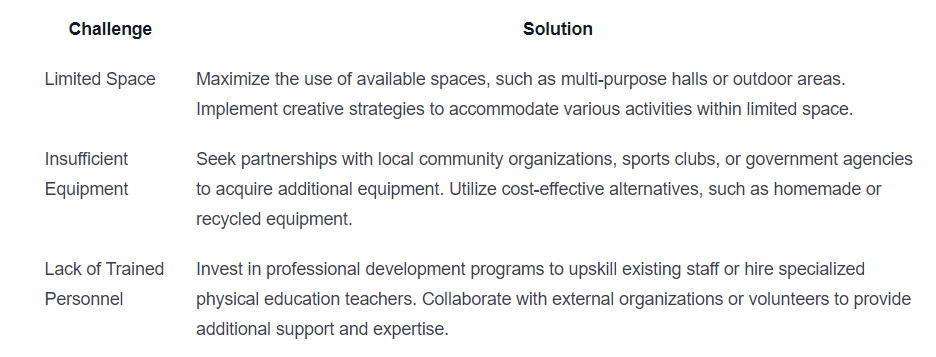
    One of the primary challenges in implementing PPEC is the lack of resources and facilities. Many schools struggle to provide adequate space, equipment, and trained personnel to deliver quality physical education programs. This can hinder the ability to offer diverse activities and engage students in meaningful physical activities.

    To address this challenge, schools can consider the following solutions:

    __wf_reserved_inherit

    Strategies for Overcoming Barriers

    Apart from the lack of resources and facilities, there may be other barriers to effective PPEC implementation. Here are some strategies to address these challenges:

    • Inclusion and Accessibility: Ensure that PPEC programs are accessible to all students, regardless of their physical abilities or limitations. Modify activities and provide accommodations to promote inclusivity and participation.
    • Curriculum Integration: Integrate physical education into the overall school curriculum to emphasize its importance and value. This can include incorporating physical activities into other subjects, such as math or science, to provide interdisciplinary learning experiences.
    • Community Engagement: Collaborate with parents, community organizations, and local authorities to garner support and resources for PPEC. Engage families in promoting physical activity and healthy lifestyles beyond the school setting.
    • Evaluation and Feedback: Regularly assess the effectiveness of PPEC programs through evaluations and feedback from students, teachers, and parents. Use this information to make necessary adjustments and improvements.

    By addressing the challenges of lack of resources and facilities, and implementing strategies to overcome barriers, schools can ensure the successful implementation of PPEC programs. These efforts contribute to promoting physical health, fostering positive psychological well-being, and developing essential social skills among students.

    Future of PPEC

    As physical education continues to play a vital role in promoting students’ physical health, it is important to explore the future trends and innovations in physical education (PPEC) programs. Additionally, advocating for enhanced PPEC programs is crucial to ensure the long-term benefits for students.

    Trends and Innovations in Physical Education

    The field of physical education is constantly evolving, incorporating new trends and innovations to enhance students’ engagement and overall physical well-being. These trends focus on making physical education more inclusive, personalized, and enjoyable for students.

    One emerging trend is the integration of technology in physical education. This includes the use of wearable fitness trackers, mobile applications, and interactive fitness equipment. These tools can provide real-time feedback, track progress, and make physical activity more interactive and engaging for students.

    Another trend is the emphasis on individualized physical education programs. Recognizing that each student has unique abilities and needs, personalized physical education programs are being developed to cater to individual goals and interests. This approach allows students to pursue activities they enjoy and excel in, fostering a lifelong commitment to physical activity.

    Furthermore, there is a growing focus on incorporating mindfulness and wellness practices into physical education. By integrating activities such as yoga, meditation, and relaxation techniques, students can learn to manage stress, improve mental well-being, and develop a holistic approach to their overall health.

    Advocacy for Enhanced PPEC Programs

    To fully realize the potential impact of PPEC on students’ physical health, it is crucial to advocate for enhanced PPEC programs at various levels. This includes advocating for increased funding, resources, and support for physical education in schools.

    Advocacy efforts should focus on highlighting the importance of PPEC in promoting overall physical health, academic success, and social-emotional well-being. This can be achieved by raising awareness among parents, educators, policymakers, and the wider community about the positive outcomes associated with quality physical education programs.

    Additionally, advocacy should address the need for professional development opportunities for physical education teachers. Providing ongoing training and support to educators ensures that they are equipped with the latest knowledge and best practices in physical education, enabling them to deliver high-quality instruction to students.

    By advocating for enhanced PPEC programs, we can create an environment where physical education is prioritized and valued as an integral part of a comprehensive education. This will not only benefit students’ physical health but also contribute to their overall development and well-being.

    As we look towards the future, embracing these trends and advocating for enhanced PPEC programs will pave the way for a generation of students who are physically active, healthy, and equipped with the skills and knowledge to lead a balanced lifestyle.

    Sources

    https://www.researchgate.net/figure/Impact-of-PPEC-on-Students-Physical-Health_fig5_378913072

    https://www.ncbi.nlm.nih.gov/books/NBK201501/

    https://www.ncbi.nlm.nih.gov/pmc/articles/PMC8304760/

  • How Special Needs Daycare Helps Prevent Rehospitalization

    How Special Needs Daycare Helps Prevent Rehospitalization

    Preventing Rehospitalizations Through Specialized Daycare: A Comprehensive Insight

    Introduction

    Children with special needs face numerous challenges that can impact their health and development, often leading to increased hospitalizations. Special needs daycare services, however, play a pivotal role in mitigating these risks and preventing rehospitalizations. By offering tailored care plans, early intervention services, and comprehensive support, such facilities enable children to thrive both medically and developmentally. This article explores how these specialized programs contribute to improved health outcomes and reduced hospital readmissions.

    Understanding the Role of Special Needs Daycare

    Exploring the Role of Daycare in Health Management

    How can special needs daycare prevent hospital readmissions for children with disabilities?

    Special needs daycare, specifically PPEC-Daycare (Prescribed Pediatric Extended Care), plays a crucial role in preventing hospital readmissions for children with disabilities. It achieves this by providing continuous medical supervision and tailored developmental programs designed to meet each child’s specific needs.

    This integrated approach helps manage complex health conditions effectively, reducing the risks of complications that might necessitate hospitalization. Key components of PPEC-Daycare include:

    • Continuous Health Monitoring: Regular assessments help identify early signs of health deterioration, allowing for timely interventions.
    • Therapeutic Services: Access to essential therapies such as physical, occupational, and speech therapy enhances independence and resilience, which are vital for managing health issues.
    • Structured Social Interactions: These programs foster emotional growth and coping mechanisms, helping children develop essential skills for both health management and social integration.

    The daycare environment supports vital areas of development, from educational engagement to emotional well-being. By ensuring adherence to individual care plans and providing consistent follow-up care, PPEC-Daycare significantly lowers the likelihood of hospital admissions.

    Moreover, the emphasis on medication management and physical health allows parents to focus on their children’s overall quality of life. This continuity of care not only helps reduce hospital readmissions but also empowers families, ultimately creating a more supportive home environment for children with disabilities.

    Benefits of Specialized Daycare Services

    Unlocking Healthcare Benefits through Specialized Daycare

    What are the benefits of specialized daycare services on healthcare outcomes for children with special needs?

    Specialized daycare services play a vital role in improving healthcare outcomes for children with special needs. These centers provide essential support tailored specifically to the unique requirements of each child, which can lead to significant developmental progress.

    Among the critical offerings are:

    • Access to necessary therapies: Many specialized daycare facilities offer on-site services like speech, occupational, and physical therapies. This integrated approach ensures that children receive consistent and comprehensive care essential for their growth.
    • Administration of medications: Trained staff in these programs are equipped to manage medication regimens, which is crucial for maintaining the health of children with chronic conditions.
    • Specialized equipment: Access to equipment that meets specific needs allows children to engage in activities that enhance their physical and cognitive development.

    Further emphasizing the importance of inclusive daycare options is the reality faced by low-income families. These families often encounter significant hurdles in securing proper care, and specialized daycare can alleviate some of these pressures. The disparity in access means that a notable percentage of children with special needs miss out on necessary support; estimates suggest that 13-15% of children under six have special needs, yet many lack access to educational and therapeutic resources.

    By mitigating the barriers to quality care and fostering a nurturing environment, specialized daycare services not only address immediate health needs but also contribute positively to the long-term educational and health trajectories of children with special needs.

    Improving Health Management Through Integrated Care

    Enhancing Health Management via Integrated Daycare Services

    How does special needs daycare improve overall health management and reduce rehospitalization risks?

    Special needs daycare plays a pivotal role in enhancing health management for children with disabilities. Primarily, it provides individualized care plans that address each child’s specific medical and developmental needs. This tailored approach ensures that every child’s health conditions are closely monitored and managed, resulting in improved outcomes.

    Regular health assessments in these daycare settings facilitate the early detection of any health issues. This proactive monitoring significantly reduces the likelihood of complications that could necessitate hospitalization. For instance, health staff can identify change patterns in a child’s condition and respond swiftly with necessary interventions, thus preventing emergencies.

    In addition to health monitoring, special needs daycare empowers parents through education and support. This educational aspect is crucial as it equips families to manage their child’s care effectively at home, which can diminish complications leading to hospital visits. Furthermore, families are provided with emotional and psychological support, fostering resilience and coping strategies against the stress of managing chronic conditions.

    The integration of healthcare services within daycare centers enhances the continuity of care. Coordination among various healthcare providers minimizes any potential gaps in treatment. This streamlining of care is vital for reducing rehospitalization risks, as it aids in managing the child’s health comprehensively.

    In summary, the combined efforts of individualized plans, regular assessments, and holistic family support in special needs daycare significantly decrease the likelihood of hospital readmissions, enhancing both physical health and emotional resilience.

    Challenges in Accessing Quality Daycare

    Overcoming Barriers to Quality Daycare Access

    What are the challenges families face in accessing quality daycare for children with special needs, and what support systems are available?

    Families with children who have special needs encounter numerous hurdles when trying to access quality daycare. A significant challenge is the limited availability of appropriate programs. Many families must contend with long waiting lists and inadequate service hours that do not align with their work schedules.

    The impacts of the COVID-19 pandemic have worsened these issues. Funding cuts and staff shortages have further diminished the options available, leaving many parents in precarious situations. Safety concerns are also prevalent, with some parents reporting exclusion from activities or lack of accommodations for their child’s specific needs.

    How do financial constraints affect families?

    The financial burden placed on families caring for a child with disabilities is substantial. These families often spend a larger portion of their income on childcare—leading to economic strain. This added financial pressure can exacerbate stress levels, affecting the overall family dynamics and increasing the likelihood of health issues that could require hospitalization.

    What are the implications of these challenges?

    The gap between the demand for specialized daycare services and the limited availability creates a pressing need for systemic change. Policymakers must implement recommendations to improve access and support systems for these families. This could involve increasing funding for special needs daycare programs, providing training for staff, and enhancing inclusivity in childcare settings. By addressing these issues, we can better support families and reduce the adverse outcomes that arise from inadequate childcare.

    Impact of Integrated Daycare Services

    What is the impact of integrated care and community-based services provided by special needs daycare on child development and health outcomes?

    Integrated care and community-based services offered through special needs daycare, particularly represented by models like the Integrated Care for Kids (InCK), significantly bolster both child development and health outcomes. The InCK model emphasizes the early identification and treatment of children’s behavioral and physical health needs, which leads to comprehensive care coordination among various stakeholders, including healthcare providers, schools, and child welfare agencies.

    Key features of the InCK model include:

    • Holistic Approach: By integrating multiple services, it ensures that the diverse needs of children are addressed, thus improving overall care quality.
    • Alternative Payment Models (APMs): This incentivizes providers to focus on enhancing the quality of care, especially beneficial for at-risk children.
    • Individualized Care and Rehabilitation: Programs like ICF/ID (Intermediate Care Facilities for Individuals with Intellectual Disabilities) support tailored care to foster functional independence.

    Coordination with Healthcare Providers

    Effective coordination among healthcare providers within these integrated daycare services leads to better management of children’s health conditions and developmental challenges. This type of collaborative approach not only reduces hospital readmissions by facilitating timely interventions but also supports a smooth transition from hospital to home care, ensuring ongoing management.

    By focusing on a unified care strategy, these integrated services contribute to a comprehensive system that prioritizes timely identification of issues, resulting in better health outcomes and enhanced developmental progress for children with special needs.

    Evidence-Based Practices in Daycare Programs

    What evidence-based practices and strategies do specialized daycare programs implement to enhance well-being and reduce hospitalizations?

    Specialized daycare programs play a vital role in improving health outcomes for children, particularly those with complex medical needs. These programs deploy several evidence-based practices designed to enhance well-being and lower hospitalization rates.

    • Access to Familiar Healthcare Providers: Children benefit from continuity of care with familiar medical professionals. This connection reduces anxiety and ensures that caregivers have a thorough understanding of each child’s unique health requirements.

    • Enhanced Caregiver Knowledge and Skills: Training programs for caregivers equip them with essential skills and knowledge to manage complex health conditions effectively. This education empowers caregivers to recognize early signs of health deterioration, facilitating timely interventions before emergencies arise.

    • Proactive Crisis Plans: Developing comprehensive crisis management plans helps prepare caregivers for potential health problems, maintaining stability in routines and minimizing disruptions.

    • Improving Transitions from Hospital to Home: Structured frameworks like PACT (Plans for Action and Care Transitions) ensure that the transition from hospital care back to home is seamless, reducing the likelihood of rehospitalization.

    Studies indicate that these strategies—alongside creating a supportive environment and integrating therapies—significantly mitigate the impact of hospitalizations on children’s behavioral health. By addressing the underlying factors driving hospital utilization, specialized daycare programs are effective in fostering better health outcomes for children with special needs.

    Importance of Early Intervention in Preventing Rehospitalizations

    Why is early intervention and quality care important in preventing medical rehospitalizations for children with disabilities?

    Early intervention and quality care are critical for preventing medical rehospitalizations among children with disabilities. These services provide crucial resources early in life, mitigating the impacts of developmental delays and disabilities.

    Programs mandated by the Individuals with Disabilities Education Act (IDEA) are designed to ensure that children receive necessary support, such as physical and speech therapy. By implementing these tailored interventions, children can develop vital skills that enhance their chances for success both in educational settings and beyond.

    In addition to the focus on therapeutic services, there is a strong emphasis on family-centered practices. These practices empower families to navigate the complexities associated with developmental challenges. By offering education and support, families can improve their overall quality of life and better manage their child’s health needs.

    This proactive approach to care is essential; it not only fosters healthier developmental outcomes but also significantly reduces the likelihood of requiring intensive medical care or rehospitalizations in the future.

    Services mandated by IDEA

    Service Type Description Benefits
    Early Intervention Tailored therapeutic services for children under three Provides support to enhance development and skill acquisition
    Speech Therapy Assistance in improving communication skills Essential for successful interactions in daily life
    Physical Therapy Focus on gross motor skills and mobility Promotes physical well-being and independence
    Family Support Programs Resources and training for parents Enhances capacity to manage child’s care effectively
    Behavioral Support Services Targets specific behavioral challenges Reduces incidences of crises that may lead to hospitalization

    By prioritizing early interventions and family-centric practices, the healthcare system can significantly improve the life of children with disabilities while lowering the burden of rehospitalizations.

    Improved Developmental Outcomes through Daycare Services

    How is the relationship between special needs daycare services and improved developmental outcomes for children with special health care needs established?

    The link between special needs daycare services and enhanced developmental outcomes is illustrated through assessments like the Child Outcomes Summary (COS). This tool benchmarks children’s functioning in pivotal development areas, including communication, social skills, and adaptive behavior.

    Evaluations from the COS process empower families and teams of professionals to gauge early childhood special education’s effectiveness. This data-driven approach aids in refining programs to better suit children’s needs. Access to specialized daycare facilities is vital since children who attend these programs demonstrate improved social skills and learning capabilities, laying a foundation for future success.

    Moreover, the stress faced by families when securing suitable child care cannot be overstated. High rates of job disruption—threefold compared to families with typically developing children—arise from the struggle to find accessible and quality care for children with disabilities.

    With increased demands on parents and caregivers, high-quality inclusive daycare becomes essential. Such facilities not only alleviate the pressures of parenting a child with special needs but also contribute to better developmental trajectories for these children. Reliable daycare settings foster safe interactions and structured learning environments that cultivate necessary skills and reduce later behavioral issues, which could otherwise lead to hospitalization.

    Access to special needs daycare services thus represents more than just a support mechanism for families—it’s a catalyst for growth, stability, and long-term success for children with special health care needs.

    Healthcare Monitoring and Early Interventions

    Regular Health Assessments

    Regular health assessments are a vital component of pediatric home health care, playing a critical role in early detection of changes in a child’s condition. By identifying potential health issues before they escalate, healthcare providers can manage illnesses proactively, often avoiding the need for hospitalization. Utilizing continuous monitoring techniques, such as telehealth consultations, families can quickly report concerns that may require immediate attention.

    Pediatric Home Healthcare

    Pediatric home health care delivers personalized plans tailored to meet the unique needs of each child. This approach focuses on maintaining stable health conditions through close monitoring and adherence to treatment plans. By empowering caregivers and educating them on effective management strategies, the likelihood of complications that necessitate hospital visits is significantly reduced.

    Additionally, the integration of emotional and psychological support services in home care is essential for minimizing stress-related health issues, which can further lower the risk of hospital readmissions. Home environments also provide better infection control compared to hospitals, contributing to improved overall health outcomes for children, especially those with chronic conditions.

    The Economic Impact of Daycare Accessibility

    Financial Strains on Families

    Families with children with special needs often face significant financial hurdles. Reports indicate that these families are three times more likely to experience disruptions in employment due to childcare issues. The lack of reliable daycare can result in financial instability, with parents forced to take unpaid leave or reduce working hours to care for their children.

    Additionally, low-income families are disproportionately affected, with 50% more likely to have children with special needs than their higher-income counterparts. These families often face compounded financial burdens and are frequently on the lookout for affordable and appropriate daycare options.

    Daycare Costs Versus Benefits

    Investing in suitable daycare services has profound long-term benefits that can mitigate higher healthcare costs associated with rehospitalization. Here are some key points:

    Cost Factors Benefits of High-Quality Daycare
    Daycare Costs Ensures stable care leading to better health outcomes
    Lack of Accessibility Increases risk of hospitalization
    Financial Strain Leads to reduced family stress
    Poor Care Options Prevents development of behavioral issues heading to rehospitalization

    Reliable childcare provides nurturing interactions essential for children’s development while enabling parents to seek employment. Ultimately, ensuring access to appropriate daycare not only supports children’s health and development but also stabilizes families financially, leading to fewer healthcare interventions.

    Therapeutic Support in Daycare Environments

    Role of physical, occupational, and speech therapy

    Therapeutic support in daycare settings is crucial for children with special needs. Child care facilities increasingly recognize the importance of integrating physical, occupational, and speech therapies into their programs. These therapies help children develop essential skills critical for everyday functioning.

    1. Physical Therapy: Aims to enhance motor skills and physical coordination. Children engage in activities that strengthen muscles, improve balance, and increase overall mobility.
    2. Occupational Therapy: Focuses on developing skills needed for daily living and promoting independence. This can include fine motor skills, self-care routines, and navigating social interactions.
    3. Speech Therapy: Assists children in improving communication skills. This is particularly beneficial for children with language delays or difficulties in articulation, promoting better social inclusion.

    Home-based therapies supporting daycare efforts

    Home-based therapies support daycare needs by reinforcing skills learned in care environments. Access to therapies such as telehealth and in-home sessions enables continued progress outside of daycare settings.

    • Consistency: Regular home therapy sessions ensure that skills are continuously practiced, enhancing the effectiveness of daycare programs.
    • Convenience for Families: Home therapies alleviate transportation concerns, making it easier for families to access necessary support while allowing for flexible scheduling.
    • Collaboration with Daycare Staff: Effective communication between therapists and daycare providers helps create cohesive care plans that address individual needs, making the transition between daycare and home smoother.

    Combining daycare services with therapeutic support creates an enriching environment that significantly contributes to the development and well-being of children with special needs.

    Parental Empowerment and Education

    Training and resources for parents

    Empowering parents of children with disabilities is crucial for effective health management. Organizations provide training and resources that equip parents with essential skills to manage their child’s specific needs effectively. Programs like the Triple P-Positive Parenting Program and Incredible Years focus on improving parenting styles, enabling caregivers to utilize behavioral management techniques successfully.

    Moreover, educational sessions help parents understand their child’s conditions, treatment options, and coping strategies. This knowledge transfer not only enhances their ability to advocate for the child but also fosters confidence in addressing challenges at home, significantly lowering the risk of crises that could necessitate hospitalization.

    Impact on overall family health management

    The impact of parental empowerment extends beyond immediate health concerns. Educated parents engage more effectively with healthcare providers, ensuring that all aspects of their child’s care are synchronized. This proactive approach lowers hospital readmissions and enhances the family’s overall well-being.

    Additionally, as parents manage stress more effectively through training, the entire family experiences improved mental and physical health. A well-supported family unit is less susceptible to health crises, sustaining a nurturing and stable environment that facilitates better health outcomes and reduces hospitalization risks.

    Quality Standards and Compliance in Daycare

    What are the ADA requirements for daycare facilities?

    Daycare centers are required to comply with Title III of the Americans with Disabilities Act (ADA). This legislation ensures that children with disabilities can enroll in childcare programs. A facility may only exclude children if their presence poses a direct threat to others or the program cannot accommodate them without fundamental changes.

    How can daycare ensure inclusive and accessible environments?

    To promote inclusivity, daycare centers must make reasonable modifications to policies and provide necessary aids for effective communication. This includes training staff to support children with disabilities and ensuring facilities are accessible, removing architectural barriers that might hinder participation.

    Why is compliance important?

    Implementing ADA requirements not only assists in legal compliance but also fosters a supportive community atmosphere. By creating an inclusive environment, childcare providers can help reduce feelings of isolation among children with disabilities, ultimately promoting healthier developmental outcomes for these children.

    ADA Requirement Purpose Impact on Children with Disabilities
    Reasonable modifications to policies Allowing participation without exclusion Enhances engagement and reducing isolation
    Communication aids Ensuring understanding and inclusion Improves interaction and learning opportunities
    Architectural access modifications Ensuring physical participation in activities Promotes safety and independent movement within the space

    Supporting Families Beyond Daycare

    Community Resources and Public Health Involvement

    Families with children who have disabilities often turn to community resources to help manage ongoing care and access essential services. Public health staff play a crucial role in this process, working directly with families to facilitate access to medical and community resources. This support not only empowers families but also minimizes the risk of rehospitalization by ensuring that children receive appropriate ongoing care in a familiar environment.

    Community programs can bridge gaps in care by coordinating between healthcare providers and families, providing the necessary tools and resources for effective illness management. By addressing complex care issues and improving communication, these initiatives foster a supportive ecosystem that aids families in navigating the healthcare system.

    Family-Centered Care Models

    Implementing family-centered care models is vital for supporting families. These models prioritize the involvement of parents in their child’s health journey, promoting effective communication and collaboration with healthcare providers. Through strategies like the Triple P-Positive Parenting Program, parents can develop skills that lead to better management of their child’s behaviors and overall well-being.

    Such interventions are designed to empower parents, reducing stress and potentially preventing serious health crises. By actively involving families in care decisions, these models enhance stability for children, ensuring they receive tailored support that directly addresses their needs. The focus on family strengthens relationships within the support system, ultimately promoting lasting health outcomes for children with disabilities.

    Daycare Adaptations for Specific Needs

    Tailoring Settings for Autism and Other Conditions

    Daycare facilities have a significant opportunity to adapt their settings to accommodate children with autism and other special needs. These adaptations could include creating sensory-friendly environments, which use calming colors and reduce overwhelming stimuli like loud noises or bright lights.

    Furthermore, staff training is crucial. Providing caregivers with skills to support children with autism—such as understanding communication styles and behavioral nuances—ensures that these children feel safe and supported.

    Behavior Management and Stress Reduction

    Behavior management strategies in daycare are essential for minimizing stress in children with special needs. Employing tools like visual schedules helps children understand the routine, reducing anxiety associated with transitions.

    Additionally, implementing a strong behavior intervention plan can guide caregivers in addressing challenging behaviors before they escalate. Active communication with parents about their child’s specific needs fosters a collaborative approach, which greatly enhances children’s comfort levels in daycare settings.

    Adaptation Type Description Benefits
    Sensory-friendly environment Calming colors, reduced stimuli Decreases anxiety; promotes focus
    Staff training Understanding special needs Improves care effectiveness; enhances safety
    Visual schedules Clear daily routines Reduces stress around transitions; increases predictability
    Behavior intervention plans Structured strategies for behavior Prevents escalation; supports parents and caregivers

    Such adaptations can not only enhance the daycare experience for children with special needs but also significantly reduce the likelihood of complications that lead to hospitalizations.

    Collaborative Care Networks for Reduced Hospitalization

    Role of healthcare providers in community daycare settings

    Healthcare providers play a vital role in community daycare settings for children with special needs. These providers are essential in facilitating access to necessary therapies and support, ensuring that children receive continuous, well-coordinated care. By collaborating with daycare programs, healthcare professionals can help create an integrated approach to care management that reduces the risk of hospital admissions.

    In addition to medical care, they assist in educating daycare staff on the unique needs of children with disabilities. This comprehensive training allows for early intervention when health issues arise, minimizing complications that might otherwise necessitate hospitalization.

    Telehealth integration

    Telehealth services serve as a vital instrument for ongoing care management. They bridge the gap between in-person visits, making healthcare more accessible for families of children with special needs. This technology provides timely consultations and follow-up appointments, which are crucial for managing chronic conditions without the need for hospitalization.

    Families can connect with specialists from home, reducing the strain of travel and potential exposure to infections in healthcare settings. Such accessibility also empowers parents with the knowledge and resources they need to manage their child’s health effectively at home, leading to improved outcomes and fewer hospitalizations.

    Bridging the Daycare Gap for Special Needs Children

    Statistics on Service Demand and Availability

    The need for appropriate daycare services for children with special needs far exceeds the current availability, creating significant challenges for families. Estimates suggest that approximately 13-15% of children under age six have special needs, yet less than 6% receive the necessary education and related services. This discrepancy highlights a critical gap in accessible care, leaving many families relying on informal care or facing long waiting lists for suitable daycare options.

    Families of disabled children often report difficulties in securing childcare, with 34% facing at least some challenges compared to 25% for parents of nondisabled children. This added stress can contribute to health issues and increase the risk of hospitalization for the children.

    Policy Efforts to Increase Access

    In response to these challenges, policymakers are being urged to implement financial incentives for daycare providers that cater to children with disabilities, along with specialized training programs. Such initiatives can enhance provider readiness and increase the number of high-quality, inclusive daycare options available.

    Additionally, adherence to the Americans with Disabilities Act (ADA) is crucial. This legislation requires child care centers to make reasonable accommodations for children with disabilities, ensuring their access to essential services without extra financial burdens, which ultimately supports a more stable and nurturing environment for these vulnerable children.

    The Future of Special Needs Daycare

    Innovative Approaches to the Future of Daycare for Special Needs Children

    Innovations in Care Models

    The future of special needs daycare holds promise with innovative care models emerging to address the unique requirements of children with disabilities. New frameworks prioritize inclusive practices, integrating therapies like speech and occupational therapy into childcare settings. This approach not only enhances developmental outcomes but also fosters a supportive environment where children can thrive alongside their peers.

    Telehealth services are revolutionizing access, allowing caregivers to connect remotely with healthcare providers. This accessibility can lead to timely interventions, drastically reducing hospitalization needs. Additionally, training programs aimed at daycare staff are being developed to improve their readiness to serve children with special needs, enabling them to create tailored and accommodating environments.

    Long-term Impacts on Health and Development

    Investing in quality daycare services for children with special needs can yield significant long-term benefits. By facilitating early interventions and continuous support, these programs can decrease behavioral issues and health crises that typically lead to hospitalizations. Evidence shows that when these children receive proper care, they are more likely to develop essential social and adaptive skills, leading to smoother transitions into mainstream education.

    Furthermore, addressing parental needs through family-centered care models ensures that caregivers are empowered, reducing their stress and enhancing the home environment. As these initiatives expand, we anticipate a decrease in rehospitalization rates, proving that comprehensive, inclusive daycare is crucial for the well-being of both children and their families.

    Conclusion

    Special needs daycare programs are indispensable in managing the health challenges faced by children with disabilities, significantly reducing the risk of rehospitalization. They provide a vital bridge between medical care and educational development, ensuring children receive comprehensive support. However, access remains a significant barrier, and systemic changes are urgently needed to meet the growing demand for quality care. Policymakers play a crucial role in expanding these essential services, ensuring all children can benefit from the holistic support that specialized daycare provides. As we move forward, continued research and advocacy will be essential in shaping a future where all children, regardless of their challenges, can thrive in nurturing environments designed for their needs.

    References

  • What is Acute Care and When Do I Need It?

    What is Acute Care and When Do I Need It?

    Unraveling the mystery of acute care: Learn when it’s essential for immediate medical attention. Get the facts!

    Understanding Acute Care

    When it comes to medical care, it’s important to understand the concept of acute care and its significance in certain situations. In this section, we will define acute care and explore its importance in the realm of healthcare.

    Defining Acute Care

    Acute care refers to the immediate and short-term medical treatment provided to individuals who are experiencing severe injuries, sudden illnesses, or worsening symptoms. It is focused on the diagnosis, treatment, and management of urgent medical conditions. Acute care services are typically delivered in specialized healthcare facilities equipped with the necessary resources and medical professionals to provide timely and critical care.

    __wf_reserved_inherit

    Acute care facilities include emergency rooms, urgent care centers, and walk-in clinics. These facilities are designed to handle a wide range of urgent medical situations, ensuring that patients receive prompt attention and appropriate care.

    Importance of Acute Care

    Acute care plays a vital role in addressing urgent medical needs and ensuring timely intervention. Here are some key reasons why acute care is essential:

    • Immediate Medical Attention: Acute care facilities are equipped to handle medical emergencies promptly. They provide immediate medical attention to individuals with severe injuries, sudden illnesses, or worsening symptoms. This timely intervention can be crucial in saving lives and preventing further complications.
    • Specialized Resources and Expertise: Acute care facilities have specialized resources and medical professionals who are trained to handle urgent medical situations. They are equipped with advanced medical technology, diagnostic tools, and a range of medical specialists. This expertise ensures that patients receive the appropriate care and interventions needed to address their urgent medical needs effectively.
    • Timely Diagnosis and Treatment: Acute care focuses on quickly diagnosing the underlying medical condition and providing the necessary treatment. With rapid assessment and intervention, potential complications can be minimized, leading to better patient outcomes. Acute care facilities aim to stabilize patients and provide immediate relief from their symptoms.
    • Coordination with Primary Care: Acute care facilities work in conjunction with primary care providers to ensure continuity of care. They provide immediate medical attention when the situation demands it, and patients are often referred back to their primary care physicians for ongoing management and follow-up care.

    Understanding the concept and significance of acute care is crucial in knowing when to seek immediate medical attention. By recognizing the importance of timely intervention and accessing the appropriate acute care facility, individuals can receive the necessary medical care in urgent situations.

    Types of Acute Care Facilities

    When it comes to receiving immediate medical attention for acute conditions, there are different types of acute care facilities available. These facilities are designed to provide prompt and efficient care for individuals experiencing urgent medical needs. The three main types of acute care facilities are emergency rooms, urgent care centers, and walk-in clinics.

    Emergency Rooms

    Emergency rooms (ERs) are fully equipped to handle severe and life-threatening conditions that require immediate medical intervention. Staffed with a specialized team of healthcare professionals, including doctors, nurses, and technicians, emergency rooms are available 24/7 to provide critical care.

    ERs are well-equipped to handle a wide range of medical emergencies, such as heart attacks, major injuries, severe allergic reactions, and strokes. They have advanced diagnostic tools, like X-ray machines and CT scanners, to quickly assess and diagnose the condition. ERs also have access to specialized departments, such as trauma units and cardiac care units, to provide specialized care.

    Services Provided by Emergency Rooms

    Treatment of life-threatening conditions

    Advanced diagnostic capabilities

    Access to specialized care units

    24/7 availability

    Urgent Care Centers

    Urgent care centers are an excellent option for individuals with non-life-threatening conditions that require immediate attention but do not require emergency room intervention. These centers provide extended hours, including evenings and weekends, to accommodate patients with urgent medical needs.

    Urgent care centers are equipped to handle a wide range of conditions, such as minor injuries, infections, flu-like symptoms, and minor fractures. They offer services like diagnostic testing, X-rays, and minor surgical procedures. Urgent care centers provide a convenient alternative to emergency rooms, as they typically have shorter wait times and lower costs.

    Services Provided by Urgent Care Centers

    Treatment of non-life-threatening conditions

    Diagnostic testing and X-rays

    Minor surgical procedures

    Extended hours and shorter wait times

    Walk-In Clinics

    Walk-in clinics, also known as retail clinics or convenient care clinics, are typically found in pharmacies, supermarkets, or other retail locations. These clinics are designed to provide basic medical services on a walk-in basis, without the need for an appointment.

    Walk-in clinics offer services for minor illnesses and injuries, such as cold and flu symptoms, minor cuts and burns, and vaccinations. They are staffed by nurse practitioners or physician assistants and often have limited diagnostic capabilities. Walk-in clinics are a convenient option for quick and accessible care when you have minor health concerns.

    Services Provided by Walk-In Clinics

    Treatment of minor illnesses and injuries

    Basic diagnostic services

    Vaccinations

    Convenient walk-in basis

    Understanding the different types of When Acute Care is Essential

    Acute care plays a vital role in providing immediate medical attention and treatment for individuals experiencing severe injuries, sudden or worsening symptoms, or situations that require immediate medical attention. Recognizing when acute care is essential is crucial for ensuring prompt and appropriate medical intervention.

    Severe Injuries or Illnesses

    Acute care is essential when individuals experience severe injuries or illnesses that require immediate medical attention. These may include:

    • Traumatic injuries such as fractures, deep lacerations, or head injuries.
    • Severe burns or scalds.
    • Chest pain or difficulty breathing, which could indicate a heart attack or other cardiac emergency.
    • Severe allergic reactions, especially those that involve difficulty breathing or swelling of the face, lips, or throat.
    • Severe abdominal pain or bleeding, which may indicate a serious condition requiring urgent intervention.
    • Suspected or confirmed cases of stroke, where immediate medical evaluation and treatment are crucial to minimize damage.

    When faced with severe injuries or illnesses, it is important to seek acute care promptly. Delaying medical attention in such cases can lead to further complications or even life-threatening situations.

    Sudden or Worsening Symptoms

    Acute care is also essential when individuals experience sudden or worsening symptoms that require immediate evaluation and treatment. These symptoms may include:

    • Acute onset of severe headache, especially if accompanied by confusion, weakness, or changes in vision.
    • Sudden and severe abdominal pain, which may indicate conditions such as appendicitis or bowel obstruction.
    • Worsening symptoms of respiratory distress, such as severe shortness of breath or inability to speak in full sentences.
    • Sudden and severe pain, swelling, or redness in a specific body part, which could indicate a serious infection or blood clot.
    • Rapid onset of high fever, especially if accompanied by other concerning symptoms.

    If you or someone you know experiences sudden or worsening symptoms, it is important to seek acute care to determine the underlying cause and receive appropriate treatment.

    Immediate Medical Attention

    Acute care is essential when immediate medical attention is required, regardless of the specific symptoms or conditions. This may include situations such as:

    • Seizures or loss of consciousness.
    • Severe bleeding that cannot be controlled.
    • Suspected or confirmed drug overdose or poisoning.
    • Severe reactions to medications or treatments.
    • Suicidal thoughts or attempts.

    In these critical situations, seeking acute care immediately can be life-saving and ensure the best possible outcomes.

    Recognizing the need for acute care and seeking prompt medical attention in these situations is crucial for receiving timely treatment and minimizing potential complications. Understanding the importance of acute care and when it is essential empowers individuals to make informed decisions about their health and well-being.

    Differences Between Acute and Primary Care

    When comparing acute care and primary care, there are several key differences to consider. These differences relate to the scope of services, level of care, and continuity of care provided by each type of healthcare.

    Scope of Services

    Acute care focuses on the immediate evaluation and treatment of severe injuries, illnesses, or sudden health issues that require urgent medical attention. It is designed to address acute symptoms and stabilize the patient’s condition. Acute care facilities, such as emergency rooms, urgent care centers, and walk-in clinics, are equipped to handle a wide range of medical emergencies and urgent health concerns.

    On the other hand, primary care is a broader form of healthcare that emphasizes preventive care, health maintenance, and the management of chronic conditions. Primary care providers, such as family doctors, internists, and pediatricians, offer comprehensive healthcare services, including routine check-ups, screenings, vaccinations, and the management of chronic diseases.

    Level of Care

    Acute care provides immediate, time-sensitive treatment to address urgent medical needs. It typically involves a higher level of medical intervention and specialized equipment compared to primary care. Acute care settings, like emergency rooms, are staffed with healthcare professionals who are trained to handle critical situations and provide life-saving interventions. The level of care in acute settings is focused on stabilizing the patient’s condition and ensuring their immediate well-being.

    In contrast, primary care is focused on ongoing, long-term healthcare. Primary care providers establish a relationship with patients, offering comprehensive, personalized care over an extended period of time. The level of care in primary care settings emphasizes continuity, preventive measures, health promotion, and the management of chronic conditions.

    Continuity of Care

    One of the key distinctions between acute care and primary care is the continuity of care provided. Acute care is often episodic and addresses immediate, time-sensitive health concerns. Patients may seek acute care for a specific condition or injury but may not necessarily continue receiving care from the same provider or facility after their acute needs are addressed.

    In primary care, there is an emphasis on continuity of care. Patients establish an ongoing relationship with their primary care provider, who becomes familiar with their medical history, preferences, and overall health. Primary care providers coordinate and manage their patients’ healthcare needs over time, ensuring comprehensive and personalized care.

    Understanding the differences between acute care and primary care can help individuals make informed decisions about when to seek immediate medical attention and when to engage in ongoing healthcare management. Both forms of care play essential roles in maintaining overall health and well-being, addressing urgent medical needs, and providing comprehensive, long-term healthcare services.

    How to Access Acute Care

    When it comes to accessing acute care, it’s important to know when to seek it, how to choose the right facility, and what to expect during your visit. This section will guide you through these essential aspects of accessing acute care.

    Knowing When to Seek Acute Care

    Determining when to seek acute care depends on the severity of your condition or symptoms. Acute care is typically needed in the following situations:

    1. Severe Injuries or Illnesses: If you or someone you know experiences a severe injury, such as a broken bone, deep laceration, or head trauma, it’s important to seek immediate acute care. Additionally, acute care is essential for severe illnesses that require urgent medical attention, such as severe respiratory distress or chest pain.
    2. Sudden or Worsening Symptoms: If you experience sudden or worsening symptoms that require immediate evaluation, acute care is necessary. Examples include severe abdominal pain, sudden difficulty breathing, or a sudden change in mental status.
    3. Immediate Medical Attention: Acute care should be sought when a medical condition requires immediate attention but is not life-threatening. Examples include moderate injuries, high fever in children, or severe flu symptoms.

    Choosing the Right Acute Care Facility

    Selecting the appropriate acute care facility is crucial to ensure you receive the necessary care. The following factors should be considered when making this decision:

    1. Proximity: Choose a facility that is conveniently located and easily accessible in case of emergencies.
    2. Services Offered: Different acute care facilities provide varying levels of medical services. Consider the range of services offered, such as diagnostic imaging, laboratory testing, and specialist consultations, to ensure your needs can be met.
    3. Hours of Operation: Acute care facilities have different operating hours. Look for facilities that align with your availability and offer extended hours or 24/7 services.
    4. Reputation and Quality of Care: Research the reputation and quality of care provided by different acute care facilities. Read reviews, check ratings, and seek recommendations from trusted sources to make an informed decision.

    What to Expect During an Acute Care Visit

    During your visit to an acute care facility, you can expect the following:

    1. Assessment: A healthcare professional will assess your condition, taking into account your medical history, symptoms, and vital signs.
    2. Diagnostic Tests: Depending on your condition, the healthcare provider may order diagnostic tests such as blood work, X-rays, or imaging studies to aid in diagnosis.
    3. Treatment: Once a diagnosis is made, appropriate treatment will be provided. This may include medication, wound care, splinting, or other interventions.
    4. Follow-up Recommendations: The healthcare provider may provide instructions for further care, such as follow-up appointments, medication regimens, or home care recommendations.

    By understanding when to seek acute care, selecting the right facility, and knowing what to expect during your visit, you can ensure timely access to the appropriate level of care for your medical needs. Remember, acute care is designed to address urgent medical conditions promptly, providing you with the necessary care and support.

    Benefits of Timely Acute Care

    Acute care plays a crucial role in providing immediate medical attention to individuals experiencing severe injuries, sudden symptoms, or worsening conditions. Timely access to acute care facilities offers several benefits, including quicker treatment, prevention of complications, and improved outcomes.

    Quicker Treatment

    One of the primary advantages of seeking timely acute care is the ability to receive prompt medical treatment. Acute care facilities, such as emergency rooms, urgent care centers, and walk-in clinics, are designed to provide immediate attention to patients with urgent medical needs. By accessing these facilities without delay, individuals can receive the necessary medical interventions in a timely manner, potentially preventing the progression of their condition and reducing the risks associated with delayed treatment.

    Preventing Complications

    Acute care plays a critical role in preventing complications that may arise from untreated or poorly managed conditions. By seeking timely medical attention, individuals can receive appropriate interventions to address their acute medical needs. Prompt medical assessment, diagnosis, and treatment can help prevent the worsening of symptoms or the development of complications. For example, in cases of severe infections or injuries, prompt medical intervention can minimize the risk of further damage and improve the chances of a full recovery.

    Improved Outcomes

    Accessing acute care in a timely manner has been linked to improved outcomes for patients. When individuals receive prompt medical attention, it allows healthcare professionals to diagnose and treat the condition early, potentially leading to better outcomes. Timely interventions can help alleviate symptoms, control the progression of the condition, and improve overall health outcomes. By addressing acute medical needs promptly, individuals have a higher likelihood of experiencing a faster recovery and a smoother transition to follow-up care, if necessary.

    It is important to recognize the value of timely acute care in addressing urgent medical needs. By seeking immediate medical attention when faced with severe injuries, sudden or worsening symptoms, or conditions requiring urgent care, individuals can benefit from quicker treatment, prevention of complications, and improved outcomes. Remember, when in doubt about the severity of your condition, it is always better to err on the side of caution and seek medical attention promptly.

    Sources

    https://www.emergencyhospitals.care/what-is-acute-care

    https://www.sulkowskifamilymedicine.com/blog/what-is-acute-care-and-when-do-i-need-it

    https://www.acuitymd.com/blog/acute-care-what-is-it-and-how-does-it-work

  • The Importance of Nutrition in Pediatric Home Health Care

    The Importance of Nutrition in Pediatric Home Health Care

    Nourishing Young Lives: The Critical Role of Proper Diet in Pediatric In-Home Care

    Understanding the Cornerstone of Pediatric Health Care: Nutrition

    Nutrition serves as the bedrock for a child’s rapid growth and development, especially crucial in home health care settings. Children receiving specialized care outside of traditional hospital environments face unique dietary challenges, making nutritional support essential for both their immediate recovery and long-term well-being. This article explores how tailored nutrition plans can profoundly impact children’s health outcomes in home care settings, addressing everything from basic dietary needs to complex medical conditions.

    Foundations of Childhood Nutrition

    Understanding the Importance of Nutrition in Childhood Growth and Development

    Why is childhood nutrition important?

    Childhood nutrition is vital as it lays the groundwork for healthy growth and development. It directly influences physical growth, cognitive capabilities, and overall well-being. Proper nutrition helps fend off malnourishment, mitigating risks of associated health issues, while also supporting a robust immune system that lowers infection risks.

    Moreover, a balanced diet plays a crucial role in preventing obesity. By promoting healthy weight management, good nutrition decreases the likelihood of chronic diseases, such as diabetes and heart disease, later in life. Establishing nutritious eating habits during childhood encourages a pathway to healthier lifestyles and enhanced quality of life for years to come.

    Nutritional needs for healthy growth and development

    In the early years, children require various essential nutrients to support rapid growth and brain development. Key building blocks include:

    • Proteins: Important for building tissues and muscle.
    • Vitamins: Such as Vitamin A for eye health and Vitamin C for immune support.
    • Minerals: Calcium for strong bones and iron for cognitive function.
    • Healthy fats: Crucial for brain health and development.

    Achieving a balanced intake of these nutrients is essential for fostering growth, strengthening immune function, and enhancing cognitive attributes. This focus on nutrition sets the stage for healthier adult lives, demonstrating the irrefutable importance of proper nutrition in childhood.

    Comprehensive Pediatric Nutrition

    Essential Guidelines for Nutritional Needs in Pediatric Care

    What is the importance of pediatric nutrition?

    Pediatric nutrition is crucial as it lays the foundation for a child’s growth, development, and overall health during the critical first 1,000 days from pregnancy to the child’s second birthday. Adequate nutrient intake during this period supports physical and cognitive development, reducing the risk of lifelong health issues.

    Exclusive breastfeeding is recommended for the first six months to ensure infants receive vital nutrients, yet many children worldwide are not benefitting from this essential practice. Poor dietary habits can lead to malnutrition in various forms, including undernutrition, overweight, and hidden hunger. These conditions not only affect physical health but also cognitive capabilities, hindering learning and emotional development.

    Initiatives like UNICEF’s nutrition programs aim to improve access to nutritious foods and promote interventions that encourage healthy eating habits among children and adolescents. These efforts are essential in combatting malnutrition and promoting overall well-being.

    Good pediatric nutrition is essential for child survival and sets the stage for a healthier future. It fosters the development of a robust immune system, enhancing resilience against infections while establishing habits that can prevent chronic diseases later in life. Therefore, a focused approach to pediatric nutrition greatly impacts both individual health trajectories and public health outcomes.

    Pediatric nutrition guidelines

    To effectively support children’s health through nutrition, several guidelines can be implemented:

    Age Group Recommended Servings Key Nutritional Focus
    Infants (0-12 months) Exclusive breastfeeding for the first 6 months; introduction of complementary foods thereafter Vitamins, minerals, and proteins
    Toddlers (1-3 years) 5 servings of fruits and vegetables, and 2 cups of dairy Balanced diet with healthy fats, iron
    Children (4-8 years) 5-7 servings of fruits and vegetables, and 2-3 cups of dairy Nutrient-dense foods for growth
    Adolescents (9-18 years) 6-8 servings of fruits and vegetables, and 3 cups of dairy Adequate protein, calcium, and iron

    These guidelines aim to ensure children receive a balanced diet rich in nutrients crucial for their growth and development. Emphasizing a variety of foods, reducing processed items, and involving children in meal planning can help lay the groundwork for lifelong healthy eating habits.

    Nutrition’s Role in Supporting Child Health

    Exploring the Critical Role of Nutrition in Child Health

    What is the role of nutrition in child health?

    Nutrition plays a vital role in the health and development of children. Essential vitamins and minerals found in a balanced diet are crucial for cognitive function and physical growth. For instance, nutrients like Omega-3 fatty acids are important for brain development, while calcium strengthens bones and teeth. Furthermore, adequate protein intake supports muscle growth and tissue repair, facilitating recovery during and after illness.

    A well-nourished child tends to have a robust immune system, significantly reducing the risk of infections and illnesses. Vitamins such as C and D, along with zinc, play a key role in enhancing immune responses. This comprehensive interplay of nutrition and health becomes even more critical during early childhood, when foundational growth occurs. As a result, establishing healthy eating habits can lead not only to immediate benefits but also to long-term health outcomes, protecting against conditions like obesity and diabetes.

    Conversely, poor nutrition can lead to serious health implications, impacting mental clarity, energy levels, and overall well-being. Malnourished children may struggle academically and socially due to cognitive impairments and decreased physical capacity. An investment in child nutrition can fundamentally support lifelong health trajectories, highlighting its importance in pediatric health care strategies.

    Addressing Nutrition Challenges in Pediatric Home Health Care

    Navigating Nutritional Needs for Children with Chronic Conditions

    Nutrition for Children with Chronic Medical Conditions

    Nutritional needs can be particularly complex for children with chronic medical conditions. These children often face unique challenges including gastrointestinal issues, food allergies, or conditions such as cancer and cystic fibrosis. Each of these conditions requires specialized dietary interventions tailored to ensure adequate nutrient intake. For instance, children undergoing home parenteral nutrition (HPN) may need enhanced caloric and nutrient-dense diets to meet their increased metabolic demands due to their medical status.

    A recent study highlighted that over 75% of pediatric HPN patients experienced gastrointestinal complications, reinforcing the necessity for specialized nutritional support in this demographic. Interventions may include enteral or parenteral nutrition for those unable to receive adequate nourishment orally, coupled with regular assessments to adjust their diet as necessary.

    Feeding Strategies for Children with Medical Complexity (CMC)

    Children with medical complexity, or CMC, face additional challenges in ensuring proper nutrition due to diverse feeding difficulties. Multidisciplinary approaches are essential, involving healthcare professionals such as dietitians, speech therapists, and pediatricians. These teams develop tailored feeding plans considering the child’s specific needs and therapies.

    Recommended feeding strategies may include:

    Strategy Description Benefits
    Oral Nutrition Encouraging age-appropriate foods with supportive textures Promotes healthy eating habits
    Enteral Feeding Using feeding tubes if oral intake is insufficient Ensures adequate nutrient intake
    Parenteral Nutrition Administration of nutrients directly into the bloodstream Maintains nutrition when oral intake fails

    Establishing a routine and engaging children in their food choices can also enhance willingness and compliance, making a significant difference in their overall health.

    Feeding Challenges and Solutions in Home Health Care

    Feeding Challenges in Pediatric Home Health Care

    Children receiving home health care present unique nutrition challenges, especially those with medical complexities like feeding tube dependence or dysphagia. Enteral feeding, often necessary for such children, ensures nutritional needs are met when oral intake is insufficient. It usually requires careful management and frequent monitoring to avoid complications like aspiration or gastrointestinal distress.

    Multidisciplinary Approaches to Nutrition Support

    Addressing these feeding challenges often calls for a multidisciplinary approach involving various professionals. This can include:

    • Speech Therapists: To assess and support safe swallowing techniques.
    • Dietitians: To tailor nutritional plans that align with the child’s medical needs, ensuring balanced intake of essential nutrients.
    • Pediatricians: To oversee medical complexities and monitor growth patterns.

    Collaboration among these specialists helps in creating individualized plans that not only focus on nutritional adequacy but also on the child’s overall well-being. Through regular assessments and coordinated care, children can overcome feeding obstacles, improving both their health outcomes and quality of life.

    Nutritional Assessments and Advocacy by Healthcare Professionals

    Role of Health Professionals in Pediatric Nutrition

    Healthcare professionals play an essential role in pediatric nutrition by conducting thorough assessments to evaluate children’s dietary intake and recognize areas in need of improvement. This involves collaboration among various specialists, including pediatricians, dietitians, and nurses, to ensure holistic support for each child’s unique nutritional needs.

    These professionals advocate for healthy eating environments by collaborating with families and educating them about the importance of balanced diets. They provide guidance on meal planning and help families navigate any dietary restrictions due to health conditions.

    Importance of Nutritional Assessments and Personalized Counseling

    Regular nutritional assessments are crucial to monitor a child’s growth patterns and overall health. By identifying nutritional deficiencies early, healthcare providers can create personalized dietary plans that cater to specific health challenges, such as obesity or chronic illnesses.

    Health education is a cornerstone of this approach. Providers guide families on vital nutrients, offer practical tips for incorporating nutritious foods, and emphasize the significance of engaging children in the meal planning process. This well-rounded strategy not only encourages healthy eating habits but also fosters lifelong wellness among children.

    Strategies to Enhance Child Nutrition in Home Health Setting

    Effective Tips for Improving Children's Diets at Home

    Tips for Enhancing Children’s Diets at Home

    Improving child nutrition in a home health setting requires practical strategies that engage both children and caregivers. Here are some effective tips:

    • Involve Children in Meal Planning: Encourage children to participate in choosing meals. This promotes interest in healthy foods and empowers them to make better choices.
    • Create a Colorful Plate: Aim for five or more servings of fruits and vegetables daily. A diverse plate not only looks appealing but also ensures a range of essential nutrients.
    • Limit Sugary Snacks: Reduce intake of processed foods and sugary snacks, opting instead for whole grains, lean proteins, and low-fat dairy. This helps prevent obesity and related health issues.

    Establishing Healthy Eating Habits

    Creating lasting healthy eating habits in children is essential for their growth and development.

    • Set Regular Meal Times: Establish a routine for meals and snacks to help children understand the importance of eating at designated times.
    • Promote Family Mealtimes: Eating together as a family facilitates positive eating habits and encourages healthy food choices through role modeling.
    • Educate on Nutrition: Teach children about the benefits of essential nutrients, adding an educational layer to their eating experience.

    Utilizing these strategies can dramatically improve children’s nutritional intake and foster healthy habits that last a lifetime.

    The Educational Imperative: Resources for Nutrition in Pediatric Home Care

    Educational Resources on Nutrition

    Nutrition education is crucial for ensuring children receive adequate dietary support in pediatric home care. Various resources exist to help families navigate nutrition effectively:

    • Nutrition Guidelines: Detailed dietary guidelines based on age, activity level, and health conditions help caregivers understand the nutritional needs.
    • Workshops and Webinars: Many healthcare facilities offer educational sessions for parents and caregivers to enhance their knowledge on meal planning and healthy eating.
    • Online Resources: Websites dedicated to pediatric nutrition provide recipes, tips for incorporating fruits and vegetables, and maintenance of balanced dietary habits.

    Role of Caregivers and Parents in Maintaining Child Nutrition

    Caregivers play an essential role in fostering healthy eating environments:

    • Meal Planning: Engaging in meal planning with children can increase their interest in nutritious foods.
    • Monitoring Diet: Regular assessments of children’s diets ensure they receive necessary nutrients and help identify any deficiencies early.
    • Community Connection: Connecting with community resources, such as food banks and nutrition programs, helps address food insecurity, ensuring consistent access to healthy foods.

    By leveraging these educational resources and involving caregivers, children in home care can thrive with optimal nutrition.

    Conclusion

    As pediatric home care continues to evolve, the importance of optimal nutrition in supporting children’s health cannot be overstated. From addressing complex medical needs to fostering healthy developmental outcomes, nutrition forms an integral part of pediatric care strategies. Empowering caregivers, healthcare professionals, and policymakers with the right tools and knowledge will ensure children receive the necessary nutritional support to thrive in home health care environments.

    References

  • How to Prepare Kids for Routine Medical Visits

    How to Prepare Kids for Routine Medical Visits

    Empowering Parents: Strategies for Successful Pediatric Visits

    Introduction

    Visiting the doctor can be a daunting experience for children, but with the right preparation, these routine medical visits can become positive and nonthreatening experiences. For parents, understanding how to effectively prepare their child is crucial in alleviating anxiety and managing expectations. This article explores comprehensive strategies, age-specific techniques, communication tips, and more to help families navigate these important healthcare encounters smoothly.

    Preparing Your Child for the Doctor

    Empower Your Child for a Positive Doctor Experience!

    Preparation

    Preparing your child for a routine medical visit can alleviate anxiety and create a positive experience. Start by discussing in simple, age-appropriate language what will happen during the visit. Explain the purpose of the check-up and what they can expect, including any procedures. Reassuring them about the safety and importance of health care can help ease their concerns.

    Talking openly about visits

    Create an open dialogue where your child feels comfortable expressing their fears or questions. Be honest about any potential discomfort, using gentle terms like ‘pinch’ instead of ‘shot.’ This honesty strengthens trust and promotes a sense of security.

    Role-playing

    Engage in role-playing before the visit to demystify the experience. Use toys to enact scenarios, allowing your child to take on the role of the doctor or patient. This play can empower them and reduce anxiety, as they learn through practice what to expect during their actual appointment.

    Bringing comfort items

    Encourage your child to bring comfort items such as a favorite toy, blanket, or book to the doctor’s office. These familiar objects can provide emotional support and a sense of security in an unfamiliar environment. Having something comforting during the visit can help distract them and make the experience less intimidating.

    Preparation Steps Description Benefits
    Open Dialogue Discuss feelings and expectations Builds trust and reduces anxiety
    Role-Playing Simulate the visit with toys Familiarizes them with procedures
    Comfort Items Bring a favorite toy or blanket Provides emotional security

    Managing Anxiety for Healthcare Appointments

    Conquer Anxiety with Effective Strategies!

    What are key strategies to reduce children’s anxiety about healthcare appointments?

    To help children feel relaxed during healthcare appointments, preparation plays a critical role. Parents should get ready in advance by discussing what to expect. Using simple language that’s appropriate for the child’s age helps prevent misunderstandings. For instance, you can say "pinch" instead of "shot" to soften the experience.

    Honest Conversations

    It’s also beneficial to have open conversations about their fears. Encouraging children to express their worries allows for comfort and reassurance. Validating their feelings can strengthen trust and create a supportive atmosphere.

    Preparation

    Prioritize scheduling appointments during calmer times, like after naps or meals, to improve the child’s mood. Prior discussion should focus on positive aspects, as this can divert attention from anxiety-provoking thoughts. Collaboration between families and healthcare teams further enhances the experience, ensuring children feel understood and secure.

    Strategy Details Benefits
    Honest Conversations Allow children to express fears openly Builds trust and comfort
    Age-Appropriate Language Use simple, positive terms Reduces confusion and anxiety
    Calm Timing Schedule visits during good moods Enhances cooperation and ease

    Effective Communication about Medical Situations

    Communicate Effectively: Reduce Fear & Build Trust!

    How can parents effectively communicate with children about medical situations?

    Effective communication with children regarding medical situations is vital to alleviating their fears. Parents should use language that is tailored to their child’s age. For example, using softer, non-threatening terms like ‘pinch’ instead of ‘shot’ can make a big difference. This approach can demystify the experience and make it seem less scary.

    Being honest is crucial. Parents should explain what will happen during the visit and the purpose of certain procedures in straightforward terms. Parents should avoid frightening terminology and unnecessary details, focusing on fostering trust. Encouraging children to ask questions and express their feelings can empower them and help address their anxieties.

    Reassurance of parental presence can ease fears of separation during the visit. Additionally, highlighting the friendly and helpful nature of medical professionals can shift a child’s perspective of the doctor’s office from intimidating to supportive. Practical preparations, such as confirming the appointment details and bringing comforting items like a favorite toy, can create a more relaxed atmosphere for the child, ultimately fostering a positive view of healthcare.

    Age-Specific Techniques for Doctor Visits

    Tailor Your Approach: Techniques for Every Age!

    How can age-specific techniques help prepare children for doctor visits?

    Age-specific techniques can significantly help prepare children for doctor visits by addressing their unique developmental needs.

    Young Children

    For younger children, the focus should be on simple explanations and engaging activities like role-playing "doctor" sessions. This approach normalizes the visit and helps demystify medical tools, making them less frightening. Use softer language, like referring to vaccinations as a "quick pinch" to alleviate fear.

    Preschoolers

    For preschoolers, discuss potential fears like pain or the idea that something might be wrong with their body. It’s important to clarify that the visit is not their fault and to reassure them. Books featuring their favorite characters going to the doctor can help introduce these concepts in a relatable manner.

    Older Children

    As children grow, they should be included in conversations about their health. Encourage them to voice their feelings and questions; this not only provides assurance but also fosters a sense of control. Planning their own appointments and discussing what to expect can empower them during medical visits.

    Overall, incorporating these age-specific techniques can cultivate a more positive view of healthcare, paving the way for less anxiety in future medical encounters.

    Understanding Expectations and Fears

    Managing Expectations

    Expectations play a crucial role in how children perceive medical visits. Supplying them with age-appropriate details about what will happen during their appointment can help minimize anxiety. Role-playing the visit or reading storybooks about doctor experiences familiarizes them with the setting and can clarify uncertainties.
    Furthermore, using positive terminology—like referring to a visit as a "check-up" instead of an "exam"—can set a more encouraging tone that eases their apprehensions.

    Addressing Fears

    Recognizing and addressing children’s fears is essential for fostering a supportive environment. Engaging in open conversations about any anxieties they might have regarding procedures can validate their feelings. Techniques such as comfort positioning and distraction methods (like singing or storytelling) can help shift focus and reduce fear during potentially uncomfortable moments.
    Bringing comfort items from home can also provide a sense of security amidst the stress of a medical setting.

    Building Trust

    Honest communication fosters trust between the caregiver and the child, paving the way for more positive interactions with healthcare professionals. Explaining medical terms appropriately and discussing any anticipated discomfort openly helps prepare children psychologically. The involvement of Child Life Specialists can enhance this trust by using tailored methods to teach coping strategies through engaging activities. Together, these strategies build a strong foundation, encouraging children to embrace their healthcare experiences with confidence.

    The Role of Preparation and Reassurance

    Preparation & Reassurance: Keys to a Smooth Experience!

    How important are preparation and reassurance in ensuring a smooth healthcare experience for children?

    Preparation and reassurance play a vital role in ensuring a smooth healthcare experience for children. By providing age-appropriate information about medical procedures, parents can help reduce children’s anxiety and foster a sense of understanding and trust.

    • Toddlers benefit from brief explanations shortly before visits, using simple terms.
    • Older children and teens can handle more detailed discussions about their health and what to expect, allowing them to feel empowered in their healthcare decisions.

    It’s essential for parents to communicate in supportive language and consistently reassure their children of their presence and support throughout the process. Resources such as storybooks and preparation videos not only inform but also help children relate to their experiences, creating a more comfortable environment for both the child and the family.

    Conclusion

    Routine medical visits are foundational to maintaining children’s health, yet they often come with challenges. Parents have a significant role in ensuring these visits are positive experiences by preparing and reassuring their children, using age-appropriate communication, and effectively managing expectations and fears. By fostering open conversations, employing age-appropriate techniques, and partnering with healthcare providers, parents can turn these visits into opportunities for growth, learning, and emotional support. These strategies can ultimately help cultivate a child’s comfort and confidence in healthcare settings, laying the groundwork for a lifetime of healthy medical habits.

    References

  • How Do I Get Durable Medical Devices?

    How Do I Get Durable Medical Devices?

    Navigating the Acquisition of Durable Medical Equipment

    Understanding What DMEs Are

    Durable Medical Equipment (DME) refers to devices that assist individuals in performing daily activities and managing health conditions within the home. These items are designed for long-term use and are considered critical to the health and well-being of patients who require medical support outside of traditional healthcare settings. This article provides comprehensive guidance on obtaining such equipment, particularly through Medicare and Medicaid programs.

    Eligibility and Documentation Requirements for DME

    Understand the essential eligibility criteria and documentation needed for acquiring Durable Medical Equipment (DME) through Medicare.

    What are the eligibility requirements and necessary documentation for acquiring DME?

    To acquire Durable Medical Equipment (DME) through Medicare, several eligibility criteria must be met. Primarily, a written prescription from a Medicare-enrolled healthcare provider is necessary. This prescription should state that the equipment is medically necessary and intended for home use due to a medical condition.

    Patients must also schedule an in-person visit with their doctor. This face-to-face encounter is crucial as it is part of the documentation process. The doctor will review the need for DME and provide an order if deemed necessary. This encounter must be documented in the patient’s medical record.

    For items requiring replacement, a new prescription must be submitted each year, reinforcing the ongoing medical necessity. If purchasing DME costs over $100 or rental exceeds $50 in a calendar month, prior authorization must be obtained from Medicare.

    In addition to the doctor’s prescription, specific documentation relating to the medical condition should be included to justify the request. Using the correct claims modifiers is essential in the submission process, ensuring proper reimbursement and compliance with Medicare regulations.

    Medicare Coverage for Durable Medical Equipment

    Learn how to obtain Durable Medical Equipment (DME) through Medicare and Medicaid, including coverage details.

    How can I obtain durable medical equipment through Medicare and Medicaid?

    To obtain durable medical equipment (DME) through Medicare and Medicaid, you must first secure a prescription from a Medicare-enrolled healthcare provider indicating that the equipment is medically necessary and intended for home use. Medicare Part B typically covers 80% of the equipment costs after reaching the deductible. It’s crucial to acquire the DME from an approved supplier, especially if residing in a competitive bidding area. Common DME items include wheelchairs, hospital beds, and oxygen equipment. If you’re also eligible for Medicaid, it might help cover some costs that Medicare does not. Always confirm eligibility since certain items, especially disposable or non-medically necessary modifications, may not be covered.

    What types of durable medical equipment are covered by Medicare?

    Medicare covers various types of durable medical equipment (DME) that meet the criteria of medical necessity. Some examples include:

    • Blood Sugar Meters
    • Wheelchairs and Hospital Beds
    • Oxygen Equipment
    • CPAP Machines
    • Canes and Crutches
      Most DME must be rented, although some options allow for purchase, with ownership transferring after a designated rental period. After you meet the Part B deductible, beneficiaries usually pay 20% of the approved amount for DME from a supplier who accepts assignment. Note that items used for convenience, home modifications like ramps, and most disposable items are generally not covered under Medicare.

    Costs associated with DME

    When utilizing Medicare for DME, after reaching your Part B deductible, you are responsible for 20% of the Medicare-approved costs. It’s advisable to ensure your supplier participates in Medicare to minimize out-of-pocket expenses. The specifics of costs can vary based on the item’s nature and the area’s competitive bidding implications. Additionally, if you qualify for Medicaid, some cost-sharing amounts may be covered under those plans.

    Requesting DME Through Approved Suppliers

    Find out how to request Durable Medical Equipment (DME) through approved suppliers and the importance of accreditation.

    How do I request durable medical equipment through approved suppliers?

    To successfully request durable medical equipment (DME) through approved suppliers, you must first ensure that the supplier holds DMEPOS accreditation issued by a CMS-approved organization and is enrolled in the Medicare program. Start by obtaining a National Provider Identifier (NPI) for each practice location and completing the Medicare enrollment application in the PECOS system.

    What is the role of suppliers in providing DME?

    Suppliers play a crucial role in providing DME. They are responsible for ensuring that all equipment meets the necessary medical standards and is suitable for home use. After accreditation, suppliers can submit a Prior Authorization Request (PAR) to the Durable Medical Equipment Medicare Administrative Contractors (DME MACs) to confirm coverage before delivering the equipment.

    Why is the accreditation of suppliers important?

    Accreditation is vital for suppliers as it ensures compliance with Medicare standards, ultimately leading to better care for patients. Accredited suppliers must also post a surety bond and pay the Medicare application fee (which is $688 for 2023). This process reinforces the quality and reliability of DME services, protecting patients while facilitating efficient access to medically necessary equipment.

    Stage Details Importance
    Supplier Accreditation DMEPOS accreditation from a CMS-approved organization Ensures compliance with Medicare standards
    NPI Registration Obtaining a National Provider Identifier for practice locations Required for Medicare enrollment process
    Prior Authorization Submitting a PAR to DME MACs for coverage confirmation Confirms medical necessity before equipment provision
    Surety Bond & Fees Posting a surety bond and paying the Medicare application fee Ensures financial responsibility and credentials

    Medicare’s Competitive Bidding Program

    Discover the implications of Medicare's Competitive Bidding Program on DME access and costs.

    What is Medicare’s Competitive Bidding Program and how does it impact DME access?

    Medicare’s Competitive Bidding Program (CBP) was implemented in 2011 to help lower the costs of durable medical equipment (DME). The program sets payment amounts based on the bids submitted by suppliers, promoting competition among them. This has resulted in substantial savings, with reports indicating a 41.8% reduction in spending on twelve key DME items. For instance, CPAP devices saw a notable decrease of 47.2% in costs.

    However, while the program effectively reduces prices, there are implications for access to DME. Statistics show that after the CBP was initiated, there was a 4.3% decline in utilization of DME. This change may hinder access for some beneficiaries, particularly those who require multiple items or do not have specific medical diagnoses. Critics highlight concerns that the cost-saving focus of the contract supplier model could limit competition and availability of certain items, potentially leaving patients in need of specialized equipment underserved.

    What are competitive bidding areas and supplier requirements?

    In regions known as competitive bidding areas, obtaining DME requires using suppliers who have won contracts through this bidding process. To qualify, suppliers must be Medicare-approved and agree to Medicare’s payment amounts, covering goods like wheelchairs, oxygen equipment, and walkers. If a beneficiary needs DME in these areas, they must select from these designated suppliers to ensure coverage through Medicare.

    The careful balancing of cost and access under the CBP is critical, as Medicare beneficiaries navigate their medical needs while adhering to these new supplier mandates.

    Resources and Contacts for Accessing DME

    Explore various resources and contacts available for acquiring Durable Medical Equipment (DME) efficiently.

    What resources, contacts, and programs are available for acquiring DME?

    To acquire Durable Medical Equipment (DME), several resources and programs are readily accessible. One primary source is the UMWA Funds, which cover most DME items upon receiving a doctor’s order. This equipment must be obtained from designated DME Program Vendors, including well-known suppliers like American Home Patient and Community Home Care Services.

    In addition to these common suppliers, patients may find specialty vendors such as Binson’s Hospital Supplies and Liberator Medical Supplies, which cater to specific medical needs. This creates a streamlined way to access equipment suited to various health conditions.

    Members under Coordinated Care programs can also directly order DME through specialized channels provided they have a valid prescription. For more options, patients can refer to the preferred vendors listed on associated health plan websites.

    Support Resources and Important Contacts

    For individuals seeking financial assistance beyond their primary plan, Medicare and Supplemental Security Income (SSI) may offer additional funding for necessary DME. To navigate these options effectively, it is advisable for users to reach out to resources such as:

    • Medicare.gov for information on contract suppliers
    • 1-800-MEDICARE (1-800-633-4227) for inquiries about coverage eligibility and supplier services

    Utilizing these resources ensures individuals can acquire needed DME efficiently, maximizing their healthcare support.

    Key Takeaways on DME Acquisition

    Obtaining durable medical equipment involves understanding specific eligibility requirements, navigating the complexities of Medicare and Medicaid coverage, and utilizing resources that assist in the acquisition process. Patients must actively engage with approved suppliers and stay informed about programs like the Competitive Bidding Program to make the most cost-effective and beneficial choices. As regulations can change, it’s crucial to consult with healthcare providers and keep abreast of the latest information to ensure that necessary medical equipment is accessible and affordable.

    References

  • Environmental Considerations For Home Medical Equipment

    Environmental Considerations For Home Medical Equipment

    Navigating the Green Transition in Home Healthcare

    Setting the Stage for Sustainable Home Healthcare

    Home medical equipment plays a crucial role in patient care outside of hospital settings, offering convenience and personalized care. However, this shift also presents environmental challenges and highlights the need for sustainable practices. As the market for home health care devices grows, understanding the environmental considerations involved becomes paramount. This article delves into the green transition of home medical equipment, exploring challenges, sustainability aspects, and strategies to minimize ecological impacts.

    Environmental Challenges with Home Medical Equipment

    Exploring the Lifecycle and Environmental Impact of Home Medical Equipment

    What are the environmental challenges associated with home medical equipment?

    Home medical equipment introduces notable environmental challenges throughout its lifecycle. A primary issue is the greenhouse gas emissions generated during its production and disposal. For example, in the UK, the National Health Service (NHS) noted that emissions from medical devices accounted for approximately 10% of its total emissions in 2019. This awareness has led to ambitious goals, like achieving "net zero" emissions by 2040.

    Current healthcare practices often prioritize single-use devices to reduce infection risks. Unfortunately, this increased reliance inadvertently contributes to heightened waste levels and emissions from disposal methods, such as landfilling and incineration. Disposable devices dominate healthcare waste, raising significant environmental concerns.

    Moreover, gaps in regulatory frameworks and a lack of comprehensive knowledge regarding eco-design practices hinder progress. Most existing guidelines favor single-use devices, which perpetuates unnecessary environmental impact. Without robust legislations and increased awareness about sustainable practices, the medical device industry faces substantial barriers in its transition to greener solutions.

    Through proper labeling of risks, enhanced training materials, and initiatives focusing on eco-friendly materials, healthcare providers can strive towards mitigating these significant environmental challenges.

    Eco-Friendly Alternatives in Medical Device Manufacturing

    Innovative Sustainable Solutions in Medical Device Production

    What sustainability aspects and eco-friendly alternatives exist for medical devices?

    Sustainability in medical device manufacturing is becoming increasingly important as environmental concerns grow. Manufacturers are focusing on several aspects that minimize environmental harm and optimize resource use throughout the product lifecycle.

    Sustainable Materials

    A range of sustainable materials is being integrated into medical device design. These include:

    • Reusable Devices: Devices designed for multiple uses can significantly reduce waste and carbon emissions.
    • Biodegradable Materials: Alternatives to traditional plastics are being developed, such as plant-based polymers that break down more easily in the environment, which is essential for addressing plastic waste.
    • Recycled Content: Incorporating recycled materials into medical products and packaging can reduce the demand for virgin resources, leading to a lower environmental impact.

    Circular Economy Models

    There is a notable shift toward adopting circular economy principles in medical device manufacturing. This approach emphasizes:

    • Reuse and Recycling: Over 25% of medical devices now utilize at least one circular strategy, improving resource efficiency.
    • Innovative Business Models: These include leasing and take-back programs that ensure devices are returned for refurbishment or recycling, thereby reducing waste.

    Collaboration across the supply chain is vital for fostering these sustainable practices, aligning with regulatory frameworks like those from the European Union advocating for eco-friendly materials and practices.

    By prioritizing sustainability in both materials and processes, the medical device industry can significantly enhance its environmental responsibility while also potentially reducing costs.

    Strategies to Reduce Environmental Harm

    Effective Strategies for Minimizing Environmental Impact

    How can the environmental harm of using home medical equipment be minimized?

    To minimize the environmental harm of using home medical equipment, shifting from single-use to reusable medical supplies is a crucial strategy. This transition can significantly reduce waste, decreasing greenhouse gas emissions linked to both the production and disposal of medical devices. For instance, reusable devices not only extend their usefulness but also promote sustainable practices through responsible end-of-life management.

    Energy-efficient devices

    Implementing energy-efficient medical devices is another essential aspect of reducing environmental impacts. These devices consume less energy, thus mitigating their overall carbon footprint during manufacturing and operation. Aside from efficiency improvements, it is vital to utilize biodegradable, compostable, and recyclable materials for medical supplies. This shift can meaningfully cut down on landfill contributions, further enhancing sustainability efforts.

    Establishing robust waste reduction and recycling programs is also critical for effective medical waste management. By promoting water conservation practices within healthcare settings, organizations can take substantial steps toward minimizing their overall environmental impact.

    Strategy Description Impact
    Shift to Reusable Medical Supplies Replaces single-use items with those that can be cleaned and reused Reduces waste and emissions
    Energy-efficient Medical Devices Devices designed to consume less energy during use Lowers overall carbon footprint
    Biodegradable and Recyclable Materials Use of materials that break down naturally or can be recycled Decreases landfill waste
    Robust Waste Management Programs Organizing recycling and waste reduction strategies within healthcare Enhances waste handling efficiency
    Water Conservation Practices Strategies that promote minimal water usage Supports sustainable resource management

    Impact of Single-Use Devices on the Environment

    Understanding the Ecological Footprint of Single-Use Devices

    What is the impact of single-use medical devices on the environment?

    Single-use medical devices (SUDs) wield a significant ecological footprint due to the immense waste they generate; they account for around 90% of medical device-related waste. This reliance on disposables contributes to the healthcare sector’s carbon emissions, amounting to approximately 8.5% of U.S. greenhouse gas emissions. The healthcare industry’s pivot to single-use products was greatly influenced by societal fears surrounding transmissible infections, particularly during health crises such as the HIV/AIDS epidemic.

    The predominant use of plastic-based products, derived predominantly from fossil fuels, exacerbates environmental challenges. Unfortunately, the recycling rates for these materials remain dismally low, compounding landfill issues. According to lifecycle assessments, transitioning from single-use devices to reusables can decrease greenhouse gas emissions by 38% to 50%. However, it’s worth noting that this switch could increase water consumption due to the cleaning processes required for reusable items.

    Moreover, improper disposal of SUDs poses severe health risks to vulnerable populations. Contaminated waste management practices can foster the spread of infectious diseases, especially in low-income regions. Ultimately, to address the environmental ramifications of SUDs, healthcare sectors must embrace sustainable practices, reduce unnecessary usage, enhance recycling efforts, and prioritize durable materials in product design and procurement strategies.

    The Role of Waste Reduction, Recycling, and Energy Efficiency

    Enhancing Sustainability Through Waste Management and Efficiency

    How important is waste reduction, recycling, and energy efficiency in medical equipment?

    Waste reduction, recycling, and energy efficiency are crucial in the medical equipment sector as they significantly impact the environmental footprint of healthcare operations. The healthcare industry is faced with a staggering challenge: single-use medical devices generate approximately 90% of the waste produced by medical devices, which results in millions of tons of waste annually.

    Implementing sustainable practices, such as recycling and refurbishing equipment, can effectively decrease this waste. This not only extends the lifespan of medical devices but also leads to substantial cost savings for healthcare providers. Additionally, energy-efficient medical technologies minimize energy consumption during manufacturing and routine operating procedures, subsequently lowering operational costs and reducing carbon emissions.

    Key Strategies for Implementation

    To illustrate the significance of waste management and sustainability, consider these strategies:

    Strategy Description Benefits
    Recycling Equipment Refurbishing and repurposing medical devices can keep them out of landfills. Extends lifespan; reduces waste
    Energy Efficiency Initiatives Investment in energy-efficient devices and practices lowers energy use. Cost savings; decreases emissions
    Sustainable Material Usage Switching to eco-friendly or biodegradable materials in production processes. Reduces environmental impact

    Overall, adopting these sustainable practices not only supports regulatory compliance but also embodies a commitment to social responsibility, public health, and environmental stewardship.

    Generating Positive Change in Home Healthcare

    Advancements in Eco-Design

    In the ever-evolving landscape of home healthcare, the focus on sustainability has led to significant advancements in eco-design. Manufacturers are now prioritizing the creation of medical devices that adhere to sustainability principles. This includes using biodegradable materials, optimizing the lifespan of products through modular design, and implementing energy-efficient technologies. Research suggests that switching from single-use devices to reusable options can reduce greenhouse gas emissions by up to 50%. Sustainable materials, such as plant-based polymers, are becoming essential components of new product lines, addressing environmental concerns while ensuring safety and performance standards are met concurrently.

    Regulations Fostering Sustainable Practices

    Regulatory frameworks are also adapting to promote sustainable practices within healthcare. The Corporate Due Diligence in Supply Chains Act and the Corporate Sustainability Reporting Directive in the EU require companies to implement rigorous environmental standards throughout their supply chains. Specifically, the IEC 60601-11 standard focuses on safety and essential performance in home medical devices, ensuring they are designed with environmental considerations in mind. Compliance with these regulations not only mitigates risks but also enhances manufacturers’ reputation, showcasing their commitment to eco-friendly initiatives. Through these combined efforts, the healthcare sector is paving the way for a greener future in home healthcare environments.

    Towards a Sustainable Future in Home Healthcare

    The environmental impact of home medical equipment is a growing concern, and effective strategies are necessary to mitigate these effects. By integrating sustainable practices, such as embracing reusable devices, eco-friendly materials, and energy-efficient operations, the healthcare industry can significantly reduce its ecological footprint. With the collective efforts of regulators, manufacturers, and consumers, the goal of achieving a sustainable future in home healthcare is within reach, ensuring we provide care for both individuals and the environment.

    References

  • Dialysis Machines Designed Specifically for Children

    Dialysis Machines Designed Specifically for Children

    Discover specialized dialysis machines designed for children, offering comfort and precision for young patients.

    Pediatric Dialysis Machines

    When it comes to pediatric dialysis, the importance of specialized machines designed specifically for children cannot be overstated. These machines play a vital role in providing effective and tailored care to young patients undergoing dialysis treatment. However, along with the benefits they offer, there are several challenges faced in pediatric dialysis that need to be addressed.

    Importance of Specialized Dialysis Machines for Children

    Specialized dialysis machines for children are essential in ensuring that young patients receive the appropriate treatment that meets their unique needs. These machines are specifically engineered to accommodate the smaller size and physiological differences of pediatric patients, allowing for precise control and efficient delivery of dialysis therapy.

    One of the key advantages of pediatric dialysis machines is their ability to provide customized treatment parameters that are suitable for children’s developing bodies. From adjustable flow rates to pediatric-specific dialysate solutions, these machines offer a level of customization that is crucial in ensuring the safety and effectiveness of dialysis treatment in young patients.

    Challenges Faced in Pediatric Dialysis

    Despite the importance of specialized dialysis machines for children, there are challenges that healthcare providers and young patients encounter in the realm of pediatric dialysis. Some of the common challenges include:

    __wf_reserved_inherit

    Addressing these challenges through innovative strategies, specialized care plans, and the utilization of advanced dialysis technologies can help enhance the quality of care provided to young patients undergoing dialysis. By recognizing and tackling these challenges, healthcare providers can improve outcomes and empower young patients to navigate their journey with greater resilience and comfort.

    Design Features for Children

    When it comes to pediatric dialysis, the design of the machines plays a crucial role in ensuring the comfort and safety of young patients. Specialized dialysis machines for children incorporate unique features tailored to meet the specific needs of pediatric patients. In this section, we will explore the child-friendly design elements and safety considerations that are essential in pediatric dialysis machines.

    Child-Friendly Design Elements

    Pediatric dialysis machines are equipped with several design features to create a child-friendly and welcoming environment for young patients. These design elements are intended to make the dialysis experience less intimidating and more engaging for children. Some common child-friendly design elements found in pediatric dialysis machines include:

    __wf_reserved_inherit

    These child-friendly design elements help create a positive and supportive environment for pediatric patients undergoing dialysis, fostering a sense of comfort and security during their treatment.

    Safety Considerations in Pediatric Dialysis Machines

    Safety is paramount when designing dialysis machines for children to ensure that the equipment meets the unique healthcare needs of pediatric patients. Pediatric dialysis machines incorporate various safety features and considerations to minimize risks and enhance the overall safety of the treatment process. Some key safety considerations in pediatric dialysis machines include:

    __wf_reserved_inherit

    By incorporating these safety considerations into the design of pediatric dialysis machines, healthcare providers can ensure the well-being and safety of young patients undergoing dialysis treatment, providing a secure and supportive environment for pediatric care.

    Types of Dialysis Machines

    When it comes to dialysis treatment for children, various types of dialysis machines cater to their unique needs. These machines play a crucial role in managing pediatric patients with kidney conditions. The main types of dialysis machines used for children are hemodialysis machines, peritoneal dialysis machines, and portable and home dialysis machines.

    Hemodialysis Machines

    Hemodialysis machines are commonly used for pediatric patients who require in-center treatment. These machines work by filtering the blood outside the body through an artificial kidney (dialyzer) to remove excess fluids and waste products. Hemodialysis is typically performed several times a week, and each session lasts for a few hours.

    One of the key advantages of hemodialysis machines is their ability to efficiently remove toxins from the blood, helping to maintain the body’s overall balance. These machines are equipped with advanced technology to monitor and regulate the dialysis process, ensuring accurate and effective treatment for young patients.

    Peritoneal Dialysis Machines

    Peritoneal dialysis machines offer a more flexible treatment option for children, allowing them to receive dialysis at home or in a clinical setting. This type of dialysis involves using the peritoneum (a membrane in the abdomen) as a natural filter to remove waste and excess fluids from the body. Peritoneal dialysis can be performed daily or nightly, offering greater independence for pediatric patients.

    Peritoneal dialysis machines are designed to be user-friendly, enabling caregivers and young patients to perform treatments safely and efficiently. These machines come with automated features that help in the smooth delivery of dialysis solution into the peritoneum and the removal of waste products, enhancing the overall dialysis experience for children.

    Portable and Home Dialysis Machines for Children

    Portable and home dialysis machines provide pediatric patients with the flexibility to receive dialysis treatment in the comfort of their own homes. These machines are compact, lightweight, and easy to use, allowing for convenient dialysis sessions without the need for frequent hospital visits.

    By opting for portable and home dialysis machines, children can maintain a sense of normalcy in their daily routines while receiving essential dialysis therapy. These machines are equipped with safety features and remote monitoring capabilities to ensure that young patients receive high-quality care even outside the traditional clinical setting.

    The availability of different types of dialysis machines tailored to children’s needs plays a significant role in enhancing the quality of care and improving the overall well-being of pediatric patients undergoing dialysis treatment. Each type of machine offers unique benefits and features to meet the specific requirements of young patients with kidney conditions.

    Benefits of Specialized Pediatric Dialysis Machines

    When it comes to pediatric dialysis, the use of specialized dialysis machines designed specifically for children brings about significant benefits. These machines are tailored to meet the unique needs of young patients, ensuring both their comfort and the precision and efficiency of the treatment.

    Improved Comfort for Young Patients

    Specialized pediatric dialysis machines prioritize the comfort of young patients during their treatment sessions. These machines are equipped with child-friendly features, such as colorful designs, smaller sizes to fit children comfortably, and quieter operation to create a less intimidating environment.

    Moreover, the use of pediatric-specific accessories, such as pediatric-sized blood tubing and needles, further enhances the comfort level for young patients undergoing dialysis. By focusing on improving comfort, specialized dialysis machines help alleviate anxiety and make the treatment experience more pleasant for children.

    Enhanced Treatment Precision and Efficiency

    In addition to improving comfort, specialized pediatric dialysis machines offer enhanced treatment precision and efficiency. These machines are equipped with advanced technologies that allow for precise monitoring and control of the dialysis process, ensuring that the treatment parameters are accurately adjusted based on the child’s needs.

    Furthermore, pediatric dialysis machines feature safety mechanisms that are specifically designed to cater to the unique requirements of young patients. This includes built-in alarms and alerts to notify healthcare providers of any deviations from the set parameters, as well as automated features that help streamline the dialysis procedure and minimize the risk of errors.

    By combining improved comfort with enhanced treatment precision and efficiency, specialized pediatric dialysis machines play a crucial role in providing optimal care for young patients requiring dialysis. These machines not only support the physical well-being of children but also contribute to a positive and supportive dialysis experience for both the young patients and their caregivers.

    Supporting Child Patients

    When it comes to pediatric dialysis, providing comprehensive support for young patients is essential to ensure their well-being and comfort throughout the treatment process. Two key aspects of supporting child patients in pediatric dialysis include offering psychological support and providing training and education for both young patients and their families.

    Psychological Support in Pediatric Dialysis

    Children undergoing dialysis may experience a range of emotions, including fear, anxiety, and frustration. It is crucial to prioritize their psychological well-being by offering specialized psychological support services. These services aim to help children cope with the challenges of dialysis, alleviate their fears, and provide a supportive environment for emotional expression.

    Psychological support in pediatric dialysis may involve child psychologists, social workers, and other mental health professionals who are trained to work with young patients. These professionals can offer counseling, play therapy, and other age-appropriate interventions to help children navigate their feelings and emotions related to the dialysis process.

    Moreover, creating a child-friendly and welcoming dialysis environment can contribute to a positive psychological experience for young patients. Bright colors, toys, and interactive elements can help alleviate stress and make the treatment setting more comfortable and engaging for children.

    Training and Education for Young Patients and Their Families

    Another crucial aspect of supporting child patients in pediatric dialysis is providing comprehensive training and education for both the young patients and their families. Understanding the dialysis process, treatment procedures, and necessary precautions is essential for ensuring effective and safe care at home.

    Training programs for young patients focus on teaching them how to participate in their treatment, recognize symptoms, and adhere to dietary and fluid restrictions. This empowers children to take an active role in their own care, promoting a sense of independence and self-management.

    Simultaneously, educating the families of young patients on dialysis management is vital for maintaining a supportive and informed caregiving environment. Family members learn about the importance of medication compliance, infection control practices, and emergency response procedures, enabling them to provide the necessary support and supervision for their children undergoing dialysis.

    By offering psychological support and comprehensive training and education, healthcare providers can enhance the overall experience of pediatric patients undergoing dialysis, promote treatment adherence, and improve outcomes for young individuals with kidney conditions. This holistic approach to supporting child patients contributes to their physical, emotional, and psychological well-being during the dialysis journey.

    Sources

    https://www.chla.org/blog/experts/care-innovation/providing-lifesaving-dialysis-small

    https://www.rileychildrens.org/connections/new-dialysis-machines-for-tiny-patients-are-a-game-changer

    https://news.medtronic.com/2020-12-08-Medtronic-Launches-the-First-and-Only-Pediatric-and-Neonatal-Acute-Dialysis-Machine-in-the-U-S

  • What are the Benefits of Owning Home Medical Equipment?

    What are the Benefits of Owning Home Medical Equipment?

    Explore the benefits of owning home medical equipment for enhanced comfort, safety, and independence.

    Understanding Home Medical Equipment

    In the realm of home healthcare, a fundamental aspect is comprehending home medical equipment. This includes the definition and various types of devices that cater to the health and well-being of individuals in a home setting.

    __wf_reserved_inherit

    Definition and Types of Home Medical Equipment

    Home medical equipment refers to a range of devices that are designed to assist individuals with managing their health conditions or disabilities within the comfort of their own homes. These devices are crucial in enhancing the quality of life and promoting independence for those in need of medical assistance.

    There are several types of home medical equipment available, each serving a specific purpose to address various health needs. Some common categories of home medical equipment include:

    __wf_reserved_inherit

    The Importance of Home Medical Equipment Ownership

    Owning home medical equipment holds significant importance in improving the quality of life for individuals with health conditions or mobility limitations. The benefits of home medical equipment ownership extend beyond mere convenience and comfort, offering practical advantages that positively impact daily living.

    By having access to necessary medical equipment at home, individuals can experience:

    • Increased Comfort and Convenience: Home medical equipment allows individuals to manage their health needs in a familiar and comfortable environment, reducing the stress and discomfort associated with frequent hospital visits.
    • Enhanced Safety and Independence: With the right equipment, individuals can perform daily tasks safely and independently, promoting a sense of self-sufficiency and well-being.
    • Cost Savings and Time Efficiency: Owning home medical equipment can lead to financial savings by reducing the need for repeated medical appointments and hospital stays. It also enables individuals to efficiently manage their health from the convenience of their own homes.

    Understanding the significance of home medical equipment ownership is crucial for individuals looking to enhance their overall well-being and maintain a higher quality of life in the comfort of their homes.

    Advantages of Owning Home Medical Equipment

    When it comes to managing health conditions or facilitating recovery at home, owning home medical equipment provides a multitude of benefits. Let’s explore the advantages that come with investing in these essential tools:

    Increased Comfort and Convenience

    Home medical equipment offers individuals the comfort and convenience of receiving care in familiar surroundings. By having the necessary equipment at home, individuals can avoid frequent trips to healthcare facilities and appointments, reducing the stress and discomfort associated with travel. This convenience allows for better management of health conditions without compromising comfort.

    Enhanced Safety and Independence

    One of the key advantages of owning home medical equipment is the enhanced safety and independence it provides to individuals with health needs. Equipment like mobility aids and monitoring devices help individuals move around safely and monitor their health parameters from the comfort of their own homes. This increased sense of security promotes independence and confidence in managing daily activities without constant assistance.

    __wf_reserved_inherit

    Cost Savings and Time Efficiency

    Investing in home medical equipment can lead to cost savings in the long run. By reducing the need for frequent hospital visits or professional care services, individuals can save on transportation costs, healthcare expenses, and caregiver fees. Additionally, owning essential equipment at home promotes time efficiency by eliminating wait times for appointments and allowing for immediate access to care when needed.

    __wf_reserved_inherit

    The advantages of owning home medical equipment extend beyond convenience and safety, encompassing financial savings and improved quality of life. By considering these benefits, individuals can make informed decisions that positively impact their health and well-being within the comfort of their own homes.

    Common Types of Home Medical Equipment

    When it comes to home medical equipment, there are several common types that play a significant role in improving the quality of life for individuals in need. These types include mobility aids, personal care equipment, and monitoring devices.

    Mobility Aids

    Mobility aids encompass a range of devices designed to assist individuals with mobility challenges. These aids not only enhance mobility but also promote independence and safety. Some common types of mobility aids include:

    __wf_reserved_inherit

    Personal Care Equipment

    Personal care equipment includes items that help individuals with daily personal hygiene and grooming tasks. These equipment pieces are crucial for maintaining personal hygiene and well-being. Some examples include:

    __wf_reserved_inherit

    Monitoring Devices

    Monitoring devices are essential for tracking vital signs, health parameters, and overall well-being. These devices help individuals and caregivers stay informed about health conditions and take appropriate actions when needed. Key monitoring devices include:

    __wf_reserved_inherit

    By understanding the common types of home medical equipment, individuals can make informed decisions about selecting the right devices to meet their specific needs. Mobility aids, personal care equipment, and monitoring devices all play a crucial role in enhancing comfort, safety, and independence for individuals requiring home medical assistance.

    Impact on Quality of Life

    Owning home medical equipment can have a significant impact on improving the quality of life for individuals facing health challenges. This section delves into how home medical equipment enhances daily living activities and promotes both physical and emotional well-being.

    Improving Daily Living Activities

    Home medical equipment plays a vital role in improving daily living activities for individuals with medical conditions or mobility limitations. By providing assistance and support in performing daily tasks, such equipment can help maintain a sense of independence and confidence.

    __wf_reserved_inherit

    Promoting Physical and Emotional Well-being

    In addition to aiding in daily activities, home medical equipment also plays a crucial role in promoting physical and emotional well-being. By addressing the specific needs and requirements of individuals, this equipment contributes to a better quality of life.

    __wf_reserved_inherit

    The impact of home medical equipment on quality of life is multi-faceted, enhancing both practical aspects of daily living and the overall well-being of individuals. By recognizing the benefits of possessing such equipment, individuals can experience improved comfort, safety, and independence in their everyday lives.

    Considerations When Choosing Home Medical Equipment

    When it comes to selecting home medical equipment, there are several essential factors to consider to ensure that you choose the right tools to meet your specific needs. These considerations play a vital role in enhancing comfort, safety, and independence in your daily life.

    Assessing Needs and Requirements

    Before making any decisions about home medical equipment, it’s crucial to assess your individual needs and requirements. Take some time to evaluate your current health condition, mobility limitations, and any specific medical concerns that could benefit from the use of medical equipment.

    Consider the tasks or activities that you find challenging or struggle with on a daily basis. By identifying your unique needs, you can pinpoint the types of equipment that would best support you in improving your quality of life. Make a list of the specific functionalities you require from the equipment, such as mobility assistance, personal care support, or monitoring capabilities.

    Seeking Professional Advice

    One of the most important steps in choosing home medical equipment is seeking professional advice from healthcare providers or medical equipment specialists. These professionals have the expertise to recommend the most suitable equipment based on your medical condition, lifestyle, and level of assistance required.

    Consulting with a healthcare provider allows you to receive personalized recommendations tailored to your individual needs. They can provide insights into the most effective and safe equipment options, taking into account factors such as size, weight capacity, adjustability, and usability. Professionals can guide you in selecting equipment that aligns with your medical needs and enhances your overall well-being.

    Maintenance and Accessibility Concerns

    Another critical aspect to consider when selecting home medical equipment is maintenance and accessibility. Before purchasing any equipment, inquire about maintenance requirements, including cleaning procedures, battery replacements, and servicing schedules. Ensuring that you can properly maintain and care for the equipment is essential for its longevity and performance.

    Additionally, evaluate the accessibility of the equipment within your living space. Consider factors such as storage space, maneuverability, and ease of use in different environments. Verify that the equipment can fit through doorways, hallways, and other areas of your home without obstruction. Prioritize equipment that is user-friendly and suits the layout of your living space to promote a seamless and comfortable experience.

    By carefully assessing your needs, seeking professional guidance, and addressing maintenance and accessibility considerations, you can make informed decisions when choosing home medical equipment. Selecting the right equipment enhances your overall quality of life, promotes independence, and supports your health and well-being in the comfort of your own home.

    Sources

    https://wheelchairandwalker.com/the-importance-of-home-medical-equipment-promoting-health-and

    https://www.sondercare.com/learn/medical-supplies/benefits-owning-home-medical-equipment/?srsltid

    https://www.skdmedical.com/news/benefits-of-having-home-medical-equipment

  • Improving the Quality of Home Health Care for Children

    Improving the Quality of Home Health Care for Children

    Discover top strategies for improving home health quality for children. Enhance care, safety, and support for little ones!

    Importance of Home Health Quality for Children

    Ensuring high-quality home health care for children is paramount in promoting their well-being and development. Understanding the impact of home health quality and why improvement is crucial can significantly influence the outcomes for pediatric patients.

    Understanding the Impact of Home Health Quality

    The quality of home health care directly impacts the physical, emotional, and cognitive health of children. Providing safe and effective care at home can contribute to faster recovery, improved overall health outcomes, and enhanced quality of life for pediatric patients.

    In addition, children who receive high-quality home health care are more likely to experience positive developmental outcomes and better academic performance. The nurturing and supportive environment at home plays a critical role in the holistic growth and well-being of children facing health challenges.

    Why Improving Home Health Quality Matters

    Improving the quality of home health care for children is essential for optimizing their health outcomes and long-term prognosis. By enhancing the standards of care delivery, healthcare providers can ensure that children receive personalized, evidence-based treatment that meets their specific needs.

    Moreover, enhancing home health quality can lead to a reduction in healthcare costs by minimizing hospital readmissions and emergency room visits. Investing in quality improvement initiatives not only benefits children and their families but also contributes to a more efficient and sustainable healthcare system.

    By recognizing the significance of home health quality for children and advocating for continuous improvement in care standards, stakeholders can create a nurturing and supportive environment that fosters the optimal growth and development of pediatric patients.

    Key Components of Quality Home Health Care

    Ensuring the quality of home health care for children involves focusing on key components that contribute to a safe and effective care environment. These components include safety measures, communication and coordination, and the skill and competency of care providers.

    Safety Measures

    Safety measures play a critical role in home health care for children. It is essential to create a safe environment that minimizes potential hazards and risks to ensure the well-being of the child. Implementing safety protocols and guidelines can significantly reduce the likelihood of accidents and injuries.

    __wf_reserved_inherit

    Communication and Coordination

    Effective communication and coordination among caregivers, healthcare providers, and family members are essential for providing quality home health care to children. Clear and open communication ensures that everyone involved in the child’s care is informed and working together towards common goals.

    __wf_reserved_inherit

    Skill and Competency of Care Providers

    The skill and competency of care providers directly impact the quality of care provided to children at home. Well-trained and experienced caregivers can ensure that the child receives personalized, effective, and safe care.

    __wf_reserved_inherit

    By focusing on safety measures, communication and coordination, and the skill and competency of care providers, the quality of home health care for children can be significantly improved, ensuring that children receive the best possible care in the comfort of their own homes.

    Strategies for Enhancing Home Health Quality

    In the realm of pediatric home health care, enhancing the quality of services is paramount to ensure the well-being of children receiving care. Several strategic approaches can be implemented to elevate the standard of home health quality. These strategies encompass training and education for care providers, the implementation of evidence-based practices, and the establishment of continuous quality monitoring and improvement processes.

    Training and Education for Care Providers

    Training and educating care providers in pediatric home health care is fundamental in delivering high-quality services. By equipping caregivers with the necessary knowledge and skills specific to pediatric care, they can effectively address the unique needs of children. Regular training sessions that focus on pediatric health conditions, developmental stages, and specialized care techniques can enhance the competency and confidence of care providers.

    __wf_reserved_inherit

    Implementation of Evidence-Based Practices

    Implementing evidence-based practices in pediatric home health care ensures that care is grounded in scientifically proven methods that promote positive outcomes. By following established guidelines and protocols backed by research, care providers can deliver effective and safe care to children. Evidence-based practices help standardize care delivery, reduce variability in treatment approaches, and uphold best practices in pediatric health care.

    Continuous Quality Monitoring and Improvement Processes

    Establishing continuous quality monitoring and improvement processes is essential for maintaining and enhancing home health care quality. Regularly evaluating the effectiveness of care delivery, identifying areas for improvement, and implementing corrective measures are key components of quality assurance. Monitoring indicators such as patient outcomes, adherence to care plans, and caregiver satisfaction can provide insights into the quality of care being provided.

    By prioritizing training and education for care providers, implementing evidence-based practices, and maintaining continuous quality monitoring and improvement processes, the quality of pediatric home health care can be significantly enhanced. These strategies aim to uphold standards of care excellence, promote positive health outcomes for children, and advance the overall quality of care in the pediatric home health care setting.

    Ensuring a Supportive Environment

    Creating a nurturing and supportive environment is essential in enhancing the quality of home healthcare for children. This section focuses on two key aspects: providing emotional support for children and involving family and caregivers in care plans.

    Emotional Support for Children

    Emotional support plays a critical role in the well-being of children receiving home healthcare. It is important to create a safe and comforting environment where children feel heard, understood, and valued. Offering emotional support can significantly impact a child’s mental and emotional health during their healthcare journey.

    One way to provide emotional support is through effective communication and empathy. Care providers should make an effort to listen to children’s concerns, address their fears, and validate their emotions. Building a trusting relationship based on open communication can help children feel more secure and cared for.

    Additionally, incorporating activities that promote emotional well-being, such as play therapy or art therapy, can help children express their feelings and cope with the challenges they may face. These therapeutic interventions can empower children to navigate their healthcare experience with resilience and positivity.

    Involvement of Family and Caregivers in Care Plans

    Involving family members and caregivers in the care plans of children receiving home healthcare is integral to ensuring holistic and comprehensive support. Family members are essential partners in the care team, providing valuable insights into the child’s preferences, needs, and routines.

    Family involvement fosters a collaborative approach to care, where caregivers work together with healthcare providers to create personalized care plans that address the unique requirements of the child. This partnership promotes continuity of care, enhances communication among team members, and strengthens the support network for the child.

    Moreover, engaging family members and caregivers in care plans can help build their confidence and competence in managing the child’s healthcare needs. Education and training opportunities should be offered to empower family members with the knowledge and skills required to provide quality care at home.

    By prioritizing emotional support for children and involving family members and caregivers in care plans, the home healthcare environment can become a place of comfort, understanding, and healing for children in need of care. This collaborative and empathetic approach contributes to improving the overall quality of home healthcare services for children.

    Addressing Unique Needs of Children

    When it comes to providing home health care for children, it is essential to tailor care plans to meet each child’s individual needs. This personalized approach ensures that children receive the specific support and treatments required for their unique circumstances. Additionally, adopting pediatric-focused care approaches is crucial in ensuring the best possible outcomes for young patients.

    Tailoring Care Plans to Individual Needs

    One of the foundational principles of pediatric home health care is the customization of care plans to address the distinct needs of each child. By conducting thorough assessments and working closely with healthcare providers, caregivers, and families, tailored care plans can be developed to cater to the child’s medical conditions, preferences, and developmental stage.

    Aspects Considered in Tailoring Care Plans

    Medical diagnosis and treatment requirements

    Physical and cognitive abilities of the child

    Social and emotional needs

    Family dynamics and support system

    Importance of Pediatric-Focused Care Approaches

    Pediatric-focused care approaches are designed specifically to meet the unique requirements of children receiving home health care. These approaches take into account the physiological, emotional, and psychological aspects of child development, ensuring that the care provided is not only effective but also nurturing and supportive.

    Benefits of Pediatric-Focused Care Approaches

    Specialized medical expertise in pediatric care

    Child-friendly environment and communication

    Comprehensive support for families and caregivers

    Emphasis on developmental milestones and growth

    By tailoring care plans to individual needs and embracing pediatric-focused care approaches, healthcare providers can create a safe, nurturing, and effective home health care environment for children. This personalized approach not only promotes better health outcomes but also fosters a sense of security and well-being for both the child and their family.

    Advocating for Policy Changes

    Advocating for policy changes is crucial in enhancing the quality of home health care for children. By promoting regulations for home health services and advancing funding and resources specifically dedicated to child home health care, significant improvements can be made in the delivery of care to pediatric patients.

    Promoting Regulations for Home Health Services

    Regulations play a vital role in ensuring that home health services meet high standards of quality and safety for children. By advocating for comprehensive regulations specific to pediatric home health care, policymakers can establish guidelines that address the unique needs of young patients.

    One approach to promoting regulations for home health services is to establish minimum standards for caregiver qualifications, training, and supervision. Implementing guidelines for the accreditation and licensing of home health agencies that cater to children can also help maintain quality and consistency in care delivery.

    Advancing Funding and Resources for Child Home Health Care

    Securing adequate funding and resources is essential for improving the quality of home health care provided to children. By advocating for increased financial support and dedicated resources for pediatric home health services, policymakers can ensure that children receive the specialized care they require in the comfort of their own homes.

    One strategy for advancing funding and resources for child home health care is to allocate specific budgetary provisions for pediatric services within existing healthcare frameworks. This can help address the unique needs and challenges associated with caring for children in a home health setting.

    By advocating for policy changes that focus on promoting regulations tailored to pediatric home health services and securing adequate funding and resources for child care, stakeholders can work towards enhancing the overall quality of home health care for children. These efforts are essential in ensuring that pediatric patients receive safe, effective, and compassionate care within their home environments.

    Sources

    https://pubmed.ncbi.nlm.nih.gov/28450083/

    https://www.academicpedsjnl.net/article/S1876-2859(17)30175-4/abstract

    https://www.sciencedirect.com/science/article/abs/pii/S1876285917301754

  • National Durable Medical Equipment Providers

    National Durable Medical Equipment Providers

    Discover top national durable medical equipment providers and unlock quality standards for your healthcare needs.

    Understanding Durable Medical Equipment

    When it comes to durable medical equipment (DME), understanding its importance and the various types available is essential for individuals in need of such devices.

    Importance of Durable Medical Equipment

    Durable medical equipment plays a crucial role in supporting individuals with medical conditions or disabilities, aiding them in performing daily activities and improving their overall quality of life. These specialized equipment are designed to withstand repeated use and are prescribed by healthcare professionals to meet specific medical needs. DME can range from mobility aids like wheelchairs and walkers to aids for daily living such as grab bars and raised toilet seats.

    Types of Durable Medical Equipment

    Durable medical equipment encompasses a wide range of devices that cater to diverse medical requirements. Here are some common types of DME along with their functions:

    __wf_reserved_inherit

    Understanding the importance and different types of durable medical equipment is the first step in finding the right solutions for individuals in need of medical support and assistance. By recognizing the significance of DME and exploring the diverse range of equipment available, individuals can make informed decisions on selecting the most suitable devices to meet their specific healthcare needs.

    National Providers Overview

    When considering durable medical equipment providers on a national scale, it is essential to understand what distinguishes them as national providers and the advantages of choosing such providers for your medical equipment needs.

    What Makes a Provider National?

    A provider is considered national when they offer their services and products across the entire country, reaching a wide geographic area. National providers typically have multiple locations or distribution centers strategically placed to serve customers from coast to coast. They have a broader reach compared to regional or local providers, allowing them to cater to a larger customer base and provide consistent services on a national level.

    Benefits of Choosing a National Provider

    Opting for a national durable medical equipment provider comes with several benefits that can enhance your overall experience and satisfaction with the products and services you receive. Some of the key advantages of choosing a national provider include:

    • Wide Product Selection: National providers often offer a comprehensive range of durable medical equipment products to meet various healthcare needs. This extensive selection ensures that customers can find the specific equipment required for their individual situations.
    • Consistent Quality Standards: National providers adhere to stringent quality standards to maintain uniformity and consistency in the products they offer. This commitment to quality ensures that customers receive durable and reliable medical equipment that meets industry standards.
    • Nationwide Coverage: By choosing a national provider, customers gain access to services and support from any location within the provider’s network. This nationwide coverage is especially beneficial for individuals who may require assistance or replacement equipment while traveling or relocating.
    • Convenient Billing Processes: National providers often have well-established billing processes that streamline insurance claims and payments. This convenience simplifies the financial aspects of acquiring durable medical equipment and reduces the administrative burden on customers.

    Selecting a national durable medical equipment provider can provide peace of mind knowing that you are receiving products and services from a reputable and established company with a broad reach and a commitment to quality and customer satisfaction.

    Factors to Consider

    When selecting a national provider for durable medical equipment, there are several key factors to take into consideration to ensure you are making an informed decision. These factors include accreditation and certification, the range of products available, and the insurance coverage and billing process.

    Accreditation and Certification

    Accreditation and certification are essential indicators of a provider’s commitment to meeting quality standards and adhering to industry guidelines. Look for national providers that hold accreditations from reputable organizations such as The Joint Commission or the Accreditation Commission for Health Care (ACHC). Certification demonstrates that the provider maintains high standards of service and operates in compliance with regulatory requirements.

    Range of Products Available

    The range of products offered by a national durable medical equipment provider is another crucial factor to consider. A comprehensive selection of equipment allows you to find solutions that are tailored to your specific needs. Whether you require mobility aids, respiratory equipment, or other medical devices, choosing a provider with a diverse product range ensures that you can access the equipment necessary for your care.

    Consider the variety of categories and specific products available, such as:

    __wf_reserved_inherit

    Insurance Coverage and Billing Process

    Before selecting a national provider for durable medical equipment, it is important to understand their insurance coverage policies and billing processes. Confirm that the provider accepts your insurance plan and inquire about any out-of-pocket expenses you may incur. Transparent billing procedures help you anticipate costs and avoid unexpected charges.

    Additionally, consider the provider’s reputation for handling insurance claims efficiently and accurately. A smooth billing process ensures that you can access the equipment you need without unnecessary delays or complications. Prioritize providers that offer clear information on insurance coverage and streamline the billing experience for their customers.

    By evaluating accreditation and certification, the range of products available, and the insurance coverage and billing process, you can make an informed decision when choosing a national durable medical equipment provider. Prioritize quality, accessibility, and transparency to ensure you receive the necessary equipment and support for your healthcare needs.

    Top National Durable Medical Equipment Providers

    When it comes to choosing national providers for durable medical equipment, it’s important to consider reputed names that offer a wide range of products and exceptional customer service. Here, we highlight three top national providers in the industry: Provider A, Provider B, and Provider C.

    Provider A

    Provider A is known for its extensive selection of durable medical equipment catering to various medical needs. They are recognized for their commitment to quality products and services, ensuring that customers receive reliable and durable equipment. Provider A also excels in customer service, offering support and guidance to assist individuals in finding the right equipment for their specific requirements.

    Provider B

    Provider B stands out as a national provider with a reputation for reliability and efficiency. They offer a comprehensive range of durable medical equipment, including innovative solutions to meet the evolving needs of patients. Provider B is dedicated to maintaining high-quality standards across their product offerings, earning trust and satisfaction from their customers.

    Provider C

    Provider C is a well-established national provider that prioritizes customer satisfaction and product excellence. They specialize in a diverse array of durable medical equipment, ensuring that individuals have access to the latest advancements in healthcare technology. Provider C is known for its prompt and effective customer service, guiding customers through the selection process and providing ongoing support post-purchase.

    Choosing a national provider for durable medical equipment involves thorough research and consideration of factors such as accreditation, product range, and insurance coverage. By evaluating providers like Provider A, Provider B, and Provider C, individuals can make informed decisions regarding their durable medical equipment needs.

    Quality Standards and Customer Service

    When it comes to selecting national providers of durable medical equipment, ensuring high quality standards and excellent customer service are paramount. This section focuses on the significance of quality standards in the industry and guidelines for evaluating the level of customer service provided by these national companies.

    Importance of Quality Standards

    Quality standards play a critical role in the durable medical equipment sector as they ensure that the products offered meet specific criteria for safety, performance, and reliability. Adhering to quality standards not only instills confidence in the products but also promotes consistency in their effectiveness and durability. By upholding stringent quality standards, national providers can assure customers of the reliability and safety of the medical equipment they offer.

    Evaluating Customer Service

    Customer service is another crucial aspect to consider when assessing national providers of durable medical equipment. Exceptional customer service can make a significant difference in the overall experience of individuals seeking medical equipment. Evaluating the level of customer service provided by these national companies involves assessing factors such as responsiveness, accessibility, knowledgeability of staff, and the ability to address customer inquiries and concerns promptly and effectively.

    By prioritizing quality standards and customer service when choosing national providers of durable medical equipment, individuals can make informed decisions that align with their healthcare needs and ensure a positive experience throughout the process.

    Making an Informed Decision

    When it comes to selecting national providers of durable medical equipment, thorough research and careful consideration are essential for making an informed decision. Understanding how to research provider options and ultimately choose the right one can ensure you receive the best products and services tailored to your needs.

    Researching Provider Options

    Before committing to a national provider of durable medical equipment, it is crucial to conduct comprehensive research to assess their credibility, reputation, and the range of products and services they offer. Here are some key steps to guide your research:

    • Accreditation and Certification: Look for providers that hold valid accreditations and certifications from recognized organizations in the healthcare industry. These credentials demonstrate that the provider meets the necessary standards for quality and compliance.
    • Range of Products Available: Evaluate the diversity and quality of products offered by each provider. Consider whether they supply the specific equipment you require and if they provide customization options to suit your individual needs.
    • Insurance Coverage and Billing Process: Check whether the national provider accepts your insurance coverage and inquire about their billing process. Understanding your financial responsibilities and how insurance claims are handled can help you avoid unexpected costs.

    Researching multiple providers and comparing their offerings can provide you with valuable insights into their reliability, product selection, and customer-centric practices. By gathering information from reputable sources and customer reviews, you can make a well-informed decision when choosing a national durable medical equipment provider.

    Making the Right Choice

    Once you have thoroughly researched and evaluated different national providers of durable medical equipment, the next step is to select the provider that aligns best with your needs and preferences. Consider the following factors when making the right choice:

    • Quality Standards: Opt for a provider that prioritizes quality standards and adheres to industry regulations. High-quality equipment can enhance your comfort, safety, and overall well-being.
    • Customer Service: Assess the level of customer service offered by each provider. Prompt and personalized assistance can make your experience more seamless and satisfactory, ensuring that your concerns are addressed efficiently.
    • Cost-Effectiveness: While cost should not be the sole determining factor, choose a provider that offers competitive pricing without compromising on product quality or service excellence.

    By weighing these factors and reflecting on your research findings, you can confidently select a national durable medical equipment provider that meets your expectations and provides you with reliable and effective solutions for your healthcare needs. Remember that a well-informed decision can positively impact your overall experience and satisfaction with the chosen provider.

    Sources

    https://www.aetna.com/dsepublicContent/assets/html/content.html?resource=national-dme-providers

    https://www.medicare.gov/medical-equipment-suppliers/

    https://static.cigna.com/assets/chcp/resourceLibrary/preCertification/durable.html

  • How Pediatric Home Health Care Can Improve Quality of Life for Children with Disabilities

    How Pediatric Home Health Care Can Improve Quality of Life for Children with Disabilities

    Enhancing Lives of Disabled Children through Home Health Care

    Understanding Pediatric Home Healthcare

    Pediatric home healthcare offers a transformative solution for children with disabilities and medical complexities, delivering specialized care within the comfort of their homes. This model emphasizes personalized, comprehensive services catered to each child’s medical, emotional, and developmental needs. Beyond clinical care, it is about creating a nurturing environment that supports recovery, promotes independence, and enhances the overall quality of life for both the children and their families.

    Defining Pediatric Home Healthcare

    Understanding Pediatric Home Healthcare: Definitions and Scope

    What is pediatric home healthcare?

    Pediatric home healthcare refers to a range of medical services provided to children recovering from medical treatments or managing chronic conditions in the comfort of their own homes. It encompasses care delivered by licensed professionals, such as registered nurses, therapists, and social workers, tailored to the specific needs of each child.

    Conditions treated

    Common conditions treated include complications from prematurity, cardiac disease, and childhood cancer among others. Children facing challenges like respiratory illnesses, neurodegenerative diseases, and developmental disorders also benefit significantly from home health services. This approach minimizes hospital visits, allowing for continuous, comprehensive care.

    Services included

    Pediatric home healthcare includes various services such as:

    • Skilled nursing care
    • Physical and occupational therapy
    • Speech therapy
    • Medical social services
    • Palliative care
    • Infusion therapy
      Each service is designed to aid in the child’s recovery or ongoing management of their condition.

    Benefits of home environment for care

    The home environment offers significant benefits, promoting emotional well-being and comfort. Children tend to recover faster in familiar surroundings, reducing stress associated with clinical settings. In-home care nurtures family dynamics by allowing parents to engage more fully in care routines, fostering stronger family bonds. Overall, pediatric home healthcare enhances quality of life by supporting children’s physical and emotional needs effectively.

    Benefits of Home Health Care: A Family-Centric Approach

    Exploring Emotional and Practical Benefits for Families

    Emotional and Psychological Benefits

    In-home care provides a comforting and familiar environment for children with special needs, which significantly enhances their emotional well-being. Being in a known space helps reduce anxiety and stress, often associated with clinical settings. This familiar backdrop fosters a sense of safety, allowing children to heal more effectively and engage fully in life’s daily activities.

    Reduction of Stress for Families

    Caring for a child with special healthcare needs can be overwhelming. However, in-home nursing alleviates some of this burden by minimizing the need for frequent hospital visits. This convenience not only saves travel time but also reduces logistical challenges, allowing parents to focus more on meaningful interactions with their children. As a result, families report feeling less stressed and more connected when they can care for their loved ones at home.

    Family Involvement in Care Routines

    Family participation is a crucial element of pediatric home health care. By training parents and siblings to partake in care routines, the model fosters a collaborative environment. This inclusion empowers families, enhancing communication and strengthening bonds. Moreover, siblings inspired to participate often cultivate empathy, enriching the family dynamics and overall experience of care at home.

    Benefit Description Outcome
    Emotional Health Reduces anxiety through a familiar environment Improved emotional well-being
    Family Convenience Minimizes travel and logistical stress Strengthened family relationships
    Parental Involvement Empowers families through education Enhanced caregiving outcomes

    Personalized Care Tailored to Unique Needs

    The Importance of Individualized Care Plans in Pediatric Home Healthcare

    Development of personalized care plans

    In pediatric home healthcare, the creation of individualized care plans is crucial. Each child has unique medical, emotional, and developmental needs. A personalized plan ensures that every aspect of their well-being is considered. This process typically begins with a referral from the child’s primary healthcare provider, followed by an assessment by a home care provider.

    Tailoring medical interventions

    Medical interventions are specifically tailored according to the child’s health conditions. These may include specialized support for respiratory issues or mobility challenges, directly impacting health outcomes. Trained professionals closely monitor the child’s health patterns, which aids in timely and appropriate intervention, minimizing risks and easing health complications.

    Roles of healthcare professionals

    A multidisciplinary team of healthcare providers is involved in delivering care, including registered nurses, therapists, and home health aides. This team works collaboratively, ensuring a coordinated approach that supports not only the medical needs but also fosters emotional support and family involvement. The emphasis is on continuity of care, enhancing trust and rapport with families, which is vital for effective interventions.

    || Focus Areas || Description || Benefits |
    |———————–|——————|—————————————|
    | Personalized Care Plans | Individualized support based on assessments | Holistic approach enhancing well-being |
    | Targeted Medical Interventions | Specific strategies for health conditions | Improved health outcomes and reduced hospital visits |
    | Multidisciplinary Teams | Collaboration among various healthcare professionals | Comprehensive and coordinated care |

    Reduction of Healthcare Costs and Hospital Dependencies

    Cost Benefits of Pediatric Home Healthcare: A Financial Overview

    Cost-effectiveness of home care

    Pediatric home healthcare (HHC) has proven to be a cost-effective alternative to traditional hospital stays for children with chronic conditions. Families can save significantly on travel and lodging expenses associated with frequent hospital visits. By providing necessary care at home, HHC reduces the need for lengthy hospitalizations, which can greatly alleviate financial stress on families.

    Reduced hospital visits

    One of the key benefits of HHC is its ability to minimize hospital admissions. Ongoing medical management and preventive care at home allow for quicker identification of health issues, which helps in curtailing acute medical crises. Research indicates that children supported by HHC experience fewer hospital readmissions compared to those without such services.

    Impact on family finances

    The impact of reducing hospital visits extends beyond immediate healthcare costs. By facilitating a stable family environment and preventing disruptions caused by hospital stays, home healthcare helps families maintain their everyday routines, contributing to improved emotional well-being. In turn, this can foster financial stability as caregivers can better manage their time and resources. Ultimately, HHC not only enhances the quality of life for children but also ensures that families can allocate their resources more effectively.

    Enhancing Medical Outcomes Through In-Home Care

    Health Outcomes Metrics

    In-home care for children with special needs has shown to improve health outcomes significantly. By providing tailored medical interventions in a comfortable home environment, children experience better care continuity. Consistent monitoring by trained caregivers leads to earlier interventions for health issues, enhancing recovery rates and overall well-being.

    In-Home Interventions

    Targeted medical support is pivotal. Conditions such as respiratory challenges or mobility issues are specifically addressed through in-home care, which can improve a child’s physical health. Additionally, personalized care plans are developed, considering both medical and emotional needs, thus fostering a holistic approach to healthcare.

    Prevention of Hospitalizations

    Pediatric home health care has been associated with fewer hospital visits. It serves as a preventive measure, allowing families to manage chronic conditions effectively at home. By minimizing exposure to hospital settings, the risk of secondary infections is reduced, leading to a safer care environment. Home health care professionals can also provide critical post-hospitalization support, ensuring children recover effectively while surrounded by family.

    Access and Barriers in Pediatric Home Healthcare

    Addressing Access Issues: The Challenges in Pediatric Home Healthcare

    Access Inequities

    Access to pediatric home healthcare (HHC) is often uneven, with families facing challenges related to their socioeconomic status. Families with lower incomes or educational levels may find themselves at a disadvantage when trying to access vital services for their children, impacting their quality of life.

    Social Determinants of Health

    Social determinants play a crucial role in the accessibility of pediatric home healthcare. Factors such as family income, education level, and geographic location can significantly affect the quality of care that children receive. Families in underserved areas may struggle with limited availability of home healthcare providers or transportation barriers, making it difficult to access necessary care.

    Barriers to Quality Care

    Barriers to high-quality care in pediatric HHC include a lack of standardized assessment measures and insufficient training for healthcare providers. This can result in inadequate care tailored to the child’s unique needs. Furthermore, navigating the healthcare system can be overwhelming for families, leading to complications in securing appropriate services. Addressing these barriers is essential for enhancing the effectiveness and reach of pediatric home healthcare.

    Advancing Family Education and Advocacy through Child Life Specialists

    How does a child life specialist contribute to the healthcare experience?

    Child life specialists play a pivotal role in enhancing the healthcare experience for children with special needs. By focusing on psychosocial aspects, they help to alleviate anxiety and fear in young patients during medical situations.

    These specialists utilize age-appropriate methods to explain medical procedures and treatments to children, making the clinical environment feel less daunting. Their advocacy extends beyond the child, fostering involvement of family members and ensuring they are informed and supported.

    In conjunction with healthcare teams, child life specialists ensure that children receive holistic care that addresses both medical and emotional needs. By providing critical support to families, they help mitigate the emotional turmoil associated with illness or hospitalization, enhancing the overall patient experience.

    Support strategies for families

    Child life specialists also provide families with essential guidance and education on managing their child’s health condition at home. With a focus on empowering caregivers, they offer practical strategies that promote effective caregiving and emotional support.

    This approach not only helps families navigate complex medical information but also encourages meaningful interactions between parents, siblings, and the child. As a result, familial bonds strengthen, improving overall dynamics within the household.

    Enhancing patient experience

    The presence of child life specialists is crucial in pediatric home healthcare settings. They ensure emotional well-being is prioritized, reducing the stress typically associated with clinical visits. This support creates a more comfortable atmosphere for children, allowing them to engage in familiar settings while receiving necessary care.

    By fostering resilience and coping strategies in children, child life specialists significantly enhance the patient experience, ensuring that healthcare is as effective as possible.

    Concluding Thoughts on Pediatric Home Healthcare

    Pediatric home healthcare marks a pivotal shift in how children with disabilities receive care, emphasizing an approach that is not only medically comprehensive but also deeply attuned to the emotional and social needs of both children and their families. By fostering an environment where children can thrive, develop independence, and enjoy stable family dynamics, home healthcare stands out as a vital solution for improving life quality and managing complex healthcare needs in a compassionate, efficient manner.

    References