Author: abf9372f_admin

  • Pediatric Mobility Products

    Pediatric Mobility Products

    Discover pediatric mobility products for enhanced independence. From wheelchairs to adaptive bikes, find the perfect solution for your child’s needs.

    Understanding Pediatric Mobility Products

    When it comes to enhancing the independence and mobility of children with special needs, pediatric mobility products play a vital role. These products are specifically designed to provide support, stability, and freedom of movement for children facing challenges in mobility. Understanding the importance of pediatric mobility products and the different types available is crucial for parents, caregivers, and healthcare professionals.

    __wf_reserved_inherit

    Importance of Pediatric Mobility Products

    Pediatric mobility products are essential tools that can significantly improve the quality of life for children with mobility impairments. They offer numerous benefits, including:

    Enhanced Independence:

    Pediatric mobility products enable children to move around more independently, giving them the freedom to explore their surroundings and engage in various activities.

    Improved Social Interaction:

    By providing children with the means to move and participate in social activities, these products help foster social connections and inclusion with their peers.

    Developmental Opportunities:

    Mobility devices stimulate physical development, strength, balance, and coordination in children with mobility limitations, contributing to their overall growth and well-being.

    Access to Education:

    With the assistance of mobility products, children can navigate school environments more effectively, participate in classroom activities, and access educational resources.

    Overview of Different Types Available

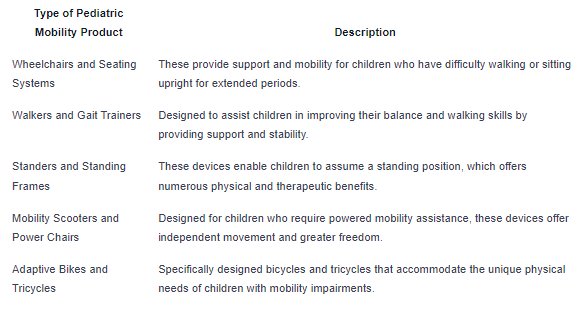
    A wide range of pediatric mobility products exists to cater to the diverse needs of children with mobility challenges. Some of the main types include:

    __wf_reserved_inherit

    Understanding the different types of pediatric mobility products available is essential for selecting the most suitable option based on a child’s specific needs, abilities, and preferences. It is recommended to consult with healthcare professionals, therapists, and mobility specialists who can provide expert guidance and support in choosing the right product for each child’s individual requirements.

    By recognizing the importance of pediatric mobility products and being aware of the various types available, parents and caregivers can make informed decisions to enhance the independence and mobility of children with special needs. These products not only facilitate physical movement but also contribute to the overall development, social engagement, and well-being of children facing mobility challenges.

    Wheelchairs and Seating Systems

    When it comes to pediatric mobility, wheelchairs and seating systems play a crucial role in enhancing independence and improving the quality of life for children with mobility challenges. In this section, we will explore the different types of pediatric wheelchairs and the features to consider in seating systems.

    Types of Pediatric Wheelchairs

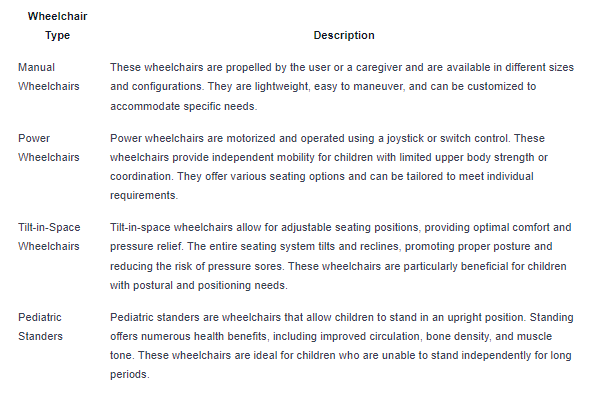
    Pediatric wheelchairs are designed specifically for children, taking into account their unique needs and growth patterns. These wheelchairs come in various types, each with its own benefits and features. Here are some common types of pediatric wheelchairs:

    __wf_reserved_inherit

    Features to Consider in Seating Systems

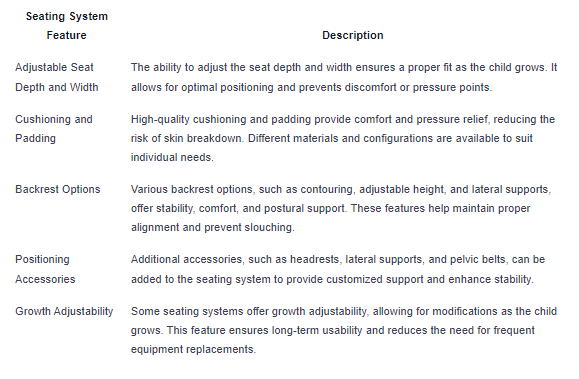
    In addition to the type of wheelchair, the seating system is an essential component in pediatric mobility. A well-designed seating system promotes proper positioning, comfort, and support. Here are some features to consider when choosing a seating system for a pediatric wheelchair:

    __wf_reserved_inherit

    Choosing the right type of wheelchair and seating system is crucial to ensure optimal mobility and comfort for children with mobility challenges. By considering the specific needs of the child and consulting with healthcare professionals, caregivers can make informed decisions to support the child’s independence and overall well-being.

    Walkers and Gait Trainers

    Pediatric mobility products play a crucial role in enhancing independence for children with mobility challenges. Among these products, walkers and gait trainers are commonly used to support and facilitate mobility. Let’s explore the benefits of walkers for pediatric mobility and gain a better understanding of gait trainers.

    Benefits of Walkers for Pediatric Mobility

    Walkers provide valuable assistance to children with limited mobility, helping them navigate their surroundings more easily. Here are some key benefits of using walkers for pediatric mobility:

    1. Improved Stability: Walkers offer enhanced stability, allowing children to bear weight and maintain balance while moving. This stability can be particularly beneficial for children who require additional support to walk independently.
    2. Increased Confidence: By providing support and stability, walkers empower children to explore their environment with greater confidence. They can move around more freely, engage in play, and interact with their peers, boosting their self-esteem and overall development.
    3. Promotion of Independence: Walkers enable children to participate in daily activities, such as self-feeding, playing, and moving from one place to another. This fosters a sense of independence and autonomy, which is vital for their growth and development.
    4. Enhanced Muscle Strength: Using a walker engages the muscles of the lower body, including the legs and core. Regular use can help strengthen these muscles, improve coordination, and promote better overall physical development.

    Understanding Gait Trainers

    Gait trainers are specialized devices designed to assist children with mobility impairments in developing and improving their walking ability. They provide support, stability, and proper alignment during the walking process. Gait trainers typically have a frame, supportive harnesses or straps, and wheels for ease of movement. They come in various sizes and configurations to meet the specific needs of each child.

    Gait trainers offer several advantages for pediatric mobility:

    1. Postural Support: Gait trainers help maintain proper posture and alignment, ensuring that the child’s body is positioned correctly while walking. This support is crucial for developing appropriate gait patterns and preventing postural abnormalities.
    2. Progressive Assistance: Many gait trainers have adjustable features that allow for gradual progression in walking abilities. The level of support can be modified as the child gains strength, coordination, and confidence, facilitating a smooth transition to independent walking.
    3. Improved Coordination: By providing a stable and supportive walking environment, gait trainers help children refine their motor skills and coordination. They can practice weight shifting, balance, and reciprocal leg movements, which are essential components of efficient walking.
    4. Functional Independence: Gait trainers enable children to engage in functional activities and participate in social interactions while walking. This promotes inclusion, facilitates development, and enhances the child’s overall quality of life.

    It’s important to consult with healthcare professionals and therapists to determine the most appropriate type of walker or gait trainer for a child’s specific needs. They can provide valuable guidance and ensure that the chosen mobility product aligns with the child’s individual requirements, optimizing their mobility and independence.

    Standers and Standing Frames

    Pediatric mobility products play a crucial role in enhancing independence and improving the quality of life for children with mobility impairments. Among these products, standers and standing frames are designed to provide support and promote standing and weight-bearing activities. In this section, we will explore the role of standers in pediatric mobility and the different types of standing frames available.

    Role of Standers in Pediatric Mobility

    Standers are assistive devices that enable children with limited mobility to assume an upright standing position. These devices are essential for promoting weight-bearing activities and facilitating various physiological and developmental benefits. Standing offers numerous advantages, including improved bone and muscle development, enhanced circulation, and increased joint flexibility.

    By utilizing a stander, children can experience weight-bearing activities that help strengthen their bones and muscles, which is especially important for those with conditions that affect their ability to bear weight. Regular use of standers also aids in proper alignment of the spine and promotes a more symmetrical posture.

    Moreover, standing offers social and psychological benefits by allowing children to engage with their peers at eye level and participate in various activities while in an upright position. It fosters a sense of independence and inclusion, positively impacting their overall well-being.

    Types of Standing Frames

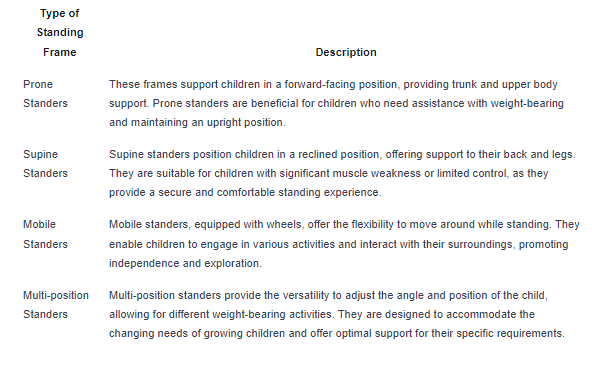
    Standing frames are available in different configurations to accommodate varying needs and abilities. Here are some common types of standing frames used in pediatric mobility:

    __wf_reserved_inherit

    When selecting a standing frame, it’s essential to consider factors such as the child’s size, postural support needs, adjustability, and ease of use. Consulting with healthcare professionals and therapists can help determine the most suitable standing frame for a child’s individual needs.

    Standers and standing frames are valuable tools in pediatric mobility, promoting weight-bearing activities, enhancing physical development, and fostering independence. By providing the necessary support for standing, these devices enable children to actively participate in various daily activities while reaping the many benefits of being in an upright position.

    Mobility Scooters and Power Chairs

    When it comes to enhancing independence for children with mobility limitations, mobility scooters and power chairs are valuable solutions to consider. These pediatric mobility products provide a means of independent movement, allowing children to navigate their environment with greater freedom and ease.

    Mobility Solutions for Enhanced Independence

    Mobility scooters and power chairs offer children with mobility challenges a way to move around independently, both indoors and outdoors. These devices are specifically designed to accommodate the unique needs of pediatric users, providing them with a safe and reliable means of transportation.

    Mobility scooters are typically battery-powered and feature a comfortable seat, handlebars for steering, and controls that are easy to operate. These scooters are suitable for children who have sufficient upper body strength and coordination to control and maneuver the device.

    Power chairs, on the other hand, are motorized wheelchairs that are controlled using a joystick or control panel. These chairs offer a greater level of customization, allowing for adjustments in seating position, support, and mobility features. Power chairs are ideal for children who require a higher level of support and may have more complex mobility needs.

    Both mobility scooters and power chairs play a vital role in promoting independence and enhancing the quality of life for children with mobility limitations. These devices allow children to participate in various activities, socialize with their peers, and explore their surroundings with greater autonomy.

    Considerations for Choosing Power Chairs

    When selecting a power chair for a child, there are several important factors to consider to ensure the device meets their specific needs and requirements. These considerations include:

    1. Seating and Support: The power chair should provide adequate support and comfort for the child, with options for customizable seating, backrests, and positioning accessories.
    2. Maneuverability: The chair should be easy to maneuver, both indoors and outdoors, allowing the child to navigate through tight spaces and different terrains.
    3. Battery Life and Range: Consider the battery life and range of the power chair to ensure it meets the child’s daily mobility needs. Longer battery life allows for extended use without frequent recharging.
    4. Weight Capacity and Size: Ensure that the power chair can accommodate the weight and size of the child, providing them with a safe and comfortable seating experience.
    5. Durability and Safety Features: Look for power chairs that are built to withstand everyday use and include safety features such as anti-tip wheels, seat belts, and secure braking systems.

    By carefully considering these factors, parents and caregivers can choose the most suitable power chair for their child, providing them with a reliable and empowering mobility solution.

    Mobility scooters and power chairs are just two examples of the diverse range of pediatric mobility products available. Each product type offers its own unique benefits and considerations, allowing families to find the right solution that best meets the needs and preferences of their child.

    Adaptive Bikes and Tricycles

    Adaptive bikes and tricycles are specialized mobility products designed to enhance independence and promote physical activity for children with mobility challenges. These products offer a range of benefits and features that cater to the unique needs of pediatric users.

    Benefits of Adaptive Bikes for Children

    Adaptive bikes provide numerous benefits for children with mobility limitations. These bikes are specifically designed to accommodate various physical abilities and offer an inclusive and enjoyable cycling experience. Some of the key benefits include:

    1. Physical Exercise: Adaptive bikes allow children to engage in physical activity, promoting cardiovascular health, muscle strength, and overall fitness.
    2. Improved Coordination: Riding an adaptive bike helps children develop and enhance their coordination skills, including balance, spatial awareness, and motor control.
    3. Sense of Independence: By riding a bike independently, children gain a sense of freedom and control over their mobility, boosting their self-confidence and self-esteem.
    4. Social Interaction: Adaptive bikes enable children to participate in recreational activities and interact with peers, promoting socialization and a sense of belonging.
    5. Therapeutic Benefits: Cycling can have therapeutic benefits, such as improving muscle tone, joint mobility, and overall well-being.

    Features to Look for in Adaptive Tricycles

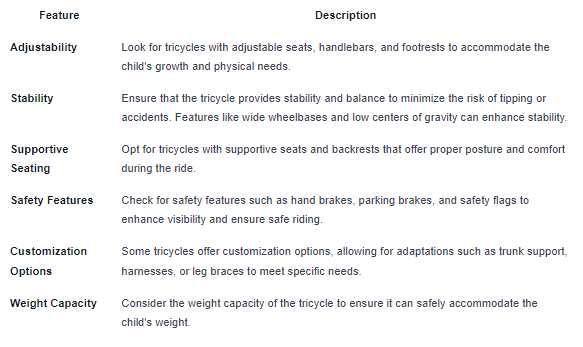
    When considering adaptive tricycles for children, there are certain features to look for to ensure a safe and comfortable riding experience. These features may vary depending on the specific needs of the child, but here are some general considerations:

    __wf_reserved_inherit

    By selecting adaptive bikes and tricycles with appropriate features, parents and caregivers can provide children with an opportunity to experience the joy of cycling and promote their overall physical and emotional well-being. It’s important to consult with healthcare professionals or mobility specialists to determine the most suitable adaptive bike or tricycle based on the child’s individual needs and abilities.

    Sources

    https://www.southwestmedical.com/Pediatric-Products/459c0

    https://www.numotion.com/products-services/pediatrics

    https://www.alimed.com/pediatric-mobility-aids/

  • How Pediatric Occupational Therapy Helps with Sensory Integration

    How Pediatric Occupational Therapy Helps with Sensory Integration

    Pediatric Techniques to Enhance Sensory Processing

    Understanding Sensory Integration in Children

    Sensory integration therapy is a specialized form of pediatric occupational therapy that plays a vital role in addressing sensory processing challenges in children. This therapeutic approach helps children interpret and respond appropriately to sensory information, enhancing their ability to engage in daily activities and social interactions. With a focus on individualized care, occupational therapists employ tailored strategies to support children dealing with sensory processing issues, including those on the autism spectrum and those with attention deficit disorders.

    What Is Sensory Integration Therapy?

    Understanding Sensory Integration Therapy: Key Concepts

    Definition of Sensory Integration Therapy

    Sensory integration therapy (SIT) is a specialized approach employed by occupational therapists to help children who experience sensory processing disorders (SPD). This therapy assists children in understanding and responding to various sensory stimuli from their environment more effectively. It incorporates methods that engage different senses—sight, hearing, touch, taste, and smell—allowing children to explore and interact with their surroundings in a comfortable and structured manner.

    Importance in Pediatric Occupational Therapy

    In the field of pediatric occupational therapy, sensory integration therapy is essential for fostering sensory development crucial for children’s growth. Effective sensory processing lays the groundwork for children to gain necessary skills like self-regulation, motor planning, and social interaction. Therapists utilize a range of activities to stimulate sensory experiences, helping children adapt and learn how to respond appropriately to daily challenges.

    Role in Social and Cognitive Development

    SIT plays a pivotal role in enhancing cognitive and social development among children. Engaging in sensory-rich activities, such as cooperative games or nature walks, boosts children’s cognitive skills while promoting social interactions. Occupational therapists also monitor developmental milestones, helping ensure that children acquire the necessary capabilities needed for maintaining friendships and functioning well in social environments. Ultimately, sensory integration therapy cultivates vital life skills that are foundational for healthy emotional and social development in children.

    Function Description Benefits
    Sensory Understanding Helps children interpret sensory information Improved self-regulation
    Social Interaction Encourages participation in group activities Enhanced social skills and friendships
    Cognitive Growth Supports engagement in learning through sensory play Better performance in academic tasks
    Developmental Monitoring Identifies potential developmental delays Timely support for healthy growth

    Benefits of Occupational Therapy for Sensory Processing Issues

    Unlocking Potential: Benefits of Occupational Therapy

    What are the benefits of occupational therapy for children with sensory processing issues?

    Occupational therapy offers numerous benefits for children dealing with sensory processing challenges, particularly through sensory integration therapy (SIT). This approach enhances children’s ability to detect, regulate, interpret, and appropriately respond to sensory stimuli within their environment. As they engage in structured play-oriented activities, children become more adept at processing sensory information and managing their reactions.

    Improvement in sensory processing abilities

    One of the primary benefits of SIT is the improvement in sensory processing abilities. By using techniques that expose children to sensory inputs in a controlled manner, therapists can help children build tolerance to stimuli, minimizing over-responsiveness or under-responsiveness. Specific interventions may include:

    • Sensory diets: Customized schedules of activities designed to meet individual sensory needs.
    • Deep pressure techniques: Activities such as weighted vests and joint compressions that provide calming effects.
    • Dynamic play environments: Use of swings, trampolines, and climbing equipment to engage the sensory system.

    Daily functioning and social participation enhancements

    Beyond sensory processing improvements, occupational therapy can enhance daily functioning and social participation. As children learn to navigate various sensory experiences, they often show better outcomes in:

    • Academic skills: Being able to focus and engage in classroom activities.
    • Social interactions: Increased confidence in participating in group play or collaborative tasks.
    • Self-regulation: Developing strategies to manage emotions and behaviors in everyday situations.

    Therapeutic techniques like Wilbarger Brushing

    A notable technique used in sensory integration therapy is the Wilbarger Brushing Protocol, which involves a specific brushing routine followed by joint compressions. This method provides deep tactile input, assisting in the organization of sensory processing and promoting calming effects. Parents can often implement this technique at home, contributing to their child’s overall sensory regulation.

    Through these targeted therapeutic strategies, occupational therapy supports children in leading more functional, engaged, and enriching lives as they navigate their sensory processing needs.

    Techniques Used in Sensory Integration Therapy

    Exploring Techniques in Sensory Integration Therapy

    What methods and techniques are used in sensory integration therapy?

    Sensory integration therapy employs a diverse array of methods designed to enhance sensory processing capabilities in children. Some essential techniques include:

    • Play-Based Activities: Activities that stimulate the senses through play, such as swinging for vestibular input or using weighted blankets for deep pressure, are crucial. These methods encourage children to explore their sensory environments safely and playfully.
    • Tactile Stimulation: Children engage with sensory bins filled with various textures—sand, beans, or water—allowing them to explore and learn through touch, which is vital for tactile processing improvement.
    • Brushing Protocols: Techniques like the Wilbarger brushing are used to provide deep pressure input, which can aid in calming anxiety and improving sensory tolerance.

    How do play-based and sensory activities facilitate therapy?

    Play is central to sensory integration therapy. It provides meaningful, interactive experiences that encourage children to actively engage in sensory-rich environments. Examples include:

    • Movement Activities: Jumping on trampolines or climbing can enhance motor skills while providing vestibular input, which is essential for balance and coordination.
    • Creative Play: Activities like finger painting not only stimulate tactile responses but also foster creativity, providing a therapeutic outlet that caters to emotional regulation.

    What role do environmental modifications and sensory diets play?

    Creating an optimal sensory environment is vital. Practitioners often modify a child’s surroundings to minimize overwhelming stimuli. This includes:

    • Structured Sensory Diets: These are tailored schedules that integrate sensory activities into daily routines—like scheduled tactile play or movement breaks—which helps children manage sensory input more effectively.
    • Calm Spaces: Establishing quiet areas equipped with soothing tools, such as weighted vests or noise-canceling headphones, allows children a retreat to regulate their sensory experiences when overwhelmed.

    Overall, these varied techniques not only facilitate better sensory processing but also enhance children’s functional independence and social skills.

    Role of Occupational Therapists in Diagnosis and Treatment

    Understanding the Role of Occupational Therapists

    OTs in the assessment of sensory processing disorders

    Occupational therapists (OTs) are professionals trained to identify and address sensory processing issues in children. They start by observing children’s behaviors, communicating with caregivers, and conducting thorough assessments. These evaluations may include standardized testing, interviews, and observations. By analyzing reactions to various stimuli, OTs can determine the degree of hypersensitivity or hyposensitivity a child may experience.

    Challenges in SPD diagnosis

    Despite the invaluable role of OTs, diagnosing sensory processing disorder (SPD) can be complex. The medical community sometimes debates whether SPD should be classified as a distinct disorder. While some practitioners advocate for this perspective, others view these sensory issues as related symptoms of broader conditions, such as autism spectrum disorders (ASD) or attention deficit hyperactivity disorder (ADHD). This inconsistency can lead to confusion in treatment pathways.

    OT strategies in treatment

    Once an assessment is completed, OTs develop tailored intervention plans. These plans often incorporate sensory integration therapy, which utilizes structured activities aimed at improving the child’s sensory processing abilities. A common method employed is the creation of a personalized "sensory diet," which includes various activities designed to manage and enhance sensory responses.

    Through these targeted strategies, OTs help children better navigate their sensory experiences, improving their daily functioning and quality of life.

    Supporting Children with Autism through Sensory Integration

    How does sensory integration therapy support children with autism spectrum disorders?

    Sensory integration therapy supports children with autism spectrum disorders (ASD) by helping them process sensory information more effectively. This therapy enhances their communication, behavior, and social interaction. Through play-based activities in sensory-rich environments, children learn appropriate responses to various sensory stimuli.

    The therapy employs specific interventions like the Wilbarger Brushing Technique, utilizing tactile and proprioceptive stimuli. These methods organize the nervous system, improve focus, and reduce anxiety, which is essential for children coping with sensory overload.

    Therapy interventions and outcomes

    Occupational therapy plays a crucial role in the therapy process, focusing on developing individualized plans tailored to each child’s unique sensory challenges. Common interventions include engaging activities such as using swings, sensory bins, and movement-based exercises—all designed to be enjoyable while providing necessary sensory input.

    The outcomes of such therapy can be significant. Many families report improvements in their child’s daily functioning, including better behavior, enhanced concentration, and increased engagement in social settings.

    Role of tailored programs

    The effectiveness of sensory integration therapy relies heavily on customized programs. Pediatric occupational therapists assess each child through detailed sensory evaluations, which include observing their interactions and discussing sensory profiles with caregivers. This foundation allows therapists to design personalized treatment plans, promoting functional skills related to everyday activities like school tasks and social interactions.

    Having a tailored plan also aids in implementing techniques to manage sensory regulation in home routines, further supporting a child’s development and overall quality of life.

    Involving Parents in the Therapy Journey

    Empowering Parents: Supporting the Therapy Journey

    How can parents support their child’s sensory integration therapy journey at home?

    Parents play a crucial role in their child’s sensory integration therapy. One of the most effective ways they can support their child is by creating a structured and responsive home environment. Setting up a calming space with adjustable lighting and soft materials can help children feel safe and reduce anxiety. Additionally, assembling a comfort kit with fidget toys or noise-canceling headphones can aid in managing overwhelming moments.

    Engaging in sensory activities is another way for parents to support therapy. Creating sensory bins filled with various textures or designing obstacle courses encourages exploration and improves motor skills. Establishing routines and utilizing visual signals can help children understand transitions, making them feel more secure during potentially overwhelming situations.

    Finally, parents should closely observe their child’s reactions to different sensory inputs. This adaptability ensures activities remain enjoyable and tailored to individual sensory needs, enhancing the effectiveness of therapy sessions and fostering greater comfort in daily life.

    Improving Quality of Life through Tailored Approaches

    Pediatric occupational therapy that focuses on sensory integration provides comprehensive and individualized care for children facing sensory processing challenges. By employing diverse techniques and involving parents in the therapeutic process, occupational therapists help children improve their sensory processing capabilities. This leads to enhanced daily functioning, social participation, and overall quality of life. Research continues to explore the effectiveness of these interventions, but many families report positive changes, emphasizing the valuable role that sensory integration therapy plays in the developmental journey of children with sensory processing difficulties.

    References

  • The Role of Pediatricians in Supporting Urgent Care Needs

    The Role of Pediatricians in Supporting Urgent Care Needs

    Exploring Pediatricians’ Pioneering Role in Urgent Care

    Understanding Pediatricians in Urgent Care

    Pediatricians play a pivotal role in the healthcare landscape, particularly when it comes to addressing urgent care needs for children. As healthcare needs evolve, the importance of pediatricians in this context continues to grow, driven by the unique requirements of younger patients and the necessity of specialized, timely care. This article delves into how pediatricians help shape the urgent care sector, providing insights into their indispensable function and influence.

    Distinguishing Pediatric Urgent Care from Emergency Care

    Understanding the Differences: Urgent Care vs Emergency Care

    What is the distinction between urgent care and emergency care from a pediatric perspective?

    From a pediatric perspective, the distinction lies primarily in the nature and severity of the conditions being treated. Pediatric urgent care is designed for non-life-threatening conditions that require prompt attention but are not so severe as to necessitate a visit to an emergency department. Common scenarios for urgent care include minor injuries like cuts or sprains, mild fevers, ear infections, and asthma management, especially during times when a pediatrician may not be available.

    In contrast, emergency care addresses critical situations that could pose immediate threats to a child’s life or health. This includes severe respiratory distress, fractures with noticeable swelling, or episodes of unconsciousness. Given the specialized training of staff at pediatric urgent care centers, caregivers can expect a child-friendly environment dedicated to understanding and meeting the unique medical needs of children.

    Parents often feel compelled to opt for emergency services driven by fear or uncertainty regarding their child’s health, which contributes to overcrowded emergency departments. Consulting with a pediatrician can provide clarity, helping parents determine when urgent care suffices and when emergency services are warranted. Generally, urgent care is appropriate for non-chronic and less severe conditions, while emergency care should be reserved for serious, potentially life-threatening scenarios.

    Pediatric-specific urgent care features

    Pediatric urgent care centers are staffed exclusively with professionals who specialize in treating children, ensuring a child-friendly and empathetic atmosphere. The centers are equipped to handle a wide range of common pediatric illnesses and injuries swiftly, offering comprehensive care that includes preventive services like vaccinations and physical exams.

    These centers prioritize shorter wait times compared to traditional emergency rooms, allowing for faster treatment options which pediatricians value for their patients. Furthermore, with the rise of telehealth, these facilities are also integrating virtual consultations, increasing accessibility for families seeking immediate medical advice without unnecessary exposure to crowded environments.

    When to choose urgent care or emergency department

    Choosing between urgent care and the emergency department can be confusing for many parents. For non-life-threatening issues like simple fevers, minor cuts, or common infections, pediatric urgent care tends to be the more appropriate option. However, in cases of severe symptoms—such as acute respiratory issues, severe abdominal pain, or major injuries—parents should head directly to the emergency room.

    Dr. Rudy Kink emphasizes the importance of evaluating the urgency of a child’s condition. Life-threatening situations should never be uncertain; immediate emergency care is essential. Ultimately, understanding the roles of both urgent care and emergency services can significantly streamline pediatric healthcare and reduce unnecessary visits to overcrowded emergency departments.

    Roles and Importance of Pediatricians in Urgent Care

    The Role of Pediatricians in Urgent Care: Expertise and Care

    What are the functions and significance of pediatricians in urgent care settings?

    Pediatricians in urgent care settings play a crucial role by providing specialized, timely medical care tailored to children with acute health concerns. These centers focus on non-life-threatening emergencies, ensuring that children receive appropriate treatment without the long wait times commonly seen in emergency departments. The design of pediatric urgent care centers fosters a child-friendly environment, which can significantly reduce anxiety for young patients and promote cooperation during medical assessments.

    They enable quicker assessment and treatment for common ailments such as minor cuts, ear infections, and mild wheezing, which contributes to better health outcomes and minimizes the risk of complications. Pediatricians also communicate closely with primary care providers to maintain continuity of care. This ensures that all care plans align and that children’s health records are consistently updated.

    Additionally, pediatricians engage in preventive services like vaccinations and health education, further supporting the well-being of children. Their expertise also aids families in navigating which type of care is most appropriate for specific situations, ensuring that children receive the necessary medical attention promptly and effectively.

    Guidance for Families on Navigating Pediatric Urgent Care

    Guidance for Families: Navigating Pediatric Urgent Care

    Decision-making for urgent and emergency care

    Navigating when to seek care for a child can be challenging. Parents often grapple with the decision of whether to head to urgent care, the emergency room, or simply wait for a pediatrician’s office to open. Pediatricians play a crucial part in this decision-making process. They evaluate the urgency of a child’s condition and guide parents on the best course of action.

    Pediatricians’ role in guiding families

    For non-life-threatening situations, such as mild fevers, colds, or minor injuries, pediatricians often recommend urgent care, particularly if their office is closed. Conversely, serious symptoms like difficulty breathing or severe dehydration require immediate attention at an emergency room. This guidance helps clarify when urgent care is appropriate, especially for families who may mistakenly head straight to the ER for non-critical issues.

    Understanding symptoms and urgency

    Pediatricians also educate families about the differences in care capabilities among facilities. Many urgent care centers may not be equipped to handle complex pediatric cases, emphasizing the need for specialized knowledge in treating children. Parents should feel empowered to ask their pediatrician about the right care for specific symptoms, ensuring their child receives suitable medical attention promptly.

    Evolution and Technology Integration in Pediatric Urgent Care

    The Evolution of Pediatric Urgent Care: Technology and Transformation

    What is the historical evolution of pediatric urgent care and how has technology integrated into it?

    Pediatric urgent care has undergone significant transformation since its emergence in the latter half of the 20th century. Initially, children received care from general practitioners who would make house calls. However, recognition of the unique medical needs of children prompted the establishment of specialized clinics dedicated to urgent care for younger patients.

    This evolution was primarily driven by the necessity for prompt, accessible care for non-life-threatening conditions, which alleviated demands on saturated emergency departments. Pediatric urgent care centers began focusing on treating conditions such as minor fractures, fevers, and respiratory infections, providing parents with a more suitable and quicker alternative.

    Technological advancements in pediatric urgent care

    The integration of advanced technology has significantly streamlined processes within pediatric urgent care. Key innovations include:

    Technology Description Impact on Care
    Electronic Health Records (EHR) Centralized patient records for quick access Improves continuity and coordination of care
    Telemedicine Remote consultations for parents and children Increases accessibility; reduces need for physical visits
    Point-of-Care Testing Rapid testing capabilities for immediate results Enhances efficiency and accuracy in diagnosis

    Moreover, many pediatric urgent care centers are expanding services to encompass mental health support and management of chronic illnesses, addressing a wider array of children’s health concerns.

    Overall, pediatric urgent care exemplifies a modern, evolving healthcare model that complements traditional services, ensuring that young patients receive timely and appropriate medical attention while improving access and healthcare outcomes.

    Pediatricians’ Role in Health Education and Advocacy

    How do pediatricians educate families and advocate for children’s health in urgent situations?

    Pediatricians play a vital role in educating families about preventive care practices to minimize health issues before they escalate. They guide parents on key symptoms to monitor and help them understand when urgent medical attention is necessary. This education fosters proactive health management, enabling families to make informed decisions about their children’s care.

    In urgent situations, pediatricians utilize resources from specialized organizations, like the Urgent Care SIG, to enhance acute care delivery for children. This includes networking and mentorship that improve pediatric urgent care practices. Their collaborative efforts extend to community organizations and schools, addressing health disparities and ensuring equitable access to healthcare services.

    Additionally, pediatricians actively engage in policy advocacy by participating in discussions focused on children’s health issues, such as safety, nutrition, and mental health support. This effort not only empowers families with essential knowledge but also fosters stronger community health outcomes. Through these initiatives, pediatricians promote comprehensive health education and advocate for children’s well-being across various platforms, significantly impacting their communities.

    Challenges Faced in Rural Urgent Care Settings

    Challenges in Rural Pediatric Urgent Care: A Call for Action

    What challenges do pediatricians face in rural settings regarding urgent care?

    Pediatricians in rural settings encounter numerous obstacles in delivering efficient urgent care. A significant challenge is the closure of about 20% of pediatric hospital units over the last decade, severely limiting available resources and access to specialized care for children.

    Families often find themselves traveling considerable distances—sometimes over three hours—to access necessary treatments. This situation is particularly dire as many rural children reside in what are termed "ambulance deserts," where emergency transport options are either scarce or slow.

    Adding to the complexities, staffing shortages plague urgent care facilities, particularly in key roles such as x-ray technicians. This shortage prevents timely diagnosis and treatment. Moreover, the financial sustainability of rural health clinics is jeopardized by inadequate reimbursement structures, making it difficult for these facilities to remain operational.

    In addition to logistical issues, rural pediatricians frequently practice in isolation, facing challenges in managing complex medical cases without robust support networks. The acute prevalence of chronic health conditions and socioeconomic disparities among rural children further highlight the urgent need for enhanced access to pediatric emergency care, making it a critical area for reform and investment.

    Pediatric-Specific Care and Its Impact on the Healthcare System

    What are the advantages of pediatric-specific care in urgent health issues and emergency department overcrowding?

    Pediatric-specific care plays a crucial role in managing urgent health issues, offering significant benefits to children and their families. By providing specialized treatment tailored to the unique physiological needs of younger patients, pediatric urgent care facilities create child-friendly environments. This reduces anxiety for children through welcoming decor and engaging activities, fostering a more positive healthcare experience.

    Furthermore, pediatric urgent care specialists are extensively trained, leading to more effective diagnoses and treatments while minimizing unnecessary procedures. The integration of virtual care options allows parents to conveniently assess symptoms, avoiding exposure to crowded emergency rooms and further reducing anxiety for both parents and children.

    By efficiently managing non-critical conditions, pediatric urgent care helps alleviate emergency department overcrowding. This results in shorter wait times and improved outcomes for young patients, showcasing the importance of pediatric urgent care within the healthcare system.

    Integrating Pediatric Expertise to Enhance Urgent Care

    Pediatricians have a profound impact on the delivery of urgent care for children, skillfully navigating between immediate care needs and long-term health outcomes. As they spearhead advancements in pediatric urgent care, their contributions are crucial for ensuring that children receive timely, specialized attention. Their advocacy work further solidifies their commitment to improving healthcare system efficiency and addressing pediatric health disparities, particularly in underserved and rural communities. Understanding their dynamic role not only highlights the importance of integrating pediatric expertise in urgent care scenarios but also showcases the continuous evolution needed in this critical facet of healthcare.

    References

  • Why is Daycare Safety and Security is Important?

    Why is Daycare Safety and Security is Important?

    Discover the significance of daycare safety and security! Learn why it’s essential for protecting children.

    __wf_reserved_inherit

    Daycare Safety and Security

    Ensuring safety and security in daycare settings is of utmost importance. Parents and guardians trust daycare centers to provide a secure environment for their children while they are away. This section delves into the significance of daycare safety and security, along with the legal requirements and standards that govern these establishments.

    Importance of Ensuring Daycare Safety and Security

    The safety and security of children in daycare centers is paramount. A safe environment not only protects children from physical harm but also contributes to their overall well-being and development. Here are some key reasons why daycare safety and security are crucial:

    1. Child Protection: Daycare safety measures, such as childproofing the premises and implementing supervision protocols, help prevent accidents and injuries. By ensuring a secure environment, daycare centers can minimize the risk of harm to children.
    2. Peace of Mind for Parents: Parents need assurance that their children are in safe hands. When daycare centers prioritize safety and security, parents can have peace of mind knowing that their children are well-protected during their time at the facility.
    3. Promotes Healthy Development: A safe and secure environment fosters healthy development in children. When children feel safe, they are more likely to explore, engage in activities, and form positive relationships with peers and caregivers.
    4. Positive Reputation: Daycare centers that prioritize safety and security often build a positive reputation within the community. This reputation can lead to increased trust from parents and potential clients, contributing to the success and long-term viability of the daycare center.

    Legal Requirements and Standards

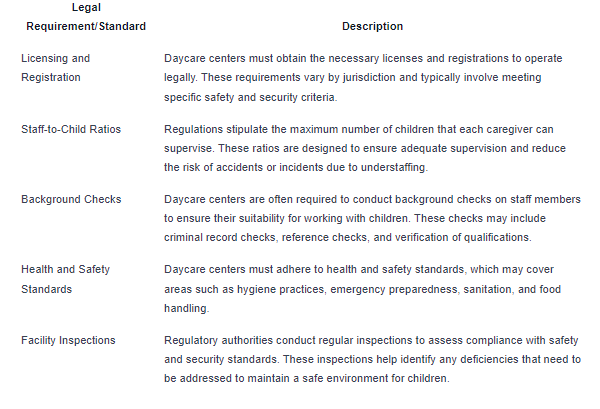
    Daycare centers are subject to specific legal requirements and standards to ensure the safety and security of children. Compliance with these regulations is essential for running a daycare center and providing a secure environment for children. Common legal requirements and standards include:

    __wf_reserved_inherit

    By complying with legal requirements and standards, daycare centers demonstrate their commitment to providing a safe and secure environment for children. It is essential for daycare providers to stay updated on regulations and ensure ongoing compliance to maintain the trust and confidence of parents and guardians.

    Creating a Safe Environment

    Ensuring a safe environment is of utmost importance in daycare settings. Implementing physical safety measures and having emergency preparedness plans in place are key components of creating a secure environment for children.

    Physical Safety Measures

    Daycare centers should have various physical safety measures in place to minimize potential hazards and protect children from accidents. This includes:

    • Childproofing: Implementing childproofing measures such as safety gates, outlet covers, and cabinet locks to prevent access to potentially harmful objects or areas.
    • Secure Playground: Ensuring that the outdoor play area is properly fenced and equipped with age-appropriate equipment that adheres to safety standards.
    • Safe Furniture: Using sturdy and well-maintained furniture that is designed for childcare settings, minimizing the risk of accidents or injuries.
    • Proper Storage: Storing cleaning supplies, medications, and other potentially hazardous materials in locked cabinets, out of reach of children.
    • Fire Safety: Installing smoke detectors, fire extinguishers, and fire alarms, as well as conducting regular fire drills to familiarize staff and children with evacuation procedures.
    • Safe Sleep Environment: Providing a safe sleep environment, including cribs that meet safety standards and ensuring proper sleep positioning for infants.

    Emergency Preparedness Plans

    Daycare centers should have comprehensive emergency preparedness plans in place to address various types of emergencies and ensure the safety and well-being of children. These plans should include:

    • Evacuation Procedures: Clearly defined evacuation routes and procedures in case of emergencies such as fire, natural disasters, or other threats.
    • Emergency Contacts: Maintaining up-to-date emergency contact information for parents or guardians, as well as local emergency services.
    • Communication Systems: Establishing effective communication systems within the daycare center to quickly relay important information during emergencies.
    • Medical Emergencies: Having trained staff members who can administer basic first aid and CPR in case of medical emergencies, as well as access to emergency medical services.
    • Lockdown Procedures: Establishing protocols for lockdown situations to ensure the safety of children and staff in the event of an intruder or security threat.

    By implementing physical safety measures and having well-defined emergency preparedness plans, daycare centers can create a secure environment that prioritizes the safety and well-being of children. Regular inspections and maintenance of safety measures are essential to ensure their effectiveness and provide peace of mind to parents and guardians.

    Protecting Children

    When it comes to daycare safety and security, the protection of children is of utmost importance. Daycare centers should prioritize the well-being and safety of all children under their care. This section focuses on two key aspects of protecting children in daycare settings: supervision and staff training, and health and hygiene practices.

    Supervision and Staff Training

    Proper supervision and well-trained staff are essential for maintaining a safe environment for children in daycare centers. Adequate supervision ensures that children are constantly monitored and protected from potential hazards or accidents. Additionally, well-trained staff members possess the knowledge and skills necessary to respond effectively in various situations.

    To ensure effective supervision, daycare centers should maintain appropriate staff-to-child ratios, as recommended by regulatory agencies. These ratios may vary depending on the age of the children. Regular training sessions should be conducted to educate staff members about child safety, emergency procedures, and behavior management techniques.

    Health and Hygiene Practices

    Maintaining a clean and hygienic environment is crucial for the health and well-being of children in daycare. Daycare centers should implement proper health and hygiene practices to minimize the spread of germs and prevent the occurrence of illnesses.

    One key aspect of health and hygiene practices is regular handwashing. Staff members should encourage and supervise children in washing their hands before and after meals, after using the restroom, and after outdoor activities. This helps prevent the transmission of germs and reduces the risk of infections.

    Additionally, proper cleaning and sanitization procedures should be followed for toys, play equipment, and common areas. Regular disinfection helps eliminate harmful bacteria and viruses that may be present on surfaces.

    Daycare centers should have clear policies in place for illness management. This includes guidelines for exclusion of sick children, notification to parents, and appropriate care for children who become ill while at the daycare. Staff members should be trained to recognize symptoms of common childhood illnesses and take necessary precautions to prevent the spread of contagious diseases.

    Ensuring proper supervision and implementing robust health and hygiene practices play a vital role in protecting children in daycare. By prioritizing these aspects, daycare centers can create a safe and healthy environment that promotes the well-being of all children under their care.

    __wf_reserved_inherit

    Preventing Unauthorized Access

    Ensuring a safe and secure environment for children in daycare centers involves taking proactive measures to prevent unauthorized access. By implementing access control systems and establishing visitor policies and procedures, daycare centers can significantly enhance security and protect the well-being of the children in their care.

    Access Control Systems

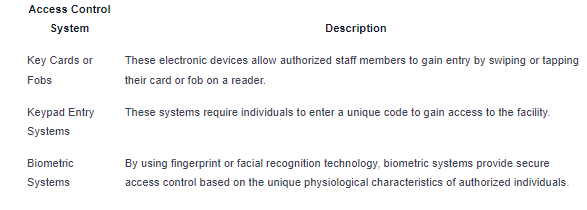
    Access control systems play a vital role in preventing unauthorized individuals from entering daycare facilities. These systems utilize various mechanisms to regulate entry and exit points, ensuring that only authorized personnel have access to the premises.

    Common access control systems used in daycare centers include:

    __wf_reserved_inherit

    Implementing robust access control systems not only prevents unauthorized individuals from entering the daycare premises but also provides a record of who accessed the facility and when. This information can be valuable in the event of an incident or emergency.

    Visitor Policies and Procedures

    Establishing clear visitor policies and procedures is another crucial aspect of preventing unauthorized access in daycare centers. These policies outline the guidelines for visitors, ensuring that only authorized individuals are allowed entry and that their presence is properly documented.

    Some key components of visitor policies and procedures include:

    • Identification Requirements: Requiring all visitors to provide valid identification helps verify their identity and ensures that only authorized individuals are granted access.
    • Check-In and Check-Out Procedures: Visitors should be required to check in upon arrival and check out when leaving the facility. This helps maintain accountability and ensures that visitors are properly accounted for at all times.
    • Escort Policies: Implementing escort policies for visitors helps ensure that they are accompanied by authorized staff members throughout their time in the facility, minimizing the risk of unauthorized access to restricted areas.
    • Visitor Badges: Providing visitors with temporary identification badges helps easily identify them as authorized individuals and allows staff members to quickly identify any unauthorized individuals in the facility.

    By enforcing visitor policies and procedures, daycare centers can create a secure environment that safeguards the well-being of the children. Regular training and communication with staff and parents about these policies further reinforce the importance of daycare safety and security.

    Preventing unauthorized access is a critical aspect of daycare safety and security. By implementing access control systems and establishing visitor policies and procedures, daycare centers can create a secure environment that prioritizes the well-being and protection of the children in their care.

    Communication and Documentation

    Clear and effective communication, along with proper documentation, play a crucial role in ensuring daycare safety and security. In this section, we will explore two important aspects of communication and documentation in daycare settings: incident reporting and parental communication and involvement.

    Incident Reporting

    Incident reporting is a vital process that helps to identify and address any safety or security concerns in a daycare facility. It involves documenting and reporting any incidents, accidents, injuries, or suspicious activities that occur within the daycare premises. By promptly reporting and documenting such incidents, daycare providers can take appropriate measures to prevent future occurrences and ensure the well-being of the children.

    When it comes to incident reporting, it’s essential to have a standardized procedure in place. This procedure should outline the necessary steps to be taken when an incident occurs, including who to notify, what information to gather, and how to document the incident. The information collected should be comprehensive, including details such as the date, time, location, individuals involved, and a description of the incident.

    Maintaining an incident log or database is a recommended practice. This log should record all incidents, along with the actions taken to address them. It serves as a valuable reference for daycare providers to track trends, identify recurring issues, and implement necessary improvements to enhance safety and security protocols.

    Parental Communication and Involvement

    Effective communication with parents is essential in ensuring daycare safety and security. Parents entrust their children to the daycare facility, and it is crucial to keep them informed about any relevant updates, policies, and incidents. Open and transparent communication helps to build trust and reassures parents that their children are in a safe and secure environment.

    Regular communication channels, such as newsletters, emails, or parent-teacher meetings, can be utilized to share important information with parents. This includes updates on safety protocols, emergency procedures, health and hygiene practices, and any changes in staffing or policies. By keeping parents informed, they can actively participate in the safety and security of their children and provide valuable feedback or suggestions.

    Parental involvement can extend beyond communication. Daycare facilities can encourage parents to volunteer for safety committees or participate in safety training sessions. This collaborative approach fosters a sense of community and shared responsibility for maintaining a safe and secure environment for the children.

    Maintaining documentation of parental communication is also crucial. This can include records of parent meetings, signed consent forms, and documented discussions or agreements. Proper documentation ensures that all communications are properly recorded and can be referred to if needed.

    By prioritizing incident reporting and maintaining effective communication with parents, daycare facilities can create a culture of safety and security. These practices not only help to address concerns promptly but also foster a supportive environment where the well-being of the children is paramount.

    __wf_reserved_inherit

    Continuous Improvement

    Maintaining a safe and secure environment in daycare centers requires a commitment to continuous improvement. By regularly conducting safety audits and inspections, as well as implementing feedback and response mechanisms, daycare facilities can ensure that they are continually enhancing their safety and security measures.

    Regular Safety Audits and Inspections

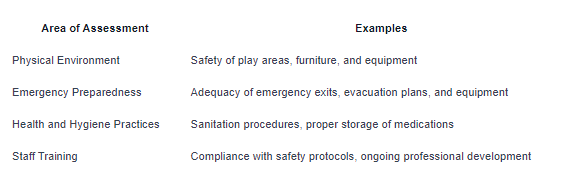
    Regular safety audits and inspections are essential to identify potential hazards and address any lapses in safety protocols. These audits should be conducted by trained professionals who have expertise in childcare safety. They assess various aspects of the daycare facility, including:

    __wf_reserved_inherit

    By conducting these audits and inspections on a regular basis, daycare centers can proactively identify areas that may need improvement and implement corrective measures promptly. This helps maintain a safe and secure environment for the children in their care.

    Feedback and Response Mechanisms

    Feedback and response mechanisms play a crucial role in maintaining daycare safety and security. They provide an avenue for parents, staff, and other stakeholders to report concerns, share suggestions, and provide feedback on safety-related matters. These mechanisms can include:

    • Anonymous suggestion boxes
    • Open-door policies for parents to communicate with staff
    • Regular meetings between staff and management to discuss safety concerns
    • Incident reporting forms to document and address safety incidents

    By encouraging open communication and actively listening to feedback, daycare centers can address potential safety issues in a timely manner and continuously improve their safety protocols. It demonstrates a commitment to the well-being of the children and fosters a culture of transparency and accountability.

    Continuous improvement in daycare safety and security is an ongoing process that requires diligence and commitment. By conducting regular safety audits and inspections, as well as implementing effective feedback and response mechanisms, daycare centers can ensure that they are providing a safe and secure environment for the children under their care.

    Sources

    https://childrencentral.net/safety-and-security-in-childcare/#:~:text=Why%20is%20child%20safety%20in,to%20prevent%20injuries%20or%20accidents.

    https://www.americanprogress.org/article/the-importance-of-child-care-safety-protections/

    https://www.adsalarm.com/daycare-safety-and-security/

  • How to Use Home Medical Equipment to Enhance Pediatric Physical Therapy

    How to Use Home Medical Equipment to Enhance Pediatric Physical Therapy

    Leveraging Home Equipment for Effective Pediatric Therapy

    Understanding the Role of Home Medical Equipment in Pediatric Therapy

    Pediatric physical therapy is crucial for helping children develop motor skills, regain lost abilities, and achieve developmental milestones. In recent years, there has been a growing emphasis on using home medical equipment to enhance these therapies, providing tailored, effective solutions that empower children and families. This article explores how home medical equipment supports pediatric physical therapy, addressing key questions and highlighting the benefits and best practices for integrating these devices into home-based care.

    The Benefits of At-Home Pediatric Physical Therapy

    Explore the advantages of home-based pediatric physical therapy!

    Home-based therapy advantages

    At-home pediatric physical therapy provides several unique advantages. First and foremost, it allows children to engage in therapeutic activities within the comfort of their own homes. This familiar environment can enhance their motivation and responsiveness during sessions, leading to improved treatment outcomes. Additionally, the convenience of not needing to travel for appointments reduces stress for both the child and their caregivers.

    Equipment adaptation to home environment

    Therapists assess each child’s home environment to tailor treatments effectively. This includes evaluating available space and equipment that can be utilized during therapy. For instance, therapists may leverage household items for exercises, making therapy both practical and fun. The approach also involves coordinating with Assistive Technology Providers to ensure that any necessary Durable Medical Equipment (DME)—such as walkers, wheelchairs, and adaptive strollers—is appropriate, maintaining the child’s safety while promoting independence and facilitating daily living tasks.

    Family involvement in therapy

    Active participation by family members is critical in pediatric therapy. In-home sessions encourage multiple caregivers to engage, which fosters a collaborative atmosphere to support the child’s development. Parents can learn exercises and techniques to continue at home, making therapy a shared experience. This familial involvement not only enhances the child’s rehabilitation but also empowers parents to assist effectively, promoting a seamless integration of therapeutic activities into daily routines.

    Overall, in-home pediatric physical therapy represents a holistic approach to rehabilitation, optimizing the child’s developmental potential within the comforts of home while ensuring that family support plays a vital role in the therapeutic process.

    Understanding Pediatric Medical Devices

    Discover the essentials of pediatric medical devices!

    What are pediatric medical devices?

    Pediatric medical devices refer to tools and equipment specifically designed to diagnose or treat diseases and conditions in children from birth up to 21 years of age. These devices address the unique anatomical and physiological characteristics of pediatric patients, covering various subpopulations such as neonates, infants, children, and adolescents.

    The U.S. Food and Drug Administration (FDA) is pivotal in regulating these medical devices to guarantee their safety and effectiveness. They implement various review pathways and initiatives that encourage appropriate pediatric labeling. Furthermore, the FDA engages with pediatric experts during evaluations and holds public workshops to advance the development of pediatric medical devices.

    Specialized equipment for children’s needs

    Recent regulatory changes have introduced stringent safety requirements for pediatric medical cribs and bassinets, ensuring that all medical devices meet high standards while remaining accessible for medical use. Specialized pediatric equipment might include:

    Equipment Type Purpose Key Features
    Pediatric Beds Accommodates smaller anatomical features Adjustable height, safety rails
    Stethoscopes Accurate readings for smaller bodies Child-sized attachments
    Blood Pressure Cuffs Measures blood pressure in children Sized for pediatric patients
    Exam Tables Facilitates examinations for children Adjustable, colorful designs
    Emergency Medical Carts Quick access to necessary medical supplies Compact design for easy transport

    This specialized equipment not only promotes accurate measurements and treatment but also incorporates child-friendly designs that engage young patients, resulting in more positive medical experiences.

    The Distinctive Needs of Pediatric Physical Therapy

    Learn how pediatric therapy differs from adult therapy!

    What makes pediatric physical therapy different from adult physical therapy?

    Pediatric physical therapy distinctly caters to the developmental stages and specific needs of children. Unlike adult therapy, which often addresses injuries or chronic conditions in fully developed bodies, pediatric therapy focuses on growth-related concerns, movement disorders, and developmental delays. The treatment strategies employed are tailored for young patients and incorporate fun, engaging activities that often resemble play. This approach not only captures children’s interest but also promotes essential physical abilities necessary for their various developmental milestones.

    For instance, pediatric therapists frequently address conditions like cerebral palsy and utilize specialized interventions such as bracing to improve mobility. The goal is to enhance skills related to motor development, strength, balance, coordination, and endurance, fitting the dynamic needs of children up to the age of 21.

    Furthermore, pediatric therapy takes a holistic viewpoint, considering not just the physical but also the psychosocial factors impacting a child’s growth and rehabilitation. Treatments are personalized, ensuring that each child’s unique developmental environment is integrated into their care plan, thus enhancing the effectiveness of therapy.

    Aspect Pediatric Physical Therapy Adult Physical Therapy
    Focus Developmental needs and movement disorders Chronic conditions and injuries
    Age Range Up to 21 years Typically adults
    Treatment Style Play-based, engaging methods More clinical, may lack playfulness
    Holistic Approach Includes psychosocial factors Focused primarily on physical rehabilitation
    Common Conditions Treated Cerebral palsy, developmental delays Joint replacements, chronic pain

    This organized and child-centric approach ensures that pediatric physical therapists prioritize a comfortable and encouraging environment, leading to effective recovery and skill development.

    Essential Equipment for Pediatric Therapy and Exams

    Necessity of specific pediatric tools

    In pediatric physical therapy and exams, using specialized equipment is crucial for ensuring accurate assessments and effective interventions. The smaller anatomical features of children demand tailored tools that provide safety and comfort during examinations. Pediatric professionals rely on equipment that accommodates these unique needs, which can significantly influence therapeutic outcomes.

    Examples of equipment used

    Some common pieces of essential equipment include:

    Equipment Type Usage Features
    Pediatric Otoscopes Examine ear canals Smaller, child-friendly designs for accurate use
    Child-sized Blood Pressure Cuffs Measure blood pressure effectively Adjustable sizes for secure fit on smaller arms
    Pediatric Scales Weigh young patients Sensitive scales for precise measurement
    Pediatric Exam Tables Conduct examinations Safety features and height adjustability for comfort
    Stadiometers and Infantometers Measure height of growing children Designed for accurate readings for children
    Umbilical Catheters Essential for neonatal care Specialized for small anatomy
    Phototherapy Lights Treat jaundice in newborns Safe, specific wavelengths for skin therapy

    These tools not only help in making accurate assessments but also enhance the overall experience for pediatric patients by providing necessary comfort and safety during evaluations.

    Facilitating Therapy for Children with Medical Complexities

    How can home medical equipment facilitate therapy for children with medical complexities?

    Home medical equipment plays a crucial role in facilitating therapy for children with medical complexities by providing essential support tailored to their diverse medical needs. Equipment such as ventilators, feeding pumps, and mobility aids promotes independence and enhances daily living activities.

    However, families often face significant challenges in utilizing this equipment effectively. Common barriers include insufficient quantities of devices, inadequate design for home usage, and difficulties in fitting the devices to the specific needs of the child. These issues can hinder the full potential of therapy and recovery at home.

    To counter these challenges, families have developed creative workarounds. For instance, they may modify existing devices for better portability or utilize household items in place of specialized equipment.

    Understanding these real-world adaptations is essential for improving device design and ensuring they meet the practical needs of families. Future research should prioritize examining the long-term impacts of such adaptations while considering the requirements and feedback of families to enhance the use and effectiveness of home medical equipment.

    Challenges families face

    Families of children with medical complexities encounter various challenges when using home medical equipment. Below is a summary of some of the primary issues:

    Challenge Description Possible Workarounds
    Insufficient Equipment Limited access to necessary devices can restrict care. Stockpiling backups or reusing medical supplies.
    Poor Device Design Equipment may not be user-friendly or fit for the home. Modifying devices for easier transport.
    Organizational Disruption Managing medical devices can disrupt daily routines. Creating designated spaces for equipment.
    Poor Fitting Devices may not be suitable for the child’s size or needs. Collaborating with healthcare providers for adjustments.

    Durable Medical Equipment in Pediatric Therapy

    Understand the role of Durable Medical Equipment in enhancing pediatric care!

    Role of Durable Medical Equipment (DME)

    Durable Medical Equipment (DME) plays a vital role in pediatric therapy, designed specifically to enhance safety and independence for children with various needs. This type of equipment is medically necessary, prescribed by physicians, and used within the home environment to assist children in managing activities of daily living (ADLs). DME not only supports mobility but also promotes autonomy, allowing kids to engage more fully in their daily routines.

    Examples and Benefits of DME

    Various types of DME are essential in supporting pediatric physical therapy, including:

    Equipment Purpose Benefits
    Wheelchairs Mobility for non-ambulatory children Enhances independence and participation in activities
    Gait Trainers Supports walking practice Improves gait stability and confidence
    Adaptive Strollers Safe transport for children with mobility challenges Increases mobility options for outings
    Standers Enables standing for children lacking independent ability Promotes postural control and social interaction
    Therapy Balls/Peanut Balls Core strengthening and balance improvement Enhances motor skills through interactive exercises

    Family caregivers often collaborate with pediatric therapists and DME suppliers to identify appropriate equipment, ensuring it meets the therapeutic goals tailored to each child’s situation. By addressing their specific needs, DME significantly contributes to enhancing the overall quality of life for children undergoing physical therapy at home.

    Emerging Technologies in Home Pediatric Therapy

    Stay updated on innovative technologies in home pediatric therapy!

    Innovative equipment and methods

    Innovations in pediatric home therapy include a variety of adaptive equipment designed to enhance a child’s independence and facilitate therapy. Examples include:

    Equipment Purpose Benefits
    Manual Wheelchairs Support mobility Improved independence
    Gait Trainers Assist in walking Enhanced balance and coordination
    Adaptive Strollers Facilitate mobility Increased comfort and engagement
    Smart Wearables Monitor activity levels Real-time health assessments

    These technologies promote engagement and track progress, contributing to individualized care that meets each child’s unique needs.

    Telehealth and wearable technologies

    Telehealth allows families to access specialized consultations without leaving home, ensuring consistent support. Parents can communicate in real-time, adjusting treatments based on their child’s reactions and needs. This flexibility enhances participation and commitment to therapy schedules.

    Wearable technologies, such as smart devices, empower families by facilitating active participation in their child’s care. They can monitor vital metrics, allowing for tailored physical therapy interventions. Combined with telehealth capabilities, these tools represent a significant step forward in pediatric rehabilitation, enhancing both effectiveness and comfort.

    Maximizing Home-Based Pediatric Therapy Outcomes

    Home-based pediatric physical therapy, when combined with the right medical equipment, significantly enhances treatment efficacy. By addressing the unique needs of children through tailored interventions and leveraging the comfort of a home environment, healthcare providers can greatly improve a child’s rehabilitation experience. It is imperative that families, therapists, and equipment providers collaborate closely to ensure the effective integration of these tools. Moreover, ongoing innovations in therapy technology offer promising avenues for further improving care and independence for children. By embracing these advancements and addressing the challenges faced by families, we can continue to refine and elevate the practice of pediatric physical therapy in the home setting.

    References

  • Innovative Features In New Pediatric Home Medical Devices

    Innovative Features In New Pediatric Home Medical Devices

    Revolutionizing Pediatric Care: New Home Technologies at the Forefront

    Introduction

    With the advent of cutting-edge technologies, the landscape of pediatric home medical devices is undergoing a transformation. These innovations include wearable technologies, AI-driven diagnostics, and non-invasive monitoring solutions that promise to enhance healthcare outcomes for children. This article delves into the significant advancements in pediatric home medical devices, exploring how they cater to the unique healthcare needs of children and discussing the integration of modern technologies.

    Wearable Technologies: The New Normal in Pediatric Care

    Revolutionizing Pediatric Health: The Rise of Wearable Technologies!

    Emergence of wearable pediatric devices

    Wearable technologies are emerging as a transformative trend in pediatric medicine. In 2024, devices like the Gabi SmartCare are paving the way for continuous health monitoring among children. These innovations enable real-time recording of vital signs, such as heart rate and oxygen saturation, providing parents and healthcare providers with critical data at their fingertips.

    Real-time monitoring benefits

    The advantage of wearable devices lies in their ability to transmit health data instantly to medical professionals. This real-time monitoring facilitates proactive care management, allowing for timely interventions when health issues arise. As a result, emergency room visits can be significantly reduced, which alleviates stress for families managing chronic conditions.

    Impact on healthcare outcomes

    Not only do wearable technologies improve access to specialized care, but they also enhance overall health outcomes for pediatric patients. By enabling early detection of potential health issues and supporting tailored treatment plans through data analytics, these devices are helping to ensure children receive the most appropriate and effective medical attention.

    What is the future of pediatric medicine?

    The future of pediatric medicine appears to be shaped by significant advancements in technology and a growing understanding of children’s unique healthcare needs. Innovations such as genomic medicine, nanomedicine, and robotic surgery are enhancing the precision and effectiveness of treatments for pediatric patients. However, there are troubling trends regarding the recruitment and retention of pediatric specialists, as evidenced by declining interest in pediatric residency programs and a projected shortage due to financial pressures and the complexity of care. While forecasts suggest an increase in the number of pediatric subspecialists by 2040, there is a risk of geographic maldistribution that could exacerbate access issues. Overall, the field is at a crossroads, requiring strategic efforts to attract new talent while integrating emerging technologies to improve pediatric care outcomes.

    AI and Telemedicine: A New Era for Pediatric Health Management

    Embracing Change: AI and Telemedicine Transforming Pediatric Health!

    How has technology impacted the role of pediatricians, and how might it evolve in the future?

    Technology has revolutionized the role of pediatricians, significantly enhancing their diagnostic and treatment capabilities. The integration of artificial intelligence (AI) into medical devices allows for tailored health solutions through advanced data analysis. This capability not only assists in recognizing health patterns but also facilitates the creation of individualized treatment plans that are more effective for pediatric patients.

    Telemedicine has emerged as a crucial tool in pediatric healthcare, enabling virtual consultations that mitigate the need for travel, especially for families in rural or underserved areas. This remote healthcare model fosters frequent interaction with specialists, aiding in the management of chronic conditions and ensuring caregivers have timely support.

    The convenience offered by remote healthcare solutions translates to improved health outcomes. Parents benefit from features in mobile health applications, which provide medication reminders and symptom tracking tools, empowering them to manage their child’s health effectively. Additionally, wearable devices allow continuous monitoring of vital signs and early detection of health issues, reducing emergency room visits and alleviating parental stress.

    Looking ahead, technologies like augmented reality and advancements in genomic medicine promise to further personalize care in pediatric settings. These innovations will enhance treatment options and adapt the pediatric healthcare landscape to meet the dynamic needs of children and their families.

    Safety and Efficacy in Pediatric Medical Devices

    Ensuring Pediatric Safety: Tackling Medical Device Efficacy Challenges!

    Safety Challenges in Pediatric Devices

    Ensuring the safety and efficacy of pediatric medical devices is a pressing concern in healthcare innovation. Many devices previously designed for adults are often repurposed for children, leading to off-label uses, where safety and effectiveness might not be thoroughly validated for this population. For instance, around 63% of pediatric cardiology procedures still employ adult devices that lack appropriate sizing and validation for children, raising significant safety risks.

    FDA Regulations and Approvals

    The FDA has recognized these issues, with a startling 79% of high-risk therapeutic devices not receiving pediatric approvals. Moreover, 40% of those approved do not have clinical studies including children, compounding concerns about their safety and efficacy. Recent efforts have focused on increasing regulatory support, such as the Pediatric Device Consortia Grants Program, which aims to make advancements in pediatric device innovations more feasible.

    Efforts to Improve Testing and Safety Standards

    To tackle these challenges, initiatives like the Pediatric Medical Devices Public-Private Partnership (PMD-PPP) are essential. They aim to foster collaboration between manufacturers, healthcare providers, and researchers to accelerate device development. Notable collaborations, such as that between Children’s National Hospital and the FDA, seek to create comprehensive regulatory science tools, ensuring that pediatric devices are tested efficiently and effectively. Technologies like artificial intelligence and multimodal imaging are increasingly leveraged to refine these processes, addressing the specific needs of pediatric populations.

    Public-Private Collaborations: Driving Pediatric Innovations

    Innovating Together: The Power of Public-Private Partnerships in Pediatrics!

    Collaborative Efforts in Device Development

    Public-private partnerships are increasingly recognized as a catalyst for innovation in pediatric medical devices. Organizations like the Pediatric Device Innovation Consortium (PDIC) and the Pediatric Medical Devices Public-Private Partnership (PMD-PPP) are at the forefront of these initiatives. By bringing together academic institutions, healthcare providers, and industry partners, they create a robust ecosystem that addresses the unique challenges faced in developing pediatric devices.

    Role of Consortia and Partnerships

    These collaborative efforts aim to streamline the process from ideation to market introduction. For instance, the PDIC has supported numerous projects, providing over $500,000 in funding, helping transform innovative ideas into practical solutions for children’s health. Similarly, the PMD-PPP includes major players like Johnson & Johnson and Philips, alongside children’s hospitals, demonstrating a unified approach towards enhancing the availability of safe, effective, and age-appropriate medical devices.

    Impact on Accessibility and Innovation

    The impact of these collaborations is profound, particularly in improving accessibility for underserved pediatric populations. By targeting device gaps and fostering innovation through shared resources and expertise, they address the historical underrepresentation of pediatric-specific devices in the market. The collaborative model not only enhances device development but also ensures that children receive cutting-edge, adapted technologies designed specifically for their needs.

    Through these partnerships, emerging innovations like AI-driven tools, telehealth technologies, and tailored drug delivery systems are gaining momentum, significantly influencing pediatric nursing practices and healthcare outcomes.


    What new innovations are emerging in pediatric nursing?

    Emerging innovations in pediatric nursing include advancements in genomics research aimed at unlocking cures for conditions like heart disease and cancer in children. Technologies such as 3D printing are enhancing surgical planning for pediatric patients, while the Infusionarium concept promotes emotional well-being during treatments. Telemedicine has gained traction, allowing for improved remote consultations, and robotic surgery is providing precision in delicate pediatric procedures. Additionally, smart pill technology and AI are transforming patient monitoring and diagnosis, ensuring better care. Educational strategies have also evolved, with simulations like virtual assessments and escape rooms improving nursing students’ skills and confidence in pediatric care.

    Market Trends and Opportunities in Pediatric Medical Technology

    Unlocking Potential: Trends Shaping the Future of Pediatric Medical Technology!

    Market potential and growth

    The pediatric medical device market is positioned for significant growth, projected to reach an estimated $800 billion by 2030. This growth is fueled by emerging technologies such as wearable devices, telemedicine, and the integration of artificial intelligence (AI) that enhances patient care by providing continuous monitoring and personalized treatment plans.

    Challenges and opportunities for innovators

    Despite the promising market outlook, numerous challenges hinder progress. Approximately 79% of high-risk therapeutic devices lack FDA approval for pediatric use, limiting access to safe, effective products for children. Moreover, financial constraints and the smaller market size further complicate efforts to attract investment, a crucial element for innovation in this sector.

    Strategies for enhancing pediatric healthcare delivery

    To address these challenges, stakeholders are focusing on collaborative efforts through initiatives like the Pediatric Device Consortia and public-private partnerships. These programs aim to reduce the barriers to innovation through funding, regulatory guidance, and enhanced market access, paving the way for the development of new technologies specifically tailored to the unique needs of pediatric patients.

    Opportunity Description Impact
    Market Growth Projected to reach $800 billion by 2030 Significant returns for stakeholders
    Collaborative Initiatives Include Pediatric Device Consortia and PMD-PPP Enhanced innovation and funding
    Technology Integration Utilization of AI, telemedicine, and wearables Improved patient care and monitoring

    Conclusion

    The innovative features being embedded into pediatric home medical devices are pivotal in transforming how children’s health is managed at home. Through the integration of advanced technologies such as wearables, AI, and telemedicine, these devices offer promising solutions for enhancing care accessibility, safety, and personalization. As the field continues to evolve, ongoing collaborations and regulatory strategies will be crucial in overcoming existing barriers, ultimately leading to improved health outcomes for children.

    References

  • What is an End Suction Pump?

    What is an End Suction Pump?

    Unlock the mystery of end suction pumps – discover how they work and excel in various industries.

    Demystifying End Suction Pumps

    To comprehend the functionality of end suction pumps, it is essential to grasp the fundamental principles of pumps and unequivocally define what constitutes an end suction pump.

    __wf_reserved_inherit

    Introduction to Pump Basics

    Pumps play a vital role in various industries and applications by facilitating the movement of fluids from one place to another. They are mechanical devices that operate based on the principle of displacing liquids to generate flow and pressure.

    Defining an End Suction Pump

    An end suction pump is a type of centrifugal pump characterized by its suction and discharge ports positioned at the same end of the pump casing. This design allows the pump to draw in fluid through a single inlet and discharge it through a separate outlet without the need for complex piping configurations.

    End suction pumps are renowned for their efficiency, reliability, and versatility in handling a wide range of fluids, making them a popular choice in various industrial and commercial settings.

    By elucidating the basic principles of pumps and delineating the specific characteristics of end suction pumps, individuals can acquire a comprehensive understanding of these essential components in fluid dynamics.

    Components of an End Suction Pump

    To understand the inner workings of an end suction pump, it is essential to delve into its key components, namely the impeller and casing, as well as the suction and discharge ports.

    Impeller and Casing

    The impeller and casing are fundamental components of an end suction pump, playing a crucial role in the pump’s operation. The impeller, typically made of materials like stainless steel or cast iron, is a rotating component that imparts energy to the fluid by accelerating it outwards. It consists of blades that push the liquid towards the pump outlet.

    The casing, on the other hand, surrounds the impeller and serves as a housing for the impeller. It is designed to direct the flow of liquid through the pump and prevent recirculation. The casing is crucial for creating the necessary pressure to move the fluid from the suction side to the discharge side efficiently.

    Suction and Discharge Ports

    In addition to the impeller and casing, end suction pumps are equipped with suction and discharge ports that facilitate the movement of liquid through the pump. The suction port, located at the inlet of the pump, is where the fluid enters the pump. It is designed to create a low-pressure area that allows the liquid to be drawn into the pump.

    On the other end, the discharge port is situated at the pump’s outlet and is where the pressurized fluid exits the pump. The discharge port plays a vital role in directing the fluid flow away from the pump and into the system where it is needed. It is essential for maintaining a steady flow rate and pressure within the system.

    Understanding the functions and interactions of these components is key to comprehending how an end suction pump operates efficiently. By optimizing the design and performance of the impeller, casing, suction port, and discharge port, end suction pumps can effectively meet the fluid handling requirements across various industries and applications.

    How End Suction Pumps Work

    Understanding the operational principles of end suction pumps is essential to comprehend their functionalities and applications within various industries.

    Pump Operation Overview

    End suction pumps work on the principle of centrifugal force to move liquids from one place to another efficiently. The basic operation involves the rotation of an impeller within a casing, creating a centrifugal force that propels the liquid towards the discharge port. As the liquid enters the pump through the suction port, it is directed towards the center of the impeller, where it is rapidly spun outward. This spinning motion imparts kinetic energy to the liquid, increasing its velocity and pressure before being forced out through the discharge port.

    The simplicity and reliability of this mechanism make end suction pumps a popular choice for a wide range of applications, from commercial buildings to industrial processes. These pumps are designed to handle various liquids, including water, chemicals, and corrosive substances, making them versatile and adaptable to different environments.

    Key Functions and Applications

    End suction pumps play a crucial role in numerous industries due to their efficiency and effectiveness in fluid transfer. Some key functions and applications of end suction pumps include:

    __wf_reserved_inherit

    The versatility, reliability, and ease of maintenance associated with end suction pumps make them a preferred choice for many applications where the efficient movement of liquids is essential. Whether used for municipal water supply, industrial processes, or commercial buildings, end suction pumps remain a vital component in ensuring the smooth flow of liquids with minimal downtime.

    Advantages of End Suction Pumps

    When it comes to pumping applications, end suction pumps offer a range of advantages that make them a popular choice across various industries. Understanding the efficiency and performance, as well as the maintenance and installation benefits of end suction pumps, provides insight into their practicality and reliability.

    Efficiency and Performance

    End suction pumps are revered for their efficiency and consistent performance in handling a wide range of fluids, from water to chemicals. The design of these pumps allows for smooth and reliable operation, delivering steady flow rates with minimal energy consumption.

    One of the key advantages of end suction pumps is their ability to handle high flow rates, making them ideal for applications where large volumes of liquid need to be circulated. The efficiency of end suction pumps translates to cost savings over time, as they contribute to reduced energy consumption and lower operational expenses.

    Maintenance and Installation Benefits

    In addition to their impressive performance, end suction pumps offer maintenance and installation benefits that add to their appeal in various industrial settings. These pumps are designed for ease of maintenance, with accessible components that simplify inspection, repair, and replacement procedures.

    Moreover, the straightforward installation process of end suction pumps saves time and resources during setup. The compact design of these pumps also makes them versatile for different installation configurations, allowing for flexible integration into existing systems or new projects.

    __wf_reserved_inherit

    By recognizing the efficiency, performance, maintenance ease, and installation benefits offered by end suction pumps, industries can make informed decisions regarding their pumping requirements. The versatility and reliability of these pumps make them a valuable asset in applications ranging from water supply and HVAC systems to industrial processes.

    Differences from Other Pump Types

    When comparing end suction pumps to other pump types, it’s essential to understand the unique features and functionalities that set them apart. In this section, we will explore the differences between end suction pumps and two common alternatives: split case pumps and vertical inline pumps.

    End Suction vs. Split Case Pumps

    __wf_reserved_inherit

    End Suction vs. Vertical Inline Pumps

    __wf_reserved_inherit

    Understanding the differences between end suction pumps, split case pumps, and vertical inline pumps can help in selecting the most suitable pump for specific applications. Each type has its own advantages and considerations based on factors such as flow rates, space limitations, maintenance requirements, and application demands. By evaluating these differences, it becomes easier to choose the pump type that best aligns with the needs and operational requirements of the system.

    Common Uses and Industries

    End suction pumps find application in a variety of industries and play a crucial role in multiple sectors. Understanding the common uses and industries where these pumps are utilized provides valuable insights into their versatility and importance in various applications.

    Water Supply and Distribution

    One of the primary areas where end suction pumps are extensively employed is in water supply and distribution systems. These pumps are instrumental in ensuring the efficient and consistent transportation of water for various purposes, including residential, commercial, and agricultural use. End suction pumps play a vital role in maintaining water pressure, facilitating irrigation, and supporting essential water infrastructure.

    HVAC Systems

    End suction pumps are also integral components in heating, ventilation, and air conditioning (HVAC) systems. These pumps help circulate coolant, water, or other fluids to regulate temperatures and maintain optimal indoor conditions in buildings, industrial facilities, and commercial spaces. By facilitating the movement of heat transfer fluids, end suction pumps contribute to the efficient operation of HVAC systems and the comfort of occupants.

    Industrial Applications

    In industrial settings, end suction pumps serve a wide range of applications across diverse industries. From manufacturing and processing facilities to wastewater treatment plants and power generation stations, these pumps are utilized for tasks such as transferring liquids, cooling machinery, and managing fluid systems. End suction pumps play a critical role in enhancing operational efficiency, supporting production processes, and maintaining the integrity of industrial operations.

    End suction pumps demonstrate their versatility and reliability in addressing the fluid handling requirements of various sectors. By understanding their common uses and applications in water supply, HVAC systems, and industrial environments, one can appreciate the significance of these pumps in sustaining essential functions and operations across different industries.

    Sources

    https://www.flexachem.com/pumps/centrifugal-pump/end-suction-pump/#:~:text=End%20Suction%20Pump%3F-,An%20End%20Suc

    https://www.rotechpumps.com/what-is-an-end-suction-pump/

    https://www.crifluidsystems.com/ph/60-hz/end-suction-pumps/

  • What to Do If a Child Experiences a High Fever at Night

    What to Do If a Child Experiences a High Fever at Night

    Essential Steps for Managing Nighttime Fevers in Children

    Understanding Nighttime Fevers

    Nighttime fevers in children can be distressing for parents and caregivers, especially when accompanied by discomfort or other concerning symptoms. Understanding how to manage these fevers effectively requires knowledge of when they might occur, why they happen, and how to address them safely and compassionately. This guide offers practical advice on monitoring, treating, and knowing when to seek medical care for a child with a fever, particularly during the nighttime hours when symptoms often intensify.

    Recognizing When to Seek Emergency Care

    Important Guidelines for Taking Your Child to the ER!

    When should I take my child to the ER for a fever?

    You should take your child to the ER for a fever if they are under 90 days old and have a temperature over 100.4 degrees Fahrenheit or exhibit serious symptoms like difficulty breathing or inconsolable crying. For children aged 90 days to 36 months, seek emergency care if the temperature exceeds 102 degrees for two days, or if they seem unwell, cannot keep fluids down, or have a rash.

    If your child is between 3 months and 3 years, visit the ER if their fever reaches 102.2 degrees or they are inconsolable or have trouble waking. For older children (3 years and above), go to the ER if the fever lasts more than two days or is accompanied by severe symptoms such as abdominal pain or difficulty breathing. Always seek immediate medical attention for a fever of 105 degrees Fahrenheit or higher in children, or for any severe symptoms.

    Symptoms indicating serious illness

    Aside from elevated temperature, watch for symptoms like extreme lethargy, persistent crying, difficulty waking, difficulty breathing, or severe abdominal pain. Also, signs of dehydration—such as dry mouth, sunken eyes, and lack of tears—can indicate a need for urgent care. If a child has a febrile seizure lasting more than a couple of minutes or exhibits unusual rash or behavior, seeking prompt medical evaluation is critical.

    Why Fevers Spike at Night

    Understanding Nighttime Fever Spikes!

    Reasons for Nighttime Fever Spikes

    Many parents observe that their child’s fever tends to increase as night approaches. This is a normal occurrence and can be attributed to several physiological factors.

    • Cortisol Levels: The body’s level of cortisol, a hormone that helps regulate fever and inflammation, naturally decreases during the evening. Lower cortisol levels can lead to enhanced immune system activation, contributing to a spike in fever.

    • Body Temperature Regulation: Our bodies are subject to circadian rhythms, which affect temperature regulation. Core body temperatures tend to be lower in the morning and higher in the evening and night.

    Normal Fever Range and Function

    A fever in children is defined as a body temperature exceeding 100.4°F (38°C). This high temperature is part of the body’s defense mechanism against infections, signaling that the immune system is actively fighting off pathogens.

    In most cases, fevers below 102°F (39°C) do not warrant immediate medical intervention unless the child appears uncomfortable or exhibits other worrying symptoms. Monitoring your child’s condition during nighttime is vital. If a fever persists beyond five days, or if severe symptoms arise, seeking medical attention becomes critical.

    Is it normal for a child’s fever to spike at night?

    Yes, it is normal for a child’s fever to spike at night. This phenomenon occurs because the body’s cortisol levels are lower in the evening, which can enhance the immune response. A fever indicates that the body is fighting off an infection, generally defined as a temperature above 100.4 degrees Fahrenheit. While most fevers don’t require medication unless the child is uncomfortable, it’s important to monitor any accompanying symptoms to determine the need for medical attention. If a child shows signs of severe illness or experiences a fever lasting more than five days, it’s crucial to seek immediate medical care.

    Effective Nighttime Fever Management

    Tips for Managing Fever While Your Child Sleeps!

    How can I help my child cope with a fever at night?

    To help your child cope with a fever at night, prioritizing hydration is essential. Offer water, diluted juice, or oral rehydration solutions to keep them well-hydrated and prevent dehydration. Monitor their comfort level; if they seem uncomfortable, consider administering fever reducers like acetaminophen or ibuprofen. These medications are generally recommended for children over 2 months and 6 months, respectively.

    Hydration and comfort strategies

    Ensuring your child is comfortably dressed is crucial. Dress them in lightweight, breathable fabrics to help regulate their body temperature and avoid overheating. Maintain a moderate room temperature, and consider using a fan for better air circulation. If they appear warm, use a cool compress on their forehead or wrists to aid in cooling off without causing shivering.

    Use of medication

    It’s wise to check their temperature before bedtime, but there’s usually no need to wake them up unless they show concerning symptoms. Rest is vital for recovery and helps the immune system fight off infections effectively. Also, keep a reliable digital thermometer within reach for easy access during the night. If your child exhibits severe symptoms such as difficulty breathing or excessive irritability, seek medical attention promptly.

    Natural Ways to Lower Fever

    Natural and Non-Medication Strategies to Reduce Fever!

    Non-medication strategies for reducing fever

    To naturally help lower your child’s fever, consider implementing some simple home strategies. One effective method is to give your child a lukewarm sponge bath. This can help reduce body temperature, but be careful to stop if they start to shiver, as cold can provoke an unwanted response.

    Encouraging fluid intake is vital. Offer plenty of cool liquids such as water or electrolyte solutions, which can help prevent dehydration—a common complication during fever. Additionally, dressing your child in lightweight clothing can aid in temperature regulation. Avoid heavy blankets or clothing, as they can trap heat and elevate the fever.

    Importance of appropriate sleep environment

    Maintaining a comfortable sleeping environment is equally important when managing a fever. Ensure the room is cool to promote comfort during rest. A well-ventilated space can make a considerable difference in how your child feels.

    Sleep plays a crucial role in recovery, allowing the immune system to effectively fight off the infection causing the fever. Regularly check their temperature throughout the night, but remember that most fevers resolve within a few days as the body fights off infection. If you notice concerning symptoms or if the fever persists, don’t hesitate to consult your healthcare provider for advice.

    Safety Considerations for Fever and Sleep

    Ensure Your Child's Safety During Fever and Sleep!

    Role of Rest in Fever Recovery

    When children have a fever, rest plays a crucial role in their recovery. Fevers often indicate that the immune system is actively fighting an infection. During sleep, the body can devote energy to this healing process, leading to more effective recovery. A comfortable sleep environment helps ensure that children get the necessary rest to support their immune response. Light clothing and cool room temperatures can enhance comfort, allowing the body to regulate temperature without becoming overheated.

    Monitoring During Nighttime Sleep

    While rest is vital, parents should remain vigilant when their child has a fever at night. It is essential to check on them regularly to monitor their condition. Look for any signs of distress or changes in behavior, such as difficulty waking or unusual fussiness. Keeping the child hydrated with fluids is important, especially since fever can lead to increased fluid loss. In cases where the fever exceeds 102°F and is accompanied by concerning symptoms, medical evaluation may be necessary.

    Common Signs to Watch For

    • Dehydration: Dry mouth, lack of tears, or dark-colored urine.
    • Lethargy: Unresponsiveness or difficulty waking.
    • Difficulty Breathing: Any noticeable struggle in breathing patterns.
    • Other Symptoms: If your child seems very ill or displays a stiff neck or extreme irritability.

    In conclusion, while it is typically safe for a child to sleep with a fever, close observation is crucial to ensure their overall wellbeing.

    Final Thoughts on Managing Nighttime Fevers

    Dealing with a child’s high fever at night can be challenging, but understanding the symptoms, causes, and appropriate responses can make a significant difference. Staying informed and prepared with the right tools and knowledge allows parents not only to manage the situation effectively but also to provide comfort and reassurance to their children. Remember that most fevers are part of the body’s natural defense mechanism, but knowing when to seek medical attention is crucial for ensuring your child’s health and safety.

    References

  • The role of wearable monitors in tracking pediatric health

    The role of wearable monitors in tracking pediatric health

    Transforming Pediatric Health with Pioneering Wearable Technology

    Revolutionizing Children’s Health Monitoring

    In recent years, the burgeoning field of wearable technology has set forth revolutionary capabilities in the realm of pediatric health monitoring. As innovations continue to accelerate, these devices offer unprecedented potential to amplify health outcomes and usher in a new era of personalized pediatric care. Parents, healthcare providers, and technology enthusiasts are keen to explore the multifaceted benefits and applications of these groundbreaking gadgets for children.

    Utilizing Wearable Technology for Pediatric Health Promotion

    Role of wearable tech in health promotion

    Wearable technology has emerged as a powerful tool in promoting health among children and adolescents. These devices monitor key health metrics such as physical activity, heart rate, sleep patterns, and even nutrition. With real-time feedback, they foster a more engaged approach to health management, encouraging kids to achieve their health-related goals through gamification and personalized care.

    Effectiveness of wearables for health monitoring

    A systematic review involving 53 studies with over 14,000 participants demonstrated that wearables are both feasible and effective for health monitoring in this demographic. For instance, Fitbit devices were among the most frequently used wearables, contributing to health promotion and supporting recovery post-surgery.

    Wearable activity trackers significantly increased daily step counts, revealing their potential to motivate increased physical activity, even though their impact on moderate-to-vigorous physical activities remains unclear.

    Health promotion among children and adolescents

    Integrating wearable technology in pediatric care involves several strategic approaches, including educating parents and selecting age-appropriate devices. Successful integration requires careful monitoring and analysis of the data collected to tailor interventions effectively.

    Benefits and Challenges

    Benefits:

    • Enhanced real-time health monitoring
    • Early detection of health issues
    • Support for personalized healthcare plans
    • Potential cost reduction in managing chronic conditions

    Challenges:

    • Data privacy and security concerns
    • Variable accuracy and reliability of devices
    • High costs and integration difficulties with existing healthcare systems

    As wearable technology evolves, addressing these challenges is crucial for maximizing its impact on pediatric health outcomes.

    Wearable Monitors in Managing Pediatric Chronic Illnesses

    What is the current role of wearable devices in various areas of health monitoring?

    Wearable technology has become essential in various health monitoring fields, especially pediatrics. They offer real-time feedback and continuous data collection, enhancing health management for children with chronic illnesses. For instance, these devices significantly contribute to cardiology by monitoring vital signs, detecting arrhythmias, and supporting cardiac rehabilitation.

    Effectiveness in chronic illness management

    The systematic review encompassing 53 studies with nearly 15,000 participants confirms the effectiveness of wearables in health management for children and adolescents. With interventions focusing on prevention and treatment, these devices boost adherence to medical recommendations, providing a seamless way to monitor health metrics.

    Application in treatment and prevention

    Wearables serve diverse roles, from tracking heart activity using textile-based ECG recording devices to offering real-time insights into a child’s physical activity and sleep patterns. Notably, 75% of study participants found these devices convenient for monitoring health continuously and improving pediatric health outcomes.

    Role in health management

    Beyond individual monitoring, wearable technology also engages young users through gamification, increasing motivation and compliance with health interventions. By combining these insights with parental involvement, caregivers can make informed decisions that enhance health outcomes, all while ensuring a child’s comfort and safety.

    Advances in Textile-Based Wearable Monitors

    Development of textile-based devices

    Textile-based wearable monitors have emerged as innovative solutions in pediatric health management. These devices integrate seamlessly into everyday clothing, allowing for unobtrusive monitoring of vital signs and health metrics. One key advancement is the textile-based ECG recording device, which showcases promising accuracy with a median error of less than 10%. This accuracy is crucial for reliable heart activity monitoring, providing peace of mind for both pediatric patients and their caregivers.

    Accuracy and comfort of textile devices

    The adoption of textile wearables has also been driven by their comfort level. Parents and children report high levels of wearability and user-friendliness, essential attributes for long-term adherence in pediatric applications. Approximately 75% of participants noted that the device was convenient for continuous monitoring, reflecting a strong acceptance among users. This aspect is vital, especially for children with ongoing health conditions who require regular monitoring without disrupting their daily activities.

    Feedback from pediatric users

    Feedback from users has highlighted the effectiveness of these textile devices in promoting engagement and comfort. For instance, 80% of participants expressed a willingness to recommend the device, underscoring its positive reception. Caregiver input is also crucial, as parental feedback often aligns with children’s experiences, confirming the devices’ practicality and the importance of considering user comfort in their design.

    Are there any warnings regarding the use of wearables for health monitoring?

    Yes, there are several warnings regarding the use of wearables for health monitoring. Doctors emphasize that while wearables, particularly smartwatches, can provide valuable health metrics, the reliability of this data is often questioned. Issues such as battery life and data noise, which can arise from movement, may impact the accuracy and consistency of readings. Clinicians have pointed out that the data from these devices can lead to unnecessary anxiety or misinterpretation of a patient’s health status, as it may not be reflective of actual conditions. Overall, while wearables can offer insights into health, their limitations must be acknowledged, and they are not substitutes for professional medical assessments.

    Benefits of Wearable Monitors in Pediatric Healthcare

    Personalized Care Through Wearables

    Wearable technology has revolutionized pediatric healthcare by enabling personalized monitoring. Devices track vital health metrics such as heart rate, activity levels, and sleep patterns. This data allows healthcare providers to tailor interventions specifically to a child’s needs. For instance, if a child is not meeting activity goals, adjustments can be made to their health plan based on real-time feedback. This personalization helps in the proactive management of health, fostering a sense of ownership in children about their well-being.

    Gamification and Engagement

    The integration of gamification into wearable devices significantly enhances engagement among children and adolescents. Early studies indicate that wearable fitness trackers can increase daily step counts. By incorporating game-like challenges and rewards, children are motivated to participate actively in their health journeys. This playful approach not only promotes physical activity but also fosters healthy competition and social interaction among peers.

    Enhanced Parental Involvement

    Wearable devices also facilitate greater parental involvement in monitoring their children’s health. Features allowing parents to track their child’s health metrics fosters communication between caregivers and children. Feedback from studies shows that a high proportion of parents appreciate the user-friendliness and comfort of these devices. This involvement is essential, especially for health conditions requiring close monitoring, ensuring families can work together towards achieving health-related goals.

    Benefit Description Impact on Pediatric Health
    Personalized Care Tailored health tracking based on individual needs Improved health outcomes and management
    Gamification and Engagement Incorporation of games and challenges Increased physical activity and motivation
    Enhanced Parental Involvement Real-time monitoring and communication Strengthened family support in health management

    Special Considerations

    When using wearable technology, special considerations need to be addressed for minors. Ensuring data privacy and choosing age-appropriate, safe devices are crucial. Parents should actively monitor the data collected and associated privacy settings. Along with safeguarding young users from physical safety hazards presented by wearable devices, understanding how the data is shared is vital for responsible use. Establishing these measures will promote safe and beneficial experiences for children.

    The Impact of Activity Trackers on Children’s Physical Activity Levels

    Get Moving: Enhancing Activity Levels with Wearables

    Effectiveness in Increasing Physical Activity

    Wearable activity trackers have gained traction among children and adolescents as a means of promoting physical activity. Research indicates that these devices can significantly boost daily step counts, with a standardized mean difference of 0.37 noted across various studies. However, a caveat arises: while trackers encourage overall activity, they do not significantly increase moderate-to-vigorous physical activity, showing a negligible standardized mean difference of -0.08.

    Motivation and Adherence Through Trackers

    The integration of gamification elements within wearable devices enhances motivation for young users. By providing real-time feedback and personalized health insights, trackers help in fostering adherence to health routines. This interactive approach often makes the experience enjoyable and engaging, particularly for children who thrive on gamified tasks.

    Outcome of Recent Studies

    A systematic review encompassing 21 studies with 3,676 children highlights these trends, affirming that while activity trackers can promote engagement, achieving desired levels of moderate-to-vigorous physical activity remains a challenge. The key takeaway emphasizes the need for well-designed interventions and sustained participant engagement to fully harness the benefits of these technologies.

    Are There Any Warnings Regarding the Use of Wearables for Health Monitoring?

    Yes, there are several warnings regarding the use of wearables for health monitoring. Doctors emphasize that while wearables, particularly smartwatches, can provide valuable health metrics, the reliability of this data is often questioned. Issues such as battery life and data noise, which can arise from movement, may impact the accuracy and consistency of readings. Clinicians have pointed out that the data from these devices can lead to unnecessary anxiety or misinterpretation of a patient’s health status, as it may not be reflective of actual conditions. Overall, while wearables can offer insights into health, their limitations must be acknowledged, and they are not substitutes for professional medical assessments.

    Key Metrics Tracked Impact on Health Considerations
    Heart Rate Monitor heart activity, essential for identifying health issues early. Issues with data reliability could lead to misinterpretation.
    Steps and Activity Levels Increases daily physical activity, promotes healthier lifestyles. May not effectively increase moderate-to-vigorous activity.
    Sleep Patterns Improves understanding of sleep quality, crucial for growth and learning. Potential for over-reliance on data without context.

    Innovative Roles of Wearable Monitors in Neonatal Intensive Care

    Challenges in traditional NICU monitoring

    Cumbersome monitoring setups dominated the traditional practices in Neonatal Intensive Care Units (NICUs). These involved numerous electrodes and tubes, which not only restricted movement but also limited caregiving practices such as skin-to-skin contact, a crucial component for infant development.

    Advancements in epidermal electronic systems

    Recent innovations in wearable technology have revolutionized monitoring in NICUs. Skin-interfacing wearable biosensors, known as epidermal electronic systems (EES), have emerged as a non-invasive solution. Designed to interface gently with the fragile skin of neonates, these devices minimize risk of irritation while maintaining signal quality, showcasing advancements in miniaturization and material science.

    Benefits for neonatal care

    The introduction of wearable monitors promotes continuous monitoring of vital metrics such as heart rate, respiratory rate, temperature, and blood oxygen saturation, which are critical for assessing infant health. This capability not only enhances clinical oversight but also allows parents to monitor their newborn’s health comfortably at home. Ultimately, wearable technology improves healthcare accessibility, especially in resource-limited settings, fostering better health outcomes for vulnerable neonatal populations.

    Topic Challenges Advancements Benefits
    Traditional NICU Monitoring Cumbersome setups hinder caregiving Development of epidermal electronic systems Continuous monitoring enhances care
    Limited parental involvement due to equipment Non-invasive, comfortable to wear Increased accessibility for home monitoring
    Difficulty in maintaining skin contact Miniaturization improves signal quality Improved health outcomes in neonates

    Integrating Wearable Technology in Pediatric Oncology

    Benefits of wearables in oncology care

    Wearable devices (WDs) offer a unique opportunity in pediatric oncology by providing continuous monitoring of vital signs and physical activity. This data can inform healthcare providers about a patient’s status in real time, leading to timely interventions that enhance the quality of care.

    Moreover, WDs can track treatment-related symptoms, helping clinicians manage the physical and emotional impacts of therapies more effectively. By fostering enhanced patient management, these devices not only aim to improve health outcomes but also to improve the overall quality of life for young patients undergoing treatment.

    Current utilization and impact

    While the potential benefits of WDs in this field are significant, current usage in pediatric oncology remains limited. Many healthcare facilities do not yet incorporate WDs into routine care, despite the clinical data showing their usefulness. As a result, there is an opportunity for these devices to significantly influence patient management and symptom control if integrated into treatment protocols.

    Challenges and opportunities for improvement

    Integrating wearables in pediatric oncology is not without challenges. Ensuring data quality and validating wearable technology against established medical standards is essential for widespread adoption. Furthermore, healthcare providers must consider the psychological impact of constant monitoring on patients and their families. If they can create solutions that address these concerns, the future of wearable technology could transform pediatric oncology by promoting proactive health management and improving patient outcomes.

    Real-Time Monitoring and Data Collection in Pediatric Health

    Wearable technology for continuous monitoring

    Wearable technology plays a significant role in promoting health among children and adolescents by providing real-time monitoring of vital metrics. Many devices, such as fitness trackers and biosensors, continuously track various health metrics including heart rate, physical activity, sleep patterns, and more. This allows for an ongoing assessment of a child’s health with minimal disruption to their daily routines.

    Insights from real-time data

    The systematic review of wearable technology involving 53 studies and nearly 15,000 participants demonstrated its effectiveness in health monitoring. Many interventions focused on disease prevention and treatment, showcasing the diverse applications of wearables. For example, parental feedback about textile-based ECG devices indicated a high level of comfort for children with heart conditions, highlighting the positive experiences families can have with wearable technology.

    Applications in personalized healthcare

    Wearable devices enable personalized healthcare by analyzing data collected from daily activities. They can motivate children towards healthier lifestyles through gamification, enhancing their engagement. However, challenges such as data privacy and the need for compliance must be addressed to ensure their long-term success in pediatric health. Furthermore, ongoing advancements in AI and machine learning promise to enhance these devices’ capabilities, making them even more effective in monitoring pediatric health outcomes.

    Overcoming Challenges in Pediatric Wearable Technology Adoption

    Breaking Barriers: Addressing Adoption Challenges

    Privacy and Data Security

    One of the primary concerns surrounding the adoption of wearable technology in pediatrics is data privacy and security. Parents worry about sensitive health information being shared without consent. It is crucial for developers to implement robust security measures that protect users’ data while complying with regulations like HIPAA. Transparent data handling practices can help build trust with families.

    Integration with Healthcare Systems

    Seamless integration of wearable devices with existing healthcare infrastructure is another hurdle to overcome. Effective interoperability can allow healthcare providers to access real-time data collected by wearables, enabling timely interventions. However, this requires careful planning and investment in compatible technology that can analyze and store the increased data flow efficiently.

    Maintaining Engagement of Young Users

    Engaging young users over the long term poses its own set of challenges. As children’s interests may shift rapidly, designing wearables that remain appealing and fun is vital. Incorporating gamification elements can increase motivation and adherence to health goals. Regular updates to apps and features based on feedback can keep devices relevant and exciting.

    Challenge Solutions Importance
    Privacy and Data Security Implementing robust security and transparency Builds trust, protects sensitive health information
    Integration with Healthcare Investing in compatible technology Enables timely interventions through real-time data access
    Maintaining Engagement Using gamification and regular updates Keeps young users motivated and interested in their health data

    The Role of AI and Machine Learning in Pediatric Wearables

    The Future is Now: AI Innovations in Pediatric Wearables

    Future advancements and capabilities

    Wearable technology in pediatric healthcare is on the brink of transformation, particularly with the integration of artificial intelligence (AI) and machine learning. These advanced technologies promise to enhance the functionality of wearables, enabling them to analyze vast amounts of data and provide actionable insights. This shift towards more intelligent devices is expected to improve early detection of health issues, giving healthcare providers the ability to intervene proactively.

    Proactive interventions through AI

    AI can help tailor interventions based on individual health metrics, potentially leading to personalized care pathways. For instance, algorithms could predict risk factors for chronic diseases based on real-time data collected by wearable devices, thus offering opportunities for preemptive strategies. This proactive approach aims to engage children more effectively in their health journeys, driving better adherence to health recommendations.

    Impact on health outcomes

    The introduction of AI-driven wearables could significantly improve health outcomes for children. By facilitating continuous monitoring and providing real-time feedback, these devices can motivate young users to maintain active lifestyles. In pediatric oncology, AI capabilities could enhance monitoring across treatments, aiming to minimize physical and emotional distress while improving quality of life. With ongoing advancements, the future appears promising for wearables, as they evolve into essential tools in pediatric health management.

    Wearables as Tools for Encouraging Healthy Lifestyles in Children

    Promoting Physical Activity and Fitness

    Wearable technology is becoming an essential tool in promoting physical activity among children and adolescents. A systematic review showed that these devices can significantly influence daily step counts, with a standardized mean difference of 0.37. While the ability to increase moderate-to-vigorous physical activity is less clear, wearables do serve as motivators, encouraging kids to engage in regular movement through features like gamification.

    Preventing Chronic Illness

    Wearable devices not only promote fitness but also play a crucial role in preventing chronic illnesses. Their ability to monitor health metrics, such as heart rate and sleep patterns, provides valuable insights for early detection of potential health issues. For instance, in pediatric oncology, these devices can track vital signs and other parameters, helping manage treatment-related symptoms more effectively.

    Educational Aspects of Wearables

    Education is vital for the successful integration of wearables into pediatric health management. Involving parents and children in understanding how to use these devices can enhance adherence and engagement. Ensuring that selected devices are age-appropriate and educational can facilitate a better understanding of health metrics, making health management a collaborative effort that involves the whole family.

    Topic Insights Applications
    Promoting Physical Activity Increased engagement through gamification; improved daily steps Activity trackers, fitness monitors
    Preventing Chronic Illness Early detection through continuous monitoring; data-driven care Wearable biosensors, health apps
    Educational Aspects of Wearables Involves teaching parents and children to use devices effectively Workshops, informational materials

    Parental Involvement and Feedback on Wearable Devices for Children

    Importance of parental input

    Parental feedback plays a crucial role in evaluating the effectiveness and comfort of wearable devices for children. Involving parents in the assessment process enhances the overall usability of the technology. Positive responses from caregivers not only validate a device’s functionality but also encourage wider adoption among families.

    Experiences with wearable devices

    The experiences reported by both children and their parents regarding wearable technology are overwhelmingly positive. For instance, 75% of participants found the textile-based ECG monitoring device convenient for continuous health tracking. Furthermore, 80% indicated they would recommend it, signaling strong potential for acceptance. Such data reinforces the importance of comfort and ease of use—attributes that influence long-term adherence.

    Impact on child healthcare management

    Wearable devices provide a novel means for parents to engage in their child’s health monitoring. This technology empowers caregivers to play an active role in their children’s health management by helping track vital metrics and detect any irregularities early. The collaborative nature of this approach strengthens the parent-child dynamic while improving overall health outcomes for children.

    Wearable Devices in Out-of-Hospital Pediatric Care

    Monitoring Outside Clinical Settings

    Wearable technology is transforming pediatric care by enabling health monitoring outside traditional clinical settings. Devices such as heart rate monitors and activity trackers play a crucial role by tracking vital signs, physical activity, and sleep patterns. This continuous monitoring helps healthcare providers identify health issues before they escalate, which is particularly beneficial for children with chronic conditions.

    Accessibility in Resource-Limited Areas

    Wearable devices greatly enhance healthcare accessibility, especially in resource-limited environments. For example, advancements in non-invasive monitoring systems, like skin-interfacing biosensors, enable parents to monitor their child’s vital signs at home. This capability reduces the need for unnecessary hospital visits, allowing for a more comfortable and natural caregiving experience.

    Benefits for Remote Healthcare

    Wearables facilitate remote healthcare management, leading to increased parental involvement in monitoring their child’s health. Features like real-time feedback and gamified health interventions support higher adherence rates to health protocols. Moreover, feedback from users indicates a positive experience with these devices, underscoring their potential to improve health outcomes while making health monitoring an engaging process for children.

    Evaluating the Feasibility and Effectiveness of Wearables in Pediatric Populations

    A Closer Look: Evaluating Wearable Effectiveness

    Outcomes of Systematic Reviews

    Systematic reviews have provided strong evidence supporting the use of wearable technology in pediatric health. One comprehensive analysis of 53 studies with 14,852 participants revealed that wearables are effective in monitoring health metrics among children and adolescents. These devices have applications in both disease prevention and illness treatment, demonstrating their versatility in managing pediatric health.

    Feasibility of Wearable Interventions

    Fitbit devices emerged as the most frequently utilized technology in these studies, highlighting their role in promoting health and recovery. The findings indicate that wearable devices facilitate adherence to health interventions effectively by providing real-time feedback, thereby motivating children and adolescents to achieve their health-related goals. A key aspect of these devices is their capability to continuously monitor health parameters, which allows healthcare providers to catch potential issues early.

    Impact on Health Promotion

    Wearable technology fosters greater engagement in health management among young users through gamified experiences and personalized care. Moreover, the involvement of parents in monitoring their children’s health via wearables adds another layer of support, reinforcing healthy habits and lifestyles. With 75% of participants finding wearable devices convenient for continuous monitoring and 80% willing to recommend them, the acceptance of these technologies in pediatric populations looks promising.

    Textile-Based Wearables: Comfort and Compliance

    Features promoting long-term use

    Textile-based wearable devices, such as the innovative ECG recording device designed for children, prioritize comfort and usability. These wearables are designed to be non-invasive, which minimizes discomfort and encourages longer wear times. Positive feedback from both patients and their parents indicates that these devices are crucial for maintaining adherence to health-monitoring regimens.

    Compliance with continuous monitoring

    The effectiveness of these wearable technologies shines through in their ability to facilitate continuous monitoring of vital health metrics. Reports show that 75% of participants found the devices easy to wear for extended periods, promoting a healthier lifestyle without significantly disrupting daily activities. This continuous tracking is essential for managing chronic conditions, especially in pediatric patients, where traditional methods often require inconvenient hospital visits.

    User experience and device design

    User experience is amplified by the thoughtful design of these devices, with high levels of comfort reported among users. Ease of wear encourages children to engage with their health monitoring positively. Additionally, 80% of parents would recommend these devices, illustrating a strong endorsement based on user experience. Parental satisfaction is vital, as informed caregivers can better support their children’s health journeys.

    Wearable Devices and the Early Detection of Health Issues in Children

    Role in preventive healthcare

    Wearable technology has revolutionized how health is monitored in children and adolescents, playing a crucial role in preventive healthcare. A systematic review of 53 studies demonstrated the feasibility and effectiveness of these devices, showing that interventions focused on disease prevention are prominent, with 26 out of 46 studies aimed at preventing illnesses. Devices such as Fitbit have become notable tools, facilitating adherence to health interventions and providing real-time feedback that motivates young users toward healthier lifestyles.

    Enabling early intervention

    Through continuous monitoring of vital signs, physical activity, and sleep patterns, wearable devices enable healthcare providers to detect potential health issues early. For instance, a study of a textile-based ECG device showcased its accuracy, with a median error of less than 10%. High comfort levels reported by young users affirm that such innovations can lead to higher adherence rates in monitoring heart conditions.

    Impact on pediatric health outcomes

    The evidence suggests that wearable devices not only enhance engagement and motivation but can also improve pediatric health outcomes. Wearable trackers effectively increase daily step counts, motivating children to be more active. However, the challenge remains in translating this motivation into significant increases in more demanding physical activities. Emphasizing user adherence and thoughtful intervention design will be paramount in harnessing wearables’ full potential to prevent chronic health issues in young populations.

    Feature Impact Details
    Real-time monitoring Early detection Helps catch health issues before they escalate
    Engagement Increased activity Gamification can motivate users to maintain levels of physical exercise
    Comfort Higher adherence Devices like ECG monitors offer comfort and usability, encouraging consistent use

    Gamification in Wearable Health Technology for Children

    Motivating children through games

    Wearable health technology often incorporates gamification elements that can be particularly appealing to children. This interactive approach transforms health monitoring into a fun experience, encouraging children to engage with their devices regularly. By turning physical activity and health tracking into games, kids are more likely to participate actively, keeping them motivated to achieve their fitness goals.

    Engagement and adherence

    The combination of wearables and gamification has shown promising results in promoting consistent use among children. Features like rewards, challenges, and friendly competitions foster a sense of community and accountability. Studies indicate that this engagement strategy leads to improved adherence to health interventions, as children are more likely to stick to their routines when they see immediate benefits and receive recognition for their efforts.

    Positive health behavior reinforcement

    Furthermore, gamified experiences help reinforce positive health behaviors effectively. Parents and caregivers observe greater participation in physical activity and healthier choices as children enjoy the process. For instance, tracking daily steps can become a motivating challenge rather than a mundane task, driving kids toward healthier lifestyles while also promoting critical thinking and strategy in managing their health efficiently.

    Aspect Description Impact on Children
    Motivation Incorporates gaming elements to keep children engaged. Increases willingness to participate in health activities.
    Adherence Utilizes rewards and challenges to sustain interest. Enhances ongoing usage of wearable devices for tracking.
    Behavior Reinforcement Encourages healthier decisions through gamification. Promotes better physical activity and lifestyle choices.

    Examining the Cultural and Educational Barriers to Wearable Adoption in Pediatrics

    Cultural Acceptance and Educational Efforts

    The adoption of wearable technology in pediatrics faces distinct cultural barriers. Understanding the attitudes towards health technology in different communities is critical. Cultural perceptions regarding technology’s role in health, as well as trust in wearable devices, can significantly influence acceptance levels among families. Education plays a pivotal role in demystifying wearable tech, helping caregivers appreciate the potential benefits, such as improving children’s health outcomes through continuous monitoring.

    Addressing Barriers for Diverse Populations

    Diverse populations may encounter specific challenges, such as language barriers, access to technology, or differing healthcare priorities. Tailoring educational initiatives to resonate with these communities can enhance their engagement. Offering multilingual resources and culturally relevant health programs can help bridge these gaps.

    Strategies for Enhancing Adoption

    To promote wearable technology effectively, comprehensive strategies are needed. This includes:

    • Community Workshops: Engaging families in hands-on sessions.
    • Collaborative Campaigns: Partnering with local health organizations to reach broader audiences.
    • Incentive Programs: Providing incentives for families to use wearables can motivate acceptance and sustained use.
    • Parental Involvement: Encouraging active parental participation in monitoring children’s health metrics can foster a supportive environment for wearable tech.

    These strategies can drive greater acceptance and utilization of wearable technologies in pediatric care, ultimately leading to healthier outcomes.

    The Importance of Design and Usability in Pediatric Wearables

    Design Matters: Tailoring Wearables for Kids

    Design considerations for children

    When creating wearable technology for children, design must cater to their specific needs. Age-appropriate devices should be lightweight, appealing, and durable enough to withstand the rigors of active lifestyles. Colorful designs, playful interfaces, and the option for customization can enhance engagement, making children more likely to wear these devices consistently.

    Usability and comfort factors

    Usability is crucial; wearable devices should be easy for children to use and for their parents to understand. Comfort plays a significant role as well; devices like textile-based ECG monitors have demonstrated high wearability ratings, with 75% of participants finding them convenient for continuous monitoring. It’s vital these devices are designed in a way that avoids irritation while ensuring accurate data capture.

    Impact on user experience

    Good design and usability greatly affect user experience. Feedback from both child users and their parents indicates that high levels of comfort and user-friendliness lead to better adherence in pediatric health management. An engaging and simple design not only motivates children to participate in their health monitoring but also fosters a positive attitude towards maintaining an active lifestyle.

    Tracking Sleep Patterns and Their Implications for Child Development

    Role of wearables in sleep monitoring

    Wearable devices have evolved significantly to track sleep patterns in children. These devices, often embedded with sensors, monitor sleep quality, duration, and patterns, providing critical insights into the child’s overall health. By collecting data on sleep stages and disruptions, wearables allow parents and healthcare providers to better understand the sleep behaviors of their children and make informed decisions about their health.

    Impact on developmental outcomes

    Research indicates that sleep is essential for cognitive, emotional, and physical development in children. Consistent sleep monitoring through wearables can help identify irregularities that might lead to issues such as attention disorders or behavioral problems. Insightful data from these devices enables timely interventions, promoting healthier sleep habits and improved developmental outcomes.

    Addressing sleep issues through technology

    Wearables offer personalized feedback and alerts to help address sleep issues. By analyzing sleep data, parents can make changes to bedtime routines or environmental factors, leading to enhanced sleep quality. Furthermore, gamifying sleep hygiene can engage children in their sleep health, making them active participants in improving their sleep patterns.

    Feature Benefits Key Takeaway
    Continuous Tracking Constant monitoring for sleep quality Highlights areas for improvement
    Data-Driven Insights Use of analytics for sleep-related interventions Fosters better sleep hygiene practices
    Family Involvement Engages parents and children collaboratively Enhances adherence to sleep goals

    Through these innovative technologies, wearables can significantly enhance the understanding and management of sleep in children, supporting their overall growth and development.

    The Economic Implications of Pediatric Wearable Implementation

    Cost-benefit analysis

    Implementing wearable technology in pediatric health care represents not only a clinical advancement but also an economic opportunity. A thorough cost-benefit analysis reveals that the initial investment in wearable devices, such as heart rate monitors and activity trackers, may be outweighed by the potential long-term savings in healthcare costs. By enabling early detection and management of health issues, wearables can reduce the need for more expensive interventions later on.

    Reducing healthcare costs

    Wearable devices can contribute directly to reducing healthcare costs. Traditional clinical monitoring often necessitates hospital visits, which can be both costly and time-consuming for families. Wearables facilitate continuous health monitoring from home, thereby minimizing the need for frequent office visits or hospitalizations, ultimately lightening the financial burden on families and healthcare systems alike.

    Long-term economic impacts

    The long-term economic impacts of pediatric wearables encompass improved health outcomes that foster healthier adults. Children equipped with wearables exhibit increased engagement in physical activities, leading to a reduction in chronic health issues in adulthood. This proactive health management can result in substantial costs saved on future healthcare expenditures due to decreased prevalence of lifestyle-related diseases. In the long run, the integration of wearable technology in pediatric care promises not only to enhance individual health but also to deliver broader economic benefits.

    Innovations in Pediatric Wearable Technology Design

    Recent Technological Advancements

    Recent developments in wearable technology have significantly enhanced pediatric health monitoring. Devices like the textile-based ECG recording systems showcase remarkable accuracy with a median error of less than 10%, making them reliable for tracking heart activity. Additionally, skin-interfacing biosensors, or epidermal electronic systems, ensure comfort for infants, utilizing advanced materials that minimize irritation while providing high-quality signal capture.

    Trends in Wearable Innovation

    Current trends indicate an increasing integration of gamification in wearable devices, which engages children and motivates them to adopt healthier lifestyles. Fitness trackers have shown that they can boost daily step counts among kids, although their effectiveness in enhancing moderate-to-vigorous physical activity is still being explored. Moreover, parental involvement appears crucial, as many parents express satisfaction with wearables and their ease of use among children.

    Future of Wearable Designs

    Looking ahead, the future of wearable technology in pediatrics is promising, particularly with anticipated advancements in AI and machine learning. These innovations could lead to the development of more personalized and proactive health interventions that cater to the unique physiological needs of children. With continued emphasis on user-friendly designs and data security, wearable devices stand to revolutionize pediatric healthcare by enabling continuous monitoring and early detection of health issues.

    The Psychological and Social Impacts of Wearable Use in Children

    Psychological Benefits and Challenges

    Wearable technology can significantly enhance children’s health through continuous feedback. This real-time monitoring helps motivate young users to engage in healthier behaviors. Gamification aspects of these devices foster engagement, making physical activity more enjoyable. However, over-reliance on such technology may lead to anxiety or stress, particularly if children feel pressure to meet tracking goals.

    Social Dynamics of Using Wearables

    The use of wearables among peers can also impact social interactions. Devices can create a sense of belonging and encourage teamwork, particularly in group challenges that promote physical activity. Conversely, disparities in access to advanced devices may generate feelings of exclusion or inadequacy among some children, impacting their self-esteem.

    Mitigating Negative Impacts

    To reduce these potential negative impacts, it’s vital for parents and educators to facilitate open discussions about wearable technology’s benefits and drawbacks. Furthermore, appropriate educational resources should be made available to help guide responsible usage that promotes health without inducing stress. This balanced approach can ensure that children reap the health benefits while navigating the social complexities of wearable technology.

    Addressing User-Friendliness and Accessibility in Pediatric Wearable Technology

    Improving Interface and Design

    User-friendliness is paramount in the design of wearable health technology for children and adolescents. Devices must have intuitive interfaces that allow easy navigation. Customizable features can cater to varying ages, ensuring that users feel comfortable and confident in operating the technology. Bright colors, engaging animations, and gamified elements can enhance usability and encourage frequent interactions, making health monitoring a fun experience rather than a chore.

    Accessibility for Different Users

    Accessibility also encompasses accommodating diverse user needs, including those with disabilities or chronic health conditions. Features such as voice activation, tactile buttons, adjustable sizes, and alternative modes of information delivery—like visual aids or auditory alerts—can help ensure inclusivity. It is essential to consider the technological literacy of users and provide educational resources to bridge any gaps, fostering a supportive environment for both children and their caregivers.

    Ensuring Positive User Experiences

    To facilitate positive experiences, designing wearables with comfort in mind is essential. Devices like textile-based ECG monitors have proven to be comfortable, increasing the likelihood of long-term adherence. Feedback from both young users and their parents can inform design improvements, tailoring technology to meet real-world preferences and challenges. This alignment not only improves engagement but also enhances overall health management, making pediatric wearables a valuable tool in promoting better health outcomes.

    Reviewing Clinical Studies on Wearable Health Technology for Children

    Systematic Review Findings

    A systematic review encompassing 53 studies with 14,852 participants has demonstrated the feasibility and effectiveness of wearable technology in monitoring health metrics for children and adolescents. The primary applications of wearable devices included disease prevention (n=26) and illness treatment (n=20), highlighting their versatile role in pediatric health management.

    Clinical Study Outcomes

    Fitbit devices emerged as the most frequently utilized technology, showcasing significant impacts on health promotion and recovery processes. While wearable activity trackers significantly increased daily step counts (standardized mean difference 0.37), the effect on moderate-to-vigorous physical activity remained questionable (standardized mean difference -0.08). This observation emphasizes the necessity for carefully tailored intervention designs and promoting adherence to achieve desired physical activity outcomes.

    Validity and Reliability Assessments

    Innovative technologies, such as textile-based ECG recording devices, showed a median error of less than 10%, proving their accuracy and reliability for monitoring heart activity. Participants reported high comfort levels (75% found the device convenient for ongoing monitoring) and positive recommendations (80% would endorse it), underscoring its potential for long-term adherence in pediatric populations. This feedback also reflected the critical role of caregiver input in evaluating wearable health technologies.

    Shaping the Future of Pediatric Health Monitoring

    As wearable technology continues to evolve, it plays an increasingly vital role in pediatric health monitoring. From promoting healthy lifestyles and enabling early detection of conditions to improving healthcare delivery in resource-limited settings, these innovative devices offer promising pathways for achieving better health outcomes among young populations. However, addressing the challenges of data privacy, device reliability, and the seamless integration into healthcare systems remains imperative. With ongoing advancements in AI and machine learning, the future of pediatric wearables is bound to change the landscape of children’s healthcare dramatically, fostering environments where children can thrive in optimal health.

    References

  • How to Find the Best Medical Equipment Suppliers

    How to Find the Best Medical Equipment Suppliers

    Discover how to find the best medical equipment suppliers for your practice! Navigate reputation, quality, and pricing like a pro!
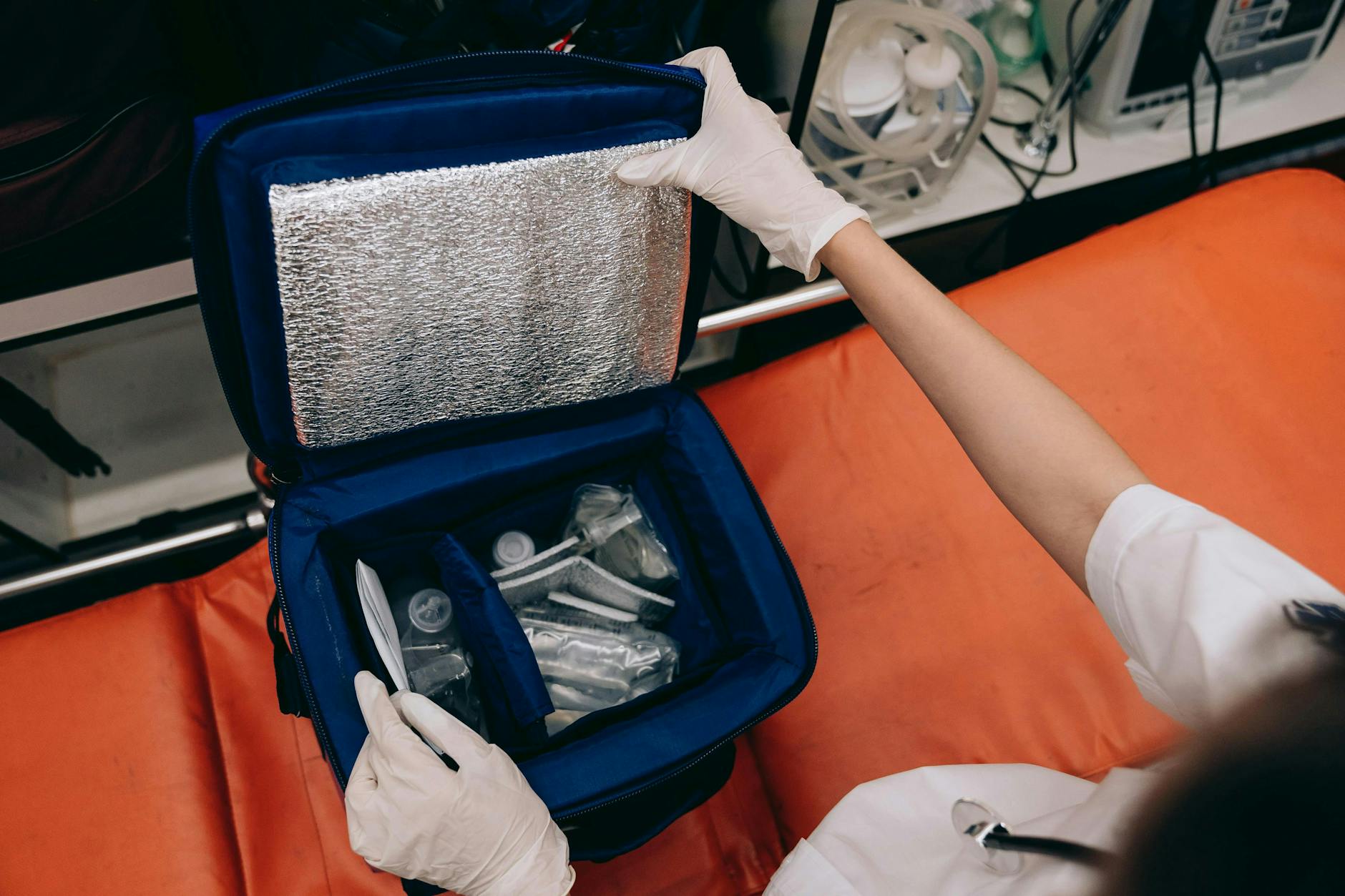
    Importance of Choosing the Right Medical Equipment Supplier

    When it comes to selecting a medical equipment supplier for your practice, the decision holds significant importance, impacting both patient care and practice efficiency.

    Impact on Patient Care

    Choosing the right medical equipment supplier directly influences the quality of patient care provided by your practice. Reliable and high-quality equipment ensures accurate diagnoses, efficient treatments, and overall patient satisfaction. From diagnostic tools to treatment instruments, every piece of equipment plays a crucial role in enhancing the healthcare experience for patients.

    __wf_reserved_inherit

    Implications on Practice Efficiency

    In addition to patient care, the choice of a medical equipment supplier has a profound effect on the overall efficiency of your practice. Well-maintained and up-to-date equipment facilitates smooth operations, reduces downtime, and improves workflow processes. By investing in the right suppliers, you can streamline daily tasks, optimize resource utilization, and ultimately enhance the productivity of your healthcare facility.

    The impact on patient care and practice efficiency underscores the importance of thoroughly evaluating and selecting the best medical equipment suppliers for your practice. Consider factors such as reputation, product quality, and pricing to make informed decisions that benefit both your patients and your practice’s operational effectiveness.

    Factors to Consider When Selecting a Medical Equipment Supplier

    When it comes to choosing a medical equipment provider, several factors play a critical role in ensuring that you partner with the best supplier for your practice. Key considerations include the supplier’s reputation and reliability, the quality and range of products offered, as well as pricing and payment options.

    Reputation and Reliability

    The reputation and reliability of a medical equipment supplier are paramount in the healthcare industry. A supplier’s track record of delivering high-quality products on time and providing excellent customer service speaks volumes about their reliability. It’s important to research and gather feedback from other healthcare professionals or facilities to assess the supplier’s reputation.

    Product Quality and Range

    The quality and range of products offered by a medical equipment supplier directly impact patient care and practice efficiency. Ensure that the supplier provides products that meet industry standards and regulatory requirements. A diverse range of products allows you to streamline your purchasing process and access all the necessary equipment from a single source.

    __wf_reserved_inherit

    Pricing and Payment Options

    Cost considerations are crucial when selecting a medical equipment supplier, especially for practices with budget constraints. Evaluate the pricing structure of the supplier to ensure that it aligns with your financial capabilities without compromising product quality. Additionally, flexible payment options, such as installment plans or discounts for bulk orders, can provide added value to your procurement process.

    __wf_reserved_inherit

    By carefully assessing these three factors – reputation and reliability, product quality and range, as well as pricing and payment options – you can make an informed decision when selecting a medical equipment supplier for your practice. Prioritize partnerships with suppliers that not only meet your equipment needs but also align with your values and goals for providing exceptional patient care.

    Researching Potential Suppliers

    In the quest to find the best medical equipment suppliers, conducting thorough research is paramount to making an informed decision. This section explores three key steps in the research process: online search and reviews, seeking recommendations, and contacting suppliers for information.

    Online Search and Reviews

    One of the initial steps in identifying potential medical equipment suppliers is conducting an online search. Utilizing search engines and browsing through industry-specific directories can provide a list of suppliers to consider. Websites and forums dedicated to healthcare professionals may also feature reviews and ratings of various suppliers, offering valuable insights into their reputation and product quality.

    When researching online, it is essential to verify the credibility of the sources providing reviews and ratings to ensure that the information is reliable and unbiased. Paying attention to both positive and negative feedback can help in forming a holistic understanding of the supplier’s performance and customer satisfaction levels.

    Seeking Recommendations

    Seeking recommendations from colleagues, industry experts, or professional networks can be a valuable strategy in the supplier selection process. Referrals from trusted sources who have firsthand experience with specific suppliers can offer unique perspectives and insights that may not be easily accessible through online research alone.

    When soliciting recommendations, it is beneficial to inquire about the key factors that influenced their choice of supplier, such as product quality, customer service, and overall satisfaction. Gathering multiple recommendations and comparing common themes can help in identifying potential suppliers that align with your practice’s requirements.

    Contacting Suppliers for Information

    Once a list of prospective suppliers has been compiled through online research and recommendations, the next step involves directly contacting the suppliers for detailed information. This communication can take the form of emails, phone calls, or in-person meetings, depending on the level of information required and the complexity of the equipment being sourced.

    When reaching out to suppliers, it is important to inquire about their product offerings, pricing structures, payment terms, and any additional services they provide, such as installation and maintenance. Requesting product catalogs, brochures, and specification sheets can help in evaluating the compatibility of the equipment with your practice needs and technical requirements.

    By diligently researching potential suppliers through online search, seeking recommendations, and engaging in direct communication, healthcare professionals can gather the necessary information to make an informed decision when selecting the best medical equipment suppliers for their practice.

    Evaluating Supplier Capabilities

    When seeking the best medical equipment suppliers, it is vital to assess various aspects of their capabilities to ensure they align with the needs of your practice. Three key factors to consider in this evaluation process are customer service, return policies and warranties, and regulatory compliance.

    Assessing Customer Service

    Effective customer service is indispensable when dealing with medical equipment suppliers. It involves the supplier’s responsiveness, attentiveness to concerns, and ability to provide timely and satisfactory resolutions to issues. Assessing the level of customer service can significantly impact the smooth operation of your practice and the quality of patient care.

    Reviewing Return Policies and Warranties

    Understanding the return policies and warranties offered by medical equipment suppliers is crucial for safeguarding your investment and ensuring product reliability. Clear and favorable return policies allow for the exchange or refund of faulty or unsatisfactory equipment. Comprehensive warranties provide assurance of product performance and maintenance support, contributing to long-term cost savings.

    __wf_reserved_inherit

    Ensuring Compliance with Regulatory Standards

    Compliance with regulatory standards is non-negotiable when selecting medical equipment suppliers. It is imperative that suppliers adhere to industry regulations and quality standards to guarantee the safety and efficacy of the equipment provided. Failure to comply with regulatory requirements can pose risks to patient care and result in legal consequences for your practice.

    Before finalizing your decision on a medical equipment supplier, carefully evaluate their customer service practices, return policies and warranties, and adherence to regulatory standards. These factors play a significant role in the overall efficiency and reliability of your practice’s operations, impacting both patient care and practice performance.

    Making the Final Decision

    When it comes to selecting a medical equipment supplier for your practice, making the final decision involves a thorough evaluation process. By comparing key factors, requesting quotes and samples, and negotiating terms and conditions, you can ensure that you choose the best supplier to meet your needs.

    Comparing Key Factors

    Before making a decision, it’s essential to compare key factors that will impact your choice of a medical equipment supplier. Consider factors such as:

    __wf_reserved_inherit

    By analyzing these key factors, you can gain a comprehensive understanding of each supplier’s strengths and capabilities, helping you make an informed decision.

    Requesting Quotes and Samples

    Once you have narrowed down your list of potential suppliers, it’s time to request quotes and samples. Requesting quotes allows you to compare pricing and determine the cost-effectiveness of each supplier. Additionally, requesting samples of the medical equipment gives you the opportunity to assess the quality, functionality, and suitability of the products for your practice.

    It’s advisable to request quotes and samples from multiple suppliers to ensure you have a broad perspective and can make a well-informed decision based on both cost and quality considerations.

    Negotiating Terms and Conditions

    After reviewing quotes and samples, the next step in the decision-making process is negotiating terms and conditions with the selected supplier. This involves discussing pricing, payment terms, delivery schedules, warranties, and any additional services offered. Effective negotiation can lead to favorable terms that meet your practice’s requirements and ensure a mutually beneficial partnership with the supplier.

    During negotiations, be clear about your expectations and requirements, and be open to compromise when necessary. By establishing mutually agreeable terms and conditions, you can solidify a strong and sustainable relationship with your chosen medical equipment supplier.

    Building a Long-Term Relationship

    When it comes to finding the best medical equipment suppliers, establishing a long-term relationship is key to ensuring reliable and consistent service. Building a strong partnership with your supplier can lead to improved communication, enhanced performance evaluation, and opportunities for continuous improvement.

    Communication and Feedback

    Effective communication is the cornerstone of any successful relationship with a medical equipment supplier. Maintaining open lines of communication allows you to convey your needs, expectations, and any concerns promptly. Regular feedback exchanges with your supplier can help address issues proactively and foster a collaborative approach to problem-solving.

    Regularly Evaluating Performance

    Regular evaluation of the supplier’s performance is essential to ensure that they continue to meet your practice’s requirements. By monitoring key performance indicators, such as product quality, delivery times, and customer service responsiveness, you can assess the supplier’s overall effectiveness. It’s recommended to schedule periodic reviews to discuss performance metrics and identify areas for improvement.

    Seeking Continuous Improvement

    In the dynamic healthcare industry, continuous improvement is crucial for staying competitive and meeting evolving patient care needs. Encouraging your medical equipment supplier to strive for continuous improvement can lead to better products, services, and overall partnership satisfaction. Collaborate with your supplier to explore innovative solutions, new technologies, and process enhancements that can benefit both your practice and your patients.

    By prioritizing effective communication, regular performance evaluations, and a commitment to continuous improvement, you can cultivate a long-term relationship with your medical equipment supplier that supports the success and growth of your practice. This partnership approach enables you to navigate challenges, seize opportunities, and deliver high-quality care to your patients consistently.

    Sources

    https://www.inventorysource.com/guide-to-choosing-the-best-medical-equipment-supplier

  • The Importance of Emotional Support for Families of Medically Complex Children

    The Importance of Emotional Support for Families of Medically Complex Children

    Understanding the Crucial Role of Emotional Support in Caregiving

    Introduction

    Life with a medically complex child is filled with unique challenges and uncertainties. Families in this situation grapple with a constant cycle of medical appointments, emotional distress, and the need to adapt to ever-changing circumstances. Providing adequate emotional support to these families is not merely a benefit but a necessity that can profoundly affect their overall well-being. This article seeks to explore the multifaceted impacts of emotional support, drawing insights from current research and expert recommendations.

    The Emotional Support Needs of Families with Medically Complex Children

    Understanding the Emotional Support Needs of Caregivers

    What are the emotional support needs of families with medically complex children?

    Families with medically complex children face significant emotional support needs. Caregivers often experience elevated levels of stress due to the constant demands of managing complex health conditions. Studies reveal that 40% to 70% of family caregivers report clinical symptoms of depression, indicating a pressing need for effective emotional support systems.

    The mental health of caregivers is notably poorer compared to those caring for children without such complexities. This distress can manifest as anxiety, feelings of being overwhelmed, and social isolation, all of which detrimentally affect family dynamics. Thus, addressing these emotional challenges is essential for their well-being.

    Importance of care coordination

    Effective care coordination plays a crucial role in improving the emotional health of caregivers. Supportive care coordinators and structured care plans can significantly alleviate caregiver stress, leading to fewer days of feeling mentally unhealthy. Open communication lines between healthcare providers and families foster trust, enabling better engagement and emotional resilience.

    Sibling and family-wide emotional challenges

    These emotional needs extend beyond the immediate caregiver. Siblings of medically complex children may also struggle with feelings of neglect or anxiety, impacting their emotional well-being. Initiatives like sibling support programs help foster a sense of shared identity, normalizing their experiences and providing much-needed validation.

    Overall, comprehensive support interventions are vital not just for caregivers but for enhancing the emotional health of the entire family unit, ultimately improving the quality of life for all members.

    Impacts of Emotional Support on Caregiver and Family Dynamics

    Exploring the Impact of Emotional Support

    How does emotional support impact caregiver mental health and family dynamics?

    Emotional support plays a critical role in reducing the toll caregiving takes on mental health and family dynamics. Caregivers of medically fragile children frequently endure chronic stress, leading to psychological issues such as anxiety and depression. This is particularly evident when caring for children with cognitive impairments or mental health challenges, where the emotional strain can intensify.

    Research indicates that the presence of robust social support networks can significantly lower psychological distress among caregivers. Having a solid support system allows caregivers to share experiences and feelings, relieving some burdens of solitude often felt in their roles. Engaging in self-care practices and seeking emotional support leads to better mental well-being among caregivers.

    Importance of social support

    The emotional connection fostered by strong support networks is vital for caregiver resilience. Caregivers reporting higher levels of support typically experience less anxiety and depression. Support can come from various sources, including friends, family members, or support groups. These connections help caregivers feel validated and understood, enhancing coping mechanisms in challenging times.

    Positive influence on family relationships

    The benefits of emotional support extend beyond the primary caregiver to the entire family unit. When caregivers feel emotionally supported, their capacity to present a calm and stable presence for their children improves, which positively influences family dynamics. A mentally healthier caregiver can foster better relationships within the family, promoting a nurturing environment that supports the needs of all members. Ultimately, prioritizing emotional well-being in caregivers not only enhances their ability to provide quality care but also strengthens family bonds.

    Navigating Unique Challenges with Tailored Support

    What challenges do families of medically complex children face, and why is tailored support important?

    Families of medically complex children encounter numerous hurdles daily. These include the need to perform intricate medical procedures, manage potential emergencies, and coordinate care among various healthcare providers, often without adequate support from the healthcare system.

    This constant juggling act leads to several emotional and practical burdens. Parents frequently experience heightened levels of stress, exacerbated by feelings of frustration, guilt, and sadness. These emotional challenges can significantly detract from their overall mental health and daily functioning.

    Individualized Support as a Necessity

    Tailored support is essential for these families—it acknowledges and addresses their unique situation. Through personalized and community-oriented assistance, families are better equipped to navigate the complexities of healthcare offerings. Emotional support, alongside practical help, enables families to cope and feel empowered when dealing with often daunting medical landscapes.

    A strong partnership with healthcare providers, characterized by effective communication and collaboration, fosters trusting relationships that enhance the well-being of both the child and the family.

    Enhancing Quality of Life through Care Coordination

    Ultimately, personalized approaches to care and robust community support networks are vital for improving the quality of life for families managing complex healthcare needs. By ensuring that families receive the tailored emotional and practical support they require, healthcare systems can significantly ease the burdens they face.

    Coping Strategies and Self-Care Practices for Caregivers

    What coping strategies and self-care practices are beneficial for caregivers of medically fragile children?

    Caregivers of medically fragile children often face overwhelming stress, making effective coping strategies and self-care practices paramount in managing their emotional and physical well-being. Here are some beneficial approaches:

    • Relaxation Techniques: Mindfulness, meditation, and deep breathing exercises can help caregivers regulate their emotions and reduce anxiety during challenging moments. Taking time throughout the day to practice these techniques can foster a calmer mindset.

    • Building Support Systems: Establishing a robust support network is essential. Connecting with friends, family, or joining support groups allows caregivers to share experiences, gain emotional comfort, and receive practical advice from others facing similar challenges.

    • Importance of Self-Care: Prioritizing self-care activities such as hobbies, exercise, and ensuring sufficient sleep is vital to prevent burnout. Caregivers must carve out time for themselves to recharge, engage in enjoyable activities, and maintain their health.

    In addition to these strategies, caregivers can benefit from practical steps like creating a structured care schedule, simplifying daily tasks, and seeking professional therapy. These actions help manage the demands of caregiving and maintain overall well-being.

    Research Insights on Psychosocial Aspects in Caregiving

    What are the psychosocial findings in caring for children with complex medical conditions?

    Research findings indicate that caring for children with complex medical conditions, such as rare diseases, has significant psychosocial implications for both the children and their families. Parents often experience feelings of isolation, overwhelming stress, and unmet needs.

    These challenges may lead to heightened levels of anxiety and depression among parents, impacting their ability to provide effective care. The emotional burden stemming from the child’s medical complexities extends throughout the entire family unit. It can lead to difficulties in communication and collaboration, particularly when coordinating care among multiple health providers.

    How do integrated behavioral health services impact family functioning?

    Integrated behavioral health services are shown to enhance family functioning and overall well-being. With structured support addressing both medical and emotional needs, families can navigate the complexities of care more effectively. This integrated approach facilitates better communication among healthcare providers, parents, and educators, ensuring that everyone involved understands the psycho-emotional landscape impacting both the children and their families.

    What is the role of multidisciplinary approaches in managing diverse family needs?

    Multidisciplinary approaches that incorporate psychological support are essential for facilitating better health outcomes for children and their families. These methods integrate input from primary care physicians, mental health professionals, social workers, and support groups. This comprehensive framework allows families to feel supported and understood, providing a safer atmosphere to discuss various challenges, ultimately improving their mental health and coping strategies.

    The Role of Healthcare Providers in Emotional Support and Care Coordination

    How can healthcare providers offer emotional support and coordinate care for families of medically complex children?

    Healthcare providers play a vital role in supporting families of medically complex children (CMC). To foster emotional support, they can implement care coordination training programs, such as the Care Coordination Education Framework (CCEF). These programs are designed to equip families with the skills needed to navigate the healthcare system effectively.

    Communication is key. Families who feel listened to and valued by healthcare providers report significantly higher satisfaction levels. This can lead to better care coordination outcomes. Providers should embrace a family-centered care approach, focusing on understanding the whole child and family dynamics, which builds trust and enhances collaboration among all parties involved.

    Furthermore, involving family colleagues in the design of care systems helps to ensure that the strategies developed reflect the unique challenges families face. Establishing shared care plans and maintaining continuous, open lines of communication among all stakeholders is crucial in addressing both medical and holistic health needs.

    Support Elements Description Impact
    Care Coordination Training Programs Training designed to empower families in navigating the healthcare system. Improved family engagement and satisfaction.
    Family-Centered Care Approaching care by understanding the entire family and child context. Builds trust and collaboration.
    Continuous Communication Regular updates and open dialogue with families. Enhances feelings of support and connection.
    Involvement of Family Colleagues in Care Design Using family experiences to shape healthcare strategies. More effective and relevant care approaches.

    These elements help to create a supportive environment that addresses not only the medical complexities but also the emotional needs of families caring for CMC.

    Resources and Interventions for Enhancing Emotional Well-Being

    Enhancing Emotional Well-Being Through Resources and Interventions

    What resources and interventions enhance emotional well-being for both children and their families?

    Resources and interventions play a critical role in enhancing emotional well-being for children with medical complexity (CMC) and their families. One of the most effective approaches is the implementation of coordinated healthcare involving multidisciplinary teams. This approach ensures that the extensive needs of families are met through collaboration among healthcare providers, including pediatricians, therapists, and social workers.

    Organizations providing support

    Several organizations are dedicated to providing essential emotional support for families of children with special healthcare needs. Notable organizations include:

    Organization Description Support Offered
    Family Voices Connects families of children with special healthcare needs Advocacy, resources, emotional support
    Parent to Parent USA Fosters a network for families of individuals with disabilities Emotional support and peer connections

    These organizations offer resources tailored to the unique challenges these families face, emphasizing the importance of community and support.

    Self-care practices

    Self-care is vital for caregivers who often endure significant mental health challenges. Effective practices include:

    • Regular exercise
    • A healthy diet
    • Stress management techniques, such as meditation and mindfulness
    • Accessing support groups and family therapy for communal sharing and healing

    These practices can enhance the caregiver’s health, directly influencing the emotional well-being of families and improving treatment outcomes for CMC.

    Community Involvement and Comprehensive Support Systems

    The Importance of Community Involvement and Support

    Why is community involvement and comprehensive support important for families with complex medical needs?

    Community involvement and comprehensive support are essential for families dealing with complex medical needs. These families encounter substantial hurdles in accessing appropriate care services. In California alone, nearly one in seven children has special health care needs, emphasizing the need for tailored community programs. These initiatives are vital for bridging gaps in care, providing essential resources, and improving overall health outcomes.

    Engaging families in the development of healthcare plans fosters trust and ensures that services align more closely with their specific needs. This collaborative approach, involving healthcare providers, policymakers, and families, can lead to systemic improvements, ensuring that all services are coordinated and comprehensive.

    Community-led initiatives play a fundamental role as well. They empower families with the education and peer support necessary to navigate complex care systems. By fostering a sense of belonging and collaboration, these programs enhance the emotional and psychological well-being of families, ultimately contributing to better care for their medically fragile children.

    Type of Initiative Key Benefits Approaches
    Community Programs Bridge healthcare gaps Educational workshops, resource fairs
    Collaborative Efforts Drive systemic improvements Partnerships among families, providers, policy makers
    Peer Support Groups Empower families, emotional support Sibling support initiatives, parent networks

    Conclusion

    Families of medically complex children confront an array of emotional and practical challenges. The importance of providing them with comprehensive emotional support cannot be overstated. As caregivers struggle with stress and mental health difficulties, offering access to robust support systems, tailored resources, and skilled care coordination becomes crucial. By understanding these families’ unique needs, fostering open communication, and encouraging community involvement, we can uplift these families, helping them find resilience and strength amidst their demanding circumstances. It is imperative to advocate for change, ensuring that all medically complex children and their families receive the care and emotional support necessary to thrive.

    References

  • Epilepsy -Symptoms and Causes

    Epilepsy -Symptoms and Causes

    Unveiling the truth about epilepsy – explore symptoms, causes, and advancements in treatment. Stay informed and empowered.

    __wf_reserved_inherit

    Understanding Epilepsy

    To gain a deeper understanding of epilepsy, it is important to explore the condition itself and its prevalence.

    What is Epilepsy?

    Epilepsy is a neurological disorder characterized by recurrent seizures. Seizures are caused by abnormal electrical activity in the brain, which can result in a range of physical and mental symptoms. These seizures can vary in intensity and duration, and they may affect different areas of the brain.

    The exact cause of epilepsy is often unknown, but it can be attributed to a variety of factors, including genetic predisposition, brain abnormalities, and head trauma. Epilepsy can occur at any age, although it is more commonly diagnosed in childhood or after the age of 60.

    Prevalence of Epilepsy

    Epilepsy is a relatively common condition that affects millions of people worldwide. According to the World Health Organization (WHO), approximately 50 million people worldwide have epilepsy, making it one of the most common neurological disorders globally.

    To provide a clearer picture of the prevalence of epilepsy, here is a table showcasing the estimated number of people with epilepsy in different regions:

    __wf_reserved_inherit

    It is important to note that these numbers are approximate and can vary based on different studies and data sources. Epilepsy can impact individuals of all races, ethnicities, and socioeconomic backgrounds, and it is essential to raise awareness and provide support for those living with this condition.

    Understanding the basics of epilepsy and its prevalence sets the foundation for exploring its symptoms, causes, diagnosis, treatment options, and living with the condition. By shedding light on this neurological disorder, we can contribute to a better understanding and support system for individuals affected by epilepsy.

    Symptoms of Epilepsy

    Epilepsy is a neurological disorder characterized by recurrent seizures. These seizures can vary in type and intensity, causing a range of symptoms. Understanding the different types of seizures and their associated symptoms is essential for identifying and managing epilepsy.

    Generalized Seizures

    Generalized seizures are seizures that involve both sides of the brain. They can be further classified into different subtypes, each with its own distinct symptoms:

    __wf_reserved_inherit

    Focal Seizures

    Focal seizures, also known as partial seizures, occur in a specific area of the brain. These seizures can be further classified into two types, each with its own set of symptoms:

    __wf_reserved_inherit

    Other Symptoms to Watch for

    While seizures are the hallmark symptom of epilepsy, there are other signs and symptoms that may indicate the presence of the condition. These symptoms can vary depending on the individual and may include:

    • Auras: Sensations that warn of an impending seizure, such as strange smells, tastes, or visual disturbances.
    • Loss of consciousness: Complete loss of awareness during a seizure, which can last from a few seconds to several minutes.
    • Temporary confusion or disorientation after a seizure.
    • Repetitive movements, such as lip smacking or chewing.
    • Unusual sensations, such as tingling, numbness, or a sense of déjà vu.
    • Changes in emotions or mood, such as sudden fear or joy.

    It’s important to note that the symptoms of epilepsy can vary greatly from person to person. If you or someone you know is experiencing any of these symptoms or suspect the presence of epilepsy, it is crucial to seek medical attention for proper diagnosis and management.

    __wf_reserved_inherit

    Causes of Epilepsy

    Understanding the underlying causes of epilepsy is crucial in managing and treating this neurological disorder. While the exact cause may vary from person to person, there are several common factors that contribute to the development of epilepsy. These include genetic factors, brain abnormalities, and head trauma or brain injuries.

    Genetic Factors

    Genetics plays a significant role in the development of epilepsy. Certain genetic mutations or variations can increase a person’s susceptibility to seizures. In some cases, epilepsy may run in families, indicating a hereditary component. Individuals with a family history of epilepsy are at a higher risk of developing the condition themselves.

    Studies have identified specific genes that are associated with different types of epilepsy. These genetic abnormalities can disrupt the normal functioning of brain cells and lead to abnormal electrical activity, resulting in seizures. However, it’s important to note that not all cases of epilepsy are caused by genetic factors.

    Brain Abnormalities

    Abnormalities in the structure or function of the brain can also contribute to the development of epilepsy. These abnormalities can be present from birth or develop later in life due to various factors. Some common brain abnormalities associated with epilepsy include:

    • Neuronal Migration Disorders: These are developmental disorders that occur when nerve cells do not migrate to their proper positions in the brain during fetal development. This can lead to an increased risk of seizures and epilepsy.
    • Tumors: Brain tumors, whether cancerous or non-cancerous, can disrupt normal brain activity and trigger seizures. The location and size of the tumor can influence the type and frequency of seizures experienced.
    • Stroke: A stroke occurs when blood flow to the brain is interrupted, leading to damage in specific areas. This damage can result in the development of epilepsy, particularly if the stroke affects regions responsible for regulating electrical activity.
    • Infections: Certain infections, such as meningitis, encephalitis, and brain abscesses, can cause inflammation and damage to the brain, increasing the risk of seizures and epilepsy.

    Head Trauma and Brain Injuries

    Head trauma and brain injuries are significant risk factors for epilepsy. A severe blow to the head, such as those sustained in car accidents, falls, or sports-related injuries, can disrupt normal brain activity and trigger seizures. The risk of developing epilepsy after a head injury depends on various factors, including the severity and location of the injury.

    Causes of Epilepsy

    Genetic Factors

    Brain Abnormalities

    Head Trauma and Brain Injuries

    By understanding the potential causes of epilepsy, medical professionals can better diagnose and treat the condition. It’s important to note that epilepsy can have multiple contributing factors, and each individual’s situation may be unique. Consulting with a healthcare provider is essential for accurate diagnosis, appropriate treatment, and management of epilepsy based on the underlying cause.

    Diagnosis and Treatment

    When it comes to diagnosing and treating epilepsy, healthcare professionals employ various methods to ensure accurate diagnosis and develop an effective treatment plan. This section will explore the diagnostic tests used, medication therapy options, and surgical interventions available for individuals with epilepsy.

    Diagnostic Tests

    To confirm the presence of epilepsy and determine the specific type of seizures, doctors may utilize several diagnostic tests. These tests help assess brain activity, identify potential underlying causes, and rule out other conditions that may mimic epilepsy symptoms.

    __wf_reserved_inherit

    These diagnostic tests, along with a thorough medical history and physical examination, aid in the accurate diagnosis of epilepsy and provide valuable information for treatment planning.

    Medication Therapy

    Medication therapy is often the first line of

    __wf_reserved_inherit

    It’s important for individuals with epilepsy to work closely with their healthcare provider to find the most effective medication and dosage, while also considering potential side effects and drug interactions. Regular follow-ups and medication adjustments may be necessary to optimize seizure control.

    Surgical Options

    For some individuals whose seizures are not well-controlled with medication or who have a specific area of the brain causing seizures, surgical interventions may be considered. These procedures aim to remove or disconnect the epileptic focus, preventing the abnormal electrical activity from spreading and causing seizures.

    __wf_reserved_inherit

    Surgical options are typically considered when seizures significantly impact a person’s quality of life and other treatment methods have been ineffective. The decision to undergo surgery is complex and requires thorough evaluation by a multidisciplinary team of healthcare professionals.

    By utilizing diagnostic tests, medication therapy, and surgical options, healthcare providers can effectively diagnose epilepsy and develop a tailored treatment plan. It’s important for individuals with epilepsy to work closely with their healthcare team to find the most suitable approach for managing their condition and improving their quality of life.

    __wf_reserved_inherit

    Living with Epilepsy

    Living with epilepsy can present unique challenges, but with proper management and support, individuals can lead fulfilling lives. This section explores some key aspects of living with epilepsy, including managing seizures, making lifestyle adjustments, and finding support systems.

    Managing Seizures

    One of the primary concerns for individuals with epilepsy is managing seizures. While it may not be possible to completely eliminate seizures, there are strategies that can help reduce their frequency and impact.

    Strategies for Managing Seizures

    Take prescribed medications as directed by your healthcare provider.

    Maintain a regular sleep schedule to minimize sleep-related seizures.

    Identify and avoid triggers that may provoke seizures, such as stress, certain foods, or lack of sleep.

    Consider keeping a seizure diary to track seizure frequency, triggers, and other relevant information.

    Follow safety precautions, such as wearing medical alert jewelry and taking precautions when participating in activities that may pose a risk during a seizure.

    Communicate with your healthcare provider about any changes in seizure patterns or medication side effects.

    By actively managing seizures and working closely with healthcare professionals, individuals with epilepsy can take control of their condition and reduce its impact on their daily lives.

    Lifestyle Adjustments

    Living with epilepsy may require making certain lifestyle adjustments to ensure safety and well-being. These adjustments can help minimize the risk of seizures and promote overall health.

    Lifestyle Adjustments for Epilepsy

    Establish a regular sleep routine and prioritize sufficient sleep.

    Avoid excessive alcohol consumption and recreational drug use, as they can increase the risk of seizures.

    Create a safe environment at home by eliminating potential hazards and ensuring easy access to emergency contacts.

    Consider wearing a helmet during activities that involve a higher risk of head injury.

    Follow a balanced diet and stay hydrated.

    Engage in stress-reducing activities, such as exercise, mindfulness, and relaxation techniques.

    Discuss any concerns or questions with your healthcare provider to determine the best lifestyle adjustments for your specific situation.

    Making these lifestyle adjustments can help individuals with epilepsy maintain a sense of normalcy and reduce the impact of the condition on their daily activities.

    Support Systems

    Having a strong support system is crucial for individualsSupport Systems for Epilepsy

    Seek regular medical care from healthcare providers experienced in managing epilepsy.

    Educate family members, friends, and caregivers about epilepsy and how they can support you.

    Join epilepsy support groups or online communities to connect with others facing similar challenges.

    Consider counseling or therapy to address any emotional or psychological effects of epilepsy.

    Stay informed about the latest research and developments in epilepsy management.

    Building a support system can provide individuals with epilepsy the necessary resources, understanding, and encouragement to navigate the challenges associated with the condition.

    Living with epilepsy requires a proactive approach to managing seizures, making lifestyle adjustments, and seeking support. By implementing these strategies, individuals with epilepsy can lead fulfilling lives while effectively managing their condition.

    Research and Future Perspectives

    As medical science continues to advance, ongoing research is being conducted to deepen our understanding of epilepsy and explore new avenues for treatment. In this section, we will discuss some of the ongoing studies, advancements in epilepsy treatment, and promising therapies that hold potential for the future.

    Ongoing Studies

    Researchers and medical professionals are actively engaged in various studies to expand our knowledge of epilepsy and improve patient outcomes. Some of the ongoing studies focus on:

    __wf_reserved_inherit

    These ongoing studies aim to uncover new insights into epilepsy and provide a foundation for further advancements in diagnosis and treatment.

    Advancements in Epilepsy Treatment

    Over the years, significant advancements have been made in the treatment of epilepsy. These advancements have revolutionized the management of seizures and improved the quality of life for individuals living with epilepsy. Some key advancements include:

    __wf_reserved_inherit

    These advancements in epilepsy treatment have opened up new possibilities for effective seizure control and improved overall well-being.

    Promising Therapies

    In addition to ongoing studies and advancements, there are several promising therapies being explored for the future treatment of epilepsy. While these therapies are still in the investigational stage, they hold potential for addressing unmet needs and improving seizure management. Some of these promising therapies include:

    __wf_reserved_inherit

    While these therapies are still in the experimental stage and require further research, they hold promise for the future of epilepsy treatment.

    As research continues and new discoveries are made, the landscape of epilepsy diagnosis and treatment is expected to evolve. These ongoing studies, advancements, and promising therapies offer hope for improved seizure control and a better quality of life for individuals living with epilepsy.

    Sources

    https://www.mayoclinic.org/diseases-conditions/epilepsy/symptoms-causes/syc-20350093

    https://www.healthdirect.gov.au/epilepsy

    https://my.clevelandclinic.org/health/diseases/17636-epilepsy