Author: abf9372f_admin

  • Tracheostomy Suctioning: Purpose and Steps

    Tracheostomy Suctioning: Purpose and Steps

    Discover the purpose and steps of tracheostomy suctioning – essential knowledge for effective airway care!

    Understanding Tracheostomy Suctioning

    When it comes to tracheostomy suctioning, having a clear understanding of the process is vital for ensuring proper care and maintenance of an individual with a tracheostomy tube. Let’s delve into the introduction and importance of tracheostomy suctioning.

    __wf_reserved_inherit

    Introduction to Tracheostomy Suctioning

    Tracheostomy suctioning is a procedure commonly used to remove respiratory secretions (mucus or phlegm) from the airway of individuals who have undergone a tracheostomy. This process involves inserting a suction catheter into the tracheostomy tube to clear any blockages and maintain airway patency.

    By effectively suctioning the airway, healthcare providers can prevent complications such as airway obstructions and respiratory distress, ultimately promoting optimal breathing and lung function for the individual with a tracheostomy.

    Importance of Tracheostomy Suctioning

    The significance of tracheostomy suctioning cannot be overstated, as it plays a critical role in the overall respiratory care of individuals with tracheostomies. Some key reasons why tracheostomy suctioning is essential include:

    1. Clearing Secretions: Tracheostomy suctioning helps to remove excess mucus and secretions that can obstruct the airway and hinder breathing, reducing the risk of respiratory complications.
    2. Maintaining Airway Patency: By keeping the airway clear and free of obstructions, tracheostomy suctioning ensures that oxygen can flow unimpeded to the lungs, supporting effective breathing.
    3. Improving Breathing Efficiency: Proper suctioning techniques help to enhance the individual’s ability to breathe comfortably and efficiently, promoting improved oxygenation and ventilation.

    Understanding the fundamental aspects of tracheostomy suctioning sets the foundation for safe and effective respiratory care for individuals with tracheostomies. It is crucial for caregivers and healthcare professionals to adhere to proper protocols and techniques when performing tracheostomy suctioning to ensure the well-being and respiratory health of the individual undergoing this procedure.

    Purpose of Tracheostomy Suctioning

    Tracheostomy suctioning serves several essential purposes in maintaining the health and well-being of individuals with a tracheostomy tube. The primary objectives of tracheostomy suctioning include clearing secretions, maintaining airway patency, and improving breathing efficiency.

    Clearing Secretions

    One of the key purposes of tracheostomy suctioning is to effectively remove accumulated secretions from the airway. Patients with a tracheostomy tube are at a higher risk of excess mucus production due to the altered anatomy of their airway. Failure to clear these secretions promptly can lead to airway obstruction, breathing difficulties, and potentially serious respiratory complications.

    Maintaining Airway Patency

    Maintaining airway patency is crucial for individuals with a tracheostomy tube to ensure uninterrupted airflow to the lungs. Tracheostomy suctioning helps prevent blockages caused by secretions or mucus buildup within the tracheostomy tube. By keeping the airway clear and unobstructed, tracheostomy suctioning supports optimal oxygenation and ventilation, reducing the risk of respiratory distress and hypoxia.

    Improving Breathing Efficiency

    Effective tracheostomy suctioning plays a significant role in improving breathing efficiency for patients with compromised respiratory function. By clearing the airway of excess secretions, tracheostomy suctioning helps reduce airway resistance, enhance airflow, and promote better oxygen exchange in the lungs. Improved breathing efficiency contributes to lung health, respiratory comfort, and overall well-being in individuals reliant on a tracheostomy tube for breathing support.

    The purpose of tracheostomy suctioning goes beyond mere maintenance; it is a critical component of airway management that aims to optimize respiratory function, prevent complications, and enhance the quality of life for individuals with a tracheostomy tube. By understanding the importance of clearing secretions, maintaining airway patency, and improving breathing efficiency through tracheostomy suctioning, caregivers and healthcare providers can ensure the safety and well-being of patients requiring this essential respiratory intervention.

    Steps of Tracheostomy Suctioning

    When it comes to performing tracheostomy suctioning, following specific steps is crucial to ensure the safety and well-being of the individual with a tracheostomy tube. The process typically involves three key stages: preparing for suctioning, the actual suctioning technique, and post-suctioning care.

    Preparing for Suctioning

    Before initiating the suctioning procedure, it is essential to gather all the necessary equipment and ensure a suitable environment for the process. This preparation step involves the following key elements:

    __wf_reserved_inherit

    Additionally, it is crucial to explain the procedure to the individual with the tracheostomy tube and obtain their consent. Positioning the individual appropriately and providing them with support during the process can help minimize discomfort and enhance the effectiveness of suctioning.

    Suctioning Technique

    The suctioning technique itself requires a delicate touch and precision to prevent injury and ensure effective secretion removal. The following steps are typically involved in the suctioning process:

    1. Assess the need for suctioning: Evaluate the individual’s breathing pattern and the amount of secretions present.
    2. Prepare the suction catheter and machine: Ensure the suction catheter is the appropriate size and connect it to the suction machine.
    3. Insert the suction catheter: Gently insert the catheter into the tracheostomy tube until resistance is felt, and then apply suction while slowly withdrawing the catheter.
    4. Monitor and assess: Observe the color and consistency of the secretions and the individual’s response throughout the process.
    5. Repeat if necessary: If additional suctioning is required, allow an adequate recovery period between passes to prevent hypoxia.

    By following these steps and maintaining a gentle touch, healthcare providers can effectively clear secretions and maintain airway patency for individuals with tracheostomy tubes.

    Post-Suctioning Care

    After completing the suctioning procedure, proper post-suctioning care is vital to minimize the risk of complications and ensure the individual’s comfort. The following measures should be taken:

    1. Monitor vital signs: Keep a close eye on the individual’s respiratory rate, oxygen saturation levels, and overall comfort.
    2. Assess airway patency: Check for any signs of airway obstruction or difficulty breathing post-suctioning.
    3. Encourage oral hygiene: Offer mouth care to prevent infection and maintain oral health.
    4. Document the procedure: Record the details of the suctioning session, including the amount and characteristics of secretions removed.

    By providing comprehensive post-suctioning care, healthcare providers can promote the well-being of individuals with tracheostomy tubes and mitigate any potential risks associated with the procedure.

    Equipment Needed for Tracheostomy Suctioning

    When it comes to tracheostomy suctioning, having the right equipment is essential to ensure a safe and effective procedure. Here are the key pieces of equipment required for tracheostomy suctioning: the suction catheter, suction machine, and personal protective equipment (PPE).

    Suction Catheter

    The suction catheter, also known as a suction tube, is a flexible, hollow tube used to remove secretions and maintain airway patency in patients with a tracheostomy tube. It comes in various sizes to accommodate different patient needs. The suction catheter is inserted through the tracheostomy tube to clear excess mucus or secretions from the airway.

    __wf_reserved_inherit

    Suction Machine

    A suction machine, also called a suction pump or aspirator, is a device that creates negative pressure to remove secretions from the airway. It consists of a vacuum source, collection canister, tubing, and suction catheter. The suction machine should be portable and easy to operate, providing consistent suction pressure for effective clearing of the airway.

    __wf_reserved_inherit

    Personal Protective Equipment (PPE)

    Personal protective equipment (PPE) is crucial during tracheostomy suctioning to protect both the caregiver and the patient from potential infections and cross-contamination. PPE for tracheostomy suctioning includes gloves, gowns, masks, and eye protection. It is essential to follow proper PPE protocols to maintain a sterile environment and minimize the risk of healthcare-associated infections.

    __wf_reserved_inherit

    Having the necessary equipment for tracheostomy suctioning ensures that the procedure is conducted safely and effectively, reducing the risk of complications and promoting optimal patient outcomes. Caregivers should be trained in the proper use of these tools and adhere to infection control practices to maintain a sterile and secure environment during suctioning procedures.

    Precautions and Safety Measures

    When it comes to tracheostomy suctioning, ensuring the safety of the patient is of utmost importance. This section delves into the risks associated with suctioning, the importance of infection control practices, and the essential task of monitoring for potential complications.

    Risks Associated with Suctioning

    Tracheostomy suctioning, while essential for maintaining airway patency, comes with certain risks that must be carefully managed. Some common risks associated with suctioning include:

    __wf_reserved_inherit

    To mitigate these risks, healthcare providers must adhere to established protocols and guidelines to ensure the safety and well-being of the patient undergoing tracheostomy suctioning.

    Infection Control Practices

    Infection control is a critical aspect of tracheostomy suctioning to prevent potential complications. Implementing stringent infection control practices helps reduce the risk of introducing pathogens into the airway. Key infection control measures include:

    • Proper hand hygiene before and after suctioning
    • Using sterile or clean suction catheters for each procedure
    • Maintaining aseptic technique during suctioning
    • Regularly cleaning and disinfecting suction equipment
    • Ensuring appropriate disposal of used supplies and waste

    By following strict infection control protocols, healthcare providers can minimize the risk of infections and promote a safe suctioning environment for the patient.

    Monitoring for Potential Complications

    Continuous monitoring for potential complications during and after tracheostomy suctioning is essential to detect any adverse effects promptly. Healthcare providers should be vigilant for signs of complications such as:

    • Respiratory distress or increased difficulty breathing
    • Bleeding or blood-stained secretions
    • Changes in oxygen saturation levels
    • Increased heart rate or blood pressure

    Immediate intervention may be required if any complications are observed, and healthcare providers should be prepared to address them swiftly to ensure the safety and well-being of the patient. Regular monitoring and assessment play a crucial role in the overall management of tracheostomy suctioning and contribute to positive patient outcomes.

    Troubleshooting and Common Issues

    When performing tracheostomy suctioning, healthcare providers may encounter various challenges and issues. In this section, we will address how to deal with difficult secretions, manage suctioning challenges, and determine when it is necessary to seek professional assistance.

    Dealing with Difficult Secretions

    Difficult secretions can pose a challenge during tracheostomy suctioning. In some cases, secretions may be thick or tenacious, making it harder to remove them effectively. To address this issue, healthcare providers can consider the following strategies:

    • Humidification: Increasing humidity in the airway can help loosen thick secretions, making them easier to suction out.
    • Saline Irrigation: Using saline solution to irrigate the tracheostomy tube before suctioning can help thin out secretions.
    • Cough Assist Devices: Utilizing cough assist devices can aid in mobilizing secretions and facilitating suctioning.

    By implementing these techniques, healthcare providers can make the suctioning process more effective and improve patient comfort.

    Managing Suctioning Challenges

    While performing tracheostomy suctioning, healthcare providers may encounter various challenges that require prompt resolution. Some common suctioning challenges include:

    • Tube Blockage: If the tracheostomy tube becomes blocked during suctioning, immediately stop the procedure and attempt to clear the blockage using appropriate techniques.
    • Patient Discomfort: Monitor the patient closely for signs of discomfort during suctioning and adjust the technique or suction pressure as needed to ensure patient comfort.
    • Equipment Malfunction: In the event of equipment malfunction, have backup equipment readily available to continue the suctioning process without delay.

    Addressing these challenges proactively can help ensure the safety and effectiveness of tracheostomy suctioning for patients.

    When to Seek Professional Help

    In certain situations, healthcare providers may encounter scenarios during tracheostomy suctioning that warrant seeking professional help. It is crucial to recognize when additional support or expertise is required to manage complex issues effectively. Healthcare providers should consider seeking professional help in the following circumstances:

    • Excessive Bleeding: If significant bleeding occurs during suctioning, seek immediate assistance from a healthcare provider experienced in tracheostomy care.
    • Persistent Tube Dislodgement: If the tracheostomy tube becomes dislodged repeatedly, consult with a healthcare provider to determine the underlying cause and appropriate intervention.
    • Unresolved Complications: If complications arise during or after suctioning that do not improve with standard interventions, involve a specialist or the patient’s primary care team for further evaluation and management.

    Promptly involving professionals in challenging situations can help prevent adverse outcomes and ensure the safety and well-being of patients undergoing tracheostomy suctioning.

    Caregiver Training and Education

    When it comes to providing care for individuals with tracheostomies, proper training and education for caregivers are paramount. This section emphasizes the significance of receiving adequate training, engaging in hands-on practice sessions, and accessing resources for caregiver support.

    Importance of Proper Training

    Proper training is essential to ensure that caregivers are equipped with the knowledge and skills needed to perform tracheostomy suctioning safely and effectively. Training programs provide caregivers with a comprehensive understanding of the procedure, potential complications, and best practices for managing airway clearance. By participating in training sessions, caregivers can enhance their confidence and competence in providing quality care to individuals with tracheostomies.

    Hands-On Practice Sessions

    Hands-on practice sessions play a crucial role in caregiver education, allowing individuals to apply theoretical knowledge to practical scenarios. During practice sessions, caregivers have the opportunity to familiarize themselves with the equipment used for tracheostomy suctioning, practice proper suctioning techniques, and address any challenges they may encounter. Engaging in hands-on practice helps caregivers hone their skills and build confidence in their ability to perform tracheostomy suctioning effectively.

    Resources for Caregiver Support

    Caregivers caring for individuals with tracheostomies may encounter various challenges and emotional demands. It is important for caregivers to have access to resources that provide support, guidance, and encouragement. These resources can include educational materials, online forums, support groups, and helplines. By connecting with these resources, caregivers can expand their knowledge, seek advice from experienced professionals, and find reassurance in knowing that they are not alone in their caregiving journey.

    By emphasizing the importance of proper training, hands-on practice sessions, and access to caregiver support resources, caregivers can enhance their skills, confidence, and ability to provide optimal care to individuals with tracheostomies. Investing in caregiver training and education is a fundamental step in ensuring the well-being and safety of both caregivers and individuals with tracheostomies.

    Sources

    https://health.ucdavis.edu/children/patient-education/pediatric-tracheostomy/tracheostomy-suction#:~:text=Suct

    https://my.clevelandclinic.org/health/procedures/tracheostomy-suctioning

    https://www.ncbi.nlm.nih.gov/books/NBK593189/

  • What Personal Care Equipment Is Needed At Home?

    What Personal Care Equipment Is Needed At Home?

    Essential Home Personal Care Equipment for Enhanced Daily Living

    Enhancing Safety and Independence at Home

    In today’s fast-paced world, ensuring the safety and well-being of elderly individuals or those with disabilities is of paramount importance. Personal care equipment plays a vital role in enhancing independence and quality of life within the home environment. This guide explores the essential types of equipment needed for home care, offering insights into their functionalities and benefits.

    __wf_reserved_inherit

    Key Facts on Assistive Devices for Home Use

    Understanding Assistive Devices for Home Use

    What are assistive devices used at home?

    Assistive devices used at home are tools designed to enhance the quality of life for individuals, particularly seniors, by promoting safety and independence. These devices include:

    The focus is on accommodating varying levels of mobility and ensuring user safety, which is emphasized in the ‘Assistive Devices’ fact sheet published by the Public Health Agency of Canada.

    Benefits of using home assistive devices

    Using home assistive devices can significantly enhance safety and comfort for those who are ill, disabled, or elderly. Some benefits include:

    Examples of assistive equipment

    Here are several common examples of assistive equipment:

    CategoryType of EquipmentPurposeMobilityWalkers, canes, wheelchairsAid in moving safelyBathroomGrab bars, shower benches, raised toilet seatsIncrease safety during hygiene tasksKitchenSpecial utensils, pull-down shelvesEnhance cooking accessibilityHealth MonitoringThermometers, blood pressure monitorsTrack health statusPersonal CareLong-handled brushes, adaptive razorsAssist with grooming and hygiene

    These examples underline how essential assistive devices can be for maintaining independence and enhancing daily living at home.

    Exploring Personal Care Devices for Enhanced Hygiene

    What is a personal care device?

    A personal care device refers to various tools and aids designed to assist individuals with daily personal hygiene and grooming activities. These devices include long-handled washing aids for hard-to-reach areas, specialized shaving tools with enlarged grips, and dental care equipment that stabilizes toothbrushes. They also cover a broad range of accessories, such as hair care tools and bathing supports, all aimed at enhancing safety and ease of use for those with mobility limitations. Furthermore, personal care aids cater to specific needs, including features for users with low vision or reduced grip strength. Overall, personal care devices help promote independence and improve the quality of life for individuals who may struggle with traditional personal care tasks.

    Types of personal care devices

    Personal care devices can be categorized into several essential types:

    Benefits of personal care devices

    The primary advantages of using personal care devices include:

    Examples of personal care equipment

    Type of DeviceDescriptionPurposeLong-handled washing aidsTools with extended handles for washing hard-to-reach areasBathingSpecialized shaving equipmentRazors with larger handles for better gripGroomingDental care devicesStabilized toothbrushes for easier handlingOral hygieneHair care aidsLong-handled brushes for those with limited reachGroomingAdaptive utensilsSpoons and forks designed for ease of useEating

    Each of these personal care devices plays a significant role in assisting individuals to maintain hygiene while promoting safety and independence.

    Comprehensive Insights Into Home Medical Devices

    What are the medical devices used at home?

    Medical devices used at home encompass a wide range of tools that assist in health management and monitoring. These tools are designed to enhance safety, mobility, and independence for individuals dealing with various health challenges.

    Some examples include:

    Other necessary devices include bed rails and patient lifts, which enhance safety and assist mobility for users. While these medical devices provide valuable benefits, users must remain aware of potential risks. For instance, inaccurate readings can occur with glucose monitors if not used correctly, increasing the risk of mismanagement. Proper usage of other equipment, such as nasal rinsing devices, is essential to prevent health complications.

    Importance of home medical devices

    Home medical devices are crucial in empowering individuals to manage their health effectively. They foster independence and can significantly reduce the need for constant medical supervision. The rise of home health care necessitates these devices for daily living activities, such as medication management and health monitoring, promoting a better quality of life.

    Examples of medical equipment

    A variety of durable medical equipment (DME) is commonly used in home care. These include:

    Equipment TypePurposeNotesBlood pressure monitorsTrack blood pressure regularlyEssential for managing hypertension.Hearing aidsAssist individuals with hearing impairmentsEnhances communication and social interaction.Wheelchairs and walkersSupport mobility for individuals with disabilitiesEnhances independence and navigation at home.First aid suppliesBasic emergency care for injuriesShould include bandages, antiseptics, etc.NebulizersAid in administering medication for asthmaEssential for respiratory therapy.Medication administration devicesEnsure proper dosing of medicationsVital for chronic condition management.

    These examples underscore the essential role that home medical devices play to help users manage their health and assist caregivers in providing efficient care.

    Adaptive Equipment for Disability Needs at Home

    What types of adaptive equipment are available for individuals with disabilities at home?

    Adaptive equipment for individuals with disabilities at home encompasses a variety of devices designed to enhance daily living and healthcare management. These can be broken down into several categories:

    What are the benefits of adaptive equipment?

    The benefits of adaptive equipment are numerous and can significantly improve the quality of life for individuals with disabilities:

    Examples of adaptive equipment

    Here are some specific examples of adaptive equipment commonly used in homes:

    CategoryExamplesBenefitsMobility AidsWheelchairs, walkers, canesImproved mobility and decreased fall riskBathroom Safety EquipmentGrab bars, shower seats, raised toilet seatsEnhanced accessibility and safety in bathingKitchen ToolsGrip-friendly utensils, pull-down shelvesFacilitated cooking and meal prepHealth Monitoring DevicesBlood pressure monitors, glucometersEmpowered self-management of healthDaily Living AidsDressing sticks, long-handled brushesImproved independence in personal care

    By incorporating adaptive equipment, individuals with disabilities can enhance their daily living experiences, fostering greater independence and safety in their homes.

    Achieving Comfort and Independence at Home

    Personal care equipment is essential for creating a safe and supportive home environment for individuals with varying needs, such as the elderly or those with disabilities. By investing in assistive devices, personal care tools, medical equipment, and adaptive aids, caregivers can significantly enhance the quality of life and independence of those they assist. Understanding these options and how they meet specific needs is critical to achieving comfort and safety in home care settings.

    References

  • Tracheostomy: What It Is and When It Is Needed

    Tracheostomy: What It Is and When It Is Needed

    Discover the mystery of tracheostomy: when and why it’s necessary. Get informed about the process, recovery, and support systems.

    Understanding Tracheostomy

    Tracheostomy is a medical procedure that involves creating an opening in the neck, known as a tracheostomy stoma, to provide direct access to the trachea. This opening is then fitted with a tracheostomy tube, which allows for breathing and the removal of secretions from the lungs.

    Definition of Tracheostomy

    Tracheostomy is a surgical procedure in which a tracheostomy tube is inserted into the trachea through a stoma in the neck. This tube serves as an alternative airway, bypassing any obstructions in the upper respiratory tract and ensuring a stable and secure air passage.

    __wf_reserved_inherit

    Purpose of Tracheostomy

    The primary purpose of a tracheostomy is to facilitate breathing and assist patients who are unable to breathe effectively through their nose and mouth due to various medical conditions or surgical procedures. Tracheostomy can be temporary or permanent, depending on the underlying cause and the patient’s overall health.

    Tracheostomy is commonly recommended in the following situations:

    • Respiratory Conditions: Tracheostomy may be necessary for individuals with severe respiratory conditions, such as chronic obstructive pulmonary disease (COPD), asthma, or respiratory failure. It helps to improve oxygenation and ventilation, allowing patients to breathe more easily and effectively.
    • Surgical Procedures: Tracheostomy is often performed during certain surgeries that require prolonged anesthesia or when there is a risk of airway compromise. It provides a secure airway during the procedure and enables the medical team to manage the patient’s respiratory needs effectively.

    By understanding the definition and purpose of tracheostomy, we can further explore the indications, process, considerations, and support systems associated with this medical procedure. Tracheostomy plays a crucial role in helping individuals with compromised respiratory function regain optimal breathing and improve their overall quality of life.

    Indications for Tracheostomy

    Tracheostomy is a medical procedure that involves creating an opening in the neck to access the trachea. It is performed for various reasons, including respiratory conditions and surgical procedures. Understanding the indications for tracheostomy is crucial in determining when this procedure is necessary.

    Respiratory Conditions Requiring Tracheostomy

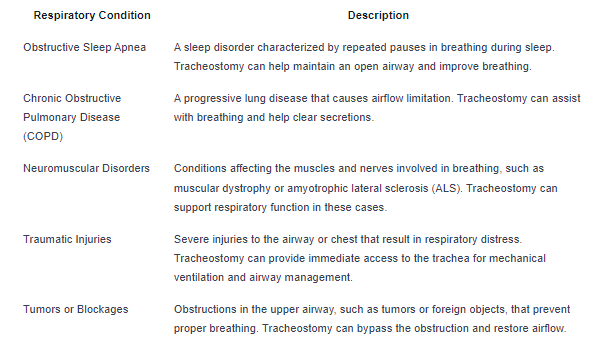
    Tracheostomy may be indicated for individuals with severe respiratory conditions that compromise their ability to breathe properly. Some of the common respiratory conditions that may require a tracheostomy include:

    __wf_reserved_inherit

    Surgical Procedures Involving Tracheostomy

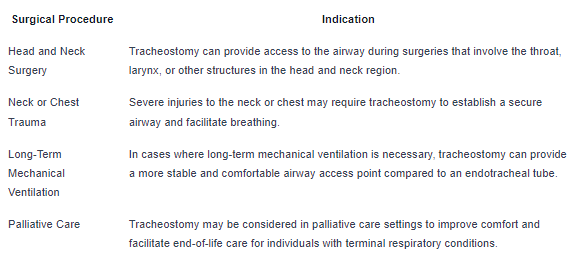
    Tracheostomy may also be performed as part of certain surgical procedures. These procedures may require access to the trachea for various reasons. Some examples of surgical procedures involving tracheostomy include:

    __wf_reserved_inherit

    The decision to perform a tracheostomy is made based on careful evaluation of the individual’s specific medical needs and the potential benefits and risks associated with the procedure. It is important for healthcare professionals to assess each case individually and consider the unique circumstances of the patient before proceeding with a tracheostomy.

    Process of Tracheostomy

    Tracheostomy is a surgical procedure that involves creating an opening in the front of the neck and inserting a tube into the trachea (windpipe) to provide an alternative airway. The process of tracheostomy consists of two main stages: the insertion of the tracheostomy tube and the subsequent care and maintenance of the tracheostomy site.

    Insertion of Tracheostomy Tube

    During the insertion of a tracheostomy tube, the patient is typically under general anesthesia. The surgeon makes an incision in the neck, creating a small opening called a stoma. This stoma is then carefully and precisely made into the trachea. A tracheostomy tube is then inserted into the stoma, securing the airway.

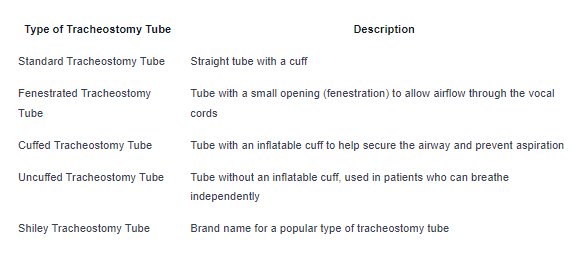
    The type and size of the tracheostomy tube may vary depending on the patient’s specific needs and the reason for the procedure. The table below provides an overview of different types of tracheostomy tubes based on their design and features:

    __wf_reserved_inherit

    Care and Maintenance of Tracheostomy

    Once the tracheostomy tube is in place, proper care and maintenance of the tracheostomy site are crucial to prevent complications and ensure optimal healing. This involves regular cleaning and monitoring of the tracheostomy tube, as well as maintaining good hygiene around the stoma.

    The care and maintenance of a tracheostomy may include the following:

    1. Cleaning the Tracheostomy Tube: Regular cleaning of the tracheostomy tube is essential to prevent blockages and infections. This involves removing any secretions or mucus from the tube using sterile saline solution or prescribed cleaning solutions.
    2. Changing the Tracheostomy Tube: Tracheostomy tubes may need to be changed periodically to prevent complications and ensure proper functioning. The frequency of tube changes will depend on the patient’s condition and the recommendations of the healthcare provider.
    3. Suctioning: Suctioning is often necessary to remove excessive secretions from the tracheostomy tube. This procedure helps maintain clear airways and prevent blockages. It should be done carefully and under the guidance of a healthcare professional.
    4. Skin Care: Proper skin care around the tracheostomy site is vital to prevent skin irritation and infection. This involves keeping the area clean, dry, and protected using appropriate dressings or barriers.
    5. Monitoring and Troubleshooting: Regular monitoring of the tracheostomy site and tube is important to identify any signs of complications or issues. This includes checking for redness, swelling, or discharge around the stoma, as well as ensuring proper functioning of the tracheostomy tube.

    By following the recommended care and maintenance guidelines, patients with a tracheostomy can minimize the risk of complications and promote the healing process. It is crucial for healthcare professionals to provide comprehensive instructions and support to patients and their caregivers to ensure the best possible outcome.

    Considerations for Tracheostomy

    When it comes to considering a tracheostomy, there are important factors to take into account. These considerations include the risks and complications associated with the procedure, as well as the long-term effects and adjustments that may be necessary.

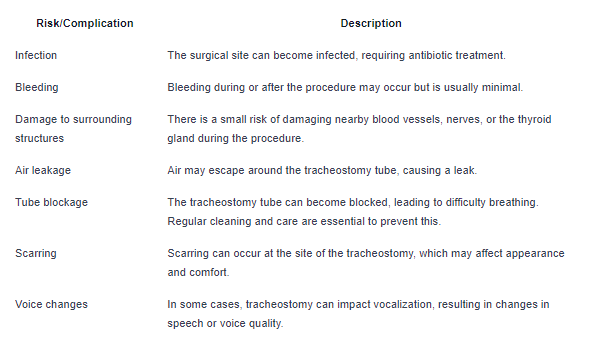
    Risks and Complications

    As with any medical procedure, tracheostomy carries certain risks and potential complications. While these risks are relatively low, it’s essential to be aware of them before making a decision. Some of the possible risks and complications include:

    __wf_reserved_inherit

    It’s important to discuss these risks and complications with your healthcare provider to fully understand the potential implications and how they may be managed.

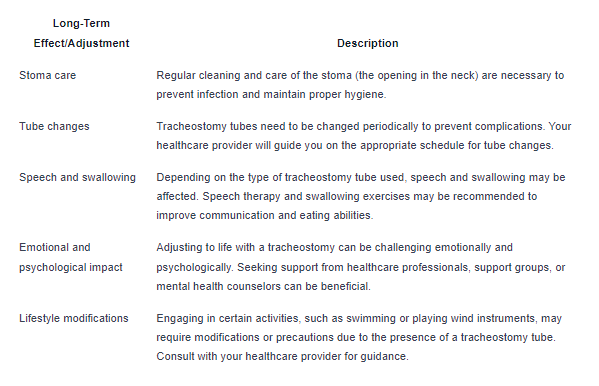
    Long-Term Effects and Adjustments

    A tracheostomy is often a long-term solution for individuals with specific medical needs. It’s crucial to consider the long-term effects and adjustments that may be required to ensure the best possible outcomes. Some of these include:

    __wf_reserved_inherit

    Understanding the potential long-term effects and adjustments associated with a tracheostomy can help you make an informed decision and prepare for the necessary care and lifestyle changes.

    By considering the risks, complications, long-term effects, and adjustments associated with a tracheostomy, you can better understand the implications of the procedure and work with your healthcare team to make the best decisions for your specific needs.

    Recovery and Rehabilitation

    After undergoing a tracheostomy procedure, proper recovery and rehabilitation are essential for optimal healing and adjustment. This section will cover post-operative care and the importance of rehabilitation, including speech therapy, in the tracheostomy recovery process.

    Post-Operative Care

    Following a tracheostomy, patients require specialized care to ensure a smooth recovery. Here are some key aspects of post-operative care for individuals with a tracheostomy:

    1. Wound Care: Proper cleaning and dressing of the tracheostomy site are crucial to prevent infection. The healthcare team will provide guidance on how to clean the stoma and change the dressing.
    2. Suctioning: Suctioning helps remove mucus and secretions from the airway. It is important to learn the correct technique and frequency for suctioning, as excessive or improper suctioning can cause discomfort and damage to the airway.
    3. Cuff Management: In some cases, a tracheostomy tube may have an inflatable cuff. The cuff is used to create a seal in the airway, but it needs to be managed carefully to prevent complications such as pressure ulcers or tracheal stenosis.
    4. Nutrition and Hydration: Depending on the individual’s condition, nutritional support may be necessary. This can include tube feeding or modifications to the diet. Adequate hydration is also crucial for optimal healing.
    5. Monitoring and Follow-up: Regular monitoring of the tracheostomy site, breathing, and overall health is essential. Follow-up appointments with healthcare professionals will be scheduled to assess progress, make any necessary adjustments, and address any concerns.

    Rehabilitation and Speech Therapy

    Rehabilitation plays a vital role in the recovery process after a tracheostomy. It focuses on improving the individual’s ability to communicate effectively and regain independence. Speech therapy, in particular, is often a key component of tracheostomy rehabilitation. Here’s how it can help:

    1. Communication Skills: Speech therapy helps individuals develop alternative methods of communication, such as using communication boards, gestures, or assistive devices. It also teaches techniques to improve vocalization and speech clarity.
    2. Swallowing and Eating: Some individuals with a tracheostomy may experience difficulties with swallowing and eating. Speech therapists can assess swallowing function and provide exercises to improve swallowing safety and efficiency.
    3. Breathing and Voice: Speech therapy can address issues related to breathing control and vocal quality. Techniques such as breathing exercises and vocal exercises can help individuals achieve better control over their breath and voice production.
    4. Psychological Support: Tracheostomy can have a significant impact on an individual’s psychological well-being. Speech therapists provide emotional support and counseling, helping patients and their caregivers cope with the challenges and adjustments associated with the tracheostomy.

    It’s important to note that rehabilitation and speech therapy should be tailored to the individual’s specific needs and goals. The duration and intensity of therapy may vary depending on the individual’s progress and the underlying condition.

    By providing comprehensive post-operative care and engaging in rehabilitation, individuals with a tracheostomy can enhance their recovery, regain their communication abilities, and improve their overall quality of life. The support and guidance of healthcare professionals, including speech therapists, are invaluable during this process.

    Decision Making and Support

    When it comes to the decision-making process surrounding tracheostomy, informed consent plays a crucial role. Additionally, patients and caregivers require adequate support systems to navigate the challenges that come with this procedure.

    Informed Consent for Tracheostomy

    Informed consent is a fundamental aspect of the decision-making process for tracheostomy. Before undergoing the procedure, patients and their families must have a clear understanding of the risks, benefits, and alternatives. The healthcare team should provide detailed information about the procedure, including its purpose, potential complications, and expected outcomes.

    It is essential for healthcare professionals to address any concerns or questions patients may have regarding tracheostomy. This ensures that patients can make informed decisions about their care. Informed consent should be a collaborative process, where healthcare providers and patients work together to ensure that the decision aligns with the patient’s values and goals.

    Support Systems for Patients and Caregivers

    Tracheostomy can have a significant impact on the lives of patients and their caregivers. It is essential to have support systems in place to address the physical, emotional, and practical aspects of living with a tracheostomy.

    Support can come from various sources, including healthcare professionals, support groups, and educational resources. These resources can provide valuable information on tracheostomy care, management of potential complications, and strategies for enhancing quality of life.

    In addition to healthcare professionals, support groups play a crucial role in connecting patients and caregivers who share similar experiences. These groups offer a platform for individuals to exchange knowledge, share coping strategies, and provide emotional support. Online forums and social media groups dedicated to tracheostomy can also serve as valuable sources of support and information.

    Caregivers, in particular, may require additional support to manage the challenges associated with tracheostomy care. This can include training on tracheostomy care techniques, assistance with activities of daily living, and respite care to prevent caregiver burnout.

    By providing patients and caregivers with the necessary information, resources, and support, the decision-making process for tracheostomy becomes more informed and empowering. This allows individuals to make decisions based on their unique circumstances, while also ensuring that they have the support they need throughout their tracheostomy journey.

    Sources

    https://www.hopkinsmedicine.org/health/treatment-tests-and-therapies/tracheostomy#:~:text=Tracheostomy%20is%20a%

    https://www.nationwidechildrens.org/family-resources-education/health-wellness-and-safety-resources/helping-hands/tracheostomy-what-it-is-and-when-it-is-needed

    https://www.mayoclinic.org/tests-procedures/tracheostomy/about/pac-20384673

  • Cerebral Palsy Prognosis – Your Child’s Outlook

    Cerebral Palsy Prognosis – Your Child’s Outlook

    Navigate your child’s cerebral palsy prognosis for a brighter future. Discover therapies, support networks, and more.

    __wf_reserved_inherit

    Understanding Cerebral Palsy Prognosis

    When it comes to cerebral palsy, understanding the prognosis is essential for parents and caregivers. Prognosis refers to the expected outcome or outlook for a child with cerebral palsy. It is important to note that prognosis can vary greatly depending on individual factors and the type and severity of cerebral palsy.

    What is Cerebral Palsy?

    Cerebral palsy is a group of disorders that affect a person’s ability to move and maintain balance and posture. It is caused by damage to the developing brain, often during pregnancy or childbirth. The specific symptoms and functional limitations can differ from person to person and may range from mild to severe.

    Cerebral palsy is classified into different types based on the movement problems it causes. These include spastic cerebral palsy, dyskinetic cerebral palsy, and ataxic cerebral palsy. Each type has its own distinct characteristics and prognosis.

    Factors Influencing Prognosis

    Several factors can influence the prognosis of a child with cerebral palsy. These factors include:

    1. Type and Severity of Cerebral Palsy: The specific type of cerebral palsy and its severity can have a significant impact on a child’s prognosis. For example, individuals with milder forms of cerebral palsy may have fewer movement limitations and better functional outcomes compared to those with more severe forms.
    2. Early Intervention and Treatment: Early intervention plays a crucial role in improving the prognosis for children with cerebral palsy. Access to appropriate therapies, treatments, and educational support can help minimize the impact of the condition and enhance a child’s physical and cognitive development.
    3. Individual Factors: Each child is unique, and individual factors such as overall health, cognitive abilities, and motivation can influence their prognosis. Additionally, the presence of other medical conditions or disabilities can impact the overall outlook.
    4. Support Systems and Resources: The availability of support systems, resources, and access to specialized healthcare can also play a role in determining the prognosis for a child with cerebral palsy. Supportive environments, including school accommodations and assistive technology, can greatly enhance a child’s quality of life and functional outcomes.

    It’s important to remember that while prognosis can provide an idea of what to expect, it cannot predict the exact trajectory of a child’s development. With early diagnosis, appropriate interventions, and a supportive network, children with cerebral palsy can achieve significant milestones and lead fulfilling lives.

    Early Diagnosis and Intervention

    When it comes to cerebral palsy, early diagnosis and intervention play a crucial role in determining the long-term prognosis for a child. Identifying cerebral palsy at an early stage allows for timely interventions that can positively impact a child’s development and quality of life. In this section, we will explore the importance of early diagnosis and discuss some early intervention strategies.

    Importance of Early Diagnosis

    Early diagnosis of Secondly, early diagnosis allows parents and caregivers to better understand their child’s condition and make informed decisions regarding their care and treatment. It provides an opportunity to connect with support networks, access resources, and seek guidance from healthcare professionals who specialize in cerebral palsy.

    Lastly, early diagnosis helps set realistic expectations and allows for proper planning for the child’s future. It allows parents and caregivers to anticipate potential challenges, seek appropriate educational accommodations, and make necessary modifications to the child’s environment to facilitate optimal growth and development.

    Early Intervention Strategies

    Early intervention is a critical component of managing cerebral palsy and optimizing a child’s prognosis. The following strategies are commonly employed in early intervention programs:

    1. Physical Therapy: Physical therapy focuses on improving muscle strength, coordination, balance, and mobility. Therapists use exercises, stretches, and specialized techniques to enhance motor skills and promote independence in daily activities.

    2. Occupational Therapy: Occupational therapy aims to enhance a child’s ability to perform activities of daily living, such as dressing, eating, and grooming. Therapists work on fine motor skills, sensory integration, and adaptive techniques to promote independence and enhance overall functioning.

    3. Speech Therapy: Speech therapy addresses communication difficulties that may arise due to cerebral palsy. Therapists use techniques to improve speech clarity, language skills, and swallowing abilities. Augmentative and alternative communication (AAC) devices may be recommended when oral communication is challenging.

    4. Assistive Devices and Technology: Assistive devices and technology can greatly assist children with cerebral palsy in their daily lives. These may include mobility aids like walkers or wheelchairs, communication devices, specialized computer software, and adaptive equipment to facilitate independence and participation.

    5. Parent and Caregiver Education and Support: Early intervention programs often provide education and support to parents and caregivers. This includes guidance on managing daily care, understanding the child’s needs, accessing community resources, and coping with the emotional aspects of raising a child with cerebral palsy.

    By emphasizing the importance of early diagnosis and implementing early intervention strategies, parents and healthcare professionals can work together to optimize a child’s development and enhance their overall prognosis. The earlier the diagnosis and intervention, the greater the potential for positive outcomes and improved quality of life for children with cerebral palsy.

    __wf_reserved_inherit

    Types of Cerebral Palsy and Their Prognosis

    Cerebral palsy is a complex condition that can manifest in different ways. The type of cerebral palsy a child has can impact their prognosis and long-term outlook. Here, we will explore three common types of cerebral palsy: spastic cerebral palsy, dyskinetic cerebral palsy, and ataxic cerebral palsy.

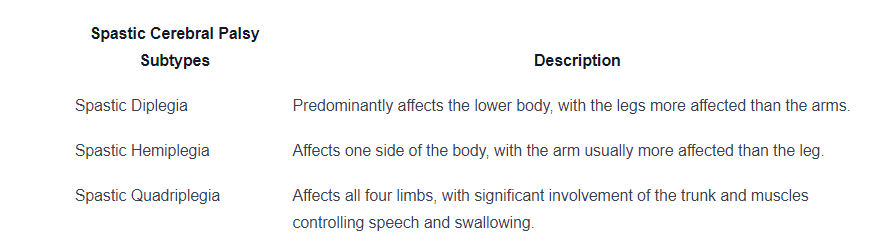
    Spastic Cerebral Palsy

    Spastic cerebral palsy is the most common type, accounting for approximately 70-80% of all cases. It is characterized by increased muscle tone, resulting in stiffness and difficulty with movement. The severity of symptoms can vary widely, ranging from mild muscle tightness to more pronounced limitations in mobility.

    __wf_reserved_inherit

    Prognosis for spastic cerebral palsy depends on various factors, including the overall severity of symptoms, access to early intervention therapies, and individual response to treatment. With appropriate interventions and support, individuals with spastic cerebral palsy can achieve significant improvements in their motor skills and quality of life.

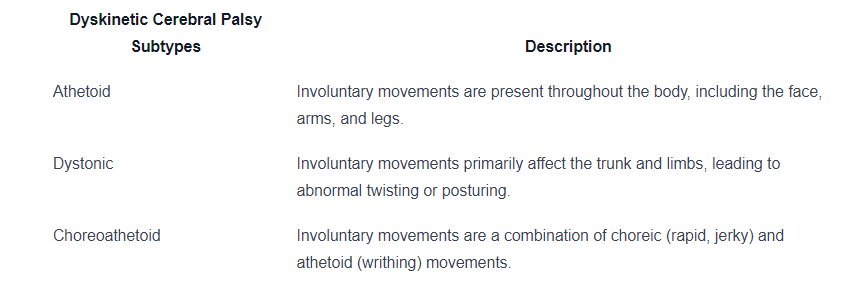
    Dyskinetic Cerebral Palsy

    Dyskinetic cerebral palsy is characterized by involuntary and uncontrolled movements, which can be slow and writhing or rapid and jerky. These movements often affect the face, trunk, and limbs, making it challenging for individuals to control their posture and coordination.

    __wf_reserved_inherit

    The prognosis for dyskinetic cerebral palsy can vary significantly depending on the severity of symptoms and the individual’s ability to control their movements. With appropriate therapies and assistive devices, individuals with dyskinetic cerebral palsy can improve their motor control and enhance their daily functioning.

    Ataxic Cerebral Palsy

    Ataxic cerebral palsy is the least common type, accounting for approximately 5-10% of cases. It primarily affects balance, coordination, and depth perception. Individuals with ataxic cerebral palsy often have difficulties with precise movements, such as reaching for objects or performing tasks that require fine motor skills.

    Prognosis for ataxic cerebral palsy varies among individuals, but with early diagnosis and targeted interventions, individuals can learn compensatory strategies and improve their motor coordination. Physical and occupational therapies play a crucial role in enhancing balance, coordination, and functional independence.

    Understanding the different types of cerebral palsy and their associated prognosis can help parents and caregivers tailor interventions and support to meet the unique needs of individuals with cerebral palsy. It is important to remember that each person’s journey is unique, and with the right resources and support, individuals with cerebral palsy can lead fulfilling and meaningful lives.

    Managing Cerebral Palsy

    When it comes to managingTherapies and Treatments

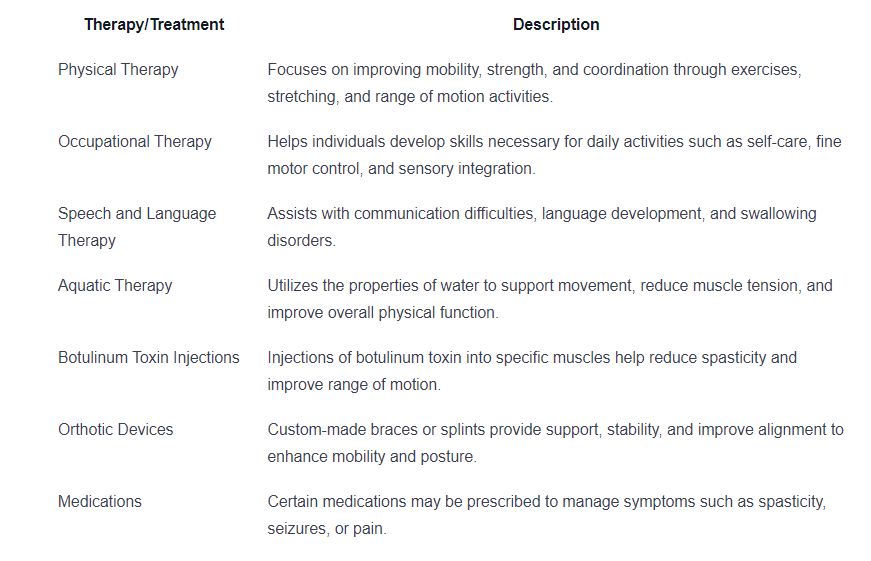
    Therapies play a crucial role in managing cerebral palsy by addressing specific challenges and promoting optimal development. The following table provides an overview of some common therapies and treatments used in the management of cerebral palsy:

    __wf_reserved_inherit

    It’s important to note that the specific therapies and treatments recommended will vary depending on the individual’s needs and the severity of their cerebral palsy. A comprehensive treatment plan, tailored to each child, should be developed in collaboration with healthcare professionals and therapists.

    Adaptive Equipment and Technology

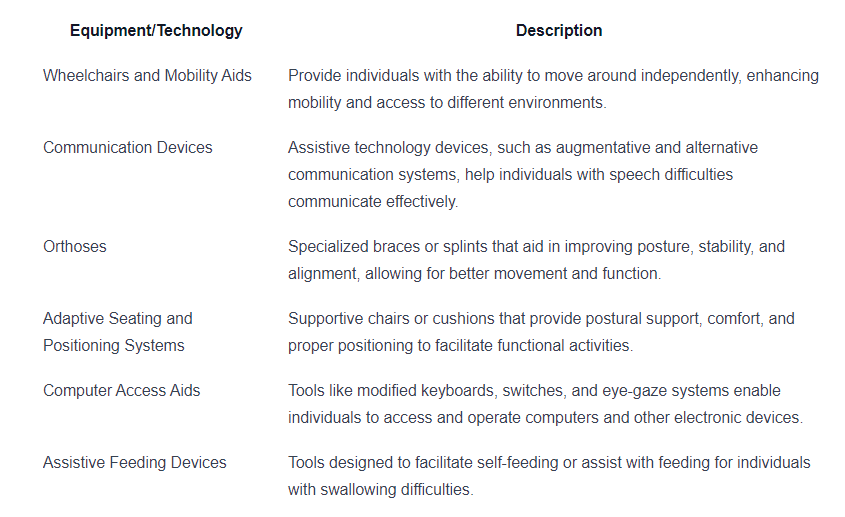
    Adaptive equipment and technology play a significant role in maximizing independence and improving functional abilities for individuals with cerebral palsy. These tools are designed to address specific challenges and promote participation in various activities. The following table provides examples of adaptive equipment and technology commonly used:

    __wf_reserved_inherit

    The selection of adaptive equipment and technology should be based on the individual’s specific needs and goals. Occupational therapists and other specialists can help determine the most suitable options and provide guidance on their effective use.

    By implementing a comprehensive approach that includes therapies, treatments, as well as adaptive equipment and technology, individuals with cerebral palsy can improve their functional abilities, independence, and overall quality of life. It’s important to work closely with healthcare professionals and therapists to create a personalized management plan that addresses the unique needs and goals of each individual.

    __wf_reserved_inherit

    Long-Term Outlook and Quality of Life

    As children with cerebral palsy transition into adulthood, understanding the long-term outlook and ensuring a good quality of life becomes a priority. In this section, we will explore the challenges faced during this transition and the support systems and resources available to enhance the prognosis.

    Transitioning into Adulthood

    The transition from adolescence to adulthood can be a significant milestone for individuals with cerebral palsy. It is essential to address the specific needs and challenges during this period to ensure a smooth transition. Some key aspects to consider include:

    • Healthcare Transition: As children with cerebral palsy become adults, they may need to transition from pediatric to adult healthcare services. This transition involves transferring medical records, finding appropriate healthcare providers, and addressing the changing healthcare needs of the individual.
    • Education and Employment: Planning for education and career opportunities is crucial to support individuals with cerebral palsy as they enter adulthood. Exploring inclusive educational settings, vocational training programs, and employment opportunities can empower them to achieve their full potential.
    • Independent Living: Encouraging independence in daily activities and supporting individuals with cerebral palsy in acquiring life skills is important for their long-term outlook. This may include learning self-care tasks, managing personal finances, and accessing community resources.

    Support Systems and Resources

    Various support systems and resources are available to help enhance the long-term outlook and quality of life for individuals with cerebral palsy. These include:

    • Support Groups: Joining support groups can provide emotional support and a sense of community for individuals with cerebral palsy and their families. These groups offer a platform to share experiences, exchange information, and learn from others facing similar challenges.
    • Therapeutic Services: Accessing ongoing therapeutic services such as physical therapy, occupational therapy, and speech therapy can help individuals with cerebral palsy manage their condition and improve their functional abilities. These services can be provided through rehabilitation centers, clinics, or home-based therapy programs.
    • Assistive Technology: Utilizing assistive technology can greatly improve the quality of life for individuals with cerebral palsy. This may include mobility aids, communication devices, adaptive equipment, and home modifications to promote accessibility and independence.
    • Community Resources: Local community resources such as disability support organizations, recreational programs, and vocational services can provide valuable assistance and opportunities for individuals with cerebral palsy to engage in social, recreational, and vocational activities.

    It is important for caregivers and families to actively seek out these support systems and resources to ensure that individuals with cerebral palsy have the necessary tools and support to lead fulfilling lives as they transition into adulthood. By advocating for their needs and utilizing available resources, individuals with cerebral palsy can achieve their potential and live a meaningful life.

    Caregiver’s Role in Enhancing Prognosis

    When it comes to managing cerebral palsy, caregivers play a vital role in enhancing their child’s prognosis and improving their overall quality of life. By advocating for their child and building a strong support network, caregivers can make a significant impact on their child’s journey.

    Advocating for Your Child

    Advocacy is a crucial aspect of caring for a child with cerebral palsy. As a caregiver, it’s important to be your child’s voice and ensure that their needs are met. Here are some key steps to effective advocacy:

    1. Educate Yourself: Learn as much as you can about cerebral palsy, including the latest research and treatment options. This will empower you to make informed decisions and advocate effectively for your child.
    2. Communicate with Healthcare Providers: Establish open and transparent communication with your child’s medical team. Share your observations, concerns, and goals for your child’s development. Collaborate with healthcare professionals to create a comprehensive care plan tailored to your child’s needs.
    3. Access Resources and Support: Seek out local support groups, organizations, and online communities that cater to families of children with cerebral palsy. These resources can provide valuable information, emotional support, and connections to other caregivers facing similar challenges.
    4. Stay Involved in Education: Work closely with your child’s school to ensure they receive appropriate educational support. Familiarize yourself with your child’s Individualized Education Program (IEP) and advocate for any necessary accommodations or modifications.

    Building a Support Network

    Building a strong support network is essential for both the child and the caregiver. Here are some strategies to consider:

    1. Family and Friends: Lean on your family and friends for emotional support and practical assistance. Share your challenges and successes with loved ones who can provide a listening ear and help alleviate some of the caregiving responsibilities.
    2. Therapists and Specialists: Collaborate with your child’s therapists and specialists to implement their recommended therapies and interventions. Maintain open lines of communication to address any concerns and ensure consistency in their care.
    3. Support Groups: Join support groups specifically designed for caregivers of children with cerebral palsy. These groups offer a safe space to share experiences, exchange information, and provide emotional support. Connecting with other caregivers who understand your journey can be invaluable.
    4. Community Resources: Explore community resources such as respite care services, recreational programs, and assistive technology centers. These resources can provide additional support and opportunities for your child’s development and well-being.

    By advocating for your child and building a robust support network, you can enhance their prognosis and create a nurturing environment for their growth and development. Remember, you are not alone in this journey, and there are numerous resources available to support you and your child every step of the way.

    Sources

    https://www.cerebralpalsyguide.com/cerebral-palsy/prognosis/life-expectancy/

    https://www.healthline.com/health/cerebral-palsy

    https://my.clevelandclinic.org/health/diseases/8717-cerebral-palsy

  • The impact of regular follow-ups on pediatric home care success

    The impact of regular follow-ups on pediatric home care success

    Revolutionizing Pediatric Home Care: The Role and Relevance of Regular Follow-ups

    Exploring the Vital Role of Follow-Up Care

    In the complex world of pediatric home care, regular follow-up interventions are emerging as a cornerstone of effective health management for children transitioning from hospitals to home environments. As healthcare continues to evolve, the significance of structured follow-up processes cannot be overstated, particularly for pediatric patients with medical complexities. This article delves into the diverse benefits and implications of follow-up care, drawing from extensive research and real-world case studies. From enhancing patient and caregiver satisfaction to mitigating healthcare costs, the following sections will explore how these interactions foster better health outcomes, improve transitions between care settings, and address the challenges faced by healthcare providers in pediatric home care.

    The Critical Influence of Follow-Up Care in Pediatric Home Settings

    Discover how follow-up care is essential for pediatric home health success!

    How does follow-up care influence the success of pediatric home care?

    Follow-up care is pivotal in achieving successful pediatric home care by ensuring smooth transitions from hospital to home. This transition is often fraught with complications that can affect patient safety and satisfaction. Studies reveal that effective follow-up interventions, like thorough discharge planning and focused parental education, not only reduce healthcare utilization but also significantly lower readmission rates.

    A structured follow-up system can verify recovery and enable timely adjustments to treatment. While the exact impact on readmission rates can vary, the consensus remains that engaging families through coordinated care enhances their ability to manage complex medical needs effectively. In fact, families that feel supported are more likely to report improved satisfaction with the discharge process.

    What role does parental education play in follow-up care?

    Parental education is crucial during follow-up care, as it equips caregivers with essential information and resources for managing their child’s health at home. This knowledge fosters confidence and empowers parents to recognize warning signs and make informed health decisions. Engaging parents through structured education, such as teach-back methods, directly links to improved health outcomes and satisfaction scores.

    When families understand the care plan and are prepared for potential challenges, they experience reduced anxiety and a greater sense of partnership with healthcare providers. Thus, well-implemented follow-up care strategies not only support healthy recovery for children but also alleviate familial stress, ultimately leading to a holistic improvement in pediatric home care.

    Enhancing Child Health Outcomes Through Regular Follow-Up Interactions

    Learn the benefits of continuous monitoring and support for children at home!

    How do regular follow-up interactions enhance outcomes for children receiving home care?

    Regular follow-up interactions are essential for improving health outcomes in children receiving home care. These interactions ensure continuous monitoring and timely interventions, allowing healthcare providers to detect and manage potential complications early. This proactive approach facilitates effective communication and helps build supportive partnerships between healthcare providers, parents, and children.

    Families frequently report feeling less anxious and experiencing an improved quality of life when care is provided at home with ongoing support from healthcare professionals. One study illustrated that consistent follow-up interactions can contribute to greater treatment adherence, as parents feel more empowered and knowledgeable about their child’s health care needs.

    Moreover, regular follow-up has been linked to lower healthcare costs due to reduced hospital readmissions. For instance, families that engage in structured communication and receive educational resources often experience financial relief from minimized emergency visits. Thus, the integration of follow-up measures enhances not only health outcomes but also reinforces the family’s role in managing their child’s care, leading to a more satisfying and effective home healthcare experience.

    Benefit Description Impact on Care
    Continuous Monitoring Enables early detection of complications Prevents acute health crises
    Treatment Adherence Promotes follow-up education and support for caregivers Improves overall treatment efficacy
    Reduced Anxiety Offers reassurance during care transitions Enhances emotional well-being
    Cost Savings Decreases the probability of hospital readmissions Lowers financial burden for families

    Transition Challenges: The Essential Role of Follow-Ups in Pediatric Care

    What are the implications of ongoing follow-ups for families transitioning from hospital to home in pediatric care?

    Ongoing follow-ups are instrumental in supporting families as they transition their children from hospital to home. These processes ensure continuity of care, which is critical for managing chronic conditions. Hospitals often discharge children who require extensive follow-up care, and effective coordination is necessary to help caregivers adapt to their new responsibilities.

    By scheduling standardized follow-up calls, pediatric clinics can significantly boost family engagement, as shown in studies where satisfaction scores jumped from 85.5% to 95.6%. These optimistic scores reflect how much families value the support they receive during challenging transition phases.

    Furthermore, ongoing follow-ups improve communication between caregivers and healthcare providers. With better information exchange, parents feel more empowered to manage their child’s health and recognize warning signs of complications. Research underscores that structured follow-ups lead to better preparedness and self-management skills among caregivers, enhancing their confidence.

    Improved communication and care coordination

    Effective communication is at the heart of successful transitions from hospital to home. Families often face stress during this phase, exacerbated by a lack of information or support. Coordinated follow-up care not only prevents miscommunication but actively addresses concerns about medication management and ongoing medical needs.

    A robust discharge plan, coupled with regular follow-ups, shows promise in reducing emergency department visits and hospital readmissions. This reduction is critical for children with chronic conditions, as regular interactions with healthcare teams provide parents with the necessary resources during vulnerable transitions. As evidenced in various studies, these coordinated efforts can lead to significant improvements in the overall pediatric care experience and become essential to preventing gaps in health care delivery.

    Maximizing Care for Complex Pediatric Cases Through Follow-Up

    Explore strategies to improve care for children with medical complexities!

    What are the benefits of follow-up care for pediatric patients with medical complexities?

    Follow-up care for pediatric patients with medical complexities is essential as it enhances health outcomes by facilitating the management of ongoing needs and coordinating care across multiple providers. It allows primary care physicians to verify recovery, adjust treatments, and educate families. This comprehensive approach addresses potential gaps in the continuity of care that can lead to complications.

    Automatic follow-ups are particularly beneficial for at-risk populations, such as those with chronic conditions. They help prevent readmissions by ensuring that any issues are addressed promptly. Studies show that structured follow-up visits are critical in monitoring developmental progress for children with a history of complications. This facilitates early interventions that can significantly improve long-term outcomes.

    In addition to improving health metrics, follow-up care fosters better patient compliance and satisfaction. Engaging caregivers in the follow-up process promotes proactive healthcare engagement, leading to more tailored and effective care plans for these children.

    Managing medical complexities

    Managing medical complexities in pediatric patients requires a team effort. Regular communication and proactive follow-ups ensure that all healthcare providers involved are coordinated. This is especially important during hospital-to-home transitions, where misunderstandings can increase risks of miscommunication and adverse events.

    Coordinating care across providers

    Coordination among providers is vital. Effective follow-up care minimizes the fragmentation of services and prevents lapses. Utilizing structured tools like the teach-back method during discharge education helps to clarify discharge plans, ensuring families understand their roles in managing the child’s health.

    Preventing readmissions

    Preventing readmissions through diligent follow-up is crucial. Studies indicate that consistent follow-up can lower readmission rates, especially for children with chronic illnesses. Continued contact allows healthcare providers to quickly identify any deviations in recovery, enhance treatment plans, and ultimately contribute to better health outcomes for these vulnerable patients.

    Challenges and Solutions in Pediatric Home Care Follow-Up Implementation

    What challenges exist in implementing effective follow-up strategies in pediatric home health services?

    Implementing effective follow-up strategies in pediatric home health services faces several significant challenges. Resource limitations and workforce shortages create disparities in access to quality care, particularly affecting medically complex children and leading to delays in discharge from hospitals.

    One central issue is the inadequate training and support for caregivers. A shortage of qualified home health professionals hampers the recruitment and retention of staff capable of managing the diverse needs of pediatric patients. Emotional and physical burdens on home health workers can further affect their ability to provide consistent, high-quality care.

    Low reimbursement rates for home health services further complicate matters. This leads to difficulties in maintaining sustainable staffing levels and restricts family access to necessary support. Navigating complex insurance and state-based systems adds another layer of difficulty, particularly for families with lower income and education levels.

    How can we educate and support caregivers?

    To address these challenges, there is a need for structured education programs aimed at caregivers before hospital discharge. Implementing teach-back methods allows caregivers to demonstrate their understanding of discharge plans, enhancing their preparedness for home care tasks. Regular follow-up calls and home visits can reinforce this education, ensuring caregivers feel supported.

    What role do policy and reimbursement play in this situation?

    Finally, policy changes are crucial to improving the landscape of pediatric home health care. Increased reimbursement rates for home health services can incentivize more healthcare providers to enter the field. Moreover, advocating for policies that support training programs for home health workers will help bridge the current gap in skilled care. By addressing these systemic issues, we can create a more robust framework for pediatric home care follow-up services.

    Bridging Gaps: The Role of Communication and Coordination in Care Transitions

    How does communication and care coordination impact transitions between hospital and home care for children?

    Effective communication and coordinated care play vital roles during transitions between hospital and home care, particularly for children with medical complexities. Parents have generally viewed these elements positively, but they raise concerns specifically about transitions from other facilities back to hospitals.

    Key themes from recent research emphasize the importance of:

    • Collaborative Relationships: Strong ties between families and healthcare teams enhance transitional experiences.
    • Proactive Coordination: Engaging in preparatory discussions before discharge ensures everyone is aligned on care plans.
    • Inclusive Communication: Utilizing structured communication strategies minimizes misunderstandings.

    However, challenges often arise. Miscommunication during transitions can lead to safety issues and increase the risk of medical errors, making it paramount to implement effective handoff tools and thorough documentation processes.

    Importance of Clear Communication to Prevent Errors

    Stakeholders must focus on engaging families in the care process to facilitate smoother transitions, ensuring that information flows continuously between providers and caregivers. This can suppress the potential for adverse events, such as missed medication instructions or misunderstood follow-up care, which could significantly impact children’s health outcomes.

    In summary, robust communication models are crucial for improving patient satisfaction and safety during transitions from hospital to home care, thus benefiting both pediatric patients and their families.

    Nurse-Led Interventions: A Pillar of Pediatric Home Care Success

    What is the effectiveness of nurse-led follow-up interventions in pediatric home care settings?

    Nurse-led follow-up interventions in pediatric home care settings significantly enhance outcomes for both caregivers and patients. For instance, initiatives like the Baby Steps program have achieved remarkable results by focusing on families transitioning from the neonatal intensive care unit (NICU) to home. This initiative boasts a 100% satisfaction rate among caregivers, demonstrating its impact on family experience.

    Furthermore, the program has successfully reduced 30-day hospital readmissions by 46%. It employs techniques like motivational interviewing, which empower caregivers by boosting their confidence in managing their children’s health. With substantial engagement, approximately 74.6% of eligible infants receive follow-up care, leading to notable improvements in emergency care usage.

    These nurse-led interventions foster better health behaviors and enhance overall satisfaction, which, in turn, reduces the need for hospital utilization. By addressing both the emotional and practical needs of families, they stand as a vital strategy in optimizing pediatric home care outcomes.

    How does caregiver support impact satisfaction and outcomes?

    Caregiver support is crucial in pediatric home care, influencing both satisfaction levels and health outcomes. Effective communication during transitions of care, facilitated by nurse-led follow-ups, fosters a supportive environment for families. This approach helps them navigate complex medical needs, which is particularly important for caregivers of children with chronic health conditions.

    Structured support programs not only educate families on health management but also actively engage them in their child’s care. This partnership enhances continuity of care, ultimately leading to improved health management.

    Regular follow-up contact enables swift issue resolution and ensures caregivers feel supported, boosting their confidence. The combination of these initiatives enhances the overall quality of care, continuing to solidify nurse-led interventions as central to success in pediatric home care.

    Best Practices for Effective Pediatric Home Care Follow-Ups

    Are there evidence-based best practices for follow-ups in pediatric home care?

    Yes, there are several evidence-based best practices for enhancing follow-ups in pediatric home care.

    1. The Four D’s Strategy
      Implementing a structured approach during follow-up calls is essential. This includes:

      • Detailing Instructions: Clearly outline care steps and expectations for caregivers.
      • Demonstrating Empathy: Acknowledge caregiver challenges and emotional states.
      • Defining Family Concerns: Prioritize understanding specific worries of families.
      • Defusing Worries: Offer reassurance and solutions to alleviate anxiety.
    2. Regular Communication and Tailored Follow-Up
      Keeping communication lines open through regular follow-up visits is critical, especially for children requiring special support such as CPAP or NIV therapy. These tailored follow-ups ensure care plans adapt to the evolving needs of the child.

    3. Role of Technology and Telehealth
      The integration of telehealth can significantly bolster follow-up care. It facilitates continuous support and monitoring, allowing healthcare providers to maintain contact and rapidly identify potential issues without requiring frequent in-person visits.

    4. Comprehensive Documentation and Assessment
      Maintaining detailed records of caregiver interactions and health assessments is vital. This documentation aids healthcare professionals in tracking progress and adjusting care plans accordingly.

    5. Caregiver Education
      Educating caregivers on complex medical needs ensures they are well-prepared to manage at home effectively. Techniques such as the teach-back method can reinforce understanding and confidence in executing care tasks.

    Integrating these practices not only enhances communication and trust but also improves patient satisfaction and outcomes in pediatric home care.

    The Economic Impact of Follow-Up Care: Cost and Resource Implications

    Uncover the financial benefits of effective follow-up care in pediatric health!

    Cost savings from reduced readmissions

    Regular follow-up care in pediatric settings is associated with significant cost savings, particularly through the reduction of hospital readmissions. Implementing structured follow-up measures, such as telephone calls or home visits, has been shown to decrease the likelihood of children needing to return to the hospital after discharge. Studies indicate that better discharge planning and consistent follow-up can lead to reduced emergency department visits and lower hospitalization rates, thereby alleviating financial burdens on healthcare systems and families.

    Economic benefits of home care

    Home-based care initiatives contribute positively to both health and economic outcomes. Increased investment in home care services, rather than inpatient care, can lead to decreased overall healthcare costs. For instance, Medicaid spending for children highlights a significant imbalance, with only 2% allocated for home health compared to 47% for hospital care. By enhancing home care services and support, healthcare systems not only improve adherence to treatment plans but also potentially save costs in the long term through decreased hospitalizations.

    Economic Factors Impact on Healthcare Costs Additional Benefits
    Reduced hospital readmissions Lower overall costs Enhanced patient/family satisfaction
    Increased investment in home care Improved treatment adherence Better health outcomes for children
    Structured follow-up programs Increased efficiency in care delivery Greater continuity and coordination of care
    Home therapy services Substantial cost savings over institutional care Enhanced quality of life for patients

    Overall, the economic implications of effective follow-up care emphasize its role in optimizing healthcare resources and improving the experiences of pediatric patients and their families.

    Understanding the Role of Telemedicine in Pediatric Home Care Follow-Ups

    Telemedicine as a solution for workforce shortages

    Telemedicine has emerged as a vital tool in addressing the challenges presented by workforce shortages in pediatric home care. With many families managing complex medical needs without sufficient professional support, Telehealth provides an opportunity to bridge this care gap. By enabling healthcare providers to conduct consultations, assess conditions, and offer guidance remotely, telemedicine enhances access to high-quality care for children needing ongoing medical monitoring at home.

    Real-time patient management enhancements

    Telemedicine facilitates real-time patient management, allowing healthcare professionals to respond swiftly to changes in a child’s condition. This immediate communication fosters better management of care plans and ensures timely interventions to prevent complications. By utilizing telehealth technology, caregivers can receive immediate support, making it easier to navigate pediatric health challenges. Families are thus empowered, enhancing their confidence in managing their children’s health needs effectively.

    Aspect Traditional Care Telemedicine Care Benefits
    Accessibility Limited by physical presence Available from home Reduces barriers to care access
    Communication In-person appointments Virtual consultations Immediate responses to health concerns
    Management Scheduled follow-ups Continuous monitoring Improves adherence and timely interventions
    Care Coordination Fragmented after discharge Integrated healthcare approach Enhances continuity of care

    Overall, telemedicine is transforming pediatric home care by making support more accessible and effective.

    Parental Education: Key to Successful Pediatric Home Care

    Educational tools and strategies

    Effective parental education is vital in pediatric home care. Utilizing structured methodologies like the teach-back technique ensures caregivers comprehend complex medical interventions. This method allows health care professionals to confirm understanding by asking caregivers to explain the care plan in their own words.

    In addition to direct education, implementing feedback surveys post-discharge helps to gather insights into caregivers’ understanding and needs. This data can guide the refinement of educational materials, making them more effective.

    Impact on caregiver satisfaction

    Well-informed caregivers tend to report higher satisfaction levels. A study indicated that 84% of interventions aimed at improving follow-up care significantly enhance satisfaction scores. Parents who receive proper training and support feel more empowered and capable of managing their children’s health at home, crucially impacting their stress levels and overall well-being.

    Moreover, findings suggest that communicating openly and consistently throughout the discharge process fosters trust between healthcare providers and families, crucial for navigating transitional care.

    By focusing on these educational strategies, not only can we improve care outcomes, but we can also ensure that caregivers are less overwhelmed and more engaged in their children’s health management.

    Building Strong Health Partnerships Through Follow-Up Care

    Improved caregiver-provider relationships

    Telephone follow-ups in pediatric care play a significant role in enhancing relationships between caregivers and healthcare providers. By implementing standardized follow-up calls, the pediatric neurosurgery clinic witnessed satisfaction scores leap from 85.5% to 95.6%. These calls offer caregivers vital feedback and foster clear communication, a critical aspect as parents represent their children’s interests in healthcare evaluations.

    Improved satisfaction levels suggest that caregivers feel more engaged and valued, which in turn, establishes a strong, supportive network for the child’s health journey. Often, effective discharge plans that include thorough follow-up discussions can positively influence not only individual experiences but also the overall care presented to families.

    Impacts on treatment adherence

    Regular follow-ups can significantly improve treatment adherence among pediatric patients. Research indicated that structured follow-ups and communication boost caregivers’ understanding of health management and warning signs. In families receiving extra nurse support through home visits or phone calls, parents better recalled important health indicators after two weeks, emphasizing the educational benefit of follow-up services. With approximately 84% of studies showing positive impacts on parental satisfaction, it’s evident that effective follow-up care aligns with better adherence to prescribed treatments.

    In summary, integrating telephone follow-ups enhances caregiver-provider relationships and supports adherence, ultimately improving health outcomes for pediatric patients.

    Addressing Workforce Challenges in Pediatric Home Health Services

    Understand the pressing workforce issues in pediatric home health and potential solutions!

    What are the skilled worker shortages in pediatric home health?

    The pediatric home health sector faces significant challenges due to a shortage of trained professionals. Many families with children who require home-based care, especially those with chronic conditions or technology dependencies, often find themselves lacking adequate support. This workforce gap is primarily driven by insufficient training programs and compensation structures for home health workers, which deters potential candidates from entering the field.

    Why are training and compensation needs essential?

    There is an urgent need to improve training and compensation for nursing staff. By enhancing training programs, healthcare systems can ensure that providers are equipped with the necessary skills to meet the complex needs of pediatric patients. Adequate compensation is also critical; it not only attracts qualified personnel but also retains them in the challenging environment of pediatric home health care.

    Strategies for Enhancing Workforce Supply

    Investment in training programs and better pay can directly improve the effectiveness of pediatric home care. To bridge the gap caused by shortages, integrating telehealth services could allow home health workers to provide specialized care efficiently and effectively.

    Challenge Description Potential Solution
    Skilled Worker Shortage Lack of trained professionals to meet children’s complex needs Enhance training programs and incentives
    Insufficient Compensation Low pay deterring talent in home health Improve pay structures and benefits
    Deficient Training Inadequate skill sets among home health workers Develop focused training for pediatric care

    Addressing these issues is critical to ensure that children receive the quality care they need at home, ultimately leading to better health outcomes.

    Promoting Child Empowerment in Home-Based Care Models

    What are the benefits of pediatric home hospitalization?

    Pediatric home hospitalization (PHH) offers numerous advantages that cater to the unique needs of children. This model facilitates a smoother transition from hospital to home and enhances a child’s comfort by allowing them to recover in a safe and familiar environment. Children often express a sense of empowerment when their care takes place at home, which can lead to better psychological outcomes and overall well-being.

    Moreover, PHH reduces anxiety typically associated with traditional hospital stays, fostering a family atmosphere that promotes unity during recovery. Families perceive this model as more humane compared to conventional hospitalization, which is crucial for emotional support.

    How does family involvement contribute to successful home-based care?

    Family involvement in pediatric care is vital for establishing a supportive healthcare partnership. This collaboration encourages better adherence to care protocols and optimizes the child’s health outcomes. Caregivers play an integral role in managing their child’s health after discharge, and when equipped with proper education and resources, families can confidently navigate complex medical needs.

    Effective communication, particularly through regular follow-ups and educational support, ensures caregivers are prepared for home-based care responsibilities. This involvement not only fosters continuity of care but also reinforces the family’s ability to manage ongoing health needs effectively.

    The Impact of Home Visits on Pediatric Home Care Outcomes

    Benefits of structured home visit programs

    Structured home visit programs play a vital role in enhancing pediatric home care outcomes. They serve as a proactive approach to identify and manage health issues that may arise after hospital discharge. Home visits enable healthcare providers to reinforce parental education on care plans, ensuring families are well-equipped to manage their child’s complex medical needs.

    These visits also facilitate a more personalized assessment of the home environment, addressing potential barriers to recovery. In diverse studies, home visits have been associated with reduced emergency department visits and hospital readmissions, particularly for children with medical complexities (CMC). By creating a supportive atmosphere, structured visits bolster the confidence of families and enhance continuity of care.

    Common post-discharge issues identified

    Home visits reveal critical insights into the challenges families face after discharge. A comprehensive analysis of 36 home visits uncovered various issues, including:

    Issue Percentage Description
    Social/Family Problems 26.5% Issues related to family dynamics and support systems.
    Medication Issues 23.8% Challenges in administering or understanding prescribed medications.
    Durable Medical Equipment Problems 20.4% Issues with obtaining or using necessary medical devices.
    Home Environment Concerns 20.4% Safety and suitability of the child’s living conditions.

    Identifying these problems during home visits enables targeted interventions that can significantly improve health outcomes and overall family satisfaction in pediatric care.

    Ensuring Effective Management of Pediatric Home Mechanical Ventilation

    Regular follow-ups and assessments

    Effective management of pediatric home mechanical ventilation (HMV) relies heavily on regular follow-ups and thorough assessments tailored to each child’s evolving health needs. These assessments are typically conducted soon after initiating HMV, involving in-hospital evaluations followed by nocturnal CO2 monitoring. Initial checks should occur within 1 to 3 months of treatment commencement, with ongoing evaluations at 6-month intervals thereafter.

    To maintain optimal treatment effectiveness, essential checks include:

    • Monitoring clinical symptoms: Direct observation is crucial to evaluate how well a child is adapting to HMV.
    • Tracheoscopy evaluations: Recommended at least annually for children on invasive ventilation to adjust tracheostomy tube sizes and check for complications.
    • Adjustments to treatment plans: As children grow, their health conditions may change, necessitating adaptations in their ventilatory support.

    Role of advanced technologies

    Advanced technologies significantly enrich the management of pediatric HMV. Innovations such as remote monitoring systems allow healthcare providers to track patient data in real-time. This proactive approach helps in early detection of complications, optimizing care delivery without necessitating frequent hospital visits. Such technologies not only enhance clinical outcomes but also foster a more personalized care experience for children at home, ultimately leading to improved quality of life.

    Leveraging Technology to Improve Pediatric Home Care Follow-Ups

    Technological Tools for Follow-Up

    In the modern healthcare landscape, leveraging technology is critical, especially in pediatric home care follow-ups. Implementing telehealth platforms can enhance the communication between healthcare providers and caregivers. This allows for real-time monitoring and early detection of complications, which is vital when addressing the complex needs of children.

    Technological tools such as apps and online portals can facilitate scheduled appointments and reminders. These tools can also enable parents to track their child’s health metrics, ensuring they have up-to-date information during follow-ups.

    Digital Communication Platforms

    Digital communication tools provide a platform for family engagement and education. Features like video calls or chat services can offer immediate support and guidance, essential for parents managing complex medical conditions at home. This form of communication can build trust and ensure parents feel empowered to make informed decisions regarding their child’s care.

    Furthermore, structured feedback systems, such as surveys or follow-up questionnaires, can be integrated into these platforms. These tools enhance the capture of parental satisfaction and concerns, allowing for continuous improvements in pediatric home care services.

    Technology Functionality Benefits
    Telehealth Platforms Real-time patient monitoring Early detection of complications
    Health Tracking Apps Track health metrics Up-to-date information for caregivers
    Online Communication Tools Video calls and chat services Immediate support and guidance
    Feedback Systems Surveys and questionnaires Measure satisfaction and capture concerns

    By embracing these technologies, pediatric home care can become more effective and supportive for families, ultimately leading to better health outcomes.

    Parents as Partners: Enhancing Home Care with Family Involvement

    Strengthening Caregiver Roles

    In pediatric home care, the active involvement of parents and caregivers plays a pivotal role in the success of medical transitions and ongoing care. By engaging parents as partners, healthcare providers can foster a sense of shared responsibility. This can be achieved through structured communication during discharge, training on medical interventions, and providing resources tailored to managing their child’s specific needs.

    Effective discharge planning, which includes the creation of a robust follow-up schedule and parent education, enhances their confidence in managing care at home. By ensuring that families are well-prepared, caregivers become more adept at recognizing health issues early and adhering to treatment plans.

    Impact on Health Outcomes

    Family involvement in home care leads to substantial benefits for children, particularly in terms of health outcomes. Research has shown that when families are engaged in care processes, there is a notable decrease in hospital readmission rates. Structured follow-up measures, such as regular phone calls or home visits, improve communication and ensure continuity of care. They also empower families to take an active role in monitoring their child’s health, ultimately leading to enhanced satisfaction and quality of care.

    Together, these efforts contribute to a more effective care model, reducing stress for families and promoting a seamless transition from hospital to home. As healthcare continues to evolve, leveraging family involvement will be essential in optimizing pediatric home care.

    Strategies for Improving Medication Adherence in Pediatric Home Care

    Role of patient support programs

    Patient Support Programs (PSPs) play a crucial role in enhancing medication adherence among pediatric patients. These programs offer educational resources and continuous support, which are particularly beneficial for children managing chronic conditions. For instance, coordinated efforts in home-based care that include educational components have shown to significantly improve adherence to medication regimens. This not only increases the likelihood of health improvements but also boosts patient satisfaction, as families feel more empowered in managing their child’s health.

    Impact on chronic disease management

    In pediatric home care, especially for children with chronic diseases, structured follow-up measures closely linked to Patient Support Programs yield positive outcomes. Research indicates that when these programs are combined with home care services, they lead to substantial improvements in health metrics, including better medication adherence. Additionally, studies have shown that initiatives designating trained healthcare providers for chronic disease management decrease hospital readmissions. Roughly 31 out of 64 identified home-care services highlighted significant improvements in adherence rates, particularly for diseases like diabetes. Ultimately, healthcare systems that invest in home care and medication support frameworks not only enhance health outcomes but also realize economic benefits.

    The Role of Quality and Dependability in Pediatric Home Care Satisfaction

    Four core pillars of patient satisfaction

    In pediatric home care, the satisfaction of families hinges on four essential elements: Quality of Care, Communication, Patient Involvement, and Dependability. Each of these pillars directly influences how families perceive the healthcare their children receive.

    • Quality of Care: Refers to the effectiveness and safety of the services provided, which must meet the specific health needs of children.
    • Communication: Effective dialogue not only enhances understanding but also builds trust, helping families make informed decisions about their child’s care.
    • Patient Involvement: Engaging caregivers and children in health-related decisions fosters a collaborative atmosphere, improving care adherence.
    • Dependability: Families need to trust that services will be reliably delivered, enabling them to feel secure in the care process.

    Importance of regular check-ins

    Regular check-ins by healthcare providers play a crucial role in maintaining the quality of pediatric home care. These interactions allow care teams to monitor progress, address any concerns, and adjust treatment plans as needed. Feedback gathered through structured surveys and informal discussions during check-ins aids in identifying potential gaps in care. This proactive approach not only reassures families but also helps to ensure that their expectations are met, enhancing overall satisfaction. By fostering a trusting relationship through dependable follow-ups, healthcare providers can significantly improve the experiences of children and their families.

    The Contribution of Telehealth to Pediatric Home Care Effectiveness

    Bridging workforce gaps

    Telehealth has emerged as a critical solution to address the workforce shortages in pediatric home care, particularly for children with complex medical needs. With many families managing their children’s care without sufficient support, telehealth facilitates access to specialized services, ensuring that caregivers receive the guidance and training they require.

    Utilizing telehealth allows healthcare providers to monitor patients remotely, thereby enhancing the continuity of care and reducing the stress associated with managing complex health issues. This technology not only helps bridge the gap created by a lack of trained home health workers but also aids in real-time patient management, thus improving overall care effectiveness.

    Enhanced healthcare access

    By integrating telehealth into pediatric home care, families benefit from immediate access to healthcare advice and intervention. This is especially beneficial during critical transitions from hospital to home, where clear communication is essential. Telehealth ensures that parents can engage with healthcare professionals about their child’s ongoing needs, thereby fostering a healthcare partnership.

    Moreover, studies underline that regular follow-up via telehealth can significantly reduce hospital readmissions. The ability to conduct consultations and check-ins from home nurtures a supportive environment for children, contributing positively to their health outcomes and overall satisfaction with care.

    The Future of Pediatric Home Care: Innovations and Challenges Ahead

    What are the emerging technologies in pediatric home care?

    Innovations in pediatric home care are increasingly focused on utilizing telehealth and digital health technologies. Telehealth allows healthcare providers to offer remote consultations, enabling timely interventions and monitoring. This approach helps in managing chronic conditions while minimizing hospital visits.

    Wearable devices and home monitoring systems provide real-time data on patients’ health metrics, making it easier for caregivers and physicians to track progress and adjust treatments accordingly.

    What policy and structural innovations are needed?

    To enhance pediatric home care, there’s a critical need for policy reform and improved workforce training. Investment in home-based care, rather than institutional settings, can reduce healthcare costs significantly. For instance, Medicaid allocations currently favor hospital care over home care, which can be adjusted to support structured home care initiatives.

    Moreover, legal and policy frameworks need enhancement to address the shortage of skilled home health workers. Providing better training and compensation can help attract qualified personnel.

    An Overview of Future Directions

    Area Current Challenges Innovations
    Emerging Technologies Limited access to devices/telehealth Increase telehealth platforms
    Policy and Structural Changes Inequitable funding between hospital and home care Reform in Medicaid policies
    Workforce Development Shortage of trained professionals Targeted training and incentives

    Leveraging innovative strategies while addressing structural deficiencies will be vital for the future landscape of pediatric home care.

    Evaluating Structured Communication Tools in Pediatric Transitional Care

    What are structured communication tools like I-PASS?

    Structured communication tools, such as I-PASS, are frameworks designed to streamline the exchange of patient information during care transitions, particularly in pediatric settings. I-PASS stands for:

    I-PASS Component Description Purpose
    I – Illness Severity Categorizes the patient’s condition Ensures all providers understand the urgency
    P – Patient Summary Provides key patient information Facilitates quick understanding of the patient’s history
    A – Action List Details what needs to be done Clears confusion on immediate tasks for caregivers
    S – Situational Awareness and Contingency Planning Discusses potential issues and plans for them Prepares teams for possible challenges during care
    S – Synthesis by Receiver Summarizes information back to sender Confirms understanding and clarity

    How do these tools help reduce care failures?

    The implementation of structured communication tools like I-PASS has shown significant effectiveness in reducing care failures during transitions of care. For instance, one study indicated that utilizing these strategies decreases readmission rates for children by ensuring that crucial information is communicated clearly among healthcare providers and families. This proactive approach enhances overall patient safety and satisfaction, particularly during high-risk transitions, thereby improving the quality of pediatric care.

    Furthermore, engaging patients, families, and caregivers directly supports the effective use of these tools, helping to clarify roles and responsibilities, which also assists in minimizing miscommunication and adverse events.

    Exploring the Role of Caregiver Feedback in Home Care Improvement

    Tailoring Services to Needs

    Caregiver feedback plays a crucial role in enhancing home care services for pediatric patients. By actively engaging with families, healthcare providers can gather insights that help tailor care plans to better meet the unique needs of each child. This personalized approach fosters stronger partnerships between caregivers and healthcare teams, which is particularly important for children with complex medical conditions.

    Systematic Feedback Mechanisms

    Implementing systematic feedback mechanisms, such as structured surveys and follow-up calls, can significantly improve patient satisfaction and care quality. In pediatric home care, tools designed to assess caregiver experiences are essential for identifying areas for improvement. Studies show that when caregivers feel involved and valued in the care process, their overall satisfaction increases. Regular check-ins not only enhance communication but also help healthcare providers swiftly address any concerns that arise, ensuring a higher standard of care.

    Feedback Type Impact on Care Quality Frequency of Use
    Structured Surveys Identify service gaps and satisfaction Post-discharge
    Follow-Up Calls Improve communication and education Bi-weekly
    In-home Visits Assess living conditions and needs Monthly

    Regular and structured feedback collection will help optimize pediatric home care, ensuring that the needs of both children and their caregivers are met effectively.

    Tailored Follow-Up Strategies for High-Risk Pediatric Patients

    Customized Follow-Up Protocols

    For high-risk pediatric patients, tailored follow-up strategies are essential to ensure successful transitions from hospital to home care. Regular check-ins and specific follow-up protocols, such as scheduling an outpatient visit or conducting 72-hour post-discharge calls, can significantly enhance patient outcomes.

    Implementing structured communication methods, like the teach-back technique, not only helps families understand care plans but also reinforces their ability to manage complex medical needs at home.

    Fostering Safe Transitions

    Safe transitions in pediatric care often hinge on effective communication between healthcare providers and families. Research indicates that coordinated follow-up care reduces the risk of adverse events and readmissions for these vulnerable patients.

    A robust discharge plan encompassing ongoing parental education and clear follow-up expectations can contribute to a safer and more effective home care experience. During this transition period, the role of primary care providers is crucial in assisting families with the necessary training and resources to manage their children’s health needs effectively.

    Concluding Reflections on the Impact of Follow-Ups

    As these narratives have revealed, the importance of regular follow-ups in pediatric home care cannot be overstated. They serve as a foundational element for successful health outcomes, reducing hospitalization rates, and enhancing patient and caregiver satisfaction. Despite challenges like workforce shortages and resource constraints, strategic follow-up interventions can transform pediatric care, integrating technological innovations and evidence-based practices to support families and children. In building a robust system of care coordination, communication, and follow-up, we not only address the immediate health needs of our young patients but also lay the groundwork for stronger, healthier futures.

    References

  • How to Address the Unique Needs of Children with Rare Medical Conditions

    How to Address the Unique Needs of Children with Rare Medical Conditions

    Understanding and Supporting Children with Rare Medical Conditions

    Exploring the Complex World of Rare Diseases

    Rare medical conditions affect children on many levels, presenting both healthcare and psychosocial challenges. For families navigating this complex landscape, understanding these unique needs and identifying effective strategies for support is vital. This article explores the intricacies of living with rare diseases and highlights the resources and solutions available for enhancing the lives of affected children and their families.

    Recognizing Universal Challenges in Rare Disease Management

    Universal Challenges in Rare Disease Management: Understanding the Delays and Barriers

    What are the universal challenges faced by those living with a rare disease?

    Navigating the landscape of rare disease management reveals several universal challenges. For many families, the journey begins with significant delays in obtaining an accurate diagnosis. On average, patients endure a waiting period of about 6.3 years before receiving a confirmed diagnosis, adding to the ongoing uncertainty and emotional toll.

    Compounding this delay is the lack of understanding among healthcare providers. Many professionals may not be well-versed in rare diseases, leading to misdiagnoses or inadequate treatment recommendations, which can frustrate families seeking answers and effective care.

    Once diagnosed, families often contend with poorly coordinated care. The complexity of rare diseases frequently requires multiple specialists, yet many families report difficulties in accessing these services. Barriers such as time constraints, bureaucratic obstacles, and lack of integrated care can hinder the delivery of timely medical interventions.

    Lastly, accessing necessary treatments can pose another challenge. With approximately 93% of rare diseases lacking FDA-approved therapies in the U.S., families may struggle to find effective treatment options. Such barriers further exacerbate the psychological burden on families, highlighting the urgent need for improved care and coordination in managing rare diseases.

    Navigating Healthcare for Rare Medical Conditions

    Navigating Healthcare: Strategies for Rare Medical Conditions

    How can you manage your healthcare if you have a rare medical condition?

    Managing healthcare for a rare medical condition can be daunting. The complexity of obtaining a diagnosis and receiving consistent care often adds stress to affected individuals and their families. Therefore, consulting healthcare specialists who are experienced in rare diseases is essential.

    If you observe new or changing symptoms, promptly seek guidance from your healthcare provider. In case of difficulty in diagnosing the condition, ask for a referral to a specialized medical center, like the Cleveland Clinic Center for Rare Diseases, which focuses on rare conditions and can provide specialized treatment and resources.

    Importance of Specialized Medical Centers

    Specialized medical centers are invaluable for managing rare diseases. These centers typically house experts across various related fields, facilitating a more comprehensive approach to treatment. By offering tailored services, they help streamline care for both patients and their families by reducing the necessity for multiple appointments across different locations.

    Role of Education and Support Groups

    Educating yourself about your rare condition is vital. Reliable resources include organizations like the National Organization for Rare Disorders (NORD), which offers extensive information on many rare diseases.
    Engaging with support groups can also have profound benefits. These groups provide emotional support, practical advice, and a sense of community. By sharing experiences, you can learn effective strategies for navigating healthcare and improve your overall emotional well-being.

    Today, patients are encouraged to be proactive advocates for their health, ensuring that they receive the best possible care throughout their journey.

    Charitable Support for Children with Rare Diseases

    Charitable Support: Paving the Way for Children with Rare Diseases

    What charity supports children with rare diseases?

    The Care-for-Rare Foundation plays a pivotal role in supporting children with rare diseases by advocating for better access to genetic diagnostics and pioneering therapies. Established in Germany in 2009, the foundation emphasizes the importance of recognizing, understanding, and ultimately curing rare diseases through comprehensive research and education initiatives.

    How does the Care-for-Rare Foundation support children?

    The foundation is involved in various projects guided by five core funding lines:

    Funding Line Description Focus Areas
    Aid for Emergencies Immediate financial support for urgent needs Hospitalization, urgent treatments
    Care-for-Rare Academy Training programs aimed at educating healthcare providers Enhancing care standards for rare diseases
    International Collaboration Building global partnerships for knowledge sharing Research, policy advocacy
    Pediatric Cancer Support Specific initiatives for children with cancer Research, treatment access
    Long-Covid Initiatives Addressing emerging challenges related to long-Covid Support and resources for affected children

    The Care-for-Rare Foundation highlights the urgent need for increased support as many rare diseases continue to lack approved medications, impacting millions of children worldwide. Their comprehensive approach not only focuses on improving access to vital therapies but also includes dedicated efforts towards pediatric cancer care and the evolving challenges posed by long-Covid, ensuring that every child receives the medical attention they require, regardless of their background.

    Psychosocial Impacts: Understanding the Emotional Burden of Rare Diseases

    The Emotional Burden of Rare Diseases: Recognizing Psychosocial Impacts

    What are the psychosocial impacts of rare diseases?

    The psychosocial impacts of rare diseases are profound. Many children and families living with these conditions experience heightened anxiety, depression, and feelings of isolation. The unpredictable nature of rare diseases can lead to a cycle of uncertainty, contributing to emotional challenges that extend beyond the individual to affect entire families.

    Families often face significant economic burdens due to high medical expenses, which can compound feelings of stress and overwhelm. These costs are driven by the need for specialized care that may not be widely available, as over 90% of rare diseases lack FDA-approved treatments. The extended waiting periods for diagnoses, averaging about 6.3 years, further exacerbate this emotional strain, leading to a heightened sense of helplessness.

    A notable 74% of rare disease advocacy organizations indicate a prevalent need for mental health services, highlighting the necessity for integrated mental health support within healthcare systems. Access to counseling and therapy has shown promise in helping families cope with grief, manage anxiety, and improve overall well-being.

    Addressing the psychosocial needs of these families is essential. Coordinated care that includes mental health professionals alongside medical specialists can significantly improve the emotional health and resilience of children with rare diseases and their caregivers.

    Supporting Emotional and Mental Health in Children with Rare Diseases

    Psychological Challenges Facing Children

    Children with rare diseases often experience unique psychological stressors. Approximately 25% of these children encounter psychological difficulties such as anxiety, mood disorders, and behavioral issues. Feelings of isolation and difference from peers can further exacerbate their emotional turmoil, impacting their overall well-being.

    Effective Therapy Options

    Therapy plays a crucial role in supporting these children. Different types of therapy can cater to their varied emotional and developmental needs. Some effective options include:

    • Cognitive Behavioral Therapy (CBT): Helps children address negative thoughts and behaviors.
    • Play Therapy: Encourages expression through play, aiding in emotional processing.
    • Family Therapy: Strengthens familial bonds and enhances communication within the family.
    • Group Therapy: Facilitates social interaction with peers facing similar challenges.

    These therapies can help manage grief, improve self-esteem, reduce anxiety or depression, and enhance family relationships.

    The Importance of Experienced Therapists

    Finding a knowledgeable therapist is essential. Parents should prioritize therapists with experience in special needs and chronic health conditions, emphasizing collaboration with healthcare providers. This partnership can lead to more effective support for the child’s unique emotional landscape, ensuring they receive holistic care tailored to their needs and experiences.

    Educational Supports and Accommodations for Children with Rare Diseases

    Educational Supports: Tailoring Learning for Children with Rare Diseases

    Importance of Individualized Educational Plans

    Children with rare diseases often experience unique challenges affecting their academic journey. Individualized Education Plans (IEPs) are crucial for these children, as they encompass tailored education goals and accommodations based on individual needs. For children requiring special education services, an IEP defines specific strategies and resources to facilitate educational success, aiming to align learning with their capabilities.

    Integration of IEPs and 504 Plans

    In addition to IEPs, the 504 Plan serves as an alternative route to support students with disabilities impacting significant life activities. It provides necessary adaptations in a general education setting, ensuring that children with rare diseases receive equitable educational opportunities. Understanding how these plans can work together enables educators to craft comprehensive support systems tailored specifically to each child’s requirements.

    Role of Educators and Specialists in Support

    The integrated efforts of educators and specialists are pivotal in fostering an inclusive and supportive educational environment. Collaboration between parents, teachers, and healthcare providers is essential for advocating effective accommodations. Educational professionals are encouraged to recognize the evolving needs of students with rare diseases, regularly updating IEPs or 504 Plans to enhance outcomes.

    Support Structures Description Impact on Student
    IEP Tailored education strategy for qualifying students Personalized learning goals and support
    504 Plan Accommodations for disabilities without specialized education Equal access to general education conditions
    Collaboration Partnerships between parents, educators, and healthcare providers Holistic support for social and emotional needs

    Establishing these educational supports and accommodations is vital for children with rare diseases, promoting their academic success and overall well-being.

    Supporting Families: Networks and Resources

    Building support networks for families

    Families of children with rare diseases often feel isolated. Developing a robust support network is critical for emotional well-being. These networks can include healthcare providers, therapists, educators, and others who understand the challenges parents face. By establishing relationships with these professionals, families can access tailored advice and resources.

    Finding resources and support groups

    Support groups provide invaluable emotional support and information sharing for parents. Organizations such as the National Organization for Rare Disorders (NORD) facilitate connections among families experiencing similar challenges. Local support groups also help parents share coping strategies and resources. Online communities, including social media groups, foster connections and provide a platform for advice.

    Utilizing community and peer support

    Community support is essential in easing the burdens on families. Programs like Family Voices connect families with vital resources, while mentorship opportunities, such as those offered by VitalXChange, help guide families through transitions. These networks empower parents and children alike, enhancing their ability to navigate complex medical and educational systems.

    Resource Type Description Examples
    Support Groups Emotional and informational support for parents NORD, local support groups, online forums
    Community Resources Services and connections to aid families Family Voices, mentorship programs like VitalXChange
    Healthcare Collaboration Team-based approach for comprehensive care UPMC Children’s Hospital, multidisciplinary care teams

    Advocacy and the Role of Parents in Managing Rare Diseases

    Effective Communication with Healthcare Providers

    Parents are vital advocates for children with rare diseases, often needing to communicate complex medical details to healthcare providers. Establishing open lines of communication ensures that concerns are addressed and that the child’s needs are understood.

    Importance of Parental Advocacy

    Parental advocacy plays a crucial role in management. Parents often become ‘expert caregivers,’ possessing more knowledge about their child’s condition than some professionals. This unique insight helps navigate treatment options and make informed decisions.

    Strategies for Organizing Medical Documents

    Staying organized is fundamental. Parents should keep detailed records of medical documents, including test results and treatment histories. Using checklists and guides from reputable sources can streamline this process. Creating folders or digital databases can help parents manage and access crucial information, enabling them to advocate more effectively during medical consultations.

    A Holistic Approach to Care

    Addressing the unique needs of children with rare medical conditions requires a comprehensive, multifaceted approach. From emotional support and educational accommodations to effective healthcare management and advocacy, each aspect plays a critical role in improving the lives of these children and their families. By embracing both medical innovations and psychosocial supports, we can better equip families to navigate the challenges of rare diseases, ultimately fostering a more inclusive and empowering environment for them to thrive.

    References

  • The role of telehealth in supporting pediatric medical interventions

    The role of telehealth in supporting pediatric medical interventions

    Transforming Pediatric Care: A New Era with Telehealth

    Introdution: Telehealth in Pediatrics

    The adoption of telehealth in pediatric healthcare has redefined how care is provided to young patients and their families. As the demand for remote healthcare solutions surges, particularly in the wake of the COVID-19 pandemic, telehealth emerges as a pivotal tool in bridging gaps in access and equity. This transformation is particularly impactful for children with special healthcare needs and those in underserved communities. The narrative explores the multifaceted role telehealth plays in pediatric medical interventions, illustrating how it reshapes health outcomes, integrates into existing systems, and addresses disparities.

    Enhancing Access and Reducing Barriers

    Unlocking Pediatric Care: How Telehealth Enhances Access and Reduces Barriers

    What are the benefits of using telehealth in pediatric care?

    Telehealth significantly enhances accessibility for underserved pediatric populations, particularly benefiting children with special healthcare needs. Families living in rural areas, or those facing complexities in their children’s care, can access medical expertise without traveling long distances. This is especially crucial as many families experience barriers related to transportation and limited local resources.

    Reduction of geographical barriers

    The implementation of telehealth eliminates many geographical barriers. For instance, pediatric telehealth allows healthcare professionals to conduct remote consultations, enabling children to receive care at home. This approach is particularly beneficial for those with chronic illnesses or developmental challenges, making healthcare delivery more efficient and effective.

    Impact on pediatric populations with special healthcare needs

    Children with special healthcare needs (CSHCN) often require coordinated care from various specialists. Telehealth facilitates this by allowing interprofessional consultations without the need for families to leave their communities. This means children can receive timely and comprehensive care tailored to their needs, which is vital for improving health outcomes.

    Families can manage their children’s conditions more easily through virtual visits, as it reduces the logistical challenges associated with in-person care. Telehealth helps connect families with mental health services too, further enhancing access to critical support without the added stress of travel.

    Overall, by promoting flexibility, convenience, and access to specialized care, telehealth not only reduces travel stress and waiting times for families but also improves the patient experience, ultimately leading to better health outcomes for children.

    Integration Into Pediatric Healthcare Systems

    Integrating Telehealth: A Seamless Approach to Pediatric Care

    How is telehealth integrated into pediatric healthcare?

    Telehealth has become an integral part of pediatric healthcare, especially within medical home frameworks. This model facilitates remote delivery of essential services, such as evaluations, consultations, preoperative and postoperative care, enabling families to access specialized subspecialty care without lengthy travel.

    Role of telehealth in pediatric medical homes

    The integration of telehealth into pediatric medical homes allows healthcare providers to offer a suite of services that would traditionally require in-person visits. This approach ensures that children, particularly those with special health care needs, receive timely and comprehensive support. Families can engage with healthcare providers without the logistical challenges usually associated with office visits.

    Enhancing continuity of care through telehealth

    Telehealth enhances continuity of care by improving communication among multidisciplinary teams involved in a child’s care. This is particularly important for those with complex medical needs, as it allows seamless coordination of treatment plans across various specialties. In doing so, telehealth not only streamlines patient management but also reinforces the patient-centered approach, allowing families to participate actively in their child’s health decisions and receive educational resources.

    Through the successful integration of telehealth in pediatric healthcare systems, families can experience improved access and outcomes, ultimately contributing to better healthcare delivery for children across diverse settings, particularly in rural and underserved communities.

    Telehealth Interventions: A New Paradigm

    Telehealth Interventions: Shaping a New Paradigm in Pediatric Healthcare

    What are telehealth interventions and how are they delivered?

    Telehealth interventions represent a transformative approach to healthcare, especially in pediatric settings. These services are designed to be delivered remotely using various communication platforms, making healthcare accessible to children, particularly those in underserved areas. The primary delivery methods consist of:

    • Live Videoconferencing: Allows real-time interaction between healthcare providers and patients, useful for consultations that require visual assessments.
    • Remote Patient Monitoring: Involves the collection of health data remotely, enabling caregivers to monitor chronic conditions from afar.
    • Audio-only Consultations: Offers an alternative for patients without reliable video access, allowing them to receive care via phone.
    • Mobile Health Applications: Enable self-management of health conditions using apps designed for education and tracking.
    • Email: Provides another avenue for non-urgent communication between families and healthcare providers.

    These telehealth modalities effectively manage chronic conditions such as diabetes, hypertension, and obesity, improving adherence to treatment and clinical outcomes.

    Delivery methods and technologies used

    The deployment of telehealth in pediatrics incorporates various technologies and platforms.

    Delivery Method Technologies Used Applications in Pediatric Care
    Live Videoconferencing Zoom, WebEx, Skype Specialist consultations, routine check-ups
    Remote Patient Monitoring Wearable devices, apps Chronic illness management, vitals tracking
    Audio-only Consultations Telephones Quick consultations, follow-ups
    Mobile Health Applications Custom apps for android and iOS Medication reminders, educational content
    Email Communication Secure email platforms Coordination of care, sharing treatment plans

    Despite its numerous benefits, including increased access and reduced no-show rates, telehealth must navigate issues like technology adoption, internet reliability, and insurance reimbursement variability to maximize its potential in pediatric healthcare.

    Telehealth in Pediatric Emergency Care

    What is the significance of telehealth in emergency pediatric care?

    Telehealth has emerged as a crucial tool in pediatric emergency care, particularly for children living in rural or under-resourced communities. In these areas, access to pediatric specialists can be limited, making telehealth an essential equalizer.

    Telehealth enables immediate consultations with pediatric healthcare providers, facilitating timely and safe management of medical problems. By connecting families to specialists remotely, it helps prevent unnecessary transfers to specialized centers, which can cause delays in receiving urgent care. This capability becomes particularly vital during health crises, where every minute counts.

    How does telehealth improve access and response times in pediatric emergencies?

    During the COVID-19 pandemic, the utilization of telehealth in pediatrics surged. This increase not only maintained healthcare continuity for children but also highlighted telehealth’s role in enhancing access to emergency care. Here are some key benefits of telehealth in emergencies:

    • Reduced Wait Times: Tele-triage via video or phone consultations accurately assesses pediatric patients, resulting in streamlined processes and shorter emergency department wait times.
    • Immediate Care Decisions: Pediatric specialists can provide real-time advice during critical situations, enhancing the quality and speed of care for patients in transit.
    • Broader Outreach: Telehealth expands access, addressing disparities faced by marginalized populations, allowing for quicker, more efficient management of acute conditions.

    In summary, telehealth’s ability to deliver instant access to expert medical advice significantly transforms pediatric emergency care, ensuring timely treatment and better health outcomes for vulnerable populations.

    Addressing Health Disparities with Telehealth

    How does telehealth address pediatric health disparities?

    Telehealth has emerged as a vital tool in addressing pediatric health disparities, particularly benefiting children and youth in rural and underserved areas. By utilizing telecommunications technology, telehealth allows healthcare providers to deliver essential services remotely, thus removing significant barriers related to geographic access. Families can connect with pediatric specialists without the need for long-distance travel, which is often burdensome and costly.

    The impact of telehealth extends beyond merely enabling access. It enhances continuity of care, ensuring that children with complex or chronic health conditions receive timely interventions that are crucial for their well-being. This capability is significant for children with special healthcare needs, as telehealth ensures they can maintain regular connections with healthcare providers, even amid challenges such as natural disasters or public health emergencies.

    Telehealth also promotes health equity by directly addressing the systemic barriers that disproportionately affect marginalized communities. For example, remote consultations can be particularly beneficial for families with transportation limitations or those experiencing financial hardships. As studies show, implementing telehealth can lead to improved healthcare outcomes, higher satisfaction rates among families, and reduced emergency room visits, illustrating its role in fostering equitable healthcare access for all pediatric patients.

    Area of Impact Description Benefits
    Access to Care Connectivity for remote consultations Reduces need for travel and expenses
    Continuity of Care Ensures ongoing management of chronic conditions Improves health outcomes
    Health Equity Targets disparities in care access Helps marginalized populations
    Health Outcomes Reduces emergency visits and improves family satisfaction Enhances pediatric care quality

    Telehealth and Pediatric Chronic Condition Management

    How effective is telehealth in managing chronic pediatric health conditions?

    Telehealth presents a transformative approach to managing chronic conditions in children, significantly enhancing patient care. By allowing continuous monitoring and health management remotely, telehealth effectively addresses chronic illnesses such as asthma, diabetes, and even hypertension.

    Benefits of Telehealth in Chronic Condition Management

    1. Improved Medication Adherence

      • Telehealth facilitates adherence to prescribed treatment plans by enabling providers to monitor medication usage and intervene promptly if needed.
    2. Reduced Exacerbations

      • Continuous monitoring via telehealth can lower episodes of acute exacerbations, providing timely interventions when patients display concerning symptoms.
    3. Better Overall Health Outcomes

      • Research indicates that children engaging with telehealth for chronic conditions often experience enhanced health metrics, such as fewer hospitalizations and improved disease management due to proactive interventions.

    Telehealth also promotes consistent interactions between families and healthcare providers, allowing for regular check-ins without the logistical burden of travel. This is particularly vital for families in rural areas, where access to specialist pediatric care can be limited. In school-based settings, telehealth initiatives further enhance healthcare access, ensuring children can receive timely interventions during school hours.

    To illustrate its effectiveness, systematic reviews have reported significant improvements in quality of life, such as lower pulmonary exacerbations in patients with conditions like asthma and cystic fibrosis. These findings highlight the critical role telehealth has played in both managing chronic pediatric conditions and improving the overall health landscape for these children.

    Telehealth in Behavioral and Mental Health Services

    How does telehealth support pediatric mental health care?

    Telehealth has emerged as a pivotal element in pediatric behavioral and mental health services. By leveraging telecommunications technology, it facilitates remote consultations and therapy sessions for children. This approach significantly diminishes the stigma associated with seeking mental health care, as families can access services from the comfort of their homes, thus reducing the visibility of treatment.

    Additionally, telehealth ensures timely access to mental health professionals, such as psychologists and psychiatrists, particularly for children in remote or underserved areas where providers may be scarce. It also enables ongoing support during mental health crises, ensuring that children receive the help they need when symptoms escalate.

    What are the benefits and challenges of telehealth in mental health care?

    The benefits of telehealth in pediatric mental health care are notable. They include:

    • Increased Access: Children can easily reach mental health services, even from distant locations.
    • Flexible Scheduling: Parents can arrange appointments that fit around other commitments, reducing the need for missed school or work.
    • Continuity of Care: Consistent virtual check-ins can improve treatment adherence and outcomes for ongoing issues.

    However, some challenges persist:

    • Privacy Concerns: Safeguarding patient confidentiality during online sessions can be challenging.
    • Connectivity Issues: Reliable internet access is essential, highlighting disparities among families in different areas.

    In summary, while telehealth provides invaluable support for pediatric mental health care, addressing these challenges is crucial for maximizing its impact.

    School-based Telehealth Initiatives

    What is the role of school-based telehealth programs in pediatrics?

    School-based telehealth programs play a crucial role in providing immediate healthcare access within educational settings. These services cater to children right there in their schools, significantly reducing the need for them to miss class time due to health-related issues. By offering consultations via video or other digital means, schools can facilitate early interventions for both acute and chronic conditions.

    These programs not only bolster the health of students but also improve overall school attendance rates, as timely health interventions can address potential health issues before they escalate. Moreover, school-based telehealth initiatives help relieve some of the pressures on pediatric general practices, allowing those services to focus on more complex cases.

    Benefits extend to families as well, as the convenience of receiving care within the school environment lessens the logistical burdens related to travel and time away from work. This enhanced accessibility is particularly critical for children with complex medical needs, who may find it challenging to access care in traditional settings.

    In summary, school-based telehealth programs contribute positively by transforming schools into accessible health hubs, promoting healthier environments, and addressing children’s health needs more effectively.

    Telehealth in Pediatric Palliative and Complex Care

    How does telehealth support pediatric palliative care and complex medical needs?

    Telehealth enhances pediatric palliative care by facilitating timely consultations that are crucial for families managing complex health situations. Families can connect with healthcare providers directly from the comfort of their homes, reducing the need for travel to specialized clinics. This convenience is crucial for families dealing with terminal or severe health conditions, as it allows them to focus more on care and less on logistics.

    Moreover, telehealth promotes seamless communication among multidisciplinary care teams. This integration is essential for managing complex health needs, ensuring that every specialty involved in a child’s care can collaborate effectively. Families are kept informed and engaged in treatment decisions, fostering a patient-centered approach that empowers parents and guardians.

    Studies indicate that pediatric telehealth not only improves health outcomes but also enhances the quality of life for families. By offering educational and psychosocial resources through virtual platforms, telehealth helps families navigate the complexities of care management more easily. This comprehensive support system minimizes stress and enhances overall well-being in children with complex medical needs.

    In summary, telehealth serves a vital role in pediatric palliative care by improving access, facilitating better communication, and providing essential support. These elements collectively enhance the management of complex medical conditions while ensuring families receive the care they need when they need it most.

    Impact of Telehealth on Healthcare Costs

    Understanding the Cost Implications: Telehealth's Impact on Pediatric Healthcare Spending

    How does telehealth affect healthcare costs in pediatric care?

    Telehealth has emerged as a cost-effective solution in pediatric healthcare by significantly reducing various expenses associated with traditional in-person visits. For families, the elimination of travel-related costs and the reduction in missed workdays from parents seeking care for their children are notable benefits. By facilitating consultations that can be done from home, telehealth minimizes the financial burden typically associated with accessing healthcare services.

    In a pediatric context, telehealth has proven to decrease the frequency of emergency room visits and unnecessary hospitalizations. Studies reveal that telemedicine can lower unplanned hospitalizations for children with medical complexities by over 40%, underscoring the effectiveness of remote monitoring and health management. This proactive approach allows healthcare systems to redirect financial resources toward additional services without sacrificing care quality.

    Savings for families and health systems

    Families utilizing telehealth can experience an average savings of about $45 per patient in comparison to standard care. This cost reduction is particularly beneficial for those managing chronic conditions, as they often require regular visits that can quickly accumulate travel and other related costs. By integrating telehealth into regular pediatric care routines, such cost efficiencies can ensure families receive the support they need while maintaining financial stability.

    Furthermore, healthcare systems benefit from a more effective allocation of resources. With the capability to offer diverse services remotely, telehealth allows providers to extend their reach into underserved communities without the need for extensive in-person facilities. This added flexibility not only enhances care but also improves economic sustainability within pediatric healthcare organizations.

    Measuring Success of Telehealth Interventions

    What metrics are used to evaluate telehealth success in pediatrics?

    Measuring the success of telehealth interventions in pediatrics involves a multifaceted approach. Key metrics include:

    • Health Outcomes: This involves tracking improvements in chronic disease management, such as reduced exacerbations in conditions like asthma or diabetes and overall health metrics.
    • Patient and Family Satisfaction: Surveys and feedback systems are crucial for understanding caregiver experiences. Higher satisfaction rates often correlate with the convenience and effectiveness of care provided remotely.
    • Equitable Service Delivery: Ensuring that telehealth services reach underserved communities is essential. Metrics surrounding geographical and socioeconomic disparities offer insights into the equitable distribution of services.
    • Reduction in Emergency Visits: A decrease in unplanned hospitalizations and emergency department visits indicates successful management of conditions through telehealth, showcasing its effectiveness as a care model.
    • Treatment Adherence: Monitoring how well families adhere to prescribed treatments during telehealth consultations helps in assessing the quality of care.

    Health outcomes and patient satisfaction measures

    Systematic reviews emphasize the direct relationship between telehealth and improved health outcomes. Some notable findings include:

    • Better management of chronic conditions, leading to fewer hospital visits.
    • Enhanced patient satisfaction rates, as families appreciate the accessibility and immediate support.
    • Evidence shows that telehealth can boost adherence to treatment plans, particularly in chronic health situations.

    Despite the progress, further studies are needed to refine these metrics and explore the full potential of telehealth in enhancing pediatric care.

    Continuity of Care Through Telehealth

    How does telehealth facilitate continuity of care in pediatric settings?

    Telehealth ensures continuity of care by allowing for ongoing management and monitoring of pediatric patients, regardless of location. It effectively supports continuous communication between families and healthcare providers, especially important for children with special health care needs. By utilizing telecommunications technology, healthcare providers can engage with families to discuss treatment goals and make adjustments based on the child’s needs.

    Telehealth enhances coordination across multidisciplinary teams, which is critical for managing complex and chronic conditions in children. This seamless communication helps prevent fragmentation of care, ensuring that all providers are informed about the child’s health status and treatment plans.

    Examples of telehealth facilitating continuous care

    1. Remote Monitoring: Families can utilize remote monitoring tools that provide real-time data to healthcare providers, allowing for timely adjustments to treatment plans.

    2. Behavioral Health Support: Telehealth services facilitate ongoing support for children in need of behavioral health interventions, ensuring they receive timely care during crises.

    3. Chronic Condition Management: For conditions like asthma and diabetes, telehealth enables consistent follow-up appointments, offering education and medication management in a comfortable setting.

    4. School-Based Programs: Implementing telehealth in schools allows for immediate access to health services, helping children stay on track with their health needs without missing academic time.

    By breaking down geographical barriers and simplifying access, telehealth plays a vital role in maintaining continuity in pediatric healthcare.

    Global Applications and Challenges in Pediatric Telehealth

    What challenges and opportunities exist for global telehealth in pediatric care?

    Telehealth expands its reach significantly in low- and middle-income countries (LMICs), offering solutions to health disparities and enabling access to specialized pediatric services without the extensive travel traditionally required. For families in remote areas, telehealth minimizes logistical issues and connects them to essential healthcare resources.

    However, several challenges impede its implementation.

    • Infrastructure: Many LMICs struggle with inadequate internet connectivity and limited telecommunications infrastructure, which are crucial for effective telehealth services.
    • Regulatory Barriers: Varied regulations across regions can complicate telehealth adoption, limiting how services can be delivered and reimbursed.
    • Provider Training: Effective use of telehealth technologies necessitates training healthcare providers. Ensuring they have the skills and knowledge to deliver care remotely is essential for service continuity.

    Addressing these challenges

    To overcome these hurdles, multidisciplinary approaches that engage governments, private sectors, and communities are needed.

    • Investing in Infrastructure: Strengthening telecommunications networks can facilitate broader access.
    • Standardizing Regulations: Developing consistent regulatory frameworks can simplify telehealth’s deployment, making it easier for providers to offer services.
    • Empowering Local Providers: Initiatives that focus on training can enhance the capabilities of local healthcare workers, allowing for culturally sensitive and effective telehealth solutions.

    In summary, while telehealth presents substantial opportunities for improving pediatric care in LMICs, realizing its full potential will require addressing significant barriers.

    The Future of Telehealth in Pediatric Healthcare

    What are the future implications of telehealth for pediatric healthcare?

    The evolution of telehealth technologies promises to further innovate pediatric healthcare delivery. Advancements like artificial intelligence (AI) and machine learning (ML) are set to offer predictive health analytics, enhancing remote diagnostics and treatment capabilities. These tools can assist healthcare providers in identifying potential health issues early, leading to timely interventions that are crucial for children, especially those with complex medical needs.

    As technology improves, so too will the devices used for telehealth. More advanced smartphones and tablets, paired with better software solutions, will enhance the patient experience. This will ensure that families have access to high-quality care, regardless of their geographic location.

    Moreover, increased broadband access in rural and underserved communities is essential. Expanding internet infrastructure can make telehealth a viable option for those previously unable to access consistent clinical care. This accessibility will be particularly beneficial for children with special health care needs (CYSHCN) who require ongoing management and support.

    Potential developments in telehealth technology

    Future telehealth technologies will likely integrate diagnostic tools that allow for virtual examinations in real-time. For instance, remote monitoring devices could facilitate biometric tracking, enabling healthcare professionals to make informed decisions based on real-time health data.

    Additionally, the convergence of telehealth with tele-education can enhance knowledge-sharing among healthcare providers. Continuous training opportunities via tele-education platforms may further improve care quality.

    In summary, as telehealth continues to evolve, it holds the potential to enhance pediatric healthcare significantly, promising better patient outcomes and accessibility for all families, especially those in underserved areas.

    Conclusion: A New Frontier in Pediatric Care

    Telehealth has emerged as a transformative force in pediatric healthcare, providing vast opportunities to enhance access, equity, and quality of care. As it becomes more embedded in standard practices, overcoming challenges such as digital equity and infrastructure remains crucial. Its promising future could revolutionize care delivery, ensuring all children, irrespective of location or socio-economic status, receive the care they deserve. Through continued innovation and adaptation, telehealth cements its role as an integral component of holistic pediatric healthcare strategies.

    References

  • How Accurate Are Apnea Monitors?

    How Accurate Are Apnea Monitors?

    Exploring the Efficacy and Challenges of Apnea Monitoring Technologies

    Introduction

    Diagnosing sleep apnea accurately is essential for managing the condition effectively. The apnea monitors vary from in-lab gold standards to home testing kits and even wearables, each with unique advantages, limitations, and intended applications. This article evaluates their accuracy, cost, performance, and other key considerations to help patients and practitioners make informed decisions.

    Gold Standard in Sleep Apnea Diagnosis

    Discover the Gold Standard: Polysomnography (PSG) and Its Role in Sleep Apnea Diagnosis.

    What is the most accurate test to diagnose sleep apnea?

    The most accurate test for diagnosing sleep apnea is polysomnography (PSG), performed in a sleep lab. This comprehensive method monitors various physiological signals needed for a thorough evaluation during a full night’s sleep, covering aspects such as brain activity, heart rate, blood oxygen levels, and breathing patterns.

    PSG is designed to provide detailed insights into sleep disorders beyond just obstructive sleep apnea (OSA), making it a crucial tool for healthcare providers. It offers an in-depth look at conditions affecting sleep quality that home tests might miss.

    Comparison with Home Sleep Apnea Tests

    While home sleep apnea tests are gaining popularity due to their convenience and cost-effectiveness, they typically lack the accuracy and depth of PSG, which is often supervised by trained professionals. Home tests, which primarily evaluate factors like the apnea-hypopnea index (AHI), provide a snapshot view and may underestimate the severity of sleep apnea, particularly in cases where patients might have complicating medical conditions.

    Summary of Findings

    Test Type Key Features Accuracy Level
    Polysomnography (PSG) Comprehensive, lab-supervised monitoring Gold standard for sleep apnea
    Home Sleep Tests Convenient, cost-effective, less comprehensive Generally lower accuracy

    In summary, while home sleep tests can be useful for initial screening, polysomnography remains the gold standard for a definitive diagnosis of obstructive sleep apnea.

    The Convenience and Limitations of Home Sleep Apnea Tests

    Home Sleep Tests: Convenience vs. Accuracy - What You Need to Know!

    How accurate are home apnea tests?

    Home apnea tests, specifically designed for diagnosing obstructive sleep apnea (OSA), have gained traction due to their affordability and ease of use. Studies have demonstrated that these tests achieve an approximate diagnostic agreement of 80% with traditional in-lab polysomnography (PSG). Interestingly, home portable monitors often underestimate the apnea-hypopnea index (AHI), producing average AHI values of 6.2 events/hour compared to PSG’s 18.6 events/hour. Despite this discrepancy, home testing can still provide reliable results, particularly for patients who may find in-lab tests uncomfortable.

    Why are home tests preferred?

    Participants in the studies have consistently shown a preference for home testing over lab-based PSG due to the convenience of conducting tests in familiar surroundings. Home tests generally take place over a single night and are significantly less expensive, often ranging from $150 to $500—much lower than the typical costs associated with lab studies exceeding $1,000. Insurance coverage frequently applies, making this option even more appealing.

    What are the limitations of home tests?

    However, it’s crucial to note that home tests cannot fully replace PSG in all cases. They may miss nuances in sleep quality and the severity of apnea, especially for individuals with complex health conditions. Recommendations suggest ongoing monitoring of symptoms and, if necessary, follow-up with an in-lab study for comprehensive apnea assessment. Thus, while home sleep tests are beneficial and efficient, they are not foolproof and should be considered part of a broader diagnostic strategy.

    Understanding Costs and Insurance for Home Testing

    Understanding Costs: A Guide to Home Sleep Apnea Testing and Insurance Coverage.

    What is the cost of a sleep apnea test at home?

    The cost of a home sleep apnea test typically ranges from $100 to $600. For example, SleepCareonline offers a Complete Care Package for $219, which includes a telehealth consultation, a disposable test kit, and physician analysis of results. In contrast, in-lab sleep tests can be significantly more expensive, often costing between $500 and $3,000. Technical fees for lab tests average around $3,500, with physician fees adding approximately $1,100.

    Home sleep apnea testing is generally more convenient and comfortable, allowing patients to test in their own homes, which can lead to more natural sleep patterns during the assessment.

    How does insurance affect the cost of at-home sleep apnea testing?

    Insurance plays a crucial role in the cost of at-home sleep apnea testing, significantly lowering out-of-pocket expenses for many patients. With insurance coverage, patients typically pay a copay or coinsurance of $20 to $70. However, without insurance, self-pay costs could total around $204.

    To qualify for insurance coverage, a home sleep test must be ordered by a healthcare provider who suspects sleep apnea, specifically for cases of suspected obstructive sleep apnea (OSA). Medicare generally covers 80% of the cost for home sleep tests after the deductible. Private insurers may cover between 60-90% depending on individual policies. Therefore, checking insurance benefits before scheduling a test can help patients minimize their out-of-pocket expenses, making such tests more affordable overall.

    Navigating the Accuracy and Challenges of Wearable Sleep Testing Devices

    Wearable Sleep Devices: Accuracy Challenges and How They Compare to PSG.

    Functionality of wearable sleep monitors

    Wearable sleep monitors are designed to track essential parameters such as breathing patterns, oxygen saturation, and heart rates during sleep. These devices utilize sensors placed on the body to measure these vital statistics. For instance, some monitors are equipped with finger probes and masks that assess airflow while recording vital information throughout the night. As a result, they provide an effective alternative to traditional polysomnography (PSG), especially in home environments where patients often feel more at ease.

    Challenges and accuracy issues

    Despite their growing popularity, the accuracy of sleep apnea test results can be questionable. Research has shown that one-night tests may miss moderate obstructive sleep apnea cases up to 84% of the time. Since sleep apnea episodes can vary from night to night, a single evaluation may not capture the true nature of the patient’s condition. Additionally, findings from home monitoring often indicate an underestimation of apnea-hypopnea indices (AHI), raising concerns about the reliability of these devices compared to PSG.

    Comparison to traditional methods

    When comparing wearable sleep monitors to traditional PSG, differences become apparent. PSG is the gold standard, providing a comprehensive analysis of sleep quality and disturbances across multiple parameters. Home testing, while convenient and cost-effective, may not fully replicate the diagnostic accuracy of in-lab testing. Continuous monitoring over multiple nights could enhance diagnostic precision, requiring patients to undertake more extensive assessment strategies for a conclusive diagnosis of sleep apnea severity.

    Addressing Infant Apnea Monitoring and Safety

    Infant Apnea Monitoring: Balancing Safety, Efficacy, and Best Practices.

    Efficacy of infant apnea monitors

    Home apnea monitors play a critical role in monitoring infants at risk for breathing problems. These devices measure essential parameters such as heart rate, oxygen saturation, and respiratory patterns, triggering alarms when abnormalities are detected. With high sensitivity and specificity rates, they have proven effective in alerting caregivers to potential issues that could lead to severe health complications.

    Limitations and concerns about reliability

    Despite their utility, home monitors can instill unnecessary anxiety due to false alarms, and they are not consistently reliable. Many consumer-grade devices lack the regulatory standards applied to medical devices, raising concerns about accuracy. The American Academy of Pediatrics advises that these monitors should not be solely relied upon to prevent Sudden Infant Death Syndrome (SIDS), emphasizing that safe sleep practices are paramount while home monitoring should be seen as a complementary tool.

    Safety measures for reducing SIDS risk

    To mitigate SIDS risk, caregivers are encouraged to adopt effective prevention strategies such as placing infants on their backs to sleep, using firm mattresses, and keeping soft items out of the crib. These measures, along with appropriate use of apnea monitors under medical supervision, can ensure safety while monitoring Infant apnea effectively. Further research and education on these devices’ proper use are essential to avoid potential overreliance on technology.

    Conclusion

    While apnea monitors provide critical opportunities for diagnosing and managing sleep apnea, their effectiveness can vary greatly depending on the type and application context. In-lab polysomnography remains the most comprehensive diagnosis tool, but home tests and wearables offer convenience and lower costs. However, they come with trade-offs in accuracy and reliability, particularly for infants and in more severe or complex cases. Patients and healthcare providers must carefully consider these variations when choosing the appropriate diagnostic approach.

    References

  • How technology is advancing pediatric home care solutions

    How technology is advancing pediatric home care solutions

    Revolutionizing Pediatric Care at Home: Digital Solutions Leading the Charge

    Introduction

    With the rapid advancement of technology, pediatric home care solutions have reached unprecedented levels of efficiency and accessibility. From telehealth services to mobile health applications, these innovations are transforming how families manage their children’s healthcare needs. This article delves into how these technologies are not only enhancing healthcare delivery for children but also providing educational and emotional support for families transitioning to home-based care.

    The Role of Telemedicine in Pediatric Home Healthcare

    Transforming Pediatric Care Through Telemedicine!

    How are telehealth services enhancing pediatric care?

    Telehealth services are revolutionizing pediatric home healthcare by allowing families to connect with healthcare professionals regardless of distance. This technology ensures continuous monitoring and support for children, leading to improved patient outcomes through timely interventions. When medical issues arise, immediate access to healthcare providers can effectively reduce hospital admissions, creating a more efficient care delivery system.

    What are the benefits of remote consultations?

    The introduction of remote consultations through telemedicine has dramatically increased access to healthcare. Families in rural or underserved areas benefit significantly from being able to consult pediatricians online, minimizing travel time and barriers to care.

    • Convenience: Parents can schedule virtual visits that fit their schedules.
    • Reduced costs: Lowered transportation and hospital costs contribute to overall family savings.
    • Increased flexibility: Remote consultations accommodate the needs of patients requiring frequent medical attention without the stress of commuting.

    How does technology impact healthcare accessibility?

    Technology plays a crucial role in enhancing healthcare accessibility in pediatric home care. The integration of telehealth and remote monitoring allows healthcare providers to track children’s health in real-time, making it easier for families to manage their care.

    • Wearable devices collect important health data, facilitating proactive health management.
    • Mobile health applications empower parents by offering features like medication reminders and symptom tracking, helping to streamline health management.

    These innovations ensure that even children with complex medical needs can receive effective and personalized care in the comfort of their own homes, demonstrating the significant impact telemedicine is having on pediatric healthcare.

    Wearables and Mobile Health Applications: Enhancing Child Health Management

    Empowering Families with Wearable Tech and Mobile Apps!

    Wearable Devices for Monitoring

    Wearable devices are becoming essential tools in pediatric healthcare. They enable real-time health monitoring, allowing for continuous tracking of critical health metrics like heart rate and oxygen saturation. This data enables early detection of potential medical issues, prompting timely interventions that can significantly improve health outcomes for children.

    Mobile Apps for Health Tracking

    Mobile health applications further contribute to better health management for children. These apps empower parents and caregivers by offering features like medication reminders, symptom tracking, and appointment scheduling. Such functionalities not only enhance overall management of pediatric health but also encourage active engagement in the healthcare process, helping caregivers stay informed and organized.

    Empowerment of Parents and Caregivers

    The integration of these technologies fosters greater empowerment for parents and caregivers. With immediate access to health data and the ability to communicate efficiently with healthcare providers, families feel more confident in their ability to manage their child’s health. This empowerment is crucial, particularly for children with chronic conditions or those transitioning from hospital to home care. Overall, the combination of wearable devices and mobile health applications is revolutionizing pediatric healthcare, offering innovative solutions that enhance the quality of life for both children and their families.

    Example of Digital Technology Advancements

    An example of how digital technology is advancing healthcare is through the implementation of telehealth services, which enhance accessibility by offering virtual visits and remote monitoring, particularly in underserved areas. Additionally, electronic health records (EHRs) streamline workflows, reduce operating costs, and minimize administrative burdens, although they also present security challenges. AI plays a crucial role by analyzing large datasets to facilitate early disease detection and support accurate diagnoses, despite concerns about bias and transparency. Wearable devices help in monitoring patients and managing chronic conditions, fostering increased patient engagement. Lastly, data analytics assist public health officials in identifying health trends and preparing for potential disease outbreaks.

    Navigating the Emotional and Educational Aspects of Home Healthcare

    Supporting Caregivers in Pediatric Home Healthcare!

    Support Systems for Family Caregivers

    Family caregivers are crucial in managing pediatric home healthcare, especially for children with complex needs. Support systems are essential to alleviate the emotional and practical challenges they face. Programs like the Connected Care Program at The Hospital for Sick Children provide tailored training and continuous support, allowing caregivers to navigate their responsibilities more effectively.

    Educational Tools and Training

    Education is vital in empowering caregivers. Personalized learning approaches, combining theoretical knowledge with hands-on experience, enhance caregivers’ confidence in using medical technologies. This creates a foundation for effective home care, allowing caregivers to respond adeptly to their children’s evolving medical needs.

    Emotional Challenges of Home Healthcare

    The transition from hospital to home can bring emotional distress. Caregivers often experience overwhelming feelings as they adjust to new technologies and care protocols. Addressing these emotional challenges through robust support networks is crucial in fostering resilience among caregivers, ensuring they provide high-quality care for their children.

    Support Element Focus Area Impact
    Caregiver Support Systems Emotional and practical aid Reduced stress and better care
    Educational Tools Hands-on training Improved confidence and skill
    Emotional Challenge Addressing Support network facilitation Enhanced caregiver resilience

    Evolving Medical Technologies and Safety Practices

    Innovations Enhancing Safety in Pediatric Home Healthcare!

    Advancements in Medical Equipment

    The landscape of pediatric home healthcare is being revolutionized by new medical technologies. Portable equipment such as oxygen concentrators and user-friendly nebulizers allow caregivers to manage complex treatments efficiently at home. These advancements enable children with conditions like congenital heart defects and neurological disorders to receive necessary care in a familiar environment.

    In addition to traditional medical devices, wearable technology plays a crucial role in pediatric care, offering real-time monitoring of vital health metrics. This constant data collection allows for proactive responses to any anomalies, ensuring children’s health is closely managed without the need for constant hospital visits.

    Safety Practices in Home Healthcare

    Implementing safety practices is essential in pediatric home care, particularly as families navigate new medical technologies. Caregivers must rely on guided education and training, which helps them understand how to operate equipment safely and manage their child’s health effectively. Programs tailored for family caregivers emphasize hands-on practice combined with theoretical knowledge, enhancing their confidence in using sophisticated medical tools. Support systems are vital as families transition from hospital to home, helping to alleviate the emotional and psychological burdens of caring for a child with complex healthcare needs.

    Emerging Technologies Reshaping Care Delivery

    The integration of telehealth and remote monitoring systems is gaining traction in pediatric home healthcare. Through virtual consultations and remote health tracking, healthcare providers can maintain a continuous connection with families, leading to improved care quality. Emerging technologies like artificial intelligence and telemedicine further personalize care plans, ensuring that treatments cater specifically to each child’s medical condition.

    As investment in pediatric digital health continues to rise, the application of these innovations is expected to enhance the efficiency and effectiveness of health outcomes significantly.

    Technology Function Impact
    Portable Oxygen Concentrators Supplies supplemental oxygen at home Enables safer, continuous respiratory care
    Remote Monitoring Devices Tracks vital signs in real time Early detection of health issues
    Telehealth Services Provides virtual consultations Improved access to care for remote families
    User-friendly Nebulizers Administers medication easily at home Enhances treatment compliance and safety

    In conclusion, the evolving medical technologies combined with effective safety practices create a supportive framework for pediatric home healthcare, ultimately improving the overall health outcomes for children.

    The Future of Pediatric Care: Technology’s Endless Possibilities

    Exploring the Future of Pediatric Care with Technology!

    How will technology change in the future for pediatricians?

    The landscape of pediatric care is poised for significant transformation as technology continues to evolve. Telemedicine is leading the way, allowing pediatricians to conduct remote consultations and improve healthcare access for children, particularly in underserved areas. Families will appreciate reduced travel times and increased convenience in managing their children’s health.

    Artificial intelligence (AI) will play a crucial role in enhancing diagnostic accuracy. By analyzing vast data sets, AI algorithms can help clinicians identify conditions more efficiently. This will result in personalized treatment plans tailored to each child’s unique needs, ensuring a higher quality of care.

    Wearable devices are another exciting development. These tools will enable real-time health monitoring, making it easier to manage chronic conditions proactively. For example, continuous tracking of metrics such as heart rate and oxygen levels will allow for immediate interventions if abnormalities arise.

    Advancements in virtual reality (VR) technology represent great potential not just for treatment but for therapeutic uses as well. VR can assist young patients in coping with anxiety and pain during medical procedures, making healthcare experiences less traumatic for children.

    In addition to these innovations, the integration of mobile health applications will further facilitate communication between parents and healthcare providers, streamlining appointments and tracking medication, effectively giving families more control over their children’s health journeys.

    As we look to the future, the integration of technology in pediatric care promises to enhance patient outcomes, ease the burden on families, and create a more effective healthcare environment for children.

    Conclusion

    As the integration of technology into pediatric home healthcare continues to progress, the benefits for children and their families are becoming increasingly evident. From enhancing accessibility to improving safety and personalization of care, these advancements encourage a more proactive approach to health management. With ongoing innovations and support systems, the future of pediatric home care looks promising, poised to overcome current challenges and meet the unique needs of every child. The commitment to this evolving landscape promises not only to improve health outcomes but also to enrich the lives of children and their families worldwide.

    References

  • How Do I Get Supplies For Chronic Care?

    How Do I Get Supplies For Chronic Care?

    Navigating Supplies for Sustainable Chronic Care

    Introduction

    Managing chronic conditions effectively requires a reliable supply of medical supplies tailored to individual needs. Whether you are navigating insurance, seeking specific equipment, or looking to reorder necessary items, understanding where and how to access these supplies is crucial. This article provides a comprehensive guide on sourcing, ordering, and utilizing medical supplies for chronic care.

    Options for Sourcing Medical Supplies

    Explore Various Medical Supply Providers for Chronic Care!

    What options are there for sourcing medical supplies specifically for chronic care management?

    For patients managing chronic conditions, sourcing medical supplies involves a variety of providers, each focused on delivering quality and accessibility. Some notable suppliers include:

    • CCS Medical: They assist patients from the point of doctor referrals through insurance verifications and initial orders, ensuring a smooth entry into managing diabetes supplies.
    • Byram Healthcare: Offers a comprehensive selection of single-use disposable products, along with strong support for navigating insurance coverage to facilitate easier access.
    • Henry Schein Medical: Delivers a broad array of home health care products, including essential items for wound care and chronic condition management, with next-day delivery options.
    • Home Care Delivered: Specializes in direct-to-home deliveries for various medical supplies, ensuring convenience for patients with chronic conditions.
    • Preferred Homecare™: Provides durable medical equipment and services to support ongoing care needs, including respiratory therapies and enteral solutions.

    Partnerships with insurance providers

    These suppliers partner with a large network of insurance plans, including Medicare and Medicaid, to broaden access to necessary products. For example:

    • CCS Medical collaborates with over 1800 in-network insurance plans to meet diverse patient needs.
    • Byram Healthcare also works closely with insurance providers to ensure customers receive the right products while managing paperwork efficiently.

    Ensuring access and coverage

    Ultimately, these suppliers play a crucial role in facilitating secure insurance access and providing the essential supplies needed for chronic care management. Their focus on customer service and assistance with insurance logistics enhances patient experience and promotes better health outcomes.

    Streamlining the Ordering Process

    Learn How to Streamline Your Ordering Process Online!

    Online Platforms for Ordering Supplies

    CCS Medical and other providers have embraced technology to improve the ease of obtaining medical supplies. With the MyCCSMed customer portal, CCS Medical streamlines the ordering process, allowing customers to manage their needs efficiently. Patients can easily browse available products, check their orders, and make reorders online.

    Benefits of Using Customer Portals

    Utilizing customer portals provides several advantages:

    • Convenience: Access supplies anytime without needing to call.
    • Personalized Support: Navigate your specific medical needs with tailored options.
    • Efficiency: Quickly reorder supplies and track deliveries with just a few clicks.

    Reordering and Customer Support

    How do I reorder supplies from CCS Medical?
    To reorder supplies from CCS Medical, the most convenient method is to use their customer portal, MyCCSMed, which provides a user-friendly interface for quick reorders. You can also place orders by mail or receive courtesy calls reminding you when it’s time to reorder. CCS Medical offers free standard shipping on all orders, and expedited shipping is available if needed. If you require assistance or have questions, you can call their customer support team at 1.888.633.4225. Additionally, CCS provides personalized support and reminders to ensure you have a seamless experience managing your medical supply needs.

    Overall, integrating online platforms into the ordering process has made it simpler for patients to manage their supplies effectively, leading to better chronic care management.

    Insurance Coverage and Financial Aid

    Navigate Insurance Options for Better Coverage!

    Navigating Medicaid and Medicare for coverage

    Both Medicaid and Medicare play essential roles in helping patients access necessary medical supplies, including Durable Medical Equipment (DME). To utilize these programs effectively, patients should familiarize themselves with their specific state regulations and coverage options.

    For example, under Medicaid, ensuring that the supplier is enrolled in the state’s program is crucial, as each state may have different approval processes for DME. Patients should check if their medical supplies, like nebulizers and insulin pumps, meet medical necessity requirements, which can aid in the approval process.

    Understanding deductibles and copayments

    When considering insurance options, it’s important to understand how deductibles, copayments, and coinsurance work. Under Medicare, beneficiaries may incur monthly fees and need to pay the Part B deductible before receiving coverage for chronic care management services. Similarly, Medicaid may require copayments for certain services and supplies, depending on the income and resources of the individual.

    Appealing denied claims

    If coverage under Medicaid is denied for medical supplies, you have the right to appeal the decision. Patients can contest adverse actions by providing additional documentation or evidence that supports their medical necessity. Understanding the appeal process can be crucial for ensuring access to needed supplies and services.

    Insurance Type Coverage Type Important Notes
    Medicaid DME for chronic conditions Requires provider prescription and supplier enrollment in the state.
    Medicare Chronic care management services May include deductible and coinsurance for services provided.
    Appeal Process Denied Claims Right to contest and submit supporting documents for review.

    Home Delivery and Accessibility

    Discover Reliable Home Delivery Options for Medical Supplies

    How can I find online medical supplies with free shipping?

    To find online medical supplies with free shipping, consider checking out AvaCare Medical, which offers free shipping on orders over $50. They provide a comprehensive selection of medical supplies, including incontinence products, mobility aids, and wound care supplies, making it easy to find what you need. Additionally, AvaCare Medical guarantees next day delivery on all home medical supplies, ensuring prompt service for urgent needs. If your order exceeds $100, you can take advantage of their free shipping offer, making your purchase more cost-effective. With nearly 30 years of experience in supplying medical and surgical equipment, AvaCare Medical is a reliable option for online shoppers.

    Reliable delivery services

    Many companies specializing in medical supplies emphasize the importance of reliable delivery services. For instance, providers like CCS Medical and Henry Schein Medical prioritize timely deliveries to ensure that patients have what they need when they need it. By collaborating with various insurers, they simplify the process of obtaining necessary items to enhance patient care.

    Next-day delivery and timing

    Next-day delivery is a standout feature among many medical supply distributors. Companies such as Henry Schein offer home delivery specialists who ensure equipment and supplies arrive promptly. This can be crucial for individuals managing chronic conditions, as timely access to supplies, like blood glucose monitors or nebulizers, can significantly impact patient health outcomes. Also, ensuring that your medical supplies arrive on time can ease the burden on both patients and caregivers.

    Resources for Free Supplies and Community Support

    Find Free Medical Supplies and Community Assistance!

    Where can I get free medical supplies?

    Accessing free medical supplies can significantly ease financial burdens for many individuals. Friends of Disabled Adults and Children (FODAC) is a notable organization that provides durable medical equipment at no cost. Goodwill is another option; they often offer medical supplies for free or at a low price. Additionally, you may find valuable resources at local equipment libraries, which lend out medical items to those in need.

    Digital marketplaces such as Facebook Marketplace and Craigslist are also worth exploring. Here, individuals sometimes offer surplus medical supplies for free. Don’t overlook local churches and non-profit organizations, as they frequently have assistance programs or partnerships to help those requiring medical aid.

    Also, reach out to local hospitals and clinics. Many have established programs to support individuals in acquiring the necessary supplies for their health needs. Engaging with community support groups can further enhance access to resources and information.

    Community resources and support groups

    Community is a powerful ally in managing health issues. Many local support groups focus on specific chronic conditions that provide shared knowledge and resources. Participating in these groups not only aids in practical assistance but also cultivates emotional support. These connections can lead to information about where to find medical supplies and how to navigate available resources efficiently.

    Local non-profit programs

    Numerous local non-profit programs work tirelessly to ensure that patients have access to essential medical supplies. Many of these organizations collaborate with health care providers to identify individuals in need and facilitate donations or subsidized services. Exploring your community for such non-profits can unlock valuable support that extends beyond just basic medical supply needs.

    Conclusion

    Securing the right supplies for chronic care management involves understanding your options, navigating insurance, and leveraging support systems. By utilizing reliable suppliers, online platforms, and community resources, individuals managing chronic conditions can maintain their health effectively and sustainably—ultimately enhancing their quality of life.

    References

  • Eating Disorder Treatment: Know Your Options

    Eating Disorder Treatment: Know Your Options

    Unravel the mysteries of cerebral palsy – symptoms and causes revealed in this comprehensive guide!

    Understanding Eating Disorders

    When it comes to understanding eating disorders, it is essential to have a comprehensive overview of these complex conditions and recognize the critical importance of seeking treatment.

    __wf_reserved_inherit

    Overview of Eating Disorders

    Eating disorders are serious mental health conditions that can have a profound impact on an individual’s physical and emotional well-being. These disorders are characterized by unhealthy behaviors surrounding food intake and body image. Common types of eating disorders include anorexia nervosa, bulimia nervosa, and binge eating disorder.

    It’s crucial to understand that eating disorders are not simply about food but often stem from underlying psychological and emotional issues. Individuals with eating disorders may experience a distorted perception of their body shape and weight, leading to harmful eating habits that can have severe consequences if left untreated.

    Importance of Seeking Treatment

    Seeking treatment for eating disorders is vital for recovery and overall well-being. Without proper intervention, eating disorders can lead to serious health complications, including nutritional deficiencies, organ damage, and even death. Additionally, the psychological impact of these disorders can significantly affect one’s quality of life and relationships.

    Treatment for eating disorders typically involves a multidisciplinary approach that addresses both the physical and emotional aspects of the condition. It may include therapy, medical monitoring, nutritional counseling, and, in some cases, medication. Early intervention and personalized treatment plans are key to successful recovery and long-term management of eating disorders.

    Understanding the complexities of eating disorders and the importance of seeking professional help are crucial steps towards recovery. By raising awareness, reducing stigma, and promoting access to effective treatment options, individuals affected by eating disorders can receive the support they need to regain control of their health and well-being.

    Types of Eating Disorder Treatment

    When it comes to addressing eating disorders, various treatment options are available to support individuals in their recovery journey. Understanding the different types of treatment can help individuals make informed decisions about the most suitable approach for their needs. The primary types of eating disorder treatment include individual therapy, group therapy, and family-based therapy.

    __wf_reserved_inherit

    Individual Therapy

    Individual therapy, also known as one-on-one therapy or psychotherapy, involves sessions between a therapist and the individual struggling with an eating disorder. During these sessions, the therapist helps the individual explore their thoughts, emotions, and behaviors related to food, body image, and self-esteem. Individual therapy aims to uncover underlying issues contributing to the eating disorder and develop coping strategies to promote healthier relationships with food and body.

    __wf_reserved_inherit

    Group Therapy

    Group therapy involves sessions where individuals with eating disorders come together to share their experiences, challenges, and successes in a supportive and non-judgmental environment. Led by a therapist, group therapy provides a sense of community and belonging, allowing participants to learn from each other and gain valuable insights into their own struggles. Group therapy can help individuals feel less isolated and more understood while receiving encouragement and feedback from peers facing similar issues.

    __wf_reserved_inherit

    Family-Based Therapy

    Family-based therapy, also known as Maudsley therapy, is a specialized approach that involves the entire family in the treatment process. This type of therapy recognizes the impact of family dynamics on the development and maintenance of eating disorders. Family-based therapy aims to improve communication, enhance support systems, and address any familial factors contributing to the eating disorder. By involving family members in the treatment, individuals receive comprehensive care and benefit from a united approach to recovery.

    __wf_reserved_inherit

    By exploring the different types of eating disorder treatment, individuals can identify the approaches that resonate with them and align with their recovery goals. Whether opting for individual therapy, group therapy, or family-based therapy, seeking professional guidance and support is a crucial step towards overcoming eating disorders and fostering a healthier relationship with food and body image.

    Medical Interventions

    When addressing eating disorders, medical interventions play a crucial role in the treatment process. These interventions focus on medical monitoring and medication options to support individuals on their journey to recovery.

    __wf_reserved_inherit

    Medical Monitoring

    Medical monitoring is an essential component of eating disorder treatment, especially for individuals with severe or complex cases. This involves regular assessments by healthcare professionals to monitor physical health, nutritional status, and any potential complications arising from the eating disorder.

    Medical monitoring may include:

    • Regular check-ups to assess weight, vital signs, and overall health.
    • Blood tests to evaluate electrolyte levels and organ function.
    • Monitoring of psychological well-being and any changes in behavior.

    By closely monitoring the individual’s health status, healthcare providers can intervene promptly to address any medical concerns and ensure the individual’s safety throughout the treatment process.

    Medication Options

    In some cases, medication may be prescribed as part of the comprehensive treatment plan for eating disorders. Medications are typically used to manage co-occurring conditions such as depression, anxiety, or obsessive-compulsive disorder that may accompany the eating disorder.

    Common types of medications used in eating disorder treatment include:

    __wf_reserved_inherit

    It’s important for individuals to work closely with their healthcare provider to determine the most appropriate medication and dosage based on their specific symptoms and medical history. Regular monitoring and follow-up appointments are essential to assess the effectiveness of the medication and address any potential side effects.

    By incorporating medical interventions such as monitoring and medication options into the treatment plan, individuals with eating disorders can receive comprehensive care that addresses both the physical and psychological aspects of their condition. Collaborating with a multidisciplinary team of healthcare professionals can help individuals navigate the complexities of eating disorder treatment and support them on their path to recovery.

    Alternative Therapies

    Exploring alternative approaches to complement traditional eating disorder treatments can be beneficial in promoting holistic healing. Two notable alternative therapies that have shown promise in supporting individuals on their path to recovery are art therapy and yoga and mindfulness practices.

    Art Therapy

    Art therapy is a form of expressive therapy that harnesses the creative process to improve one’s mental, emotional, and physical well-being. Through various art modalities such as drawing, painting, and sculpting, individuals can explore and communicate their thoughts, emotions, and experiences in a non-verbal manner.

    Art therapy enables individuals to delve into their inner world, uncovering underlying issues, emotions, and triggers that may contribute to their eating disorder. By engaging in creative expression, individuals can gain insight, develop coping mechanisms, and enhance self-awareness, all of which are essential components of the recovery journey.

    Yoga and Mindfulness Practices

    Yoga and mindfulness practices offer a holistic approach to healing that focuses on the mind-body connection. Through the practice of yoga postures (asanas), breathing techniques (pranayama), and meditation, individuals can cultivate self-awareness, reduce stress, and foster a sense of inner peace and balance.

    Yoga encourages individuals to tune into their body’s signals, promoting self-compassion and acceptance. By incorporating mindfulness practices into their daily routine, individuals can develop skills to manage difficult emotions, cravings, and negative thoughts that may arise during the recovery process.

    Incorporating art therapy, yoga, and mindfulness practices into an individual’s treatment plan can provide additional avenues for self-expression, self-discovery, and self-care. These alternative therapies complement traditional approaches by offering creative outlets and mind-body techniques that empower individuals to explore, heal, and grow on their journey towards recovery from eating disorders.

    Residential Treatment Programs

    Residential treatment programs offer a structured and intensive approach to treating eating disorders. Individuals considering this level of care may wonder what to expect from such programs and what factors to consider before making a decision.

    What to Expect

    Residential treatment programs provide a comprehensive and immersive treatment experience for individuals with eating disorders. Here is an overview of what individuals can expect from these programs:

    __wf_reserved_inherit

    Considerations Before Choosing

    Before committing to a residential treatment program for an eating disorder, individuals should carefully consider several factors to ensure that the program aligns with their needs and goals. Some key considerations include:

    __wf_reserved_inherit

    By understanding what to expect from residential treatment programs and considering these important factors before making a decision, individuals can make informed choices that best support their journey towards recovery from eating disorders.

    Aftercare and Support

    After completing initial treatment for eating disorders, follow-up care and ongoing support play a crucial role in maintaining recovery and preventing relapse. This section explores the importance of follow-up care, support groups, and continued therapy in the journey towards long-term recovery.

    Importance of Follow-Up Care

    Follow-up care is essential to monitor progress, address any emerging challenges, and reinforce the skills learned during treatment. Regular follow-up appointments with healthcare providers, therapists, and nutritionists can help individuals stay on track with their recovery goals.

    It’s important for individuals in recovery to actively participate in their follow-up care, communicate openly with their healthcare team, and adhere to any recommended treatment plans. By staying engaged in the follow-up process, individuals can identify potential triggers or setbacks early on and receive timely support to manage them effectively.

    Support Groups and Continued Therapy

    Support groups and continued therapy provide invaluable emotional support, encouragement, and accountability for individuals recovering from eating disorders. These settings offer a safe space to share experiences, learn from others, and develop coping strategies to navigate challenges in daily life.

    Support groups may be led by peers, mental health professionals, or a combination of both. They offer a sense of community and understanding that can foster feelings of belonging and reduce feelings of isolation often associated with eating disorders.

    Continued therapy, whether individual, group, or family-based, helps individuals delve deeper into underlying issues, strengthen coping skills, and maintain healthy behaviors. Therapy sessions provide ongoing guidance, feedback, and tools to navigate triggers, manage emotions, and build resilience in the face of relapse risks.

    By actively engaging in support groups and continued therapy, individuals can cultivate a strong support network, gain insights from others with similar experiences, and receive ongoing professional guidance to reinforce their progress and sustain recovery efforts.

    Sources

    https://www.mayoclinic.org/diseases-conditions/eating-disorders/in-depth/eating-disorder-treatment/art-20046234

    https://www.nimh.nih.gov/health/publications/eating-disorders

    https://my.clevelandclinic.org/health/diseases/4152-eating-disorders

  • What Is Durable Medical Equipment (DME)?

    What Is Durable Medical Equipment (DME)?

    Unlock the secrets of DME and empower your health journey with essential knowledge on durable medical equipment.

    Demystifying Durable Medical Equipment

    In the realm of healthcare, understanding Durable Medical Equipment (DME) is essential for patients and caregivers alike. DME comprises a wide range of devices and tools designed to assist individuals with medical conditions or disabilities in their daily lives. Let’s delve into the definition of DME and explore the various types and examples available.

    __wf_reserved_inherit

    Defining Durable Medical Equipment (DME)

    Durable Medical Equipment, commonly referred to as DME, encompasses a broad category of healthcare devices that serve a therapeutic purpose and are designed for repeated use. These medical aids provide essential support for individuals with physical disabilities, chronic conditions, or injuries, helping them to maintain or improve their quality of life.

    DME is distinguished by its durability and reusability, making it suitable for long-term use. Examples of DME include wheelchairs, walkers, hospital beds, and ventilators, among others. These specialized tools play a crucial role in enhancing patients’ mobility, independence, and overall well-being.

    Types and Examples of DME

    DME encompasses a diverse array of equipment tailored to meet the unique needs of patients across various healthcare settings. Understanding the different types and examples of DME can help individuals make informed decisions regarding their medical care. Below are some common categories and examples of DME:

    __wf_reserved_inherit

    By familiarizing oneself with the types and examples of DME available, individuals can better navigate the healthcare landscape and access the necessary resources to support their well-being. Proper utilization and understanding of DME can significantly improve the quality of life and independence of individuals with medical conditions or disabilities.

    Importance of DME

    Durable Medical Equipment (DME) plays a crucial role in enhancing the quality of life for individuals in need of specialized tools to manage their health conditions. It provides essential support by promoting independence and mobility, ultimately empowering individuals to lead more fulfilling and active lives.

    Enhancing Quality of Life

    DME enables individuals to engage in daily activities with greater ease and comfort, contributing to an improved quality of life. By providing access to equipment like wheelchairs, walkers, and assistive devices, DME helps individuals with physical limitations maintain their independence and perform tasks that may otherwise be challenging.

    Moreover, specialized DME such as ventilators, nebulizers, and home hospital beds enhance the comfort and well-being of patients with chronic medical conditions. These devices not only improve an individual’s physical health but also contribute to their mental and emotional well-being by offering a sense of security and stability.

    Supporting Independence and Mobility

    One of the primary benefits of DME is its ability to support individuals in maintaining their independence and mobility. Mobility aids such as canes, crutches, and scooters assist individuals with movement and help them navigate their surroundings confidently.

    By promoting independence, DME reduces reliance on caregivers and fosters a sense of empowerment among users. This increased autonomy enables individuals to engage in social activities, perform daily tasks, and participate more actively in their communities, leading to a more fulfilling and satisfying lifestyle.

    In summary, Durable Medical Equipment plays a vital role in not only enhancing the quality of life but also in fostering independence and mobility for those who require specialized support. Through its diverse range of devices and tools, DME contributes significantly to the well-being and overall functioning of individuals with differing health needs.

    Accessing DME

    When it comes to accessing Durable Medical Equipment (DME), certain processes and considerations play a significant role in ensuring individuals receive the necessary resources for their healthcare needs. This section covers the importance of prescriptions and medical necessity, as well as coverage and insurance considerations when acquiring DME.

    Prescriptions and Medical Necessity

    Obtaining DME typically involves a healthcare provider issuing a prescription based on the patient’s medical condition and needs. The prescription outlines the specific equipment required and the duration for which it is deemed necessary. This step ensures that the DME meets the patient’s healthcare needs and is essential for maintaining or improving their quality of life.

    __wf_reserved_inherit

    Coverage and Insurance Considerations

    Navigating the coverage and insurance aspect of DME is crucial to ensure that individuals have access to the equipment they need without facing financial barriers. Different insurance plans may vary in terms of coverage for DME, so it’s important to verify coverage details with the insurance provider.

    Insurance considerations for DME often include aspects such as deductible requirements, co-payments, and coverage limits. Understanding the insurance policy’s specifics can help individuals plan for the out-of-pocket expenses associated with acquiring DME.

    __wf_reserved_inherit

    When seeking DME, it’s essential to work closely with healthcare providers, insurance companies, and DME suppliers to ensure a smooth process and comprehensive coverage. By staying informed about prescriptions, medical necessity, and insurance considerations, individuals can access the necessary DME to support their healthcare needs effectively.

    Common DME Categories

    In the realm of durable medical equipment (DME), there are several essential categories that cater to different healthcare needs. Understanding these common categories is vital for individuals seeking assistance with their medical requirements. Let’s delve into three prominent categories of DME: mobility aids, bathroom safety equipment, and orthotic devices.

    Mobility Aids

    Mobility aids are designed to assist individuals with movement challenges to navigate their surroundings more comfortably and safely. These aids can range from simple devices like canes and walkers to more advanced options such as wheelchairs and mobility scooters. Mobility aids play a crucial role in enhancing independence and improving the quality of life for those with mobility impairments.

    __wf_reserved_inherit

    Bathroom Safety Equipment

    Bathroom safety equipment is essential for creating a secure environment, especially for individuals with mobility limitations or physical disabilities. These devices are designed to prevent slips and falls in wet and slippery bathroom conditions, ensuring the safety and well-being of users.

    __wf_reserved_inherit

    Orthotic Devices

    Orthotic devices are specialized DME designed to support, align, correct, or protect various parts of the body. These devices are commonly used to address musculoskeletal conditions, provide stability, and improve functional mobility for individuals with specific orthopedic needs.

    __wf_reserved_inherit

    By familiarizing yourself with these common DME categories, you can better understand the diverse range of equipment available to address different medical requirements and improve the overall well-being and comfort of individuals relying on such devices.

    Maintenance and Care of DME

    Proper maintenance and care of durable medical equipment (DME) are essential to ensure its longevity and functionality. In this section, we will discuss cleaning and sanitizing guidelines, as well as storage and inspection tips for DME.

    Cleaning and Sanitizing Guidelines

    Regular cleaning and sanitizing of DME are crucial to prevent the buildup of germs, bacteria, and other contaminants. Depending on the type of equipment, the cleaning process may vary. Here are some general guidelines for cleaning and sanitizing common DME:

    __wf_reserved_inherit

    It’s important to follow the manufacturer’s recommendations for cleaning and sanitizing specific DME to avoid damaging the equipment and ensure effective disinfection.

    Storage and Inspection Tips

    Proper storage and regular inspection of DME play a significant role in maintaining its usability and safety. Here are some tips for storing and inspecting DME:

    1. Storage Tips:
    • Store DME in a clean, dry area away from direct sunlight and moisture.
    • Keep DME in its designated storage space or container to prevent damage or misplacement.
    • Avoid storing DME in high-traffic areas to reduce the risk of accidents or damage.
    1. Inspection Guidelines:
    • Inspect DME regularly for signs of wear and tear, such as cracks, dents, or loose parts.
    • Check the functionality of moving parts, locks, and mechanisms to ensure proper operation.
    • Test any electronic components or batteries to ensure they are functioning correctly.

    By following these storage and inspection tips, you can prolong the lifespan of your DME and maintain its effectiveness for supporting your healthcare needs. Regular maintenance and care ensure that your DME remains in optimal condition, providing you with the support and assistance you need for daily activities.

    Understanding Regulations

    When it comes to ensuring the safety and quality of Durable Medical Equipment (DME), regulations play a vital role in upholding standards and protecting users. The Food and Drug Administration (FDA) regulations for DME and compliance with safety standards are key aspects that govern the manufacturing, distribution, and use of these essential medical devices.

    FDA Regulations for DME

    The FDA regulates Durable Medical Equipment (DME) to ensure that these devices meet stringent criteria for safety, effectiveness, and quality. Manufacturers of DME must adhere to the regulatory requirements set forth by the FDA to bring their products to market. These regulations encompass various aspects, including design, manufacturing processes, labeling, and performance standards.

    One of the primary objectives of FDA regulations for DME is to safeguard the well-being of patients and users. By enforcing strict guidelines, the FDA helps to minimize the risks associated with using medical equipment and promotes the availability of reliable and high-quality devices in the market. Compliance with FDA regulations is essential for manufacturers to demonstrate the safety and efficacy of their DME products.

    Compliance and Safety Standards

    In addition to FDA regulations, compliance with safety standards is crucial for ensuring the integrity and functionality of Durable Medical Equipment. Safety standards dictate the requirements that DME must meet to guarantee user safety, minimize risks, and uphold quality standards. These standards encompass a wide range of aspects, including materials used, construction, performance metrics, and user instructions.

    By adhering to compliance and safety standards, manufacturers of DME can assure healthcare providers, caregivers, and patients that the equipment is designed and manufactured according to established guidelines. Compliance with these standards not only enhances the reliability and effectiveness of DME but also fosters trust among users regarding the safety and performance of the devices.

    Understanding and adhering to FDA regulations and compliance with safety standards are essential components of the Durable Medical Equipment industry. These regulations and standards serve as protective measures to uphold the quality, safety, and efficacy of DME, ultimately contributing to the well-being and welfare of individuals who rely on these essential medical devices.

    Sources

    https://www.medicare.gov/coverage/durable-medical-equipment-dme-coverage

    https://www.healthcare.gov/glossary/durable-medical-quipment-dme/

    https://www.wolterskluwer.com/en/expert-insights/durable-medical-equipment-licensing-requirements