Author: abf9372f_admin

  • Genetic Disorders and Congenital Abnormalities

    Genetic Disorders and Congenital Abnormalities

    Unveil the world of genetic disorders and congenital abnormalities. Learn, understand, and empower yourself today!

    Genetic Disorders and Congenital Abnormalities: An Overview

    In the realm of genetics and pediatric medicine, understanding genetic disorders and congenital abnormalities is crucial for both healthcare providers and individuals seeking knowledge about these conditions. This overview delves into the fundamentals of genetic disorders and congenital abnormalities to shed light on these complex topics.

    __wf_reserved_inherit

    Understanding Genetic Disorders

    Genetic disorders are conditions caused by abnormalities in an individual’s genetic material. These abnormalities can be inherited from one or both parents or can occur spontaneously during the individual’s lifetime. Genetic disorders can manifest in a variety of ways, impacting different bodily systems and functions.

    Exploring Congenital Abnormalities

    Congenital abnormalities, also referred to as birth defects, are structural or functional anomalies present at birth. These abnormalities can result from genetic factors, environmental influences, or a combination of both. Congenital abnormalities vary in severity, with some being minor and easily manageable, while others may require complex medical interventions.

    Understanding the intricacies of genetic disorders and congenital abnormalities is key to promoting awareness, early diagnosis, and appropriate management strategies. By recognizing the signs and symptoms associated with these conditions, individuals and healthcare professionals can work together to provide timely interventions and support for those affected.

    Causes of Genetic Disorders

    Unveiling the factors behind genetic disorders provides insight into the complex mechanisms that influence human health. Genetic disorders can arise from a variety of causes, including inherited genetic mutations, spontaneous genetic mutations, and environmental factors.

    Inherited Genetic Mutations

    Inherited genetic mutations are alterations in DNA that are passed down from parents to their children. These mutations can be present in the germ cells (sperm and egg) or in the individual’s somatic cells. Inherited genetic disorders are often linked to specific genes or chromosomes and can be recessive, dominant, or X-linked.

    Spontaneous Genetic Mutations

    Spontaneous genetic mutations occur randomly and are not inherited from parents. These mutations can arise during cell division, DNA replication, or exposure to environmental factors such as radiation or chemicals. Spontaneous mutations can lead to genetic disorders in an individual or be passed down to future generations.

    Environmental Factors

    Environmental factors play a significant role in the development of certain genetic disorders. Exposure to toxins, pollutants, radiation, and infections during pregnancy can increase the risk of congenital abnormalities and genetic disorders in offspring. Maternal lifestyle choices, such as smoking, alcohol consumption, and drug use, can also impact fetal development and genetic health.

    Understanding the interplay between inherited genetic mutations, spontaneous genetic mutations, and environmental factors is crucial in unraveling the root causes of genetic disorders and congenital abnormalities. By recognizing these contributing factors, healthcare providers can offer early diagnosis, effective treatment, and personalized care to individuals affected by these conditions.

    Common Types of Genetic Disorders

    Exploring the realm of genetic disorders unveils a range of conditions that can impact individuals from birth. Among the common genetic disorders that are widely recognized for their distinct characteristics and effects are Down syndrome, cystic fibrosis, and sickle cell anemia.

    Down Syndrome

    Down syndrome, also known as trisomy 21, is a genetic disorder characterized by an extra copy of chromosome 21. This additional genetic material leads to developmental delays, intellectual disabilities, distinctive facial features, and an increased risk of certain health conditions. The prevalence of Down syndrome is approximately 1 in every 700 births.

    __wf_reserved_inherit

    Cystic Fibrosis

    Cystic fibrosis is an inherited genetic disorder that primarily affects the lungs and digestive system. It is caused by mutations in the CFTR gene, leading to the production of thick and sticky mucus in the lungs and other organs. Individuals with cystic fibrosis often experience respiratory problems, digestive issues, and an increased susceptibility to infections.

    __wf_reserved_inherit

    Sickle Cell Anemia

    Sickle cell anemia is a group of inherited red blood cell disorders characterized by abnormal hemoglobin molecules. Individuals with sickle cell anemia have red blood cells that become rigid and assume a crescent or sickle shape, leading to vaso-occlusive episodes, anemia, and organ damage. Sickle cell anemia primarily affects individuals of African, Mediterranean, Middle Eastern, and Indian descent.

    __wf_reserved_inherit

    These common genetic disorders showcase the diverse nature of conditions that can arise from genetic mutations. Understanding these disorders and their associated features is essential for early diagnosis, effective management, and improved quality of life for individuals affected by these conditions.

    Congenital Abnormalities

    Congenital abnormalities refer to structural or functional anomalies present at birth, often resulting from genetic factors or external influences during fetal development. Here, we will delve into three common types of congenital abnormalities: heart defects, neural tube defects, and cleft lip and palate.

    Heart Defects

    Heart defects, also known as congenital heart anomalies, are structural abnormalities of the heart or blood vessels that occur during fetal development. These defects can range from minor irregularities to severe malformations that may require surgical intervention.

    __wf_reserved_inherit

    Early detection and appropriate medical management are crucial for individuals born with heart defects to lead healthy lives.

    Neural Tube Defects

    Neural tube defects are a group of congenital conditions that affect the brain, spine, or spinal cord development. These abnormalities can lead to lifelong disabilities and health complications if not addressed promptly.

    __wf_reserved_inherit

    Early prenatal screening and genetic counseling can help identify neural tube defects and provide necessary interventions.

    Cleft Lip and Palate

    Cleft lip and palate are common congenital anomalies characterized by a separation or opening in the upper lip, the roof of the mouth (palate), or both. These conditions can impact feeding, speech development, and overall facial structure.

    __wf_reserved_inherit

    Surgical repair and multidisciplinary care teams are essential in managing cleft lip and palate to enhance quality of life and functionality for affected individuals.

    Understanding these congenital abnormalities is crucial for raising awareness, promoting early diagnosis, and providing appropriate interventions to improve outcomes for individuals affected by these conditions. Early intervention, support systems, and access to resources play key roles in addressing the challenges associated with congenital abnormalities.

    Diagnosis and Treatment Options

    When it comes to addressing genetic disorders and congenital abnormalities, early diagnosis and appropriate treatment play a crucial role in managing these conditions. In this section, we will delve into three key aspects of diagnosis and treatment options: genetic testing, prenatal screening, and management and care.

    Genetic Testing

    Genetic testing is a valuable tool used to identify alterations in an individual’s genes that may be responsible for genetic disorders or congenital abnormalities. This type of testing can help healthcare providers diagnose a condition, determine an individual’s risk of developing a disorder, and guide personalized treatment strategies.

    __wf_reserved_inherit

    Genetic testing not only aids in diagnosing existing conditions but also plays a role in genetic counseling, family planning, and personalized medicine approaches.

    Prenatal Screening

    Prenatal screening involves various tests and procedures performed during pregnancy to assess the risk of certain genetic disorders or congenital abnormalities in the developing fetus. These screenings provide valuable information to expectant parents and healthcare providers, allowing for informed decision-making and appropriate management strategies.

    __wf_reserved_inherit

    Prenatal screening can help identify potential issues early in pregnancy, enabling healthcare providers to offer timely interventions and support to ensure the best possible outcome for both the mother and the baby.

    Management and Care

    Once a genetic disorder or congenital abnormality is diagnosed, effective management and care are essential for optimizing outcomes and improving quality of life. Management strategies may include medications, surgical interventions, therapy, and supportive care tailored to the specific needs of the individual.

    __wf_reserved_inherit

    Comprehensive management and care plans are designed in collaboration with a multidisciplinary healthcare team to address the physical, emotional, and developmental aspects of each condition and provide holistic support to individuals and families facing genetic disorders and congenital abnormalities.

    Prevention and Support

    In the realm of genetic disorders and congenital abnormalities, prevention and support play vital roles in managing these conditions. Three key components to consider are genetic counseling, lifestyle recommendations, and access to support systems and resources.

    Genetic Counseling

    Genetic counseling is a valuable resource for individuals and families at risk of genetic disorders or congenital abnormalities. Genetic counselors are trained professionals who provide information and support regarding the risks, inheritance patterns, and available testing options for various genetic conditions. Through genetic counseling, individuals can make informed decisions about family planning and medical management based on their genetic profile.

    Lifestyle Recommendations

    Making lifestyle modifications can significantly impact the prevention and management of genetic disorders and congenital abnormalities. Adopting a healthy lifestyle that includes a balanced diet, regular exercise, and adequate sleep can support overall well-being and reduce the risk of certain conditions. It is also important to avoid harmful substances such as tobacco, alcohol, and illicit drugs, as they can exacerbate genetic predispositions to certain diseases.

    Support Systems and Resources

    Having access to supportive networks and resources is essential for individuals and families affected by genetic disorders and congenital abnormalities. Support systems may include patient advocacy groups, online forums, counseling services, and specialized healthcare providers. These resources offer emotional support, practical guidance, and a sense of community for those navigating the complexities of genetic conditions.

    While genetic disorders and congenital abnormalities present unique challenges, proactive measures such as genetic counseling, lifestyle adjustments, and community support can empower individuals to better understand and manage these conditions. By integrating these elements into a holistic approach to healthcare, individuals can enhance their quality of life and well-being in the face of genetic complexities.

    Sources

    https://www.who.int/news-room/fact-sheets/detail/birth-defects#:~:text=The%20most%20com

    https://my.clevelandclinic.org/health/diseases/21751-genetic-disorders

    https://www.childrenshospital.org/conditions/birth-defects-and-congenital-anomalies

  • How Long Does Pediatric Home Medical Equipment Last?

    How Long Does Pediatric Home Medical Equipment Last?

    Understanding the Lifespan and Impact of Pediatric Home Medical Devices

    Introduction

    Pediatric home medical equipment plays a crucial role in managing the healthcare needs of children with chronic illnesses or disabilities. The lifespan of these devices is a significant concern for both caregivers and healthcare professionals. Understanding the durability and maintenance of such equipment not only helps in making informed care decisions but also improves the quality of life for children and their families. This article delves into the lifespan of pediatric home medical equipment, the factors affecting their longevity, and their implications on care decisions.

    __wf_reserved_inherit

    Key Facts About Pediatric Home Medical Equipment Lifespan and Replacement

    Typical Lifespan of Pediatric Home Medical Equipment

    Duration of Usability

    Durable Medical Equipment (DME) is generally expected to last between 3 to 5 years. This timeframe gives families the assurance that they can rely on this essential equipment for an extended duration before considering replacement. However, the actual lifespan can vary depending on several factors, including usage frequency, maintenance practices, and the specific type of equipment.

    It’s important to note that while pediatric medical devices typically have a shorter lifespan compared to their adult counterparts, they are designed to accommodate the growth and changing needs of children. As children grow, these devices may require adjustments or replacements to ensure safe and effective use.

    Maintenance and Storage

    Proper maintenance and storage play crucial roles in extending the usability of pediatric home medical equipment. Regular checks for wear and tear, supportive cleaning routines, and following the manufacturer’s guidelines will help ensure that the equipment remains in good working condition.

    Examples of Lifespan

    Here are some examples of how long specific types of pediatric home medical equipment may last:

    Equipment TypeExpected LifespanKey ConsiderationsManual Wheelchair3 to 5 yearsDependent on usage and material durabilityPower Wheelchair3 to 5 yearsMaintenance of battery and motor systemHospital Beds5+ yearsQuality of materials and frequent checksOxygen Equipment3 to 5 yearsRegular part replacementsHearing Aids3 to 5 yearsTechnology upgrades may be needed for effectivenessAugmentative Communication Devices3 to 5 yearsUpgrades for usability as child develops

    Maintaining DME not only ensures safety and effectiveness but also maximizes the investment families make in their children’s healthcare. The FDA’s commitment to pediatric device development means that ongoing research and improvements can further enhance equipment lifespans and overall patient outcomes.

    Replacement Schedules for Pediatric Medical Devices

    How often should pediatric home medical equipment be replaced?

    Pediatric home medical equipment should be replaced according to the manufacturer’s guidelines, which typically specify an expiration date or a recommended replacement timeframe. This timeframe can range between 3 to 5 years, depending on the type of equipment and its usage.

    There are several factors that influence the replacement schedule:

    Regular inspections of the equipment are essential. Families should check for wear and tear, as well as ensure that the devices meet current safety standards. If any damage is found, or the device no longer meets the child’s needs, it’s time to consider a replacement.

    Consultation with healthcare providers

    It is crucial for families to consult with healthcare providers regarding the appropriate replacement schedule. Healthcare professionals can offer tailored advice based on the child’s growth, medical condition, and usage patterns of the equipment. This guidance is vital for ensuring the child’s safety and comfort.

    By maintaining an active dialogue with healthcare providers and adhering to manufacturer recommendations, families can ensure that their child’s home medical equipment remains effective and safe. The difference between having properly functioning equipment and using worn or inappropriate devices can significantly affect a child’s quality of life and health outcomes.

    Factors Influencing ReplacementManufacturer GuidelinesHealthcare Provider ConsultationUsage frequency affects wearSpecified expiration dates varyTailored advice based on child’s needsWeight changes influence sizeReplacement timeframes can range from months to yearsRegular health evaluations recommendedTechnological advancements may outweigh older modelsInspection for wear is crucialFollow-up for equipment assessments necessary

    Factors Affecting the Longevity of Pediatric Medical Devices

    What factors affect the longevity of pediatric home medical devices?

    The durability of pediatric home medical devices greatly influences their effectiveness in providing care. Several factors contribute to the lifespan of these essential tools, which are often critical for children with chronic illnesses or disabilities.

    Summary

    Overall, the longevity of pediatric home medical devices hinges on usage frequency, maintenance, material quality, design, environmental conditions, and effective support from caregivers and healthcare providers. These factors, when considered, can enhance the comforting and empowering role that these devices play in the lives of children needing long-term medical care.

    Daily Use Equipment by Pediatricians

    What types of equipment do pediatricians use daily?

    Pediatricians utilize specialized medical equipment crafted to cater to the unique needs of children. This equipment is typically designed for the smaller anatomy of children, ensuring accurate assessments and effective treatment.

    Common Tools in Daily Practice

    Equipment for Treatment and Care

    Pediatricians also rely on treatment equipment that plays crucial roles in managing various health conditions:

    Creating a Child-Friendly Environment

    Beyond diagnostic tools, pediatric examination tables and safety devices contribute to a comfortable experience:

    The careful selection of this equipment highlights the commitment to enhancing the comfort and care of pediatric patients, creating a positive healthcare experience.

    Specialized Design for Children

    Children’s medical needs differ significantly from adults. Equipment must consider their developmental stages, including growth adjustments and safety features, to remain effective and comfortable over time. Durable Medical Equipment (DME), such as wheelchairs and oxygen tools, is often employed with longevity in mind, ideally lasting 3 to 5 years to accommodate a child’s growth. This specialized focus ensures better support for ongoing care and treatment.

    Usage in Treatment

    The integration of pediatric-specific medical devices not only improves clinical outcomes but also enhances the independent functioning of children in their daily lives. For instance, mobility aids like wheelchairs significantly boost the independence of young patients, while daily living aids help them participate in self-care. These devices not only promote better health outcomes but also support the emotional well-being of children facing chronic conditions.

    Long-term Implications of Equipment Longevity in Pediatric Care

    Care Planning

    The longevity of Durable Medical Equipment (DME) significantly influences care planning for children with chronic illnesses or disabilities. Families often depend on equipment that is expected to last for 3 to 5 years, and understanding this lifespan is crucial for budgeting and scheduling replacements. For instance, children who require mobility aids, such as wheelchairs, may need adjustments as they grow, making it essential for caregivers to monitor the Expected Service Life (ESL) set by manufacturers.

    Regular maintenance is necessary to ensure that the equipment continues to function safely and effectively throughout its use. This could entail periodic inspections and potential repairs, especially for devices that are intricately tied to a child’s day-to-day activities.

    Safety and Compliance

    Challenges arise when considering the safety and compliance of pediatric DME, especially given how equipment is required to adapt to a child’s growth. Regulations like IEC 60601-1 provide safety standards that must be adhered to, ensuring that the devices perform adequately as children develop. Monitoring for material degradation and compliance with safety regulations impacts not only the child’s well-being but also the legal responsibilities of healthcare providers.

    For example, safety devices like bed rails must be checked regularly to safeguard against falls while ensuring they correctly fit the child as they grow. Consequently, the ongoing assessment of pediatric devices is imperative for long-term safety.

    Impact on Healthcare Outcomes

    The implications of equipment longevity extend to healthcare outcomes. With advancements in technology, it is hoped that pediatric medical devices will evolve to be more durable, accommodating the varied and extended needs of young patients. Using home medical equipment can significantly reduce hospital readmissions and overall healthcare costs.

    Moreover, continuity of care—made possible by appropriate equipment—promotes emotional well-being and improved healthcare status for children. Families increasingly choose home health care as a viable option, and reliable devices facilitate this shift by allowing children to receive necessary interventions in a comfortable setting.

    AspectConsiderationsPossible OutcomesCare PlanningLong-term replacement schedulesBetter fiscal management for familiesSafety and ComplianceRegular inspections and adherence to standardsEnhanced patient safety and reduced legal risksHealthcare OutcomesReduced readmissions and improved quality of lifeEmotional support and stability in a familiar environment

    In summary, understanding the longevity of pediatric equipment has profound implications for care decisions, safety, compliance, and ultimately, the health outcomes of children using these essential devices.

    Conclusion

    The lifespan and maintenance of pediatric home medical equipment are complex topics that require careful consideration. With the right knowledge and support from healthcare professionals, families can ensure that their children receive the best possible care in a home setting. By understanding the factors affecting device longevity and keeping abreast of replacement schedules, caregivers can make informed decisions that benefit their children’s health and well-being in the long run.

    References

  • What Medical Supplies Are Needed For Home Hospital

    What Medical Supplies Are Needed For Home Hospital

    Discover essential medical supplies needed for a home hospital setup. Nail down your must-haves for a safe and functional space!

    Setting Up a Home Hospital

    Establishing a home hospital is a proactive approach to ensuring adequate medical care within the comfort of one’s own residence. It involves the strategic placement of essential medical supplies to facilitate immediate care and address any unforeseen medical needs efficiently.

    __wf_reserved_inherit

    Importance of Having Essential Medical Supplies

    The significance of possessing vital medical supplies within a home hospital cannot be understated. These supplies form the foundation of emergency preparedness, enabling individuals to respond promptly to medical situations without the need for immediate professional intervention. By having essential medical supplies readily available, individuals can address minor injuries, monitor health conditions, and manage chronic illnesses effectively.

    Creating a Safe and Functional Home Hospital Space

    Creating a safe and functional environment within a home hospital space is paramount to ensuring optimal care and comfort for the individual in need. It involves designating a specific area within the home that is well-organized, easily accessible, and equipped with the necessary medical supplies. By creating a designated space for medical care, individuals can avoid clutter, confusion, and unnecessary delays in accessing critical supplies during emergencies.

    In setting up a home hospital space, it is essential to consider factors such as proximity to amenities, adequate lighting, and proper ventilation to promote a conducive healing environment. Additionally, ensuring the space is free from obstacles and hazards will help reduce the risk of accidents and enhance overall safety within the home hospital setting.

    By prioritizing the importance of essential medical supplies and creating a safe and functional home hospital space, individuals can proactively prepare for medical emergencies, manage health conditions effectively, and provide optimal care to themselves or their loved ones within the comfort of their own home.

    Basic Medical Supplies

    In a home hospital setting, having the necessary basic medical supplies is crucial for addressing minor health concerns and monitoring vital signs. This section focuses on three fundamental medical supplies that are essential for any home hospital setup: the first aid kit, thermometer, and blood pressure monitor.

    First Aid Kit

    A first aid kit is a foundational component of any home hospital. It contains a range of supplies needed to manage minor injuries and emergencies. A well-stocked first aid kit typically includes:

    First Aid Kit Supplies

    Adhesive bandages

    Sterile gauze pads

    Antiseptic wipes or solution

    Medical tape

    Scissors and tweezers

    Instant cold packs

    Disposable gloves

    Having a first aid kit readily accessible ensures that immediate care can be provided in case of cuts, burns, bruises, or other minor injuries. Regularly check and replenish the supplies to maintain the kit’s effectiveness.

    Thermometer

    A thermometer is a vital tool for monitoring body temperature, which can indicate potential illness or infection. There are different types of thermometers available, including digital, temporal artery, and ear thermometers. It is important to select a thermometer suitable for the age group and comfort level of the individual.

    Body temperature can be measured orally, rectally, or under the arm, depending on the type of thermometer used. Keep the thermometer clean and follow the manufacturer’s instructions for accurate readings.

    Blood Pressure Monitor

    Monitoring blood pressure is essential for individuals with certain medical conditions or those at risk of hypertension. A blood pressure monitor allows for regular monitoring of blood pressure readings at home. There are manual and digital blood pressure monitors available, with the latter being more user-friendly for home use.

    When using a blood pressure monitor, ensure proper placement of the cuff on the upper arm at heart level. Record and track blood pressure readings over time to share with healthcare providers during check-ups. Regular blood pressure monitoring can help in early detection of any changes that may require medical attention.

    By including these basic medical supplies in your home hospital setup, you can enhance preparedness for managing health-related issues and monitoring vital signs in the comfort of your own home. It is important to familiarize yourself with the proper usage and maintenance of these supplies to support effective healthcare management.

    Wound Care Supplies

    In a home hospital setting, having the necessary wound care supplies is essential to ensure proper healing and prevent infections. This section will outline the key wound care supplies that should be included in your home hospital setup: bandages, antiseptic wipes, gauze, and medical tape.

    Bandages

    Bandages are a fundamental component of any wound care kit as they help protect injuries and promote healing. Different types of bandages are available, including adhesive bandages, elastic bandages, and cohesive bandages. It’s crucial to have a variety of bandage sizes on hand to cover wounds of varying sizes.

    Antiseptic Wipes

    Antiseptic wipes are disposable wipes that contain antiseptic solutions like alcohol or benzalkonium chloride. These wipes are used to cleanse the skin around wounds to reduce the risk of infection. Antiseptic wipes are convenient, ready-to-use, and help maintain proper wound hygiene.

    Gauze and Medical Tape

    Gauze pads are highly absorbent and are used for cleaning and covering wounds. Medical tape is used to secure the gauze in place and keep the wound clean and protected. It’s recommended to have a combination of sterile gauze pads and medical tape in your wound care supplies to address different wound types and sizes.

    These wound care supplies are essential for managing minor injuries and providing basic wound care at home. By ensuring you have an adequate supply of bandages, antiseptic wipes, gauze, and medical tape, you can be prepared to address minor wounds promptly and effectively in your home hospital setup.

    Medication Management

    Proper management of medications is crucial when setting up a home hospital to ensure continuity of care and treatment efficacy. This section focuses on the essential medical supplies related to medication management, including prescription medications, over-the-counter medications, and pill organizers.

    Prescription Medications

    Prescription medications are prescribed by healthcare providers to address specific health conditions or manage chronic illnesses. It is vital to have an ample supply of prescription medications on hand to avoid any interruptions in treatment. Keeping track of prescription refills and adhering to dosing schedules is key to maintaining optimal health.

    Over-the-Counter Medications

    Over-the-counter (OTC) medications play a significant role in managing minor ailments and providing symptomatic relief. These medications are readily available without a prescription and are used to alleviate common symptoms such as pain, fever, allergies, and digestive issues. Stocking up on essential OTC medications can help address unexpected health concerns promptly.

    Pill Organizers

    Pill organizers, also known as pill boxes or medication organizers, are essential tools for managing multiple medications efficiently. These organizers are designed to help individuals sort and store different medications according to the dosing schedule. Pill organizers come in various sizes and configurations, including daily, weekly, and monthly compartments, making it easier to track medication intake and prevent missed doses.

    __wf_reserved_inherit

    By incorporating prescription medications, over-the-counter medications, and pill organizers into your home hospital setup, you can effectively manage and administer medications in a safe and organized manner. Adhering to medication protocols and ensuring proper storage and organization of medications are essential components of maintaining a functional and efficient home healthcare environment.

    Mobility Aids and Equipment

    Ensuring proper mobility within a home hospital is essential for the comfort and well-being of the individual. Having the right mobility aids and equipment can greatly enhance the quality of care and independence. Three key items to consider in this category are canes, walkers, and wheelchairs.

    Canes

    Canes are simple yet effective mobility aids that provide support and balance for individuals who may have difficulty walking or maintaining stability. They come in various styles and designs to cater to different needs. Canes are particularly useful for those who require minimal assistance with walking but may benefit from added stability.

    Walkers

    Walkers are versatile mobility devices that offer more support and stability compared to canes. They are equipped with handgrips and are designed to provide additional balance to individuals who have difficulty walking independently. Walkers come in different types, including standard walkers, wheeled walkers, and rollators, allowing for customized mobility solutions based on the user’s specific requirements.

    Wheelchairs

    Wheelchairs are essential mobility equipment for individuals who have limited or no ability to walk independently. They provide a means of transportation within the home and can significantly improve the individual’s mobility and quality of life. Wheelchairs come in manual and electric variants, with each offering unique features to accommodate different needs and preferences.

    When selecting mobility aids and equipment for a home hospital, it’s crucial to consider the individual’s mobility requirements and preferences. Consulting with healthcare professionals or occupational therapists can help determine the most suitable mobility aids for the specific needs of the individual. By incorporating canes, walkers, and wheelchairs into the home hospital setup, you can enhance mobility, independence, and overall comfort for the individual receiving care.

    Miscellaneous Supplies

    When setting up a home hospital, it’s essential to ensure you have a range of miscellaneous medical supplies on hand to address various needs that may arise. These supplies play a crucial role in maintaining a safe and functional home hospital environment. Here are some must-have miscellaneous supplies for your home hospital:

    Personal Protective Equipment (PPE)

    Personal Protective Equipment (PPE) is vital for protecting both caregivers and patients from potential infections and contaminants. PPE includes items such as masks, gloves, gowns, and face shields. Proper use of PPE helps reduce the risk of cross-contamination and ensures a safe caregiving environment.

    Medical Gloves

    Medical gloves are essential for maintaining proper hygiene and preventing the spread of infection. They provide a barrier between the caregiver’s hands and bodily fluids, minimizing the risk of contamination. It’s important to use the appropriate type of gloves (latex, nitrile, or vinyl) based on the specific needs of the patient and the tasks being performed.

    Sharps Container

    A sharps container is designed to safely dispose of sharp medical objects such as needles, syringes, and lancets. Proper disposal of sharps is crucial in preventing accidental needlestick injuries and reducing the risk of exposure to bloodborne pathogens. Sharps containers should be puncture-proof and clearly labeled for safe disposal.

    Overbed Table

    An overbed table serves as a convenient surface for patients to eat, read, or work while in bed. These tables are adjustable in height and can be easily moved to accommodate the patient’s needs. Overbed tables provide a stable platform for various activities and help improve the overall comfort and convenience of the patient.

    Ensuring that you have these essential miscellaneous medical supplies in your home hospital setup can enhance the caregiving experience and promote a safe and efficient healthcare environment for both patients and caregivers. By being well-prepared with the right supplies, you can effectively manage various medical needs and ensure the well-being of your loved ones in a home hospital setting.

    Sources

    https://www.sondercare.com/learn/medical-supplies/what-medical-supplies-needed-home-hospital

    https://www.baptisthealth.com/blog/baptist-health/medical-equipment-needed-for-home-care

    https://essentialhh.org/what-supplies-are-needed-for-home-health-care-il/

  • The importance of parental education in managing pediatric health needs

    The importance of parental education in managing pediatric health needs

    Empowering Parents: The Key to Healthier Children

    Introduction: The Unseen Pillar of Pediatric Health

    In the realm of children’s health, one pivotal element remains oft-overlooked: the education of parents. Understanding parental education’s role in pediatric healthcare is paramount for both health practitioners and policymakers. This article delves into how informed parenting influences healthcare outcomes, the empowerment of parents in clinical settings, and the broader implications of health literacy.

    The Role of Parental Education in Pediatric Health

    What role does parental education play in managing children’s health needs?

    Parental education plays a significant role in managing children’s health needs by equipping parents with essential knowledge about health practices and healthcare navigation. Educated parents possess a better understanding of early childhood development, which is critical for fostering cognitive and emotional growth in their children.

    By actively engaging in their child’s health and education, parents foster a consistent environment that connects learning at home with school. This involvement not only promotes healthier lifestyles but also strengthens the relationship between families and educators, creating a supportive framework that benefits the child’s overall well-being.

    Moreover, when parents are equipped with the right information—such as understanding nutrition, physical activity, and the importance of preventive healthcare—they can make informed decisions that directly influence their child’s health outcomes. High parental health literacy is linked to better health behaviors in children, such as improved nutrition and regular exercise.

    Supporting parents through educational programs focused on healthcare navigation and long-term condition management can empower them to become effective advocates for their child’s health needs. Ultimately, the skills and confidence gained through parental education contribute to a child’s long-term health and academic success, demonstrating its integral role in pediatric care.

    Understanding the influence of parental education on children’s health

    Several studies indicate that parental involvement and education can lead to significant improvements in children’s health behaviors and outcomes. For instance, children of parents who pursue higher education during the postpartum period exhibit lower increases in BMI and fewer behavioral issues over time.

    In conclusion, investing in parental education is vital in promoting healthy habits and better health management in children, especially within families facing socioeconomic challenges. Tailored educational initiatives that address specific parent needs can pave the way for enhanced parenting skills, ultimately benefiting children’s health and development.

    Parental Education and Children with Special Healthcare Needs

    The Impact of Parental Education on Children with Special Needs

    How does parental education impact children’s health outcomes, especially those with special healthcare needs?

    Parental education plays a critical role in shaping health outcomes for children with special healthcare needs. By equipping parents with essential knowledge and skills, they can more effectively manage their child’s unique circumstances.

    Educated parents are often better positioned to navigate the complexities of healthcare systems. They can advocate effectively for their children, ensuring they receive appropriate services tailored to specific conditions. For instance, social skills training programs can greatly benefit children with autism, and informed parents are more likely to pursue such interventions.

    Understanding adverse childhood events and their implications provides a framework for parents to support their children’s mental health. This awareness often leads to timely help-seeking behaviors, ensuring that children receive the necessary psychological support.

    Research consistently illustrates that informed parental engagement correlates with better health management decisions. For example, parents with higher education levels tend to make more informed choices about the timing of surgical interventions for neonates, weighing benefits against risks more effectively.

    The outcome of these empowered parental actions is evident: higher levels of education directly correspond to more proactive health management, resulting in improved health outcomes for children, especially those with special healthcare needs.

    Navigating healthcare services and interventions

    When it comes to navigating healthcare services, education empowers parents with knowledge about available resources and interventions. Parents who are well-informed can better assist in coordinating care, understand their child’s medical conditions, and communicate effectively with healthcare providers.

    Moreover, intervention coordination becomes more seamless. For instance, ongoing training programs can promote improved communication skills and problem-solving methods, fostering better relationships with healthcare professionals.

    Effective parenting education programs specifically tailored to families with children who have complex health needs offer vital support. These programs often encompass elements like strengthening protective factors and psycho-education about their child’s conditions.

    In conclusion, enhancing parental education is essential in optimizing healthcare delivery and ultimately improving health outcomes for children with special needs.

    The Power of Empowered Parents in Healthcare Settings

    What is the significance of empowering parents in pediatric healthcare settings?

    Empowering parents in pediatric healthcare settings is significant because it enhances their ability to manage their children’s health effectively, leading to better health outcomes. This empowerment fosters improved communication and collaboration with healthcare providers, allowing parents to be active participants in care decisions.

    Key antecedents to this empowerment include:

    • Strong parent-provider relationships: Establishing trust and open lines of communication can significantly enhance collaborative care.
    • Emotional support: Acknowledging and addressing the emotional needs of parents is critical for successful engagement.

    On the other hand, the consequences of empowerment are numerous and impactful:

    • Increased involvement in daily care: Empowered parents often report being more engaged in everyday health management tasks.
    • Improved symptom management: Parents who feel empowered are more capable of recognizing and responding to their child’s health needs promptly.
    • Heightened parental advocacy: With confidence in their roles, parents are more likely to advocate for their children’s needs, ensuring they receive appropriate care.

    Furthermore, empowering parents contributes to their children’s autonomy by involving them in decision-making processes as appropriate. Overall, a framework that supports parent empowerment enriches the healthcare experience for both families and providers, ultimately leading to healthier pediatric populations.

    Parental Health Literacy: A Keystone in Children’s Health

    What is the relationship between parental health literacy and children’s health behaviors and outcomes?

    The relationship between parental health literacy and children’s health behaviors and outcomes is significant and multifaceted. Higher levels of parental health literacy are associated with healthier anthropometric measurements and more positive health behaviors in children, such as better dietary practices and increased physical activity.

    Parents with adequate health literacy tend to have a more accurate self-assessment of their children’s health. This leads to lower rates of childhood obesity and healthier growth patterns. For instance, children of parents who understand health-related information are more likely to consume fruits and vegetables regularly and engage in physical activities, which are crucial for their overall health.

    Moreover, socio-economic factors, such as education and income, play a vital role in determining parental health literacy, which in turn impacts children’s health outcomes. Research shows that families with higher socio-economic status are likely to exhibit better health literacy, which contributes to healthier lifestyles for their children.

    Enhancing parental health literacy through targeted educational programs could lead to improved health management and outcomes for children, particularly in families with lower socio-economic status or complex health needs.

    Impact of Educated Parents on Children’s Activities and Nutrition

    Parents serve as role models in their children’s lives, influencing their nutrition and physical activity habits. Educated parents are more likely to promote healthy eating and active lifestyles, instilling lifelong positive behaviors in their children. In households where parents prioritize education, children tend to achieve better grades, exhibit fewer behavioral problems, and have healthier weight management.

    Additionally, parents’ understanding of nutritious foods results in better meal choices. This awareness minimizes the risks associated with childhood obesity and promotes better physical and mental health overall. By fostering educative environments, parents can significantly affect their children’s health choices, setting them on paths toward healthier, more successful lives.

    Strategies for Healthcare Providers to Enhance Parental Engagement

    Enhancing Parent Engagement: Strategies for Healthcare Providers

    Role of healthcare providers in parental engagement

    Healthcare providers play a pivotal role in fostering parental engagement in their child’s health care. By establishing strong relationships with families, providers can enhance trust and encourage active participation. It’s essential for pediatricians to recognize parents as integral partners in healthcare decisions, facilitating their involvement and ensuring their voices are heard.

    One of the primary ways healthcare providers can bolster engagement is through education. Offering programs that focus on effective communication, conflict management, and mental health can empower parents with the skills necessary for navigating healthcare decisions. Tailoring support to meet individualized family needs can further strengthen this partnership.

    Methods to improve communication and involvement

    Providers can improve communication by implementing accessible educational materials aimed at informing parents about their child’s health conditions and care options. These resources could include:

    • Brochures and pamphlets: Covering essential topics, from developmental milestones to chronic health conditions.
    • Workshops and seminars: Providing a platform for parents to learn and engage with healthcare professionals directly.
    • Online resources: Offering webinars or e-learning opportunities that accommodate modern digital learning preferences.

    Moreover, pediatricians should encourage parents to participate actively in decision-making processes regarding their child’s healthcare. This could be achieved by:

    • Actively soliciting their input on treatment plans.
    • Supporting shared decision-making models that reinforce parents’ rights and control.
    • Collaborating with community resources to connect families with support systems.

    By fostering a supportive and communicative environment, healthcare providers can significantly enhance parental engagement, ultimately promoting better health outcomes for children.

    Socioeconomic Factors and Their Influence on Parental Education

    Impact of socioeconomic status on parental health literacy

    Socioeconomic status (SES) is a powerful determinant of parental health literacy. Families that are economically advantaged typically have greater access to educational resources and healthcare information. This exposure allows parents to make more informed decisions regarding their children’s health, nutrition, and overall well-being. In contrast, lower SES is often associated with inadequate health knowledge, resulting in reduced ability to navigate healthcare systems effectively and diminishing their children’s health outcomes.

    Approximately 45.8% of parents experience problematic or inadequate health literacy, which significantly impacts their ability to manage their child’s health needs. This lack of understanding is especially pronounced in families facing economic hardships, making it challenging to seek appropriate resources or advocate for their children’s health.

    Connection between SES and children’s health outcomes

    The relationship between SES and children’s health outcomes is deeply intertwined. Higher levels of parental education frequently correspond with healthier behaviors in children, such as increased physical activity and better dietary choices. Conversely, children of parents with lower educational attainment tend to experience higher rates of emotional and behavioral issues, as well as academic setbacks.

    Research indicates that children from low-SES backgrounds are at a greater risk for adverse health factors, including obesity and neglect. This cycle of disadvantage undermines educational and health attainment, perpetuating a legacy of inequity.

    The ongoing challenge is to address these disparities through focused educational programs, which can empower parents and improve health literacy, thus breaking the cycle of poverty and fostering better health decisions for future generations.

    Building Strong Parent-Provider Relationships

    Essential components for effective parent-provider communication

    Creating robust relationships between parents and healthcare providers relies on several core elements:

    • Quality Communication: Clear and transparent dialogue is crucial. Providers should ensure that parents understand medical terminologies and procedures, making complex information accessible.
    • Trustworthiness: Building trust fosters a supportive environment where parents feel comfortable voicing concerns and asking questions.
    • Shared Decision-Making: Involving parents in health decisions not only respects their insights but also empowers them regarding their child’s care.
    • Emotional Support: Understanding and addressing the emotional needs of parents is vital. Providers should be sensitive to the stresses parents face, especially when dealing with children with chronic conditions.

    Benefits of strong healthcare collaboration

    The advantages of enhancing parent-provider relationships are significant:

    • Improved Health Outcomes: Effective collaboration leads to better management of children’s health conditions, resulting in enhanced well-being.
    • Increased Parent Engagement: When parents are involved, they are more likely to participate actively in their child’s care, which can improve daily management of conditions.
    • Positive Behavioral Changes: Educated and empowered parents can instill healthier practices at home, leading to better nutritional habits and overall health behaviors among children.

    By cultivating strong relationships, healthcare providers can significantly impact how parents manage their child’s health and well-being.

    Educational Interventions for Parents of Children with Special Needs

    Effectiveness of Parenting Programs

    Educational programs for parents of children with special healthcare needs (CSHCN) have shown promising results in enhancing parenting skills and family dynamics. A systematic review of 13 studies indicates that these programs lead to significant improvements in mental health, communication, and problem-solving abilities among parents. By focusing on education, these initiatives empower parents to navigate the complexities of caring for children with chronic health issues more effectively.

    Behavior Change Interventions and Peer Support

    Behavior change interventions, complemented by peer support groups, play a crucial role in this educational framework. Parents gain valuable insights from shared experiences, fostering a sense of community and resilience. These interventions also facilitate emotional health and coping mechanisms, essential for managing the demands of parenting children with special needs. Ultimately, investing in such educational resources not only benefits the parents but also enhances overall health outcomes for their children.

    Parental Motivation and Its Implications on Health Outcomes

    The Influence of Parental Motivation on Child Health

    Influence of parental motivation on health decisions

    Parental motivation plays a vital role in shaping health outcomes for children. Parents who are motivated to engage actively in their child’s care can significantly influence essential health practices, such as nutrition, exercise, and mental well-being. Motivated parents tend to be more involved in making informed healthcare decisions, advocating for their children’s needs, and establishing healthy habits that foster development. This proactive involvement directly correlates with positive health behaviors in children, including better dietary choices and consistent physical activity.

    Role of past experiences and current circumstances

    A parent’s motivation is often shaped by their past experiences and current circumstances. For instance, parents who have navigated health challenges in their own lives may be more vigilant and driven in managing their child’s health. Conversely, current socio-economic factors can also weigh heavily on motivation levels; parents facing financial hardships might struggle to prioritize health management amid other pressing concerns.

    Understanding these influences can aid healthcare providers in offering tailored support that addresses specific needs and circumstances of each family, ultimately improving children’s health outcomes.

    Educational Opportunities: Closing the Gap for Disadvantaged Communities

    Education as a Key to Health Equity in Disadvantaged Communities

    Role of education in improving health outcomes

    Education plays a pivotal role in shaping health outcomes, particularly in disadvantaged communities. Studies indicate that parental education directly correlates with children’s health behaviors and overall wellbeing. For instance, children of parents who enhance their education show lower rates of obesity and healthier lifestyle choices. Educational initiatives focused on health literacy help parents understand health management, which in turn encourages healthier practices within families.

    Active engagement in educational programs equips parents with the skills necessary to insert protective measures for their children, leading to better emotional and physical development outcomes.

    Public health strategies in Pacific communities

    In Pacific communities, targeted public health strategies that prioritize enhancing parental education can significantly address health disparities. By fostering educational opportunities, these initiatives aim to empower parents to actively engage in their children’s health management.

    For example, programs that provide training in nutrition, disease prevention, and health communication not only enhance parental knowledge but also create community-wide ripple effects. Families become more adept at utilizing available resources, ensuring their children receive the care they need. This holistic approach plays a crucial role in shaping positive health environments for future generations, demonstrating the vital link between education and community health.

    The Critical Role of Play in Child Development

    Understanding the Significance of Play in Child Development

    Importance of Play in Cognitive and Emotional Health

    Play is a fundamental component of child development, playing a crucial role in fostering cognitive, emotional, and social growth. Engaging in play allows children to explore their environment, develop problem-solving skills, and build social connections. It encourages creativity and imagination, providing a safe space for children to experiment with different roles and scenarios.

    Moreover, play significantly impacts emotional well-being. Through playful interactions, children learn how to express themselves, manage emotions, and cope with challenges. It is also during play that children can develop resilience, as they encounter and navigate failures and successes in a supportive setting.

    Balancing Academics and Play Time

    Despite the importance of play, recent trends show a reduction in free play due to increased academic pressures. Parents are encouraged to strike a balance between structured learning and unstructured playtime. The benefits of free play—such as promoting creativity and social skills—are essential for holistic development.

    Pediatricians suggest that parents incorporate regular play into daily routines, emphasizing its significance alongside academic pursuits. Active involvement in child-led play allows parents to better understand their child’s perspectives and needs, thereby strengthening their communication and bonding.

    Parental Education and Long-Term Health Management

    Relationship between parental education and long-term health strategies

    Parental education significantly influences long-term health management strategies for children. Research indicates that parents who engage in continuous education, particularly during formative years, demonstrate better health outcomes for their children. These improvements include lower Body Mass Index (BMI), reduced behavioral problems, and enhanced emotional well-being. Parents with advanced educational attainment are more equipped to make informed health decisions, effectively advocate for their children, and manage complex health conditions. Through tailored health education, parents can strengthen their health literacy, directly impacting their children’s health behaviors such as nutrition and physical activity.

    Society’s challenges in children’s developmental outcomes

    Several societal challenges affect children’s developmental outcomes. The increasing pressure of academic achievement, coupled with limited access to resources, can hinder the nurturing environment essential for child growth. Additionally, parents face barriers such as low health literacy, cultural expectations, and economic constraints that impact their parenting styles and health management practices. To mitigate these challenges, there is a need for community programs that promote parental education and support systems, enabling families to better cope with stressors and foster healthy development. Ensuring that parents are well-informed stakeholders in their child’s health journey is vital for overcoming the systemic obstacles they encounter.

    Parental Education Programs: Challenges and Opportunities

    Barriers and Facilitators in Educational Programs

    Parental education programs play a vital role in enhancing health outcomes for children; however, they face various challenges. Some key barriers include poor communication from healthcare professionals (HCPs), limited appointment time, and either too much or too little information being provided to parents. This can lead to overwhelming experiences that inhibit effective learning and engagement.

    On the other hand, facilitators such as supportive relationships between HCPs and parents significantly enhance the learning process. When HCPs possess the necessary skills to effectively teach and understand parents’ learning needs, it creates an environment where parents feel empowered to engage in their child’s health management.

    Tailoring Education to Meet Individual Needs

    To maximize effectiveness, parental education must be tailored to address the unique situations of each family. Diverse individual needs, communication preferences, and socio-economic factors heavily influence how parents absorb health information. For instance, parents of children with chronic conditions often require more specific guidance based on their child’s health trajectory and the family’s circumstances.

    Programs that incorporate flexibility and adaptability are essential. They should evolve as parents learn and begin to manage their child’s long-term health needs more competently. Ultimately, a personalized approach can greatly improve educational outcomes, fostering a supportive partnership between parents and healthcare providers.

    Topic Barrier Facilitator
    Communication Poor HCP communication Supportive parent-provider relationships
    Information Over/underload of information Personalized guidance based on family needs
    Engagement in Learning Sense of overwhelm Understanding and skilled HCPs promote learning
    Adaptation to Needs Fixed educational content Tailored programs considering individual circumstances

    Leveraging Technology for Parental Education

    E-learning and its impact on parent’s health awareness

    Recent studies highlight the effectiveness of e-learning in enhancing parental health awareness. For instance, a study conducted in Sindh, Pakistan, demonstrated a significant increase in parents’ understanding of common childhood health conditions after participating in online education sessions. Parents reported their learning positively, emphasizing the potential of accessible digital platforms to aid in managing their children’s health needs. This medium allows for flexible learning, enabling parents to access resources at their pace, and has the added benefit of reaching diverse audiences, particularly in areas with limited access to traditional health education resources.

    Addressing barriers in online education

    However, utilizing technology in parental education does come with challenges. Cultural issues and technological difficulties can pose significant barriers, particularly for parents unfamiliar with online learning environments. Poor communication from healthcare providers and insufficient time to address parents’ concerns during appointments can further hinder effective learning. To overcome these challenges, health educators must develop tailored programs that meet the specific needs and learning preferences of parents. By focusing on creating a supportive relationship and adapting teaching methods, healthcare providers can help ensure that parents are well-equipped to navigate their child’s long-term health conditions, ultimately improving health outcomes.

    Topic Key Insights Importance
    E-learning impact Increased parental health awareness Empowers parents to better manage children’s health
    Barriers to online education Cultural challenges, technological difficulties Need for adaptive and supportive curriculum

    Conclusion: Charting the Path Forward

    As we examine the landscape of pediatric healthcare, the need to prioritize parental education becomes undeniably clear. The data have consistently shown that educated parents are pivotal in shaping their children’s health prospects, from managing immediate healthcare needs to influencing long-term health behaviors. While challenges related to socioeconomic disparities are prevalent, they highlight the necessity for tailored educational programs and comprehensive support systems to empower all parents. Embracing these strategies will not only improve individual children’s lives but will also paves the way for healthier communities, ensuring every child has a chance at a brighter, healthier future.

    References

  • Pediatric Sleeping and beds for Special Needs Children

    Pediatric Sleeping and beds for Special Needs Children

    Discover the best beds for special needs children to support their sleep needs. Safety, comfort, and customization options covered!

    __wf_reserved_inherit

    Pediatric Sleeping Needs

    Quality sleep is essential for the overall well-being and development of children, particularly for special needs children who may have unique sleeping requirements. Understanding and addressing these specific needs is crucial to ensure they get the restorative sleep they need.

    Importance of Quality Sleep for Children

    Quality sleep plays a vital role in the physical, cognitive, and emotional development of children. It is during sleep that the body repairs tissues, consolidates memories, and regulates mood. For children, adequate sleep is crucial for growth, learning, and overall health. Special needs children, in particular, may require even more structured and uninterrupted sleep to support their specific challenges and developmental needs.

    Understanding the Sleeping Needs of Special Needs Children

    Special needs children may have diverse sleeping patterns and requirements based on their individual conditions. Some children may have sensory sensitivities that affect their ability to fall and stay asleep, while others may experience physical discomfort that disrupts their rest. Understanding these unique sleeping needs is key to creating a sleep environment that is safe, comfortable, and conducive to quality rest.

    By tailoring sleeping arrangements to meet the specific needs of special needs children, caregivers can help promote better sleep quality and overall well-being. Whether it involves providing specialized beds, in-bed safety features, custom positioning aids, or establishing consistent sleep routines, addressing the sleeping needs of special needs children is essential for their health and development.

    __wf_reserved_inherit

    Types of Beds for Special Needs Children

    When it comes to selecting a bed for special needs children, there are specific considerations that need to be taken into account to ensure their safety and comfort. This section will explore the safety considerations that are crucial when choosing beds for special needs children, as well as the customization options available to cater to their unique needs.

    Safety Considerations for Special Needs Beds

    Safety is paramount when selecting a bed for a special needs child. Special needs beds are designed with various safety features to provide a secure sleeping environment. Some key safety considerations to keep in mind include:

    • Side Rails and Enclosures: Bed rails or enclosures can prevent children from rolling out of bed during sleep, reducing the risk of falls and injuries.
    • Adjustable Height and Tilt Features: Beds that offer adjustable height and tilt features can facilitate easier access for caregivers and ensure proper positioning for the child.

    Ensuring that the bed meets safety standards and guidelines is essential to create a secure sleeping space for special needs children.

    Customization Options for Special Needs Beds

    Customization plays a significant role in meeting the unique requirements of special needs children. Special needs beds come with a variety of customization options to address specific needs and preferences. Some common customization features include:

    __wf_reserved_inherit

    By incorporating customization options tailored to the individual needs of special needs children, caregivers can create a safe and comfortable sleeping environment that promotes restful sleep and overall well-being.

    __wf_reserved_inherit

    In-Bed Safety Features

    Ensuring the safety of special needs children during sleep is paramount, and incorporating in-bed safety features plays a crucial role in creating a secure sleeping environment. Two key safety features to consider are side rails and enclosures, along with adjustable height and tilt features.

    Side Rails and Enclosures

    Side rails and enclosures are essential safety features for special needs beds, providing a physical barrier to prevent children from rolling or falling out of bed during sleep. These features offer a sense of security and help caregivers rest assured that their child is protected throughout the night.

    When selecting side rails and enclosures, it’s important to consider the height and design to ensure they are appropriate for the specific needs of the child. The table below outlines the typical height ranges for side rails based on the age and size of the child:

    __wf_reserved_inherit

    Adjustable Height and Tilt Features

    Adjustable height and tilt features in special needs beds offer flexibility in accommodating the unique requirements of each child. The ability to adjust the height of the bed ensures easy access for caregivers and promotes a comfortable sleeping position for the child.

    Moreover, tilt features allow for positioning the bed at an angle to aid in conditions such as reflux or respiratory issues. This adjustment can help improve breathing and overall comfort during sleep, contributing to a better quality of rest for special needs children.

    When considering beds with adjustable height and tilt features, it’s important to ensure that the mechanisms are easy to use and safe for regular adjustments. Consulting with healthcare providers or specialists can provide valuable insights into the optimal settings for these features based on the individual needs of the child.

    Incorporating in-bed safety features like side rails, enclosures, adjustable height, and tilt features can significantly enhance the sleep environment for special needs children, promoting both safety and comfort throughout the night.

    Comfort and Support

    Ensuring comfort and support are essential when selecting bedding for special needs children. This section focuses on two key aspects: mattress selection and positioning aids and supports.

    Mattress Selection for Special Needs Children

    Choosing the right mattress for special needs children is paramount for their comfort and overall well-being. Different types of mattresses offer varying levels of support and features to cater to specific needs. Here are some common types of mattresses suitable for special needs children:

    __wf_reserved_inherit

    When selecting a mattress, consider the individual needs and preferences of the child. Factors such as firmness, support, and pressure relief should be taken into account to ensure a restful and comfortable sleeping experience.

    Positioning Aids and Supports

    Positioning aids and supports play a crucial role in promoting proper alignment and comfort for special needs children while they sleep. These aids help maintain a comfortable and safe sleeping position, reducing the risk of discomfort or injury. Here are some common positioning aids and supports used for special needs children:

    __wf_reserved_inherit

    By incorporating positioning aids and supports into the sleep environment, caregivers can create a safe and supportive space for special needs children to rest comfortably. These aids not only enhance sleep quality but also contribute to overall well-being and health.

    Bedding and Accessories

    When it comes to creating a comfortable and supportive sleep environment for special needs children, bedding plays a crucial role in ensuring a restful night’s sleep. Additionally, assistive devices can provide the necessary support to enhance the sleep experience for these children.

    Bedding Considerations for Special Needs Children

    Choosing the right bedding for special needs children is essential to promote a comfortable and safe sleeping environment. Here are some key considerations when selecting bedding for these children:

    __wf_reserved_inherit

    By paying attention to these bedding considerations, caregivers can create a cozy and secure sleeping space for special needs children, enhancing their overall sleep experience.

    Assistive Devices for Sleep Support

    In addition to appropriate bedding, assistive devices can offer valuable support and comfort to special needs children during sleep. These devices are designed to address specific sleep challenges and improve the quality of sleep for these children. Here are some common assistive devices used for sleep support:

    __wf_reserved_inherit

    By incorporating these assistive devices into the sleep routine of special needs children, caregivers can optimize their sleep environment and promote restful and rejuvenating sleep. It’s important to consult with healthcare professionals to determine the most suitable assistive devices based on the individual needs of the child.

    Creating a Sleep Routine

    Establishing a consistent sleep routine is essential for promoting healthy sleep habits in special needs children. A structured bedtime routine can help improve the quality and duration of sleep, leading to better overall well-being. In this section, we will explore the importance of establishing a bedtime routine and address common sleep challenges faced by special needs children.

    Establishing a Bedtime Routine

    Creating a calming and predictable bedtime routine is key to helping special needs children transition smoothly from wakefulness to sleep. A bedtime routine should include activities that promote relaxation and signal to the child that it’s time to wind down and prepare for sleep. Some effective strategies for establishing a bedtime routine include:

    • Set a Consistent Bedtime: Establish a regular bedtime that allows for sufficient hours of sleep based on the child’s age and individual needs.
    • Create a Relaxing Environment: Dim the lights, reduce noise levels, and engage in calming activities such as reading a book or listening to soft music.
    • Limit Screen Time: Avoid electronic devices close to bedtime as the blue light emitted can interfere with the production of sleep-inducing hormones.
    • Encourage Pre-Bedtime Rituals: Incorporate soothing activities like a warm bath or gentle massage to help the child relax before sleep.

    By following a consistent bedtime routine, special needs children can benefit from improved sleep quality and a smoother transition into restful sleep.

    Addressing Sleep Challenges for Special Needs Children

    Special needs children may face unique sleep challenges that require tailored strategies to address. From sensory sensitivities to behavioral issues, understanding and addressing these challenges is crucial for promoting restful and rejuvenating sleep. Some common sleep challenges in special needs children include:

    • Sensory Sensitivities: Children with sensory processing disorders may be sensitive to certain textures, sounds, or lighting conditions, impacting their ability to fall and stay asleep. Creating a sleep environment that accommodates these sensitivities can help promote better sleep.
    • Anxiety and Behavioral Issues: Children with special needs may experience anxiety or behavioral issues that disrupt their sleep patterns. Implementing calming techniques, such as deep pressure therapy or relaxation exercises, can help alleviate anxiety and promote relaxation before bedtime.
    • Sleep Disorders: Some special needs children may also experience sleep disorders such as insomnia or sleep apnea. It’s important to consult with healthcare professionals to diagnose and address these underlying conditions through appropriate interventions and treatments.

    By identifying and addressing the specific sleep challenges faced by special needs children, caregivers can create a supportive sleep environment that promotes restful and rejuvenating sleep. Through a combination of consistent bedtime routines and targeted strategies, special needs children can experience improved sleep quality and overall well-being.

    Sources

    https://www.adaptivespecialties.com/pediatric-sleeping-beds-mattresses.aspx

    https://cubbybeds.com/?srsltid=AfmBOoocLFqVU18DsuT5vASKLKATqJO2zh3GKi7IlCnxeFuCnht97jaK

    https://www.pediaplex.net/blog/sleeping-challenges-for-children-with-special-needs

  • Asthma Medication and Treatment

    Asthma Medication and Treatment

    Discover comprehensive asthma relief strategies: medication, inhaler devices, allergy testing, lifestyle changes, and professional guidance.

    Understanding Asthma

    A deeper comprehension of asthma is crucial in managing this chronic respiratory condition effectively. Asthma is a chronic disease that affects the airways in the lungs, causing them to become inflamed and narrowed. This inflammation leads to recurrent episodes of wheezing, coughing, chest tightness, and shortness of breath. Understanding the nature of asthma can help individuals navigate their treatment options more effectively.

    __wf_reserved_inherit

    Commonly Identified Triggers for Asthma Attacks

    Asthma attacks can be triggered by various factors, known as asthma triggers. Common triggers include:

    Common Asthma Triggers

    Allergens such as pollen, dust mites, mold spores

    Respiratory infections like colds or fluIrritants in the air such as smoke, strong odors, or air pollution

    Physical activity or exercise

    Weather conditions like cold air or changes in temperature

    Certain medications or food additives

    Identifying and avoiding these triggers can play a significant role in managing asthma symptoms and reducing the frequency and severity of asthma attacks. By understanding the triggers specific to their condition, individuals with asthma can take proactive steps to minimize their exposure and improve their overall quality of life.

    Medication for Asthma Relief

    When it comes to managing asthma, medications play a vital role in providing relief and controlling symptoms. There are various types of medications available to address different aspects of asthma treatment, including quick-relief medications, long-term control medications, and combination medications.

    __wf_reserved_inherit

    Quick-Relief Medications

    Quick-relief medications, also known as rescue or short-acting bronchodilators, are used to provide immediate relief during asthma attacks or flare-ups. These medications work by quickly relaxing the muscles around the airways, making it easier to breathe. They are typically inhaled through an inhaler or a nebulizer for rapid effect.

    __wf_reserved_inherit

    Long-Term Control Medications

    Long-term control medications, also referred to as maintenance or controller medications, are used to manage asthma symptoms on a daily basis and prevent asthma attacks from occurring. These medications help reduce airway inflammation and keep asthma symptoms under control over time.

    __wf_reserved_inherit

    Combination Medications

    Combination medications contain two or more active ingredients that work together to provide both quick relief and long-term control of asthma symptoms. These medications are often prescribed for individuals who require both types of treatment to effectively manage their asthma.

    __wf_reserved_inherit

    Understanding the different types of asthma medications, their purposes, and how they work is essential in developing an effective treatment plan tailored to an individual’s asthma condition. Always consult a healthcare provider for proper diagnosis and management of asthma symptoms.

    Inhaler Devices

    In the realm of asthma management, inhaler devices play a pivotal role in delivering medication directly to the lungs. Understanding the different types of inhalers, such as metered-dose inhalers (MDIs), dry powder inhalers (DPIs), and nebulizers, is essential for effective treatment.

    __wf_reserved_inherit

    Metered-Dose Inhalers (MDIs)

    Metered-dose inhalers, also known as MDIs, are among the most commonly used inhaler devices for asthma treatment. These handheld devices deliver a precise dose of medication in an aerosol form, allowing individuals to inhale the medication directly into their lungs. MDIs consist of a pressurized canister containing the medication and a mouthpiece through which the medication is inhaled.

    One of the key benefits of MDIs is their portability and convenience, making them ideal for daily use and carrying around for quick access to relief. Using an MDI requires good coordination to ensure proper inhalation technique and effective medication delivery.

    Dry Powder Inhalers (DPIs)

    Dry powder inhalers, or DPIs, are another type of inhaler device commonly used in asthma management. Unlike MDIs, DPIs deliver medication in a dry powder form that is activated by the user’s breath. DPIs do not require coordination between actuation and inhalation, making them easier to use for individuals who may have difficulty with the timing of MDIs.

    DPIs are preferred by some individuals due to their breath-activated mechanism, which eliminates the need for propellants and allows for a more natural inhalation process. It’s important to follow the specific instructions provided for each DPI to ensure proper dosage and effective delivery of the medication.

    Nebulizers

    Nebulizers are devices that convert liquid medication into a fine mist that can be inhaled through a mask or mouthpiece. Nebulizer therapy is often used for individuals who have difficulty using MDIs or DPIs, such as young children or individuals with severe asthma. Nebulizers are particularly beneficial for delivering larger doses of medication and providing relief during asthma attacks.

    Using a nebulizer requires a power source to generate the mist, making it less portable than handheld inhalers. However, nebulizers are effective in delivering medication directly to the airways, making them a valuable tool for managing asthma symptoms, particularly in emergency situations.

    Understanding the differences between Metered-Dose Inhalers (MDIs), Dry Powder Inhalers (DPIs), and Nebulizers is essential in selecting the most suitable inhaler device based on individual needs and preferences. Consultation with a healthcare provider is recommended to determine the most appropriate inhaler device for effective asthma treatment and management.

    Allergy Testing and Immunotherapy

    When it comes to managing asthma effectively, identifying and addressing allergy triggers play a significant role in treatment. Understanding the allergens that can exacerbate asthma symptoms is crucial for developing a personalized treatment plan. In this section, we will explore how to identify allergy triggers, the various allergy testing methods available, and the role of immunotherapy in asthma management.

    Identifying Allergy Triggers

    Allergy triggers vary from person to person and can include environmental factors such as pollen, dust mites, pet dander, mold, and certain foods. By keeping track of when and where asthma symptoms worsen, individuals can start to identify potential allergens that may be contributing to their condition. Common symptoms triggered by allergies include coughing, wheezing, chest tightness, and shortness of breath.

    Allergy Testing Methods

    Allergy testing is essential for pinpointing specific allergens that may be exacerbating asthma symptoms. There are several testing methods available, including skin tests and blood tests. Skin tests involve applying a small amount of allergen to the skin and observing the body’s reaction, while blood tests measure the presence of specific antibodies in the blood in response to allergens.

    __wf_reserved_inherit

    Immunotherapy for Asthma

    Immunotherapy, also known as allergy shots, is a treatment option for individuals with allergic asthma. This therapy involves gradually exposing the individual to increasing amounts of allergens to desensitize the immune system and reduce allergic reactions over time. Immunotherapy aims to modify the immune response to allergens, leading to a decreased need for medications and a reduction in asthma symptoms.

    Immunotherapy is typically recommended when allergen avoidance and medication management alone are not effectively controlling asthma symptoms. It is important to consult with an allergist or immunologist to determine if immunotherapy is a suitable option based on individual allergy profiles and asthma severity.

    By identifying allergy triggers, undergoing appropriate allergy testing, and considering immunotherapy as a treatment option, individuals with asthma can take proactive steps towards managing their condition effectively and improving their quality of life.

    Lifestyle Changes and Home Remedies

    When it comes to managing asthma, incorporating lifestyle changes and home remedies can play a significant role in alleviating symptoms and improving quality of life. By focusing on key aspects such as avoiding triggers, maintaining a clean environment, and prioritizing proper nutrition and regular exercise, individuals can effectively complement their medical treatment plan.

    Importance of Avoiding Triggers

    Avoiding triggers that can exacerbate asthma symptoms is essential for effective asthma management. Common triggers include allergens such as pollen, dust mites, pet dander, smoke, and air pollution. By identifying and minimizing exposure to these triggers, individuals can reduce the frequency and severity of asthma attacks.

    Maintaining a Clean Environment

    Creating a clean and allergen-free environment is crucial for individuals with asthma. Regular cleaning practices, such as dusting, vacuuming with a HEPA filter, washing bedding in hot water, and keeping indoor humidity levels in check, can help reduce the presence of asthma triggers in the home. Additionally, using allergen-proof covers for pillows and mattresses can further protect against allergens.

    Proper Nutrition and Regular Exercise

    Maintaining a balanced diet rich in fruits, vegetables, whole grains, and lean proteins can support overall health and potentially help manage asthma symptoms. Certain foods, such as those high in antioxidants and Omega-3 fatty acids, may have anti-inflammatory properties that could benefit individuals with asthma.

    Regular exercise is also important for individuals with asthma. Physical activity can help improve lung function, strengthen respiratory muscles, and enhance overall fitness. Engaging in asthma-friendly exercises like walking, swimming, or cycling can help individuals stay active while minimizing the risk of triggering asthma symptoms. It’s crucial to consult with a healthcare provider before starting any new exercise regimen, especially for those with exercise-induced asthma.

    By incorporating these lifestyle changes and home remedies into their daily routine, individuals with asthma can take proactive steps to better manage their condition and improve their overall well-being. These measures, when combined with appropriate medical treatment and guidance from healthcare providers, can help individuals lead a fulfilling life while effectively managing their asthma.

    Seeking Professional Help

    When it comes to managing asthma effectively, seeking professional help from healthcare providers plays a pivotal role in ensuring proper care and treatment. Healthcare providers are trained to assess asthma symptoms, develop personalized treatment plans, and monitor patients’ progress over time.

    Role of Healthcare Providers in Asthma Management

    Healthcare providers, including primary care physicians, pulmonologists, allergists, and asthma educators, play a crucial role in asthma management. They are responsible for diagnosing asthma, determining the severity of the condition, and prescribing appropriate medications based on individual needs.

    Additionally, healthcare providers educate patients about asthma triggers, inhaler techniques, and lifestyle modifications to help control asthma symptoms. They work closely with patients to develop asthma action plans that outline how to manage symptoms, adjust medications, and seek emergency care when needed.

    Importance of Regular Check-ups

    Regular check-ups with healthcare providers are essential for individuals with asthma to monitor their condition, track any changes in symptoms, and adjust treatment plans accordingly. During these visits, healthcare providers evaluate lung function, assess medication effectiveness, and address any concerns or questions that patients may have.

    By scheduling routine check-ups, asthma patients can ensure that their condition is well-managed and that any potential issues are identified and addressed promptly. These appointments also provide an opportunity for healthcare providers to provide education on asthma self-management strategies and offer support to optimize treatment outcomes.

    Emergency Action Plan

    An emergency action plan is a critical component of asthma management, especially for individuals with moderate to severe asthma. This plan outlines specific steps to take in the event of an asthma exacerbation or emergency, helping patients and caregivers react swiftly and appropriately to mitigate the situation.

    Emergency action plans typically include instructions on when to use quick-relief medications, how to recognize worsening symptoms, and when to seek medical attention. Healthcare providers play a key role in creating personalized emergency action plans for each asthma patient, tailoring recommendations based on individual risk factors and symptom patterns.

    By working closely with healthcare providers, following recommended treatment guidelines, and adhering to an emergency action plan, individuals with asthma can effectively manage their condition and lead a healthy, active lifestyle. Regular check-ups and open communication with healthcare providers are essential for achieving optimal asthma control and improving quality of life.

    Sources

    https://www.mayoclinic.org/diseases-conditions/asthma/in-depth/asthma-medications/art-20045557

    https://allergyasthmanetwork.org/what-is-asthma/how-is-asthma-treated/

    https://www.webmd.com/asthma/asthma-treatments

  • How to Choose the Best Pediatric Walker

    How to Choose the Best Pediatric Walker

    Discover how to choose the best pediatric walker for your child’s needs. From safety features to sizing, find the perfect fit!

    __wf_reserved_inherit

    Understanding Pediatric Walkers

    Pediatric walkers are assistive devices designed specifically for children who have difficulty walking independently. These walkers provide support and stability, allowing children to improve their mobility skills and participate in daily activities.

    What is a Pediatric Walker?

    A pediatric walker is a lightweight and adjustable device that consists of a frame with handles and wheels. It is designed to provide stability and assist children in maintaining an upright posture while walking. Pediatric walkers come in various sizes, styles, and configurations to accommodate the unique needs of each child.

    When are Pediatric Walkers Used?

    Pediatric walkers are used when children require additional support and assistance with their walking abilities. They are commonly recommended for children who have:

    • Muscular weakness or imbalances
    • Balance and coordination difficulties
    • Neurological conditions affecting mobility
    • Orthopedic conditions or injuries

    Pediatric walkers can help children gain confidence in their walking skills, promote independence, and enhance their overall quality of life. They provide a safe and secure means for children to move around and engage in various physical activities.

    It is important to note that the use of pediatric walkers should be determined by a healthcare professional, such as a pediatrician or physical therapist, who can assess the specific needs of the child and prescribe the appropriate type of walker. The healthcare provider will consider factors such as the child’s age, height, weight, physical abilities, and any underlying medical conditions when determining if a pediatric walker is necessary.

    Factors to Consider

    When selecting the best pediatric walker for a child, there are several important factors to consider. These factors include safety features, adjustability and customization, as well as mobility and maneuverability.

    Safety Features

    The safety of a pediatric walker is of utmost importance. It is crucial to choose a walker that provides stability and support, minimizing the risk of falls or accidents. Some key safety features to look for include:

    • Sturdy construction: The walker should be made of high-quality materials that can withstand the weight and movements of the child.
    • Non-slip grips: The handles of the walker should have a non-slip surface to ensure a secure grip for the child.
    • Brakes: Many pediatric walkers come with brakes that can be engaged to prevent the walker from rolling away or moving too quickly.
    • Wheel locks: Walkers with wheels should have wheel locks to provide additional stability when needed.

    By prioritizing safety features, you can ensure that the pediatric walker provides the necessary support and protection for the child.

    Adjustability and Customization

    Every child is unique, and it is important to choose a pediatric walker that can be adjusted and customized to meet their specific needs. Consider the following factors:

    • Height adjustment: The walker should have adjustable handles to accommodate the child’s height. This ensures proper posture and a comfortable fit.
    • Width adjustment: Some walkers allow for width adjustment to accommodate children of different sizes. This ensures that the child can move comfortably within the walker.
    • Support options: Look for walkers that offer additional support options, such as adjustable seat height or backrest, to provide personalized comfort for the child.

    By selecting a walker that can be adjusted and customized, you can ensure optimal support and comfort for the child during use.

    Mobility and Maneuverability

    The mobility and maneuverability of the pediatric walker are important considerations to ensure ease of use and independence for the child. Look for the following features:

    • Wheel type: Choose a walker with wheels that are suitable for the child’s environment. For example, larger wheels may be more suitable for outdoor use, while smaller wheels provide better maneuverability indoors.
    • Swivel wheels: Walkers with swivel wheels allow for easier turning and maneuvering in tight spaces.
    • Lightweight design: A lightweight walker can be easier for the child to handle and maneuver independently.

    Considering the mobility and maneuverability features will help ensure that the child can navigate their surroundings safely and with confidence.

    By carefully considering safety features, adjustability and customization, as well as mobility and maneuverability, you can select the best pediatric walker for your child’s specific needs. It is important to consult with a healthcare provider to determine the most appropriate walker based on the child’s individual requirements.

    __wf_reserved_inherit

    Types of Pediatric Walkers

    When it comes to pediatric walkers, there are several types available, each designed to meet specific needs and provide optimal support for children during their mobility journey. Let’s explore the three main types of pediatric walkers: standard walkers, posterior walkers, and anterior walkers.

    Standard Pediatric Walkers

    Standard pediatric walkers are the most common type and are suitable for children who require support and stability while walking. These walkers consist of a frame with four legs and provide a stable base of support for the child. They often come with adjustable height settings to accommodate the child’s growth.

    One of the advantages of standard pediatric walkers is their versatility. They can be used both indoors and outdoors, allowing children to move around with confidence and independence. Standard walkers are typically lightweight and maneuverable, making them easy for children to navigate.

    Posterior Walkers

    Posterior walkers, also known as reverse walkers, are designed to provide support to children who need assistance in maintaining an upright posture while walking. These walkers have a frame that surrounds the child’s posterior, providing support to the back and hips.

    Posterior walkers are beneficial for children who have difficulty initiating and controlling their steps. The design of these walkers encourages a more upright posture and promotes a natural walking pattern. They often come with adjustable handles and wheels, allowing for customization based on the child’s needs.

    Anterior Walkers

    Anterior walkers, as the name suggests, provide support to the front of the child’s body. These walkers are ideal for children who need assistance in weight-bearing and balance control. Anterior walkers have a frame that surrounds the child’s anterior, providing support to the chest and arms.

    The design of anterior walkers encourages weight-bearing through the upper extremities and helps promote proper arm swing during walking. These walkers often come with adjustable handles and wheels, allowing for customization based on the child’s needs.

    To determine the most suitable type of walker for a child, it’s important to consult with a healthcare professional who can assess the child’s specific needs and recommend the appropriate type of walker. Factors such as the child’s level of mobility, strength, and coordination will play a role in determining the best choice.

    By exploring the different types of pediatric walkers, parents and caregivers can make an informed decision based on the child’s individual needs and provide them with the necessary support to enhance their mobility and independence.

    Sizing and Fit

    Ensuring the proper sizing and fit of a pediatric walker is crucial to promote safety, comfort, and optimal use. Two important factors to consider in this regard are proper height adjustment and weight capacity.

    Proper Height Adjustment

    Pediatric walkers should be adjusted to the appropriate height for the child using them. This allows for proper posture and support while walking. When selecting a walker, look for models that offer adjustable height settings to accommodate the child’s individual needs.

    To determine the correct height adjustment for a pediatric walker, follow these general guidelines:

    1. The child should stand upright with their shoes on and their arms relaxed at their sides.
    2. The top of the walker should align with the child’s wrists or the crease of their wrists.
    3. Ensure that the child’s elbows are slightly bent when holding onto the walker’s handles.
    4. The child’s shoulders should be relaxed and not hunched or elevated.

    By following these height adjustment guidelines, you can help ensure that the pediatric walker provides the necessary support and stability for the child.

    Weight Capacity

    Another important aspect to consider when selecting a pediatric walker is its weight capacity. The walker should be able to support the child’s weight comfortably and safely. Exceeding the weight capacity of the walker can compromise its stability and potentially lead to accidents or injuries.

    Here are some general weight capacity guidelines for pediatric walkers:

    __wf_reserved_inherit

    It’s essential to choose a pediatric walker that can adequately support the child’s weight to ensure their safety and stability during use.

    When it comes to sizing and fit, it is always advisable to consult with a healthcare provider or therapist who can provide personalized guidance based on the child’s specific needs and requirements. They can help determine the appropriate height adjustment and weight capacity for the pediatric walker, ensuring optimal support and functionality.

    By considering the proper height adjustment and weight capacity of a pediatric walker, you can select a walker that fits the child comfortably and safely, allowing them to navigate their environment with greater independence and confidence.

    __wf_reserved_inherit

    Additional Features to Look For

    When selecting the best pediatric walker for your child, there are several additional features to consider that can enhance the functionality and convenience of the walker. These features include foldability and storage, supportive accessories, and maintenance and durability.

    Foldability and Storage

    Opting for a pediatric walker that is foldable can be highly beneficial in terms of convenience and portability. Foldable walkers can easily be collapsed for storage or transport, making them ideal for families on the go. Additionally, they take up less space when not in use, allowing for easy storage in smaller living areas.

    __wf_reserved_inherit

    Supportive Accessories

    Some pediatric walkers come with supportive accessories that can enhance the comfort and functionality of the device. These accessories may include padded seats, backrests, or armrests, providing additional support and stability for your child. Additionally, accessories like baskets or pouches can be useful for carrying personal items or toys while using the walker.

    __wf_reserved_inherit

    Maintenance and Durability

    Considering the maintenance and durability of a pediatric walker is crucial to ensure its long-term functionality and safety. Look for walkers that are easy to clean and maintain, as this will contribute to their longevity. Additionally, durable construction and materials are important for withstanding regular use and providing a sturdy and stable support for your child.

    __wf_reserved_inherit

    By considering these additional features, you can select a pediatric walker that suits your child’s needs and lifestyle. Remember to prioritize safety and consult with healthcare professionals for guidance in choosing the best walker for your child’s specific requirements.

    Tips for Selecting the Best Pediatric Walker

    When it comes to choosing the best pediatric walker for a child, there are several important factors to consider. Here are some helpful tips to guide you in making the right decision:

    Consultation with Healthcare Provider

    Before selecting a pediatric walker, it is crucial to consult with your child’s healthcare provider. They will have valuable insights into your child’s specific needs and can provide recommendations based on their medical condition and level of mobility. Your healthcare provider can also advise on any necessary modifications or additional features that may be required for optimal safety and support.

    Trial and Testing

    When choosing a pediatric walker, it is essential to allow your child to try out different options and test their compatibility and comfort. This trial period enables you to assess how well the walker meets your child’s needs and if it provides the desired level of stability and maneuverability. It is important to observe how your child interacts with the walker and ensure that it promotes proper posture and gait.

    Budget Considerations

    While the safety and well-being of your child are of utmost importance, it is also essential to consider your budget when selecting a pediatric walker. Determine your price range and explore options within that range. Remember, the most expensive walker may not always be the best choice for your child’s specific needs. Look for a balance between quality, functionality, and affordability.

    To make an informed decision, consider comparing different models based on their safety features, adjustability, mobility, and durability. Here is a table summarizing the key factors to consider:

    __wf_reserved_inherit

    By following these tips and considering the specific needs of your child, you can select a pediatric walker that promotes mobility, safety, and independence. Always prioritize the guidance of your healthcare provider and ensure that the walker meets the necessary safety standards for your child’s well-being.

    Sources

    https://www.stepaheadpaediatrics.com.au/5-things-to-know-before-choosing-the-right-paediatric-walker/#:~:text=Consider%20Yo

    https://www.rehabmart.com/post/pediatric-walker-buying-guide-how-to-choose-the-best

    https://www.aussiebaby.com.au/blogs/news/how-to-choose-the-best-baby-walker

  • The Role of Family Education in Pediatric Home Health Care

    The Role of Family Education in Pediatric Home Health Care

    Empowering Families for Better Pediatric Home Health Outcomes

    Introduction to Family Education in Pediatric Home Health Care

    The integration of family education within pediatric home health care is pivotal in ensuring children receive comprehensive and effective care. As the healthcare landscape increasingly shifts towards family-centered care models, the importance of educating and empowering families cannot be overstated. This approach not only enhances the healthcare experience for young patients but also maximizes health outcomes by leveraging the family’s role in the care process. In this article, we will explore the significance of family education in pediatric home care, the challenges and benefits involved, and the best practices for improving family engagement and collaboration in managing children’s health needs.

    The Crucial Role of Family in Pediatric Healthcare

    Discover the Impact of Family Involvement

    Why is family important in pediatric healthcare?

    Family is fundamental in pediatric healthcare due to their immense contribution to a child’s health and well-being. They serve as advocates, seeking the best treatment options by engaging medical professionals, asking critical questions, and clarifying information about their child’s condition. This active involvement ensures that the healthcare team understands the specific needs and preferences of the child, leading to improved care and better outcomes.

    Moreover, families collaborate with clinicians by sharing vital information about their child’s medical history, dietary preferences, and comfort requirements. By participating in treatment planning, they enable healthcare providers to tailor care strategies that align with the child’s unique circumstances, developmental needs, and familial environment.

    Families also provide essential emotional support. Their presence can significantly alleviate anxiety during medical procedures, creating a comforting atmosphere that promotes healing. Research indicates that children tend to recover more swiftly and require less medication when their families are involved in their care.

    In essence, integrating families into the pediatric healthcare model not only enhances patient satisfaction but also facilitates more effective management of healthcare needs, thus reinforcing the importance of family involvement in this sector.

    Additional Insights

    Aspects of Family Involvement Benefits
    Advocacy Better treatment options
    Collaboration Tailored care plans
    Emotional Support Reduced anxiety and enhanced healing
    Enhanced Communication Improved health outcomes and satisfaction

    Family-Centered Care in Pediatric Nursing

    Exploring Family-Centered Care Practices

    What is the role of family-centered care in pediatric nursing?

    Family-centered care plays a crucial role in pediatric nursing by fostering respectful partnerships between healthcare providers and families. This approach ensures that both the health and well-being of children and their families are prioritized. It recognizes and values the unique strengths, cultures, and expertise that families contribute to their child’s care.

    Tools for assessing family engagement

    To effectively gauge and enhance family involvement, tools such as the Family-Centered Care Assessment (FCCA) and the Family-Centered Care Assessment-F questionnaire are employed. These assessment tools measure family engagement in healthcare, especially for families with children who have special healthcare needs. They reflect the collaborative efforts of families, health researchers, and healthcare providers in understanding caregivers’ perceptions of the care received.

    Integration of family expertise in care

    The implementation of family-centered care aims to transform healthcare systems to accommodate the unique needs of children and their families. This transformation amplifies family leadership and emphasizes lived experiences in care decisions, ensuring that families are not only recipients but also active participants in their child’s health journey. As families advocate for their child, they help shape more tailored, effective care plans that ultimately enhance health outcomes.

    Challenges and Benefits of Family Involvement

    Understanding the Dual Aspects of Family Involvement

    What are the challenges and benefits of family involvement in pediatric care?

    Family involvement in pediatric care offers numerous advantages, significantly enhancing the emotional support necessary for children’s recovery. This support is particularly vital for children facing severe or chronic illnesses, as familiar faces and voices can reduce anxiety and stress while fostering a comforting environment for healing.

    Collaboration between families and healthcare providers is a cornerstone of effective pediatric care. This partnership leads to improved communication, which not only enhances adherence to treatment plans but also increases overall patient comfort and satisfaction. Families are often the best advocates for their children; their insights into the child’s needs and behaviors can inform care strategies and help tailor treatments for better efficacy.

    However, challenges can arise with family involvement. Miscommunication can occur between family members or between families and healthcare teams, sometimes leading to conflicting opinions about treatment approaches. This situation can create emotional strain on caregivers, complicating relationships and potentially undermining the collaborative spirit that is essential for optimal care.

    Despite these hurdles, the advantages of family engagement far outweigh the challenges. Studies consistently highlight that children with active family support are more likely to follow treatment regimens and experience lower rates of hospital readmissions, showcasing the profound impact families can have on pediatric health outcomes.

    Enhancing Health Management Through Family Training

    Empowering Families for Better Health Management

    How can family training improve the management of children’s health needs?

    Family training can significantly enhance the management of children’s health needs by empowering parents and caregivers. Informative programs equip families with the skills necessary to provide essential emotional support and resources, fostering physical, social-emotional, and cognitive development in children. Educating families on effective parenting behaviors promotes adherence to treatment plans and timely interventions for emerging health issues.

    Financial stability plays an important role here. With supportive public policies, families can invest in necessary medical and educational resources, contributing to improved health outcomes. Furthermore, active family engagement in care routines promotes stronger collaboration with healthcare providers. This involvement allows families to create personalized care plans, ensuring tailor-fit solutions for each child’s unique needs. Encouraging children to participate in their health decisions nurtures self-advocacy and responsibility toward their wellbeing.
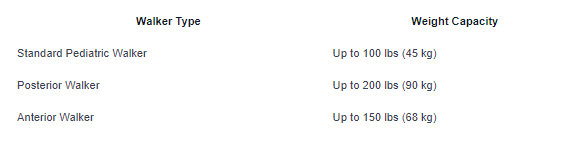

    What are the financial and emotional benefits of family training?

    The benefits of family training extend beyond health management. Financially, it reduces the likelihood of costly emergency interventions caused by missed treatment adherence. Families also report increased confidence in managing their child’s care and navigating the healthcare system, minimizing stress and enhancing emotional resilience for both parents and children.

    In essence, family training strengthens the home environment as a vital setting for health promotion, which can lead to better health trajectories for children. By investing in training programs, we can cultivate healthier familial relationships and ultimately contribute to the overall well-being of children.

    Best Practices for Educating Families in Home Healthcare

    What are some best practices for educating families in home healthcare?

    Educating families in home healthcare requires a strategic approach to ensure they are well-equipped to manage their child’s care. This includes clear, jargon-free communication tailored to each family’s specific needs. Additionally, employing structured training phases is vital to facilitate understanding and retention of information.

    Structured training phases

    A structured training process includes four main phases:

    1. Initial Assessment: Identifying the family’s existing knowledge and comfort level with care tasks.
    2. Education: Providing hands-on training that covers critical care responsibilities, such as medication administration or wound care.
    3. Ongoing Reassessment: Regular check-ins to evaluate the family’s understanding and adjust training as necessary.
    4. Adjustment of Care Plans: Modifying care routines based on the caregivers’ evolving capabilities and needs.

    Communication enhancements

    Utilizing resources such as the ‘Well-Visit Planner’ and ‘Patient Question Builder’ can significantly enhance communication between families and healthcare providers, ensuring that caregivers are equipped with the right questions and information.

    Support systems for caregivers

    Establishing support systems is equally essential. Programs that focus on reducing caregiver stress and improving relationships with care recipients not only bolster the caregiver’s confidence but also enhance overall family dynamics. Continuous education and open channels of communication among family members and healthcare professionals lead to more coordinated care and improved health outcomes for pediatric patients.

    The Impact of Family Education on Health Outcomes

    Improved Child Health Outcomes

    Family education is a cornerstone of pediatric home health care, significantly affecting child health outcomes. Involving parents in care planning and decision-making improves children’s recovery rates. Studies suggest that children recover better and require less medication when their parents are engaged in their care, highlighting the positive correlation between family involvement and medical results.

    Enhanced Parental Satisfaction

    Parental satisfaction is notably enhanced when families are educated about their child’s health needs and care processes. Informed parents feel more empowered to advocate for their children’s needs, leading to a sense of control over their child’s healthcare journey. This satisfaction stems from seeing improved health outcomes and receiving support from healthcare professionals, resulting in a collaborative care environment.

    Educational Programs for Families

    Educational programs focusing on patient- and family-centered care are vital. Many of these programs offer training solutions for families of children with chronic conditions, emphasizing the development of effective communication and care management skills. They utilize experiential learning strategies to help parents navigate healthcare systems and become proactive caregivers.

    Topic Benefits Relevant Services Offered
    Improved Child Health Outcomes Better recovery, less medication usage Home nursing care, therapy services, medical monitoring
    Enhanced Parental Satisfaction Increased empowerment and advocacy Educational training programs and support networks
    Educational Programs for Families Skills development in care management Workshops, simulation sessions, family-centered education initiatives

    Collaboration Between Families and Healthcare Providers

    Strengthening Partnerships in Pediatric Care

    Effective communication strategies

    Strong communication between families and healthcare providers is vital for delivering effective pediatric home health care. This involves regular updates on the child’s health, utilizing family input on caregiving approaches, and addressing any concerns promptly. Ensuring families feel heard can enhance trust, making it easier for healthcare teams to tailor treatment plans to each child’s specific needs.

    Partnership in care decision-making

    Families play an essential role as partners in care decision-making processes. Their insights contribute significantly to understanding a child’s medical history, comfort requirements, and lifestyle choices. Engaging families in planning supports a collaborative approach that respects their unique perspectives, which results in better health outcomes and increased satisfaction with care.

    Shared responsibilities in caregiving

    The responsibilities of caregiving in pediatric home health are often shared between families and healthcare providers. Families are encouraged to participate actively in daily tasks such as medication management, while nurses provide critical clinical support. This shared model fosters a cohesive environment, allowing families to feel more empowered and informed in their caregiving roles, thus enhancing the child’s well-being.

    Topic Description Importance
    Effective communication strategies Facilitate two-way conversations and address concerns to strengthen trust. Builds rapport
    Partnership in care decision-making Involve families in planning based on their insights for more tailored care. Improves health outcomes
    Shared responsibilities in caregiving Collaborate on daily care tasks for empowerment and confidence among families. Enhances child well-being

    Emotional and Practical Support in Pediatric Home Care

    Support Systems for Families

    Pediatric home care not only centers around the medical needs of children but also recognizes the importance of providing support systems for families. These systems are designed to assist families in navigating the complexities of managing a child’s health, especially when dealing with chronic conditions or disabilities. Resources such as counseling and educational programs help families understand their child’s needs and the best ways to address them.

    Emotional Support from Healthcare Professionals

    Healthcare professionals play a crucial role in offering emotional support throughout the care process. Pediatric home care nurses, for instance, establish strong, trusting relationships with families. They provide not only medical care but also reassurance and comfort, which are essential for ease during tough times. This emotional support helps alleviate anxiety for both children and parents, encouraging a positive healing environment at home.

    Practical Care Approaches

    Practical approaches to care in pediatric home health include tailored care plans that address the unique needs of each child. Families receive training from healthcare providers on administering medications, managing feeding tubes, and conducting daily health assessments. These practical skills are vital for ensuring that children receive the necessary care while allowing families to take an active role, enhancing their confidence and fostering a sense of security.

    Conclusion: Elevating Pediatric Care Through Family Education

    Family education is a cornerstone of pediatric home health care, providing the foundation for enhanced health outcomes and enriched patient experiences. Through successful family-centered care strategies, families can effectively participate in their child’s healthcare journey, offering support that extends beyond traditional roles. Addressing the challenges and improving communication through structured training and collaboration paves the way for better care models that prioritize the child’s holistic well-being in their most comfortable environment—home. As healthcare systems evolve, the integral role of family education in driving positive change and supporting the intricate dynamics of pediatric home health care becomes increasingly clear. Empowering families with knowledge and resources positions them not merely as caregivers but as pivotal partners in medical decision-making and health management.

    References

  • The importance of pediatric hospital beds for home care

    The importance of pediatric hospital beds for home care

    Enhancing Pediatric Home Care with Specialized Beds

    Introduction

    For children requiring medical care, the comfort and safety of home environments can be pivotal in their healing journey. Pediatric hospital beds, distinctively designed for young patients, offer an essential bridge to high-quality healthcare outside hospital walls. This article explores the multifaceted role these beds play in enhancing home care for children with chronic illnesses or disabilities.

    Purpose and Design of Pediatric Hospital Beds

    Discover the unique design and purpose of pediatric hospital beds that enhance home care.

    What is the purpose of pediatric hospital beds in home care?

    The purpose of pediatric hospital beds in home care is to provide a safe and comfortable space for young patients who need ongoing medical attention. These beds are specifically designed for children, featuring:

    • Adjustable Heights: Allowing the bed to be raised or lowered for easy access by caregivers.
    • Safety Features: Raised side rails to prevent falls and locking mechanisms for stability ensure a secure environment for young patients.
    • Easy Maintenance: Made for easy cleaning, many beds have removable covers to facilitate sanitation and maintain hygiene standards.

    Overall, these beds support both the physical comfort and care requirements of children with chronic illnesses or disabilities in a home setting.

    Design elements catering to children’s needs

    Pediatric hospital beds incorporate various elements that cater to the unique needs of children:

    • Child-Friendly Designs: Bright colors and themes help create a comforting ambiance, reducing anxiety for young patients.
    • Advanced Safety Features: Crib-like railings and bed enclosures ensure children remain safe while asleep, addressing critical safety considerations.
    • Customized Options: Different designs can be selected to fit family preferences, enhancing the child’s recovery experience through a personalized atmosphere.

    In summary, pediatric hospital beds are essential tools that not only provide medical support but also create a nurturing environment conducive to recovery for children at home.

    Key Features and Safety Aspects

    Explore the essential features and safety aspects that make pediatric hospital beds a crucial choice.

    What are the key features and safety aspects of pediatric hospital beds?

    Pediatric hospital beds are specifically engineered to prioritize safety and comfort for young patients. One of their most significant attributes is adjustable height settings. This feature allows caregivers to customize the bed height for easier access, ensuring a more ergonomic approach to care during treatments and daily activities.

    Safety is paramount in pediatric beds, which often include raised side rails. These rails are crucial in preventing falls, providing an additional layer of security for children who might inadvertently roll out of bed while sleeping or during care routines. The design also caters to a child’s psychological needs by incorporating child-friendly aesthetics—colorful designs and softer edges help create a more inviting and less intimidating environment, which can significantly reduce anxiety during hospitalization.

    Pediatric beds are versatile, frequently equipped to accommodate various medical devices and accessories such as respiratory equipment and intravenous poles. This capability is essential for managing complex health needs effectively.

    In addition to these core safety features, many pediatric beds offer customization options to meet individual patient requirements. This personalization can include selecting different themes or colors, contributing to a more comforting and less clinical atmosphere, ultimately enhancing the healing process. This careful attention to both physical safety and emotional comfort underscores the importance of pediatric hospital beds in delivering high-quality home healthcare.

    Differentiating Pediatric and Adult Hospital Beds

    Learn how pediatric hospital beds differ from adult beds to meet children's specific needs.

    How do pediatric hospital beds differ from standard adult beds?

    Pediatric hospital beds differ from standard adult beds in several significant ways.

    • Size and Weight Limits: Pediatric beds are smaller and tailored to accommodate the physical dimensions of children. They have lower weight limits compared to adult beds, ensuring safety for younger patients.

    • Adjustable Features: Many pediatric beds include adjustable sections that cater to the growth and changing needs of children. These adjustments enhance comfort and usability as a child recovers over time.

    • Safety Considerations: Safety is a priority in pediatric bed design. These beds typically have side rails to prevent falls, ensuring that young patients are secure while sleeping or resting.

    • Child-Friendly Design: Aesthetics also play a significant role. Pediatric beds often sport colorful designs and themes that are warm and inviting, creating a comfort-inspiring environment that helps reduce anxiety for children during recovery.

    Specific needs addressed by pediatric beds

    Pediatric hospital beds address numerous specific needs:

    Feature Pediatric Beds Adult Beds
    Size Smaller, designed for children Larger, for adults
    Safety Features Side rails, enclosures for safety Basic safety
    Adjustability Adjustable for comfort and growth Limited adjustability
    Design Child-friendly aesthetics Functional, less focus on design
    Weight Capacity Lower weight limits Higher weight limits

    Pediatric beds are essential in delivering not only safety and comfort but also play a critical role in promoting effective recovery among young patients.

    Systemic Challenges in Pediatric Bed Availability

    Understand the systemic challenges affecting the availability of pediatric hospital beds.

    How do systemic issues affect the availability of pediatric hospital beds?

    Systemic issues significantly impact the availability of pediatric hospital beds through various channels. Healthcare resource constraints and funding limitations often lead to insufficient bed capacity in many pediatric units. When healthcare budgets are tight, hospitals may prioritize adult care services, causing pediatric wards to suffer.

    The monetary pressures can restrict the maintenance and expansion of pediatric facilities, resulting in fewer beds, especially during high-demand periods like flu seasons or health crises such as the COVID-19 pandemic. A 2021 study revealed that from 2008 to 2018, the number of pediatric inpatient units dropped by nearly 19%, reflecting a troubling trend toward prioritizing financially lucrative adult services at the expense of children’s care.

    Furthermore, infrastructure inadequacies exacerbate these challenges. Many hospitals struggle to provide the specialized equipment necessary for effective pediatric care, including pediatric hospital beds that are crucial for ensuring safety and comfort. In rural areas, this issue is intensified due to a scarcity of pediatricians, requiring families to travel long distances to access care.

    Overall, these systemic challenges highlight the urgent need for reform in pediatric healthcare to guarantee that children receive the appropriate care and facilities they require to thrive.

    Clinical Benefits of Home Care with Pediatric Beds

    Unlock the clinical benefits of using pediatric hospital beds in home care settings.

    Improvement in clinical outcomes

    Pediatric hospital beds play a crucial role in enhancing clinical outcomes for children with special medical needs. These specialized beds are designed to improve comfort, safety, and recovery speed for pediatric patients—factors essential for effective home care. Features such as adjustable heights allow caregivers to position the bed for optimal access, reducing the physical strain during care routines and promoting engagement between children and their caregivers. Children who receive care at home in a familiar environment often experience faster recovery times, lower anxiety levels, and better overall health outcomes.

    Efficiency in care management from home settings

    The integration of pediatric beds in home settings significantly boosts care efficiency. These beds support complex medical needs, allowing for effective management of conditions like asthma, respiratory infections, and more. As families leverage home health care services, they report reduced hospital visits, leading to lower healthcare costs and more personalized treatment plans tailored to each child’s unique needs.

    Benefits Description Impact on Patient Care
    Enhanced Safety Features like side rails prevent falls and injuries Diminished risk of accidents during home recovery
    Improved Comfort Ergonomic design aids in sleep and relaxation Supports mental and physical well-being
    Accessibility Adjustable heights ease caregiver interactions Increases active participation in care and activities

    By ensuring that children are comfortable and safe at home, pediatric hospital beds foster a supportive healing environment, greatly contributing to the efficiency of care management.

    Addressing Pediatric Bed Shortages During Crises

    Impact of Public Health Emergencies on Pediatric Care

    Public health emergencies, notably the COVID-19 pandemic, have placed immense strain on pediatric healthcare systems. As pediatric units face increasing occupancy rates due to simultaneous surges of respiratory viruses like RSV and influenza, hospitals often find themselves reallocating resources, leading to a scarcity of beds specifically for children. This shortage is exacerbated by chronic underfunding in pediatric services and an alarming decline in pediatric facilities, which fell by 19% from 2008 to 2018.

    Strategies to Improve Pediatric Care Resilience

    To build resilience in pediatric care, healthcare systems must adopt a multifaceted approach. This includes:

    • Enhancing Home Care Services: Expanding programs like Pediatric Hospital-at-Home can effectively manage chronic conditions and reduce the reliance on inpatient care, ensuring children receive treatment in familiar environments.
    • Increasing Funding: Targeted investments in pediatric healthcare, especially in underserved areas, can help reopen closed pediatric units and stabilize service availability.
    • Improving Staffing Levels: Addressing staffing shortages through better retention strategies and training can ensure that pediatric units can operate at full capacity.

    By implementing these strategies, healthcare systems can mitigate the impact of public health emergencies on pediatric care and sustain the quality of care for children.

    Selecting the Right Pediatric Hospital Bed

    Factors for caregivers to consider

    Choosing the appropriate pediatric hospital bed is crucial for ensuring comfort and safety for young patients. Caregivers should assess several factors before making a decision:

    • Child’s Medical Needs: Determine if the child requires specialized features such as adjustable heights, safety rails, or support for medical equipment like ventilators.
    • Mobility and Age: Consider the child’s age and mobility. For younger children or those with limited mobility, a crib-style bed may be more suitable, while adjustable beds are ideal for older children who may outgrow standard options.
    • Space Availability: Evaluate the space within the home. Ensuring the bed fits comfortably without overcrowding the room is essential for both movement and care tasks.
    • Caregiver Comfort: Adjustable beds assist caregivers in providing care without straining their backs. Features like height adjustment can significantly ease this aspect.

    Customizing beds for individual needs and preferences

    Customization enhances the child’s and family’s comfort and overall experience. Caregivers can:

    • Select Themes and Colors: Personalize the bed with child-friendly designs that appeal to the child, which can help make the care environment more welcoming.
    • Select Mattress Type: Choose mattresses that cater to specific needs, such as extra support or pressure relief, promoting better healing.
    • Incorporate Safety Features: Ensure the bed has proper side rails and safety enclosures to keep the child secure, accommodating developmental stages and mobility.

    Each of these considerations plays a critical role in facilitating effective home care, enhancing the healing process for children.

    Conclusion

    Pediatric hospital beds play a vital role in enhancing the safety, comfort, and quality of healthcare that children receive at home. As we navigate ongoing challenges in healthcare accessibility and systemic barriers, it remains imperative to advocate for their increased availability and proper usage. Understanding their importance can empower caregivers and shape policy decisions, ultimately fostering a supportive environment conducive to the best outcomes for children’s health.

    References

  • How to Choose the Right Pediatric Home Health Care Provider

    How to Choose the Right Pediatric Home Health Care Provider

    Navigating the Path to Pediatric Home Health Care

    Understanding the Basics

    Choosing the right pediatric home health care provider can significantly enhance a child’s quality of life, especially for those with chronic illnesses or recovering from medical procedures. This guide explores the essential considerations and steps in selecting a suitable provider, ensuring families make informed decisions that meet their unique needs and circumstances.

    Preparing to Choose a Pediatric Home Health Provider

    Key Steps for Choosing the Right Pediatric Home Health Provider

    How do I choose a home health care provider?

    Choosing a home health care provider involves several important considerations to ensure the best fit for your child. Start by assessing your child’s specific healthcare needs; different conditions require varying levels of care, from simple companionship to skilled nursing.

    Next, research local agencies with a good reputation, focusing on those known for pediatric services. Seek agencies that are accredited and adhere to established standards, which can be verified through associations like the Home Care Association of America (HCAOA).

    Consult professionals like your pediatrician for recommendations, as they can provide insight into agencies that offer specialized pediatric home health care. It’s also beneficial to reach out to other families for feedback on their experiences.

    When interacting with potential agencies, inquire about their caregiver training, licensing, and staff turnover rates to assess reliability. Understanding the nuances of agency communication and responsiveness is key; it will help foster a successful partnership. Finally, clarify financial aspects, including insurance coverage options and payment methods, to avoid surprises down the line.

    By diligently evaluating your options with these strategies, you will be better equipped to choose a pediatric home health provider that aligns with your family’s needs and values.

    Evaluating Caregiver Qualifications and Qualities

    Essential Qualifications and Qualities of Pediatric Home Health Caregivers

    What are the qualifications and qualities to look for in a pediatric home health caregiver?

    When selecting a pediatric home health caregiver, it’s essential to consider their qualifications, including nursing certifications and licenses. Make sure to verify that the caregiver has the necessary credentials, as this establishes their reliability and professionalism.

    In addition to educational qualifications, clinical skills are vital. The caregiver should be capable of monitoring vital signs and administering medical treatments as prescribed. Experience with specific medical conditions similar to your child’s can significantly improve care, ensuring personalized attention tailored to each child’s needs.

    Equally important are the caregiver’s personal qualities. Empathy, patience, and effective communication skills are essential in fostering a positive relationship with both the child and the family. A personable and likable caregiver can enhance the experience, making challenging situations feel more manageable.

    Flexibility and good time management skills are also crucial, allowing caregivers to adapt to diverse schedules and the dynamic needs of children. Finally, reviewing testimonials and seeking recommendations from other families can provide insight into a caregiver’s track record and reliability, ultimately guiding parents in making the best choice.

    Exploring Available Pediatric Home Healthcare Services

    Services Offered in Pediatric Home Healthcare: What to Expect

    What services are typically offered in pediatric home healthcare?

    Pediatric home healthcare services focus on providing critical care right in the child’s home, which can be essential for those recovering from treatments or managing chronic health issues. These services are often supervised by licensed professionals, ensuring that children receive specialized attention in a familiar and comforting environment.

    Commonly treated conditions in pediatric home healthcare include:

    • Complications from prematurity
    • Cardiac diseases
    • Chronic respiratory illnesses
    • Neurodegenerative disorders
    • Childhood cancer

    The range of services generally includes:

    • Nursing care: Personalized nursing support for medical needs, medication administration, and health monitoring.
    • Physical and occupational therapy: Therapies aimed at improving mobility and daily living skills.
    • Infusion therapy: Managing intravenous medications or fluids necessary for the child’s health.
    • Palliative care: Comfort-oriented care for children with serious illnesses, focusing on quality of life.

    Additionally, home healthcare may encompass:

    • Nutritional assistance
    • Coordination of social services
    • Laboratory tests to monitor health conditions

    These services are tailored to each child’s unique requirements, enhancing their recovery while ensuring seamless care continuity for families. This personalized approach not only aids recovery but also promotes a sense of security and stability for both the child and their family.

    Considering Insurance and Financial Aspects

    Understanding Insurance and Financial Considerations in Home Health Care

    How does insurance coverage work for home health care services?

    Insurance coverage for home health care services primarily varies by the type of insurance plan. Medicare Part A and Part B cover medically necessary home health care for eligible individuals who are homebound and require part-time or intermittent skilled services, such as nursing care and therapy. To qualify, a doctor must evaluate the patient and order care through a Medicare-certified agency. Medicaid provides coverage for long-term care and some home health services for low-income individuals, while private insurance may cover skilled in-home care but often excludes non-medical assistance. It’s crucial to verify coverage specifics, as costs can vary, and many beneficiaries might still face out-of-pocket expenses after meeting deductibles.

    Financial Planning

    When considering pediatric home health care, families should have a financial plan that includes anticipated costs for services. This involves looking into not just insurance coverage but also potential co-pays, deductibles, and other associated expenses. Establishing a budget prior to selecting a provider helps manage financial expectations and plan for any supplementary costs that may arise.

    Understanding Billing Practices

    Understanding how the agency handles billing is essential. Families should inquire about billing practices, including how often they bill and the level of detail provided on invoices. Clear and transparent billing policies help avoid misunderstandings and support families in tracking expenses related to their child’s care effectively.

    Avoiding Pitfalls in Selecting a Provider

    Common Pitfalls to Avoid When Selecting a Pediatric Home Health Provider

    What are potential pitfalls to avoid when choosing a pediatric home health care provider?

    Selecting a pediatric home health care provider involves navigating various challenges to ensure the best fit for your family’s needs. Here are some common pitfalls to avoid:

    • Ignoring Credentials: Always verify the agency’s licensing, certifications, and accreditations. A reputable agency should not hesitate to provide this information.
    • Overlooking Reputation: Research the agency’s reputation by reading client testimonials and seeking feedback from other families. This viewpoint can illuminate the agency’s reliability and standard of care.
    • Neglecting Communication Needs: Effective communication is crucial. Ensure caregivers are approachable and responsive, as clear communication fosters trust and collaboration.
    • Focusing Solely on Cost: While financial considerations are important, don’t base your decision purely on cost. Explore financial assistance options like SSI or MDCP to gain insight into potential funding.
    • Skipping Training for Family Members: Involve family members who may assist in care. Provide them with the necessary training to support the child’s health effectively.

    Understanding these potential pitfalls will help you make a well-informed choice in securing the best possible pediatric home care for your child.

    Understanding the Emotional Impact on Families and Children

    How can the emotional impact of home health care decisions affect children and families?

    The emotional impact of home health care decisions can significantly affect children and families by influencing their overall well-being and family dynamics. Caregivers often experience high levels of emotional stress and anxiety related to their child’s health, which can be alleviated through effective communication and involvement in care decisions.

    Family involvement in care

    When caregivers feel supported and their emotional needs are met, it enhances their satisfaction and resilience. This collaboration not only supports the caregiver but also allows children to feel more secure, knowing that their family is actively involved in their care. Therefore, fostering an environment of open dialogue is crucial.

    Addressing emotional stress

    It’s also important to recognize that emotional burdens can spill over into family life. High stress levels can affect relationships and the overall emotional atmosphere at home. By providing support systems—such as counseling or support groups—families can better manage the emotional complexities of pediatric care at home.

    Support systems

    Including children in decision-making, suitable for their developmental stage, fosters their emotional growth and coping skills. Thus, establishing these practices creates a healthy emotional climate, ultimately benefiting both caregivers and children.

    Making Well-Informed Choices

    Choosing a pediatric home health care provider is a complex process that requires careful consideration of various factors, from caregiver qualifications to agency reputation and insurance coverage. Parents should prioritize open communication and involve their child and family members in decision-making to ensure the chosen care aligns with their values and meets their child’s needs. By being thorough and using the above guidelines, families can make informed decisions that enhance their child’s health and comfort, ultimately improving their quality of life at home.

    References

  • How to transition pediatric patients off medical devices safely

    How to transition pediatric patients off medical devices safely

    Guiding Pediatric Patients Safely Off Devices: A Comprehensive Approach

    Introduction

    Transitioning pediatric patients off medical devices presents unique challenges and opportunities for optimizing children’s healthcare. This involves navigating complex medical, logistical, and emotional issues faced by both families and healthcare providers. A successful transition requires a multidimensional strategy, involving careful planning, effective communication, supportive infrastructures, and adherence to recommended guidelines. The importance of addressing these aspects becomes increasingly vital to ensure safe and effective transitions from device dependency to alternative care.

    Understanding Pediatric Medical Devices

    Explore the Unique World of Pediatric Medical Devices

    What are pediatric medical devices?

    Pediatric medical devices are specialized tools used for diagnosing or treating conditions in patients from birth up to age 21, as defined by the Federal Food, Drug, and Cosmetic Act. These devices cater to the unique physiological and developmental characteristics of children, including neonates, infants, children, and adolescents.

    The need for specifically designed devices arises from the fact that pediatric patients face distinct medical challenges due to their varying sizes, growth rates, and developmental stages. For instance, the design of a device suitable for an adult may not function properly or safely for a child, making the development of pediatric-specific alternatives essential.

    Regulatory classification

    The FDA categorizes pediatric devices under guidelines that ensure their compliance with safety and effectiveness standards. The regulatory environment has evolved, with initiatives like the Pediatric Medical Device Safety and Improvement Act (PMDSIA) aiming to enhance the development of pediatric devices. This act encourages manufacturers to engage in the production of devices explicitly crafted for pediatric use, enhancing safety and efficacy through targeted research and approval processes.

    Despite these advancements, there remains a significant shortfall in the number of medical devices specifically approved for pediatric use. Consequently, a high percentage of pediatric patients, particularly those in cardiology, often use devices off-label, which raises concerns around their safety and effectiveness.

    Challenges specific to pediatric patients

    The challenges faced in pediatric medical device development are considerable. Components tailored for adults may not be safe for younger patients, leading to potential adverse outcomes. Additionally, the small market for pediatric devices contributes to a lack of investment from manufacturers, which in turn results in fewer new devices entering the market.

    Furthermore, barriers such as slow enrollment in clinical trials due to the limited number of pediatric patients and the regulatory hurdles associated with obtaining consent complicate the approval process. This situation underscores the necessity for targeted initiatives and policies aimed at improving the pediatric medical device landscape, making safe and effective options available for young patients.

    Challenges in Device Transitions and Solutions

    Overcoming Barriers in Pediatric Device Transitions

    What challenges do families and healthcare providers face during transitions involving pediatric medical devices, and how can they be addressed?

    Families and healthcare providers encounter a range of challenges during the transition involving pediatric medical devices. One major hurdle is the emotional strain that families experience, particularly as they navigate new health care environments. Adolescents with special health care needs often face anxiety and depression, impacting their readiness for the transition.

    In terms of logistics, barriers include the underrepresentation of pediatric patients in clinical trials for medical devices. This results in many pediatric patients relying on off-label uses of adult devices, which may not be safe or effective. The lack of regulatory guidance specific to pediatric populations further complicates the situation, as many approved devices are not designed with their unique needs in mind.

    To tackle these challenges, establishing dedicated clinical trial units tailored for pediatrics is crucial. These units can facilitate the development of age-appropriate devices and enable more efficient trials. Improving communication across all stakeholders—patients, families, healthcare providers, and manufacturers—will foster a collaborative environment focused on addressing these unique challenges.

    Strategies for overcoming these barriers

    Additionally, healthcare providers should implement comprehensive training programs for caregivers. Such education can range from individualized instruction on device usage to digital resources that enhance understanding. Creating a transition policy that includes structured timelines and readiness assessments starting at age 14 can prepare youth for active roles in their health care.

    Importance of communication and training

    Effective communication enhances the transition experience, decreasing parental stress and improving overall satisfaction. Following up with families three to six months post-transition is essential to verify the effectiveness of the process and to address any residual concerns.

    Adopting guidelines and standardized practices can further streamline transitions, ensuring that the unique needs of pediatric patients are consistently met throughout their medical journeys.

    Challenge Solution Impact
    Emotional strain Counseling and support systems Reduces anxiety and fosters readiness
    Underrepresented trials Dedicated clinical trial units Improves development of pediatric devices
    Caregiver training Comprehensive educational plans Enhances caregiver confidence and competence
    Poor communication channels Structured follow-up and assessments Strengthens family-provider relationships

    The Regulatory Framework: Understanding the PMDSIA

    Dive into the Regulatory Landscape of Pediatric Devices

    What is the Pediatric Medical Device Safety and Improvement Act (PMDSIA)?

    The Pediatric Medical Device Safety and Improvement Act (PMDSIA), enacted in 2007, aimed to enhance the safety and availability of medical devices designed specifically for children.

    This landmark legislation established the Pediatric Device Consortia (PDC) Grant Program, which provides funding to nonprofit consortia that support the development, production, and distribution of pediatric medical devices. It aims to bridge the gap in device availability by encouraging innovation and addressing the specific needs of pediatric patients.

    Impact on Pediatric Device Approval

    Despite the introduction of the PMDSIA, the percentage of novel medical devices approved specifically for pediatric populations remains limited. Many medical devices for children continue to be used off-label, which raises concerns regarding their safety and effectiveness. This has emphasized the need for ongoing advocacy and research to ensure that devices are rigorously evaluated for pediatric use.

    The FDA has recognized that recruiting pediatric experts and streamlining regulatory processes are essential steps in fostering innovation within this sector.

    Development Support Structures

    The PMDSIA’s PDC Grant Program plays a pivotal role in the landscape of pediatric device development by providing resources to address the unique challenges experienced by developers. Funding has led to an increase in the number of pediatric devices introduced to the market, but the demand for improved access and safety remains critical. These efforts demonstrate a commitment to support the tailored healthcare needs of children, ultimately paving the way for safer and more effective medical interventions tailored for younger patients.

    Developing Transition Policies: A Structured Approach

    Crafting Effective Transition Policies for Pediatric Patients

    Importance of transition policies

    The transition from pediatric to adult healthcare can be complex and often bewildering for patients and their families. Establishing a robust transition policy is crucial for smoothing this path. With a comprehensive policy in place, healthcare providers can ensure that both patients and their families are adequately prepared for the changes that come with adult care.

    Creating timelines and guidelines

    Creating clear timelines and guidelines is a fundamental part of effective transition policies. These elements should delineate critical steps and milestones for the patient. A readiness assessment, ideally initiated at age 14, helps gauge the youth’s understanding of their health needs and promotes early engagement in their care management.

    Collaborative planning

    Collaboration is key in transition planning. Healthcare providers should work alongside families to prioritize care needs and empower them with knowledge about community resources. This partnership fosters a supportive environment that facilitates smoother transitions. It’s also essential to compile a comprehensive transfer package that includes necessary medical summaries for the new adult healthcare provider, ensuring no critical information is lost during the transition.

    By focusing on these structured approaches, healthcare systems can enhance the transition experience for adolescent patients, ultimately leading to better health outcomes.

    Facilitating Hospital-to-Home Transitions

    Effective discharge instructions

    Effective discharge instructions are crucial for pediatric patients transitioning from hospital to home. High-quality written instructions help ensure that caregivers understand the ongoing care requirements, which can significantly impact the child’s health and safety. Projects like the Pediatric Hospital Improvement Project (P-HIP) emphasize enhancing these instructions to support families better.

    Home care planning

    Planning for home care begins early in the hospital stay. Care teams involving healthcare professionals, patients, and families should collaborate to create a comprehensive care plan. This plan should articulate specific medical needs, medications, follow-up appointments, and emergency contacts. By educating caregivers on the necessary medical devices, such as ventilators or feeding tubes, families can feel confident about their home care role.

    Role of community-based support resources

    Community-based resources play a vital role in easing transitions. Connecting families to local support services can provide additional assistance with caregiving, access to therapy, or respite care. Organizations can help guide families on navigating healthcare systems or provide emotional support during these challenging times. This holistic approach is essential for reducing anxiety and ensuring that pediatric patients receive the care they need safely at home.

    Topic Importance Key Strategies
    Effective Discharge Instructions Ensure understanding of care needs Improve written materials, clear communication
    Home Care Planning Prepare families for post-discharge care Collaborative care planning and caregiver education
    Community Support Resources Address emotional and logistical challenges Connect with local services for ongoing support

    Empowering Families: Education and Support

    Caregiver Education Plans

    Caregiver education is paramount in ensuring a smooth transition for infants requiring medical devices. Comprehensive educational plans should be tailored to meet the specific needs of the caregivers, including individualized education plans that outline vital information regarding the medical devices involved. This may consist of bedside instruction, written resources, and digital tools to ensure caregivers feel confident in their ability to manage the health needs of their children once they are discharged home.

    Reducing Anxiety Through Preparation

    The transition from the NICU can be daunting for parents, often inducing significant anxiety due to uncertainties concerning home care. To alleviate this stress, effective discharge planning should begin at admission, allowing families to become familiar with medical protocols and equipment early on. A clear timeline and preparatory sessions can foster confidence, ensuring caregivers feel supported and equipped for their new responsibilities at home.

    Utilizing Telemedicine and Monitoring Technologies

    Leveraging telemedicine tools, such as phone and video conferencing, can be instrumental in enhancing communication among healthcare providers and families. This technology can provide ongoing support during the transition phase, reducing parental stress. Additionally, the integration of home monitoring technologies has shown promise in decreasing hospital stays, leading to enhanced satisfaction and potentially lower costs for families dealing with complex medical conditions.

    Topic Description Benefits
    Caregiver Education Plans Tailored education on device management and health protocols. Builds confidence and reduces transition-related anxiety.
    Reducing Anxiety Early discharge planning and familiarization with care routines. Prepares families mentally and emotionally for home care.
    Telemedicine Utilization Use of digital tools for ongoing communication and support between visits. Fosters connection with healthcare providers, easing concerns.

    Evaluating Challenges in Medical Device Shortages

    Impact of Device Shortages on Pediatrics

    The shortage of medical devices poses significant challenges for pediatric patients, particularly those reliant on specialized equipment. Pediatric patients often depend on devices designed for adults, which may not fit their unique anatomical needs, raising safety concerns. Shortages can lead to off-label use of adult devices, which can exacerbate risks and complications. Additionally, the availability of necessary devices directly impacts the quality of care and can delay critical treatments in vulnerable populations, such as infants and children with chronic health conditions.

    Innovations to Address Shortages

    Innovative solutions are being explored to mitigate the impact of shortages. Techniques such as 3D printing are being utilized to create tailor-made devices rapidly. Moreover, reprocessing single-use devices offers a potential avenue to optimize available resources. Utilizing technologies like artificial intelligence can detect and compensate for shortages by enhancing diagnostic capabilities and minimizing reliance on physical devices. Such advancements strive to ensure that pediatric patients receive the appropriate care without interruption.

    Policy Improvements

    Regulatory changes are essential for addressing the challenges posed by medical device shortages. Policies that incentivize the development of pediatric-specific devices, such as the Pediatric Medical Device Safety and Improvement Act, aim to stimulate innovation within this critical sector. Moreover, improving the regulatory landscape can facilitate the production of devices designed specifically for children, reducing reliance on off-label adult options.

    Challenge Solution Future Direction
    Device availability Reprocessing and 3D printing Encourage development of pediatric-specific devices
    Safety with off-label use Enhanced regulation and policy support Optimize FDA approval process for pediatric devices
    Impact on treatment quality AI-driven diagnostics Boost investment in pediatric medical technology

    Depending on these strategies can help ensure a safer, more reliable transition for pediatric patients who depend on these critical devices.

    Navigating Emotional and Logistical Challenges

    Handling the emotional impact of transitions

    Transitioning from pediatric to adult care can be emotionally overwhelming for patients and their families, especially for those with special healthcare needs. A significant percentage of adolescents face anxiety and depression during this crucial time—62% in one study expressed difficulties related to these emotional challenges. Therefore, it is paramount for healthcare providers to include mental health support during the transition planning process.

    Addressing logistical issues

    In addition to emotional turmoil, families often deal with logistical challenges. Fragmentation of care and the potential loss of insurance coverage or vital services can exacerbate stress. To combat these barriers, healthcare providers should create a structured transition policy that outlines a clear timeline, readiness assessments, and guidelines for both families and patients. Keeping organized discharge instructions and facilitating communication with new adult providers are also essential to ensure a smoother transition.

    Community and policy supports

    Community resources play a vital role in easing the transition challenges. Connecting families with support services can offer necessary guidance and help navigate available resources in the community. Furthermore, policy initiatives, like the Pediatric Medical Device Safety and Improvement Act, play a crucial role in improving the overall landscape for pediatric care transitions, fostering innovation, and ensuring adequate support for children as they shift into adulthood.

    Collaborative Efforts in Transitioning Pediatric Patients

    Collaboration: The Key to Successful Pediatric Transitions

    Role of healthcare teams

    Transitioning pediatric patients from child to adult healthcare systems requires a coordinated approach involving multiple healthcare providers. A well-structured transition policy is crucial, providing guidelines and timelines for patients and their families. Collaborative efforts ensure all stakeholders, including pediatricians, adult healthcare providers, and specialist nurses, are aligned in their understanding of the patient’s needs. Establishing a system to track transitioning youth is vital in guaranteeing they receive necessary information and assistance as they approach adulthood.

    Importance of communication between providers

    Effective communication among providers cannot be overstated. Healthcare professionals should prepare readiness assessments starting around age 14, which encourages patients to take an active role in understanding their health conditions. Before the actual transition, it’s beneficial for providers to discuss the patient’s specific needs with the new adult provider, which helps in aligning treatment goals and expectations.

    Monitoring and follow-up care

    Monitoring and follow-up are critical during the transition phase. Healthcare teams should plan for follow-ups three to six months after the transfer to assess whether the transition was successful. This ongoing support helps identify any issues early and ensures that the patient remains connected to necessary healthcare services. By prioritizing follow-up care and maintaining communication, healthcare teams can foster a smoother transition experience for patients and their families.

    Transitional Readiness and Readiness Assessments

    Importance of readiness assessments

    Readiness assessments are crucial in facilitating a smooth transition from pediatric to adult health care. These assessments help identify the specific needs and health literacy of adolescents, ensuring they understand their conditions and care requirements. Starting these evaluations around age 14 allows for timely preparation, empowering young patients to take charge of their health care journey as they grow older.

    Age-appropriate preparation strategies

    Strategies should be tailored to the developmental stages of the patient. For instance, starting at age 12, health care providers should encourage discussions about health management, treatment options, and self-advocacy. Engaging adolescents in their care promotes independence and fosters confidence, equipping them with the necessary tools to navigate adult health systems effectively.

    Role in ensuring safety and efficacy

    Implementing readiness assessments plays a significant role in minimizing risks during transitions. By tracking and addressing any emotional and practical barriers, healthcare providers can facilitate a successful transition, ensuring continuity of care and avoiding complications. Regular follow-ups three to six months post-transition are essential to ascertain that patients aresafe and that their new care arrangements meet their unique needs.

    Future Directions: Innovations and Improvements

    Developing New Pediatric Devices

    Efforts to innovate in pediatric medical devices are crucial, as many current devices are adaptations of adult models that do not meet the specific needs of younger patients. Programs like the Pediatric Medical Device Safety and Improvement Act (PMDSIA) and the Pediatric Device Consortia grant program are paving the way for the development of devices tailored for children. By providing funding and support, these initiatives aim to bridge the gap in pediatric device innovation.

    Addressing Regulatory Hurdles

    Navigating the regulatory landscape presents challenges for pediatric devices. With only a small percentage gaining FDA approval specifically for children, many pediatric patients rely on off-label uses of adult devices, which raises safety concerns. Streamlining the approval process for pediatric innovations is essential. Collaborative efforts among stakeholders in healthcare and regulatory bodies are needed to facilitate this process and to evaluate devices based on safety and probable benefit rather than adult standards.

    Long-term Strategies for Device Safety and Efficacy

    Continuous assessment of pediatric devices post-approval is vital. Utilizing home monitoring technologies and telemedicine can provide data that informs care while ensuring that devices remain safe and effective. Establishing robust post-market surveillance systems helps in identifying issues early, thus maintaining high safety standards across pediatric care. Furthermore, dedicated clinical trial units are emerging to enhance trial management for pediatric devices, accelerating the path to innovation.

    This multifaceted approach is critical to ensure that advancements in pediatric medical technology keep pace with the evolving needs of young patients.

    Conclusion

    Successfully transitioning pediatric patients off medical devices is a complex and multifaceted process that demands comprehensive strategies and a collaborative approach. By addressing the challenges associated with medical devices, implementing robust policies, and supporting families through education and infrastructure, healthcare providers can ensure safe, effective, and empowering transitions for young patients. With continuous innovation and policy improvements, the goal of providing exceptional pediatric healthcare persists as a priority, ultimately fostering better health outcomes and a higher quality of life for pediatric patients.

    References

  • Lift Chair Recliners for Elderly

    Lift Chair Recliners for Elderly

    Discover the ultimate lift chair recliners for elderly care. Elevate comfort and empower your loved ones today!

    Understanding Lift Chair Recliners

    Lift chair recliners are specially designed furniture pieces that offer both comfort and functionality, particularly for the elderly population. Understanding the features and benefits of lift chair recliners can significantly enhance the quality of life for seniors.

    __wf_reserved_inherit

    What are Lift Chair Recliners?

    Lift chair recliners, also known as power lift recliners, are versatile chairs that provide a combination of a reclining seat and a powered lifting mechanism. These chairs are equipped with a motorized system that allows the user to recline the backrest and elevate the footrest with ease. Additionally, lift chair recliners have a lifting function that gently tilts the entire chair forward to assist the user in standing up from a seated position.

    These chairs are typically designed with seniors in mind, incorporating features such as comfortable padding, sturdy construction, and easy-to-use control options. Lift chair recliners come in various sizes, styles, and configurations to cater to individual needs and preferences.

    How Lift Chair Recliners Benefit the Elderly

    Lift chair recliners offer numerous benefits to the elderly, promoting comfort, independence, and overall well-being. Some key benefits include:

    __wf_reserved_inherit

    Understanding the functionality and benefits of lift chair recliners is essential for making informed decisions when considering these supportive pieces of furniture for elderly loved ones. By investing in a lift chair recliner that meets specific needs and preferences, caregivers can greatly contribute to the overall well-being and quality of life of their senior family members.

    Factors to Consider

    When choosing a lift chair recliner for the elderly, there are several important factors to take into account to ensure optimal comfort and functionality. Here, we discuss key considerations including size and weight capacity, recline positions and features, as well as material and design.

    Size and Weight Capacity

    Size plays a critical role in ensuring that the lift chair recliner fits the user comfortably and securely. Consider the dimensions of the chair, particularly the seat width and depth, to accommodate the user’s body size. Additionally, it is vital to check the weight capacity of the chair to ensure that it can safely support the individual.

    __wf_reserved_inherit

    Recline Positions and Features

    The available recline positions and features of a lift chair recliner can significantly impact the user’s comfort and convenience. Common options include two-position, three-position, and infinite-position recliners. Assess the user’s preferences and mobility needs to determine the most suitable recline functionality.

    __wf_reserved_inherit

    Material and Design

    The material and design of the lift chair recliner contribute to both its aesthetics and functionality. Choose a chair with upholstery that is durable, easy to clean, and comfortable for prolonged sitting. Additionally, consider the design elements such as color, style, and overall construction to ensure that the chair complements the existing décor and meets the user’s preferences.

    __wf_reserved_inherit

    By carefully evaluating these factors – size and weight capacity, recline positions and features, as well as material and design – individuals can select a lift chair recliner that enhances comfort, safety, and overall well-being for the elderly. Prioritizing these aspects ensures that the chosen chair meets the specific needs and preferences of the user, promoting a higher quality of life and independence.

    Types of Lift Chair Recliners

    __wf_reserved_inherit

    When exploring lift chair recliners for the elderly, it’s important to understand the different types available in the market. Each type offers unique features and functionalities catering to varying needs and preferences. Let’s delve into the three main types of lift chair recliners: two-position, three-position, and infinite-position lift chairs.

    Two-Position Lift Chairs

    Two-position lift chairs are a popular choice for those seeking basic functionality and comfort. These chairs offer two primary positions: sitting and slight recline. While they may not recline fully flat like other types, two-position lift chairs are ideal for individuals who primarily use the chair for sitting and occasional reclining.

    __wf_reserved_inherit

    Three-Position Lift Chairs

    Three-position lift chairs provide a bit more versatility compared to two-position models. In addition to the sitting and slight recline positions, these chairs offer a deeper recline position that is suitable for resting or napping. The three-position lift chairs are well-suited for individuals who enjoy a range of reclining options without the need for infinite adjustments.

    __wf_reserved_inherit

    Infinite-Position Lift Chairs

    For the ultimate in customization and comfort, infinite-position lift chairs are the top choice. These chairs offer a wide range of reclining positions, including fully flat for sleeping. Infinite-position lift chairs usually come with advanced features such as independent head and footrest controls, zero gravity positions, and enhanced lumbar support. They are perfect for individuals who seek maximum adjustability and support.

    __wf_reserved_inherit

    Understanding the differences between two-position, three-position, and infinite-position lift chairs enables individuals to select the chair that best suits their needs and preferences. Whether prioritizing simplicity, additional reclining options, or advanced customization, there is a lift chair recliner available to enhance both comfort and mobility for the elderly.

    Special Features for Enhanced Comfort

    When it comes to lift chair recliners designed for the elderly, special features play a significant role in enhancing comfort and overall user experience. These features are specifically tailored to meet the unique needs of seniors, providing added convenience and support. Let’s explore some of the key special features that contribute to enhanced comfort in lift chair recliners.

    Massage and Heat Functionality

    One of the standout features in modern lift chair recliners is the incorporation of massage and heat functionality. These features help alleviate muscle tension, promote relaxation, and provide therapeutic benefits for elderly users. The combination of massage and heat can improve blood circulation, reduce stiffness, and enhance overall comfort while seated in the recliner.

    __wf_reserved_inherit

    Lumbar Support and Padding Options

    Lumbar support and padding are essential components of lift chair recliners that ensure proper spinal alignment and cushioning for the user. The inclusion of adequate lumbar support and strategically placed padding helps reduce pressure on the lower back, enhances posture, and minimizes discomfort during extended periods of sitting.

    __wf_reserved_inherit

    Remote Control and Easy Operation

    Elderly individuals often prefer lift chair recliners that offer convenient operation and user-friendly controls. Remote control functionality allows users to adjust the recline position, activate massage modes, and control heat settings with ease. The simplicity of operation enhances independence and ensures a seamless experience for seniors seeking comfort and relaxation.

    __wf_reserved_inherit

    By incorporating these special features into lift chair recliners for the elderly, manufacturers aim to provide a comfortable and supportive seating solution that promotes well-being and enhances the quality of life for seniors. The combination of massage and heat functionality, lumbar support, and user-friendly operation creates a holistic and personalized experience tailored to the unique needs of elderly users.

    Safety and Durability

    When considering lift chair recliners for the elderly, prioritizing safety and durability is paramount. These features not only ensure the well-being of the user but also contribute to the longevity of the chair. Let’s delve into the key aspects under safety and durability:

    Safety Features to Look for

    When selecting a lift chair recliner for an elderly individual, it’s essential to pay attention to specific safety features that can enhance user experience and prevent accidents. Some important safety features to consider include:

    __wf_reserved_inherit

    Maintenance and Longevity Tips

    To prolong the lifespan of a lift chair recliner and keep it in optimal condition, regular maintenance is crucial. Here are some longevity tips to consider:

    • Keep the chair clean by using gentle cleaning solutions to prevent the buildup of dirt and debris.
    • Inspect the chair regularly for any signs of wear and tear, such as loose screws or frayed cables.
    • Lubricate moving parts as recommended by the manufacturer to maintain smooth operation.
    • Follow the manufacturer’s guidelines for weight capacity and usage to prevent damage or malfunction.
    • Store the chair in a safe and dry environment when not in use to avoid exposure to moisture.

    Choosing a Reliable Manufacturer

    Selecting a lift chair recliner from a reputable and reliable manufacturer is key to ensuring both safety and durability. A trustworthy manufacturer will provide high-quality products backed by warranties and excellent customer support. When choosing a manufacturer, consider the following factors:

    • Reputation in the industry and customer reviews.
    • Compliance with safety standards and regulations.
    • Range of products and customization options available.
    • After-sales service and warranty policies.
    • Availability of replacement parts and repair services.

    By prioritizing safety features, following maintenance tips, and selecting a reputable manufacturer, you can empower your loved ones with a lift chair recliner that offers reliable performance, durability, and peace of mind.

    Enhancing Quality of Life

    Embracing lift chair recliners can significantly enhance the quality of life for elderly individuals by promoting independence, mobility, comfort, and engagement. Here are three key aspects where lift chair recliners foster an improved well-being:

    Independence and Mobility

    Lift chair recliners play a vital role in promoting independence among the elderly. The ability to easily transition from a seated to a standing position with the assistance of the chair’s lifting mechanism empowers seniors to navigate their daily activities with greater autonomy. By reducing the reliance on external assistance for standing up or sitting down, lift chair recliners support seniors in maintaining their independence and self-sufficiency.

    Comfort and Relaxation

    The comfort provided by lift chair recliners is paramount in enhancing the relaxation and well-being of elderly individuals. The ergonomic design, soft upholstery, and customizable recline positions offer tailored comfort and support, allowing seniors to relax and unwind in a comfortable seating arrangement. The integration of features like massage and heat functionality further enhances the relaxation experience, soothing tired muscles and promoting overall well-being.

    Empowering Seniors to Stay Active and Engaged

    Lift chair recliners contribute to keeping seniors active and engaged in daily life by providing a comfortable and supportive seating option for various activities. Whether reading a book, watching TV, engaging in hobbies, or spending time with loved ones, the versatility and functionality of lift chair recliners encourage seniors to participate in meaningful activities while staying comfortably seated. This active engagement not only contributes to physical well-being but also promotes mental stimulation and social interaction, fostering a sense of connection and belonging.

    Incorporating lift chair recliners into the daily routine of elderly individuals can lead to a significant improvement in their overall quality of life, promoting independence, comfort, and engagement. By prioritizing features that cater to the specific needs and preferences of seniors, lift chair recliners become indispensable tools in enhancing the well-being of the elderly population.

    Sources

    https://freedomcare.com/recliners-for-elderly/

    https://marcsmobility.com/lift-chairs.html?srsltid=AfmBOoqlEkuH94nxrQwXEP

    https://www.wayfair.com/keyword.php?keyword=lift+chairs+for+elderly